-
The Electrochemical Performance of Co3O4 Electrodes with Platinum Nanoparticles for Chlorine Evolution -
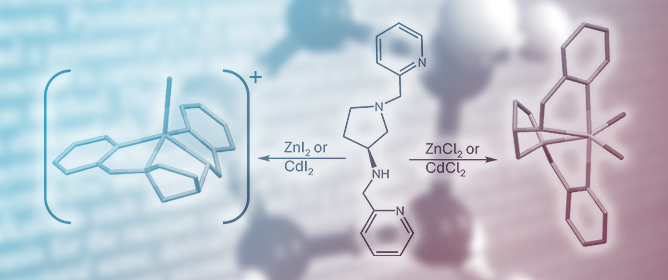
Stereo-Control in Zn(II) and Cd(II) Complexes of Tetraamines with Azacyclic Cores -
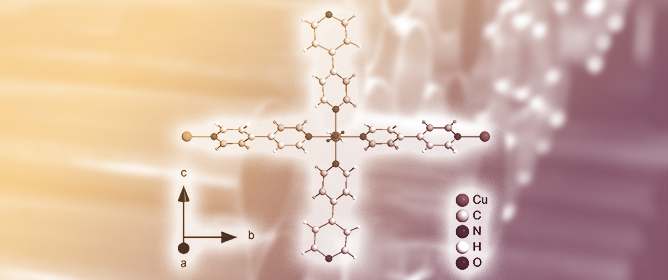
Copper(II) Complexes with 4,4′-Bipyridine: From 1D to 3D Lattices -
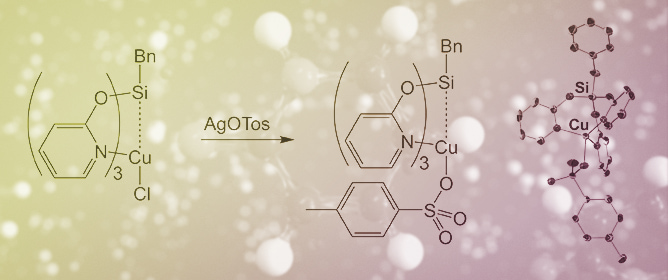
Reactions of Benzylsilicon Pyridine-2-olate BnSi(pyO)3 and Selected Electrophiles—PhCHO, CuCl, and AgOTos
Journal Description
Inorganics
Inorganics
is an international, peer-reviewed, open access journal on inorganic chemistry, published monthly online by MDPI.
- Open Access— free for readers, with article processing charges (APC) paid by authors or their institutions.
- High Visibility: indexed within Scopus, SCIE (Web of Science), CAPlus / SciFinder, and other databases.
- Journal Rank: JCR - Q2 (Chemistry, Inorganic and Nuclear) / CiteScore - Q2 (Inorganic Chemistry)
- Rapid Publication: manuscripts are peer-reviewed and a first decision is provided to authors approximately 14.9 days after submission; acceptance to publication is undertaken in 2.8 days (median values for papers published in this journal in the second half of 2025).
- Recognition of Reviewers: reviewers who provide timely, thorough peer-review reports receive vouchers entitling them to a discount on the APC of their next publication in any MDPI journal, in appreciation of the work done.
- Testimonials: See what our authors say about Inorganics.
- Journal Cluster of Chemical Reactions and Catalysis: Catalysts, Chemistry, Electrochem, Inorganics, Molecules, Organics, Oxygen, Photochem, Reactions, Sustainable Chemistry.
Impact Factor:
3.0 (2024);
5-Year Impact Factor:
2.8 (2024)
Latest Articles
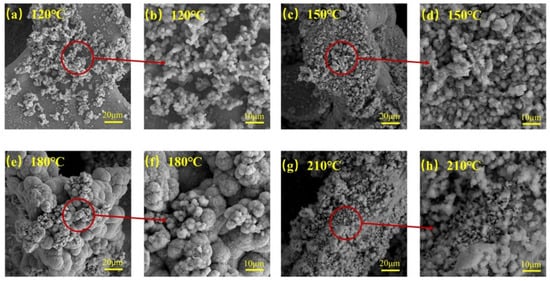
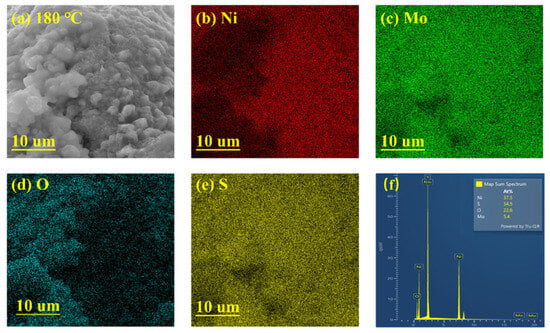
In Situ Sulfidation-Induced Construction of Ni9S8/NiMoO4 Heterojunction and Its Synergistically Enhanced Hydrogen Evolution Performance
Inorganics 2026, 14(5), 123; https://doi.org/10.3390/inorganics14050123 - 27 Apr 2026
Abstract
This study reports a straightforward and controllable two-step hydrothermal synthesis of novel Ni9S8@NiMoO4/NF nanospherical catalysts supported on nickel foam (NF), accompanied by a systematic evaluation of their performance in the electrochemical hydrogen evolution reaction (HER). Structural characterization
[...] Read more.
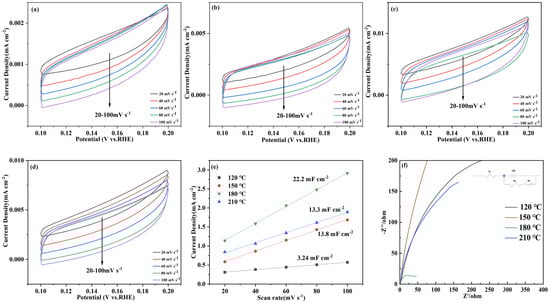
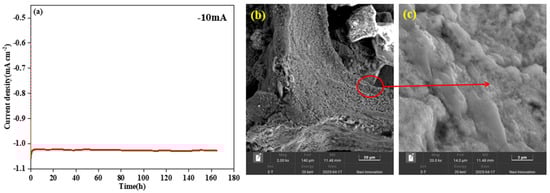
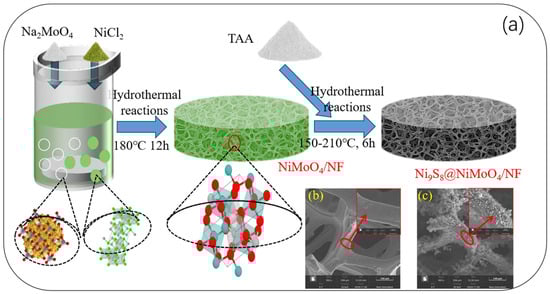
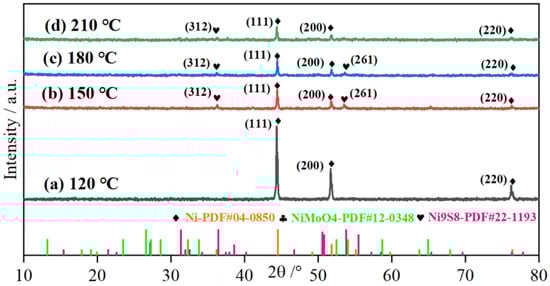
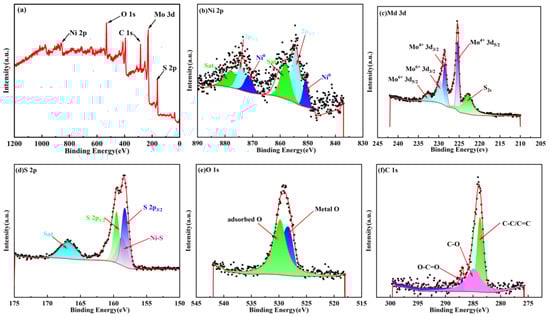
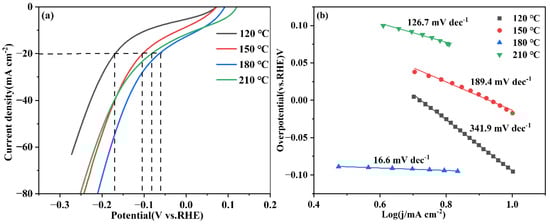
This study reports a straightforward and controllable two-step hydrothermal synthesis of novel Ni9S8@NiMoO4/NF nanospherical catalysts supported on nickel foam (NF), accompanied by a systematic evaluation of their performance in the electrochemical hydrogen evolution reaction (HER). Structural characterization revealed a well-defined Ni9S8–NiMoO4 interfacial region, whose synergistic interaction, combined with the distinctive nanospherical morphology, substantially increased the electrochemically active surface area and the density of reactive sites, thereby optimizing HER kinetics. In alkaline media, the Ni9S8@NiMoO4/NF catalyst demonstrated outstanding electrocatalytic performance, delivering an overpotential of only 64.2 mV at a current density of 20 mA cm−2. The catalyst also exhibited a high double-layer capacitance of 22.2 mF cm−2, reflecting a substantial active interfacial area. Long-term durability tests showed negligible performance degradation after 165 h of continuous operation at 10 mA cm−2, underscoring the catalyst’s robust structural stability and durability. X-ray photoelectron spectroscopy confirmed a uniform distribution of Ni, Mo, and S across the NF framework and revealed optimized chemical states, providing material-level evidence for the enhanced performance. Collectively, this work proposes a viable strategy for designing efficient and stable HER catalysts, contributing to the advancement of green hydrogen production and clean energy technologies.
Full article
(This article belongs to the Special Issue Advanced Inorganic Nanomaterials for Energy Conversion and Catalysis Applications, 2nd Edition)
►
Show Figures
Open AccessArticle
A First-Principles Study of Copper-Deficient Layer and Its Effect in Chalcopyrite-Based Solar Cells: Carrier Dynamics Characteristics
by
Qinmiao Chen, Yi Ni and Hongcun Yuan
Inorganics 2026, 14(5), 122; https://doi.org/10.3390/inorganics14050122 - 26 Apr 2026
Abstract
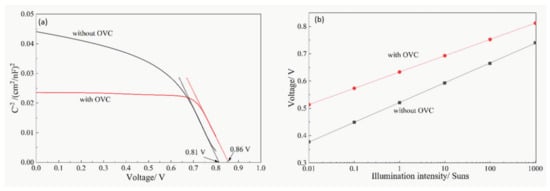
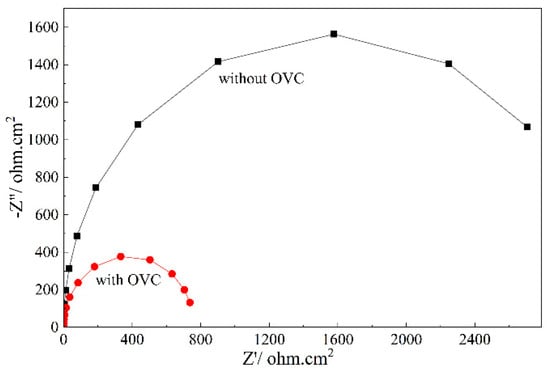
CuIn5Se8 is reported as a remarkable copper-deficient layer that contains ordered vacancy compounds (OVCs) for high-efficiency chalcopyrite-based solar cells; however, the understanding of its carrier characteristics has remained limited. OVCs could naturally form on the surface of chalcopyrite absorber. In
[...] Read more.
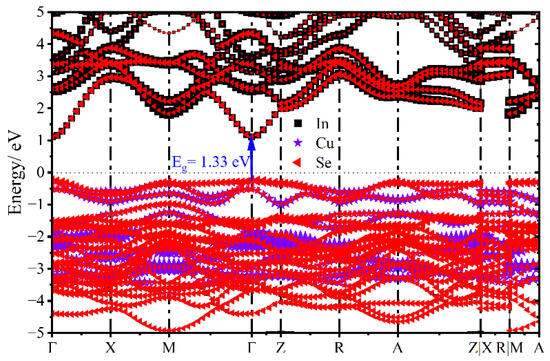
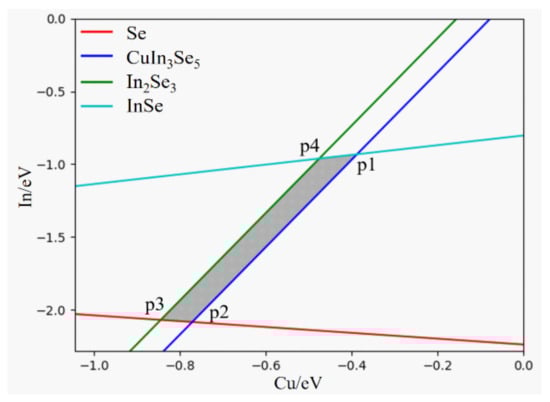
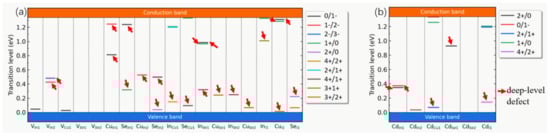
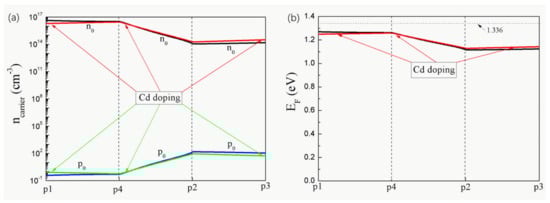
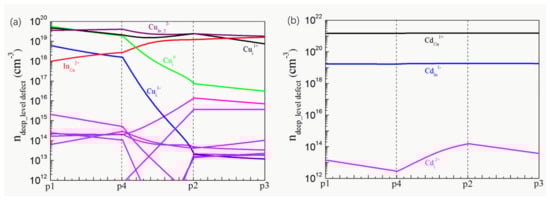
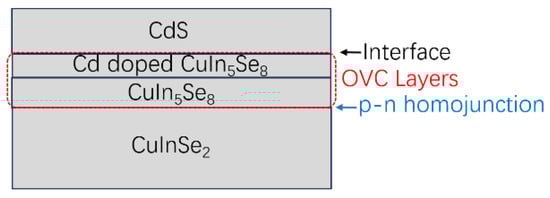
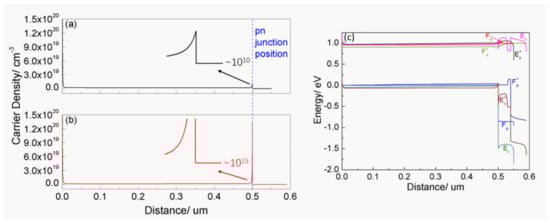
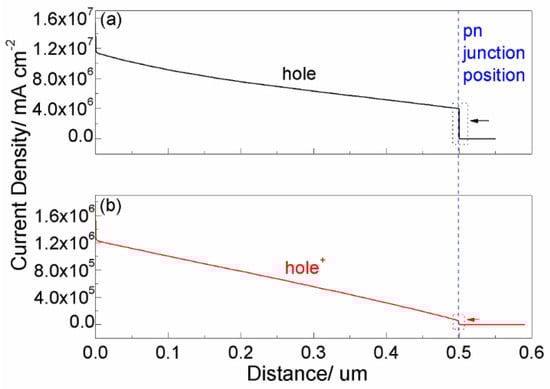
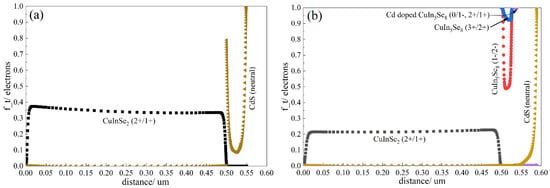
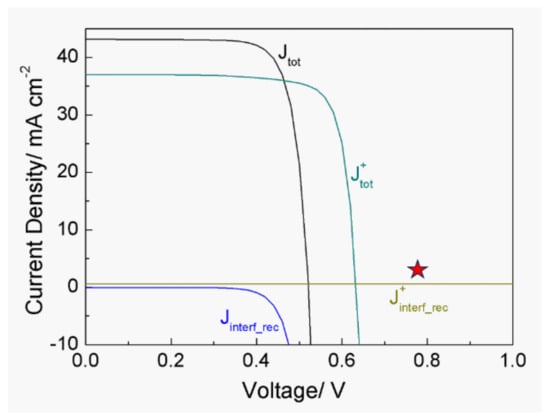
CuIn5Se8 is reported as a remarkable copper-deficient layer that contains ordered vacancy compounds (OVCs) for high-efficiency chalcopyrite-based solar cells; however, the understanding of its carrier characteristics has remained limited. OVCs could naturally form on the surface of chalcopyrite absorber. In this study, the carrier dynamics characteristics of OVCs were investigated by constructing a junction consisting of chalcopyrite absorber and CdS buffer layer. At first, the band structure of CuIn5Se8 was studied to determine the bandgap properties. Then, thermodynamic stability, defect formation energy, defects and carrier concentration, defect transition energy level of CuIn5Se8 and its Cd doping state (caused by CdS) were comparatively studied. The results suggest that Cd doping has different effects on the defect and carrier characteristics of OVCs with various chemical potentials. However, the OVC always remains n-type under the whole thermodynamically stable region, with contribution from the hallow-level InCu donor defect. Finally, the OVC’s carrier dynamics characteristics were assessed using the collected defect and carrier data. It is indicated that the OVC layer may contribute to the formation of a p-n homojunction in solar cells. Under selenium-rich conditions, the OVC layer increases the carrier density on the n-type side of p-n junction nearly 30-fold, which helps reduce the difference in carrier density and minority current density between two sides of the p-n junction. The conversion efficiency of the solar cell with OVC shows a 7.25% improvement when compared to the control. The distinct behavior of OVCs may serve as a valuable reference for the creation or improvement of a related functional film layer or device.
Full article
(This article belongs to the Special Issue Feature Papers in Inorganic Solid-State Chemistry 2026)
►▼
Show Figures

Figure 1
Open AccessArticle
In Vitro Antitumor Activity of Metal Complexes of Salinomycin with Cobalt (Co(II)), Copper (Cu(II)) and Zinc (Zn(II)) Ions Against Human Cervical Cancer (HeLa) and Melanoma (A375, SH-4) Cells
by
Tanya Zhivkova, Hristo Hristov, Radostina Alexandrova, Abedulkadir Abudalleh, Lora Dyakova, Peter Dorkov and Juliana Ivanova
Inorganics 2026, 14(5), 121; https://doi.org/10.3390/inorganics14050121 - 24 Apr 2026
Abstract
In this study, we present new data about the cytotoxic activity of metal complexes of salinomycin with Co(II), Cu(II) and Zn(II) against human cervical cancer (HeLa) and melanoma (A375, SH-4) cell lines. The effect of the compounds on cell viability and proliferation was
[...] Read more.
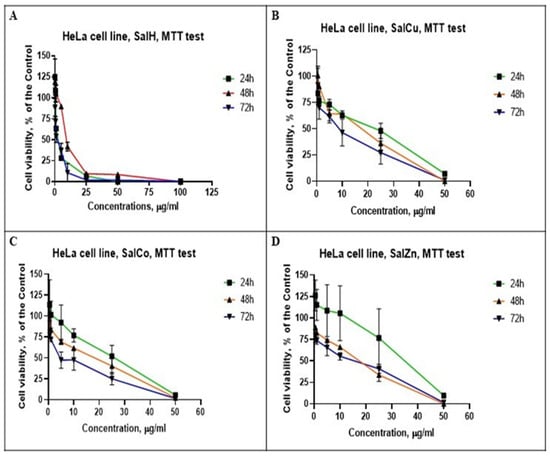
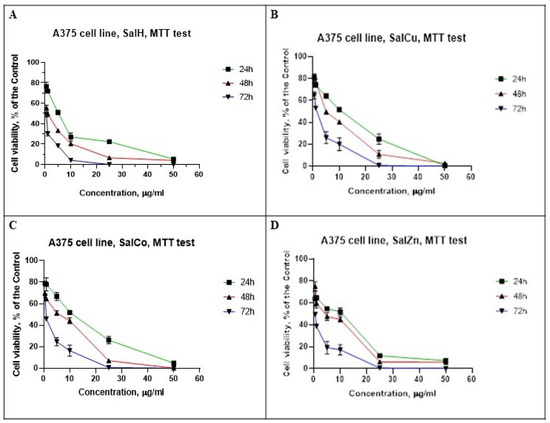
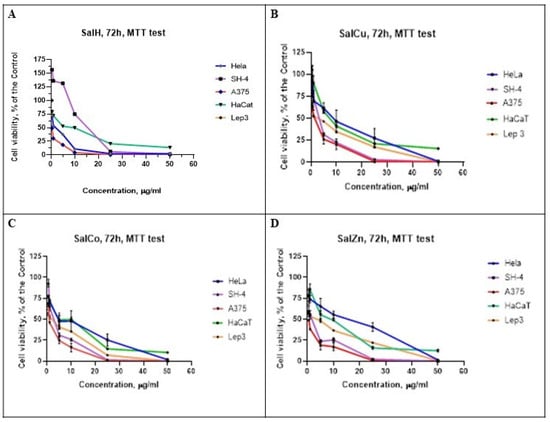
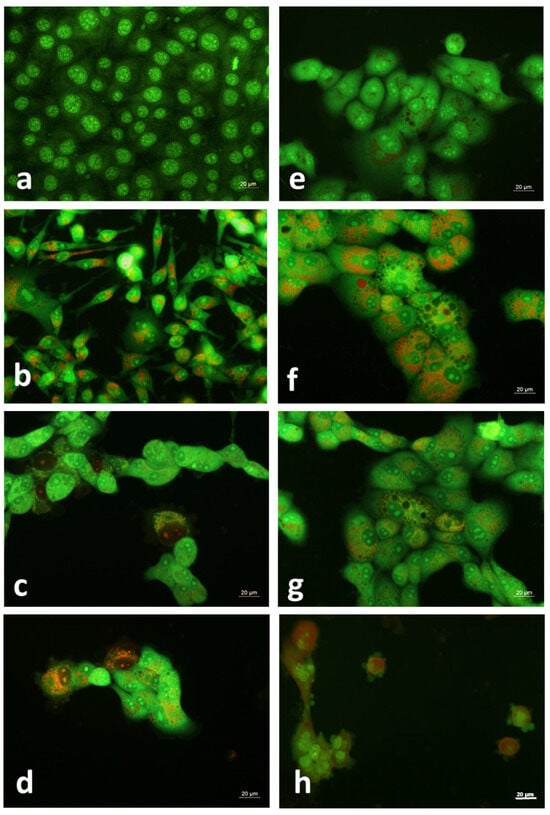
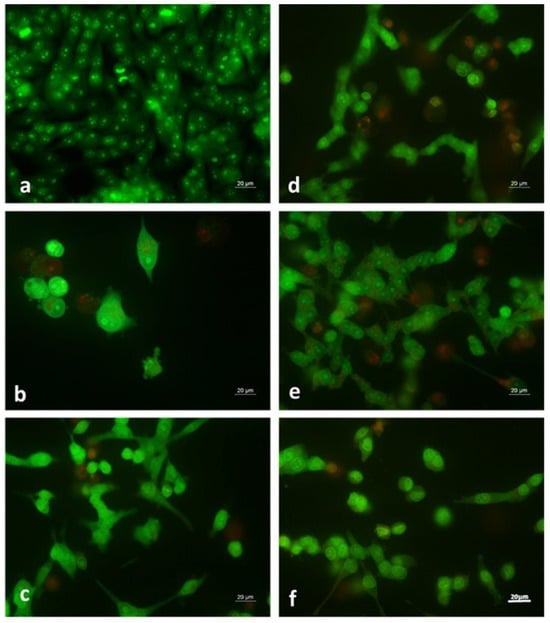
In this study, we present new data about the cytotoxic activity of metal complexes of salinomycin with Co(II), Cu(II) and Zn(II) against human cervical cancer (HeLa) and melanoma (A375, SH-4) cell lines. The effect of the compounds on cell viability and proliferation was evaluated in short-term experiments (up to 72 h) with monolayer cultures using the 3-(4,5-dimethylthiazol-2-yl)-2,5-diphenyltetrazolium bromide (MTT) test, neutral red uptake (NR), crystal violet staining (CV) and double staining with acridine orange (AO) and propidium iodide (PI). The cytotoxic effect of the metal complexes of salinomycin was found to be comparable and even superior to that of the commercial antitumor agents cisplatin and oxaliplatin. Long-term experiments revealed the ability of the compounds to completely suppress 3D cell growth when applied at concentrations ≥ 3.1 μM (for HeLa cells) and ≥6.2 µM (for A375 cells). Embryonic Lep-3 cells are highly sensitive to the influence of the complexes investigated, whereas non-tumor HaCaT human keratinocytes exhibit relatively higher resistance to their cytotoxic effect compared to tumor cell lines. The Zn(II) disalinomycinate exerted the highest selectivity index among the tested compounds against melanoma cells, whereas the non-coordinated antibiotic showed pronounced selectivity toward HeLa cells.
Full article
(This article belongs to the Special Issue Metal-Based Compounds: Relevance for the Biomedical Field, 2nd Edition)
►▼
Show Figures

Figure 1

Open AccessReview
Metal Decorated–ZnO and TiO2 Nanocomposites for Degradation of Organic Pollutants—A Mini Review
by
Mpho Phillip Motloung and Mokgaotsa Jonas Mochane
Inorganics 2026, 14(5), 120; https://doi.org/10.3390/inorganics14050120 - 22 Apr 2026
Abstract
Water pollution caused by harmful organic pollutants discharged from various industries, such as textiles, pharmaceuticals, papermaking, and printing, is resulting in serious health complications and adversely impacting aquatic life. Numerous strategies/methods have been employed to remove these pollutants from water streams. Amongst them,
[...] Read more.
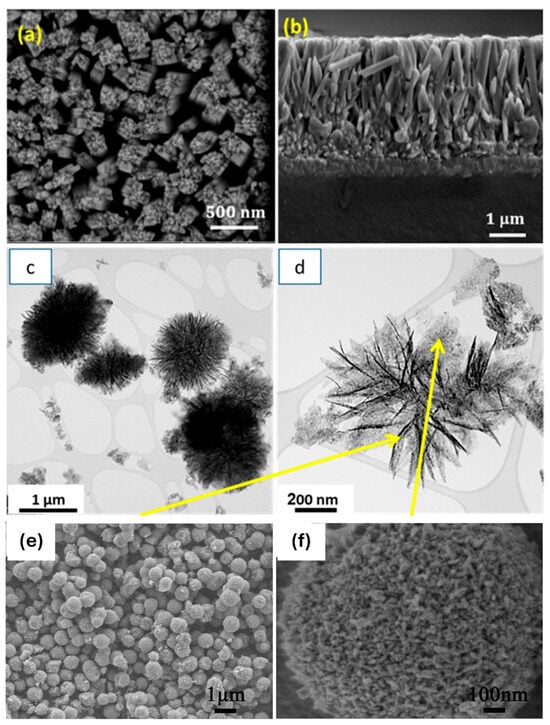
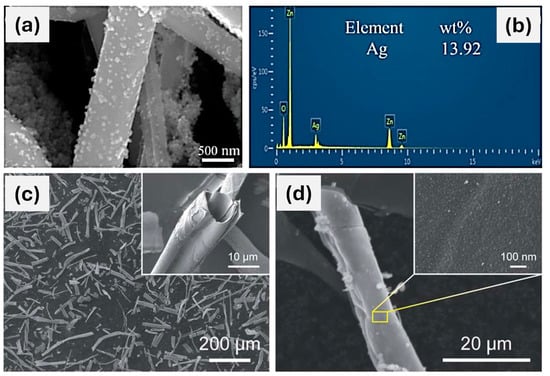
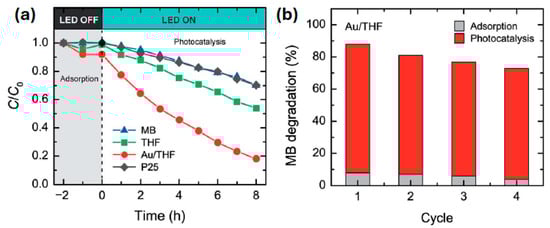
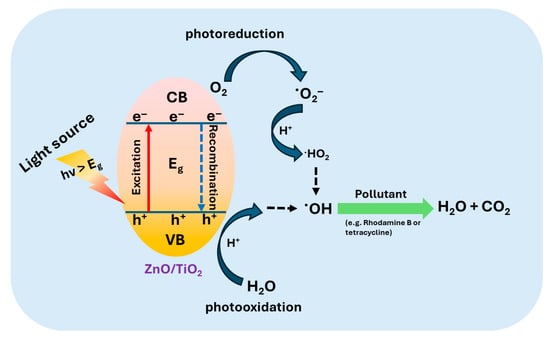
Water pollution caused by harmful organic pollutants discharged from various industries, such as textiles, pharmaceuticals, papermaking, and printing, is resulting in serious health complications and adversely impacting aquatic life. Numerous strategies/methods have been employed to remove these pollutants from water streams. Amongst them, photocatalysts have proven effective in tackling these issues. Zinc oxide (ZnO) and titanium Dioxide (TiO2) photocatalysts are at the forefront due to their exceptional properties, which render them ideal for wastewater treatment. However, their full capacity as photocatalysts is limited by the wide band gap and faster electron-hole recombination rates. Metal decoration on the surface of these semiconductors is one of the fascinating strategies to address these limitations. In this brief review, the synthesis, morphology, and photocatalytic activity of ZnO and TiO2 decorated with metal nanoparticles (NPs) towards the degradation of harmful organic pollutants from various industries are presented. Metal decoration of the surface of ZnO and TiO2 is a viable method to enhance the photocatalytic activity of these semiconductors, particularly under visible light.
Full article
(This article belongs to the Special Issue Inorganic Photocatalysts for Environmental Applications)
►▼
Show Figures

Figure 1
Open AccessCommunication
Microstructural Refinement of Electroless Ni-P Amorphous Composite Coatings on Carbon Fibers Induced by Al2O3 Nanoparticles Dispersed with a PEG/NNO Additive
by
Yongjie Zhao, Weixin Ge, Tiebao Wang, Pan Gong, Wei Yang, Lichen Zhao and Xin Wang
Inorganics 2026, 14(5), 119; https://doi.org/10.3390/inorganics14050119 - 22 Apr 2026
Abstract
Controlling the microstructure of electroless nickel coatings is crucial for optimizing the interfacial properties of carbon fibers. However, a systematic understanding of how dispersants can effectively leverage the refining effect of nanoparticles in composite plating systems remains lacking. This paper proposes the use
[...] Read more.
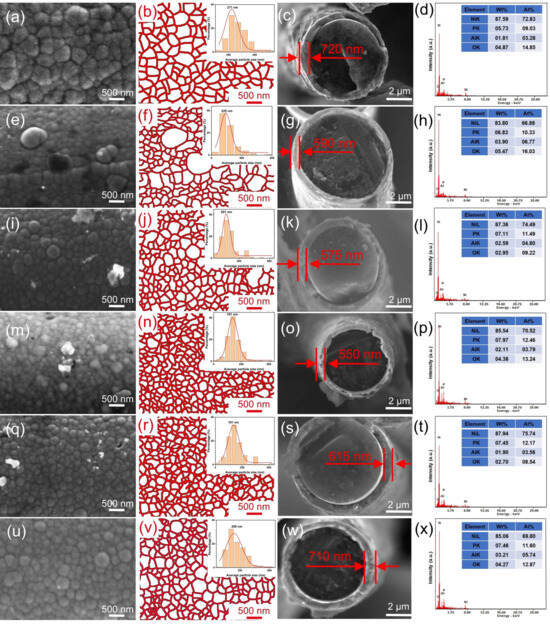
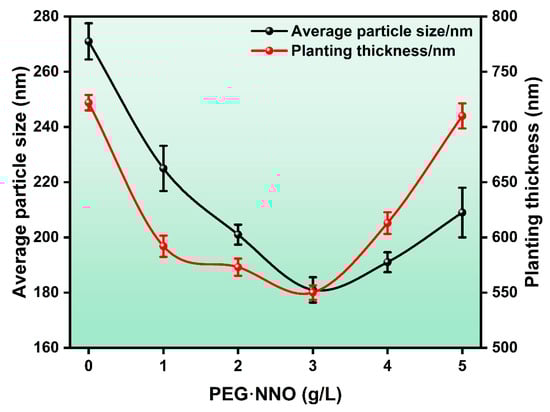
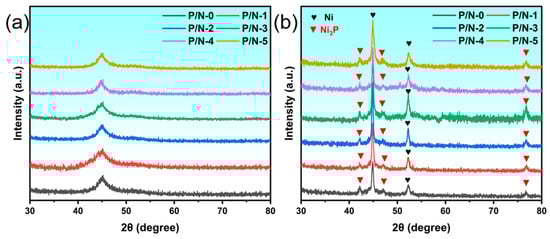
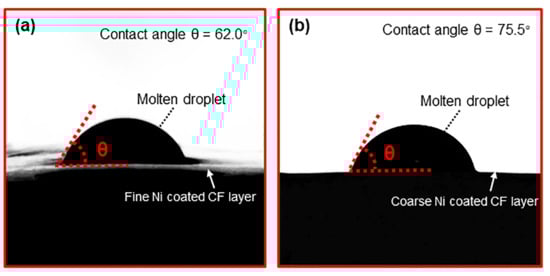
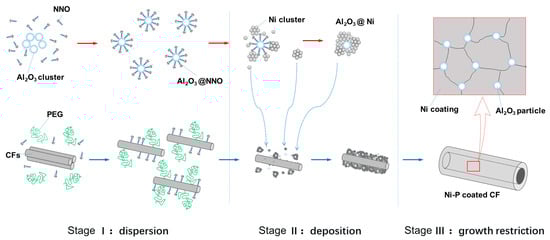
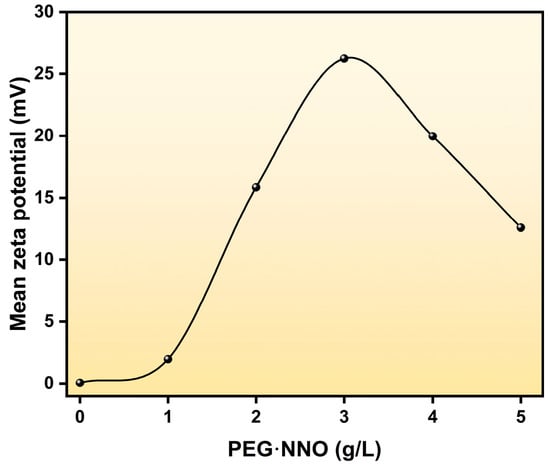
Controlling the microstructure of electroless nickel coatings is crucial for optimizing the interfacial properties of carbon fibers. However, a systematic understanding of how dispersants can effectively leverage the refining effect of nanoparticles in composite plating systems remains lacking. This paper proposes the use of a composite dispersant, comprising polyethylene glycol (PEG) and sodium methylene bis-naphthalene sulfonate (NNO) at a 1:1 mass ratio, for nano-Al2O3 to achieve microstructure refinement of nickel coatings on carbon fiber surfaces. The results demonstrate that the composite dispersant modifies the surface state and dispersion stability of Al2O3 particles through synergistic adsorption, thereby regulating the nucleation and growth behavior of the Ni-P alloy. At an optimal composite dispersant concentration of 3 g/L, the coating exhibits the most compact structure, with Ni-P particle size refined to approximately 181 nm. The coating consists of two phases: crystalline Ni3P and amorphous Ni-P. The dual adsorption effect of the dispersant—inhibiting Al2O3 agglomeration while improving the surface wettability of carbon fibers—is key to enhancing the refinement efficiency. Conversely, excessive dispersant addition leads to deteriorated coating quality. This study provides experimental evidence for understanding the multiphase interfacial interaction mechanism involving organic additives, nanoparticles, and metal deposition, and offers a novel strategy for controlling the surface functionalization of carbon fibers.
Full article
(This article belongs to the Special Issue Recent Research and Application of Amorphous Materials, 2nd Edition)
►▼
Show Figures

Figure 1

Open AccessArticle
Performance and Stability Enhancement of Perovskite Solar Cells Based on Iron-Doped Bi-Electron Transport Layers
by
Saleh Alyahya, Mohamad Arnaout, Marc Al Atem, Mutaz A. Alanazi, Bedir Yousif and Alaa A. Zaky
Inorganics 2026, 14(4), 118; https://doi.org/10.3390/inorganics14040118 - 21 Apr 2026
Abstract
This work proposes the doping of bi-electron transport layers consisting of TiO2/SnO2 with iron to facilitate electron movement and recombination reduction, which results in increases in power conversion efficiency and stability enhancement. Two different PSC structures are used: device 1—FTO/TiO
[...] Read more.
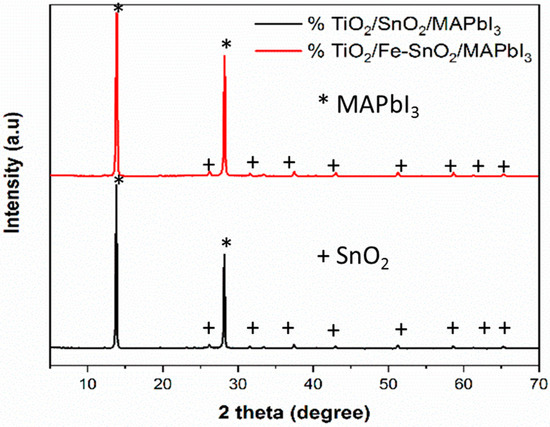
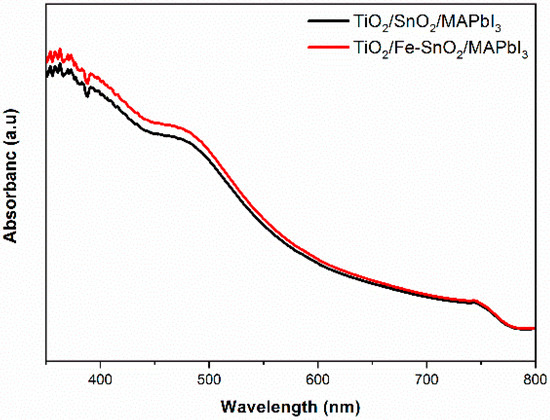
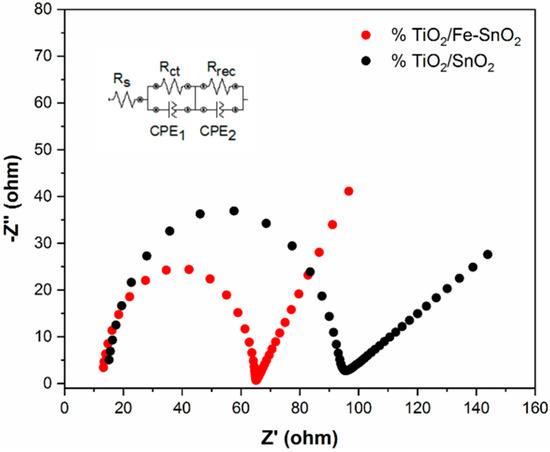
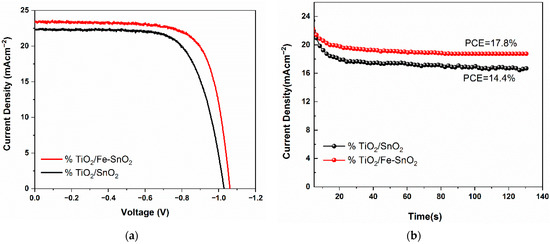
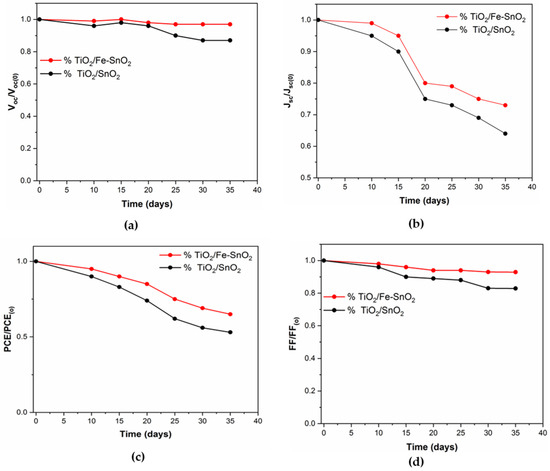
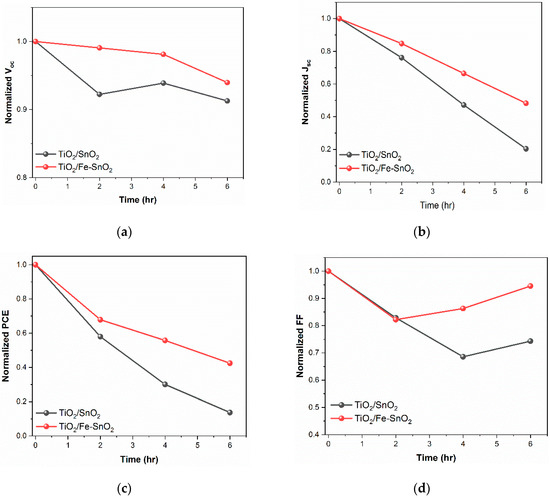
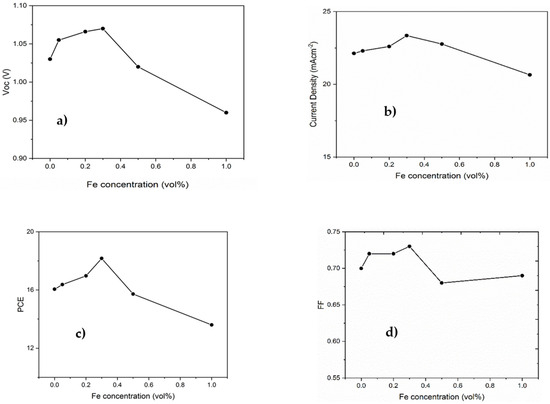
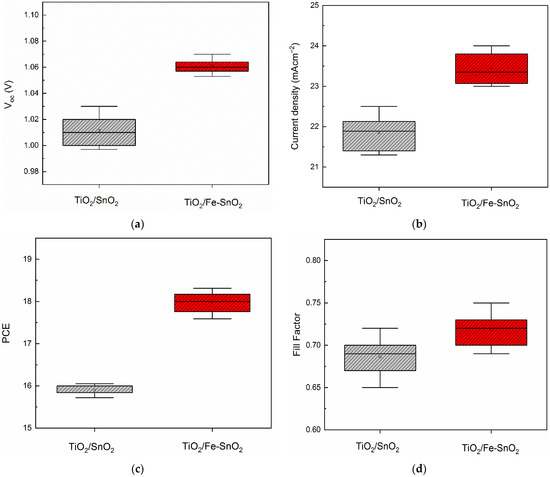
This work proposes the doping of bi-electron transport layers consisting of TiO2/SnO2 with iron to facilitate electron movement and recombination reduction, which results in increases in power conversion efficiency and stability enhancement. Two different PSC structures are used: device 1—FTO/TiO2/SnO2/MAPbI3/Spiro-OMETAD/Ag; device 2, a modified device—FTO/TiO2/SnO2 + Fe/MAPbI3/Spiro-OMETAD/Ag. Characterization analysis revealed an improvement in perovskite crystallinity in the modified device; this leads to reductions in trap state density and the recombination of charges that enhance charge extraction. UV-vis absorbance enhancement in the modified device revealed an enhancement in the perovskite layer morphology and good coverage. As a result, PSCs with a short circuit current of 23.35 mA/cm2, open circuit voltage of 1.07 V, fill factor of 0.73, and high PCE of 18.17% are obtained from device 2, compared to PSCs with only 22.13 mA/cm2, 1.03 V, 0.7, and 16.053% for device 1 without Fe doping, respectively. The results reveal that the device based on Fe doping is more stable than the pristine one under stability tests with regard to aging, thermal, stress and prolonged light.
Full article
(This article belongs to the Special Issue New Semiconductor Materials for Energy Conversion, 2nd Edition)
►▼
Show Figures

Figure 1
Open AccessArticle
A Biohybrid Catalyst for Cross-Coupling Reactions That Contains Pd/P.yeei@ORMOSIL
by
Olga A. Kamanina, Vitaliy N. Soromotin, Pavel V. Rybochkin, Nina M. Ivanova, Anton N. Zvonarev and Vasilina V. Farofonova
Inorganics 2026, 14(4), 117; https://doi.org/10.3390/inorganics14040117 - 20 Apr 2026
Abstract
This study demonstrates the feasibility of encapsulating Paracoccus yeei VKM B-3302 cells, which contain palladium nanoparticles, within an organosilicon matrix synthesized using the sol–gel method. The resulting organosilicon material is characterized by a well-developed porous structure and a high specific surface area, ensuring
[...] Read more.
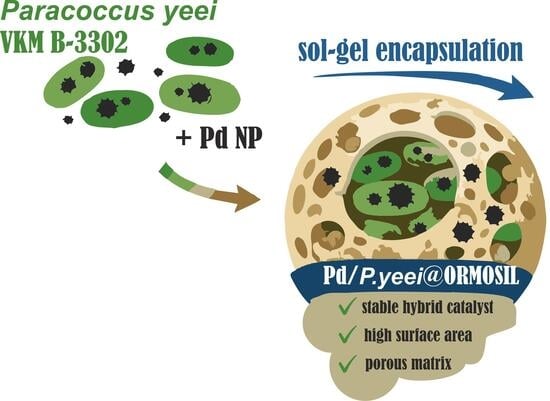
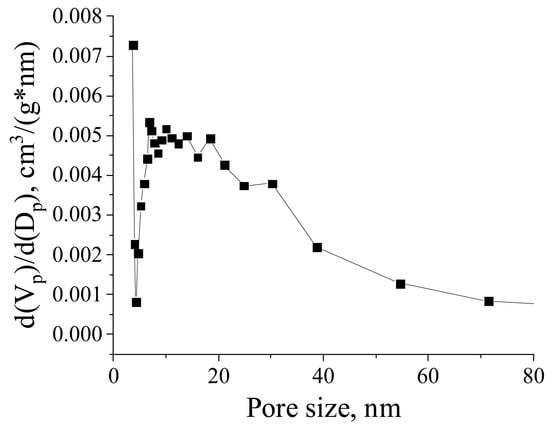
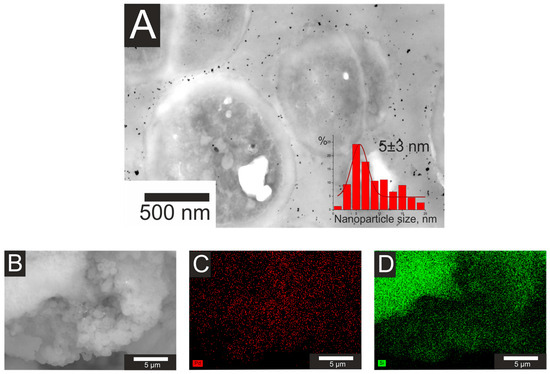
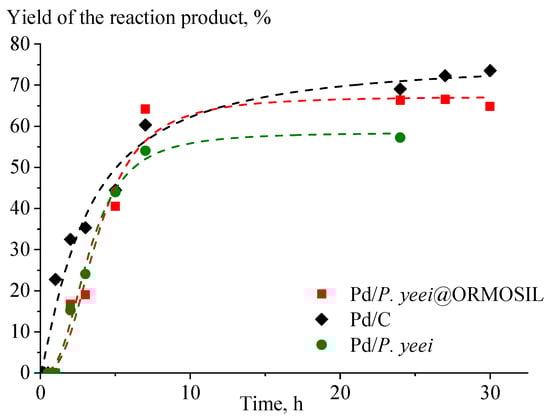
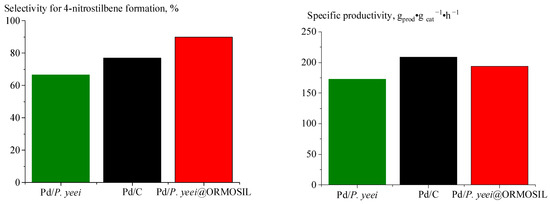
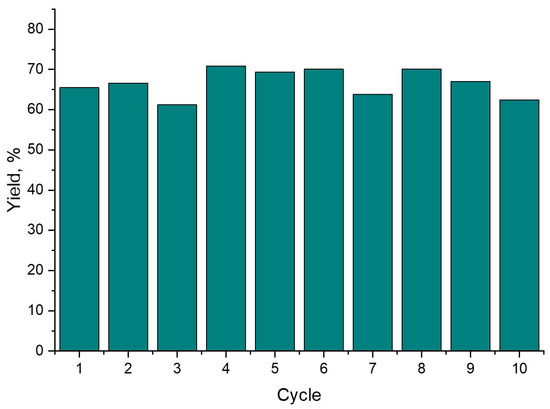
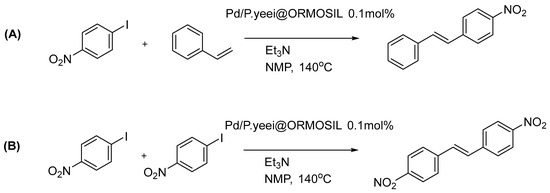
This study demonstrates the feasibility of encapsulating Paracoccus yeei VKM B-3302 cells, which contain palladium nanoparticles, within an organosilicon matrix synthesized using the sol–gel method. The resulting organosilicon material is characterized by a well-developed porous structure and a high specific surface area, ensuring the formation of a catalytic system with accessible active sites. Kinetic studies of the Mizoroki–Heck reaction showed that, although encapsulating the Pd/P. yeei catalyst in an organosilicon matrix slightly decreases its initial reaction rate, it increases the selectivity of the process and reduces the leaching of the active metal during repeated use. These results suggest the potential of encapsulating microorganisms containing metal nanoparticles in organosilicon materials to create stable hybrid catalytic systems.
Full article
(This article belongs to the Special Issue Multifunctional Composites and Hybrid Materials)
►▼
Show Figures

Graphical abstract
Open AccessReview
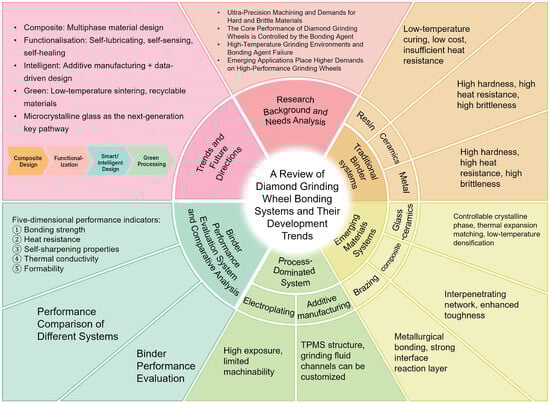
Glass-Ceramic Bonding Agents for High-Performance Grinding: A Material Design Framework Based on Multi-System Comparisons
by
Yufei Li, Le Tian, Longyao Xu, Mingmin Li, Huaying Bian, Xuetao Wang and Shuanghua Wang
Inorganics 2026, 14(4), 116; https://doi.org/10.3390/inorganics14040116 - 20 Apr 2026
Abstract
This review systematically analyzes the technological progress, structural characteristics, and performance disparities among various diamond grinding wheel bond systems, aiming to establish a unified performance evaluation framework. This framework clarifies material selection criteria and highlights promising research directions. Eight prevalent bond systems are
[...] Read more.
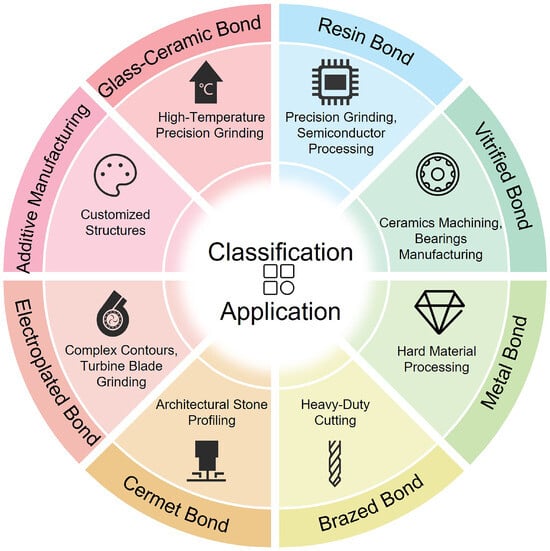
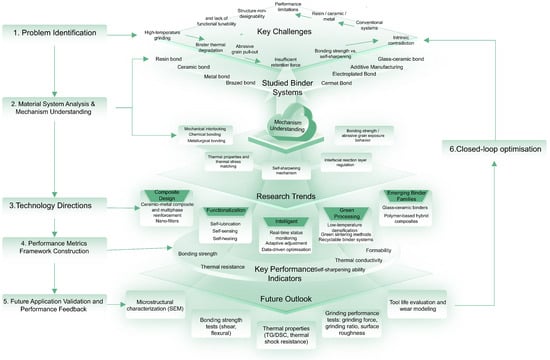
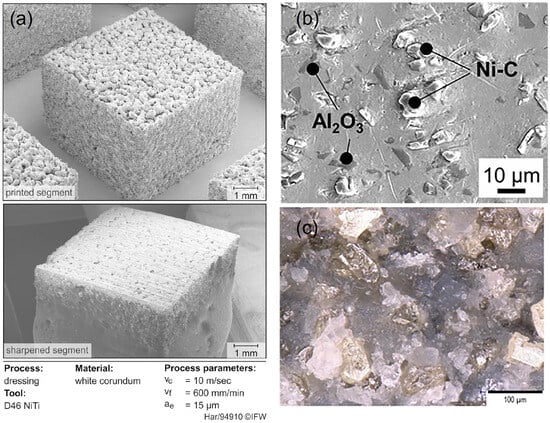
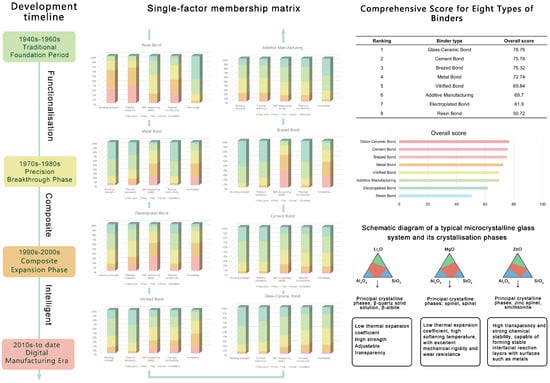
This review systematically analyzes the technological progress, structural characteristics, and performance disparities among various diamond grinding wheel bond systems, aiming to establish a unified performance evaluation framework. This framework clarifies material selection criteria and highlights promising research directions. Eight prevalent bond systems are encompassed: resin, metal, ceramic, brazing, electroplating, composite, additive manufacturing, and glass-ceramics. A comparative analysis of these systems is conducted across multiple dimensions. Key evaluation metrics primarily include bond strength, thermal stability, self-sharpening capability, thermal conductivity, and formability. Considerable variations in these indicators are observed across the different bonding agents. Each system presents distinct advantages alongside inherent limitations. Within the constructed multi-metric framework, glass-ceramic bonding agents demonstrate high comprehensive potential in critical aspects such as bond strength and thermal stability, underscoring their research value as a novel high-performance bond system. Current primary challenges focus on the regulation of crystallization kinetics, the design of interfacial reaction layers, and multiscale performance prediction. Future research may advance along several paths. Synergistic design of material composition and microstructure is essential, while in-depth investigation into multiphysics coupling mechanisms remains necessary. Furthermore, data-driven material optimization methods are poised to unlock new possibilities for bond development. These approaches are expected to facilitate the precise design and application of high-performance diamond grinding wheel bonds.
Full article
(This article belongs to the Special Issue Novel Ceramics and Refractory Composites)
►▼
Show Figures

Figure 1

Open AccessArticle
Photoluminescence of X-Ray-Generated Sm2+ in Co-Precipitated SrF2:Sm3+ Nanocrystals
by
Z. Siti Rozaila, Siti Fairus Abdul Sani and Hans Riesen
Inorganics 2026, 14(4), 115; https://doi.org/10.3390/inorganics14040115 - 16 Apr 2026
Abstract
We report on X-ray-induced Sm3+ → Sm2+ reduction in SrF2:Sm3+ nanocrystals of ~40 nm size synthesized via a co-precipitation method. Non-irradiated samples show characteristic Sm3+ f-f 4G5/2 → 6H5/2, 6H7/2
[...] Read more.
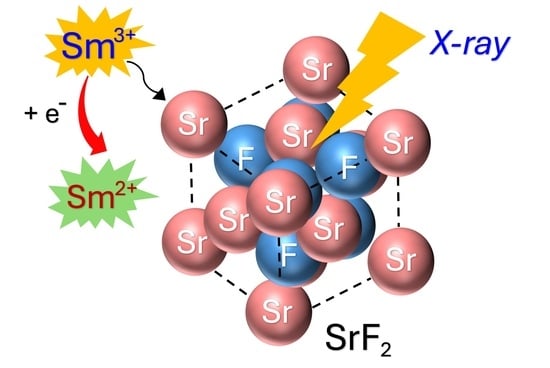
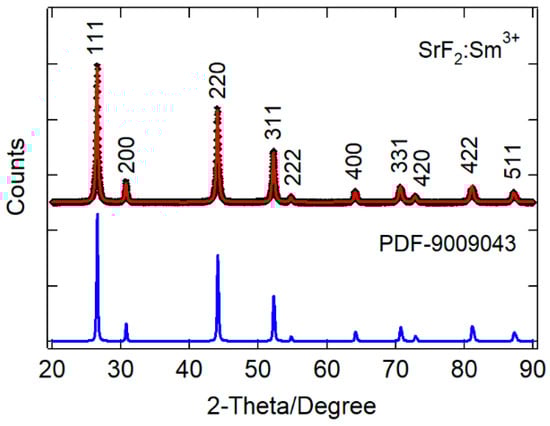
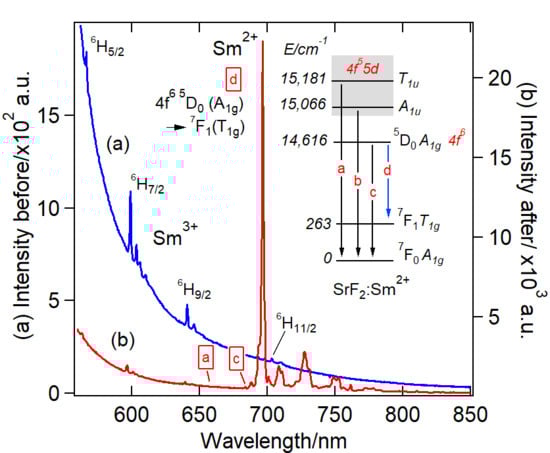
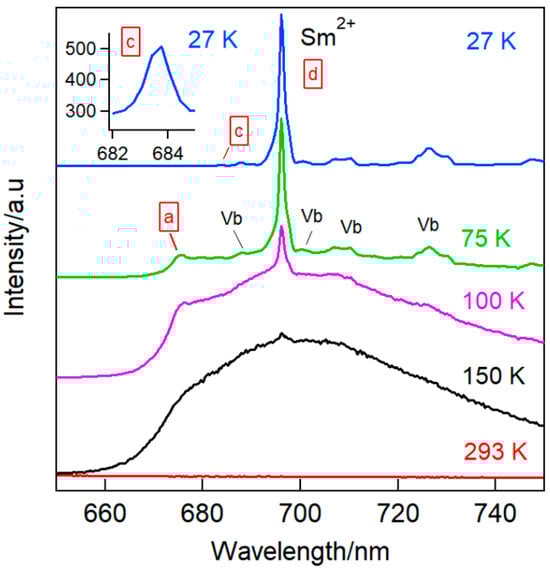
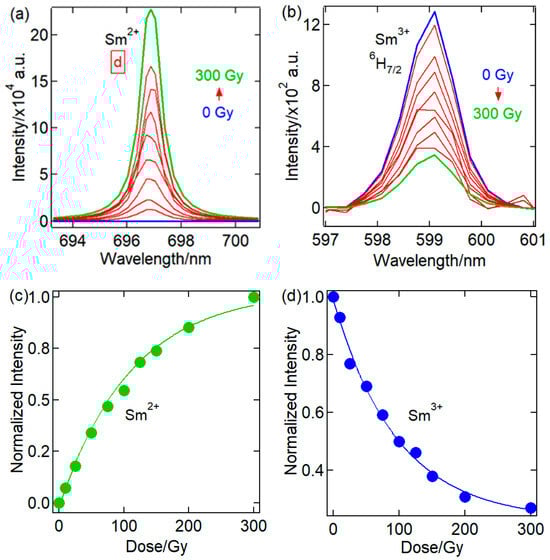
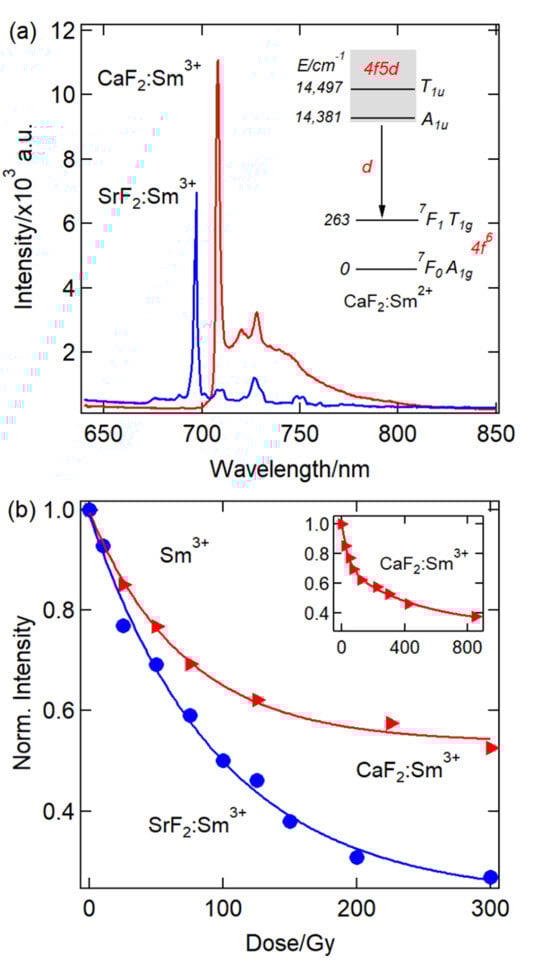
We report on X-ray-induced Sm3+ → Sm2+ reduction in SrF2:Sm3+ nanocrystals of ~40 nm size synthesized via a co-precipitation method. Non-irradiated samples show characteristic Sm3+ f-f 4G5/2 → 6H5/2, 6H7/2, 6H9/2, and 6H11/2 emissions, while X-irradiation induces intense low-temperature Sm2+ 5D0 → 7F1 emission and other Sm2+ lines. The evolution of Sm3+ and Sm2+ photoluminescence intensities with X-ray dose (0–300 Gy) follows first-order kinetics, consistent with a trapping–detrapping mechanism. Compared to CaF2:Sm3+, SrF2:Sm3+ exhibits faster Sm3+ reduction due to the higher X-ray absorption cross section of strontium compared to calcium for Cu-Kα (8 keV) radiation, highlighting its potential as a nanoscale X-ray storage phosphor.
Full article
(This article belongs to the Special Issue Feature Papers in Inorganic Solid-State Chemistry 2026)
►▼
Show Figures

Graphical abstract
Open AccessArticle
Copper Complexes with Phosphorylated Dithiocarbamates in Aqueous Media: Complexation, Structures and Redox Activity
by
Nikita S. Aksenin, Mikhail S. Bukharov, Alexander A. Rodionov, Yury I. Kuzin, Aidar T. Gubaidullin, Daut R. Islamov, Valery G. Shtyrlin and Nikita Yu. Serov
Inorganics 2026, 14(4), 114; https://doi.org/10.3390/inorganics14040114 - 15 Apr 2026
Abstract
Copper dithiocarbamate complexes have long been known and are relevant in biology, medicine and material science; however, their low solubility in water can be a limitation. Therefore, the search for modified ligands is an important task. Copper complexes with five phosphorylated dithiocarbamates were
[...] Read more.
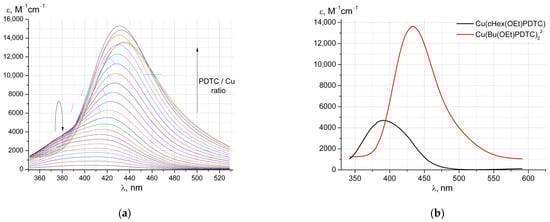
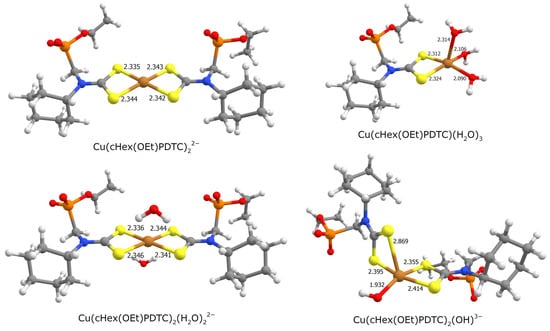
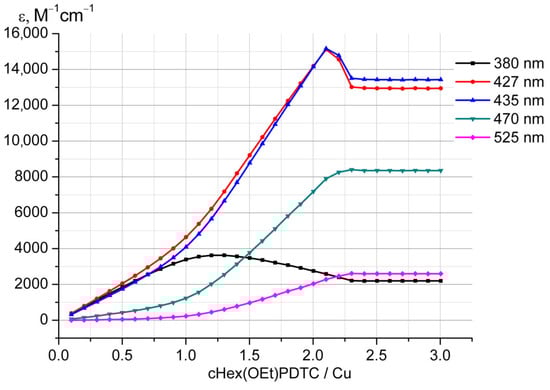
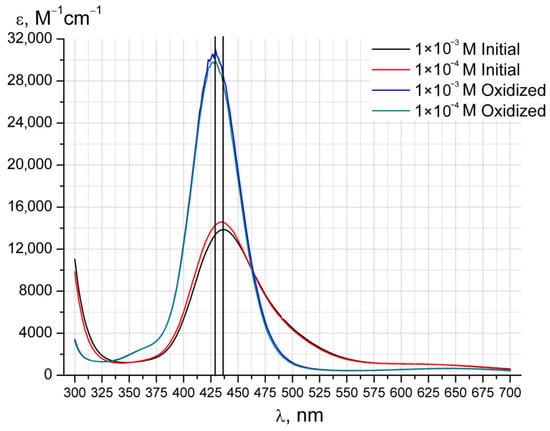
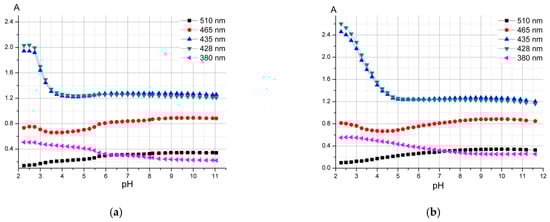
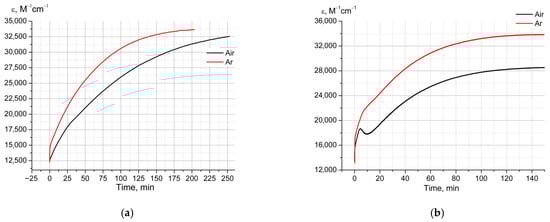
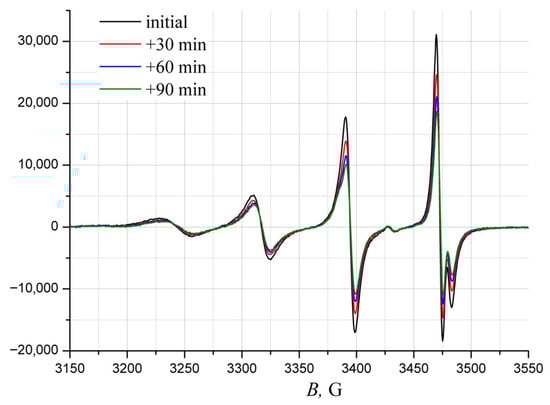
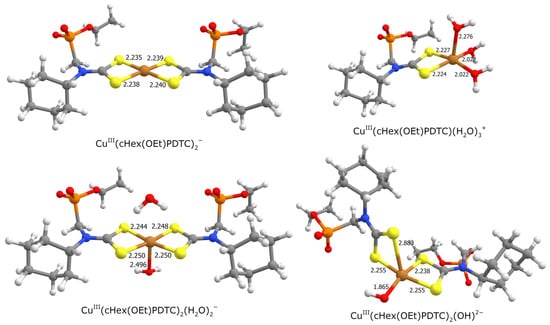
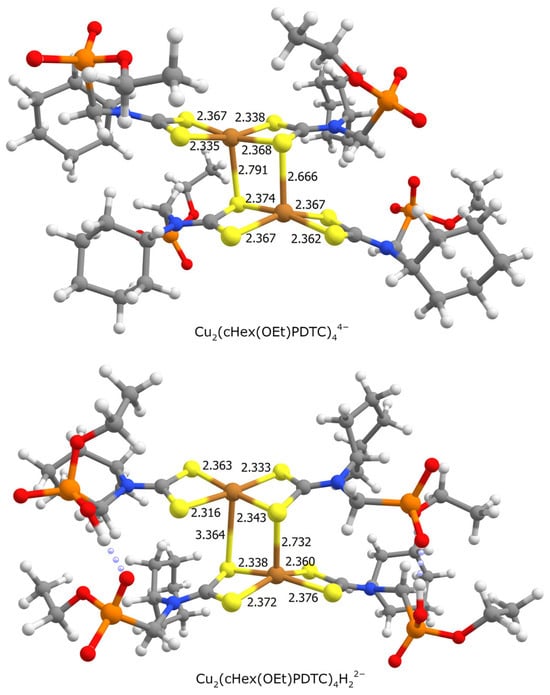
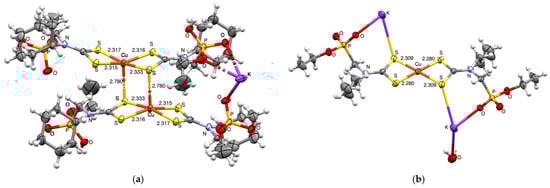
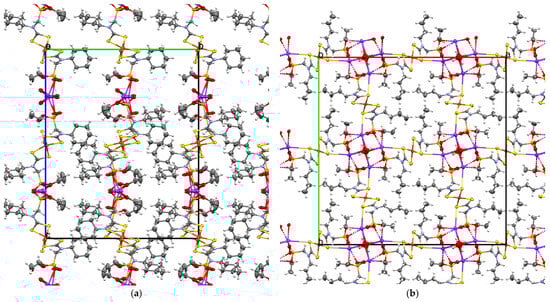
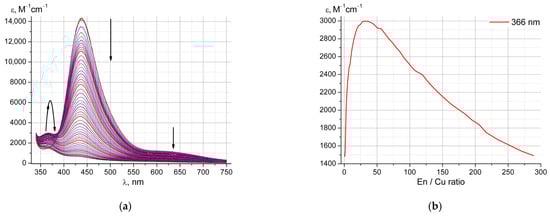
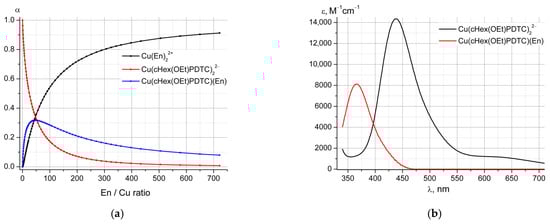
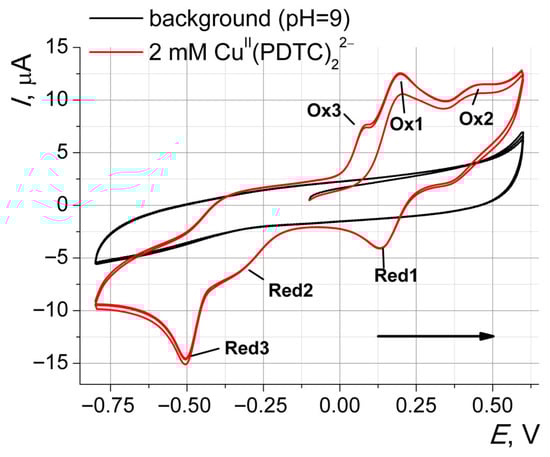
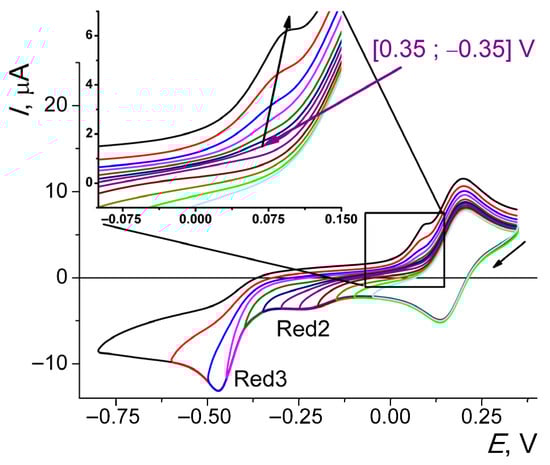
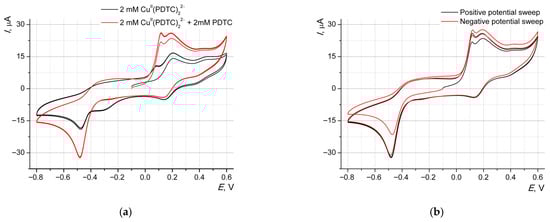
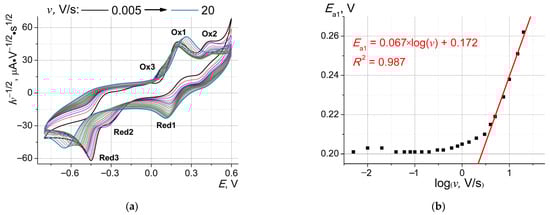
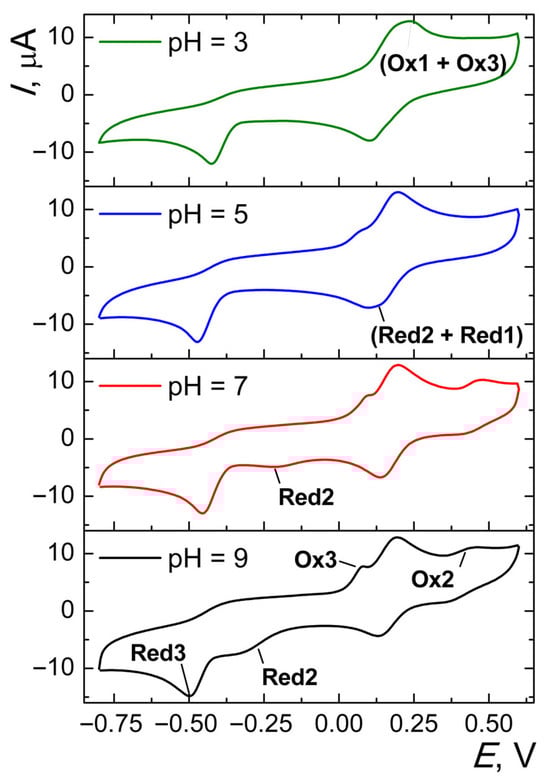
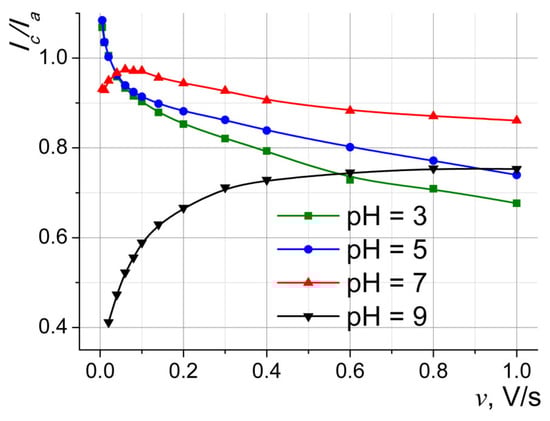
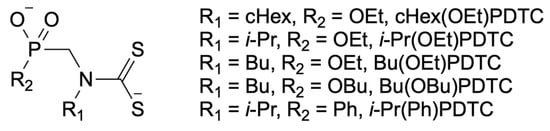
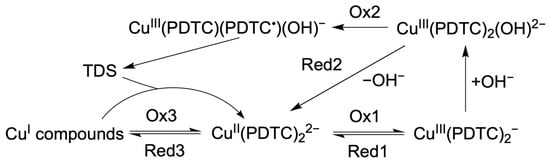
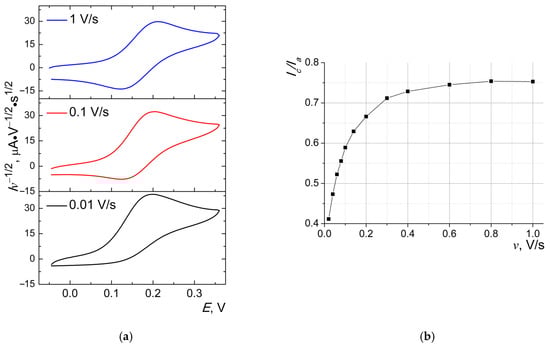
Copper dithiocarbamate complexes have long been known and are relevant in biology, medicine and material science; however, their low solubility in water can be a limitation. Therefore, the search for modified ligands is an important task. Copper complexes with five phosphorylated dithiocarbamates were investigated in aqueous solutions by several experimental and theoretical methods. Copper(II) bis-complex formation constants were obtained from spectrophotometric titrations. Based on UV-vis and EPR spectroscopy data, the presence of monoligand complexes (in excess copper) and hydroxy-forms (under basic conditions) was revealed. The structures of the obtained forms were optimized using DFT calculations. The instability of complexes under neutral and acidic conditions was established and interpreted by the dimerization upon protonation. This assumption is supported by association constants derived from quantum chemically computed Gibbs free energies for protonated and non-protonated copper(II) bis-dithiocarbamate complexes. Crystal structures of protonated binuclear and non-protonated mononuclear complexes were established using X-ray diffraction. The redox properties of the complexes were studied by cyclic voltammetry; the electrochemical behavior of the complexes was strongly influenced by pH. The scheme of the copper(I)/(II)/(III) species transformations, including chemical and electrochemical stages, is proposed on the base of experimental data and quantum-chemical calculation results.
Full article
(This article belongs to the Special Issue Copper(II) Complexes and Their Properties)
►▼
Show Figures

Figure 1

Open AccessArticle
Analytical Identification and Quantification of Phosphogypsum in Epoxy Resin Composites
by
Jiangqin Wang, Xuehang Chen, Jiangang Zhang, Wanliang Yang and Tianxiang Li
Inorganics 2026, 14(4), 113; https://doi.org/10.3390/inorganics14040113 - 14 Apr 2026
Abstract
Accurate quantification of phosphogypsum (PG) filler in epoxy composites is essential for quality control and performance optimization. Conventional separation by muffle furnace calcination suffers from slow epoxy decomposition and risks thermal degradation of CaSO4, leading to inaccurate PG quantification. This study
[...] Read more.
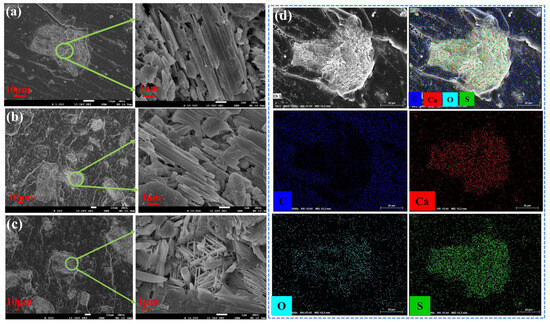
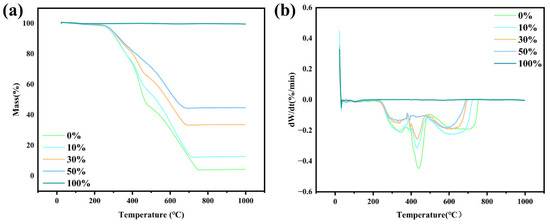
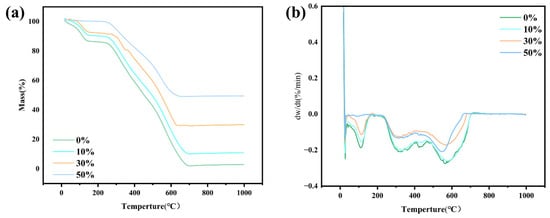
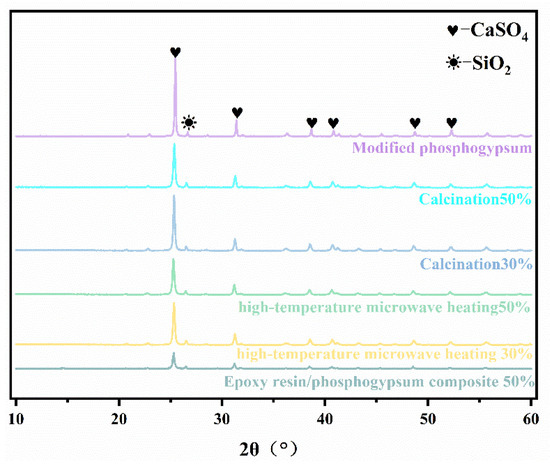
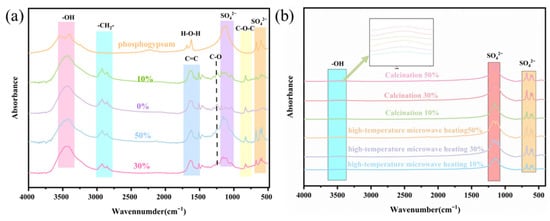
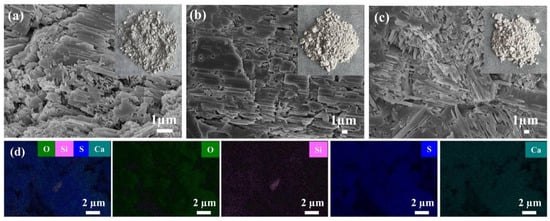
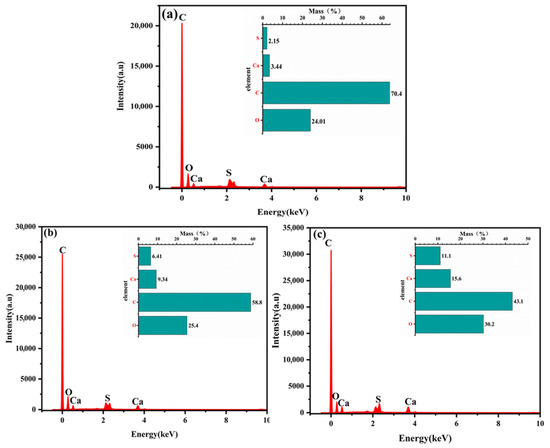
Accurate quantification of phosphogypsum (PG) filler in epoxy composites is essential for quality control and performance optimization. Conventional separation by muffle furnace calcination suffers from slow epoxy decomposition and risks thermal degradation of CaSO4, leading to inaccurate PG quantification. This study introduces a microwave-assisted separation method that leverages molecular vibration heating to achieve faster heating rates and more uniform temperature distribution, enabling complete epoxy removal while minimizing CaSO4 decomposition. Comprehensive characterization (X-ray diffraction, XRD; Fourier transform infrared spectroscopy, FT-IR; scanning electron microscopy-energy dispersive spectroscopy, SEM-EDS) confirms the structural integrity of the isolated PG filler. Among five quantification methods evaluated, inductively coupled plasma optical emission spectrometry (ICP-OES) based on sulfur content provides the highest accuracy (spike recovery: 91–99.8%, relative standard deviation, RSD ≤ 4.2%), while gravimetry suffices for single-filler systems. This work establishes a reliable analytical framework for PG characterization in epoxy composites, supporting quality control and resource valorization.
Full article
(This article belongs to the Special Issue Multifunctional Composites and Hybrid Materials)
►▼
Show Figures

Figure 1
Open AccessArticle
Yb Doping Regulation for Synergistic Optimization of Electrical, Thermal Transport and Mechanical Properties in In2O3-Based Thermoelectric Materials
by
Jie Zhang, Bo Feng, Zhiwen Yang, Xuan Liu, Shilang Guo, Jiahao Zhang, Zhifen Hong, Rong Zhang, Tongqiang Xiong, Jiang Zhu, Wenhua Dai, Suoluoyan Yang and Sheng Yang
Inorganics 2026, 14(4), 112; https://doi.org/10.3390/inorganics14040112 - 13 Apr 2026
Abstract
►▼
Show Figures
To address the long-standing bottleneck of inherent trade-off between thermoelectric performance and mechanical stability in pure In2O3 thermoelectric materials, this study puts forward a novel optimization route by innovatively adopting Yb2O3 as the dopant, pioneering the dual
[...] Read more.
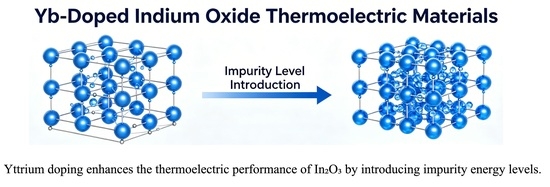
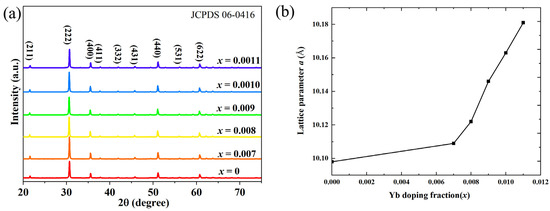
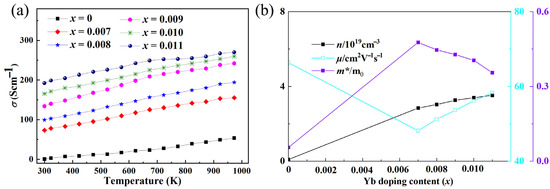
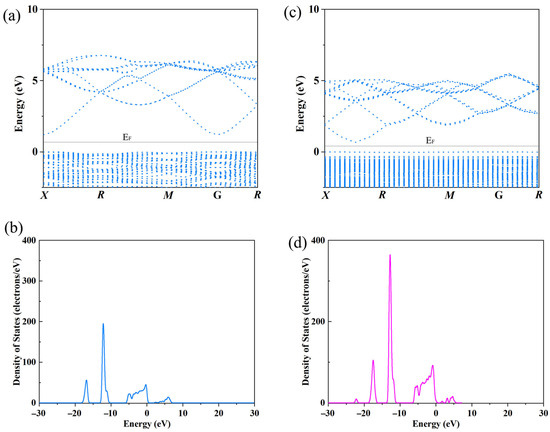
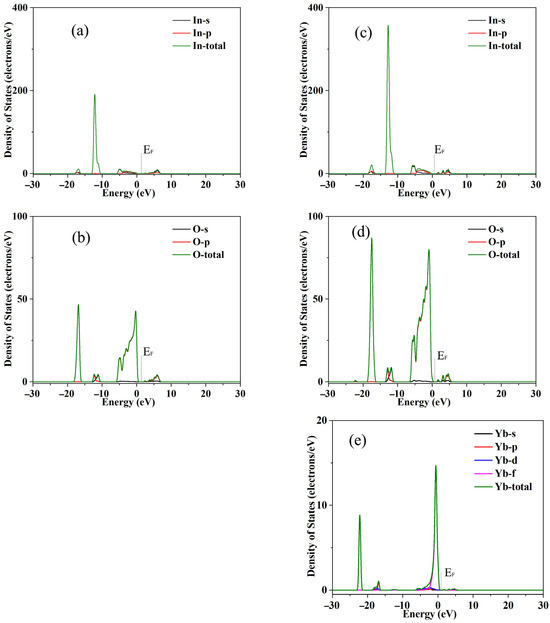
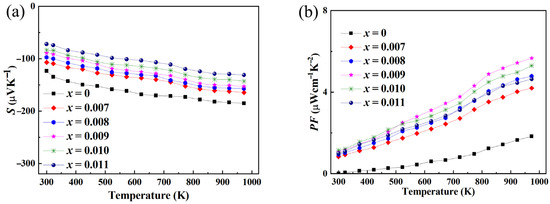
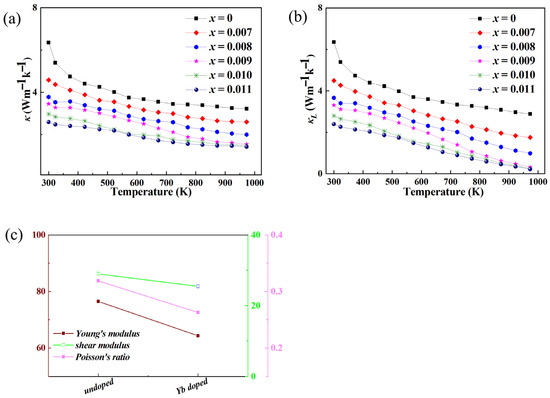
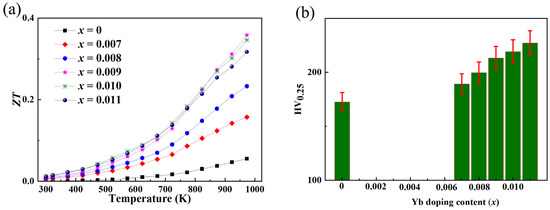
To address the long-standing bottleneck of inherent trade-off between thermoelectric performance and mechanical stability in pure In2O3 thermoelectric materials, this study puts forward a novel optimization route by innovatively adopting Yb2O3 as the dopant, pioneering the dual regulation of defect engineering and electronic structure reconstruction to achieve synchronous thermoelectric–mechanical property synergy, which breaks the limitation of traditional single-property doping modification for oxide thermoelectrics. For electrical transport, Yb3+ induces oxygen vacancy donor defects to boost carrier concentration, and targeted orbital hybridization narrows the band gap and elevates density of states near the Fermi level, synergistically lifting conductivity and offsetting the weakened Seebeck coefficient to optimize power factor with he maximum power factor improved from 1.83 μWm−1K−2 to 5.67 μWm−1K−2. For thermal transport, doping-induced lattice distortion and multi-scale defect system build intensive phonon scattering centers, sharply suppressing lattice thermal conductivity and lowering total thermal conductivity. This synergistic optimization pushes the maximum ZT value to 0.358, a remarkable breakthrough for In2O3-based materials. Meanwhile, Yb2O3 doping reinforces Vickers hardness via lattice distortion strengthening and defect bonding enhancement, eliminating the inherent performance trade-off. This work verifies Yb2O3 doping as a highly efficient strategy, offering solid theoretical basis and practical guidance for developing high-performance, high-stability oxide thermoelectric materials for practical applications.
Full article

Graphical abstract
Open AccessReview
Novel Nanomaterials for Indoor Air Chemical Purification: A Review
by
Yan Yan, Tong Xu, Chenlong Wang, Yuhan Fu and Bin Zhu
Inorganics 2026, 14(4), 111; https://doi.org/10.3390/inorganics14040111 - 13 Apr 2026
Abstract
Indoor air pollution, listed by the World Health Organization (WHO) as one of the top 10 environmental risk factors for human health, significantly elevates the risk of respiratory diseases, cardiovascular diseases, and cancers upon long-term exposure. Traditional indoor air purification technologies dominated by
[...] Read more.
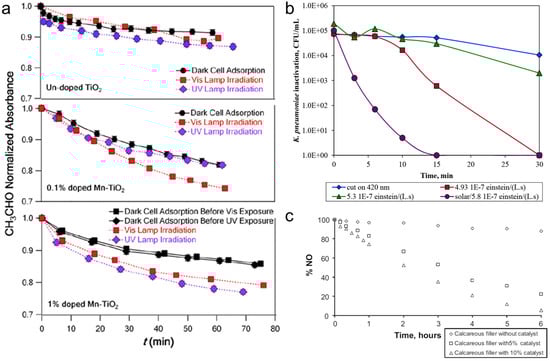
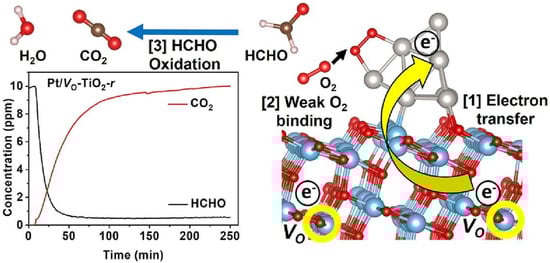
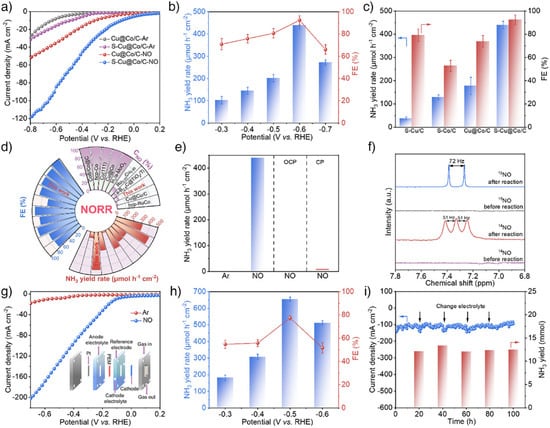
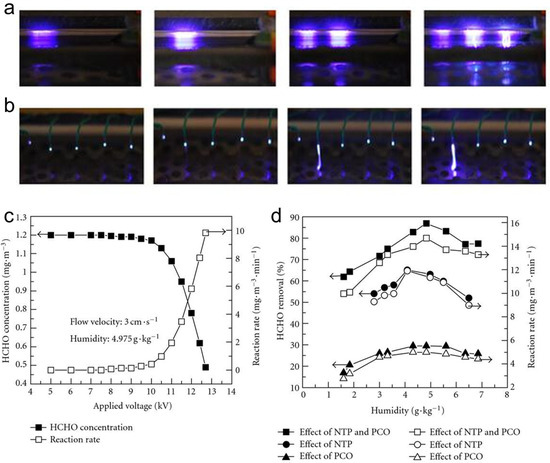
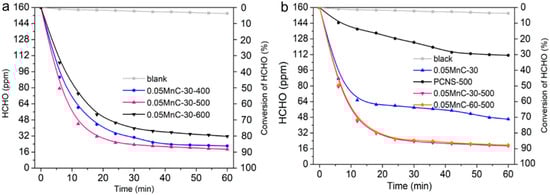
Indoor air pollution, listed by the World Health Organization (WHO) as one of the top 10 environmental risk factors for human health, significantly elevates the risk of respiratory diseases, cardiovascular diseases, and cancers upon long-term exposure. Traditional indoor air purification technologies dominated by physical adsorption and filtration have inherent limitations, including mere pollutant phase transfer, easy saturation, and secondary pollution, while chemical purification centered on pollutant mineralization and degradation is the core development direction for radical elimination of indoor air pollution. Novel nanomaterials, featuring ultra-high specific surface area, precisely tunable active sites and electronic structures, and excellent room-temperature catalytic activity, have become the research focus in this field. This review systematically summarizes the characteristics of typical indoor air pollutants and purification scenario requirements, clarifies the core advantages of chemical purification technologies, details the research progress of novel nanomaterial systems in indoor air chemical purification, and dissects the reaction mechanisms and material optimization strategies of core pathways (photocatalysis, room-temperature thermal catalysis, electrocatalysis, plasma catalysis). We also outline the engineering application status and bottlenecks of these nanomaterials, propose systematic future development directions targeting existing challenges, and aim to provide a reference for fundamental research and industrial application of novel nanomaterials in indoor air purification.
Full article
(This article belongs to the Special Issue Inorganic Nanomaterials for Catalysis and Energy Storage)
►▼
Show Figures

Figure 1
Open AccessFeature PaperArticle
Preparation and Hydrogen Absorption Kinetics Study of Hybrid Molding Metal Hydride Beds
by
Wei Wang, Shuangqing Xu, Xiao Li, Tengfei Cheng, Yongtao Li, Wanggang Fang, Xinghai Ren and Liqing He
Inorganics 2026, 14(4), 110; https://doi.org/10.3390/inorganics14040110 - 12 Apr 2026
Abstract
Hydrogen absorption kinetics in metal hydride beds is constrained by coupled heat and mass transfer, which often leads to a slow refueling response and reduced storage system efficiency. In this work, hybrid molding by mixing silicone gel with various thermally conductive additives was
[...] Read more.
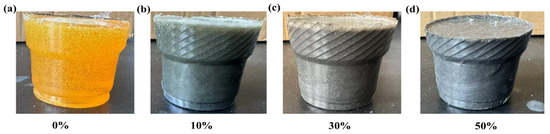
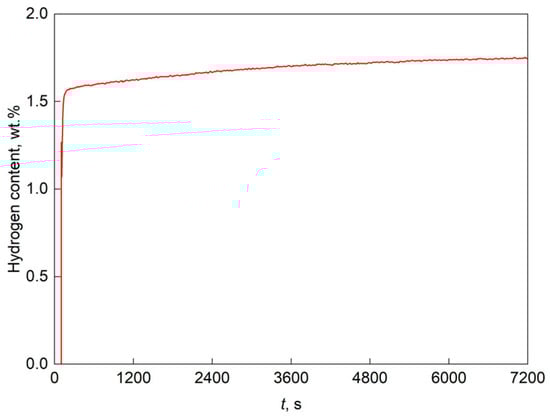
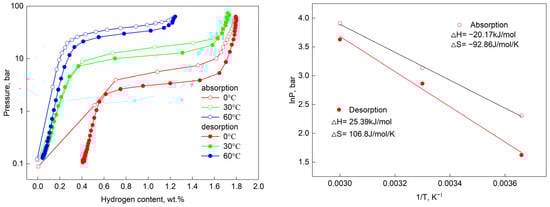
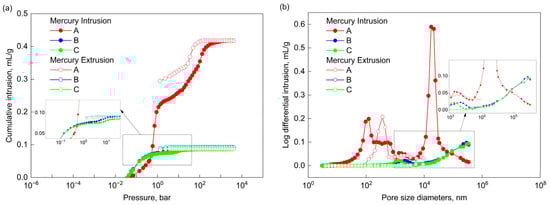
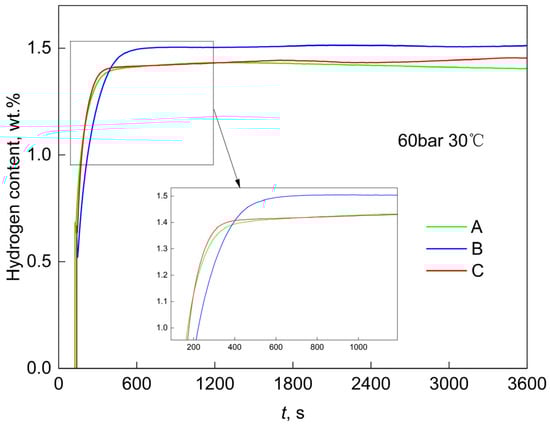
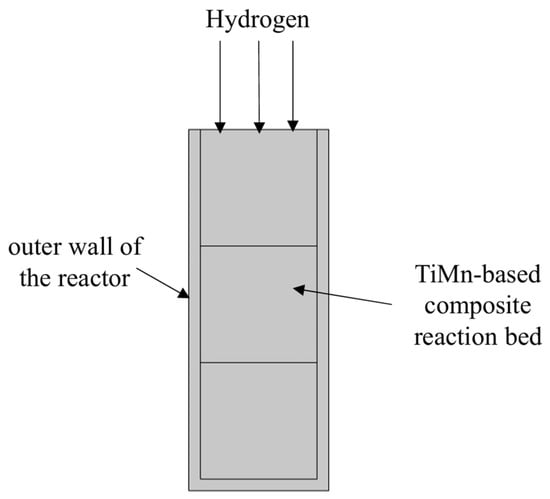
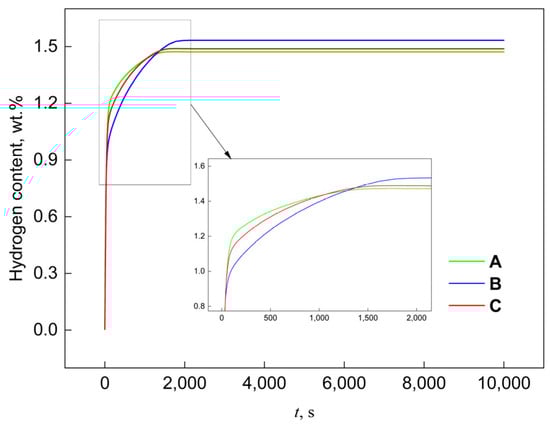
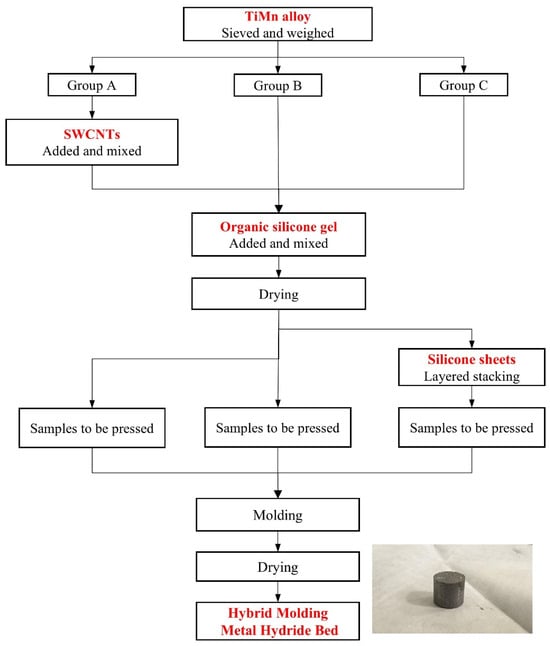
Hydrogen absorption kinetics in metal hydride beds is constrained by coupled heat and mass transfer, which often leads to a slow refueling response and reduced storage system efficiency. In this work, hybrid molding by mixing silicone gel with various thermally conductive additives was used to prepare TiMn-based metal hydride beds with tailored porosity and thermal conductivity. Three experimental groups were prepared: 5 wt.% silicone gel and 5 wt.% single-walled carbon nanotubes (Group A), 5 wt.% silicone gel only (Group B), and 5 wt.% silicone gel and 5 wt.% silicone sheets (Group C). Hydrogen absorption kinetics at 30 °C and 50 bar were measured experimentally and simulated using a coupled heat-mass transfer model in COMSOL Multiphysics. The physical property results showed that Group A exhibited approximately threefold higher porosity (0.527) compared with the other two groups, while its thermal conductivity (2.476 W·m−1·K−1) was the lowest among them (3.189 W·m−1·K−1 for Group B and 3.246 W·m−1·K−1 for Group C). These property differences led to distinct hydrogen absorption rate-limiting behaviors. Group A dominated in the diffusion-controlled stage (hydrogen uptake between 0.5 and 1.15 wt.%) due to enhanced hydrogen transport through its macroporous network, while Group C exhibited faster kinetics in the later stage (above 1.15 wt.%), where thermal conductivity governed the absorption driving force. Numerical simulations reproduced the experimental kinetic curves and confirmed the transition of rate-limiting mechanisms. This work reveals that the rate-limiting factors of hydrogen absorption in hybrid molding hydride beds vary across different stages, and that independent optimization of porosity and thermal conductivity is required to achieve rapid kinetics across the entire absorption process.
Full article
(This article belongs to the Special Issue Inorganics Emerging Investigators Themed Collection)
►▼
Show Figures

Figure 1

Open AccessArticle
Role of ZrO2 and Porosity Induced by Activated Carbon and Starch Templates in NiMo/Al2O3-ZrO2 Catalysts for Naphthalene Hydrogenation and 4,6-Dimethyldibenzothiophene Hydrodesulfurization
by
Esneyder Puello Polo, Elíseo Díaz Varela and Carlos A. T. Toloza
Inorganics 2026, 14(4), 109; https://doi.org/10.3390/inorganics14040109 - 11 Apr 2026
Abstract
The influence of zirconia incorporation and template type on the physicochemical properties of NiMo/Al2O3-ZrO2 catalysts was investigated for the hydrodesulfurization (HDS) of 4,6-dimethyldibenzothiophene (4,6-DMDBT) and the hydrogenation (HYD) of naphthalene (N). Catalysts were prepared by co-impregnation on supports
[...] Read more.
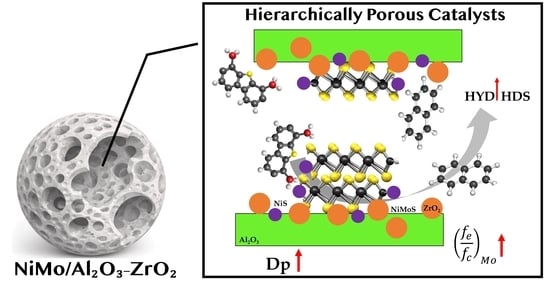
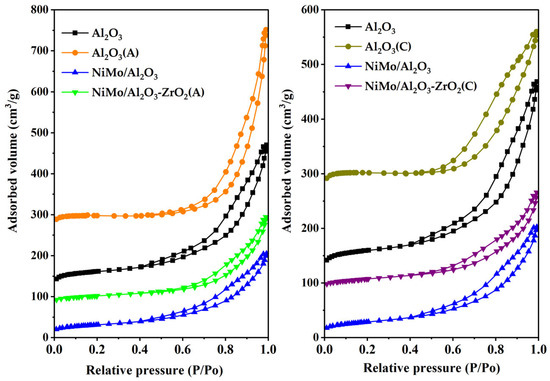
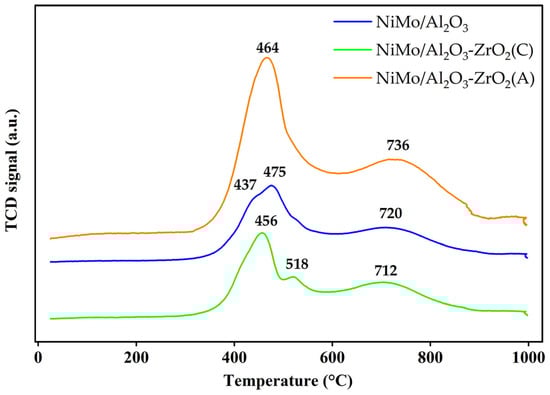
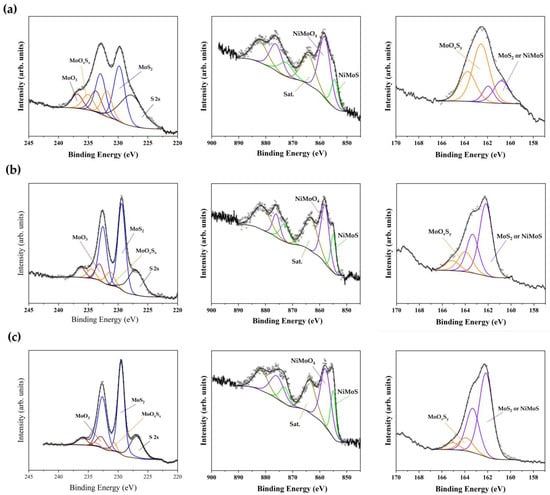
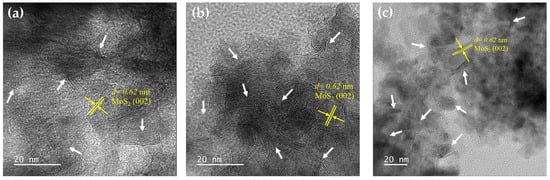
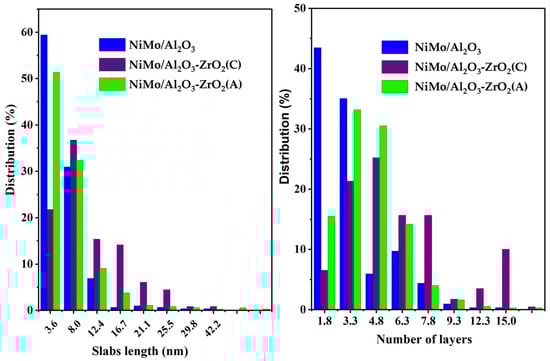
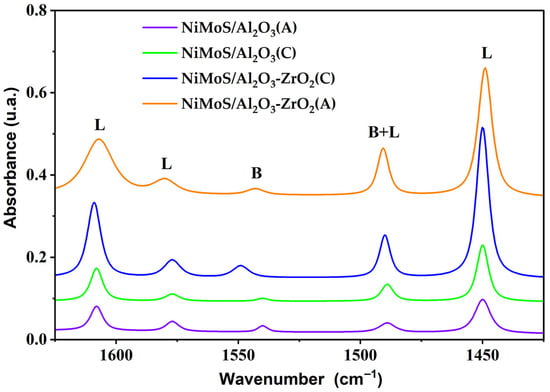
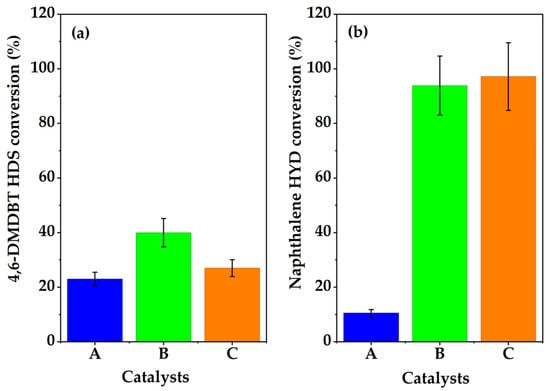
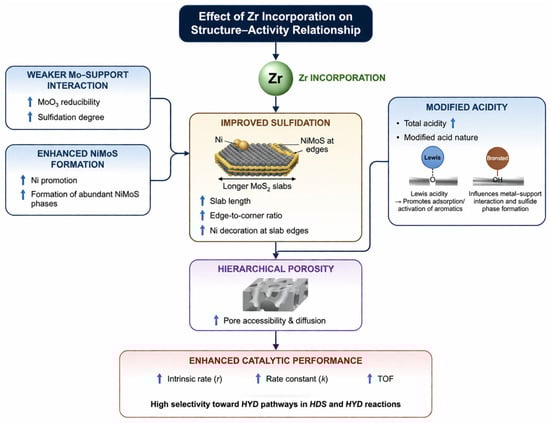
The influence of zirconia incorporation and template type on the physicochemical properties of NiMo/Al2O3-ZrO2 catalysts was investigated for the hydrodesulfurization (HDS) of 4,6-dimethyldibenzothiophene (4,6-DMDBT) and the hydrogenation (HYD) of naphthalene (N). Catalysts were prepared by co-impregnation on supports synthesized via a sol-gel method using starch (A) and activated carbon (C) as structure-directing templates, followed by zirconium incorporation through a grafting procedure. The resulting materials were characterized by SEM–EDX, N2 physisorption, H2-TPR, XPS, HRTEM, and pyridine-FTIR. SEM-EDX confirmed homogeneous metal distributions and compositions close to nominal values (Mo = 20 wt%, Ni = 5 wt%, Zr = 11 wt%) with Ni/(Ni + Mo) = 0.30. N2 adsorption–desorption isotherms correspond to type IV(a) with H3-H4 hysteresis loops, characteristic of mesoporous structures. After metal incorporation, surface areas decreased to 96 m2 g−1 for NiMo/Al2O3 and 81 m2 g−1 for Zr-modified catalysts, while the activated carbon-templated sample preserved a larger mesoporous volume (0.335 cm3 g−1) and higher macroporosity (72%). H2-TPR profiles indicated improved reducibility for Zr-containing catalysts. XPS revealed an increase of MoS2 species from 45% in NiMo/Al2O3 to 75% in NiMo/Al2O3-ZrO2(C), accompanied by a higher degree of sulfidation index (DSI) from 47.1% to 73.9%. HRTEM analysis of Zr-modified catalysts revealed longer MoS2 slabs (11.8–12.1 nm) and higher edge-to-corner ratios (17–17.4) compared with NiMo/Al2O3 (6.2 nm; fe/fc = 8.2). Pyridine-FTIR showed a substantial increase in total acidity from 91 to 421 μmol g−1 upon Zr addition. Catalytically, NiMo/Al2O3-ZrO2(C) exhibited the highest HDS conversion (40%), reaction rate (10.5 × 10⁻⁹ mol s−1 g−1), and TOF (4.69 × 10⁻⁵ s−1), whereas NiMo/Al2O3-ZrO2(A) reached the highest naphthalene conversion (97.18%), with a reaction rate of 27.4 × 10⁻⁷ mol s−1 g−1 and TOF of 12.9 × 10⁻³ s−1. These results demonstrate that Zr incorporation and the activated carbon template favored hydrodesulfurization, whereas the starch template promoted hydrogenation performance.
Full article
(This article belongs to the Special Issue Multifunctional Composites and Hybrid Materials)
►▼
Show Figures

Graphical abstract
Open AccessArticle
A Robust Zn-MOF Integrating Selective Luminescence Detection and On-Site Visual Monitoring of PNP and BNPP in Water
by
Jie Dong, Xiang Xiong, Xin-Yu Tian, Man Yu, Ning Wang and Jie-Zheng Li
Inorganics 2026, 14(4), 108; https://doi.org/10.3390/inorganics14040108 - 11 Apr 2026
Abstract
p-Nitrophenol (PNP) and bis(4-nitrophenyl) phosphate (BNPP), as typical persistent and toxic organic contaminants, present significant risks to both ecological systems and human health. Accurately quantifying these compounds using luminescent sensors remains a formidable task. In this study, we successfully synthesized a zinc-based metal–organic
[...] Read more.
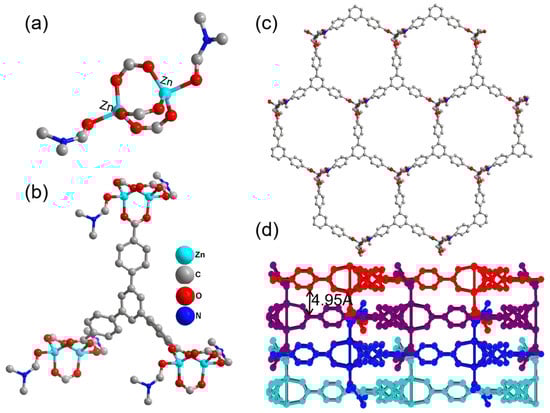
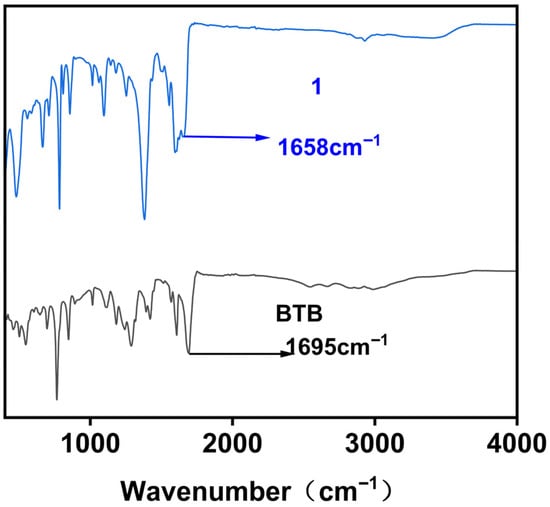
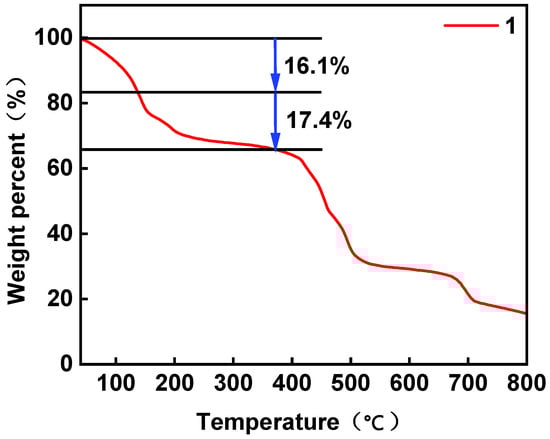
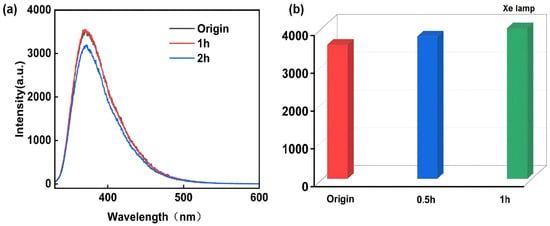
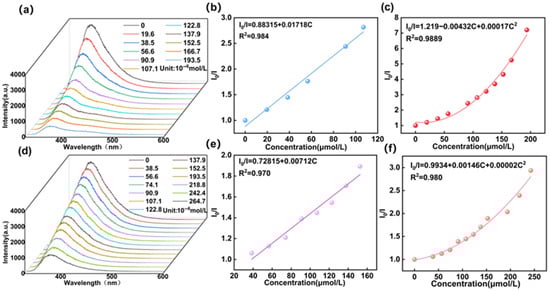
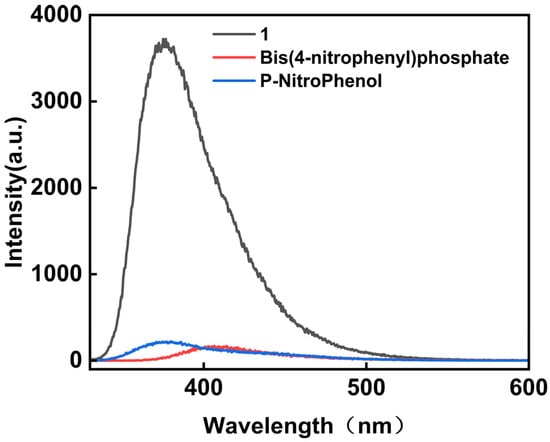
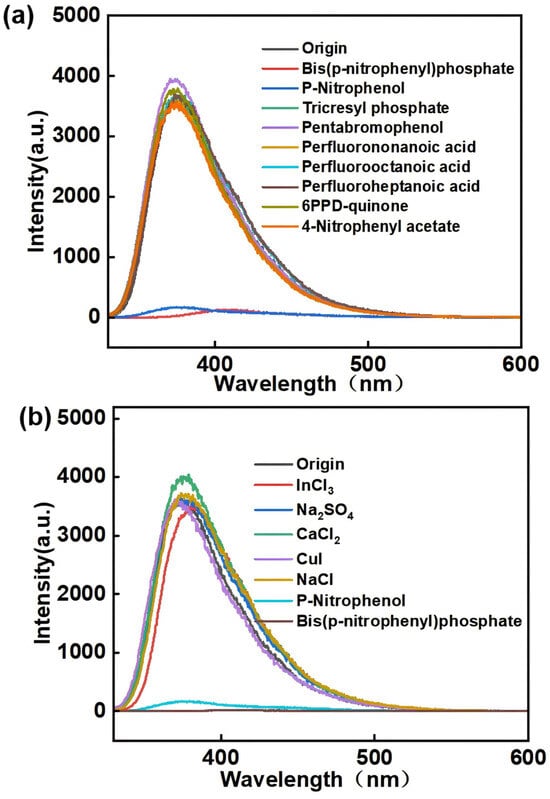
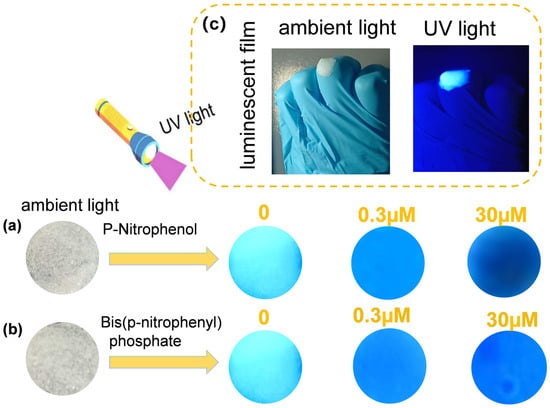
p-Nitrophenol (PNP) and bis(4-nitrophenyl) phosphate (BNPP), as typical persistent and toxic organic contaminants, present significant risks to both ecological systems and human health. Accurately quantifying these compounds using luminescent sensors remains a formidable task. In this study, we successfully synthesized a zinc-based metal–organic framework (Zn-MOF) that functions as a luminescent sensing material. The synthesized Zn-MOF demonstrates exceptional dual-response luminescent detection toward PNP and BNPP, with detection limits as low as 3.49 × 10⁻⁶ and 8.43 × 10⁻⁶ mol/L, respectively. The sensor maintains high selectivity and functionality even in the presence of various potentially interfering substances commonly found in complex environmental samples. Moreover, the material can be fabricated into a visual sensing film, greatly facilitating its application in on-site rapid detection scenarios. Overall, this work introduces a novel luminescent sensor platform that enables fast and reliable monitoring of PNP and BNPP in environmental contexts, demonstrating strong potential for integration into real-time surveillance and early warning systems.
Full article
(This article belongs to the Section Coordination Chemistry)
►▼
Show Figures

Figure 1
Open AccessArticle
A Novel Sc-Doped PrBaFe2O6-δ Cathode Enables High Performance for Proton Ceramic Fuel Cells
by
Erxi Zhang, Jingxiong Liu, Yujia Nie, Wei Zhou, Feng Li and Peixin Xu
Inorganics 2026, 14(4), 107; https://doi.org/10.3390/inorganics14040107 - 10 Apr 2026
Abstract
To optimize the oxygen reduction reaction activity and long-term stability of the PrBaFe2O6-δ (PBF) cathode for protonic ceramic fuel cell (PCFC), this study employed the sol–gel method to dope Sc at the Fe-site of PBF, preparing a novel PrBaFe1.8
[...] Read more.
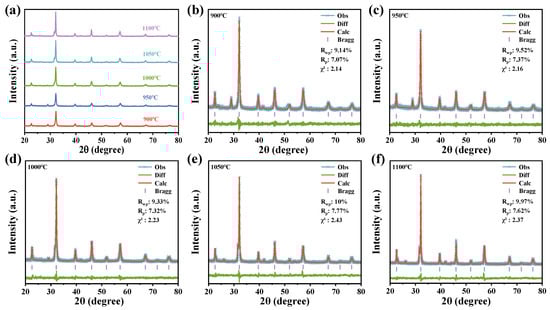
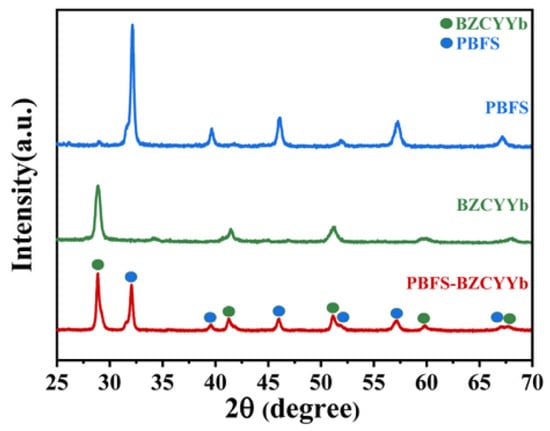
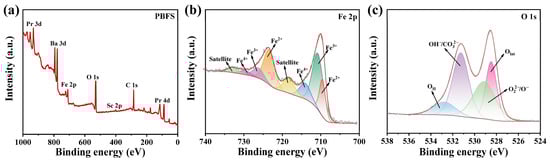
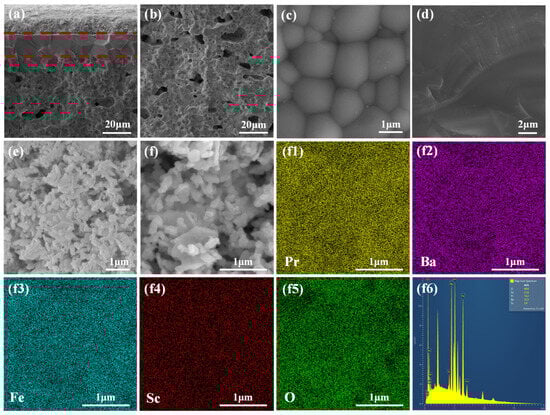
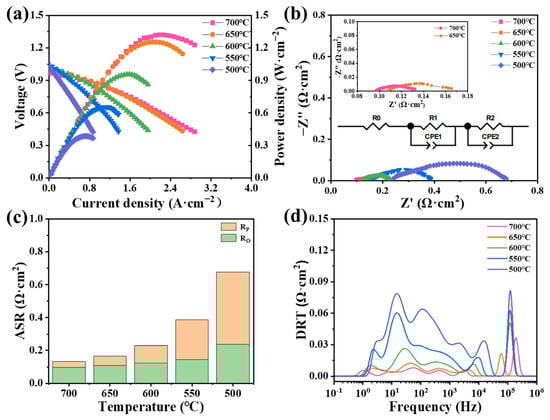
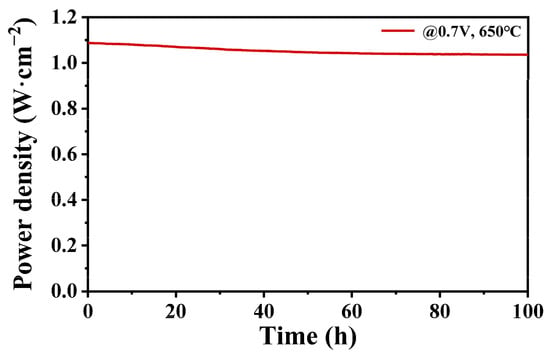
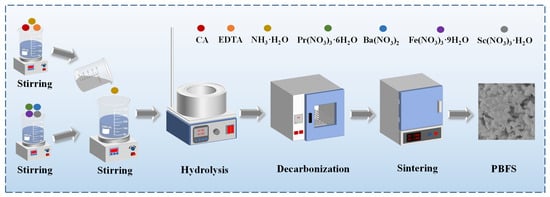
To optimize the oxygen reduction reaction activity and long-term stability of the PrBaFe2O6-δ (PBF) cathode for protonic ceramic fuel cell (PCFC), this study employed the sol–gel method to dope Sc at the Fe-site of PBF, preparing a novel PrBaFe1.8Sc0.2O6-δ (PBFS) cathode. The effects of different sintering temperatures on the phase composition, microstructure, and electrochemical performance of the PBFS cathode were systematically studied. Results showed that the PBFS cathode sintered at 1000 °C formed a single cubic perovskite structure, exhibiting excellent chemical compatibility with the electrolyte. Sc doping induced Fe in the cathode to exhibit a mixed valence state of Fe2+/Fe3+/Fe4+, thus significantly increasing the oxygen vacancy concentration. The single cell assembled achieved a peak power density of 1.303 W·cm−2 and a polarization resistance as low as 0.035 Ω·cm2 with H2 as the fuel at 700 °C. Moreover, after 100 h of long-term operation at 650 °C, the power density decayed by only 5.23%, thus demonstrating excellent long-term stability. This study offers an efficient cobalt-free cathode candidate for PCFC.
Full article
(This article belongs to the Section Inorganic Materials)
►▼
Show Figures

Figure 1
Open AccessArticle
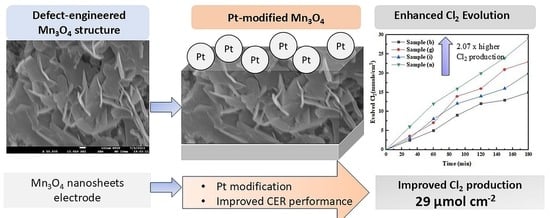
Electrochemical Performance of Pt-Modified Mn3O4 Electrodes for Chlorine Evolution
by
Guan-Ting Pan and Aleksandar N. Nikoloski
Inorganics 2026, 14(4), 106; https://doi.org/10.3390/inorganics14040106 - 10 Apr 2026
Abstract
Electrochemical chlorine production is of considerable industrial importance in areas such as water treatment, chemical manufacturing, and disinfection. However, conventional precious metal-based dimensionally stable anodes (DSAs), such as RuO2- and IrO2-based systems, are limited by high cost and resource
[...] Read more.
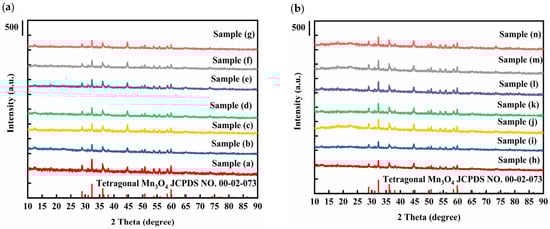
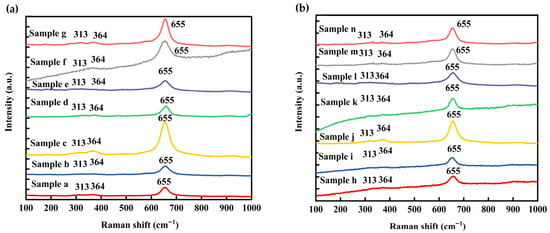
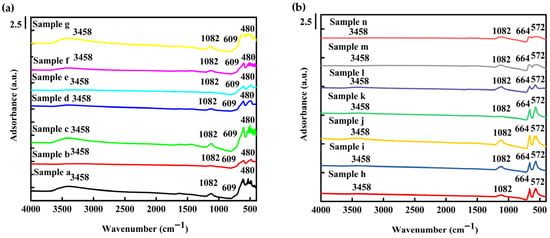
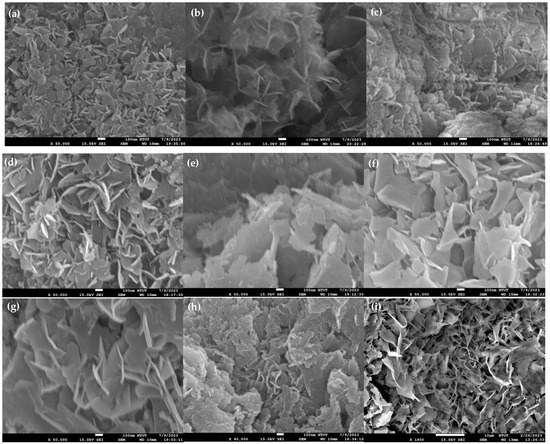
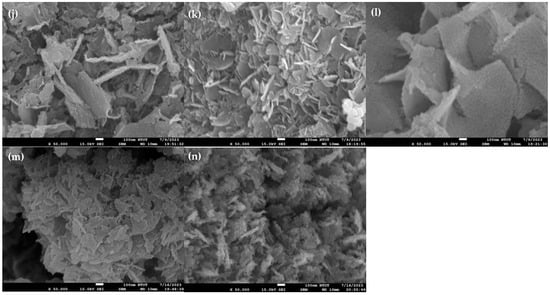
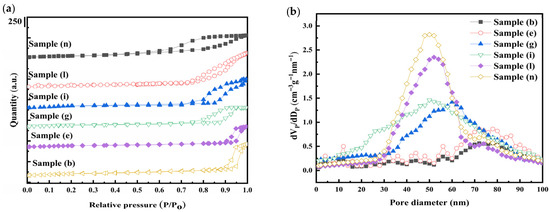
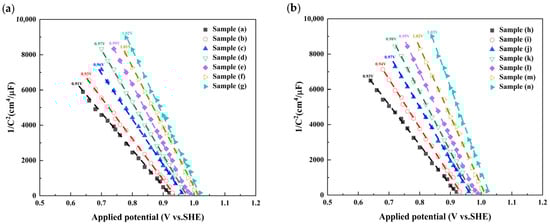
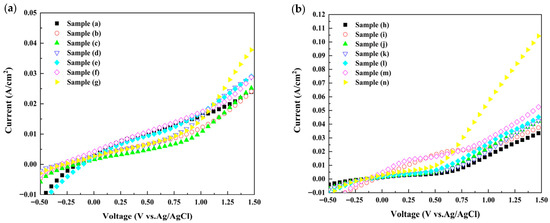
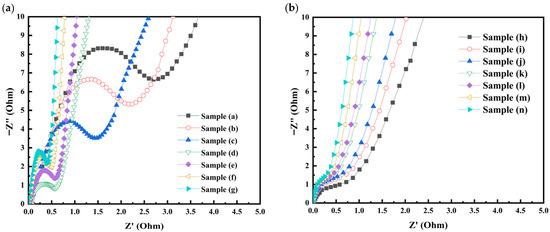
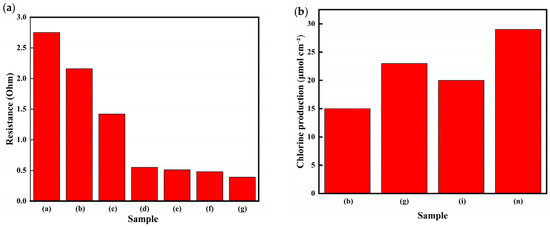
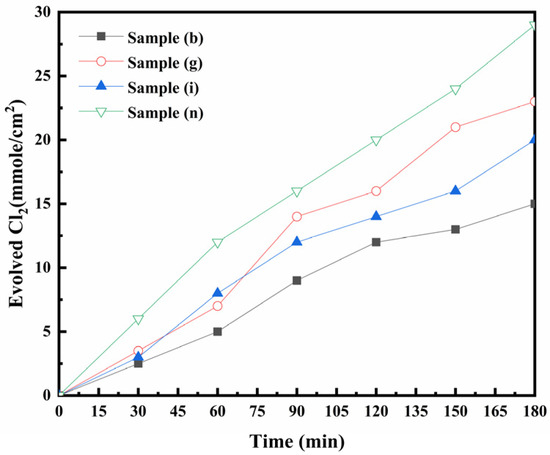
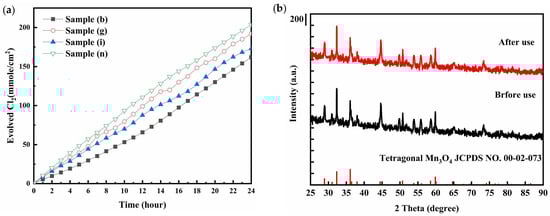
Electrochemical chlorine production is of considerable industrial importance in areas such as water treatment, chemical manufacturing, and disinfection. However, conventional precious metal-based dimensionally stable anodes (DSAs), such as RuO2- and IrO2-based systems, are limited by high cost and resource constraints, motivating the development of low-cost alternative catalysts. In this study, Mn3O4 electrodes with controllable defect characteristics were fabricated by electrochemical deposition under various processing conditions. The effects of defect modulation and surface modification on the structural, electronic, and electrochemical properties of the electrodes were systematically evaluated. X-ray diffraction analysis confirmed that all deposited films retained a stable tetragonal Mn3O4 crystal structure, indicating that the deposition parameters primarily influenced defect states rather than the bulk phase. Mott–Schottky measurements revealed that the Mn3O4 electrodes exhibited p-type semiconducting behavior, with charge carrier densities on the order of 1014 cm−3, suggesting that oxygen vacancy-related defect states may contribute to the observed electronic properties of the electrodes. To further enhance anodic performance, Pt was introduced onto the Mn3O4 surface via sputtering, resulting in significantly improved charge transfer characteristics. Electrochemical measurements demonstrated that the best performing Pt/Mn3O4 electrodes delivered a current density exceeding 100 mA cm−2 at an applied potential of 1.5 V versus Ag/AgCl. More importantly, defect-enriched Pt/Mn3O4 electrodes exhibited markedly enhanced chlorine evolution activity, with the chlorine production rate increasing from approximately 14 µmol cm−2 to 29 µmol cm−2, corresponding to an enhancement of about 2.07-fold. Faradaic efficiency analysis further showed that sample (g) and sample (n) achieved chlorine evolution efficiencies of 59.2% and 74.6%, respectively, indicating a higher tendency toward chlorine evolution for the Pt-modified electrodes under the tested conditions. These findings suggest that the synergistic combination of defect engineering and surface modification effectively modulates the electronic structure of Mn3O4, providing a viable strategy for improving chlorine evolution performance.
Full article
(This article belongs to the Section Inorganic Materials)
►▼
Show Figures

Graphical abstract
Open AccessArticle
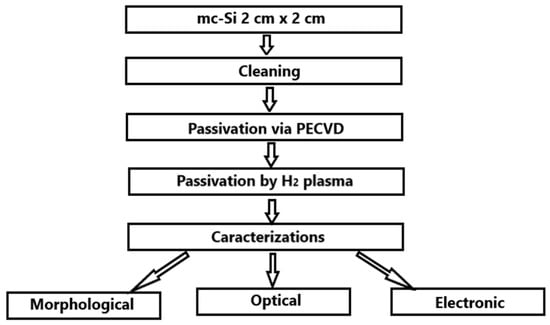
Electrical and Electronic Quality Improvement of Multicrystalline Silicon Solar Cells via Hydrogen Plasma Treatment
by
Ameny El Haj, Achref Mannai, Hassen Nouri, Karim Choubani, Mohammed A. Almeshaal, Wissem Dimassi and Mohamed Ben Rabha
Inorganics 2026, 14(4), 105; https://doi.org/10.3390/inorganics14040105 - 7 Apr 2026
Abstract
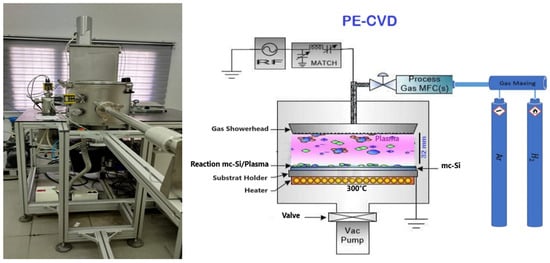
In this work, the impact of hydrogen plasma treatment on the electrical and electronic quality of multicrystalline silicon (mc-Si) was systematically investigated using plasma-enhanced chemical vapor deposition (PE-CVD). Hydrogen radicals generated in the plasma effectively passivate dangling bonds, reducing electrically active defects and
[...] Read more.
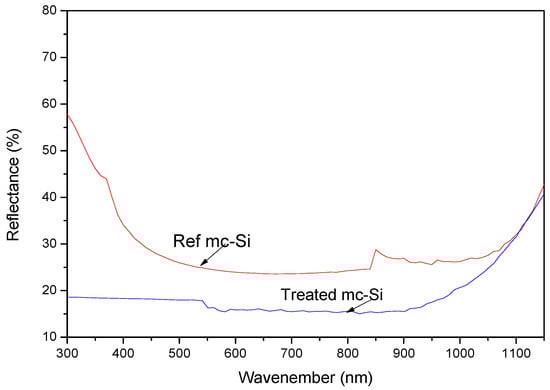
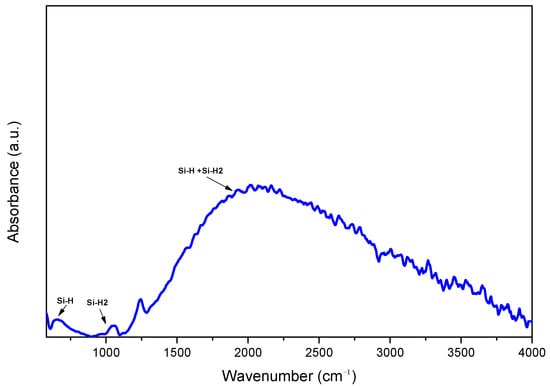
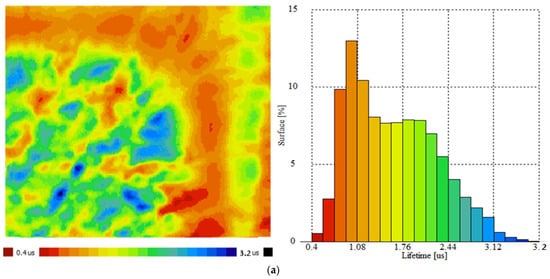
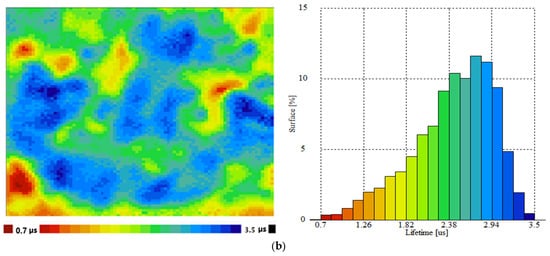
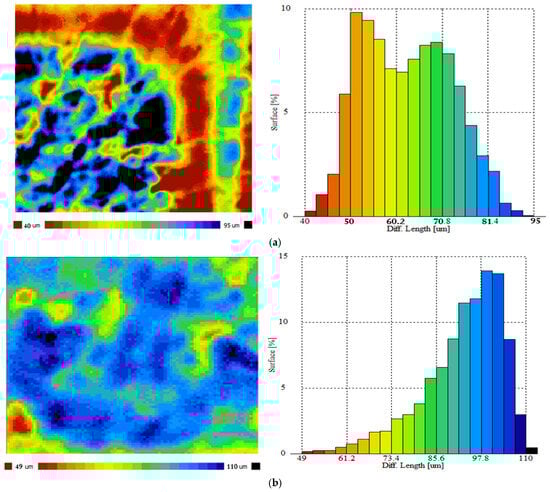
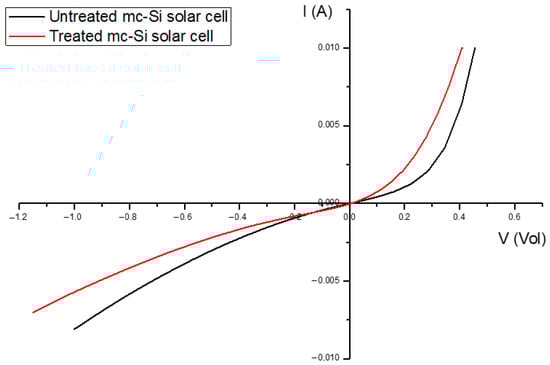
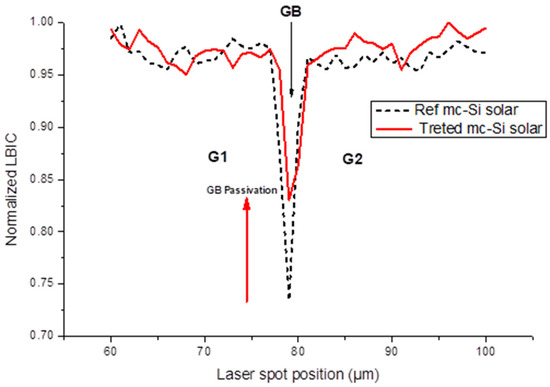
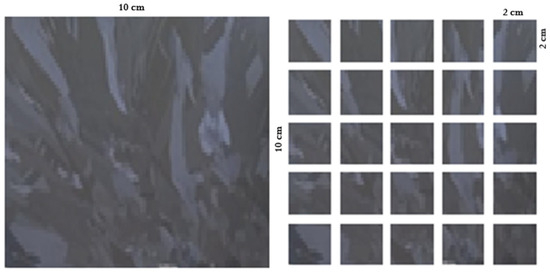
In this work, the impact of hydrogen plasma treatment on the electrical and electronic quality of multicrystalline silicon (mc-Si) was systematically investigated using plasma-enhanced chemical vapor deposition (PE-CVD). Hydrogen radicals generated in the plasma effectively passivate dangling bonds, reducing electrically active defects and enhancing material quality. Optimized PE-CVD conditions were applied to promote efficient hydrogen incorporation and surface modification. Optical characterization, including reflectivity measurements and FT-IR spectroscopy, confirms the formation of Si–H bonds and a significant reduction in surface reflectivity of up to 66% at 600 nm. Electrical and optoelectronic analyses reveal pronounced improvements in carrier lifetime and diffusion length, increased by 200% and 79%, respectively. In addition, dark current–voltage (I–V) measurements show a 32% decrease in series resistance and a 51% increase in shunt resistance, indicating enhanced charge transport and suppressed leakage currents. These macroscopic electrical improvements are supported by light beam-induced current (LBIC) measurements, which demonstrate a 14% increase in grain boundary current, confirming effective hydrogen passivation and reduced recombination. Overall, hydrogen plasma PE-CVD treatment is shown to significantly improve the electronic quality and photovoltaic performance of mc-Si solar cells.
Full article
(This article belongs to the Special Issue New Semiconductor Materials for Energy Conversion, 2nd Edition)
►▼
Show Figures

Figure 1
Open AccessArticle
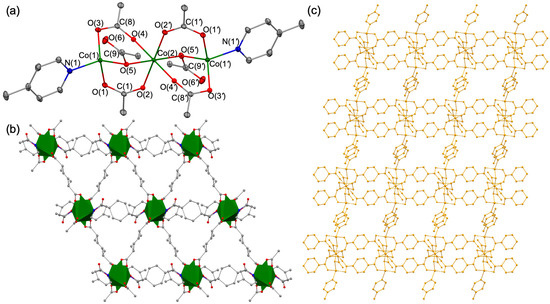
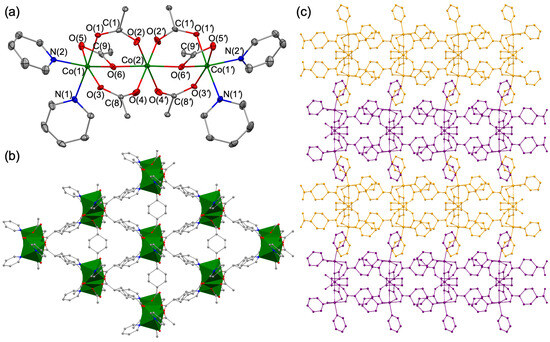
Modulation of Co3-Based Secondary Building Units in Metal–Organic Frameworks via Pyridine-Derived Ligands: Crystal Structures, Magnetic Properties, and Electronic Spin States
by
Kanami Matsubara, Natsumi Yano, Hiroshi Sakiyama, Makoto Handa and Yusuke Kataoka
Inorganics 2026, 14(4), 104; https://doi.org/10.3390/inorganics14040104 - 4 Apr 2026
Abstract
Two trinuclear cobalt (Co3)-based metal–organic frameworks, [Co3(CHDC)3(py)4] (2; CHDC = trans-1,4-cyclohexanedicarboxylate, py = pyridine) and [Co3(CHDC)3(mpy)2]· 2DMF (3; mpy = 4-methylpyridine, DMF = N
[...] Read more.
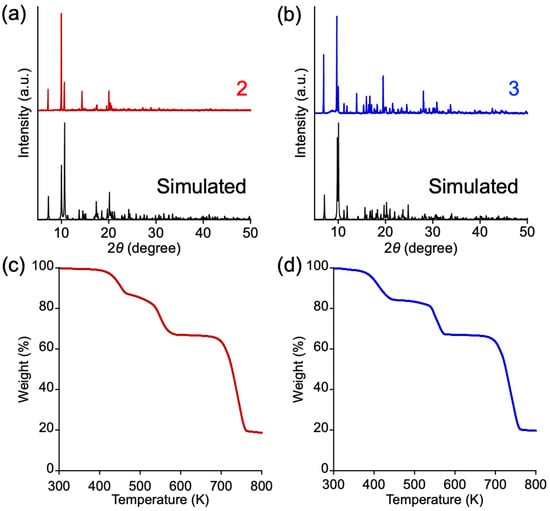
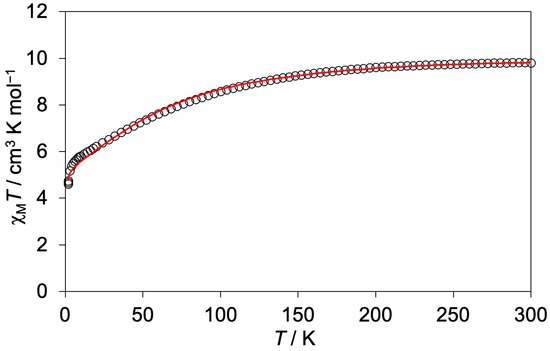
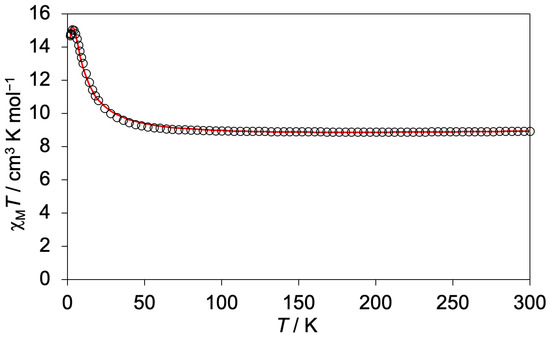
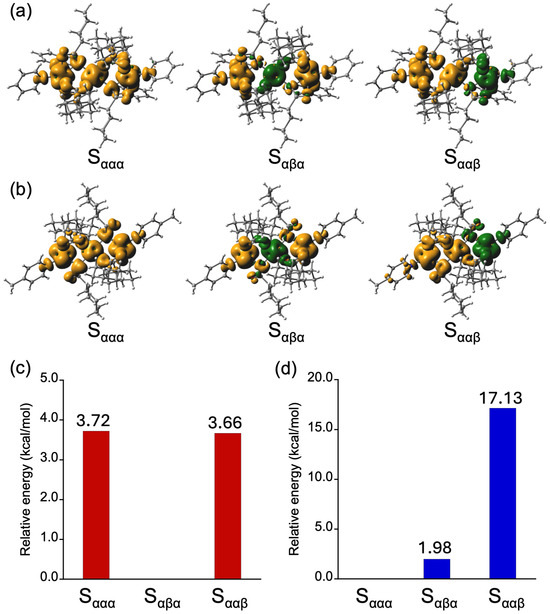
Two trinuclear cobalt (Co3)-based metal–organic frameworks, [Co3(CHDC)3(py)4] (2; CHDC = trans-1,4-cyclohexanedicarboxylate, py = pyridine) and [Co3(CHDC)3(mpy)2]· 2DMF (3; mpy = 4-methylpyridine, DMF = N,N-dimethylformamide), were successfully prepared via the solvothermal reactions of Co(NO3)2·6H2O, trans-1,4-cyclohexanedicarboxylic acid, and py/mpy in DMF solution. Single crystal X-ray diffraction analyses revealed that the Co3-secondary building units (SBUs) in 2 and 3 adopt Cooctahedral···Cooctahedral···Cooctahedral and Cotetrahedral···Cooctahedral···Cotetrahedral coordination environments, respectively, and are connected by six CHDC linkers to form two-dimensional sheet structures with a triangular lattice. The structural differences of these Co3-SBUs led to clear differences in the magnetic properties and electronic spin states of 2 and 3; temperature-dependent magnetic susceptibility measurements revealed that 2 and 3 exhibited antiferromagnetic and ferromagnetic interactions, respectively, within the Co3-SBUs. These experimental magnetic results are consistent with the density-functional theory calculations of the model structures of Co3-SBUs, which indicate that the most stable spin states are S = 3/2 for 2 and S = 9/2 for 3.
Full article
(This article belongs to the Special Issue Editorial Board Members’ Collection Series in “Featuring Ligands and Their Applications in Coordination Chemistry”, 2nd Edition)
►▼
Show Figures

Figure 1
Journal Menu
► ▼ Journal Menu-
- Inorganics Home
- Aims & Scope
- Editorial Board
- Reviewer Board
- Topical Advisory Panel
- Instructions for Authors
- Special Issues
- Topics
- Sections & Collections
- Article Processing Charge
- Indexing & Archiving
- Editor’s Choice Articles
- Most Cited & Viewed
- Journal Statistics
- Journal History
- Journal Awards
- Conferences
- Editorial Office
Journal Browser
► ▼ Journal BrowserHighly Accessed Articles
Latest Books
E-Mail Alert
News
Topics
Topic in
Chemistry, Molecules, IJMS, Biomolecules, Inorganics
Metal Ions in Health and Diseases: Current Progress and Future Challenges
Topic Editors: Massimiliano F. Peana, Carlo Santini, Maura PelleiDeadline: 31 May 2026
Topic in
Applied Nano, Materials, Molecules, Nanomaterials, Polymers, Processes, Lubricants, Inorganics
Preparation and Application of Polymer Nanocomposites, 2nd Edition
Topic Editors: Hongbo Gu, Zilong Deng, Donglu Fang, Xianhu Liu, Kai Sun, Hu LiuDeadline: 31 August 2026
Topic in
Crystals, Inorganics, Polymers, Molecules, Chemistry, Pharmaceutics, Materials, Sustainability
Molecular and Supramolecular Mechanosynthesis
Topic Editors: Vasco D. B. Bonifácio, Clara B. Gomes, Rita F. PiresDeadline: 31 December 2026
Topic in
Atoms, Crystals, Molecules, Organics, Symmetry, Inorganics
Advances in Molecular Symmetry and Chirality Research
Topic Editors: Ralph N. Salvatore, Guzman Gil-RamirezDeadline: 18 January 2027
Conferences
Special Issues
Special Issue in
Inorganics
Novel Photo(electro)catalytic Degradation
Guest Editor: Potlako J. MafaDeadline: 30 April 2026
Special Issue in
Inorganics
Advances in Polyoxometalate Chemistry: Structure, Synthesis, and Applications
Guest Editors: Shenzhen Chang, Yaru Gong, Yanhong ChenDeadline: 30 April 2026
Special Issue in
Inorganics
Metal Catalyst Discovery, Design and Synthesis, 2nd Edition
Guest Editor: Geun-Ho HanDeadline: 30 April 2026
Special Issue in
Inorganics
Luminescent and Photoluminescent Properties of Hybrid Halide Materials
Guest Editor: Shuai ZhangDeadline: 30 April 2026
Topical Collections
Topical Collection in
Inorganics
Coordination Complexes for Dye-Sensitized Solar Cells (DSCs)
Collection Editor: Catherine Housecroft