


Abstract
This review systematically analyzes the technological progress, structural characteristics, and performance disparities among various diamond grinding wheel bond systems, aiming to establish a unified performance evaluation framework. This framework clarifies material selection criteria and highlights promising research directions. Eight prevalent bond systems are encompassed: resin, metal, ceramic, brazing, electroplating, composite, additive manufacturing, and glass-ceramics. A comparative analysis of these systems is conducted across multiple dimensions. Key evaluation metrics primarily include bond strength, thermal stability, self-sharpening capability, thermal conductivity, and formability. Considerable variations in these indicators are observed across the different bonding agents. Each system presents distinct advantages alongside inherent limitations. Within the constructed multi-metric framework, glass-ceramic bonding agents demonstrate high comprehensive potential in critical aspects such as bond strength and thermal stability, underscoring their research value as a novel high-performance bond system. Current primary challenges focus on the regulation of crystallization kinetics, the design of interfacial reaction layers, and multiscale performance prediction. Future research may advance along several paths. Synergistic design of material composition and microstructure is essential, while in-depth investigation into multiphysics coupling mechanisms remains necessary. Furthermore, data-driven material optimization methods are poised to unlock new possibilities for bond development. These approaches are expected to facilitate the precise design and application of high-performance diamond grinding wheel bonds.
1. Introduction
Diamond grinding wheels play a vital role in machining hard and brittle materials, leveraging the exceptional hardness [1,2], thermal conductivity [3], and thermal stability [4] of diamond abrasives. However, individual abrasive grains cannot perform cutting independently; they require bonding agents to form a coherent and effective working layer. The selection of the bonding agent system critically determines overall wheel performance, influencing key outcomes such as material removal rate, workpiece surface quality, and tool life, while also governing the grinding temperature rise [5]. Consequently, a thorough investigation into the characteristics of different bond systems is warranted. Furthermore, the interfacial interactions between the abrasive grains and the bond matrix are equally significant. Therefore, gaining a profound understanding of various bond systems and their interfacial mechanisms is crucial for enhancing process stability and, ultimately, improving machining quality.
Within the abrasives industry, diamond grinding wheel bond systems hold a pivotal position. The market is currently evolving, characterized by a trend towards diversification in both bond materials and application fields. Market analyses indicate that the overall abrasives sector continues to exhibit expansion, with sustained growth in demand for bonded abrasive products, including diamond grinding wheels. For instance, Technavio forecasts that the global grinding wheel market will grow by approximately USD 6.29 billion between 2025 and 2029 [6]. This growth is further propelled by the rising demand for diamond tools in key sectors such as the automotive industry, electronics manufacturing, and precision engineering, which in turn drives the advancement of the diamond abrasive bond market [7].
Bonding agents perform multiple critical functions within grinding wheels. They not only secure diamond abrasive grains to the wheel substrate but also facilitate heat conduction [8] and lubrication [9], while providing resistance to chemical erosion [10,11,12]. Currently, mainstream bond systems are broadly categorized into three types: metallic, resin, and ceramic [13]. Alongside these established systems, novel bond formulations are continually under development. Each system exhibits distinct advantages alongside inherent limitations. Therefore, a systematic comparison of these characteristics forms a crucial foundation for evaluating the feasibility and potential of emerging bond systems (Figure 1).
Figure 1.
Classification of bond systems and their application scenarios.
Resin bonds are characterized by high flexibility, excellent vibration damping, and effective shock absorption properties. These attributes contribute to reduced vibration and noise during the grinding process while enabling the achievement of superior surface finishes [14,15]. However, their relatively low thermal stability renders them more susceptible to thermal effects from coolants and lubricants compared to ceramic bonds. This can lead to the formation of altered surface layers on the bond material. Such alteration modifies the grinding wheel’s surface topography, which subsequently compromises the strength of the bond interface and overall grinding performance [16].
Ceramic bonds have become the most prevalent choice for diamond grinding wheels, owing to their high thermal stability, chemical resistance, and their ability to form robust bonds with diamond abrasives [17]. Despite these advantages, this system presents notable drawbacks. Ceramic materials are inherently brittle, rendering them prone to fracture. Their limited flexibility can lead to stress concentration during grinding, and they generally exhibit relatively low impact resistance [18].
Metal-bonded diamond grinding wheels are characterized by high structural stability, excellent wear resistance, and superior thermal conductivity. They can securely retain diamond abrasives even under heavy grinding loads, making them particularly suitable for machining hard and highly abrasive materials [19]. However, this system faces certain challenges, including higher manufacturing costs and a tendency for wheel loading, which can reduce grinding efficiency. In contrast, brazed bonds offer superior cutting efficiency. This system achieves very strong abrasive retention, significantly enhancing the material removal capacity of the wheel. A primary drawback is that the brazing process typically requires elevated temperatures, which may induce thermal damage to the diamond grains and consequently compromise their cutting performance. Electroplated Bonding Agents feature a high degree of abrasive protrusion, facilitating a more aggressive cutting action. Nevertheless, compared to other bond systems, electroplated grinding wheels generally exhibit a shorter operational lifespan [20].
Research on diamond grinding wheel bonds is transitioning from conventional material property optimization towards structured and functionalized design approaches. Current investigations predominantly focus on achieving localized performance enhancements within specific, individual bond systems. Consequently, systematic comparisons elucidating the relationships among composition, microstructure, and performance across different bond types remain relatively limited. This review, therefore, centers on the principles of performance matching and interfacial synergy. It constructs a unified evaluation framework for analyzing multiple bond systems. This framework aims to reveal intrinsic correlations between critical properties, including bonding strength, thermal stability, self-sharpening capability, and machinability. By comprehensively reviewing both traditional and novel bonding agents, this work clarifies the key mechanisms governing overall grinding wheel performance, thereby providing a foundational basis for the material selection and development of emerging agents, such as glass-ceramics.
This review is intended to systematically examine the developmental status and performance characteristics of diamond grinding wheel bond systems by establishing a multi-dimensional evaluation framework centered on the interrelationships among composition, microstructure, and properties. A comparative analysis is conducted across multiple bond types, including resin, ceramic, metal, brazed, composite, electroplated, and additive manufacturing variants. Each system exhibits distinct advantages in terms of bond strength, thermal stability, self-sharpening capability, and interface stability. The derived insights provide a theoretical foundation for the design of novel high-performance bonds. Furthermore, this paper explores the feasibility of employing glass-ceramics as a prospective bonding material, examining its potential for low-temperature densification, high-strength bonding, and thermal stress accommodation.
The research primarily addresses the following key questions: How do the interfacial structures and bonding mechanisms of different bond systems influence abrasive retention and grinding stability? How can the thermal and mechanical properties of bonding agents be effectively matched and synergized under high-temperature grinding conditions? Can composite and structural designs achieve an optimal balance among bond strength, thermal conductivity, and self-sharpening performance? Furthermore, can glass-ceramic bonding agents provide novel material pathways for diamond grinding wheels through their tunable properties and enhanced interfacial compatibility?
To achieve these objectives, the following work will be carried out (Figure 2). This paper first introduces the research background and current market status of diamond grinding wheel bond systems, employing bibliometric and keyword clustering analyses to identify prevailing research hotspots and existing knowledge gaps. Subsequent sections provide a comparative analysis of both traditional and emerging bond systems, examining the research context, performance characteristics, and recent technological advancements for each. Traditional systems are categorized into three primary types, including resin, metal, and ceramic. Emerging systems subjected to critical review include brazing, ceramic-metal composites, and additive manufacturing technologies. A unified performance evaluation framework will be established to systematically assess key metrics such as bond retention strength, self-sharpening capability, and thermal management performance. Based on this framework, the feasibility, potential advantages, and primary challenges of novel systems, such as glass-ceramics, will be analyzed. Finally, the review seeks to establish predictable correlations between material properties and machining performance, thereby providing theoretical support for the precise design of next-generation diamond grinding wheels.
Figure 2.
Schematic diagram illustrating the structure of this review.
The technical roadmap is structured around a sequence of key phases, comprising the identification of research problems, the characterization of material systems and understanding of their mechanisms, the exploration of technological development directions, and finally, the construction and application validation of key performance indicator systems. This structured approach facilitates the systematic correlation between material properties and grinding performance. By mapping critical challenges to the characteristics of bond systems, emerging trends, and defining key performance indicator systems, a coherent and unified logical framework is established (Figure 3).
Figure 3.
Technical roadmap outlining the research methodology and key phases.
2. Current Status of Diamond Grinding Wheel Bond Research
To delineate the research trajectory in diamond grinding wheel bonding agents, this section first examines the fundamental relationship between diamond grinding wheels and their bonding matrices. A keyword co-occurrence network analysis was conducted using VOSviewer (version 1.6.20) software on a corpus of 717 relevant papers retrieved from the Web of Science database. The resulting network diagram is presented in Figure 4.
Figure 4.
Keyword co-occurrence network diagram (overlay visualization). The colors represent the temporal evolution of research topics, with yellow indicating more recent studies. The red box highlights the keyword “glass-ceramic”, indicating that it appears in more recent research within the field of diamond grinding wheel bonding agents.
The overlay visualization generated using VOSviewer (version 1.6.20) indicates the temporal evolution of research topics in the field of diamond grinding wheel bonding agents. In this visualization, colors represent the average publication year of keywords, with yellow tones corresponding to more recent research activity. Keywords related to glass-ceramics are mainly distributed in the relatively recent time period of the map and are associated with topics such as microstructure regulation, sintering behavior, and mechanical properties. This distribution suggests that glass-ceramic bond systems have attracted increasing research attention in recent years and may represent a developing direction in bonding agent design. It should be noted that current studies are still largely at the experimental stage, and further systematic investigation is required to fully assess their engineering applicability and long-term reliability.
To elucidate the temporal evolution of research hotspots, a bibliometric analysis was performed on 996 relevant papers retrieved from the Web of Science database (Figure 5). The line graph illustrates the annual publication volume and its trend, while the background word cloud visualizes the distribution of research attention across different thematic areas.
Figure 5.
Temporal distribution map of research hotspots. The color gradient represents the density of research topics, with warmer colors (yellow) indicating higher concentrations of keywords and thus representing research hotspots.
The trend reveals a sustained increase in research on diamond grinding wheel bonds beginning in 1990, transitioning into a phase of relatively stable development after 2000. Over the past decade, the annual publication volume has consistently ranged between 30 and 45 papers, indicating this field has become a significant and steadily active domain within ultra-precision machining research. The hotspot density map further clarifies the core research areas. The high concentration of keywords such as grinding, performance, diamond, and wear underscores that investigations remain fundamentally anchored in grinding behaviour and performance evaluation, with machining mechanisms and quality control persisting as central themes. Concurrently, material-related topics form distinct clusters within the map. The prominence of keywords like microstructure, ceramics, and sintering signifies a growing research focus extending towards bond composition design and microstructural regulation. The presence of peripheral themes, such as porosity and composites, suggests an emerging trend towards the development of bond systems with tailorable structures and functionally graded properties.
This analysis aligns with the preceding keyword clustering results. Collectively, they indicate that research on diamond grinding wheel bonding agents is gradually transitioning from traditional resin, metal, and ceramic systems towards glass-ceramic systems, which offer controllable structures and tunable properties. This trend provides explicit literature support for the subsequent analysis of novel bond systems.
2.1. Traditional Bonding Systems
2.1.1. Resin Bonding Agents
Resin bonds are widely employed in precision and ultra-precision machining due to their excellent formability, high elasticity, and capacity for low grinding forces. Early research primarily employed phenolic resins as the matrix material. In contrast, their relatively low thermal decomposition temperature and limited bonding strength often render them unsuitable for high-load grinding applications. With advances in material science and processing techniques, research has expanded from single organic systems towards functional composites and greener preparation methods. For instance, Li et al. [21] significantly enhanced the bond strength at the diamond-resin interface by forming a TiC reaction layer on diamond surfaces via a brazing coating technique, laying groundwork for subsequent interfacial reinforcement studies. Concurrently, microwave-assisted curing technology has been developed to improve the energy efficiency and curing uniformity of resin-bonded wheels. Shu et al. [22] achieved efficient fabrication of nickel-plated diamond resin-bonded wheels by utilizing recycled carbon fibers (CFs) as microwave absorbers, reporting increases in flexural strength and hardness by 221% and 211.71%, respectively. These outcomes indicate a transition in resin bond preparation from conventional thermal curing towards energy-field-assisted methodologies.
The advantages of resin-bonded abrasives are primarily attributed to their inherent damping properties and machining adaptability. They effectively reduce grinding forces and vibrations while maintaining excellent surface quality. For example, research by Yin et al. [23] demonstrated that when grinding SiCp/Al composites, resin-bonded wheels generated significantly lower grinding forces than their electroplated counterparts and produced superior surface roughness, highlighting their distinct advantage in applications demanding high surface integrity. Wang [24] further showcased the potential of resin bonds in precision optics fabrication by employing silicon carbide (SiC)-reinforced resin to fabricate hemispherical grinding wheels, achieving a form accuracy of 1.3–2.5 μm during sapphire aspheric machining. Furthermore, Bhatt et al. [25] utilized epoxy resin to replace conventional phenolic systems, thereby enhancing thermal stability while eliminating harmful emissions, demonstrating a pathway towards integrating environmental sustainability with improved performance.
Current research on modifying resin-bonded abrasives is primarily directed toward three key areas, comprising matrix modification, interfacial reinforcement, and dressing process optimization. For instance, Liu et al. [26] enhanced the matrix’s thermal stability by employing a silane-modified phenolic resin (SMPR), reporting a 66% increase in the thermal decomposition temperature and a 14% improvement in flexural strength, thereby illustrating the efficacy of chemical modification in enhancing overall performance. Lin et al. [27] utilized an ethylene-vinyl acetate (EVA)-toughened unsaturated polyester resin system to improve the toughness and durability of the composite. In the realm of cleaning and dressing, Gao et al. [28] proposed electrochemical clean grinding (ECCG) technology, which removes adhered metallic debris via anodic dissolution, effectively preventing wheel loading and reducing energy consumption. Meanwhile, laser and electrolytic dressing have emerged as critical techniques for improving wheel geometry and sharpness. Deng et al. [15] employed acoustic emission monitoring combined with a layered laser scanning strategy to control abrasive protrusion height, achieving a 5.7% reduction in graphitization damage. Zahedi et al. [14] achieved a 29% decrease in energy consumption and improved workpiece surface quality through electrolytic dressing. Furthermore, Luo et al. [29] validated the optimization of laser parameters—specifically at 10 W power and 100 kHz frequency—for preserving abrasive integrity and reducing grinding forces, demonstrating promising potential for engineering applications.
Based on the foregoing, while resin bonds demonstrate flexibility and excellent formability, their thermal stability and interfacial strength remain inherently limited. Consequently, current modification strategies are primarily directed towards interfacial reinforcement and the development of green curing technologies.
2.1.2. Ceramic Bonding Agents
Ceramic bonds are characterized by high hardness, excellent heat resistance, and superior chemical stability, and are therefore widely used in high-precision and high-efficiency grinding applications. Conventional ceramic bonds are typically based on Al2O3–SiO2 oxide systems, forming a rigid skeleton with a certain level of porosity through sintering, which enables them to maintain stable mechanical properties and dimensional accuracy under elevated temperature conditions. With increasing demands on grinding performance, research has gradually shifted from empirical formulation design toward structure-controllable approaches. Rom et al. [30] proposed a three-dimensional volumetric structural element model to predict the spatial distribution of abrasive grains, pores, and bonding bridges in ceramic-bonded CBN grinding wheels, providing a theoretical basis for reducing trial-and-error experiments. Furthermore, the regulation of abrasive distribution via external fields has become a research hotspot. Wang et al. [31] achieved the directional alignment of nickel-coated CBN abrasives using an alternating magnetic field, thereby improving the stress distribution in the grinding zone, reducing grinding forces, and enhancing surface quality. In terms of performance evolution during service, data-driven approaches have been progressively introduced. Zheng et al. [32] achieved wear state identification of ceramic-bonded diamond grinding wheels based on acoustic emission signals and grinding force data, providing a new pathway for process monitoring. Overall, research on ceramic bonds has expanded from traditional material design to structural optimization and service behavior evaluation.
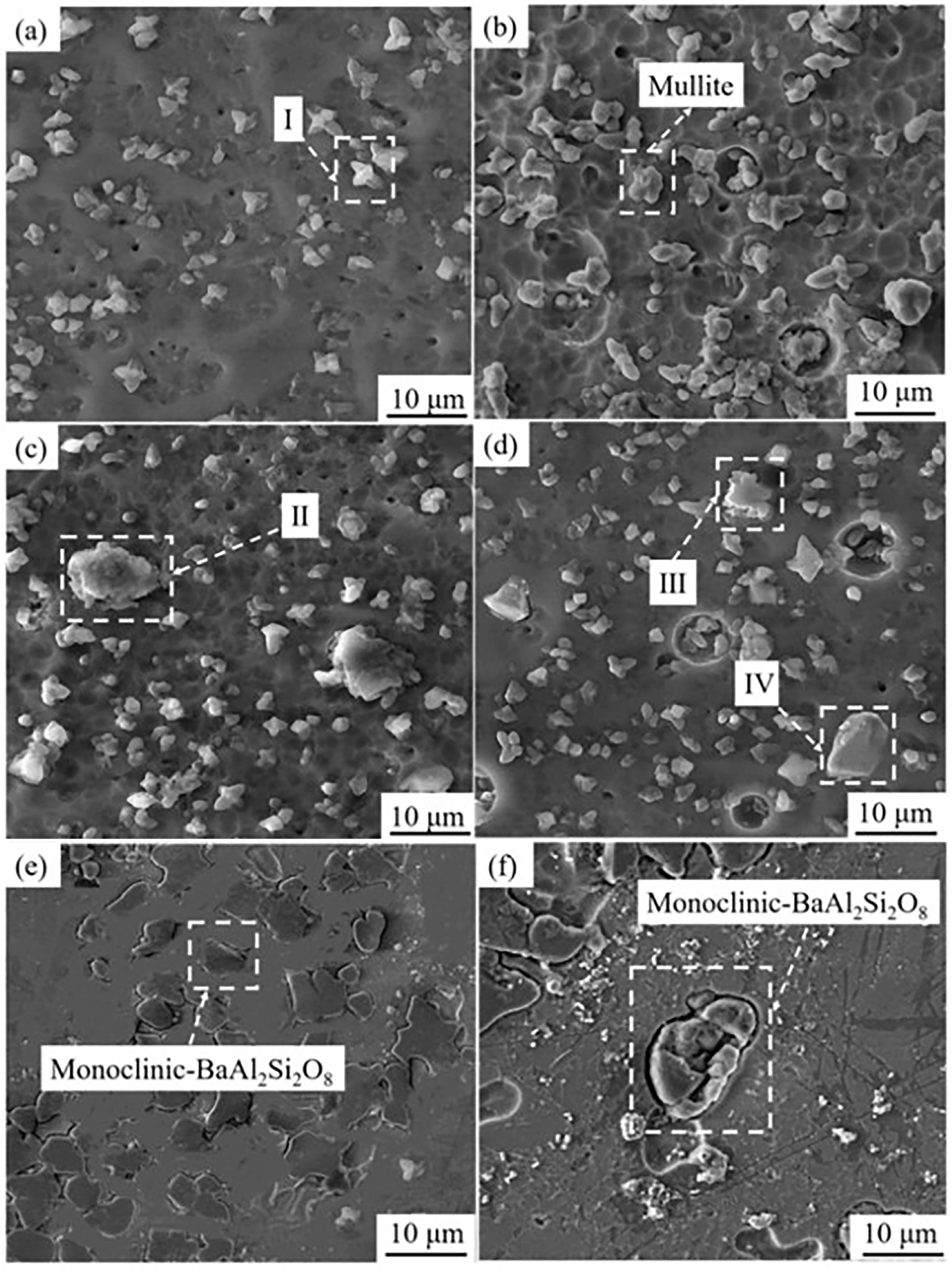
Ceramic bonds exhibit high elastic modulus and wear resistance, enabling them to maintain stable geometric shapes during grinding, thereby achieving high machining accuracy and superior surface quality. Meanwhile, their excellent thermal stability makes them suitable for high-speed and high-load grinding conditions. The mechanical properties of ceramic bonds can be further improved through compositional optimization. Wang et al. [33] reported that the incorporation of ZrO2 and Y2O3 into borosilicate-based ceramic bonds promotes structural stabilization, resulting in an approximately 23% increase in bond strength and enhanced abrasive retention capability. In addition, the porous structure of ceramic bonds facilitates coolant penetration and chip removal, thereby reducing heat accumulation and improving process stability. In the machining of hard and brittle materials, ceramic bonds demonstrate good wear resistance and interfacial stability. Relevant studies have shown that ceramic-bonded diamond grinding wheels exhibit stable wear evolution behavior during sapphire grinding [32], indicating promising application potential. Structurally, ceramic-bonded abrasives exhibit a typical porous and brittle morphology with uniformly distributed pores. Their self-sharpening behavior originates from the generation of new micro-cutting edges via controlled brittle fracture of the bond, although the bonding interface itself can remain relatively fragile (Figure 6).
In recent years, the modification of ceramic bonds has mainly focused on compositional optimization, structural regulation, and interfacial strengthening. Oxide additives can improve material performance by regulating grain structure and bonding bridge strength. Wang et al. [33] demonstrated that ZrO2 and Y2O3 enhance bond strength and promote the formation of stable phase structures. In terms of structural regulation, external-field-assisted methods provide new approaches for improving abrasive distribution. Wang et al. [31] controlled abrasive orientation using a magnetic field, leading to a directional distribution structure that reduces grinding forces and improves machining quality. Interfacial strengthening strategies also offer valuable insights for enhancing ceramic bond performance. Shi et al. [34] proposed improving the bonding strength of ceramic coatings through interfacial chemical bonding, the mechanism of which provides guidance for enhancing the stability of the abrasive-bond interface. With the development of signal analysis and machine learning techniques, data-driven state monitoring methods based on grinding process signals have been gradually applied to the performance evaluation of ceramic-bonded grinding wheels [32].
Research on ceramic bonds is progressing toward structure controllability and performance predictability, providing a theoretical foundation for the design of high-performance grinding tools.
Figure 6.
Microstructure of vitrified bonds with different BaO contents: (a) 0 wt.%; (b) 2 wt.%; (c) 4 wt.%; (d) 6 wt.%; (e) 8 wt.%; (f) 10 wt.%. The regions marked I-IV indicate representative areas of different crystalline phases: mullite phase (I), hexagonal barium feldspar (II), transitional structures (III), and monoclinic barium feldspar (IV). Reproduced from open access Ref. [35].
2.1.3. Metal Bonding Agents
Metal-bonded diamond grinding wheels are characterized by high bonding strength, excellent thermal conductivity, and outstanding wear resistance, playing a pivotal role in the efficient grinding of hard and brittle materials such as optical glass, silicon carbide, and zirconia. Early manufacturing predominantly relied on conventional sintering or hot-pressing methods, which often led to non-uniform pore distribution and localized thermal stress concentration. Xiao et al. [36] employed a multiscale computational fluid dynamics (CFD)-discrete element method (DEM)-finite element method (FEM) model to elucidate the densification mechanism during sintering. Their work demonstrated that an octahedral arrangement of diamond particles offers advantages over dodecahedral structures in terms of thermal stress distribution and densification rate, providing a theoretical foundation for the structural design of metal bonds. With the advancement of additive manufacturing techniques, 3D printing has emerged as a pivotal method for fabricating complex porous metal-bonded wheels. For instance, Tian et al. [37,38] utilized selective laser melting (SLM) to produce grinding wheels featuring triple-periodic minimal surface (TPMS) and octahedral lattice structures. These wheels demonstrated significantly reduced specific energy consumption during the grinding of BK7 glass while achieving metallurgical bonding between the diamond abrasives and the metal matrix. This progress marks the entry of metal-bonded abrasive research into a phase of coupled structure-property design.
Metal-bonded grinding wheels offer high thermal conductivity and mechanical strength, ensuring stable performance under high-load, high-speed grinding conditions. For example, Han et al. [39] fabricated grinding wheels with gradient triple-periodic minimal surface (TPMS) structures by controlling porosity ranging from 30% to 70%. They observed a 28.3% reduction in workpiece surface roughness at 50% porosity, achieving an optimal balance between structural stiffness and chip evacuation. Wu et al. [40] designed a 3D-printed diamond grinding wheel with integrated linear cooling channels, which significantly improved coolant flow and heat dissipation, thereby reducing wheel clogging and enhancing grinding stability. Additionally, the self-sharpening capability of metal-bonded wheels can be markedly enhanced through designed porosity. Denkena et al. [41] employed field-assisted sintering technology to fabricate wheels with 30% porosity, which effectively reduced grinding forces and improved self-sharpening behaviour, highlighting the comprehensive benefits of porous structures in heat dissipation and abrasive renewal. Overall, metal bonds demonstrate outstanding comprehensive performance in applications demanding precision, high-temperature resistance, and long service life.
As high-end manufacturing demands increasingly stringent precision and efficiency, the research focus on metal-bonded abrasives continues to evolve. Investigations have progressively shifted from traditional powder sintering towards an integrated development pathway that combines additive manufacturing with advanced dressing techniques. Regarding laser dressing, Tao et al. [42] employed a nanosecond pulsed laser to dress concave fine-grain grinding wheels. By controlling the circumferential overlap rate to 30%, they effectively reduced the heat-affected zone, although some degree of metamorphic layer residue persisted. Yan et al. [43] utilized microwave-induced electrical discharge machining (MV-EDM) to achieve a diamond protrusion height of 91 μm with minimal graphitization, maintaining simulation errors below ±15 μm, which demonstrates the feasibility of this energy-field composite dressing method. Zhang et al. [44] developed a wire-cut EDM prototyping machine capable of achieving grinding wheel radial runout below 2 μm and surface roughness Ra < 0.8 μm, attaining sub-micrometer precision. Lu et al. [45] constructed a critical model distinguishing arc from spark discharge, enabling dynamic discharge control successfully applied to optical glass mirror grinding. Concurrently, significant breakthroughs have been made in material modification. Collectively, these studies indicate that performance optimization for metal-bonded abrasives is increasingly adopting a combined approach involving multi-material composites, energy-field-assisted dressing, and precise microstructural regulation. Metal bonds are characterized by high thermal conductivity and bonding strength, rendering them well-suited for high-load grinding applications. In contrast, their difficult dressing characteristics and high process complexity often necessitate further performance optimization, achievable through energy-field assistance and composite material strategies.
2.2. Exploration of Emerging Bonding Agent Systems
2.2.1. Bond Systems Based on Novel Materials
- (1)
- Brazed bonding agents
Brazed bonding agents have attracted considerable research interest in recent years. Their high bonding strength, excellent thermal stability, and ability to form metallurgical bonds between abrasive grains and the metallic matrix establish them as a promising alternative to electroplated and resin-based bond systems. The efficacy of this technology hinges on the rational design of active brazing alloys and the optimization of brazing parameters. By precisely controlling the interfacial reaction process and the characteristics of the resultant heat-affected zone, stable abrasive retention and sustained self-sharpening capability can be achieved.
In terms of material systems, brazed bonds are generally considered a developmental direction based on novel bonding materials, with the core innovation being the introduction of reactive brazing alloys. Traditional electroplated and resin-bonded grinding wheels often suffer from limitations such as insufficient bond strength, poor thermal stability, and rapid wear. Brazing technology addresses these shortcomings by incorporating reactive elements like Ti and Cr into the filler metal. These elements react with the diamond surface to form carbide interfacial layers, establishing a chemical metallurgical bond between the abrasives and the metal matrix. This shifts the bonding mechanism from physical adsorption to chemical bonding, thereby enhancing overall wheel performance and establishing brazed bonded abrasives as an independent system characterized by novel material design. Ding et al. [20] pioneered the design of brazed grinding wheels with ordered abrasive distributions by integrating finite element analysis with kinematic testing. Their design reduced grinding force by 36% and surface roughness by 19.3% compared to electroplated wheels, demonstrating the potential of brazed bonds for high-efficiency grinding. Subsequently, Nanda et al. [46] compared various abrasive distribution patterns, finding that ordered arrangements minimized grinding path overlap and yielded more stable surface quality. To further improve bond strength and thermal stability, researchers have developed multi-component composite brazing alloys (e.g., Ni-Cr, Ag-Cu-Ti), often modified with rare earth additions, creating novel systems that combine active brazing alloys with functional fillers.
The brazing filler offers several key advantages, including high bonding strength, excellent thermal stability, and stable grinding performance. Research on Yb-doped Ni-Cr brazing filler has shown that at a rare earth content of 1.0 wt%, the diamond retention strength reaches 3575.7 MPa, significantly exceeding that of undoped samples [47]. The use of a μ-TiC nanocomposite brazing filler promotes the formation of fine carbide particles that reinforce the interface structure, effectively suppressing crack initiation at the root [48]. Compared to vacuum brazing, the continuous tunnel furnace brazing process not only increases the static bond strength by 22.2% but also reduces graphitization and residual stress [49]. Furthermore, research on micro-textured, orderly-arranged brazed diamond grinding wheels has enhanced the performance of brazing systems. Preparing micro-grooves or micro-porous structures on the abrasive surface significantly reduces grinding forces and improves self-sharpening capability, with TG-GH micro-porous composite structures demonstrating optimal performance [50,51]. These studies indicate that the synergistic optimization of active brazing alloys and controlled surface micro-textures represents a primary direction for advancing brazed bonded abrasive performance.
In contrast to traditional bonding agents such as resin, ceramic, and metal bonds—which primarily depend on mechanical interlocking or physical adsorption—brazing bonds utilize active elements (e.g., Ti, Cr) to form carbides with diamond, thereby establishing a chemical/metallurgical bond at the interface between the metal matrix and the abrasive. This bonding mechanism addresses the inherent weakness of interfaces in traditional systems that rely mainly on mechanical encapsulation, leading to significant enhancements in bond strength, thermal stability, and abrasive retention capability.
The advancement of brazing bonds lies in the integrated approach to designing reactive brazing alloys, interfacial reactions, and microstructural control. By tailoring brazing filler systems such as Ni-Cr and Ag-Cu-Ti, and introducing dopants like rare earth elements, strong interfacial bonding can be achieved at relatively low temperatures. Concurrently, employing pulsed laser, induction, or microwave-assisted brazing techniques allows for precise control of heat input, reduction of residual stresses, and optimization of the interfacial structure. This integrated strategy effectively balances high bond strength with extended service life.
The growing demand for high-efficiency and high-temperature grinding applications is propelling continuous advancements in brazing bond technology, particularly towards multi-field coupling and structurally composite designs. At the level of process innovation, the controllability of brazing has been significantly enhanced. For instance, pulsed laser brazing effectively minimizes thermal cracking and improves filler metal wettability through precise regulation of pulse energy and scanning speed [52]. High-frequency induction brazing employs multi-field coupling models to predict and control thermal deformation; optimizing the scan speed to 2.0 mm/s can reduce the thickness of the phase transformation layer to just 2.9 mm [53]. Concurrently, the integration of structure and function represents an emerging trend. Brazed-resin composite grinding wheels, which retain a brazed CBN layer in the metal segment embedded within a resin matrix, balance rigidity with cushioning, thereby reducing grinding temperatures by 28.8% and significantly extending service life [54]. For difficult-to-machine materials, brazed grinding wheels demonstrate excellent adaptability. During the machining of alumina ceramics [51,55], C/SiC composites [56], and high-SiCp/Al-based composites [50], grinding forces decreased by 13–36%, clogging rates were reduced, and surface integrity was improved. These developments indicate that brazing bonds based on reactive filler alloys are progressively evolving from single-layer to composite structures and from static brazing towards intelligent process control.
Brazing bonds achieve high strength and extended service life through chemical/metallurgical bonding. Despite these advantages, challenges such as thermal stress concentration and interfacial embrittlement require further mitigation. Future efforts may therefore be directed towards developing low-temperature, high-activity brazing filler alloys and implementing effective stress management strategies.
- (2)
- Ceramic-metal composite bonding agents
Ceramic-metal composite bonds represent a significant recent development in bonding systems, aiming to integrate the high toughness of metallic phases with the superior hardness and thermal stability of ceramic phases. This approach seeks a synergistic optimization of properties, including bond strength, thermal conductivity, and self-sharpening capability. Early research primarily focused on enhancing the properties of individual metallic or ceramic matrices, which often resulted in a pronounced trade-off between thermal conductivity and thermal stability. Consequently, recent strategies have shifted towards integrating ceramic and metallic components through the design of multi-phase microstructures and precise interfacial control to achieve complementary performance.
Denkena et al. [57] employed field-assisted sintering to fabricate Cu-Cr-diamond composites. Their findings indicated that at a chromium content of 2 wt%, the diamond grit retention increased by 363% and the thermal conductivity rose by 84%, significantly improving the grinding wheel’s wear resistance and heat dissipation capability. Subsequently, the same research group [41] proposed a porous metal bond structure design. Samples with 30% porosity demonstrated lower grinding forces and enhanced self-sharpening properties during wear tests, establishing a foundational approach for the development of subsequent porous composite bond systems.
Ceramic-metal composite bonded grinding wheels integrate the high hardness of ceramics with the excellent thermal conductivity and toughness of metals, resulting in superior thermal stability and interfacial bond strength. For instance, Shu et al. [17] enhanced the diamond-ceramic interfacial bond strength by controllably introducing sodium into a SiO2-Na2O-B2O3 glass matrix. This modification enabled sintering at 620 °C while maintaining a flexural strength of 126 MPa. In a different approach, Tian et al. [58] utilized metal 3D printing to fabricate composite wheels incorporating internal coolant circulation channels. This design allowed for the precise layout of lubrication pathways, significantly improving heat dissipation and chip removal efficiency without compromising mechanical strength. Furthermore, Zhang et al. [59] developed a chemical mechanical polishing (CMP) process employing iron-containing glass abrasives. By controlling the formation stage of Fe3C, graphitization reactions were effectively suppressed, reducing subsurface damage in diamond films to a range of 20–50 nm. Collectively, these studies demonstrate that composite bond systems not only improve wear resistance and thermal conductivity but also sustain stable grinding performance under thermal load, rendering them suitable for precision machining of optical crystals and hard-brittle composites.
The ceramic-metal composite bond system overcomes the limitations inherent to traditional single-material systems by effectively combining the high hardness and thermal stability of ceramics with the superior toughness and thermal conductivity of metals. Consequently, compared to conventional ceramic bonds, its brittleness is significantly reduced; while relative to metal bonds, its thermal stability and self-sharpening capability are markedly enhanced. This synergy achieves an optimal balance between rigidity and flexibility.
The innovation of this system lies in its multiphase synergistic design and gradient interfacial architecture. By constructing metal-ceramic interpenetrating networks or compositionally graded diffusion interfaces at the micro-scale, effective thermal stress accommodation and an optimal balance between thermal conductivity and mechanical strength can be achieved. Concurrently, the integration of microwave-assisted sintering with 3D printing technologies overcomes the limitations of conventional high-temperature densification, enabling low-temperature fabrication and the creation of controllably porous structures. This approach provides a novel design pathway for developing grinding wheels with high thermal conductivity and superior wear resistance.
In recent years, research on composite bonded abrasives has increasingly focused on interface structure regulation and functional filler reinforcement. For example, Duan et al. [60] employed an Ni-Cr alloy brazing layer to enhance diamond bonding strength, while Feng et al. [61] effectively improved the thermal interfacial properties between diamond and an aluminium matrix composite via a TiC coating. Building on this, Zhang et al. [62] introduced 8 vol% MoS2/TiO2 nanofillers into the bond, reducing grinding forces by 40% and significantly mitigating abrasive adhesion. Zhou et al. [63] demonstrated that ceramic-metal composite wheels facilitate flow-chip plastic removal during the grinding of Cf/SiC composites, thereby improving surface integrity. Natália de Oliveira Sousa et al. [64] further reported that polycrystalline diamond (PCD) composite tools exhibit an order-of-magnitude improvement in wear resistance compared to WC/Co under high-pressure sliding conditions. Roesige et al. [65] revealed a dual-mechanism material removal characteristic in Al2O3/AlSi10Mg interpenetrating composites, where reconsolidation of the metallic phase suppresses brittle crack propagation, enhancing both material removal rate and surface flatness. Collectively, these studies indicate that the optimization of composite bond systems is evolving towards a three-dimensional convergence of multiphase synergy, interfacial reinforcement, and functional additive integration.
Ceramic-metal composite bonds combine rigidity with flexibility, significantly enhancing thermal conductivity and wear resistance. In contrast, their relatively narrow sintering window and complex interfacial reactions continue to pose constraints for broader engineering applications.
2.2.2. Bonding Technologies Dominated by Manufacturing Processes
- (1)
- Electroplated bonding agents
Electroplated Bonding Agents are categorized under bond manufacturing technologies based on novel processes, as the formation and properties of the bond layer are entirely governed by the electrodeposition process. The core principle lies not in material innovation but in the precise control of process parameters such as current density and temperature to enable the uniform deposition of a metal layer, typically nickel, around the abrasive grains, thereby ensuring reliable grain retention. Thus, it is fundamentally a bonding technology centered on a specific manufacturing process. Electroplated diamond grinding wheels are characterized by relatively simple preparation, high abrasive protrusion, and excellent form accuracy, and have long been a vital tooling system for precision grinding. In recent years, driven by growing demands for micro-machining and high-efficiency grinding, electroplating technology has evolved from traditional coating reinforcement towards multi-field composites, precision dressing control, and structural innovation. This progression represents the advancement of novel processes within a traditional bond system framework.
Early electroplated wheels typically employed single-layer nickel-based co-deposition, which often suffered from limitations including non-uniform abrasive distribution, thermal damage, and brittle interfacial fracture. To address these issues, Wang et al. [66] used morphological and Raman spectroscopy analyses to reveal the influence of abrasive particle size on wear evolution, proposing that optimizing the particle size distribution could improve the retention of the dressed wheel morphology. Li et al. [67] developed a submicron dressing technique based on nitrogen-assisted friction-chemical truncation, achieving uniform control of abrasive protrusion height at the submicron level while confirming the absence of diamond phase transformation. This work marks a transition in the dressing of electroplated Bonding Agents from macroscopic mechanical methods toward precision control based on chemo-mechanical synergy.
Electroplated bonded grinding wheels offer high bond strength and form accuracy, demonstrating excellent performance in the efficient grinding of metals, ceramics, and composites. For instance, Xi et al. [68] compared electroplated diamond and electroplated CBN wheels, finding that the former reduced the wear rate by 28% and increased the material removal rate by 35% during the grinding of γ-TiAl alloys, while maintaining residual stresses between −100 and −500 MPa, indicative of good wear resistance and thermal stability. In a study on ultrasonic vibration-assisted grinding, Feng et al. [69] observed that electroplated wheels were more effective than resin-bonded ones in reducing grinding forces, whereas resin bonds performed better in improving surface roughness. Furthermore, Mao et al. [70] designed an ordered 0.1 mm × 1.5 mm micro-groove structure on the wheel surface, which increased coolant flow by 40% and reduced grinding force by 15%, significantly enhancing heat dissipation and grinding stability. These studies indicate that electroplated bonded wheels exhibit outstanding comprehensive performance under high-load and localized high-temperature conditions, making them particularly suitable for the high-precision machining of complex materials.
Electroplated Bonding Agents differ fundamentally from sintered or cured bond types, as the bond layer is formed via electrochemical deposition. This process avoids the need for high-temperature sintering or organic curing. Compared to resin or sintered metal bonds, the electroplating technique enables the robust encapsulation of diamond abrasives at low temperatures while ensuring a relatively uniform abrasive distribution. This method offers high form accuracy and adjustable abrasive protrusion, making it widely applicable in micro-grinding and precision forming operations.
Technological innovations in electroplated bonding agents are primarily focused on two key areas: multi-field composite enhancement and interfacial reinforcement. Multi-layer co-deposition systems, such as Ni-B and Cr-C, have been developed to significantly improve interfacial bond strength and wear resistance. Dynamic control of abrasive protrusion is being achieved through laser-, ultrasonic-, or spray-assisted dressing techniques. Concurrently, the introduction of structured designs, including micro-grooves and micro-pores, promotes more uniform coolant distribution and reduces grinding temperature rise. These advancements are collectively driving the electroplating process towards greater functionalization and precision control.
To further enhance the service life and interfacial stability of electroplated grinding wheels, researchers have systematically investigated coating compositions and preparation methods. Huang et al. [71] developed a three-layer electroplating process comprising an Ni underplating, a diamond co-deposition, and an Ni-B reinforcement layer. When diamond coverage reached 80%, and the coating thickness was approximately 90 μm, the tool life was extended by 40%, although the Ni-B co-deposition layer still carried a risk of brittle interfacial fracture. In another approach, Huang et al. [72] attempted to reinforce the interface using Cr-C composite coatings, though further optimization is required. Concurrently, Meng et al. [73] introduced spray-assisted laser machining (SALM) technology, representing a significant innovation in electroplated bond processing. By regulating spray pressure and iteration cycles, this method effectively suppressed graphitization while significantly reducing the width of the heat-affected zone, achieving low-thermal-damage dressing. Xia et al. [74] further established a numerical model showing that when the abrasive protrusion height reached 25% of the nominal grain diameter, the workpiece surface roughness (Sa/Sq) could be reduced by 97.5–99.7%, enabling the prediction and optimization of surface quality. Moreover, the 0.85 mm diameter micro-diamond electroplated grinding wheel developed by Lyu et al. [75] demonstrated potential for minimally invasive biomedical processing. In simulated vascular grinding experiments, it expanded the lumen diameter from 1.5 mm to 3.03 mm within 120 s without any abrasive shedding. Electroplated bonding agents are characterized by relatively simple preparation and high abrasive retention, offering distinct advantages in high-precision and micro-grinding applications. Nevertheless, challenges such as coating brittleness and limited service life remain key issues requiring further improvement.
- (2)
- Additive manufacturing technology (AM)
The introduction of additive manufacturing technology has fundamentally reshaped the design paradigm for grinding wheel structures. Traditional sintering and molding processes encounter constraints in achieving uniform pore distribution, rational cooling channel layouts, and consistent microstructures. In contrast, AM enables unprecedented structural controllability and functional integration through its layer-by-layer fabrication and parametric design capabilities. For instance, Wu et al. [76] utilized dual-filament 3D printing to fabricate diamond grinding wheels with integrated linear cooling channels, achieving optimal grinding efficiency at 300 r/min. Their results confirmed that such channels improve thermal management and overall grinding performance. Similarly, Tian et al. [37] and Chen et al. [77] employed triply periodic minimal surface (TPMS) lattice topology models to design wheel structures, achieving precise control over porosity and permeability. The resulting gyroid-structured wheel reduced grinding force by approximately 30% while preserving mechanical strength, signifying a paradigm shift from stochastically porous to architecturally engineered grinding wheel design.
Additive manufacturing provides grinding wheels with exceptional structural design flexibility, significantly enhancing their cooling, chip evacuation, and thermal management capabilities. Wu et al. [40] demonstrated that optimizing cooling channel spacing to match the diamond abrasive size effectively reduces the grinding temperature rise and prevents wheel loading. Li et al. [78] quantified pore characteristics, revealing that spherical pores improve shear strength and permeability, with an optimal mechanical-thermal balance achieved at approximately 25% porosity. Tian et al. [38] utilized an octahedral lattice structure to enable intermittent cutting, reducing grinding energy consumption by 40% and demonstrating the potential of periodic open-pore structures in regulating stress fields and chip fragmentation. Lin et al. [79] combined 3D-printed molds with gel casting to fabricate ceramic-bonded wheels, achieving a grinding ratio of 1:152, which significantly outperformed conventional cold-pressed wheels. Furthermore, Chen et al. [77] employed photopolymerization to create multi-lattice structures, reducing grinding temperatures and improving surface roughness by approximately 45%. These results collectively indicate that AM technology not only enhances grinding wheel performance but also expands its applicability to scenarios demanding complex geometries and efficient heat dissipation.
In conventional powder sintering or molding processes, the structure of grinding wheels is largely dictated by the inherent properties of the raw materials, imposing significant constraints on achievable pore morphology and cooling channel geometry. In contrast, additive manufacturing builds grinding wheels through layer-by-layer material deposition, enabling the direct design and precise control of complex three-dimensional architectures. This capability overcomes the structural limitations of traditional manufacturing, allowing pore distribution, channel orientation, and overall structural integrity to be tailored to specific functional requirements. Consequently, the design paradigm for grinding wheels shifts from being predominantly material-defined to being fundamentally structure-led.
The innovation inherent to additive manufacturing lies in its capacity for structure-property co-design and multi-material co-printing. By utilizing topological architectures—such as TPMS lattices, octahedral units, and helical channels—key parameters including porosity, permeability, and mechanical strength can be tuned with a high degree of control. Concurrently, advances in ceramic-metal co-printing and high-solid-content photopolymerization have enhanced both the printing accuracy and the final density of fabricated bonds. This integrated technological approach provides novel pathways toward customized grinding wheel design, controlled thermal dissipation, and intelligent manufacturing.
Advances in additive manufacturing (AM) technology have promoted diversification within the grinding wheel material system. For instance, Wang et al. [80] employed laser powder bed fusion (LPBF) to fabricate diamond wheels based on a high-entropy alloy matrix, where the formation of a TiC interfacial layer enhanced self-sharpening behaviour. Denkena et al. [81] utilized an NiTi alloy substrate processed via LPBF to achieve stable diamond embedding, significantly improving abrasive retention. Tillmann et al. [82] validated the feasibility of cold-sprayed Cu-Ni-diamond grinding wheels, achieving a 12% abrasive embedment ratio suitable for thick coating production. Barmouz et al. [83,84] explored photopolymer resin-metal hybrid bond systems, reporting a threefold extension in tool life with a 28% increase in metal content, while helical groove designs further reduced grinding forces by 60%. Additionally, the work by Chen and Tian’s teams [77,85] demonstrated that slurry solid content (80 wt%) and viscosity (<4.2 Pa·s) are critical parameters for successfully printing photopolymer-based ceramic grinding wheels, whereas Wu et al. [40] noted that excessively fine abrasive particles can lead to agglomeration and cracking. Structurally, additively manufactured bond samples exhibit characteristic melt pool textures and interlayer interfaces inherent to the layer-by-layer fabrication process. Localized micro-porosity and partially fused regions reflect the direct influence of the applied energy density on microstructural densification and abrasive coating quality (Figure 7). Collectively, these studies reflect significant progress in AM technology in bond system design, interfacial control, and formability.
Figure 7.
Comparative microstructure of sintered additively manufactured grinding wheel samples. (a) SEM of segments after printing and sharpening [81]. (b) SEM-Images of cross section; 2000× magnification [82]. (c) Surface morphology of the diamond grinding wheel (GW-H) after dressing [83]. Reproduced from open access Ref. [81]. Reproduced from open access Ref. [82]. Reproduced from open access Ref. [83].
As stated above, additive manufacturing offers notable structural design flexibility and functional integration, thereby expanding the potential for enhanced thermal management and lightweight construction in grinding wheels. On the other hand, challenges related to formability and material interface stability require further improvement.
2.3. Bond Performance Evaluation
To enable a clear comparison of the structural characteristics, performance metrics, and application scenarios across different bond systems, this section systematically summarizes key properties, including bond strength, thermal stability, self-sharpening capability, thermal conductivity, formability, and material compatibility. The corresponding data are compiled in Table 1. The comparison reveals that traditional bond systems—resin, ceramic, and metal—each emphasize distinct properties and retain significant advantages under specific processing conditions. In contrast, novel systems such as brazing, composite, electroplated, and additive manufacturing bonds demonstrate superior performance in the synergistic integration and functional consolidation of multiple properties. Overall, the development trajectory of bonding agents is evolving from an emphasis on single performance metrics towards a path of multi-property synergy and structural composites.
Table 1.
Comparative evaluation of key performance indicators for different bonding agent systems based on the proposed framework.
A comparison across the structural, performance, and application dimensions demonstrates that different bond systems possess distinct and often complementary characteristics. Structurally, resin bonds employ an organic polymer matrix, providing high flexibility and excellent formability, which makes them well-suited for precision grinding under low loads where superior surface quality is required. In contrast, ceramic bonds, primarily composed of inorganic glass phases, exhibit high rigidity and outstanding self-sharpening properties, allowing them to maintain stable performance in high-temperature, high-speed grinding environments. Metal bonds leverage the high strength and excellent thermal conductivity of continuous metallic networks, rendering them ideal for heavy-duty, high-efficiency machining. Emerging bond systems further integrate these functionalities. For example, brazed bonds achieve ultra-high strength through chemical/metallurgical interfaces; ceramic-metal composites combine high rigidity with good toughness; electroplated systems offer high precision and effective cooling; and additive manufacturing bonds unify enhanced heat dissipation with lightweight design through topological optimization. This analysis indicates that while traditional systems each excel in specific properties, emerging systems effectively bridge the performance gaps, enabling a new equilibrium between mechanical strength, thermal management, and structural design flexibility in grinding wheels.
Overall, the development of bond systems is transitioning from a focus on single properties towards the pursuit of integrated performance synergies. Emerging systems not only achieve material-structural composites but also enhance the intelligence and adaptability of grinding wheels through energy-field augmentation, interfacial regulation, and topological optimization. However, significant disparities currently exist in performance evaluation methods and experimental standards across studies, and a unified assessment framework is lacking. This impedes both cross-system comparisons and quantitative performance predictions. Furthermore, comprehensive theoretical models for the micro-interface behaviour and thermodynamic stability of bonding agents, as well as their coupling mechanisms with the grinding process, remain underdeveloped, hindering high-precision life prediction and design optimization. Consequently, future research should prioritize the establishment of quantitative evaluation systems, in-depth investigation of interfacial reaction mechanisms, and the development of multi-scale simulation models. These efforts will provide a unified theoretical foundation for predicting performance and designing bond system architectures. Building on the comprehensive performance comparisons outlined, it is particularly crucial to further explore glass-ceramics bond systems, which exhibit superior thermal stability and structural design flexibility.
3. Research Progress and Compatibility Analysis of Glass-Ceramic Bond Systems
Conventional resin, ceramic, and metal bond systems continue to face challenges related to thermal stability, controllability of interfacial reactions, and morphological retention under high-temperature, high-load, and complex operating conditions. To expand the design space for bonding agents, recent research has increasingly focused on glass-ceramic materials, which combine the formability of glass with the structural stability of ceramics. Through controlled crystallization processes, these materials develop fine-grained microstructures, which theoretically enable the regulation of mechanical properties, thermal expansion behaviour, and interfacial compatibility. This potential has led to their introduction as bonding agents for diamond grinding wheels.
Glass-ceramics are polycrystalline materials produced through the controlled nucleation and crystallization of glass. The process involves melting and forming a glass, followed by a tailored heat treatment to develop a predetermined crystalline phase. The foundation for controlling internal crystallization lies in effective nucleation, which promotes the formation of fine, randomly oriented grains typically devoid of voids, microcracks, or significant porosity. Consequently, the glass-ceramics manufacturing process is fundamentally a precision heat treatment procedure [86]. These materials develop a uniform, fine-grained microstructure via controlled crystallization. This not only lowers sintering temperatures and improves densification and interfacial bond quality but also enables performance tailoring through the regulation of crystal phase type and content. These attributes underpin their potential as a diamond grinding wheel bonding agent.
3.1. Overview of Glass-Ceramic Bond Systems
3.1.1. Typical Glass-Ceramic Bond Systems
The glass-ceramic bond systems that are currently the focus of significant research primarily encompass five categories: Li2O-Al2O3-SiO2 (LAS), MgO-Al2O3-SiO2 (MAS), ZnO-Al2O3-SiO2 (ZAS), CaO-Al2O3-SiO2 (CAS), and Li2O-MgO-SiO2 (LMS). These systems exhibit considerable variations in crystalline phase composition, crystallization behaviour, and resulting microstructure. These differences directly influence their mechanical properties, thermal characteristics, and interfacial compatibility with diamond abrasives, thereby defining their respective suitability and potential as bonding agents.
The LAS system is characterized by a low coefficient of thermal expansion [87], high mechanical strength [88], and tunable optical transparency [89], making it a common glass-ceramic for precision ceramics and optical substrates. Its representative crystalline phase, the β-quartz solid solution, is stable at room temperature and helps suppress thermal stress-induced cracking. The MAS system, with cordierite and spinel as its primary crystalline phases, offers a low thermal expansion coefficient, a high softening temperature, and excellent mechanical rigidity coupled with good wear resistance [90,91]. For the ZAS system, the main crystalline phases are gahnite (ZnAl2O4) and willemite (Zn2SiO4); this system provides high transparency and strong chemical stability, enabling the formation of stable interfacial reaction layers with metallic or oxide surfaces [92]. The CAS system, featuring anorthite and wollastonite as its principal crystalline phases, exhibits a strong viscosity-temperature dependence. Its softening temperature can be adjusted by controlling the SiO2 content, making it suitable for medium-temperature sintering applications [93,94]. Finally, the LMS system is noted for its rapid crystallization kinetics, a moderate thermal expansion coefficient, and relatively high thermal conductivity, which makes it a candidate for high-load grinding scenarios [95].
The five typical glass-ceramic systems each possess characteristic properties in terms of mechanical, thermal, and interfacial performance. The LAS system is renowned for its low thermal expansion and high thermal shock resistance; the MAS system excels in high strength and thermal stability; the ZAS system offers a combination of chemical inertness and high thermal conductivity; the CAS system is suitable for low-stress forming processes; and the LMS system achieves a balance between high thermal conductivity and medium-temperature applicability. These distinct property profiles provide a fundamental basis for the subsequent screening and selection of systems with high compatibility for diamond grinding wheel applications.
These characteristic differences provide the basis for screening systems with relatively high compatibility for diamond grinding wheel applications, among which selected representative systems are further discussed in the following section.
3.1.2. Research Progress of Glass-Ceramic Bond Materials
Recent experimental studies have confirmed that glass-ceramic materials exhibit tunable crystallization behavior, stable thermomechanical properties, and reliable interfacial bonding capability. Although some investigations originate from different application scenarios, the revealed structure-property relationships provide valuable guidance for the design of glass-ceramic bond systems for superhard abrasive tools.
Composition regulation has been demonstrated to significantly influence crystallization kinetics and mechanical performance. Liang et al. [96] reported that introducing ZnS additives within the composition range of 0–6 wt% promotes the uniform precipitation of β-spodumene phases, enabling the material to achieve a flexural strength of 76.52 MPa while maintaining a low coefficient of thermal expansion of °C−1 together with a porosity level of approximately 16%. Meng et al. [97] showed that Ti-Cu alloy additives enhance interfacial bonding through the formation of Ti-N chemical bonds, resulting in a significant improvement in mechanical strength, with flexural strength reaching 175 MPa.
Heat treatment parameters also play a critical role in determining crystalline phase composition and bonding behavior. Shi et al. [98] demonstrated that heat treatment within the temperature interval of 760–860 °C regulates the relative proportion of LiAlSi2O8 and LiAlSi3O8 crystalline phases, thereby strengthening chemical bonding at the interface and enabling the material to achieve a flexural strength of 89.71 MPa. Roy et al. [99] reported that glass-ceramic bonding layers maintain a relatively low porosity of approximately 8% after 400 thermal cycles at temperatures approaching 1100 °C, indicating excellent thermal stability and resistance to thermal fatigue.
Interfacial modification studies further indicate that glass-ceramic systems are capable of generating residual compressive stresses after thermal ageing, thereby improving long-term interfacial bonding stability [100,101]. Overall, the available experimental results indicate that glass-ceramic materials typically exhibit flexural strength values distributed between 76 MPa and 175 MPa depending on composition design and processing conditions. These findings provide quantitative evidence supporting the feasibility of glass-ceramic materials as promising bond systems for high-performance grinding tools.
3.2. Matching of Glass-Ceramic Bonds for Diamond Grinding Wheels
3.2.1. Experimental Studies on Glass-Ceramic Bonds for Diamond Grinding Wheels
Recent studies have demonstrated that glass-ceramic bond systems exhibit significant potential for high-efficiency and precision grinding of hard and brittle materials. Current research mainly focuses on improving grinding performance through additive manufacturing, composition optimization, and porous structure design. These approaches aim to enhance coolant transport, chip evacuation, and abrasive retention ability, thereby improving grinding efficiency and thermal stability.
Additive manufacturing technologies have become an important approach for fabricating glass-ceramic bonded diamond grinding wheels with controllable pore structures. Chen et al. [77,85,102] systematically investigated stereolithography (SLA), digital light processing (DLP), and LCD-based photopolymerisation techniques for preparing porous glass-ceramic grinding wheels. By optimizing slurry formulations with solid loadings of 65–80 wt% and viscosities as low as 4.21 Pa·s, stable printing performance was achieved. Furthermore, triply periodic minimal surface (TPMS) structures, such as gyroid and diamond configurations, significantly improved pore connectivity and distribution uniformity. Grinding tests on SiC ceramics showed that porous structures reduced grinding temperature by 20–30% and achieved surface roughness values as low as 1.767 μm compared with dense wheels [77,85,102]. These results demonstrate the feasibility of structural design strategies for improving heat dissipation and grinding stability.
Composition design and pore-forming strategies have also been widely investigated to optimize the mechanical and grinding properties of glass-ceramic bonded wheels. Zhang et al. [103] compared sol-gel and melt-derived Na2O-Al2O3-B2O3-SiO2 glass-ceramic systems and reported that the sol-gel route improved flexural strength by 31.7% to 137 MPa while reducing the coefficient of thermal expansion. Huang et al. [104] fabricated porous grinding wheels using direct ink writing (DIW) combined with xanthan gum-based inks and PMMA pore-forming agents, achieving a 40% increase in material removal rate due to improved pore connectivity. Wang et al. [105] introduced hollow alumina spheres as pore formers and found that a content of approximately 8% provided effective grinding performance for sapphire and SiC, whereas excessive porosity (>21%) significantly reduced mechanical strength. In addition, lithium aluminosilicate systems have demonstrated promising performance in superhard abrasive tools. Jackson et al. [106] developed Li2O-Al2O3-SiO2 glass-ceramic bonded diamond wheels with service life up to three times longer than resin-bonded wheels, although excessive filler addition reduced durability.
Hybrid forming approaches combining gel casting and additive manufacturing have also shown potential for improving structural integrity. Lin et al. [79] reported that grinding wheels fabricated using gel-casting with 3D-printed moulds exhibited flexural strength up to 78 MPa after sintering at 760 °C, with grinding ratios reaching 1:152, comparable to conventional cold-pressed wheels. Studies on grinding behavior further indicate that glass-ceramic bonded wheels exhibit stable wear characteristics when machining hard materials such as bearing steel and polycrystalline diamond composites [107,108], although quantitative data remain limited.
Overall, current experimental studies indicate that glass-ceramic bond systems enable flexible control of pore structure, mechanical strength, and grinding performance through integrated design of composition and manufacturing processes. However, challenges remain in balancing high porosity and mechanical strength, as well as ensuring long-term stability under industrial grinding conditions.
3.2.2. Interfacial Mechanisms and Crystallization Behavior Under Grinding Conditions
The grinding performance of glass-ceramic bonded diamond grinding wheels is governed by both interfacial interactions and crystallization behavior under thermomechanical loading. Glass-ceramic materials consist of crystalline phases dispersed within a residual glass matrix, and their structure-property relationships can be tailored through compositional design and controlled crystallization processes [109,110,111].
Interfacial bonding is generally attributed to the combined effects of mechanical interlocking and physicochemical interactions. During sintering, the viscous flow of the glass phase enhances wettability on diamond surfaces, thereby promoting effective abrasive embedding and improving load transfer efficiency. This behavior is closely related to the viscosity and structural characteristics of the glass phase [112].
Thermomechanical compatibility plays a critical role in interfacial stability. Due to differences in thermal expansion coefficients between diamond and the glass-ceramic matrix, residual stresses may develop during cooling, potentially leading to interfacial microcracking and reduced abrasive retention. By tailoring crystalline phase composition and microstructure, the thermal expansion behavior and residual stress distribution can be effectively adjusted [110,113].
Under grinding conditions, the interface is subjected to coupled thermal and mechanical loading, which may induce local structural relaxation, further crystallization, or phase transformation. The presence of dispersed crystalline phases can enhance mechanical strength and hinder crack propagation, while excessive crystallization may reduce fracture toughness and increase the risk of brittle failure. Therefore, a balanced microstructure containing both glassy and crystalline phases is essential for maintaining grinding stability [109,111].
3.2.3. Screening of Systems with High Compatibility for Diamond Grinding Wheels
The selection of bonding materials for diamond grinding wheels must satisfy the fundamental demands of typical service conditions involving high temperature, high pressure, and intense shear. Based on the evaluation framework established in this study, the compatibility of glass-ceramic bond systems can be assessed in terms of thermal expansion matching, bond strength, thermal stability, interfacial reaction controllability, and thermal conductivity. These performance indicators are closely related to the ability of the bond to maintain abrasive retention, structural integrity, and morphological stability under severe grinding conditions.
According to existing studies, the LAS, MAS, and ZAS systems demonstrate relatively balanced performance across these key indicators. These systems generally exhibit favorable thermal expansion compatibility with diamond, good mechanical strength, and relatively stable interfacial structures, providing a more consistent experimental basis for evaluating their suitability as bonding materials.
Thermal expansion compatibility between diamond and bonding materials plays a critical role in determining interfacial reliability. Diamond exhibits a relatively low coefficient of thermal expansion, typically around 1–2
K−1, whereas conventional ceramic bonding materials often show values exceeding K−1. Excessive mismatch may lead to residual thermal stresses, which can induce interfacial microcracking or grain pull-out during grinding. Glass-ceramic systems allow compositional adjustment of the crystalline phase content, enabling the coefficient of thermal expansion to be tailored within a relatively moderate range. This characteristic contributes to reducing thermal stress concentration and improving interfacial stability during thermal cycling.
In contrast, although the CAS and LMS systems exhibit certain advantages in specific properties, current studies are more commonly focused on structural ceramics or functional glass applications. Systematic investigations regarding their interfacial bonding behavior with diamond abrasives and grinding performance remain relatively limited. In particular, the relatively higher thermal expansion tendency of CAS-based systems and the still-developing research framework for LMS-based compositions make their compatibility under severe grinding conditions less clearly established. Therefore, to ensure the comparability and relevance of the discussion, this section focuses on LAS, MAS, and ZAS systems for further analysis. CAS and LMS systems still demonstrate potential as candidate bonding materials. With further investigation into compositional optimization and crystallization control, their applicability in diamond grinding tools may be further clarified.
The low thermal expansion coefficient and excellent thermal shock resistance of the LAS system effectively mitigate thermal mismatch stresses between the diamond and the bond matrix. This system also exhibits high flexural strength, high Vickers hardness, and favorable thermal conductivity [114,115], which help prevent interfacial delamination or abrasive fracture while maintaining adequate bond strength. The MAS system is characterized by a low coefficient of thermal expansion, outstanding thermal fatigue resistance, and good chemical corrosion resistance, collectively ensuring the stability of the bond layer during high-temperature grinding [116,117]. Within the ZAS system, Zn2+ ions can form stable interfacial phases such as ZnAl2O4 or Zn2SiO4 with surface-oxidized metals or rare-earth dopants, thereby enhancing both the mechanical interlocking and chemical bonding with diamond abrasives.
3.3. Comparative Evaluation of Bond Systems and Matching Conclusions
3.3.1. Quantitative Comparison with Other Bond Systems
Based on available experimental studies, different bond systems exhibit significant differences in mechanical and thermal properties. Resin bonds are typically cured at 150–200 °C and exhibit flexural strength in the range of approximately 20–80 MPa, together with relatively low thermal conductivity (about 0.2–0.6 W·m−1·K−1), providing good self-sharpening capability but limited thermal resistance [118]. Ceramic bonds are sintered at temperatures above 600–700 °C, forming stable glassy phases with flexural strength typically in the range of tens to about 100 MPa and excellent thermal stability and stiffness [102]. Metal bonds, commonly based on bronze or iron powders, exhibit superior grain retention and significantly higher thermal conductivity than polymer-based bonds. Recently, additively manufactured bonds fabricated via photopolymerization or composite sintering show strength levels typically between 40–100 MPa, while metallic fillers can further improve thermal conductivity [119]. Overall, bond systems exhibit a clear gradient in strength, thermal stability, and thermal conductivity, which directly influences grinding performance and tool life. The reported values are collected from different studies under varying testing conditions, and therefore are intended for comparative analysis rather than direct equivalence.
3.3.2. Compatibility Conclusions
Based on the experimental studies, interfacial mechanisms, and quantitative comparisons discussed above, it is evident that different bond systems exhibit significant differences in mechanical properties, thermal stability, and interfacial behavior, which directly influence the grinding performance and service stability of diamond grinding wheels. Conventional resin, ceramic, and metal bonds each possess specific advantages in formability, thermal resistance, and thermal conductivity, respectively, but generally lack integrated multi-property optimization.
In comparison, glass-ceramic bonds demonstrate notable potential in achieving balanced performance through controllable crystallization and compositional design, particularly in terms of thermal expansion matching and interfacial stability. Among them, LAS, MAS, and ZAS systems exhibit relatively favorable comprehensive properties and are therefore identified as promising candidates for further investigation.
Overall, glass-ceramic bond systems provide a feasible pathway for combining structural design flexibility with tunable material performance. However, their practical application still requires further systematic validation through experimental studies and long-term service evaluation.
The proposed evaluation framework provides a systematic and structured approach for comparing different bonding systems, particularly under conditions where comprehensive quantitative datasets are not yet fully available. It enables the integration of both quantitative data and literature-based knowledge, offering a practical pathway for multi-criteria assessment.
Nevertheless, several aspects define the current scope of the framework. First, the use of fuzzy comprehensive evaluation allows the incorporation of multiple performance indicators; however, part of the assessment is based on linguistic variables, which reflects the current stage of research where fully standardized quantitative data are still limited. Second, the quantitative data adopted in this study are collected from different literature sources with varying experimental conditions, which may introduce certain variability in direct comparisons.
In addition, some performance indicators, such as interfacial bonding behavior and self-sharpening capability, are inherently complex and not yet supported by universally accepted testing standards. Therefore, the framework is particularly suitable for comparative evaluation and trend analysis at the present stage.
With the advancement of standardized testing methods and the accumulation of systematic experimental data, the proposed framework can be further refined toward a more fully quantitative and predictive evaluation tool.
4. Comprehensive Performance Evaluation and Material Optimisation Analysis of Bond Systems
A multi-level fuzzy comprehensive evaluation model was established based on membership degree assessments across five key performance indicators, including bond strength, thermal stability, self-sharpening capability, thermal conductivity, and formability. This model was employed to systematically analyze typical diamond grinding wheel bond systems, including resin, ceramic, metal, brazing, ceramic/metal composite, electroplated, additive manufacturing, and glass-ceramics. The evaluation results indicate that while different bond systems exhibit distinct advantages in specific performance metrics, significant disparities persist at the level of overall comprehensive performance.
The integrated Analytic Hierarchy Process (AHP)-fuzzy evaluation framework established in this work was primarily designed to facilitate cross-system comparisons, identify developmental trends, and inform material design strategies for various bond systems. Its purpose is to elucidate the relative strengths and potential compatibility of different bonding agents across critical performance dimensions. The evaluation outcomes thus serve as a supportive decision-making tool for material selection and research prioritization, offering a quantitative reference for the investigation of novel bond systems.
4.1. Determination of Indicator Weights Based on Analytic Hierarchy Process
To rationally ascertain the relative importance of performance evaluation indicators for diamond grinding wheel bond systems, the Analytic Hierarchy Process (AHP) was employed to determine the weighting of each indicator. Initially, a hierarchical model was constructed, comprising an objective layer, a criterion layer, and an alternative layer. The objective layer represents the comprehensive performance evaluation of diamond grinding wheel bonding agents. The criterion layer consists of five key performance indicators, comprising bond strength, thermal stability, self-sharpening capability, thermal conductivity, and formability. The alternative layer encompasses the different types of bond systems under consideration.
The relative importance of the criteria-level indicators was assessed through pairwise comparisons. Materials experts were invited to independently score each indicator using the Saaty 1–9 scale. Their judgments were consolidated using geometric averaging to construct a comprehensive judgment matrix. The weight coefficients for each evaluation criterion were then calculated using the eigenvector method.
To ensure the validity of the assessment, consistency testing was performed on the judgment matrix. Consistency was evaluated by calculating the consistency index (CI) and the consistency ratio (CR). A CR value below 0.10 is considered to indicate acceptable consistency. The resulting weight coefficients were applied in the subsequent fuzzy comprehensive evaluation analysis, with the specific results presented in Table 2.
Table 2.
Weighting of performance evaluation indicators for diamond grinding wheel bonding agents.
This weighting system reflects the relative significance of each performance indicator during the material selection stage under typical high-performance grinding scenarios. It should be noted that these weightings are context-dependent. They can be adjusted according to specific engineering requirements, such as different workpiece materials or distinct operational conditions.
In order to improve transparency and reproducibility, the pairwise comparison judgments were obtained from multiple domain experts specializing in grinding technology, superhard materials, and materials engineering. The aggregated judgment matrix was constructed using the geometric mean method, ensuring that the weighting results reflect collective expert knowledge rather than individual subjective preference.
4.2. Fuzzy Comprehensive Evaluation Method
After determining the weights of the evaluation indicators using the Analytic Hierarchy Process, this study further addresses the inherent uncertainty in assessing the performance of diamond grinding wheel bonds. Interdependencies often exist among different performance metrics, and some characteristics are difficult to characterize precisely with single numerical values. Recognizing this practical limitation, a fuzzy comprehensive evaluation method is introduced to quantitatively analyze the overall performance of various bond systems. This method allows for the simultaneous processing of information from multiple indicators and facilitates comprehensive trade-offs across different performance dimensions. Consequently, the evaluation results are more aligned with actual operational conditions and hold greater value for engineering reference.
4.2.1. Evaluation Factor Set and Comment Set
Based on the comprehensive performance requirements for the bond in diamond grinding wheels under actual service conditions, the evaluation factor set is established as:
where represents bond strength, thermal stability, self-sharpening ability, thermal conductivity, and formability.
The selection of evaluation indicators is based on commonly reported performance criteria for diamond grinding wheel bonds in the literature, reflecting the key interfacial load-bearing capability, thermal resistance, and material-process adaptability required under high-temperature grinding conditions.
To characterize different performance levels, a five-level comment set is introduced:
4.2.2. Construction of Membership Matrix and Fuzzy Synthesis
Based on qualitative and semi-quantitative descriptions of the performance characteristics of different bond systems from the existing literature, and informed by engineering application experience, membership degrees were assigned to represent the performance level of each bond system under the various evaluation criteria. This process established the membership matrix, R, which corresponds to the defined evaluation factor set and comment set. Adhering to the constraints of non-negativity and normality for membership values, a weighted-average fuzzy synthesis operator was applied to integrate the multi-criteria information:
where A denotes the weight vector of the evaluation indicators determined by the Analytic Hierarchy Process (AHP), R is the membership matrix, and B represents the resulting fuzzy comprehensive evaluation vector. The detailed membership matrices used for the fuzzy comprehensive evaluation are provided in Appendix A to ensure reproducibility of the evaluation process.
The membership values were determined based on qualitative and semi-quantitative performance descriptions reported in the literature and subsequently normalized into a unified evaluation scale to ensure comparability across heterogeneous data sources. This treatment enables structured integration of multi-source information when fully consistent experimental datasets are not available, thereby improving the interpretability and reproducibility of the evaluation results.
To quantify and compare the fuzzy comprehensive evaluation results, a scoring method was applied to defuzzify the comment set, using a predefined scoring vector:
The comprehensive evaluation score was computed via the weighted averaging approach:
This process essentially transforms the fuzzy evaluation results into a single, comparable metric by obtaining the comprehensive performance score for each bond system.
4.3. Results and Analysis
4.3.1. Comprehensive Evaluation Results
The fuzzy comprehensive evaluation results reveal significant differences in the overall performance among the various bond systems. While certain bonding agents demonstrate pronounced advantages in specific performance metrics, their aggregate scores are limited by shortcomings in other critical properties. In contrast, glass-ceramic bonding agents exhibit a more balanced performance profile across multiple indicators, consequently achieving higher comprehensive scores, as detailed in Table 3. The comprehensive ranking presented here reflects the relative performance levels and developmental potential of different bond systems within the established unified evaluation framework and under the assumed conditions. It should be noted that this ranking does not directly identify an optimal material for any specific engineering application. In practice, the final selection of a bonding agent must be made based on a holistic consideration of the workpiece material, grinding process parameters, and experimental validation.
Table 3.
Comprehensive scores and ranking of diamond grinding wheel bonding agents.
The comprehensive ranking reveals that glass-ceramic bonding agents exhibit the most favorable overall performance, followed by ceramic-metal composite and brazed bonding agents. Metal and ceramic bonding agents demonstrate moderate performance, while resin and electroplated bonding agents show relatively lower comprehensive scores.
The comprehensive evaluation results are illustrated in Figure 8. Under a unified evaluation framework, the single-factor membership distributions and overall scores of eight representative diamond grinding wheel bond systems are visualized and arranged along a technological development timeline. The results indicate that each bond system exhibits advantages in specific individual properties, whereas the overall performance depends on the balance and synergy among multiple key indicators. Glass-ceramic bond systems demonstrate relatively favorable integrated performance potential in terms of bonding strength and thermal stability while maintaining a comparatively balanced multi-property distribution, reflecting a relatively broad material design space.
Figure 8.
Development stages, single-factor membership distributions, and comprehensive performance evaluation of different diamond grinding wheel bond systems. The figure arranges representative bond systems along a technological development timeline and presents the single-factor membership distributions of each system with respect to bonding strength, thermal resistance, self-sharpening ability, thermal conductivity, and formability, together with their overall evaluation scores. Membership values were normalized based on performance characteristics reported in the literature to reflect the relative performance levels of different bond systems across multiple criteria. In the single-factor membership matrix, pink represents “very poor”, orange represents “poor”, yellow represents “average”, light green represents “good”, and dark green represents “excellent”. Schematic crystallization diagrams of typical glass-ceramic systems (LAS, MAS, ZAS) are also included to illustrate the structural basis for their tunable properties [90,91,92,93,94,95]. From the perspective of technological evolution and performance integration, the figure highlights the transition of bond design strategies from single-property optimization toward multi-performance synergistic regulation.
4.3.2. Discussion of Results
The evaluation results indicate that the comprehensive performance of a bonding agent depends not only on the extreme values of individual metrics but also on the synergy and balance among multiple key properties. The glass-ceramics bond, while exhibiting high bond strength and excellent thermal stability, simultaneously maintains favorable self-sharpening properties, thermal conductivity, and formability. Consequently, it demonstrates a significant advantage in the comprehensive evaluation.
Although additive manufacturing bonding agents exhibit significant advantages in formability and structural design flexibility, their comprehensive score remains relatively moderate within the present evaluation framework. This outcome is primarily related to the weighting distribution of the evaluation indicators. According to the AHP-derived weights, formability accounts for 0.10, which is lower than bond strength (0.34) and thermal stability (0.26). Therefore, the advantages of additive manufacturing in structural design flexibility cannot fully compensate for its comparatively moderate performance in other key properties, particularly bond strength stability and interfacial reliability. In addition, current additive manufacturing technologies for grinding wheel bonding systems are still under development, and challenges related to microstructural densification, interface stability, and processing cost remain. Consequently, the relatively moderate comprehensive score reflects the current balance among multiple performance indicators and the present level of technological maturity, rather than contradicting the recognized advantages of additive manufacturing in structural controllability and functional integration.
It should be emphasized that the ranking result obtained from the fuzzy comprehensive evaluation reflects the relative development potential of different bond systems rather than their current level of engineering maturity. The evaluation framework considers key performance indicators relevant to extreme grinding conditions, including property tunability, interfacial compatibility, thermal stability, mechanical reliability, and thermal conductivity. Within this framework, glass-ceramic bond systems achieve a relatively high score primarily due to their controllable crystallization behavior and flexible compositional design, which enable regulation of thermal expansion characteristics, bonding strength, and interfacial performance within a comparatively broad material design space.
However, current research on glass-ceramic bonds remains largely at the laboratory stage, and systematic validation regarding long-term service stability, large-scale manufacturability, and engineering reliability is still limited. Therefore, the relatively high ranking should not be interpreted as indicating that glass-ceramic bond systems have reached a higher level of technological maturity than conventional resin, vitrified, or metal bond systems. Instead, the ranking highlights their potential as a promising research direction and supports the necessity for further experimental investigation.
The AHP-fuzzy comprehensive evaluation approach provides a structured means to integrate heterogeneous performance information, including both quantitative data and literature-based qualitative descriptions, thereby reducing potential bias arising from reliance on any single indicator. The method emphasizes balanced multi-performance assessment and offers a reproducible analytical pathway for comparing diamond grinding wheel bond systems, while also providing a foundation for future quantitative optimization based on experimental validation.
5. Conclusions and Perspectives
5.1. Conclusions
The evolution of diamond grinding wheel bond systems has progressively advanced from traditional resin, ceramic, and metal types into the realm of multi-phase composites and architecturally engineered materials. This review has outlined the historical development and recent research progress of these bonds, systematically summarizing the performance characteristics and application scenarios of key representative systems. Analysis indicates that while different bond systems exhibit distinct emphases in properties such as bond strength, thermal stability, self-sharpening capability, and interfacial stability, their strategies for performance enhancement diverge significantly. Traditional systems have primarily focused on improving individual properties, whereas emerging systems emphasize the synergistic regulation of material composition, microstructure, and interfacial design. Among these, ceramic-metal composite systems achieve a balanced combination of rigidity and flexibility. Brazed systems markedly enhance thermal stability and abrasive retention efficiency through metallurgical bonding. Additive manufacturing systems overcome inherent limitations in structural design, providing novel pathways for fabricating porous and functionally graded wheels.
Building on this comparative analysis, this paper further examines the application feasibility of glass-ceramics as a novel bond system. Glass-ceramics exhibit advantageous characteristics such as low-temperature crystallization, a tailorable coefficient of thermal expansion, and moderate strength, which enable high bonding efficiency and excellent formability while ensuring diamond stability. By analyzing the performance of various typical systems, this study offers new insights for material selection in diamond grinding wheels intended for high-temperature and ultra-precision machining applications. This review not only establishes a comparative framework for evaluating bond performance but also provides a theoretical foundation and systematic reference for subsequent research aimed at the synergistic optimization of composition, structure, and properties.
5.2. Perspectives
Future research should extend beyond the present review to advance the predictive design and multi-scale characterization of bond systems. By integrating in situ observation with numerical simulation, the interfacial evolution mechanisms of bonding agents under high-temperature, high-stress grinding conditions can be elucidated, thereby establishing robust correlation models linking microstructure, interfacial bonding, and macroscopic performance. Furthermore, data-driven material design methodologies should be developed, leveraging machine learning and coupled thermomechanical simulations to enable the rapid prediction and optimization of bond system properties.
Furthermore, the development of bond systems will increasingly emphasize composite design, functionalization, intelligent design, and environmental sustainability. Introducing functions such as self-lubrication, self-sensing, and thermal conductivity regulation can facilitate real-time state feedback and adaptive adjustments during grinding operations. The utilization of additive manufacturing and energy-field-assisted techniques to fabricate smart bond layers with gradient structures and porous channels will enhance heat dissipation and abrasive renewal capabilities. Subsequent research should focus on investigating the interfacial regulation mechanisms and thermal stress-matching behaviour of glass-ceramic systems to explore their practical potential in high-performance grinding wheels. This will offer new technical pathways for achieving precision machining, extended service life, and environmentally sustainable production of diamond abrasive tools. The proposed evaluation framework serves as a multi-criteria decision-making method oriented towards trend analysis and directional screening. Its primary advantage lies in enabling systematic comparisons among complex bond systems, particularly when comprehensive experimental data are still lacking. In contrast, this approach cannot fully capture the multi-physics coupling and dynamic interfacial evolution occurring during actual grinding. Therefore, future work must further validate and refine these evaluation outcomes through systematic experimentation, in situ characterization, and numerical simulation.
Future research should extend beyond the present review to further advance the predictive design and multi-scale characterization of bond systems. By combining in situ characterization with numerical simulation, the interfacial evolution mechanisms of bonding agents under high-temperature and high-stress grinding conditions can be more clearly understood, thereby establishing quantitative correlations among microstructure, interfacial bonding behavior, and macroscopic performance. Data-driven material design approaches, including machine learning-assisted modeling coupled with thermomechanical simulation, may further accelerate the prediction and optimization of bond strength, thermal stability, self-sharpening capability, thermal conductivity, and formability.
For glass-ceramic bonding agents, future studies should place greater emphasis on the regulation of interfacial bonding behavior between diamond abrasives and the bond matrix. In high-performance grinding, excessively strong interfacial bonding may induce premature abrasive fracture, whereas insufficient bonding strength may lead to grain pull-out and reduced service life. Therefore, identifying an appropriate interfacial bonding strength window is a key scientific challenge for glass-ceramic systems. This requires systematic investigation of interface reaction layer formation, crystal phase composition, and thermal expansion compatibility in order to control residual thermal stress and interfacial stability. In addition, the relationship between microstructural characteristics and self-sharpening capability should be further clarified. Particular attention should be given to the role of controlled micro-crack propagation, crystal phase distribution, and glass phase connectivity in balancing grain retention and abrasive renewal behavior. Optimizing the multi-phase structure of glass-ceramic bonds, including glass phase fraction, crystalline phase composition, and porosity architecture, may enable simultaneous improvement in bond strength, thermal stability, and thermal conductivity, thereby enhancing heat dissipation capability and reducing grinding-induced thermal damage.
Future bond systems will also benefit from composite design, functionalization, and intelligent structural regulation. The introduction of self-lubricating phases, thermal conductivity regulation components, or gradient microstructures may improve grinding stability and adaptability. Additive manufacturing and energy-field-assisted fabrication techniques provide opportunities for constructing porous channels or graded architectures, which may further improve heat dissipation and abrasive renewal capability. These targeted research tasks highlight the unique tunability of glass-ceramic bonding systems compared with conventional ceramic bonds, offering new pathways for achieving high-efficiency, long-life, and environmentally sustainable diamond grinding tools. The proposed evaluation framework provides a multi-criteria decision-making approach for systematic comparison of different bond systems, particularly when experimental data remain limited. However, the framework cannot fully capture the complex multi-physics coupling and dynamic interfacial evolution occurring during actual grinding processes. Therefore, future work should further validate and refine the evaluation results through systematic experimentation, in situ characterization, and numerical simulation.
Author Contributions
Conceptualization, Y.L. and S.W.; methodology, Y.L. and L.T.; formal analysis, L.X.; investigation, L.T. and M.L.; data curation, H.B.; visualization, X.W.; supervision, Y.L. and S.W.; project administration, S.W.; writing—original draft preparation, Y.L.; writing—review and editing, Y.L. and S.W.; funding acquisition, S.W. All authors have read and agreed to the published version of the manuscript.
Funding
This work was supported by the Specialized-Innovation Integration Demonstration Course Program of the Henan Provincial Department of Education (Grant No. 2024-004).
Data Availability Statement
No new data were created or analyzed in this study.
Conflicts of Interest
Author Huaying Bian was employed by the company Henan Building Materials Research and Design Institute Co., Ltd. Author Xuetao Wang was employed by the company White Dove Abrasives Co., Ltd. The remaining authors declare that the research was conducted in the absence of any commercial or financial relationships that could be construed as a potential conflict of interest.
Appendix A. Membership Matrices
To ensure transparency and reproducibility of the AHP-fuzzy comprehensive evaluation process, the membership matrices used in this study are provided in this appendix. Each bond system is represented by a membership matrix describing its relative performance levels with respect to the defined evaluation criteria.
The evaluation factor set is defined as:
where represents bond strength, thermal stability, self-sharpening ability, thermal conductivity, and formability.
To characterize different performance levels, a five-level comment set is introduced:
For each bond system, a membership matrix is constructed as:
Each row satisfies the normalization condition:
ensuring consistency with fuzzy set theory.
The membership values were determined based on qualitative and semi-quantitative performance descriptions reported in the literature and subsequently normalized into a unified evaluation scale to ensure comparability across heterogeneous data sources. Below are the membership matrices .
References
- Li, Z.; Jiang, F.; Jiang, Z.; Tian, Z.; Qiu, T.; Zhang, T.; Wen, Q.; Lu, X.; Lu, J.; Huang, H. Energy Beam-Based Direct and Assisted Polishing Techniques for Diamond: A Review. Int. J. Extrem. Manuf. 2024, 6, 012004. [Google Scholar] [CrossRef] [Scilit]
- Lu, J.; Xu, D.; Huang, N.; Jiang, X.; Yang, B. One-Dimensional Diamond Nanostructures: Fabrication, Properties and Applications. Carbon 2024, 223, 119020. [Google Scholar] [CrossRef] [Scilit]
- Wu, K.; Zhang, L.; Li, F.; Sang, L.; Liao, M.; Tang, K.; Ye, J.; Gu, S. Enhancement of Interfacial Thermal Conductance by Introducing Carbon Vacancy at the Cu/Diamond Interface. Carbon 2024, 223, 119021. [Google Scholar] [CrossRef] [Scilit]
- Gong, Y.; Luo, D.; Choe, M.; Kim, Y.; Ram, B.; Zafari, M.; Seong, W.K.; Bakharev, P.; Wang, M.; Park, I.K.; et al. Growth of Diamond in Liquid Metal at 1 Atm Pressure. Nature 2024, 629, 348–354. [Google Scholar] [CrossRef] [Scilit]
- Liu, B.; Tian, Y.; Han, J.; Li, L.; Gu, Z.; Hu, X. Development of a New High-Shear and Low-Pressure Grinding Wheel and Its Grinding Characteristics for Inconel718 Alloy. Chin. J. Aeronaut. 2022, 35, 278–286. [Google Scholar] [CrossRef] [Scilit]
- Technavio. Grinding Wheel Market Growth Analysis, Size and Forecast 2025–2029. Available online: https://www.technavio.com/report/grinding-wheel-market-industry-analysis (accessed on 9 December 2025).
- Super Abrasive Market Size, Share, Growth, and Forecast 2032. Available online: https://marketresearch.biz/report/superabrasive-market/ (accessed on 30 October 2025).
- Fei, H.; Sang, D.; Zou, L.; Ge, S.; Yao, Y.; Fan, J.; Wang, C.; Wang, Q. Research Progress of Optoelectronic Devices Based on Diamond Materials. Front. Phys. 2023, 11, 1226374. [Google Scholar] [CrossRef] [Scilit]
- Jia, X.; Yuan, S.; Li, B.; Miu, H.; Yuan, J.; Wang, C.; Zhu, Z.; Zhang, Y. Carbon Nanomaterials: Application and Prospects of Urban and Industrial Wastewater Pollution Treatment Based on Abrasion and Corrosion Resistance. Front. Chem. 2020, 8, 600594. [Google Scholar] [CrossRef] [Scilit] [PubMed]
- Renner, P.; Jha, S.; Chen, Y.; Chagouri, T.; Kazadi, S.; Gharib, M.; Liang, H. Corrosion-Resistant Metal-Ceramic Composite Coatings for Tribological Applications. J. Tribol. 2022, 144, 051401. [Google Scholar] [CrossRef] [Scilit]
- Yu, X.; Xue, Z.; Chen, H.; Li, W.; Li, H.; Hu, J.; Zhang, J.; Chen, Q.; Hou, G.; Tang, Y. Research on Chromium-Free Passivation and Corrosion Performance of Pure Copper. Materials 2025, 18, 4585. [Google Scholar] [CrossRef] [Scilit]
- Habib, S.; Hassanein, A.; Kahraman, R.; Mahdi Ahmed, E.; Shakoor, R.A. Self-Healing Behavior of Epoxy-Based Double-Layer Nanocomposite Coatings Modified with Zirconia Nanoparticles. Mater. Des. 2021, 207, 109839. [Google Scholar] [CrossRef] [Scilit]
- Rhoney, B.K.; Shih, A.J.; Scattergood, R.O.; Akemon, J.L.; Gust, D.J.; Grant, M.B. Wire Electrical Discharge Machining of Metal Bond Diamond Wheels for Ceramic Grinding. Int. J. Mach. Tools Manuf. 2002, 42, 1355–1362. [Google Scholar] [CrossRef] [Scilit]
- Zahedi, A.; Khosravi, J.; Azarhoushang, B. Grinding Efficiency and Profile Accuracy of Diamond Grinding Wheels Dressed with Wire Electrical Discharge Conditioning (WEDC). Int. J. Adv. Manuf. Technol. 2021, 117, 2163–2171. [Google Scholar] [CrossRef] [Scilit]
- Deng, H.; Xu, Z. Laser Dressing of Arc-Shaped Resin-Bonded Diamond Grinding Wheels. J. Mater. Process. Technol. 2021, 288, 116884. [Google Scholar] [CrossRef] [Scilit]
- Deng, H.; Xu, Z. Laser-Dressing Topography and Quality of Resin-Bonded Diamond Grinding Wheels. Opt. Lasers Eng. 2021, 136, 106322. [Google Scholar] [CrossRef] [Scilit]
- Shu, G.-J.; Chuang, K.-H.; Liao, M.-T.; Huang, C.-J.; Wu, M.-W. Sintering, Microstructure, and Mechanical Properties of Vitrified Bond Diamond Composite. Ceram. Int. 2021, 47, 33259–33268. [Google Scholar] [CrossRef] [Scilit]
- Jackson, M.J.; Ruxton, V. Creep-Feed Grinding Wheel Development for Safely Grinding Aerospace Alloys. J. Mater. Eng. Perform. 2021, 30, 2220–2228. [Google Scholar] [CrossRef] [Scilit]
- Yan, J.; Yao, Z.; Li, S.; Yang, Z.; Liu, T. Surface Morphology and Grinding Performance of Metal-Bonded Diamond Grinding Wheels Sharpened by Microwave Discharge. Chin. J. Mech. Eng. 2026, 39, 100011. [Google Scholar] [CrossRef] [Scilit]
- Ding, K.; Li, Q.; Lei, W.; Zhang, C.; Xu, M.; Wang, X. Design of a Defined Grain Distribution Brazed Diamond Grinding Wheel for Ultrasonic Assisted Grinding and Experimental Verification. Ultrasonics 2022, 118, 106577. [Google Scholar] [CrossRef] [Scilit] [PubMed]
- Li, M.; Zhang, F.; Zhou, Y.; Li, W.; Wu, S.; Wu, S. Preparation and Performance of Resin-Bonded Grinding Wheel with Braze-Coated Diamond Grits. Diam. Relat. Mater. 2020, 101, 107619. [Google Scholar] [CrossRef] [Scilit]
- Shu, Y.; Guo, S.; Zhao, G.; Xu, Z.; Lu, Y.; Zhu, X.; Ma, Y.; Wang, K.; Hou, M.; Ye, X.; et al. Facile Preparation of Recycled Carbon Fiber Reinforced Resin-Bonded Diamond Tool in Microwave Field. Polym. Compos. 2026, 47, 4597–4608. [Google Scholar] [CrossRef] [Scilit]
- Yin, G.; Hao, Y.; Wang, J.; Zhou, Y.; Zhou, Y. Grindability and Surface Quality of SiCp/Al Composites with Resin Bond and Electroplated Wheels. Int. J. Adv. Manuf. Technol. 2024, 134, 4215–4232. [Google Scholar] [CrossRef] [Scilit]
- Wang, J.; Zhao, Q.; Zhang, C.; Guo, B.; Yuan, J. Arc Envelope Grinding of Sapphire Steep Aspheric Surface with SiC-Reinforced Resin-Bonded Diamond Wheel. Int. J. Precis. Eng. Manuf.-Green Technol. 2021, 8, 1083–1094. [Google Scholar] [CrossRef] [Scilit]
- Bhatt, B.; Marathe, U.; Kalel, N.; Bijwe, J. Efficacy of High-Performance Epoxy Resin as a Binder to Replace Eco-Unfriendly Phenolic Resins in Cu-Free Brake Pads. Tribol. Int. 2025, 202, 110359. [Google Scholar] [CrossRef] [Scilit]
- Liu, P.; Yuan, T.; Peng, J.; Zou, W.; Xiao, F. Study on the Preparation and Performance of Silicone-Modified Phenolic Resin Binder for Rail Grinding Wheels. Molecules 2023, 28, 3400. [Google Scholar] [CrossRef] [Scilit] [PubMed]
- Lin, C.-H.; Yu, J. Research on Improving Polymer Pervious Concrete Mechanical Strength by Adding EVA to UP Resin Binder Material. Constr. Build. Mater. 2022, 359, 129416. [Google Scholar] [CrossRef] [Scilit]
- Gao, B.; Jin, T.; Qu, M.; Shang, Z.; Tang, L. Electrochemical Cleaning Grinding (ECCG) of Aluminum Alloy 6061 with Electroconductive Resin-Bonded Diamond Wheels. J. Manuf. Process. 2020, 57, 806–816. [Google Scholar] [CrossRef] [Scilit]
- Luo, F.; Ren, Y.; Chen, G.; Zhou, W.; Hu, B.; Wang, Y.; Li, M. Effect of Surface Topography of Fiber Laser Dressed Resin-Bond Diamond Wheel on Its Grinding Performance. Int. J. Adv. Manuf. Technol. 2023, 127, 3427–3440. [Google Scholar] [CrossRef] [Scilit]
- Rom, M.; Brakhage, K.-H.; Barth, S.; Wrobel, C.; Mattfeld, P.; Klocke, F. Mathematical Modeling of Ceramic Bond Bridges in Grinding Wheels. Math. Comput. Simul. 2018, 147, 221–236. [Google Scholar] [CrossRef] [Scilit]
- Wang, X.; Ming, C.; Zheng, Y.; Hou, N.; Wang, M. Study on Grinding Nickel-Based Superalloy GH4169 with Ceramic Bond CBN Wheel Controlling Abrasive Orientation by Magnetic Field. Int. J. Adv. Manuf. Technol. 2022, 121, 6635–6645. [Google Scholar] [CrossRef] [Scilit]
- Zheng, W.; Wang, X.; Xing, H.; Bao, X.; Zhao, Q. Wear State Monitoring of Ceramic-Bonded Diamond Grinding Wheels during Ultra-Precision Grinding of Sapphire A-Plane. Diam. Relat. Mater. 2026, 162, 113322. [Google Scholar] [CrossRef] [Scilit]
- Wang, X.; Ma, Z.; Sun, X.; Yu, T.; Wang, W. Effects of ZrO2 and Y2O3 on Physical and Mechanical Properties of Ceramic Bond and Ceramic CBN Composites. Int. J. Refract. Met. Hard Mater. 2018, 75, 18–24. [Google Scholar] [CrossRef] [Scilit]
- Shi, P.-Y.; Zhang, Y.-L.; Luo, X.-T.; Xu, K.-W.; Xie, S.-F.; Chen, L.-J.; Song, J.-J.; Chen, R.; Li, C.-J. Plasma Spraying of Ceramic Coating with All Interfaces Bonded Chemically through a Ceramic Bond Coat Thermally Grown on Metal Substrate. J. Therm. Spray Technol. 2025, 34, 908–919. [Google Scholar] [CrossRef] [Scilit]
- Guo, B.; Kuang, H.; Liu, X.; Jiang, H.; Tu, R.; Yang, M.; Zhang, S. Exploring the Influences of BaO Amount on the Wettability and Mechanical Behavior of Vitrified Bond Diamond Composites. Materials 2024, 17, 339. [Google Scholar] [CrossRef] [Scilit]
- Xiao, X.; Jin, Y.; Peng, R.; Jiang, S.; Huang, X.; Zhao, L.; Gao, J.; Peng, J. Microscale Viscous Sintering Model Application to the Preparation of Metal Bonded Diamond Grinding Wheels. Int. J. Refract. Met. Hard Mater. 2023, 114, 106242. [Google Scholar] [CrossRef] [Scilit]
- Tian, C.; Wan, Y.; Li, X.; Rong, Y. Permeability Design and Assessment of the Additively Manufactured Metal-Bonded Diamond Grinding Wheel Based on TPMS Structures. Int. J. Refract. Met. Hard Mater. 2023, 114, 106237. [Google Scholar] [CrossRef] [Scilit]
- Tian, C.; Wan, Y.; Li, X.; Rong, Y. Study on the Additively Manufactured Porous Metal-Bonded Grinding Wheel Designed by Octahedron Lattice Structure. Int. J. Adv. Manuf. Technol. 2023, 125, 1743–1756. [Google Scholar] [CrossRef] [Scilit]
- Han, G.; Xu, Y.; Huang, G.; Yang, Z.; Ren, C. Compression, Permeability and Grinding Properties of Selective Laser Melted Porous Metal-Bonded Diamond Grinding Tools. J. Manuf. Process. 2025, 136, 177–191. [Google Scholar] [CrossRef] [Scilit]
- Wu, J.; Zhang, Q.; Li, Y.; Zhang, S.; Kong, X.; Rong, L.; Xiao, Y.; Li, H.; Ding, Z. Diamond Parameter Design and Assessment of a Novel 3D Printed Diamond Grinding Wheel with Linear Cooling Channels. Diam. Relat. Mater. 2024, 150, 111760. [Google Scholar] [CrossRef] [Scilit]
- Denkena, B.; Bergmann, B.; Puls, L.; Raffalt, D.; Friedrich, M.; Lübbermann, K. Manufacturing and Characterisation of Highly Porous Metal Bonded Diamond Grinding Wheels. CIRP J. Manuf. Sci. Technol. 2025, 56, 138–147. [Google Scholar] [CrossRef] [Scilit]
- Tao, N.; Chen, G.; Liu, Z.; Luo, F.; Wei, Y.; Zhou, W. Laser Dressing of Fine-Grained Metal-Bonded Diamond Grinding Wheels with Concave Surface. Opt. Laser Technol. 2024, 175, 110812. [Google Scholar] [CrossRef] [Scilit]
- Yan, J.; Li, S.; Yang, Z.; Chen, B.; Cai, W.; Zhou, L.; He, Q.; Chen, J.; Fang, W. Feasibility Study on Sharpening Metal-Bond Metal Diamond Grinding Tool by Microwave-Induced Electric Discharge Machining. Ceram. Int. 2023, 49, 8952–8961. [Google Scholar] [CrossRef] [Scilit]
- Zhang, L.; Wang, X.; Wang, Y.; Ma, H.; Li, Z.; Jia, J. Metal-Bonded Diamond Wheel Dressing by Using Wire Electrical Discharge: Principle and Prototype Machine Design. Int. J. Adv. Manuf. Technol. 2024, 131, 2677–2690. [Google Scholar] [CrossRef] [Scilit]
- Lu, Y.; Sun, J.; Wu, X.; Chen, F. On-Line Prediction of Impulse Spark and Arc Discharge Removals of Metal Bond in Dry Electrical Discharge Dressing of Diamond Grinding Wheel. Int. J. Precis. Eng. Manuf.-Green Technol. 2023, 10, 293–310. [Google Scholar] [CrossRef] [Scilit]
- Nanda, T.P.; Ghosh, A. Influence of Grit Friability and Grit Distribution Pattern on Dry Grindability of WC-6Co by Single Layered Brazed Diamond Wheels. Diam. Relat. Mater. 2024, 147, 111300. [Google Scholar] [CrossRef] [Scilit]
- Jin, T.; Wang, B.; Chen, Z.; Liu, M.; He, Y.; Xu, L.; Liu, C.; Xu, D. Influence of Microstructure and Mechanism of Vacuum Brazed Diamond with Heavy Rare Earth Yb-Doped Ni-Cr Filler Alloy. Diam. Relat. Mater. 2025, 156, 112372. [Google Scholar] [CrossRef] [Scilit]
- Mukhopadhyay, P.; Ghosh, A. The Making and Performance of Patterned-Monolayer Brazed Diamond Wheel Produced with Ag-Based Novel Active Filler. J. Manuf. Process. 2022, 73, 220–234. [Google Scholar] [CrossRef] [Scilit]
- Xiao, H.; Wang, S.; Xiao, B. Microstructural Characteristics and Mechanical Properties of Diamond Grinding Wheel Brazed with Modified Ni-Cr-W Alloy Using Continuous Tunnel Furnace. Ceram. Int. 2022, 48, 9258–9268. [Google Scholar] [CrossRef] [Scilit]
- Li, K.; Liao, Y.; Zhou, Y.; Zhang, F.; Liu, J.; Wu, S.; Tang, H.; Pan, X. Study on Grinding of SiCp/Al Composites by Micro-Textured Monolayer Brazed Diamond Wheel. Int. J. Adv. Manuf. Technol. 2023, 126, 4607–4615. [Google Scholar] [CrossRef] [Scilit]
- Wu, S.; Zhang, F.; Ni, Y.; Chen, F.; Yan, Z. Grinding of Alumina Ceramic with Microtextured Brazed Diamond End Grinding Wheels. Ceram. Int. 2020, 46, 19767–19784. [Google Scholar] [CrossRef] [Scilit]
- Li, S.; Yan, H.; Xiao, G.; He, Q.; Li, J.; Zou, M.; Yang, Q. Crack Characteristics of Pulsed Laser Brazed Diamond Grinding Wheel. Opt. Laser Technol. 2025, 181, 111830. [Google Scholar] [CrossRef] [Scilit]
- Li, Q.; Wang, X.; Hou, C.; Ding, K.; Ren, W.; Han, J.; Lei, W. Phase Transformation and Deformation of the High-Frequency Induction Brazed Grinding Wheel Based on Multi-Field Coupling. Int. J. Adv. Manuf. Technol. 2023, 125, 2661–2671. [Google Scholar] [CrossRef] [Scilit]
- Xiao, H.; Wang, S.; Xiao, B.; Huang, Z.; Zhu, J. Brazed-Resin Composite Grinding Wheel with CBN Segments: Fabrication, Brazing Mechanism, and Rail Grinding Performance. Coatings 2025, 15, 1083. [Google Scholar] [CrossRef] [Scilit]
- Chen, S.; Kang, X.; He, Y. Study on the Preparation of Ni-Al Intermetallic-Bonded Diamond Grinding Block and Grinding Performance for Sapphire. Diam. Relat. Mater. 2022, 130, 109490. [Google Scholar] [CrossRef] [Scilit]
- Zhang, C.; Chen, T.; Duan, Z.; Liu, F. Investigation on Ultrasonic-Assisted Grinding of Characteristics of C/SiC Composites by Brazed and Electroplated Diamond Wheels. Int. J. Adv. Manuf. Technol. 2024, 132, 2171–2186. [Google Scholar] [CrossRef] [Scilit]
- Denkena, B.; Krödel, A.; Lang, R. Fabrication and Use of Cu-Cr-Diamond Composites for the Application in Deep Feed Grinding of Tungsten Carbide. Diam. Relat. Mater. 2021, 120, 108668. [Google Scholar] [CrossRef] [Scilit]
- Tian, C.; Li, X.; Chen, Z.; Guo, G.; Wang, L.; Rong, Y. Study on Formability, Mechanical Property and Finite Element Modeling of 3D-Printed Composite for Metal-Bonded Diamond Grinding Wheel Application. J. Manuf. Process. 2020, 54, 38–47. [Google Scholar] [CrossRef] [Scilit]
- Zhang, M.; Xu, H. Controllability and Mechanism Investigation on the Subsurface Damage of CVD Diamond Film by Fe-Containing Vitrified Bond Wheel. Tribol. Int. 2021, 155, 106774. [Google Scholar] [CrossRef] [Scilit]
- Duan, D.-Z.; Xiao, B.; Wang, W.; Zhang, Z.-Y.; Wang, B.; Han, P.; Ding, X.-Y. Interface Characteristics and Performance of Pre-Brazed Diamond Grains with Ni-Cr Composite Alloy. J. Alloys Compd. 2015, 644, 626–631. [Google Scholar] [CrossRef] [Scilit]
- Feng, H.; Yu, J.K.; Tan, W. Microstructure and Thermal Properties of Diamond/Aluminum Composites with TiC Coating on Diamond Particles. Mater. Chem. Phys. 2010, 124, 851–855. [Google Scholar] [CrossRef] [Scilit]
- Zhang, X.; Jiang, R.; Li, C.; Shi, Z.; Wen, D.; Wang, Z.; Shi, Z.; Jiang, J. Experimental Evaluation of the Lubrication Performance of MoS2/TiO2 Nanoparticles for Diamond Wheel Bond in Silicon Carbide Ceramic Grinding. Int. J. Adv. Manuf. Technol. 2021, 113, 2385–2393. [Google Scholar] [CrossRef] [Scilit]
- Zhou, K.; Xiao, G.; Xu, J.; Huang, Y. Material Removal Behavior of Cf/SiC Ceramic Matrix Composites as a Function of Abrasive Wear during Diamond Abrasive Belt Grinding. Wear 2021, 486, 204101. [Google Scholar] [CrossRef] [Scilit]
- Sousa, N.d.O.; de Sousa, A.C.D.; de Souza, L.L.; Pretti, A.F.; Magnol, R.V.; Strey, N.F.; Scandian, C. High-Stress Abrasion of Engineering Ceramics and Cermets. Wear 2025, 570, 205975. [Google Scholar] [CrossRef] [Scilit]
- Roesiger, A.; Schukraft, J.; Goller, R.; Weidenmann, K.A. Investigation of the Mechanical Machinability of an Interpenetrating Metal-Ceramic Composite Using Diamond Grinding. Int. J. Adv. Manuf. Technol. 2025, 136, 5625–5639. [Google Scholar] [CrossRef] [Scilit]
- Wang, S.; Zhao, Q.; Guo, B. Wear Characteristics of Electroplated Diamond Dressing Wheels Used for On-Machine Precision Truing of Arc-Shaped Diamond Wheels. Diam. Relat. Mater. 2022, 129, 109372. [Google Scholar] [CrossRef] [Scilit]
- Li, Q.; Kubota, A.; Murai, M.; Kawamura, K. Ultra-Precision Truncation of Coarse-Grained Electroplated Diamond Grinding Wheels Using Triboelectrically Excited Nitrogen. Diam. Relat. Mater. 2025, 159, 112815. [Google Scholar] [CrossRef] [Scilit]
- Xi, X.; Ding, W.; Wu, Z.; Anggei, L. Performance Evaluation of Creep Feed Grinding of γ-TiAl Intermetallics with Electroplated Diamond Wheels. Chin. J. Aeronaut. 2021, 34, 100–109. [Google Scholar] [CrossRef] [Scilit]
- Feng, Y.; Wang, Z.; Qin, H.; Guo, C.; Wu, X.; Ma, B.; Bai, X. Design and Characteristic Investigation on Straight Grinding Wheel Tool Holder with Different Bonds and Abrasives for Rotary Ultrasonic Grinding. CIRP J. Manuf. Sci. Technol. 2023, 40, 232–242. [Google Scholar] [CrossRef] [Scilit]
- Mao, C.; Long, P.; Tang, W.; Xiao, L.; Luo, Y.; Shu, Z.; Hu, Y.; Bi, Z.M.; Lin, Z.; Guan, F. Simulation and Experiment of Electroplated Grinding Wheel with Orderly-Micro-Grooves. J. Manuf. Process. 2022, 79, 284–295. [Google Scholar] [CrossRef] [Scilit]
- Huang, C.A.; Shen, C.H.; Li, P.Y.; Lai, P.L. Effect of Fabrication Parameters on Grinding Performances of Electroplated Ni-B-Diamond Tools with D150-Diamond Particles. J. Manuf. Process. 2022, 80, 374–381. [Google Scholar] [CrossRef] [Scilit]
- Huang, C.A.; Shen, C.H.; Yang, S.W.; Liao, C.W.; Lai, P.L. Fabrication and Evaluation of Electroplated Diamond Grinding Rods Strengthened with Cr-C Deposit. Int. J. Adv. Manuf. Technol. 2020, 110, 2541–2550. [Google Scholar] [CrossRef] [Scilit]
- Meng, Q.; Guo, B.; Wu, G.; Xiang, Y.; Guo, Z.; Zhao, Q.; Li, K.; Chen, B. Precision Truing of Electroplated Diamond Grinding Wheels via Spray-Mist-Assisted Laser Technology. Mater. Des. 2022, 224, 111409. [Google Scholar] [CrossRef] [Scilit]
- Xia, Y.; Deng, S.; Wu, M.; Ni, B. Research on the Grinding Performance of an Electroplated Coarse-Grained Diamond Grinding Wheel by Dressing. Machines 2024, 12, 155. [Google Scholar] [CrossRef] [Scilit]
- Lyu, J.J.; Liu, Y.; Gurm, H.S.; Shih, A.; Zheng, Y. Electroplating a Miniature Diamond Wheel for Grinding of the Calcified Plaque inside Arteries. Med. Eng. Phys. 2023, 113, 103969. [Google Scholar] [CrossRef] [Scilit]
- Wu, J.; Zhao, X.; Zhang, Q.; Zhang, S.; Kong, X.; Rong, L.; Li, Y.; Gao, W.; Xu, Z. Preparation of a Novel 3D Printed Grinding Wheel with Linear Cooling Channels and Study on the Grinding Performance. Sci. Rep. 2024, 14, 28937. [Google Scholar] [CrossRef] [Scilit]
- Chen, Z.; Li, K.; Han, P.; Pan, Y.; Bai, G.; Xia, Z.; Xiao, N.; Wang, P. Stereolithography 3D Printing Gyroid Triply Periodic Minimal Surface Vitrified Bond Diamond Grinding Wheel. Sci. Rep. 2024, 14, 30054. [Google Scholar] [CrossRef] [Scilit] [PubMed]
- Li, S.; Ou, M.; Cai, W.; Li, J.; Xiao, Q.; Zou, M. Effect of Pores on the Performance of Diamond Grinding Wheels Fabricated by Laser Additive Manufacturing. Wear 2025, 572–573, 206019. [Google Scholar] [CrossRef] [Scilit]
- Lin, T.; Liu, S.; Ji, Z.; Shao, H.; Hao, J. Vitrified Bond Diamond Grinding Wheel Prepared by Gel-Casting with 3D Printing Molds. Diam. Relat. Mater. 2020, 108, 107917. [Google Scholar] [CrossRef] [Scilit]
- Wang, J.; Huang, G.; Xu, Y.; Zhang, W.; Zeng, W.; Wang, C.; Xu, X. Additive Manufacturing of Structured Grinding Wheels with a Composite of Cu38Ni34Fe13Sn10Ti5 High-Entropy Alloy and Ni/Ti Dual-Coated Diamonds: Interfacial Characteristics, Mechanical Properties and Grinding Performance. Int. J. Refract. Met. Hard Mater. 2025, 133, 107360. [Google Scholar] [CrossRef] [Scilit]
- Denkena, B.; Krödel, A.; Harmes, J.; Kempf, F.; Griemsmann, T.; Hoff, C.; Hermsdorf, J.; Kaierle, S. Additive Manufacturing of Metal-Bonded Grinding Tools. Int. J. Adv. Manuf. Technol. 2020, 107, 2387–2395. [Google Scholar] [CrossRef] [Scilit]
- Tillmann, W.; Zajaczkowski, J.; Baumann, I.; Kipp, M.; Biermann, D. Qualification of the Low-Pressure Cold Gas Spraying for the Additive Manufacturing of Copper-Nickel-Diamond Grinding Wheels. J. Therm. Spray Technol. 2022, 31, 206–216. [Google Scholar] [CrossRef] [Scilit]
- Barmouz, M.; Steinhäuser, F.; Azarhoushang, B. Tailored Bond Characteristics in Additively Manufactured Resin Bond Grinding Wheels: Achieving Optimal Performance, High Abrasive Concentration, and Cost Efficiency. Prog. Addit. Manuf. 2025, 10, 2031–2052. [Google Scholar] [CrossRef] [Scilit]
- Barmouz, M.; Azarhoushang, B. Additive Manufacturing of Hybrid Bond Grinding Wheels via Digital Light Processing: Performance Enhancement through Composition Alteration and Groove Incorporation. Results Eng. 2025, 27, 105808. [Google Scholar] [CrossRef] [Scilit]
- Chen, Z.; Liu, P.; Wu, T.; Bai, G.; Xia, Z.; Han, P. Parametric Design and Performance Evaluation of TPMS Porous Vitrified Bond Diamond Grinding Wheel Using Digital Light Processing. Ceram. Int. 2024, 50, 41831–41847. [Google Scholar] [CrossRef] [Scilit]
- Glass-Ceramic Technology, 1st ed.; John Wiley & Sons, Ltd.: Hoboken, NJ, USA, 2019.
- Pannhorst, W. Glass Ceramics: State-of-the-Art. J. Non-Cryst. Solids 1997, 219, 198–204. [Google Scholar] [CrossRef] [Scilit]
- Ren, B.; Hao, H.; Liu, Y.; Heng, J.Y.Y.; Gosiamemang, T.; Wang, T.; Jiang, H.; Dong, C.; Xiong, C.; Wang, N.; et al. High-Alumina and Low-Lithium Glass-Ceramics Modulated by Heat Treatment and Its Structural Evolution Mechanism. J. Eur. Ceram. Soc. 2024, 44, 116723. [Google Scholar] [CrossRef] [Scilit]
- Liu, X.; Zhou, J.; Zhou, S.; Yue, Y.; Qiu, J. Transparent Glass-Ceramics Functionalized by Dispersed Crystals. Prog. Mater. Sci. 2018, 97, 38–96. [Google Scholar] [CrossRef] [Scilit]
- Dechandt, I.C.J.; Soares, P.; Pascual, M.J.; Serbena, F.C. Sinterability and Mechanical Properties of Glass-Ceramics in the System SiO2-Al2O3-MgO/ZnO. J. Eur. Ceram. Soc. 2020, 40, 6002–6013. [Google Scholar] [CrossRef] [Scilit]
- Lee, J.-S.; Kim, J.-W.; Park, J.-S.; Lee, M.-H.; Lee, H. The Effect of the MgO/Al2O3 Ratio on the Thermal and Refractory Behaviors of Cordierite Ceramics. Materials 2025, 18, 168. [Google Scholar] [CrossRef] [Scilit] [PubMed]
- Kurajica, S.; Šipušić, J.; Zupancic, M.; Brautović, I.; Albrecht, M. ZnO-Al2O3-SiO2 Glass Ceramics: Influence of Composition on Crystal Phases, Crystallite Size and Appearance. J. Non-Cryst. Solids 2021, 553, 120481. [Google Scholar] [CrossRef] [Scilit]
- Zhong, J.; Li, R.; Liu, F.; Liu, J.; Zhang, S.; Fu, J.; Uglanov, D.A. Effects of SiO2/CaO Ratio on Crystallization Behaviors, Phase Evolution, and Properties of High Alkaline Magnesium Slag-Derived Glass-Ceramics. J. Alloys Compd. 2025, 1037, 182245. [Google Scholar] [CrossRef] [Scilit]
- Montoya-Quesada, E.; Villaquirán-Caicedo, M.A.; Mejía de Gutiérrez, R.; Muñoz-Saldaña, J. Effect of ZnO Content on the Physical, Mechanical and Chemical Properties of Glass-Ceramics in the CaO-SiO2-Al2O3 System. Ceram. Int. 2020, 46, 4322–4328. [Google Scholar] [CrossRef] [Scilit]
- Sun, L.; Fang, J.; Guo, S.; Shan, T.; Wen, Y.; Liu, C.; Zhang, J. Effect of MgO/Al2O3 Ratio on the Crystallization Behaviour of Li2O-MgO-Al2O3-SiO2 Glass-Ceramic and Its Wettability on Si3N4 Ceramic. Ceram. Int. 2022, 48, 20053–20061. [Google Scholar] [CrossRef] [Scilit]
- Liang, Y.; Li, Z.; Zhu, Y. Evaluation of Relationship between ZnS and Glass-Ceramic Bond Diamond Composites. Mater. Chem. Phys. 2019, 236, 121810. [Google Scholar] [CrossRef] [Scilit]
- Meng, X.; Xiao, B.; Wu, H. Effects of Ti Containing Cu-Based Alloy on Sintering Mechanism, Element Diffusion Behavior and Physical Properties of Glass-Ceramic Bond for Cubic Boron Nitride Abrasive Tool Materials. Micromachines 2023, 14, 303. [Google Scholar] [CrossRef] [Scilit]
- Shi, J.; He, F.; Xie, J.; Liu, X.; Yang, H. Effect of Heat Treatments on the Li2O-Al2O3-SiO2-B2O3-BaO Glass-Ceramic Bond and the Glass-Ceramic Bond cBN Grinding Tools. Int. J. Refract. Met. Hard Mater. 2019, 78, 201–209. [Google Scholar] [CrossRef] [Scilit]
- Roy, P.; Parthiban, K.; Ghosh, S. Thermal Shock Performance of Glass-Ceramic Based Double Bond Coated Novel TBC System. Therm. Sci. Eng. Prog. 2025, 58, 103176. [Google Scholar] [CrossRef] [Scilit]
- Thammajaruk, P.; Buranadham, S.; Guazzato, M.; Wang, Y. Effect of Glass-Ceramic Coating versus Alumina Air-Abrasion on the Bond Strength and Residual Stress of Zirconia. Clin. Oral Investig. 2023, 27, 7833–7840. [Google Scholar] [CrossRef] [Scilit]
- Turunç Oğuzman, R.; Şişmanoğlu, S. Adhesive Performance of Resin Cement to Glass-Ceramic and Polymer-Based Ceramic CAD/CAM Materials after Applying Self-Etching Ceramic Primer or Different Surface Treatments. Materials 2023, 17, 2. [Google Scholar] [CrossRef] [Scilit]
- Chen, Z.; Xiao, N.; Han, P.; Wang, Z.; Bai, G. Fabrication of Vitrified Bond Diamond Grinding Wheel via LCD Photopolymerization. Coatings 2023, 13, 2079. [Google Scholar] [CrossRef] [Scilit]
- Zhang, W.; Liu, X.; Chen, S.; Wan, L.; Li, J.; Liao, M.-Y. Variations in Structure and Properties of Vitrified Bonds and Vitrified Diamond Composites Prepared by Sol-Gel and Melting Methods at Different Sintering Temperature. Ceram. Int. 2020, 46, 21202–21210. [Google Scholar] [CrossRef] [Scilit]
- Huang, J.; Lu, J.; Wang, Y.; Ma, Z. Fabrication of Porous Structure Vitrified Bond Diamond Grinding Wheel via Direct Ink Writing. Ceram. Int. 2021, 47, 34051–34058. [Google Scholar] [CrossRef] [Scilit]
- Wang, C.C.; Zhang, F.L.; Pan, J.S.; Mao, J.B.; Long, Y.; Huang, H.P.; Wang, C.Y.; Lin, H.T.; Deng, X.; Wu, S.H. An Experimental Study on Preparation of Vitrified Bond Diamond Grinding Wheel with Hollow Spherical Corundum Granules as Pore Former. Int. J. Adv. Manuf. Technol. 2017, 93, 595–603. [Google Scholar] [CrossRef] [Scilit]
- Jackson, M.J.; Zhang, H.H.; Zhang, X. Lithia-Rich Vitrified Bonded Diamond Grinding Wheels for Grinding Polycrystalline Diamond Tools. Int. J. Mach. Mach. Mater. 2009, 5, 97. [Google Scholar] [CrossRef] [Scilit]
- Nadolny, K. Wear Phenomena of Grinding Wheels with Sol-Gel Alumina Abrasive Grains and Glass-Ceramic Vitrified Bond during Internal Cylindrical Traverse Grinding of 100Cr6 Steel. Int. J. Adv. Manuf. Technol. 2015, 77, 83–98. [Google Scholar] [CrossRef] [Scilit]
- Zhang, X.; Lu, A.; Wang, Y. New Vitrified Bond Diamond Grinding Wheel for Grinding the Cylinder of Polycrystalline Diamond Compacts. J. Mater. Sci. Technol. 2007, 23, 672–676. [Google Scholar]
- Fu, L.; Engqvist, H.; Xia, W. Glass-Ceramics in Dentistry: A Review. Materials 2020, 13, 1049. [Google Scholar] [CrossRef] [Scilit] [PubMed]
- Mihali, S.G.; Hiller, A. State-of-the-Art Zirconia and Glass-Ceramic Materials in Restorative Dentistry: Properties, Clinical Applications, Challenges, and Future Perspectives. Appl. Sci. 2025, 15, 12841. [Google Scholar] [CrossRef] [Scilit]
- Zanotto, E.D. A Bright Future for Glass-Ceramics. Am. Ceram. Soc. Bull. 2010, 89, 19–27. [Google Scholar]
- Shelby, J.E. Introduction to Glass Science and Technology; The Royal Society of Chemistry: London, UK, 2020; ISBN 978-1-83916-141-4. [Google Scholar]
- Kingery, W.D.; Bowen, H.K.; Uhlmann, D.R. Introduction to Ceramics; John Wiley & Sons: Hoboken, NJ, USA, 1976; ISBN 978-0-471-47860-7. [Google Scholar]
- Li, H.; Yang, L.; Cao, C.; Tao, Y.; Zhong, Q.; Xu, Z.; Luo, C.; Wang, W. In Situ Observation of Li2O-Al2O3-SiO2 Glass Crystallization Process and Kinetics Analysis. J. Cryst. Growth 2020, 547, 125816. [Google Scholar] [CrossRef] [Scilit]
- Chen, D.; Shi, M.; Li, B. Synergistic Enhancement of Strength and Toughness in Al2O3-Modified La2O3-Al2O3-SiO2 Glass/Ceramic Composites. J. Am. Ceram. Soc. 2025, 108, e70127. [Google Scholar] [CrossRef] [Scilit]
- Han, L.; Song, J.; Lin, C.; Liu, J.; Liu, T.; Zhang, Q.; Luo, Z.; Lu, A. Crystallization, Structure and Properties of MgO-Al2O3-SiO2 Highly Crystalline Transparent Glass-Ceramics Nucleated by Multiple Nucleating Agents. J. Eur. Ceram. Soc. 2018, 38, 4533–4542. [Google Scholar] [CrossRef] [Scilit]
- Yang, R.; Yang, Y.; Wang, Y.; Chang, Q.; Zhou, J. MgO-Al2O3-SiO2-ZrO2 System Ceramic Glass as Sintering Aids to Fabricate Al2O3 Ceramic Membrane with High Acid Corrosion Resistance. Sep. Purif. Technol. 2023, 323, 124231. [Google Scholar] [CrossRef] [Scilit]
- Azarhoushang, B.; Marinescu, I.D.; Rowe, W.B.; Dimitrov, B.; Ohmori, H. Tribology and Fundamentals of Abrasive Machining Processes; William Andrew Publishing: Norwich, NY, USA, 2022; ISBN 978-0-12-823777-9. [Google Scholar]
- Barmouz, M.; Steinhäuser, F.; Azarhoushang, B.; Khosravi, J. Influence of Bond Thermal and Mechanical Properties on the Additively Manufactured Grinding Wheels Performance: Mechanical, Wear, Surface Integrity, and Topography Analysis. Wear 2024, 538–539, 205215. [Google Scholar] [CrossRef] [Scilit]
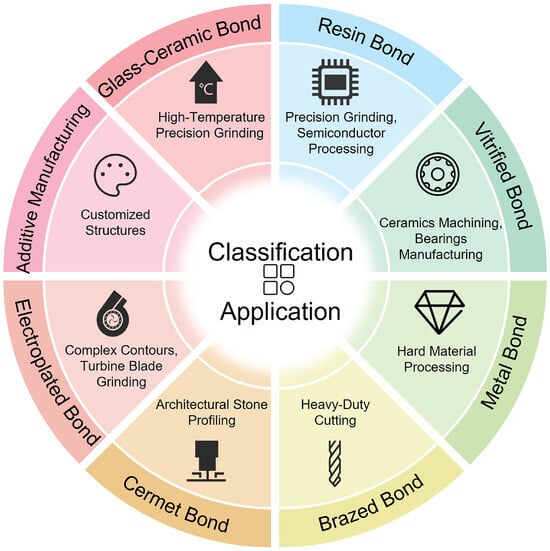
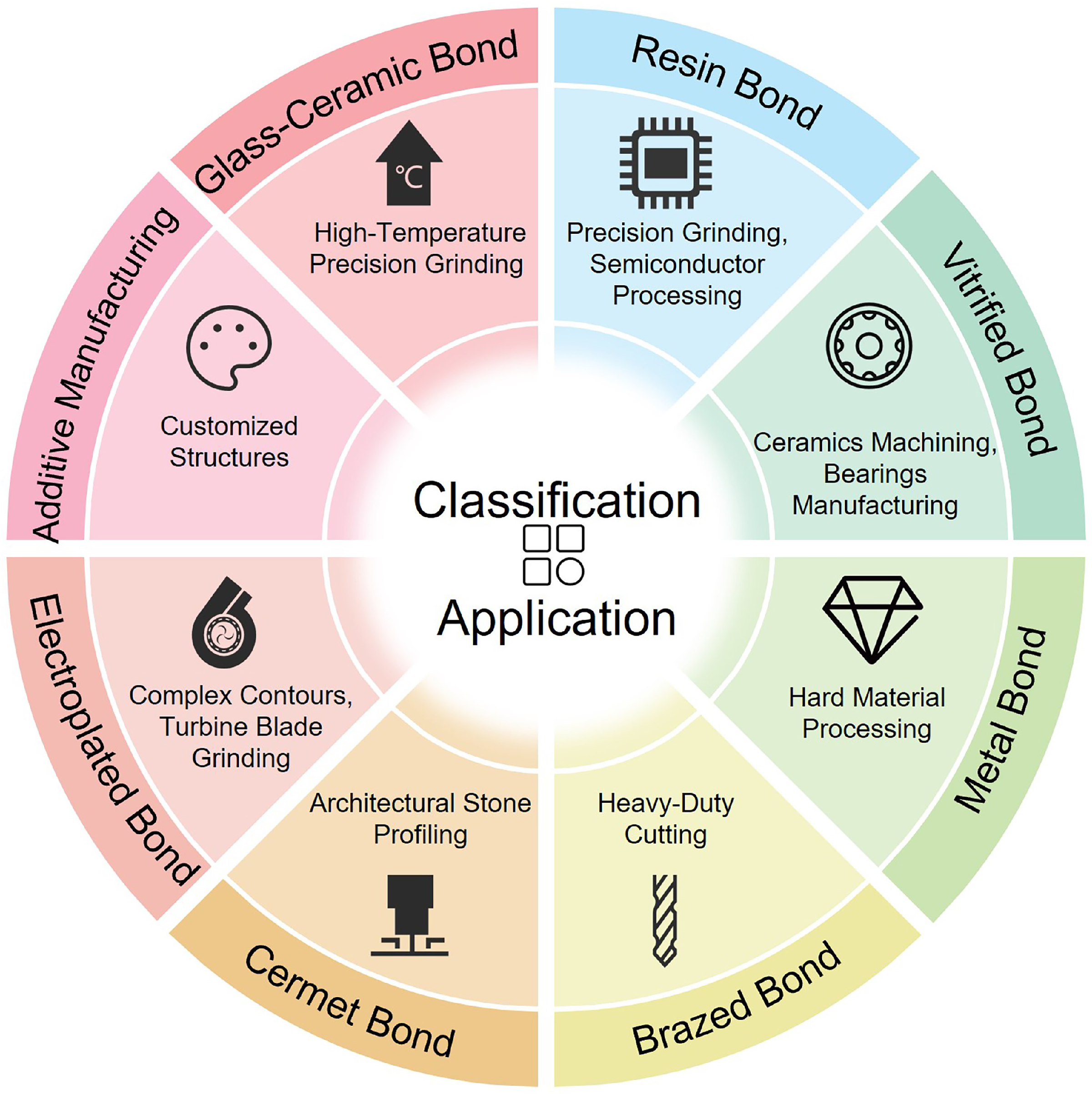
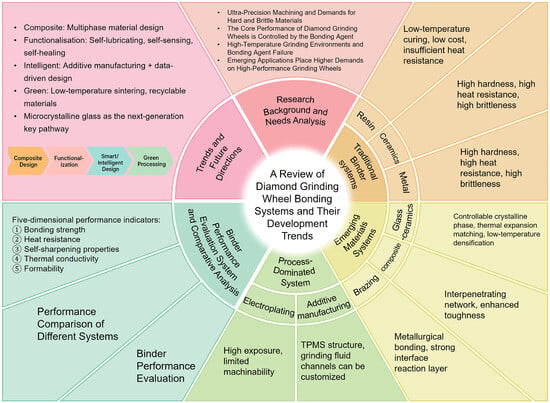
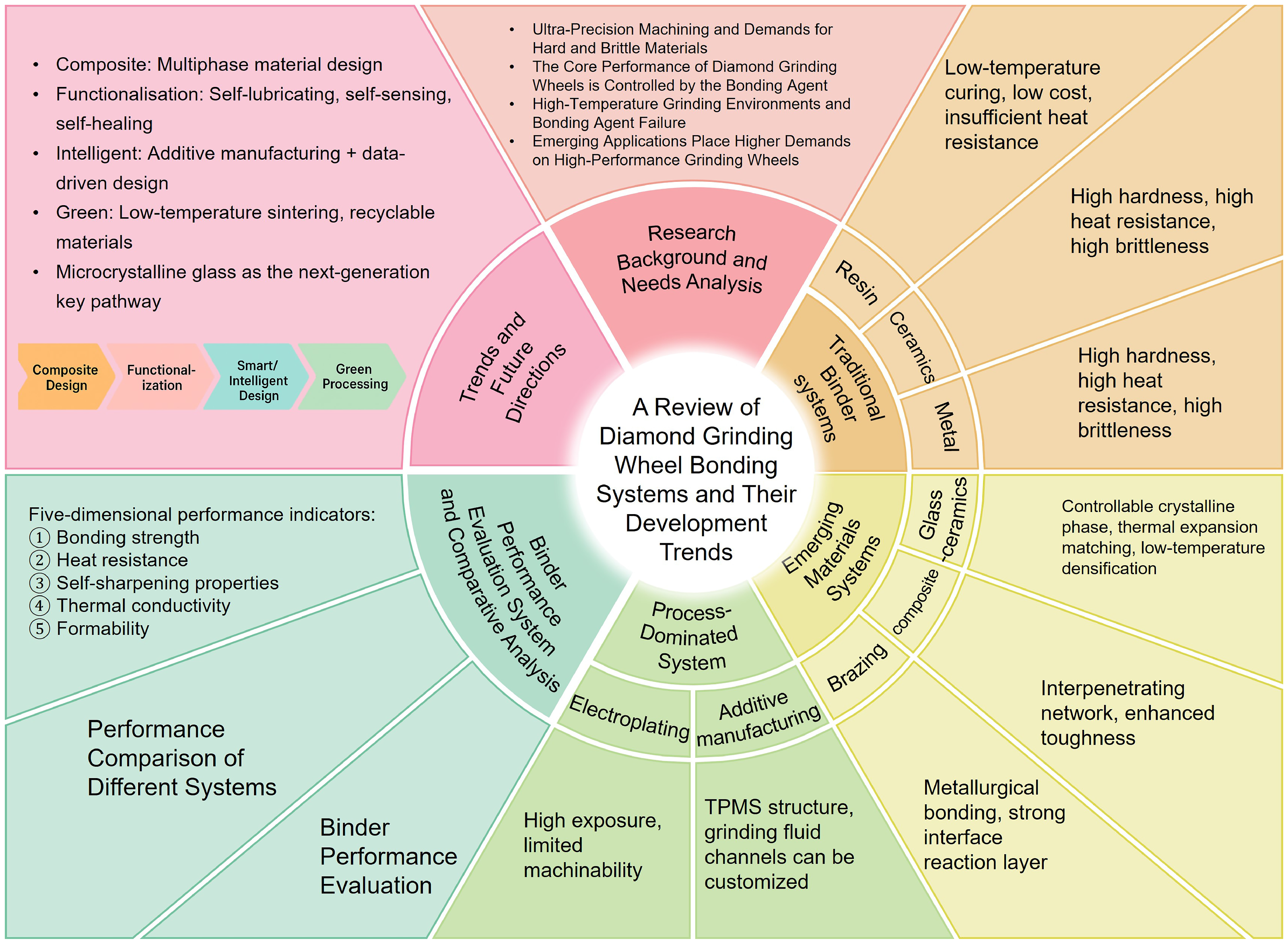
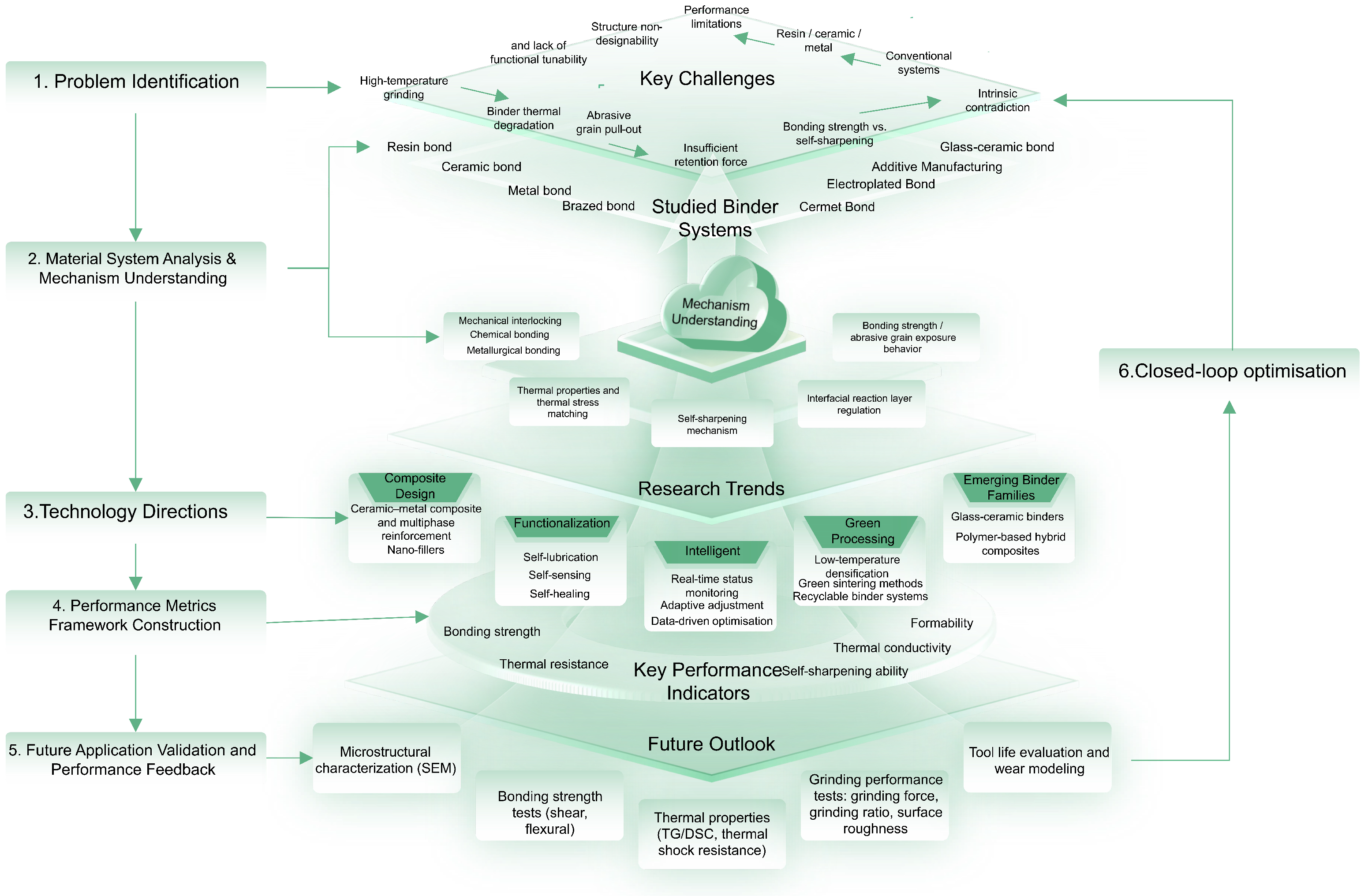
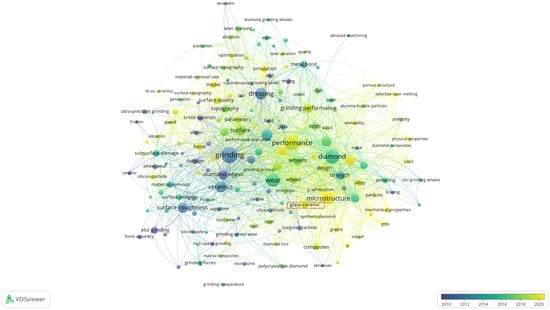
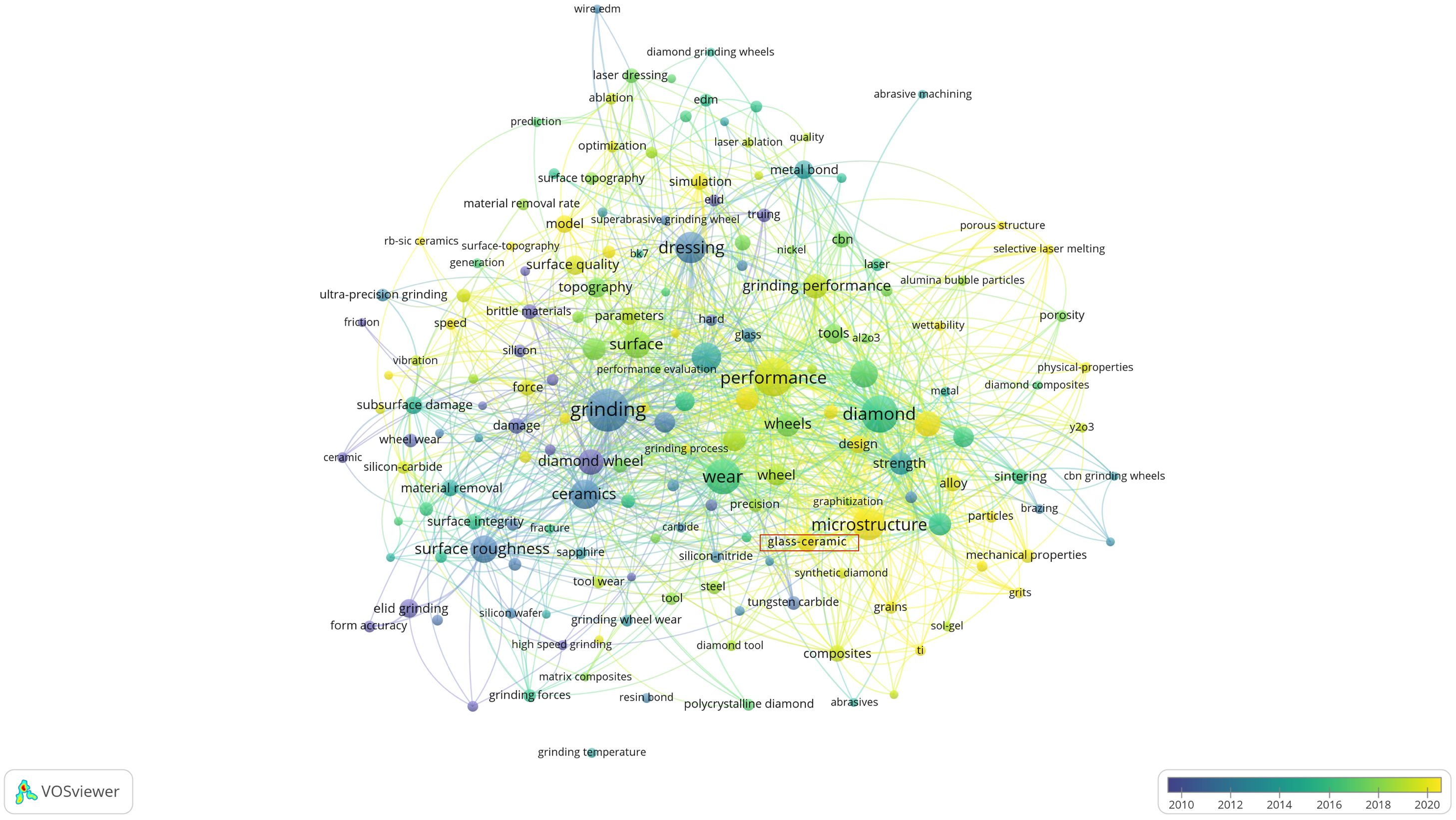
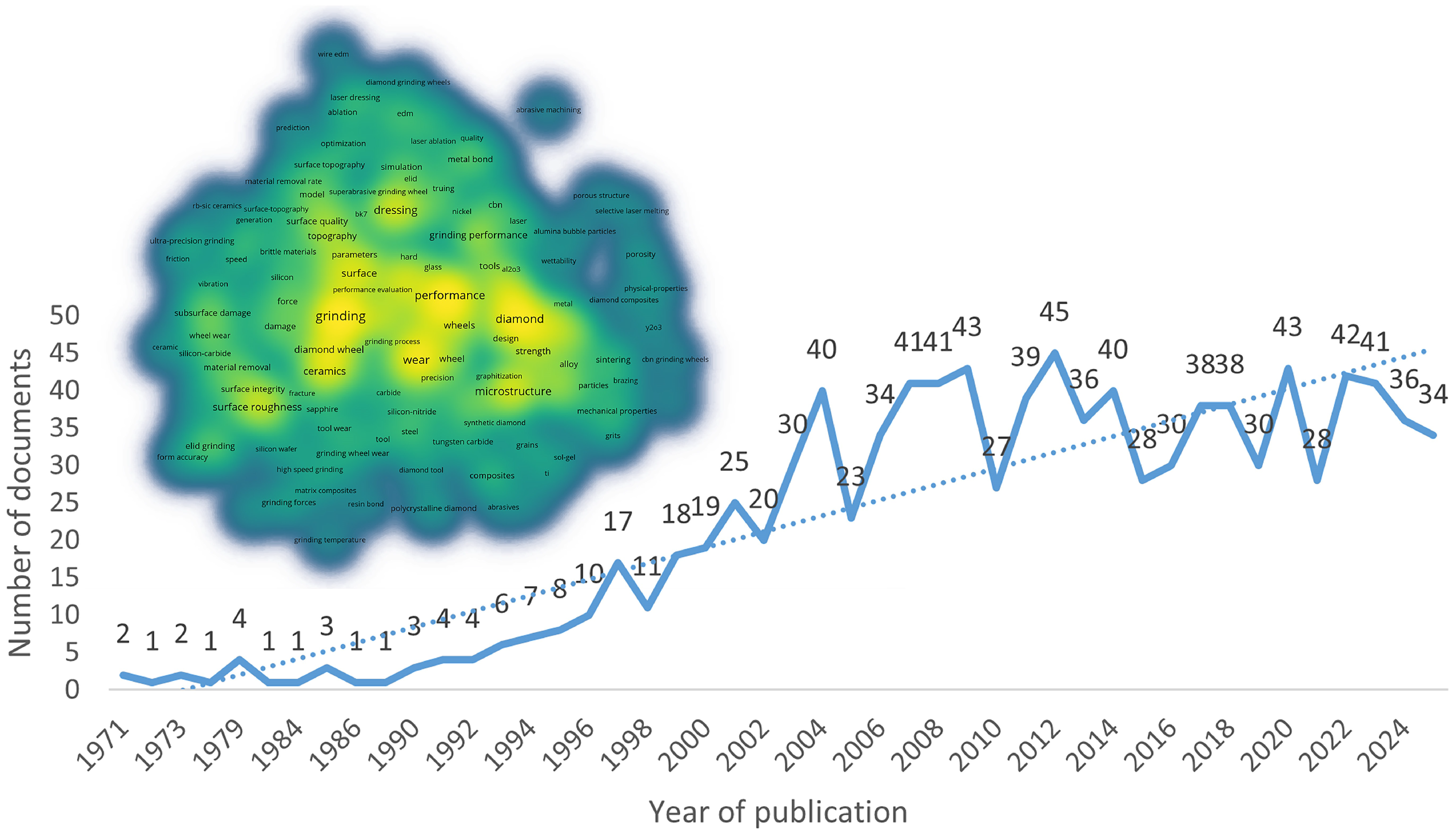
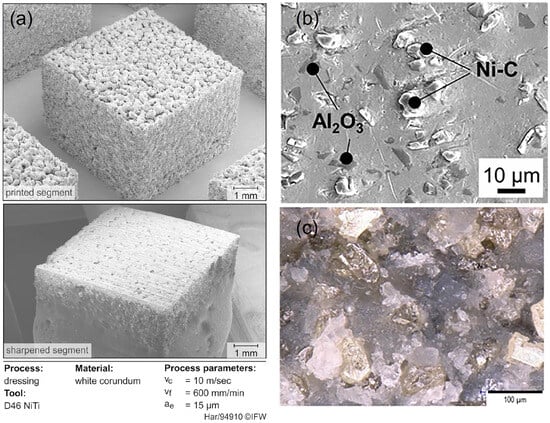
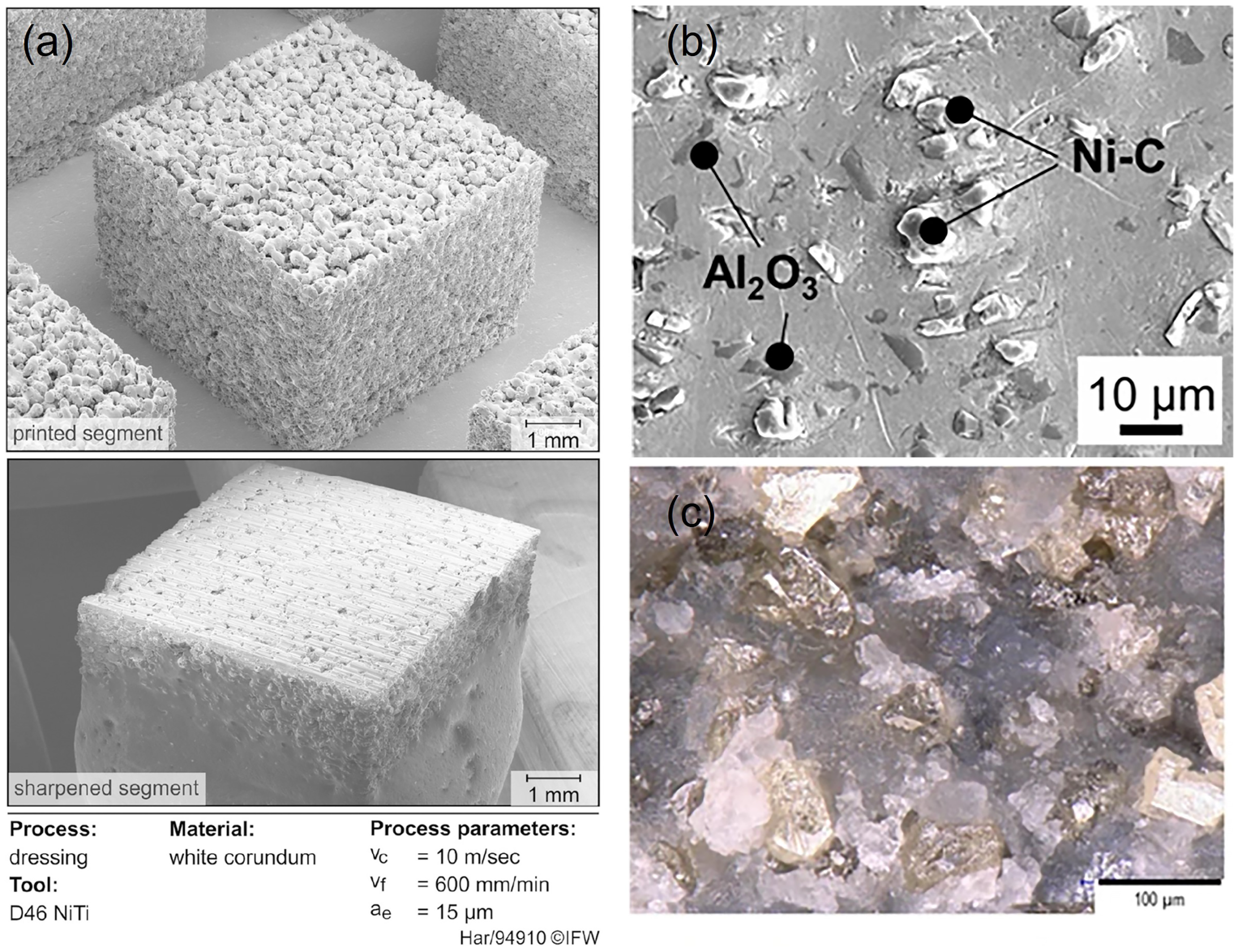
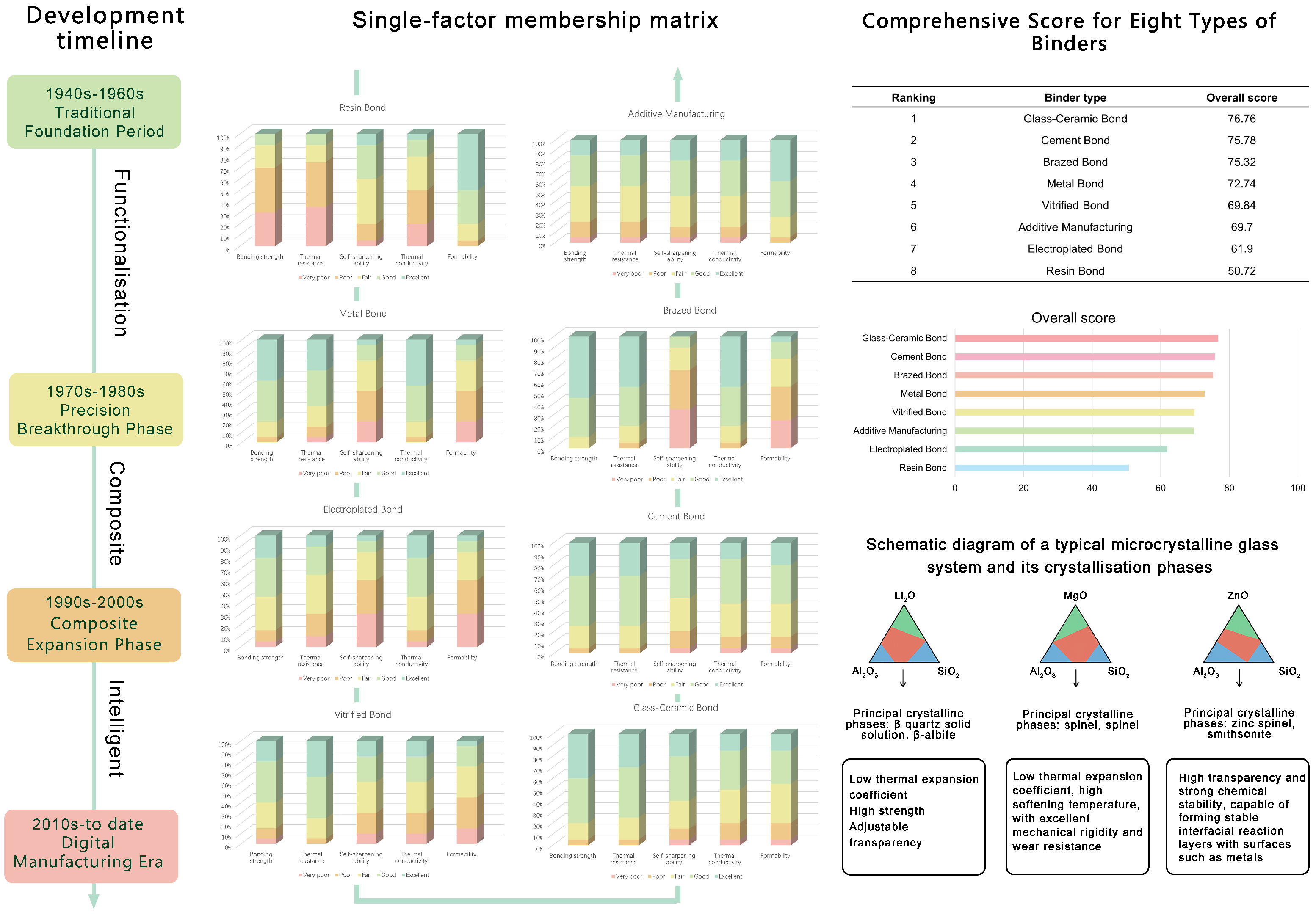

Disclaimer/Publisher’s Note: The statements, opinions and data contained in all publications are solely those of the individual author(s) and contributor(s) and not of MDPI and/or the editor(s). MDPI and/or the editor(s) disclaim responsibility for any injury to people or property resulting from any ideas, methods, instructions or products referred to in the content. |
© 2026 by the authors. Licensee MDPI, Basel, Switzerland. This article is an open access article distributed under the terms and conditions of the Creative Commons Attribution (CC BY) license.