

Journal Menu
► ▼ Journal Menu-
- Coatings Home
- Aims & Scope
- Editorial Board
- Reviewer Board
- Topical Advisory Panel
- Early Career Editorial Board
- Instructions for Authors
- Special Issues
- Topics
- Sections & Collections
- Article Processing Charge
- Indexing & Archiving
- Editor’s Choice Articles
- Most Cited & Viewed
- Journal Statistics
- Journal History
- Journal Awards
- Society Collaborations
- Conferences
- Editorial Office
Journal Browser
► ▼ Journal BrowserNeed Help?
Announcements
2 April 2026
2026 Tu Youyou Award—Open for Nominations

We are delighted to announce that nominations are now open for the 2026 Tu Youyou Award. Named after Nobel Laureate Tu Youyou, whose discovery of artemisinin has saved millions of lives, this award recognizes researchers whose work advances the fields of natural products chemistry and medicinal chemistry, while also contributing to human health.
Prize
– CHF 100,000;
– A medal;
– A certificate.
The monetary prize will be shared equally should there be multiple recipients.
Who May Be Nominated?
– Scientists with outstanding achievements and contributions in the fields of natural products chemistry and medicinal chemistry.
Nominees must be individuals; team or group nominations are not permitted. Nominations are valid only for the current award cycle.
Who May Submit a Nomination?
– The director of the nominee’s host research institution or recognized scientists within the field.
Self-nominations will not be considered.
Nomination Materials
– A biographical sketch;
– A detailed description of the nominee’s contributions;
– 5–10 representative academic publications;
– A list of academic honors, awards, and funded projects;
– A nomination letter signed by two nominators.
How to Submit?
Submit nominations online via the following link: https://tuyouyouprize.org/nomination
Important Dates
– Nomination Deadline: 31 October 2026
– Winner Announcement: March 2027
For further information, please visit the Tu Youyou Award website (https://tuyouyouprize.org/). For any inquiries, please contact the Tu Youyou Award Team at tuyouyouaward@mdpi.com.
31 March 2026
MDPI INSIGHTS: The CEO’s Letter #33 - 2025 Annual Report, Preprints.org, IWD, Recapping Viruses 2026 & Romania Salon

Welcome to the MDPI Insights: The CEO's Letter.
In these monthly letters, I will showcase two key aspects of our work at MDPI: our commitment to empowering researchers and our determination to facilitating open scientific exchange.
Opening Thoughts

Scaling Open Access with Integrity: MDPI Annual Report 2025
I am pleased to share the release of MDPI’s 2025 Annual Report, reflecting our continued progress as one of the world’s leading open access publishers. The report highlights not only our growth, but also the continued evolution of our publishing model and our commitment to quality, transparency, and collaboration.
You can explore the full report here: https://mdpi-res.com/data/mdpi_annual_report_2025_0401.pdf?1775045421
Or visit the interactive page: https://www.mdpi.com/annual-report-2025/
A Year of Growth and Responsibility
2025 was a year of significant growth for MDPI. We received over 669,000 manuscript submissions, the highest in our history, while maintaining a rejection rate above 60%, reinforcing our commitment to both scale and quality.
We published 261,576 peer-reviewed open access articles across a portfolio of 500 journals, supported by a global community of more than 68,000 Editorial Board Members and 209,000 reviewers.
Scaling with Integrity
Growth alone is not the objective; how we grow matters.
Our 2025 Annual Report, Scaling Open Access with Integrity, reflects our continued focus on building the systems and processes that support reliable and trustworthy publishing. As submission volumes increase globally, so too does the importance of robust editorial workflows, research integrity frameworks, and the infrastructure required to support them.
In 2025, we continued to invest in:
- Research integrity and quality assurance processes
- Editorial support and reviewer engagement
- Transparency across the publishing workflow
These efforts ensure that scale does not come at the expense of rigor, but rather reinforces it.
Validation Through Indexing and Visibility
As MDPI continues to grow, validation of quality remains essential.
In 2025, the number of MDPI journals indexed in the Web of Science Core Collection increased from 298 to 329, while Scopus coverage reached 355 journals, including 45 new acceptances. Coverage in major biomedical databases (PMC/Medline/PubMed) expanded to 95 journals, and indexing in Ei Compendex increased significantly.
These milestones reflect the strength of our editorial processes and the trust placed in our journals by independent indexing bodies.
Importantly:
- 96% of all MDPI articles are indexed in Web of Science databases
- More than 1.75 million articles are indexed, with an average of 13 citations per article
Recognition through Journal Citation Reports also continues to grow:
- 298 journals received Impact Factors
- 65% ranked in the top half of their categories
- 61 journals achieved top-quartile positions
These developments demonstrate that growth and quality are advancing together, supported by strong editorial oversight and consistent performance across our journal portfolio.
Strengthening Partnerships and Community
Open access is a collaborative endeavor.
In 2025, we expanded our institutional partnerships to more than 1,000 IOAP agreements, helping simplify publishing for researchers and institutions worldwide.
We also hosted 60 in-person conferences and virtual events, bringing together more than 28,000 participants to exchange ideas, share research, and strengthen connections across the global scientific community.
At the heart of everything we do is this community of authors, editors, reviewers, and partners who make open science possible.
Looking Ahead
Open access continues to move toward becoming the standard model for sharing research globally. With that growth comes increased responsibility.
Our focus moving forward is to continue building a publishing ecosystem that is:
- Collaborative, to serve the research community
- Rigorous, to ensure quality
- Transparent, to support trust
- Scalable, to meet global demand
We believe that open access, when combined with strong editorial standards and integrity, is the most effective way to accelerate scientific progress.
Thank you to all the scholarly community who collaborated with us and our MDPI staff for your continued dedication and contributions in making 2025 a successful year.
Impactful Research

Celebrating Ten Years of Preprints.org: Accelerating Open Research
In 2026, MDPI’s preprints server Preprints.org marked its 10th anniversary as a platform dedicated to accelerating the dissemination of research. Since its launch, Preprints.org has grown into a global platform that hosts more than 120,000 preprints contributed by hundreds of thousands of researchers worldwide, generating tens of millions of views and downloads and demonstrating the value of sharing research openly and rapidly.
At MDPI, we are proud to celebrate ten years of Preprints.org supporting the mission of open science. Over the past decade, we have seen how early sharing of research can accelerate collaboration and help ideas move more quickly from discovery to impact.
The Evolution of Preprints
While Preprints.org launched in 2016, the idea behind it has deeper roots. The concept of rapid research dissemination has existed for decades, with early preprint servers showing how open sharing can accelerate scientific progress.
Over the past decade, preprints have become an increasingly important part of scholarly communication. Researchers across disciplines are looking at faster ways to share their discoveries, exchange ideas, and receive feedback from the global scientific community.
Preprints in a Growing Research Ecosystem
The global preprint landscape has expanded significantly over the past decade, with multiple platforms serving different research communities. The figure below (sourced from James Butcher newsletter), based on data from Dimensions (Digital Science), shows the growth of preprint outputs across several major platforms over time.

Among these platforms, arXiv (the pioneering preprint server) has experienced great growth in recent years. At the same time, other platforms have continued to expand their reach across disciplines, capturing increasing global interest in early research sharing.
Preprints.org contributes to this evolving ecosystem by providing a multidisciplinary platform that works in synergy with academic journals, helping researchers bridge the gap between rapid dissemination and the formal publication process.
Celebrating the First Decade
To commemorate this milestone, Preprints.org launched a 10th Anniversary celebration hub highlighting the impact of preprints and the researchers who contribute to them.

One of the central initiatives is the Popular Preprints of the Decade Award, recognizing influential preprints published between 2016 and 2026 across multiple research fields. Through community voting, the award will recognize research that has generated high engagement and visibility within the global research community.
Looking Ahead: The Next Decade of Preprints
As research communication continues to evolve, preprints will continue to play an important role in enabling faster collaboration, improving transparency, and expanding access to knowledge. The next decade may bring further integration between preprint platforms and journals, new tools for discovery and evaluation, and greater global participation in open science.
At MDPI, we remain committed to supporting researchers through platforms that encourage the open exchange of ideas. The success of Preprints.org over the past ten years reflects the engagement and trust of the global research community – authors, readers, reviewers, and collaborators who believe in the value of sharing knowledge openly.
Congratulations to everyone involved in the development and growth of Preprints.org over the past decade!
Inside MDPI

Beyond International Women’s Day: Supporting Women in Research
International Women’s Day (IWD) offers an opportunity to recognize the achievements of women around the world and reflect on how we can continue building a more inclusive future. In research and academia, this conversation carries particular importance, as scientific progress depends on diverse perspectives, and supporting women in science is essential to strengthening the global research ecosystem.
For MDPI, IWD is an opportunity to celebrate the achievements of women in research and highlight the initiatives, conversations, and collaborations that help support researchers across disciplines and career stages.
Highlighting Women in Science Across MDPI
This year, MDPI marked International Women’s Day with a global campaign highlighting research, awards, and perspectives that support women in science. Throughout the week, our teams shared content across MDPI’s social media channels sharing the work of women researchers and encouraging engagement across the academic community.

As part of this initiative, MDPI published several blog articles exploring important themes related to gender equity in research. One article, Give Support, Gain Progress: Retaining Women in Science, discusses the importance of mentorship, institutional support, and inclusive research environments in helping women build sustainable scientific careers.
Another featured article, Bridging the Gap in Women’s Health Research, highlights the ongoing need to address disparities in health research and ensure that women’s health receives the scientific attention and investment it deserves.
These topics capture the notion that supporting women in science benefits not only individual researchers but the entire scientific community. When researchers from diverse backgrounds can contribute their perspectives and ideas, the scope and impact of scientific discovery expand.
Creating Spaces for Dialogue
Beyond online content, MDPI is also supporting conversations about women in research through community engagement.

On 10 March, MDPI UK hosted the “Women in Research” event, bringing together researchers and professionals to share experiences and discuss the opportunities and challenges women face throughout their scientific careers. Events like these are an opportunity for open dialogue, mentorship, and networking to create more inclusive research communities.
Looking Beyond a Single Day
While IWD is an important moment of recognition, progress requires ongoing effort.
Supporting women in research involves many forms of engagement: from mentorship and collaboration to creating inclusive environments in which diverse voices are heard and valued. Publishers, institutions, and researchers all play a role in building this ecosystem.
At MDPI, we remain committed to supporting the global research community and to promoting open access publishing as a foundation for accessible and inclusive knowledge-sharing.
As we reflect on IWD this year, we recognize the many women who contribute to research as authors, reviewers, editors, mentors, and educators; we also recognize the impact they continue to have on the advancement of science. The influence of women in research extends far beyond a single day of recognition, reminding us that supporting them is a commitment that continues throughout the year.
Coming Together for Science

Highlights from Viruses 2026 – New Horizons in Virology (11–13 March)
Through 11–13 March, we successfully delivered the Viruses 2026 – New Horizons in Virology MDPI conference in Barcelona, bringing together an international community of researchers, editors, and partners dedicated to advancing the field of virology.
Conference Highlights
Viruses 2026 in numbers:
- 198 total registrations, with 171 attendees on site
- 233 submissions, with 122 accepted
- 42 short talks, 9 flash talks, and 80 posters
- 13 invited speakers and 1 keynote speaker

The strong level of participation and quality of submissions once again demonstrate the relevance of the Viruses community.
A standout moment was the keynote lecture by Dr. Ho, which also attracted an NBC documentary film crew, highlighting the broader impact of the research being presented.
Scientific Programme
The conference programme covered areas across modern virology, including viral replication, pathogenesis, immunology, and public health. Sessions explored topics on antiviral therapeutics and vaccines, innate immunity, virus–host interactions, and the structure and mechanisms of virus replication.
Together, these discussions highlighted both the fundamental biology of viruses and the translational challenges of addressing emerging infectious diseases, reflecting the breadth and continued importance of virology research in a global context. The programme also included a sponsored workshop on research data management in virology, further emphasizing the importance of data practices in advancing the field.
Thank You
Feedback from participants has been very positive, and I would like to thank the Conference team for the organization and delivery of this year’s event.

Thank you to our Viruses journal team and all colleagues involved behind the scenes in supporting the delivery of the event. As noted by Dr. Eric Freed (EiC of Viruses), the success of this edition gives us strong momentum as we look ahead to the next conference in 2028, with opportunities to further expand participation and engagement.
Closing Thoughts

Recap from MDPI Romania Salon in Cluj-Napoca (24 March)
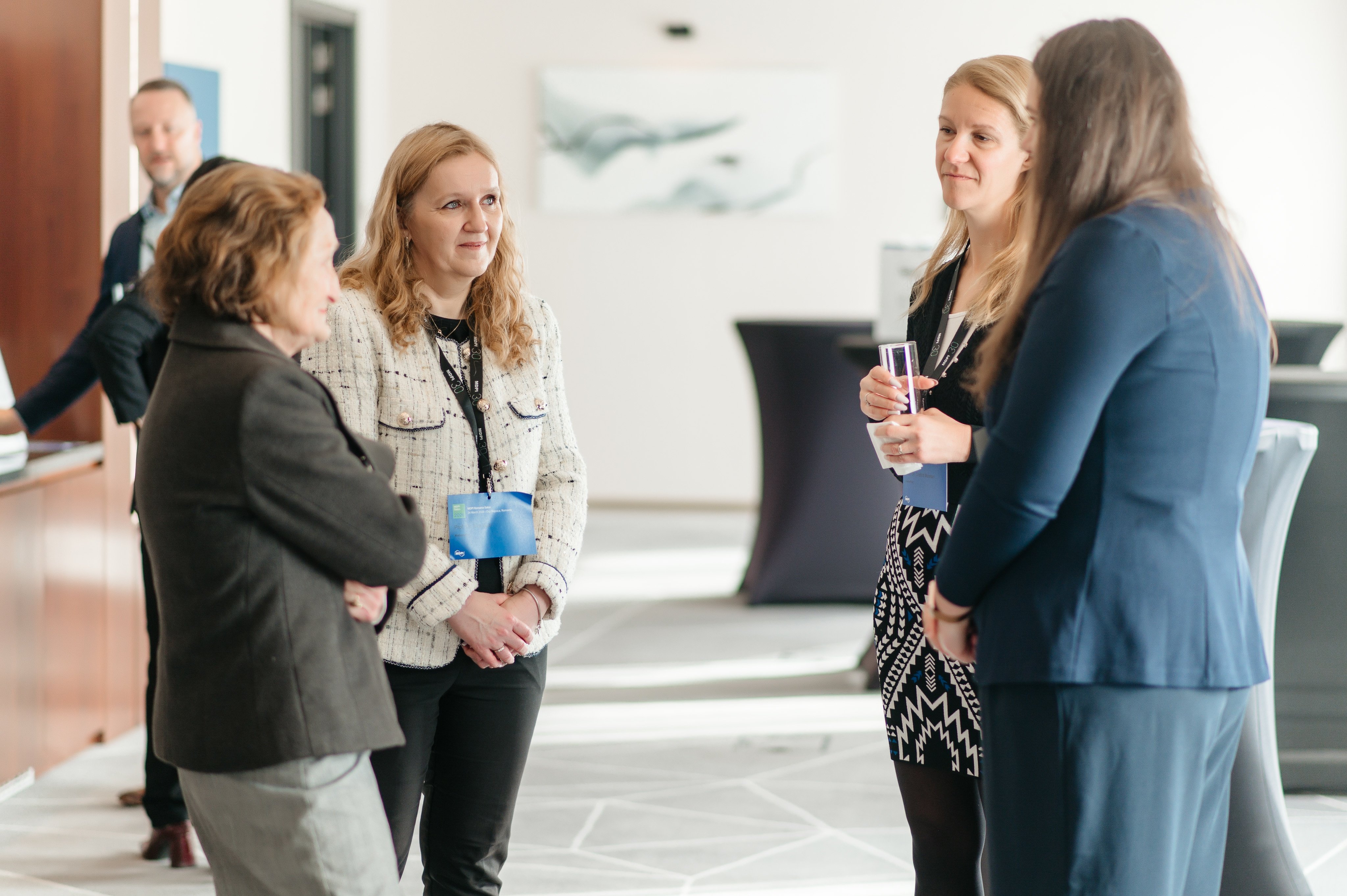
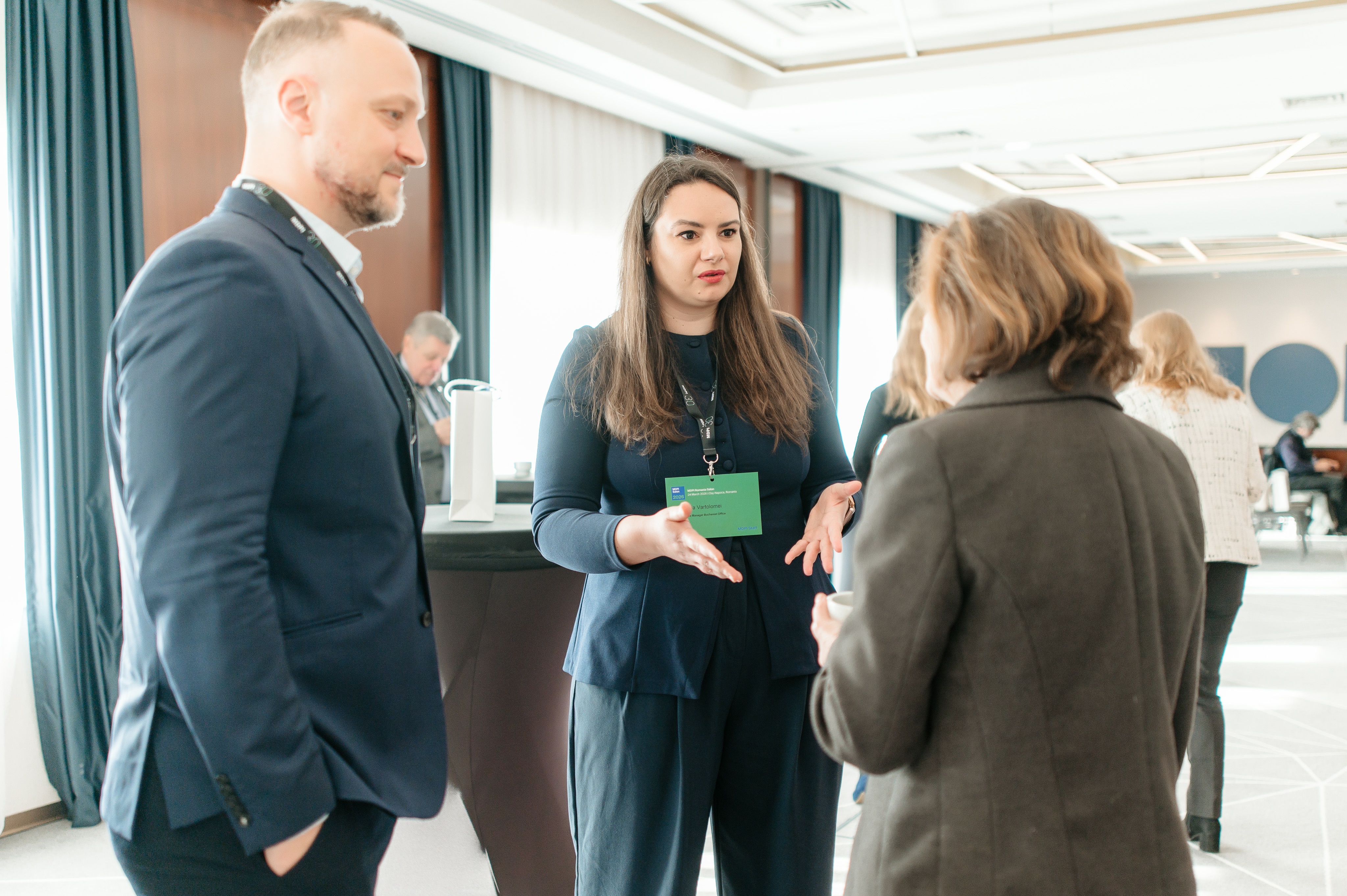
On 24 March, we had the opportunity to meet with members of the Romanian research community in Cluj-Napoca at our MDPI Romania Salon. The event was a space for presentations, open discussion, and the exchange of perspectives on publishing and the research landscape in Romania.

We welcomed 39 participants, including 27 researchers from institutions across Romania, representing cities such as Cluj-Napoca, Timișoara, and Reșița. Among them were Editorial Board Members, Associate Editors, and Guest Editors, all of whom play an important role in collaborating with MDPI and shaping the quality and direction of academic publishing.
|
|
|
|

A Shared Commitment to Research Excellence
These events reflect MDPI’s commitment to connecting with and supporting researchers by means of transparency, dialogue, and collaboration. During the day, MDPI colleagues shared a series of presentations covering different parts of our publishing ecosystem:
- MDPI’s presence in Romania – Anamaria Vartolomei (Journal Relationship Specialist (JRS), Section Managing Editor (ME))
- MDPI’s performance, growth, and impact in Romania – Stefan Tochev (CEO)
- Academic services, initiatives, and projects supporting researchers – Ioana Preda (JRS, Section ME)
- Best practices and standards in publication ethics – Lavinia Rogojina (Research Integrity Manager)
- Panel session on ethics, AI, and peer review – Lavinia Rogojina, Ioana Preda, Doris Larisa Albu (JRS, Section ME), Cristina Georgiana Spelmezan (JRS, Section ME)
- Closing remarks – Lavinia Dumitrela Cozma (Operations Manager, Section ME)

Feedback from participants was very positive, particularly regarding the quality of discussions, the relevance of the topics, and the opportunity to engage directly with MDPI colleagues. What stood out most was the openness of the discussion. These events are important not only for the purposes of presenting what we do, but also as an opportunity to listen, understand concerns, and continue to build alignment with the research community.
Romania and the Growth of Open Access Publishing
The Romanian research landscape continues to show growth in open access (OA) publishing.
In 2025:
- 72% of all publications in Romania were published as OA
- Of these, 74% were Gold Open Access
Over the past five years, Romania has produced more than 109,000 publications, with approximately 71% available openly, highlighting a sustained shift toward accessibility and knowledge-sharing.
Within this landscape, MDPI continues to play a significant role:

- MDPI is the leading OA publisher in Romania, contributing 42% of all OA publications in 2025
- More than 37,000 articles have been published with MDPI by Romanian institutions since 1996
- This figure includes over 7,500 publications in 2025 alone
- More than 400 Editorial Board Members from Romania collaborate with MDPI across disciplines
These trends show the growth of OA and the strength of collaboration between MDPI and the Romanian research community.
Looking Ahead
As academic publishing continues to evolve, maintaining open and transparent communication with researchers is essential. Events such as our Salons and Summits provide great opportunities to exchange perspectives and to build trust and collaboration.
Thank you to all participants who joined us in Cluj, and to our teams in Romania for delivering a successful event. A special thank-you to Alina-Florina Agafitei (Marketing Specialist) for her care and attention to detail in delivering the Salon.
Chief Executive Officer
MDPI AG
25 March 2026
Acknowledging the Contributions of Our Reviewers in 2025

As a pioneer in open access publishing, MDPI maintains rigorous publication standards. This mission relies on the dedication and expertise of our reviewers, who invest their time and knowledge to ensure the quality and integrity of the research we publish.
In 2025, over 209,000 reviewers contributed to the peer-review process at MDPI, providing more than 1.3 million review reports for our journals. To express our gratitude, MDPI’s Reviewer Recognition Program highlights reviewers across over 400 journals, featuring those who have assessed at least one manuscript and agreed to be acknowledged.
In addition, MDPI has identified its Top 1000 Reviewers of 2024 to recognize those whose expertise, dedication, and thoughtful evaluations were particularly outstanding.
Many journals have also established Outstanding Reviewer Awards to honor our reviewers’ commitment to publication excellence. Together with the Exceptional Reviewer List, we showcase the importance of reviewers’ work and their time and dedication.
These initiatives serve to express our deepest appreciation and gratitude towards the whole reviewer community. In recognition of their contributions, we also welcome new researchers to join this community. If you would like to contribute to open access publishing, learn more about the reviewers’ benefits and sign up to join us.
23 March 2026
Coatings Exceptional Reviewers List 2026

May–June 2026
|
Name: Dr. Abrar Hussain |
Name: Dr. Marek Goral |
|
Name: Dr. Adam Zwoliński |
Name: Dr. Mehmet Gürsoy |
|
Name: Dr. Anatoli Popov |
Name: Dr. Miroslav Gombár |
|
Name: Dr. Anżelina Marek |
Name: Dr. Mojtaba Karamimoghadam |
|
Name: Dr. Bamidele Victor Ayodele |
Name: Dr. Muayad Habashneh |
|
Name: Dr. Camelia Gabor |
Name: Dr. Olga Samoilova |
|
Name: Dr. Christian Kexel |
Name: Dr. Per Morgen |
|
Name: Dr. Citlalli Gaona-Tiburcio |
Name: Dr. Pietro Forcellese |
|
Name: Dr. Florina Branzoi |
Name: Dr. Róbert Janík |
|
Name: Dr. Georgios Skordaris |
Name: Dr. Shuang Yi |
|
Name: Dr. Helena Cristina Vasconcelos |
Name: Dr. Sotomi Ishihara |
|
Name: Dr. Ignacio Collado |
Name: Dr. Tao He |
|
Name: Dr. Jose Costa |
Name: Dr. Tetsuo Takayama |
|
Name: Dr. Kateryna Popova |
Name: Dr. Van Trinh Pham |
|
Name: Dr. Maciej Sydor |
Name: Dr. Vyacheslav Protsenko |
See what our reviewers say about the review process of Coatings:
“Peer review is an opportunity to support rigorous, transparent, and impactful research while helping authors strengthen the quality and clarity of their scientific contributions.”—Dr. Abrar Hussain
“It is an honour to review for Coatings. Their commitment to high-quality research and a consistently professional editorial process makes the experience truly rewarding.”—Dr. Bamidele Victor Ayodele
“Reviewing is a demanding but rewarding task. I appreciate an efficient process and the opportunity to help ensure quality in research spanning surface science, thin-walled structures, and data-driven methods.”—Dr. Christian Kexel
“The experience is precise and objective, allowing the identification of critical points with direct support in the text and quickly optimizing the quality of scientific arbitration.”—Dr. Citlalli Gaona-Tiburcio
“My review experience has allowed me to contribute to scientific excellence by providing constructive feedback that strengthened submitted manuscripts and supported the research community.”—Dr. Georgios Skordaris
“Peer review is a way to give back to the scientific community and to help authors improve their work through fair and constructive feedback.”—Dr. Helena Cristina Vasconcelos
“Reviewing for Coatings allows me to contribute to scientific integrity while also exposing me to the latest, advanced materials research. It is a rewarding scientific responsibility.”—Dr. Maciej Sydor
“It was my pleasure to contribute by reviewing papers for Coatings, one of the most relevant journals in the field of coating applications.”—Dr. Mojtaba Karamimoghadam
“Peer review is a valuable opportunity to contribute to scientific quality while also learning from new research. I always aim to provide constructive, fair, and detailed comments that help authors improve their work.”—Dr. Muayad Habashneh
“Peer review is an essential part of scientific research. It is an opportunity to support research quality, encourage constructive dialogue, and contribute to the advancement of the scientific community.”—Dr. Pietro Forcellese
“Peer review is a meaningful process that helps improve research quality and promotes constructive academic communication.”—Dr. Shuang Yi
March–April 2026
| Name: Dr. Abdelkader Aissat Affiliation: University of Sciences and Technologies of Lille, France |
Name: Dr. Müslim Çelebi Affiliation: Karadeniz Technical University, Türkiye |
| Name: Dr. Andrzej Dziedzic Affiliation: University of Rzeszow, Poland |
Name: Dr. Nay Win Khun Affiliation: Warsaw University of Technology, Poland |
| Name: Dr. Andrzej Miszczyk Affiliation: Gdansk University of Technology, Poland |
Name: Dr. Nicoleta Nedelcu Affiliation: Mount Royal University, Canada |
| Name: Dr. Aruntapan Dash Affiliation: Florida International University, USA |
Name: Dr. Nikša Čatipović Affiliation: University of Split, Croatia |
| Name: Dr. Carol Barry Affiliation: University of Massachusetts Lowell, USA |
Name: Dr. Patricia Losada-Perez Affiliation: Université Libre de Bruxelles, Belgium |
| Name: Dr. Enrique Rocha-Rangel Affiliation: Polytechnic University of Victoria, Mexico |
Name: Dr. Polyxeni Vourna Affiliation: National Centre for Scientific Research “Demokritos”, Greece |
| Name: Dr. Evangelia Pavlatou Affiliation: National Technical University of Athens, Greece |
Name: Dr. Sara Havrlišan Affiliation: University of Slavonski Brod, Croatia |
| Name: Dr. George D. Verros Affiliation: Aristotle University of Thessaloniki, Greece |
Name: Dr. Sayan Ganguly Affiliation: University of Waterloo, Canada |
| Name: Dr. Guido Di Bella Affiliation: University of Messina, Italy |
Name: Dr. Shalini Mohanty Affiliation: University of Greenwich, UK |
| Name: Dr. Hongjie Li Affiliation: PetroChina Southwest Oil & Gasfield Company, China |
Name: Dr. Simionescu Nicoleta Affiliation: University of Galati, Romania |
| Name: Dr. João Victor Staub de Melo Affiliation: Federal University of Santa Catarina, Brazil |
Name: Dr. Takuo Sakon Affiliation: Ryukoku University, Japan |
| Name: Dr. Liviu Duta Affiliation: National Institute for Laser, Plasma and Radiation Physics, Romania |
Name: Dr. Tomasz Chmielewski Affiliation: Warsaw University of Technology, Poland |
| Name: Dr. Mateusz Bryk Affiliation: Polish Academy of Sciences, Poland |
Name: Dr. Yew Hoong Wong Affiliation: University of Malaya, Malaysia |
| Name: Dr. Mohammad Ebrahimi Affiliation: University of Caen Normandy, France |
Name: Dr. Zbigniew Raszewski Affiliation: WSM Białystok, Poland |
| Name: Dr. Mohsin Sattar Affiliation: Czech Technical University, Czech Republic |
See what our reviewers say about the review process of Coatings:
“My cooperation with the editors and staff of the journal Coatings is highly satisfying because we share the exact same approach to publishing scientific achievements. I deeply identify with your organization’s vision. I view the review process as also helping authors present their work. Additionally, the energy and exceptional commitment of your editors makes partnering with you a true pleasure.”—Dr. Andrzej Miszczyk
“My experience as a reviewer has been highly enriching and intellectually stimulating, as it has provided me with the opportunity to explore diverse research perspectives, methodologies, and approaches to scientific problem-solving. Through the evaluation of manuscripts, I have gained valuable insight into the different ways researchers design studies, interpret results, and address the challenges that arise throughout the scientific process. This experience has allowed me to broaden my understanding of research beyond my immediate areas of expertise and to appreciate the diversity of ideas and analytical approaches within the scientific community. My training and development as a scientist have benefited significantly from this role. Reviewing manuscripts has enabled me to stay continuously updated on emerging topics, innovations, and technological advances related to my field of study, while also exposing me to subjects that I had not previously explored in depth. This constant interaction with new knowledge has strengthened my critical thinking skills, expanded my scientific perspective, and encouraged me to reflect more carefully on the quality, clarity, and rigor required in scientific communication.”—Dr. Enrique Rocha-Rangel
“Reviewing for Coatings is a valuable opportunity to support scientific quality, share expertise, and contribute to the advancement of materials research.”—Dr. Guido Di Bella
“Reviewing for MDPI journals offered me valuable experience in evaluating scientific quality, improving my critical analysis skills, and staying updated on recent research advances.”—Dr. Liviu Duta
“Peer review is a valuable opportunity to support scientific quality, share expertise, and contribute to the development of reliable and impactful research.”—Dr. Mateusz Bryk
“It has been my pleasure to review manuscripts for Coatings and other MDPI journals. The experience has greatly enriched my understanding of the peer‑review process and helped me stay informed about emerging research trends. I am truly grateful for the opportunity to contribute to the scientific community through this work.”—Dr. Mohammad Ebrahimi
“Over the course of my academic career, I have had the opportunity to review nearly 200 manuscripts for a wide range of international journals, including many highly ranked publications in materials science, metallurgy, energy storage, and advanced engineering fields. I consider peer review to be one of the most important responsibilities of a researcher, as it plays a crucial role in maintaining scientific quality, integrity, and credibility. My approach to reviewing is not limited to identifying weaknesses; I also aim to provide constructive, detailed, and actionable feedback that helps authors improve the scientific rigor, clarity, and impact of their work. I believe that an effective review should support both the advancement of knowledge and the professional development of researchers. Serving as a reviewer has also enriched my academic perspective by exposing me to emerging research trends, innovative methodologies, and interdisciplinary approaches. It is a privilege to contribute to the scientific community through this process, and I am grateful to the editors of Coatings for recognizing the value of my reviewing efforts through this honor.”—Dr. Müslim Çelebi
“Reviewing for Coatings has been a highly rewarding experience. The editorial team provides excellent support, clear guidelines, and efficient communication throughout the process. I particularly appreciate the high-quality submissions covering cutting-edge topics in surface and coatings science, which makes the review both stimulating and valuable for advancing the field.”—Dr. Nikša Čatipović
“Reviewing for the journal Coatings provides an opportunity to contribute to science through constructive feedback, learning, and support for high-quality research.”—Dr. Sara Havrlišan
January–February 2026
Name: Dr. Adriana-Gabriela Schiopu
Affiliation: National University of Science and Technology Politehnica Bucharest, Romania
“Peer review is essential for maintaining scientific quality and integrity. Contributing as a reviewer allows me to support the advancement of rigorous and impactful research.”
Name: Dr. Milan Štrbák
Affiliation: Slovak Technical University, Slovakia
Name: Dr. Angel de Jesús Morales-Ramirez
Affiliation: Instituto Politécnico Nacional, Mexico
“Reviewing for Coatings has been a rewarding experience, allowing me to contribute to the scientific community by helping ensure the quality and impact of published research.”
Name: Mohammad Reza Raveshi
Affiliation: Monash University, Australia
“Fast, constructive process. I focused on reproducibility and clarity and appreciated the responsive editorial handling.”
Name: Dr. Aomar Hadjadj
Affiliation: Université de Reims Champagne-Ardenne, France
“Since 2020, I have had the honour of regularly reviewing various papers for Coatings. Throughout this time, I have appreciated the fair balance that the journal strikes between providing high-quality expertise in a reasonable timeframe and promptly publishing results, ensuring author satisfaction. The results of this constructive collaboration are evident in the journal’s continuous improvement in citation counts. I hope that the editorial staff and all the reviewers of Coatings will continue to work towards advancing the journal’s quartile.”
Name: Dr. Sharif bin Mohd Zaki
Affiliation: Universiti Teknikal Malaysia Melaka, Malaysia
“It has been a good experience contributing to MDPI. The editorial process is fast, communication is clear, and the system is smooth. I aim to provide detailed comments to help improve the quality of each manuscript. Peer review strengthens research quality and integrity. I value contributing constructive, timely, and rigorous evaluations that support the advancement of scientific knowledge.”
Name: Dr. Asaad Almssad
Affiliation: Karlstad University, Sweden
“Reviewing is an essential academic responsibility that helps strengthen research quality, improve clarity, and support the development of reliable scientific knowledge.”
Name: Dr. Mohsen Mhadhbi
Affiliation: Technopole Sidi Thabet, Tunisia
Name: Dr. Bahadir Tunaboylu
Affiliation: Marmara University, Türkiye
Name: Dr. Puttaswamy Madhusudan
Affiliation: Hanyang University, Republic of Korea
Name: Dr. Chul Kyu Jin
Affiliation: Kyungnam University, Republic of Korea
Name: Dr. Rajesh Kumar Mishra
Affiliation: Czech University of Life Sciences, Czech Republic
Name: Dr. Dmitrijs Serdjuks
Affiliation: Riga Technical University, Latvia
“I have always regarded the MDPI Publisher and the journal Coatings, namely as a reliable platform where academics and PhD students can publish the results of their research. The promptness and quality of the peer-review process, as well as the efficient and precise work of the journal Editorial Boards in preparing articles for publication, ensure that they are published in a prompt manner. I am therefore delighted to take part in the peer-review process at the invitation of the journal Editorial Boards. Furthermore, participating in the peer review of scientific articles for various MDPI journals allows me to gain insight into the latest research in the field. Furthermore, peer-reviewing scientific papers enables me to publish the results of my own research free of charge or at a significant discount. For the reasons mentioned above, I intend to continue my active participation in the peer review of scientific articles for the MDPI Publisher.”
Name: Dr. Ramona Cimpoesu
Affiliation: "Gheorghe Asachi” Technical University of Iasi, Romania
Name: Dr. Gabriel Búrdalo-Salcedo
Affiliation: University of León, Spain
“Participating in the peer-review process has been a rewarding opportunity to contribute to the advancement of research and to ensure high-quality publications.”
Name: Dr. Ravi Nivetha
Affiliation: University of Ulsan, Republic of Korea
Name: Dr. Hejie Yang
Affiliation: Xi’an Jiao Tong University, China
Name: Dr. Sasan Rezaee
Affiliation: Universität Duisburg-Essen, Germany
“I found Coatings, a multidisciplinary journal, to be a fast and fully responsible journal that considers the rights of authors and reviewers.”
Name: Dr. Janez Kosel
Affiliation: Inst Protect Cultural Heritage Slovenia, Slovenia
Name: Dr. Stepan Kolomy
Affiliation: Brno University of Technology, Czech Republic
Name: Dr. Jordan Maximov
Affiliation: Technical University of Gabrovo, Bulgaria
Name: Dr. Stylianos-Vasileios Kontomaris
Affiliation: Athens Metropolitan College, Greece
Name: Dr. Jorge Alberto Durán-Suárez
Affiliation: University of Granada, Spain
“With respect to my experience as a reviewer for MDPI, I would like to mention that I have completed more than 200 reviews for the publisher, including 32 specifically for Coatings. Most of the topics addressed, for Coatings, have been of exceptionally high scientific quality and significant research novelty. This has greatly contributed to strengthening my enthusiasm for science and the academic world. In addition, the user‑friendly nature of the online platform and the efficiency of scientific exchanges make Coatings one of my preferred journals to collaborate with. For all these reasons, I sincerely hope to continue contributing to this work—both for duty and passion—whenever the editorial team considers it appropriate.”
Name: Dr. Tamara Tomašegović
Affiliation: University of Zagreb Faculty of Graphic Arts, Croatia
“Reviewing in Coatings allows me to contribute to maintaining high scientific standards while supporting the development of innovative surface and materials technologies.”
Name: Dr. Jüri Liiv
Affiliation: University of Tartu, Estonia
Name: Dr. Tayssir Hamieh
Affiliation: Maastricht University, The Netherlands
Name: Dr. Katarzyna Tandecka
Affiliation: Koszalin University of Technology, Poland
Name: Dr. Wojciech Jadwicienczak
Affiliation: Ohio University, USA
Name: Dr. Matias Braun
Affiliation: Universidad Antonio de Nebrija, Spain
“Peer review is essential to ensure scientific rigour and clarity. I value the opportunity to contribute constructive feedback that helps improve the quality and impact of research.”
Name: Dr. Zahoor Hussain
Affiliation: North Dakota State University, USA
“The Coatings journal has become one of the key journals to publish original and review articles on coatings and beyond. Being a researcher in this area I am happy to be a part of the esteemed pool of reviewers from around the globe.”
20 March 2026
Meet Us at the 2026 MRS Spring Meeting & Exhibit, 26 April–1 May 2026, Honolulu, USA

MDPI is pleased to announce our participation in the 2026 MRS Spring Meeting & Exhibit, which will be held from 26 April to 1 May 2026, in Honolulu, USA.
The conference will convene researchers, scientists, and industry professionals from around the world for a cross-disciplinary collaboration and scientific exchange. The Meeting & Exhibit will feature breakthroughs in areas such as sustainable manufacturing, advanced characterization, and energy materials—driving forward innovation on a global scale.
MDPI is committed to supporting and disseminating high-quality research in the field of materials science.
The following MDPI journals will be represented at the event:
- Materials;
- Nanomaterials;
- Construction Materials;
- Crystals;
- Energies;
- Fibers;
- Gels;
- J. Compos. Sci.;
- Physchem;
- Polymers;
- QuBS;
- Reactions;
- Solids;
- Textiles;
- Coatings;
- Electronic Materials;
- Adhesives;
- Alloys;
- Applied Nano;
- Membranes.
If you are attending the 2026 MRS Spring Meeting & Exhibit, we warmly invite you to visit our booth. Our representatives will be available to discuss publishing opportunities, open access benefits, and our commitment to advancing materials research.
For more information about the conference, please visit the official website here.
19 March 2026
Meet Us at the 15th National Youth Academic Conference on Surface Engineering, 26–28 April 2026, Lanzhou, China

Conference: The 15th National Youth Academic Conference on Surface Engineering
Date: 26–28 April 2026
Location: Lanzhou, China
To foster the growth of young scholars in surface engineering and advance the development of the surface engineering discipline, technology, and industry, the 1st Youth Academic Forum on Surface Engineering was successfully held in Lanzhou on 11 August 2006. To date, the National Youth Academic Conference on Surface Engineering has been successfully convened 14 times in Lanzhou, Yinchuan, Chongqing, Suzhou, Beijing, Yangzhou, Ningbo and other cities, with the conference attendance exceeding 1000 participants.
The following MDPI journals will be represented:
- Lubricants;
- Surfaces;
- Coatings
- Biomimetics;
- Nanomanufacturing;
- Micro;
- Corrosion and Materials Degradation;
- Metals;
- Aerospace;
- Technologies;
- Journal of Manufacturing and Materials Processing;
- Journal of Marine Science and Engineering;
- Physchem.
Our delegates look forward to meeting you in person at our booth and answering any questions you may have. For more information regarding this conference, please visit the following link: http://2026.bmgc.cn/
4 March 2026
MDPI’s 2025 Best Paper Awards—Award-Winning Papers Announced

MDPI is honored to announce the recipients of the 2025 Best Paper Awards, celebrating exceptional research for its scientific merit and broad impact. After a rigorous evaluation process conducted by Academic Editors, this year’s awards showcase papers that stand out for their innovation, relevance, and high-quality presentation.
Out of a highly competitive pool, 396 winning papers have been recognized for their exceptional contributions. We congratulate these authors for pushing the boundaries of their respective disciplines.
At MDPI, we are dedicated to broadening the reach of innovative science. To learn more about the award-winning papers and explore research projects in your field of study, please visit the following links:
- Biology and Life Sciences;
- Business and Economics;
- Chemistry and Materials Sciences;
- Computer Sciences and Mathematics;
- Engineering;
- Environmental and Earth Sciences;
- Medicine and Pharmacology;
- Social Sciences, Arts and Humanities;
- Physical Sciences;
- Public Health and Healthcare.
About MDPI Awards:
To reward the global research community and enhance academic dialogue, MDPI journals regularly host award programs across diverse scientific disciplines. These awards, serving as a source of inspiration and recognition, help raise the influence of talented individuals who have been credited with outstanding achievements and whose work drives the advancement of their fields.
Explore the Best Paper Awards open for participation, please click here.
28 February 2026
MDPI INSIGHTS: The CEO’s Letter #32 - MDPI China and Thailand, China Science Daily, 1,000 Partnerships, R2R
Welcome to the MDPI Insights: The CEO's Letter.
In these monthly letters, I will showcase two key aspects of our work at MDPI: our commitment to empowering researchers and our determination to facilitating open scientific exchange.
Opening Thoughts

Reflections from China: Year-End-Celebrations and Open Access Publishing
In February, I had the pleasure of joining over a thousand colleagues from our Tongzhou and Haidian offices at their end-of-year annual celebration in Beijing.
Spending time with our teams in China is also a powerful reminder of the scale and complexity of MDPI as a global organization. Our colleagues in Beijing, Wuhan, and across the country play a significant role in our day-to-day operations and long-term development. I’m grateful for the hospitality, collaboration, and commitment shown by our managers and teams in China, alongside colleagues worldwide, who have helped steadily build MDPI, brick by brick, over the years.
Below are some data on Open Access (OA) publishing in China and our collaboration in this important research market.
Open Access Publishing in China
China has been the world’s leading country in research and review article publication volume since 2019, exceeding one million publications in 2025. Over the past five years, the gap between China and the second-ranked country, the United States, has continued to widen.
In 2025:
- 47% of China’s research output was published Open Access
- Of those OA publications, 76% were Gold Open Access (approximately 382,930 articles)
- The overall OA distribution remained stable compared with 2024, with Gold OA increasing by 1%
Over the past five years (2021–2025):
- China published 4,398,050 research and review articles
- Approximately 48% of this output was OA
According to Dimensions, when comparing the top 20 countries by publication volume (2021–2025):
- China ranks 1st worldwide in publication volume
- China ranks 9th in citation performance within this group (for comparison, the US ranks 2nd in publication volume and 10th in citation ranking)
- Average citations per article: 12.51
Among the top 10 universities globally by publication volume, six are Chinese institutions, alongside Harvard University (USA), the University of São Paulo (Brazil), the University of Toronto (Canada), and the University of Oxford (UK).

MDPI and China
China is an important and long-standing part of MDPI’s global publishing ecosystem:
- In 2025, MDPI was the largest fully Open Access publisher in China
- MDPI published 22% of China’s Gold Open Access output (82,133 papers)
- We received 290,999 submissions from China-affiliated authors and published 82,133 articles
- There are 8,500+ active Editorial Board Members based in China
- 64% (5,438) have an H-index above 26
- MDPI works with:
- 117 Editors-in-Chief
- 103 Section Editors-in-Chief
- 71 China-based institutions currently hold IOAP agreements with MDPI, seven of which rank among the top 10 Chinese institutions by publication volume
China's scale in research output means that the publishing platforms chosen by Chinese scholars will continue to influence the direction of scholarly publishing. At the same time, MDPI’s strength comes from its international collaboration, with colleagues, editors, reviewers, and authors working together across regions and disciplines.
Thank you to all our colleagues in China, and around the world, who support MDPI’s publishing activities across departments and help advance open access research every day.
Impactful Research

“Progress in open science is built through trust, dialogue, and relationships”
Behind the Scenes: A Conversation with China Science Daily
During my trip to Beijing, I also had the opportunity to visit China Science Daily and take part in an interview and broader exchange with their team in Beijing. Visits like this matter because progress in open science is built not only through platforms and infrastructure, but also through trust, dialogue, and relationships across research communities and regions.
China Science Daily: History Museum
As part of the visit, I was given a tour of their History Museum, which offers a thorough perspective on the evolution of China’s first science and technology newspaper, established in 1959. The exhibition highlights how the organization developed into a trusted institution connecting research with the public and policymakers. It was a helpful reminder that at the core of publishing is stewardship, credibility, and long-term public engagement with science.

An Open Exchange on Open Science
During the visit, I met with Dr. Zhao Yan, Editor-in-Chief of ScienceNet. We had an open and engaging conversation about MDPI’s role in Open Access, the evolution of open science globally, and the potential for more collaboration going forward. He especially appreciated the candid and personal nature of our exchange, noting that this kind of dialogue feels important in a landscape where trust and transparency matter.

Interview on Open Access
I also participated in an interview with Ms. Yan Jie, from the Online Media Center and Editor-in-Chief of ScienceNet, China Science Daily. Our discussion covered the growth of Open Access over the past 30 years, MDPI’s mission and values, academic integrity, collaboration with the Chinese research community, and MDPI’s own 30th anniversary milestone. It was a great opportunity to reflect on how open science has matured, and where shared responsibility across publishers, institutions, and researchers continues to matter most.
“Progress in open science is built by more than scale and infrastructure”
I’m sharing a few photos from the visit as a glimpse behind the scenes. The full interview will be published by China Science Daily in due course, and I look forward to sharing it when it is available.

More broadly, visits like this reinforce something I’ve always believed in: progress in open science is built not only through scale and infrastructure, but also through continued dialogue, mutual respect, collaboration, and a willingness to listen across regions and perspectives. That remains central to our work, especially as MDPI reflects on 30 years of publishing, built together.
Inside MDPI

Bangkok Visit: Growth, Partnership, and Local Impact
In February, I also had the opportunity to visit our Bangkok office for the second time in two years to support their local meetings and deliver a training session on how we present MDPI at a corporate level.
It’s easy to spend time with our colleagues in Thailand. From Editorial and Production to Conferences, Marketing, Design, and our Regional Journal Relations Specialist (RJRS), the team continues to grow in scale and professionalism. I’d also like to recognize our local management and admin teams, who have been steadily expanding our office and supporting more than 500 colleagues on the ground.
Academic Partnerships
During the visit, we met with the Engineering Department at King Mongkut’s Institute of Technology Ladkrabang (KMITL). Our discussion focused on the recent MDPI developments, Institutional Open Access Program (IOAP) opportunities, Author Publishing Workshops (APW), and the potential use of JAMS to support their institutional journal.

“MDPI is the third-largest OA publisher in Thailand”
We also shared insights into the growth of Open Access (OA) in Thailand and KMITL’s own publishing trends. These conversations matter because institutions are looking for sustainable ways to support their researchers. Our IOAP agreements are one simple example of how we can provide value in this area while maintaining accessibility for authors.
Thailand and MDPI: 2025 Snapshot
Our Bangkok office, officially launched in 2022, has been growing to support over 500 staff members while continuing to expand its engagement in scholar visits, workshops, and conference collaborations. As at 2025, Thailand submissions to MDPI have increased about 21% and publications by about 25%, maintaining a rejection rate close to the company average. MDPI is the third-largest OA publisher in Thailand, publishing 15% of all Gold OA output in 2025.
Representing MDPI Externally
During the visit, I delivered a training session on how we present MDPI at external events.

This session covered topics related to:
- Our aim and guiding principles
- High-level company milestones and Indexing facts and figures
- Industry partnerships and collaborations
- Market trends in OA and subscription publishing
- Country-specific publishing data and collaborations with MDPI
- Insights from our Voice of Community report
I find that while many colleagues are very familiar with the specific journal for which they have responsibility, fewer have visibility into the broader MDPI ecosystem and the company’s global positioning. These sessions help build alignment, confidence, and consistency in how we represent the company.
What stands out most is that MDPI’s growth is not abstract: it’s visible in the people, the partnerships, and the professionalism developing across our offices.
Coming Together for Science

1,000 Institutional Partners: A Milestone Built on Trust
This month, we reached an important milestone: more than 1,000 institutions worldwide are now part of MDPI’s Institutional Open Access Program (IOAP). On paper, that is a number. In practice, it represents trust.
This milestone symbolizes thousands of conversations with libraries and institutions. It stands for negotiations, renewals, consortium expansions, and, most importantly, relationships built over time. It reflects the work of colleagues across publishing, institutional partnerships, marketing, editorial, finance, and many other teams who contribute to making these agreements operational.
In 2025 alone, more than 61,300 research articles benefited from article processing charge (APC) discounts through IOAP agreements. Tens of thousands of authors were able to publish through a simplified and structured process. At the same time, institutional administrators gained clearer oversight and streamlined workflows.

Why IOAP Matters
When we launched IOAP, the objective was straightforward: to reduce barriers for researchers while supporting institutions in navigating the evolving OA landscape. Over the past decade, the research ecosystem has changed. Funder mandates, national policies, and Plan S–aligned requirements have accelerated the transition to OA.
Institutions need publishing partners who provide transparency, scalability, and operational efficiency. IOAP was designed to support that reality.
For colleagues who would like to better understand the program, this blog-post overview of MDPI’s IOAP provides additional context, including common questions around the transition to OA and how our institutional partnerships are structured.
“Institutions need publishing partners who provide transparency, scalability, and operational efficiency”
Recent Examples
Our agreements continue to evolve across regions:
- In Sweden, MDPI signed a national Open Access publishing agreement with 96 institutions, enabling affiliated researchers to publish without managing individual APC payments.
- In Spain, we extended our flat-fee agreement with Universidad Católica de Valencia, reinforcing institutional support for OA publishing.
These examples show that institutions seek structured, predictable models that support their researchers at scale.
Looking Ahead
Crossing the threshold of 1,000 partners tells us that institutions see MDPI not just as a publisher but as a reliable operational partner in advancing open science. This milestone is not a finish line. It is a reminder that the work continues.
Thank you to the entire IOAP team and to all colleagues who contributed to reaching this achievement.
P.S. You can read about this milestone across industry outlets, including STM Publishing News, ALPSP, Research Information, EurekAlert, Brightsurf, among others. You can also read about the coverage in Poland (e.g., media-room, bomega) Korea (newstap), and Romania (EduLike).
Closing Thoughts

Reflections from the Researcher to Reader Conference
During 24–25 February, I attended the 2026 Researcher to Reader Conference in London, UK. Leaders from across scholarly publishing, research infrastructure, libraries, and technology gathered to discuss AI and research integrity, peer review reform, metadata and infrastructure, community engagement, open research policy, and the evolving role of publishers in a rapidly shifting ecosystem.
The conversations were open and honest, and at times uncomfortable – exactly what we need at times. Below are a few reflections that stayed with me.
The Battle for Knowledge: What Becomes Accepted as ‘True’?
One recurring theme was not whether science evolves but whether our infrastructure is resilient enough to sustain trust at scale. Science does not promise certainty: it promises process. As publishing systems grow more complex and become more technologically mediated, the question is how intentionally we design, monitor, and strengthen that process.
Peer Review: Speed, Credentials, and Structural Loops
Researchers consistently call for faster peer review. At the same time, reviewer credentials are often tied to publication records. This creates a structural loop. Publishing history opens reviewing opportunities, reviewing strengthens credentials, and those without early access remain outside the cycle.
There is a need for us to reflect on how opportunity circulates within our systems: we should ask how we create more inclusive pathways for researchers globally to participate in peer review.
Community Engagement Workshop
One of the highlights of R2R was the workshop format, whereby small groups met repeatedly over two days and moved from ideas to tangible strategies.
I joined the Community Engagement workshop led by Lou Peck (CEO at The International Bunch) and Godwyns Onwuchekwa (Principal Consultant at Global Tapestry Consulting). We explored two deceptively simple questions: What is a community? and What does engagement truly mean?
“Engagement requires shared design and shared responsibility”
Too often, organizations equate communication with engagement. The framework discussed mapped a maturity spectrum – from enablement (broadcasting, informing and consulting) to true engagement (collaborating and co-creating).
It was a useful reminder of the fact that if we want trust and loyalty, engagement must go beyond announcements and surveys. It requires shared design and shared responsibility.
AI: Democratization or Digital Colonialism?
I especially enjoyed the thought-provoking presentation from Nikesh Gosalia (Chief Partnership Officer at Cactus Communications), which highlighted an uncomfortable reality:

- 93% of AI-generated content is in English
- Approximately 2% is in French
- Approximately 2% is in German
- More than 7,000 languages are represented in less than 5% of the content within large AI systems
The implications are profound. Is AI democratizing access to scholarly publishing (making it easier for researchers everywhere to participate in global knowledge production)? Or are we encoding colonialism at scale (entrenching linguistic and structural hierarchies, and making it harder for voices from the Global South to be heard)?
AI is already reshaping how research is created, reviewed, discovered, and shared. Its potential is enormous. But its impact depends not only on capability, but on governance, design, and intentionality. Publishers, funders, and researchers all share responsibility in shaping how these systems evolve.
Ethicality in practice (Lightening Talk)

It was also great to have our colleague Dr Miloš Čučulović (Head of Technology Innovation at MDPI) present MDPI’s Ethicality platform during a lightning talk.
“Technology alone is not the answer”
Ethicality embeds AI-driven checks directly into the submission workflow, supporting editors proactively rather than reacting after publication. As we scale, tools like this help balance trust, efficiency, and research integrity.
This goes back into the underlying theme of the conference that technology alone is not the answer. However, technology embedded thoughtfully within clear governance frameworks can strengthen confidence in the editorial process.
Final thought
The question is no longer whether technology will transform research infrastructure: it is already doing so. The real question is what role each of us will play in shaping that transformation deliberately, with structural maturity, inclusive governance, and engagement that moves from informing to co-creating.
Science needs to evolve, responsibly. And that responsibility extends not only to what we publish, but also to how the systems behind publication are designed. Some important topics to continue reflecting on both internally and within our broader community.
Chief Executive Officer
MDPI AG
25 February 2026
Coatings | Five New Sections Established and Two Sections Combined
In order to specifically develop different research areas and attract more high-quality papers, under the guidance of the Editor-in-Chief, Prof. Dr. Emerson Coy, Coatings (ISSN: 2079-6412) has established five new Sections and has combined two Sections.
These Sections reflect the rapid evolution and deepening specialization of surgical research and are designed to provide focused platforms for surgeons, clinical practitioners, and innovators to share cutting-edge work.
The new Sections are as follows:
- “Architectural and Infrastructure Coatings”;
- “Cultural Heritage and Protective Coatings”;
- “Composite Coatings”;
- “Diamond and Related Coatings”;
- “Metal Surface Process”.
The following two open Sections are combined:
- “Plasma Coatings, Surfaces & Interfaces”;
- “Laser Coatings”;
They are combined into “High-Energy Beam Surface Engineering and Coatings”.
Special Issues and papers will be reorganized to align with the new Section structure.
Each Section focuses on distinct core themes, with detailed Section Information (covering concept overviews, key research priorities, and welcome topics) available on the journal’s official website. We welcome submissions of high-quality research articles, reviews, and communications that align with these themes and look forward to sharing research that advances the potential of surgical science and patient care.
In addition, we are currently recruiting Guest Editors for all Sections. If you are an active researcher in these fields and are passionate about publishing cutting-edge research, please contact us at coatings@mdpi.com.
20 February 2026
MDPI Virtual Academic Publishing Workshop (New Harvest), 25 February 2026

This Academic Publishing Workshop will be led by MDPI Regional Journal Relations Specialist, Dr. Sally Wu, on “Author Training”. Participants will receive practical advice on essential aspects of writing academic articles. Participants will leave with a clearer understanding of the academic publishing landscape and how to successfully contribute to it.
Date: 25 February 2026
Time: 11:30 a.m.–1:30 p.m. EST
Schedule:
|
Speaker |
Program |
Time in EST |
|
Dr. Sally Wu |
Introduction |
11:30–11:40 a.m. |
|
Dr. Sally Wu |
Tips for Writing Great Research Papers
|
11:40 a.m.–12:15 p.m. |
|
Dr. Sally Wu |
How to Respond to Peer Reviewers
|
12:15–12:50 p.m. |
|
Dr. Sally Wu |
AI in Publishing: Challenges and Opportunities
|
12:50–13:30 p.m. |
Speakers:
|
|
Dr. Sally Wu received a PhD in medical science from the University of Toronto in the fall of 2025. She joined MDPI in February 2025 as an Assistant Editor for Cells. She was recently promoted to Regional Journal Relations Specialist position in August. In this role, she works with many journals, liaising with authors, board members, and EiCs. She has attended several conferences across North America, hosted scholar visits, and taken part in other outreach events. |

