You are currently viewing a new version of our website. To view the old version click .
  • 28 daysTime to First Decision

Adhesives

Adhesives is an international, peer-reviewed, open access journal on adhesive materials published quarterly online by MDPI.

All Articles (15)

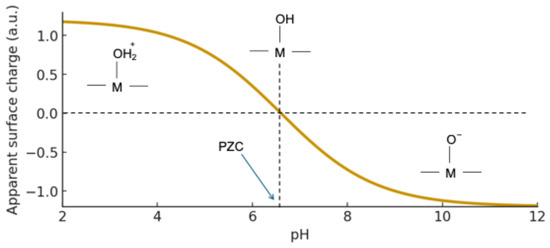
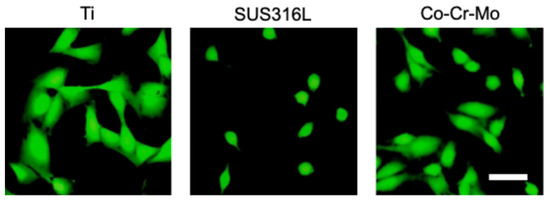
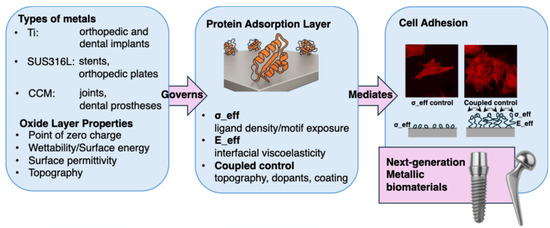
Metallic biomaterials play essential roles in modern medical devices, but their long-term performance depends critically on protein adsorption and subsequent cellular responses at material interfaces. This review examines the molecular mechanisms governing these interactions and discusses surface modification strategies for controlling biocompatibility. The physicochemical properties of oxide layers formed on metal surfaces—including Lewis acid-base chemistry, surface charge, surface free energy, and permittivity—collectively determine protein adsorption behavior. Titanium surfaces promote stable protein adsorption through strong coordination bonds with carboxylate groups, while stainless steel surfaces show complex formation with proteins that can lead to metal ion release. Surface modification strategies can be systematically categorized based on two key parameters: effective ligand density (σ_eff) and effective mechanical response (E_eff). Direct control approaches include protein immobilization, self-assembled monolayers, and ionic modifications. The most promising strategies involve coupled control of both parameters through hierarchical surface architectures and three-dimensional modifications. Despite advances in understanding molecular-level interactions, substantial challenges remain in bridging the gap between surface chemistry and tissue-level biological performance. Future developments must address three-dimensional interfacial interactions and develop systems-level approaches integrating multiple scales of biological organization to enable rational design of next-generation metallic biomaterials.

18 December 2025

Schematic illustration of water interaction with a titanium dioxide. (left) A water molecule with two lone pairs of electrons on the oxygen atom (black dots). (center) Formation of a hydrogen-bond bridge between the surface Ti–O groups and the water molecule; δ+ and δ− indicate the resulting partial positive and negative charges. (right) Dissociative adsorption of water, yielding a surface hydroxyl group and a proton bound to neighboring oxygen.

Short fibre-reinforced adhesives (SFRAs) are increasingly used in wind turbine blades to enhance stiffness and fatigue resistance, yet their heterogeneous microstructure poses significant challenges for predictive modelling. This study presents a fully automated digital workflow that integrates micro-computed tomography (µCT), image processing, and finite element modelling (FEM) to investigate the mechanical response of SFRAs. Our aim is also to establish a computational foundation for data-driven modelling and future AI surrogates of adhesive joints in wind turbine blades. High-resolution µCT scans were denoised and segmented using a hybrid non-local means and Gaussian filtering pipeline combined with Otsu thresholding and convex hull separation, enabling robust fibre identification and orientation analysis. Two complementary modelling strategies were employed: (i) 2D slice-based FEM models to rapidly assess microstructural effects on stress localisation and (ii) 3D voxel-based FEM models to capture the full anisotropic fibre network. Linear elastic simulations were conducted under inhomogeneous uniaxial extension and torsional loading, revealing interfacial stress hotspots at fibre tips and narrow ligaments. Fibre clustering and alignment strongly influenced stress partitioning between fibres and the matrix, while isotropic regions exhibited diffuse, matrix-dominated load transfer. The results demonstrate that image-based FEM provides a powerful route for structure–property modelling of SFRAs and establish a scalable foundation for digital twin development, reliability assessment, and integration with physics-informed surrogate modelling frameworks.

3 December 2025

Specimens for 2D analysis. (Left): Schematic illustration of a wind turbine blade highlighting the location of composite adhesive bondlines investigated in this study. (Right): Representative µCT slice of the short fibre-reinforced adhesive (20× magnification, image size 992 × 964 pixels, pixel size 1.1176 µm), showing glass fibres as bright inclusions within the darker epoxy matrix.
  • Feature Paper
  • Article
  • Open Access

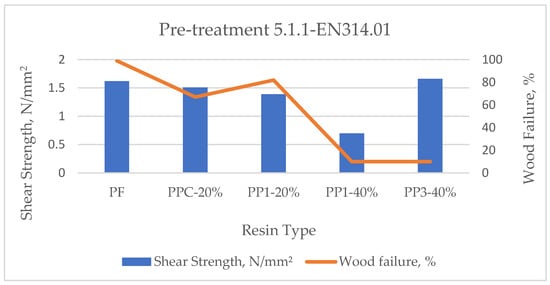
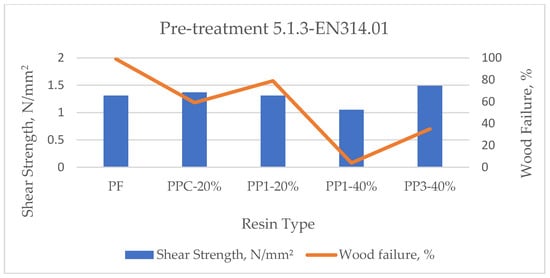
Bio-based phenolic resins were developed with phenol substitution levels of 20% and 40% with crude extracts obtained from spent coffee grounds. The experimental resins were characterized in terms of their physical, chemical and bonding properties and exhibited the typical property levels of Phenol-Formaldehyde-type resins. Plywood panels were produced bonded with the novel experimental resins, exhibiting satisfactory performance, comparable to the reference panels in terms of both shear strength and wood failure, based on the requirements of the European standards. The results demonstrate the potential of using biomass-derived compounds as substitutes for petrochemical phenol in the production of wood adhesives, thereby increasing the bio-based content of the wood panel composites produced with them and improving their sustainability.

1 November 2025
Shear strength and wood failure of plywood panels bonded with reference and experimental resins after pre-treatment 5.1.1.

Chañar Brea Gum as a Paper Adhesive

  • Matias Fioretti,
  • Maria Fernanda Torres and
  • Federico Becerra
  • + 4 authors

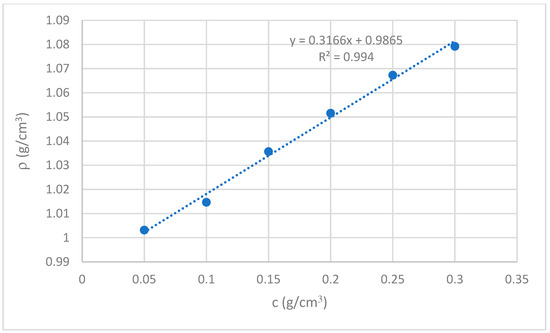
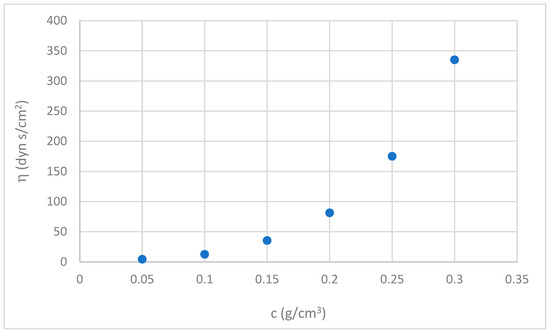
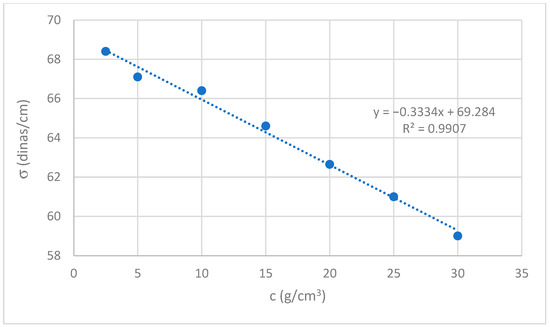
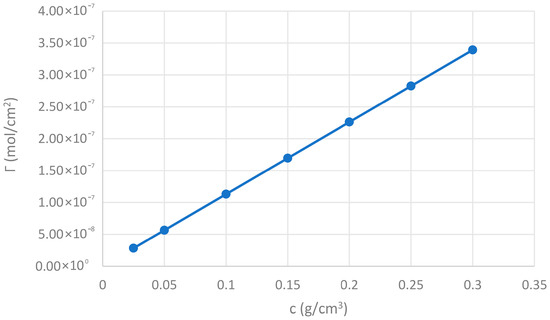
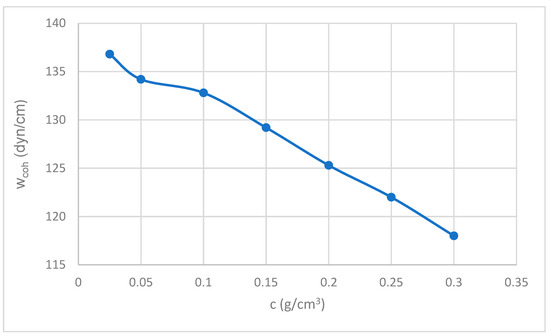
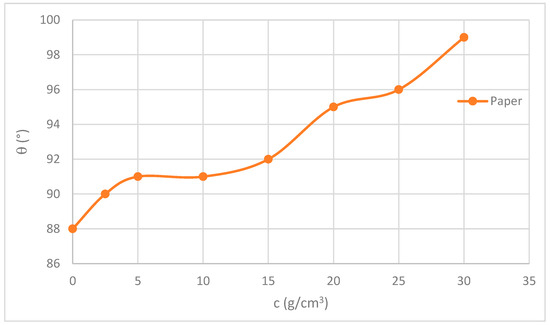
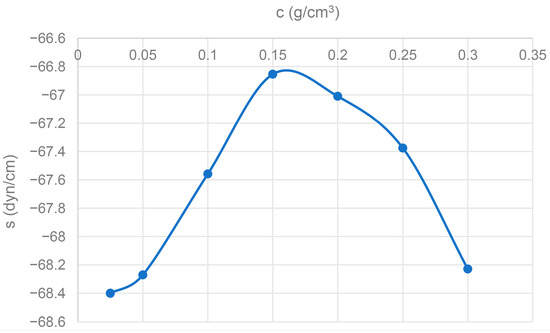
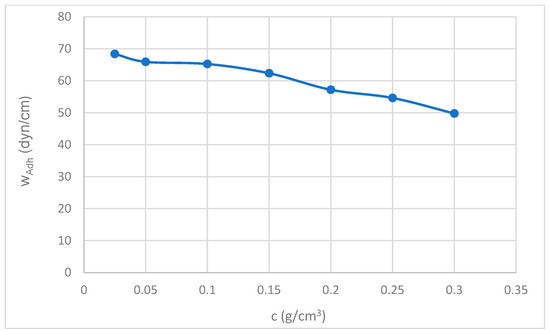
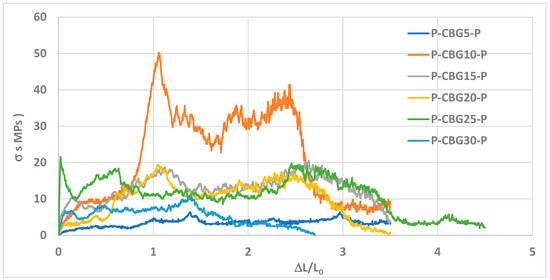
Chañar brea gum exhibits properties that make it a promising material for paper adhesion. As the concentration of chañar brea gum (CBG) in solution increases, the following key changes are observed in its properties, which are relevant to its use as an adhesive. The surface tension (σ) decreases with increasing gum concentration. Viscosity (η) increases dramatically with increasing chañar brea gum concentration. While higher viscosity is often desirable for many adhesives, excessive viscosity, as may be observed at very high concentrations, can hamper application. However, adequate viscosity is crucial to ensure initial bond strength, as it allows for the formation of a uniform layer and prevents excessive penetration into porous substrates. A concentration of 10% wt. by weight offers this balance. Surface adsorption (Γ2(1)) increases linearly with gum concentration, indicating that higher interfacial adsorption is crucial for the formation of an effective adhesive layer. The contact angle (θ) increases slightly with concentration; although a lower contact angle typically indicates better wetting, the increase is marginal (from 88° ± 4 for water to 99° ± 4 for 30% wt.), so wetting is still acceptable. Chañar brea gum exhibits good surface adsorption capacity and reduced surface tension, which favors interaction with the paper surface. The adhesive strength of chañar brea gum (CBG) clearly depends on its concentration, increasing from 6.36 ± 0.22 MPa (at 5% wt.) to a significant maximum of 50.24 ± 1.19 MPa at a concentration of 10% wt. The decrease in adhesive strength at concentrations above 10% wt. by weight is an important aspect to consider in order to optimize its performance as a paper adhesive. Therefore, intermediate concentrations, such as 10% wt., offer the most favorable balance of properties for achieving good adhesive performance.

20 October 2025

Density of CBG solutions.

News & Conferences

Issues

Open for Submission

Editor's Choice

Get Alerted

Add your email address to receive forthcoming issues of this journal.

XFacebookLinkedIn
Adhesives - ISSN 3042-6081