

Journal Menu
► ▼ Journal Menu-
- Nanomaterials Home
- Aims & Scope
- Editorial Board
- Reviewer Board
- Topical Advisory Panel
- Early Career Editorial Board
- Instructions for Authors
- Special Issues
- Topics
- Sections & Collections
- Article Processing Charge
- Indexing & Archiving
- Editor’s Choice Articles
- Most Cited & Viewed
- Journal Statistics
- Journal History
- Journal Awards
- Society Collaborations
- Conferences
- Editorial Office
Journal Browser
► ▼ Journal BrowserNeed Help?
Announcements
29 September 2026
Tu Youyou Award—Final Call for Nominations
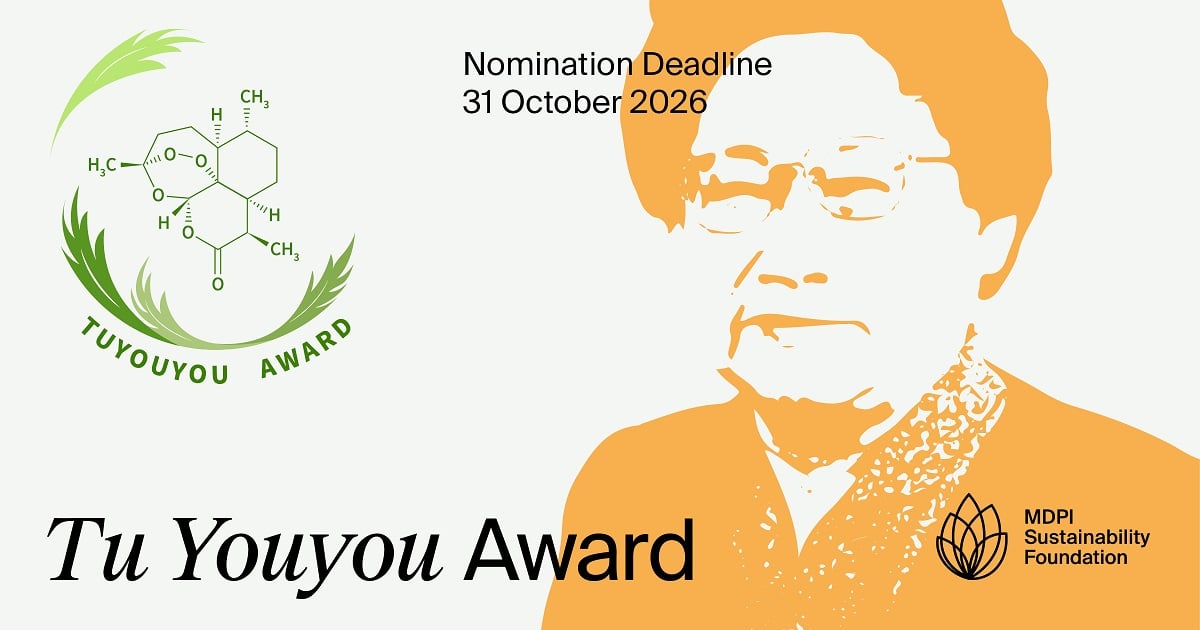
The nomination deadline for the Tu Youyou Award is approaching. Researchers are encouraged to submit nominations by 31 October 2026 (UTC-12).
The Tu Youyou Award recognizes outstanding researchers whose work has made significant contributions to natural products chemistry and medicinal chemistry, advancing scientific innovation and human health. It is named after Nobel laureate Tu Youyou, whose discovery of artemisinin has saved millions of lives.
The current award committee is chaired by Prof. Dr. William Gerwick, a Distinguished Professor at the University of California San Diego, USA, and a renowned expert in marine natural products chemistry and pharmacology. Under his leadership, the committee will evaluate nominations and recognize impactful research achievements in the related fields.
Prize:
- CHF 100,000
- A medal
- A certificate
The monetary prize will be shared equally should there be multiple recipients.
Who may be nominated?
- Scientists with outstanding achievements and contributions in the fields of natural products chemistry and medicinal chemistry.
Nominees must be individuals; team or group nominations are not permitted. Nominations are valid only for the current award cycle.
Who may submit a nomination?
- The director of the nominee’s host research institution or a recognized scientist within the field.
Self-nominations will not be considered.
Nomination materials:
- A biographical sketch
- A detailed description of the nominee’s contributions
- 5–10 representative academic publications
- A list of academic honors, awards, and funded projects
- A nomination letter signed by two nominators
How to submit?
Submit your nomination by 31 October 2026 via: https://tuyouyouprize.org/nomination/form.
For further information, please visit the Tu Youyou Award website. For any inquiries, please contact the Tu Youyou Award Team at tuyouyouaward@mdpi.com.
19 August 2026
The 2nd International Conference on Bioengineering: Bioengineering in an Era of AI (BIOENG 2026) Announces Distinguished Speakers Lineup and Late-Breaking Poster Submission Opportunity
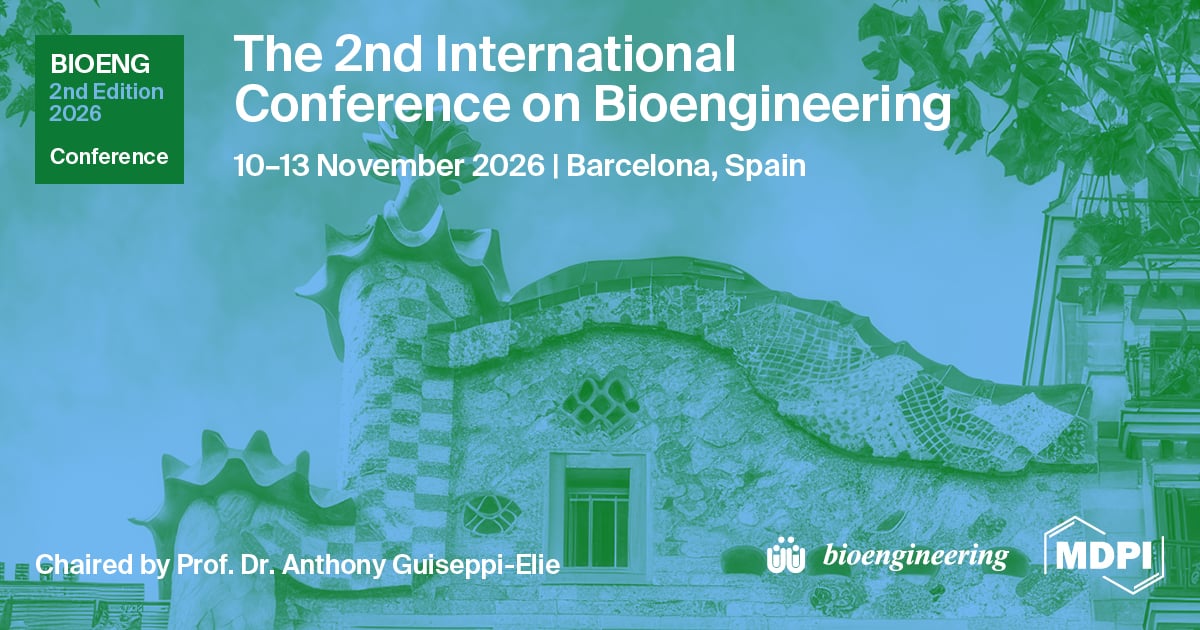
The 2nd International Conference on Bioengineering (BIOENG 2026), Bioengineering in an Era of AI, is pleased to announce its distinguished lineup of Plenary, Keynote, and Invited Speakers. Taking place from 10 to 13 November 2026 in Barcelona, Spain, the conference will bring together leading researchers, engineers, clinicians, and innovators to explore the latest advances shaping the future of bioengineering.
Conference: The 2nd International Conference on Bioengineering: Bioengineering in an Era of AI (BIOENG 2026)
Date: 10–13 November 2026
Place: Barcelona, Spain
Website: https://sciforum.net/event/BIOENG2026
Distinguished Plenary Speakers
BIOENG 2026 is honored to welcome two internationally renowned leaders in bioengineering and regenerative medicine:
- Prof. Dr. Sir Cato T. Laurencin—University of Connecticut, USA;
- Prof. Dr. Dame Molly Stevens—University of Oxford, UK.
Keynote Speakers:
The keynote program features experts representing a broad range of disciplines across bioengineering, AI, biomedical technologies, and biomechanics:
- Prof. Dr. Louis Andrew Lyon—Chapman University, USA;
- Prof. Dr. Anthony Guiseppi-Elie—Texas A&M University, USA; President and Sr. Fellow, AIIMSEI;
- Prof. Dr. Wei Gao—Division of Engineering and Applied Science, California Institute of Technology, USA;
- Prof. Dr. Franz Konstantin Fuss—University of Bayreuth, Germany.
Invited Speakers:
The conference will also feature an international group of invited experts whose work spans regenerative medicine, biomaterials, biosensing, biomedical engineering, AI, diagnostics, human–machine interaction, and global health:
- Prof. Dr. Ennio Tasciotti—San Raffaele University, Italy;
- Prof. Dr. Stelios Andreadis—State University of New York in Buffalo, USA;
- Prof. Dr. Dana Al-Sulaiman—King Abdullah University of Science and Technology, Saudi Arabia;
- Prof. Dr. Carmen Mayorga—UPC—Peruvian University of Applied Sciences, Peru;
- Dr. Selim Bozkurt—Ulster University, UK;
- Prof. Dr. Leopoldo Angrisani—University of Naples Federico II, Italy;
- Prof. Dr. Maribel Vazquez—Rutgers, The State University of New Jersey, USA;
- Prof. Dr. Silviya Petrova Zustiak—Saint Louis University, USA;
- Dr. Hana Lísalová—Institute of Physics of the Czech Academy of Sciences, Czech Republic;
- Prof. Dr. Gianluca Di Flumeri—Sapienza University of Rome, Italy;
- Dr. Luciano Sappia—Scientific Advisor and Innovation Consultant, TotemXR, Catalonia, Spain;
- Dr. Claudio Parolo—Ramón y Cajal Fellow, Universitat Rovira i Virgili; Co-founder, Global Health Innovative Solutions, Spain.
Together, these speakers will contribute to a diverse scientific program addressing emerging technologies, translational research, and the growing role of AI across bioengineering and healthcare.
Late-Breaking Poster Submissions Are Now Open
Missed the initial abstract submission deadline? Late-breaking poster submissions are now open, providing a final opportunity to present your latest research at BIOENG 2026.
Researchers are invited to submit their work for consideration in the conference poster sessions. The submission portal will remain open for a limited time, so we encourage interested researchers to submit their abstracts as soon as possible.
Submit your late-breaking poster abstract here: https://sciforum.net/submissions/BIOENG2026/link/1.
Join us in Barcelona from 10 to 13 November 2026 for four days of scientific exchange, interdisciplinary collaboration, and networking with the international bioengineering community.
31 July 2026
Ursula Röthlisberger Receives the Inaugural Michele Parrinello Award
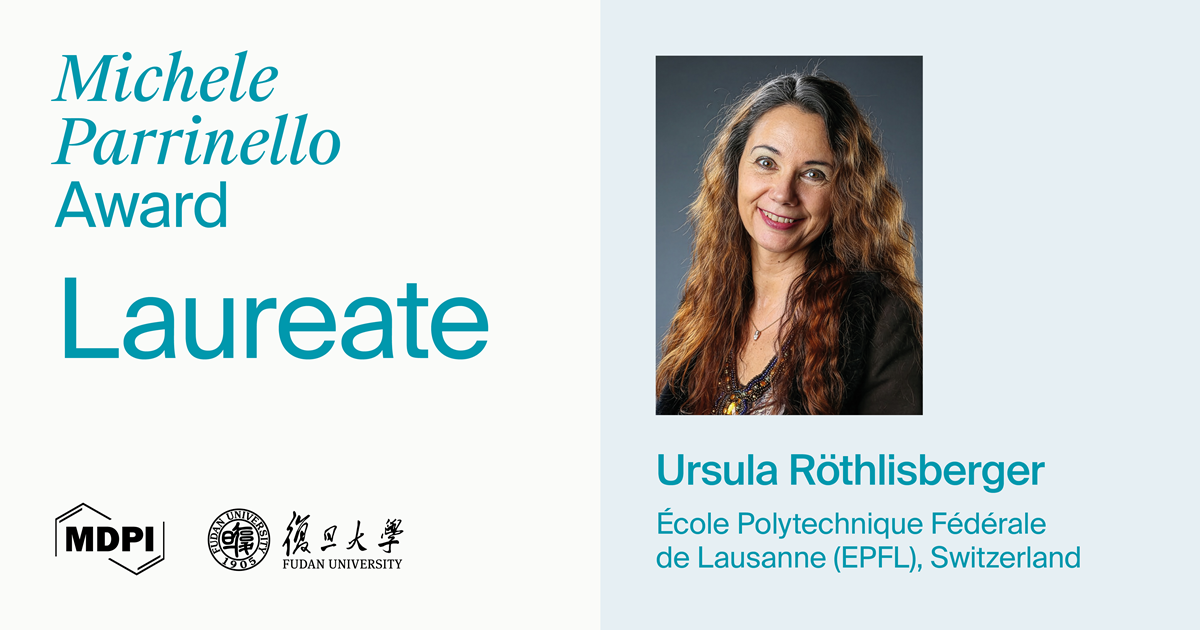
We are pleased to announce that the inaugural Michele Parrinello Award has been conferred upon Prof. Ursula Röthlisberger, in recognition of her outstanding contributions to computational chemistry and molecular simulation, particularly through her pioneering work in ab initio molecular dynamics and QM/MM multiscale simulation methods. This award celebrates researchers whose work embodies the spirit of scientific innovation and rigor that Professor Parrinello has championed throughout his career. We warmly congratulate Prof. Röthlisberger on this well-deserved recognition.
The achievements of Prof. Ursula Röthlisberger highlight the profound impact of computational methods on our understanding of complex chemical, biological, and materials systems. We invite the global scientific community to join us in celebrating her outstanding contributions to computational science.
“Professor Ursula Röthlisberger has been recognized by the 2026 Michele Parrinello Award Committee as an exceptional leader in computational chemistry and molecular simulation. Her innovative research has significantly advanced the predictive modeling of complex chemical and biological systems and has created lasting impact across multiple scientific disciplines. Through her outstanding scientific achievements, dedication to education, and leadership in the international research community, she has played a vital role in shaping the development of modern computational science.”
—Prof. Dr. Xin-Gao Gong, Chair of the Award Committee
2026 Michele Parrinello Award Laureate
|
Ursula Röthlisberger |
Prof. Ursula Röthlisberger is a professor at the Institute of Chemical Sciences and Engineering, EPFL, Switzerland, where she leads the Laboratory of Computational Chemistry and Biochemistry. Her research focuses on developing computational methods for molecular simulation, including ab initio molecular dynamics and quantum mechanical/molecular mechanical (QM/MM) multiscale approaches, to study complex chemical, biological, and materials systems. Her work has contributed to the advancement of computational frameworks for understanding molecular processes at the atomic level. She has also applied computational approaches to investigate next-generation photovoltaic materials, including dye-sensitized and perovskite solar cells, providing insights into material properties, stability, and performance through collaboration with experimental researchers. |

2026 Award Committee
Committee Chair:
- Prof. Dr. Xin-Gao Gong, Fudan University, China.
Committee Members (listed in alphabetical order):
- Prof. Alessandro Laio, Scuola Internazionale Superiore di Studi Avanzati, Italy;
- Prof. Michiel Sprik, University of Cambridge, UK;
- Prof. David J. Srolovitz, the University of Hong Kong, China;
- Prof. Mark E. Tuckerman, New York University, USA;
- Prof. Su-Huai Wei, Eastern Institute of Technology, Ningbo, China.
Note: The 2026 Award Committee comprises six members, including one anonymous member.
2026 Award Ceremony
The inaugural Michele Parrinello Award Ceremony will take place on 7 November 2026, at the Southern University of Science and Technology (SUSTech) in Shenzhen, China, as part of the 2026 MDPI Materials Science Conference. Further information and updates will be available on the official Michele Parrinello Award website.
About the Michele Parrinello Award
The Michele Parrinello Award was established in November 2025 to honor Professor Michele Parrinello’s enduring legacy in advancing computational science. This biennial international award recognizes senior researchers who have made outstanding contributions to computational physical sciences, encompassing physics, chemistry, and materials science. The recipient will receive a monetary prize of 50,000 EUR, a commemorative medal, and a certificate.
For further information about the award and the laureate, please visit the Michele Parrinello Award website.
30 September 2026
2026 Nobel Prize—Where Breakthroughs Meet Open Sciences
Each October, the Nobel Prizes turn the world’s attention toward the discoveries that have redrawn the boundaries of science. They are science’s most prestigious recognition, and increasingly its most interdisciplinary. Recent laureates have been honored for work spanning quantum dots, machine learning, and molecular medicine, fields that rarely stay within a single discipline’s borders for long.
Open access has a growing role in that story. To date, more than 40 Nobel laureates have published their research in MDPI journals—a body of work spanning genetics, physics, chemistry, and medicine. Publishing openly means a laureate’s findings reach not only fellow scientists, but the students, clinicians, policymakers, and curious readers who would otherwise meet that work only secondhand, if at all. Open access doesn’t just carry Nobel-level research, it amplifies the voice behind it, letting the discovery speak directly to everyone it stands to affect.
This is also where MDPI’s breadth becomes an advantage. With over 500 journals covering the full spectrum of scientific inquiry, our platform mirrors the reality of modern discovery—where breakthroughs increasingly emerge at the intersection of fields, not within the walls of one. It’s this structure that lets us support interdisciplinary work from first submission to global publication, connecting researchers across borders and disciplines alike.
As this year’s laureates are announced, we’ll continue spotlighting where Nobel Prize–winning research intersects with the work of our authors, editors, and reviewers—celebrating both the achievements being recognized and the open access model that helps ensure they reach the widest possible audience.
Explore selected works by Nobel laureates within the MDPI portfolio below, and join us in celebrating the global impact of their ideas.

Put your scientific intuition to the test and join MDPI’s 2026 Nobel Prize Prediction Challenge! As we honor three decades of open research, we invite you to cast your votes for the next trailblazing laureates in chemistry, physics, and physiology or medicine. Predict the pioneer minds shaping tomorrow’s scientific legacy for a chance to win 100 CHF voucher of MDPI Video Service.
Deadline: 4 October 2026 | 18:00 CEST
Winner announcement: 16 October 2026


Discover high-impact research driving tomorrow’s breakthroughs. Browse our open access selections in Chemistry & Materials Science, Medicine & Pharmacology, and Physical Sciences, featuring key studies aligned with this year’s top Nobel prize-contending topics.
|
|
|
|


Join our distinguished Editors-in-Chief and Section Editors-in-Chief for an exclusive live discussion on this year’s Nobel Prize announcements. Our expert panel will break down the winning breakthroughs, explore their global impact, and discuss the future trajectories of open science across Chemistry, Physics, and Medicine. Don’t miss this opportunity to engage with leading voices in research.
|
|
2026 Nobel Medicine & Pharmacology Roundtable
|
|
|
2026 Nobel Physics Roundtable
|
|
|
2026 Nobel Chemistry & Materials Roundtable
|
|
|
2026 Nobel Chemistry & Materials Roundtable Session #2
|


MDPI remains committed to ensuring that the breakthroughs of today—and tomorrow—are shared, debated, and built upon by the global research community. Explore science, join the conversation, and be part of the next chapter.
30 September 2026
MDPI INSIGHTS: The CEO’s Letter #39 - Peer Review Week, Chief Publishing Officer, Tu Youyou Award, OASPA & AI

Welcome to the MDPI Insights: The CEO's Letter.
In these monthly letters, I will showcase two key aspects of our work at MDPI: our commitment to empowering researchers and our determination to facilitating open scientific exchange.
Opening Thoughts

Recognizing the People Behind Peer Review
September marked Peer Review Week 2026, this year focused on “Peer Review Capacity: Volume, Speed, and Quality.” The theme reflects a challenge across scholarly publishing: research output and submissions continue to grow, while the time and expertise researchers can dedicate to reviewing are finite.
At MDPI, more than 200,000 reviewers contribute their expertise each year. Their work is fundamental to maintaining the quality and integrity of the research we publish, and Peer Review Week gave us an opportunity not only to thank them, but also to reflect on how we can better support their contribution.

This year, we highlighted three commitments that guide our approach: protecting reviewers’ time and judgment, ensuring high-quality and efficient processes, and recognizing and rewarding reviewers for their contribution. We also shared results from our 2026 Voice of the Community surveys. Among 1,627 reviewer respondents, 86% rated their experience with MDPI as “Good” or “Excellent,” 88% said manuscripts matched their expertise, and 92% found our reviewer instructions clear and helpful. From the author perspective, 95% of 16,795 respondents agreed that reviewers’ comments helped improve their manuscripts.

Recognition is an important part of this relationship too. Through our Top 1000 Reviewers program, 743 scholars accepted awards this year, with a combined CHF 526,500 returned directly to the reviewer community through cash awards and APC vouchers. During Peer Review Week, we also created opportunities for reviewers to share their own experiences through webinars, including The Reviewer’s Perspective: Navigating Volume, Speed, and Quality in Peer Review and our UK Reviewer Club.

Peer review ultimately depends on people choosing to give their time and expertise to the work of other researchers. As publishing continues to evolve, including through new technologies and increasing research volumes, we should not lose sight of that human contribution. Thank you to all the reviewers who work with MDPI, and to our colleagues who support them every day.
Read more about Peer Review Week 2026 here.
Inside MDPI

Welcoming Dr. Constanze Schelhorn as MDPI’s Chief Publishing Officer
This month, we announced the appointment of Dr. Constanze Schelhorn as MDPI’s Chief Publishing Officer (CPO). The appointment marks an important step for MDPI and the latest chapter in a journey within the organization that now spans a decade.

Stefan Tochev (CEO, MDPI) with Constanze at STM, Frankfurt, Germany, October 2025.
Constanze joined MDPI in June 2016 and has taken on several different responsibilities across editorial, indexing, and publishing over the years.
Since 2023, she has held leadership roles as Head of Indexing and later Head of Publishing, before taking on the role of Chief Publishing Officer.
I’ve had the opportunity to work with Constanze over many of those years and to see her take on increasingly important responsibilities.
What I’ve always appreciated is the growth mindset and expertise she brings to her work, together with a commitment to quality.
She understands how MDPI works and how the publishing environment is evolving to meet the expectations of the academic communities we serve.
Looking Ahead
Publishing has changed considerably over the past decade, and that change is only accelerating. Research integrity, artificial intelligence, editorial standards, indexing requirements, new publishing models, and changing expectations from researchers and institutions are just some of the areas we are navigating.

Stefan Tochev (CEO, MDPI) with Constanze and Prof. Dr. Manoj Gupta, Editor-in-Chief of MDPI journal Technologies, in Singapore, January 2025.
MDPI has changed considerably too. As we celebrate our 30th anniversary this year, our journal portfolio now includes more than 540 titles, and the scale of our work brings greater opportunities and responsibilities.
Continuing to develop our publishing practices and ensuring that we respond to changes in academic publishing will remain important priorities for us.
Constanze’s experience across several areas of MDPI puts her in a position to help us do that.
As CPO, she will help provide strategic direction across our publishing functions while working with colleagues throughout the organization. She will also represent MDPI with external stakeholders, including industry organizations and indexing partners, ensuring that we remain engaged in the conversations shaping the future of publishing.
“Please join me in congratulating Constanze on her appointment”
Growing Together
There is another aspect of this appointment that I think is worth recognizing about MDPI. I appreciate seeing people develop alongside the organization. Constanze’s journey from joining MDPI in 2016 to becoming our Chief Publishing Officer ten years later is a good example of what can happen when experience, knowledge, and responsibility build over time.
Our 30th anniversary naturally gives us an opportunity to look back at how far MDPI has come. But it should also make us think about the people who will shape where we go next. I’m pleased that Constanze will be one of those people.
Please join me in congratulating Constanze on her appointment as we look forward to continuing to work with her in this new role and seeing what we can accomplish together.

P.S. A fun fact about Constanze: she loves climbing. So, if she’s visiting your city and you’re wondering how to make her feel at home, point her towards the nearest climbing gym.
Here’s a photo from a climbing session during our visit to the Singapore office in January 2025.
Impactful Research

A Decade of the Tu Youyou Award: Celebrating Scientific Excellence
Few examples demonstrate the potential impact of scientific research as clearly as Professor Tu Youyou's discovery of artemisinin. Her team’s work contributed to the development of artemisinin-based combination therapies for malaria, which the World Health Organization (WHO) recommends as the main treatment for P. falciparum malaria.
Behind that achievement is also a remarkable scientific journey: drawing on knowledge from traditional Chinese medicine, Professor Tu and her team investigated hundreds of extracts before identifying artemisinin and helping transform the treatment of malaria.
This legacy is at the heart of the Tu Youyou Award, established by MDPI in 2016 to recognize outstanding achievements in natural products chemistry and medicinal chemistry.
“Professor Tu Youyou's scientific journey is an extraordinary example”
Ten Years of the Tu Youyou Award
This year marks a decade since the award was established. Over that time, six scholars have been recognized as Tu Youyou laureates for their contributions to research and innovation.
The connection between MDPI and Professor Tu Youyou’s work goes back even further. In 2009, MDPI Founder and President, Dr. Shu-Kun Lin, launched a Special Issue in MDPI journal Molecules commemorating Professor Tu’s 80th birthday, several years before the establishment of the award.
Below is a photo of Professor Tu Youyou with MDPI Founder and President Dr. Shu-Kun Lin during an MDPI visit to congratulate Professor Tu on receiving the 2015 Nobel Prize in Physiology or Medicine.

The 2026 Tu Youyou Award continues this tradition, awarding CHF 100,000, together with a medal and certificate, to recognize the achievements in natural products chemistry and medicinal chemistry.
Scientific Excellence and Impact
Professor Dr. William Gerwick, Chair of the 2026 Tu Youyou Award Committee, recently reflected on what distinguishes the award: “This award is truly special in that it recognizes scientific excellence as well as impact.”
I think this combination is important. Research advances our understanding, but its influence can extend much further: inspiring new discoveries, informing new treatments, addressing societal challenges, and ultimately improving people’s lives.
Professor Tu Youyou's scientific journey is an extraordinary example. Her work combined rigorous scientific investigation with a problem of enormous human importance, ultimately contributing to treatments that have transformed the fight against malaria.
Recognizing researchers who continue this tradition allows us to celebrate both scientific achievement and the broader contribution research can make to society.
Nominations Open Until 31 October
Nominations for the 2026 Tu Youyou Award are now open to scientists with outstanding achievements and contributions in natural products chemistry and medicinal chemistry. Nominations may be submitted by directors of nominees’ host research institutions or scientists within the field. Self-nominations are not accepted.
The nomination deadline is 31 October 2026, with the announcement of the winner planned for March 2027.
Learn More
Coming Together for Science

OASPA 2026: Conversations Shaping the Future of Open Access
From 21–23 September, I attended the 2026 Conference of the Open Access Scholarly Publishing Association (OASPA) in Zagreb, Croatia.
MDPI has been a Platinum Sponsor of the OASPA conference for several years, supporting an event that brings together the open access (OA) community to discuss some of the opportunities and challenges shaping publishing. This year, MDPI also sponsored the conference reception at the City Museum of Zagreb.

The program covered topics from sustainable publishing and research assessment to open infrastructure, new models for OA agreements, and, of course, the growing influence of artificial intelligence (AI). For me, though, the value of conferences like OASPA goes beyond the program. It’s about hearing different perspectives from across publishing, reconnecting with familiar faces, building new relationships, and having conversations that sometimes lead somewhere unexpected.

Stefan Tochev (CEO, MDPI) at the OASPA conference in Zagreb, Croatia.
Open Access in the Age of AI
One discussion I particularly enjoyed was the opening-day panel, “Does open access still matter in a Gen AI world?” As AI continues to become an interface through which people discover and interact with research, making knowledge openly available remains important. But questions around trust, provenance, governance, and responsibility are becoming more difficult to separate from the OA conversation.
Who is responsible for ensuring that AI-generated or AI-mediated information can be trusted? What responsibilities sit with publishers, researchers, institutions, infrastructure providers, and AI companies? And, perhaps most importantly, how do we work together rather than trying to address these challenges in isolation?
There are no simple answers, but hearing these discussions highlighted the fact that many of us across publishing are working with similar questions. Creating spaces where we can explore them together is valuable.
“Who is responsible for ensuring that AI-generated or AI-mediated information can be trusted?”
Conversations That Lead Somewhere
The conference also reminded me of the value of simply meeting people. I had a great conversation with César Pallares from Consortia Colombia about the publishing ecosystem in Colombia and the possibility of exploring a consortium agreement with MDPI in Colombia. César was very open to continuing the conversation, and I’ve already connected this opportunity with colleagues from our Institutional Open Access Program (IOAP) team.
I also caught up with Yvonne Campfens, Executive Director of OA Switchboard, who has recently taken on the role of Director for the Academic Publishing in Europe (APE) conference. We look forward to continuing to support APE as part of MDPI’s broader commitment to academic and publishing-industry events.

And, of course, it was good to connect with familiar faces from previous OASPA conferences and meet new ones. These conversations happen over coffee, between sessions, at receptions, or sometimes while walking through a city. Not every conversation needs to result in a project or partnership. Sometimes the value is simply understanding another perspective, sharing what we’re working on, or beginning a relationship that develops over time.
Thank you to the OASPA team, speakers, moderators, participants, and fellow sponsors for creating that space in Zagreb. I’m pleased that MDPI could once again support the conference and, more importantly, be part of the conversations taking place there. I look forward to seeing where some of them lead.
Closing Thoughts

AI Is Making Science More Accessible. How Do We Keep It Trustworthy?
Artificial Intelligence (AI) is changing how people find, understand, and interact with scientific research.
For decades, one of the biggest barriers to engaging with scientific research was access. Open Access (OA) has helped change that, with around 61% of global journal articles, reviews, and conference papers published in 2025 now openly accessible. AI is now beginning to lower another barrier: understanding. Researchers can quickly navigate large volumes of literature, patients can ask for complex medical research to be explained in plain language, and policymakers can more easily explore findings outside their own areas of expertise.

But easier access and understanding don’t automatically make scientific information easier to trust.
This is the topic explored by our Scientific Communications Lead, Dr. Giulia Stefenelli, in her recent article for Research Information, Scientific literacy must keep pace with artificial intelligence.
A recent study cited in the article found that when GPT-4o was tested without external retrieval and asked to cite recent scientific literature, it fabricated citations in 78–90% of cases. By contrast, OpenScholar, a specialized AI system that retrieves information from millions of OA papers, achieved citation accuracy comparable to human experts.
One line about the gap between AI content generation and verification particularly stood out to me: “Generation is becoming cheap, but verification is not.” While AI can reproduce the appearance of credible scientific information, verifying the underlying data, references, methods, and conclusions still requires time, expertise, and access to the evidence.
“The important question is whether the underlying research can be trusted”
Detection Is Not Verification
Giulia’s distinction between AI detection and research verification is particularly relevant to scholarly publishing. A manuscript can contain AI-assisted language and report sound research. Equally, something written entirely by a person can contain fabricated data, inappropriate methods, or unsupported conclusions. The important question isn’t only “Was AI used?” but whether the underlying research can be trusted.
For publishers, this makes strong editorial processes, expert peer review, research integrity checks, transparency, and human accountability increasingly important.
A Shared Responsibility
Giulia argues that publishers cannot address this challenge alone. Researchers, institutions, publishers, technology providers, and readers all have a role to play in how scientific information is created, evaluated, communicated, and understood.
As AI continues to develop, our understanding of scientific literacy must develop alongside it. Making knowledge accessible and helping people understand it are important. The next question is: how do we make it easier for people to examine where information comes from and decide how much confidence it deserves?
You can read the full article on Research Information. It is a great example of the expertise within MDPI contributing to conversations about the future of scientific publishing and communications. Technology can help us address some of these challenges, but ultimately people must remain accountable for the decisions that shape the scientific record.
Chief Executive Officer
MDPI AG
29 September 2026
Nanomaterials | Selected Papers on MXenes and Other 2D Transition-Metal Nanomaterials

The following collection features 10 selected papers on MXenes and other 2D transition-metal nanomaterials recently published in Nanomaterials (ISSN 2079-4991). The contributions highlight recent advances across diverse 2D material architectures, ranging from CVD-grown heterostructures and electrochemically exfoliated nanosheets to hydrothermally synthesized films and hybrid composites. Through tailored interface engineering and passivation strategies, these manuscripts collectively demonstrate effective approaches for optimizing structural design, charge transport, and interfacial stability. The research spans varied applications, including energy storage, photodetection, humidity sensing, tribological coatings, and semiconductor packaging. We believe the following papers will be of particular interest to you:
1. “Tailored Synthesis of Heterogenous 2D TMDs and Their Spectroscopic Characterization”
by Jungtae Nam, Gil Yong Lee, Dong Yun Lee, Dongchul Sung, Suklyun Hong, A-Rang Jang and Keun Soo Kim
Nanomaterials 2024, 14(3), 248; https://doi.org/10.3390/nano14030248
Available online: https://www.mdpi.com/2079-4991/14/3/248
2. “Two-Dimensional MoS2 Nanosheets Derived from Cathodic Exfoliation for Lithium Storage Applications”
by Alberto Martínez-Jódar, Silvia Villar-Rodil, José M. Munuera, Alberto Castro-Muñiz, Jonathan N. Coleman, Encarnación Raymundo-Piñero and Juan I. Paredes
Nanomaterials 2024, 14(11), 932; https://doi.org/10.3390/nano14110932
Available online: https://www.mdpi.com/2079-4991/14/11/932
3. “Controlling Gold-Assisted Exfoliation of Large-Area MoS2 Monolayers with External Pressure”
by Sikai Chen, Bingrui Li, Chaoqi Dai, Lemei Zhu, Yan Shen, Fei Liu, Shaozhi Deng and Fangfei Ming
Nanomaterials 2024, 14(17), 1418; https://doi.org/10.3390/nano14171418
Available online: https://www.mdpi.com/2079-4991/14/17/1418
4. “Respiration Monitoring Using Humidity Sensor Based on Hydrothermally Synthesized Two-Dimensional MoS2”
by Gwangsik Hong, Mi Eun Kim, Jun Sik Lee, Ja-Yeon Kim and Min-Ki Kwon
Nanomaterials 2024, 14(22), 1826; https://doi.org/10.3390/nano14221826
Available online: https://www.mdpi.com/2079-4991/14/22/1826
5. “A Reconfigurable Polarimetric Photodetector Based on the MoS2/PdSe2 Heterostructure with a Charge-Trap Gate Stack”
by Xin Huang, Qinghu Bai, Yang Guo, Qijie Liang, Tengzhang Liu, Wugang Liao, Aizi Jin, Baogang Quan, Haifang Yang, Baoli Liu et al.
Nanomaterials 2024, 14(23), 1936; https://doi.org/10.3390/nano14231936
Available online: https://www.mdpi.com/2079-4991/14/23/1936
6. “Atomic Manipulation of 2D Materials by Scanning Tunneling Microscopy: Advances in Graphene and Transition Metal Dichalcogenides”
by Tingting Wang, Lingtao Zhan, Teng Zhang, Yan Li, Haolong Fan, Xiongbai Cao, Zhenru Zhou, Qinze Yu, Cesare Grazioli, Huixia Yang et al.
Nanomaterials 2025, 15(12), 888; https://doi.org/10.3390/nano15120888
Available online: https://www.mdpi.com/2079-4991/15/12/888
7. “The Effect of Microstructural Changes Produced by Heat Treatment on the Electromagnetic Interference Shielding Properties of Ti-Based MXenes”
by Xue Han, Jae Jeong Lee, Ji Soo Kyoung and Yun Sung Woo
Nanomaterials 2025, 15(9), 676; https://doi.org/10.3390/nano15090676
Available online: https://www.mdpi.com/2079-4991/15/9/676
8. “Tribological Behavior and Mechanism of Silane-Bridged h-BN/MoS2 Hybrid Filling Epoxy Solid Lubricant Coatings”
by Xiaoxiao Peng, Haiyan Jing, Lan Yu, Zongdeng Wu, Can Su, Ziyu Ji, Junjie Shu, Hua Tang, Mingzhu Xia, Xifeng Xia et al.
Nanomaterials 2025, 15(5), 401; https://doi.org/10.3390/nano15050401
Available online: https://www.mdpi.com/2079-4991/15/5/401
9. “Cu-Contamination-Free Hybrid Bonding via MoS2 Passivation Layer”
by Hyunbin Choi, Kyungman Kim, Sihoon Son, Dongho Lee, Seongyun Je, Jieun Kang, Sunjae Jeong, Doo San Kim, Minjong Lee, Jiyoung Kim et al.
Nanomaterials 2025, 15(20), 1600; https://doi.org/10.3390/nano15201600
Available online: https://www.mdpi.com/2079-4991/15/20/1600
10. “Controlling the Orientation of MoS2 Films on Mo Metal Thin Film Through Sulfur Flux Regulation: A Novel Reaction-Diffusion Model”
by Joonam Kim, Masakazu Ike and Kenichi Tokuda
Nanomaterials 2025, 15(23), 1783; https://doi.org/10.3390/nano15231783
Available online: https://www.mdpi.com/2079-4991/15/23/1783
29 September 2026
Nobel Prize in Chemistry—Where Breakthroughs Meet Open Sciences

Since 1901, the Nobel Prizes have celebrated the moments when human curiosity breaks new ground—achievements that so often start small: an unexpected result, a question nobody else thought to ask, an idea pursued long before its value was clear. More than a tribute to individual achievement, the Nobel Prize honors the patience and imagination that quietly rewrite what we know, and expand what’s possible for generations to come.

Join us for an upcoming webinar as our experts revisit the groundbreaking research of past laureates in the in chemistry and material sciences and examine the trends currently shaping the field. This session will offer a deeper understanding of how past breakthroughs continue to influence the direction of modern research.

|
Date: 7 October 2026, 13:00 (CEST) Free to register for this webinar here! |
Date: 7 October 2026, 15:00 (CEST) Free to register for this webinar here! |

“Nanoparticle-Catalysed Microwave-Driven MCRs for Sustainable Heterocycle Synthesis”
by Venkatesan Kasi, Malgorzata Jeleń, Xiao-Hui Chu, Parasuraman Karthikeyan, Beata Morak Młodawska and Lai-Hock Tey
Molecules 2026, 31(6), 1031; https://doi.org/10.3390/molecules31061031
“Polymer-Functionalized Nanocatalysts: Engineering Interfaces and Microenvironments for Enhanced Catalysis”
by Zhiyi Sun, Shuo Wang and Xuemin Hu
Polymers 2026, 18(4), 465; https://doi.org/10.3390/polym18040465
“Strong Tribocatalytic Degradation of Organic Pollutants by Natural Shell Particles”
by Yuqin Xie, Mingzhang Zhu, Zhenming Xu, Lina Bing, Wanping Chen and Zhenjiang Shen
Nanomaterials 2026, 16(3), 194; https://doi.org/10.3390/nano16030194
“Solar-Light-Activated Photochemical Skin Injury Induced by Highly Oxygenated Compounds of Sosnovsky’s Hogweed”
by Valery M. Dembitsky and Alexander O. Terent’ev
Photochem 2026, 6(1), 7; https://doi.org/10.3390/photochem6010007
“Photocatalytic Performance of the Synergetic Coupling of NiO-MgO Nanostructures on a g-C3N4 Composite Towards Methylene Blue Under Visible-Light Irradiation”
by Shaojun Hao, Siew Wen Ching, Timm Joyce Tiong, Yeow Hong Yap and Chao-Ming Huang
J. Compos. Sci. 2026, 10(1), 45; https://doi.org/10.3390/jcs10010045
“Formal Synthesis of Ortho-Cyanated N-Heterocycles via Direct, Metal-Free Cyanation of N-Oxides Under Benign Conditions”
by Hua Xiao, Reziyamu Wufuer and Dong Wang
Molecules 2026, 31(2), 276; https://doi.org/10.3390/molecules31020276
“Sustainable Production and Characterization of ZnO–GO Nanocomposites from Waste Zn–C Batteries for Photocatalytic Degradation of Malachite Green”
by Sonja Stanković, Milan Radovanović, Stefan Đorđievski, Vladan Nedelkovski, Boštjan Markoli, Snežana Milić and Milan Antonijević
Metals 2026, 16(1), 71; https://doi.org/10.3390/met16010071
“Metalloporphyrin-Based Covalent Organic Frameworks: Design, Construction, and Photocatalytic Applications”
by Rui Liu, Yuting Jia, Yongqing Xia and Shengjie Wang
Catalysts 2026, 16(1), 76; https://doi.org/10.3390/catal16010076
“Eco-Friendly Synthesis of ZnO-Based Nanocomposites Using Haloxylon and Calligonum Extracts for Enhanced Photocatalytic Degradation of Methylene Blue”
by Elham A. Alzahrani, Sabri Ouni, Mohamed Bouzidi, Abdullah S. Alshammari, Ahlam F. Alshammari, Rizwan Ali, Odeh A. O. Alshammari, Naim Belhaj Mohamed and Noureddine Chaaben
J. Compos. Sci. 2026, 10(1), 18; https://doi.org/10.3390/jcs10010018

“s_mmpbsa: A Lite and Cross-Platform MM-PBSA Program”
by Jiaxing Zhang, Tao Gu, Chuanxi Li and Wei Qi
Molecules 2026, 31(10), 1683; https://doi.org/10.3390/molecules31101683
“Advances in Molecular Dynamics Simulations for Hydrogels and Nanocomposite-Reinforced Hydrogels: Multiscale Simulation Strategies and Future Directions”
by Lanlan Wang, Xiangling Gu, Yanyan Zhao, Jinju Tian, Xiaokun Ma and Mingqiong Tong
Gels 2026, 12(4), 288; https://doi.org/10.3390/gels12040288
“Quaternium-22 as a High-Performance Corrosion Inhibitor for Carbon Steel in Acidic Media: Experimental and Theoretical Insights”
by Mohammed Afifi, Nasser M. El Basiony, Aziza S. El-Tabei, Shimaa Abdel Halim and Magdy A. M. Ibrahim
Surfaces 2026, 9(2), 30; https://doi.org/10.3390/surfaces9020030
“A Review of Computational Modeling of Polymer Composites and Nanocomposites”
by Zhangke Yang and Zhaoxu Meng
Polymers 2026, 18(4), 443; https://doi.org/10.3390/polym18040443
“Iduronate Ring Puckering Effects on Preferred Glycosidic Linkage Conformations in Heparin/Heparan Sulfate and Dermatan Sulfate Disaccharides”
by Olgun Guvench
Molecules 2026, 31(3), 504; https://doi.org/10.3390/molecules31030504
“Refined Langmuir–Hinshelwood Kinetics for Heterogeneous Photocatalytic Systems: Analytical Closed-Form Solution, Enhanced Approximations and Experimental Validation”
by Juan Francisco Ramos-Justicia, Ana Urbieta and Paloma Fernández
Physchem 2026, 6(1), 5; https://doi.org/10.3390/physchem6010005

“Synergistic Pt-Ni Cocatalysis on Dendritic CdS Boosts Photocatalytic H2 Evolution by Promoting Charge Separation and Water Dissociation”
by Yilin Niu, Bozhong Tian, Jingrui Duan, Wen Luo, Yang Wu and Yifan Zhang
Catalysts 2026, 16(6), 527; https://doi.org/10.3390/catal16060527
“Performance and Stability Enhancement of Perovskite Solar Cells Based on Iron-Doped Bi-Electron Transport Layers”
by Saleh Alyahya, Mohamad Arnaout, Marc Al Atem, Mutaz A. Alanazi, Bedir Yousif and Alaa A. Zaky
Inorganics 2026, 14(4), 118; https://doi.org/10.3390/inorganics14040118
“Nano–Bio Hybrid Catalysts: Enzyme–Nanomaterial Interfaces for Sustainable Energy Conversion”
by Ghazala Muteeb, Youssef Basem, Abdel Rahman Alaa, Mahmoud Hassan Ismail, Mohammad Aatif, Mohd Farhan, Sheeba Kumari and Doaa S. R. Khafaga
Catalysts 2026, 16(4), 367; https://doi.org/10.3390/catal16040367
“Role of Solid Additives in Morphological and Structural Optimization of Bulk Heterojunction Organic Solar Cells”
by Muhammad Raheel Khan, Bożena Jarząbek and Abid Ullah
Materials 2026, 19(7), 1387; https://doi.org/10.3390/ma19071387
“A Multifunctional Nickel-Based Metal–Organic Framework (MOF) for Hydrogen Production, Supercapacitors, and Electrocatalysis”
by Zeinab Hussein Hashem, Laila H. Abdel-Rahman, Santiago Gómez-Ruiz and Hani Nasser Abdelhamid
Catalysts 2026, 16(3), 283; https://doi.org/10.3390/catal16030283
“Recent Advances in Anion-Doping Transition Metal Layered Double Hydroxide for Water Oxidation to Hydrogen Evolution”
by Yang Zhu, Luyu Liu, Linlin Xu, Tingjun Ji, Xiang Ding, Haotian Qin, Siyuan Tang and Fuzhan Song
Catalysts 2026, 16(2), 141; https://doi.org/10.3390/catal16020141
“Comparative DFT Study of Lignocellulosic Binders on N- and S-Monodoped Graphene for Sustainable Li-Ion Battery Electrodes”
by Joaquín Alejandro Hernández Fernández, Juan Carrascal and Jose Alfonso Prieto Palomo
J. Compos. Sci. 2026, 10(2), 70; https://doi.org/10.3390/jcs10020070
“Polymer Coatings for Electrochemical Biosensors”
by Niyaz Alizadeh, Antonios Georgas, Christos Argirusis, Georgia Sourkouni and Nikolaos Argirusis
Coatings 2026, 16(2), 164; https://doi.org/10.3390/coatings16020164
“A Review of Graphene Oxide and Reduced Graphene Oxide Applications: Multifunctional Nanomaterials for Sustainable Environmental and Energy Devices”
by Ikbal Adrian Milka, Bijak Riyandi Ahadito, Desnelli, Nurlisa Hidayati and Muhammad Said
C 2026, 12(1), 11; https://doi.org/10.3390/c12010011
“Advances in Alkaline Water Electrolysis—The Role of In Situ Ionic Activation in Green Hydrogen Production”
by Vladimir M. Nikolić, Katarina M. Dimić-Mišić, Slađana Lj. Maslovara, Dejana P. Popović, Mihajlo N. Gigov, Sanja S. Krstić and Milica P. Marčeta Kaninski
Catalysts 2026, 16(1), 98; https://doi.org/10.3390/catal16010098
“Sustainable Carbon Nanomaterials from Biomass Precursors: Green Synthesis Strategies and Environmental Applications”
by Ernesto Almaraz-Vega, Aislinn Itzel Morales-Vargas, Guillermo Gómez Delgado, Laura Castellanos-Arteaga, Ofelia Iñiguez Gómez and Claudia Cecilia Flores Salcedo
Nanomaterials 2026, 16(1), 75; https://doi.org/10.3390/nano16010075
“Molecular Dynamics Simulation of Nano-Aluminum: A Review on Oxidation, Structure Regulation, and Energetic Applications”
by Dihua Ouyang, Xin Chen, Qiantao Zhang, Chunpei Yu, He Cheng, Weiqiang Pang and Jieshan Qiu
Nanomaterials 2026, 16(1), 74; https://doi.org/10.3390/nano16010074
“Catalytic Effects of Nanocage Heterostructures in Lithium-Sulfur Batteries”
by Tianhao Ding, Haiyan Zhu, Zhequn Ren, Shanlin Chen, Jianxiao Shang, Tingting Li, Guohao Yin, Yuyuan Huang, Shaobo Jia, Chou Wu et al.
Catalysts 2026, 16(1), 51; https://doi.org/10.3390/catal16010051
28 September 2026
Welcoming New Editorial Board Members of Nanomaterials Who Joined in 2026
We are pleased to announce that new scholars have been appointed as Editorial Board Members (EBMs) for Nanomaterials (ISSN 2079-4991), effective July 2026. We wish our new members success in both their research and their efforts to develop the journal.
 |
Name: Dr. Fang Yuan Affiliation: School of Electronic Science and Engineering, Xi’an Jiaotong University, Xi’an, China Interests: electroluminescent devices based on perovskite semiconductors; novel lead-free semiconductor luminescent materials |
 |
Name: Dr. Claudio Evangelisti Affiliation: CNR-ICCOM, Istituto di Chimica dei Composti OrganoMetallici, Pisa, Italy Interests: heterogeneous catalysis; synthesis of nanostructured metal catalysts; advanced characterization of nanostructured materials by electron microscopy; development of sustainable catalytic processes both in batch and in continuous flow conditions; hydrogen production |
 |
Name: Dr. Joaquín Martínez-Triguero Affiliation: Instituto de Tecnología Química, Universidad Politécnica de Valencia, Valencia, Spain Interests: hierarchical zeolites; nanosized materials; graphene; MOF; VOC; chlorinated VOC; catalytic abatement; catalytic oxidation; selective catalytic reduction; mixed oxide bronze |
 |
Name: Prof. Dr. Yong Yang Affiliation: Shanghai Institute of Ceramics, Chinese Academy of Science, Shanghai, China Interests: surface modification of ceramics and SiC; novel optical film and coating; metal and semiconductor nanostructures: SPR, SERS and TERS; materials science and engineering |
 |
Name: Prof. Dr. Chen-Kuei Chung Affiliation: Department of Mechanical Engineering, National Cheng Kung University, Tainan, Taiwan Interests: MEMS; NEMS; triboelectric nanogenerator (TENG); semiconductor and electronic engineering; nano-microfabrication and characterization of nano/microstructures; optical/photonic/electrical sensors; surface-enhanced raman spectroscopy (SERS); new pore peripheral plasmonic mechanism (3PM) of SERS |
 |
Name: Dr. Magdalena Aflori Affiliation: Department of Physics of Polymers and Polymeric Materials, Petru Poni Institute of Macromolecular Chemistry, Romania Interests: surface modification of polymers; DC and RF plasma; biomaterials; polymer composites; chemical and morphological characterization of polymers; circular eco-technologies |
 |
Name: Dr. Seyed Mahmood Fatemi Affiliation: Department of Materials Science and Engineering, Campus Diagonal Besòs-EEBE, Universitat Politècnica de Catalunya-BarcelonaTech, Barcelona, Spain Interests: microstructure; recrystallization; bulk nanomaterials; ultrafine-grained materials; 3D printing (additive manufacturing); materials characterization; crystallographic texture |
 |
Name: Dr. Firman Simanjuntak Affiliation: School of Electronics and Computer Science, University of Southampton, Southampton, UK Interests: neuromorphic computing; sensors; data storage; chaos identification; emerging analog devices |
 |
Name: Dr. Jiaren Du Affiliation: School of Chemical and Material Engineering, Jiangnan University, Wuxi, China Interests: persistent luminescence; transition metal/rare-earth spectroscopy; thermoluminescence; luminescent phosphor; photochromism |
 |
Name: Dr. Paolo Bettotti Affiliation: Department of Physics, University of Trento, Trento, Italy Interests: nanoporous materials; optical sensors; nanocellulose; integrated photonic; scanning probe microscopy; surfaces |
 |
Name: Dr. Qijin Cheng Affiliation: School of Electronic Science and Engineering, Xiamen University, Xiamen, China Interests: wide-gap semiconductors; two-dimensional materials; photodetectors; transistors; solar cells; Li-ion batteries |
 |
Name: Prof. Dr. Fangping Ouyang Affiliation: School of Physics, Central South University, Changsha, China Interests: two-dimensional materials; computational condensed matter physics; nanoelectronics; valleytronics; machine-learning-assisted materials design and synthesis |
 |
Name: Dr. Norio Fukuda Affiliation: Department of Cell Physiology, The Jikei University School of Medicine, Tokyo, Japan Interests: integrative physiology; biophysics; cardiovascular physiology; muscle physiology; cardiac muscle; skeletal muscle; excitation–contraction coupling of muscle; intracellular calcium regulation; sarcomere dynamics; microscope; imaging technologies |
 |
Name: Dr. Anca Dinischiotu Affiliation: Department of Biochemistry and Molecular Biology, University of Bucharest, Bucharest, Romania Interests: mycotxoin; ochratoxin; aflatoxin; antioxidants; biocompatibility; hermetia illucens; histological changes; inflammatory cytokine levels; intestinal barrier function; inflammation; oxidative stress |
 |
Name: Dr. Rosa Di Liddo Affiliation: Department of Pharmaceutical and Pharmacological Sciences, University of Padova, Padova, Italy Interests: leukemia; skin cancers; adrenomedullin signaling; neuroinflammation; multipotent stem cells; S100B |
 |
Name: Dr. Hongguo Xie Affiliation: Dalian Institute of Chemical Physics, Chinese Academy of Sciences, Dalian, China Interests: carbohydrate-based nanomaterials; nanopesticide fabrication; molecular self-assembly |
 |
Name: Dr. Pedro Manuel Martins Affiliations: 1 Centre of Molecular and Environmental Biology (CBMA), Department of Biology, The University of Minho, Campus de Gualtar, Braga, Portugal; 2 IB-S–Institute of Research and Innovation on Bio-Sustainability, The University of Minho, Braga, Portugal Interests: photocatalysis; hybrid materials; polymeric membranes; sustainability; biomaterials; 3D printing technologies; composite materials; water remediation |
 |
Name: Dr. Jaroslaw W. Klos Affiliation: Department of Nanostructures Physics, Institute of Spintronics and Quantum Information, Faculty of Physics, Adam Mickiewicz University in Poznań, Poznań, Poland Interests: spin waves; magnonics; magnetism; band structure; localization; spintronics; magnetoelastic interactions; surface acoustic wave |
Our newly appointed Editorial Board Members have maintained active research engagement with Nanomaterials, with a number of their recent studies published in the journal. Selected publications are highlighted below:
“Memristor Synapse—A Device-Level Critical Review”
by Sridhar Chandrasekaran, Yao-Feng Chang and Firman Mangasa Simanjuntak
Nanomaterials 2026, 16(3), 179; https://doi.org/10.3390/nano16030179
“Synergistic Triplet Exciton Management and Interface Engineering for High-Brightness Sky-Blue Multi-Cation Perovskite Light-Emitting Diodes”
by Fawad Ali, Fang Yuan, Shuaiqi He, Peichao Zhu, Nabeel Israr, Songting Zhang, Puyang Wu, Jiaxin Liang, Wen Deng and Zhaoxin Wu
Nanomaterials 2026, 16(1), 4; https://doi.org/10.3390/nano16010004
“O2-to-Ar Ratio-Controlled Growth of Ga2O3 Thin Films by Plasma-Enhanced Thermal Oxidation for Solar-Blind Photodetectors”
by Rujun Jiang, Bohan Xiao, Yuna Lu, Zheng Liang and Qijin Cheng
Nanomaterials 2025, 15(18), 1397; https://doi.org/10.3390/nano15181397
“Synthesis of Nb-Doped TiO₂ Nanoparticles for Photocatalytic Degradation of Ciprofloxacin: A Combined Experimental and DFT Approach”
by Bouthaina Shili, Othmen Khaldi, Cristian Mendes-Felipe, Maibelin Rosales, Dinis C. Alves, Pedro M. Martins, Rached Ben Younes and Senentxu Lanceros-Mendez
Nanomaterials 2025, 15(17), 1307; https://doi.org/10.3390/nano15171307
“Preparation and Optimization of Mn²⁺-Activated Na₂ZnGeO₄ Phosphors: Insights into Precursor Selection and Microwave-Assisted Solid-State Synthesis”
by Xiaomeng Wang, Siyi Wei, Jiaping Zhang, Jiaren Du, Yukun Li, Ke Chen and Hengwei Lin
Nanomaterials 2025, 15(14), 1117; https://doi.org/10.3390/nano15141117
“Decoding the Role of Interface Engineering in Energy Transfer: Pathways to Enhanced Efficiency and Stability in Quasi-2D Perovskite Light-Emitting Diodes”
by Peichao Zhu, Fang Yuan, Fawad Ali, Shuaiqi He, Songting Zhang, Puyang Wu, Qianhao Ma and Zhaoxin Wu
Nanomaterials 2025, 15(8), 592; https://doi.org/10.3390/nano15080592
“In Situ TEM Study of Electrical Property and Mechanical Deformation in MoS₂/Graphene Heterostructures”
by Suresh Giri, Subash Sharma, Rakesh D. Mahyavanshi, Golap Kalita, Yong Yang and Masaki Tanemura
Nanomaterials 2025, 15(2), 114; https://doi.org/10.3390/nano15020114
“A 3D-Printed Portable UV and Visible Photoreactor for Water Purification and Disinfection Experiments”
by Nelson Castro, Joana M. Queirós, Dinis C. Alves, Margarida M. Macedo Fernandes, Senetxu Lanceros-Méndez and Pedro M. Martins
Nanomaterials 2024, 14(6), 525; https://doi.org/10.3390/nano14060525
Several of our new Editorial Board Members are also leading Special Issues in Nanomaterials, covering a range of emerging and active research topics. We are pleased to introduce their ongoing Special Issues below:
“Emerging Polymer-Based Nanomaterials: Innovative Fabrication and Applications”
Guest Editors: Dr. Magdalena Aflori and Dr. Tachita Vlad-Bubulac
Submission deadline: 31 January 2027
“Nanotechnology and Alloys: Microstructure Evolution and Properties Enhancement”
Guest Editor: Dr. Seyed Mahmood Fatemi
Submission deadline: 30 March 2027
“Advanced Nanomaterials for Water Remediation (3rd Edition)”
Guest Editors: Dr. Pedro Manuel Martins and Dr. Noelia González-Ballesteros
Submission deadline: 25 June 2027
For further details about the Editorial Board of Nanomaterials, please visit the following link:
https://www.mdpi.com/journal/nanomaterials/editors.
The journal is currently recruiting new Editorial Board Members. If you are interested in this position, please contact the Editorial Office.
17 September 2026
Nanomaterials Webinar | Smart Nanomaterials for Biomedical Innovation: From Immunotherapy to Regenerative Medicine, 1 October 2026

Welcome message from the webinar Chairs:
Welcome to this MDPI Nanomaterials webinar dedicated to the latest advances in smart nanomaterials and nanocomposites for biomedical innovation. This event brings together leading researchers working at the intersection of nanotechnology, regenerative medicine, immunotherapy, and bioengineering.
Through three complementary scientific contributions, we will explore innovative approaches ranging from green chemistry-driven nanocomposites and nanoparticle-based immunotherapies to piezoelectric scaffolds for neural regeneration. Together, these presentations highlight the growing impact of functional nanomaterials in addressing current biomedical challenges and shaping next-generation therapeutic strategies.
We are delighted to host distinguished speakers from internationally recognized research institutions, and we hope this webinar will stimulate discussion, foster collaborations, and inspire new perspectives in the field.
Thank you for joining us, and we wish you an engaging and insightful webinar.
Date: 1 October 2026
Time: 9:00 a.m. EDT | 3:00 p.m. CEST
Webinar ID: 880 0883 5380
Webinar Secretariat: journal.webinar@mdpi.com
Register now for free!

Program:
| Speakers and Presentations | Time in CEST | Time in EDT |
| Dr. Stefania Scialla Chair Introduction | 3:00–3:10 p.m. | 9:00–9:10 a.m. |
| Dr. María Salvador Fernández Chair Introduction | 3:10–3:20 p.m. | 9:10–9:20 a.m. |
| Dr. Angela Longo From Green Chemistry to Smart Nanomaterials: Designing the Next Generation of Healing Nanocomposites | 3:20–3:40 p.m. | 9:20–9:40 a.m. |
| Dr. Juan Luis Paris Nanoparticles for Allergen-Specific Immunotherapy | 3:40–4:00 p.m. | 9:40–10:00 a.m. |
| Dr. Eugenio Redolfi Riva LIPUS-Activated Piezoelectric Microporous Chitosan-BTNPs Scaffold Upregulated Schwann’s Cell Pathways for Nerve Regeneration | 4:00–4:20 p.m. | 10:00–10:20 a.m. |
| Q&A Session | 4:20–4:35 p.m. | 10:20–10:35 a.m. |
| Dr. Stefania Scialla and Dr. María Salvador Fernández Closing of Webinar | 4:35–4:40 p.m. | 10:35–10:40 a.m. |
After registering, you will receive a confirmation email containing information on how to join the webinar. Registrations with academic institutional email addresses will be prioritized.
Unable to attend? Register anyway and we’ll let you know when the recording is available to watch.
Webinar Chairs and Keynote Speakers:
- Dr. Stefania Scialla, National Research Council of Italy, Italy;
- Dr. María Salvador Fernández, Institute of Materials Science of Madrid, Spain;
- Dr. Angela Longo, National Research Council of Italy, Italy;
- Dr. Juan L. Paris, RICORS Inflammatory Diseases, Spain; Hospital Regional Universitario de Malaga, Spain;
- Dr. Eugenio Redolfi Riva, The BioRobotic Institute, Italy.
17 September 2026
Meet Us at the 6th China International Congress on Composite Materials (CCCM-6), 21–24 October 2026, Chongqing, China

The China International Conference on Composite Materials (CCCM) is a premier academic conference in China’s composites sector, held biennially and distinguished by its large scale, high academic standards, and extensive industry influence. Focusing on cutting-edge developments, key core technologies, and engineering applications in the field of composite materials, the 6th China International Conference on Composite Materials (CCCM-6) is scheduled to take place in Chongqing from 21 to 24 October 2026, alongside the 9th International Exhibition on Technological Innovations and Achievements in the Composites Industry (ICIE-9).
The following MDPI journals will be represented:
- Coatings;
- Polymers;
- J. Compos. Sci.;
- AI Materials;
- Materials;
- Ceramics;
- Solids;
- Journal of Functional Biomaterials (JFB);
- Electronic Materials;
- Recycling;
- Fibers;
- Adhesives;
- Textiles;
- C;
- Construction Materials;
- Metals;
- Nanomaterials.
If you are planning to attend the conference, please visit our booth #E09. Our delegates look forward to meeting you in person and answering any questions that you may have. For more information about the conference, please visit the following website: https://cccm6.csfcm.org.cn.
