




Journal Menu
► ▼ Journal Menu-
- Current Oncology Home
- Aims & Scope
- Editorial Board
- Reviewer Board
- Topical Advisory Panel
- Instructions for Authors
- Special Issues
- Topics
- Sections & Collections
- Article Processing Charge
- Indexing & Archiving
- Editor’s Choice Articles
- Most Cited & Viewed
- Journal Statistics
- Journal History
- Journal Awards
- Society Collaborations
- Conferences
- Editorial Office
Journal Browser
► ▼ Journal Browser-
arrow_forward_ios
Forthcoming issue
arrow_forward_ios Current issue - Volumes not published by MDPI
Need Help?
Announcements
5 June 2026
MDPI Canada | Summary of the MDPI Subject Workshop—Crossing Boundaries: Transdisciplinarity in the Humanities
On 23 May 2026, MDPI Canada hosted their third North American subject workshop entitled “Crossing Boundaries: Transdisciplinarity in the Humanities”. This event brought together nearly 30 students and experts in the field of humanities to explore innovative, cross-disciplinary research shaping the future of the field. This meeting, held at the Sheraton Centre Toronto Hotel, located in downtown Toronto, provided a platform for in-depth scientific exchange.
Our workshop host, Summer Huggard, Operations Manager of MDPI Canada, opened the event with an introduction to our conference chair, Prof. Dr. Albrecht Classen of the University of Arizona. Prof. Dr. Classen welcomed our attendees to the event, outlining three subtopics of the workshop: AI and data in the humanities; environmental humanities; and humanities, literature, and identity. These topics emphasize the importance of interdisciplinary collaboration in addressing the direction of the humanities in our rapidly changing world. MDPI Canada’s Operating Director, Elvis Wang, then thanked all contributors and spoke about MDPI’s core principles of transparency, trusted service, integrity, and role in promoting excellence and advancing open science.
 |
 |
 |
The day’s presentations were full of exciting discussion as eleven speakers spoke about their research findings. These eleven presenters included Dr. Michael Bryson, Prof. Dr. Ahmed Elgammal, Prof. Dr. Avi Friedman, Prof. Dr. Nancy S. Steinhardt, Prof. Dr. Tom Roeper, Prof. Dr. Salikoko S. Mufwene, Dr. Lindsay Stern, Prof. Dr. Jeffrey R. Di Leo, Prof. Dr. Albrecht Classen, Dr. Ronald B. Brown, and Dr. Robert Brazeau.
The reports given covered many interesting topics, including the following: AI and data in the humanities; environmental humanities; and humanities, literature, and identity. The talks covered hot topics such as the state of the humanities with the growing prevalence of AI, architecture and urban planning as a tool to understand globalization and exercise habits, the critical role of literature studies in language development, and environmental and health studies.
 |
 |
 |
 |
 |
 |
 |
 |
 |
 |
 |
 |
 |
The second half of the day began with presentations covering the value of the humanities from a philosophical lens, literature and health study to analyze environmental protection, and concluded with an in-depth analysis of the new interconnected approach to human health studies post-pandemic.Dr. Barnaby Crook, Regional Engagement Editor at MDPI, introduced MDPI, market dynamics, and discussed relevant publishing trends in the humanities field. His presentation allowed audience members to gain greater insight into how MDPI’s journals can support researchers whose work falls within this subject and provided transparency regarding MDPI’s practices.
 |
 |
During the day’s proceedings, multiple Q&A sessions were held, allowing valuable engagement between speakers and attendees to occur. During these discussions, attendees could further develop conversations around addressing the influence of culture on human health, the effect of politics on environmental care, the benefits of open access publishing, and more. These sessions were a highlight of the event and helped build a platform for meaningful scientific exchange.
 |
 |
 |
 |
Looking Ahead
The MDPI 2026 Toronto Subject Workshop Crossing Boundaries: Transdisciplinarity in the Humanities was a successful collaboration between MDPI and local academics. We are thankful to all attendees for their part in making this event possible and for contributing to its success.
 |
 |
We have received positive feedback regarding this event and look forward to continuing to host these subject workshops, with the next being the Montreal Subject Workshop “Microelectronics, Microsystems, Sensors, and Their Applications” in September. For more updates regarding this event and other upcoming workshops, follow MDPI Canada on LinkedIn and Facebook.
4 June 2026
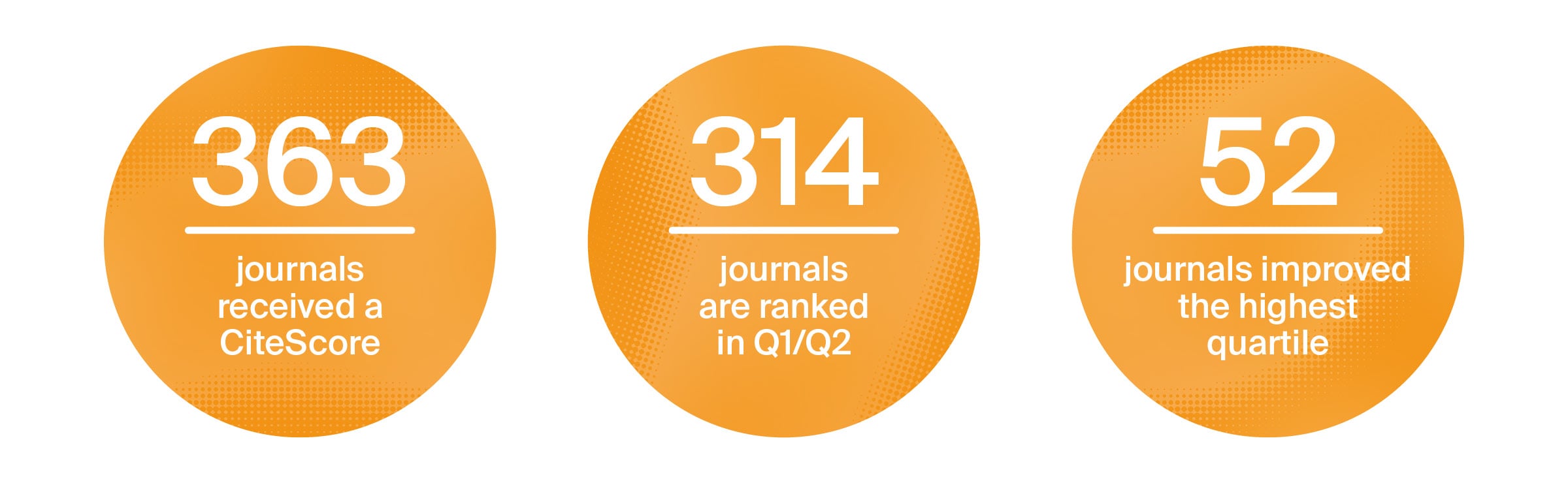
Open Access, Broadly Recognized: 363 MDPI Journals Receive CiteScores for 2025
The 2025 CiteScore metrics have been officially released by Scopus, and the results confirm what has become a consistent pattern for MDPI's journal portfolio: broad recognition across disciplines, steady improvement across the majority of ranked titles, and a growing presence at the top of subject category rankings.
CiteScore, published annually by Elsevier's Scopus database, measures the average citations received by articles published in a journal over a four-year window. As a complement to the Journal Impact Factor, which uses a two-year window based on the Web of Science database, CiteScore provides an alternative, long-term perspective on citation performance.
The 365 MDPI journals in Scopus (as of May 2026) are indexed across a wide range of subject categories, ensuring that open access research remains highly discoverable to a global readership through one of the most widely used platforms in academic publishing.
Data Summary (2025 CiteScores)
- New Additions: 41 MDPI journals received a CiteScore for the first time.
- Trending Upward: 234 of 322 previously ranked journals (73%) saw an increase in their CiteScore compared to last year.
- High Visibility: 314 journals (86%) rank in Q1 or Q2 in at least one subject category.
- Elite Performance: 42 journals rank in the top 10% of their subject categories.
Portfolio Performance
Among the 322 journals that held a CiteScore in 2024, 234 saw an increase this year. Quartile improvements outnumbered declines across the portfolio, with 52 journals moving to a higher quartile and only 20 seeing a decline. Furthermore, no previously ranked journals were removed. The 42 journals now ranked in the top 10% of their subject categories are drawn from a strong foundation of 178 journals holding a Q1 position.
With the large majority of our indexed portfolio ranked in the top half of research fields, researchers can confidently choose MDPI to meet funder mandates for high-quality, fully compliant Open Access publishing.
Exceptional Achievements for Foods and Life
Notably, both Foods and Life achieved a 99th percentile ranking in their respective subject categories for the 2025 CiteScores. This outstanding placement positions them as leading journals in their fields and highlights the high visibility and global impact of the open access research they publish.
Journal Metrics and Beyond
Journal-level metrics describe outlets, not individual articles. An increasing number of funders and institutions—including signatories of DORA and the Coalition for Advancing Research Assessment—now explicitly encourage evaluation at the article level rather than by the journal in which research appears. MDPI supports this direction: we report CiteScore alongside the Journal Impact Factor, Journal Citation Indicator, and article-level usage data because no single number captures the full reach and contribution of published research.
Thank You
These results reflect the sustained effort of thousands of editors-in-chief, editorial board members, reviewers, and authors across every field MDPI serves. The metrics are the outcome; the work is yours.
1 June 2026
MDPI INSIGHTS: The CEO’s Letter #35 – 30 Years of Open Science, Open Access Policies, Spain Summit, MMCS 2026 & Antibiotics 2026

Welcome to the MDPI Insights: The CEO's Letter.
In these monthly letters, I will showcase two key aspects of our work at MDPI: our commitment to empowering researchers and our determination to facilitating open scientific exchange.
Opening Thoughts

30 Years of Open Science, Built Together
This month, we officially launched MDPI’s 30th Anniversary campaign and dedicated anniversary website, marking an important milestone in our journey as an open access publisher. What began in 1996 with a single journal and the simple belief that scientific knowledge should be shared openly and freely has grown into a global publishing organization supporting more than 500 journals, 68,000 Editorial Board Members, and millions of researchers worldwide.
The anniversary page, entitled 30 Years of Open Science, Built Together, reflects on the people, milestones, and partnerships that have shaped MDPI over the past three decades. It includes a retrospective of our development, key moments in the evolution of open access, landmark research articles, journal anniversaries, an interview with the CEO, and perspectives from colleagues and partners who have contributed to our success.

Looking back, one of the most striking aspects of our journey is not simply our growth, but the broader transformation of scholarly publishing itself.
Open access has moved from a niche concept to a widely adopted publishing model, helping make research more accessible, discoverable, and impactful for researchers, institutions, policymakers, and society.
MDPI has been part of this transition and continues to invest in the people, technology, partnerships, and research integrity infrastructure needed to support high-quality open science at scale.
While anniversaries naturally encourage reflection, they are also an opportunity to look ahead. The challenges facing scholarly publishing today, including research integrity, artificial intelligence, accessibility, and global participation in science, will require continued collaboration across the research ecosystem. As we celebrate 30 years of publishing, our focus remains on supporting researchers, strengthening trust in open science, and helping shape the future of scholarly communication together.
I encourage you to visit the anniversary page, explore the milestones, and take a moment to reflect on the role each of us has played in contributing to MDPI’s story.
Thank you for being part of this journey.
Impactful Research

Highlights from MMCS 2026 in Beijing (14-17 May)
From 14–17 May, MDPI hosted The 5th Molecules Medicinal Chemistry Symposium (MMCS 2026) in Beijing, China, bringing together academia and industry to explore advances in chemical biology, medicinal chemistry, and drug discovery.
The conference hosted more than 230 attendees from 37 countries and regions, alongside 257 submissions and 145 accepted abstracts. With a significant increase in attendance – up by 100 participants compared with the previous edition – the popularity of MMCS continues to grow in terms of its international profile and scientific relevance within this rapidly evolving field.

The scientific program covered seven themes:
- Chemical Biology for Drug Discovery
- Medicinal Chemistry Research Progress
- Natural Products in Drug Discovery
- AI-enabled Drug Discovery
- GPCR & Ion Channel Targeted Drug Development
- Innovative Proximity-Based Drug Modalities
- Biocatalysis for Natural Product & Drug Synthesis
The event featured three plenary speakers, 14 keynote speakers, 35 selected oral presentations, and 98 poster presentations, creating opportunities for open scientific exchange and collaboration. Conference Chair Prof. Dr. Diego Muñoz-Torrero described this edition as one of the most successful MMCS events to date.
|
|
|


Thanks to our Sponsors
MMCS 2026 secured sponsorship support from 12 industrial partners, 11 of which set up on-site exhibition booths. Covering biopharmaceutical R&D, life science supplies, pharmaceutical experimental instruments, and industrial service sectors, exhibitors were able to connect their businesses directly with attendees and make connections at the conference.

30th Anniversary Celebration of Molecules
During the conference, we also celebrated the 30th anniversary of Molecules, one of MDPI’s flagship journals. The celebration brought together Section Editors-in-Chief, Editorial Board Members, MDPI leadership, and editorial colleagues to reflect on the journal’s development, achievements, and continued future growth.

Events such as MMCS 2026 highlight the important role conferences play in creating scientific exchange and collaboration, and in connecting our research communities in person.
They also reflect the continued development of MDPI’s conference portfolio and our commitment to supporting academic engagement beyond publishing alone. Thanks to everyone involved in organizing and contributing to the success of this event.
Inside MDPI

Open Access Policies Continue to Accelerate Globally
One of the clearest indicators of the continued momentum behind open access is the growing number of national and institutional policies supporting, and increasingly requiring, open dissemination of research.
Around the world, governments, funding agencies, and universities are building their open access mandates, with increasing focus on transparency, rights retention, and public accessibility of publicly funded research. While these policies vary across regions, the broader direction is clear: expectations around openness and compliance continue to accelerate.
For researchers, navigating these evolving requirements can be complex and time-consuming. Supporting the research community therefore means not only publishing high-quality open access content but also helping stakeholders better understand changing requirements and emerging opportunities. At MDPI, we see this as an important part of our role within scholarly communication.
“Expectations around openness and compliance continue to accelerate”
Through the MDPI Blog, our Content team continues to publish monthly articles overviewing different countries’ relationships with open access, exploring their histories, policies, opportunities, and statistics. All this information is centralized into an article which contains brief summaries of each country, with links to all the full articles, and is updated monthly.
Recent Policy Developments
South Africa
In 2026, South Africa’s Department of Science and Innovation introduced the South African Open Science Policy. The policy states that: “Open access shall be required for publications arising from publicly funded research, and desirable for research from all sources of funding.”
The policy envisions a coordinated and broad approach to open science that will sustainably and ethically drive socio-economic development by increasing the practice of open science through policy, training, incentivization, and infrastructure.
Canada
In Canada, the Tri-Agency OA Policy on Publications was revised, removing the 12-month embargo for research that must be deposited in a repository with an open license and with author rights retained.
The Agencies argue that “societal advancement is made possible through widespread and barrier-free access to cutting-edge research and knowledge.”
Chile
Chile is a collaborative and engaged member of the global open access movement.
The National Research and Development Agency (Agencia Nacional de Investigación y Desarrollo, or ANID) is Chile’s main funding agency for R&D. It mandates that all beneficiaries must deposit the final version of their published scientific output, with an embargo period of up to 12 months, into a repository.
ANID also supports the InES Open Science funding program, which allows universities to request funding for capacity and infrastructure building. Further, Chile is an active participant in various international initiatives, such as Redalyc, SciELO, and Red de Repositorios Latinoamericanos.
Openness Beyond Research
At MDPI, openness remains one of our core values, ensuring that research outputs are freely accessible to anyone. This commitment also extends to sharing knowledge about the scholarly publishing landscape itself, which we practice on the MDPI Blog through various topics, including open access, recent advances in science, and opportunities for researchers.
As the open access landscape continues to evolve, helping researchers, institutions, editors, and partners navigate these changes will remain an important priority for us.

Thank You
I would like to thank Jack McKenna (Senior Content Specialist, MDPI) from our Content team for his ongoing work on the MDPI Blog series covering global open access policy developments. Initiatives such as this help make complex policy discussions more accessible and useful to the wider research community.
Coming Together for Science

Reflections from the MDPI Spain Summit 2026 in Valencia (21 May)

On 21 May, we hosted the MDPI Spain Summit 2026 in Valencia.
The Summit brought together 30 Editorial Board Members and MDPI colleagues for a discussions on the future of publishing, research integrity, peer review, artificial intelligence, and the evolving research landscape in Spain.
We hosted participants from leading Spanish institutions and spoke on the importance of Spain as a major contributor to global open access (OA) research. In 2025 alone, Spain ranked among the leading countries worldwide for OA publishing, with more than 85% of publications made openly accessible. MDPI also continues to play a significant role within the Spanish research ecosystem.
MDPI in Spain
Spain remains one of MDPI's most important academic markets and a leading contributor to OA research globally. Ever since our Barcelona office opened in 2016 (Happy 10th Anniversary!), MDPI Spain has been actively supporting researchers, institutions, societies, and academic partners across the country. Today, the office plays an important role in creating engagement with the Spanish scholarly community through editorial support, partnerships, conferences, training initiatives, and outreach activities.
A cluster of high-level indicators highlight both the strength of the local research ecosystem and MDPI’s role within it:
- 43,218 total publications in Spain in 2025, of which 35,728 (83%) were open access (49% Gold OA).
- 211,200+ total publications (2021–2025), with 84% published open access.
- 13,444 MDPI publications from Spanish institutions in 2025, representing 14% of all open access publications in Spain.
- More than115,100 MDPI publications from Spanish institutions since 1996.
- More than 4,500 Editorial Board Members from Spain, including more than 150 Chief Editors and 57 Associate Editors.
- 42 institutional partners participating in MDPI’s Institutional Open Access Program (IOAP).
- Spain ranks second globally for MDPI society affiliations, with 26 affiliated society agreements currently in place.
Program Overview
What made this summit special was the openness of the discussions around the research landscape in Spain and the role MDPI plays within the market. General topics of the presentations included:
- MDPI Introduction – Stefan Tochev (CEO).
- Engagement with the Academic Community – Dr. Marta Colomer (External Affairs Lead).
- Latest Developments in the Editorial Process – Dr. Jordi Martinez (Deputy Managing Editor).
- Research integrity and Publication Ethics – Slavomir Nikodijevic (Research Integrity Specialist).
- A 360 View of Academic Publishing – Prof. Dr. Luis Angel Ruiz Fernandez (EBM of Remote Sensing).
|
|
|
|
|
|
|
|


Panel Discussion
We also hosted a panel discussion moderated by Marta, entitled “The Future of Academic Publishing” with Prof. Luis Ruiz, Prof. Marta Feliz (EBM of the journal Catalysts), Dr. Enric Sayas (Product Owner, AI & Technology Innovation), and myself. The discussion looked at the evolving role of editors, the future of peer review, and the growing importance of maintaining trust, ethics, and research integrity in an era increasingly influenced by artificial intelligence.
|
|
|
|


Themes from the Summit
Several themes emerged throughout the discussions, reflecting broader conversations taking place across publishing:
- The academic community values efficient publishing workflows, but expectations around scientific quality and editorial rigor continue to rise.
- Reviewer fatigue and long-term sustainability of peer review remain major challenges across the industry.
- AI is rapidly changing scholarly communication and requires transparent and responsible governance.
- Reputation and trust continue to depend on long-term engagement, transparency, and quality-focused decision-making.
“Maintaining an open dialogue with researchers, editors, reviewers, and institutions remains a priority for MDPI”
It was constructive to see the willingness of participants to engage directly and candidly with us. These conversations provide insights that help inform how we continue to develop our editorial processes, engagement activities, and support for the research community. While certain discussions included concerns, there was also recognition that open dialogue between publishers and the research community is essential if we want to improve scholarly communication together.
|
|
|
|


Events such as this are increasingly important for MDPI. They allow us to present our perspective, to listen to the experiences, expectations, and concerns of editors, reviewers, and researchers, and to address these accordingly.
Thank You
Thank you to our Barcelona Office and all colleagues involved in organizing the summit, as well as all participants for contributing to these thoughtful and constructive discussions.
|
|
|
|
|
|
|
|


As publishing continues to evolve, maintaining an open dialogue with researchers, editors, reviewers, and institutions remains an important priority for MDPI. Events such as the Spain Summit play an important role in helping us to build relationships, foster trust, and better understand the needs of our community.
Closing Thoughts

Highlights from Antibiotics 2026 in Barcelona (11–14 May)
This week, MDPI hosted the Antibiotics 2026 — Advances in Antimicrobial Action and Resistance conference in Barcelona, bringing together academics and industry experts to discuss one of the most important scientific and public health challenges of our time: antimicrobial resistance.
The conference welcomed 145 attendees from 42 different countries and territories, alongside 265 submissions and 127 accepted abstracts, showing the international reach of the event and the strong scientific interest in this rapidly evolving field.

Scientific Exchange on a Global Challenge
Antimicrobial resistance continues to be a global concern, creating collaboration across disciplines, institutions, and regions. The conference program focused on a range of topics including:
- Antimicrobial resistance mechanisms
- One Health approaches to antimicrobial stewardship
- Discovery of novel antimicrobial agents
- Innovation in clinical strategies and treatment approaches
- Ethnopharmacology and emerging therapies
Through keynote plenaries, invited lectures, oral presentations, and poster sessions, the conference created a platform for dialogue and scientific exchange.
|
|
|


International Participation and Collaboration
One of the highlights of the event was the diversity of participation across both geography and expertise. Researchers and speakers from Europe, North America, Asia, Africa, Australia, and Latin America took part in discussions throughout the conference, highlighting the global nature of both the challenge and the scientific response.
The scientific program included:
- 2 keynote speakers
- 10 invited speakers
- 36 selected talks
- 78 posters
The conference brought together perspectives from academia, healthcare, and industry, helping facilitate interdisciplinary collaboration around future approaches to antimicrobial research and resistance management.
|
|
|
|


The Role of Conferences in Scholarly Communication
Conferences are an important platform for collaboration, scientific exchange, and community-building. Events such as Antibiotics 2026 show the value of bringing researchers together in person to discuss emerging challenges, share new findings, and strengthen international networks across disciplines and regions.

Thank You
I would like to thank the conference chairs, speakers, participants, sponsors, and the entire MDPI conference team for their work in making this event a success. The engagement and positive feedback from attendees highlight the importance of our events in addressing some of the most pressing scientific challenges facing society today.

Chief Executive Officer
MDPI AG
29 May 2026
Journal Cluster of Oncology | Interview with Abigayle (Abbey) Vito—Poster Award Winner at 7th DNA Repair/Replication Structures & Cancer Conference
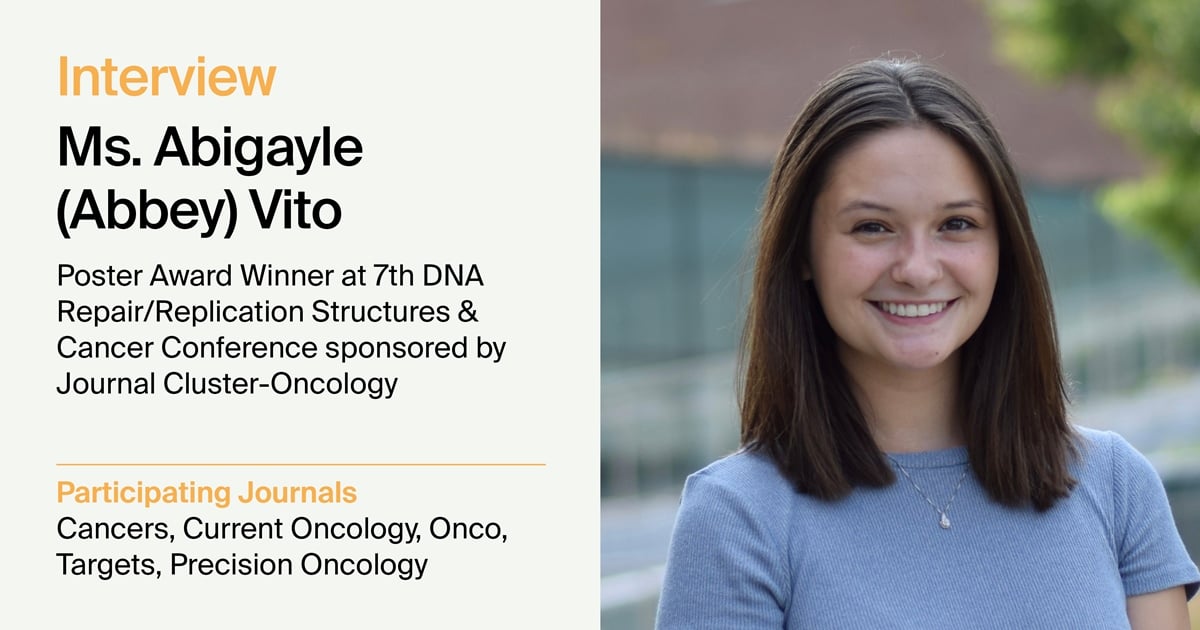
Ms. Abigayle (Abbey) Vito, a third-year graduate student in Dr. Bret Freudenthal’s lab at the University of Kansas Medical Center, won the poster award at the 7th DNA Repair/Replication Structures & Cancer Conference, sponsored by the Journal Cluster of Oncology, and we had the privilege of speaking with her. Below, she shares insights into her academic journey, research focus, and the motivation behind her landmark study.
1. Could you briefly introduce yourself and your main research focus within the broad area of DNA repair, replication structures, or cancer biology?
My name is Abigayle (Abbey) Vito, and I am a third-year graduate student in Dr. Bret Freudenthal’s lab at the University of Kansas Medical Center. My research focuses on understanding how DNA repair occurs within the complex chromatin environment of human cells. Much of the biochemical work that has laid the foundation for our knowledge of DNA repair has been performed on short DNA oligonucleotides. However, DNA in human cells is much more complex and is condensed into chromatin through the fundamental unit known as the nucleosome. My research goal is to understand how DNA repair, specifically base excision repair (BER), operates within chromatin. To address this goal, I utilize the nucleosome as a model system and use structural biology to elucidate the molecular mechanism that BER enzymes use to engage their substrates. This work fundamentally enhances our understanding of how DNA repair is carried out within human cells.
2. What do you think made your poster stand out—the scientific novelty, the clarity of the story, the visual presentation, or something else?
It was an incredible experience to attend a conference with so many structural biologists, from trainees to experts in the field. Based on the feedback I received during the poster session, I believe that my poster stood out for its clarity and the number of novel structures presented. I think, as structural biologists, we get very excited to see new structures from other researchers in the field because they can provide a lot of new insight into proteins that we are invested in understanding.
3. Any advice for early career researchers preparing their first poster?
The most important piece of advice that I have received about making a poster is that it is not necessary to present every piece of data that you have collected. It is much more impactful to have a visually appealing poster with a logical flow and only share the most important aspects of your story. Getting to the central point of your story quickly allows time for more meaningful conversations with audience members, which can lead to new perspectives on your research or experiments you may be struggling with.
4. Looking beyond the poster, what are the next steps for this research? Are you planning to follow up with a full paper?
This poster was only the beginning of a very exciting project! Along with structural data showing how BER enzymes engage their substrates, I am very interested in understanding how these enzymes locate their substrates to begin with. The nucleus of human cells contains over 3 billion base pairs of DNA, and these proteins face the extraordinarily difficult task of finding the specific lesion that they need to process. We are excited to use a single-molecule approach to investigate the mechanisms used by BER proteins to search for DNA damage. Looking further ahead, we hope to translate this into human cells to better understand how these enzymes protect against DNA-damaging agents that drive cancer.
5. Our journal has always been committed to promoting high-quality research in DNA repair/replication and cancer biology. Would you be interested in working with us? What kind of support would be most helpful for you in that process?
I would absolutely be interested in working with the journal! As my project develops, I hope to submit a research article encompassing both the structural and single-molecule findings from this work. Having a journal with a strong commitment to DNA repair and cancer biology would be a great fit for this story. As for support, having guidance through the submission and revision process would be most helpful. In particular, workshops that address the technical aspects of manuscript submission and the editorial/peer review process would be very beneficial for early-career researchers like myself.
26 May 2026
MDPI Canada & USA | Summary of an MDPI Subject Workshop—Cutting-Edge Advances in Cancer Immunology and Immunotherapy: From Basic Science to Clinical Impact
On 8 May 2026, MDPI Canada & USA welcomed over 40 researchers, clinicians, and oncology professionals to our Subject Workshop, “Cutting-Edge Advances in Cancer Immunology and Immunotherapy: From Basic Science to Clinical Impact”, held at the HSC Conference Center in Los Angeles, California.
 |
Our workshop host, Bob Vrooman, Head of Business Development at MDPI USA, opened the event and emphasized the importance of advancing cancer care. He introduced the workshop chair, Dr. W. Martin Kast, highlighting his achievements in immunology and cancer research. |
 |
Dr. W. Martin Kast welcomed attendees, emphasizing the transformative impact of cancer immunotherapy and the challenges that remain. |
 |
Then, MDPI Canada & USA’s Operating Director, Elvis Wang, emphasized the company's core values of transparency, service, and integrity. Furthermore, he explained the importance of collaboration in scientific research. |
The day’s presentations were full of exciting discussion as ten speakers discussed their research findings. These presenters included Dr. Abhinava Mishra, Dr. Alan L. Epstein, Dr. De-Chen Lin, Dr. Casey O’Connell, Dr. Henry K. Wong, Dr. Hossein Jadvar, Dr. Kawaljit Kaur, Dr. Lili Yang, Dr. W. Martin Kast, and Dr. Sonia Sharma.
The presentations included topics such as immune checkpoint blockade therapy, CAR-T and CAR-macrophage therapies, and the role of NK cells in cancer therapy. Furthermore, presentations focused on how epigenetic mutations reshape T-cell behavior.
 |
 |
 |
 |
 |
 |
 |
 |
 |
 |
The second half of the day included presentations covering imaging treatment response criteria and multimodal single-cell analysis. Further presentations focused on the treatment of cutaneous T-cell lymphomas (CTCLs) and the development of therapeutic vaccines to treat HPV-associated cancers.
Dr. Sheridan Baker, a representative of MDPI, covered MDPI's role in supporting open science and MDPI’s publishing trends in oncology. His presentation allowed audience members to further understand how MDPI can support researchers working within a variety of research areas.
 |
 |
During the day’s proceedings, multiple Q&A sessions were held, allowing valuable engagement between speakers and attendees. These sessions were a highlight of the event and helped build a platform for meaningful scientific exchange.
 |
 |
 |
 |
Looking Ahead
The MDPI 2026 LA Subject Workshop “Cutting-Edge Advances in Cancer Immunology and Immunotherapy: From Basic Science to Clinical Impact” was a successful collaboration between MDPI and local academics. We are thankful to all attendees for their part in making this event possible and for contributing to its success.
We have received positive feedback regarding this event and look forward to continuing to host these Subject Workshops. For more updates regarding this event and other upcoming workshops, follow MDPI Canada on LinkedIn.
 |
 |
26 May 2026
Current Oncology 2026 Editorial Board Meeting: Commitment to Quality, Visibility, and Scholar Experience
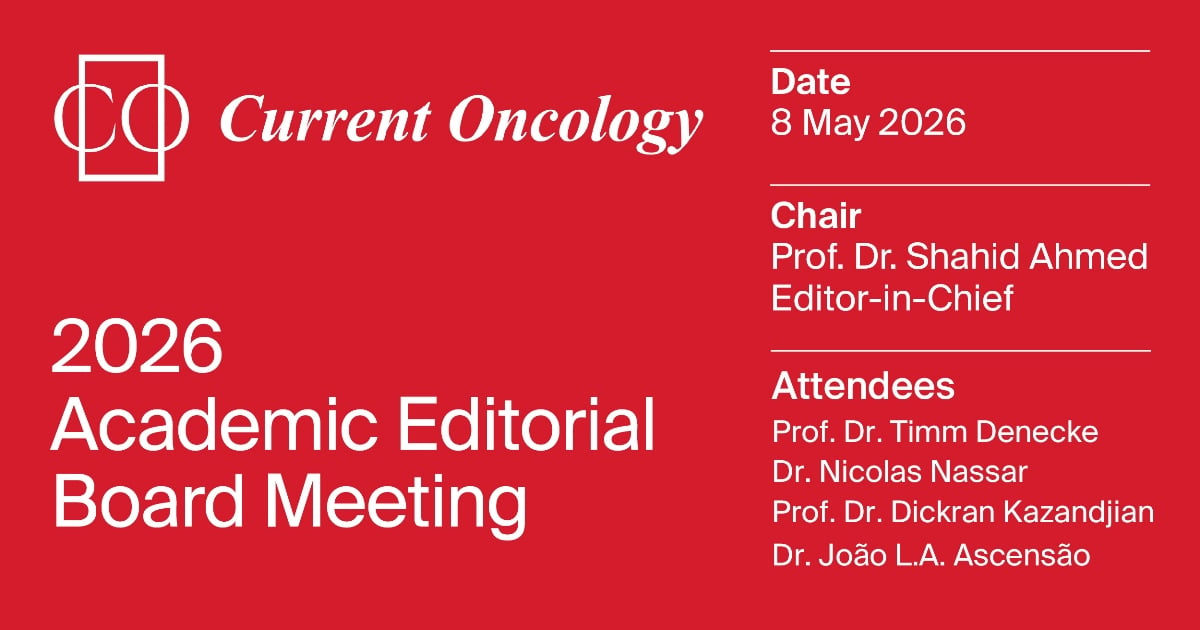
Current Oncology (ISSN: 1718-7729) is a peer-reviewed international journal dedicated to clinical oncology research. We recently held an online Editorial Board Group meeting. The meeting was hosted by the Editor-in-Chief, Prof. Dr. Shahid Ahmed. Four Editorial Board Members were in attendance.
At the opening of the meeting, the Editor-in-Chief extended a warm welcome to attending Editorial Board Members (EBMs) and invited attendees to engage in in-depth exchanges. Together with the EBMs, the Editor-in-Chief affirmed the shared commitment to pursuing excellence in the development of Current Oncology.
Maintaining the high-quality peer review process, improving publication standards and author services, enhancing scholar experience, and advancing the quality, visibility, and impact of Current Oncology were emphasized to remain the goals of our collective efforts and formed the central focus of the meeting. The following key priorities were discussed and received broad consensus among the Board Members:
- Improving journal quality, visibility, and impact;
- Enhancing scholar experience for both authors and reviewers;
- Encouraging Guest Editors to support the journal by promoting high-quality submissions;
- Engaging early-career researchers through academic conferences and author support initiatives;
- Expanding social media and digital outreach to increase scientific visibility and community engagement.
These initiatives reflect the forward-looking strategy of Current Oncology and the active role of its Editorial Board in shaping a sustainable, high-impact publishing future.
Attendee list (ordered by role):
|
|
Prof. Dr. Shahid Ahmed |
|
|
Prof. Dr. Timm Denecke |
|
|
Dr. Nicolas Nassar |
|
|
Prof. Dr. Dickran Kazandjian |
|
|
Dr. João L.A. Ascensão |


We sincerely thank everyone for joining and providing valuable insights, and we look forward to welcoming more Editorial Board Members to future Online Editorial Board Group Meetings.
Current Oncology is currently recruiting Early Career Editorial Board Members. We are looking forward to applications from all over the world, and your recommendations are also appreciated.
More information about recruitment: https://www.mdpi.com/about/announcements/13673.
21 May 2026
Interview with Dr. Silvia Belloni—Winner of the Current Oncology Outstanding Reviewer Award

We had the pleasure of speaking with Dr. Silvia Belloni, who is the winner of the Current Oncology Outstanding Reviewer award in 2026. Here, she will share her peer review experience, research interests, and academic journey.
Dr. Silvia Belloni graduated in 2011 with a bachelor’s degree in nursing (RN) and in 2019 with a Master of Science in Nursing (MSc/MSN). She developed advanced knowledge and competencies in cancer care through a postgraduate oncology program at the European Institute of Oncology in Milan (Italy) in 2015. She worked for several years as an oncology nurse and clinical research nurse at Humanitas Research Hospital in Milan (Italy). In 2016, she worked as a breast care nurse at the Bupa Cromwell Hospital in London (UK). She obtained a PhD in nursing and public health in 2022 and has worked in the Department of Public Health, Experimental and Forensic Medicine, Section of Hygiene, in Pavia (Italy), as a researcher and Director of Nursing Educational Activities for the Nursing Bachelor’s degree. She has been the regional (Lombardy) coordinator of the Italian Association of Oncology Nurses since 2019. She has the National Scientific Qualification (ASN 2023-2025) for Sector 06/M1 – MED/45 - General, Clinical and Pediatric Nursing Sciences (Associate Professor).
The following is an interview with Dr. Silvia Belloni:
1. Could you briefly introduce yourself to our readers?
I am a passionate nurse with about 15 years of experience in oncology, having worked in clinical and scientific settings, both nationally and internationally, as well as in academic contexts. I have worked in dynamic, innovation-oriented environments, maturing over time in clinical and scientific research, as well as in strong organizational and collaboration skills focused on achieving objectives and results. Having worked in various contexts (clinical and academic) has enabled me to become a well-rounded professional. My research area focuses on symptom science in cancer care with a specific expertise in conducting systematic reviews and meta-analyses. I actually have extensive experience serving as an article reviewer for numerous international journals.
2. What motivates you to serve as a reviewer for Current Oncology, and what do you find most rewarding about the peer-review process?
Current Oncology is a highly respected journal encompassing a wide range of scopes in the field of oncology. Reviewing for Current Oncology keeps me constantly updated and, at the same time, allows me to learn from colleagues and professionals around the world. The most rewarding thing is that the reviewers’ work is partly recognized through vouchers and awards. This aspect is motivating for the professional and, at the same time, allows the journal to meet review and publication deadlines, which represent the best way to feed a complex system that requires increasingly up-to-date evidence. I believe this is a successful system because, on the one hand, it directly rewards the professional, and, on the other, in a university system where researchers spend part of their time reviewing, the university benefits from publishing at no cost. This approach certainly supports a complex financing and structural system and promotes the dissemination of scientific knowledge, especially in open-access journals.
3. When reviewing manuscripts, what aspects do you typically focus on (e.g., originality, methodological rigor, logical structure, ethical compliance, etc.)?
The manuscript’s layout and logical structure are the first things I look at; they are like a "business card" of the professional. A chaotic manuscript and an altered structure are frequently indicators of the author’s misunderstanding of basic criteria that must be observed in scientific research. Similarly, methodological rigor is the other most relevant aspect, as it affects the reliability of the results. Originality, on the other hand, is a quality that, while essential in publishing in terms of study novelty, is sometimes dependent on the intrinsic professional skill. Considering originality as an essential criterion would preclude many authors from publishing, even if the study was conducted rigorously and competently. Sometimes, redundant literature helps to select and benefit from the most representative, appropriate and reliable results.
4. For young scholars who are just beginning to participate in peer review, what specific advice would you offer?
Reviewing is an act of professional responsibility that requires scientific writing and methodological competencies, clinical expertise in the field of study, and knowledge regarding the editorial process. In some cases, I recommend declaring the expert view that was given or not given (i.e., clinical, methodological, statistical), especially at the beginning of the reviewer’s career.
5. Based on your experience reviewing manuscripts, what suggestions do you have for authors to make their manuscripts more readable and engaging?
I suggest that authors draft their papers as the research progresses. This approach helps ensure that all study-related information is preserved and not forgotten, even after the study has been planned and conducted. I am almost certain that many submitted works with poor reporting lose numerous details concerning planning and procedures over time, especially in long experimental studies. Writing while conducting your research saves time and ensures proper reporting.
6. How do you see the role of reviewers evolving with advancements in artificial intelligence and automated tools in research publishing?
Artificial intelligence (AI) can be a powerful tool for supporting authors, reviewers, and editors in facilitating some technical aspects and procedures. However, critical thinking and skills cannot be replaced by AI, as each scientist can make a unique contribution to a project in terms of professional identity and “fingerprint”. If artificial intelligence produces different results depending on the user, it means that human contribution remains essential!
7. How has your experience been with Current Oncology as a reviewer? What kind of support would you like to see from the journal?
Despite my initial skepticism, I can say now that it has been a valuable and inspiring experience that has absolutely fostered my professional growth, exceeding my initial expectations. Access to platforms that allow reviewers to rapidly check for plagiarism, artificial intelligence use, outdated or unverified references, grammatical errors, and unverified authors is undoubtedly a valuable support for reviewers.
8. Current Oncology is an open access journal, as you know, so what is your opinion of the open access model of publication?
Although institutional policies and public funds widely support the open-access system, there is ongoing debate over the economic sustainability of publishing costs (APCs), which are certainly high for individual researchers or clinicians not supported by their own institutions. But here, the problem is not open access but the possibility of guaranteeing publication funds to those who produce research. However, I am absolutely in favor of the open access system because it provides equal access to research results for everyone and promotes education and knowledge equality. The presence of results that are not always accessible leads to fragmentation and heterogeneity of knowledge, with important consequences for clinical practice.
15 May 2026
Meet Us at the European Hematology Association 2026 Congress, 11–14 June 2026, Stockholm, Sweden
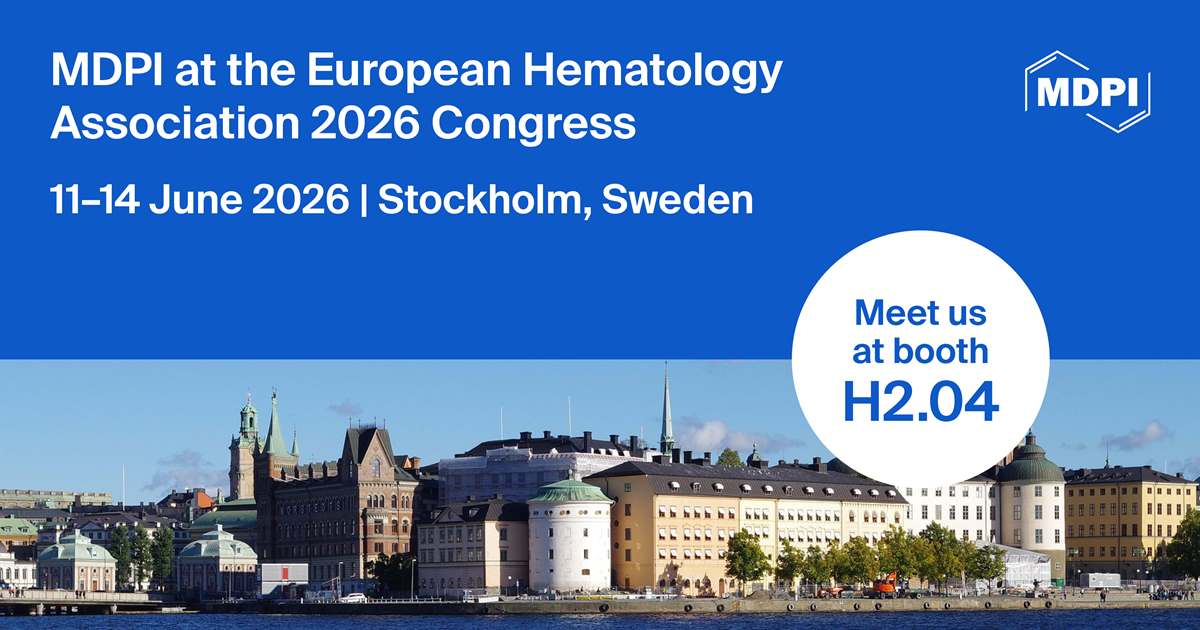
Conference: European Hematology Association 2026 Congress
Date: 11–14 June 2026
Location: Stockholm, Sweden
We are pleased to announce that MDPI will be featured in the upcoming European Hematology Association 2026 Congress (EHA 2026). The EHA 2026 is organized by the European Hematology Association, intended for the global hematology community to share the latest clinical and research updates in the subject of hematology. The conference brings together hematologists, researchers, and healthcare professionals to discuss advancements in blood disorders and treatments.
Topics include, but are not limited to, the following:
- Advancing innovation and scientific discovery across basic, translational, and clinical hematology;
- Enhancing diagnostics, treatment strategies, and evidence-based hematology practice;
- Strengthening collaboration, education, patient communication, and professional development within the hematology community.
The following MDPI journals will be represented:
- Thalassemia Reports;
- Hematology Reports;
- Hemato;
- Transplantology;
- Journal of Clinical Medicine (JCM);
- Journal of Cardiovascular Development and Disease (JCDD);
- Medicina;
- Current Oncology;
- Lymphatics;
- Clinics and Practice;
- Cancers;
- Children;
- Neurology International;
- Surgical Techniques Development;
- Therapeutics.
If you are attending this conference, please feel free to start an online conversation with us. Our delegates look forward to meeting you in person at booth H2.04 and answering any questions that you may have. For more information about the conference, please visit the following website: https://ehaweb.org/connect-network/eha2026-congress.
14 May 2026
Meet Us at the ncRNA2026: From Molecular Mechanisms to Clinical Impact, 24–26 June 2026, Leuven, Belgium
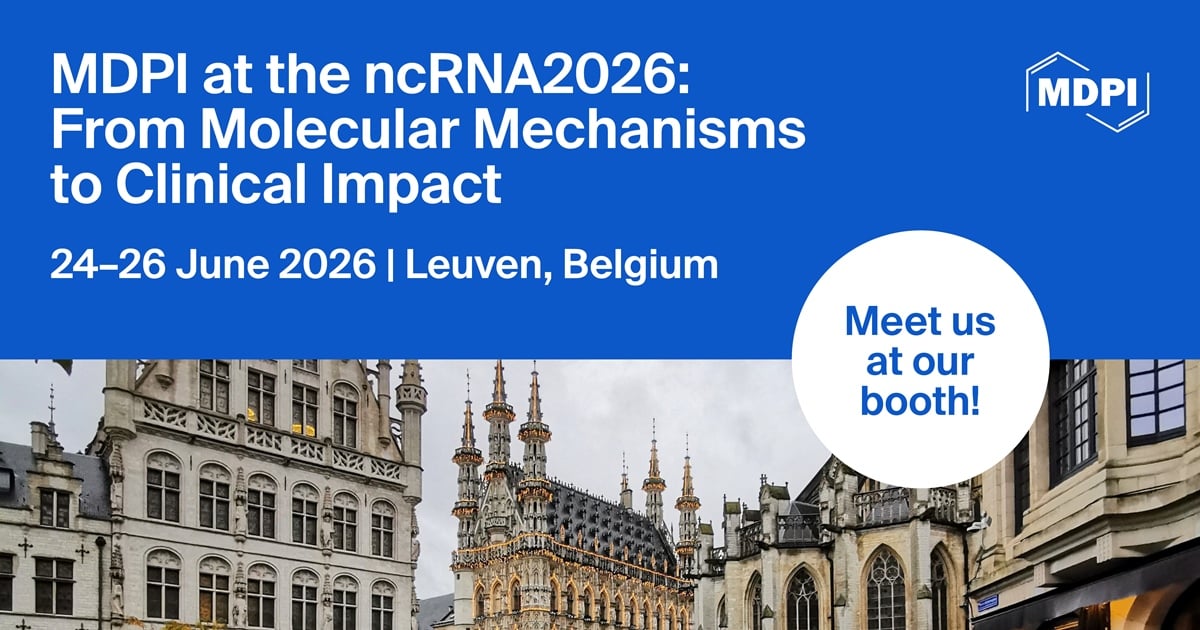
MDPI will be attending the international conference “ncRNA2026: From Molecular Mechanisms to Clinical Impact” in Leuven, Belgium, which will take place from 24 to 26 June 2026. In recent years, non-coding RNA studies have revolutionized our understanding of gene regulation, cellular networks, and disease mechanisms. ncRNA2026 will showcase the latest breakthroughs in ncRNA biology and technology through a program dedicated entirely to this field—from molecular mechanisms and clinical applications to data science and translational insights. The conference will feature distinguished international invited speakers, complemented by a strong selection of oral and poster presentations from submitted abstracts.
The following MDPI journals will be represented:
- Non-Coding RNA;
- Applied Biosciences;
- BioMed;
- BioMedInformatics;
- Biomolecules;
- Cells;
- Current Issues in Molecular Biology (CIMB);
- Current Oncology;
- Diagnostics;
- Epigenomes;
- International Journal of Molecular Sciences (IJMS);
- Targets.
If you are attending the conference, please feel free to visit our booth. Our delegates look forward to meeting you in person and answering any questions that you may have. For more information about the conference, please visit the following link: https://sciforum.net/event/ncRNA2026.
6 May 2026
Head and Neck Cancer Awareness Month, April 2026
As part of its continued efforts to support impactful cancer research and foster scientific dialogue, MDPI is spotlighting head and neck cancer in this edition. Encompassing a diverse group of malignancies affecting the oral cavity, pharynx, and larynx, head and neck cancers collectively account for over 900,000 new cases and more than 400,000 deaths globally each year.
In recent years, shifting epidemiological patterns, particularly the rise of HPV-associated cancers, have introduced new challenges and opportunities in both research and clinical practice. These developments call for deeper insights into disease mechanisms, as well as more precise approaches to diagnosis, treatment, and patient stratification.
By bringing together cutting-edge research, focused Special Issues, and an expert-led webinar, MDPI journals aim to continue to facilitate knowledge exchange and highlight emerging advances in the field. These efforts play an important role in advancing innovation, improving early detection and therapeutic strategies, and ultimately enhancing outcomes for patients worldwide.

 |
 |
 |
 |
 |
 |
 |
 |


|
Keynote speakers |
||
 |
 |
 |
|
Dr. Kousik Kumar Kesh, |
Prof. Dr. Richard Yuxiong Su, |
Dr. Jennifer Anderson, |
 |
 |
 |
|
Dr. Jay J. Liao, |
Prof. Dr. Wendell G. Yarbrough, |
Dr. Joshua D. Smith, |
Register for this webinar for free here!

“Enhancing Patient Outcomes in Head and Neck Cancer Radiotherapy: Integration of Electronic Patient-Reported Outcomes and Artificial Intelligence-Driven Oncology Care Using Large Language Models”
by ChihYing Liao, ChinNan Chu, TingChun Lin, TzuYao Chou and MengHsiun Tsai
Cancers 2025, 17(14), 2345; https://doi.org/10.3390/cancers17142345
“Advancing Head and Neck Cancer Therapies: From Conventional Treatments to Emerging Strategies”
by Aleksandra Mordzińska-Rak, Ilona Telejko, Grzegorz Adamczuk, Tomasz Trombik, Andrzej Stepulak and Ewa Błaszczak
Biomedicines 2025, 13(5), 1046; https://doi.org/10.3390/biomedicines13051046
“The Role of Dysphagia on Head and Neck Cancer Patients’ Quality of Life, Functional Disabilities and Psychological Distress: Outcomes of Cancer Rehabilitation from an Observational Single-Center Study”
by Špela Matko, Christina Knauseder, David Riedl, Vincent Grote, Michael J. Fischer, Samuel Moritz Vorbach, Karin Pfaller-Frank, Wilhelm Frank and Thomas Licht
Curr. Oncol. 2025, 32(4), 220; https://doi.org/10.3390/curroncol32040220
“PDLIM3 Regulates Migration and Invasion of Head and Neck Squamous Cell Carcinoma via YAP–Mediated Epithelial–Mesenchymal Transition”
by Fan Yang, Ying Zhou, You Zhang, Weideng Wei, Fei Huang, Dan Yang, Yixin Zhang, Ruiyang Zhang, Xiaoqiang Xia, Qianming Chen et al.
Int. J. Mol. Sci. 2025, 26(7), 3147; https://doi.org/10.3390/ijms26073147
“Inflammatory Biomarkers and Oral Health Disorders as Predictors of Head and Neck Cancer: A Retrospective Longitudinal Study”
by Amr Sayed Ghanem, Kitti Sipos, Ágnes Tóth and Attila Csaba Nagy
Int. J. Mol. Sci. 2025, 26(5), 2279; https://doi.org/10.3390/ijms26052279
“Trends in Incidence and Mortality of Head and Neck Cancer Subsites Among Elderly Patients: A Population-Based Analysis”
by Małgorzata Wierzbicka, Wioletta Pietruszewska, Adam Maciejczyk and Jarosław Markowski
Cancers 2025, 17(3), 548; https://doi.org/10.3390/cancers17030548
“Recurrent and Metastatic Head and Neck Cancer: Mechanisms of Treatment Failure, Treatment Paradigms, and New Horizons”
by William T. Barham, Marshall Patrick Stagg, Rula Mualla, Michael DiLeo and Sagar Kansara
Cancers 2025, 17(1), 144; https://doi.org/10.3390/cancers17010144
“Identification of Biomarkers for Diagnosis and Prognosis of Head and Neck Cancer: Bioinformatics Approach”
by Alexandra Fernandes and Rui Vitorino
Targets 2024, 2(4), 470-480; https://doi.org/10.3390/targets2040026
“Clinical Evidence of Methods and Timing of Proper Follow-Up for Head and Neck Cancers”
by Riccardo Gili, Simone Caprioli, Paola Lovino Camerino, Gianluca Sacco, Tommaso Ruelle, Daria Maria Filippini, Silvia Pamparino, Stefania Vecchio, Filippo Marchi, Lucia Del Mastro et al.
Onco 2024, 4(4), 275-286; https://doi.org/10.3390/onco4040020
“Artificial Intelligence in Head and Neck Cancer: Innovations, Applications, and Future Directions”
by Tuan D. Pham, Muy-Teck Teh, Domniki Chatzopoulou, Simon Holmes and Paul Coulthard
Curr. Oncol. 2024, 31(9), 5255-5290; https://doi.org/10.3390/curroncol31090389

|
“The Advances in Proton Therapy in Head-and-Neck Cancers” |
“Decoding and Remodeling the Suppressive Tumor Immune Microenvironment in Head and Neck Cancer” |
 |
 |
|
“The Role of Targeted Therapy in Head and Neck Cancers” |
“Molecular Targets for HPV-Related Head and Neck Cancer” |
 |
 |
|
“Head and Neck Cancer: From Mechanisms to Therapeutic Approaches—Advances and Challenges” |
“Targeting Head and Neck Cancer: From Tumor Microenvironment to Therapy Resistance” |
 |
 |

 |
 |
 |
