
Journal Description
Sustainability
Sustainability
is an international, peer-reviewed, open-access journal on environmental, cultural, economic, and social sustainability of human beings, published semimonthly online by MDPI. The Canadian Urban Transit Research & Innovation Consortium (CUTRIC), International Council for Research and Innovation in Building and Construction (CIB) and Urban Land Institute (ULI) are affiliated with Sustainability and their members receive discounts on the article processing charges.
- Open Access— free for readers, with article processing charges (APC) paid by authors or their institutions.
- High Visibility: indexed within Scopus, SCIE and SSCI (Web of Science), GEOBASE, GeoRef, Inspec, RePEc, CAPlus / SciFinder, and other databases.
- Journal Rank: JCR - Q2 (Environmental Studies) / CiteScore - Q1 (Geography, Planning and Development)
- Rapid Publication: manuscripts are peer-reviewed and a first decision is provided to authors approximately 17.9 days after submission; acceptance to publication is undertaken in 3.6 days (median values for papers published in this journal in the second half of 2025).
- Recognition of Reviewers: reviewers who provide timely, thorough peer-review reports receive vouchers entitling them to a discount on the APC of their next publication in any MDPI journal, in appreciation of the work done.
- Testimonials: See what our editors and authors say about Sustainability.
- Companion journals for Sustainability include: World, Sustainable Chemistry, Conservation, Future Transportation, Architecture, Standards, Merits, Bioresources and Bioproducts, Accounting and Auditing and Environmental Remediation.
- Journal Cluster of Environmental Science: Sustainability, Land, Clean Technologies, Environments, Nitrogen, Recycling, Urban Science, Safety, Air, Waste and Aerobiology.
Impact Factor:
3.3 (2024);
5-Year Impact Factor:
3.6 (2024)
Latest Articles
Supplier Evaluation in the Electric Vehicle Industry: A Hybrid Model Integrating AHP-TOPSIS and XGBoost for Risk Prediction
Sustainability 2026, 18(2), 977; https://doi.org/10.3390/su18020977 (registering DOI) - 18 Jan 2026
Abstract
►
Show Figures
As the supply chain of the electric vehicle (EV) industry becomes increasingly complex and vulnerable, traditional supplier evaluation methods reveal inherent limitations. These approaches primarily emphasize static performance while neglecting dynamic future risks. To address this issue, this study proposes a comprehensive supplier
[...] Read more.
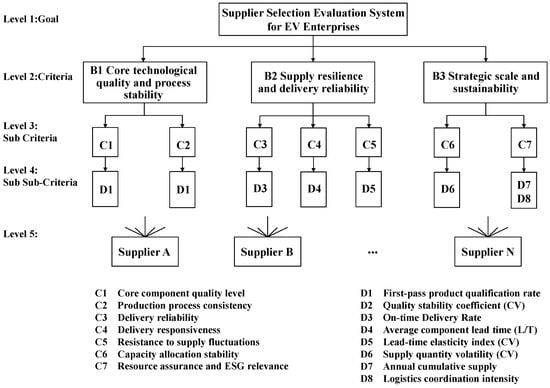
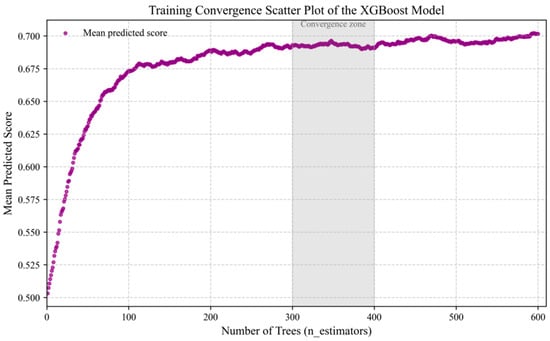
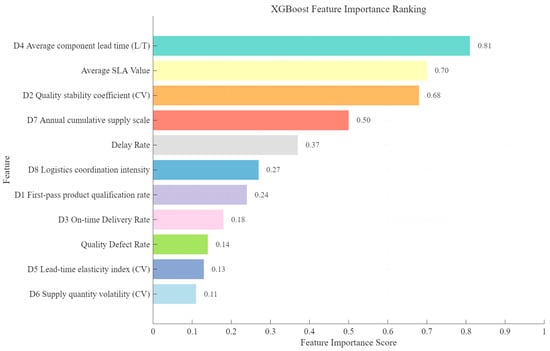
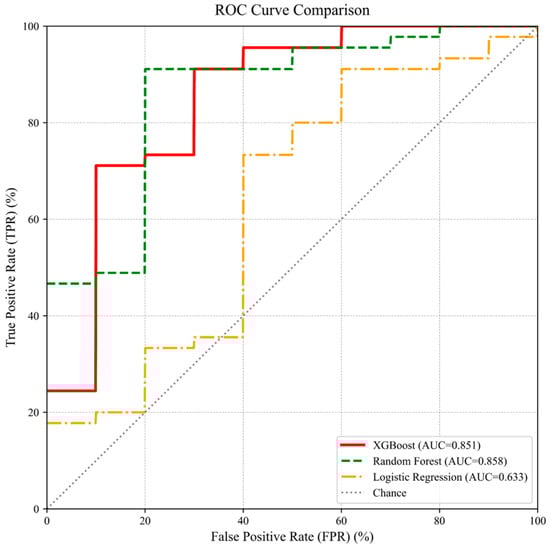
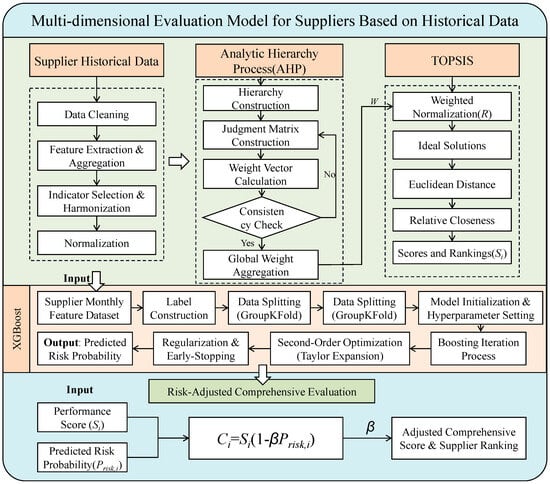
As the supply chain of the electric vehicle (EV) industry becomes increasingly complex and vulnerable, traditional supplier evaluation methods reveal inherent limitations. These approaches primarily emphasize static performance while neglecting dynamic future risks. To address this issue, this study proposes a comprehensive supplier evaluation model that integrates a hybrid Analytic Hierarchy Process (AHP) and Technique for Order Preference by Similarity to Ideal Solution (TOPSIS) framework with the Extreme Gradient Boosting (XGBoost) algorithm, contextualized for the EV sector. The hybrid AHP-TOPSIS framework is first applied to rank suppliers based on multidimensional performance criteria, including quality, delivery capability, supply stability and scale. Subsequently, the XGBoost algorithm uses historical monthly data to capture nonlinear relationships and predict future supplier risk probabilities. Finally, a risk-adjusted framework combines these two components to construct a dynamic dual-dimensional performance–risk evaluation system. A case study using real data from an automobile manufacturer demonstrates that the hybrid AHP–TOPSIS model effectively distinguishes suppliers’ historical performance, while the XGBoost model achieves high predictive accuracy under five-fold cross-validation, with an AUC of 0.851 and an F1 score of 0.928. After risk adjustment, several suppliers exhibiting high performance but elevated risk experienced significant declines in their overall rankings, thereby validating the robustness and practicality of the integrated model. This study provides a feasible theoretical framework and empirical evidence for EV enterprises to develop supplier decision-making systems that balance performance and risk, offering valuable insights for enhancing supply chain resilience and intelligence.
Full article
Open AccessArticle
Toward High-Quality and Sustainable Employment: Spatial Evolution and Driving Factors of Precarious Labor Market in China
by
Hongbin Huang, Lixing Chai and Gengzhi Huang
Sustainability 2026, 18(2), 976; https://doi.org/10.3390/su18020976 (registering DOI) - 18 Jan 2026
Abstract
►▼
Show Figures
Amid the normalization of flexible employment, labor dispatch, as a form of non-standard employment, has become an important component of China’s precarious labor market (PLM). Based on registration data of labor dispatch firms from 2002 to 2022, this paper analyzes the spatial distribution
[...] Read more.
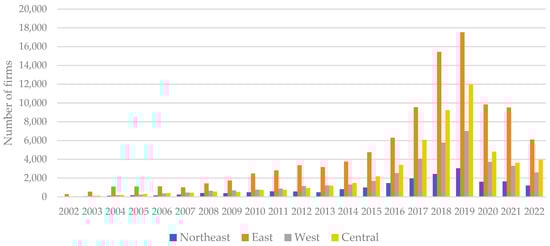
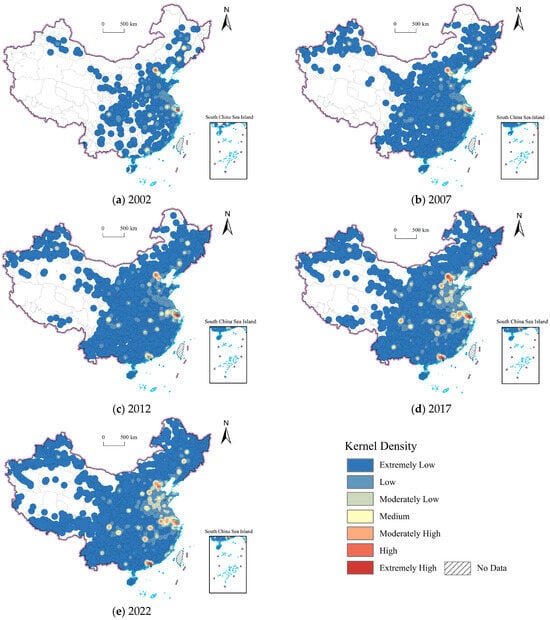
Amid the normalization of flexible employment, labor dispatch, as a form of non-standard employment, has become an important component of China’s precarious labor market (PLM). Based on registration data of labor dispatch firms from 2002 to 2022, this paper analyzes the spatial distribution and evolutionary patterns of China’s PLM, using spatial autocorrelation, kernel density estimation, and Gini coefficient methods. Furthermore, it explores its driving mechanisms through a panel negative binomial regression model. The results show that (i) over the past two decades, China’s PLM has undergone four stages: initiation, acceleration, expansion, and adjustment. (ii) Spatially, it has evolved along the trend of “reinforced clustering with concurrent diffusion,” expanding from first-tier cities in eastern China to second- and third-tier cities in central and western China. (iii) Industrial upgrading, market competition, and the overall level of urban development have significantly promoted the growth of the PLM, while improvements in accessibility, proportion of migrant population, and public service provision have somewhat restrained its expansion. Overall, China’s PLM demonstrates both growth potential and structural vulnerability under institutional constraints and external shocks, offering valuable spatial insights for forging sustainable, high-quality employment and coordinated regional development.
Full article

Figure 1

Open AccessArticle
Improvisation and New Venture Performance: Unpacking the Roles of Entrepreneurial Self-Efficacy and Learning Orientation
by
Osama Elfghi, Kolawole Iyiola, Ahmad Bassam Alzubi and Hasan Yousef Aljuhmani
Sustainability 2026, 18(2), 975; https://doi.org/10.3390/su18020975 (registering DOI) - 18 Jan 2026
Abstract
New ventures operating in volatile and unpredictable environments must rely on rapid adaptation and decisive action, making improvisation a critical entrepreneurial capability. This study examines how improvisation enhances new venture performance by uncovering the psychological and learning-based mechanisms through which its effects unfold.
[...] Read more.
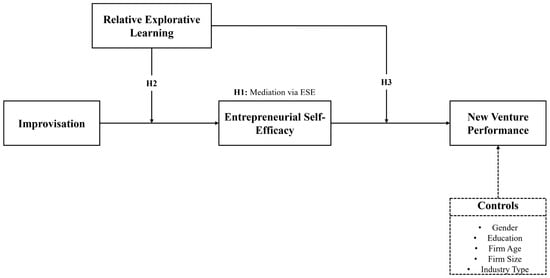
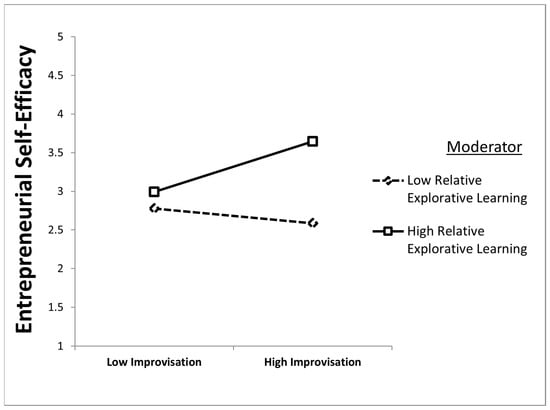
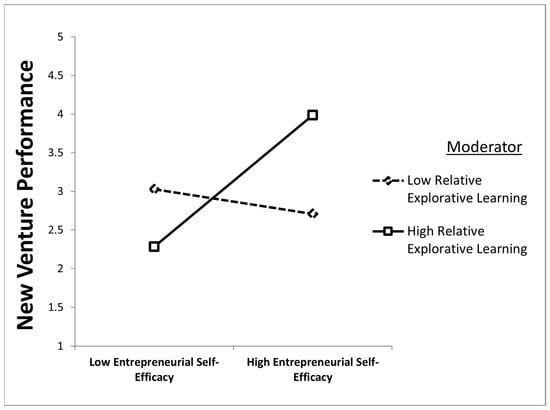
New ventures operating in volatile and unpredictable environments must rely on rapid adaptation and decisive action, making improvisation a critical entrepreneurial capability. This study examines how improvisation enhances new venture performance by uncovering the psychological and learning-based mechanisms through which its effects unfold. Drawing on the Knowledge-Based View (KBV) and Social Learning Theory (SLT), the model proposes that improvisation strengthens entrepreneurial self-efficacy, enabling entrepreneurs to approach uncertainty with greater confidence and adaptive judgment. Using a two-wave survey of 322 startup founders in Turkey and analyses conducted through PROCESS and complementary SEM estimation, the findings show that improvisation significantly boosts both entrepreneurial self-efficacy and new venture performance. Entrepreneurial self-efficacy emerges as a key mediating mechanism, indicating that improvisational experiences help entrepreneurs develop mastery, reinforce capability beliefs, and translate spontaneous action into improved outcomes. The results further suggest that improvisational episodes provide immediate learning cues that enhance situational awareness and decision-making agility, deepening the psychological pathway that links spontaneous behavior to venture performance. Additionally, relative explorative learning significantly moderates the relationship between improvisation and entrepreneurial self-efficacy, demonstrating that entrepreneurs benefit more from improvisation when they actively pursue new knowledge, experiment with unfamiliar approaches, and challenge routine assumptions. This moderating role clarifies when improvisation produces its strongest effects, while the mediating mechanism explains how performance improvements materialize through confidence-building processes. By integrating these mechanisms into a unified explanation, the study advances understanding of the improvisation–performance relationship and highlights the importance of learning-oriented behavior in converting spontaneous action into sustained entrepreneurial advantage. The findings offer theoretical contributions and actionable insights for entrepreneurs seeking to strengthen adaptability, resilience, and competitiveness in fast-changing environments.
Full article
(This article belongs to the Special Issue Building Sustainable Businesses: Psychological Drivers, Organizational Strategies and Entrepreneurial Development)
►▼
Show Figures

Figure 1
Open AccessArticle
Leading Green: How Leadership Styles Shape Environmental Human Resource Management Practices in Greek Hospitality Organizations
by
Christos Papademetriou, Dimitrios Belias, Angelos Ntalakos and Ioannis Rossidis
Sustainability 2026, 18(2), 974; https://doi.org/10.3390/su18020974 (registering DOI) - 17 Jan 2026
Abstract
This research focuses on the effects of leadership styles on the implementation of Green Human Resource Management (Green HRM) initiatives in hotels in Greece by staff members, and it recognizes the lack of sustainability research in the Mediterranean hospitality sector. Employing the Full-Range
[...] Read more.
This research focuses on the effects of leadership styles on the implementation of Green Human Resource Management (Green HRM) initiatives in hotels in Greece by staff members, and it recognizes the lack of sustainability research in the Mediterranean hospitality sector. Employing the Full-Range Leadership Model, we explore the impact of transformational, transactional, and passive leadership on the implementation of environmental HR practices. The data for this study were obtained from 216 employees in 29 hotels in Greece, who completed the Multifactor Leadership Questionnaire (MLQ-5x) and a Green HRM instrument. Several regression analyses showed that transformational leadership was the most robust positive predictor of Green HRM practices, followed by leadership outcomes and transactional leadership. On the other hand, passive leadership was significantly inversely associated with Green HRM implementation. Demographic variables, such as gender, age, and experience, had a substantial impact on both perceptions of leadership and involvement in Green HRM as well. The results offer significant theoretical implications and practical directions for improving environmental performance in hospitality organizations through the strategic use of leadership development and human resource management intervention.
Full article
(This article belongs to the Special Issue Advancements and Innovation in Tourism Management and Strategic Management: Sustainable Development Perspective)
Open AccessArticle
Sustainable Financial Markets in the Digital Era: FinTech, Crowdfunding and ESG-Driven Market Efficiency in the UK
by
Loredana Maria Clim (Moga), Diana Andreea Mândricel and Ionica Oncioiu
Sustainability 2026, 18(2), 973; https://doi.org/10.3390/su18020973 (registering DOI) - 17 Jan 2026
Abstract
In the context of tightening sustainability regulations and rising demands for transparent and responsible capital allocation, understanding how digital financial innovations influence market efficiency has become increasingly important. This study examines the impact of Financial Technology (FinTech) solutions and crowdfunding platforms on sustainable
[...] Read more.
In the context of tightening sustainability regulations and rising demands for transparent and responsible capital allocation, understanding how digital financial innovations influence market efficiency has become increasingly important. This study examines the impact of Financial Technology (FinTech) solutions and crowdfunding platforms on sustainable market efficiency, volatility dynamics, and risk structures in the United Kingdom. Using weekly data for the Financial Times Stock Exchange 100 (FTSE 100) index from January 2010 to June 2025, the analysis applies the Lo–MacKinlay variance ratio test to assess compliance with the Random Walk Hypothesis as a proxy for informational efficiency. Firm-level proxies for FinTech and crowdfunding activity are constructed using the Nomenclature of Economic Activities (NACE) and Standard Industrial Classification (SIC) systems. The empirical results indicate substantial deviations from random-walk behavior in crowdfunding-related market segments, where persistent positive autocorrelation and elevated volatility reflect liquidity constraints and informational frictions. By contrast, FinTech-dominated segments display milder inefficiencies and faster information absorption, pointing to more stable price-adjustment mechanisms. After controlling for structural distortions through heteroskedasticity-consistent corrections and volatility adjustments, variance ratios converge toward unity, suggesting a restoration of informational efficiency. The results provide relevant insights for investors, regulators, and policymakers seeking to align financial innovation with the objectives of sustainable financial systems.
Full article
(This article belongs to the Special Issue Sustainable Finance, Technologies, and Regulatory Frameworks: Advancing Sustainability in a Digital Era)
Open AccessArticle
Pre–Post Evaluation of Slovenia’s Additional Training Programme for Novice Drivers: Implications for Reducing Risk and Promoting Sustainable Road Safety
by
Darja Topolšek and Tina Cvahte Ojsteršek
Sustainability 2026, 18(2), 972; https://doi.org/10.3390/su18020972 (registering DOI) - 17 Jan 2026
Abstract
Education and post-licencing training programmes for novice drivers are widely implemented to improve road safety, yet their effectiveness remains debated. This study evaluates short-term attitudinal changes relating to participation in a mandatory post-licencing training programme for novice drivers in Slovenia. A within-subject pre–post
[...] Read more.
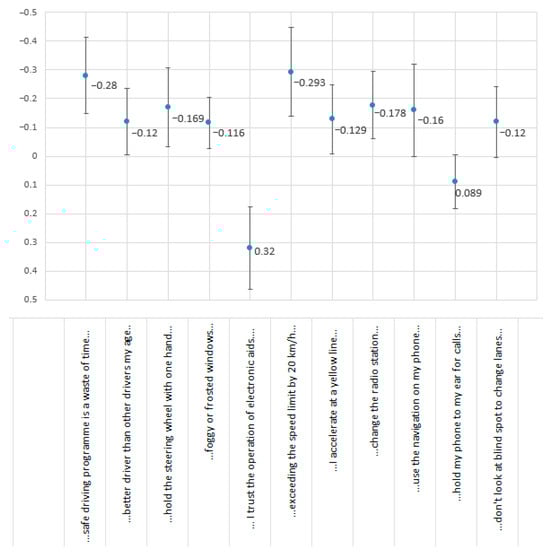
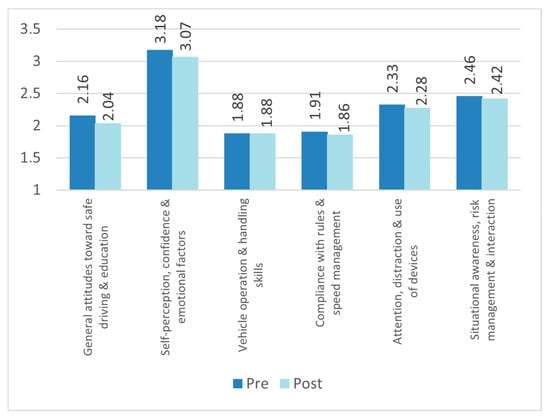
Education and post-licencing training programmes for novice drivers are widely implemented to improve road safety, yet their effectiveness remains debated. This study evaluates short-term attitudinal changes relating to participation in a mandatory post-licencing training programme for novice drivers in Slovenia. A within-subject pre–post survey methodology was used to evaluate self-reported driving attitudes across six safety-related domains among 225 novice drivers at a Slovenian driving training centre in 2024. Paired t-tests revealed minor yet statistically significant improvement following the programme in perceived support for the additional driver training, lowered overconfidence, heightened care in speeding and intersection behaviour, and enhanced attitudes towards vehicle operation and utilization of safety equipment. Attitudes regarding attention and adherence to traffic regulations showed negligible shifts, indicating a strong baseline attitude towards safe driving. The findings indicate a modest but fairly consistent short-term change in attitudes after programme participation. Due to the lack of a control group and dependence on self-reported data, the findings should be seen as evaluative rather than causative, necessitating more longitudinal and behavioural research to evaluate long-term and behavioural effects.
Full article
(This article belongs to the Collection Accident Prevention and Risk Management for Safe and Sustainable Transportation)
►▼
Show Figures

Figure 1
Open AccessArticle
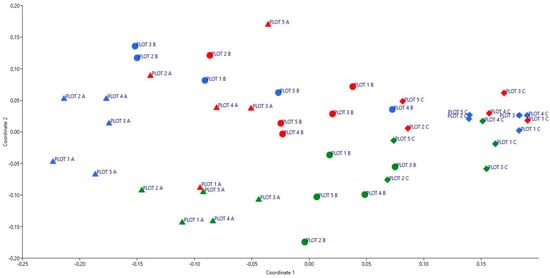
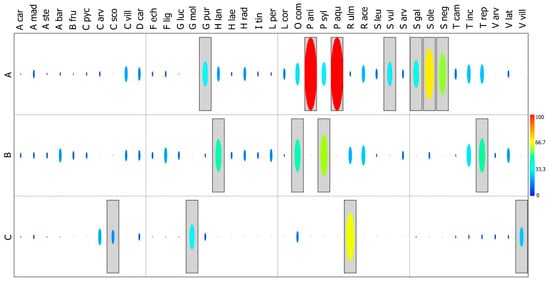
Analysis of Post-Fire Regeneration Dynamics in Pine Plantations Under Naturalistic Management with In Situ Burnt Logs
by
Valentina Lucia Astrid Laface, Giuseppe Bombino, Carmelo Maria Musarella, Andrea Rosario Proto and Giovanni Spampinato
Sustainability 2026, 18(2), 971; https://doi.org/10.3390/su18020971 (registering DOI) - 17 Jan 2026
Abstract
Wildfires represent one of the most destructive natural disturbances, yet they play a fundamental ecological role in the regeneration and evolution of forest ecosystems. In Mediterranean regions, fire acts as a selective factor shaping plant adaptive strategies and the structure of vegetation mosaics.
[...] Read more.
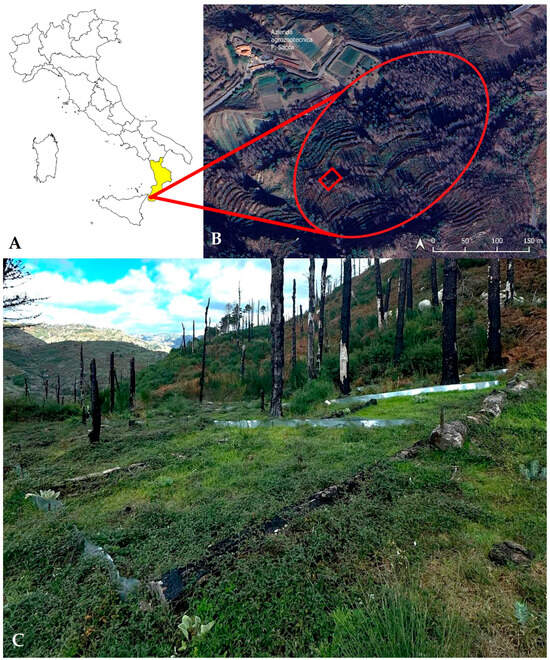
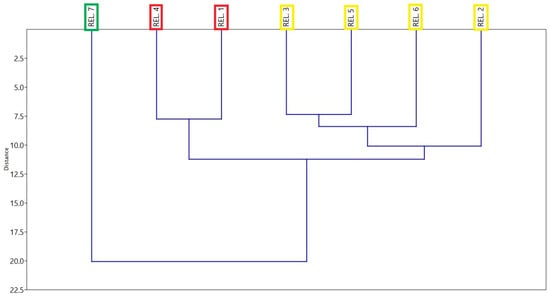
Wildfires represent one of the most destructive natural disturbances, yet they play a fundamental ecological role in the regeneration and evolution of forest ecosystems. In Mediterranean regions, fire acts as a selective factor shaping plant adaptive strategies and the structure of vegetation mosaics. This study analyzes post-fire regeneration dynamics in Pinus radiata and P. pinaster plantations located in Roccaforte del Greco (Metropolitan City of Reggio Calabria, southern Italy), severely affected by the 2021 wildfires. Phytosociological surveys were conducted along permanent transects using the Braun-Blanquet method and analyzed through diversity indices (Shannon, Evenness), Non-Metric Multidimensional Scaling (NMDS), Indicator Species Analysis (IndVal), and hierarchical clustering. The results reveal a clear floristic differentiation among management conditions, with higher species diversity and variability, and a predominance of pioneer therophytes and hemicryptophytes in burned areas. The in situ retention of burned logs enhances structural and microenvironmental heterogeneity, facilitating the establishment of native species and supporting post-fire functional recovery. Overall, this preliminary study, focusing on early successional dynamics, suggests that the in situ retention of burned logs may positively contribute to ecosystem resilience and biodiversity in post-fire Mediterranean pine forests, while also highlighting the need for long-term monitoring to confirm the persistence of these effects.
Full article
(This article belongs to the Special Issue Sustainable Management: Plant, Biodiversity and Ecosystem)
►▼
Show Figures

Figure 1
Open AccessArticle
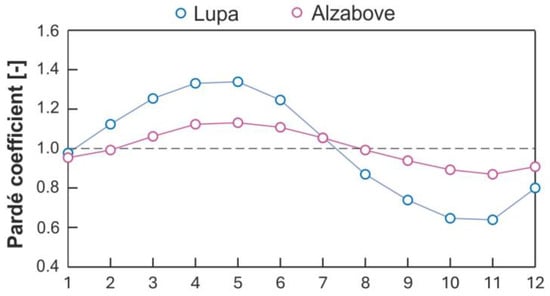
ERA5-Land Data for Understanding Spring Dynamics in Complex Hydro-Meteorological Settings and for Sustainable Water Management
by
Lucio Di Matteo, Costanza Cambi, Sofia Ortenzi, Alex Manucci, Sara Venturi, Davide Fronzi and Daniela Valigi
Sustainability 2026, 18(2), 970; https://doi.org/10.3390/su18020970 (registering DOI) - 17 Jan 2026
Abstract
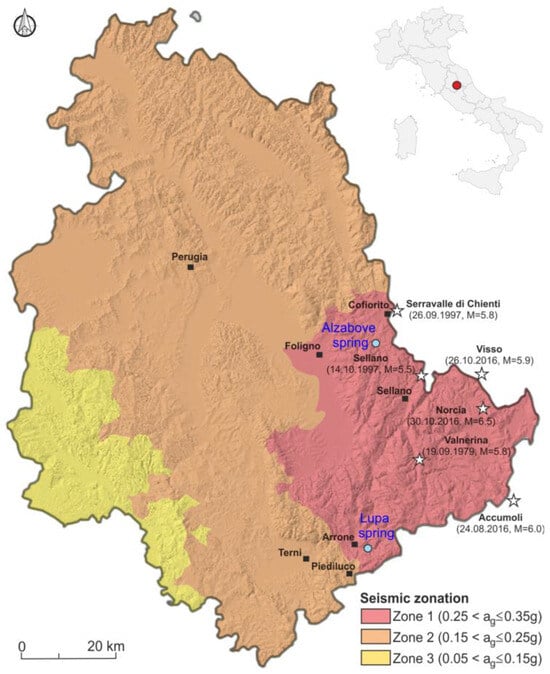
Springs fed by carbonate-fractured/karst aquifers support spring-dependent ecosystems and provide drinking water in the Italian Apennines, where complex hydro-meteorological environments are increasingly affected by prolonged droughts. The aim of this study was to investigate the hydrogeological behavior of two springs (Alzabove and Lupa)
[...] Read more.
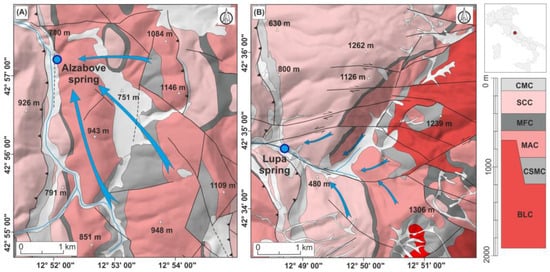
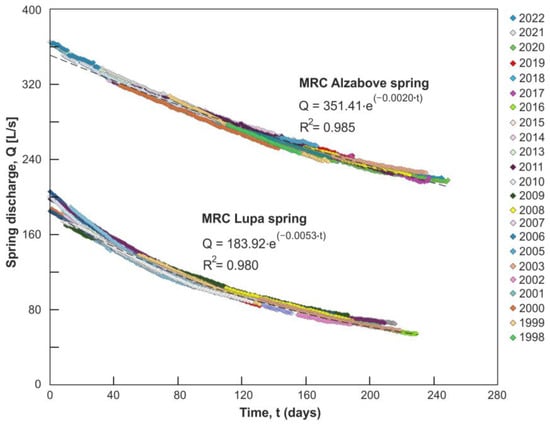
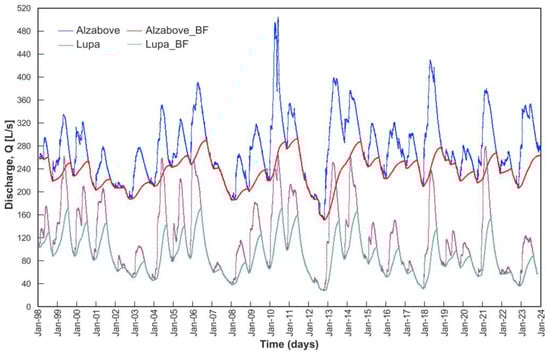
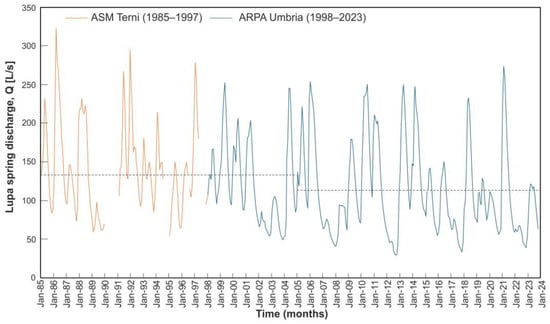
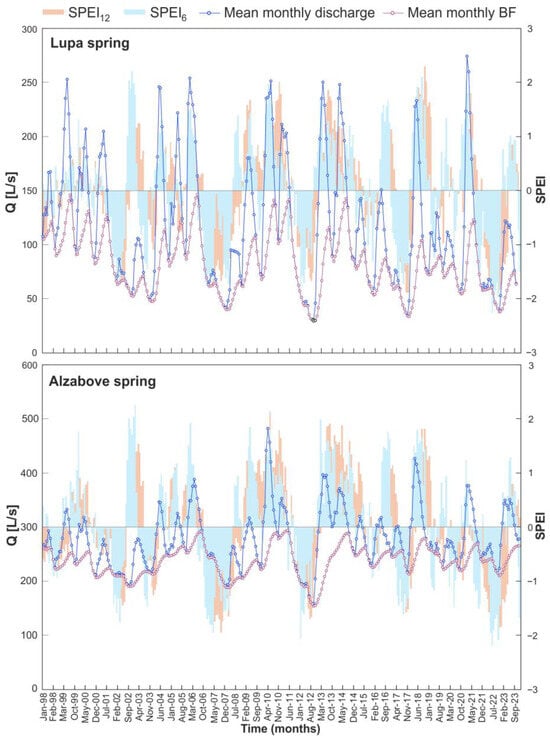
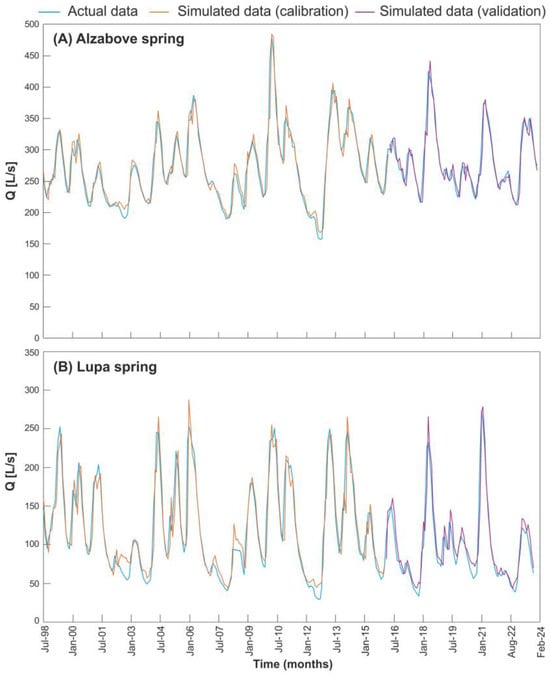
Springs fed by carbonate-fractured/karst aquifers support spring-dependent ecosystems and provide drinking water in the Italian Apennines, where complex hydro-meteorological environments are increasingly affected by prolonged droughts. The aim of this study was to investigate the hydrogeological behavior of two springs (Alzabove and Lupa) on the mountain ridge of Central Italy, using monthly reanalysis datasets to support sustainable water management. The Master Recession Curves based on the 1998–2023 recession periods highlighted a slightly higher average recession coefficient for Lupa (α = −0.0053 days−1) than for Alzabove (α = −0.0020 days−1). The hydrogeological settings of the Lupa recharge area led to a less resilient response to prolonged, extreme droughts as detected via the Standardized Precipitation-Evapotranspiration Index (SPEI) computed at different time scales using ERA-5 Land datasets. The SPEI computed at a 6-month scale (SPEI6) showed the best correlation with monthly spring discharge, with a 1-month delay time. A parsimonious linear regression model was built using the antecedent monthly spring discharge values and SPEI6 as independent variables. The best modeling performance was achieved for the Alzabove spring, with some overestimation of spring discharge during extremely dry conditions (e.g., 2002–2003 and 2012), especially for the Lupa spring. The findings are encouraging as they reflect the use of a simple tool developed to support decisions on the sustainable management of springs in mountain environments, although issues related to evapotranspiration underestimation during extreme droughts remain.
Full article
(This article belongs to the Section Environmental Sustainability and Applications)
►▼
Show Figures

Figure 1
Open AccessArticle
Sustainable Hazardous Mitigation and Resource Recovery from Oil-Based Drill Cuttings Through Slow Pyrolysis: A Kinetic and Product Analysis
by
Andres Reyes-Urrutia, Anabel Fernandez, Rodrigo Torres-Sciancalepore, Daniela Zalazar-GarcÃa, César Venier, César Rozas-Formandoy, Gastón Fouga, Rosa Rodriguez and Germán Mazza
Sustainability 2026, 18(2), 969; https://doi.org/10.3390/su18020969 (registering DOI) - 17 Jan 2026
Abstract
The expansion of unconventional hydrocarbon extraction in the Vaca Muerta Formation (Argentina) has increased the generation of oil-based drill cuttings (OBDCs), a hazardous waste containing up to 20 wt% total petroleum hydrocarbons (TPHs) and trace metals. These characteristics pose risks to soil and
[...] Read more.
The expansion of unconventional hydrocarbon extraction in the Vaca Muerta Formation (Argentina) has increased the generation of oil-based drill cuttings (OBDCs), a hazardous waste containing up to 20 wt% total petroleum hydrocarbons (TPHs) and trace metals. These characteristics pose risks to soil and groundwater, highlighting the need for sustainable treatment technologies that minimize environmental impacts and enable resource recovery. This study evaluates slow pyrolysis as a thermochemical route for OBDC stabilization and valorization. Representative samples were characterized through proximate, ultimate, and metal analyses, confirming a complex hydrocarbon–mineral matrix with 78.1 wt% ash, 15.9 wt% volatile matter, and 12.5 wt% TPH. Thermogravimetric analysis (10–20 °C min−1), combined with isoconversional methods, identified three pseudo-components with activation energies ranging from 41.9 to 104.5 kJ mol−1. Slow pyrolysis experiments in a fixed bed (400–650 °C) reduced residual TPH to below 1 wt% at temperatures ≥ 400 °C, meeting Argentine criteria for non-hazardous solids. The process also produced a condensed liquid organic fraction, supporting its potential within circular-economy strategies. Overall, the results show that slow pyrolysis is a viable and sustainable technology for reducing environmental risks from OBDC while enabling resource and energy recovery, contributing to a broader understanding of their thermochemical treatment.
Full article
(This article belongs to the Section Energy Sustainability)
Open AccessArticle
Dual Pathways to Relief: Local Environment Quality and External Connectivity in Rural Informal Care
by
Zhongshi Jiang and Laize Liu
Sustainability 2026, 18(2), 968; https://doi.org/10.3390/su18020968 (registering DOI) - 17 Jan 2026
Abstract
As population aging accelerates, the mounting burden on informal family caregivers in areas lacking formal care systems threatens the sustainability of elder care. This study aims at evaluating how the rural living environment and external connectivity jointly alleviate caregiver burden and exploring whether
[...] Read more.
As population aging accelerates, the mounting burden on informal family caregivers in areas lacking formal care systems threatens the sustainability of elder care. This study aims at evaluating how the rural living environment and external connectivity jointly alleviate caregiver burden and exploring whether regional accessibility serves as a substitute for local infrastructure deficits. Guided by Ecological Systems Theory, we analyzed a cross-sectional dataset of 327 matched caregiver-recipient dyads from rural China using multivariate regression and mediation models. Results indicate that a favorable local environment reduces burden both directly and indirectly through improved recipient health. Crucially, county-level accessibility moderates this relationship via a substitution effect, where the marginal relief from local environmental improvements is most potent in isolated areas but diminishes where external access is convenient. Dimension-specific analyses show that developmental and physical strains are particularly sensitive to these factors. We conclude that sustaining informal care requires a dual-pathway strategy: prioritizing local “soft” assets like community safety and cultural activities while enhancing regional connectivity to service hubs. Ultimately, this research provides empirical evidence and a theoretical framework for enhancing rural informal care sustainability through environmental optimization, thereby advancing Sustainable Development Goals regarding health, reduced inequalities, and sustainable communities.
Full article
(This article belongs to the Section Health, Well-Being and Sustainability)
Open AccessArticle
The U-Shaped Impact of Manufacturing-Services Co-Agglomeration on Urban Green Efficiency: Evidence from the Yangtze River Delta
by
Jun Ma and Xingxing Yu
Sustainability 2026, 18(2), 967; https://doi.org/10.3390/su18020967 (registering DOI) - 17 Jan 2026
Abstract
Against the escalating challenges of global climate change and intensifying resource-environment constraints, exploring the green effects of industrial spatial organization has become crucial. Utilizing panel data from the Yangtze River Delta cities spanning 2011–2023, this study empirically examines the nonlinear impact of manufacturing-producer
[...] Read more.
Against the escalating challenges of global climate change and intensifying resource-environment constraints, exploring the green effects of industrial spatial organization has become crucial. Utilizing panel data from the Yangtze River Delta cities spanning 2011–2023, this study empirically examines the nonlinear impact of manufacturing-producer services co-agglomeration on urban green efficiency. The results reveal a significant U-shaped relationship: co-agglomeration initially suppresses efficiency due to coordination costs and congestion effects, but after crossing a specific threshold, the resulting scale economies and knowledge spillovers dominate and begin to promote green enhancement. Mechanism tests indicate that industrial upgrading serves as a direct mediating channel, while the mediating effect of green technological innovation exhibits a time lag. Further heterogeneity analysis shows that this U-shaped pattern is particularly pronounced in cities with low agglomeration levels, those not designated as low-carbon pilots, and non-resource-based cities. This study uncovers the nonlinear dynamics and key boundary conditions of the green effects arising from industrial co-agglomeration, providing an empirical basis for implementing differentiated regional spatial coordination policies.
Full article
(This article belongs to the Special Issue Development Economics and Sustainable Economic Growth)
Open AccessArticle
Sustainable Retaining Structures Made from Decommissioned Wind Turbine Blades and Recycled Infill Materials
by
Aleksander Duda and Tomasz Siwowski
Sustainability 2026, 18(2), 966; https://doi.org/10.3390/su18020966 (registering DOI) - 17 Jan 2026
Abstract
In recent years, new methods to reuse, repurpose, recycle, and recover decommissioned wind turbine blades (dWTBs) have actively been developed in the wind industry. In this study, the authors address the scientific challenge of repurposing decommissioned wind turbine blades for earthwork applications, particularly
[...] Read more.
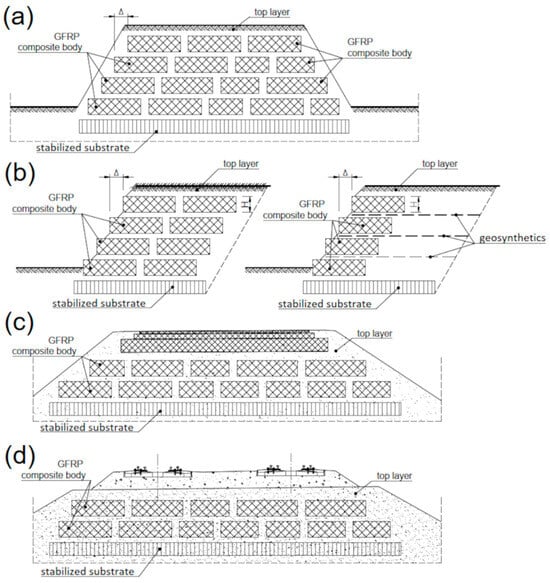
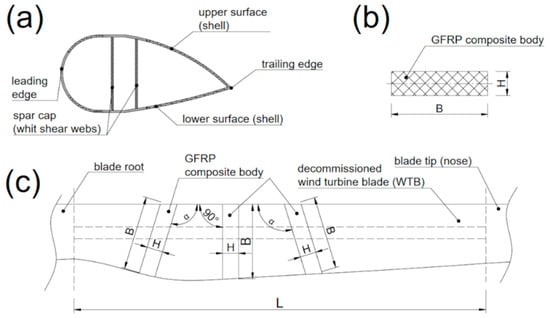
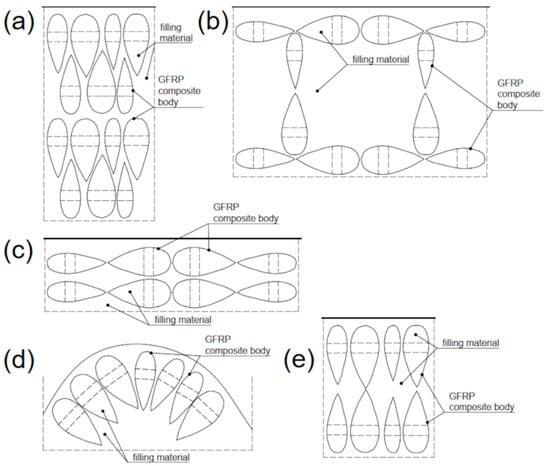
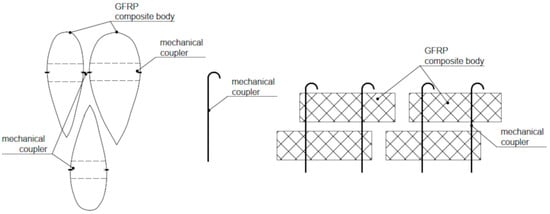
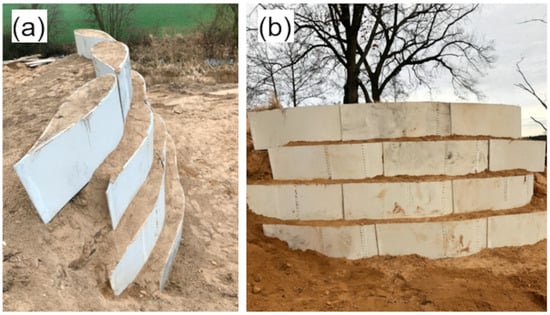
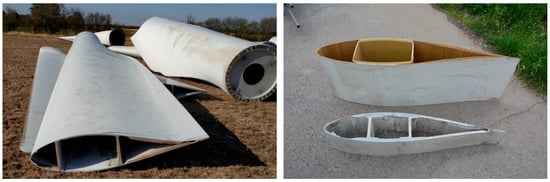
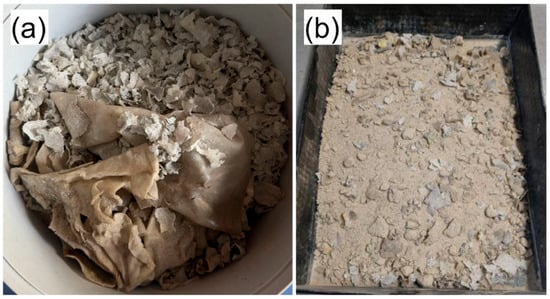
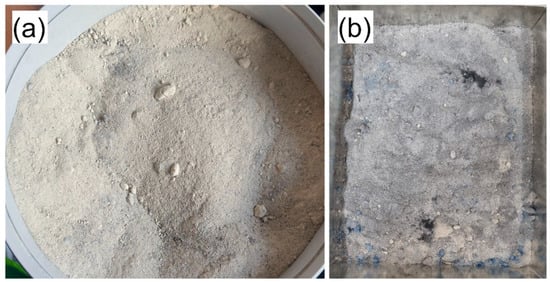
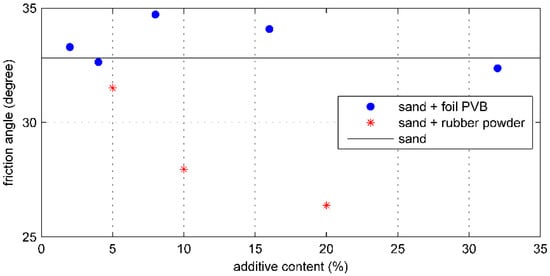
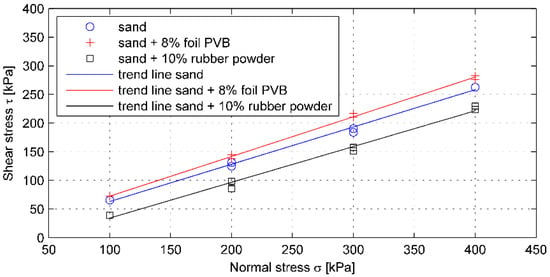
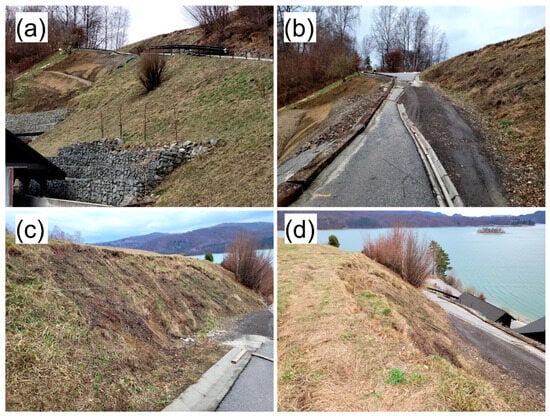
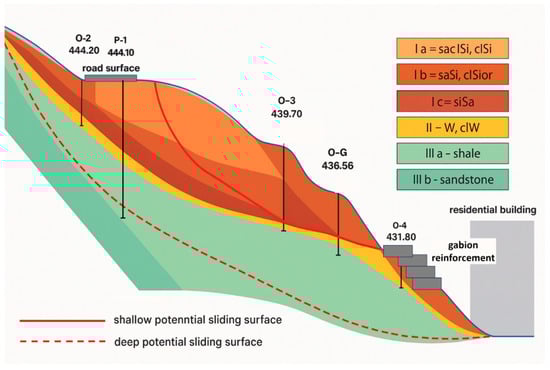
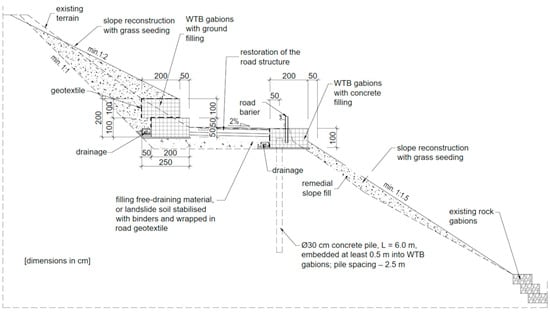
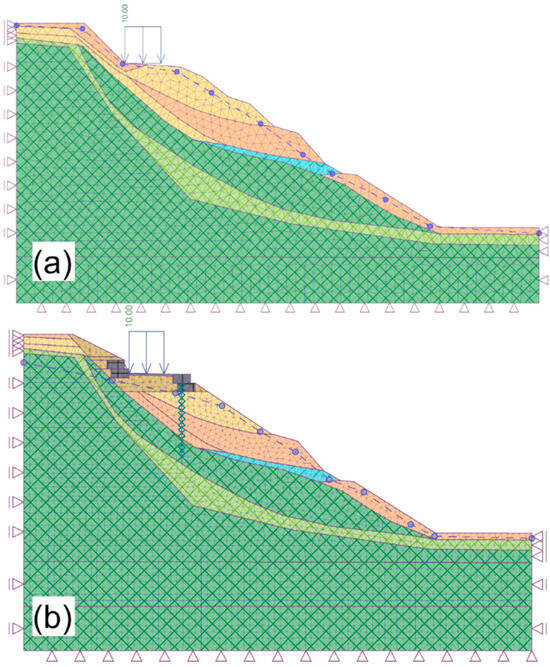
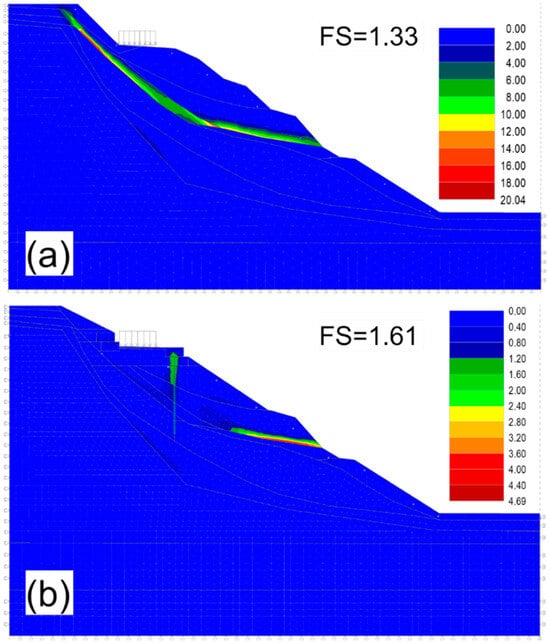
In recent years, new methods to reuse, repurpose, recycle, and recover decommissioned wind turbine blades (dWTBs) have actively been developed in the wind industry. In this study, the authors address the scientific challenge of repurposing decommissioned wind turbine blades for earthwork applications, particularly as part of retaining structures. A gravity retaining structure made entirely from recycled materials is introduced, consisting of glass fibre-reinforced polymer (GFRP) composite modular units derived from dWTBs. To improve the structure’s sustainability, a mixture of typical sand and lightweight waste materials is considered for filling and backfilling of the GFRP units. In particular, two waste materials are examined—a polymer foil derived from recycled laminated glass and tyre-derived aggregate (TDA) in the form of rubber powder—which are incorporated into the sand matrix in typical dry mass proportions ranging from 2% to 32% and 5% to 20%, respectively, reflecting practical ranges considered in geotechnical backfill applications. The research involved material testing of all recyclates and their mixtures with standard sand, as well as two-dimensional finite-element (2D FE) analysis of a retaining structure using the determined material properties. To facilitate the real-world implementation of this novel technology, a structure was designed to account for ground conditions at a specific site to protect against an existing landslide. In summary, this study presents the concept of a sustainable retaining structure along with results from material tests and an initial design for implementation, supported by FE analysis of overall stability.
Full article
(This article belongs to the Section Environmental Sustainability and Applications)
►▼
Show Figures

Figure 1
Open AccessArticle
Hydrochemical Evolution of Groundwater Under Landfill Leachate Influence: Case of the Tangier Municipal Site
by
Mohamed-Amine Lahkim-Bennani, Abdelghani Afailal Tribak, Brunella Bonaccorso, Haitam Afilal and Abdelhamid Rossi
Sustainability 2026, 18(2), 965; https://doi.org/10.3390/su18020965 (registering DOI) - 17 Jan 2026
Abstract
Sustainable groundwater management is critical in semi-arid coastal regions, where municipal landfills pose a severe threat to aquifer integrity and long-term water security. However, there is still a lack of seasonally resolved hydrogeochemical monitoring around newly established landfills, particularly in rapidly urbanizing Mediterranean
[...] Read more.
Sustainable groundwater management is critical in semi-arid coastal regions, where municipal landfills pose a severe threat to aquifer integrity and long-term water security. However, there is still a lack of seasonally resolved hydrogeochemical monitoring around newly established landfills, particularly in rapidly urbanizing Mediterranean settings. This study assesses the hydrogeochemical impact of the newly operational Tangier Landfill and Recovery Center on local groundwater resources to inform sustainable remediation strategies. A combined approach was applied to samples collected in dry and wet seasons, using Piper and Stiff diagrams to trace facies evolution together with a dual-index assessment based on the Canadian (CCME-WQI) and Weighted Arithmetic (WAWQI) Water Quality Indices. Results show that upgradient waters remain of Good–Excellent quality and are dominated by Ca–HCO3 facies, whereas downgradient wells display extreme mineralization, with EC up to 15,480 µS/cm and Cl− and SO42− exceeding 1834 and 2114 mg/L, respectively. At hotspot sites P4 and P8, As reaches 0.065 mg/L and Cd 0.006 mg/L, far above the WHO drinking-water guidelines. While the CCME-WQI captures the general salinity-driven degradation pattern, the WAWQI pinpoints these acute toxicity zones as Very poor–Unsuitable. The study demonstrates that rainfall intensifies toxicity through a seasonal “Piston Effect” that mobilizes stored contaminants rather than diluting them, underscoring the need for seasonally adaptive monitoring to ensure the environmental sustainability of landfill-adjacent aquifers.
Full article
(This article belongs to the Section Sustainable Water Management)
Open AccessArticle
Exploring Key Factors Influencing Generation Z Users’ Continuous Use Intention on Human-AI Collaboration in Secondhand Fashion E-Commerce Platforms
by
Keyun Deng, Chuyi Zhang, Mingliang Song and Xin Hu
Sustainability 2026, 18(2), 964; https://doi.org/10.3390/su18020964 (registering DOI) - 17 Jan 2026
Abstract
With the increasing prominence of sustainable consumption and the rising influence of Generation Z in the fashion market, secondhand fashion e-commerce platforms have become essential carriers of green fashion. Although AI-assisted recommendation mechanisms are widely embedded in these platforms, their psychological and behavioral
[...] Read more.
With the increasing prominence of sustainable consumption and the rising influence of Generation Z in the fashion market, secondhand fashion e-commerce platforms have become essential carriers of green fashion. Although AI-assisted recommendation mechanisms are widely embedded in these platforms, their psychological and behavioral effects on users’ continuous use and social engagement remain insufficiently examined. To address this gap, this study incorporates the Stimulus–Organism–Response (SOR) framework to investigate the psychological reaction pathways and behavioral intentions of Generation Z users within Human-AI Collaboration-enabled green e-commerce environments. Three AI-driven service stimuli—Human-AI Collaborative Recommendation Perception, AI Interaction Transparency, and Perceived Personalization—were conceptualized as stimulus variables; Psychological Immersion, Emotional Triggering, Cognitive Engagement, and Platform Trust were modeled as organism variables; and Continuous Use Intention and Social Sharing Intention served as behavioral response variables. Based on 498 valid samples analyzed using Partial Least Squares Structural Equation Modeling (PLS-SEM), the results demonstrate strong empirical support for all proposed hypotheses. Specifically, AI-driven stimuli significantly and positively influence psychological responses, which subsequently strengthen users’ continuous usage and social sharing intentions. This research provides theoretical insights for developing Human-AI Collaboration-enabled service systems that balance efficiency and emotional resonance on green e-commerce platforms, and offers practical implications for promoting sustainable fashion values among younger consumers.
Full article
(This article belongs to the Special Issue Research on Sustainable E-commerce and Supply Chain Management)
Open AccessArticle
Learning from Unsustainable Post-Disaster Temporary Housing Programs in Spain: Lessons from the 2011 Lorca Earthquake and the 2021 La Palma Volcano Eruption
by
Pablo Bris, Félix Bendito and Daniel MartÃnez
Sustainability 2026, 18(2), 963; https://doi.org/10.3390/su18020963 (registering DOI) - 17 Jan 2026
Abstract
This article examines the failure of the two most recent temporary housing programs implemented in Spain following two major disasters: the 2011 Lorca earthquake and the 2021 La Palma volcanic eruption. Despite differing hazard typologies, both cases resulted in incomplete and ultimately unsuccessful
[...] Read more.
This article examines the failure of the two most recent temporary housing programs implemented in Spain following two major disasters: the 2011 Lorca earthquake and the 2021 La Palma volcanic eruption. Despite differing hazard typologies, both cases resulted in incomplete and ultimately unsuccessful housing programs, with only 13 of the 60 planned units built in Lorca and 121 of the 200 planned units delivered in La Palma. Using a qualitative comparative case study approach, the research analyzes governance decisions, housing design, and implementation processes to assess their impact on the sustainability of post-disaster temporary housing. The analysis adopts the five dimensions of sustainability—environmental, economic, social, cultural, and institutional—as an integrated analytical framework for evaluating public management performance in post-disaster temporary housing. The findings show that early decision-making, shaped by political urgency, technical misjudgments, and the absence of adaptive governance, led to severe delays, cost overruns, inadequate and energy-inefficient construction, and the formation of marginalized settlements. This study concludes that the lack of regulatory frameworks, legal instruments, and operational protocols for temporary housing in Spain was a determining factor in both failures, generating vulnerability, prolonging recovery processes, and undermining sustainability across all five dimensions. By drawing lessons from these cases, this article contributes to debates on resilient and sustainable post-disaster recovery and highlights the urgent need for integrated regulatory frameworks for temporary housing in Spain.
Full article
(This article belongs to the Special Issue Disaster Risk Reduction and Sustainability)
Open AccessArticle
Digital Technology for Cultural Experience: A Psychological Ownership Perspective on the Three-Path Model
by
Yifei Gao, Shaowen Zhan and Dan Yuan
Sustainability 2026, 18(2), 962; https://doi.org/10.3390/su18020962 (registering DOI) - 17 Jan 2026
Abstract
Digital technology is profoundly transforming the experiential landscape of tourism. However, its application does not necessarily produce cultural experiences, creating a critical bottleneck that constrains the sustainable development of the cultural tourism industry and broader societal culture. To address this gap, this study
[...] Read more.
Digital technology is profoundly transforming the experiential landscape of tourism. However, its application does not necessarily produce cultural experiences, creating a critical bottleneck that constrains the sustainable development of the cultural tourism industry and broader societal culture. To address this gap, this study introduces psychological ownership theory as an overarching explanatory framework. It constructs and validates an integrated model that examines how digital technology characteristics (interactivity and innovativeness) influence cultural experience through three parallel mediating pathways: cognitive evaluation (perceived usefulness and ease of use), scenario construction, and flow experience. Based on 540 visitor questionnaires, structural equation modeling validated the theoretical model. Findings reveal that the interactivity and innovation of digital technology jointly stimulate visitors’ psychological ownership through three parallel pathways. Specifically, technological innovativeness exhibited the strongest effect on perceived ease of use (β = 0.387, p < 0.001), while the indirect effect via the flow experience path was also significant (effect size = 0.036). This process stimulates visitors’ psychological ownership, ultimately leading to cultural experiences. The study systematically reveals the pathways through which digital technology empowers cultural experiences across three dimensions: as a rational tool, an emotional narrative medium, and an intrinsic psychological catalyst. It highlights that strategically allocating technological resources to cultivate visitors’ psychological ownership is crucial for driving high-quality industrial development. Furthermore, the research offers significant implications for cultural sustainability, suggesting that such internally motivated identification provides a more effective foundation for the living transmission of culture and socio-cultural sustainability than external regulations or imposed norms.
Full article
Open AccessArticle
Challenging the Circular Economy: Hidden Hazards of Disposable E-Cigarette Waste
by
Iwona Pasiecznik, Kamil Banaszkiewicz, Mateusz Koczkodaj and Aleksandra Ciesielska
Sustainability 2026, 18(2), 961; https://doi.org/10.3390/su18020961 (registering DOI) - 17 Jan 2026
Abstract
Waste electrical and electronic equipment (WEEE) is one of the fastest-growing waste streams globally. Disposable e-cigarettes are among the products that have gained popularity in recent years. Their complex construction and embedded lithium-ion batteries (LIBs) present environmental, safety, and resource recovery challenges. Despite
[...] Read more.
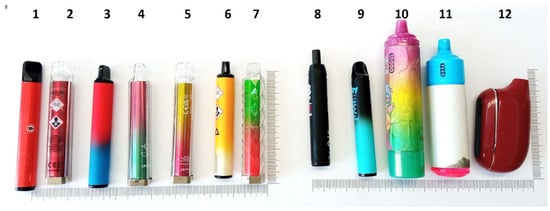
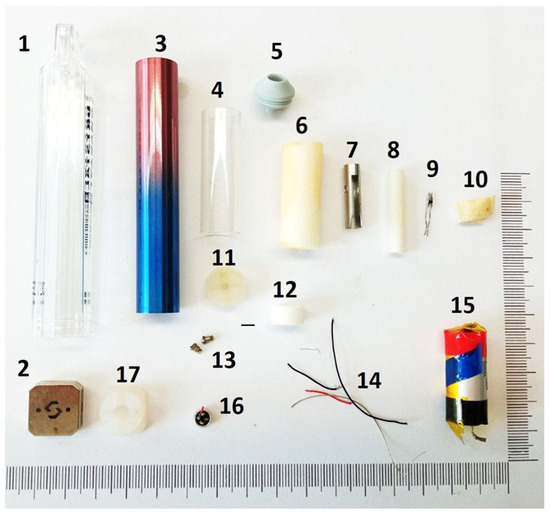
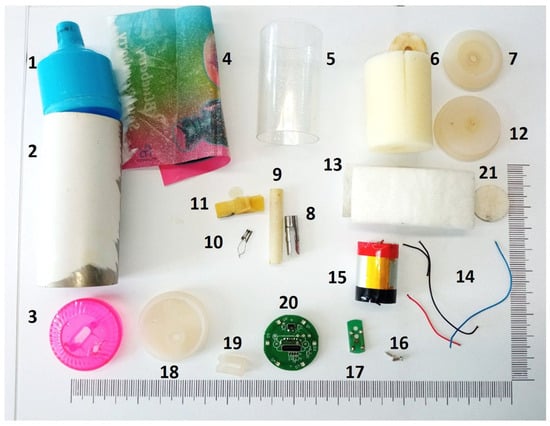
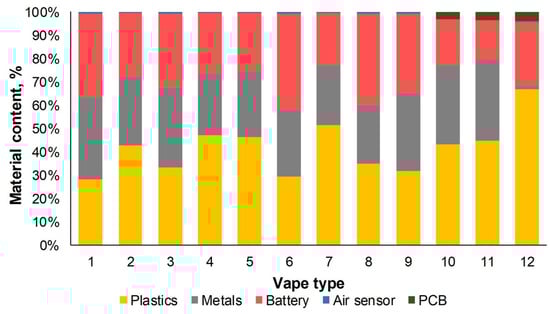
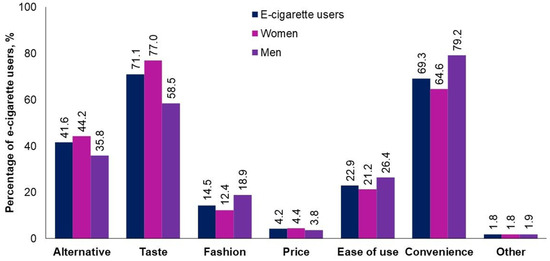
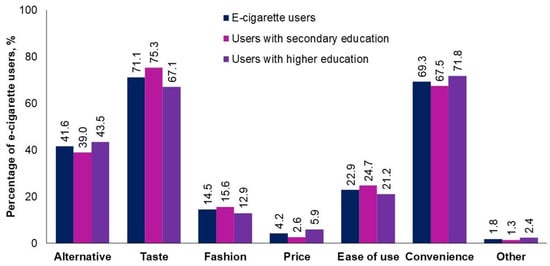
Waste electrical and electronic equipment (WEEE) is one of the fastest-growing waste streams globally. Disposable e-cigarettes are among the products that have gained popularity in recent years. Their complex construction and embedded lithium-ion batteries (LIBs) present environmental, safety, and resource recovery challenges. Despite growing research interest, integrated analyses linking material composition with user disposal behavior remain limited. This study is the first to incorporate device-level mass balance, material contamination assessment, battery residual charge measurements, and user behavior to evaluate the waste management challenges of disposable e-cigarettes. A mass balance of twelve types of devices on the Polish market was performed. Plastics dominated in five devices, while non-ferrous metals prevailed in the others, depending on casing design. Materials contaminated with e-liquid residues accounted for 4.4–10.7% of device mass. Battery voltage measurements revealed that 25.6% of recovered LIBs retained a residual charge (greater than 2.5 V), posing a direct fire hazard during waste handling and treatment. Moreover, it was estimated that 7 to 12 tons of lithium are introduced annually into the Polish market via disposable e-cigarettes, highlighting substantial resource potential. Survey results showed that 46% of users disposed of devices in mixed municipal waste, revealing a knowledge–practice gap largely independent of gender or education. Integrating technical and social findings demonstrates that improper handling is a systemic issue. The findings support the relevance of eco-design requirements, such as modular casings for battery removal, alongside the enforcement of Extended Producer Responsibility (EPR) schemes. Current product fees (0.01–0.03 EUR/unit) remain insufficient to establish an effective collection infrastructure, highlighting a key systemic barrier.
Full article
(This article belongs to the Special Issue Resource Management and Circular Economy Sustainability)
►▼
Show Figures

Figure 1
Open AccessArticle
Sustainable Mixed-Traffic Micro-Modeling in Intelligent Connected Environments: Construction and Simulation Analysis
by
Yang Zhao, Xiaoqiang Zhang, Haoxing Zhang, Xue Lei, Jianjun Wang and Mei Xiao
Sustainability 2026, 18(2), 960; https://doi.org/10.3390/su18020960 (registering DOI) - 17 Jan 2026
Abstract
Sustainable urban mobility necessitates traffic regimes that enhance operational efficiency and improve traffic safety and flow stability; the rise in intelligent connected vehicles (ICVs) provides a salient mechanism to meet this imperative. This paper aims to investigate the mixed traffic flow characteristics in
[...] Read more.
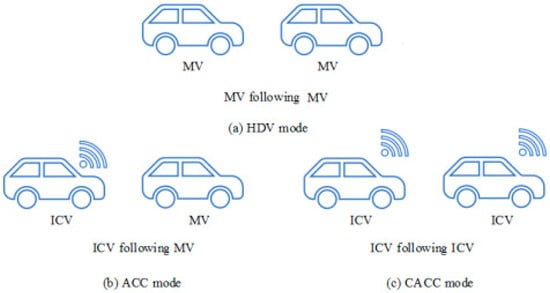
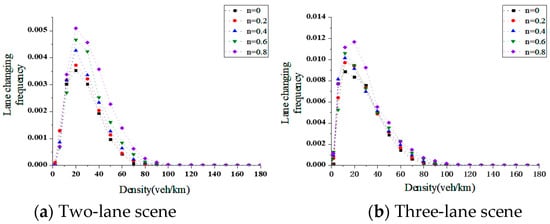
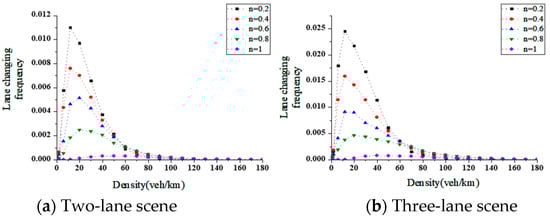
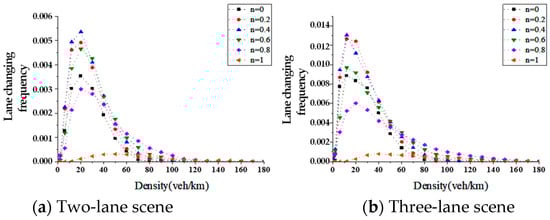
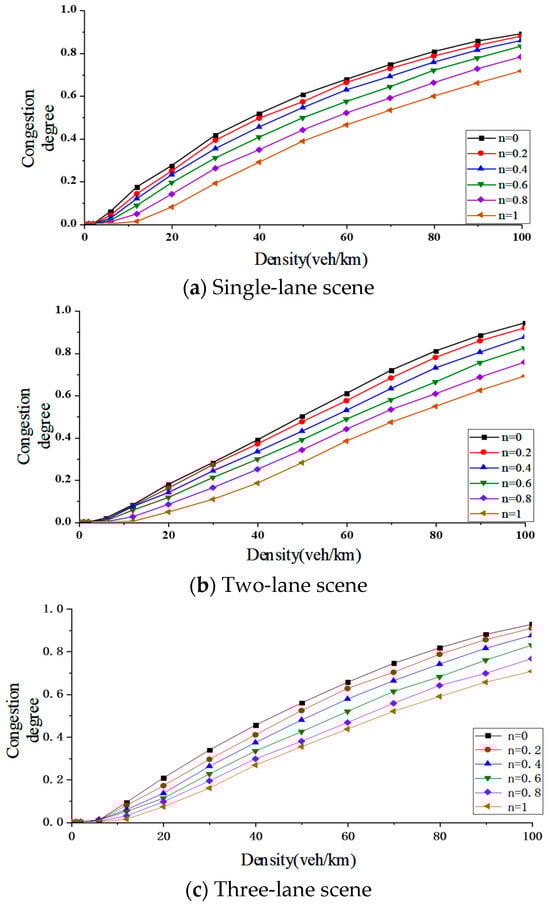
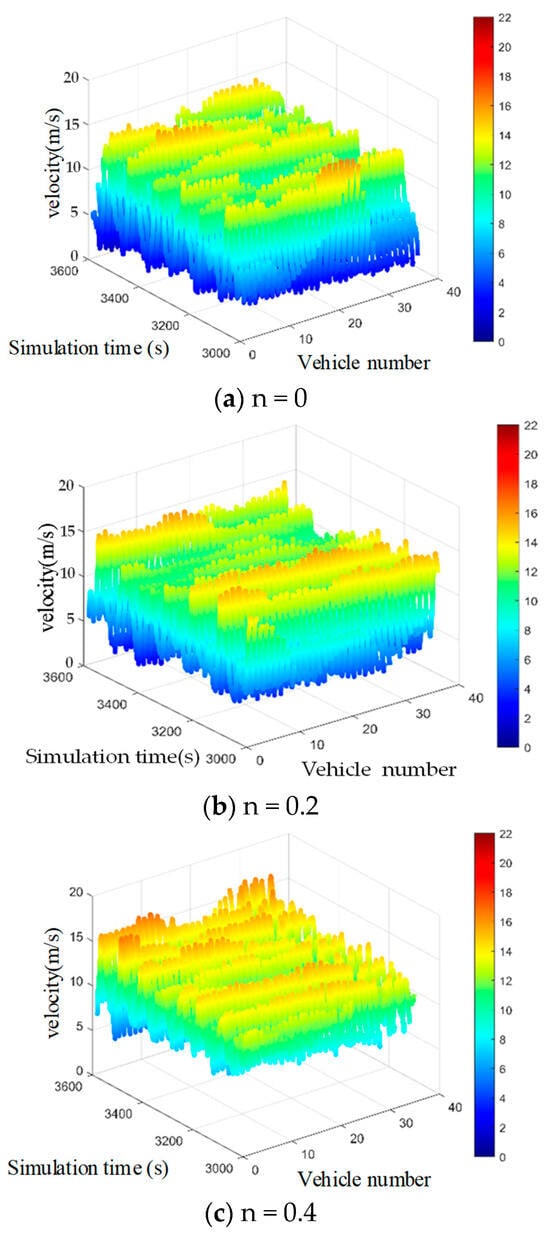
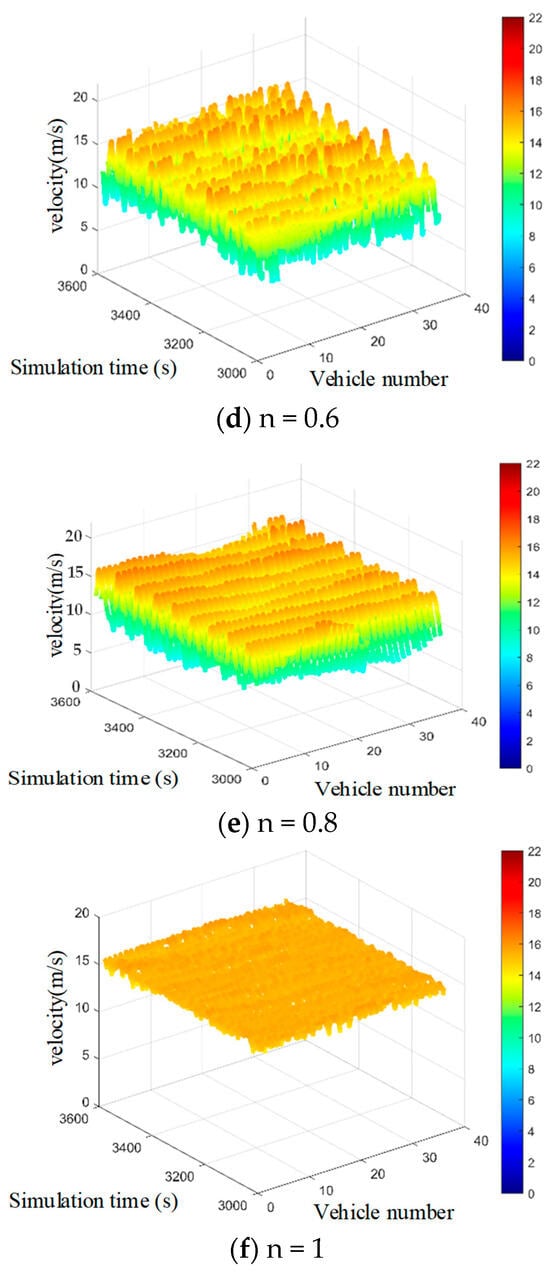
Sustainable urban mobility necessitates traffic regimes that enhance operational efficiency and improve traffic safety and flow stability; the rise in intelligent connected vehicles (ICVs) provides a salient mechanism to meet this imperative. This paper aims to investigate the mixed traffic flow characteristics in an intelligent connected environment, using one-way single-lane, double-lane, and three-lane straight highways as modeling objects. Combining the different driving characteristics of human-driven vehicles (HDVs) and ICVs, a single-lane mixed traffic flow model and a multi-lane mixed traffic flow model are established based on the intelligent driver model (IDM) and flexible symmetric two-lane cellular automata model (FSTCAM). The mixed traffic flow in the intelligent connected environment is then simulated using MATLAB R2021a. The research results indicate that the integration of ICVs can improve the speed, flow, and critical density of traffic flow. The increase in the proportion of ICVs can reduce the congestion ratio and speed difference between front and rear vehicles at the same density. As the proportion of ICVs increases, the frequency of lane-changing for HDVs gradually increases, while the frequency of lane-changing for ICVs gradually decreases. The overall lane-changing frequency shows a trend of first increasing and then decreasing. In addition, with the continuous infiltration of ICVs, the area of road congestion gradually decreases, and congestion is significantly alleviated. The speed fluctuation of following vehicles gradually decreases. When the infiltration rate reaches a high level, vehicles travel at a stable speed and remain in a relatively steady state. The findings substantiate the potential of ICV-enabled operations to advance efficiency-oriented and stability-enhancing urban mobility and to inform evidence-based traffic management and policy design.
Full article
(This article belongs to the Special Issue Advances in Data-Driven Transportation Systems: Emerging Trends, Challenges, and Applications)
►▼
Show Figures

Figure 1
Open AccessArticle
Spatiotemporal Differentiation Characteristics and Meteorological Driving Mechanisms of Soil Moisture in Soil–Rock Combination Controlled by Microtopography in Hilly and Gully Regions
by
Linfu Liu, Xiaoyu Dong, Fucang Qin and Yan Sheng
Sustainability 2026, 18(2), 959; https://doi.org/10.3390/su18020959 (registering DOI) - 17 Jan 2026
Abstract
Soil erosion in the hilly and gully region of the middle reaches of the Yellow River is severe, threatening regional ecological security and the water–sediment balance of the Yellow River. The area features fragmented topography and significant spatial heterogeneity in soil thickness, forming
[...] Read more.
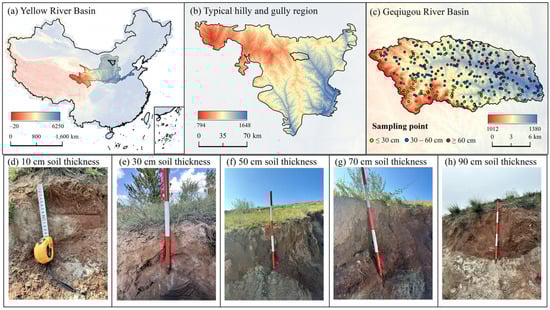
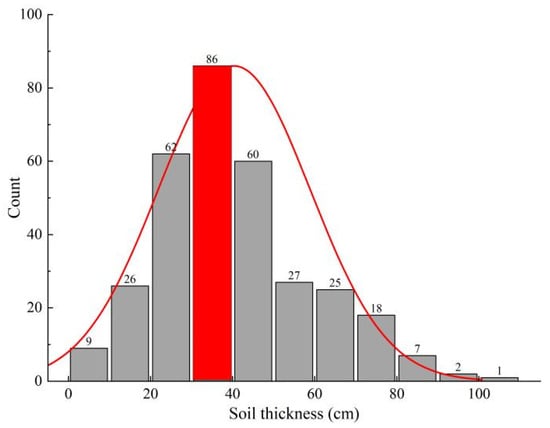
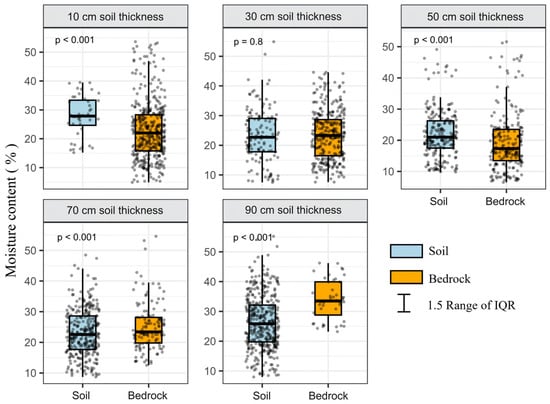
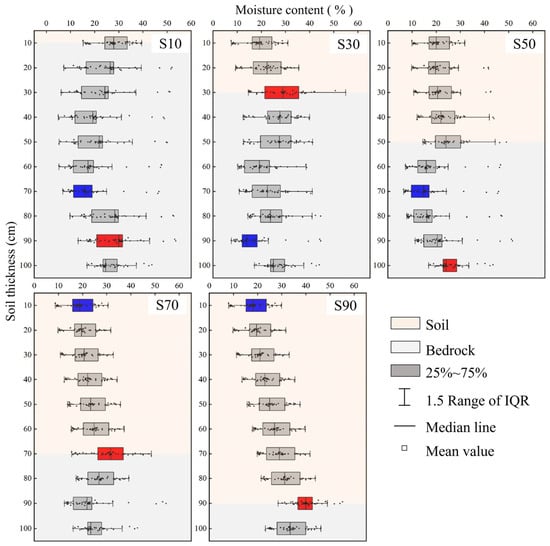
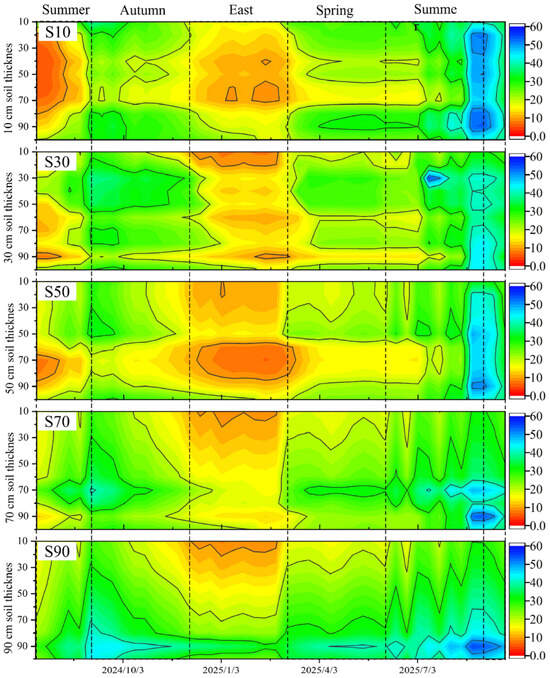
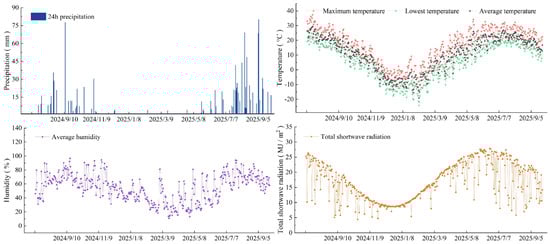
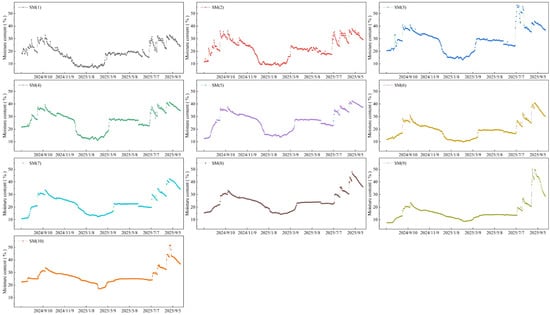
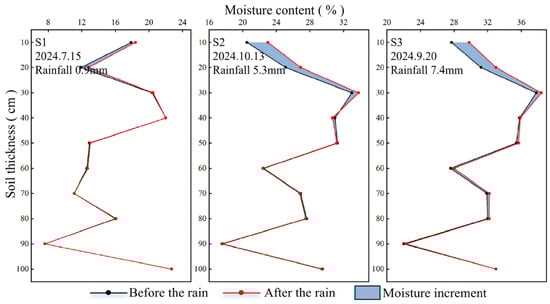
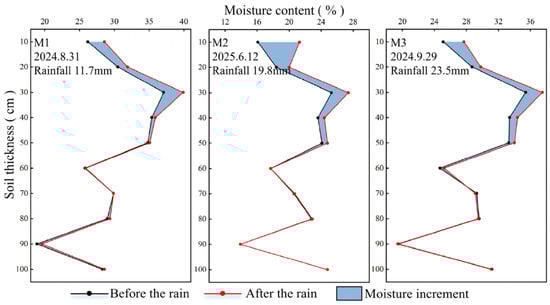
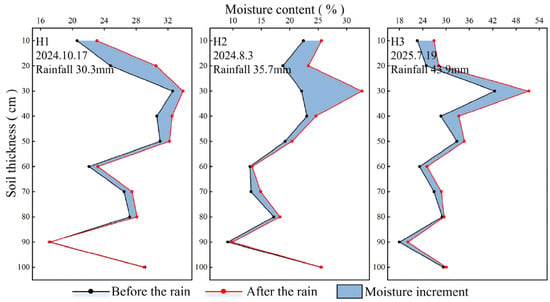
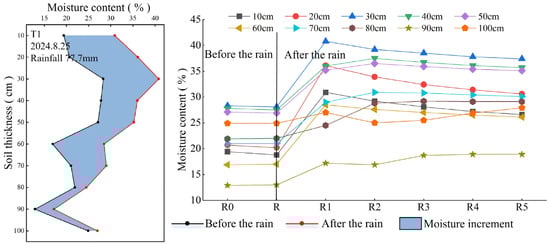
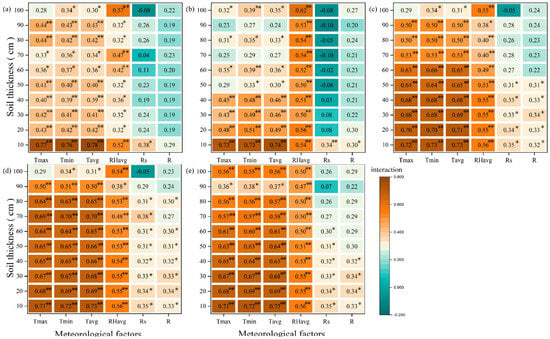
Soil erosion in the hilly and gully region of the middle reaches of the Yellow River is severe, threatening regional ecological security and the water–sediment balance of the Yellow River. The area features fragmented topography and significant spatial heterogeneity in soil thickness, forming a unique binary “soil–rock” structural system. The soil in the study area is characterized by silt-based loess, and the underlying bedrock is an interbedded Jurassic-Cretaceous sandstone and sandy shale. It has strong weathering, well-developed fissures, and good permeability, rather than dense impermeable rock layers. However, the spatiotemporal differentiation mechanism of soil moisture in this system remains unclear. This study focuses on the typical hilly and gully region—the Geqiugou watershed. Through field investigations, soil thickness sampling, multi-scale soil moisture monitoring, and analysis of meteorological data, it systematically examines the cascade relationships among microtopography, soil–rock combinations, soil moisture, and meteorological drivers. The results show that: (1) Based on the field survey of 323 sampling points in the study area, it was found that soil samples with a thickness of less than 50 cm accounted for 85%, which constituted the main structure of soil thickness in the region. Macrotopographic units control the spatial differentiation of soil thickness, forming a complete thickness gradient from erosional units (e.g., Gully and Furrow) to depositional units (e.g., Gently sloped terrace). Based on this, five typical soil–rock combination types with soil thicknesses of 10 cm, 30 cm, 50 cm, 70 cm, and 90 cm were identified. (2) Soil–rock combination structures regulate the vertical distribution and seasonal dynamics of soil moisture. In thin-layer combinations, soil moisture is primarily retained within the shallow soil profile with higher dynamics, whereas in thick-layer combinations, under conditions of substantial rainfall, moisture can percolate deeply and become notably stored within the fractured bedrock, sometimes exceeding the moisture content in the overlying soil. (3) The response of soil moisture to precipitation is hierarchical: light rain events only affect the surface layer, whereas heavy rainfall can infiltrate to depths below 70 cm. Under intense rainfall, the soil–rock interface acts as a rapid infiltration pathway. (4) The influence of meteorological drivers on soil moisture exhibits vertical differentiation and is significantly modulated by soil–rock combination types. This study reveals the critical role of microtopography-controlled soil–rock combination structures in the spatiotemporal differentiation of soil moisture, providing a scientific basis for the precise implementation of soil and water conservation measures and ecological restoration in the region.
Full article
(This article belongs to the Special Issue Towards Sustainability: The Geochemistry of Groundwater and Surface Water Systems)
►▼
Show Figures

Figure 1
Open AccessArticle
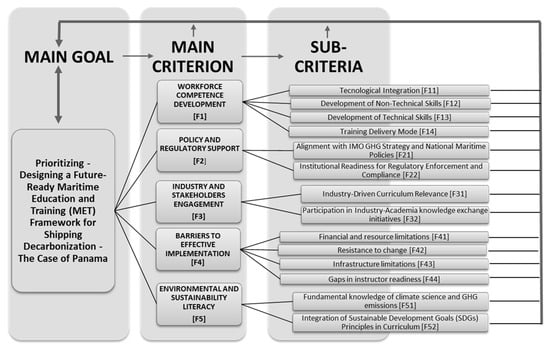
Training and Competency Gaps for Shipping Decarbonization in the Era of Disruptive Technology: The Case of Panama
by
Javier Eloy Diaz Jimenez, Eddie Blanco-Davis, Rosa Mary de la Campa Portela, Sean Loughney, Jin Wang and Ervin Vargas Wilson
Sustainability 2026, 18(2), 958; https://doi.org/10.3390/su18020958 (registering DOI) - 17 Jan 2026
Abstract
The maritime sector is undergoing a profound transformation driven by disruptive technologies and global decarbonization objectives, placing new demands on Maritime Education and Training (MET) systems. Equipping maritime professionals with competencies for low-carbon shipping is now as critical as technological advancement itself. This
[...] Read more.
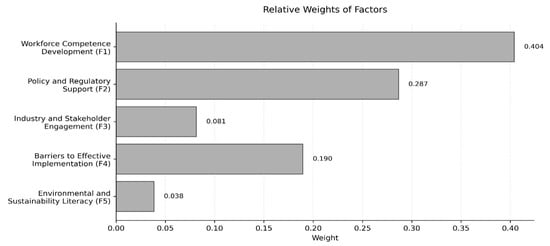
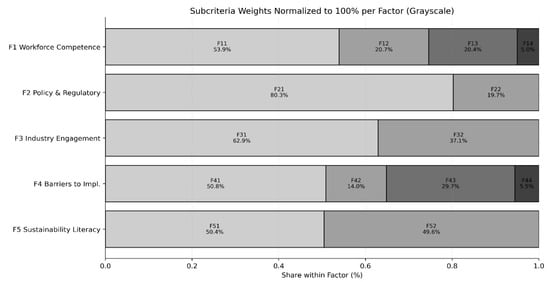
The maritime sector is undergoing a profound transformation driven by disruptive technologies and global decarbonization objectives, placing new demands on Maritime Education and Training (MET) systems. Equipping maritime professionals with competencies for low-carbon shipping is now as critical as technological advancement itself. This study examines how disruptive technologies can be effectively integrated into MET frameworks to support environmental sustainability, using Panama as a representative case study of a major flag and maritime service state. A mixed-methods approach was adopted, combining a structured literature review, expert surveys, and a multi-criteria decision-making analysis based on the Analytic Hierarchy Process (AHP). The findings reveal a significant misalignment between existing MET curricula and the competencies required for decarbonized maritime operations. Key gaps include limited training in alternative fuels, emissions measurement and reporting, energy-efficient technologies, digital analytics, and regulatory compliance. Stakeholders also reported fragmented training provision, uneven access to emerging technologies, and weak coordination between academia, industry, and regulators, particularly in developing contexts. The results highlight the urgent need for curriculum reform and stronger cross-sector collaboration to align MET with evolving technological and regulatory demands. The study provides an applied, evidence-based framework for MET reform, with insights transferable to other systems facing similar decarbonization challenges.
Full article
(This article belongs to the Special Issue Sustainable Energy Systems and Renewable Generation—Second Edition)
►▼
Show Figures

Figure 1
Journal Menu
► ▼ Journal Menu-
- Sustainability Home
- Aims & Scope
- Editorial Board
- Reviewer Board
- Topical Advisory Panel
- Instructions for Authors
- Special Issues
- Topics
- Sections & Collections
- Article Processing Charge
- Indexing & Archiving
- Editor’s Choice Articles
- Most Cited & Viewed
- Journal Statistics
- Journal History
- Journal Awards
- Society Collaborations
- Conferences
- Editorial Office
Journal Browser
► ▼ Journal BrowserHighly Accessed Articles
Latest Books
E-Mail Alert
News
Topics
Topic in
Buildings, Energies, Smart Cities, Sustainability
Recent Studies on Climate-Neutral Districts and Cities
Topic Editors: Xingxing Zhang, Rosaria VolpeDeadline: 20 January 2026
Topic in
Atmosphere, Coasts, Land, Sustainability, Water
Contemporary Waterfronts, What, Why and How?
Topic Editors: Maria José Andrade Marques, Francesca Dal Cin, João Pedro CostaDeadline: 28 February 2026
Topic in
Buildings, CivilEng, Climate, Construction Materials, Energies, Sustainability, Architecture
Advances in Building Sector for Achieving Net Zero Emission by 2050
Topic Editors: Md Morshed Alam, Iqbal Hossain, Jiaolan ZhuDeadline: 20 March 2026
Topic in
Energies, Sustainability, Electricity
Advanced Technology of Smart Battery and Energy Management System of Transportation Electrification
Topic Editors: Longxing Wu, Zhiqiang Lyu, Renjing Gao, Muyao WuDeadline: 30 March 2026
Conferences
Special Issues
Special Issue in
Sustainability
Evaluation and Utilization of Renewable Energy for Sustainable Development
Guest Editor: Florinda MartinsDeadline: 19 January 2026
Special Issue in
Sustainability
Sustainable Pavement Engineering: Design, Materials, and Performance
Guest Editors: Wei Si, Bo Li, Pengfei LiuDeadline: 19 January 2026
Special Issue in
Sustainability
Sustainable Energy Systems and Applications
Guest Editors: Ana Fernández-Guillamón, Minerva DÃaz-Heras, Guillermo MartÃnez de Lucas, Isabel Cristina Gil-GarciaDeadline: 20 January 2026
Special Issue in
Sustainability
Smart Infrastructure Management and Sustainable Urban Development
Guest Editor: Sungjoo HwangDeadline: 20 January 2026
Topical Collections
Topical Collection in
Sustainability
Waste Utilization and Resource Recovery
Collection Editors: Chunjiang An, Xiujuan Chen
Topical Collection in
Sustainability
Sustainable Development of Rural Areas and Agriculture
Collection Editor: Piotr Prus
Topical Collection in
Sustainability
Reviews, Advances and Applications in Environmental Sustainability
Collection Editors: Jose Navarro Pedreño, António Dinis Ferreira, Peter Goethals, Eun-Sung Chung, Vincenzo Torretta
Topical Collection in
Sustainability
Sustainability on Production and Industrial Management
Collection Editor: Malgorzata Jasiulewicz-Kaczmarek