Journal Description
Sustainability
Sustainability
is an international, peer-reviewed, open-access journal on environmental, cultural, economic, and social sustainability of human beings, published semimonthly online by MDPI. The Canadian Urban Transit Research & Innovation Consortium (CUTRIC), International Council for Research and Innovation in Building and Construction (CIB) and Urban Land Institute (ULI) are affiliated with Sustainability and their members receive discounts on the article processing charges.
- Open Access— free for readers, with article processing charges (APC) paid by authors or their institutions.
- High Visibility: indexed within Scopus, SCIE and SSCI (Web of Science), GEOBASE, GeoRef, Inspec, RePEc, CAPlus / SciFinder, and other databases.
- Journal Rank: JCR - Q2 (Environmental Studies) / CiteScore - Q1 (Geography, Planning and Development)
- Rapid Publication: manuscripts are peer-reviewed and a first decision is provided to authors approximately 17.9 days after submission; acceptance to publication is undertaken in 3.6 days (median values for papers published in this journal in the second half of 2025).
- Recognition of Reviewers: reviewers who provide timely, thorough peer-review reports receive vouchers entitling them to a discount on the APC of their next publication in any MDPI journal, in appreciation of the work done.
- Testimonials: See what our editors and authors say about Sustainability.
- Companion journals for Sustainability include: World, Sustainable Chemistry, Conservation, Future Transportation, Architecture, Standards, Merits, Bioresources and Bioproducts, Accounting and Auditing, Environmental Remediation and Green.
- Journal Cluster of Environmental Science: Sustainability, Land, Clean Technologies, Environments, Nitrogen, Recycling, Urban Science, Safety, Air, Waste, Aerobiology and Toxics.
Impact Factor:
3.3 (2024);
5-Year Impact Factor:
3.6 (2024)
Latest Articles
The Impact of Low-Carbon Transition on Accounting Conservatism of High-Carbon-Emission Enterprises: Evidence from China
Sustainability 2026, 18(11), 5638; https://doi.org/10.3390/su18115638 (registering DOI) - 2 Jun 2026
Abstract
►
Show Figures
As climate change challenges intensify, the low-carbon transition has emerged as a fundamental structural transformation reshaping the global economic system and promoting sustainable development. In China, the “Dual Carbon” goals announced in September 2020 represent a landmark policy shift that imposes substantial environmental
[...] Read more.
As climate change challenges intensify, the low-carbon transition has emerged as a fundamental structural transformation reshaping the global economic system and promoting sustainable development. In China, the “Dual Carbon” goals announced in September 2020 represent a landmark policy shift that imposes substantial environmental and regulatory pressure on high-carbon-emission enterprises. Against this backdrop, understanding how firms are adjusting their financial reporting practices to align with the low-carbon transition holds considerable significance for fostering their long-term sustainable development. Unlike previous studies that primarily attributed accounting conservatism to firm-specific risks or general economic uncertainty, this paper views the low-carbon transition as a structural institutional shock that reshapes firms’ external governance environment and information conditions, thereby offering a policy-driven explanation for accounting conservatism. Analysis using the Difference-in-differences method demonstrates that the low-carbon transition significantly enhances accounting conservatism among these enterprises (coefficient = 0.008, t = 4.13). Furthermore, mechanism analysis reveals that the low-carbon transition increases accounting conservatism through financing constraints and media attention. Heterogeneity analysis further indicates that the relationship between the low-carbon transition and accounting conservatism is more pronounced in non-state-owned enterprises, firms located in the eastern region, those facing intense industry competition, and companies with low levels of green innovation. Overall, the findings suggest that accounting conservatism is shaped not only by firm-level factors but also by large-scale institutional and policy transitions. By emphasizing that environmental regulation is a structural determinant of financial reporting behavior, this study extends the accounting conservatism literature. Furthermore, it demonstrates that improving financial reporting quality and risk identification capabilities enhances firms’ ability to address the challenges of the low-carbon transition, thereby fostering their long-term sustainable development.
Full article
Open AccessArticle
Freshwater Molluscs of Morocco: An Updated Checklist, Biodiversity Hotspots, and Conservation Issues
by
Youness Mabrouki, Jozef Grego and Fouzi Abdelkhaleq Taybi
Sustainability 2026, 18(11), 5637; https://doi.org/10.3390/su18115637 (registering DOI) - 2 Jun 2026
Abstract
This study provides the first updated checklist of Moroccan freshwater molluscs, synthesizing faunistic knowledge accumulated between 1795 and 2026. The dataset was primarily compiled from specialized literature, complemented by the authors’ expertise and recent field investigations. Taxonomic classifications at the family, genus, and
[...] Read more.
This study provides the first updated checklist of Moroccan freshwater molluscs, synthesizing faunistic knowledge accumulated between 1795 and 2026. The dataset was primarily compiled from specialized literature, complemented by the authors’ expertise and recent field investigations. Taxonomic classifications at the family, genus, and species levels were revised in accordance with current systematic interpretations. In total, 106 freshwater molluscan species, belonging to 55 genera and 14 families, were documented. Chorological analysis reveals a clear dominance of Palearctic elements, particularly of Mediterranean affinity, alongside a high proportion of strictly endemic Moroccan taxa. Most of these endemics are associated with springs (crenobionts) and subterranean habitats (stygobionts), emphasizing the role of these environments as key centres of micro-endemism and diversification. A comprehensive database comprising 838 occurrence records was assembled, including GPS coordinates and sampling dates. The analysis identifies biodiversity hotspots mainly concentrated in the Mediterranean part of Morocco, particularly within the Middle Atlas Mountains, followed by the northeastern regions, where the highest species richness and citation rates were recorded. Despite this progress, significant gaps remain in the knowledge of Moroccan freshwater molluscs. Several regions still require further exploration, while ongoing threats—including pollution, habitat degradation driven by anthropogenic activities, global environmental change, and biological invasions—pose significant challenges. Addressing these gaps calls for intensified research efforts, including comprehensive field surveys, integrative taxonomic and molecular approaches, and long-term ecological monitoring. Overall, this study represents a significant step toward advancing the knowledge and conservation of freshwater molluscan diversity in Morocco.
Full article
(This article belongs to the Section Sustainability, Biodiversity and Conservation)
►▼
Show Figures

Figure 1
Open AccessArticle
Evaluation of Precipitation Infiltration and Groundwater Recharge in a Typical Deep Vadose Zone of the North China Plain Based on Isotopic Tracing and Numerical Simulation Methods
by
Huifeng Yang, Ruifang Meng, Hua Bai, Bo Song and Haishuo Zhou
Sustainability 2026, 18(11), 5636; https://doi.org/10.3390/su18115636 (registering DOI) - 2 Jun 2026
Abstract
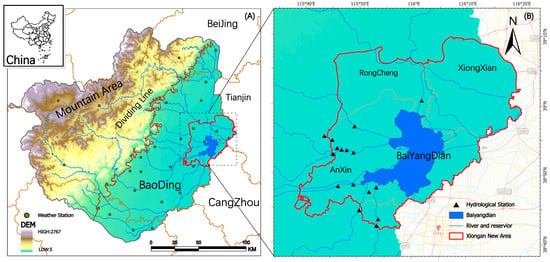
As a result of long-term groundwater overexploitation, the thickness of the vadose zone in the NCP has significantly increased, leading to changes in moisture transport patterns and groundwater recharge processes. This research gathers data on soil water potential and moisture content by conducting
[...] Read more.
As a result of long-term groundwater overexploitation, the thickness of the vadose zone in the NCP has significantly increased, leading to changes in moisture transport patterns and groundwater recharge processes. This research gathers data on soil water potential and moisture content by conducting in situ profile monitoring of a 30.4 m thick vadose zone. A 44.5 m geological borehole was drilled for the purpose of measuring the hydraulic parameters of undisturbed soil samples, collecting 36Cl isotope tracer samples, and constructing a coupling model of the unsaturated–saturated zone with a depth of 47 m. The research objectives were to examine the moisture transport law and infiltration recharge mechanisms in deep vadose zones. Comprehensive analysis shows that the average infiltration velocity is 0.661–0.743 m/a and the average recharge intensity is 103.1–115.9 mm/a. The depth and silty clay play an important role in affecting the infiltration process. The characteristics of infiltration can be divided into three segments: rapid, slow, and stagnant. The residual pore gases in the clay strata have a certain inhibitory effect on moisture transport. The time required for precipitation infiltration is 75.14 years for a 44.5 m thick vadose zone; thereafter, new water replaces old water to continue recharging the aquifer. In recent years, the government has taken multiple actions to alleviate this continuous downward trend in groundwater levels, including river ecological flow replenishment and groundwater extraction reduction. Additionally, increased precipitation since 2021 has objectively halted the previous thickening trend of the vadose zone. It is recommended to further strengthen groundwater resource management and enhance groundwater-level monitoring and warning to prevent further declines. This research holds significant implications for the evaluation and sustainable management of groundwater resources in large-scale plains in semi-humid areas.
Full article
(This article belongs to the Section Sustainable Water Management)
Open AccessArticle
Siphon Trap or Synergistic Dividend? Multi-Scale Evaluation of Population–Environment Coupling and Obstacle Shifts in Urban Agglomerations
by
Lingli Liu, Meiqi Chen and Hyukku Lee
Sustainability 2026, 18(11), 5635; https://doi.org/10.3390/su18115635 (registering DOI) - 2 Jun 2026
Abstract
This study explores the interaction mechanisms between population and environment systems within the context of high-quality development (HQD), providing empirical insights for developing countries navigating rapid urbanization. The existing literature often focuses on regional macro-averages, which may obscure internal spatial structural heterogeneity and
[...] Read more.
This study explores the interaction mechanisms between population and environment systems within the context of high-quality development (HQD), providing empirical insights for developing countries navigating rapid urbanization. The existing literature often focuses on regional macro-averages, which may obscure internal spatial structural heterogeneity and the phenomenon of bottleneck shifts within urban agglomerations (UAs). Focusing on six typical UAs in China from 2011 to 2023, we constructed a multi-dimensional evaluation system and utilized an optimal parameters-based geographical detector (OPGD) and an obstacle degree model (ODM) to decode the spatiotemporal evolution of these systems. The results demonstrate that: (1) Both population and environment subsystems have improved steadily. Ecological carrying capacity has increased significantly, and the primary systemic constraint has transitioned from the “environmental bottom line” to the “population dividend,” with several super/mega cities converging toward a synchronous development interval. (2) The modified coupling coordination degree (MCCD) exhibits an overall upward trend. While eastern UAs demonstrate core-driven synergistic evolution, central and western UAs face risks of a “single-core siphon effect” and “peripheral hollowing-out,” leading to pronounced spatial polarization. (3) The OPGD analysis reveals that the driving efficiency of large-scale traditional infrastructure investment has experienced a marginal decline, whereas economic fundamentals and technological innovation have emerged as core drivers for non-linear enhancement. (4) The ODM confirms that traditional environmental pressures have been substantially alleviated. The core constraints have transitioned to the population and economic dimensions, with labor productivity and science and technology (S&T) expenditure identified as the primary obstacles. Aligning with the United Nations Sustainable Development Goals (SDGs), our findings may suggest that policy focus should shift from physical spatial expansion toward “soft connectivity” based on institutional and technological spillovers. We recommend establishing cross-regional coordination mechanisms to mitigate the siphon effects of core cities and transitioning policy priorities from ecological defense to high-quality population development.
Full article
(This article belongs to the Section Development Goals towards Sustainability)
►▼
Show Figures

Figure 1
Open AccessArticle
The Impact of ESG Performance on the Financial Resilience of Manufacturing Enterprises
by
Zhanlei Xing and Zhongjun Xie
Sustainability 2026, 18(11), 5634; https://doi.org/10.3390/su18115634 (registering DOI) - 2 Jun 2026
Abstract
In the context of global market volatility and the pursuit of sustainable development, improving the financial resilience of manufacturing firms lays a critical foundation for high-quality development of the real economy. To explore the key channels through which ESG practices sustain financial stability
[...] Read more.
In the context of global market volatility and the pursuit of sustainable development, improving the financial resilience of manufacturing firms lays a critical foundation for high-quality development of the real economy. To explore the key channels through which ESG practices sustain financial stability amid external shocks, this study selects listed manufacturing enterprises in the Shanghai and Shenzhen A-share markets from 2015 to 2024 as the research sample based on the CSMAR database. It employs the entropy weight method to measure corporate financial resilience, uses a two-way fixed-effects model for benchmark regression, and conducts mechanism tests through mediation and moderation analyses to explore the underlying channels between ESG performance and financial resilience in manufacturing enterprises. The results indicate that improved ESG performance significantly enhances corporate financial resilience, and these findings remain robust after robustness tests and endogeneity treatments. ESG performance primarily enhances the financial resilience of manufacturing enterprises by alleviating financing constraints, increasing R&D investment intensity, and strengthening corporate environmental governance. Heterogeneity tests show that the positive impact of ESG performance on financial resilience is more pronounced in state-owned enterprises, manufacturing enterprises located in Central China, and those in the recession phase. Based on the above conclusions, this paper puts forward targeted suggestions for the government, manufacturing firms, and investors to promote ESG practices and boost financial resilience.
Full article
(This article belongs to the Section Sustainable Management)
►▼
Show Figures

Figure 1
Open AccessArticle
Can Fiscal Support for Productive Service Provision Expand the Scale of Grain Production? Evidence from China’s Pilot Program for Whole-Process Agricultural Production Socialized Services
by
Ziyuan Ao and Jiujie Ma
Sustainability 2026, 18(11), 5633; https://doi.org/10.3390/su18115633 (registering DOI) - 2 Jun 2026
Abstract
►▼
Show Figures
In a large agrarian country with numerous smallholders, a key issue in food security governance is determining how to overcome the constraints of fragmented smallholder farming through productive service provision and thereby expand the scale of grain production. This study focuses on the
[...] Read more.
In a large agrarian country with numerous smallholders, a key issue in food security governance is determining how to overcome the constraints of fragmented smallholder farming through productive service provision and thereby expand the scale of grain production. This study focuses on the pilot policy of whole-process socialized agricultural production services implemented during 2013–2016. This pilot served as an important policy foundation for the agricultural production trusteeship policy promoted nationwide after 2017 and represented an early institutional exploration of promoting service-scale operation through fiscal support for productive service provision in China. Using county-level panel data from three provinces over the period 2006–2016, this study evaluated the effect of fiscal subsidies embedded in outsourced service transactions on grain-sown area within a two-way fixed-effects framework with county and year fixed effects. The results show that the pilot significantly expanded the county-level grain-sown area, with the pilot counties increasing their grain-sown area by approximately 1.986 thousand hectares on average. When policy intensity is measured according to the amount of subsidies, each additional 10 million yuan of fiscal subsidies increased the grain-sown area by approximately 3.103 thousand hectares on average. Heterogeneity analysis shows that the marginal effects were stronger in counties with weaker fiscal capacity or lower levels of mechanization, indicating that the policy effects were more pronounced in areas with relatively weak initial conditions. In terms of policy implications, this paper recommends differentiated and performance-based support, improved governance of the agricultural service market, and prioritizing resource allocation to areas with weaker initial conditions, so as to enhance the scale and resilience of food security. This paper provides county-level quasi-causal evidence and an empirical reference for supporting agricultural productive services through fiscal policy to overcome the constraints of fragmented smallholder farming.
Full article

Figure 1
Open AccessArticle
Repowering Without Removal: Field-Verified Multi-Year Outdoor Storage of Damaged Photovoltaic Modules on Agricultural Land in Czechia
by
Martin Kozelka, Vladislav Poulek, Václav Beránek and Tomáš Finsterle
Sustainability 2026, 18(11), 5632; https://doi.org/10.3390/su18115632 (registering DOI) - 2 Jun 2026
Abstract
Ground-mounted photovoltaic (PV) plants generate discrete end-of-life waste streams during repowering/revamping, yet damaged modules do not always leave the site. We document two field-verified case studies from Czechia, in which damaged PV modules remained stored outdoors on agricultural land after repowering/revamping. The two
[...] Read more.
Ground-mounted photovoltaic (PV) plants generate discrete end-of-life waste streams during repowering/revamping, yet damaged modules do not always leave the site. We document two field-verified case studies from Czechia, in which damaged PV modules remained stored outdoors on agricultural land after repowering/revamping. The two sites are treated as illustrative, field-verified cases rather than as a statistically representative sample of PV plants in Czechia or Europe. The sites were first identified during field visits in summer 2025, and a retrospective review of public CUZK orthophoto time series was then used to reconstruct when the stockpiles first became visible and whether they were still present in the latest available imagery. The stored module piles first became visible in 2022 and 2021 at the two sites, and were still present in summer 2025, corresponding to a minimum confirmed persistence of about 3 and 4 years, respectively. Orthophoto-based GIS supported by field photographs was used to quantify the land parcel area (19,560 and 22,100 m2), PV plan-view area (4960 and 5080 m2), storage footprint (109 and 100 m2), approximate stored module count (~1800 and ~2000), and stored mass (39.6 and 36.0 t). Using site-specific module footprints and a representative 30-module stack, the local stack-based pressures were calculated to be 3.92 and 3.26 kPa, respectively. Soil chemistry, leachate, and groundwater were not measured; therefore, the environmental implications should be interpreted as precautionary risk and as a need for monitoring, not as measured contamination at the two sites. The study shows that repowering/revamping can create a multi-year gap between module replacement and actual site clearance, during which recycling and final disposal are effectively delayed.
Full article
(This article belongs to the Section Environmental Sustainability and Applications)
Open AccessArticle
A Study on the Impact of Artificial Intelligence Development on Pollution Reduction and Carbon Emission Decreases in the Chinese Manufacturing Industry
by
Guangyao Deng, Yucheng Wu and Jiao Qian
Sustainability 2026, 18(11), 5631; https://doi.org/10.3390/su18115631 (registering DOI) - 2 Jun 2026
Abstract
Artificial intelligence(AI) has become an important driver accelerating the cultivation of new productive forces; it is also a key means of comprehensively reducing pollution and carbon emissions. In this study, data from 1413 listed manufacturing companies in China between 2010 and 2023 are
[...] Read more.
Artificial intelligence(AI) has become an important driver accelerating the cultivation of new productive forces; it is also a key means of comprehensively reducing pollution and carbon emissions. In this study, data from 1413 listed manufacturing companies in China between 2010 and 2023 are used to construct an indicator system. The findings reveal that, despite a notable geographical imbalance, the Chinese manufacturing industry is seeing an increase in AI development. The reduction in pollutants and carbon emissions is greatly aided by AI and achieved through three pathways: enhancing management efficiency, stimulating innovation vitality, and increasing green investment capacity. Based on these findings, the government should increase support for AI technology research and development and formulate differentiated regional policies, and companies should focus on applying AI technology and promote collaboration between the industry, academia, and research institutions.
Full article
Open AccessSystematic Review
Logistics 5.0 in the 5.0 Ecosystem: Bridging Structural Readiness, Functional Capability, and Sustainable System Performance—A Systematic Review and Conceptual Framework
by
Lech Bukowski and Sylwia Werbinska-Wojciechowska
Sustainability 2026, 18(11), 5630; https://doi.org/10.3390/su18115630 (registering DOI) - 2 Jun 2026
Abstract
The transition toward the 5.0 paradigm, encompassing Society 5.0, Industry 5.0, and Service 5.0, positions logistics as a critical enabler of sustainable and resilient socio-economic transformation. Logistics 5.0 is increasingly associated with sustainability and human-centric system design; however, the assumption that higher technological
[...] Read more.
The transition toward the 5.0 paradigm, encompassing Society 5.0, Industry 5.0, and Service 5.0, positions logistics as a critical enabler of sustainable and resilient socio-economic transformation. Logistics 5.0 is increasingly associated with sustainability and human-centric system design; however, the assumption that higher technological readiness leads to improved sustainability performance remains insufficiently examined. This study conducts a systematic literature review based on the PRISMA methodology, covering the period 2016–2026 and synthesizing a final dataset of 149 peer-reviewed articles, synthesizing research on Logistics 5.0 readiness, digital maturity models, resilience capabilities, and sustainability performance. The results reveal three key gaps: (i) the dominance of techno-centric readiness models that marginalize sustainability outcomes, (ii) fragmented and methodologically inconsistent evidence linking digital transformation to environmental and social performance, and (iii) the prevalence of compensatory logic allowing high digitalization levels to offset weaknesses in resilience or sustainability. In response, the paper conceptualizes Logistics 5.0 as an integrative operational layer within the 5.0 ecosystem and proposes a non-compensatory conceptual framework based on a three-layer architecture comprising structural readiness, functional system capabilities, and sustainability performance outcomes. The findings demonstrate that sustainability should be understood as an emergent system property mediated by resilience and adaptability rather than a direct consequence of digitalization. The study contributes to advancing integrated maturity assessment approaches aligned with sustainable development objectives.
Full article
(This article belongs to the Special Issue Innovations in Sustainable and Resilient Supply Chain and Logistics Management)
►▼
Show Figures

Figure 1
Open AccessArticle
Adoption of Circular Supply Chain Practices in Chinese Textile Manufacturing: A PLS-SEM Analysis of Drivers and Barriers Under the EU Ecodesign for Sustainable Products Regulation
by
Huanan Gao and Suhaiza Zailani
Sustainability 2026, 18(11), 5629; https://doi.org/10.3390/su18115629 (registering DOI) - 2 Jun 2026
Abstract
This study explores the adoption of circular supply chain practices in China’s textile industry, a sector that accounts for over half of global output and has high carbon emissions. It differentiates the effects of external policy pressure and internal corporate capacity on practice
[...] Read more.
This study explores the adoption of circular supply chain practices in China’s textile industry, a sector that accounts for over half of global output and has high carbon emissions. It differentiates the effects of external policy pressure and internal corporate capacity on practice implementation under pre-enforcement regulations. By integrating the STOPE framework and Innovation Resistance Theory, this paper identifies adoption drivers and barriers using PLS-SEM analysis on data from 258 firms across four Chinese provinces. The results show that internal strengths, including strategy, technology, organization, and human resources, act as key enablers. By contrast, external policies such as the EU Ecodesign for Sustainable Products Regulation and China’s dual-carbon targets, alongside regulatory, financial, cultural and industrial barriers, exert negligible effects. This study first applies the combined STOPE-IRT model to research on China’s textile circular supply chain. It extends sustainability theories to pre-enforcement contexts beyond developed economies and offers a reusable research framework for emerging economies. The findings fill gaps in the literature on contextual heterogeneity and innovation mechanisms. They provide practical implications for firms and policymakers to optimize internal capacity building and supportive regulations, accelerating sustainable circular industrial transformation.
Full article
(This article belongs to the Special Issue Sustainable Operations, Logistics and Supply Chain Management)
Open AccessArticle
Sustainable Valorization of Biogas Slurry Liquid in Leafy Vegetable Farming: Optimizing Nutrient Synergy and Controlling Heavy Metal Fluxes
by
Shizhou Shen, Quanzhou Zhu, Weida Zeng, Yunfeng Pan, Li Bao, Naiming Zhang and Liu Gao
Sustainability 2026, 18(11), 5628; https://doi.org/10.3390/su18115628 (registering DOI) - 2 Jun 2026
Abstract
►▼
Show Figures
The resourceful application of biogas slurry liquid (BSL) to farmland promotes circular agriculture, yet nutrient imbalances and potential heavy metal risks restrict its safe application. This study used Chinese cabbage (Brassica rapa L. ssp. pekinensis) to evaluate the agronomic and environmental
[...] Read more.
The resourceful application of biogas slurry liquid (BSL) to farmland promotes circular agriculture, yet nutrient imbalances and potential heavy metal risks restrict its safe application. This study used Chinese cabbage (Brassica rapa L. ssp. pekinensis) to evaluate the agronomic and environmental impacts of BSL applied alone or combined with chemical fertilizers. Heavy metal safety was assessed using the pollution index, geoaccumulation index, and bioaccumulation coefficient. This study demonstrates that BSL application significantly increases soil available nitrogen. The co-application of medium-concentration BSL (0.1 L) with conventional chemical fertilizer effectively alleviates nutrient deficiency, resulting in the highest cabbage yield (e.g., peak total fresh weight of 5.12 g plant−1 and plant height of 20.73 cm) and quality (soluble sugar reaching 4.21–4.31%, vitamin C at 16.3–17.3 μg g−1). Based strictly on this short-term evaluation, no significant anthropogenic enrichment of heavy metals was detected in the soil, and heavy metal concentrations in the edible tissues of Chinese cabbage complied with China’s national food safety standards. While experimental observation of continuous accumulation was outside the scope of this study, predictive mass-balance modeling identifies Cd as the primary limiting factor for the long-term safe use of BSL. Compared with single BSL application, co-application with chemical fertilizers significantly mitigates the projected accumulation of soil environmental hazards (extending the safe utilization period to 27.3–54.6 years), and concurrently enhances both crop yield and quality. This study supports evidence-based decision-making for the safe agronomic reuse of BSL and its ecological risk assessment.
Full article

Figure 1
Open AccessArticle
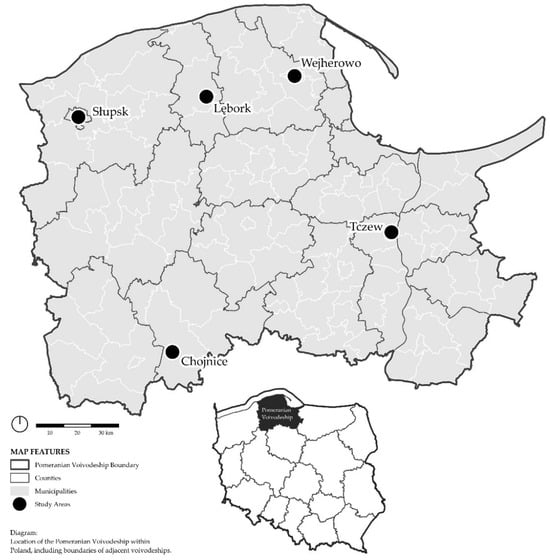
Spatial and Gender Dynamics of Educational Inequality Across Regions in Türkiye
by
Burcu İmren Güzel
Sustainability 2026, 18(11), 5627; https://doi.org/10.3390/su18115627 (registering DOI) - 2 Jun 2026
Abstract
This study examines the spatial and temporal transformation of educational attainment and gender-based disparities in Türkiye between 2008 and 2024. Using province-level data obtained from the Turkish Statistical Institute (TÜİK), educational attainment is classified into four categories (no schooling, low, medium, and high)
[...] Read more.
This study examines the spatial and temporal transformation of educational attainment and gender-based disparities in Türkiye between 2008 and 2024. Using province-level data obtained from the Turkish Statistical Institute (TÜİK), educational attainment is classified into four categories (no schooling, low, medium, and high) and analyzed through spatial analysis techniques and an initial level–change relationship approach. Gender differences are evaluated by considering both their direction and magnitude across educational categories. The findings reveal a substantial educational transformation characterized by significant declines in no-schooling and low educational attainment levels, alongside marked increases in medium and high educational attainment. However, these improvements are not spatially balanced, as persistent regional disparities and spatial clustering patterns continue, particularly in eastern and southeastern regions of the country. The results further indicate that gender-based disparities vary across educational levels. Women remain more concentrated in lower educational categories, whereas men continue to dominate medium and high educational attainment levels in many regions. Although convergence tendencies are observed in lower educational levels, divergence dynamics at higher educational levels suggest that spatial advantages continue to shape educational outcomes unevenly across regions. These findings indicate that educational expansion does not necessarily produce equal outcomes but rather reshapes spatial and social differences over time. From a sustainability perspective, the findings highlight that educational transformation should be evaluated not only through improvements in educational indicators, but also in relation to human capital accumulation, regional development capacity, and inclusive development processes. In this respect, the study emphasizes the importance of place-based and gender-responsive educational policies aimed at reducing regional disparities, strengthening equal opportunities, and supporting more inclusive regional development.
Full article
Open AccessArticle
Sustainable Transition from nZEB to ZEB in a Northern Climate: Annual Energy Performance and Whole-Life Carbon Implications of Passive and Renewable Design Choices
by
Monika Grinevičiūtė, Kęstutis Valančius and Violeta Motuzienė
Sustainability 2026, 18(11), 5626; https://doi.org/10.3390/su18115626 (registering DOI) - 2 Jun 2026
Abstract
The recast Energy Performance of Buildings Directive (EPBD) accelerates the transition from nearly zero-energy buildings (nZEBs) to zero-emission buildings (ZEBs), requiring solar readiness and life-cycle Global Warming Potential (GWP) disclosure. Yet operational performance, future-climate adaptation and whole-life carbon (WLC) are still often assessed
[...] Read more.
The recast Energy Performance of Buildings Directive (EPBD) accelerates the transition from nearly zero-energy buildings (nZEBs) to zero-emission buildings (ZEBs), requiring solar readiness and life-cycle Global Warming Potential (GWP) disclosure. Yet operational performance, future-climate adaptation and whole-life carbon (WLC) are still often assessed separately, limiting actionable evidence for residential ZEB design in northern climates. This study provides an integrated design-decision framework coupling annual IDA-ICE simulations under five weather scenarios, including Urban Heat Island (UHI)-adjusted present and 2080 RCP8.5 + UHI files, with an EN 15978/Level(s)-based WLC assessment in One Click LCA for twelve design cases of a Lithuanian dwelling. For the PV-equipped baseline, heating electricity decreases by 24% and cooling increases by 31% from present conditions to 2080 RCP8.5 + UHI. External shading and night purge provide the strongest annual cooling and operative-temperature-exceedance reductions. The ZEB baseline reduces WLC by 19.0% relative to A0; the biogenic-insulation green-roof case gives the lowest non-storage WLC (−25.2%); and battery-assisted cases provide the largest reductions under the static B6 electricity factor (up to −52.1%). The findings provide case-study evidence that EPBD-aligned residential ZEB design should evaluate passive cooling, PV/storage and material choices jointly, rather than sequentially, when developing future performance thresholds and design guidance.
Full article
Open AccessArticle
Green Label Adoption Strategy in a Co-Opetitive Tourism Platform Supply Chains
by
Zhuoyuan Song, Chunyu Yang, Junliang He and Xuehai He
Sustainability 2026, 18(11), 5625; https://doi.org/10.3390/su18115625 (registering DOI) - 2 Jun 2026
Abstract
Green labels on online travel platforms have become an important mechanism for disclosing environmental information and guiding sustainable tourism consumption. However, when a platform simultaneously provides green certification and competes with suppliers through its self-operated business, green label adoption may reshape both market
[...] Read more.
Green labels on online travel platforms have become an important mechanism for disclosing environmental information and guiding sustainable tourism consumption. However, when a platform simultaneously provides green certification and competes with suppliers through its self-operated business, green label adoption may reshape both market competition and environmental outcomes. This study develops a game-theoretic model of a co-opetitive tourism platform supply chain consisting of a tourism service supplier (TSS) and an online travel platform (OTP). Two label adoption strategies are compared: the TSS’s self-labeling strategy and its adoption of the OTP-certified green label. The results show that, under self-labeling, the OTP can gain a competitive advantage by setting a higher price and greenness level, although this advantage weakens as consumer recognition of the TSS’s self-label increases. Under platform-certified labeling, the OTP raises the common green standard, which intensifies price competition between the two parties. In most cases, adopting the OTP’s green label improves supply chain profits; however, under certain combinations of competition intensity and platform label credibility, it may reduce the profits of both members and increase environmental damage. These findings suggest that platform-led green certification does not necessarily improve environmental performance and should be designed as a governance mechanism rather than a purely marketing instrument.
Full article
(This article belongs to the Special Issue Innovative Approaches to Sustainable Management in Hospitality and Tourism)
Open AccessArticle
Enhancing Urban Sustainability Through Wetland Ecological Network Structural Connectivity: An Integrated MSPA–MCR–Circuit Theory Framework for Wuhan, China
by
Mengna Chen, Huiqiong Xia, Weijuan Wang and Nianteng Wang
Sustainability 2026, 18(11), 5624; https://doi.org/10.3390/su18115624 (registering DOI) - 2 Jun 2026
Abstract
Rapid urbanization has intensified wetland fragmentation and ecological connectivity degradation, threatening the structural stability and functional sustainability of urban wetland ecosystems. Constructing resilient wetland ecological networks is therefore essential for maintaining regional ecological security and supporting sustainable urban development. Taking Wuhan as a
[...] Read more.
Rapid urbanization has intensified wetland fragmentation and ecological connectivity degradation, threatening the structural stability and functional sustainability of urban wetland ecosystems. Constructing resilient wetland ecological networks is therefore essential for maintaining regional ecological security and supporting sustainable urban development. Taking Wuhan as a case study, multi-temporal land-use data from 2004, 2014, and 2024, together with land-use transition matrices, were used to analyze urban expansion and wetland landscape transformation. Morphological Spatial Pattern Analysis (MSPA), the Minimum Cumulative Resistance (MCR) model, and circuit theory were integrated to identify ecological sources, construct ecological corridors, and evaluate the structural connectivity of the wetland ecological network. Ecological source importance was quantified using the Probability of Connectivity (PC) and dPC indices. In addition, robustness analysis based on the sequential removal of high-dPC ecological source patches was conducted to assess network stability under disturbance scenarios. The results identified 20 core ecological source areas and 45 ecological corridors, forming a relatively interconnected wetland ecological network centered around major lake clusters and key ecological hubs. High-current corridors and pinch points were mainly distributed in ecologically sensitive transition zones and urban expansion boundaries. Robustness analysis showed that sequential removal of high-dPC ecological hubs resulted in continuous declines in EC(PC) and corridor number, while corridor length increased substantially. Although overall connectivity was maintained through alternative ecological pathways, ecological movement efficiency decreased significantly under disturbance scenarios, indicating increasing dispersal costs and reduced structural stability. These findings suggest that the wetland ecological network possesses moderate structural connectivity through pathway redundancy but remains highly dependent on several dominant ecological hubs. This study extends traditional static connectivity assessment by incorporating robustness and disturbance response analysis into wetland ecological network evaluation. The proposed framework provides scientific support for resilient wetland conservation, ecological restoration, and sustainable spatial planning in rapidly urbanizing metropolitan regions.
Full article
(This article belongs to the Special Issue Adapting Cities: Ecological Resilience and Urban Renewal)
Open AccessArticle
Short-Term Wind Speed Forecasting Using Leakage-Free Time-Series Modeling and Statistical Residual Evaluation
by
Gökhan Şahin, Faruk Kürker, Ahmet Nur and Erdal Akin
Sustainability 2026, 18(11), 5623; https://doi.org/10.3390/su18115623 (registering DOI) - 2 Jun 2026
Abstract
In this study, we developed a leakage-free time-series machine learning framework to improve the accuracy of short-term (10 min ahead) wind speed forecasting. The measurements were obtained from real operational data collected at the Bandırma/Balıkesir wind power plant in Türkiye. The framework incorporates
[...] Read more.
In this study, we developed a leakage-free time-series machine learning framework to improve the accuracy of short-term (10 min ahead) wind speed forecasting. The measurements were obtained from real operational data collected at the Bandırma/Balıkesir wind power plant in Türkiye. The framework incorporates chronological train validation test splitting, causal missing data imputation, leakage-free feature engineering, and supervised lag-based modeling. Such a leak-proof design is crucial to avoid future information influencing the training and testing process of models, thus making the forecasting process more realistic and reliable in practice. We tested several models, including persistence, Support Vector Regression (SVR), Least-Squares Gradient Boosting (LSBoost), Random Forest (RF), Elastic Net (ELASTIC), and a stacking ensemble, and evaluated their performance using Root Mean Squared Error (RMSE), Mean Absolute Error (MAE), R-Squared (R2), bias measures, and skill scores, complemented by diagnostic analyses including residual distribution, autocorrelation, regime-based evaluation, Bland–Altman plots, and Quantile Quantile (Q-Q) plots. Our analyses showed that the Elastic Net model achieved balanced and statistically consistent performance, with a test RMSE of 0.6325 m/s, R2 = 0.977, and negligible bias. Residual analysis indicated that errors were centered around zero, exhibited weak temporal dependence, and followed an approximately normal distribution in the central quantiles. Regime-based evaluation revealed that the model performed strongly in medium- and high-wind-speed conditions, while accuracy decreased under low wind speeds due to measurement uncertainty and low signal-to-noise ratios. Feature importance analysis indicated that previous wind speed was the dominant predictor, with solar irradiation and air temperature also contributing significantly. Forecast error decomposition showed that most prediction errors arose from natural atmospheric variability, with minimal systematic bias. The Diebold–Mariano test confirmed that ELASTIC statistically outperformed conventional machine learning models such as SVR and Random Forest. The proposed framework demonstrates statistically consistent short-term forecasting behavior that may support operational wind energy management and grid balancing applications.
Full article
(This article belongs to the Special Issue AI and Machine Learning-Based Approaches for Enhancing Wind Farm Grid Resilience Under Extreme Events and Uncertainty)
►▼
Show Figures

Figure 1
Open AccessArticle
Power Quality Improvement Based on Active Harmonic Filter in 24 kV Liquefied Natural Gas Industrial Plant’s Photovoltaic System
by
Chaichan Pothisarn, Theerasak Patcharoen, Chaiyaporn Lothongkam, Atthapol Ngaopitakkul, Praikanok Lertwanitrot and Santipont Ananwattanaporn
Sustainability 2026, 18(11), 5622; https://doi.org/10.3390/su18115622 (registering DOI) - 2 Jun 2026
Abstract
This paper presents a case study demonstrating the power quality improvements in a 24 kV distribution system at a liquefied natural gas (LNG) industrial plant with variable speed drives (VSDs), the conventional capacitor bank, and a rooftop solar photovoltaic system. Solar photovoltaic (PV)
[...] Read more.
This paper presents a case study demonstrating the power quality improvements in a 24 kV distribution system at a liquefied natural gas (LNG) industrial plant with variable speed drives (VSDs), the conventional capacitor bank, and a rooftop solar photovoltaic system. Solar photovoltaic (PV) inverters can supply harmonic currents to the grid, potentially affecting the system and causing maloperation of sensitive equipment in both the utility systems and neighboring industries connected to it. Therefore, the installation of shunt active power filters (APFs) in a 400 V system was proposed in this study. The installed locations were varied, and the corresponding power qualities were analyzed. The results were examined in terms of design and harmonic elimination. Simulations were conducted using the PSCAD/EMTDC software version 4.5. The power quality simulation and field measurement results after the APF installation were compared to demonstrate the effectiveness of the proposed solutions. The addition of APFs was found to improve the power quality. In addition to the mechanism analysis, the economic feasibility of the proposed approach was investigated. The costs of APF installation in various locations were analyzed. The results show that the proposed method can improve the power supply at a reasonable price. This work contributes to sustainable industrial energy systems by improving the reliability and power quality of photovoltaic-integrated electrical networks, thereby supporting higher penetration of renewable energy resources and stable low-carbon industrial operation.
Full article
Open AccessArticle
Exploring the Evolution of Permafrost on the Tibetan Plateau (1979–2100) Using the Temperature at the Top of Permafrost (TTOP) Model: Implications for Sustainable Development
by
Jiahao Wei and Shangmin Zhao
Sustainability 2026, 18(11), 5621; https://doi.org/10.3390/su18115621 (registering DOI) - 2 Jun 2026
Abstract
The permafrost in the Tibetan Plateau is extremely sensitive to climate warming, which poses challenges to regional sustainability. Predicting the evolution of permafrost on the Tibetan Plateau in the future could provide a reference for future engineering, construction, and resource management on the
[...] Read more.
The permafrost in the Tibetan Plateau is extremely sensitive to climate warming, which poses challenges to regional sustainability. Predicting the evolution of permafrost on the Tibetan Plateau in the future could provide a reference for future engineering, construction, and resource management on the Tibetan Plateau. In this study, the Random Forest regression model and the temperature at the top of permafrost (TTOP) model are combined. The Random Forest regression model is used to simulate the long-term series of land surface temperatures. The multiple climate model data sets in the Coupled Model Intercomparison Project Phase 6 (CMIP6) and TTOP model are used to simulate the historical (1979–2018) and predict the future (2019–2100) distribution of permafrost on the Tibetan Plateau. The results show that since 1979, due to climate warming, more than 20% of the permafrost in the Tibetan Plateau has disappeared. The permafrost will degrade at different rates under each of four Shared Socioeconomic Pathways (SSPs), namely SSP1–2.6, SSP2–4.5, SSP3–7.0, and SSP5–8.5. The degradation rate under SSP1–2.6 is the slowest, indicating that about 20.1% of the permafrost will disappear by 2100. The degradation rate under the SSP5–8.5 is the fastest, predicting that about 82.4% of the permafrost will disappear by 2100. Under SSP2–4.5 and SSP3–7.0, 37.57% and 69.1% of the permafrost will disappear by 2100, respectively. The above results can provide a reference for sustainable engineering construction, infrastructure planning, and climate adaptation strategies on the Tibetan Plateau.
Full article
(This article belongs to the Special Issue GIS-Based Spatial Analysis for Ecological Monitoring and Sustainable Landscapes)
Open AccessArticle
Spatial Distribution, Driving Mechanisms, and Development Strategies of Traditional Villages in Southern Shanxi
by
Yalong Mao, Minjun Cai, Yuquan Lu, Zihao Zhang and Chang Sun
Sustainability 2026, 18(11), 5620; https://doi.org/10.3390/su18115620 (registering DOI) - 2 Jun 2026
Abstract
The core objective of the concentrated and contiguous protection of traditional villages is to achieve the large-scale preservation and sustainable development of cultural heritage. Elucidating their spatial distribution characteristics and the underlying driving mechanisms serves as a fundamental prerequisite for the effective implementation
[...] Read more.
The core objective of the concentrated and contiguous protection of traditional villages is to achieve the large-scale preservation and sustainable development of cultural heritage. Elucidating their spatial distribution characteristics and the underlying driving mechanisms serves as a fundamental prerequisite for the effective implementation of conservation practices. Using Geographic Information Systems (GIS) and the optimal parameter-based geographical detector (OPGD) model, this study quantitatively analyzes the spatial distribution and formation mechanisms of traditional villages in southern Shanxi. The results indicate that traditional villages in southern Shanxi exhibit a “one belt, three cores” spatial agglomeration pattern. This pattern emerges from the nonlinear coupling of multiple factors, including natural environment, socio-economic conditions, and historical and cultural elements, among which historical and cultural factors serve as the most prominent driver. The factor detection q-value for cultural heritage density (X18) reached 0.45, and it exhibited a significant synergistic enhancement effect with natural environmental and socio-economic factors. Interaction detection reveals that the explanatory powers of bivariate interactions are generally stronger than that of individual factors, with the synergistic effect between slope (X4) and annual mean temperature (X9) being the most pronounced (q = 0.56). Based on these findings and emphasizing the pivotal role of historical and cultural factors, this study proposes a four-dimensional collaborative governance framework—“cultural leadership, spatial support, institutional safeguards, and social synergy”. This framework aims to provide theoretical foundations and practical pathways for the concentrated and contiguous protection of traditional villages in intra-provincial cultural regions.
Full article
Open AccessArticle
Empowering Communities on the Margins: Participatory Design in Environmental Education
by
Alessandro Pollini, Gian Andrea Giacobone and Adriana Ioana Lungu
Sustainability 2026, 18(11), 5619; https://doi.org/10.3390/su18115619 (registering DOI) - 2 Jun 2026
Abstract
►▼
Show Figures
Within a global landscape characterised by increasing fragmentation, community empowerment requires interdisciplinary, evidence-based and validated methodology for assuring collaborative and transformative action. This research addresses the need for equity and inclusion in underserved rural areas by investigating the CleanAir@Schools initiative in Romania. The
[...] Read more.
Within a global landscape characterised by increasing fragmentation, community empowerment requires interdisciplinary, evidence-based and validated methodology for assuring collaborative and transformative action. This research addresses the need for equity and inclusion in underserved rural areas by investigating the CleanAir@Schools initiative in Romania. The study employed a human-centred, multi-stakeholder methodology, utilising exploratory workshops with educators and pilot implementations to develop a learning framework on Sustainability Education, in which students used passive sensors to measure local air quality. Results indicate that the project successfully mobilised entire school communities, catalysing a pedagogical shift from passive reception to active, inquiry-based environmental education. Furthermore, the strategic use of both digital and analogue technologies ensured accessibility for communities facing digital divides. The research concludes that participatory design acts as a catalyst for long-term community empowerment and social transformation by addressing localised challenges through inclusive, restorative practices. By intentionally centring society’s margins, design research fosters regeneration and care, serving as an essential resource for social innovators and policymakers.
Full article

Figure 1
Journal Menu
► ▼ Journal Menu-
- Sustainability Home
- Aims & Scope
- Editorial Board
- Reviewer Board
- Topical Advisory Panel
- Early Career Editorial Board
- Instructions for Authors
- Special Issues
- Topics
- Sections & Collections
- Article Processing Charge
- Indexing & Archiving
- Editor’s Choice Articles
- Most Cited & Viewed
- Journal Statistics
- Journal History
- Journal Awards
- Society Collaborations
- Conferences
- Editorial Office
Journal Browser
► ▼ Journal BrowserHighly Accessed Articles
Latest Books
E-Mail Alert
News
Topics
Topic in
ChemEngineering, Chemistry, Energies, Processes, Sustainability, Technologies
Advances in Green Energy and Energy Derivatives
Topic Editors: Muhammad Sajid, Nisar Ali, Muhammad Farooq, Mairui ZhangDeadline: 20 June 2026
Topic in
Batteries, Energies, Processes, Sustainability
Advanced Battery Thermal Management Solution for Electric Vehicles, 2nd Edition
Topic Editors: Hamidreza Behi, Masud Behnia, Danial KarimiDeadline: 30 June 2026
Topic in
Businesses, Economies, Humanities, Land, Sustainability, Tourism and Hospitality, Urban Science
Human–Environmental Relations: Ecotourism and Sustainability
Topic Editors: Tamara Gajić, Minja Bolesnikov, Aleksandar ErcegDeadline: 15 July 2026
Topic in
Buildings, CivilEng, Energies, Sustainability
Energy Systems in Buildings and Occupant Comfort
Topic Editors: Eusébio Z. E. Conceição, Hazim B. AwbiDeadline: 31 July 2026
Conferences
Special Issues
Special Issue in
Sustainability
Environmental Assessment of Noise Pollution Under Sustainable Development
Guest Editors: Paulo Henrique Trombetta Zannin, Margret Sibylle EngelDeadline: 3 June 2026
Special Issue in
Sustainability
Advances in Green and Sustainable Construction Materials
Guest Editors: Mingrui Du, Xupei Yao, Yuan GaoDeadline: 5 June 2026
Special Issue in
Sustainability
Sustainability in Food Security, Food Safety, and the Agri-Food Supply Chain
Guest Editor: Balan SundarakaniDeadline: 5 June 2026
Special Issue in
Sustainability
Promoting Energy Transition: Harnessing Solar Energy and Geothermal Resources
Guest Editors: Yaran Wang, Yan JiangDeadline: 5 June 2026
Topical Collections
Topical Collection in
Sustainability
Sustainable Household Behaviors: Consumption and Mobility
Collection Editor: José Alberto Molina
Topical Collection in
Sustainability
Local Development Initiatives and Sustainable Employment Policies
Collection Editors: Juan Carlos Rodríguez Cohard, Antonio Vázquez Barquero
Topical Collection in
Sustainability
Land Degradation Evaluation, Alleviation, and Restoration in Watersheds
Collection Editor: Yung-Chieh Wang
Topical Collection in
Sustainability
Waste Utilization and Resource Recovery
Collection Editors: Chunjiang An, Xiujuan Chen