

Journal Menu
► ▼ Journal Menu-
- Atmosphere Home
- Aims & Scope
- Editorial Board
- Reviewer Board
- Topical Advisory Panel
- Early Career Editorial Board
- Instructions for Authors
- Special Issues
- Topics
- Sections & Collections
- Article Processing Charge
- Indexing & Archiving
- Editor’s Choice Articles
- Most Cited & Viewed
- Journal Statistics
- Journal History
- Journal Awards
- Society Collaborations
- Conferences
- Editorial Office
Journal Browser
► ▼ Journal BrowserNeed Help?
Announcements
2 July 2026
MDPI INSIGHTS: The CEO’s Letter #36 – Basel Anniversary Summit, 2025 Impact Factors & CiteScores, CSAL Partnership & ncRNA2026

Welcome to the MDPI Insights: The CEO's Letter.
In these monthly letters, I will showcase two key aspects of our work at MDPI: our commitment to empowering researchers and our determination to facilitating open scientific exchange.
Opening Thoughts

Reflections from the MDPI 30th Anniversary Summit in Basel
On 4 June, we welcomed 30 Editors-in-Chief (EiCs) from across Europe, North America, and Asia-Pacific to A 66, MDPI’s former headquarters in Basel, for our 30th Anniversary Summit.
In the middle of the year that we celebrate 30 years since MDPI’s founding in 1996, the Summit provided an opportunity to reflect on our journey and recognize the academic community that has helped shape MDPI over the past three decades.
Designed as a small invitation-only event, the Summit brought together long-standing editorial leaders whose experience and perspectives continue to shape our journals. Throughout the day, one message emerged consistently: strong journals are built together, through partnership between publishers, editors, reviewers, and researchers.
MDPI at 30
During my opening presentation, I reflected on MDPI’s evolution from a single journal (Molecules) to a global Open Access (OA) publisher supporting more than 500 peer-reviewed journals, thousands of editors, and millions of researchers worldwide.
While our growth has been significant, our purpose remains unchanged: to help researchers communicate their work openly, efficiently, and responsibly.

I also took the opportunity to recognize that MDPI’s success has never been achieved alone. It has been built alongside our EiCs, Editorial Board Members, reviewers, authors, institutional partners, and colleagues around the world.
Agenda
The agenda combined moments for reflection, discussion, and direct engagement with our guests. The event was moderated by Damaris Critchlow (Editorial Engagement Manager, MDPI) and the program focused on dialogue rather than presentations alone, combining expert talks, panel discussions, and open forums covering:
- MDPI at 30: reflections and the road ahead
- Research integrity and editorial responsibility
- Partnerships and collaboration in publishing
- Editorial leadership and journal development
- Artificial intelligence and the future of scholarly publishing
|
|
|
|


|
|
|
|
|
|


Research Integrity and Editorial Responsibility
A key theme throughout the summit was the continued importance of research integrity and editorial independence. Tim Tait-Jamieson provided an overview of MDPI’s approach to publication ethics, emerging industry challenges, and ongoing investments in prevention, detection, and post-publication oversight. This was a key topic, as it created discussions on the evolving role of publishers, editors, and institutions in safeguarding the scientific record while maintaining transparency and trust.

Editors Panel: Building Journals and Communities
The EiC panel focused on the role of editorial leadership in developing journals and academic communities. Discussions highlighted the importance of active editorial boards, constructive peer review, community engagement, and maintaining quality as scholarly publishing continues to evolve. Thank you to our panelists: Dr. Ester Ballana (Viruses), Dr. Dilantha Fernando (Plants), and Dr. Ting Chi (Journal of Theoretical and Applied Electronic Commerce Research).

MDPI Panel: The Future of Scholarly Publishing
We also had a roundtable discussion on the future of scholarly publishing. Topics included:
- Artificial intelligence and its role in publishing workflows
- Technology and innovation in scholarly communication
- Research integrity and quality assurance
- The future of peer review
- Open Access and Open Science
- The evolving expectations of researchers, institutions, and funders
|
|
|
|


Recognizing Editorial Leadership
A highlight of the Summit was recognizing EiCs whose long-term leadership has helped strengthen both their journals and their research communities.
Through the Decade of Editorial Leadership Award and the Outstanding Editorial Impact Award, we celebrated individuals whose dedication has made a lasting contribution to scientific publishing.
|
|
|
|


As we look ahead to MDPI’s next chapter, partnerships with our editors and the wider academic community will remain central to everything we do.
Thank You
My sincere thanks to everyone who participated, and to the many colleagues whose planning and commitment made the Summit such a memorable event.
|
|
|
|
|


Impactful Research

2025 Impact Factors Released
June marked another important milestone, with the release of the 2025 Journal Citation Reports (JCR).
Learn more: https://www.mdpi.com/about/announcements/17055
This year:
- 330 MDPI journals received a Journal Impact Factor
- 254 journals increased their Impact Factor
- 29 journals received their first Journal Impact Factor
- 71% of ranked journals are now positioned in Q1 or Q2
- MDPI publications have now accumulated 25 million citations
While journal metrics should never be viewed as the sole measure of research quality, they remain an important indicator of journal visibility, community engagement, and scientific influence.
These achievements reflect the collective work of our Editors-in-Chief, Editorial Board Members, reviewers, authors, Publishing teams, and everyone involved in developing our journals.
Congratulations to every journal team that contributed to these results.
Inside MDPI

MDPI Journals Receive 2025 CiteScores
In June, Scopus published the 2025 CiteScores, providing another positive indication of the continued development of MDPI journals.
You can find more details about the 2025 CiteScore release here: Open Access, Broadly Recognized: 363 MDPI Journals Receive CiteScores for 2025
This year’s highlights include:
- 363 journals received a CiteScore
- 41 journals received a CiteScore for the first time
- 314 journals (86%) rank in Q1 or Q2
- 42 journals are now within the top 10% of their subject categories
Although no single metric defines journal quality, these results demonstrate the continued recognition and visibility of our journals across many research disciplines.
Particularly encouraging is the growing number of journals receiving their first CiteScore, reflecting years of sustained editorial development, successful indexing, and close collaboration between our Publishing teams, Indexing team, editors, and academic communities.
Thank you to everyone across MDPI whose daily work contributes to these achievements.
Coming Together for Science

Supporting Open Access in Switzerland: MDPI Renews Agreement with CSAL
I am pleased to share that MDPI has renewed its Open Access (OA) publishing agreement with the Consortium of Swiss Academic Libraries (CSAL), extending support for researchers across 24 Swiss institutions through our Institutional Open Access Program (IOAP).
As a Swiss-founded publisher, we are particularly proud to continue supporting Switzerland’s research community through long-term institutional partnerships that improve accessibility to Open Access publishing.
The renewal also coincides with the release of our 2025 Switzerland Country Report, highlighting continued national leadership in Open Science. Between 2021 and 2025, Switzerland maintained an OA publication rate of approximately 65–70%, while more than 14,000 Switzerland-affiliated papers have been published with MDPI since 2021.
“We are particularly proud to continue supporting Switzerland’s research community”
The announcement also received coverage across several leading international publishing and research news platforms, including STM, Research Information, EurekAlert!, Bytes Europe, and EdTech Innovation Hub, helping increase visibility for both the partnership and the broader discussion around OA.
My thanks to our IOAP, External Affairs, Communications, and Publishing teams, whose work continues to strengthen relationships with institutions around the world.
Closing Thoughts

Highlights from MDPI Conference ncRNA2026 in Leuven, Belgium (24–26 June)
From 24–26 June, MDPI hosted the ncRNA2026: From Molecular Mechanisms to Clinical Impact Conference in Leuven, Belgium.
The conference welcomed 125 participants from 22 countries and territories, providing an international forum for exchange across molecular biology, medicine, biotechnology, artificial intelligence, and translational research.

Bringing the Global Research Community Together
Over three days, participants exchanged ideas through:
- 4 Chair Talks
- 8 Invited Lectures
- 29 Selected Oral Presentations
- 51 Poster Presentations
Sessions covered topics including molecular biology, clinical applications, artificial intelligence, and emerging non-coding RNA research, creating a dynamic forum for scientific exchange.
|
|
|


Beyond the scientific program, the conference created opportunities for researchers, journal teams, sponsors, and academic partners to exchange ideas, build existing relationships, and create new collaborations across the global research community.
|
|
|


Our thanks to Conference Chairs Professors George Calin, Manuela Ferracin, Eleonora Leucci, and Isidore Rigoutsos, together with the invited speakers, for delivering an outstanding scientific program.
|
|
|


“By creating opportunities for researchers to exchange ideas, we continue to support the advancement of research worldwide”
Recognizing the Team
The conference also took place during an exceptional heatwave in Belgium, with temperatures reaching 38°C. Thanks to the excellent planning by the Conference team and collaboration with the venue, additional cooling measures and attendee support ensured that the event ran safely and successfully despite challenging conditions.
|
|
|
|


It is often these behind-the-scenes efforts that make the greatest difference to the participant experience. Thank you to everyone involved for your professionalism, flexibility, and commitment throughout the event.
Thank You
My sincere thanks to the Conference Chairs, invited speakers, sponsors, Editorial Office, Conference team, Marketing colleagues, volunteers, and everyone who contributed to making ncRNA2026 such a success.

As MDPI celebrates its 30th anniversary, events such as ncRNA2026 remind us that our contribution extends well beyond publishing journals. By creating opportunities for researchers to exchange ideas, establish collaborations, and build scientific communities, we continue to support the advancement of research worldwide.
Thank you for your continued dedication throughout another busy month, and I wish you all an enjoyable July!
Chief Executive Officer
MDPI AG
30 June 2026
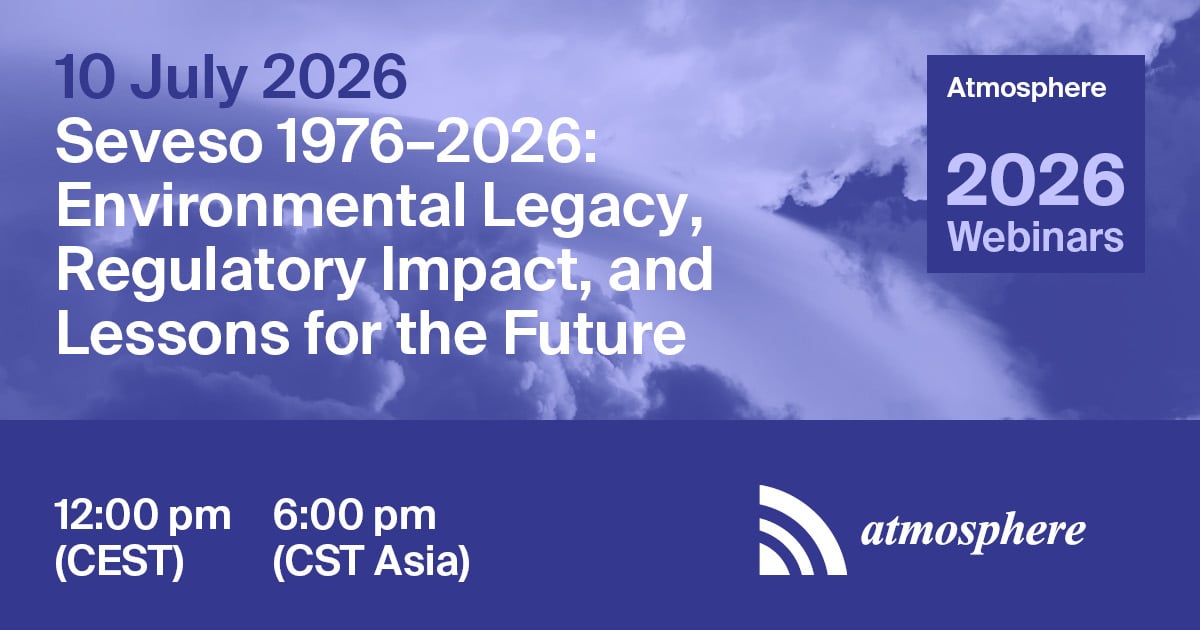
Atmosphere Webinar | Seveso 1976–2026: Environmental Legacy, Regulatory Impact, and Lessons for the Future, 10 July 2026
The Seveso disaster is widely regarded as one of the most severe environmental catastrophes globally, often compared to Chernobyl for its regional impact, and it marked a pivotal moment in raising awareness about environmental protection and industrial safety across Italy and Europe.
The incident, which occurred on 10 July 1976, at 12:28 p.m., was caused by an uncontrolled reaction inside a chemical reactor, which released a toxic dioxin cloud into the atmosphere. More than 200 individuals, primarily children, developed serious skin conditions, and in the decades that followed, there was a rise in cancers—especially of the pancreas and bladder—as well as leukemia.
Environmentally, the disaster caused the death of thousands of animals and the destruction of vegetation and required the removal of heavily contaminated soil. Together with the Toulouse accident, this event prompted the adoption of the “Seveso Directive” (82/501/EEC and later amendments), a European framework establishing strict safety measures to prevent major industrial accidents.
Atmosphere (ISSN 2073-4433) has thought that it's important and appropriate to remember such an event: although it was a dramatic situation, the scientific community has learned a great deal, both in terms of understanding dioxin itself as a chemical compound and its impact on the health and safety of high-risk facilities. For this reason, this webinar would like to commemorate this event in history and the breadth of information and facts that were discovered thereafter.
On behalf of the speakers, I would like to extend sincere gratitude to all participants and partners whose contributions make this webinar possible, along with my personal gratitude to all speakers for their kind participation. May the exchange of ideas and experiences during this event inspire new collaborations and guide us toward concrete actions for a safe and greener future.
keywords: Seveso disaster (1976) 50th anniversary; industrial risk governance; major accident prevention; environmental and public health protection; dioxin contamination (TCDD); remediation and land recovery; chemical safety regulation; risk assessment and management; institutional memory and policy lessons
Date: 10 July 2026
Time: 12:00 p.m. CEST | 6:00 p.m. CST Asia
Webinar ID: 838 6695 8033
Webinar Secretariat: journal.webinar@mdpi.com
Website: https://sciforum.net/event/Atmosphere-5
Register now for free!

| Speaker | Presentation | Time (CEST) | Time (CST Asia) |
| Prof. Dr. Pasquale Avino (Chair) | Chair Introduction | 12:00–12:10 p.m. | 6:00–6:10 p.m. |
| Dr. Silvia Mosca | Dioxins: Evolution of the Analytical Workflow | 12:10–12:30 p.m. | 6:10–6:30 p.m. |
| Dr. Gaetano Settimo | Dioxins and Human Health: Lessons Learned from the Seveso Disaster | 12:30–12:50 p.m. | 6:30–6:50 p.m. |
| Dr. Paolo Ceci | From 1976 to 2026: EU Legislation on the Control of Major-Accident Hazards | 12:50–1:10 p.m. | 6:50–7:10 p.m. |
| Q&A Session | 1:10–1:25 p.m. | 7:10–7:25 p.m. | |
| Dr. Pasquale Avino | Closing Remarks | 1:25–1:30 p.m. | 7:25–7:30 p.m. |
After registering, you will receive a confirmation email on how to join the webinar. Registrations with academic institutional email addresses will be prioritized.
Unable to attend? Register anyway, and we will let you know when the recording is available to view.
Webinar Chair and Keynote Speakers:
- Prof. Dr. Pasquale Avino, 1 Department of Agricultural, Environmental and Food Sciences (DiAAA), University of Molise, Italy; 2 Division of Rome, Institute of Atmospheric Pollution Research, c/o Ministry of Environment and Energy Security, Italy;
- Dr. Silvia Mosca, Institute for Atmospheric Pollution Research, Italian National Research Council (CNR-IIA), Italy;
- Dr. Gaetano Settimo, Exposure to Air Contaminant, Department of Environment and Health, Italian National Institute of Health, Italy;
- Dr. Paolo Ceci, Institute of Atmospheric Pollution Research, Division of Rome, c/o Ministry of Environment and Energy Security, Italy.
17 June 2026
2025 Impact Factors Released
Impact Factors measure how often articles in scientific journals are cited—specifically, the average number of citations received in a given year by articles published in that journal over the previous two years, as tracked in the Web of Science. For researchers, the number answers a practical question: how often is work published in this journal being picked up and built upon?
The metric is assigned to the journal as a whole, not to individual articles. A high Impact Factor tells you something useful about a journal's place in its field; it tells you less about any single paper within it.
For a complementary, article-level view, MDPI lists an Altmetric score on each article page. Where the Impact Factor tracks academic citations, the Altmetric score captures broader online attention: how an article is being shared, discussed, and referenced beyond the journal literature. Together, they offer two different ways of asking the same question: is this research reaching people?
With 2025 CiteScores from Scopus published a few weeks ago, Clarivate has now released this year's Journal Impact Factors in the Journal Citation Reports (JCR).
254 MDPI Journals Saw a Rise in Impact Factor
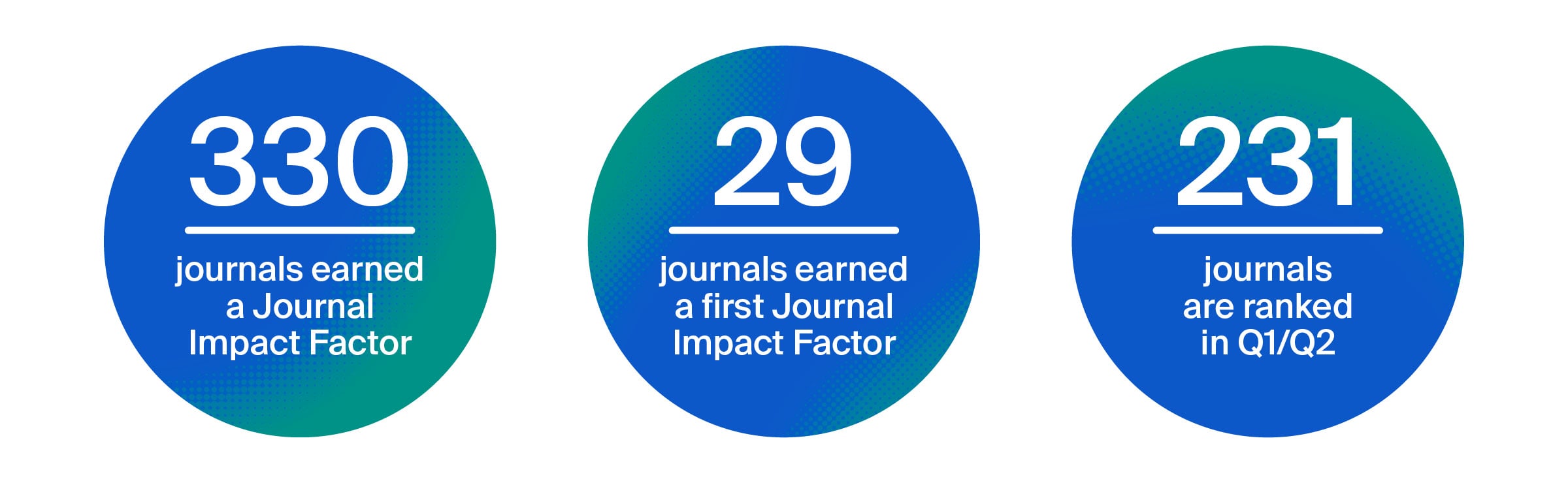
This year's JCR include 330 MDPI journals across a wide range of disciplines. Of these, 231 journals are placed in the top 50% (Q1 or Q2) of their respective subject categories, a result that spans fields as different as materials science, public health, environmental studies, and mathematics. 78 journals hold a top-quartile position (Q1), and 33 journals have a JIF of 5.0 or above.
- 330 journals earned a Journal Impact Factor (JIF)
- 29 journals earned a first JIF
- 254 journals had an increase in JIF
- 71% of ranked journals are in Q1 or Q2
For the full metrics on any MDPI journal, visit our Web of Science journals overview page or a journal's individual statistics page.
29 MDPI Journals Received Their First Journal Impact Factor
A first Impact Factor is a confirmation for an emerging journal. It marks the point at which a journal has been publishing long enough, and cited broadly enough, to enter the formal record of scientific influence. For the research communities those journals serve, it signals that the work being published is being read and built upon.
This year, 29 MDPI journals received a Journal Impact Factor for the first time, across a range of emerging and established research areas. Each represents years of editorial development and peer review—recognized in 2026 for the first time in the JCR.
This is also part of a longer shift in how science gets indexed. When the Emerging Sources Citation Index (ESCI) launched in 2016, 24 MDPI journals were included. By 2024 that number had grown to over 200, reflecting a broader change in the visibility of open access publishing within major citation tracking systems, not just at MDPI but across the sector.
Open Access with Impact
MDPI journals have received a total of 25.2 million citations in Web of Science. That figure matters less as a measure of MDPI's reach and more as a measure of what happens when research is freely available: it gets found, read, and used. Open access is only meaningful if the work actually travels and citations are one indicator that it does.
More than 4.6 million authors have published with MDPI. That breadth, across disciplines, institutions, and geographies, is what makes open access at this scale worth doing.
Thank You to the MDPI Scholarly Community
These results belong to the people who do the actual work: the Editors-in-Chief who set the standards, the Editorial Board Members and reviewers who hold them, and the authors who choose open access for their research. The numbers in the Journal Citation Reports are the downstream effect of decisions made at the desk, in the review, and at submission. Thank you for making them.
Data: 2025 Journal Impact Factors, Journal Citation Reports™ (Clarivate, 2026)
15 June 2026
Interview with Dr. Haider A. Khawaja—Keynote Speaker of the 8th International Electronic Conference on Atmospheric Sciences (ECAS-8), 14–16 October 2026

- Your research connects atmospheric chemistry, air quality, and public health. What do you see as the most urgent environmental challenge related to air pollution today?
One of the most urgent environmental challenges today is the increasing health impact of fine particulate matter and climate-driven air pollution. Pollutants such as PM2.5 , black carbon, ozone, and trace elements are linked to serious cardiovascular and respiratory diseases, particularly in rapidly urbanizing regions.
What makes this challenge critical is the close connection between air quality and climate change. Rising temperatures, wildfires, and changing atmospheric conditions are worsening pollution episodes and increasing human exposure. Addressing this issue requires integrated efforts in atmospheric science, public health, clean energy, and evidence-based policy to protect both human health and the environment. - Why is this topic particularly timely and important for the atmospheric science community at this moment?
This topic is especially timely because air pollution, climate change, and public health are becoming increasingly interconnected. Rapid urbanization, extreme weather events, and changing atmospheric conditions are intensifying air quality challenges worldwide.
At the same time, new advances in monitoring and atmospheric research provide an important opportunity for the scientific community to develop evidence-based solutions that support both public health and climate resilience. - Your work also explores bioaerosols and particulate matter exposure. How important is it to better understand the relationship between environmental exposure and human health in today’s rapidly changing world?
Understanding the link between environmental exposure and human health is critically important today because climate change, urbanization, and air pollution are rapidly changing the quality of the air we breathe.
Research on particulate matter and bioaerosols helps us better understand health risks, protect vulnerable populations, and develop effective policies and strategies for healthier environments. - One of the strengths of ECAS-8 is its interdisciplinary nature. How important is collaboration between atmospheric scientists, health researchers, and policymakers in addressing current environmental challenges?
Collaboration is essential because today’s environmental challenges are too complex to be addressed by a single discipline alone. Atmospheric scientists help identify pollutant sources and processes, health researchers evaluate their impact on human health, and policymakers translate scientific evidence into effective regulations and public action.
An interdisciplinary approach allows us to develop practical, science-based solutions that improve air quality, protect public health, and support sustainable development”. - What are you most looking forward to at this year’s ECAS-8 conference?
I am particularly looking forward to the scientific discussions and the opportunity to engage with researchers from diverse disciplines working on atmospheric science, air quality, climate change, and public health. Conferences like ECAS-8 provide an excellent platform for exchanging ideas, building collaborations, and learning about emerging research and innovative approaches to current environmental challenges. - What advice would you offer to early career researchers and students attending the conference?
My advice to early career researchers and students is to stay curious, interdisciplinary, and open to collaboration. Conferences are valuable opportunities not only to present research, but also to learn from others, ask questions, and build professional networks.
I would also encourage them to focus on research that has real societal impact, particularly in areas such as air quality, climate change, and public health, where science can directly contribute to improving people’s lives. - What do you hope participants will gain from this conference, and what kinds of collaborations or discussions are you most excited to see emerge?
I hope participants will gain new scientific insights, fresh perspectives, and meaningful professional connections from this conference. ECAS-8 provides an important platform for sharing knowledge and discussing emerging challenges in atmospheric science, air quality, and public health.
I am especially excited to see interdisciplinary collaborations emerge between atmospheric scientists, health researchers, and policymakers, as such partnerships are essential for developing practical and evidence-based solutions to current environmental challenges.
Introduction of ECAS-8:
Conference date: 14–16 October 2026;
Deadline for submission: 21 June 2026;
Deadline for registration: 7 October 2026.
Conference chair:
- Prof. Dr. Anthony R. Lupo, Department of Soil, Environmental, and Atmospheric Science, University of Missouri-Columbia, Columbia, USA.
More information: https://sciforum.net/event/ECAS-8.
For any enquiries regarding the event, please get in touch with ecas-8@mdpi.com.
4 June 2026
Open Access, Broadly Recognized: 363 MDPI Journals Receive CiteScores for 2025
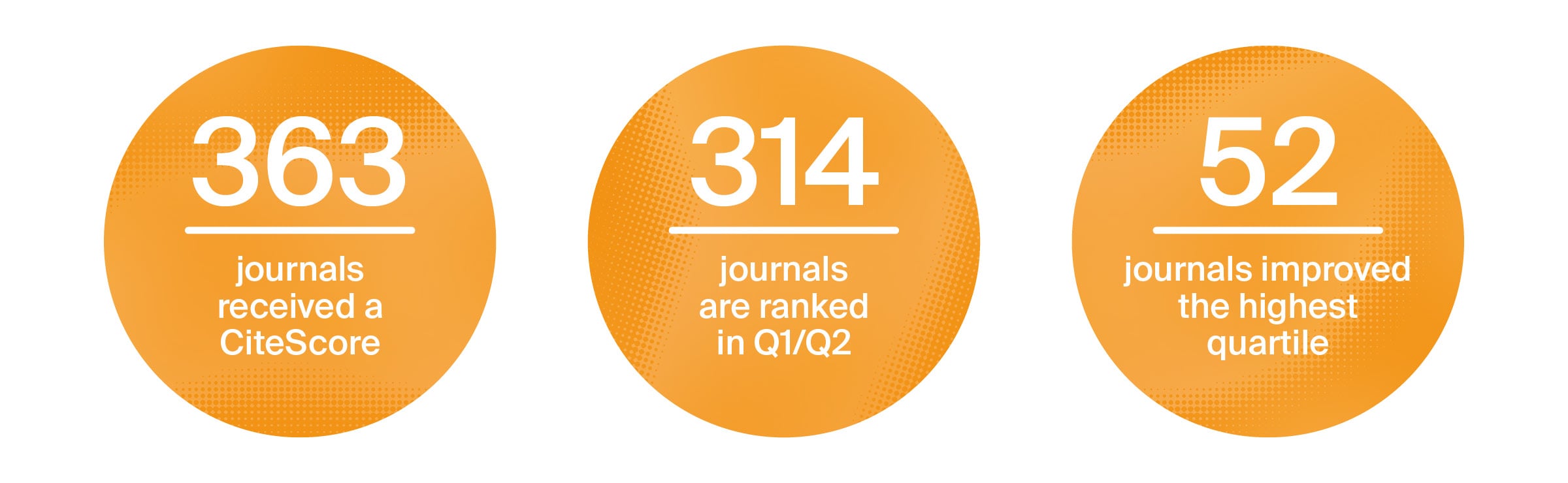
The 2025 CiteScore metrics have been officially released by Scopus, and the results confirm what has become a consistent pattern for MDPI's journal portfolio: broad recognition across disciplines, steady improvement across the majority of ranked titles, and a growing presence at the top of subject category rankings.
CiteScore, published annually by Elsevier's Scopus database, measures the average citations received by articles published in a journal over a four-year window. As a complement to the Journal Impact Factor, which uses a two-year window based on the Web of Science database, CiteScore provides an alternative, long-term perspective on citation performance.
The 365 MDPI journals in Scopus (as of May 2026) are indexed across a wide range of subject categories, ensuring that open access research remains highly discoverable to a global readership through one of the most widely used platforms in academic publishing.
Data Summary (2025 CiteScores)
- New Additions: 41 MDPI journals received a CiteScore for the first time.
- Trending Upward: 234 of 322 previously ranked journals (73%) saw an increase in their CiteScore compared to last year.
- High Visibility: 314 journals (86%) rank in Q1 or Q2 in at least one subject category.
- Elite Performance: 42 journals rank in the top 10% of their subject categories.
Portfolio Performance
Among the 322 journals that held a CiteScore in 2024, 234 saw an increase this year. Quartile improvements outnumbered declines across the portfolio, with 52 journals moving to a higher quartile and only 20 seeing a decline. Furthermore, no previously ranked journals were removed. The 42 journals now ranked in the top 10% of their subject categories are drawn from a strong foundation of 178 journals holding a Q1 position.
With the large majority of our indexed portfolio ranked in the top half of research fields, researchers can confidently choose MDPI to meet funder mandates for high-quality, fully compliant Open Access publishing.
Exceptional Achievements for Foods and Life
Notably, both Foods and Life achieved a 99th percentile ranking in their respective subject categories for the 2025 CiteScores. This outstanding placement positions them as leading journals in their fields and highlights the high visibility and global impact of the open access research they publish.
Journal Metrics and Beyond
Journal-level metrics describe outlets, not individual articles. An increasing number of funders and institutions—including signatories of DORA and the Coalition for Advancing Research Assessment—now explicitly encourage evaluation at the article level rather than by the journal in which research appears. MDPI supports this direction: we report CiteScore alongside the Journal Impact Factor, Journal Citation Indicator, and article-level usage data because no single number captures the full reach and contribution of published research.
Thank You
These results reflect the sustained effort of thousands of editors-in-chief, editorial board members, reviewers, and authors across every field MDPI serves. The metrics are the outcome; the work is yours.
1 June 2026
MDPI INSIGHTS: The CEO’s Letter #35 – 30 Years of Open Science, Open Access Policies, Spain Summit, MMCS 2026 & Antibiotics 2026
Welcome to the MDPI Insights: The CEO's Letter.
In these monthly letters, I will showcase two key aspects of our work at MDPI: our commitment to empowering researchers and our determination to facilitating open scientific exchange.
Opening Thoughts

30 Years of Open Science, Built Together
This month, we officially launched MDPI’s 30th Anniversary campaign and dedicated anniversary website, marking an important milestone in our journey as an open access publisher. What began in 1996 with a single journal and the simple belief that scientific knowledge should be shared openly and freely has grown into a global publishing organization supporting more than 500 journals, 68,000 Editorial Board Members, and millions of researchers worldwide.
The anniversary page, entitled 30 Years of Open Science, Built Together, reflects on the people, milestones, and partnerships that have shaped MDPI over the past three decades. It includes a retrospective of our development, key moments in the evolution of open access, landmark research articles, journal anniversaries, an interview with the CEO, and perspectives from colleagues and partners who have contributed to our success.

Looking back, one of the most striking aspects of our journey is not simply our growth, but the broader transformation of scholarly publishing itself.
Open access has moved from a niche concept to a widely adopted publishing model, helping make research more accessible, discoverable, and impactful for researchers, institutions, policymakers, and society.
MDPI has been part of this transition and continues to invest in the people, technology, partnerships, and research integrity infrastructure needed to support high-quality open science at scale.
While anniversaries naturally encourage reflection, they are also an opportunity to look ahead. The challenges facing scholarly publishing today, including research integrity, artificial intelligence, accessibility, and global participation in science, will require continued collaboration across the research ecosystem. As we celebrate 30 years of publishing, our focus remains on supporting researchers, strengthening trust in open science, and helping shape the future of scholarly communication together.
I encourage you to visit the anniversary page, explore the milestones, and take a moment to reflect on the role each of us has played in contributing to MDPI’s story.
Thank you for being part of this journey.
Impactful Research

Highlights from MMCS 2026 in Beijing (14-17 May)
From 14–17 May, MDPI hosted The 5th Molecules Medicinal Chemistry Symposium (MMCS 2026) in Beijing, China, bringing together academia and industry to explore advances in chemical biology, medicinal chemistry, and drug discovery.
The conference hosted more than 230 attendees from 37 countries and regions, alongside 257 submissions and 145 accepted abstracts. With a significant increase in attendance – up by 100 participants compared with the previous edition – the popularity of MMCS continues to grow in terms of its international profile and scientific relevance within this rapidly evolving field.

The scientific program covered seven themes:
- Chemical Biology for Drug Discovery
- Medicinal Chemistry Research Progress
- Natural Products in Drug Discovery
- AI-enabled Drug Discovery
- GPCR & Ion Channel Targeted Drug Development
- Innovative Proximity-Based Drug Modalities
- Biocatalysis for Natural Product & Drug Synthesis
The event featured three plenary speakers, 14 keynote speakers, 35 selected oral presentations, and 98 poster presentations, creating opportunities for open scientific exchange and collaboration. Conference Chair Prof. Dr. Diego Muñoz-Torrero described this edition as one of the most successful MMCS events to date.
|
|
|


Thanks to our Sponsors
MMCS 2026 secured sponsorship support from 12 industrial partners, 11 of which set up on-site exhibition booths. Covering biopharmaceutical R&D, life science supplies, pharmaceutical experimental instruments, and industrial service sectors, exhibitors were able to connect their businesses directly with attendees and make connections at the conference.

30th Anniversary Celebration of Molecules
During the conference, we also celebrated the 30th anniversary of Molecules, one of MDPI’s flagship journals. The celebration brought together Section Editors-in-Chief, Editorial Board Members, MDPI leadership, and editorial colleagues to reflect on the journal’s development, achievements, and continued future growth.

Events such as MMCS 2026 highlight the important role conferences play in creating scientific exchange and collaboration, and in connecting our research communities in person.
They also reflect the continued development of MDPI’s conference portfolio and our commitment to supporting academic engagement beyond publishing alone. Thanks to everyone involved in organizing and contributing to the success of this event.
Inside MDPI

Open Access Policies Continue to Accelerate Globally
One of the clearest indicators of the continued momentum behind open access is the growing number of national and institutional policies supporting, and increasingly requiring, open dissemination of research.
Around the world, governments, funding agencies, and universities are building their open access mandates, with increasing focus on transparency, rights retention, and public accessibility of publicly funded research. While these policies vary across regions, the broader direction is clear: expectations around openness and compliance continue to accelerate.
For researchers, navigating these evolving requirements can be complex and time-consuming. Supporting the research community therefore means not only publishing high-quality open access content but also helping stakeholders better understand changing requirements and emerging opportunities. At MDPI, we see this as an important part of our role within scholarly communication.
“Expectations around openness and compliance continue to accelerate”
Through the MDPI Blog, our Content team continues to publish monthly articles overviewing different countries’ relationships with open access, exploring their histories, policies, opportunities, and statistics. All this information is centralized into an article which contains brief summaries of each country, with links to all the full articles, and is updated monthly.
Recent Policy Developments
South Africa
In 2026, South Africa’s Department of Science and Innovation introduced the South African Open Science Policy. The policy states that: “Open access shall be required for publications arising from publicly funded research, and desirable for research from all sources of funding.”
The policy envisions a coordinated and broad approach to open science that will sustainably and ethically drive socio-economic development by increasing the practice of open science through policy, training, incentivization, and infrastructure.
Canada
In Canada, the Tri-Agency OA Policy on Publications was revised, removing the 12-month embargo for research that must be deposited in a repository with an open license and with author rights retained.
The Agencies argue that “societal advancement is made possible through widespread and barrier-free access to cutting-edge research and knowledge.”
Chile
Chile is a collaborative and engaged member of the global open access movement.
The National Research and Development Agency (Agencia Nacional de Investigación y Desarrollo, or ANID) is Chile’s main funding agency for R&D. It mandates that all beneficiaries must deposit the final version of their published scientific output, with an embargo period of up to 12 months, into a repository.
ANID also supports the InES Open Science funding program, which allows universities to request funding for capacity and infrastructure building. Further, Chile is an active participant in various international initiatives, such as Redalyc, SciELO, and Red de Repositorios Latinoamericanos.
Openness Beyond Research
At MDPI, openness remains one of our core values, ensuring that research outputs are freely accessible to anyone. This commitment also extends to sharing knowledge about the scholarly publishing landscape itself, which we practice on the MDPI Blog through various topics, including open access, recent advances in science, and opportunities for researchers.
As the open access landscape continues to evolve, helping researchers, institutions, editors, and partners navigate these changes will remain an important priority for us.

Thank You
I would like to thank Jack McKenna (Senior Content Specialist, MDPI) from our Content team for his ongoing work on the MDPI Blog series covering global open access policy developments. Initiatives such as this help make complex policy discussions more accessible and useful to the wider research community.
Coming Together for Science

Reflections from the MDPI Spain Summit 2026 in Valencia (21 May)

On 21 May, we hosted the MDPI Spain Summit 2026 in Valencia.
The Summit brought together 30 Editorial Board Members and MDPI colleagues for a discussions on the future of publishing, research integrity, peer review, artificial intelligence, and the evolving research landscape in Spain.
We hosted participants from leading Spanish institutions and spoke on the importance of Spain as a major contributor to global open access (OA) research. In 2025 alone, Spain ranked among the leading countries worldwide for OA publishing, with more than 85% of publications made openly accessible. MDPI also continues to play a significant role within the Spanish research ecosystem.
MDPI in Spain
Spain remains one of MDPI's most important academic markets and a leading contributor to OA research globally. Ever since our Barcelona office opened in 2016 (Happy 10th Anniversary!), MDPI Spain has been actively supporting researchers, institutions, societies, and academic partners across the country. Today, the office plays an important role in creating engagement with the Spanish scholarly community through editorial support, partnerships, conferences, training initiatives, and outreach activities.
A cluster of high-level indicators highlight both the strength of the local research ecosystem and MDPI’s role within it:
- 43,218 total publications in Spain in 2025, of which 35,728 (83%) were open access (49% Gold OA).
- 211,200+ total publications (2021–2025), with 84% published open access.
- 13,444 MDPI publications from Spanish institutions in 2025, representing 14% of all open access publications in Spain.
- More than115,100 MDPI publications from Spanish institutions since 1996.
- More than 4,500 Editorial Board Members from Spain, including more than 150 Chief Editors and 57 Associate Editors.
- 42 institutional partners participating in MDPI’s Institutional Open Access Program (IOAP).
- Spain ranks second globally for MDPI society affiliations, with 26 affiliated society agreements currently in place.
Program Overview
What made this summit special was the openness of the discussions around the research landscape in Spain and the role MDPI plays within the market. General topics of the presentations included:
- MDPI Introduction – Stefan Tochev (CEO).
- Engagement with the Academic Community – Dr. Marta Colomer (External Affairs Lead).
- Latest Developments in the Editorial Process – Dr. Jordi Martinez (Deputy Managing Editor).
- Research integrity and Publication Ethics – Slavomir Nikodijevic (Research Integrity Specialist).
- A 360 View of Academic Publishing – Prof. Dr. Luis Angel Ruiz Fernandez (EBM of Remote Sensing).
|
|
|
|
|
|
|
|


Panel Discussion
We also hosted a panel discussion moderated by Marta, entitled “The Future of Academic Publishing” with Prof. Luis Ruiz, Prof. Marta Feliz (EBM of the journal Catalysts), Dr. Enric Sayas (Product Owner, AI & Technology Innovation), and myself. The discussion looked at the evolving role of editors, the future of peer review, and the growing importance of maintaining trust, ethics, and research integrity in an era increasingly influenced by artificial intelligence.
|
|
|
|


Themes from the Summit
Several themes emerged throughout the discussions, reflecting broader conversations taking place across publishing:
- The academic community values efficient publishing workflows, but expectations around scientific quality and editorial rigor continue to rise.
- Reviewer fatigue and long-term sustainability of peer review remain major challenges across the industry.
- AI is rapidly changing scholarly communication and requires transparent and responsible governance.
- Reputation and trust continue to depend on long-term engagement, transparency, and quality-focused decision-making.
“Maintaining an open dialogue with researchers, editors, reviewers, and institutions remains a priority for MDPI”
It was constructive to see the willingness of participants to engage directly and candidly with us. These conversations provide insights that help inform how we continue to develop our editorial processes, engagement activities, and support for the research community. While certain discussions included concerns, there was also recognition that open dialogue between publishers and the research community is essential if we want to improve scholarly communication together.
|
|
|
|


Events such as this are increasingly important for MDPI. They allow us to present our perspective, to listen to the experiences, expectations, and concerns of editors, reviewers, and researchers, and to address these accordingly.
Thank You
Thank you to our Barcelona Office and all colleagues involved in organizing the summit, as well as all participants for contributing to these thoughtful and constructive discussions.
|
|
|
|
|
|
|
|


As publishing continues to evolve, maintaining an open dialogue with researchers, editors, reviewers, and institutions remains an important priority for MDPI. Events such as the Spain Summit play an important role in helping us to build relationships, foster trust, and better understand the needs of our community.
Closing Thoughts

Highlights from Antibiotics 2026 in Barcelona (11–14 May)
This week, MDPI hosted the Antibiotics 2026 — Advances in Antimicrobial Action and Resistance conference in Barcelona, bringing together academics and industry experts to discuss one of the most important scientific and public health challenges of our time: antimicrobial resistance.
The conference welcomed 145 attendees from 42 different countries and territories, alongside 265 submissions and 127 accepted abstracts, showing the international reach of the event and the strong scientific interest in this rapidly evolving field.

Scientific Exchange on a Global Challenge
Antimicrobial resistance continues to be a global concern, creating collaboration across disciplines, institutions, and regions. The conference program focused on a range of topics including:
- Antimicrobial resistance mechanisms
- One Health approaches to antimicrobial stewardship
- Discovery of novel antimicrobial agents
- Innovation in clinical strategies and treatment approaches
- Ethnopharmacology and emerging therapies
Through keynote plenaries, invited lectures, oral presentations, and poster sessions, the conference created a platform for dialogue and scientific exchange.
|
|
|


International Participation and Collaboration
One of the highlights of the event was the diversity of participation across both geography and expertise. Researchers and speakers from Europe, North America, Asia, Africa, Australia, and Latin America took part in discussions throughout the conference, highlighting the global nature of both the challenge and the scientific response.
The scientific program included:
- 2 keynote speakers
- 10 invited speakers
- 36 selected talks
- 78 posters
The conference brought together perspectives from academia, healthcare, and industry, helping facilitate interdisciplinary collaboration around future approaches to antimicrobial research and resistance management.
|
|
|
|


The Role of Conferences in Scholarly Communication
Conferences are an important platform for collaboration, scientific exchange, and community-building. Events such as Antibiotics 2026 show the value of bringing researchers together in person to discuss emerging challenges, share new findings, and strengthen international networks across disciplines and regions.

Thank You
I would like to thank the conference chairs, speakers, participants, sponsors, and the entire MDPI conference team for their work in making this event a success. The engagement and positive feedback from attendees highlight the importance of our events in addressing some of the most pressing scientific challenges facing society today.

Chief Executive Officer
MDPI AG
25 May 2026
Meet Us at AET CÁCERES 2026, 8–11 June 2026, Cáceres, Spain

Conference: AET CÁCERES 2026
Date: 8–11 June
Location: Cáceres, Spain
MDPI will attend AET CÁCERES 2026 as an exhibitor. This meeting will be held in Cáceres, Spain.
The AET CÁCERES 2026 is a scientific meeting that brings together researchers, professionals, and students working in geosciences, engineering, environmental systems, and related fields, with the aim of sharing advances and fostering interdisciplinary collaboration.
The most relevant thematic areas include:
- Instrumentation, data processing, and geoscience data systems;
- Climate and meteorological impacts;
- Big GeoDATA and data-driven geoscience;
- Natural hazards and risk assessment;
- Hydrological sciences and water resources engineering;
- Remote sensing and close-range observation techniques;
- Smart cities and urban development;
- Civil and industrial engineering applications.
The following open access journals will be represented:
- Geomatics;
- Remote Sensing;
- Sensors;
- Atmosphere;
- Land;
- AgriEngineering;
- GeoHazards;
- Climate;
- Geographies;
- Minerals;
- ISPRS International Journal of Geo-Information (IJGI);
- Hydrology;
- Smart Cities;
- Glacies;
- Geosciences;
- Earth.
If you are attending this conference, please feel free to start an online conversation with us. Our delegates look forward to meeting you in person at booth #4 and answering any questions that you may have. For more information about the conference, please visit the following website: https://aetcc2026.es/.
13 May 2026
Atmosphere Webinar | Residential Indoor Air Quality: State of the Art and Future Perspectives, 14 May 2026

Message from the webinar Chair:
Thank you for joining us for this webinar on residential indoor air quality. Residential IAQ is increasingly recognized as a fundamental issue that plays a crucial role in our daily lives. On average, up to 90% of our time is spent indoors—and much of it at home—making the quality of the air we breathe in residential environments essential for our health, comfort, and overall well-being. It is no coincidence that two ongoing European projects (EDIAQI and INQUIRE) are focused on this issue.
During this webinar, we will explore the key factors that influence indoor air quality in residential buildings, including common pollutants, ventilation strategies, building materials, occupant behavior, and the role of emerging technologies. The practical, evidence-based approaches to improving indoor environments will also be discussed, with a focus on feasible and actionable solutions.
Whether you are a researcher, a building professional, a policymaker, or a homeowner interested in creating a healthier living space, we hope this webinar will provide valuable insights and stimulate meaningful discussion.
Date: 14 May 2026
Time: 10:00 a.m. (CEST) | 4:00 p.m. (CST Asia)
Webinar ID: 815 1952 8756
Webinar Secretariat: journal.webinar@mdpi.com
Website: https://sciforum.net/event/Atmosphere-3?subscribe
Register now for free!

|
Speaker |
Presentation |
Time (CEST) |
Time (CST Asia) |
|
|
Atmosphere Journal Introduction |
10:00–10:10 a.m. |
4:00–4:10 p.m. |
|
Prof. Dr. Pasquale Avino |
Opening Remarks and Special Issue Introduction |
10:10–10:20 a.m. |
4:10–4:20 p.m. |
|
Dr. Gaetano Settimo |
Indoor Air Quality: The Global Situation |
10:20–10:40 a.m. |
4:20–4:40 p.m. |
|
Dr. Ivan Notardonato |
Indoor Air Quality Monitoring: A Tool For Improving Well-Being and Comfort |
10:40–11:00 a.m. |
4:40–5:00 p.m. |
|
Dr. Mario Lovrić |
The Indoor Dust Microbiome |
11:00–11:20 a.m. |
5:00–5:20 p.m. |
|
|
Q&A Session |
11:20–11:35 a.m. |
5:20–5:35 p.m. |
|
Prof. Dr. Pasquale Avino |
Closing of Webinar |
11:35–11:40 a.m. |
5:35–5:40 p.m. |
After registering, you will receive a confirmation email on how to join the webinar. Registrations with academic institutional email addresses will be prioritized.
Unable to attend? Register anyway, and we will let you know when the recording is available for viewing.
Webinar Chair and Keynote Speakers:
- Prof. Dr. Pasquale Avino, University of Molise, Institute of Atmospheric Pollution Research, c/o Ministry of Environment and Energy Security, Italy;
- Dr. Gaetano Settimo, Exposure to Air Contaminant, Department of Environment and Health, Italian National Institute of Health, Italy;
- Dr. Ivan Notardonato, University of Molise, Italy;
- Dr. Mario Lovrić, Institute for Anthropological Research, Croatia.
6 May 2026
MDPI INSIGHTS: The CEO's Letter #34 - MDPI US Office, Coatings 2026, Media and Partnerships, Recapping Poland Summit & Serbia Salon
Welcome to the MDPI Insights: The CEO's Letter.
In these monthly letters, I will showcase two key aspects of our work at MDPI: our commitment to empowering researchers and our determination to facilitating open scientific exchange.
Opening Thoughts

MDPI Opens First US Office in Philadelphia
I am delighted to highlight an important milestone in MDPI’s continued global development: the recent opening of our first office in the United States, located in Philadelphia.
This marks a significant step in building our engagement with one of the world’s most important research communities. The new office will serve as a hub for supporting scholars across the US, creating closer connections and more localized support.
As highlighted in recent coverage by our press release in InPublishing, this expansion reflects MDPI’s broader commitment to growing our international presence while remaining focused on the needs of the research community.
A Key Market for Research and Collaboration
The United States continues to play a central role in global research. To date, MDPI has published more than 237,000 articles affiliated with US institutions, and we collaborate with nearly 12,000 Editorial Board Members across the country. These relationships are fundamental to our mission of supporting Open Access and advancing scientific communication.
The opening of this office is not just about geography; it is about proximity to the communities we serve. It allows us to better understand the evolving needs of researchers while continuing to build collaboration and trust within the academic ecosystem.
The Team Behind this Milestone

This milestone reflects the efforts of teams across MDPI. I extend a special thank-you to Bob Vrooman (Head of Business Development, MDPI), who is leading this expansion, as well as to our colleagues in Toronto and across our North American teams for their continued support.
Bob shared: “MDPI is already a trusted partner of the North American research community, due in no small part to our dedicated team in Canada. Launching our first US office in Philadelphia is a great first step towards expanding MDPI’s market share and recognition in the US. I’m thrilled to be a part of this new phase in MDPI’s journey.”
As we continue to grow, our focus remains on supporting researchers globally and advancing Open Access with integrity.
Impactful Research

Coatings 2026: Highlights from Our Latest MDPI Conference (20-22 April)
I am pleased to share the successful completion of MDPI conference Coatings 2026, which took place last week in Athens from 20 to 22 April 2026. This conference brought together a diverse international community of researchers, industry experts, and partners, highlighting MDPI’s role not only as a publisher but also as a platform for scientific exchange and collaboration.
Conference Highlights
Coatings 2026 in numbers:
- The event attracted approximately 140 participants from 25 countries
- 143 submissions and a strong scientific program of talks and posters
- 2 keynote speakers and a wide range of invited contributions
- 7 sponsors and 11 media partners supporting the event
|
|
|
|
|
|


Scientific Programme
The program centered on “Safe and Sustainable by Design,” reflecting the growing importance of sustainability, regulatory frameworks, and technological innovation in materials science. Topics ranged from advanced coating technologies and additive manufacturing to AI-driven simulations and strategies to phase out potentially harmful substances in industrial processes.
Importantly, the conference brought together both academic and industrial perspectives, creating a space for dialogue on how research can translate into real-world impact. This is important as industries navigate environmental challenges, evolving regulations, and the need for more sustainable and circular approaches to production.
Thank You!
I would like to thank the entire conference team for their work in organizing this successful event. As we continue to grow, conferences like this play an important role in building our connection with global research communities, supporting interdisciplinary collaboration, and positioning MDPI at the intersection of science, technology, and societal impact.
 Members from Exelisis and MDPI EU Conference & Social Media team at the Coatings 2026 Conference in Athens, Greece.
Inside MDPI

Recent Media Coverage and Partnerships
Over the past two months, news from MDPI has enjoyed strong visibility across international publishing and academic media, reflecting our continued expansion and the increasing relevance of our work within the research community.
Below are some highlights covering partnerships, institutional agreements, and milestones that continue to shape our position in publishing – some of which are featured in leading industry platforms such as InPublishing, which is highly selective and reflects the growing recognition of MDPI’s growth within the publishing ecosystem.
Key Press Releases & Coverage (March–April 2026)
-
MDPI × Sikt (Norway): Partnership Renewal
We renewed our national Open Access agreement with Sikt, a key consortium partnership, continuing to support researchers across Norway through this partnership. The renewal was covered by several international publishing trade outlets.
Covered by: Research Information, STM Publishing News, ALPSP, Europe Says
-
MDPI × Jisc (UK): New Two-Year Open Access Agreement
A new two-year agreement with Jisc significantly expands MDPI’s footprint across UK academic institutions. Coverage appeared across major publishing industry titles in the UK and internationally.
Covered by: InPublishing, Research Information, STM Publishing News, ALPSP
-
MDPI Opens First US Office
The opening of our first US office marks an important milestone in our North American expansion to build engagement with one of the world’s leading research communities.
Coverage by: EurekAlert!, InPublishing, EdTech Innovation Hub, STM Publishing News, ALPSP
-
MDPI × SIGG: Italian Society of Gerontology and Geriatrics
We established a new partnership with the Italian Society of Gerontology and Geriatrics (SIGG), adding to our growing portfolio of society collaborations.
Coverage by: EurekAlert!, STM Publishing News, ALPSP
-
MDPI × Fast Track Health: New Journal Launch
The launch of a new journal in partnership with Fast Track Health reflects our continued expansion into emerging areas of health innovation.
Coverage by: EurekAlert!, Scienmag, STM Publishing News, ALPSP
-
MDPI 2025 Annual Report
Our 2025 Annual Report was also widely covered across international media, highlighting a 12% increase in submissions and continued investment in research integrity, infrastructure, and partnerships.
Coverage by: EurekAlert!, Research Information, STM Publishing News, ALPSP, Choice 360
Coverage also spanned multiple regions including Poland, Romania and South Korea, reflecting our ongoing efforts to communicate more effectively with regional research communities.
Looking Ahead
This coverage shows that MDPI is growing and building on its position through partnerships, visibility, and engagement across regions. As we continue to expand, our focus remains on supporting researchers globally, building on our institutional collaborations, and advancing Open Access with integrity.
Thank you to all teams involved in delivering these initiatives, and to our External Affairs team for ensuring our work is effectively communicated across the global publishing landscape!
Coming Together for Science

Recapping MDPI Poland Summit 2026 in Krakow (23 April)
On 23 April 2206, we hosted the first MDPI Poland Summit 2026 in Kraków, bringing together an engaged group of editors, researchers, and academic leaders from the country.
The Poland Summit welcomed some 45 participants, including Editors-in-Chief, Associate Editors, and Editorial Board Members, many with strong academic track records and international recognition.
Our engagements were open and constructive, focusing on MDPI’s positioning and reputation in Poland, alongside community interest in supporting our development, with active participation across our sessions, including Q&A and panel discussions.
|
|
|
|


MDPI Poland Summit Programme
From research integrity and peer review quality to AI in publishing and the future of academic communication, the agenda featured important topics currently shaping our industry.
During the day, MDPI colleagues shared a series of presentations covering:
- MDPI’s performance, growth, and impact in Poland: Stefan Tochev (CEO)
- Engagement with Academic Community: Dr. Marta Colomer (Public Affairs Lead)
- Research Integrity and Publication Ethics: Anna Pena (Research Integrity Manager)
- MDPI Editorial Process and Peer-Review Quality Metrics: Dr. Liliane Auwerter (Conference Organizer)
- AI in the Publishing Industry – Challenges, Innovation and MDPI’s vision: Dr. Enric Sayas (AI Product Owner)
- Panel Session: The Future of Academic Publishing, moderated by Dr. Marta Colomer
|
|
|
|
|
|
|
|


Poland as a Key Market for Open Access
The summit also highlighted the importance of Poland within the global research landscape.
In 2025:
- 75% of publications in Poland were made in Open Access
- 71% of those in Gold Open Access
- and over 344,000 publications produced in the last five years
MDPI plays a significant role in the Polish publishing ecosystem:
- #1 Open Access publisher in Poland
- 17% share of Open Access publications in 2025
- More than 12,500 publications from Polish institutions in 2025
- More than 91,000 publications overall since 1996
Looking Ahead
Events like the Poland Summit are an important part of how we evolve as an organization. They allow us to share the latest developments of MDPI and listen directly to our researchers and editors to better understand the market and align our development with the needs of the local community.
As MDPI continues to grow, this type of engagement will remain essential in ensuring that we are not only scaling globally, but doing so in a way that is aligned, trusted, and collaborative.

With Igor Matic (Office Manager, Krakow, Poland, MDPI) at the MDPI Poland Summit in Krakow.
Closing Thoughts

Recapping MDPI Serbia Salon 2026 in Belgrade (22 April)
On 22 April 2026, we hosted the MDPI Serbia Salon 2026 in Belgrade. The Salon welcomed over 50 participants, including more than 40 invited scholars from leading Serbian institutions, alongside colleagues from MDPI. The event also marked two important milestones: 30 years of MDPI and 10 years of our presence in Serbia, making it a celebration and an opportunity for reflection.

A Platform for Exchange
The Salon was designed not just as a series of presentations, but as a place for dialogue. Throughout the day, discussions focused on important topics around publishing today: research integrity and editorial standards, journal indexing and visibility, the evolving role of artificial intelligence, and funding and support for Open Access publishing.
|
|
|
|
|
|
|
|


Program Overview
- Opening the Salon MDPI Serbia 2026 – Serbia results and direction: Emir Ramadani (Operations Manager)
- Update on MDPI’s performance and growth: Stefan Tochev (CEO)
- Collaboration with MDPI – A personal perspective: Prof. Dr Srećko Stopić (Editorial Board Member)
- Linking Scientific Quality and Visibility: The role of indexing in publishing
- Research integrity and editorial ethics: Ana Stanković (Research Integrity Specialist)
- Artificial Intelligence in Scientific Publishing – Challenges, innovations and vision of MDPI: Dr Miloš Čučulović (Head of Technology Innovation)
It was encouraging to see the high level of engagement and discussion with the local academic community.
|
|
|
|
|
|
|
|


Publishing in Serbia
With 10 years of MDPI in Serbia (since 2016) and over 620 colleagues across 10 departments spread across offices in Belgrade and Novi Sad, MDPI continues to invest in the long-term development of the research community in Serbia and beyond.
Some high-level indicators illustrate both the strength of the local research ecosystem and MDPI’s role within it:
- 12,910 total publications in Serbia in 2025, of which 8,708 (67%) were Open Access (of which, in turn, 75% were Gold OA)
- A total of more than 55,000 publications (2021–2025), with 68% published Open Access
- 2,122 MDPI publications from Serbian institutions in 2025
- 25% of all Open Access publications in Serbia are published with MDPI
- More than 11,000 MDPI publications from Serbian institutions since 1996
- More than 75 Editorial Board Members from Serbia, including Editors-in-Chief and Associate Editors.
These figures reflect the growth of OA publishing in Serbia and the strong collaboration between MDPI and Serbia's research community.
Top 5 Publishers in Serbia (MDPI #1 with steady growth)

Looking Ahead
Research integrity and artificial intelligence will remain central topics for the industry. At the same time, clear communication of editorial processes will be essential in building trust and transparency.
Workshops and direct engagement remain among the most effective ways to strengthen these connections. As Open Access funding models continue to evolve, new opportunities for collaboration are emerging across institutions, publishers, and the broader research community.
Thank You!
The excellent feedback from participants shows the value of creating spaces where ideas can be exchanged openly and constructively. Sincere thanks to everyone who contributed to the success of this event: our speakers, participants, and especially the MDPI Serbia team for their great organization and support.

Chief Executive Officer
MDPI AG
30 April 2026
Final Call | Meet Us at the EGU General Assembly 2026, 3–8 May 2026, Vienna, Austria

As we draw closer to EGU 2026, taking place from 3 to 8 May, MDPI warmly invites you to visit us at Booth #19 in the Austria Center, Vienna. We have prepared a range of engaging activities and special gifts for the event, and our team looks forward to welcoming you and sharing this experience together.
EGU 2026 brings together over 20,000 geoscientists from around the world—a wonderful opportunity to openly address the pressing challenges of our time, including climate realities, energy shortages, and resource allocation, while exploring thoughtful pathways toward climate solutions.

 |
 |
| Come and join MDPI’s special ‘Meet the Editor’ session at EGU26! Our academic editors will be at the booth, ready to chat with you on questions such as: (1) Paper writing and submission strategies; (2) Experiences as a reviewer, author, or editorial board member; (3) Featured questions collected from on-site participants. |
Have burning questions about paper writing, peer review, or open access publishing? Write down your concerns on sticky note, and post it on the QA Hub board. See what others are asking, add your voice, and maybe hear your question answered on the spot. Selected questions will be answered live during the MDPI ‘Meet the Editor’ session. |
 |
 |
| Already following MDPI on LinkedIn? Or maybe you are new to MDPI—no worries! Just two simple steps, and you will get a chance to spin the wheel and win some fun surprises: (1) Follow MDPI on LinkedIn; (2) Scan the QR code to register as an MDPI Follower during EGU26. Once you are all set, spin the wheel and enjoy the excitement! |
Step into the MDPI booth and make a promise to your academic journey. After successfully registering as an MDPI follower, write down a research-related wish or goal you hope to achieve within the next year—whether it is submitting your first paper, finishing a review, or celebrating a publication. Drop it into our Time Capsule, and patiently wait for one year. Let MDPI review your progress with you! |

| Environmental and Earth Sciences | ||
| Engineering | ||
|
||
| Biology and Life Sciences | ||
Our delegates look forward to meeting you in person at booth #19 and answering any questions that you may have. For more information about the conference, please visit the following website: https://www.egu26.eu/.
