
Skip to Content
  • 3.3
    Impact Factor
  • 5.2
    CiteScore
  • 17 days
    Submission to First Decision
  • 3 days
    Acceptance to Publication

Journal of Clinical Medicine

Journal of Clinical Medicine is an international, peer-reviewed, open access journal of clinical medicine, published semimonthly online by MDPI. The International Bone Research Association (IBRA), Spanish Society of Hematology and Hemotherapy (SEHH), Japan Association for Clinical Engineers (JACE), European Independent Foundation in Angiology/ Vascular Medicine (VAS) and others are all affiliated with JCM, and their members receive a discount on article processing charges.

Get Alerted

Add your email address to receive forthcoming issues of this journal.

All Articles (54,633)

  • Article
  • Open Access

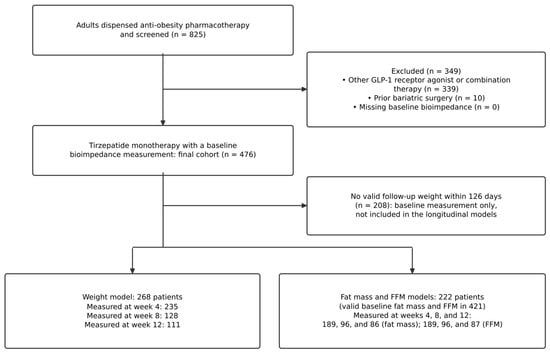
Background: Enterococcal bloodstream infections (BSIs) are increasingly recognized in intensive care units (ICUs) and remain associated with substantial mortality. Although antimicrobial resistance has received considerable attention, the relative impact of host vulnerability, infection timing, systemic inflammation, and illness severity on clinical outcomes remains unclear. This study aimed to identify factors associated with 30-day mortality in ICU patients with enterococcal bloodstream infection and assess the prognostic value of routine inflammatory and immune biomarkers in combination with disease severity indicators. Methods: We conducted a retrospective observational cohort study including adult ICU patients with clinically significant Enterococcus spp. bloodstream infection. Demographic characteristics, comorbidities, infection-related variables, antimicrobial susceptibility profiles, inflammatory biomarkers, severity scores, and the adequacy and timing of antimicrobial therapy were extracted from electronic medical records. BSI timing was categorized as ≤48 h or >48 h after hospital admission. The primary outcome was 30-day all-cause mortality. Multivariable logistic regression, with Sequential Organ Failure Assessment (SOFA) score entered as a continuous variable, was used to identify factors independently associated with mortality. Discriminatory performance of selected markers was evaluated using Receiver operating characteristic (ROC) curve analysis. Results: Among the 280 patients, 148 (52.9%) died within 30 days. In multivariable analysis, higher SOFA score (adjusted odds ratio (aOR) 2.73 per 1-point increase, 95% confidence interval (CI) 2.11–3.53; p < 0.001), neutrophil-to-lymphocyte ratio (NLR) >12 (aOR 2.45, 95% CI 1.03–5.84; p = 0.042), and older age (aOR 1.03 per year, 95% CI 1.00–1.06; p = 0.046) were independently associated with 30-day mortality. Although the CRP/procalcitonin (CRP/PCT) ratio was associated with mortality in univariable analysis, this did not persist after multivariable adjustment. The timing of appropriate antimicrobial therapy was not significantly associated with after multivariable adjustment (overall Wald test, p = 0.097). The multivariable model showed excellent discrimination (area under the curve (AUC) 0.950, 95% CI 0.918–0.973) and a modest but statistically significant improvement over SOFA alone (ΔAUC = 0.018, 95% CI 0.005–0.031; p = 0.005). Conclusions: In critically ill patients with enterococcal BSI, acute illness severity and host-related factors were strongly associated with 30-day mortality. The SOFA score demonstrated strong discriminatory performance and may be useful for early risk stratification, while elevated neutrophil-to-lymphocyte ratio (NLR) remained independently associated with mortality after adjustment for disease severity and other clinical factors. Although NLR may provide complementary prognostic information, its incremental value beyond established severity measures and its clinical utility require further validation.

J. Clin. Med.

19 November 2026

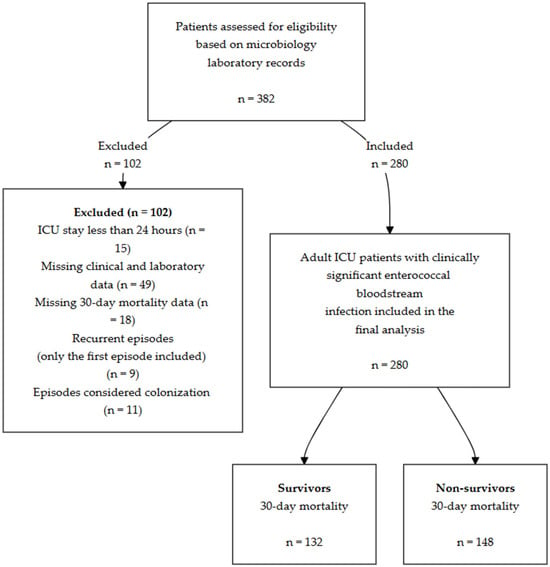
Study flow diagram. This diagram illustrates patient selection from microbiology laboratory records, application of the predefined exclusion criteria, and inclusion of the final cohort of adult ICU patients with clinically significant enterococcal bloodstream infection.
  • Article
  • Open Access

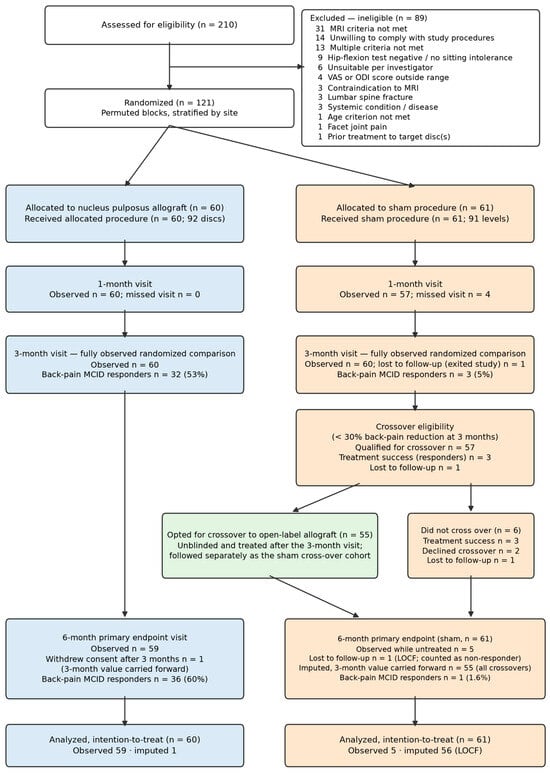
Background: Organ preservation is expected to spare bowel function, but whether that gain is reflected in how patients rate their own quality of life is unclear. Methods: A retrospective comparative cohort study was conducted at a single tertiary center in 2021–2024. Of 52 patients with locally advanced rectal cancer receiving neoadjuvant treatment, 31 entered the watch-and-wait arm and 21 formed a comparator arm. Bowel function (LARS, Wexner, Vaizey) and quality of life (EORTC QLQ-C30, QLQ-CR29) were compared between TME-free (n = 13) and TME respondents (n = 20). Bowel function was the primary outcome family; the rest are exploratory and uncorrected for multiplicity. Results: Bowel function differed widely: median LARS 16.0 vs. 35.5, Wexner 2.0 vs. 11.5, Vaizey 2.0 vs. 15.0 (all p < 0.001), with major LARS in 15.4% vs. 90.0% (p < 0.001). No difference in global quality of life was detected (58.3 vs. 54.2; p = 0.615), or in physical or role functioning. Body image and six colorectal symptom scales favored the TME-free group, whereas blood or mucus, abdominal pain, buttock pain, and bloating showed none. Groups reflect rectal status at assessment, not randomized strategy. Eleven of 17 comparator patients had a coloanal anastomosis, nine of them at the anal verge itself, widening the functional contrast. Freedom from any rectal surgery was 74.2% (23 of 31) in the full arm and 68.4% (13 of 19) per protocol; median follow-up was 15 months. Conclusions: Bowel function was substantially better in TME-free respondents, while this small cross-sectional study did not detect a global quality-of-life difference. Its magnitude and generalizability await larger cohorts.

J. Clin. Med.

19 November 2026

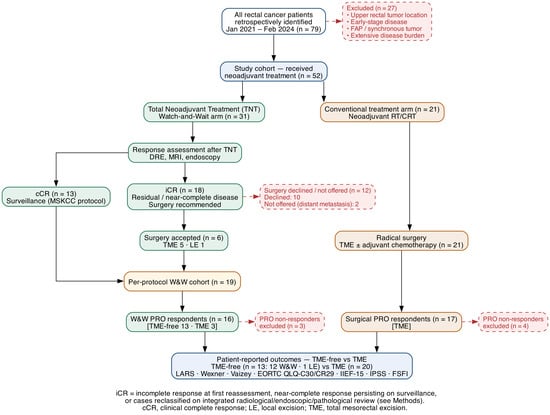
Study flow diagram. Retrospective identification of the cohort, allocation to the watch-and-wait arm after total neoadjuvant treatment and the conventional surgical comparator, response-directed management, and derivation of the per-protocol cohort and patient-reported outcome respondents. Green boxes denote the watch-and-wait arm, orange boxes the conventional treatment arm, the yellow box the per-protocol cohort, and blue boxes the screened, treated, and analyzed cohorts; red dashed boxes show patients excluded at each step. cCR, clinical complete response; iCR, incomplete clinical response; LE, local excision; TME, total mesorectal excision.
  • Article
  • Open Access

Cabozantinib Could Inhibit Hepatitis A Virus Replication in Human Hepatoma Cell Lines

  • Tatsuo Kanda,
  • Reina Sasaki-Tanaka and
  • Shuji Terai
  • + 6 authors

Background/Objectives: Tyrosine kinase inhibitors (TKIs) have been reported to suppress the replication of several hepatotropic viruses. Despite being preventable through vaccination, hepatitis A virus (HAV) infection is still a worldwide public health issue and is also prevalent in Japan. In the context of Japan’s aging population, it is expected that the number of patients with severe hepatitis A will increase. Therefore, it is important to develop antiviral agents against HAV as therapeutic options for severe hepatitis A. Methods: In the present study, the effects of several anticancer drugs on HAV replication were examined in human hepatoma cell lines, including TKIs, which are currently used to treat patients with hepatocellular carcinoma. Results: A 48 h treatment of cabozantinib effectively inhibited HAV HA11-1299 genotype IIIA replication, and a 24 h treatment of cabozantinib with an IC50 of 3.1 µM inhibited replication of the HAV HM175-18f genotype IB subgenomic replicon. Conclusions: Cabozantinib could inhibit HAV replication in vitro and may be useful for the drug development for HAV infection.

J. Clin. Med.

19 November 2026

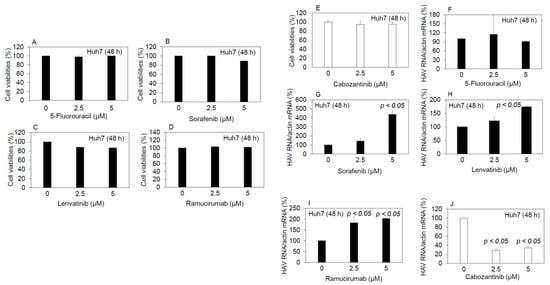
Effects of 48 h treatment of five anticancer drugs on the cell viabilities of Huh7 cells and HAV HA11-1299 genotype IIIA replication in Huh7 cells. Cell viabilities were evaluated by MTS assay (A–E). HAV RNA and actin mRNA were measured using RT-PCR (F–J), and data were analyzed using the ddCt method. The untreated control was set as 100%. (A,F) 5-Fluorouracil (molecular weight (MW), 130.078 g/mol). (B,G) Sorafenib (MW, 464.83 g/mol). (C,H) Lenvatinib (MW, 426.86 g/mol). (D,I) Ramucirumab (MW, 143609.63 g/mol). (E,J) Cabozantinib (MW, 501.51 g/mol). Results are presented as means along with standard deviations (SD) from three independent biological experiments. The p-values were compared to the untreated control, and p &lt; 0.05 was considered significant.
  • Review
  • Open Access

Immunotherapy in Sepsis: State of the Art and the Need for Predictive Biomarkers

  • Andrea Piccioni,
  • Fabio Spagnuolo and
  • Francesco Franceschi
  • + 7 authors

Background/Objectives: Sepsis involves a heterogeneous and dynamic immune response, characterized by the coexistence of hyperinflammation and immunosuppression. This complexity limits the efficacy of immunomodulatory therapies in unselected populations and supports the development of biomarker-guided precision immunotherapy. Methods: A narrative review of publications indexed in PubMed between 2019 and 2026 was conducted. Clinical trials, systematic reviews, and meta-analyses investigating immunotherapeutic strategies in sepsis were prioritized. Additional relevant publications were identified through reference screening. Results: Current approaches target hyperinflammation, restore innate and adaptive immunity, or modulate humoral responses. Anakinra and biomarker-guided strategies have shown promising signals in selected subgroups, whereas studies of nangibotide, interferon-γ, interleukin-7, granulocyte-macrophage colony-stimulating factor, immune checkpoint inhibitors, thymosin α1, and immunoglobulins have yielded heterogeneous results. Despite improvements in immune parameters or organ function reported with some interventions, a consistent mortality benefit has not been established across the general sepsis population. Most available biomarkers provide prognostic or phenotypic information rather than validated predictions of treatment response. Conclusions: Precision immunotherapy represents a promising direction in sepsis management, but its clinical translation remains challenging. Distinguishing prognostic from predictive biomarkers and integrating clinical, cellular, molecular, and functional parameters may improve patient stratification. Dynamic immune monitoring and multimarker classification could support individualized treatment selection and timing. However, prospective validation of treatment–biomarker interactions, standardized assessment methods, and robust evidence of meaningful clinical benefit are essential before widespread implementation.

J. Clin. Med.

19 November 2026

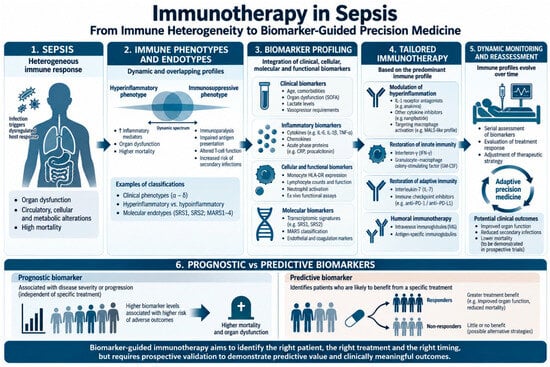
Conceptual framework for biomarker-guided precision immunotherapy in sepsis. Sepsis is characterized by dynamic and overlapping patterns of hyperinflammation and immunosuppression. Integration of clinical, cellular, molecular, and functional biomarkers may support immune phenotyping and the selection of tailored immunotherapeutic strategies. Serial reassessment is essential because immune profiles evolve over time. Importantly, biomarkers associated with disease severity or prognosis should be distinguished from those validated to predict differential treatment responses. Prospective validation of biomarker–treatment interactions and clinically meaningful outcomes remains necessary.

Highly Accessed Articles

News & Conferences

Latest Issues

Open for Submission

Journal Sections

XFacebookLinkedIn
J. Clin. Med. - ISSN 2077-0383