






-
Central Venous Pressure Revisited: Physiology, Pitfalls, Misconceptions, and Modern Clinical Interpretation in Critical Care -
Current Trends and Future Challenges in Transcatheter Aortic Valve Implantation (TAVI): A Narrative Review -
Novel Combination Scalp Therapy for Androgenetic Alopecia: A Preliminary Retrospective Case Series with an Illustrative Four-Year Case -
A Sensorimotor Framework for the Neurorehabilitation of Oculomotor Dysfunction in Parkinson’s Disease -
The History of the Precordial Early Repolarization and Sudden Death Syndrome, Lately Named Brugada Syndrome
Journal Description
Journal of Clinical Medicine
is an international, peer-reviewed, open access journal of clinical medicine, published semimonthly online by MDPI. The International Bone Research Association (IBRA), Spanish Society of Hematology and Hemotherapy (SEHH), Japan Association for Clinical Engineers (JACE), European Independent Foundation in Angiology/ Vascular Medicine (VAS) and others are all affiliated with JCM, and their members receive a discount on article processing charges.
- Open Access— free for readers, with article processing charges (APC) paid by authors or their institutions.
- High Visibility: indexed within Scopus, SCIE (Web of Science), PubMed, PMC, Embase, CAPlus / SciFinder, and other databases.
- Journal Rank: JCR - Q1 (Medicine, General and Internal) / CiteScore - Q1 (General Medicine)
- Rapid Publication: manuscripts are peer-reviewed and a first decision is provided to authors approximately 16.6 days after submission; acceptance to publication is undertaken in 2.8 days (median values for papers published in this journal in the first half of 2026).
- Recognition of Reviewers: Reviewers whose reports are timely and of high quality receive an APC discount voucher for a future publication in an MDPI journal. Become a reviewer.
- Companion journals for JCM include: Transplantology, Uro, Sinusitis, Rheumato, Journal of Clinical & Translational Ophthalmology, Osteology, Complications, Therapeutics, Sclerosis, Journal of CardioRenal Medicine, Rare Diseases and Therapeutics, Journal of Respiration, Cardiovascular Medicine and Journal of Aesthetic Medicine.
- Journal Clusters of Hematology: Hemato, Hematology Reports, Thalassemia Reports and Journal of Clinical Medicine.
Journal Clusters of Surgery: Journal of Clinical Medicine, Surgical Techniques Development, Reports — Clinical Practice and Surgical Cases, Surgeries, Clinics and Practice, European Burn Journal, Complications, Osteology, Transplantology, Anesthesia Research, Emergency Care and Medicine and Journal of Aesthetic Medicine.
Impact Factor:
3.3 (2025);
5-Year Impact Factor:
3.5 (2025)
Latest Articles
Systemic Stress Biomarkers and Patient-Reported Outcomes Following Laparoscopic IPOM+ and Open Rives–Stoppa Repair for Ventral Incisional Hernia: A Prospective Non-Randomized Comparative Study
J. Clin. Med. 2026, 15(18), 7198; https://doi.org/10.3390/jcm15187198 (registering DOI) - 16 Sep 2026
Abstract
Introduction: Ventral incisional hernia repair remains a significant surgical challenge, with ongoing debate regarding the optimal approach. While laparoscopic intraperitoneal onlay mesh (IPOM+) and open Rives–Stoppa techniques are widely utilized, a comprehensive understanding integrating perioperative clinical outcomes, patient-reported quality of life, and the
[...] Read more.
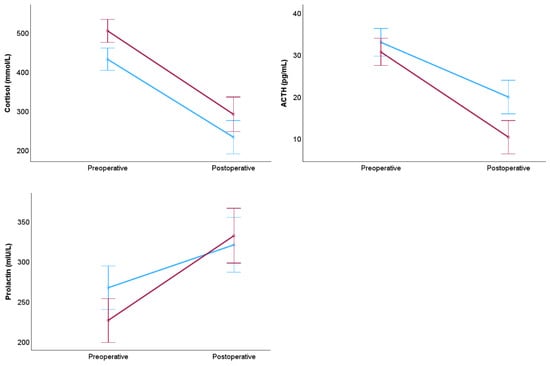
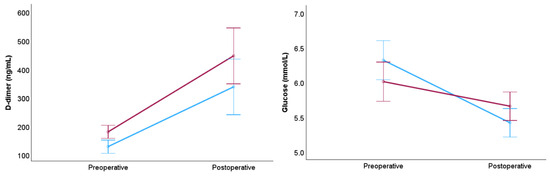
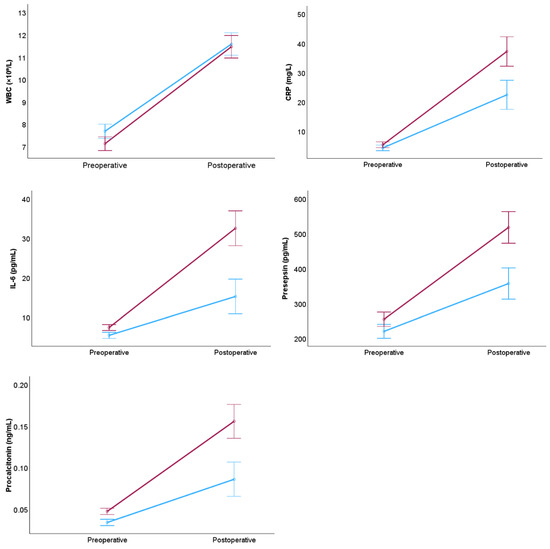
Introduction: Ventral incisional hernia repair remains a significant surgical challenge, with ongoing debate regarding the optimal approach. While laparoscopic intraperitoneal onlay mesh (IPOM+) and open Rives–Stoppa techniques are widely utilized, a comprehensive understanding integrating perioperative clinical outcomes, patient-reported quality of life, and the systemic stress response is lacking. This study aimed to compare these two surgical techniques across these multifaceted domains. Methods: This prospective non-randomized comparative study enrolled 96 adult patients (n = 48 per group) undergoing elective ventral incisional hernia repair via either laparoscopic IPOM+ or open Rives–Stoppa techniques. Perioperative clinical outcomes (operative time, hospital stay, bowel function, pain, analgesic use, complications, self-reported return to daily activities) and EuraHS-QoL scores were assessed. A comprehensive panel of endocrine (cortisol, ACTH, prolactin), inflammatory (IL-6, CRP, presepsin, procalcitonin), and coagulation (D-dimer) biomarkers were measured preoperatively and on the first postoperative day. Results: Laparoscopic IPOM+ repair was associated with more favorable postoperative recovery compared to open repair, characterized by reduced pain, shorter hospital stay, faster return to daily activities and better patient-reported quality of life (all p < 0.001). No significant time-by-group interactions were observed for endocrine or coagulation markers, indicating comparable perioperative trajectories (p > 0.05), while the inflammatory response (IL-6, C-reactive protein, presepsin, and procalcitonin) differed between the two approaches. Significant time-by-group interactions were found for IL-6 (p = 0.005), C-reactive protein (p = 0.015), presepsin (p = 0.040) and procalcitonin (p = 0.006). These associations remained after adjustment for baseline age, BMI, employment status and ASA classification. However, following Bonferroni’s adjustment for multiple comparisons, the observed associations between the biomarkers and the outcome did not remain statistically significant. Conclusions: Laparoscopic IPOM+ was associated with more favorable postoperative recovery and lower one-month EuraHS-QoL scores compared to the open Rives–Stoppa repair. Although some biomarkers suggested a possible difference in the postoperative inflammatory response between the two groups, further studies are needed to determine whether these findings reflect true biological differences between the surgical techniques.
Full article
(This article belongs to the Special Issue Optimizing the Surgical Journey: From Abdominal Operation to Recovery)
►
Show Figures
Open AccessArticle
Aggregation-Sensitive Mortality Associations and Firth Penalized Logistic Regression After Hip Fracture Surgery: A Retrospective Cohort Study
by
Osman Demir
J. Clin. Med. 2026, 15(18), 7195; https://doi.org/10.3390/jcm15187195 (registering DOI) - 16 Sep 2026
Abstract
Background/Objectives: Hip fracture mortality analyses may be influenced by aggregation-related changes in association estimates and sparse data bias, particularly for early mortality outcomes. Methods: This retrospective study included 297 patients who underwent hip fracture surgery between 2020 and 2025. One-year mortality was the
[...] Read more.
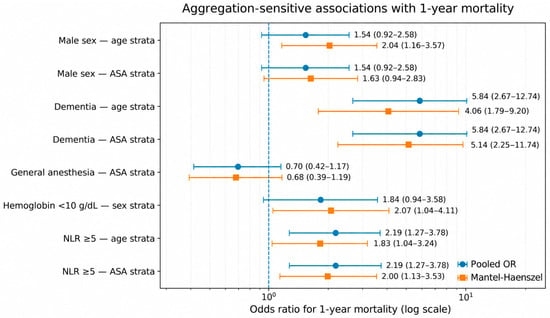
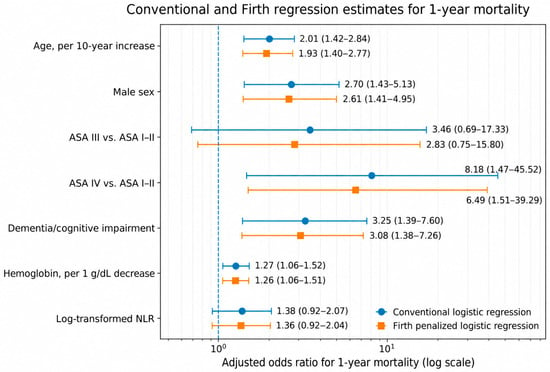
Background/Objectives: Hip fracture mortality analyses may be influenced by aggregation-related changes in association estimates and sparse data bias, particularly for early mortality outcomes. Methods: This retrospective study included 297 patients who underwent hip fracture surgery between 2020 and 2025. One-year mortality was the primary outcome, and 30-day mortality was the secondary outcome. Pooled, stratum-specific, and Mantel–Haenszel odds ratios were compared to explore aggregation-sensitive changes in association estimates. Conventional maximum likelihood logistic regression and Firth penalized logistic regression were fitted using the same predictor set. The model performance was evaluated using the area under the curve (AUC), the Brier score, calibration measures, and bootstrap internal validation with 1000 resamples. Results: Mortality occurred in 36 of 294 evaluable patients within 30 days and 95 of 252 evaluable patients within one year. No complete reversal of the association was observed. Exploratory comparisons suggested age-related attenuation for male sex, modest masking for low hemoglobin levels across sex strata, and mild amplification for dementia and elevated NLR. In the 1-year models, age, male sex, ASA IV status, dementia or cognitive impairment, and lower preoperative hemoglobin levels were independently associated with mortality. The conventional and Firth models demonstrated nearly identical discrimination for 1-year mortality, with apparent AUC values of 0.807 and 0.806, respectively. In bootstrap validation, the conventional model yielded converged estimates in 902 of 1000 resample sets, whereas the Firth model remained estimable in all 1000 resamples. For 30-day mortality, conventional logistic regression was affected by quasi-complete separation, whereas Firth regression produced finite estimates; however, these early mortality findings were considered exploratory because only 36 deaths occurred and some estimates remained highly imprecise. Conclusions: Several mortality associations differed in magnitude between pooled and stratification-adjusted estimates without a complete reversal of association. Firth penalization improved estimability and resampling stability under sparse-event conditions, although it did not materially enhance the discrimination of 1-year mortality. The 30-day mortality findings should be interpreted as exploratory because of the limited number of early deaths and resulting imprecision of some estimates.
Full article
(This article belongs to the Section Orthopedics)
►▼
Show Figures

Figure 1
Open AccessArticle
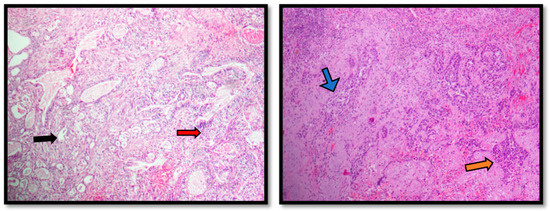
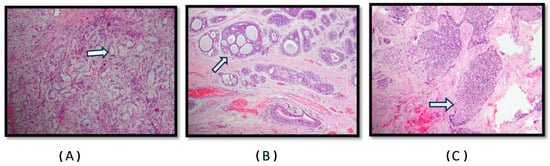
Clinicopathological and Prognostic Comparison of Primary Pulmonary Adenoid Cystic Carcinoma and Mucoepidermoid Carcinoma: A Single-Center Study
by
Neslihan Akanıl Fener, Nurcan Ünver, İbrahim Aras and Melike Ülker
J. Clin. Med. 2026, 15(18), 7194; https://doi.org/10.3390/jcm15187194 (registering DOI) - 16 Sep 2026
Abstract
Objectives: Primary pulmonary salivary gland-type tumors are rare neoplasms, with adenoid cystic carcinoma (ACC) and mucoepidermoid carcinoma (MEC) being the most common histological subtypes. This study aimed to compare the clinicopathological characteristics, treatment outcomes, and survival of patients with ACC and MEC. Methods:
[...] Read more.
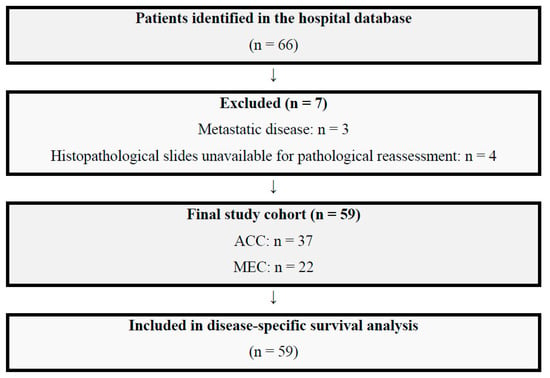
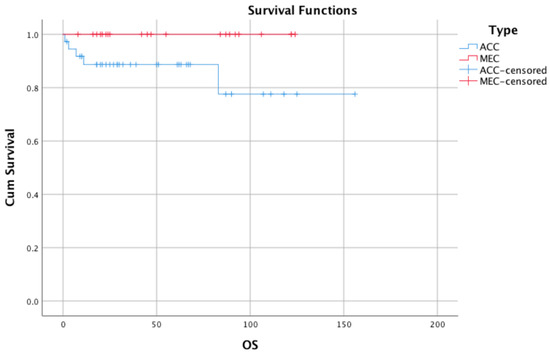
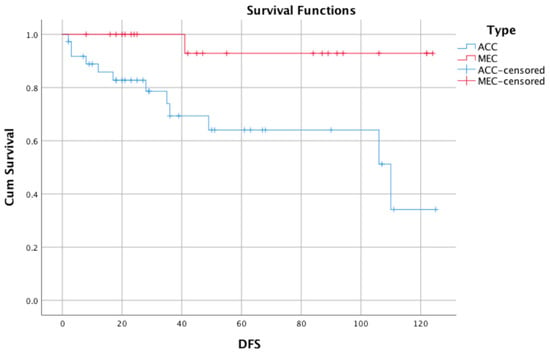
Objectives: Primary pulmonary salivary gland-type tumors are rare neoplasms, with adenoid cystic carcinoma (ACC) and mucoepidermoid carcinoma (MEC) being the most common histological subtypes. This study aimed to compare the clinicopathological characteristics, treatment outcomes, and survival of patients with ACC and MEC. Methods: We retrospectively analyzed 59 patients diagnosed with primary pulmonary salivary gland-type tumors between 2016 and 2025. The cohort included 37 patients with ACC and 22 with MEC. Demographic, clinicopathological, treatment-related, and survival data were compared between the two groups. Results: ACC was significantly associated with tracheal localization (62.2% vs. 13.6%, p < 0.001), positive surgical margins (35.1% vs. 9.1%, p = 0.019), and a higher recurrence/metastasis rate (32.4% vs. 4.5%, p = 0.020). Overall survival did not differ significantly between ACC and MEC (p = 0.530), whereas disease-free survival was significantly lower in the ACC group (p = 0.009). Positive surgical margins were associated with inferior disease-free survival (p = 0.036). Among ACC patients, a predominantly solid histopathological pattern was significantly associated with worse overall survival (p = 0.034). Conclusions: Although ACC and MEC are traditionally grouped as pulmonary salivary gland-type tumors, they demonstrate distinct clinicopathological and prognostic characteristics. ACC is associated with greater surgical complexity, higher recurrence risk, and poorer disease-free survival, emphasizing the importance of achieving negative surgical margins and maintaining long-term follow-up.
Full article
(This article belongs to the Section Oncology)
►▼
Show Figures

Figure 1
Open AccessArticle
Diagnostic Value of Clinical and Optical Coherence Tomography Findings in Primary Vitreoretinal Lymphoma: A Retrospective Cohort Study
by
Mihai-Luca Cioboată, Ioana Tofolean, Suher Abduraman, Radu Burcea, Maria-Alexandra Chiotan-Călin, Radu-Alexandru Chiotan, Dana-Margareta-Cornelia Dăscălescu, Miruna Cioboată, Ali Rıza Cenk Çelebi and Florian Baltă
J. Clin. Med. 2026, 15(18), 7193; https://doi.org/10.3390/jcm15187193 (registering DOI) - 16 Sep 2026
Abstract
Objectives: Primary vitreoretinal lymphoma (PVRL) is a rare intraocular malignancy that can frequently masquerade as chronic uveitis, leading to substantial diagnostic delay. This study aimed to evaluate the diagnostic contribution of clinical examination and optical coherence tomography (OCT) in PVRL, to quantify the
[...] Read more.
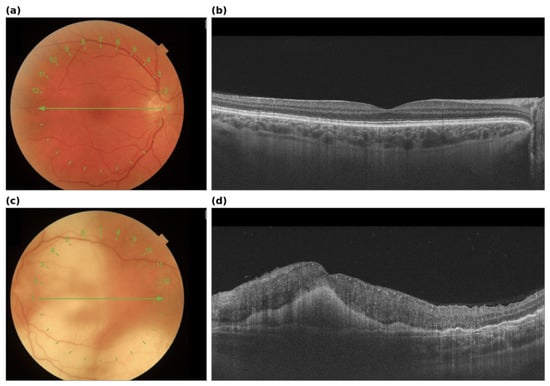
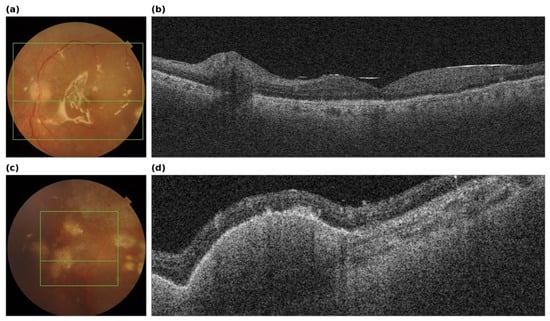
Objectives: Primary vitreoretinal lymphoma (PVRL) is a rare intraocular malignancy that can frequently masquerade as chronic uveitis, leading to substantial diagnostic delay. This study aimed to evaluate the diagnostic contribution of clinical examination and optical coherence tomography (OCT) in PVRL, to quantify the relationship between structural OCT findings and visual acuity (VA), and to identify factors associated with the yield of diagnostic vitrectomy. Methods: We retrospectively analyzed 17 patients with cytologically confirmed PVRL evaluated at two ophthalmology centers in Bucharest, Romania (2018–2023). Demographic, clinical, and OCT data were collected. An exploratory five-item OCT score (retinal infiltrates, sub-retinal pigment epithelium [sub-RPE] lesions, outer retinal hyperreflectivity, outer retinal disorganization, and foveal involvement) was constructed. Associations with VA (logMAR) were assessed using Spearman correlation, Mann–Whitney U, and Fisher’s exact tests. Results: Mean age was 66.1 ± 9.6 years (76.5% female); 76.5% had bilateral involvement at diagnosis, rising to 88.2% during follow-up. Median symptom duration before diagnosis was 250 days. The OCT score correlated strongly with VA (ρ = 0.772, p < 0.001). Outer retinal hyperreflectivity, sub-RPE lesions, retinal infiltrates, and outer retinal disorganization were each associated with significantly worse VA (all p < 0.05), whereas foveal involvement and subretinal fluid were not. A first vitrectomy was diagnostic in 82.4% of cases; prior corticosteroid exposure was significantly associated with an inconclusive initial cytology (Fisher’s exact p = 0.015). Conclusions: OCT findings correlated with visual impairment may help stratify disease severity at diagnosis. Prior corticosteroid exposure was associated with a lower yield of first-attempt vitrectomy, supporting steroid withdrawal before biopsy when feasible. These OCT features occurred together rather than independently, and are therefore best interpreted as a single imaging phenotype.
Full article
(This article belongs to the Section Ophthalmology)
►▼
Show Figures

Figure 1

Open AccessArticle
Association of C-Reactive Protein with Functional Outcome After Acute Ischemic Stroke Across TOAST Subtypes
by
Yoonji Oh, Jeong Ung Jeong, Sang-Hun Lee and Moon-Ho Park
J. Clin. Med. 2026, 15(18), 7192; https://doi.org/10.3390/jcm15187192 (registering DOI) - 16 Sep 2026
Abstract
Background/Objectives: Elevated C-reactive protein (CRP) has been associated with adverse outcomes after acute ischemic stroke (AIS), but whether the association differs by stroke etiology remains uncertain. We evaluated elevated CRP in relation to 3-month functional outcome across Trial of Org 10172 in
[...] Read more.
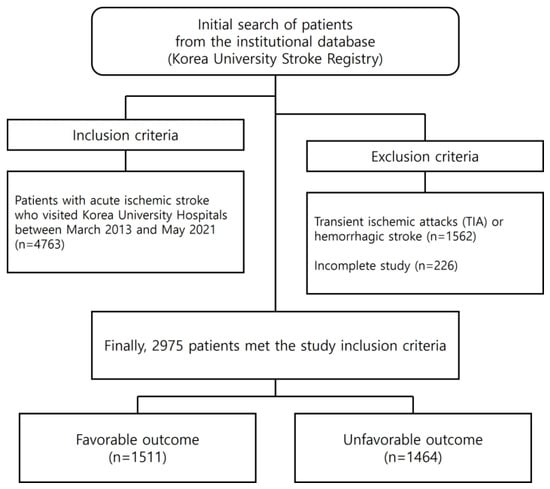
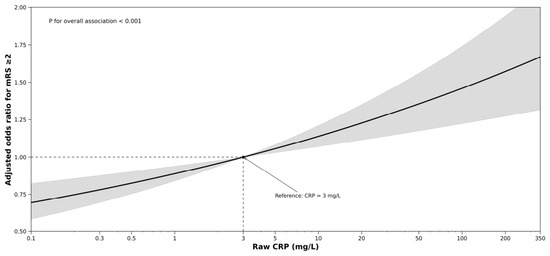
Background/Objectives: Elevated C-reactive protein (CRP) has been associated with adverse outcomes after acute ischemic stroke (AIS), but whether the association differs by stroke etiology remains uncertain. We evaluated elevated CRP in relation to 3-month functional outcome across Trial of Org 10172 in Acute Stroke Treatment (TOAST) subtypes. Methods: This retrospective study included 2975 consecutive patients with AIS from a stroke registry. Elevated CRP was defined as ≥3 mg/L, and the primary outcome was an unfavorable 3-month modified Rankin Scale (mRS) score of 2–6. Multivariable logistic regression was performed overall and within TOAST subtypes. Sensitivity analyses used raw NIHSS, continuous CRP, alternative CRP thresholds, an alternative mRS cutoff, and formal CRP×TOAST interaction testing. Results: Overall, 1464 patients (49.2%) had an unfavorable outcome. In the prespecified model, elevated CRP was associated with an unfavorable outcome overall (adjusted odds ratio [aOR], 1.301; 95% confidence interval [CI], 1.003–1.687; p = 0.047) and in the small-vessel occlusion (SVO) subgroup (aOR, 2.620; 95% CI, 1.094–6.275; p = 0.031). However, the all-category CRP×TOAST interaction was not significant (Pinteraction = 0.154). With nonlinear adjustment for raw NIHSS, the SVO association was attenuated (aOR, 2.243; 95% CI, 0.899–5.598; p = 0.083), and the interaction remained nonsignificant (Pinteraction = 0.317). Conclusions: Higher CRP was associated with unfavorable functional outcome, but the findings did not establish a TOAST subtype-specific association.
Full article
(This article belongs to the Section Clinical Neurology)
►▼
Show Figures

Figure 1
Open AccessArticle
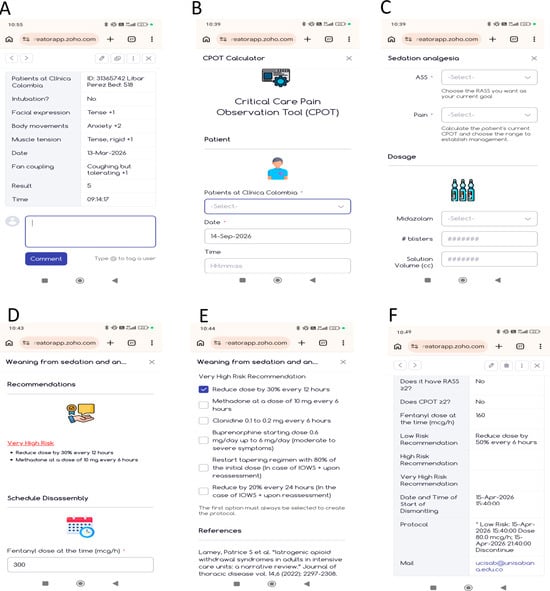
Usability and Quality of UCISAB, a Clinical Decision Support System for Optimization of Analgesia and Sedation Infusions in the ICU: A Multicenter, Cross-Sectional, Mixed-Methods Usability Evaluation in Colombia
by
German David Castillo-Suárez, Manuel Mena, Nadia-Juliana Proaños, Peter Vergara, Cinthya Galindo, Martha Ximena León, Fernando Ríos Barbosa and Rosa-Helena Bustos
J. Clin. Med. 2026, 15(18), 7191; https://doi.org/10.3390/jcm15187191 (registering DOI) - 16 Sep 2026
Abstract
Background: The management of sedative and analgesic infusions in intensive care units (ICUs) represents a global clinical challenge. Clinical decision support systems (CDSSs) have emerged as an approach to facilitate protocol standardization and mitigate adverse effects associated with prolonged sedation and analgesia. Objective:
[...] Read more.
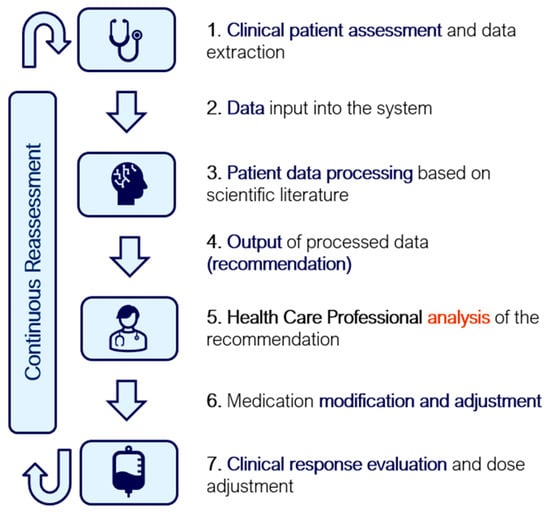
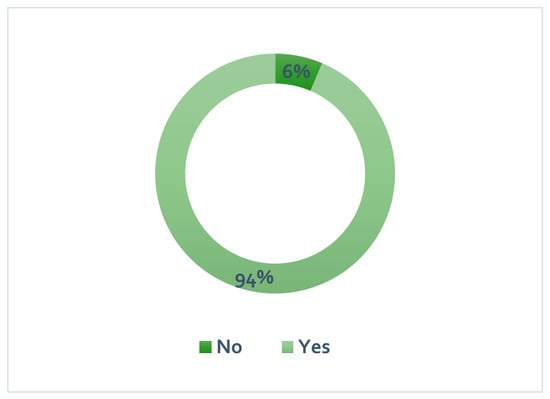
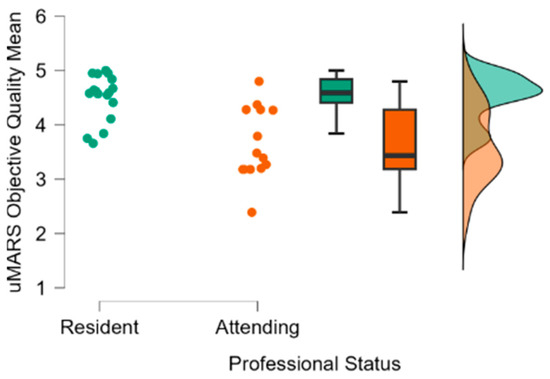
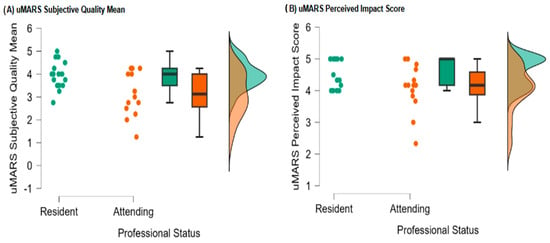
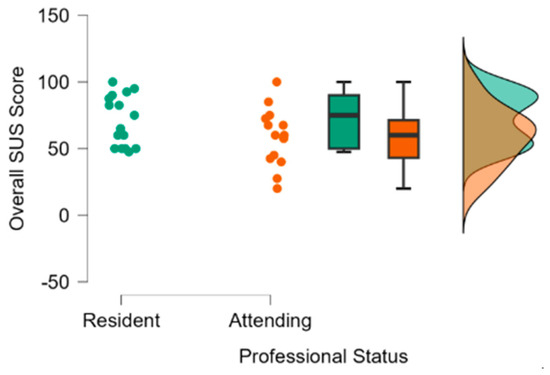
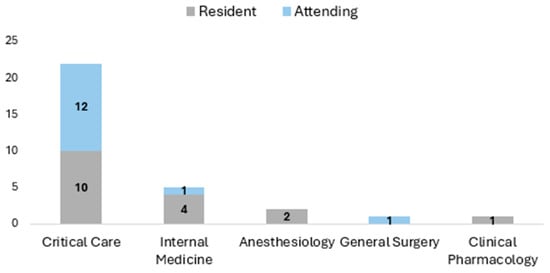
Background: The management of sedative and analgesic infusions in intensive care units (ICUs) represents a global clinical challenge. Clinical decision support systems (CDSSs) have emerged as an approach to facilitate protocol standardization and mitigate adverse effects associated with prolonged sedation and analgesia. Objective: To evaluate the usability and technical quality of UCISAB, a CDSS designed to optimize sedoanalgesia in the ICU. Methods: A multicenter, cross-sectional, mixed-methods usability evaluation was conducted. A prototype was evaluated using the System Usability Scale (SUS) and the User Mobile Application Rating Scale (uMARS), complemented by a qualitative analysis of open-ended comments. Results: A total of 31 physicians participated (attending physicians and residents). The mean SUS usability score was 66.13 (SD ±21.26), categorized as “Marginal High.” On the uMARS, the median scores were 4.28 for objective quality (good), 3.75 for subjective quality (acceptable), and 4.33 for impact (good). The stated willingness to apply the tool’s recommendations in clinical practice reached 93.5%, with a median intention-to-use score (uMARS) of 4.0 (good). Exploratory analysis revealed no significant difference in SUS scores between residents and attending physicians (p = 0.072). In these exploratory comparisons, statistically significant differences by professional role were found only in the uMARS dimensions: objective quality (p < 0.001), subjective quality (p = 0.023), and impact (p = 0.036). Qualitative feedback suggested that the tab-based architecture may increase cognitive load among expert users, highlighting a need for interface simplification. Conclusions: UCISAB showed favorable perceived quality and a high stated willingness to use, while usability remained marginal; further interface and pharmacological refinements, together with prospective clinical validation in real-world settings, are required before routine implementation. Professional role may influence perceived quality, suggesting the potential value of adaptive interface designs; however, this association requires confirmation in future studies. Developing systems that optimize sedation and analgesia in critical care remains an unmet need in ICUs.
Full article
(This article belongs to the Special Issue Advancing Clinical Medicine Through Artificial Intelligence (AI) and Digital Technology: 2nd Edition)
►▼
Show Figures

Figure 1

Open AccessReview
Neural Interfaces for Bidirectional Sensory Restoration in Limb Prostheses: Current Evidence and Clinical Translation
by
Fabiana Battaglia, Cristiano De Marchis, Mariarosaria Galeano, Gabriele Delia, Filippo Cucinotta, Felice Sfravara, Alexander Gardetto and Michele Rosario Colonna
J. Clin. Med. 2026, 15(18), 7190; https://doi.org/10.3390/jcm15187190 - 16 Sep 2026
Abstract
Background: Restoration of sensory feedback has become one of the major goals of modern bidirectional neuroprosthetic rehabilitation, enabling the transition from conventional prosthetic replacement toward bidirectional neuroprosthetic systems capable of restoring physiological sensorimotor communication. This narrative review aims to provide a comprehensive and
[...] Read more.
Background: Restoration of sensory feedback has become one of the major goals of modern bidirectional neuroprosthetic rehabilitation, enabling the transition from conventional prosthetic replacement toward bidirectional neuroprosthetic systems capable of restoring physiological sensorimotor communication. This narrative review aims to provide a comprehensive and clinically oriented overview of current neural and related sensorimotor interfaces for upper- and lower-limb prostheses, focusing on their mechanisms of sensory restoration, clinical performance, and translational potential. Methods: A targeted literature search was conducted in PubMed, Scopus, and Web of Science to identify clinical, translational, and landmark studies published between January 2010 and June 30, 2026. Sources were selected according to prespecified relevance criteria consistent with the narrative design of the review. Owing to the heterogeneity of the included technologies, study designs, populations, and outcomes, the evidence was synthesized narratively. Earlier seminal publications were included when relevant to the physiological basis of sensory restoration and the historical evolution of neural interfaces. The selected literature was analyzed thematically according to neural interface technology, sensory restoration strategies, functional outcomes, and clinical translation. Results: Evidence from small pilot studies and experimental evaluations suggests that direct peripheral and central neural interfaces, biological or regenerative interfaces, neuromuscular signal interfaces, non-invasive sensory-feedback systems, and integrated prosthetic platforms may contribute to the restoration or substitution of tactile, proprioceptive, thermal, and multimodal sensory information. Emerging technologies, including regenerative peripheral nerve interfaces, fully implantable wireless systems, biomimetic sensory encoding, adaptive closed-loop control, and artificial intelligence-assisted decoding, may support further clinical translation, although most remain investigational. However, the available evidence remains limited by small patient cohorts, heterogeneous methodologies, and a lack of standardized long-term outcome measures. Conclusions: Neural and related sensorimotor interfaces have shown the feasibility of providing sensory feedback in selected experimental and early clinical settings. Although no single technology currently fulfils all clinical requirements, the integration of complementary biological, neural, and computational approaches appears to represent the most promising pathway toward personalized neuroprosthetic systems with the potential to improve sensorimotor function, although long-term clinical and quality-of-life benefits remain uncertain.
Full article
(This article belongs to the Section Plastic, Reconstructive and Aesthetic Surgery/Aesthetic Medicine)
Open AccessReview
The Role of Artificial Intelligence in Optimizing Diagnosis in Prostate Cancer—A Narrative Review
by
Razvan George Rahota, Andrei Vlad Badulescu, Bogdan Adrian Buhas, Margareta Moga, Diana Vaidean, Alina Popa and Guillaume Ploussard
J. Clin. Med. 2026, 15(18), 7189; https://doi.org/10.3390/jcm15187189 - 16 Sep 2026
Abstract
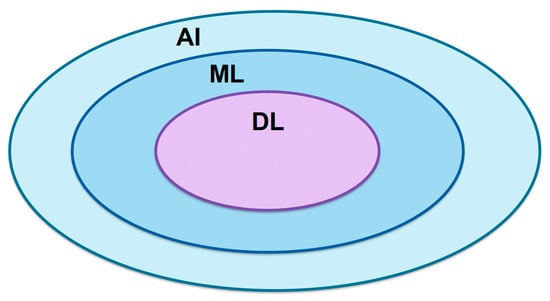
Artificial intelligence (AI) is increasingly being investigated in prostate cancer (PCa) diagnosis and characterization, offering novel approaches to improve detection and risk stratification. This narrative review summarizes current evidence regarding the application of AI across the major stages of PCa management, with particular
[...] Read more.
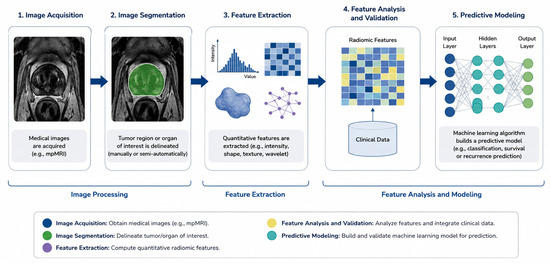
Artificial intelligence (AI) is increasingly being investigated in prostate cancer (PCa) diagnosis and characterization, offering novel approaches to improve detection and risk stratification. This narrative review summarizes current evidence regarding the application of AI across the major stages of PCa management, with particular emphasis on radiomics and pathomics. Radiomics enables the extraction of high-dimensional quantitative features from medical imaging modalities, including ultrasound, computed tomography, multiparametric magnetic resonance imaging (mpMRI), and prostate-specific membrane antigen positron emission tomography (PSMA PET), providing imaging biomarkers that extend beyond conventional visual interpretation. Numerous studies have demonstrated that AI-based radiomic models improve the detection of clinically significant PCa, characterize tumor aggressiveness, predict extracapsular extension, and support individualized treatment selection. Among available imaging modalities, mpMRI remains the cornerstone for radiomics owing to its superior soft-tissue characterization, whereas PSMA PET radiomics has shown particular promise for assessing biologically aggressive disease and metastatic spread. Pathomics has further expanded the role of AI by enabling automated tumor detection, grading, quantification, and identification of adverse pathological features, with promising performance reported in selected retrospective validation studies. Despite encouraging results, widespread clinical implementation remains limited by heterogeneous imaging protocols, variability in data acquisition and annotation, lack of standardized workflows, insufficient prospective multicenter validation, and ethical and regulatory challenges. The aim of this review was to summarize current evidence on AI-based imaging analysis, radiomics, and pathomics for PCa detection, characterization, risk stratification, and pathological assessment, while highlighting the methodological challenges that currently limit clinical implementation.
Full article
(This article belongs to the Special Issue Artificial Intelligence Applications in Urology)
►▼
Show Figures

Figure 1

Open AccessCase Report
Acute Limb Ischemia During Pregnancy: A Case Report and Narrative Review of the Literature
by
Lorenzo Annesi, Erna Saric, Giovanni Tossetta, Christina Stern, Davide Agnoletti, Luciano Potena, Claudio Borghi and Federica Piani
J. Clin. Med. 2026, 15(18), 7188; https://doi.org/10.3390/jcm15187188 - 16 Sep 2026
Abstract
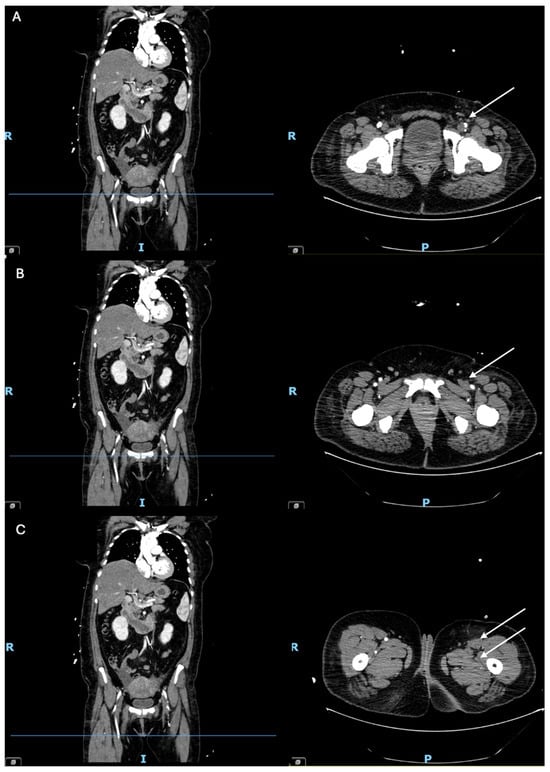
Background: Pregnancy is a well-recognized hypercoagulable state that increases the risk of thrombotic complications, most commonly venous thromboembolism. In contrast, arterial thrombosis, including acute limb ischemia (ALI), is exceedingly rare but potentially catastrophic, and no specific recommendations address its management during pregnancy.
[...] Read more.
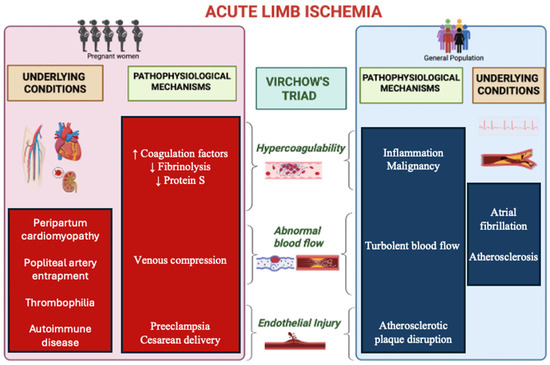
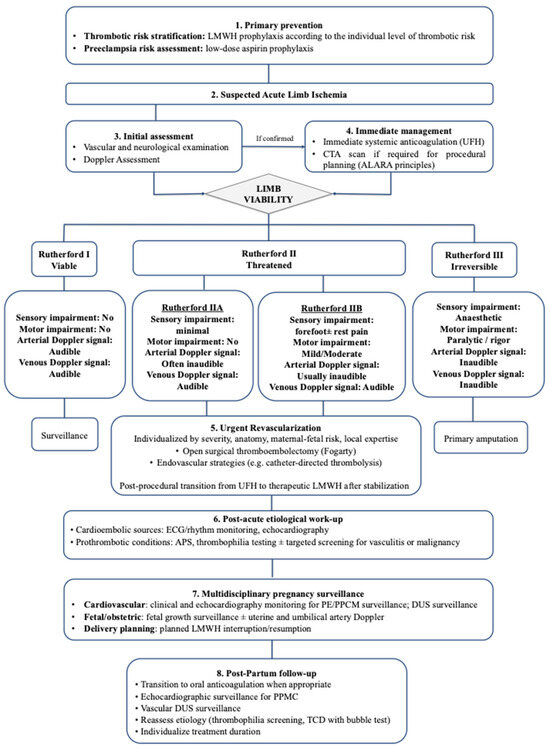
Background: Pregnancy is a well-recognized hypercoagulable state that increases the risk of thrombotic complications, most commonly venous thromboembolism. In contrast, arterial thrombosis, including acute limb ischemia (ALI), is exceedingly rare but potentially catastrophic, and no specific recommendations address its management during pregnancy. Methods: We report the clinical presentation of a pregnant woman who developed ALI during early gestation, along with a narrative review of the available literature. Results: Available evidence on ALI during pregnancy is limited to isolated case reports, predominantly occurring in late gestation or postpartum, with only two cases described in the first or second trimester, both related to popliteal artery entrapment. Cardioembolic events secondary to peripartum cardiomyopathy, often associated with preeclampsia, represent the most frequently reported etiology, whereas in situ arterial thrombosis is uncommon and typically occurs in the presence of thrombophilia or autoimmune disease. We report the first documented case of ALI in early pregnancy occurring in the absence of structural vascular abnormalities, thrombophilic disorders or identifiable cardioembolic triggers, despite the presence of multiple clinical cardiovascular risk factors. The clinical course was further complicated by preeclampsia and postpartum hemorrhage. Conclusions: This case suggests that pregnancy-related prothrombotic changes may contribute to acute arterial thrombosis even in early gestation in the presence of an increased burden of clinical risk factors. We highlight the importance of comprehensive thrombotic risk stratification and the development of evidence-based management strategies for pregnancy-associated arterial thrombosis.
Full article
(This article belongs to the Section Vascular Medicine)
►▼
Show Figures

Figure 1
Open AccessReview
Osteitis Pubis in Athletes in the Era of Pubic-Related Groin Pain: Contemporary Concepts in Diagnosis, Rehabilitation, and Surgical Decision-Making
by
Alessandro Massè, Riccardo Giai Via, Salvatore Risitano and Matteo Giachino
J. Clin. Med. 2026, 15(18), 7187; https://doi.org/10.3390/jcm15187187 - 16 Sep 2026
Abstract
Background: Osteitis pubis (OP) is a recognized contributor of anterior pelvic and groin pain, particularly in athletic populations, and is currently included within the wider spectrum of pubic-related groin pain. Despite the growing body of literature, clinical management is still challenging and
[...] Read more.
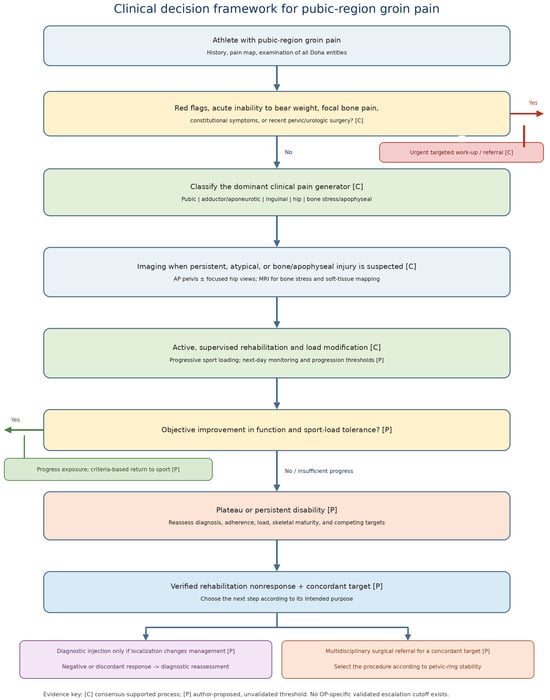
Background: Osteitis pubis (OP) is a recognized contributor of anterior pelvic and groin pain, particularly in athletic populations, and is currently included within the wider spectrum of pubic-related groin pain. Despite the growing body of literature, clinical management is still challenging and controversial. Significant conceptual confusion persists among related clinical entities; few reviews address the real-world clinical decision-making process; and a poorly defined “grey area” exists between conservative and surgical treatment strategies. Objectives: This extensive narrative review aimed to clarify key unresolved issues in the management of osteitis pubis by examining the available evidence to: (1) distinguish osteitis pubis from other causes of pubic-related groin pain; (2) evaluate the clinical criteria guiding progression through conservative treatment strategies; and (3) define the role and limitations of intermediate interventions between conservative and surgical management. Methods: An extensive narrative search of PubMed/MEDLINE for publications dated through 4 August 2026 was performed. Clinical studies, consensus statements, systematic and narrative reviews, randomized and nonrandomized trials, observational studies, and case series addressing epidemiology, pathophysiology, diagnosis, imaging, conservative treatment, intermediate interventions, surgery, and return to sport were considered. Reference lists of relevant articles were also screened to identify additional studies. Eligibility criteria, evidence directness, and design-specific methodological limitations were described. Results: The current literature shows considerable heterogeneity in terminology, diagnostic criteria, and imaging interpretation, with inconsistent clinico-radiological correlation. Pubic-related groin pain is a clinical regional classification, whereas OP is used here as an author-proposed clinico-radiological phenotype. Conservative management remains the first-line treatment; however, uniform criteria for defining treatment progression and failure are lacking, and much treatment evidence is indirect or derived from mixed groin-pain populations. Injection-based and other interventional therapies are widely used as diagnostic and therapeutic tools despite limited and heterogeneous evidence. Surgical treatment is reserved for selected refractory cases, although indications and techniques vary considerably across studies. Recent evidence further stresses the frequent coexistence of adductor, aponeurotic, inguinal, and hip-related abnormalities and the need to identify a clinically concordant pain generator before treatment escalation. Conclusions: This review offers a decision-oriented synthesis and proposes an evidence-informed clinical framework. Organizing the available evidence within a coherent diagnostic and therapeutic framework supports individualized clinical decision-making and identifies priorities for future high-quality studies.
Full article
(This article belongs to the Special Issue Clinical Advancements in Orthopedic Trauma Treatments)
►▼
Show Figures

Figure 1
Open AccessArticle
Craniofacial Morphology and Foot Posture: Prevalence of Foot and Postural Deviations and Their Association with Sagittal Skeletal Class in a Cross-Sectional Clinical Study
by
Santiago Beltrán-Megías, Isabel Carda-Navarro, Lidia Galán-López, Esther García-Miralles, Clara Guinot-Barona, Laura Marqués-Martínez, Paula Iborra Plaja and Juan Ignacio Aura-Tormos
J. Clin. Med. 2026, 15(18), 7186; https://doi.org/10.3390/jcm15187186 - 16 Sep 2026
Abstract
Objectives: To describe foot and global postural deviations in a mixed-age university-clinic sample and examine their associations with cephalometrically defined sagittal skeletal class and facial growth pattern. Methods: This cross-sectional study included 98 individuals aged 8–62 years; 76 participants (77.6%) were adults. Foot
[...] Read more.
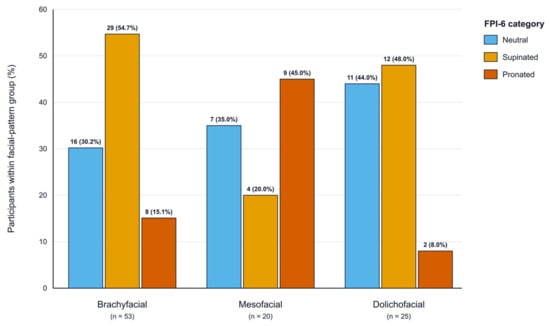
Objectives: To describe foot and global postural deviations in a mixed-age university-clinic sample and examine their associations with cephalometrically defined sagittal skeletal class and facial growth pattern. Methods: This cross-sectional study included 98 individuals aged 8–62 years; 76 participants (77.6%) were adults. Foot posture was assessed with the FPI-6 and plantar footprint, global posture by sagittal-plane visual analysis, and centre-of-pressure behaviour by instrumented gait in a subsample. Associations were tested using chi-square or Fisher–Freeman–Halton exact tests, Cramér’s V, and Bonferroni-adjusted p-values. Age- and sex-adjusted continuous modelling was not possible because complete data could not be reliably reconstructed. Results: Supination was the most frequent FPI-6 category (45.9%), and 30.8% showed ideal alignment. Sagittal skeletal class was not associated with any outcome (all p ≥ 0.341; all pBonf = 1.000). Facial pattern was associated with FPI-6 in the primary analysis (exact p = 0.007; V = 0.265), but not after Bonferroni correction (pBonf = 0.070). The five-category sensitivity analysis remained significant (exact p = 0.0016; pBonf = 0.016; V = 0.353), although intermediate groups were small. Conclusions: No detectable association was found between sagittal skeletal class and foot, postural, or gait variables. The facial-pattern finding remains exploratory, and the lack of age and sex adjustment limits inference.
Full article
(This article belongs to the Special Issue Orthodontics: State of the Art and Perspectives)
►▼
Show Figures

Figure 1
Open AccessReview
The Unfinished Story of Sickle Cell Nephropathy: A Narrative Review of Knowledge Gaps and Research Imperatives
by
Mohammed Somaili
J. Clin. Med. 2026, 15(18), 7185; https://doi.org/10.3390/jcm15187185 (registering DOI) - 16 Sep 2026
Abstract
Sickle cell nephropathy (SCN) is one of the most consequential yet under-recognized complications of sickle cell disease (SCD), contributing significantly to long-term morbidity and premature mortality. Despite its clinical importance, SCN often escapes early detection, in part because standard measures of kidney function
[...] Read more.
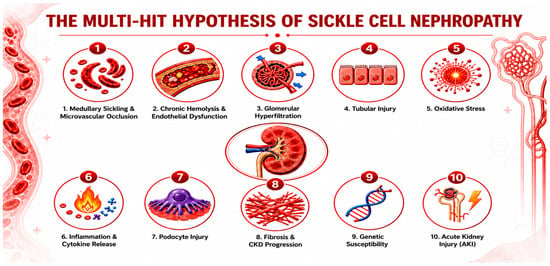
Sickle cell nephropathy (SCN) is one of the most consequential yet under-recognized complications of sickle cell disease (SCD), contributing significantly to long-term morbidity and premature mortality. Despite its clinical importance, SCN often escapes early detection, in part because standard measures of kidney function can mask disease that is already well established. This narrative review synthesizes current evidence on SCN, examining the diagnostic strategies and the evolving therapeutic landscape—with particular attention paid to hydroxyurea, erythropoiesis-stimulating agents, and renal replacement therapy—and identifies the research gaps that must be addressed to improve outcomes for this patient population.
Full article
(This article belongs to the Section Nephrology & Urology)
►▼
Show Figures

Figure 1
Open AccessArticle
Salvage Autologous Stem Cell Transplantation in Relapsed/Refractory Multiple Myeloma: Long-Term Efficacy and Safety Outcomes from a Single-Center Real-World Cohort
by
Gulten Korkmaz, Funda Ceran, Simten Dagdas, Sertan Akgun, Kerim Kızılkaya, Ahmet Ceylan, Fahir Ozturk, Muruvvet Seda Aydın, Emel Isleyen, Merve Ecem Erdogan Yon and Gulsum Ozet
J. Clin. Med. 2026, 15(18), 7184; https://doi.org/10.3390/jcm15187184 - 16 Sep 2026
Abstract
Background: The role of salvage autologous stem cell transplantation (ASCT) in relapsed/refractory multiple myeloma (R/R MM) is being reconsidered in the era of novel immunotherapies. We evaluated the long-term efficacy and safety of salvage ASCT in a real-world single-center cohort. Methods: We retrospectively
[...] Read more.
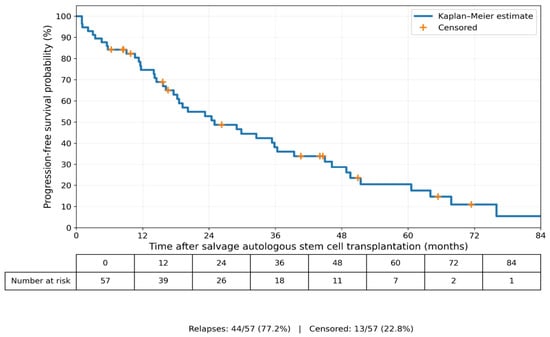
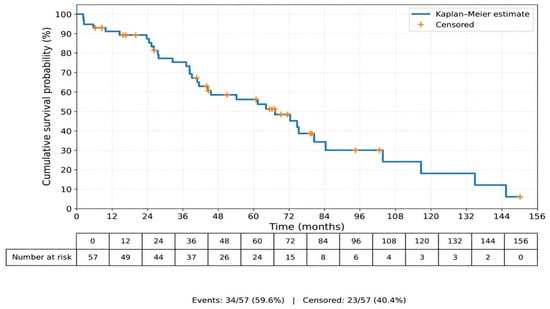
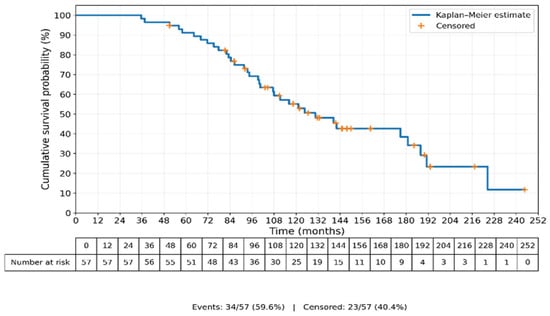
Background: The role of salvage autologous stem cell transplantation (ASCT) in relapsed/refractory multiple myeloma (R/R MM) is being reconsidered in the era of novel immunotherapies. We evaluated the long-term efficacy and safety of salvage ASCT in a real-world single-center cohort. Methods: We retrospectively analyzed 57 patients with R/R MM who underwent salvage ASCT between March 2012 and August 2025. Clinical characteristics, treatment responses, toxicities, progression-free survival (PFS), overall survival (OS), and prognostic factors were assessed. Results: The mean age at salvage ASCT was 60.2 ± 8.2 years. Before salvage ASCT, 50.9% of patients achieved complete response or very good partial response, increasing to 80.7% by day +100. Transplant-related mortality was 3.5%, while infection or febrile neutropenia occurred in 77.2%. Median PFS and OS after salvage ASCT were 34.0 months (95% CI, 28.8–39.2) and 67.2 months (95% CI, 46.2–88.2), respectively. Median OS from diagnosis was 130.5 months. In multivariate analysis, higher LDH and pre-transplant refractory status were independently associated with PFS, whereas age at salvage ASCT and beta-2 microglobulin level were independently associated with OS. Conclusions: Salvage ASCT was associated with durable disease control and acceptable transplantation-related outcomes in this carefully selected cohort. Its comparative role relative to contemporary immunotherapies requires prospective evaluation.
Full article
(This article belongs to the Section Hematology)
►▼
Show Figures

Figure 1

Open AccessArticle
Assessing Gamma Index Sensitivity to Selected Linear Accelerator Mechanical Errors Using Various Dosimetric Systems
by
Hande Bas Ayata, Gokhan Aydin, Emrah Gokay Ozgur, Zeynep Ozen, Talip Celik and Ozcan Gundogdu
J. Clin. Med. 2026, 15(18), 7183; https://doi.org/10.3390/jcm15187183 - 16 Sep 2026
Abstract
Background: Volumetric modulated arc therapy (VMAT) for stereotactic body radiotherapy (SBRT) involves highly modulated dose distributions and steep dose gradients, increasing the importance of patient-specific quality assurance (QA). Gamma index analysis is widely used for comparing measured and treatment planning system (TPS)-calculated dose
[...] Read more.
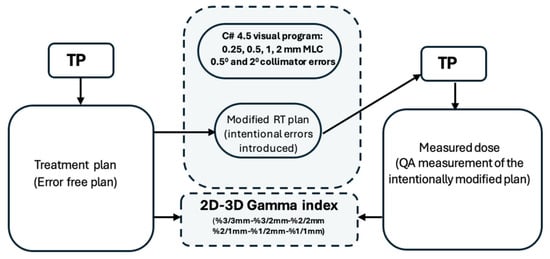
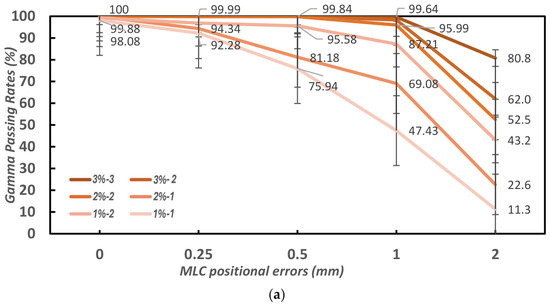
Background: Volumetric modulated arc therapy (VMAT) for stereotactic body radiotherapy (SBRT) involves highly modulated dose distributions and steep dose gradients, increasing the importance of patient-specific quality assurance (QA). Gamma index analysis is widely used for comparing measured and treatment planning system (TPS)-calculated dose distributions; however, its sensitivity to small systematic mechanical errors remains controversial, particularly across different detector systems and normalization methods. This study aimed to investigate the sensitivity of various gamma index criteria to intentional linear accelerator-based mechanical errors, including multileaf collimator (MLC) positional deviations and collimator rotation errors, using four dosimetric systems. Additionally, global and local gamma analyses were compared to evaluate their ability to detect clinically relevant geometric deviations in SBRT VMAT. Methods: Twenty-five lung SBRT VMAT plans were retrospectively selected. For each patient, six additional plans containing systematic MLC aperture widening errors (0.25, 0.5, 1, and 2 mm) and collimator rotation errors (0.5° and 2°) were generated, resulting in 175 treatment plans. Each plan was delivered to five different patient-specific QA dosimetric systems, resulting in a total of 875 QA measurements. Patient-specific QA measurements were performed using EPID-based EPIQA, ArcCHECK (SNCPATIENT/3DVH), COMPASS (Matrixx Evolution), and Octavius 4D systems. Gamma analyses were conducted using 3%/3 mm, 3%/2 mm, 2%/2 mm, 2%/1 mm, 1%/2 mm, and 1%/1 mm criteria with a 10% dose threshold. Pearson correlation analysis assessed relationships between global and local gamma results. Linear regression slopes quantified sensitivity to MLC aperture widening errors. Receiver operating characteristic (ROC) curves and area under the curve (AUC) values were calculated to evaluate error detectability. Results: Gamma sensitivity varied considerably depending on the characteristics of the dosimetric system (including detector resolution, reconstruction algorithm, and evaluation method) as well as the selected gamma criteria. The 2%/1 mm criterion consistently demonstrated high sensitivity across all systems, providing strong discrimination of ≥0.5 mm MLC errors and near-perfect AUC values for ≥1 mm deviations. The 1%/1 mm criterion yielded the steepest regression slopes but produced unstable passing rates, including in error-free plans, particularly in lower-resolution systems. Conventional 3%/3 mm and 3%/2 mm criteria frequently failed to detect clinically relevant submillimeter MLC deviations. EPID-based EPIQA showed the highest overall sensitivity and AUC performance for small errors, whereas ArcCHECK and Octavius 4D exhibited reduced responsiveness to subtle deviations. Conclusions: Gamma index performance in SBRT VMAT QA is strongly dependent on detector characteristics and gamma configuration. Among the evaluated criteria, 2%/1 mm provided the most balanced combination of sensitivity and clinical stability. Widely used 3%/3 mm thresholds were insufficient for detecting submillimeter geometric deviations. Detector-specific and technique-specific gamma protocols should be implemented to ensure reliable identification of clinically relevant mechanical errors in high-precision radiotherapy.
Full article
(This article belongs to the Section Oncology)
►▼
Show Figures

Figure 1

Open AccessArticle
Remimazolam Versus Dexmedetomidine for Monitored Anesthesia Care in Patients Undergoing Transfemoral Transcatheter Aortic Valve Implantation: A Randomized Clinical Trial
by
Sung-woo Hyung, Myokyung Choi, Mee Young Chung and Wonjung Hwang
J. Clin. Med. 2026, 15(18), 7182; https://doi.org/10.3390/jcm15187182 - 16 Sep 2026
Abstract
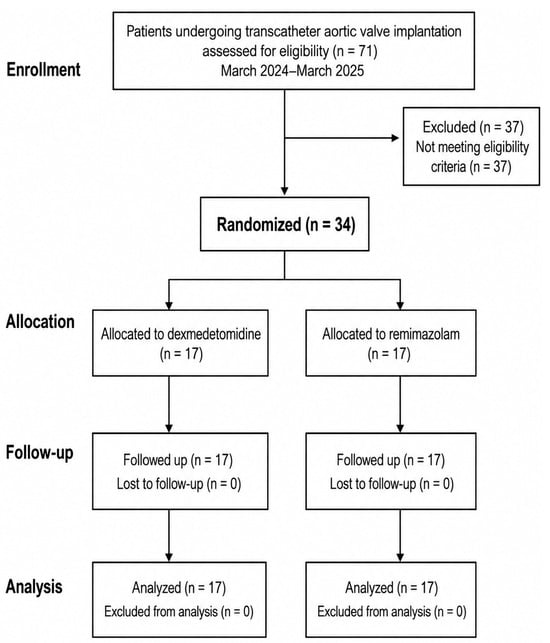
Background/Objectives: Monitored anesthesia care is increasingly used for transfemoral transcatheter aortic valve implantation (tf-TAVI), but the optimal sedative regimen remains uncertain. We compared remimazolam with dexmedetomidine during tf-TAVI. Methods: In this single-center randomized trial, 34 patients were assigned 1:1 to remimazolam
[...] Read more.
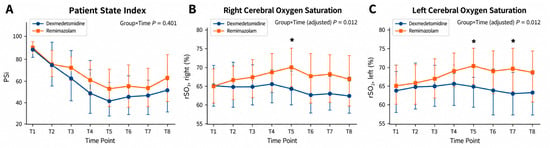
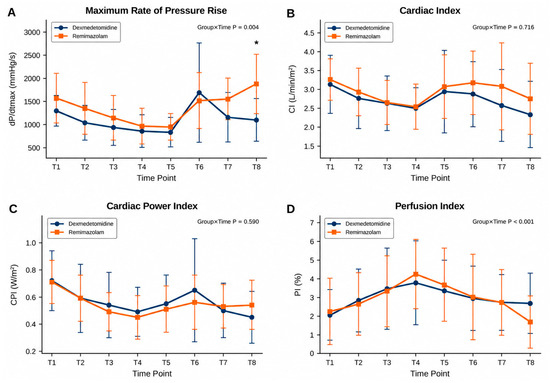
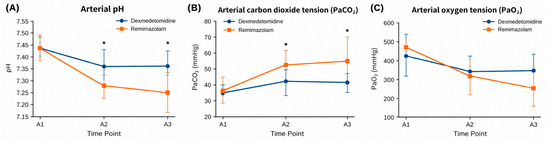
Background/Objectives: Monitored anesthesia care is increasingly used for transfemoral transcatheter aortic valve implantation (tf-TAVI), but the optimal sedative regimen remains uncertain. We compared remimazolam with dexmedetomidine during tf-TAVI. Methods: In this single-center randomized trial, 34 patients were assigned 1:1 to remimazolam or dexmedetomidine. Primary outcomes were the number of intraoperative hypotensive episodes, defined as mean arterial pressure <65 mmHg requiring vasopressor treatment, and cumulative phenylephrine and norepinephrine doses. Secondary outcomes included hemodynamic and physiological variables, regional cerebral oxygen saturation (rSO2), arterial blood gases, recovery time, surgeon requests for deeper sedation, and procedural outcomes. Longitudinal variables were analyzed using generalized estimating equations with Holm adjustment for time-specific comparisons. Results: No significant between-group differences were detected in intraoperative hypotensive episodes or cumulative phenylephrine and norepinephrine doses, and no significant group-by-time interactions were observed for blood pressure. Both left and right rSO2 showed significant group-by-time interactions, with higher remimazolam values at selected time points after Holm adjustment. Arterial carbon dioxide tension was higher and arterial pH lower with remimazolam immediately before rapid ventricular pacing and at procedure completion. Recovery was faster with remimazolam (mean ± standard deviation, 13.5 ± 7.2 vs. 32.4 ± 12.5 min; p < 0.001), and surgeon requests for deeper sedation were less frequent (11.8% vs. 76.5%; p < 0.001). Conclusions: Remimazolam was associated with faster recovery and fewer surgeon requests for deeper sedation; however, the trial was not designed or powered to establish equivalence for hypotensive episodes, vasopressor requirements or hemodynamic outcomes.
Full article
(This article belongs to the Section Anesthesiology)
►▼
Show Figures

Figure 1
Open AccessReview
Coronary Artery Disease and Atrial Fibrillation in HighBleeding Risk: Indications and Optimal Antithrombotic Therapy After Percutaneous Left Atrial Appendage Occlusion
by
Alessandro Mazzapicchi, Francesco Gallo, Luca Zanarelli, Francesco Filice, Michele Trichilo, Alfonso Ielasi, Maurizio Tespili, Macarena Grassi, Gennaro Carmine Semeraro, Giuseppe De Luca and Francesco Giannini
J. Clin. Med. 2026, 15(18), 7181; https://doi.org/10.3390/jcm15187181 - 16 Sep 2026
Abstract
Background/Objectives: Atrial fibrillation and coronary artery disease frequently coexist in patients undergoing percutaneous left atrial appendage occlusion (LAAO), creating a complex therapeutic setting in which prevention of device-related thrombosis, cardioembolic events, and coronary ischemic complications must be balanced against a high or prohibitive
[...] Read more.
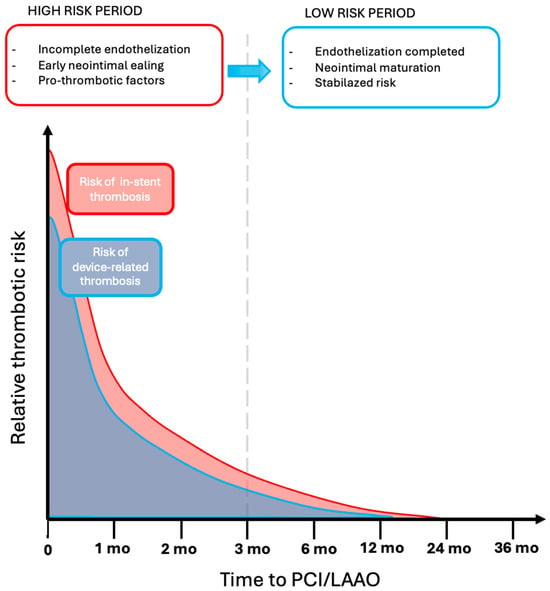
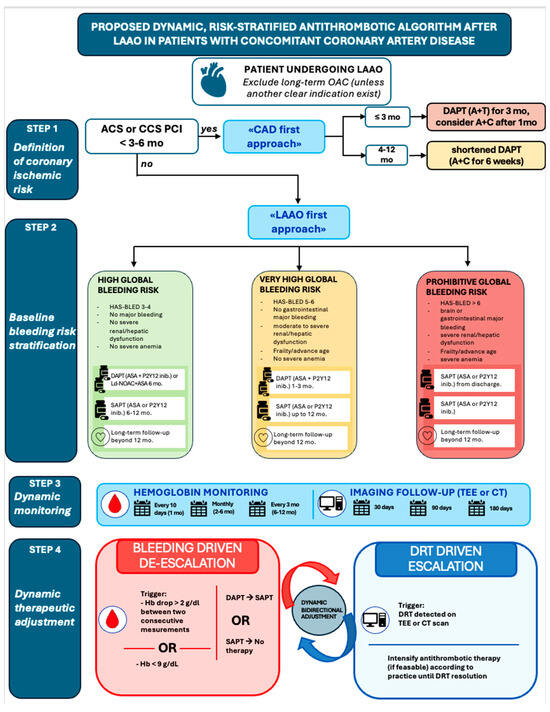
Background/Objectives: Atrial fibrillation and coronary artery disease frequently coexist in patients undergoing percutaneous left atrial appendage occlusion (LAAO), creating a complex therapeutic setting in which prevention of device-related thrombosis, cardioembolic events, and coronary ischemic complications must be balanced against a high or prohibitive bleeding risk. The optimal post-procedural antithrombotic regimen remains uncertain, particularly in patients with previous or recent percutaneous coronary intervention or acute coronary syndrome. Methods: This narrative review examines the rationale and current evidence supporting antithrombotic therapy after LAAO and integrates these data with contemporary strategies for abbreviated or de-escalated antiplatelet therapy after coronary intervention. Results: Device-related thrombosis occurs predominantly within the first 45–90 days after implantation, corresponding to the period of incomplete device endothelialisation, whereas thrombotic risk after coronary stenting or acute coronary syndrome is similarly greatest during the early phase and progressively declines thereafter. This temporal overlap supports an initially protective regimen followed by early treatment simplification whenever appropriate. We propose a pragmatic framework in which treatment intensity is determined by a global bleeding–thrombotic risk profile incorporating bleeding history, anaemia, comorbidities, frailty, coronary presentation, procedural complexity, and follow-up imaging. The approach includes predefined triggers for rapid de-escalation in the presence of relevant bleeding or haemoglobin decline and escalation when device-related thrombosis is detected. Conclusions: Current evidence remains heterogeneous and largely observational, the proposed algorithm should be considered a decision-support framework rather than a prescriptive pathway. Prospective randomised studies are needed to define the safest individualised regimen for patients with concomitant LAAO and coronary artery disease.
Full article
(This article belongs to the Special Issue Advances in Anticoagulant and Antiplatelet Therapy for Coronary Artery Disease: 2nd Edition)
►▼
Show Figures

Figure 1
Open AccessArticle
Undifferentiated Prehospital Chest Pain: Aetiologies and a Proof-of-Concept Model for Significant Coronary Lesions
by
Sophie Laporal, Olivier Giovannetti and Prabakar Vaittinada Ayar
J. Clin. Med. 2026, 15(18), 7180; https://doi.org/10.3390/jcm15187180 - 16 Sep 2026
Abstract
Background: Undifferentiated chest pain is one of the most common reasons for emergency medical service (EMS) activation, yet its aetiological spectrum remains poorly characterised in the prehospital setting. Furthermore, no clinical prediction model has been specifically developed to identify patients at risk
[...] Read more.
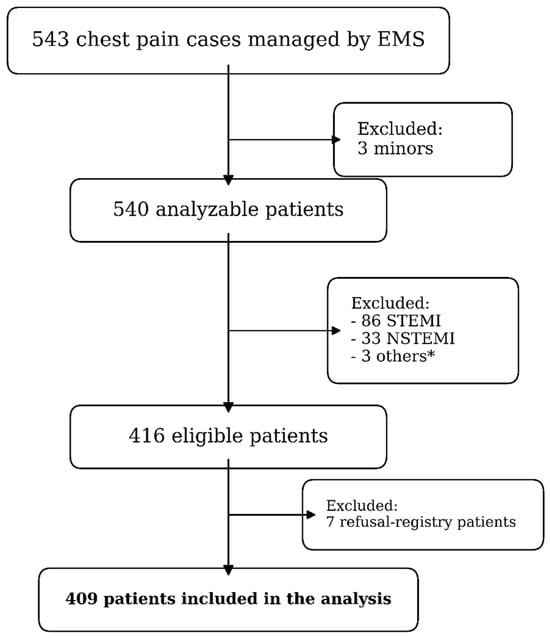
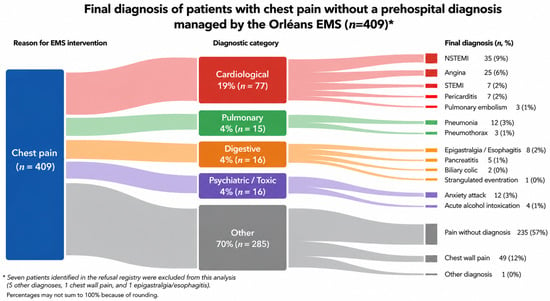
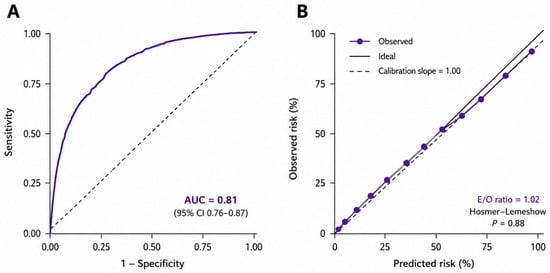
Background: Undifferentiated chest pain is one of the most common reasons for emergency medical service (EMS) activation, yet its aetiological spectrum remains poorly characterised in the prehospital setting. Furthermore, no clinical prediction model has been specifically developed to identify patients at risk of significant coronary lesions using only information available before hospital arrival. This study aimed to describe the aetiologies of undifferentiated prehospital chest pain and develop a proof-of-concept clinical prediction model. Methods: We conducted a retrospective, single-centre study including 409 consecutive patients managed by the Orléans Mobile Intensive Care Unit (MICU) for undifferentiated chest pain between January and June 2024. Predictors of clinically significant coronary artery disease identified during in-hospital coronary assessment and management were evaluated using multivariable logistic regression. Model performance was assessed by discrimination and calibration, and internally validated using 1000 bootstrap resamples. Results: Cardiological aetiologies accounted for 19% of cases, including 53 patients (13%) meeting the primary outcome of clinically significant coronary artery disease. Four independent predictors were identified: age (OR 6.7–8.9 according to category), male sex (OR 2.2), typical chest pain (OR 6.6), and a positive family history of cardiovascular disease (OR 3.4). These variables were combined to develop the HATS (History, Age, Typical chest pain, Sex) model. The model demonstrated good discrimination (AUC 0.81), and satisfactory internal calibration (Hosmer–Lemeshow p = 0.88), with limited optimism after bootstrap validation. Conclusions: This study characterises the aetiological spectrum of undifferentiated prehospital chest pain and proposes HATS as an exploratory proof-of-concept prediction model. Prospective multicentre external validation and subsequent assessment of clinical utility are required before any consideration of clinical implementation.
Full article
(This article belongs to the Section Emergency Medicine)
►▼
Show Figures

Figure 1
Open AccessSystematic Review
Effects of Botulinum Toxin Injection on Masticatory Muscle Activity in Sleep Bruxism: A Systematic Review and Meta-Analysis
by
Matteo Val, Anna Colonna, Laura Nykänen and Matteo Pollis
J. Clin. Med. 2026, 15(18), 7179; https://doi.org/10.3390/jcm15187179 - 16 Sep 2026
Abstract
Background/Objectives: Bruxism, encompassing both awake (AB) and sleep bruxism (SB), is a prevalent condition associated with involuntary jaw muscle activity, leading to tooth wear and muscle hypertrophy. Botulinum toxin type A (BoNT-A) has emerged as a potential treatment by reducing masticatory muscle hyperactivity.
[...] Read more.
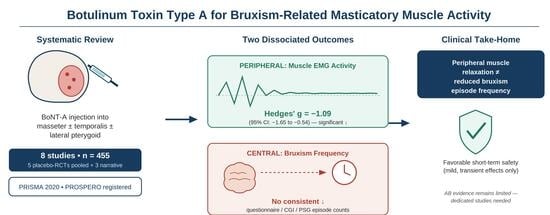
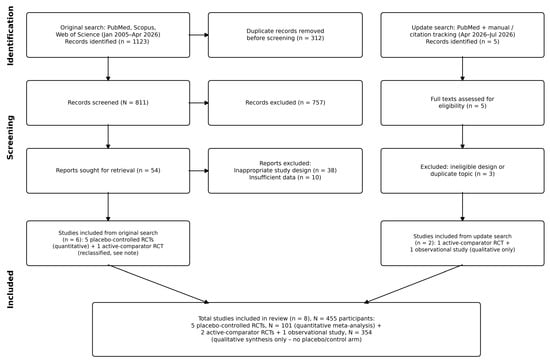
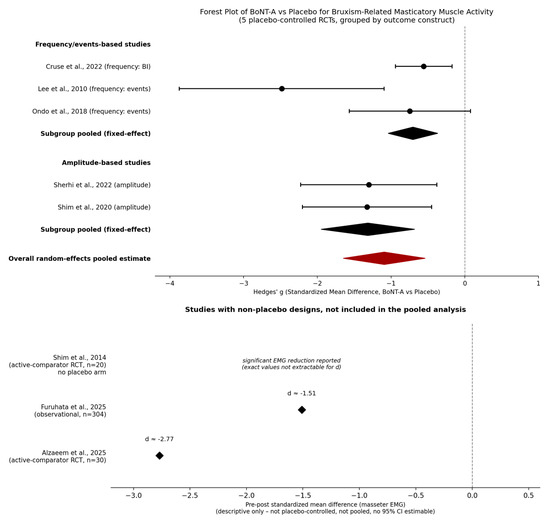
Background/Objectives: Bruxism, encompassing both awake (AB) and sleep bruxism (SB), is a prevalent condition associated with involuntary jaw muscle activity, leading to tooth wear and muscle hypertrophy. Botulinum toxin type A (BoNT-A) has emerged as a potential treatment by reducing masticatory muscle hyperactivity. This systematic review aimed to evaluate the efficacy of administering BoNT-A injections into the masticatory muscles for reducing bruxism-related muscle activity, as measured by any validated instrumental or questionnaire-based method. Methods: A systematic search of PubMed, Scopus, and Web of Science was performed according to PRISMA guidelines, with the search updated through July 2026. Eight studies evaluating bruxism/masticatory muscle activity after BoNT-A injection, using electromyography (EMG), polysomnography, or validated questionnaires/clinical global impression scales, met the inclusion criteria. Five placebo-controlled randomized controlled trials were synthesized quantitatively; a meta-analysis using a random-effects (DerSimonian–Laird) model, chosen a priori given the anticipated methodological heterogeneity across studies and confirmed by a fixed-effect model computed as a sensitivity analysis, was used to calculate the pooled Hedges’ g standardized mean differences with 95% confidence intervals (CIs) for bruxism/muscle-activity outcomes. Three additional studies with non-placebo designs—two active-comparator RCTs and one large observational study—were synthesized narratively because their designs (no placebo arm) were not compatible with pooling. Risk of bias was assessed with the Cochrane Risk of Bias 2.0 tool and the Newcastle–Ottawa Scale. Results: Because the five placebo-controlled trials captured two related but distinct constructs of muscle activity, construct-specific estimates are presented as the primary quantitative findings: a fixed-effect pooled Hedges’ g of −0.70 (95% CI: −1.04 to −0.37) for studies measuring bruxism event frequency, and −1.31 (95% CI: −1.95 to −0.68) for studies measuring EMG signal amplitude, in patients with sleep bruxism (SB) compared with placebo. As a secondary, exploratory summary across both constructs, the overall random-effects pooled estimate was Hedges’ g = −1.09 (95% CI: −1.65 to −0.54), with moderate-to-substantial heterogeneity (I2 = 58.6%). The formal test for the numerical difference between these two construct-specific estimates was not statistically significant (p = 0.096), reflecting the small number of studies per subgroup; the overall pooled estimate is therefore best interpreted as a secondary, composite signal across related constructs. The three non-pooled studies—two active-comparator RCTs and a large real-world observational series (number of partecipants = 304)—independently reported reductions in masticatory muscle EMG amplitude after BoNT-A injection, consistent in direction with the pooled estimate. In contrast, of the six studies that also assessed bruxism frequency by questionnaire, clinical global impression, or PSG scoring, only one found a clear BoNT-A-specific benefit; the remaining five found no significant difference from the comparator, even when an EMG-based measure from the same participants did show a BoNT-A-specific reduction. Mild and transient adverse effects were reported, with no serious events. The certainty of evidence was rated as low-to-moderate regarding the precise magnitude of EMG-based muscle activity reduction (downgraded for construct heterogeneity and imprecision) and very low regarding any corresponding reduction in questionnaire- or clinically-assessed bruxism frequency, and low concerning the short-term safety of BoNT-A administration (downgraded from the RCT-default starting point for imprecision, given the small number of controlled participants and short follow-up, and for indirectness, given heterogeneous dosing protocols across studies). Conclusions: BoNT-A injections into the masticatory muscles consistently reduce EMG-detectable masticatory muscle activity in patients with SB, although the magnitude of this effect varies depending on whether event frequency or signal amplitude is used to quantify it. This EMG-measured reduction did not consistently correspond to a reduction in bruxism frequency as assessed by questionnaires, clinical global impression, or PSG scoring, and the two types of measures should not be assumed interchangeable when interpreting treatment response. BoNT-A consistently reduces EMG-detectable masticatory muscle activity and, on this mechanistic basis, may be considered a candidate adjunctive therapy, particularly for individuals unresponsive to conservative treatments; claims of clinical efficacy should specify which type of bruxism measure they refer to, since this review does not provide direct evidence of benefit on pain, function, or other bruxism-related symptoms. Future research should focus on standardizing injection protocols and outcome measures—ideally reporting instrumental and questionnaire-based outcomes concurrently—and on evaluating long-term safety and efficacy.
Full article
(This article belongs to the Special Issue The Current Trend in the Management of Bruxism and Temporomandibular Disorders, 2nd Edition)
►▼
Show Figures

Graphical abstract
Open AccessArticle
In Vivo Comparison of Laser Fluorescence, Near-Infrared Transillumination, and Conventional Methods for Approximal Caries Detection
by
Arda Bingül, Oya Bala, Sinem Akgül and Ceyda Sarı
J. Clin. Med. 2026, 15(18), 7178; https://doi.org/10.3390/jcm15187178 - 16 Sep 2026
Abstract
Background/Objectives: The aim of this in vivo study was to compare the diagnostic performance of conventional methods, including visual examination according to the International Caries Detection and Assessment System II (ICDAS II) and digital bite-wing radiography, with laser fluorescence (DIAGNOdent Pen) and near-infrared
[...] Read more.
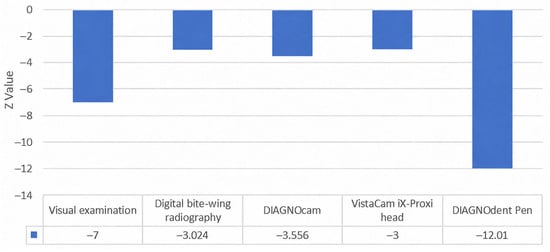
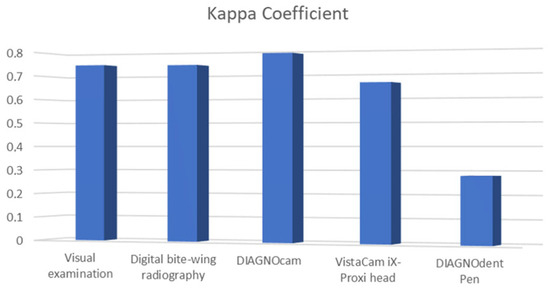
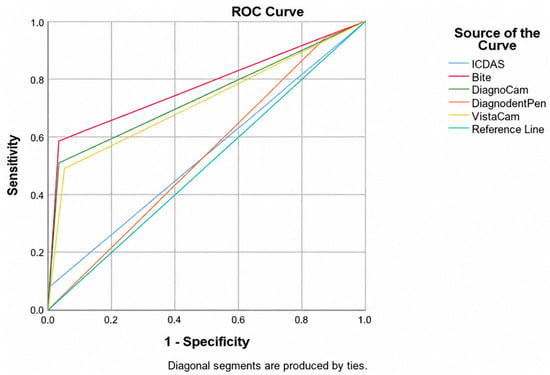
Background/Objectives: The aim of this in vivo study was to compare the diagnostic performance of conventional methods, including visual examination according to the International Caries Detection and Assessment System II (ICDAS II) and digital bite-wing radiography, with laser fluorescence (DIAGNOdent Pen) and near-infrared transillumination (DIAGNOcam and VistaCam iX-Proxi head) for the detection of non-cavitated approximal caries and to evaluate inter-examiner agreement. Methods: A total of 76 non-cavitated posterior teeth/surfaces from patients aged 15–60 years were independently assessed by three investigators. Enamel caries validation was based on combined ICDAS II and bite-wing radiographic findings, whereas dentin caries validation was established by cavity opening and direct clinical assessment. Diagnostic performance was evaluated using sensitivity, specificity, predictive values, accuracy, and receiver operating characteristic analysis. Inter-examiner agreement was assessed using the kappa coefficient, and diagnostic performance was compared using the McNemar test (p < 0.05). Results: Sensitivity ranged from 7.5% for visual examination to 94.3% for DIAGNOdent Pen, whereas specificity ranged from 12.6% to 100.0%. Bite-wing radiography demonstrated the highest diagnostic performance (accuracy: 87.7%; AUC: 0.775), followed by DIAGNOcam (accuracy: 86.0%; AUC: 0.738) and VistaCam (accuracy: 84.2%; AUC: 0.720). Although DIAGNOdent Pen showed high sensitivity, its specificity and overall accuracy were low (31.6%; AUC: 0.535). Inter-examiner agreement was substantial for visual examination, bite-wing radiography, and DIAGNOcam, moderate for VistaCam, and slight for DIAGNOdent Pen. Conclusions: Within the limitations of this study, combining visual examination, digital bite-wing radiography, and near-infrared transillumination methods may improve the detection of approximal caries, particularly at an early stage.
Full article
(This article belongs to the Section Dentistry, Oral Surgery and Oral Medicine)
►▼
Show Figures

Figure 1
Open AccessArticle
Diagnostic Discrepancies Between Emergency Department Assessment and Internal Medicine Discharge Diagnosis: A Prospective Observational Study in a Swiss Tertiary Hospital
by
Theresa Ackfeld, Youcef Guechi, Joseph Schwab, Thomas Castelain, Ludovic Galofaro, Cynthia Gay, Sébastien Pugnale, Thomas Schmutz, Wolf E. Hautz and Vincent Ribordy
J. Clin. Med. 2026, 15(18), 7177; https://doi.org/10.3390/jcm15187177 - 15 Sep 2026
Abstract
Background/Objective: Diagnostic safety is a major challenge in emergency departments (ED), where clinicians frequently make decisions under time pressure and with incomplete information. Prospective data on diagnostic discrepancies in Swiss EDs remain limited. To determine the frequency of diagnostic discrepancies between the
[...] Read more.
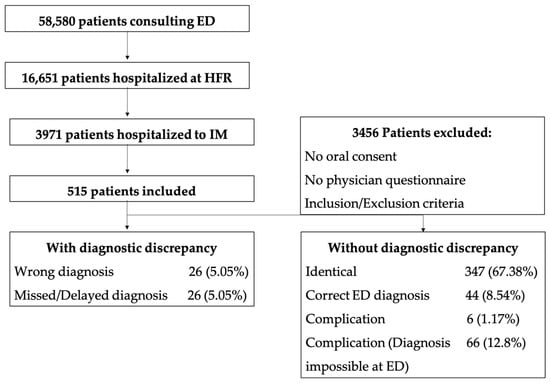
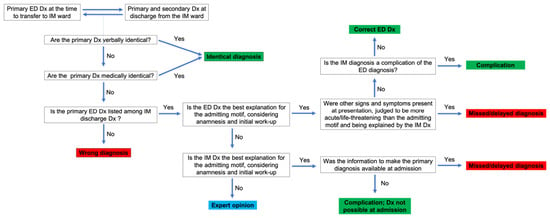
Background/Objective: Diagnostic safety is a major challenge in emergency departments (ED), where clinicians frequently make decisions under time pressure and with incomplete information. Prospective data on diagnostic discrepancies in Swiss EDs remain limited. To determine the frequency of diagnostic discrepancies between the initial ED diagnosis and the final Internal Medicine (IM) discharge diagnosis, identify associated patient-, physician-, and context-related factors, and evaluate clinical outcomes associated with diagnostic discrepancy. Methods: We conducted a prospective observational study including 515 patients admitted from the ED to an IM ward and managed by 44 physicians at a Swiss tertiary non-university hospital. The initial ED diagnosis was compared with the IM discharge diagnosis (or diagnosis on day 28 if the patient remained hospitalized). Diagnostic discrepancies were classified using a predefined algorithm with independent expert opinion where required. Generalized linear mixed-effects models were used to assess associations between diagnostic discrepancy and mortality, in-hospital transfers and length of stay; a multivariable logistic regression model was used to identify factors associated with diagnostic discrepancy. Results: Diagnostic discrepancies were identified in 10.1% of patients (n = 52). These patients had longer hospital stays (9.3 ± 9.2 vs. 6.9 ± 5.8 days; p = 0.069) and were more frequently transferred within the hospital (17% vs. 5.8%; p = 0.006). After adjustment, diagnostic discrepancies were associated with higher odds of in-hospital transfer (OR 3.35; 95% CI 1.47–7.66; p = 0.004) and a 20% longer stay (exp β = 1.20; 95% CI 1.00–1.45; p = 0.049), although the latter was attenuated after adjustment for comorbidity. Specialist involvement in the ED was independently associated with lower odds of diagnostic discrepancy (OR 0.30; 95% CI 0.10–0.72; p = 0.015), whereas each one-point increase in physician-perceived diagnostic difficulty was associated with higher odds (OR 1.42; 95% CI 1.07–1.90; p = 0.016). Conclusions: Diagnostic discrepancies occurred in approximately one in ten patients admitted from the ED to IM and were associated with increased in-hospital transfer and, less robustly, with prolonged hospitalization. Prospective multicenter studies should evaluate strategies to reduce diagnostic discrepancies and improve diagnostic safety.
Full article
(This article belongs to the Section Emergency Medicine)
►▼
Show Figures

Figure 1
Journal Menu
► ▼ Journal Menu-
- JCM Home
- Aims & Scope
- Editorial Board
- Reviewer Board
- Topical Advisory Panel
- Early Career Editorial Board
- Instructions for Authors
- Special Issues
- Topics
- Sections & Collections
- Article Processing Charge
- Indexing & Archiving
- Editor’s Choice Articles
- Most Cited & Viewed
- Journal Statistics
- Journal History
- Journal Awards
- Society Collaborations
- Conferences
- Editorial Office
Journal Browser
► ▼ Journal BrowserHighly Accessed Articles
Latest Books
E-Mail Alert
News
Topics
Topic in
JCM, Pharmaceuticals, Pharmaceutics, Pharmacy, Healthcare
Optimization of Drug Utilization and Medication Adherence
Topic Editors: Enrica Menditto, Sara Mucherino, Ignacio Aznar-LouDeadline: 30 October 2026
Topic in
JCM, Medicina, Prosthesis, IJMS, Clinics and Practice
Innovations in Plastic Surgery and Regenerative Medicine—2nd Edition
Topic Editors: Francesco D’Andrea, Jean Paul Meningaud, Barbara Hersant, Simone La PadulaDeadline: 30 November 2026
Topic in
JCM, JPM, Medicina, Healthcare
New Advances in Physical Therapy and Occupational Therapy, 2nd Edition
Topic Editors: Hye-Rim Suh, Suk-Chan Hahm, Hwi-Young Cho, Ki-Hun ChoDeadline: 15 December 2026
Topic in
Biomedicines, Diseases, JCM, JPM, Uro, Reports
Clinical, Translational, and Basic Research and Novel Therapy on Functional Bladder Diseases and Lower Urinary Tract Dysfunctions
Topic Editors: Hann-Chorng Kuo, Yao-Chi Chuang, Chun-Hou LiaoDeadline: 31 December 2026
Conferences
Special Issues
Special Issue in
JCM
Clinical Advances in Kidney Transplantation
Guest Editors: Florin Ioan Elec, Oana AntalDeadline: 18 September 2026
Special Issue in
JCM
Up-to-Date Research on Nerve Ultrasound
Guest Editors: Hubertus Axer, Eman A. TawfikDeadline: 20 September 2026
Special Issue in
JCM
Current Challenges and Approaches to Post-Traumatic Stress Disorder (PTSD)
Guest Editor: Aron TendlerDeadline: 20 September 2026
Special Issue in
JCM
Clinical Applications and Advances in Anesthesia and Pain Management
Guest Editor: Tobias KammererDeadline: 20 September 2026
Topical Collections
Topical Collection in
JCM
Pediatric and Adolescent Gynecology
Collection Editor: Panagiotis Christopoulos