





-
Targeted Therapy for Restoring CFTR Activity: From Experimental to Clinical Features -
β-Hydroxy-β-methylbutyrate (HMB) Counteracts Atrophy and Restores Circadian Rhythms in Myotubes -
Biomarkers and Early Mechanisms of Sarcopenia: Central Roles of Mitochondrial Dysfunction, Inflammaging, Cellular Senescence, and Neuromuscular Degeneration -
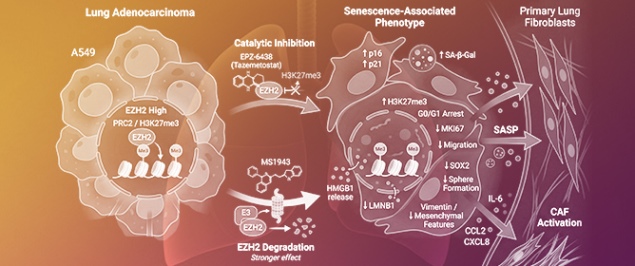
EZH2 Regulates the Proliferation-Senescence Balance and Tumor–Stromal Signaling in Lung Adenocarcinoma -
Microplastics as Vectors Influencing Oxidative Stress, Inflammation, and Endocrine Function During Early Development
Journal Description
International Journal of Molecular Sciences
is an international, peer-reviewed, open access journal providing an advanced forum for biochemistry, molecular and cell biology, molecular biophysics, molecular medicine, and all aspects of molecular research in chemistry, and published semimonthly online by MDPI. The Epigenetics Society, European Chitin Society (EUCHIS), Spanish Society for Cell Biology (SEBC) and others are affiliated with IJMS and their members receive a discount on the article processing charges.
- Open Access— free for readers, with article processing charges (APC) paid by authors or their institutions.
- High Visibility: indexed within Scopus, SCIE (Web of Science), PubMed, PMC, MEDLINE, Embase, CAPlus / SciFinder, and other databases.
- Journal Rank: JCR - Q1 (Biochemistry and Molecular Biology) / CiteScore - Q1 (Inorganic Chemistry)
- Rapid Publication: manuscripts are peer-reviewed and a first decision is provided to authors approximately 17.5 days after submission; acceptance to publication is undertaken in 2.9 days (median values for papers published in this journal in the first half of 2026).
- Recognition of Reviewers: Reviewers whose reports are timely and of high quality receive an APC discount voucher for a future publication in an MDPI journal. Become a reviewer.
- Companion journals for IJMS include: Biophysica, Stresses, Lymphatics, SynBio and Inflammation Journal.
- Journal Cluster of Biochemistry and Molecular Biology: Current Issues in Molecular Biology, International Journal of Molecular Sciences, Genes, Biomolecules, Biology, Cells, Proteomes, Non-Coding RNA, Epigenomes, Methods and Protocols, Journal of Molecular Pathology, BioChem, DNA, Stresses, Receptors and Kinases and Phosphatases.
Impact Factor:
5.6 (2025);
5-Year Impact Factor:
6.3 (2025)
Latest Articles
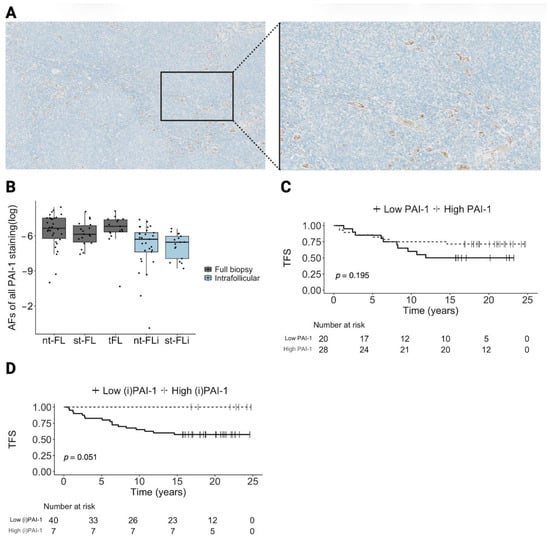
Intrafollicular PAI-1 Expression Is Associated with Absence of Histological Transformation During Long-Term Follow-Up in Follicular Lymphoma
Int. J. Mol. Sci. 2026, 27(19), 8814; https://doi.org/10.3390/ijms27198814 (registering DOI) - 1 Oct 2026
Abstract
Follicular lymphoma (FL) is an indolent B-cell malignancy typically associated with favourable outcomes and prolonged survival. However, histological transformation (HT) occurs in a subset of patients and significantly worsens survival outcomes, markedly altering the disease course. Currently, no clinical or molecular predictors of
[...] Read more.
Follicular lymphoma (FL) is an indolent B-cell malignancy typically associated with favourable outcomes and prolonged survival. However, histological transformation (HT) occurs in a subset of patients and significantly worsens survival outcomes, markedly altering the disease course. Currently, no clinical or molecular predictors of HT are available. We sought to evaluate the potential of Serpin family E member 1 (PAI-1) as a prognostic biomarker of HT in FL, with expression levels assessed by immunohistochemistry and quantified using digital image analysis. PAI-1 expression was evaluated in diagnostic lymphoma biopsies from 30 FL patients with no record of subsequent HT with a minimum follow-up of 10 years, ranging from 10.1 to 24.8 years (non-transforming FL, nt-FL), and 18 patients with subsequent HT occurring 0.7 to 14.6 years after diagnosis (subsequently transforming FL, st-FL); furthermore, the paired high-grade biopsy from the time of HT (transformed FL, tFL) was included. No significant differential expression patterns were identified comparing nt-FL, st-FL and tFL samples. However, high intrafollicular PAI-1 expression at FL diagnosis correlated with no transformation events observed. We believe high intrafollicular PAI-1 expression at presentation might define a minor subgroup of FL patients with reduced risk of HT.
Full article
(This article belongs to the Special Issue Study on the Microenvironment in Lymphoma)
►
Show Figures
Open AccessArticle
A Randomized Clinical Trial of a Standardized Pumpkin-Seed-Derived Peptide Extract: Body Composition Outcomes and Exploratory Analysis by Baseline Adiposity in Overweight Adults
by
Yu-Cheng Lin, Wan-Yu Chung, Yen-Nung Lin and Pang-Kuei Hsu
Int. J. Mol. Sci. 2026, 27(19), 8813; https://doi.org/10.3390/ijms27198813 (registering DOI) - 1 Oct 2026
Abstract
This 12-week, randomized, double-blind, placebo-controlled trial enrolled 50 overweight adults who received either a standardized pumpkin-seed-derived preparation (IRK-19®, 600 mg/day) or placebo. The clinical preparation contained 66.2% crude protein; components with apparent molecular weights ≤6.29 kDa accounted for 23.6% of the
[...] Read more.
This 12-week, randomized, double-blind, placebo-controlled trial enrolled 50 overweight adults who received either a standardized pumpkin-seed-derived preparation (IRK-19®, 600 mg/day) or placebo. The clinical preparation contained 66.2% crude protein; components with apparent molecular weights ≤6.29 kDa accounted for 23.6% of the total SEC-UV chromatographic area, and the combined HPLC-measured content of six selected peptide markers was 2.79% (w/w). Among the 48 participants with evaluable DXA data at Week 12, between-group comparisons of body weight, BMI, and adiposity-related outcomes did not reach statistical significance in the overall study population. In a post hoc exploratory subgroup defined by baseline total fat mass ≥28.4 kg (the study-specific 75th percentile; n = 13), adjusted between-group differences (IRK-19® minus placebo) at Week 12 were −2.30 kg for body weight (95% CI, −4.08 to −0.51; p = 0.018), −0.75 kg/m2 for BMI (95% CI, −1.48 to −0.02; p = 0.045), and −1.60 kg for total fat mass (95% CI, −3.23 to 0.04; p = 0.055). Treatment-by-baseline-fat-mass interactions did not reach statistical significance for body weight, BMI, or total fat mass (p = 0.065, 0.106, and 0.057, respectively). These post hoc subgroup findings warrant further investigation but were not adjusted for multiple comparisons. Prospectively designed trials with prespecified adiposity strata are needed to determine whether baseline fat mass is associated with differential treatment response. Individual metabolic laboratory abnormalities also warrant further assessment in future prospective trials.
Full article
(This article belongs to the Special Issue Bioactive Peptides: Discovery, Synthesis, and Therapeutic Applications)
Open AccessReview
Artificial Intelligence in Chronic Rhinosinusitis: From Molecular Profiling to Personalized Clinical Management—A Systematic Review
by
Chi-Sheng Huang, Duen-Lii Hsieh, Jin-Yu Lin, Maysayawan Sreesawat, Te-Huei Yeh and Chih-Feng Lin
Int. J. Mol. Sci. 2026, 27(19), 8812; https://doi.org/10.3390/ijms27198812 (registering DOI) - 1 Oct 2026
Abstract
Chronic rhinosinusitis (CRS) is a heterogeneous inflammatory disease imposing a substantial health and economic burden. Artificial intelligence (AI) has emerged as a promising tool to address CRS complexity in both clinical and research settings. We conducted a systematic review following PRISMA guidelines, searching
[...] Read more.
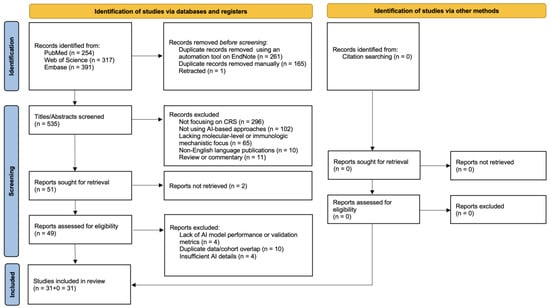
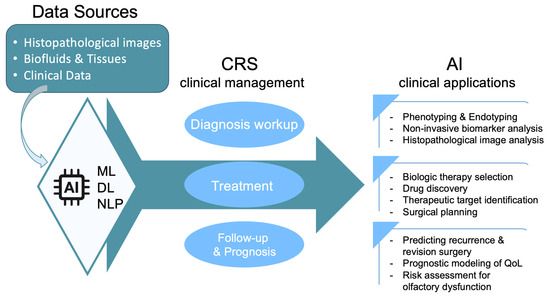
Chronic rhinosinusitis (CRS) is a heterogeneous inflammatory disease imposing a substantial health and economic burden. Artificial intelligence (AI) has emerged as a promising tool to address CRS complexity in both clinical and research settings. We conducted a systematic review following PRISMA guidelines, searching PubMed, Web of Science, and Embase for peer-reviewed articles utilizing machine learning, deep learning, and natural language processing, with a focus on molecular-level or immunologic mechanisms in CRS. Thirty-one studies were included in the qualitative synthesis. Our results demonstrate that while AI-driven analysis helps stratify patient endotypes, the identified schemes exhibit substantial heterogeneity in cluster numbers and features, raising concerns about their reproducibility. AI applications also included histopathological image interpretation, drug discovery, biologic therapy selection, and prognostic modeling to evaluate revision surgery risks and olfactory dysfunction. However, using the PROBAST+AI framework, we found that 87.1% of the assessed studies carry a high overall risk of bias, mainly due to the reliance on apparent performance or internal validation and limited independent evaluation of model performance, indicating that many reported performance estimates may be optimistic. Future large-scale, multicenter collaborations integrating AI into clinical workflows will be essential to establish reliable and generalizable AI applications for personalized CRS management.
Full article
(This article belongs to the Special Issue New Insights in Translational Bioinformatics: 3rd Edition)
►▼
Show Figures

Figure 1

Open AccessReview
Sleep-Gated Adaptation: A Conceptual Framework Linking Exercise-Induced Adaptive Consolidation to Interindividual Variability in Training Response
by
Teodora Dominteanu, Amelia Elena Stan and Andreea Voinea
Int. J. Mol. Sci. 2026, 27(19), 8811; https://doi.org/10.3390/ijms27198811 (registering DOI) - 1 Oct 2026
Abstract
Exercise-induced molecular signaling is transient, resolving within hours, whereas the structural and functional adaptations to repeated training develop over weeks to months. The processes that convert signaling into durable adaptation, the conditions that best support this conversion, and the sources of interindividual variability
[...] Read more.
Exercise-induced molecular signaling is transient, resolving within hours, whereas the structural and functional adaptations to repeated training develop over weeks to months. The processes that convert signaling into durable adaptation, the conditions that best support this conversion, and the sources of interindividual variability in training outcomes have largely been studied separately. This review proposes a conceptual framework for integrating these approaches. Adaptive Consolidation is introduced as an organizing concept for this intermediate transition, synthesized as a multi-filter cascade spanning post-translational modification, transcription, protein turnover, chromatin remodeling, immune-cell reprogramming, and autonomic remodeling. Sleep-Gated Adaptation (SGA) is proposed as a physiological gate for this transition; evidence indicates that sleep dependence is domain-conditional rather than uniform, strongest for protein-synthetic and motor-memory domains, and detectable in immune and autonomic domains only under specific combinations of exercise damage, sleep-loss severity, and readout timing. Adaptive Consolidation Efficiency (ACE) is proposed as an organizing label for individual-specific determinants—genetic, epigenetic, baseline-biological, environmental, and prescription-related—that jointly explain variability in training response. Neither the SGA nor the ACE is proposed as an established mechanism, validated biomarker, or quantitative index; both are conceptual constructs integrating heterogeneous but convergent evidence. The framework was translated into seven falsifiable predictions, a biomarker panel of validated readouts, and minimum design requirements, including falsification criteria, for future testing.
Full article
(This article belongs to the Section Molecular Biology)
Open AccessArticle
Dielectric Response of Micelles Built from Intrinsically Disordered Beta-Casein
by
Yuriy F. Zuev, Denis A. Smolei, Polina V. Skvortsova, Liliya R. Bogdanova, Artur A. Galiullin, Olga S. Zueva, Svetlana R. Derkach and Ivan V. Lunev
Int. J. Mol. Sci. 2026, 27(19), 8810; https://doi.org/10.3390/ijms27198810 (registering DOI) - 1 Oct 2026
Abstract
For many decades, protein function was associated with a rigid three-dimensional structure. However, in recent years, interest has grown rapidly in proteins that successfully perform their functions despite being intrinsically disordered. Unfortunately, to date, insufficient structural information has been collected on this novel
[...] Read more.
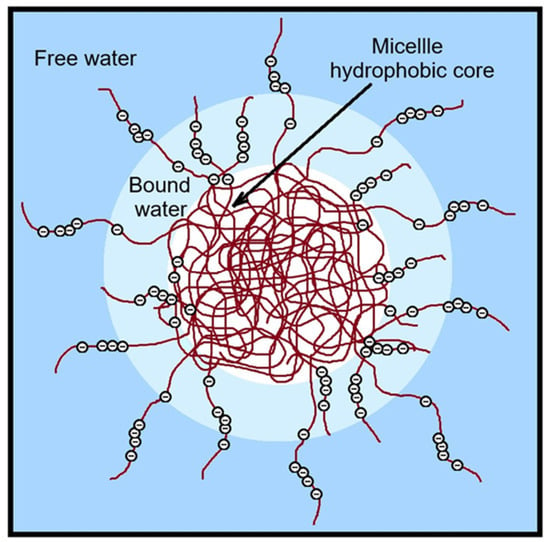
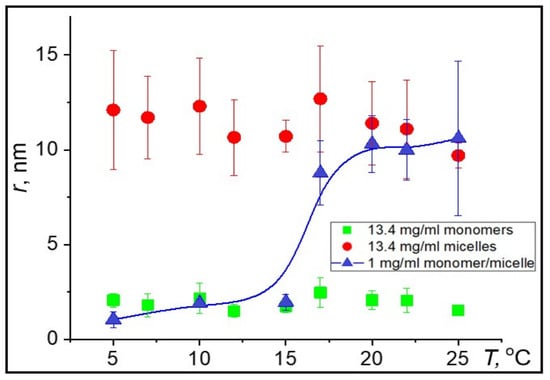
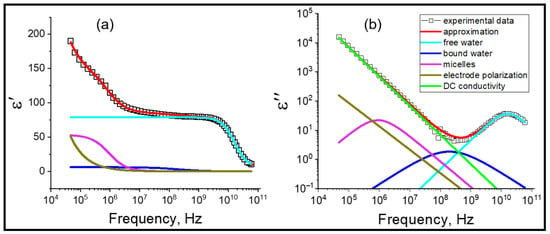
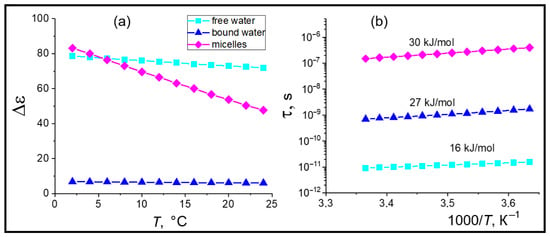
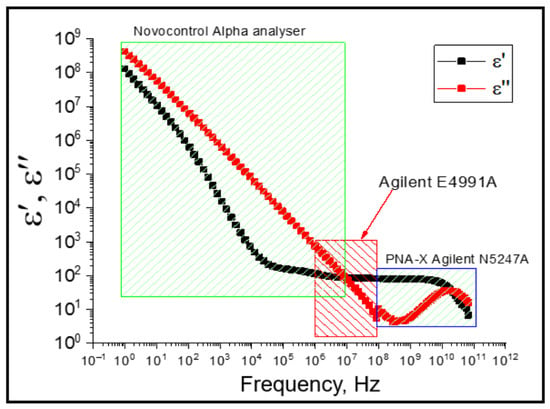
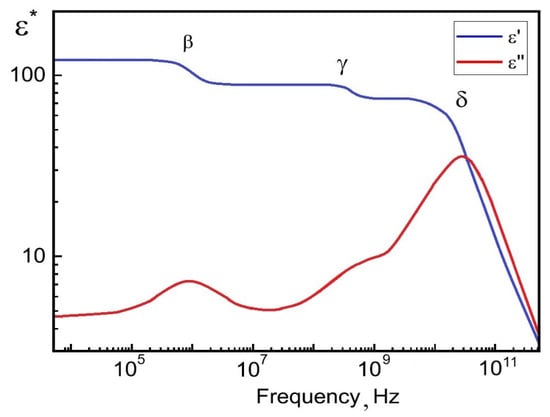
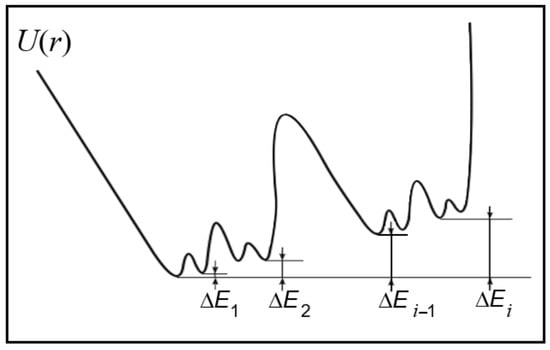
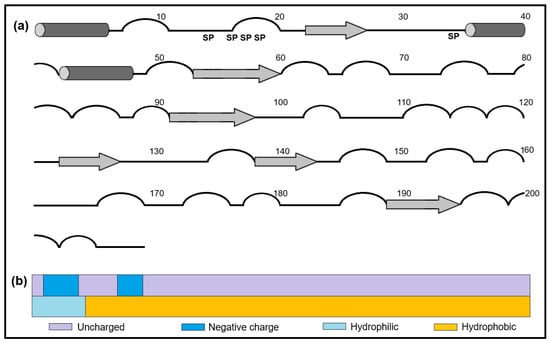
For many decades, protein function was associated with a rigid three-dimensional structure. However, in recent years, interest has grown rapidly in proteins that successfully perform their functions despite being intrinsically disordered. Unfortunately, to date, insufficient structural information has been collected on this novel protein family to analyze its structure–function correlations. To obtain the required structural information on intrinsically disordered beta-casein (b-CN), we used broadband dielectric spectroscopy, which has long been used to study structured proteins. Dielectric measurements in the frequency range from 1 Hz to 67 GHz detected three Cole–Cole relaxation processes in a micellar solution of disordered beta-casein. The experimental data obtained were used to estimate the dynamical hierarchy of dipole–dipole correlations involved in the relaxation of each dipole component of the system. The dielectric relaxation of micellized disordered b-CN is rather complex, indicating the cascade nature of protein relaxation, which involves long-range structural correlations of flexible charged protein chains. The relaxation of free and bound water is close to the Debye type, which is entirely consistent with the “wait and switch” model of dielectric relaxation, in which a water dipole waits for the arrival of a structural or ionic defect for reorientation. The relaxation rates of the two water fractions differ dramatically, with bound-water relaxation being two orders of magnitude slower than free-water relaxation. The most reasonable explanation for this difference probably lies in the spatial confinement of bound water resulting from the influence of the charged protein surface. The results obtained demonstrate the research potential of broadband dielectric spectroscopy not only for long-studied rigid, structured proteins with permanent dipole moments but also for the novel family of disordered proteins with fluctuating dipole moments.
Full article
(This article belongs to the Section Molecular Biophysics)
►▼
Show Figures

Figure 1

Open AccessArticle
A Colorimetric Approach to Identifying Single-Nucleotide Mutations Using Gold-Based Magnetic Nanoparticles
by
Anna Epanchintseva, Julia Shyiskaya, Julia Poletaeva, Ekaterina Baeva, Evgenia Kozyreva, Evgeniya Dyudeyeva, Mariya Khokhlova and Inna Pyshnaya
Int. J. Mol. Sci. 2026, 27(19), 8809; https://doi.org/10.3390/ijms27198809 (registering DOI) - 1 Oct 2026
Abstract
Detection of single-nucleotide mutations (SNPs) in the genome of infectious agents is one of the ways to identify their drug-resistant strains. Antibiotic-resistant strains of Mycobacterium tuberculosis (MTB) impede advances in the fight against the spread of tuberculosis. Diagnostic tools exist for both MTB
[...] Read more.
Detection of single-nucleotide mutations (SNPs) in the genome of infectious agents is one of the ways to identify their drug-resistant strains. Antibiotic-resistant strains of Mycobacterium tuberculosis (MTB) impede advances in the fight against the spread of tuberculosis. Diagnostic tools exist for both MTB itself and its drug-resistant strains, most of which are technically complex, resource-intensive, and time-consuming. This paper presents the development of a colorimetric test system, requiring no expensive equipment, for the rapid and accurate determination of the SNPs associated with drug-resistant forms of MTB to fluoroquinolones in modeled DNA targets (198 bp). For this purpose, nanoconstructs based on gold nanoparticles (AuNPs) and hybrid magnetic Fe3O4@Au NPs were created, leveraging the advantages of each nanomaterial. The use of AuNPs provides a basis for colorimetric detection due to their high optical absorption. Fe3O4@Au NPs enable samples to respond to an external magnetic field. The study demonstrates the ability to reliably discriminate between wild-type and mutant-model DNA targets in the nanomolar concentration range within 15 min. Visual analysis and optical absorption spectroscopy were used to evaluate the detection results. The application of an external magnetic field allows for enhanced colorimetric distinction between wild-type target samples and those containing an SNP.
Full article
(This article belongs to the Special Issue Physicochemical Properties and Applications of Nanomaterials in Biology and Medicine: 2nd Edition)
Open AccessArticle
Maleylated-BSA-Coated Gold Nanopopcorns for Pulmonary Delivery of Quercetin
by
Onkar Nigade, Bala Prabhakar, Francesco Trotta and Pravin Shende
Int. J. Mol. Sci. 2026, 27(19), 8808; https://doi.org/10.3390/ijms27198808 (registering DOI) - 1 Oct 2026
Abstract
A non-motile bacterium, Mycobacterium tuberculosis (Mtb), causes tuberculosis (TB), an infection of the lower respiratory tract. Currently, rifampicin, isoniazid, ethambutol, and pyrazinamide are used as first-line treatment for drug-susceptible TB for two months, followed by four months of rifampicin and isoniazid. This treatment
[...] Read more.
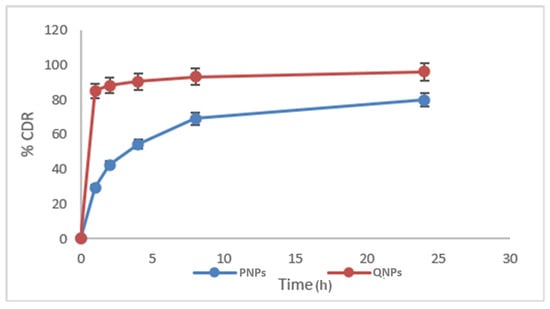
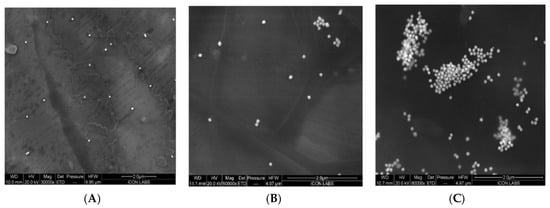
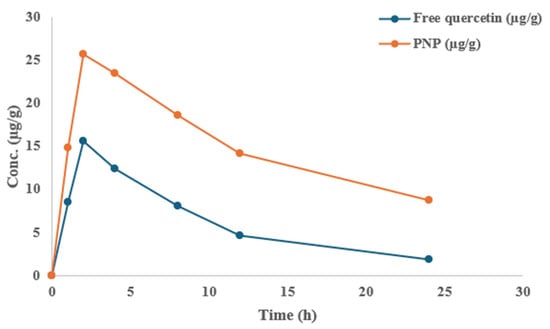
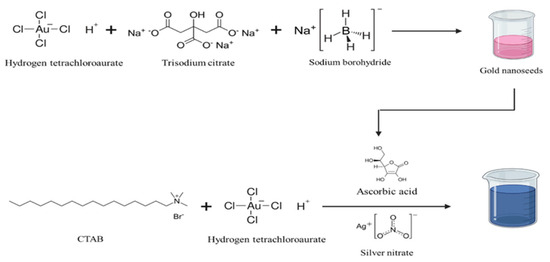
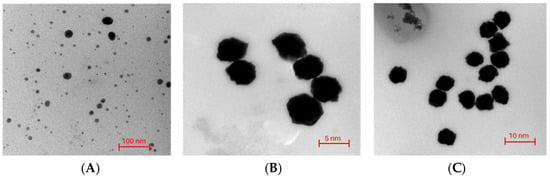
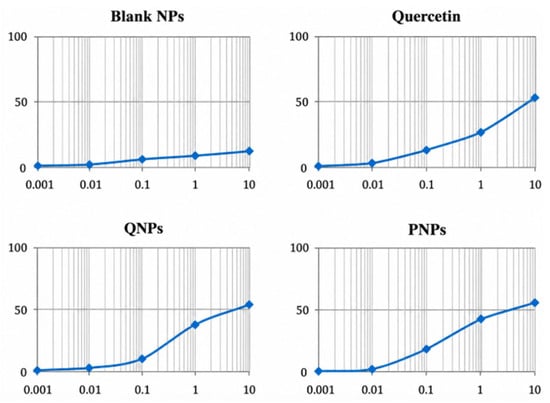
A non-motile bacterium, Mycobacterium tuberculosis (Mtb), causes tuberculosis (TB), an infection of the lower respiratory tract. Currently, rifampicin, isoniazid, ethambutol, and pyrazinamide are used as first-line treatment for drug-susceptible TB for two months, followed by four months of rifampicin and isoniazid. This treatment plan is linked to serious hepatic, dermatological, and hematopoietic adverse effects. The exploration of natural substances like quercetin for treating TB was driven by the significant side effects of the standard therapy protocol. Protein-coated gold nanopopcorns were developed as a dry-powder inhaler to deliver tailored medication to the lungs. The objective of this research article was to assess the effectiveness of quercetin-loaded gold nanopopcorns against Mtb H37Ra cells. The gold nanopopcorns prepared using the Turkevich method and subsequently coated with maleylated BSA (m-BSA) showed an adsorption efficiency of 87.02 ± 2.82%, particle size of 153.2 ± 26.45 nm, and a zeta potential of 29.3 ± 7.80 mV. In vitro release studies showed rapid initial release within 2 h, with a total drug release of 79.85 ± 1.33% over 24 h, with inhibition of 56.36% of H37Ra cells (IC50 = 2 μg/mL). These findings provide preliminary evidence for the potential of PNPs as a pulmonary quercetin delivery platform, warranting further evaluation in macrophage-based and tuberculosis disease models.
Full article
(This article belongs to the Topic Advanced Biomaterials for Drug Delivery)
►▼
Show Figures

Figure 1

Open AccessReview
Genital Lichen Sclerosus: From Hidden Mechanisms to Healing Horizons
by
Angela Filoni, Noemi Aprile, Silvia Caputo and Barbara Bellei
Int. J. Mol. Sci. 2026, 27(19), 8807; https://doi.org/10.3390/ijms27198807 - 1 Oct 2026
Abstract
Lichen sclerosus (LS) is a chronic inflammatory dermatosis that primarily affects the genital mucosa in both sexes. Although most prevalent in women and characterized by distinct age peaks, its clinical presentation, marked by ivory-white atrophic patches and plaques, often overlaps with other conditions.
[...] Read more.
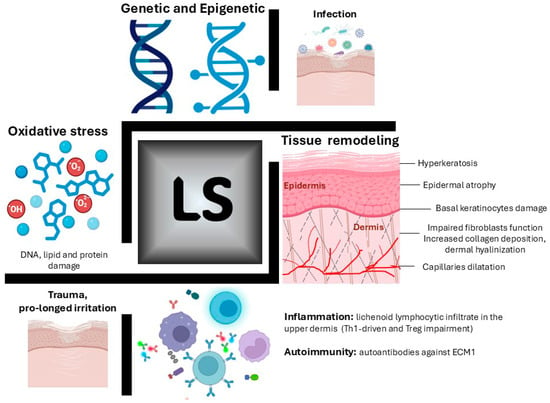
Lichen sclerosus (LS) is a chronic inflammatory dermatosis that primarily affects the genital mucosa in both sexes. Although most prevalent in women and characterized by distinct age peaks, its clinical presentation, marked by ivory-white atrophic patches and plaques, often overlaps with other conditions. Delayed diagnosis, frequently due to asymptomatic progression, poses a significant risk of malignant transformation. The etiology of LS is multifactorial, involving a complex interplay of genetic, epigenetic, environmental, and autoimmune factors. Pathogenetically, the disease is characterized by several co-occurring features, including an immune imbalance with elevated pro-inflammatory cytokines, impaired T-regulatory (Treg) cell activity, a persistent local inflammatory state, and dysregulated collagen metabolism with associated fibrosis and scarring. Furthermore, the production of autoantibodies against extracellular matrix protein 1 (ECM1) disrupts skin integrity, while the generation of reactive oxygen species (ROS) further exacerbates tissue damage, autoimmunity, and tumorigenesis. Despite its severe impact on patient quality of life, current diagnostic and therapeutic strategies remain limited. While potent topical corticosteroids represent the gold standard first-line treatment—with topical calcineurin inhibitors serving as a second-line alternative—the lack of a fully elucidated etiopathogenesis continues to restrict curative options. However, recent translational research is paving the way for innovative regenerative therapies. This review provides an updated comprehensive overview of the latest advancements in LS pathogenesis and explores emerging therapeutic landscapes.
Full article
(This article belongs to the Collection Advances in Cell and Molecular Biology)
►▼
Show Figures

Figure 1
Open AccessArticle
Establishment and Validation of a Novel Microgravity Simulation Platform for Ground-Based Animal Experiments
by
Chetali Gurung, Junfeng Li, Bin Teng, Dong Liang, Jian V. Zhang and Pei-Gen Ren
Int. J. Mol. Sci. 2026, 27(19), 8806; https://doi.org/10.3390/ijms27198806 - 1 Oct 2026
Abstract
Ground-based analog models, such as the hindlimb unloading (HU) technique, have been used for several decades in simulating microgravity effects on musculoskeletal studies. However, this model has seen limited technological advancement in several aspects. Here, the design and validation of the Microgravity Simulated
[...] Read more.
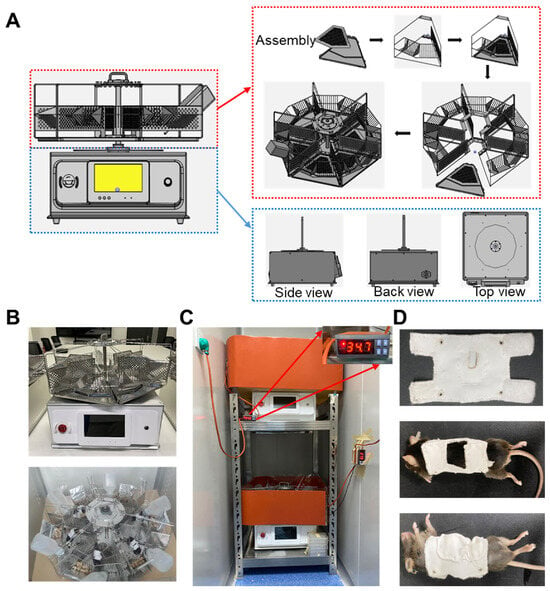
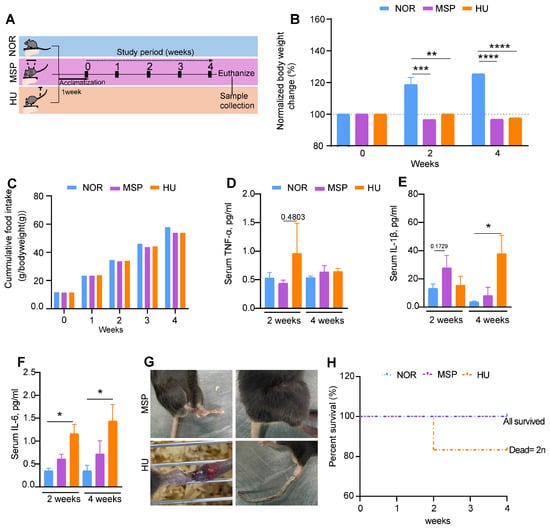
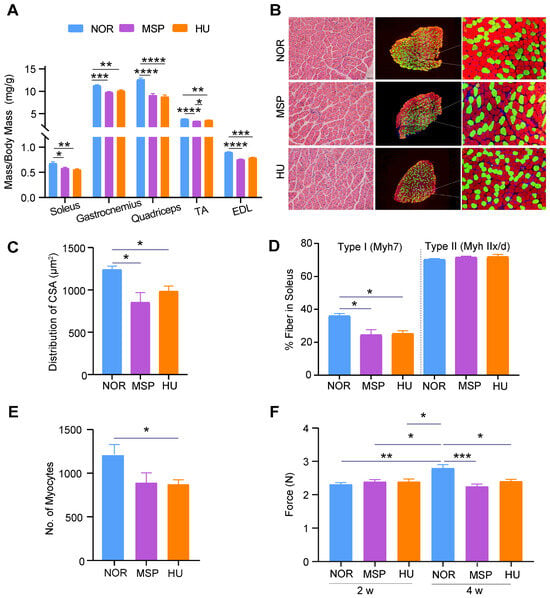
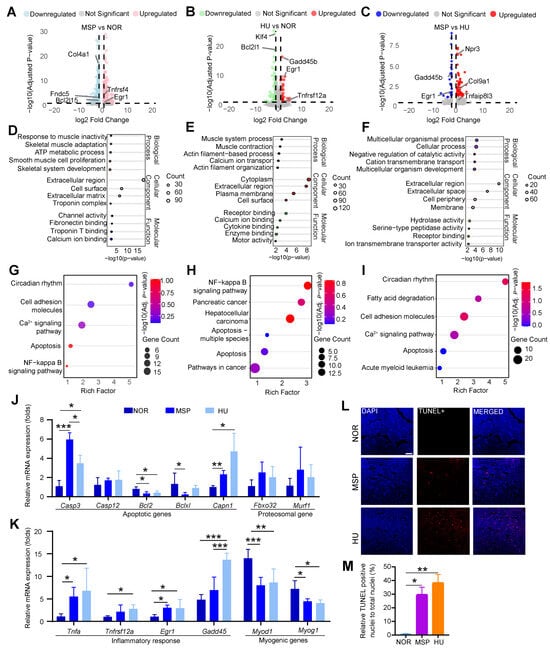
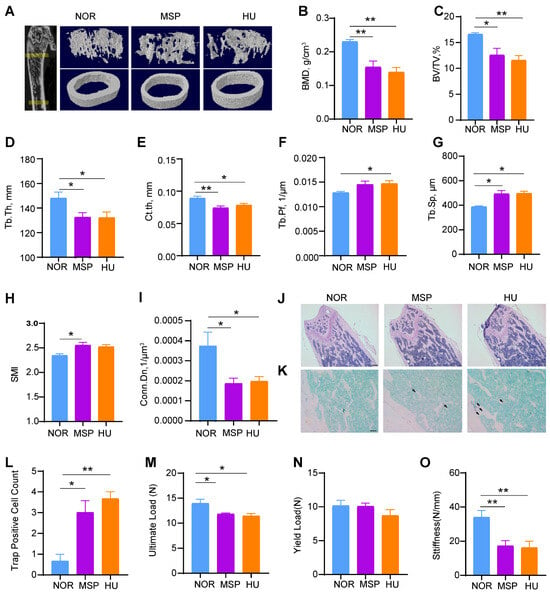
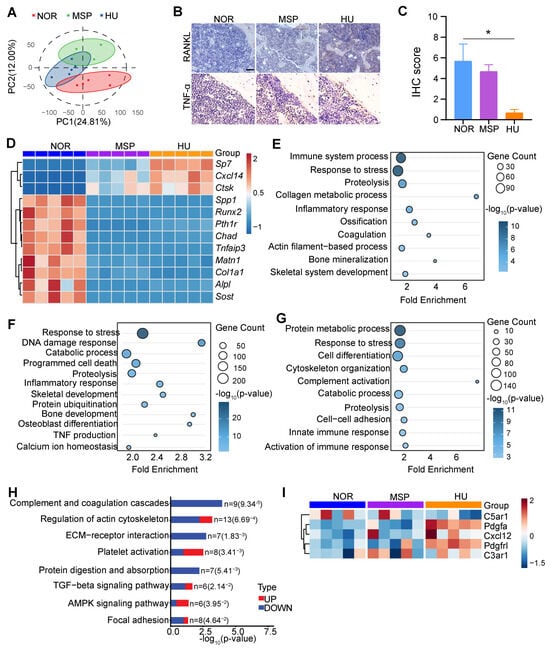
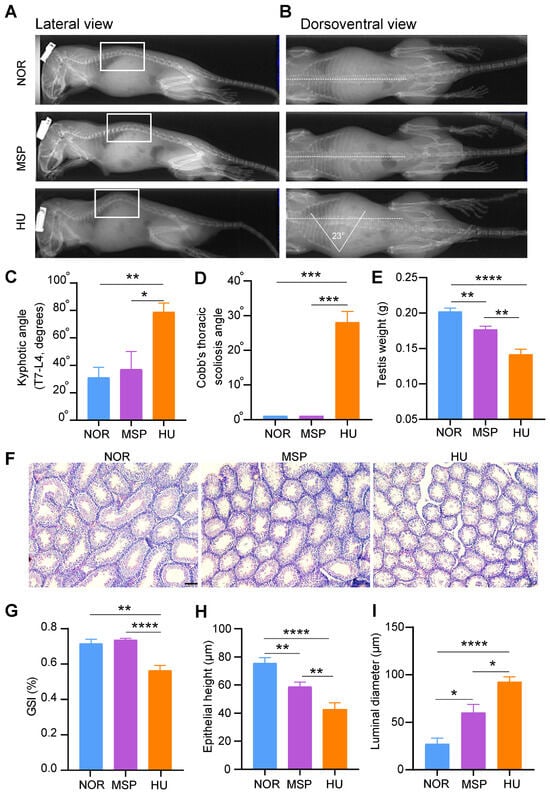
Ground-based analog models, such as the hindlimb unloading (HU) technique, have been used for several decades in simulating microgravity effects on musculoskeletal studies. However, this model has seen limited technological advancement in several aspects. Here, the design and validation of the Microgravity Simulated Platform (MSP), a refined evolution of the classic HU model, is presented. The multipurpose engineered MSP apparatus is designed to overcome key limitations of existing models by enabling simultaneous study of a larger number of mice in compact space, with fewer lesions, less inflammation, and central axis rotation control that offers potential for future hypergravity studies. This study presents a comparative analysis with the HU and normal WT (NOR) models and demonstrates that the MSP recapitulates the classic physiological markers of disuse observed during spaceflight, particularly in the musculoskeletal system. Critically, the results indicate that the MSP not only provides a comparable simulation of microgravity-induced effects but also offers enhancements in experimental consistency and animal well-being. In conclusion, the MSP represents a significant advancement in ground-based space life sciences research, providing a more refined, efficient, high-throughput, and extensible platform for elucidating the pathophysiological mechanisms of mechanical unloading and for testing prospective countermeasures.
Full article
(This article belongs to the Section Molecular Biology)
►▼
Show Figures

Figure 1
Open AccessArticle
Ligustrum × vicaryi Fruit Polysaccharide Attenuates LPS/D-GalN-Induced Acute Liver Injury in Mice
by
Shu-Ling Liu, Hui Zhang, Jian-An Wang, Run-Dong Lv, Shao-Jian Li and Li-Tao Wang
Int. J. Mol. Sci. 2026, 27(19), 8805; https://doi.org/10.3390/ijms27198805 - 1 Oct 2026
Abstract
The dried fruits of Ligustrum lucidum Ait. are well-established in East Asian medicine for hepatoprotection. Given this ethnopharmacological precedent and their close taxonomic kinship, we hypothesized that the fruit polysaccharide of its horticultural congener, Ligustrum × vicaryi L. (LVFP), may confer analogous hepatic
[...] Read more.
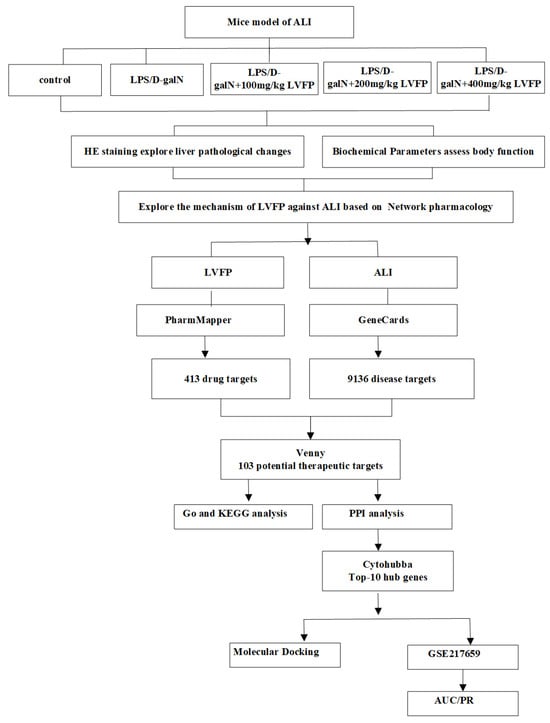
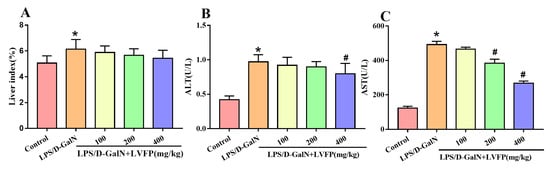
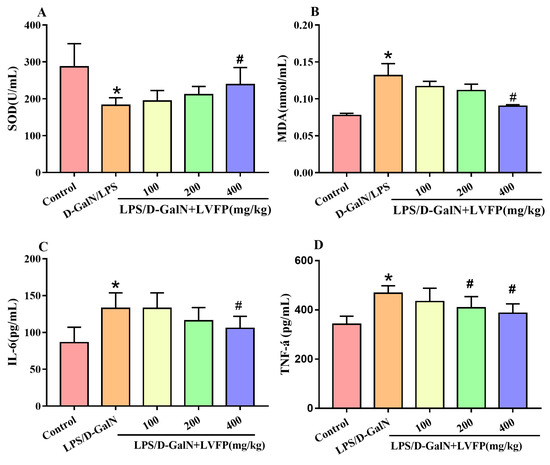
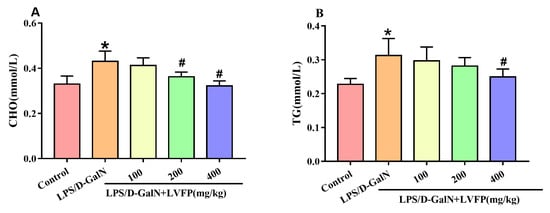
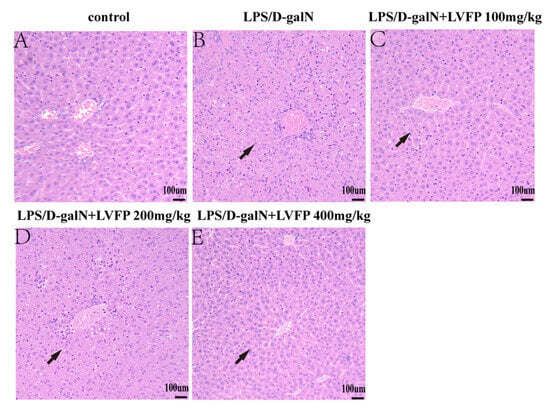
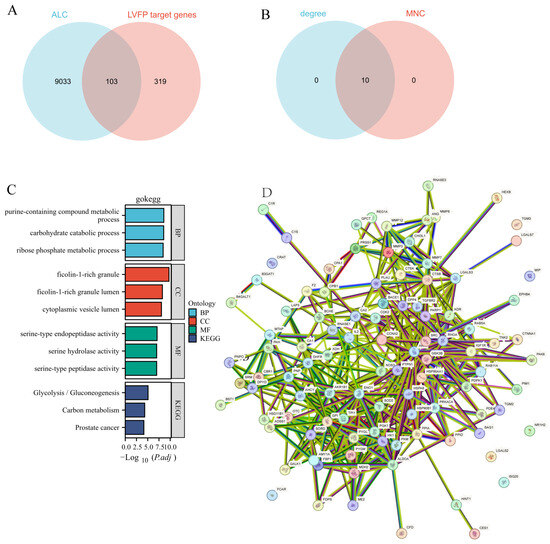
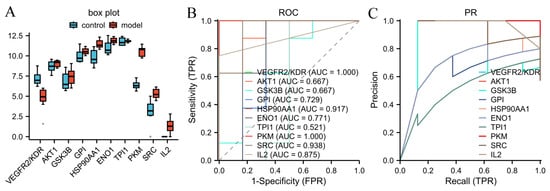
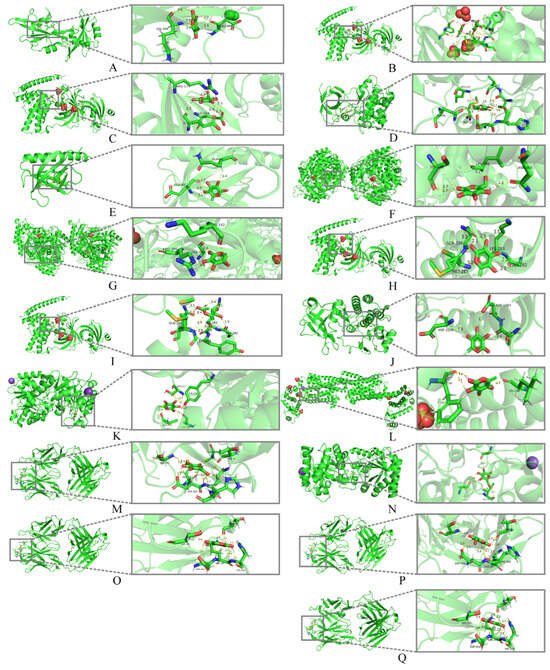
The dried fruits of Ligustrum lucidum Ait. are well-established in East Asian medicine for hepatoprotection. Given this ethnopharmacological precedent and their close taxonomic kinship, we hypothesized that the fruit polysaccharide of its horticultural congener, Ligustrum × vicaryi L. (LVFP), may confer analogous hepatic benefits. We assessed LVFP in a murine model of acute liver injury (ALI) induced by lipopolysaccharide and D-galactosamine (LPS/D-GalN) to test this hypothesis. LVFP pretreatment significantly mitigated hepatic pathological damage, normalized serum aminotransferases (AST, ALT), and reversed lipid peroxidation (reduced MDA, elevated SOD). Simultaneously, LVFP reduced pro-inflammatory cytokines, including interleukin-6 (IL-6) and tumor necrosis factor-alpha (TNF-α), and corrected lipid metabolic abnormalities (CHO, TG). To decode these phenotypic rescues, network pharmacology and molecular docking nominated a 10-gene hub signature (featuring KDR (binding energy = −8.65 kcal/mol), AKT1, GSK3B, and IL2). we further found that this signature—particularly KDR and PKM—robustly discriminates ALI from controls (AUC = 1.00; AUPR = 0.848), supporting its disease relevance. Collectively, these findings support our initial hypothesis that LVFP exerts multi-dimensional hepatoprotection.
Full article
(This article belongs to the Special Issue Plant Extracts and Their Biological Activities: In Vitro and In Vivo)
►▼
Show Figures

Figure 1
Open AccessArticle
Clinical and Genetic Characterization of Russian Patients with von Hippel–Lindau Syndrome
by
Dmitry S. Mikhaylenko, Natalya N. Vasserman, Natalya B. Kuryakova, Ekaterina B. Kuznetsova, Nina A. Gorban, Anna A. Stepanova, Olga A. Shchagina, Alexander V. Polyakov, Dmitry V. Zaletaev, Sergey I. Kutsev and Vladimir V. Strelnikov
Int. J. Mol. Sci. 2026, 27(19), 8804; https://doi.org/10.3390/ijms27198804 - 1 Oct 2026
Abstract
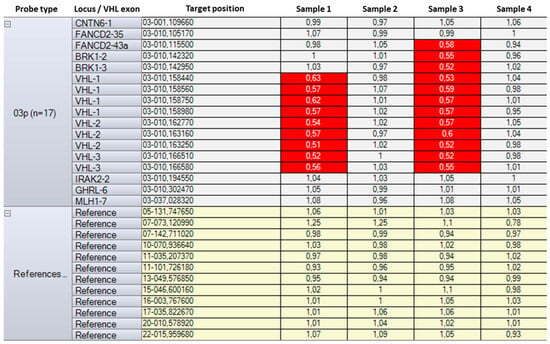
Von Hippel–Lindau syndrome (VHLS) is an autosomal dominant hereditary cancer disease caused by germline mutations in the VHL tumor suppressor gene and characterized by clinical heterogeneity and phenotype–genotype associations. We studied the VHL gene in 535 Russian patients referred for VHLS diagnostics using
[...] Read more.
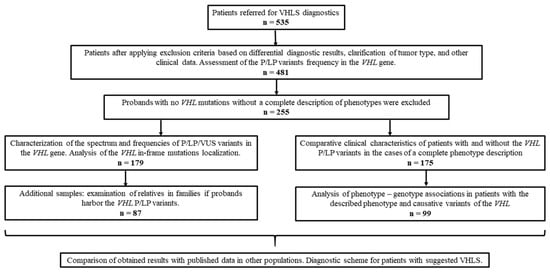
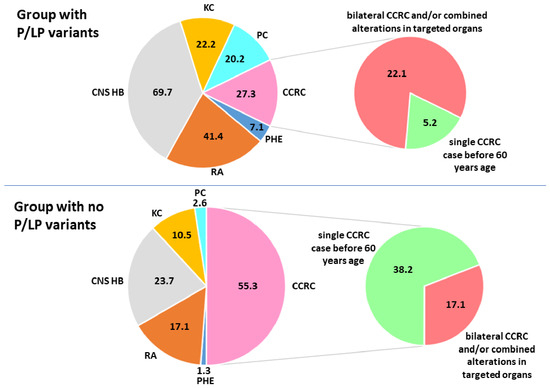
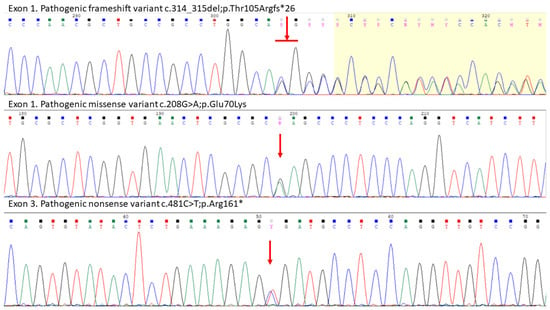
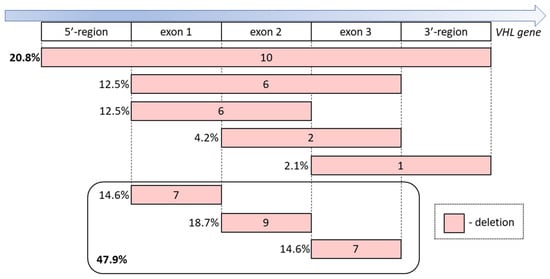
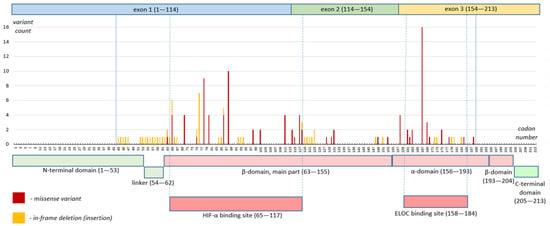
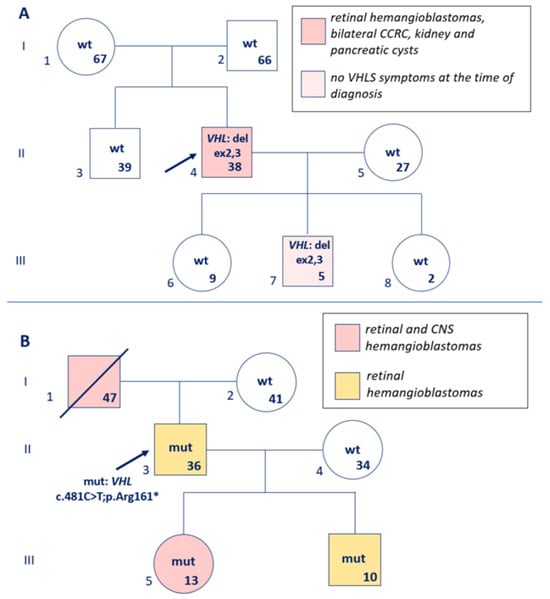
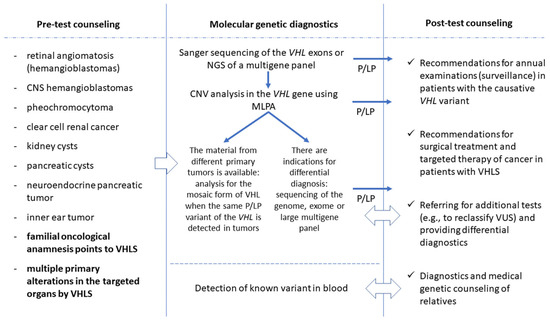
Von Hippel–Lindau syndrome (VHLS) is an autosomal dominant hereditary cancer disease caused by germline mutations in the VHL tumor suppressor gene and characterized by clinical heterogeneity and phenotype–genotype associations. We studied the VHL gene in 535 Russian patients referred for VHLS diagnostics using Sanger sequencing, multiplex ligase-dependent probe amplification, and, in some cases, high-throughput sequencing. A total of 177 causative VHL variants were identified, including 129 point mutations and 48 extended deletions. Missense variants were the most frequent (60.3%) and predominantly localized at codons 167, 88, and 78. Approximately 88% of the analyzed missense variants and in-frame indels led to changes directly at the HIF-α- and ELOC-binding sites of pVHL. Patients with causative VHL variants had CNS hemangioblastoma (69.7%), retinal hemangioblastomas (41.4%), clear-cell renal carcinoma (CCRC) (27.3%), renal cysts (22.2%), pancreatic cysts (20.2%), and pheochromocytoma (7.1%). The frequency of multiple pathological changes in targeted organs was significantly higher in patients with causative variants than in the group without mutations, at 78.8% versus 21.1% (p < 0.0001), whereas a single case of CCRC, even in adults under 60 years of age, had a low positive predictive value (14.7%) in relation to P/LP variant detection. The variant c.208G>A;p.Glu70Lys was identified in four patients of East Asian ancestry only; the nonsense variant c.481C>T;p.Arg161* was found significantly more frequently in patients of Turkic ethnicities than in Slavic patients: 30.0 versus 2.5% (p = 0.0047). We did not identify significant differences in the profile of causative germline variants and frequencies of various VHLS clinical manifestations in our cohort compared with other Slavic people. Also, we examined 87 relatives of probands and identified 41 carriers of the causative variants. The obtained results may contribute to improving the diagnosis of VHLS.
Full article
(This article belongs to the Special Issue New Approaches in Molecular and Cellular Cancer Biology: Translating Basic Research to the Clinic)
►▼
Show Figures

Figure 1

Open AccessArticle
Assessment of CFTR Dysfunction and Responsiveness to CFTR Modulators in COPD Bronchial Air–Liquid Interface Cultures
by
Nikhil T. Awatade, Kurtis F. Budden, Prabuddha S. Pathinayake, Andrew T. Reid, Kristy S. Nichol and Peter A. B. Wark
Int. J. Mol. Sci. 2026, 27(19), 8803; https://doi.org/10.3390/ijms27198803 - 1 Oct 2026
Abstract
Increasing evidence suggests that acquired dysfunction of the cystic fibrosis transmembrane conductance regulator (CFTR) anion channel occurs as a result of cigarette smoke exposure in chronic obstructive pulmonary disease (COPD). CFTR-targeted therapies were developed to treat genetic CFTR defects in cystic fibrosis, but
[...] Read more.
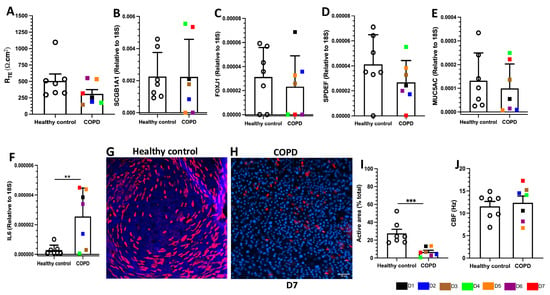
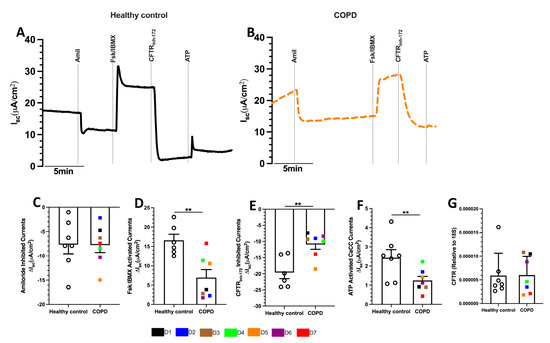
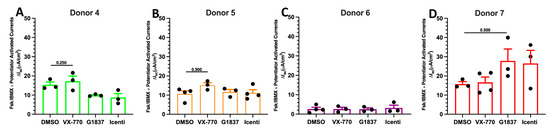
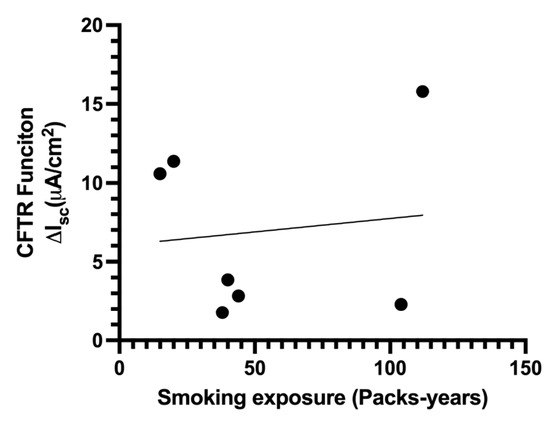
Increasing evidence suggests that acquired dysfunction of the cystic fibrosis transmembrane conductance regulator (CFTR) anion channel occurs as a result of cigarette smoke exposure in chronic obstructive pulmonary disease (COPD). CFTR-targeted therapies were developed to treat genetic CFTR defects in cystic fibrosis, but they have not demonstrated consistent clinical efficacy in small trials of patients with COPD. Here, we aimed to characterize CFTR and other ion channel activity and ciliation in primary bronchial epithelial cells (pBECs) from COPD donors compared with healthy controls, and to determine the extent to which CFTR dysfunction can be rescued by clinically relevant CFTR modulators. Air–liquid interface (ALI) cultures generated from conditionally reprogrammed (CR) primary bronchial epithelial cells (pBECs) obtained from healthy controls (n = 7) and COPD donors (n = 7) were assessed for transepithelial electrical resistance, immunofluorescence, cilia activity, ion channel function and expression of cell-type-associated markers at the transcript level. COPD cultures exhibited reduced ciliated area, accompanied by significantly decreased forskolin/IBMX-stimulated CFTR-mediated anion transport and ATP-induced calcium-activated chloride currents compared with healthy-control cultures, despite comparable CFTR mRNA expression. Treatment with CFTR potentiators (VX-770, GLPG1837 and icenticaftor) resulted in modest and highly variable functional responses, with no statistically significant improvement compared with vehicle-treated controls. CFTR function was not significantly associated with cumulative smoking exposure (pack-years) in this cohort, suggesting that smoking burden alone may not account for the observed inter-individual variability in acquired CFTR dysfunction. Collectively, these findings demonstrate abnormalities in ion transport and ciliation in the COPD airway epithelium consistent with an acquired CFTR dysfunction phenotype, but indicate that these abnormalities are not readily reversed by the tested CFTR potentiators. These results highlight differences between genetic and acquired CFTR dysfunction and underscore the need for alternative or combinatorial therapeutic strategies targeting epithelial dysfunction in COPD.
Full article
(This article belongs to the Special Issue Molecular Mechanism and Therapy of Respiratory Diseases)
►▼
Show Figures

Figure 1

Open AccessReview
Caspase-1 and Inflammasome Signaling in Spinal Cord Injury: Mechanistic Insights and Translational Gaps
by
Adonicah Y. Cummings, Adham M. Khalafallah, Bhavjeet S. Sanghera, Isabella R. Chamma, Emily L. Errante, Adam S. Levy, Hisham F. Bahmad, W. Dalton Dietrich, Juan Pablo de Rivero Vaccari and S. Shelby Burks
Int. J. Mol. Sci. 2026, 27(19), 8802; https://doi.org/10.3390/ijms27198802 - 1 Oct 2026
Abstract
►▼
Show Figures
Caspase-1 is a central mediator of canonical inflammasome signaling and drives neuroinflammatory injury through interleukin-1β (IL-1β) and interleukin-18 (IL-18) maturation, gasdermin D (GSDMD)-mediated pyroptosis, and secondary inflammatory cascades. In spinal cord injury (SCI) and other neurologic disorders, experimental evidence links caspase-1 activation to
[...] Read more.
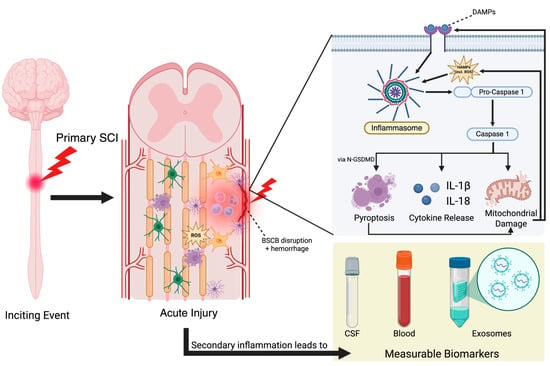
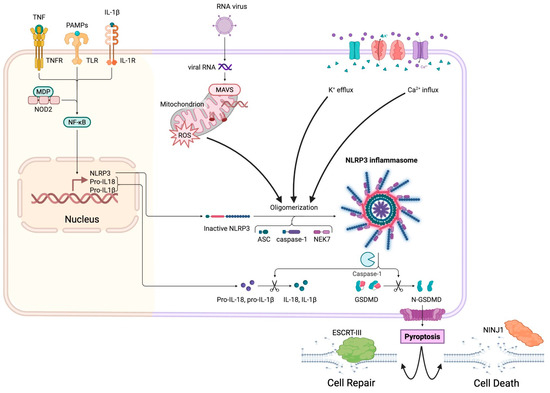
Caspase-1 is a central mediator of canonical inflammasome signaling and drives neuroinflammatory injury through interleukin-1β (IL-1β) and interleukin-18 (IL-18) maturation, gasdermin D (GSDMD)-mediated pyroptosis, and secondary inflammatory cascades. In spinal cord injury (SCI) and other neurologic disorders, experimental evidence links caspase-1 activation to blood–spinal cord barrier (BSCB) or blood–brain barrier (BBB) disruption, glial activation, neuronal and oligodendroglial injury, and worse functional outcomes. However, despite mechanistic rationale, the clinical role of caspase-1 as a biofluid biomarker remains incompletely defined. This review summarizes preclinical and clinical evidence regarding caspase-1 and inflammasome-associated proteins across cerebrospinal fluid (CSF), serum, plasma, and other biofluids, emphasizing SCI and translational neuroinflammation. Human studies suggest that inflammasome-associated markers may reflect acute inflammatory activity and injury severity, but direct caspase-1 measurement is limited by small cohorts, heterogeneous sampling windows, variable assay platforms, and inconsistent correlations with neurologic outcomes. Overall, caspase-1 remains a biologically plausible but not clinically established biomarker. Future studies should incorporate longitudinal sampling, standardized assays, paired measurement of IL-1β, IL-18, GSDMD, and other pyroptosis-related markers, and integration with imaging and functional outcomes. Such work may clarify whether caspase-1 can serve as a clinically actionable biomarker, prognostic indicator, or therapeutic monitoring target in SCI and related neuroinflammatory conditions.
Full article

Figure 1
Open AccessArticle
The Genomic Characterization of a Novel Candidatus Genus of the Family Gallionellaceae, a Novel Candidatus Species of the Genus Gallionella and Their Metabolic Potential for Iron Oxidation
by
Nikolai V. Ravin, Maria V. Gureeva, Alexey V. Beletsky and Margarita Y. Grabovich
Int. J. Mol. Sci. 2026, 27(19), 8801; https://doi.org/10.3390/ijms27198801 - 1 Oct 2026
Abstract
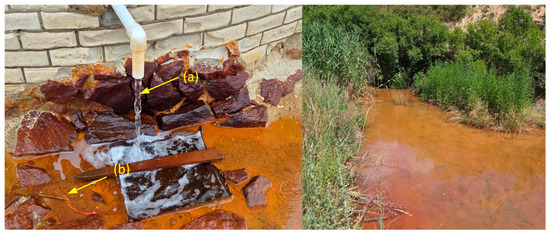
The family Gallionellaceae includes neutrophilic, aerobic, iron-oxidizing bacteria, many of which remain uncultured and known only from metagenomic data. In this study, two high-quality Gallionellaceae genomes were assembled from a ferruginous spring in the Voronezh region, Russia. Phylogenetic analysis based on 120 concatenated
[...] Read more.
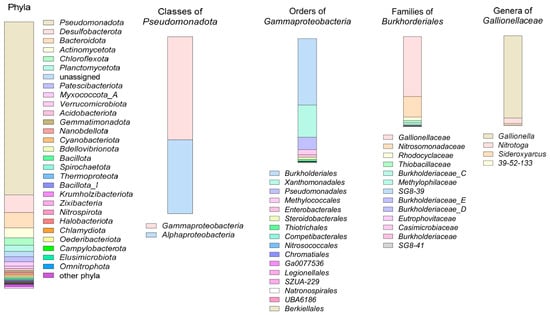
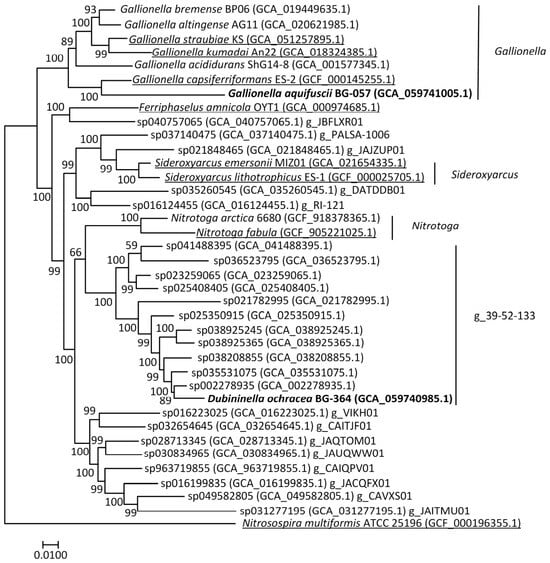
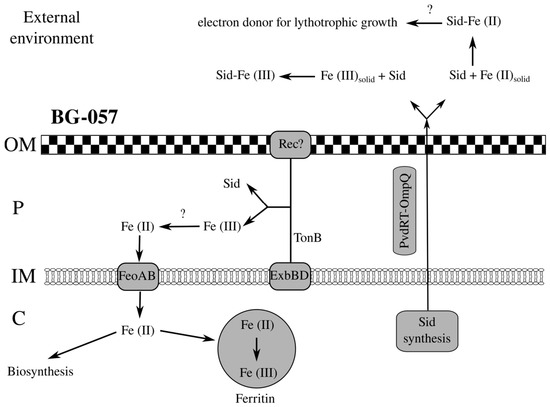
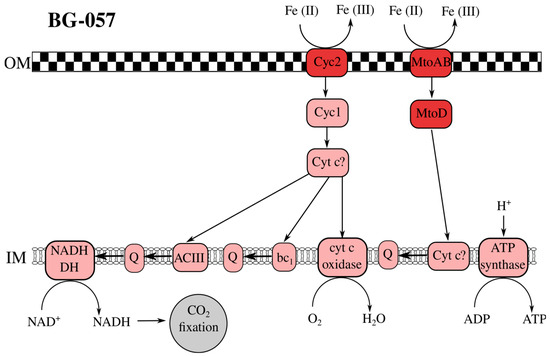
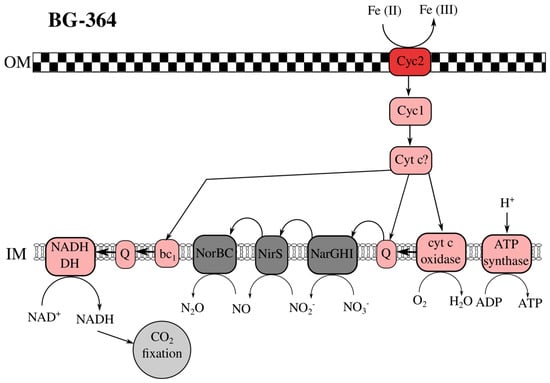
The family Gallionellaceae includes neutrophilic, aerobic, iron-oxidizing bacteria, many of which remain uncultured and known only from metagenomic data. In this study, two high-quality Gallionellaceae genomes were assembled from a ferruginous spring in the Voronezh region, Russia. Phylogenetic analysis based on 120 concatenated proteins, ANI (average nucleotide identity), and AAI (average amino acid identity) indicates that BG-057 belongs to the genus Gallionella and BG-364 to the genus 39-52-133. We propose the names “Candidatus Gallionella aquifuscii” sp. nov. for BG-057 and “Candidatus Dubininella ochracea” gen. nov., sp. nov. for BG-364. Both genomes encode genes for the Calvin-Benson-Bassham (CBB) cycle. Both are potentially capable of aerobic respiration due to the presence of electron transfer chain components. Both genomes encode the iron oxidase Cyc2, and BG-057 also encodes MtoA. BG-057 is potentially capable of lithotrophic growth in the presence of H2 and H2S. BG-364 is potentially capable of growth via Mn (II) oxidation; arsenite oxidation; the direct oxidation of thiosulfate; H2S, elemental sulfur, and sulfite oxidation. BG-364 encodes denitrification genes (narGHI, nirS, norBC). BG-057 possesses systems for the biosynthesis and export of siderophores, while BG-364 lacks these systems but retains Ton-dependent receptors, suggesting the use of exogenous siderophores.
Full article
(This article belongs to the Special Issue Current Advances and Perspectives in Microbial Genetics and Genomics—2nd Edition)
►▼
Show Figures

Figure 1
Open AccessBrief Report
Targeted Sequencing-Based Re-Evaluation of Candidate Immunogenetic Variants for Biologic Treatment Response and Difficult-to-Treat Rheumatoid Arthritis
by
Alena I. Zagrebneva, Elena N. Simonova, Yuliya A. Gavrikova, Vladislav V. Dolgov, Anastasiia A. Buianova, Ekaterina D. Glumova, Maria I. Tubalova, Galina S. Koksharova, Artem R. Nurislamov and Vadim I. Mazurov
Int. J. Mol. Sci. 2026, 27(19), 8800; https://doi.org/10.3390/ijms27198800 - 1 Oct 2026
Abstract
Genetic determinants of response to biologic disease-modifying antirheumatic drugs (bDMARDs) in rheumatoid arthritis (RA) remain insufficiently characterized. We developed a targeted sequencing panel of candidate immunogenetic variants identified through a literature review and evaluated associations with response to TNF-α inhibitors, response to IL-6
[...] Read more.
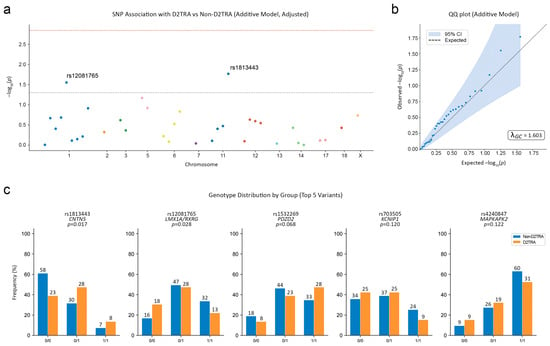
Genetic determinants of response to biologic disease-modifying antirheumatic drugs (bDMARDs) in rheumatoid arthritis (RA) remain insufficiently characterized. We developed a targeted sequencing panel of candidate immunogenetic variants identified through a literature review and evaluated associations with response to TNF-α inhibitors, response to IL-6 inhibitors, and difficult-to-treat RA (D2TRA). Whole-blood DNA was sequenced using custom hybridization capture on a DNBSEQ-G400 platform (2 × 150 bp). Reads were aligned to hg38 using BWA-MEM, and variants were called with GATK HaplotypeCaller. After quality control, the D2TRA analysis included 154 patients (59 D2TRA and 95 non-D2TRA); drug-response analyses included 66 anti-TNF patients (26 responders, 40 non-responders) and 69 anti-IL-6 patients (29 responders, 40 non-responders). Treatment-response associations were assessed using unadjusted allelic chi-square tests with multiple-testing correction; D2TRA was analyzed using logistic regression adjusted for age, sex, and body mass index. For IL-6 inhibitor response, rs11656130/MAP2K6 (p = 0.0163; FDR = 0.3704) and rs4910008/GALNT18 (p = 0.0212; FDR = 0.3704) were identified, while rs7767069/LINC02549 was associated with TNF-α inhibitor response (p = 0.0171; FDR = 0.5968). For D2TRA, rs1813443 in CNTN5 (OR = 1.85, p = 0.017) and rs12081765, an intergenic variant near LMX1A/RXRG (OR = 0.59, p = 0.028), were nominally associated; neither association remained significant after multiple-testing correction. With the current sample sizes, the study could detect only large genetic effects, and was underpowered for these after Bonferroni correction (α = 0.00143). The findings highlight the limited reproducibility of candidate pharmacogenetic markers in RA and provide a targeted panel and analytical framework for larger replication studies.
Full article
(This article belongs to the Special Issue Bioinformatics of Genome Regulation and Structure–2026)
►▼
Show Figures

Figure 1
Open AccessArticle
Transcriptomic Profiling of Adherent Cells Isolated from Wedged Pulmonary Arterial Blood of Patients with Pulmonary Arterial Hypertension Reveals a Predominantly Myeloid Rather than Endothelial Phenotype
by
Nadezhda Boyarskaya, Polina Kuchur, Pavel Docshin, Olga Skortsanu, Daria Smirnova, Natalia Goncharova, Elizaveta Korobchenko, Kirill Lapshin, Olga Moiseeva and Anna Malashicheva
Int. J. Mol. Sci. 2026, 27(19), 8799; https://doi.org/10.3390/ijms27198799 - 1 Oct 2026
Abstract
Pulmonary arterial hypertension (PAH) is characterized by progressive vascular remodeling and immune dysregulation. Myeloid angiogenic cells (MACs) are blood-derived mononuclear cells that acquire endothelial-like features at sites of vascular injury, but their transcriptomic phenotype in the pulmonary vascular compartment is poorly characterized. We
[...] Read more.
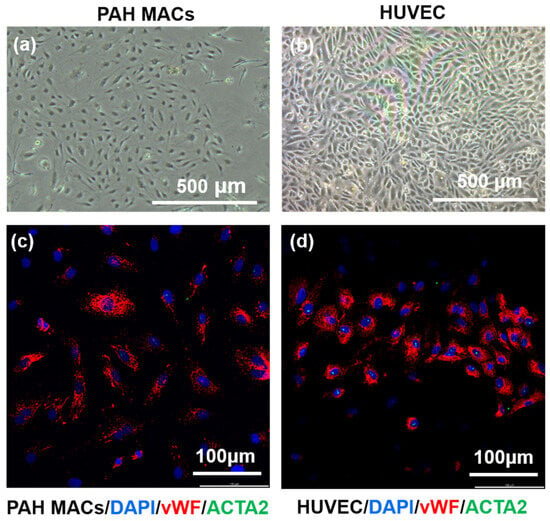
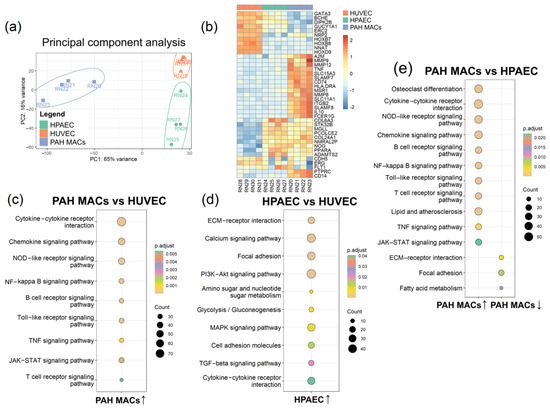
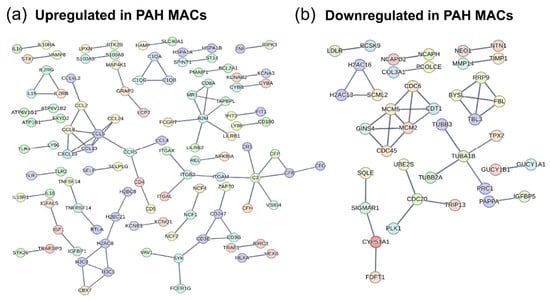
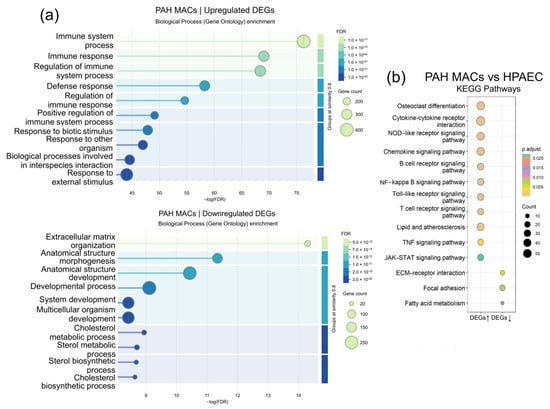
Pulmonary arterial hypertension (PAH) is characterized by progressive vascular remodeling and immune dysregulation. Myeloid angiogenic cells (MACs) are blood-derived mononuclear cells that acquire endothelial-like features at sites of vascular injury, but their transcriptomic phenotype in the pulmonary vascular compartment is poorly characterized. We isolated adherent cells from blood aspirated from the wedged pulmonary artery of four patients with severe PAH during right heart catheterization. The cells were vWF-positive and ACTA2-negative by immunocytochemistry and co-expressed canonical endothelial (CDH5, PECAM1, ERG, FLT1) and myeloid (PTPRC/CD45, CD14, SPI1, IRF8) transcripts, consistent with MAC-like adherent cultures rather than a conventional endothelial population. Bulk RNA sequencing of these cultures was compared with human pulmonary artery endothelial cells (HPAECs) and HUVECs used as endothelial reference cultures. Relative to both references, PAH MACs showed higher transcript levels of cytokines (IL1A, TNF, IL15, IL10) and matrix metalloproteinases (MMP8/9/12); relative to HPAECs, they showed lower levels of Notch-associated genes (DLL4, HEYL). Protein–protein interaction analysis identified modules centered on complement components, myeloid immune receptors and CC chemokines. Because MACs from non-PAH subjects were not available, these differences describe the phenotype of PAH-derived MACs relative to endothelial reference cells rather than a PAH-specific effect. Adherent cultures obtained from wedged pulmonary arterial blood are therefore dominated by a mononuclear phagocyte transcriptional program, which has direct implications for the design of patient-derived pulmonary vascular cell models.
Full article
(This article belongs to the Special Issue Endothelial Cells in Vascular Health and Immunity)
►▼
Show Figures

Figure 1
Open AccessArticle
CcWRKY31 Regulates Postharvest Mandarin Fruit Coloration in a Temperature-Dependent Manner
by
Shufang Deng, Lilei Wang, Qian Liu, Leixuan Peng and Lili Deng
Int. J. Mol. Sci. 2026, 27(19), 8798; https://doi.org/10.3390/ijms27198798 - 1 Oct 2026
Abstract
Storing mandarin fruit at 25 °C accelerates postharvest coloration of mandarin fruit, while 32 °C inhibits it. From the mandarin fruit stored at these two temperatures, we identified the temperature-responsive transcription factor CcWRKY31 as a key regulator of pigment metabolism. CcWRKY31 localizes to
[...] Read more.
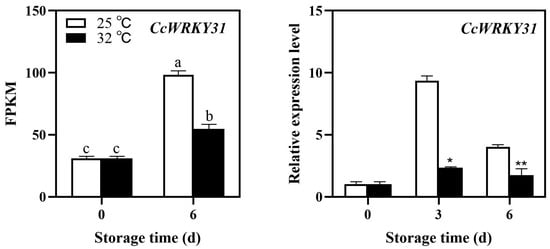
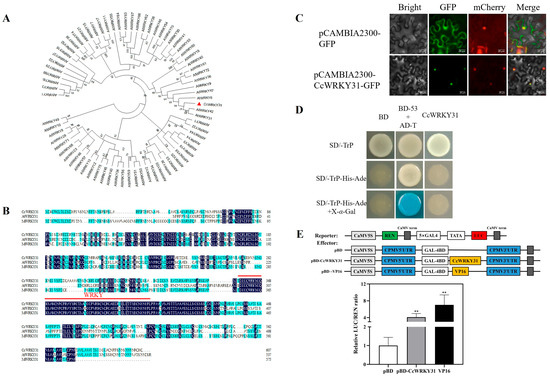
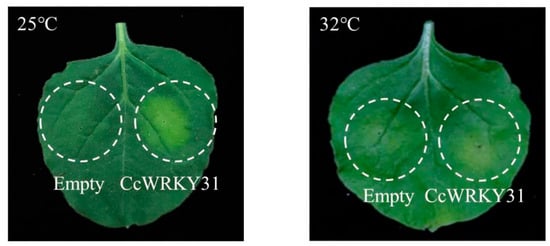
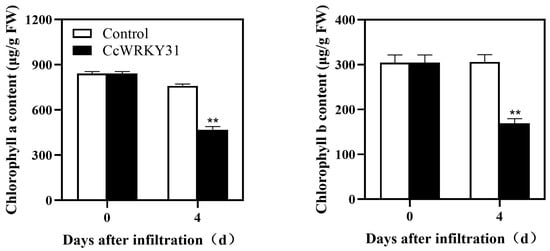
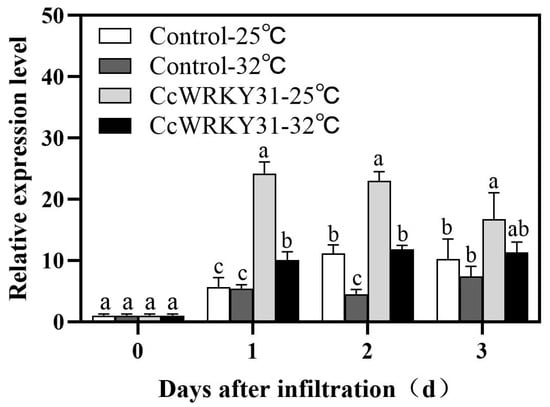
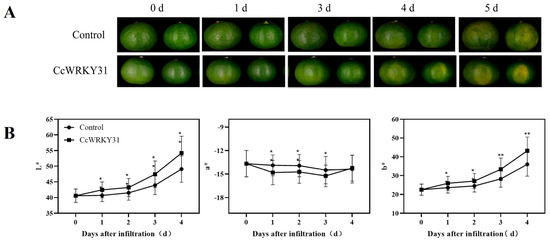
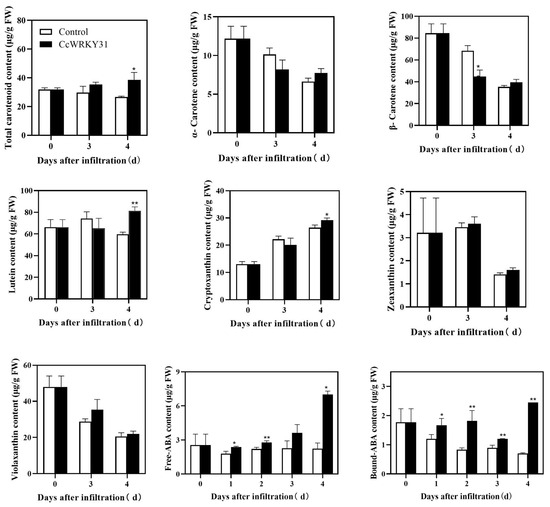
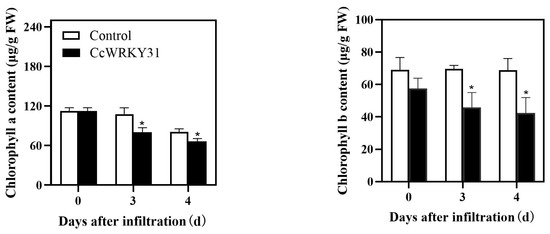
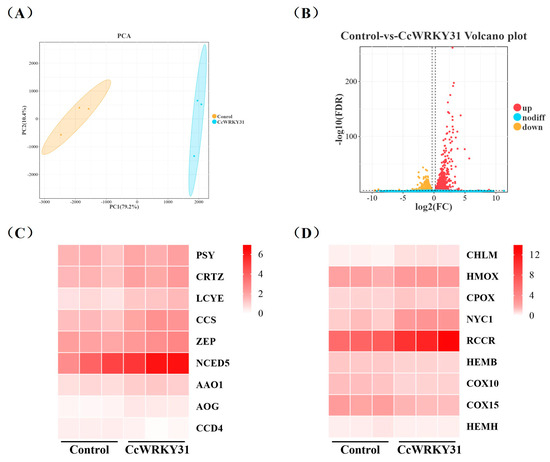
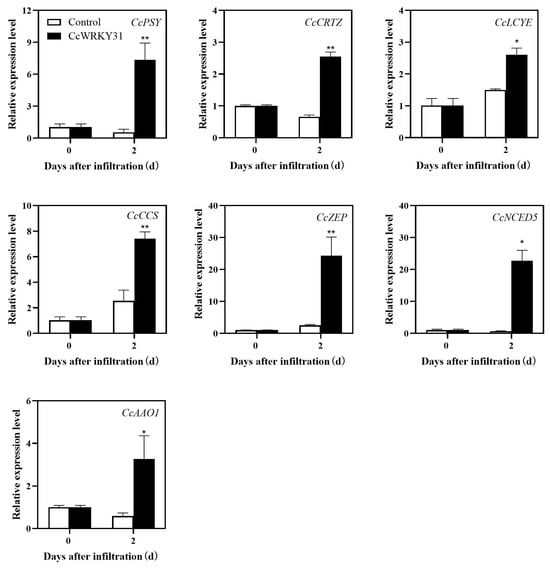
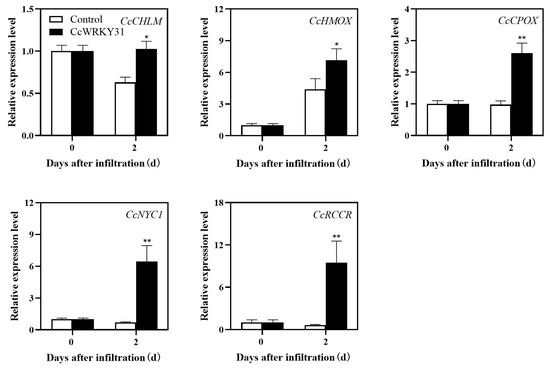
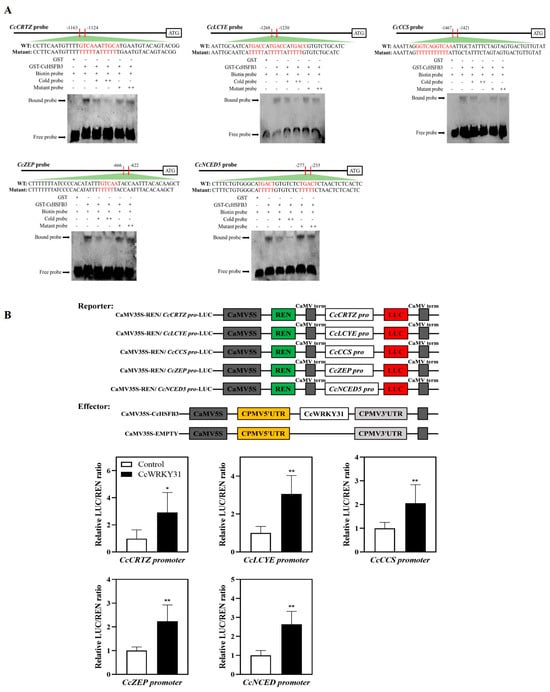
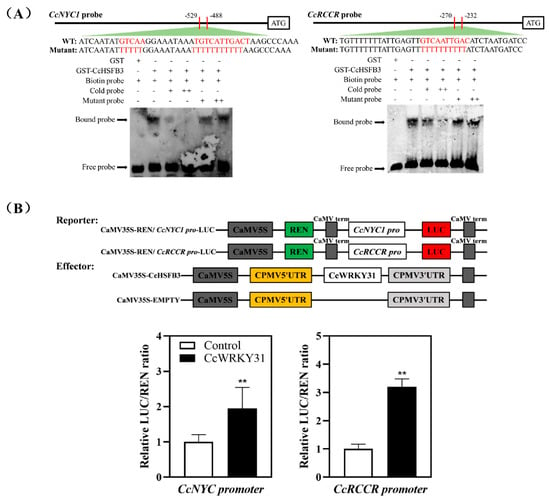
Storing mandarin fruit at 25 °C accelerates postharvest coloration of mandarin fruit, while 32 °C inhibits it. From the mandarin fruit stored at these two temperatures, we identified the temperature-responsive transcription factor CcWRKY31 as a key regulator of pigment metabolism. CcWRKY31 localizes to the nucleus and exhibits transcriptional activation activity in tobacco cells but not in yeast. Its transient overexpression in tobacco leaves caused visible yellowing and significantly reduced chlorophyll and its metabolites, with faster yellowing at 25 °C than at 32 °C. In mandarin fruit peel, transient overexpression of CcWRKY31 induced distinct color change around the injection site and strongly upregulated CcWRKY31 expression at both temperatures, though the induction was markedly lower at 32 °C. This overexpression promoted substantial accumulation of carotenoids and their metabolites while accelerating chlorophyll degradation. Mechanistically, CcWRKY31 directly binds to the W-box in the promoters of carotenoid biosynthesis genes (CcCRTZ, CcLCYE, CcCCS, CcZEP, CcNCED5) and chlorophyll degradation genes (CcNYC1, CcRCCR) to positively activate their expression. These results suggest that at the optimal temperature of 25 °C, CcWRKY31 accelerates postharvest mandarin peel coloration by coordinately promoting chlorophyll breakdown and carotenoid accumulation.
Full article
(This article belongs to the Special Issue A New Perspective on Fruit Quality: From Molecular Regulatory Mechanisms to Nutritional Value)
►▼
Show Figures

Figure 1
Open AccessArticle
Molecular Proliferation Marker Ki-67 in Breast Cancer: The Role of Vitamin D Status, Hormone Receptor Expression, and Clinicopathological Factors—A Cross-Sectional Study
by
Dorota Weber, Robert Łuczyk, Anna Pacian, Teresa Kulik and Monika Baryła-Matejczuk
Int. J. Mol. Sci. 2026, 27(19), 8797; https://doi.org/10.3390/ijms27198797 - 1 Oct 2026
Abstract
Ki-67 is a well-established nuclear biomarker of tumor cell proliferation with key importance for the molecular classification and prognostic stratification of breast cancer. This cross-sectional study included 101 women with histopathologically confirmed invasive breast cancer treated at the St. John of Dukla Oncology
[...] Read more.
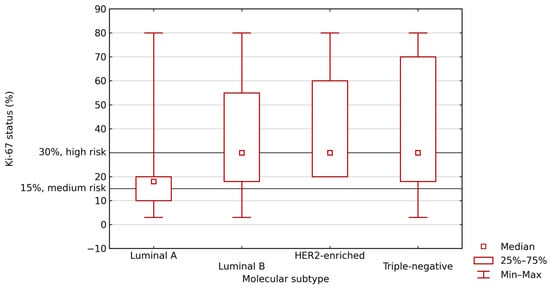
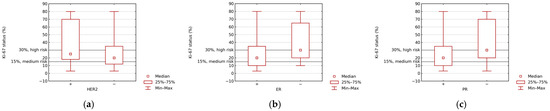
Ki-67 is a well-established nuclear biomarker of tumor cell proliferation with key importance for the molecular classification and prognostic stratification of breast cancer. This cross-sectional study included 101 women with histopathologically confirmed invasive breast cancer treated at the St. John of Dukla Oncology Center of the Lublin Region (COZL), Poland (2018–2019). Ki-67 expression was assessed immunohistochemically on formalin-fixed, paraffin-embedded tumor tissue, and independent predictors were identified using multiple linear regression. The median Ki-67 was 20% (IQR: 15–40%). Ki-67 differed significantly between molecular subtypes (Kruskal–Wallis test H = 16.122; p = 0.001; η2 = 0.138): Luminal A tumors had the lowest Ki-67 (median 18%), whereas the Luminal B, HER2-enriched, and Triple-negative subtypes showed higher values (median 30% each). Ki-67 was significantly lower in tumors expressing the estrogen receptor (p = 0.005) and progesterone receptor (p = 0.023). Because the Luminal A/B distinction incorporates a Ki-67 threshold by definition, a multivariable model excluding molecular subtype was fitted using ER, PR, HER2, menopausal status, age, BMI category, and 25(OH)D as candidate predictors. This model identified HER2 positivity (b = 11.26; p = 0.024) and postmenopausal status (b = 17.93; p = 0.017) as independent predictors of higher Ki-67, with a borderline inverse association for age (b = −0.65; p = 0.092); the model explained 10.1% of variance (R2 = 0.101; F(3,95) = 3.574; p = 0.017), and neither ER, PR, BMI, nor 25(OH)D were retained. Serum 25(OH)D concentration showed no meaningful association with Ki-67, either unadjusted (Spearman ρ = 0.035; p = 0.730) or when forced into the retained multivariable model regardless of significance (adjusted b = −0.032; 95% CI: −0.337–0.272; p = 0.834); no association was observed between circulating 25(OH)D and Ki-67 in this cohort, although indirect biological relationships cannot be excluded.
Full article
(This article belongs to the Section Molecular Oncology)
►▼
Show Figures

Figure 1
Open AccessArticle
Ambient Temperature Preservation Supports Recovery of Beating Capacity in Human Cardiac Organoids After Exposure to Simulated Space Stressors
by
Cynthia Van Rompay, Kevin Tabury, Emre Etlioglu, Ben Cools, Randy Vermeesen, Emil Rehnberg, Sarah Baatout, Marianne S. Carlon, Xavier Casadevall i Solvas and Bjorn Baselet
Int. J. Mol. Sci. 2026, 27(19), 8796; https://doi.org/10.3390/ijms27198796 - 30 Sep 2026
Abstract
Human space exploration exposes astronauts to environmental stressors including microgravity (µg) and ionizing radiation, which may adversely affect cardiovascular health. Human induced pluripotent stem cell (hiPSC)-derived cardiac organoids, also referred to as cardioids, provide a physiologically relevant model to investigate these effects, but
[...] Read more.
Human space exploration exposes astronauts to environmental stressors including microgravity (µg) and ionizing radiation, which may adversely affect cardiovascular health. Human induced pluripotent stem cell (hiPSC)-derived cardiac organoids, also referred to as cardioids, provide a physiologically relevant model to investigate these effects, but preservation of complex 3D tissues remains challenging. Current methods rely mainly on cryopreservation, creating variability and logistical constraints, particularly for spaceflight research. Alternative preservation strategies suitable for both ground-based and space experiments are therefore needed. In this study, human cardiac organoids were exposed to simulated µg (sµg) using a random positioning machine (RPM) and to a mixed neutron–photon field generated by a Californium-252 (252Cf) source. To assess preservation potential, organoids preserved at ambient temperature in CellShip® transport medium were compared with unpreserved controls. Viability, proliferative activity and functional performance, including spontaneous beating, were assessed. Simulated µg induced limited detectable effects, whereas chronic irradiation (dose equivalent rate, 1.31–1.33 mSv/h over 70.5–74.7 h) impaired several organoid viability and functional readouts. Ambient-temperature-preserved organoids showed greater recovery of measurable beating after irradiation than unpreserved organoids. These proof-of-concept findings support further evaluation of CellShip®-based ambient preservation as a non-cryogenic alternative for cardiac organoids in terrestrial and spaceflight research.
Full article
(This article belongs to the Special Issue Microgravity, Cell Shape and Gene Expression: State of the Art, Challenges and Prospects)
Open AccessArticle
Translational Toxicology of N-Isopropylbutylone: Integrated In Vivo and In Silico Assessment of a New Synthetic Cathinone
by
Marta Bassi, Sabrine Bilel, Giorgia Corli, Nicole Cocita, Asia Masoli, Tatiana Bernardi, Sara Odoardi, Serena Mestria, Giulia Biosa, Sabina Strano-Rossi and Matteo Marti
Int. J. Mol. Sci. 2026, 27(19), 8795; https://doi.org/10.3390/ijms27198795 - 30 Sep 2026
Abstract
The novel psychoactive substance (NPS) phenomenon represents a major global problem. Despite the methodical inclusion of new analogues in lists of controlled drugs, new compounds continue to circulate, frequently resulting in fatal intoxications. The emergence of N-isopropyl butylone (NiPB) in 2024, found as
[...] Read more.
The novel psychoactive substance (NPS) phenomenon represents a major global problem. Despite the methodical inclusion of new analogues in lists of controlled drugs, new compounds continue to circulate, frequently resulting in fatal intoxications. The emergence of N-isopropyl butylone (NiPB) in 2024, found as an adulterant in methamphetamine-based products, underscores the rapidly evolving landscape of NPSs. Despite its structural similarity to potent monoamine transporter inhibitors, specific pharmacological data and information on its effects in consumers are currently lacking. This study aims to characterize the acute physiological, behavioural, and sensorimotor effects of NiPB (0.1–60 mg/kg; i.p.) in male mice, complemented by in silico pharmacokinetic modelling (ADMET Predictor®). NiPB is predicted to undergo N-dealkylation, cleavage of the 3,4-methylendioxy moiety, and N-glucuronidation. Computational profiling predicted high BBB permeability, Vd = 4.37 L/kg, fup > 50%, CYP2D6 and OCT2 inhibition, and hERG blockade (pIC50 = 4.888). In vivo, NiPB induced dose-dependent locomotor stimulation without affecting motor coordination and provoked tachypnoea and visual reflex alterations, while tactile and acoustic responses, as well as thermoregulation, were preserved. In conclusion, this study defines the preliminary toxicological profile of NiPB, indicating that acute exposure may trigger central psychostimulant toxicity in vivo. Furthermore, based on the in silico profiling, targeted experimental studies are required to determine the actual cardiotoxicity and risks of drug–drug interactions associated with NiPB.
Full article
(This article belongs to the Section Molecular Toxicology)
Journal Menu
► ▼ Journal Menu-
- IJMS Home
- Aims & Scope
- Editorial Board
- Reviewer Board
- Topical Advisory Panel
- Early Career Editorial Board
- Instructions for Authors
- Special Issues
- Topics
- Sections & Collections
- Article Processing Charge
- Indexing & Archiving
- Most Cited & Viewed
- Journal Statistics
- Journal History
- Journal Awards
- Society Collaborations
- Conferences
- Editorial Office
Journal Browser
► ▼ Journal Browser-
arrow_forward_ios
Forthcoming issue
arrow_forward_ios Current issue - Vol. 27 (2026)
- Vol. 26 (2025)
- Vol. 25 (2024)
- Vol. 24 (2023)
- Vol. 23 (2022)
- Vol. 22 (2021)
- Vol. 21 (2020)
- Vol. 20 (2019)
- Vol. 19 (2018)
- Vol. 18 (2017)
- Vol. 17 (2016)
- Vol. 16 (2015)
- Vol. 15 (2014)
- Vol. 14 (2013)
- Vol. 13 (2012)
- Vol. 12 (2011)
- Vol. 11 (2010)
- Vol. 10 (2009)
- Vol. 9 (2008)
- Vol. 8 (2007)
- Vol. 7 (2006)
- Vol. 6 (2005)
- Vol. 5 (2004)
- Vol. 4 (2003)
- Vol. 3 (2002)
- Vol. 2 (2001)
- Vol. 1 (2000)
Highly Accessed Articles
Latest Books
E-Mail Alert
News
Topics
Topic in
Cells, IJMS, Metabolites, Physiologia, Life
Animal Models of Human Disease 3.0
Topic Editors: Sigrun Lange, Jameel M. InalDeadline: 31 October 2026
Topic in
Cancers, Diagnostics, Diseases, IJMS, JPM
Advances in Genetics and Precision Medicine in Human Diseases: 2nd Edition
Topic Editors: Shun-Fa Yang, Shih-Chi SuDeadline: 14 November 2026
Topic in
IJMS, JFB, Macromol, Materials, J. Compos. Sci., Polymers
Recent Advances in Composite Biomaterials
Topic Editors: Diego Romano Perinelli, Florentina LupascuDeadline: 30 November 2026
Topic in
Antioxidants, Biomedicines, Biomolecules, Cells, IJMS, Metabolites, Nutrients, Sci
Muscle Aging and Sarcopenia: Mechanisms, Metabolic Regulation, and Intervention Strategies
Topic Editors: Hélio José Coelho Júnior, Mariam El Assar, Javier AnguloDeadline: 15 December 2026
Conferences
Special Issues
Special Issue in
IJMS
Multi-Omics Insights into Cardiovascular and Cerebrovascular Diseases
Guest Editors: Alicia Aliena-Valero, María Castelló-RuizDeadline: 10 October 2026
Special Issue in
IJMS
Sustainable Bioactives from Plants: From Molecular Function to Fermentation
Guest Editors: Zofia Nizioł–Łukaszewska, Martyna Zagórska-DziokDeadline: 10 October 2026
Special Issue in
IJMS
Molecular Study on Biofunctional Properties of Plant Bioactives
Guest Editors: Isidora Milosavljevic, Jovana N. NovakovicDeadline: 10 October 2026
Special Issue in
IJMS
Molecular Mechanisms and Therapy of Heart Failure
Guest Editor: Ruth MagayeDeadline: 10 October 2026
Topical Collections
Topical Collection in
IJMS
Calcium Homeostasis and Dynamics in Life and Health
Collection Editor: Youjun Wang
Topical Collection in
IJMS
Novel Insights into the Sleeping, Waking, and Dreaming Brain
Collection Editor: Michael Lazarus
Topical Collection in
IJMS
Feature Papers in 'Physical Chemistry and Chemical Physics'
Collection Editor: Francesco Mallamace
Topical Collection in
IJMS
Feature Papers in Molecular Microbiology
Collection Editor: Vishwanath Venketaraman