You are currently viewing a new version of our website. To view the old version click .

Kinases and Phosphatases

Kinases and Phosphatases is an international, peer-reviewed, open access journal on every aspect of post-translational modifications in all biological systems, from bacteria to humans, covering a wide range of disciplines, including biochemistry, molecular biology, structural biology, cell biology, medicinal chemistry, pharmacology, cellular pathology, and clinical disciplines, and is published quarterly online by MDPI.

All Articles (69)

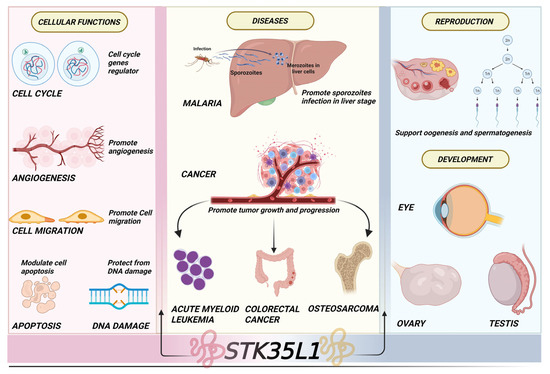
Malaria remains one of the devastating illnesses, and drug-resistant malaria has incurred enormous societal costs. A few host kinases are vital for the liver stage malaria and might be promising drug targets against drug-resistant malaria. STK35L1 is one of the host kinases that is highly upregulated during the liver stage of malaria, and the knockdown of STK35L1 significantly suppresses Plasmodium sporozoite infection. In this study, we retrieved the promoter region of STK35L1 based on 5′ complete transcripts, transcription start sites, and cap analysis of gene expression tags. Furthermore, we identify transcriptionally active regions by analyzing CpG islands, histone acetylation (H3K27ac), and histone methylation (H3K4me3). It suggests that the identified promoter region is active and has cis-regulatory elements and enhancer regions. We identified various putative transcription factors (TFs) from the various high-throughput ChIP data that might bind to the promoter region of STK35L1. These TFs were differentially regulated during the infection of Plasmodium sporozoites in HepG2 cells. Our molecular modeling study suggests that, except for SMAD3, the identified TFs may be directly bound to the promoter. Together, the data suggest that these TFs may play a role in sporozoite infection and in regulating STK35L1 expression during the liver stage of malaria.

12 December 2025

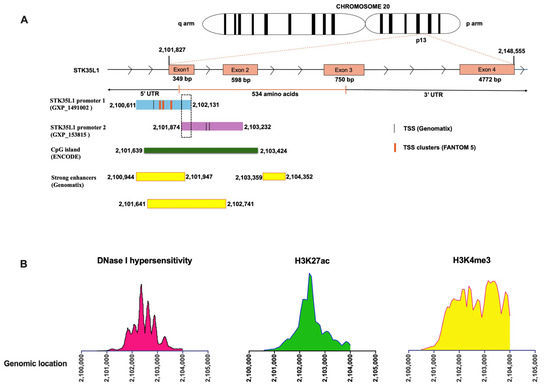
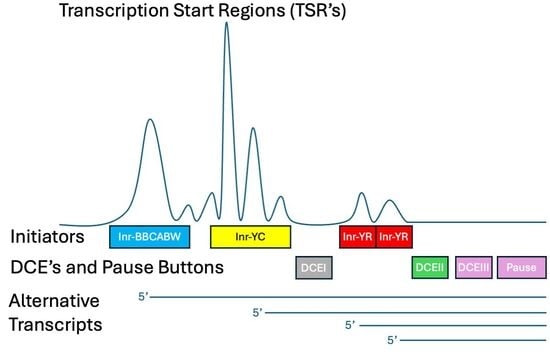
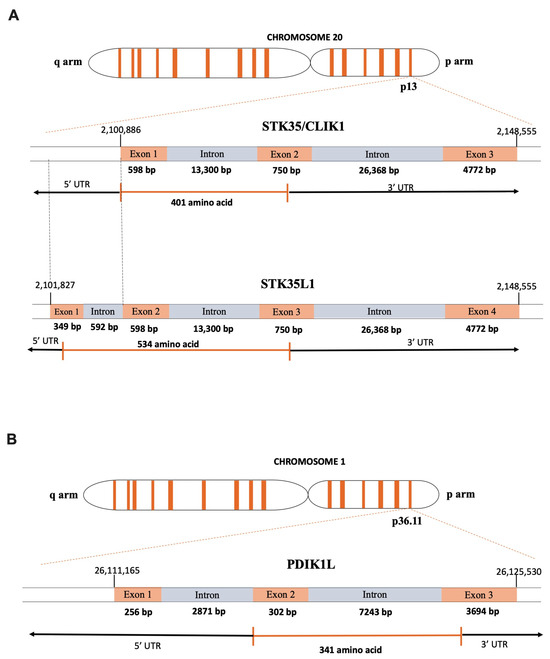
Cis-regulatory elements of STK35L1 Promoter regions. (A) The cartoon illustrates the genomic locations of identified STK35L1 promoters, featuring 5 TSS regions, CpG islands (green), and strong enhancers (yellow boxes). The dashed box shows the overlapping areas of promoter 1 and promoter 2. (B) The line plot displays the aggregated DNase I-seq signals (DNase I hypersensitivity) and ChIP-seq (H3K27ac, H3K4me3) in the genomic locus of promoter regions.

Differential Expression of AURKA, AURKB, and PLK1 Modulates Clinical Outcomes and Survival in Acute Myeloid Leukemia

  • Anna Karolyna da Costa Machado,
  • Beatriz Maria Dias Nogueira and
  • Deivide de Sousa Oliveira
  • + 18 authors

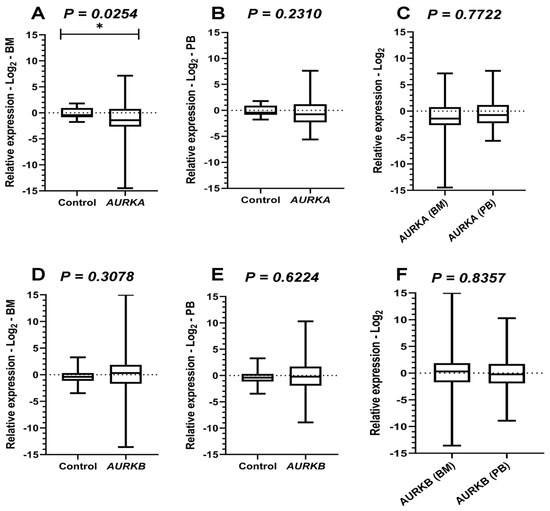
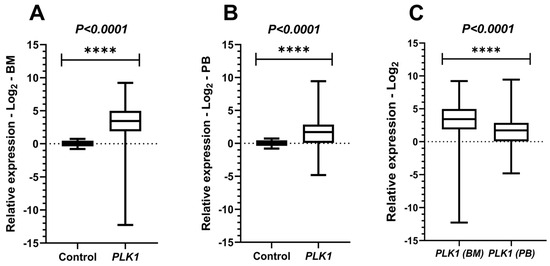
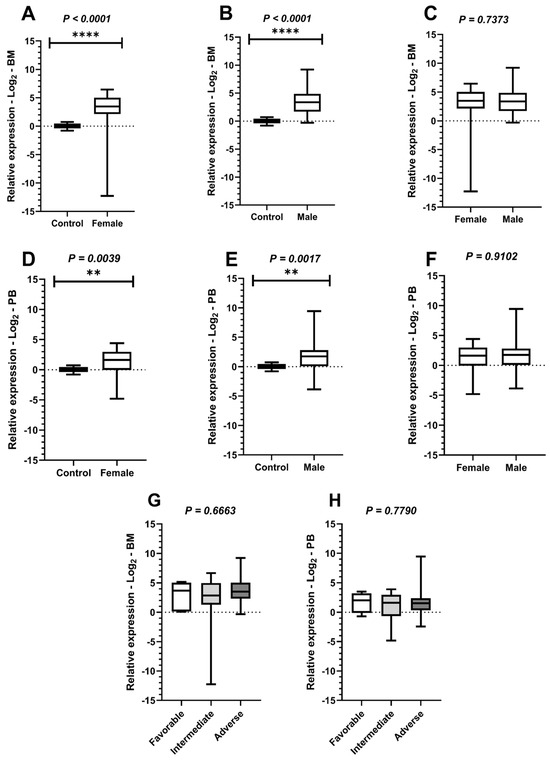
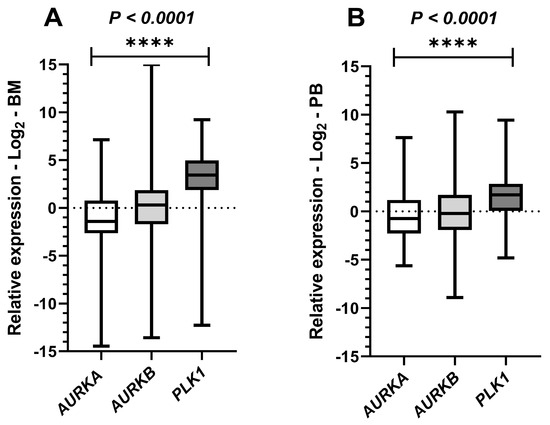
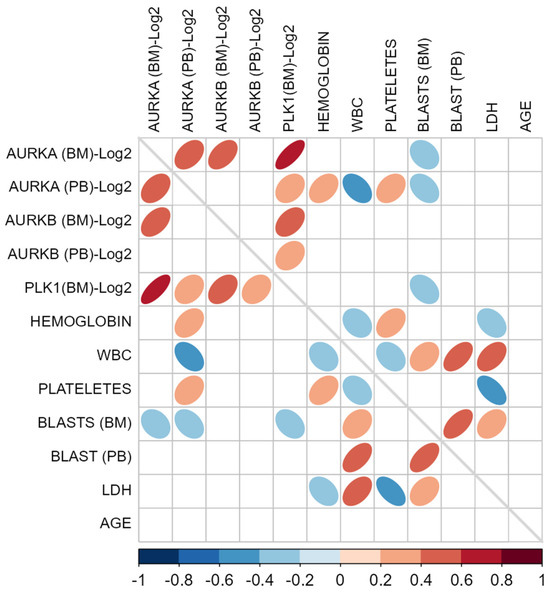
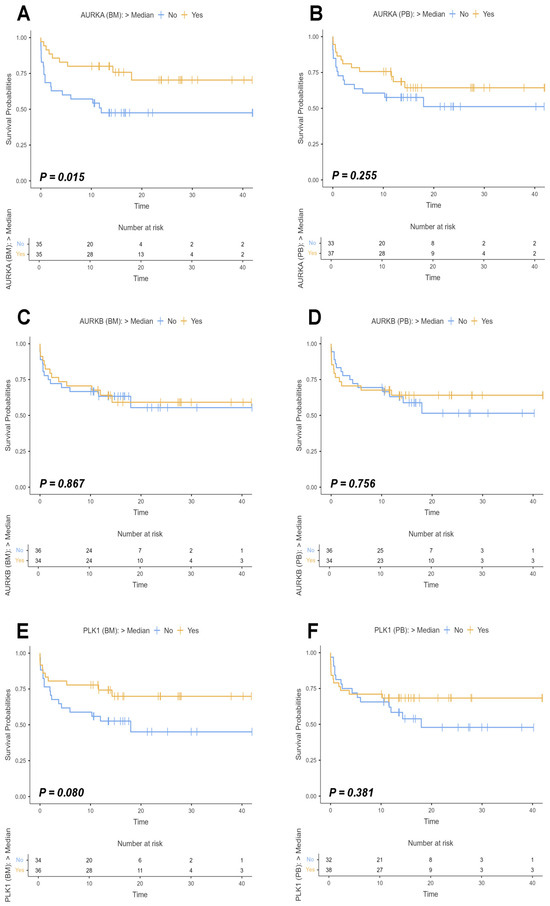
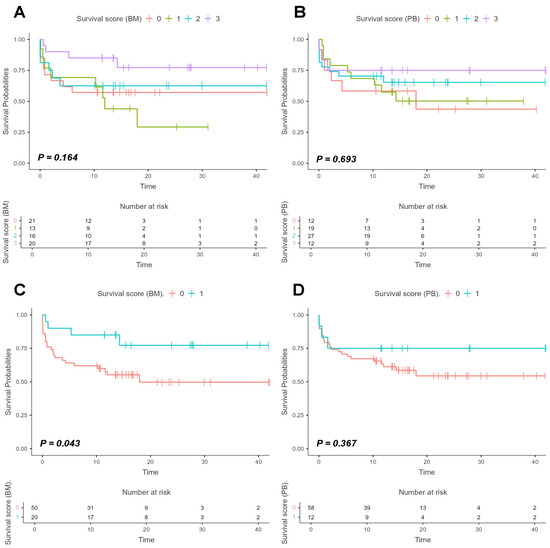
Acute myeloid leukemia (AML) is one of the most aggressive types of leukemia, represented by the clonal proliferation of hematopoietic precursors, which mainly promotes quantitative and differentiation alterations, as well as normal hematopoiesis suppression. Throughout leukemogenesis, modifications may occur in several elements that make up cellular signaling pathways; among these, AURKA, AURKB, and PLK1 are key related regulators of mitotic progression and cellular proliferation. This study investigated the hematological profile and the expression of the AURKA, AURKB, and PLK1 genes in a cohort of individuals with AML, in order to understand their roles in the pathophysiology of the disease. The analyses revealed a significant hypoexpression of AURKA in the bone marrow of AML individuals compared to the control group (p = 0.0254) and AURKB showed no significant difference in bone marrow and peripheral blood samples. It was also observed a hyperexpression of PLK1 in bone marrow (p < 0.0001) and in peripheral blood (p = 0.0144). Our results also point to PLK1 as a potential biomarker for AML, since its hyperexpression did not differ with respect to gender, risk stratification, or age of the individuals. Finally, survival analyses indicate that AURKA expression in the bone marrow is associated with a protective factor and increased survival, and that those with higher expression of the three target genes had a lower mortality rate (p = 0.043).

3 December 2025

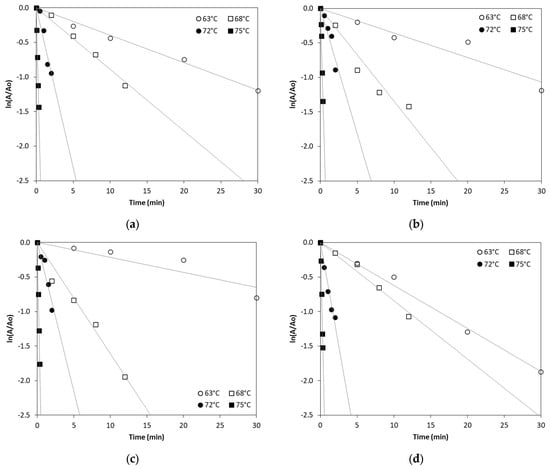
Comparative analysis of Aurora Kinases expressions. Legend: AURKA: Aurora kinase A; AURKB: Aurora kinase B; BM: Bone marrow; PB: Peripheral blood. Comparative analyses of AURKA and AURKB expression between the acute myeloid leukemia (AML) cohort and healthy controls. Boxplots display the median and minimum and maximum values of target gene expression. The Fold change of the samples was transformed on a logarithmic scale (Log2). The Y-axes of the graphs represent the relative expression scales of the target genes (range: −15 to 15; major tick interval: 5). The X-axes of the graphs are arranged in the sample groups. (A) AURKA expression in bone marrow (BM) samples compared to controls (Mann–Whitney test; p = 0.0254 *). (B) AURKA expression in peripheral blood (PB) samples (Mann–Whitney test; p = 0.2310). (C) Wilcoxon test results comparing BM and PB samples from AML patients for AURKA expression (p = 0.0778). (D) AURKB expression in BM samples compared to controls (Mann–Whitney test; p = 0.3078). (E) AURKB expression in PB samples (Mann–Whitney test; p = 0.6224). (F) Wilcoxon test results comparing BM and PB samples from AML patients for AURKB expression (p = 0.8357).

The 14-3-3 Protein Family, Beyond the Kinases and Phosphatases

  • Exequiel E. Barrera,
  • Marina Uhart and
  • Diego M. Bustos

Eukaryotic phosphorylation of serine and threonine residues is a central regulatory mechanism in cell signalling, carried out by more than 500 kinases and a diverse array of phosphatases. Traditionally understood as a two-component system driven by writers (kinases) and erasers (phosphatases), this regulatory network is now appreciated to involve additional proteins that modulate or interpret phosphorylation-dependent changes. Among them, the 14-3-3 protein family has emerged as a prominent example due to its ability to bind phosphorylated serine/threonine motifs—typically located within intrinsically disordered regions—and influence the activity, stability, or localization of its partners. In this review, we discuss the importance, evolution, structure, and dynamics of 14-3-3 proteins, as well as their interactions with small molecules—both natural and designed—that bind to them. We highlight several underexplored aspects of their molecular behaviour, integrate recent discoveries, and emphasize how these insights contribute to a broader understanding of phosphorylation-dependent regulation across eukaryotes.

28 November 2025

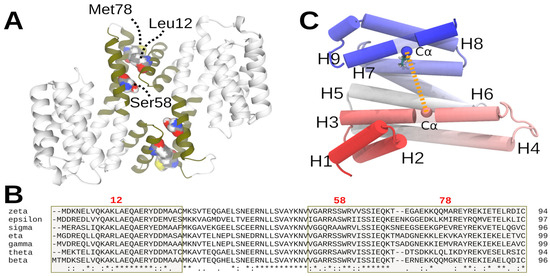
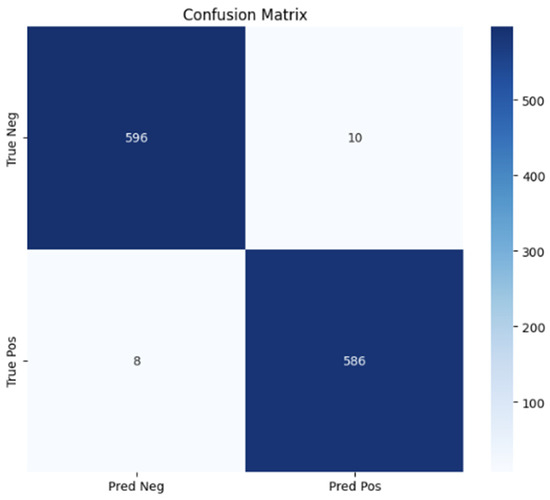
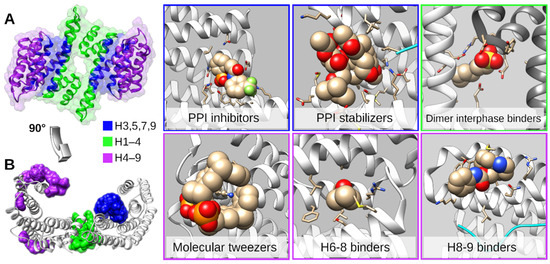
(A) Cartoon representation of 14-3-3ζ highlighting its dimerization interface. Residues which mutations lead to monomerization are represented with surfaces and labelled [35,42]. (B) Multiple sequence alignment fragment of the seven 14-3-3 human paralogs. A green transparent square highlights their dimerization interphase residues. Adapted from [11]. (C) Simplified cartoon representation of one 14-3-3 monomer. On spheres, Gly52 and Leu220 Cαs, showing the interhelix distance that defines the AG opening. Helices are labelled by their number and colored by index number [10]. (A) was made using VMD v1.9.4.

Polo-like Kinase 1 (PLK1) Inhibitors Targeting Anticancer Activity

  • Dina Bárbara Aguado-Herrera,
  • Yudith Cañizares-Carmenate and
  • Edeildo Ferreira da Silva-Júnior

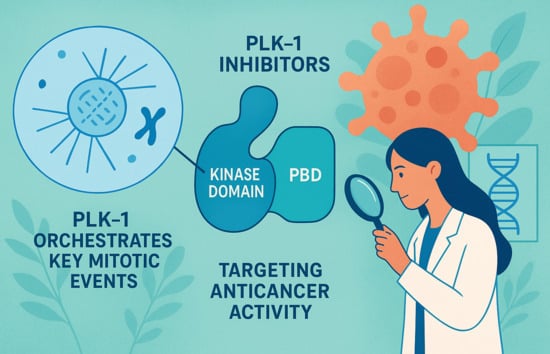
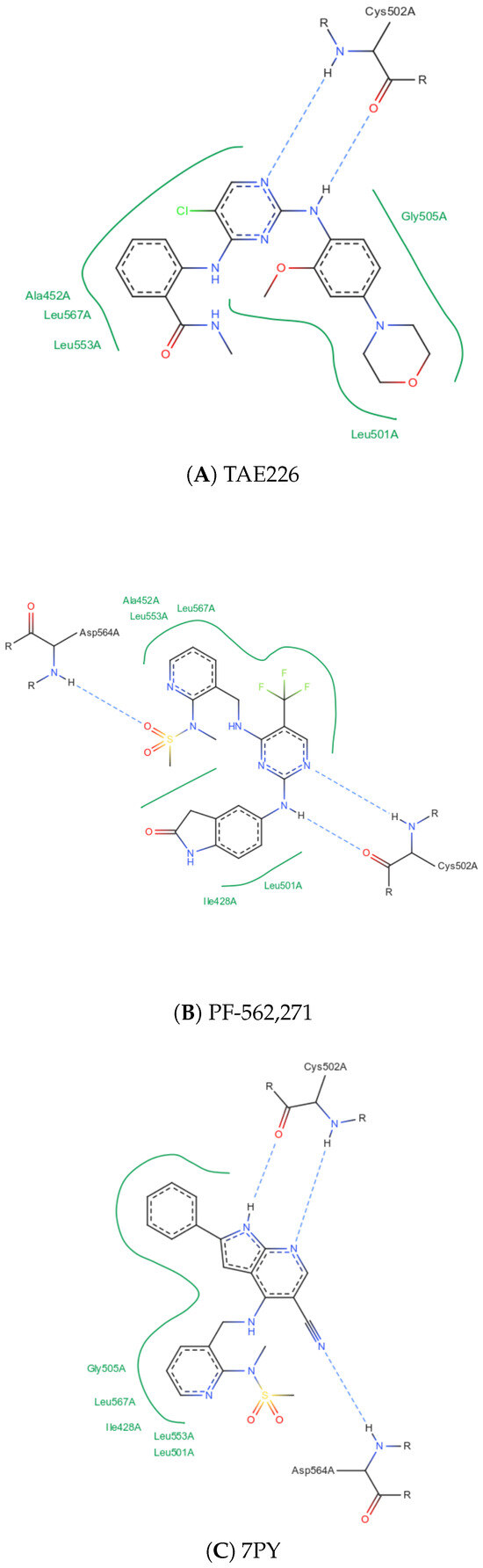
Polo-like kinase 1 (PLK1) is a serine/threonine kinase that orchestrates multiple critical events during mitosis, including centrosome maturation, spindle assembly, kinetochore–microtubule attachment, and cytokinesis. Dysregulation and overexpression of PLK1 are frequently observed in various cancers, correlating with increased proliferation, metastatic potential, and poor prognosis, which highlights its potential as a therapeutic target. Traditional small-molecule inhibitors have predominantly focused on the ATP-binding site of the N-terminal kinase domain, effectively inducing mitotic arrest and apoptosis in tumor cells; however, these compounds often suffer from limited selectivity and off-target toxicity. The C-terminal Polo-box domain (PBD), responsible for substrate recognition and subcellular localization, has emerged as an alternative and highly selective target for inhibitor design, enabling the disruption of protein–protein interactions critical for PLK1 function. Here, we present a comprehensive review demonstrating the potential inhibition of several compounds against PLK1. This work establishes a foundation for future preclinical development of small molecule-based therapeutics against PLK1-dependent malignancies.
12 November 2025

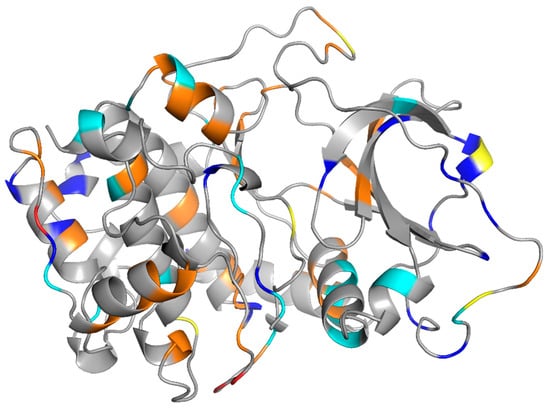
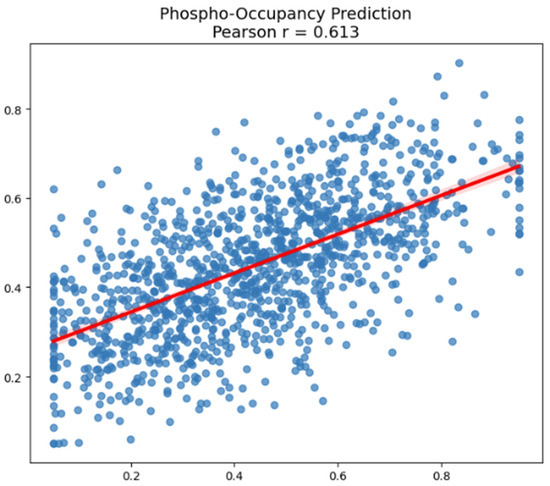
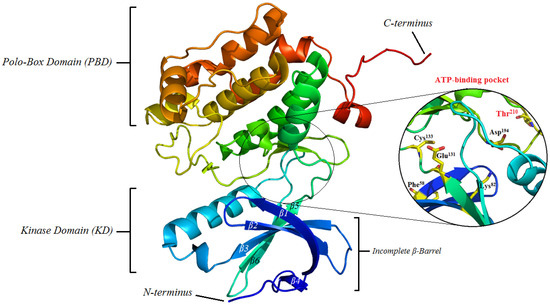
Structure of Polo-like kinase 1 (PLK1) showing both the polo-box domain (PBD) and kinase domain (KD), as well as, its catalytic binding pocket. PDB id: 2RKU; PyMol version 0.99 was used to generate the cartoon style of illustration, colored by using rainbow style.
News & Conferences

Issues

Open for Submission

Editor's Choice

Get Alerted

Add your email address to receive forthcoming issues of this journal.

XFacebookLinkedIn
Kinases Phosphatases - ISSN 2813-3757