You are currently on the new version of our website. Access the old version .

Scientia Pharmaceutica

Scientia Pharmaceutica is an international, peer-reviewed, open access journal related to the pharmaceutical sciences, published quarterly online. 
It is the official journal of the Austrian Pharmaceutical Society (ÖPhG). Society members receive discounts on the article processing charges.
Quartile Ranking JCR - Q3 (Pharmacology and Pharmacy)

All Articles (1,580)

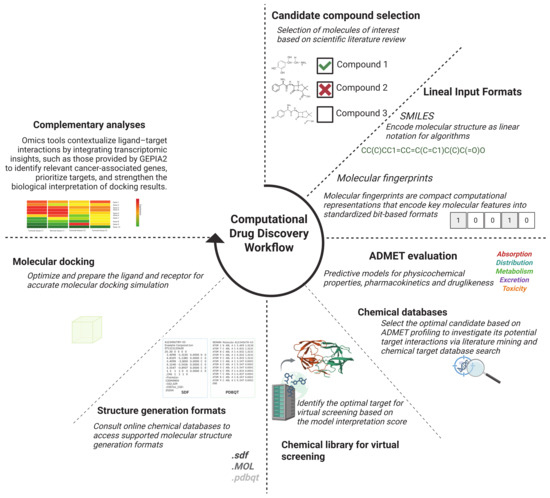
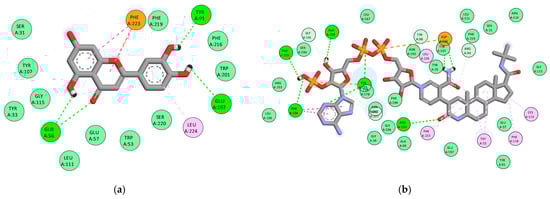
Computational Workflow for Chemical Compound Analysis: From Structure Generation to Molecular Docking

  • Jesus Magdiel García-Díaz,
  • Asbiel Felipe Garibaldi-Ríos and
  • Martha Patricia Gallegos-Arreola
  • + 4 authors

Drug discovery is a complex and expensive process in which only a small proportion of candidate molecules reach clinical approval. Computational methods, particularly computer-aided drug design (CADD), have become fundamental to accelerate and optimize early stages of discovery by integrating chemical, biological, and pharmacokinetic information into predictive models. This review outlines a complete computational workflow for chemical compound analysis, covering molecular structure generation, database selection, evaluation of absorption, distribution, metabolism, excretion and toxicity (ADMET), target prediction, and molecular docking. It focuses on freely accessible and web-based tools that enable reproducible, cost-effective, and scalable in silico studies. Key platforms such as PubChem, ChEMBL, RDKit, SwissADME, TargetNet, and SwissDock are highlighted as examples of how different resources can be integrated to support rational compound design and prioritization. The article also discusses essential methodological principles, data curation strategies, and common limitations in virtual screening and docking analyses. Finally, it explores future directions in computational drug discovery, including the incorporation of artificial intelligence, multi-omics integration, and quantum simulations, to enhance predictive accuracy and translational relevance.

13 January 2026

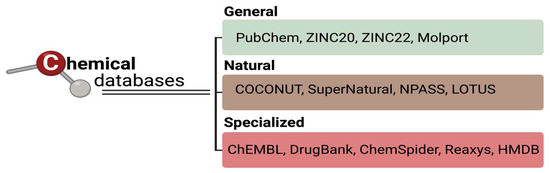
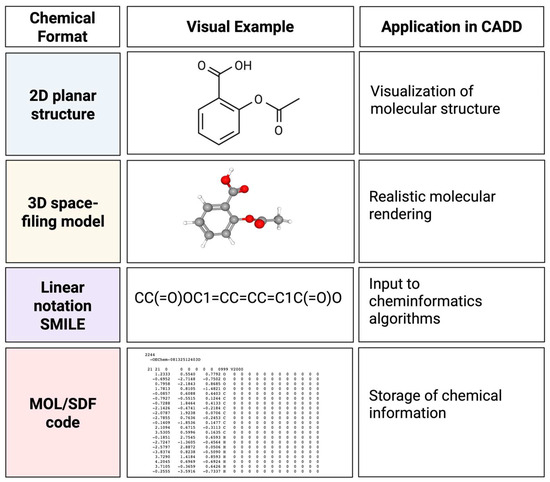
Classification of major chemical compound databases according to their scope and level of information detail. Created in BioRender. Garibaldi, A. (2025) https://BioRender.com/8r6ykd9 (accessed on 23 September 2025).

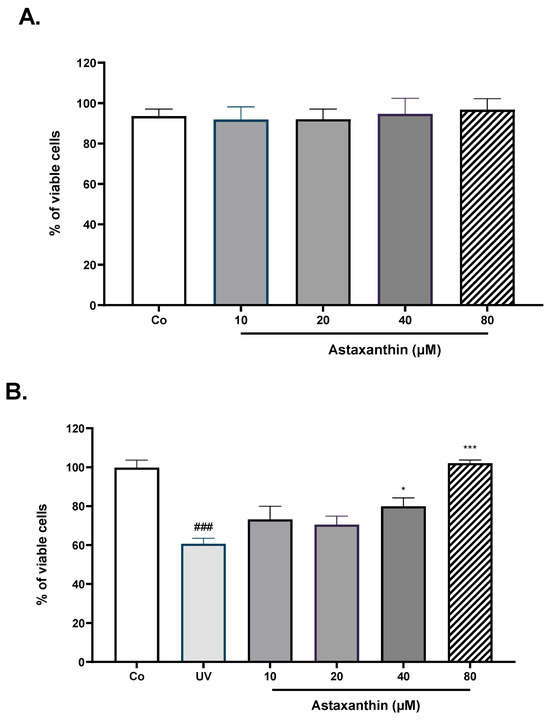
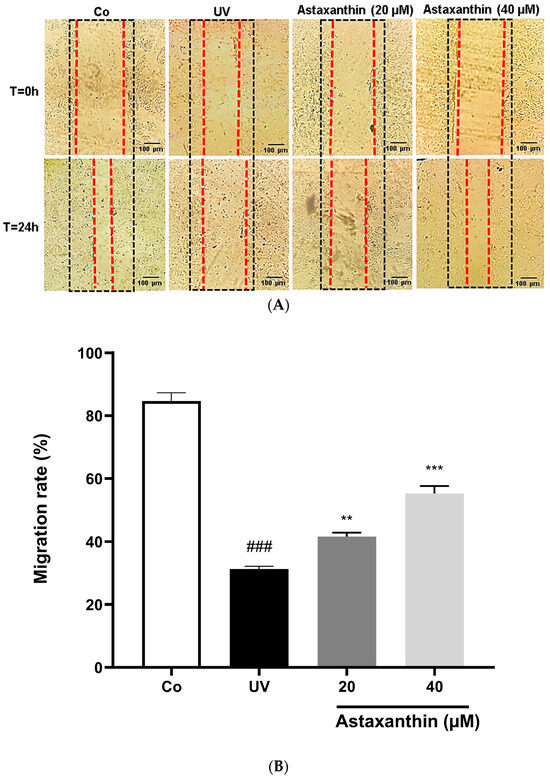
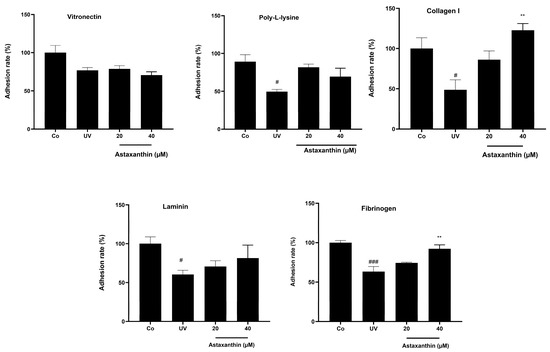
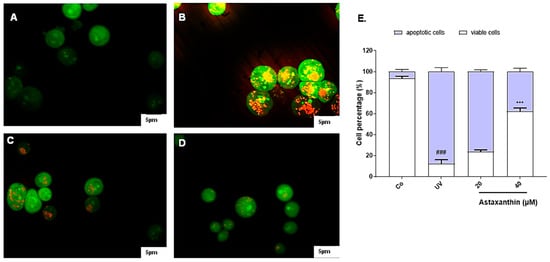
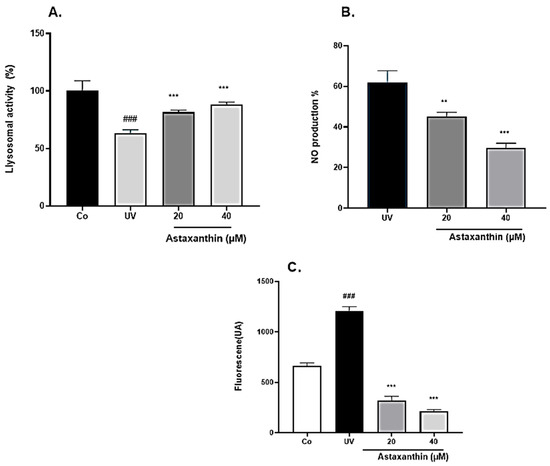
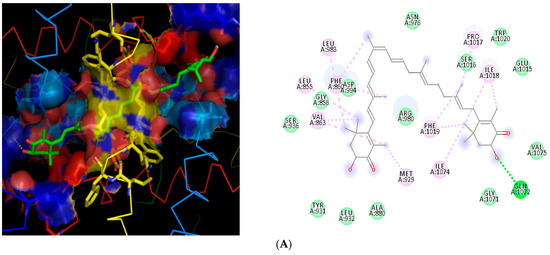
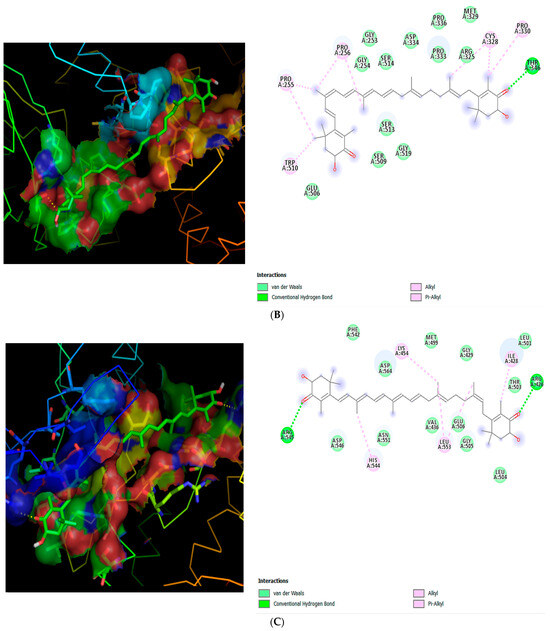
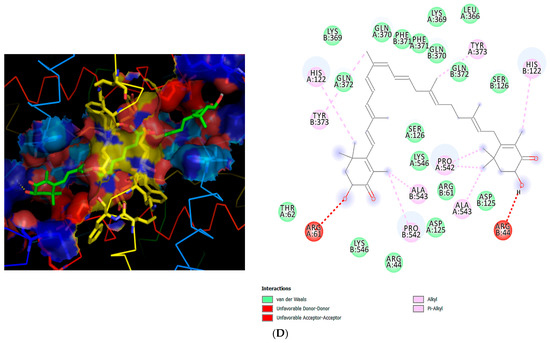
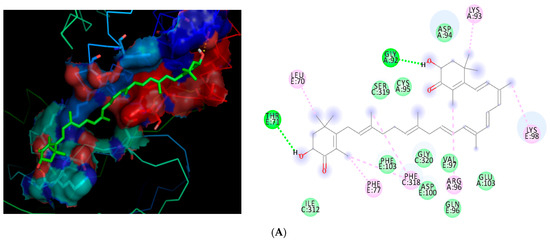
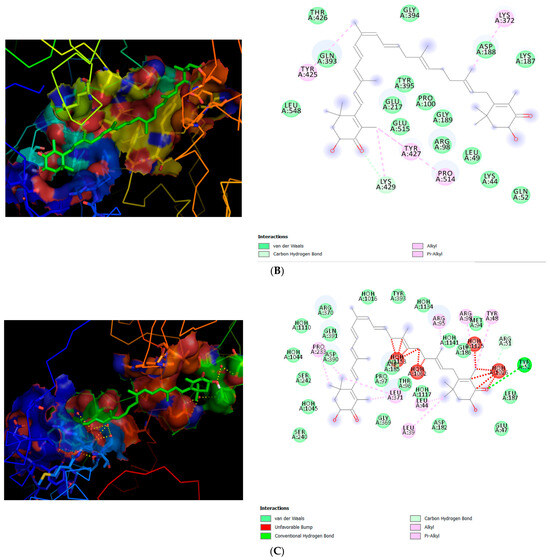
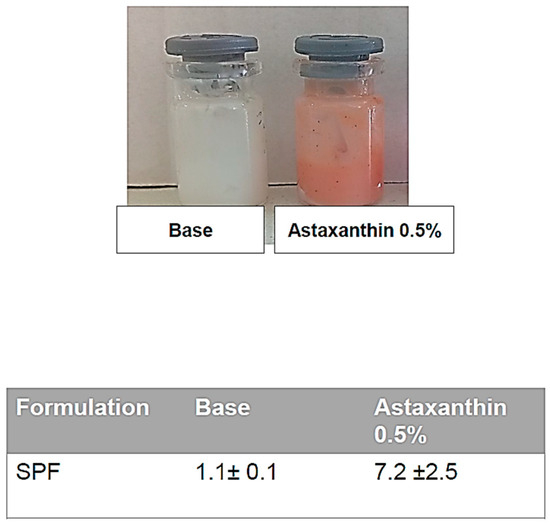
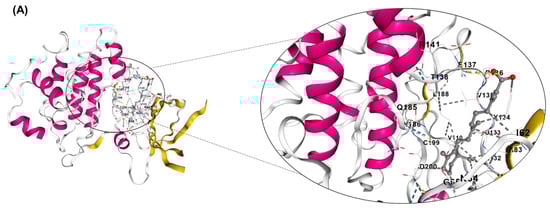
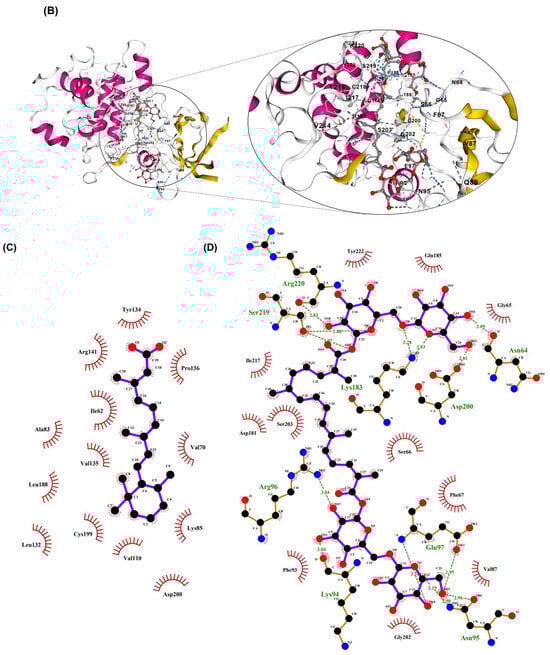
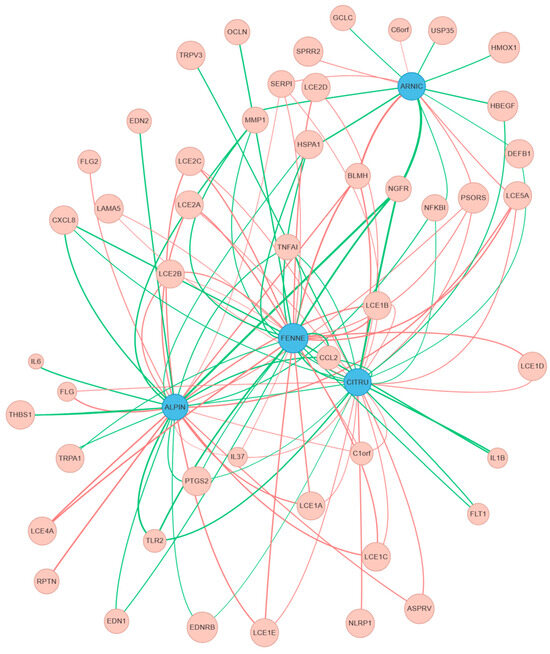
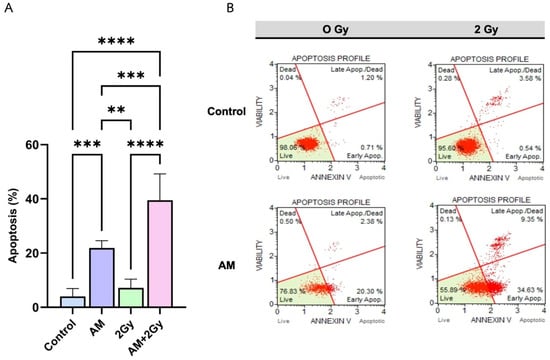
Ultraviolet B radiation is a major cause of skin aging, cellular senescence, and inflammaging, mediated by the excessive production of reactive oxygen species (ROS) and induction of apoptosis. This study evaluated the photo-protective effects of astaxanthin, one of the strongest natural antioxidants, in UVB-treated keratinocytes. The antioxidant capacity of astaxanthin was evaluated using ABTS, DPPH, and NBT/riboflavin/SOD assays. HaCaT cells were exposed to 30 mJ/cm2 of UVB radiation. Photoprotective effects and accumulated ROS were evaluated in UVB-irradiated HaCaT cells by MTT and DCFH-DA assays. Nitric oxide levels were quantified using the Griess reagent. Apoptosis was assessed by dual staining using acridine orange/ethidium bromide, lysosomal integrity by acridine orange uptake, and cell migration by scratch assay. Cell adhesion was assessed on ECM-coated Nunc plates. Finally, we formulated a 0.5% astaxanthin-enriched cream. Astaxanthin mitigated UVB-induced damage by reducing intracellular ROS levels by 3.7-fold, decreasing nitric oxide production to 29.8 ± 7.7% at the highest concentration, and maintaining lysosomal integrity. The carotenoid significantly enhanced cell viability, increasing it from 60.64 ± 8.3% in UV-treated cells to 102.1 ± 3.22% at 40 µM. Moreover, treated cells showed a significant reduction (p < 0.001) in the apoptotic rate (37.7 ± 3.1 vs. 87.7 ± 3.8 in UVB-irradiated cells, as evidenced by reduced chromatin condensation and nuclear fragmentation. Astaxanthin also enhanced tissue repair, as evidenced by increased cell migration and adhesion to several extracellular matrix (ECM) proteins (poly-L-lysine, laminin, fibrinogen, vitronectin and collagen I). In silico molecular docking predicted strong binding affinities between astaxanthin and key cellular targets, including JAK2 (−9.9 kcal/mol, highest affinity), STAT3, FAK, COX-2, NF-k-B, MMP2, and MMP9. The formulated cream demonstrated an in vitro SPF of 7.2 ± 2.5. Astaxanthin acts as a multifunctional photoprotective compound, providing a strong rationale for its incorporation into cosmetic and dermatological formulations, as further supported by the successful formulation and in vitro SPF estimation of an astaxanthin-enriched cream.
13 January 2026

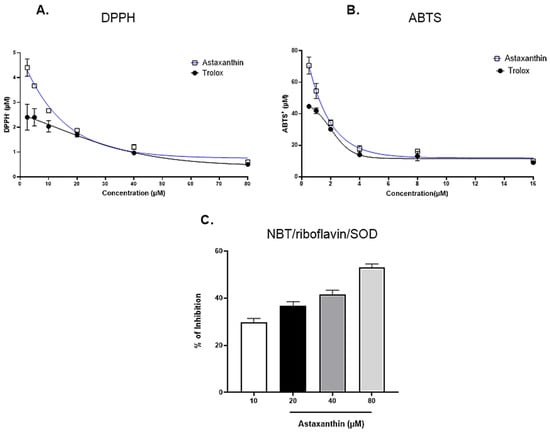
Antioxidant potential of astaxanthin. The stoichiometric coefficients (defined as the number of free radicals consumed per molecule of the tested compound) were determined for the reactions of ABTS•+ and DPPH• radicals (A,B). The antioxidant capacity of astaxanthin was evaluated by the NBT/riboflavin/SOD assay and expressed as percentage inhibition of superoxide anion generation (C). Data are presented as mean ± SD of three independent experiments.

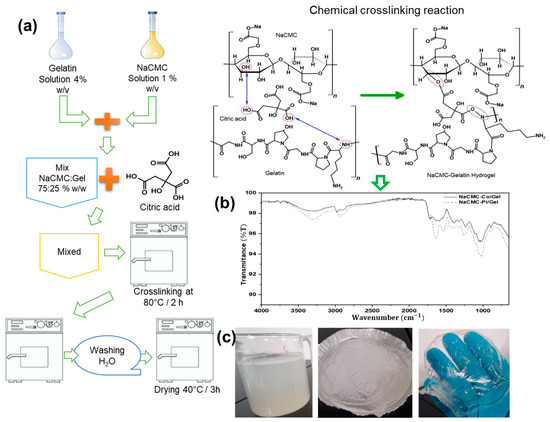
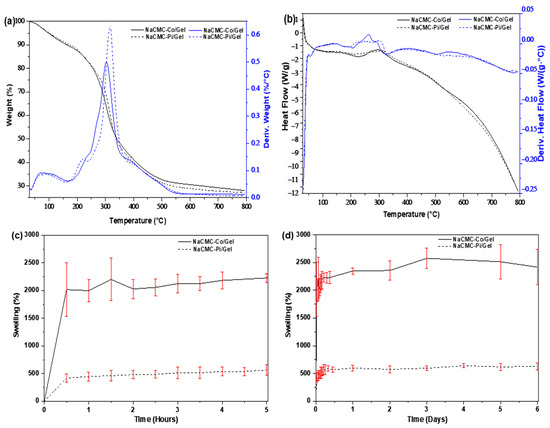
The synthesis of sodium carboxymethylcellulose (NaCMC) from lignocellulosic pineapple stubble provides a renewable alternative to conventional cellulose sources for pharmaceutical applications. This study aimed to obtain NaCMC from pineapple biomass, characterize it according to pharmacopoeial specifications, and formulate hydrogels as a physicochemical proof-of-concept for future drug delivery and tissue regeneration applications. NaCMC was successfully synthesized and met the requirements of the Mexican Pharmacopoeia. Hydrogels were prepared by blending NaCMC with gelatin and crosslinking with citric acid. Spectroscopic, morphological, and thermal analyses confirmed the structural equivalence between pineapple-derived NaCMC (NaCMC-Pi) and commercial NaCMC (NaCMC-Co). Swelling and gel fraction studies showed that NaCMC-Pi hydrogels exhibited a higher gel fraction, indicating a more crosslinked network, which corresponded to lower swelling capacity but higher thermal stability compared to NaCMC-Co hydrogels. Overall, these results demonstrate that pineapple stubble is a viable source of pharmaceutical-grade NaCMC and that the resulting hydrogels provide a robust physicochemical basis for future biomedical validation. The use of agro-industrial residues additionally offers a complementary sustainability benefit without compromising pharmaceutical performance.

8 January 2026

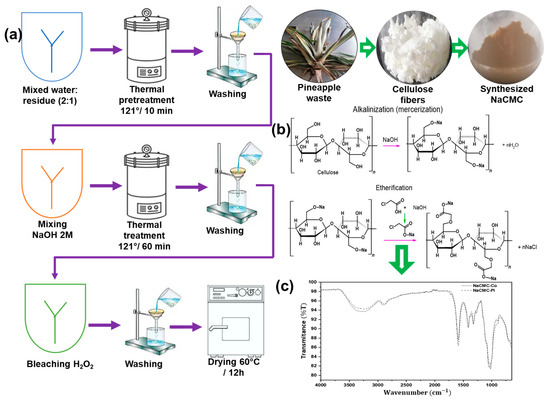
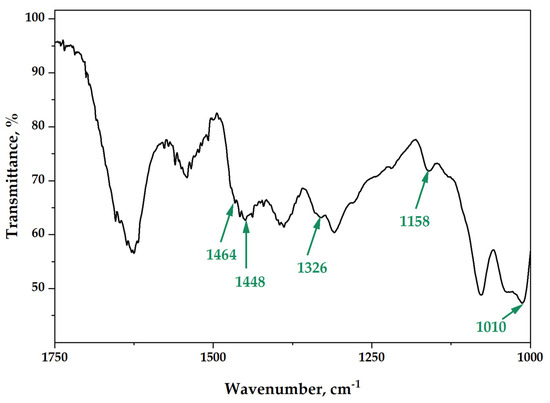
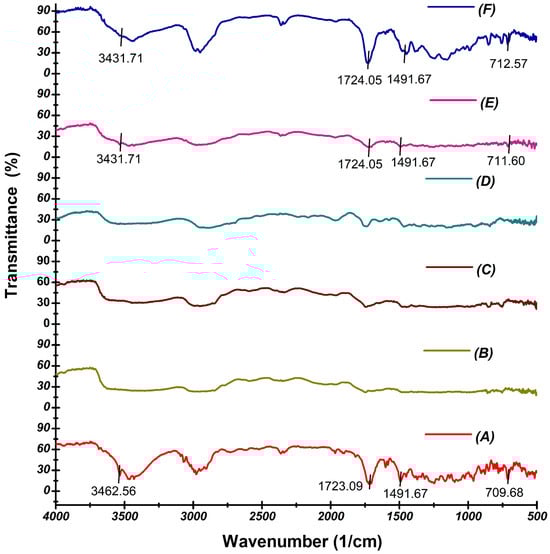
(a) Process flow of NaCMC synthesis from pineapple waste, including cellulose extraction and purification steps; (b) schematic representation of cellulose alkalization and etherification reactions leading to NaCMC; (c) FTIR spectra comparing pineapple-derived NaCMC (NaCMC-Pi) and commercial NaCMC (NaCMC-Co), confirming structural equivalence.

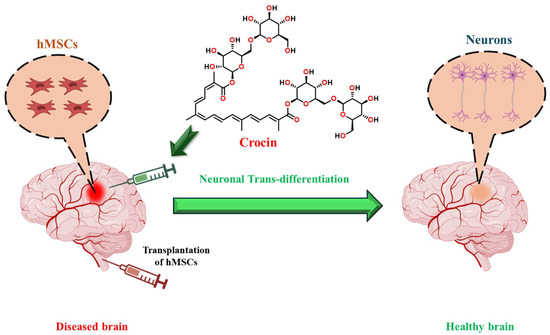
Neurodegeneration—driven by oxidative stress, chronic inflammation, and protein aggregation—underlies disorders such as Alzheimer’s disease, Parkinson’s disease, Huntington’s disease, and stroke. Current pharmacological treatments are largely symptomatic and do not restore lost neural circuitry, motivating regenerative approaches. Mesenchymal stem cells (MSCs) provide neurotrophic and immunomodulatory benefits and can support synaptic repair, yet robust conversion into mature, electrophysiologically functional neurons remain challenging and often depends on complex inducer cocktails with translational limitations. Crocin, a saffron-derived carotenoid, is reported to enhance neurogenesis and neuroprotection in preclinical models through pathways including Wnt/β-catenin, Notch1, CREB/BDNF, and modulation of GSK-3β, while reducing apoptosis and inflammatory signaling. Here, we synthesize evidence supporting crocin’s neuroprotective and proneurogenic activity and propose a testable hypothesis that crocin-based or crocin-modified formulations could be evaluated as adjuncts to guide MSC neuronal lineage commitment. Importantly, direct evidence that crocin alone can drive MSC trans-differentiation into fully functional neurons is currently insufficient; future work should define functional benchmarks (electrophysiology, synaptogenesis, and phenotypic stability) and rigorously validate safety, dosing, and delivery strategies for neuroregenerative translation.

8 January 2026

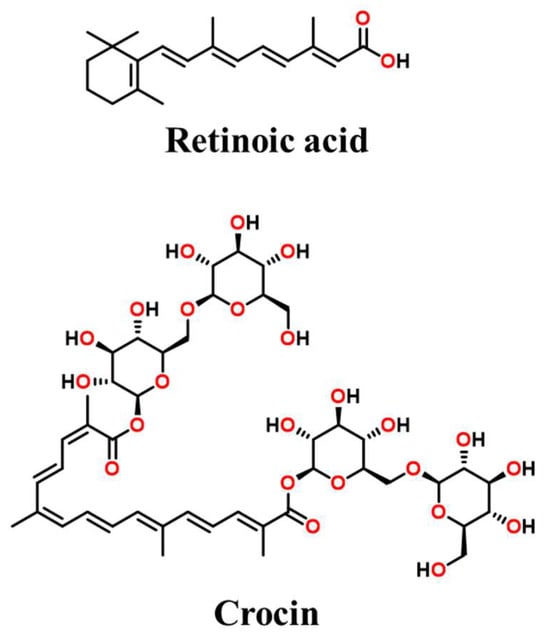
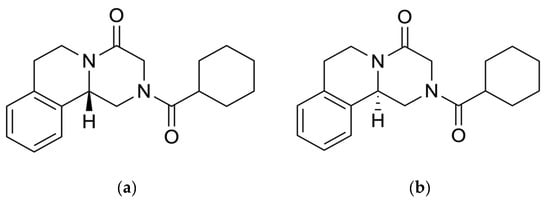
The chemical structures of Retinoic acid and Crocin.
Highly Accessed
  • Review
  • Open Access

  • Kar Wai Alvin Lee,
  • Heesoo Kim and
  • Jong Keun Song
  • + 7 authors

24 November 2025

Highly Accessed
  • Perspective
  • Open Access

  • Miroslav Radenković

19 November 2025

Highly Accessed
  • Review
  • Open Access

  • Nithin Vidiyala,
  • Pavani Sunkishala and
  • Preethi Mandati
  • + 2 authors

24 November 2025

News & Conferences

Issues

Open for Submission

Editor's Choice

Reprints of Collections

Antitumor Activity of Natural Products and Related Compounds
Reprint

Antitumor Activity of Natural Products and Related Compounds

Editors: Barbara De Filippis, Alessandra Ammazzalorso, Marialuigia Fantacuzzi

Get Alerted

Add your email address to receive forthcoming issues of this journal.

XFacebookLinkedIn
Sci. Pharm. - ISSN 2218-0532