

Phytomedicines for Mental Disorders in Hungary—Questionnaire and Phytochemical Analysis of Herbal OTC Products



Abstract
1. Introduction
1.1. Epidemiology of the Civilization-Associated Mental Disorders
1.2. Complementary Practices in Psychiatry
2. Materials and Methods
2.1. Survey of Medical Professionals
2.2. UV-Vis Spectrophotometric Examination of Flavonoid Content in Tea Containing Hypericum perforatum
2.3. UV-Vis Spectrophotometric Examination of Hypericin Content
2.4. TLC Examination of Samples Containing Hypericum perforatum
2.5. Essential Oil Distillation from Tea Mixtures
2.6. TLC Examination of Samples Containing Valeriana officinalis
2.7. TLC Analysis of Atropine Content from Homeopathic Medicine
3. Results and Discussion
3.1. Survey of Medical Professionals
3.2. Flavonoid and Hypericin Content in Tea Containing Hypericum perforatum
3.3. Essential Oil Distillation
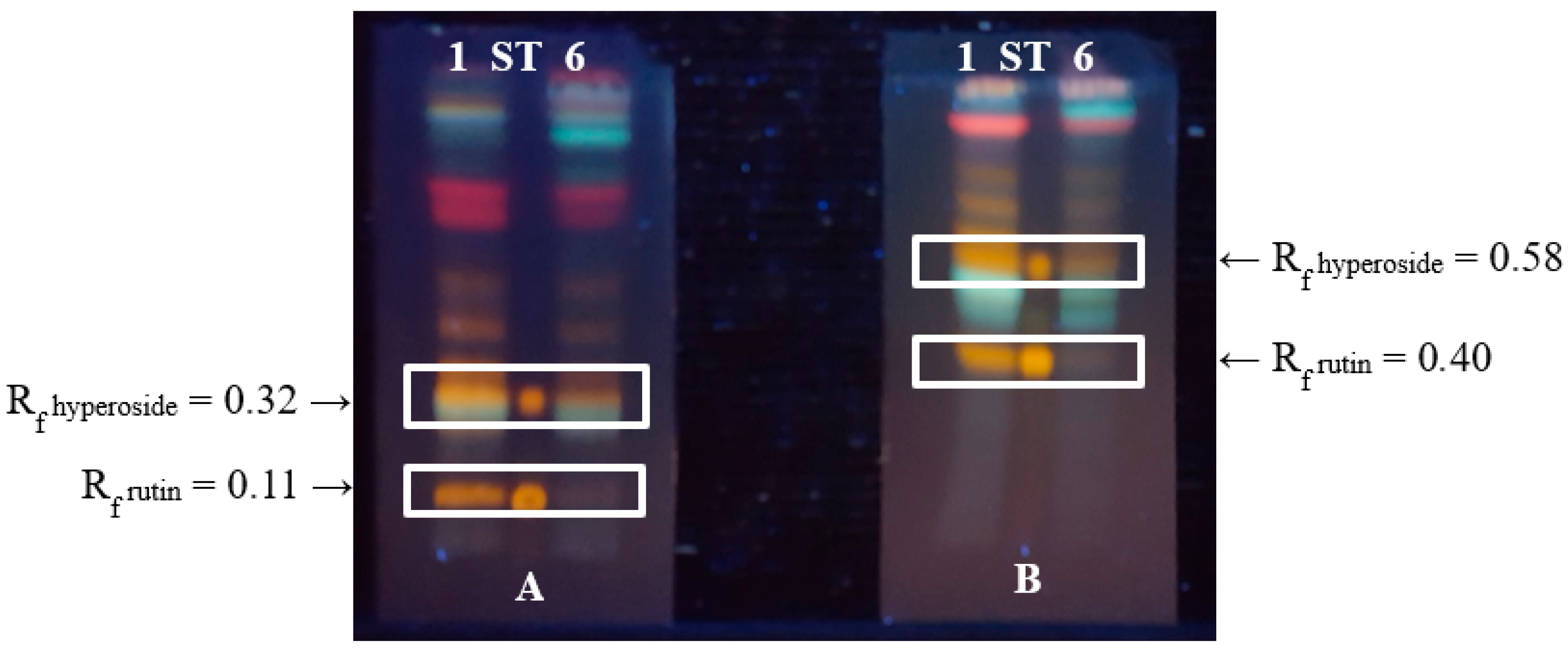
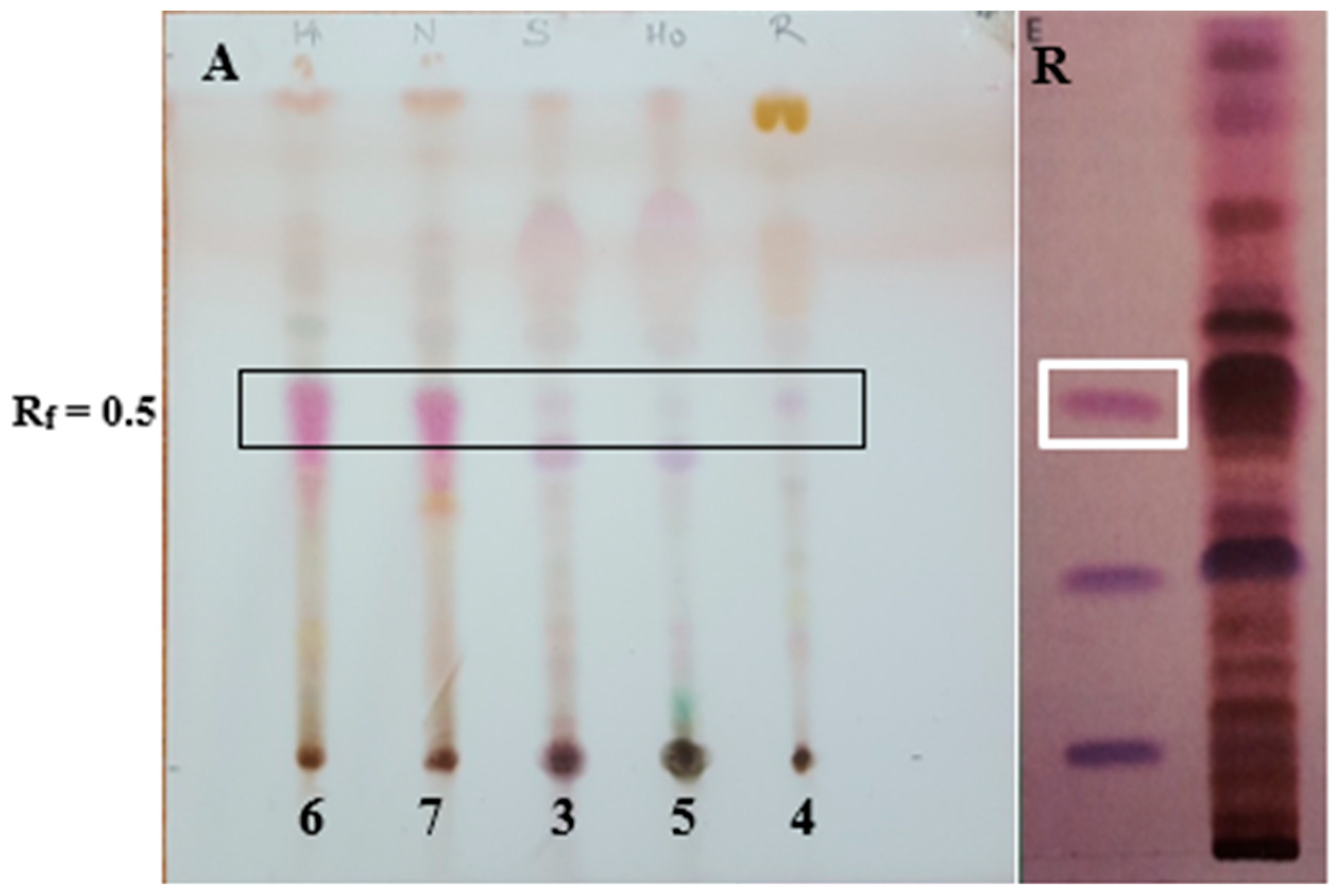
3.4. TLC Examination of Samples Containing Hypericum perforatum and Valeriana officinalis
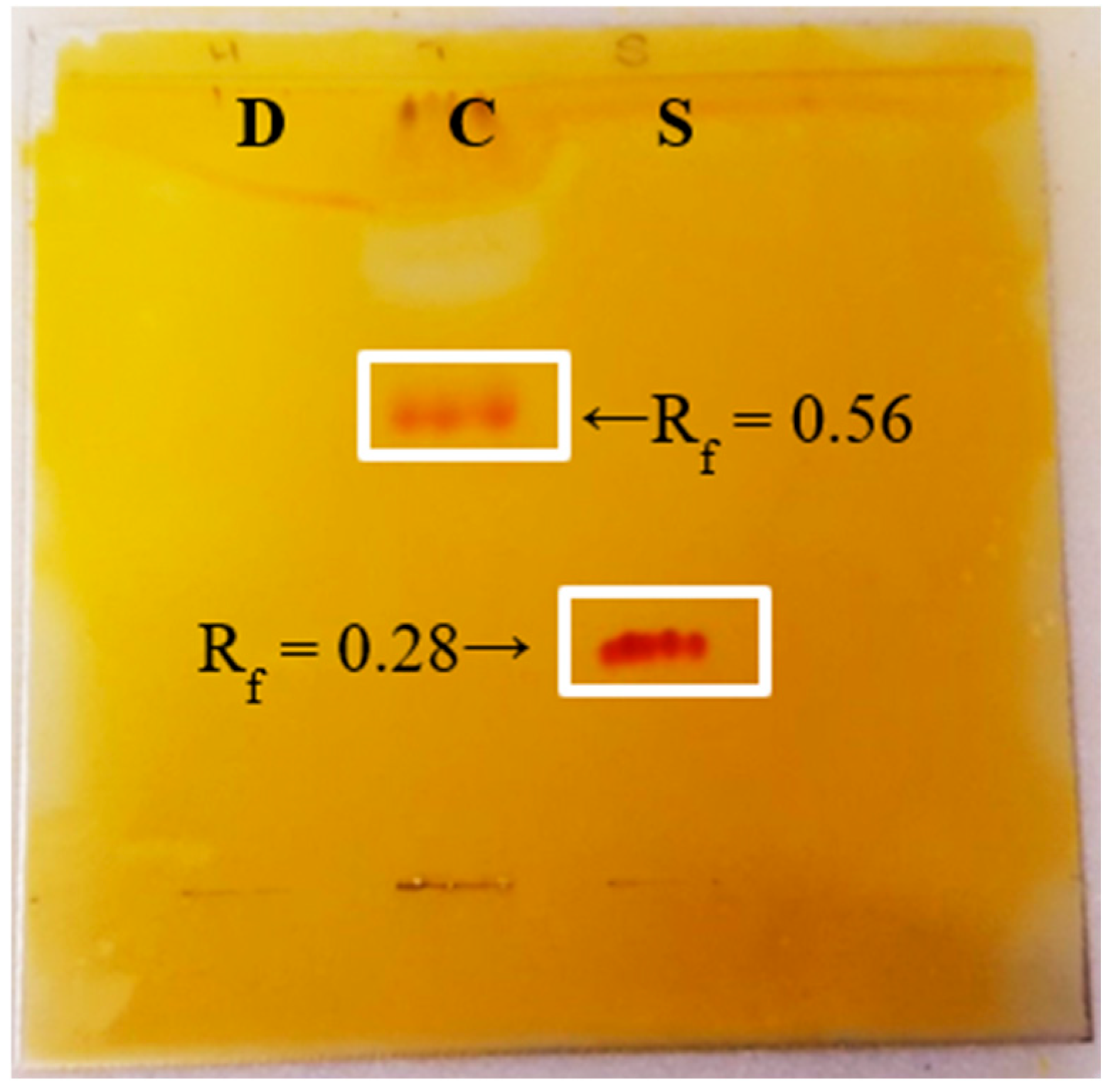
3.5. TLC Analysis of Atropine Content from Homeopathic Medicine
3.6. Limitations
4. Conclusions
Author Contributions
Funding
Institutional Review Board Statement
Informed Consent Statement
Data Availability Statement
Acknowledgments
Conflicts of Interest
Abbreviations
| CE | Capillary Electrophoresis |
| CNS | Central Nervous System |
| EBV | Evidence-Based Medicine |
| EMA | European Medicines Agency |
| GABA | Gamma-Aminobutyric Acid |
| HPLC | High-performance Liquid Chromatography |
| HPTLC | High-performance Thin Layer Chromatography |
| LC-MS | Liquid chromatography–Mass spectrometry |
| MAO-A | Monoamino-oxidase-A |
| NCPHP | National Centre for Public Health and Pharmacy |
| NMR | Nuclear Magnetic Resonance |
| OTC | Over-the-Counter |
| TCM | Traditional Chinese Medicine |
| TLC | Thin Layer Chromatography |
| TLC-SERS | Thin Layer Chromatography-Freeze Surface Enhanced Raman Spectroscopy |
| WHO | World Health Organization |
Appendix A
Survey for Hungarian Medical Professionals—Translated English Version
- Sex: *
- ▢
- Male
- ▢
- Female
- Your biological age: *
- ▢
- between 20 and 30
- ▢
- between 31 and 40
- ▢
- between 41 and 50
- ▢
- between 51 and 60
- ▢
- above 60
- Your profession *
- ▢
- Neurosurgeon specialist
- ▢
- Neurologist specialist
- ▢
- Psychiatrist specialist
- ▢
- Family doctor specialist
- ▢
- Medical doctor with other specialization
- ▢
- TCM (Traditional Chinese Medicine) doctor
- ▢
- Pharmacist
- ▢
- Nurse
- ▢
- Midwife
- ▢
- Naturopathist
- ▢
- Other:
- What is your average monthly income in USD? (Please provide the value rounded to the nearest whole number)
- How often do patients inquire with respect to the application of herbal-based products? *
- ▢
- Daily
- ▢
- Weekly several times
- ▢
- Weekly once
- ▢
- Monthly
- ▢
- Rarely
- ▢
- Never
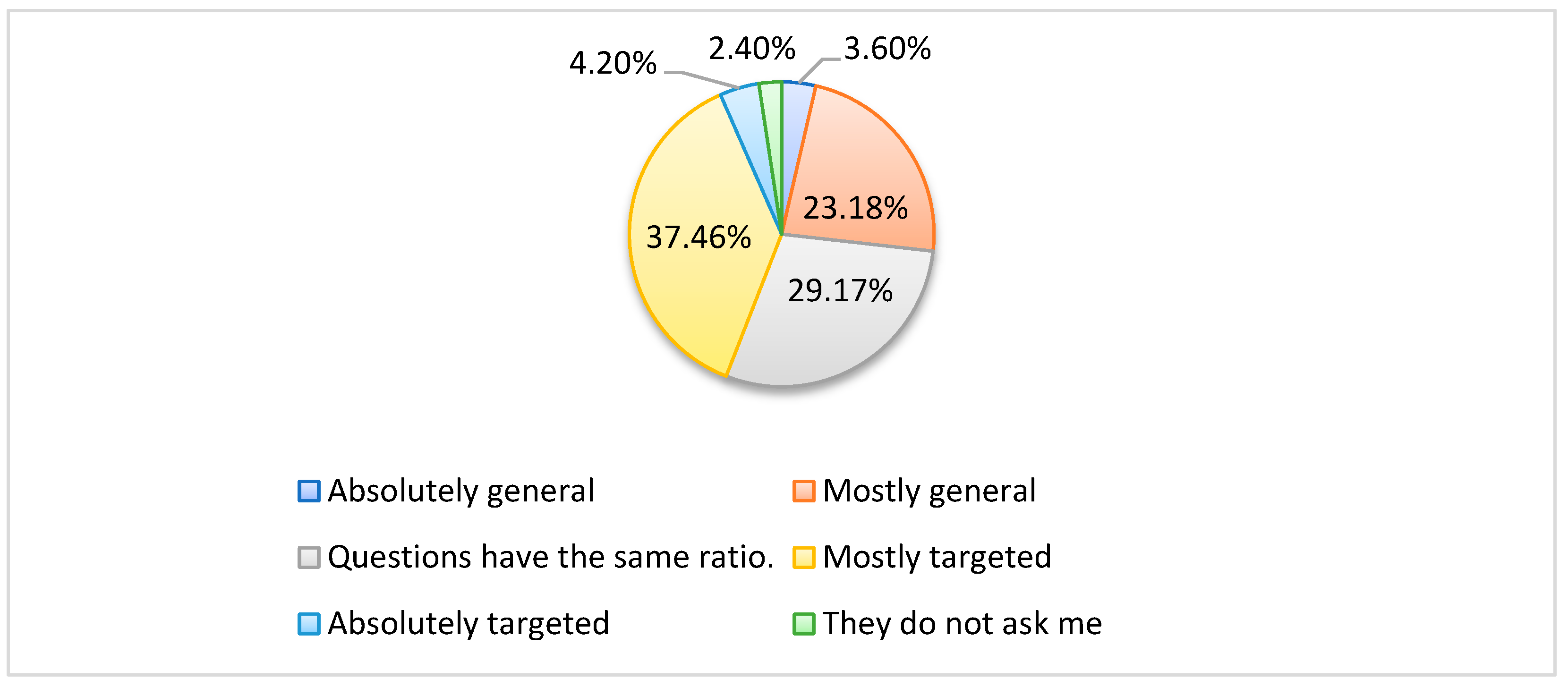
- In reference to herbal medications, do your patients ask you general or targeted questions? *
- ▢
- Absolutely general
- ▢
- Mostly general
- ▢
- Questions have the same ratio.
- ▢
- Mostly targeted
- ▢
- Absolutely targeted
- ▢
- They do not ask me
- In the case of a medical complaint do you suggest herbal products to your patients? *
- ▢
- Yes, I do
- ▢
- No, I do not suggest
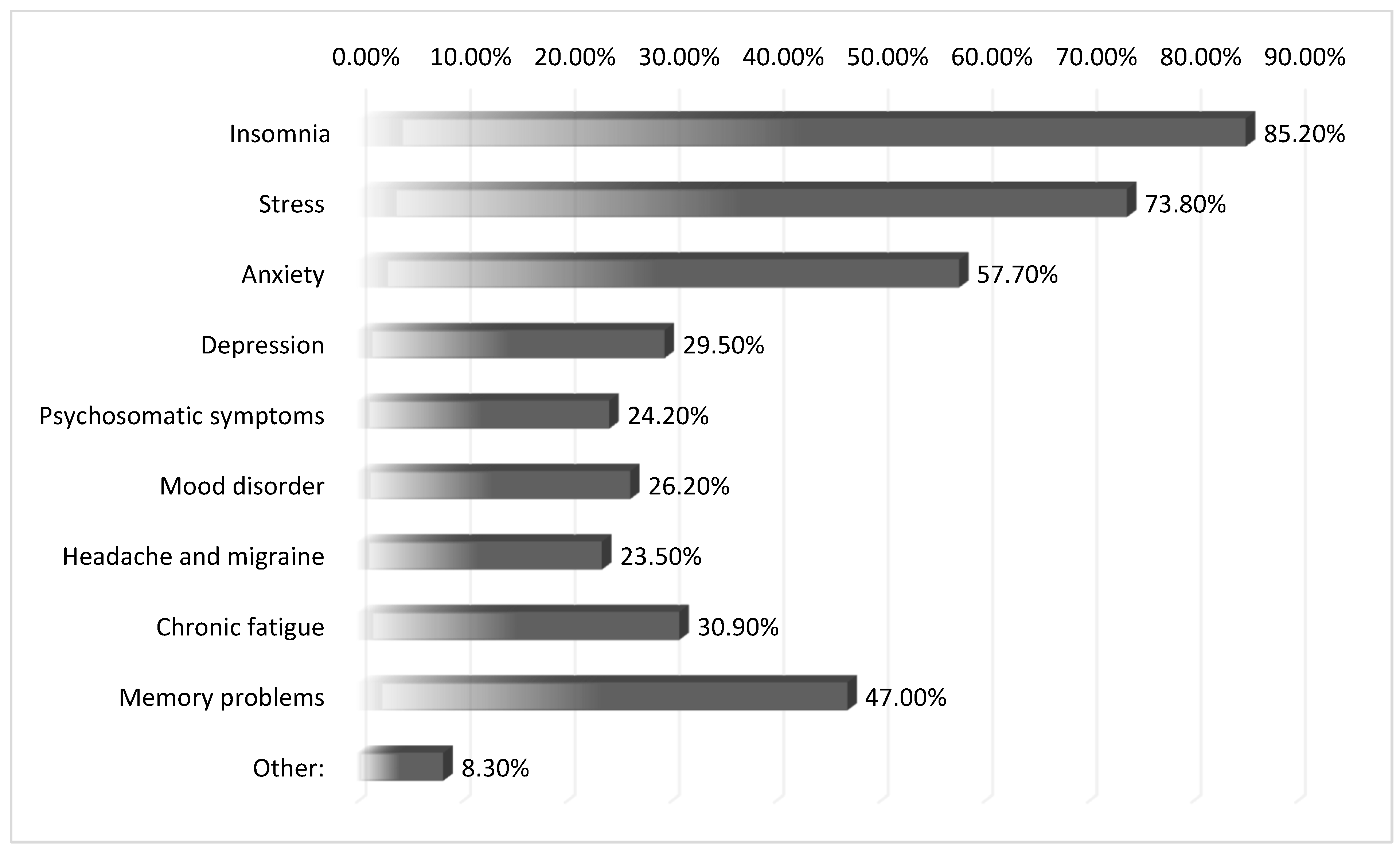
- If you do, which nervous system disorders do you suggest a herbal-based product? (You can mark more than one answer!)
- ▢
- Insomnia
- ▢
- Stress
- ▢
- Anxiety
- ▢
- Depression
- ▢
- Psychosomatic symptoms
- ▢
- Mood disorder
- ▢
- Headache and migraine
- ▢
- Chronic fatigue
- ▢
- Memory problems
- ▢
- Other:
- If not, why not?
- 8.
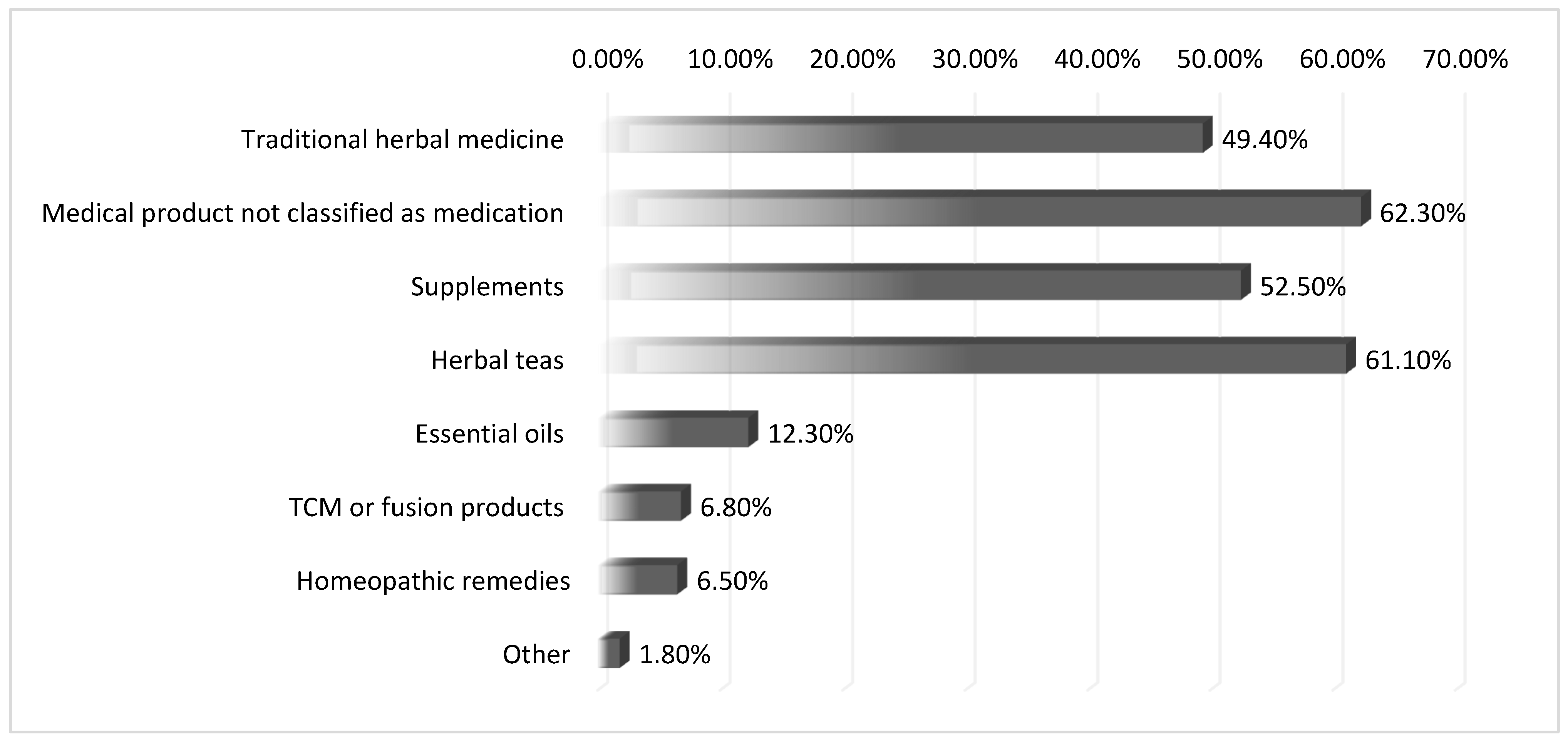
- What types of herbal-based products category do you suggest most often? (You can mark more than one answer!)
- ▢
- Traditional herbal medicine
- ▢
- Medical product not classified as medication
- ▢
- Supplements
- ▢
- Herbal teas
- ▢
- Essential oils
- ▢
- TCM (Traditional Chinese Medicine) products
- ▢
- Other:
- 9.
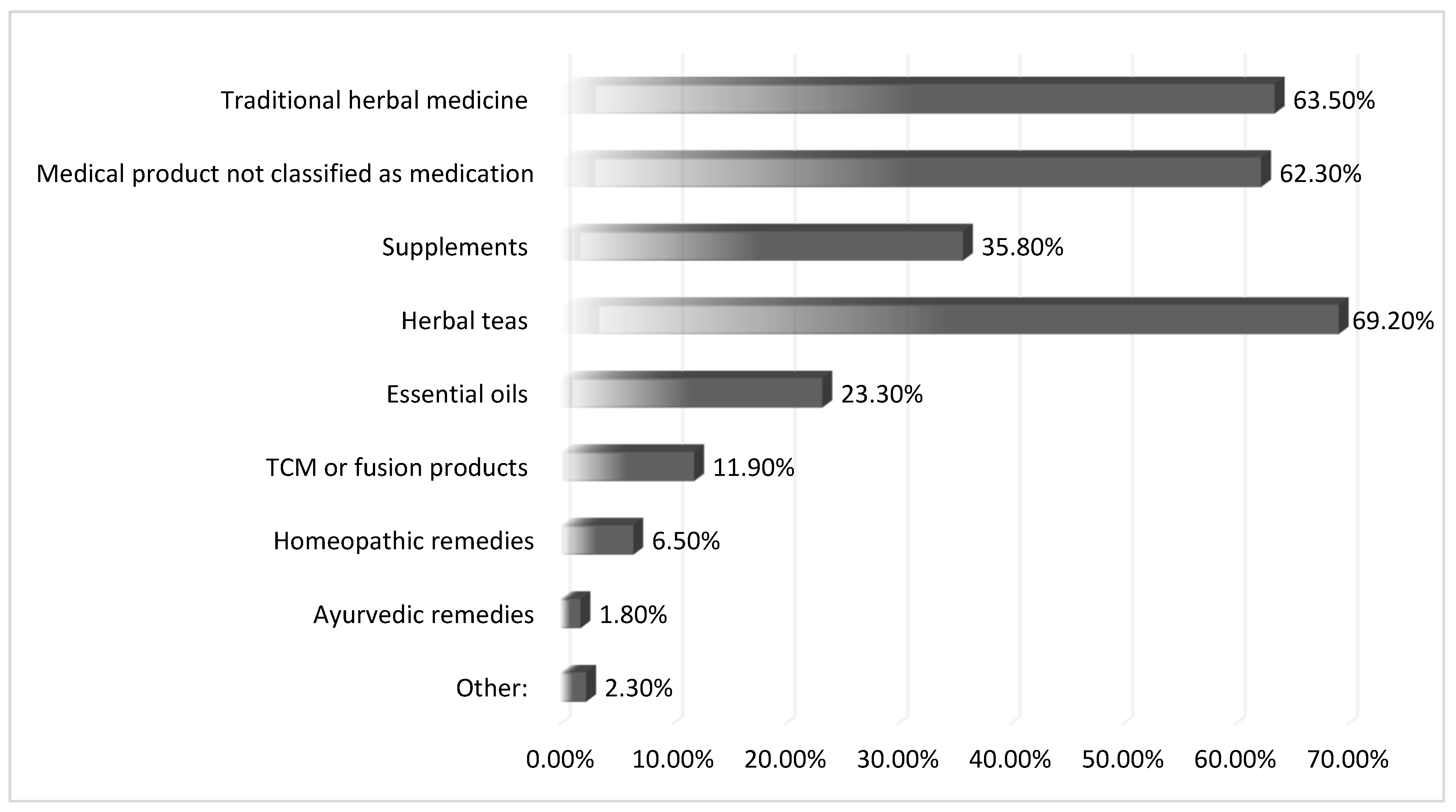
- What kind of herbal-based products are your patients interested in most often? (You can mark more than one answer!)
- ▢
- Traditional herbal medicine
- ▢
- Medical product not classified as medication
- ▢
- Supplements
- ▢
- Herbal teas
- ▢
- Essential oils
- ▢
- TCM (Traditional Chinese Medicine) products
- ▢
- Other:
- 10.
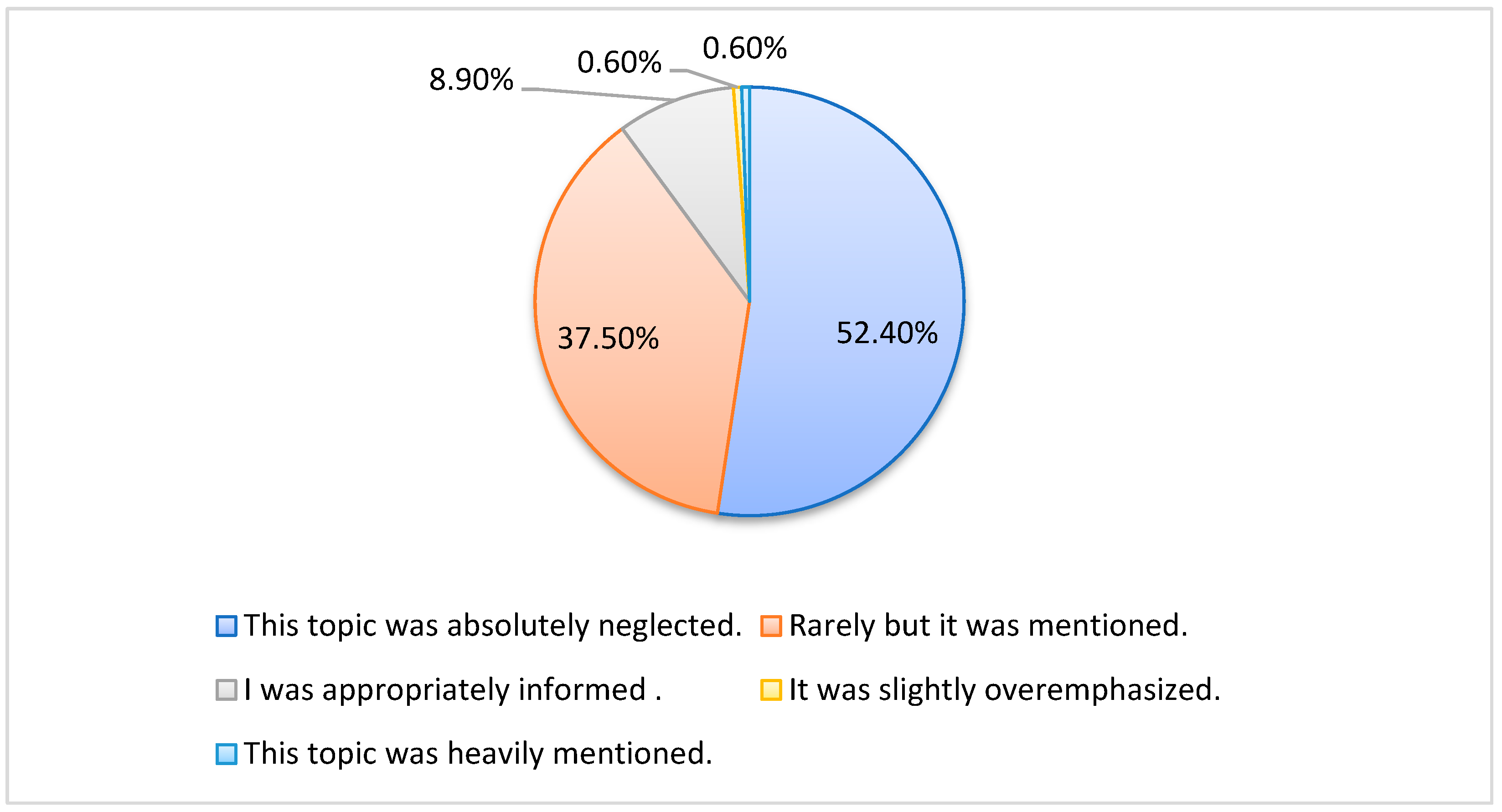
- During your university studies, how much emphasis was placed on herbal knowledge related to nervous system disorders and contraindications? *
- ▢
- This topic was absolutely neglected.
- ▢
- Rarely but it was mentioned.
- ▢
- I was appropriately informed.
- ▢
- It was slightly overemphasized.
- ▢
- This topic was heavily mentioned.
- 11.
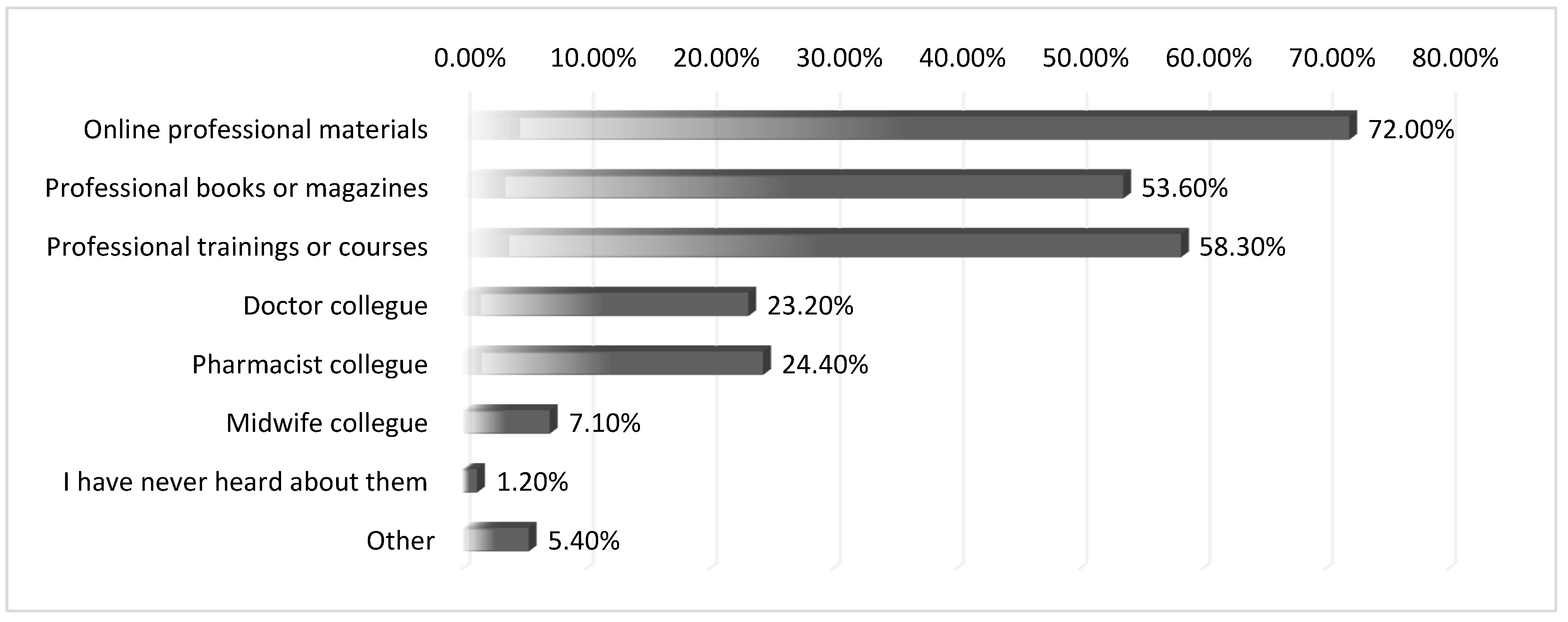
- From which sources and individuals did you receive information regarding herbal products that influence the nervous system? (You can mark more than one answer!) *
- ▢
- Online professional materials
- ▢
- Professional books or magazines
- ▢
- Professional training or courses
- ▢
- Doctor colleague
- ▢
- Pharmacist colleague
- ▢
- Midwife colleague
- ▢
- I have never heard about them
- ▢
- Other:
- Please, answer the following two questions (11. and 12.) only if you have a medical degree:
- 12.
- If you are a doctor, have you ever prescribed herbal-based medicines as magistral formulae?
- ▢
- Yes, I have
- ▢
- No, I have not
- 13.
- If yes, for which indications and which product? (Normal formulae)
- 14.
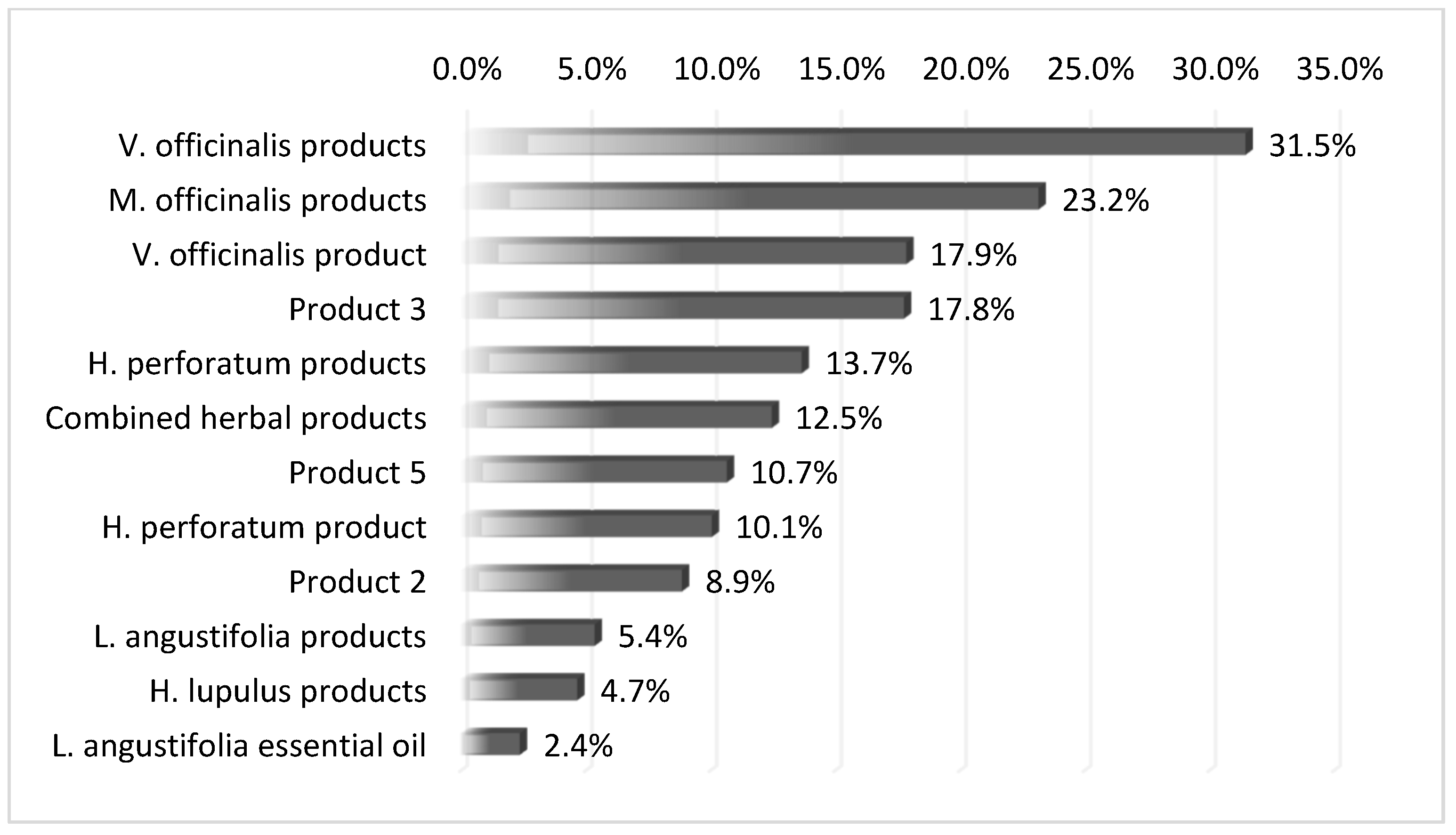
- Among prescription free herbal-based medicines which one did you suggest in the case of anxiety, insomnia or depression?
- 15.
- In your professional opinion how widely can the herbal-based therapy be applied in medical treatment? *
- 16.
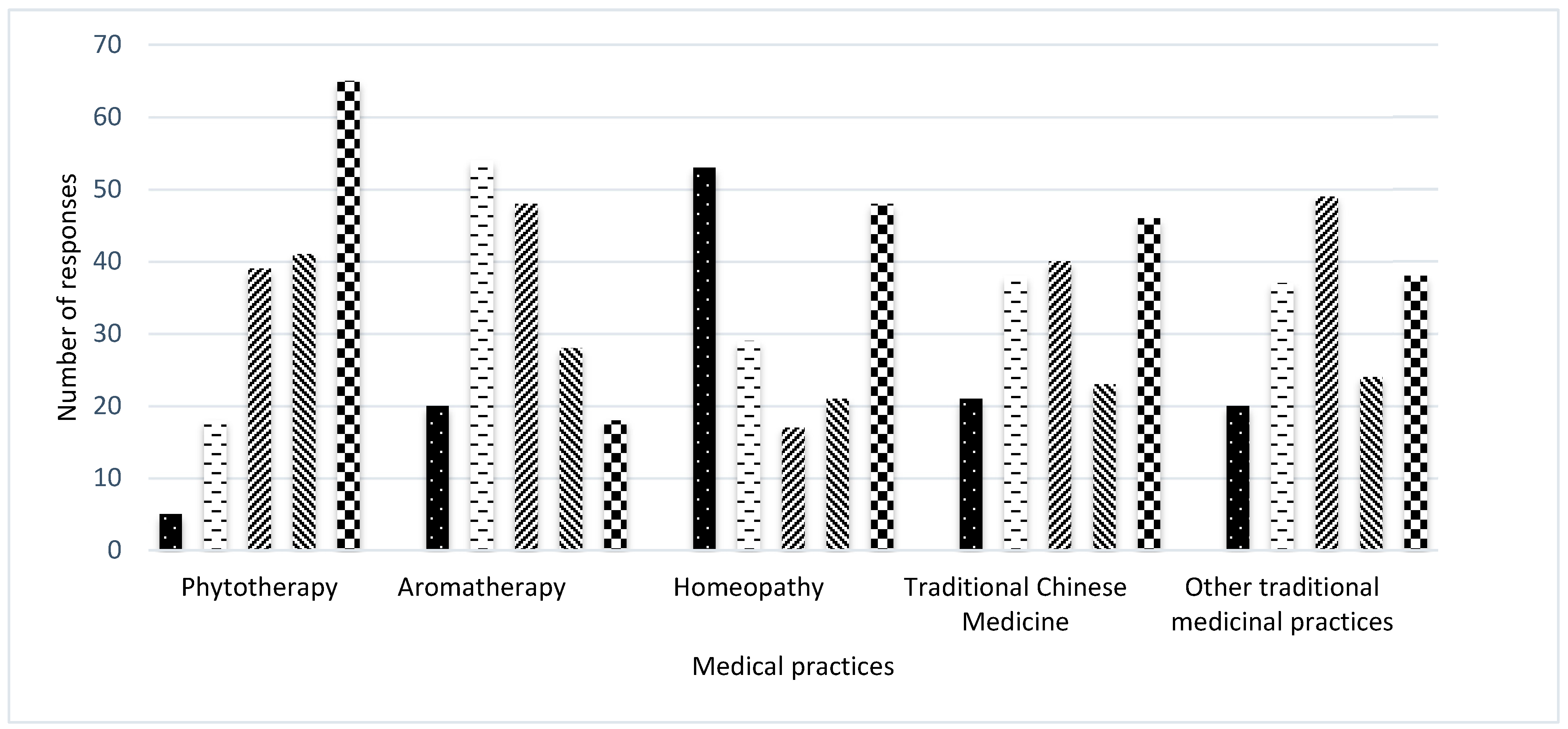
- How relevant do you find the following therapeutic methods in clinical practice? Rate it from 0 to 4. Zero (0) refers to, “There is no need to apply this type of therapy opportunity”. Four (4) refers to, “It is very important to apply this therapy opportunity”. Choose one answer in each line:
| 0 | 1 | 2 | 3 | 4 | |
| Herbalism, phytotherapy | |||||
| Aromatherapy | |||||
| Homeopathy | |||||
| TCM (Traditional Chinese Medicine) | |||||
| Other traditional medical practices |
References
- Chodavadia, P.; Teo, I.; Poremski, D.; Fung, D.S.S.; Finkelstein, E.A. Prevalence and Economic Burden of Depression and Anxiety Symptoms among Singaporean Adults: Results from a 2022 Web Panel. BMC Psychiatry 2023, 23, 104. [Google Scholar] [CrossRef]
- Yuduang, N.; Ong, A.K.S.; Vista, N.B.; Prasetyo, Y.T.; Nadlifatin, R.; Persada, S.F.; Gumasing, M.J.J.; German, J.D.; Robas, K.P.E.; Chuenyindee, T.; et al. Utilizing Structural Equation Modeling–Artificial Neural Network Hybrid Approach in Determining Factors Affecting Perceived Usability of Mobile Mental Health Application in the Philippines. Int. J. Environ. Res. Public Health 2022, 19, 6732. [Google Scholar] [CrossRef]
- Depressive Disorder (Depression). Available online: https://www.who.int/news-room/fact-sheets/detail/depression (accessed on 15 April 2024).
- Cui, L.; Li, S.; Wang, S.; Wu, X.; Liu, Y.; Yu, W.; Wang, Y.; Tang, Y.; Xia, M.; Li, B. Major Depressive Disorder: Hypothesis, Mechanism, Prevention and Treatment. Signal Transduct. Target. Ther. 2024, 9, 30. [Google Scholar] [CrossRef]
- Depression and Other Common Mental Disorders. Available online: https://www.who.int/publications/i/item/depression-global-health-estimates (accessed on 15 April 2024).
- Anxiety Disorders. Available online: https://www.who.int/news-room/fact-sheets/detail/anxiety-disorders (accessed on 15 April 2024).
- Alonso, J.; Liu, Z.; Evans-Lacko, S.; Sadikova, E.; Sampson, N.; Chatterji, S.; Abdulmalik, J.; Aguilar-Gaxiola, S.; Al-Hamzawi, A.; Andrade, L.H.; et al. Treatment Gap for Anxiety Disorders Is Global: Results of the World Mental Health Surveys in 21 Countries. Depress. Anxiety 2018, 35, 195–208. [Google Scholar] [CrossRef]
- Constable, P.A.; Al-Dasooqi, D.; Bruce, R.; Prem-Senthil, M. A Review of Ocular Complications Associated with Medications Used for Anxiety, Depression, and Stress. Clin. Optom. 2022, 14, 13–25. [Google Scholar] [CrossRef]
- Mohammadi, M.R.; Pourdehghan, P.; Mostafavi, S.A.; Hooshyari, Z.; Ahmadi, N.; Khaleghi, A. Generalized Anxiety Disorder: Prevalence, Predictors, and Comorbidity in Children and Adolescents. J. Anxiety Disord. 2020, 73, 102234. [Google Scholar] [CrossRef] [PubMed]
- Tian, H.; Hu, Z.; Xu, J.; Wang, C. The Molecular Pathophysiology of Depression and the New Therapeutics. MedComm 2022, 3, e156. [Google Scholar] [CrossRef] [PubMed]
- Garefelt, J.; Platts, L.G.; Hyde, M.; Magnusson Hanson, L.L.; Westerlund, H.; Åkerstedt, T. Reciprocal Relations between Work Stress and Insomnia Symptoms: A Prospective Study. J. Sleep Res. 2020, 29, e12949. [Google Scholar] [CrossRef]
- Levenson, J.C.; Kay, D.B.; Buysse, D.J. The Pathophysiology of Insomnia. Chest 2015, 147, 1179. [Google Scholar] [CrossRef] [PubMed]
- Krystal, A.D.; Prather, A.A.; Ashbrook, L.H. The Assessment and Management of Insomnia: An Update. World Psychiatry 2019, 18, 337. [Google Scholar] [CrossRef]
- Creado, S.; Plante, D.T. An Update on the Use of Sedative-Hypnotic Medications in Psychiatric Disorders. Curr. Psychiatry Rep. 2016, 18, 78. [Google Scholar] [CrossRef]
- Ma, T.T.; Wang, Z.; Qin, X.; Ju, C.; Lau, W.C.Y.; Man, K.K.C.; Castle, D.; Chang, W.C.; Chan, A.Y.L.; Cheung, E.C.L.; et al. Global Trends in the Consumption of Benzodiazepines and Z-Drugs in 67 Countries and Regions from 2008 to 2018: A Sales Data Analysis. Sleep 2023, 46, zsad124. [Google Scholar] [CrossRef]
- Griffin, C.E.; Kaye, A.M.; Rivera Bueno, F.; Kaye, A.D. Benzodiazepine Pharmacology and Central Nervous System–Mediated Effects. Ochsner J. 2013, 13, 214. [Google Scholar] [PubMed]
- Baranwal, N.; Yu, P.K.; Siegel, N.S. Sleep Physiology, Pathophysiology, and Sleep Hygiene. Prog. Cardiovasc. Dis. 2023, 77, 59–69. [Google Scholar] [CrossRef] [PubMed]
- Cooke, M.; Ritmala-Castrén, M.; Dwan, T.; Mitchell, M. Effectiveness of Complementary and Alternative Medicine Interventions for Sleep Quality in Adult Intensive Care Patients: A Systematic Review. Int. J. Nurs. Stud. 2020, 107, 103582. [Google Scholar] [CrossRef]
- Rák, T.; Csutak, A. Complementary Practices in Pharmacy and Their Relation to Glaucoma—Classification, Definitions, and Limitations. Sci. Pharm. 2024, 92, 16. [Google Scholar] [CrossRef]
- Kovács-Valasek, A.; Rák, T.; Pöstyéni, E.; Csutak, A.; Gábriel, R. Three Major Causes of Metabolic Retinal Degenerations and Three Ways to Avoid Them. Int. J. Mol. Sci. 2023, 24, 8728. [Google Scholar] [CrossRef]
- European Directorate for the Quality of Medicines & HealthCare (EDQM). European Pharmacopoeia, 11th ed.; Council of Europe: Strasbourg, France, 2023; ISBN 978-92-871-9059-4. [Google Scholar]
- Agapouda, A.; Booker, A.; Kiss, T.; Hohmann, J.; Heinrich, M.; Csupor, D. Quality Control of Hypericum perforatum L. Analytical Challenges and Recent Progress. J. Pharm. Pharmacol. 2019, 71, 15–37. [Google Scholar] [CrossRef]
- Anyżewska, M.; Kowalczuk, A.; Łozak, A.; Jabłczyńska, R.; Fijałek, Z. Determination of Total Hypericins in St. John’s Wort and Herbal Medicinal Products. Acta Pol. Pharm. 2010, 67, 586–592. [Google Scholar]
- Wagner, H.; Bladt, S. Plant Drug Analysis. A Thin Layer Chromatography Atlas, 2nd ed.; Springer: Berlin/Heidelberg, Germany, 1996; ISBN 978-3642005732. [Google Scholar]
- Houghton, P.J.; Raman, A. Laboratory Handbook for the Fractionation of Natural Extracts, 1st ed.; Springer: New York, NY, USA, 1998. [Google Scholar]
- Harborne, J.B. Phytochemical Methods: A Guide to Modern Techniques of Plant Analysis, 3rd ed.; Springer: Dordrecht, The Netherlands, 1998; ISBN 9780412572609. [Google Scholar]
- Sreevidya, N.; Mehrotra, S. Spectrophotometric Method for Estimation of Alkaloids Precipitable with Dragendorff’s Reagent in Plant Materials. J. AOAC Int. 2003, 86, 1124–1127. [Google Scholar] [CrossRef]
- Al-Sayegh, H.; Zein, M.; Jaber, A.; Ibrahim, G.; Cheble, E. Quantification of Atropine and Scopolamine in Different Plant Organs of Datura Metel: Development and Validation of High-Performance Liquid Chromatography Method. J. Clin. Lab. Res. 2021, 3, 1–9. [Google Scholar] [CrossRef]
- Williamson, E.M.; Liu, X.; Izzo, A.A. Trends in Use, Pharmacology, and Clinical Applications of Emerging Herbal Nutraceuticals. Br. J. Pharmacol. 2020, 177, 1227–1240. [Google Scholar] [CrossRef]
- Kennedy, J.; Wang, C.C.; Wu, C.H. Patient Disclosure about Herb and Supplement Use among Adults in the US. Evid.-Based Complement. Altern. Med. 2008, 5, 451–456. [Google Scholar] [CrossRef]
- Al-Arifi, M.N. Availability and Needs of Herbal Medicinal Information Resources at Community Pharmacy, Riyadh Region, Saudi Arabia. Saudi Pharm. J. SPJ 2013, 21, 351. [Google Scholar] [CrossRef] [PubMed]
- Carr, A.; Santanello, C. Pharmacists’ Knowledge, Perceptions, and Practices Regarding Herbal Medicine. Inov. Pharm. 2019, 10, 15. [Google Scholar] [CrossRef]
- Dores, A.R.; Peixoto, M.; Castro, M.; Sá, C.; Carvalho, I.P.; Martins, A.; Maia, E.; Praça, I.; Marques, A. Knowledge and Beliefs about Herb/Supplement Consumption and Herb/Supplement–Drug Interactions among the General Population, Including Healthcare Professionals and Pharmacists: A Systematic Review and Guidelines for a Smart Decision System. Nutrients 2023, 15, 2298. [Google Scholar] [CrossRef] [PubMed]
- Soltanipour, S.; Keihanian, F.; Saeidinia, A. Knowledge, Attitude and Practice of Physicians towards Herbal Remedies in Rasht, North of Iran. Medicine 2022, 101, E31762. [Google Scholar] [CrossRef]
- Stanojević-Ristić, Z.; Mrkić, I.; Ćorac, A.; Dejanović, M.; Mitić, R.; Vitković, L.; Rašić, J.; Valjarević, D.; Valjarević, A. Healthcare Professionals’ Knowledge and Behaviors Regarding Drug–Dietary Supplement and Drug–Herbal Product Interactions. Int. J. Environ. Res. Public Health 2022, 19, 4290. [Google Scholar] [CrossRef]
- Nahin, R.L.; Barnes, P.M.; Stussman, B.J. Expenditures on Complementary Health Approaches: United States, 2012. In National Health Statistics Reports; National Center for Health Statistics: Hyattsville, MD, USA, 2016. [Google Scholar]
- Harnett, J.E.; Mcintyre, E.; Steel, A.; Foley, H.; Sibbritt, D.; Adams, J. Use of Complementary Medicine Products: A Nationally Representative Cross-Sectional Survey of 2019 Australian Adults. BMJ Open 2019, 9, e024198. [Google Scholar] [CrossRef]
- Clement, Y.N.; Williams, A.F.; Khan, K.; Bernard, T.; Bhola, S.; Fortuné, M.; Medupe, O.; Nagee, K.; Seaforth, C.E. A Gap between Acceptance and Knowledge of Herbal Remedies by Physicians: The Need for Educational Intervention. BMC Complement. Altern. Med. 2005, 5, 20. [Google Scholar] [CrossRef]
- Abudalo, R.; Abudalo, R.; Alqudah, A.; Abuqamar, A.; Abdelaziz, A.; Alshawabkeh, M.; Taha, L. Pharmacy Practitioners’ Practice, Awareness and Knowledge about Herbal Products and Their Potential Interactions with Cardiovascular Drugs. F1000Research 2022, 11, 912. [Google Scholar] [CrossRef]
- Rák, T.; Csutak, A. The Legacy of Ignác Péczely: From Coloboma to Artificial Intelligence. Orv. Hetil. 2024, 165, 872–880. [Google Scholar] [CrossRef]
- Rák, T.; Hegedűs, A.; Molnár, E.; Csutak, A. Translation and Cultural Adaptation of the I-CAM-Q: The First Hungarian Version for Assessing Complementary and Alternative Medicine Use. BMC Complement. Med. Ther. 2025; ahead of print. [Google Scholar] [CrossRef]
- Cukaci, C.; Freissmuth, M.; Mann, C.; Marti, J.; Sperl, V. Against All Odds—The Persistent Popularity of Homeopathy. Wien. Klin. Wochenschr. 2020, 132, 232. [Google Scholar] [CrossRef]
- Xu, L.; Hu, J.; Liu, L.; Zhan, S.; Wang, S. Trends and Patterns in Traditional Chinese Medicine Use Among Chinese Population in Late Adulthood: An Eight-Year Repeated Panel Survey. Am. J. Chin. Med. 2021, 49, 269–283. [Google Scholar] [CrossRef] [PubMed]
- Raclariu, A.C.; Paltinean, R.; Vlase, L.; Labarre, A.; Manzanilla, V.; Ichim, M.C.; Crisan, G.; Brysting, A.K.; De Boer, H. Comparative Authentication of Hypericum Perforatum Herbal Products Using DNA Metabarcoding, TLC and HPLC-MS. Sci. Rep. 2017, 7, 1291. [Google Scholar] [CrossRef]
- Guadagna, S.; Barattini, D.F.; Rosu, S.; Ferini-Strambi, L. Plant Extracts for Sleep Disturbances: A Systematic Review. Evid.-Based Complement. Altern. Med. 2020, 2020, 3792390. [Google Scholar] [CrossRef]
- Fonseca, L.R.d.; Rodrigues, R.d.A.; Ramos, A.d.S.; Da Cruz, J.D.; Ferreira, J.L.P.; Silva, J.R.d.A.; Amaral, A.C.F. Herbal Medicinal Products from Passiflora for Anxiety: An Unexploited Potential. Sci. World J. 2020, 2020, 6598434. [Google Scholar] [CrossRef]
- López, V.; Nielsen, B.; Solas, M.; Ramírez, M.J.; Jäger, A.K. Exploring Pharmacological Mechanisms of Lavender (Lavandula angustifolia) Essential Oil on Central Nervous System Targets. Front. Pharmacol. 2017, 8, 280. [Google Scholar] [CrossRef] [PubMed]
- Kenda, M.; Kočevar Glavač, N.; Nagy, M.; Sollner Dolenc, M. Medicinal Plants Used for Anxiety, Depression, or Stress Treatment: An Update. Molecules 2022, 27, 6021. [Google Scholar] [CrossRef]
- Patočka, J.; Jakl, J. Biomedically Relevant Chemical Constituents of Valeriana Officinalis. J. Appl. Biomed. 2010, 8, 11–18. [Google Scholar] [CrossRef]
- Gîtea, D.; Sipos, M.; Mircea, T.; Pasca, B. The Analysis of Alcoholic Extracts of Hypericum Species by UV/VIS Spectrophotometry. Analele Univ. din Oradea Fasc. Biol. 2010, 17, 111–115. [Google Scholar]
- Constantine, G.H.; Karchesy, J. Variations in Hypericin Concentrations in Hypericum perforatum L. and Commercial Products. Pharm. Biol. 1998, 36, 365–367. [Google Scholar] [CrossRef]
- Kowalski, R.; Baj, T.; Kowalska, G.; Pankiewicz, U. Estimation of Potential Availability of Essential Oil in Some Brands of Herbal Teas and Herbal Dietary Supplements. PLoS ONE 2015, 10, e0130714. [Google Scholar] [CrossRef]
- Blažeković, B.; Čičin-Mašansker, I.J.; Kindl, M.; Mahovlić, L.; Vladimir-Knežević, S. Chemometrically-Supported Quality Assessment of Chamomile Tea. Acta Pharm. 2025, 75, 331–355. [Google Scholar] [CrossRef]
- Shohet, D.; Wills, R.B.H.; Stuart, D.L. Valepotriates and Valerenic Acids in Commercial Preparations of Valerian Available in Australia. Pharmazie 2001, 56, 860–863. [Google Scholar]
- Pašić-Kulenović, M.; Behlulović, B.; Alagić-Džambić, L. Quantitative Analysis of Valerenic Acid in Herbal Products on Bosnian Market Using HPLC Method. Eur. J. Pharm. Andm. Res. 2018, 5, 100–103. [Google Scholar]
- Raj, K.; Węglarz, Z.; Przybył, J.L.; Kosakowska, O.; Pawełczak, A.; Gontar, Ł.; Puchta-Jasińska, M.; Bączek, K.; Raj, K.; Węglarz, Z.; et al. Chemical Diversity of Wild-Growing and Cultivated Common Valerian (Valeriana officinalis L. s.l.) Originating from Poland. Molecules 2023, 29, 112. [Google Scholar] [CrossRef]
- Grams, N. Homeopathy—Where Is the Science? EMBO Rep. 2019, 20, e47761. [Google Scholar] [CrossRef]
- Habs, M.; Koller, M. Material Risks of Homeopathic Medicinal Products: Regulatory Frameworks, Results of Preclinical Toxicology, and Clinical Meta-Analyses and Their Implications. Complement. Med. Res. 2021, 28, 64–84. [Google Scholar] [CrossRef]
- Schmoll, S.; Romanek, K.; Zorn, G.; Eiglmeier, H.; Eyer, F. Anticholinergic Syndrome after Atropine Overdose in a Supposedly Homeopathic Solution: A Case Report. Clin. Toxicol. 2022, 60, 252–254. [Google Scholar] [CrossRef] [PubMed]
- Kim, N.-C. Need for Pharmacopeial Quality Standards for Botanical Dietary Supplements and Herbal Medicines. Food Suppl. Biomater. Health 2021, 1, e10. [Google Scholar] [CrossRef]



| No | Contained Herbs According to the Package | NCPHP a Category | Producer Land | Dosage Form | Market Value/Packet (in USD) b |
|---|---|---|---|---|---|
| 1 | Hypericum perforatum | Medical product not classified as medicine | Hungary | Teabag c | USD 2.99–USD 3.74 |
| 2 | Atropa belladonna | Homeopathic remedy | France | Tablet d | USD 6.23–USD 7.48 |
| 3 | Valeriana officinalis, Melissa officinalis, Humulus lupulus | Traditional Herbal Medicine | Hungary | Coated tablet e | USD 7.48–USD 9.48 |
| 4 | Schizandra sinensis, Melissa officinalis, Valeriana officinalis, Humulus lupulus | Food supplement | China | Capsule f | USD 4.49–USD 5.49 |
| 5 | Passiflora incarnata, Valeriana officinalis | Traditional Herbal Medicine | Austria | Coated tablet | USD 6.98–USD 8.72 |
| 6 | Melissa officinalis, Hypricum perforatum, Valeriana officinalis, Lavandula angustifolia, Humulus lupulus, Pimpinella anisum, Rosa canina, Glycyrrhiza glabra | Medical product not classified as medicine | Hungary | Teabag | USD 1.75–USD 2.49 |
| 7 | Lavandula angustifolia, Humulus lupulus, Crataegus spp., Pimpinella anisum, Mentha × piperita, Valeriana officinalis, Melissa officinalis | Medical products not classified as medicine | Hungary | Bulk tea g | USD 1.50–USD 2.24 |
| Variable | Number of Informants (N = 168) |
|---|---|
| Gender | |
| Male | 43 (25.6%) |
| Female | 125 (74.4%) |
| Age (mean ± SD) years | 49.5 ± 13.86 (23–77) |
| Profession of the participants | |
| Neurosurgeon | 2 (1.19%) |
| Neurologist | 12 (7.14%) |
| Psychiatrist | 25 (14.88%) |
| Primary care | 18 (10.71%) |
| TCM doctor | 4 (2.38%) |
| Pharmacist | 27 (16.07%) |
| Nurse | 6 (3.57%) |
| Midwife | 33 (19.64%) |
| Naturopathic specialist | 10 (5.95%) |
| Homeopathic doctor | 6 (3.57%) |
| Other | 25 (14.88%) |
| Average income of the participants (in USD) | |
| USD 750–USD 1000 | 44 (26.19%) |
| USD 1050–USD 1800 | 45 (26.78%) |
| USD 1810–USD 2160 | 57 (33.92%) |
| USD 4900–USD 5225 | 22 (13.09%) |
| Herb | Main Constituents | Therapeutic Indications and Mechanism | Dosage and Administration | Contraindications and Precautions | References |
|---|---|---|---|---|---|
| Passiflora incarnata L. (Passifloraceae) | At least 1.5% of total C-glycosilated flavonoids (vitexin, isovitexin); flavone (chrysin), harman alkaloids (harmine) | Mild mental stress symptoms relief and sleep aid by modulation of opioid and GABAergic neurotransmission (similar to benzodiazepines), Passiflora flavonoids are partial agonists of GABAA receptors | Dosage varies for age groups for oral use. | Contraindicated for hypersensitivity, use in children under 12 years, and safety during pregnancy and lactation. No fertility data available. No reported overdose. | EMA, [46,48] |
| Lavandula angustifolia Mill. (Lamiaceae) | Monoterpenes (60–65%; Linalool, linalyl acetate) | Insomnia. Relief of mild mental stress, exhaustion, anxiety and mood regulation by GABAergic and serotonergic pathways. Glutamate NMDA-receptor antagonism in a dose-dependent manner | Dosage ranges from 20 to 80 mg for adolescents, adults, and elderly; not recommended for use in children under 12 years. | May impair driving and use of machines. Lack of testing for genotoxicity, carcinogenicity, and reproductive toxicity. Allergic dermatitis has been reported | EMA, [47,48] |
| Humulus lupulus L. (Cannabaceae) | Chalcones (xanthohumol), prenylated flavanones (isoxanthohumol, 8-prenylnaringenin), prenylated acylphloroglucinols (humulone, lupulone) | Relief of sleep disorders and mild mental stress symptoms, positive allosteric modulators of GABAA receptors | Commonly used in fixed combinations with Valeriana officinalis L. Orally administered fixed combinations have been shown to improve sleep latency and quality. | Contraindicated for hypersensitivity to active substances. Not recommended for children below 12 years old. Sedative effects confirmed in preclinical tests and controlled clinical studies. | EMA, [48] |
| Valeriana officinalis L. (Caprifoliaceae) | Essential oil, monoterpenes (50–80% valepotriates such as valerenic acid), alkaloids (actinidine, valerianine, valerene), sesquiterpenes, | Relief of mental stress and sleep disorders (especially in elderly patients), agonism on benzodiazepine receptors, thus exhibiting an allosteric modulation of the GABAA-receptor-proteins | Single oral doses of 400–600 mg are recommended for mild nervous tension and sleep disorders. Not suitable for acute interventional treatment due to the gradual onset of efficacy. | Contraindicated for use in children below 12 years due to lack of safety and efficacy data. Not recommended during pregnancy and lactation. May impair driving and machine use. Reported oral overdose cases. Sedative effects confirmed in clinical studies with low toxicity in rodents. | EMA, [48,49] |
| Hypericum perforatum L. (Hypericaceae) | Min. 0.08% of total hypericins, including naphthodiantrones and phloroglucinols (hypericin and pseudohypericin). The main flavonoids are hyperforin (2–4.5%) and adhyperforin (0.2–1.8%). | Relief of temporary mental exhaustion, minor skin inflammations, and healing minor wounds Reuptake inhibitor of noradrenaline, serotonin, and dopamine, as well as downregulator of β-adrenergic receptors | Dosage for adults and elderly: 300–1800 mg, 1–3 times daily. | Contraindicated after organ transplants or in individuals with HIV-antibody positives treated with protease-1 inhibitors. May contribute to suicide, especially at the beginning of treatment. Overdoses and light sensitivity reported. Interacts with numerous other medicinal products, such as β-blocker eyedrops in glaucoma patients. | EMA, [19,48] |
| Melissa officinalis L. (Lamiaceae) | Essential oil (0.06–0.8%) content (monoterpenoid aldehydes, mainly geranial, neral and citronellal); flavonoids; monoterpene glycosides; phenylpropanoids, (caffeinic and chlorogenic acid, rosmarinic acid up to 4%) | Relief of mild mental stress symptoms, sleep aid (inhibition of MAO-A and GABA transaminase), affinity to muscarinic and nicotinic cholinergic receptors | Recommended for oral use in adolescents over 12 years, adults, and the elderly. | Contraindicated for hypersensitivity to the active substance. Not recommended for use in children under 12 years due to lack of adequate data. May impair driving and machine use. No known undesirable effects or overdose reported. Inhibits thyroid-stimulating hormone activity. Extracts have various medicinal properties. | EMA, [48] |
| Product 6 | Product 7 | |
|---|---|---|
| Ratio of herbs without essential oil content | 20.0% | 48.0% |
| Ratio of essential oil containing herbs | 80.0% | 52.0% |
| Lavandula angustifolia | 10.0% | 10.0% |
| Pimpinella anisum | 10.0% | 12.0% |
| Mentha × piperita | 15.0% | 0.0% |
| Valeriana officinalis | 20.0% | 10.0% |
| Melissa officinalis | 25.0% | 20.0% |
Disclaimer/Publisher’s Note: The statements, opinions and data contained in all publications are solely those of the individual author(s) and contributor(s) and not of MDPI and/or the editor(s). MDPI and/or the editor(s) disclaim responsibility for any injury to people or property resulting from any ideas, methods, instructions or products referred to in the content. |
© 2026 by the authors. Published by MDPI on behalf of the Österreichische Pharmazeutische Gesellschaft. Licensee MDPI, Basel, Switzerland. This article is an open access article distributed under the terms and conditions of the Creative Commons Attribution (CC BY) license.
Share and Cite
Rák, T.; Ormai, E.; Horváth, G. Phytomedicines for Mental Disorders in Hungary—Questionnaire and Phytochemical Analysis of Herbal OTC Products. Sci. Pharm. 2026, 94, 10. https://doi.org/10.3390/scipharm94010010
Rák T, Ormai E, Horváth G. Phytomedicines for Mental Disorders in Hungary—Questionnaire and Phytochemical Analysis of Herbal OTC Products. Scientia Pharmaceutica. 2026; 94(1):10. https://doi.org/10.3390/scipharm94010010
Chicago/Turabian StyleRák, Tibor, Edit Ormai, and Györgyi Horváth. 2026. "Phytomedicines for Mental Disorders in Hungary—Questionnaire and Phytochemical Analysis of Herbal OTC Products" Scientia Pharmaceutica 94, no. 1: 10. https://doi.org/10.3390/scipharm94010010
APA StyleRák, T., Ormai, E., & Horváth, G. (2026). Phytomedicines for Mental Disorders in Hungary—Questionnaire and Phytochemical Analysis of Herbal OTC Products. Scientia Pharmaceutica, 94(1), 10. https://doi.org/10.3390/scipharm94010010