


Journal Menu
► ▼ Journal Menu-
- JPM Home
- Aims & Scope
- Editorial Board
- Reviewer Board
- Topical Advisory Panel
- Instructions for Authors
- Special Issues
- Topics
- Sections
- Article Processing Charge
- Indexing & Archiving
- Editor’s Choice Articles
- Most Cited & Viewed
- Journal Statistics
- Journal History
- Journal Awards
- Society Collaborations
- Conferences
- Editorial Office
Journal Browser
► ▼ Journal BrowserNeed Help?
Announcements
1 September 2026
MDPI INSIGHTS: The CEO’s Letter #38 – 2 Million Published Articles, Outstanding Reviewers, Michele Parrinello Award, AIS 2026 & WSF-12

Welcome to the MDPI Insights: The CEO's Letter.
In these monthly letters, I will showcase two key aspects of our work at MDPI: our commitment to empowering researchers and our determination to facilitating open scientific exchange.
Opening Thoughts

MDPI Reaches 2 million Published Articles
This month, MDPI reached an important milestone: the publication of our two-millionth article.
It is a number that would have been difficult to imagine in 1996, when MDPI’s first journal, Molecules, published its first volume of 74 papers. It took 25 years to reach our first million published articles in December 2022, and less than four years to reach the second million in August 2026.
From 74 Papers to Two Million Articles
The milestone also comes during our 30th anniversary year, providing another opportunity to reflect on how both MDPI and Open Access publishing have developed over the past three decades. Today, more than half of the world’s published research is Open Access, while MDPI has grown into a portfolio of journals supported by more than 70,000 Editorial Board Members. In 2025 alone, articles published in MDPI journals received 1.9 billion views and downloads.
While two million is an impressive number, what matters most is what sits behind it. Every article represents research conducted and shared by authors, editorial decisions made by academic editors, expertise contributed by reviewers, and the work of colleagues across MDPI supporting the publication and dissemination of research.
Many of the stories in this month’s CEO Letter reflect these communities. We recognize the contributions of the more than 209,000 reviewers who supported MDPI journals in 2025, celebrate scientific excellence through the inaugural Michele Parrinello Award, and look at how communities continue to develop through AIS 2026 and the 12th World Sustainability Forum.
“In 2025 alone, articles published in MDPI journals received 1.9 billion views and downloads”
Publishing at Scale, with Purpose
Reaching two million articles is an important milestone in MDPI’s history, but it is also a reminder of the responsibility that comes with publishing at this scale. As we look ahead, our focus remains on quality, research integrity, strong editorial standards, and providing researchers with reliable and efficient ways to share their work openly with the world.
Thank you to our authors, editors, reviewers, institutional partners, and colleagues around the world who have contributed to this journey.
Impactful Research

Recognizing Scientific Excellence: The Michele Parrinello Award
Supporting researchers means more than publishing and disseminating scientific work. It also means recognizing the researchers, editors, reviewers, and scholars whose contributions advance their fields.
I’m pleased to highlight the inaugural Michele Parrinello Award, which has been awarded to Prof. Ursula Röthlisberger of the École Polytechnique Fédérale de Lausanne (EPFL), Switzerland. Prof. Röthlisberger was recognized for her contributions to computational chemistry and molecular simulation, particularly her pioneering work in ab initio molecular dynamics and quantum mechanical/molecular mechanical (QM/MM) multiscale simulation methods.
Prof. Röthlisberger leads the Laboratory of Computational Chemistry and Biochemistry at EPFL, developing computational approaches to understand complex chemical, biological, and materials systems at the atomic level. Her work also extends to next-generation photovoltaic materials, demonstrating the interdisciplinary reach of computational science.
The Michele Parrinello Award was established in 2025 to honor Prof. Michele Parrinello's pioneering contributions to atomistic simulation and computational science. Presented biennially, it recognizes senior researchers who have made significant contributions across physics, chemistry, and materials science. The recipient receives a EUR 50,000 prize, commemorative medal, and certificate.
Awarding Scientific Excellence
The selection was overseen by an international Award Committee, chaired by Prof. Dr. Xin-Gao Gong of Fudan University and a group of researchers from institutions in China, Italy, the UK, and the USA. Nominations were evaluated based on rigor, integrity, and academic excellence. In announcing the winner, Prof. Gong highlighted the impact of Prof. Röthlisberger’s research across multiple scientific disciplines, alongside her contributions to education and leadership within the international research community.
Recognizing Contributions Across the Research Community
The Michele Parrinello Award is part of MDPI’s broader commitment to recognizing excellence across different disciplines, contributions, and career stages.
Our journal awards include:
- Best Paper Awards – recognizing outstanding published research
- Young Investigator Awards – supporting exceptional early-career researchers
- Best PhD Thesis Awards – recognizing promising emerging scholars
- Outstanding Reviewer Awards – acknowledging the essential contribution of peer reviewers
- Travel Awards – helping early-career researchers participate in international conferences
- Editor of Distinction Awards – recognizing exceptional contributions from Editorial Board Members.
Alongside these journal awards, MDPI supports flagship initiatives including the Tu Youyou Award, the World Sustainability Award, the Emerging Sustainability Leader Award, and now the Michele Parrinello Award.
Learn More:
Inside MDPI

Recognizing the People Behind Peer Review: MDPI’s 2025 Outstanding Reviewer Awards
Behind every published article is a network of people contributing their expertise to the scholarly record. Among them, reviewers play an essential role, providing independent assessment, feedback, and subject expertise that help editors make informed decisions and authors build on their research.
In 2025, more than 209,000 individuals contributed their expertise as reviewers for MDPI journals. This represents an enormous contribution of time and knowledge from researchers around the world, occurring often alongside their own research, teaching, and professional responsibilities.
I’m pleased to share the recipients of MDPI’s 2025 Outstanding Reviewer Awards, recognizing reviewers who have shown great dedication, expertise, and responsiveness throughout the peer-review process.
Outstanding Reviewers
As at July 2026, 181 MDPI journals have presented Outstanding Reviewer Awards to 412 recipients, highlighting their work across disciplines ranging from biology, chemistry, engineering, and medicine to environmental sciences, public health, and the social sciences. To learn more about the list of outstanding reviewers, please visit the following pages:
- Biology and Life Sciences;
- Business and Economics;
- Chemistry and Materials Science;
- Computer Science and Mathematics;
- Engineering;
- Environmental and Earth Sciences;
- Medicine and Pharmacology;
- Physical Sciences;
- Public Health and Healthcare;
- Social Sciences, Arts and Humanities.
While these awards highlight a select group of outstanding contributors, they also create an opportunity to acknowledge our entire reviewer community. Peer review depends on researchers sharing their knowledge and experience with others. Their feedback can improve manuscripts, support editors in making informed decisions, and contribute to maintaining the quality and integrity of the scientific record.
“Reviewers play an essential role, providing independent assessment, feedback, and subject expertise”
Supporting the Academic Community
The Outstanding Reviewer Awards are part of MDPI’s awards program, through which our journals recognize contributions across the academic community, including those from researchers, early-career scholars, reviewers, and Editorial Board Members.
Bringing these contributions to the forefront is important because much of the work that supports scholarly publishing happens behind the scenes. The time, expertise, and critical feedback provided by reviewers are essential to a rigorous and constructive peer-review process.
As MDPI celebrates its 30th anniversary, I would like to thank the more than 209,000 reviewers who contributed to our journals in 2025 and to congratulate the 412 Outstanding Reviewer Award recipients recognized for going above and beyond in supporting their respective research communities.
Coming Together for Science

AIS 2026: Growing a Community Around AI and Sensor Research
One of the most rewarding aspects of our conference program is seeing scientific communities develop over time. A conference may begin by bringing together researchers around an emerging field, but with each edition it can create new relationships, collaborations, and opportunities for researchers to reconnect and exchange ideas.
The 3rd International Conference on AI Sensors and Transducers (AIS 2026) is a good example of this growth.

“What stands out is the community developing around AIS”
This year’s conference took place from 2 to 7 August in Jeju, South Korea, welcoming over 560 participants – an increase of 225 attendees compared with 2025 and 160 compared with the inaugural conference of 2024. Across the program, participants contributed 373 presentations and 109 poster displays, including four plenary presentations, 52 keynote speeches, 192 invited talks, and 125 oral presentations.
Building an International Research Community
Beyond the numbers, what stands out is the community developing around AIS. Many researchers have now participated in all three editions of the conference, with delegates already expressing their intention to return for AIS 2027. The program also brought together established researchers from across the field for discussions on AI sensors and emerging sensing technologies.
 |
 |
Building Engagement in South Korea
This year’s conference reflects our continued engagement with the research community in South Korea. AIS 2026 welcomed 150 participants from the Korean academic community and strengthened our cooperation with the Korean Sensors Society.

This is an important part of what our conferences can achieve. By bringing researchers together in person, we create opportunities to present the latest research and build relationships between scholars, institutions, societies, and at MDPI that can continue after an event concludes.
Looking Ahead
With this momentum, AIS 2027 is planned for 29 July to 3 August 2027 in Kunming, Yunnan, China, with the participation of an international group of Conference Chairs already confirmed from institutions in Europe, North America, and Asia-Pacific.
Three editions into AIS, the continued growth of this conference shows what is possible when we invest consistently in scientific communities. The objective is not simply to organize larger conferences each year but to create spaces where researchers return, new collaborations develop, and scientific communities become stronger.
Many thanks to the Conference Chairs, speakers, sponsors, supporting organizations, participants, and all MDPI colleagues who contributed to AIS 2026. Growing an international event takes years of relationship-building and considerable work behind the scenes, and this year’s conference reflects that collective effort.

Closing Thoughts

World Sustainability Forum 12: Coming Together for a More Sustainable Future
Sustainability challenges rarely sit within a single discipline, institution, or country. Addressing them requires researchers, policymakers, industry, and communities to exchange ideas and work across traditional boundaries.
This is one of the ideas behind the World Sustainability Forum (WSF), which has now reached its 12th edition.
 |
 |
From 21 to 24 August, the 12th World Sustainability Forum (WSF-12) took place in Hong Kong, bringing together more than 300 experts, scholars, policymakers, and industry representatives from over 100 universities and research institutions across 53 countries and regions. The Forum received 543 abstract submissions, showcasing international interest in sustainability research.
Connecting Research, Policy, and Industry
Across four days, the scientific program featured 230 onsite presentations, including plenary, keynote, invited and oral presentations, together with 53 poster presentations. The program also included a plenary panel discussion, Connecting Sustainability Solutions Across Sectors, presenting perspectives from academia, government, and industry.
 |
 |
This interdisciplinary exchange is particularly important in sustainability research. Challenges relating to our cities, environment, energy systems, economies, and societies are increasingly interconnected, and progress depends on creating opportunities for different disciplines and sectors to learn from one another.
WSF-12 also generated opportunities for industry participation. As a Strategic Partner, the China National Petroleum Corporation (CNPC) E-Light International Communication Brand contributed to industry engagement throughout the Forum.

MDPI Sustainability Foundation Awards
Another highlight of WSF-12 was the presentation of three MDPI Sustainability Foundation Awards, celebrating the 2025 and 2026 winners of the World Sustainability Award and the 2026 winner of the Emerging Sustainability Leader Award.
 |
 |
 |
Recognizing researchers and emerging leaders in their fields is an important part of supporting scientific communities. These awards are an opportunity to celebrate individual achievements and highlight research that contributes to a more sustainable future.
Looking Ahead to WSF-13
After twelve editions, WSF is a great example of how a scientific community can develop over time. This is also what we hope to achieve through MDPI’s broader conference program. Scientific meetings should be more than individual events: by investing consistently in research communities, we can create spaces where people return, new relationships develop, different perspectives meet, and collaboration continues beyond the conference itself.

The next chapter is already taking shape. The 13th World Sustainability Forum(WSF-13) will take place from 8 to 11 June 2027 in Nice, France. Chaired by Prof. Dr. Adel Ben Youssef and organized by MDPI and the journal Sustainability in collaboration with Université Côte d’Azur, WSF-13 will continue the Forum’s interdisciplinary approach across the natural sciences, engineering, and social sciences.
Thank You
Many thanks to the Conference Chairs, speakers, strategic partners, sponsors, supporting organizations, participants, and all MDPI colleagues who contributed to WSF-12. Events of this scale require considerable coordination and collaboration behind the scenes, and the continued growth of WSF reflects the collective efforts of the MDPI Conference Department and a global community committed to sustainability research, innovation, and collaboration.

Chief Executive Officer
MDPI AG
27 August 2026
Meet Us at the 24th International Conference of the Genetics Society of Thailand (iGST2026) and the 3rd Asian Genetics Consortium Conference 2026 (AGCC 2026), 7–8 September, Bangkok, Thailand
Conference: The 24th International Conference of the Genetics Society of Thailand (iGST2026) and the 3rd Asian Genetics Consortium Conference 2026 (AGCC 2026)
Date: 7–8 September 2026
Location: Diamond Dome, 22nd Floor, Queensland Hotel, Bangkok, Thailand
Theme: Genomics for World Biodiversity and Sustainability
MDPI will participate as an exhibitor at the 24th International Conference of the Genetics Society of Thailand (iGST2026) and the 3rd Asian Genetics Consortium Conference 2026 (AGCC 2026). We welcome researchers, scientists, clinicians, educators, students, and other professionals to visit our booth and engage with our team.
The conference is hosted by the Genetics Society of Thailand and the Department of Pathology, Faculty of Medicine, Ramathibodi Hospital, Mahidol University, and co-hosted by the Royal College of Pathologists of Thailand and the College of Pharmacogenomics and Precision Pharmacy, The Royal College of Pharmacy, Mahidol University.
About the conference:
Under the theme “Genomics for World Biodiversity and Sustainability,” the conference will provide an international platform for scientific exchange, professional networking, and interdisciplinary collaboration. The scientific program includes keynote lectures, symposia, oral presentations, and poster presentations covering a broad spectrum of genetics and genomics research.
The conference will focus on the following scientific tracks:
Track 1: Genomics for Sustainable Agriculture, Animal Genomics, Plant Genomics, and Environmental Genomics, including Biodiversity;
Track 2: Genomics for Health and Life Sciences, Genomic Medicine, Precision Medicine, and Microbial Genetics;
Track 3: Population Genetics and Genomics for Conservation and Biodiversity.
The following open access journals will be represented:
- Biology;
- ncRNA;
- Cardiogenetics;
- Epigenomes;
- International Journal of Molecular Sciences (IJMS);
- Journal of Developmental Biology (JDB);
- Journal of Genome Biotechnology and Genetics (JGBG);
- Journal of Developmental Biology (JDB).
6 August 2026
Meet Us at the ESMO Congress 2026, 23–27 October 2026, Madrid, Spain
The ESMO Congress is a highly influential global oncology meeting for clinicians, researchers, patient advocates, journalists and healthcare industry representatives from all over the world. ESMO 2026 will be a platform for breakthroughs in oncology research, clinical practice and patient care. Participants can expect impactful new data, interactive education, excellent networking opportunities and an innovative exhibition area. By attending the ESMO Congress 2026, oncologists will not only gain insights into the latest developments but also play an active role in shaping the future of oncology on a global scale.
The following open access journals will be represented at this conference:
- Cancers;
- Current Oncology;
- Diagnostics;
- Uro;
- Biomedicines;
- Hemato;
- Radiation;
- Onco;
- Diseases;
- Clinics and Practice;
- Gastrointestinal Disorders;
- Tomography;
- JOMA;
- JPM.
If you are planning to attend the above conference, please feel free to start an online conversation with us. Our delegates look forward to meeting you in person at booth #P8097 and answering any questions that you may have.
For more information about this conference, please visit the following website:
5 August 2026
MDPI INSIGHTS: The CEO’s Letter #37 – Canada Summit, Sciforum Relaunch, 30 Years of Impactful Research & ISPRS 2026
Welcome to the MDPI Insights: The CEO's Letter.
In these monthly letters, I will showcase two key aspects of our work at MDPI: our commitment to empowering researchers and our determination to facilitating open scientific exchange.
Opening Thoughts

Reflections from the MDPI Canada Summit 2026 in Toronto (9–10 July)
As part of this year’s MDPI Summit events, we were delighted to host Editors-in-Chief (EiCs) and Editorial Board Members (EBMs) in Toronto for the MDPI Canada Summit 2026 this July.
Across the two days, we presented on topics including research integrity, editorial leadership, artificial intelligence, peer review, and the evolving role of the EiC. More importantly, the Summit created space for feedback and conversations with the academic community: these engagements continue play and important role in shaping how MDPI develops its journals and services.
Why Canada?
Canada has become one of the world’s leading Open Access (OA) nations. In 2025, 68% of Canadian research publications were published OA, with more than 73,000 OA articles produced during the year. Over the past five years alone, Canadian researchers have published more than 526,000 scholarly articles, showing both the scale and quality of Canadian research.
MDPI Toronto Office

“Canada has become one of the world’s leading Open Access nations”
Since opening in 2019, our Toronto office has grown to more than 85 colleagues supporting editorial operations, research integrity, marketing, societies, conferences, indexing, author services, and many other functions across North America. It was great to spend time with the team, see first-hand the energy and enthusiasm they bring to their work, and recognize the significant role they play in building relationships with the Canadian research community and delivering events such as this Summit.
MDPI and Canada
Today, Canada is an important part of the MDPI community:
- More than 53,800 articles from Canadian institutions published with MDPI since 1996
- More than 5,800 MDPI publications from Canadian researchers in 2025
- Nearly 1,900 Canadian Editorial Board Members, including 24 Editors-in-Chief; 49 Section Editors-in-Chief
- More than 30 Institutional Open Access Partnerships (IOAP) with universities across Canada

“The academic community is at the center of everything we do”
These numbers reflect the long-term partnerships with researchers, reviewers, editors, and institutions who continue to place their trust in MDPI.
Summit Program
Throughout the Summit, we presented and discussed topics against the following agenda:
- MDPI at 30: Introduction, Reflections and the Road Ahead – Stefan Tochev (CEO)
- Engagement with Academic Community and Society Partnerships – Karen Irwin (Associate Editorial Engagement Manager) and Carla Aloè (Head of Societies and Acquisition)
- Latest Developments in the Editorial Process – Summer Huggard (Operations Manager)
- Research Integrity and Publication Ethics – Renato Merki (Research Integrity Specialist)
- AI and Technology in Publishing – Dr. Barnaby Crook (Regional Engagement Editor)
- Panel Discussion – Bob Vrooman (Head of Business Development / Operations Manager, USA), Summer Huggard, Renato Merki, and myself

These presentations reinforce something we often say at MDPI: The academic community is at the center of everything we do. Each session concluded with a Q&A, allowing for discussions throughout the Summit to engage directly with our EiCs and EBMs.
Further Reading
I also had the opportunity to be interviewed by University Affairs about the evolving landscape of scholarly publishing, Open Access, and the importance of engaging with the research community. If you’re interested, you can read the interview in:
- English: University Affairs – MDPI Toronto Summit 2026: Bringing Together Leaders to Shape the Future of Scholarly Publishing
- Français: Affaires universitaires – Sommet MDPI de Toronto 2026
Thank You
As OA continues to grow around the world, events such as the MDPI Canada Summit remind us of the importance of meeting with our academic community in person. Listening to feedback, exchanging ideas, and building relationships are essential to ensuring that MDPI continues to evolve alongside the researchers, editors, reviewers, and institutions we serve.

Impactful Research

Five Journals, Five Different Stories of Success
Each year, the release of the Journal Citation Reports (JCR) provides an opportunity to look at the progress of our journal portfolio and, more importantly, the achievements of the research communities behind it.
A recent MDPI Blog article from Tommy Lax (Content Specialist, MDPI) highlights five journals whose 2025 Journal Impact Factor results show that success can take many forms – from achieving a first Impact Factor, to steady long-term growth, to leadership within highly competitive disciplines.
The featured journals include:
- Machine Learning & Knowledge Extraction (MAKE) – Among the 330 MDPI journals which received an Impact Factor in 2025, MAKE (ISSN 2504-4990) holds the accolade of having the highest rating of 8.4. The journal, which provides an advanced forum for the study of machine learning and its applications, is placed in Q1 for three subject categories: Computer science, artificial intelligence; Computer science, interdisciplinary applications; and Engineering, electrical & electronic.
- Antioxidants – Continuing its strong position across multiple scientific disciplines, Antioxidants (ISSN 2076-3921) was awarded an exceptional Impact Factor of 8.2. In addition, the journal was placed in Q1 in three subject categories: Biochemistry & molecular biology; Chemistry, medicinal; and Food science & technology.
- Biomass – This year, Biomass (ISSN 2673-8783) was recognized in the JCR for the first time, with a strong debut Impact Factor of 6.7. What makes this achievement even more impressive is the journal’s placement in Q1 of the category Engineering, chemical.
- Analytica – Remaining with the theme of growth, Analytica (ISSN 2673-4532), which provides an advanced forum for all aspects of fundamental and applied analytical chemistry, recorded one of the largest year-on-year increases in Journal Impact Factor, with a 7.4 – an astounding 3.8-point increase from its 2024 rating of 3.6.
- Batteries – Indexed in SCIE, Batteries (ISSN 2313-0105) received an updated Impact Factor of 6.3 this year, representing an increase of 1.5 versus last year, demonstrating consistent growth and increasing visibility over several years.
While citation metrics provide one perspective on journal performance, they tell only part of the story. Every milestone reflects the dedication of Editors-in-Chief, Editorial Board Members, reviewers, authors, and colleagues across MDPI who work together to uphold rigorous editorial standards and support high-quality research.
As a signatory of the Declaration on Research Assessment (DORA), MDPI supports a balanced approach to research evaluation. Journal-level metrics should be viewed alongside article-level indicators and the broader scientific and societal impact of published research.
Thank you to everyone whose commitment continues to strengthen our journals and advance Open Access across the global research community.
Inside MDPI

Building Better Tools for the Research Community: The Relaunch of Sciforum
Innovation at MDPI extends beyond journals. Over the past decade, we have continued to invest in products that support researchers, conference organizers, editors, reviewers, and institutions throughout the research lifecycle. As part of this ongoing investment, our Product and Engineering teams have been modernizing several of MDPI’s digital platforms. One important milestone in that journey is the relaunch of Sciforum, our conference management platform.
Read More: Sciforum Relaunch: Empowering Science through Seamless Event Management
Rather than simply updating an existing system, our product and engineering teams have rebuilt Sciforum, using a modern architecture designed to improve the user experience, support future growth, and continue to strengthen our position in the conference management market.
“Scalable technology is essential to delivering a high-quality experience”
Why We Rebuilt Sciforum
Technology must continue evolving alongside the needs of our users. The previous platform had served MDPI well for many years but had become difficult to extend and maintain. The new platform introduces a modular architecture that enables faster development, more flexibility, and a scalable foundation for future work.
Major improvements include:
- Simplified submission workflows
- Role-based dashboards
- A modern website builder
- Flexible pricing options
- Permanent data hosting
- A scalable architecture for future development

Supporting Our Conference Community
Sciforum is more than a software platform: it supports researchers, conference organizers, reviewers, speakers, and attendees by helping them organize, participate in, and share scientific meetings more efficiently. As MDPI continues to expand its conference activities worldwide, investing in modern, scalable technology is essential to delivering a high-quality experience for both our external partners and our internal teams.
Looking Ahead
The relaunch represents the beginning Sciforum’s next chapter. Planned improvements include: the Program Builder, Communication Hub, expanded payment options, Zoom integration, and a mobile application. These will continue to enhance the platform over the coming months.
Coming Together for Science

Highlights from ISPRS Congress 2026 – Toronto, Canada
In early July, I had the pleasure of attending the XXV ISPRS Congress in Toronto, one of the world’s leading gatherings for the geospatial and remote sensing research community. It was a great opportunity to meet researchers, editors, society leaders, and collaborators, while gaining insights into some of the latest developments in geospatial science and technology.
Over several days, I had the privilege of presenting the Jack Dangermond Award; speaking about MDPI’s approach to AI in publishing and our 30-year journey in Open Access publishing; participating in Editorial Board meetings; and engaging with members of the ISPRS community.
Below is a summary of these activities:
Celebrating excellence in research
One of the highlights of the week was presenting the Jack Dangermond Award for the best paper published in the ISPRS International Journal of Geo-Information (IJGI). Sponsored by MDPI and ESRI, the award recognizes an outstanding paper published over a four-year period and includes an ISPRS certificate together with a USD 10,000 prize.

Awards such as these remind us that journals are much more than publication platforms: they celebrate research that advances knowledge, inspires future work, and delivers meaningful impact for both science and society.
Presentations at ISPRS
I also had the pleasure to give two presentations during the congress:

1. The AI Revolution in Publishing: Challenges, Innovations, and MDPI’s Vision
The development of AI continues to transform scholarly publishing. During this session, I shared how MDPI is integrating AI responsibly, not to replace editorial judgement or peer review, but to support our staff by improving efficiency while maintaining scientific quality and research integrity.
2. MDPI: 30 Years of Open Access Publishing
I also had the opportunity to share MDP’s 30-year journey from a small publishing initiative to becoming a global Open Access publisher serving millions of researchers worldwide. As part of this session, my colleague Carla Aloè (Head of Societies and Acquisitions) introduced the ISPRS International Journal of Geo-Information (IJGI), sharing its development and contribution to the geospatial research community.

Meeting with Our Editorial Boards
Another rewarding aspect of the congress was meeting with the Editorial Boards of two of our journals:
- Remote Sensing
- ISPRS International Journal of Geo-Information
These discussions went beyond journal metrics. We heard ideas about editorial quality and emerging research areas, and we discussed reviewer engagement, diversity within editorial boards, and how journals can continue serving their communities for the future. These conversations are a great way to connect directly to the scientists who help shape our journals.


“One of our core missions has always been to make high-quality research openly accessible”
Partnerships matter
Scientific publishing is built on collaboration. Throughout the congress, our team welcomed researchers to the MDPI booth, met with authors and editors, and discussed opportunities for collaboration across our journals and society partnerships.
Special thanks to our MDPI colleagues who were present throughout the ISPRS congress supporting our Editorial Board meetings and the MDPI booth: Andy Tran, Carla Aloè, Carlo Cunanan, Diana Ribeiro Tosato, and Elena Duan.

Thank you to ISPRS for organizing this congress, to the researchers who shared their work, to our Editorial Board members, and to MDPI colleagues whose dedication continues to shape the journals and communities we support.
Closing Thoughts

Insights Into 30 Years of Impactful MDPI Research
As we celebrate 30 years of MDPI, it’s worth reflecting on the impact that the research we publish has on society. One of our core missions has always been to make high-quality research openly accessible so that it can inform new discoveries, public policy, education and innovation around the world.
A recent article on the MDPI Blog highlights several examples of MDPI publications that have gone beyond academic citations to help inform governments, international organizations and public policy discussions.
Research Creating Real-World Impact
The MDPI blog article features research that has contributed to topics including:
- protecting the Amazon rainforest through satellite mapping
- understanding climate change and urban heat inequality
- encouraging more young women to pursue STEM careers
- tackling obesity through healthier food environments
- shaping sustainable urban planning through the “15-minute city” concept
These examples remind us that publishing research is not only about producing articles: it is about helping knowledge reach the people who can use it to improve lives and address global challenges.
Thirty Years of Open Access
MDPI’s 30th Anniversary is also an opportunity to recognize the collective contribution of everyone across MDPI. Every manuscript processed, every review coordinated, every system developed, every conference organized, every partnership established and every article published contributes to a much larger purpose: helping scientific knowledge move further and faster.
You can explore the full article here: 30 Years of Impactful MDPI Research
You can also visit our 30th Anniversary page to learn more about MDPI’s journey over the past three decades.
Chief Executive Officer
MDPI AG
4 August 2026
Interview with Dr. Federico Pio Fabrizio—Winner of the Journal of Personalized Medicine Young Investigator Award

1. Could you briefly introduce yourself and tell us about your current research interests?
I am Federico Pio Fabrizio, associate professor of Molecular Biology at the “Kore” University of Enna in Italy. My research career has focused primarily on understanding the molecular mechanisms underlying the development, progression, and treatment resistance of cancer, with a particular interest in lung cancer. My current research integrates epigenetics, molecular oncology, and precision medicine. In particular, I investigate DNA methylation alterations as predictive and prognostic biomarkers in solid tumors, with a particular focus on lung cancer and liquid biopsy approaches. I also study oncogenic signaling pathways, including the KEAP1/NRF2 and NRG1/ErbB3 pathways, to identify the mechanisms involved in tumor evolution and resistance to targeted therapies and immunotherapies. A central goal of my research is to translate molecular discoveries into clinically useful biomarkers capable of improving patient stratification and personalized treatment strategies.
2. What does receiving this award mean to you, both personally and professionally?
Receiving this award is a significant recognition of the commitment and dedication I have shown throughout my scientific career. For me, it is not only a recognition of my past achievements but also an incentive to continue pursuing innovative research paths. From a professional standpoint, this award underscores the importance of interdisciplinary approaches that combine molecular biology, genomics, epigenetics, and clinical oncology. On a personal level, it marks a significant milestone, especially given the challenges that early career researchers face in establishing independent scientific paths. I hope this award will also serve as a source of inspiration for young scientists who are charting their own research paths.
3. How did you hear about this award, and how supportive might this kind of award be for researchers?
I learned about the award through the scientific community and the activities promoted by the Journal of Personalized Medicine. Awards for early career researchers are extremely valuable because they offer visibility and recognition at a crucial stage of academic development. Beyond financial support, these initiatives help young researchers build confidence, expand their collaborations, and strengthen their scientific networks. Recognition from the scientific community can be a powerful motivator to continue pursuing ambitious research goals.
4. What originally inspired you to pursue a career in research and academia?
My motivation stemmed from the opportunity to understand the molecular mechanisms underlying human diseases and to translate that knowledge into more effective diagnostic and therapeutic strategies. During my early training in medical biotechnology, I was fascinated by the way genetic and epigenetic alterations influence cancer biology. This curiosity guided my decision to pursue a PhD and, subsequently, to continue my career in academic research. I was particularly drawn to the dynamic nature of science: every discovery raises new questions, and answering these questions requires continuous learning, collaboration, and innovation.
5. What have been some of the biggest challenges you have faced as an early career researcher, and how did you overcome them?
One of the main challenges has been to establish scientific independence while working in a highly competitive and rapidly evolving field. Early career researchers must balance experimental work, publication requirements, grant applications, teaching commitments, and the development of collaborations. I overcame these challenges through perseverance, continuous professional development, and collaboration with experienced researchers from national and international institutions. I firmly believe that scientific growth is fueled by teamwork, mentorship, and the ability to adapt to new technologies and concepts.
6. In your opinion, what are the most exciting developments or emerging trends currently shaping the field of your research?
The integration of multi-omic approaches represents one of the most exciting developments in cancer research. The combination of genomics, epigenomics, transcriptomics, and spatial biology provides unprecedented insights into tumor heterogeneity and resistance to therapies. In the case of lung cancer, I believe that liquid biopsy, particularly the profiling of circulating tumor DNA methylation, represents a promising avenue for early diagnosis, monitoring of minimal residual disease, and assessment of treatment response. Furthermore, the integration of artificial intelligence with molecular data could significantly improve biomarker identification and personalized oncology.
7. Are there any research questions or projects that you are especially excited to explore in the coming years?
I am particularly interested in understanding how epigenetic alterations contribute to tumor evolution and treatment resistance. I am also interested in exploring the interaction between epigenetic regulation and immune responses, including how chromatin remodeling and RNA modifications influence the outcomes of cancer immunotherapy.
8. Could you tell us about your experience with Journal of Personalized Medicine (JPM, ISSN 2075-4426) either as an author, reviewer, editor, or reader?
My experience with the Journal of Personalized Medicine has been very positive. I have contributed to the scientific community through manuscript review and have followed the journal as a platform for research focused on personalized medicine and translational science. The journal provides an important forum for studies that link molecular discoveries to clinical applications, which is perfectly aligned with my research interests in biomarkers and precision oncology.
9. What role do you think scientific journals such as JPM play in advancing research and fostering scientific exchange within the community?
Scientific journals play a fundamental role in disseminating knowledge, validating discoveries, and promoting scientific debate. Journals dedicated to personalized medicine are particularly important because they serve as a bridge between basic research and clinical applications. They facilitate the exchange of ideas among researchers, physicians, and multidisciplinary teams, accelerating the translation of discoveries into improved patient care.
10. What advice would you give to graduate students, postdoctoral researchers, and other young scientists who are at the beginning of their academic careers?
My advice is to remain curious, tenacious, and open to learning. Scientific careers are built over time and require dedication, resilience, and continuous improvement. Young researchers should develop strong technical expertise, but also cultivate critical thinking, communication skills, and international collaborations. It’s important to remember that every experiment. including those that fail, contributes to scientific progress. Finally, a passion for science is essential because it provides the motivation needed to overcome challenges and pursue meaningful discoveries.
Journals such as JPM can further support early-career researchers by expanding initiatives such as early career awards, mentoring opportunities, dedicated editorial programs, and platforms that facilitate scientific networking. Encouraging early-career researchers to participate in peer review, editorial initiatives, and scientific discussions can help shape the next generation of researchers. I believe that supporting early career scientists is an investment in the future of biomedical research!
3 August 2026
Journal of Personalized Medicine | Editor’s Choice Articles in Q2 of 2026

We are delighted to share some of the Editor’s Choice Articles published in the Journal of Personalized Medicine (JPM, ISSN 2075-4426) in Q2 of 2026. The full list can be viewed via the following link: https://www.mdpi.com/journal/jpm/editors_choice.
1. “Precision Medicine—Are We There Yet? A Narrative Review of Precision Medicine’s Applicability in Primary Care”
by William Evans, Eric M. Meslin, Joe Kai and Nadeem Qureshi
J. Pers. Med. 2024, 14(4), 418; https://doi.org/10.3390/jpm14040418
Available online: https://www.mdpi.com/2075-4426/14/4/418
Cited by 30+ | Viewed by 13790+
2. “Long-Term Perspectives on Chronic Rhinosinusitis with Nasal Polyps: Evaluating Recurrence Rates after Functional Endoscopic Sinus Surgery in the Biologics Era—A 5-Year Follow-Up Study”
by Carlo Cavaliere, Simonetta Masieri, Elona Begvarfaj, Antonella Loperfido, Silvia Baroncelli, Francesca Cascone and Andrea Ciofalo
J. Pers. Med. 2024, 14(3), 297; https://doi.org/10.3390/jpm14030297
Available online: https://www.mdpi.com/2075-4426/14/3/297
Cited by 26+ | Viewed by 10035+
3. “Blocking the IL-4/IL-13 Axis versus the JAK/STAT Pathway in Atopic Dermatitis: How Can We Choose?”
by Laura Calabrese, Martina D’Onghia, Laura Lazzeri, Giovanni Rubegni and Elisa Cinotti
J. Pers. Med. 2024, 14(7), 775; https://doi.org/10.3390/jpm14070775
Available online: https://www.mdpi.com/2075-4426/14/7/775
Cited by 25+ | Viewed by 8875+
4. “Severity and Clinical Outcomes of Pediatric Burns—A Comprehensive Analysis of Influencing Factors”
by Alexandra Toma, Dragoș Voicu, Constantin Popazu, Daniela Mihalache, Oana Duca, Dumitru Marius Dănilă and Dan Mircea Enescu
J. Pers. Med. 2024, 14(8), 788; https://doi.org/10.3390/jpm14080788
Available online: https://www.mdpi.com/2075-4426/14/8/788
Cited by 21+ | Viewed by 6585+
5. “The State of the Art in the Treatment of Actinic Keratosis and Field Cancerization: A Narrative Review”
by Andrea Paradisi, Enrico Bocchino, Maria Mannino, Giulio Gualdi, Alessandra D’Amore, Daniele Omar Traini and Ketty Peris
J. Pers. Med. 2025, 15(9), 421; https://doi.org/10.3390/jpm15090421
Available online: https://www.mdpi.com/2075-4426/15/9/421
Cited by 7+ | Viewed by 5480+
6. “Behavioural Cardiology: A Review on an Expanding Field of Cardiology—Holistic Approach”
by Christos Fragoulis, Maria-Kalliopi Spanorriga, Irini Bega, Andreas Prentakis, Evangelia Kontogianni, Panagiotis-Anastasios Tsioufis, Myrto Palkopoulou, John Ntalakouras, Panagiotis Iliakis, Ioannis Leontsinis et al.
J. Pers. Med. 2025, 15(8), 355; https://doi.org/10.3390/jpm15080355
Available online: https://www.mdpi.com/2075-4426/15/8/355
Cited by 6+ | Viewed by 2030+
7. “The Uncommon Phenomenon of Short QT Syndrome: A Scoping Review of the Literature”
by Aristi Boulmpou, Andreas Giannopoulos, Christodoulos Papadopoulos, Georgios Giannopoulos, Ioannis Papagiannis, Georgios Zormpas, Anastasia Keivanidou, Liana Fidani and Vassilios Vassilikos
J. Pers. Med. 2025, 15(3), 105; https://doi.org/10.3390/jpm15030105
Available online: https://www.mdpi.com/2075-4426/15/3/105
Cited by 6+ | Viewed by 6945+
8. “Artificial Intelligence in Adult Cardiovascular Medicine and Surgery: Real-World Deployments and Outcomes”
by Dimitrios E. Magouliotis, Noah Sicouri, Laura Ramlawi, Massimo Baudo, Vasiliki Androutsopoulou and Serge Sicouri
J. Pers. Med. 2026, 16(2), 69; https://doi.org/10.3390/jpm16020069
Available online: https://www.mdpi.com/2075-4426/16/2/69
Cited by 5+ | Viewed by 3090+
9. “Beyond Standard Parameters: Precision Hemodynamic Monitoring in Patients on Veno-Arterial ECMO”
by Debora Emanuela Torre and Carmelo Pirri
J. Pers. Med. 2025, 15(11), 541; https://doi.org/10.3390/jpm15110541
Available online: https://www.mdpi.com/2075-4426/15/11/541
Cited by 5+ | Viewed by 3310+
10. “Precision Medicine in Myeloid Neoplasia: Challenges and Opportunities”
by Michael J. Hochman, Joshua P. Muniz and Nikolaos Papadantonakis
J. Pers. Med. 2025, 15(2), 49; https://doi.org/10.3390/jpm15020049
Available online: https://www.mdpi.com/2075-4426/15/2/49
Cited by 4+ | Viewed by 3130+
11. “Recent Insights into Organoid-Derived Extracellular Vesicles and Their Biomedical Applications”
by Ahmed Abdal Dayem, Yeonjoo Kwak, Hyemin Jeun and Ssang-Goo Cho
J. Pers. Med. 2025, 15(10), 492; https://doi.org/10.3390/jpm15100492
Available online: https://www.mdpi.com/2075-4426/15/10/492
Cited by 6+ | Viewed by 3940+
12. “Current Approaches to the Management of Rheumatic Diseases in Pregnancy: Risk Stratification, Therapeutic Advances, and Maternal–Fetal Outcomes”
by Aikaterini-Gavriela Giannakaki, Maria-Nektaria Giannakaki, Anastasia Bothou, Konstantinos Nikolettos, Nikolaos Machairiotis, Kalliopi I. Pappa and Panagiotis Tsikouras
J. Pers. Med. 2025, 15(9), 406; https://doi.org/10.3390/jpm15090406
Available online: https://www.mdpi.com/2075-4426/15/9/406
Cited by 5+ | Viewed by 3055+
13. “Pericapsular Nerve Group (PENG) Associated with Lateral Femoral Cutaneous Nerve (LFCN) Block Versus Fascia Iliaca Compartment Block (FICB) for Total Hip Replacement Surgery: Double-Blind Randomized Controlled Trial”
by Francesco Vetrone, Stefano Marelli, Andrea Galimberti, Michele Umbrello, Miriam Gotti, Angelo Pezzi and Alessandro Girombelli
J. Pers. Med. 2025, 15(6), 230; https://doi.org/10.3390/jpm15060230
Available online: https://www.mdpi.com/2075-4426/15/6/230
Cited by 6+ | Viewed by 3575+
14. “Comprehensive Landscape of Diagnostic, Prognostic and Predictive Biomarkers in Colorectal Cancer: From Genomics to Multi-Omics Integration in Precision Medicine”
by Alfonso Agüera-Sánchez, Emilio Peña-Ros, Irene Martínez-Martínez and Francisco García-Molina
J. Pers. Med. 2026, 16(1), 48; https://doi.org/10.3390/jpm16010048
Available online: https://www.mdpi.com/2075-4426/16/1/48
Cited by 4+ | Viewed by 2675+
15. “Biopsy-Driven Synovial Pathophenotyping in RA: A New Approach to Personalized Treatment”
by Sheyda Ketabchi, Edda Russo, Maurizio Benucci, Maria Infantino, Mariangela Manfredi, Emanuele Antonio Maria Cassarà, Francesca Li Gobbi, Alessandro Mannoni and Riccardo Terenzi
J. Pers. Med. 2025, 15(12), 622; https://doi.org/10.3390/jpm15120622
Available online: https://www.mdpi.com/2075-4426/15/12/622
Cited by 6+ | Viewed by 1765+
16. “Primary Tricuspid Regurgitation: From Neglect to Clinical Relevance”
by Mariagrazia Piscione, Jad Mroue, Dario Gaudio, Vivek Mehta and Fadi Matar
J. Pers. Med. 2025, 15(11), 535; https://doi.org/10.3390/jpm15110535
Available online: https://www.mdpi.com/2075-4426/15/11/535
Cited by 5+ | Viewed by 2275+
You can view the abovementioned articles and submit papers to JPM via the following link: https://www.mdpi.com/journal/jpm.
JPM Editorial Office
30 July 2026
Journal of Personalized Medicine | Summary of Academic Publishing Workshop at Aston University Held on 7 July 2026
MDPI, represented by Senior Deputy Managing Editor, Mary O’Sullivan, and Deputy Managing Editor, Amy Turner, was excited to collaborate with Dr. Jaimy Saif, Senior Lecturer at Aston University, United Kingdom. Together, they organized an Academic Publishing Workshop for professors and students at the university. This workshop aimed to provide attendees with a comprehensive understanding of the open access publishing landscape, clarify MDPI’s editorial processes, and offer practical guidance on publication ethics and manuscript preparation. The event was attended by 12 participants.
Event: Academic Publishing Workshop at Aston University with Journal of Personalized Medicine:
- Organized by Dr. Jaimy Saif, MDPI UK and Journal of Personalized Medicine;
- Date: 7 July 2026;
- Location: Aston University Main Campus, Main Building, Ground Floor, Room G79;
- Speakers: Mary O'Sullivan and Amy Turner;
- Language: English;
- Number of participants: 12 attendees.
This insightful event brought together experts in academic publishing to discuss key topics including open access, editorial workflows, and publication ethics.
The session began with an opening speech by Dr. Jaimy Saif, our Guest Editor of the Journal of Personalized Medicine (JPM, ISSN 2075-4426), who set a welcoming and professional tone for the gathering.

Following the introduction, Amy Turner presented on “The Benefits of Open Access Publishing and MDPI’s Editorial Process”. She highlighted the advantages of open access in expanding the reach of research and provided a comprehensive overview of MDPI’s rigorous and efficient editorial workflow.

Next, Mary O’Sullivan delivered an informative talk titled “Publication Ethics, Reasons for Manuscript Rejection, and How to Respond”. She emphasized the critical importance of maintaining ethical standards in academic publishing, analyzed common reasons for manuscript rejection, and offered practical, constructive advice on how authors can effectively respond to and address these challenges.
The presentations were followed by a short Q&A session co-hosted by Amy and Mary. They jointly addressed questions from the attendees, sparking an interactive and engaging discussion.
Overall, the event provided valuable insights into the open access publishing model and equipped participants with practical strategies to enhance their manuscripts and navigate the publication process successfully.
- Organizer: Dr. Jaimy Saif
Dr. Saif's background is in immunotherapy (from PhD studies) and therapeutic angiogenesis. Dr. Saif has worked on reparative angiogenesis in different labs in Ludwig Maximilian University of Munich in Germany, the Spanish National Cancer Research Centre in Spain, and the University of Nottingham and Nottingham Trent University in UK.
Dr. Saif joined the Vascular Regeneration Team, led by Prof. Asif Ahmed, at Aston University in 2018, researching etiology and developing new therapies for pre-eclampsia. She is a PhD scientist but most of her previous mentors were clinical academics, which helped her to participate in translational research to influence clinical practice. She currently works as a Senior Lecturer in Aston Medical School, leading the Cardiovascular and Respiratory System Blocks in Phase I of the MBChB Program at Aston Medical School. She also works as the Phase I Assessment Implementation Lead.
25 July 2026
Meet Us Virtually at The 2nd International Online Conference on Personalized Medicine (IOCPM 2027), 20–21 October 2027

We cordially invite you to attend this event organized by Journal of Personalized Medicine (JPM, ISSN 2075-4426; CiteScore 7.2; Indexed in PubMed). The conference will be held virtually from 20 to 21 October 2027, Central European Summer Time.
Conference Chair:
- Prof. Dr. Kenneth P. H. Pritzker Professor Emeritus, Laboratory Medicine and Pathobiology; Surgery, Temerty Faculty of Medicine, University of Toronto, Toronto, Ontario, Canada.
Topics of interest:
S1. Disease Mechanisms for Personalized Medicine;
S2. Personalized Diagnostics, Therapeutics, and Personalized Preventative Medicine;
S3. Pharmacogenomics, Multi-Omics, and Informatics for Personalized Medicine;
S4. Personalized and Precision Oncology.
Important dates:
Deadline for abstract submission: 18 June 2027;
Abstract acceptance notification: 20 August 2027;
Registration deadline: 14 October 2027.
Guide for Authors:
To submit your abstract, please click the following link: sciforum.net/submissions/IOCPM2027/1.
To register for the event, please click the following link: sciforum.net/registration/IOCPM2027/tickets.
For details regarding abstract submission, poster and slide submission, and publication opportunities, please refer to the “Instructions for Authors” section: https://sciforum.net/event/IOCPM2027/instructions-for-authors.
For any enquiries regarding the event, please contact iocpm@mdpi.com.
We look forward to welcoming you to the 2nd International Online Conference on Personalized Medicine.
15 July 2026
Summary of the MDPI Academic Publishing Workshop at the Congress of Specialty Chapters in Miami, Held on 13 June 2026

In collaboration with Dr. Andres M. Álvarez Pinzon, MDPI hosted an Academic Publishing Workshop during the Neurosurgery Symposium held from 11 to 15 June in Miami.
Held as part of the Congress of Specialty Chapters, the Neurosurgery Symposium was jointly organized by SLANC and FLANC under the leadership of Dr. Jose Valerio (Chairman of the Neurosurgical Oncology Section, WFNS). The event brought together approximately 100 neurosurgeons, specialists, and residents.
Representing MDPI, Ms. Bianca Raluca Berezoschi led two focused sessions: Academic Writing Techniques and Publication Ethics. These sessions provided attendees with essential skills for manuscript preparation and navigating the ethical standards of medical publishing.
Event: Academic Article—Writing Techniques in Neurosurgery and Neurosciences
Publication Ethics
- Organizer: Congress of Speciality Chapters;
- Date & Time: 13 June, 2:00 p.m. EST;
- Location: Online;
- Language: English;
- Organized by Dr. Andres M. Álvarez Pinzon;
- Lecturer: Ms. Bianca Raluca Berezoschi;
- Audience: participants of the Congress of Speciality Chapters;
- Number of participants: ~100;
- The project had two sessions: Academic Writing Techniques and Publication Ethics.
The presentation covered the full lifecycle of academic publishing, starting with journal selection. We discussed how to evaluate journals based on aim and scope alignment, Impact Factor, quartile ranking, article processing charges (APCs), and indexing databases while introducing MDPI's Journal Finder tool as a practical resource. The session then covered manuscript structure, detailing the front matter, main text, and back matter, along with concrete guidelines for each section.
The presentation then moved to publication ethics, framing it as central to scientific integrity and public trust. It outlined the main forms of author misconduct in order of severity: data falsification (most frequent), plagiarism—including self-plagiarism (most detectable)—ethical violations involving human or animal subjects (most serious), duplicate publication, salami slicing, undisclosed conflicts of interest, and authorship abuse (such as ghost, guest, or gift authorship). We also discussed the use of tools such as iThenticate and internal screening software, alongside COPE and ICMJE guidelines, to investigate and resolve ethical issues.
Additionally, the session addressed the evolving role of artificial intelligence in research. The presentation concluded with an interactive Q&A, where participants sought further guidance on funding options for APCs and the editorial handling of undisclosed AI use in manuscripts.
Organizer:

Dr. Andres M Álvarez Pinzon, Neurosurgical Oncology & Vascular Neurology Director of Innovation and Research Latino America Valerio Foundation Vice Chair, Developmental Therapeutics Committee, NRG Oncology (NCI) Member, Brain Tumor Committee, NRG Oncology Associate Professor, School of Medicine, Florida Atlantic University.
8 July 2026
MDPI’s Newly Launched Journals in June 2026
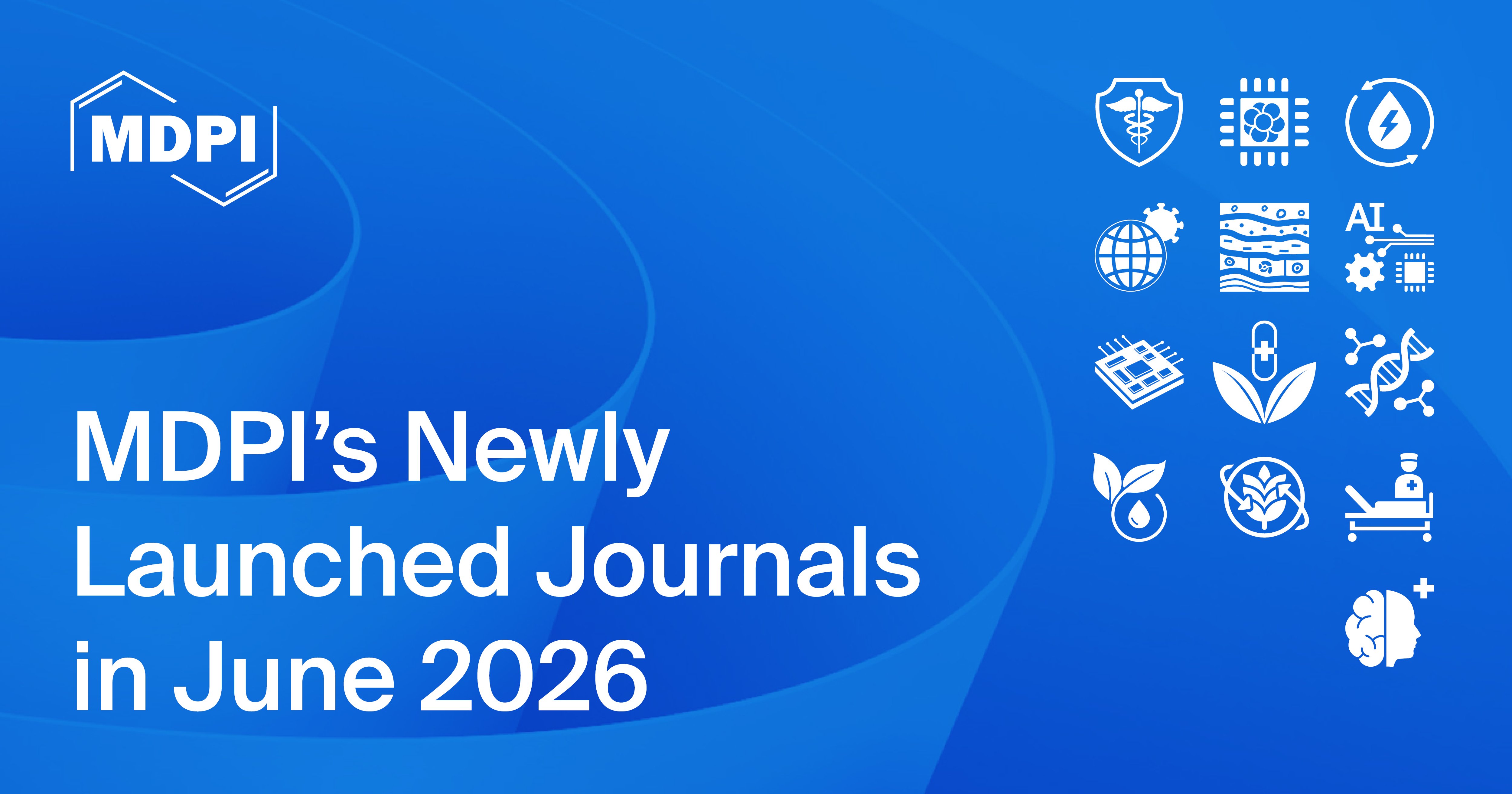
Our portfolio of journals available for publishing up-to-date research in immediate open access format has been further expanded. In June 2026, eleven new journals released their inaugural issues and two transferred journals released their first issue as part of MDPI, covering the subjects of environmental & earth sciences, chemistry & materials science, public health & healthcare, engineering, medicine & pharmacology, and biology & life sciences.
We extend our gratitude to the Editors-in-Chief, Associate Editors, and Editorial Board Members who will shape the future course of these new journals. Each journal is dedicated to upholding strong editorial standards through a thorough peer review process, enabling impactful open access scholarship.
Please feel free to browse and discover more about the new journals below.
|
New Journals |
Founding Editor(s)-in-Chief |
Journal Topics (Selected) |
|
|
Prof. Dr. Xiaochuan Pan, Peking University, China |
public health research, practice, policy, and education; eco-health equity | |
|
|
Prof. Dr. Xin-Gao Gong Fudan University, China; Prof. Dr. Zhimei Sun Beihang University, China |
AI-enhanced theory & simulation; generative design & discovery; autonomous experimentation; AI for characterization; large language models and agents | |
|
|
Prof. Dr. Yong Liu, Wuhan University, China |
hydropower technology; renewable energy; water resources; optimization; rock and soil mechanics; power system stability | |
|
|
Prof. Dr. Giovanni Rezza, University Vita-Salute San Raffaele, Italy |
pandemic preparedness; public health; global outbreak dynamics and epidemiology; outbreak prediction and risk forecasting; one health approach; zoonotic and pre-pandemic vaccines | |
|
|
Prof. Dr. Brian Horton, University of Texas at Austin, USA |
stratigraphy; sedimentology; earth surface processes; basin evolution and tectonics; climate and paleoclimate | |
|
|
Prof. Dr. Yike Guo, Hong Kong University of Science and Technology, China |
artificial intelligence (AI); application of AI to engineering; Explainable AI (XAI); AI-driven design and optimization; AI for manufacturing and automation | view journal scope | submit an article |
|
|
Prof. Dr. Hei Wong, City University of Hong Kong, China |
novel semiconductor materials; advanced heterogeneous integration technologies; advanced characterization and testing techniques; heterogeneously integrated systems and applications; modeling and design automation| |
|
|
Prof. Dr. Michail Panagiotidis, Mississippi State University, USA |
plant-based medicines; natural products-based drug discovery; plant-based bioactive compounds; pharmacognosy; phytochemicals; pharmacokinetics | |
|
|
Prof. Dr. Khalid Meksem, Southern Illinois University, USA |
genome biotechnology; applied genomics; genetic engineering; agricultural biotechnology; medical biotechnology; data science and AI| |
|
|
Dr. Chenxi Wu, Chinese Academy of Sciences, China |
environmental cleanup; ecological restoration; environmental management and governance; environmental modeling and monitoring | |
|
|
Prof. Dr. Janusz Kozinski, Lakehead University, Canada |
renewable energy; sustainable agriculture; green innovation; climate change; artificial intelligence and environmental sustainability | |


|
Transferred Journals |
Editor(s)-in-Chief |
Journal Topics (Selected) |
|
|
Prof. Dr. Thomas Frese, Martin-Universität Halle-Wittenberg, Germany |
health services in primary care; integrated care models; quality and safety of care; coordination across primary and secondary care services; patient management; primary care clinical practice and interventions; clinical interventions delivered in primary care settings; |
|
|
Prof. Dr. Paul Gerson Unschuld, Geneva University Hospitals (HUG), Switzerland |
neurology, psychiatry, psychotherapy, and the neurosciences | |


We would like to thank everyone who has supported the development of open access publishing. If you would like to create a new journal, you are welcome to send an application here or contact the New Journal Committee (newjournal-committee@mdpi.com).
