You are currently viewing a new version of our website. To view the old version click .
  • 37 daysTime to First Decision

Journal of the Oman Medical Association

Journal of the Oman Medical Association (JOMA) is an international, peer-reviewed, open access journal on healthcare, clinical medicine, and other scientific areas related to medicine and surgery, published semiannually online.
It is the official journal of the Oman Medical Association (OMA). Association members receive discounts.

All Articles (25)

Barriers and Predictors of Seeking Mental Health Care Among Adults in Oman, 2023: A Cross-Sectional Study

  • Moza Sulaiman Albadi,
  • Sumaiya Mubarik Al A’amri and
  • Khalid Salim Al Dhuhli
  • + 2 authors

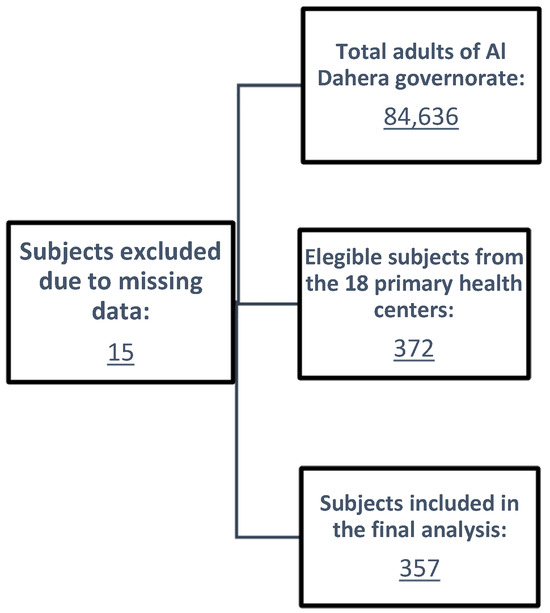
Background: Help-seeking for mental health care remains low in Oman and globally, contributing to increased morbidity and mortality. Identifying barriers is essential to improving access. This study is the first to examine the prevalence of mental health problems and help-seeking behavior in Al Dhahira governorate, Oman. Methods: It is a cross-sectional study conducted between 1 August and 30 September 2023, in the three cities of Al Dhahira Governorate, Oman. It employed a convenient, proportionate sampling approach and involved willing Omani adults aged 18–64 from the 18 areas of Al Dhahira governorate. Data were collected using the Barriers to Access to Care Evaluation (BACE-III) Arabic Version questionnaire, which was self-completed by the participants. IBM SPSS Statistics (Version 23) was used for data analysis. Results: A total of 357 participants were involved in the study. It was found that the prevalence of mental health problems (self-reported) was 11.5% and only 5.3% sought professional help. Age (p-value = 0.046) and marital status (p-value = 0.028) were found to be significantly associated with having mental health problems. While the significantly associated factors with stigma barriers were city (p-value = 0.039) and education level (p-value = 0.023), the associated factor with attitudinal barriers was educational level (p-value = 0.049). The independent predictors for seeking mental health care and having mental health problems were government worker (p-value = 0.014) and Yanqul residency (p-value = 0.003). Conclusions: In the Al Dhahira governorate, the prevalence of mental health problems was found to be low. Stigma and attitudinal barriers affect seeking help significantly in the governorate. Integrating mental health into the primary care setting and increasing awareness to overcome these barriers will improve access to mental health services.
21 November 2025
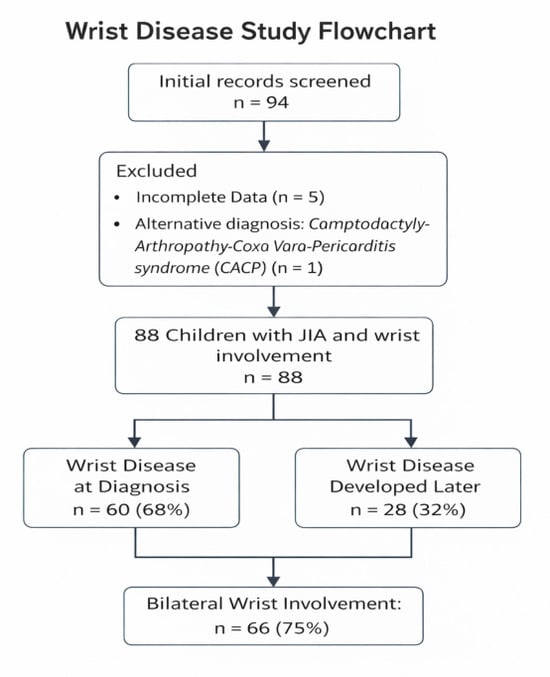
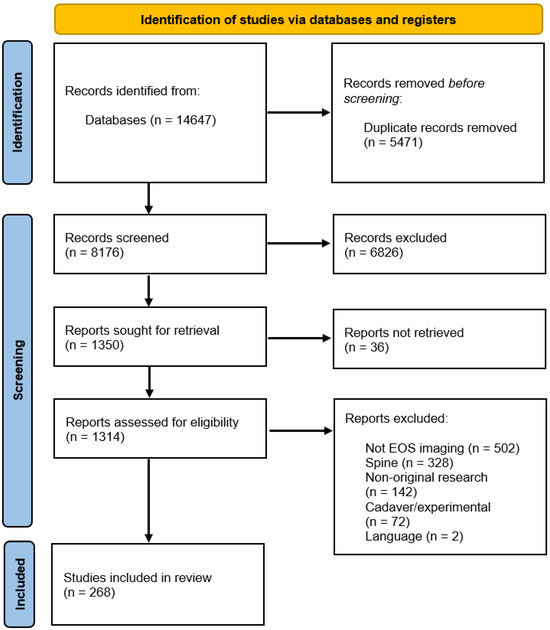
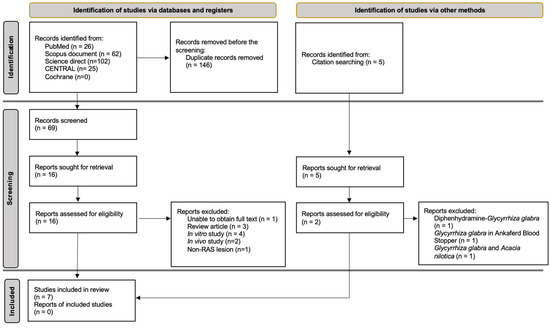
Study flow diagram.
  • Communication
  • Open Access

Background: This cross-sectional study was conducted among adult Omani patients with a confirmed laboratory diagnosis of COVID-19 to determine the prevalence of dizziness, tinnitus and headache in the pre-, during and post-COVID-19 recovery phases. Methodology: The characteristics and severity of symptoms of dizziness, tinnitus and headache in the above three phases were determined by telephone interviews. The severity of symptoms was recorded using the visual analog score. Results: The total number of patients selected was n = 102 (M/F 50/50%; overall mean age = 33.52 ± 3.6 years). The pre-COVID-19 prevalence of dizziness was 16%, tinnitus 13% and headache 53%. During COVID, the prevalence of dizziness increased to 41%; for tinnitus, it remained the same; and for headache, it increased to 73%. Compared to the lower age group category (30–32 years); the pre-COVID-19 prevalence of dizziness was significantly higher in the 33–40 years age group. The severity of symptoms showed a significant correlation in different phases, pre- and post-COVID-19, for dizziness (r = 0.556), tinnitus (r = 0.714) and headache (r = 0.696), and tinnitus during and post-COVID-19 (r = 0.570). Conclusion: The prevalence of dizziness, tinnitus and headaches was high in COVID-19 patients. All symptoms pre-COVID-19 and during COVID-19 persisted post-COVID-19.

5 September 2025

Human Dirofilariasis with Intraoral Localization: A Literature Review

  • Stylianos Papadopoulos,
  • Vasileios Zisis and
  • Konstantinos Poulopoulos
  • + 2 authors

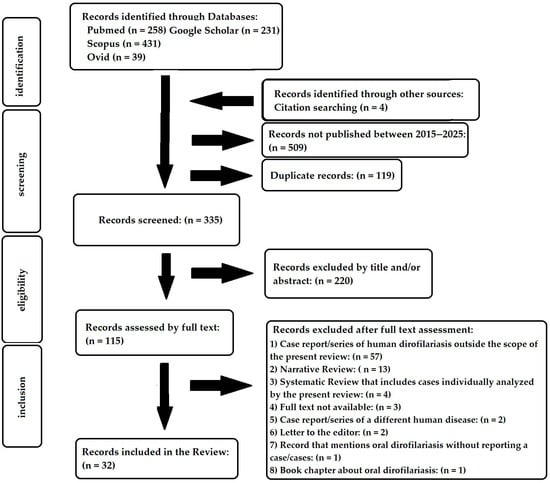
Background: Genus Dirofilaria consists of 27 species of parasitic nematodes, 7 of which have been reported to cause disease in humans. The transmission of the parasitic larva to humans and other mammals occurs through the bite of an infected mosquito, which, in this case, in addition to being the intermediate host, acts also as a disease transmission vector. The initial diagnosis of a patient with dirofilariasis is almost always incorrect, and in a large number of cases, the final diagnosis is only achieved retrospectively, thanks to the findings of the histopathological examination. Therefore, the purpose of the present review is to collect, analyze, summarize and present the relevant epidemiological, clinical, diagnostic, parasitological, therapeutic and prognostic data concerning the aforementioned localization of dirofilariasis in a systematic manner. Methods: An electronic search was performed in PubMed, the Scopus and Ovid databases and in Google Scholar, with them being accessed for the last time on 2 August 2025. This was followed by a manual search, and references were used to identify relevant articles. Results: The present review retrieved 32 publications discussing 43 cases of human intraoral dirofilariasis. As per the study design, the records were published in 2015–2025, and the cases presented by them were observed in 1951–2024. Conclusions: The aim of the present review is to summarize the relevant epidemiological, clinical, diagnostic, parasitological, therapeutic and prognostic data regarding the oral localization of dirofilariasis, a zoonotic helminthiasis which is transmitted by mosquitoes. Even though its manifestation in the oral cavity appears to be extremely rare, dentists and other clinicians should be familiar with this entity and should include it in the differential diagnosis of any solitary nodule with submucous localization, especially in patients living in endemic regions or who have a history of recent travel to an endemic region. Climate change on the one hand and the increase in international travel on the other are estimated to make dirofilariasis more common in countries from which it used to be absent.

5 September 2025

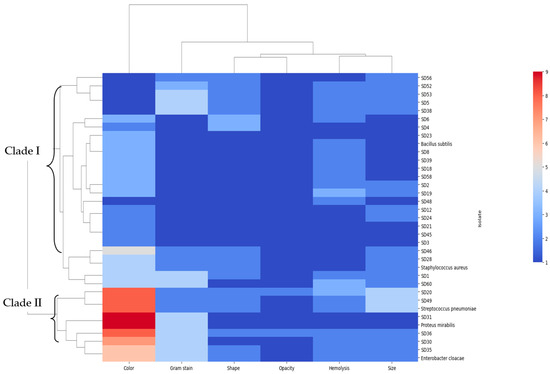
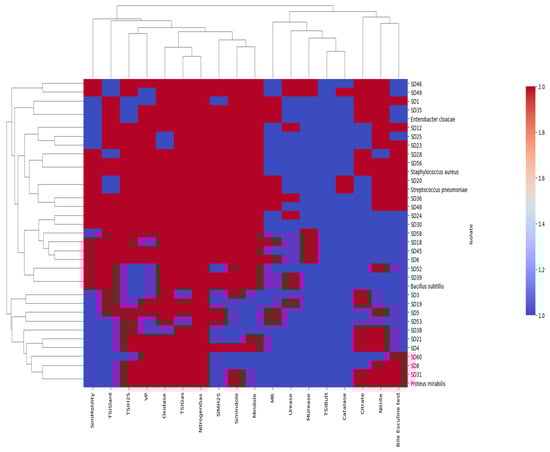
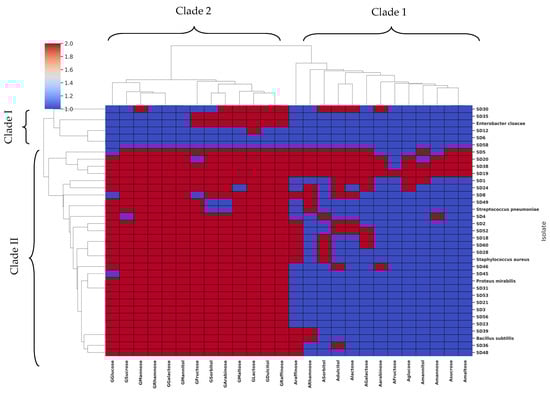
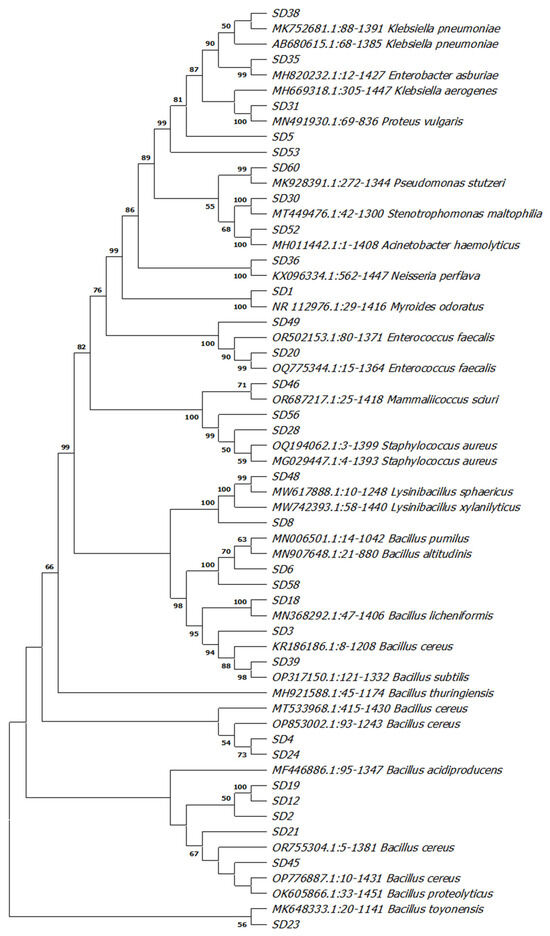
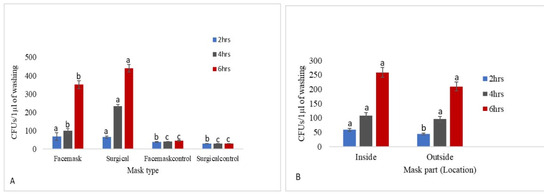
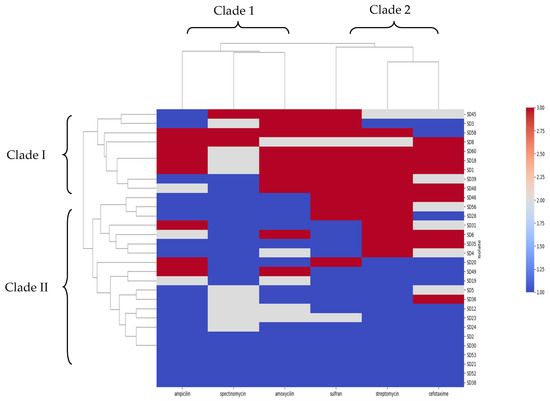
The widespread use of masks in the community was occasioned by the COVID-19 global pandemic. This study examined bacterial contamination on surgical and face masks used in Githurai Market during daily activities, focusing on the sources, accumulation, and antibiotic resistance of bacteria. Sixteen respondents were selected to wear masks, from which bacteria were isolated from the inside and outside surfaces, as well as from swabs of their nose, mouth, and skin. The bacterial load was monitored at intervals of 0 h, 2 h, 4 h, and 6 h using culture-dependent methods. The identified bacteria included Staphylococcus, Klebsiella, Stenotrophomonas, Enterococcus, and Bacillus, amongst others sourced from the users’ mouth, skin, nose, and the environment. Bacterial accumulation increased with time, peaking at 6 h of mask use. Most of the bacteria isolates showed multidrug resistance to commonly used antibiotics including cefotaxime, streptomycin, and amoxicillin. This raises concerns about potential role of masks as reservoirs for pathogenic and antibiotic-resistant bacteria. The study emphasizes the need for better mask hygiene practices to reduce microbial contamination and the risk of spreading antibiotic-resistant bacteria. It also highlights the importance of developing strategies to address these risks and ensure the continued effectiveness of masks as a part of public health measures

29 August 2025

News & Conferences

Issues

Open for Submission

Editor's Choice

Get Alerted

Add your email address to receive forthcoming issues of this journal.

XFacebookLinkedIn
J. Oman Med. Assoc. - ISSN 2813-8759