




-
Soft Tissue Scaffolds in Breast Reconstruction: Evolution from Acellular Dermal Matrices to Synthetic Polymers -
Preclinical Rheumatoid Arthritis: Pathogenesis, Risk Stratification, and Therapeutic Interception -
Cardiac Involvement in Emery–Dreifuss Muscular Dystrophy, from Arrhythmias to Heart Failure and Sudden Death: A Contemporary Review -
Adherence to CPAP in Randomized Controlled Trials in Obstructive Sleep Apnoea—A Meta-Analysis and Investigation of Predictors -
Navigating the Hemostatic Balance: Anticoagulation and Antiplatelet Therapy in Patients with Thrombocytopenia
Journal Description
Journal of Clinical Medicine
is an international, peer-reviewed, open access journal of clinical medicine, published semimonthly online by MDPI. The International Bone Research Association (IBRA), Spanish Society of Hematology and Hemotherapy (SEHH), Japan Association for Clinical Engineers (JACE), European Independent Foundation in Angiology/ Vascular Medicine (VAS) and others are all affiliated with JCM, and their members receive a discount on article processing charges.
- Open Access— free for readers, with article processing charges (APC) paid by authors or their institutions.
- High Visibility: indexed within Scopus, SCIE (Web of Science), PubMed, PMC, Embase, CAPlus / SciFinder, and other databases.
- Journal Rank: JCR - Q1 (Medicine, General and Internal) / CiteScore - Q1 (General Medicine)
- Rapid Publication: manuscripts are peer-reviewed and a first decision is provided to authors approximately 18.5 days after submission; acceptance to publication is undertaken in 2.7 days (median values for papers published in this journal in the second half of 2025).
- Recognition of Reviewers: reviewers who provide timely, thorough peer-review reports receive vouchers entitling them to a discount on the APC of their next publication in any MDPI journal, in appreciation of the work done.
- Companion journals for JCM include: Epidemiologia, Transplantology, Uro, Sinusitis, Rheumato, Journal of Clinical & Translational Ophthalmology, Journal of Vascular Diseases, Osteology, Complications, Therapeutics, Sclerosis, Pharmacoepidemiology, Journal of CardioRenal Medicine and Rare Diseases and Therapeutics.
- Journal Clusters of Hematology: Hemato, Hematology Reports, Thalassemia Reports and Journal of Clinical Medicine.
Impact Factor:
2.9 (2024);
5-Year Impact Factor:
3.3 (2024)
Latest Articles
Early Childhood Caries and Oral Health-Related Quality of Life in Preschool Children: A Systematic Review
J. Clin. Med. 2026, 15(11), 4314; https://doi.org/10.3390/jcm15114314 - 2 Jun 2026
Abstract
Objectives: To systematically review the evidence on the association between early childhood caries (ECC) and oral health-related quality of life (OHRQoL) in preschool children, focusing on studies using the Early Childhood Oral Health Impact Scale (ECOHIS) or its validated language versions. Methods
[...] Read more.
Objectives: To systematically review the evidence on the association between early childhood caries (ECC) and oral health-related quality of life (OHRQoL) in preschool children, focusing on studies using the Early Childhood Oral Health Impact Scale (ECOHIS) or its validated language versions. Methods: This systematic review was conducted and reported in accordance with the PRISMA 2020 guidelines. Electronic searches identified primary observational studies published within the last 10 years. Eligible studies included preschool children, clinically assessed ECC/caries, and OHRQoL measured with ECOHIS or a validated, adapted version. Data extraction covered study characteristics, caries assessment, OHRQoL measures, and main findings. Risk of bias was assessed using the Joanna Briggs Institute appraisal tools. Results: Twenty studies were included (19 cross-sectional and 1 cohort) with sample sizes ranging from 151 to 1783 participants. Across diverse populations and settings, ECC was consistently associated with poorer OHRQoL in preschool children and their families. Greater caries severity, untreated lesions, and advanced disease consequences were generally linked to higher ECOHIS scores. The most affected domains were pain, eating and drinking difficulties, sleep disturbance, irritability, and family distress. Conclusions: The available evidence consistently indicates that ECC is associated with poorer OHRQoL in preschool children and their families. From a clinical perspective, incorporating OHRQoL measures into pediatric dental assessment may improve recognition of disease burden beyond clinical indices alone.
Full article
(This article belongs to the Special Issue Pediatric Dentistry: Recent Advances, Current Issues and Future Challenges)
►
Show Figures
Open AccessArticle
Active Range of Motion in Non-Impingement Directions After Hip Arthroscopy for Femoroacetabular Impingement Syndrome
by
Łukasz Stołowski, Gino Kerkhoffs and Tomasz Piontek
J. Clin. Med. 2026, 15(11), 4313; https://doi.org/10.3390/jcm15114313 - 2 Jun 2026
Abstract
Background: Femoroacetabular impingement syndrome (FAIS) is a common cause of hip pain and functional limitation in young and physically active individuals. Although hip arthroscopy is an established treatment when conservative management fails, objective data on early postoperative changes in active hip range
[...] Read more.
Background: Femoroacetabular impingement syndrome (FAIS) is a common cause of hip pain and functional limitation in young and physically active individuals. Although hip arthroscopy is an established treatment when conservative management fails, objective data on early postoperative changes in active hip range of motion (ROM) remain limited. This study aimed to evaluate changes in active hip ROM three months after arthroscopic treatment for FAIS using inertial measurement units (IMUs) and to investigate their relationship with patient-reported outcomes. Methods: A prospective cohort of forty-two patients (mean age 36 ± 9 years; 64% male) undergoing hip arthroscopy for FAIS was assessed preoperatively and at a three-month follow-up. Active hip ROM—including flexion, internal rotation, external rotation, and total rotation—was measured using IMU sensors, while subjective outcomes were evaluated using the Hip disability and Osteoarthritis Outcome Score (HOOS). Results: Significant improvements were observed across all HOOS subscales at follow-up (all p < 0.001). The HOOS Total score increased from 57 ± 15 to 83 ± 11. Clinical recovery, defined by the Minimal Important Change (MIC), was achieved by 74% of patients for Symptoms, 81% for Pain, 81% for ADL, 83% for Sport, and 67% for Quality of Life (QOL). Active hip ROM in the operated hip increased significantly for internal rotation (19.6° ± 11.9° to 26° ± 8°), external rotation (37° ± 10° to 40° ± 8°), and total rotation (57° ± 15° to 67° ± 12°). Changes in hip flexion were not clinically meaningful (98° to 100°), and no changes were observed in the non-operated hip. Spearman’s analysis showed weak and inconsistent correlations between active ROM and HOOSs (r ranging from −0.34 to 0.31). Conclusions: Hip arthroscopy for FAIS leads to early improvements in both patient-reported outcomes and active hip mobility, particularly in rotational movements, although the relationship between ROM and subjective outcomes appears weak.
Full article
(This article belongs to the Special Issue New Advances in Hip and Knee Reconstructive Surgery: 2nd Edition)
Open AccessArticle
Orthodontic Need Among Adult Patients Seeking Oral Rehabilitation in Craiova
by
Amelia Smaranda Roșianu, Antonia Samia Khaddour, Emma Cristina Drăghici, Cosmin Mihai Mirițoiu, Ionela Elisabeta Staicu, Stelian Mihai Sever Petrescu, Răzvan Mercuț, Ionuț Cristian Resceanu, Alin Gabriel Ionescu and Sanda Mihaela Popescu
J. Clin. Med. 2026, 15(11), 4312; https://doi.org/10.3390/jcm15114312 - 2 Jun 2026
Abstract
Background/Objectives: The aim of the study was to determine the prevalence of molar absence and the need for limited preprosthetic orthodontic treatment in the situation of lateral molar edentulism in adult patients. Methods: The need for orthodontic treatment was studied retrospectively
[...] Read more.
Background/Objectives: The aim of the study was to determine the prevalence of molar absence and the need for limited preprosthetic orthodontic treatment in the situation of lateral molar edentulism in adult patients. Methods: The need for orthodontic treatment was studied retrospectively in a cohort of adult patients of both genders who presented for dental treatment at the Oral Rehabilitation Clinic of the University of Medicine and Pharmacy of Craiova. After applying the inclusion/exclusion criteria, the final study group consisted of 478 patients. The collected data were centralized in Microsoft Excel and statistical analyses were performed using SPSS software version 26. Results: The results of the study showed that more than 50% of adult patients need orthodontic treatment. The patients with the greatest need for orthodontic treatment also had a higher DMFT (p < 0.0005), indicating a higher need for dental caries treatment, as well as prosthetics of edentulous areas. The prevalence of molar edentulism was 57.31%. The acceptance of the treatment plan was inversely proportional to the need for orthodontic treatment. Tooth wear (p < 0.0005) and maxillary edentulism (p = 0.002) significantly contributed to a higher DAI. Conclusions: The need for orthodontic treatment increases with age, but the acceptance of oral rehabilitation plans that include orthodontic treatment is low. Better interdisciplinary collaboration is needed to ensure that adult patients benefit from the best treatment options.
Full article
(This article belongs to the Special Issue Orthodontics: State of the Art and Perspectives)
Open AccessArticle
Molecular Evaluation of RNA-Based Immune Checkpoint Profiling in Clear Cell Renal Cell Carcinoma
by
Erica Giacobbi, Valeria Palumbo, Francesca Servadei, Rita Bonfiglio, Giusella Maria Francesca Moscato, Marco Carilli, Matteo Vittori, Valerio Iacovelli, Pierluigi Bove, Alessandro Mauriello and Manuel Scimeca
J. Clin. Med. 2026, 15(11), 4311; https://doi.org/10.3390/jcm15114311 - 2 Jun 2026
Abstract
Background: Clear cell renal cell carcinoma is considered an immunologically “hot” tumor, with an abundance of tumor-infiltrating immune cells. This feature has a strong effect on therapeutic outcomes, especially in immune therapies. Within this context, immune checkpoint expression plays a central role in
[...] Read more.
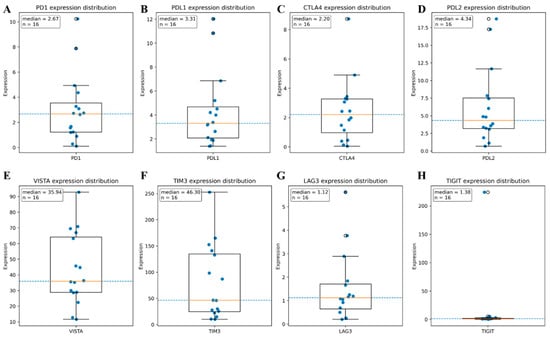
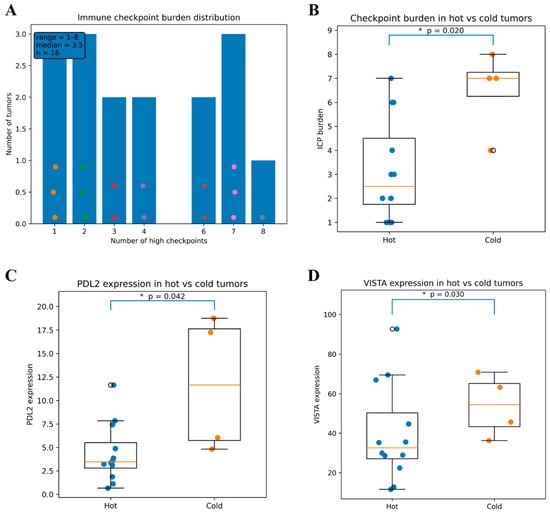
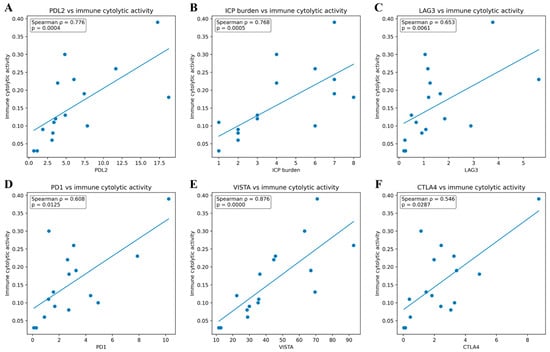
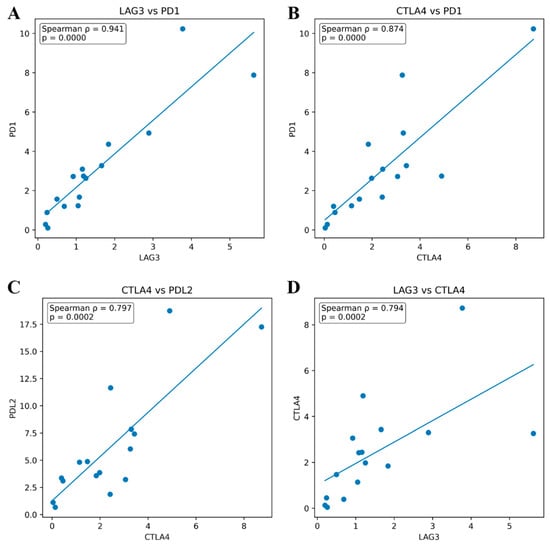
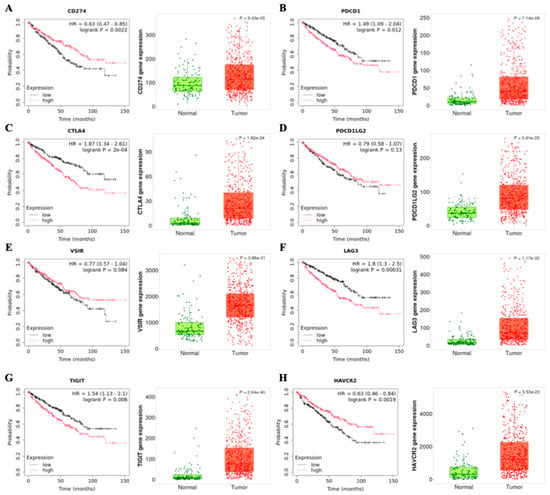
Background: Clear cell renal cell carcinoma is considered an immunologically “hot” tumor, with an abundance of tumor-infiltrating immune cells. This feature has a strong effect on therapeutic outcomes, especially in immune therapies. Within this context, immune checkpoint expression plays a central role in RCC immunotherapy, establishing new standards of care for patients with advanced RCC. However, most patients do not derive the maximum benefit from immune checkpoint inhibitors and may experience severe adverse effects. This may highlight the need to better understand the complexity of immunosuppressive mechanisms within the tumor microenvironment, which involves a variety of molecules. As such, this study aims to characterize the immune checkpoint status by investigating the co-expression (RNASeq) of the main checkpoints in a cohort of 16 ccRCC. Results: In the investigated cohort, the evaluation of immune checkpoint molecules revealed the complexity of immune regulatory mechanisms within the tumor microenvironment. The marked heterogeneity in the expression of eight major immune checkpoint actors, namely, PD1, PDL1, CTLA4, PDL2, VISTA, TIM3, TIGIT, and LAG3, is matched by multiple co-expressed immune checkpoint molecules, making the immune checkpoint burden score. Specifically, immune-cold tumors displayed the highest degree of co-expression, together with high levels of PDL2 and VISTA. Furthermore, the expression of immune checkpoints, both individually and collectively, was positively associated with intratumoral immune cytolytic activity, highlighting the coexistence of immune activation and immune suppression as tightly interconnected processes. Conclusions: The data presented here supports the concept that a ccRCC microenvironment may be driven by multiple modulatory mechanisms that allow immune escape to happen. Revealing the coordination of immune checkpoint molecules and the compensatory upregulation mechanisms may support future studies exploring multi-target immunotherapeutic strategies.
Full article
(This article belongs to the Special Issue Urologic Oncology: From Diagnosis to Treatment)
►▼
Show Figures

Figure 1
Open AccessSystematic Review
Management of the Clinically N0 Neck in Maxillary Squamous Cell Carcinoma: A Systematic Review and Meta-Analysis
by
Fabio Maglitto, Giovanni Salzano, Serena Trotta, Eutilia Manzo, Luigi Angelo Vaira, Umberto Committeri, Stefania Troise and Giovanni Dell’Aversana Orabona
J. Clin. Med. 2026, 15(11), 4310; https://doi.org/10.3390/jcm15114310 - 2 Jun 2026
Abstract
Background: The optimal management of the clinically node-negative (cN0) neck in maxillary squamous cell carcinoma (MSCC) remains controversial due to the relatively low yet clinically relevant risk of occult cervical metastasis. While elective neck dissection (END) has been proposed to improve oncologic outcomes,
[...] Read more.
Background: The optimal management of the clinically node-negative (cN0) neck in maxillary squamous cell carcinoma (MSCC) remains controversial due to the relatively low yet clinically relevant risk of occult cervical metastasis. While elective neck dissection (END) has been proposed to improve oncologic outcomes, others advocate observation to avoid overtreatment. This study aimed to evaluate the impact of END versus observation on overall survival (OS) in cN0 MSCC patients. Methods: A systematic literature search was conducted in PubMed, Embase, and Scopus according to the PRISMA 2020 statement. The protocol was registered in PROSPERO (CRD420261345038). Studies including patients with maxillary SCC and clinically N0 neck comparing END with observation were eligible. Fourteen studies were included in the qualitative synthesis, and five were suitable for quantitative meta-analysis. The primary endpoint was OS. Pooled hazard ratios (HRs) with 95% confidence intervals (CIs) were calculated using a random-effects model. Risk of bias was assessed using ROBINS-I, and certainty of evidence was evaluated using the GRADE framework. Results: The meta-analysis demonstrated a statistically significant survival benefit associated with END. The pooled HR for OS was 0.76 (95% CI 0.67–0.86; p < 0.001), indicating a 24% relative reduction in the hazard of death compared with observation. Importantly, statistical heterogeneity was negligible (I2 = 0%), although interpretation should be cautious given the limited number of included studies. Despite this, most included studies were retrospective in design. Conclusions: END appears to provide a survival advantage in selected patients with cN0 MSCC. However, the evidence is largely derived from retrospective data. High-quality prospective multicenter studies are needed to better define the role of elective neck management in this population.
Full article
(This article belongs to the Special Issue New Technologies for Personalized Medicine in Head and Neck Surgery)
Open AccessArticle
A New Method for Measuring Structural Limb-Length Discrepancy: A Quasi-Experimental Study
by
Huthaifa Atallah, Titeana Qufabz, Mahmoud Alfatafta, Amneh Alshawabka, Mohamad Samih Yasin, Omar Q. Samarah, Anthony McGarry and Bálint Molics
J. Clin. Med. 2026, 15(11), 4309; https://doi.org/10.3390/jcm15114309 - 2 Jun 2026
Abstract
Background/Objectives: Limb-length discrepancy (LLD) is a relatively common condition, with structural LLD characterized by true shortening of a bony structure. Although various clinical and radiological methods are available, none rely exclusively on position of malleoli relative to one another. This study aims to
[...] Read more.
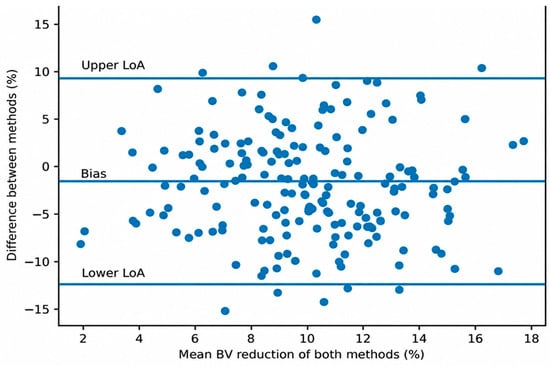
Background/Objectives: Limb-length discrepancy (LLD) is a relatively common condition, with structural LLD characterized by true shortening of a bony structure. Although various clinical and radiological methods are available, none rely exclusively on position of malleoli relative to one another. This study aims to introduce a novel method for measuring structural LLD using malleoli in conjunction with a ruler. A quasi-experimental study. Methods: Eighteen participants with structural LLD were recruited from an orthopaedic clinic. Each participant underwent four tests: Paired Medial Malleolus Level Test (PMMLT) (new method), measuring tape method (Anterior Superior Iliac Spine (ASIS) to Medial Malleoli (MM), standing-block test, and full-length standing (long bone) radiography. Validity was assessed against radiography. Results: The mean ± SD LLD measured by radiography was 2.99 ± 1.69 cm. Corresponding values were obtained with the PMMLT (2.98 ± 1.69 cm), measuring tape method (2.95 ± 1.66 cm), and the standing-block test (2.92 ± 1.73 cm). No significant differences were found among the methods (χ2(3) = 3.43, p = 0.330). Correlations with radiography were very strong (PMMLT r = 0.996; measuring tape method r = 0.990; standing-block test r = 0.991; all p < 0.001). PMMLT showed negligible bias (−0.01 cm), the narrowest 95% limits of agreement (−0.32 to 0.30 cm), and the lowest RMSE (0.15 cm). Conclusions: The PMMLT demonstrates accuracy and practicality while being simple, cost-effective, and free of radiation exposure, making it a valuable alternative for clinical assessment of LLD in settings where imaging is unavailable or contraindicated.
Full article
(This article belongs to the Special Issue Musculoskeletal Diagnosis and Treatment: Connecting Gaps to Enhance Patient Care)
Open AccessArticle
Deep Optic Nerve Head Structural Alterations in Adults with Cystic Fibrosis
by
Sławomir Liberski, Bartosz Skulimowski, Filip Waśniewski, Aleksandra Kałużna, Goran Petrovski, Szczepan Cofta and Jarosław Kocięcki
J. Clin. Med. 2026, 15(11), 4308; https://doi.org/10.3390/jcm15114308 - 2 Jun 2026
Abstract
Background: Cystic fibrosis (CF) is a systemic genetic disorder characterized by chronic inflammation, hypoxia, and metabolic imbalance that may affect neural and microvascular structures. While previous studies have evaluated superficial optic nerve head (ONH) parameters in CF, deep ONH structures, particularly the lamina
[...] Read more.
Background: Cystic fibrosis (CF) is a systemic genetic disorder characterized by chronic inflammation, hypoxia, and metabolic imbalance that may affect neural and microvascular structures. While previous studies have evaluated superficial optic nerve head (ONH) parameters in CF, deep ONH structures, particularly the lamina cribrosa (LC), remain insufficiently explored. This study aimed to assess both superficial and deep ONH morphology in adults with CF using swept-source optical coherence tomography (SS-OCT). Methods: This observational case–control study included 34 CF individuals and 34 age- and sex-matched healthy controls. CF patients were examined at baseline and after 12–18 months of cystic fibrosis transmembrane conductance regulator (CFTR) modulator therapy. All participants underwent comprehensive ophthalmic examination and SS-OCT imaging. Assessed parameters included peripapillary retinal nerve fiber layer (RNFL) thickness, lamina cribrosa thickness (LCT), and lamina cribrosa depth (LCD). Between-group comparisons were performed using ANCOVA adjusted for axial length (AL) and IOP. Results: After adjustment for AL and IOP, total RNFL thickness did not differ significantly between the CF group and controls (F(1,92) = 0.363, p = 0.548). However, CF patients demonstrated significantly reduced central LCT (170.2 µm [95% CI 162.2–178.2] vs. 214.6 µm [95% CI 208.6–220.7]; F(1,91) = 72.205, p < 0.001) without markedly altered LCD (425.5 µm [95% CI 390.4–454.2] vs. 354.7 µm [95% CI 329.6–379.8]; F(1,94) = 10.090, p = 0.099) compared with controls. Intraocular pressure was also higher in CF patients (17.50 mmHg [95% CI 16.60–18.41] vs. 15.87 mmHg [95% CI 15.19–16.55]; F(1,83) = 7.660, p = 0.007). Longitudinally, total RNFL thickness decreased from 106.5 µm (IQR 15.25) to 102.0 µm (IQR 15.5) following therapy (z = 3.488, p < 0.001), while LCT (p = 0.364) and LCD (p = 0.660) remained stable. Conclusions: CF is associated with significant alterations in deep ONH structures, characterized by thinner LC, independent of ocular biometry. In contrast, superficial RNFL differences appear to be largely influenced by AL. LC parameters, particularly LCT, may represent potential structural markers of systemic involvement in CF, pending further validation.
Full article
(This article belongs to the Special Issue Cystic Fibrosis: Management Strategies and Patient Outcomes)
►▼
Show Figures

Figure 1
Open AccessArticle
Impact of Body Mass Index on Clinical Outcomes of LLETZ
by
Chiara Paternostro, Elmar Joura, Magdalena Postl, Eva Maria Langthaler, Lejla Samson and Sophie Pils
J. Clin. Med. 2026, 15(11), 4307; https://doi.org/10.3390/jcm15114307 - 2 Jun 2026
Abstract
Background/Objectives: Large loop excision of the transformation zone (LLETZ) is used as a standard treatment for cervical dysplasia. Although obesity is associated with reduced cervical screening participation and may complicate gynecologic procedures, evidence on the impact of body mass index (BMI) on LLETZ
[...] Read more.
Background/Objectives: Large loop excision of the transformation zone (LLETZ) is used as a standard treatment for cervical dysplasia. Although obesity is associated with reduced cervical screening participation and may complicate gynecologic procedures, evidence on the impact of body mass index (BMI) on LLETZ outcomes remains limited. This study aimed to evaluate the association between BMI and clinical outcomes after LLETZ, with a particular focus on margin status. Methods: This retrospective single-center cohort study included 1397 patients who underwent LLETZ for cervical dysplasia between January 2010 and December 2024 at the Medical University of Vienna. Patients were categorized as normal-weight (BMI < 25 kg/m2) or overweight/obese (BMI ≥ 25 kg/m2). The primary outcome was margin status. Secondary outcomes included postoperative bleeding, lesion localization, histological findings, HPV status, cone depth, and surgeon status. Results: Overall, 949 patients had a BMI < 25 kg/m2 and 448 had a BMI ≥ 25 kg/m2. Negative margins were achieved in 984 patients (70.4%), with no significant difference between BMI groups. Postoperative bleeding occurred in 53 patients (3.8%) and was significantly less frequent in patients with BMI ≥ 25 kg/m2. Each 5-unit increase in BMI was associated with a 38% reduction in the odds of postoperative bleeding. BMI was not significantly associated with HPV status or histological findings. Conclusions: BMI was not associated with overall margin status after LLETZ, suggesting that overweight and obesity do not adversely affect short-term surgical outcomes in general. Further prospective studies are needed to evaluate long-term outcomes.
Full article
(This article belongs to the Section Obstetrics & Gynecology)
Open AccessSystematic Review
Multimodal EEG–MRI Neuroimaging in Schizophrenia—A Systematic and Mechanistic Review
by
James Chmiel and Marta Kopańska
J. Clin. Med. 2026, 15(11), 4306; https://doi.org/10.3390/jcm15114306 - 2 Jun 2026
Abstract
Introduction: Schizophrenia is characterised by distributed abnormalities in electrophysiological dynamics and large-scale brain networks, yet unimodal EEG or MRI alone cannot fully explain how fast neural computations relate to spatially organised circuit dysfunction. Multimodal EEG–MRI approaches offer a bridge across temporal and
[...] Read more.
Introduction: Schizophrenia is characterised by distributed abnormalities in electrophysiological dynamics and large-scale brain networks, yet unimodal EEG or MRI alone cannot fully explain how fast neural computations relate to spatially organised circuit dysfunction. Multimodal EEG–MRI approaches offer a bridge across temporal and anatomical scales by explicitly modelling cross-modal coupling. Methods: Following PRISMA 2020 guidance, we conducted a systematic, mechanistic review of human studies (adults ≥ 18 years) comparing schizophrenia-spectrum groups with healthy controls using EEG combined with at least one MRI modality (fMRI, structural MRI, and/or diffusion MRI) and explicit EEG–MRI integration (e.g., EEG-informed fMRI, joint ICA, mCCA/MCCA, coupled matrix–tensor factorisation, DCM-based fusion). Searches were performed in PubMed/MEDLINE, Embase, Web of Science, Scopus, PsycINFO, IEEE Xplore, ResearchGate, and Google Scholar for January 2000–December 2025, supplemented by citation tracking. Risk of bias was assessed with ROBINS-I, and due to heterogeneity, results were synthesised narratively by integration of families. Results: From 148 records, 23 studies met the inclusion criteria. Studies used mainly simultaneous EEG–fMRI at 3T and spanned resting-state designs and task paradigms dominated by auditory processing (oddball, MMN/N100–P200, ASSR/aeGBR), with additional work in affective context, working memory, semantic processing (N400), sensory gating, and pharmacologic challenge. Across tasks, the most reproducible multimodal signature was disrupted coupling between electrophysiological markers and the recruitment of large-scale networks, rather than isolated changes in EEG or fMRI metrics. Target detection/oddball paradigms converged on reduced late ERP responses (especially P300, sometimes N2) alongside reduced expression or loss of coupling to salience/ventral attention and control circuitry (including ACC/anterior insula/TPJ). Resting-state studies most consistently indicated altered “coupling rules” (frequency specificity, timing/lag structure, and directionality), including abnormalities detectable even when unimodal summaries were weak. Extended multimodal studies (adding sMRI/DTI and/or classification) suggested that combining modalities can improve discrimination, though performance was sensitive to sample size, demographic imbalance, and feature-selection/validation choices. Conclusions: Multimodal EEG–MRI studies support schizophrenia as a disorder involving persistent structural and circuit-level abnormalities whose functional expression varies dynamically across cognitive states and task demands. Future progress will depend on harmonised acquisition/artefact-control practices for simultaneous EEG–fMRI, larger and more diverse samples (including early/CHR and longitudinal designs), and cross-site replication of mechanistically interpretable coupling biomarkers.
Full article
(This article belongs to the Special Issue Electroencephalography: Advances in Clinical Applications)
►▼
Show Figures

Figure 1
Open AccessArticle
Fatigue in Middle-Aged and Older Adults with Axial Spondyloarthritis: A Sex-Stratified Case–Control Study
by
Joan M. Nolla, Diego Benavent, Lidia Valencia-Muntalà, Manuela González-Aguila, Blanca Alonso-Palao, Carmen Gómez-Vaquero, Javier Narváez, Xavier Juanola and Laura Berbel-Arcobé
J. Clin. Med. 2026, 15(11), 4305; https://doi.org/10.3390/jcm15114305 - 2 Jun 2026
Abstract
Background: Fatigue is a common and disabling symptom in axial spondyloarthritis (axSpA), yet its magnitude relative to the general population and potential sex-specific differences remain insufficiently characterized, particularly in older adults. We therefore aimed to assess fatigue in adults aged ≥ 50 years
[...] Read more.
Background: Fatigue is a common and disabling symptom in axial spondyloarthritis (axSpA), yet its magnitude relative to the general population and potential sex-specific differences remain insufficiently characterized, particularly in older adults. We therefore aimed to assess fatigue in adults aged ≥ 50 years with axSpA, using the Functional Assessment of Chronic Illness Therapy–Fatigue (FACIT-F) scale, to compare fatigue levels with age- and sex-matched controls, and to explore sex-specific differences and clinical factors associated with fatigue. Methods: We conducted an observational case–control study including consecutive patients with axSpA aged ≥ 50 years and control subjects frequency-matched by age and sex. Fatigue was assessed using the FACIT-F, and clinically relevant fatigue was defined as a FACIT-F score < 40. Case–control comparisons were stratified by sex, and sex-stratified multivariable linear regression models were applied. Results: The study included 173 patients with axSpA (120 men, 53 women; mean age: 64.2 years) and 383 controls. Clinically relevant fatigue was more frequent in women than in men (84.9% vs. 50.0%; p < 0.001). Women reported more severe fatigue than men (FACIT-F: 29.4 ± 10.4 vs. 37.4 ± 10.2; p < 0.001). In case–control comparisons, fatigue was greater in patients than in controls in both sexes, with descriptively larger differences among women. In sex-stratified multivariable analyses, the ASAS Health Index (ASAS-HI) was independently associated with fatigue in both men and women. In reduced models including age, BASDAI, and ASAS-HI, ASAS-HI remained independently associated with FACIT-F in both men (β: −1.74, 95% CI: −2.08 to −1.41) and women (β: −1.80, 95% CI: −2.35 to −1.26; p < 0.001 for both). BASDAI showed an additional independent association in women (β: −1.19, 95%: CI −2.09 to −0.30; p = 0.010), but not in men. Conclusions: Fatigue is highly prevalent and clinically relevant in adults aged ≥50 years with axSpA, with a clear sex-specific pattern. Women experience a greater fatigue burden, and comparisons with controls suggest a larger excess among women. Fatigue represents an important dimension of disease burden in axSpA, with stronger associations with overall health status than with conventional inflammatory measures.
Full article
(This article belongs to the Section Immunology & Rheumatology)
►▼
Show Figures

Figure 1

Open AccessSystematic Review
Prognostic Role of Left Atrial Reservoir Strain for Risk Stratification in Aortic Stenosis: A Systematic Review
by
Andrea Sonaglioni, Massimo Baravelli, Giulio Francesco Gramaglia, Gian Luigi Nicolosi and Michele Lombardo
J. Clin. Med. 2026, 15(11), 4304; https://doi.org/10.3390/jcm15114304 - 2 Jun 2026
Abstract
Background: Risk stratification in aortic stenosis (AS) remains challenging, particularly in patients with preserved left ventricular ejection fraction or inconclusive symptom status, as conventional parameters primarily reflect valvular obstruction and may underestimate the extent of cardiac dysfunction. Left atrial reservoir strain (LASr) has
[...] Read more.
Background: Risk stratification in aortic stenosis (AS) remains challenging, particularly in patients with preserved left ventricular ejection fraction or inconclusive symptom status, as conventional parameters primarily reflect valvular obstruction and may underestimate the extent of cardiac dysfunction. Left atrial reservoir strain (LASr) has emerged as a promising and potentially more comprehensive marker of atrial function and diastolic burden, with potential prognostic implications. Methods: A systematic review was conducted in accordance with PRISMA guidelines. PubMed, Scopus, and EMBASE were searched from inception to April 2026. Studies including adult patients with moderate or severe AS and evaluating LASr using different imaging modalities (speckle-tracking echocardiography, cardiac computed tomography, or cardiac magnetic resonance) were considered eligible if clinical outcomes were reported. Data were qualitatively synthesized, and continuous variables were summarized as weighted medians with interquartile ranges. Results: Twenty-one studies were included, encompassing a large and clinically heterogeneous population. During follow-up, a substantial proportion of patients experienced adverse events, including mortality, heart failure hospitalization, arrhythmic events, and composite cardiovascular outcomes. Across studies, reduced LASr consistently emerged as a significant predictor of adverse outcomes. This association was observed both when LASr was analyzed as a continuous variable and when defined using study-specific cut-off values, which generally clustered within a relatively narrow range. Importantly, LASr demonstrated incremental prognostic value beyond conventional echocardiographic parameters, including left atrial size, left ventricular ejection fraction, global longitudinal strain, and indices of diastolic dysfunction. The prognostic relevance of LASr was consistent across different imaging modalities, including both echocardiography and cardiac computed tomography (with no eligible studies using cardiac magnetic resonance). Conclusions: LASr is a robust and reproducible marker of adverse prognosis in patients with AS, reflecting the cumulative burden of left-sided pressure overload and atrial remodeling. Its integration into multiparametric assessment may enhance risk stratification and support more individualized clinical decision-making. Further prospective studies are warranted to standardize measurement techniques and define clinically actionable thresholds.
Full article
(This article belongs to the Special Issue Advances in the Diagnosis, Treatment and Prognosis of Aortic Stenosis: 2nd Edition)
►▼
Show Figures

Figure 1
Open AccessArticle
Periorbital Structural and Functional Modulation Following Liquid-Type Polycaprolactone Treatment: A Pilot Study
by
Sung Jay Choe, Ju Hee Han, Irene Darmawan and Dong In Keum
J. Clin. Med. 2026, 15(11), 4303; https://doi.org/10.3390/jcm15114303 - 2 Jun 2026
Abstract
Background: Periorbital aging involves complex structural and functional changes, including decreased eyelid opening and alterations in infraorbital contour. Conventional collagen biostimulators mainly focus on localized volume augmentation and dermal remodeling, with limited considerations for broader tissue interactions within the periorbital region. Objective
[...] Read more.
Background: Periorbital aging involves complex structural and functional changes, including decreased eyelid opening and alterations in infraorbital contour. Conventional collagen biostimulators mainly focus on localized volume augmentation and dermal remodeling, with limited considerations for broader tissue interactions within the periorbital region. Objective: To evaluate structural and functional changes following treatment with a liquid-type polycaprolactone (PCL)-based collagen biostimulator. Methods: Three patients were analyzed. Clinical photographs were obtained at baseline, 1 month, and 3 months. Measurements were normalized to iris diameter. Eyelid-related and infraorbital contour parameters, along with canthal tilt angle (CTA), were assessed under neutral gaze and maximal effort. The treatment was performed via upper (forehead) and lower (infraorbital) approaches without direct injection into the upper eyelid. Results: Margin reflex distance 1 (MRD1) showed an overall increasing trend in both neutral gaze and maximal effort conditions, while ΔMRD1 remained relatively unchanged. Medial canthus-to-brow vertical distance (CBVD-M) showed a tendency to increase, whereas brow-to-lid distance (BLD) and lateral CBVD (CBVD-L) did not demonstrate consistent patterns. CTA increased across cases. Upper concavity height (UC), peak protrusion height (PP) and lower concavity height (LC) decreased concurrently. Conclusions: Liquid-type PCL-based treatment was associated with functional and structural changes in the periorbital region. Improved eyelid opening without direct upper eyelid injection may suggest indirect regional effects through contiguous anatomical planes. Changes in lower eyelid contour parameters support broader structural and functional changes.
Full article
(This article belongs to the Special Issue Advances in Plastic and Reconstructive Surgery: Bridging Function, Aesthetics, and Innovation)
►▼
Show Figures

Figure 1

Open AccessReview
Psoriasis in Obese Patients: Pathophysiological Interactions, Clinical Consequences, and Therapeutic Implications
by
Gustavo Almeida-Silva, Joana Antunes, João Ferreira and Paulo Filipe
J. Clin. Med. 2026, 15(11), 4302; https://doi.org/10.3390/jcm15114302 - 2 Jun 2026
Abstract
Background/Objectives: Psoriasis is a chronic immune-mediated inflammatory disease increasingly recognized as a systemic disorder associated with significant metabolic and cardiovascular comorbidities. Among these, obesity (defined as BMI > 30 kg/m2) plays a pivotal role, acting both as a risk factor
[...] Read more.
Background/Objectives: Psoriasis is a chronic immune-mediated inflammatory disease increasingly recognized as a systemic disorder associated with significant metabolic and cardiovascular comorbidities. Among these, obesity (defined as BMI > 30 kg/m2) plays a pivotal role, acting both as a risk factor for psoriasis development and as a modifier of disease severity, clinical phenotype, and therapeutic response. The relationship between psoriasis and obesity is bidirectional and sustained by shared inflammatory and metabolic pathways. This review aims to provide a comprehensive and updated synthesis of the epidemiological association between psoriasis and obesity, to elucidate the underlying pathophysiological mechanisms, and to discuss the clinical and therapeutic implications of excess body weight in psoriasis management. Methods: A narrative review of the literature was conducted, including epidemiological studies, mechanistic research, clinical trials, and real-world evidence addressing the interplay between psoriasis and obesity. Relevant data were identified from peer-reviewed publications focusing on inflammatory pathways, metabolic dysfunction, cardiovascular risk, and treatment outcomes in obese patients with psoriasis. The graphical figures included in this manuscript were created with the assistance of a large language model–based image-generation tool, ChatGPT-5 by OpenAI, using author-defined prompts. The prompts requested schematic medical illustrations summarizing the pathophysiological links between obesity and psoriasis, including adipose tissue dysfunction, adipokine imbalance, systemic inflammation, and activation of the IL-23/Th17 axis. For the therapeutic algorithm, the prompt requested a stepwise clinical flowchart for obese patients with psoriasis, including BMI assessment, comorbidity screening, universal weight-management measures, psoriasis severity stratification, obesity-adapted biologic selection, and management of suboptimal response. The generated images were subsequently reviewed, edited, and approved by the authors to ensure scientific accuracy, clarity, and consistency with the manuscript content. Results: Epidemiological evidence consistently demonstrates a higher prevalence of obesity among patients with psoriasis, with obesity independently associated with increased disease severity. Shared mechanisms include adipose tissue–driven cytokine production, dysregulated adipokine secretion, insulin resistance, endothelial dysfunction, and activation of the IL-23/Th17 axis, collectively contributing to systemic inflammation and accelerated atherogenesis. Obesity negatively impacts the efficacy, pharmacokinetics, and long-term drug survival of conventional systemic agents and biologic therapies, leading to suboptimal clinical outcomes. Conclusions: Obesity is a key determinant of psoriasis burden, influencing disease expression, comorbidities, and therapeutic response. Integrating weight reduction strategies into personalized psoriasis management may improve both dermatological outcomes and overall cardiometabolic health, supporting a holistic approach to patient care.
Full article
(This article belongs to the Special Issue Psoriasis and Psoriatic Arthritis: How to Treat in the Era of Biologics and Small Molecule Inhibitors: 3rd Edition)
►▼
Show Figures

Figure 1
Open AccessArticle
The Impact of Additional Respiratory Dead Space Volume Mask During Warm-Up on Skin Blood Flow and Choice Reaction Time in Cyclists: A Randomized Crossover Trial
by
Rafał Hebisz, Natalia Danek and Paulina Hebisz
J. Clin. Med. 2026, 15(11), 4301; https://doi.org/10.3390/jcm15114301 - 2 Jun 2026
Abstract
Background: This study aimed to assess skin blood flow (SkBF) and choice reaction time (RT) after breathing through an increased respiratory dead space volume, following warm-up and prior to intense exercise. Methods: A group of 24 cyclists completed two exercise tests
[...] Read more.
Background: This study aimed to assess skin blood flow (SkBF) and choice reaction time (RT) after breathing through an increased respiratory dead space volume, following warm-up and prior to intense exercise. Methods: A group of 24 cyclists completed two exercise tests on a cycle ergometer, each at a workload of 110% of their maximal power (110%Pmax) determined during a graded test. A 15 min warm-up and an 8 min passive recovery period preceded both tests. During the recovery period before one of the tests, participants breathed through an increased respiratory dead space volume (ARDSv) of 1000 mL, while no breathing modification (non-ARDSv) was used before the other test. During the tests, measurements included skin blood flow (SkBF), body surface temperature (T), heart rate variability (HRV) parameters, and choice reaction time (RT). In both experimental protocols, main and mixed effects were detected across five repeated SkBF measurements (taken during the warm-up, the first half of recovery, the second half of recovery, during the 110%Pmax test, and in post-test recovery). Results: The analysis revealed higher HR and lower SDNN values (p < 0.05) during the post-warm-up rest period in the ARDSv protocol compared to the non-ARDSv protocol. The Friedman analysis of variance showed statistically significant effects of repeated measurements of SkBF in the non-ARDSv test (χ2 = 52.37; df = 4; p = 0.00; W = 0.55) and in the ARDSv test (χ2 = 64.1; df = 4; p = 0.00; W = 0.67). Similar effects were obtained in the T analysis. Post hoc tests showed that SkBF and T at restitution after the 110% Pmax test were statistically significantly higher than SkBF and T during the 110% Pmax test only in the ARDSv protocol. Analysis of variance revealed a repeated-measures effect for mean RT (ƞ2 = 0.21; df = 1; p = 0.00; F = 11.97) and covariance analysis showed that baseline mean RT was a strong predictor of outcome mean RT, while the study protocol was a weak predictor of post-exercise mean RT. Conclusions: Higher HR and lower SDNN during the period between warm-up and the 3 min test suggest increased physiological strain associated with the ARDSv procedure. Furthermore, only weak and inconclusive effects were observed for skin blood flow and choice reaction time responses following ARDSv application.
Full article
(This article belongs to the Special Issue Insights and Innovations in Sports Cardiology)
►▼
Show Figures

Figure 1
Open AccessArticle
Post-EVAR Endoleaks: A Morphovolumetric Approach to Prediction, Surveillance, and Management
by
Emre Külahcıoğlu, Sinan Özçelik, Nuh Can Koçak, Emre Çiçekyurt, Bekir Boğaçhan Akkaya, Bahadır Aytekin and Hakkı Zafer İşcan
J. Clin. Med. 2026, 15(11), 4300; https://doi.org/10.3390/jcm15114300 - 2 Jun 2026
Abstract
Background/Objectives: To evaluate the association of preoperative morphometric and morphovolumetric parameters with post-endovascular aneurysm repair (EVAR) sac remodeling, endoleak development, and secondary interventions, and to assess the role of volumetric analysis in post-EVAR surveillance. Methods: This retrospective single-center study included 383
[...] Read more.
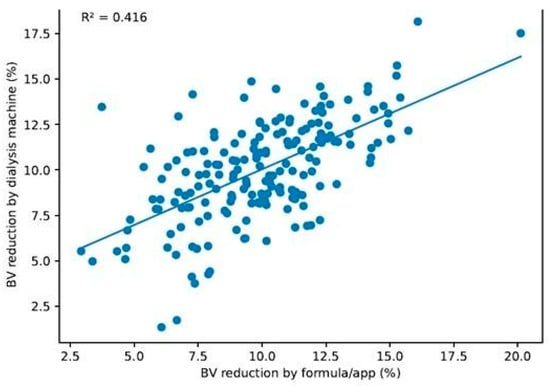
Background/Objectives: To evaluate the association of preoperative morphometric and morphovolumetric parameters with post-endovascular aneurysm repair (EVAR) sac remodeling, endoleak development, and secondary interventions, and to assess the role of volumetric analysis in post-EVAR surveillance. Methods: This retrospective single-center study included 383 patients who underwent elective EVAR for infrarenal abdominal aortic aneurysm between 2016 and 2024, with available pre- and postoperative computed tomography angiography and at least 1 year of follow-up. Diameter- and volume-based sac dynamics were analyzed using standardized morphometric and 3-dimensional morphovolumetric measurements. Endoleak subtype distribution, risk factors, secondary interventions, and survival were assessed using regression and survival analyses. Results: Endoleaks were detected in 26.1% of patients (n = 100), with type II endoleak being the most frequent subtype (12.3%, n = 47), followed by type Ib (6.8%, n = 26), type III (5.5%, n = 21), type Ia (4.2%, n = 16), and 1 patient with type V endoleak in the revised manuscript framework. Secondary interventions were required in 14.1% of patients (n = 54), mainly for type I and III endoleaks, with a mean time to reintervention of 21.7 ± 10 months. Diameter and volume changes were strongly correlated; a 10% increase in aneurysm volume corresponded to an average 4 mm increase in diameter (R2 = 0.72, p < 0.001). Significant predictors of overall endoleak included dual antiplatelet therapy, aneurysm length > 133 mm, elevated pre- and postoperative D-dimer levels, aneurysm diameter > 59 mm, aneurysm volume > 164 cm3, and thrombus volume > 89 cm3. Subtype-specific analyses identified distinct risk profiles for type Ia, Ib, II, and III endoleaks. Overall survival did not differ significantly between patients with and without endoleaks (p = 0.227), although worse survival was observed in type Ia and III endoleaks than in type II and Ib endoleaks. Conclusions: Preoperative morphovolumetric parameters are significant predictors of post-EVAR endoleaks and secondary interventions. Volumetric analysis may provide a complementary early signal of aneurysm sac remodeling beyond conventional diameter-based assessment, particularly in patients with type II endoleaks. However, the proposed volumetric thresholds remain exploratory and require prospective external validation before routine clinical adoption. Post-EVAR management should integrate endoleak subtype, sac behavior, and patient-specific morphovolumetric risk factors to improve surveillance and treatment selection.
Full article
(This article belongs to the Section Vascular Medicine)
►▼
Show Figures

Figure 1

Open AccessArticle
Reduced Serum Pannexin-1 Levels in Obstructive Sleep Apnea and Their Association with Nocturnal Hypoxemic Burden
by
Esma Tuğba Canlı, Önder Öztürk, Hilal Türkmen Kaya, Fevziye Burcu Şirin, Doğukan Gümüşcan, Tutku Aydın and Adnan Karaibrahimoğlu
J. Clin. Med. 2026, 15(11), 4299; https://doi.org/10.3390/jcm15114299 - 2 Jun 2026
Abstract
Background: Obstructive sleep apnea (OSA) is a common sleep-related breathing disorder characterized by recurrent episodes of intermittent hypoxia and systemic inflammation. Pannexin-1 (Panx1) is a transmembrane channel involved in ATP release and purinergic signaling and has been implicated in hypoxia-related inflammatory responses.
[...] Read more.
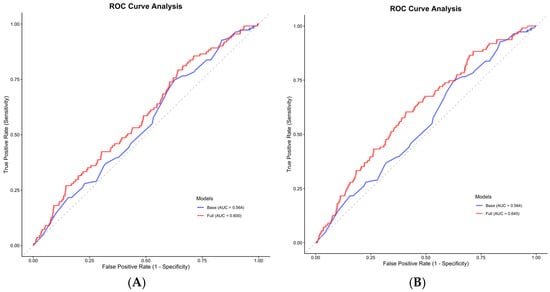
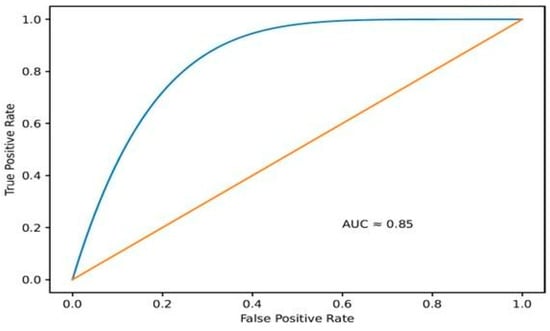
Background: Obstructive sleep apnea (OSA) is a common sleep-related breathing disorder characterized by recurrent episodes of intermittent hypoxia and systemic inflammation. Pannexin-1 (Panx1) is a transmembrane channel involved in ATP release and purinergic signaling and has been implicated in hypoxia-related inflammatory responses. However, the clinical relevance of circulating Panx1 levels in patients with OSA remains poorly understood. This study aimed to evaluate serum Panx1 concentrations in patients with OSA and to investigate their association with nocturnal hypoxemic burden. Methods: In this cross-sectional study, 40 patients with obstructive sleep apnea (OSA) and 40 control subjects underwent overnight polysomnography for diagnostic evaluation. Serum Panx1 concentrations were measured using an enzyme-linked immunosorbent assay (ELISA). Logistic regression models were constructed to evaluate the association between Panx1 and OSA status while adjusting for clinical covariates. In addition, a propensity score–matched sensitivity analysis based on age, sex, and body mass index was performed to further assess potential confounding. Receiver operating characteristic (ROC) curve analysis was performed to evaluate the diagnostic performance of Panx1 alone and in combination with clinical variables. Results: Serum Panx1 levels were significantly lower in patients with OSA than in controls (4.27 ± 2.66 vs. 6.24 ± 4.75 ng/mL, p = 0.013). Although Panx1 was not an independent predictor of OSA after adjustment for age, sex, and body mass index, its integration with clinical variables significantly improved diagnostic discrimination. The area under the receiver operating characteristic curve increased from 0.662 for Panx1 alone to 0.858 in the fully adjusted model. Sensitivity analyses attenuated the observed association after matching for major baseline characteristics, suggesting a potential contribution of demographic and anthropometric factors. In addition, Panx1 concentrations were inversely correlated with markers of nocturnal hypoxemic burden, particularly the cumulative time spent with oxygen saturation below 90% (T90). Conclusions: Lower serum Panx1 concentrations were associated with OSA status and nocturnal hypoxemic burden. While Panx1 alone demonstrated modest discriminatory ability, its integration with established clinical factors improved diagnostic performance. These findings suggest that Panx1 may represent a biologically plausible adjunct biomarker reflecting hypoxic burden and may contribute to multi-parameter approaches for OSA risk assessment; however, further validation in larger matched cohorts is warranted.
Full article
(This article belongs to the Special Issue Advanced Strategy for Diagnosis and Treatment of Obstructive Sleep Apnea Syndrome (OSAS)—Second Edition)
►▼
Show Figures

Figure 1
Open AccessArticle
Factors Associated with Cesarean Delivery Due to Intrapartum Fetal Compromise in Late-Onset Fetal Growth Restriction: A Retrospective Cohort Study
by
Dinçer Sümer, Ahmet Arif Filiz, Özgür Volkan Akbulut, Kubilay Çanga, Büşra Seçilir, Hilal Dönmez, Gülten Çirkin Tekeş and Kadriye Yakut Yücel
J. Clin. Med. 2026, 15(11), 4298; https://doi.org/10.3390/jcm15114298 - 2 Jun 2026
Abstract
Objective: To investigate clinical, ultrasonographic, and hematological factors associated with cesarean delivery due to intrapartum fetal compromise in pregnancies complicated by isolated late-onset fetal growth restriction (FGR) undergoing induction of labor at 37 weeks of gestation. Methods: This retrospective cohort study included singleton
[...] Read more.
Objective: To investigate clinical, ultrasonographic, and hematological factors associated with cesarean delivery due to intrapartum fetal compromise in pregnancies complicated by isolated late-onset fetal growth restriction (FGR) undergoing induction of labor at 37 weeks of gestation. Methods: This retrospective cohort study included singleton pregnancies with isolated late-onset FGR undergoing elective induction of labor between 37 + 0 and 37 + 6 weeks of gestation. Patients who underwent cesarean delivery due to intrapartum fetal compromise constituted the study group (n = 44), whereas those who achieved vaginal delivery formed the control group (n = 100). Maternal demographic characteristics, fetal ultrasonographic findings, and systemic inflammatory indices were evaluated. Multivariable logistic regression and receiver operating characteristic (ROC) curve analyses were performed. Results: Gravidity, parity, induction-to-birth interval, cervical dilatation at admission, femur length, and platelet count differed significantly between the groups. In multivariable logistic regression analysis, parity remained the only independent predictor of cesarean delivery due to intrapartum fetal compromise (adjusted OR 0.421, 95% CI 0.191–0.926, p = 0.031). Systemic inflammatory indices and most fetal ultrasonographic parameters did not demonstrate independent predictive value. The combined multivariable model demonstrated acceptable discriminative performance (AUC 0.731, 95% CI 0.636–0.827, p < 0.001). Neonatal outcomes were comparable between the groups. Conclusions: In pregnancies complicated by isolated late-onset FGR undergoing induction of labor at 37 weeks, parity was the only independent predictor of cesarean delivery due to intrapartum fetal compromise. Routine clinical, ultrasonographic, and hematological inflammatory markers demonstrated limited independent predictive value. These findings suggest that intrapartum fetal compromise in FGR pregnancies may primarily reflect reduced fetoplacental reserve rather than isolated antenatal parameters.
Full article
(This article belongs to the Section Obstetrics & Gynecology)
►▼
Show Figures

Figure 1
Open AccessReview
Endometriosis-Associated Infertility: A Review of Pathophysiological Mechanisms and Current Treatment Strategies
by
Magdalena Gniadek, Alina Porubenska, Karolina Pełka, Zuzanna Rzepkowska and Jerzy Florjański
J. Clin. Med. 2026, 15(11), 4297; https://doi.org/10.3390/jcm15114297 - 2 Jun 2026
Abstract
Background: Endometriosis affects 10–15% of reproductive-aged women and is a leading cause of infertility through anatomical, inflammatory, and molecular mechanisms. Objective: This review synthesizes current evidence on the pathophysiology of endometriosis-associated infertility and evaluates medical, surgical, and ART strategies to guide individualized management.
[...] Read more.
Background: Endometriosis affects 10–15% of reproductive-aged women and is a leading cause of infertility through anatomical, inflammatory, and molecular mechanisms. Objective: This review synthesizes current evidence on the pathophysiology of endometriosis-associated infertility and evaluates medical, surgical, and ART strategies to guide individualized management. Methods: We conducted a narrative review (2000–2025; PubMed, Scopus, WoS) synthesizing RCTs, meta-analyses, and observational studies on mechanisms and treatment outcomes. Results: In rASRM stage III–IV, tubo-ovarian distortion and adhesions mechanically impair oocyte pickup and embryo transport. In superficial disease, animal models demonstrate that peritoneal inflammatory mediators and ROS can impair oocyte maturation, though direct causal evidence in humans is lacking. Epigenetic dysregulation has been identified in the eutopic endometrium and linked to progesterone resistance, though its direct causal role in infertility remains unestablished. Hormonal suppression controls pain but does not improve spontaneous conception rates. Laparoscopic surgery in stage I–II remains debated. Prospective evidence supporting fertility benefit from DIE excision without mechanical obstruction is lacking. Cystectomy consistently reduces AMH, favoring IVF over surgery unless symptoms or retrieval barriers exist. IVF/ICSI live birth rates per cycle in stage I–II are comparable to those without endometriosis; cumulative rates after ≤5 cycles reach 43–46% in treated vs. 28% in untreated stage III–IV patients. Conclusions: Management requires two sequential decisions: first, whether to perform a diagnostic laparoscopy to identify minimal disease and adhesions, and second, whether to proceed with surgery or transfer directly to ART. Age ≥ 35, infertility > 2 years, or low AMH/AFC favor immediate IVF. Post-surgical EFI guides timing: high EFI supports expectant management or IUI; low EFI should prompt ART referral. When cystectomy is necessary, tissue-sparing techniques should be prioritized and fertility preservation, including oocyte cryopreservation, discussed preoperatively.
Full article
(This article belongs to the Section Obstetrics & Gynecology)
Open AccessReview
Vitamin D Receptor–Macrophage–IL-23 Axis in Inflammatory Bowel Disease: Pathogenic Mechanisms and Therapeutic Hope
by
Alexandra Grigoraș, Larisa Ghemiș, Ancuta Goriuc, Alice Murariu, Naomi Fiterman, Nura Jdid, Teofil Blaga and Georgeta Liliana Foia
J. Clin. Med. 2026, 15(11), 4296; https://doi.org/10.3390/jcm15114296 - 2 Jun 2026
Abstract
Inflammatory bowel disease (IBD), including Crohn’s disease and ulcerative colitis, is characterized by chronic intestinal inflammation driven by dysregulated immune responses in gut microbiota. Interleukin (IL)-23, a member of IL-12 cytokine family, has emerged as a key immune mediator, being produced mainly by
[...] Read more.
Inflammatory bowel disease (IBD), including Crohn’s disease and ulcerative colitis, is characterized by chronic intestinal inflammation driven by dysregulated immune responses in gut microbiota. Interleukin (IL)-23, a member of IL-12 cytokine family, has emerged as a key immune mediator, being produced mainly by macrophages from the intestinal mucosa. In recent years, vitamin D has become a pivotal immunomodulatory factor in IBD, vitamin D deficiency being commonly associated with this pathology. The immune effects of vitamin D are mediated through vitamin D receptor (VDR), widely expressed in macrophages and other immune cells. VDR signaling regulates pro-inflammatory macrophage activity and limits M1 polarization, therefore reducing IL-23 production and limiting Th17 driven inflammatory response. This review summarizes current evidence on the role of macrophage-derived IL-23 in IBD pathogenesis and highlights the modulatory effects of vitamin D/VDR signaling. In addition, it addresses the therapeutic relevance of targeting the VDR–macrophage–IL-23 axis in IBD.
Full article
(This article belongs to the Section Gastroenterology & Hepatopancreatobiliary Medicine)
►▼
Show Figures

Figure 1
Open AccessArticle
Bilateral Sacrospinous Colposuspension with Sling for Advanced Pelvic Organ Prolapse: Anatomical and Functional Outcomes in a 235-Patient Cohort
by
Irene Sánchez-Urbaneja, Elisa M. López-Herrero-Pérez, Francisco Rivas-Ruiz, Raquel Romero-Pérez, María José Núñez-Matas, Ana Astorga-Zambrana and Laura M. Palomar-Sánchez
J. Clin. Med. 2026, 15(11), 4295; https://doi.org/10.3390/jcm15114295 - 2 Jun 2026
Abstract
Background: Pelvic organ prolapse (POP) is a prevalent condition that often requires surgical correction of apical support. Vaginal approaches that restore anatomy while minimizing synthetic material are of increasing clinical interest. Bilateral sacrospinous colposuspension with sling has been proposed as a minimally invasive
[...] Read more.
Background: Pelvic organ prolapse (POP) is a prevalent condition that often requires surgical correction of apical support. Vaginal approaches that restore anatomy while minimizing synthetic material are of increasing clinical interest. Bilateral sacrospinous colposuspension with sling has been proposed as a minimally invasive technique; however, evidence from large clinical cohorts remains limited. Objectives: This study aimed to evaluate the anatomical, functional, and safety outcomes of this procedure in women with symptomatic advanced POP. Methods: This retrospective single-center cohort study included 235 consecutive women who underwent bilateral sacrospinous colposuspension with sling for symptomatic POP between 2018 and 2024. The primary outcomes were anatomical success (Baden stage ≤ II) and functional success (absence of vaginal bulge symptoms). Secondary outcomes included urinary, bowel, and sexual function, patient satisfaction, and postoperative complications classified according to the Clavien–Dindo system. Results: At a median follow-up of 20 months, anatomical success was achieved in 87.1% of patients and functional success in 93.6%. Significant improvements were observed in POP-Q points Ba and C (p < 0.001). Among symptomatic patients, stress urinary incontinence improved in 66%, urgency in 63%, and constipation in 71%. Overall morbidity was low (5.5%), with most complications classified as Clavien–Dindo grade I–II. Mesh extrusion occurred in 2.1% of cases, and reintervention was required in 2.1%. Functional recurrence was observed in 6.4% of patients, with 26% requiring surgical reintervention. Patient satisfaction was high (median score: 9/10). Conclusions: These findings support bilateral sacrospinous colposuspension with sling as a safe and effective vaginal approach for symptomatic advanced POP; however, the retrospective design and absence of a control group should be considered when interpreting the results.
Full article
(This article belongs to the Section Obstetrics & Gynecology)
►▼
Show Figures

Graphical abstract
Journal Menu
► ▼ Journal Menu-
- JCM Home
- Aims & Scope
- Editorial Board
- Reviewer Board
- Topical Advisory Panel
- Instructions for Authors
- Special Issues
- Topics
- Sections & Collections
- Article Processing Charge
- Indexing & Archiving
- Editor’s Choice Articles
- Most Cited & Viewed
- Journal Statistics
- Journal History
- Journal Awards
- Society Collaborations
- Conferences
- Editorial Office
Journal Browser
► ▼ Journal BrowserHighly Accessed Articles
Latest Books
E-Mail Alert
News
1 June 2026
Journal of Clinical Medicine Webinar | When Stroke Hides: A Case-Based Journey Through Atypical Presentations and Complex Decisions in Acute Ischemic Stroke, 9 June 2026
1 June 2026
Meet Us at the 22nd International Congress of Endocrinology, 2–5 June 2026, Kyoto, Japan
Topics
Topic in
Cells, JCM, Organoids, JMP
Novel Discoveries in Oncology 2nd Edition
Topic Editors: Michela Campolo, Giovanna Casili, Alessia Filippone, Marika LanzaDeadline: 20 June 2026
Topic in
Biomedicines, IJMS, JCM, Medicina, Neurology International
Advances in Exercise-Induced Neurogenesis, Neuronal and Functional Adaptations in Neurorehabilitation
Topic Editors: Carlos Bernal-Utrera, Cleofas Rodriguez-Blanco, Maria Livia Carrascal MorenoDeadline: 29 June 2026
Topic in
Dentistry Journal, IJMS, JCM, Medicina, Applied Sciences
Oral Health Management and Disease Treatment
Topic Editors: Christos Rahiotis, Felice Lorusso, Sergio Rexhep TariDeadline: 31 July 2026
Topic in
Cancers, Diagnostics, Gastrointestinal Disorders, JCM, Current Oncology
Metastatic Colorectal Cancer: From Laboratory to Clinical Studies, 2nd Edition
Topic Editors: Ioannis Ntanasis-Stathopoulos, Diamantis I. TsilimigrasDeadline: 20 August 2026
Conferences
Special Issues
Special Issue in
JCM
Latest Research on Male Infertility
Guest Editor: Manesh Kumar Panner SelvamDeadline: 5 June 2026
Special Issue in
JCM
Orthodontics: State of the Art and Prospects
Guest Editors: Beatriz Tarazona-Álvarez, Natalia Zamora-MartínezDeadline: 5 June 2026
Special Issue in
JCM
New Insights on Pharmacologic and Non-Pharmacologic Therapy of Advanced Heart Failure
Guest Editor: Michael DandelDeadline: 5 June 2026
Special Issue in
JCM
Sjogren’s Syndrome: Clinical Advances and Insights
Guest Editor: David A. IsenbergDeadline: 7 June 2026
Topical Collections
Topical Collection in
JCM
Pediatric and Adolescent Gynecology
Collection Editor: Panagiotis Christopoulos