





-
Central Venous Pressure Revisited: Physiology, Pitfalls, Misconceptions, and Modern Clinical Interpretation in Critical Care -
Current Trends and Future Challenges in Transcatheter Aortic Valve Implantation (TAVI): A Narrative Review -
Novel Combination Scalp Therapy for Androgenetic Alopecia: A Preliminary Retrospective Case Series with an Illustrative Four-Year Case -
A Sensorimotor Framework for the Neurorehabilitation of Oculomotor Dysfunction in Parkinson’s Disease -
The History of the Precordial Early Repolarization and Sudden Death Syndrome, Lately Named Brugada Syndrome
Journal Description
Journal of Clinical Medicine
is an international, peer-reviewed, open access journal of clinical medicine, published semimonthly online by MDPI. The International Bone Research Association (IBRA), Spanish Society of Hematology and Hemotherapy (SEHH), Japan Association for Clinical Engineers (JACE), European Independent Foundation in Angiology/ Vascular Medicine (VAS) and others are all affiliated with JCM, and their members receive a discount on article processing charges.
- Open Access— free for readers, with article processing charges (APC) paid by authors or their institutions.
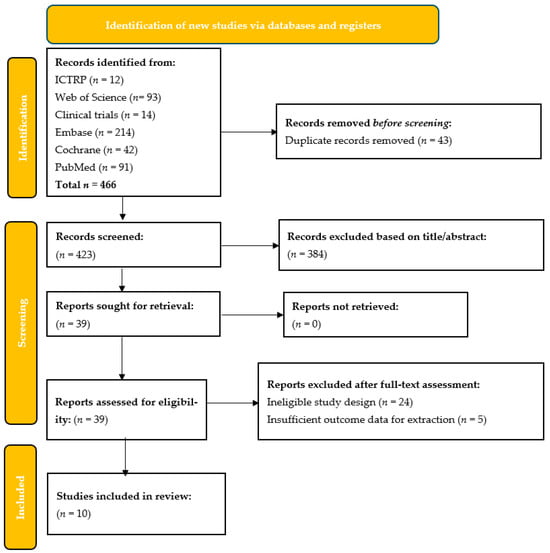
- High Visibility: indexed within Scopus, SCIE (Web of Science), PubMed, PMC, Embase, CAPlus / SciFinder, and other databases.
- Journal Rank: JCR - Q1 (Medicine, General and Internal) / CiteScore - Q1 (General Medicine)
- Rapid Publication: manuscripts are peer-reviewed and a first decision is provided to authors approximately 16.6 days after submission; acceptance to publication is undertaken in 2.8 days (median values for papers published in this journal in the first half of 2026).
- Recognition of Reviewers: reviewers who provide timely, thorough peer-review reports receive vouchers entitling them to a discount on the APC of their next publication in any MDPI journal, in appreciation of the work done.
- Companion journals for JCM include: Epidemiologia, Transplantology, Uro, Sinusitis, Rheumato, Journal of Clinical & Translational Ophthalmology, Journal of Vascular Diseases, Osteology, Complications, Therapeutics, Sclerosis, Pharmacoepidemiology, Journal of CardioRenal Medicine, Rare Diseases and Therapeutics and Journal of Respiration.
- Journal Clusters of Hematology: Hemato, Hematology Reports, Thalassemia Reports and Journal of Clinical Medicine.
Impact Factor:
3.3 (2025);
5-Year Impact Factor:
3.5 (2025)
Latest Articles
Relationship of Vitamin D, Spondyloarthritis Activity and Left Ventricular Systolic and Diastolic Function
J. Clin. Med. 2026, 15(15), 6017; https://doi.org/10.3390/jcm15156017 (registering DOI) - 2 Aug 2026
Abstract
Background/Objectives: Vitamin D insufficiency is common in patients with spondyloarthritis (SpA). We analyzed the relationship between vitamin D, disease activity, and left ventricular (LV) function in patients with SpA. Methods: A total of 298 patients with SpA and 57 healthy controls were enrolled.
[...] Read more.
Background/Objectives: Vitamin D insufficiency is common in patients with spondyloarthritis (SpA). We analyzed the relationship between vitamin D, disease activity, and left ventricular (LV) function in patients with SpA. Methods: A total of 298 patients with SpA and 57 healthy controls were enrolled. Serum vitamin D and laboratory cardiovascular risk factors were analyzed, and LV function was assessed by echocardiography. Vitamin D, the Ankylosing Spondylitis Disease Activity Score (ASDAS), and the Disease Activity Index for Psoriatic Arthritis (DAPSA) were examined for mutual correlations using univariate and multivariate linear regression models and were compared between groups. Results: Vitamin D levels did not differ between the SpA group and controls, although vitamin D supplementation was more frequent among SpA patients. Vitamin D was not associated with SpA activity. ASDAS and DAPSA were positively correlated with isovolumic relaxation time, and DAPSA was inversely correlated with peak early diastolic mitral annular velocity (e′), after adjustment for age, sex, metabolic factors, and/or therapy. Patients with insufficient serum vitamin D levels (<75 nmol/L) showed greater impairment of systolic and diastolic LV function and a diabetic-like lipid profile compared with those with sufficient vitamin D levels. The e′ wave was positively correlated with vitamin D after controlling for confounding factors. These findings in patients with SpA are consistent with those previously reported in patients with psoriatic arthritis (PsA). Conclusions: Patients with SpA were characterized by vitamin D supplementation, increased disease activity parameters, and impaired LV function. SpA activity, independent of vitamin D, was associated with LV functional impairment, and vitamin D was associated with an increase in the e′ wave after adjustment for confounding factors. However, causal inferences cannot be drawn from correlational analyses.
Full article
(This article belongs to the Section Immunology & Rheumatology)
Open AccessArticle
Baseline Neurological Severity and Early Imaging Findings Predict 3-Month Functional Outcome in Anterior-Circulation Acute Ischemic Stroke: A Retrospective Cohort Study with One-Year Follow-Up
by
Abdullah Güzel, Elif Simin Issı, Sinem Yorgancı Ulaş, Usame Rakip and Ayşe Ertekin
J. Clin. Med. 2026, 15(15), 6016; https://doi.org/10.3390/jcm15156016 (registering DOI) - 2 Aug 2026
Abstract
Background: Bedside prognostication after acute ischemic stroke remains challenging despite the availability of several composite scores, which often demand variables not routinely obtained at admission. Whether the combination of baseline neurological severity and early non-contrast computed tomography findings can support parsimonious, contemporaneous prediction
[...] Read more.
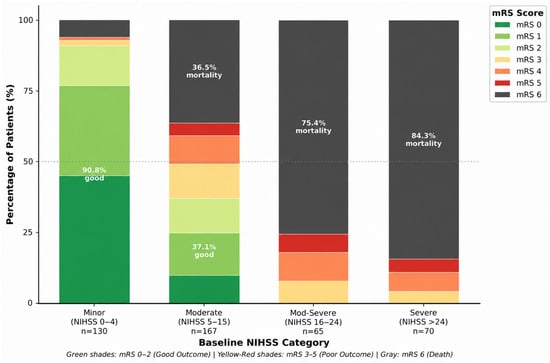
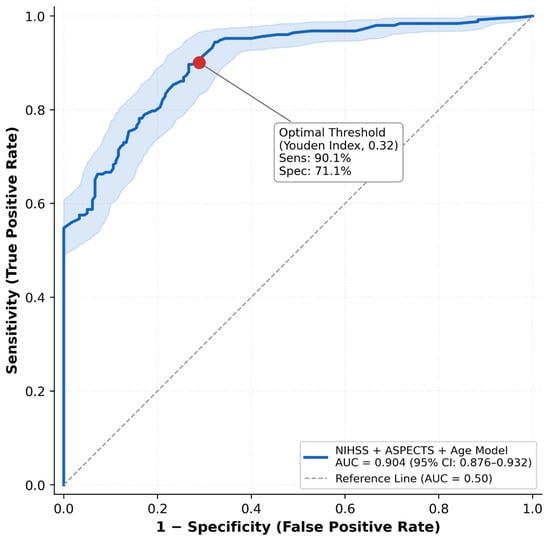
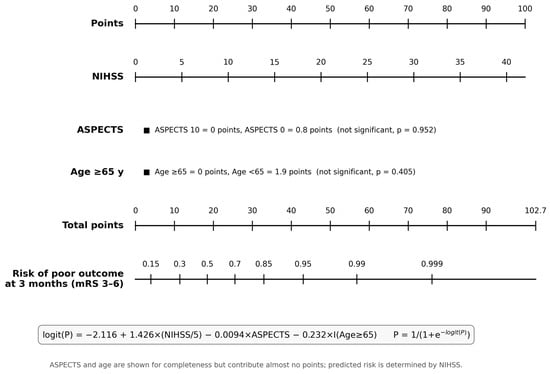
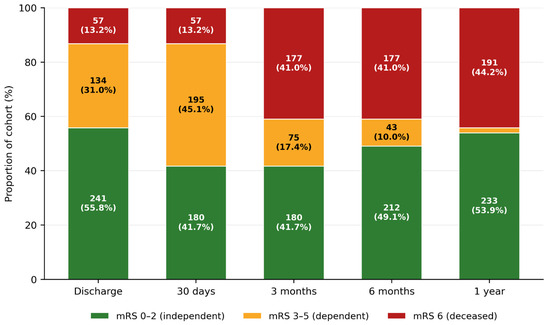
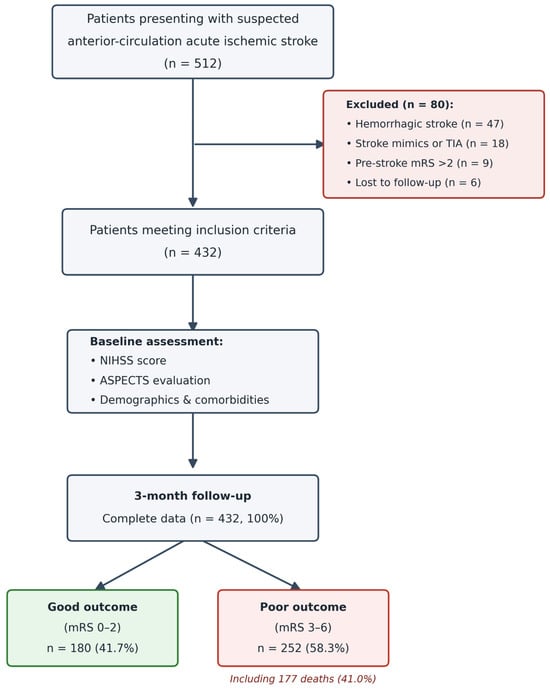
Background: Bedside prognostication after acute ischemic stroke remains challenging despite the availability of several composite scores, which often demand variables not routinely obtained at admission. Whether the combination of baseline neurological severity and early non-contrast computed tomography findings can support parsimonious, contemporaneous prediction of 3-month functional outcome is an open question, particularly given the well-documented overlap between clinical and imaging measures of stroke extent. Methods: We retrospectively analyzed 432 consecutive adults admitted with confirmed anterior-circulation acute ischemic stroke to a Turkish tertiary care university hospital between January 2022 and December 2025. The primary outcome was a poor functional outcome, defined as modified Rankin Scale (mRS) score 3–6 at 3 months. A prespecified multivariable logistic regression model incorporated three admission variables: baseline National Institutes of Health Stroke Scale (NIHSS) per five-point increment, Alberta Stroke Program Early CT Score (ASPECTS) per one-point increment, and age dichotomized at 65 years. Model performance was assessed with the area under the receiver operating characteristic curve (AUC), five-fold stratified cross-validation, and calibration testing. We additionally performed DeLong tests, net reclassification improvement (NRI), and integrated discrimination improvement (IDI) analyses to evaluate the incremental contribution of ASPECTS, and compared the parsimonious model against a comprehensive multivariable model containing ten predictors. Results: At 3 months, 252 patients (58.3%) had poor functional outcome, with 177 deaths (41.0%). Baseline NIHSS emerged as the dominant predictor (adjusted odds ratio [aOR] 4.16 per five-point increase, 95% confidence interval [CI] 2.79–6.22, p < 0.001), whereas ASPECTS retained no independent prognostic value after adjustment (aOR 0.99 per point, 95% CI 0.73–1.34, p = 0.952). Age ≥ 65 years was likewise non-significant (aOR 0.79, 95% CI 0.46–1.37, p = 0.405). The parsimonious model achieved excellent discrimination (AUC 0.904, 95% CI 0.876–0.932; cross-validated AUC 0.899, 95% CI 0.873–0.926) and good overall calibration on internal validation (calibration slope 0.958; calibration-in-the-large 0.009), although the Hosmer–Lemeshow test was significant (p = 0.001), reflecting localized miscalibration in the intermediate-risk range. Adding ASPECTS to a reduced model containing only NIHSS and age produced no meaningful discrimination gain (ΔAUC + 0.0003, DeLong p = 0.50; IDI ≈ 0), consistent with substantial variance sharing between NIHSS and ASPECTS (Spearman ρ = −0.89). A comprehensive model including infarct volume, Glasgow Coma Scale, reperfusion therapy, and comorbidities did not improve discrimination (AUC 0.905) and yielded a worse Akaike information criterion, supporting the sufficiency of the parsimonious model. Conclusions: In this Turkish tertiary center cohort, baseline NIHSS captured most of the prognostic information available at admission, and early ASPECTS added minimal independent value once neurological severity was accounted for. Findings should be interpreted in the context of the high case-mix severity of this referral population; external validation in independent, multicenter cohorts is required before clinical implementation is considered.
Full article
(This article belongs to the Section Clinical Neurology)
►▼
Show Figures

Figure 1
Open AccessArticle
Swept-Source Wide-Field OCT and OCTA (24 × 20 mm and 26 × 21 mm) in Inherited Retinal Dystrophies: First Clinical Experience with Two Novel Devices
by
Ghazaleh Farmand and Ulrich Kellner
J. Clin. Med. 2026, 15(15), 6015; https://doi.org/10.3390/jcm15156015 (registering DOI) - 2 Aug 2026
Abstract
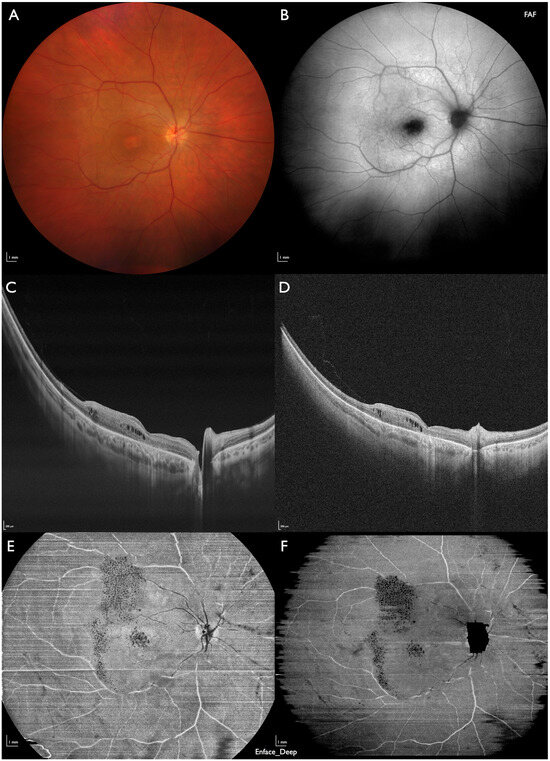
Background: Optical coherence tomography (OCT) and OCT angiography (OCTA) retinal imaging in inherited retinal dystrophies (IRD) has been limited to the posterior pole and central midperiphery (up to about 16.5 × 16.5 mm). Two novel commercially available swept-source (SS) OCT/-OCTA devices provide
[...] Read more.
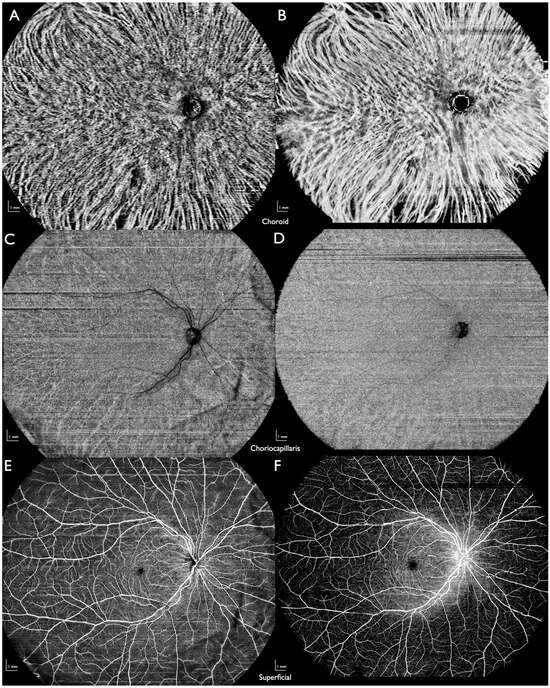
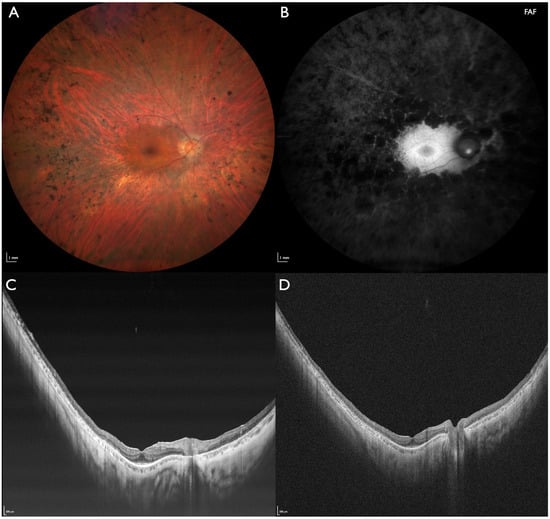
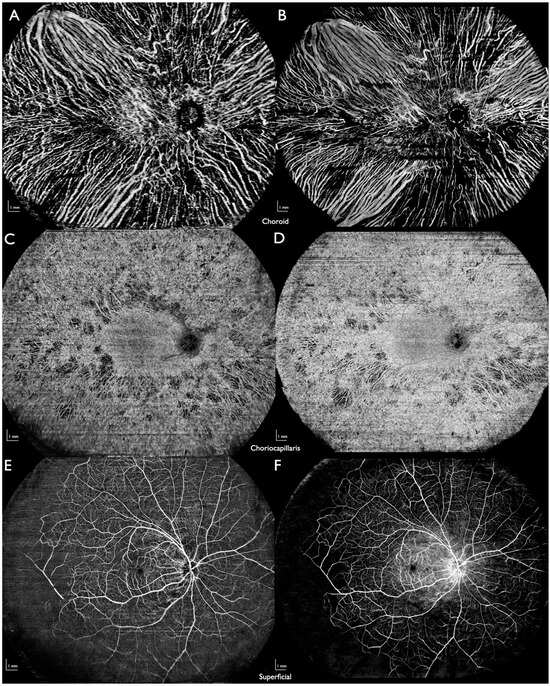
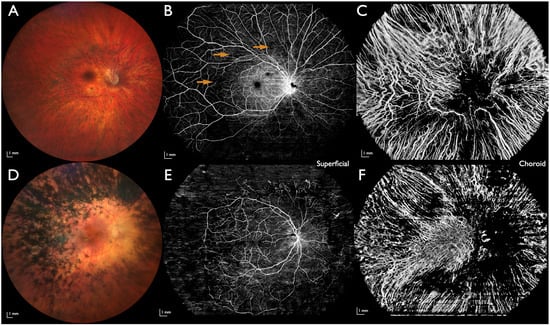
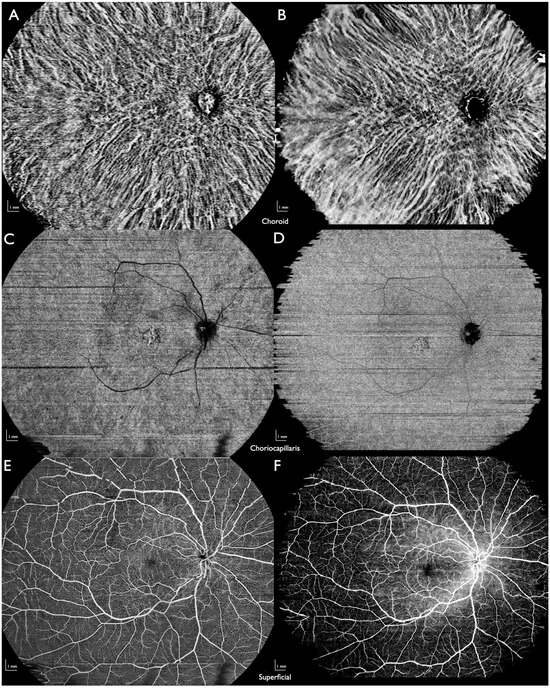
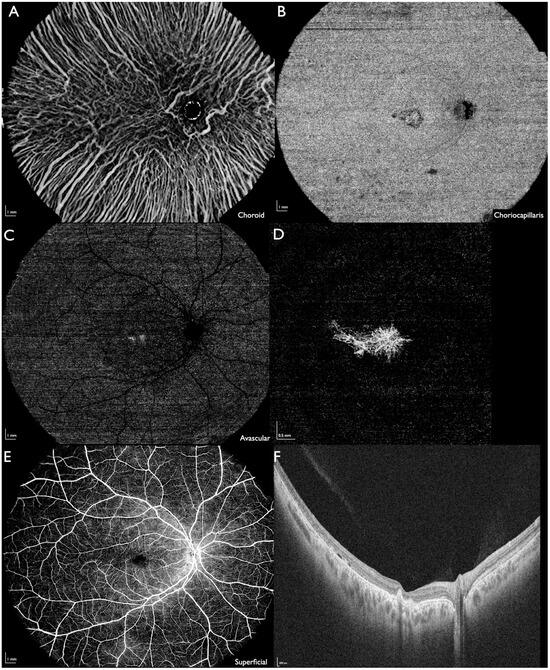
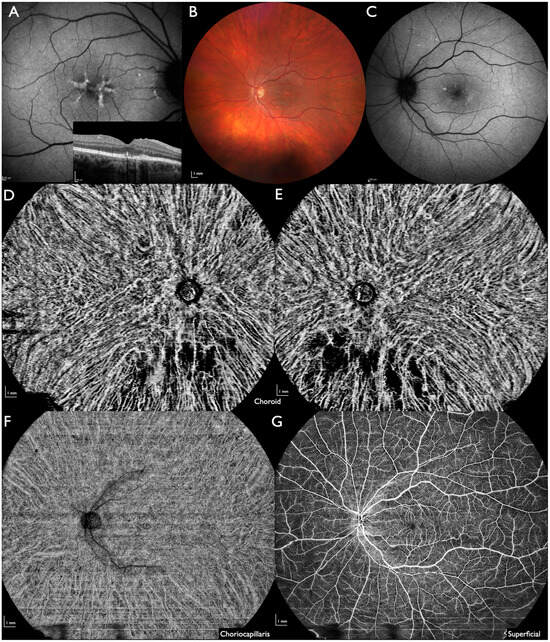
Background: Optical coherence tomography (OCT) and OCT angiography (OCTA) retinal imaging in inherited retinal dystrophies (IRD) has been limited to the posterior pole and central midperiphery (up to about 16.5 × 16.5 mm). Two novel commercially available swept-source (SS) OCT/-OCTA devices provide the possibility of wide-field (WF) evaluation of retinal and choroidal structures, including the vasculature, in a single examination. Methods: A limited consecutive series of 16 IRD patients were examined with a BMizar (400 kHz, 24 × 20 mm scan width) and a Dream OCT (200 kHz, 26 × 21 mm scan width) in addition to the normal clinical examination protocol. This series included patients with retinitis pigmentosa, cone-rod dystrophy, macular dystrophy and autosomal recessive bestrophinopathy. In addition, 12 healthy probands were examined. Results: WF-SS-OCT/-OCTA enabled the detection of retinal, choroidal and choriocapillaris alterations in the macular and midperiphery in a short, single examination session of up to 15 s. Even small foveal lesions and a small silent macular neovascularization were detected on WF screening. Regional alterations of choroidal and choriocapillaris flow patterns were identified. These were mostly in correspondence with areas that appeared clinically affected, but unexpected lesions were identified as well. Occlusion of peripheral retinal vessels was seen in retinitis pigmentosa, though flow was detected in retinal vessels, which were difficult to distinguish on fundus images. In one patient with nystagmus, WF-SS-OCT/-OCTA was performed, whereas standard OCT volume scan could not be obtained. The most frequent artifact were horizontal lines of misalignment, which did not interfere with the detection of pathologies. Conclusions: Both WF-SS-OCT/-OCTA devices provide detailed insights in structural and vascular retinal and choroidal alterations in a single, short examination. Larger series of IRD patients examined with WF-SS-OCT/-OCTA promise to provide novel insights into the pathology of IRDs.
Full article
(This article belongs to the Special Issue Imaging and Molecular Biomarkers: The New Approach to Degenerative Retinal Diseases)
►▼
Show Figures

Figure 1
Open AccessArticle
Genicular Artery Embolization (GAE) for the Treatment of Advanced Knee Osteoarthritis in Selected Nonoperative Patients: A Pilot Study at 6 Months Follow-Up
by
Andrea Fidanza, Aurelio Picchi, Simone Ciaglia, Carmine Timpani, Luigi Zugaro, Gianfilippo Caggiari and Giandomenico Logroscino
J. Clin. Med. 2026, 15(15), 6014; https://doi.org/10.3390/jcm15156014 (registering DOI) - 2 Aug 2026
Abstract
Background: Genicular Artery Embolization (GAE) is an emerging minimally invasive procedure for the treatment of pain due to knee osteoarthritis (OA) in patients who are not candidates for joint replacement surgery. The aim of this study is to evaluate the clinical and
[...] Read more.
Background: Genicular Artery Embolization (GAE) is an emerging minimally invasive procedure for the treatment of pain due to knee osteoarthritis (OA) in patients who are not candidates for joint replacement surgery. The aim of this study is to evaluate the clinical and functional outcomes of GAE performed with a temporary embolic agent and the persistence of its benefits up to 6 months of follow-up. Methods: In this prospective study, 15 consecutive patients (mean age 64.5 ± 6.7 years) with Kellgren–Lawrence grade III–IV knee OA, severe pain refractory to conservative treatments, and not eligible for joint replacement surgery were enrolled. All patients underwent GAE with selective embolization of hypervascular genicular branches using an imipenem/cilastatin suspension as a temporary embolic agent. Patients were evaluated before the procedure, on the first postoperative day, and at 3 and 6 months of follow-up using the Western Ontario and McMaster Universities Osteoarthritis Index (WOMAC), the Knee Injury and Osteoarthritis Outcome Score (KOOS), the Oxford Knee Score (OKS), and the Visual Analog Scale (VAS). Results: All clinical scores showed a significant improvement over time (p < 0.05). WOMAC decreased from 55.6 ± 7.3 to 16.3 ± 4.1 at 6 months; KOOS increased from 40.7 ± 8.1 to 70.3 ± 6.4; OKS improved from 18.4 ± 4.2 to 38.9 ± 4.6; VAS decreased from 7.8 ± 1.0 to 1.5 ± 0.8. No major complications were observed. Two patients (13.3%) developed a subcutaneous hematoma at the femoral access site, which resolved spontaneously. In two patients, pain recurred at the 1-month follow-up. Conclusions: GAE with a temporary embolic agent appeared to be a safe and effective procedure in improving pain and function in patients with advanced knee OA who are not candidates for joint replacement surgery. The clinical benefit was progressive and sustained up to 6 months, supporting the role of synovitis modulation as a therapeutic target.
Full article
(This article belongs to the Special Issue Acute Trauma and Trauma Care in Orthopedics: 2nd Edition)
Open AccessArticle
Nocturnal Hypoxemia and Airway Phenotype in Adults with Cancer: An Exploratory Case–Control Study
by
Carlos Mas Bermejo, Carlos Mas Gómez and Luis-Alberto Bravo-González
J. Clin. Med. 2026, 15(15), 6013; https://doi.org/10.3390/jcm15156013 (registering DOI) - 2 Aug 2026
Abstract
Background/Objectives: Human breathing occurs through either the nasal or the oral route. Nasal breathing is the physiological mode of ventilation and contributes to nitric oxide delivery, upper-airway regulation, and efficient pulmonary gas exchange. In contrast, chronic oral breathing has been associated with upper-airway
[...] Read more.
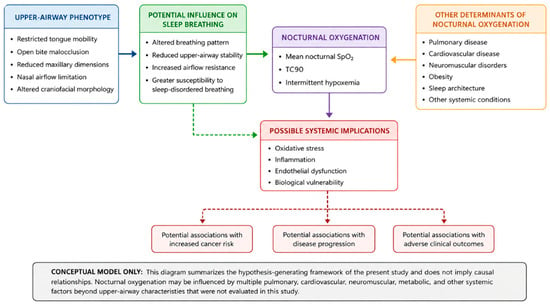
Background/Objectives: Human breathing occurs through either the nasal or the oral route. Nasal breathing is the physiological mode of ventilation and contributes to nitric oxide delivery, upper-airway regulation, and efficient pulmonary gas exchange. In contrast, chronic oral breathing has been associated with upper-airway dysfunction, impaired nocturnal oxygenation, and chronic intermittent hypoxia, conditions increasingly associated with cardiovascular, metabolic, respiratory, neurocognitive, and oncological diseases. To determine whether adults with cancer exhibit structural and functional craniofacial characteristics associated with oral breathing patterns and altered nocturnal oxygenation. Methods: We conducted an exploratory case–control study including adults with cancer and matched controls. Participants underwent a standardized multidimensional airway assessment comprising symptom evaluation using the STOP-BANG questionnaire, structured clinical examination of upper-airway and orofacial characteristics, craniofacial assessment, cone-beam computed tomography (CBCT), and home respiratory polygraphy to characterize upper-airway phenotype and nocturnal oxygenation patterns. Results: Adults with cancer exhibited impaired nocturnal oxygenation despite comparable apnea–hypopnea index values. They also exhibited a higher prevalence of structural and functional upper-airway abnormalities, including restricted tongue mobility, anterior open bite, and reduced maxillary transverse dimensions. Conclusions: This exploratory study identifies a distinct upper-airway phenotype in adults with cancer, characterized by craniofacial and functional features associated with impaired nocturnal oxygenation. These findings suggest that upper-airway anatomy and nocturnal oxygenation may contribute to systemic disease vulnerability and warrant further investigation.
Full article
(This article belongs to the Special Issue Obstructive Sleep Apnea: Advances and Challenges in Diagnosis, Phenotyping, and Clinical Impact)
►▼
Show Figures

Figure 1
Open AccessReview
Cardioneuroablation for Reflex Syncope and Functional Bradyarrhythmias: A State-of-the-Art Review
by
Rodolfo San Antonio, Juan Ismael Almonte, Carlos García-Filloy, Jordi Mercé, Julián Rodríguez-García, Jesús Rodríguez-Silva, Marcos Rodríguez-García, Alfredo Chauca, Andrea Di Marco, Paolo D. Dallaglio and Ignasi Anguera
J. Clin. Med. 2026, 15(15), 6012; https://doi.org/10.3390/jcm15156012 (registering DOI) - 2 Aug 2026
Abstract
Cardioneuroablation (CNA), defined as endocardial catheter ablation of atrial ganglionated plexi within the intrinsic cardiac autonomic nervous system, has emerged as a mechanism-directed therapy for cardioinhibitory reflex syncope and functional bradyarrhythmias. By attenuating postganglionic parasympathetic input to the sinoatrial and atrioventricular nodes, CNA
[...] Read more.
Cardioneuroablation (CNA), defined as endocardial catheter ablation of atrial ganglionated plexi within the intrinsic cardiac autonomic nervous system, has emerged as a mechanism-directed therapy for cardioinhibitory reflex syncope and functional bradyarrhythmias. By attenuating postganglionic parasympathetic input to the sinoatrial and atrioventricular nodes, CNA targets the autonomic substrate of cardioinhibition rather than merely treating its bradycardic consequence. Over the past two decades, the evidence base has progressed from pioneering single-center experiences to multicenter registries, systematic reviews, meta-analyses, and randomized clinical trials, with reported freedom from recurrent syncope of approximately 80–94% in carefully selected patients at medium-term follow-up. This state-of-the-art narrative review summarizes the rationale, anatomy, patient-selection principles, mapping and ablation strategies, procedural endpoints, clinical outcomes, safety profile, and emerging applications of CNA. Particular emphasis is placed on the unresolved questions that will define the future of the field: the absence, to date, of adequately powered sham-controlled efficacy data; the lack of a universally validated intraprocedural endpoint; the biological and clinical significance of vagal reinnervation; and the gap between expert-center and broader real-world outcomes. Current evidence supports CNA as a promising, anatomically grounded neuromodulatory therapy, but its transition from expert-center innovation to guideline-endorsed treatment will depend on rigorous patient selection, standardized procedural endpoints, and the results of ongoing randomized trials.
Full article
(This article belongs to the Special Issue From Substrate to Therapy: Integrating Approaches in Arrhythmia Management)
Open AccessArticle
Plasma Volume Score for Early Risk Stratification Following Heart Transplantation: An Exploratory Observational Study
by
Kira Osipenko, Rabab Saleh, Alexandra Kaider, Amila Kahrovic, Arezu Aliabadi-Zuckermann, Daniel Zimpfer, Andreas Zuckermann and Emilio Osorio-Jaramillo
J. Clin. Med. 2026, 15(15), 6011; https://doi.org/10.3390/jcm15156011 (registering DOI) - 2 Aug 2026
Abstract
Background/Objectives: Plasma volume score (PVS) is a simple integrative surrogate marker derived from body weight and hematocrit that may capture plasma volume expansion, congestion, and overall disease severity. Previous studies have demonstrated its prognostic value in patients with heart failure and other
[...] Read more.
Background/Objectives: Plasma volume score (PVS) is a simple integrative surrogate marker derived from body weight and hematocrit that may capture plasma volume expansion, congestion, and overall disease severity. Previous studies have demonstrated its prognostic value in patients with heart failure and other cardiovascular populations. However, the clinical relevance of pre-transplant PVS in heart transplant recipients remains unknown. Methods: We retrospectively analyzed 375 adult heart transplant recipients. Baseline PVS was calculated before transplantation and analyzed as both a continuous and categorical variable using a predefined cut-off of 3.1. The primary endpoint was 1-year all-cause mortality. Secondary endpoints included overall survival, 30-day mortality, and post-transplant dialysis. Results: Median baseline PVS was −5.4 (interquartile range −12.4 to 2.6), and 88 patients (23.5%) had a PVS ≥ 3.1. In multivariable linear regression analysis, elevated PVS was independently associated with lower estimated glomerular filtration rate, ventricular assist device support, pre-transplant infection, clinical congestion, admission status, bilirubin levels, and body mass index (all p < 0.05). Patients with PVS ≥ 3.1 had significantly lower 1-year survival compared with patients with PVS < 3.1 (81.8% vs. 90.9%; log-rank p = 0.017). Higher PVS was associated with increased 1-year mortality (hazard ratio [HR] 1.028 per PVS unit, 95% confidence interval [CI] 1.001–1.055; p = 0.044). Elevated PVS was additionally associated with post-transplant dialysis (OR 1.14 per 5-point increase, 95% CI 1.01–1.28; p = 0.036). No significant association was observed between PVS and overall long-term survival or PGD. Conclusions: Elevated pre-transplant PVS is associated with impaired 1-year survival and increased risk of post-transplant dialysis after heart transplantation. As an inexpensive and readily available marker of congestion and disease severity, PVS may provide useful information for pre-transplant risk stratification.
Full article
(This article belongs to the Section Cardiovascular Medicine)
Open AccessSystematic Review
Could Dupilumab Improve Sleep Quality in CRSwNP Patients: Myth or Reality? A Systematic Review
by
Antonio Moffa, Eugenio De Corso, Domiziana Nardelli, Ahmed Yassin Bahgat, Antonella Loperfido, Iman Al Afifi, Ewa Olszewska, Peter M. Baptista, Jacopo Galli and Manuele Casale
J. Clin. Med. 2026, 15(15), 6010; https://doi.org/10.3390/jcm15156010 (registering DOI) - 2 Aug 2026
Abstract
Background/Objectives: Chronic rhinosinusitis with nasal polyps (CRSwNP) is a type 2 inflammatory condition that significantly impairs health-related quality of life (HRQoL), particularly sleep quality. Beyond mechanical nasal obstruction, type 2 cytokines (IL-4, IL-13) are thought to directly disrupt sleep architecture. Dupilumab, an
[...] Read more.
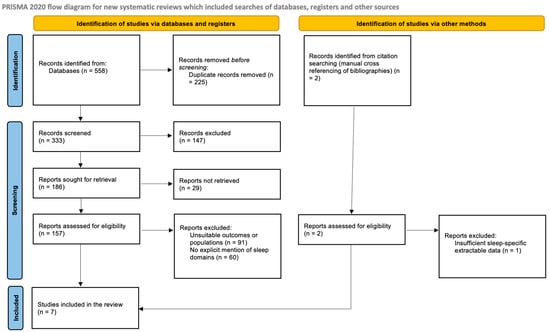
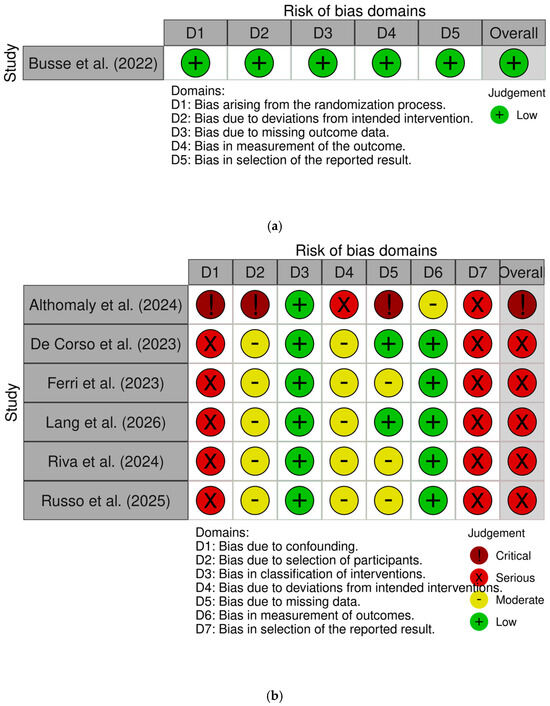
Background/Objectives: Chronic rhinosinusitis with nasal polyps (CRSwNP) is a type 2 inflammatory condition that significantly impairs health-related quality of life (HRQoL), particularly sleep quality. Beyond mechanical nasal obstruction, type 2 cytokines (IL-4, IL-13) are thought to directly disrupt sleep architecture. Dupilumab, an IL-4Rα antagonist, is approved for severe CRSwNP, but its specific effect on sleep quality remains under investigation. This systematic review aims to evaluate the impact of dupilumab on sleep quality in patients with severe, uncontrolled CRSwNP. Methods: A comprehensive literature search was conducted in PubMed/MEDLINE, Google Scholar, and Web of Science up to June 2026. We included adult studies (≥1 month of dupilumab 300 mg every 15 days) reporting sleep outcomes using validated tools (Epworth Sleepiness Scale [ESS], Pittsburgh Sleep Quality Index [PSQI], Insomnia Severity Index [ISI], or the SNOT-22 sleep domain). Risk of bias was assessed using ROBINS-I and RoB 2 tools. Results: Seven studies (n = 2164 patients) met inclusion criteria. Across observational and post hoc RCT analyses, dupilumab consistently improved the SNOT-22 sleep domain (mean reduction up to −7.02 points at 24 weeks; p < 0.001), PSQI, ESS, and ISI scores. One study reported a decrease in poor global sleep quality from 88.9% at baseline to 5.7% at 12 months. However, most observational studies had a serious risk of bias due to unaddressed confounding and lack of blinding. No polysomnographic data were reported. Conclusions: Dupilumab was associated with significant improvements in patient-reported sleep quality in CRSwNP patients across seven included studies. However, the evidence is limited by the absence of objective sleep measures, the serious risk of bias in most observational studies, and the lack of comparative head-to-head data. High-quality randomized controlled trials with prespecified sleep endpoints and polysomnographic assessments are needed before definitive conclusions can be drawn.
Full article
(This article belongs to the Special Issue Clinical Advances in Rhinitis and Sinusitis: Diagnosis, Therapy and Multimorbidity Management)
►▼
Show Figures

Figure 1
Open AccessArticle
The Arabic Patient-Specific Functional Scale Demonstrates Responsiveness in Detecting Changes in Lower Extremity Function Among Individuals with Lower Extremity Musculoskeletal Disorders
by
Mishal M. Aldaihan, Abdulrahman M. Alsubiheen and Ali H. Alnahdi
J. Clin. Med. 2026, 15(15), 6009; https://doi.org/10.3390/jcm15156009 (registering DOI) - 2 Aug 2026
Abstract
Background/Objective: The Patient-Specific Functional Scale (PSFS) is a patient-centered outcome measure that captures limitations in activities that are personally meaningful to patients. Although the Arabic PSFS has demonstrated acceptable validity and reliability, its responsiveness in individuals with lower extremity musculoskeletal disorders has not
[...] Read more.
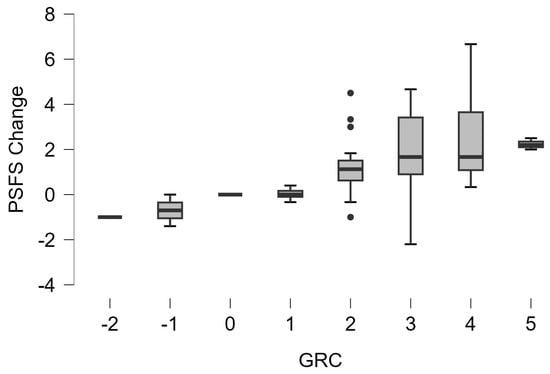
Background/Objective: The Patient-Specific Functional Scale (PSFS) is a patient-centered outcome measure that captures limitations in activities that are personally meaningful to patients. Although the Arabic PSFS has demonstrated acceptable validity and reliability, its responsiveness in individuals with lower extremity musculoskeletal disorders has not been established. This study aimed to examine the responsiveness of the Arabic PSFS in detecting changes in lower extremity function over time. Methods: A prospective cohort study was conducted in three outpatient physical therapy clinics in Riyadh, Saudi Arabia. Seventy-two adults with lower extremity musculoskeletal disorders receiving physical therapy care completed the Arabic PSFS, RAND-36, and Numeric Pain Rating Scale (NPRS) at baseline and follow-up. At the follow-up, participants also completed the Global Rating of Change (GRC). Responsiveness was evaluated using eight a priori hypotheses following COSMIN recommendations. Change scores were analyzed using correlation coefficients, paired t-tests, effect size (ES), and standardized response mean (SRM). Results: Sixty participants (83.3%) reported improvement in the GRC. PSFS scores improved significantly (mean difference = 1.66; p < 0.001), demonstrating a large magnitude of improvement (ES = 0.80; SRM = 0.92). PSFS change scores correlated moderately with RAND-36 physical functioning (r = 0.51) and GRC (r = 0.55) and weakly with emotional well-being (r = 0.26) and showed smaller-than-expected associations with pain measures. Six out of eight (75%) predefined hypotheses were confirmed. Conclusions: The Arabic PSFS demonstrates sufficient responsiveness in detecting improvement in lower extremity function and is suitable for monitoring rehabilitation outcomes in Arabic-speaking adults with lower extremity musculoskeletal disorders receiving outpatient physical therapy.
Full article
(This article belongs to the Special Issue Advances in Rehabilitation and Musculoskeletal Health)
►▼
Show Figures

Figure 1
Open AccessArticle
Radiographic Assessment of Glenoid Morphology and Its Association with Proximal Humeral Fracture Configuration
by
İhsaniye Süer Doğan, Ahmet Çulcu, Emrah Çalışkan, Batuhan Gencer and Özgür Doğan
J. Clin. Med. 2026, 15(15), 6008; https://doi.org/10.3390/jcm15156008 (registering DOI) - 2 Aug 2026
Abstract
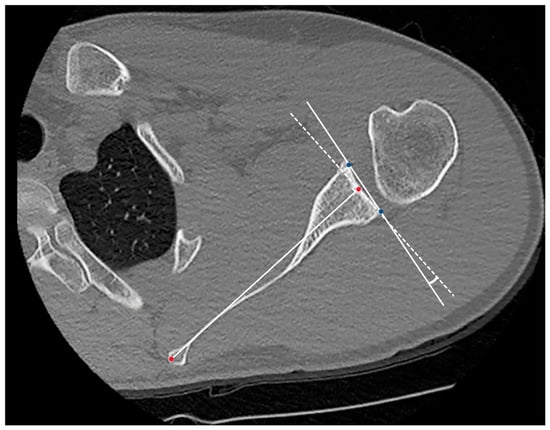
Background: The aim of this study was to investigate the association between glenoid anatomy and proximal humeral fracture geometry and to identify radiographic parameters associated with multi-segment and articular fractures. Methods: In this retrospective observational study, 113 patients treated for proximal humeral fractures
[...] Read more.
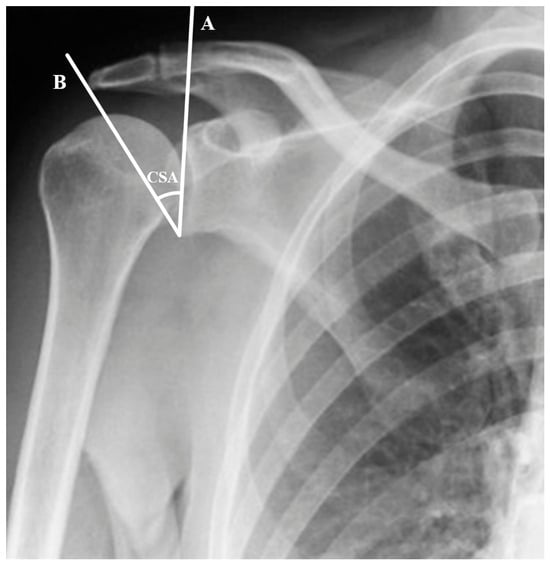
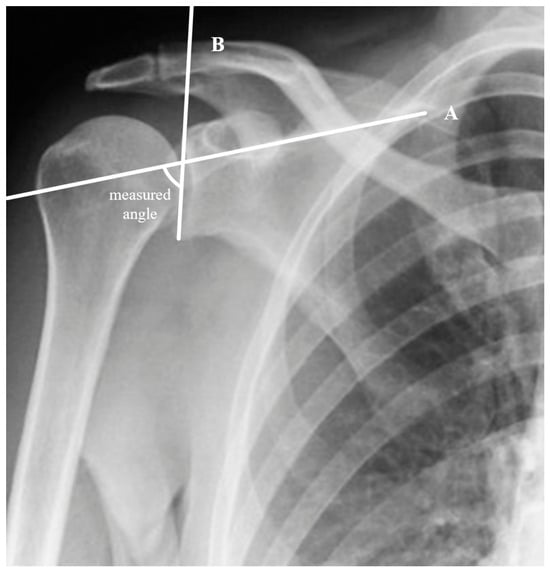
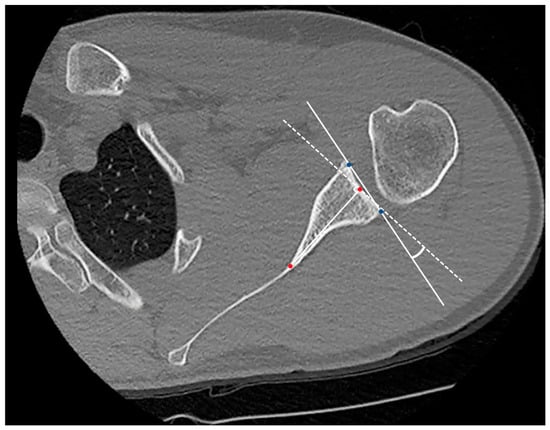
Background: The aim of this study was to investigate the association between glenoid anatomy and proximal humeral fracture geometry and to identify radiographic parameters associated with multi-segment and articular fractures. Methods: In this retrospective observational study, 113 patients treated for proximal humeral fractures between 2016 and 2019, regardless of treatment modality, were included. Demographic characteristics, injury mechanisms, and fracture classifications were recorded. Fracture geometry and complexity were evaluated using the Neer and AO/OTA classification systems. Glenoid anatomy was assessed by measuring the Critical Shoulder Angle (CSA), glenoid inclination, and glenoid version on radiographs. Multivariable ordinal logistic regression was performed to adjust for age, sex, and injury mechanism. Results: Older age was correlated with higher Neer and AO/OTA types (p = 0.031, r = 0.176; p = 0.013, r = 0.208, respectively). Glenoid inclination was correlated with fracture geometry and fragmentation according to the Neer classification (p = 0.007, r = 0.228), while glenoid inclination and version were correlated with the AO/OTA classification (p = 0.028, r = 0.181; p = 0.014, r = −0.207, respectively). However, these associations were not independently associated with fracture configuration after multivariable adjustment, whereas older age remained independently associated with higher AO/OTA classification. Conclusions: Glenoid morphometric parameters showed weak univariate associations with proximal humeral fracture configuration but were not independent predictors after adjustment for age, sex, and injury mechanism. These findings suggest that glenoid morphology is only one of several factors contributing to fracture configuration and warrants further investigation in larger prospective studies.
Full article
(This article belongs to the Special Issue Musculoskeletal Imaging and Intervention: 2nd Edition)
►▼
Show Figures

Figure 1
Open AccessReview
Technical Evolution, Clinical Application, and Outcomes of Endoscopic Transpapillary Gallbladder Drainage in Acute Cholecystitis: A Review
by
Junqi Zhang, Wei Jiang and Yongjun Wang
J. Clin. Med. 2026, 15(15), 6007; https://doi.org/10.3390/jcm15156007 (registering DOI) - 2 Aug 2026
Abstract
Background: Acute cholecystitis (AC) is a common inflammatory disease of the gallbladder. Although laparoscopic cholecystectomy remains the standard treatment, gallbladder drainage may be required in patients who are unsuitable for early surgery. Endoscopic transpapillary gallbladder drainage (ETGBD), including endoscopic nasogallbladder drainage (ENGBD) and
[...] Read more.
Background: Acute cholecystitis (AC) is a common inflammatory disease of the gallbladder. Although laparoscopic cholecystectomy remains the standard treatment, gallbladder drainage may be required in patients who are unsuitable for early surgery. Endoscopic transpapillary gallbladder drainage (ETGBD), including endoscopic nasogallbladder drainage (ENGBD) and endoscopic gallbladder stenting (EGBS), has increasingly been used as a minimally invasive internal drainage approach. Aims: This review aims to clarify the role of ETGBD in AC by integrating stepwise technical failure analysis with a practical selection framework among other drainage techniques. Methods: This narrative review was conducted through a structured literature search of PubMed, Embase, Web of Science, and the Cochrane Library up to 30 April 2026. Results: ETGBD preserves native gallbladder anatomy and may have specific value in selected patients, particularly when gallbladder preservation is desirable or concomitant endoscopic retrograde cholangiopancreatography (ERCP) is indicated. Recent technical developments, including cholangioscopy and advanced drainage devices, may support procedural planning and clinical management in selected difficult cases. Compared with percutaneous transhepatic gallbladder drainage (PTGBD) or endoscopic ultrasound-guided gallbladder drainage (EUS-GBD), ETGBD should be regarded as a complementary option rather than a universal substitute, and its application remains limited by variable technical success, cystic duct anatomy, operator expertise, and center experience. However, ETGBD may also be combined with other techniques, providing additional options in selected complex clinical scenarios. Conclusions: Adequately powered multicenter comparative studies with standardized outcome definitions are needed to clarify the optimal role, safety, recurrence risk, and long-term stent management of ETGBD.
Full article
(This article belongs to the Special Issue Endoscopic Management of Pancreaticobiliary Diseases)
Open AccessArticle
Muscle Strength as a Key Independent Predictor of Arterial Stiffness and Metabolic Syndrome in Aging Mexicans: Unveiling the Sarcopenic Obesity Paradox
by
Exal Garcia-Carrillo, Paz Pezoa-Fuentes, Eduardo Guzmán-Muñoz, Yeny Concha-Cisternas, Felipe Montalva-Valenzuela, Jorge Olivares-Arancibia, Joaquín González-Aroca, Guillermo Cortés-Roco and Rodrigo Yáñez-Sepúlveda
J. Clin. Med. 2026, 15(15), 6006; https://doi.org/10.3390/jcm15156006 (registering DOI) - 2 Aug 2026
Abstract
Background/Objectives: The cardiometabolic consequences of sarcopenic obesity (SO) remain poorly characterized in Latin America. We hypothesized that SO uniquely concentrates aortic stiffness, metabolic syndrome, and vitamin D deficiency in older Mexican adults, and that handgrip strength exhibits a dose–response relationship with cardiometabolic
[...] Read more.
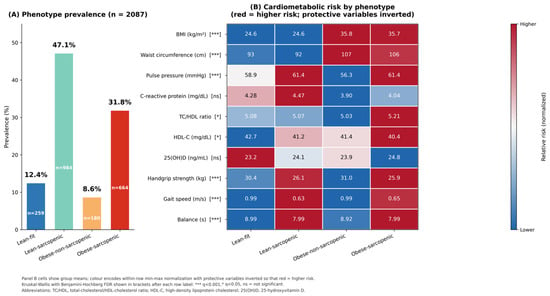
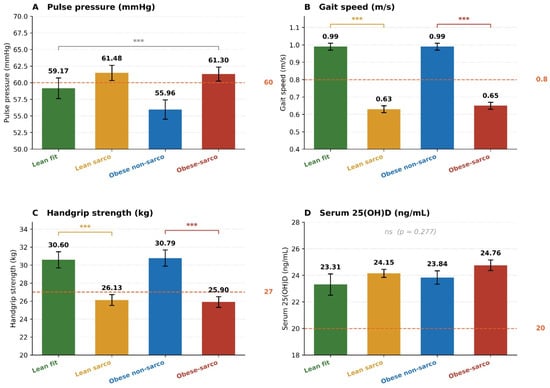
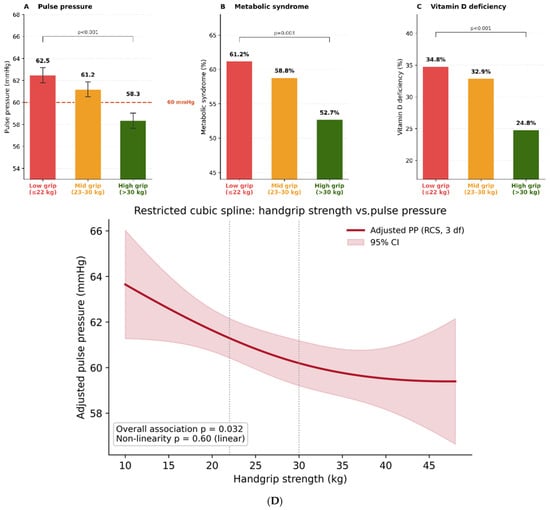
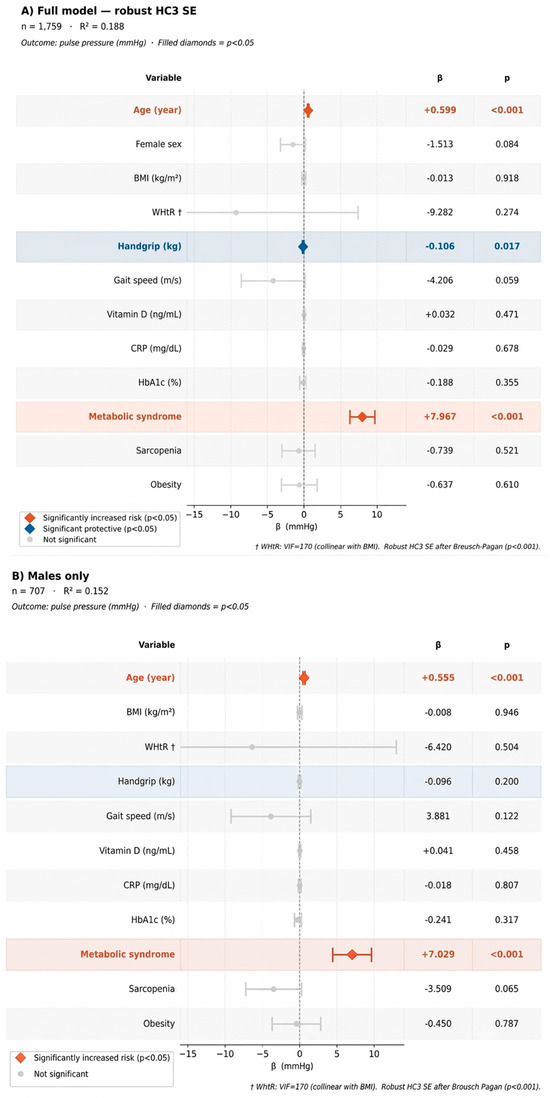
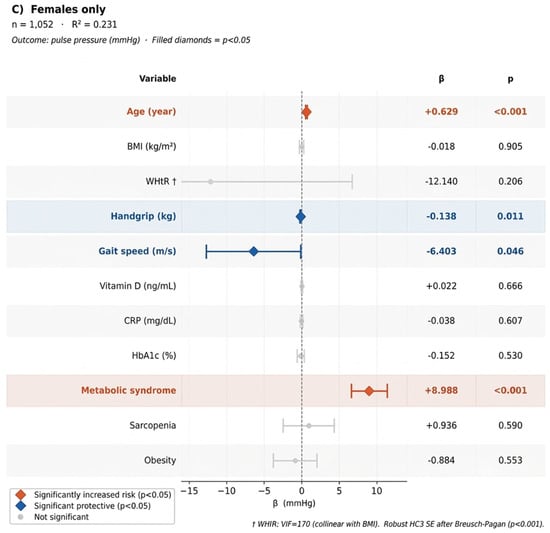
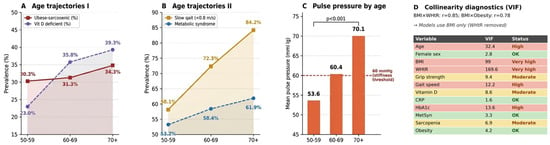
Background/Objectives: The cardiometabolic consequences of sarcopenic obesity (SO) remain poorly characterized in Latin America. We hypothesized that SO uniquely concentrates aortic stiffness, metabolic syndrome, and vitamin D deficiency in older Mexican adults, and that handgrip strength exhibits a dose–response relationship with cardiometabolic risk independent of adiposity. Methods: We conducted a cross-sectional analysis of 2087 adults ≥ 50 years from the Mexican Health and Aging Study (MHAS) 2012. Four phenotypes were defined using EWGSOP2 criteria: lean–fit, lean–sarcopenic, obese–non-sarcopenic, and obese–sarcopenic (BMI ≥ 30 kg/m2). Outcomes were pulse pressure (PP, aortic stiffness proxy), metabolic syndrome (modified IDF criteria), and serum 25(OH)D. Normality tests confirmed non-normal distribution (p < 0.001). Given heteroscedasticity (Breusch–Pagan p < 0.001), HC3 robust standard errors were used. Regression models were sex-adjusted and sex-stratified. Results: The sample showed high cardiometabolic burden: mean HbA1c 6.91% (35.3% ≥ 6.5%); metabolic syndrome 57.6%; mean PP 60.7 ± 17.9 mmHg; mean gait speed 0.708 m/s (70.4% slow). Phenotype distribution: lean–fit 12.3%; lean–sarcopenic 47.3%; obese–non-sarcopenic 8.7%; obese–sarcopenic 31.7%. In multivariable models, handgrip strength was an independent protective predictor of PP (beta = −0.09 per kg; 95% CI: −0.17 to −0.01; p = 0.033), with a sex-specific effect in women (beta = −0.13; p = 0.010). Conclusions: SO is highly prevalent in older Mexican adults and associates with an adverse cardiometabolic profile. Handgrip strength shows a protective dose–response association with cardiometabolic risk independent of adiposity, identifying muscle function as a candidate modifiable factor that warrants confirmation in longitudinal and interventional studies. The obese–non-sarcopenic phenotype exhibited the lowest PP, unveiling the sarcopenic obesity paradox: adiposity without muscle function loss does not promote arterial stiffening.
Full article
(This article belongs to the Special Issue Sarcopenia: Prevention and Treatment Options)
►▼
Show Figures

Figure 1
Open AccessFeature PaperArticle
How Often Do Large Language Models Agree with Each Other—And with the Truth? A Consensus- and Complexity-Stratified Analysis of Data Extraction for Neuroimaging AI
by
Nafiye Sanlier, Umid Sulaimanov, Ariorad Moniri, Behman Demir, Gular Ismayilova, Melih Yucel Sanlier, Ugur Erginoglu, Ahmed Rasim Bayramoglu, Maryam Sabah Al-Jebur, Simon Gashaw Ammanuel, Erkin Otles, Abdullah Keles, Ufuk Erginoglu and Mustafa K. Baskaya
J. Clin. Med. 2026, 15(15), 6005; https://doi.org/10.3390/jcm15156005 (registering DOI) - 2 Aug 2026
Abstract
Background: The reliable integration of large language models (LLMs) into neuroimaging data extraction workflows remains unresolved. Prior benchmarking shows that exact-match accuracy underestimates LLM extraction performance, but whether inter-model consensus and variable complexity can guide automation remains unclear. We evaluated whether inter-model consensus
[...] Read more.
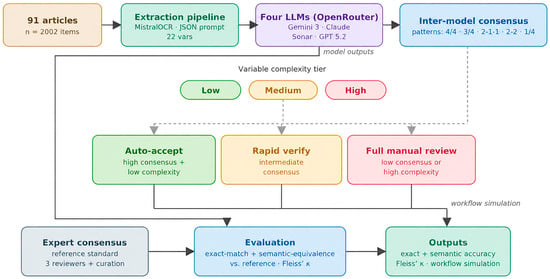
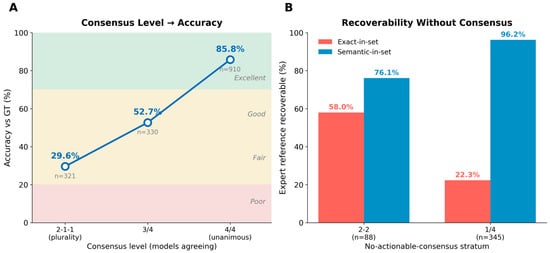
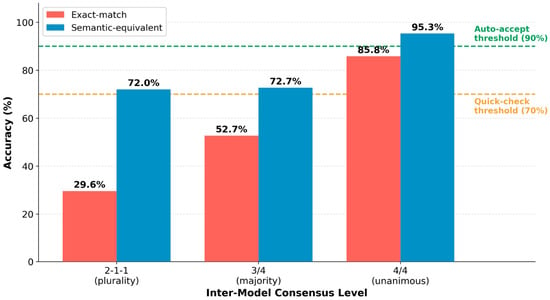
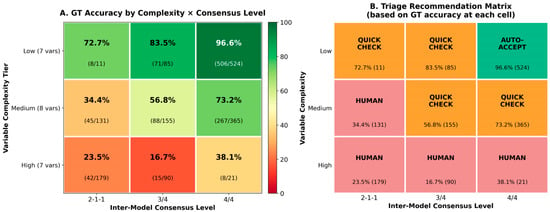
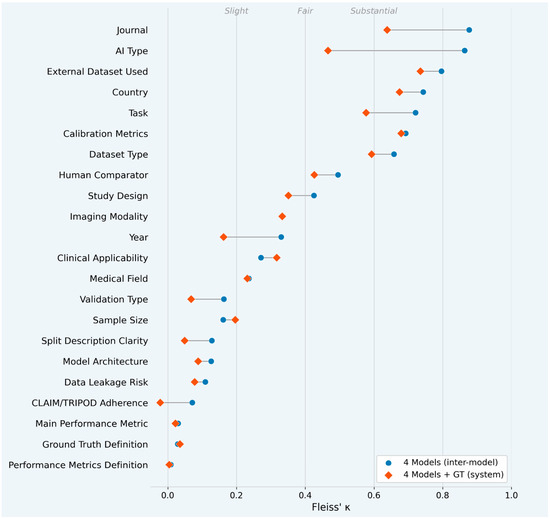
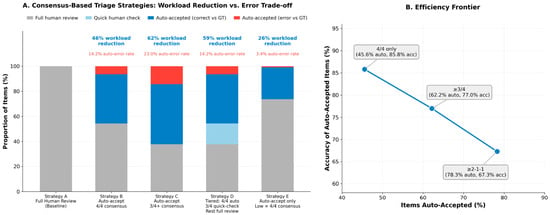
Background: The reliable integration of large language models (LLMs) into neuroimaging data extraction workflows remains unresolved. Prior benchmarking shows that exact-match accuracy underestimates LLM extraction performance, but whether inter-model consensus and variable complexity can guide automation remains unclear. We evaluated whether inter-model consensus can serve as a confidence signal for human–artificial intelligence (AI) extraction and can guide complexity-stratified workflow triage. Methods: Four frontier LLMs were queried via OpenRouter with an identical zero-shot structured prompt to extract 22 predefined variables from 91 peer-reviewed neuroimaging AI articles, yielding 2002 article–variable items per model. Variables were stratified a priori into low- (n = 7), medium- (n = 8), and high-complexity (n = 7). Performance was compared with an expert reference using exact-match and semantic-equivalence accuracy. Item-level consensus and five triage strategies characterized the efficiency–accuracy trade-off. Results: Semantic-equivalence accuracy converged to 80.5–83.4% across models despite approximately ten percentage-point exact-match differences. Unanimous 4/4 consensus occurred in 45.6% (910/1994) of items, with exact-match accuracy of 85.8%, rising to 95.3% after semantic normalization; however, 14.2% still failed to match the reference. Reliability was complexity-dependent: 96.6% for low-complexity variables, 73.2% for medium-complexity variables, and 38.1% for high-complexity variables. A hybrid strategy auto-accepting 4/4 items and routing 3/4 items to rapid verification reduced estimated review effort by approximately 59%. Conclusions: Inter-model consensus is useful, but it is incomplete and depends on variable complexity. We show that LLM-assisted extraction in neuroimaging AI is a complexity-stratified workflow design problem: low-complexity neuroimaging variables may be selectively automated, while medium-complexity variables require rapid verification, and high-complexity methodological variables should remain human-led.
Full article
(This article belongs to the Section Clinical Neurology)
►▼
Show Figures

Figure 1
Open AccessArticle
Risk of Early Deterioration in Emergency Department Patients Presenting with Non-Massive Hemoptysis: A Prospective Cohort Study
by
Mutlu Onur Güçsav, Onur Akçay, Hakan Alkan, Beril Aleyna Genç, Mukaddes Hande Özgen, Aysu Ayrancı and Ahmet Emin Erbaycu
J. Clin. Med. 2026, 15(15), 6004; https://doi.org/10.3390/jcm15156004 (registering DOI) - 2 Aug 2026
Abstract
Background: Non-massive hemoptysis is generally considered low-risk and manageable with conservative treatment. However, some patients progress to massive hemoptysis during follow-up. Identifying high-risk patients early in the emergency department matters for calibrating monitoring intensity, guiding timely intervention, and allocating acute care resources. This
[...] Read more.
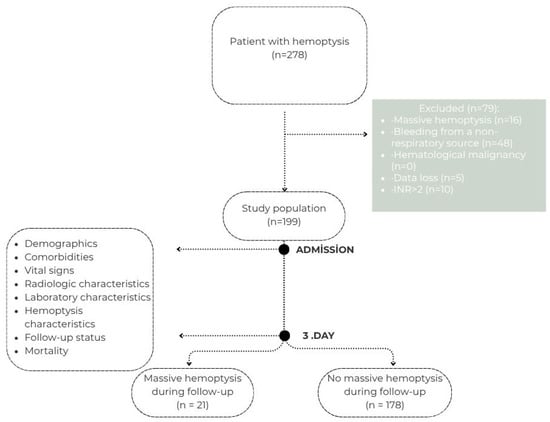
Background: Non-massive hemoptysis is generally considered low-risk and manageable with conservative treatment. However, some patients progress to massive hemoptysis during follow-up. Identifying high-risk patients early in the emergency department matters for calibrating monitoring intensity, guiding timely intervention, and allocating acute care resources. This study aimed to identify clinical, laboratory, and radiological predictors of progression to massive hemoptysis within the first 72 h in emergency department patients presenting with non-massive hemoptysis who were managed conservatively. Methods: This prospective cohort study enrolled patients at a tertiary university hospital emergency department between November 2023 and June 2025. Adult patients presenting with non-massive hemoptysis were enrolled consecutively. The primary outcome was development of massive hemoptysis within 72 h of admission. Patients were divided into two groups: those who developed massive hemoptysis within 72 h and those who did not. Demographic, bleeding, laboratory, imaging, and bronchoscopy data were recorded for all patients. Multivariate logistic regression was used to identify independent predictors. Results: Of 199 patients, 10.6% developed massive hemoptysis within the first 72 h. On multivariate analysis, bright red hemoptysis (3.17-fold increase in risk), a cavity or mass on thoracic CT (7.13-fold increase in risk), and bleeding volume ≥20 mL in a single episode (3.3-fold increase in risk) were independent predictors of massive hemoptysis. Conclusions: A meaningful proportion of patients presenting with non-massive hemoptysis go on to develop massive hemoptysis in the early period. Simple clinical and radiological parameters available at admission can support early risk stratification and inform decisions regarding monitoring intensity and early inpatient management during the critical first 72 h after emergency department admission. These findings may assist early risk stratification but should complement, rather than replace, clinical judgement.
Full article
(This article belongs to the Special Issue Advancements in Emergency Medicine Practices and Protocols)
►▼
Show Figures

Figure 1
Open AccessSystematic Review
Effectiveness of Platelet-Rich Plasma Combined with Split-Thickness Skin Grafts for Skin Defects: A Systematic Review and Meta-Analysis
by
Rafael Dib Possiedi, Marcelo Augusto Fontenelle Ribeiro Junior, Lucas Fontenelle Vieira, Husna Irfan Thalib, Agata Grochowska-Krystman, Sariya Khan, Troy Shafer, Ayesha Jamal, Geovana Schulz and Jaques Waisberg
J. Clin. Med. 2026, 15(15), 6003; https://doi.org/10.3390/jcm15156003 (registering DOI) - 2 Aug 2026
Abstract
Background/Objectives: Platelet-rich plasma (PRP) has been proposed as an adjunct to split-thickness skin grafting (STSG) to enhance graft adherence and reduce complications. However, evidence remains heterogeneous. This study evaluated the effectiveness of PRP combined with STSG compared with STSG alone. Methods: A systematic
[...] Read more.
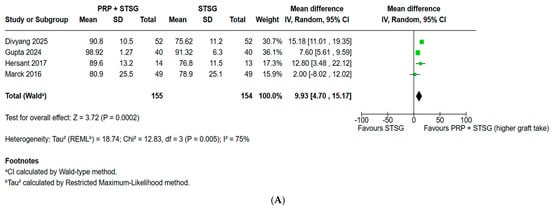
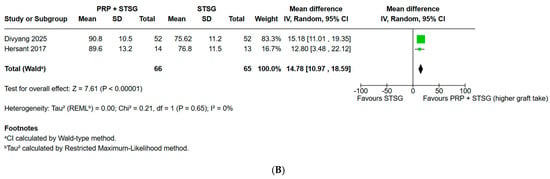
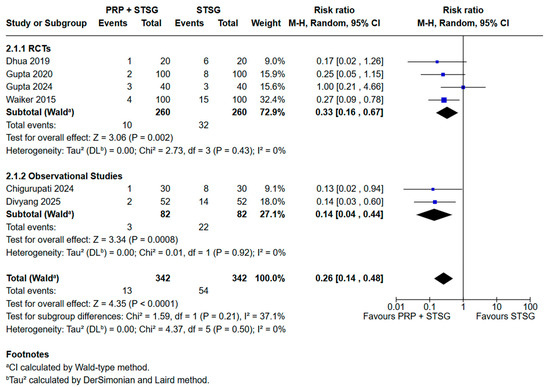
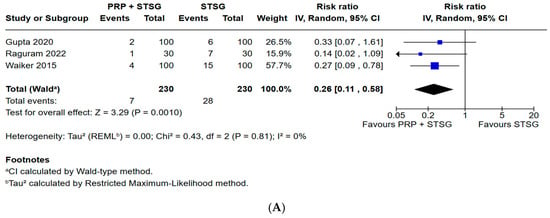
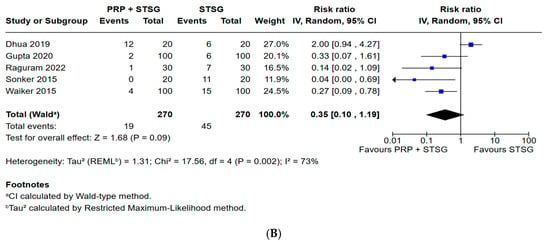
Background/Objectives: Platelet-rich plasma (PRP) has been proposed as an adjunct to split-thickness skin grafting (STSG) to enhance graft adherence and reduce complications. However, evidence remains heterogeneous. This study evaluated the effectiveness of PRP combined with STSG compared with STSG alone. Methods: A systematic review and meta-analysis was conducted following PRISMA guidelines. Databases and trial registries were searched for randomized controlled trials and comparative observational studies. Ten studies were included. The primary outcome was skin graft take. Secondary outcomes were wound healing time, graft loss, and hematoma incidence. Random-effects models were used. Risk of bias was assessed with RoB 2 and ROBINS-I, and certainty of evidence with GRADE. Results: Ten studies (7 randomized controlled trials and 3 observational studies) were included. PRP improved graft take (mean difference 9.93%; 95% CI: 4.70–15.17; p = 0.0002; I2 = 75%), with a larger effect in patient-level analyses (14.78; 95% CI: 10.97–18.59; p < 0.00001; I2 = 0%). Healing time could not be pooled. Hematoma incidence was reduced (risk ratio 0.26; 95% CI: 0.14–0.48; p < 0.0001; I2 = 0%). Graft loss was reduced in parallel-group trials (risk ratio 0.26; 95% CI: 0.11–0.58; p = 0.001; I2 = 0%) but not in sensitivity analysis (risk ratio 0.35; 95% CI: 0.10–1.19; p = 0.09; I2 = 73%). Evidence certainty was low to very low. Conclusions: PRP may improve graft take and reduce hematoma after STSG, but effects on graft loss and healing time remain uncertain.
Full article
(This article belongs to the Special Issue Advances in Trauma Surgery: Resuscitation, Critical Care, and Surgical Interventions)
►▼
Show Figures

Figure 1
Open AccessCase Report
Inferior Vena Cava Graft–Enteric Fistula Presenting with Occult Gastrointestinal Bleeding and Psoas Abscess: A Rare Case Report
by
Chuwen Chen, Lijia Wei, Yiyuan Li, Bin Huang and Xiyang Chen
J. Clin. Med. 2026, 15(15), 6002; https://doi.org/10.3390/jcm15156002 (registering DOI) - 2 Aug 2026
Abstract
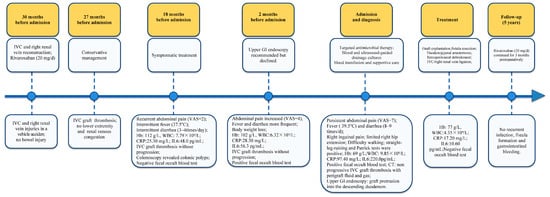
Background: Inferior vena cava (IVC) graft–enteric fistula is an exceptionally rare but potentially fatal complication of caval reconstruction. Case Presentation: A 22-year-old woman with previous IVC and right renal vein reconstruction presented with an 18-month history of intermittent abdominal pain, diarrhea,
[...] Read more.
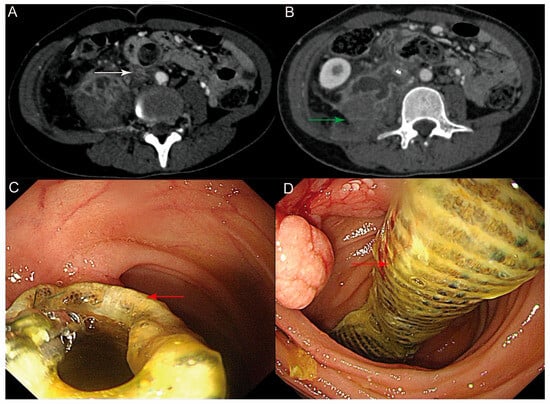
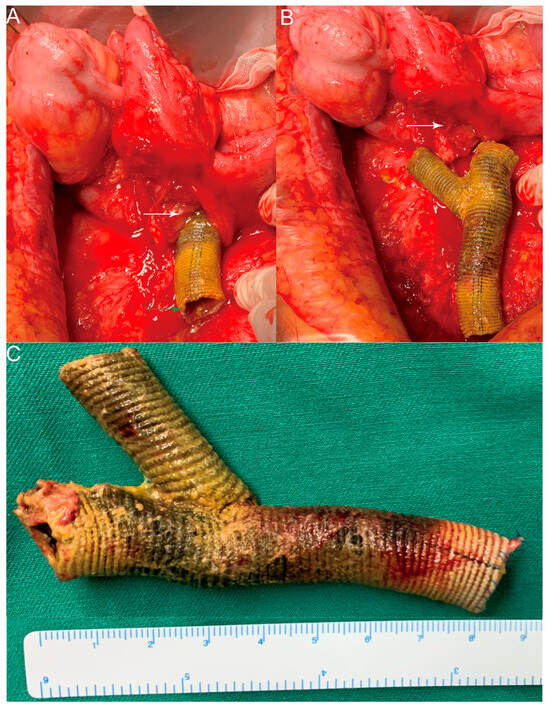
Background: Inferior vena cava (IVC) graft–enteric fistula is an exceptionally rare but potentially fatal complication of caval reconstruction. Case Presentation: A 22-year-old woman with previous IVC and right renal vein reconstruction presented with an 18-month history of intermittent abdominal pain, diarrhea, and progressive anemia. On admission, contrast-enhanced computed tomography demonstrated a thrombosed IVC graft with perigraft gas and fluid, loss of the fat plane between the graft and adjacent bowel, and a multiloculated right psoas abscess. Escherichia coli was isolated from blood and drainage cultures. Upper gastrointestinal endoscopy directly visualized prosthetic graft material protruding into the descending duodenum, confirming a graft–enteric fistula. After targeted antimicrobial therapy and stabilization, the patient underwent complete graft explantation, resection of the involved duodenal and jejunal segments, duodenojejunal reconstruction, and extensive retroperitoneal debridement. She remained free of recurrent infection, fistula, and gastrointestinal bleeding at 5-year follow-up. Conclusions: In patients with previous caval reconstruction, persistent gastrointestinal symptoms, unexplained anemia, bacteremia, or retroperitoneal infection should raise suspicion for a graft–enteric fistula. Computed tomography may identify suggestive perigraft changes, whereas endoscopy can provide direct confirmation of luminal erosion.
Full article
(This article belongs to the Special Issue Vascular and Endovascular Surgery: State of the Art and Emerging Insights)
►▼
Show Figures

Figure 1
Open AccessArticle
A Novel Ice Pillow Cooling Technique Reduces Renal Rewarming During Simulated Vascular Anastomosis: An Ex Vivo Study Using Human Renal Allografts
by
Martin Igbokwe, Saeed Farzamfar, Khushi Vyas, Cory Byrne, Larry Jiang, Ali Bozaci, Alp Sener and Patrick P. Luke
J. Clin. Med. 2026, 15(15), 6001; https://doi.org/10.3390/jcm15156001 (registering DOI) - 2 Aug 2026
Abstract
Background: Preservation of renal hypothermia during vascular anastomosis remains a critical yet insufficiently optimized aspect of kidney transplantation. Rewarming during the second warm ischemic period increases metabolic activity and may exacerbate ischemia–reperfusion injury. Maintaining graft temperatures below the 15–18 °C metabolic threshold
[...] Read more.
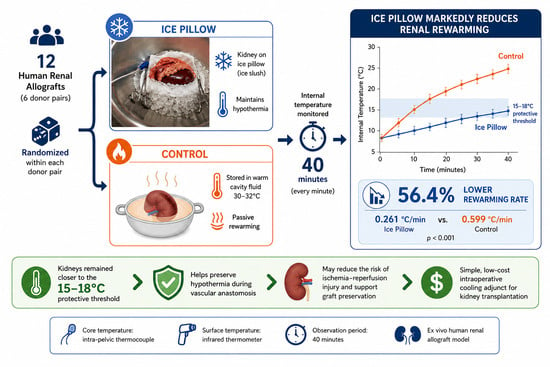
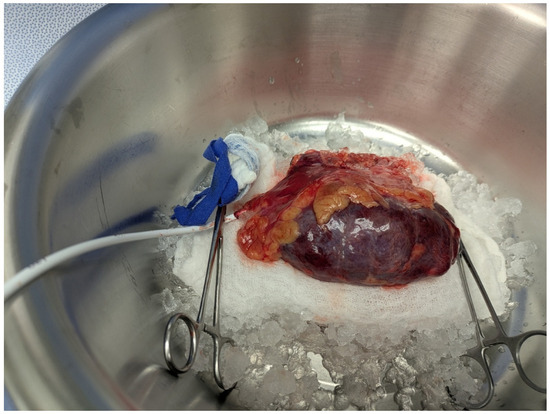
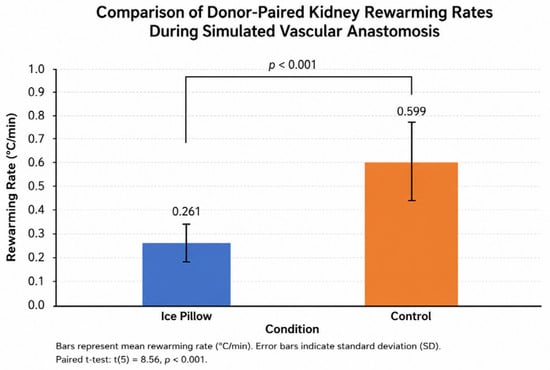
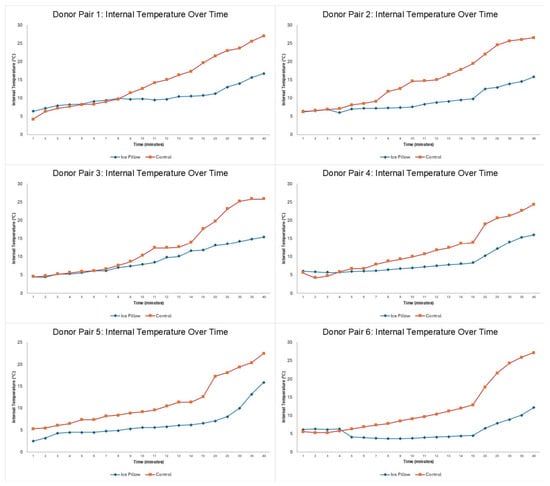
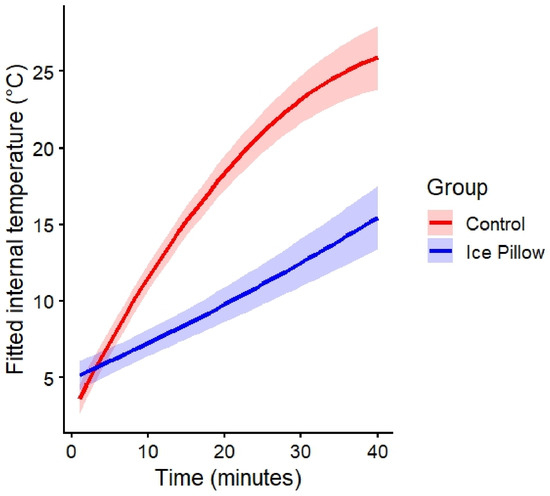
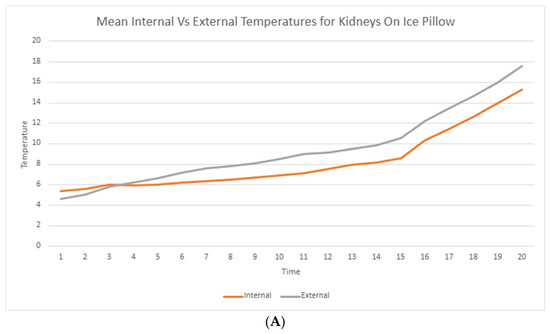
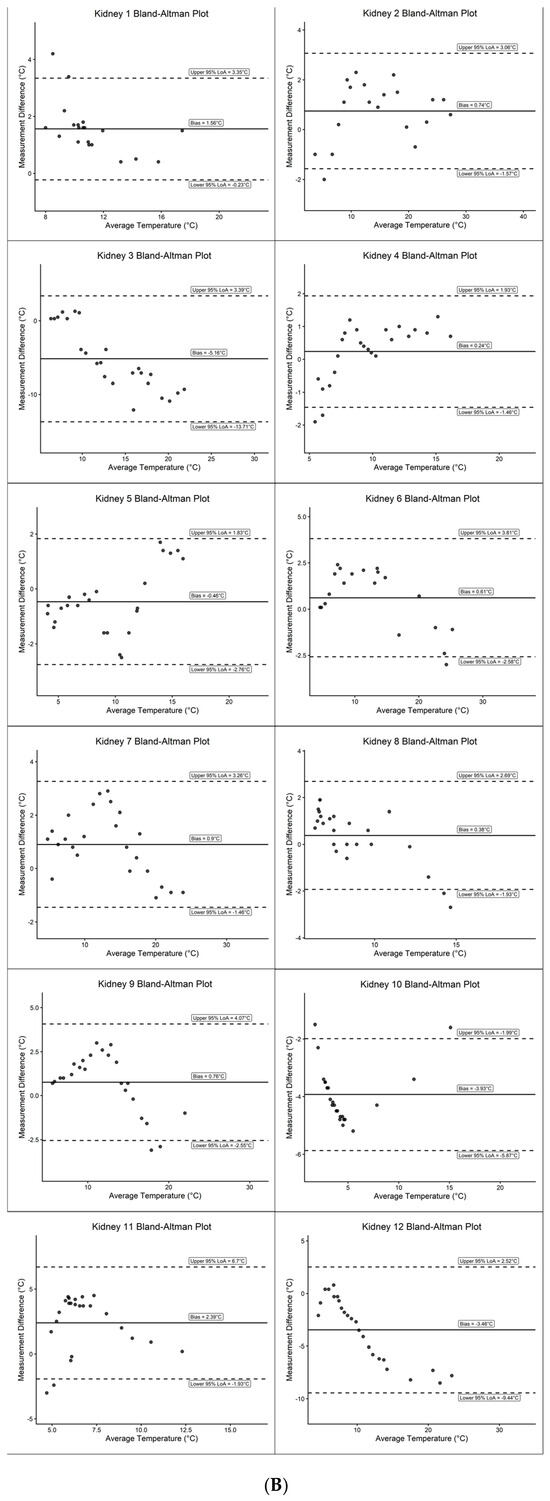
Background: Preservation of renal hypothermia during vascular anastomosis remains a critical yet insufficiently optimized aspect of kidney transplantation. Rewarming during the second warm ischemic period increases metabolic activity and may exacerbate ischemia–reperfusion injury. Maintaining graft temperatures below the 15–18 °C metabolic threshold during implantation is associated with improved graft preservation, yet more than 80% of grafts exceed this threshold within 20 min under standard conditions. This study evaluated the thermal performance of a novel cooling adjunct, the Ice Pillow, in limiting renal rewarming under simulated ex vivo transplant conditions. Methods: Twelve human renal allografts (six donor pairs) were studied in a controlled laboratory setting following hypothermic machine perfusion. Within each donor pair, kidneys were randomly assigned to the Ice Pillow group or the Control group. Core temperature was measured using an intra-pelvic thermocouple probe, while surface temperature was assessed with a handheld infrared thermometer. Kidneys in the Ice Pillow group were positioned on a thin gauze pouch filled with ice slush. Control kidneys were rewarmed in a simulated body cavity at 30–32 °C. Temperature recordings were obtained at one-minute intervals over 40 min. Rewarming slopes were compared using donor-paired analysis. Longitudinal temperature trajectories were analyzed using a linear mixed-effects model accounting for repeated measurements within kidneys. Agreement between core and surface measurements was evaluated using Bland–Altman analysis. Results: The Ice Pillow reduced the rate of renal rewarming by 56.4% compared with donor-paired controls (0.261 ± 0.057 °C/min vs. 0.599 ± 0.066 °C/min; mean donor-paired difference 0.338 °C/min; 95% CI, 0.237–0.440; t(5) = 8.56, p < 0.001). Linear mixed-effects modelling demonstrated progressive thermal separation between groups, with Control kidneys estimated to be 4.28 °C warmer at 10 min (95% CI, 3.35–5.22; p < 0.001) and 10.44 °C warmer at 40 min (95% CI, 7.88–12.99; p < 0.001). Bland–Altman analysis of core–surface agreement demonstrated a mean bias of −0.51 °C with 95% limits of agreement of −6.46 °C to 5.43 °C, indicating that surface thermometry followed the general direction of core temperature change but demonstrated wide limits of agreement, indicating the two methods are not interchangeable. Conclusions: In this ex vivo model, the Ice Pillow substantially attenuated renal rewarming compared with unassisted controls. Whether this thermal effect translates into improved graft function requires prospective clinical evaluation.
Full article
(This article belongs to the Section Nephrology & Urology)
►▼
Show Figures

Graphical abstract
Open AccessArticle
Association of ERCP Timing with Clinical Outcomes in Acute Cholangitis Secondary to Choledocholithiasis: A Retrospective Cohort Study
by
Tansu Ayyıldızoğlu and İbrahim Gören
J. Clin. Med. 2026, 15(15), 6000; https://doi.org/10.3390/jcm15156000 (registering DOI) - 1 Aug 2026
Abstract
Background/Objectives: The optimal timing of endoscopic retrograde cholangiopancreatography (ERCP) in acute cholangitis remains controversial. This study evaluated the association between ERCP timing and clinical outcomes in patients with acute cholangitis secondary to choledocholithiasis. Methods: This retrospective cohort study included 271 consecutive
[...] Read more.
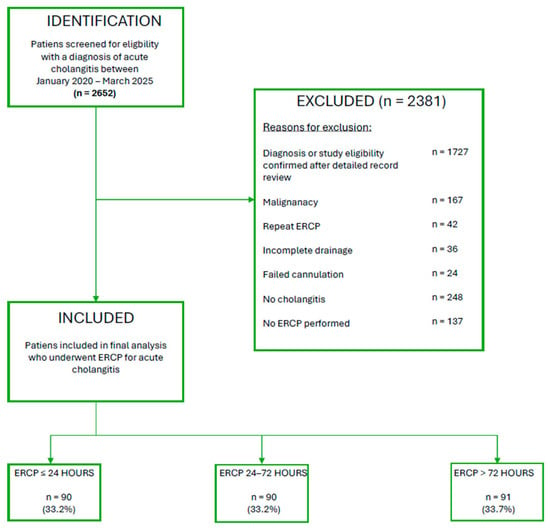
Background/Objectives: The optimal timing of endoscopic retrograde cholangiopancreatography (ERCP) in acute cholangitis remains controversial. This study evaluated the association between ERCP timing and clinical outcomes in patients with acute cholangitis secondary to choledocholithiasis. Methods: This retrospective cohort study included 271 consecutive patients treated between January 2020 and March 2025. Patients were categorized according to ERCP timing as ≤24 h, 24–72 h, and >72 h. Only patients with successful biliary cannulation and drainage during the index ERCP who did not require repeat ERCP were included. Disease severity was assessed using Tokyo 2018 severity grades, qSOFA scores, and Charlson Comorbidity Index (CCI). Hospital stay, intravenous antibiotic duration, complications, and 30-day mortality were analyzed. Corrected post-ERCP hospitalization duration was additionally calculated by excluding the admission-to-ERCP interval. Results: Age, CCI, and Tokyo severity grades were comparable among groups, whereas qSOFA scores differed significantly (p = 0.015). Admission neutrophil-to-lymphocyte ratio was highest in the ≤24 h group (p = 0.014). Overall complication rates were similar among groups (p = 0.136). Thirty-day mortality differed according to ERCP timing and was highest in patients undergoing ERCP within 24 h (16.7% vs. 5.6% vs. 6.6%, p = 0.020). Corrected post-ERCP hospital stay remained significantly longer in the >72 h group (p = 0.045). Multivariable analysis identified increasing age and CCI > 5 as independent predictors of mortality. After multivariable adjustment, ERCP performed between 24 and 72 h was associated with lower mortality than ERCP performed within 24 h, although residual confounding by indication cannot be excluded. Biliary stent placement was more common among older and more comorbid patients but was not associated with differences in mortality or other clinical outcomes. Conclusions: In patients with acute cholangitis secondary to choledocholithiasis, increasing age, greater comorbidity burden, and ERCP timing were independently associated with mortality. However, the higher mortality observed in patients undergoing ERCP within 24 h most likely reflected greater baseline physiological instability rather than a detrimental effect of early biliary drainage. Although delayed ERCP was associated with prolonged corrected post-procedural hospitalization, complication rates were similar across groups. The higher mortality observed in the ≤24 h group may reflect greater physiological instability at presentation rather than the effect of urgent ERCP itself. Similarly, no significant association was observed between biliary stent placement and clinical outcomes.
Full article
(This article belongs to the Special Issue Endoscopic Application of Pancreatic and Biliary Diseases: Diagnosis and Treatment)
►▼
Show Figures

Figure 1
Open AccessArticle
Percutaneous Versus Surgical Femoral Cannulation in Endoscopic Minimally Invasive Heart Valve Surgery: A Single-Centre Retrospective Comparison of Cut-Down, ProGlide and MANTA Closure Strategies
by
Ahmed Ghazy, Mohamad Albitar, Edoardo Zancanaro, Daniel-Sebastian Dohle, Katja Buschmann and Hendrik Treede
J. Clin. Med. 2026, 15(15), 5999; https://doi.org/10.3390/jcm15155999 (registering DOI) - 1 Aug 2026
Abstract
Background/Objectives: Femoral cannulation is the cornerstone of endoscopic minimally invasive heart valve surgery (MICS). We compared three femoral access strategies—surgical cut-down, suture-based percutaneous closure (ProGlide®) and plug-based percutaneous closure (MANTA®)—for access-site outcomes, operative times and 30-day morbidity. Methods
[...] Read more.
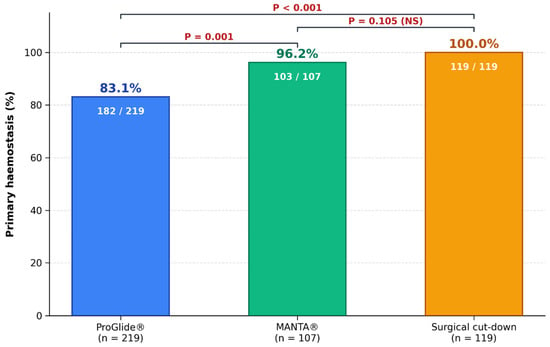
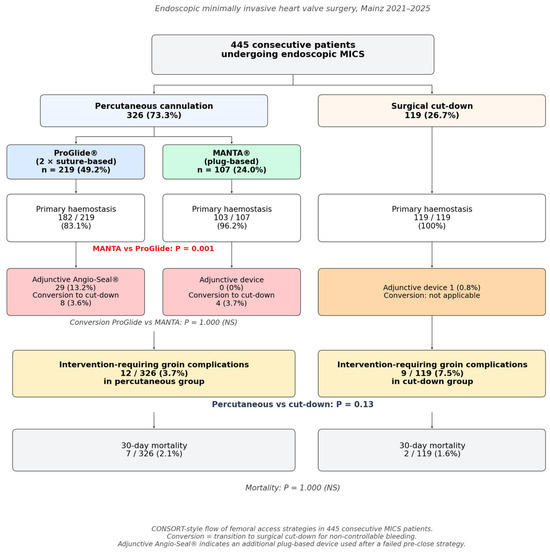
Background/Objectives: Femoral cannulation is the cornerstone of endoscopic minimally invasive heart valve surgery (MICS). We compared three femoral access strategies—surgical cut-down, suture-based percutaneous closure (ProGlide®) and plug-based percutaneous closure (MANTA®)—for access-site outcomes, operative times and 30-day morbidity. Methods: This is a retrospective single-centre analysis of 445 consecutive patients undergoing endoscopic MICS (February 2021–May 2025). Access strategy (cut-down n = 119; ProGlide n = 219; MANTA n = 107) was selected by preoperative CT angiography and the surgeon’s discretion, with hostile anatomy triaged to cut-down. Baseline characteristics, intraoperative timing, primary haemostasis, conversion and 30-day outcomes were compared; a multivariable model within the percutaneous cohort adjusted for arterial cannula size and baseline covariates was used. Results: The mean age was 61.6 ± 11.3 years; 60.8% were male. EuroSCORE II was comparable between the percutaneous and cut-down groups (1.89 ± 2.55 vs. 2.03 ± 2.41; p = 0.594). Primary haemostasis was higher with MANTA than ProGlide (96.2% vs. 83.1%; p = 0.001; adjusted OR 4.79). Conversion to cut-down was similar (3.7% vs. 3.6%; p = 1.000). Intervention-requiring groin complications were fewer with percutaneous access (3.7% vs. 7.5%; p = 0.232). Cross-clamp, bypass and total operative times were shortest with MANTA (all p < 0.001). In-hospital mortality was 2.1% vs. 1.6% (p = 1.000). Conclusions: In appropriately selected patients, percutaneous femoral cannulation in MICS is safe and is associated with fewer groin complications and shorter operative times than cut-down. Within the percutaneous arm, MANTA was associated with a higher rate of primary haemostasis in our institutional experience. Cut-down remains indispensable for hostile femoral anatomy.
Full article
(This article belongs to the Special Issue Minimally Invasive Cardiothoracic Surgery: Current Status and Future Perspectives)
►▼
Show Figures

Figure 1
Open AccessArticle
Age-Stratified Mortality Outcomes Associated with Nonselective Beta-Blocker Use in Patients with Decompensated Cirrhosis
by
Ahmad Nawaz, Avneet Kaur, Abdelkader Chaar, Ganesh Aswath, Idan Goren and Savio John
J. Clin. Med. 2026, 15(15), 5998; https://doi.org/10.3390/jcm15155998 (registering DOI) - 1 Aug 2026
Abstract
Background/Objectives: Nonselective beta blockers (NSBBs) are widely used in cirrhosis for portal hypertension, but their safety in older adults with decompensated cirrhosis remains uncertain. Methods: We conducted a retrospective multicenter cohort study using the TriNetX Research Network. Adults aged 30–90 years with decompensated
[...] Read more.
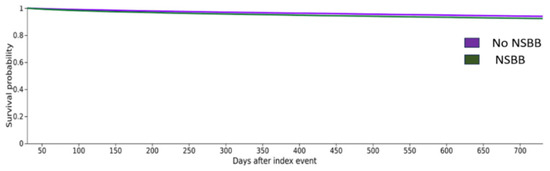
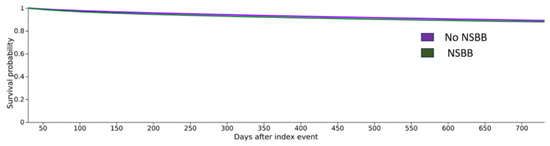
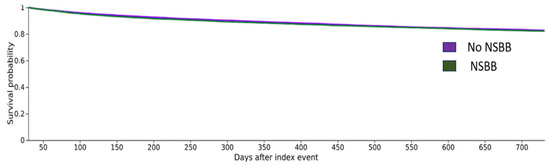
Background/Objectives: Nonselective beta blockers (NSBBs) are widely used in cirrhosis for portal hypertension, but their safety in older adults with decompensated cirrhosis remains uncertain. Methods: We conducted a retrospective multicenter cohort study using the TriNetX Research Network. Adults aged 30–90 years with decompensated cirrhosis were stratified into three groups: 30–60 years, 61–90 years, and a prespecified subgroup of 81–90 years. NSBB exposure (propranolol, nadolol, or carvedilol) within 30 days of decompensation was assessed, and 1:1 propensity score matching was performed within each age group. The primary outcome was 12-month all-cause mortality. Secondary outcomes included acute kidney injury (AKI), electrolyte abnormalities, and acute care utilization. Results: After matching, 40,074 pairs (30–60 years), 96,084 pairs (61–90 years), and 19,024 pairs (81–90 years) were analyzed. NSBB use was associated with lower 12-month mortality in ages 30–60 (4.0% vs. 4.6%; RR 0.86, 95% confidence interval [CI] 0.81–0.92). 61–90-year cohort, mortality was similar between groups (7.4% vs. 7.4%; RR 0.99, 95% CI 0.96–1.02). Patients aged 81–90 years, NSBB use was associated with higher mortality (10.9% vs. 10.0%; RR 1.08, 95% CI 1.02–1.16). Across age strata, NSBB was associated with increased AKI, hyperkalemia, and acute care visits. Conclusions: NSBB therapy was associated with reduced mortality in younger adults (30–60 years) but not in older patients (61–90 years) and was associated with increased mortality among those aged 81–90 years. These findings support individualized NSBB use and suggest that patient age should be considered when weighing potential benefits and risks.
Full article
(This article belongs to the Section Gastroenterology & Hepatopancreatobiliary Medicine)
►▼
Show Figures

Figure 1
Journal Menu
► ▼ Journal Menu-
- JCM Home
- Aims & Scope
- Editorial Board
- Reviewer Board
- Topical Advisory Panel
- Instructions for Authors
- Special Issues
- Topics
- Sections & Collections
- Article Processing Charge
- Indexing & Archiving
- Editor’s Choice Articles
- Most Cited & Viewed
- Journal Statistics
- Journal History
- Journal Awards
- Society Collaborations
- Conferences
- Editorial Office
Journal Browser
► ▼ Journal BrowserHighly Accessed Articles
Latest Books
E-Mail Alert
News
14 July 2025
Meet Us Virtually at the 1st International Online Conference on Hematology, 28–30 October 2026
28 July 2026
Meet Us at the 29th Annual Meeting of KSBNS: K-Brain 2026, 6–8 September 2026, Daejeon, Republic of Korea
Topics
Topic in
Cancers, Diagnostics, Gastrointestinal Disorders, JCM, Current Oncology
Metastatic Colorectal Cancer: From Laboratory to Clinical Studies, 2nd Edition
Topic Editors: Ioannis Ntanasis-Stathopoulos, Diamantis I. TsilimigrasDeadline: 20 August 2026
Topic in
Cells, Immuno, IJMS, JCM, Allergies, Dermato
Skin Barrier Function and Immune Mediators as Key Therapeutic Targets of Main Inflammatory Diseases
Topic Editors: Marco Manfredini, Carlo PincelliDeadline: 31 August 2026
Topic in
Biomedicines, Clinics and Practice, Diagnostics, JCM, Rheumato
Rheumatic Disorder: From Basic Science to Clinical Practice—2nd Edition
Topic Editors: Andreina Manfredi, Caterina Vacchi, Giulia CassoneDeadline: 20 September 2026
Topic in
JCM, Pharmaceuticals, Pharmaceutics, Pharmacy, Healthcare
Optimization of Drug Utilization and Medication Adherence
Topic Editors: Enrica Menditto, Sara Mucherino, Ignacio Aznar-LouDeadline: 30 October 2026
Conferences
Special Issues
Special Issue in
JCM
Exercise, Injury and Rehabilitation: Integrated Perspectives in Sports Medicine
Guest Editors: Cíntia França, Élvio GouveiaDeadline: 3 August 2026
Special Issue in
JCM
Blood Pressure Disorders: Risk Assessment, Surveillance and Clinical Interventions
Guest Editor: Barbara NikolaidouDeadline: 7 August 2026
Special Issue in
JCM
Current Challenges and Perspectives in Aortic Valve Replacement
Guest Editors: Leonardo Guimaraes, Quentin Fischer, David Del ValDeadline: 10 August 2026
Special Issue in
JCM
Sports Cardiology: Current Clinical Status and Outlook into the Future
Guest Editors: Aakash Bavishi, Matthew W MartinezDeadline: 10 August 2026
Topical Collections
Topical Collection in
JCM
Pediatric and Adolescent Gynecology
Collection Editor: Panagiotis Christopoulos