





-
Central Venous Pressure Revisited: Physiology, Pitfalls, Misconceptions, and Modern Clinical Interpretation in Critical Care -
Current Trends and Future Challenges in Transcatheter Aortic Valve Implantation (TAVI): A Narrative Review -
Novel Combination Scalp Therapy for Androgenetic Alopecia: A Preliminary Retrospective Case Series with an Illustrative Four-Year Case -
A Sensorimotor Framework for the Neurorehabilitation of Oculomotor Dysfunction in Parkinson’s Disease -
The History of the Precordial Early Repolarization and Sudden Death Syndrome, Lately Named Brugada Syndrome
Journal Description
Journal of Clinical Medicine
is an international, peer-reviewed, open access journal of clinical medicine, published semimonthly online by MDPI. The International Bone Research Association (IBRA), Spanish Society of Hematology and Hemotherapy (SEHH), Japan Association for Clinical Engineers (JACE), European Independent Foundation in Angiology/ Vascular Medicine (VAS) and others are all affiliated with JCM, and their members receive a discount on article processing charges.
- Open Access— free for readers, with article processing charges (APC) paid by authors or their institutions.
- High Visibility: indexed within Scopus, SCIE (Web of Science), PubMed, PMC, Embase, CAPlus / SciFinder, and other databases.
- Journal Rank: JCR - Q1 (Medicine, General and Internal) / CiteScore - Q1 (General Medicine)
- Rapid Publication: manuscripts are peer-reviewed and a first decision is provided to authors approximately 16.6 days after submission; acceptance to publication is undertaken in 2.8 days (median values for papers published in this journal in the first half of 2026).
- Recognition of Reviewers: reviewers who provide timely, thorough peer-review reports receive vouchers entitling them to a discount on the APC of their next publication in any MDPI journal, in appreciation of the work done.
- Companion journals for JCM include: Epidemiologia, Transplantology, Uro, Sinusitis, Rheumato, Journal of Clinical & Translational Ophthalmology, Journal of Vascular Diseases, Osteology, Complications, Therapeutics, Sclerosis, Pharmacoepidemiology, Journal of CardioRenal Medicine, Rare Diseases and Therapeutics and Journal of Respiration.
- Journal Clusters of Hematology: Hemato, Hematology Reports, Thalassemia Reports and Journal of Clinical Medicine.
Impact Factor:
3.3 (2025);
5-Year Impact Factor:
3.5 (2025)
Latest Articles
Intercostal Nerve Block for Bilateral Thoracoscopic Sympathectomy: A Prospective Observational Cohort Comparison of Three Analgesic Protocols
J. Clin. Med. 2026, 15(14), 5755; https://doi.org/10.3390/jcm15145755 - 22 Jul 2026
Abstract
Background/Objectives: Bilateral thoracoscopic sympathectomy (BTS) is the definitive treatment for primary focal hyperhidrosis, yet postoperative pain remains an undertreated consequence with no established analgesic consensus. This study compared three analgesic regimens on pain trajectory, opioid consumption, and functional recovery following BTS. Methods: In
[...] Read more.
Background/Objectives: Bilateral thoracoscopic sympathectomy (BTS) is the definitive treatment for primary focal hyperhidrosis, yet postoperative pain remains an undertreated consequence with no established analgesic consensus. This study compared three analgesic regimens on pain trajectory, opioid consumption, and functional recovery following BTS. Methods: In this prospective observational cohort study, 300 patients undergoing BTS were allocated in a non-randomized manner reflecting institutional practice to three parallel cohorts (n = 100 each): Group 1 received systemic opioids alone; Group 2 received opioids plus pre-emptive local anesthetic wound infiltration; and Group 3 received opioids plus thoracoscopic-guided intercostal nerve block (ICNB). Primary outcomes included pain intensity on the Numerical Rating Scale and total opioid consumption. Results: ICNB patients reported significantly lower mean peak pain scores (3.8 ± 1.7) versus local infiltration (4.6 ± 1.9) and opioid-only groups (5.2 ± 2.1; p < 0.001). Total opioid consumption was reduced by 38% in the ICNB group (12.4 ± 4.8 mg vs. 20.1 ± 6.3 mg; p < 0.001). Moderate-to-severe pain occurred in 42.0% of ICNB patients versus 74.0% of controls (p < 0.001). ICNB was independently associated with reduced moderate-to-severe pain (adjusted odds ratio (AOR) 0.31; 95% confidence interval (CI) 0.17–0.56; p < 0.001). ICNB patients returned to normal activities faster (median 3 vs. 5 days; p = 0.008) with higher satisfaction (91.0% vs. 78.0%; p = 0.044). Conclusions: In this observational cohort, ICNB was associated with significantly lower postoperative pain scores, reduced opioid consumption, and faster functional recovery following BTS. These findings suggest that ICNB may be an effective adjunct analgesic strategy for ambulatory BTS, pending confirmation in randomized controlled trials.
Full article
(This article belongs to the Section General Surgery)
Open AccessArticle
Body and Mind Intertwined: Physical Activity Intensity, Sleep Quality, and Depressive Symptoms: Cross-Sectional Associations and Exploratory Path Analysis
by
Witold Wit Hryniewicz, Igor Barczak, Kacper Fręśko, Zuzanna Szarzyńska, Hubert Węclewski, Jakub Żubrowski, Barbara Cybula, Bartosz Dmuchowski and Agnieszka Pluto-Prądzyńska
J. Clin. Med. 2026, 15(14), 5754; https://doi.org/10.3390/jcm15145754 - 22 Jul 2026
Abstract
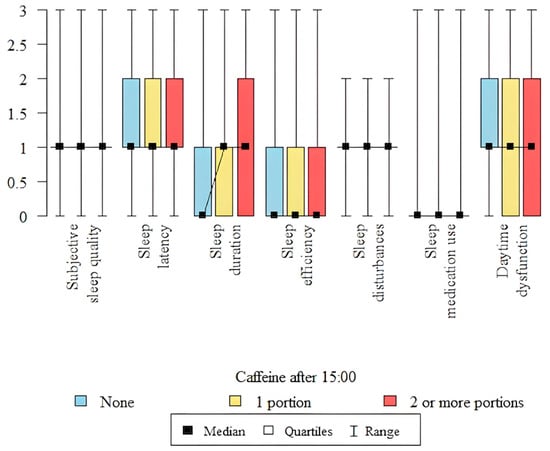
Background: The alarming trend of rising depression and insomnia among the world’s population, especially in young adults, demands urgent attention from both clinical and lifestyle medicine perspectives. This study aimed to evaluate whether habitual physical activity (PA) could improve sleep quality and
[...] Read more.
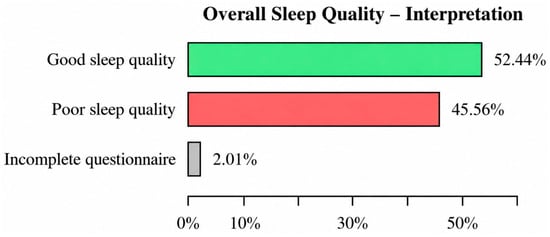
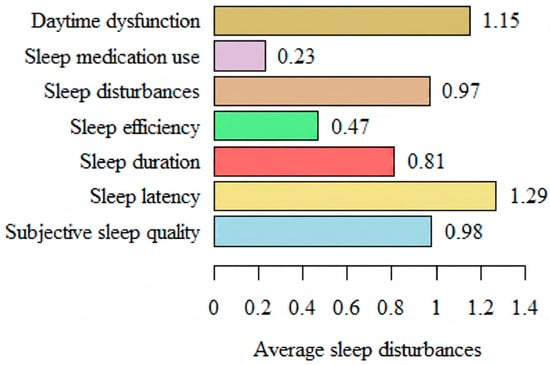
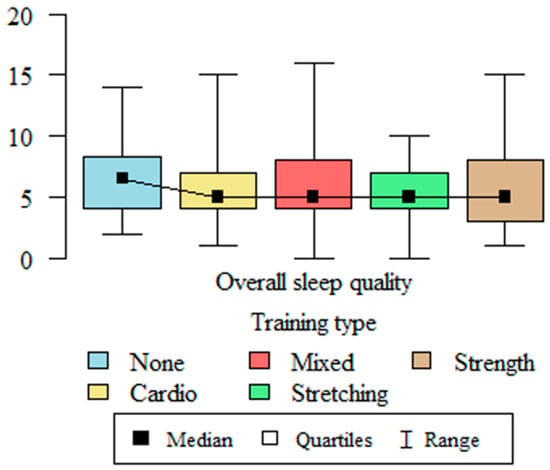
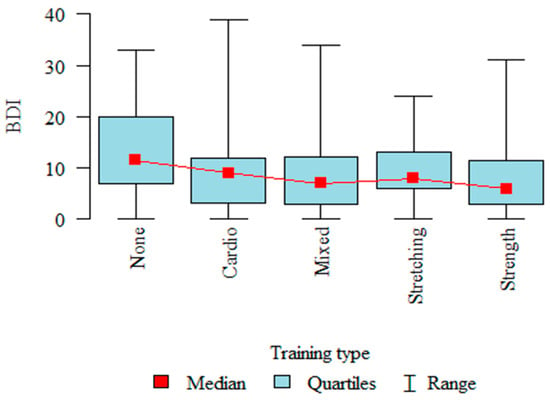
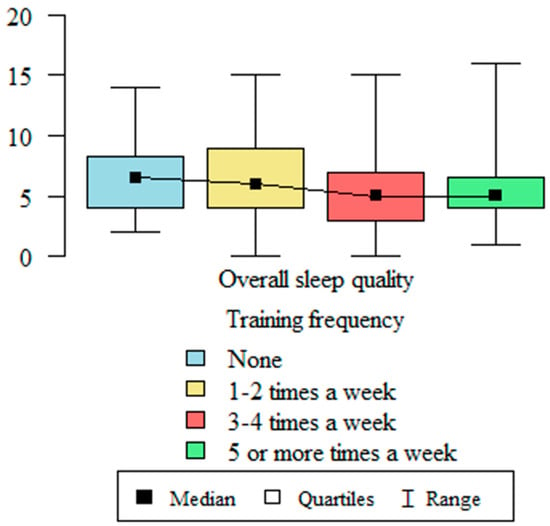
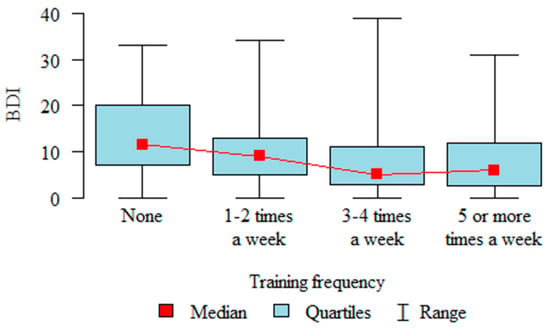
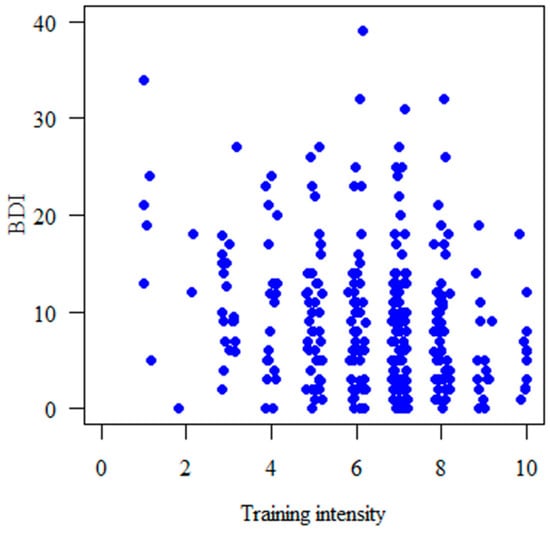
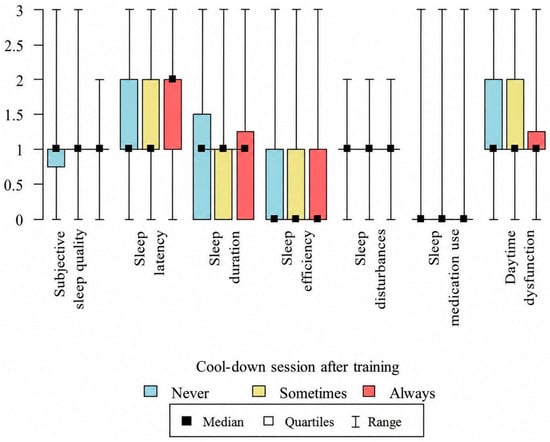
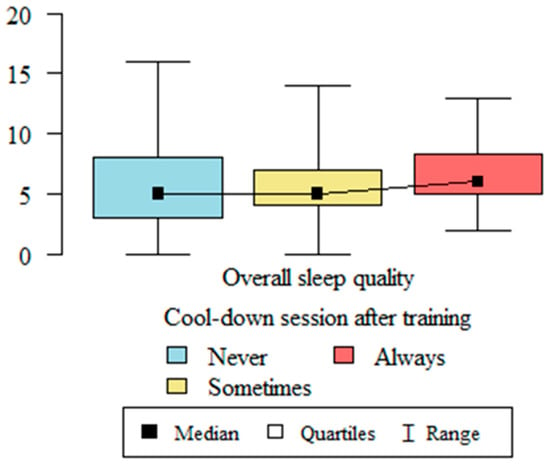
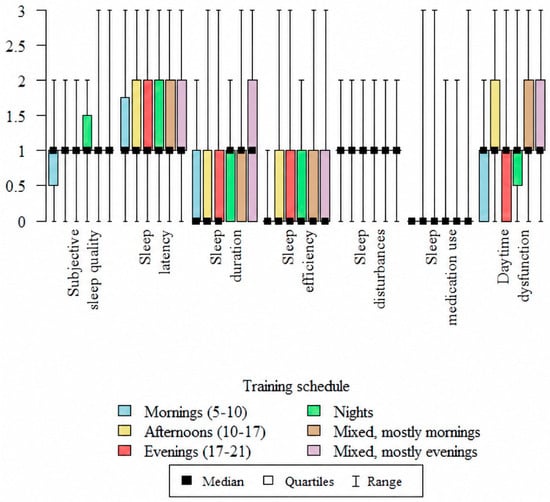
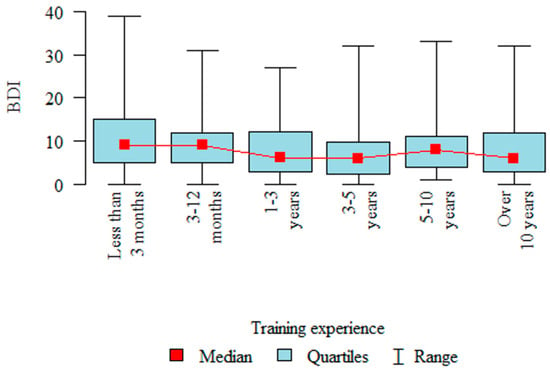
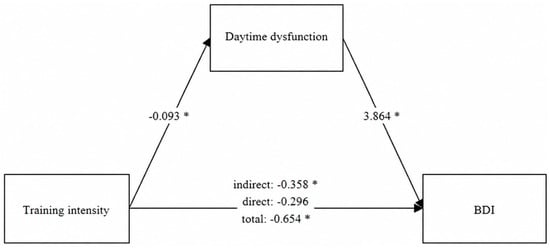
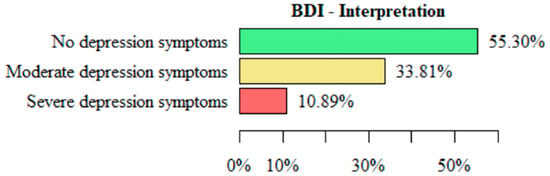
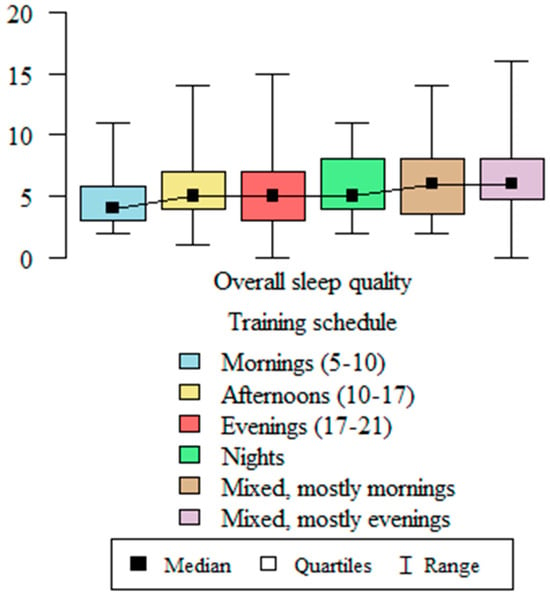
Background: The alarming trend of rising depression and insomnia among the world’s population, especially in young adults, demands urgent attention from both clinical and lifestyle medicine perspectives. This study aimed to evaluate whether habitual physical activity (PA) could improve sleep quality and depressive symptoms. It explores whether sleep parameters mediate the relationship between training intensity and depression. Methods: This cross-sectional study examined the relationships between PA, sleep quality, and depression in 349 participants, predominantly young adults, aged 16–54 (Median: 21, Q1–Q3: 20–23). Depressive symptoms and sleep quality were assessed using the Beck Depression Inventory (BDI) and Pittsburgh Sleep Quality Index (PSQI). PA parameters, including training intensity and frequency, were evaluated via a study-specific self-report tool. Mediation effects were assessed utilising Structural Equation Modelling (SEM) to evaluate direct, indirect, and total effects. Results: Higher training intensity and training volume were associated with lower depressive symptoms. Except for the daytime dysfunction domain, the current data did not support sleep as a mediator in the relationship between physical activity and depressive symptoms. Participants with 3–5 years of training experience exhibited lower BDI scores compared to those with less than 12 months of experience. Interestingly, the type of PA did not influence BDI or PSQI scores, suggesting that consistency and intensity are more critical than the kind of exercise itself. Conclusions: Systematic, high-intensity PA, especially for a prolonged period of time, is significantly associated with lower depressive symptoms. The exploratory nature of this study highlights training frequency and intensity as potential factors that need further research. These findings highlight the mind–body connection and demonstrate that PA might be an intervention supporting mental well-being.
Full article
(This article belongs to the Special Issue Mind–Body Connection: The Impact of Mental Health on Physical Well-Being)
►▼
Show Figures

Figure 1
Open AccessArticle
Determining a Clinically Applicable Cutoff in AI Algorithms for Predicting Clinical Deterioration: A Workload-Constrained, Alarm-Based Approach
by
Jaewon Jang, Yong Jun Choi, Taeyong Sim, Ki-Byung Lee, Ji-Hyun Kim, Eun Young Cho, Yuhyun Choi, Sungsoo Hong, Bo Mi Jung, Soo-Jeong Kim, Won Gi Hong and Jae Hwa Cho
J. Clin. Med. 2026, 15(14), 5753; https://doi.org/10.3390/jcm15145753 - 22 Jul 2026
Abstract
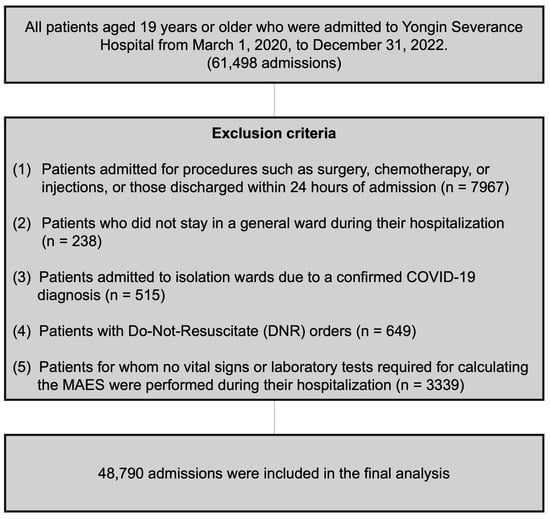
Background: This retrospective study introduces an AI-driven VitalCare-Major Adverse Event Score (VC-MAES) developed to predict major in-hospital adverse events and determine optimal cutoff thresholds. VC-MAES was originally developed to predict a composite outcome including unplanned intensive care unit (ICU) transfer, in-hospital cardiac
[...] Read more.
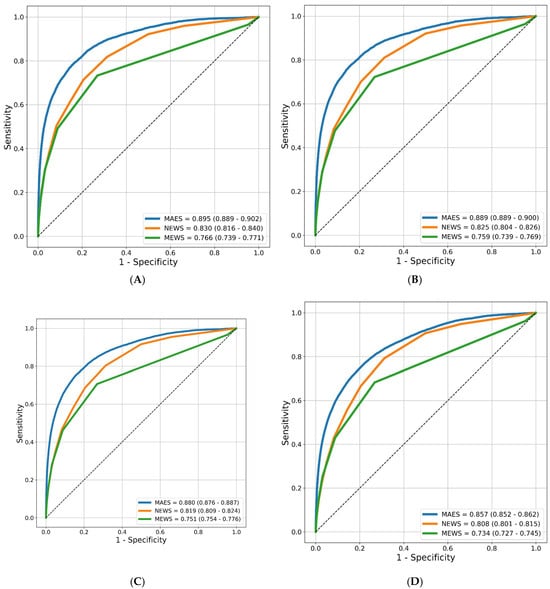
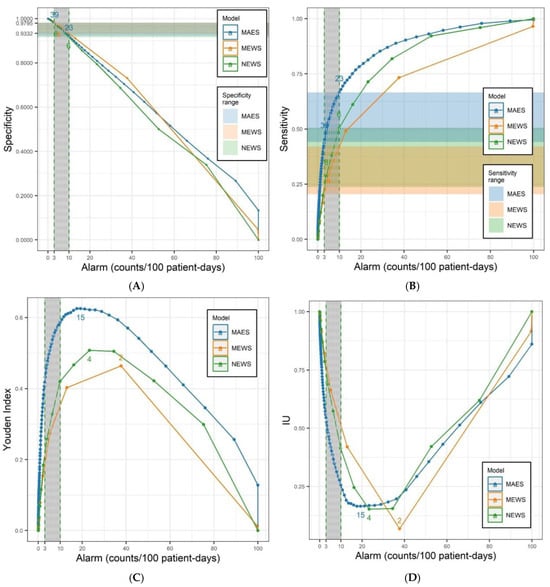
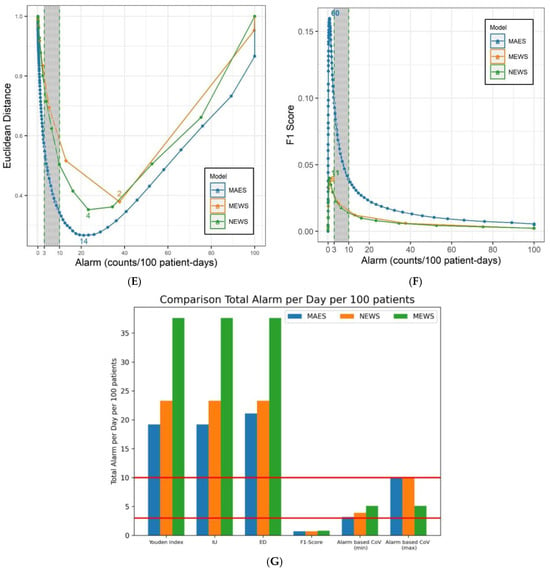
Background: This retrospective study introduces an AI-driven VitalCare-Major Adverse Event Score (VC-MAES) developed to predict major in-hospital adverse events and determine optimal cutoff thresholds. VC-MAES was originally developed to predict a composite outcome including unplanned intensive care unit (ICU) transfer, in-hospital cardiac arrest, and mortality; the present study evaluates its performance for the composite of unplanned ICU transfer and in-hospital cardiac arrest. Methods: Patients aged ≥19 years in Yongin Severance Hospital between 1 March 2020, and 31 December 2022, were included. The primary outcome was clinica l deterioration, defined as unplanned ICU transfer or in-hospital cardiac arrest. Secondary outcomes included model performance metrics (area under the receiver operating characteristic (ROC) curve, sensitivity, specificity, F1 score) and optimal alarm frequency (number of alarms per 100 patient-days) across cutoff determination methods (Youden’s index, F1 score, Euclidean distance, and alarm-based approach); they were used to determine optimal cutoff values. 20 July 2026. Results: VC-MAES achieved an area under the ROC curve of 0.895(full evaluable sample) at 6-h intervals, outperforming traditional early warning systems. It exhibited improved sensitivity (0.5853) compared to NEWS (0.3775) and MEWS (0.3049) while maintaining a specificity exceeding 0.95, balancing alarm frequency and predictive accuracy (all figures based on each model’s own full evaluable sample: VC-MAES, n = 7425 events; NEWS, n = 3494; MEWS, n = 3198). On the common prediction time-point sample (n = 1678 events), the alarm-based cutoff yielded a sensitivity of 0.5244 for VC-MAES versus 0.2271 for NEWS and 0.1740 for MEWS, with alarm frequencies of 9.67, 7.07, and 5.58 per 100 patient-days, respectively. When compared on a common set of prediction time-points, VC-MAES (AUROC 0.832 on the common sample, 95% CI: 0.822–0.842) significantly outperformed NEWS (AUROC 0.743, 95% CI: 0.732–0.756; DeLong Z = −14.19, p < 0.0001) and MEWS (AUROC 0.706, 95% CI: 0.693–0.720; DeLong Z = −18.22, p < 0.0001). ROC-based methods, such as Youden’s index and Euclidean distance, were deemed unsuitable for practical clinical use. Conclusions: Conventional ROC-based cutoff selection methods may not be suitable for real-world clinical implementation due to excessive alarm burden. An alarm-based cutoff approach provides a more clinically applicable strategy by balancing predictive performance with manageable alarm frequency. These findings highlight the importance of incorporating clinical usability into cutoff determination for AI-based early warning systems.
Full article
(This article belongs to the Special Issue Advancing Clinical Medicine Through Artificial Intelligence (AI) and Digital Technology: 2nd Edition)
►▼
Show Figures

Figure 1
Open AccessArticle
Respiratory Versus Gastrointestinal Malignancies: Systemic Inflammation, Cardiovascular Burden, and All-Cause Mortality
by
Bozhidar Krastev, Natalia Spasova, Petranka Troyanova, Elena Kinova and Assen Goudev
J. Clin. Med. 2026, 15(14), 5752; https://doi.org/10.3390/jcm15145752 - 22 Jul 2026
Abstract
Background/Objectives: Systemic inflammation is common in patients with cancer and may reflect tumor activity, disease extent, and the patient’s overall clinical condition. The systemic immune-inflammation index (SII), calculated from neutrophil, platelet, and lymphocyte counts, is a simple marker, but its relationship with tumor
[...] Read more.
Background/Objectives: Systemic inflammation is common in patients with cancer and may reflect tumor activity, disease extent, and the patient’s overall clinical condition. The systemic immune-inflammation index (SII), calculated from neutrophil, platelet, and lymphocyte counts, is a simple marker, but its relationship with tumor type, cardiovascular burden, and mortality is not fully clarified. To compare patients with respiratory system malignancies (RSM) and gastrointestinal tract malignancies (GITM) in terms of cardiovascular comorbidity, inflammatory profile, tumor-related characteristics, and recorded all-cause mortality, and to assess the association between SII and mortality. Methods: We analyzed 879 patients with solid malignancies, including 350 with RSM and 529 with GITM. SII was calculated as platelet count × neutrophil count/lymphocyte count. Cardiometabolic and cardiovascular burden was assessed according to the number of recorded cardiometabolic risk factors and cardiovascular diseases. The main outcome was recorded all-cause mortality. Results: Patients with RSM were younger and more often male, and more frequently had stage IV disease, whereas patients with GITM had a more pronounced cardiometabolic risk profile. Mortality was higher in RSM than in GITM (42.3% vs. 29.9%), and SII was also higher in RSM (median 1117.8 vs. 716.8). In the overall cohort, higher SII was associated with mortality after adjustment for age, sex, cancer type, stage, and metastatic disease (OR 1.11 per 1000-unit increase, 95% CI 1.02–1.21; p = 0.013). Mortality increased across SII tertiles from 22.5% to 34.5% and 47.4%. Adding SII to the clinical model led to only a small increase in AUC, from 0.719 to 0.729. Conclusions: SII was higher in patients with RSM and was associated with recorded all-cause mortality. However, its added prognostic value was modest. SII should therefore be interpreted as a supportive inflammatory marker, together with tumor stage, metastatic disease, and the broader clinical condition of the patient.
Full article
(This article belongs to the Section Oncology)
Open AccessArticle
Multimodal Prediction of Progression Toward Brain Death After Out-of-Hospital Cardiac Arrest
by
Jae Hun Oh, Jisu Kim, Jong Ho Zhu, Mi Kyong Kwon, Seung Pill Choi, Hyo Joon Kim, Kiwook Kim, Hwan Song and Soo Hyun Kim
J. Clin. Med. 2026, 15(14), 5751; https://doi.org/10.3390/jcm15145751 - 22 Jul 2026
Abstract
Background/Objectives: Some patients with severe hypoxic–ischemic brain injury after out-of-hospital cardiac arrest (OHCA) progress toward brain death, a trajectory not adequately captured by the conventional classification of favorable versus unfavorable neurological outcomes. We developed and internally evaluated a multimodal model combining quantitative
[...] Read more.
Background/Objectives: Some patients with severe hypoxic–ischemic brain injury after out-of-hospital cardiac arrest (OHCA) progress toward brain death, a trajectory not adequately captured by the conventional classification of favorable versus unfavorable neurological outcomes. We developed and internally evaluated a multimodal model combining quantitative brain computed tomography (CT), serum neuron-specific enolase (NSE) at 48 h, and clinical variables to predict operationally defined progression toward brain death (PTBD). Methods: This multicenter retrospective secondary analysis used prospectively collected data from the Korean Hypothermia Network registry. Adult comatose OHCA survivors treated with targeted temperature management between October 2015 and December 2020 were included. Multivariable logistic regression models were developed in the total cohort and in patients with poor neurological outcomes. Model performance was assessed using discrimination, calibration, the Brier score, and bootstrap internal validation. Results: Of 468 patients assessed, 376 were included; their mean age was 58.7 years, and 269 (71.5%) were male. Seventy-four patients (19.7%) met the operational definition of PTBD. In the total cohort, younger age, non-shockable rhythm, low gray-to-white matter ratio (GWR ≤ 1.19), and higher NSE at 48 h were independently associated with PTBD. Among 288 patients with poor neurological outcomes, younger age, low GWR, and higher NSE at 48 h remained independent predictors. The total-cohort model had an AUC of 0.895 and an optimism-corrected AUC of 0.890. Its AUC was higher than that of NSE at 48 h (p < 0.001) but not significantly different from that of GWR alone (p = 0.054). In the poor-outcome subgroup, the model had an AUC of 0.864 and an optimism-corrected AUC of 0.858 and significantly outperformed both GWR (p = 0.012) and NSE at 48 h (p < 0.001). Conclusions: PTBD represents a clinically distinguishable trajectory among patients with poor neurological outcomes after OHCA. A multimodal model using information available within 48 h demonstrated good internally validated performance and may support early risk stratification before definitive neuroprognostication. External validation is required before clinical implementation.
Full article
(This article belongs to the Special Issue Cardiac Arrest: Beyond Survival—Precision Neuroprognostication After Cardiac Arrest)
Open AccessReview
Hypochloremia in Older Adults with Heart Failure: From Pathophysiology to Prognosis
by
Elisa Fabbri, Lorenzo Maestri, Gabriella Cucinotta and Paolo Muratori
J. Clin. Med. 2026, 15(14), 5750; https://doi.org/10.3390/jcm15145750 - 22 Jul 2026
Abstract
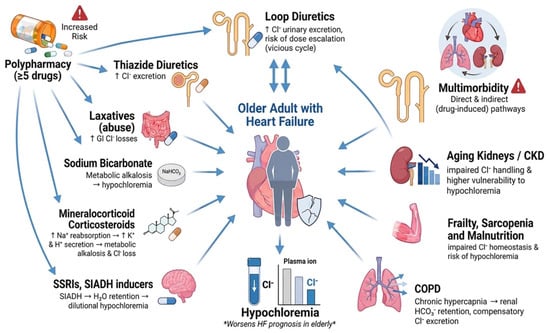
Hypochloremia has recently emerged as an independent prognostic marker in heart failure (HF), which is especially common in older adults, where it represents a main cause of death and hospitalization. This narrative review of the literature aims to summarize the main evidence about
[...] Read more.
Hypochloremia has recently emerged as an independent prognostic marker in heart failure (HF), which is especially common in older adults, where it represents a main cause of death and hospitalization. This narrative review of the literature aims to summarize the main evidence about the clinical significance of hypochloremia in older adults with HF. Particularly, hypochloremia results from the interplay among neurohormonal activation, congestion, renal dysfunction, and diuretic therapy. In older adults, age-related decline in renal function, frailty, multimorbidity, and polypharmacy increase susceptibility to chloride disturbances. Overall, the prevalence of hypochloremia in HF in older people was estimated to be about 25–29%. Although studies specifically involving older adults with HF remain limited, available data support the prognostic relevance of hypochloremia in this population. Moreover, recent evidence has identified distinct hypochloremic phenotypes, namely dilutional and depletional forms, characterized by different pathophysiological mechanisms. Emerging chloride-centered therapeutic strategies may be particularly relevant in older patients. In conclusion, hypochloremia is confirmed as an important marker of disease severity and adverse prognosis in older patients with HF. Routine assessment of serum chloride may improve risk stratification and support a more individualized therapeutic approach. Further prospective studies are needed to clarify the role of chloride-guided management strategies and their impact on clinical outcomes in older patients with HF.
Full article
(This article belongs to the Special Issue Patient-Oriented Treatments for Heart Failure)
►▼
Show Figures

Figure 1
Open AccessReview
Beyond the Four Pillars: A Risk-Targeted Framework for Vericiguat—A Narrative Review
by
Jacek Kubica, Aldona Kubica, Robert Gajda, Ewa Laskowska, Julia M. Umińska, Jakub Ratajczak, Piotr Niezgoda, Natalia Mrzywka, Łukasz Szarpak and Eliano P. Navarese
J. Clin. Med. 2026, 15(14), 5749; https://doi.org/10.3390/jcm15145749 - 22 Jul 2026
Abstract
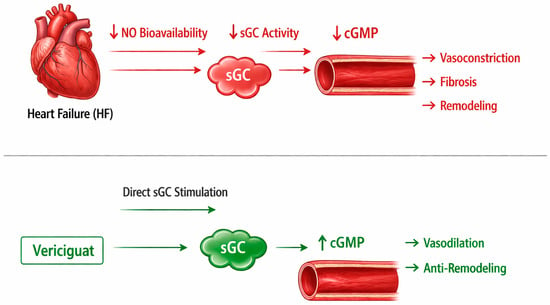
Heart failure (HF) remains a major global health burden despite substantial therapeutic advances. Vericiguat, an oral soluble guanylate cyclase (sGC) stimulator, represents a distinct pharmacological strategy targeting impaired nitric oxide–sGC–cyclic guanosine monophosphate (NO–sGC–cGMP) signaling, a pathway closely linked to endothelial dysfunction, vascular stiffness,
[...] Read more.
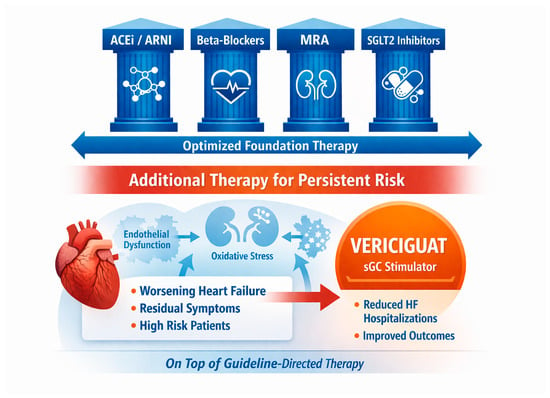
Heart failure (HF) remains a major global health burden despite substantial therapeutic advances. Vericiguat, an oral soluble guanylate cyclase (sGC) stimulator, represents a distinct pharmacological strategy targeting impaired nitric oxide–sGC–cyclic guanosine monophosphate (NO–sGC–cGMP) signaling, a pathway closely linked to endothelial dysfunction, vascular stiffness, myocardial fibrosis, and adverse remodeling. This narrative review synthesizes the current evidence on the efficacy, safety, and clinical positioning of vericiguat across the heart failure spectrum, with a particular focus on worsening heart failure with reduced ejection fraction (HFrEF), while integrating recent trial data, updated guideline recommendations, and emerging real-world evidence to define its contemporary role in clinical practice. Randomized trials, subgroup analyses, and contemporary meta-analyses indicate that vericiguat provides a modest but clinically relevant reduction in HF-related outcomes, especially in high-risk patients with recent decompensation. However, its overall effect appears smaller than that of foundational therapies such as angiotensin receptor–neprilysin inhibitors and sodium–glucose cotransporter 2 inhibitors. Recently published data from the VICTOR program further refine the role of vericiguat in compensated outpatients with chronic HFrEF, showing a neutral primary outcome but providing supportive hypothesis-generating signals across a broader risk continuum while confirming a favorable safety profile. Overall, vericiguat should be regarded not as a replacement for cornerstone therapy but as a mechanistically complementary, risk-targeted adjunct for selected patients with persistent residual risk despite guideline-directed medical therapy.
Full article
(This article belongs to the Special Issue Heart Failure: Treatment and Clinical Perspectives)
►▼
Show Figures

Figure 1
Open AccessArticle
Angiotensin-Converting Enzyme (ACE) Insertion/Deletion (I/D) Polymorphism and Migraine Susceptibility and Phenotypes: A Clinical-Genetic Study in a United Arab Emirates (UAE) Cohort
by
Eslam ElNebrisi, Mohamed Elshafei, Sarah Safwat, Lamia Ibrahim, Mariam A. L. Younan, Shyam Babu Chandran, Mohamed Hussein and Nadia M. ElRouby
J. Clin. Med. 2026, 15(14), 5748; https://doi.org/10.3390/jcm15145748 - 22 Jul 2026
Abstract
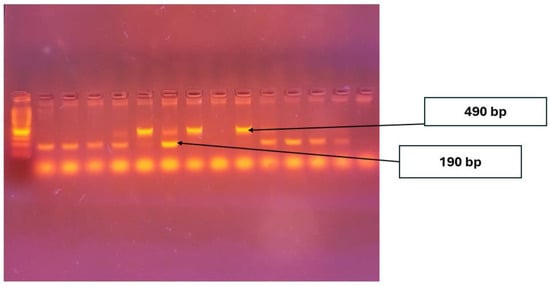
Background/Objectives: Migraine is a complex neurovascular disorder with a multifactorial genetic basis and remains a leading cause of neurological disability worldwide. The angiotensin-converting enzyme (ACE) insertion/deletion (I/D) polymorphism has been implicated in vascular regulation and neurovascular reactivity; however, its role in migraine susceptibility
[...] Read more.
Background/Objectives: Migraine is a complex neurovascular disorder with a multifactorial genetic basis and remains a leading cause of neurological disability worldwide. The angiotensin-converting enzyme (ACE) insertion/deletion (I/D) polymorphism has been implicated in vascular regulation and neurovascular reactivity; however, its role in migraine susceptibility and clinical expression remains unclear. This study aimed to evaluate the association between ACE I/D polymorphism and migraine susceptibility and clinical phenotypes in a diverse clinical cohort. Methods: A case–control study was conducted including 183 participants, comprising clinically diagnosed migraine patients (n = 82) and age- and sex-matched controls (n = 101). Genomic DNA was extracted from peripheral blood samples, and ACE I/D genotyping was performed using polymerase chain reaction. Genotype distribution was compared using chi-square tests, and odds ratios (ORs) with 95% confidence intervals (CIs) were calculated. Results: Overall genotype frequencies were Deletion/Deletion (DD) 43.7%, ID 38.8%, and Insertion/Insertion (II) 17.5%. Genotype distributions were comparable between migraine patients and controls (χ2 ≈ 0.92, p = 0.632). No statistically significant associations were identified between ACE I/D polymorphism and migraine susceptibility, genotype models, or migraine subtypes. However, the II genotype was associated with higher Migraine Disability Assessment (MIDAS) scores among migraine patients. Conclusions: The ACE I/D polymorphism was not associated with migraine susceptibility or clinical phenotypes in this cohort. These findings suggest that ACE I/D polymorphism does not appear to be a major determinant of migraine susceptibility in this cohort. The results highlight the need to investigate broader genetic and molecular mechanisms and support the application of integrative genomic approaches to better understand migraine heterogeneity and inform precision medicine strategies.
Full article
(This article belongs to the Special Issue Advances and Updates in Migraine)
►▼
Show Figures

Figure 1
Open AccessArticle
Frugal Learning Methods for Kidney Segmentation in Non-Contrast MRI
by
Jan Podlaszewski, Artur Klepaczko, Ludomir Stefańczyk and Marcin Majos
J. Clin. Med. 2026, 15(14), 5747; https://doi.org/10.3390/jcm15145747 - 22 Jul 2026
Abstract
Background/Objectives: Chronic kidney disease is a growing global health concern, necessitating effective tools for early detection and monitoring. While non-contrast T1-weighted magnetic resonance imaging offers a non-invasive means to assess kidney morphology, robust automated segmentation remains challenging due to limited annotated data,
[...] Read more.
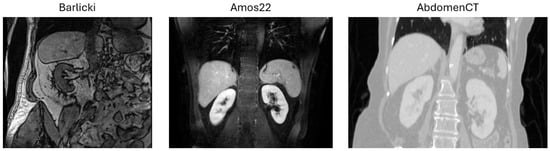
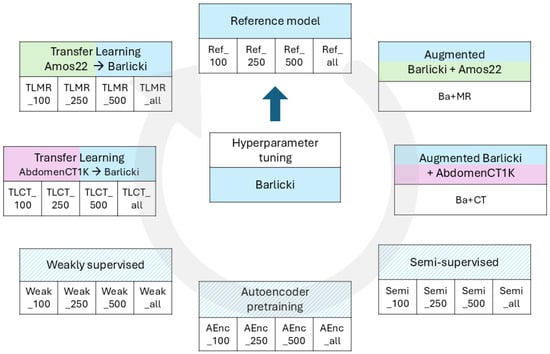
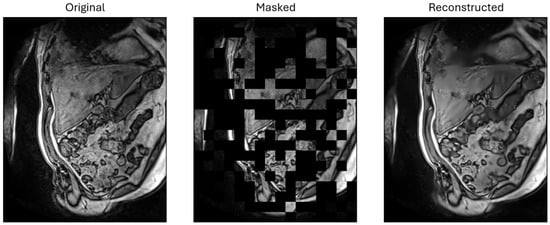
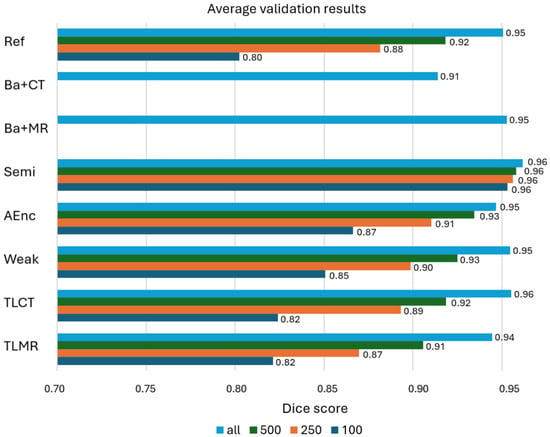
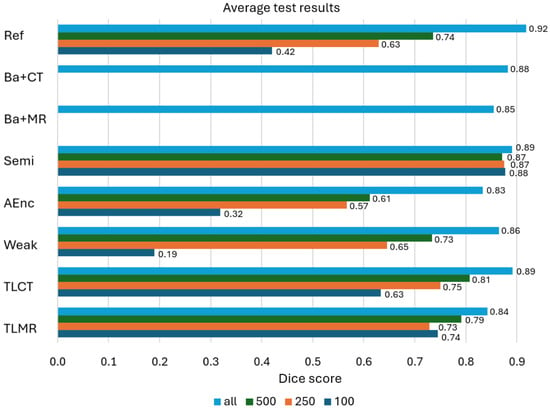
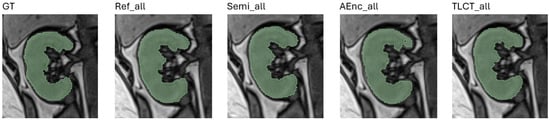
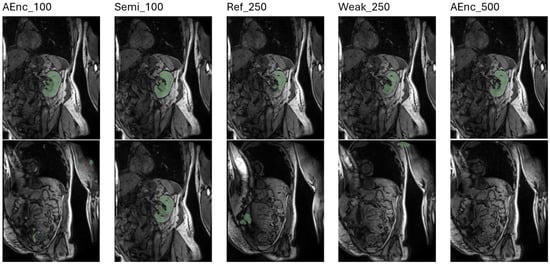
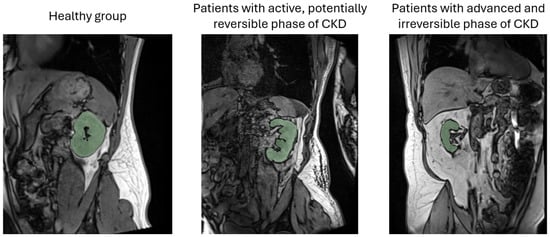
Background/Objectives: Chronic kidney disease is a growing global health concern, necessitating effective tools for early detection and monitoring. While non-contrast T1-weighted magnetic resonance imaging offers a non-invasive means to assess kidney morphology, robust automated segmentation remains challenging due to limited annotated data, high inter-patient variability, and low signal-to-noise ratios. Methods: In this study, we address these obstacles by developing and evaluating a series of frugal learning methodologies for kidney segmentation in non-contrast MRI. Building upon the U-Net architecture, we aim to maximize segmentation accuracy despite scarce labeled data. Our experimental framework leverages three diverse datasets to evaluate performance-boosting strategies such as transfer learning: a clinically relevant local cohort (the Barlicki dataset) as the primary target domain and two auxiliary public datasets (AMOS22 and AbdomenCT). Utilizing these data streams, we systematically compare seven frugal learning strategies incorporating data augmentation, semi-supervised learning, and weak supervision against a fully supervised baseline. Results: The results demonstrate that frugal learning methods enable accurate and reliable kidney segmentation while substantially reducing the need for manual annotations. The best-performing semi-supervised and transfer learning approaches achieved a Dice similarity coefficient of 0.89, which was only moderately lower than that of the fully supervised model (Dice = 0.92). Conclusions: This work highlights the potential of data-efficient deep learning techniques to accelerate the adoption of automated kidney segmentation in clinical workflows, particularly in settings where annotated medical images are limited.
Full article
(This article belongs to the Section Nephrology & Urology)
►▼
Show Figures

Figure 1
Open AccessArticle
Braided Polyester Sutures with Different Manufacturing Characteristics in Cervical Cerclage: A Pilot Study Comparing Obstetric Outcomes and Operative Characteristics
by
Cem Terece, Simge Tezel Yozgat and Volkan Karataşlı
J. Clin. Med. 2026, 15(14), 5746; https://doi.org/10.3390/jcm15145746 - 22 Jul 2026
Abstract
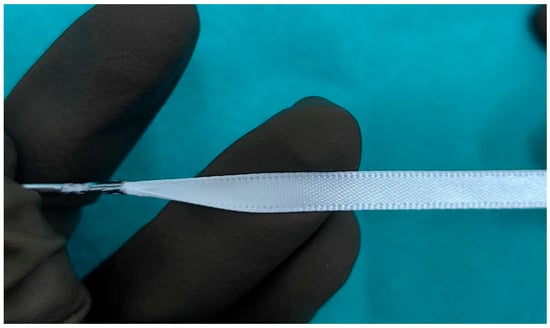
Background and Objectives: The effect of suture material on clinical outcomes in cervical cerclage remains debated. This pilot study compared two braided polyester suture materials with different manufacturing characteristics (Mersilene® and Uniester®) in terms of obstetric outcomes and operative characteristics.
[...] Read more.
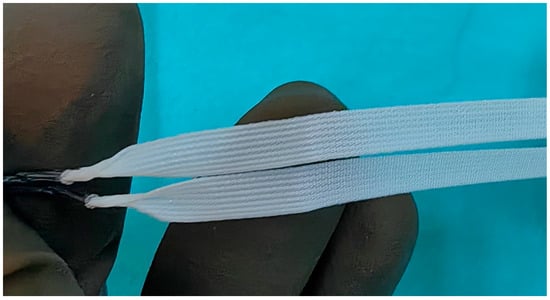
Background and Objectives: The effect of suture material on clinical outcomes in cervical cerclage remains debated. This pilot study compared two braided polyester suture materials with different manufacturing characteristics (Mersilene® and Uniester®) in terms of obstetric outcomes and operative characteristics. Methods: Twenty-two pregnant women who underwent McDonald cerclage at a single center between January 2024 and December 2025 were retrospectively analyzed. Cases were divided into Mersilene® (n = 11) and Uniester® (n = 11) groups and compared regarding demographic characteristics, maternal complications, gestational age at delivery, neonatal outcomes, and operative time. Risk factors for preterm birth were assessed using multivariable logistic and linear regression analyses. Results: No significant differences were observed between groups in demographic, maternal, or neonatal outcomes. Median gestational age at delivery was 34.8 vs. 35.1 weeks (p = 1.00). Operative time was shorter in the Uniester® group, although the difference did not reach statistical significance (21.1 vs. 24.4 min; mean difference 3.3 min, 95% CI: −1.5 to 8.1; p = 0.17). Multivariable analysis identified multiple pregnancy as the only independent predictor of preterm birth (OR = 12.5, 95% CI: 1.292–120.96, p = 0.029). Conclusions: The findings of this pilot study indicate that no statistically significant differences in obstetric or neonatal outcomes were observed between the two suture materials; given the limited sample size, this should not be interpreted as evidence of equivalence. The primary determinants of pregnancy prognosis were biological parameters, primarily multiple pregnancy, rather than suture material; preoperative cervical length showed only a non-significant trend toward association. The reportedly favorable handling characteristics and the non-significantly shorter operative time associated with Uniester® may suggest a potential, though unconfirmed, technical advantage in terms of operative efficiency, particularly in time-sensitive or high-risk procedural contexts. Larger prospective multicenter studies are warranted to confirm these findings and to further evaluate whether differences in suture structure translate into clinically meaningful benefits.
Full article
(This article belongs to the Section Obstetrics & Gynecology)
►▼
Show Figures

Figure 1
Open AccessArticle
Transvenous Lead Extraction in a Real-World Cohort: Clinical Characteristics, Outcomes, and Performance of the SAFeTY Score
by
Mark Racman, Aida Duric, Jan Kafol, Jan Prevolnik and Jus Ksela
J. Clin. Med. 2026, 15(14), 5745; https://doi.org/10.3390/jcm15145745 - 22 Jul 2026
Abstract
Background/Objectives: The increasing use of cardiovascular implantable electronic devices has increased the need for transvenous lead extraction (TLE), which carries a relevant complication risk. The SAFeTY score was developed to predict procedure-related major complications. We evaluated TLE outcomes, explored associations between the
[...] Read more.
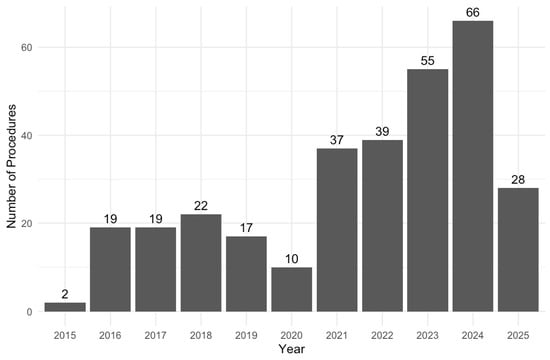
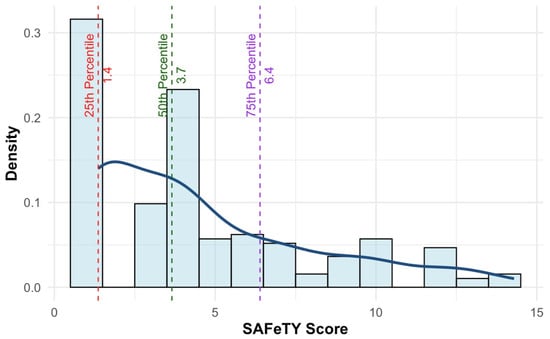
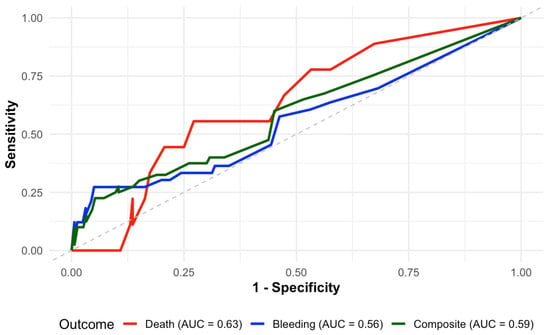
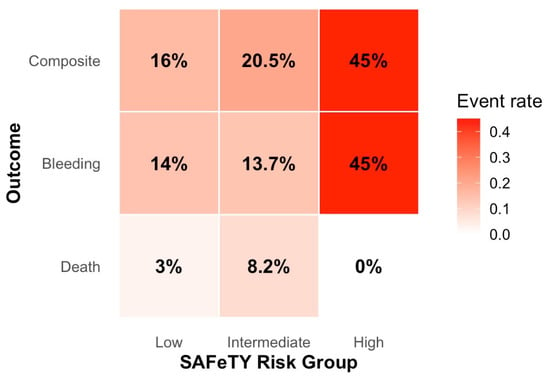
Background/Objectives: The increasing use of cardiovascular implantable electronic devices has increased the need for transvenous lead extraction (TLE), which carries a relevant complication risk. The SAFeTY score was developed to predict procedure-related major complications. We evaluated TLE outcomes, explored associations between the SAFeTY score and retrospective endpoints, and compared conventional extraction (CE) with mechanical rotational sheath-assisted extraction (MRSE). Methods: This retrospective study included consecutive patients undergoing TLE at a tertiary center between 2015 and 2025. The SAFeTY score was calculated in patients undergoing MRSE and examined in relation to procedure-related and all-cause in-hospital mortality, significant post-procedural hemoglobin decrease, and a composite endpoint. Results: Among 314 patients, 193 (61.5%) underwent MRSE. These patients had longer cumulative lead dwell time and more previous procedures, indicating greater procedural complexity. Overall procedural success was 95.9%, procedure-related mortality was 0.3%, and all-cause in-hospital mortality was 4.8%. Exploratory unadjusted comparisons showed no significant differences between MRSE and CE in procedural success or mortality. In the MRSE group, 17.1% had a post-procedural hemoglobin decrease > 30 g/L. The SAFeTY score was not associated with procedure-related or all-cause mortality but was associated with the composite endpoint (odds ratio 1.12 per point, p = 0.025), with modest discrimination (area under the receiver operating characteristic curve [AUC] 0.59). Conclusions: TLE achieved high procedural success and very low procedure-related mortality. Because MRSE was non-randomly selected for more complex procedures, the study cannot establish equivalence or an independent effect of extraction strategy. Associations between the SAFeTY score and alternative retrospective endpoints should be considered exploratory and do not constitute validation for its original purpose.
Full article
(This article belongs to the Section Cardiology)
►▼
Show Figures

Figure 1
Open AccessArticle
Extracellular Matrix Tissue Patch for Septal Defect Repair in Pediatric Cardiac Surgery: A Single-Center Experience
by
Marcin Gładki, Paweł R. Bednarek, Anita Węclewska, Tomasz Urbanowicz, Anna Olasińska-Wiśniewska, Bartłomiej Kociński, Jowita Rosada-Kurasińska and Marek Jemielity
J. Clin. Med. 2026, 15(14), 5744; https://doi.org/10.3390/jcm15145744 - 22 Jul 2026
Abstract
Background: Decellularized extracellular matrix (ECM) patches have emerged as a potential alternative to synthetic and autologous materials in pediatric cardiac surgery; however, clinical data on their use in septal defect repair remain limited. Methods: This single-center retrospective study evaluated the applicability and early
[...] Read more.
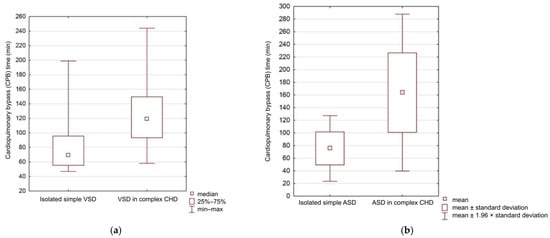
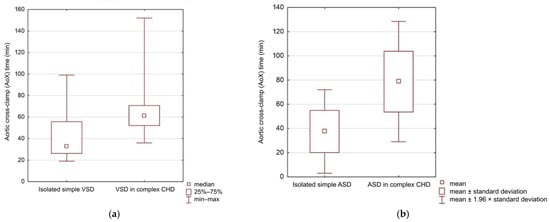
Background: Decellularized extracellular matrix (ECM) patches have emerged as a potential alternative to synthetic and autologous materials in pediatric cardiac surgery; however, clinical data on their use in septal defect repair remain limited. Methods: This single-center retrospective study evaluated the applicability and early outcomes of ECM scaffolds for pediatric septal defect repair using data from the national cardiac surgery registry. Early postoperative outcomes and perioperative variables were analyzed. Results: The study included 72 procedures performed in 68 patients (35 males and 33 females), aged 10 days to 16 years (median age: 187 days; IQR: 105–327 days). Reoperations accounted for 6% of cases. Postoperative complications occurred in 1.4% of patients, and continuous renal replacement therapy was required in 6 (8.8%) patients. Overall mortality was 2.9% (2/68 patients). No statistically significant differences were observed between atrial and ventricular septal defect groups. Conclusions: ECM patches appeared to be a safe and effective option for septal defect repair in pediatric cardiac surgery, demonstrating low complication rates and satisfactory early outcomes across different types of congenital heart defects.
Full article
(This article belongs to the Special Issue Clinical Management of Pediatric Heart Diseases)
►▼
Show Figures

Figure 1
Open AccessArticle
Proportional Nodal Burden as a Marker of Recurrence Risk in Non-Metastatic Colorectal Adenocarcinoma: The Prognostic Role of Lymph Node Ratio
by
Adem Ozcan and Gizem Gunes
J. Clin. Med. 2026, 15(14), 5743; https://doi.org/10.3390/jcm15145743 - 22 Jul 2026
Abstract
Background: Pathological N staging remains central to prognostic assessment in colorectal adenocarcinoma; however, it captures nodal disease as an absolute count and does not account for the total number of examined lymph nodes. The lymph node ratio (LNR) may refine postoperative risk
[...] Read more.
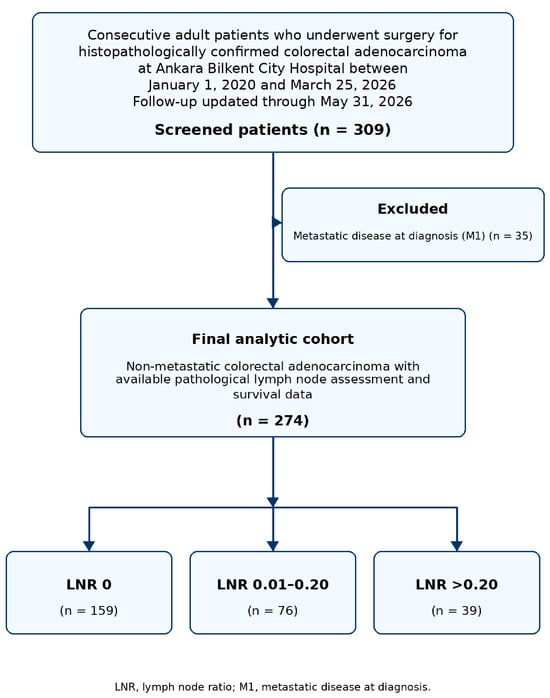
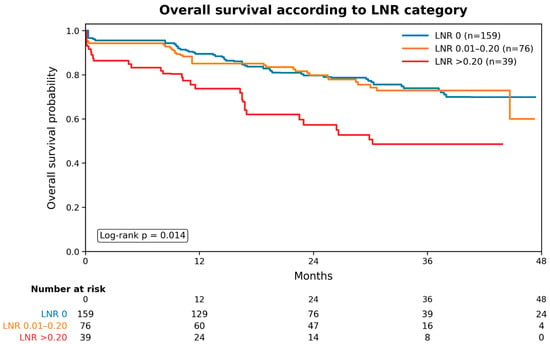
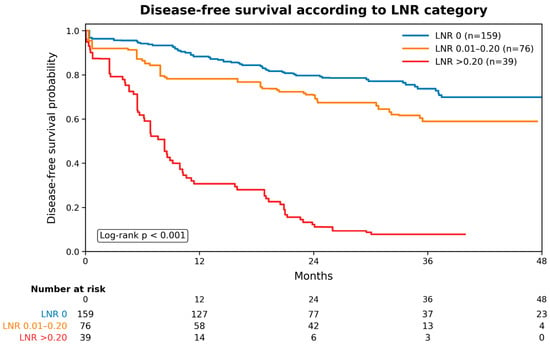
Background: Pathological N staging remains central to prognostic assessment in colorectal adenocarcinoma; however, it captures nodal disease as an absolute count and does not account for the total number of examined lymph nodes. The lymph node ratio (LNR) may refine postoperative risk stratification by integrating both metastatic nodal burden and lymph node yield. This study evaluated the prognostic value of LNR in a contemporary surgical cohort of patients with colorectal adenocarcinoma. Methods: This retrospective single-center cohort study included consecutive adult patients who underwent surgery for histopathologically confirmed colorectal adenocarcinoma at the Surgical Oncology Clinic of Ankara Bilkent City Hospital between January 2020 and 25 March 2026. Patients with metastatic disease were excluded from the primary curative-intent analysis. LNR was calculated as the number of metastatic lymph nodes divided by the total number of harvested lymph nodes and categorized as 0, 0.01–0.20, and >0.20. Overall survival (OS) was calculated from the date of histopathological diagnosis, whereas disease-free survival (DFS) was calculated from the date of curative-intent surgery. Survival outcomes were evaluated using Kaplan–Meier analysis and Cox proportional hazards regression. Results: Among 309 screened patients, 274 non-metastatic patients constituted the final analytic cohort. LNR categories were LNR 0 in 159 patients (58.0%), LNR 0.01–0.20 in 76 patients (27.7%), and LNR > 0.20 in 39 patients (14.2%). Median observed follow-up was 24.1 months [IQR, 13.9–35.8] for OS and 22.4 months [IQR, 10.8–34.3] for DFS. During follow-up, 60 deaths and 90 DFS events occurred. Three-year OS was 76.4%, 71.5%, and 53.4% across the three LNR groups, respectively (log-rank p = 0.014), whereas 3-year DFS was 74.7%, 62.4%, and 9.6%, respectively (log-rank p < 0.001). In multivariable analysis, LNR > 0.20 remained independently associated with impaired DFS (adjusted HR 4.84 (95% CI 2.77–8.46); p < 0.001), whereas its association with OS was attenuated after adjustment. Conclusions: In patients undergoing surgery for non-metastatic colorectal adenocarcinoma, LNR > 0.20 identifies a high-risk subgroup with markedly impaired disease-free survival. LNR may complement conventional N staging and improve postoperative recurrence-risk stratification using information already available in routine pathology reports.
Full article
(This article belongs to the Section Gastroenterology & Hepatopancreatobiliary Medicine)
►▼
Show Figures

Figure 1
Open AccessArticle
Association of Serial Intra-Abdominal Pressure Measurements with Renal Outcomes and Mortality in Critically Ill Adults
by
Ayşe Sarı Öztürk, Kamil Konur and Ekrem Kara
J. Clin. Med. 2026, 15(14), 5742; https://doi.org/10.3390/jcm15145742 - 22 Jul 2026
Abstract
Background/Objectives: Intra-abdominal hypertension (IAH) is a common but under-recognized condition in critically ill patients and is associated with adverse outcomes, particularly acute kidney injury (AKI) and mortality. However, the prognostic value of intra-abdominal pressure (IAP) remains incompletely defined. This study aimed to
[...] Read more.
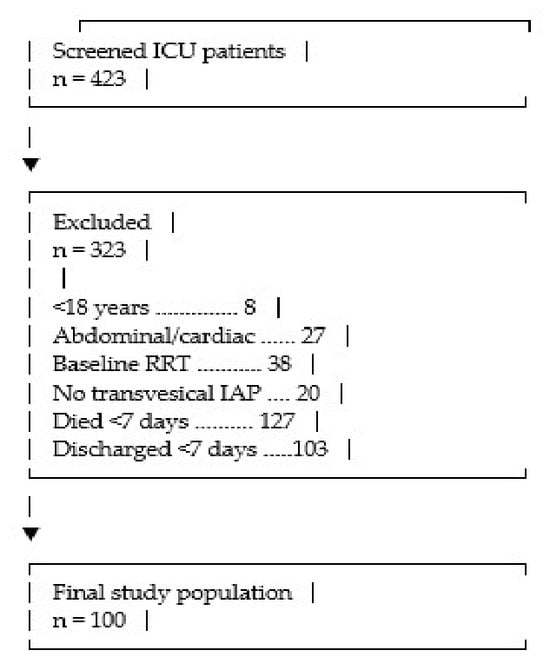
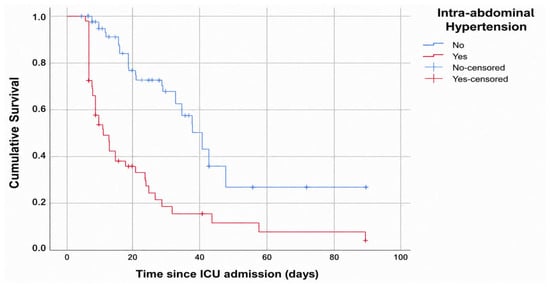
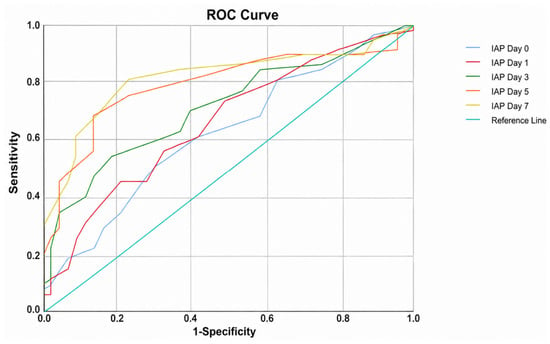
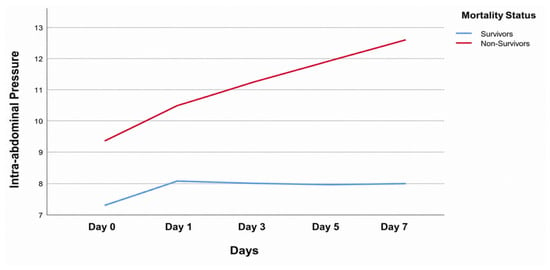
Background/Objectives: Intra-abdominal hypertension (IAH) is a common but under-recognized condition in critically ill patients and is associated with adverse outcomes, particularly acute kidney injury (AKI) and mortality. However, the prognostic value of intra-abdominal pressure (IAP) remains incompletely defined. This study aimed to evaluate the association between IAP levels and clinical outcomes, and to determine its prognostic significance in intensive care unit (ICU) patients. Methods: This prospective cohort study included adult patients admitted to the ICU between 2024 and 2025. Serial IAP measurements were performed using the transvesical method on days 0, 1, 3, 5, and 7. Demographic, clinical, and laboratory data, along with severity scores (SOFA and APACHE II), were recorded. Patients were followed for 90 days. Primary outcomes were AKI and 90-day mortality. Statistical analyses included regression models, survival analysis, and ROC curve analysis. Results: The prevalence of IAH was 54%. IAH was significantly associated with advanced age, male sex, higher body mass index, increased comorbidity burden, sepsis, positive fluid balance, and higher disease severity scores. Patients with IAH had a significantly higher frequency of AKI occurrence and increased mortality. IAP levels positively correlated with serum urea and creatinine levels. Serial IAP measurements, particularly on days 5 and 7, showed progressively improved predictive performance for mortality. Survival analysis revealed significantly reduced survival in patients with IAH. Conclusions: IAH is highly prevalent in critically ill patients and is strongly associated with renal dysfunction and mortality. Serial IAP measurements may provide useful prognostic information in critically ill patients; however, these findings require validation in larger studies.
Full article
(This article belongs to the Special Issue Acute Kidney Injury: Current Challenges and Future Directions in Diagnosis and Treatment)
►▼
Show Figures

Figure 1
Open AccessArticle
Evolution of Hemophilia Management in Italy: Results from a Delphi Consensus Study
by
Giancarlo Castaman, Raimondo De Cristofaro, Matteo Nicola Dario Di Minno, Francesca Gatto, Paolo Mariani, Angelo Claudio Molinari, Mariasanta Napolitano, Cristina Santoro, Rita Carlotta Santoro and Ezio Zanon
J. Clin. Med. 2026, 15(14), 5741; https://doi.org/10.3390/jcm15145741 - 22 Jul 2026
Abstract
Background/Objectives: The clinical management of hemophilia has evolved with the introduction of innovative therapies that are reshaping treatment paradigms. Real-world implementation of these approaches may vary across centers. This modified Delphi consensus study aimed to explore current clinical perspectives on hemophilia management
[...] Read more.
Background/Objectives: The clinical management of hemophilia has evolved with the introduction of innovative therapies that are reshaping treatment paradigms. Real-world implementation of these approaches may vary across centers. This modified Delphi consensus study aimed to explore current clinical perspectives on hemophilia management in Italy among healthcare professionals. Methods: Eight hemophilia experts developed 38 statements covering seven domains, including therapeutic personalization, adherence and patient engagement, follow-up strategies, inhibitor management, comorbidity management in patients, musculoskeletal monitoring, and organizational aspects of care. Statements were evaluated through an anonymous web-based survey in a modified single-round Delphi process using a 5-point Likert scale. Consensus was defined a priori as ≥70% agreement or disagreement after exclusion of neutral responses. Results: Thirty-four clinicians from specialized hemophilia centers participated in the survey. Strong agreement emerged regarding the importance of personalized treatment strategies, active patient involvement in therapeutic decisions, and multidisciplinary management, particularly in ageing patients with comorbidities. Panelists also supported the role of joint ultrasound in monitoring musculoskeletal health and highlighted adherence as a key determinant of treatment outcomes. Areas of heterogeneity included criteria for transitioning between intravenous and subcutaneous therapies, the implementation of structured transition programs from pediatric to adult care, and the frequency of musculoskeletal imaging. Limited availability of psychological support and variable integration of patient-reported outcomes were also identified. Conclusions: Italian hemophilia specialists showed substantial agreement across key domains; however, future work should address remaining organizational and clinical gaps and incorporate patient perspectives to support more integrated and patient-centered management strategies for people with hemophilia.
Full article
(This article belongs to the Special Issue Bleeding Disorders and Hemophilia: Clinical Advances and Treatment)
►▼
Show Figures

Figure 1
Open AccessCase Report
Postpartum Atypical Hemolytic Uremic Syndrome Complicating β-Thalassemia Intermedia: A Case Report and Literature Review
by
Baorong Gao, Yali Miao and Shanza Waseem
J. Clin. Med. 2026, 15(14), 5740; https://doi.org/10.3390/jcm15145740 - 22 Jul 2026
Abstract
Background: Atypical hemolytic uremic syndrome (aHUS) is a life-threatening thrombotic microangiopathy driven by uncontrolled activation of the complement alternative pathway, with pregnancy triggering 10–20% of cases (pregnancy-associated aHUS, p-aHUS). Thalassemia, a chronic hemolytic anemia, creates a state of subclinical complement dysregulation; however, its
[...] Read more.
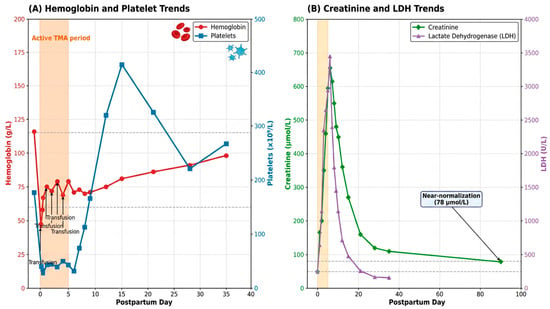
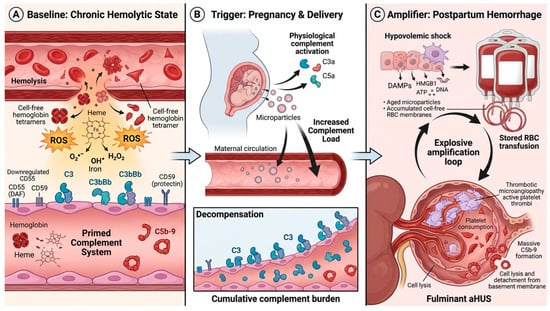
Background: Atypical hemolytic uremic syndrome (aHUS) is a life-threatening thrombotic microangiopathy driven by uncontrolled activation of the complement alternative pathway, with pregnancy triggering 10–20% of cases (pregnancy-associated aHUS, p-aHUS). Thalassemia, a chronic hemolytic anemia, creates a state of subclinical complement dysregulation; however, its clinical association with p-aHUS has rarely been reported. Methods: This study presents a 27-year-old primigravida with β-thalassemia intermedia requiring transfusions during pregnancy (CD17 heterozygote) who developed severe postpartum hemorrhage (1760 mL) after vaginal delivery. Over postpartum days 0–4, the patient was monitored for hematological and renal parameters. Laboratory investigations included peripheral smear, ADAMTS13 activity assay, direct Coombs test, and sC5b-9 complement level measurement. Results: Over postpartum days 0–4, the patient developed microangiopathic hemolytic anemia (hemoglobin nadir 46 g/L, lactate dehydrogenase peak 3436 U/L), thrombocytopenia (platelet nadir 31 × 109/L), and acute kidney injury (creatinine peak 663 μmol/L). Peripheral smear showed 4% schistocytes. Subsequent detection revealed normal ADAMTS13 activity (90%), negative direct Coombs test, and elevated sC5b-9 (384.95 ng/mL; normal < 340). The diagnosis of p-aHUS was confirmed, and the patient received hemodialysis and recovered within three months. Conclusions: These findings suggest that chronic complement dysregulation secondary to thalassemia, combined with pregnancy-related complement stress and postpartum hemorrhage, may contribute to the development of p-aHUS. Therefore, thalassemia should be considered a potential sensitizing condition for p-aHUS, warranting close monitoring and complement evaluation in such patients.
Full article
(This article belongs to the Section Nephrology & Urology)
►▼
Show Figures

Figure 1
Open AccessFeature PaperArticle
Heart Failure with Preserved Ejection Fraction in Women with Breast Cancer Prior to Cancer Treatment: Insights from a Cardio-Oncology Assessment
by
Allegra Battistoni, Marco Di Francesco, Davide Bernardo, Jacopo Capparelli, Nicola Tartaglia, Simona Pisegna, Linda Piras, Gianmarco Cellammare, Pasqualino Raponi, Davide D’Anna, Raffaella Mistrulli, Damiano Magrì and Emanuele Barbato
J. Clin. Med. 2026, 15(14), 5739; https://doi.org/10.3390/jcm15145739 - 22 Jul 2026
Abstract
Background: Breast cancer patients are exposed to cardiovascular complications related to both pre-existing cardiovascular risk factors and cardiotoxic cancer therapies. Heart failure with preserved ejection fraction (HFpEF) is an emerging and often under-recognized condition in this population, potentially present before treatment initiation and
[...] Read more.
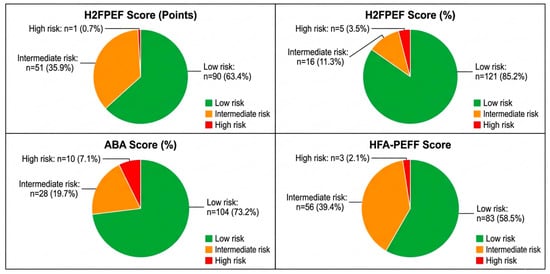
Background: Breast cancer patients are exposed to cardiovascular complications related to both pre-existing cardiovascular risk factors and cardiotoxic cancer therapies. Heart failure with preserved ejection fraction (HFpEF) is an emerging and often under-recognized condition in this population, potentially present before treatment initiation and further influenced by oncologic therapies. This study aimed to characterize baseline HFpEF probability and its longitudinal evolution using validated scoring systems in a real-world cardio-oncology cohort. Methods: We retrospectively evaluated 145 women with breast cancer undergoing baseline cardio-oncology assessment before initiation of potentially cardiotoxic therapies. HFpEF probability was estimated using three validated algorithms (H2FPEF, ABA, and HFA-PEFF). A subgroup of 89 patients underwent exploratory reassessment after 12 ± 3 months to investigate longitudinal changes in HFpEF probability according to treatment. Results: At baseline, HFpEF probability varied substantially according to the scoring system applied, with 14.8–41.5% of patients classified as having intermediate-to-high probability. Agreement among the three algorithms was limited, particularly between HFA-PEFF and H2FPEF/ABA scores. Exploratory longitudinal analyses showed no significant changes in HFpEF probability categories during follow-up. Conclusions: HFpEF probability assessment in breast cancer patients showed substantial baseline heterogeneity across validated scoring systems, with clinically relevant differences in risk classification and limited inter-score agreement. These findings provide novel insights into an underexplored cardio-oncology phenotype and suggest that currently available HFpEF scoring systems may not be directly interchangeable in this clinical setting. Prospective studies including provocative testing are needed to determine the clinical relevance of HFpEF probability scores in breast cancer patients.
Full article
(This article belongs to the Special Issue Cardiotoxicity Within Cardio-Oncology: Clinical Advances from Prediction to Management)
►▼
Show Figures

Figure 1
Open AccessArticle
Body Composition and Psychological Correlates of Resting Energy Expenditure and Activity in Adolescent Girls with Anorexia Nervosa
by
Stefano Lazzer, Lara Mari, Mattia D’Alleva, Jacopo Stafuzza, Simone Zaccaron, Nicola Campigotto, Enrico Rejc, Gabriella Tringali, Ilaria Grimoldi, Roberta De Micheli, Adele Bondesan, Anna Guerrini-Usubini and Alessandro Sartorio
J. Clin. Med. 2026, 15(14), 5738; https://doi.org/10.3390/jcm15145738 - 22 Jul 2026
Abstract
Background: Anorexia Nervosa (AN) triggers profound metabolic and psychological adaptations during adolescence. This study investigated the relationships between resting energy expenditure (REE), body composition, physical activity (PA), and specific psychometric phenotypes in adolescent girls with AN compared to healthy, normal-weight (NW) peers.
[...] Read more.
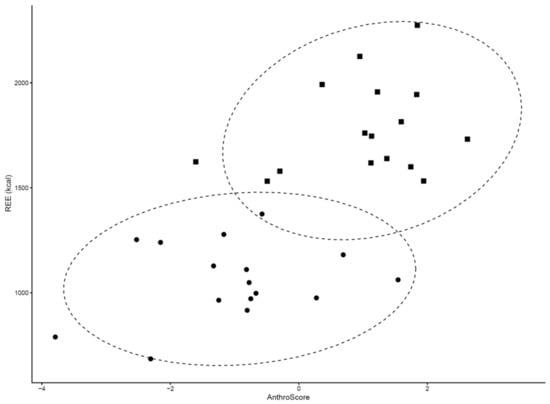
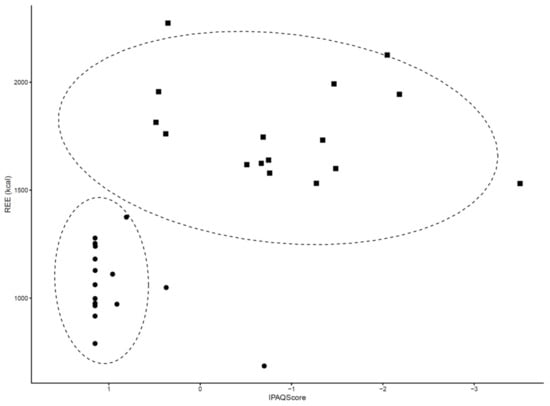
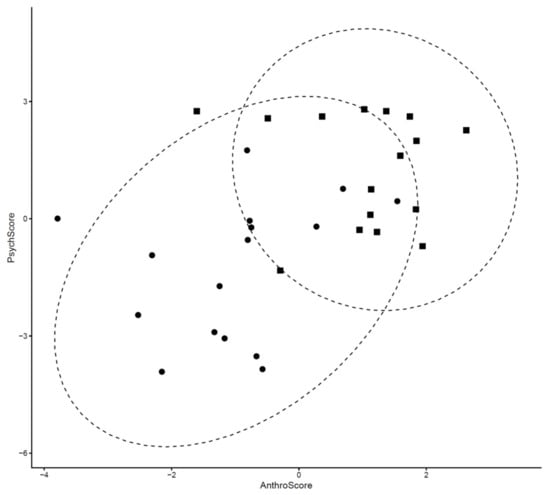
Background: Anorexia Nervosa (AN) triggers profound metabolic and psychological adaptations during adolescence. This study investigated the relationships between resting energy expenditure (REE), body composition, physical activity (PA), and specific psychometric phenotypes in adolescent girls with AN compared to healthy, normal-weight (NW) peers. Methods: Sixteen adolescent girls with severe AN (16.1 ± 1.2 year) and 16 age-matched NW controls (15.6 ± 1.5 year) underwent clinical evaluations: anthropometry, bioelectrical impedance analysis for fat-free mass (FFM) and fat mass (FM), indirect calorimetry for REE, the short-form International Physical Activity Questionnaire (IPAQ), and the Eating Disorder Inventory-3 (EDI-3). Results: Girls with AN exhibited significantly lower BMI (−20.3%, ES: 1.94, large), FFM (−18.3%, ES: 1.92, large), and FM (−25.7%, ES: 0.79, medium) than controls (p < 0.003). Absolute REE was drastically lower (−40.4%, ES: 3.53, large, p < 0.001). This hypometabolic state persisted after adjusting REE for body weight (−34.9%) or FFM (−32.5%, p < 0.001), consistent with adaptive thermogenesis. The AN group displayed resting hypotension and 79.0% (ES: 1.84, large, p < 0.001) lower total PA energy expenditure due to a lack of structured moderate-to-vigorous exercise; however, walking expenditure did not differ. Psychometrically, the AN cohort showed significantly higher (p < 0.001) values for drive for thinness (+316.9%, ES: 3.16, large), body dissatisfaction (+232.3%, ES: 2.30, large), and severe general psychological maladjustment, including higher interoceptive deficits (+148.2%, ES: 1.26, large). Conclusions: Adolescents with AN exhibit profound metabolic suppression via adaptive thermogenesis, together with an apparent dissociation between walking-related activity and hypotension. Since cognitive distortions and distress vary independently of anthropometric severity, clinical recovery must extend beyond nutritional rehabilitation; targeted psychotherapy may therefore be necessary to address persistent psychological maladjustment.
Full article
(This article belongs to the Section Mental Health)
►▼
Show Figures

Figure 1
Open AccessSystematic Review
Exercise Versus Standard Therapy in Steatotic Liver Disease Spectrum: A Systematic Review, Meta-Analysis, and Meta-Regression
by
Muhammad Ahsan Asif, Saad Masood, Syed Muhammad Ali Akbar, Muhammad Hamza Khalid, Abdul Rehman, Mahnoor Imran, Arooba Suhaib, Muhammad Ans Asif, Azeem Khalid, Muhammad Sohaib, Arkadeep Dhali, Dushyant Singh Dahiya and Hassam Ali
J. Clin. Med. 2026, 15(14), 5737; https://doi.org/10.3390/jcm15145737 - 22 Jul 2026
Abstract
Background: Metabolic dysfunction-associated steatotic liver disease (MASLD) affects nearly one-fourth of the world population and is closely linked to obesity, metabolic syndrome, and poor diet. We conducted a systematic review and meta-analysis to evaluate the impact of exercise on key clinical outcomes in
[...] Read more.
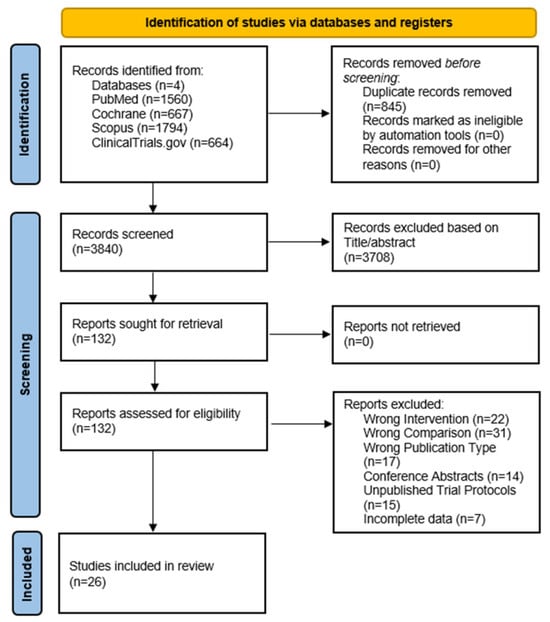
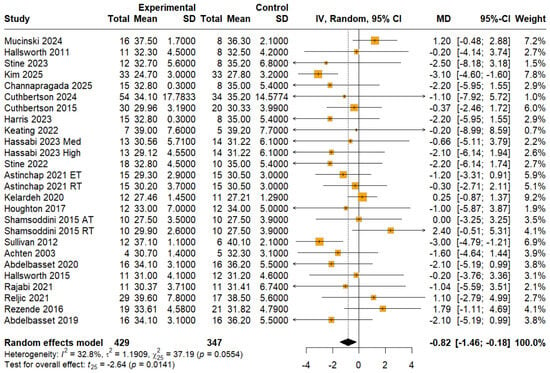
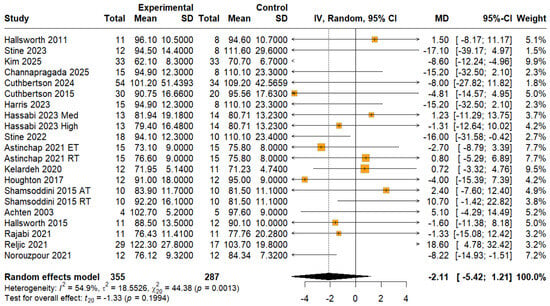
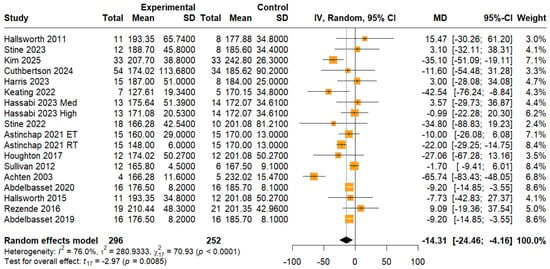
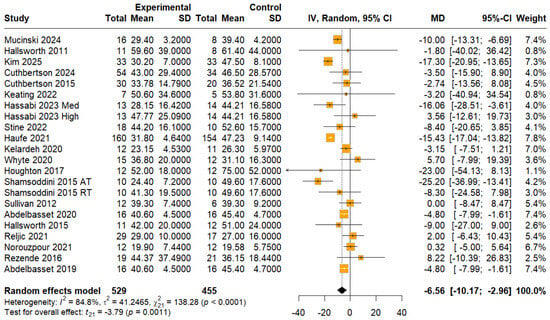
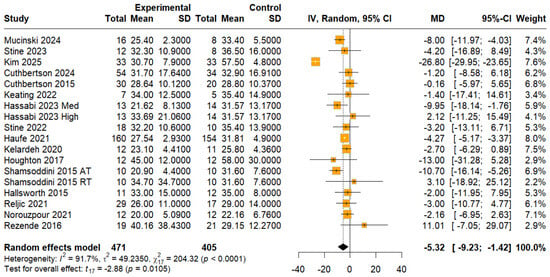
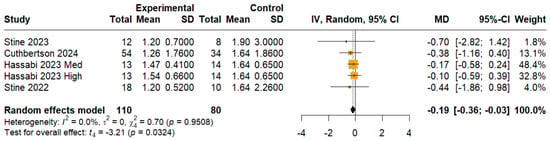
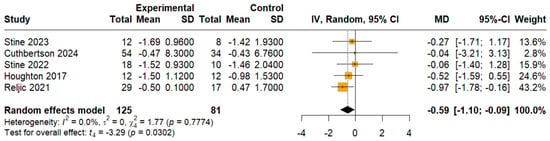
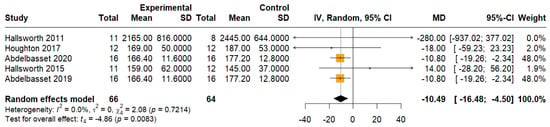
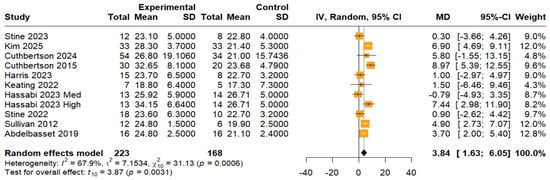
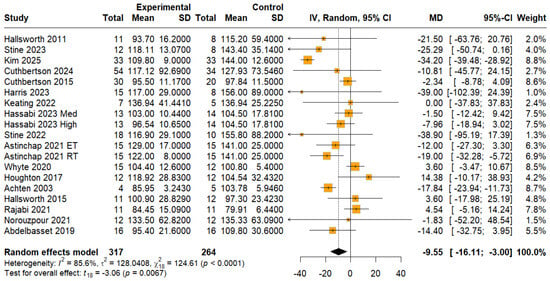
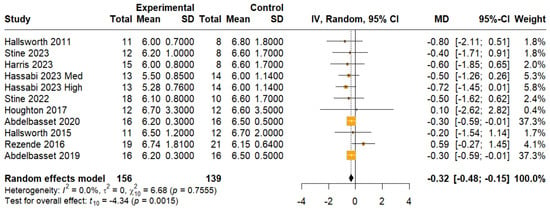
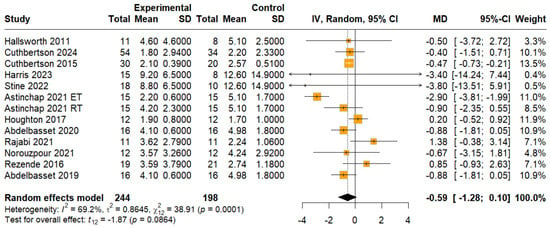
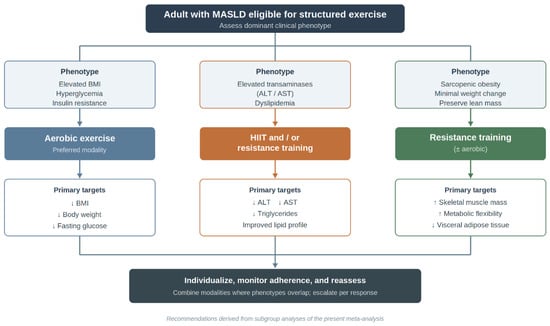
Background: Metabolic dysfunction-associated steatotic liver disease (MASLD) affects nearly one-fourth of the world population and is closely linked to obesity, metabolic syndrome, and poor diet. We conducted a systematic review and meta-analysis to evaluate the impact of exercise on key clinical outcomes in MASLD patients. Methods: A systematic literature search was conducted until 202 September 5, to identify randomized controlled trials (RCTs), post-hoc analyses, and quasi-experimental designs comparing exercise versus standard therapy in MASLD. A random-effects model pooled data as mean differences (MD) or risk ratios (RR) with 95% confidence intervals (CI). Analyses were conducted using R (version 4.5.1). Results: Our meta-analysis included 21 RCTs, 4 post-hoc analyses, and 1 quasi-experimental study (1124 patients; mean age 52.24 ± 7.24 years). Exercise reduced BMI (MD −0.82), serum cholesterol (MD −14.31), ALT (MD −6.56), AST (MD −5.32), FIB-4 (MD −0.19), and NAFLD fibrosis score (MD −0.59), and increased HDL (MD 4.36) versus standard therapy. Weight (MD −2.11) and HOMA-IR (MD −0.59) were not significantly different. Meta-regression showed age increased HOMA-IR (estimate 0.032) and higher BMI reduced HDL (estimate −0.71). Conclusions: Exercise significantly improves key clinical outcomes in MASLD, including BMI, cholesterol, liver enzymes, and fibrosis markers, supporting physical activity as a core component of MASLD management.
Full article
(This article belongs to the Section Gastroenterology & Hepatopancreatobiliary Medicine)
►▼
Show Figures

Figure 1
Open AccessArticle
MRI Distribution of Foot Bone Marrow Edema of Presumed Algodystrophic/BMES-Like Origin: A Small Retrospective Case Series with 3-Month Clinical Follow-Up
by
Filippo Messina, Carmelo D’Arrigo, Marco Bonifacio, Riccardo di Niccolo, Valerio Cipolloni, Marco Giuseppe Musorrofiti, Raoul Saggini, Marianna Oliva, Alberto Lo Gullo and Alessandro Conforti
J. Clin. Med. 2026, 15(14), 5736; https://doi.org/10.3390/jcm15145736 - 22 Jul 2026
Abstract
Background and Objectives: Foot bone marrow edema of presumed algodystrophic or bone marrow edema syndrome-like origin is clinically difficult to classify, and the relationship between MRI extent, pain severity, and functional impairment remains insufficiently defined. This study aimed to describe MRI distribution
[...] Read more.
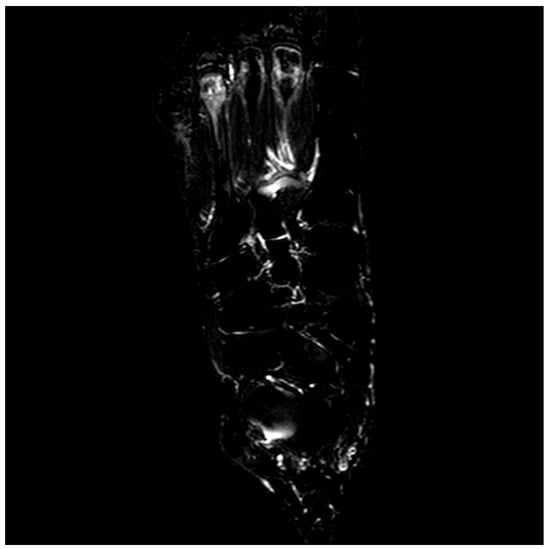
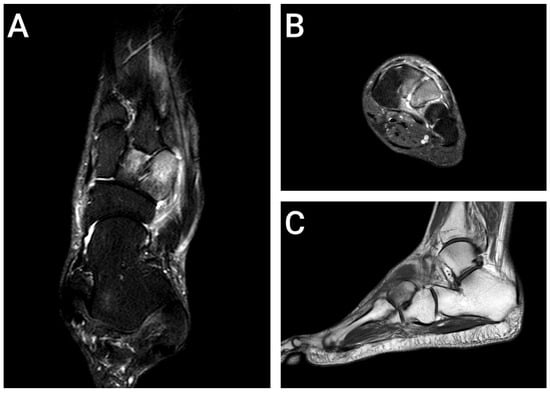
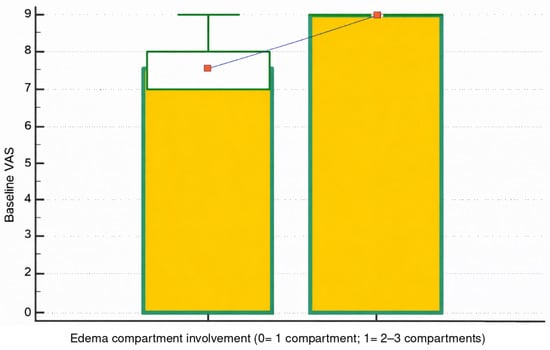
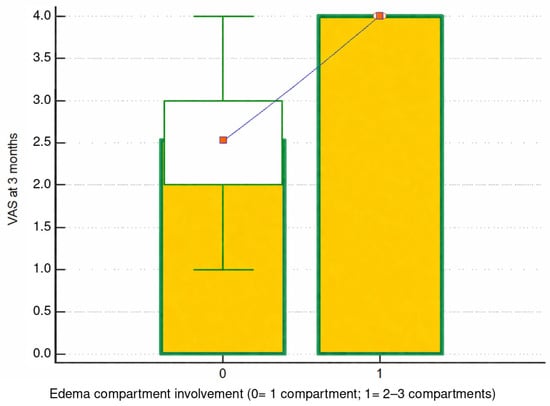
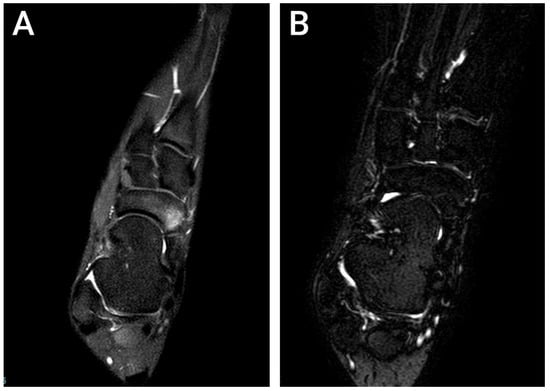
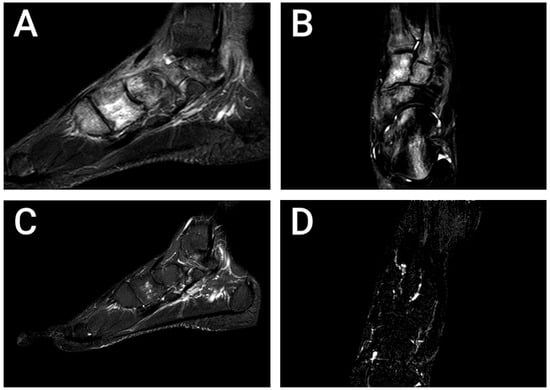
Background and Objectives: Foot bone marrow edema of presumed algodystrophic or bone marrow edema syndrome-like origin is clinically difficult to classify, and the relationship between MRI extent, pain severity, and functional impairment remains insufficiently defined. This study aimed to describe MRI distribution patterns and short-term clinical changes in a small real-world cohort of patients with persistent NSAID-resistant foot pain and presumed algodystrophic/BMES-like bone marrow edema. Materials and Methods: This retrospective single-center observational cohort study included 19 consecutive patients with persistent foot pain; MRI-demonstrated bone marrow edema; inadequate response to NSAIDs; management with a multimodal protocol that included neridronate, vitamin D supplementation, and, in selected patients, adjunctive physiotherapy and magnetotherapy; and available 3-month follow-up. The protocol consisted of intramuscular neridronate 25 mg once daily for 16 consecutive days, resulting in a total cumulative dose of 400 mg, together with vitamin D supplementation. Eleven patients also underwent adjunctive physiotherapy and magnetotherapy. MRI findings were categorized by anatomical location group, multilocalization, and compartment involvement. Clinical outcomes included baseline and 3-month Visual Analog Scale scores, WOMAC scores, and descriptive changes in NSAID use. Nonparametric paired and exploratory subgroup analyses were performed. Results: Mean age was 51.3 ± 14.9 years, and 52.6% of patients were female. MRI showed predominant midfoot involvement, with the navicular and third cuneiform most frequently affected. Median VAS changed from 8.0 at baseline to 3.0 at 3 months, and median WOMAC changed from 80.0 to 41.0; because no control group was available, these paired changes should be interpreted descriptively. Daily NSAID use decreased from 78.9% at baseline to 0% at follow-up. These findings describe clinical improvement after a multimodal management approach but do not establish the independent treatment effect of neridronate. In exploratory analyses, only two patients had multi-compartment involvement; therefore, any apparent pain-severity signal in this subgroup was considered unstable and hypothesis-generating only. Edema location group and multilocalization were not statistically associated with VAS or WOMAC outcomes. Conclusions: In this small retrospective single-center case series, presumed algodystrophic/BMES-like foot bone marrow edema most commonly involved the midfoot, particularly the navicular and cuneiform region. Pain scores, WOMAC scores, and daily NSAID use decreased over 3 months after multimodal care. However, the uncontrolled design, small sample size, concomitant vitamin D supplementation, adjunctive physiotherapy or magnetotherapy in many patients, and self-limiting nature of BMES-like conditions prevent attribution of these changes to neridronate or to any single treatment component. The apparent relationship between multi-compartment edema and greater pain severity was based on only two patients and should be regarded only as a weak exploratory observation.
Full article
(This article belongs to the Topic Bone-Related Diseases: From Molecular Mechanisms to Therapy Development—2nd Edition)
►▼
Show Figures

Figure 1
Journal Menu
► ▼ Journal Menu-
- JCM Home
- Aims & Scope
- Editorial Board
- Reviewer Board
- Topical Advisory Panel
- Instructions for Authors
- Special Issues
- Topics
- Sections & Collections
- Article Processing Charge
- Indexing & Archiving
- Editor’s Choice Articles
- Most Cited & Viewed
- Journal Statistics
- Journal History
- Journal Awards
- Society Collaborations
- Conferences
- Editorial Office
Journal Browser
► ▼ Journal BrowserHighly Accessed Articles
Latest Books
E-Mail Alert
News
Topics
Topic in
Dentistry Journal, IJMS, JCM, Medicina, Applied Sciences
Oral Health Management and Disease Treatment
Topic Editors: Christos Rahiotis, Felice Lorusso, Sergio Rexhep TariDeadline: 31 July 2026
Topic in
Cancers, Diagnostics, Gastrointestinal Disorders, JCM, Current Oncology
Metastatic Colorectal Cancer: From Laboratory to Clinical Studies, 2nd Edition
Topic Editors: Ioannis Ntanasis-Stathopoulos, Diamantis I. TsilimigrasDeadline: 20 August 2026
Topic in
Cells, Immuno, IJMS, JCM, Allergies, Dermato
Skin Barrier Function and Immune Mediators as Key Therapeutic Targets of Main Inflammatory Diseases
Topic Editors: Marco Manfredini, Carlo PincelliDeadline: 31 August 2026
Topic in
Biomedicines, Clinics and Practice, Diagnostics, JCM, Rheumato
Rheumatic Disorder: From Basic Science to Clinical Practice—2nd Edition
Topic Editors: Andreina Manfredi, Caterina Vacchi, Giulia CassoneDeadline: 20 September 2026
Conferences
Special Issues
Special Issue in
JCM
Recent Clinical Advances in Pelvic Organ Prolapse
Guest Editors: José Antonio García-Mejido, José Antonio Sainz-BuenoDeadline: 24 July 2026
Special Issue in
JCM
Rewriting Metastatic Colorectal Cancer Management: Innovative Frontiers in Clinical Diagnosis and Personalized Oncology
Guest Editor: Maria Maddalena LaterzaDeadline: 24 July 2026
Special Issue in
JCM
Recent Advances in Bariatric Surgery
Guest Editor: Lidia Castagneto GisseyDeadline: 25 July 2026
Special Issue in
JCM
Clinical Advances in Hysteroscopic Technology for Gynecological Diseases
Guest Editors: Aya Mohr-Sasson, Raanan MeyerDeadline: 25 July 2026
Topical Collections
Topical Collection in
JCM
Pediatric and Adolescent Gynecology
Collection Editor: Panagiotis Christopoulos