



-
Central Venous Pressure Revisited: Physiology, Pitfalls, Misconceptions, and Modern Clinical Interpretation in Critical Care -
Current Trends and Future Challenges in Transcatheter Aortic Valve Implantation (TAVI): A Narrative Review -
Novel Combination Scalp Therapy for Androgenetic Alopecia: A Preliminary Retrospective Case Series with an Illustrative Four-Year Case -
A Sensorimotor Framework for the Neurorehabilitation of Oculomotor Dysfunction in Parkinson’s Disease -
The History of the Precordial Early Repolarization and Sudden Death Syndrome, Lately Named Brugada Syndrome
Journal Description
Journal of Clinical Medicine
is an international, peer-reviewed, open access journal of clinical medicine, published semimonthly online by MDPI. The International Bone Research Association (IBRA), Spanish Society of Hematology and Hemotherapy (SEHH), Japan Association for Clinical Engineers (JACE), European Independent Foundation in Angiology/ Vascular Medicine (VAS) and others are all affiliated with JCM, and their members receive a discount on article processing charges.
- Open Access— free for readers, with article processing charges (APC) paid by authors or their institutions.
- High Visibility: indexed within Scopus, SCIE (Web of Science), PubMed, PMC, Embase, CAPlus / SciFinder, and other databases.
- Journal Rank: JCR - Q1 (Medicine, General and Internal) / CiteScore - Q1 (General Medicine)
- Rapid Publication: manuscripts are peer-reviewed and a first decision is provided to authors approximately 16.6 days after submission; acceptance to publication is undertaken in 2.8 days (median values for papers published in this journal in the first half of 2026).
- Recognition of Reviewers: reviewers who provide timely, thorough peer-review reports receive vouchers entitling them to a discount on the APC of their next publication in any MDPI journal, in appreciation of the work done.
- Companion journals for JCM include: Epidemiologia, Transplantology, Uro, Sinusitis, Rheumato, Journal of Clinical & Translational Ophthalmology, Journal of Vascular Diseases, Osteology, Complications, Therapeutics, Sclerosis, Pharmacoepidemiology, Journal of CardioRenal Medicine, Rare Diseases and Therapeutics and Journal of Respiration.
- Journal Clusters of Hematology: Hemato, Hematology Reports, Thalassemia Reports and Journal of Clinical Medicine.
Impact Factor:
3.3 (2025);
5-Year Impact Factor:
3.5 (2025)
Latest Articles
Dermatology-Related Quality of Life Measured with the Dermatology Life Quality Index in Basal Cell Carcinoma and Other Non-Melanoma Skin Cancers: A Systematic Review and Exploratory Meta-Analysis
J. Clin. Med. 2026, 15(16), 6351; https://doi.org/10.3390/jcm15166351 (registering DOI) - 17 Aug 2026
Abstract
Background/Objectives: Basal cell carcinoma (BCC) is the most common skin cancer and may negatively influence a patient’s well-being despite low mortality. This systematic review and exploratory meta-analysis evaluated dermatology-related quality of life, as measured exclusively by the Dermatology Life Quality Index (DLQI), in
[...] Read more.
Background/Objectives: Basal cell carcinoma (BCC) is the most common skin cancer and may negatively influence a patient’s well-being despite low mortality. This systematic review and exploratory meta-analysis evaluated dermatology-related quality of life, as measured exclusively by the Dermatology Life Quality Index (DLQI), in patients with BCC and other non-melanoma skin cancers (NMSC). Instruments other than the DLQI, including disease-specific measures of appearance, scarring, fear of recurrence and treatment satisfaction, were outside the scope of the quantitative synthesis. Methods: A systematic search of the PubMed, Scopus, and the Web of Science was conducted until 5 April 2026 following the PRISMA guidelines. Studies reporting DLQI outcomes in adult patients with BCC, squamous cell carcinoma (SCC), or NMSC were included. Pooled baseline DLQI scores and pre- to post-treatment changes were calculated using a random effects model. Results: Six studies were included. The pooled baseline DLQI score was 3.76 (95% CI: 2.18–5.33) in the BCC-only analysis and 4.07 (95% CI: 2.99–5.15) in an exploratory expanded analysis including SCC and broader NMSC populations; this estimate should be interpreted as a summary of heterogeneous keratinocyte cancer populations rather than as representative of BCC alone. None of the included studies had an untreated comparator group, so the pre–post results describe the change in DLQI score following treatment rather than a treatment effect. The pooled reduction was 2.38 points (95% CI: 0.56–4.19) in the BCC-only and 1.90 points (95% CI: 0.84–2.96) in the expanded pre–post analysis. Both fall below the minimal clinically important difference for the DLQI of approximately four points. Heterogeneity was very high throughout (I2 > 95% for baseline analyses), so the pooled means summarize highly dispersed evidence and cannot be read as representative average values. Surgical treatment appeared to show a greater improvement in DLQI scores compared with the single available radiotherapy cohort. This comparison should be interpreted descriptively due to the inclusion of only one radiotherapy study. Conclusions: Patients with BCC and other NMSCs experience measurable impairment in dermatology-related quality of life before treatment, although the overall burden is generally mild. Treatment is associated with improvement in DLQI scores; however, the magnitude of change is modest and may not consistently exceed thresholds considered clinically meaningful. Evidence regarding differences between treatment modalities remains limited, particularly for radiotherapy, and further prospective studies using disease-specific quality-of-life instruments are needed.
Full article
(This article belongs to the Section Otolaryngology)
Open AccessArticle
Real-World Outcomes of Belinostat in Relapsed Refractory T-Cell Lymphomas: A Report from the Lymphoma Study Group of Turkish Society of Hematology
by
Meral Ulukoylu Menguc, Fatma Arikan, Pelin Aytan, Huseyin Saffet Bekoz, Fazıl Cagrı Hunutlu, Fatma Keklik Karadag, Gulcin Miyase Sonmez, Burak Deveci, Fatma Aykac, Ayse Uysal, Bugse Gulec Zengin, Turhan Koksal, Hulya Odluyurt, Deniz Goren, Turgay Ulas, Emel Isleyen, Esra Terzi Demirsoy, Metban Mastanzade, Selin Kucukyurt, Figen Atalay, Esin Oguz Kozan, Sureyya Yigit Kaya, Vildan Ozkocaman, Zehra Aksit Bozkına, Selami Koçak Toprak, Mustafa Cabuk, Volkan Karakus, Umut Yilmaz, Muhlis Cem Ar, Mehmet Sonmez, Melda Comert, Gulsum Ozet, Ozgur Mehtap, Mustafa Nuri Yenerel, Ahmet Kursad Gunes, Ayse Tulin Tuglular, Fahir Ozkalemkas, Güray Saydam, Isık Atagunduz and Tayfur Toptasadd
Show full author list
remove
Hide full author list
J. Clin. Med. 2026, 15(16), 6350; https://doi.org/10.3390/jcm15166350 (registering DOI) - 17 Aug 2026
Abstract
Background: T-cell lymphomas (TCLs) constitute a heterogeneous group of mature T-cell neoplasms characterized by aggressive clinical behavior and poor outcomes, particularly in the relapsed/refractory (R/R) setting. Belinostat is a pan-HDAC inhibitor approved for R/R peripheral T-cell lymphomas. In this retrospective study, we analyze
[...] Read more.
Background: T-cell lymphomas (TCLs) constitute a heterogeneous group of mature T-cell neoplasms characterized by aggressive clinical behavior and poor outcomes, particularly in the relapsed/refractory (R/R) setting. Belinostat is a pan-HDAC inhibitor approved for R/R peripheral T-cell lymphomas. In this retrospective study, we analyze the real-world outcomes of single-agent belinostat in Turkish patients with R/R TCLs. Methods: Patients with R/R TCLs across Turkey who received at least one course of belinostat were included in the study. The primary end point was the overall response rate (ORR). The secondary end points included progression-free survival (PFS), overall survival (OS) and duration of response (DOR). Results: A total of 59 patients with R/R TCL were enrolled in the study, with a median age of 62 years. The median number of previous lines of therapy before belinostat was 2.5. The ORR for belinostat was 30.5% in the overall study cohort. Response assessment was available in 53 patients, among whom the ORR was 34% (18/53). The median PFS was 3 months. The median OS was 12 months, and the median DOR was not reached in responders. At least one adverse event occurred in 39.0% of patients. Conclusions: Belinostat produced objective responses in a subset of patients. These findings support belinostat as a potential individualized treatment option rather than a broadly effective standard for all patients with R/R TCLs. This multicenter real-world study demonstrates that the observed response rates closely mirror those reported in prospective clinical trials, confirming the reproducibility of belinostat efficacy in routine clinical practice.
Full article
(This article belongs to the Topic New Drugs and Combinations in the Management of Hematological Malignancies and Rare Diseases)
Open AccessEditorial
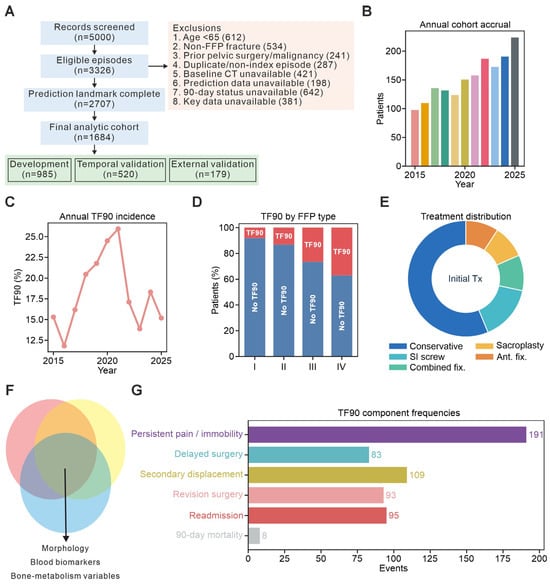
Orthogeriatric Fracture Syndrome: Time Is Mobility!
by
Johannes Dominik Bastian
J. Clin. Med. 2026, 15(16), 6349; https://doi.org/10.3390/jcm15166349 (registering DOI) - 17 Aug 2026
Abstract
Bissoto et al [...]
Full article
(This article belongs to the Special Issue The “Orthogeriatric Fracture Syndrome”—Issues and Perspectives)
►▼
Show Figures

Figure 1

Open AccessArticle
Psycho-Emotional Profile and Disease Burden in Wild-Type Transthyretin Amyloidosis
by
Sandra Michaela Ihne-Schubert, Marcel Weidgans, Annelie Neubauer, Maria Leberzammer, Moritz Schütt, Aikaterini Papagianni, Caroline Morbach, Marc Becker, Thomas Wehler, Hermann Einsele, Claudia Sommer, Andreas Geier, Stefan Störk and Silke Neuderth
J. Clin. Med. 2026, 15(16), 6348; https://doi.org/10.3390/jcm15166348 (registering DOI) - 17 Aug 2026
Abstract
Background/Objectives: Patients with transthyretin amyloidosis frequently experience reduced quality of life, distress, anxiety and depression. But the evidence is inconsistent and the constructs are often not clearly separated. This study assessed quality of life and mental health symptoms in wild-type transthyretin amyloidosis (ATTRwt).
[...] Read more.
Background/Objectives: Patients with transthyretin amyloidosis frequently experience reduced quality of life, distress, anxiety and depression. But the evidence is inconsistent and the constructs are often not clearly separated. This study assessed quality of life and mental health symptoms in wild-type transthyretin amyloidosis (ATTRwt). Methods: Within the amyloidosis cohort study AmyKoS, 113 patients with confirmed ATTRwt amyloidosis completed a structured survey between July 2020 and February 2024, assessing quality of life (Short Form (36) Health Survey, SF-36), distress (Distress Thermometer), anxiety (Generalized Anxiety Disorder-7, GAD-7), depression (Patient Health Questionnaire-9, PHQ-9), fear of progression (Fear of Progression Questionnaire, short form; PA-F-KF), fatigue and dyspnea. Results: Of 113 patients (age 78.95 ± 5.90 years, 14.2% female), 88.4% reported restricted quality of life and 62.7% screened positive for distress. Overall, 26.4% screened positive for anxiety and/or depression and 9.2% for fear of progression. Both SF-36 summary scales were reduced to a comparable degree relative to the age-matched general population: physical component summary 36.9 ± 9.8 versus 43.5 ± 11.8 and mental component summary 46.8 ± 9.1 versus 52.2 ± 10.3 (both p < 0.001, Cohen’s d = −0.59 and −0.54). Notably, 59.4% of distress-positive patients screened positive for neither anxiety nor depression, and fatigue was the key predictor. Conclusions: In ATTRwt amyloidosis, both dimensions of health-related quality of life are substantially impaired. Stepwise screening should be routine, and many burdened patients are likely to benefit primarily from symptom control and rehabilitation rather than psychiatric treatment.
Full article
(This article belongs to the Section Cardiology)
►▼
Show Figures

Figure 1

Open AccessReview
Psychological Factors to Consider in Treating Patients with Acne Vulgaris
by
Julia Woźna, Paweł Pazdrowski, Natalia Welc, Anita Płócienniczak, Katarzyna Korecka, Ryszard Żaba, Andrzej Grzybowski and Ewa Mojs
J. Clin. Med. 2026, 15(16), 6347; https://doi.org/10.3390/jcm15166347 (registering DOI) - 17 Aug 2026
Abstract
Acne vulgaris is a chronic inflammatory skin disease associated with a substantial psychological burden that may extend beyond visible lesions and objective disease severity. Psychological factors such as stress, coping strategies, quality-of-life impairment, self-esteem, psychiatric symptoms, and treatment adherence are associated with disease
[...] Read more.
Acne vulgaris is a chronic inflammatory skin disease associated with a substantial psychological burden that may extend beyond visible lesions and objective disease severity. Psychological factors such as stress, coping strategies, quality-of-life impairment, self-esteem, psychiatric symptoms, and treatment adherence are associated with disease perception, self-reported exacerbation, and treatment-related outcomes. This narrative review examines psychological stress and proposed biological mechanisms, coping strategies, treatment adherence, quality of life, self-esteem, sleep disturbance, and psychiatric comorbidity in people with acne. Relevant literature was identified through MEDLINE/PubMed, Scopus, Web of Science, and PsycINFO; the final literature search was conducted on 29 May 2026. Acne-specific studies were prioritized, with broader psychodermatology evidence used where acne-specific data were limited. The psychosocial burden of acne is individualized and only partly aligned with clinician-rated severity, supporting person-centered assessment. For each domain, the review outlines brief, commonly used screening instruments that may be feasible in routine dermatology. Incorporating psychological assessment and targeted supportive strategies into acne care may contribute to quality of life, adherence to therapy, and patient-centered care. The evidence is predominantly cross-sectional and derives from heterogeneous populations, instruments, and study designs, limiting causal inference.
Full article
(This article belongs to the Special Issue New Insights into Acne Vulgaris Treatment and Management Strategies)
Open AccessArticle
Biologic Therapy Is Associated with Reduced Pleural-Line Thickness in Severe Asthma: A Prospective Transthoracic Ultrasound Study
by
Müge Erbay, Selçuk Akkaya, Funda Öztuna and Hatice Tayar
J. Clin. Med. 2026, 15(16), 6346; https://doi.org/10.3390/jcm15166346 (registering DOI) - 17 Aug 2026
Abstract
Background/Objectives: Tissue-level markers of treatment response are lacking in severe asthma. Transthoracic ultrasound (TUS) non-invasively detects pleural-line and subpleural abnormalities that have been linked to small-airway disease, but it has not been evaluated as a marker of response to biologic therapy. The primary
[...] Read more.
Background/Objectives: Tissue-level markers of treatment response are lacking in severe asthma. Transthoracic ultrasound (TUS) non-invasively detects pleural-line and subpleural abnormalities that have been linked to small-airway disease, but it has not been evaluated as a marker of response to biologic therapy. The primary objective was to determine whether mean pleural-line thickness in the right and left hemithoraces changed between baseline and week 16 of biologic therapy. The secondary objectives were to describe the accompanying changes in pleural-line regularity, lung function, symptom control, and quality of life, and to examine whether the ultrasound changes are related to the clinical and functional response. Methods: In this prospective, single-center study, 41 adults with severe asthma who were starting omalizumab (n = 18), mepolizumab (n = 12), or benralizumab (n = 11) underwent standardized 14-zone TUS, spirometry, the Asthma Control Test (ACT), and the Asthma Quality of Life Questionnaire (AQLQ) at baseline and after 16 weeks. Pleural-line thickness and pleural-line regularity score were the primary TUS measures. Paired and between-group tests and Spearman rank correlations were used. Results: At week 16, 20 patients (48.8%) were complete responders. The mean ACT score increased from 13.2 ± 4.1 to 22.6 ± 2.9, the mean AQLQ total score from 3.6 ± 1.2 to 4.9 ± 1.2, FEV1 from 86.0 ± 24.8% to 99.0 ± 20.9% predicted, and FEF25–75 from 61.4 ± 35.0% to 81.2 ± 33.4% predicted (all p ≤ 0.001), whereas the blood eosinophil count fell from a median of 400 (0–1990) to 80 (0–330) cells/µL (p < 0.001). Median pleural-line thickness decreased from 1.27 to 0.94 mm in the right hemithorax and from 1.31 to 0.97 mm in the left hemithorax (both p < 0.001), and the pleural-line regularity score increased on both sides (both p < 0.001). Pleural-line thickness decreased significantly in all three biologic groups (all p ≤ 0.001), with no evidence of a differential treatment effect. Changes in pleural-line thickness did not correlate with ΔACT, ΔAQLQ, ΔFEV1, or ΔFEF25–75 (all p > 0.05). Conclusions: After 16 weeks of biologic therapy, pleural-line thickness was reduced and the pleural-line regularity score had improved on TUS. Because these pleural changes did not correlate with the symptomatic or spirometric response, TUS may capture a complementary, tissue-level dimension of the treatment effect. As the study was an uncontrolled single-arm design, the changes cannot be attributed to the biologic agent itself, and prospective controlled validation is required before TUS can be proposed as a marker of response.
Full article
(This article belongs to the Special Issue Advances in the Management of Chronic Cough and Severe Asthma)
►▼
Show Figures

Figure 1
Open AccessArticle
Objective Severity, Pain and Range-of-Motion Limitation in Breast Cancer-Related Upper-Limb Lymphedema: Associations with Patient-Reported Burden
by
Emine Çetin Duru, Mehmet Adam and Pınar Doruk Analan
J. Clin. Med. 2026, 15(16), 6345; https://doi.org/10.3390/jcm15166345 (registering DOI) - 17 Aug 2026
Abstract
Background/Objectives: Breast cancer-related upper-limb lymphedema (BCRL) can impair arm function and quality of life, while objective measures may not fully reflect patient-perceived burden. This study examined associations of objective severity, pain intensity, and shoulder range-of-motion (ROM) limitation with disability and lymphedema-specific quality
[...] Read more.
Background/Objectives: Breast cancer-related upper-limb lymphedema (BCRL) can impair arm function and quality of life, while objective measures may not fully reflect patient-perceived burden. This study examined associations of objective severity, pain intensity, and shoulder range-of-motion (ROM) limitation with disability and lymphedema-specific quality of life in women with BCRL. Methods: This cross-sectional analysis included 110 women with clinically diagnosed BCRL. Objective severity was assessed using International Society of Lymphology stage, circumferential measurements, and water displacement volumetry. Pain was evaluated with a visual analog scale. Disability was assessed using the Quick Disabilities of the Arm, Shoulder and Hand questionnaire (QuickDASH), and lymphedema-specific quality of life using the Quality of Life Measure for Limb Lymphedema-Arm (LYMQOL-Arm). Analyses included nonparametric comparisons, Spearman correlations, and exploratory multivariable regression. Results: Higher lymphedema stage was associated with greater circumferential and volumetric differences and worse QuickDASH, LYMQOL function, and LYMQOL appearance scores. Objective severity measures correlated with QuickDASH, LYMQOL function, and LYMQOL appearance, but not with pain or LYMQOL symptoms. Shoulder ROM limitation was associated with higher pain, worse QuickDASH, higher LYMQOL function, appearance, and symptom scores, and lower global quality of life. In regression analyses, pain intensity, volumetric difference, and shoulder ROM limitation remained associated with QuickDASH, whereas pain intensity was the main factor associated with global quality of life. Conclusions: Objective severity measures mainly reflected anatomical, functional, and appearance-related burden but did not fully capture pain, symptoms, or global quality of life. Multidimensional assessment combining limb measurements, pain evaluation, shoulder mobility assessment, and patient-reported outcomes may support a more comprehensive clinical evaluation of women with BCRL.
Full article
(This article belongs to the Section Clinical Rehabilitation)
►▼
Show Figures

Figure 1
Open AccessArticle
Development and Validation of a Simplified Five-Variable Score for Predicting Massive Transfusion in Blunt-Trauma-Predominant Patients
by
Soon Ki Min, Byungchul Yu, Giljae Lee, Kangkook Choi, Youngmin Kim, Wu Seong Kang and Mina Lee
J. Clin. Med. 2026, 15(16), 6344; https://doi.org/10.3390/jcm15166344 (registering DOI) - 17 Aug 2026
Abstract
Background/Objectives: Early identification of trauma patients requiring massive transfusion (MT) is essential for timely activation of massive transfusion protocols. Existing models have limitations: the Assessment of Blood Consumption (ABC) score includes penetrating injury, which limits its use where blunt trauma predominates; the Trauma-Associated
[...] Read more.
Background/Objectives: Early identification of trauma patients requiring massive transfusion (MT) is essential for timely activation of massive transfusion protocols. Existing models have limitations: the Assessment of Blood Consumption (ABC) score includes penetrating injury, which limits its use where blunt trauma predominates; the Trauma-Associated Severe Hemorrhage (TASH) score requires numerous weighted variables; and the Traumatic Bleeding Severity Score (TBSS) requires blood pressure measured after crystalloid infusion. This study aimed to develop and validate a simplified MT prediction score using only variables available during initial assessment. Methods: We retrospectively analyzed 1462 adult trauma patients (366 MT, 1096 non-MT) treated at a regional trauma center in Korea between January 2020 and December 2025. Candidate predictors were identified by logistic regression, and five candidate models were compared. The final model, designated the Simplified Massive Transfusion (SMT) score, was compared with the ABC, TASH, and Modified TBSS scores in the same complete-case cohort using the area under the receiver operating characteristic curve (AUC) and the paired DeLong test. Results: The SMT score comprises five variables—systolic blood pressure ≤ 110 mmHg, lactate ≥ 4.0 mmol/L, ionized calcium ≤ 1.05 mmol/L, positive FAST, and pelvic fracture—each assigned one point (range, 0–5). In a common cohort of 1352 patients, the SMT score (AUC 0.846, 95% CI 0.822–0.870) performed similarly to the TASH score (0.841; p = 0.668) and significantly better than the Modified TBSS (0.821; p = 0.015) and the ABC score (0.783; p < 0.001). MT probability increased with increasing score, from 2.8% at a score of 0 to 82.9% at a score of 4. The observed rate at a score of 5 was 81.2%, but only 32 patients had this score. Conclusions: The SMT score, based on five readily available variables, showed discriminatory ability comparable to the TASH score and superior to the Modified TBSS and ABC scores. Since none of its components depends on the mechanism of injury, it may be broadly applicable across trauma populations. Further external validation in multicenter cohorts, especially those with a greater prevalence of penetrating trauma, is needed.
Full article
(This article belongs to the Section Emergency Medicine)
►▼
Show Figures

Figure 1
Open AccessArticle
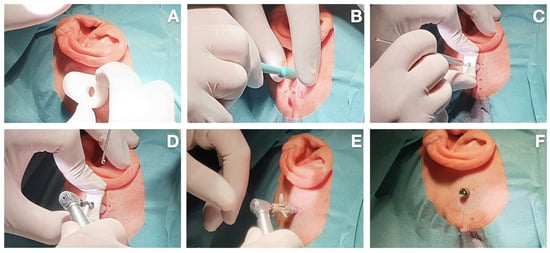
Early Performance of a Collared, Triple-Tapered Cementless Femoral Stem in Primary Total Hip Arthroplasty
by
Thomas L. Bradbury, Charlotte C. Baker, Zachary M. Ricciardelli, Evan Bilson, Joseph M. Schwab and George N. Guild
J. Clin. Med. 2026, 15(16), 6343; https://doi.org/10.3390/jcm15166343 (registering DOI) - 17 Aug 2026
Abstract
Background/Objectives: Collared triple-tapered cementless femoral stems are designed to optimize metaphyseal fit, stability, and osseointegration following total hip arthroplasty (THA). This study evaluated 90-day revision and complication rates, short-term functional recovery, and operative characteristics of a modern collared triple-tapered stem in a
[...] Read more.
Background/Objectives: Collared triple-tapered cementless femoral stems are designed to optimize metaphyseal fit, stability, and osseointegration following total hip arthroplasty (THA). This study evaluated 90-day revision and complication rates, short-term functional recovery, and operative characteristics of a modern collared triple-tapered stem in a same-day discharge ambulatory surgery center cohort. Methods: This retrospective cohort study reviewed 525 consecutive primary direct anterior THAs performed by 15 fellowship-trained arthroplasty surgeons at one group operating across several ASCs between September 2024 and August 2025. Ninety-day all-cause revision, stem-specific revision, periprosthetic fracture, and other early postoperative complications were evaluated. Kaplan–Meier estimates were used to account for variable follow-up within the 90 days. PROMs (HOOS-JR, FJS, VR-12) were collected preoperatively and at 12 weeks. Operative time was evaluated using within-surgeon analyses restricted to surgeons who used both an automated impaction device (AID) and manual impaction. Results: At a mean effective follow-up of 110 ± 39 days, the 90-day Kaplan–Meier revision-free estimate was 99.62% for all-cause revision and 99.81% for stem revision. Two patients (0.4%) underwent revision (one Vancouver B2 fracture; one infection treated with DAIR with stem retention). The early periprosthetic fracture rate was 0.2%. Five patients (1.0%) experienced dislocation, all of whom were managed with closed reduction. HOOS-JR improved by 28.7 points and FJS by 41.9 points at 12 weeks (both p < 0.0001), with 84.2% and 85.8% MCID achievement, respectively. Seven surgeons used both techniques, contributing 384 AID and 58 manual cases to the within-surgeon analysis. AID use was not associated with operative time after accounting for surgeon (adjusted difference, 0.18 min; 95% CI, −2.04 to 2.39; p = 0.8764). Conclusions: This collared, triple-tapered cementless stem was associated with low 90-day revision and complication rates and clinically meaningful short-term functional improvement in a same-day discharge ambulatory population. AID use was not associated with operative time after accounting for surgeon, although the study was not powered to compare uncommon complications between impaction methods.
Full article
(This article belongs to the Special Issue Hip Surgery: Recent Clinical Advances)
►▼
Show Figures

Figure 1

Open AccessArticle
Discordance Between Clinical Suspicion and Spirometry-Defined Reversible Airflow Obstruction in Children with Sickle Cell Disease in French Guiana
by
Gabriel Bafunyembaka, Estiverne Evens, Nadia Nathan, Arriel Makembi and Narcisse Elenga
J. Clin. Med. 2026, 15(16), 6342; https://doi.org/10.3390/jcm15166342 (registering DOI) - 17 Aug 2026
Abstract
Background: Asthma is an important respiratory comorbidity in children with sickle cell disease (SCD), but respiratory symptoms overlap with SCD-related pulmonary manifestations. Methods: We analyzed prospectively recorded routine-care data from 140 children aged 5–17 years who were offered a standardized respiratory
[...] Read more.
Background: Asthma is an important respiratory comorbidity in children with sickle cell disease (SCD), but respiratory symptoms overlap with SCD-related pulmonary manifestations. Methods: We analyzed prospectively recorded routine-care data from 140 children aged 5–17 years who were offered a standardized respiratory assessment during clinically stable follow-up. During revision, we applied a post hoc operational spirometric comparator: reversible airflow obstruction required FEV1/FVC < 80% plus an FEV1 increase ≥12% after salbutamol. Participants with normal spirometry formed the negative comparator; incomplete or intermediate objective patterns remained unclassified. Results: Reversible obstruction was identified in 43 children, normal spirometry in 25, and 72 remained unclassified. Previous clinical suspicion was present in 10/43 (23.3%), 3/25 (12.0%), and 22/72 (30.6%), respectively. In the deliberately contrastive classified-only analysis (n = 68), sensitivity was 23.3% (95% CI 11.8–38.6), specificity 88.0% (68.8–97.5), LR+ 1.94 (0.59–6.39), LR− 0.87 (0.70–1.09), and κ = 0.090 (95% CI −0.059 to 0.239). The likelihood-ratio intervals were wide and included 1.0, indicating substantial imprecision rather than proof of no discrimination. Conclusions: Prior clinical suspicion showed low sensitivity and slight agreement with spirometry-defined reversible obstruction. Interpretation is limited by the post hoc two-gate comparison and by the large, non-randomly distributed unclassified group.
Full article
(This article belongs to the Section Clinical Pediatrics)
►▼
Show Figures

Figure 1

Open AccessSystematic Review
The Role of Intravenous Tranexamic Acid for Posterior Spinal Fusion in Pediatric Non-Idiopathic Scoliosis: A Systematic Review and Meta-Analysis
by
Abdulrahman O. Al-Naseem, Yahya Ali, Latefah AlOtaibi, Adel Altarkait, Bisher Albisher, Asmaa Alkandari, Yousef Alkandari, Federico Cardahi, Salim Al Rawahi, Neil Saran and Jean A. Ouellet
J. Clin. Med. 2026, 15(16), 6341; https://doi.org/10.3390/jcm15166341 (registering DOI) - 17 Aug 2026
Abstract
Background: Tranexamic acid (TXA) is increasingly used to reduce perioperative blood loss during scoliosis surgery; however, its effectiveness in pediatric patients with non-idiopathic scoliosis remains underexplored. Unlike adolescent idiopathic scoliosis, non-idiopathic scoliosis is frequently associated with neuromuscular, syndromic, or other underlying disorders that
[...] Read more.
Background: Tranexamic acid (TXA) is increasingly used to reduce perioperative blood loss during scoliosis surgery; however, its effectiveness in pediatric patients with non-idiopathic scoliosis remains underexplored. Unlike adolescent idiopathic scoliosis, non-idiopathic scoliosis is frequently associated with neuromuscular, syndromic, or other underlying disorders that increase surgical complexity and may limit the generalizability of evidence from idiopathic populations. This systematic review and meta-analysis evaluated the impact of TXA on surgical outcomes in pediatric patients undergoing posterior spinal fusion for non-idiopathic scoliosis. Methods: This analysis encompassed five studies (comprising one randomized controlled trial and four observational studies) involving a total of 230 patients (TXA group: 98; control group: 132). The primary outcomes were estimated blood loss and the volume of packed red blood cells (PRBCs) transfused. Secondary outcomes included total transfusion amount, operation duration, complications, cell salvage application, preoperative hematocrit levels and blood loss percentage. A random-effects model was used. Mean difference (MD) was used for continuous outcomes, and odds ratio (OR) for dichotomous variables, both with 95% confidence intervals (CIs). Results: The use of TXA during posterior fusion surgery showed to be of benefit and was associated with significantly less estimated blood loss (p < 0.0001) and cell salvage volume transfusion (p < 0.0001). The remaining secondary outcomes did not show significant differences when compared with the control. Conclusion: Current evidence suggests that TXA is an effective blood conservation strategy in pediatric patients undergoing posterior spinal fusion for non-idiopathic scoliosis. However, the available evidence remains limited, particularly regarding perioperative complications, and further high-quality prospective studies are required to strengthen the evidence base. Clinical relevance: Exploring the use of TXA in scoliosis surgery has the potential to influence the standard of care, especially if associated with significantly more desirable post-operative and long-term outcomes.
Full article
(This article belongs to the Special Issue Scoliosis: Advances in Diagnosis and Management)
►▼
Show Figures

Figure 1
Open AccessArticle
Functional, Radiographic, and Patient-Reported Outcomes of Hybrid Fixation Versus Posterior Long Fusion for Double-Major Adolescent Idiopathic Scoliosis
by
Burak Abay, Selmin Ervin Arsoy, Hamisi Mwarindano Mraja, Ilyas Dolas, Meric Enercan and Azmi Hamzaoglu
J. Clin. Med. 2026, 15(16), 6340; https://doi.org/10.3390/jcm15166340 (registering DOI) - 17 Aug 2026
Abstract
Background: Posterior spinal fusion (PSF) provides reliable deformity correction for adolescent idiopathic scoliosis (AIS); however, it reduces lumbar mobility because of the fusion of motion segments. Hybrid fixation, which combines thoracic PSF with thoracolumbar/lumbar vertebral body tethering (VBT), aims to preserve lumbar
[...] Read more.
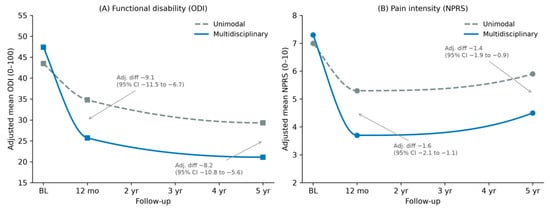
Background: Posterior spinal fusion (PSF) provides reliable deformity correction for adolescent idiopathic scoliosis (AIS); however, it reduces lumbar mobility because of the fusion of motion segments. Hybrid fixation, which combines thoracic PSF with thoracolumbar/lumbar vertebral body tethering (VBT), aims to preserve lumbar function while maintaining satisfactory deformity correction. Methods: This retrospective, non-randomized comparative cohort study included 66 adolescents with double-major AIS treated with hybrid fixation (n = 30) or posterior long fusion (n = 36) at a single tertiary referral spine deformity center. Radiographic outcomes, lumbar flexibility, sagittal range of motion (ROM), lumbar core muscle strength (LCMS), SRS-22r Function scores, complications, and revision surgery were assessed after a minimum follow-up of 24 months. Multivariable regression analyses were used to identify independent predictors of postoperative functional outcomes. Results: Both procedures achieved excellent correction of the main thoracic curve and satisfactory global spinal alignment. Posterior long fusion provided greater thoracolumbar/lumbar curve correction (p < 0.001), whereas hybrid fixation resulted in significantly better lumbar flexibility, sagittal ROM, and LCMS (all p ≤ 0.006). Radiographic tether breakage occurred in eight hybrid patients (26.7%), though most were asymptomatic; revision surgery was required in two patients (6.7% vs. 0%, p = 0.20). Conclusions: Hybrid fixation was associated with better objective lumbar function than posterior long fusion, with satisfactory deformity correction, in adolescents with double-major AIS. This benefit should be weighed against a higher complication rate driven mainly by tether breakage, supporting individualized, shared decision-making for motion-preserving strategies.
Full article
(This article belongs to the Special Issue Scoliosis: Advances in Diagnosis and Management)
►▼
Show Figures

Figure 1
Open AccessReview
Theranostics in Radiation Medicine: Integrating Radiopharmaceutical Therapy and External-Beam Radiotherapy
by
Senthamizhchelvan Srinivasan, Joseph A. Moore and Sarah Han-Oh
J. Clin. Med. 2026, 15(16), 6339; https://doi.org/10.3390/jcm15166339 (registering DOI) - 17 Aug 2026
Abstract
Theranostics has transformed nuclear medicine from an imaging-focused discipline into a data-rich radiation medicine platform in which target expression, pharmacokinetics, tumor dose, and response can be measured in the same patient. This critical narrative review evaluates patient-specific integration of radiopharmaceutical therapy (RPT) with
[...] Read more.
Theranostics has transformed nuclear medicine from an imaging-focused discipline into a data-rich radiation medicine platform in which target expression, pharmacokinetics, tumor dose, and response can be measured in the same patient. This critical narrative review evaluates patient-specific integration of radiopharmaceutical therapy (RPT) with external-beam radiotherapy (EBRT), with emphasis on quantitative imaging, absorbed-dose estimation, spatial registration, biological interpretation, adaptation thresholds, and reporting. We performed a targeted search of PubMed/MEDLINE, ClinicalTrials.gov, U.S. Food and Drug Administration records, professional-society guidance, and reference lists for English-language evidence available through 31 July 2026, prioritizing guidelines, regulatory documents, randomized and prospective trials, technical validation studies, and clinically informative retrospective series. Established RPT platforms are distinguished from investigational combined-modality applications and emerging or speculative technologies. Liver-directed Y-90 radioembolization combined with focal EBRT remains the most developed model, whereas head and neck, prostate, meningioma, lymphoma, and bone-dominant strategies illustrate distinct clinical geometries and levels of readiness. Across platforms, direct addition of absorbed dose in gray (Gy) is a geometric description, not automatically a biological endpoint; biologically effective dose (BED) and equivalent dose in 2-Gy fractions (EQD2) should be treated as model-based estimates with explicit assumptions. Future theranostic radiation medicine should therefore be built on prospective trials with prespecified dosimetry, uncertainty analysis, adaptation rules, and shared cross-modality reporting standards.
Full article
(This article belongs to the Special Issue Optimizing Radiotherapy in Clinical Practice: Innovation and Outcomes)
►▼
Show Figures

Figure 1
Open AccessArticle
Patient Acceptable Symptom State (PASS) Threshold in the Oxford Hip Score 12 Months Following Primary Total Hip Arthroplasty: Factors Associated with Failure to Achieve the Threshold and the Impact on Hip-Specific Outcomes, Quality of Life, and Satisfaction
by
Aiman Fatima, Anissa Hameed, Gillian Leitch and Nick D. Clement
J. Clin. Med. 2026, 15(16), 6338; https://doi.org/10.3390/jcm15166338 (registering DOI) - 17 Aug 2026
Abstract
Background: The Oxford Hip Score (OHS) is a widely used hip-specific patient-reported outcome measure (PROM) following primary total hip arthroplasty (THA). This measure is calculated from answers to a 12-item questionnaire and can provide indices that indicate clinically meaningful success, such as patient
[...] Read more.
Background: The Oxford Hip Score (OHS) is a widely used hip-specific patient-reported outcome measure (PROM) following primary total hip arthroplasty (THA). This measure is calculated from answers to a 12-item questionnaire and can provide indices that indicate clinically meaningful success, such as patient acceptable symptom state (PASS). There were three purposes of the present single-cohort retrospective study: first, to determine the threshold PASS; second, to determine the influence of patient characteristics (age, gender, and body mass index (BMI)) and preoperative OHS and other PROMs of patients (namely, EQ-5D-3L, EQ-VAS, and pain VAS) who did not achieve this threshold; and third, to establish whether failure to achieve the PASS could still be associated with meaningful clinical improvement. Methods: This single-centre retrospective cohort study was conducted over 10 years from January 2013 to December 2022, during which 3997 patients completed pre- and postoperative OHS. The mean age was 68.3 years (standard deviation 11.7), and there were 2375 (59.4%) females in the cohort. Patient satisfaction was used as the anchor to define the PASS. Results: An OHS at 12 months postoperative of ≥36 points was identified as the threshold PASS (area under the curve 88.5%, 95% confidence interval [CI] 87.0 to 90.1, p < 0.001). Overall, 3002 (75.1%) achieved the PASS at 12 months. Lower BMI (odds ratio [OR] 0.96, 95% CI 0.95 to 0.98, p < 0.001) and higher preoperative OHS (OR 1.05, 95% CI 1.03 to 1.06, p < 0.001), EQ-5D (OR 1.88, 95% CI 1.33 to 2.65, p < 0.001) and EQ-VAS (OR 1.02, 95% 1.01 to 1.02, p < 0.001) were independently associated with achieving the PASS at 12 months. A total of 995 patients (24.9%) did not achieve this threshold. Patients not achieving the PASS had clinically meaningful worse (p < 0.001) postoperative outcomes and improvement relative to baseline in OHS, EQ-5D and EQ-VAS when compared to those achieving a PASS. Patients achieving the PASS were more likely to be satisfied with their THA (OR 16.8, 95% CI 12.8 to 22.1, p < 0.001); however, patients not achieving the PASS still had significant (p < 0.001) improvements relative to baseline in their OHS (9.6, 95% CI 9.0 to 10.2), EQ-5D (0.254, 95% CI 0.229 to 0.278), EQ-VAS (1.4, 95% CI −0.3 to 3.1) and pain VAS (8.2, 95% CI 6.1 to 10.3) and were more likely to be satisfied (70.8%) than not (29.2%). Conclusions: An OHS of ≥36 at 12 months was defined as the PASS. In total, 995 patients (29.4%) did not achieve this threshold, and in this group, patients were more likely to be female and have a high BMI and low preoperative OHS, EQ-5D, EQ-VAS, and pain VAS. Despite not achieving the PASS, they reported meaningful clinical improvements in OHS, EQ-5D, and pain VAS, and were satisfied with their THA (70.8%).
Full article
(This article belongs to the Special Issue Measuring Recovery After Arthroplasty: Optimal Tools and Timing of Outcome Assessment)
►▼
Show Figures

Figure 1
Open AccessArticle
Efficacy and Safety of Moderate-Dose Stereotactic Body Radiation Therapy (SBRT) for Patients with Oligometastatic Lung Cancer Unfit for Standard SBRT: A Preliminary Single-Center Study
by
Jaehyeon Park, Bong Kyung Bae, Min Kyu Kang and Jongmoo Park
J. Clin. Med. 2026, 15(16), 6337; https://doi.org/10.3390/jcm15166337 (registering DOI) - 16 Aug 2026
Abstract
Background/Objectives: Stereotactic body radiation therapy (SBRT) is increasingly used for oligometastatic lung cancer. However, standard ablative SBRT (BED10 of 100 Gy or higher) is not feasible when lesions abut critical organs or patients have poor performance status. This study aimed to
[...] Read more.
Background/Objectives: Stereotactic body radiation therapy (SBRT) is increasingly used for oligometastatic lung cancer. However, standard ablative SBRT (BED10 of 100 Gy or higher) is not feasible when lesions abut critical organs or patients have poor performance status. This study aimed to evaluate the efficacy and safety of moderate-dose SBRT (BED10 below 100 Gy but exceeding conventional palliative doses) in patients with oligometastatic lung cancer unfit for standard ablative SBRT. Methods: We retrospectively analyzed patients treated at a single institution between October 2019 and March 2025. Eligible patients had pathologically confirmed lung cancer with extracranial oligometastasis and received 25–40 Gy in 4–7 fractions. Patients with brain or bone metastases were excluded. The primary endpoint was local control. Secondary endpoints were event-free survival, disseminated disease-free survival, overall survival, and treatment-related toxicity. Results: Forty-three patients with 55 lesions were analyzed. The mean age was 66 years, and lymph node metastases were the most frequent site (69.1%). The most common regimen was 35 Gy in 5 fractions (63.6%). At a median follow-up of 14.7 months, objective response (complete or partial) was achieved in 54 of 55 lesions (98.2%). The 1-year and 2-year local recurrence-free survival rates were 89.7% and 86.9%, respectively, and the 1-year and 2-year overall survival rates were 83.2% and 56.1%, respectively. Local control differed by metastatic site, with 2-year rates of 95.5% for lymph node lesions and 56.2% for lesions of the lung and chest wall (p = 0.002), whereas smaller differences were observed by BED10 and oligometastatic subtype. Treatment-related toxicities occurred in 8 of 43 patients (18.6%), all of grade 1–2, and radiation pneumonitis was the most common (9.3%). No grade 3 or higher events occurred. Conclusions: In this preliminary single-center experience, moderate-dose SBRT achieved favorable local control with acceptable toxicity in oligometastatic lung cancer patients unfit for standard ablative SBRT, supporting a risk-adapted approach.
Full article
(This article belongs to the Special Issue Non-Small Cell Lung Cancer (NSCLC): Recent Advances in Clinical Diagnosis and Treatment)
►▼
Show Figures

Figure 1
Open AccessReview
Return to Sport After Surgery for Adolescent Idiopathic Scoliosis: From Time-Based Clearance to Sport-Specific Readiness
by
Maria Cesarina May, Carlo Biz, Luca Puce, Andrea Zanirato, Pietro Ruggieri and Matteo Formica
J. Clin. Med. 2026, 15(16), 6336; https://doi.org/10.3390/jcm15166336 (registering DOI) - 16 Aug 2026
Abstract
Return to sport (RTS) is an important outcome after surgery for adolescent idiopathic scoliosis (AIS), yet postoperative clearance remains largely time-based and reported outcomes vary according to procedure, population, endpoint, and treating-center policy. This critical review integrates direct postoperative RTS cohorts with biomechanical,
[...] Read more.
Return to sport (RTS) is an important outcome after surgery for adolescent idiopathic scoliosis (AIS), yet postoperative clearance remains largely time-based and reported outcomes vary according to procedure, population, endpoint, and treating-center policy. This critical review integrates direct postoperative RTS cohorts with biomechanical, rehabilitation, psychological, safety, and clinical-guidance evidence. Most available data concern adolescents treated with posterior spinal fusion and rely on self-reported participation. Resumption of physical activity or sport is common within the first postoperative year, but return to the same discipline, previous competitive level, and objectively verified performance is less consistently demonstrated. Evidence for anterior fusion is sparse, whereas vertebral body tethering is supported by smaller, selected cohorts and should be interpreted separately. Associations between RTS and distal fusion level or construct characteristics remain inconsistent, and biomechanical studies suggest redistribution rather than normalization of movement. Reported sport-related complications are uncommon, but existing cohorts are too small and lack exposure denominators to quantify rare events. No universal safe date or validated AIS-specific readiness battery currently exists. The proposed Multidimensional Scoliosis Return-to-Sport Framework therefore uses elapsed time as safety context while integrating clinical recovery, physical and psychological readiness, graded sport-specific exposure, and distinct return outcomes. The framework is evidence-informed and requires prospective validation.
Full article
(This article belongs to the Special Issue Musculoskeletal Spine Disorders: Clinical Management, Rehabilitation Strategies, and Technological Innovations)
►▼
Show Figures

Figure 1
Open AccessArticle
Clinical Factors Associated with Pain During Outpatient Hysteroscopy in a Standardized Vaginoscopic Setting: A Prospective Observational Study
by
Francesco Pio Toscano, Maria D’Angelo, Luigi Riello, Mario Ardovino and Antonio Mollo
J. Clin. Med. 2026, 15(16), 6335; https://doi.org/10.3390/jcm15166335 (registering DOI) - 16 Aug 2026
Abstract
Background: Outpatient hysteroscopy is the reference standard for the diagnosis and treatment of benign intrauterine pathology. Although several pharmacological and non-pharmacological strategies have been proposed to reduce procedural pain, the clinical and procedural factors primarily determining patient tolerability in a standardized vaginoscopic setting
[...] Read more.
Background: Outpatient hysteroscopy is the reference standard for the diagnosis and treatment of benign intrauterine pathology. Although several pharmacological and non-pharmacological strategies have been proposed to reduce procedural pain, the clinical and procedural factors primarily determining patient tolerability in a standardized vaginoscopic setting remain incompletely understood. This prospective study aimed to identify the main predictors of pain, procedural tolerability, successful completion, and patient acceptance during outpatient hysteroscopy. Methods: A prospective observational study was conducted between February and June 2026 at a second-level referral hospital. Consecutive women undergoing outpatient hysteroscopy were enrolled. All procedures were performed according to a standardized vaginoscopic “no-touch” protocol using a 15-Fr Bettocchi hysteroscope. Patients completed structured questionnaires before and after the procedure, while physicians recorded procedural findings immediately afterward. Clinical characteristics, psychological variables, procedural factors, pain scores, procedural tolerability, successful completion, and future patient preference were prospectively analyzed. Results: A total of 105 women were included. Diagnostic hysteroscopy was successfully completed in 94 patients (89.5%), and a see-and-treat procedure was performed in 57 (54.3%). Difficult cervical access occurred in 37 cases (35.2%) and emerged as the strongest determinant of poor procedural tolerability. These patients experienced significantly higher maximum pain scores (7.35 ± 2.81 vs. 4.04 ± 2.51; p < 0.001), a higher prevalence of severe pain (67.6% vs. 20.6%; p < 0.001), poorer procedural tolerability, greater preference for future hysteroscopy under anesthesia, and a higher risk of incomplete diagnostic examination. All incomplete hysteroscopies occurred in patients with difficult cervical access. Expected procedural pain was significantly associated with maximum pain (p = 0.0016), whereas pre-procedural anxiety was not. More than half of the patients identified cervical passage as the most painful procedural step. Patients undergoing successful see-and-treat procedures reported the lowest pain scores, suggesting that the operative phase itself was not the principal determinant of procedural discomfort. Conclusions: In a standardized vaginoscopic setting, procedural tolerability during outpatient hysteroscopy appears to depend primarily on difficult cervical access rather than on the operative intervention itself. Pain expectation may influence the hysteroscopic experience more than pre-procedural anxiety, whereas successful see-and-treat procedures remain well tolerated once uncomplicated access to the uterine cavity has been achieved. Early identification of patients at increased risk of difficult cervical access may improve patient counseling, optimize procedural completion, and preserve the benefits of outpatient hysteroscopy.
Full article
(This article belongs to the Special Issue Advanced Hysteroscopic Technology for Gynecological Disease)
►▼
Show Figures

Figure 1
Open AccessReview
Nasal and Sinonasal Findings in Behçet’s Syndrome: A Scoping Review
by
Yuki Otsuka, Yohei Masuda, Yoshito Nishimura, Yu Katayama and Fumio Otsuka
J. Clin. Med. 2026, 15(16), 6334; https://doi.org/10.3390/jcm15166334 (registering DOI) - 16 Aug 2026
Abstract
Background: Nasal and sinonasal findings have been reported in patients with Behçet’s syndrome, but their frequency, clinical significance, and relationship to underlying disease remain unclear. We performed a scoping review to map the published literature on epidemiology, clinical characteristics, and management. Methods
[...] Read more.
Background: Nasal and sinonasal findings have been reported in patients with Behçet’s syndrome, but their frequency, clinical significance, and relationship to underlying disease remain unclear. We performed a scoping review to map the published literature on epidemiology, clinical characteristics, and management. Methods: Following PRISMA-ScR guidance, we systematically searched MEDLINE, EMBASE, and Web of Science from inception through June 2026 for peer-reviewed primary studies reporting nasal or sinonasal findings in patients with Behçet’s syndrome. Two reviewers independently screened studies and extracted data. Results: Fifteen eligible studies, including seven case reports and eight observational studies, were identified. Reported frequencies of nasal or sinonasal findings varied substantially across studies. A spectrum of nasal and sinonasal symptoms was noted among the literature, including direct mucosal lesions, sinonasal symptoms and functional abnormalities such as olfactory impairment or delayed mucociliary clearance, and secondary nasal conditions occurring in patients with Behçet’s syndrome. Oral ulcers were consistently reported in the limited studies describing associated systemic features. Treatment data were sparse, and no evidence-based management approach specific to nasal disease was identified. Conclusions: The published literature suggests that a range of nasal and sinonasal findings may occur in patients with Behçet’s syndrome. However, the available evidence is sparse, heterogeneous, and insufficient to determine true prevalence, attribution, or optimal management. Future studies should distinguish direct Behçet-related nasal lesions from secondary or nonspecific findings and use standardized clinical assessment.
Full article
(This article belongs to the Section Immunology & Rheumatology)
►▼
Show Figures

Figure 1
Open AccessArticle
Neurological Complications in Pediatric Takayasu Arteritis: Insights from a Single-Center Experience
by
Esma Sengenc, Sezgin Sahin, Mehmet Yildiz, Huseyin Kilic, Kenan Barut, Serhat Guler, Nergis Akay, Serdar Arslan, Ozgur Kasapcopur and Sema Saltik
J. Clin. Med. 2026, 15(16), 6333; https://doi.org/10.3390/jcm15166333 (registering DOI) - 16 Aug 2026
Abstract
Background/Objectives: Pediatric Takayasu arteritis (PTA) is a rare large-vessel vasculitis with limited data regarding neurological involvement. This study aimed to evaluate neurological manifestations and associated neuroimaging findings in a cohort of children with PTA. Methods: In this retrospective observational study, 22 patients diagnosed
[...] Read more.
Background/Objectives: Pediatric Takayasu arteritis (PTA) is a rare large-vessel vasculitis with limited data regarding neurological involvement. This study aimed to evaluate neurological manifestations and associated neuroimaging findings in a cohort of children with PTA. Methods: In this retrospective observational study, 22 patients diagnosed with PTA and followed at a tertiary center between January 2000 and April 2025 were included. Neurological symptoms, examination findings, and neuroimaging data were reviewed. Angiographic involvement was classified according to the Numano classification. Results: Neurological involvement was identified in 5 patients (22.7%), including ischemic stroke (n = 3) and hypertensive encephalopathy (n = 2). Neurological symptoms were present in 15 patients (68.2%), with headache being the most common manifestation (54%). Other symptoms included dizziness, paresthesia, visual disturbances, syncope, and seizures. Neuroimaging revealed ischemic lesions in a subset of patients, as well as nonspecific white matter changes. Angiographic evaluation showed a predominance of extensive disease patterns, particularly Type V and Type IV involvement. Conclusions: Neurological manifestations in pediatric Takayasu arteritis are common but often nonspecific. However, severe complications such as stroke and hypertensive encephalopathy may occur and can be the initial presentation. Careful neurological evaluation and the use of neuroimaging are essential for early detection and appropriate management.
Full article
(This article belongs to the Topic Rheumatic Disorder: From Basic Science to Clinical Practice—2nd Edition)
►▼
Show Figures

Figure 1
Open AccessReview
Role of Omega-3 Fatty Acids in IgA Nephropathy: An Updated Review of Mechanisms and Evidence
by
Hulya Taskapan, Luxcia Kugathasan, Labib Faruque, Tabo Sikaneta and Paul Tam
J. Clin. Med. 2026, 15(16), 6332; https://doi.org/10.3390/jcm15166332 (registering DOI) - 16 Aug 2026
Abstract
Introduction: IgA nephropathy (IgAN) is a leading cause of end-stage renal disease. Given the significant adverse effects and inconsistent long-term efficacy of conventional immunosuppressive strategies, there is an unmet need for safer adjunctive therapies. Omega-3 polyunsaturated fatty acids (PUFAs) have been proposed
[...] Read more.
Introduction: IgA nephropathy (IgAN) is a leading cause of end-stage renal disease. Given the significant adverse effects and inconsistent long-term efficacy of conventional immunosuppressive strategies, there is an unmet need for safer adjunctive therapies. Omega-3 polyunsaturated fatty acids (PUFAs) have been proposed as potential candidates to address this therapeutic gap. Purpose: This narrative review summarizes the proposed mechanisms of action of omega-3 PUFAs in IgAN and critically evaluates the current clinical evidence regarding their therapeutic potential and limitations. Mechanisms: Emerging experimental data suggest that omega-3 PUFAs may modulate inflammatory and fibrotic pathways relevant to kidney injury. Proposed mechanisms include modulation of eicosanoid metabolism, attenuation of NLR family pyrin domain-containing 3 (NLRP3) inflammasome activation, and generation of specialized pro-resolving mediators. In experimental studies, omega-3 PUFAs may also suppress nuclear factor kappa B (NF-κB)-driven transcription and attenuate mesangial cell proliferation, IgA immune-complex deposition, and transforming growth factor beta 1 (TGF-β1)/Smad3-mediated fibrotic signaling. Clinical Evidence: Conclusions: Omega-3 PUFAs have biological plausibility as adjunctive therapy in IgAN, but their clinical benefit remains uncertain. Available randomized trials and meta-analyses suggest possible modest effects on proteinuria in some settings, whereas evidence for preservation of kidney function or prevention of kidney failure is inconsistent and of low certainty. Future well-designed trials incorporating guideline-directed background therapy and biomarker-guided patient selection are essential to determine optimal dosing, formulation, biological exposure, and whether any patient subgroups derive clinically meaningful benefit.
Full article
(This article belongs to the Section Nephrology & Urology)
►▼
Show Figures

Figure 1
Journal Menu
► ▼ Journal Menu-
- JCM Home
- Aims & Scope
- Editorial Board
- Reviewer Board
- Topical Advisory Panel
- Early Career Editorial Board
- Instructions for Authors
- Special Issues
- Topics
- Sections & Collections
- Article Processing Charge
- Indexing & Archiving
- Editor’s Choice Articles
- Most Cited & Viewed
- Journal Statistics
- Journal History
- Journal Awards
- Society Collaborations
- Conferences
- Editorial Office
Journal Browser
► ▼ Journal BrowserHighly Accessed Articles
Latest Books
E-Mail Alert
News
14 July 2025
Meet Us Virtually at the 1st International Online Conference on Hematology, 28–30 October 2026
14 August 2026
Journal of Clinical Medicine | Highly Cited Papers Published in 2024–2025 in Web of Science (II)
Topics
Topic in
Cancers, Diagnostics, Gastrointestinal Disorders, JCM, Current Oncology
Metastatic Colorectal Cancer: From Laboratory to Clinical Studies, 2nd Edition
Topic Editors: Ioannis Ntanasis-Stathopoulos, Diamantis I. TsilimigrasDeadline: 20 August 2026
Topic in
Cells, Immuno, IJMS, JCM, Allergies, Dermato
Skin Barrier Function and Immune Mediators as Key Therapeutic Targets of Main Inflammatory Diseases
Topic Editors: Marco Manfredini, Carlo PincelliDeadline: 31 August 2026
Topic in
Biomedicines, Clinics and Practice, Diagnostics, JCM, Rheumato
Rheumatic Disorder: From Basic Science to Clinical Practice—2nd Edition
Topic Editors: Andreina Manfredi, Caterina Vacchi, Giulia CassoneDeadline: 20 September 2026
Topic in
JCM, Pharmaceuticals, Pharmaceutics, Pharmacy, Healthcare
Optimization of Drug Utilization and Medication Adherence
Topic Editors: Enrica Menditto, Sara Mucherino, Ignacio Aznar-LouDeadline: 30 October 2026
Conferences
Special Issues
Special Issue in
JCM
Keratoconus: Current Status and Prospects
Guest Editors: Uxía Regueiro, Isabel LemaDeadline: 18 August 2026
Special Issue in
JCM
Unraveling Myopia: Current Science, Clinical Impact, and Future Horizons
Guest Editors: Neeraj K Singh, Pablo De GraciaDeadline: 19 August 2026
Special Issue in
JCM
Hepatobiliary–Pancreatic Surgery in the Era of Interventional Radiology
Guest Editor: Dimitrios GiannisDeadline: 20 August 2026
Special Issue in
JCM
Recent Advances in Refractive Surgery and Intraocular Lens Implantation
Guest Editor: Antonio LeccisottiDeadline: 20 August 2026
Topical Collections
Topical Collection in
JCM
Pediatric and Adolescent Gynecology
Collection Editor: Panagiotis Christopoulos