
Journal Description
Sustainability
Sustainability
is an international, peer-reviewed, open-access journal on environmental, cultural, economic, and social sustainability of human beings, published semimonthly online by MDPI. The Canadian Urban Transit Research & Innovation Consortium (CUTRIC), International Council for Research and Innovation in Building and Construction (CIB) and Urban Land Institute (ULI) are affiliated with Sustainability and their members receive discounts on the article processing charges.
- Open Access— free for readers, with article processing charges (APC) paid by authors or their institutions.
- High Visibility: indexed within Scopus, SCIE and SSCI (Web of Science), GEOBASE, GeoRef, Inspec, RePEc, CAPlus / SciFinder, and other databases.
- Journal Rank: JCR - Q2 (Environmental Studies) / CiteScore - Q1 (Geography, Planning and Development)
- Rapid Publication: manuscripts are peer-reviewed and a first decision is provided to authors approximately 19.3 days after submission; acceptance to publication is undertaken in 3.4 days (median values for papers published in this journal in the first half of 2025).
- Recognition of Reviewers: reviewers who provide timely, thorough peer-review reports receive vouchers entitling them to a discount on the APC of their next publication in any MDPI journal, in appreciation of the work done.
- Testimonials: See what our editors and authors say about Sustainability.
- Companion journals for Sustainability include: World, Sustainable Chemistry, Conservation, Future Transportation, Architecture, Standards, Merits, Bioresources and Bioproducts and Accounting and Auditing.
Impact Factor:
3.3 (2024);
5-Year Impact Factor:
3.6 (2024)
Latest Articles
Investor Sentiment and Trust in Sustainability Reports in Egypt: The Moderating Role of Financial Literacy
Sustainability 2025, 17(24), 10903; https://doi.org/10.3390/su172410903 (registering DOI) - 5 Dec 2025
Abstract
This study investigates the relationship between investor sentiment (IS) and trust in sustainability reports (TSRs) in Egypt, which is an emerging market that has recently strengthened its sustainability disclosure practices. Drawing on behavioral finance and disclosure theory, this study also examines the moderating
[...] Read more.
This study investigates the relationship between investor sentiment (IS) and trust in sustainability reports (TSRs) in Egypt, which is an emerging market that has recently strengthened its sustainability disclosure practices. Drawing on behavioral finance and disclosure theory, this study also examines the moderating role of financial literacy (FL) in shaping this relationship. A quantitative, questionnaire-based survey was presented to 328 individual investors who are familiar with sustainability and ESG reporting. The data were analyzed using descriptive statistics, reliability tests, and both simple and hierarchical regression analysis. The results indicate that IS has a strong and significant positive effect on trust in sustainability reports, with market optimism and emotional influence emerging as the most influential dimensions. Furthermore, the hierarchical regression results reveal that FL significantly strengthens the relationship between IS and TSR, indicating that, within the present sample, more financially literate investors translate sentiment into more informed and rational trust judgments. These findings contribute to the accounting and sustainability reporting in the literature by demonstrating that trust in non-financial disclosures is not only shaped by reporting practices but is also heavily influenced by investor psychology and financial competence. This study highlights the importance of enhancing both disclosure quality and investor financial literacy to strengthen confidence in sustainability reporting in emerging markets.
Full article
(This article belongs to the Section Economic and Business Aspects of Sustainability)
►
Show Figures
Open AccessArticle
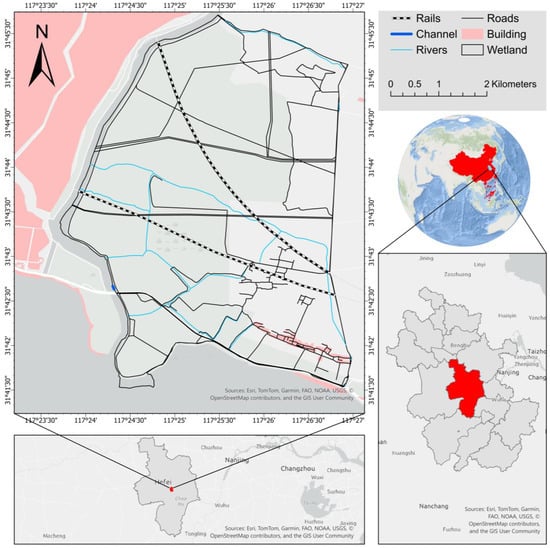
Research on Wetland Fine Classification Based on Remote Sensing Images with Multi-Temporal and Feature Optimization
by
Dongping Xu, Wei Wu, Yesheng Ma and Dianxing Feng
Sustainability 2025, 17(24), 10900; https://doi.org/10.3390/su172410900 (registering DOI) - 5 Dec 2025
Abstract
Wetlands, known as “the kidney of the Earth”, serve as critical ecological carriers for global sustainable development. The fine classification of wetlands is crucial to their utilization and protection. Wetland fine-scale classification based on remote sensing imagery has long been challenged by disturbances
[...] Read more.
Wetlands, known as “the kidney of the Earth”, serve as critical ecological carriers for global sustainable development. The fine classification of wetlands is crucial to their utilization and protection. Wetland fine-scale classification based on remote sensing imagery has long been challenged by disturbances such as clouds, fog, and shadows. Simultaneously, the confusion of spectral information among land cover types remains a primary factor affecting classification accuracy. To address these challenges, this paper proposes a fine classification model of wetlands in remote sensing images based on multi-temporal data and feature optimization (CMW-MTFO). The model is divided into three parts: (1) a multi-satellite and multi-temporal remote sensing image fusion module; (2) a feature optimization module; and (3) a feature classification network module. Multi-satellite multi-temporal image fusion compensates for information gaps caused by cloud cover, fog, and shadows, while feature optimization reduces spectral characteristics prone to confusion. Finally, fine classification is completed using the feature classification network based on deep learning. Using coastal wetlands in Liaoning Province, China, as the experimental area, this study compares the CMW-MTFO with several classical wetland classification methods, non-feature-optimized classification, and single-temporal classification. Results show that the proposed model achieves an overall classification accuracy of 98.31% for Liaoning wetlands, with a Kappa coefficient of 0.9795. Compared to the classic random forest method, classification accuracy and Kappa coefficient improved by 11.09% and 0.1286, respectively. Compared to non-feature-based classification, classification accuracy increased by 1.06% and Kappa coefficient by 1.18%. Compared to the best classification performance using single-temporal images, the proposed method achieved a 1.81% increase in classification accuracy and a 2.19% increase in Kappa value, demonstrating the effectiveness of the model approach.
Full article
(This article belongs to the Special Issue Exploiting Image Processing, Deep Learning, Machine Learning, and Sustainable Artificial Intelligence Applications)
►▼
Show Figures

Figure 1
Open AccessArticle
Public Awareness and Acceptance of Hyperloop as a Sustainable Transport Innovation: A Survey-Based Assessment of Environmental and Technological Perceptions
by
Rafał Rumin, Artur Machno, Małgorzata Okręglicka, Angelika Wodecka-Hyjek and Sylwia Flaszewska
Sustainability 2025, 17(24), 10899; https://doi.org/10.3390/su172410899 (registering DOI) - 5 Dec 2025
Abstract
This study examines public awareness and acceptance of Hyperloop technology in Poland as a potential low-emission and energy-efficient mode of future transportation. Based on a survey of 1000 respondents, this study examines five key dimensions: general openness to next-generation transportation solutions, awareness of
[...] Read more.
This study examines public awareness and acceptance of Hyperloop technology in Poland as a potential low-emission and energy-efficient mode of future transportation. Based on a survey of 1000 respondents, this study examines five key dimensions: general openness to next-generation transportation solutions, awareness of the Hyperloop concept, perceived need for innovation in the transportation sector, willingness to use Hyperloop, and expectations regarding environmental benefits. The study results indicate that Polish society generally holds positive attitudes toward innovative transportation, encompassing attitudes, needs, willingness, and environmental perceptions. However, awareness of Hyperloop remains relatively low at only 15%. Differences between groups are statistically significant but small in terms of effect size, indicating that the overall attitude is generally positive across the population. This article contributes to the literature on the social acceptance of transportation innovations, providing a foundation for further communication and educational initiatives that support sustainable mobility. This study emphasizes the importance of targeted communication strategies, particularly for groups with low awareness, and highlights the role of the environmental context in promoting public acceptance. These findings contribute to understanding public readiness for sustainable transport innovations.
Full article
(This article belongs to the Special Issue Sustainable Transportation Systems and Travel Behaviors)
►▼
Show Figures

Figure 1
Open AccessArticle
Enhancing Business Performance Through Digital Transformation: The Strategic Role of Supply Chain Integration and Operational in Port Management
by
Bagusranu Wahyudi Putra, Murpin Josua Sembiring, Liliana Dewi, Ari Primantara and Anak Agung Ayu Puty Andrina
Sustainability 2025, 17(24), 10898; https://doi.org/10.3390/su172410898 (registering DOI) - 5 Dec 2025
Abstract
Digital transformation (DT) has become a strategic priority for global ports; however, many in developing countries, including Indonesia, face challenges in translating digital initiatives into measurable business performance (BP). This study examines the impact of DT on BP through the mediating roles of
[...] Read more.
Digital transformation (DT) has become a strategic priority for global ports; however, many in developing countries, including Indonesia, face challenges in translating digital initiatives into measurable business performance (BP). This study examines the impact of DT on BP through the mediating roles of supply chain integration (SCI) and operational performance (OP) within Indonesian ports, using the Dynamic Capabilities Theory (DCT) framework. A quantitative survey of 128 operational managers from state-owned ports was analyzed using partial least squares structural equation modeling. The findings reveal that DT significantly improves SCI and OP, both of which positively influence BP. Moreover, SCI and OP jointly mediate the DT–BP relationship, highlighting that digital technologies create value only when integrated into coordinated processes and operational routines. The study underscores that DT should be managed as a strategic transformation aligning technology, operations, and interorganizational collaboration. For port managers, strengthening digital connectivity across internal and external networks, supported by governance and incentive mechanisms, is essential to enhance visibility, responsiveness, and resilience. Theoretically, this research advances DCT by demonstrating how DT functions as a reconfiguring capability realized through SCI and OP, providing empirical insights from developing-country port contexts.
Full article
(This article belongs to the Collection Business Performance and Socio-environmental Sustainability)
►▼
Show Figures

Figure 1
Open AccessArticle
Government Incentives and Consumer Adoption of Battery Electric Vehicles in Taiwan: An Extension of the Technology Acceptance Model (TAM)
by
Chih-Ming Tsai, Chun-Min Yu, Chun-Hung Yu and Valerie Huang
Sustainability 2025, 17(24), 10897; https://doi.org/10.3390/su172410897 (registering DOI) - 5 Dec 2025
Abstract
This study examines how government policy tools shape consumer adoption of battery electric vehicles (BEVs) in Taiwan. By extending the Technology Acceptance Model (TAM) focusing on three external government policy factors—legislative direction, monetary incentives, and usage-based benefits—this study uses two factors, including perceived
[...] Read more.
This study examines how government policy tools shape consumer adoption of battery electric vehicles (BEVs) in Taiwan. By extending the Technology Acceptance Model (TAM) focusing on three external government policy factors—legislative direction, monetary incentives, and usage-based benefits—this study uses two factors, including perceived usefulness (PU) and perceived ease of use (PEOU), to evaluate behavioral intention to use (BI), or purchase, BEVs. Utilizing PLS-SEM, survey data from 238 respondents were analyzed. The results suggest that legislative direction had no significant impact on PU or PEOU, while monetary incentives influenced only PEOU. In contrast, usage-based benefits strongly predicted both PU and PEOU. In addition, PU also partially mediates the relationship between PEOU and BI. These findings extend the TAM by situating public policy as a measurable driver of technology adoption, especially in the case of BEVs. For Taiwan, the results suggest that governmental policies focused on increased visibility and accessibility are more attractive than abstract regulatory frameworks in encouraging BEV adoption.
Full article
(This article belongs to the Special Issue Consumption Innovation and Consumer Behavior in Sustainable Marketing)
►▼
Show Figures

Figure 1
Open AccessArticle
Spatial Dependence of Conditional Recurrence Periods for Extreme Rainfall in the Qiantang River Basin: Implications for Sustainable Regional Disaster Risk Governance
by
Qi-Ting Zhang, Jing-Lin Qian, Xiao-Jun Jiang, Yun-Xin Wu and Pu-Bing Yu
Sustainability 2025, 17(24), 10896; https://doi.org/10.3390/su172410896 (registering DOI) - 5 Dec 2025
Abstract
►▼
Show Figures
Climate change increases the intensity and frequency of extreme rainfall. Heavy rain is one of the main input sources for the complex water resources system in the watershed. Understanding its regional spatial correlation is of vital importance for promoting sustainable disaster management in
[...] Read more.
Climate change increases the intensity and frequency of extreme rainfall. Heavy rain is one of the main input sources for the complex water resources system in the watershed. Understanding its regional spatial correlation is of vital importance for promoting sustainable disaster management in the watershed. The Qiantang River Basin is a significant ecological and economic area in the Yangtze River Delta, yet systematic research on its multi-regional rainstorm-dependent structure remains insufficient. In this study, hourly rainfall data of the basin from 1950 to 2024 were used to construct marginal functions by using the peaks-over-threshold and the generalized Pareto distribution, and a mixed Copula model was established to describe the dependence structure of multi-regional extreme rainfall events. The model has been tested by RMSE and Cramér–von Mises statistics and shows reliable performance. The study reveals that the basin has a “double cluster” spatial pattern: the internal conditions of northern clusters (Hangzhou–Shaoxing) and southern clusters (Jinhua–Lishui–Quzhou) showed a strong dependence. On the contrary, under cluster conditions with low inter-regional dependence, all high-probability combinations occurred within the clusters, not outside them. This finding provides quantitative support for optimizing trans-regional emergency response, improving flood control resilience, and realizing precise allocation of resources, and is of great significance for promoting sustainable watershed governance.
Full article

Figure 1
Open AccessArticle
County-Level Climate Governance in China: Lessons from a Quasi-Experimental Evaluation of Low-Carbon Pilot Policies
by
Yunchen Qian and Yanmin He
Sustainability 2025, 17(24), 10895; https://doi.org/10.3390/su172410895 (registering DOI) - 5 Dec 2025
Abstract
Understanding how climate policies shape local emissions, population dynamics, and consumption patterns is essential for achieving carbon peaking and neutrality goals. As the climate change governance regime evolves, it is inevitable that, in addition to the central government, county-level regulatory actors will be
[...] Read more.
Understanding how climate policies shape local emissions, population dynamics, and consumption patterns is essential for achieving carbon peaking and neutrality goals. As the climate change governance regime evolves, it is inevitable that, in addition to the central government, county-level regulatory actors will be involved in decision-making. This study utilizes a quasi-natural experiment to analyze county-level panel data from 2007 to 2017 as research objects. The nationwide low-carbon pilot policies established in 2010 and 2012 serve as the primary focus of this study. We employ a staggered Difference-in-Differences model to empirically analyze the impact of these pilot programs on carbon emission reductions. The results show that the policy significantly reduces carbon emissions by 30.52% on average, with pronounced spatial heterogeneity across central, suburban, and remote counties. Population redistribution contributes to emission reductions but raises equity concerns in remote counties. Meanwhile, residents remain in a high-carbon consumption phase, revealing the limitations of production-focused policies. These findings highlight the importance of integrating demand-side measures and spatially differentiated strategies into China’s climate governance framework.
Full article
(This article belongs to the Section Sustainable Management)
►▼
Show Figures

Figure 1
Open AccessArticle
Optimizing Taiwan’s Renewable Energy Mix: A Regression and Principal Component Analysis Approach Under Climate Change Challenges
by
Mei-Mei Lin and Fu-Hsiang Kuo
Sustainability 2025, 17(24), 10894; https://doi.org/10.3390/su172410894 (registering DOI) - 5 Dec 2025
Abstract
Amid rising global energy demand and Taiwan’s transition toward a non-nuclear and low-carbon future, identifying an optimal renewable energy (RE) mix has become essential. This study analyzes eight RE sources using a three-model framework—Pearson correlation, Stepwise Regression Analysis (SRA), and Principal Component Analysis
[...] Read more.
Amid rising global energy demand and Taiwan’s transition toward a non-nuclear and low-carbon future, identifying an optimal renewable energy (RE) mix has become essential. This study analyzes eight RE sources using a three-model framework—Pearson correlation, Stepwise Regression Analysis (SRA), and Principal Component Analysis (PCA)—based on 60 monthly observations from 2019 to 2023. The results show that geothermal energy (GE) and solar photovoltaics (SP) exhibit strong positive correlations with total RE generation. Both SRA and PCA consistently identify conventional hydropower (CH), SP, and offshore wind power (OSW) as Taiwan’s most effective RE combination, while PCA provides superior predictive performance and reduces multicollinearity. In contrast, OWP, SB, BG, and WTE show limited contribution to overall RE output. Policy recommendations suggest prioritizing SP under resource constraints, and jointly expanding CH, SP, and OSW when resources permit, to achieve a balanced and sustainable RE structure.
Full article
(This article belongs to the Special Issue Sustainable Energy Systems and Applications)
►▼
Show Figures

Figure 1
Open AccessReview
How an Ergonomic Approach Supports Sustainability and ESG Goals: From Green Ergonomics to Sustainability Through Ergonomic Excellence
by
Marcin Butlewski and Marta Broda
Sustainability 2025, 17(24), 10893; https://doi.org/10.3390/su172410893 (registering DOI) - 5 Dec 2025
Abstract
►▼
Show Figures
The article aims to determine how ergonomic measures support the achievement of ESG goals and how ergonomics as a discipline can be used in sustainability reporting. The study was designed as a mixed-method approach, started with a systematic review of the literature conducted
[...] Read more.
The article aims to determine how ergonomic measures support the achievement of ESG goals and how ergonomics as a discipline can be used in sustainability reporting. The study was designed as a mixed-method approach, started with a systematic review of the literature conducted according to the PRISMA protocol, and was followed by a qualitative analysis of the identified literature. The search strategy was based on a combination of keywords in the areas of ergonomics and environmental management. The results of the review identify the main trends in combination of ergonomics with ESG: Ergoecology, Green ergonomics, Environmental ergonomics, and Immaterial ergonomics, as well as indicating areas of objectives particularly reinforced by ergonomic interventions and documenting examples of good practices valuable for ESG reporting. The main results of the study are as follows: (1) organizing research trends in ergonomics for sustainable development; (2) a systematizing approach to green ergonomic practice; (3) a set of ergonomic practices for sustainability that are most frequently described in the literature; and (4) a conceptual model termed the Sustainability through Ergonomic Excellence Model (StEEM). The proposed framework organizes a range of practices into seven areas of excellence and assigns the collected green ergonomic practices to them, showing their contribution to implementing ESG metrics. The research carried out indicates that the role of ergonomics is still underestimated in current reporting standards. The proposed mapping and StEEM frameworks provide a framework to facilitate the systematic integration of ergonomics into ESG strategies and reporting and to provide a structured foundation for future empirical and evaluative research.
Full article

Figure 1
Open AccessArticle
Multi-Geophysical Characterization of Karst Landfills in Croatia: Mapping the Waste–Bedrock Interface and Assessing Waste Volume
by
Božo Padovan, Mario Bačić, Lovorka Librić, Valentino Mejrušić and Meho Saša Kovačević
Sustainability 2025, 17(24), 10892; https://doi.org/10.3390/su172410892 (registering DOI) - 5 Dec 2025
Abstract
Landfills situated in karst terrains pose unique sustainability challenges due to the complex geological characteristics of these environments. This is mainly due to the well-developed underground drainage systems, including discontinuities and caves that can quickly transport contaminants over long distances, reaching the water
[...] Read more.
Landfills situated in karst terrains pose unique sustainability challenges due to the complex geological characteristics of these environments. This is mainly due to the well-developed underground drainage systems, including discontinuities and caves that can quickly transport contaminants over long distances, reaching the water sources and ecosystems. The focus of this study is on multi-geophysical assessment incorporating electrical resistivity tomography (ERT) and seismic refraction tomography (SRT) to evaluate the volume of the waste and to delineate the contact between the waste material and the karst, offering a more comprehensive view of subsurface conditions. The presented examples include geophysical mapping of the landfills Sodol and Sorinj, situated in the immediate vicinity of sensitive water bodies, increasing the potential risk of environmental contamination. At both sites, the boundary between waste material and bedrock was clearly delineated. Bedrock was identified with P-wave velocities of approximately 3000 m/s at Sodol Landfill and 2000 m/s at Sorinj Landfill. Waste material, observed at both sites, exhibited electrical resistivity values up to 120 Ω·m. The combined use of ERT and SRT provides extensive coverage of the landfill area, surpassing what can typically be achieved through traditional methods such as boreholes or excavations. Overall, the obtained results show promising potential for using integrated geophysical methods to accurately characterize landfill sites in karst terrains, thereby improving environmental protection strategies in karst regions and contributing to sustainable waste management.
Full article
(This article belongs to the Special Issue Sustainable Risk Assessment: Hazard Monitoring, Forecasting, and Mitigation)
►▼
Show Figures

Graphical abstract
Open AccessArticle
From Green Demand to Green Skills: The Role of Consumers in Shaping Sustainable Workforce Competencies
by
Drita Kruja, Irina Canco and Forcim Kola
Sustainability 2025, 17(24), 10890; https://doi.org/10.3390/su172410890 (registering DOI) - 5 Dec 2025
Abstract
As sustainability becomes central to tourism, tourists are no longer passive consumers but active stakeholders who influence organizational behavior. This study investigates how green consumer behavior (GCB) shapes expectations for employee green competencies and organizational sustainability strategy (OSS). Data were collected through a
[...] Read more.
As sustainability becomes central to tourism, tourists are no longer passive consumers but active stakeholders who influence organizational behavior. This study investigates how green consumer behavior (GCB) shapes expectations for employee green competencies and organizational sustainability strategy (OSS). Data were collected through a structured survey of 326 domestic tourists in Albania. Green skills expectation (GSE) was modeled as a latent construct derived from two observed variables: green loyalty and brand image, and willingness to support sustainability. Statistical analyses included exploratory factor analysis (EFA), K-means clustering and structural equation modeling (SEM). GCB significantly predicted both OSS and GSE, confirming that green tourists influence how organizations structure and communicate their sustainability practices. Cluster analysis identified two consumer profiles: committed eco-tourists and green-adaptive tourists. This study advances current understanding of how tourists act as external agents of internal organizational change. It extends the theoretical discourse on green marketing and sustainable workforce development by positioning tourist expectations as a driver of human resource transformation. The findings offer meaningful implications for tourism operators, educators and policymakers seeking to align employee training and service delivery with the demands of sustainability-oriented travelers. In this way, the study bridges the gap between consumer behavior and workforce development, contributing to a more integrated approach to sustainable tourism.
Full article
(This article belongs to the Special Issue Toward Sustainable Tourism: Management Practices and Customer Experiences)
►▼
Show Figures

Figure 1
Open AccessArticle
Reinforcement Learning-Based Vehicle Control in Mixed-Traffic Environments with Driving Style-Aware Trajectory Prediction
by
Xiaopeng Zhang, Lin Wang, Yipeng Zhang and Zewei Feng
Sustainability 2025, 17(24), 10889; https://doi.org/10.3390/su172410889 (registering DOI) - 5 Dec 2025
Abstract
The heterogeneity of human driving styles in mixed-traffic environments manifests as divergent decision-making behaviors in complex scenarios like highway merging. By accurately recognizing these driving styles and predicting corresponding trajectories, autonomous vehicles can enhance safety, improve traffic efficiency, and concurrently achieve fuel savings
[...] Read more.
The heterogeneity of human driving styles in mixed-traffic environments manifests as divergent decision-making behaviors in complex scenarios like highway merging. By accurately recognizing these driving styles and predicting corresponding trajectories, autonomous vehicles can enhance safety, improve traffic efficiency, and concurrently achieve fuel savings in highway merging scenarios. This paper proposes a novel framework wherein a clustering algorithm first establishes statistical priors of driving styles. These priors are then integrated into a Model Predictive Control (MPC) model that leverages Bayesian inference to generate a probability-aware trajectory prediction. Finally, this predicted trajectory is embedded as a component of the state input to a reinforcement learning agent, which is trained using an Actor–Critic architecture to learn the optimal control policy. Experimental results validate the significant superiority of the proposed framework. Under the most challenging high-density traffic scenarios, our method boosts the evaluation reward by 11.26% and the average speed by 10.08% compared to the baseline Multi-Agent Proximal Policy Optimization (MAPPO) algorithm. This advantage also persists in low-density scenarios, where a steady 10.60% improvement in evaluation reward is achieved. These findings confirm that the proposed integrated approach provides an effective decision-making solution for autonomous vehicles, capable of substantially enhancing interaction safety and traffic efficiency in emerging mixed-traffic environments.
Full article
(This article belongs to the Special Issue Intelligent Transportation Systems for Sustainable Transportation Management)
►▼
Show Figures

Figure 1
Open AccessReview
University-Led Entrepreneurial Resilience Networks: An Integrated Developmental Entrepreneurship Resiliency Framework
by
Wesley R. Stewart and Bruce E. Winston
Sustainability 2025, 17(24), 10888; https://doi.org/10.3390/su172410888 (registering DOI) - 5 Dec 2025
Abstract
In this study, we propose the Integrated Developmental Entrepreneurship Resiliency Framework (IDERF), a conceptual model positioning universities as orchestrators of stakeholder networks for entrepreneurial resilience and sustainability. Review and analysis of historical and contemporary research revealed gaps in existing approaches to sustainable entrepreneurship.
[...] Read more.
In this study, we propose the Integrated Developmental Entrepreneurship Resiliency Framework (IDERF), a conceptual model positioning universities as orchestrators of stakeholder networks for entrepreneurial resilience and sustainability. Review and analysis of historical and contemporary research revealed gaps in existing approaches to sustainable entrepreneurship. Entrepreneurship education has evolved from isolated curricula to formal programs that incorporate experiential learning and multilateral institutional access, which appreciably enhance entrepreneurial resilience and venture longevity. The integration of resilience theory with entrepreneurship research has identified multi-level sustainment factors across the disciplines of psychology, organizational theory, and structural economic development. The IDERF addresses this limitation by adapting the triple helix model to a quadruple helix framework that encompasses academia, government, industry, and community stakeholders. Our proposed conceptual framework was developed through conceptual synthesis based on a structured literature review of 212 publications on university-led entrepreneurship programs and entrepreneur sustainability and resilience since 1940. Our findings revealed the need for more resiliency-focused entrepreneurship program designs, synthesis between resilience and sustainability education, analysis of educational program impacts on business development sustainability, and practical entrepreneur training in real-world economic contexts. The resulting IDERF encompasses five dimensions of adaptive entrepreneurial capacity, stakeholder governance, economic transformation, social–environmental integration, and institutional reform as novel components of entrepreneurial resilience and sustainability. We propose an integrated mixed-methods research agenda that includes proposed research questions to instigate the development of measurement frameworks and cross-cultural validation to empirically test the IDERF’s effectiveness in fostering entrepreneurial resilience across diverse contexts and economic regions.
Full article
(This article belongs to the Special Issue Sustainable Entrepreneurship and Local Economic Resilience: Academia’s Critical Role in Education, Research, and Community Engagement)
►▼
Show Figures

Figure 1
Open AccessReview
Citrus Waste Valorization: Unconventional Pathways for Sustainable Biomaterials and Bioactive Products
by
Valeria Olmedo-Galarza, Nicolás Pinto-Mosquera, Holguer Pineda-Flores and Luis Manosalvas-Quiroz
Sustainability 2025, 17(24), 10887; https://doi.org/10.3390/su172410887 (registering DOI) - 5 Dec 2025
Abstract
Citrus fruits are among the most important global crops, with annual production exceeding 160 million tons. Processing produces significant waste, mainly peels, seeds, and pulp, which can make up to fifty percent of the fruit’s mass. This review critically examines innovative ways to
[...] Read more.
Citrus fruits are among the most important global crops, with annual production exceeding 160 million tons. Processing produces significant waste, mainly peels, seeds, and pulp, which can make up to fifty percent of the fruit’s mass. This review critically examines innovative ways to valorize these byproducts. Recent research shows that peels, seeds, and pulp can be converted into high-value materials, including biocomposites and biomaterials, marking a shift from traditional uses like animal feed and biogas production. Notable innovations include smart packaging, pectin-based wound dressings, and biodegradable polymers for sustainable electronics. Advanced green extraction methods, such as deep eutectic solvents, have achieved extraction yields over 85% for flavonoids. Additionally, multifunctional biorefineries processing citrus and olive residues have increased biogas yields by 38–42%. The review explores emerging applications in nanotechnology, nutraceuticals, biodegradable polymers, and functional coatings, all aligned with principles of circular economy and green chemistry. These advances suggest that citrus waste can play a significant role in sustainability efforts and new market development. The review also discusses barriers to adoption, including scalability challenges, regulatory limits, and consumer acceptance, from both global and regional viewpoints.
Full article
(This article belongs to the Section Bioeconomy of Sustainability)
►▼
Show Figures

Figure 1
Open AccessArticle
Impact Analysis of Different Recycling Pathways for Lithium-Containing Waste on the Carbon Footprint of Products with Recycled Lithium
by
Feng Xu, Ke Fang, Dong Xiang and Guiping Chen
Sustainability 2025, 17(24), 10886; https://doi.org/10.3390/su172410886 (registering DOI) - 5 Dec 2025
Abstract
With the gradual implementation of the EU Battery Regulation and the DBP (Digital battery passport), it has become critical to determine the carbon footprint of lithium-ion battery products that contain recycled lithium resources. However, the diversity of recycling pathways substantially increases the complexity
[...] Read more.
With the gradual implementation of the EU Battery Regulation and the DBP (Digital battery passport), it has become critical to determine the carbon footprint of lithium-ion battery products that contain recycled lithium resources. However, the diversity of recycling pathways substantially increases the complexity of carbon footprint accounting and DBP construction for recycled lithium batteries. This paper proposes a carbon activity based granular allocation and integration mechanism. Built on organizational operational data in EIS (Enterprise information systems) (ERP (Enterprise resource planning)/MES (Manufacturing execution system)/SCADA (Supervisory control and data acquisition), etc.) and using carbon activities as the linkage for mapping, the mechanism supports the acquisition and sound allocation of product carbon data, thereby improving the availability of carbon data and the rationality of allocation throughout the accounting process, and enabling more robust product carbon footprint calculations. Across different recycling routes, the carbon footprint results for recycled lithium resources can differ by more than 65%. When considering spodumene as the lithium source, mixing primary and recycled lithium carbonate in varying proportions can lead to up to a tenfold difference in the carbon footprint of products containing recycled lithium. Therefore, precisely tracing the carbon emission activities associated with different lithium sources is crucial for enhancing the accuracy of carbon footprint accounting, promoting the sustainable development of lithium resources, and meeting the requirements of the new Battery Regulation and the DBP.
Full article
(This article belongs to the Section Waste and Recycling)
►▼
Show Figures

Figure 1

Open AccessArticle
Dynamic Connectedness Between Artificial Intelligence, ESG, and Brown Asset Markets: Evidence from Energy, Metals, and Rare Earth Commodities
by
Salim Bourchid Abdelkader and Kamel Si Mohammed
Sustainability 2025, 17(24), 10885; https://doi.org/10.3390/su172410885 (registering DOI) - 5 Dec 2025
Abstract
This research investigates the different strategies and the dynamic connectedness among AI, ESG, and brown assets from 19 March 2017 to 19 March 2025. Differentiating between contemporaneous and lagged spillover influences provides a detailed view of how the technology-driven and traditional energy sectors
[...] Read more.
This research investigates the different strategies and the dynamic connectedness among AI, ESG, and brown assets from 19 March 2017 to 19 March 2025. Differentiating between contemporaneous and lagged spillover influences provides a detailed view of how the technology-driven and traditional energy sectors interact under shifting geopolitical and environmental conditions. The results indicate that the AI and ESG markets serve as the primary transmitters of information to traditional energy, particularly under extreme market conditions, including the second Trump administration and the Red Sea tensions. Despite rising geopolitical tensions, the findings document that such developments are catalyzing significant shifts toward AI and ESG markets. The findings demonstrate that integrating AI and sustainability principles enhances energy market stability, reduces systemic risk, and accelerates the transition toward low-carbon, climate-resilient energy futures.
Full article
(This article belongs to the Special Issue Sustainability Assessments of Energy Technologies and Transitions)
►▼
Show Figures

Figure 1
Open AccessArticle
Contracted Land Assets and Rural Labor Transfer: Unlocking the Potential for Sustainable Urbanization Through Total Income of Agricultural Products
by
Chong Zhuo and Yuyang Deng
Sustainability 2025, 17(23), 10884; https://doi.org/10.3390/su172310884 (registering DOI) - 4 Dec 2025
Abstract
Rural labor transfer is crucial for China’s urbanization and agricultural modernization, yet the role of contracted land assets in this process remains underexplored. Understanding how land tenure arrangements affect labor mobility decisions has significant implications for rural development policy. This paper investigates the
[...] Read more.
Rural labor transfer is crucial for China’s urbanization and agricultural modernization, yet the role of contracted land assets in this process remains underexplored. Understanding how land tenure arrangements affect labor mobility decisions has significant implications for rural development policy. This paper investigates the impact of rural contracted land assets on rural labor transfer and its underlying mechanisms, with particular attention to the moderated mediating effect of total income from agricultural products. Using data from the 2015 China Household Finance Survey (CHFS) and employing mediation and moderated mediation analyses, we examine rural households across China’s eastern, central, and western regions. The following conclusions are drawn: (1) Whether at the household or individual level, contracted land assets significantly reduce the transfer of rural labor, and this conclusion still holds true after robustness testing and overcoming endogeneity issues. (2) The impact of contracted land assets on rural households in the eastern region is greater than that on rural households in the central and western regions, and the impact on rural households closer to cities is greater than that on rural households far away from cities. (3) The area of contracted land transferred in and the total income of agricultural products play a mediating role, while whether the contracted land is transferred out and whether it is close to the city plays a moderating role. These findings offer important insights for developing countries, suggesting that facilitating land transfer mechanisms and improving agricultural income are essential for sustainable rural development and labor mobility.
Full article
(This article belongs to the Section Sustainable Agriculture)
►▼
Show Figures

Figure 1
Open AccessArticle
Optimal Supply Chain Incentives to Reduce Emissions Under Blockchain Technology: Tax or Subsidy
by
Yangyang Wang and Dongdong Li
Sustainability 2025, 17(23), 10883; https://doi.org/10.3390/su172310883 - 4 Dec 2025
Abstract
Blockchain technology is increasingly adopted in supply chains to record product carbon footprints and environmental attributes on tamper-resistant ledgers. By improving the transparency and verifiability of emission-related information for governments, firms and consumers, blockchain reshapes the incentive effects of environmental taxes and subsidies
[...] Read more.
Blockchain technology is increasingly adopted in supply chains to record product carbon footprints and environmental attributes on tamper-resistant ledgers. By improving the transparency and verifiability of emission-related information for governments, firms and consumers, blockchain reshapes the incentive effects of environmental taxes and subsidies that target emission abatement. This paper presents a government-manufacturer-consumer tripartite game model to analyze the abatement effects of tax and subsidy policies and their differences under heterogeneous consumer demand in a blockchain-driven framework. The results indicate that: (1) Both subsidy and tax policies can facilitate environmental improvement. When consumers’ green preference exceeds a specific threshold X*/ (1 + γ), the greenness of the tax policy is superior to that of the subsidy policy, and vice versa. (2) Under blockchain technology, tax and subsidy instruments differentially affect the profits of conventional and green manufacturers, shifting profits from high-emission sectors to green sectors. (3) The improvement of consumers’ environmental awareness can gradually reduce the implementation of the policy, urge enterprises to reduce emissions, and improve their profits. Nevertheless, the privacy concerns associated with blockchain technology present a significant obstacle to the effective implementation of carbon emission reduction strategies.
Full article
(This article belongs to the Section Sustainable Management)
Open AccessArticle
A Generalizable Hybrid AI-LSTM Model for Energy Consumption and Decarbonization Forecasting
by
Khaled M. Salem, A. O. Elgharib, Javier M. Rey-Hernández and Francisco J. Rey-Martínez
Sustainability 2025, 17(23), 10882; https://doi.org/10.3390/su172310882 (registering DOI) - 4 Dec 2025
Abstract
This research presents a solution to the problem of controlling the energy demand and carbon footprint of old buildings, with the focus being on a (heated) building located in Madrid, Spain. A framework that incorporates AI and advanced hybrid ensemble approaches to make
[...] Read more.
This research presents a solution to the problem of controlling the energy demand and carbon footprint of old buildings, with the focus being on a (heated) building located in Madrid, Spain. A framework that incorporates AI and advanced hybrid ensemble approaches to make very accurate energy consumption predictions was developed and tested using the MATLAB environment. At first, the study evaluated six individual AI models (ANN, RF, XGBoost, RBF, Autoencoder, and Decision Tree) using a dataset of 100 points that were collected from the building’s sensors. Their performance was evaluated with high-quality data, which were ensured to be free of missing values or outliers, and they were prepared using L1/L2 normalization to guarantee optimal model performance. Later, higher accuracy was achieved through combining the models by means of hybrid ensemble techniques (voting, stacking, and blending). The main contribution is the application of a Long Short-Term Memory (LSTM) model for predicting the energy consumption of the building and, very importantly, its carbon footprint over a 30-year period until 2050. Additionally, the proposed methodology provides a structured pathway for existing buildings to progress toward nearly Zero-Energy Building (nZEB) performance by enabling more effective control of their energy demand and operational emissions. The comprehensive assessment of predictive models definitively concludes that the blended ensemble method is the most powerful and accurate forecasting tool, achieving 97% accuracy. A scenario where building heating energy use jumps to 135 by 2050 (a 35% increase above 2020 levels) represents an alarming complete failure to achieve energy efficiency and decarbonization goals, which would fundamentally jeopardize climate targets, energy security, and consumer expenditure.
Full article
(This article belongs to the Special Issue AI-Driven Smart Sensing and Non-Destructive Testing for Sustainable Innovation: Enhancing Environmental Sustainability and Technological Progress)
►▼
Show Figures

Figure 1
Open AccessArticle
Performance Enhancement of Wireless BLDC Motor Using Adaptive Reinforcement Learning for Sustainable Pumping Applications
by
Richard Pravin Antony, Pongiannan Rakkiya Goundar Komarasamy, Moustafa Ahmed Ibrahim, Abdulaziz Alanazi and Narayanamoorthi Rajamanickam
Sustainability 2025, 17(23), 10881; https://doi.org/10.3390/su172310881 - 4 Dec 2025
Abstract
This paper presents an adaptive reinforcement learning (RL)-based control strategy for a wireless power transfer (WPT)-fed brushless DC (BLDC) motor drive, aimed at enhancing efficiency in industrial applications. Conventional control methods for BLDC motors often result in higher energy consumption and increased torque
[...] Read more.
This paper presents an adaptive reinforcement learning (RL)-based control strategy for a wireless power transfer (WPT)-fed brushless DC (BLDC) motor drive, aimed at enhancing efficiency in industrial applications. Conventional control methods for BLDC motors often result in higher energy consumption and increased torque ripple under dynamic load and voltage variations. To address this, an adaptive RL framework is implemented with pulse density modulation (PDM), enabling the controller to augment motor speed, torque, and input power in real time. The system is modeled and tested for a 48 V, 1 HP BLDC motor, powered through a 1.1 kW WPT system. Training is carried out across 10 learning episodes with varying load torque and speed demands, allowing the RL agent to adaptively minimize losses while maintaining performance. Results indicate a significant reduction in torque ripple to a minimum of 0.20 Nm, stable speed regulation within ±30 rpm, and improved power utilization compared to existing controllers. The integration of RL with WPT provides a robust, contactless, and energy-efficient solution that is suitable for sustainable industrial motor-pump applications.
Full article
(This article belongs to the Collection Electric Vehicles: New Challenges and Opportunities for Sustainability)
►▼
Show Figures

Figure 1
Journal Menu
► ▼ Journal Menu-
- Sustainability Home
- Aims & Scope
- Editorial Board
- Reviewer Board
- Topical Advisory Panel
- Instructions for Authors
- Special Issues
- Topics
- Sections & Collections
- Article Processing Charge
- Indexing & Archiving
- Editor’s Choice Articles
- Most Cited & Viewed
- Journal Statistics
- Journal History
- Journal Awards
- Society Collaborations
- Conferences
- Editorial Office
Journal Browser
► ▼ Journal BrowserHighly Accessed Articles
Latest Books
E-Mail Alert
News
Topics
Topic in
Buildings, CivilEng, Energies, Sustainability
Energy Systems in Buildings and Occupant Comfort
Topic Editors: Eusébio Z. E. Conceição, Hazim B. AwbiDeadline: 20 December 2025
Topic in
Education Sciences, Future Internet, Information, Sustainability
Advances in Online and Distance Learning
Topic Editors: Neil Gordon, Han ReichgeltDeadline: 31 December 2025
Topic in
Geosciences, Land, Remote Sensing, Sustainability
Disaster and Environment Monitoring Based on Multisource Remote Sensing Images
Topic Editors: Bing Guo, Yuefeng Lu, Yingqiang Song, Rui Zhang, Huihui ZhaoDeadline: 1 January 2026
Topic in
Buildings, Energies, Smart Cities, Sustainability
Recent Studies on Climate-Neutral Districts and Cities
Topic Editors: Xingxing Zhang, Rosaria VolpeDeadline: 20 January 2026
Conferences
Special Issues
Special Issue in
Sustainability
Innovations in Sustainable Building Design and Energy
Guest Editors: Ahmad Taki, Sanober H. KhattakDeadline: 5 December 2025
Special Issue in
Sustainability
Removal of Heavy Metals Contamination to Enhance the Sustainable Environment
Guest Editors: Meng Wang, Shanshan LiDeadline: 10 December 2025
Special Issue in
Sustainability
The Future of Bridge Engineering: Sustainable Infrastructure and Structural Stability
Guest Editor: Chuang CuiDeadline: 10 December 2025
Special Issue in
Sustainability
Carbon Cycling in the Terrestrial Environment and Environmental Sustainability
Guest Editor: Tsung-chow SuDeadline: 10 December 2025
Topical Collections
Topical Collection in
Sustainability
Life Cycle Assessment of Modern Mobility (Technologies) – Managing the Turnaround
Collection Editor: Eckard Helmers
Topical Collection in
Sustainability
Advances in Biomass Waste Valorization
Collection Editors: Petronela Nechita, Rodica-Mihaela Dinicǎ, Bianca Furdui
Topical Collection in
Sustainability
The Impact of Digitalization on the Quality of Life
Collection Editor: Yury Klochkov
Topical Collection in
Sustainability
Marketing and Sustainability
Collection Editor: Colin Michael Hall