



-
Dietary Collagen Supplementation as a Strategy for Skin Health: A Narrative Review of Clinical Effects on Skin, Hair, Nails, and Wound Healing -
Shifting to Plant-Based Protein Diets Alters Nutrient Adequacy Across Age Groups: A Dutch Dietary Modeling Study -
Dietary Carbohydrates and ADHD -
Menstrual Cycle and Hormonal Contraceptives in Female Athletes: Should Symptoms and Nutrition Matter More than Cycle Phase? A Narrative Review
Journal Description
Nutrients
Nutrients
is an international, peer-reviewed, open access journal of human nutrition published semimonthly online by MDPI. The Asia Pacific Nutrigenomics Nutrigenetics Organisation (APNNO), Italian Society for Pediatric Gastroenterology, Hepatology and Nutrition (SIGENP), Nutrition Society of New Zealand (NSNZ), Ocular Wellness & Nutrition Society (OWNS) and others are affiliated with Nutrients and their members receive discounts on article processing charges.
- Open Access— free for readers, with article processing charges (APC) paid by authors or their institutions.
- High Visibility: indexed within Scopus, SCIE (Web of Science), PubMed, MEDLINE, PMC, Embase, PubAg, AGRIS, and other databases.
- Journal Rank: JCR - Q1 (Nutrition and Dietetics) / CiteScore - Q1 (Nutrition and Dietetics)
- Rapid Publication: manuscripts are peer-reviewed and a first decision is provided to authors approximately 15.8 days after submission; acceptance to publication is undertaken in 2.6 days (median values for papers published in this journal in the first half of 2026).
- Recognition of Reviewers: reviewers who provide timely, thorough peer-review reports receive vouchers entitling them to a discount on the APC of their next publication in any MDPI journal, in appreciation of the work done.
- Companion journal: Dietetics.
- Journal Cluster of Food, Nutrition, and Health Science: Beverages, Dietetics, Foods, Nutraceuticals, Nutrients and Obesities.
Impact Factor:
5.8 (2025);
5-Year Impact Factor:
6.5 (2025)
Latest Articles
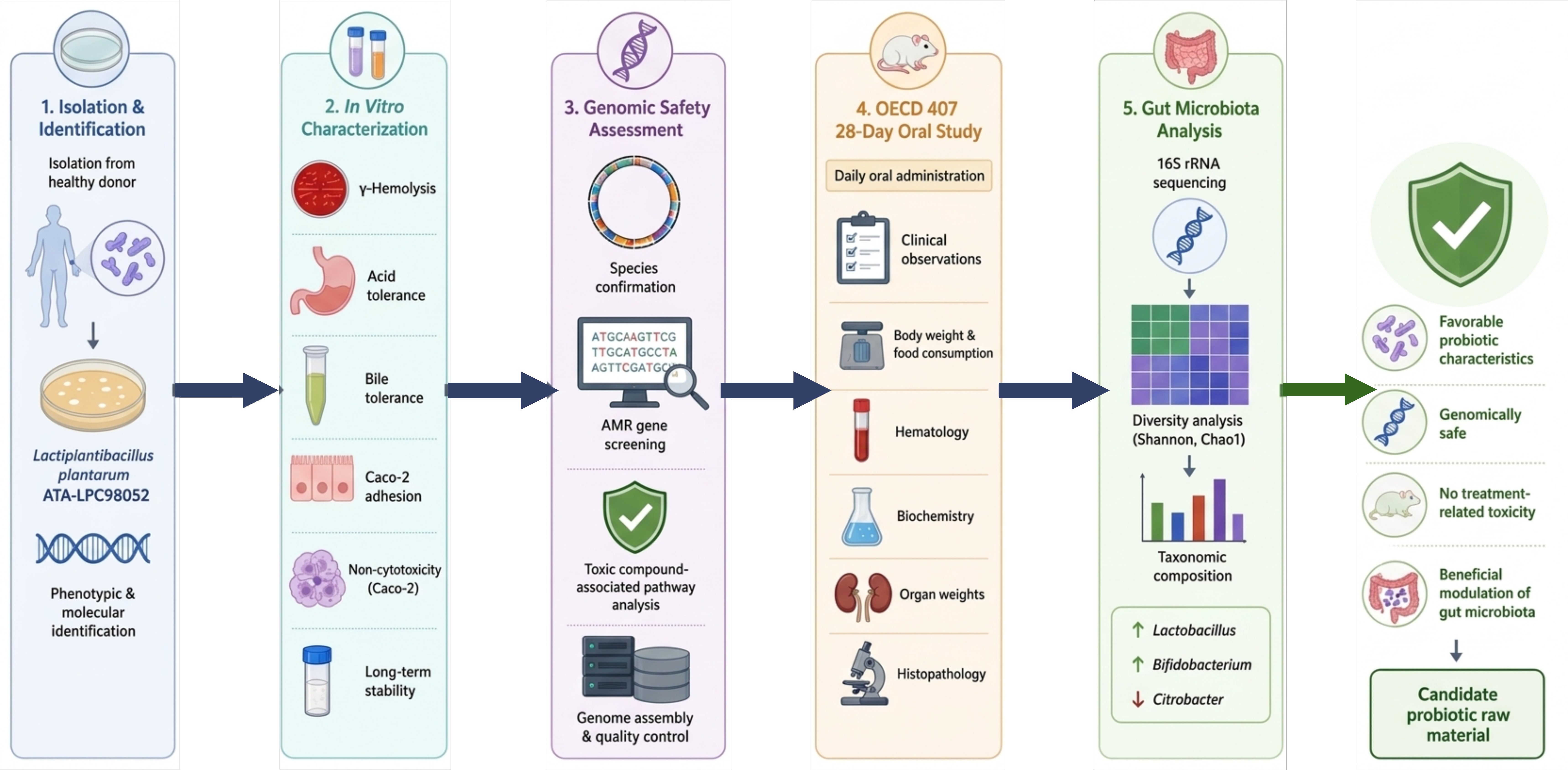
Comprehensive In Vitro, Genomic, Microbiota, and Subacute Toxicological Safety Characterization of Lactiplantibacillus plantarum ATA-LPC98052
Nutrients 2026, 18(17), 2796; https://doi.org/10.3390/nu18172796 (registering DOI) - 26 Aug 2026
Abstract
Background: Lactiplantibacillus plantarum is a widely studied probiotic species; however, probiotic characteristics and safety profiles are strain-specific, requiring independent evaluation. This study characterized Lactiplantibacillus plantarum ATA-LPC98052 as a candidate probiotic raw material. Methods: ATA-LPC98052 was evaluated for hemolysis, acid/bile tolerance, Caco-2 adhesion, cytotoxicity,
[...] Read more.
Background: Lactiplantibacillus plantarum is a widely studied probiotic species; however, probiotic characteristics and safety profiles are strain-specific, requiring independent evaluation. This study characterized Lactiplantibacillus plantarum ATA-LPC98052 as a candidate probiotic raw material. Methods: ATA-LPC98052 was evaluated for hemolysis, acid/bile tolerance, Caco-2 adhesion, cytotoxicity, and storage stability. Subacute oral safety was assessed in Wistar rats by gavage for 28 days at 1.2 × 10¹¹ CFU/kg/day; the study design incorporated selected principles of OECD Test Guideline 407. Clinical, hematological, biochemical, organ-weight, and macroscopic endpoints were evaluated. Fecal microbiota was analyzed by 16S rRNA sequencing; WGS was used for taxonomic confirmation and genomic safety screening. Results: ATA-LPC98052 was γ-hemolytic and maintained 60% viability at pH 1.5 and 96% at pH 5.0, while viability ranged from 74% to 82% across 0.1–0.5% bile salt concentrations. Caco-2 cell viability was 99%, adhesion exceeded 90%, and the lyophilized preparation remained stable for 15 months, maintaining 9.6 log10 CFU/g. Repeated oral administration caused no mortality or consistent treatment-related toxicological pattern. Longitudinal microbiota analysis showed no significant treatment × time effects on alpha diversity or Bray–Curtis community structure, and no genus-level MaAsLin2 association was FDR-significant. WGS confirmed L. plantarum identity and no contamination; ResFinder detected no acquired antimicrobial resistance determinants meeting specified thresholds, whereas CARD/RGI identified low-identity qacJ and vanY homologs requiring cautious interpretation. Conclusion: ATA-LPC98052 demonstrated favorable in vitro probiotic characteristics, technological stability, gut microbiota-modulating potential, and a favorable subacute safety profile under the tested conditions; however, microbiota findings were exploratory, and phenotypic MIC testing remains warranted.
Full article
(This article belongs to the Special Issue Probiotics, Postbiotics, Gut Microbiota and Gastrointestinal Health)
►
Show Figures
Open AccessSystematic Review
Efficacy and Safety of Lactobacillus reuteri DSM 17938 in Pediatric Functional Abdominal Pain Disorders: A Systematic Review and Meta-Analysis of Randomized Controlled Trials
by
Franco Rodríguez-Brown, Jamee Guerra Valencia and Akram Hernández-Vásquez
Nutrients 2026, 18(17), 2795; https://doi.org/10.3390/nu18172795 - 26 Aug 2026
Abstract
Background/Objective: Lactobacillus reuteri DSM 17938 is among the most studied probiotic strains for pediatric functional abdominal pain disorders (FAPDs), but prior trials and systematic reviews have reached inconsistent conclusions. This systematic review and meta-analysis aimed to evaluate the efficacy and safety of L.
[...] Read more.
Background/Objective: Lactobacillus reuteri DSM 17938 is among the most studied probiotic strains for pediatric functional abdominal pain disorders (FAPDs), but prior trials and systematic reviews have reached inconsistent conclusions. This systematic review and meta-analysis aimed to evaluate the efficacy and safety of L. reuteri DSM 17938 in children and adolescents with FAPDs. Methods: This review was registered in PROSPERO (CRD42024618099). PubMed, Cochrane Library, Embase, Web of Science, Scopus, CINAHL, and LILACS were searched from inception to 8 April 2026, for randomized controlled trials (RCTs) enrolling children ≤ 18 years with Rome III/IV-defined FAPDs receiving L. reuteri DSM 17938 versus placebo. Random-effects meta-analyses were performed for pain severity, pain frequency, quality of life, and adverse events; risk of bias was assessed with RoB 2 and certainty of evidence with GRADE. Results: Seven RCTs (513 participants) were included. Pain severity showed no significant difference at end of follow-up (SMD −0.58; 95% CI −1.32 to 0.16; I2 = 89.3%) but a significant reduction at end of treatment (SMD −0.49; 95% CI −0.93 to −0.06; p = 0.027; I2 = 82.0%), an effect not robust to sensitivity analysis. Pain frequency showed no significant difference at end of follow-up (MD −0.15 episodes/week; 95% CI −1.18 to 0.87) or end of treatment. No trial assessed quality of life. Adverse events were reported narratively only. Certainty of evidence was very low for pain outcomes and low for adverse events. Conclusions: Current evidence does not support a consistent beneficial effect of L. reuteri DSM 17938 on pain severity or frequency in pediatric FAPDs, and safety data remain limited. Certainty of evidence was low to very low across outcomes, underscoring the need for larger, methodologically rigorous trials.
Full article
(This article belongs to the Section Pediatric Nutrition)
Open AccessArticle
Oral Candida spp. Colonisation, the Immunoexpression of Selected Cytokines in Oral Mucosa Cells and Vitamin D3 Serum Levels in Patients with Different Severities of Psoriasis: A Case–Control Study
by
Mariola Marchlewicz, Paulina Sagan, Marta Grabowska, Magdalena Kiedrowicz, Magdalena Boer, Joanna Kruk, Małgorzata Piasecka and Ewa Duchnik
Nutrients 2026, 18(17), 2794; https://doi.org/10.3390/nu18172794 - 26 Aug 2026
Abstract
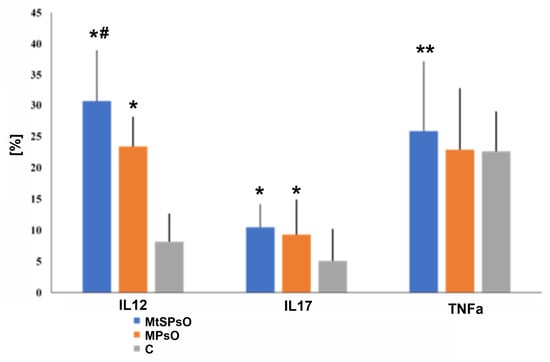
Background: Psoriasis is the most common inflammatory skin disease, driven by cytokines including IL-12, IL-17, and TNF-α. Patients are frequently colonised with Candida spp., while vitamin D3 deficiency has been implicated in psoriasis pathogenesis and severity. This study compared oral Candida
[...] Read more.
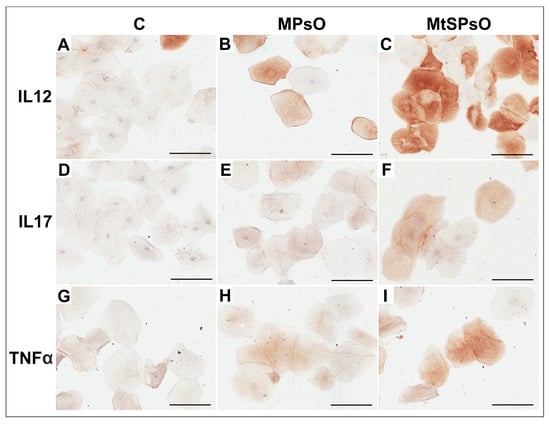
Background: Psoriasis is the most common inflammatory skin disease, driven by cytokines including IL-12, IL-17, and TNF-α. Patients are frequently colonised with Candida spp., while vitamin D3 deficiency has been implicated in psoriasis pathogenesis and severity. This study compared oral Candida colonisation in patients with psoriasis and healthy controls, evaluated the relationship between vitamin D3 levels and disease severity, and assessed IL-12, IL-17, and TNF-α expression in oral mucosal cells. Methods: Fifty-nine patients with psoriasis and 32 healthy controls were enrolled. Psoriasis severity was assessed using the Psoriasis Area and Severity Index (PASI) and Body Surface Area (BSA). Oral swabs were collected for Candida spp. culture, and serum vitamin D3 levels were measured. Cytokine expression in oral mucosal cells was evaluated by immunohistochemistry and quantified using digital image analysis. Results: Lower serum vitamin D3 levels were associated with greater psoriasis severity. Oral mucosal colonisation by Candida spp. did not differ between patients and controls and was not associated with vitamin D3 levels or psoriasis severity. IL-12 and IL-17 expression was increased in patients with psoriasis compared with controls. IL-12 expression was higher in severe than mild psoriasis, while TNF-α expression was elevated in patients with more severe disease. Conclusions: In this cohort, no significant association was observed between oral Candida colonisation and psoriasis severity or the local cytokine response. In contrast, vitamin D3 deficiency was associated with more severe disease. Increased oral mucosal expression of IL-12, IL-17, and TNF-α indicates the presence of a local inflammatory response within the oral mucosa, which may be consistent with the concept of psoriasis as an inflammatory disorder extending beyond the skin.
Full article
(This article belongs to the Special Issue Nutritional Approaches in Autoimmune Diseases and Patient Outcomes)
►▼
Show Figures

Figure 1
Open AccessArticle
Associations and Multidimensional Characterization of the Nutritional-Inflammatory Profile in Children with Previous SARS-CoV-2 Infection: A Retrospective Cohort Study
by
Carmen Loredana Petrea (Cliveți), Diana-Andreea Ciortea, Gabriela Gurău, Mădălina Nicoleta Matei, Codrina Barbu, Gabriela Isabela Verga (Răuță), Irinel Lungu, Mariana Mirela Vălcan and Sorin Ion Berbece
Nutrients 2026, 18(17), 2793; https://doi.org/10.3390/nu18172793 - 26 Aug 2026
Abstract
Background/Objectives: Nutritional, inflammatory, and lifestyle-related characteristics may contribute to substantial biological heterogeneity among children with documented previous SARS-CoV-2 infection. This study aimed to characterize an integrated nutritional-inflammatory profile and explore its relationships with biological and clinical features in a hospitalized pediatric cohort.
[...] Read more.
Background/Objectives: Nutritional, inflammatory, and lifestyle-related characteristics may contribute to substantial biological heterogeneity among children with documented previous SARS-CoV-2 infection. This study aimed to characterize an integrated nutritional-inflammatory profile and explore its relationships with biological and clinical features in a hospitalized pediatric cohort. Methods: This retrospective cohort study included 260 children with documented previous SARS-CoV-2 infection. Clinical, anthropometric, and laboratory data were complemented by questionnaire-derived dietary and lifestyle information (n = 213). Analyses combined conventional statistics with correlation and multivariate techniques, including PCA and K-means clustering (n = 231) and exploratory Ridge regression (n = 188). Results: Suboptimal serum 25(OH)D concentrations (<30 ng/mL) were present in 55.8% of participants (95% CI [49.7%, 61.7%]), while 43.5% were overweight or obese (95% CI [37.6%, 49.5%]). BMI correlated with hemoglobin (ρ = 0.23) and CRP (ρ = 0.12), while 25(OH)D correlated with potassium (ρ = 0.22). Increasing daily device use was associated with progressively lower 25(OH)D concentrations (H = 24, p < 0.001, ε2 = 0.11), with median values decreasing from 33 ng/mL at <1 h/day to 24 ng/mL at >4 h/day. PCA identified three complementary biological dimensions explaining 55.0% of the total variance, while K-means clustering identified three reproducible exploratory nutritional–inflammatory phenotypes differentiated by age, BMI, hematological and inflammatory characteristics, and selected lifestyle factors. Conclusions: The findings show multidimensional nutritional–inflammatory heterogeneity in children with documented previous SARS-CoV-2 infection. The identified patterns and exploratory phenotypes provide an integrated framework for biological characterization and warrant validation in prospective multicenter cohorts.
Full article
(This article belongs to the Section Pediatric Nutrition)
Open AccessArticle
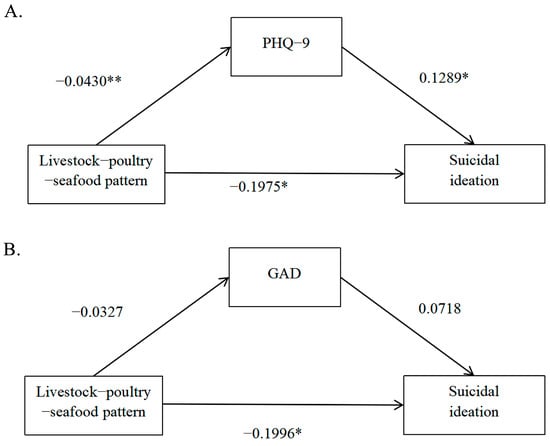
Longitudinal Analysis of Associations Between Dietary Patterns and Incident Suicidal Ideation
by
Yulian Kang, Yunzhe Lv, Chenyun Jiang, Qingyue Meng, Ruining Xie, Qin Gao and Yan Liu
Nutrients 2026, 18(17), 2792; https://doi.org/10.3390/nu18172792 - 26 Aug 2026
Abstract
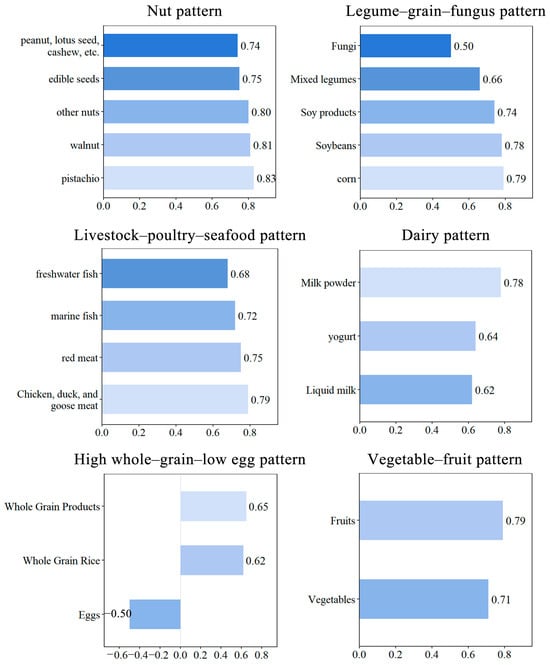
Background/Objectives: Diet is a key modifiable determinant of mental health; however, the prospective association between dietary patterns and new-onset suicidal ideation remains poorly elucidated. Methods: We enrolled 7480 participants from demolition resettlement communities in Jining, Zoucheng, and Weifang in Shandong Province,
[...] Read more.
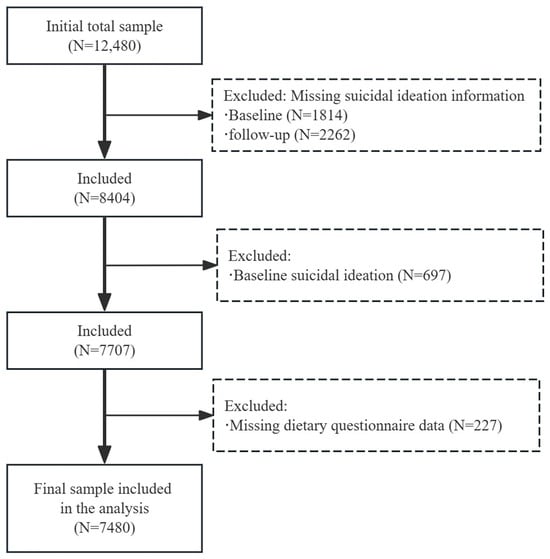
Background/Objectives: Diet is a key modifiable determinant of mental health; however, the prospective association between dietary patterns and new-onset suicidal ideation remains poorly elucidated. Methods: We enrolled 7480 participants from demolition resettlement communities in Jining, Zoucheng, and Weifang in Shandong Province, China, during 2021–2023. Data were used from two waves (baseline and 1-year follow-up) in this study. Dietary patterns were determined using principal component analysis based on food frequency questionnaire data. Incident suicidal ideation was assessed using the ninth item of the Patient Health Questionnaire-9. Multivariable logistic regression, stratified analysis, and sensitivity analysis were used to examine associations of different dietary patterns with the risk of incident suicidal ideation. Results: Among participants, 193 (2.58%) reported incident suicidal ideation. After full multivariable adjustment, the livestock–poultry–seafood dietary pattern was significantly inversely associated with incident suicidal ideation (Q3 vs. Q1; odds ratio = 0.67; 95% confidence interval: 0.45–0.97), whereas no significant association was identified when the pattern score was modelled continuously (OR = 0.92; 95% CI: 0.79–1.06; p = 0.239). Stratified analyses revealed stronger inverse associations among men, older adults, overweight individuals, and participants who did not use dietary supplements, but all interaction p-values exceeded 0.05, with no statistically confirmed subgroup disparities. After excluding participants with baseline depression, participants with baseline anxiety, and individuals with missing covariates in sensitivity analysis, the inverse association remained statistically stable. Conclusions: Our findings suggested a modest inverse association between higher adherence to the livestock–poultry–seafood dietary pattern and new-onset suicidal ideation in this observational cohort.
Full article
(This article belongs to the Section Nutritional Epidemiology)
►▼
Show Figures

Figure 1
Open AccessArticle
Personalised Nutraceutical Treatment Guided by MTHFR Genotype in Mental Health: A Retrospective Cohort Study
by
Cristina Beer, Fiona Rae, Mikayla Watt, Maciej Trzaskowski, Clarissa Yates, Annalese Semmler and Joanne Voisey
Nutrients 2026, 18(17), 2791; https://doi.org/10.3390/nu18172791 - 26 Aug 2026
Abstract
Background & Aims: One-carbon metabolism plays a central role in neurotransmitter synthesis, methylation capacity, and neurobiological resilience. Variants in the methylenetetrahydrofolate reductase (MTHFR) gene can reduce enzymatic activity, affecting folate- and methionine-cycle functions and potentially influencing biological pathways relevant to
[...] Read more.
Background & Aims: One-carbon metabolism plays a central role in neurotransmitter synthesis, methylation capacity, and neurobiological resilience. Variants in the methylenetetrahydrofolate reductase (MTHFR) gene can reduce enzymatic activity, affecting folate- and methionine-cycle functions and potentially influencing biological pathways relevant to mood and anxiety disorders. Personalised nutraceutical treatment strategies, particularly those addressing methylation capacity through targeted B-vitamin, folate, and adjunctive metabolic interventions are increasingly implemented in integrative clinical practice, yet evidence regarding their clinical outcomes remains limited. Methods: We conducted a retrospective cohort study of 50 adults attending an integrative general practice clinic for anxiety and/or depression. All received personalised nutraceutical treatment informed by clinical assessment, laboratory testing and, for 37/50 patients, MTHFR genotyping. Psychological distress was measured using the Kessler-10 (K10) scale at baseline and approximately three months later. Secondary analyses evaluated whether outcomes differed by MTHFR genotype, whether specific supplements (e.g., L-methylfolate and SAMe) were associated with greater improvement, whether biomarker changes correlated with symptom change, and the safety/tolerability profile. Results: Across the full cohort, mean K10 scores significantly decreased by four points over the treatment period, with 72% of patients showing clinical improvement. Reductions in psychological distress were seen across all MTHFR genotypes, including individuals with homozygous variant genotypes. Supplement-specific analyses showed improvement among those receiving methylfolate or SAMe, although the differences were not statistically significant. Following nutraceutical treatment, biomarker analyses demonstrated significant increases in serum vitamin B12 and modest reductions in homocysteine, but biomarker shifts did not correlate strongly with K10 change. No serious adverse events or clinically significant abnormalities in liver or renal function were identified. Conclusions: In this real-world primary care cohort, personalised nutraceutical treatment, grounded in one-carbon metabolism support and applied alongside usual care, was associated with clinically meaningful reductions in psychological distress. Outcomes were comparable across MTHFR genotypes when treatments were appropriately tailored, suggesting that genotype and biomarker-informed nutraceutical strategies may mitigate potential metabolic disadvantages. These findings support further controlled research into precision nutraceutical psychiatry for anxiety and depression. Secondary analyses of genotype subgroup, specific supplements, and biomarker–outcome associations are reported alongside Benjamini–Hochberg FDR-adjusted p-values and should be interpreted as hypothesis-generating.
Full article
Open AccessArticle
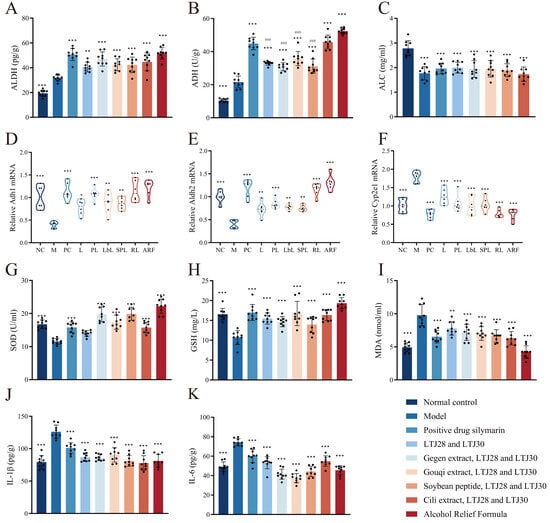
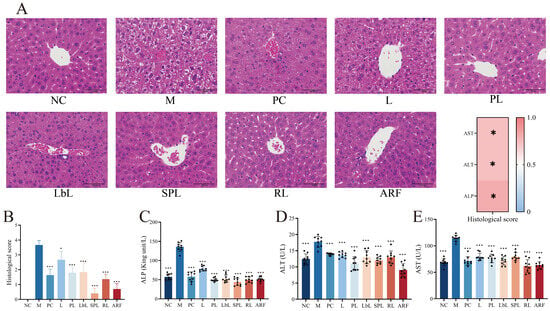
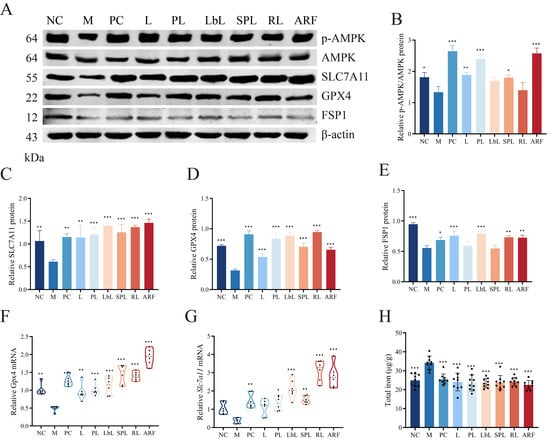
Probiotic–Herb–Peptide Combined Formula Alleviates Alcoholic Liver Damage Associated with Modulation of the Gut–Liver Axis and Ferroptosis
by
Yining Wang, Jingyang Tong, Weilong Liu, Chao Huo and Xuegang Luo
Nutrients 2026, 18(17), 2790; https://doi.org/10.3390/nu18172790 - 26 Aug 2026
Abstract
Background: Acute alcohol intoxication causes liver injury and delays recovery via oxidative stress, ferroptosis, inflammation, and gut dysbiosis. This study investigated whether pretreatment with an Alcohol Relief Formula (ARF), composed of soybean peptides, botanical extracts, and probiotics, protects against alcohol-induced liver damage in
[...] Read more.
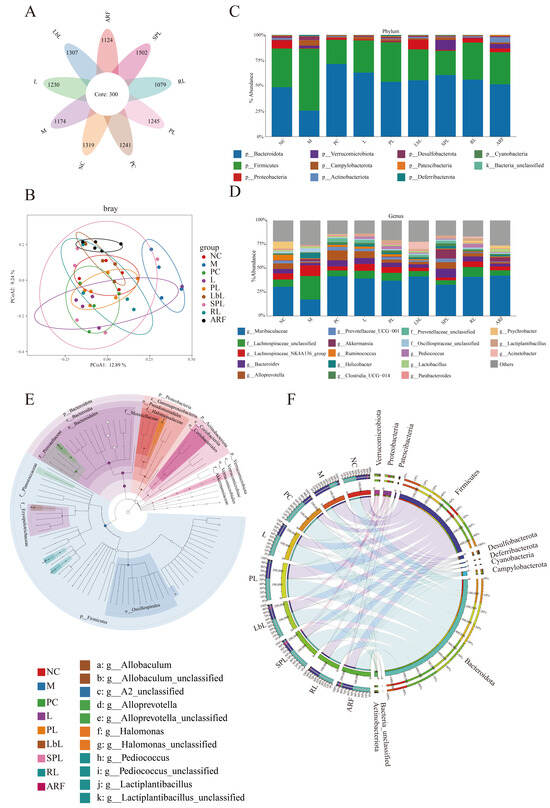
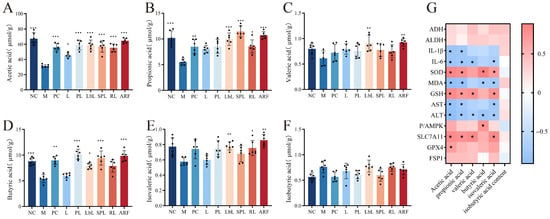
Background: Acute alcohol intoxication causes liver injury and delays recovery via oxidative stress, ferroptosis, inflammation, and gut dysbiosis. This study investigated whether pretreatment with an Alcohol Relief Formula (ARF), composed of soybean peptides, botanical extracts, and probiotics, protects against alcohol-induced liver damage in a preventive model and explored the underlying mechanisms. Methods: Mice with acute alcohol intoxication were pretreated with ARF. Liver damage, hepatic alcohol-metabolizing enzymes, antioxidant capacity, inflammatory cytokines, and lipid peroxidation were measured. Ferroptosis markers and AMP-activated protein kinase (AMPK) signaling were assessed. Gut microbiota composition and cecal short-chain fatty acids (SCFAs) were analyzed. Correlations between SCFAs, ferroptosis suppression, and AMPK activation were evaluated. Results: ARF pretreatment alleviated acute liver damage and accelerated sobriety. It enhanced alcohol dehydrogenase (ADH) and aldehyde dehydrogenase (ALDH) activities, inhibited CYP2E1 expression, and improved alcohol metabolism. ARF pretreatment restored antioxidant capacity, decreased pro-inflammatory cytokines and lipid peroxidation, and ameliorated hepatic histopathological changes. Notably, ARF pretreatment was associated with suppressed ethanol-induced ferroptosis markers, including increased glutathione peroxidase 4 (GPX4), solute carrier family 7 member 11 (SLC7A11), and ferroptosis suppressor protein 1 (FSP1) expression, elevated AMPK phosphorylation, and reduced hepatic total iron content. In parallel, ARF pretreatment was associated with modulation of the alcohol-disrupted gut microbiota, increased short-chain fatty acid (SCFA)-producing bacteria, and maintained cecal acetate, propionate, and butyrate levels. Correlation analysis revealed that SCFA restoration was positively associated with ferroptosis marker modulation and AMPK activation, suggesting a potential link between gut metabolites and hepatic protection. Conclusions: ARF may serve as a potential preventive nutritional strategy for acute alcohol intoxication by promoting recovery and mitigating liver damage in this acute binge pretreatment model. The observed effects may involve the modulation of gut microbiota-derived SCFAs and AMPK signaling associated with ferroptosis markers.
Full article
(This article belongs to the Special Issue Effects of Probiotics, Prebiotics, and Postbiotics on Human Health (3rd Edition))
►▼
Show Figures

Figure 1
Open AccessArticle
Nutritional Rehabilitation and Medical Stabilization of Adolescents with Anorexia Nervosa: Length-of-Stay Predictors, Cardiovascular Recovery, Refeeding Safety, and Psychiatric Comorbidity Burden
by
Saba F. Elhag, Abdulla Fahmi, Abdulrahman Alansari, Sara Al-Kuwari, Amal Saleh Al-Kuwari, Amna Ahmed, Shahd Hani Jaouni, Amine Zaidi, Tasnim L. Milhem, Reem Bachir, Moayad H. Ali, Asma Ahmed, Qusi Shaban, Sheema Hashem and Madeeha Kamal
Nutrients 2026, 18(17), 2789; https://doi.org/10.3390/nu18172789 - 26 Aug 2026
Abstract
Background/Objectives: Adolescents with anorexia nervosa (AN) face substantial medical and psychiatric risk during hospitalization. We examined predictors of length of stay (LOS), cardiovascular recovery, refeeding safety, and psychiatric comorbidity in a consecutive pediatric cohort at a national tertiary center. Methods: Retrospective cohort of
[...] Read more.
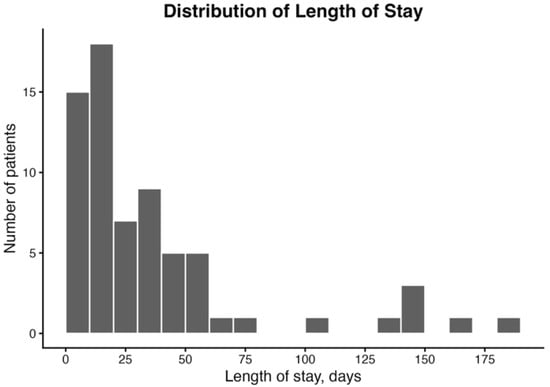
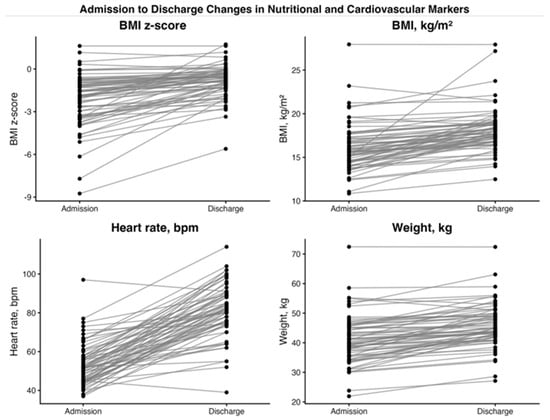
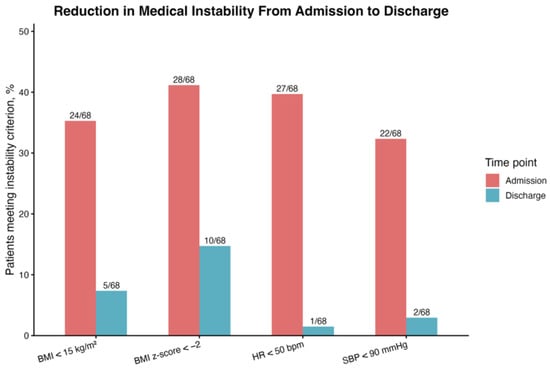
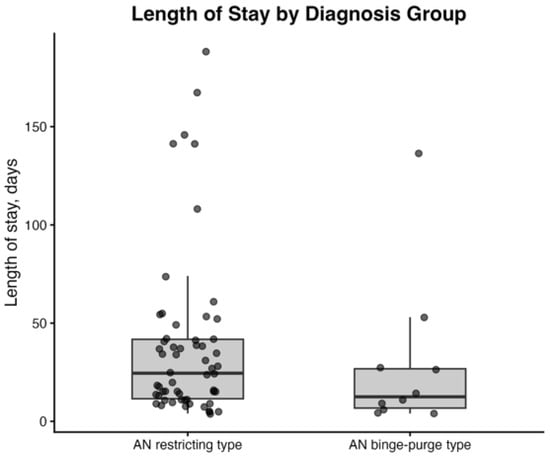
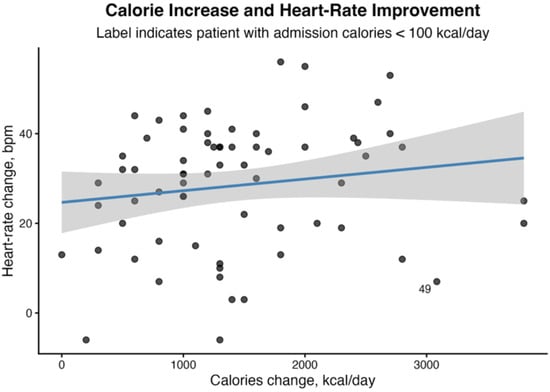
Background/Objectives: Adolescents with anorexia nervosa (AN) face substantial medical and psychiatric risk during hospitalization. We examined predictors of length of stay (LOS), cardiovascular recovery, refeeding safety, and psychiatric comorbidity in a consecutive pediatric cohort at a national tertiary center. Methods: Retrospective cohort of 68 consecutively admitted adolescents (91.2% female; mean age 14.2 ± 1.8 years, range 8–17; 85.3% restricting type) admitted between January 2017 and May 2025. A structured nutritional rehabilitation protocol (1000–1200 kcal/day, escalating by 200 kcal/day every 48 h to 2500–3000 kcal/day) was implemented with daily serum electrolyte monitoring. Statistical analyses included paired tests, Spearman correlations, multivariable regression of log-transformed LOS, and partial correlations controlling for the admission BMI z-score. Results: Nutritional and cardiovascular parameters improved from admission to discharge. Mean supine heart rate (HR) increased by 28.4 bpm (95% CI 25.0–31.8; p < 0.001), and bradycardia prevalence (HR < 50 bpm) improved from 39.7% to 1.5%. Lower admission BMI z-score was associated with longer LOS; each 1-unit higher BMI z-score was associated with an 18.9% shorter LOS in adjusted log-LOS regression (p = 0.003). Exploratory analyses of HR recovery suggested that the magnitude of HR improvement was more closely associated with baseline BMI z-score and baseline supine HR than with caloric escalation. Systematic electrolyte monitoring documented no hypophosphatemia requiring intervention and no refeeding syndrome. Documented mental health comorbidities or clinically significant symptom clusters were present in 82.4% of patients. Conclusions: In this adolescent anorexia nervosa cohort, structured inpatient nutritional rehabilitation was associated with substantial cardiovascular and nutritional improvement. Baseline nutritional status was associated with hospital course and cardiovascular response, while LOS should be interpreted as a composite outcome influenced by nutritional severity, discharge criteria, mental health needs, and family readiness. The absence of refeeding complications is reassuring and suggests that the protocol was metabolically safe under systematic electrolyte monitoring in this specialized tertiary setting.
Full article
(This article belongs to the Special Issue Eating Disorders and Disordered Eating Behaviors: Prevention, Mechanisms, Treatments, and Outcomes)
►▼
Show Figures

Figure 1
Open AccessArticle
Do Children with Drug-Resistant Epilepsy Exhibit the Same Eating Habits and Feeding Difficulties as Their Healthy Peers? A Multifaceted Assessment of Eating Habits, Feeding Behaviors, and Nutritional Status in Pediatric Patients with Drug-Resistant Epilepsy on a Ketogenic Diet Compared with Healthy Children in Lower Silesia
by
Katarzyna Daria Gołąbek, Agata Gruna-Ożarowska, Jakub Wronowicz and Bożena Regulska-Ilow
Nutrients 2026, 18(17), 2788; https://doi.org/10.3390/nu18172788 - 26 Aug 2026
Abstract
Background/Objectives: Age-related eating difficulties, combined with restrictive ketogenic diet therapies (KDTs), may contribute to a narrow range of consumed foods and reduced dietary variety in children’s diet. Methods: The study aim is to compare nutritional status, food neophobia (FN), food texture preferences, and
[...] Read more.
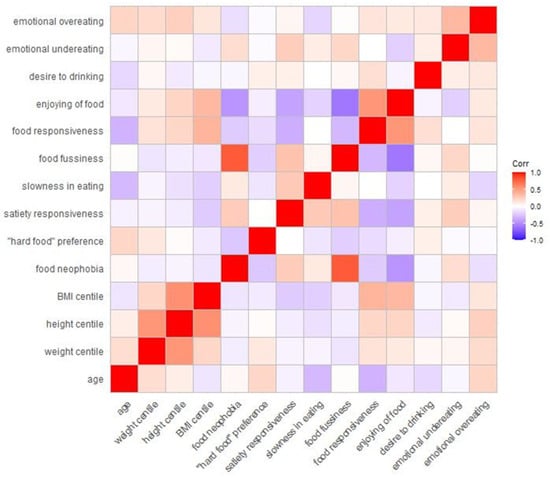
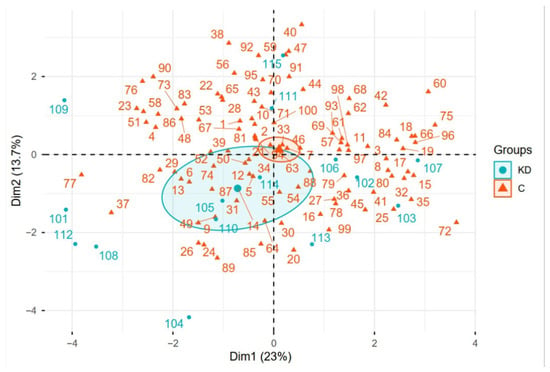
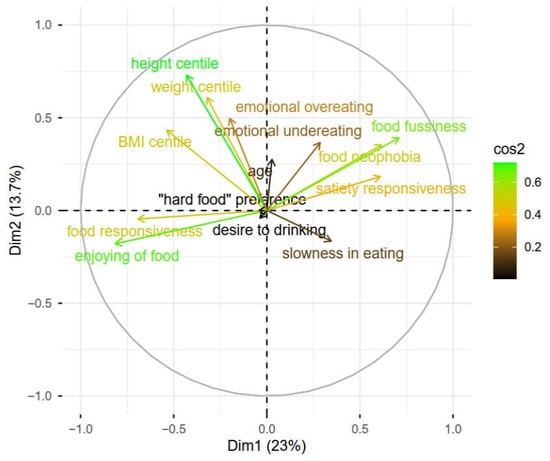
Background/Objectives: Age-related eating difficulties, combined with restrictive ketogenic diet therapies (KDTs), may contribute to a narrow range of consumed foods and reduced dietary variety in children’s diet. Methods: The study aim is to compare nutritional status, food neophobia (FN), food texture preferences, and eight eating behaviors—including food fussiness (FF)—as well as meal variety and repetitiveness, between children with drug-resistant epilepsy undergoing KDT (KD group; n = 15) and healthy children (n = 100), by the Child Food Texture Preference Questionnaire, the Children’s Eating Behavior Questionnaire and the Modified Children’s Food Neophobia Scale. Results: No significant differences were found in nutritional status (percentile: weight: 53 (31.50–78.00) vs. 51.50 (35.50–71.25), p > 0.9999; height: 43 (26.5–59.5) vs. 51 (31.75–70.25), p > 0.9999; BMI: 50 (21.5–92.5) vs. 51.5 (33–69.5), p > 0.9999) and in most eating behavior domains, although both groups showed a high prevalence of feeding difficulties. The KD group showed significantly greater meal repetition (3 (2–3) vs. 2 (1–2), p = 0.0468) and lower dietary variety (3 (2–3) vs. 4 (4–4), p = 0.0004), emotional undereating (4 (4–8.5) vs. 10 (9–13), p = 0.0059) and overeating (4 (4–7) vs. 8 (6–10), p = 0.0196) scores. Within the study population, eating behaviors clustered into distinct patterns predisposing toward either an “adaptive” or a “maladaptive” approach to food. Conclusions: There is a need for an individualized approach to addressing eating difficulties in children following KDT. It seems reasonable to introduce targeted screening assessments for FN and FF to facilitate early identification of patients at risk of unfavorable eating styles.
Full article
(This article belongs to the Special Issue Health Benefits and Potential Risks of the Ketogenic Diet as a Nutritional Strategy)
►▼
Show Figures

Figure 1
Open AccessReview
Immunometabolic Plasticity in Sarcopenic Obesity: Toward a New Paradigm for Precision Immunonutrition
by
Lucia Malaguarnera
Nutrients 2026, 18(17), 2787; https://doi.org/10.3390/nu18172787 - 26 Aug 2026
Abstract
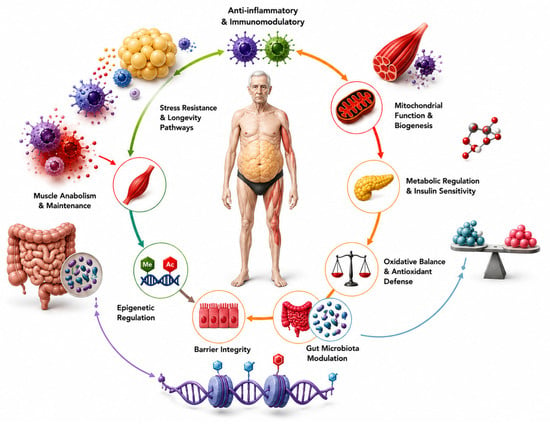
Immunonutrition continues to generate heterogeneous and often contradictory clinical outcomes, suggesting that nutrients do not exert fixed immunological effects but interact with the biological context in which they operate. Sarcopenic obesity (SO) represents a paradigmatic clinical model of this complexity, where chronic low-grade
[...] Read more.
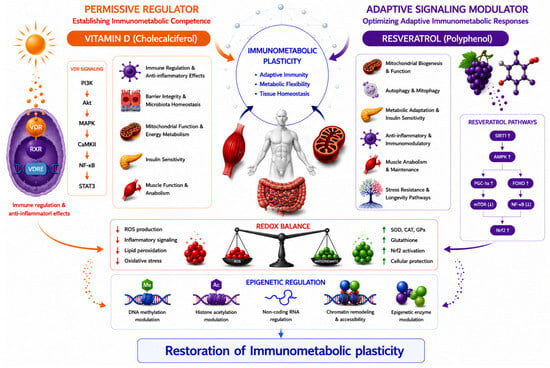
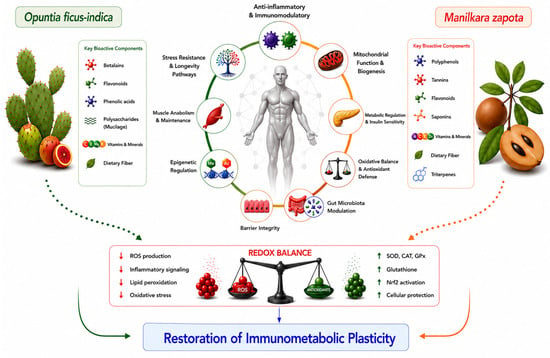
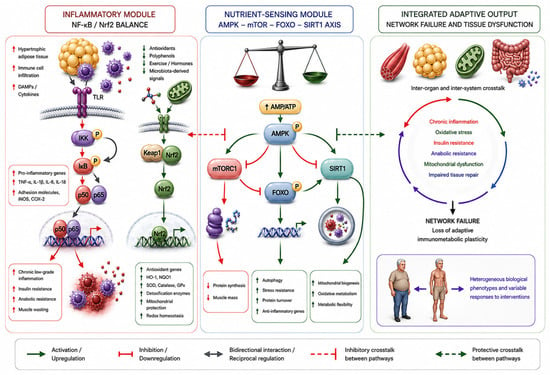
Immunonutrition continues to generate heterogeneous and often contradictory clinical outcomes, suggesting that nutrients do not exert fixed immunological effects but interact with the biological context in which they operate. Sarcopenic obesity (SO) represents a paradigmatic clinical model of this complexity, where chronic low-grade inflammation, mitochondrial dysfunction, anabolic resistance, metabolic inflexibility, and microbiota remodeling converge to compromise the adaptive capacity of integrated immunometabolic networks. We propose that this condition may be interpreted as a state of impaired immunometabolic plasticity, which may help explain the context-dependent variability of nutritional responses. Within this perspective, micronutrients are viewed not simply as cofactors supporting immune competence but as dynamic regulators of interconnected immunometabolic pathways. Particular attention is devoted to vitamin D and resveratrol, presented as complementary regulators of immunometabolic plasticity. Within the proposed framework, vitamin D may contribute to immunometabolic competence, whereas resveratrol may act as a broader signaling modulator through the SIRT1/AMPK–PGC-1α axis, influencing mitochondrial function, inflammatory tone, metabolic flexibility, and epigenetic adaptation. Beyond isolated compounds, bioactive-rich food matrices, exemplified by Opuntia ficus-indica, are discussed as examples of systems-level modulators capable of coordinating inflammatory, metabolic, redox, and microbiota-dependent biological circuitry. This review introduces immunometabolic plasticity as a conceptual framework linking nutritional signals to the coordinated regulation of immune and metabolic adaptation across diverse biological contexts. Finally, we discuss how biomarker-guided phenotyping, multi-omics integration, and context-aware nutritional interventions may provide a foundation for precision immunonutrition, shifting the field from generalized supplementation strategies toward restoration of adaptive immunometabolic resilience.
Full article
(This article belongs to the Special Issue Vitamins and Minerals in Immune Homeostasis: From Molecular Pathways to Clinical and Translational Applications)
►▼
Show Figures

Figure 1
Open AccessReview
Nutritional Monitoring and Intervention in Paediatric Inflammatory Bowel Disease
by
Lauren Arpe, Lucy Jackman, Kelsey Jones, Eleanor Wells, Fevronia Kiparissi, Edward Gaynor and Osvaldo Borrelli
Nutrients 2026, 18(17), 2786; https://doi.org/10.3390/nu18172786 - 26 Aug 2026
Abstract
Paediatric Inflammatory Bowel Disease (PIBD), encompassing Crohn’s Disease (CD), Ulcerative Colitis (UC) and IBD-Unclassified (IBDU), onsets during a critical window for growth, pubertal development, and bone accrual, making nutrition a primary, disease-modifying component of care rather than a purely supportive one. This review
[...] Read more.
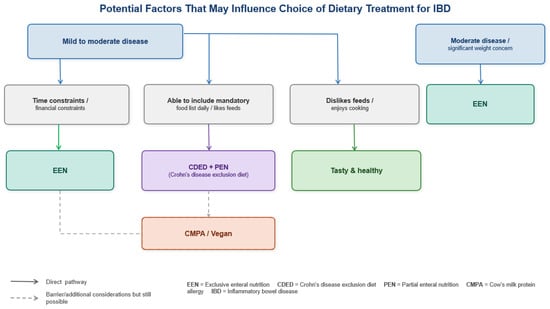
Paediatric Inflammatory Bowel Disease (PIBD), encompassing Crohn’s Disease (CD), Ulcerative Colitis (UC) and IBD-Unclassified (IBDU), onsets during a critical window for growth, pubertal development, and bone accrual, making nutrition a primary, disease-modifying component of care rather than a purely supportive one. This review summarises current evidence and clinical experience on nutritional assessment, monitoring, and dietary treatment in PIBD. Malnutrition, growth faltering and micronutrient deficiency are common at diagnosis and during flares, and the interpretation of biochemical markers is complicated by systemic inflammation, hence requiring a combined dietary, biochemical, and clinical approach. Exclusive Enteral Nutrition (EEN) remains the first-line induction therapy for mild-moderate Crohn’s Disease, achieving remission in 60–80% of patients, although its restrictive, liquid-only nature limits long-term adherence. Food-based alternatives including the Crohn’s Disease Exclusion Diet with partial enteral nutrition, CD-TREAT, and the “Tasty and Healthy” diet offer comparable induction efficacy with improved palatability and adherence in appropriately selected patients. Maintenance strategies, including cyclic EEN, dose-dependent partial enteral nutrition, and adjunct therapies such as curcumin may have a role in selected patients, and are discussed alongside emerging evidence on emulsifiers, fibre, and the Mediterranean diet. Selecting an appropriate therapy requires balancing disease severity against patient motivation, family support, and other pragmatic and lifestyle factors. Psychological and quality-of-life dimensions of dietary therapy require consideration, underscoring the need for individualised care that protects both nutritional status, child’s relationship with food and overall wellbeing.
Full article
(This article belongs to the Special Issue Nutritional Monitoring and Intervention in Inflammatory Bowel Diseases)
►▼
Show Figures

Figure 1
Open AccessArticle
Folate Deficiency Alters microRNA Expression and Transcriptomic Networks in a Human Trophoblast Model
by
Bernadette C. Baker, Georgia Fakonti, Abigail R. Byford, Fiona L. Mackie, Samantha C. Lean, Ainslie Garrod, Lucy Poffley, Leo A. H. Zeef, Susan L. Greenwood, Alexander E. P. Heazell, Rebecca L. Jones and Karen Forbes
Nutrients 2026, 18(17), 2785; https://doi.org/10.3390/nu18172785 - 26 Aug 2026
Abstract
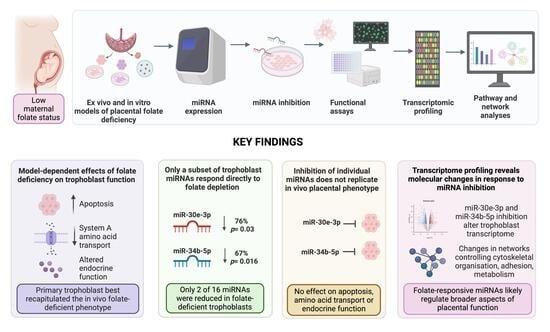
Background: Low maternal folate status is associated with placental dysfunction and adverse pregnancy outcomes; however, the mechanisms linking reduced folate availability to altered placental function remain incompletely understood. We investigated whether folate deficiency directly alters trophoblast function and microRNA (miRNA) expression, and whether
[...] Read more.
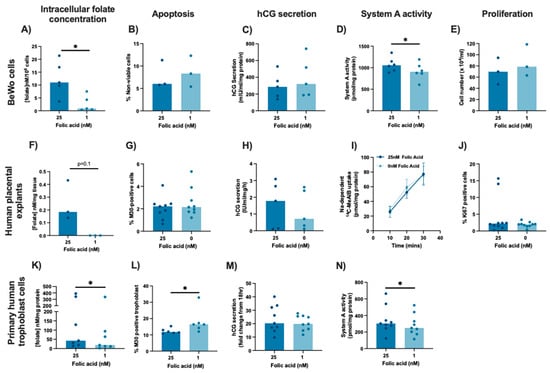
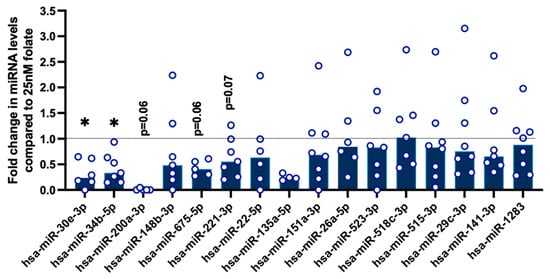
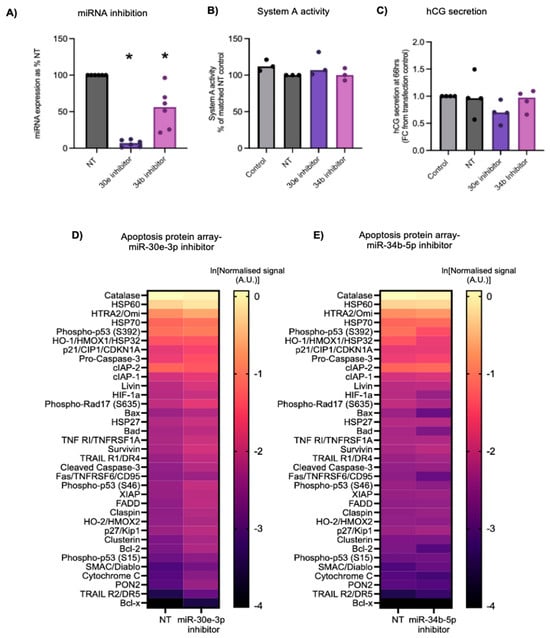
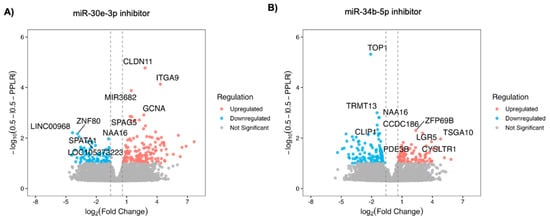
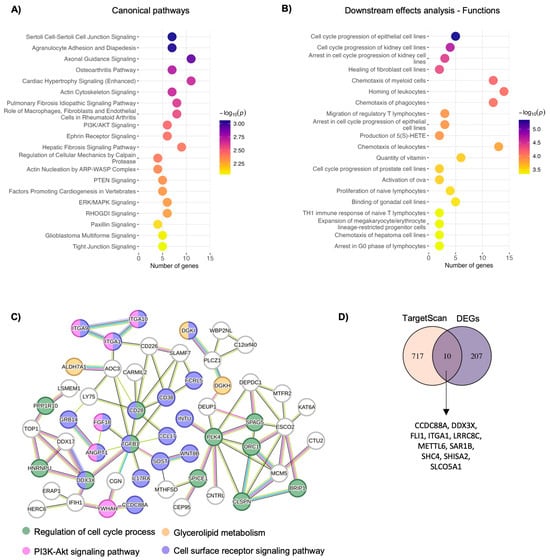
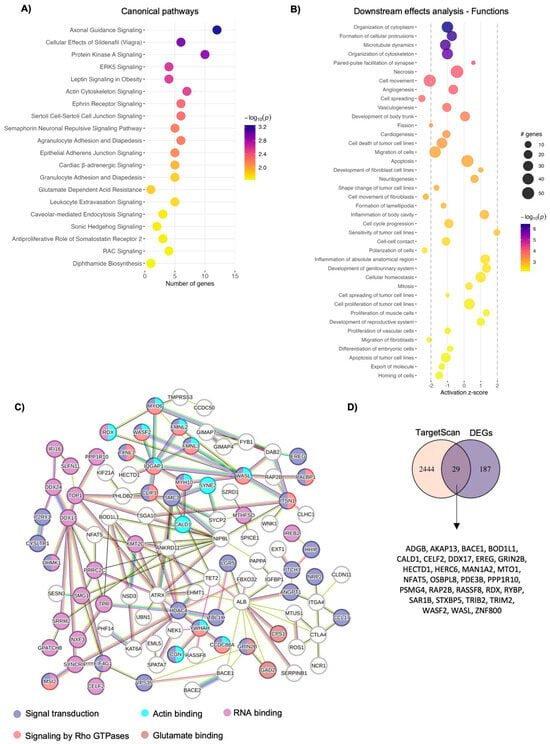
Background: Low maternal folate status is associated with placental dysfunction and adverse pregnancy outcomes; however, the mechanisms linking reduced folate availability to altered placental function remain incompletely understood. We investigated whether folate deficiency directly alters trophoblast function and microRNA (miRNA) expression, and whether folate-responsive miRNAs mediate these functional changes. Methods and Results: Human placental villous explants, BeWo choriocarcinoma cells, and primary human cytotrophoblasts were cultured under physiological or folate-deficient conditions to assess the direct impact of reduced folate availability. Although intracellular folate depletion was achieved in all models, only primary cytotrophoblasts reproduced functional changes consistent with those observed in placentas from folate-deficient pregnancies, exhibiting increased apoptosis and reduced system A amino acid transport. Of sixteen miRNAs previously associated with low maternal folate status, miR-30e-3p and miR-34b-5p were significantly reduced in trophoblast following folate depletion. Targeted inhibition of either miRNA did not alter apoptosis or system A activity. Pathway analysis of differentially expressed genes following miRNA inhibition identified processes related to cytoskeletal organisation, cell adhesion, PI3K/AKT and MAPK signalling. Conclusions: Folate deficiency directly impairs trophoblast survival, amino acid transport, and miRNA expression in primary trophoblasts. Our findings demonstrate that only a subset of folate-associated placental miRNAs respond directly to folate depletion and that inhibition of individual folate-responsive miRNAs is insufficient to reproduce the trophoblast phenotype. These results indicate that trophoblast adaptation to reduced folate availability is likely mediated through coordinated nutrient-sensitive regulatory networks rather than individual miRNAs acting in isolation.
Full article
(This article belongs to the Special Issue Nutrition, Diet and Metabolism in Pregnancy)
►▼
Show Figures

Graphical abstract
Open AccessArticle
Beverage Consumption Patterns, Beverage-Derived Energy Intake, and Adherence to Fluid Intake Recommendations Among Polish Adolescents: A Cross-Sectional Study Using the BEVQ-PL Questionnaire
by
Marek Zborowski and Magdalena Skotnicka
Nutrients 2026, 18(17), 2784; https://doi.org/10.3390/nu18172784 - 26 Aug 2026
Abstract
Background/Objectives: Different organizations have established fluid intake recommendations for adolescents; however, studies assessing adherence typically rely on a single reference system, limiting comparisons across populations. This study assessed beverage consumption patterns and beverage-derived energy intake among Polish adolescents and examined how adherence estimates
[...] Read more.
Background/Objectives: Different organizations have established fluid intake recommendations for adolescents; however, studies assessing adherence typically rely on a single reference system, limiting comparisons across populations. This study assessed beverage consumption patterns and beverage-derived energy intake among Polish adolescents and examined how adherence estimates differed when recommendations issued by the European Food Safety Authority (EFSA), the Institute of Medicine (IOM), and the Polish National Institute of Public Health—National Institute of Hygiene (NIH) were applied. Methods: A cross-sectional study was conducted among 1644 secondary school students aged 14–18 years. Beverage consumption (mL/day) and beverage-derived energy intake (kcal/day) were assessed using the validated Polish Beverage Intake Questionnaire (BEVQ-PL). Adherence was defined as achieving at least 80% of the age- and sex-specific Adequate Intake (AI) from beverages, assuming that beverages provide approximately 80% of total daily water intake. Results: Water had the highest median daily intake (960 mL/day). Males consumed significantly more water than females (1080 vs. 720 mL/day; p = 0.037), whereas females consumed significantly more reduced-fat milk (2%), skim milk, plant-based and flavored milk beverages, 100% vegetable juice, and coffee with milk and sugar. Adherence differed according to the recommendation system, reaching 65.2% (EFSA), 50.6% (IOM), and 65.8% (NIH). Female sex was independently associated with higher adherence across all three reference systems, whereas older age was associated with lower adherence only according to the NIH criteria and overweight/obesity only according to the IOM criteria. Conclusions: Estimated adherence to fluid intake recommendations varied substantially according to the reference system applied. These findings highlight the importance of explicitly reporting the selected reference criteria when assessing and comparing the adequacy of beverage-derived fluid intake among adolescents.
Full article
(This article belongs to the Section Nutrition and Public Health)
Open AccessArticle
Vegetable and Fruit Consumption Among Adolescents in the Gulf Cooperation Council Countries: A Pooled Analysis of National School Surveys
by
Abdulmohsen Hamdan Al-Zalabani
Nutrients 2026, 18(17), 2783; https://doi.org/10.3390/nu18172783 - 26 Aug 2026
Abstract
Background/Objectives: Insufficient vegetable and fruit (VF) consumption during adolescence increases the risk of diet-related non-communicable diseases, yet no pooled, survey-weighted analysis of VF intake exists for the Gulf Cooperation Council (GCC) countries. This study estimated the prevalence and correlates of VF consumption among
[...] Read more.
Background/Objectives: Insufficient vegetable and fruit (VF) consumption during adolescence increases the risk of diet-related non-communicable diseases, yet no pooled, survey-weighted analysis of VF intake exists for the Gulf Cooperation Council (GCC) countries. This study estimated the prevalence and correlates of VF consumption among adolescents in the GCC countries. Methods: Cross-sectional data from the most recent Global School-based Student Health Survey (GSHS) in five GCC countries—Bahrain (2016), Kuwait (2015), Oman (2015), Qatar (2011), and the United Arab Emirates (UAE; 2016)—were pooled (n = 21,528 school-going adolescents aged 12–18 years); GSHS data were not available for Saudi Arabia. The primary outcome was consuming VF five or more times per day. Because the GSHS items record the frequency of eating occasions and not portion size, this is a frequency-based proxy for the World Health Organization (WHO) recommendation of at least 400 g per day. Survey-weighted prevalence estimates with 95% confidence intervals (CIs) and adjusted prevalence ratios (aPRs) from Poisson regression models were computed, overall and by sex. Results: The weighted prevalence of consuming VF on five or more occasions per day ranged from 15.5% (95% CI: 13.2–18.1) in Kuwait to 25.2% (95% CI: 22.6–28.0) in Qatar and was higher among boys than girls in all five countries. The outcome was less prevalent at older ages (aPR = 0.66, 95% CI: 0.56–0.79 for 16–18 years vs. ≤12 years), among adolescents reporting low parental support (aPR = 0.85, 95% CI: 0.76–0.95), and among those who were not physically active daily (aPR = 0.68, 95% CI: 0.62–0.74) and was more prevalent among boys (aPR = 1.18, 95% CI: 1.08–1.29). Conclusions: Fewer than one in four adolescents in the GCC countries consumed VF on five or more occasions per day. Multicomponent school-based and family-engaging interventions are needed, particularly for girls and older adolescents.
Full article
(This article belongs to the Section Nutritional Epidemiology)
Open AccessArticle
Effect of Lactiplantibacillus plantarum GKK1 Supplementation on Exercise-Induced Fatigue, Muscle Damage, and Recovery in Healthy Men: A Randomized, Double-Blind, Placebo-Controlled Trial
by
Mon-Chien Lee, Chao-Yuan Chen, Ying-Ti Shih, You-Shan Tsai, Shih-Wei Lin, Yen-Lien Chen, Chin-Chu Chen and Chi-Chang Huang
Nutrients 2026, 18(17), 2782; https://doi.org/10.3390/nu18172782 - 25 Aug 2026
Abstract
Background: Exercise-induced fatigue (EIF) and exercise-induced muscle damage (EIMD) impair neuromuscular performance and delay post-exercise recovery. However, human evidence regarding the structural and functional recovery kinetics following Lactiplantibacillus plantarum GKK1 supplementation remains limited. Objective: This randomized, double-blind, placebo-controlled trial investigated whether 4 weeks
[...] Read more.
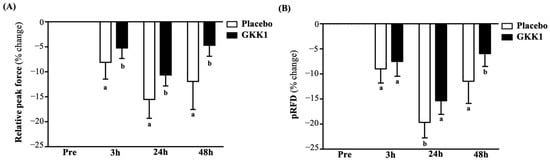
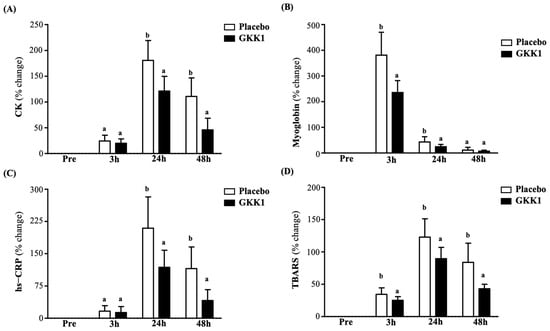
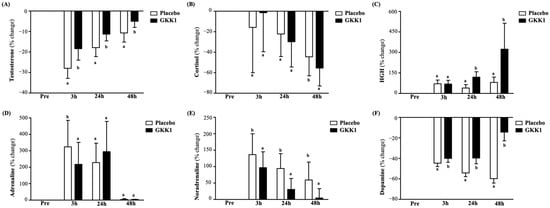
Background: Exercise-induced fatigue (EIF) and exercise-induced muscle damage (EIMD) impair neuromuscular performance and delay post-exercise recovery. However, human evidence regarding the structural and functional recovery kinetics following Lactiplantibacillus plantarum GKK1 supplementation remains limited. Objective: This randomized, double-blind, placebo-controlled trial investigated whether 4 weeks of L. plantarum GKK1 supplementation improves functional recovery and modulates biochemical responses after an EIMD protocol in healthy men. Methods: Forty-eight healthy men with no regular exercise habits were randomly assigned to receive either placebo (n = 24) or L. plantarum GKK1 (two capsules daily, totaling 1.0 × 10¹¹ CFU; n = 24) for 28 consecutive days. The trial was registered at ClinicalTrials.gov (NCT06893549). After supplementation, participants completed 100 maximal plyometric jumps. Countermovement jump (CMJ), isometric mid-thigh pull (IMTP), and Wingate anaerobic performance were assessed before EIMD and at 3, 24, and 48 h post-EIMD. Blood biomarkers of muscle damage, inflammation, oxidative stress, endocrine response, and sympathoadrenal activity were analyzed, and urinary 3-methylhistidine and creatinine were measured. Results: Compared with placebo, GKK1 supplementation was associated with smaller post-exercise decrements in the CMJ rate of force development, relative peak force, jump height, IMTP relative peak force and peak RFD, and Wingate anaerobic performance (p < 0.05). GKK1 also attenuated post-exercise increases in CK, myoglobin, hs-CRP, and TBARS, and was associated with more favorable testosterone, HGH, catecholamine, and dopamine responses. At 24 h post-EIMD, urinary 3-methylhistidine and the 3-methylhistidine/urinary creatinine ratio were lower in the GKK1 group than in the placebo group. No adverse changes were observed in clinical safety biomarkers. Conclusion: These findings suggest that GKK1 may be a safe nutritional strategy to facilitate functional recovery, attenuate secondary inflammatory responses and modulate urinary markers associated with muscle breakdown following muscle-damaging exercise in healthy young men.
Full article
(This article belongs to the Special Issue Regulation of the Musculoskeletal System in Athletes: The Role of Nutritional Supplementation and Anti-Doping Perspectives)
►▼
Show Figures

Figure 1
Open AccessArticle
Dietary Patterns and an Adverse Mental Health Indicator Among School-Attending Brazilian Adolescents: Analyses of the 2015 and 2019 PeNSE Surveys
by
Lídia Sterza Vasconcellos, Woska Pires da Costa, Aline Bergamini Effgen Sena, Wesley Rocha Grippa, Luiz Claudio Barreto Silva, Neto, Vitor Engrácia Valenti, Weverton Pereira de Medeiros, Luana da Silva Baptista Arpini and Luiz Carlos de Abreu
Nutrients 2026, 18(17), 2781; https://doi.org/10.3390/nu18172781 - 25 Aug 2026
Abstract
Background/Objectives: Dietary patterns may be associated with adolescent mental health, but nationwide Brazilian evidence based on empirically derived patterns across survey editions remains limited. This study identified dietary patterns and examined their associations with a survey-specific adverse mental health indicator among school-attending adolescents
[...] Read more.
Background/Objectives: Dietary patterns may be associated with adolescent mental health, but nationwide Brazilian evidence based on empirically derived patterns across survey editions remains limited. This study identified dietary patterns and examined their associations with a survey-specific adverse mental health indicator among school-attending adolescents aged 13–17 years in the 2015 and 2019 National Survey of School Health (PeNSE). Methods: The two independent cross-sectional surveys were analyzed separately, with the 2015 analysis restricted to Sample 2. Two dietary patterns were derived in each edition using principal component analysis. The primary outcome was membership in the highest category defined from the weighted distribution of a non-diagnostic, survey-specific composite score of adverse mental health-related indicators. Survey-weighted modified Poisson regression estimated adjusted prevalence ratios (PRs); continuous, ordinal, between-survey heterogeneity, alternative-outcome, weighted-PCA, and E-value analyses assessed robustness. Results: Both surveys yielded ultra-processed/unhealthy and healthy/traditional patterns. Compared with the highest adherence quartile (Q4), the lowest quartile (Q1) of the ultra-processed/unhealthy pattern was associated with a lower prevalence of the adverse indicator in 2015 (adjusted PR = 0.85, 95% CI: 0.73–0.98) and 2019 (adjusted PR = 0.81, 95% CI: 0.76–0.86). Conversely, Q1 of the healthy/traditional pattern was associated with a higher prevalence in 2015 (adjusted PR = 1.75, 95% CI: 1.45–2.10) and 2019 (adjusted PR = 1.34, 95% CI: 1.26–1.42). No between-survey heterogeneity was detected for the ultra-processed/unhealthy pattern, whereas the healthy/traditional estimates differed in magnitude between surveys; sensitivity analyses were directionally consistent. Conclusions: Greater ultra-processed/unhealthy adherence and lower healthy/traditional adherence were associated with a higher prevalence of the survey-specific adverse mental health indicator. Because the surveys were cross-sectional and used edition-specific measures, these findings do not establish temporality, causality, or temporal change in invariant constructs.
Full article
(This article belongs to the Section Nutrition and Public Health)
Open AccessArticle
Effects of Acute Beetroot Juice Ingestion and Hypoxic Conditions on Metabolic Function, Skeletal Muscle Oxygenation, and Cardiac Function During Endurance Exercise in Healthy Young Men
by
Jae-Ho Choi, Eunjoo Lee, Hun-Young Park, Won-Sang Jung, Seungyeon Woo, Su young Kim, Yuanning Zheng, Seong Hyun Park, Yerin Sun and Sung-Woo Kim
Nutrients 2026, 18(17), 2780; https://doi.org/10.3390/nu18172780 - 25 Aug 2026
Abstract
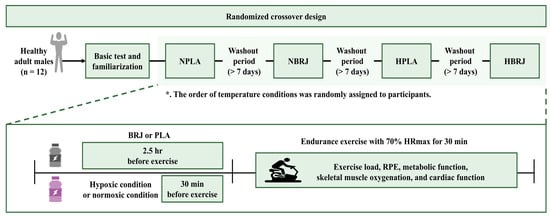
Background/Objectives: Exercise in hypoxic environments induces greater physiological stress than normoxic conditions, potentially limiting exercise performance through reduced skeletal muscle oxygenation and increased metabolic strain. Beetroot juice (BRJ), a dietary source of inorganic nitrate, may enhance nitric oxide (NO) bioavailability and oxygen delivery
[...] Read more.
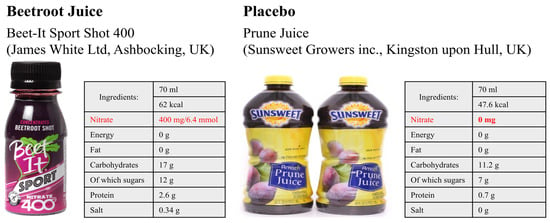
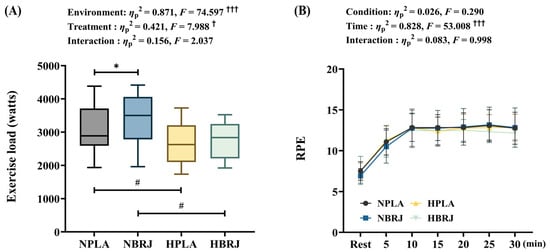
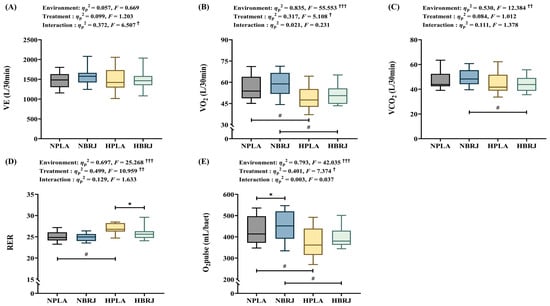
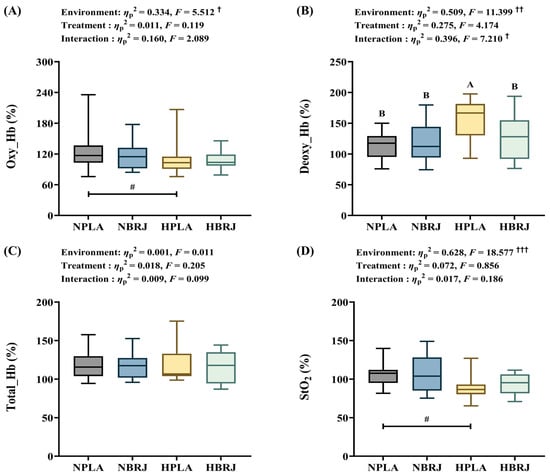
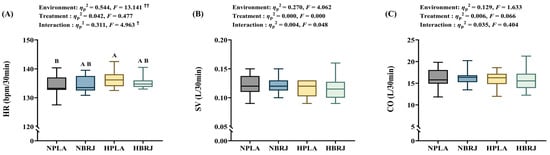
Background/Objectives: Exercise in hypoxic environments induces greater physiological stress than normoxic conditions, potentially limiting exercise performance through reduced skeletal muscle oxygenation and increased metabolic strain. Beetroot juice (BRJ), a dietary source of inorganic nitrate, may enhance nitric oxide (NO) bioavailability and oxygen delivery under hypoxic conditions. This study examined the acute effects of BRJ supplementation on metabolic responses, skeletal muscle oxygenation, and cardiac function during submaximal exercise at a fixed heart rate under normoxic and hypoxic conditions. Methods: Twelve healthy adult males completed four conditions in a randomized, crossover design, with double-blinding applied to the supplementation condition: normoxic condition + placebo (NPLA), normoxic condition + BRJ (NBRJ), hypoxic condition + placebo (HPLA), and hypoxic condition + BRJ (HBRJ). Participants ingested 70 mL of BRJ (400 mg NO3−) or placebo 2.5 h before 30 min of submaximal exercise at 70% HRmax under normoxic (FiO2 20.9%) or hypoxic (FiO2 14.5%) conditions. A two-way repeated-measures ANOVA was used to test the main effects of environment and treatment and their interaction for each outcome. Results: Hypoxic conditions required a significantly lower mechanical load and induced greater physiological stress. However, a significant environment × treatment interaction was observed for Deoxy_Hb, with HBRJ statistically indistinguishable from normoxic conditions, indicating a clear attenuation of the hypoxia-induced increase in oxygen extraction. In addition, a significant main effect of treatment without a significant interaction was observed for RER, and HBRJ did not differ significantly from NBRJ. Conclusions: BRJ supplementation may help attenuate hypoxia-induced skeletal muscle deoxygenation, as reflected in Deoxy_Hb, potentially via NO-mediated mechanisms; however, as circulating nitrate/nitrite concentrations were not directly measured and interaction effects were not confirmed for most variables, these findings should be regarded as preliminary evidence for the potential use of BRJ as a nutritional strategy in hypoxic exercise settings.
Full article
(This article belongs to the Special Issue Improving Exercise Performance and Managing Conditioning: The Important Role of Sports Nutrition)
►▼
Show Figures

Figure 1
Open AccessSystematic Review
A Plant-Based Diet and Cardiovascular Disease, Coronary Heart Disease, and Stroke: A Systematic Review and Meta-Analysis of Prospective Cohort Studies
by
Youngyo Kim and Yoona Kim
Nutrients 2026, 18(17), 2779; https://doi.org/10.3390/nu18172779 - 25 Aug 2026
Abstract
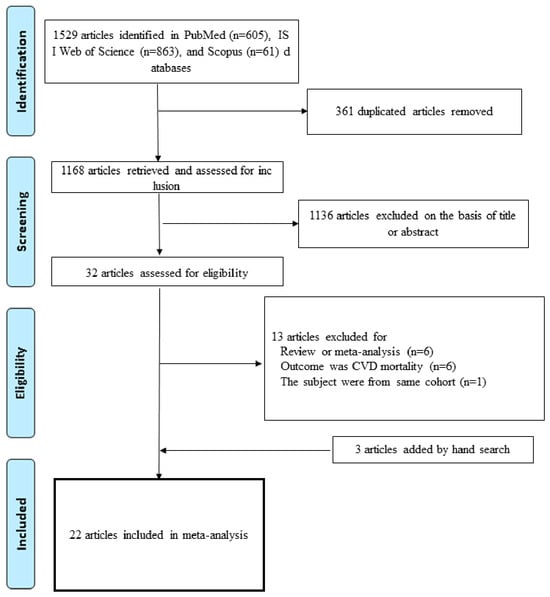
Background/Objectives: This study aimed to examine the association between a plant-based diet (PBD) and the incidence of total cardiovascular disease (CVD), coronary heart disease (CHD), and stroke in a meta-analysis of prospective cohort studies. Methods: We searched the PubMed, ISI Web
[...] Read more.
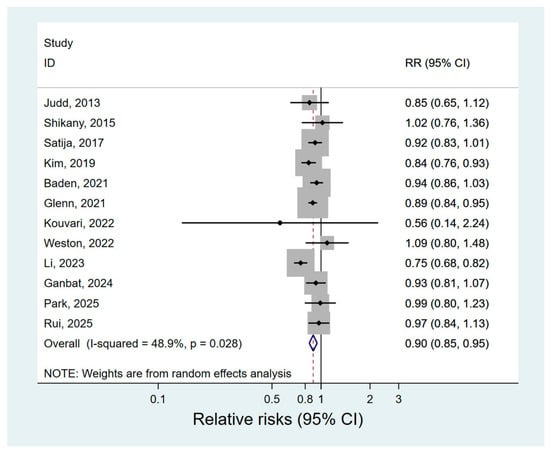
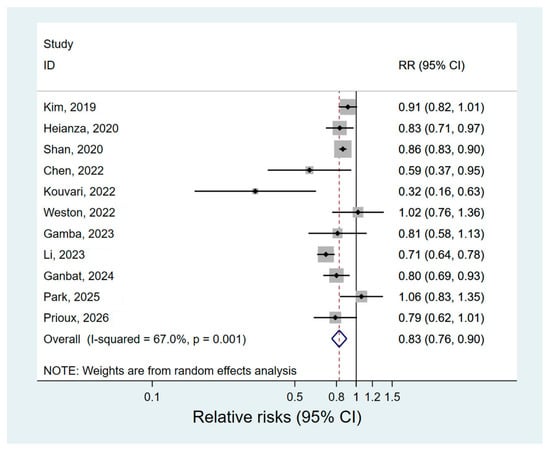
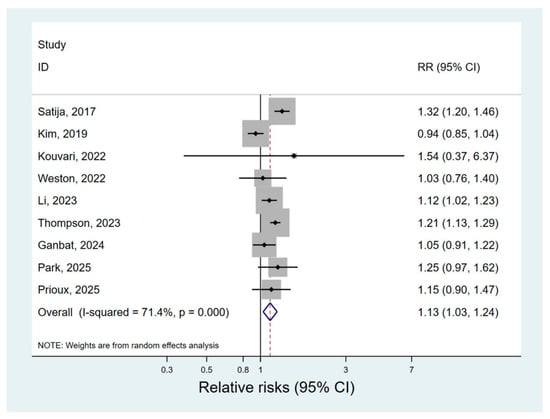
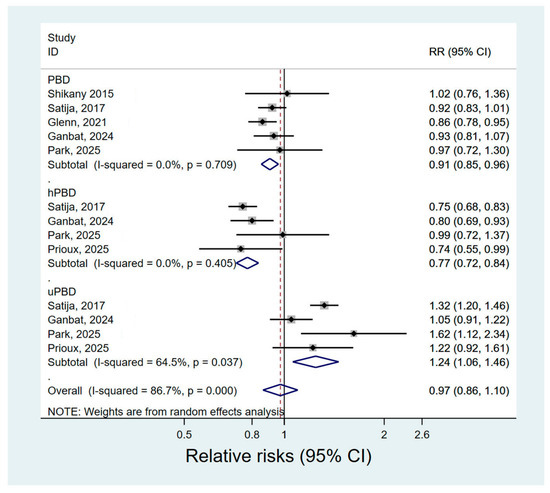
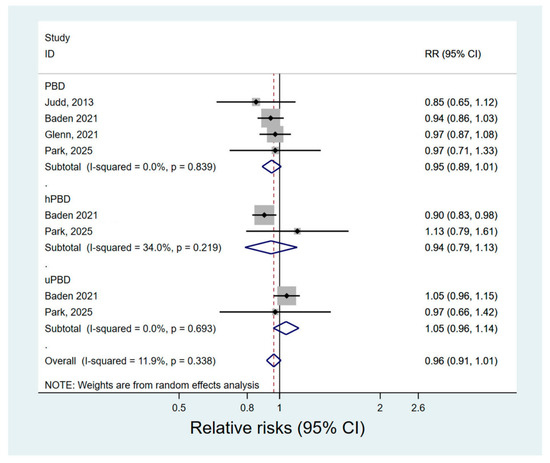
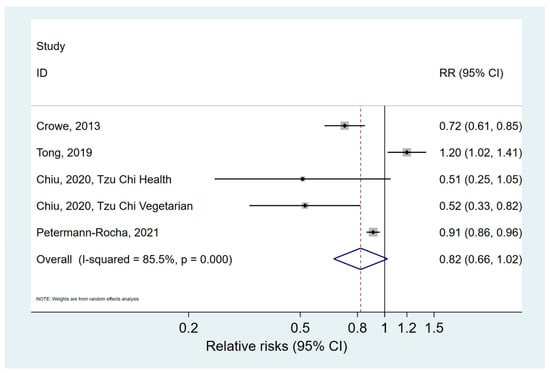
Background/Objectives: This study aimed to examine the association between a plant-based diet (PBD) and the incidence of total cardiovascular disease (CVD), coronary heart disease (CHD), and stroke in a meta-analysis of prospective cohort studies. Methods: We searched the PubMed, ISI Web of Science and Scopus databases up to February 2026 to identify prospective cohort studies assessing the association between a PBD and the incidence of total CVD, CHD, and stroke. Results: A total of twenty-two articles (nineteen cohort studies), including 846,589 subjects and 139,652 cases, were included in the meta-analysis. People with the highest adherence to overall PBD had a 10% lower risk of CVD than those with the lowest adherence (relative risk [RR] = 0.90, 95% CI: 0.85–0.95). Adherence to a healthful plant-based diet (hPBD) was inversely associated with CVD risk (RR = 0.83, 95% CI: 0.76–0.90), whereas adherence to an unhealthful plant-based diet (uPBD) was positively associated with CVD risk (RR = 1.13, 95% CI: 1.03–1.24). High compliance with overall and a healthful PBD was associated with a 9% (RR = 0.91, 95% CI: 0.85–0.96) and 23% lower risk (RR = 0.77, 95% CI: 0.72–0.84) of CHD development compared with low compliance, respectively. High compliance with a uPBD was associated with a 24% higher risk of CHD than low compliance. We found no significant association with stroke risk. Conclusions: This meta-analysis indicated that a PBD was inversely associated with the risk of CVD and CHD. A hPBD showed an inverse association, whereas a uPBD showed a positive association between cardiovascular health. Further well-designed interventions are needed to clarify these associations.
Full article
(This article belongs to the Special Issue Nutrient Intake and Dietary Therapy in Prevention of Cardiovascular Disease (CVD))
►▼
Show Figures

Figure 1
Open AccessArticle
Associations of Meal Timing and Temporal Eating Patterns with Cardiovascular Disease Among Chinese Older Adults
by
Lingfang Wang, Jinghai Li, Jiaming Fang, Shulei Chen, Jingle Peng, Huiqing Ye and Hongying Shi
Nutrients 2026, 18(17), 2778; https://doi.org/10.3390/nu18172778 - 25 Aug 2026
Abstract
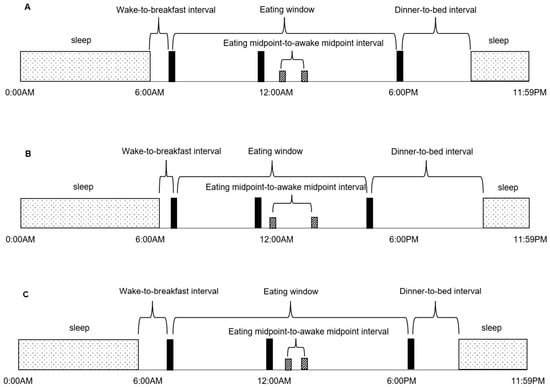
Background: Direct evidence linking meal timing to cardiovascular disease (CVD) remains limited. This study examined the associations of meal timing and temporal eating patterns with prevalent CVD among Chinese older adults. Methods: From September 2021 to October 2025, 1386 community-dwelling adults
[...] Read more.
Background: Direct evidence linking meal timing to cardiovascular disease (CVD) remains limited. This study examined the associations of meal timing and temporal eating patterns with prevalent CVD among Chinese older adults. Methods: From September 2021 to October 2025, 1386 community-dwelling adults aged ≥60 years from various socioeconomic regions of China were interviewed face-to-face. Meal timing (breakfast, lunch, and dinner timing) and sleep–wake schedules (wake-up and bedtime) were collected using standardized questionnaires. Four temporal eating parameters were calculated: wake-up to breakfast interval, eating window, dinner to bedtime interval, and the interval from eating midpoint to awake midpoint. Latent profile analysis (LPA) was used to identify temporal eating patterns. Prevalent CVD was assessed by questionnaires and verified with medical records. Results: Among 1305 eligible participants (mean [SD] age, 69.6 [6.9] years; 54.6% female), 196 (15.0%) had prevalent CVD. Compared with participants who had breakfast at ≤6:00, those who had breakfast at >7:00 had 75% higher odds of prevalent CVD (95% CI: 1.02, 2.99). Compared with dinner at ≤17:00, dinner at >18:00 had higher odds of prevalent CVD (OR = 2.61, 95% CI: 1.54, 4.43). Three temporal eating patterns were identified: typical eating pattern (58.1%), early-phase eating pattern (10.9%), and late-phase eating pattern (31.0%). Compared with the typical eating pattern, the late-phase eating pattern was associated with 56% higher odds of prevalent CVD (95% CI: 1.08, 2.26), whereas the early-phase eating pattern was associated with 45% lower odds of prevalent CVD (95% CI: 0.28, 1.07), although this association did not reach statistical significance. Conclusions: Late-phase eating pattern, particularly delayed breakfast and dinner timing, was associated with increased likelihood of prevalent CVD. Temporal eating patterns may represent a modifiable behavioral target for cardiovascular health in older adults.
Full article
(This article belongs to the Section Geriatric Nutrition)
►▼
Show Figures

Figure 1
Open AccessArticle
Effects of a Combined Vitamin D3 and Docosahexaenoic Acid Intervention on Cognitive Function and Blood Pyroptotic Biomarkers in Older Adults with Mild Cognitive Impairment: A 12-Month Randomized, Double-Blind, Placebo-Controlled Trial
by
Jing Yuan, Ruifang Yang, Hui Chen, Huichao Zhao, Xuan Chen, Ziyan Lou, Xinze Han and Fei Ma
Nutrients 2026, 18(17), 2777; https://doi.org/10.3390/nu18172777 - 25 Aug 2026
Abstract
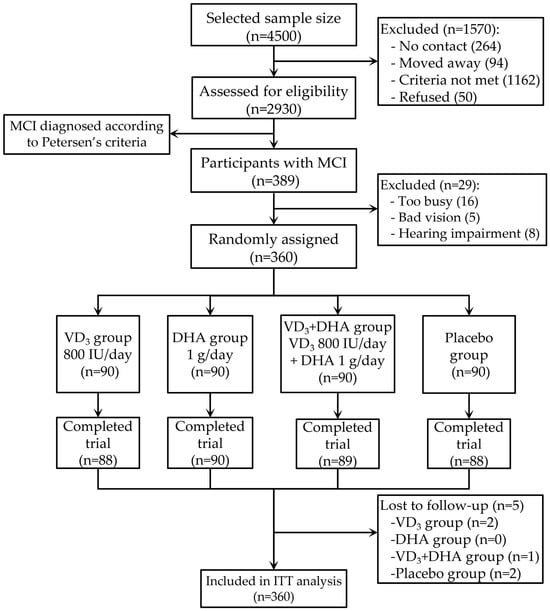
Background: This study aimed to assess the effects of a combined vitamin D3 (VD3) and docosahexaenoic acid (DHA) intervention on cognitive function and blood pyroptotic biomarkers in older adults with mild cognitive impairment (MCI). Methods: In total, 360 participants with
[...] Read more.
Background: This study aimed to assess the effects of a combined vitamin D3 (VD3) and docosahexaenoic acid (DHA) intervention on cognitive function and blood pyroptotic biomarkers in older adults with mild cognitive impairment (MCI). Methods: In total, 360 participants with MCI were recruited, and randomly assigned into four groups: VD3 (800 IU/day), DHA (1 g/day), VD3+DHA (VD3 800 IU/day+DHA 1 g/day), and placebo. Cognitive function was evaluated by the Wechsler Adult Intelligence Scale-Revised in China (WAIS-RC), and blood biomarkers were measured by ELISA and Western blot at baseline, 6 months and 12 months. Linear mixed-effects models (LMMs) were employed to analyze longitudinal interaction effects on cognitive function and blood biomarkers. Structural equation modeling (SEM) was conducted to evaluate the parallel mediation effects of blood biomarkers on cognitive improvements. Results: A total of 355 participants completed the trial. Over the 12-month intervention, all intervention groups demonstrated significant improvements in cognitive function and reductions in five blood biomarkers (IL-1β, IL-18, NLRP3, Gasdermin D (GSDMD), cleaved caspase-1) compared to the placebo group (p < 0.05). Compared to each single intervention, the combined VD3 and DHA intervention yielded superior cognitive improvements in scores for full-scale IQ (FIQ), performance IQ (PIQ), verbal IQ (VIQ) and several subtests (information, comprehension, digit span, vocabulary, picture completion, block design, and picture arrangement), and significantly reduced five blood pyroptotic biomarkers (all p < 0.05). Path analysis revealed that longitudinal GSDMD reduction mediated the improvements in FIQ. Conclusions: A 12-month intervention with VD3, DHA, or their combination significantly improves cognitive function and mitigates pyroptosis, and the combined intervention showed superior benefits, potentially mediated by downregulating the protein GSDMD.
Full article
(This article belongs to the Section Geriatric Nutrition)
►▼
Show Figures

Figure 1
Journal Menu
► ▼ Journal Menu-
- Nutrients Home
- Aims & Scope
- Editorial Board
- Reviewer Board
- Topical Advisory Panel
- Early Career Editorial Board
- Instructions for Authors
- Special Issues
- Topics
- Sections & Collections
- Article Processing Charge
- Indexing & Archiving
- Editor’s Choice Articles
- Most Cited & Viewed
- Journal Statistics
- Journal History
- Journal Awards
- Society Collaborations
- Conferences
- Editorial Office
Journal Browser
► ▼ Journal BrowserHighly Accessed Articles
Latest Books
E-Mail Alert
News
Topics
Topic in
Applied Microbiology, Fermentation, Foods, Microbiology Research, Microorganisms, Nutrients
News and Updates on Probiotics
Topic Editors: Alessandra Pino, Mutamed AyyashDeadline: 30 September 2026
Topic in
Analytica, Antioxidants, IJMS, Nutrients, Separations, Biomedicines
Druggable Targets in Human Diseases and Therapeutic Target Identification for Bioactive Natural Products
Topic Editors: Jun Dang, Gang LiDeadline: 31 October 2026
Topic in
Foods, Molecules, Nutrients, Metabolites
Omics Technologies and Other Quality and Safety Methodologies in Nutrition and Health
Topic Editors: Xianjiang Li, Wen MaDeadline: 15 November 2026
Topic in
Antioxidants, Biomedicines, Biomolecules, Cells, IJMS, Metabolites, Nutrients, Sci
Muscle Aging and Sarcopenia: Mechanisms, Metabolic Regulation, and Intervention Strategies
Topic Editors: Hélio José Coelho Júnior, Mariam El Assar, Javier AnguloDeadline: 15 December 2026
Conferences
Special Issues
Special Issue in
Nutrients
Chronobiology of Exercise and Nutrient Adaptations
Guest Editor: Rafael A. CasusoDeadline: 30 August 2026
Special Issue in
Nutrients
Nutritional Support and Care for Pediatric Gastroenterology
Guest Editors: Naire Sansotta, Chiara Maria TrovatoDeadline: 31 August 2026
Special Issue in
Nutrients
Vitamin Supplementation in Enhancing Maternal Health and Fetal Development
Guest Editor: Jufen LiuDeadline: 31 August 2026
Special Issue in
Nutrients
Diet, Nutritional Intervention and Quality of Life in Food-Induced Disease
Guest Editor: Marco CroccoDeadline: 31 August 2026
Topical Collections
Topical Collection in
Nutrients
Connection between Microbiome, Lifestyle and Diet
Collection Editors: Eva Untersmayr, Peter M. Abuja
Topical Collection in
Nutrients
Dietary Fatty Acids and the Cardiovascular Health: Evidence, Controversies, and Consensus
Collection Editor: Asim K. Duttaroy
Topical Collection in
Nutrients
Diet and Multi-Omics
Collection Editors: Mohsen Mazidi, Richard Webb
Topical Collection in
Nutrients
Advances in Phenylketonuria (PKU) Nutrition and Diet Research (2nd Edition)
Collection Editors: Júlio César Rocha, Anita MacDonaldConference Reports
Nutrients 2024, 16(15), 2528; https://doi.org/10.3390/nu16152528
Nutrients 2024, 16(8), 1157; https://doi.org/10.3390/nu16081157