

energies-logo

Journal Browser

Journal Browser

Topical Collection "Featured Papers in Electrical Power and Energy System"

Editors

Prof. Dr. Nicu Bizon
E-Mail Website
Collection Editor
Faculty of Electronics, Communication and Computers, University of Pitesti, 110040 Pitesti, Romania
Interests: electrical engineering; power electronics; power converters; inverters; renewable energy; energy efficiency; energy storage; fuel cell; hybrid power systems; control; optimization; MATLAB simulation
Special Issues and Collections in MDPI journals
Dr. Mihai Oproescu
E-Mail Website
Collection Editor
Faculty of Electronics, Communication and Computers, University of Pitesti, 110040 Pitesti, Romania
Interests: electrical engineering; power electronics; power converters; renewable energy technologies; control systems engineering; MATLAB simulation; power systems simulation; power systems analysis
Special Issues and Collections in MDPI journals
Prof. Dr. Philippe Poure
E-Mail Website
Collection Editor
Institut Jean Lamour (UMR7198), Université de Lorraine, 54011 Nancy, France
Interests: energy harvesting; solar energy; power and energy architectures; energy conversion and storage; energy conversion and efficiency; maximum power point tracking techniques; energy management; DC-DC conversion; operation under faulty conditions; prognostics and diagnostics; fault tolerant operation
Special Issues and Collections in MDPI journals
Prof. Dr. Rocío Pérez de Prado
E-Mail Website
Collection Editor
Department of Telecommunication Engineering, University of Jaén, 23071 Jaén, Spain
Interests: consumption; data centers; scientific workflows; machine learning; soft computing; artificial intelligence; optical communications; cloud computing
Special Issues and Collections in MDPI journals
Dr. Abdessattar Abdelkefi
E-Mail Website
Collection Editor
Department of Mechanical and Aerospace Engineering, New Mexico State University, Las Cruces, NM 88003, USA
Interests: energy harvesting; nonlinear dynamics; vibration and control; smart materials; aeroelasticity; fluid-structure interactions; micro-/nanoelectromechanical systems (MEMS/NEMS); flight dynamics
Special Issues and Collections in MDPI journals

Topical Collection Information

Dear Colleagues,

The exponential growth of global energy demand and the demand for sustainable energy development in recent years can both be addressed systemically by implementing innovative solutions for the generation, transmission, distribution and use of electricity.

This Topical Collection, “Featured Papers in Electrical Power and Energy System” (https://www.mdpi.com/journal/energies/special_issues/electrical_power_energy_system), will provide a focused analysis of the state of the art in the field of the power and energy systems, both in terms of the individual elements of the power system and their integration, as well as from the point of view of the interaction between the subsystems.

Thus, this Topical Collection will cover modelling of power subsystems, use of the new technologies, the design, control and optimization of the power systems, their implementation and performance evaluation in operation.

The present Topical Collection of Energies, which is an SCIE journal (2020 IF = 3.004), aims to collect innovative solutions and experimental research, as well as state-of-the-art studies, in the following topics:

  • Power plants and substations;
  • Current power systems;
  • AC and DC grids;
  • Green power systems;
  • Smart transmission grids;
  • Smart distribution grids;
  • Advanced reliability, resiliency and safety solutions for the power systems;
  • Information and communication infrastructure for smart power systems;
  • Energy harvesting systems.

The papers received are subject to a rigorous, but fast, peer review procedure, ensuring the wide dissemination of research results accepted for this Topical Collection.

We are writing to invite you to submit your original work to this Topical Collection. We are looking forward to receiving your outstanding research outcomes.

Additional Information: Submit your paper and select the Journal “Energies” and the Collection “Featured Papers in Electrical Power and Energy System” via: https://susy.mdpi.com/user/manuscripts/upload?journal=energies. Please contact the collection editor or the journal editor ([email protected]) for any queries. Our papers will be published on a rolling basis and we will be pleased to receive your submission once you have finished it.

Prof. Dr. Nicu Bizon
Dr. Mihai Oproescu
Prof. Dr. Philippe Poure
Dr. Rocío Pérez de Prado
Dr. Abdessattar Abdelkefi
Collection Editors

Manuscript Submission Information

Manuscripts should be submitted online at www.mdpi.com by registering and logging in to this website. Once you are registered, click here to go to the submission form. Manuscripts can be submitted until the deadline. All papers will be peer-reviewed. Accepted papers will be published continuously in the journal (as soon as accepted) and will be listed together on the collection website. Research articles, review articles as well as short communications are invited. For planned papers, a title and short abstract (about 100 words) can be sent to the Editorial Office for announcement on this website.

Submitted manuscripts should not have been published previously, nor be under consideration for publication elsewhere (except conference proceedings papers). All manuscripts are thoroughly refereed through a single-blind peer-review process. A guide for authors and other relevant information for submission of manuscripts is available on the Instructions for Authors page. Energies is an international peer-reviewed open access semimonthly journal published by MDPI.

Please visit the Instructions for Authors page before submitting a manuscript. The Article Processing Charge (APC) for publication in this open access journal is 2000 CHF (Swiss Francs). Submitted papers should be well formatted and use good English. Authors may use MDPI's English editing service prior to publication or during author revisions.

Keywords

  • Instrumentation
  • Monitorization
  • Automation
  • Control
  • Modeling
  • Simulation
  • Renewable energy sources
  • Energy storage devices
  • Power storage devices
  • Fuel cell systems
  • Distributed energy resources
  • Energy conversion
  • Power quality
  • System stability
  • Electric machines
  • Metering
  • Testing
  • Protection
  • FACTS
  • Transmission and distribution (EHV/HV/MV/LV)
  • AC microgrids
  • DC microgrids
  • Nanogrids
  • Microgrids
  • Smart buildings
  • Home energy systems
  • Vehicle-to-everything (V2X)
  • Energy management systems
  • Distribution management systems
  • Vehicle, trains, ships and aircrafts powering
  • Electromagnetic compatibility
  • Carbon capture
  • Energy market
  • Planning and economics
  • Blockchain
  • Smart contracts
  • Cyber-security
  • Information and communication technology (ICT)
  • Big data
  • Energy harvesting systems

Published Papers (12 papers)

2021

Article
Robust Design of Dual-Input Power System Stabilizer Using Chaotic JAYA Algorithm
Energies 2021, 14(17), 5294; https://doi.org/10.3390/en14175294 - 26 Aug 2021
Viewed by 163
Abstract
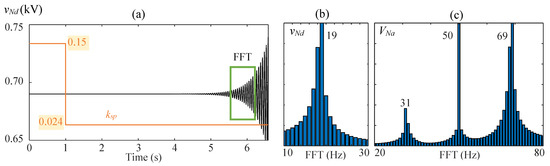
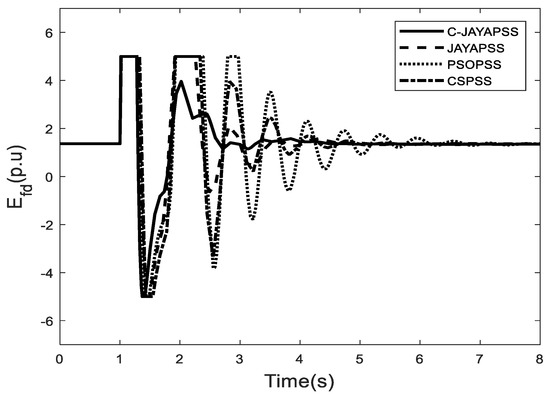
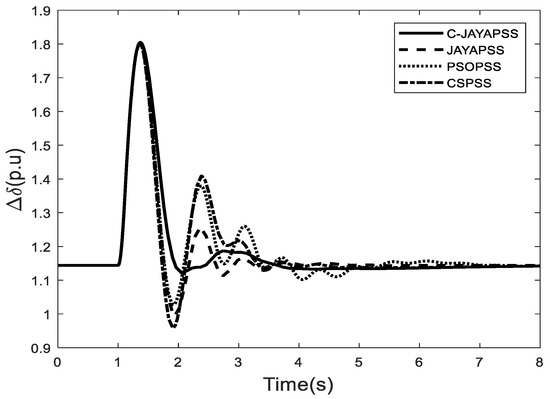
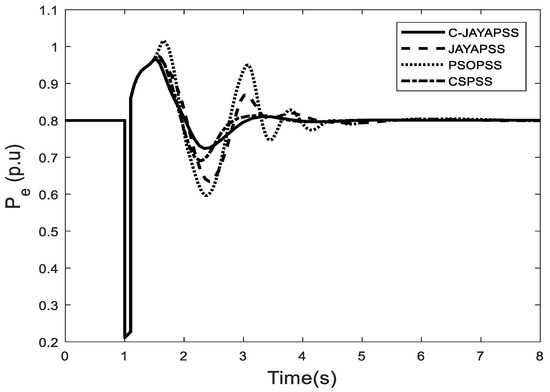
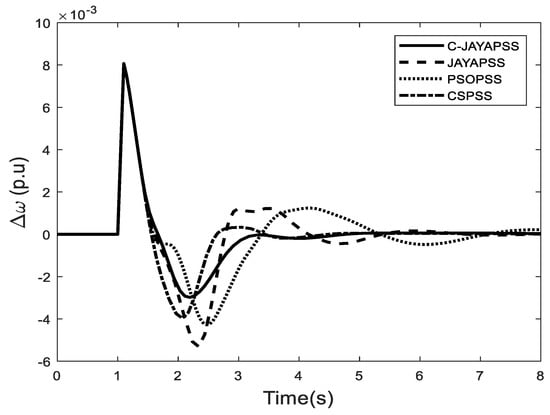
This work aims to improve the stability of a system that consists of one generator using a dual-input stabilizer of a power system. For this purpose, a new design method based on a chaotic JAYA algorithm is proposed. This algorithm hybridizes the original [...] Read more.
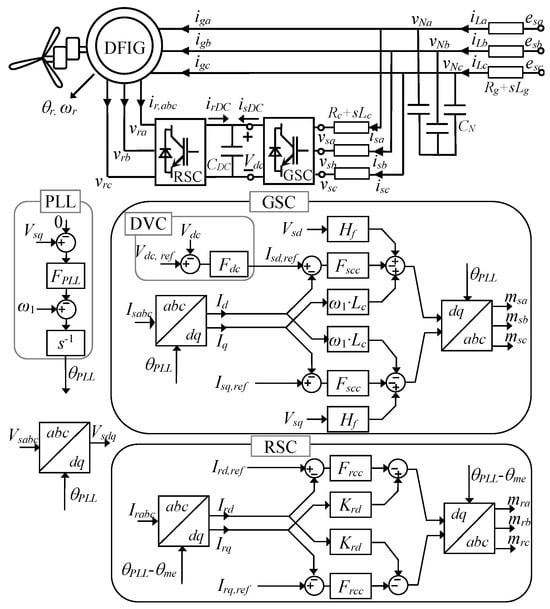
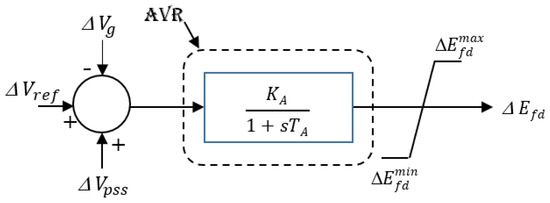
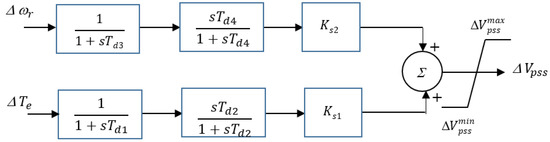
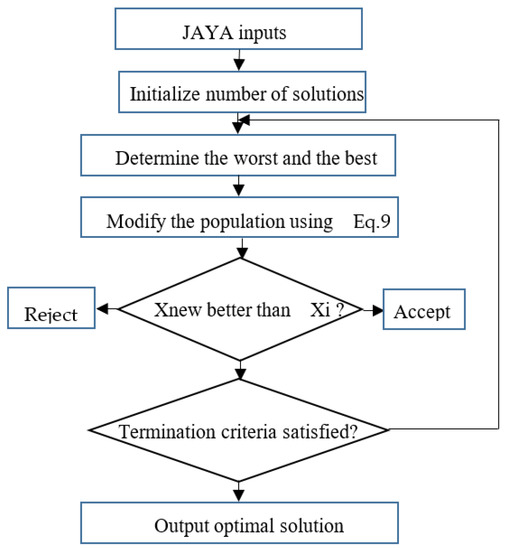
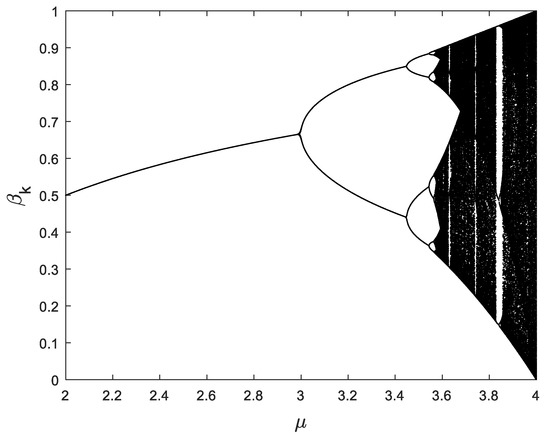
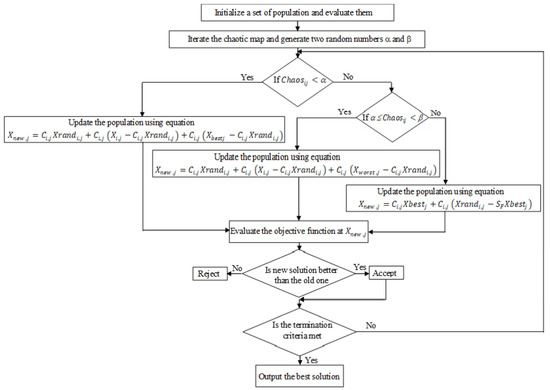
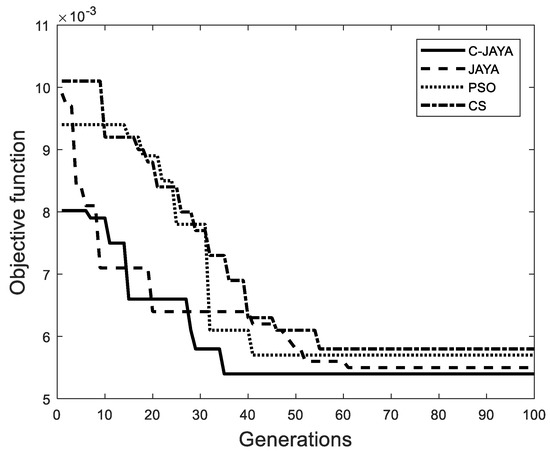
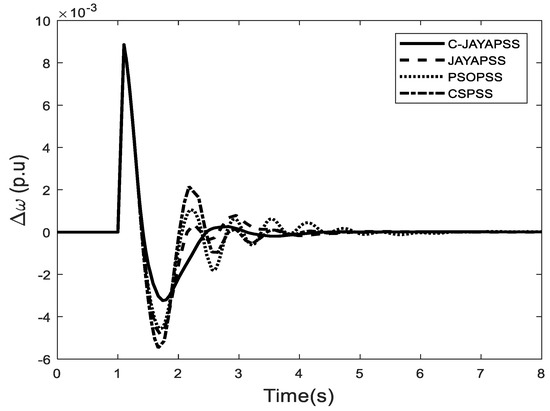
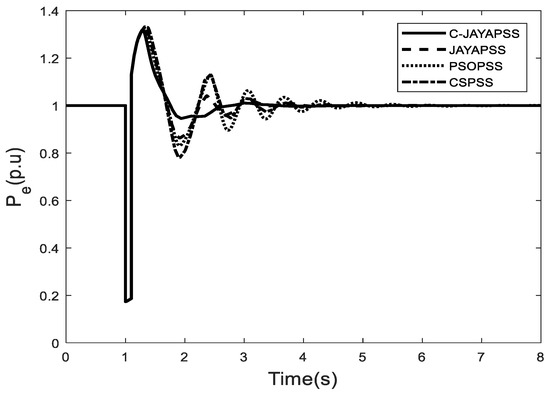
This work aims to improve the stability of a system that consists of one generator using a dual-input stabilizer of a power system. For this purpose, a new design method based on a chaotic JAYA algorithm is proposed. This algorithm hybridizes the original JAYA algorithm with chaos to improve its exploration and exploitation capabilities. Indeed, the disordered numbers generated by the chaotic map are exploited to control the standard JAYA algorithm’s search equations. The issue of design is stated as an optimization problem. The proposed technique is involved in the selection of optimal values of the dual-input power system stabilizer (PSS) parameters. The efficiency of the proposed controller is assessed under various loading conditions and compared with the original JAYA, cuckoo search and particle swarm optimization (PSO) algorithms. The target function consists of the integration of absolute error multiplied by the time, including the speed deviation is considered for the controller design method. The controller tuned by a chaotic JAYA algorithm is tested using a single machine infinite bus (SMIB) power system. The findings of the simulation results demonstrate the robustness and effectiveness of the suggested method in damping oscillations over an extended range of loading conditions. Full article
Show Figures

Figure 1
Article
New Infeed Correction Methods for Distance Protection in Distribution Systems
Energies 2021, 14(15), 4652; https://doi.org/10.3390/en14154652 - 31 Jul 2021
Viewed by 344
Abstract
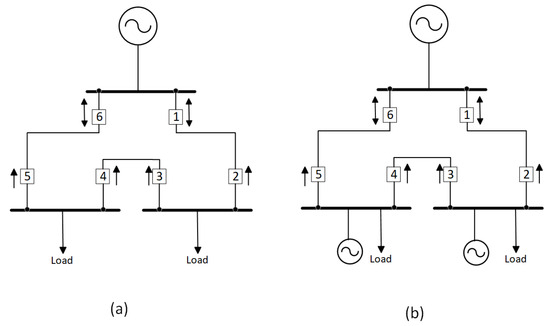
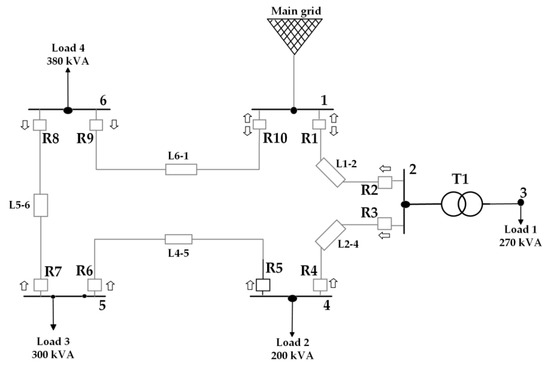
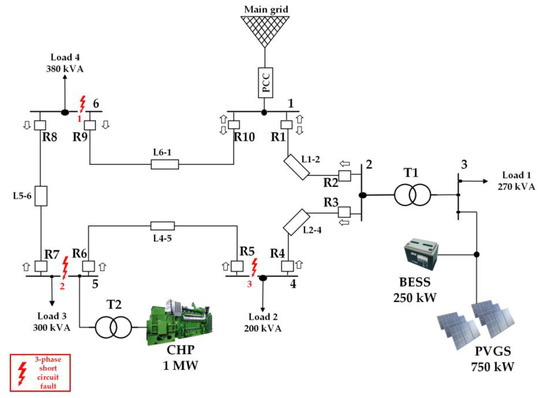
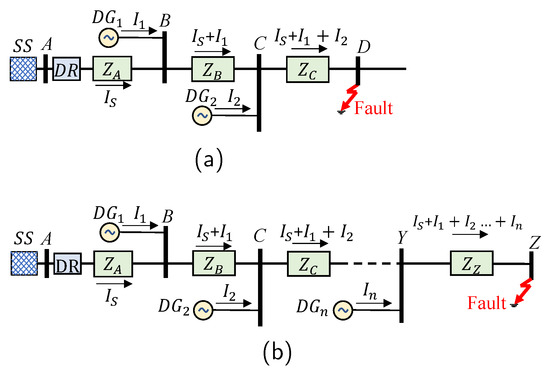
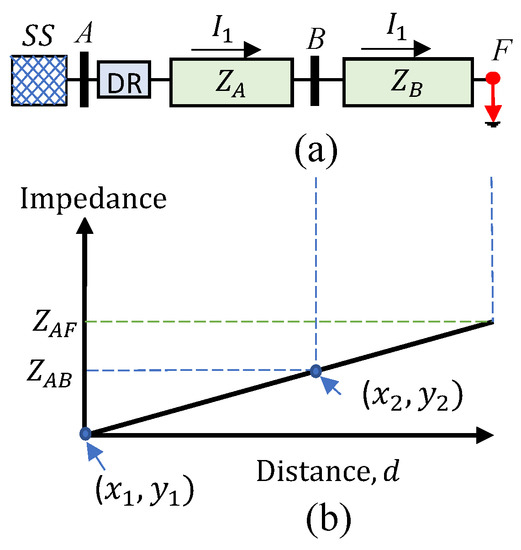
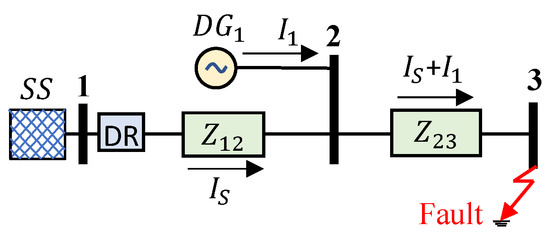
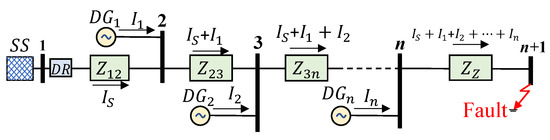
The reliability and security of power systems may be jeopardized by the increase in the amounts of renewable generation and the uncertainties produced by these devices. In particular, the protection schemes of traditional power systems have been challenged by the integration of distributed [...] Read more.
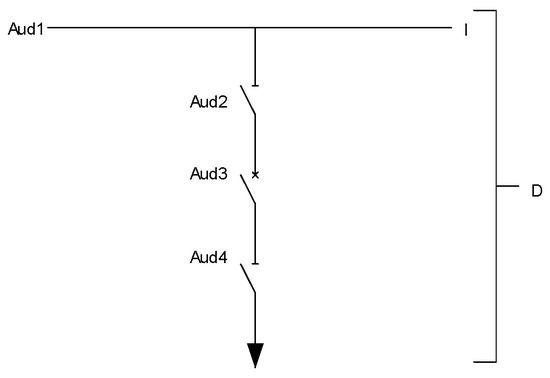
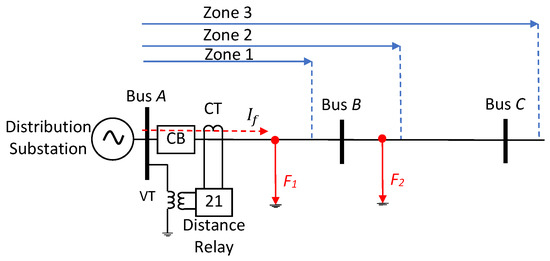
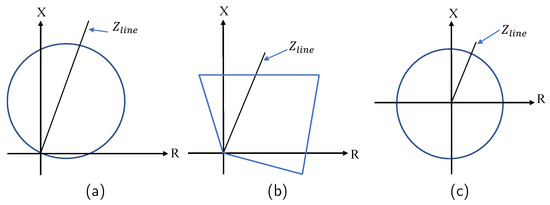
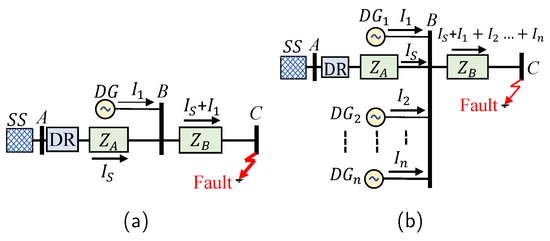
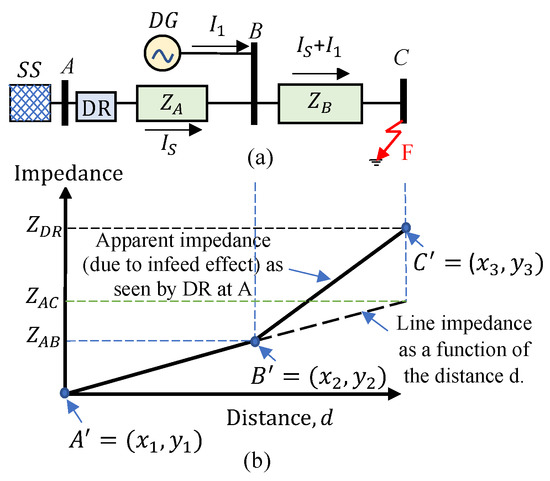
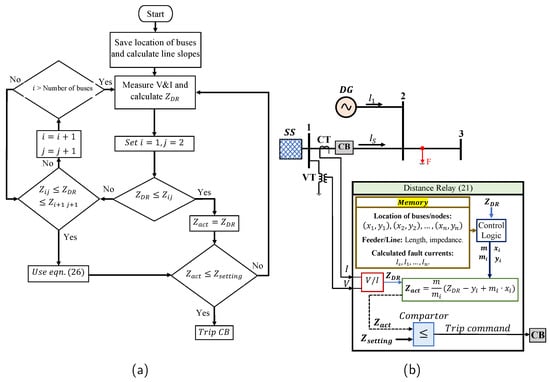
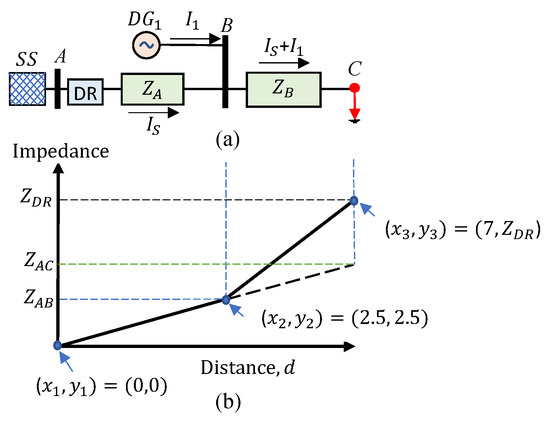
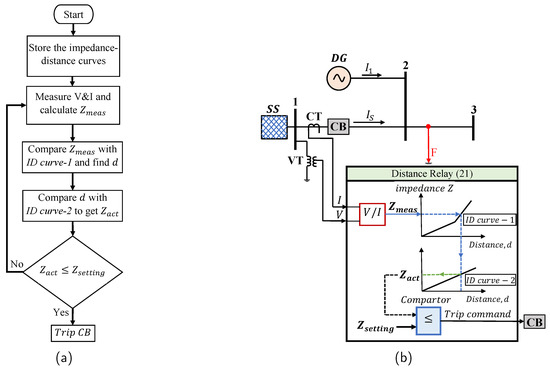
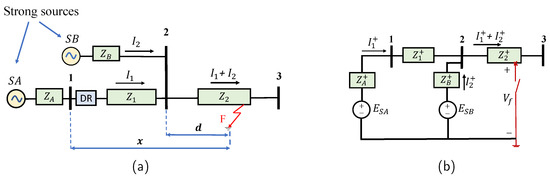
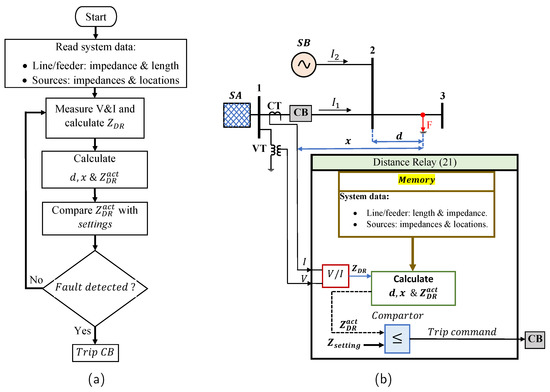
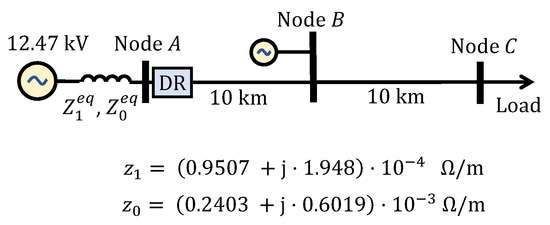
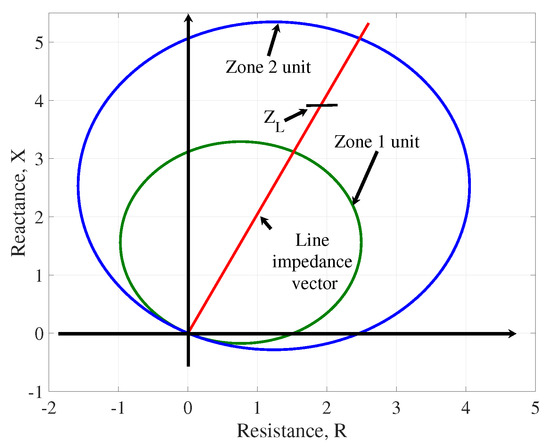
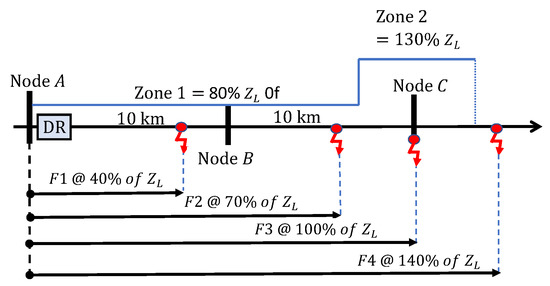
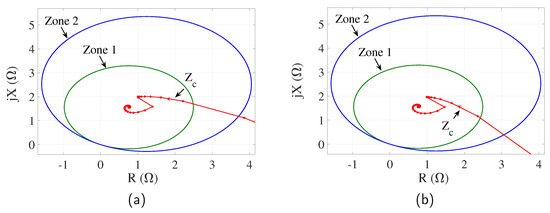
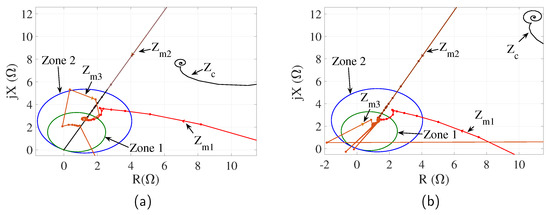
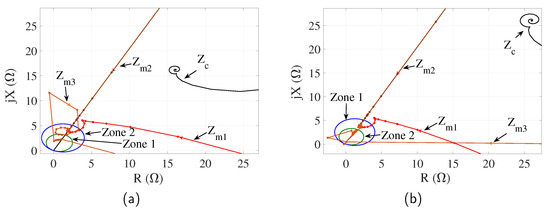
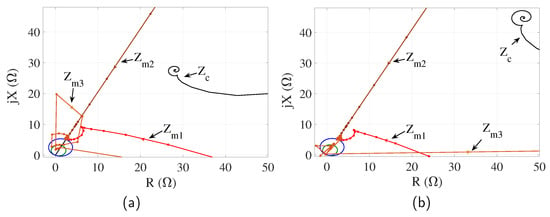
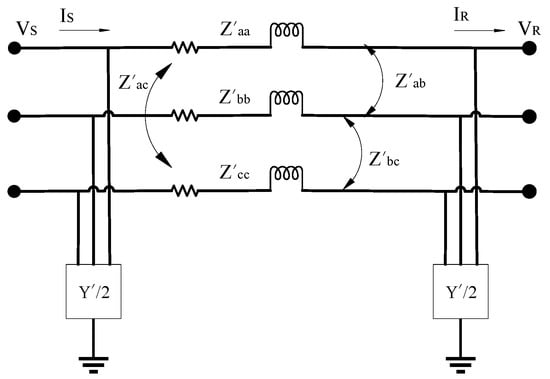
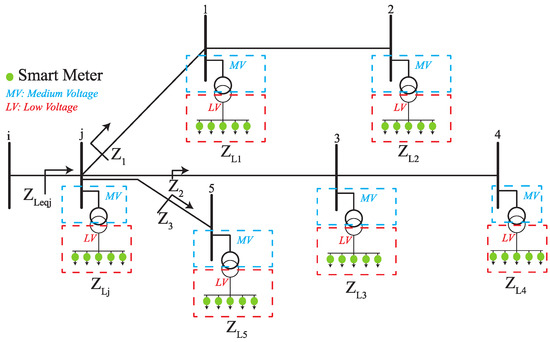
The reliability and security of power systems may be jeopardized by the increase in the amounts of renewable generation and the uncertainties produced by these devices. In particular, the protection schemes of traditional power systems have been challenged by the integration of distributed generation (DG) resources. Distance relays (DRs), which have been mainly employed to protect transmission systems, are increasingly proposed as one of the solutions to protect distribution systems with a heavy penetration of DGs. However, conventional distance protection faces several drawbacks that might lead to maloperation. One of those challenges is the “infeed effect”, which causes the impedance seen by the distance relay to be larger than the actual positive-sequence line impedance between the fault and relay location. This paper proposes three new methods to estimate the distance to the fault in the presence of infeeds, whether in a radial distribution feeder or the transmission line. Unlike other solution methodologies in the literature that require communication links to estimate the distance to the fault, the proposed methods only need the local measurement (i.e., the voltage and current measurements at the location of the distance relay) to do the same. The performance of the method is demonstrated with a radial distribution system model in PSCAD™/EMTDC™. Full article
Show Figures

Figure 1
Article
Characterization of TSO and DSO Grid System Services and TSO-DSO Basic Coordination Mechanisms in the Current Decarbonization Context
Energies 2021, 14(15), 4451; https://doi.org/10.3390/en14154451 - 23 Jul 2021
Viewed by 307
Abstract
Power systems rely on ancillary services (ASs) to ensure system security and stability. Until recently, only the conventional power generation resources connected to the transmission grids were allowed to provide these ASs managed by the transmission system operators (TSOs), while distribution system operators [...] Read more.
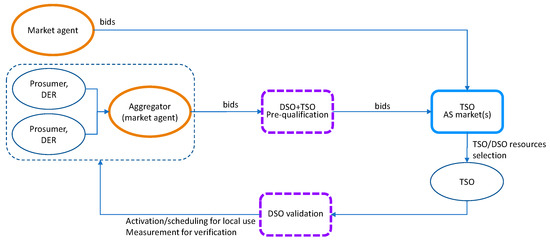
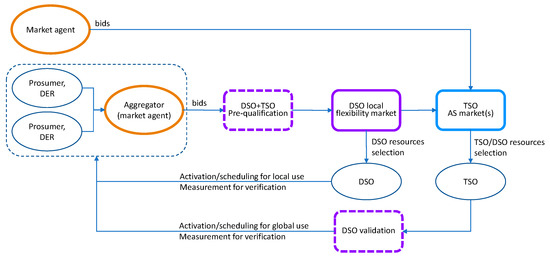
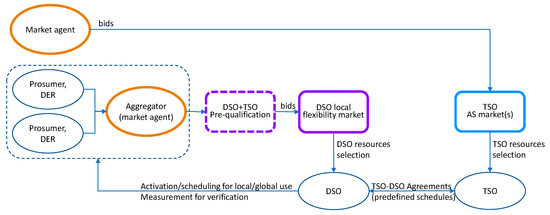
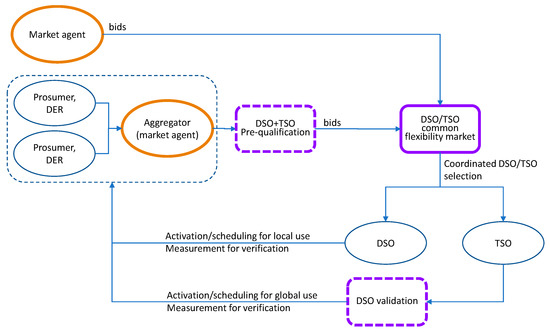
Power systems rely on ancillary services (ASs) to ensure system security and stability. Until recently, only the conventional power generation resources connected to the transmission grids were allowed to provide these ASs managed by the transmission system operators (TSOs), while distribution system operators (DSOs) had a more passive role, focused on guaranteeing distribution capacity to bring power to final consumers with enough quality. Now, with the decarbonization, digitalization and decentralization processes of the electrical networks, the growing integration of distributed energy resources (DERs) in distribution grids are displacing conventional generation and increasing the complexity of distribution networks’ operation, requiring the implementation of new active and coordinated management strategies between TSOs and DSOs. In this context, DERs are becoming potential new sources of flexibility for both TSOs and DSOs in helping to manage the power system. This paper proposes a systematic characterization of both traditional and potentially new ASs for TSOs, and newly expected DSO local system services to support the new distribution grid operation paradigm, reviewing, in addition, the main TSO-DSO coordination mechanisms. Full article
Show Figures

Figure 1
Article
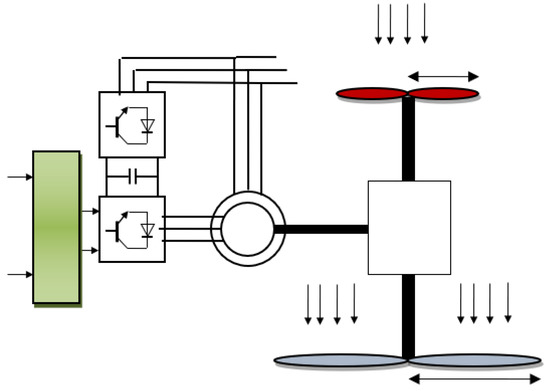
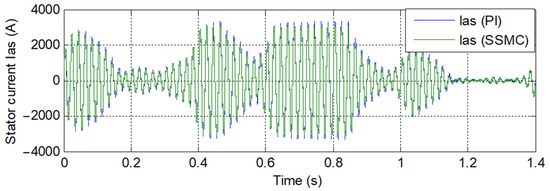
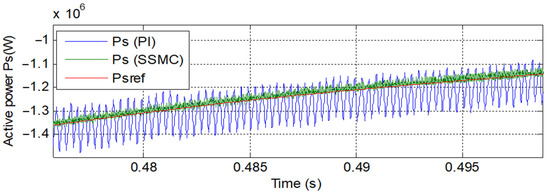
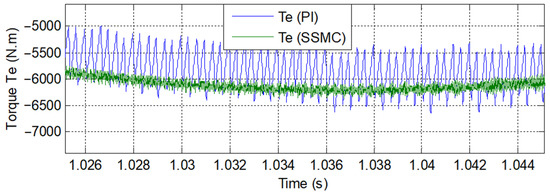
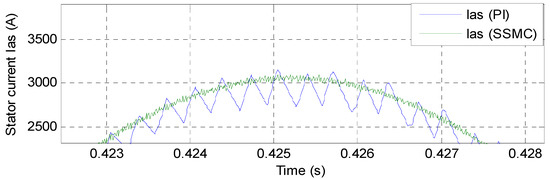
A Synergetic Sliding Mode Controller Applied to Direct Field-Oriented Control of Induction Generator-Based Variable Speed Dual-Rotor Wind Turbines
Energies 2021, 14(15), 4437; https://doi.org/10.3390/en14154437 - 22 Jul 2021
Viewed by 371
Abstract
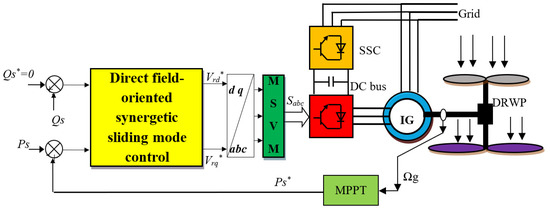
A synergetic sliding mode (SSM) approach is designed to address the drawbacks of the direct field-oriented control (DFOC) of the induction generators (IGs) integrated into variable speed dual-rotor wind power (DRWP) systems with the maximum power point tracking (MPPT) technique. Using SSM controllers [...] Read more.
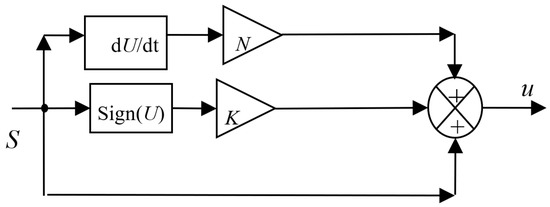
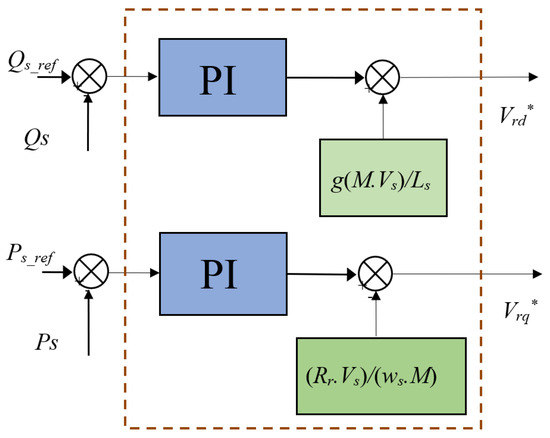
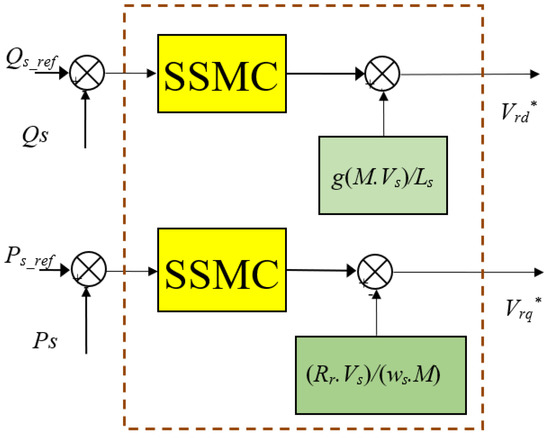
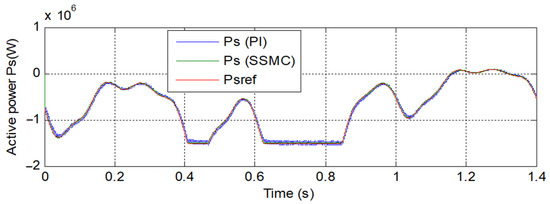
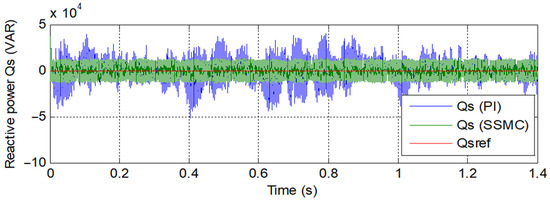
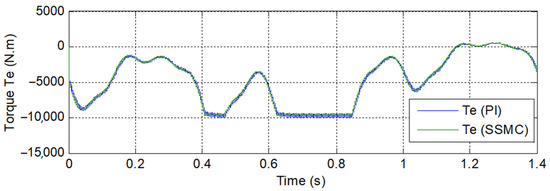
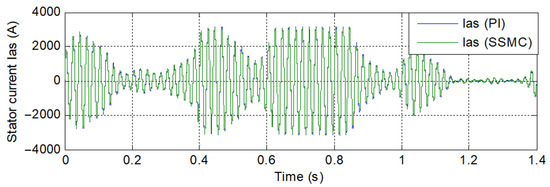
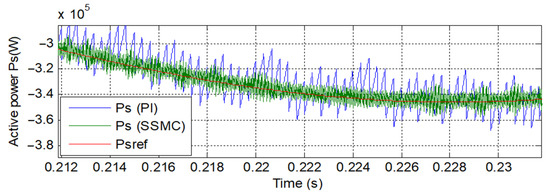
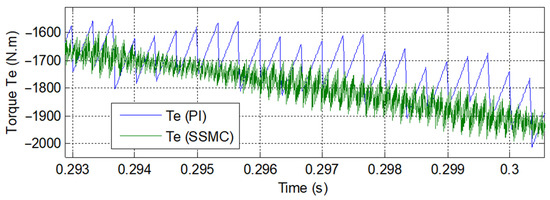
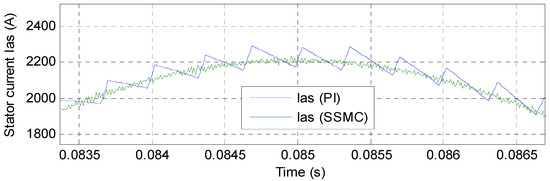
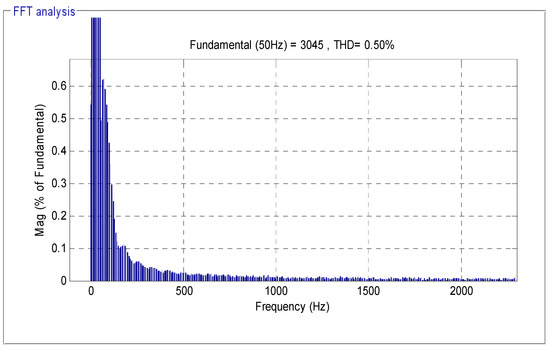
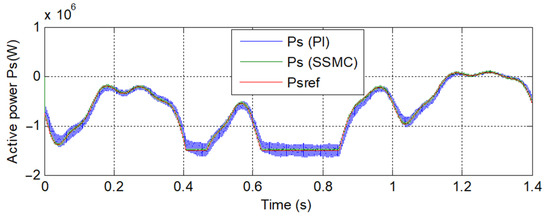
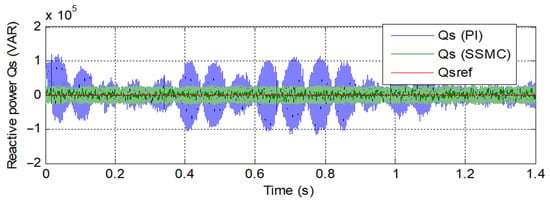
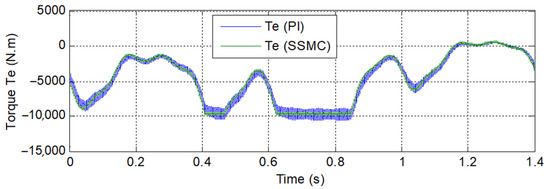
A synergetic sliding mode (SSM) approach is designed to address the drawbacks of the direct field-oriented control (DFOC) of the induction generators (IGs) integrated into variable speed dual-rotor wind power (DRWP) systems with the maximum power point tracking (MPPT) technique. Using SSM controllers in the DFOC strategy, the active power, electromagnetic torque, and reactive power ripples are reduced compared to traditional DFOC using proportional-integral (PI) controllers. This proposed strategy, associated with SSM controllers, produces efficient state estimation. The effectiveness of the designed DFOC strategy has been evaluated on variable speed DRWP systems with the MPPT technique. Full article
Show Figures

Figure 1

Article
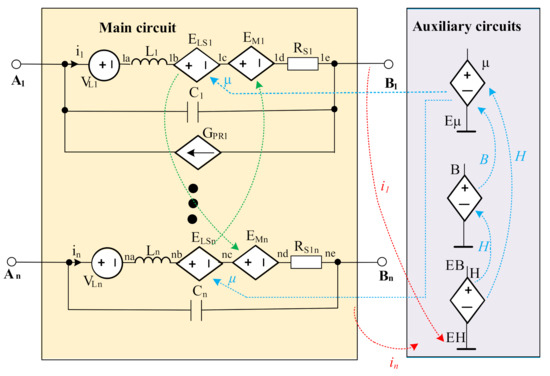
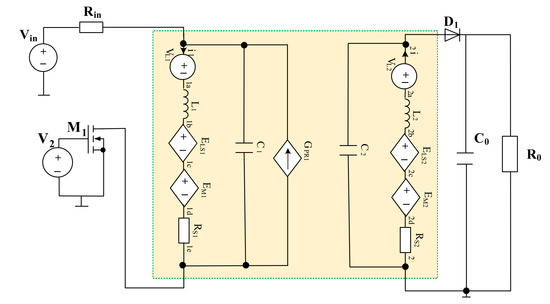
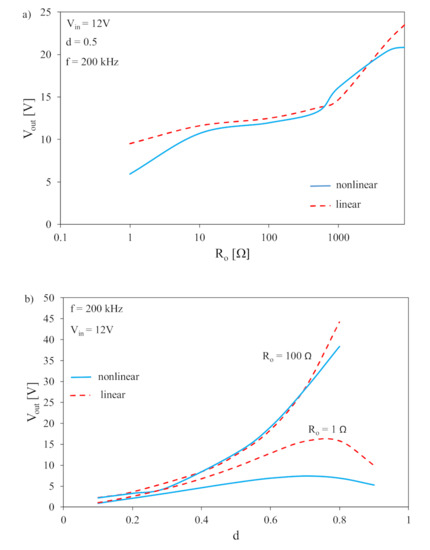
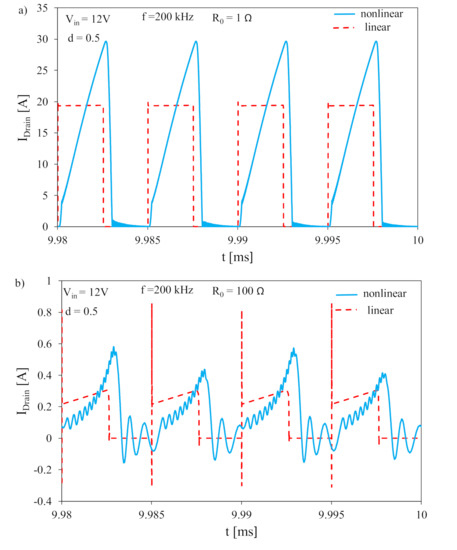
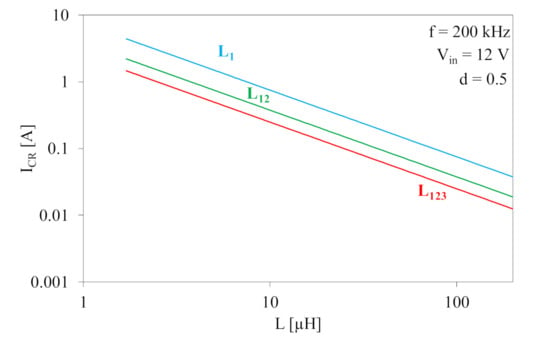
Modeling and Measurements of Properties of Coupled Inductors
Energies 2021, 14(14), 4088; https://doi.org/10.3390/en14144088 - 06 Jul 2021
Viewed by 422
Abstract
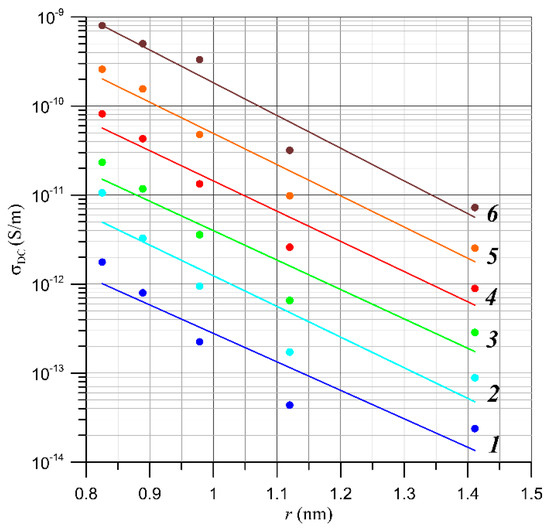
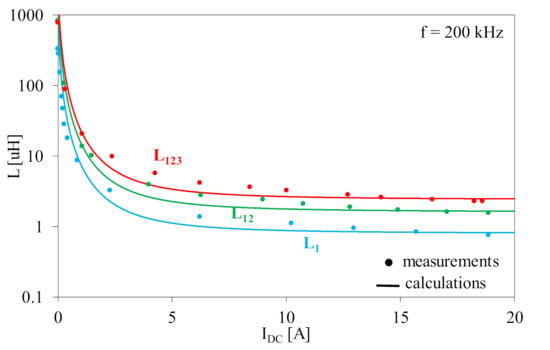
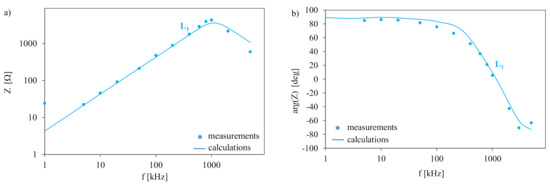
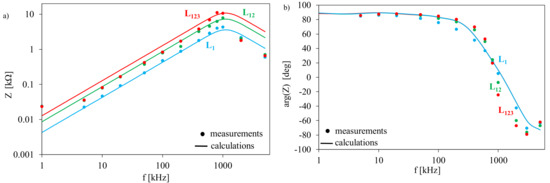
This paper proposes a model of a coupled inductor which takes into account the influence of frequency, temperature, and a constant component, IDC, of currents in the windings on the parameters of the considered element. A description of the model and [...] Read more.
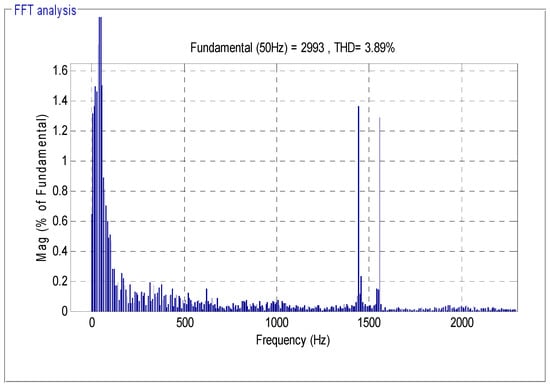
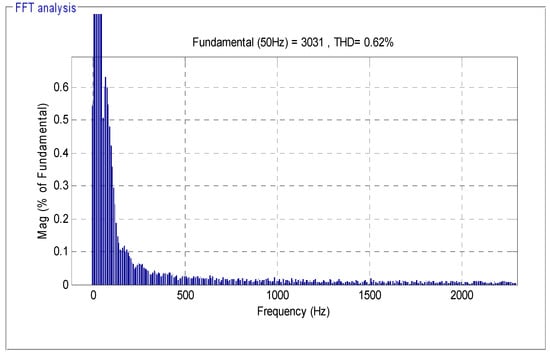
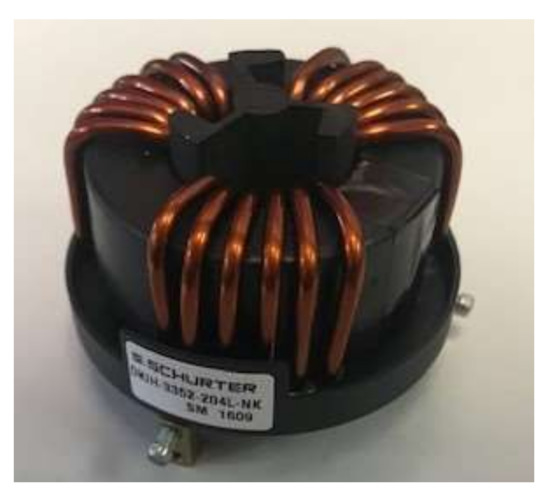
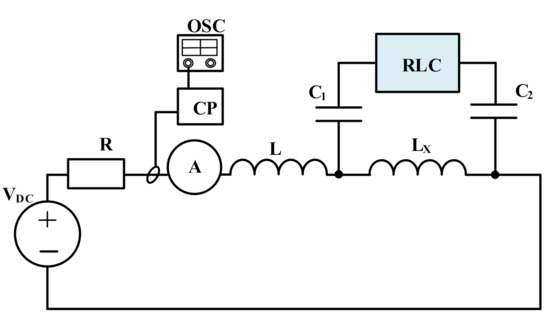
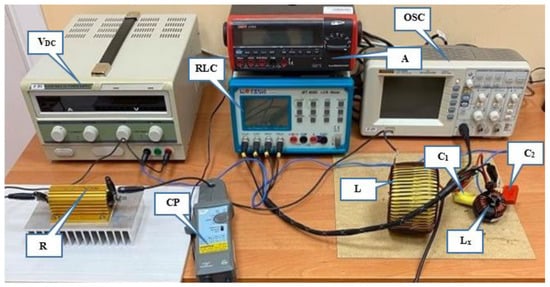
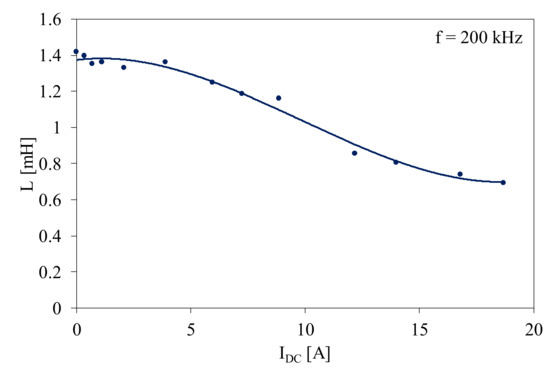
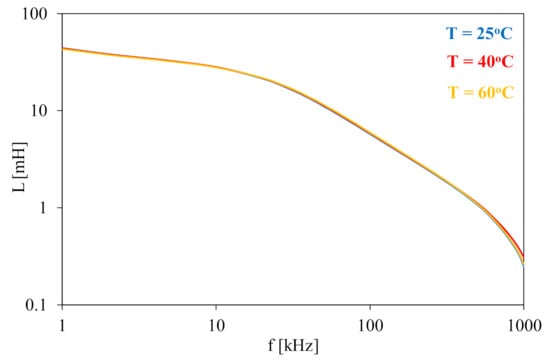
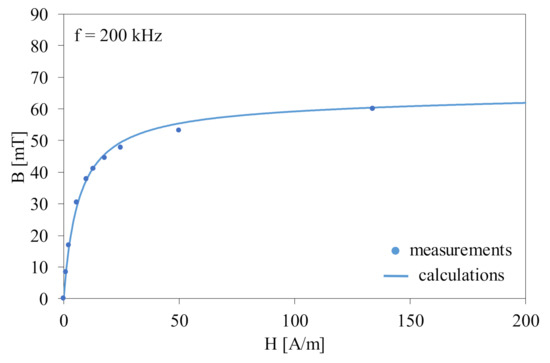
This paper proposes a model of a coupled inductor which takes into account the influence of frequency, temperature, and a constant component, IDC, of currents in the windings on the parameters of the considered element. A description of the model and methods of measuring parameters of the inductor using an impedance analyzer and a chamber for thermal measurements is given. The obtained results of measurements are compared with the results of calculations proving a satisfactory match. Full article
Show Figures

Figure 1
Review
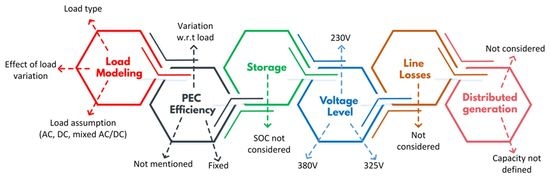
AC vs. DC Distribution Efficiency: Are We on the Right Path?
Energies 2021, 14(13), 4039; https://doi.org/10.3390/en14134039 - 04 Jul 2021
Viewed by 514
Abstract
The concept of DC power distribution has gained interest within the research community in the past years, especially due to the rapid prevalence of solar PVs as a tool for distributed generation in DC microgrids. Various efficiency analyses have been presented for the [...] Read more.
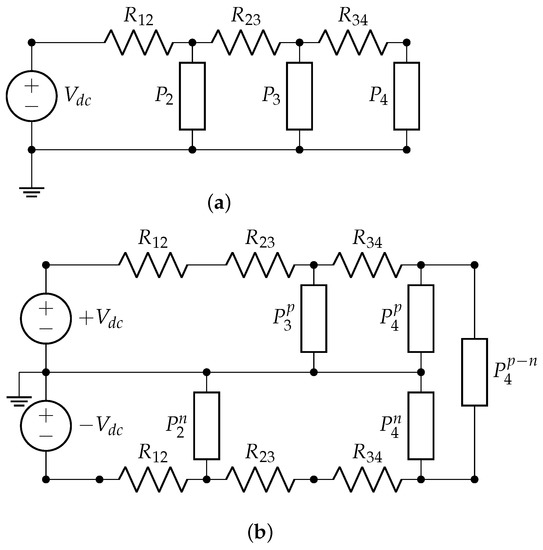
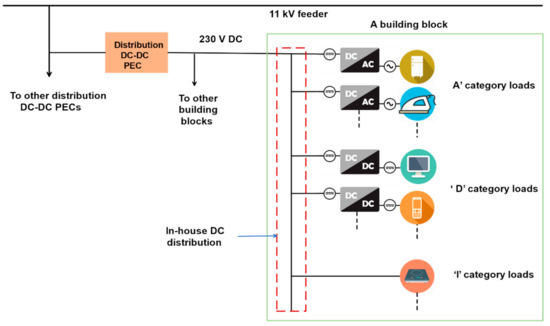
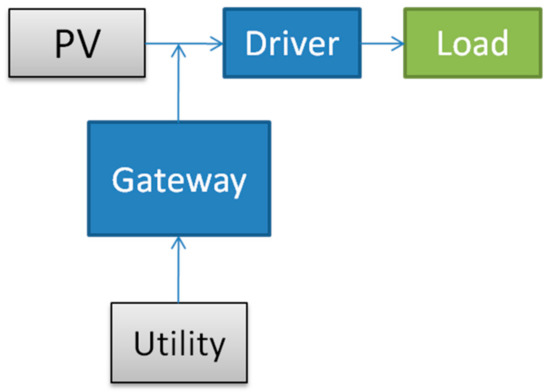
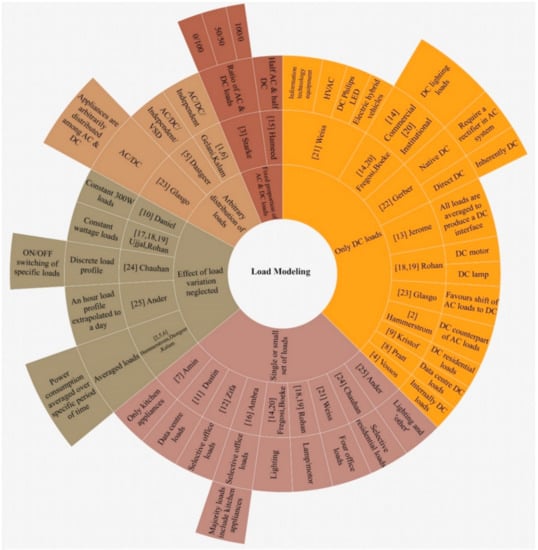
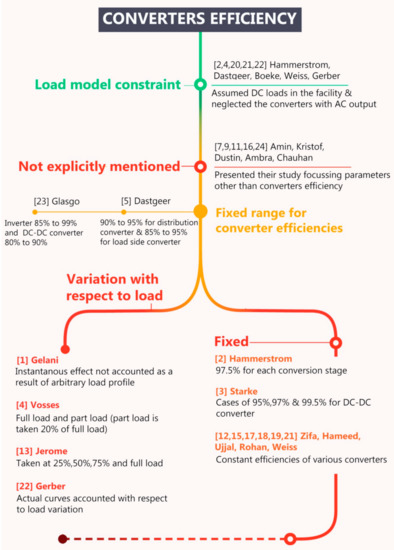
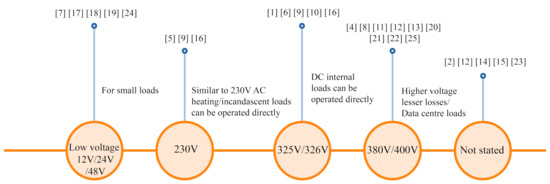
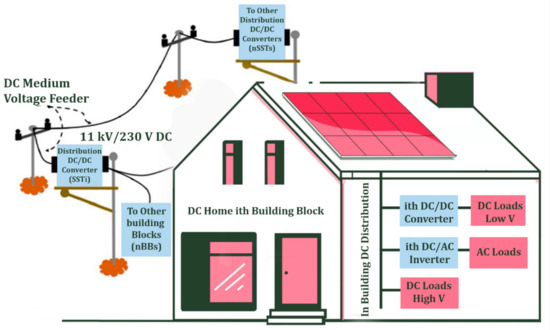
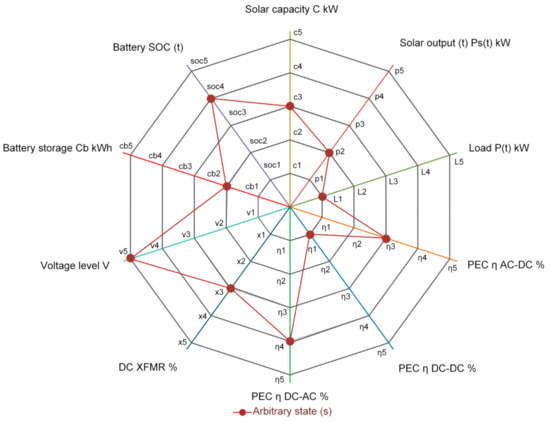
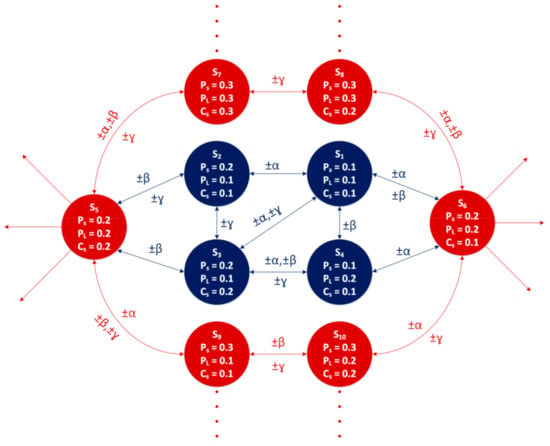
The concept of DC power distribution has gained interest within the research community in the past years, especially due to the rapid prevalence of solar PVs as a tool for distributed generation in DC microgrids. Various efficiency analyses have been presented for the DC distribution paradigm, in comparison to the AC counterpart, considering a variety of scenarios. However, even after a number of such comparative efficiency studies, there seems to be a disparity in the results of research efforts, wherein a definite verdict is still unavailable. Is DC distribution a more efficient choice as compared to the conventional AC system? A final verdict is absent primarily due to conflicting results. In this regard, system modeling and the assumptions made in different studies play a significant role in affecting the results of the study. The current paper is an attempt to critically observe the modeling and assumptions used in the efficiency studies related to the DC distribution system. Several research efforts are analyzed for their approach toward the system upon which they have performed efficiency studies. Subsequently, the paper proposes a model that may alleviate the shortcomings in earlier research efforts and be able to give a definite verdict regarding the comparative efficiency of DC and AC networks for residential power distribution. Full article
Show Figures

Graphical abstract

Article
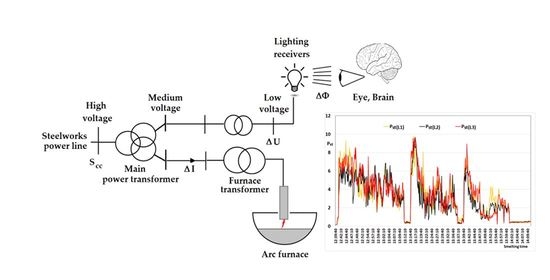
Evaluation of Flicker of Light Generated by Arc Furnaces
Energies 2021, 14(13), 3901; https://doi.org/10.3390/en14133901 - 29 Jun 2021
Cited by 1 | Viewed by 342
Abstract
Due to the dynamic nature of load changes, arc devices are receivers that generate disturbances to the network that affect the power quality. The main disturbance generated by these receivers are voltage fluctuations. One of the effects of voltage fluctuations is the flicker [...] Read more.
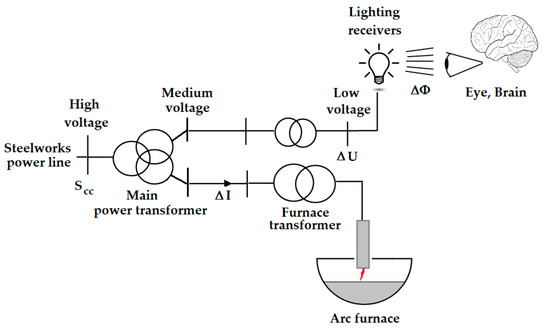
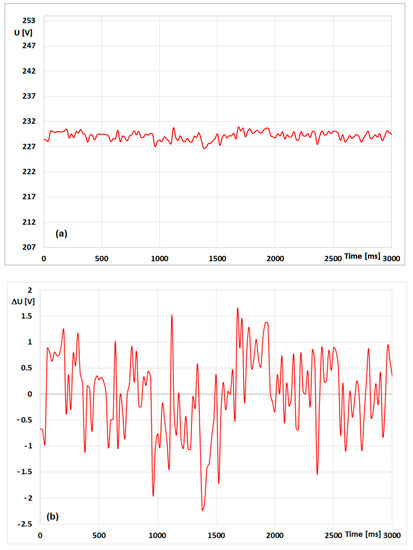
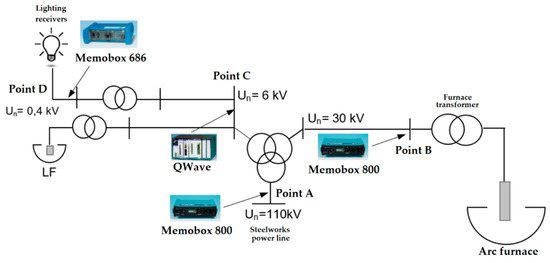
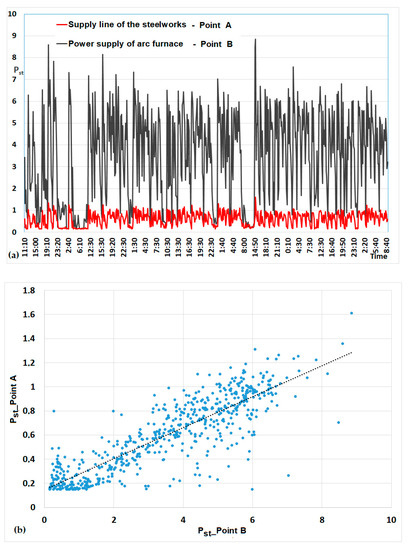
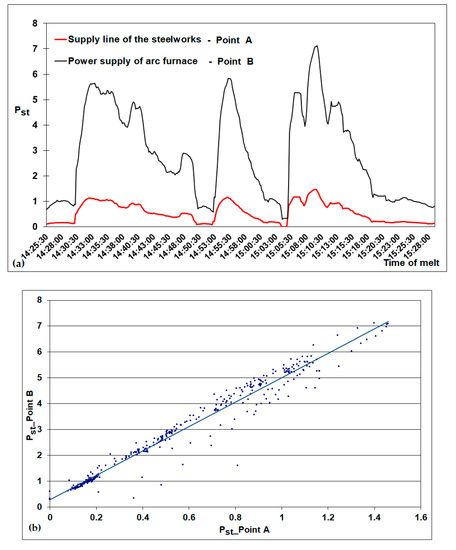
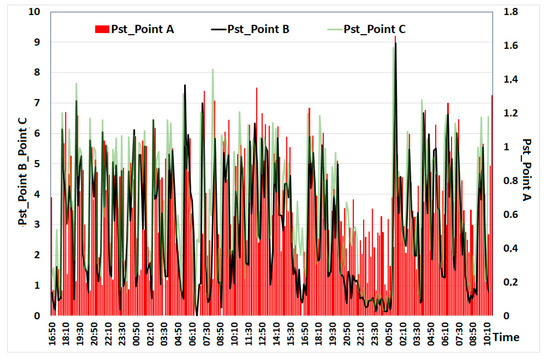
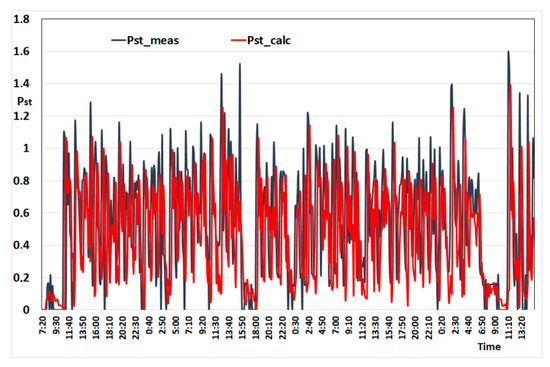
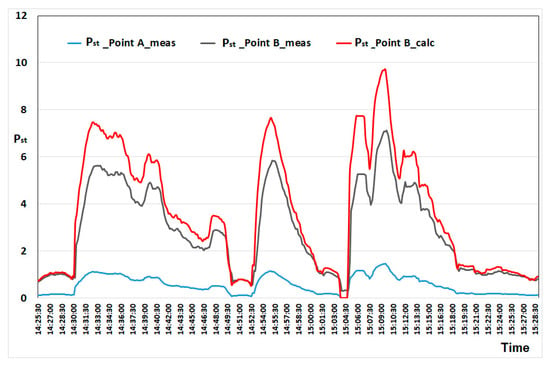
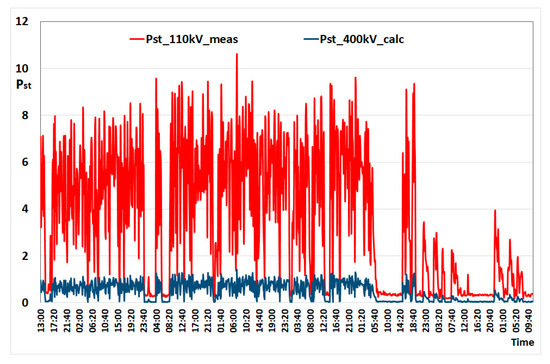
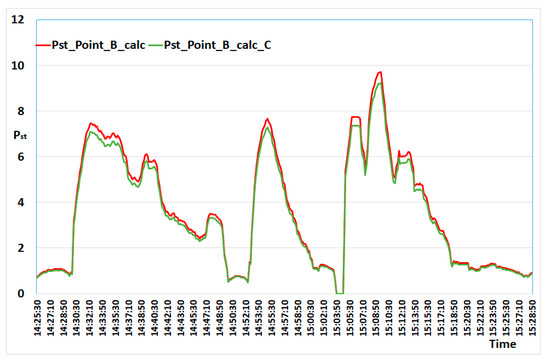
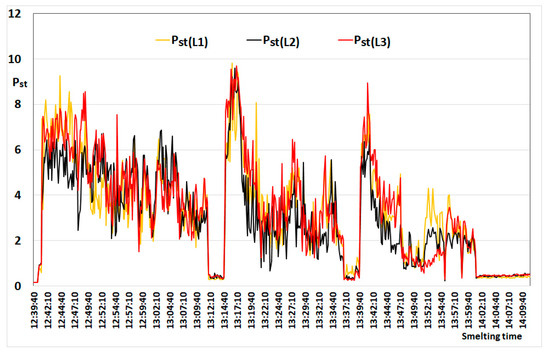
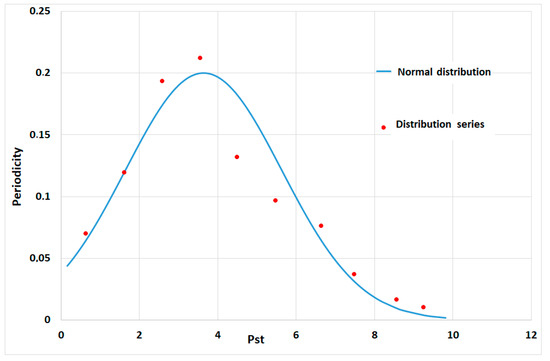
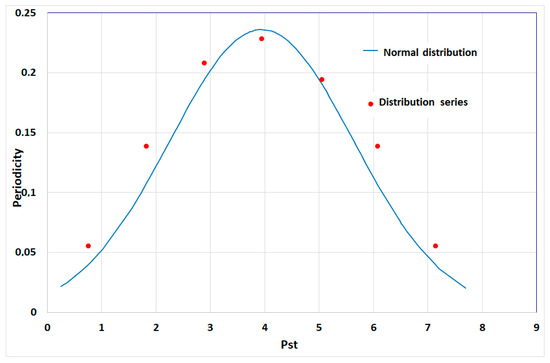
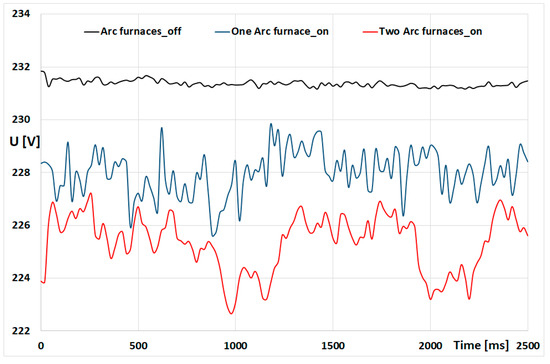
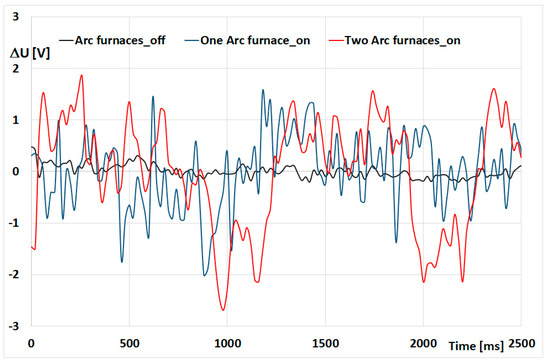
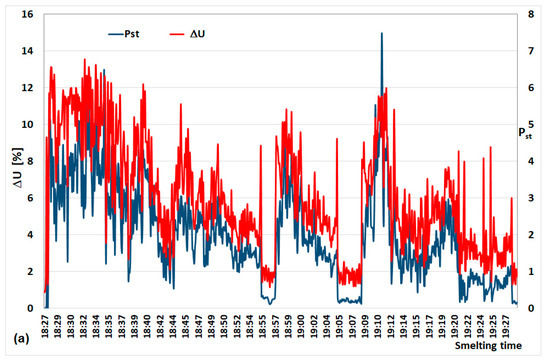
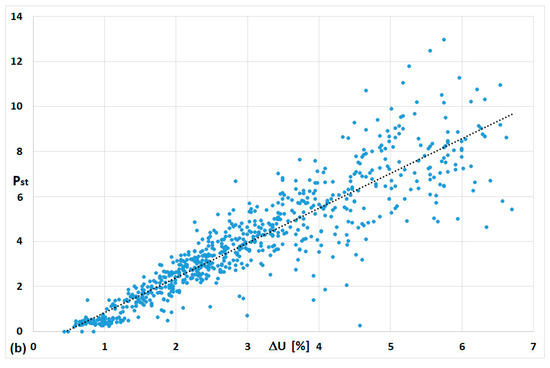
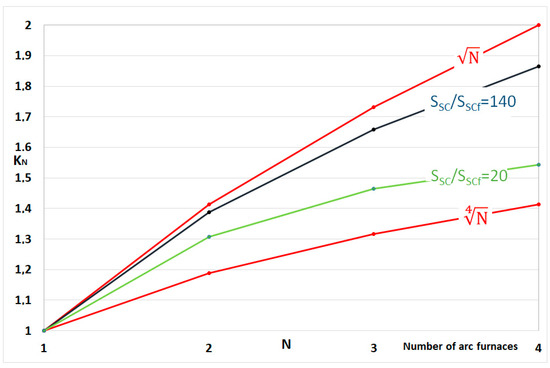
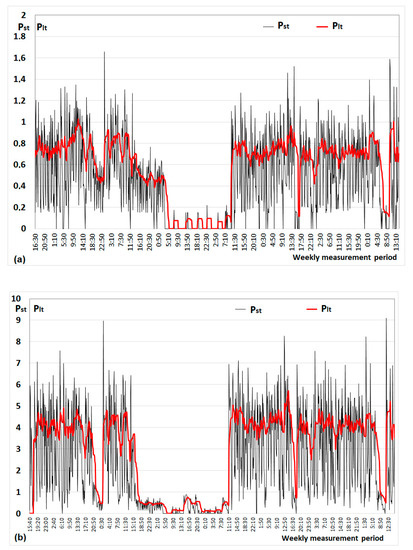
Due to the dynamic nature of load changes, arc devices are receivers that generate disturbances to the network that affect the power quality. The main disturbance generated by these receivers are voltage fluctuations. One of the effects of voltage fluctuations is the flicker of light caused by lighting receivers. The article presents an analysis of changes indicators flicker of light measured in networks supplying arc furnaces. The propagation of voltage fluctuations to the lines supplying lighting receivers was analyzed. The network parameters influencing the amount of light flicker were estimated. The paper presents a method for calculating the increased flicker of light when several electric arc furnaces are operated in parallel. The conclusions regarding the use of the presented research in practical applications are given in the summary. Full article
Show Figures

Graphical abstract

Article
Wind Farm Cable Connection Layout Optimization with Several Substations
Energies 2021, 14(12), 3615; https://doi.org/10.3390/en14123615 - 17 Jun 2021
Viewed by 402
Abstract
Green energy has become a media issue due to climate changes, and consequently, the population has become more aware of pollution. Wind farms are an essential energy production alternative to fossil energy. The incentive to produce wind energy was a government policy some [...] Read more.
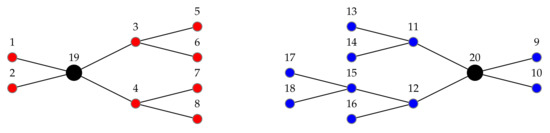
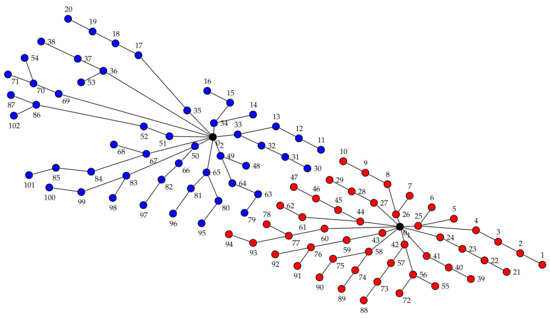
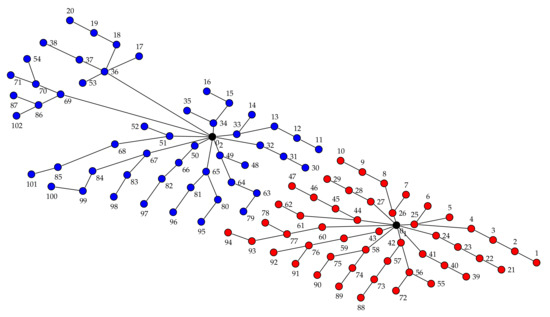
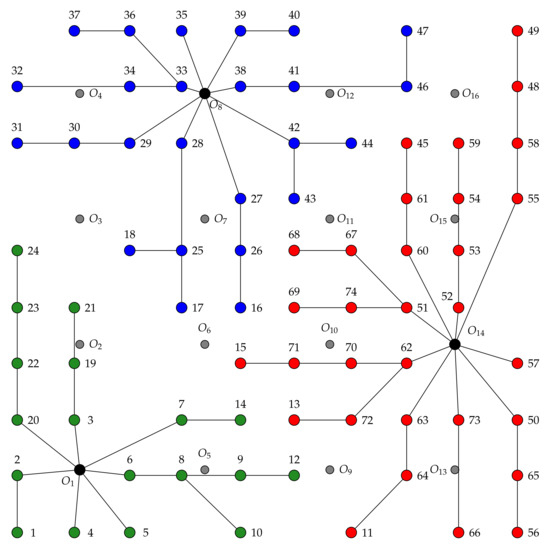
Green energy has become a media issue due to climate changes, and consequently, the population has become more aware of pollution. Wind farms are an essential energy production alternative to fossil energy. The incentive to produce wind energy was a government policy some decades ago to decrease carbon emissions. In recent decades, wind farms were formed by a substation and a couple of turbines. Nowadays, wind farms are designed with hundreds of turbines requiring more than one substation. This paper formulates an integer linear programming model to design wind farms’ cable layout with several turbines. The proposed model obtains the optimal solution considering different cable types, infrastructure costs, and energy losses. An additional constraint was considered to limit the number of cables that cross a walkway, i.e., the number of connections between a set of wind turbines and the remaining wind farm. Furthermore, considering a discrete set of possible turbine locations, the model allows identifying those that should be present in the optimal solution, thereby addressing the optimal location of the substation(s) in the wind farm. The paper illustrates solutions and the associated costs of two wind farms, with up to 102 turbines and three substations in the optimal solution, selected among sixteen possible places. The optimal solutions are obtained in a short time. Full article
Show Figures

Figure 1
Article
Modeling Electricity Price and Quantity Uncertainty: An Application for Hedging with Forward Contracts
Energies 2021, 14(11), 3345; https://doi.org/10.3390/en14113345 - 07 Jun 2021
Viewed by 585
Abstract
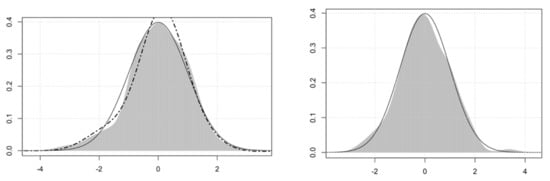
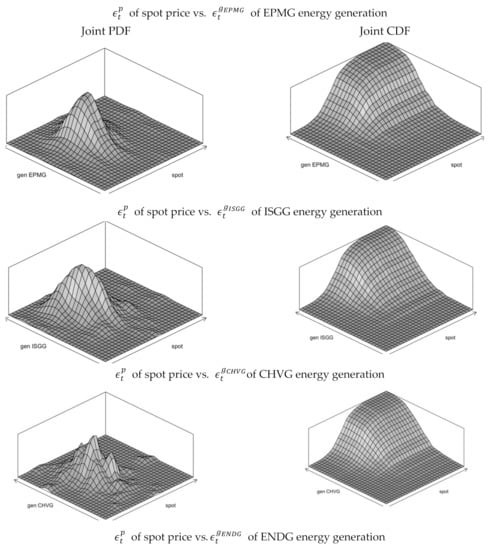
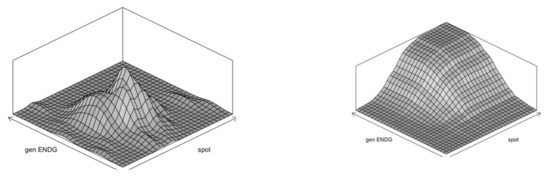
Energy transactions in liberalized markets are subject to price and quantity uncertainty. This paper considers the spot price and energy generation to follow a bivariate semi-nonparametric distribution defined in terms of the Gram–Charlier expansion. This distribution allows us to jointly model not only [...] Read more.
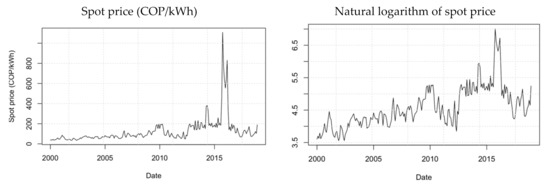
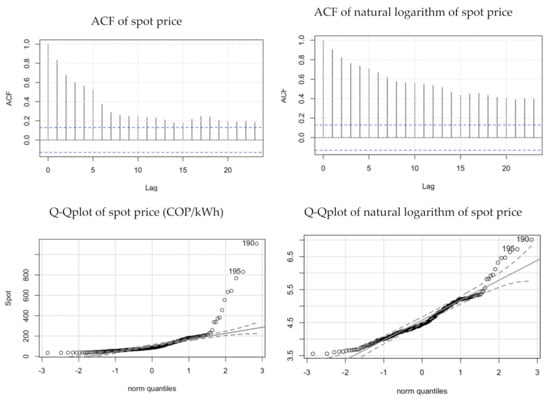
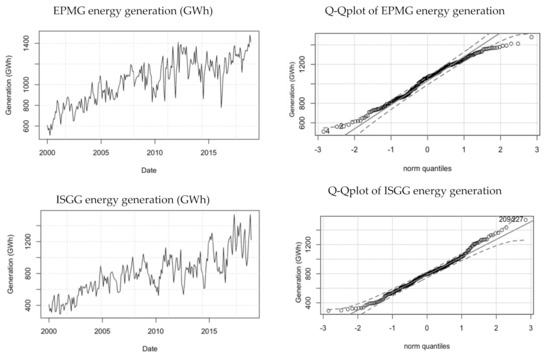
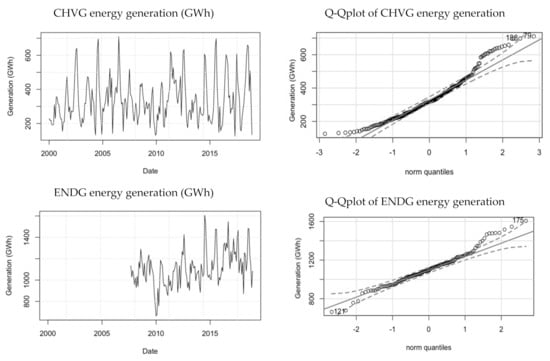
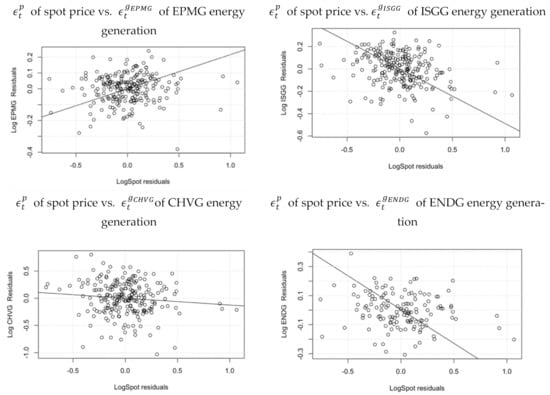
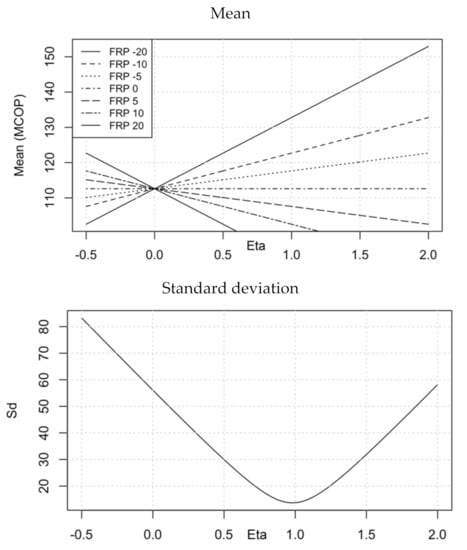
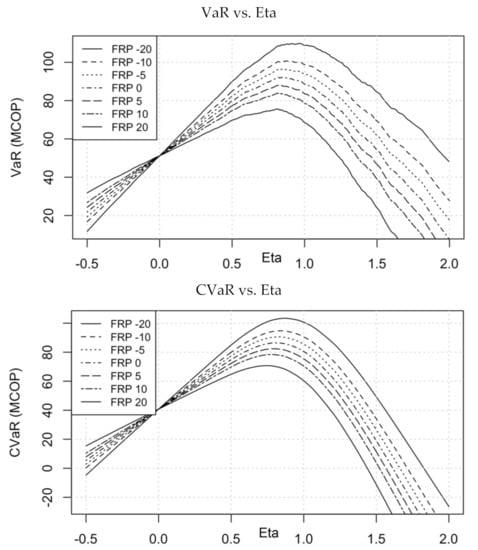
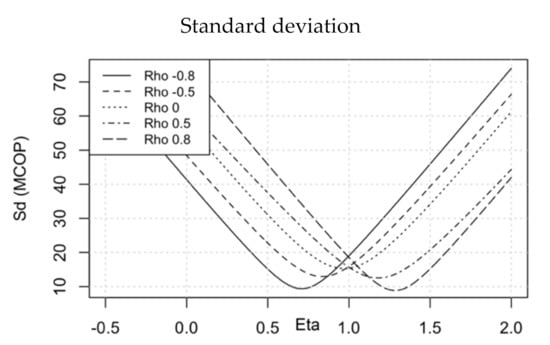
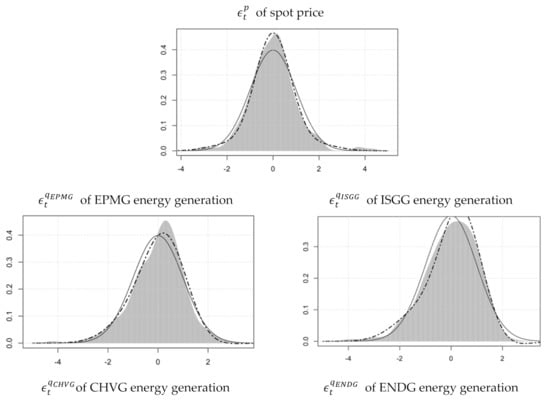
Energy transactions in liberalized markets are subject to price and quantity uncertainty. This paper considers the spot price and energy generation to follow a bivariate semi-nonparametric distribution defined in terms of the Gram–Charlier expansion. This distribution allows us to jointly model not only mean, variance, and correlation but also skewness, kurtosis, and higher-order moments. Based on this model, we propose a static hedging strategy for electricity generators that participate in a competitive market where hedging is carried out through forward contracts that include a risk premium in their valuation. For this purpose, we use Monte Carlo simulation and consider information from the Colombian electricity market as the case study. The results show that the volume of energy to be sold under long-term contracts depends on each electricity generator and the risk assessment made by the market in the forward risk premium. The conditions of skewness, kurtosis, and correlation, as well as the type of the employed risk indicator, affect the hedging strategy that each electricity generator should implement. A positive correlation between the spot price and energy production tends to increase the hedge ratio; meanwhile, negative correlation tends to reduce it. The increase of forward risk premium, on the other hand, reduces the hedge ratio. Full article
Show Figures

Figure 1
Article
Economic Evaluation of Wind Power Projects in a Mix of Free and Regulated Market Environments in Brazil
Energies 2021, 14(11), 3325; https://doi.org/10.3390/en14113325 - 05 Jun 2021
Viewed by 1251
Abstract
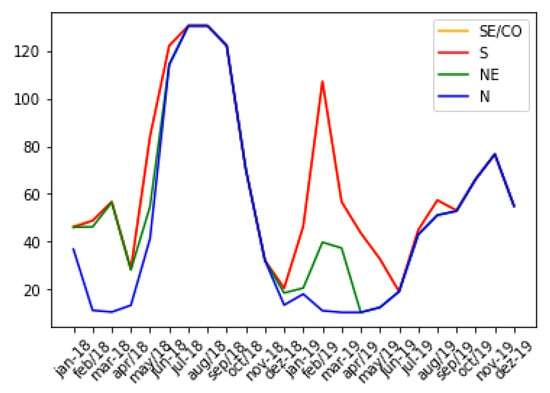
The electricity market in Brazil is basically organized under two parts: the regulated market, where energy is traded through auctions, and the free market, where market participants freely negotiate the price and quantity of electricity. Although revenues obtained in the regulated market tend [...] Read more.
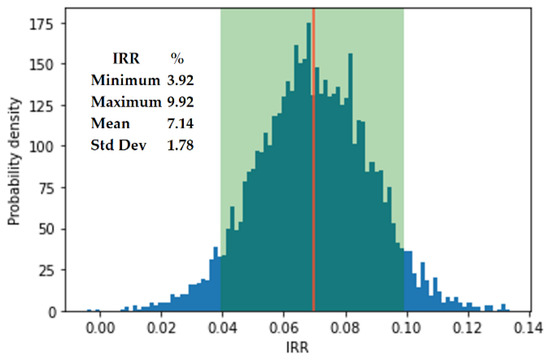
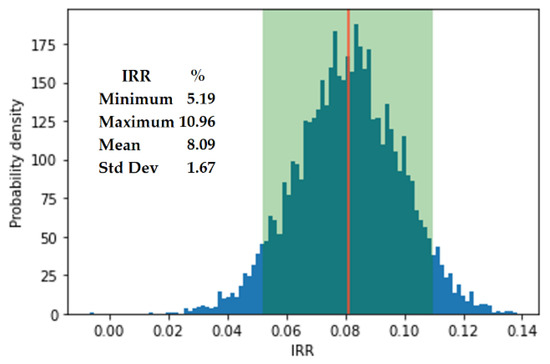
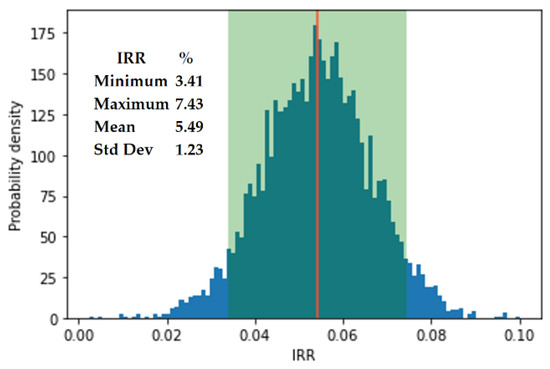
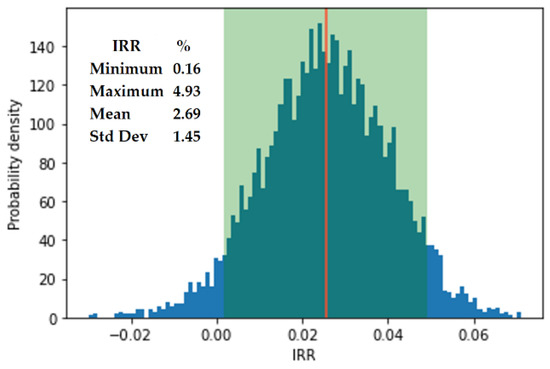
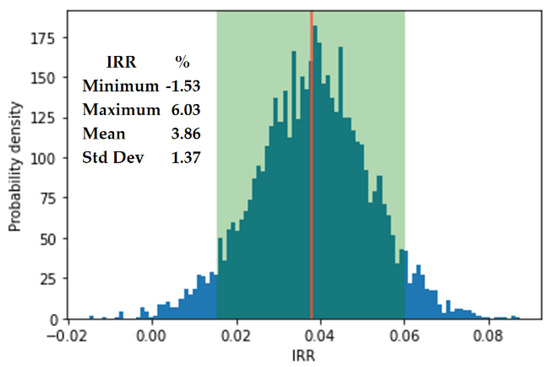
The electricity market in Brazil is basically organized under two parts: the regulated market, where energy is traded through auctions, and the free market, where market participants freely negotiate the price and quantity of electricity. Although revenues obtained in the regulated market tend to be lower than in the free market, the auctions’ results show that investors still value the lesser degree of uncertainty associated with the regulated market. However, a growing interest in the free market by investors is recognized since the price of electricity tends to be higher. Therefore, this study investigates four free market price scenarios to assess the expected return for investors, using the traditional discounted cash flow approach complemented with Monte Carlo simulation to address market uncertainty. The study breaks new ground by capturing the weekly price fluctuations and including the price elasticity of demand of the free market. The results seem to indicate that the disclosure of the ceiling and floor price limits for the spot price can signal important information about the agents’ price expectation in the free market and can be used for investment project evaluation. Full article
Show Figures

Figure 1
Article
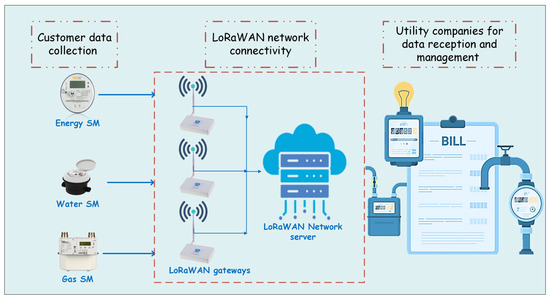
Real Fault Location in a Distribution Network Using Smart Feeder Meter Data
Energies 2021, 14(11), 3242; https://doi.org/10.3390/en14113242 - 01 Jun 2021
Viewed by 752
Abstract
Distribution networks transmit electrical energy from an upstream network to customers. Undesirable circumstances such as faults in the distribution networks can cause hazardous conditions, equipment failure, and power outages. Therefore, to avoid financial loss, to maintain customer satisfaction, and network reliability, it is [...] Read more.
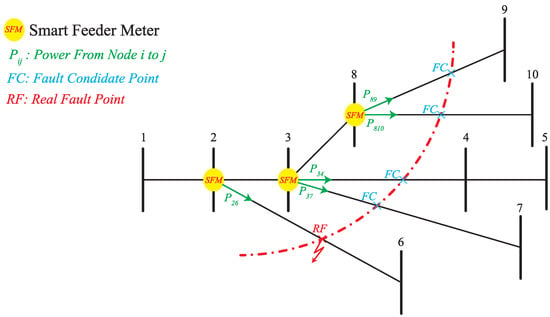
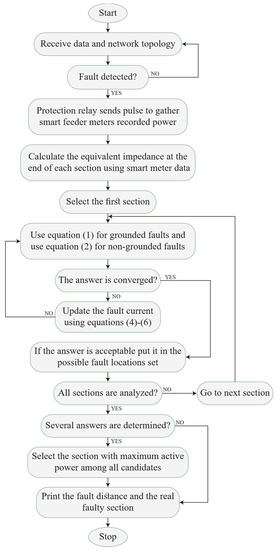
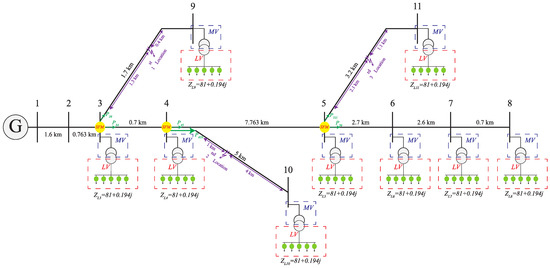
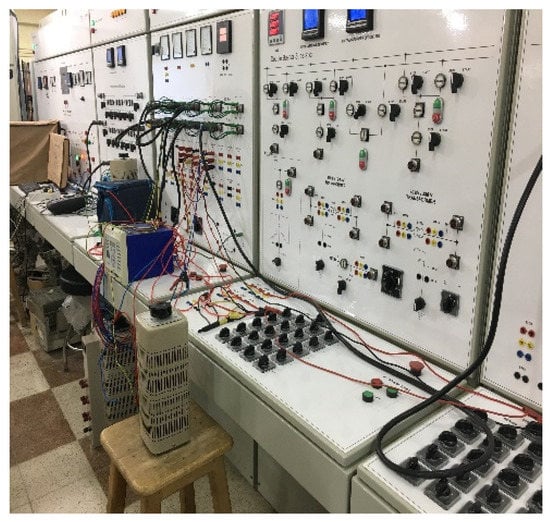
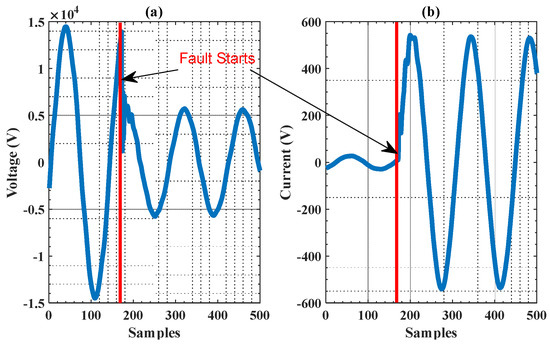
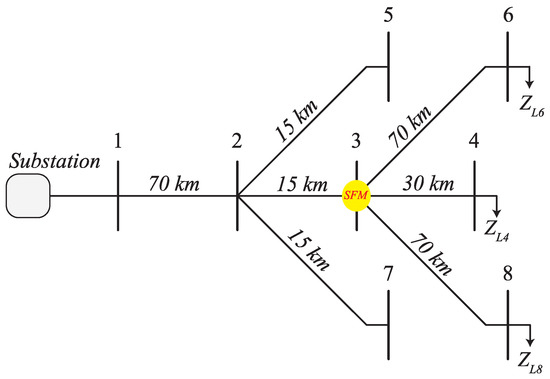
Distribution networks transmit electrical energy from an upstream network to customers. Undesirable circumstances such as faults in the distribution networks can cause hazardous conditions, equipment failure, and power outages. Therefore, to avoid financial loss, to maintain customer satisfaction, and network reliability, it is vital to restore the network as fast as possible. In this paper, a new fault location (FL) algorithm that uses the recorded data of smart meters (SMs) and smart feeder meters (SFMs) to locate the actual point of fault, is introduced. The method does not require high-resolution measurements, which is among the main advantages of the method. An impedance-based technique is utilized to detect all possible FL candidates in the distribution network. After the fault occurrence, the protection relay sends a signal to all SFMs, to collect the recorded active power of all connected lines after the fault. The higher value of active power represents the real faulty section due to the high-fault current. The effectiveness of the proposed method was investigated on an IEEE 11-node test feeder in MATLAB SIMULINK 2020b, under several situations, such as different fault resistances, distances, inception angles, and types. In some cases, the algorithm found two or three candidates for FL. In these cases, the section estimation helped to identify the real fault among all candidates. Section estimation method performs well for all simulated cases. The results showed that the proposed method was accurate and was able to precisely detect the real faulty section. To experimentally evaluate the proposed method’s powerfulness, a laboratory test and its simulation were carried out. The algorithm was precisely able to distinguish the real faulty section among all candidates in the experiment. The results revealed the robustness and effectiveness of the proposed method. Full article
Show Figures

Figure 1
Article
Machine Learning Techniques for Energy Efficiency and Anomaly Detection in Hybrid Wireless Sensor Networks
Energies 2021, 14(11), 3125; https://doi.org/10.3390/en14113125 - 27 May 2021
Viewed by 738
Abstract
Wireless sensor networks (WSNs) are among the most popular wireless technologies for sensor communication purposes nowadays. Usually, WSNs are developed for specific applications, either monitoring purposes or tracking purposes, for indoor or outdoor environments, where limited battery power is a main challenge. To [...] Read more.
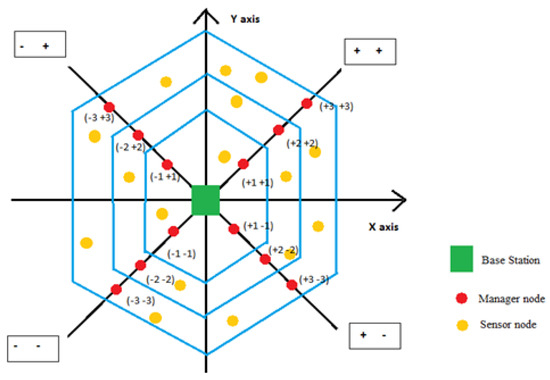
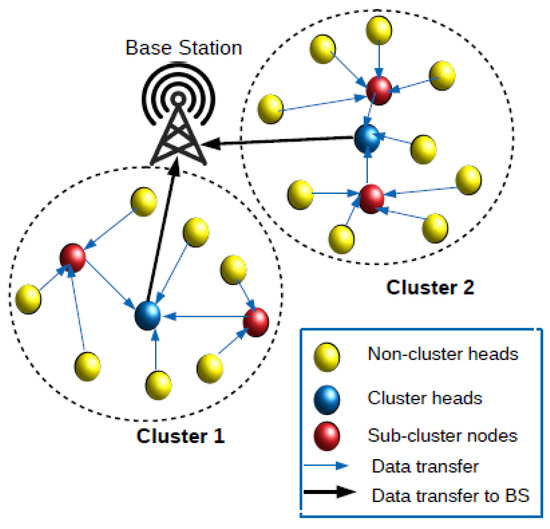
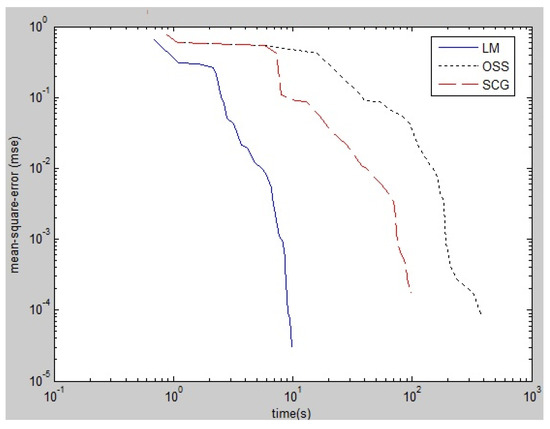
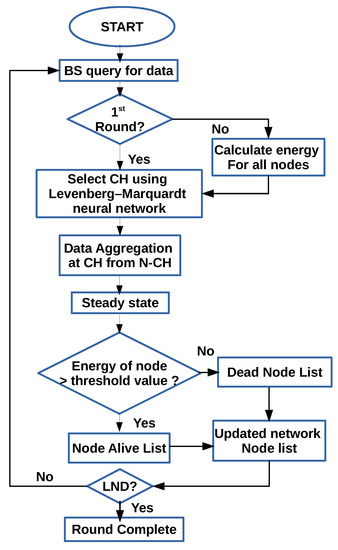
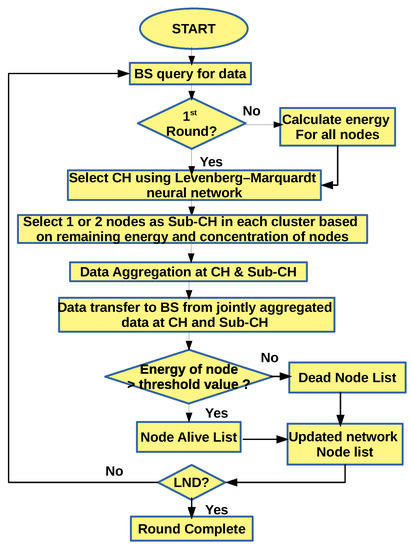
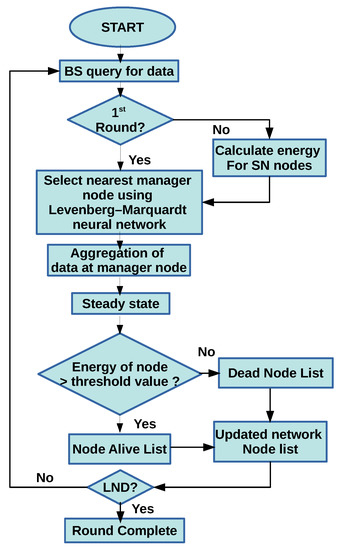
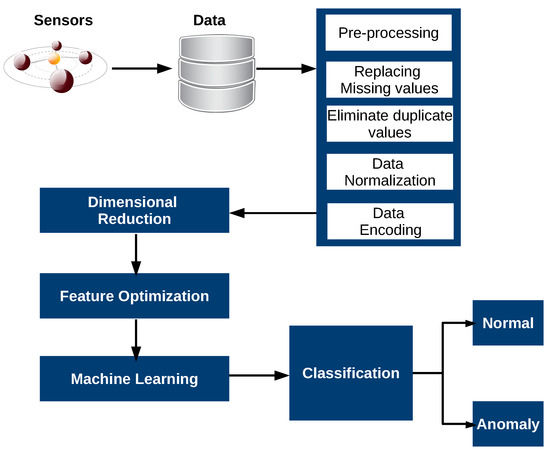
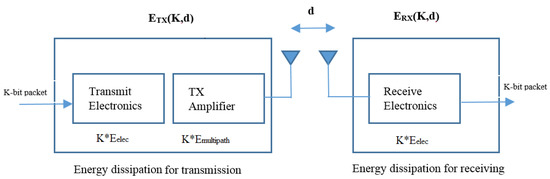
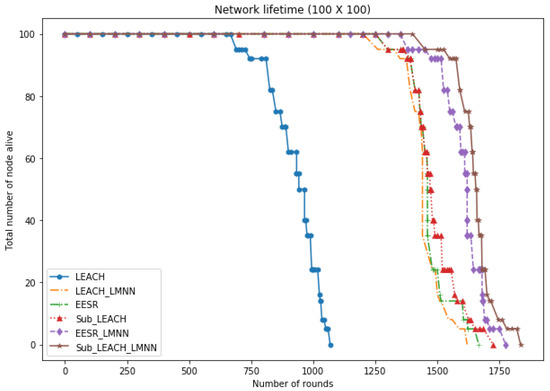
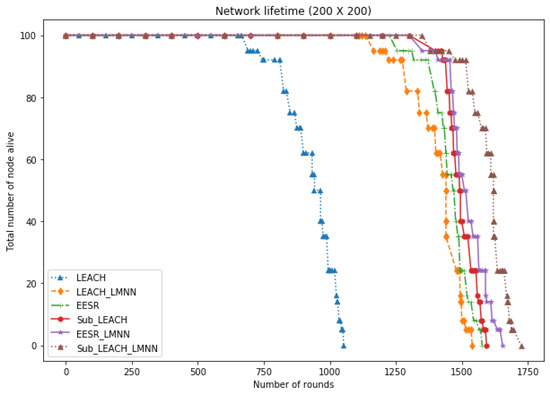
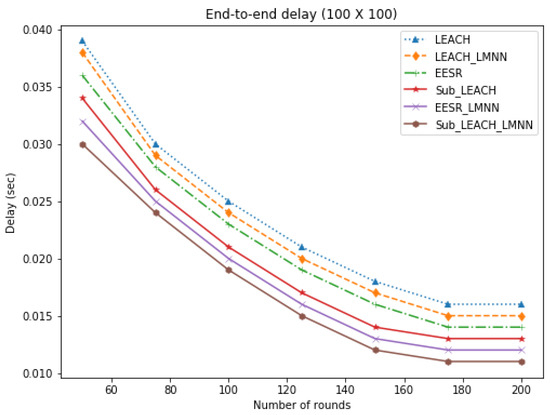
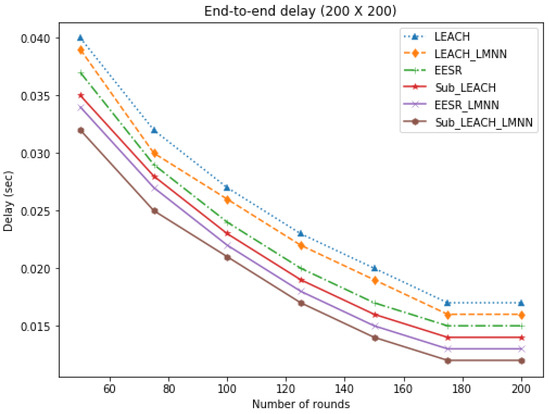
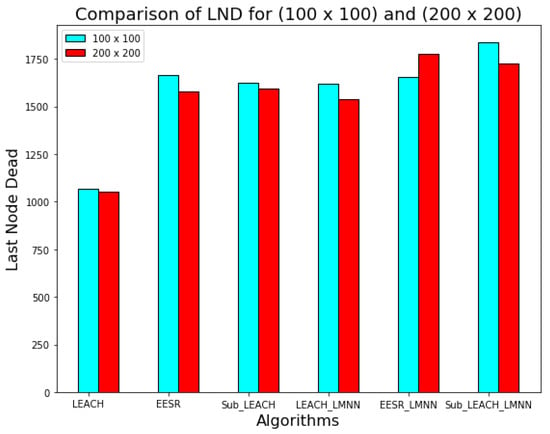
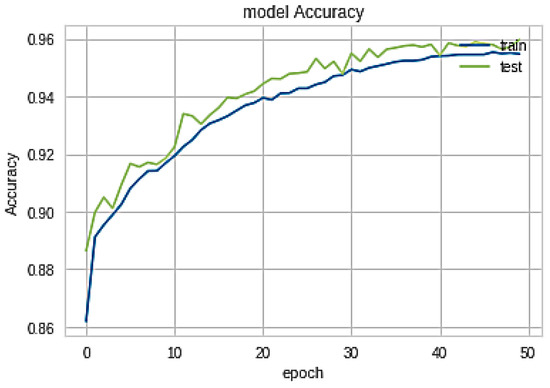
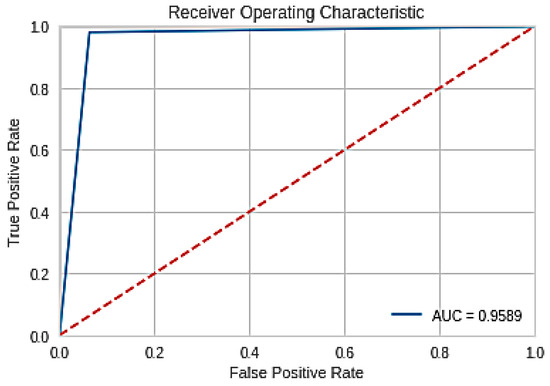
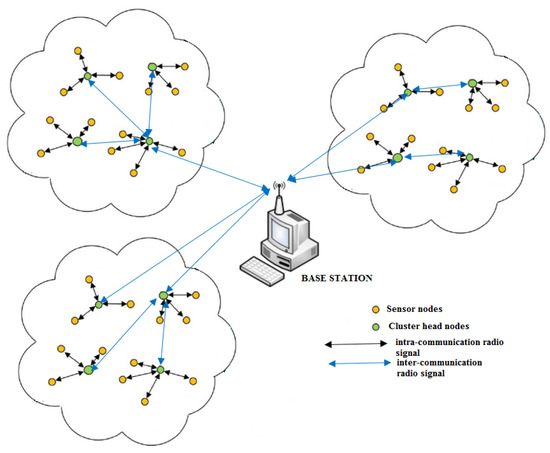
Wireless sensor networks (WSNs) are among the most popular wireless technologies for sensor communication purposes nowadays. Usually, WSNs are developed for specific applications, either monitoring purposes or tracking purposes, for indoor or outdoor environments, where limited battery power is a main challenge. To overcome this problem, many routing protocols have been proposed through the last few years. Nevertheless, the extension of the network lifetime in consideration of the sensors capacities remains an open issue. In this paper, to achieve more efficient and reliable protocols according to current application scenarios, two well-known energy efficient protocols, i.e., Low-Energy Adaptive Clustering hierarchy (LEACH) and Energy–Efficient Sensor Routing (EESR), are redesigned considering neural networks. Specifically, to improve results in terms of energy efficiency, a Levenberg–Marquardt neural network (LMNN) is integrated. Furthermore, in order to improve the performance, a sub-cluster LEACH-derived protocol is also proposed. Simulation results show that the Sub-LEACH with LMNN outperformed its competitors in energy efficiency. In addition, the end-to-end delay was evaluated, and Sub-LEACH protocol proved to be the best among existing strategies. Moreover, an intrusion detection system (IDS) has been proposed for anomaly detection based on the support vector machine (SVM) approach for optimal feature selection. Results showed a 96.15% accuracy—again outperforming existing IDS models. Therefore, satisfactory results in terms of energy efficiency, end-to-end delay and anomaly detection analysis were attained. Full article
Show Figures

Figure 1
Planned Papers

The below list represents only planned manuscripts. Some of these manuscripts have not been received by the Editorial Office yet. Papers submitted to MDPI journals are subject to peer-review.

Title: Dual-mode Brushless Wound Rotor Synchronous Machine with High Starting Torque
Authors: Ali Roshanzamir 1; Muhammad Ayub 1,2; Byung-il Kwon 1
Affiliation: (1) Department of Electrical and Electronic Engineering, Hanyang University, Ansan 15588, Korea; (2) Department of Electronic Engineering, FICT, BUITEMS, Quetta 87300, Pakistan.
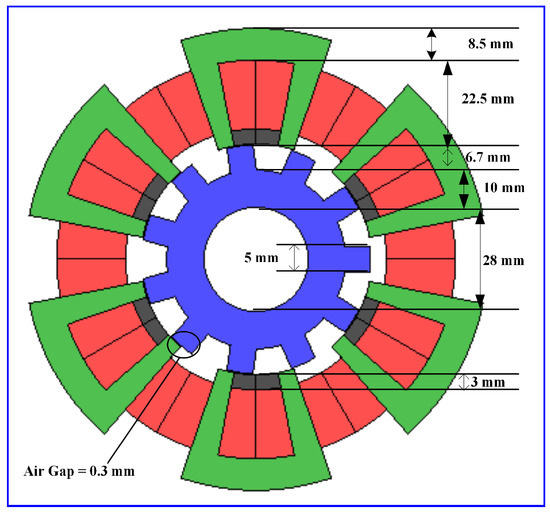
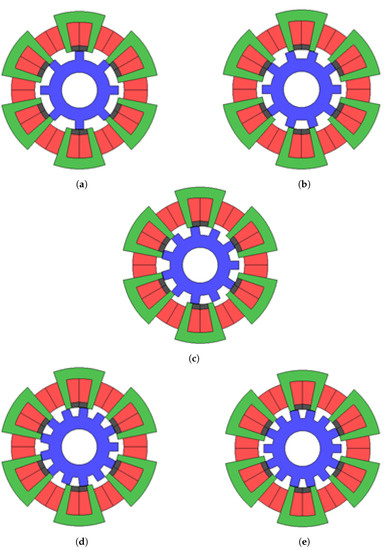
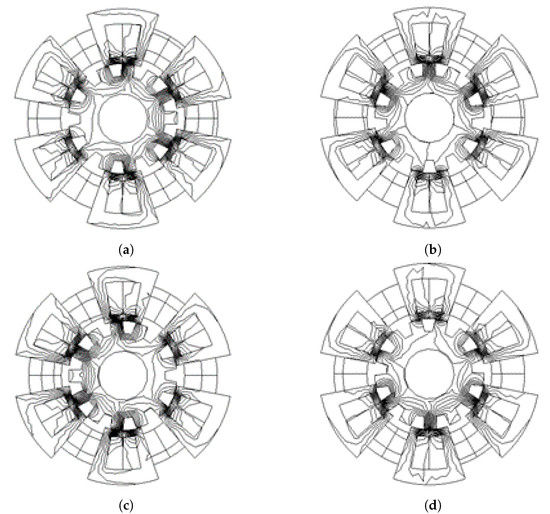
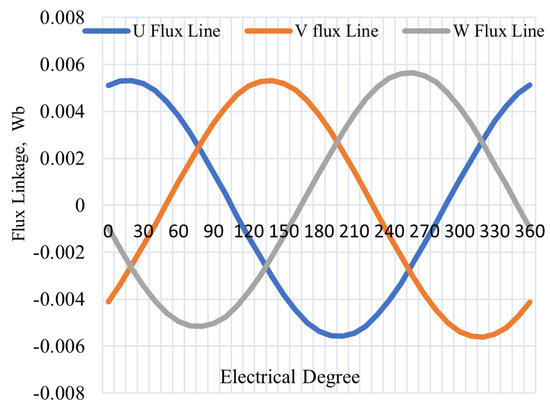
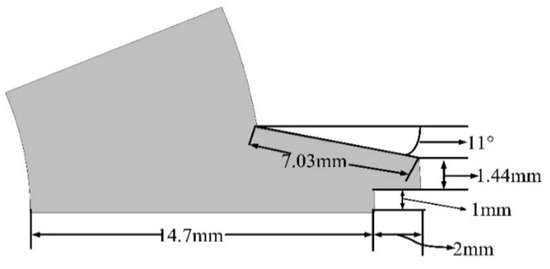
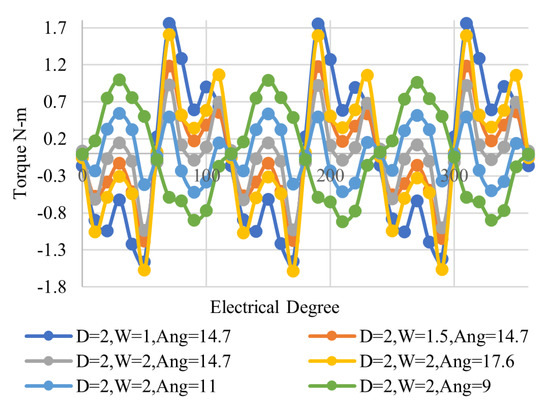
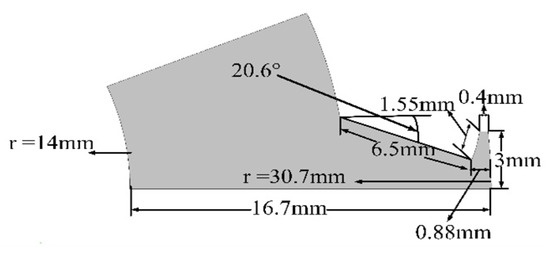
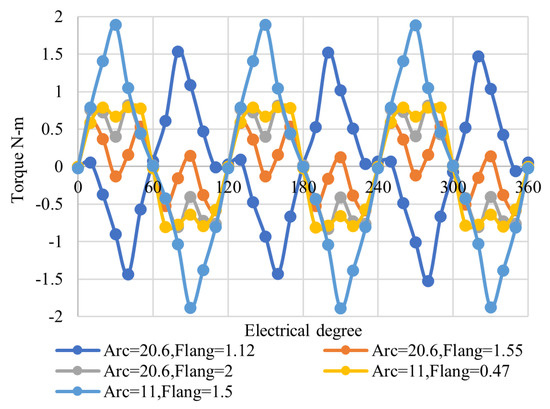
Abstract: This paper proposes a dual-mode brushless wound rotor synchronous machine (DBL-WRSM) with a high starting torque. In the existing BL-WRSM topologies, the absence of initial flux on the rotor causes zero starting torque. Unlike the existing BL-WRSM, the proposed DBL-WRSM uses a new topology in the rotor to generate the starting torque. The proposed DBL-WRSM is able to generate high starting torque and constant torque in the constant torque region. The proposed machine operates in two modes: the induction and synchronous modes. In the induc-tion mode, the machine operates as a wound rotor induction machine (WRIM) to generate the starting torque, whereas in the synchronous mode, the machine operates as a BL-WRSM. Five switches are used in the three-phase rotor field winding to change the rotor three-phase WRIM winding to the BL-WRSM rotor. A 2D finite element analysis is performed to verify the principle of the proposed DBL-WRSM. The electromagnetic torque is analyzed for the proposed DBL-WRSM to demonstrate the high starting torque and the constant torque in the constant torque region. Moreover, the synchronization capability of the proposed machine is analyzed.


Title: Design and performance of a wireless acquisition system aimed at industrial applications
Authors: Oscar Barambones
Affiliation: Universidad del Pais Vasco - Euskal Herriko Unibertsitatea, Campus Álavadisabled, Vitoria-Gasteiz, Spain
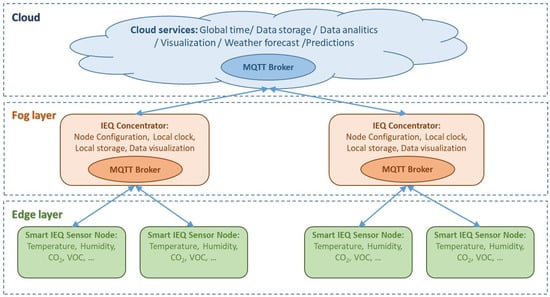
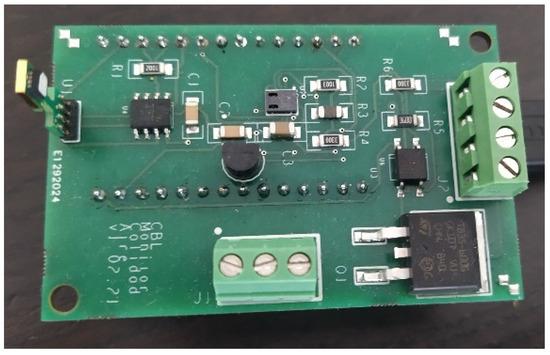
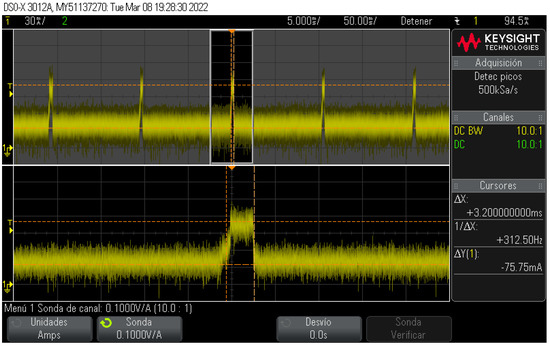
Abstract: This paper presents a wireless acquisition system aimed at industrial applications based on XBee technology. Namely, it is based on XBee technology operating at the 900 MHz band, avoiding the crowed 2.4 GHz band, extensively used in industrial environments. Unfortunately, the influence of interferences caused by other technologies operating in this band may disallow its use at time critical applications. The paper presents the architecture of the proposed acquisition system, based on two different types of nodes specifically designed, the so-called concentrator and the end devices. Also, a communication protocol was designed aimed at guaranteeing a good performance for the wireless acquisition system. The system allows diverse configurations that can maximize the number of measuring points as well as the measuring frequency. An end device was also designed for easing the task of connecting industrial sensors to the wireless acquisition system. The QoS parameters of the proposed system were evaluated in different scenarios which involved industrial scenarios in the aeronautical manufacturing domain. Specifically, the delay and jitter were experimentally measured. In addition, the data acquired with the wireless system was compared with the data from the sensors connected by wired means. The experimental results proved that this kind of wireless acquisition system may become an alternative.


Title: Data Analysis Methods for Long Term Wind Turbine Performance Assessment
Authors: Davide Astolfi
Affiliation: University of Perugia, Italy
Abstract: The long term analysis of wind turbine performance is a complex task, because the power of a wind turbine has a multivariate dependence on ambient conditions and working parameters, which in general can change during the lifetime of the machine because of aging effects and-or technology optimization. For this reason, it useful to develop appropriate techniques based on SCADA data analysis and the present study aims at contributing to this objective. A real-world test case is discussed: seven 2 MW wind turbines owned by the ENGIE Italia company, for which operation data spanning a decade (2011-2020) have been analyzed. Univariate and multivariate data-driven models for the power curves of the wind turbines are set up, basing on Support Vector Regression with Gaussian Kernel, and their pros and cos are discussed. The behavior of the wind turbines is inspected as well using Principal Component Analysis and Mahalanobis distance as novelty index for the individuation of possible changes in the wind turbine control. The main result of this study is that the long term performance trend depends heavily on the history of each wind turbine and, even for a farm composed of only seven wind turbines, the scenario is complex: one wind turbine, despite negligible aging effect, has been performing considerably worse than the best ones for all the considered data sets, while two other ones have been affected by a severe decline with age. Furthermore, it is observed that in 2018 a control optimization improved the behavior of the all wind turbines, except one. Basing on these results, it is argued that it is prohibitive to formulate general hypothesis about the long term performance aging trend of MW-scale wind turbines. Anyway, it is recommended that the analysis of long data sets (order of a decade) diffuses in wind energy practice, because a big time - space picture of a wind farm is useful for understanding appropriately the performance.


Title: AC vs DC Distribution Efficiency: Are we on the right path?
Authors: Hasan Erteza Gelani; Faizan Dastgeer; Mashood Nasir; Sidra Khan
Affiliation: Department of Electrical Engineering, University of Engineering and Technology Lahore, FSD Campus, Pakistan; Energy Technology Department, Aalborg University, Denmark; Department of Electrical Engineering, Comsats Institute of Information Technology (CIIT), Lahore, Pakistan
Abstract: The concept of DC power distribution has gained interest within the research community in the past years; especially due to rapid prevalence of solar PVs as a tool for distributed generation in DC microgrids. Various efficiency analyses have been presented for the DC distribution paradigm, in comparison to the AC counterpart, considering a variety of scenarios. However, even after a number of such comparative efficiency studies, there seems to be a disparity in the results of research efforts - wherein a definite verdict is still unavailable: 'Is DC distribution a more efficient choice as compared to the conventional AC system?' A final verdict is apparently absent primarily due to conflicting results. In this regard, system modeling and the assumptions made in different studies play a significant role in affecting the results of the study. The current paper is an attempt to critically observe the modeling and assumptions used in the efficiency studies related to DC distribution system. Several research efforts will be analyzed for their approach towards the system upon which they have performed efficiency studies. Subsequently, the paper aims to propose a model that may alleviate the shortcomings in earlier research efforts and be able to give a definite verdict regarding the comparative efficiency of DC and AC networks for residential power distribution.


Title: Use of energy storage to reduce transmission losses in meshed power distribution networks
Authors: Andrzej Tomczewski; Stanisław Mikulski
Affiliation: Faculty of Control, Robotics and Electrical Engineering, Poznan University of Technology, Poznań, Poland
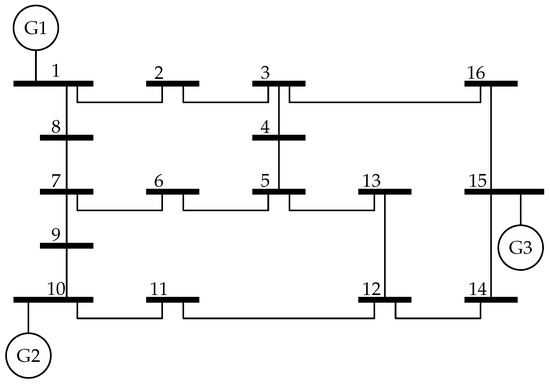
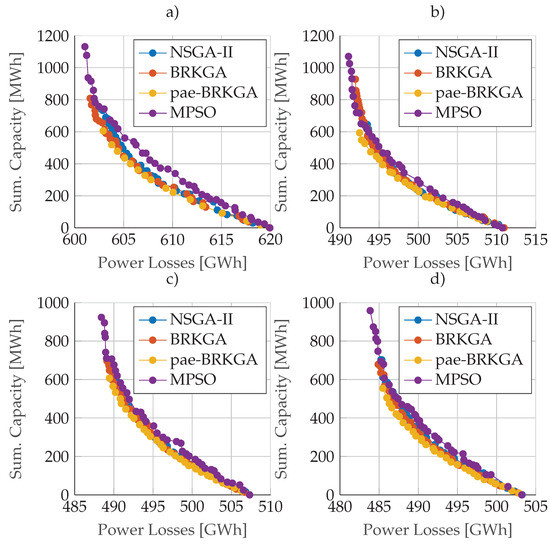
Abstract: One of the challenges facing nowaday electrical power industry is adapting the power system to the energy transformation which take in front of our eyes. With increased share of renewable energy sources in the energy production, development of the electromobility and increasing environmental awareness of the society, the power system must constantly evolve to meet its expectations for reliable electricity supply. The paper presents the issue of deploying energy storage facilities in a power distribution network to reduce transmission losses. This multi-objective problem is especially complex for branched power networks with multiple connections between nodes. The article presents comparison of selected multi-objective optimization methods such as: Non-dominated Sorting Genetic Algorithm II (NSGA-II), Binary Random Keys Genetic Algorithm (BRKGA) and Multi-Objective Particle Swarm Optimization (MPSO). It is assumed that the energy storage works with Peak Shaving control strategy.


Title: Effect of Forecasting of Wind Speed with input selection Using Artificial Neural Networks
Authors: Marta Żurek-Mortka
Affiliation: Department of Control Systems, Lukasiewicz Research Network - Institute for Sustainable Technologies, Radom, Poland
Abstract: At present, deterministic times series simulation values based forecasting is preferred over physical data based wind speed forecasting (WSF). But, it is very difficult to meet out the actual requirements of wind farms because highly uncertain nature of wind speed and its associative parameters data. On the mentioned topic, this presented research develops an improved ensemble time series regression based model for day-ahead local WSF’s. The proposed model input has been optimized using regression specifically Auto Correlation Function (ACF). The wind data of Hisar, India collected from National Renewable Energy Laboratory (NREL) has been utilized for the local WSF. In this, Neural Network (NN) with Levenberg Marquardt (LM) learning algorithm has been adopted for the forecasting simulation purpose. The results has been indicated using simulation by considering the seasonal months WSF’s.


Title: Analysis of the parameters of the hot side heat exchanger of the module with thermogenerators
Authors: Marta Żurek-Mortka
Affiliation: Department of Control Systems, Lukasiewicz Research Network - Institute for Sustainable Technologies, Radom, Poland
Abstract: One of the methods of converting thermal energy into electricity is the use of thermogenerators (TEG). The method can be used in low-temperature waste heat conversion systems from industrial installations, but its serious limitation is the low efficiency of thermogenerators and the relatively low power of the electric waveforms obtained. Increasing the obtained power values is done by multiplying the number of TEGs used, grouped into MTEG modules. In such systems, the design of the module is extremely important, as it should ensure the best possible heat transfer between both sides of the TEG (hot and cold), and thus obtaining maximum electrical power. The article presents an analysis of a two-section, flat plate heat hot side exchanger MTEG. The key parameters and their impact on the efficiency of heat use and generated electric power were indicated.

Back to TopTop