

Journal Description
Agriculture
Agriculture
is an international, peer-reviewed, open access journal published semimonthly online.
- Open Access— free for readers, with article processing charges (APC) paid by authors or their institutions.
- High Visibility: indexed within Scopus, SCIE (Web of Science), GEOBASE, PubAg, AGRIS, RePEc, and other databases.
- Journal Rank: JCR - Q1 (Agronomy) / CiteScore - Q1 (Plant Science)
- Rapid Publication: manuscripts are peer-reviewed and a first decision is provided to authors approximately 18.8 days after submission; acceptance to publication is undertaken in 1.9 days (median values for papers published in this journal in the second half of 2025).
- Recognition of Reviewers: reviewers who provide timely, thorough peer-review reports receive vouchers entitling them to a discount on the APC of their next publication in any MDPI journal, in appreciation of the work done.
- Companion journals for Agriculture include: Poultry, Grasses, Crops and AIPA.
- Journal Cluster of Agricultural Science: Agriculture, Agronomy, Horticulturae, Soil Systems, AgriEngineering, Crops, Seeds, Grasses, Agrochemicals and AI and Precision Agriculture.
Impact Factor:
3.6 (2024);
5-Year Impact Factor:
3.8 (2024)
Latest Articles
Analysis of Mechanical Operation Processes and Optimization of Key Parameters with Cotton Extra-Wide Film Mulching and Sowing
Agriculture 2026, 16(9), 1000; https://doi.org/10.3390/agriculture16091000 - 1 May 2026
Abstract
Under dry sowing and wet emergence conditions in Xinjiang, cotton planting with extra-wide film mulching and sowing faced challenges including low soil moisture content and poor soil plasticity. These conditions resulted in inadequate film edge laying, seed exposure, and unstable sowing depth. This
[...] Read more.
Under dry sowing and wet emergence conditions in Xinjiang, cotton planting with extra-wide film mulching and sowing faced challenges including low soil moisture content and poor soil plasticity. These conditions resulted in inadequate film edge laying, seed exposure, and unstable sowing depth. This study focused on an extra-wide film mulch planter, conducting operational process analysis and parameter optimization experiments. The research first analyzed the soil layer structure required for a high-quality cotton seedbed, described the structural composition and working principle of the extra-wide film mulch planter, and examined the interaction between key components and soil during operation. The primary factors affecting machine performance were identified, and a soil-deflecting device was added to mitigate rapid soil backflow. A coupled MBD-DEM model was developed to simulate the operation of key components, and simulation experiments were conducted. The optimal parameter combination obtained through optimization was as follows: furrowing disc deflection angle of 11°, primary soil-covering disc deflection angle of 20°, operational speed of 3.5 km/h, longitudinal blade height of 16 mm, and spring stiffness of 14 N/mm. Simulation validation under these parameters yielded the following results: covering soil amount ranged from 3.22 kg/m to 3.67 kg/m, with a mean of 3.43 kg/m; seeding qualification rate ranged from 94.97% to 97.52%, with a mean of 96.3%; film hole length ranged from 43.14 mm to 46.86 mm, with a mean of 45.18 mm; and cotton seed sowing depth ranged from 29.51 mm to 31.82 mm, with a mean of 31.23 mm. These simulation results met the operational requirements for extra-wide film mulching and sowing. Field validation experiments were conducted using the optimal parameter combination. The results showed a mean soil-covering thickness of 35.1 mm, mean soil-covering width of 65.3 mm, mean film hole length of 45.7 mm, and mean cotton seed sowing depth of 29.1 mm, with coefficients of variation of 5.1%, 2.6%, 4.7%, and 5.8%, respectively. The field results were generally consistent with the simulation results, confirming the reliability of the simulation model and demonstrating improved operational performance of the extra-wide film mulch planter, making it more suitable for the dry sowing with wet emergence technique. Twenty days after sowing, the mean emergence rate reached 93.3% with a coefficient of variation of 1.0%, indicating stable emergence, which preliminarily validated the effectiveness of the constructed seedbed in promoting cotton growth.
Full article
(This article belongs to the Section Agricultural Technology)
Open AccessArticle
What Drives Renewable Energy Adoption in EU Countries? Evidence on the Differential Effects of Economic, Structural and Energy Factors
by
Jităreanu Andy-Felix, Mihăilă Mioara, Costuleanu Carmen-Luiza, Mărcuță Alina, Mărcuță Liviu, Tudor Valentina Constanța, Micu Marius Mihai and Arion Iulia Diana
Agriculture 2026, 16(9), 999; https://doi.org/10.3390/agriculture16090999 - 30 Apr 2026
Abstract
The transition to renewable energy is a central objective of the European Union’s energy and climate policies, yet adoption rates differ significantly across Member States. This study analyses the economic, structural, and energy determinants of renewable energy adoption in the EU-27 over the
[...] Read more.
The transition to renewable energy is a central objective of the European Union’s energy and climate policies, yet adoption rates differ significantly across Member States. This study analyses the economic, structural, and energy determinants of renewable energy adoption in the EU-27 over the period 2008–2023, using panel data models with country and year fixed effects and clustered standard errors. The results indicate that the relationship between renewable energy and its main determinants is limited and heterogeneous across countries. Most explanatory variables do not exhibit consistent and statistically significant effects across model specifications. In particular, research and development expenditure does not show a robust impact, while GDP per capita is associated with negative coefficients in several specifications, suggesting the presence of structural constraints and path dependency. Energy-related variables also display weak and unstable relationships. The findings suggest that renewable energy adoption is shaped by context-specific and heterogeneous dynamics rather than by uniform drivers. The study contributes by highlighting the limited explanatory power of standard macroeconomic indicators and supports the need for differentiated policy approaches across Member States.
Full article
(This article belongs to the Section Agricultural Economics, Policies and Rural Management)
Open AccessArticle
Polyploidy Promotes Larger Mango Fruits with Cultivar-Specific Quality Changes
by
Marcos Adrián Ruiz-Medina, Águeda M. González-Rodríguez and María José Grajal-Martín
Agriculture 2026, 16(9), 998; https://doi.org/10.3390/agriculture16090998 - 30 Apr 2026
Abstract
Polyploidy is widely used in plant breeding to generate novel phenotypes and improve agronomic traits, often promoting organ enlargement through the so-called “gigas effect.” However, in mango (Mangifera indica L.), the effects of genome duplication on fruit quality are still poorly understood.
[...] Read more.
Polyploidy is widely used in plant breeding to generate novel phenotypes and improve agronomic traits, often promoting organ enlargement through the so-called “gigas effect.” However, in mango (Mangifera indica L.), the effects of genome duplication on fruit quality are still poorly understood. This study evaluated the effects of polyploidy on fruit morphology and physicochemical traits by comparing diploid (2n) and autotetraploid (4n) genotypes of six polyembryonic cultivars grown under identical field conditions. Autotetraploids consistently produced larger and heavier fruits across all cultivars, with significant increases in length, width, thickness, and especially fruit weight, confirming a strong and uniform size-enhancing effect of genome duplication. In contrast, quality-related traits showed cultivar-specific responses. Fruit firmness was not significantly affected by ploidy level, while penetration hardness differed only in ‘Kensington Pride’. Total soluble solids decreased in autotetraploids of ‘Kensington Pride’ and ‘Gomera 1’, whereas titratable acidity increased in ‘Kensington Pride’ and ‘Mun’ autotetraploids. These results indicate that autopolyploidization consistently enhances fruit size in mango (e.g., fruit weight increased up to twofold in some cultivars); however, its effects on key quality traits such as soluble solids and acidity are cultivar-dependent, and should therefore be carefully considered in breeding programs.
Full article
(This article belongs to the Special Issue Conservation and Comprehensive Utilization of Germplasm Resources in Horticultural Crops)
Open AccessArticle
Diversified Crop Rotation Enhances Soil Health and Microbial Diversity in Successive Maize Cropping on Sodic Soils
by
Yule Sun, Haiwen Duan, Lanying Zhang, Shanshan Zhu, Qiang Li, Yang Zhou, Meiying Liu, Jicheng Tai, Yupeng Jing and Xiaofang Yu
Agriculture 2026, 16(9), 997; https://doi.org/10.3390/agriculture16090997 - 30 Apr 2026
Abstract
Intensive monoculture exacerbates soil compaction and sodification in the West Liao River Plain. This study evaluated legacy effects of diversified 3-year rotations on sodic soil health (ESP > 15%, ECe < 4 dS m−1) during two subsequent maize seasons. Rotations incorporating
[...] Read more.
Intensive monoculture exacerbates soil compaction and sodification in the West Liao River Plain. This study evaluated legacy effects of diversified 3-year rotations on sodic soil health (ESP > 15%, ECe < 4 dS m−1) during two subsequent maize seasons. Rotations incorporating salt-tolerant forages and deep-rooted crops (sugar beet–Echinochloa–sorghum and Echinochloa–tall fescue–silage corn) significantly reduced bulk density (8.6–13.1%) and exchangeable sodium percentage (up to 14.1 percentage points) relative to continuous monoculture. Treatments with maximum desalination (22.6% reduction) enhanced fungal α-diversity by 98.0%, while forage-dominated systems enriched Acidobacteriota by 35.2%, shifting bacterial communities toward oligotrophic dominance. Structural equation modeling confirmed that rotation effects on enzyme activity were mediated through reduced bulk density and ESP. These systems provide effective biological models for sustainable maize cultivation in sodic soils via synergistic physical-chemical-biological amelioration.
Full article
(This article belongs to the Section Agricultural Soils)
Open AccessArticle
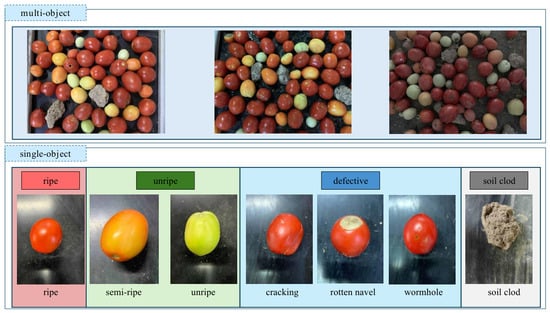
Crop-IRM: An Intelligent Recognition and Management System for Organ Characteristics of Crop Germplasm Resources
by
Jie Zhang, Chenyao Yang, Hailin Peng, Xintong Wei, Jiaqi Zou, Shiyu Wang, Zhaohong Lu, Xianming Tan and Feng Yang
Agriculture 2026, 16(9), 996; https://doi.org/10.3390/agriculture16090996 - 30 Apr 2026
Abstract
The traditional methods of field-based phenotypic data collection for crop germplasm resources are often inefficient and highly subjective. As the foundation for breeding innovation, these resources require precise identification of phenotypic traits for effective evaluation and utilization. Therefore, efficient and standardized management of
[...] Read more.
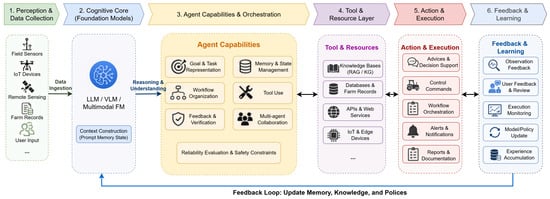
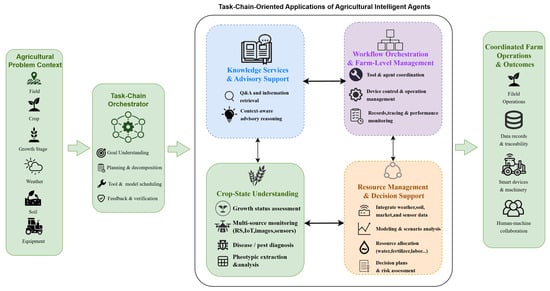
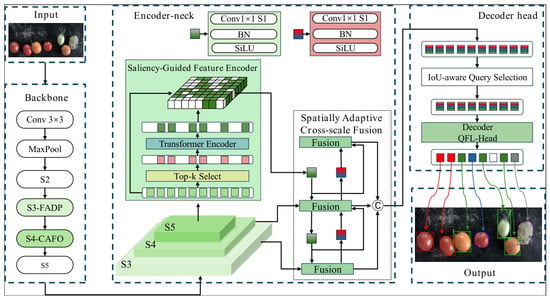
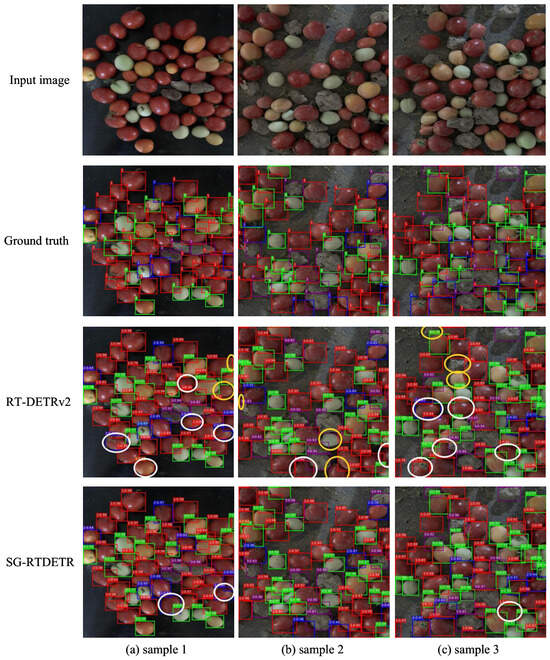
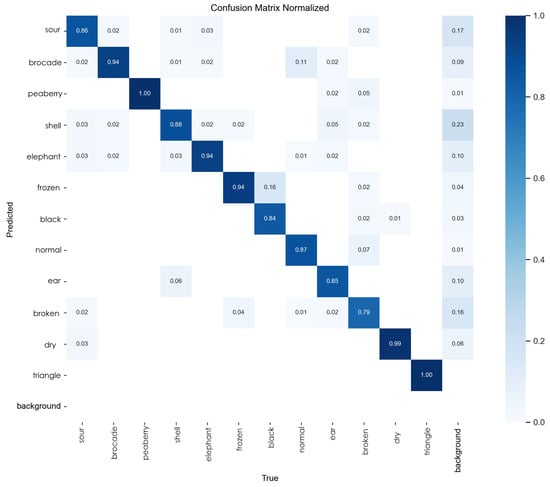
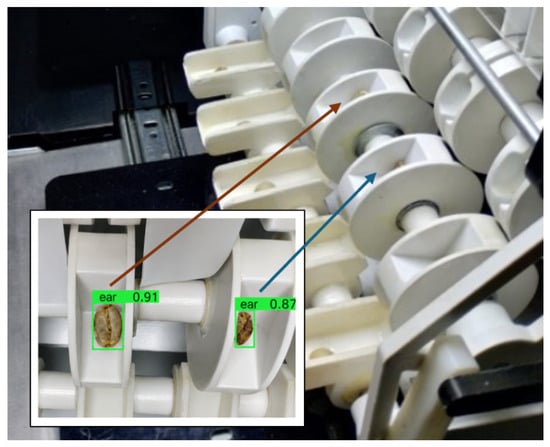
The traditional methods of field-based phenotypic data collection for crop germplasm resources are often inefficient and highly subjective. As the foundation for breeding innovation, these resources require precise identification of phenotypic traits for effective evaluation and utilization. Therefore, efficient and standardized management of germplasm data is critical during the breeding process. To address this, we have developed an intelligent recognition and management system focused on the crop’s organ characteristics. The system consists of a web client for overall project management and data download, and a WeChat Mini Program for data collection and uploading. Both components are integrated with image analysis models. Using a soybean variety screening experiment as a case study, we have constructed multiple high-definition datasets for soybean phenotypic traits, and employed YOLOv11 series models for object detection, image classification, instance segmentation, and pose estimation to build analytical models for each of these traits. All models achieved a mean average precision (mAP@0.5) exceeding 94%, along with a top1_accuracy of 0.999. In practical evaluations, all models took between 0.71 and 3.03 s to make predictions for 100 images, achieving an accuracy rate of over 98%. This system delivers a comprehensive solution for field phenotypic identification of crop germplasm resources, substantially enhancing the efficiency and objectivity of data collection and analysis. It serves as a valuable decision-support tool for precision breeding and digital agriculture.
Full article
(This article belongs to the Section Artificial Intelligence and Digital Agriculture)
►▼
Show Figures

Figure 1
Open AccessArticle
Structural Capacity, Food Security-Related Publications, and Crop Production: A Multilevel Global Analysis Across Income Settings
by
Andy A. Acosta-Monterrosa, María Cristina Florián-Pérez, Martha Elena Montoya-Vega and Ivan David Lozada-Martinez
Agriculture 2026, 16(9), 995; https://doi.org/10.3390/agriculture16090995 - 30 Apr 2026
Abstract
Agricultural performance is often interpreted through agronomic inputs and technological progress; however, the translation of knowledge into production depends on the structural environments in which food systems operate. This study examined the association between food-security-related publication activity and crop production across global income
[...] Read more.
Agricultural performance is often interpreted through agronomic inputs and technological progress; however, the translation of knowledge into production depends on the structural environments in which food systems operate. This study examined the association between food-security-related publication activity and crop production across global income settings from 2000 to 2025, while testing whether governance, health-system, and financial indicators modify that association. A longitudinal ecological panel was constructed, integrating 61,158 Scopus-indexed peer-reviewed articles on food security and related dimensions of healthy food access and availability with 23 crop production indicators grouped into staple, horticultural, and commodity domains. Income-stratified regression models were followed by hierarchical mixed-effects models and moderator screening. In exploratory stratified models, 67 of 92 income-specific associations reached nominal significance; however, only 5 of those 67 associations (7.5%) remained statistically significant after multilevel modelling and false discovery rate correction. Robust associations were concentrated in selected staple and horticultural outcomes, whereas most commodity indicators lost significance after hierarchical adjustment. Structural moderators related to territorial control, corruption, healthy life expectancy, health researcher density, healthcare access and quality, and official development assistance shifted the conditional slopes linking publication activity to crop output. These findings do not support a uniform linear relationship between publication growth and production volume. Instead, they suggest that the alignment between research ecosystems and agricultural output is structurally conditioned and likely mediated by institutional capacity, health-system resilience, and implementation environments. The ecological design, the use of publication counts as an indirect proxy, and the reliance on production volume rather than yield or efficiency should be considered when interpreting these results.
Full article
(This article belongs to the Section Agricultural Economics, Policies and Rural Management)
Open AccessArticle
Design and Research of a Quadrangular Frustum-Shaped Soil Surface Microtopography Processing Device Based on DEM
by
Yan Ma, Zhihao Zhao, Shuangpeng Xie and Xiaohu Jiang
Agriculture 2026, 16(9), 994; https://doi.org/10.3390/agriculture16090994 - 30 Apr 2026
Abstract
The construction of soil surface microtopography not only effectively mitigates soil erosion, improves soil structure, and enhances soil ecological functions, but also significantly optimizes the seedbed environment for seedling emergence and crop growth. In this study, targeting the specific characteristics of red-yellow soils
[...] Read more.
The construction of soil surface microtopography not only effectively mitigates soil erosion, improves soil structure, and enhances soil ecological functions, but also significantly optimizes the seedbed environment for seedling emergence and crop growth. In this study, targeting the specific characteristics of red-yellow soils in Southern China, a quadrangular frustum-shaped soil surface microtopography processing device was designed and fabricated based on the 2BYG-230 rapeseed seeder. The motion trajectory and force distribution of the device were analyzed using the Discrete Element Method (DEM) software, EDEM, followed by three-factor and three-level orthogonal tests. The results indicated that the order of significance for factors affecting the microtopography formation effect was working load > working speed > microstructure height. Using the formation qualification rate as the evaluation index, the soil disturbance patterns were analyzed to determine the optimal combination of operating parameters: a working load of 260 N, a working speed of 0.34 m/s, and a microstructure height of 42 mm. Under these optimized conditions, the microtopography formation qualification rate reached 93.6%. Furthermore, the seedling emergence rate following the operation of the optimized device was 74.33%, representing a 4.96% increase compared to pre-optimization levels. The optimized processing device designed in this study markedly outperformed its predecessor, creating a soil surface microtopography more conducive to rapeseed growth while demonstrating substantial potential for water and soil conservation and ecological improvement. This research provides theoretical support for enhancing the ecological functions of Southern red-yellow soils and for the structural design of surface microtopography processing equipment.
Full article
(This article belongs to the Topic Intelligent Agriculture: Perception Technologies and Agricultural Equipment for Crop Production Processes)
Open AccessArticle
Optimising Vegetation Buffers for Soil and Water Conservation in Dryland Cropping Systems: A Modelling Framework Integrating Causal and Process-Based Approaches
by
Michael Aliyi Ame, Wei Wei and Gadisa Fayera Gemechu
Agriculture 2026, 16(9), 993; https://doi.org/10.3390/agriculture16090993 - 30 Apr 2026
Abstract
Soil erosion and nutrient loss degrade the soil resource base and water quality in dryland agricultural landscapes, yet optimal design of vegetation buffers for soil conservation under intensifying rainfall remains poorly quantified, particularly for nutrient retention. This study is novel in integrating event-scale
[...] Read more.
Soil erosion and nutrient loss degrade the soil resource base and water quality in dryland agricultural landscapes, yet optimal design of vegetation buffers for soil conservation under intensifying rainfall remains poorly quantified, particularly for nutrient retention. This study is novel in integrating event-scale rainfall-simulation experiments, Bayesian hierarchical modelling, Causal Forest analysis, and WEPP simulations to quantify how the sequential addition of biocrusts and grasses to shrub buffers shifts density thresholds for runoff, soil loss, and nutrient export across varying rainfall intensities. Experiments were conducted across a continuous shrub-density gradient (0–11,429 plants ha−1) representing three configurations: shrub monoculture, shrub-biocrust, and shrub-biocrust-grass on agricultural hillslopes of the Chinese Loess Plateau. Runoff, soil loss, and exports of total nitrogen (TN) and total phosphorus (TP) were measured. Results demonstrate three main findings. First, multilayer shrub–biocrust–grass buffers exhibited lower soil loss than monocultures. Posterior estimates indicate reductions from approximately 3.8 t ha−1 at moderate monoculture density to below 1.0 t ha−1 at lower planting densities, with 94% of the highest-density intervals reflecting uncertainty in these estimates. Second, Causal Forest analysis reveals a functional separation of controls: rainfall intensity dominates soil loss (88% importance) and runoff (84%), whereas nutrient retention responds more strongly to buffer structure and density management. Third, WEPP simulations across rainfall intensities (50–180 mm h−1) and slopes (10–30%) identify an optimal multilayer buffer density of 3800–5700 plants ha−1, which delivers robust multifunctional benefits with 50–67% lower planting requirements than conventional high-density monocultures. These findings demonstrate that multilayer vegetation buffers enhance soil retention and reduce nitrogen and phosphorus losses from hillslopes, sustaining the soil resource base and protecting water quality in dryland agricultural landscapes. The integrated modelling framework provides transferable, evidence-based density recommendations for climate-resilient soil conservation in similar dryland regions.
Full article
(This article belongs to the Special Issue Soil Management and Interdisciplinary Approaches to Global Challenges)
Open AccessSystematic Review
Trends, Challenges, and Opportunities of Cañihua (Chenopodium pallidicaule) for Functional Food Development and Sustainable Agriculture: A Bibliometric and Systematic Approach
by
Alberto Estalla, Jennifer Alvarez, Karina Eduardo, Milagros Coaguila-Gonza, Gabriela Barreto-Tarrillo, Juan D. Rios-Mera and Erick Saldaña
Agriculture 2026, 16(9), 992; https://doi.org/10.3390/agriculture16090992 - 30 Apr 2026
Abstract
Cañihua (Chenopodium pallidicaule) is an underutilized Andean pseudocereal of strategic interest for sustainable agriculture in high-altitude, climate-constrained environments, where its tolerance to frost, drought, and saline soils positions it as a potential climate-resilient crop. Despite its high nutritional value and potential
[...] Read more.
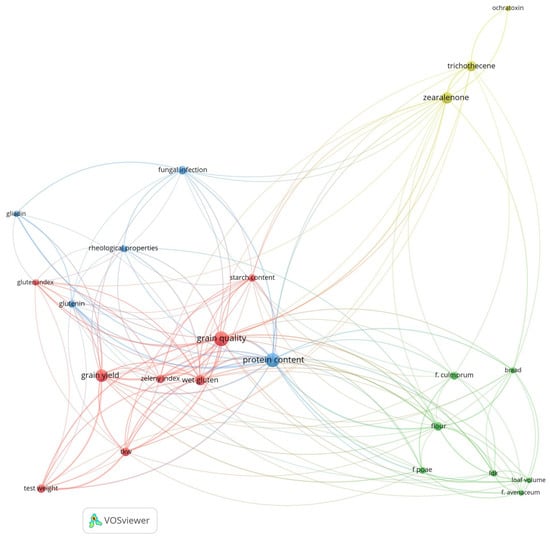
Cañihua (Chenopodium pallidicaule) is an underutilized Andean pseudocereal of strategic interest for sustainable agriculture in high-altitude, climate-constrained environments, where its tolerance to frost, drought, and saline soils positions it as a potential climate-resilient crop. Despite its high nutritional value and potential for functional food applications, its research landscape remains fragmented and unevenly developed across agronomic, nutritional, and technological dimensions. This study aimed to systematically and bibliometrically analyze the scientific literature on cañihua published between 1995 and 2025. A total of 104 documents indexed in the Scopus database were evaluated following the PRISMA 2020 approach, including analyses of publication trends, geographic distribution, collaboration networks, and thematic structures, together with a qualitative critical appraisal of the included evidence. Results indicate a marked increase in scientific output since 2006, with research predominantly concentrated in food science and technology and limited development in agronomy, clinical nutrition, and socio-economic domains. Thematic analysis reveals a strong focus on bioactive compounds, nutritional composition, and processing technologies, while clinical, socio-economic, and large-scale agricultural studies remain limited. Processing strategies such as germination, malting, and fermentation enhance nutrient bioavailability, reduce antinutritional factors, and improve sensory properties, supporting the incorporation of cañihua into functional and gluten-free foods at levels of up to 25%. Significant gaps persist in clinical validation, agronomic standardization, production scalability, genetic improvement, and integration across research domains. Overall, cañihua shows strong potential to contribute to sustainable Andean agriculture, food security, and functional food innovation, although further interdisciplinary and translational research linking agricultural production with nutritional and technological outcomes is required to realize its full applied potential.
Full article
(This article belongs to the Special Issue Strategies to Improve the Security and Nutritional Quality of Crop Species—2nd Edition)
►▼
Show Figures

Figure 1
Open AccessArticle
Effects of the Combined Application of Nitrogen, Phosphorus, and Potassium Under Drip Irrigation on the Yield and Quality of Winter Wheat
by
Yulei Jiang, Siqi Long, Yuyang Duan, Han Zhang, Guolong Gao, Jie Qiu and Changxing Zhao
Agriculture 2026, 16(9), 991; https://doi.org/10.3390/agriculture16090991 - 30 Apr 2026
Abstract
A two-year field experiment was conducted to clarify the regulatory effects of nitrogen (N), phosphorus (P), and potassium (K) combined with drip fertigation on the yield, yield components, and grain quality of winter wheat in lime concretion black soil (Calcaric Cambisols). The objective
[...] Read more.
A two-year field experiment was conducted to clarify the regulatory effects of nitrogen (N), phosphorus (P), and potassium (K) combined with drip fertigation on the yield, yield components, and grain quality of winter wheat in lime concretion black soil (Calcaric Cambisols). The objective was to screen a sustainable fertilization model for coordinating high yield and quality in the Huang-Huai-Hai Plain. An L16(43) orthogonal design was adopted to investigate yield, protein content, wet gluten, test weight (TW), and grain hardness. Range analysis and ANOVA were used to evaluate factor effects and interactions. The results showed that N was the dominant factor affecting yield and quality (Rank 1), followed by K (Rank 2), while P showed the weakest effect. Compared to the control (N0P0K0), the optimized N–P–K combination increased grain yield by an average of 315.0% and enhanced grain crude protein by 55.3% over the two seasons. The optimal combination for maximum yield was N170P30K120 (kg/ha), which optimized the source–sink relationship by balancing spike density and 1000-grain weight. High N (220 kg/ha) combined with low P and high K achieved the best nutritional quality. The 3D response surface analysis confirmed significant synergistic interactions between N–K and N–P in promoting grain filling and protein synthesis. Rational NPK drip fertigation, particularly when synchronized with critical growth stages (jointing and grain filling), can simultaneously enhance grain yield and quality in this soil type. The optimized combination provides theoretical support and a robust fertilization strategy for green and efficient wheat production in the region.
Full article
(This article belongs to the Section Crop Production)
Open AccessArticle
Straw Retention Enables the Yield and Quality Benefits of Reduced Tillage in Winter Wheat and Spring Barley: A Long-Term Study
by
Aušra Sinkevičienė, Vaclovas Bogužas, Vaida Steponavičienė, Alfredas Sinkevičius, Aušra Marcinkevičienė, Marta Wyzińska, Adam Kleofas Berbeć and Rasa Kimbirauskienė
Agriculture 2026, 16(9), 990; https://doi.org/10.3390/agriculture16090990 - 30 Apr 2026
Abstract
Agronomic practices can modify cereal grain chemical composition and processing performance. Long-term evidence linking agricultural management with functionality-related quality remains limited, especially in terms of combined tillage x crop residue management strategy. We evaluated the effects of long-term tillage simplifications and straw management
[...] Read more.
Agronomic practices can modify cereal grain chemical composition and processing performance. Long-term evidence linking agricultural management with functionality-related quality remains limited, especially in terms of combined tillage x crop residue management strategy. We evaluated the effects of long-term tillage simplifications and straw management on productivity and processing-relevant traits of winter wheat and spring barley in a split-plot field experiment (Lithuania). Straw was either removed (S0) or chopped and retained (S1), and six tillage systems were compared (conventional ploughing (CP), shallow ploughing (SP), shallow cultivation (SOW), stubble over winter, no-till with cover crops (NTC), and no-till without cover crops (NT)). The yield and starch content of winter wheat and spring barley groats increased with the addition of straw and the application of SOW, NTC, and NT systems. The hectolitre mass of winter wheat and spring barley grains increased with the addition and removal of straw using SP technology. The protein content and wet gluten content of winter wheat and spring barley grains decreased, while the starch content increased, with the addition and removal of straw using SC technology. In wheat, protein content showed weak separation among treatments, while wet gluten and Zeleny sedimentation displayed mostly directional trends (wet gluten–sedimentation correlation: r = 0.844 under S0 and r = 0.984 under S1). In terms of the tillage systems, it can be stated that in most cases, SP and NT increased grain yield and improved quality indicators, while SC and NTC technologies showed opposite results. Soil-function assessment (CEI, 10–25 cm) indicated substantially higher integrated soil functioning under conservation agriculture (e.g., SOW/NTC/NT: 5.28–5.70) than under conventional systems (CP: 3.23). The results support framing sustainable soil management for cereal functionality as a system package: residue retention enables the productivity benefits of reduced-tillage systems while maintaining key quality proxies.
Full article
(This article belongs to the Section Crop Production)
Open AccessArticle
The Effects of Two Land Creation Processes Using Modified Phosphogypsum on Soil Properties and Potato Yield and Quality
by
Xiang Wang, Jianyang He, Yingmei Li, Xiuling Peng, Ke Yang, Lijuan Wang, Shundi Zhu, Muxi Bai, Yongxiang Zhou and Naiming Zhang
Agriculture 2026, 16(9), 989; https://doi.org/10.3390/agriculture16090989 - 30 Apr 2026
Abstract
Addressing the environmental challenges posed by the massive stockpiling of phosphogypsum (PG) has become a global concern, highlighting the urgency of developing large-scale, low-cost and resource-efficient utilization approaches for PG. This study was conducted in the rocky desertification areas of southwestern
[...] Read more.
Addressing the environmental challenges posed by the massive stockpiling of phosphogypsum (PG) has become a global concern, highlighting the urgency of developing large-scale, low-cost and resource-efficient utilization approaches for PG. This study was conducted in the rocky desertification areas of southwestern China, where land and water resources are scarce. Two land creation techniques—layered reconstruction (GA) and integrated construction (GB)—were adopted with modified PG to systematically investigate their impacts on soil properties and potato growth, yield and quality. The results showed that both techniques significantly improved soil conditions and enhanced potato yield and quality, with each presenting distinct characteristics in soil improvement. Specifically, the GA technique showed relatively better performance in soil nutrient enrichment, while the GB technique was more conducive to enhancing soil enzyme activity. Compared with the local red soil control, both techniques reduced heavy metal accumulation in potato tubers; however, Pb and Cd contents still exceeded national food safety limits, indicating potential food safety risks. In summary, land creation using modified PG can effectively increase arable land area, improve soil quality in rocky desertification regions, and simultaneously promote potato yield and quality. Nevertheless, as the current results are based on a single-season field trial, they cannot reflect the long-term patterns of heavy metal migration and accumulation. Therefore, for large-scale application, it is necessary to strengthen the monitoring of heavy metal levels in imported soil and long-term regional environmental impacts so as to ensure the quality and safety of agricultural products from reclaimed land.
Full article
(This article belongs to the Topic Sustainability and Innovation in Agriculture for the Food Production of Tomorrow)
Open AccessReview
Visualization Analysis of Global Trends and Hotspots in Intercropping and Crop Rotation of Medicinal Plants Based on CiteSpace and VOSviewer
by
Mei-Chen Zhou, Wan-Ying Guo, Zhi-Lai Zhan, Li-Ping Kang, Xiao-Lin Yang and Tie-Gui Nan
Agriculture 2026, 16(9), 988; https://doi.org/10.3390/agriculture16090988 - 30 Apr 2026
Abstract
Driven by increasing demand in the health and wellness industry, Traditional Chinese Medicine (TCM) agriculture currently faces significant challenges related to supply–demand imbalances and continuous cropping obstacles (CCOs). Intercropping and crop rotation can mitigate yield decline and environmental stress by improving microclimates and
[...] Read more.
Driven by increasing demand in the health and wellness industry, Traditional Chinese Medicine (TCM) agriculture currently faces significant challenges related to supply–demand imbalances and continuous cropping obstacles (CCOs). Intercropping and crop rotation can mitigate yield decline and environmental stress by improving microclimates and rhizosphere ecology. However, there is still a lack of bibliometric synthesis within this research area. To analyze research hotspots and evolutionary trends, 192 articles on the intercropping and crop rotation of medicinal plants were collected from the Web of Science Core Collection (1998–2025), including databases such as the Science Citation Index Expanded (SCIE), the Social Science Citation Index (SSCI) and the Conference Proceedings Citation Index (CPCI). The results revealed a steady increase in publication volume over time. China emerged as the most prolific contributor (93 articles), while the United States occupied a pivotal position in the global collaborative network, achieving a high centrality of 0.90. Research hotspots in this field have evolved from an early emphasis on plant yield and quality toward the mechanisms for alleviating CCOs, interspecific interactions within the rhizosphere microbiome, and the ecological management of soil health. Keyword bursts indicate that “microbial community” and “carbon” have emerged as the current research frontiers. To clarify the micro-mechanisms by which intercropping and crop rotation patterns mitigate or prevent CCOs, future research should prioritize the integration of multi-omics approaches to resolve molecular interactions within the “microbe–plant–soil” nexus. Key priorities include the development of functional Synthetic Microbial Communities (SynComs) and the establishment of comprehensive evaluation systems for ecological cultivation. Furthermore, aligning these models with global climate neutrality strategies would facilitate the balance between high-quality medicinal production and ecosystem stability.
Full article
(This article belongs to the Section Crop Production)
►▼
Show Figures

Figure 1

Open AccessEditorial
Sustainability and Energy Economics in Agriculture
by
Štefan Bojnec
Agriculture 2026, 16(9), 987; https://doi.org/10.3390/agriculture16090987 - 30 Apr 2026
Abstract
Sustainable rural development rests on a careful balance between sustainable agriculture and the rural energy sector [...]
Full article
(This article belongs to the Special Issue Sustainability and Energy Economics in Agriculture—2nd Edition)
Open AccessArticle
Synergistic Design of a Bionic-Textured and Composite-Coated Soil-Covering Roller for Enhanced Anti-Adhesion and Wear Resistance in Conservation Tillage
by
Ying Zhang, Zhengda Li, Zhulin Gao, Xing Wang, Yueyan Wang, Zihao Zhao, Yonghao Yang, Rui Li and Haitao Chen
Agriculture 2026, 16(9), 986; https://doi.org/10.3390/agriculture16090986 - 30 Apr 2026
Abstract
Soil adhesion and abrasive wear severely degrade the performance and service life of soil-covering rollers in no-tillage seeders, particularly in the heavy clay black soil regions of Northeast China. To address the critical issues of soil adhesion and wear on soil-covering rollers used
[...] Read more.
Soil adhesion and abrasive wear severely degrade the performance and service life of soil-covering rollers in no-tillage seeders, particularly in the heavy clay black soil regions of Northeast China. To address the critical issues of soil adhesion and wear on soil-covering rollers used in no-tillage seeders within black soil regions, this study presents a surface engineering strategy that integrates a bionic micro-texture with a functional composite coating. Inspired by the crescent-shaped pits on the body surface of Procambarus clarkii, a bionic texture was designed and combined with a PTFE/PDMS/TiO2 composite coating. Key parameters were optimized using response surface methodology, yielding a TiO2 mass fraction of 6%, coating thickness of 40 μm, remaining texture depth of 50 μm, and texture spacing of 250 μm. A prototype was fabricated and evaluated through orthogonal field experiments in two distinct soil environments. In clay soil (15–25% moisture content), soil moisture and vertical load significantly influenced anti-adhesion performance, with recommended operating parameters of 600 N vertical load and a speed range of 10.8–14.4 km·h−1. In sandy soil (8–18% moisture content), vertical load and operating speed had significant effects on wear resistance, with optimal parameters identified as 600 N vertical load and 10.8 km·h−1. Verification tests confirmed stable low-adhesion and low-wear performance under varying moisture conditions. Compared to conventional and PTFE-coated rollers, the bionic roller reduced soil adhesion by 82.62% and 74.02%, respectively, in high-moisture clay soil, and reduced wear loss by 36.81% and 28.97%, respectively, in dry sandy soil. These results demonstrate that the synergistic “structure–material” design, which leverages stress dispersion and storage from the bionic texture alongside low surface energy and enhanced wear resistance from the composite coating, offers a promising approach for improving the durability and performance of soil-engaging agricultural components.
Full article
(This article belongs to the Section Agricultural Technology)
►▼
Show Figures

Figure 1
Open AccessArticle
Sensory and Nutritional Quality of First and Second Cuts of Wild Rocket Leaves (Diplotaxis tenuifolia) at the Beginning and the End of Shelf-Life
by
Antonio Raffo, Irene Baiamonte, Pasquale Buonocore, Francesca Masciola, Valentina Melini, Elisabetta Moneta, Nicoletta Nardo, Marina Peparaio, Stefania Ruggeri, Eleonora Saggia Civitelli and Pasquale Tripodi
Agriculture 2026, 16(9), 985; https://doi.org/10.3390/agriculture16090985 - 30 Apr 2026
Abstract
The widespread practice of multiple harvests is known to significantly affect the quality of rocket leaves. Thus, ready-to-eat wild rocket (Diplotaxis tenuifolia L.) was produced under commercial conditions using leaves from five different varieties, harvested at both the first and the second
[...] Read more.
The widespread practice of multiple harvests is known to significantly affect the quality of rocket leaves. Thus, ready-to-eat wild rocket (Diplotaxis tenuifolia L.) was produced under commercial conditions using leaves from five different varieties, harvested at both the first and the second cut, with a 21-day interval between cuts. Both the sensory and nutritional quality of rocket leaves were evaluated one day after packaging (beginning of shelf-life) and after an additional six days of storage at 6 °C (end of shelf-life). At the beginning of the shelf-life, first-cut leaves generally exhibited a more intense flavor, corresponding to a higher level of isothiocyanates, compared to second-cut leaves. At the end of shelf-life, first-cut leaves showed a greater susceptibility to off-flavor development, corresponding to the release of higher levels of sulfur compounds within the packages. First-cut leaves showed higher content of ascorbic acid and folate with respect of second-cut leaves, both at the beginning and the end of the shelf-life. The commonly held assumption that successive cuts yield leaves with more intense flavor compared to the first cut does not appear to be confirmed. It is likely that the differences in quality observed between leaves from the first and second cuts are not attributable solely to the cutting process or to the sequence of multiple harvest per se, but rather to significant variations in environmental conditions, particularly temperature and light, during the leaf growth period between the two harvests.
Full article
(This article belongs to the Topic Nutritional and Phytochemical Composition of Plants)
►▼
Show Figures

Figure 1

Open AccessArticle
The Impact of Female Household Status on Decision-Making in Digital and Intelligent Production Transformation: A Case Study of Plant Protection Drone Adoption
by
Xinyi Liu, Yutian Zhang and Qian Wang
Agriculture 2026, 16(9), 984; https://doi.org/10.3390/agriculture16090984 - 29 Apr 2026
Abstract
Investigating the influence of women’s family status on farmers’ adoption of digital and intelligent production transformation holds significant value in bridging the gender gap in research on modern agricultural production transformation and in facilitating the digital and intelligent transformation of the agricultural sector.
[...] Read more.
Investigating the influence of women’s family status on farmers’ adoption of digital and intelligent production transformation holds significant value in bridging the gender gap in research on modern agricultural production transformation and in facilitating the digital and intelligent transformation of the agricultural sector. Drawing on survey data from Henan Province collected through a household survey conducted in July 2024 by the research team, which employed a combination of stratified and random sampling, and focusing on farmers’ adoption of plant protection drone technology, this paper employs the Triple-Hurdle model to examine the impact of women’s family status on farmers’ digital and intelligent production transformation decisions and the underlying mechanisms. The baseline regression results show that the improvement of women’s family status facilitates farmers’ digital and intelligent production transformation decisions. Specifically, it enhances farmers’ willingness to adopt digital and intelligent production transformation, promotes their adoption behavior of plant protection drone technology, and increases the degree of adoption of such technology. The mechanism analysis reveals that the improvement of women’s family status promotes farmers’ digital and intelligent production transformation decisions by increasing their satisfaction with the institutional environment. The heterogeneity analysis of household characteristics indicates that women’s family status has a greater facilitating effect on the willingness of farmers with lower female labor force participation and those with heavier child or elderly dependency burdens to undergo digital and intelligent production transformation. The heterogeneity analysis of village environmental characteristics shows that women’s family status has a greater facilitating effect on the willingness and behavior of farmers in villages with a larger number of technical personnel to undergo digital and intelligent production transformation. Additionally, it has a greater facilitating effect on the willingness of farmers in villages with a stronger culture of gender equality to undergo such transformation. Using plant protection drone adoption as an example, this paper provides preliminary evidence of the positive impact of women’s family status on the digital and intelligent transformation of agriculture. However, due to the inherent limitations of cross-sectional data, our exploration of the dynamic process of transformation remains inadequate. Therefore, future research is warranted to employ longitudinal panel data to further validate the findings of this study.
Full article
(This article belongs to the Special Issue Sustainable Farmland Transfer and Food Production: Economic and Policy Perspectives in Agriculture)
Open AccessReview
Climate Change Mitigation Across the Livestock Value Chain for Sustainable and Inclusive Development in the SADC Region: A Broad Review
by
Jethro Zuwarimwe and Obert Tada
Agriculture 2026, 16(9), 983; https://doi.org/10.3390/agriculture16090983 - 29 Apr 2026
Abstract
The livestock sector underpins food security, employment, and rural livelihoods across the Southern African Development Community (SADC), contributing up to 50% of agricultural GDP and supporting more than 60% of rural households. Yet climate change poses escalating threats through heat stress, declining pasture
[...] Read more.
The livestock sector underpins food security, employment, and rural livelihoods across the Southern African Development Community (SADC), contributing up to 50% of agricultural GDP and supporting more than 60% of rural households. Yet climate change poses escalating threats through heat stress, declining pasture productivity, water scarcity, and vector-borne diseases that compromise productivity and economic resilience. This review identifies and locates effective climate change mitigation strategies along the livestock value chain, spanning production, processing, transport, and consumption, to promote sustainable, low-emission, and inclusive growth in the SADC region. A broad review of 46 peer-reviewed and institutional sources (2000–2024) was undertaken, focusing on livestock-related mitigation within SADC and comparable agro-ecological systems. Strategies were thematically categorized by value-chain stage and assessed for their emission-reduction and livelihood-enhancement potential. Local strategies include genetic improvement for low-methane and heat-tolerant breeds, adaptive rangeland and feed management, renewable-energy adoption in processing, climate-resilient transport infrastructure, and consumer awareness of low-emission products. Evidence suggests potential GHG-emission reductions of 18–30%, coupled with productivity gains and improved smallholder incomes. Coordinated implementation through the SADC Regional Agricultural Investment Plan (2021–2030) and national policies can transform the livestock sector into a climate-resilient driver of inclusive growth. Further research should quantify the socioeconomic feasibility and scaling potential of these strategies across production systems. Successful integration of climate change mitigation imperatives must be tailored to local biophysical conditions (e.g., rainfall, soil type) and socioeconomic contexts (e.g., market access, cultural practices).
Full article
(This article belongs to the Special Issue Agroecosystem Resilience in Marginal and Underutilized Lands: Innovative Approaches for Sustainable Management)
Open AccessArticle
Threshold-Driven Integrated Management of the Coffee Berry Borer: Insights from Bifurcation Analysis
by
Carlos Andrés Trujillo-Salazar, Gerard Olivar-Tost and Deissy Milena Sotelo-Castelblanco
Agriculture 2026, 16(9), 982; https://doi.org/10.3390/agriculture16090982 - 29 Apr 2026
Abstract
The coffee berry borer (Hypothenemus hampei) is the primary pest of coffee crops worldwide. Sustainable management strategies increasingly rely on the integration of biological control and interventions activated by population thresholds. In this work, a comparative framework based on dynamical systems
[...] Read more.
The coffee berry borer (Hypothenemus hampei) is the primary pest of coffee crops worldwide. Sustainable management strategies increasingly rely on the integration of biological control and interventions activated by population thresholds. In this work, a comparative framework based on dynamical systems is presented, integrating three complementary mathematical models to analyze different management strategies for the coffee berry borer. First, a biologically structured three-dimensional model describes the interaction between adult and immature borers and predatory ants. Second, a two-dimensional formulation allows the maximum per capita consumption rate of the predator to be studied as a bifurcation parameter, identifying critical parameter values that delimit regions of coexistence or effective pest control. Finally, a piecewise-smooth dynamical system incorporates ethological control activated when infestation exceeds a predefined threshold, whose effectiveness depends on the capture intensity associated with the traps. Using stability theory, bifurcation analysis, and techniques from piecewise-smooth dynamical systems, parametric regions associated with persistence, coexistence, or significant pest reduction are characterized. The results show that biological control alone may be insufficient if a predation threshold is not exceeded, whereas its combination with early threshold-based interventions considerably enlarges the dynamical regions favorable to producers. This study provides a dynamical interpretation of the agricultural concept of intervention threshold and offers a quantitative framework to strengthen integrated management and the sustainability of coffee production.
Full article
(This article belongs to the Special Issue Advanced Integrated Pest Management for Arthropod Pest Control in Sustainable Agriculture)
Open AccessArticle
Effects of Plant Density and Row Spacing on Canopy Structure, Light Use Efficiency, and Yield of Drip-Irrigated Soybean
by
Kangxu Zhang, Mengjiao Li, Huifang Wang and Jianguo Liu
Agriculture 2026, 16(9), 981; https://doi.org/10.3390/agriculture16090981 - 29 Apr 2026
Abstract
Increasing planting density is a common strategy to raise soybean yield, yet it often intensifies light competition within the canopy, leading to diminishing returns at high densities. Optimizing row spacing to improve canopy light distribution and light use efficiency is therefore key to
[...] Read more.
Increasing planting density is a common strategy to raise soybean yield, yet it often intensifies light competition within the canopy, leading to diminishing returns at high densities. Optimizing row spacing to improve canopy light distribution and light use efficiency is therefore key to increasing yield under dense planting. This study examined the combined effects of planting density and row spacing on canopy light interception, distribution dynamics, and yield in a drip-irrigated soybean system. A two-year field experiment (2024–2025) was conducted in Shihezi, Xinjiang, using three density levels (D1: 210,000; D2: 330,000; D3: 450,000 plants ha−1) and two row spacing patterns (RS1: alternating wide–narrow rows of 20 + 55 cm; RS2: uniform 38 cm rows). Results demonstrated that plant density establishes the baseline for yield, while row spacing modulates light utilization and unlocks yield potential under high-density conditions. The RS1 treatment increased SPAD values in upper leaves by 6.06% at the R6 growth stage compared to the RS2 treatment. At the R5 stage, the RS1 treatment increased radiation use efficiency (RUE) by an average of 6.44%. This planting pattern alleviated photosynthetic decline in dense canopies and conferred a distinct yield advantage. The highest yield was achieved under the D2 treatment, which was 8.44% and 6.71% higher than that under the D1 and D3 treatments, respectively. In conclusion, integrating moderate plant density with optimized wide–narrow row spacing improves canopy light capture and utilization, synergistically enhancing yield and resource use efficiency. This approach offers a practical strategy to overcome the yield plateau in high-density soybean production systems.
Full article
(This article belongs to the Special Issue Advances in the Cultivation and Production of Leguminous Plants—2nd Edition)
Journal Menu
► ▼ Journal Menu-
- Agriculture Home
- Aims & Scope
- Editorial Board
- Reviewer Board
- Topical Advisory Panel
- Instructions for Authors
- Special Issues
- Topics
- Sections
- Article Processing Charge
- Indexing & Archiving
- Editor’s Choice Articles
- Most Cited & Viewed
- Journal Statistics
- Journal History
- Journal Awards
- Conferences
- Editorial Office
Journal Browser
► ▼ Journal BrowserHighly Accessed Articles
Latest Books
E-Mail Alert
News
Topics
Topic in
Agronomy, Crops, Foods, Plants, Agriculture, Horticulturae
Multidisciplinary Advances in Tea Science: Smart Cultivation, Digital Processing, and Health Innovation
Topic Editors: Chunwang Dong, Lin Chen, Yang LiDeadline: 30 June 2026
Topic in
Earth, Hydrology, Sustainability, Water, JMSE, Agriculture
Human Impact on Groundwater Environment, 2nd Edition
Topic Editors: Zongjun Gao, Jiutan Liu, Qiao Su, Tengfei Fu, Dakang WangDeadline: 31 July 2026
Topic in
Agriculture, Molecules, Plants, IJMS, Crops
Salicylic Acid as Plant Biostimulant
Topic Editors: Michael Moustakas, Julietta MoustakaDeadline: 31 August 2026
Topic in
Agronomy, Agriculture, Plants, Horticulturae, Crops, IJPB
Bridging Plant Biochemistry and Food Innovation: From Metabolic Stress to Functional Food
Topic Editors: Tomasz Piechowiak, Dagmara MigutDeadline: 15 September 2026
Conferences
Special Issues
Special Issue in
Agriculture
Mapping and Functional Analysis of QTLs in Rice Breeding
Guest Editor: Kyung-Min KimDeadline: 10 May 2026
Special Issue in
Agriculture
Endemic and Emerging Bacterial Diseases in Agricultural Crops
Guest Editors: Marco Scortichini, Tatjana Popović MilovanovićDeadline: 10 May 2026
Special Issue in
Agriculture
Natural Antimicrobial Agents for Crop Protection and Enhancement Applications
Guest Editors: Iglė Vepštaitė-Monstavičė, Bazilė Ravoitytė, Ramunė StanevičienėDeadline: 10 May 2026
Special Issue in
Agriculture
Regulation of Gut Microbiota to Improve Pig Health and Growth
Guest Editors: Jianping Quan, Gong LiDeadline: 10 May 2026