


Abstract
Under dry sowing and wet emergence conditions in Xinjiang, cotton planting with extra-wide film mulching and sowing faced challenges including low soil moisture content and poor soil plasticity. These conditions resulted in inadequate film edge laying, seed exposure, and unstable sowing depth. This study focused on an extra-wide film mulch planter, conducting operational process analysis and parameter optimization experiments. The research first analyzed the soil layer structure required for a high-quality cotton seedbed, described the structural composition and working principle of the extra-wide film mulch planter, and examined the interaction between key components and soil during operation. The primary factors affecting machine performance were identified, and a soil-deflecting device was added to mitigate rapid soil backflow. A coupled MBD-DEM model was developed to simulate the operation of key components, and simulation experiments were conducted. The optimal parameter combination obtained through optimization was as follows: furrowing disc deflection angle of 11°, primary soil-covering disc deflection angle of 20°, operational speed of 3.5 km/h, longitudinal blade height of 16 mm, and spring stiffness of 14 N/mm. Simulation validation under these parameters yielded the following results: covering soil amount ranged from 3.22 kg/m to 3.67 kg/m, with a mean of 3.43 kg/m; seeding qualification rate ranged from 94.97% to 97.52%, with a mean of 96.3%; film hole length ranged from 43.14 mm to 46.86 mm, with a mean of 45.18 mm; and cotton seed sowing depth ranged from 29.51 mm to 31.82 mm, with a mean of 31.23 mm. These simulation results met the operational requirements for extra-wide film mulching and sowing. Field validation experiments were conducted using the optimal parameter combination. The results showed a mean soil-covering thickness of 35.1 mm, mean soil-covering width of 65.3 mm, mean film hole length of 45.7 mm, and mean cotton seed sowing depth of 29.1 mm, with coefficients of variation of 5.1%, 2.6%, 4.7%, and 5.8%, respectively. The field results were generally consistent with the simulation results, confirming the reliability of the simulation model and demonstrating improved operational performance of the extra-wide film mulch planter, making it more suitable for the dry sowing with wet emergence technique. Twenty days after sowing, the mean emergence rate reached 93.3% with a coefficient of variation of 1.0%, indicating stable emergence, which preliminarily validated the effectiveness of the constructed seedbed in promoting cotton growth.
1. Introduction
Xinjiang has an arid climate and scarce precipitation. Agricultural water accounts for more than 90% of total socio-economic water use. Improving agricultural water use efficiency is therefore critical for enhancing agricultural productivity and quality [1,2,3,4]. Film mulching and sowing technology contributes to soil warming, moisture conservation, and weed suppression, and has been widely adopted in agricultural production [5,6,7,8]. To conserve agricultural water and improve sowing efficiency, researchers developed a 4.4 m extra-wide film mulch planter based on the dry sowing and wet emergence technique. This machine eliminates the need for winter and spring irrigation, using only 20% of the water required by traditional sowing methods. It effectively reduces overlapping rows and increases the light-exposed area. Under water-saving conditions, it ensures high emergence rates and uniformity, achieving full seedling establishment in a single sowing pass [9,10]. This advancement is important for enhancing the integration of agricultural machinery and agronomic practices in mechanized cotton sowing, improving water use efficiency, and supporting the quality improvement and yield enhancement of cotton production in Xinjiang.
The dry sowing and wet emergence technique eliminates the need for winter and spring irrigation, thereby substantially reducing agricultural water consumption. When combined with extra-wide film mulching and sowing, timely drip irrigation based on temperature conditions ensures cotton emergence and growth [11,12]. Comparative studies by Dai et al. [13] and Ma et al. [14] demonstrated that the dry sowing and wet emergence technique increased soil temperature at a depth of 5 cm within the seedbed, soil moisture content, emergence rate, plant height, and root growth indicators, while reducing soil compaction and emergence time, thereby promoting uniform and robust seedling establishment. Chen [15] developed a 2MBJ-12 type precision cotton planter, completing the design and analysis of a 4.4 m extra-wide film roll laying device and a vertical disc hill-drop drill with a dual-chamber toothed disc. Bench tests and field experiments were conducted to verify the overall operational performance of the machine. Zheng et al. [16] designed an electrically driven self-propelled precision planter for hole punching on film, analyzing the effect of soil slip rate on film tearing and lifting by the duckbill, thereby addressing challenges in precision seeding on film. Teng et al. [17] conducted a kinematic analysis of the hole-forming device in a duckbill-type seeding device. Based on the motion trajectories of the movable and fixed duckbill tips, combined with operational speed and displacement, the relationship between operational speed and seeding quality was analyzed. However, under this cultivation technique, the low soil moisture content and poor plastic recovery characteristics during mulching and sowing operations lead to issues with existing machinery, including inadequate film edge laying, seed exposure, and unstable sowing depth. Consequently, the quality of mechanized mulching and sowing operations is compromised, necessitating reseeding or secondary operations, which reduces operational efficiency. Recent studies show that the ability of the working body to transport soil plays a crucial role in soil flow formation and distribution under the conditions of low moisture content [18]. Therefore, research on the key operational processes and parameter optimization for cotton with extra-wide film mulching and sowing under extremely low soil moisture content is urgently needed to meet the high standards required for mulching and sowing operations.
This study addressed the practical problems encountered during the operation of a cotton extra-wide film mulch planter under dry sowing with wet emergence cultivation technique. The research investigated the structure of a high-quality seedbed formed after mulching and sowing operations, analyzed the key operational processes, and conducted parameter optimization experiments through simulation. Field validation experiments were performed to evaluate the operational performance of the extra-wide film mulch planter under the optimal parameter combination. The findings provide a theoretical basis and guidance for improving the performance of the extra-wide film mulch planter under the dry sowing and wet emergence cultivation technique.
2. Analysis of Key Operational Processes with Extra-Wide Film Mulching and Sowing
2.1. Planting Pattern and Structure of High-Quality Seedbed
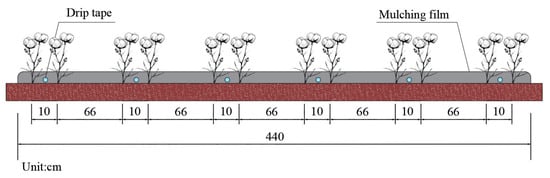
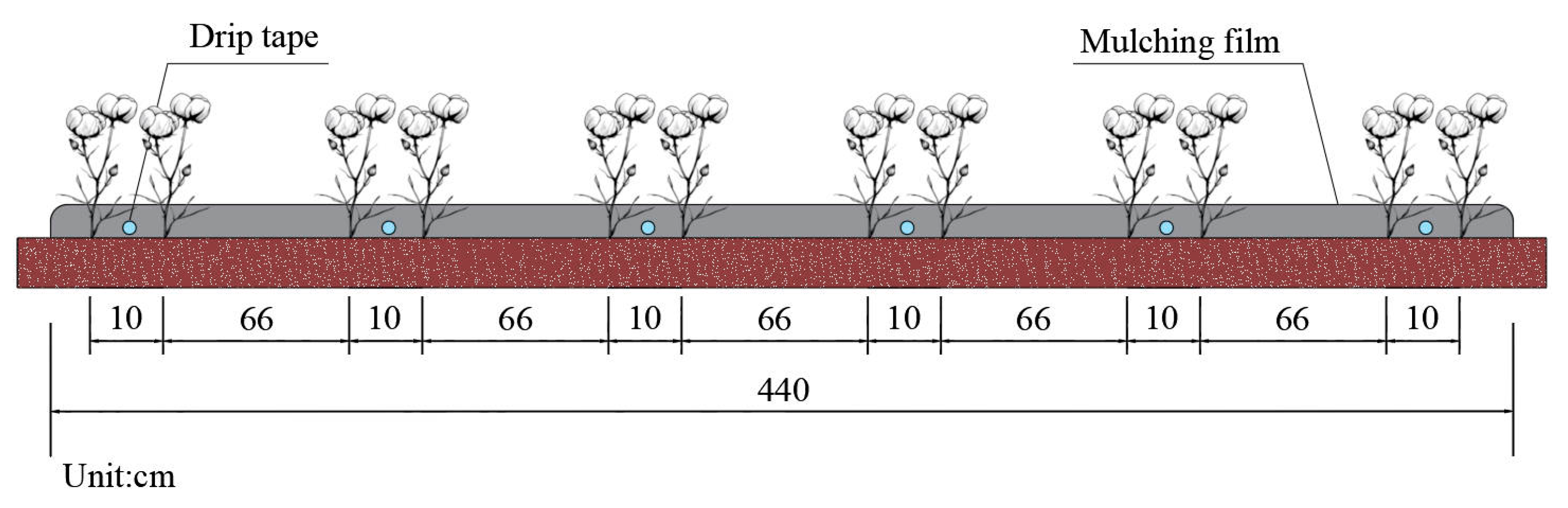
The 4.4 m extra-wide film planting pattern is illustrated in Figure 1. After mulching and sowing, a structure consisting of one film, twelve rows of cotton seedlings, and six drip tapes was formed. The spacing for wide rows was 66 cm, and for narrow rows was 10 cm. The drip tape was placed in the middle of the narrow row, where one drip tape served to irrigate two rows of cotton seedlings. Within 48 h after normal sowing completion, drip irrigation for emergence was applied. Germination and emergence conditions were checked promptly. Artificial reseeding and seedling release were carried out for missing seedlings and misaligned seedlings. During the growth period, Mepiquat Chloride was applied at appropriate times to achieve chemical regulation, creating favorable ventilation and light conditions for boll development. In the late growth stage, defoliant was sprayed scientifically (a mixture of Thidiazuron and Ethephon is commonly used) to reduce impurity content in seed cotton and improve overall cotton fiber quality.
Figure 1.
4.4 m extra-wide film mulching planting pattern.
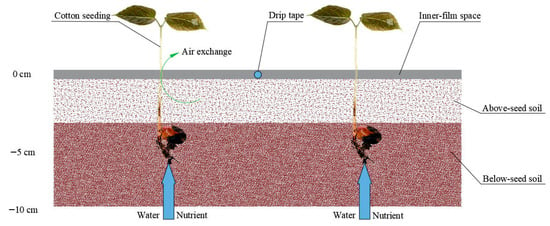
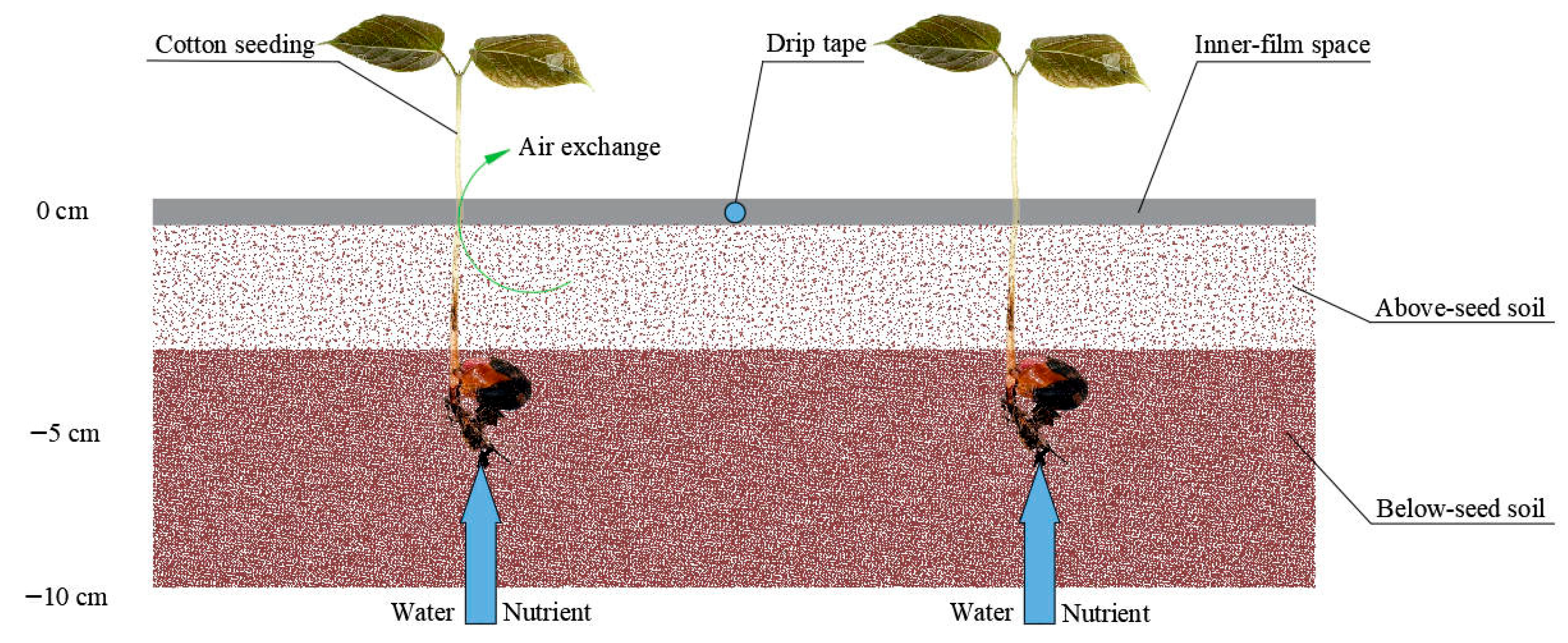
To establish an ideal environment for cotton seed germination, a precise field operation procedure must be followed through the use of a high-quality cotton seedbed, along with specific soil structure requirements [19], as illustrated in Figure 2. The seedbed is required to meet the following criteria: (1) The field should be uniform, with borders aligned and corners squared after machinery operation, ensuring consistency during sowing with no missed seeding. (2) The soil surface should be flat, with no significant elevation differences or depressions, ensuring high-quality laying of the extra-wide film without wrinkles. (3) The surface soil should be finely ground, free from large clods, residual film, straw, or other debris, to avoid compromising operation quality during mulching and sowing. (4) The above-seed soil should be compact, with porosity greater than that of the below-seed soil, which effectively reduces moisture evaporation, ensures adequate seed-to-soil contact, and facilitates the transfer of air and heat to the seed. (5) The below-seed soil should be firm to prevent rapid water infiltration, forming a capillary structure that mitigates drought stress during cotton seed germination and growth, thereby providing sufficient water and nutrients. (6) Proper performance of mulching and sowing operations ensures stable moisture conditions within the inner-film space. The water, heat, and air within the seedbed are well coordinated. This coordination promotes cotton seed germination and continuously provides a favorable growing environment throughout the growth period.
Figure 2.
Cotton high-quality seedbed structure diagram.
A high-quality seedbed provides a more favorable environment for cotton seed growth. It supplies more nutrients and promotes rapid seed germination. The performance of the planter directly affects seedbed formation. Film mulching is key to constructing the inner-film space. High-quality mulching performance enlarges the inner-film space and increases the effective light-exposed area. High-quality sowing performance ensures that cotton seeds enter the seedbed properly and are placed at an optimal position. This allows the seeds to obtain more nutrients for growth and reduces the need for secondary operations.
2.2. Overall Structure and Working Principle
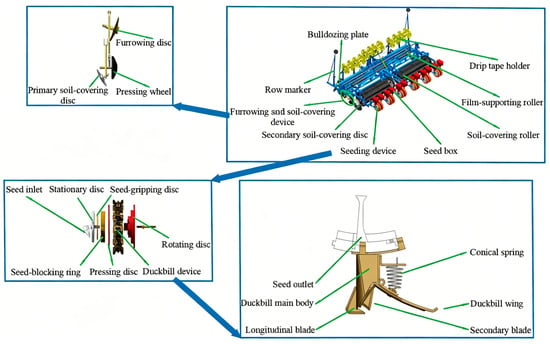
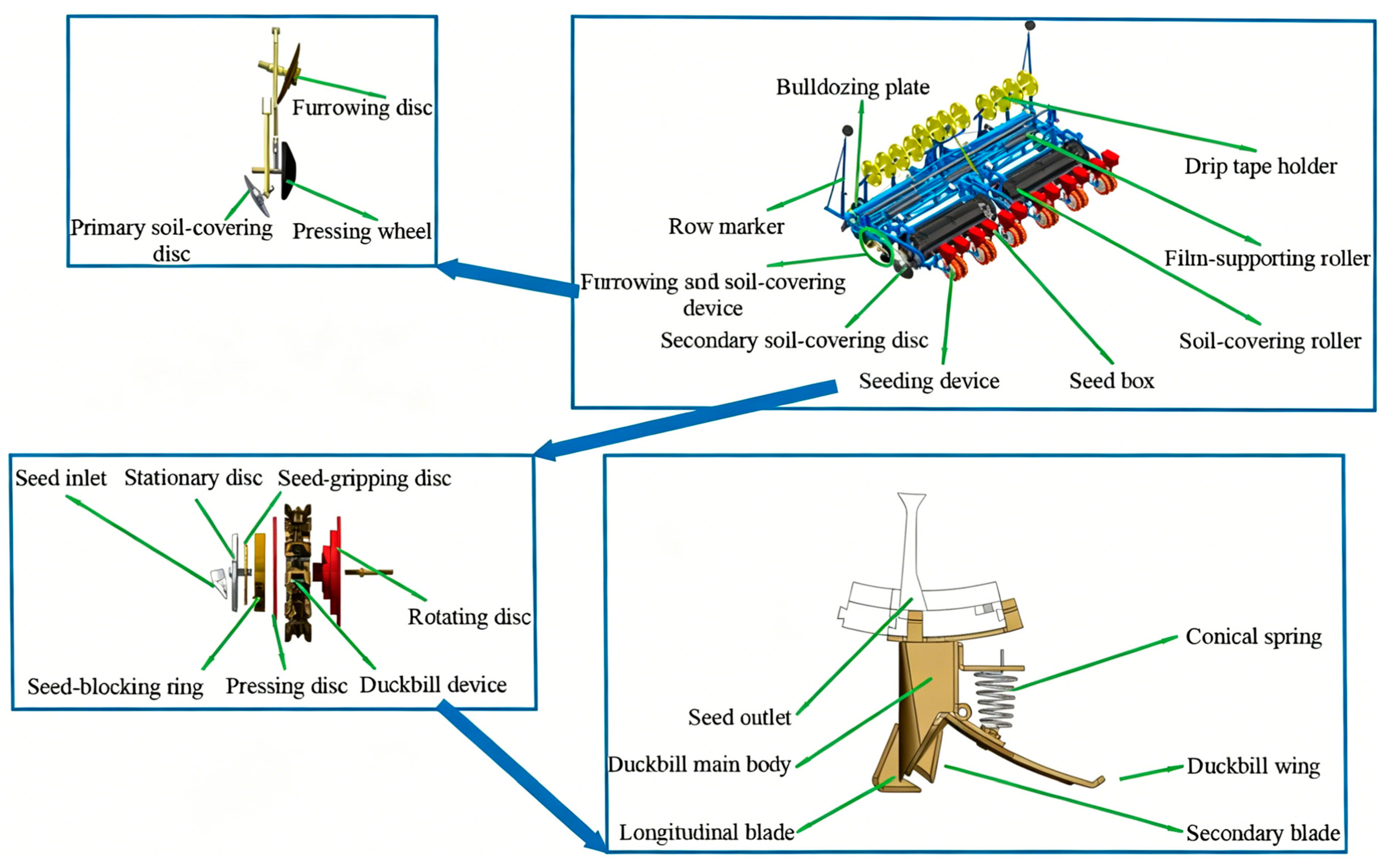
The extra-wide film mulch planter mainly consists of a main frame, a soil-bulldozing and pressing device, a furrowing and soil-covering device, a film-mounting and laying device, a seeding device, etc., The overall structure of the machine and its key components are illustrated in Figure 3. The machine performs soil bulldozing, pressing, furrowing, soil covering, film laying, and sowing operations, etc. in a single pass for the 4.4 m extra-wide film mulching and sowing. Among these components, the furrowing and soil-covering device is critical for seedbed formation and soil covering at the film edges. It comprises a furrowing disc, a pressing wheel, a primary soil-covering disc, etc. The seeding device is a key component that accomplishes the steps of film breaking, soil breaking, hole formation, and seed dropping. It consists of a seed inlet, a stationary disc, a pressing disc, a rotating disc, and a duckbill device, etc.
Figure 3.
Schematic diagram of the overall Machine and key components.
Before mulching and sowing operations, the planter was attached to a tractor. adjusting the operational parameters and loading the film roll, drip tape, and cotton seeds. During operation, the bulldozing plate and pressing roller moved forward under the traction of the planter. The surface soil on the seedbed was leveled and compacted to facilitate film laying. The drip tape was conveyed vertically downward and laid on the soil surface in advance. Meanwhile, the furrowing discs mounted on both sides of the frame created grooves of consistent depth on the seedbed. At this stage, the film roll rotated counterclockwise on the film-supporting roller, and the film was delivered steadily. The film changed direction after passing through the rotating film-mounting roller, where preliminary transverse flattening was completed. The film was then guided by the film rod to the film-unrolling roller for longitudinal flattening. Subsequently, the pressing wheel pressed the film edges into the pre-formed grooves. Under the force of gravity from the pressing wheel, the conical wheel surface stretched and flattened the film from both sides. The primary soil-covering disc filled the grooves to complete the film-laying process. The soil-covering roller lifted and transferred fragmented soil through the secondary soil-covering disc into the roller. Under the action of the soil-guiding plate, the soil was transported axially. The fragmented soil fell through the gaps in the roller and was deposited along both sides of the seed rows. The seeding device moved forward on the film surface under the action of the profiling traction frame. Seed holes were created at regular intervals and consistent depth, and seed metering was completed, concluding the mulching and sowing operation. Among these processes, furrowing and soil covering were critical steps affecting the quality of film edge laying. Film breaking, soil breaking, hole formation, and seed dropping were critical steps affecting seeding quality.
2.3. Analysis of Key Processes During Operation
2.3.1. Furrowing and Soil-Covering Operation
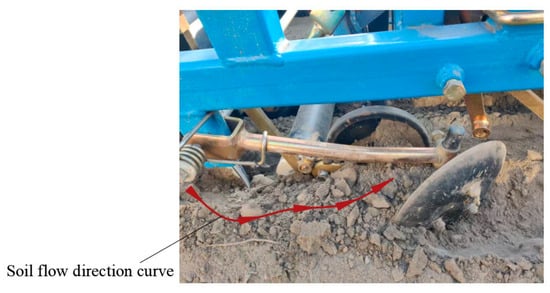
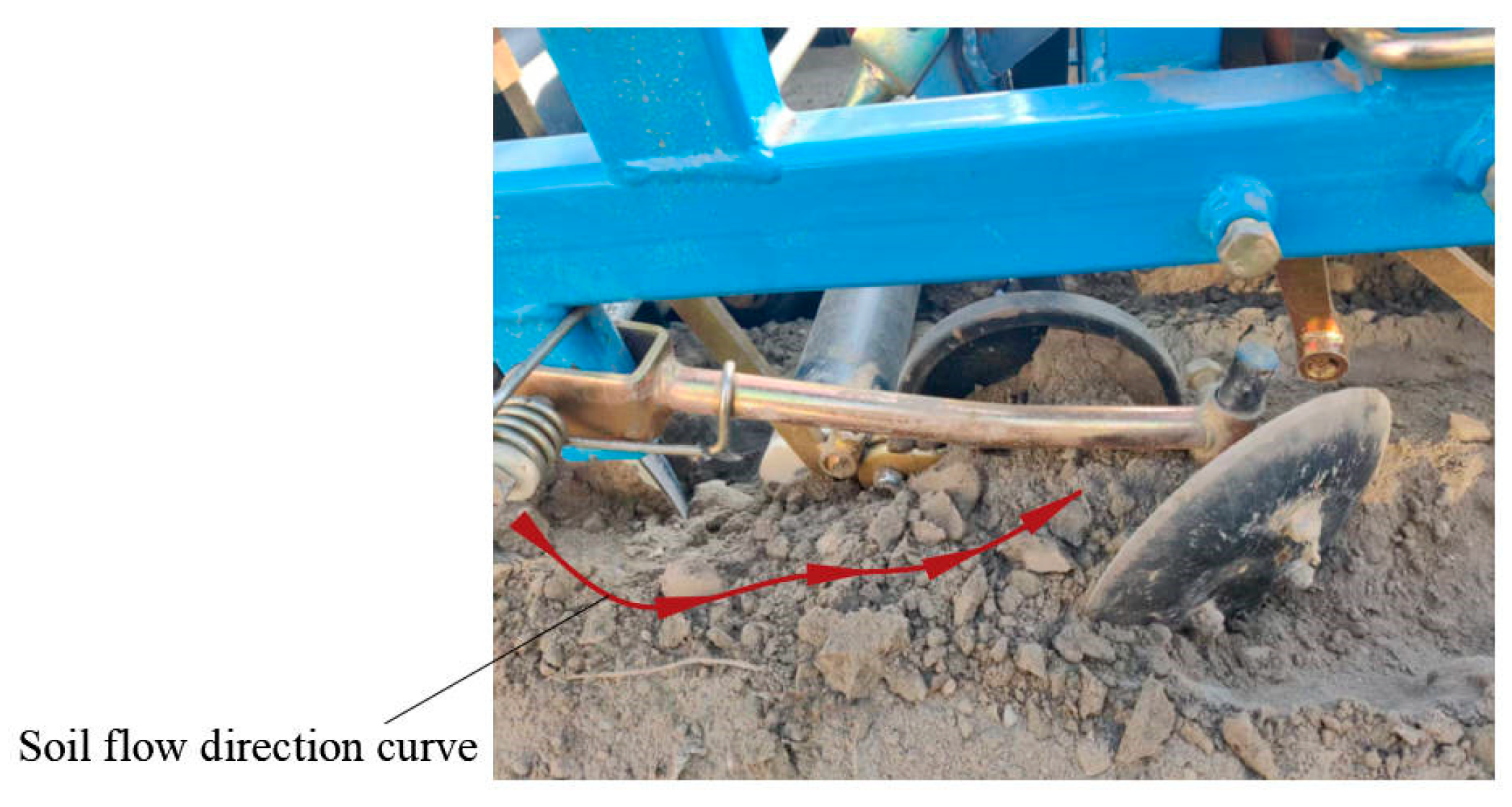
Furrowing and soil-covering are key steps in the mulching and sowing process. These two steps are closely linked. The operation process is illustrated in Figure 4. The furrowing disc first created the furrow and accumulated part of the soil to the left side of the disc, providing soil for subsequent covering. The film-laying device extended the plastic film along the soil surface, and the press wheel pressed the film into the furrow created by the furrow opener disc. Immediately afterward, the primary soil-covering disc gathered part of the soil to the right side and covered it into the furrow to secure the film. The soil moved by the furrowing disc was subsequently used by the primary soil-covering disc as covering material to hold the film at the edges. Therefore, the coordination between these two operations was critical. If the amount of soil furrowed and covered was insufficient, inadequate soil would be available for covering, leading to insufficient tension in the film and potential wrinkling, which could adversely affect subsequent film-breaking operations. Conversely, if the amount of soil furrowed and covered was excessive, soil accumulation at the sides would occur, increasing the rate of soil backflow. In such cases, the soil backflow could impact the film before the press wheel had pressed it into the furrow, resulting in inadequate film pressing and covering. Alternatively, excessive soil covering could accumulate on top of the film, reducing the effective light-exposed area. Both discs were mounted at an inclination. Although they were secured with bolts, excessive soil load increased the forces acting on the discs, creating substantial resistance in the forward direction. This could cause angular deviation of the discs, requiring operational stoppage for adjustment and thereby reducing overall operational efficiency.
Figure 4.
Schematic diagram of the furrowing and soil-covering operation.
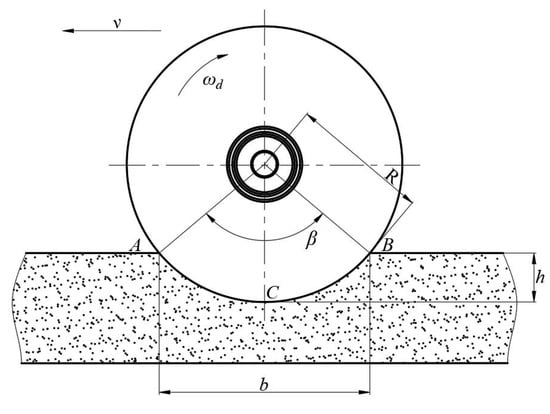
A schematic diagram of the disc soil-cutting operation is shown in Figure 5. The calculation formula for the soil volumetric flow rate of the disc is as follows [20]:
where Q is the soil volumetric flow rate discharged by the disc per unit time, m3/s; h is the soil-cutting depth, mm; v is the forward speed of the machine, m/s; θ is the angle between the disc and the forward direction, °; R is the radius of the disc, mm.
Figure 5.
Schematic diagram of the disc soil-cutting operation.
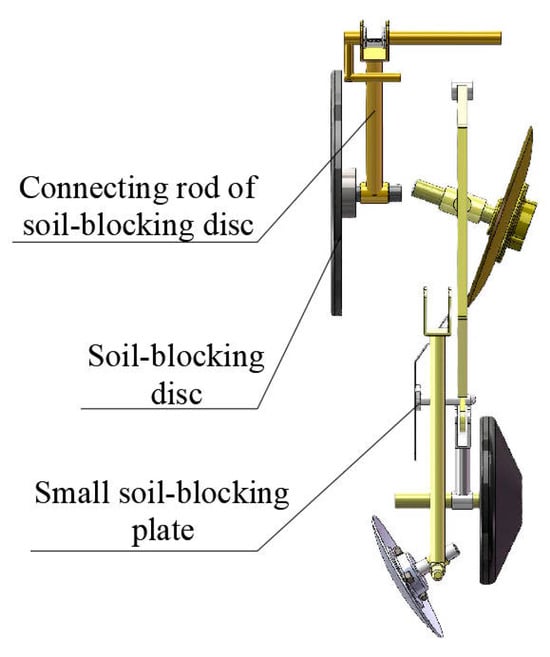
Under the dry sowing and wet emergence technique, the soil texture was relatively sandy, and the backflow rate was faster. This condition frequently led to rapid soil backflow toward the film pressing area, which compressed the film and resulted in inadequate edge laying and soil covering. To address this issue, a soil-blocking device was added to the existing machine, consisting of a soil-blocking disc and a small soil-blocking plate, as illustrated in Figure 6. The soil-blocking disc was designed to mitigate the effects of sandy soil conditions. During operation, the side of the seedbed exhibited an inclined surface accompanied by rapid soil loss. Consequently, the soil from the worked section began to collapse toward the unworked section. The soil-blocking disc prevented part of the soil from flowing toward the adjacent rows, avoiding insufficient soil availability for covering. The small soil-blocking plate was positioned immediately behind the furrowing disc. It prevented soil backflow toward the film pressing area after furrowing and provided part of the soil for subsequent covering operations.
Figure 6.
Schematic diagram of the structure with the soil-blocking device.
2.3.2. Film-Breaking and Hole-Forming Operation
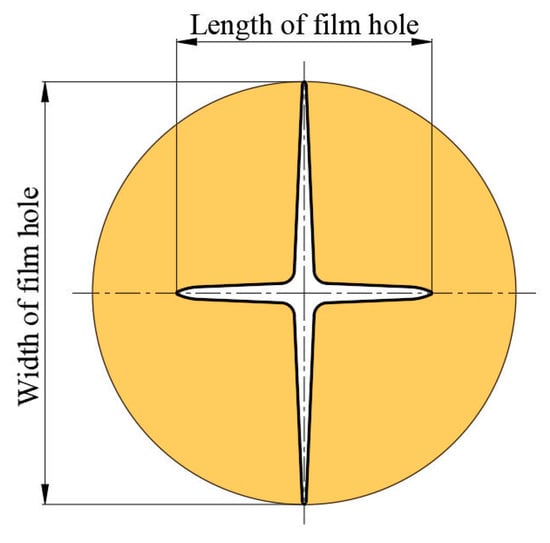
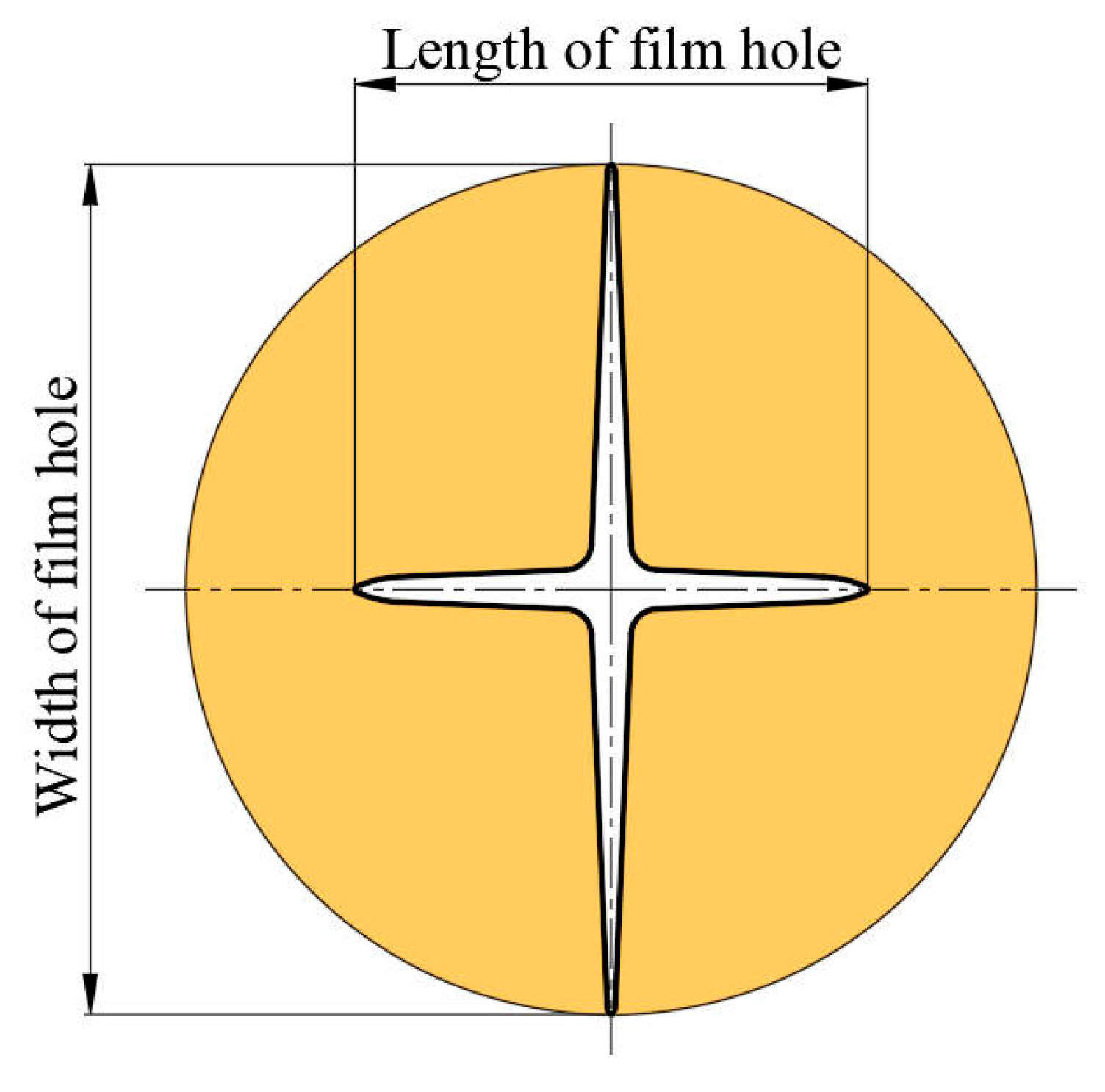
To meet the requirements of the dry sowing and wet emergence technique, a pointed duckbill was selected, which formed a cruciform film hole after operation, as shown in Figure 7.
Figure 7.
Schematic diagram of the film hole shape.
Under this technique, the soil was not irrigated beforehand, resulting in a loose soil layer. Additionally, the extra-wide film had increased thickness to enhance its strength and facilitate later recovery. Conventional square-tipped duckbills often failed to penetrate the film or lifted it, causing seeds to remain on the film surface without reaching the soil, thereby resulting in seeding failure. The pointed design concentrated the penetration resistance onto a minimal area, ensuring that the thick film and loose soil could be cleanly penetrated under various soil conditions to form a regular seed hole. This represented the first step in enabling seeds to fall into the soil [21,22]. Furthermore, the dry sowing and wet emergence technique required that seed holes were not covered with soil but received side-covering, which effectively mitigated soil compaction without compromising subsequent emergence. However, under this requirement, no additional covering was applied directly over the seed hole. The regular sidewall of the seed hole formed by the pointed duckbill facilitated uniform soil sliding, enabling precise side-covering and thereby ensuring a favorable environment for the cotton seeds.
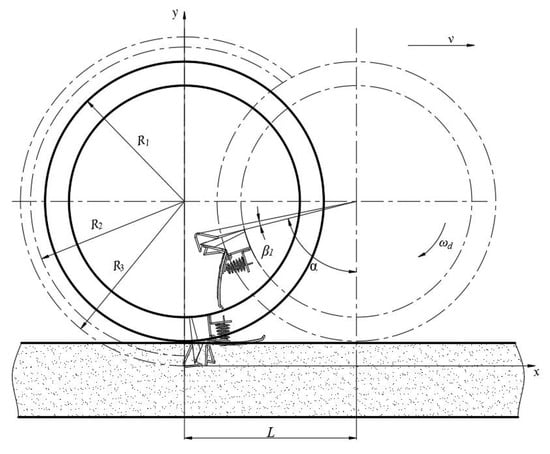
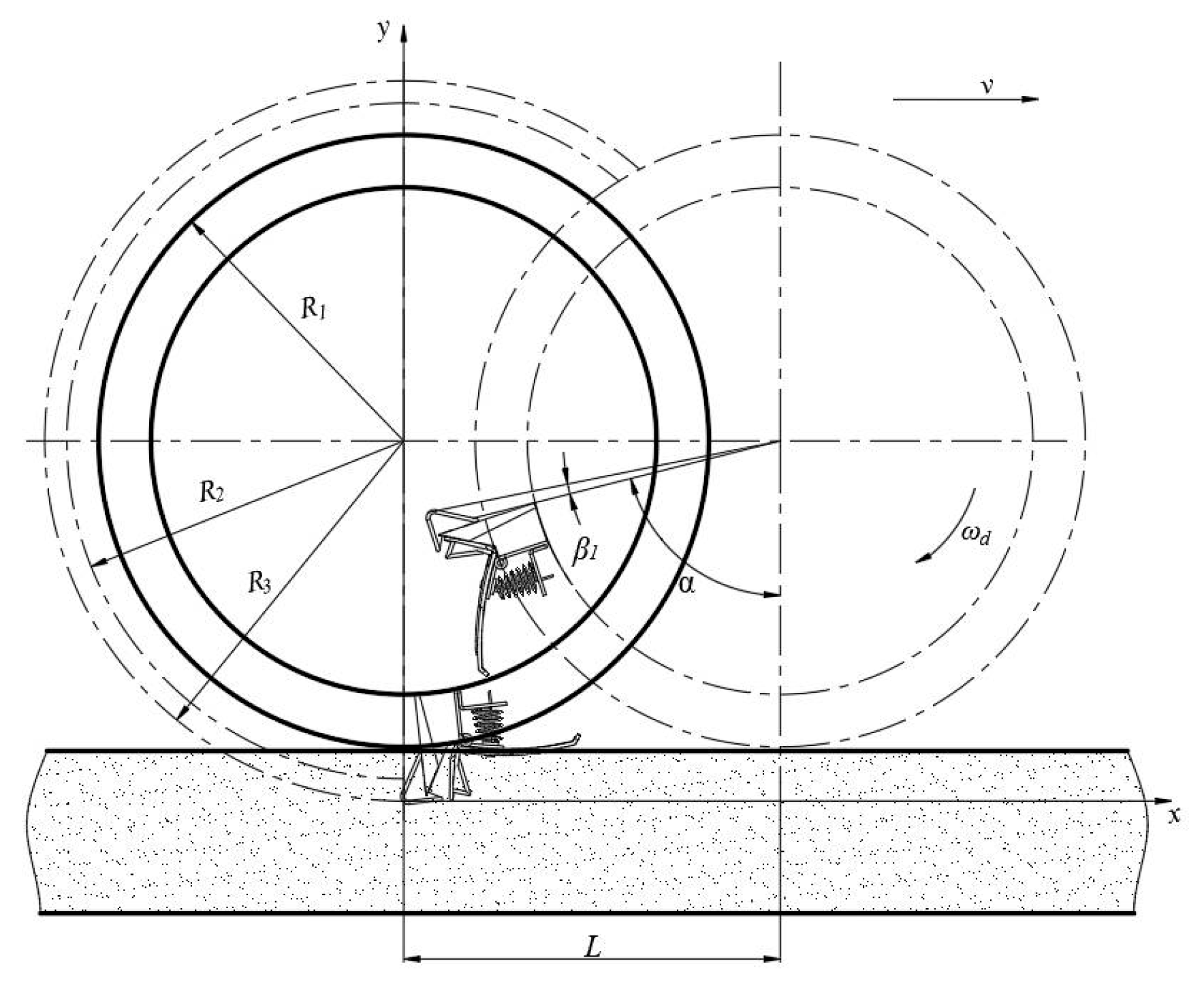
The operational trajectory of the duckbill is shown in Figure 8. The tip of the longitudinal blade of the duckbill first contacted the film, penetrating it, and subsequently contacted the soil, breaking it. Simultaneously, the longitudinal blade performed sliding cutting in the direction opposite to the forward direction to break the film and soil until it fully penetrated the soil. The secondary blade performed sliding cutting in the forward direction to break the film, completing the front-side film breaking. After the duckbill was fully inserted into the soil, the longitudinal blade continued sliding, cutting in the direction opposite to the forward direction until it completely exited the film, completing the rear-side film breaking. During the operation, the duckbill wing also required compression of the conical spring to open the duckbill. Therefore, the film hole length was primarily determined by the structural parameters of the duckbill and the stiffness of the conical spring.
Figure 8.
Schematic diagram of the duckbill operation trajectory analysis.
The trajectory equation of the duckbill is as follows [23]:
where R1 is the radius of the seeding device, mm; R2 is the radius from the center to any point on the longitudinal blade of the duckbill, mm; R3 is the distance from the center of the seeding device to the tip of the longitudinal blade of the duckbill, mm; β1 is the angle between any point on the duckbill blade and the centerline, °; α is the movement angle of the seeding device, °; ωd is the rotational angular velocity of the hill-drop drill, rad/s; t is the movement time of the seeding device, s; L is the rolling radius of the seeding device, mm; μ1 is the slip coefficient.
Then the motion equation of the seeding device is as follows:
where vx is the horizontal velocity component in the x-axis direction at any point on the duckbill, km/h; vy is the vertical velocity component in the y-axis direction at any point on the duckbill, km/h.
3. Simulation and Analysis of the Mechanical Operation Processes of Wide Film Mulching and Sowing
The stability of the machine’s section has a direct impact on seed placement, as well as depth of penetration, through influencing soil-tool interaction [24]. During the operation of the cotton extra-wide film mulch planter, the interactions between the machine and the soil, as well as between the seeds and the soil, are complex and difficult to analyze theoretically. The MBD-DEM coupling simulation method has been widely used to investigate the interaction mechanisms between mechanical devices and granular materials, such as soil and seeds [25,26]. Therefore, RecurDyn 2023 and EDEM 2022 software were selected for simulation in this study.
3.1. Model Construction
The soil in Xinjiang is mainly sandy loam, characterized by low adhesion between soil particles. Based on relevant literature and measurements [27,28,29,30], the main parameters required for the coupling model, including density, shear modulus, Poisson’s ratio, and friction coefficient, are presented in Table 1.
Table 1.
Key parameters of the simulation model.
To improve simulation efficiency and reduce model complexity, separate models were established for the furrowing and soil-covering process and the film-breaking and hole-forming process. After the furrowing and soil-covering model was run, a new template file was exported using the EDEM 2022 post-processing module. The film-breaking and hole-forming model was then configured based on this template file. The operating machinery was simplified by retaining only the key operational components, and mass was added in the RecurDyn 2023 model to ensure simulation accuracy. Three-dimensional models of the operating machinery were constructed in Solidworks 2022 and imported into RecurDyn 2023 in x_t format to build the dynamic model. Components that moved together in the machinery were merged using the Merge function. The material of the machinery was set as Steel in the Properties module, with relevant parameters defined according to Table 1. The forward direction of the machinery was set as +Y, and the gravity direction as −Z. The Marker function was used to establish coordinate systems at key points of machinery operation to record their trajectories. Based on the actual process of sowing operations, translational joints were set for components with linear motion, and rotational joints were set for components with rotary motion. Motion was added in the Joint module, with forward speed and rotational angular velocity assigned. The rotational angular velocity was calculated using the following formula:
where ω is the rotational angular velocity, rad/s; v is the forward speed, mm/s; r is the effective rotation radius of the operating component, mm.
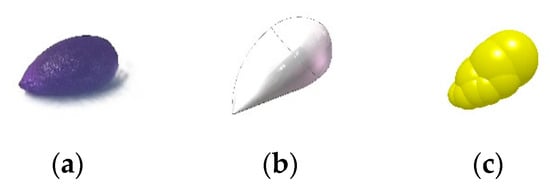
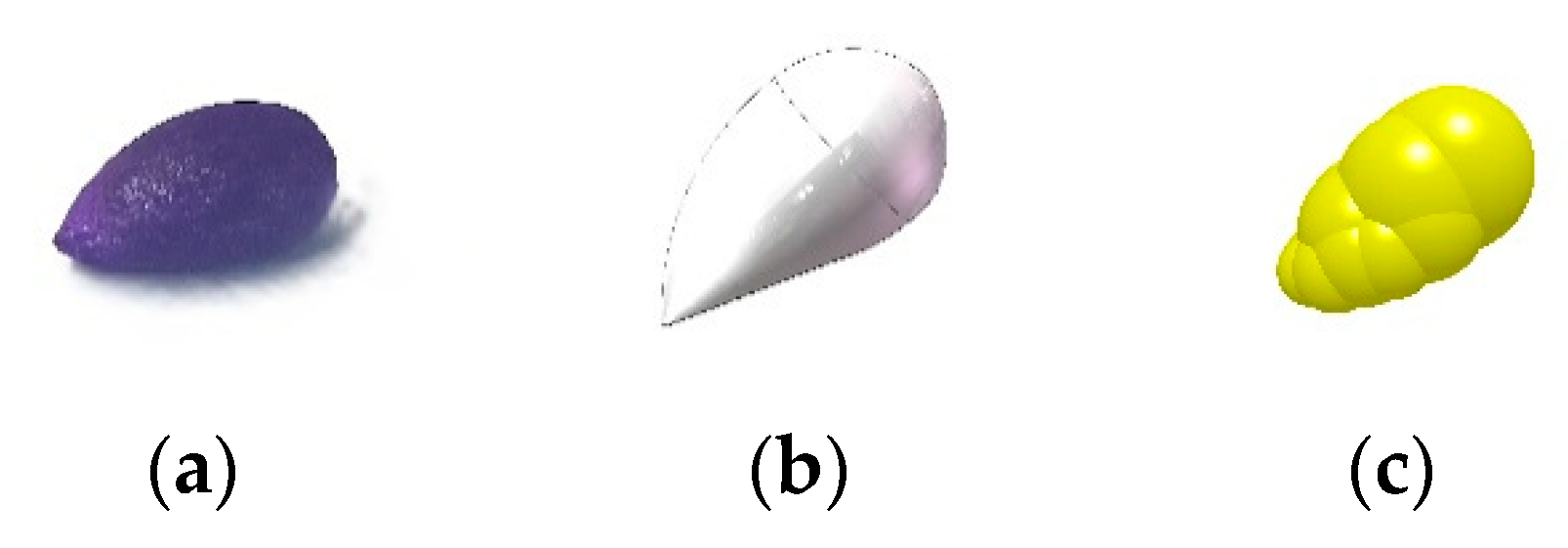
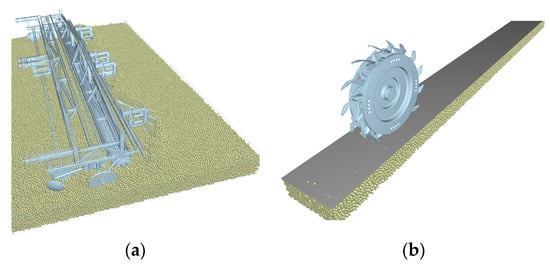
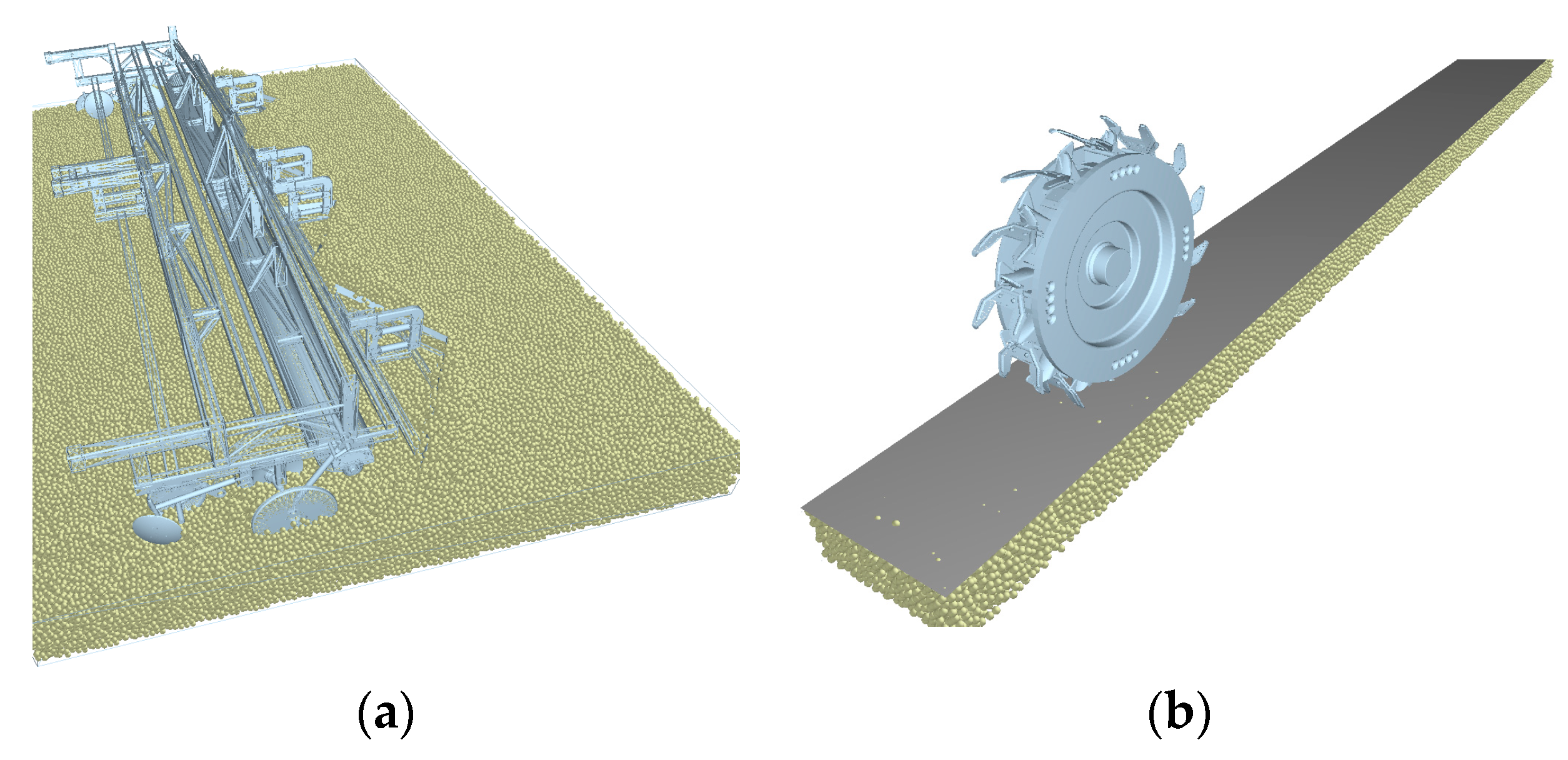
After the RecurDyn 2023 model was established, it was imported into EDEM 2022 in wall format to construct the coupled model. A three-dimensional model of the cotton seed was built in Solidworks 2022 and imported into EDEM 2022 in stl format for particle filling, with a smoothing value of 5 and a minimum sphere radius of 1 mm, as shown in Figure 9. Prior to sowing, the seedbed had undergone leveling and compaction, with no accumulation of large soil clods. Few particles experienced secondary breakage during operation. Therefore, soil particles were modeled as spheres with radii of 6 mm and 12 mm. The Hertz–Mindlin with RVD Rolling Friction contact model was used, and the relevant parameters were set according to Table 1. The coordinate systems, gravity direction, and simulation duration were set consistently between the two models, and the time steps were set as multiples to ensure proper operation of the coupled model. The soil bin dimensions for the furrowing and soil-covering model were 5000 mm × 3000 mm × 300 mm, and those for the film-breaking and hole-forming model were 300 mm × 3000 mm × 100 mm. The coupled models are illustrated in Figure 10.
Figure 9.
Cotton seed model. (a) Real cotton seed. (b) 3D model. (c) Particle-filled model.
Figure 10.
Coupled simulation model. (a) Furrowing and soil-covering model. (b) Film-breaking and hole-forming model.
3.2. Effect of the Soil-Blocking Device on Soil Particle Disturbance
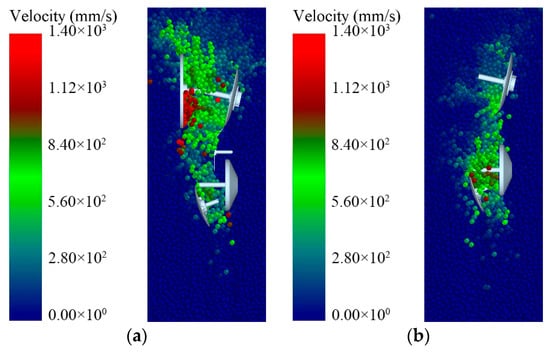
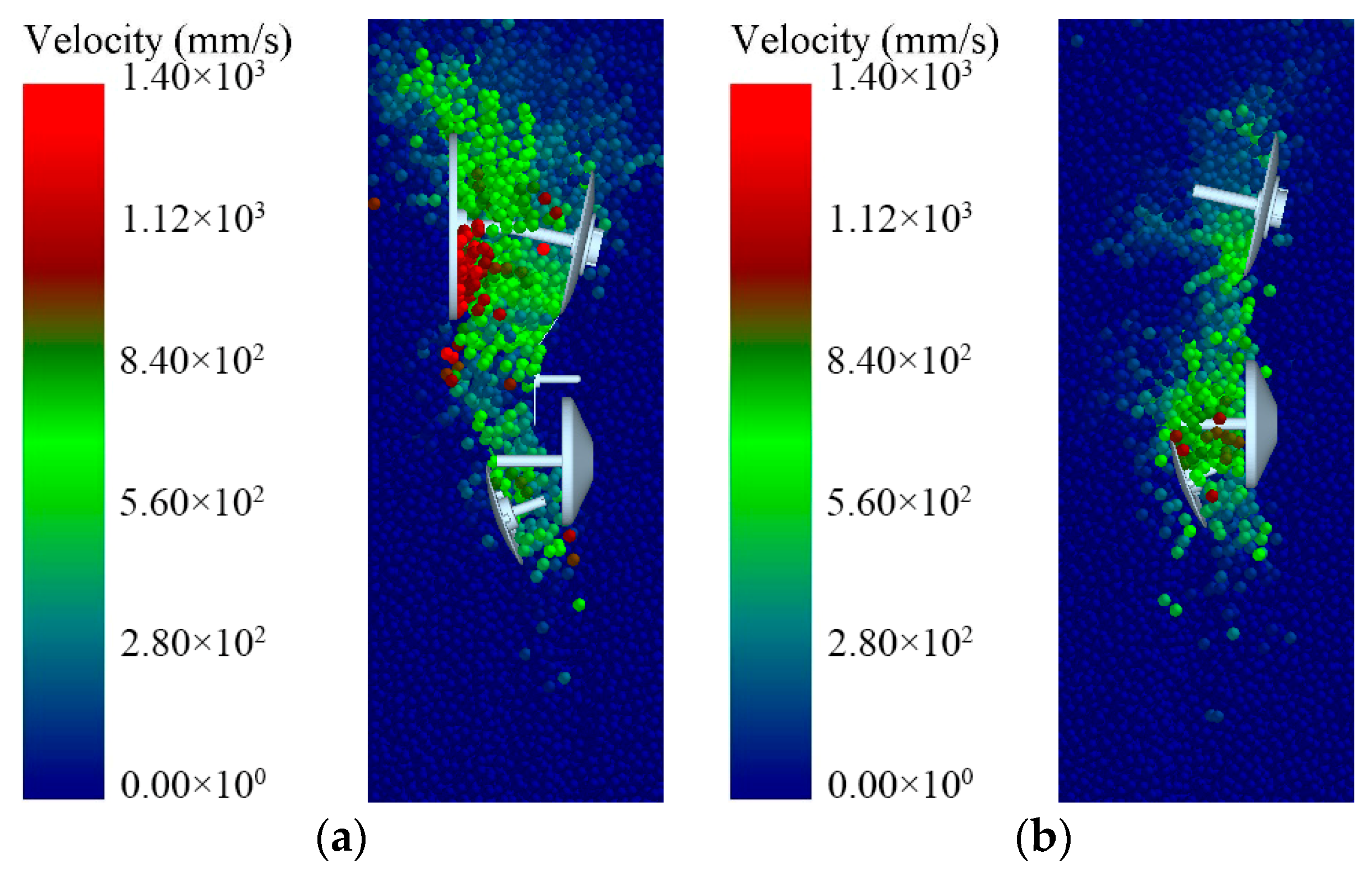
Based on the furrowing and soil covering model, an analysis of soil particle disturbance was conducted. Two models were imported: one with the soil blocking device and the other without. Simulations were performed for both configurations, and the results are shown in Figure 11. In the model without the soil blocking device, the soil was rapidly pushed to the left by the furrowing disc. At the same time, part of the soil quickly accumulated around the pressing wheel. The remaining soil was then guided by the primary soil covering disc to accumulate at the film edges. In the model with the soil blocking device, the soil blocking disc redirected the soil as it accumulated at the sides, guiding it toward both sides and to the rear. This prevented excessive outward accumulation caused by high soil flow velocity. In addition, part of the soil mixed with the soil moved by the furrowing disc and flowed backward. The soil flowing toward the pressing wheel was blocked by the small soil blocking plate. Most of this soil was retained to the left of the pressing wheel path, with only a small portion passing over the small plate into the furrow. This did not interfere with the normal operation of the pressing wheel, reduced backflow, effectively prevented soil from compressing the film, and improved the quality of film edge laying. The remaining soil was then guided by the primary soil covering disc to accumulate at the film edges. Therefore, the soil blocking device effectively addressed the soil related challenges under dry sowing and wet emergence conditions. In subsequent simulations of the furrowing and soil covering process, the soil blocking device was included in the model.
Figure 11.
Soil particle disturbance diagram. (a) Configuration with the soil-blocking device. (b) configuration without the soil-blocking device.
3.3. Furrowing and Soil-Covering Operation
3.3.1. Experimental Design
The experimental scheme was designed using the central composite design method to investigate the effects of the furrowing disc deflection angle (X1) and the soil-covering disc deflection angle (X2) on operational performance. The coded levels of the experimental factors are presented in Table 2. The forward speed of the machine was set to 3 km/h.
Table 2.
Experimental factors coding table.
According to the standard for operation quality of film mulching hill-drop drills (NY/T987—2006) and the technical specification for quality evaluation of precision seeders with drip tape laying and film mulching (NY/T1559—2007), the main indicators for evaluating the quality of soil covering at the film edges are the thickness and width of the covering soil [31,32]. However, these two indicators could not be directly measured in EDEM. Therefore, the amount of covering soil (Y1) was used as the experimental indicator in the simulation. The conversion between the indicators is as follows:
where m is the amount of covering soil, kg/m; Q is the volumetric flow rate of covering soil, m3/s; ρ is the density of soil particles, kg/m3; H is the thickness of soil covering at the film edge, m; W is the width of soil covering at the film edge, m.
The amount of covering soil formed by the soil-covering disc indirectly affected film laying. Excessive covering soil led to soil accumulation that approached the film surface, eventually covering part of the film edge and reducing light exposure. Insufficient covering soil failed to secure the film completely, resulting in loose film edges. According to the standard, when the thickness of soil covering at the film edge H was ≥3 cm and the width W was 4 to 8 cm, the mulching and sowing operation met the requirements. Accordingly, when the amount of covering soil m was ≥1.8 kg/m, the covering requirement was satisfied.
After the simulation was completed, the total mass of particles over a length of 1 m under stable operation was determined using the Grid Bin Group in the Setup Selection module of the EDEM 2022 post-processing tool. The analyzed region was defined as the area of disturbed soil particles between the furrowing disc and the primary soil-covering disc.
3.3.2. Results and Analysis
The experimental results are shown in Table 3.
Table 3.
Experimental results of the furrowing and soil-covering model.
The analysis of variance for the experimental indicators is presented in Table 4. Multiple quadratic regression fitting was performed on the data. The regression equations for the experimental indicators with respect to the coded levels of the respective factors after the furrowing and soil-covering operation were obtained as follows:
Table 4.
Analysis of variance table of the furrowing and soil-covering model.
As shown in Table 4, the Model and the X2 term had a highly significant effect on the response Y1. The primary influencing factor was the soil-covering disc deflection angle. As this angle changed, the amount of covering soil was directly affected. In contrast, when the furrowing disc deflection angle changed, the soil flow direction was also modified by components such as the soil-blocking disc. Therefore, the influence of the furrowing disc deflection angle on the covering soil amount was reduced by the time the soil-covering operation occurred.
3.4. Film-Breaking and Hole-Forming Operation
3.4.1. Experimental Design
Based on previous design experience and references, forward speed (X3), longitudinal blade height (X4), and spring stiffness (X5) were selected as experimental factors for the orthogonal experimental design. The duckbill spring was a conical spring, which exhibited no constant stiffness but rather a nonlinear or progressively increasing stiffness depending on the compression stroke. Therefore, an approximate value was used. The levels of the experimental factors are presented in Table 5. An L9(34) orthogonal array was employed for the experiments. Each experimental run was repeated three times, and the average values were used for the analysis of the duckbill opening angle, the duckbill trajectory, and the cotton seed sowing depth.
Table 5.
Factors and levels in the orthogonal experiment.
The accurate opening and closing of the duckbill is critical for ensuring seeding quality, which directly affects sowing performance. Therefore, the sowing qualification rate (Y2) was used to evaluate the quality of the seeding operation. When the duckbill opened and closed properly, the cotton seed fell smoothly into the hole, and the seeding was considered qualified. When the duckbill failed to open or close correctly, the cotton seed remained on the soil surface or on the film surface, and the seeding was considered unqualified. After the simulation was completed, the opening angle of the duckbill during seeding was measured using the Protractor function in EDEM, and it was verified whether the cotton seeds had successfully entered the seed holes. The hole length and sowing depth are key indicators of seeding quality. Therefore, film hole length (Y3) and sowing depth (Y4) were adopted as evaluation indices. After the operational trajectory of the seeding device was exported, the distance between consecutive operations was taken as the film hole length, and the vertical distance from the cotton seed to the film after sowing was taken as the sowing depth of cotton seed. According to the Technical Specification for Dry Sowing with Wet Emergence of Cotton (DB6531/T008-2024) [33], under the dry sowing and wet emergence technique, a cotton seed sowing depth of 25 to 35 mm for side-covered seeding meets the requirements for mulching and sowing operations.
3.4.2. Test Results and Analysis
The experimental results are presented in Table 6. Based on these results, range analysis and analysis of variance were performed on the experimental data using Design-Expert 13 software. The two methods were combined to analyze and determine the effects of each factor and their interactions on the experiments. The range analysis results are presented in Table 7. The analysis of variance results are presented in Table 8.
Table 6.
Experimental results of the film-breaking and hole-forming model.
Table 7.
Range analysis of the film-breaking and hole-forming model.
Table 8.
Analysis of variance table of the film-breaking and hole-forming model.
- Sowing qualification rate
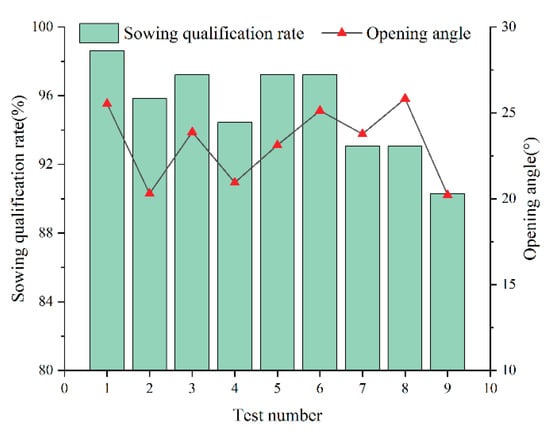
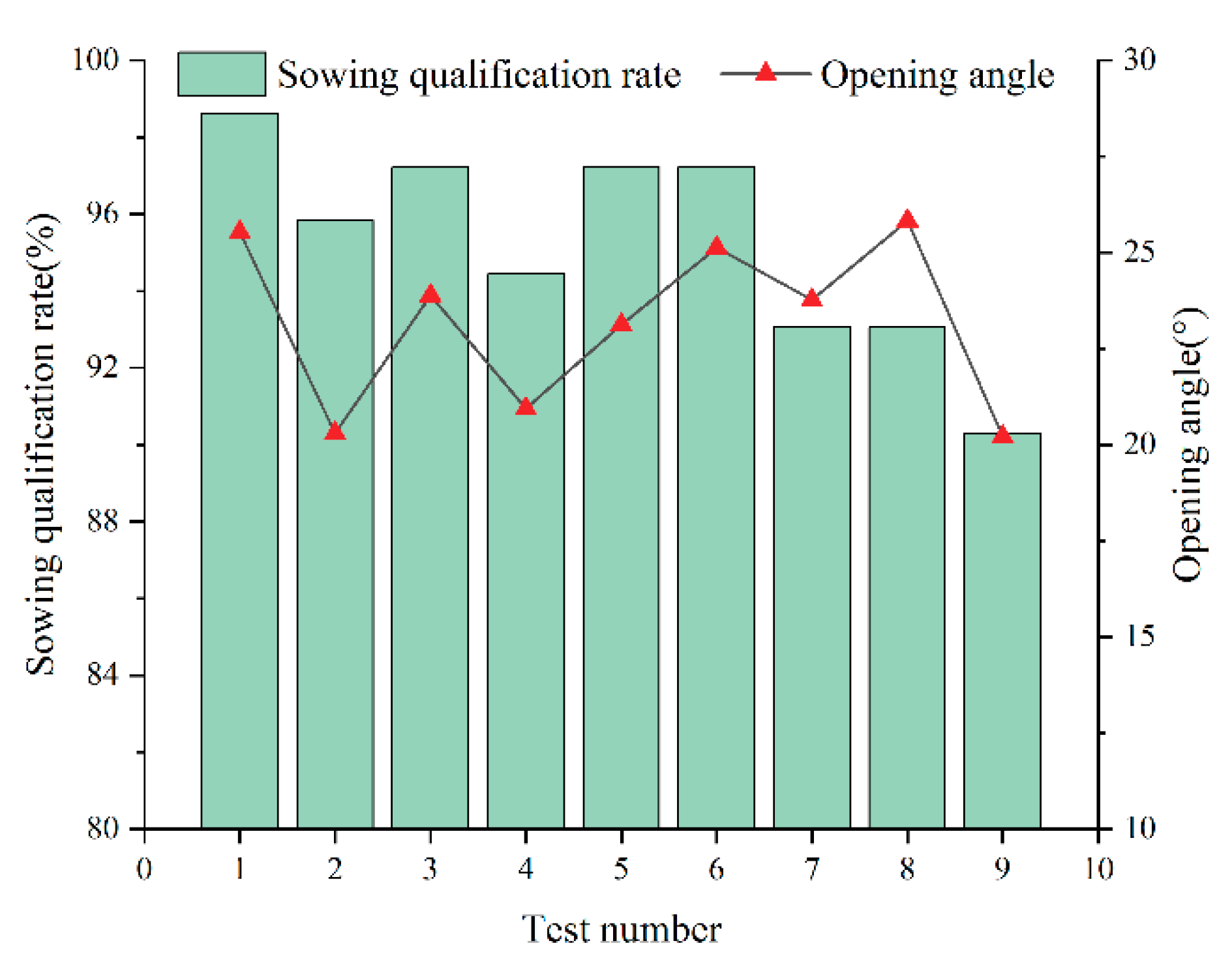
Based on the data in Table 6 and Figure 12, forward speed exhibited a substantial influence on the sowing qualification rate. At a forward speed of 4.5 km/h, the overall sowing qualification rate was lower than those at the other two speeds. When the forward speed was 2.5 km/h or 3.5 km/h, the difference in overall sowing qualification rate was small. The opening angle of the duckbill was strongly affected by spring stiffness, but only weakly affected by forward speed and blade height. At higher forward speeds, the duckbill opening and closing speed increased, and the cotton seed might not have fully fallen into the seed hole before the duckbill began to close. Consequently, the seed could collide with the duckbill, be thrown out of the hole by inertial force, or remain on the soil surface, thereby reducing the sowing qualification rate. Furthermore, higher forward speed resulted in greater inertial force. Even when the duckbill opened and closed properly, the seed could still be thrown out, leading to a decrease in the sowing qualification rate.
Figure 12.
Sowing qualification rate and duckbill opening angle under different parameter combinations.
Spring stiffness had a substantial effect on the sowing qualification rate. At a forward speed of 2.5 km/h, spring stiffness had only a slight effect. At forward speeds of 3.5 km/h and 4.5 km/h, spring stiffness had a considerable effect, and the sowing qualification rate decreased substantially under higher spring stiffness. When the spring stiffness was high, the reaction force generated when the duckbill wing first contacted the soil compressed the spring only to a limited extent. As the duckbill wing made further contact, the total compression stroke of the spring became shorter, and the duckbill opening angle decreased. Consequently, the cotton seed could collide with the duckbill’s main body or wing during falling, altering its trajectory and potentially causing the seed to land on the soil surface or be thrown out. Blade height had no significant effect on the sowing qualification rate.
Based on the data presented in Table 6 and Table 7, the sowing qualification rate was the primary criterion for evaluating seeding quality. Forward speed had a highly significant effect on the sowing qualification rate, and spring stiffness had a significant effect. The factors were ranked in descending order of significance as X3 > X5 > X4. Balancing forward speed and spring stiffness can effectively improve the sowing qualification rate and enhance seeding quality.
- 2.
- Film hole length
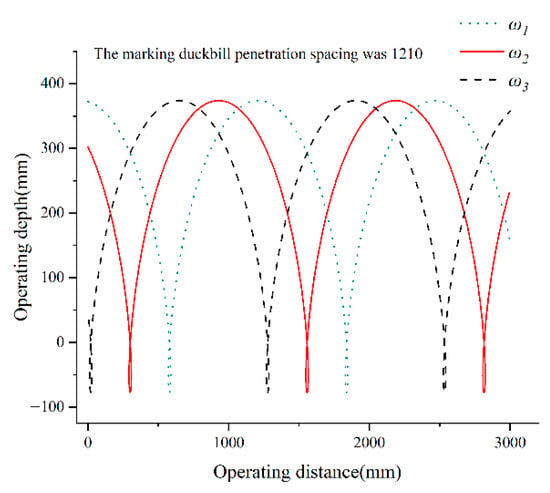
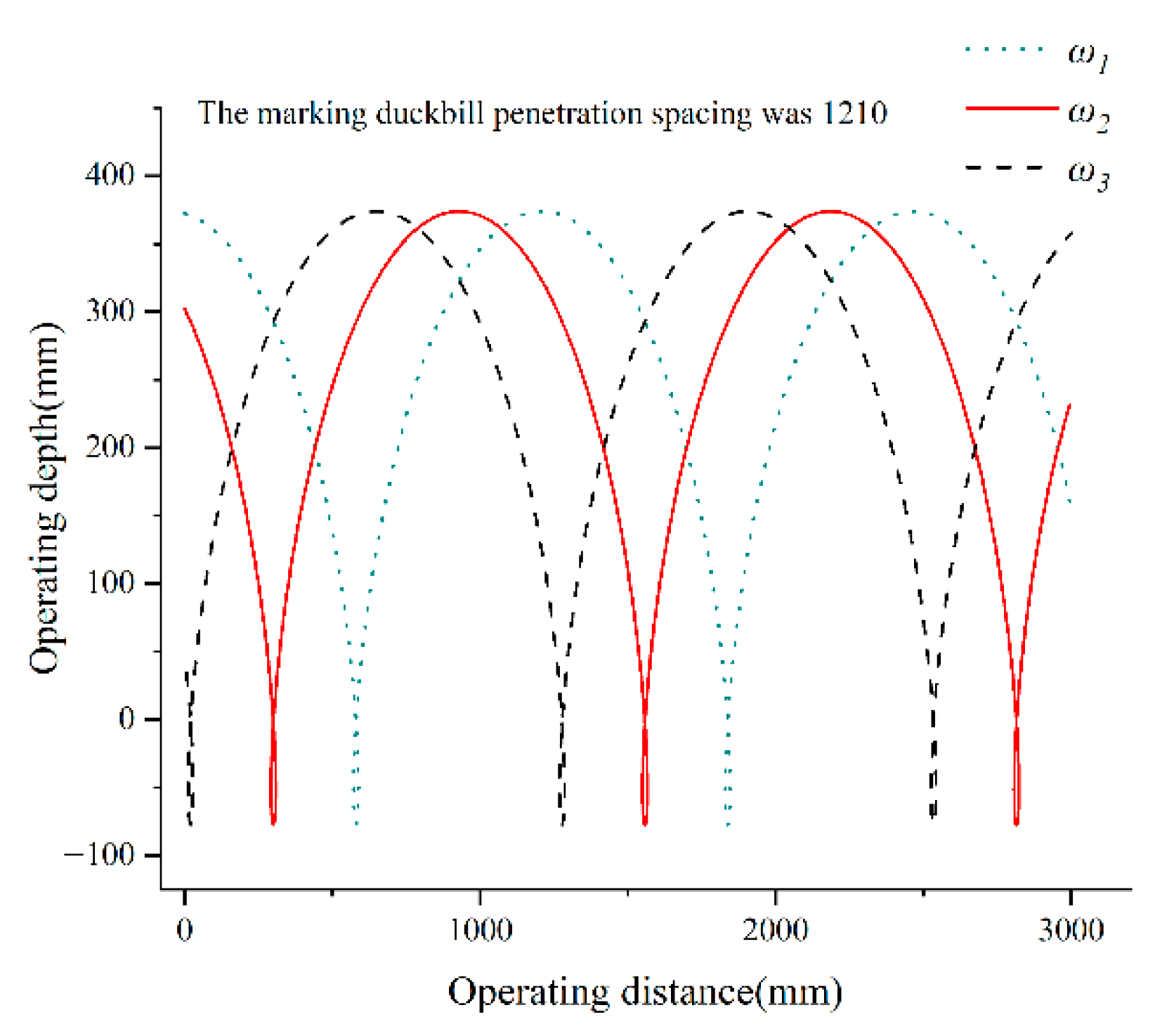
For each model run, the first second was a period of idle rotation for seed filling. However, different forward speeds resulted in different angular velocities. Consequently, the trajectory of the marking duckbill varied, as shown in Figure 13. Under different angular velocities, the idle rotation speed of the seeding device differed, and the starting point of the marking duckbill operation also varied. At an angular velocity of 4.86 rad/s (ω3), the marking duckbill started operating first, followed by 4.17 rad/s (ω2) and 3.47 rad/s (ω1), respectively. However, the peak values and spacings of the marking duckbill trajectory were identical under different angular velocities. In conjunction with Table 6, this indicates that within the commonly used speed range of 3.5 km/h to 4.5 km/h, the effect of forward speed on hill spacing and film hole length in cotton sowing was negligible. If the forward speed is further increased, dynamic factors such as soil inertial effects, changes in impact contact force between the duckbill and soil, and increased machine vibration may disrupt the current equilibrium state, leading to a nonlinear response of film hole length to changes in speed.
Figure 13.
Trajectory diagram of the marking duckbill under different angular velocities.
Based on the data presented in Table 7 and Table 8, blade height had a highly significant effect on film-hole length, and spring stiffness had a significant effect. The factors were ranked in descending order of significance as X4 > X5 > X3. Blade height substantially affected film hole length: an increase in blade height led to an increase in film hole length, and a decrease in blade height led to a decrease in film hole length. Spring stiffness also affected film hole length because it influenced the duckbill opening angle. When the opening angle was larger, the cutting edge further cut the film surface as the duckbill opened, resulting in an increased film hole length. Excessive film hole size accelerates soil moisture evaporation and promotes weed growth, whereas insufficient film hole size restricts cotton seedling growth [34]. Therefore, an optimal film hole size effectively ensures the hydrothermal benefits of the seedbed.
- 3.
- Sowing depth
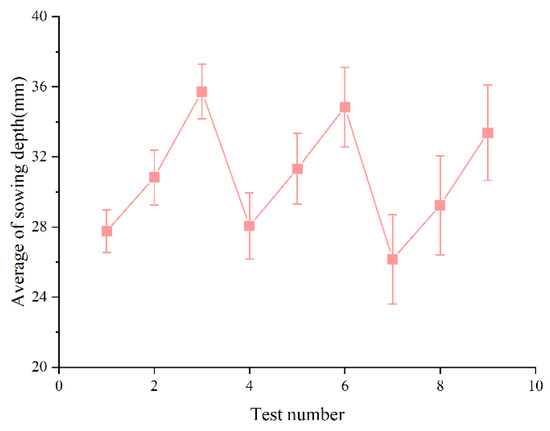
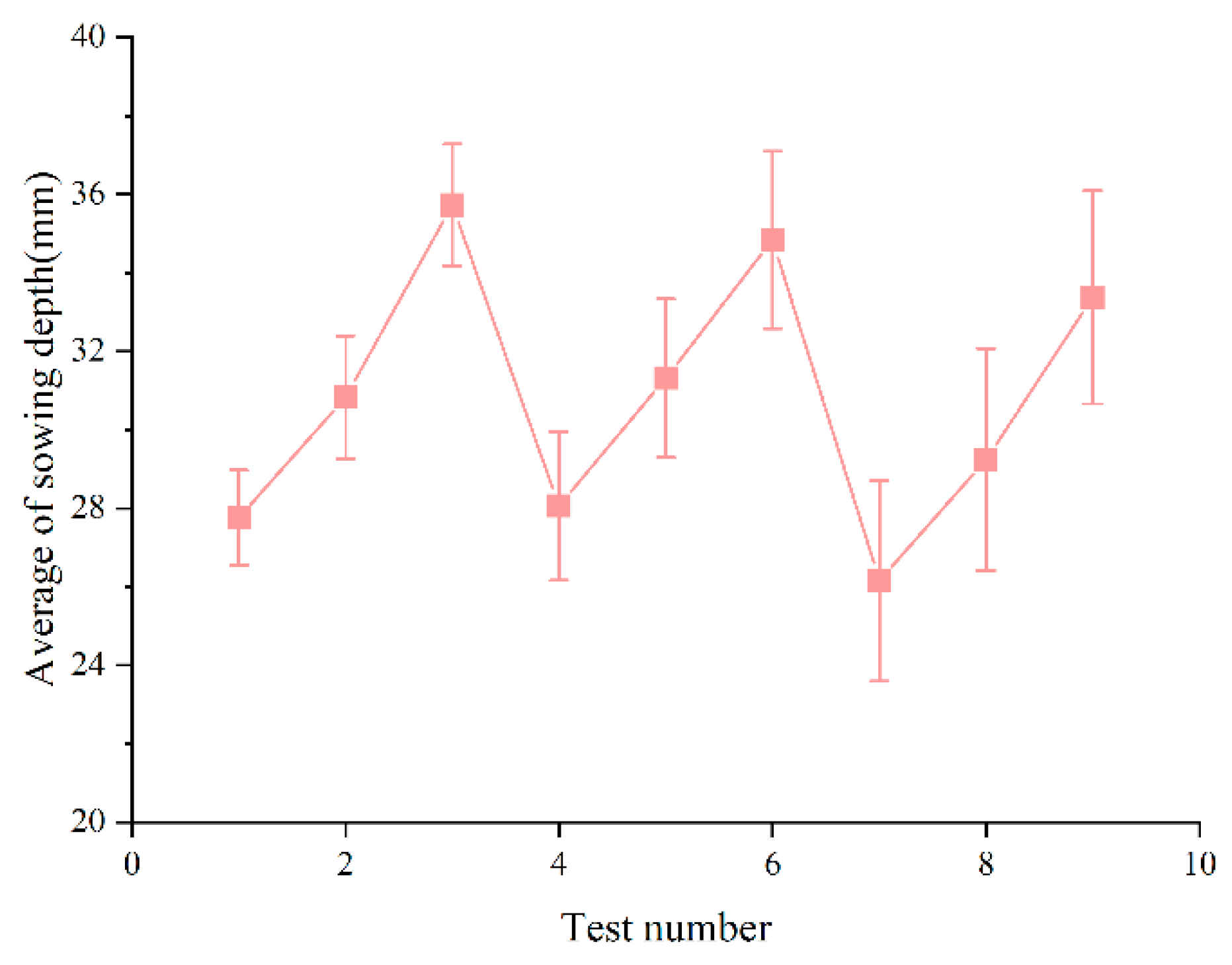
Based on the data presented in Table 5, blade height had a substantial effect on sowing depth. An increase in blade height led to a corresponding increase in the mean cotton seed sowing depth, exhibiting a strong linear relationship. This occurred because blade height directly determined the lowest operating point of the duckbill blade, serving as the mechanical reference for setting sowing depth. As the seeding device rotated, the duckbill blade cut through the film and disturbed the soil to form a hole. At the lowest point, a greater blade height resulted in deeper soil disturbance, thereby increasing the effective sliding distance of the cotton seed during dropping. Meanwhile, after the cotton seed dropped, the disturbed soil quickly flowed back to cover the seed and pressed it further downward. Forward speed affected sowing depth by altering the dynamics of machine-soil interaction. Increased speed caused greater vibration of the Seeding device, leading to fluctuations in the vertical position of the duckbill blade. Additionally, enhanced soil throw-back influenced the amount of soil returning to the hole bottom, indirectly changing the reference plane for seed landing. Forward speed had a significant effect on the stability of cotton seed sowing depth. The consistency of sowing depth decreased with increasing forward speed, as shown in Figure 14, although the overall effect of forward speed was less pronounced than that of blade height. Within the stiffness range set in the experiment, spring stiffness had no significant effect on sowing depth. The main reason was that the conical spring used was relatively small, and it could be easily compressed within the soil hardness range involved in this study. Consequently, the spring was insufficient to cause the duckbill wing to sink into the soil and alter the reference plane for seed landing.
Figure 14.
Consistency of Sowing depth under different parameter combinations.
Based on the data in Table 7 and Table 8, blade height had a highly significant effect on cotton seed sowing depth, and forward speed had a significant effect. The factors were ranked in descending order of significance as X4 > X3 > X5. Cotton seeds obtain different nutrient environments in different soil layers. Under the dry sowing and wet emergence technique, a higher seed placement is beneficial for the seed to access drip irrigation moisture and for subsequent emergence. Additionally, consistency in sowing depth should be considered to ensure that each seed experiences a similar nutrient environment, thereby avoiding uneven emergence and the occurrence of both large and small seedlings.
3.5. Parameter Optimization
The optimization module in Design-Expert software was used to solve the regression models. Based on actual operating conditions and the results of the above model analyses, the constraints of the experimental factors were determined as follows: furrowing disc deflection angle of 5° to 20°, and soil-covering disc deflection angle of 10° to 30°. In practice, an appropriate increase in the amount of covering soil was beneficial for film edge pressing. Therefore, the experimental indicators were set as: covering soil amount ≥ 3 kg/m, maximization of sowing qualification rate, film hole length of 40 mm to 50 mm, and sowing depth of 30 mm to 35 mm. The optimization results from Design-Expert were as follows: furrowing disc deflection angle of 10.77°, soil-covering disc deflection angle of 19.62°, forward speed of 3.5 km/h, longitudinal blade height of 16 mm, and spring stiffness of 14 N/mm. For convenience in subsequent experiments, the furrowing disc deflection angle was taken as 11° and the soil-covering disc deflection angle as 20° based on previous experience. Simulation validation experiments were conducted using the optimal parameter combination, with five replications. The results are presented in Table 9. The covering soil amount ranged from 3.22 kg/m to 3.67 kg/m, with a mean value of 3.43 kg/m, satisfying the requirements for high-quality seedbed construction in the Xinjiang cotton region. The seeding qualification rate ranged from 94.97% to 97.52%, the film hole length ranged from 43.14 mm to 46.86 mm, and the cotton seed sowing depth ranged from 29.51 mm to 31.82 mm, with mean values of 96.3%, 45.18 mm, and 31.23 mm, respectively. These simulation results met the operational requirements for extra-wide film mulching and sowing.
Table 9.
Experimental results under the optimal parameter combination.
4. Field Experiment
4.1. Test Conditions and Methods
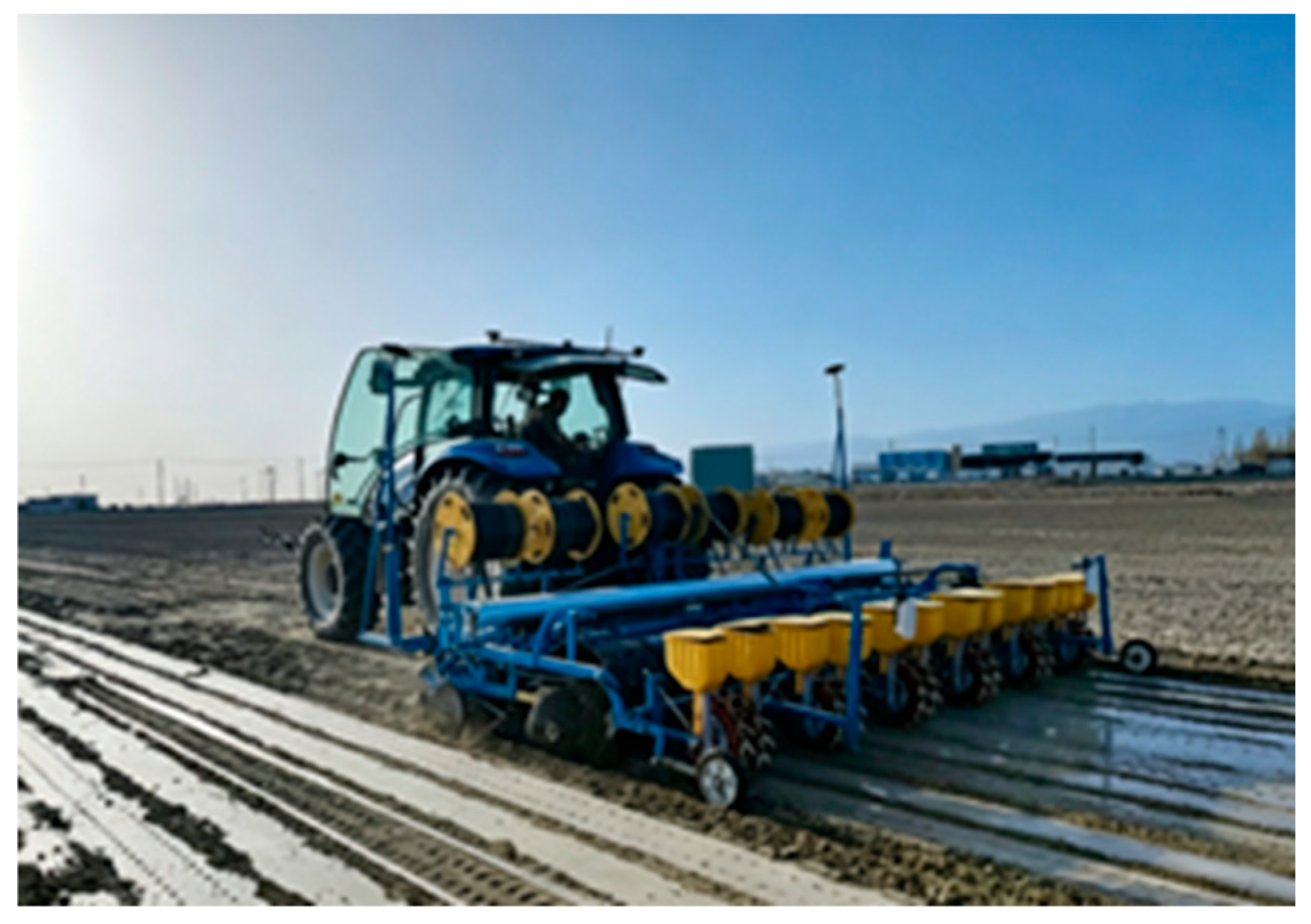
Similar investigations performed by other researchers prove the feasibility of simulation and experimental verification of soil processing machines’ operation [35]. Field validation experiment was conducted in April 2025 at Oasis Farm in Korla City, Xinjiang, as shown in Figure 15. The experiment was powered by a Lovol M1504 tractor(Produced by Weichai Lovol Smart Agriculture Technology Company, Weifang, China). Based on the optimal parameter combination, an extra-wide film mulch planter and a soil-blocking device were fabricated. A seeding device with a duckbill toothed disc was used. The seeder parameters were set according to the optimal combination, and the soil-blocking device was installed. The seeder was connected to the tractor using a three-point hitch. The cotton variety used was Tahe 2. The plastic film was a white polyethylene agricultural film with a width of 4.4 m. The agronomic pattern adopted was the dry sowing and wet emergence cultivation technique. Two treatments were established in the experiment. The machine with the optimized parameters was designated as Treatment T1, and the machine without optimization was designated as Treatment T2.
Figure 15.
Field experiment site.
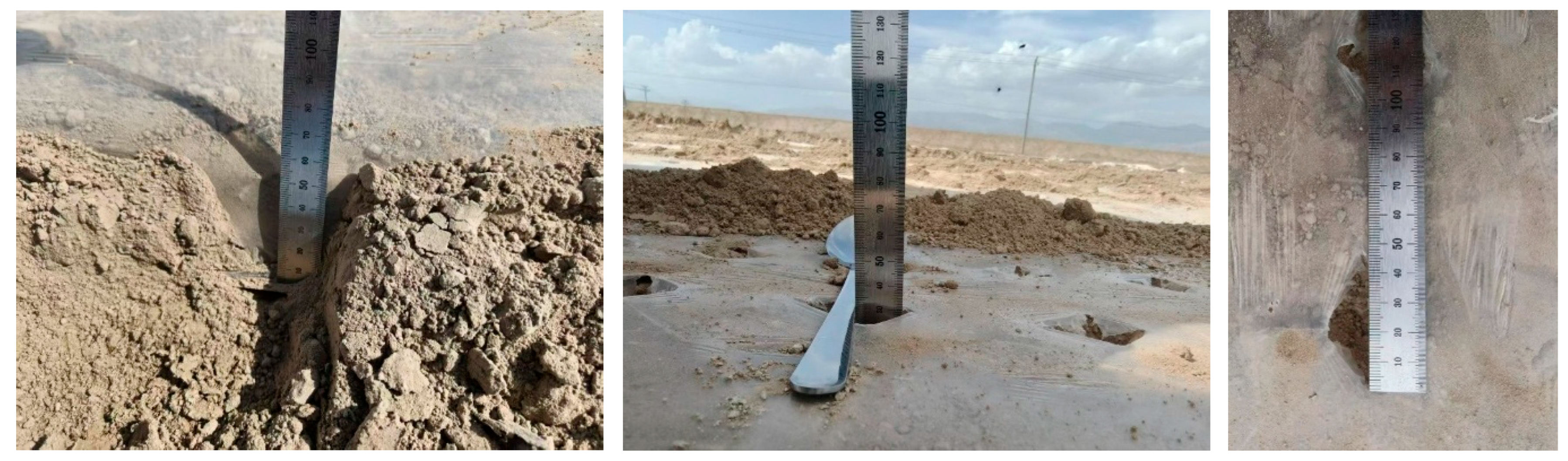
The field performance of the cotton extra-wide film mulch planter was evaluated using the following indicators: soil covering thickness at the film edge, soil covering width at the film edge, film hole length, and cotton seed sowing depth. The measurement method was as follows. After the prototype had operated steadily, three single-film mulching areas of 30 m in length were randomly selected as sampling zones in the experimental field. Within each sampling area, five plots of 1 m in length were randomly selected, and the required indicators were measured and averaged. For both the left and right sides of the film, the soil covering thickness and width at the film edge were measured and averaged. The soil covering thickness at the film edge was defined as the vertical distance from the midpoint of the natural width where the film edge was buried under the soil to the surface of the covering soil. The soil covering width at the film edge was defined as the natural width of the film edge buried under the soil. The film hole length was defined as the distance between the front side and the rear side of the hole formed by the machine. The cotton seed sowing depth was defined as the vertical distance from the cotton seed to the film after the machine operation, as shown in Figure 16.
Figure 16.
Measurement of relevant data.
4.2. Test Results and Analysis
After machine operation, the comparison of operational performance is presented in Table 10. The field experimental data showed that for Treatment T1, the mean covering thickness was 35.1 mm, the mean covering width was 65.3 mm, the mean film hole length was 45.7 mm, and the mean sowing depth was 29.1 mm. For Treatment T2, the corresponding values were 40.6 mm, 69.7 mm, 50.1 mm, and 35.1 mm, respectively. The experimental results were generally consistent with the simulation results, indicating improved operational performance of the seeder and better adaptation to the dry sowing and wet emergence technique. In Treatment T2, rapid soil backflow led to accumulation at the film edges, increasing the covering thickness and width, which reduced the effective light-exposed area and affected film surface flatness. In addition, the non-optimal parameter combination resulted in larger film holes and deeper seed placement, which reduced the light-exposed area at the film holes and influenced the hydrothermal conditions of the seedbed, thereby hindering normal cotton seed germination. The coefficients of variation for Treatment T1 were 5.1%, 2.6%, 4.7%, and 5.8%, respectively, indicating more stable operational quality.
Table 10.
Comparison of experimental results under the optimal parameter combination.
4.3. Germination Effect
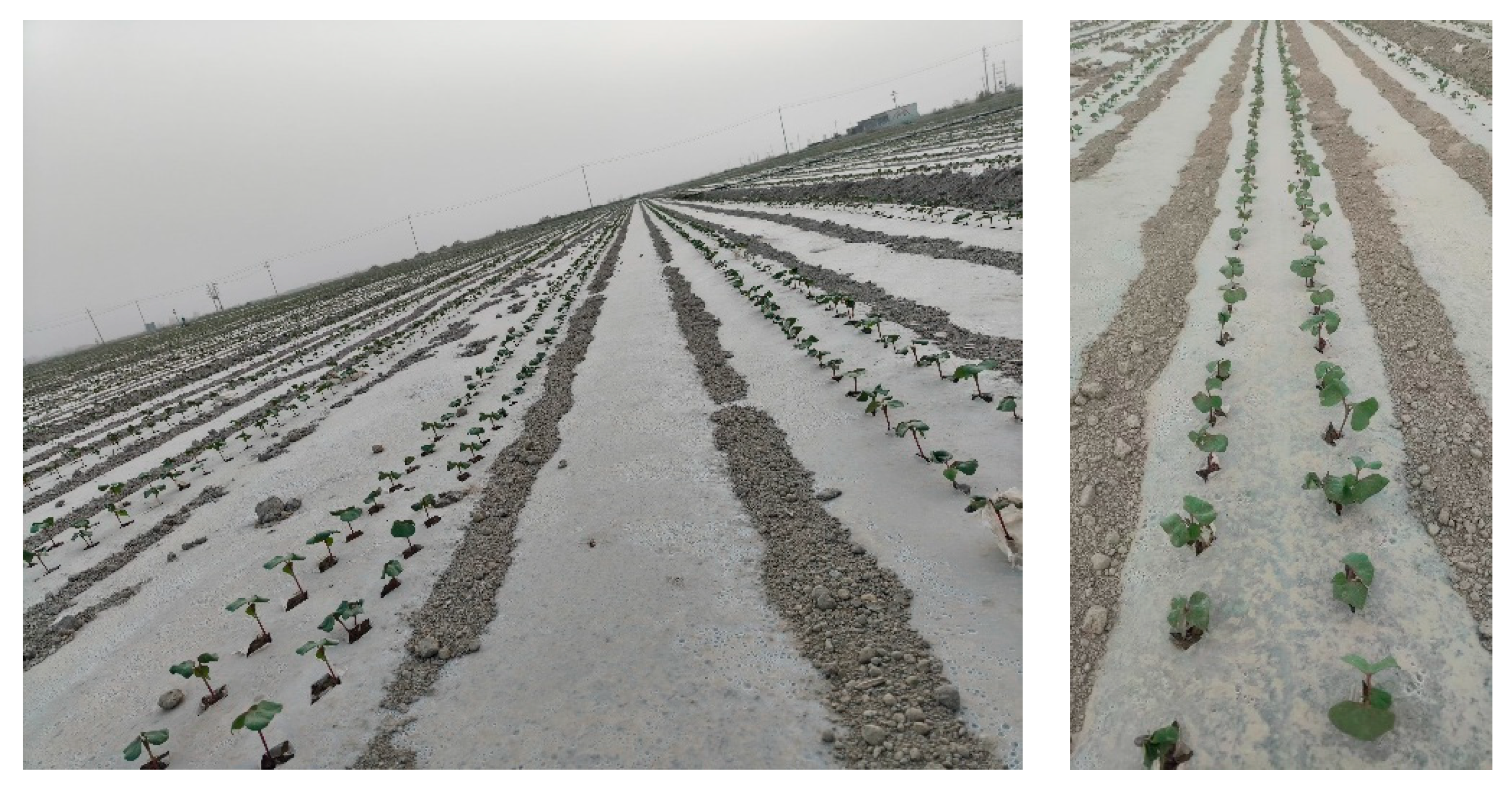
Twenty days after sowing, the emergence results are presented in Table 11 and Figure 17. The mean emergence rates measured were 93.3% for Treatment T1 and 89.8% for Treatment T2. Treatment T1 showed a 3.9% higher emergence rate. The coefficient of variation for Treatment T1 was 1.0%, indicating stable emergence. For Treatment T2, the coefficient of variation was 4.5%, showing greater variability in emergence among plots and a lower overall emergence efficiency. These results indicate that the machine optimization promoted cotton seedling emergence.
Table 11.
Comparison of emergence rate under the optimal parameter combination.
Figure 17.
Emergence performance under the optimal parameter combination.
5. Discussion
There is a disconnect between machinery development and agronomic practices in the current cotton industry. This study analyzed the structure of a high-quality cotton seedbed formed after mulching and sowing operations. The analysis provides insights for the development and improvement of planters. Under dry sowing and wet emergence conditions, problems such as sandy soil texture and rapid soil backflow exist during extra-wide film mulching and sowing operations. The performance of existing machinery is inadequate [15]. Most existing studies have addressed rapid soil backflow by increasing the press wheel pressure or disc deflection angle. However, these methods have limited effectiveness in sandy soil. This study designed a soil-blocking device based on the extra-wide film mulch planter and validated its performance using simulation software. The soil-blocking device changes the trajectory of soil movement, converting lateral backflow into rearward transport. It blocks soil from flowing toward the press wheel, which maintains stable soil pressure in front of the press wheel during operation and prevents the film from being compressed and wrinkled. The device addresses the film compression problem caused by rapid soil backflow. The findings are consistent with those obtained earlier, indicating that effectiveness of the soil manipulating operation is strongly dependent on geometry and soil transportation ability of the working body [18,36].
Increased process stability might be caused by reducing the number of dynamic deviations of the machine section; it is an important factor influencing sowing quality [24]. To meet the requirements of agronomic innovation for planter performance, this study focused on optimizing device parameters during furrowing, soil-covering, film-breaking and hole-forming operations. The goal was to improve the performance of the extra-wide film mulch planter. Through operational process analysis of key devices, theoretical analysis combined with simulation was used to obtain the optimal parameter combination. The operational performance of the planter under the optimal parameter combination was validated in the field. The experimental indicators all achieved low coefficients of variation. Normal operation with satisfactory performance of extra-wide film mulching and sowing under dry soil conditions was achieved. The agreement between simulation and experimental results demonstrates the importance of the complex approach to investigation [35]. Subsequent cotton seedling conditions were continuously monitored. Twenty days after sowing, the mean emergence rate was 93.3%, which validated the effectiveness of the constructed seedbed in promoting cotton growth. The technical solution proposed in this study can be directly retrofitted to existing planters without major modifications to the overall machine structure. It provides a low-cost and high-efficiency solution for large-scale application of extra-wide film mulching and sowing under the dry sowing with wet emergence technique. However, a simplified criterion was adopted to define the sowing qualification rate as a response parameter. Although this definition facilitated rapid statistics in the MBD-DEM coupled simulation, its limitation lies in ignoring the more complex qualification requirements in actual field operations. In addition, this study only addressed key issues related to sowing in dry soil. Further optimization research on other aspects, such as soil leveling and soil fragmentation, could be conducted to achieve high-quality cotton seedbed construction.
6. Conclusions
(1) The structure of a high-quality cotton seedbed after mulching and sowing was analyzed and summarized. A high-quality seedbed is formed through standard soil preparation before sowing. During sowing, it ensures flat film laying, favorable soil moisture under the film, and proper seed placement depth. After sowing, it forms a soil structure with a loose upper layer and a compact lower layer. This structure promotes cotton seed germination and root development, and continuously provides a favorable growing environment for subsequent growth.
(2) The overall structure and working principle of the extra-wide film mulch planter were comprehensively analyzed, with a focus on the furrowing and soil-covering process. To address the issues of sandy soil texture and rapid soil backflow under the dry sowing and wet emergence condition, a soil-blocking device consisting of a soil-blocking disc and a small soil-blocking plate was added to mitigate film compression caused by soil backflow. The film-breaking and hole-forming process was also analyzed to ensure effective penetration of the film, soil breaking, hole formation, and seed dropping during the vertical penetration stage. The motion trajectory of the duckbill satisfied the matching relationship between hole formation frequency and machine forward speed, enabling the duckbill to form well-defined seed holes in dry soil.
(3) A coupled MBD-DEM simulation model was established for the furrowing and soil-covering process and the film-breaking and hole-forming process. This model accurately reproduced the operational process of extra-wide film mulching and sowing under the dry sowing and wet emergence conditions. Model analysis indicated that the soil-blocking device effectively addressed soil-related challenges under this cultivation technique by blocking part of the rapidly backflowing soil, thereby improving operational quality. Through optimization experiments, the optimal parameter combination was determined as follows: furrowing disc deflection angle of 11°, primary soil-covering disc deflection angle of 20°, forward speed of 3.5 km/h, longitudinal blade height of 16 mm, and spring stiffness of 14 N/mm. Simulation validation under this parameter combination yielded the following results: covering soil amount ranged from 3.22 kg/m to 3.67 kg/m (mean 3.43 kg/m); sowing qualification rate ranged from 94.97% to 97.52% (mean 96.3%); film hole length ranged from 43.14 mm to 46.86 mm (mean 45.18 mm); and cotton seed sowing depth ranged from 29.51 mm to 31.82 mm (mean 31.23 mm). These simulation results met the operational requirements for extra-wide film mulching and sowing.
(4) Field validation experiments were conducted strictly following the agronomic process of dry sowing and wet emergence combined with extra-wide film mulching and sowing, aiming to verify the operational performance of the planter under the optimal parameter combination. The results showed that for Treatment T1, the mean soil covering thickness was 35.1 mm, mean soil covering width was 65.3 mm, mean film hole length was 45.7 mm, and mean cotton seed sowing depth was 29.1 mm, with coefficients of variation of 5.1%, 2.6%, 4.7%, and 5.8%, respectively. The field results were generally consistent with the simulation results, confirming the reliability of the simulation model and demonstrating improved operational performance of the extra-wide film mulch planter, making it more suitable for the dry sowing and wet emergence technique. Twenty days after sowing, the mean emergence rate was 93.3% for Treatment T1 and 89.8% for Treatment T2. The coefficient of variation was 1.0% for Treatment T1 and 4.5% for Treatment T2. Treatment T1 exhibited stable and higher emergence. These results preliminarily validated the effectiveness of the constructed seedbed in promoting cotton growth.
Author Contributions
Conceptualization, Z.S., X.Z., Y.Y. and D.W.; methodology, X.C., Z.S. and X.Z.; software, X.C.; validation, X.C., S.M. and J.C.; formal analysis, X.C., Z.S. and J.C.; investigation, X.C., J.Y., Y.Y. and D.W.; resources, Z.S., X.Z. and D.W.; data curation, X.C. and S.M.; writing—original draft preparation, X.C.; writing—review and editing, Z.S., X.Z. and J.Y.; visualization, X.C. and J.Y.; supervision, Z.S.; project administration, Z.S. and X.Z.; funding acquisition, Z.S. All authors have read and agreed to the published version of the manuscript.
Funding
This research was jointly funded by the Financial Support Project for Agricultural Mechanization Development of Xinjiang Uygur Autonomous Region (Project No. CF2025-05-1) and the Major Scientific and Technological Special Project of Xinjiang Uygur Autonomous Region (Project No. 2022A02003).
Institutional Review Board Statement
Not applicable.
Data Availability Statement
The data presented in this study are available in the article. For further information, please contact the corresponding author of this work.
Conflicts of Interest
Authors Duijin Wang, Jian Chen, and Yongliang Yu are employed by the company Xinjiang Tiancheng Agricultural Machinery Manufacturing Company Limited. The remaining authors declare that the research was conducted in the absence of any commercial or financial relationships that could be construed as a potential conflict of interest.
References
- Li, N.; Lin, H.; Wang, T.; Wang, T.; Li, Y.; Liu, Y.; Chen, X.; Hu, X. Impact of climate change on cotton growth and yields in Xinjiang, China. Field Crops Res. 2020, 247, 107590. [Google Scholar] [CrossRef] [Scilit]
- Ning, S.; Zhou, B.; Shi, J.; Wang, Q. Soil water/salt balance and water productivity of typical irrigation schedules for cotton under film mulched drip irrigation in northern Xinjiang. Agric. Water Manag. 2021, 245, 106651. [Google Scholar] [CrossRef] [Scilit]
- Yang, Y.; Li, D.; Huang, W.; Zhou, X.; Li, Z.; Dong, X.; Wang, X. Effects of subsurface drainage on soil salinity and groundwater table in drip irrigated cotton fields in Oasis Regions of Tarim Basin. Agriculture 2022, 12, 2167. [Google Scholar] [CrossRef] [Scilit]
- Hou, X.; Xiang, Y.; Fan, J.; Zhang, F.; Hu, W.; Yan, F.; Guo, J.; Xiao, C.; Li, Y.; Cheng, H.; et al. Evaluation of cotton N nutrition status based on critical N dilution curve, N uptake and residual under different drip fertigation regimes in Southern Xinjiang of China. Agric. Water Manag. 2021, 256, 107134. [Google Scholar] [CrossRef] [Scilit]
- Zhou, S.; Wang, J.; Liu, J.; Yang, J.; Xu, Y.; Li, J. Evapotranspiration of a drip-irrigated, film-mulched cotton field in northern Xinjiang, China. Hydrol. Process. 2012, 26, 1169–1178. [Google Scholar] [CrossRef] [Scilit]
- Shi, Z.; Chen, X.; Ma, X.; Zhang, X.; Xue, Y.; Wang, D.; Yu, Y. Simulation and experiment of the hydrothermal coupling characteristics of seedbed under cotton ultra-wide film mulching conditions. Trans. Chin. Soc. Agric. Eng. 2025, 41, 89–97. [Google Scholar]
- You, X.; Zhang, J.; Xue, Y.; Zhang, R.; Zhang, S.; Li, C.; Xia, X. Plastic Mulching Effects on Cotton Seedling and Wilt Disease, Lint Yields, and Yield Components. Agriculture 2024, 14, 401. [Google Scholar] [CrossRef] [Scilit]
- Wang, Z.; Wu, Q.; Fan, B.; Zhang, X.; Zhang, J.; Li, W.; Guo, L. Effects of mulching biodegradable films under drip irrigation on soil hydrothermal conditions and cotton (Gossypium hirsutum L.) yield. Agric. Water Manag. 2019, 213, 477–485. [Google Scholar] [CrossRef] [Scilit]
- Ding, Y.; Ma, J.; Zhang, J.; Bai, Y.; Cui, B.; Hao, X.; Fu, G.; Zheng, M.; Ding, B. Response of photosynthesis, population physiological indexes, and yield of cotton in dry areas to the new technology of “dry sowing and wet emergence”. Front. Plant Sci. 2024, 15, 1487832. [Google Scholar] [CrossRef] [Scilit]
- Ma, J.; Ding, Y.; Zhang, J.; Fan, K.; Bai, Y.; Cui, B.; Hao, X.; Fu, G.; Ding, B. Exploring the response relationship between crop rooting, seedling emergence and soil water, heat and salt environmental factors in dry sowing wet emergent cotton fields. Ind. Crops Prod. 2025, 231, 121201. [Google Scholar] [CrossRef] [Scilit]
- Jia, F.; Zeng, D.; Zhou, B.; Lv, T.; Li, W.; Chen, T.; Xiao, Y.; Li, Y. Water-fertilizer optimization significantly improved cotton yield under dry-sowing and wet-emergence pattern: The case study in arid area of Southern Xinjiang, China. Agric. Water Manag. 2025, 322, 109998. [Google Scholar] [CrossRef] [Scilit]
- Wang, S.; Wang, Z.; Bai, Y.; Zhang, J.; Fang, Z. Optimizing root zone environment to enhance technology stability of “dry sowing and wet emergence” in cotton fields of southern Xinjiang, China. Agric. Water Manag. 2025, 321, 109895. [Google Scholar] [CrossRef] [Scilit]
- Dai, J.; Cui, Z.; Zhang, Y.; Zhan, L.; Nie, J.; Cui, J.; Zhang, D.; Xu, S.; Sun, L.; Chen, B.; et al. Enhancing stand establishment and yield formation of cotton with multiple drip irrigation during emergence in saline fields of Southern Xinjiang. Field Crops Res. 2024, 315, 109482. [Google Scholar] [CrossRef] [Scilit]
- Ma, J.; Ding, Y.; Zhang, J.; Bai, Y.; Cui, B.; Hao, Y.; Zheng, M.; Ding, B.; Yang, S. Impact of “dry sowing and wet emergence” water regulation on physiological growth characteristics and water productivity of cotton fields in southern Xinjiang province. Agronomy 2024, 14, 734. [Google Scholar] [CrossRef] [Scilit]
- Chen, Y. Design and Experimental Research of 2MBJ-12 Cotton Precision Film-Laying Planter. Master’s Thesis, Xinjiang Agricultural University, Urumqi, China, 2022. [Google Scholar]
- Zheng, Y.; Feng, X.; Ji, J.; Li, Q.; Zhang, F. Design of electric drive self-propelled precision seeder for drilling corn film. J. Agric. Mechaniz. Res. 2023, 45, 82–87. [Google Scholar]
- Teng, Y.; Zhang, A.; Yang, Z.; Sun, D.; Wang, T.; Wang, J. Design and motion simulation of a precision no-tillage hill-planter for cotton. J. Agric. Mechaniz. Res. 2016, 38, 177–180+185. [Google Scholar]
- Kuts, A.; Troyanovskaya, I.; Orekhovskaya, A.; Tikhonov, E.; Sokolova, V. Transporting ability calculation of the rotor of soil-cultivating loosening and separating vehicle. Acta Technol. Agric. 2022, 25, 73–78. [Google Scholar] [CrossRef] [Scilit]
- Wang, W. Research on Key Technologies of Constructing High-Quality Maize Seedbed and Its Inter-Row TILL-Planter. Ph.D. Thesis, Jilin University, Changchun, China, 2019. [Google Scholar]
- Li, H. Study on Technology and Equipment for Direct-Seeded Rice Using Film Mulching in Dryland. Ph.D. Thesis, Jilin University, Changchun, China, 2021. [Google Scholar]
- Pan, F.; Chen, J.; Zhang, H.; Wang, B.; Jiang, X.; Ji, C. Numerical simulation and bench test of crawler-type cotton time-delay hole-forming device based on RecurDyn-EDEM coupling. Machines 2024, 12, 463. [Google Scholar] [CrossRef] [Scilit]
- Zhao, B.; Ni, X.; Cai, W.; Li, K. The simulation and parameter optimization of the hole-forming process of a duckbilled hole-forming device. Agriculture 2024, 14, 843. [Google Scholar] [CrossRef] [Scilit]
- Pei, L. Improved Design and Experiment of Rapeseed Seeder with Film Mulching and Perforating. Master’s Thesis, Huazhong Agricultural University, Wuhan, China, 2023. [Google Scholar]
- Syromyatnikov, Y.N.; Orekhovskaya, A.A.; Dzjasheev, A.M.; Tikhonov, E.A.; Kalimullin, M.N.; Ivanov, A.A.; Sokolova, V.A. Improving stability of movement of machine section for soil preparation and seeding. J. Phys. Conf. Ser. 2021, 2094, 042027. [Google Scholar] [CrossRef] [Scilit]
- Wang, Q.; Wang, Z.; Zhang, Z.; Zhang, K.; Yao, S.; Zhou, W.; Sun, X.; Wang, J. Design and test of bionic elastic row cleaner with improved straw cleaning performance. Agriculture 2024, 14, 186. [Google Scholar] [CrossRef] [Scilit]
- Weng, W.; Wang, C.; Zhu, G.; Gu, Z.; Tang, H.; Wang, J.; Wang, J. Optimization of and experiment on simulation parameters for rotary hole filling corn precision metering device. Agriculture 2023, 13, 1093. [Google Scholar] [CrossRef] [Scilit]
- Ran, X.; Wang, L.; Xing, J.; Shi, L.; Wang, D.; Guo, W.; Wang, X. A Discrete Element Model for Characterizing Soil-Cotton Seeding Equipment Interactions Using the JKR and Bonding Contact Models. Agriculture 2025, 15, 1693. [Google Scholar] [CrossRef] [Scilit]
- Liao, Q.; Wang, D.; Yao, L.; Lin, P.; Wang, L.; Zhang, Q. Design and Experiment of Membrane Punch Device for Rapeseed Film Perforating and Precision Dibbling-planter. Trans. Chin. Soc. Agric. Mach. 2020, 51, 62–72. [Google Scholar]
- Jin, W.; Zhang, X.; Ding, Y.; Bai, S.; Liu, W.; Zhou, X. Experiment on Suspension Separation of Residual Film and Impurity Based on EDEM-Fluent Coupling. Trans. Chin. Soc. Agric. Mach. 2022, 53, 89–98. [Google Scholar]
- Li, J.; Zhang, J.; Wang, Y.; Zhang, H.; Shen, S.; Dong, W.; Abudu, S. Study on the Interaction Mechanism Between Sandy Soils and Soil Loosening Device in Xinjiang Cotton Fields Based on the Discrete Element Method. Agriculture 2025, 15, 2587. [Google Scholar] [CrossRef] [Scilit]
- NY/T 987-2006; Operating Quality Grain Film-Covering Hill-Drop Drill. Ministry of Agriculture of the People’s Republic of China: Beijing, China, 2006.
- NY/T 1559-2007; Technical Specification for Quality Evaluation of Pipelaying and Film-Covering Precision Drill. Ministry of Agriculture of the People’s Republic of China: Beijing, China, 2007.
- DB6531/T-2024; Technical Specification for Dry Sowing and Wet Emergence of Cotton. Kashgar Regional Market Supervision Administration: Kashgar, China, 2024.
- Chen, H.; Zhao, Y.; Hou, S.; Cong, G.; Xu, Y. Kinematics simulation and parameter optimization experiment for transplanting synchronous puncher. Trans. Chin. Soc. Agric. Eng. 2016, 32, 25–30. [Google Scholar]
- Syromyatnikov, Y.; Orekhovskaya, A.; Klyosov, D.; Vodolazskaya, N.; Syromyatnikov, P.; Sementsov, V. Field tests of the experimental installation for soil processing. J. Terramechanics 2022, 100, 81–86. [Google Scholar] [CrossRef] [Scilit]
- Syromyatnikov, Y.N.; Mozgovsky, A.F.; Kalimullin, M.N.; Tikhonov, E.A.; Dzjasheev, A.M.; Orekhovskaya, A.A.; Taraban, M.V. Substantiation of flat blade parameters for soil loosening. IOP Conf. Ser. Earth Environ. Sci. 2022, 981, 042043. [Google Scholar] [CrossRef] [Scilit]

Disclaimer/Publisher’s Note: The statements, opinions and data contained in all publications are solely those of the individual author(s) and contributor(s) and not of MDPI and/or the editor(s). MDPI and/or the editor(s) disclaim responsibility for any injury to people or property resulting from any ideas, methods, instructions or products referred to in the content. |
© 2026 by the authors. Licensee MDPI, Basel, Switzerland. This article is an open access article distributed under the terms and conditions of the Creative Commons Attribution (CC BY) license.