


Abstract
Driven by increasing demand in the health and wellness industry, Traditional Chinese Medicine (TCM) agriculture currently faces significant challenges related to supply–demand imbalances and continuous cropping obstacles (CCOs). Intercropping and crop rotation can mitigate yield decline and environmental stress by improving microclimates and rhizosphere ecology. However, there is still a lack of bibliometric synthesis within this research area. To analyze research hotspots and evolutionary trends, 192 articles on the intercropping and crop rotation of medicinal plants were collected from the Web of Science Core Collection (1998–2025), including databases such as the Science Citation Index Expanded (SCIE), the Social Science Citation Index (SSCI) and the Conference Proceedings Citation Index (CPCI). The results revealed a steady increase in publication volume over time. China emerged as the most prolific contributor (93 articles), while the United States occupied a pivotal position in the global collaborative network, achieving a high centrality of 0.90. Research hotspots in this field have evolved from an early emphasis on plant yield and quality toward the mechanisms for alleviating CCOs, interspecific interactions within the rhizosphere microbiome, and the ecological management of soil health. Keyword bursts indicate that “microbial community” and “carbon” have emerged as the current research frontiers. To clarify the micro-mechanisms by which intercropping and crop rotation patterns mitigate or prevent CCOs, future research should prioritize the integration of multi-omics approaches to resolve molecular interactions within the “microbe–plant–soil” nexus. Key priorities include the development of functional Synthetic Microbial Communities (SynComs) and the establishment of comprehensive evaluation systems for ecological cultivation. Furthermore, aligning these models with global climate neutrality strategies would facilitate the balance between high-quality medicinal production and ecosystem stability.
1. Introduction
Medicinal plants are an important material basis for the world’s traditional medicine as well as new drug development in modern pharmacology. The growing interest in natural medicines has led to an ever-increasing demand for medicinal plants, making their sustainable cultivation imperative for guaranteeing high-quality herbal ingredients and stable supply. However, intensification and widespread changes in agriculture put tremendous pressure on cropland resources, while intensive monoculture aggravates continuous cropping obstacles (CCOs), which deteriorates the soil rhizosphere environment, accelerates soil-borne diseases, and leads to significant decreases in crop yield and quality. Therefore, CCOs have become one of the main bottlenecks that hinder the sustainable development of medicinal plants industries [1,2,3]. Intercropping and crop rotation are typical agroecological cultivation models, which can improve the aboveground–belowground continuum, effectively regulating the rhizosphere environment via diverse species integration, spatio-temporal patterning, and niche complementarity. Such techniques are able to overcome the problem of continual crop production, which can be considered one of the most important options for improving the efficiency of systems, improving ecosystem resilience, and promoting the sustainable development of herbal farming [4,5,6].
The recent years have witnessed an increasing interest in studies regarding intercropping and crop rotation with medicinal plants, which is a product of the popularization of ideas about ecological agriculture in TCM, as well as an effort to standardize cultivation in China [7]. Currently available reports show that there are some geographical and topic-specific variations: being one of the leading countries for herbal plant production, most of the works published from China were related to the improvement of planting regimes with an aim to maximize the herbs’ productivity, quality, and soil fertility [8], favoring the combination and demonstration of practical technologies rather than an understanding of the interaction mechanisms behind these processes. On the other hand, international studies focused more on the micro-process and ecological mechanism of intercropping systems and crop rotation systems, including interspecies interaction, microbial community regulation, and the C-N cycle [9,10]. However, the complicated etiology of CCOs and complex interspecies interactions pose significant challenges, preventing any individual approach from comprehensively uncovering the mechanisms underlying interspecies-mediated CCO alleviation [11]. While empirical studies have laid a broad foundation for this field, a systematic bibliometric synthesis remains absent. This study aims to fill this gap by providing the developmental patterns, critical knowledge nodes, and prospective frontiers of the domain that have yet to be systematically analyzed.
Bibliometric analysis and knowledge mapping provide an objective reflection of the research framework, collaborative networks, and emerging frontiers within a field by mining extensive bibliographic data. Such approaches have been commonly used for the analysis of developmental trends in fields such as agriculture, ecology, or medicine. Bibliometric software such as CiteSpace and VOSviewer is used to construct knowledge maps incorporating data on paper counts, authorship, institutional affiliations, keywords, and citations. These maps clarify overall research trajectories and shifts in scholarly focus [12]. CiteSpace is a visual analysis tool developed on the Java platform. It uses co-citation analysis, Karl Popper’s “Three Worlds” theory, and pathFinder algorithms to carry out bibliometric visualization and mapping. Through these methods, it can effectively identify key evolutionary paths and important knowledge turning points in specific research fields [13]. VOSviewer maps co-occurrence networks by calculating probabilistic association strengths, which measure the frequency of term co-occurrence. The tool clusters tightly coupled nodes by color, forming a comprehensive network map. Bibliometrics in TCM research comprehensively analyzes worldwide studies on a certain herb or formula by identifying hotspots and trends and visualizing the structure of knowledge. The analysis provides data-driven insight into further research and application. Following a review of existing research, we systematically collected the literature related to medicinal plant intercropping and crop rotation published from 1998 to 2025 by searching in the Web of Science Core Collection database, then we performed a bibliometric study with CiteSpace and VOSviewer software [14,15,16,17]. The objectives of this study were as follows: (1) to trace the historical progress and current trends in medicinal plant intercropping and crop rotation research; (2) to evaluate the influences of scholars, institutions, and countries on the research; and (3) to detect research hotspots and future directions. The research aims to provide suggestions for theoretical research and application in ecologically sustainable farming practices of herbal plants that support green, low-carbon, and sustainable development in this agricultural industry.
2. Data Collection and Analysis
2.1. Data Collection
The data used in this study were obtained from the Web of Science Core Collection (WoSCC) database. We selected the Science Citation Index Expanded (SCIE), the Social Sciences Citation Index (SSCI), and the Conference Proceedings Citation Index (CPCI) of the WoSCC. The search strategy was: (All Fields = “medicinal plants” OR “medicinal and aromatic plants” OR “medicinal herbs” OR “Chinese herbal medicine” OR “Chinese medicinal materials” OR “Traditional Chinese Medicine”) AND (All Fields = “intercropping” OR “crop rotation” OR “agroforestry system”), with the search period spanning from 1 January 1998 to 31 December 2025. The language was specified as English, and the document types were designated as “Article” and “Review Article”. To ensure the high relevance of the included studies to the research topic, the titles and abstracts of all retrieved articles were manually screened. The criteria for article exclusion were clearly defined: (1) articles unrelated to the theme of medicinal plants or traditional Chinese medicine were excluded; (2) articles unrelated to planting patterns, such as crop rotation or intercropping, were excluded; and (3) literature lacking a clear research design, containing irrelevant content, or being incomplete was excluded. After eliminating the literature not related to the topic and filtering the duplicates, 192 relevant articles were finally selected as the samples for analysis. The articles were then exported in “plain text” format, and the record content was set as “full record and cited references” to preserve complete records, including information on abstracts, keywords, and cited references. These articles were used to statistically analyze and construct knowledge maps of publication years, authors, journals, and keywords, among other aspects, in order to clearly reflect the research status and development trends in the medicinal plant intercropping and crop rotation field.
2.2. Data Analysis
After eliminating duplicates included in the exportation process of the Web of Science database, which was performed with the “full record and cited references” option, we ended up with 192 valid documents as our final data set, which was used to conduct the following visualization analysis.
The number of publications per year, keywords, authors, and institutions were visually analyzed by CiteSpace 6.4.R1. CiteSpace employs a variety of algorithms to map the knowledge domain and identify research frontiers. Keyword clustering was performed using the Log-Likelihood Ratio (LLR) algorithm, with the clustering quality validated by two key metrics: a modularity Q > 0.3 and an average silhouette value S > 0.7, ensuring that the results are structurally significant and highly reliable. To further track the field’s evolution, Kleinberg’s Burst detection algorithm was utilized to detect noun phrases with rapid frequency surges. These burst keywords can clearly identify emerging research trends, since their peaks show a rapid rise in academic focus and related research work. For node selection, the g-index algorithm was utilized. The parameter K serves as a scale factor within the algorithm. In smaller-scale analyses with a relatively limited volume of literature, an excessively high K value can force the inclusion of numerous weak connections, leading to network clutter and a consequent reduction in both Q and S. Appropriately lowering the K value helps increase these clustering metrics, resulting in clearer cluster boundaries, stronger internal consistency, and enhanced map readability. Through experimentation, K was set to 6 in this study. This adjustment is commonly adopted in bibliometrics to balance visual clarity with informational richness, thereby preventing an overly cluttered network structure. Furthermore, the Pathfinder algorithm and pruning of the merged network were applied to trim the generated network, retaining only the most significant co-occurrence or co-citation links. This step helps preserve the structural integrity and readability of the visualization.
Data Preprocessing and Disambiguation. Prior to network generation, a standardized disambiguation protocol was implemented to ensure the accuracy of co-occurrence analyses. For author names, we relied on the built-in author identification algorithms of CiteSpace and VOSviewer, which automatically reconcile common spelling variants (e.g., Lanping Guo and L.P. Guo). For institutional names, a custom thesaurus file was manually curated to merge synonymous variants and subordinate units under their canonical parent affiliations. Two representative examples illustrate this process: (i) records labeled CSIR-CIMAP and other CSIR-affiliated units were mapped to the Council of Scientific and Industrial Research (CSIR); and (ii) records attributed to Institute of Medicinal Plant Development-CAMS, Peking Union Medical College, and Chinese Academy of Medical Sciences–Peking Union Medical College were all unified under the canonical name Chinese Academy of Medical Sciences–Peking Union Medical College. These adjustments prevent fragmentation and double-counting in institutional co-occurrence networks. For keywords, a custom synonym list was applied to standardize terminological variations (e.g., merging medicinal herb and medicinal plants; intercropping system and intercropping). These normalization procedures are essential for generating reliable and interpretable knowledge maps.
Using institutions and keywords as node types, we generated keyword co-occurrence cluster maps, timeline views, and burst detection charts. These visualizations were employed to identify research hotspots and trace the evolving trends within the field.
Network visualization, overlay visualization analysis, and density visualization analysis on the authors and keywords were conducted using VOSviewer 1.6.20.0. VOSviewer parameter settings: in keywords co-occurrence analysis, the minimum number of occurrences for a keyword was set to the default value of 5. In the construction of the author collaboration network, the minimum number of authors per publication was set to 2, based on Price’s Law.
3. Results
3.1. Analysis of Annual Publications
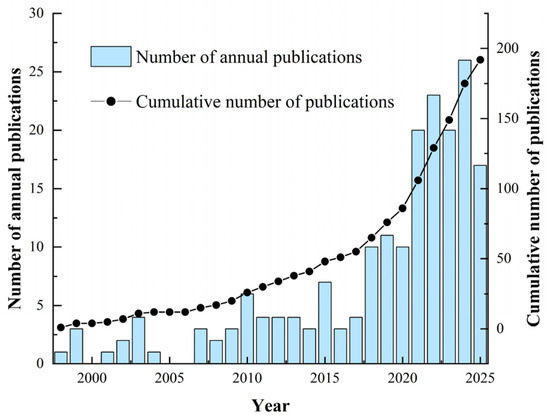
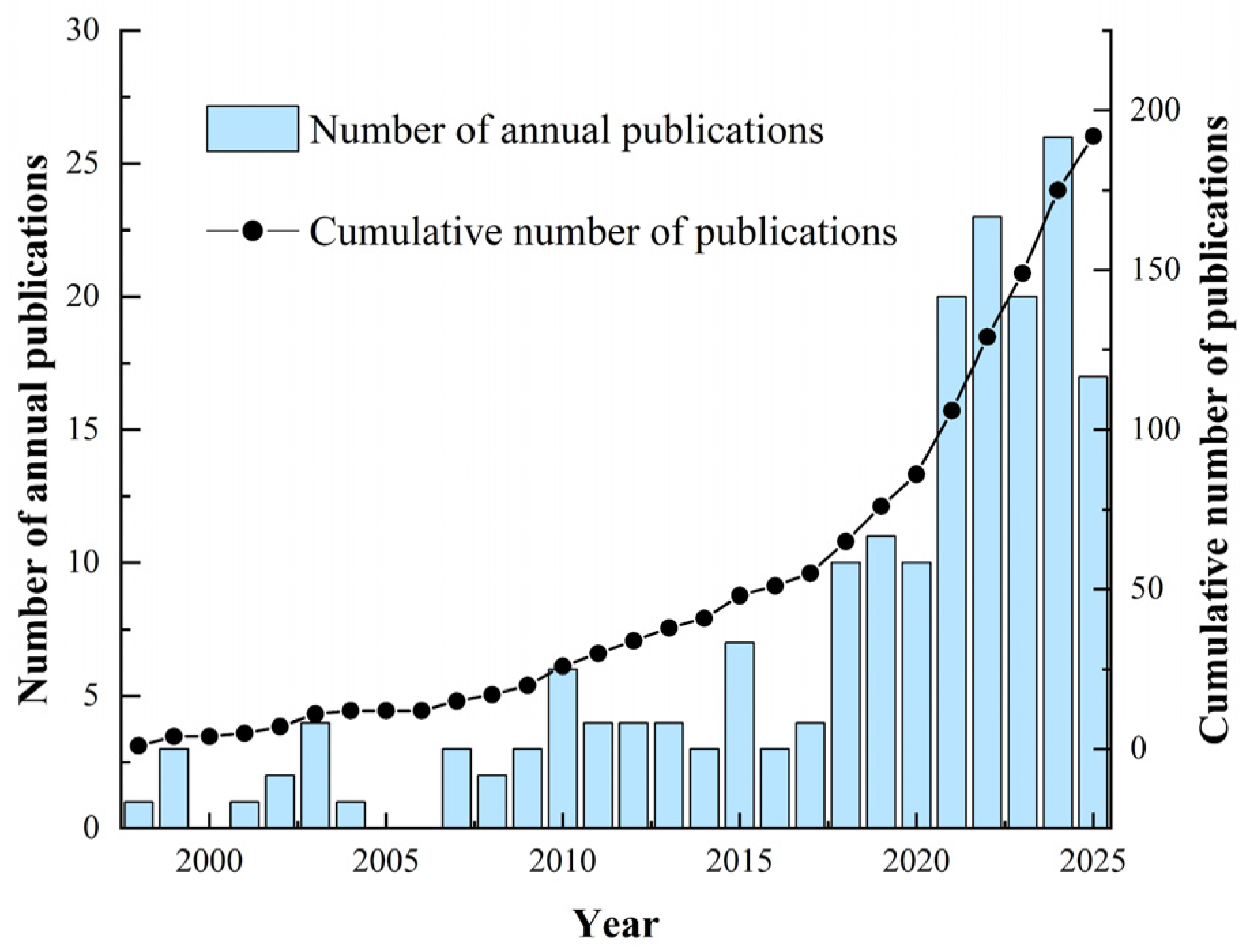
Annual publication volume serves as a key indicator for measuring the pace and patterns of disciplinary development, while also providing a general overview of a research field’s progress. The number of publications per year related to medicinal plant intercropping and crop rotation is shown in Figure 1. In total, this work selected a collection of 192 papers. Generally, the annual number of publications exhibited an overall upward trend with periodic fluctuations, which can be categorized into three distinct phases. The first period (1998–2010) shows a small yearly production ranging from zero to five papers, indicating the beginning of the exploration phase characterized by little scholarly activity and scattered studies. In the second period (2011–2017), a stage with varying growth, the yearly number was increased slightly, yet remained under 10 articles since some early attempts at medicinal plant intercropping and crop rotation were recorded, paving the way for further work. Publication numbers per year rose sharply from 2018 to 2025, crossing the 20 publications per year mark well past 2020 and peaking in 2024–2025.
Figure 1.
Annual distribution of publications on intercropping and crop rotation of medicinal plants from 1998 to 2025.
3.2. Analysis of Countries, Authors, and Institutions
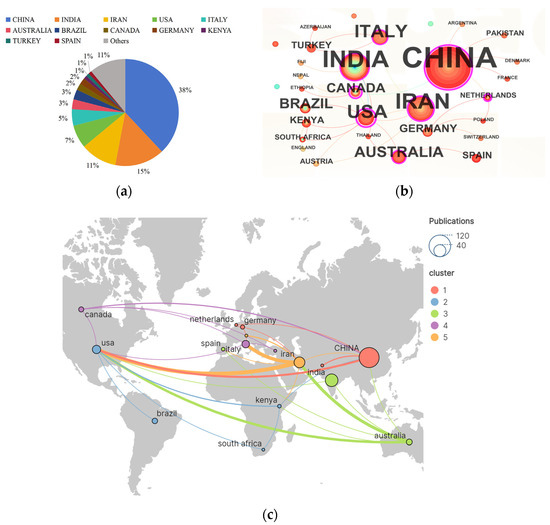
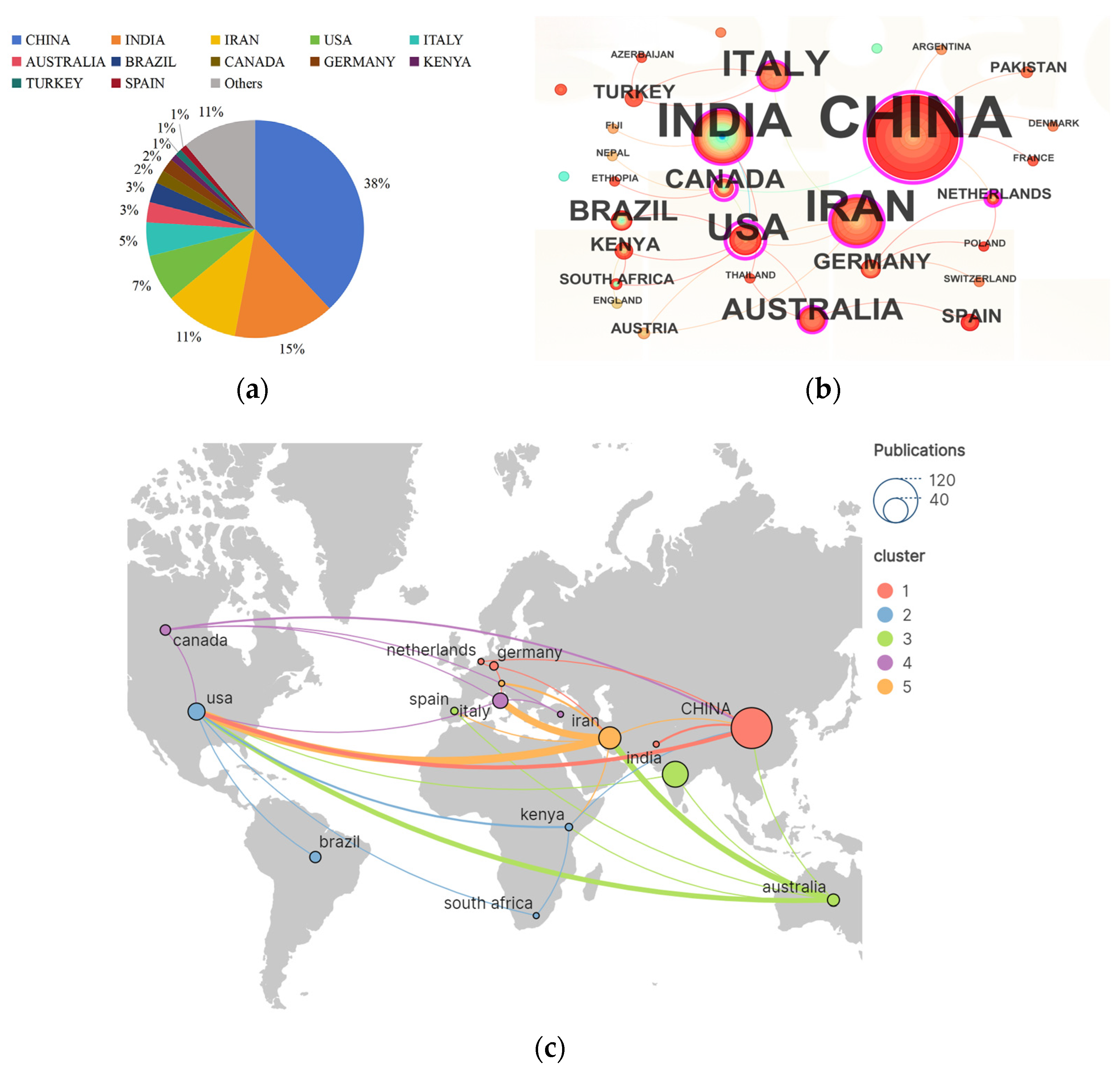
We used Citespace to analyze the English-language literature about the intercropping and crop rotation of medicinal plants published in WoS to generate the nation’s collaborative networks co-occurrence map, thus focusing on both national capabilities and partnerships. It covers 34 countries across five continents, including Asia, Europe, the Americas, Africa, and Oceania. The ten most prolific countries are listed in Table 1. China has been leading since 1998 with 93 articles, then came India (37), Iran (27), the U.S. (16), and Italy (13). Figure 2a shows the national share as a pie chart, which indicates that more than half of all papers were published by China or India together, and China has the largest proportion (38%). In CiteSpace analysis, centrality is often used to reflect the importance of nodes. Nodes with high centrality usually act as key intermediaries and exert greater influence in promoting cross-national cooperation in the network. As shown in Table 1, the three countries with the highest centrality are the United States (0.90), Canada (0.70), and China (0.63). These nations play pivotal roles in connecting collaborative efforts across different countries. Although the Netherlands does not rank among the top ten in terms of publication volume, its centrality places it fifth overall, indicating that it also functions as a key broker in advancing global research cooperation. In contrast, while India ranks second in publication output, it holds a relatively lower position in the global network’s core structure. This suggests that India’s international collaboration remains limited, with research exchange primarily concentrated within its domestic academic sphere, highlighting significant potential for future cross-regional partnership.
Table 1.
Top 10 countries for intercropping and crop rotation of traditional medicinal plants (1998–2025) by publication number and centrality.
Figure 2.
(a) Proportion of publications by country; (b) national cooperation network; (c) global visualization map of international collaboration.
The geographic visualization by Scimago Graphics (version 1.0.26, Figure 2c) shows that global cooperation presents an obvious agro-climatic regional distribution, with five major clusters formed among countries with similar ecological environments and planting conditions. Cluster 1 is dominated by China and constitutes the largest independent community. China’s agriculture is characterized by a high multiple cropping index and a large input of chemical fertilizers and pesticides, leading to a series of typical continuous cropping obstacles under regional-specific production pressure. This background has not only promoted the formation of a relatively concentrated domestic research system but also promoted cross-regional cooperation to explore ecological solutions [18]. Cluster 2 links the United States with Brazil and South Africa, reflecting a typical model of technology spillover and biodiversity research beyond simple geographical proximity. Brazil, Kenya, and South Africa provide rich biodiversity resources and medicinal plant germplasm, while the United States provides technical support such as genomics and metabolomics analysis. This transcontinental cooperation represents a typical model of joint research on natural products between technologically advanced countries and resource-rich countries, which is also reflected in Cluster 4. The thicker line connecting India and Australia in Cluster 3 indicates close cooperation between the two countries; this may be linked to the similar environmental challenges they face, such as high temperatures, drought and soil salinization. This hypothesis is further corroborated by Annex IX of the ICAR–WSU Work Plan (2024–2029), signed in November 2025, in which Dr. M.L. Jat, Director General of ICAR, explicitly stated that “integrating agriculture with research on medicinal plants and medicine represents a new strategic direction for cooperation between India and Australia” [19].
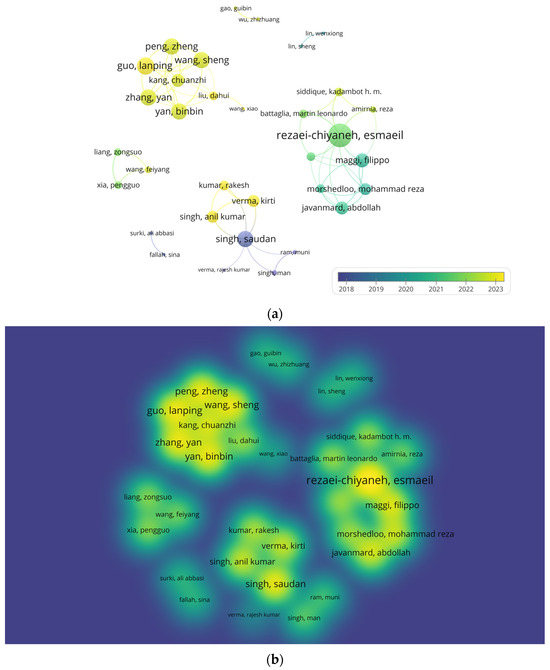
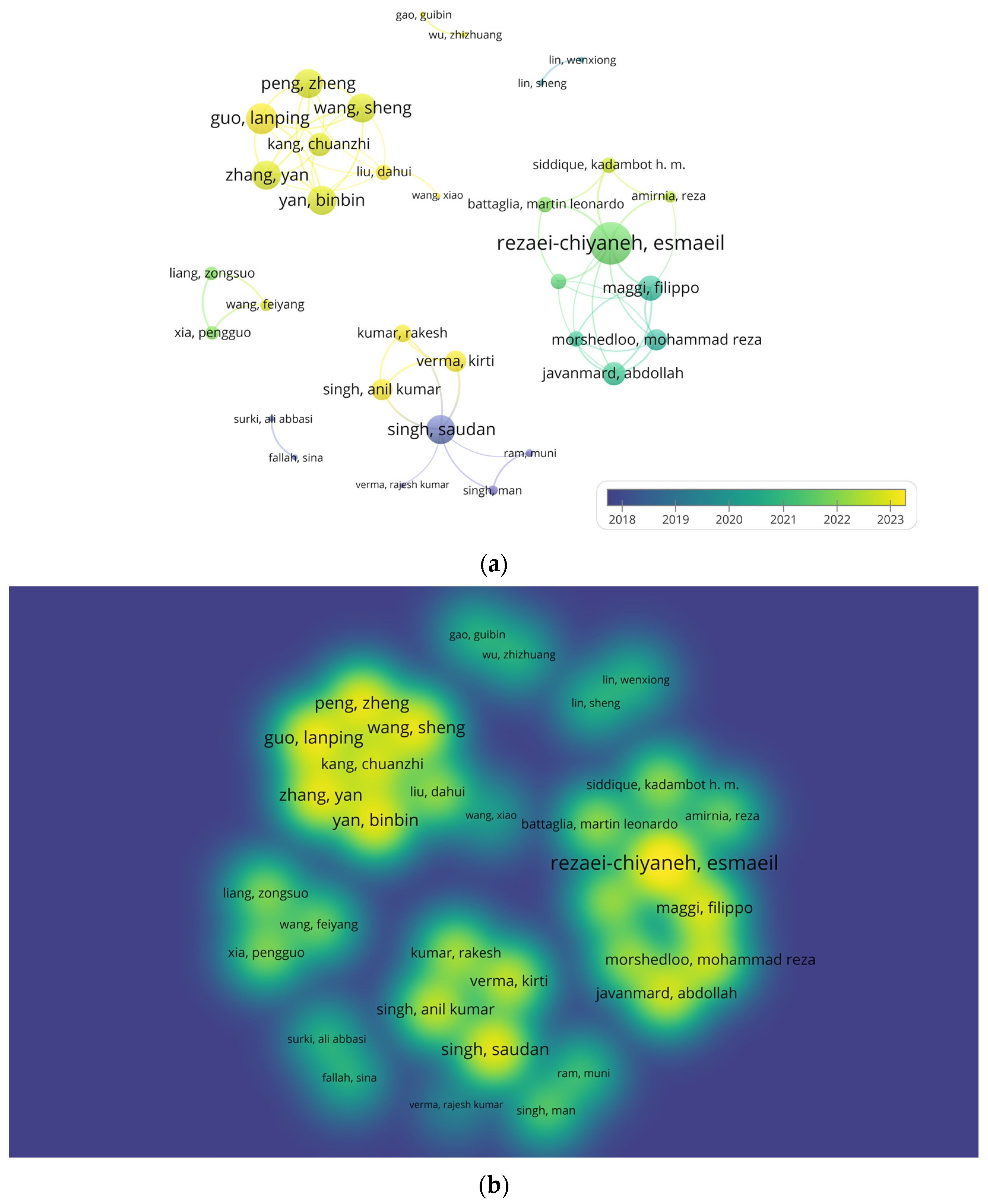
We used VOSviewer software to construct author collaboration networks and identified core author groups according to Price’s Law. The threshold for core authors was calculated using the formula (nmax stands for the number of papers published by the most active author). The data include 192 English papers contributed by 976 authors. Esmaeil Rezaei-Chiyaneh was the most productive scholar, with nine publications. Consequently, the minimum publication threshold for core authors was determined to be N ≈ 2.25 based on Price’s Law. To ensure the stringency and representativeness of the core author group, we followed the common academic practice of rounding up to the nearest integer. Consequently, authors with three or more publications were classified as core authors, effectively filtering out transient contributors and focusing the analysis on the research backbone of the field [20]. In total, 35 core authors were identified, forming six separate collaboration networks. A comparison between the co-occurrence overlay graph (Figure 3a) and its density view (Figure 3b) reveals a “dual-core driven” spatial pattern within the research landscape. In Figure 3a, where node size corresponds to publication output, two major camps are evident: an international agronomy camp represented by Esmaeil Rezaei-Chiyaneh, and a Chinese traditional medicine ecological agriculture camp centered on Lanping Guo.
Figure 3.
(a) Mapping of author network with timeline view in intercropping and crop rotation research from 1998 to 2025; (b) mapping of author network with density in intercropping and crop rotation research from 1998 to 2025.
From a geographical and ecological perspective, the international agronomy school led by Esmaeil Rezaei-Chiyaneh primarily operates in semi-arid regions such as Iran. In these areas, research is predominantly driven by critical abiotic constraints, including limited water and fertilizer availability. Thus, their intercropping and relay cropping strategies address CCOs while seeking to maximize the Land Equivalent Ratio (LER) in degraded soil environments. The greatest contribution of this research group is demonstrating that moderate stress and interspecific competition can improve essential oil quality. The rational intercropping pattern changes the field microclimate, thus stimulating the production of medicinal plants for higher amounts of essential oils and other compounds. In contrast, the Chinese medicinal plant eco-agriculture group, headed by Lanping Guo, is dedicated to mitigating CCOs and reconstituting rhizosphere microbiota. They are regarded as the founders of China’s Chinese medicinal materials eco-agriculture. Lanping Guo and her research group focus on the country’s important industrial demand, addressing serious problems of the continuous cultivation of some valuable Chinese medicinal materials, including Panax notoginseng, Atractylodes macrocephala Koidz, and Panax ginseng. The research group proposed the simulated habitat cultivation theory, which simulates the natural habitats of medicinal plants through intercropping and relay cropping. This approach utilizes metagenomics and metabolomics to analyze the mechanisms underlying rhizosphere microbial community imbalance. They have not only made significant contributions to the field of crop modeling but have also established the Ecological Planting Standards for Chinese Medicinal Materials. These papers demonstrate how certain crop rotations or intercropping could specifically “recruit” desired microbes to rebuild soils from the ground up. More closely examining Figure 3b, the prominent clusters on the heatmap align with elevated TLS values, with the transition to bright yellow signifying the highest density within the visualized network. These bright yellow regions effectively demarcate the two major research camps, underscoring a remarkably high density of co-authorship and robust academic interaction between the leading contributors. This highly connected and compact structure shows that the researchers have formed a relatively close cooperative pattern for tackling the challenges of continuous cropping, which is mostly located at the interval of years between 2021 and 2025. It indicates that there has been a significant increase in papers on China globally, as well as a changeover from isolated breakthroughs to current team efforts. Tracking the publications from those two large clusters enables us to clearly identify core topics, as well as new developments, in the intercropping and crop rotation of medicinal plants.
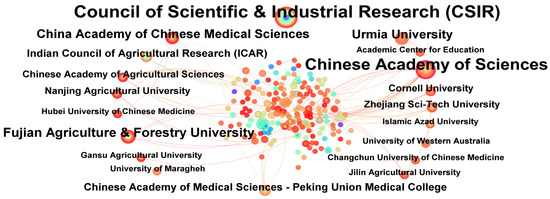
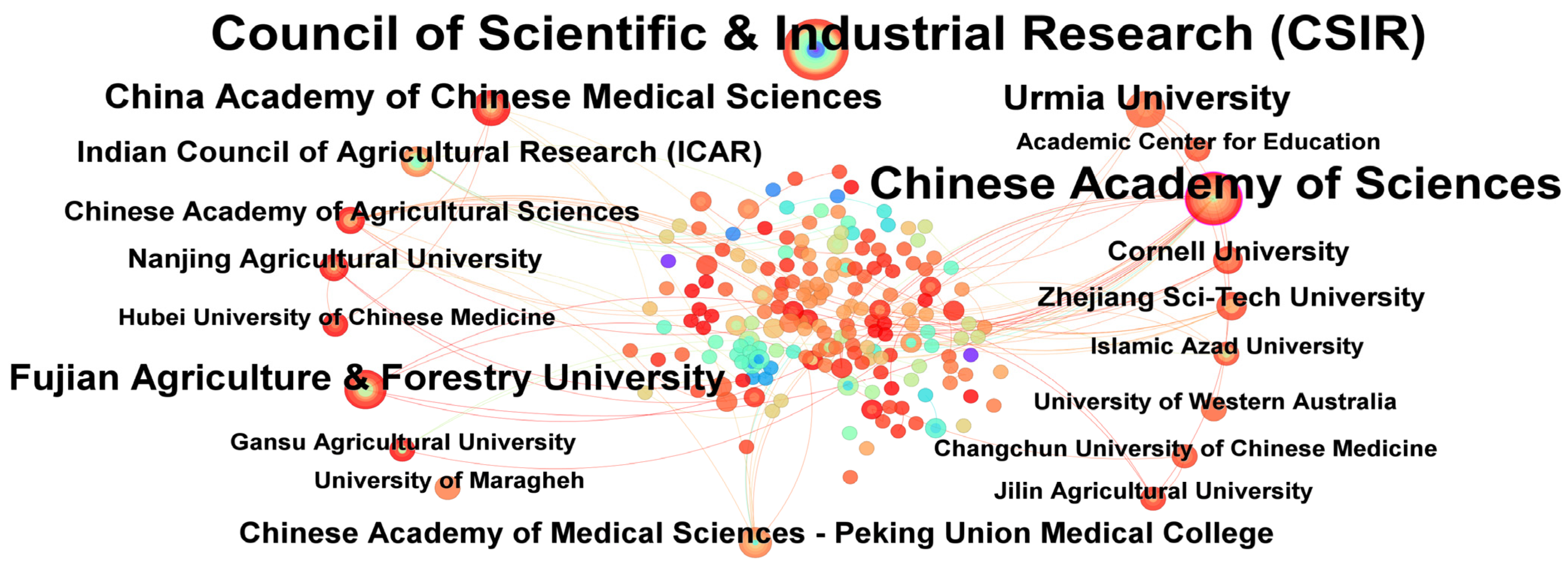
The institutional co-occurrence network map (Figure 4), which was drawn using CiteSpace software, shows us the macro-level distribution situation and regional features of research capacity in this field. Node size in the network corresponds to the number of publications issued by each institution, while the number of connections reflects the intensity of collaborative relationships between institutions. This visual analysis clearly illustrates the overall distribution of research strength and the structural characteristics of inter-institutional cooperation in the field of medicinal plant intercropping and crop rotation. The figure comprises 211 nodes and 262 links. In Figure 4, the node representing the Council for Scientific and Industrial Research (CSIR) is the largest but has relatively few links. Table 2 lists the top ten institutions by number of publications. The nodes representing the Chinese Academy of Sciences, the Chinese Academy of Agricultural Sciences, the Chinese Academy of Medical Sciences–Peking Union Medical College, the China Academy of Chinese Medical Sciences, Fujian Agriculture and Forestry University and Nanjing Agricultural University are relatively large and have a high number of connections. Analysis of the network reveals that whilst the CSIR makes a significant contribution to this field, it engages in relatively little collaboration with other institutions, suggesting potential for future cooperation. The Chinese Academy of Sciences and Fujian Agriculture and Forestry University stand out as key bridges within the network; their high centrality values reflect their role in connecting different research clusters. It is worth noting that connections between institutions within China are relatively dense, indicating close collaborative relationships amongst domestic institutions; however, connections between Chinese institutions and those in other countries are sparse, and collaboration amongst institutions in other countries is also relatively limited. This indicates that current research in this field is subject to international barriers and regional divides, suggesting significant potential for transnational collaboration.
Figure 4.
Institutional collaboration network of research on intercropping and crop rotation for traditional medicinal plants (1998–2025).
Table 2.
Top 10 institutions of the English-language literature in terms of publication numbers.
3.3. Analysis of Journals and Articles
Table 3 lists the ten English-language journals publishing the most research on medicinal plant intercropping and rotation. The publications in the area concentrate mostly on agronomy, soil science, and environmental science journals. Industrial Crops and Products (23 articles, IF 6.2) leads in publication volume, which demonstrates that the discipline remains grounded in agricultural production, motivated by achieving a high land LER and economic returns. Higher IF journals, such as Frontiers in Plant Science (10 articles, IF 5.7) or Scientific Reports (7 articles, IF 4.3), contribute significantly to the corpus, with studies increasingly incorporating physiological and molecular analyses alongside traditional agronomic assessments. Agroforestry Systems (9 articles), Plant and Soil (5 articles) and Agriculture-Basel (5 articles) focus on the systematic relationships in cropping systems. The scope of topics in this field was further defined through an analysis of specialist journals. Agroforestry Systems (9 articles) primarily explores the understory economy and vertical land-use stratification. Meanwhile, Plant and Soil (5 articles) and Frontiers in Microbiology (4 articles) are key outlets for research on rhizosphere microbial interactions and the mitigation of CCOs. Agriculture-Basel (5 articles) serves as a systemic integrator; unlike the crop-specific focus of some agronomic journals, contributions in Agriculture-Basel often adopt an agroecosystem perspective. These studies analyze how intercropping and polycultures enhance ecosystem services, soil quality, and resource-use efficiency simultaneously, seeking a balance between production goals and ecological stability.
Table 3.
Top 10 English-language journals in terms of publication volume for research on the intercropping and crop rotation of medicinal plants.
The top ten highly cited papers are shown in Table 4. The top-ranked paper (Rao et al.) was published in 2004 and reviewed the potential of Medicinal and Aromatic Plants (MAPs) in agroforestry. This work revealed the potential of medicinal and MAPs to economically optimize fallow land, which laid a key foundational framework for the forest-medicine cultivation model [21]. A study (Rao et al.) established that optimal row spacing enhances both the LER and overall economic benefits [22]. 2018 was a pivotal year, marked by a surge in high-impact research. China emerged as a leader in the field, producing half of the top ten most influential papers, many of which were published in prestigious journals such as Soil Biology and Biochemistry. This trend reflects both the rising quality of Chinese academic research and its growing global influence in the global academic community. In 2018, Li et al. [9] conducted a pioneering mechanistic study on the Atractylodes lancea–peanut intercropping system. They found that the system suppresses rhizosphere pathogens by reshaping fungal communities, effectively linking observed phenotypes with underlying microbial mechanisms. In the same year, Dong et al. elucidated the potential mechanism of the CCOs from the view of microbial ecology and proposed a potentially effective method to improve replanting soils by inoculation with beneficial microbial taxa [10]. Meanwhile, intercropping medicinal plants with legumes and applying organic fertilizers enhances yield, essential oil content, and antioxidant activity, confirming that ecological cultivation practices can effectively improve the medicinal quality of target herbs [23,24]. Recent pioneering studies by Chinese scientists published in journals such as Soil Biology and Biochemistry [9,10,25,26] identify rhizosphere microbial dysbiosis as the primary driver of these obstacles. These works demonstrate that rational intercropping or crop rotation can restore soil health by recruiting beneficial microbes and suppressing pathogens. Naturally, foundational works published earlier in the observed period benefit from a longer duration to accumulate citations, acting as the intellectual cornerstone of the discipline. However, it is noteworthy that several recent publications have achieved high citation counts within a remarkably short period. The presence of these recent hotspots alongside the classic literature demonstrates that early works provided the theoretical framework for overcoming CCOs, while recent studies propel the field toward precision microbial ecology and systemic agroecosystem management.
Table 4.
Top 10 papers by citation frequency.
3.4. Analysis of Keyword Co-Occurrence, Clustering, and Evolution
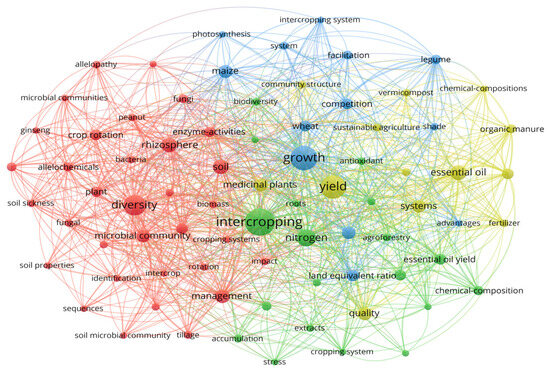
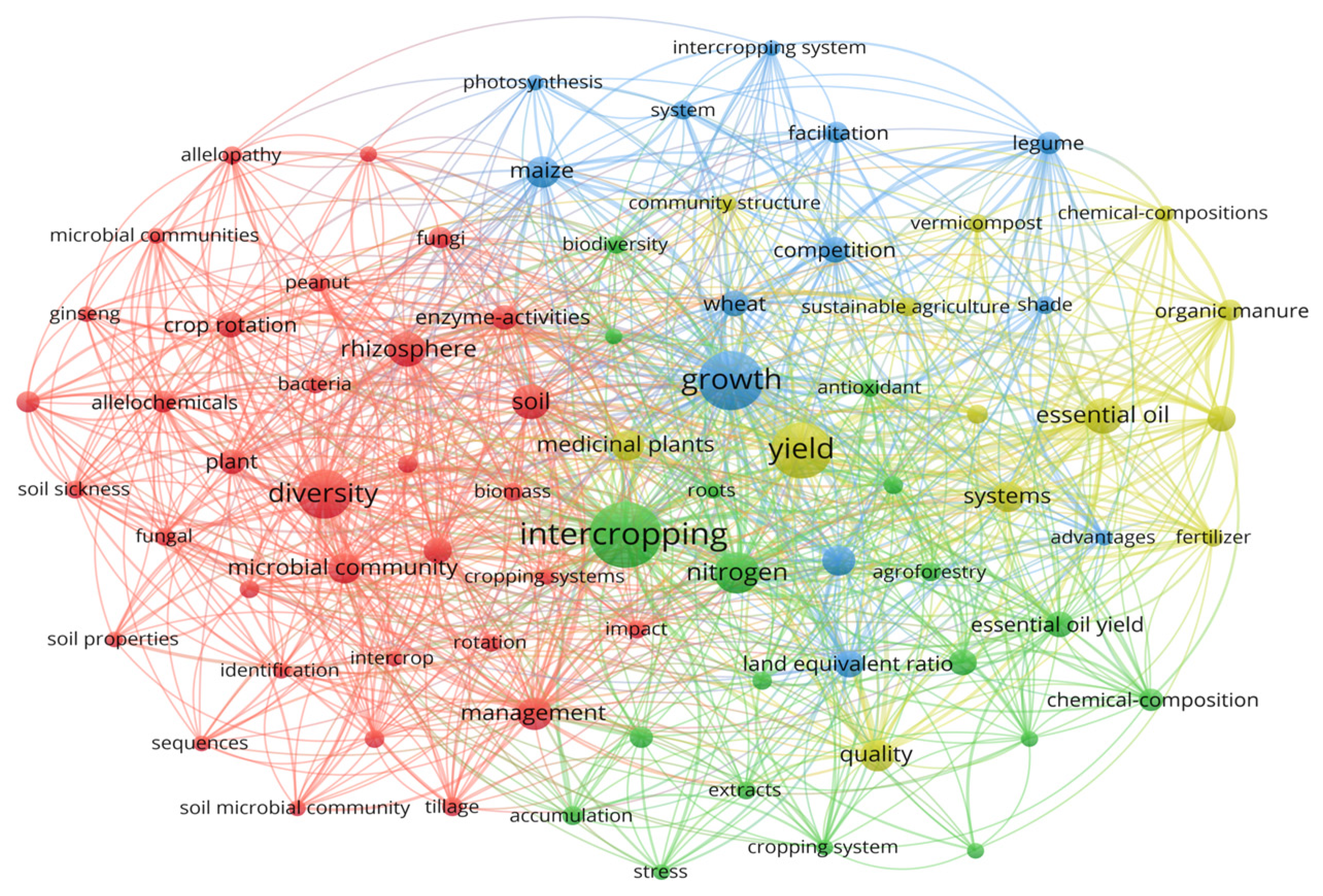
Keywords represent the core content of the documents; thus, a keyword co-occurrence network can reflect the dominant research themes within a domain. In the keyword co-occurrence map (Figure 5). The different colors represent the thematic clusters identified by the VOSviewer clustering algorithm, where nodes of the same color indicate a higher degree of co-occurrence or collaborative intensity. The node size represents the frequency, reflecting a keyword’s research intensity. The number of links directly reflects the connectivity frequency of a given node with others. A higher link count indicates a broader breadth of association, suggesting that the research entity occupies a pivotal position and maintains extensive interactions within the network [29]. The keyword co-occurrence map contains 78 keywords and 1055 links, which form four clusters. Table 5 lists the ten most frequent keywords in the English-language literature. The three most common keywords are “intercropping”, “growth”, and “yield”. Global research hotspots are primarily concentrated on “intercropping,” “growth,” “yield,” and “biodiversity.” The green cluster is dominated by intercropping and its co-occurrence with terms such as agroforestry, nitrogen, essential oil yield, and chemical composition, reflecting a concentrated effort to evaluate whether intercropping can enhance both the biomass and phytochemical quality of medicinal plants. Within the blue cluster, the prevalence of “growth,” “maize,” “wheat,” and “land equivalent ratio (LER)” underscores a research focus on plant development and resource-use efficiency. The yellow cluster emphasizes productivity and quality, specifically investigating the impact of diversified planting on the accumulation of bioactive constituents and secondary metabolites. Finally, the red cluster focuses on crop rotation and alternative cultivation systems, exploring their influence on biological diversity and the structural integrity of soil microbial communities.
Figure 5.
Mapping of keyword co-occurrence in the intercropping and crop rotation of medicinal plants from 1998 to 2025.
Table 5.
Top 10 keywords in the intercropping and crop rotation of medicinal plants from 1998 to 2025.
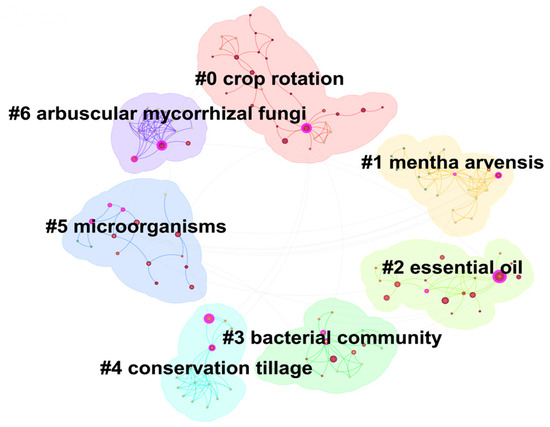
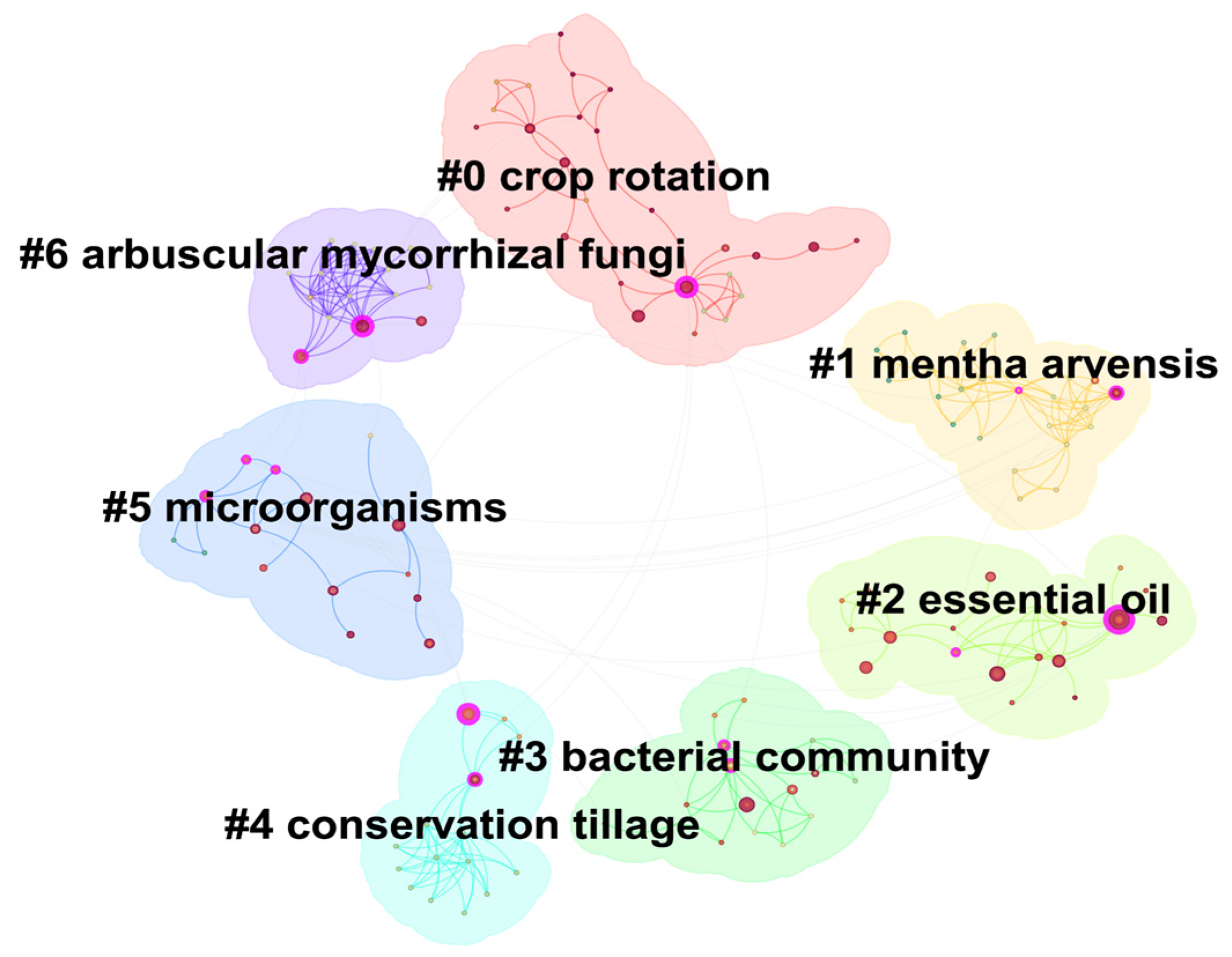
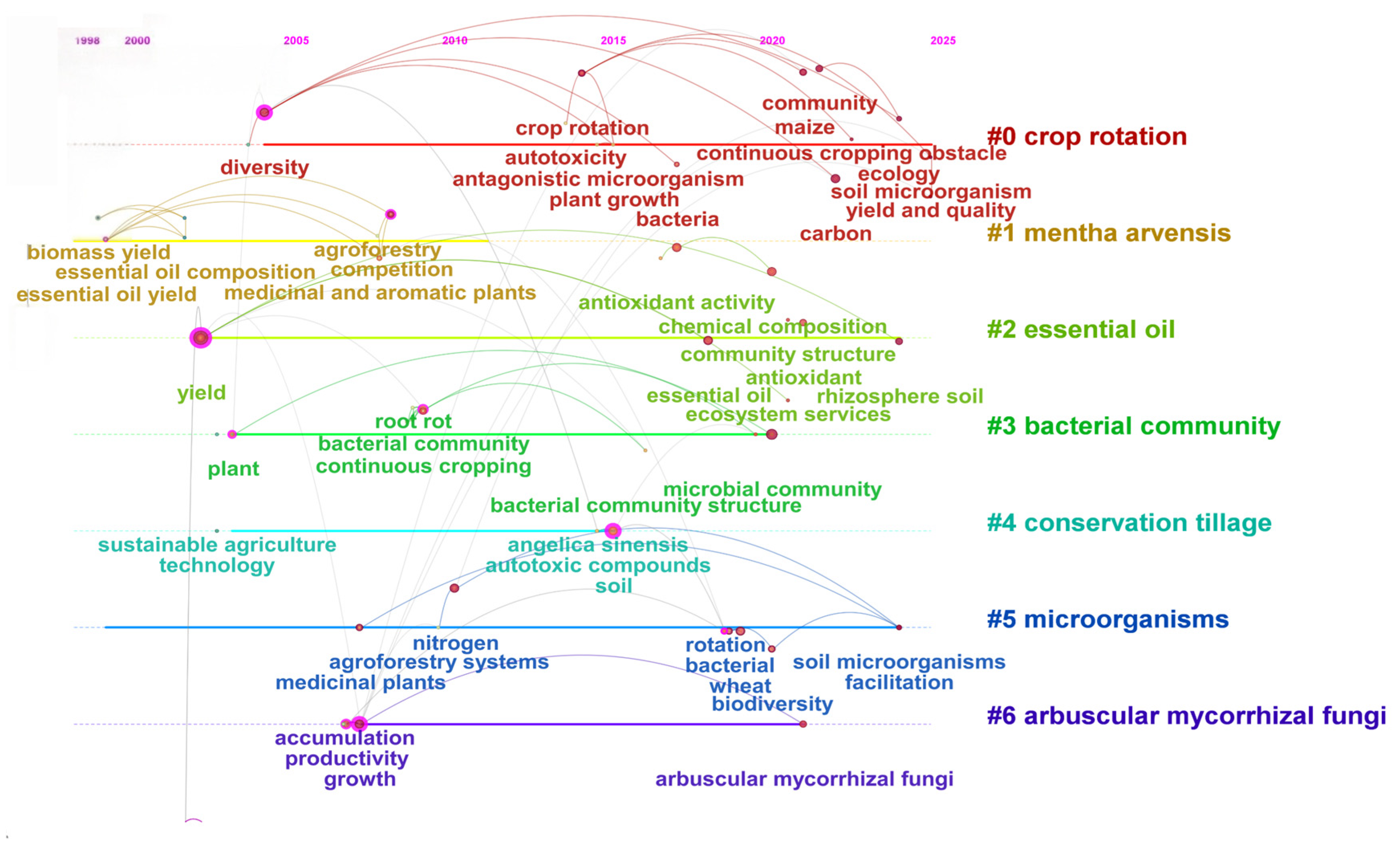
The keyword clustering diagram for the English-language literature is shown in Figure 6. The modularity value Q = 0.821 (>0.3) indicates that the identified structural communities are significant, while the average silhouette value S = 0.9175 (>0.7) demonstrates that the clustering results are valid and convincing. Based on the English keywords clustering analysis (Figure 6) and related literature (Table 6), it is found that the foreign studies mainly focus on the system of intercropping with aromatic medicinal plants and crop rotation, with system performance evaluated by essential oil yield and quality. Clusters #0 Crop Rotation, #3 Bacterial Community, #4 Conservation Tillage, #5 Microorganisms, and #6 Arbuscular Mycorrhizal Fungi approach this issue in relation to soils. Based on the clustering results, it can be inferred that these studies aim to reveal the biological processes governing belowground interspecific interactions, elucidate the mechanisms of plant–microbe crosstalk, investigate the underlying causes of continuous cropping obstacles, and analyze the impacts of monoculture versus crop rotation on soil microbial ecosystems. As the primary models of ecological cultivation, intercropping and rotation not only mitigate the challenges associated with continuous cropping but also enhance the yield and quality of medicinal plants, thereby maximizing economic returns. Current research has expanded to the cellular and molecular levels, seeking to explore how these cultivation systems modulate rhizosphere physicochemical properties, microbial community structures, and ecological functionalities. The timeline of keywords in the intercropping and crop rotation of medicinal plants (Figure 7) also shows that the research hotspots in this field have changed over time. The temporal evolution of keyword clusters reveals a three-stage development in the field. During the initial stage (2003–2005), most publications focused on studying the yield and quality of essential oil in the intercropping and rotation system with aromatic medicinal plants, such as Cluster #1 Mentha arvensis (2003) and #4 conservation tillage (2005). Research during this period was highly specialized, focusing on the essential oil properties of specific plants, such as mint, or the application of new sustainable agricultural management practices, like conservation tillage. During the intermediate phase (2008–2013), research focus shifted toward microbiota and biocontrol mechanisms. This trend is exemplified by the emergence of Cluster #6 Arbuscular Mycorrhizal Fungi in 2008, Cluster #3 Bacterial Community in 2011, and Cluster #5 Microorganisms in 2013. This era was marked by an increasing global interest in the role of microbes in overcoming problems associated with continuous cropping, as well as understanding the dynamics between plants and microbes. The importance of rhizosphere ecology and plant secondary compounds has been highlighted recently for crops under rotation, with representative clusters #0 crop rotation (2017) and #2 essential oil (2018). The latest hotspot returns to crop rotation, now specifically coupled with the “rhizosphere”, indicating that contemporary studies are probing the precise mechanisms through which cultivation practices influence secondary metabolite chemistry.
Figure 6.
Clustering map of keywords in the intercropping and crop rotation of medicinal plants from 1998 to 2025.
Table 6.
Clustering analyses of keywords in intercropping and crop rotation of medicinal plants from 1998 to 2025.
Figure 7.
Timeline map of keywords in the intercropping and crop rotation of medicinal plants from 1998 to 2025.
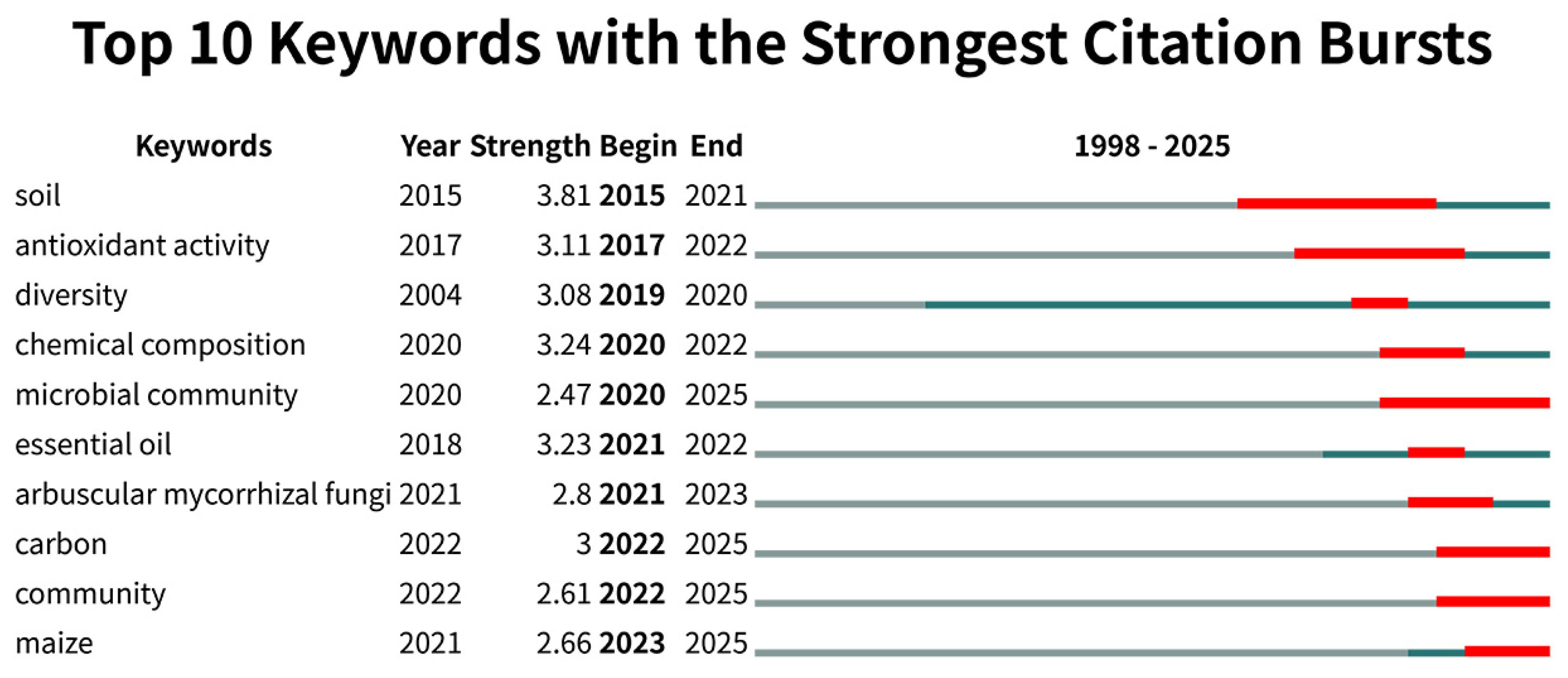
The burst analysis results for keywords used from 1998 to 2025, along with their strength and occurrence timespan, are shown in Figure 8. Consequently, monitoring these emerging keywords helps track the evolution of research hotspots and forecast future trends in the intercropping and crop rotation of medicinal plants [12]. Figure 8 illustrates the top 10 keywords exhibiting the most significant citation bursts between 1998 and 2025. Based on the strength and duration of these bursts, several distinct thematic transitions can be observed. From 2015 to 2022, the research focus shifted toward soil fertility, plant product quality, and ecosystem biodiversity, as indicated by keywords such as “soil” (strength = 3.81), “chemical composition” (3.24), “antioxidant activity” (3.11), and “diversity” (3.08). The recent emergence of “community” (strength 2.61), “microbial community” (strength 2.47), and “maize” (strength 2.66) suggests a sustained and deepening focus on the interaction mechanisms between soil microbial ecosystems and medicinal plants. A holistic strategy involving both the traditional Chinese experience in “three-dimensional eco-agriculture” combined with advanced international theories about the control of secondary metabolism, as well as rootzone microbial techniques, would enable further study and accurate analysis of such relationships between different species. This will help establish an ecological and modern TCM agriculture system in China to overcome the problem of continuous crop cultivation and also improve the quality of medicine, thus promoting the green development of TCM farming. Notably, the recent burst in the keyword “carbon” (3.0) highlights an increasing scholarly interest in the carbon dynamics of medicinal plant cultivation. This trend suggests that intercropping and rotation systems are being increasingly evaluated for their role in soil organic carbon sequestration and nutrient cycling efficiency. By integrating traditional ecological practices with modern rhizosphere techniques, future research can better characterize the carbon–nutrient balance within these systems. This focus not only aids in mitigating continuous cropping obstacles but also aligns with the broader objectives of sustainable and resource-efficient agriculture, potentially enhancing the environmental co-benefits of medicinal plant farming.
Figure 8.
Top 10 keywords with the strongest citation bursts in the intercropping and crop rotation of medicinal plants from 1998 to 2025.
4. Discussion
4.1. Research Overview
This study uses CiteSpace and VOSviewer to conduct a visualization analysis of the core journal literature on the intercropping and crop rotation of medicinal plants from Web of Science core databases. Research in this domain has transitioned from early exploration to a stage of rapid expansion, with output peaking in 2024. The rapid growth observed since 2018 reflects increasing global investment in optimizing the cultivation of medicinal plants through intercropping, which may be attributed to a combination of advanced technologies, policy support and market demand [18]. As global agriculture shifts toward sustainable intensification, international collaboration is expected to become increasingly integrated. Consequently, research on medicinal plant intercropping and crop rotation is poised to evolve from localized empirical knowledge into a comprehensive global scientific framework. By integrating results from keyword co-occurrence analysis, clustering and timeline visualizations in research on the intercropping and crop rotation of medicinal plants, we have found that research interests in this field are gradually shifting from early-stage aboveground physiological ecology towards contemporary themes such as the rhizosphere microbiome, mechanisms for alleviating consecutive monoculture obstacles, and the ecological management of soil health. We have categorized the current research hotspots in this field into three key themes. These findings align closely with the perspectives of Muhammad Zeeshan Ul Haq et al. [27], who assert that intercropping and crop rotation represent efficacious strategies for mitigating CCOs. Their synthesis underscores that a profound elucidation of the intricate interactions between plants and soil microorganisms is fundamental to overcoming the physiological and ecological constraints of medicinal plant cultivation.
4.2. Research Hotspots
4.2.1. Analysis of the Causes of Continuous Cropping Obstacles
- (1)
- Bibliometric analysis reveals that research on the ecological cultivation of medicinal plants is evolving from superficial aboveground phenotypes toward a deeper understanding of belowground mechanisms. To comprehend how intercropping and crop rotation enhance yields through belowground interactions, it is essential first to clarify the formation mechanisms of CCOs—the core bottleneck responsible for yield reduction. The causation mechanism of CCOs is complicated, related to soil nutrient imbalance, soil microbial dysbiosis, and allelopathic autotoxicity [3]. Autotoxicity is the primary chemical trigger. Autotoxicity is a fundamental driver of CCOs, occurring when plants release allelochemicals—such as phenolic acids, terpenoids, alkaloids, and organic acids—into the rhizosphere through root exudation, leaching, and residue degradation [30,31]. These compounds accumulate in the soil and exert both direct and indirect inhibitory effects on the growth and development of subsequent crops [32]. Among these, phenolic acids are regarded as the primary contributors to this phenomenon [33,34]. For example, 4-hydroxybenzoic acid (4-HBA) has been shown to strongly suppress rhizosphere soil enzyme activity in Pogostemon cablin seedlings, thereby significantly inhibiting their growth [35,36].
- (2)
- Soil nutrient imbalance is the physiological basis of stress. Simultaneously, the selective uptake of specific secondary elements and micronutrients during prolonged cultivation leads to severe soil nutrient exhaustion. This internal nutrient imbalance [28,37] eventually causes a marked decline in both yield and quality [38]. For instance, Panax ginseng exhibits high demands for nitrogen (N), phosphorus (P), and potassium (K), which are gradually depleted under continuous cropping. Studies indicate that N deficiency reduces chlorophyll content and photosynthetic rates [39], while P deficiency inhibits lateral and fine root development, reducing dry matter accumulation [40]. Furthermore, K deficiency suppresses soil amylase and dehydrogenase activities, impairing organ formation and further nutrient uptake [41].
- (3)
- Rhizosphere microbial dysbiosis is the core ecological consequence. The convergence of allelochemical accumulation and nutrient imbalance ultimately induces rhizosphere microbial community dysbiosis, characterized by the enrichment of harmful pathogens and the reduction in beneficial microbes. This microbial shift is widely regarded as the decisive cause of soil-borne diseases in medicinal plants [42,43]. While the relationship between plants (e.g., Coptis chinensis) and their microbiota is naturally mutualistic [44,45,46], continuous cropping disrupts this equilibrium. In species such as Codonopsis pilosula [47], Astragalus membranaceus [48], and Polygonatum odoratum [49], this imbalance manifests as significant pathogen proliferation, directly leading to severe soil-borne diseases such as root rot and wilt.
4.2.2. Mechanisms Underlying the Mitigation of Continuous Cropping Obstacles by Intercropping and Crop Rotation
By establishing spatiotemporal niche complementarity, intercropping (the top-ranked term in keyword co-occurrence analysis) and crop rotation (the core theme Cluster 0) reshape the cultivation environment of medicinal plants across physical, chemical, and biological dimensions. These shifts in planting patterns facilitate a systemic intervention in the rhizosphere micro-ecosystem. In the physical dimension, intercropping and crop rotation optimize the three-dimensional growth space by leveraging differences in plant morphology, phenology, and ecological niches: variations in rooting depth and distribution in intercropping systems (e.g., Vicia faba and Notopterygium incisum) can improve the utilization efficiency of soil resources [50]. Utilizing differences in plant height and shade tolerance (e.g., Pogostemon cablin and Vigna unguiculata) provides appropriate shading, optimizes light and microclimate, and enhances photosynthetic efficiency and land productivity [51,52]. Mimicking wild growth environments (e.g., forest–ginseng systems) can improve the traits of medicinal materials, bringing their quality close to that of wild ginseng [53]. In the chemical dimension, rational cultivation models can improve soil physicochemical properties and regulate nutrient cycling: crop rotation can enrich nutrients and significantly increase soil pH, organic matter, and available phosphorus and potassium content [54]; legume-based rotations can increase the uptake of nitrogen, phosphorus, potassium, and sulfur by subsequent crops by 18–32% [55]. Rotation can also enhance urease and invertase activities (e.g., Panax ginseng rotation systems), effectively catalyzing carbon and nitrogen cycling and improving soil fertility [56,57,58,59,60]. Rotation can effectively clear or dilute allelopathic toxic substances left by previous crops (e.g., alkanes secreted by Solanum tuberosum roots), mitigating autotoxicity [61]. In the biological dimension, diversified planting models change the rhizosphere micro-ecological environment, significantly increasing the abundance of beneficial bacteria such as Sphingomonas, Nitrospira, Rhizobium [62,63], Lactobacillus [64,65], as well as Bacillus and Pseudomonas [66], achieving “disease suppression and growth promotion.” These key taxa possess nitrogen-fixing and phosphorus-solubilizing functions and can secrete plant growth-promoting substances to stimulate root development [65,66,67]; meanwhile, they degrade toxic substances such as pesticide residues through metabolism. By altering the soil micro-environment, they effectively curb the breeding of soil-borne pathogens and enhance plant resistance to both biotic and abiotic stresses.
4.2.3. Core Mechanisms of Microbial-Mediated Mitigation of Continuous Cropping Obstacles
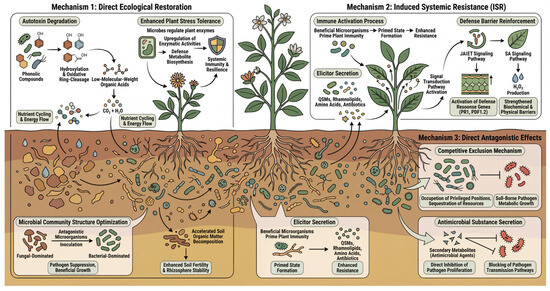
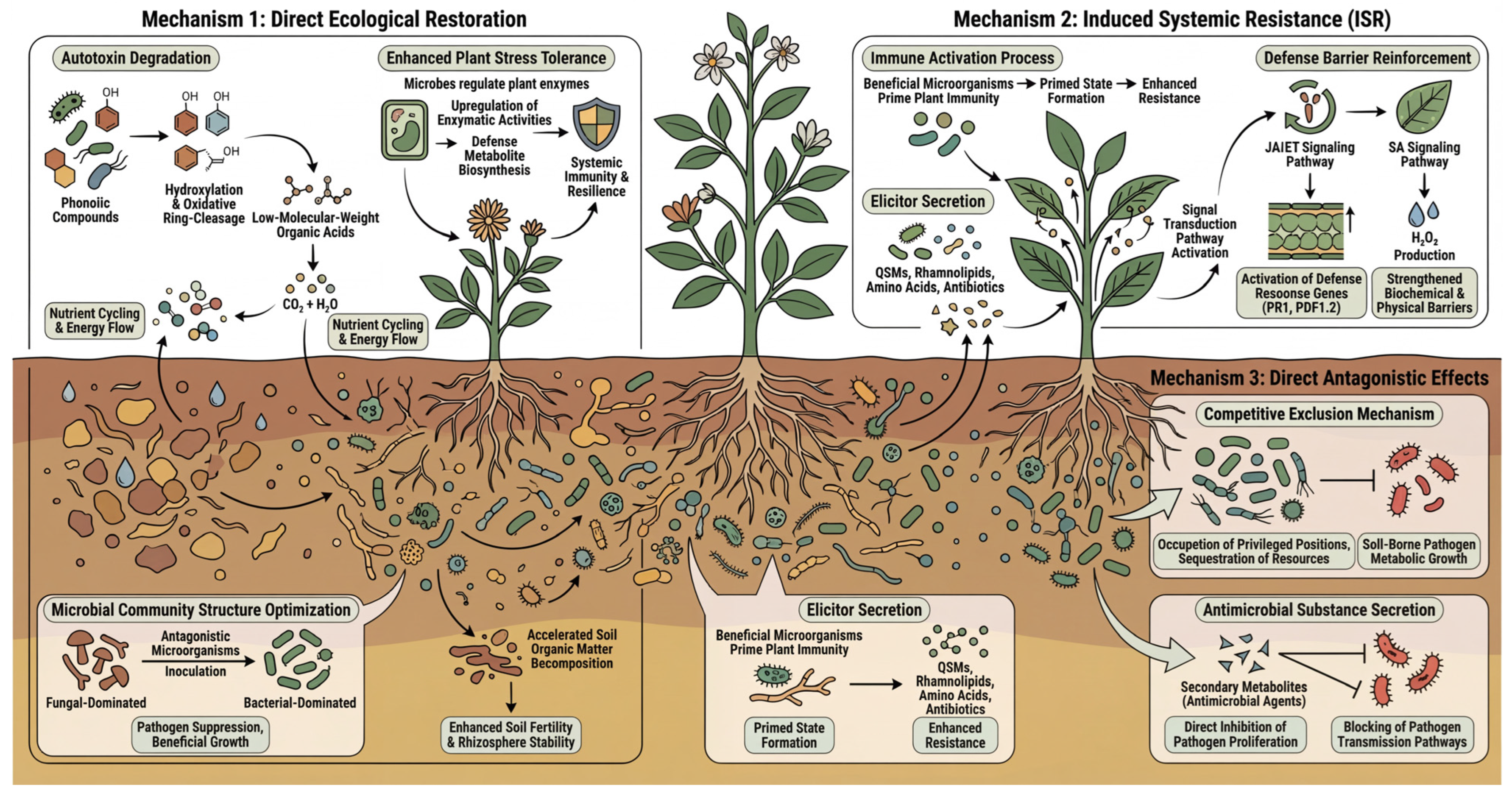
Microorganisms participate in the negative feedback cycle of the soil–microbe–medicinal plant system through the following primary pathways: (1) Microorganisms facilitate ecological recovery by remediating soil deterioration and autotoxin accumulation. Specifically, specialized microbes degrade autotoxic substances (e.g., phenolic compounds) via hydroxylation and oxidative ring cleavage, converting them into organic acids or achieving complete mineralization into CO2 and H2O [68,69]. These metabolic derivatives serve as carbon and nitrogen sources for host plants and beneficial microbiota, stabilizing rhizosphere nutrient cycling and energy flow [70]. Furthermore, microbes enhance host systemic immunity and stress resilience by up-regulating key enzymes in defense-metabolite synthesis pathways [71]. Beyond direct degradation, targeted inoculation of antagonistic microbes reshapes the soil microbiome, suppressing pathogens while fostering beneficial microbial consortia [72]. Microbial metabolism also accelerates organic matter decomposition and essential nutrient cycling, improving overall soil fertility [73]. Practically, microbial fertilizers significantly increase bacterial and actinomycete abundance in the rhizospheres of crops like Rehmannia glutinosa [74] and Andrographis paniculata [75], while concurrently reducing fungal prevalence, thereby stabilizing the ecosystem and suppressing soil-borne diseases. (2) Microorganisms trigger induced systemic resistance (ISR) to enhance plant resilience against external stressors. ISR is a priming process where beneficial microbes alert the plant’s endogenous immunity, preparing it for secondary infections [76]. This systemic response is initiated by microbial elicitors—such as quorum-sensing molecules (QSMs), rhamnolipids, molecular patterns, and antibiotics—which transmit alarm signals to distal tissues even without physical contact [77]. Specifically, Trichoderma species activate the jasmonic acid/ethylene (JA/ET) signaling pathways by secreting microbe-associated molecular patterns (MAMPs) and volatile organic compounds (VOCs). This triggers the production of pathogenesis-related (PR) proteins and antimicrobial compounds [78]. Similarly, Endophytic Streptomyces can induce ISR by stimulating salicylic acid (SA) and JA/ET pathways, leading to hydrogen peroxide (H2O2) accumulation and the expression of defense genes like PR1 and PDF1.2. These responses collectively reinforce the plant’s biochemical and physical barriers against pathogen attack [79]. (3) Microbes exert direct antagonistic effects to sever pathogen transmission pathways via multiple trajectories. By the mechanism of competitive exclusion, they occupy privileged positions in this rhizosphere, thus sequestering scarce nutritional and space resources and inhibiting the metabolic growth of soil-borne pathogens [80,81]. Secondary metabolites secreted by microorganisms act as antimicrobial substances and directly inhibit the growth of pathogens [82,83,84]. For example, the extracellular metabolites of strain LRB–5, isolated from the roots of healthy apple trees, demonstrate significant inhibitory effects on the mycelial growth of Fusarium [85]. These three mechanisms are not isolated phenomena but are closely linked and enhance the overall effect of biological control through synergistic effects (Figure 9).
Figure 9.
Microbial-mediated mechanisms for mitigating continuous cropping obstacles.
5. Conclusions and Future Perspectives
This study presents a systematic bibliometric analysis of the English-language literature on the intercropping and crop rotation of medicinal plants from 1995 to 2025, revealing the field’s developmental trajectory, collaborative landscapes, and research frontiers. The number of publications indicates that the academic community is paying increasing attention to this field. Research hotspots have evolved from an early focus on the yield and quality of medicinal plants to contemporary themes such as the rhizosphere microbiome, mechanisms for alleviating consecutive monoculture obstacles, and the ecological management of soil health. Keyword bursts indicate that “microbial community” has emerged as the new frontier, signaling a shift toward deeper investigations into belowground ecological processes.
Future research should leverage multi-omics technologies to map the “functional microbe–plant host–soil environment” dynamic interaction network at the molecular level [27]. This involves deciphering microbial synergistic mechanisms, metabolic pathways for autotoxic substance degradation, and key regulatory genes, as well as elucidating how microbial metabolites regulate systemic plant resistance. Furthermore, there is a need to innovate “inoculant + agronomy” synergetic control models and develop functional Synthetic Microbial Communities (SynComs), resolving inter-species interactions to build stable, anti-interference systems. By evaluating the long-term impact of microbial agents on the soil–plant system, the field can transition from “strain stacking” to “ecological functional units,” ultimately establishing a comprehensive evaluation and extension system based on the principle of “treating soil with microbes and nourishing soil through cultivation.”
Finally, in the context of global climate governance, the ecological cultivation of medicinal plants should be closely integrated with “Net-Zero” carbon targets. This will not only enhance the sustainable development of medicinal agroecology but also ensure the synergy between high-quality medicinal production and ecological balance.
The limitation of this study lies in its reliance on the Web of Science Core Collection, which may not capture data from other databases or the non-English literature. Furthermore, while the search strategy was meticulously designed and supplemented by manual screening to enhance the thematic relevance of the corpus, the intrinsic limitations of keyword sensitivity and bibliometric retrieval mean that certain records may have been inadvertently missed. We acknowledge that no data collection process can be entirely exhaustive; therefore, this study provides a significant synthesis of the prevailing research landscape rather than an absolute census of the entire literature. Despite these constraints, the study provides a robust analysis of current hotspots and trends. Future research should integrate multiple data sources and methodologies to develop a more holistic and comprehensive perspective on medicinal plant intercropping and rotation.
Author Contributions
Conceptualization, X.-L.Y. and T.-G.N.; methodology, X.-L.Y., T.-G.N. and M.-C.Z.; validation, M.-C.Z., W.-Y.G., Z.-L.Z. and L.-P.K.; formal analysis, M.-C.Z. and W.-Y.G.; resources, M.-C.Z. and W.-Y.G.; data curation, M.-C.Z., W.-Y.G., Z.-L.Z. and L.-P.K.; writing—original draft preparation, M.-C.Z., X.-L.Y. and T.-G.N.; writing—review and editing, M.-C.Z., X.-L.Y. and T.-G.N.; visualization, M.-C.Z.; supervision, X.-L.Y. and T.-G.N.; project administration, X.-L.Y. and T.-G.N.; funding acquisition, T.-G.N. All authors have read and agreed to the published version of the manuscript.
Funding
This research was funded by Ministry of Science and Technology of the People’s Republic of China of the National Key Research and Development Program of China (2024YFC3506500) and the Ministry of Agriculture and Rural Affairs of the People’s Republic of the China Agricultural Research System of MOF and MARA (CARS-21).
Data Availability Statement
The bibliometric data analyzed in this study were derived from the Web of Science Core Collection, a publicly accessible subscription database. The detailed search strategies and screening criteria are fully described in Section 2.1. The raw dataset (including full bibliographic records of the 192 analyzed documents) and the thesaurus file used for data cleaning are available from the corresponding authors upon reasonable request.
Conflicts of Interest
The authors declare no conflicts of interest.
References
- Zhang, Z.L.; Wang, W.Q. Formation mechanism and control of continuous cropping obstacles of medicinal plants. Chin. Agric. Sci. Bull. 2009, 11, 19–23. (In Chinese) [Google Scholar]
- Tan, G.Y.; Yang, Z.L.; Yuan, Z.L.; Yang, X. Research progress on continuous cropping obstacles and their prevention and control in medicinal plants. J. Northwest A F Univ. (Nat. Sci. Ed.) 2012, 40, 197–204. (In Chinese) [Google Scholar] [CrossRef]
- Wang, X.G. Research progress on continuous cropping obstacles of rhizome medicinal plants. Heilongjiang Agric. Sci. 2024, 110–115, 128. (In Chinese) [Google Scholar]
- Kang, C.Z.; Lyu, C.G.; Huang, L.Q.; Wang, S.; Wang, H.Y.; Zhang, W.J.; Wang, R.S.; Wang, T.L.; Sun, J.H.; Zhou, T.; et al. Ecological planting models of common traditional Chinese medicinal materials based on regional distribution. China J. Chin. Mater. Medica 2020, 45, 1982–1989. (In Chinese) [Google Scholar] [CrossRef]
- Guo, L.P.; Huang, L.Q.; Jiang, Y.X.; Lyu, D.M. Soil environment deterioration and prevention strategies in medicinal plant cultivation. China J. Chin. Mater. Medica 2006, 9, 714–717. (In Chinese) [Google Scholar]
- Li, L. Research progress and application prospects of intercropping in strengthening agroecosystem service functions. Chin. J. Eco-Agric. 2016, 24, 403–415. (In Chinese) [Google Scholar] [CrossRef]
- Kang, C.Z.; Liu, S.Q.; Han, B.X.; Zhou, T.; Wang, X.; Liu, D.H.; Yang, Y.; Guo, L.P. Development goals and strategies for ecological agriculture of traditional Chinese medicine. China J. Chin. Mater. Medica 2025, 50, 42–47. (In Chinese) [Google Scholar] [CrossRef] [Scilit]
- Kang, C.Z.; Lyu, C.G.; Huang, L.Q.; Wang, S.; Wang, H.Y.; Zhang, W.J.; Wang, R.S.; Wang, T.L.; Sun, J.H.; Zhou, T.; et al. System-level ecological planting models and supporting technologies for common traditional Chinese medicinal materials. China J. Chin. Mater. Medica 2020, 45, 1975–1981. (In Chinese) [Google Scholar] [CrossRef]
- Li, X.; de Boer, W.; Zhang, Y.; Ding, C.; Zhang, T.; Wang, X. Suppression of Soil-Borne Fusarium Pathogens of Peanut by Intercropping with the Medicinal Herb Atractylodes lancea. Soil Biol. Biochem. 2018, 116, 120–130. [Google Scholar] [CrossRef] [Scilit]
- Dong, L.; Xu, J.; Li, Y.; Fang, H.; Niu, W.; Li, X.; Zhang, Y.; Ding, W.; Chen, S. Manipulation of Microbial Community in the Rhizosphere Alleviates the Replanting Issues in Panax ginseng. Soil Biol. Biochem. 2018, 125, 64–74. [Google Scholar] [CrossRef] [Scilit]
- Duan, W.Y.; Chen, X.L.; Ran, Z.F.; Fang, L.; Song, Z.J.; Guo, L.P.; Zhou, J. History, patterns and case analysis of intercropping of traditional Chinese medicinal materials. China J. Chin. Mater. Medica 2024, 49, 4841–4846. (In Chinese) [Google Scholar] [CrossRef] [Scilit]
- Zhao, J.B. Research on CiteSpace visualization process and analysis paradigm. Knowl. Econ. 2014, 16, 105–107. (In Chinese) [Google Scholar] [CrossRef]
- Chen, Y.; Chen, C.M.; Liu, Z.Y.; Hu, Z.G.; Wang, X.W. Methodological functions of CiteSpace knowledge mapping. Stud. Sci. Sci. 2015, 33, 242–253. (In Chinese) [Google Scholar] [CrossRef]
- Lian, K.; Ye, J.H.; Li, X.; Hu, Z.X.; Li, L. Visualization analysis of research trends and hotspots of Ligusticum chuanxiong from 2010 to 2023. China J. Chin. Mater. Medica 2023, 48, 4789–4797. (In Chinese) [Google Scholar] [CrossRef] [Scilit]
- Li, Y.; Wang, J.H.; Xue, H.; Wang, L.N.; Chen, R.S. Visualization analysis of the research status and hotspots of classical formulas based on CiteSpace. Chin. J. Exp. Tradit. Med. Formulae 2024, 30, 20–26. (In Chinese) [Google Scholar] [CrossRef]
- Tian, F.; Yan, K.P.; Zhang, X.L.; Ma, H.H.; Liu, Z.C.; Wang, D.K.; Li, Y.Y. Current status and hotspot analysis of Angelica sinensis research based on bibliometrics. Chin. Tradit. Herb. Drugs 2025, 56, 9109–9123. (In Chinese) [Google Scholar]
- Zhang, Y.X.; Li, B.S.; Fan, R.H.; Li, X.L.; Li, M.X. Research status and trend analysis of Crocus sativus based on CiteSpace knowledge graph. China J. Chin. Mater. Medica 2023, 48, 3394–3403. (In Chinese) [Google Scholar] [CrossRef] [Scilit]
- Guo, L.P.; Wang, T.L.; Yang, W.Z.; Zhou, L.Y.; Chen, N.F.; Han, B.X.; Huang, L.Q. Ecological agriculture: Future of agriculture for Chinese material medica. China J. Chin. Mater. Medica 2017, 42, 231–238. (In Chinese) [Google Scholar] [CrossRef]
- Indian Council of Agricultural Research (ICAR). ICAR–WSU Collaboration Strengthens with the Signing of New Work Plan Annexure [Press Release]; Indian Council of Agricultural Research (ICAR): New Delhi, India, 2025.
- Dong, G.H.; Qian, W. Price and quantitative research on history of science. Stud. Sci. Sci. 2017, 35, 667–675, 680. (In Chinese) [Google Scholar] [CrossRef]
- Rao, M.R.; Palada, M.C.; Becker, B.N. Medicinal and Aromatic Plants in Agroforestry Systems. Agrofor. Syst. 2004, 61, 107–122. [Google Scholar] [CrossRef] [Scilit]
- Rao, B.R.R. Biomass Yield, Essential Oil Yield and Essential Oil Composition of Rose-Scented Geranium (Pelargonium Species) as Influenced by Row Spacings and Intercropping with Cornmint (Mentha arvensis L.f. Piperascens Malinv. Ex Holmes). Ind. Crops Prod. 2002, 16, 133–144. [Google Scholar] [CrossRef] [Scilit]
- Gómez-Rodríguez, O.; Zavaleta-Mejía, E.; González-Hernández, V.A.; Livera-Muñoz, M.; Cárdenas-Soriano, E. Allelopathy and Microclimatic Modification of Intercropping with Marigold on Tomato Early Blight Disease Development. Field Crops Res. 2003, 83, 27–34. [Google Scholar] [CrossRef] [Scilit]
- Fallah, S.; Rostaei, M.; Lorigooini, Z.; Surki, A.A. Chemical Compositions of Essential Oil and Antioxidant Activity of Dragonhead (Dracocephalum moldavica) in Sole Crop and Dragonhead-Soybean (Glycine max) Intercropping System under Organic Manure and Chemical Fertilizers. Ind. Crops Prod. 2018, 115, 158–165. [Google Scholar] [CrossRef] [Scilit]
- Zeng, J.; Liu, J.; Lu, C.; Ou, X.; Luo, K.; Li, C.; He, M.; Zhang, H.; Yan, H. Intercropping with Turmeric or Ginger Reduce the Continuous Cropping Obstacles That Affect Pogostemon cablin (Patchouli). Front. Microbiol. 2020, 11, 579719. [Google Scholar] [CrossRef] [Scilit] [PubMed]
- Li, C.; Chen, G.; Zhang, J.; Zhu, P.; Bai, X.; Hou, Y.; Zhang, X. The Comprehensive Changes in Soil Properties Are Continuous Cropping Obstacles Associated with American Ginseng (Panax quinquefolius) Cultivation. Sci. Rep. 2021, 11, 5068. [Google Scholar] [CrossRef] [Scilit]
- Zeeshan Ul Haq, M.; Yu, J.; Yao, G.; Yang, H.; Iqbal, H.A.; Tahir, H.; Cui, H.; Liu, Y.; Wu, Y. A Systematic Review on the Continuous Cropping Obstacles and Control Strategies in Medicinal Plants. Int. J. Mol. Sci. 2023, 24, 12470. [Google Scholar] [CrossRef] [Scilit] [PubMed]
- Rostaei, M.; Fallah, S.; Lorigooini, Z.; Abbasi Surki, A. The Effect of Organic Manure and Chemical Fertilizer on Essential Oil, Chemical Compositions and Antioxidant Activity of Dill (Anethum graveolens) in Sole and Intercropped with Soybean (Glycine max). J. Clean. Prod. 2018, 199, 18–26. [Google Scholar] [CrossRef] [Scilit]
- Van Eck, N.J.; Waltman, L. Software survey: VOSviewer, a computer program for bibliometric mapping. Scientometrics 2010, 84, 523–538. [Google Scholar] [CrossRef] [Scilit]
- Wu, W.X.; Liu, X.D.; Deng, T.; Liu, X.R.; Tong, Q.Z.; Zhou, R.B.; Wang, Z.H. Research progress on continuous cropping obstacles and control technologies of Polygonatum odoratum. J. Chin. Med. Mater. 2025, 1589–1595. (In Chinese) [Google Scholar] [CrossRef]
- Zhang, Z.Y.; Lin, W.X. Allelopathy and continuous cropping obstacles of medicinal plants. Chin. J. Eco-Agric. 2009, 17, 189–196. (In Chinese) [Google Scholar]
- Shi, M.X.; Liu, Y.; Guan, H.L.; Wang, H.J.; Xu, W.M. Allelopathy of medicinal plants and its reduction measures. Mod. Chin. Med. 2023, 25, 2013–2019. (In Chinese) [Google Scholar] [CrossRef]
- Wu, H.M.; Lin, W.X. Review and development perspective of research on continuous cropping obstacles of medicinal plants. Chin. J. Eco-Agric. (Eng. Ed.) 2020, 28, 775–793. (In Chinese) [Google Scholar] [CrossRef]
- Li, M.; Yan, X.F.; Ma, L.; Ma, L.; Shi, R. Inhibitory effects of phenolic acid allelochemicals on seed germination of Lycium barbarum. Acta Ecol. Sin. 2020, 40, 2072–2079. (In Chinese) [Google Scholar]
- Tao, R.; Yin, G.L.; Shi, S.L. Study on allelopathy of phenolic acids on seed germination of alfalfa. Pratacult. Sci. 2018, 38, 96–101. (In Chinese) [Google Scholar] [CrossRef]
- Cao, S.J.; Yan, W.P.; Yao, G.L.; Yu, J.; Yang, D.M.; Zhang, J.F.; Yang, H.G.; Wu, Y.G. Effects of p-hydroxybenzoic acid on antioxidant enzymes and soil enzyme activities in roots of Pogostemon cablin seedlings. Mol. Plant Breed. 2022, 20, 4094–4100. (In Chinese) [Google Scholar] [CrossRef]
- Meng, Y.; Fu, X.Y.; Ju, J.D.; Zhou, B.Q.; Lu, H.; Wang, X.; Guo, L.P.; Liu, W. Mechanism of rhizosphere microbial-mediated plant-soil negative feedback in forming continuous cropping obstacles. Sci. Technol. Rev. 2023, 41, 82–88. (In Chinese) [Google Scholar]
- Wang, C.Y.; Hao, Z.P.; Chen, D.Y.; Zhang, A.H.; Zhu, S.N. Review on causes and control methods of continuous cropping obstacles in greenhouse soil. Jiangsu Agric. Sci. 2020, 48, 1–6. (In Chinese) [Google Scholar] [CrossRef]
- Weng, P.Y.; Zheng, H.Y. Causes, mechanisms and reduction strategies of crop continuous cropping obstacles. Subtrop. Plant Sci. 2020, 49, 157–162. (In Chinese) [Google Scholar]
- Liu, C.S.; Fang, J.; Liu, R.; Xu, Z.F.; Sui, J.H.; Wang, Y.B.; Zhang, D.X.; Zhang, T.; Chen, C.B. Effects of different nitrogen application levels on ginsenoside content and rhizosphere soil of cultivated ginseng. Jiangsu Agric. Sci. 2025, 53, 160–171. (In Chinese) [Google Scholar] [CrossRef]
- Fang, J.; Liu, C.S.; Liu, R.; Xu, Z.F.; Chen, Y.Q.; Qi, W.C.; Chen, C.B.; Zhang, T. Effects of exogenous phosphorus on ginsenoside content and rhizosphere soil of cultivated ginseng. J. Agric. Sci. Technol. 2025, 27, 238–249. (In Chinese) [Google Scholar] [CrossRef]
- Liu, R.; Liu, C.S.; Fang, J.; Xu, Z.F.; Chen, C.B.; Sui, J.H.; Wang, Y.B.; Zhang, D.X.; Zhang, T.; Han, X.Y. Effects of exogenous potassium application on soil factors and ginsenosides of cultivated ginseng. Spec. Econ. Anim. Plant Res. 2025, 1–10. (In Chinese) [Google Scholar] [CrossRef]
- Rao, Z.W.; Sun, Y.Y.; Guo, J.L.; Jin, H.; Yang, Z.P.; Zhang, Q. Research progress on continuous cropping obstacles of root and rhizome Daodi medicinal materials. Soils Fert. Sci. China 2025, 4, 258–272. (In Chinese) [Google Scholar]
- Qu, Y.T.; Zhang, Q.Q.; Yu, Y.F.; Aliy, S.; Cai, L.L.; Zhang, S.J.; Li, Y.F.; Li, Y.C. Research progress on mechanisms and mitigation measures of continuous cropping obstacles in medicinal plants from the perspective of rhizosphere microecology. J. Zhejiang Univ. (Agric. Life Sci. Ed.) 2022, 48, 403–414. (In Chinese) [Google Scholar]
- Lyu, B.C.; Sun, H.; Qian, J.Q.; Liang, H.; Zhu, J.P.; Zhang, Q.S.; Shao, C.; Zhang, Y.Y. Interaction between root exudates of medicinal plants and rhizosphere microorganisms and its application in ecological planting of traditional Chinese medicine. China J. Chin. Mater. Medica 2024, 49, 2128–2137. (In Chinese) [Google Scholar] [CrossRef] [Scilit]
- Zhou, W.J.; Lyu, D.G.; Qin, S.J. Research progress on interaction between plants and rhizosphere microorganisms. J. Jilin Agric. Univ. 2016, 38, 253–260. (In Chinese) [Google Scholar] [CrossRef]
- Wang, Y.X.; Xu, H.R.; Zhang, P.; Wang, X.G.; Chen, J.C.; Du, X.; Cai, X.F. Research progress on interaction and mechanism between Coptis chinensis and rhizosphere microorganisms. Chin. Tradit. Herb. Drugs 2025, 56, 4158–4164. (In Chinese) [Google Scholar]
- Li, X.L.; Zhou, W.X.; Jiang, X.G.; Li, D.R.; Huang, D.Y.; Zhang, M.D. Prevention and control effects of microbial fertilizer on continuous cropping obstacles and purple root rot of Codonopsis pilosula. J. Agric. Sci. Technol. 2023, 25, 119–131. (In Chinese) [Google Scholar] [CrossRef]
- Li, B.Z. Study on the Effects of Different Tillage and Management Practices on Rhizosphere Microbial Communities of Astragalus Membranaceus and the Mechanism of Alleviating Continuous Cropping Obstacles. Ph.D. Thesis, Inner Mongolia University, Hohhot, China, 2023. (In Chinese) [Google Scholar]
- Li, H.C.; Zuo, Y.M.; Yang, S.B.; Yang, T.M.; Li, J.C.; Yang, W.Z.; Zhang, J.Y. Ecological effects and mitigation methods of Panax notoginseng root exudates in continuous cropping obstacles. J. Agric. Sci. Technol. 2020, 22, 159–167. (In Chinese) [Google Scholar] [CrossRef]
- Wang, Q.; Wang, H.L.; Sun, H.; Cui, J.F.; Yang, P.; Zhu, W.T.; Jiang, S.Y. Effects of intercropping with broad bean on secondary metabolites and rhizosphere soil microbial diversity of Notopterygium incisum. China J. Chin. Mater. Medica 2022, 47, 2597–2604. (In Chinese) [Google Scholar] [CrossRef] [Scilit]
- Zhang, L.; van der Werf, W.; Bastiaans, L.; Zhang, S.; Li, B.; Spiertz, J.H.J. Light Interception and Utilization in Relay Intercrops of Wheat and Cotton. Field Crops Res. 2008, 107, 29–42. [Google Scholar] [CrossRef] [Scilit]
- Hu, J.F.; Zeng, J.R.; Liu, J.Z.; Zhang, H.Y.; Pang, Y.X.; Yan, H.J. Effects of intercropping Pogostemon cablin with ginger and cowpea on the diversity of rhizosphere microbial community. J. Chin. Med. Mater. 2022, 45, 2316–2321. (In Chinese) [Google Scholar] [CrossRef]
- Aizi, T.; Lijuan, L.; Lihua, L.; Wei, L.; Jiamei, Q. Comparative Analysis of Microbial Community Structure in Different Times of Panax ginseng Rhizosphere Microbiome and Soil Properties under Larch Forest. BMC Genom. Data 2023, 24, 51. [Google Scholar] [CrossRef] [Scilit]
- Huang, W.J.; Li, M. Effects of Pogostemon cablin-Mentha haplocalyx rotation and P. cablin continuous cropping on quality and rhizosphere soil microecology. Southwest China J. Agric. Sci. 2024, 37, 276–285. (In Chinese) [Google Scholar] [CrossRef]
- Venkatesh, M.S.; Hazra, K.K.; Ghosh, P.K.; Khuswah, B.L.; Ganeshamurthy, A.N.; Ali, M.; Singh, J.; Mathur, R.S. Long-Term Effect of Crop Rotation and Nutrient Management on Soil-Plant Nutrient Cycling and Nutrient Budgeting in Indo-Gangetic Plains of India. Arch. Agron. Soil Sci. 2017, 63, 2007–2022. [Google Scholar] [CrossRef] [Scilit]
- He, F.L.; Jin, H.X.; Wang, S.M.; Han, S.H.; Zeng, R.; Ma, J.M. Effects of desertification on soil microbial quantity and soil enzyme activities in Maqu alpine meadow. Acta Ecol. Sin. 2016, 36, 5876–5883. (In Chinese) [Google Scholar]
- Li, Y.H.; Deng, P.Y.; Lei, Z.H.; Zhao, Q. Effects of planting Rehmannia glutinosa on activities of urease, polyphenol oxidase and alkaline phosphatase in soil. Southwest China J. Agric. Sci. 2018, 31, 1041–1044. (In Chinese) [Google Scholar] [CrossRef]
- Wang, J.; Liu, S.Y.; Wang, P.; Wu, Y.M. Effects of different fertilization treatments on soil enzyme activities and their dynamic changes in semi-arid area of Northwest China. Chin. J. Soil Sci. 2008, 2, 299–303. (In Chinese) [Google Scholar] [CrossRef]
- Yu, H.Q.; Yu, H.R.; Liu, S.Y.; Zhang, X.; Lei, T.; Wang, Y.Q.; Cheng, L.; Han, M.; Yang, L.M. Effects of Panax ginseng-Platycodon grandiflorus rotation on soil microecology of ginseng post-cultivation land. J. Jilin Agric. Univ. 2021, 1–12. (In Chinese) [Google Scholar] [CrossRef]
- Zhang, J.; Zhou, D.; Yuan, X.; Xu, Y.; Chen, C.; Zhao, L. Soil Microbiome and Metabolome Analysis Reveals Beneficial Effects of Ginseng-Celandine Rotation on the Rhizosphere Soil of Ginseng-Used Fields. Rhizosphere 2022, 23, 100559. [Google Scholar] [CrossRef] [Scilit]
- Tan, X.L.; Guo, T.W.; Ma, M.S.; Zhang, P.L. Response of potato root exudate components to different planting patterns. Agric. Res. Arid Areas 2018, 36, 80–87. (In Chinese) [Google Scholar]
- Hu, J.; He, X.H.; Li, D.P.; Liu, Q. Research progress on Sphingomonas. Chin. J. Appl. Environ. Biol. 2007, 3, 431–437. (In Chinese) [Google Scholar]
- Ge, Y.; Wang, S.; Wan, X.F.; Kang, C.Z.; Lyu, C.G.; Zhang, W.J.; Wang, T.L.; Yuan, Q.J.; Guo, L.P. Effect of nitrogen application on stress resistance of Chinese medicinal materials and its mechanism. China J. Chin. Mater. Medica 2021, 46, 1901–1909. (In Chinese) [Google Scholar] [CrossRef]
- Li, D.S.; Cheng, X.M.; Jiang, Z.; Qu, C.; Yan, H.; Wu, Q.N. Effects of crop rotation on growth, quality and root soil environment of Euryale ferox. J. Chin. Med. Mater. 2024, 47, 12–21. (In Chinese) [Google Scholar] [CrossRef]
- Wongkiew, S.; Chaikaew, P.; Takrattanasaran, N.; Khamkajorn, T. Evaluation of Nutrient Characteristics and Bacterial Community in Agricultural Soil Groups for Sustainable Land Management. Sci. Rep. 2022, 12, 7368. [Google Scholar] [CrossRef] [Scilit]
- Jiao, X.S.; Wei, C.L.; Yang, C.; Wang, Q.; Shi, L.W. Research progress on mechanism and mode of crop rotation of Chinese medicinal materials. Agric. Sci. Cold Arid Reg. 2024, 3, 405–409. (In Chinese) [Google Scholar]
- Sun, J.; Ye, L.Z.; Wang, C.B.; Cai, L.; Yu, G.L.; Sun, Y.F.; Zhou, J.S.; Wang, Y. Effects of crop rotation patterns on growth, quality and rhizosphere soil environment of Chrysanthemum morifolium. Zhejiang J. Agric. Sci. 2025, 16, 1637727. (In Chinese) [Google Scholar]
- Li, M.; Zhang, L.Y.; Zhang, Y.J.; Zhu, J.J.; Ma, H.J. Research progress on microbial degradation and transformation of phenolic acid autotoxins. Asian J. Ecotoxicol. 2019, 14, 72–78. (In Chinese) [Google Scholar]
- Krastanov, A.; Alexieva, Z.; Yemendzhiev, H. Microbial Degradation of Phenol and Phenolic Derivatives. Eng. Life Sci. 2013, 13, 76–87. [Google Scholar] [CrossRef] [Scilit]
- Wilhelm, R.C.C.; DeRito, C.M.M.; Shapleigh, J.P.P.; Madsen, E.L.L.; Buckley, D.H.H. Phenolic Acid-Degrading Paraburkholderia Prime Decomposition in Forest Soil. ISME Commun. 2021, 1, 4. [Google Scholar] [CrossRef] [Scilit]
- Zhang, Y.H. Study on Biological Characteristics of Phenolic Acid Degrading Strain FS-20 and Its Allelopathic Effect on Alleviating Autotoxic Stress of Lilium davidii var. unicolor. Master’s Thesis, Gansu Agricultural University, Lanzhou, China, 2024. (In Chinese) [Google Scholar]
- Wu, Y.E.; Yao, H.L.; Lin, H.L.; Zhou, W.F.; Jian, D. Research progress on continuous cropping obstacles of greenhouse vegetable crops. Chin. Hortic. Abstr. 2013, 29, 46–48. (In Chinese) [Google Scholar]
- Song, X.; Chen, L.; Li, J.F.; Li, X.J. Effects of microbial agents on physical and chemical properties and microorganisms of greenhouse soil. J. Anhui Agric. Sci. 2021, 49, 169–171. (In Chinese) [Google Scholar]
- Yu, Y.G.; Dai, D.D.; La, G.X.; Li, X.Y.; Guo, X.Y.; Wang, Y.H.; Yang, T.G. Effect of biological microbial fertilizer on Rehmannia glutinosa continuous cropping soil. Hubei Agric. Sci. 2024, 63, 99–104. (In Chinese) [Google Scholar] [CrossRef]
- Zhang, M.; Chen, H.Z.; Li, M. Effect of a composite microbial fertilizer on growth, quality and soil properties of Andrographis paniculata. Chin. J. Exp. Tradit. Med. Formulae 2023, 29, 153–160. (In Chinese) [Google Scholar] [CrossRef]
- Peng, D.D.; Ma, Y.L.; Xu, P.D.; Chen, D.; Xie, B.Y.; Li, Y. Mechanism and application of Bacillus in controlling plant diseases. Biotechnol. Bull. 2025, 41, 42–52. (In Chinese) [Google Scholar] [CrossRef]
- Orozco-Mosqueda, M.d.C.; Fadiji, A.E.; Babalola, O.O.; Santoyo, G. Bacterial Elicitors of the Plant Immune System: An Overview and the Way Forward. Plant Stress 2023, 7, 100138. [Google Scholar] [CrossRef] [Scilit]
- Yadav, G.; Sharma, N. Trichoderma: A Key Player in Plant-Microbe Interactions: Signaling, Defense, and Growth. J. Plant Growth Regul. 2025, 44, 4981–4994. [Google Scholar] [CrossRef] [Scilit]
- Villafane, D.L.; Maldonado, R.A.; Rodriguez, E.; Chiesa, M.A. Endophytic Streptomyces sp. N2A Protects Soybean against Fungal Diseases through Two Distinct Mechanisms. Biocontrol 2025, 70, 529–542. [Google Scholar] [CrossRef] [Scilit]
- Du, Y.; Han, X.; Tsuda, K. Microbiome-Mediated Plant Disease Resistance: Recent Advances and Future Directions. J. Gen. Plant Pathol. 2025, 91, 1–17. [Google Scholar] [CrossRef] [Scilit]
- Li, M.J.; Yin, J.K.; Tsuda, K.; Han, X.W. Competition and cooperation: Microbe-microbe interactions during plant disease occurrence. Acta Phytopathol. Sin. 2025, 55, 922–936. (In Chinese) [Google Scholar] [CrossRef]
- Liu, H.J.; Su, Y.W.; Fang, L.; Luo, L.F.; Wang, L.T.; Zhang, Z.L.; Zhu, S.H.; Yang, M. Effects and mechanism of fennel rotation in regulating soil bacterial community to alleviate continuous cropping obstacles of Panax notoginseng. Chin. J. Biol. Control 2021, 37, 139–149. (In Chinese) [Google Scholar] [CrossRef]
- Wang, J.; Raza, W.; Jiang, G.; Yi, Z.; Fields, B.; Greenrod, S.; Friman, V.-P.; Jousset, A.; Shen, Q.; Wei, Z. Bacterial Volatile Organic Compounds Attenuate Pathogen Virulence via Evolutionary Trade-Offs. ISME J. 2023, 17, 443–452. [Google Scholar] [CrossRef] [Scilit] [PubMed]
- Duan, Y.; Ma, Z.; Jia, Y.; Xing, H.; Mao, Z.; Mao, K.; Zhang, Z.; Li, C.; Ma, F. Bacillus vallismortis LRB-5: A Promising Biocontrol Agent for Mitigating Apple Replant Disease through Pathogen Suppression and Growth Promotion. Stress Biol. 2025, 5, 51. [Google Scholar] [CrossRef] [Scilit] [PubMed]

Disclaimer/Publisher’s Note: The statements, opinions and data contained in all publications are solely those of the individual author(s) and contributor(s) and not of MDPI and/or the editor(s). MDPI and/or the editor(s) disclaim responsibility for any injury to people or property resulting from any ideas, methods, instructions or products referred to in the content. |
© 2026 by the authors. Licensee MDPI, Basel, Switzerland. This article is an open access article distributed under the terms and conditions of the Creative Commons Attribution (CC BY) license.