
Sci. Pharm. 2026, 94(2), 31; https://doi.org/10.3390/scipharm94020031 (registering DOI) - 17 Apr 2026
Abstract
This research aimed to develop glycerol–gelatin vaginal suppositories loaded with melatonin to enhance the localized effects of antineoplastic agents. The solubility of melatonin in different solvents was determined, and glycofurol, which is approved for pharmaceutical use, presented the highest solubilizing capacity. Furthermore, the
[...] Read more.
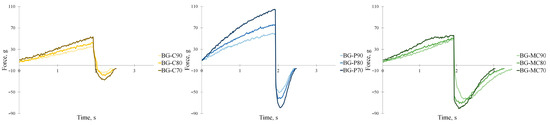
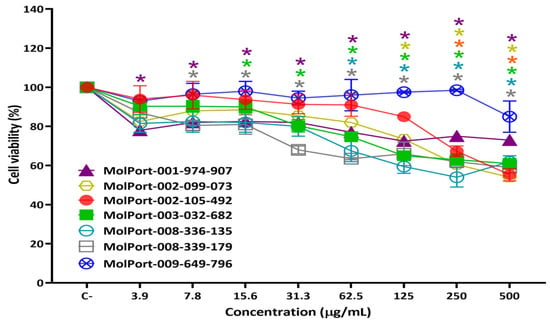
This research aimed to develop glycerol–gelatin vaginal suppositories loaded with melatonin to enhance the localized effects of antineoplastic agents. The solubility of melatonin in different solvents was determined, and glycofurol, which is approved for pharmaceutical use, presented the highest solubilizing capacity. Furthermore, the cytotoxicity of melatonin incorporated into suppositories against HeLa cells was evaluated using MTT assays, individually and in combination with cisplatin. The results indicate that melatonin enhances the cytotoxic effects of cisplatin. The optimal formulation obtained from an experimental design was 33% gelatin, 1% PVA, 1% PEG 6000, 10% glycerol, 15% glycofurol, and 40% water. To ensure that the vaginal suppositories presented the necessary physical properties for optimal handling and application, tests were performed to determine weight uniformity, texture, surface features and disintegration time. Vaginal suppositories weighted around 1.43 g, showed Young’s modulus values of 7389.6 N/m2 and hardness around 1100 gf, and they disintegrated after 30 min at pH 4.2. Additionally, for in vitro melatonin release, FTIR and XRD tests confirmed the presence of melatonin in the formulation. It is concluded that the developed vaginal suppositories can be explored as potential vehicles for localized delivery of melatonin to the tumor site to enhance therapeutic outcomes.
Full article
(This article belongs to the Topic Complementary Strategies in Drug Delivery: From Particle Engineering to System Optimization)