


Abstract
Lipid nanoparticles have been a subject of intense scientific interest in recent years due to their inherent biocompatibility, versatile delivery routes, drug loading and potential large-scale production. Solid lipid nanoparticles (SLNs) and nanostructured lipid carriers (NLCs) are matrix lipid nanoparticles that differ in their lipid composition and, specifically, the presence of liquid lipid in the latter. Their production is straightforward and relatively inexpensive. They provide an additional specific advantage for dermal delivery in the treatment of atopic dermatitis, as they can carry various drugs and even ameliorate the skin condition on their own. The chronic character and the observed predominance of atopic dermatitis in the pediatric population further justify the utility of improved therapeutic strategies and the application of SLNs and NLCs specifically. Therefore, in the current review, we aimed to systematically collect the available literature on this topic and to evaluate where we stand in terms of scientific and practical knowledge. The observations show significant potential for clinical translation for both SLNs and NLCs in the near future. However, some key limitations were identified and discussed. The novelty of this review lies in its systematic consolidation and critical discussion of SLNs and NLCs specifically in the context of atopic dermatitis.
1. Introduction
Current scientific research is focused on the development of advanced drug delivery systems, such as nanoparticles, liposomes, and microemulsions, to enhance the dermal and transdermal delivery of therapeutic agents. The application of nanotechnology in transdermal drug delivery, particularly, has emerged as a promising approach to improve the delivery of drugs with poor aqueous solubility and low bioavailability. This approach is beneficial for treating both localized skin conditions and systemic disorders. Transdermal drug delivery bypasses first-pass metabolism and avoids the variable conditions encountered in the gastrointestinal tract, offering more efficient and controlled drug absorption. Additionally, nanostructures can improve the drug’s stability in the epidermal environment [1] as well as enable controlled release of the drug, minimizing the risk of overdose and enhancing therapeutic efficacy [2,3]. They offer the possibility of reducing the cumulative dose, which is advantageous for safe and efficient drug delivery [4]. Simultaneously, the possibility of allergic reactions or unwanted topical and systemic adverse reactions should be taken into consideration [1]. This implies the need to fully understand the properties as well as compositional characteristics of any nanosized drug delivery system intended for topical delivery.
Nanoparticles are colloidal particulate systems with dimensions typically ranging from 10 to 1000 nm and can be classified based on their structure and the materials used for their synthesis [5]. Common types include lipid-based, polymeric, and inorganic nanoparticles. Among these, lipid-based formulations have been in use since the 1960s with liposomes being the first and most well-known example [6]. Liposomes are spherical vesicles composed of an aqueous core surrounded by a lipid bilayer membrane. They offer several advantages, including the protection of the drug from enzymatic degradation, low toxicity, biocompatibility, and biodegradability. However, liposomes exhibit certain limitations, such as a short shelf life, low stability, low encapsulation efficiency, and the risk of drug leakage during storage. Moreover, their production costs can be high [7]. To address these shortcomings, solid lipid nanoparticles (SLNs) and nanostructured lipid carriers (NLCs) have been developed as improved alternatives. SLNs were introduced in the 1990s as a response to the limitations of liposomes [8,9]. They consist of solid lipids dispersed in an aqueous phase. Their main benefit is their biocompatible composition, which resembles the lipid content of the skin [10], together with producing a softening, soothing and protective effect on the skin [11]. However, the main limitations of SLNs, such as poor storage stability and limited drug loading [12], have led to the development of a newer generation of lipid nanoparticles, namely, nanostructured lipid carriers (NLCs). These are typically composed of both solid and liquid lipids in addition to surfactants; in some cases, these include organic salts and ionic polymers [13]. This compositional characteristic results in imperfections in the lipid structure and, hence, improved loading and reduced drug expulsion during storage [10]. Nevertheless, both types of lipid nanocarriers find their place in the topical and transdermal delivery of actives. Their significance is also evident in potential therapies for atopic dermatitis.
Atopic dermatitis (AD) is a chronic, relapsing, inflammatory skin condition with high prevalence in the pediatric population [14], in which it ranges between 15 and 20% [15]. Even though its precise pathophysiology, epidemiology and comorbidity relations are not exactly defined [16], topical treatment is considered the cornerstone in its management [15]. Calcineurin inhibitors and corticosteroids appear to be the most efficient classes of drugs to control severity, itching and sleep disturbance [15]. Advanced therapeutic strategies include delgocitinib, ruxolitinib, from the group of Janus kinase inhibitors, and asivatrep as a cation channel antagonist. The main challenge in the treatment of AD remains long-term applicability with a sufficient safety profile [16]. This is associated with both investigations of naturally occurring compounds [17] and the implementation of nanotechnological approaches for the delivery of proven drugs and newly identified entities [18,19]. Therefore, in the present review, we aim to summarize the available research focused specifically on SLNs and NLCs in the topical therapy of atopic dermatitis. A systematic search was conducted to identify the available literature, and the results were compared in terms of the delivered drug, compositional factors, and therapeutic, as well as toxicological, aspects.
2. Search Strategy and Article Selection
The current status of the literature on the topic of SLNs and NLCs in atopic dermatitis was analyzed through a systematic search in the main databases, namely Web of Science, PubMed, Scopus and Google Scholar. The search terms “lipid nano*”, “solid lipid”, “lipid nanostructured”, “atopic dermatit*” and “atopic eczema” were used combined with the Boolean operators “OR” and “AND”. No time restrictions were applied. All duplicates were removed, and the identified records were manually screened for relevance. Inclusion criteria encompassed the appearance of the SLN and/or NLC for the treatment of atopic dermatitis in original research papers. Review articles, book chapters, conference abstracts, editorials or those intended for treatment of psoriasis, wound healing, melanoma or other skin conditions were excluded. Additionally, only articles written in English or German with access to full text were included in this review. The flowchart for the search and the number of outlined articles is shown in Figure 1.
Figure 1.
PRISMA flowchart for the search strategy applied in the current review (WOS—Web of Science).
3. Skin Barrier in Atopic Dermatitis
According to the leading guidelines (EuroGuiDerm), atopic dermatitis (AD) or atopic eczema is a chronic, pruritic inflammatory skin disease, most often beginning in early childhood and persisting into adulthood [20,21]. Typical symptoms include dry, itchy, and inflamed skin, usually in a red patch covering an area of the body. The skin may become cracked, flaky and even form blisters. Even though it is not a life-threatening disease, it has a significant socio-economic adversity as it affects quality of life [21]. The AD has a complex pathogenesis associated with genetic and environmental factors together with immune dysregulation. The stratum corneum barrier function is seriously impaired in all cases of AD, leading to allergens or pathogens penetration. This results in a cascade of type 2 immune response with elevated serum levels of immunoglobulin E, the activation of mast cells and eosinophils [22]. Recent data also suggest that oxidative stress plays a role in the development of AD in children [22,23]. The skin surface pH is altered to more neutral values (pH > 6), and hence the skin becomes more susceptible to microbial infections [24]. The epidermal barrier dysfunction results in transepidermal water loss (TEWL), which causes dry skin and itching. Hence, a cornerstone in the treatment of any form of AD is the use of emollients and moisturizers [15,22]. Additionally, glucocorticoids, antimetabolites and calcineurin inhibitors find their place in maintenance and flare-ups. Alternative drug classes are inflammation inhibitors (JAK) [16]. The most well-tolerated therapeutic options are the emollients and microbiome modulators. Even though they alleviate itchiness and dysbiosis, no significant improvement in clinical manifestation is observed [22]. Meanwhile, all the other options provide better disease control, but their application is associated with various local and systemic adverse reactions. Based on the current search, it was established that the main classes of drugs applied as SLN or NLC formulations belong to the corticosteroids (n = 15), which are followed by calcineurin inhibitors (n = 13), different natural compounds (n = 9) and others (n = 10) (Table 1). It is not surprising that corticosteroids are studied the most, as they are considered a major treatment option, and all other drugs are typically compared to them [25]. They bring significant amelioration of all symptoms associated with AD in the case of mild to moderate forms. However, the most significant drawbacks in their chronic application are the development of skin atrophy, acne, striae, delayed wound healing, etc. [26]. Calcineurin inhibitors are equally widely used due to their immunomodulatory effects and prevention of flares. Tacrolimus, specifically, is considered an alternative to topical corticosteroids due to its high efficacy in reducing inflammation. However, there are some controversial data regarding its potential of provoking lymphoma, following topical application [27]. It is not surprising that significant attention has been directed toward various compounds of natural origin. Interest in these substances has grown rapidly due to their pleiotropic pharmacological effects together with their relatively low risk of off-site toxicities [28]. A similar trend is observed in the present review with regard to the treatment of atopic dermatitis.
Table 1.
Drugs formulated into SLNs and NLCs intended for application in atopic dermatitis
It should be noted that the barrier function of the skin is achieved mainly by the tight junctions of the keratinocytes in the outermost layer of the epidermis, the slightly acidic pH, and the skin microbiome. A main component of the stratum corneum are the ceramides—a specific type of lipids based on a sphingoid base bound to fatty acids through an amide bond [76]. Their amphiphilic nature allows lamellar structuring in the inter-corneocyte lipid space together with free fatty acids and cholesterol [24]. These lipids play a crucial role in the barrier function of the skin—preventing water evaporation and the penetration of external antigens, which is affected by the ceramide compositional factors, structure and arrangement [76]. It has been well documented that in atopic dermatitis, alterations in the type, amount and arrangement of the skin lipid layer leads to increased transepidermal water loss (TEWL) and the associated drying of the skin [24,76,77,78]. The main change is a predominance of short-chain ceramides as opposed to long-chain ones [79]. It was established that the TEWL is almost twice as high in AD compared to healthy skin and this is typical not only for the lesions [80]. Hence, the TEWL is considered an objective measurement of skin barrier integrity [81].
Healthy skin possesses the so-called “acid mantle” characterized by a slightly acidic surface pH ranging from about 4.0 to 6.0. In AD patients, an increase in the pH of up to 1 pH unit is observed. As a result, the activity of proteases that break down the stratum corneum layer is elevated, which impairs the barrier function. The higher pH values are also associated with alterations in the ceramide synthesis and their arrangement [79]. Furthermore, this loss of acidic nature serves as a prerequisite for colonization with opportunistic pathogenic microorganisms. The most common bacterial infestation is caused by Staphylococcus aureus in both the AD lesions and non-lesional skin [82]. This microbiome imbalance in turn stimulates inflammatory responses and affects the lipid structure [24,79,83]. The complexity and the interconnections between the components of the skin barrier present a challenge for effective therapy. Evidence has shown different responses to oral and local treatment options or co-delivery strategies [84,85]. Therefore, scientific interest has been directed to the application of a nanotechnological approach for the improved delivery of active constituents from all therapeutic groups [49,86,87,88]. The compositional and physicochemical properties of the nanoparticles affect the local and transdermal application. Thus, in the following sections, all important parameters and their significance to AD will be elaborated specifically for the SLNs and NLCs.
4. General Characteristics of SLN and NLC
In terms of an overall comparison between SLN and NLC, Viegas et al. have conducted a very thorough review [89]. In this paper, the focus will be on the nanoparticles’ properties related to the topical delivery, especially in the case of atopic dermatitis therapy.
In SLNs, a lipid that is solid at room temperature is used and stabilized with a suitable surfactant in an aqueous disperse medium. The drug can be either homogenously included in the lipid matrix (solid solution model) or dispersed in a drug-enriched core or drug-enriched shell (Figure 2) [2,89].
Figure 2.
Schematic representation of the drug localization in the three types of SLNs.
On the other hand, the second generation of matrix lipid nanoparticles, namely NLCs, consist of an additional liquid lipid, which is dispersed in the inner lipid matrix [90]. They could also be subdivided into three main morphological types (Figure 3) based on the lipid structure and drug location [3,91].
Figure 3.
Schematic representation of the drug localization in the three types of SLNs.
The main advantage of the NLCs over SLNs lies in the improvement of drug loading as well as the longer retention of the drug during storage (Table 2). This is mainly associated with the less ordered crystal structure, and with the increase of the liquid lipid, the structure becomes more amorphous [90]. A technological disadvantage of the NLCs is the limited miscibility between the solid and the liquid lipid leading to phase separation during cooling and the formation of oily droplets. Thus, the typical ratio of liquid to solid lipids ranges between 1:99 to a maximum of 30:70, depending on the chemical structure of the lipids [70,92]. In terms of encapsulation efficiency, both systems show relatively high values, which are associated with an optimization of formulation composition and preparation parameters.
Table 2.
Advantages and disadvantages of SLNs and NLCs for dermal delivery.
4.1. Preparation Methods
A wide variety of methods have been described in the scientific literature for the preparation of SLNs and NLCs. Some of the most often used ones are high-pressure homogenization, solvent injection, solvent emulsification evaporation, phase inversion, microemulsion, melt emulsification with high-shear homogenization and ultrasonication and hot melt extrusion. Their main advantages and disadvantages are summarized in Table 3. As shown, no universal method exists that is free from limitations. Therefore, the method selection should be made on a case by case basis, depending on the drug and intended application route.
Table 3.
Advantages and disadvantages of the commonly used methods for SLN and NLC preparation [89,94,95,96,97].
A previous review showed that approximately 46% of the articles dealing with SLN applied the high-pressure homogenization technique, while in the case of NLC, the proportion reached about 64%. All the other methods accounted for about 10% [98]. A very similar trend is observed in the current review (Table 4 and Table 5). Among the analyzed research articles (n = 47), the most common preparation methods regardless of the type of nanoparticles are the melt emulsification with ultrasonication (32.6%; n = 15), hot high-pressure homogenization (32.6%; n = 15), high shear homogenization (15.2%; n = 7), solvent injection (6.5%; n = 3), solvent emulsion evaporation (2.2%; n = 1), solvent diffusion (2.2%; n = 1), microemulsion (6.5%; n = 3) and double emulsion (2.2%; n = 1). Interestingly, cold homogenization has not been applied, even though it is associated with lower thermal effects on the drugs. During preparation, lipids are typically heated to a temperature range between 65 and 85 °C and further processed. It should be 10 °C above the melting point of the solid lipid for a minimum of 30 min in order to overcome the “crystal memory” effect and enable the formation of a new lipid structure upon cooling [99].
Table 4.
Summary of the compositional and physicochemical characteristics of SLNs prepared in the context of atopic dermatitis.
Table 5.
Summary of the compositional and the optimized physicochemical characteristics of NLCs prepared in the context of atopic dermatitis.
The high-pressure homogenization method stands out as a robust, scalable, and widely adopted method for SLN and NLC formulations. The method consists of passing a pre-emulsion through a micro-size nozzle under very high pressure, typically ranging from 100 to 2000 bar for multiple cycles [100]. As the fluid traverses this constricted space, it experiences intense mechanical and thermodynamic forces, such as high shear stress, turbulence, and cavitation phenomena, all of which contribute to the breakdown of the lipid matrix and the emulsification of the ingredients into nanosized droplets. The final NLCs are formed when the mixture is left to cool down to room temperature and re-crystallizes. In the selected articles in the current review, this method has been equally applied for SLNs and NLCs. Typically, two to six homogenization cycles are performed at a pressure of 500 to 800 bar. These are additional parameters that need careful optimization during production. Only two studies in the present collection have systematically investigated the optimal high-pressure homogenization conditions [50,68], both reporting desirable size and size distribution after 10 cycles. However, evidence suggests that increasing the number of cycles reduces the drug entrapment efficiency [50]. Therefore, a balance must be achieved between small, uniform particles and maintaining high drug loading.
The second most commonly applied method is melt emulsification followed by high-shear homogenization and/or ultrasonication. High-shear homogenization, which applies energy in the form of mechanical agitation, could be an intermediate step prior to both HPH [44] and MEU [29,55], or it could be used as a particle size reduction method on its own [43,62]. In both cases 20,000 rpm was applied for 13 and 15 min. The short duration of this procedure is one of its significant advantages.
In the emulsion-based or solvent-injection methods, it is common to utilize a suitable organic solvent for dissolving the lipid phase and lipophilic drugs. Isopropanol [56], butanol [41], ethanol [67] or dichloromethane [63] were identified in the current review. In the context of clinical translation, residual organic solvents may present a hurdle due to regulatory constraints [101]. Furthermore, it should be pointed out that some organic solvent removal methods do not always perform with the same efficiency, and class 2 solvents (such as chloroform and dichloromethane) may still persist in the final nanoparticles. Interestingly, several studies were found that applied microemulsion, solvent injection or solvent emulsification and evaporation methods for SLNs and NLCs without testing the levels of residual solvents [41,45,56,67,69,102]. To the best of our knowledge and based on a general search on the topic, only a few studies have investigated the actual amount of these excipients after the preparation of SLNs and NLCs. It has been demonstrated that the use of tetrahydrofuran in the solvent diffusion technique, followed by freeze drying, resulted in no detectable solvent levels [103]. There are some data available for polymeric nanoparticles suggesting that various factors may affect the levels of organic solvents—surfactant concentration, the method used for solvent removal, washing cycles, etc. [104]. This indicates that different levels of residual solvents in can also be expected in SLNs and NLCs. Therefore, it is not surprising that most of the systematically collected studies reported here apply methods that do not use organic solvents with only five exceptions. The most commonly found solvent is ethanol [45,67,69]. It belongs to class 3 according to ICH Q3C guidelines and is considered to have low toxic potential [105]. However, experiments have shown that water/ethanol mixtures containing more than 15% ethanol negatively affect the non-lesional skin in AD. At the same time, when ethanol is present in a moisturizing cream such an effect is no longer observed [106]. This should be considered regarding the application of SLNs and NLCs whether as aqueous dispersions [30,37,38,41,43,49,72] or incorporated into a suitable semisolid vehicle, such as a cream [73], ointment [34] or hydrogel [29,42,48,52,53]. Such semisolid delivery systems are preferable to aqueous dispersions due to prolonged skin contact and consequently an increased possibility of exerting the drug’s therapeutic effect. Interestingly, in one case, the concentration of the lipids used resulted in a semisolid NLC dispersion; thereby, higher nanoparticle concentration was achieved at the site of application without the formulation being diluted into a semisolid base [55]. In another study [69], tacrolimus-loaded NLCs were incorporated into a film-forming formulation based on Eudragit RS PO, triethyl citrate, and Natrosol 250HHW Pharm in 70% (v/v) ethanol. This approach improved formulation adhesion and demonstrated an ameliorated dermatitis score in an in vivo induced AD model compared to a commercial formulation and the NLC dispersion. These data suggest that a potential gap remains in studies regarding the final formulation and the stability of the nanoparticles within it.
Regardless of the preparation method, in the current collection of articles, the polydispersity index (PDI) varied from 0.035 to 0.3 for the optimized batches. The PDI is a dimensionless parameter used to describe the degree of non-uniformity. Values below 0.05 are indicative of a highly monodisperse system, while values above 0.7 suggest a broad distribution of particle sizes within the sample. A PDI value of 0.2 is considered as a sufficiently acceptable threshold for nanoparticles in general [107]. The values reported in the experimental studies suggest that all techniques can achieve sufficiently uniform SLNs and NLCs once the factors are optimized.
The microfluidic technique has emerged as a novel preparation method for lipid nanoparticles. This method involves passing aqueous and organic solutions through microchannels with a specific geometry and very precise flow rate control. The main advantage of this method lies in its high reproducibility and limited batch-to-batch variability in comparison to other methods [108]. In addition, improved encapsulation efficiency may be anticipated with uniform nanoparticles in a precise size range [109]. However, the current review did not identify any studies applying this method to the preparation of lipid nanoparticles in the context of atopic dermatitis. One probable reason is the high cost of the equipment, although it could be expected that microfluidic techniques will become more common in the pharmaceutical field in the future.
Another point to consider is the significant implementation of quality-by-design (QbD) principles in most of the identified studies. A standardized approach to investigating critical quality attributes (CQAs) is commonly applied to optimize the formulation. This strategy reduces the number of trial and error batches required to achieve optimal parameters. Artificial intelligence and machine learning may offer additional benefits in this regard by enabling predictive modeling and more efficient experimental design.
4.2. Composition
The topic of the current review focuses on SLNs and NLCs, which belong to the class of lipid nanoparticles. Their main components, which contribute to an improved drug-loading capacity, stability and controlled release, are solid and/or liquid lipids that form the structural matrix of the nanocarrier.
Lipids are organic water-insoluble compounds primarily comprised of triacylglycerols with various fatty acids, which are “generally recognized as safe” (GRAS). Together with their low cost and versatility, this inherent biocompatibility makes them preferred excipients in the food, cosmetic, and pharmaceutical industries [110]. An important characteristic that should be considered is their complex solid state behavior and their ability to exist in at least three polymorphic modifications, namely α, β, and β’. The manner in which the lipid crystalizes after melting is strongly affected by its composition—the alkyl length of the fatty acid, the number of unsaturated bonds, the cis-trans configuration, etc. [111,112]. This, in turn, affects the melting point, crystal organization, stability and drug-loading capacity of the lipid carrier. A comprehensive review describes in detail the factors related to lipid crystallization [112]. The physical addition of a liquid oil slows down nucleation and crystal growth and alters the structural characteristics of the lipid matrix. This represents the main difference between SLNs and NLCs.
In addition to lipids, various surfactants are employed in lipid nanoparticle formulations to decrease surface tension, improve dispersibility in water, and achieve desirable physicochemical properties. Moreover, surfactants influence the permeation behavior and safety profile of the nanocarrier. The following subsections briefly outline the key compositional factors with a focus on the applicability of SLNs and NLCs for the topical treatment of atopic dermatitis.
4.2.1. Lipids
Lipids are the main constituents of the nanocarriers discussed and determine most of their characteristics. They comprise a wide variety of compounds, including waxes, free fatty acids, triglycerides, fatty alcohols and others. Their melting points vary depending on the carbon chain length and the number of unsaturated bonds. Consequently, lipids with longer saturated chains are solid at room temperature. It has been reported that the most widely used solid lipid in the matrix structure of SLNs and NLCs is stearic acid (27.6%), which is followed by glyceryl behenate (14.2%), tripalmitin (9.8%), cetyl palmitate (8.0%) and others [98]. In the context of dermal application discussed here, the most commonly selected solid lipids are glyceryl behenate (Comprtiol® 888 ATO) [33,38,42,48,50,54,60,62,66,74], glyceryl palmitostearate (Precirol® ATO 5) [30,33,34,44,57,62], glycerylmonosterate (Imwitor® 900K) [30,45,53,56,63] and stearic acid [29,37,39,40,67]. This trend can be explained by the effect of lipid type on drug entrapment efficiency. One study showed that triglycerides with longer alkyl chains allow for approximately 10% higher drug loading compared to stearic acid in an SLN formulation [113]. In another study, it was found that the highly crystalline lipids such as stearic acid tend to arrange in perfect lattices and expel the loaded drug. In contrast, more complex lipids such as glyceryl palmitostearate and glycerol dibehenate form imperfect lattices that can accommodate higher quantities of active compounds [114,115]. Additionally, the molecular weight of the lipids is also suggested to significantly influence the miscibility and particle size in SLNs [116]
The type of solid lipid influences the particle size of the nanocarrier with waxes and fatty alcohols typically producing larger particles. The lipid concentration is also a determining factor affecting the crystallinity and melting point of the nanocarrier [117]. Solid lipids can be used alone or in different combinations to overcome these limitations.
Another strategy is the development of NLCs through the incorporation of a liquid lipid. These liquid lipids are partially miscible with the solid lipids and introduce imperfections in the lattice, allowing for improved drug accommodation. Depending on the degree of miscibility, the liquid lipids can either concentrate in the nanoparticle core or localize at the surface, influencing cell internalization more than the surfactant. Saturated liquid lipids mix more readily with the solid component and are therefore less likely to be present at the surface. In contrast, highly unsaturated liquid lipids tend to localize at the surface along with surfactants, improving the fusion with cells [118]. In the case of NLCs, the presence of a liquid lipid also reduces the viscosity of the lipid phase, particularly in the melt-based preparation methods. This results in reduced particle size in the case of NLCs when compared to the SLNs [48,67,119]. The type of oil is also important for its effects on the skin. For example, sunflower seed oil has stratum corneum restoring properties, whereas olive oil affects it negatively [120]. Consequently, olive oil is sometimes used in the in vitro modelling of AD (see Section 7). In the current collection of studies, the liquid lipids are mainly oleic acid or medium-chain triglycerides (Miglyol 812 N). Oleic acid is a monounsaturated fatty acid known to act as a penetration enhancer and possesses intrinsic anti-oxidant and anti-inflammatory effects [121].
An interesting approach has been made by Cassano et al. [41]. They prepared derivatives of curcumin, resveratrol and capsaicin with oleic acid to serve as a lipid matrix for the topical delivery of linolenic acid. The results showed acceptable particle size and improved antioxidant and anti-inflammatory activity of the SLNs with sufficient stability over 60 days. These findings suggest promising potential as an adjuvant therapy in atopic dermatitis [41].
Another study reported the use of fermented coconut oil (pliek oil) as the liquid lipid in an NLC formulation. It is also the active component, and the results demonstrated improved anti-inflammatory activity with the mechanism of action identified as an inhibition of c-Jun N-terminal kinase 1 [52]. This is a mitogen-activated protein kinase (MAPK) that has been linked to the pruritus and skin barrier function and is predominantly expressed in keratinocytes [52,122,123].
In addition to the type of lipids, their concentration and structural organization are also important particularly for dermal delivery. Higher lipid concentrations enhance the occlusive effect and lead to a greater reduction in the TEWL. Similarly, the ratio of solid lipids is critical: the higher the solid lipid content, the lower the TEWL observed [13]. The various effects of the nanoformulations on TEWL are discussed in Section 6. Furthermore, the miscibility between the two lipid types should be evaluated to ensure a sufficient stability of NLCs.
Having said this, the choice of lipids is critical for determining the properties of the SLNs and NLCs. The most commonly applied selection strategy involves assessing the solubility of the drug in the corresponding lipids. Screening procedures may vary depending on the consistency of the lipids. For liquid lipids, an excess of the drug is mixed with a predefined amount of oil and incubated under agitation for 24 h to 72 h. After centrifugal separation, the amount of drug dissolved in the oil is determined by an appropriate analytical method. For solid lipids, incremental amounts of the active compound are added to the corresponding molten lipid. The saturated solubility can then be assessed either visually or analyzed by a suitable method [38,48,69,124].
4.2.2. Surfactants
Another key component of SLNs and NLCs is surfactants due to their influence on the physical stability, crystallinity and toxicity of the nanocarriers. Their primarily role is to reduce surface tension between the lipophilic components and the aqueous medium, thereby ensuring adequate particle size and dispersibility. Additionally, surfactants affect drug solubility and permeation. They are typically selected based on the route of administration, their hydrophilic–lipophilic balance (HLB) value and their effect on particle size and lipid modification. Surfactants are often used in combination at different ratios and are then referred to as “surfactant systems”. In the context of dermal delivery discussed in this review, the surfactants of choice belong predominantly to the non-ionic class. A recent review provides a detailed discussion of the types, mechanisms and permeation effects of various surfactants, which is beyond the scope of the present one [125].
It can be observed that in 49% of the identified studies, the surfactant of choice belongs to the Tween® family, predominantly Tween® 80 (polyoxyethylene sorbitan monooleate), whereas only two studies employed Tween® 20 (polyoxyethylene sorbitan monolaurate). Both surfactants are characterized with high HLB values—15.0 and 16.3, respectively. The second most commonly applied surfactant class is the poloxamers, particularly poloxamer 188. The same trend has been reported for SLNs and NLCs in general [98]. It is evident that Tween is used alone or in combination with other surfactants, such as the more lipophilic Span 80 (HLB 4.3) or soy/egg phosphatidyl choline or lecithin (Table 4 and Table 5). Poloxamer 188 is likewise used alone or in combination with Tween or lecithin. Span 80 and lecithin have been used in the surfactant mixtures to provide better colloidal stability and reduced particle sizes [29,30,50,63,126]. The surfactant concentration used typically ranges from 1 to 5% (Table 4 and Table 5). However, considerably higher values have also been reported, particularly 23% for a mixture of Tween and Span [43] or 30% in the case of Tween and phospholipon 90G [42]. It should be noted that there is no standard reporting of surfactant quantities. Some researchers provide the actual weights of the components without disclosing the final dispersion volumes. This variability complicated a direct comparison of the results across different working groups.
The choice of surfactant is governed by the desirable physicochemical properties together with the skin-irritating potential. Therefore, it is not surprising that non-ionic surfactants are predominantly used, as this class is considered the most suitable for topical delivery [127]. Lecithin is generally regarded as having high skin tolerability. However, studies conducted on healthy human volunteers have shown that the type and structure of lecithin can significantly affect the skin barrier function. Although it is better tolerated than an anionic surfactant such as sodium dodecyl sulfate, lecithin can significantly decrease the pH of the skin and influence the solubilization of skin lipids [128]. Both polysorbates and poloxamers are PEG-containing surfactants. It has been reported that PEG-based non-ionic surfactants may negatively interfere with the skin barrier [129] partly by dissolving the sebum, which can lead to skin drying out [130]. Furthermore, it should be noted that recent data suggest immunological reactions related to the widespread use of PEG-based pharmaceutical or cosmeceutical products. Hence, the presence of anti-PEG antibodies can affect the therapeutic outcome in systemic administration via more rapid clearance, or it may contribute to allergic reactions on the dermal site of application [131,132]. An additional factor that may affect the safety profile of PEG-based surfactants is the possibility to form dioxane, which is a known carcinogenic compound. As an alternative, polyhydroxy surfactants based on sucrose, glucose or glycerol and fatty acids or alcohols have been proposed. They are renewable and skin-friendly [129]. It has been established that polyhydroxy surfactants have less impact on TEWL compared to polysorbates, and they can enhance the skin permeability of actives [133]. However, in the current collection of articles, only two studies employed polyhydroxysurfactants [72,73]. Alkyl polyglycosides exhibit better aqueous solubility at higher temperatures that are usually applied for the preparation of SLNs and NLCs. Low molecular weight variants diffuse more rapidly to the surface boundary and demonstrate greater stabilization potential compared to higher molecular weight polyhydroxy surfactants [72]. Overall, the findings of the present review suggest there is still room for further investigation to identify the most suitable surfactant in terms of both physicochemical and clinical translation potential.
5. Physicochemical Properties and Their Significance in AD
Lipid nanoparticulate systems have shown promising potential as an alternative to conventional therapies for skin diseases such as atopic dermatitis and psoriasis among others. In addition to their composition, their physicochemical attributes are also important for their dermal effects. Among the most important properties are the nanoparticles size, polydispersity and charge. Generally, smaller particle sizes are associated with increased surface area and, consequently, improved adhesion to the skin surface [13]. Together with their lipophilic nature, the film formed on the skin reduces the transepidermal water loss. There is evidence that for topical delivery, the optimal particle size range is namely approximately 100 and 300 nm, whereas particles larger than 600 nm cannot penetrate the epidermal layers at all [10,107]. Typically, particles smaller than 70 nm can reach the deeper layers, including the derma [107]. However, in the case of atopic dermatitis, a local or regional effect within the lesional skin is preferred, and therefore, the target particle size is generally between 100 and 300 nm. All the identified studies demonstrated values within this diapason. The smallest prepared nanocarriers are tacrolimus-loaded NLCs with a size of 59.0 ± 0.38 nm for [71]. In the case of SLNs, the smallest reported size was 73.37 ± 1.65 nm for cyclosporine A delivery [47]. The small size of the SLNs and NLCs has been associated with enhanced occlusive properties, and hence a better skin moisturizing effect could be expected [134], which is particularly desirable in the treatment of AD.
A comparison of the ex vivo skin deposition studies collected in the present review (Table 6) shows that the most critical factor influencing skin deposition is the type of the nanoparticles followed by their size. It is evident that the higher values for drugs retained in the skin are achieved by delivering the drug with SLNs. Other studies have shown that for local therapy, SLNs are more advantageous than NLCs, which tend to reach deeper layers of the skin and permeate in the acceptor medium. The second most important factor, as observed here, is the size. The smaller the size, the higher the retention in the skin. All reported values correspond to hydrodynamic diameters measured by dynamic light scattering (DLS) analysis. The dispersion medium composition for the DLS measurement could affect the nanoparticles size; however, it is rarely reported.
Table 6.
Summary of the studies that investigated the amount of drug retained in the skin either ex vivo or in vivo, including the type of the drug and compositional as well as physicochemical characteristics.
Although both SLNs and NLCs are considered spherical in shape, it should be noted that they are not entirely rigid, and their orientation upon application can affect the skin permeation [135].
The surface charge of the nanoparticles is another important physicochemical parameter that significantly contributes to the colloidal stability through electrostatic repulsion. Values above |±30| mV are generally considered optimal in this regard. A study investigating the effect of surface charge on skin penetration found that only negatively charged lipid nanoparticles achieved this goal. It has been speculated that this effect arises from repulsive forces between the skin lipids and the nanoparticles and the opening of channels allowing the penetration [136]. All samples summarized here exhibited a negative charge. Interestingly, nanoparticles with a lower absolute zeta potential appeared to show relatively higher skin retention. This negative charge results from the partial deprotonation of fatty acid moieties located at the surface. It should be clearly emphasized that the charge is very susceptible to the pH of the disperse medium, which is rarely reported alongside the measurement procedure. In the context of AD, the skin pH is usually elevated and varies depending on the current state of the condition—flare-up or maintenance therapy. For skin disease such as AD, the permeation and possible absorption are unwanted phenomena due to the possibility of side effects. Therefore, SLNs with a smaller size and lower zeta potential appear preferable for achieving this goal.
Another compositional issue is related to the type of lipid and its melting point. The study of Jeitler et al. showed that the compositional factors such as type of liquid lipid are more important to the cellular internalization than their charge [118].
However, it should be noted that surfactants can also influence the nanoparticle behavior. In the current review, it was difficult to systematically evaluate the role of surfactant type and concentration because these values are not consistently reported. When provided, they are often expressed as a percentage or net weight without explicitly clarifying the total dispersion volume or the reference basis for calculation. Typically, surfactants can act as penetration enhancers, and they should always be carefully selected.
6. Biopharmaceutical Characterization—In Vitro Dissolution, Penetration and Permeation Studies
The potential clinical efficacy and safety of dermatological treatments depends significantly on accurate delivery to the target skin site without systemic absorption. This highlights the importance of investigating the effects of the nanocarrier on both skin penetration and permeation (Figure 4). These two terms are often used interchangeably as synonyms. However, they refer to different levels and depths of drug diffusion. Penetration is the process of drug diffusion in the epidermis, whereas permeation is its transport in the derma, which is a key prerequisite for the following drug absorption in the bloodstream [137]. Various methods are employed to evaluate these processes, and the information obtained can vary by the specific experimental setup used.
Figure 4.
Schematic presentation of the skin structure with the difference between penetration, permeation and absorption.
One of the key in vitro biopharmaceutical tests used to evaluate the release behavior of nanoparticles is the dissolution test. Several set-ups are employed for this purpose. The most commonly applied method is the dialysis bag model in which the formulation is placed in a dialysis bag with a specific molecular weight cutoff (MWCO). This allows the free diffusion of dissolved molecules smaller than a specific threshold. Thus, only the dissolved drug can diffuse into the acceptor medium, where their concentration can be adequately determined by a suitable analytical procedure [29]. Alternatively, drug release could be studied after dispersing the formulation directly in a predefined volume of medium. At specific time points, samples are withdrawn, filtered and centrifuged to separate the free drug for analysis [138].
For topical delivery, the more common procedure is the investigation of the drug permeation. According to the American regulations, the Franz diffusion cell is considered the most acceptable experimental setup, as thoroughly reviewed by Kumar et al. [139]. Briefly, the formulation to be tested is placed in a thermostatically maintained donor compartment which is separated from the acceptor compartment by a suitable membrane. The acceptor compartment typically contains 8–20 mL of release medium with a suitable pH. The choice of membrane is critical for proper data interpretation and for achieving expectable in vitro–in vivo correlation. Widely used membranes are based on regenerated cellulose with a molecular weight cutoff of 8–14 kDa. However, their resemblance to skin is limited. Consequently, ex vivo experiments with a membrane composed of excised skin is commonly employed. There are significant variations in the skin source—from mice, rabbits and pigs to cadaveric and human tissue, which also differs in site of excision. This is a prerequisite for major variations in the data interpretation, as the skin thickness, composition, age, and specific anatomical location can affect the observed results. One possible strategy to address this issue is the use of artificial skin resembling membranes—such as Strat-M® and PermeaPad® [140,141]. It should be noted that while these membranes offer high reproducibility, the ex vivo skin studies can provide additional information for the skin distribution by performing tape stripping and confocal microscopy, which is not available in the case of artificial membranes. Therefore, choosing the right experimental setup is a challenging task that needs to provide simultaneously reproducibility and high in vitro–in vivo correlation. Nevertheless, the drug inclusion within SLNs and NLCs has clearly demonstrated their beneficial effect in enhancing topical delivery.
Although permeation studies are highly accepted and used in in vitro experiments, they cannot sufficiently replicate the in vivo fate of the drug, and they are not always performed. Among the 47 original articles investigated, ex vivo permeability data are presented in 27 studies (Table 7). The nanoparticles were evaluated either as a dispersion or incorporated into a gel or ointment. Different outcomes were reported by these studies, including the percentage of drug permeated in the receptor compartment, the amount permeated (µg/cm2) at a specific time point (ranging from 6 h to 48 h), or flux sometimes without specifying the effective area of the skin membrane. Therefore, a comparison across studies is very challenging. Another major factor is the requirement to achieve sink conditions in the receptor medium. Several studies (n = 11) have not reported the composition or volume of the medium. In the remaining studies, ethanol (10–30%), Tween 80 (0.05–3%), methanol (20%), Transcutol, DMSO or other excipients were added to maintain sink conditions. Because these substances can influence permeation behavior, it is difficult to determine whether the differences arise from the physicochemical properties of the SLNs/NLCs, the experimental setups, or both.
Table 7.
Summary of the ex vivo permeation experimental conditions in the identified studies.
Athavale et al. [32] demonstrated that the free drug exhibited the highest release of bethamethasone through a cellophane membrane, but no permeation was observed through human skin. On the other hand, the SLN-based formulation demonstrated approximately threefold higher drug permeation. The complex structure of the skin barrier is difficult to mimic under in vitro conditions particularly for lipophilic drugs that may be adsorbed and retained by the artificial membrane [32].
The delivery of corticosteroids using an aqueous NLC dispersion improved drug retention in the skin particularly within the follicles compared to a conventional cream containing the same drug [37]. The semisolid vehicle used to deliver the NLCs to the skin also affects the drug penetration and retention, as shown by Kong et al. [34]. In their study, they demonstrated that W/O cream was more favorable than Carbopol-based emulgel for the topical delivery of bethamethasone dipropionate while minimizing potential systemic absorption [34]. Similarly, Barbosa et al. reported that after 24 h, the amount of bethamethasone that permeated through the skin was higher in carrageenan- and polyvinyl alcohol-based gel containing the free drug in comparison to an equivalent NLC-loaded hydrogel. In addition, the type of solid lipid used in the NLC formulation also influenced both the amount of drug permeated and retained in the skin in this study [35].
In general, it has been established that increasing the solid content is associated with enhanced skin absorption, and hence, SLN may be expected to penetrate deeper in the skin [142]. However, the lack of directly comparable studies using the same drugs makes it difficult to definitively determine whether SLNs or NLCs are more appropriate in the treatment of atopic dermatitis. In one study, halobetasol propionate was formulated into SLNs incorporated within a Carbopol-based gel. A permeation study through human skin showed significantly lower drug levels in the acceptor medium (5.02%) in contrast to a plain gel (29.76%) and a commercial formulation (22.72%). Additionally, approximately 90% of the drug was deposited in the skin following application of the SLN-based gel, whereas the marketed ointment achieved less than 80% skin deposition [56]. Similar data were demonstrated for halobetasol propionate loaded in an NLC dispersion [57]. However, meaningful comparisons remain challenging due to differences in carrier systems (gel vs. dispersion), the unspecified drug concentration used in the permeation studies, and variations in the presentation of results (percentage cumulative diffusion vs. cumulative permeated amount). Moreover, the chemical structure of the glucocorticoid plays a significant role in determining the skin deposition and absorption behavior. Jiang et al. developed a predictive model describing the uptake mechanism of these drugs [143]. The influence of the lipid nanoparticles could modify this nature and can be of interest for future studies. Overall, the available data suggest that substantial research is still needed in the realm of topical drug delivery with the help of lipid nanoparticles. Another study demonstrated that the post-application massaging or other mechanical treatments can significantly alter the amount of penetrated drug. In that case, the amount of clobetasol increased 2.4-fold after massaging the application site with no detectable drug in the acceptor compartment [37].
Deeper penetration into the epidermal layers, which are the desirable site of action in case of AD, can be achieved through the surface functionalization of nanoparticles. An in vivo study using confocal laser scanning microscopy (CLSM) showed significantly improved drug retention in both the stratum corneum and the viable epidermis in the case of NLC drug delivery as opposed to the drug solution. Moreover, further enhancement was achieved when the nanoparticles surface was functionalized with polyarginine containing 11 monomer units [62]. The respective drug formulation was maintained on the rats’ skin for 24 h, which may not fully reflect typical clinical settings and could present practical challenges. Nevertheless, the several fold increase in drug retention suggests potential practical significance even in case of limited skin contact times.
Topical drug delivery remains a challenging task due to the difficulties in understanding the combined effects of the drug molecule, the nanocarrier, the semisolid delivery formulation, etc. Furthermore, the lesional skin may exhibit altered physiological characteristics and affect the behavior. Such observations were reported in vivo by Fang et al., who demonstrated that lesional skin presents an increased risk for systemic absorption due to impaired lipid barrier function [144]. The versatility of methodologies and variability in the experimental conditions often result in complementary rather than directly comparable data.
7. In Vitro and In Vivo Models for Evaluating the Efficacy and Safety of SLNs and NLCs in the Case of Atopic Dermatitis
Evaluation of the AD condition and its progression with different treatments is typically performed using the SCORAD (Scoring Atopic Dermatitis) index. This cumulative index evaluates both the objective and subjective criteria related to the severity of AD symptoms [145]. This assessment is performed on in vivo animal models as well as in clinical settings involving AD patients. In the present review, we identified only one study that uses the SCORAD index to evaluate the therapeutic performance of the proposed nanoparticles [42]. The authors investigated the applicability of tetrohydrocurcumin in an AD mouse model. The positive control animals exhibited a SCORAD value of 72.6. Treatment with the free drug significantly decreased it to 24.4 by day 22, whereas the SLN formulation, either as a dispersion or incorporated into a gel, completely mitigated the symptoms.
Transepidermal water loss (TEWL) is another indicator of skin condition. It is usually low in intact skin and tends to increase in pathological states. It has been demonstrated that in patients with atopic dermatitis, the TEWL is approximately twice that observed in healthy controls [80]. TEWL is an objective parameter that can serve as a deterministic and predictive factor for the potential AD development as well as assessing its severity and disease state (flare-up or remission) [146,147]. Although TEWL values may differ based on the anatomical site of measurement, time of day, and ambient conditions, it remains the most widely accepted objective measurement of the skin barrier function. TEWL is closely related to the skin hydration state and reflects the occlusive properties of applied formulations. In the case of SLNs and NLCs, their small particle size may be associated with the formation of a thin, adhesive, hydrophobic layer on the skin surface, resulting in an occlusive effect [148]. A nanoparticle size below 400 nm is considered favorable for this phenomenon [91]. Hence, these systems are considered beneficial for improving the skin barrier function. However, compositional differences can influence the observed effects, indicating that a further investigation and direct comparison between the two generations of matrix lipid carriers are still warranted. The TEWL can be measured ex vivo or in vivo under controlled environmental settings to allow for reproducibility and a proper interpretation of results. The exact mechanisms of occlusion, skin hydration and reduction of TEWL are not yet fully understood. Several theories exist, including fusion with skin lipids [66], decreased irritation and associated vasodilatation [66], and dynamic lipid exchange with the SC lipids [149]. Additionally, a high degree of lipid crystallinity (above 35%) is necessary to prevent water evaporation [91].
In preclinical settings, the effectiveness of nanocarriers is typically evaluated by completely objective parameters that allow relatively straightforward measurement and quantification. The inflammatory component in the AD development and manifestation is used to evaluate the efficacy of the lipid nanoparticles in in vitro settings. Various cell lines have been employed for this purpose in the studies included in the present review. Different inflammation mediators can be evaluated by enzyme-linked immunosorbent assay (ELISA), namely interleukin 6 (IL-6), (MCP-1) [41] or interleukin 8 (IL-8) [57]. These evaluations are performed either under basal conditions in normal cells or following tumor necrosis factor alpha (TNF-α) stimulation in cell lines such as NCTC 2544 or HaCaT keratinocyte or THP-1 cells. The available data indicate that the nanocarriers themselves have some beneficial effect on the inflammation that potentiates the therapeutic effect of the incorporated drugs [57]. Beyond these approaches, research efforts have been focused on the development of more representative in vitro cellular models of atopic dermatitis to provide an improved comparison in the evaluation of advanced AD treatment. In this context, a three-dimensional (3D) model has been proposed by Jang et al. [150].
Another critical aspect in the development of nanotechnological formulations for improved topical drug delivery is the safety evaluation of these nanocarriers. These systems are complex and composed of several excipient groups as discussed previously in Section 4.2. In addition to the properties of the individual components, the physicochemical characteristics of the resultant delivery system can influence its toxicological aspects. Although lipid nanoparticles are typically prepared using substances that are generally regarded as safe (GRAS) and regulatory approved, investigation of their complex behavior is essential to exclude potential harm. First-line safety assessment methods include in vitro cellular experiments in accordance with the 3R principle outlined in EU Directive 2010/63/EU on the protection of animals used for scientific purposes. Cell cultures are readily available, offer relatively high reproducibility and provide valuable preliminary information for the nanoparticles’ safety during early developmental stages. For topical delivery, frequently utilized cell lines include immortalized human keratinocytes such as NCTC 2544 [41] or HaCaT cells [33,46,49,51,57,59], murine fibroblasts (L929) [32,46,59], human fibroblasts (BJ) [32], 3T3 fibroblasts [50], D10.G4.1 T-helper lymphocytes [47], and human monocytes (THP-1) [57]. Cell viability is assessed by well-established, easy to perform and reproducible assays such as MTT, XTT or CCK-8, as summarized in Table 8.
Table 8.
Composition of the SLN/NLC and cytotoxicity data on different cell lines.
Through calcium induction, HaCaT cells can be differentiated into a monolayer with the development of tight junctions, which can then be used to evaluate in vitro effects, including directional flux [59]. The experiment showed that methotrexate in its free form has a greater disruptive effect on tight junctions compared to methotrexate encapsulated in NLCs. Thus, the free drug is associated with increased water loss and potential skin drying, whereas the incorporation of methotrexate into an NLC formulation can alleviate these adverse effects.
All the in vitro cellular experiments (Table 8) corroborate the overall good tolerability of SLNs and NLCs whether in their plain or drug-loaded form with potential improved efficacy. However, it is notable that none of the selected studies investigated the long-term effects of repeated nanoparticle formulation application. This is particularly important for chronic skin conditions such as AD, representing a significant gap of knowledge in the current research. The recently updated OECD guideline [151] for nanomaterial safety evaluation emphasizes the need for proper in vivo studies to assess repeated-dose potential dermal and systemic toxicity. Although systemic absorption is unwanted in AD treatment and is aimed to be minimized, there remains the possibility for accumulation and unwanted effects. A major source of depot release for lipid nanocarriers in the skin is the hair follicles, which have been demonstrated to serve as reservoirs for up to 10 days [58]. The potential phototoxicity related to ROS generation is also acknowledged. In a study performed by Bruge et al. [152], the in vitro effects of blank NLC formulations were evaluated on human dermal fibroblasts with and without UVA irradiation. The results indicated that glyceryl monostearate was less biocompatible than the other solid lipids tested. Compritol 888 ATO was shown to exhibit the highest tolerability. Among the currently identified articles, no study investigated the long-term effects, bioaccumulation or phototoxicity. Therefore, further research is needed to proof the feasibility of matrix lipid nanoparticles for drug delivery in the treatment of AD.
In addition, in vivo tolerability studies are conducted to better estimate the potential clinical applicability of lipid nanocarriers. Rodents are most commonly chosen as testing animals such as BALB/c mice [29,30,50,68,69,71] or Lacca mice [42]. Sprague–Dawley [45] and Wistar rats [44,48,71] are also employed in the studies. In addition, several studies have chosen to test irritability potential on rabbits [34,56,63] or alternatively in guinea pigs [30,65,70]. Within the current collection of articles, only one double-blind clinical trial was identified [36]. These observations highlight that despite a significant body of preclinical evidence supporting the safety of lipid nanocarriers, there remains a substantial gap in clinical testing. The identified trial, conducted in 2005, investigated a cream formulation containing clobetasol propionate-loaded SLNs. The results were promising, demonstrating the superiority of the SLN-based cream formulation over a commercial product, reaching a 1.9-fold reduction in inflammation and a 1.2-fold alleviation of itching [36]. It is evident that animal AD models are still the preference of testing. Rodents or rabbits are commonly chosen due to their rapid model induction and ease of handling, as illustrated in Table 9.
Table 9.
Animal models of atopic dermatitis used in the articles identified in the current search with the key findings regarding the efficacy of the SLNs/NLCs.
Different haptens are applied to induce AD-like skin lesions and allow in vivo efficacy testing. A commonly used approach involves dissolving the haptens in olive oil and acetone. The underlying mechanism is associated with the internalization of the hapten by epidermal Langerhans cells. This subsequently triggers T-helper cell-associated inflammation upon repeated hapten exposure [73]. An illustration of the skin alterations observed in hapten-induced AD is presented in Figure 5.
Figure 5.
Photographs of the dorsal skin and the ear of a BALB/c mice before and after DNCB-induction of atopic dermatitis. Recreated from Yang et al. [153] with alterations (https://creativecommons.org/licenses/by/4.0/ accessed on 23 December 2025).
Alternatively, the anti-inflammatory effect was assessed by a chitosan-induced paw edema test, which showed nearly a two-fold reduction in the paw thickness for the NLC-based gel with FP compared to conventional gel [55].
An important consideration is the significant difference between murine models and actual human disease alterations. Transcriptomic profiling has shown that no single animal model can capture the complexity of AD. Each animal and each AD hapten used for AD induction is associated with distinct immune aspects or skin barrier alterations. According to the study of Ewald et al., the IL-23-injected mice is the most suitable model for mimicking human AD [154]. This is another translational gap reflecting the challenges of conducting studies directly in human volunteers.
Serum cytokine levels were also tested in several studies (Table 10). Although the changes were not always significant [69], IgE levels were generally reduced following the treatment with the nanoformulations. More pronounced improvements were observed for interleukin levels. Notably, in all cases, the encapsulation efficiency exceeded 80%, and the IL-4 levels after nanoparticle application were comparable to those of the normal control group. However, the limited number of studies and the variability in the specific interleukins measured prevent a more complex interpretation.
Table 10.
Cytokine levels in different animal models of AD.
A significant point to consider is the potential impact of the loaded drug on both acute and chronic toxicity not only to the skin itself but also to the major organs. In one study performed on Wistar albino rats, an acute toxicity test using a drug dose 100 times higher than the typical human dose, and a repeated-dose study at 0.1 mg/kg over 28 days, revealed no adverse effects on major organs or biochemical parameters [71].
Based on the available in vitro and in vivo studies, it can be concluded that lipid nanoparticles, specifically SLNs and NLCs, offer a reliable and well-tolerated platform for the topical delivery of various potent drugs in the treatment of atopic dermatitis.
8. Regulatory and Scale-Up Challenges
There are several regulatory constraints that pose a difficulty for the practical translation of nanomaterials. Currently, there is no harmonized framework between Europe (European Medicine Agency) and the USA (Food and Drug Agency) [155]. In an attempt to standardize analytical assays, the Nanotechnology Characterization Laboratory (The National Cancer Institute Nanotechnology Characterization Laboratory, NCI-NCL in the US) and the European Nanomedicine Characterization Laboratory (EU-NCL) have proposed step-by-step protocols. These initiatives represent a significant effort to unify preclinical characterization and facilitate clinical translation [156]. New protocols are regularly, developed and published.
Scale-up challenges are another major hurdle for marketing lipid nanoparticles-based formulations. Reproducing critical quality attributes (CQAs) is difficult across different scales and between batches. CQAs include particle size, polydispersity index, zeta potential, encapsulation efficiency, etc. [29,55]. While encapsulation efficiency can provide information about batch-to-batch reproducibility and uniformity, the loading capacity (i.e., the amount of drug per unit of nanocarrier) is more relevant to the clinical performance. A higher loading degree (LD) allows for reduced exposure to excipients, making the clinical effect primarily related to the drug itself. Among the studies identified here, only eight reported the LD values, which ranged from 1.24 ± 0.07% [37] to 6.7 ± 0.4% [50].
9. Limitations of the Review
The current review has several limitations. The language-based exclusion criteria may have introduced language bias potentially leading to the omission of some relevant studies. However, the number of identified articles is sufficient to reveal the trend in the study of SLNs and NLCs for atopic dermatitis and provide an overview of the available scientific landscape.
Another limitation is the unavailable numerical data in many studies, as the results are often presented only in graphical form. In such cases, the mean values were extracted from XY or bar plots using WebPlotDigitalizer. In order to eliminate the operator bias, two independent researchers performed the extraction, and the average of their estimates was used. However, minor inaccuracies may still arise due to image resolution, scaling and manual point selection. Nevertheless, WebPlotDigitalizer has been shown to provide sufficiently reliable data extraction [157,158].
10. Critical Comments/Conclusions
Even though scientific publications generally follow a standard format, it is evident that differences still occur due to the variety of procedure descriptions and the levels of details disclosed. In the development of SLNs and NLCs for the treatment of atopic dermatitis, the scientific proof for efficacy is present and well documented. To the best of our knowledge, no marketed formulation based on SLNs/NLCs is currently available for atopic dermatitis, though it is likely a matter of time before clinical investigations bring this technology into practical use. Critically, there remains a need to understand the mechanisms by which these nanocarriers show significant potential in the topical therapy of atopic dermatitis. Without a doubt, the integration of machine learning and computational approaches is expected to accelerate our understanding of these data in the near future. So far, quality-by-design strategies have been well implemented to optimize formulations in terms of physicochemical and biopharmaceutical properties. However, in vitro and vivo modeling has not yet reached a similar standardized approach. In the future, standardized protocols and unified data reporting could simplify analysis and help fill these knowledge gaps. Additionally, the wide variety of excipients, the development of new ones and the range of formulation methods show the suitability of lipid-based nanocarriers for the delivery of active moieties from diverse pharmaceutical classes in the therapy of atopic dermatitis. Natural compounds with anti-inflammatory and antioxidant potential complement well with the inherent biocompatibility of the lipids. The search for natural remedies has advanced in atopic dermatitis as in other pharmacological areas. However, the realm of surfactants remains rather focused on a few representatives. This represents a clear research gap highlighting the need to identify the most suitable surfactant to produce lipid nanoparticles with optimal properties for atopic dermatitis. The moisturizing, film-forming and barrier-supportive properties of the carrier alone help explain their advantages. Nevertheless, further studies under well-defined and uniform conditions are needed to optimize composition and preparation parameters. The exploration of hybrid strategies combining small molecules and biologics can additionally expand the scientific field. The knowledge gathered so far proves the concept and underscores the need for well-designed in vivo and real-life studies to enable the inevitable practical translation.
Author Contributions
Conceptualization, M.S., methodology, M.S., software, M.S., formal analysis, C.L., M.S., investigation C.L., writing—original draft preparation, C.L., M.S., writing—review and editing, K.Y., M.S., visualization, C.L., M.S., supervision, M.S., K.Y., project administration K.Y. All authors have read and agreed to the published version of the manuscript.
Funding
This research was funded by the Council of Medical Sciences at the Medical University of Sofia under grant number D-224/4 June 2025.
Institutional Review Board Statement
Not applicable.
Informed Consent Statement
Not applicable.
Data Availability Statement
Not applicable.
Conflicts of Interest
The authors declare no conflicts of interest.
Abbreviations
The following abbreviations are used in this manuscript:
| SLN | solid lipid nanoparticles |
| NLC | nanostructured lipid carriers |
| AD | atopic dermatitis |
| GRAS | generally regarded as safe |
References
- Shetty, K.; Sherje, A. Nano Intervention in Topical Delivery of Corticosteroid for Psoriasis and Atopic Dermatitis-a Systematic Review. J. Mater. Sci. Mater. Med. 2021, 32, 88. [Google Scholar] [CrossRef] [Scilit]
- Madkhali, O.A. Perspectives and Prospective on Solid Lipid Nanoparticles as Drug Delivery Systems. Molecules 2022, 27, 1543. [Google Scholar] [CrossRef] [Scilit]
- Elmowafy, M.; Al-Sanea, M.M. Nanostructured Lipid Carriers (NLCs) as Drug Delivery Platform: Advances in Formulation and Delivery Strategies. Saudi Pharm. J. 2021, 29, 999–1012. [Google Scholar] [CrossRef] [Scilit] [PubMed]
- Marques, M.; Varela, C.; Mendonça, L.; Cabral, C. Nanotechnology-Based Topical Delivery of Natural Products for the Management of Atopic Dermatitis. Pharmaceutics 2023, 15, 1724. [Google Scholar] [CrossRef] [Scilit] [PubMed]
- Khan, I.; Saeed, K.; Khan, I. Nanoparticles: Properties, Applications and Toxicities. Arab. J. Chem. 2019, 12, 908–931. [Google Scholar] [CrossRef] [Scilit]
- Bozzuto, G.; Molinari, A. Liposomes as Nanomedical Devices. IJN 2015, 10, 975–999. [Google Scholar] [CrossRef] [Scilit]
- Sharma, V.K.; Agrawal, M.K. A Historical Perspective of Liposomes-a Bio Nanomaterial. Mater. Today Proc. 2021, 45, 2963–2966. [Google Scholar] [CrossRef] [Scilit]
- Speiser, P.P.D. Lipidnanopellets Als Trägersystem Für Arzneimittel Zur Peroralen Anwendung. European Patent EP0167825A2, 08 August 1990. [Google Scholar]
- Muller, R.H. Arzneistofftrager Aus Festen Lipidteilchen (Feste Lipidnanospharen (SLN)). European Patent EP0605497B1, 14 April 1996. [Google Scholar]
- Santonocito, D.; Puglia, C. Lipid Nanoparticles and Skin: Discoveries and Advances. Cosmetics 2025, 12, 22. [Google Scholar] [CrossRef] [Scilit]
- Danby, S.G.; Draelos, Z.D.; Gold, L.F.S.; Cha, A.; Vlahos, B.; Aikman, L.; Sanders, P.; Wu-Linhares, D.; Cork, M.J. Vehicles for Atopic Dermatitis Therapies: More than Just a Placebo. J. Dermatol. Treat. 2022, 33, 685–698. [Google Scholar] [CrossRef] [Scilit]
- Salvi, V.R.; Pawar, P. Nanostructured Lipid Carriers (NLC) System: A Novel Drug Targeting Carrier. J. Drug Deliv. Sci. Technol. 2019, 51, 255–267. [Google Scholar] [CrossRef] [Scilit]
- Loo, C.; Basri, M.; Ismail, R.; Lau, H.; Tejo, B.; Kanthimathi, M.; Hassan, H.; Choo, Y. Effect of Compositions in Nanostructured Lipid Carriers (NLC) on Skin Hydration and Occlusion. Int. J. Nanomed. 2012, 8, 13–22. [Google Scholar] [CrossRef] [Scilit]
- Ghosalkar, S.; Singh, P.; Ravikumar, P. Emerging Topical Drug Delivery Approaches for the Treatment of Atopic Dermatitis. J. Cosmet. Dermatol. 2022, 21, 536–549. [Google Scholar] [CrossRef] [Scilit] [PubMed]
- Chu, D.K.; Chu, A.W.L.; Rayner, D.G.; Guyatt, G.H.; Yepes-Nuñez, J.J.; Gomez-Escobar, L.; Pérez-Herrera, L.C.; Díaz Martinez, J.P.; Brignardello-Petersen, R.; Sadeghirad, B.; et al. Topical Treatments for Atopic Dermatitis (Eczema): Systematic Review and Network Meta-Analysis of Randomized Trials. J. Allergy Clin. Immunol. 2023, 152, 1493–1519. [Google Scholar] [CrossRef] [Scilit] [PubMed]
- Schuler, C.F.; Billi, A.C.; Maverakis, E.; Tsoi, L.C.; Gudjonsson, J.E. Novel Insights into Atopic Dermatitis. J. Allergy Clin. Immunol. 2023, 151, 1145–1154. [Google Scholar] [CrossRef] [Scilit] [PubMed]
- Narad, P.; Gokhale, K.; Wairkar, S. Flavonoids-Based Delivery Systems to Treat Atopic Dermatitis. J. Drug Deliv. Sci. Technol. 2024, 98, 105909. [Google Scholar] [CrossRef] [Scilit]
- Kant, S.; Kaur, H.; Mishra, A.K.; Challa, R.R.; Vallamkonda, B.; Popli, P.; Swami, R. Harmonizing Nature and Technology: Lipidic Nano-Phytotherapeutics in the Management of Atopic Dermatitis. Rev. Bras. Farm. 2024, 34, 948–968. [Google Scholar] [CrossRef] [Scilit]
- Rezigue, M.; Bashatwah, R.M.; Seetan, K.I.; Aljabali, A.A.A. Nanocarriers in Atopic Dermatitis Therapy: A Comprehensive Exploration. Pharm. Nanotechnol. 2025, 13, 1–18. [Google Scholar] [CrossRef] [Scilit]
- Wollenberg, A.; Kinberger, M.; Arents, B.; Aszodi, N.; Barbarot, S.; Bieber, T.; Brough, H.A.; Calzavara-Pinton, P.; Christen-Zaech, S.; Deleuran, M.; et al. European Guideline (EuroGuiDerm) on Atopic Eczema: Living Update. J. Eur. Acad. Dermatol. Venereol. 2025, 39, 1537–1566. [Google Scholar] [CrossRef] [Scilit]
- Amerio, P.; Ferrucci, S.M.; Galluzzo, M.; Napolitano, M.; Narcisi, A.; Levi, A.; Di Fino, S.; Palladino, C.; Patruno, C.; Rossi, M. A Multidisciplinary Approach Is Beneficial in Atopic Dermatitis. Dermatol. Ther. (Heidelb.) 2024, 14, 1443–1455. [Google Scholar] [CrossRef] [Scilit]
- Bai, R.; Zheng, Y.; Dai, X. Atopic Dermatitis: Diagnosis, Molecular Pathogenesis, and Therapeutics. Mol. Biomed. 2025, 6, 71. [Google Scholar] [CrossRef] [Scilit]
- Simonetti, O.; Bacchetti, T.; Ferretti, G.; Molinelli, E.; Rizzetto, G.; Bellachioma, L.; Offidani, A. Oxidative Stress and Alterations of Paraoxonases in Atopic Dermatitis. Antioxidants 2021, 10, 697. [Google Scholar] [CrossRef] [Scilit]
- Sakai, T.; Hatano, Y. Stratum Corneum pH and Ceramides: Key Regulators and Biomarkers of Skin Barrier Function in Atopic Dermatitis. J. Dermatol. Sci. 2025, 118, 51–57. [Google Scholar] [CrossRef] [Scilit] [PubMed]
- Binsaleh, A.Y.; Kotkata, F.A.; Bahaa, M.M.; Hamouda, A.O.; El-Gammal, M.A.; Elberri, A.I.; Selim, H.M.; El-samongy, M.A.; Hamouda, M.A.; Mokhtar, F.A.; et al. Tacrolimus versus Hydrocortisone in Management of Atopic Dermatitis in Children, a Randomized Controlled Double-Blind Study: New Insights on TARC, CTACK, TSLP, and E-Selectin. Immun. Inflamm. Dis. 2024, 12, e70028. [Google Scholar] [CrossRef] [Scilit] [PubMed]
- Jeskey, J.; Kurien, C.; Blunk, H.; Sehmi, K.; Areti, S.; Nguyen, D.; Hostoffer, R. Atopic Dermatitis: A Review of Diagnosis and Treatment. J. Pediatr. Pharmacol. Ther. 2024, 29, 587–603. [Google Scholar] [CrossRef] [Scilit] [PubMed]
- Mandlik, D.S.; Mandlik, S.K. Atopic Dermatitis: New Insight into the Etiology, Pathogenesis, Diagnosis and Novel Treatment Strategies. Immunopharmacol. Immunotoxicol. 2021, 43, 105–125. [Google Scholar] [CrossRef] [Scilit]
- Fatima, G.; Khan, S.; Shukla, V.; Awaida, W.; Li, D.; Gushchina, Y.S. Nutraceutical Formulations and Natural Compounds for the Management of Chronic Diseases. Front. Nutr. 2025, 12, 1682590. [Google Scholar] [CrossRef] [Scilit]
- Behera, M.; Mahale, P.; Gowtham, A.; Sutar, A.D.; Kaundal, R.K.; Shukla, R. Quality by Design Based Hydrogel Formulation of 4-Octyl Itaconate-Loaded Nanostructured Lipid Carriers for Epidermal Restoration in Atopic Dermatitis. J. Pharm. Investig. 2025. [Google Scholar] [CrossRef] [Scilit]
- Daneshmand, S.; Jaafari, M.R.; Movaffagh, J.; Malaekeh-Nikouei, B.; Iranshahi, M.; Moghaddam, A.S.; Najaran, Z.T.; Golmohammadzadeh, S. Preparation, Characterization, and Optimization of Auraptene-Loaded Solid Lipid Nanoparticles as a Natural Anti-Inflammatory Agent: In Vivo and in Vitro Evaluations. Colloids Surf. B Biointerfaces 2018, 164, 332–339. [Google Scholar] [CrossRef] [Scilit]
- Arsenie, L.V.; Lǎcǎtuşu, I.; Oprea, O.; Bordei, N.; Bacalum, M.; Badea, N. Azelaic Acid-Willow Bark Extract-Panthenol—Loaded Lipid Nanocarriers Improve the Hydration Effect and Antioxidant Action of Cosmetic Formulations. Ind. Crops Prod. 2020, 154, 112658. [Google Scholar] [CrossRef] [Scilit]
- Athavale, T.M.; Nalliah, M.; Obuobi, S.; Grimstad, Ø.; Škalko-Basnet, N. Sustained Release of Betamethasone from Solid Lipid Nanoparticles Loaded Polymeric Hydrogels with Natural Emollient: One Step Closer to Effective Topical Therapy for Atopic Dermatitis. J. Pharm. Sci. 2025, 114, 103876. [Google Scholar] [CrossRef] [Scilit]
- Sivaramakrishnan, R.; Nakamura, C.; Mehnert, W.; Körting, H.C.; Kramer, K.D.; Schäfer-Körting, M. Glucocorticoid Entrapment into Lipid Carriers—Characterisation by Parelectric Spectroscopy and Influence on Dermal Uptake. J. Control. Release 2004, 97, 493–502. [Google Scholar] [CrossRef] [PubMed]
- Kong, X.; Zhao, Y.; Quan, P.; Fang, L. Development of a Topical Ointment of Betamethasone Dipropionate Loaded Nanostructured Lipid Carrier. Asian J. Pharm. Sci. 2016, 11, 248–254. [Google Scholar] [CrossRef] [Scilit]
- Barbosa, A.I.; Yousef, I.; Costa Lima, S.A.; Reis, S. Nanostructured Lipid Carrier-Incorporated Hybrid Hydrogels for Enhanced Betamethasone Delivery in Atopic Dermatitis. J. Drug Deliv. Sci. Technol. 2026, 115, 107766. [Google Scholar] [CrossRef] [Scilit]
- Kalariya, M.; Padhi, B.K.; Chougule, M.; Misra, A. Clobetasol Propionate Solid Lipid Nanoparticles Cream for Effective Treatment of Eczema: Formulation and Clinical Implications. Indian J. Exp. Biol. 2005, 43, 233–240. [Google Scholar]
- Angelo, T.; El-Sayed, N.; Jurisic, M.; Koenneke, A.; Gelfuso, G.M.; Cunha-Filho, M.; Taveira, S.F.; Lemor, R.; Schneider, M.; Gratieri, T. Effect of Physical Stimuli on Hair Follicle Deposition of Clobetasol-Loaded Lipid Nanocarriers. Sci. Rep. 2020, 10, 176. [Google Scholar] [CrossRef] [Scilit]
- Reddy, K.R.; Satyanarayana, S.; Reddy, V.J. Factorial Design Based Optimization and In-Vitro Ex-Vivo Evaluation of Clobetasol Loaded Nano Structured Lipid Carriers. Int. J. Pharm. Sci. Res. 2019, 10, 4374–4383. [Google Scholar]
- Suresh, A.; Navyasree, K.; Sreelakshmi, M.; Viswanad, V. Clobetasol Propionate and Pramoxine Hydrochloride Loaded Nanolipid Carrier Gel for the Treatment of Atopic Dermatitis. RSC Pharm. 2025, 2, 1175–1188. [Google Scholar] [CrossRef] [Scilit]
- Mohan, D.C.; Suresh, A.; Mukundan, S.; Gupta, S.; Viswanad, V. Development and in Vitro Evaluation of Nanolipid Carriers of Clobetasol Propionate and Pramoxine Hydrochloride for Topical Delivery. Int. J. Appl. Pharm. 2018, 10, 28–36. [Google Scholar] [CrossRef] [Scilit]
- Cassano, R.; Serini, S.; Curcio, F.; Trombino, S.; Calviello, G. Preparation and Study of Solid Lipid Nanoparticles Based on Curcumin, Resveratrol and Capsaicin Containing Linolenic Acid. Pharmaceutics 2022, 14, 1593. [Google Scholar] [CrossRef] [Scilit]
- Saini, K.; Modgill, N.; Singh, K.K.; Kakkar, V. Tetrahydrocurcumin Lipid Nanoparticle Based Gel Promotes Penetration into Deeper Skin Layers and Alleviates Atopic Dermatitis in 2,4-Dinitrochlorobenzene (DNCB) Mouse Model. Nanomaterials 2022, 12, 636. [Google Scholar] [CrossRef] [Scilit]
- Jandang, W.; Ampasavate, C.; Kiattisin, K. Natural Stabilizers and Nanostructured Lipid Carrier Entrapment for Photosensitive Compounds, Curcumin and Capsaicin. Pharmaceutics 2024, 16, 412. [Google Scholar] [CrossRef] [Scilit] [PubMed]
- Lalan, M.; Shah, P.; Shah, K.; Prasad, A. Developmental Studies of Curcumin NLCS as Safe Alternative in Management of Infectious Childhood Dermatitis. Nanosci. Nanotechnol. Asia 2020, 10, 390–403. [Google Scholar] [CrossRef] [Scilit]
- Yuan, M.; Niu, J.; Li, F.; Ya, H.; Liu, X.; Li, K.; Fan, Y.; Zhang, Q. Dipeptide-1 Modified Nanostructured Lipid Carrier-Based Hydrogel with Enhanced Skin Retention and Topical Efficacy of Curcumin. RSC Adv. 2023, 13, 29152–29162. [Google Scholar] [CrossRef] [Scilit]
- Silva, M.I.; Barbosa, A.I.; Costa Lima, S.A.; Costa, P.; Torres, T.; Reis, S. Freeze-Dried Softisan® 649-Based Lipid Nanoparticles for Enhanced Skin Delivery of Cyclosporine A. Nanomaterials 2020, 10, 986. [Google Scholar] [CrossRef] [Scilit] [PubMed]
- Kim, S.T.; Jang, D.-J.; Kim, J.H.; Park, J.Y.; Lim, J.S.; Lee, S.Y.; Lee, K.-M.; Lim, S.-J.; Kim, C.-K. Topical Administration of Cyclosporin A in a Solid Lipid Nanoparticle Formulation. Pharmazie 2009, 64, 510–514. [Google Scholar] [CrossRef] [Scilit]
- Wairkar, S.; Patel, D.; Singh, A. Nanostructured Lipid Carrier Based Dermal Gel of Cyclosporine for Atopic Dermatitis-in Vitro and in Vivo Evaluation. J. Drug Deliv. Sci. Technol. 2022, 72, 103365. [Google Scholar] [CrossRef] [Scilit]
- Almeida, C.; Roque, R.; Vieira, J.; Júlio, A.; Saraiva, N.; Pereira-Leite, C.; Rosado, C. Lipid Extract from Black Soldier Fly Larvae: A High Value Excipient for Solid Lipid Nanoparticles Tailored to Tackle Atopic Dermatitis. Int. J. Pharm. 2024, 667, 124929. [Google Scholar] [CrossRef] [Scilit]
- Javia, A.; Misra, A.; Thakkar, H. Design and Pharmacodynamic Evaluation of DPK-060 Loaded Nanostructured Lipid Carrier Embedded Gel for Dermal Delivery: A Novel Approach in the Treatment of Atopic Dermatitis. Colloids Surf. B Biointerfaces 2022, 217, 112658. [Google Scholar] [CrossRef] [Scilit]
- Keshari, R.; Tharmatt, A.; Pillai, M.M.; Chitkara, D.; Tayalia, P.; Banerjee, R.; Sen, S.; Srivastava, R. Eugenol-Loaded Lipid Nanoparticles-Derived Hydrogels Ameliorate Psoriasis-like Skin Lesions by Lowering Oxidative Stress and Modulating Inflammation. ACS Pharmacol. Transl. Sci. 2024, 7, 3592–3606. [Google Scholar] [CrossRef] [Scilit]
- Hayati, R.; Lukitaningsih, E.; Sulaiman, T.N.S.; Earlia, N.; Idroes, R. Optimized Nanostructured Lipid Carriers from Aceh Traditional Coconut (Pliek) Oil: A Promising Topical Formulations for Atopic Dermatitis. Arch. Dermatol. Res. 2025, 317, 313. [Google Scholar] [CrossRef] [Scilit]
- Gunjote, A.; Shahane, H.; Ghosalkar, R.; Bavaskar, K.; Jain, A. Preparation and Optimization of Fexofenadine HCl Solid Lipid Nanoparticles. Res. J. Pharm. Dos. FORMS Technol. 2023, 15, 151–156. [Google Scholar] [CrossRef] [Scilit]
- Amasya, G.; Sengel-Turk, C.T.; Badıllı, U.; Tarımcı, N. Development and Statistical Optimization of Solid Lipid Nanoparticle Formulations of Fluticasone Propionate Flutikazon Propiyonatının Katı Lipid Nanopartikül Formülasyonlarının Geliştirilmesi ve İstatistiksel Optimizasyonu. Turk. J. Pharm. Sci. 2020, 17, 359–366. [Google Scholar] [CrossRef] [Scilit]
- Amasya, G.; Badilli, U.; Sengel-Turk, C.T.; Onay-Besikci, A.; Aksu, B.; Tarimci, N. Development and In Vivo Evaluation of a Novel Semi-Solid Nanostructured Lipid Carrier of Fluticasone Propionate for the Treatment of Atopic Dermatitis Using a Quality by Design Approach. J. Drug Deliv. Sci. Technol. 2025, 114, 107491. [Google Scholar] [CrossRef] [Scilit]
- Bikkad, M.L.; Nathani, A.H.; Mandlik, S.K.; Shrotriya, S.N.; Ranpise, N.S. Halobetasol Propionate-Loaded Solid Lipid Nanoparticles (SLN) for Skin Targeting by Topical Delivery. J. Liposome Res. 2014, 24, 113–123. [Google Scholar] [CrossRef] [Scilit] [PubMed]
- Carvajal-Vidal, P.; Fábrega, M.-J.; Espina, M.; Calpena, A.C.; García, M.L. Development of Halobetasol-Loaded Nanostructured Lipid Carrier for Dermal Administration: Optimization, Physicochemical and Biopharmaceutical Behavior, and Therapeutic Efficacy. Nanomed. Nanotechnol. Biol. Med. 2019, 20, 102026. [Google Scholar] [CrossRef] [Scilit]
- El-Telbany, D.F.A.; El-Telbany, R.F.A.; Zakaria, S.; Ahmed, K.A.; El-Feky, Y.A. Formulation and Assessment of Hydroxyzine HCL Solid Lipid Nanoparticles by Dual Emulsification Technique for Transdermal Delivery. Biomed. Pharmacother. 2021, 143, 112130. [Google Scholar] [CrossRef] [Scilit]
- Ferreira, M.; Silva, E.; Barreiros, L.; Segundo, M.; Lima, S.; Reis, S. Methotrexate Loaded Lipid Nanoparticles for Topical Management of Skin-Related Diseases: Design, Characterization and Skin Permeation Potential. Int. J. Pharm. 2016, 512, 14–21. [Google Scholar] [CrossRef] [Scilit]
- Jenning, V.; Schäfer-Korting, M.; Gohla, S. Vitamin A-Loaded Solid Lipid Nanoparticles for Topical Use: Drug Release Properties. J. Control. Release 2000, 66, 115–126. [Google Scholar] [CrossRef] [Scilit]
- Pinto, F.; de Barros, D.P.; Reis, C.; Fonseca, L.P. Optimization of Nanostructured Lipid Carriers Loaded with Retinoids by Central Composite Design. J. Mol. Liq. 2019, 293, 111468. [Google Scholar] [CrossRef] [Scilit]
- Shah, P.P.; Desai, P.R.; Channer, D.; Singh, M. Enhanced Skin Permeation Using Polyarginine Modified Nanostructured Lipid Carriers. J. Control. Release 2012, 161, 735–745. [Google Scholar] [CrossRef] [Scilit]
- Kang, J.-H.; Chon, J.; Kim, Y.-I.; Lee, H.-J.; Oh, D.-W.; Lee, H.-G.; Han, C.-S.; Kim, D.-W.; Park, C.-W. Preparation and Evaluation of Tacrolimus-Loaded Thermosensitive Solid Lipid Nanoparticles for Improved Dermal Distribution. Int. J. Nanomed. 2019, 14, 5381–5396. [Google Scholar] [CrossRef] [Scilit] [PubMed]
- Singh, K.K.; Pople, P. Safer than Safe: Lipid Nanoparticulate Encapsulation of Tacrolimus with Enhanced Targeting and Improved Safety for Atopic Dermatitis. J. Biomed. Nanotechnol. 2011, 7, 40–41. [Google Scholar] [CrossRef] [Scilit] [PubMed]
- Pople, P.V.; Singh, K.K. Targeting Tacrolimus to Deeper Layers of Skin with Improved Safety for Treatment of Atopic Dermatitis-Part II: In Vivo Assessment of Dermatopharmacokinetics, Biodistribution and Efficacy. Int. J. Pharm. 2012, 434, 70–79. [Google Scholar] [CrossRef] [Scilit] [PubMed]
- Jain, S.; Addan, R.; Kushwah, V.; Harde, H.; Mahajan, R.R. Comparative Assessment of Efficacy and Safety Potential of Multifarious Lipid Based Tacrolimus Loaded Nanoformulations. Int. J. Pharm. 2019, 562, 96–104. [Google Scholar] [CrossRef] [Scilit]
- Dantas, I.L.; Bastos, K.T.S.; Machado, M.; Galvão, J.G.; Lima, A.D.; Gonsalves, J.K.M.C.; Almeida, E.D.P.; de Souza Araújo, A.A.S.; De Meneses, C.T.; Sarmento, V.H.V. Influence of Stearic Acid and Beeswax as Solid Lipid Matrix of Lipid Nanoparticles Containing Tacrolimus. J. Therm. Anal. Calorim. 2018, 132, 1557–1566. [Google Scholar] [CrossRef] [Scilit]
- Pople, P.V.; Singh, K.K. Targeting Tacrolimus to Deeper Layers of Skin with Improved Safety for Treatment of Atopic Dermatitis. Int. J. Pharm. 2010, 398, 165–178. [Google Scholar] [CrossRef] [Scilit]
- Kang, J.S.; Na, Y.-G.; Jin, M.; Yang, G.; Lee, D.-S.; Baek, J.-S.; Lee, H.-K.; Cho, C.-W. Film-Forming System of Optimized Tacrolimus-Loaded Nanostructured Lipid Carriers for Effective Topical Treatment of Atopic Dermatitis. Eur. J. Pharm. Biopharm. 2025, 216, 114871. [Google Scholar] [CrossRef] [Scilit]
- Pople, P.; Singh, K. Development and Evaluation of Colloidal Modified Nanolipid Carrier: Application to Topical Delivery of Tacrolimus. Eur. J. Pharm. Biopharm. 2011, 79, 82–94. [Google Scholar] [CrossRef] [Scilit]
- Pople, P.; Singh, K. Development and Evaluation of Colloidal Modified Nanolipid Carrier: Application to Topical Delivery of Tacrolimus, Part II—In Vivo Assessment, Drug Targeting, Efficacy, and Safety in Treatment for Atopic Dermatitis. Eur. J. Pharm. Biopharm. 2013, 84, 72–83. [Google Scholar] [CrossRef] [Scilit]
- Kovačević, A.B.; Müller, R.H.; Keck, C.M. Formulation Development of Lipid Nanoparticles: Improved Lipid Screening and Development of Tacrolimus Loaded Nanostructured Lipid Carriers (NLC). Int. J. Pharm. 2020, 576, 118918. [Google Scholar] [CrossRef] [Scilit]
- Keck, C.M.; Anantaworasakul, P.; Patel, M.; Okonogi, S.; Singh, K.K.; Roessner, D.; Scherrers, R.; Schwabe, K.; Rimpler, C.; Müller, R.H. A New Concept for the Treatment of Atopic Dermatitis: Silver-Nanolipid Complex (sNLC). Int. J. Pharm. 2014, 462, 44–51. [Google Scholar] [CrossRef] [Scilit] [PubMed]
- Pradhan, M.; Singh, D.; Singh, M.R. Influence of Selected Variables on Fabrication of Triamcinolone Acetonide Loaded Solid Lipid Nanoparticles for Topical Treatment of Dermal Disorders. Artif. Cells Nanomed. Biotechnol. 2016, 44, 392–400. [Google Scholar] [CrossRef] [Scilit] [PubMed]
- Mei, Z.; Chen, H.; Weng, T.; Yang, Y.; Yang, X. Solid Lipid Nanoparticle and Microemulsion for Topical Delivery of Triptolide. Eur. J. Pharm. Biopharm. 2003, 56, 189–196. [Google Scholar] [CrossRef] [Scilit] [PubMed]
- Schild, J.; Kalvodová, A.; Zbytovská, J.; Farwick, M.; Pyko, C. The Role of Ceramides in Skin Barrier Function and the Importance of Their Correct Formulation for Skincare Applications. Int. J. Cosmet. Sci. 2024, 46, 526–543. [Google Scholar] [CrossRef] [Scilit]
- Bhattacharya, N.; Sato, W.J.; Kelly, A.; Ganguli-Indra, G.; Indra, A.K. Epidermal Lipids: Key Mediators of Atopic Dermatitis Pathogenesis. Trends Mol. Med. 2019, 25, 551–562. [Google Scholar] [CrossRef] [Scilit]
- Shen, C.-P.; Zhao, M.-T.; Jia, Z.-X.; Zhang, J.-L.; Jiao, L.; Ma, L. Skin Ceramide Profile in Children With Atopic Dermatitis. Dermatitis 2018, 29, 219–222. [Google Scholar] [CrossRef] [Scilit]
- Mijaljica, D.; Townley, J.P.; Klionsky, D.J.; Spada, F.; Lai, M. The Origin, Intricate Nature, and Role of the Skin Surface pH (pHSS) in Barrier Integrity, Eczema, and Psoriasis. Cosmetics 2025, 12, 24. [Google Scholar] [CrossRef] [Scilit]
- Pretel-Lara, C.; Sanabria-de la Torre, R.; Arias-Santiago, S.; Montero-Vilchez, T. Skin Barrier Function and Microtopography in Patients with Atopic Dermatitis. J. Clin. Med. 2024, 13, 5861. [Google Scholar] [CrossRef] [Scilit]
- Green, M.; Feschuk, A.M.; Kashetsky, N.; Maibach, H.I. “Normal” TEWL-How Can It Be Defined? A Systematic Review. Exp. Dermatol. 2022, 31, 1618–1631. [Google Scholar] [CrossRef] [Scilit]
- Stefanovic, N.; Irvine, A.D. Filaggrin and beyond: New Insights into the Skin Barrier in Atopic Dermatitis and Allergic Diseases, from Genetics to Therapeutic Perspectives. Ann. Allergy Asthma Immunol. 2024, 132, 187–195. [Google Scholar] [CrossRef] [Scilit]
- Wu, J.; Li, L.; Zhang, T.; Lu, J.; Tai, Z.; Zhu, Q.; Chen, Z. The Epidermal Lipid-Microbiome Loop and Immunity: Important Players in Atopic Dermatitis. J. Adv. Res. 2025, 68, 359–374. [Google Scholar] [CrossRef] [Scilit]
- Rohayem, R.; Reiger, M.; Rauer, L.; Neumann, A.U.; Group, C.-C.; Traidl-Hoffmann, C.; Hülpüsch, C. Skin Microbiome Under Topical and Systemic Therapeutics in Atopic Dermatitis, a Cross-Sectional Analysis From ProRaD. Exp. Dermatol. 2025, 34, e70141. [Google Scholar] [CrossRef] [Scilit]
- Tingting, L.; Zhang, P.; Yang, L.; Li, R.; Wang, R. The Effects of Topical Antimicrobial-Corticosteroid Combination Therapy in Comparison to Topical Steroids Alone on the Skin Microbiome of Patients with Atopic Dermatitis. J. Dermatol. Treat. 2025, 36, 2470379. [Google Scholar] [CrossRef] [Scilit] [PubMed]
- Slavkova, M.; Lazov, C.; Spassova, I.; Kovacheva, D.; Tibi, I.P.-E.; Stefanova, D.; Tzankova, V.; Petrov, P.D.; Yoncheva, K. Formulation of Budesonide-Loaded Polymeric Nanoparticles into Hydrogels for Local Therapy of Atopic Dermatitis. Gels 2024, 10, 79. [Google Scholar] [CrossRef] [Scilit] [PubMed]
- Huang, Y.A.; Lin, W.J. Nanoparticles Composed of Polysaccharide Chitosan and Oligosaccharide Alginate for Strengthen Transdermal Delivery of Tacrolimus in Atopic Dermatitis. Carbohydr. Polym. Technol. Appl. 2025, 9, 100655. [Google Scholar] [CrossRef] [Scilit]
- Park, E.J.; Yap, B.L.H.; Wang, X.; Poh, Q.Z.; Tan, C.H.; Koh, L.F.; Common, J.E.; Teo, P. Bioactive PLGA Polymer Nanoparticle Loaded Gels for Atopic Dermatitis Treatment. Discov. Appl. Sci. 2025, 7, 304. [Google Scholar] [CrossRef] [Scilit]
- Viegas, C.; Patrício, A.B.; Prata, J.M.; Nadhman, A.; Chintamaneni, P.K.; Fonte, P. Solid Lipid Nanoparticles vs. Nanostructured Lipid Carriers: A Comparative Review. Pharmaceutics 2023, 15, 1593. [Google Scholar] [CrossRef] [Scilit]
- Izza, N.; Watanabe, N.; Okamoto, Y.; Suga, K.; Wibisono, Y.; Kajimura, N.; Mitsuoka, K.; Umakoshi, H. Dependence of the Core–Shell Structure on the Lipid Composition of Nanostructured Lipid Carriers: Implications for Drug Carrier Design. ACS Appl. Nano Mater. 2022, 5, 9958–9969. [Google Scholar] [CrossRef] [Scilit]
- Chauhan, I.; Yasir, M.; Verma, M.; Singh, A.P. Nanostructured Lipid Carriers: A Groundbreaking Approach for Transdermal Drug Delivery. Adv. Pharm. Bull. 2020, 10, 150–165. [Google Scholar] [CrossRef] [Scilit]
- Mall, J.; Naseem, N.; Haider, M.F.; Rahman, M.A.; Khan, S.; Siddiqui, S.N. Nanostructured Lipid Carriers as a Drug Delivery System: A Comprehensive Review with Therapeutic Applications. Intell. Pharm. 2025, 3, 243–255. [Google Scholar] [CrossRef] [Scilit]
- Yuan, L.; Pan, M.; Shi, K.; Hu, D.; Li, Y.; Chen, Y.; Qian, Z. Nanocarriers for Promoting Skin Delivery of Therapeutic Agents. Appl. Mater. Today 2022, 27, 101438. [Google Scholar] [CrossRef] [Scilit]
- Gomaa, E.; Fathi, H.A.; Eissa, N.G.; Elsabahy, M. Methods for Preparation of Nanostructured Lipid Carriers. Methods 2022, 199, 3–8. [Google Scholar] [CrossRef] [Scilit] [PubMed]
- Khairnar, S.V.; Pagare, P.; Thakre, A.; Nambiar, A.R.; Junnuthula, V.; Abraham, M.C.; Kolimi, P.; Nyavanandi, D.; Dyawanapelly, S. Review on the Scale-Up Methods for the Preparation of Solid Lipid Nanoparticles. Pharmaceutics 2022, 14, 1886. [Google Scholar] [CrossRef] [Scilit] [PubMed]
- Bhagurkar, A.M.; Repka, M.A.; Murthy, S.N. A Novel Approach for the Development of a Nanostructured Lipid Carrier Formulation by Hot-Melt Extrusion Technology. J. Pharm. Sci. 2017, 106, 1085–1091. [Google Scholar] [CrossRef] [Scilit]
- Duong, V.-A.; Nguyen, T.-T.-L.; Maeng, H.-J. Preparation of Solid Lipid Nanoparticles and Nanostructured Lipid Carriers for Drug Delivery and the Effects of Preparation Parameters of Solvent Injection Method. Molecules 2020, 25, 4781. [Google Scholar] [CrossRef] [Scilit]
- Gordillo-Galeano, A.; Mora-Huertas, C.E. Solid Lipid Nanoparticles and Nanostructured Lipid Carriers: A Review Emphasizing on Particle Structure and Drug Release. Eur. J. Pharm. Biopharm. 2018, 133, 285–308. [Google Scholar] [CrossRef] [Scilit]
- Pink, D.A.; Ladd-Parada, M.; Marangoni, A.G.; Mazzanti, G. Crystal Memory near Discontinuous Triacylglycerol Phase Transitions: Models, Metastable Regimes, and Critical Points. Molecules 2020, 25, 5631. [Google Scholar] [CrossRef] [Scilit]
- Rincón, M.; Calpena, A.C.; Fabrega, M.-J.; Garduño-Ramírez, M.L.; Espina, M.; Rodríguez-Lagunas, M.J.; García, M.L.; Abrego, G. Development of Pranoprofen Loaded Nanostructured Lipid Carriers to Improve Its Release and Therapeutic Efficacy in Skin Inflammatory Disorders. Nanomaterials 2018, 8, 1022. [Google Scholar] [CrossRef] [Scilit]
- Dikpati, A.; Mohammadi, F.; Greffard, K.; Quéant, C.; Arnaud, P.; Bastiat, G.; Rudkowska, I.; Bertrand, N. Residual Solvents in Nanomedicine and Lipid-Based Drug Delivery Systems: A Case Study to Better Understand Processes. Pharm. Res. 2020, 37, 149. [Google Scholar] [CrossRef] [Scilit]
- Paolino, D.; Stancampiano, A.H.S.; Cilurzo, F.; Cosco, D.; Puglisi, G.; Pignatello, R. Nanostructured Lipid Carriers (NLC) for the Topical Delivery of Lutein. Drug Deliv. Lett. 2011, 1, 32–39. [Google Scholar]
- Shete, H.; Patravale, V. Long Chain Lipid Based Tamoxifen NLC. Part I: Preformulation Studies, Formulation Development and Physicochemical Characterization. Int. J. Pharm. 2013, 454, 573–583. [Google Scholar] [CrossRef] [Scilit]
- Han, E.-J.; Chung, A.-H.; Oh, I.-J. Analysis of Residual Solvents in Poly(Lactide-Co-Glycolide) Nanoparticles. J. Pharm. Investig. 2012, 42, 251–256. [Google Scholar] [CrossRef] [Scilit]
- Connelly, J. ICH Q3C Impurities. In ICH Quality Guidelines; John Wiley & Sons, Ltd.: Hoboken, NJ, USA, 2017; pp. 199–232. ISBN 978-1-118-97114-7. [Google Scholar]
- Celikoglu, M.; Raab, C.; Vollert, H.; Harder, J.; Liu, X.; Baines, J.F.; Fluhr, J.W.; Keck, C.M.; Infante, V.H.P.; Meinke, M.C. A Pilot Study on the Cutaneous Effects of Ethanol in a Moisturizing Cream on Non-Lesional Skin of Patients with Atopic Dermatitis. Sci. Rep. 2025, 15, 32536. [Google Scholar] [CrossRef] [Scilit]
- Danaei, M.; Dehghankhold, M.; Ataei, S.; Hasanzadeh Davarani, F.; Javanmard, R.; Dokhani, A.; Khorasani, S.; Mozafari, M.R. Impact of Particle Size and Polydispersity Index on the Clinical Applications of Lipidic Nanocarrier Systems. Pharmaceutics 2018, 10, 57. [Google Scholar] [CrossRef] [Scilit] [PubMed]
- Javid-Naderi, M.J.; Mousavi Shaegh, S.A. Advanced Microfluidic Techniques for the Preparation of Solid Lipid Nanoparticles: Innovations and Biomedical Applications. Int. J. Pharm. X 2025, 10, 100399. [Google Scholar] [CrossRef] [Scilit] [PubMed]
- Kim, S.T.; Lee, H.M.; Jung, J.H.; Kook, J.-W. Microfluidic Synthesis of Stable and Uniform Curcumin-Loaded Solid Lipid Nanoparticles with High Encapsulation Efficiency. RSC Adv. 2025, 15, 10547–10556. [Google Scholar] [CrossRef] [Scilit] [PubMed]
- Bertoni, S.; Passerini, N.; Albertini, B. Liquid Lipids Act as Polymorphic Modifiers of Tristearin-Based Formulations Produced by Melting Technologies. Pharmaceutics 2021, 13, 1089. [Google Scholar] [CrossRef] [Scilit]
- da Silva, M.G.; de Godoi, K.R.R.; Cardoso, L.P.; Ribeiro, A.P.B. Effect of Stabilization and Fatty Acids Chain Length on the Crystallization Behavior of Interesterified Blends during Storage. Food Res. Int. 2022, 157, 111208. [Google Scholar] [CrossRef] [Scilit]
- Yang, D.; Lee, Y.-Y.; Lu, Y.; Wang, Y.; Zhang, Z. Internal Factors Affecting the Crystallization of the Lipid System: Triacylglycerol Structure, Composition, and Minor Components. Molecules 2024, 29, 1847. [Google Scholar] [CrossRef] [Scilit]
- Paliwal, R.; Rai, S.; Vaidya, B.; Khatri, K.; Goyal, A.K.; Mishra, N.; Mehta, A.; Vyas, S.P. Effect of Lipid Core Material on Characteristics of Solid Lipid Nanoparticles Designed for Oral Lymphatic Delivery. Nanomed. Nanotechnol. Biol. Med. 2009, 5, 184–191. [Google Scholar] [CrossRef] [Scilit]
- Khalil, R.M.; Abd El-Bary, A.; Kassem, M.A.; Ghorab, M.M.; Ahmed, M.B. Solid Lipid Nanoparticles for Topical Delivery of Meloxicam: Development and in Vitro Characterization. Eur. Sci. J. 2013, 9, 779–798. [Google Scholar]
- Sainaga Jyothi, V.G.S.; Ghouse, S.M.; Khatri, D.K.; Nanduri, S.; Singh, S.B.; Madan, J. Lipid Nanoparticles in Topical Dermal Drug Delivery: Does Chemistry of Lipid Persuade Skin Penetration? J. Drug Deliv. Sci. Technol. 2022, 69, 103176. [Google Scholar] [CrossRef] [Scilit]
- Trivino, A.; Gumireddy, A.; Chauhan, H. Drug-Lipid-Surfactant Miscibility for the Development of Solid Lipid Nanoparticles. AAPS PharmSciTech 2019, 20, 46. [Google Scholar] [CrossRef] [Scilit] [PubMed]
- Zhang, W.; Meng, H.; Zhou, X.; Zhang, Z.; Zhu, G. Effect of Solid Lipids on the Properties of Nanostructured Lipid Carriers: Particle Size, Thermal Behavior and Crystal Structure. J. Therm. Anal. Calorim. 2025, 150, 15583–15593. [Google Scholar] [CrossRef] [Scilit]
- Jeitler, R.; Glader, C.; König, G.; Kaplan, J.; Tetyczka, C.; Remmelgas, J.; Mußbacher, M.; Fröhlich, E.; Roblegg, E. On the Structure, Stability, and Cell Uptake of Nanostructured Lipid Carriers for Drug Delivery. Mol. Pharm. 2024, 21, 3674–3683. [Google Scholar] [CrossRef] [Scilit]
- Kovacevic, A.; Savic, S.; Vuleta, G.; Müller, R.H.; Keck, C.M. Polyhydroxy Surfactants for the Formulation of Lipid Nanoparticles (SLN and NLC): Effects on Size, Physical Stability and Particle Matrix Structure. Int. J. Pharm. 2011, 406, 163–172. [Google Scholar] [CrossRef] [Scilit]
- Schafer, N.; Balwierz, R.; Biernat, P.; Ochędzan-Siodłak, W.; Lipok, J. Natural Ingredients of Transdermal Drug Delivery Systems as Permeation Enhancers of Active Substances through the Stratum Corneum. Mol. Pharm. 2023, 20, 3278–3297. [Google Scholar] [CrossRef] [Scilit]
- Atef, B.; Ishak, R.A.H.; Badawy, S.S.; Osman, R. Exploring the Potential of Oleic Acid in Nanotechnology-Mediated Dermal Drug Delivery: An up-to-Date Review. J. Drug Deliv. Sci. Technol. 2022, 67, 103032. [Google Scholar] [CrossRef] [Scilit]
- Yoon, J.H.; Woo, B.Y.; Kim, M.-Y.; Cho, J.Y. Attenuation of Senile Pruritus by PAC-14028-Mediated Downregulation of the NF-κB and MAPK Pathways. Int. J. Immunopathol. Pharmacol. 2025, 39, 03946320251321354. [Google Scholar] [CrossRef] [Scilit]
- Ahn, S.S.; Yeo, H.; Jung, E.; Lim, Y.; Lee, Y.H.; Shin, S.Y. FRA1:C-JUN:HDAC1 Complex down-Regulates Filaggrin Expression upon TNFα and IFNγ Stimulation in Keratinocytes. Proc. Natl. Acad. Sci. USA 2022, 119, e2123451119. [Google Scholar] [CrossRef] [Scilit]
- Negi, L.M.; Jaggi, M.; Talegaonkar, S. Development of Protocol for Screening the Formulation Components and the Assessment of Common Quality Problems of Nano-Structured Lipid Carriers. Int. J. Pharm. 2014, 461, 403–410. [Google Scholar] [CrossRef] [Scilit]
- Yin, Z.; Chen, X.; He, H.; He, Y.; Zhou, L.; Jia, Y. Surfactants as Transdermal Penetration Enhancers: Structure, Mechanism, and Application. Int. J. Pharm. 2025, 688, 126417. [Google Scholar] [CrossRef] [Scilit]
- Fitriani, E.W.; Avanti, C.; Rosana, Y.; Surini, S. Nanostructured Lipid Carriers: A Prospective Dermal Drug Delivery System for Natural Active Ingredients. Pharmacia 2024, 71, 1–15. [Google Scholar] [CrossRef] [Scilit]
- Strati, F.; Neubert, R.H.H.; Opálka, L.; Kerth, A.; Brezesinski, G. Non-Ionic Surfactants as Innovative Skin Penetration Enhancers: Insight in the Mechanism of Interaction with Simple 2D Stratum Corneum Model System. Eur. J. Pharm. Sci. 2021, 157, 105620. [Google Scholar] [CrossRef] [Scilit] [PubMed]
- Vater, C.; Apanovic, A.; Riethmüller, C.; Litschauer, B.; Wolzt, M.; Valenta, C.; Klang, V. Changes in Skin Barrier Function after Repeated Exposition to Phospholipid-Based Surfactants and Sodium Dodecyl Sulfate In Vivo and Corneocyte Surface Analysis by Atomic Force Microscopy. Pharmaceutics 2021, 13, 436. [Google Scholar] [CrossRef] [Scilit] [PubMed]
- Kovačević, A.B.; Müller, R.H.; Savić, S.D.; Vuleta, G.M.; Keck, C.M. Solid Lipid Nanoparticles (SLN) Stabilized with Polyhydroxy Surfactants: Preparation, Characterization and Physical Stability Investigation. Colloids Surf. A Physicochem. Eng. Asp. 2014, 444, 15–25. [Google Scholar] [CrossRef] [Scilit]
- Yamamoto, K. Revisiting the Etiology and Management of Atopic Dermatitis: A Perspective on Skin Microbiota, Bathing Habits, and Surfactant-Free Skincare. Clin. Cosmet. Investig. Dermatol. 2025, 18, 1087–1093. [Google Scholar] [CrossRef] [Scilit]
- Ibrahim, M.; Shimizu, T.; Ando, H.; Ishima, Y.; Elgarhy, O.H.; Sarhan, H.A.; Hussein, A.K.; Ishida, T. Investigation of Anti-PEG Antibody Response to PEG-Containing Cosmetic Products in Mice. J. Control. Release 2023, 354, 260–267. [Google Scholar] [CrossRef] [Scilit]
- Fu, J.; Wu, E.; Li, G.; Wang, B.; Zhan, C. Anti-PEG Antibodies: Current Situation and Countermeasures. Nano Today 2024, 55, 102163. [Google Scholar] [CrossRef] [Scilit]
- Todosijević, M.N.; Savić, M.M.; Batinić, B.B.; Marković, B.D.; Gašperlin, M.; Ranđelović, D.V.; Lukić, M.Ž.; Savić, S.D. Biocompatible Microemulsions of a Model NSAID for Skin Delivery: A Decisive Role of Surfactants in Skin Penetration/Irritation Profiles and Pharmacokinetic Performance. Int. J. Pharm. 2015, 496, 931–941. [Google Scholar] [CrossRef] [Scilit]
- Souto, E.B.; Müller, R.H. Cosmetic Features and Applications of Lipid Nanoparticles (SLN®, NLC®). Int. J. Cosmet. Sci. 2008, 30, 157–165. [Google Scholar] [CrossRef] [Scilit] [PubMed]
- Souto, E.B.; Fangueiro, J.F.; Fernandes, A.R.; Cano, A.; Sanchez-Lopez, E.; Garcia, M.L.; Severino, P.; Paganelli, M.O.; Chaud, M.V.; Silva, A.M. Physicochemical and Biopharmaceutical Aspects Influencing Skin Permeation and Role of SLN and NLC for Skin Drug Delivery. Heliyon 2022, 8, e08938. [Google Scholar] [CrossRef] [Scilit] [PubMed]
- Kohli, A.K.; Alpar, H.O. Potential Use of Nanoparticles for Transcutaneous Vaccine Delivery: Effect of Particle Size and Charge. Int. J. Pharm. 2004, 275, 13–17. [Google Scholar] [CrossRef] [Scilit] [PubMed]
- Bauer, K.H.; Froemming, K.-H.; Fuehrer, C.; Mueller-Goymann, C.; Schubert, R.; Reichl, S.; Schiffter-Weinle, H. Pharmazeutische Technologie Mit Einfuerung in Biopharmazie and Biotechnologie, 11th ed.; Wissenschaftliche Verlagsgessellschaft mbH: Stuttgart, Germany, 2022; ISBN 978-3-8047-3847-8. [Google Scholar]
- Gordillo-Galeano, A.; Ponce, A.; Mora-Huertas, C.E. In Vitro Release Behavior of SLN, NLC, and NE: An Explanation Based on the Particle Structure and Carried Molecule Location. J. Drug Deliv. Sci. Technol. 2022, 76, 103768. [Google Scholar] [CrossRef] [Scilit]
- Kumar, M.; Sharma, A.; Mahmood, S.; Thakur, A.; Mirza, M.A.; Bhatia, A. Franz Diffusion Cell and Its Implication in Skin Permeation Studies. J. Dispers. Sci. Technol. 2024, 45, 943–956. [Google Scholar] [CrossRef] [Scilit]
- Arce, F.J.; Asano, N.; See, G.L.; Itakura, S.; Todo, H.; Sugibayashi, K. Usefulness of Artificial Membrane, Strat-M®, in the Assessment of Drug Permeation from Complex Vehicles in Finite Dose Conditions. Pharmaceutics 2020, 12, 173. [Google Scholar] [CrossRef] [Scilit]
- Magnano, G.C.; Sut, S.; Dall’Acqua, S.; Di Cagno, M.P.; Lee, L.; Lee, M.; Larese Filon, F.; Perissutti, B.; Hasa, D.; Voinovich, D. Validation and Testing of a New Artificial Biomimetic Barrier for Estimation of Transdermal Drug Absorption. Int. J. Pharm. 2022, 628, 122266. [Google Scholar] [CrossRef] [Scilit]
- Pinto, F.; Fonseca, L.P.; de Barros, D.P.C. Dermal Delivery of Lipid Nanoparticles: Effects on Skin and Assessment of Absorption and Safety. In Nanotoxicology in Safety Assessment of Nanomaterials; Louro, H., Silva, M.J., Eds.; Springer International Publishing: Cham, Switzerland, 2022; pp. 83–114. ISBN 978-3-030-88071-2. [Google Scholar]
- Jiang, Z.; Liu, S.; Li, Y.; Yuan, S. Study on the Absorption Mechanism of Glucocorticoids in the Stratum Corneum. Colloids Surf. B Biointerfaces 2025, 256, 114984. [Google Scholar] [CrossRef] [Scilit]
- Fang, Y.-P.; Yang, S.-H.; Lee, C.-H.; Aljuffali, I.A.; Kao, H.-C.; Fang, J.-Y. What Is the Discrepancy between Drug Permeation into/across Intact and Diseased Skins? Atopic Dermatitis as a Model. Int. J. Pharm. 2016, 497, 277–286. [Google Scholar] [CrossRef] [Scilit]
- Kunz, B.; Oranje, A.P.; Labrèze, L.; Stalder, J.-F.; Ring, J.; Taïeb, A. Clinical Validation and Guidelines for the SCORAD Index: Consensus Report of the European Task Force on Atopic Dermatitis. Dermatology 2009, 195, 10–19. [Google Scholar] [CrossRef] [Scilit]
- Kwon, B.Y.; Kim, D.; Shim, K.; Nguyen, C.; Lee, H.C.; Kang, D.; Kim, H.; Seo, S. Area-Specific Assessment of Stratum Corneum Hydration and Transepidermal Water Loss in Pediatric Patients With Atopic Dermatitis. Dermatol. Res. Pract. 2025, 2025, 2376970. [Google Scholar] [CrossRef] [Scilit] [PubMed]
- Alexander, H.; Brown, S.; Danby, S.; Flohr, C. Research Techniques Made Simple: Transepidermal Water Loss Measurement as a Research Tool. J. Investig. Dermatol. 2018, 138, 2295–2300.e1. [Google Scholar] [CrossRef] [Scilit] [PubMed]
- Jenning, V.; Gysler, A.; Schäfer-Korting, M.; Gohla, S.H. Vitamin A Loaded Solid Lipid Nanoparticles for Topical Use: Occlusive Properties and Drug Targeting to the Upper Skin. Eur. J. Pharm. Biopharm. 2000, 49, 211–218. [Google Scholar] [CrossRef] [Scilit] [PubMed]
- Andrade, L.M.; de Fátima Reis, C.; Maione-Silva, L.; Anjos, J.L.V.; Alonso, A.; Serpa, R.C.; Marreto, R.N.; Lima, E.M.; Taveira, S.F. Impact of Lipid Dynamic Behavior on Physical Stability, in Vitro Release and Skin Permeation of Genistein-Loaded Lipid Nanoparticles. Eur. J. Pharm. Biopharm. 2014, 88, 40–47. [Google Scholar] [CrossRef] [Scilit]
- Jang, H.-J.; Lee, J.B.; Yoon, J.-K. Advanced In Vitro Three-Dimensional Skin Models of Atopic Dermatitis. Tissue Eng. Regen. Med. 2023, 20, 539–552. [Google Scholar] [CrossRef] [Scilit]
- OECD Series on the Safety of Manufactured Nanomaterials and Other Advanced Materials. Available online: https://www.oecd.org/en/publications/oecd-series-on-the-safety-of-manufactured-nanomaterials-and-other-advanced-materials_e7a5fc17-en.html (accessed on 1 February 2026).
- Brugè, F.; Damiani, E.; Marcheggiani, F.; Offerta, A.; Puglia, C.; Tiano, L. A Comparative Study on the Possible Cytotoxic Effects of Different Nanostructured Lipid Carrier (NLC) Compositions in Human Dermal Fibroblasts. Int. J. Pharm. 2015, 495, 879–885. [Google Scholar] [CrossRef] [Scilit]
- Yang, H.R.; Zahan, M.N.; Hwang, D.H.; Prakash, R.L.M.; Ravi, D.A.; Hong, I.-H.; Kim, W.H.; Kim, J.-H.; Kim, E.; Kang, C. The Therapeutic Potential of Kiwi Extract as a Source of Cysteine Protease Inhibitors on DNCB-Induced Atopic Dermatitis in Mice and Human Keratinocyte HaCaT Cells. Int. J. Mol. Sci. 2025, 26, 1534. [Google Scholar] [CrossRef] [Scilit]
- Ewald, D.A.; Noda, S.; Oliva, M.; Litman, T.; Nakajima, S.; Li, X.; Xu, H.; Workman, C.T.; Scheipers, P.; Svitacheva, N.; et al. Major Differences between Human Atopic Dermatitis and Murine Models, as Determined by Using Global Transcriptomic Profiling. J. Allergy Clin. Immunol. 2017, 139, 562–571. [Google Scholar] [CrossRef] [Scilit]
- Rodríguez-Gómez, F.D.; Monferrer, D.; Penon, O.; Rivera-Gil, P. Regulatory Pathways and Guidelines for Nanotechnology-Enabled Health Products: A Comparative Review of EU and US Frameworks. Front. Med. (Lausanne) 2025, 12, 1544393. [Google Scholar] [CrossRef] [Scilit]
- National Cancer Institute (US). National Cancer Institute’s Nanotechnology Characterization Laboratory Assay Cascade Protocols; National Cancer Institute (US): Bethesda, MD, USA, 2005. [Google Scholar]
- Carvalho-Silva, J.M.; dos Reis, A.C. Anti-Inflammatory Action of Silver Nanoparticles in Vivo: Systematic Review and Meta-Analysis. Heliyon 2024, 10, e34564. [Google Scholar] [CrossRef] [Scilit]
- Drevon, D.; Fursa, S.R.; Malcolm, A.L. Intercoder Reliability and Validity of WebPlotDigitizer in Extracting Graphed Data. Behav. Modif. 2017, 41, 323–339. [Google Scholar] [CrossRef] [Scilit]
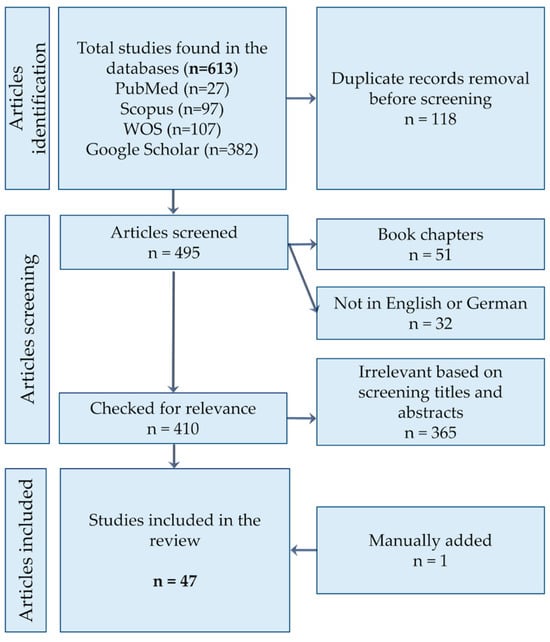
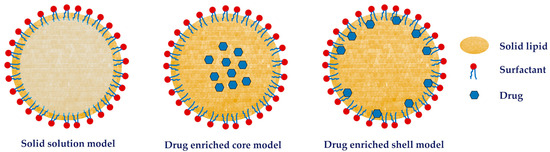
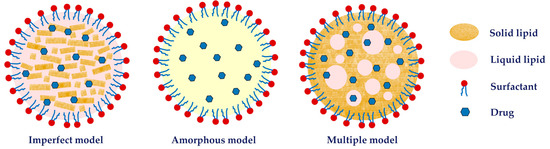
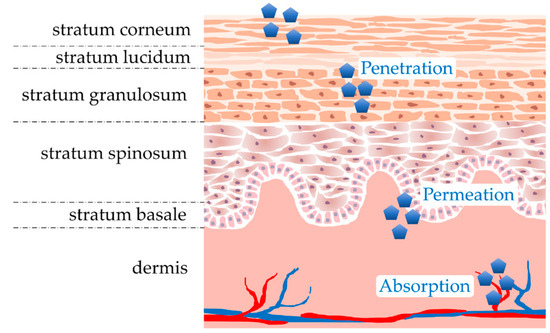
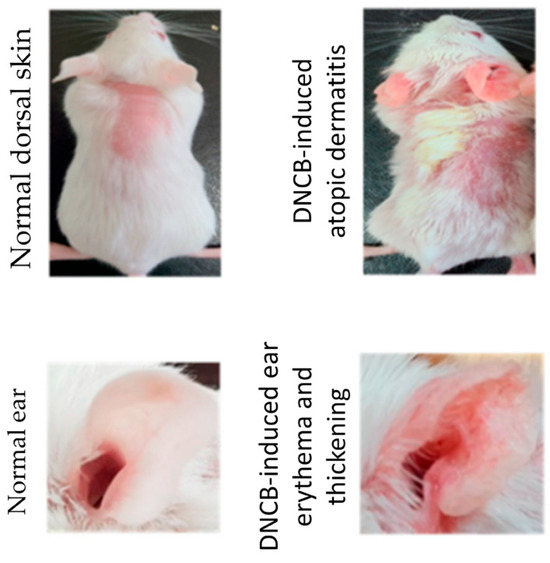
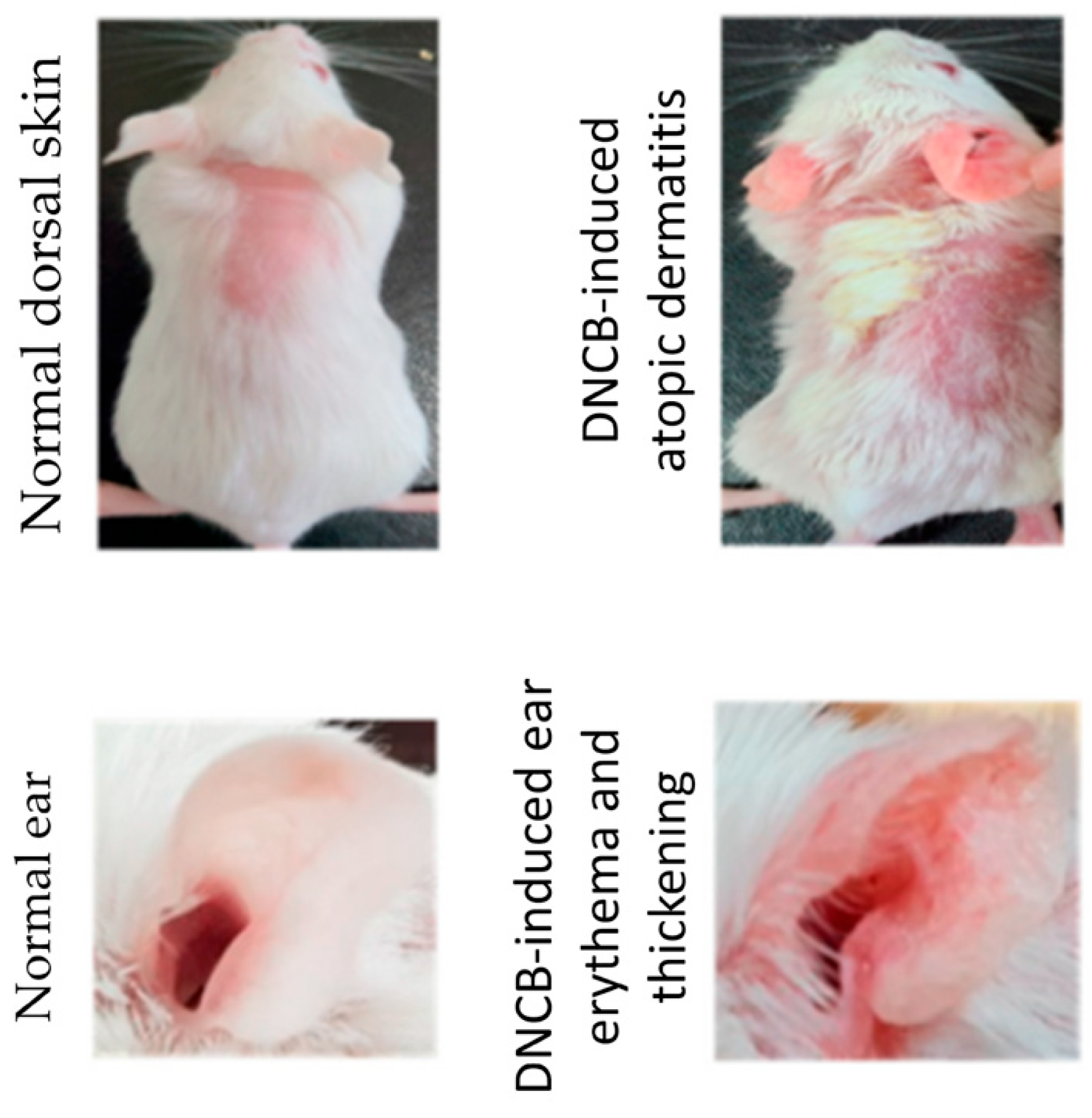

Disclaimer/Publisher’s Note: The statements, opinions and data contained in all publications are solely those of the individual author(s) and contributor(s) and not of MDPI and/or the editor(s). MDPI and/or the editor(s) disclaim responsibility for any injury to people or property resulting from any ideas, methods, instructions or products referred to in the content. |
© 2026 by the authors. Published by MDPI on behalf of the Österreichische Pharmazeutische Gesellschaft. Licensee MDPI, Basel, Switzerland. This article is an open access article distributed under the terms and conditions of the Creative Commons Attribution (CC BY) license.