





You are currently on the new version of our website. Access the old version .

All Articles (36,597)

Amino acid availability is central for the synthesis of macromolecules and numerous bioactive compounds. Amino acids are also involved in ATP production, cell signaling, and the epigenetic regulation of gene expression in human cells. From clinical and experimental studies, it appears that supplementation with specific amino acids may be relevant to correct for amino acid deficiency in the case of insufficient supply from dietary proteins with regards to the amounts needed for optimal metabolism and physiological functions. Clinical and experimental arguments suggest that amino acid supplementation may be indicated in specific situations under a specific nutritional context. However, it is essential not to overdose with excessive quantities of amino acids in supplements beyond the upper levels of safe intake (ULSI). In this narrative review, I recapitulate the protein and amino acid requirements for the general population and for subgroups of the population, and these requirements are compared to the usual consumption. Typical examples of clinical trials showing the benefits from amino acid supplementation in different physiological and pathophysiological contexts are presented together with results obtained from experimental studies. Parameters such as the no-observed-adverse-effect-level (NOAEL) values used to determine the ULSI for amino acid supplementation are defined, and values determined in clinical trials are given and discussed. Finally, prospects for future research in the field are proposed.

17 January 2026

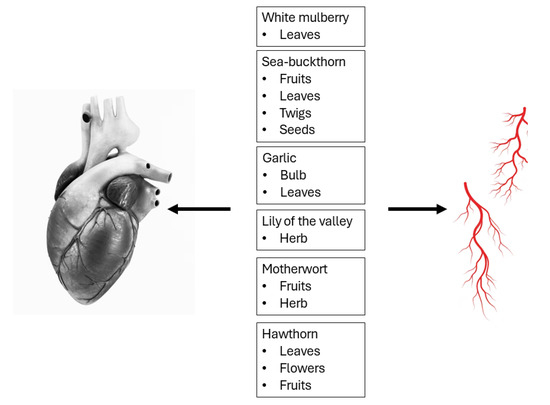
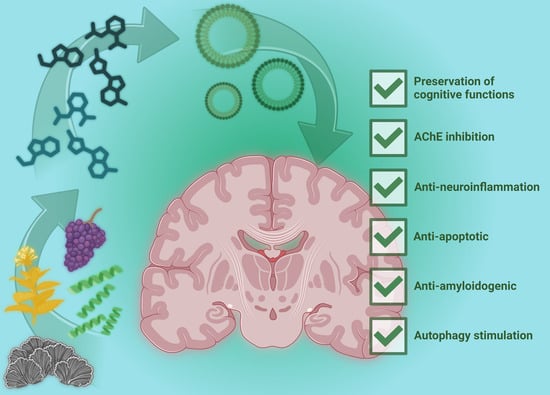
Schematic representation of the implication of amino acids as precursors for numerous compounds, as energy substrates, and as modulators of cell signaling. The compounds produced from amino acids include macromolecules and smaller molecules such as bioactive peptides, neurotransmitters, bioactive metabolites, ATP, glucose, and phospholipids. Specific amino acids are used as energy substrates in different cells within tissues. Some amino acids are involved in different physiological functions through cell signaling, epigenetic modifications, and utilization in metabolic pathways involved in nitrogenous waste disposal.

Deceptive Caffeine Shows Limited Impact on Short-Term Neuromuscular Performance

  • Fernando Valero,
  • Christian José Viudez and
  • Juan José Salinero
  • + 1 author

Background: Deceptive caffeine ingestion has shown inconsistent effects as an ergogenic aid for short-term exercises. Objective: Therefore, the aim of this study was to evaluate the potential placebo effect of deceptive caffeine ingestion on short-term performance during countermovement and repeated-jump tests, as well as bench press throw and bench press-to-failure assessments, and to document any associated side effects. Methods: A repeated, randomized, and counterbalanced design was implemented to compare the effects of ingesting a placebo claimed to be caffeine with a control condition in which no substance was consumed. Twenty-five physically active young adults (17 men and 8 women) completed a countermovement jump (CMJ) test, a 15 s repeated-jump test, bench press throws at 25%, 50%, and 75% of 1RM, and a bench press-to-failure test at 75% of 1RM and also completed a questionnaire regarding potential side effects. Results: Performance was similar between the placebo and control in the CMJ (38.1 ± 6.8 vs. 37.5 ± 6.8 cm; p = 0.225; d = 0.25) and in the 15 s repeated-jump test (p > 0.05; trivial–small effects). In the bench press throw, propulsive mean velocity did not differ at 25% 1RM (p = 0.296; d = 0.23) or 50% 1RM (p = 0.626; d = 0.10). However, deceptive caffeine ingestion increased propulsive mean velocity at 75% 1RM (0.500 ± 0.131 vs. 0.480 ± 0.131 m/s; p = 0.024; d = 0.48) and increased repetitions to failure at the same load (11.9 ± 3.7 vs. 11.0 ± 3.1; p = 0.047; d = 0.42). Mean velocity during the first 3 repetitions tended to be higher with the placebo (p = 0.064; d = 0.39), while final repetitions were similar (p = 0.469; d = 0.15). The most common side effects were increased activeness (34.8%) and nervousness (17.4%). Conclusions: In summary, deceptive caffeine ingestion had minimal impact on jump and ballistic bench press performance in physically active individuals. However, repetitions to failure were improved by ≈1 repetition (+8.2%). These findings suggest that the placebo effect of caffeine is unlikely to serve as a reliable strategy for enhancing short-term exercise performance.

17 January 2026

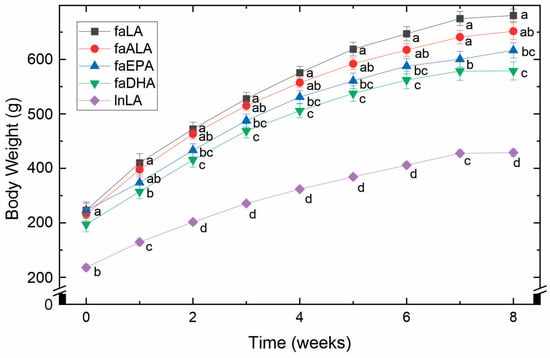
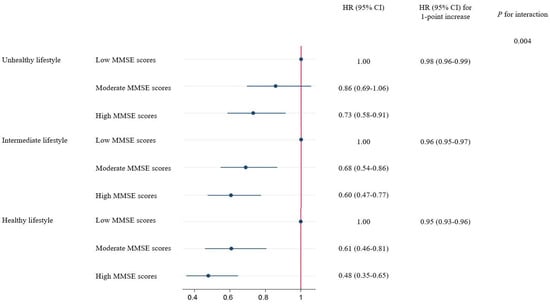
Schematic overview of the experimental procedure and measurement timeline, indicating the tests performed, the instruments used (upper part), and the variables analyzed (lower part).

Background/Objectives: RELiZORB immobilized lipase cartridge (ILC) is a single-use digestive enzyme cartridge that connects in-line with enteral feeding circuits to hydrolyze triglycerides in enteral formulas. It is cleared by the FDA for pediatric and adult use. Limited data have been published regarding the effect of ILC use on growth in children younger than 5 years of age. Methods: We performed a retrospective evaluation of real-world data extracted from a third-party reimbursement program database. All patients in the program database who initiated ILC use with enteral formula when 1 to 4 years of age between 2019 and 2023 were included. Baseline and follow-up weight, height/length, and body mass index (BMI) data were collected for up to 12 months. Results: A total of 186 patients from 90 clinics in the United States were included. A subset (143 patients) with baseline and follow-up growth measurements was included in the efficacy analysis population; 76% were diagnosed with cystic fibrosis. Mean weight and BMI z-scores improved significantly (0.63 [p < 0.001] and 0.53 [p = 0.006], respectively) from baseline to 12 months after initiation of ILC use. Significant improvement in the mean weight z-score was observed after 3 months. Among people with cystic fibrosis (pwCF) who initiated ILC use when 2 to 4 years of age, those with a BMI ≥ 50th percentile increased from 22% at baseline to 43% after 12 months (p = 0.021). Improvement in weight-for-length was also observed in 1-year-old pwCF. Conclusions: Real-world evidence showed that initiation of ILC use was associated with significant improvements in mean weight and BMI z-scores among young children.

16 January 2026

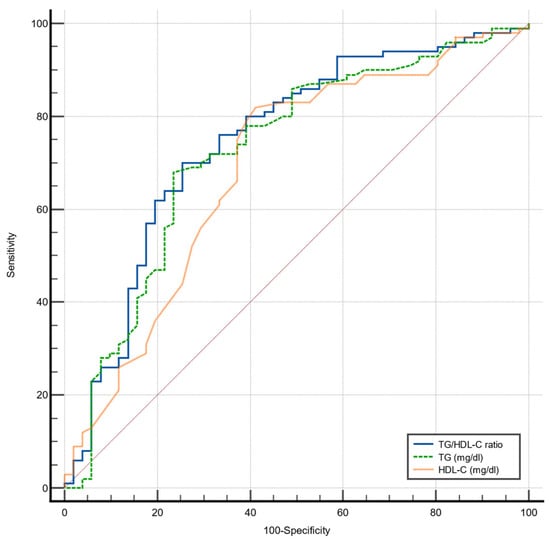
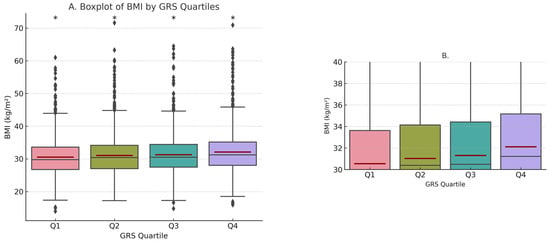
Study populations and data analysis.

Background/Objectives: Vending machines in hospitals offer convenient access to snacks and beverages for employees, visitors, and patients. However, their contents are typically energy-dense and nutritionally poor, which can potentially reinforce unhealthy eating habits. This study aimed to evaluate the impact of introducing healthier vending machine options on purchasing behaviour and consumer perceptions in a hospital setting. Methods: An interventional study was conducted at a university clinical centre in Slovenia. Sales data were collected from a standard vending machine and a pilot machine stocked with healthier products over two 14-day periods. Additionally, a consumer survey assessed factors influencing purchasing decisions and opinions on the healthier offerings. Results: The proportion of healthy items purchased increased from 22% to 39% in the pilot vending machine, indicating a positive shift toward healthier choices. However, total sales declined by 18.81%, suggesting consumer hesitation toward the new product mix. Survey results identified price, ingredients, and visual appeal as the primary factors influencing purchase decisions. Conclusions: The introduction of healthier vending machine options can promote better food choices in hospital environments, though challenges remain regarding consumer acceptance and sales performance. Expanding the variety of healthy items and adopting more competitive pricing strategies may enhance uptake. Further long-term research is needed to assess the sustainability of such interventions and their broader impact on hospital food environments.

16 January 2026

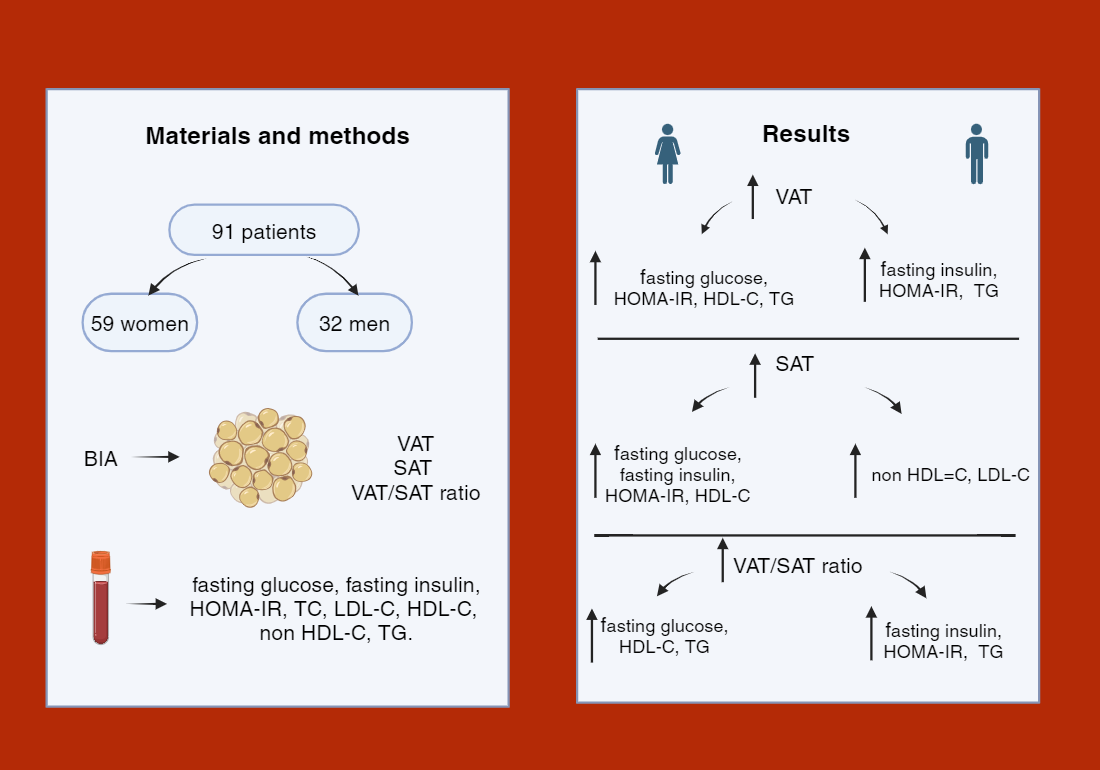
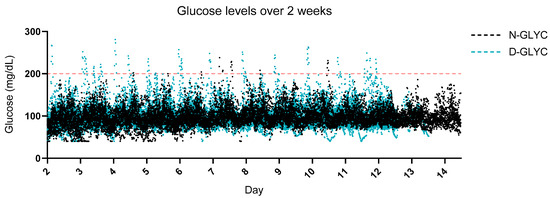
Total sales after one month on vending machines with classic or healthier offerings.

News & Conferences

Issues

Open for Submission

Editor's Choice

Get Alerted

Add your email address to receive forthcoming issues of this journal.

XFacebookLinkedIn
Nutrients - ISSN 2072-6643