

Journal Menu
► ▼ Journal Menu-
- Nanomaterials Home
- Aims & Scope
- Editorial Board
- Reviewer Board
- Topical Advisory Panel
- Early Career Editorial Board
- Instructions for Authors
- Special Issues
- Topics
- Sections & Collections
- Article Processing Charge
- Indexing & Archiving
- Editor’s Choice Articles
- Most Cited & Viewed
- Journal Statistics
- Journal History
- Journal Awards
- Society Collaborations
- Conferences
- Editorial Office
Journal Browser
► ▼ Journal BrowserNeed Help?
Announcements
29 May 2023
Nanomaterials Webinar | Trends and Advances in Operando Spectroscopy, Held on 12 June 2023

On 12 June 2023, MDPI and the journal Nanomaterials (ISSN: 2079-4991) organized a webinar Trends and Advances in Operando Spectroscopy. This webinar delved into the fascinating world of operando spectroscopy, giving “in vivo” information about catalysts under working conditions.
The webinar featured two distinguished speakers with extensive expertise in the field. Prof. Bert Weckhuysen demonstrated how the integration of spectroscopy and microscopy offers valuable insights into catalyst behavior. Prof. Eric A. Stach showcased his pioneering work on operando characterization investigations of heterogeneous catalysts, utilizing electrons and X-rays.
You can watch the recorded webinar below:
Webinar Chair and Keynote Speakers:
- Patricia Concepción, Instituto de Tecnologia Quimica, CSIC-UPV, Spain;
- Dr. Bert Weckhuysen, Utrecht University, the Netherlands;
- Dr. Eric A. Stach, University of Pennsylvania, USA.
25 May 2023
Meet Us at the 7th Scientific Meeting of Ph.D. Students (JPhD2023), 7–9 June 2023, Barcelona, Spain

MDPI will be presenting at the 7th Scientific Meeting of Ph.D. Students at the UAB campus (JPhD2023). The event will be held at the Sala d'Actes Institut de Ciència de Materials de Barcelona in Barcelona, Spain, from 7 to 9 June 2023.
JPhD2023 aims to facilitate the exchange of knowledge about scientific research from different fields, sharing of research works and communication among the Ph.D. students of the BNC-b in an academic and scientific environment.
MDPI Speaker
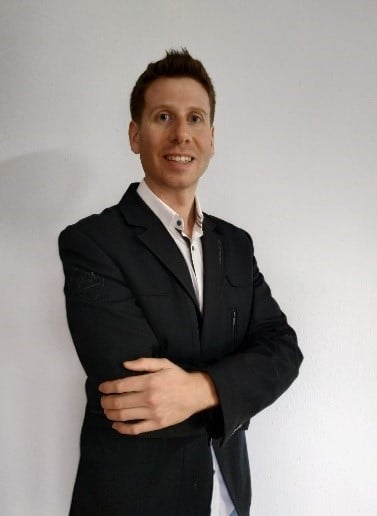
Dr. Gabriel Martínez Edo
Presentation theme: MDPI Open Access & Peer Review Process
Dr. Gabriel Martínez Edo holds a bachelor’s degree in chemistry (2013) and a master’s degree in pharmaceutical chemistry (2015) from the IQS school of Engineering, Universitat Ramon Llull (Barcelona, Spain). He completed his Ph.D. (2020) in chemistry and chemical engineering at the same institution focusing on the use of nanomaterials as drug delivery systems.
He joined MDPI in June 2020 as Assistant Editor and Section Managing Editor for the journal Nanomaterials. In 2021, he was appointed Managing Editor of the journal Nanomanufacturing, a position he held until his recent appointment as Journal Relations Specialist.
If you are also attending this conference, please feel free to stop by our booth. Our delegates look forward to meeting you in person to answer any questions you may have. For more information about the conference, please visit: https://jphd.icmab.es/.
Relevant Journals:
|
|
|
|
|
|
|
|
|
|
|
|
|
|









12 May 2023
Meet Us at the 2020-2023 China Mass Spectrometry Conference, 9–13 June 2023, Hangzhou, China

MDPI will be attending the 2020-2023 China Mass Spectrometry Conference, which will be held from 9 to 13 June 2023 in Hangzhou, China. The conference is hosted by the Mass Spectrometry Branch of the Chinese Physical Society, the Mass Spectrometry Professional Committee of the Chinese Chemical Society, and the Analytical Instrument Branch of the Chinese Instrumentation Society, and co-organized by Zhejiang University.
This conference is a grand event in China’s mass spectrometry industry, aiming to promote the unity and progress of the academic community, harmonious development, and a win-win future, to improve the level of academic exchanges, and promote the wide application of mass spectrometry technology in various scientific and technological fields. Famous scholars in the field of mass spectrometry at home and abroad will be invited to attend this conference. The report forms are divided into the conference report, invited report, oral report, and poster presentation.
The conference will fully demonstrate China’s latest research progress and achievements in mass spectrometry and related fields, enhancing exchanges and cooperation among mass spectrometry scientists and mass spectrometry-related practitioners, in order to promote the development of China’s mass spectrometry industry and enhance the academic status and influence of China’s mass spectrometry in the world.
The following MDPI journals will be represented:
If you plan on attending this conference, please feel free to stop by our booth and start a conversation with us. Our delegates look forward to meeting you in person and answering any questions that you may have. For more information about the conference, please visit: http://www.cmss.org.cn/index.php?r=site%2Fcae-home&mid=19.
31 March 2023
Meet Us at the 7th Conference on New Energy and New Chemical Materials Cum National Symposium on Energy Conversion and Storage Materials, 7–9 April 2023, Wuhan, China

Conference: The 7th Conference on New Energy and New Chemical Materials Cum National Symposium on Energy Conversion and Storage Materials
Date: 7–9 April 2023
Place: Wuhan, China
Materials (ISSN: 1996-1944) will be attending the 7th Conference on New Energy and New Chemical Materials Cum National Symposium on Energy Conversion and Storage Materials as an exhibitor from 7 to 9 April 2023, in Wuhan, China.
The 7th Conference on New Energy and New Chemical Materials Cum National Symposium on Energy Conversion and Storage Materials is an important academic conference in the field of new energy materials and devices research in China. It has been successfully held six times in Xiamen, Suzhou, Dalian, Zhengzhou, and twice in Xi'an. The conference will focus on academic exchanges and discussions on secondary batteries, supercapacitors, fuel cells and electrocatalysis, advanced energy storage materials and technologies, anode and cathode materials, and other energy storage technologies from the academic and application fields. The conference will bring together famous domestic experts, scholars, and enterprise technicians to discuss the future development prospects and directions of new energy materials and devices research.
The following MDPI journals will be represented:
- Materials;
- Metals;
- Catalysts;
- Nanomaterials;
- Batteries;
- Electrochem;
- Electronic Materials;
- Crystals.
Please do not hesitate to reach out if you plan on attending this conference. Our delegates look forward to meeting you in person and answering any questions you might have.
For more information about the conference, please visit the following website: http://www.zgclzk.org.cn/col.jsp?id=141.
14 March 2023
Join Us at the 13th National Symposium on the Molecular and Structural Characterization of Polymers, 31 March–2 April 2023, Shenzhen, China

Conference: 13th National Symposium on the Molecular and Structural Characterization of Polymers
Date: 31 March–2 April 2023
Place: Shenzhen, China
MDPI will be attending the 13th National Symposium on the Molecular and Structural Characterization of Polymers as an exhibitor. This meeting will be held at Hyatt Regency Shenzhen Yantian, Shenzhen, China, from 31 March to 2 April 2023. The organizing committee consists of the Polymer Materials Analytical Technology and Characteristic Methods Committee of Chinese Chemical Society. Through this meeting, we wish to contribute to the discussion on the progress in the field of polymer characterization.
The following MDPI journals will be represented:
- Polymers;
- Gels;
- Colloids and Interfaces;
- Symmetry;
- Surfaces;
- IJMS;
- Macromol;
- Nanomaterials;
- Analytica.
If you are attending this conference, please feel free to start a conversation with us. Our delegates look forward to meeting you in person and answering any questions that you may have. For more information about the conference, please visit https://poly-struc2022.scievent.com/.
13 March 2023
MDPI’s Newly Launched Journals in December 2022
As a leading open access publisher, MDPI provides scholars with a high-quality and rich academic exchange platform by continuously expanding into new and exciting research areas.
In December 2022, MDPI launched five new journals, covering multiple subjects such as life sciences, biology, medicine and pharmacology, social sciences and humanities. These new journals are being edited by established scholars across the world.
|
Journal |
Founding Editor-in-Chief |
Journal Topics (Selected) |
|
|
Prof. Dr. Fabio Gresta, University of Messina, Italy| Editorial | view inaugural issue |
grass/forage/turf production; grassland management; pasture monitoring; grazing and livestock; grass agro-ecosystems| view journal scope | submit an article |
|
|
Prof. Dr. Christos G. Athanassiou, University of Thessaly, Greece| Editorial | view inaugural issue |
pesticides; fungicides; herbicides; fertilizers; soil conditioners| view journal scope | submit an article |
|
|
Prof. Dr. Stephen H. Safe, Texas A&M University, USA| Editorial | view inaugural issue |
receptor structure; receptor function; receptor signaling; receptor expression and regulation; receptor interactions with drugs| view journal scope | submit an article |
|
|
Dr. Jean Jacques Vanden Eynde, University of Mons-UMONS, Belgium| Editorial | view inaugural issue |
drug discovery; medicinal chemistry; preclinical and clinical research; marketed drugs; intellectual property and regulatory affairs| view journal scope | submit an article |
|
|
Prof. Dr. Heather Kanuka, University of Alberta, Canada| Editorial | view inaugural issue |
higher education; tertiary education; policy and practice in higher education; educational leadership in higher education; educational administration and management in higher education| view journal scope | submit an article |




If you are interested in creating more open access journals with us to publish cutting-edge research, please send your journal proposal application to newjournal-committee@mdpi.com.
9 March 2023
Interview with Dr. Tsung-Rong Kuo—Winner of the Nanomaterials 2022 Outstanding Reviewer Award
We are pleased to announce the winner of the Nanomaterials 2022 Outstanding Reviewer Award—Dr. Tsung-Rong Kuo.

Name: Dr. Tsung-Rong Kuo
Affiliation: Graduate Institute of Nanomedicine and Medical Engineering, Taipei Medical University, Taiwan
Research Interests: optical sensors; biosensors; nanosensors; chemical sensors; SERS; plasmonic nanomaterials; antibacterial nanomaterials
Dr. Tsung-Rong Kuo hails from Taiwan. He received his Ph.D. degree in chemistry from the National Taiwan Normal University in 2011. His Ph.D. research topic focused on preparations of plasmonic nanomaterials as carriers for drug delivery systems. Additionally, he then worked as a postdoctoral fellow at the Institute of Atomic and Molecular Sciences, Academia Sinica, Taiwan. At that time, he designed and synthesized nanomaterials as contrast agents for application in molecular imaging. Afterward, he continued his postdoctoral fellowship at the Department of Chemistry at the University of California (Berkeley). At Berkeley, he synthesized shape-controlled silver nanocrystals, and prepared silver nanocrystals and Langmuir–Blodgett films as surface-enhanced Raman scattering substrates. In 2015, he joined the Graduate Institute of Nanomedicine and Medical Engineering at Taipei Medical University as an Assistant Professor and was promoted to Associate Professor in 2019. In 2022, he was promoted to Professor. He is currently the director of the Graduate Institute of Nanomedicine and Medical Engineering and the International Ph.D. Program in Biomedical Engineering at Taipei Medical University. His recent research interests focus on preparations of nanomaterials for application in nanomedicine. He is credited with 71 publications with 1993 citations, and his h-index is now 26.
We would like to thank the award committee for their hard work in the difficult task of selecting a winner from such a large number of exceptional candidates. We will continue to reward reviewers with the Outstanding Reviewer Award to express our acknowledgment of their efforts in maintaining the high quality and quick turnaround time of the journal, and we wish them every success in their careers.
We hope you enjoy the interview with Dr. Tsung-Rong Kuo:
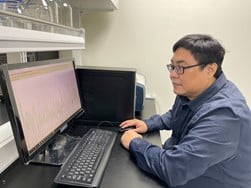
1. Could you give a brief introduction of yourself to our readers?
I am currently a professor at the Graduate Institute of Nanomedicine and Medical Engineering at Taipei Medical University. I have been working as an academic researcher at Taipei Medical University for more than seven years. At my current job at Taipei Medical University, I teach nanomaterials courses to undergraduate and graduate students. I am also the advisor to the graduate students in my lab. Our research group has focused on the designs and preparations of various nanomaterials for applications such as antibacterial agents, detection via surface-enhanced Raman spectroscopy, and photosynthetic biohybrid systems. Most importantly, as the director of the Graduate Institute of Nanomedicine and Medical Engineering and the International Ph.D. Program in Biomedical Engineering at Taipei Medical University, I take charge of recruiting international students. Taipei Medical University has been a leader in Taiwan’s healthcare system for more than half a century. Around 6,000 students from over 40 countries are currently enrolled at TMU's ten colleges. It is ranked 384 in the QS World University Rankings 2023 and ranked 201-250 in the THE World University Rankings 2022. We encourage international students to apply to our institute and program. My lab also welcomes students who are interested in nanoscience and nanotechnology.
2. What’s the focus of your current research, and why did you choose this research field? As a reviewer, what kind of manuscripts would you prefer to review in the future?
My current research is focused on the design, synthesis, and application of nanomaterials for biomedical applications. For example, we have prepared different morphologies of CuS, including microspheres, nanosheets, and nanoparticles, for light-driven antibacterial application. Based on the results of bacterial growth curves, ROS generation, and electron paramagnetic resonance studies, CuS nanostructures have higher photodynamic antibacterial activities. Moreover, bacteria incubated with CuS nanoparticles and CuS nanosheets have exhibited substantial bacterial degradation after near-infrared laser irradiation, which can be attributed to their photothermal killing effects.
Based on my research background and current health threats from bacterial infections, I believe that the development of novel antibacterial agents is an urgent task for human sustainability. Nanomaterials with unique chemical and physical properties are very suitable for this task, as they can act as antibacterial agents to combat bacterial infections. Therefore, I chose to focus my research on the development of antibacterial nanomaterials.
As a reviewer, I prefer to review manuscripts related to my current research interests. I appreciate reading pioneering research works from other research groups before their publication, and I can benefit from these novel research results. When I review an article, I sometimes get new ideas for my own research work, which is of great help to me.
3. Which research topics do you think are of particular interest to the research community in the coming years?
Currently, our group focuses on the research topic of photosynthetic biohybrid systems. The developments of efficient harvesting and storage of solar energy can provide unlimited renewable power and also address the environmental and climate change crises. We design and develop photosynthetic biohybrid systems based on light-absorbing nanomaterials and bacteria to convert greenhouse gases such as carbon dioxide into valuable chemicals with high specificity and low cost. Under solar light irradiation, light-absorbing nanomaterials can produce photogenerated electrons to assist bacteria in the conversion of carbon dioxide to acetic acid. Moreover, the photothermal effect of nanomaterials can be used to increase the temperature of biohybrid systems to facilitate the growth of bacteria. However, elucidating the details of the reaction mechanisms of biohybrid systems is still an urgent task in our quest to improve conversion efficiency in photosynthetic biohybrid systems. In the near future, with the advantages of light-absorbing nanomaterials, photosynthetic biohybrid systems will reveal high-performance abilities, one of which is the ability to capture sunlight for accomplishing carbon dioxide fixation. Recently, we have published a review paper entitled “Emerging Trends in Nanomaterials for Photosynthetic Biohybrid Systems” in ACS Materials Letters. In this review paper, we collected some recent publications on the research topic of photosynthetic biohybrid systems, and we also explored the perspectives, challenges and opportunities of future practical applications of photosynthetic biohybrid systems. To read this review paper, please visit https://doi.org/10.1021/acsmaterialslett.2c00752.
4. Have you ever encountered any difficulties when conducting research? How did you overcome them?
In the early stages of my academic research, the first difficulty was applying for and receiving a research grant to set up my lab. I invested most of my research grant to buy lab infrastructure and analytical instruments. At this time, I could only provide a very small scholarship budget to recruit graduate students. Therefore, I had a very limited number of students with whom I could execute my research project. To overcome the issue of my limited research budget, I wrote many research proposals in order to attain research grants each year. I tried to apply for research grants that I could. However, writing these research proposals was very time-consuming, and thus, I did not have enough time to publish a research paper.
After my promotion to the position of professor, I had a large enough research budget to maintain my lab and provide scholarships for graduate students. However, currently, the recruitment of graduate students has turned out to be a difficult task. In Taiwan, there is a lack of graduate students; therefore, we have to recruit international graduate students to join our university. With competition from different countries, we have found it difficult to recruit international graduate students. To overcome the difficulty of our lack of lab graduate students, we try to provide high-quality research projects and a high number of scholarships in order to recruit international graduate students with outstanding research backgrounds.
5. If you have the opportunity, will you actively apply to attend academic conferences? What do you think you can learn from participating in conferences that are different from working in a lab?
I joined many local and international academic conferences when I was completing my Ph.D. During these academic conferences, I had the opportunity to display my research data via posters or talks. During communications with various other researchers and fields during the academic conferences, you can brainstorm using your own research projects. Furthermore, I had the chance to join talks given by pioneers in my field of interest and field of research during these academic conferences. Most importantly, I had the opportunity to meet old friends and make new friends. Doing academic research can be a lonely endeavor, and it is almost impossible to carry out research alone. Therefore, joining academic conferences is a good opportunity to make research connections. To this I say, why not?
As a research advisor, I also encourage the graduate students in my lab to join academic conferences. In taking these opportunities, they can practice presenting their research data to the scientific community. For me, personally, I can guide them in giving a good presentation and overcoming the fear of presenting to the public. I believe this is a win-win situation. Therefore, it is an important event when our research group joins an academic conference each year.
6. We are an Open Access journal. How do you think Open Access impacts authors?
Open Access journals make research articles freely available to anyone with internet access, without requiring a subscription or payment. In Open Access journals, readers can access and download the full text of articles without any financial barriers. Research articles published via Open Access can increase the accessibility and visibility of research, which can lead to increased citation and impact. Open Access journals have become more popular in recent years because they provide researchers with a wider readership and greater exposure of their work. Moreover, Open Access can help to address the issue of journal subscription costs, which can be a barrier to accessing research for individuals and institutions with limited resources. However, Open Access journals have also suffered various criticisms. Some claim that the article processing charges required by some Open Access journals can be prohibitively expensive for researchers, particularly those working in low-income countries. Additionally, there are concerns about the quality and rigor of some Open Access journals, as they may not have the same level of peer review and editorial oversight as traditional subscription-based journals. Overall, Open Access journals are a complex and evolving landscape that has the potential to democratize access to research and promote scholarly communication.
In my personal opinion, there are some important qualities that reviewers should have to be effective in their role. Herein, I have added a few qualities that I believe are particularly important:
- Objectivity: Reviewers should pay attention to being unbiased and objective when reviewing a manuscript. This means that the reviewers should evaluate the research work according to its merits, rather than their personal preferences or biases.
- Attention to detail: Reviewers should be careful and detail-oriented, paying attention to the unique aspects of the research work they are reviewing. Reviewers should also examine things like grammar, formatting, and citation style.
- Critical thinking: Reviewers should be able to think critically about the research work they are evaluating, identifying its strengths and weaknesses and providing constructive feedback.
- Communication skills: Reviewers should be able to clearly communicate their comments and suggestions to the author in a respectful and professional manner. This includes providing specific examples and actionable recommendations for the improvement of the manuscript.
- Time management: Reviewers should be able to manage their time effectively, ensuring that they can finish their reviews in a timely manner without sacrificing quality. This is particularly important in fields in which timely reviews are essential.
- Subject matter expertise: Reviewers should have a strong background in the research work that they are evaluating, allowing them to provide informed comments and suggestions for authors.
For more information about Nanomaterials awards, please refer to the following link: https://www.mdpi.com/journal/nanomaterials/awards.
9 March 2023
Interview with Dr. Gueorgui Gueorguiev—Winner of the Nanomaterials 2022 Outstanding Reviewer Award
We are pleased to announce the winner of the Nanomaterials 2022 Outstanding Reviewer Award—Dr. Gueorgui Gueorguiev.

Name: Dr. Gueorgui Gueorguiev
Affiliation: Department of Physics, Chemistry and Biology (IFM), Linköping University, Sweden
Research Interests: carbon-based materials; inherently nanostructured thin films; group-III nitrides; group-III bismides; graphene; ultrathin films; protective coatings; 2D materials; ab-initio calculations; synthetic growth of thin films; molecular dynamics for nanostructured materials; magnetron sputtering; MOCVD; atomic layer deposition (ALD)
Dr. Gueorguiev completed his Ph.D. on the structural and electronic properties of carbon- and silicon-based clusters in 2003 at Coimbra University, Portugal, with the exceptional mark “Cum Laude” and following a fellowship at the prestigious Portuguese Instituto Camões.
Dr. Gueorguiev joined Linköping University, Sweden, in the year 2004 by establishing a new line of research on the theoretical design of nanostructured carbon-based thin films with pre-defined properties and with immediate experimental verification. By developing the DFT-based synthetic growth concept, he discovered and pioneered a new class of materials, that of fullerene-like thin solid films. His research interests then expanded towards 2D and van der Waals structures, layered compounds, and coatings with applications in aviation. The theoretical approaches to these include first principles and effective methods in computational materials science, synthesis techniques involving magnetron sputtering, MOCVD, and atomic layer deposition. The diversity and independence of his research activities and achievements are reflected in his publication profile.
For the past ten years, he has built a strong, competitive, and expansive research and education network in materials science, linking Linköping University (LiU) and the Federal University of Bahia (UFBA)—https://liu.se/en/research/liu-ufba-network. This network involves a dynamic team, the exchange of research visits, joint supervision of Ph.D. students, joint execution of graduate courses, joint publishing of findings in new material phenomena with international impact for a variety of applications, and jointly organized high-level professional events.
We would like to thank the award committee for their hard work in the difficult task of selecting a winner from such a large number of exceptional candidates. We will continue to reward reviewers with the Outstanding Reviewer Award to express our acknowledgment of their efforts in maintaining the high quality and quick turnaround time of the journal, and we wish them every success in their careers.
We hope you enjoy the interview.
1. Could you give a brief introduction of yourself to the readers?
I am an Associate Professor at Linköping University in Sweden. I am a theoretician with a strong interest in the immediate experimental verification of theoretical predictions in materials science and their subsequent applications. My topical research lines include emerging 2D group III nitrides and oxides, topological insulators, inherently nanostructured carbon-based thin films for protective coatings, including hard/elastic and self-healing coatings, 2D carbon-based systems for the nanoelectronics and metal-organic interfaces, 2D silicon-based and cluster-assembled materials including silicon boride, and working towards a metal-semiconductor transition in 2D.
2. What’s your current research focus, and why did you choose this research field? As a reviewer, what kind of manuscripts would you prefer to review in the future?
For my current research topics, please see the previous question. My research focus on nanostructured materials and low-dimensional materials evolved as a result of a complex combination of following my own research interests, participating in the development of the field, working intense on my own projects and proposals, and working as a team member on larger projects. As a reviewer, due to the progress of my research and my many skills, I would say that I am quite versatile, and I feel equally comfortable and competent when evaluating not only theoretical but also most experimental manuscripts in the field of nanostructured materials.
3. Which research topics do you think are of particular interest to the research community in the coming years?
Low-dimensional and layered materials, heterostructures, and topological materials, to name just a few. Nanomaterials that are achievable by robust, repeatable, scalable, and industrially viable techniques will also be of particular interest (in contrast to those that rely on exotic, difficult-to-reproduce techniques).
4. What do you think you can learn from participating in conferences?
Well-planned, well-organized, topical scientific meetings, events, conferences, and workshops will always be important and significantly impact progress in most research fields. After the pandemic, most scientists have come to appreciate these opportunities even more so than before.
5. We are an Open Access journal. How do you think Open Access impacts authors?
Open Access publication has clearly become the paradigm in scientific publishing. In my opinion, its advantages are clear. The popularization of research, high numbers of citations of quality research, and in the end, quicker progress in most research fields are all reasons to support the increasing number of available Open Access journals.
6. Which qualities do you think reviewers need?
Scientific competence in the reviewed field and recent, updated knowledge are clearly and undoubtedly the necessary qualities for a reviewer. However, some other essential qualities of reviewers are frequently overlooked. A reviewer should be able to see the bigger picture, i.e., whether a given manuscript fits the recent trends and developments in impact and progress in the given field. The linguistic and stylistic competence of the reviewer cannot be neglected; they should be able to identify whether a manuscript is a good read, whether it is attractive to the audience, and whether it can inspire further work along similar research lines. The objectivity of reviewers is also frequently overlooked; a reviewer should not be guided by his/her own research inertia and preferences. Last but not least, a reviewer should be critical but positive, trying to help through advice and detailed comments on the publication of a manuscript that may exhibit good potential, even when this potential is accompanied by some errors or by insufficient presentation of results.
For more information about Nanomaterials awards, please refer to the following link: https://www.mdpi.com/journal/nanomaterials/awards.
8 March 2023
Interview with Dr. Liang Huang—Winner of the Nanomaterials 2022 Young Investigator Award
We are pleased to announce the winner of the Nanomaterials 2022 Young Investigator Award—Dr. Liang Huang.
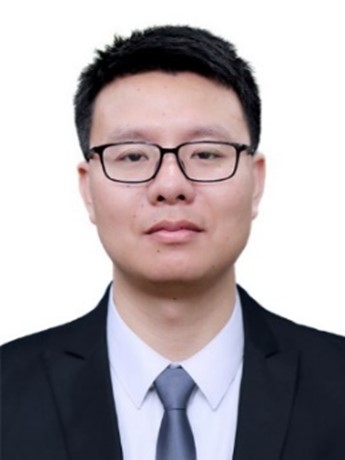
Name: Dr. Liang Huang
Affiliation: Wuhan National Laboratory for Optoelectronics, Huazhong University of Science and Technology, Wuhan, China
Website: http://faculty.hust.edu.cn/huangliang1/en/index.htm
Dr. Liang Huang received his B.S. and Ph.D. degrees from Lanzhou University in 2007 and 2013, respectively. He became a principal investigator at the Wuhan National Laboratory for Optoelectronics (WNLO), Huazhong University of Science and Technology in 2016. His current interests focus on the salt-assisted synthesis of 2D materials for energy conversion and storage. He published over 120 papers on science advances, advanced materials, nano letters, ACS energy letters, ACS nano, advanced energy materials, etc. and has an H-index of 55. He is the Chutian scholar of Hubei Province (2017), Outstanding Scholar in Central China (2019), the Top 2% scientist selected by Stanford-Elsevier (2019 and 2020), and he received the 2020 IAAM Young Scientist Medal.
Please join us in congratulating Dr. Liang Huang for his outstanding achievements.
We would like to thank the award committee for their excellent work in the hard task of selecting a winner from such a large number of excellent candidates. We would also like to thank all the nominees from various fields for their participation. We will continue to reward young scientists with the Young Investigator Award and wish them every success in their careers.
The following is a short Q&A with Dr. Liang Huang:
1. Could you give us a brief introduction of yourself to the readers?
My name is Liang Huang from Xinyu, Jiangxi Province, China. I got my B.S. and Ph.D. degrees from Lanzhou University in 2007 and 2013, respectively. Now, I am working at the Huazhong University Of Science And Technology as an Associate Professor.
2. What’s your current research and why did you choose this research field?
Two-dimensional (2D) materials have demonstrated good chemical, optical, electrical, and magnetic characteristics and offer great potential in numerous applications. Therefore, corresponding synthesis technology of 2D materials that is timesaving, with high quality, high yield and low cost is desired. That is the reason why my group focuses on the salt-assisted synthesis of 2D materials to balance the quality and yield. The salt as a template or synthetic medium can be reusable and can work under high temperatures over the limitation of materials’ structure to form atomical thickness.
3. Which research topics do you think are of particular interest to the research community in the coming years?
In my opinion, I think the integrated chip using 2D materials will be of particular interest to the research community in the coming years.
4. What qualities do you think young scientists need?
This is a tough question. I think young scientists need to enjoy failure since we have to face lots of difficulties around us.
5. Can you briefly describe the key to a happy laboratory life?
Finding the research interesting and creating a family lab culture.
6. As the winner of this award, is there something you want to express, or someone to thank most?
As the winner of this award, I want to thank my wife, because I work in the lab six days a week from morning till night. I wouldn't be able to do my job without her understanding and tolerance to deal with things at home.
For more information about Nanomaterials awards, please refer to the following link: https://www.mdpi.com/journal/nanomaterials/awards.
7 March 2023
Displaying Co-Authors’ Email Addresses on the Webpage of Published Papers
MDPI is pleased to announce that we now display the co-authors’ email addresses in addition to the corresponding author’s email address on the webpage of published papers, protected by Captcha. For more information about this change, please visit the journal’s instructions for authors page.
We believe this change will facilitate academic discussions and advance our cause of open science and research. The corresponding authors are responsible for communicating with their co-authors and indicating in our system (https://susy.mdpi.com/) if co-authors would prefer for their email addresses not to be displayed.
