
-
The Role of Reduced Surface Sulfur Species in the Removal of Se(VI) by Sulfidized Nano Zero-Valent Iron -
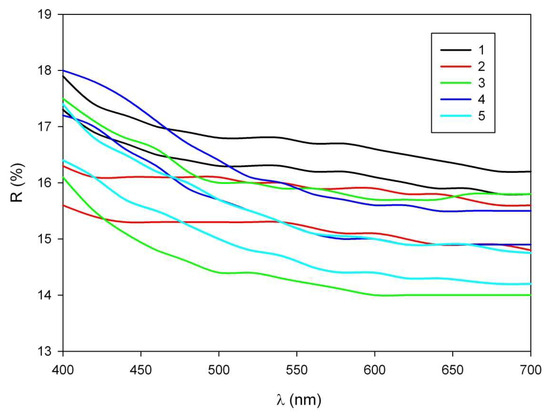
Assessment of Optical Light Microscopy for Classification of Real Coal Mine Dust Samples -
Investigating the Semi-Permeable Membrane Behavior of Geosynthetic Clay Liners by Means of a Novel Apparatus -
Phase Transformation of the Analytic Signal for Enhancing the Resolution of Potential Field Data † -
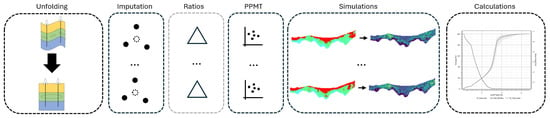
Controls, Expressions, and Discovery Potential of Gold Mineralization in the Central-Eastern Yilgarn Craton, Western Australia: New Insights from an Integrated Targeting Study
Journal Description
Minerals
Minerals
is an international, peer-reviewed, open access journal of natural mineral systems, mineral resources, mining, and mineral processing, and is published monthly online by MDPI.
- Open Access— free for readers, with article processing charges (APC) paid by authors or their institutions.
- High Visibility: indexed within Scopus, SCIE (Web of Science), GEOBASE, GeoRef, CaPlus / SciFinder, Inspec, Astrophysics Data System, AGRIS, and other databases.
- Journal Rank: JCR - Q2 (Mining and Mineral Processing) / CiteScore - Q1 (Geology)
- Rapid Publication: manuscripts are peer-reviewed and a first decision is provided to authors approximately 17.7 days after submission; acceptance to publication is undertaken in 2.6 days (median values for papers published in this journal in the second half of 2025).
- Recognition of Reviewers: reviewers who provide timely, thorough peer-review reports receive vouchers entitling them to a discount on the APC of their next publication in any MDPI journal, in appreciation of the work done.
- Companion journal: Mining
- Journal Cluster of Geotechnical Engineering and Geology: Minerals, GeoHazards, Mining, Geotechnics, Glacies and Stratigraphy and Sedimentology.
Impact Factor:
2.2 (2024);
5-Year Impact Factor:
2.5 (2024)
Latest Articles
Jurassic–Cretaceous Boundary Silicic Volcanism and Paleo-Pacific Slab Rollback in Eastern Guangdong, Southeast China: Evidence from Zircon U–Pb–Hf Isotopes and Trace Elements
Minerals 2026, 16(5), 550; https://doi.org/10.3390/min16050550 (registering DOI) - 19 May 2026
Abstract
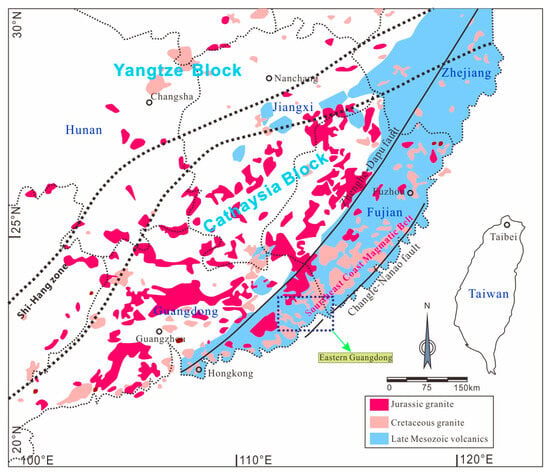
Late Jurassic–Early Cretaceous silicic volcanism is widespread along the Southeast China continental margin, yet the timing, magma plumbing, and geodynamic drivers of individual volcanic centers remain debated. Here, we integrate whole-rock geochemistry with zircon U–Pb geochronology, zircon trace elements, and in situ zircon
[...] Read more.
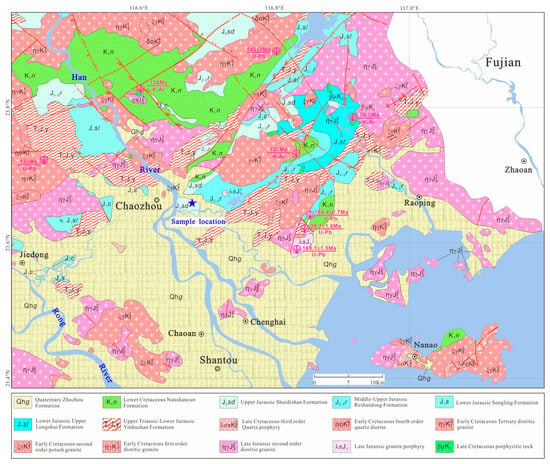
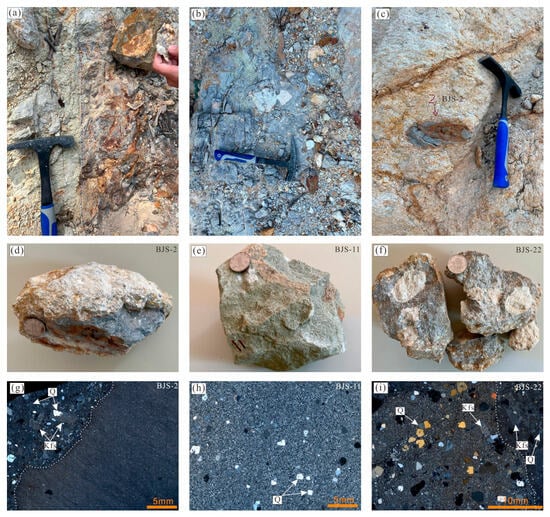
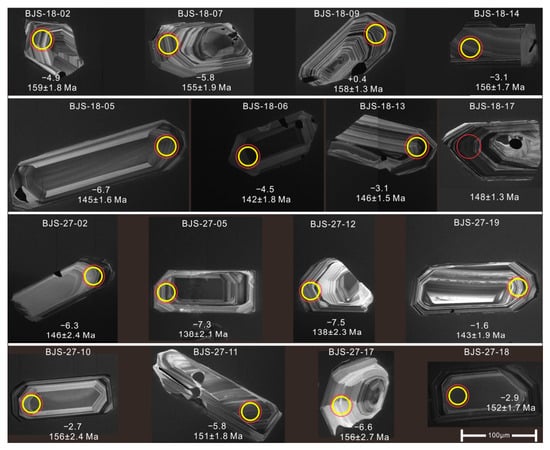
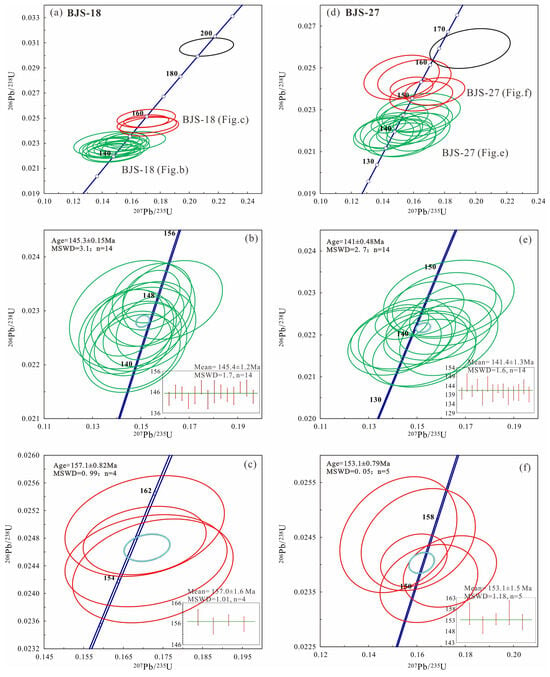
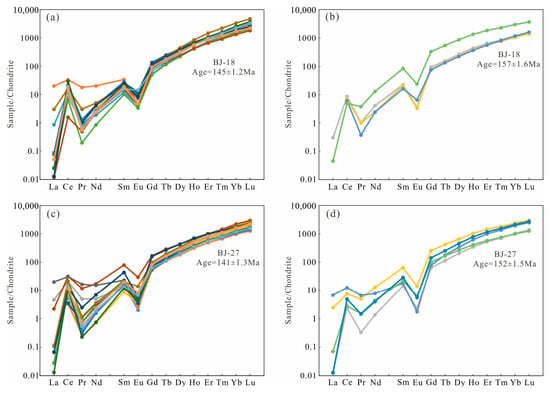
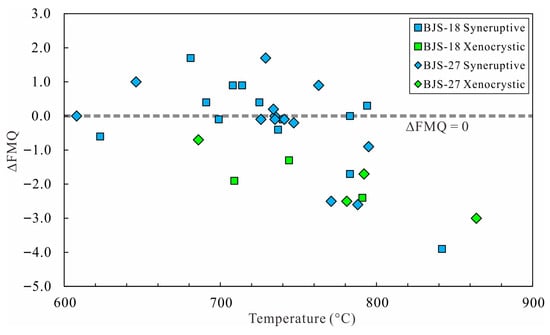
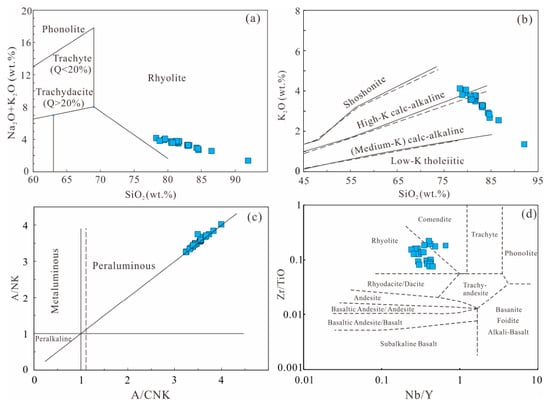
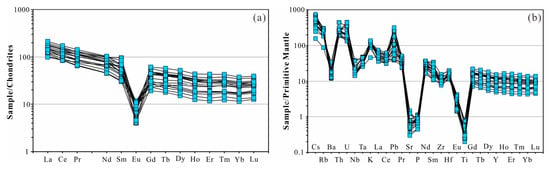
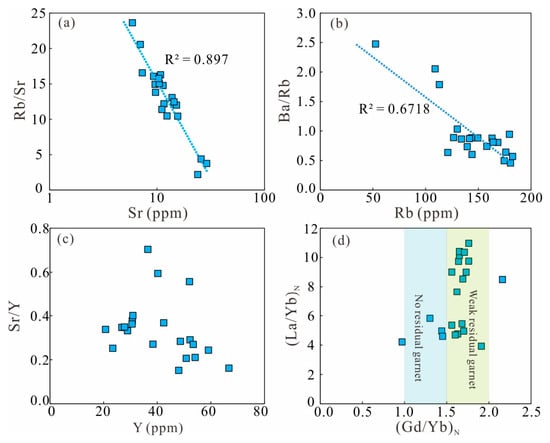
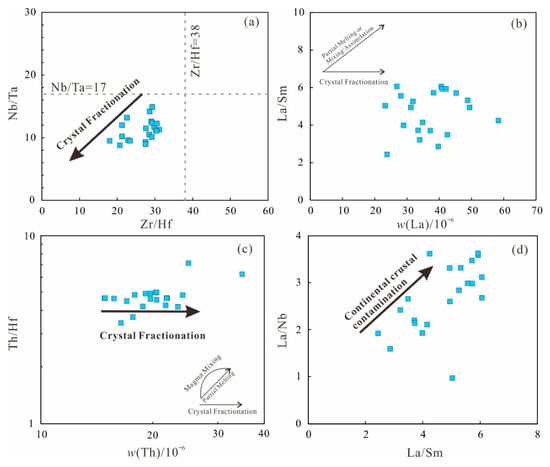
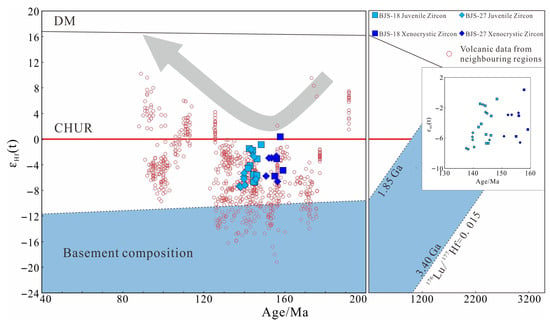
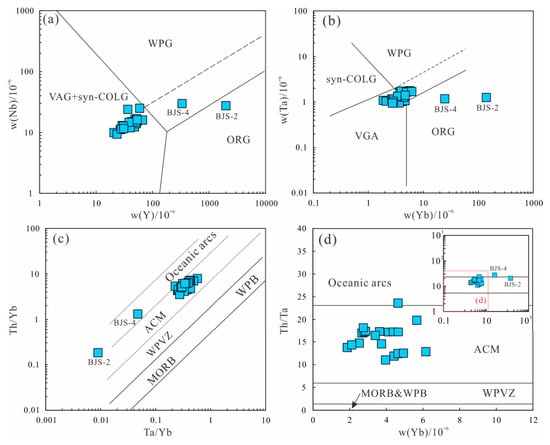
Late Jurassic–Early Cretaceous silicic volcanism is widespread along the Southeast China continental margin, yet the timing, magma plumbing, and geodynamic drivers of individual volcanic centers remain debated. Here, we integrate whole-rock geochemistry with zircon U–Pb geochronology, zircon trace elements, and in situ zircon Lu–Hf isotopes for high-silica rhyolites from the Bijiashan volcanic complex, eastern Guangdong, to constrain magmatic evolution and its link to Paleo-Pacific subduction dynamics. LA–ICP–MS zircon U–Pb analyses were used to define two dominant crystallization populations: 145.4 ± 1.2 Ma (n = 14; MSWD = 1.7) for sample BJS-18 and 141.4 ± 1.3 Ma (n = 14; MSWD = 1.6) for sample BJS-27, yielding dominant zircon U–Pb age populations of 141.1–145.4 Ma, thereby constraining the timing of the main silicic volcanism (magma crystallization immediately preceding eruption) to the Jurassic–Cretaceous boundary. Minor older peaks at 157.0 ± 1.6 Ma (BJS-18) and 153.1 ± 1.5 Ma (BJS-27) suggest antecrystic or inherited components from a long-lived trans-crustal magmatic system. Whole-rock data indicate subalkaline, high-K calc-alkaline rhyolitic affinities, with apparent peraluminous signatures affected by post-magmatic alkali mobility. The rhyolites are characterized by pronounced negative Eu anomalies (Eu/Eu* = 0.085–0.395), low Sr contents (5.9–29.0 ppm), and arc-like trace-element signatures with Nb–Ta–Ti depletions. Zircon trace elements indicate crystallization temperatures of 608–842 °C and redox states from ΔFMQ = −3.90 to +1.71, with syneruptive grains clustering near FMQ ± 1 and xenocrystic grains systematically more reduced and hotter, implying vertically and temporally zoned magma storage. Zircon εHf(t) values (−7.4 to −0.9) and Mesoproterozoic TDM2 ages (1.18–1.66 Ga) indicate substantial reworking of ancient Cathaysian crust. In contrast, the relatively radiogenic upper εHf(t) values and the occurrence of mafic lithic fragments suggest limited juvenile or mantle-derived input into the crust-dominated magmatic system. Together with tectonic discrimination diagrams indicating a continental arc affinity, these results support Early Cretaceous arc-related silicic magmatism during a regional transition from compression to extension, plausibly linked to Paleo-Pacific slab rollback beneath Southeast China.
Full article
(This article belongs to the Section Mineral Geochemistry and Geochronology)
►
Show Figures
Open AccessArticle
An Enhanced Model for Converting Low-Field NMR T2 Spectra to Pore Radius Distributions in Tight Reservoir
by
Pengfei Song, Siyi Cai, Yaxuan Ma, Yankai Xu, Hexin Huang, Xiaoli Zhai, Ruifeng Xian and Wei Sun
Minerals 2026, 16(5), 549; https://doi.org/10.3390/min16050549 - 19 May 2026
Abstract
Persistent uncertainty in translating low-field nuclear magnetic resonance (NMR) T2 relaxation spectra into geometrically meaningful pore–throat metrics has long hindered the quantitative characterization of tight reservoirs. To address this issue, this study develops an enhanced conversion framework that incorporates scale-dependent pore geometry,
[...] Read more.
Persistent uncertainty in translating low-field nuclear magnetic resonance (NMR) T2 relaxation spectra into geometrically meaningful pore–throat metrics has long hindered the quantitative characterization of tight reservoirs. To address this issue, this study develops an enhanced conversion framework that incorporates scale-dependent pore geometry, enabling more realistic estimation of pore–throat radius distributions. Core samples were collected from the first member of the Shanxi Formation and the eighth member of the Shihezi Formation in the Ordos Basin. A comprehensive experimental dataset was established, including porosity and permeability measurements, X-ray diffraction (XRD) mineral analysis, NMR experiments, high-pressure mercury intrusion (HPMI), and constant-rate mercury injection (CRMI). The results demonstrate that total clay content exhibits weak correlations with pore size and porosity. In contrast, the occurrence and morphology of specific clay minerals exert significant control on pore connectivity and flow behavior. In particular, fibrous illite increases pore–throat complexity, while early chlorite coatings help preserve primary intergranular pores. A single geometric model cannot fully represent the complex pore–throat system in tight sandstones. For pores, a spherical geometry is most appropriate and indeed necessary. Smaller throats connecting these pores often exhibit geometries more consistent with cylindrical shapes. Within the coarse pore size range, large pores dominate the reservoir space and generally exhibit geometries that better conform to a spherical shape. And larger pores dominate the volumetric contribution in the coarse pore-size range. These observations suggest that a scale-dependent composite model could further improve the accuracy of NMR-based pore-size estimations. Therefore, the spherical-pore model provides a physically meaningful framework for characterizing pore structures in tight reservoirs. At the same time, incorporating scale-dependent considerations offers a promising avenue for future methodological development.
Full article
(This article belongs to the Topic Reservoir Genesis and Quality Evolution in Hydrocarbon Systems)
Open AccessArticle
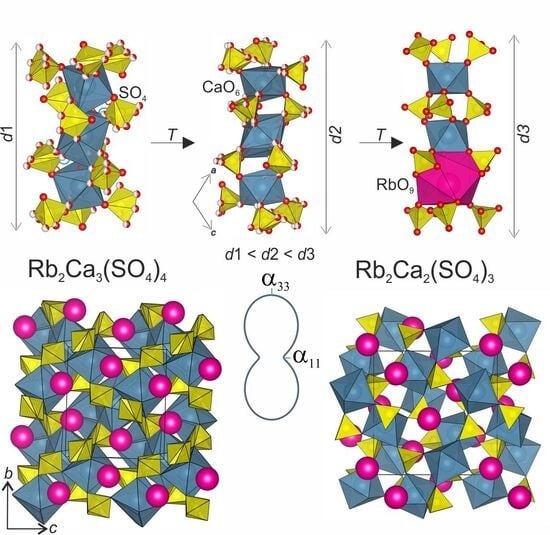
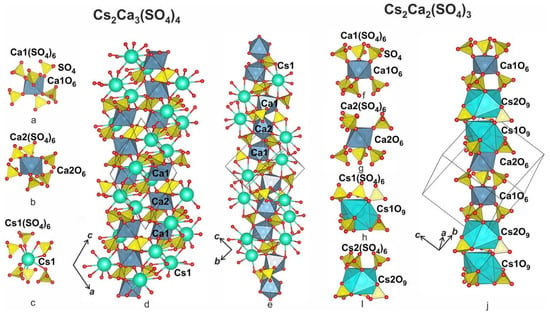
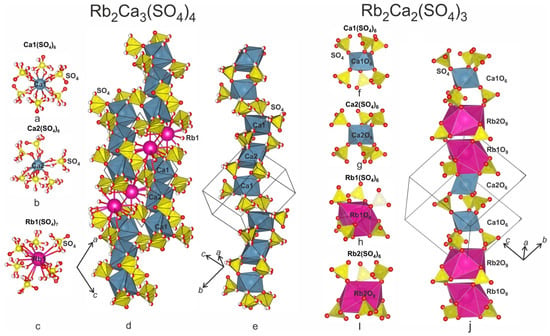
Rb2Ca3(SO4)4: Crystal Structure, Thermal Expansion, Phase Transformations and Comparison with Cs2Ca3(SO4)4 and Langbeinite Structure Type
by
Andrey P. Shablinskii, Sofya V. Demina, Margarita S. Avdontceva, Alexey V. Povolotskiy, Rimma S. Bubnova, Maria G. Krzhizhanovskaya, Svetlana Yu. Janson, Valery L. Ugolkov and Stanislav K. Filatov
Minerals 2026, 16(5), 548; https://doi.org/10.3390/min16050548 - 19 May 2026
Abstract
The Rb2Ca3(SO4)4 compound was obtained by rapid cooling of the stoichiometric melt. The crystal structure was solved and refined using single crystal X-ray diffraction analysis (P21/c, a = 9.2847(9), b
[...] Read more.
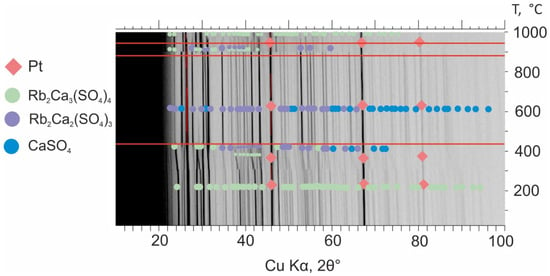
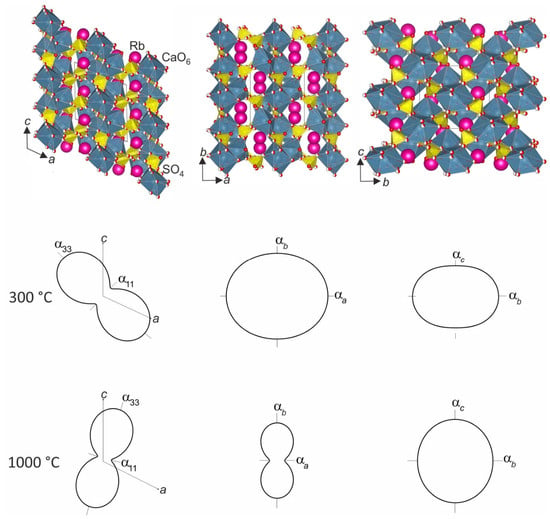
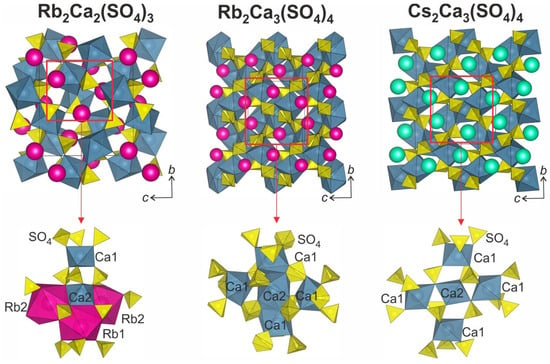
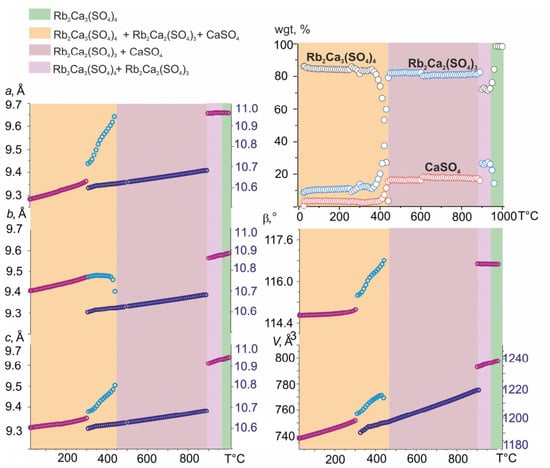
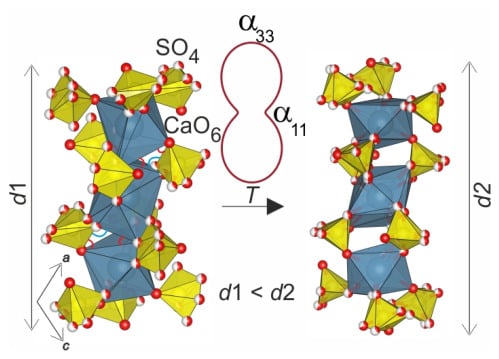
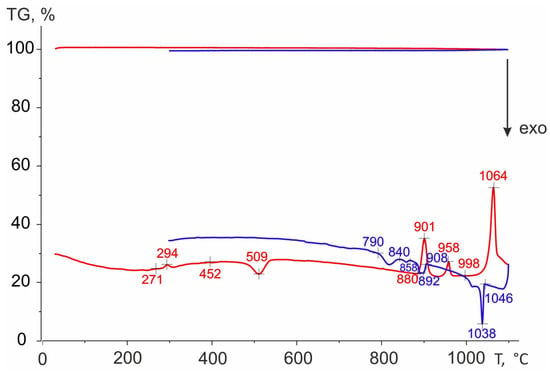
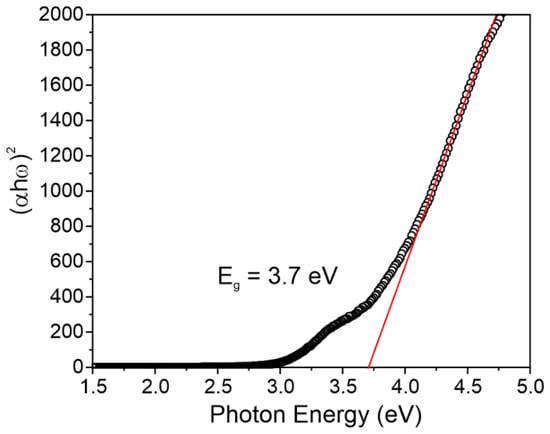
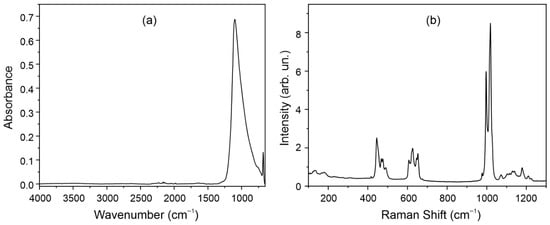
The Rb2Ca3(SO4)4 compound was obtained by rapid cooling of the stoichiometric melt. The crystal structure was solved and refined using single crystal X-ray diffraction analysis (P21/c, a = 9.2847(9), b = 9.4094(6), c = 9.2917(8) Å, β = 114.646(1)°, V = 737.80(12) Å3, R1 = 0.051). The thermal behavior of Rb2Ca3(SO4)4 was investigated by high-temperature powder X-ray diffraction in the range 25–1000 °C. Thermal decomposition of the Rb2Ca3(SO4)4 phase occurs at 300 °C, forming Rb2Ca2(SO4)3 and CaSO4. The decomposition is complete at 450 °C, and the mixture of Rb2Ca2(SO4)3 + CaSO4 persists up to 890 °C. Homogenization of the phases occurs at 900 °C, resulting in the formation of the Rb2Ca3(SO4)4 compound again at 970 °C. A structural interpretation of this thermal phase transformation is presented, and the relationship between the crystal structures of Rb2Ca3(SO4)4 and Rb2Ca2(SO4)3 of the langbeinite structure type is demonstrated. Thermal expansion of Rb2Ca3(SO4)4 is highly anisotropic: α11 = 23.9(4), αb = 19.2(3), α33 = 7.7(1), αβ = −1.9(7), αV = 50.8(9) × 10−6 °C−1 at 25 °C and α11 = −7(2), αb = 17(5), α33 = 25(7), αβ = −1.1(1), αV = 35(9) × 10−6 °C−1 at 1000 °C. The anisotropy of the thermal expansion is described in comparison with the Rb2Ca3(SO4)4 crystal structure. The optical band gap for the Rb2Ca3(SO4)4 compound was determined to be 3.7 eV from absorption spectroscopy data.
Full article
(This article belongs to the Special Issue Crystal Chemistry of Sulfate Minerals and Synthetic Compounds)
►▼
Show Figures

Graphical abstract
Open AccessArticle
Mineralogical and Geochemical Variability of the Mamutovac-1a Upper Eocene Karst Bauxite Deposit (Croatian Dinarides) and Its CRM Potential
by
Erli Kovačević Galović, Nikolina Ilijanić, Hana Fajković, Slobodan Miko, Nenad Tomašić, Ivona Ivkić Filipović, Nikola Gizdavec, Zoran Peh and Dominik Teskera
Minerals 2026, 16(5), 547; https://doi.org/10.3390/min16050547 - 19 May 2026
Abstract
Karst bauxites represent important archives of paleoenvironmental conditions and potential sources of REE and other critical raw materials (CRMs). This study presents a multiproxy investigation of the Upper Eocene Mamutovac-1a bauxite deposit (Croatian Dinarides), integrating petrography, X-ray diffraction (XRD), magnetic susceptibility, whole-rock geochemistry,
[...] Read more.
Karst bauxites represent important archives of paleoenvironmental conditions and potential sources of REE and other critical raw materials (CRMs). This study presents a multiproxy investigation of the Upper Eocene Mamutovac-1a bauxite deposit (Croatian Dinarides), integrating petrography, X-ray diffraction (XRD), magnetic susceptibility, whole-rock geochemistry, and aqua regia extractions along a 25.1 m drill core. The deposit shows clear vertical variability defined by four facies-based zones, accompanied by systematic mineralogical and geochemical changes. The bauxite is dominated by böhmite, gibbsite, hematite, and anatase, with subordinate goethite and clay minerals. ΣREE concentrations range from 276 to 670 mg/kg and increase toward the deeper zones, with consistent LREE enrichment relative to HREE, negative Eu anomalies, and variable Ce anomalies. Correlations suggest that REE are likely associated with phosphate phases, with a possible secondary contribution from clay minerals. The integrated dataset indicates a polygenetic, multi-stage evolution involving both in situ bauxitization and episodic reworking and redeposition, controlled by variable redox conditions and fluid–rock interaction. Geochemical signatures suggest a mixed provenance with contributions from intermediate to ultramafic sources. The elevated concentrations and enhanced extractability of selected elements (La, Sc, Ga, V) indicate that the deposit may represent a potential secondary source of CRMs.
Full article
(This article belongs to the Special Issue Bauxite: Mineralogy, Geochemistry and Potential Industrial Application)
Open AccessArticle
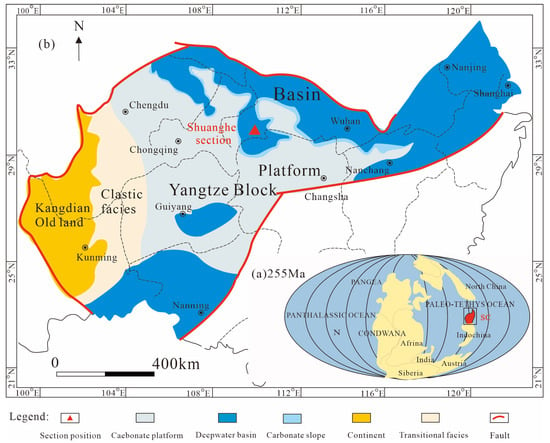
Pore Development Characteristics of Shales in the Dalong Formation, Western Hubei, Under the Coupled Control of Authigenic Quartz–Clay Minerals–Organic Matter
by
Xing Niu, Yin Gong and Yan Ling
Minerals 2026, 16(5), 546; https://doi.org/10.3390/min16050546 - 19 May 2026
Abstract
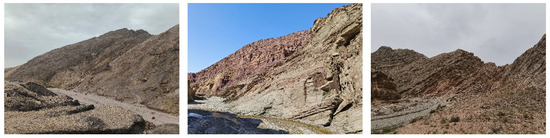
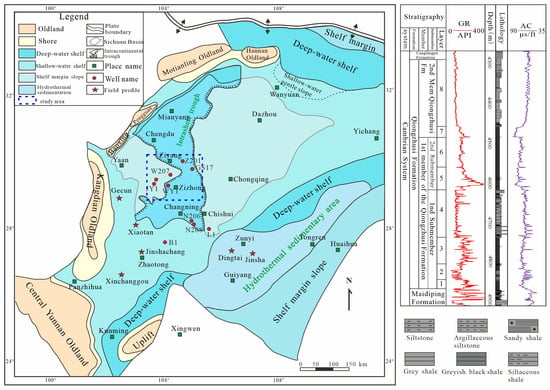
The upper Permian Dalong Formation in western Hubei Province is a crucial strategic successor for shale gas development in South China. However, the geological controls on reservoir pore development, particularly the influence of organic–inorganic interactions on the pore system, remain poorly understood. This
[...] Read more.
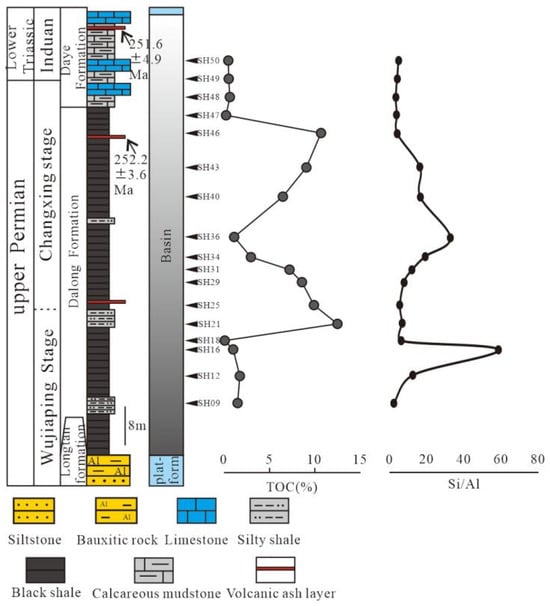
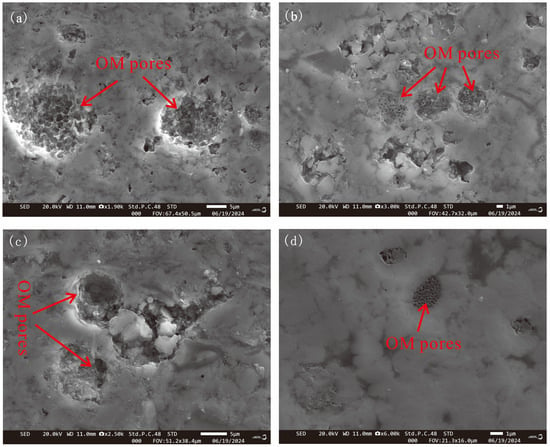
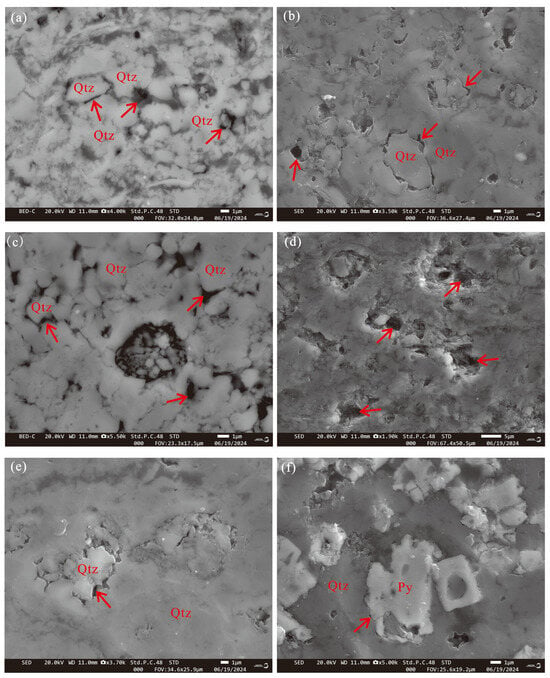
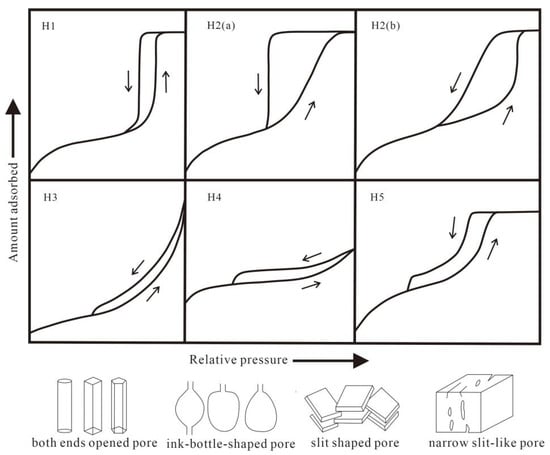
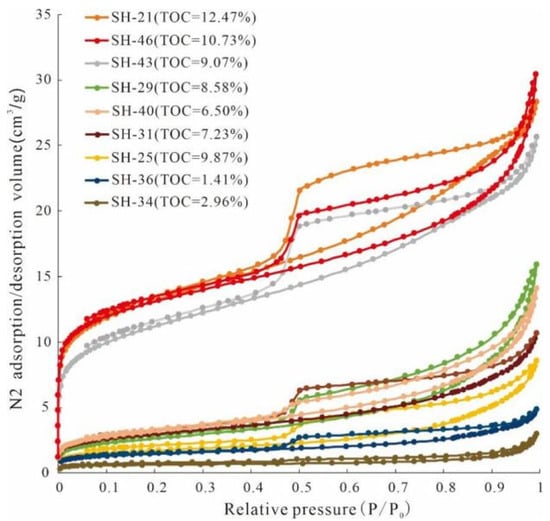
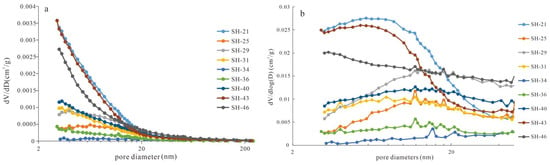
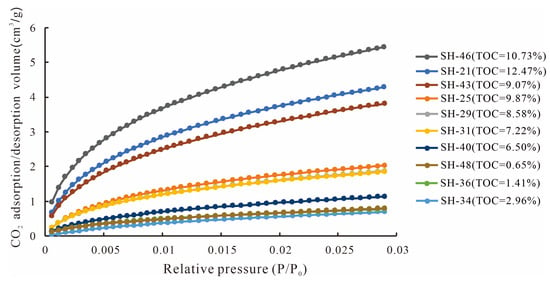
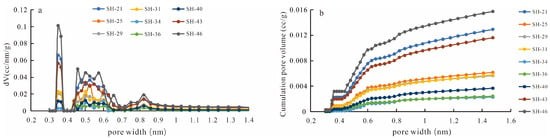
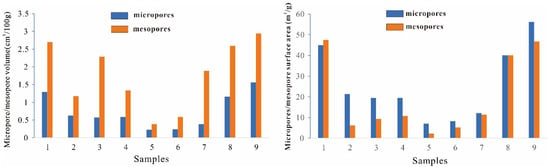
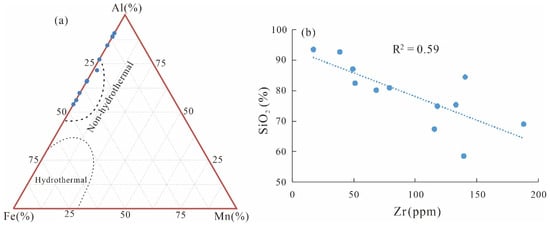
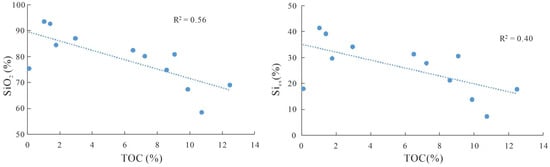
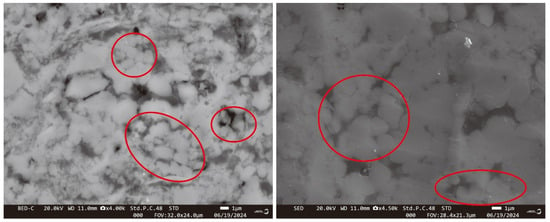
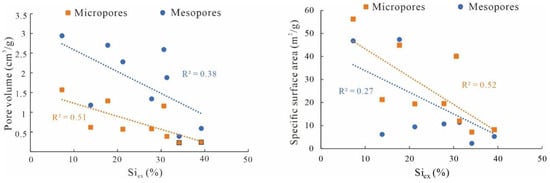
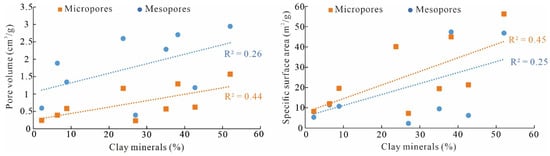
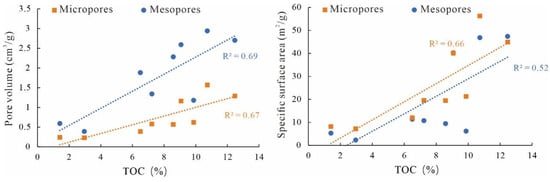
The upper Permian Dalong Formation in western Hubei Province is a crucial strategic successor for shale gas development in South China. However, the geological controls on reservoir pore development, particularly the influence of organic–inorganic interactions on the pore system, remain poorly understood. This restricts the precise optimization of shale gas exploration targets in this formation. To investigate the pore development characteristics and main controlling factors of the Dalong Formation shale reservoirs, this study takes the DFS from the Shuanghe section in western Hubei as the research object. X-ray diffraction (XRD), argon-ion polishing-scanning electron microscopy (SEM), and N2/CO2 gas adsorption–desorption technologies were integrated to achieve qualitative characterization and quantitative assessment of the pore network, with analyses of pore size distribution. The results show that the pores of the DFSs are dominated by interparticle pores and organic matter pores, and the pore structures of organic-rich and organic-lean shales exhibit significant differentiation characteristics. The quartz in the DFSs are mainly of diagenetic origin, and authigenic quartz cementation blocks primary intergranular pores, exerting a significant negative effect on pore development. In contrast, the smectite-to-illite transformation promotes the development of interlayer micropores, leading to a good positive correlation between clay mineral content and micropore volume, as well as specific surface area. Organic matter abundance is the core controlling factor for the construction of micro–nano pore networks. This study clarifies the dominant mechanisms of pore development driven by organic–inorganic interactions in the DFS. Authigenic diagenetic quartz impedes pore development, while smectite-to-illite transformation promotes micropore formation. Organic matter abundance is the dominant control on the micro-nanopore system. This study lays a critical geological theoretical foundation for the exploration evaluation and target selection of shale gas in the Dalong Formation.
Full article
(This article belongs to the Topic Reservoir Characteristics and Evolution Mechanisms of the Shale, 2nd Edition)
►▼
Show Figures

Figure 1

Open AccessArticle
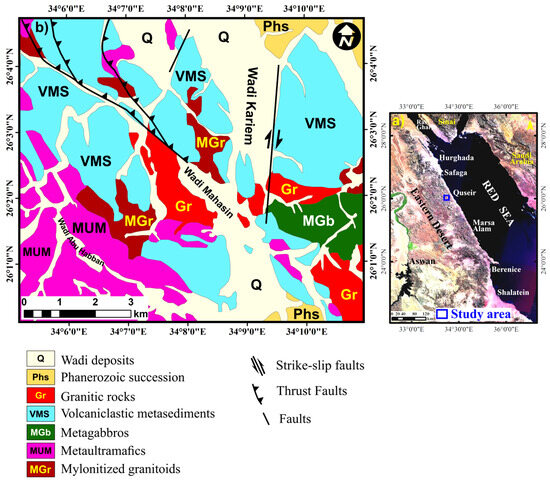
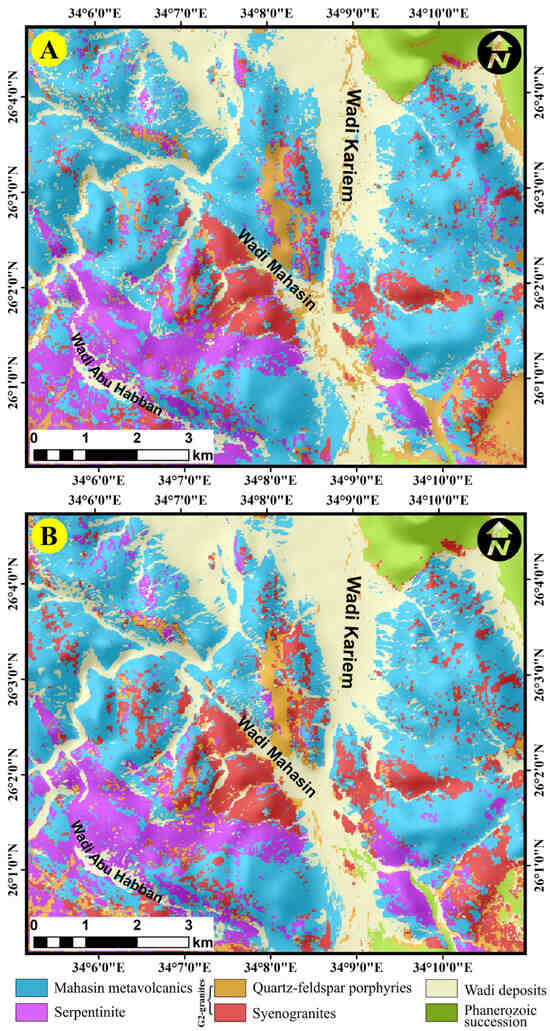
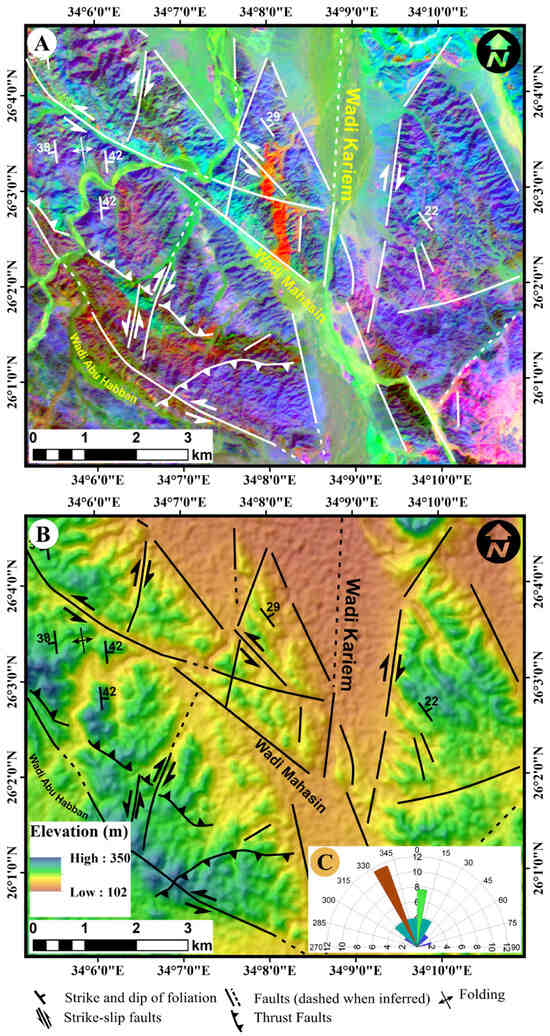
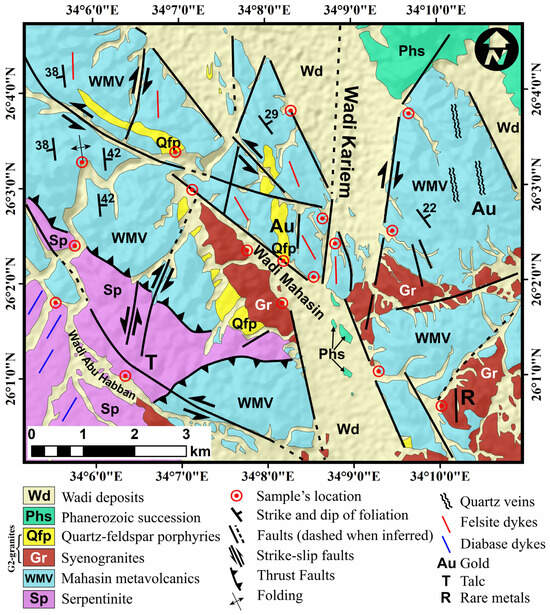
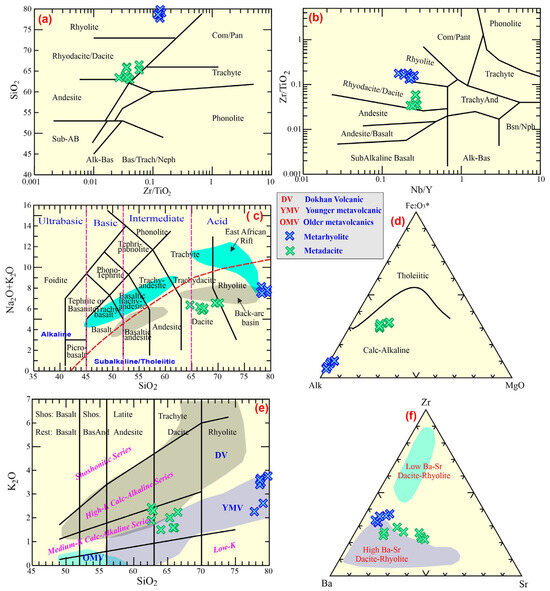
Integration of Remote Sensing, Geochemistry, and Pb Isotopes to Unravel the Origin of the Wadi Mahasin Felsic Volcanism, Central Eastern Desert, Egypt
by
El Saeed R. Lasheen, Basma A. El-Badry, Samir Z. Kamh, Matthew Leybourne, Tamader Alhazani, Ioan V. Sanislav and Mabrouk Sami
Minerals 2026, 16(5), 545; https://doi.org/10.3390/min16050545 - 19 May 2026
Abstract
The Neoproterozoic Wadi Mahasin metavolcanics (WMVs) in the Central Eastern Desert, Egypt, were remapped using Landsat-8 and Sentinel-2 imagery and verified by field observations, and their petrogenesis was evaluated using petrography, whole-rock geochemistry, and Pb isotopes. The image processing techniques of decorrelation stretch
[...] Read more.
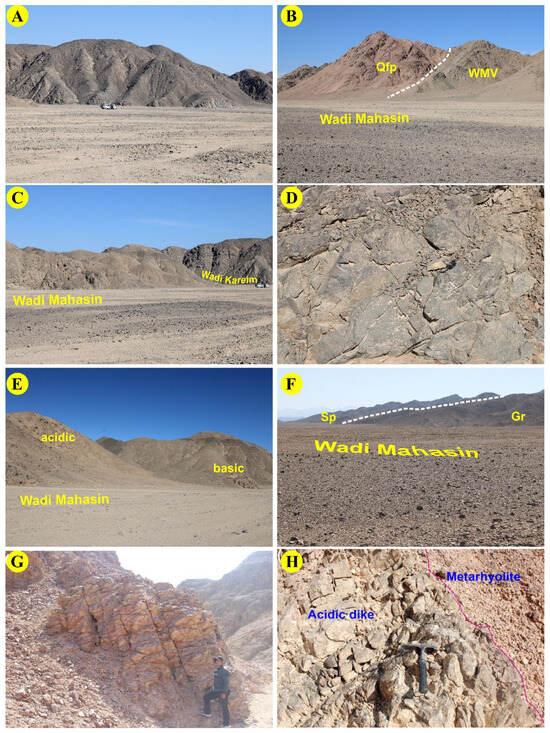
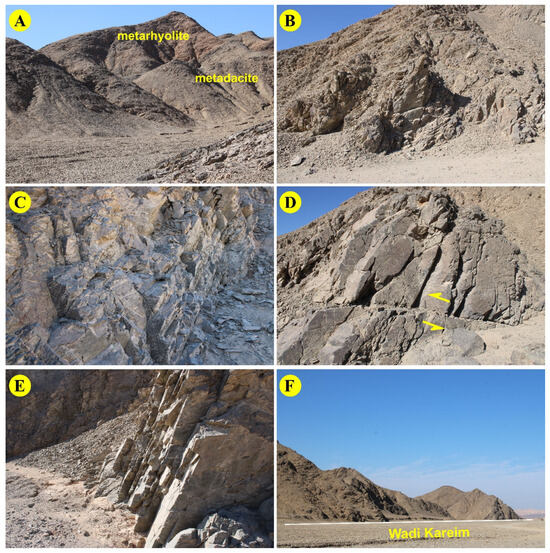
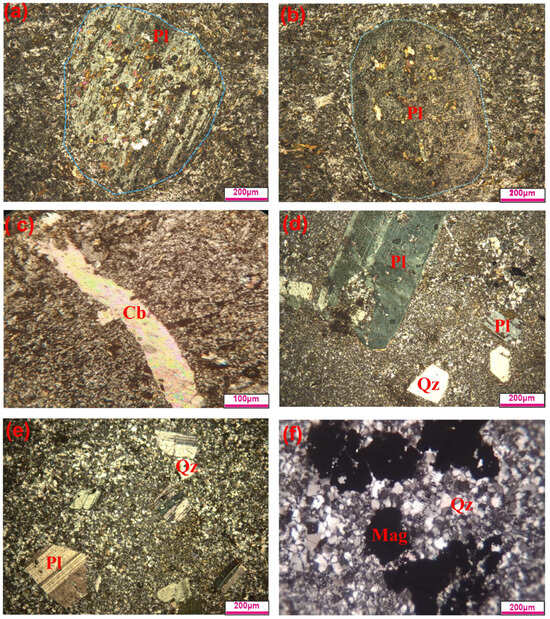
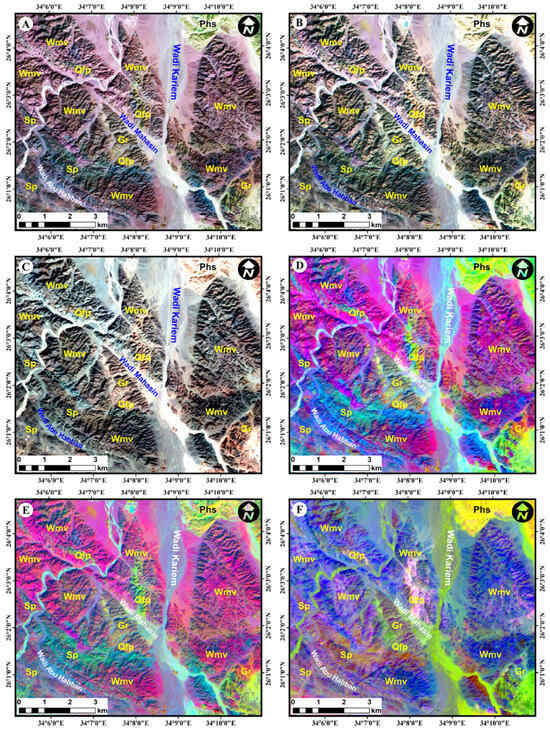
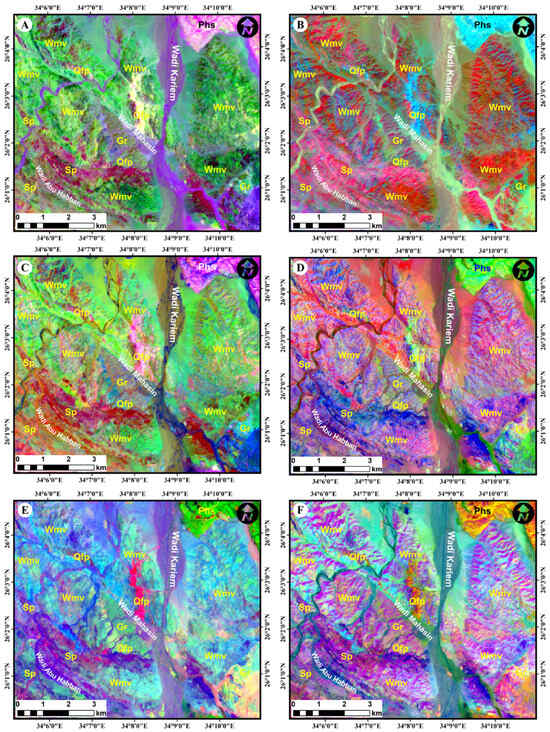
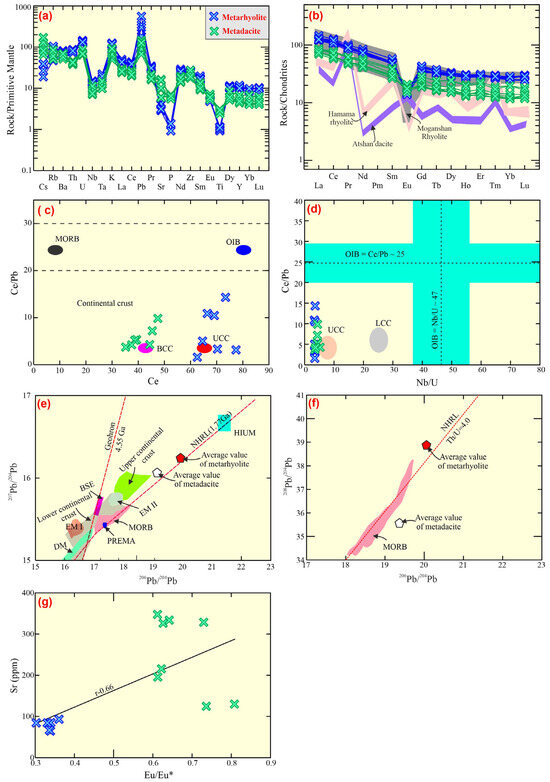
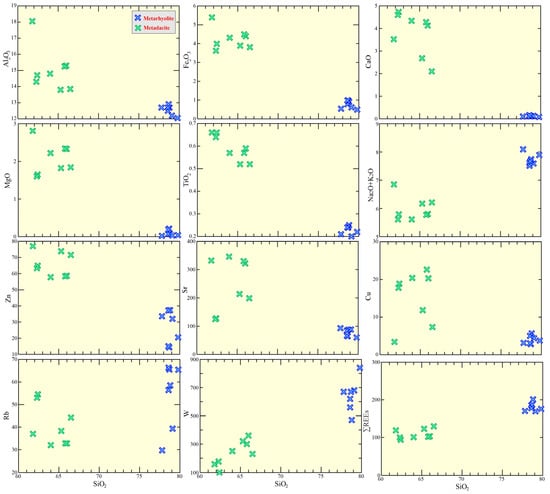
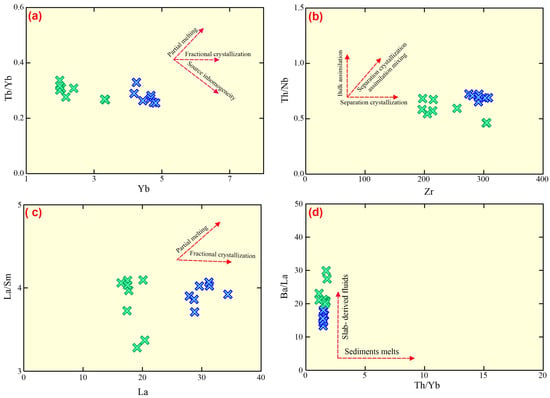
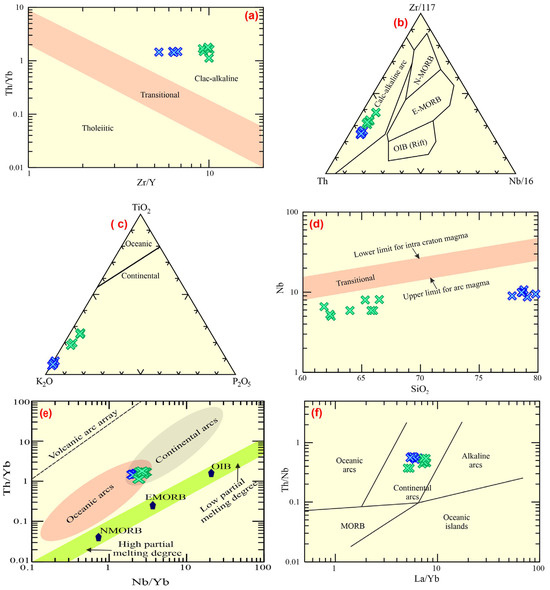
The Neoproterozoic Wadi Mahasin metavolcanics (WMVs) in the Central Eastern Desert, Egypt, were remapped using Landsat-8 and Sentinel-2 imagery and verified by field observations, and their petrogenesis was evaluated using petrography, whole-rock geochemistry, and Pb isotopes. The image processing techniques of decorrelation stretch (DS), band ratios (BR), principal component analysis (PCA), and Minimum Noise Fraction (MNF) were applied to three remotely sensed datasets from Landsat-8, Sentinel-2B, and Planet to produce an updated geologic map of the study area. Moreover, two robust supervised classification techniques, maximum likelihood (MLC) and the support vector machine (SVM), enhanced geological contacts, structural elements, and produced classified images by 95.68% and 96%, respectively. The WMV suite comprises metadacite and metarhyolite with SiO2 contents of 61.8–66.5 and 77.8–79.8 wt.%, respectively, and belongs to a subalkaline calc–alkaline series with a transitional medium- to high-K character at the felsic end. Primitive mantle-normalized patterns show enrichment in LILEs (Rb, U, K, and Pb) and depletion in Nb, Ta, Ti, and P, consistent with subduction-related felsic magmatism. Chondrite-normalized REE patterns are characterized by enriched LREEs, flat to weakly fractionated HREEs ((Gd/Yb)N ≈ 1.5), and negative Eu anomalies (Eu/Eu* = 0.30–0.81). The flat HREE segment suggests melting of a garnet-free source, most plausibly a plagioclase–amphibole-bearing crustal assemblage. Eu/Eu* correlates positively with Sr for the suite as a whole, indicating plagioclase control during differentiation. Metarhyolite samples form a tightly clustered evolved group, whereas metadacites show broader scatter that mainly reflects differentiation. Pb isotopes and crust-like trace-element ratios (high Y/Nb, low Ce/Pb, and low Nb/U) indicate strong crustal involvement. Although assimilation–fractional crystallization from a mantle-derived parent magma cannot be excluded completely, the available isotopic data do not define a simple mantle-to-crust differentiation trend, and the uniformly evolved major- and trace-element signatures favor direct partial melting of felsic continental crust, followed by limited fractional crystallization. The WMV suite is, therefore, interpreted as a mature continental-arc felsic assemblage within the Arabian–Nubian Shield.
Full article
(This article belongs to the Section Mineral Geochemistry and Geochronology)
►▼
Show Figures

Figure 1
Open AccessArticle
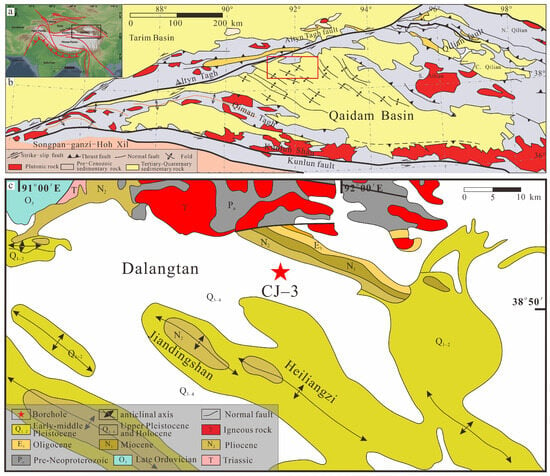
Magnetostratigraphy of Borehole CJ-3 in the Dalangtan Area, Northwestern Qaidam Basin and Its Tectonic Implications
by
Menghan Xiao, Linfeng Shi, Yongsheng Zhang, Xianhua Hou, Kangnan Cheng and Yang Bai
Minerals 2026, 16(5), 544; https://doi.org/10.3390/min16050544 - 19 May 2026
Abstract
The Qaidam Basin, on the northeastern margin of the Tibetan Plateau, preserves abundant evaporite resources and provides a key archive for investigating basin evolution, climatic change, and brine mineralization. In the Dalangtan area of the northwestern basin, a thick Cenozoic gravelly succession has
[...] Read more.
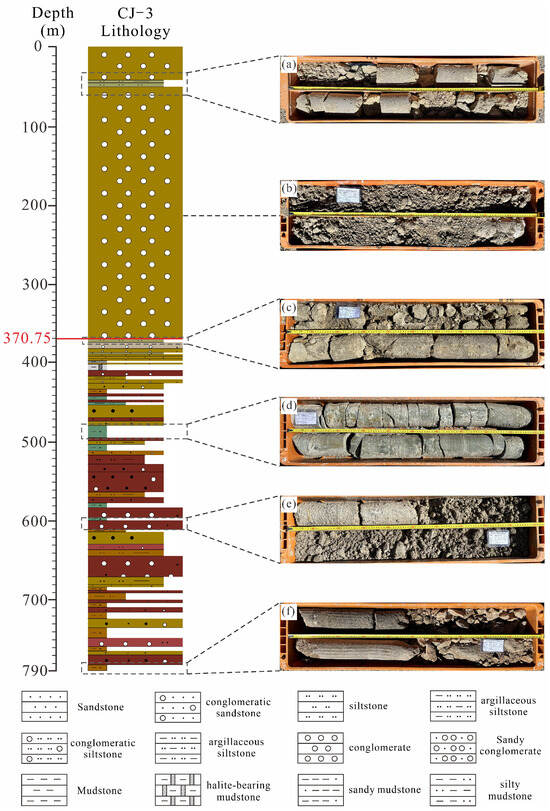
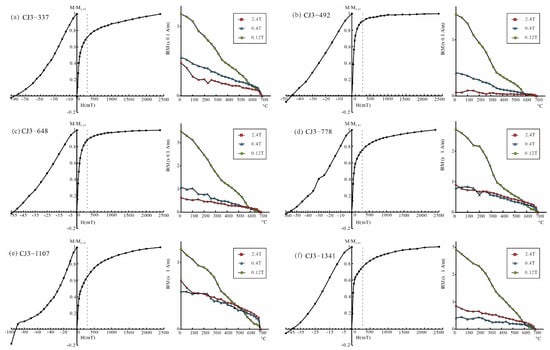
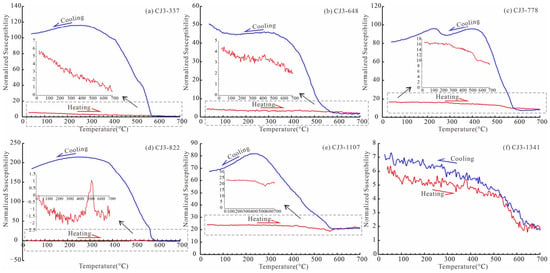
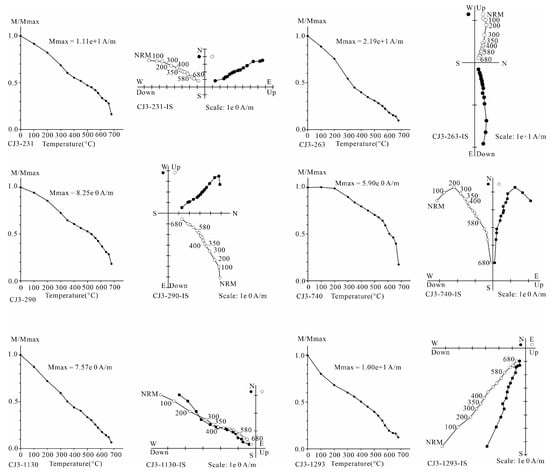
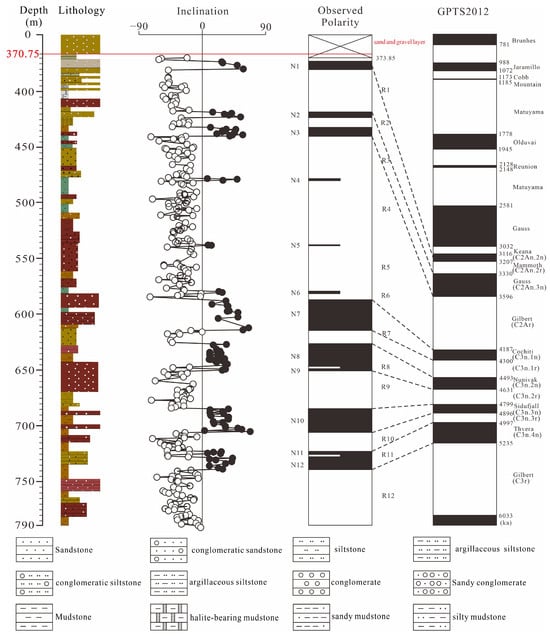
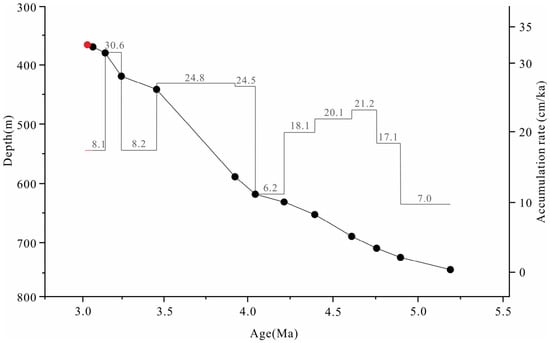
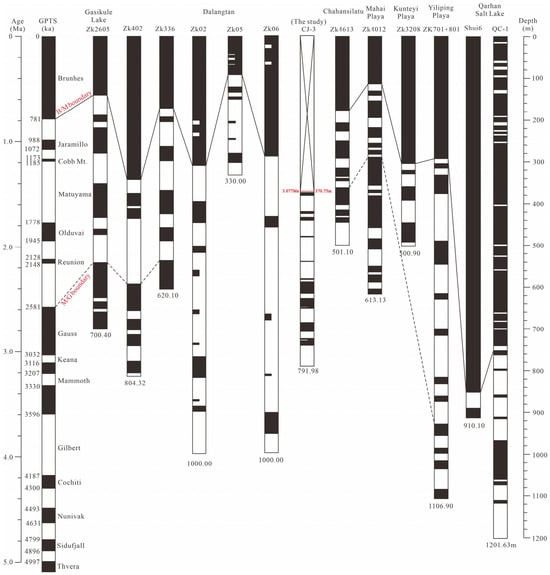
The Qaidam Basin, on the northeastern margin of the Tibetan Plateau, preserves abundant evaporite resources and provides a key archive for investigating basin evolution, climatic change, and brine mineralization. In the Dalangtan area of the northwestern basin, a thick Cenozoic gravelly succession has recently been recognized as the principal host of a newly identified gravel-type potash-bearing brine deposit. Here, we present detailed rock-magnetic and magnetostratigraphic results from borehole CJ-3 to constrain the Late Cenozoic sedimentary evolution of the Altyn Tagh piedmont and its relationship to potash-bearing brine reservoir development. The magnetic polarity sequence consists of 12 pairs of normal and reversed zones, which can be correlated with subchrons C2An.2n–C3r of the geomagnetic polarity timescale (GPTS 2012). A major sedimentary facies shift at 370.75 m yields an age of 3.08 Ma, indicating the onset of a high-energy piedmont alluvial-fan depositional system. This transition was primarily driven by intensified tectonic activity along the Altyn Tagh fault during the Late Pliocene, whereas increasing regional aridity favored the accumulation and preservation of coarse clastic sediments. This age further constrains the initial development of the principal sand–gravel brine reservoir in the Dalangtan area to the latest Pliocene, providing a new chronological basis for understanding sand–gravel-type potash-bearing brine reservoir formation in the northwestern Qaidam Basin.
Full article
(This article belongs to the Special Issue Research Progress on Potash and Brine Systems: Genesis, Tectonic Reworking, and Resource Extraction)
►▼
Show Figures

Figure 1

Open AccessArticle
Carbon and Sulfur Retention in Forearc Serpentinites: Evidence from the Heimulin Serpentinites, Central China
by
Meijun Gong, Peipei Deng and Kai Wu
Minerals 2026, 16(5), 543; https://doi.org/10.3390/min16050543 - 19 May 2026
Abstract
Subduction zones are crucial for regulating volatile exchange between the Earth’s surface and interior. Specifically, volatile migration in the mantle wedge controls arc magma genesis and outfluxes. However, the poorly constrained capacity of the forearc mantle wedge to retain volatiles limits our ability
[...] Read more.
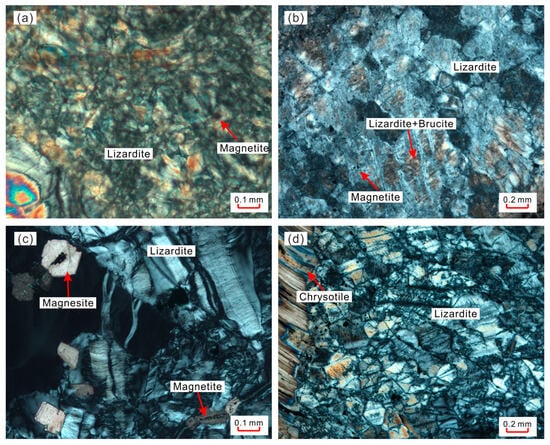
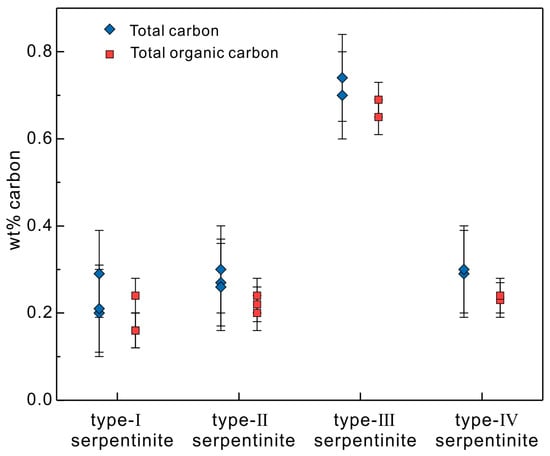
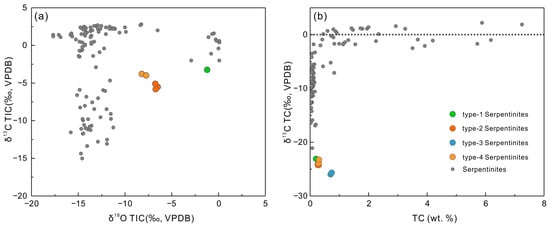
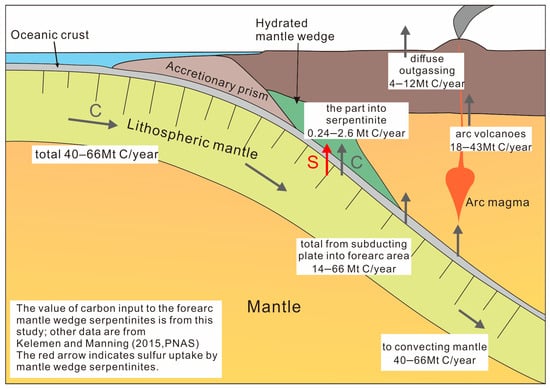
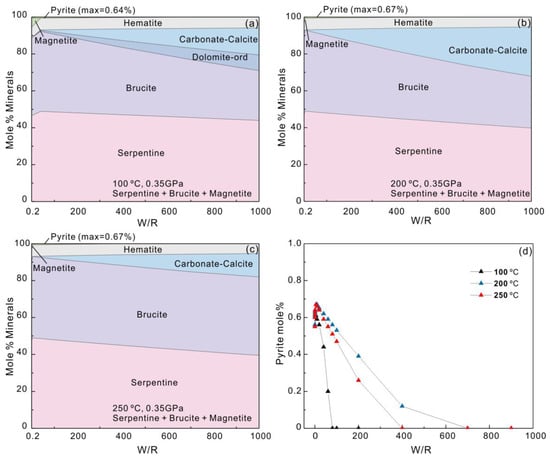
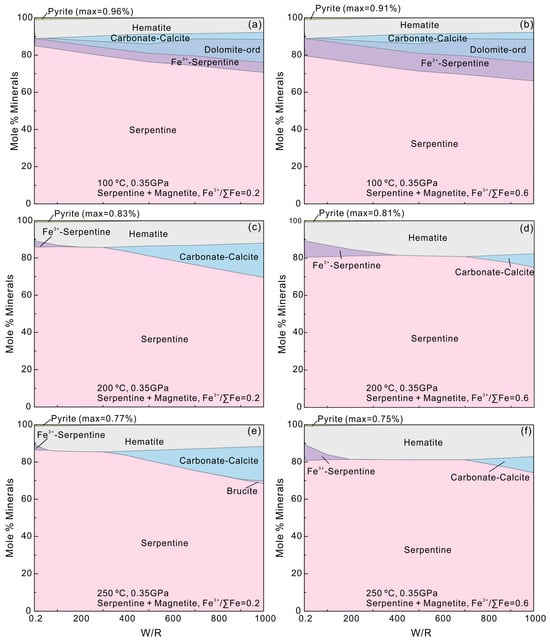
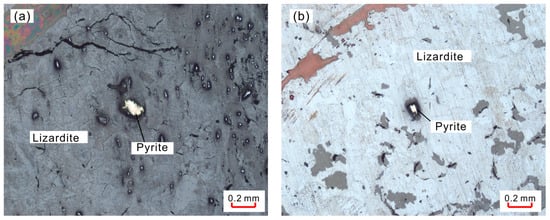
Subduction zones are crucial for regulating volatile exchange between the Earth’s surface and interior. Specifically, volatile migration in the mantle wedge controls arc magma genesis and outfluxes. However, the poorly constrained capacity of the forearc mantle wedge to retain volatiles limits our ability to quantify global volatile cycling. This study focuses on serpentinites from the Heimulin area and investigates volatile behavior during shallow forearc serpentinization and subsequent recrystallization within the forearc mantle wedge. This is achieved through analyses of carbon and sulfur contents and isotopic compositions, combined with thermodynamic modeling. The carbon content and isotopic composition of the two sample types, which represent different degrees of serpentinization, show no significant difference. However, carbon enrichment and magnesite formation were observed in serpentinites containing ribbon-textured lizardite. Sulfur systematics suggest that slab-derived dehydrating fluids can introduce sulfur into the mantle wedge, where it can be effectively retained in serpentinite systems as pyrite under low water–rock ratios. These findings imply that forearc serpentinites may play a role in volatile transport and serve as reservoirs for carbon and sulfur, which may have implications for understanding volatile cycling in subduction zones.
Full article
(This article belongs to the Special Issue Serpentinization Processes and Their Kinetic, Metallogenic, and Environmental Effects)
►▼
Show Figures

Figure 1
Open AccessArticle
Non-Hydrolyzable Alkali Metal Electrolytes as Novel Coagulants for Enhanced Flotation Recovery of Fine Smithsonite
by
Hong Zheng, Yunxia Wu and Guofan Zhang
Minerals 2026, 16(5), 542; https://doi.org/10.3390/min16050542 - 18 May 2026
Abstract
Efficient froth flotation of fine smithsonite from slime-containing zinc oxide ores remains challenging due to low particle–bubble collision efficiency and strong surface hydration. Conventional agglomeration methods suffer from high reagent costs, non-selective agglomeration, or reduced surface hydrophobicity. Herein, non-hydrolyzable alkali metal salts, exemplified
[...] Read more.
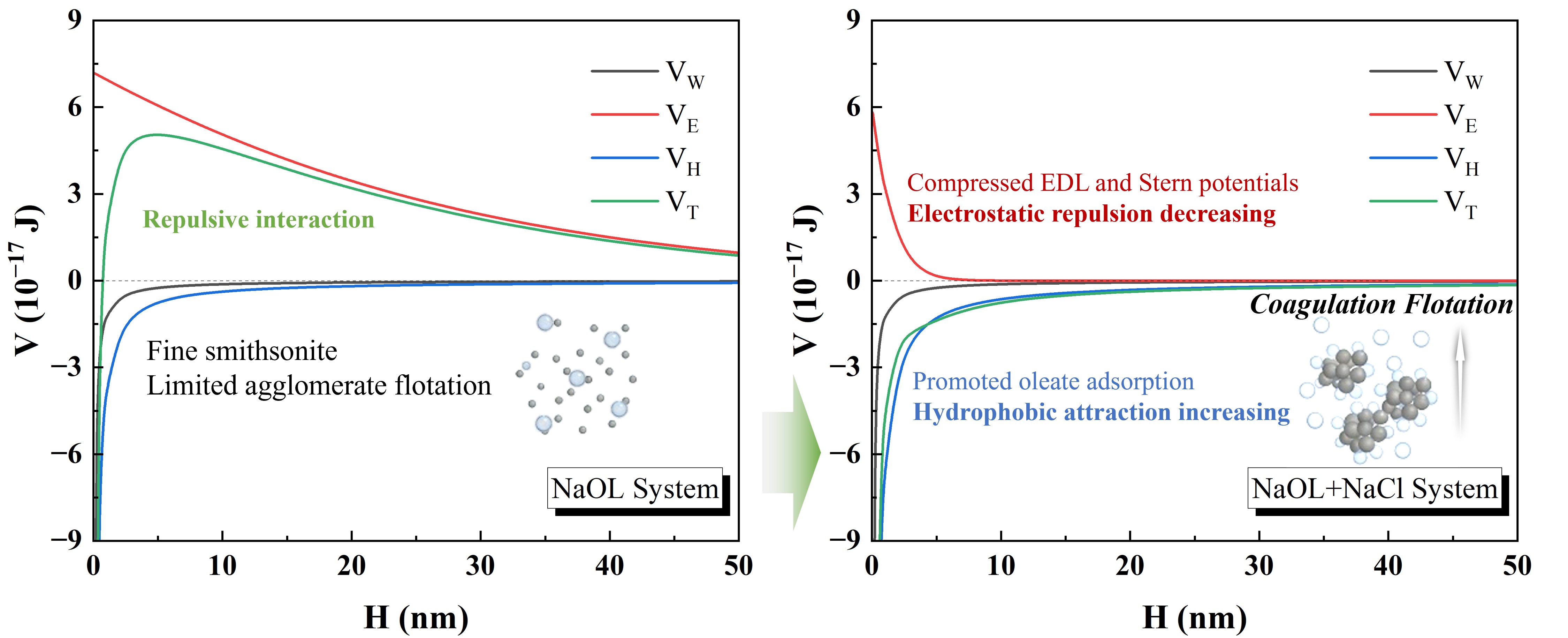
Efficient froth flotation of fine smithsonite from slime-containing zinc oxide ores remains challenging due to low particle–bubble collision efficiency and strong surface hydration. Conventional agglomeration methods suffer from high reagent costs, non-selective agglomeration, or reduced surface hydrophobicity. Herein, non-hydrolyzable alkali metal salts, exemplified by NaCl, were introduced as novel and efficient coagulants to enhance the flotation of fine smithsonite, and the underlying mechanisms were systematically elucidated. In the sodium oleate flotation system, alkali metal ions promoted the formation and agglomeration of oleate micelles. Meanwhile, they significantly facilitated collector adsorption onto the smithsonite surface and improved the hydrophobicity of the mineral particles. At high ionic strengths, compression of the electrical double layer reduced the Zeta potential and interparticle electrostatic repulsion. These synergistic mechanisms promoted the growth and stability of hydrophobic aggregates, increasing their collision and attachment efficiency with bubbles. By employing non-hydrolyzable salts, the loss of surface hydrophobicity typically induced by conventional hydrolyzable coagulants was avoided. Validation tests on an industrial zinc oxide ore confirmed the feasibility of this approach, offering a promising pathway to mitigate zinc resource losses and associated environmental hazards.
Full article
(This article belongs to the Special Issue Innovative Strategies for the Sustainable Processing of Complex Polymetallic Resources)
►▼
Show Figures

Graphical abstract
Open AccessArticle
Implicit 3D Orebody Boundary Modeling Based on Adaptive Finite Difference Method
by
Zhangang Wang, Yu Yan, Jia He, Shizhan Zhang, Zixun Zhang and Liangjia Xie
Minerals 2026, 16(5), 541; https://doi.org/10.3390/min16050541 - 18 May 2026
Abstract
Three-dimensional (3D) orebody boundary modeling primarily relies on spatial interpolation methods, such as radial basis functions (RBFs). However, these methods struggle with large datasets and require gradient or normal constraints for stable geometric extrapolation. This study proposes an adaptive finite difference implicit-modeling method,
[...] Read more.
Three-dimensional (3D) orebody boundary modeling primarily relies on spatial interpolation methods, such as radial basis functions (RBFs). However, these methods struggle with large datasets and require gradient or normal constraints for stable geometric extrapolation. This study proposes an adaptive finite difference implicit-modeling method, which avoids gradient information and can handle complex 3D orebody boundaries from large-scale, irregular datasets. We utilized difference operators for hanging and constrained octree nodes and applied adaptive density-based smoothing to reduce artifacts from sparse data, enabling complex boundary construction on nearly one million non-uniform control points. We used octree-based convolutional neural networks to fuse spatial features across octree levels, merging points with similar local geometries into the same finest-level cells. This enabled optimal adaptive octree mesh partitioning that accounts for spatial similarity among control points while controlling the total mesh count. Using this adaptive octree mesh, a finite difference scheme suitable for non-uniform mesh structures was constructed. The method outperforms traditional RBFs and uniform-grid finite difference methods in model accuracy, computational efficiency, and memory usage, exhibiting a robust performance across various data distribution patterns.
Full article
(This article belongs to the Topic Big Data and AI for Geoscience)
Open AccessArticle
Mineralogically Constrained Fluid–Solid Coupled Simulation of Fracture Network Initiation and Propagation in Tight Sandstone
by
Xin Qiu, Mian Lin, Wenbin Jiang, Gaohui Cao, Wenchao Dou and Lili Ji
Minerals 2026, 16(5), 540; https://doi.org/10.3390/min16050540 - 17 May 2026
Abstract
Hydraulic fracture network initiation and propagation in tight sandstone are strongly controlled by mineral heterogeneity and fluid–solid interaction. However, existing numerical models still have limited capability in simultaneously representing multi-mineral distributions and dynamically coupled fracture-fluid processes. In this study, a two-dimensional polygonal discrete
[...] Read more.
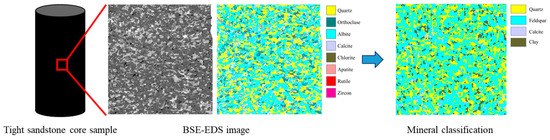
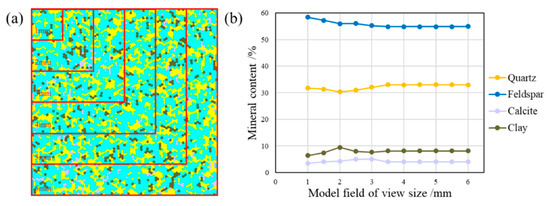
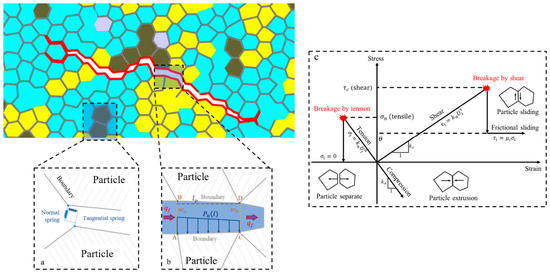
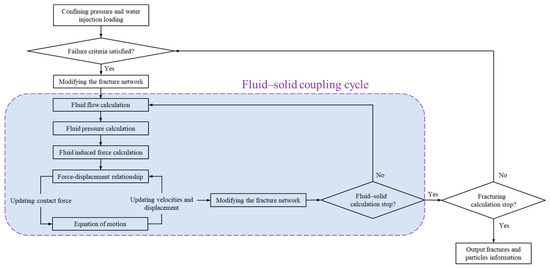
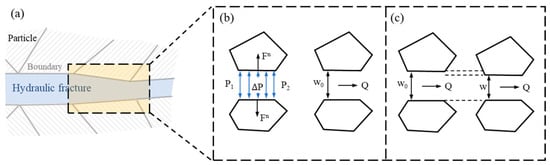
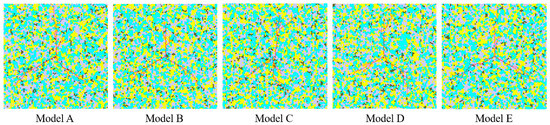
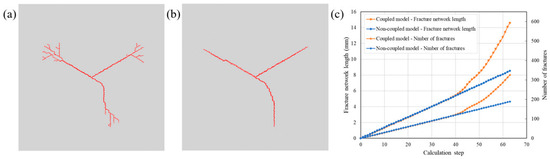
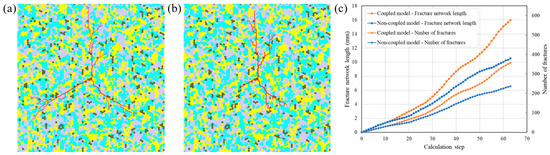
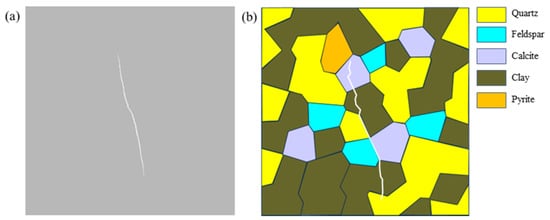
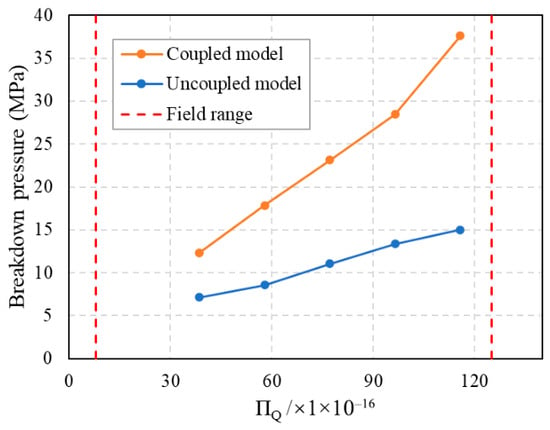
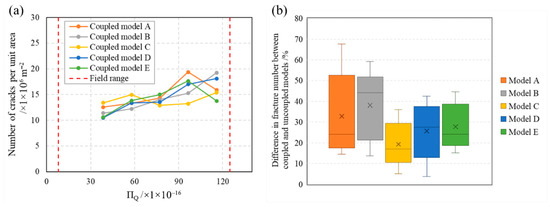
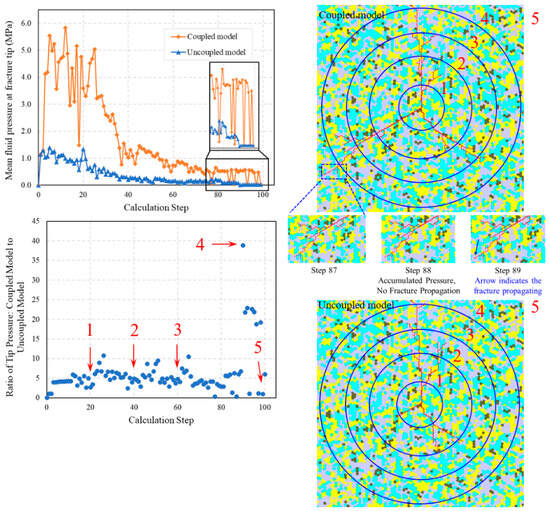
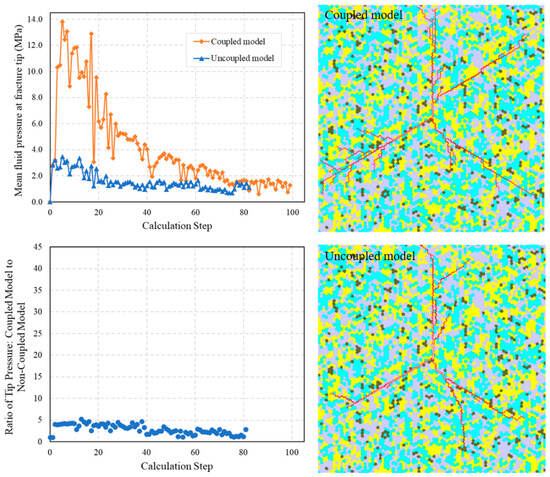
Hydraulic fracture network initiation and propagation in tight sandstone are strongly controlled by mineral heterogeneity and fluid–solid interaction. However, existing numerical models still have limited capability in simultaneously representing multi-mineral distributions and dynamically coupled fracture-fluid processes. In this study, a two-dimensional polygonal discrete element fluid–solid coupled model was established based on mineralogical images of tight sandstone. Compared with conventional continuum-based approaches, the proposed model is better suited to describing fracture initiation, branching, and network evolution in multi-mineral granular media. Under dimensionless operating conditions calibrated against field data, coupled and uncoupled formulations were systematically compared to evaluate the role of hydro-mechanical interaction during hydraulic fracturing. The coupled simulations generated consistently more fractures than the uncoupled simulations over the investigated injection-rate range, with an average increase of 28.7% and a maximum increase of 67.2%. Compared with the uncoupled model, the coupled model also predicted higher breakdown pressures and stronger fracture-tip pressure concentrations, and the breakdown pressure increased with injection rate. Under low injection rates, the coupled formulation reproduced pressure-buildup-driven fracture-tip advance, whereas the uncoupled formulation failed to sustain fracture propagation. Under higher injection rates, the coupled formulation produced multilayered and highly branched fracture networks, while the uncoupled formulation mainly generated simple first-order branching. These results demonstrate that hydro-mechanical coupling is a controlling mechanism for fluid-energy dissipation, fracture-tip pressure evolution, and complex fracture network formation in tight sandstone. This study provides an image-based polygonal DEM framework for evaluating hydro-mechanical fracture network evolution in multi-mineral tight sandstone.
Full article
(This article belongs to the Section Mineral Exploration Methods and Applications)
►▼
Show Figures

Figure 1

Open AccessArticle
Fluid Evolution and Controls on Gold Precipitation at the Dongga Au Deposit, Tibet, China: Insights from Pyrite Trace Elements
by
Hongyu Zhan, Qing He, Yulin Deng, Chen Li, Zuopeng Xiang, Changyi Wu, Kai Jiang and Xinghai Lang
Minerals 2026, 16(5), 539; https://doi.org/10.3390/min16050539 - 17 May 2026
Abstract
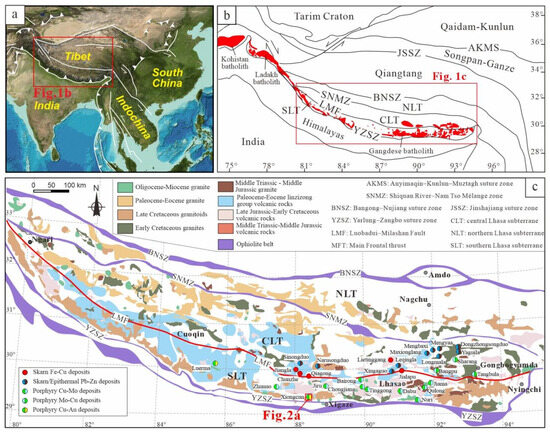
The Dongga Au deposit is located in the giant Xiongcun porphyry Cu-Au ore district within the Southern Lhasa terrane; however, the evolution of ore-forming fluids and the mechanisms of gold precipitation during the main mineralization stage remain poorly constrained. This study integrates geological
[...] Read more.
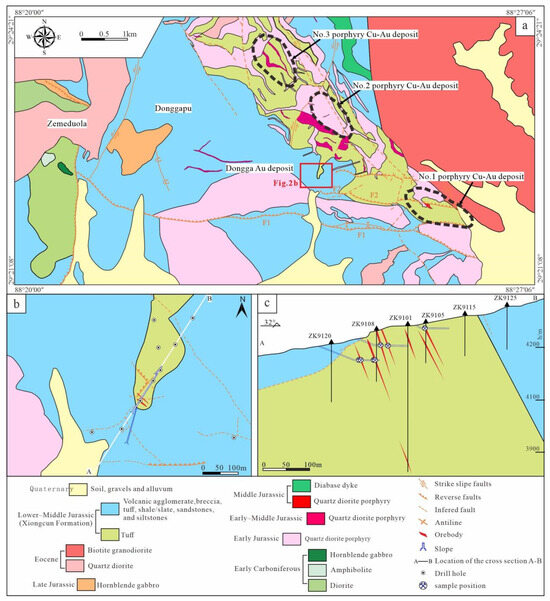
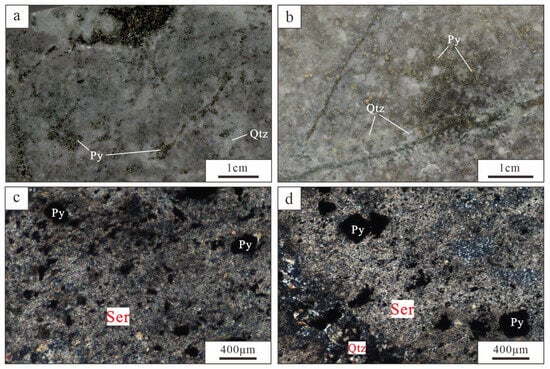
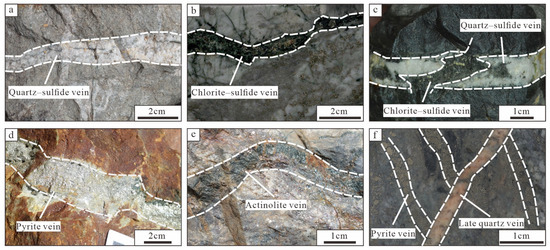
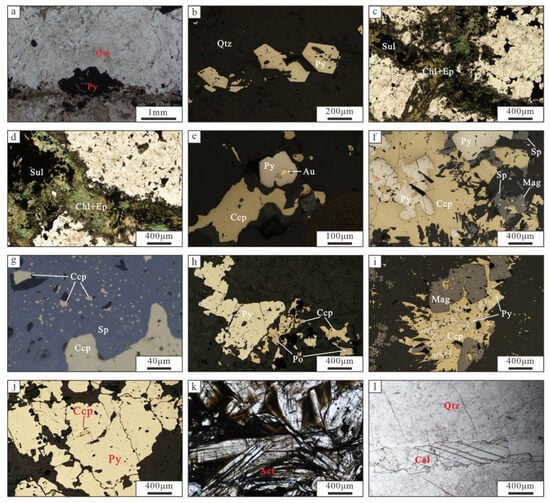
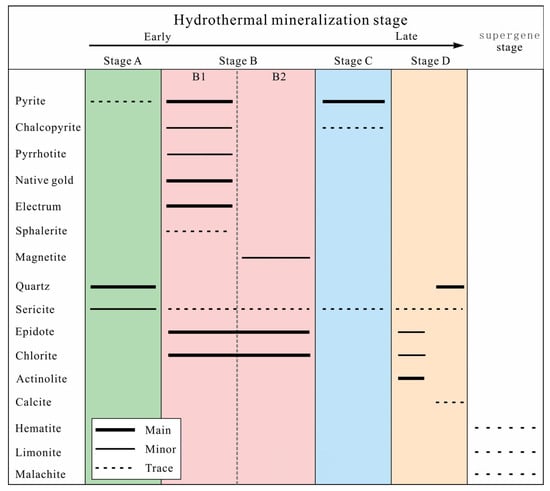
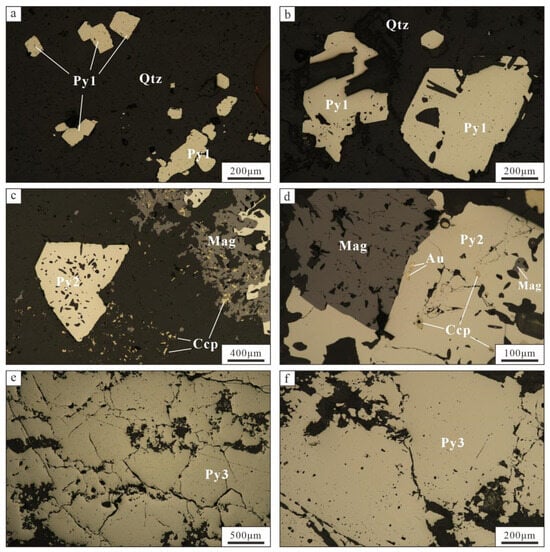
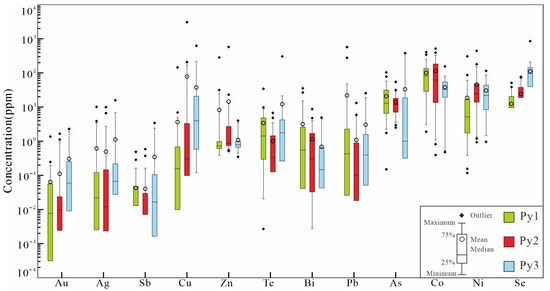
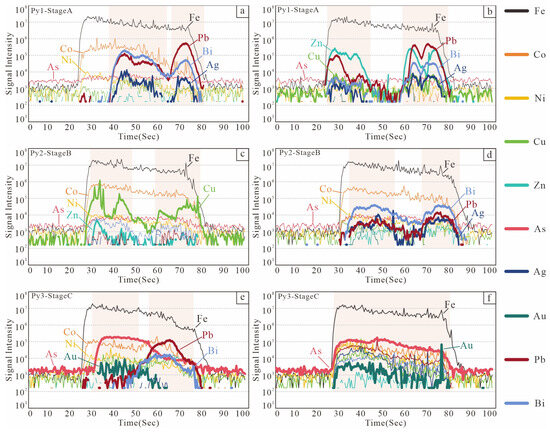
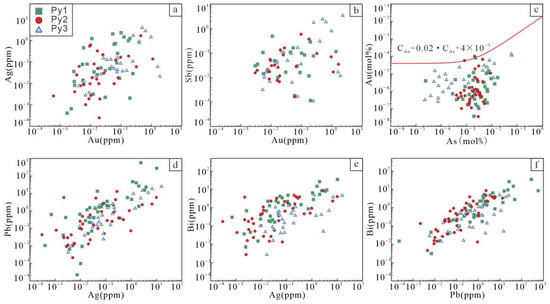
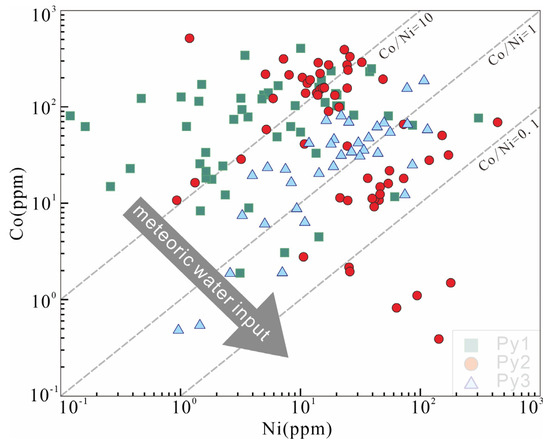
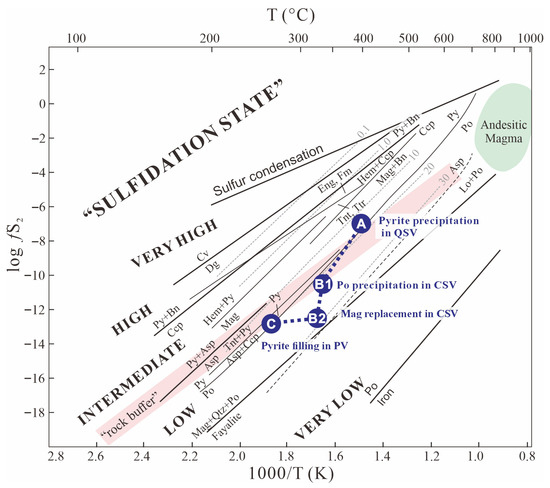
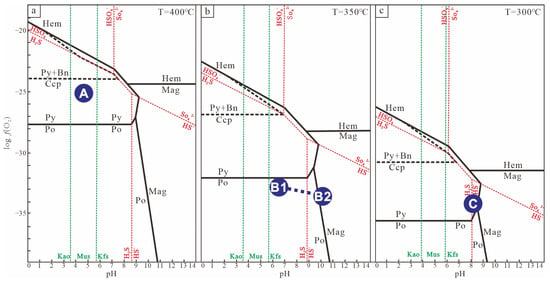
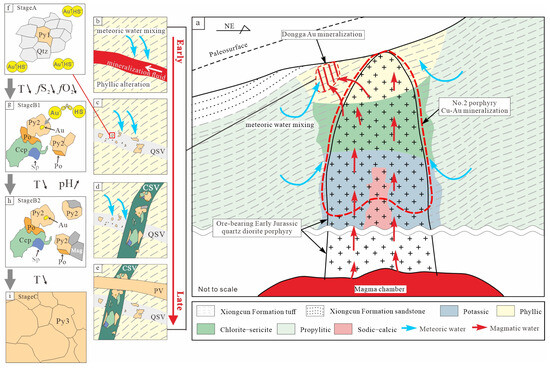
The Dongga Au deposit is located in the giant Xiongcun porphyry Cu-Au ore district within the Southern Lhasa terrane; however, the evolution of ore-forming fluids and the mechanisms of gold precipitation during the main mineralization stage remain poorly constrained. This study integrates geological observations and in situ LA-ICP-MS trace element analyses of pyrite to address the above issues. Three generations of pyrite are identified: Py1 occurring in quartz–sulfide veins, Py2 in chlorite–sulfide veins, and Py3 in pyrite veins. Trace element data show that Au and As contents are relatively low in all three pyrite generations and mainly occur as lattice-bound elements, whereas Pb, Ag, Bi, Cu, and Zn are predominantly hosted in micro- to nano-scale mineral inclusions. Ore-forming temperatures estimated from Se concentrations in pyrite indicate progressive cooling from ~400 °C to ~270 °C (Py1 to Py3). Combined with thermodynamic modeling and mineral assemblage constraints, this suggests that the ore-forming fluid experienced significant meteoric water input, accompanied by decreasing temperature, sulfur fugacity, and oxygen fugacity, as well as increasing pH. The principal gold mineralization stage occurred at approximately 340 °C, where temperature and pH conditions jointly stabilized Au transport primarily as Au(HS)2−. We propose the mixing between meteoric water and mineralized magmatic fluid caused a decrease in sulfur fugacity, oxygen fugacity and temperature, thereby limiting the availability of HS− required for stabilizing Au(HS)2− complexes and thus resulting in the decoupling of Au(HS)2−, which triggered gold precipitation.
Full article
(This article belongs to the Special Issue Geology, Geochemistry, Genesis, Modeling, Structure and Exploration of Copper Polymetallic Deposits)
►▼
Show Figures

Figure 1
Open AccessArticle
Mix Proportion Optimization of Cemented Backfill Material Containing Clay-Bearing Crushed Stone for a Tailings-Free Bauxite Mine
by
Jiang Guo, Siyuan Qiao, Jiachuang Wang and Xiaobing Yan
Minerals 2026, 16(5), 538; https://doi.org/10.3390/min16050538 - 17 May 2026
Abstract
Cemented backfill material is an important technical means for improving the safety, efficiency, and environmental sustainability of underground mining. In tailings-free mining conditions, however, suitable aggregates for cemented backfill are often limited, making it necessary to identify alternative aggregates and optimize their mix
[...] Read more.
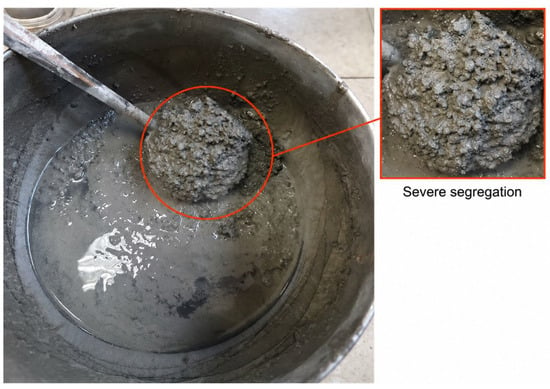
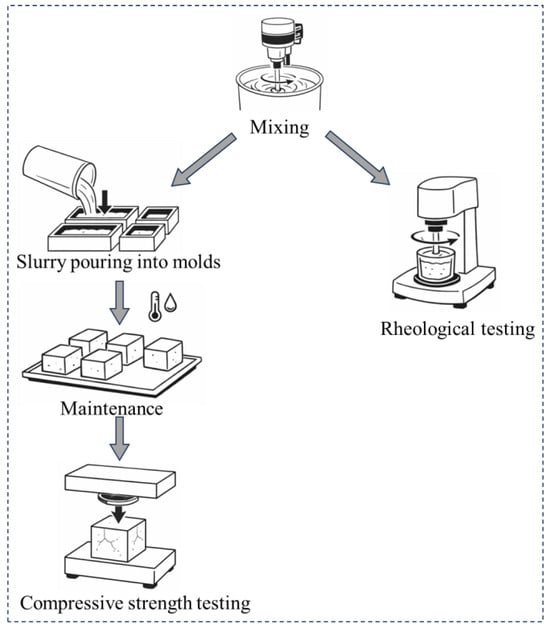
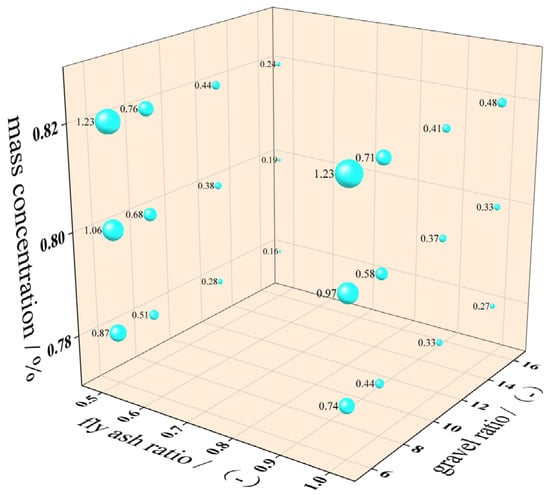
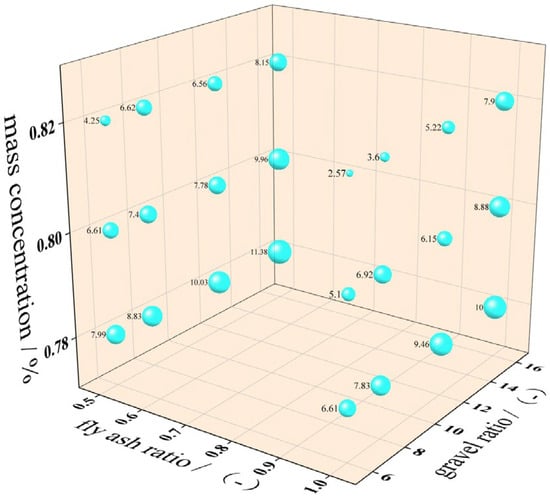
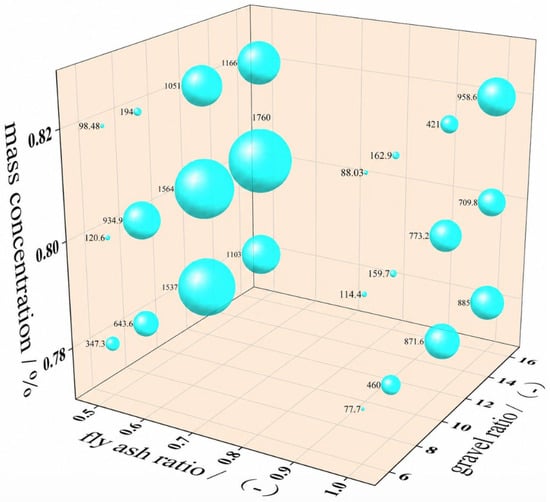
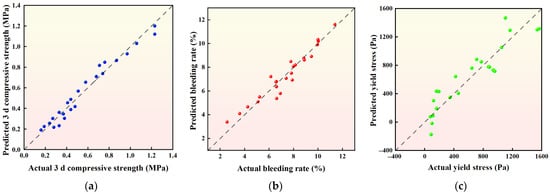
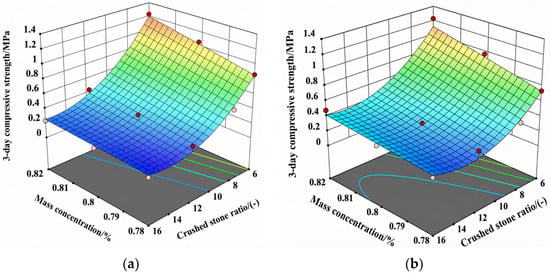
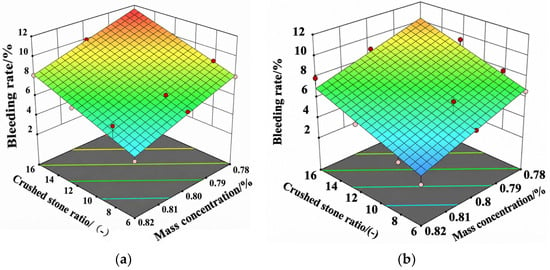
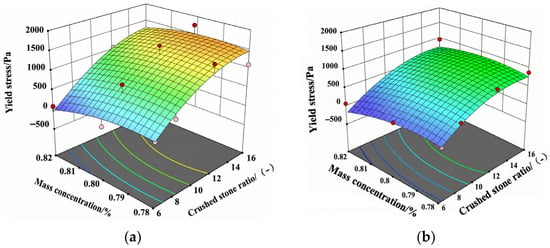
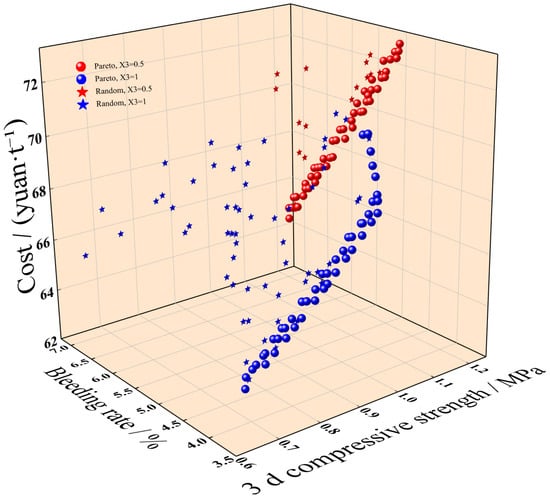
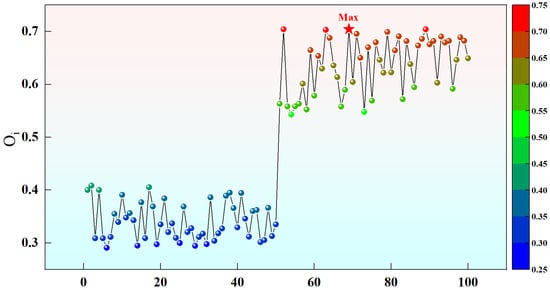
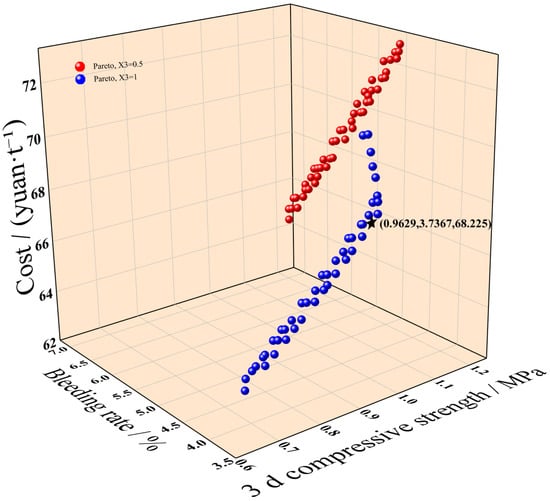
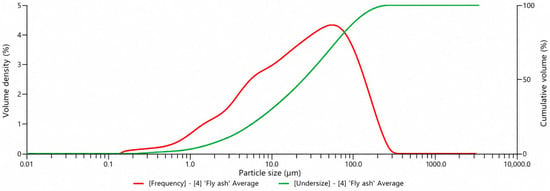
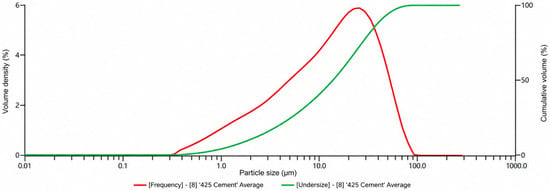
Cemented backfill material is an important technical means for improving the safety, efficiency, and environmental sustainability of underground mining. In tailings-free mining conditions, however, suitable aggregates for cemented backfill are often limited, making it necessary to identify alternative aggregates and optimize their mix proportions. To address this issue, clay-bearing crushed stone was selected as the primary aggregate for a tailings-free bauxite mine, and its effects on the mechanical properties, slurry stability, and rheological properties of cemented backfill material were systematically investigated. Crushed stone ratio, mass concentration, and fly ash ratio were used as experimental factors, and 24 experimental mixes were designed to determine the 3-day compressive strength, bleeding rate, and yield stress. Based on the experimental results, response surface regression models were established, and multi-objective optimization was performed using cost analysis, NSGA-II, and entropy-weighted TOPSIS. The results showed that the system containing clay-bearing crushed stone exhibited better stability than the clay-free crushed stone system. The response surface models for 3-day compressive strength, bleeding rate, and yield stress were all significant, with p-values below 0.0001 and R2 values of 0.9658, 0.9306, and 0.8704, respectively. Comprehensive optimization gave the optimal mix proportions as a crushed stone ratio of 6.9721, a mass concentration of 0.82, and a fly ash ratio of 1, corresponding to a predicted 3-day compressive strength of 0.9629 MPa, a bleeding rate of 3.73%, and a cost of 68.225 RMB/t. For engineering application, the recommended mix proportions were adjusted to X1 = 7, X2 = 0.82, and X3 = 1. Parallel tests gave a 3-day compressive strength of 0.99 MPa and a bleeding rate of 3.52%, both within the 95% prediction interval. These results demonstrate that clay-bearing crushed stone can serve as a feasible alternative aggregate for cemented backfill material under tailings-free conditions and that the proposed method combining response surface modeling with multi-objective optimization can effectively balance early strength, slurry stability, and material cost.
Full article
Open AccessArticle
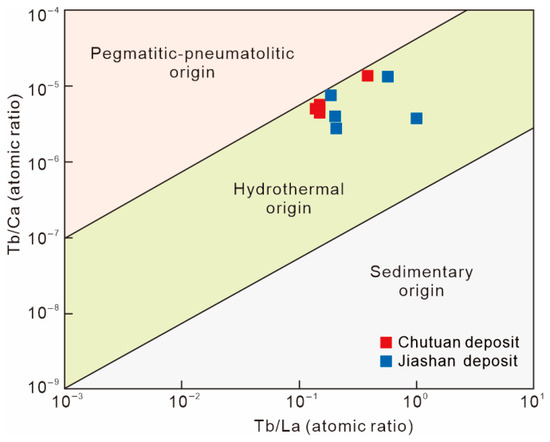
Fluorite Mineralization in the Chutuan and Jiashan Deposits, Sulu Orogenic Belt, Eastern China: Insights from Geochronology, Mineral Geochemistry, Fluid Inclusions and Stable Isotope Systematics
by
Tao Kang, Meng-Ting Chen, Hai-Tao Ren, Yi-Hua Hu, Shuo-Hui Li, Peng Zhu, Zhao-Ying Chen and Yi-Jia Luo
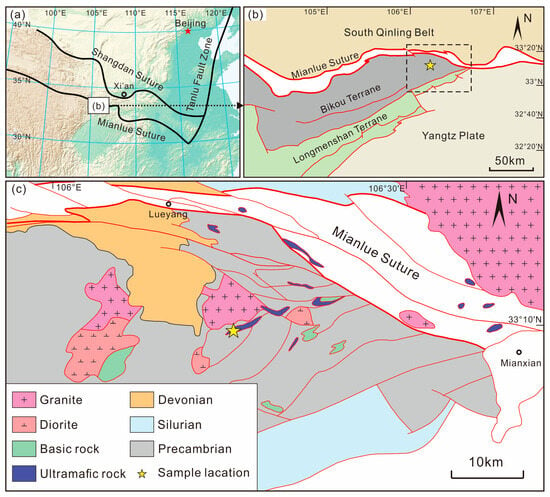
Minerals 2026, 16(5), 537; https://doi.org/10.3390/min16050537 - 16 May 2026
Abstract
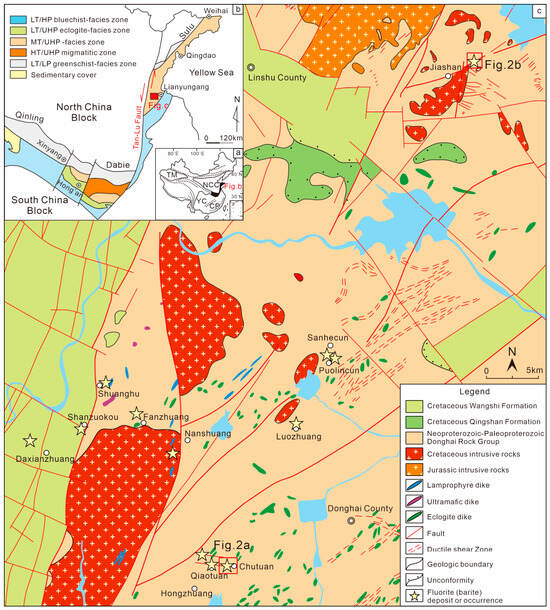
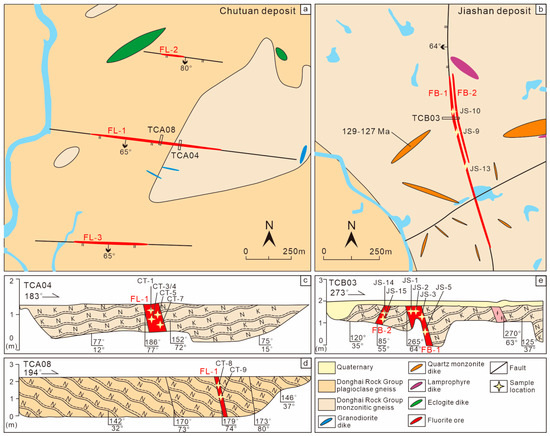
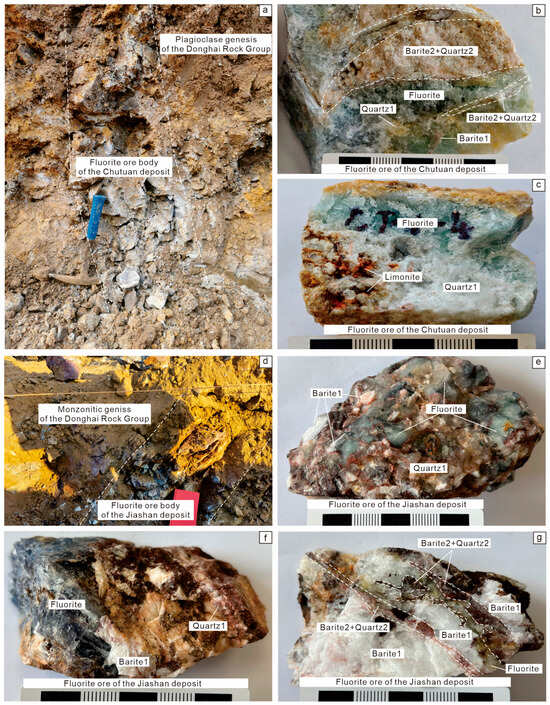
The Chutuan and Jiashan fluorite deposits are situated in the Donghai–Linshu area within the southwestern segment of the Sulu ultrahigh–pressure metamorphic belt. Both deposits share similar mineralization characteristics, with fluorite veins strictly controlled by fault structures and associated with mineral assemblages comprising fluorite,
[...] Read more.
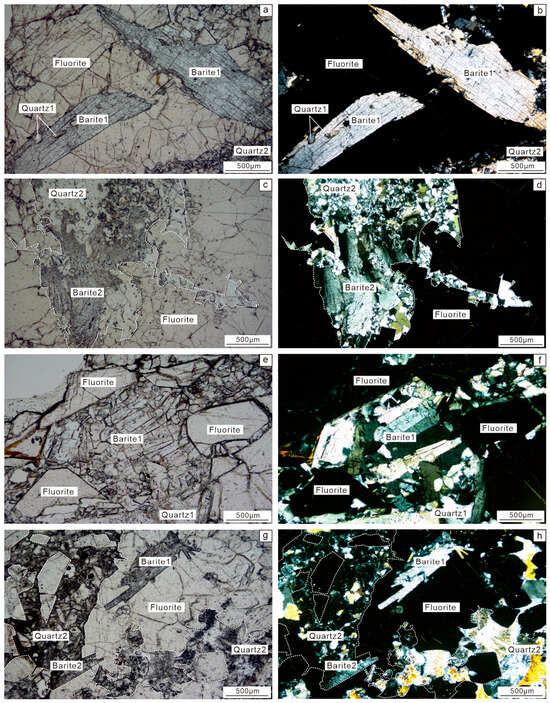
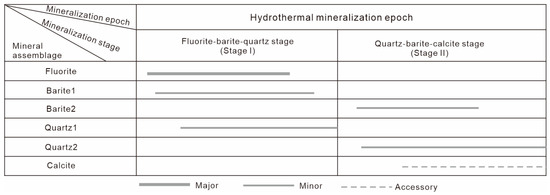
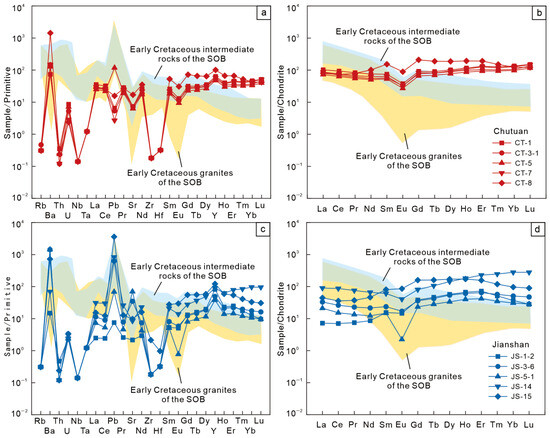
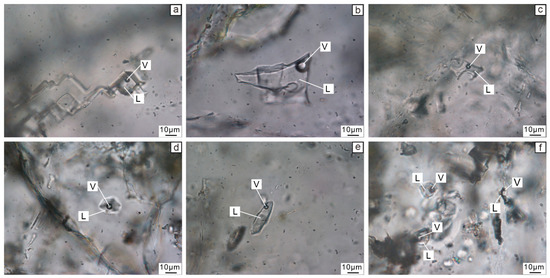
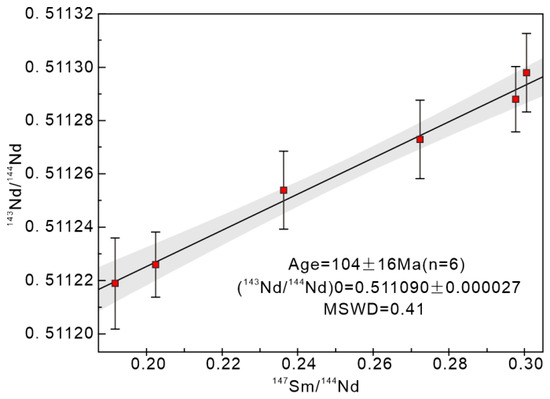
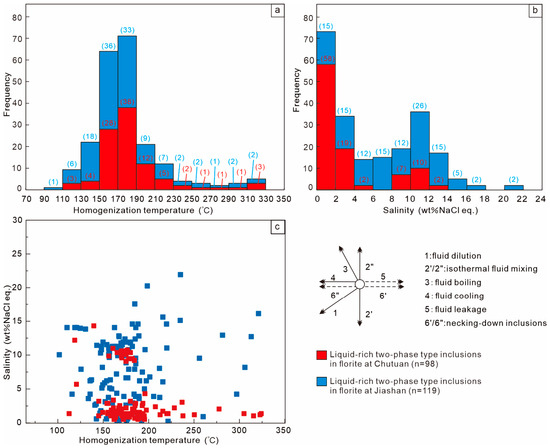
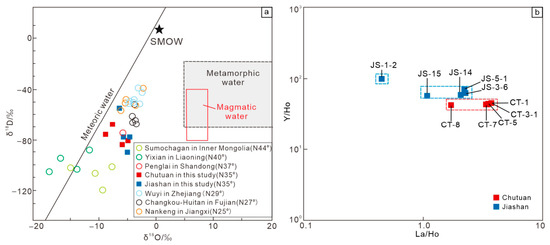
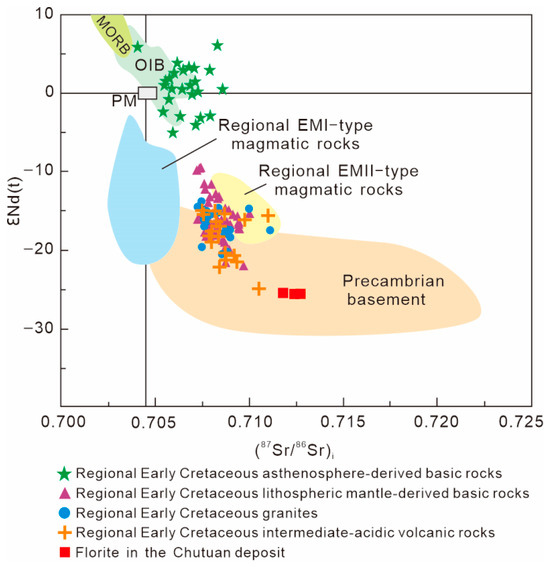
The Chutuan and Jiashan fluorite deposits are situated in the Donghai–Linshu area within the southwestern segment of the Sulu ultrahigh–pressure metamorphic belt. Both deposits share similar mineralization characteristics, with fluorite veins strictly controlled by fault structures and associated with mineral assemblages comprising fluorite, barite, quartz, and calcite. Two mineralization stages have been identified in both deposits: Stage I (quartz–fluorite–barite stage), representing the main ore–forming event, and Stage II (quartz–barite–calcite stage). This study focuses on integrated geochemical and geochronological analyses of fluorite from Stage I, providing new constraints on the genesis and metallogenic processes of these deposits. Direct Sm–Nd isotopic dating of fluorite yields an isochron age of 104 ± 16 Ma, indicating that mineralization occurred during the late Early Cretaceous. Fluid inclusion and stable isotope studies reveal that the ore–forming fluids constitute a complex hydrothermal system characterized by a wide temperature range (112–324 °C) and variable salinities (0.18–21.87 wt% NaCl eq.). The H–O isotopic compositions exhibit a distinct latitudinal trend, supporting a dominant meteoric water component. However, the presence of high–temperature, high–salinity fluid inclusions, along with a shift in some δD values towards the magmatic water field, suggests episodic mixing between meteoric water and deep–seated magmatic–hydrothermal fluids. Sr–Nd isotopic data (87Sr/86Sr = 0.711785–0.713424; εNd(t)= −27.7 to −27.5) potentially demonstrate that the ore–forming materials (Ca and REEs) were not derived from coeval magmatic rocks. Instead, they were primarily leached from the Precambrian Donghai Group metamorphic complex through extensive water–rock interaction. Based on these findings, the Chutuan and Jiashan deposits are classified as hydrothermal vein–type systems. Fluorite precipitation was governed by a combination of fluid cooling, water–rock interaction, and fluid mixing. Finally, a metallogenic model is established, offering important insights into the genesis of fluorite mineralization in the Sulu Orogenic Belt and analogous geological settings in eastern China.
Full article
(This article belongs to the Special Issue Geochemistry and Genesis of Hydrothermal Ore Deposits, 2nd Edition)
►▼
Show Figures

Figure 1

Open AccessArticle
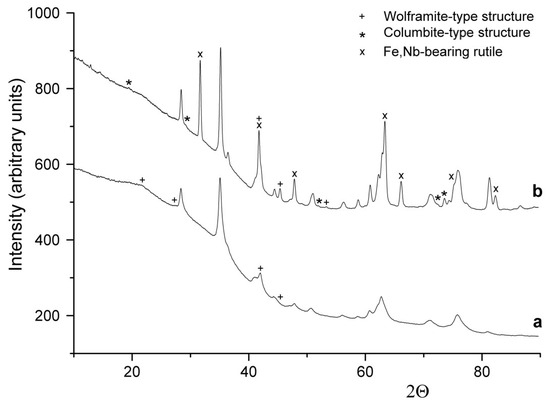
Partial Ordering of Cations by the Wolframite Mechanism Using Fe2+- and Sc-Dominant Minerals of the Columbite Supergroup as Examples
by
Nikita V. Chukanov, Natalia V. Zubkova, Anatoly V. Kasatkin, Igor V. Pekov, Atali A. Agakhanov, Vasiliy O. Yapaskurt, Alla A. Virus, Dmitry A. Ksenofontov and Sergey N. Britvin
Minerals 2026, 16(5), 536; https://doi.org/10.3390/min16050536 - 16 May 2026
Abstract
In most cases, columbite-supergroup minerals are characterized by partial ordering of cations, which makes their identification based only on chemical composition and powder diffraction data difficult. Columbite-supergroup minerals with partially ordered cations were studied by means of electron microprobe analyses, powder and single-crystal
[...] Read more.
In most cases, columbite-supergroup minerals are characterized by partial ordering of cations, which makes their identification based only on chemical composition and powder diffraction data difficult. Columbite-supergroup minerals with partially ordered cations were studied by means of electron microprobe analyses, powder and single-crystal X-ray diffraction, including crystal structure refinement in ixiolite-type and wolframine-type models. The samples originate from the Sakhanaiskiy granite massif, Eastern Siberia, Russia, (Sample 1) and from the Heftetjern pegmatite, Telemark, Norway (Sample 2). Their representative empirical formulae are (Fe2+0.81Mn2+0.53)Σ1.34Fe3+0.07(Ti0.23Zr0.11Sn0.02)Σ0.36(Nb1.45Ta0.26)Σ1.71W0.52O8 (Sample 1) and (Mn2+0.28Fe2+0.25)Σ0.53Sc1.08(Sn0.32Ti0.04)Σ0.36(Ta1.41Nb0.52)Σ1.93W0.10O8 (Sample 2). Based on these data and the results of the crystal structure refinement, the studied samples can be considered as columbite-supergroup minerals in which cations are partially ordered in accordance with the wolframite mechanism. An approach is suggested according to which the degree of cation ordering in such columbite-supergroup minerals can be estimated based on the electron contents refined for different sites in a monoclinic model. According to this criterion, the degree of cation ordering of Samples 1 and 2 is 91% and 26%, respectively. Despite a significant degree of cation disordering, transition from the wolframite to ixiolite model results in a significant enhancement of the R-factor of the structure refinement (from 0.0365 to 0.0764 and from 0.0207 to 0.0610, respectively).
Full article
(This article belongs to the Section Crystallography and Physical Chemistry of Minerals & Nanominerals)
►▼
Show Figures

Figure 1
Open AccessArticle
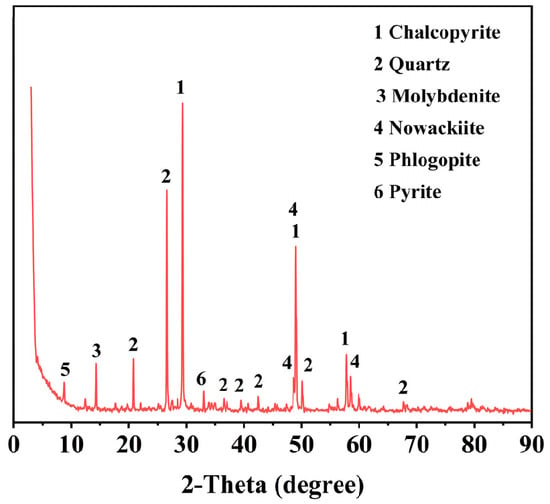
Selective Screening of Efficient Chalcopyrite Depressants and Their Mechanisms in Copper–Molybdenum Separation
by
Lujing Liang, Jianhua Chen and Anruo Luo
Minerals 2026, 16(5), 535; https://doi.org/10.3390/min16050535 - 16 May 2026
Abstract
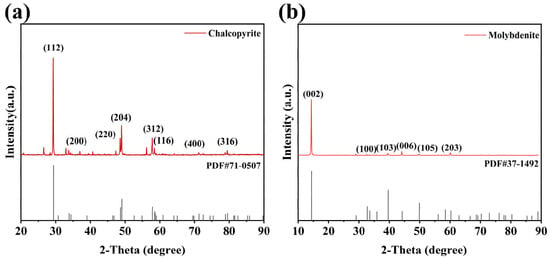
Molybdenum (Mo) is a strategic raw material for high-end equipment manufacturing, aerospace technologies, and advanced alloys, and approximately 50% of global molybdenum resources are hosted in porphyry Cu–Mo deposits. To address the long-standing challenge of selectively separating chalcopyrite and molybdenite by flotation, this
[...] Read more.
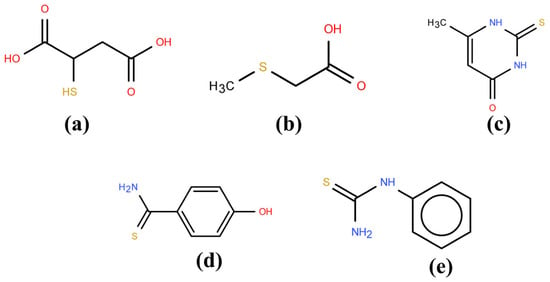
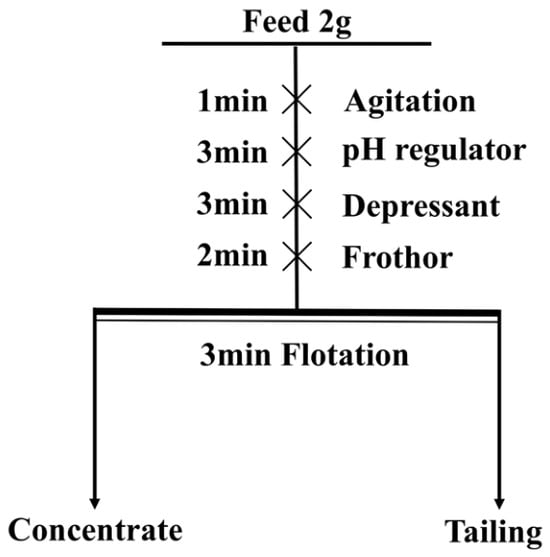
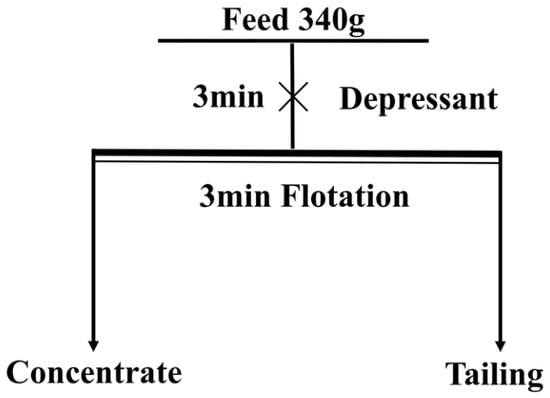
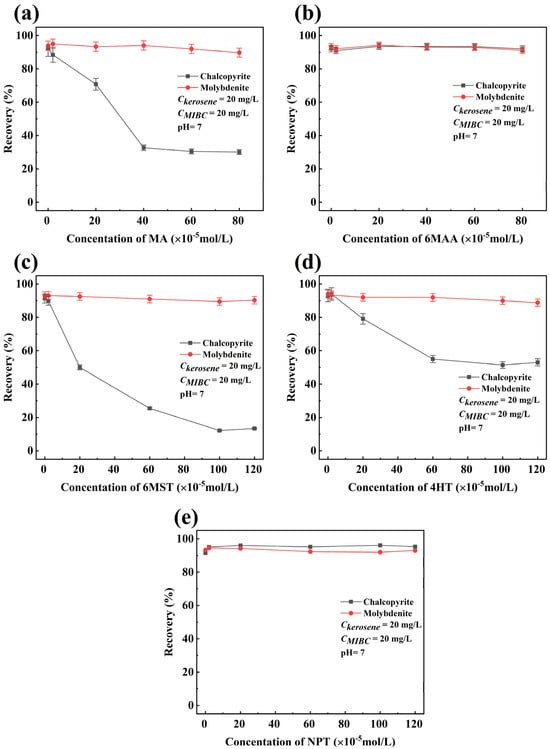
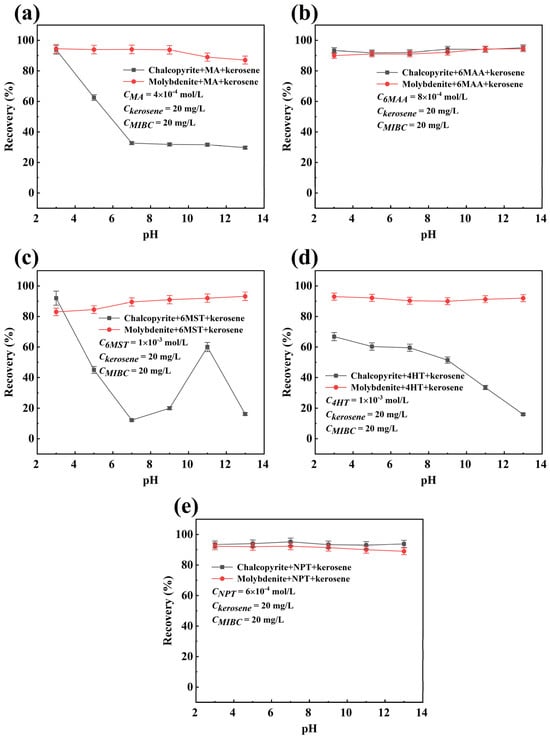
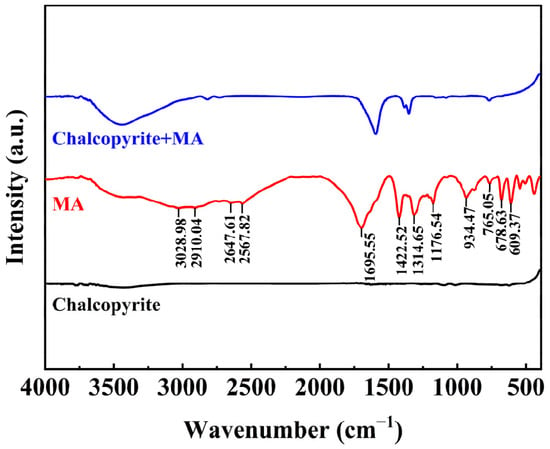
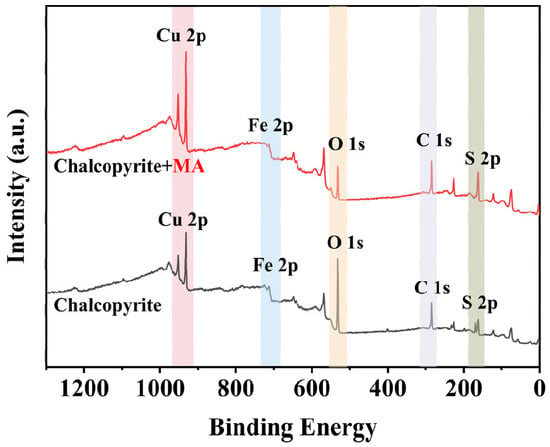
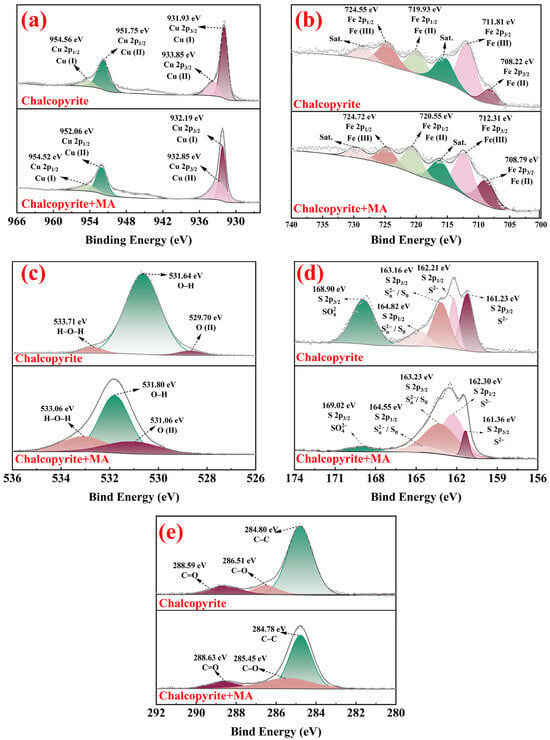
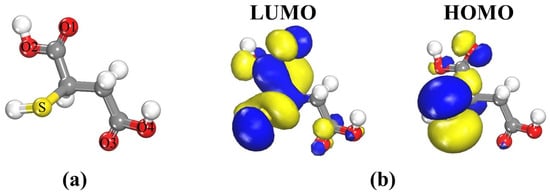
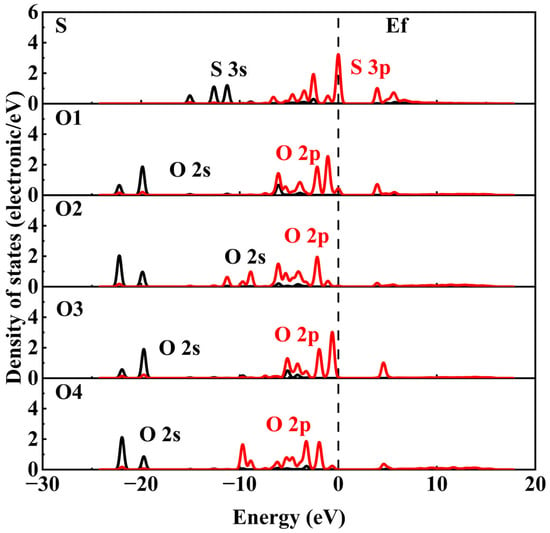
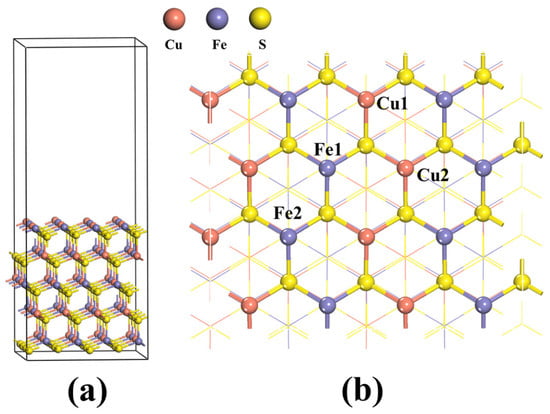
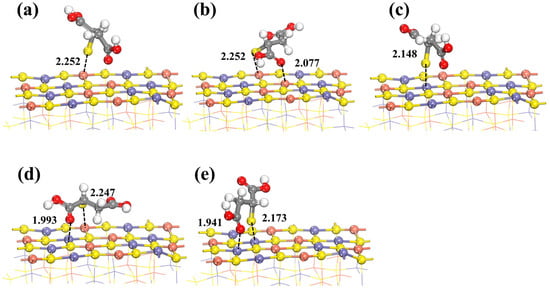
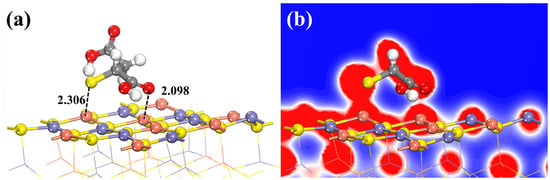
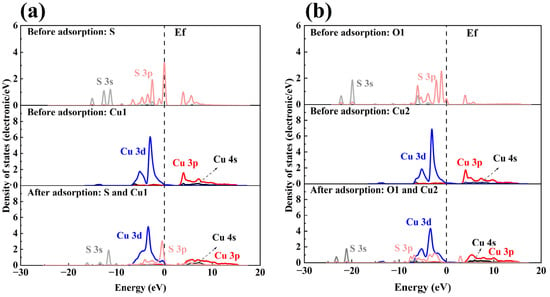
Molybdenum (Mo) is a strategic raw material for high-end equipment manufacturing, aerospace technologies, and advanced alloys, and approximately 50% of global molybdenum resources are hosted in porphyry Cu–Mo deposits. To address the long-standing challenge of selectively separating chalcopyrite and molybdenite by flotation, this study screened five sulfur-containing organic depressants and investigated their effects on the flotation responses of the two minerals, motivated by the strong affinity of sulfur donor atoms for surface Cu sites on chalcopyrite. The results indicate that thiomalic acid, 4-hydroxythiobenzamide, and 6-methyl-2-thiouracil markedly depress chalcopyrite flotation, whereas 2-(methylthio)acetic acid and N-phenylthiourea exert only minor effects. In contrast, none of the five reagents significantly affects the floatability of molybdenite. Among these depressants, thiomalic acid exhibited the best selectivity. In practical Cu–Mo bulk concentrate flotation, it showed a clear dosage advantage at low addition levels and improved Cu–Mo separation performance; at a Mo recovery of 76.09% and a Mo grade of 5.45%, Cu recovery was reduced to 9.54%. The adsorption mechanism of thiomalic acid on chalcopyrite was further investigated using FT-IR spectroscopy, X-ray photoelectron spectroscopy, and self-consistent charge density-functional tight-binding (SCC-DFTB) calculations. The results suggest that thiomalic acid interacts strongly with surface Cu sites on chalcopyrite via its S- and O-containing functional groups, likely increasing surface hydrophilicity and inhibiting collector adsorption (and subsequent bubble attachment), thereby contributing to selective chalcopyrite depression.
Full article
(This article belongs to the Collection Flotation Theory and Technology)
Open AccessArticle
Integrating Mineralogical Characterization with Central Composite Design (CCD) for Enhanced UG2 Flotation Performance
by
Tintswalo Benovelence Zanele Baloyi, Willie Nheta and Elvis Fosso Kankeu
Minerals 2026, 16(5), 534; https://doi.org/10.3390/min16050534 - 16 May 2026
Abstract
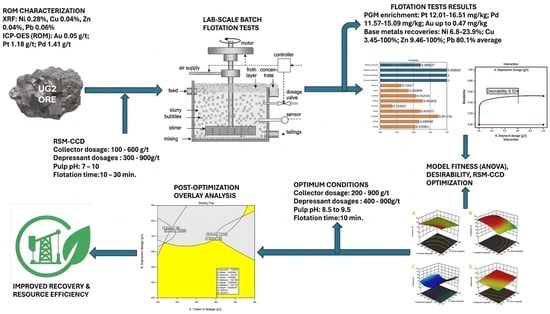
This study investigates the optimized recovery of platinum group metals (PGMs), particularly platinum (Pt) and palladium (Pd), together with associated base metals from UG2 ore through an integrated mineralogical–statistical approach. Comprehensive characterization using X-ray fluorescence (XRF), X-ray diffraction (XRD), scanning electron microscopy (SEM),
[...] Read more.
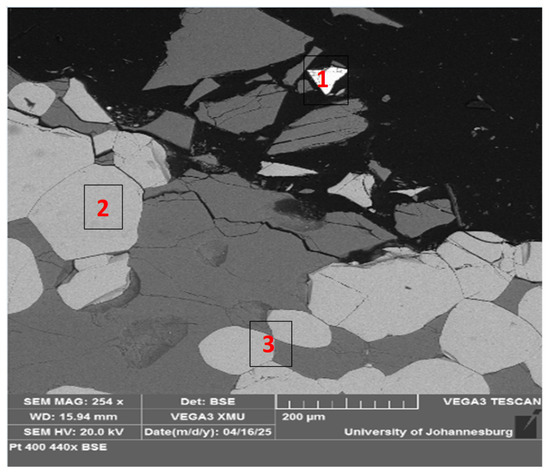
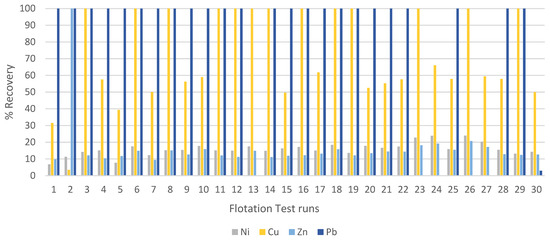
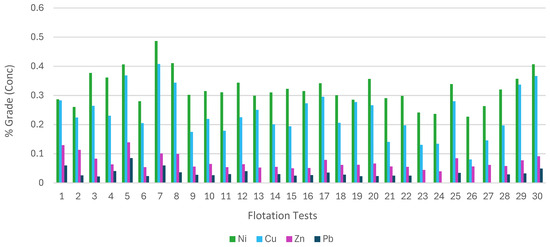
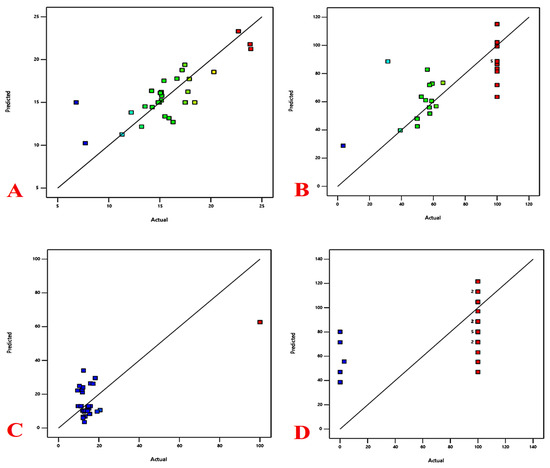
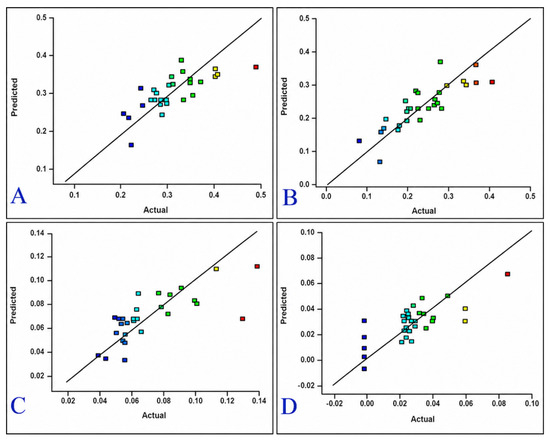
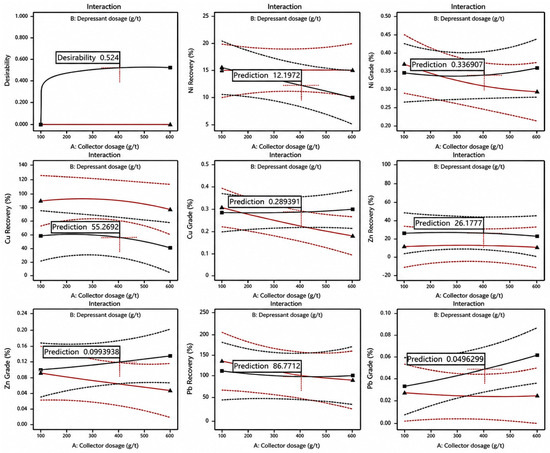
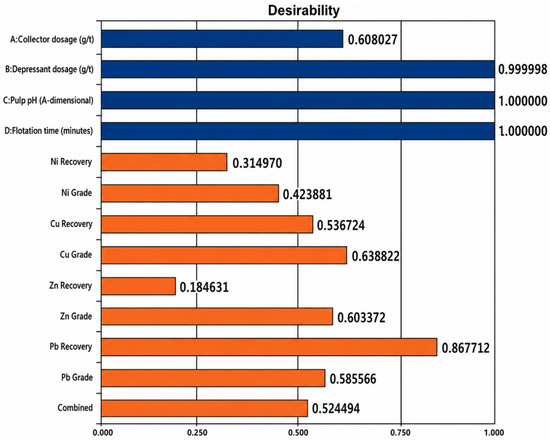
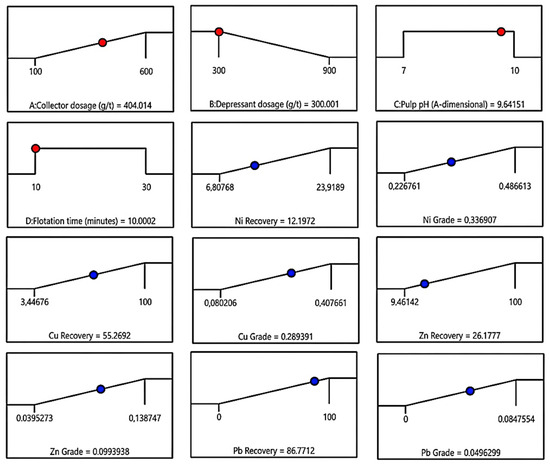
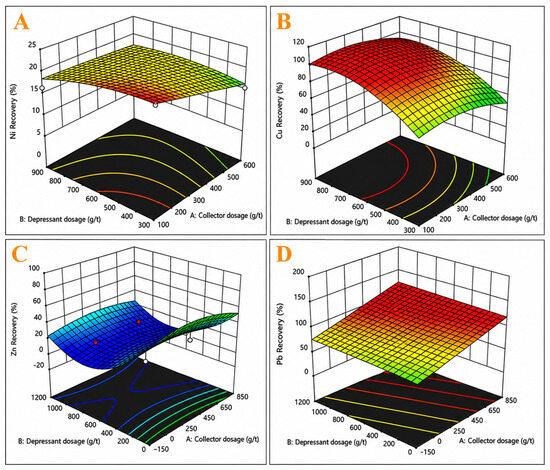
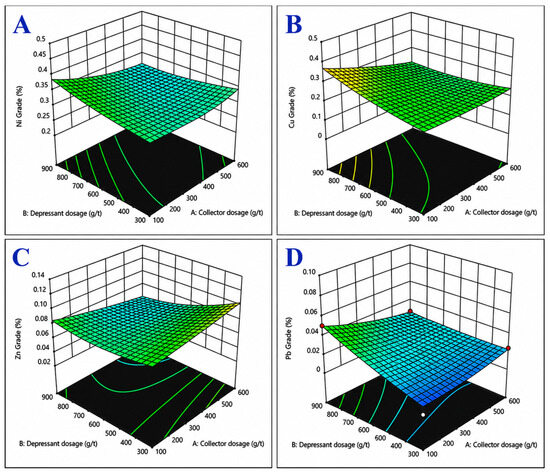
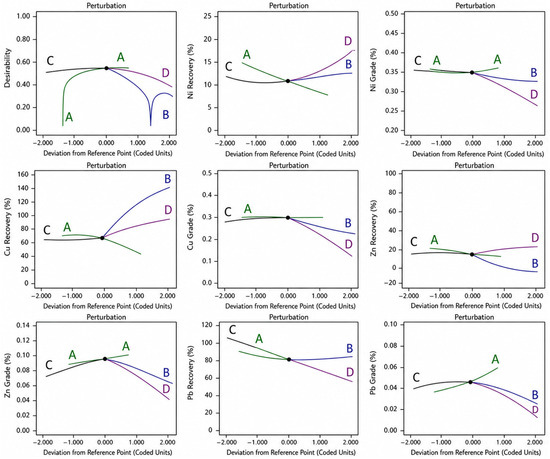
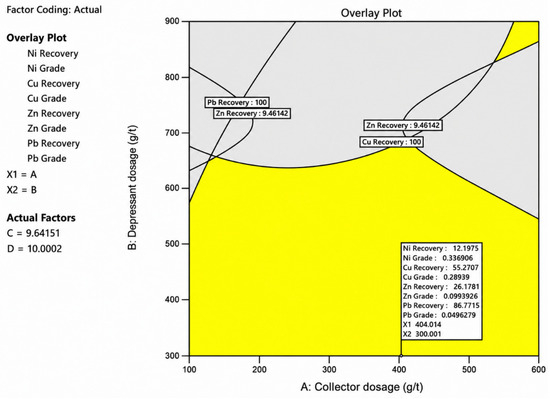
This study investigates the optimized recovery of platinum group metals (PGMs), particularly platinum (Pt) and palladium (Pd), together with associated base metals from UG2 ore through an integrated mineralogical–statistical approach. Comprehensive characterization using X-ray fluorescence (XRF), X-ray diffraction (XRD), scanning electron microscopy (SEM), and inductively coupled plasma optical emission spectroscopy (ICP-OES) established ore composition, textural features, and PGM distribution, revealing Ni (0.28%), Cu (0.04%), Zn (0.04%), Pb (0.06%), and major gangue components Si (17.65%), Fe (13.33%), and Cr (7.37%). ICP-OES further quantified 1.18 g/t Pt, 1.41 g/t Pd, and 0.05 g/t Au in the run-of-mine sample. These mineralogical insights informed the design of flotation experiments using Response Surface Methodology (RSM) with a Central Composite Design (CCD), enabling systematic evaluation of dosages, pulp chemistry, and operating conditions. Optimal flotation parameters—collector dosages of 200–900 g/t, depressant dosages of 400–900 g/t, pulp pH of 8.5–9.5, and a flotation time of ~10 min—yielded recoveries ranging from 6.8% to 23.9% (Ni), 3.5% to 100% (Cu), 9.5% to 100% (Zn) and averaging 80.1% (Pb). Post-flotation ICP-OES confirmed significant enrichment of PGMs, with Pt reaching 12.00–16.50 g/t, Pd reaching 11.60–15.10 g/t, and Au reaching up to 0.47 g/t under optimal conditions. By explicitly coupling mineralogical characterization with CCD-based optimization, this work demonstrates a robust framework for enhancing UG2 flotation performance, offering practical pathways for improved economic viability, reagent efficiency, and sustainable resource utilization.
Full article
(This article belongs to the Collection Flotation Theory and Technology)
►▼
Show Figures

Graphical abstract
Open AccessReview
From CO2 to Mg Carbonates in Ultramafic Rocks: Isotopic and Kinetic Constraints from Fluid-Limited Serpentinization
by
Mariusz Orion Jędrysek
Minerals 2026, 16(5), 533; https://doi.org/10.3390/min16050533 - 15 May 2026
Abstract
Ophicarbonates provide an important natural record of mineral carbonation during serpentinization of ultramafic rocks and therefore offer insight into the mechanisms and limits of CO2 fixation in low-temperature geological environments. This paper presents a synthesis and process-oriented reinterpretation of stable-isotope published and
[...] Read more.
Ophicarbonates provide an important natural record of mineral carbonation during serpentinization of ultramafic rocks and therefore offer insight into the mechanisms and limits of CO2 fixation in low-temperature geological environments. This paper presents a synthesis and process-oriented reinterpretation of stable-isotope published and previously unpublished data, petrographic, and mineralogical evidence for carbonate formation under fluid-limited serpentinization conditions. Using mineralogical constraints together with a compiled δ13C–δ18O dataset that includes legacy measurements from the 1980s–1990s, we evaluate how multi-stage carbonate precipitation reflects evolving water–rock ratio, redox state, transport limitation, and deformation-controlled permeability. Particular attention is given to systematic differences between vein-hosted carbonates and dispersed intergranular or scattered-grain ophicarbonates, as these textural–isotopic relationships help identify fluid flux, carbon source, and reaction progress in ultramafic systems. The analysis shows that carbonation does not proceed uniformly but is restricted to overlapping reactive windows controlled by fluid availability, nucleation kinetics, and permeability evolution. These constraints help explain why carbonation may either intensify or stall during progressive serpentinization. The Author further discuss why kinetic barriers and Mg–Ca partitioning may redirect carbonate mineralogy toward calcite or metastable Mg-rich phases even where dolomite or magnesite may be thermodynamically favored. The results highlight the importance of coupling isotopic signatures with petrographic context in reconstructing carbonation pathways and provide a broader framework for understanding natural mineral sequestration of carbon in heterogeneous serpentinite systems.
Full article
(This article belongs to the Special Issue Advances in Mineral-Based Carbon Capture and Storage)
►▼
Show Figures

Graphical abstract
Open AccessArticle
Carbothermic Processing of Low-Grade Lithium-Bearing Aluminosilicate Ores with the Production of a Lithium-Containing Slag
by
Feruza A. Berdikulova, Nazigul Zhumakynbai, Alexey S. Orlov, Daulet Sagzhanov, Akmaral K. Serikbayeva, Medet A. Mendeke and Nassiba Akeshova
Minerals 2026, 16(5), 532; https://doi.org/10.3390/min16050532 - 15 May 2026
Abstract
This study presents a sustainable approach for processing low-grade lithium-bearing aluminosilicate ores via carbothermic treatment with selective lithium stabilization in the slag phase. The proposed method is based on controlled phase transformations that suppress lithium volatilization and promote its retention in the condensed
[...] Read more.
This study presents a sustainable approach for processing low-grade lithium-bearing aluminosilicate ores via carbothermic treatment with selective lithium stabilization in the slag phase. The proposed method is based on controlled phase transformations that suppress lithium volatilization and promote its retention in the condensed phases. Thermodynamic analysis revealed that lithium volatilization is unfavorable within a defined temperature window, enabling its stabilization in the slag. Experimental smelting, conducted at 1550–1600 °C with the addition of an iron-bearing component, resulted in the selective reduction of silicon and aluminum into a ferro silicon aluminum alloy, while lithium was efficiently concentrated in the slag phase. Lithium recovery to the slag reached up to 94%, with losses to the gas phase below 6%, demonstrating a significant reduction in volatilization compared to conventional high-temperature processes. X-ray diffraction (XRD) analysis confirmed that lithium is predominantly immobilized in the form of LiAlSiO4 (pseudo-eucryptite), which enhances the chemical reactivity of the slag. From a sustainability perspective, the proposed process enables efficient utilization of low-grade lithium resources, minimizes lithium losses, and eliminates the need for energy-intensive pre-treatment steps such as roasting or vacuum processing. The resulting lithium-bearing slag represents a reactive intermediate suitable for subsequent hydrometallurgical extraction, enabling an integrated and resource-efficient process route. The results demonstrate that phase-controlled carbothermic processing is a viable and sustainable strategy for lithium recovery from low-grade aluminosilicate ores.
Full article
(This article belongs to the Topic Innovations and Sustainable Approaches in Mining, Metallurgy, Technology and Materials Engineering: Insights from IOC 2025)
Open AccessArticle
Effect of Flotation Reagent as Emulsion Microbubbles on the Flotation of Gold-Bearing Ore and Technogenic Raw Materials
by
Bagdaulet Kenzhaliyev, Nessipbay Tussupbayev, Dulatbek Turysbekov, Larissa Semushkina, Sabira Narbekova, Zhamikhan Kaldybaeva, Ainyr Mukhamedilova and Nazira Samenova
Minerals 2026, 16(5), 531; https://doi.org/10.3390/min16050531 - 15 May 2026
Abstract
The use of flotation reagents in the form of microemulsions significantly enhances the recovery of noble metals during the processing of gold-bearing ore and technogenic materials by improving the flotation of finely dispersed sulfides. This study investigates the effect of dibutyldithiophosphate (DBDTP) applied
[...] Read more.
The use of flotation reagents in the form of microemulsions significantly enhances the recovery of noble metals during the processing of gold-bearing ore and technogenic materials by improving the flotation of finely dispersed sulfides. This study investigates the effect of dibutyldithiophosphate (DBDTP) applied as emulsion microbubbles in the form of emulsion microbubbles on the flotation of gold-bearing ores and technogenic materials. The research objects were gold-bearing ore and aged flotation tailings from a Kazakhstani deposit containing 3.20 g/t and 0.62 g/t of gold, respectively. Flotation beneficiation was carried out using dispersed DBDTP generated in a water–air microemulsion generator (WAMG). The flotation kinetics results demonstrated that the application of dispersed DBDTP accelerates the flotation process, increasing gold recovery by 4.65% and reducing the gold content in flotation tailings by 0.17 g/t. Under baseline conditions, 37.51% of gold was distributed in the −25 + 0 μm size fraction of tailings with a gold content of 0.98 g/t. When the dispersed reagent produced by the WAMG was applied, the gold distribution in the −25 + 0 μm size fraction decreased to 28.29% (9.22% lower than the baseline), with a gold content of 0.62 g/t. In the flotation of aged tailings, the use of dispersed DBDTP increased gold recovery in the concentrate by 5.88% while maintaining concentrate quality.
Full article
(This article belongs to the Section Mineral Processing and Extractive Metallurgy)
►▼
Show Figures

Figure 1
Journal Menu
► ▼ Journal Menu-
- Minerals Home
- Aims & Scope
- Editorial Board
- Reviewer Board
- Topical Advisory Panel
- Instructions for Authors
- Special Issues
- Topics
- Sections & Collections
- Article Processing Charge
- Indexing & Archiving
- Editor’s Choice Articles
- Most Cited & Viewed
- Journal Statistics
- Journal History
- Journal Awards
- Editorial Office
Journal Browser
► ▼ Journal BrowserHighly Accessed Articles
Latest Books
E-Mail Alert
News
Topics
Topic in
Materials, Mining, Recycling, Resources, Sustainability, Minerals, Geosciences, Environments
Sustainable Recycling and Reuse of Industrial By-Products or Waste from Geo-Resource Exploitation
Topic Editors: Sossio Fabio Graziano, Rossana Bellopede, Giovanna Antonella Dino, Nicola CaredduDeadline: 30 May 2026
Topic in
Applied Sciences, Energies, Geosciences, Minerals, Processes
Complex Rock Mechanics Problems and Solutions, 2nd Edition
Topic Editors: Chun Zhu, Shibin Tang, Shengyuan SongDeadline: 30 June 2026
Topic in
Metals, Minerals, Mining
Innovations and Sustainable Approaches in Mining, Metallurgy, Technology and Materials Engineering: Insights from IOC 2025
Topic Editors: Markus A. Reuter, Peizhong Feng, Ljubiša BalanovićDeadline: 30 August 2026
Topic in
Applied Sciences, Energies, Geosciences, Geotechnics, Minerals, Eng
Support Theory and Technology of Geotechnical Engineering, 2nd Edition
Topic Editors: Qi Wang, Bei Jiang, Xuezhen Wu, Hongke GaoDeadline: 30 September 2026
Special Issues
Special Issue in
Minerals
Genesis of Mississippi Valley-Type Ore Deposits
Guest Editors: Adriana Potra, Mohammed BouabdellahDeadline: 29 May 2026
Special Issue in
Minerals
Geochemistry and Genesis of Hydrothermal Ore Deposits, 2nd Edition
Guest Editor: Yuichi MorishitaDeadline: 30 May 2026
Special Issue in
Minerals
Circular Economy of Remining Secondary Raw Materials
Guest Editors: Alexandra Guedes, Bruno Valentim, Rui Jorge Coleho de SousaDeadline: 30 May 2026
Special Issue in
Minerals
Advances in Magnetic and Electromagnetic Techniques for Mineral Exploration: Enhancing Resource Discovery, 2nd Edition
Guest Editors: Marc A. Vallée, Stanisław MazurDeadline: 30 May 2026
Topical Collections
Topical Collection in
Minerals
Mining/Metallurgical Solid Waste Treatment and Resource Utilization: Towards a Circular Economy
Collection Editors: Longhua Xu, Lei Xie, Qingye Lu
Topical Collection in
Minerals
Clays and Other Industrial Mineral Materials
Collection Editors: Manuel Pozo Rodríguez, Francisco Franco, Michael Stamatakis
Topical Collection in
Minerals
Engineered Artificial Minerals (EnAMs): A Geo-Metallurgical Tool to Recycle Critical Elements from Waste Streams: Synthesis, Characterization, Metallurgical and Mechanical Processing (SPP 2315)
Collection Editors: Urs Alexander Peuker, Bernd Friedrich, Ursula Elisabeth Adriane Fittschen, Sandra Breitung-Faes
Topical Collection in
Minerals
Advanced Extraction and Recovery of Rare Earth Elements
Collection Editors: Xianping Luo, Hepeng Zhou, Zhenyue Zhang, Xuekun Tang