Mining/Metallurgical Solid Waste Treatment and Resource Utilization: Towards a Circular Economy

A topical collection in Minerals (ISSN 2075-163X). This collection belongs to the section "Mineral Processing and Extractive Metallurgy".

Viewed by 5253

Editors


E-Mail Website
Collection Editor
Key Laboratory of Solid Waste Treatment and Resource Recycle, Southwest University of Science and Technology, Mianyang 621010, China
Interests: efficient recovery of minerals resources; high-value materials derived from minerals
Special Issues, Collections and Topics in MDPI journals

E-Mail Website
Collection Editor
School of Minerals Processing and Bioengineering, Central South University, Changsha 410017, China
Interests: surface and intermolecular forces; mineral processing; resource recovery; removal of environmental pollutants
Special Issues, Collections and Topics in MDPI journals

E-Mail Website
Collection Editor
Department of Chemical and Petroleum Engineering, University of Calgary, Calgary, AB T2N 1N4, Canada
Interests: interfacial science; biomimetic and natural materials; nanomaterials and nanotechnology‬; resource recovery
Special Issues, Collections and Topics in MDPI journals

Topical Collection Information

Dear Colleagues,

Global mining and metallurgy generate billions of tonnes of solid waste annually (e.g., tailings, slag), posing severe environmental risks while containing valuable untapped resources. Addressing the treatment and utilization of mining and metallurgical solid waste to extract mineral resources is a pressing requirement for the sustainable development of mineral engineering. Solid waste treatment and utilization contributes to the circular economy by reducing the need for new resource extraction and the environmental impact of mining and metallurgical processes.

For this Topic Collection, we welcome the submission of cutting-edge research related to the generation, basic characteristics, treatment, and utilization of mining/metallurgical solid waste. Contributions should delve into key theories and new technologies and methods to transform waste streams into valuable secondary resources. A wide range of topics will be covered, including but not limited to the following:

  • Selective metal recovery (e.g., using novel hydro-/pyrometallurgical techniques).
  • Large-scale utilization (e.g., the use of slag in construction and tailings in backfilling).
  • The synthesis of waste-derived materials (e.g., ceramics, geopolymers, cementitious materials).
  • Secondary resource upgrading (e.g., converting recovered metals/minerals into high-purity feedstock for batteries, catalysts, and alloys).

Prof. Dr. Longhua Xu
Prof. Dr. Lei Xie
Prof. Dr. Qingye Lu
Collection Editors

Manuscript Submission Information

Manuscripts should be submitted online at www.mdpi.com by registering and logging in to this website. Once you are registered, click here to go to the submission form. All submissions that pass pre-check are peer-reviewed. Accepted papers will be published continuously in the journal (as soon as accepted) and will be listed together on the collection website. Research articles, review articles as well as short communications are invited. For planned papers, a title and short abstract (about 250 words) can be sent to the Editorial Office for assessment.

Submitted manuscripts should not have been published previously, nor be under consideration for publication elsewhere (except conference proceedings papers). All manuscripts are thoroughly refereed through a single-blind peer-review process. A guide for authors and other relevant information for submission of manuscripts is available on the Instructions for Authors page. Minerals is an international peer-reviewed open access monthly journal published by MDPI.

Please visit the Instructions for Authors page before submitting a manuscript. The Article Processing Charge (APC) for publication in this open access journal is 2400 CHF (Swiss Francs). Submitted papers should be well formatted and use good English. Authors may use MDPI's English editing service prior to publication or during author revisions.

Keywords

  • mining and metallurgical solid waste
  • tailings
  • smelting slag
  • solid waste treatment
  • resource utilization
  • element extraction

Published Papers (7 papers)

2026

Jump to: 2025

15 pages, 2425 KB  
Article
Repurposing of Novel Magnetic Adsorbent from Copper Converter Slag for the Recovery of Gold from Chloride Solution
by Richard Diaz Alorro, Hajime Kijitani, Joel Hao Jorolan, Jonah Gamutan, Carlito Baltazar Tabelin, Mayumi Ito and Naoki Hiroyoshi
Minerals 2026, 16(5), 511; https://doi.org/10.3390/min16050511 - 12 May 2026
Viewed by 128
Abstract
Repurposing mineral processing waste offers both environmental and economic benefits, reducing the disposal burden while enabling mineral resource recovery. A magnetic adsorbent, with an Fe3O4 content of 71.0%, collected from waste copper converter slag was utilized to recover gold (Au [...] Read more.
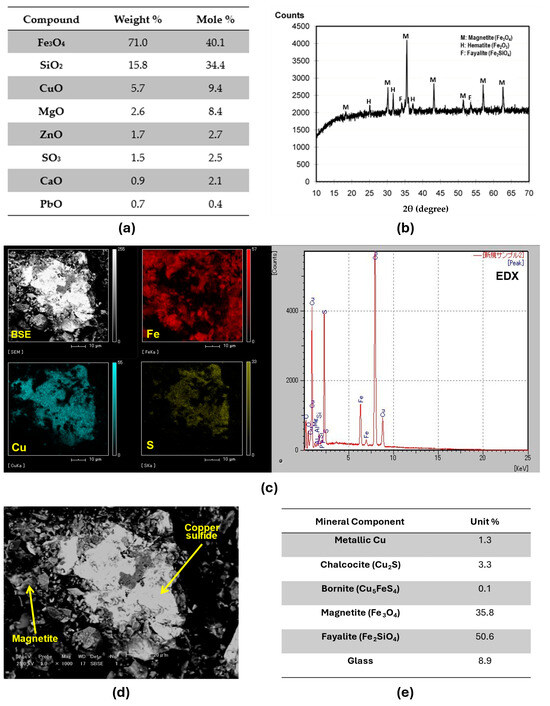
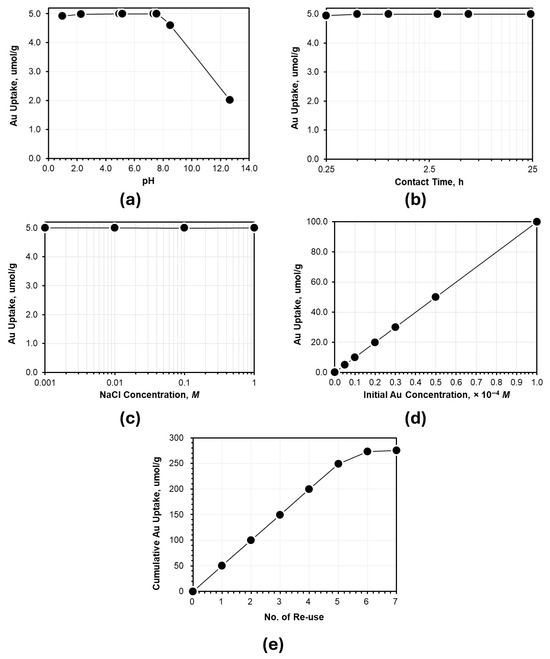
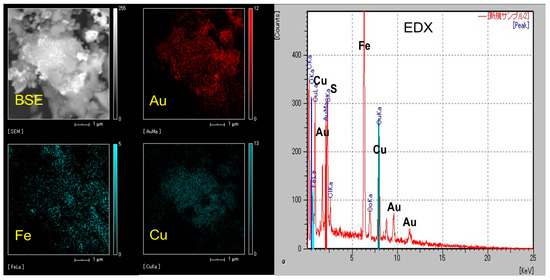
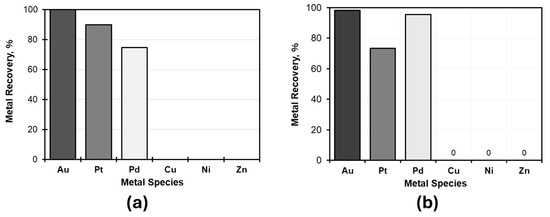
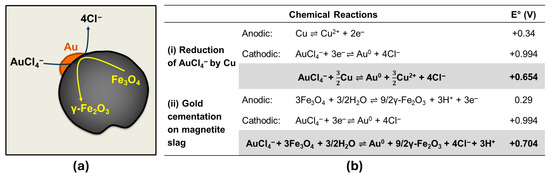
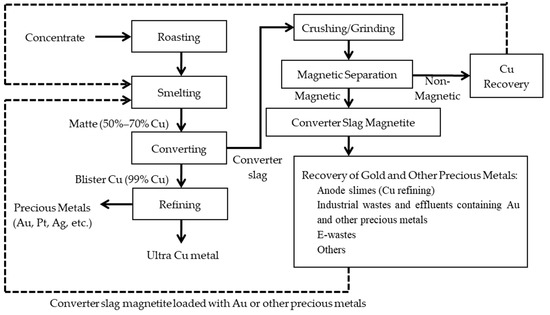
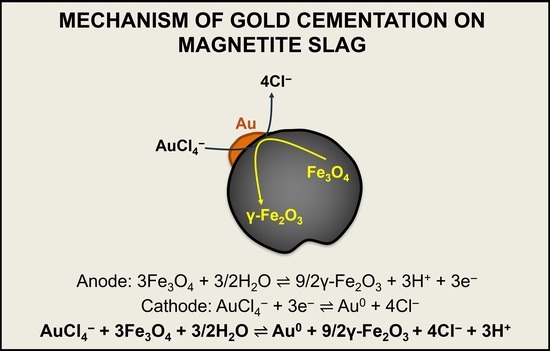
Repurposing mineral processing waste offers both environmental and economic benefits, reducing the disposal burden while enabling mineral resource recovery. A magnetic adsorbent, with an Fe3O4 content of 71.0%, collected from waste copper converter slag was utilized to recover gold (Au3+) from chloride solution. The adsorbent was separated from the slag samples by crushing, grinding to an average particle size of 30 μm, and magnetic separation. Batch adsorption experiments were performed to evaluate the effects of pH, contact time, chloride concentration, and initial gold concentration on gold uptake amount. The material recovered over 99% of gold from chloride solution under acidic conditions and in the near-neutral pH range. The gold sorption rate was also relatively fast and over 98% recovery was achieved after just 15 min of contact time. Increasing chloride concentration did not influence gold uptake. Parameter studies and spectrometric analyses suggest that chalcocite (Cu2S) and metallic copper present in magnetite slag reduced the gold chloride complex to metallic gold. These results suggest that converter magnetite slag is a potentially effective sorbent to recover gold from secondary sources due to its selectivity and low cost. Moreover, gold-loaded magnetite slag can be easily separated from the solution by magnetic separation and then recirculated to the smelting stage of copper processing to recover the deposited gold and other precious metals. Overall, this work highlights a pathway to transform waste into opportunity, reinforcing sustainability in mineral processing operations. Full article
Show Figures

Graphical abstract
18 pages, 19170 KB  
Article
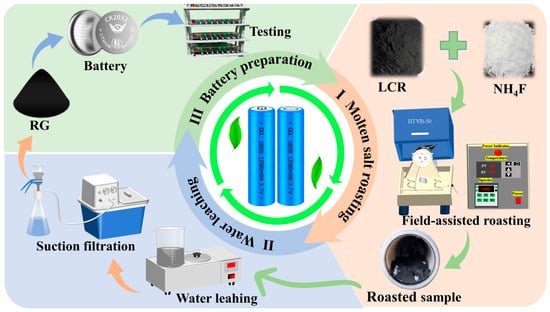
Study on Recovering Graphite from Lithium Batteries Leaching Carbon Residues via Multi-Field-Assisted Low-Temperature Molten Salt Roasting
by Yanlin Zhang, Wenyi Liang, Yunzuo Lei, Zhen Zhou, Jun Zhou, Zhen Yao, Qifan Zhong and Fuzhong Wu
Minerals 2026, 16(4), 429; https://doi.org/10.3390/min16040429 - 21 Apr 2026
Viewed by 327
Abstract
Leaching carbon residue (LCR) is a carbonaceous solid waste generated during the hydrometallurgical recycling of spent lithium-ion batteries. Although its high graphite content offers substantial potential for resource recovery, the residual heavy metals and fluorides present in LCR pose considerable environmental risks. Currently, [...] Read more.
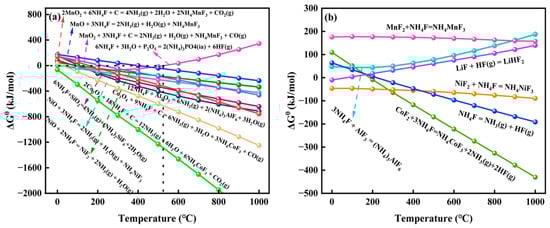
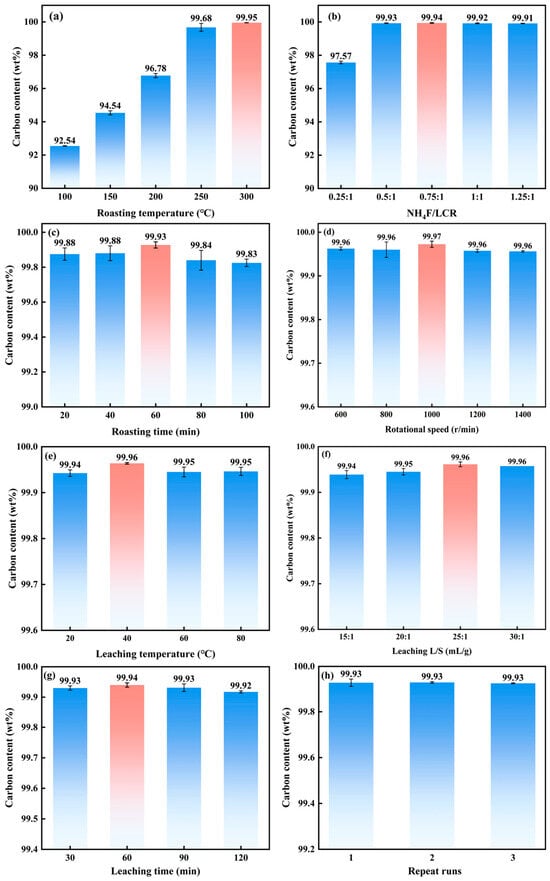
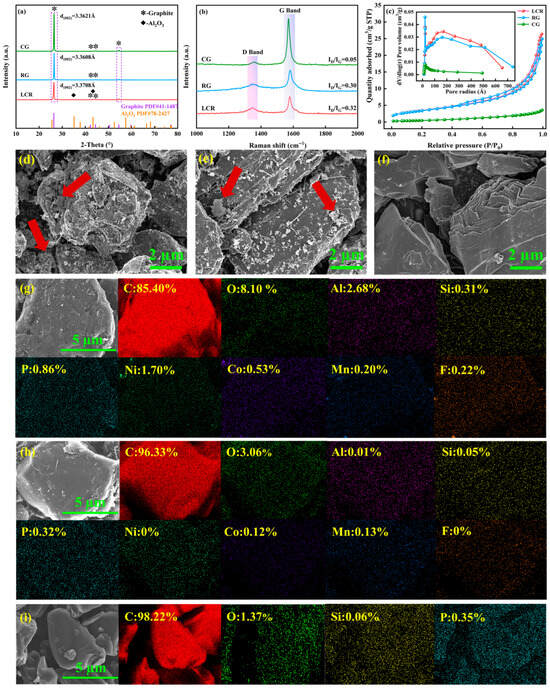
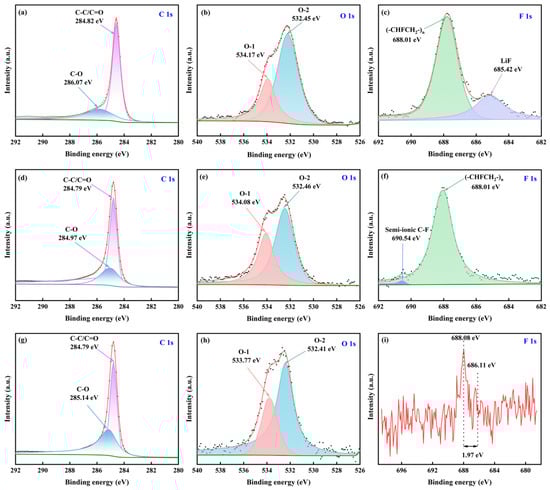
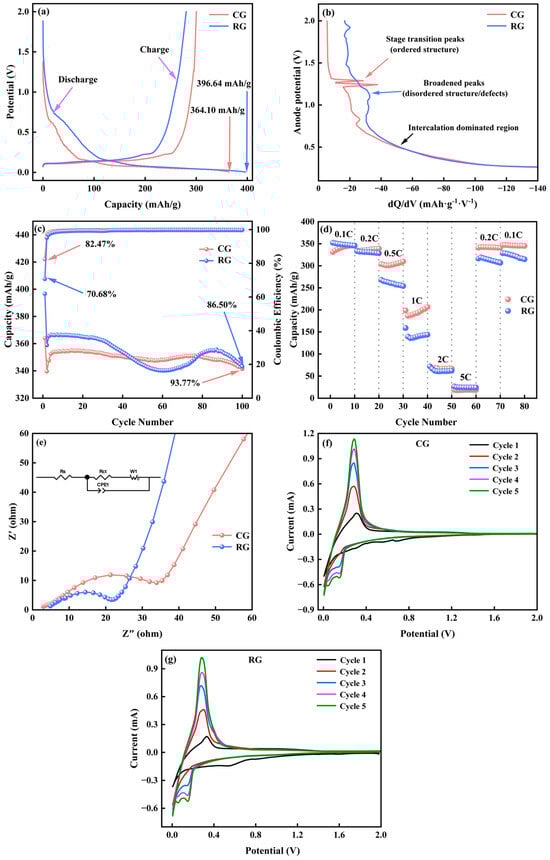
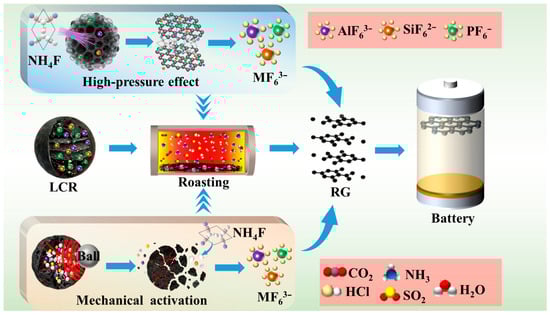
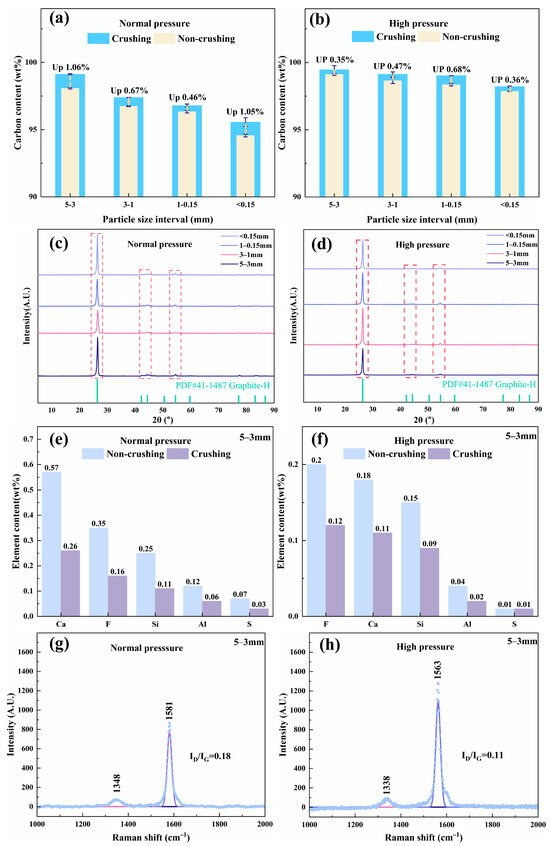
Leaching carbon residue (LCR) is a carbonaceous solid waste generated during the hydrometallurgical recycling of spent lithium-ion batteries. Although its high graphite content offers substantial potential for resource recovery, the residual heavy metals and fluorides present in LCR pose considerable environmental risks. Currently, LCR has not garnered sufficient attention within the industry, and the lack of recycling technologies suitable for large-scale disposal results in resource wastage and environmental pollution. To address these challenges, this study proposes an innovative strategy based on the concept of multi-field synergistic enhancement. The proposed approach involves recovering and regenerating graphite (RG) from LCR via low-temperature molten salt roasting assisted by high-pressure and mechanical activation. A combination of advanced characterization techniques was employed to compare the physicochemical properties of RG and commercial graphite (CG) and to systematically evaluate the technical feasibility of using regenerated graphite as an anode material for lithium-ion batteries. The results demonstrate that, under optimized molten salt roasting and aqueous leaching conditions, the carbon content of RG reaches 99.94 wt%, indicating the efficient removal of non-carbon impurities from the graphite matrix. Compared to CG, RG retains a typical layered structure; however, a lower carbon content (99.94 wt%) and poorer structural order (ID/IG = 0.30) are observed. In terms of electrochemical performance, RG delivers a discharge specific capacity of 394.64 mAh/g during the first cycle and exhibits excellent cycling stability, with a capacity retention of 86.50% after 100 cycles. This electrochemical performance is comparable to that of commercial graphite. The proposed multi-field-assisted low-temperature molten salt roasting technique enables the efficient recovery of high-value graphite resources from LCR, establishing a full-lifecycle recycling strategy tailored for lithium-ion battery applications. Full article
Show Figures

Figure 1

18 pages, 9806 KB  
Article
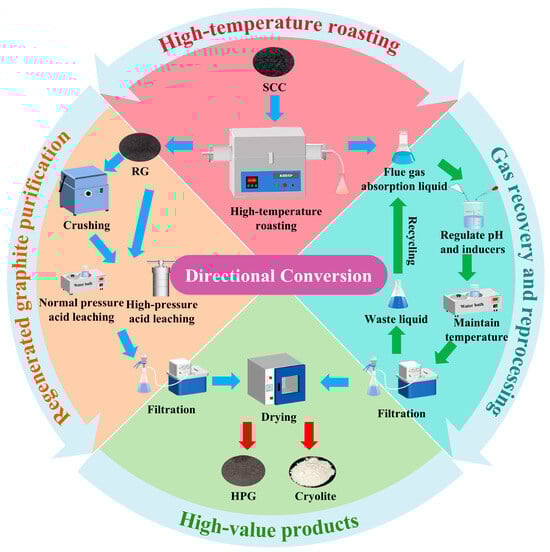
Directional Conversion of Valuable Components from Spent Carbon Cathode via High-Temperature Roasting
by Yuan Tian, Liuzhou Zhou, Zhaowang Chen, Jun Zhou, Wei Liu, Zhen Yao and Qifan Zhong
Minerals 2026, 16(3), 300; https://doi.org/10.3390/min16030300 - 12 Mar 2026
Cited by 1 | Viewed by 491
Abstract
Spent carbon cathode (SCC), a hazardous solid waste discharged from aluminum electrolysis, exhibits significant fluoride and cyanide leaching toxicities. Existing high-temperature disposal strategies are constrained by high investment costs for specialized equipment, low product added value, and unclear application scenarios, hindering their large-scale [...] Read more.
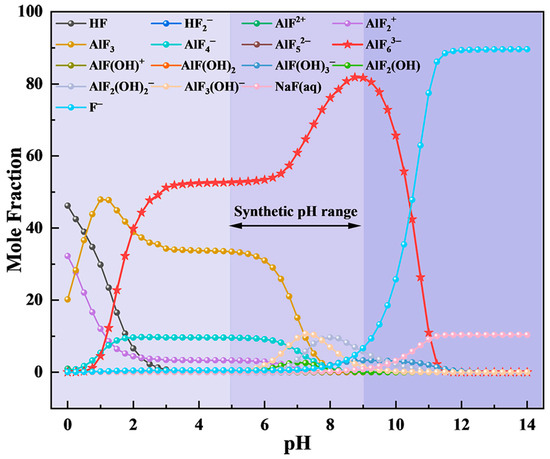
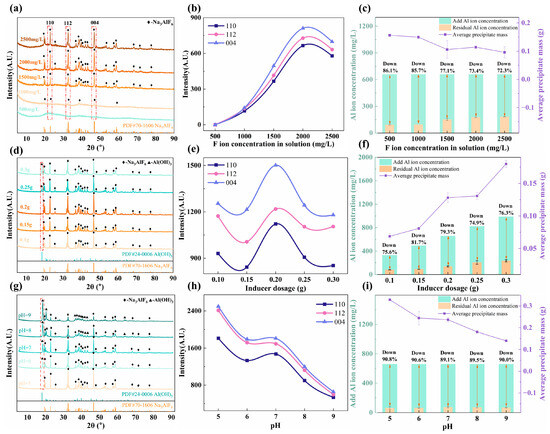
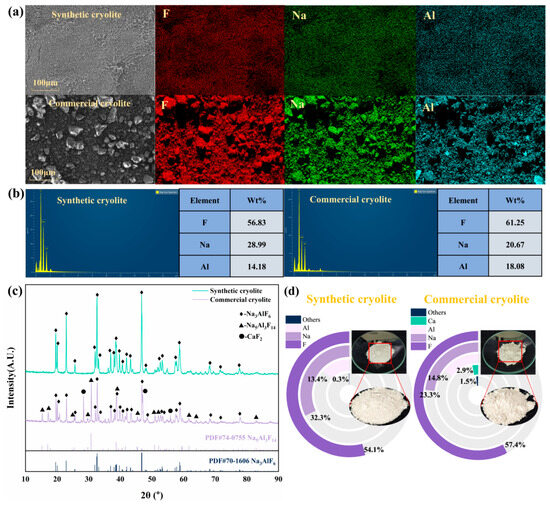
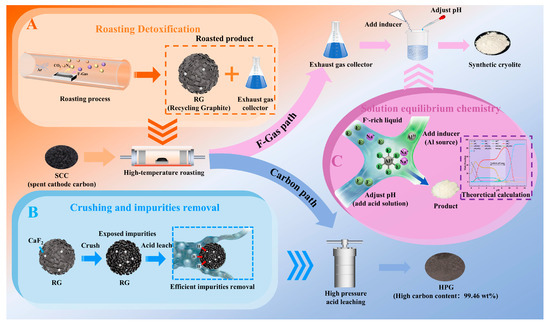
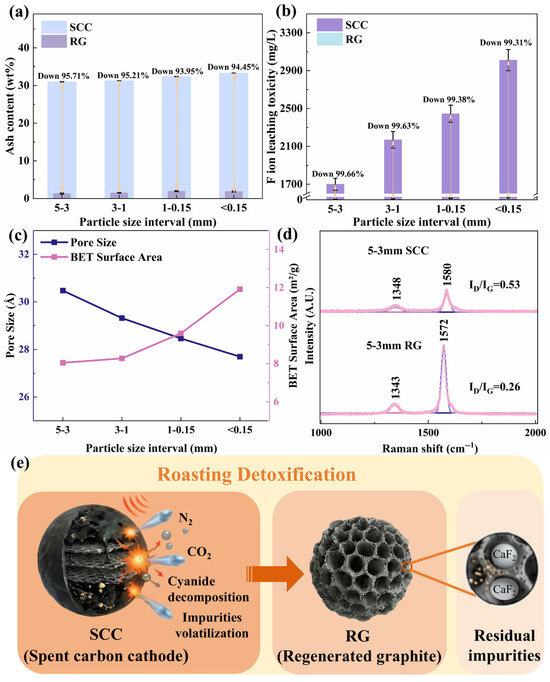
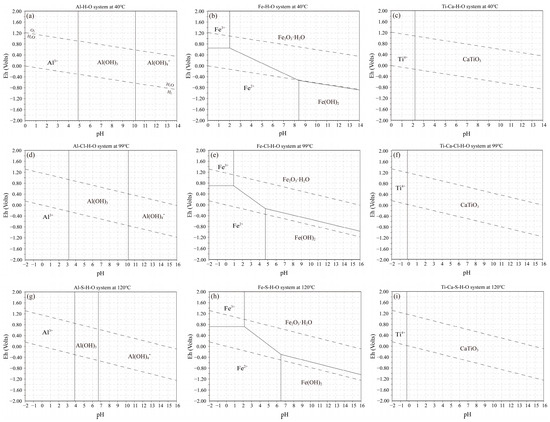
Spent carbon cathode (SCC), a hazardous solid waste discharged from aluminum electrolysis, exhibits significant fluoride and cyanide leaching toxicities. Existing high-temperature disposal strategies are constrained by high investment costs for specialized equipment, low product added value, and unclear application scenarios, hindering their large-scale implementation. Consequently, substantial quantities of SCC remain underutilized, resulting in the waste of valuable carbon and fluoride components. This study focuses on the targeted conversion of valuable components in SCC through the innovative integration of simple processes, including atmospheric high-temperature roasting, deep purification, Al-based inducer addition, and pH regulation. Volatilization kinetics and solution equilibrium chemistry were used to investigate impurity removal mechanisms and to guide cryolite synthesis, respectively. The results demonstrate the successful recovery of high-purity regenerated graphite with a high carbon content, low sulfur content, and a high degree of graphitization. Simultaneously, cryolite with a high NaF/AlF3 molecular ratio was synthesized from the roasting flue gas absorption liquor by controlling ionic composition and pH. Guided by the principles of cleaner production and resource recycling, the entire recovery process generates negligible waste gas, wastewater, or solid residue emissions. In conclusion, the proposed disposal strategy achieved the targeted conversion of SCC into high-value products while mitigating environmental pollution risks, offering both environmental and economic benefits. This innovative design provides a feasible pathway for the large-scale disposal and utilization of SCC. Full article
Show Figures

Figure 1

15 pages, 14742 KB  
Article
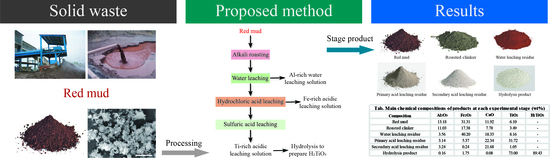
Stepwise Separation and Extraction of Aluminum, Iron and Titanium from Bayer Red Mud in Guangxi, China
by Yin Zhang, Weijian Zhou, Xiaohu Xiong, Yue Sun, Meixia Wang, Shentao Hu, Xuan Li and Qinyu Zhao
Minerals 2026, 16(3), 251; https://doi.org/10.3390/min16030251 - 27 Feb 2026
Viewed by 478
Abstract
Red mud, a strongly alkaline solid waste generated during alumina production, contains valuable metals including aluminum, iron, titanium, and others. Efficient extraction of these metals is of great significance for promoting circular economy development and regional ecological conservation. This paper proposes a stepwise [...] Read more.
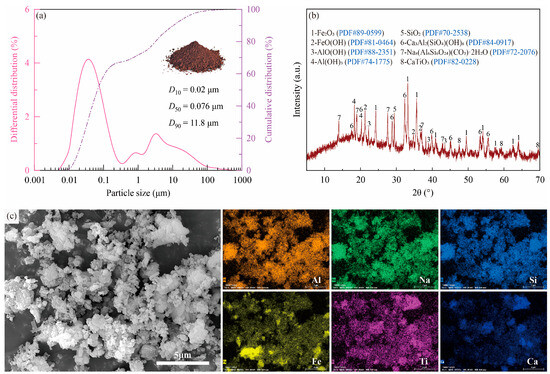
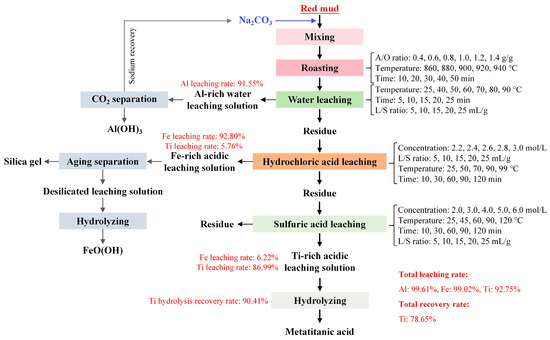
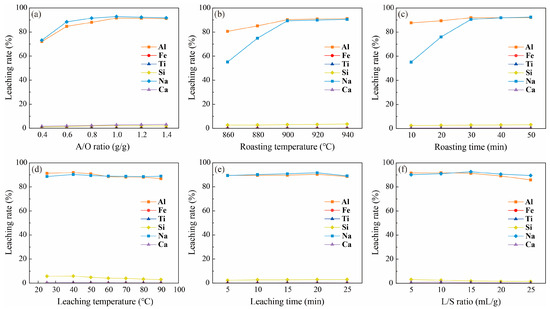
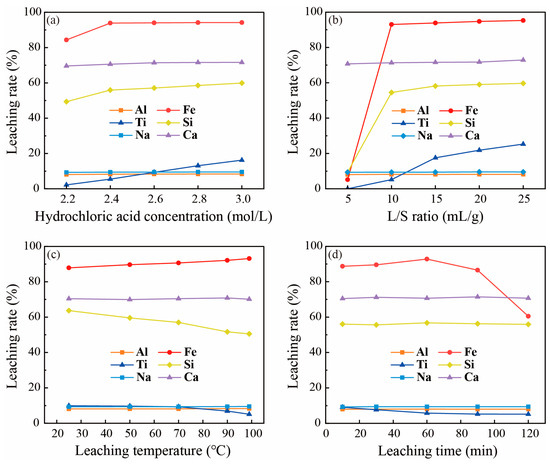
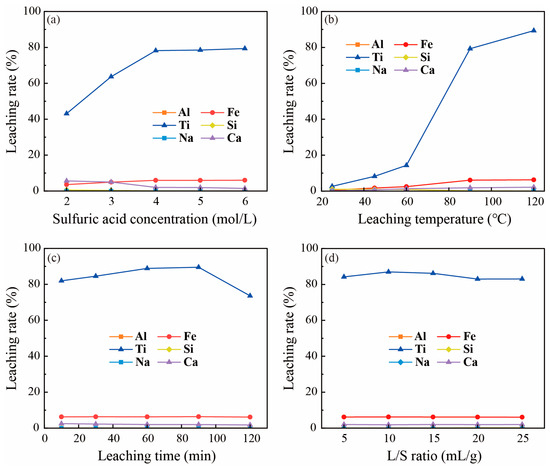
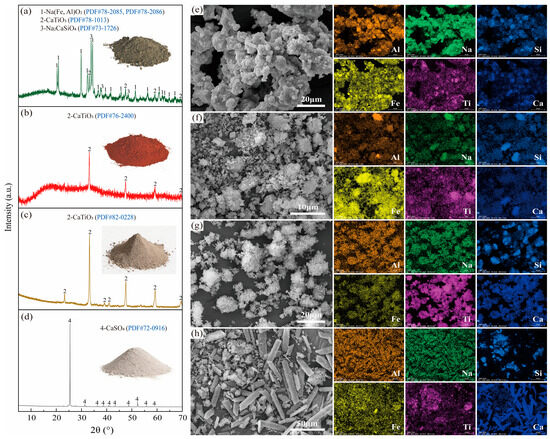
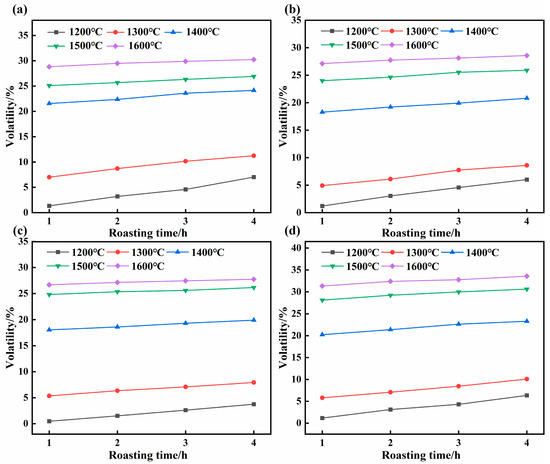
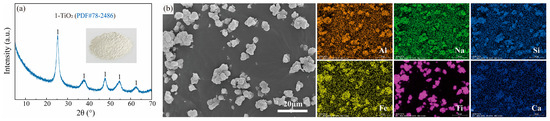
Red mud, a strongly alkaline solid waste generated during alumina production, contains valuable metals including aluminum, iron, titanium, and others. Efficient extraction of these metals is of great significance for promoting circular economy development and regional ecological conservation. This paper proposes a stepwise extraction process involving alkali roasting-water leaching to separate Al from Fe and Ti, hydrochloric acid leaching to separate Fe from Ti, and sulfuric acid leaching to extract Ti. Bayer red mud from Guangxi, China was used as the raw material, and the effects of process parameters on the stepwise leaching of Al, Fe, and Ti were systematically investigated. The overall leaching results indicated that the total leaching rates of Al, Fe, and Ti were 99.61%, 99.02%, and 92.75%, respectively. Through comparative analysis of the chemical composition, phase composition, and micromorphology of the raw red mud, roasted clinker, and leaching residues, the stepwise leaching mechanisms of Al, Fe, and Ti were elucidated. Furthermore, the second-stage acid leachate was hydrolyzed, and the H2TiO3 content in the obtained hydrolyzate reached 89.43%, approximately 12 times that of the titanium component in the raw red mud. The Ti hydrolysis recovery rate was 90.41%, and the total Ti recovery rate was 78.65%. Overall, the process enables stepwise extraction of Al, Fe, and Ti, along with the enrichment and recovery of titanium resources, providing an effective reference route for the technical chain of resource utilization of valuable components in red mud. Full article
Show Figures

Graphical abstract
15 pages, 3943 KB  
Article
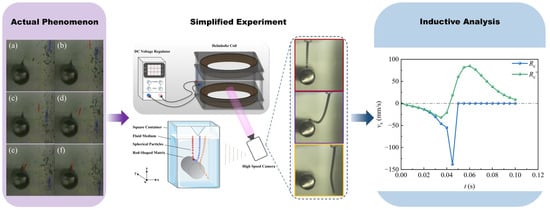
Capture Radius of Rod-Shaped Matrix: Characteristics and Influencing Factors in Low-Intensity Gradient Magnetic Fields
by Hongliang Shang, Tiange Wang, Zhengchang Shen and Guoping Li
Minerals 2026, 16(1), 109; https://doi.org/10.3390/min16010109 - 21 Jan 2026
Viewed by 311
Abstract
In magnetic separation processes, the capture radius Rc of magnetic particles achieved by the magnetic matrix constitutes a critical parameter governing the separation efficiency and operational performance of magnetic separation equipment. Through a systematic study of the characteristics of Rc and [...] Read more.
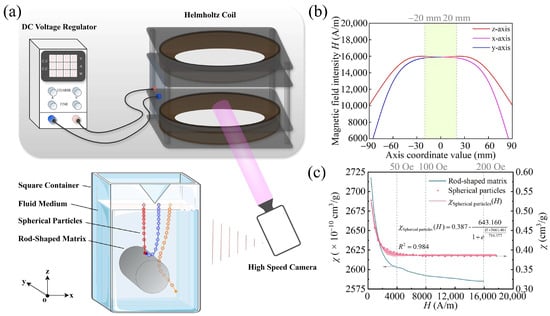
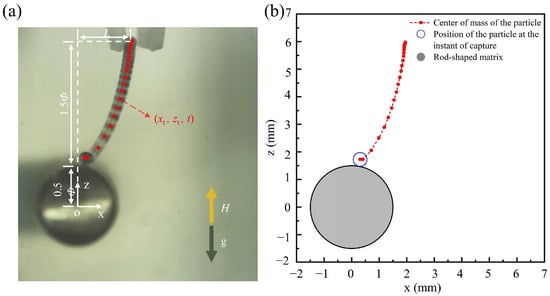
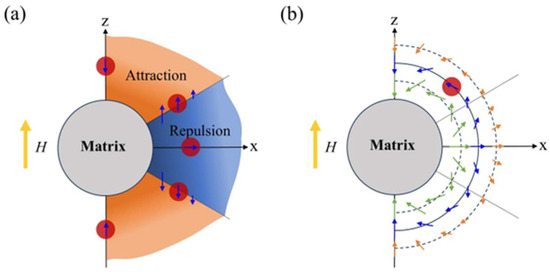
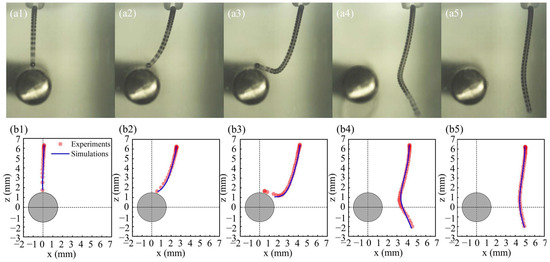
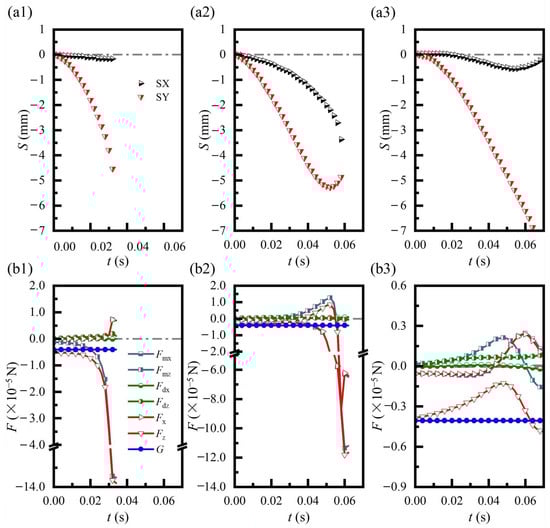
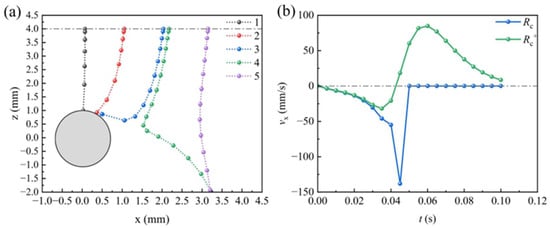
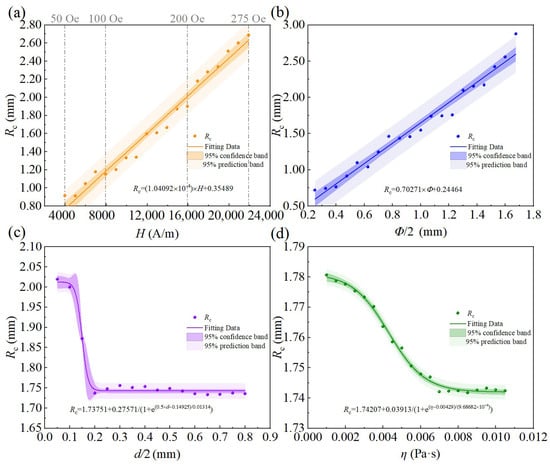
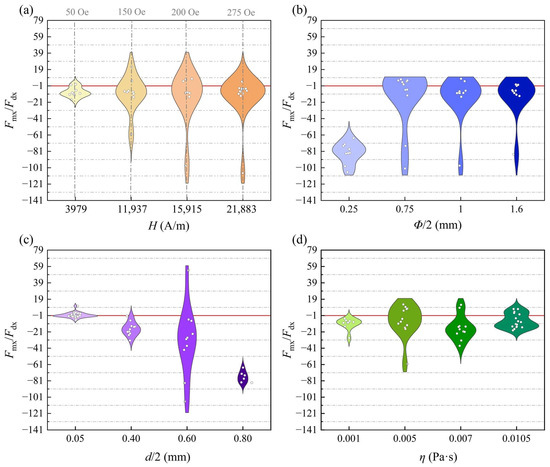
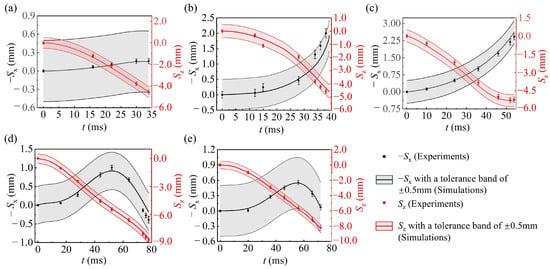
In magnetic separation processes, the capture radius Rc of magnetic particles achieved by the magnetic matrix constitutes a critical parameter governing the separation efficiency and operational performance of magnetic separation equipment. Through a systematic study of the characteristics of Rc and the factors influencing it, the application capability of separation systems can be notably improved. To address the lack of systematic research on Rc under low magnetic field intensities (<0.6 T), a key gap compared to conventional high gradient magnetic separation (HGMS) operating at ≥0.6 T, the motion trajectories of magnetic particles adjacent to a rod-shaped matrix, as well as their final capture or repulsion behaviors, were observed via a high-speed camera. Concurrently, these processes were accurately reproduced using the finite element method (FEM). This study innovatively integrates experimental validation and FEM simulation, achieving mutual verification that single-method studies cannot provide. Based on the experimentally validated FEM model, the effects of magnetic field intensity H, rod-shaped matrix diameter Φ, magnetic particle diameter d, and fluid viscosity η on the motion of magnetic particles were methodically investigated. The velocity characteristics of particles at critical positions between the capture and repulsion zones were analyzed to determine the capture radius of the rod-shaped matrix under specified conditions. Drawing on the identified parametric effects, the developed capture radius prediction model fills the research gap in low-intensity HGMS and serves as a theoretical reference for optimizing both the spacing design of industrial-scale rod-shaped matrix arrays and their matching with relevant operating parameters, and the development of energy-efficient magnetic separation equipment. Full article
Show Figures

Graphical abstract
2025

Jump to: 2026

11 pages, 1022 KB  
Article
Assessment of Cobalt Recovery from Copper Tailings by Leaching with a Choline Chloride–Citric Acid Deep Eutectic Solvent: Effects of Pretreatment and Oxidant Use
by Yahaira Barrueto, Juan Patricio Ibáñez, Miguel Veliz, Matias Santana, José Ojeda and Carlos Carlesi
Minerals 2025, 15(11), 1187; https://doi.org/10.3390/min15111187 - 12 Nov 2025
Cited by 1 | Viewed by 1336
Abstract
The accelerating global demand for cobalt, driven primarily by lithium-ion batteries, has intensified the search for alternative sources of supply. Mine tailings represent a promising secondary resource, particularly in regions with extensive mining histories such as Chile. This study evaluates cobalt leaching from [...] Read more.
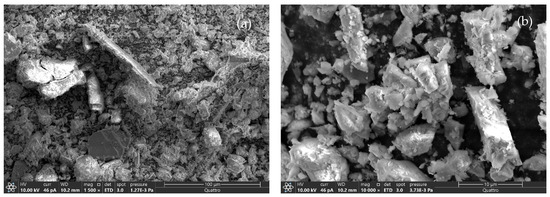
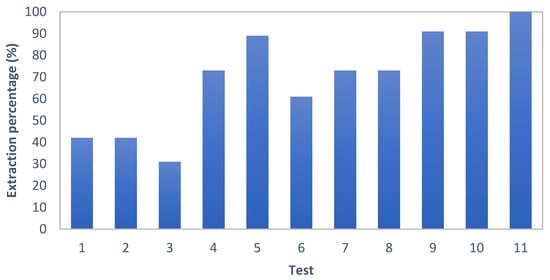
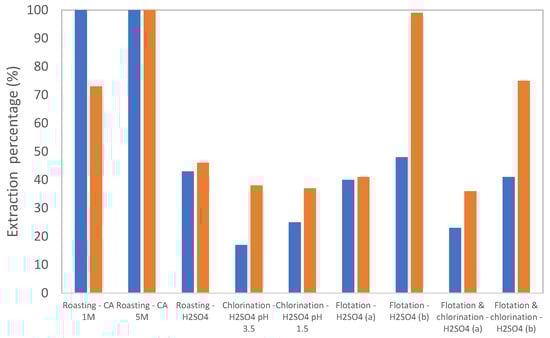
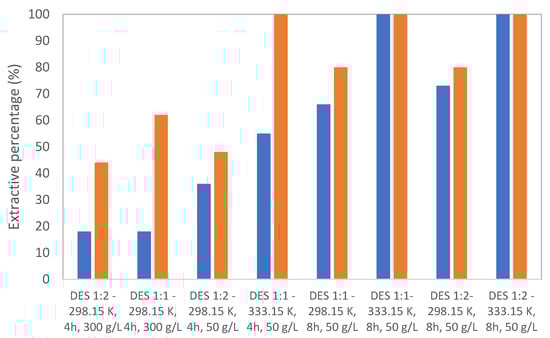
The accelerating global demand for cobalt, driven primarily by lithium-ion batteries, has intensified the search for alternative sources of supply. Mine tailings represent a promising secondary resource, particularly in regions with extensive mining histories such as Chile. This study evaluates cobalt leaching from copper tailings using a deep eutectic solvent (DES), choline chloride–citric acid (ChCl–CA), with controlled addition of hydrogen peroxide. The tailings were subjected to pretreatments (froth flotation, chlorination, and thermal roasting) and then leached with choline chloride–citric acid-based DES or H2SO4. Temperature, leaching time, and solid–liquid ratio were evaluated. Results show that roasting significantly enhanced cobalt recovery when followed by citric acid or DES leaching, reaching up to 100% Co recovery. Under optimized conditions, DES-based leaching was effective and selective in a polymetallic matrix and achieved recoveries comparable to or better than acid leaching without generating toxic emissions. Although flotation and chlorination had limited effects on overall recovery, the results demonstrate the viability of integrated and cleaner technologies for valorizing tailings that contain critical metals such as cobalt. Full article
Show Figures

Figure 1

23 pages, 3572 KB  
Article
Comprehensive Utilization Beneficiation Process of Lithium Pegmatite Ore: A Pilot-Scale Study
by Yanbo Xu, Wei Deng, Yinjie Wang, Bing Deng, Jing Wang and Bingxu Xu
Minerals 2025, 15(11), 1138; https://doi.org/10.3390/min15111138 - 30 Oct 2025
Viewed by 1209
Abstract
Pegmatite ores, the primary and technologically advanced lithium (Li)-bearing minerals, comprise various rare metal-based elements, including niobium (Nb), tantalum (Ta), tin (Sn), and beryllium. With increasing Li demand, global exploitation of pegmatite ores has generated vast tailings, mainly comprising quartz and feldspar. However, [...] Read more.
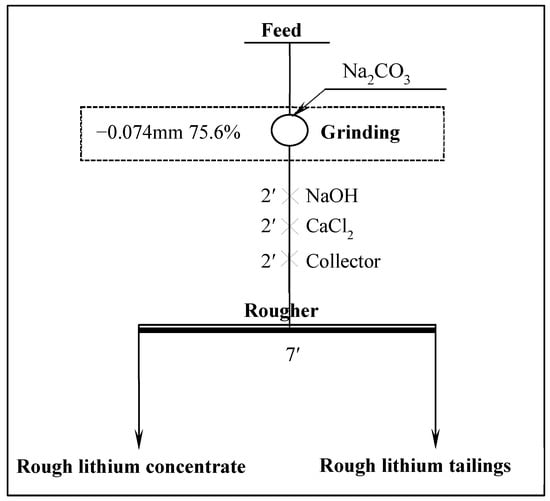
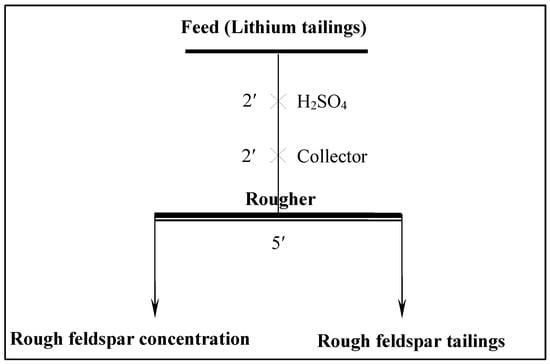
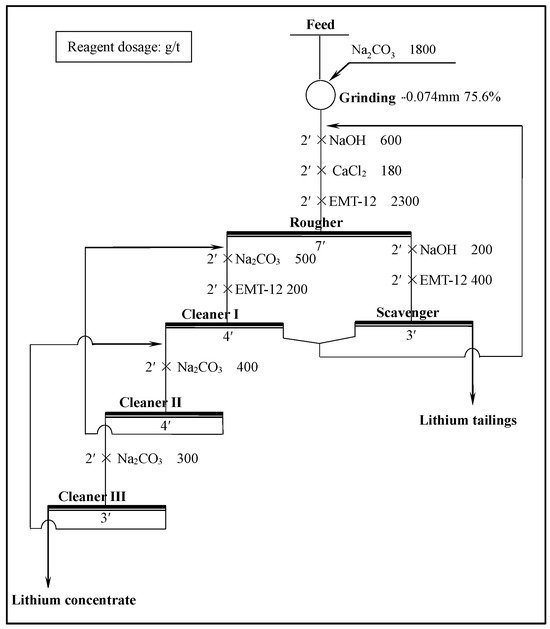
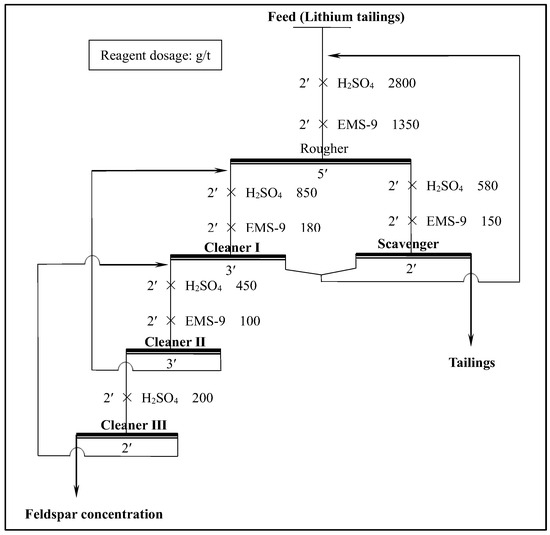
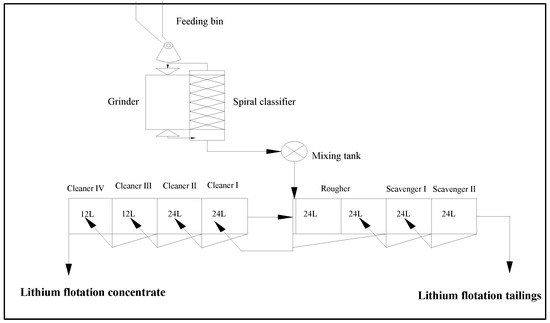
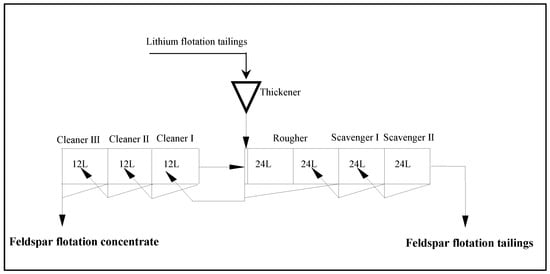
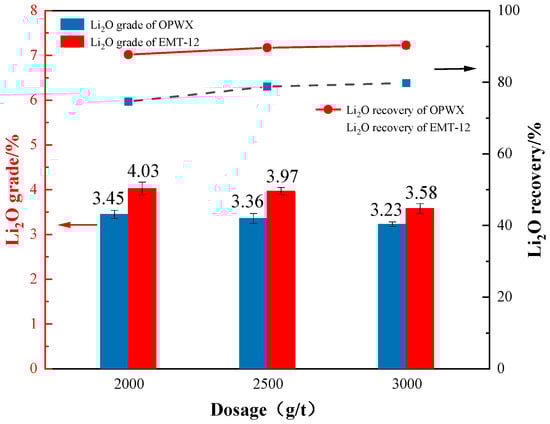
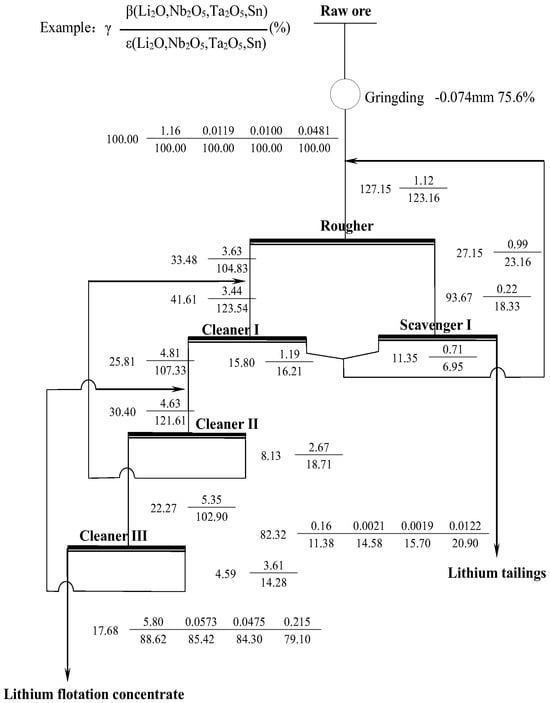
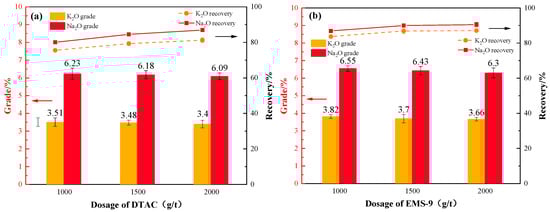
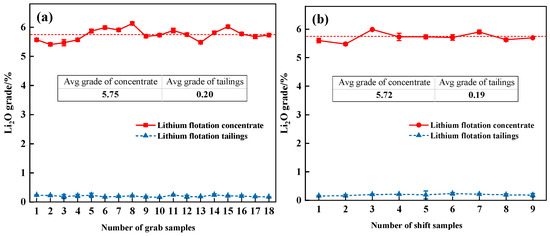
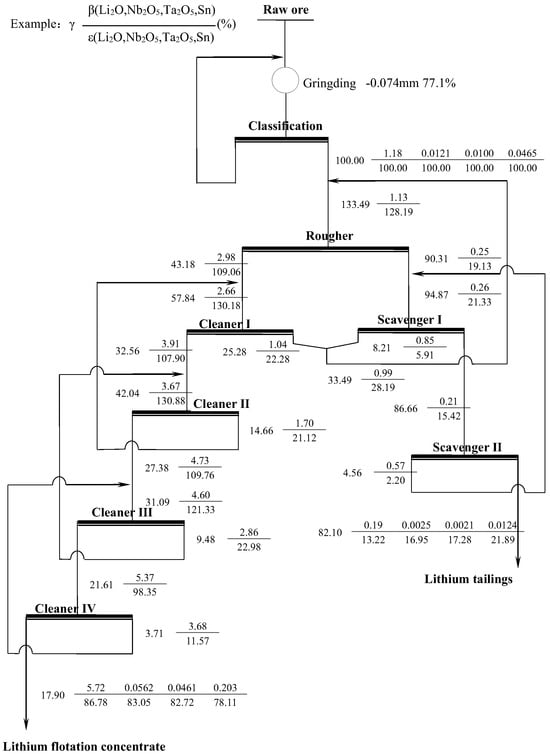
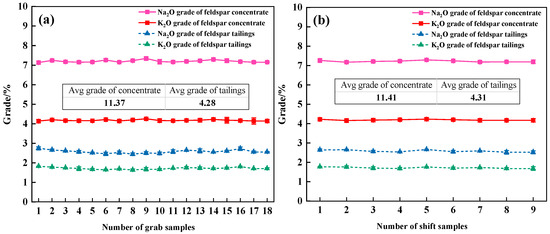
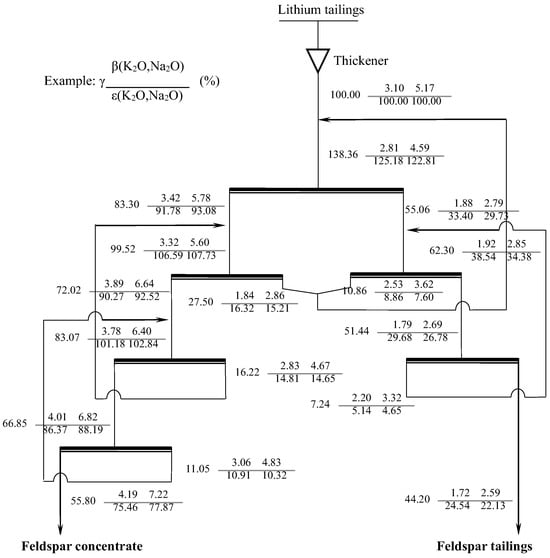
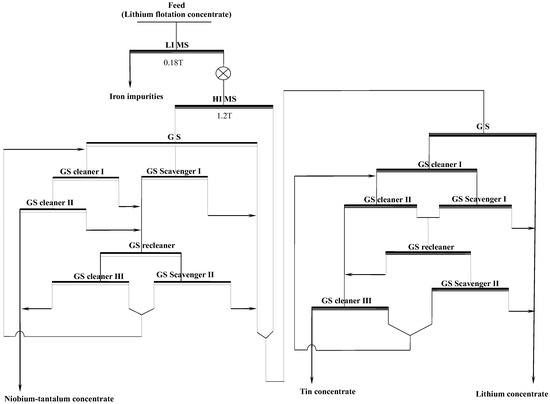
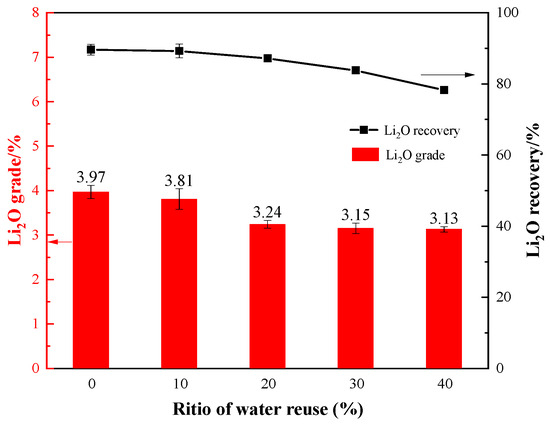
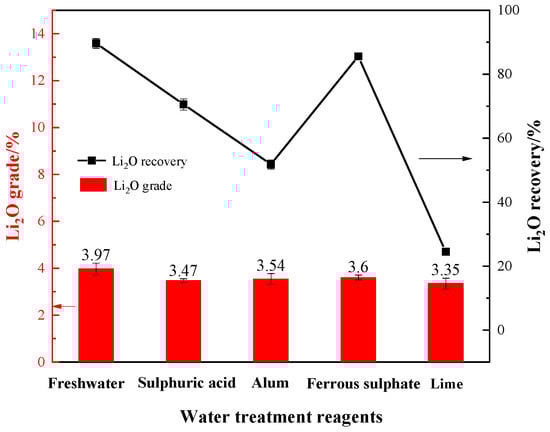
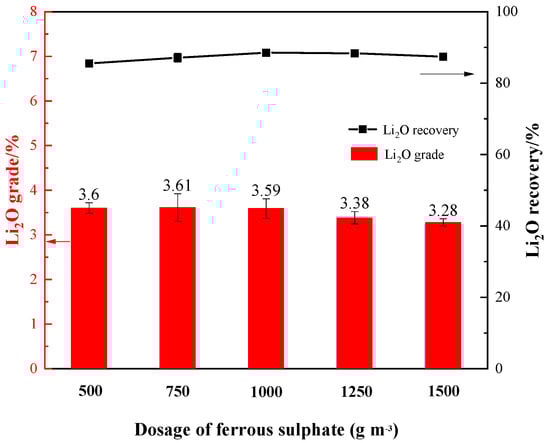
Pegmatite ores, the primary and technologically advanced lithium (Li)-bearing minerals, comprise various rare metal-based elements, including niobium (Nb), tantalum (Ta), tin (Sn), and beryllium. With increasing Li demand, global exploitation of pegmatite ores has generated vast tailings, mainly comprising quartz and feldspar. However, the process for comprehensively utilizing valuable minerals from pegmatite ores remains undeveloped, and the persistent gap between laboratory studies and industrial practice hinders the sustainable advancement of the pegmatite mineral processing industry. Herein, a comprehensive utilization beneficiation process was designed and validated at both laboratory- and pilot-scale levels. Locked-circuit flotation tests at the laboratory-scale on spodumene and feldspar yielded (i) an Li concentrate with an Li2O grade of 5.80% and recovery of 88.62%, and (ii) a feldspar concentrate with a (K2O + Na2O) grade of 11.41% and good recoveries of K2O (81.30%) and Na2O (84.81%). In a 72 h continuous pilot-scale test, an Li flotation concentrate with an Li2O grade of 5.72% and recovery of 86.78%, and a final Li concentrate with an Li2O grade of 5.89% and recovery of 86.56% were obtained. Using Li flotation tailings as feed, a feldspar concentrate with a (K2O + Na2O) grade of 11.41% was obtained, achieving K2O and Na2O recoveries of >75%. The proposed process realizes nearly overall mineral recovery from the pegmatite ores, producing qualified concentrates of Li, Nb–Ta, Sn, feldspar, and quartz. In water reuse feasibility tests, ferrous sulfate (FeSO4) was identified as the optimum flocculant at a dosage of 1000 g m−3. In the locked-circuit test with returned water, the consumption of sodium hydroxide (NaOH), sodium carbonate (Na2CO3), and EMT-12 (collector) was reduced by 18.75%, 3.33%, and 3.45%, respectively, while the flotation indices of the Li concentrate (Li2O grade of 5.77% and recovery of 86.47%) were slightly lower than those in freshwater. In addition to increasing economic benefits, the process offers considerable reductions in tailings disposal, full utilization of multiple elements, and a potential decrease in water and reagent consumption. This study provides important guidelines for the mineral processing of Li pegmatite and other associated multimetallic ores. Full article
Show Figures

Figure 1

Back to TopTop