
Journal Description
Land
Land
is an international, cross-disciplinary, peer-reviewed, open access journal on land system science, landscape, soil and water, urban study, land–climate interactions, water–energy–land–food (WELF) nexus, biodiversity research and health nexus, land modelling and data processing, ecosystem services, multifunctionality and sustainability, and is published monthly online by MDPI. The International Association for Landscape Ecology (IALE), International Federation of Landscape Architects (IFLA), European Land-use Institute (ELI), Landscape Institute (LI) and Urban Land Institute (ULI) are affiliated with Land, and their members receive discounts on the article processing charges.
- Open Access— free for readers, with article processing charges (APC) paid by authors or their institutions.
- High Visibility: indexed within Scopus, SSCI (Web of Science), GEOBASE, PubAg, AGRIS, GeoRef, RePEc, and other databases.
- Journal Rank: JCR - Q2 (Environmental Studies) / CiteScore - Q1 (Nature and Landscape Conservation)
- Rapid Publication: manuscripts are peer-reviewed and a first decision is provided to authors approximately 17.5 days after submission; acceptance to publication is undertaken in 2.5 days (median values for papers published in this journal in the second half of 2025).
- Recognition of Reviewers: reviewers who provide timely, thorough peer-review reports receive vouchers entitling them to a discount on the APC of their next publication in any MDPI journal, in appreciation of the work done.
- Companion journal: Drylands.
- Journal Cluster of Environmental Science: Sustainability, Land, Clean Technologies, Environments, Nitrogen, Recycling, Urban Science, Safety, Air, Waste, Aerobiology and Toxics.
Impact Factor:
3.2 (2024);
5-Year Impact Factor:
3.4 (2024)
Latest Articles
Faunal Restoration and Shellfish Farming: An Ecological–Economic Win-Win Framework for Sporobolus alterniflorus Control in Mangrove Habitats
Land 2026, 15(5), 882; https://doi.org/10.3390/land15050882 (registering DOI) - 19 May 2026
Abstract
In Luoyuan Bay, China, Sporobolus alterniflorus invasion has hindered mangrove restoration and disrupted faunal communities within mangrove habitats. This study investigated its impact on mollusk, crab, and fish assemblages across mangrove, mudflat, and invaded habitats from 2019 to 2020. Results showed that species
[...] Read more.
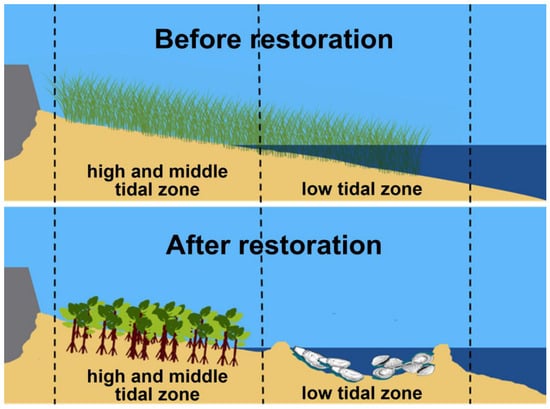
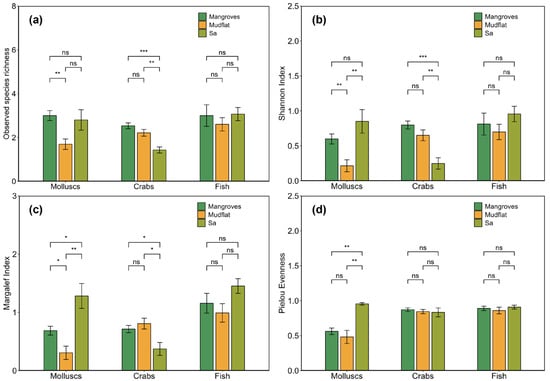
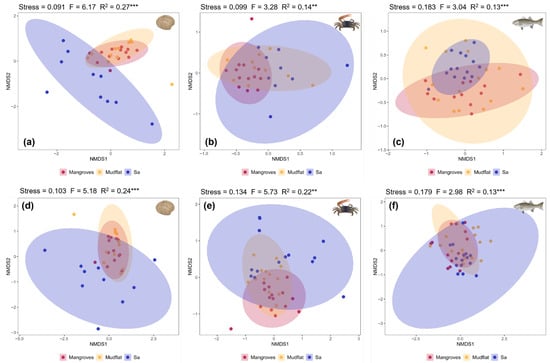
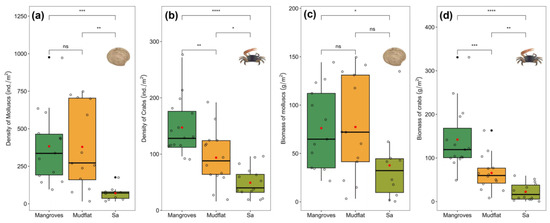
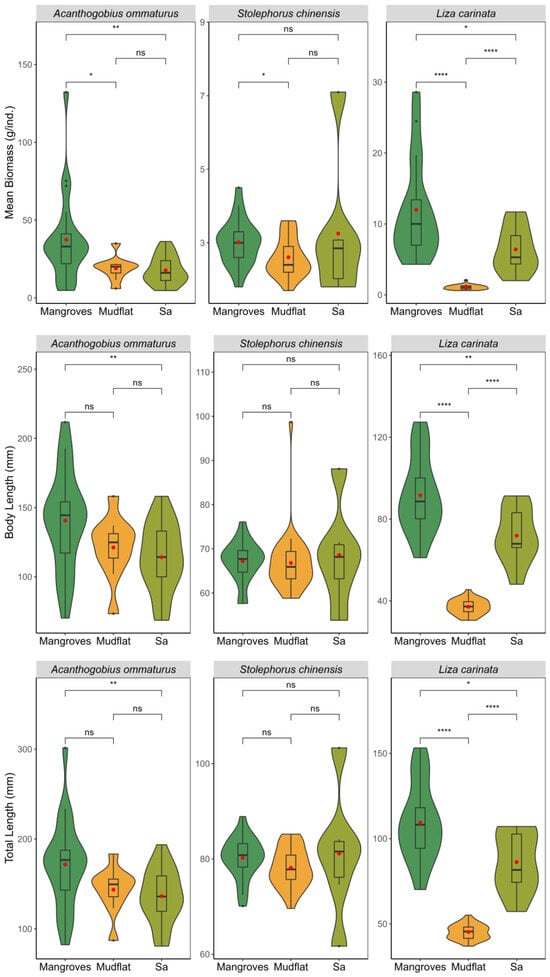
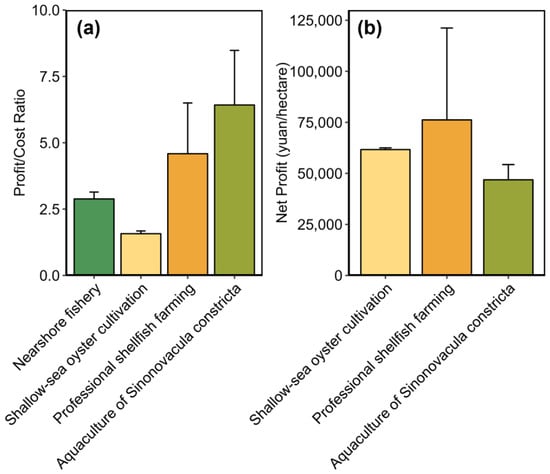
In Luoyuan Bay, China, Sporobolus alterniflorus invasion has hindered mangrove restoration and disrupted faunal communities within mangrove habitats. This study investigated its impact on mollusk, crab, and fish assemblages across mangrove, mudflat, and invaded habitats from 2019 to 2020. Results showed that species diversity of three assemblages did not differ significantly between invaded and non-invaded mangrove habitats; however, assemblage structure was altered and functional traits declined markedly in invaded areas. Compared with non-invaded mangroves, invaded habitats showed decreases of 81.6% in mollusk density, 50.7% in mollusk biomass, 66.6% in crab density and 84.2% in crab biomass. Dominant fish species (Acanthogobius ommaturus, Liza carinata, Stolephorus chinensis) also exhibited lower body size, total size and biomass in invaded habitats. Given the close dependence of coastal residents on these faunal resources, a socioeconomic analysis of livelihood strategies was conducted, revealing Sinonovacula constricta aquaculture achieved the highest net income-to-investment ratio, 122.7% higher than nearshore fishery and 308.3% higher than shallow-sea oyster cultivation, while professional shellfish farming yielded the highest net income per hectare, 23.6% higher than oyster cultivation. Thus, both forms of shellfish aquaculture provide greater economic returns than other livelihood options. Based on these findings and niche theory, we propose a management framework: after removing S. alterniflorus, plant native mangroves (Kandelia obovata) in mid-to-high intertidal zones and lease lower flats for shellfish farming. This framework has the potential to integrate ecological restoration with local livelihoods and may inform similar efforts in other regions facing biological invasions and restoration challenges.
Full article
(This article belongs to the Section Land, Biodiversity, and Human Wellbeing)
►
Show Figures
Open AccessArticle
Balancing Conservation and Development Through Explainable Machine Learning and NSGA-II: A Case Study of Osmaniye
by
Fatih Adiguzel, Enes Karadeniz, Tuna Emir, Ferhat Arslan and Halil Baris Ozel
Land 2026, 15(5), 881; https://doi.org/10.3390/land15050881 (registering DOI) - 19 May 2026
Abstract
Land-use planning in ecologically sensitive landscapes requires balancing biodiversity conservation, ecosystem service provision, agricultural production, settlement expansion, and infrastructure demand within a single spatial system. This challenge is particularly significant in Mediterranean environments, where long-term land transformations and increasing development pressures intensify conflicts
[...] Read more.
Land-use planning in ecologically sensitive landscapes requires balancing biodiversity conservation, ecosystem service provision, agricultural production, settlement expansion, and infrastructure demand within a single spatial system. This challenge is particularly significant in Mediterranean environments, where long-term land transformations and increasing development pressures intensify conflicts among competing land-use priorities. Accordingly, the present study develops an integrated spatial zoning and decision-support framework for Osmaniye Province, southern Türkiye. The framework integrates fuzzy multi-criteria evaluation, CatBoost-based machine learning, SHAP-based interpretability, and NSGA-II multi-objective optimization. The workflow followed a sequential decision process in which an expert-derived zoning surface was first established through fuzzy evaluation, reconstructed from continuous spatial predictors using CatBoost, interpreted through SHAP, and refined through NSGA-II under explicit spatial constraints. By using the expert-derived zoning surface as the learning target, the CatBoost stage aimed to evaluate the internal consistency and spatial learnability of the planning logic within a present-day zoning context. The results indicated that the integrated framework distinguished conservation, controlled-use, and development priorities while identifying the key environmental and anthropogenic drivers shaping class-specific zoning outcomes. The final zoning structure allocated 37.9% of the study area to conservation, 43.6% to controlled use, and 18.5% to development. The study shows that by including a transitional zone with varying proportions of conservation, controlled use, and development, a more balanced distribution among the three goals can be achieved compared to a fixed partition into these three zones. The findings further demonstrate that this approach is more effective than current zoning, which does not accommodate such trade-offs.
Full article
(This article belongs to the Special Issue Conserving Biodiversity to Safeguard Ecosystem Services: Pathways to Sustainability)
Open AccessArticle
Redefining the Urban Planner’s Role: Gaps in Architectural Education and the Challenge of Informality in Ecuador, Peru and Chile
by
Stella Schroeder, Ricardo Pozo and Keily Medina
Land 2026, 15(5), 880; https://doi.org/10.3390/land15050880 (registering DOI) - 19 May 2026
Abstract
Urban informality is a defining feature of Latin American urbanisation, with estimates suggesting that up to 80% of the urban landscape has been informally built. Despite its centrality in urban development, its integration into architectural education remains limited, revealing a gap between the
[...] Read more.
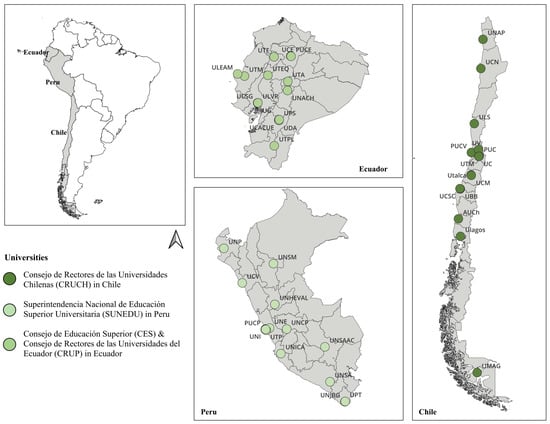
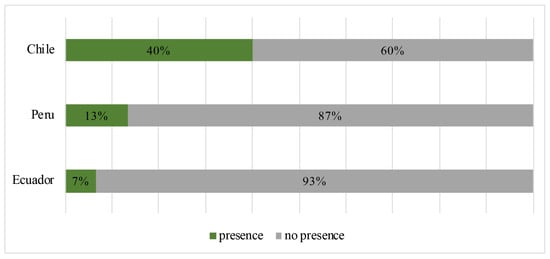
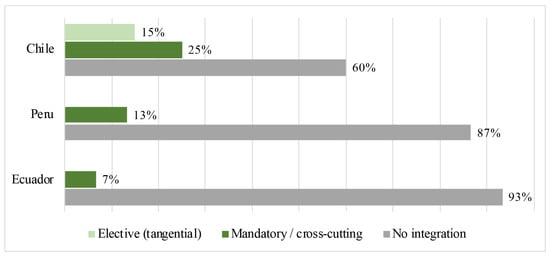
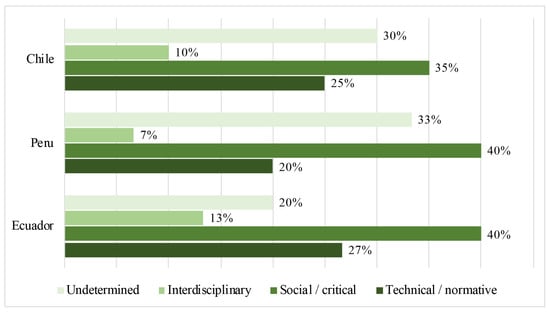
Urban informality is a defining feature of Latin American urbanisation, with estimates suggesting that up to 80% of the urban landscape has been informally built. Despite its centrality in urban development, its integration into architectural education remains limited, revealing a gap between the realities of city-making and the professional training offered by universities. This study examines how architecture programmes in Chile, Peru, and Ecuador address urban informality and the extent to which they prepare future professionals to engage with the dominant modes of urban production in the region. Using a qualitative and comparative methodology, the curricula, course descriptions, and academic lines of 50 universities were analysed across three dimensions: (1) the thematic presence of concepts related to informality, (2) the degree of curricular integration—core, transversal, or tangential—and (3) pedagogical orientation, classified as technical–normative, social–critical, or interdisciplinary. The results reveal a fragmented and uneven incorporation of urban informality. Chile shows the highest relative presence, though often embedded indirectly within broader themes such as inequality or sustainability and framed through technical–normative approaches. Peru and Ecuador display even more limited integration, generally confined to isolated courses or electives. The study argues that this marginal incorporation weakens the preparation of professionals working in contexts where informality is a structural urban condition and calls for an “informal turn” in built-environment education.
Full article
(This article belongs to the Special Issue Urban Planning in a Time of Crisis)
►▼
Show Figures

Figure 1
Open AccessArticle
Coordinated Development of Ecological Resilience and the Tourism Economy in Forest Parks of the Yellow River Basin
by
Eryan Guo, Tingting Gao, Ke Zhou, Jisheng Hao, Keru Ge, Xitian Yang and Xin Huang
Land 2026, 15(5), 879; https://doi.org/10.3390/land15050879 (registering DOI) - 19 May 2026
Abstract
Forest tourism represents an important pathway for promoting green consumption, with forest parks serving as the primary platform for its development. The coordinated development of forest parks is therefore essential for achieving integrated economic, social, and ecological benefits. Investigating the coordination and coupling
[...] Read more.
Forest tourism represents an important pathway for promoting green consumption, with forest parks serving as the primary platform for its development. The coordinated development of forest parks is therefore essential for achieving integrated economic, social, and ecological benefits. Investigating the coordination and coupling between ecological resilience and tourism economy in forest parks of the Yellow River Basin along with driving factors carried substantial practical significance for balancing regional economic development with ecological conservation. The present research developed an indicator system that was comprehensive and dynamic for assessing ecological resilience across forest parks in nine provinces of the Yellow River Basin during 2013–2023. To investigate patterns of spatiotemporal evolution and uncover underlying driving mechanisms, exploratory spatial data analysis was combined with a spatiotemporal geographically weighted regression model. The main findings are as follows: (1) The integrated levels of ecological resilience and tourism economy across the Yellow River Basin showed significant spatiotemporal heterogeneity. From north to south, a high–low–high spatial pattern was exhibited by ecological resilience, while a core concentration and gradient diffusion pattern was demonstrated by the tourism economy. (2) The coupling coordination level between forest park ecosystems and the tourism economy increased, with a growing number of provinces transitioning toward coordinated and near–dysregulated states, although pronounced regional disparities persisted. (3) Kernel density analysis indicated an overall improvement in coordination, accompanied by strong regional differentiation. The upper reaches displayed a unipolar leading pattern, while the middle and lower reaches showed multipolar differentiation and a pronounced “Matthew effect”. (4) Technological innovation emerged as the core driving factor, though its influence varied considerably across regions. Overall, these findings provide theoretical support and empirical evidence for policy formulation aimed at achieving a balance between ecological conservation and economic development in forest park systems.
Full article
Open AccessArticle
Public Space Utilization in a Multi-Ethnic Co-Residential Village: An Empirical Study of Cizhong Village, China
by
Ying Wang, Zhuojuan Yuan, Zongyao Sun and Hao Wang
Land 2026, 15(5), 878; https://doi.org/10.3390/land15050878 (registering DOI) - 19 May 2026
Abstract
In multi-ethnic villages, public space serves as more than just a venue for social interaction; it is the vital ground where cultural integration and community identity take root. This study examines Cizhong Village in the Diqing Tibetan Autonomous Prefecture of Yunnan, employing a
[...] Read more.
In multi-ethnic villages, public space serves as more than just a venue for social interaction; it is the vital ground where cultural integration and community identity take root. This study examines Cizhong Village in the Diqing Tibetan Autonomous Prefecture of Yunnan, employing a mixed-methods approach that combines questionnaire surveys (N = 120), semi-structured interviews (N = 32), and Social Network Analysis (SNA) to compare the village’s planned spatial network with residents’ actual movement patterns. Findings reveal a significant structural mismatch: while the planned network exhibits higher density (0.32) and clustering (0.70), the behavioral network demonstrates a stronger small-world index (2.14 vs. 1.94), indicating that villagers organically form compact activity clusters around key social hubs such as the church and supermarket. QAP correlation analysis further shows that Tibetan and Naxi behavioral networks are highly similar (r = 0.833, p < 0.001), whereas Han networks exhibit weaker correlations (r = 0.527–0.607, p < 0.05), revealing a spatial pattern of “broad integration with localized ethnic preferences”. Grounded theory coding of interview data (55 initial concepts, 14 categories, 4 core categories) validates these structural findings and identifies the core theme of “superposed space of multi-ethnic dynamic sharing”. Based on these results, three optimization strategies are proposed: improving connectivity between public spaces, revitalizing key social hubs, and respecting established ethnic spatial traditions. These insights provide an evidence-based framework for managing public spaces in multi-ethnic rural communities.
Full article
(This article belongs to the Special Issue Rural Space: Between Renewal Processes and Preservation)
Open AccessEditorial
Spatial Planning and Land-Use Management—2nd Edition: Expanding the Agenda of Integrated and Multiscalar Spatial Governance
by
Eduardo Gomes, Patrícia Abrantes and Eduarda Marques da Costa
Land 2026, 15(5), 877; https://doi.org/10.3390/land15050877 (registering DOI) - 19 May 2026
Abstract
This Editorial introduces the Special Issue “Spatial Planning and Land-Use Management: 2nd Edition” and discusses the eight articles published in it. Taken together, these contributions demonstrate that contemporary spatial planning and land-use management can no longer be understood as narrowly regulatory or sector-specific
[...] Read more.
This Editorial introduces the Special Issue “Spatial Planning and Land-Use Management: 2nd Edition” and discusses the eight articles published in it. Taken together, these contributions demonstrate that contemporary spatial planning and land-use management can no longer be understood as narrowly regulatory or sector-specific activities. Rather, they must be approached as integrative and adaptive practices capable of mediating between ecological integrity, territorial cohesion, infrastructure provision, social justice, public health, and participatory governance. The Special Issue brings together case studies from China, the United States, Australia, Iran, Portugal, Slovakia, and Belgium, as well as comparative evidence from peri-urban landscapes, and spans a wide range of spatial scales, from neighbourhoods and urban forests to metropolitan green belts, urban agglomerations, peri-urban territories, and ecoregions. Several major lines of inquiry emerge across the volume. First, the articles reaffirm the need for multiscale planning frameworks able to connect local action with regional and supra-regional structures. Second, they broaden the understanding of infrastructure by including not only transport and urban facilities, but also ecological, green, and even nocturnal infrastructures. Third, they show that many of today’s most difficult planning questions arise in spaces of transition and overlap, especially peri-urban areas, where conflicts among land uses, ecosystem services, development pressures, and governance arrangements become particularly acute across sectors and across spatial and temporal scales. Fourth, they underline that planning effectiveness increasingly depends on participation, co-design, and cooperation among diverse actors, including civic initiatives and local communities. Overall, the Special Issue highlights spatial planning as a strategic field of action through which societies can address land-use conflicts, reconcile environmental and social objectives, and design more sustainable, resilient, and liveable territories.
Full article
(This article belongs to the Special Issue Spatial Planning and Land-Use Management: 2nd Edition)
Open AccessArticle
Quantifying the Impacts of Land Use/Cover and Climate Change on Water Conservation in the Source Region of the Yellow River
by
Yiming Su, Guoxin Chen, Yiming Li, Haiyue Peng and Qiong Li
Land 2026, 15(5), 876; https://doi.org/10.3390/land15050876 (registering DOI) - 19 May 2026
Abstract
The Source Region of the Yellow River (YRSR) is a key ecological barrier and a major water supply area, where water conservation is highly sensitive to ongoing climate change (CC) and land use/cover change (LUCC). However, the relative roles of CC and LUCC
[...] Read more.
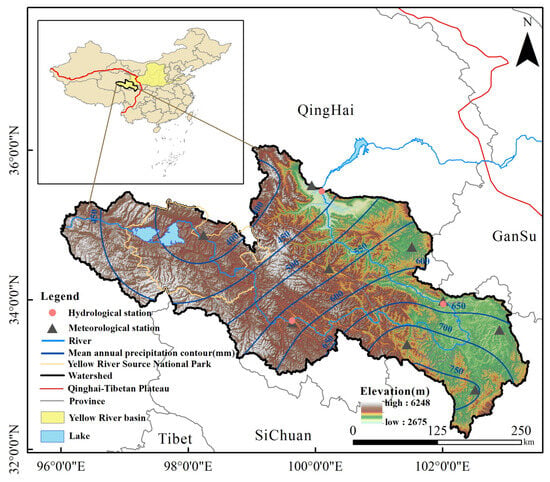
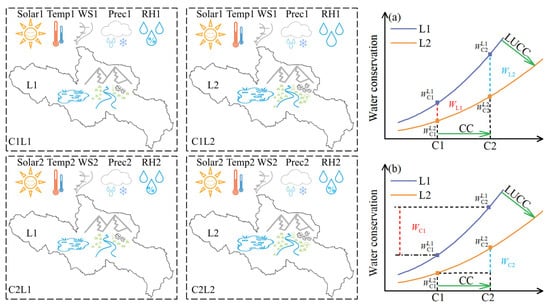
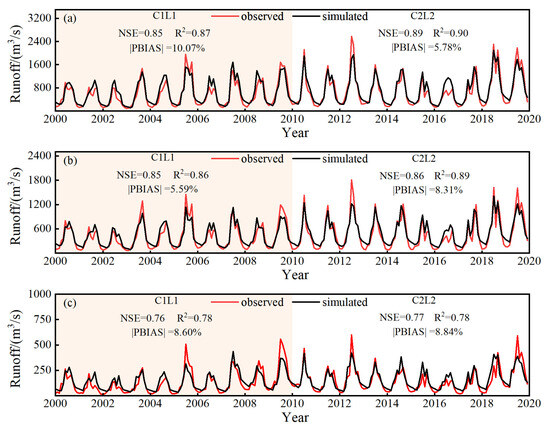
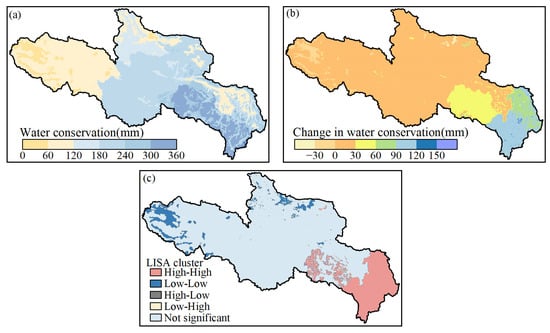
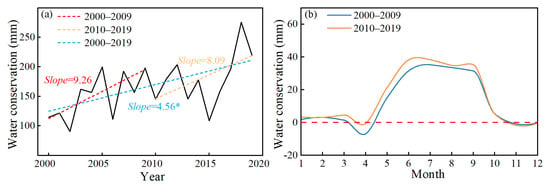
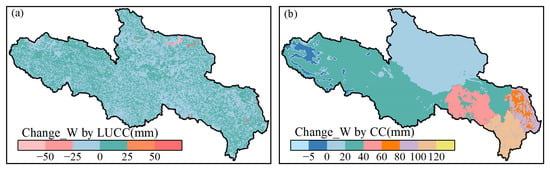
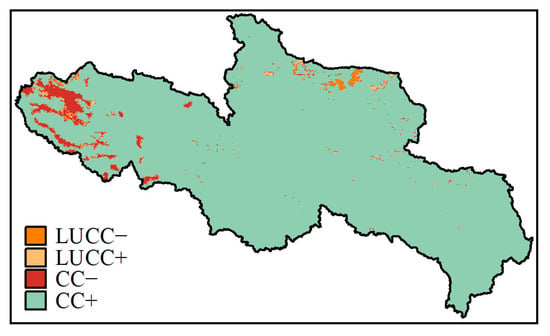
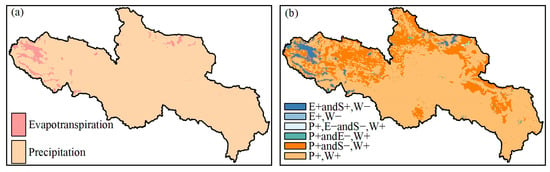
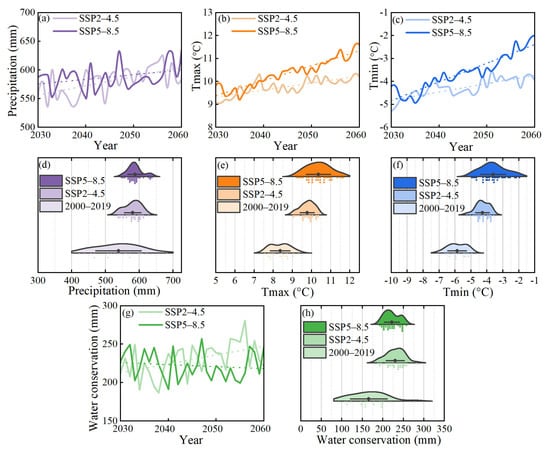
The Source Region of the Yellow River (YRSR) is a key ecological barrier and a major water supply area, where water conservation is highly sensitive to ongoing climate change (CC) and land use/cover change (LUCC). However, the relative roles of CC and LUCC in regulating water conservation remain insufficiently quantified. In this study, we applied the Soil and Water Assessment Tool (SWAT) to simulate the spatiotemporal dynamics of water conservation in the YRSR and to disentangle the respective contributions of CC and LUCC using a fixing–changing approach, in which one driver is fixed and the other is varied across paired scenarios, followed by projections driven by CMIP6 forcing under SSP2–4.5 and SSP5–8.5. Water conservation showed a pronounced southeast–northwest contrast and increased over 2000–2019 (+4.56 mm/year). Attribution analysis revealed that CC dominated changes in water conservation, whereas LUCC exerted a weak net negative influence. Most increasing regions were precipitation-driven, whereas declining regions were concentrated where evapotranspiration and surface runoff increased concurrently. Under SSP2–4.5, water conservation is projected to continue increasing (+1.16 mm/year). In contrast, under SSP5–8.5, water conservation is projected to slightly decline (−0.26 mm/year). These findings highlight the primary role of climate in regulating water conservation in the YRSR and provide scientific support for adaptive watershed management under a changing climate.
Full article
(This article belongs to the Special Issue Key Hydrological Processes and Its Controlling Factors in Terrestrial Ecosystems: 2nd Edition)
►▼
Show Figures

Figure 1
Open AccessArticle
Research on the Identification and Spatiotemporal Evolution of China’s Urban Life Cycle: From the Perspective of Organic Entities
by
Xiaoling Yuan, Shuiting Liu, Zhaopeng Li and Hao Jiang
Land 2026, 15(5), 875; https://doi.org/10.3390/land15050875 (registering DOI) - 19 May 2026
Abstract
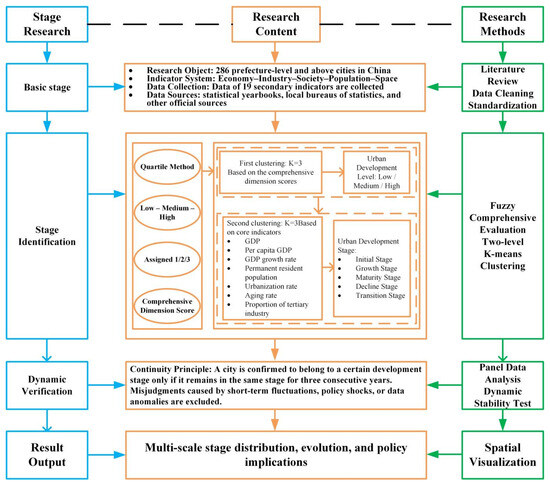
Based on the characteristics of cities as organic entities, this paper constructs a five-dimensional evaluation framework encompassing economy, industry, society, population, and space. A three-stage process of “fuzzy comprehensive evaluation—bi-level K-means clustering—state stability correction” is adopted to identify the development stages and spatiotemporal
[...] Read more.
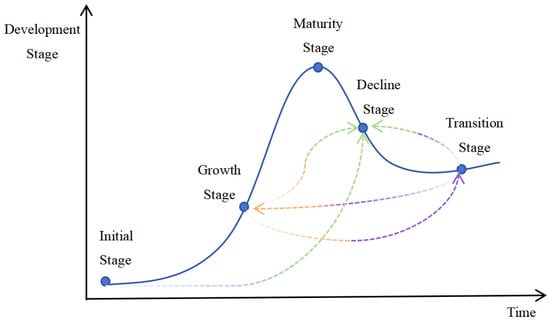
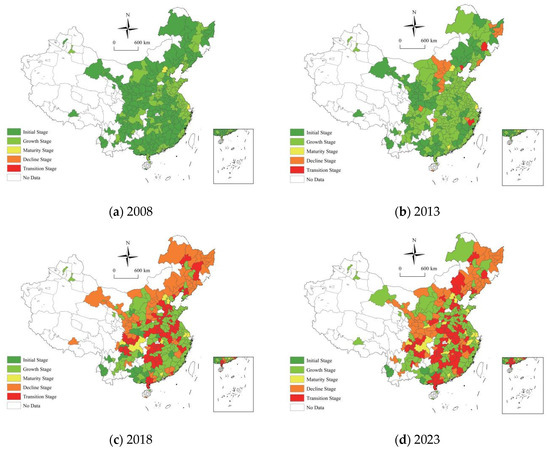
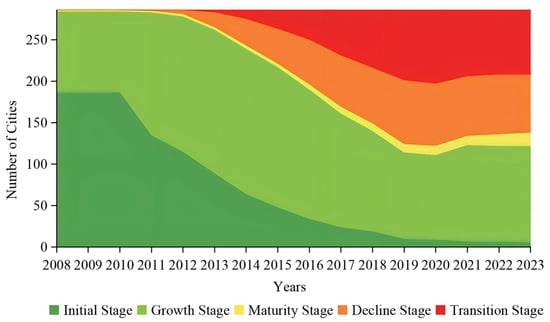
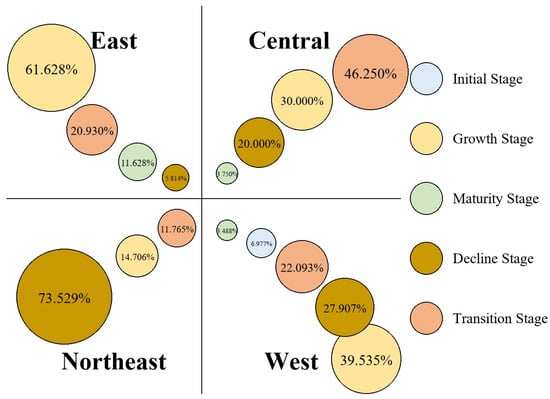
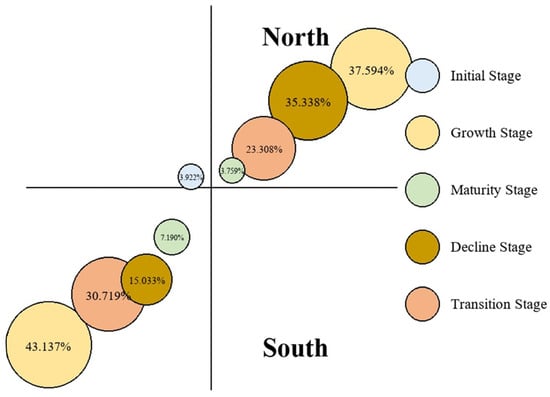
Based on the characteristics of cities as organic entities, this paper constructs a five-dimensional evaluation framework encompassing economy, industry, society, population, and space. A three-stage process of “fuzzy comprehensive evaluation—bi-level K-means clustering—state stability correction” is adopted to identify the development stages and spatiotemporal evolution of 286 Chinese cities from 2008 to 2023. The study finds that China’s urban development has shifted from “universal growth” to “divergent evolution,” exhibiting multiple characteristics such as the decline in the initial-stage cities and differentiation in the growth stage. Significant regional spatial differentiation is observed, with notable development gaps among the eastern, central, western, and northeastern regions, as well as between the northern and southern regions. Furthermore, most urban agglomerations exhibit a “mature center–lagging periphery” structure.
Full article
(This article belongs to the Special Issue Urban Regeneration for a Sustainable and Inclusive Transition: Concepts, Methods and Policy)
►▼
Show Figures

Figure 1

Open AccessSystematic Review
Research Methodologies in Brownfield Redevelopment Studies: A Meta-Methodology Systematic Review
by
Mina Ramezani, Celestina Fazia, Clara Stella Vicari Aversa and Dorina Camelia Ilieș
Land 2026, 15(5), 874; https://doi.org/10.3390/land15050874 (registering DOI) - 19 May 2026
Abstract
Most developed countries welcome the redevelopment of brownfield sites and consider it an effective tool for urban policy. However, its adoption can be challenging initially, particularly in developing countries where these challenges are significantly greater. This research aims to answer the question, “How
[...] Read more.
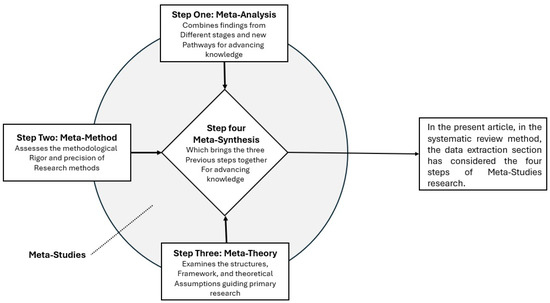
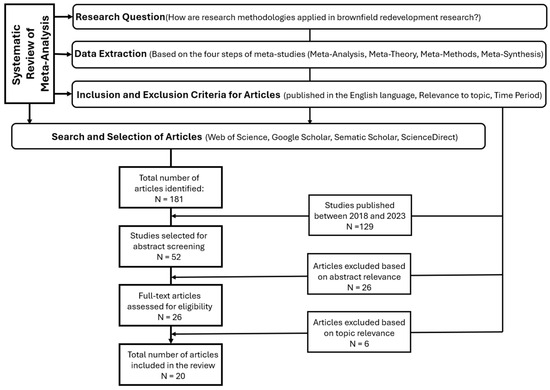
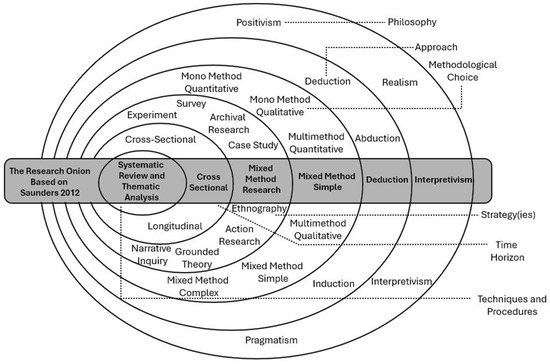
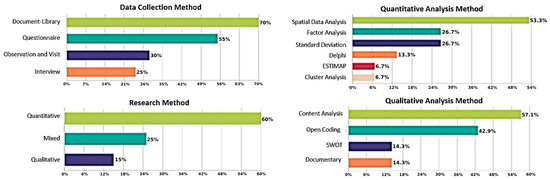
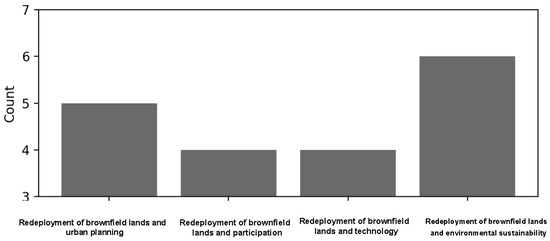
Most developed countries welcome the redevelopment of brownfield sites and consider it an effective tool for urban policy. However, its adoption can be challenging initially, particularly in developing countries where these challenges are significantly greater. This research aims to answer the question, “How are research methodologies applied in the field of brownfield redevelopment studies?” Following the PRISMA 2020 guidelines, relevant studies were identified through searches in Web of Science, ScienceDirect, Google Scholar, and Semantic Scholar. This study utilizes a meta-methodological approach to analyze and compare the methodological characteristics of brownfield redevelopment studies. After applying the predefined eligibility criteria, which included English-language peer-reviewed articles between 2018 and 2023 and articles that are directly relevant to brownfield redevelopment, 20 articles were selected for detailed examination. Based on the thematic classification of the research, the studies can be categorized into four groups: brownfield redevelopment and community participation, brownfield redevelopment and urban planning, brownfield redevelopment and environmental sustainability, and brownfield redevelopment and technology. The majority of the research relates to brownfield redevelopment and environmental sustainability. This review suggests that research in brownfield redevelopment has been dominated by quantitative research, and there is a need for more comparative, theoretically oriented, and methodologically integrated research.
Full article
(This article belongs to the Special Issue Sustaining the Past and Future: Innovative Approaches to Design, Heritage and Environmental Sustainability)
►▼
Show Figures

Figure 1

Open AccessArticle
Modeling Alternative Futures: Scenario-Based Land-Use and Land-Cover Projections for Nepal (2030–2050)
by
Gita Bhushal and Pankaj Lal
Land 2026, 15(5), 873; https://doi.org/10.3390/land15050873 (registering DOI) - 19 May 2026
Abstract
►▼
Show Figures
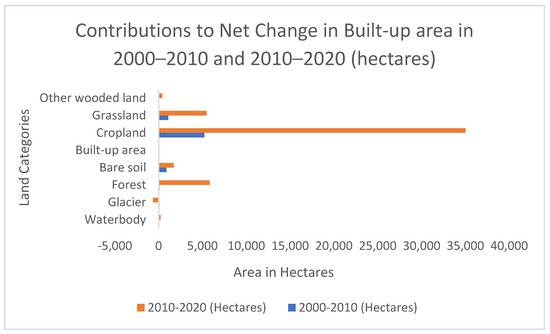
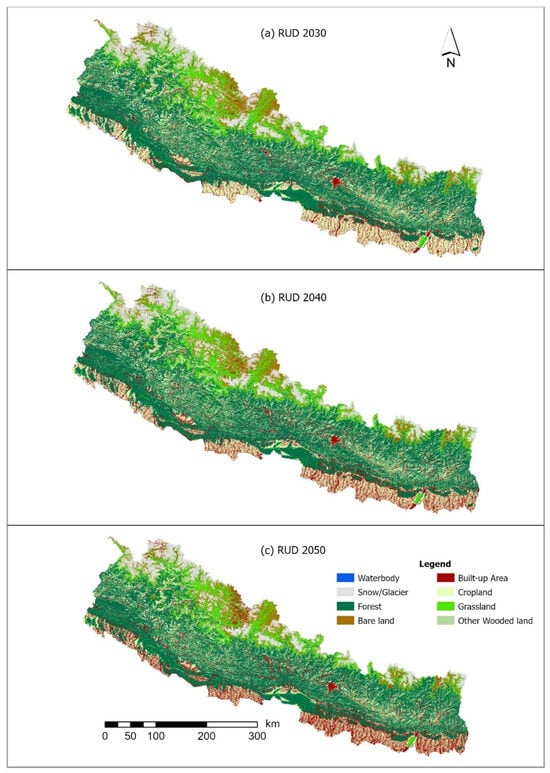
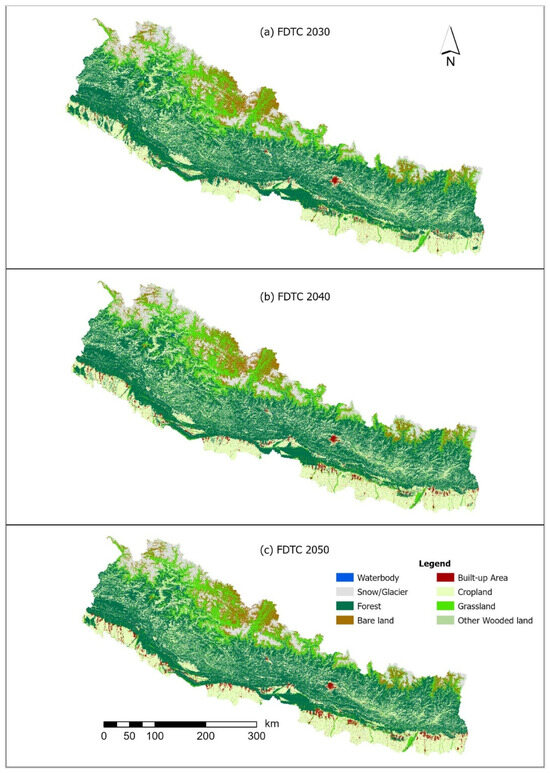
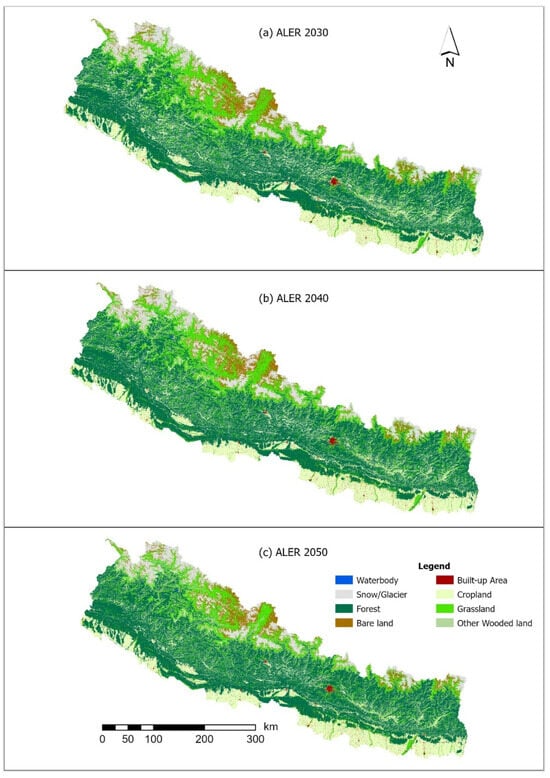
Nepal has undergone significant land-use and land-cover (LULC) changes from 2000 to 2020, driven by urbanization, agricultural shifts, and broader socioeconomic dynamics. This study analyzes historical changes and projects LULC dynamics for 2030, 2040, and 2050 across four scenarios: Business-as-Usual (BAU), Rapid Urban
[...] Read more.
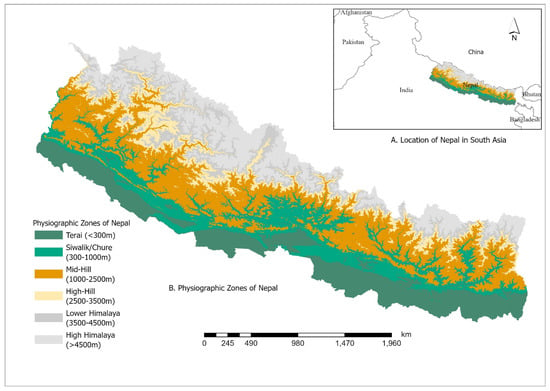
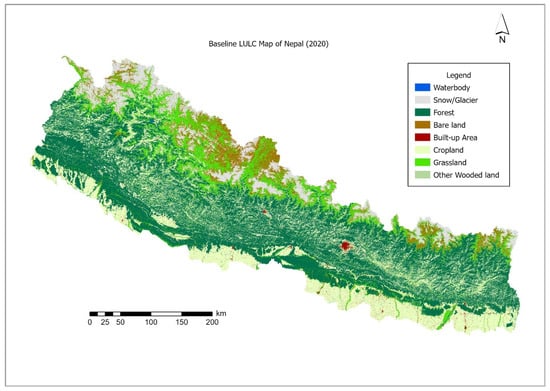
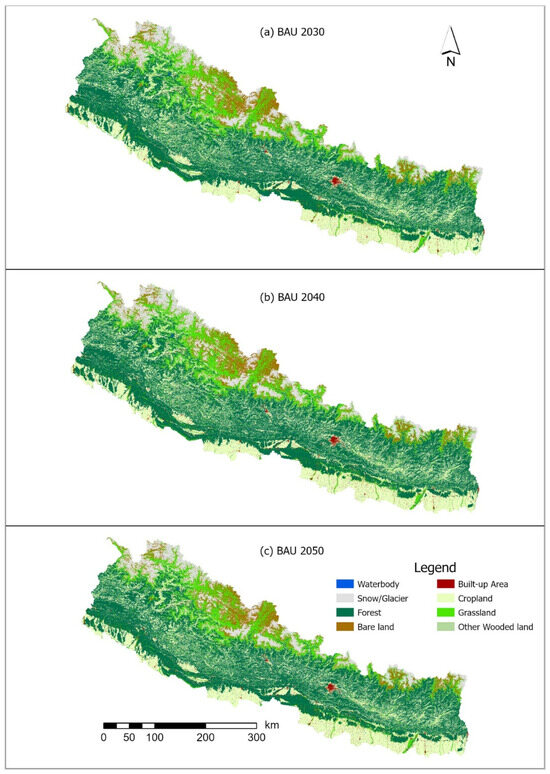
Nepal has undergone significant land-use and land-cover (LULC) changes from 2000 to 2020, driven by urbanization, agricultural shifts, and broader socioeconomic dynamics. This study analyzes historical changes and projects LULC dynamics for 2030, 2040, and 2050 across four scenarios: Business-as-Usual (BAU), Rapid Urban Development (RUD), Forest Degradation and Terai Contraction (FDTC), and Agricultural Land Abandonment and Ecological Recovery (ALER). A CA–Markov modeling framework in TerrSet was used to simulate future land-use patterns, utilizing scenario-specific transition probability matrices and spatial constraints to reflect different socio-economic and policy assumptions. Under the BAU scenario, land-use change remains moderate, characterized by gradual urban expansion and limited forest decline. On the contrary, the RUD scenario predicts a drastic expansion of built-up areas by about 1.44 million ha, along with significant losses of cropland, bare soil, grassland, and forest, reflecting intensified development pressure. The FDTC scenario emphasizes agricultural expansion at the expense of forests, while urban growth remains limited. Conversely, the ALER scenario demonstrates strong ecological recovery driven by cropland abandonment and secondary vegetation regeneration, resulting in notable expansion of forest and other woody land. Overall, these four scenarios reveal sharply divergent land-use trajectories, ranging from rapid urban transformation to ecosystem restoration. These contrasting land-use pathways highlight the critical importance of integrated land-use policies that can proactively manage urban expansion, safeguard high-value agricultural and forest landscapes, and promote ecological restoration through incentives for agricultural land abandonment and secondary vegetation recovery, thereby ensuring long-term sustainability and climate resilience in Nepal.
Full article

Figure 1
Open AccessArticle
Assessing Cropland Water Deficit and Productivity-Loss Risk Through the Standardized Crop Water Deficit Index and Copula Analysis in the Huang–Huai–Hai Plain, China
by
Yuhan Zhao, Chun Dong and Yan Yang
Land 2026, 15(5), 872; https://doi.org/10.3390/land15050872 (registering DOI) - 19 May 2026
Abstract
The Huang–Huai–Hai Plain supports one of China’s most important grain production systems, but crop production there is persistently constrained by limited water availability and recurrent drought. Common regional drought indicators are useful for monitoring dry conditions, yet they do not explicitly represent crop
[...] Read more.
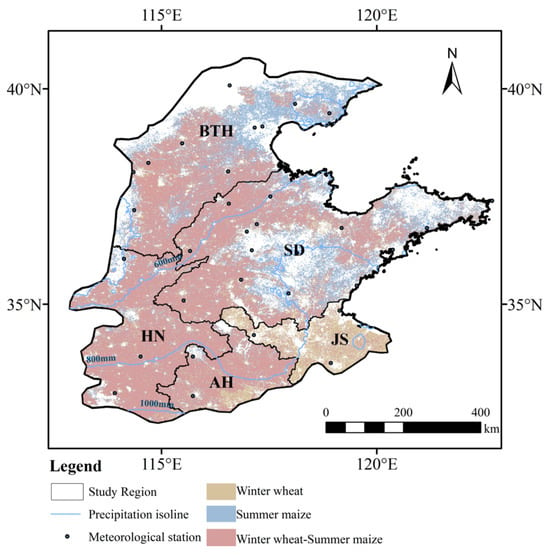
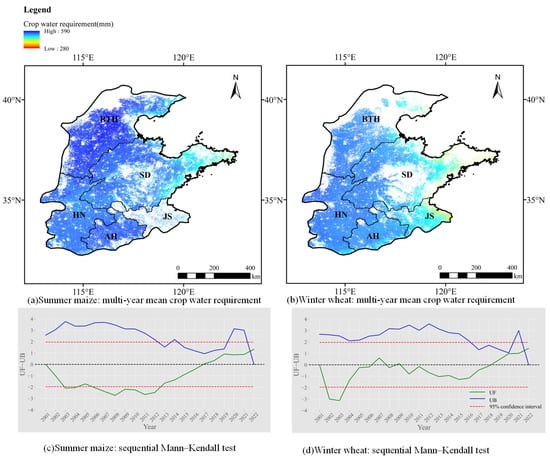
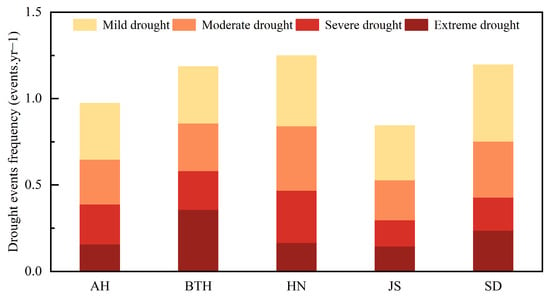
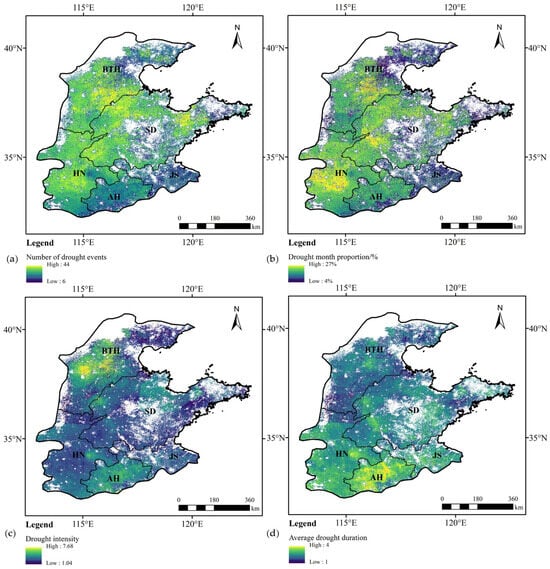
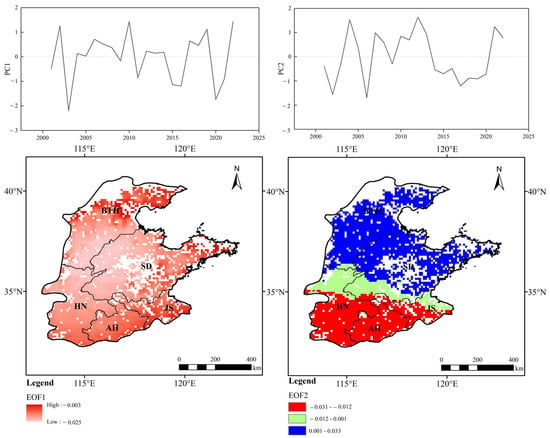
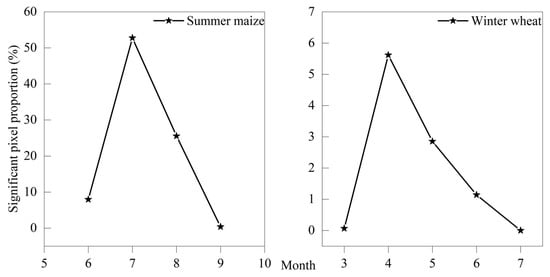
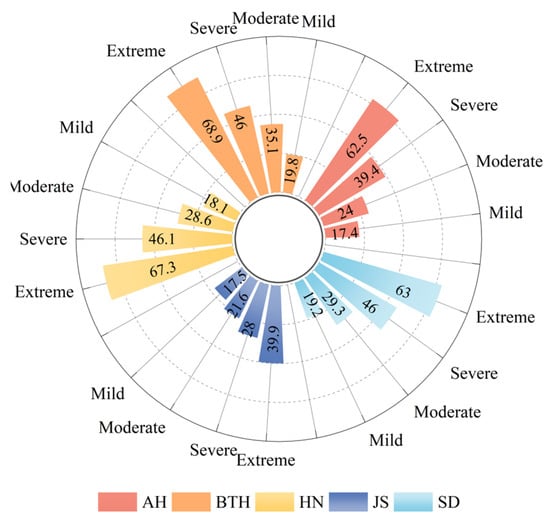
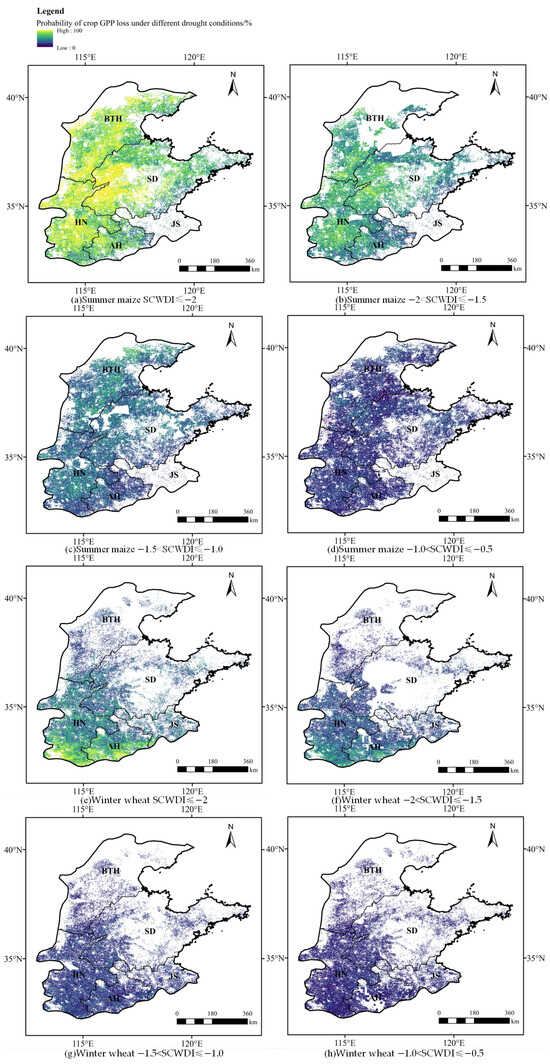
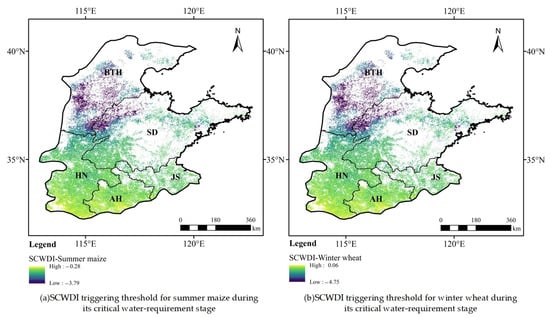
The Huang–Huai–Hai Plain supports one of China’s most important grain production systems, but crop production there is persistently constrained by limited water availability and recurrent drought. Common regional drought indicators are useful for monitoring dry conditions, yet they do not explicitly represent crop water demand and irrigation input, which reduces their suitability for agricultural risk assessment. In this study, a crop-oriented framework was developed for winter wheat and summer maize by linking crop water requirement, effective rainfall, irrigation supply, drought-event detection, and productivity-risk estimation. A standardized crop water deficit index (SCWDI) was developed from crop water balance and integrated with run theory, monthly correlation analysis, and a Copula–Bayesian framework to detect drought events, identify crop-sensitive periods, and quantify the probability and triggering threshold of gross primary productivity (GPP) loss. During 2001–2022, the Huang–Huai–Hai Plain experienced an average of 1.15 drought events per year, with pronounced spatial differences. The main sensitive period was June for summer maize and March–April for winter wheat. Summer maize showed a stronger drought response, with a mean triggering threshold of −1.54, whereas winter wheat required more severe stress to trigger concentrated productivity loss (−2.54). Under extreme drought, the probability of summer-maize GPP loss exceeded 80% in both the Beijing–Tianjin–Hebei region and Henan. These results provide a basis for growth-stage-oriented irrigation prioritization and spatially differentiated drought management under agricultural water scarcity.
Full article
(This article belongs to the Section Land, Soil and Water)
►▼
Show Figures

Figure 1
Open AccessArticle
Impact of Land Use Change on Carbon Storage and Habitat Quality: A Comparison of the Guangdong–Hong Kong–Macao Greater Bay Area and the Yangtze River Delta
by
Guoqiang Zheng, Biao Wang, Yaohui Liu, Zhenyuan Gao and Xiaoyu Chen
Land 2026, 15(5), 871; https://doi.org/10.3390/land15050871 (registering DOI) - 19 May 2026
Abstract
►▼
Show Figures
The Guangdong–Hong Kong–Macao Greater Bay Area (GBA) and the Yangtze River Delta (YRD) are key economic growth poles in China, playing a critical role in driving national economic development and facilitating international exchanges in commerce, culture, and ecology. However, rapid urbanization and industrialization
[...] Read more.
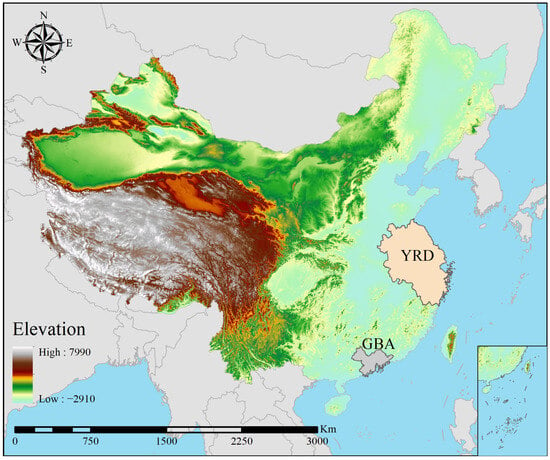
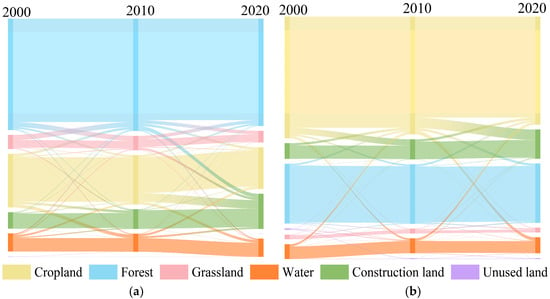
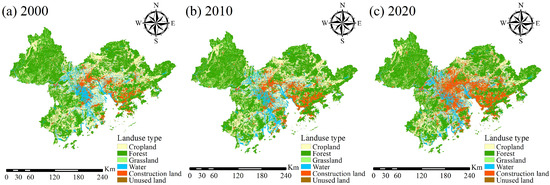
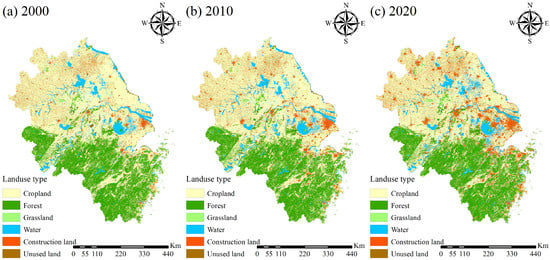
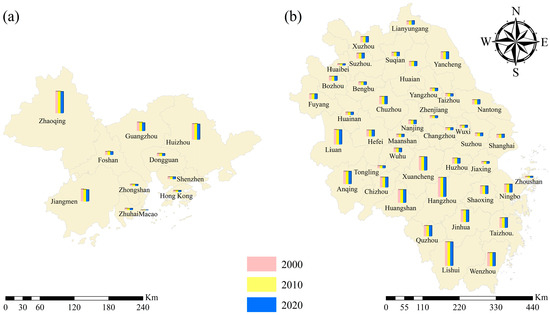
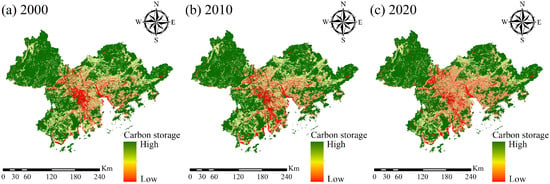
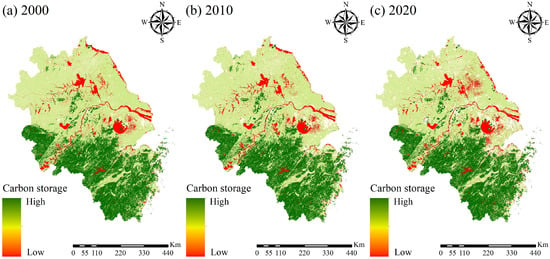
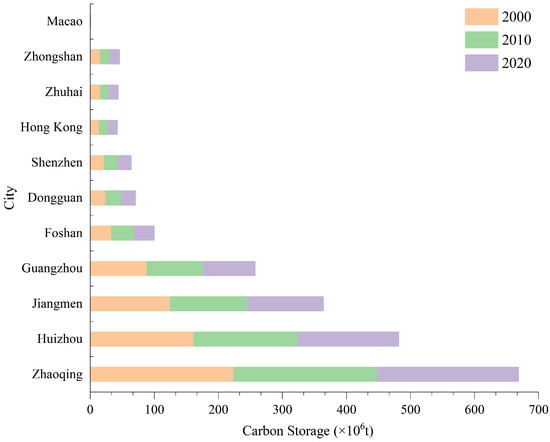
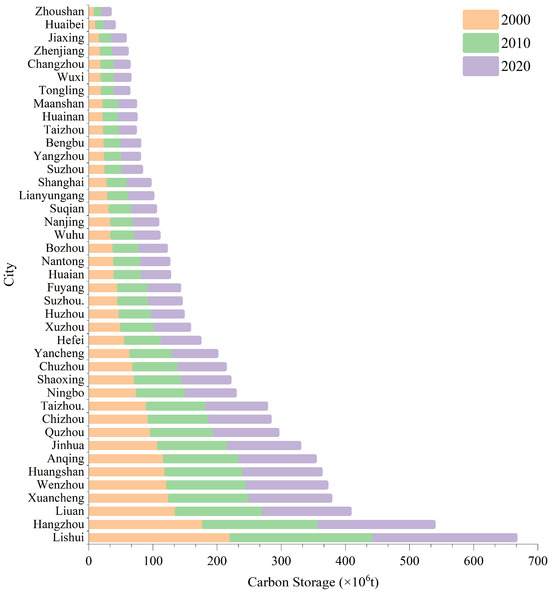
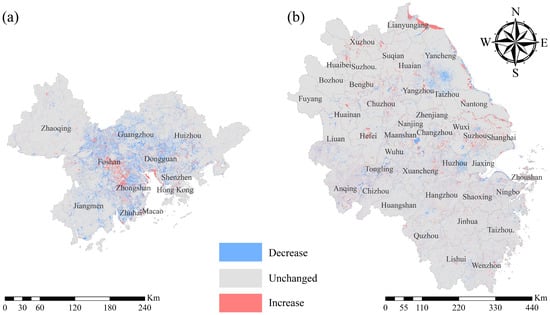
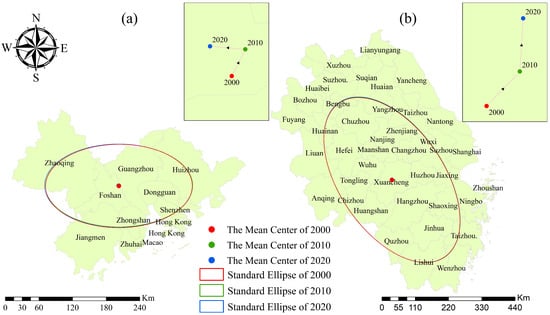
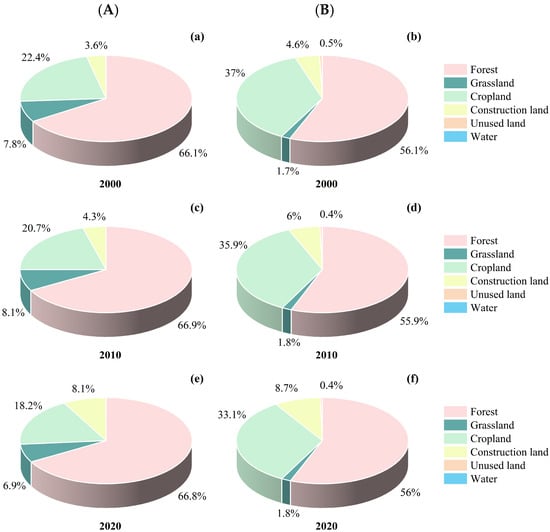
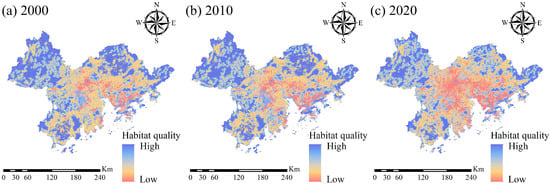
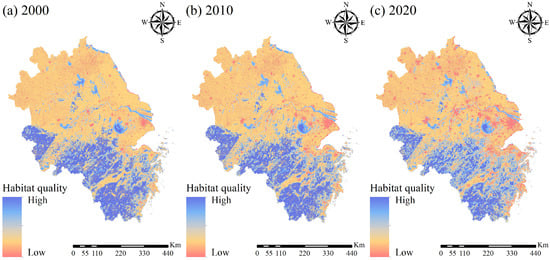
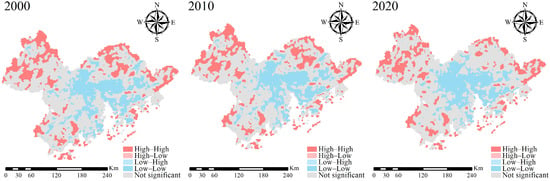
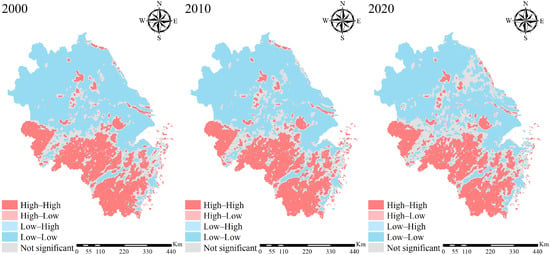
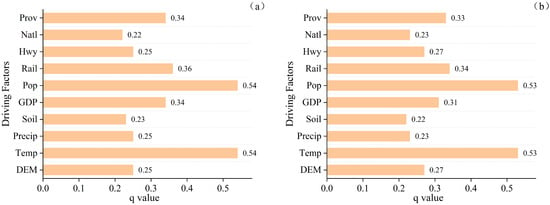
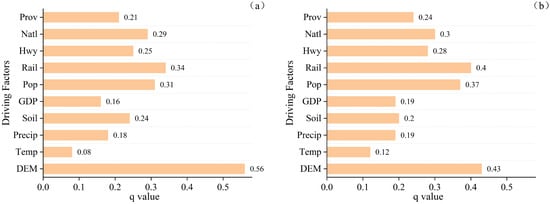
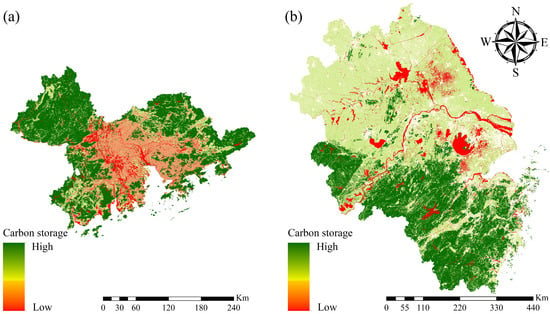
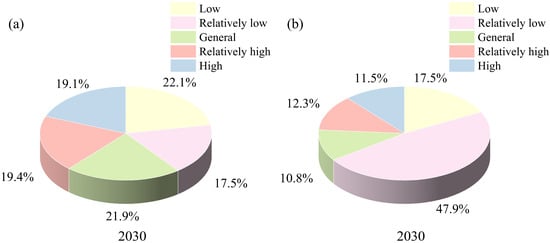
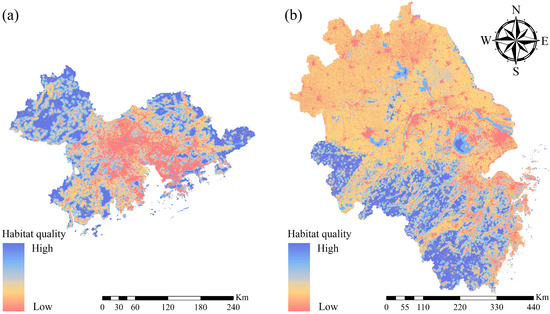
The Guangdong–Hong Kong–Macao Greater Bay Area (GBA) and the Yangtze River Delta (YRD) are key economic growth poles in China, playing a critical role in driving national economic development and facilitating international exchanges in commerce, culture, and ecology. However, rapid urbanization and industrialization have exerted considerable pressure on regional environments. In this study, we first assessed the dynamics of carbon storage (CS) and habitat quality (HQ) in the GBA and the YRD from 2000 to 2020 using the InVEST model and ArcGIS software, systematically analyzing their spatiotemporal changes and underlying driving mechanisms. Subsequently, we employed the PLUS model to predict land use changes by 2030 and evaluate their potential impacts on CS and HQ. The results indicate that: (1) Both regions have experienced increases in construction land and declines in cropland. (2) Between 2000 and 2020, CS in the GBA decreased by 33.65 × 10⁶ t and HQ declined by 0.0833, whereas in the YRD, CS decreased by 15.35 × 10⁶ t and HQ dropped by 0.0504. (3) By 2030, CS in the GBA is projected to decline further by 4.08%, with HQ decreasing to 0.4777, while in the YRD, CS is expected to fall by 2.71% and HQ decrease to 0.4115. (4) The spatial differentiation of CS and HQ in the GBA is primarily driven by anthropogenic processes, whereas in the YRD it is mainly constrained by natural factors such as topography. This study highlights the importance of understanding the spatiotemporal dynamics of CS and HQ, which can help enhance ecosystem service functions, mitigate the impacts of climate change, and provide a scientific basis for regional sustainable development.
Full article

Figure 1
Open AccessArticle
Comprehensive Land Consolidation and Its Impact on Rural Resilience: The Study of Huzhou, China
by
Jiuyao Wen, Yuheng Li, Yun Zhang and Zijing Wu
Land 2026, 15(5), 870; https://doi.org/10.3390/land15050870 (registering DOI) - 19 May 2026
Abstract
Comprehensive land consolidation (CLC) is a systematic initiative aimed at optimizing spatial patterns of land use and revitalizing idle rural land resources. It is a pivotal policy instrument for enhancing rural resilience and possesses significant practical implications. Grounded in resilience theory, this study
[...] Read more.
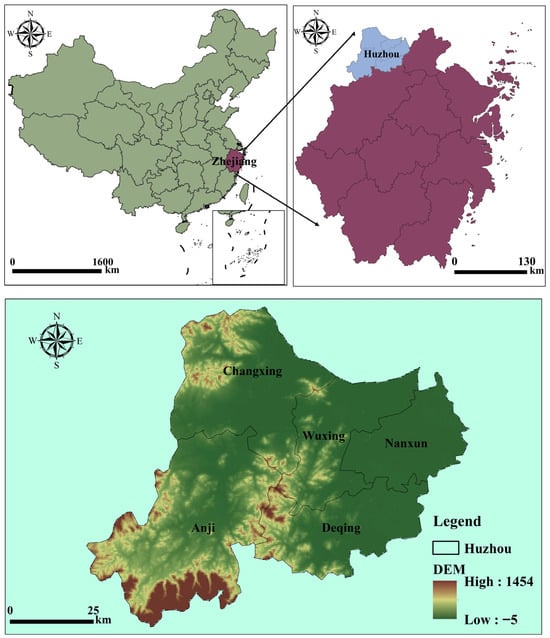
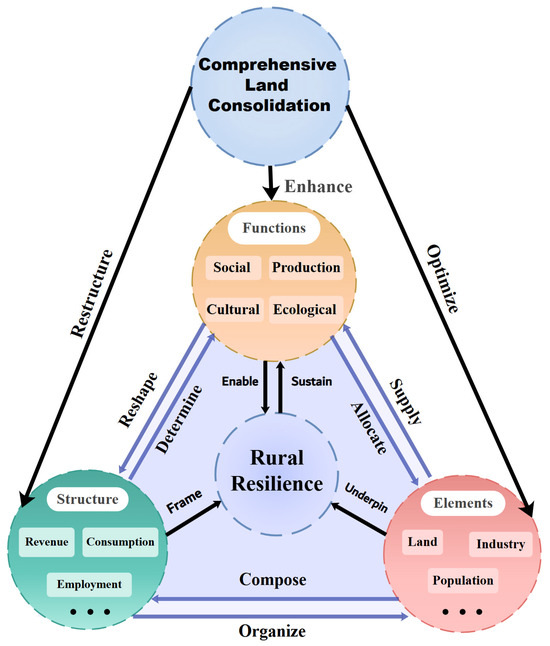
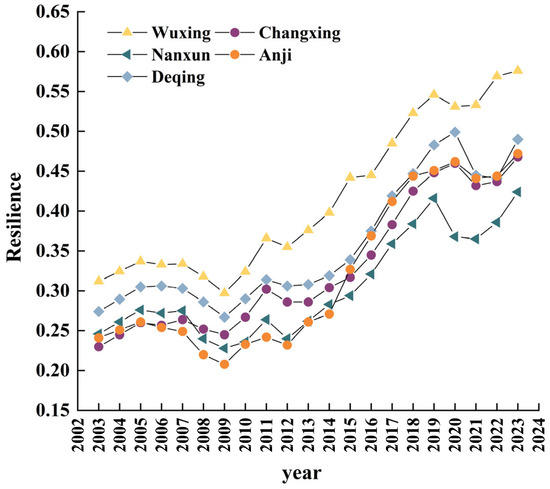
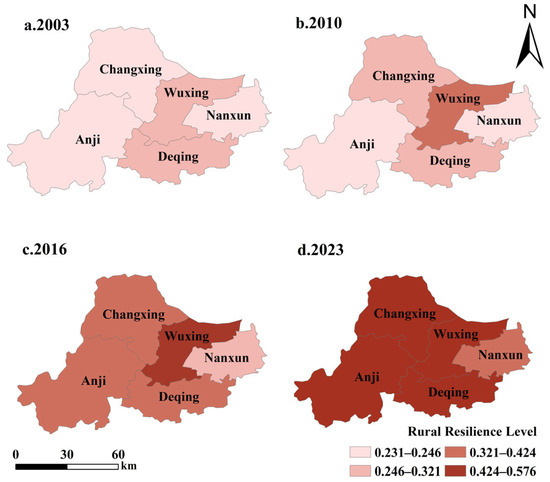
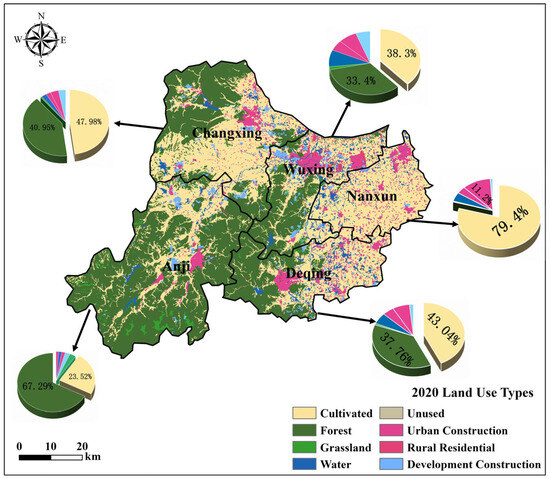
Comprehensive land consolidation (CLC) is a systematic initiative aimed at optimizing spatial patterns of land use and revitalizing idle rural land resources. It is a pivotal policy instrument for enhancing rural resilience and possesses significant practical implications. Grounded in resilience theory, this study establishes an evaluation system for rural resilience, assesses resilience levels in Huzhou from 2003 to 2023, and investigates its spatiotemporal characteristics employing the entropy-weighted TOPSIS method and geodetector model. Furthermore, this research identifies the driving factors and dynamic mechanisms through which comprehensive land consolidation impacts rural resilience. The study area is categorized into four zones based on land use types to elucidate regional heterogeneity. The findings indicate that comprehensive land consolidation markedly enhances rural resilience, which progresses from slow initial growth to accelerated improvement, ultimately culminating in leapfrog development. Spatially, rural resilience exhibits a “central-high, marginal-low” distribution, characterized by core-periphery agglomeration. Notably, the key driving factors vary significantly across different regions. Mechanistically, comprehensive land consolidation bolsters rural resilience through a sequential pathway that begins with consolidation intervention, which activates critical factors. This activation leads to structural reorganization within the rural framework, followed by the optimization of functions that enhance overall resilience. In terms of policy implications, it is essential to adopt differentiated consolidation strategies tailored to regional resource endowments, emphasizing the optimization of production-living-ecological spaces to foster integrated and sustainable rural development.
Full article
(This article belongs to the Special Issue Advances in Land Consolidation and Land Ecology (Second Edition))
►▼
Show Figures

Figure 1

Open AccessArticle
Deconstructing the Evolution of Historical Urban Landscapes: A Multidimensional Layering Approach
by
Yuan Wang, Danyang Xu, Tiebo Wang, Maoan Yan and Chengxie Jin
Land 2026, 15(5), 869; https://doi.org/10.3390/land15050869 (registering DOI) - 18 May 2026
Abstract
As a form of living heritage, Historic Urban Landscapes (HULs) have long been limited by the static perspectives and reductionist tendencies of conventional conservation and research approaches. Although the geological and archaeological concept of “stratification” offers a methodological basis for understanding the diachronic
[...] Read more.
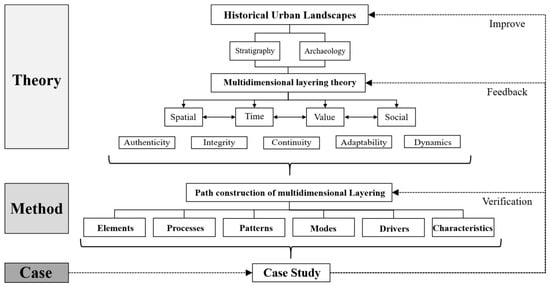
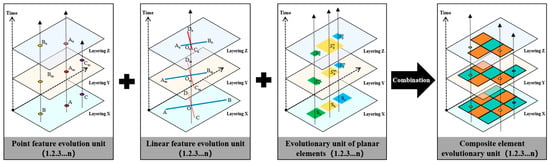
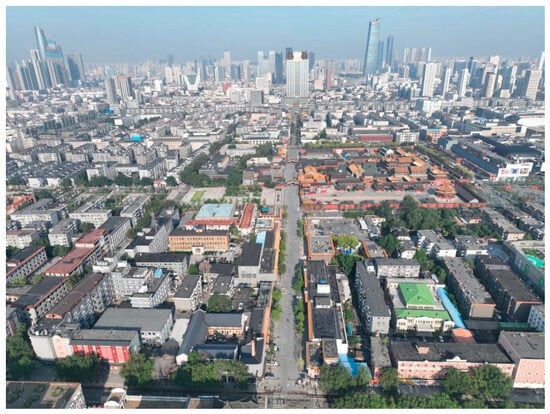
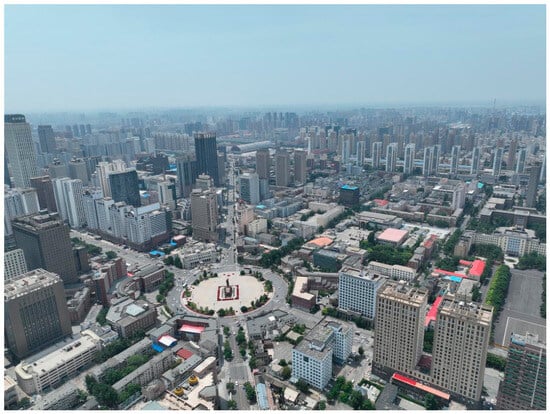
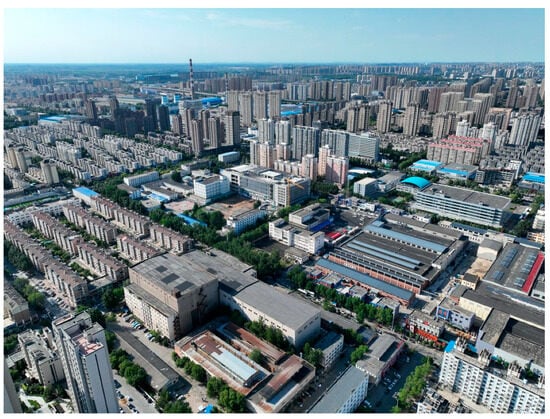
As a form of living heritage, Historic Urban Landscapes (HULs) have long been limited by the static perspectives and reductionist tendencies of conventional conservation and research approaches. Although the geological and archaeological concept of “stratification” offers a methodological basis for understanding the diachronic evolution of heritage, its unidimensional temporal lens fails to capture the inherent complexity and systemic nature of historic urban landscapes. To address this gap, this study proposes a “multidimensional stratification” theoretical framework through theoretical critique and paradigm reconstruction. The framework introduces innovations at the ontological, epistemological, and methodological levels, positing that the evolution of historic urban landscapes emerges from the nonlinear interaction and dynamic interweaving of four core dimensions: time, space, society, and value. It further systematizes five intrinsic attributes of such landscapes: authenticity, integrity, continuity, adaptability, and dynamism. Building on this foundation, the paper constructs a systematic analytical pathway—elements–processes–patterns–modes–drivers–characteristics—that enables dynamic analysis from micro-level identification to macro-level generalization, offering a scalable tool for HUL conservation and regeneration. To demonstrate the framework’s applicability, the historic urban area of Shenyang—a nationally designated historical and cultural city—is selected as a case study. Its urban landscape comprises four core districts: the Shengjing City District, the South Manchuria Railway Concession District, the Commercial Port District, and the Tiexi Industrial District, representing historical strata from the Qing dynasty capital, modern colonial planning, commercial opening, to industrial heritage. Using the multidimensional stratification approach, this study elucidates the spatial complexity, temporal nonlinearity, social dynamism, and value pluralism embedded in Shenyang’s historic urban area. Corresponding conservation strategies grounded in holism, dynamism, and differentiation are proposed. The research not only advances the theoretical understanding of HUL but also provides a novel paradigm—integrating holistic, dynamic, and operational perspectives—for the conservation, renewal, and regenerative practice of historic urban landscapes worldwide.
Full article
(This article belongs to the Special Issue Urban Heritage Landscapes: Integrating Conservation into Sustainable Land Management)
►▼
Show Figures

Figure 1
Open AccessArticle
Analysis of the Spatial Pattern of Innovation-Driven Productivity at the Intra-Urban Scale in a Megacity Based on Multi-Source Data: A Case Study for Shanghai
by
Donghui Shi
Land 2026, 15(5), 868; https://doi.org/10.3390/land15050868 (registering DOI) - 18 May 2026
Abstract
In the context of accelerating technological and industrial transformation, innovation-driven productivity has garnered significant attention. Based on multi-source data, this study employs the entropy method and spatial pattern analysis to delve into the spatial pattern of innovation-driven productivity. The results are as follows:
[...] Read more.
In the context of accelerating technological and industrial transformation, innovation-driven productivity has garnered significant attention. Based on multi-source data, this study employs the entropy method and spatial pattern analysis to delve into the spatial pattern of innovation-driven productivity. The results are as follows: (1) there is a huge difference in innovation-driven productivity at the street and township level in Shanghai; (2) innovation-driven productivity exhibits global spatial autocorrelation in Shanghai; (3) innovation-driven productivity shows a circle structure with high–high agglomeration at the center and low–low agglomeration at the periphery; (4) innovation-driven productivity hot spots are concentrated in the central region, while cold spots are distributed in a southeast–northwest trend around them. This study is of great significance for Shanghai to achieve an accurate allocation of resources, a coordinated development of industries, and an improvement of urban functions.
Full article
Open AccessArticle
Social Impacts of Mining: Extending the Literature Review Findings in the Case of the Lignite Mines in Western Macedonia, Greece
by
Francis Pavloudakis, Christos Roumpos, Evangelos Karlopoulos and Chrisoula Pagouni
Land 2026, 15(5), 867; https://doi.org/10.3390/land15050867 (registering DOI) - 18 May 2026
Abstract
Drawing on an extensive literature review, this paper identifies key dimensions of social impact and land management in surface mining areas, including settlement relocation, long-term land occupation, limited economic diversification, demographic decline, and stakeholder distrust. These findings are then critically applied to the
[...] Read more.
Drawing on an extensive literature review, this paper identifies key dimensions of social impact and land management in surface mining areas, including settlement relocation, long-term land occupation, limited economic diversification, demographic decline, and stakeholder distrust. These findings are then critically applied to the Ptolemais lignite basin, where six decades of large-scale surface mining reshaped land use patterns, displaced settlements, and structured a highly specialized regional economy. The research combines qualitative literature analysis with a case study approach, supported by socioeconomic and demographic indicators. Results show that (i) lignite exploitation generated employment, infrastructure, and regional income multipliers but also structural vulnerabilities and other impacts, (ii) land occupation and settlement relocation as an impact of mine expansion created long-term spatial constraints, and (iii) the energy transition phase intensified demographic, unemployment, and governance challenges. The paper argues that effective post-lignite restructuring is related to systematic reclamation strategies, integrated land-use planning, optimal exploitation of reclaimed land, diversification beyond energy production, and participatory governance frameworks. By linking international theoretical insights with empirical evidence from Western Macedonia, the study contributes to the debate on socially just and spatially balanced transitions in former coal and lignite regions.
Full article
(This article belongs to the Special Issue Sustainable Land Reclamation Strategies for Post-Mining Areas: From Theory to Practice)
Open AccessArticle
Spatiotemporal Evolution and Driving Mechanisms of Urban Expansion in Guangxi, China
by
Jianbao Huang, Tianyu Zeng, Zhuxia Wei, Qun Meng, Zhiyuan Chen, Yuandong Zou, Lianyun Feng, Yanfeng Lu, Yijie Li, Chengfeng He, Bohan Zeng, Jiayu Tao, Jiajia Huang and Jingyang Guo
Land 2026, 15(5), 866; https://doi.org/10.3390/land15050866 (registering DOI) - 18 May 2026
Abstract
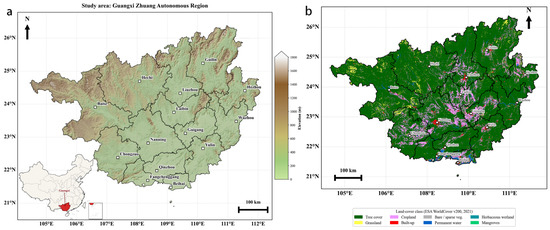
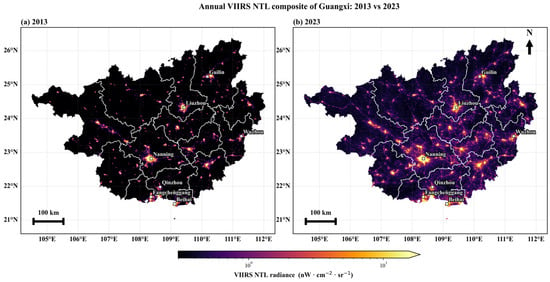
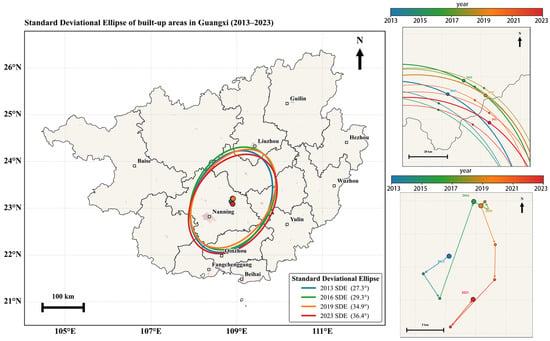
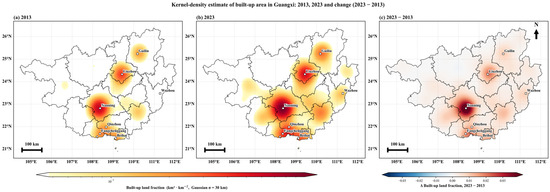
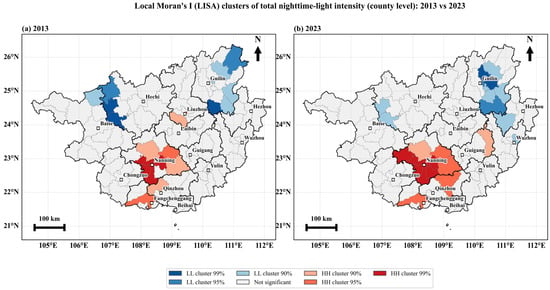
This study examines the spatiotemporal evolution and driving mechanisms of urban expansion in the Guangxi Zhuang Autonomous Region, China, from 2013 to 2023. Using Suomi-NPP VIIRS nighttime light (NTL) data, we combine Standard Deviational Ellipse (SDE) analysis, centroid migration, kernel density estimation (KDE),
[...] Read more.
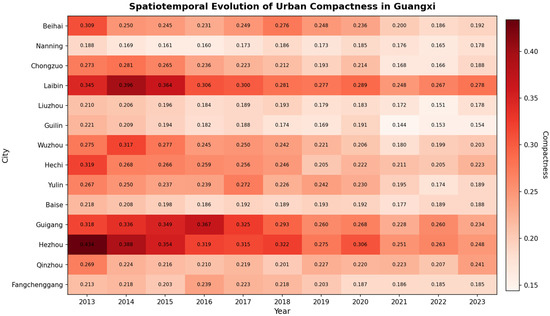
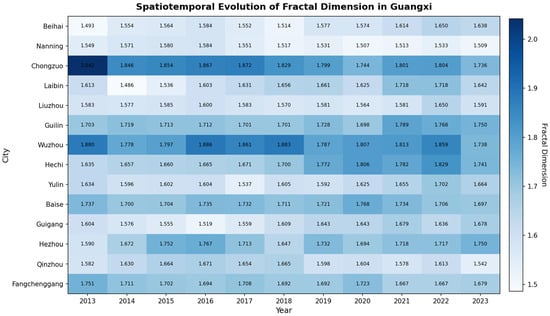
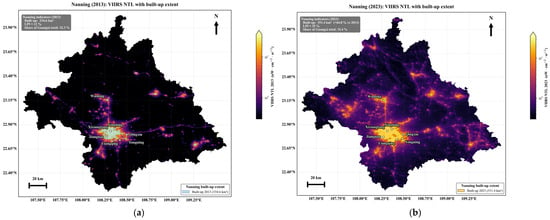
This study examines the spatiotemporal evolution and driving mechanisms of urban expansion in the Guangxi Zhuang Autonomous Region, China, from 2013 to 2023. Using Suomi-NPP VIIRS nighttime light (NTL) data, we combine Standard Deviational Ellipse (SDE) analysis, centroid migration, kernel density estimation (KDE), landscape metrics, Local Moran’s I (LISA), and system Generalised Method of Moments (system-GMM) estimation. The results show that the centroid of urban development remained within Binyang County while moving overall toward the southeast with recurrent north–south oscillations. The SDE results indicate a stable northeast–southwest orientation, with secondary expansion in other directions. The urban structure is dominated by a strong Nanning core, accompanied by secondary clusters in Liuzhou, Guilin, and other prefecture-level cities. Nanning recorded the largest absolute expansion, followed by secondary centres, including Liuzhou, Guilin, Yulin, Wuzhou, Fangchenggang, Qinzhou, and Beihai, whereas western and northern Guangxi expanded more slowly. The system-GMM results indicate that financial deepening has a marginally significant positive effect on built-up area expansion and fiscal pressure has a marginally significant constraining effect, both at the 10% level; land finance dependency does not emerge as an independent driver in this small panel. We interpret these findings through a Source–Channel–Valve framework, in which financial deepening provides the capital source, land finance represents a hypothesised institutional channel, and fiscal pressure acts as a regulatory constraint. The study provides empirical evidence for sustainable and regionally coordinated urban development in Guangxi and comparable geographically constrained regions.
Full article
(This article belongs to the Special Issue Synergistic Integration of Transport, Land, and Ecosystems)
►▼
Show Figures

Figure 1
Open AccessArticle
Spatio-Functional Pattern of a Small City: A Cross-Sectional Study of Brzeziny, Central Poland
by
Sebastian Florczyk, Iwona Jażdżewska, Elzbieta Bielecka and Anna Markowska
Land 2026, 15(5), 865; https://doi.org/10.3390/land15050865 (registering DOI) - 18 May 2026
Abstract
Understanding the spatial organisation of small towns is essential for sustainable spatial planning and regional development. This study examines the spatio-functional pattern of Brzeziny, a small town located within the Łódź Metropolitan Area in Central Poland, selected as a representative case due to
[...] Read more.
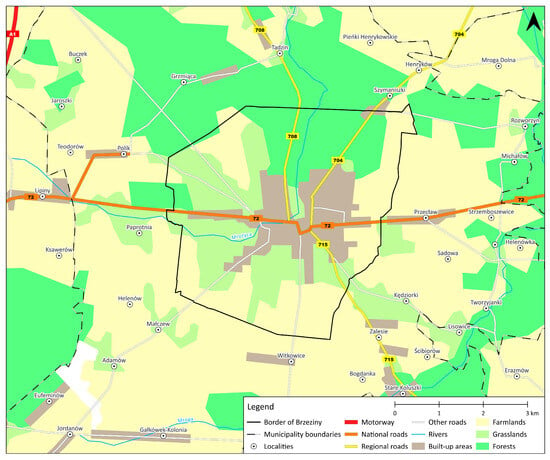
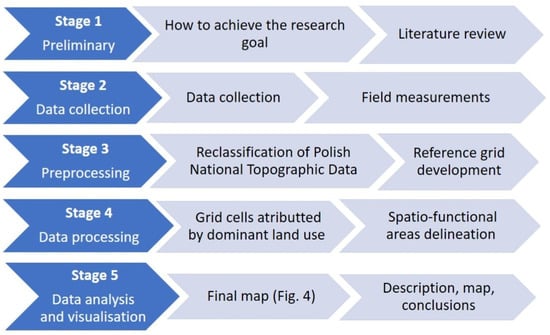
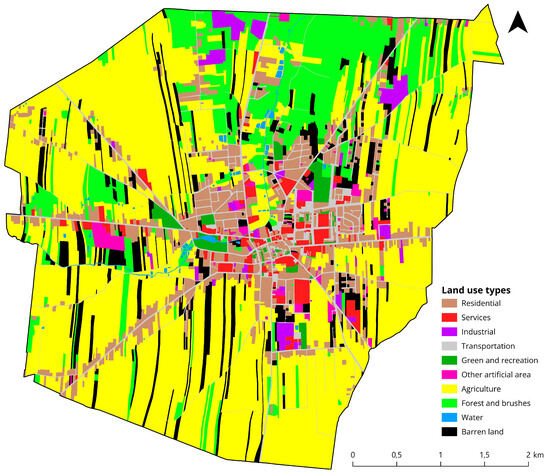
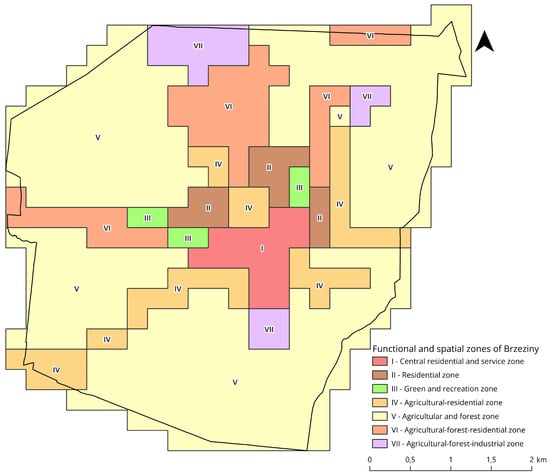
Understanding the spatial organisation of small towns is essential for sustainable spatial planning and regional development. This study examines the spatio-functional pattern of Brzeziny, a small town located within the Łódź Metropolitan Area in Central Poland, selected as a representative case due to its typical Central European small-town morphology shaped by historical continuity, demographic stagnation, and metropolitan influence. The analysis is based on updated cadastral land-use data verified through field surveys and supplemented with topographic datasets (BDOT10k and OpenStreetMap). A modified land-use classification comprising nine categories is applied, and spatial analysis is performed using a regular grid and GIS tools. Dominant land-use structures are identified using the K. Doi method, enabling the delineation of spatio-functional zones. The results reveal a strong dominance of undeveloped land (77% of the total area), particularly agricultural land, alongside a compact central zone characterised by residential and service functions. The study demonstrates how historical development, economic structure, and metropolitan proximity shape the spatial organisation of small towns. The proposed methodology highlights the usefulness of cadastral data combined with grid-based spatial analysis for identifying S-FPs and supporting local planning processes.
Full article
(This article belongs to the Special Issue Integration of Remote Sensing and GIS for Land Use Change Assessment (Second Edition))
►▼
Show Figures

Figure 1
Open AccessArticle
Size of Sand Grains Controls Pore Structure and Water Dynamics: Implications for Water Retention and Hydraulic Conductivity
by
Jackson Adriano Albuquerque, André da Costa, Gustavo Henrique Merten, Ana Carolina De Mattos E Avila and Gunnar Kirchhof
Land 2026, 15(5), 864; https://doi.org/10.3390/land15050864 (registering DOI) - 17 May 2026
Abstract
Sand grain size strongly influences the physical and hydraulic behaviour of sandy soils, particularly water retention, pore distribution, and water movement under unsaturated conditions. This study evaluated the effect of five sand grain-size classes, ranging from very coarse to very fine, on pore
[...] Read more.
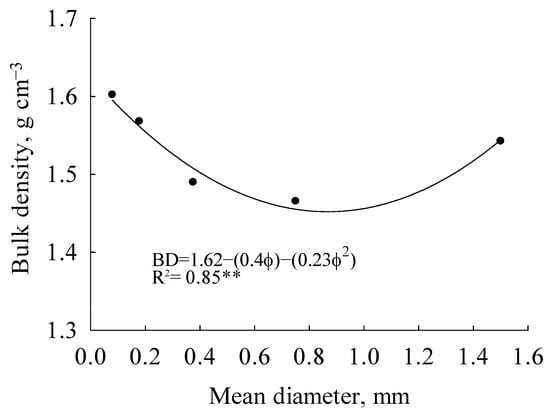
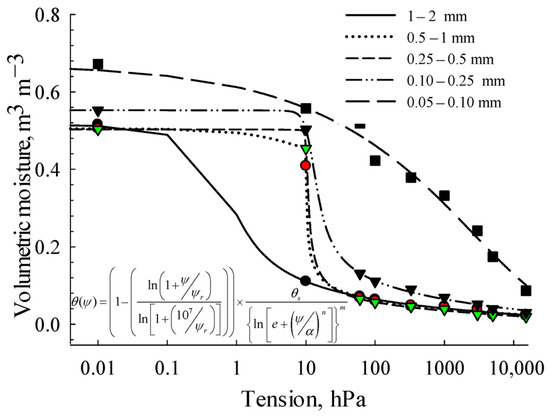
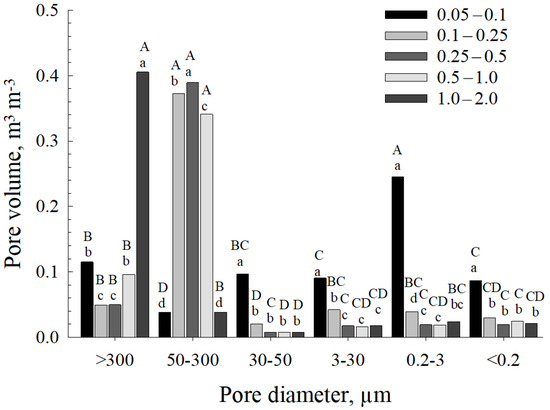
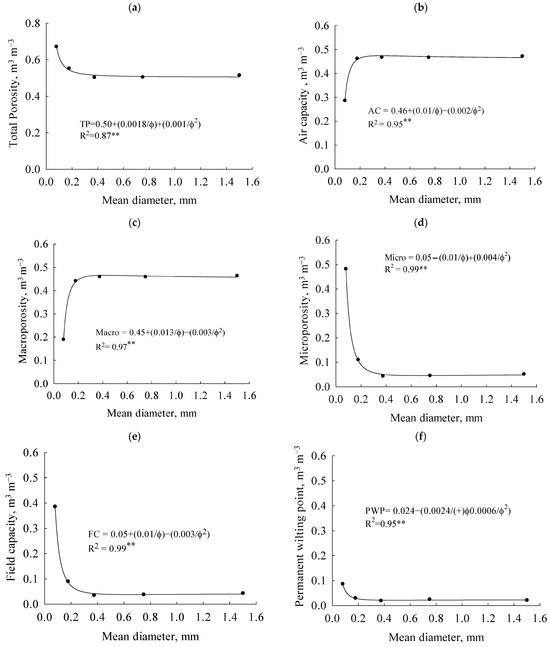
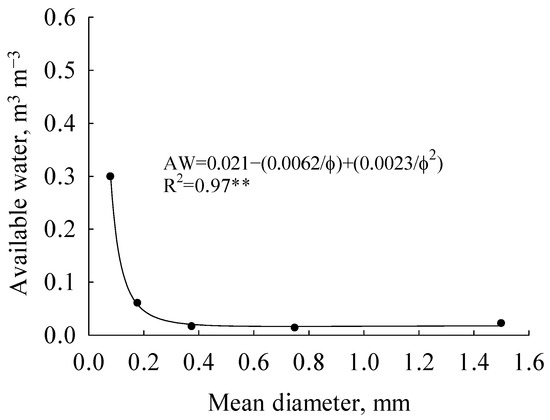
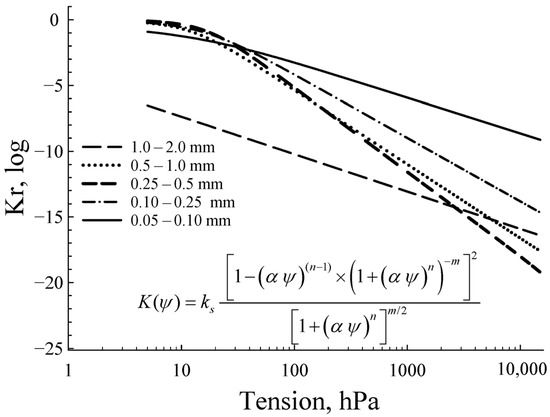
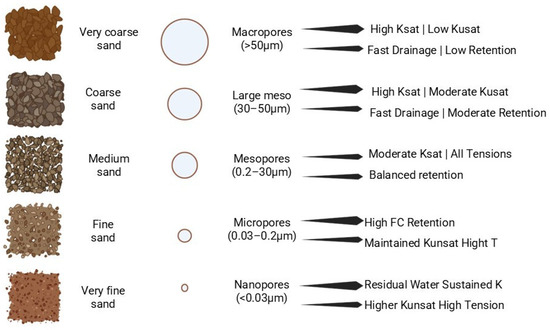
Sand grain size strongly influences the physical and hydraulic behaviour of sandy soils, particularly water retention, pore distribution, and water movement under unsaturated conditions. This study evaluated the effect of five sand grain-size classes, ranging from very coarse to very fine, on pore distribution, aeration, water retention, and unsaturated hydraulic conductivity. Quartz sand samples with different particle sizes were saturated and subjected to matric tensions ranging from 10 to 15,000 hPa. Very fine sand (0.053–0.106 mm) showed the highest field capacity (0.38 m3 m−3) and available water content (0.30 m3 m−3), which were associated with a predominance of pores between 0.2 and 3 μm in diameter. In contrast, coarser sand fractions were dominated by macropores (>50 μm) and exhibited lower water retention. Permanent wilting point values remained low and similar among grain-size classes (≈0.02 m3 m−3). Under unsaturated conditions (matric tensions > 100 hPa), very fine sand exhibited hydraulic conductivity values up to ten times greater than those of coarser fractions. Overall, decreasing sand particle size increased water retention and plant-available water while reducing macroporosity and aeration capacity. These findings demonstrate that sand grain-size distribution plays a major role in regulating water dynamics in sandy soils and may support the development of more efficient irrigation and soil management strategies to improve water conservation and plant water availability in drought-prone environments.
Full article
(This article belongs to the Special Issue Sustainable Water and Soil Conservation and Management for Agriculture)
►▼
Show Figures

Figure 1
Open AccessArticle
Conservation Effectiveness and Spatial Drivers of Qianjiangyuan National Park: Causal Evidence from a Quasi-Experimental Framework
by
Chuqi Wang, Yinglin Wang, Jiwen Lu and Liang Li
Land 2026, 15(5), 863; https://doi.org/10.3390/land15050863 (registering DOI) - 17 May 2026
Abstract
National parks are widely recognized as a key spatial conservation strategy for simultaneously safeguarding biodiversity and sustaining ecosystem services, yet comprehensive and causally robust evaluation frameworks are still needed to accurately assess their effectiveness and support evidence-based management. This study evaluates the conservation
[...] Read more.
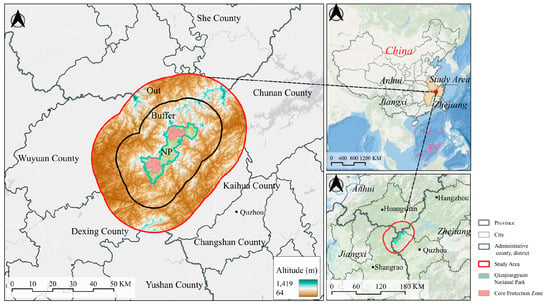
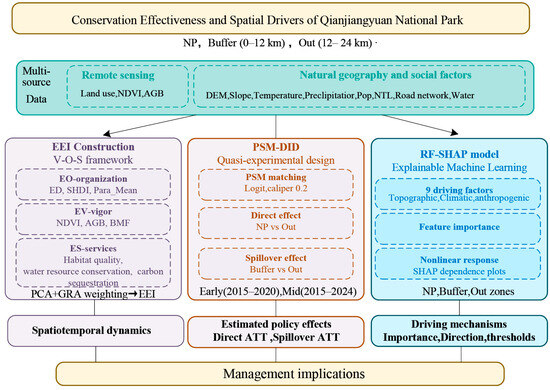
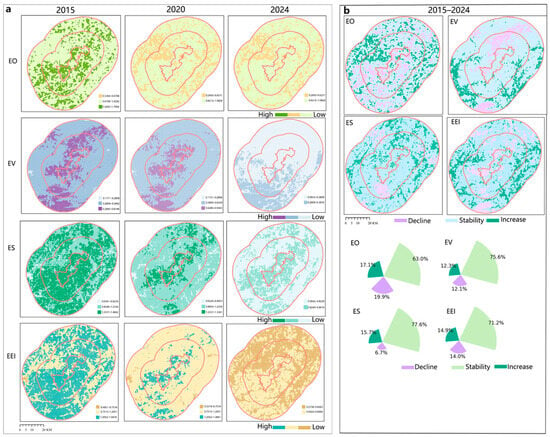
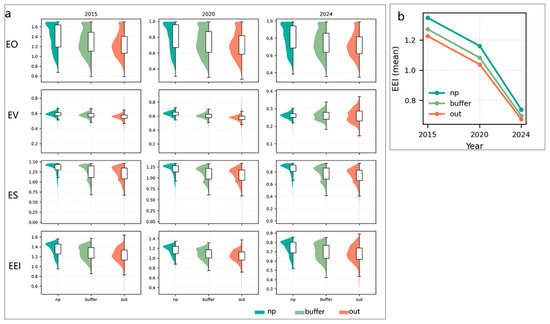
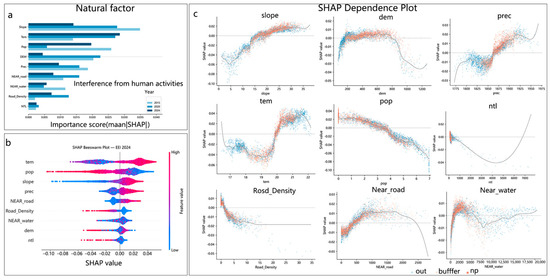
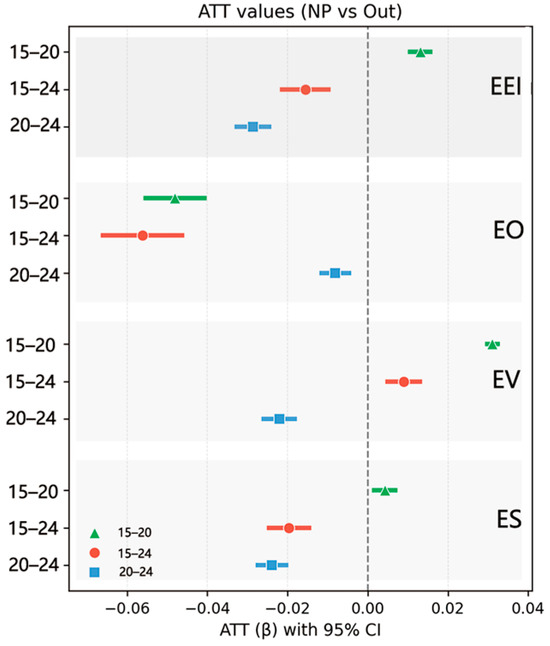
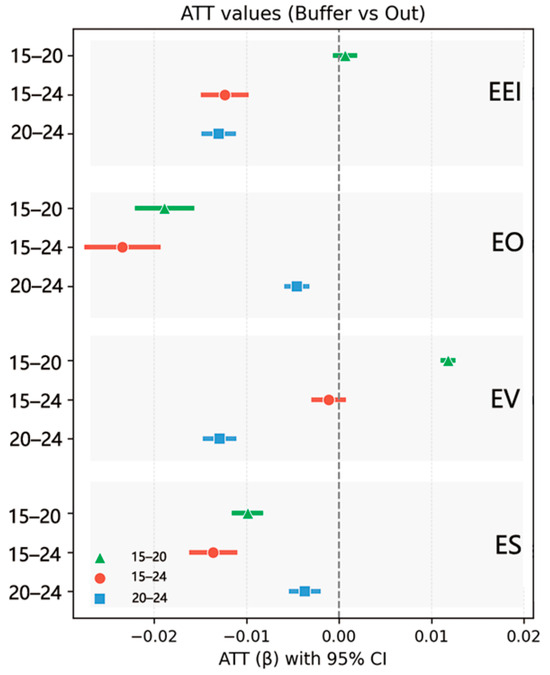
National parks are widely recognized as a key spatial conservation strategy for simultaneously safeguarding biodiversity and sustaining ecosystem services, yet comprehensive and causally robust evaluation frameworks are still needed to accurately assess their effectiveness and support evidence-based management. This study evaluates the conservation effectiveness of Qianjiangyuan National Park (QJYNP) from 2015 to 2024 using a multidimensional index, a PSM-DID quasi-experimental framework, and interpretable machine learning. The results show that the direct policy effect was significantly positive during 2015–2020, but shifted to a negative cumulative effect by 2024. The spillover effect in the buffer zone also turned significantly negative, potentially associated with tourism-related development shifting outward. In addition, slope, temperature, and population density were identified as key drivers of EEI heterogeneity with nonlinear threshold effects, while road-related impacts intensified over time. These findings indicate that quasi-experimental approaches better capture phased policy effects than conventional descriptive comparisons, and suggest that simple boundary controls are insufficient; instead, buffer zones should be incorporated into integrated management frameworks to mitigate external development pressures.
Full article
(This article belongs to the Special Issue National Parks and Natural Protected Area Systems)
►▼
Show Figures

Figure 1
Journal Menu
► ▼ Journal Menu-
- Land Home
- Aims & Scope
- Editorial Board
- Reviewer Board
- Topical Advisory Panel
- Instructions for Authors
- Special Issues
- Topics
- Sections & Collections
- Article Processing Charge
- Indexing & Archiving
- Editor’s Choice Articles
- Most Cited & Viewed
- Journal Statistics
- Journal History
- Journal Awards
- Society Collaborations
- Conferences
- Editorial Office
Journal Browser
► ▼ Journal BrowserHighly Accessed Articles
Latest Books
E-Mail Alert
News
Topics
Topic in
Atmosphere, Drones, Forests, Grasses, Land, Sustainability
Big Data Analytics for Climate and Human Impacts on Terrestrial Ecosystems
Topic Editors: Qing Zhang, Qingfu LiuDeadline: 31 May 2026
Topic in
Atmosphere, Forests, Geosciences, Hydrology, Land, Remote Sensing, Sustainability
Karst Environment and Global Change—Second Edition
Topic Editors: Xiaoyong Bai, Yongjun Jiang, Jian Ni, Xubo Gao, Yuemin Yue, Jiangbo Gao, Junbing Pu, Hu Ding, Qiong Xiao, Zhicai ZhangDeadline: 16 June 2026
Topic in
Agriculture, Agronomy, Land, Sustainability, Pollutants
Environmental Pollution in Modern Agriculture: Causes, Effect, and Control
Topic Editors: Yafei Wang, Yizhe Dong, Zhixiong Tan, Longyao Zhang, Hui ZhangDeadline: 30 June 2026
Topic in
Businesses, Economies, Humanities, Land, Sustainability, Tourism and Hospitality, Urban Science
Human–Environmental Relations: Ecotourism and Sustainability
Topic Editors: Tamara Gajić, Minja Bolesnikov, Aleksandar ErcegDeadline: 15 July 2026
Conferences
Special Issues
Special Issue in
Land
Monitoring Ecosystem Services and Biodiversity Under Land Use Change
Guest Editors: Lindsay Maskell, Claire WoodDeadline: 25 May 2026
Special Issue in
Land
Spatiotemporal Data Analytics and Modeling of Land Systems: Shaping Sustainable Landscape, Second Edition
Guest Editors: Wenwu Tang, Jianxin Yang, Minrui Zheng, Jingye LiDeadline: 25 May 2026
Special Issue in
Land
Multiscale Geospatial and Remote Sensing Approaches for Landscape Ecology
Guest Editor: Wayne MyersDeadline: 25 May 2026
Special Issue in
Land
Spatiotemporal Dynamics and Utilization Trend of Farmland
Guest Editors: Maoxin Zhang, Tingting He, Andong Guo, Youpeng Lu, Jose Raul Romo LeonDeadline: 25 May 2026
Topical Collections
Topical Collection in
Land
Land Use Transitions and Land System Science
Collection Editor: Hualou Long
Topical Collection in
Land
Collection for the International Association for Landscape Ecology (IALE)
Collection Editor: Weiqi Zhou