Public–Private Partnerships in Urban Regeneration: Comparative Insights and Lessons from Brazil, Italy, and the UK




Abstract
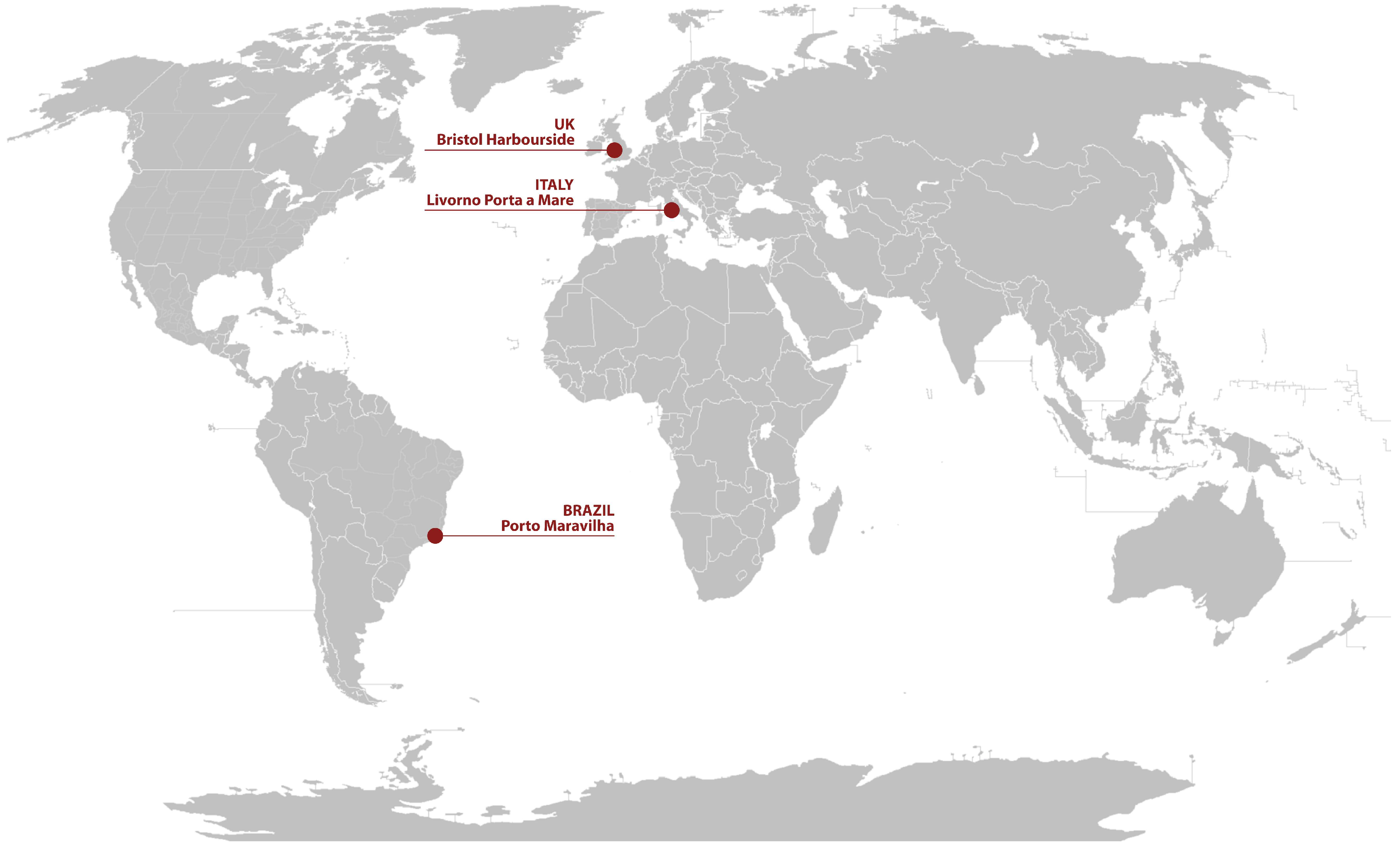
1. Introduction
- What positive factors are observed regarding PPP arrangements in urban regeneration projects in the contexts of Brazil, Italy, and the UK? Which factors should be improved?
- What positive factors are observed regarding PPP arrangements in urban regeneration projects in the Porto Maravilha, Livorno Porta a Mare, and Bristol Harbourside case studies? What factors should be improved?
- What recommendations can be extracted for improving PPP agreements in urban regeneration projects?
- What recommendations can be extracted for improving urban regeneration projects resulting from these PPP agreements?
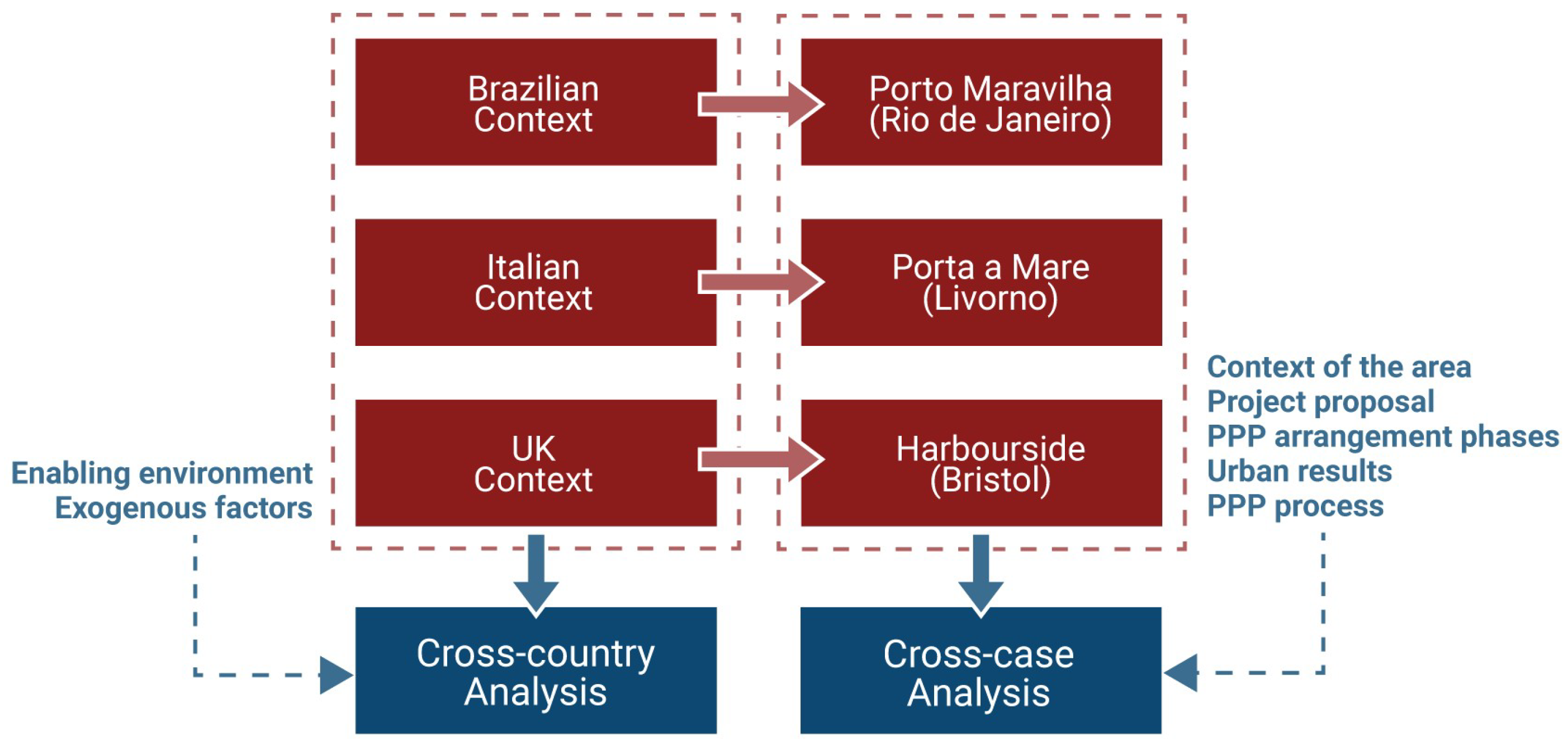
2. Materials and Methods
3. Results
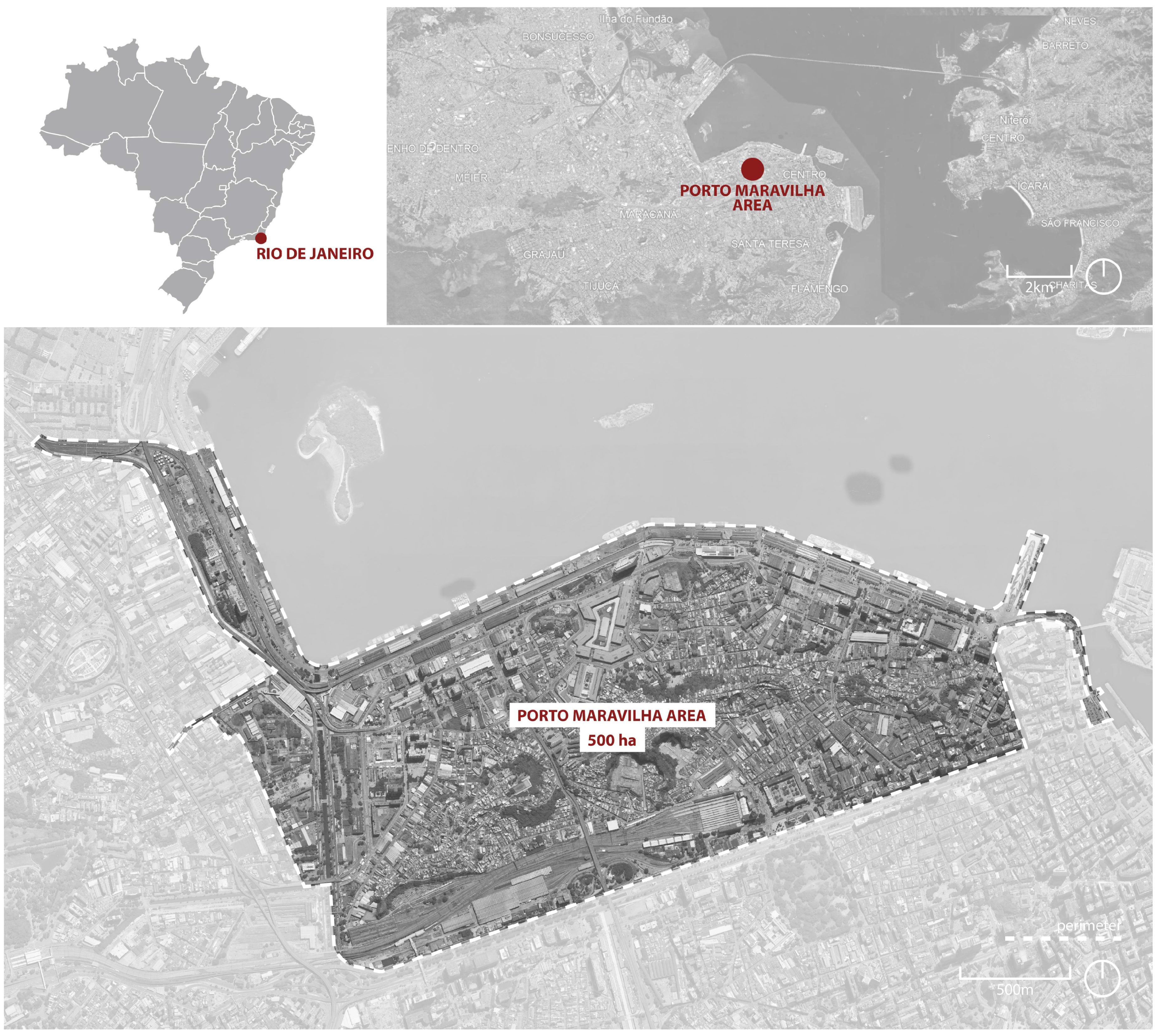
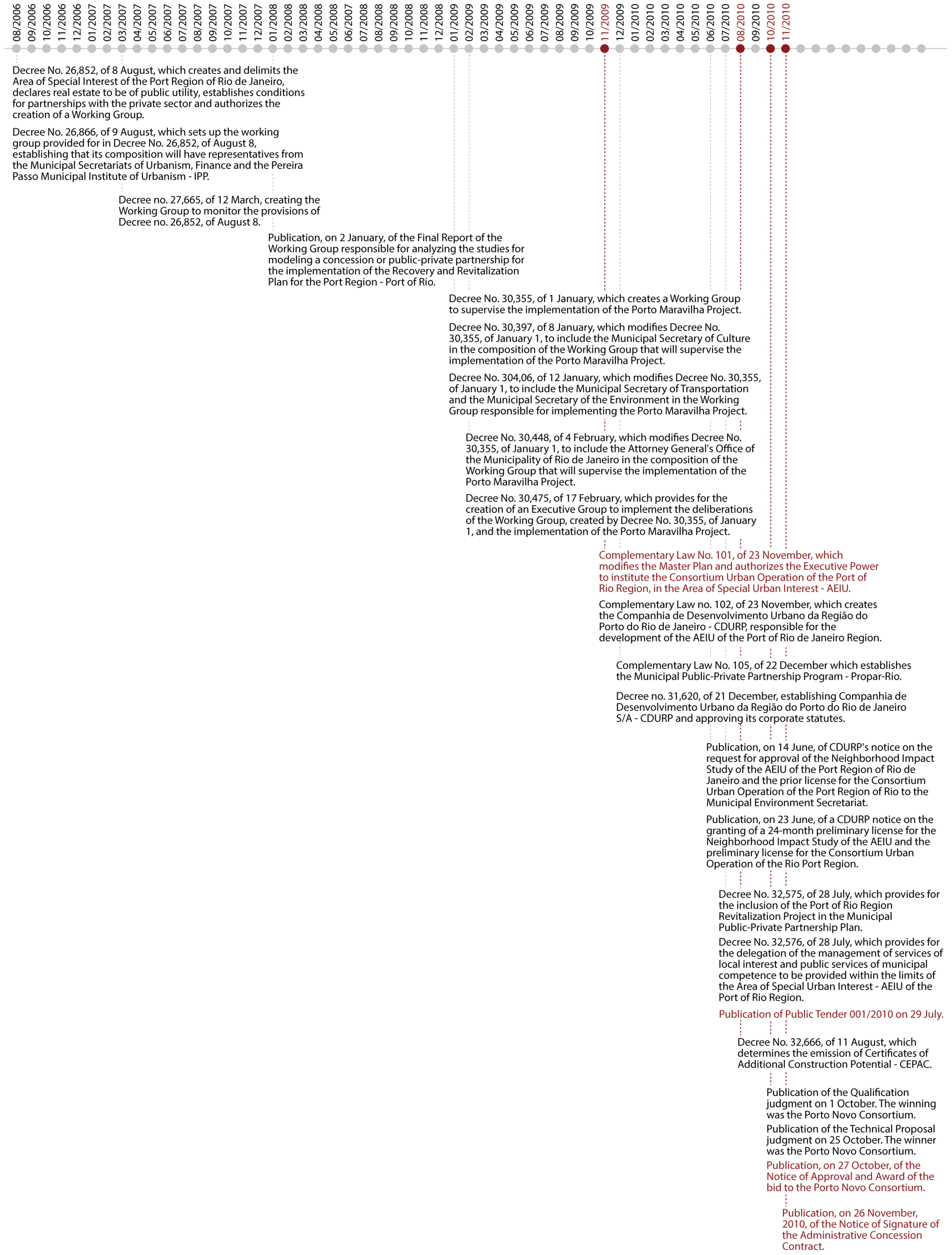
3.1. The Brazilian Context and the Case of “Porto Maravilha” in Rio de Janeiro
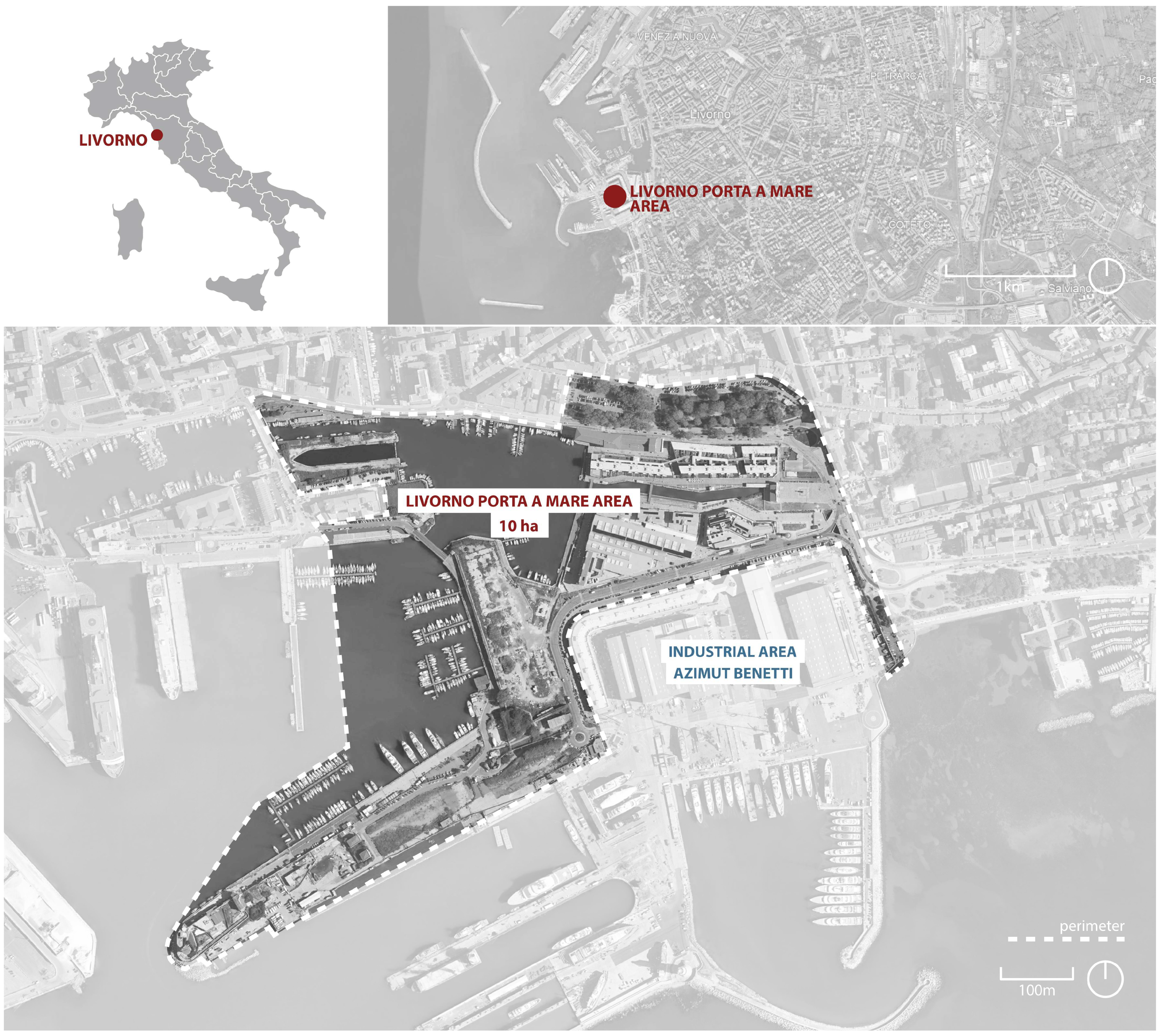
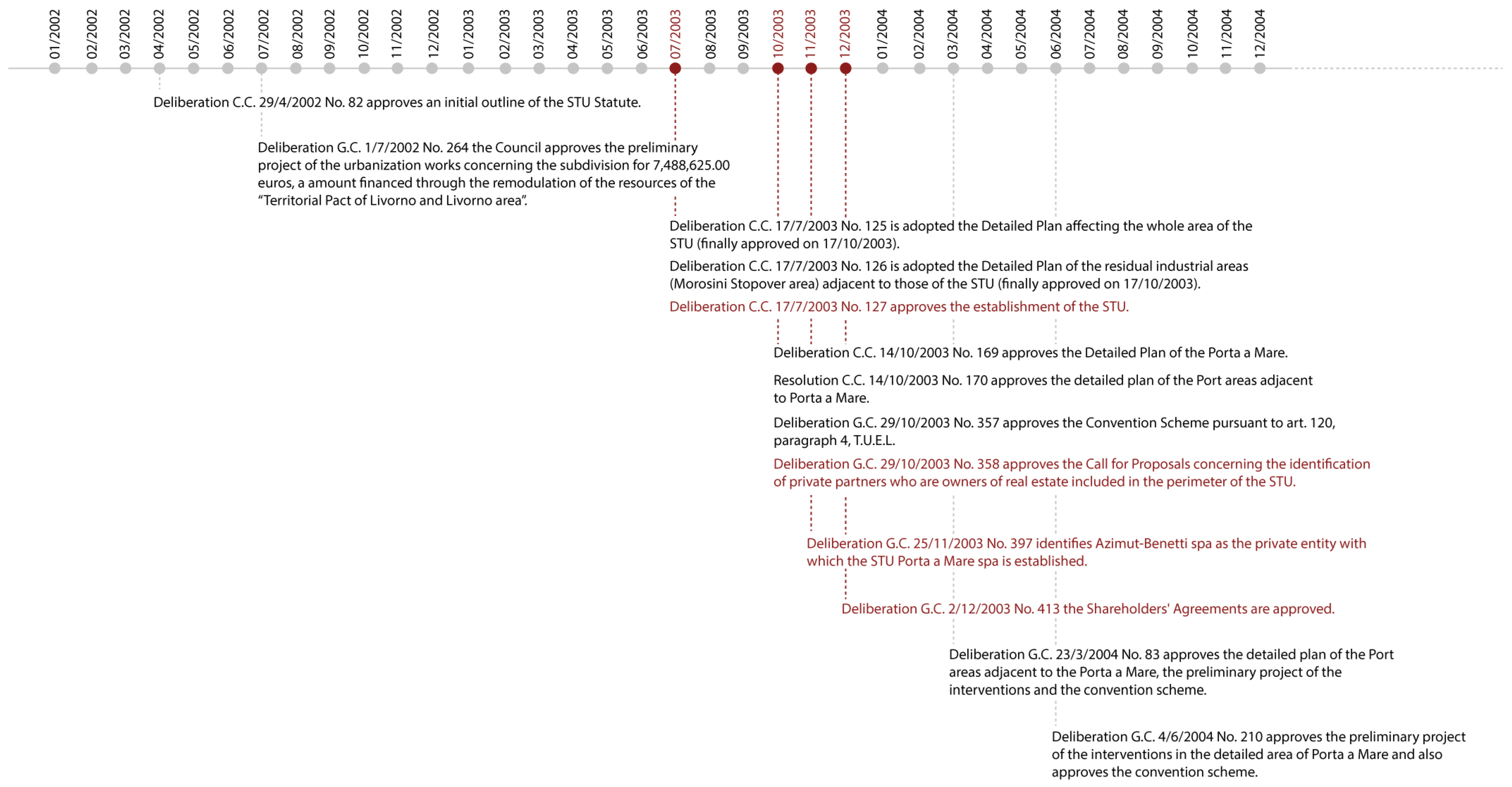
3.2. The Italian Context and the Case of “Porta a Mare” in Livorno
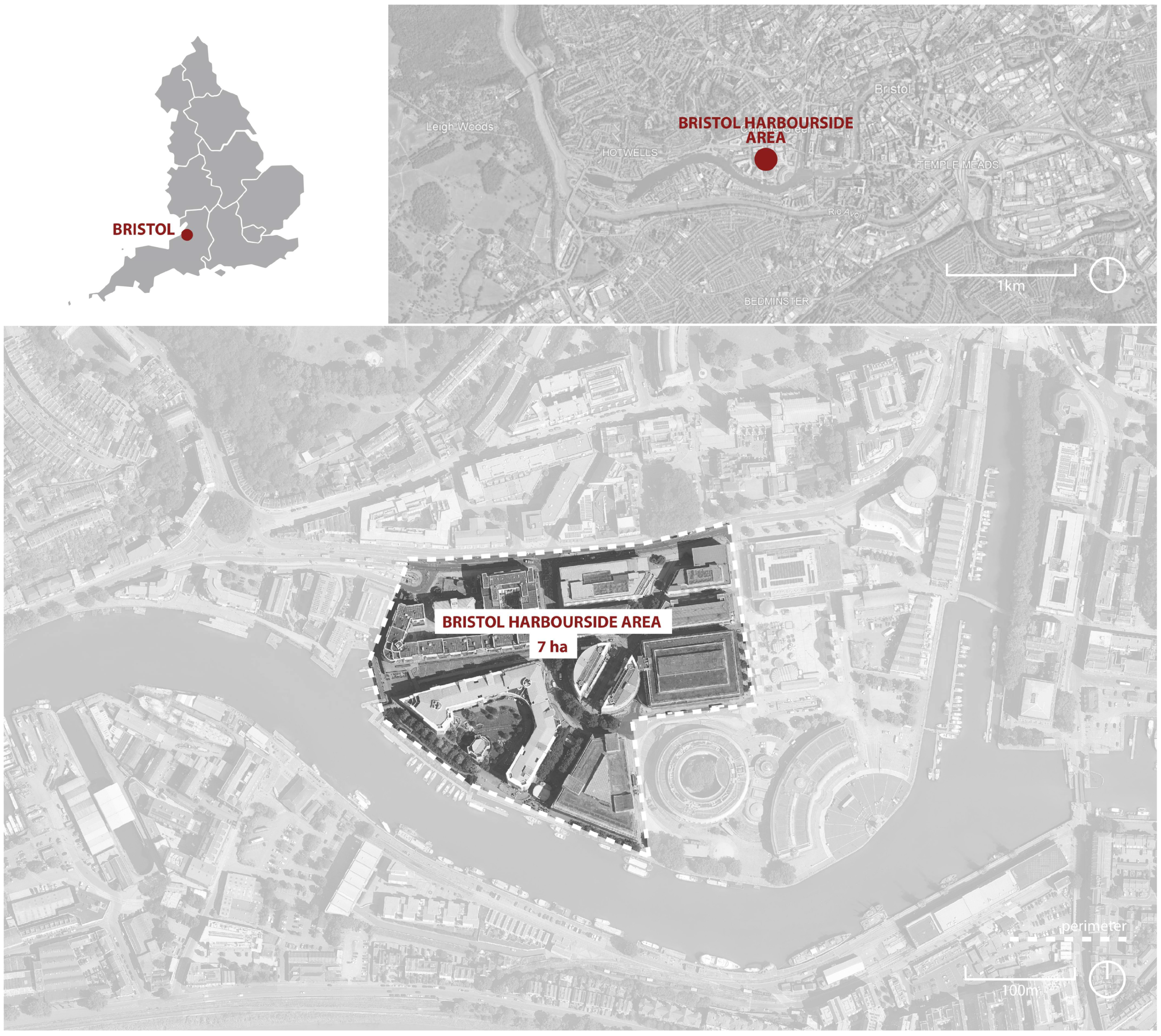
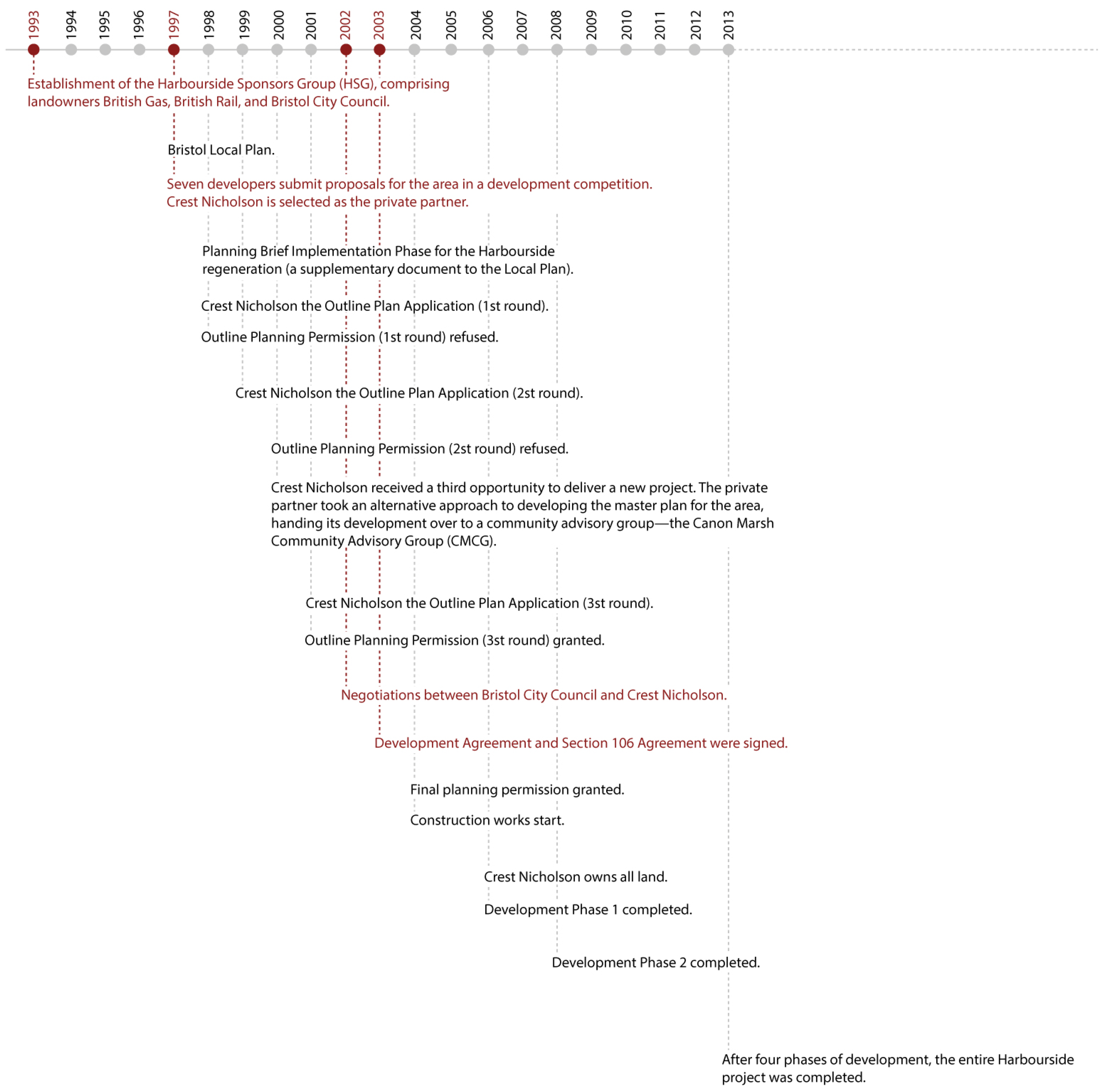
3.3. The British Context and the Case of “Harbourside” in Bristol
4. Discussion
4.1. Cross-Country Analysis
4.2. Cross-Case Analysis
5. Conclusions and Recommendations
- Strengthening public sector leadership: To ensure that practices serve the interests of the population, the public sector must lead the entire process. This can be reinforced through a clear legal and regulatory framework, the creation of specialized agencies equipped to support different levels of government, and the standardization of processes.
- Developing local institutional capacity: Since the local level is closest to this type of practice, it is important to enhance municipal expertise to ensure that governments can negotiate balanced agreements and effectively manage contracts over time.
- Increasing competitiveness in partner selection: It is crucial to design bidding processes that foster genuine competition and avoid conditions that limit participation. Clear and fair criteria should guide the selection of partners.
- Selecting a strong and committed private partner: While the public sector should lead the process, the private partner must be committed and robust enough to carry it forward.
- Strengthening transparency and accountability: Improving the clarity of contracts, decision-making, and monitoring processes is essential. Increased transparency builds public trust and reduces perceptions of opacity.
- Institutionalizing participatory processes from the outset: Public involvement should be embedded from the earliest stages of process design to prevent conflicts and distrust. Early engagement helps align outcomes with the real needs of the community.
- Diversifying financing mechanisms: Over-reliance on a single instrument or investor should be avoided. Encouraging multiple investors and funding sources ensures resilience and reduces financial vulnerability.
- Balancing risk allocation realistically: Risks should be shared proportionally between public and private actors. Excessively optimistic financial assumptions undermine sustainability and jeopardize implementation.
- Gradual and adaptive implementation: Adopting phased approaches allows for adjustments to changing economic or social conditions. Gradual implementation mitigates the risks of premature investments based on overly optimistic forecasts.
- Safeguarding cultural and historical identity: Given the historical character of these areas, it is important to incorporate architectural and planning solutions that respect and enhance local heritage, avoiding clashes between new developments and existing urban contexts. To this end, in the regeneration of historic neighborhoods and heritage-rich waterfronts, PPP models should incorporate explicit and enforceable cultural heritage protection measures into their arrangements.
- Integration with the surrounding urban fabric: Projects should be physically and socially connected to adjacent neighborhoods through mobility networks, public spaces, and functional continuity. This integration should respect historical street patterns, scales, and spatial relationships, avoiding the creation of isolated enclaves disconnected from the existing city.
- Ensuring functional diversity and mixed-use vitality: Encourage a balanced mix of residential, commercial, cultural, and recreational functions, avoiding regeneration focused purely on tourism and single-use developments that can undermine everyday urban life and local identity.
- Expanding green and public spaces: Public and green spaces should be designed as inclusive and accessible environments that reinforce historical narratives and cultural meanings, rather than as purely aesthetic or market-oriented amenities. Providing sufficient open and accessible areas promotes sustainability, community well-being, and long-term urban resilience. Green spaces also help prevent a sense of excessive building density.
- Prioritizing social housing and inclusion: To prevent gentrification or the displacement of vulnerable groups, regeneration projects must integrate affordable housing. A clear approach is to include non-negotiable quotas for affordable and social housing, ensuring that vulnerable and long-term residents can remain in regenerated areas.
- Strengthening the monitoring of social outcomes: Considering the contradictory effects observed in different urban regeneration practices, it is essential to define and monitor indicators not only for physical and financial progress but also for social impacts, ensuring that projects achieve broader public goals. In this sense, in addition to physical and financial indicators, PPPs should define and monitor social and cultural performance indicators, including impacts on heritage preservation, social diversity, and community access to regenerated spaces.
Author Contributions
Funding
Data Availability Statement
Conflicts of Interest
Abbreviations
| PPP | Public–Private Partnership |
| UK | United Kingdom |
| OUC | Operação Urbana Consorciada (Urban Consortium Operation) |
| CEPAC | Certificados de Potencial Adicional de Construção (Certificates of Additional Construction Potential) |
| CVM | Comissão de Valores Mobiliários (Securities and Exchange Commission) |
| CMN | Conselho Monetário Nacional (National Monetary Council) |
| ANBIMA | Associação Brasileira das Entidades dos Mercados Financeiro e de Capitais (Brazilian Financial and Capital Markets Association) |
| B3 | Brasil, Bolsa, Balcão–Bolsa do Brasil (Brazilian Stock Exchange) |
| GDP | Gross Domestic Product |
| AEIU | Área de Interesse Urbano Especial da Região Portuária do Rio de Janeiro (Area of Special Urban Interest of the Rio de Janeiro Port Region) |
| CDURP | Companhia de Desenvolvimento Urbano da Região do Porto do Rio de Janeiro (Urban Development Company of the Port Region of Rio de Janeiro) |
| MAR | Museu de Arte do Rio (Rio Art Museum) |
| MUHCAB | Circuito da Herança Africana e o Museu de História Cultural Afro-Brasileira (African Heritage Circuit and the Museum of Afro-Brazilian Cultural History) |
| STU | Società di Trasformazione Urbana (Urban Transformation Societies) |
| UTFP | Unità Tecnica Finanza di Progetto (Project Finance Technical Unit) |
| DIPE | Dipartimento per la Programmazione e il Coordinamento della Politica Economica (Department for Economic Policy Planning and Coordination) |
| PFI | Private Finance Initiative |
| PF2 | Private Finance 2 |
| JV | Joint Venture |
| HSG | Harbourside Sponsors Group |
| BCCI | Bristol Chamber of Commerce and Industry |
| CMCG | Canon Marsh Consultative Group |
References
- De Paula, P.V.; Marques, R.C.; Gonçalves, J.M. Public–Private Partnerships in Urban Regeneration Projects: A Review. J. Urban Plan Dev. 2023, 149, 04022056. [Google Scholar] [CrossRef]
- Hodge, G.A.; Greve, C. Public–Private Partnerships: An International Performance Review. Public Adm. Rev. 2007, 67, 545–558. [Google Scholar] [CrossRef]
- Cruz, C.O.; Marques, R.C. O Estado e as Parcerias Público-Privadas; Sílabo: Lisbon, Portugal, 2012. [Google Scholar]
- Marques, R.C.; Silva, D. As Parcerias Público-Privadas Em Portugal. Lições e Recomendações; Tékhne—Revista de Estudos Politécnicos: Barcelos, Portugal, 2008. [Google Scholar]
- Sarmento, J.M. Parcerias Público-Privadas; Fundação Francisco Manuel dos Santos: Lisbon, Portugal, 2016. [Google Scholar]
- Stanghellini, S.; Copiello, S. Urban Models in Italy: Partnership Forms, Territorial Contexts, Tools, Results. In Urban Models and Public-Private Partnership; Springer: Berlin/Heidelberg, Germany, 2010; pp. 47–130. [Google Scholar]
- Vale de Paula, P.; Cunha Marques, R.; Gonçalves, J.M. Critical Success Factors for Public–Private Partnerships in Urban Regeneration Projects. Infrastructures 2024, 9, 195. [Google Scholar] [CrossRef]
- Liu, J.; Love, P.E.D.; Smith, J.; Regan, M.; Davis, P.R. Life Cycle Critical Success Factors for Public-Private Partnership Infrastructure Projects. J. Manag. Eng. 2015, 31, 04014073. [Google Scholar] [CrossRef]
- Khan, S.; VanWynsberghe, R. Cultivating the Under-Mined: Cross-Case Analysis as Knowledge Mobilization. Forum Qual. Soc. Res. 2008, 9, 34. [Google Scholar] [CrossRef]
- Presidency of the Republic Civil House. Lei No. 11.079, de 30 de Dezembro de 2004—Institui Normas Gerais Para Licitação e Contratação de Parceria Público Privada No Âmbito Da Administração Pública. 2004. Available online: https://www.planalto.gov.br/ccivil_03/_ato2004-2006/2004/lei/l11079.htm (accessed on 9 January 2026).
- Presidency of the Republic Civil House. Lei No. 8.987, de 13 de Fevereiro de 1995—Dispõe Sobre o Regime de Concessão e Permissão Da Prestação de Serviços Públicos Previsto No Art. 175 Da Constituição Federal, e Dá Outras Providências. 1995. Available online: https://www.planalto.gov.br/ccivil_03/leis/l8987compilada.htm (accessed on 9 January 2026).
- Presidency of the Republic Civil House. Lei No. 9.074, de 7 de Julho de 1995—Estabelece Normas Para Outorga e Prorrogações Das Concessões e Permissões de Serviços Públicos e Dá Outras Providências. 1995. Available online: https://www.planalto.gov.br/ccivil_03/leis/l9074cons.htm (accessed on 9 January 2026).
- Presidency of the Republic Civil House. Lei n. 14.133 de 1 de Abril de 2021—Lei de Licitações e Contratos Administrativos. 2021. Available online: https://www.planalto.gov.br/ccivil_03/_ato2019-2022/2021/lei/l14133.htm (accessed on 9 January 2026).
- Presidency of the Republic Civil House. Lei n. 9.307, de 23 de Setembro de 1996—Dispõe Sobre a Arbitragem. 1996. Available online: https://www.planalto.gov.br/ccivil_03/leis/l9307.htm (accessed on 9 January 2026).
- Presidency of the Republic Civil House. Lei No. 10.257, de 10 de Julho de 2001—Regulamenta Os Arts. 182 e 183 Da Constituição Federal, Estabelece Diretrizes Gerais Da Política Urbana e Dá Outras Providências. 2001. Available online: https://www.planalto.gov.br/ccivil_03/leis/leis_2001/l10257.htm (accessed on 9 January 2026).
- Rolnik, R.; Saule Júnior, N. Estatuto Da Cidade: Guia Para Implementação Pelos Municípios e Cidadãos; Polis: Brasília, Brazil, 2001. [Google Scholar]
- ANBIMA. Capital Markets in Brazil. 2024. Available online: https://international.anbima.com.br/ (accessed on 9 January 2026).
- Thamer, R.; Lazzarini, S.G. Projetos de Parceria Público-Privada: Fatores Que Influenciam o Avanço Dessas Iniciativas. Rev. Adm. Pública 2015, 49, 819–846. [Google Scholar] [CrossRef]
- World Bank. Brazil Poverty and Equity Assessment: Looking Ahead of Two Crises; World Bank: Washington, DC, USA, 2022. [Google Scholar]
- World Bank. Porto Maravilha—Case Study. Urban Regeneration KSB; World Bank: Washington, DC, USA, 2020. [Google Scholar]
- Sampaio, M.M. Operação Urbana Consorciada Porto Maravilha: Estudo de Caso de Uma Parceria Público-Privada; Universidade Federal do Rio de Janeiro, Instituto de Economia: Rio de Janeiro, Brazil, 2014. [Google Scholar]
- Werneck, M. Porto Maravilha: Agentes, Coalizões de Poder e Neoliberalização No Rio de Janeiro; Universidade Federal do Rio de Janeiro: Rio de Janeiro, Brazil, 2016. [Google Scholar]
- Raymundo, G. Towards Urban Waterfront Redevelopment. The Case of Rio de Janeiro. Master’s Thesis, Lund Univeristy, Lund, Sweden, 2006. [Google Scholar]
- Rio de Janeiro. 2023. Available online: https://www.ccpar.rio/projeto/porto-maravilha/operacao-urbana/ (accessed on 9 January 2026).
- Mayor of the City of Rio de Janeiro. Lei Complementar No. 101, de 23/11/2009, Que Modifica o Plano Diretor e Autoriza o Poder Executivo a Instituir a Operação Urbana Consorciada Da Região Do Porto Do Rio, Na Área de Especial Interesse Urbanístico—AEIU. 2009. Available online: https://e.camara.rj.gov.br/Arquivo/Documents/legislacao/html/C1012009.html (accessed on 9 January 2026).
- Mayor of the City of Rio de Janeiro. Decreto Municipal No. 26852, de 08/08/2006, Que Cria e Delimita a Área de Especial Interesse Da Região Portuária Do Rio de Janeiro Para Que Indica, Declara de Utilidade Pública Imóveis, Estabelece Condições Para Parceria Com o Setor Privado e Autoriza a Cons-Tituição de Grupo de Trabalho. 2006. Available online: https://www.jusbrasil.com.br/legislacao/305765/decreto-26852-06 (accessed on 9 January 2026).
- Mayor of the City of Rio de Janeiro. Lei Complementar No. 102, de 23/11/2009, Que Cria a Companhia de Desenvolvimento Urbano Da Região Do Porto Do Rio de Janeiro—CDURP, Responsável Pelo Desenvolvimento Da AEIU Da Região Do Porto Do Rio de Janeiro. 2009. Available online: https://e.camara.rj.gov.br/Arquivo/Documents/legislacao/html/C1022009.html (accessed on 9 January 2026).
- Mayor of the City of Rio de Janeiro. Decreto No. 31620, de 21/12/2009, Que Institui a Companhia de Desenvolvimento Urbano Da Região Do Porto Do Rio de Janeiro S/A—CDURP e Aprova Seu Estatuto Social. 2009. Available online: https://leismunicipais.com.br/a2/rj/r/rio-de-janeiro/decreto/2009/3162/31620/decreto-n-31620-2009-institui-a-companhia-de-desenvolvimento-urbano-da-regiao-do-porto-do-rio-de-janeiro-s-a-cdurp-e-aprova-o-seu-estatuto-social?q=processo+trabalhista (accessed on 9 January 2026).
- Mayor of the City of Rio de Janeiro. Edital de Licitação—Concorrência Pública No. 001/2010 Para Contratação, Em Regime de Parceria Público Privada, Modalidade Concessão Administrativa, Da Revitalização, Operação e Manutenção Da AEIU Da Região Portuária Do Rio de Janeiro. 2010. [Google Scholar]
- Mayor of the City of Rio de Janeiro. Decreto No. 32666, de 11/08/2010, Que Determina a Emissão Dos Certificados de Potencial Adicional de Construção—CEPAC. 2010. Available online: https://leismunicipais.com.br/a1/rj/r/rio-de-janeiro/decreto/2010/3267/32666/decreto-n-32666-2010-determina-a-emissao-dos-certificados-de-potencial-adicional-de-construcao-cepac-previstos-no-art-34-da-lei-federal-n-10257-de-10-de-julho-de-2001-e-no-art-36-da-lei-complementar-municipal-n-101-de-23-de-novembro-de-2009-e-da-outras-providencias-2010-08-11-versao-original (accessed on 9 January 2026).
- Radar PPP. Porto Maravilha (Município do Rio de Janeiro)—Radar PPP. 2010. Available online: https://radarppp.com/resumo-de-contratos-de-ppps/porto-maravilha-municipio-do-rio-de-janeiro/ (accessed on 9 January 2026).
- Vale de Paula, P.; Cunha Marques, R.; Gonçalves, J.M. Public–Private Partnerships in Urban Regeneration Projects: The Brazilian Context and the Case of “Porto Maravilha” in Rio de Janeiro. Land 2025, 14, 1055. [Google Scholar] [CrossRef]
- European Commission. Green Paper on Public–Private Partnerships and Community Law on Public Contracts and Concessions; European Commission: Brussels, Belgium, 2004. [Google Scholar]
- Copiello, S. Progetti Urbani in Partenariato. Studi Di Fattibilità e Piano Economico Finanziario. Con CD-ROM; Alinea Editrice: Florence, Italy, 2011; Volume 2. [Google Scholar]
- Governo Italiano. Decreto Legislativo 36/2023—Codice Dei Contratti Pubblici. 2023. Available online: https://www.abf.eu/wp-content/uploads/2022/03/Decreto-legislativo-36-2023.pdf (accessed on 9 January 2026).
- Governo Italiano. Decreto Legislativo 175/2016—Testo Unico in Materia Di Società a Partecipazione Pubblica. 2016. Available online: https://www.normattiva.it/uri-res/N2Ls?urn:nir:stato:decreto.legislativo:2016-08-19;175 (accessed on 9 January 2026).
- Dipartimento per La Programmazione E Il Coordinamento Della Politica Economica. Available online: https://www.programmazioneeconomica.gov.it/it/dipartimento/presentazione/ (accessed on 9 January 2026).
- Governo Italiano. Decreto Legislativo 50/2016—Codice Degli Appalti Pubblici e Dei Contratti Di Concessione. Available online: https://www.mit.gov.it/normativa/decreto-legislativo-numero-50-del-18042016 (accessed on 9 January 2026).
- Governo Italiano. Legge 14 Gennaio 2013, n. 10—Norme per Lo Sviluppo Degli Spazi Verdi Urbani. 2013. Available online: https://www.normattiva.it/uri-res/N2Ls?urn:nir:stato:legge:2013;10 (accessed on 9 January 2026).
- Governo Italiano. Decreto-Legge 12 Settembre 2014, n. 133—Misure Urgenti per l’apertura Dei Cantieri, La Realizzazione Delle Opere Pubbliche, La Digitalizzazione Del Paese, La Semplificazione Burocratica, l’emergenza Del Dissesto Idrogeologico e per La Ripresa Delle Attivita’ Produttive. 2014. Available online: https://www.normattiva.it/uri-res/N2Ls?urn:nir:stato:decreto.legge:2014-09-12;133!vig= (accessed on 9 January 2026).
- Michiara, P. I Patti Di Collaborazione e Il Regolamento per La Cura e La Rigenerazione Dei Beni Comuni Urbani. L’esperienza Del Comune Di Bologna. Aedon 2016, 2. [Google Scholar] [CrossRef]
- Capriotti, P. Dalle Pratiche Spontanee Alla Sistematicità Del Riuso Temporaneo: Un Percorso Possibile. In Agenda Re-Cycle: Proposte Per Reinventare la Città; Fontanari, E., Piperata, G., Eds.; Il Mulino: New York, NY, USA, 2017; pp. 157–171. [Google Scholar]
- CAPITAL MARKETS Sectoral Strategic Guidelines CONTENTS. Available online: https://www.cdp.it/internet/public/cms/documents/CDP_CAPITAL_MARKETS_ENG.pdf (accessed on 9 January 2026).
- Vecchi, V.; Tanese, A. A Strategic Approach to Public-Private Collaborations Needs More Public Management. Available online: https://www.gihub.org/resources/publications/a-strategic-approach-to-public-private-collaborations-needs-more-public-management/ (accessed on 9 January 2026).
- Fina, S.; Heider, B.; Prota, F. Unequal Italy: Regional Socio-Economic Disparities in Italy; Foundation for European Progressive Studies: Brussels, Belgium, 2021. [Google Scholar]
- Pasquinelli, R. Porta a Mare. Dalla Fine Del Cantiere a Oggi. Appunti per Una Riflessione; Media Print Editore: Livorno, Italy, 2024. [Google Scholar]
- Ordine Ingegneri Livorno. Livorno PORTA A MARE. Una Città Che Cambia; Supplemento al Notiziario Bimestrale Anno XXlX n. 135; Ordine Ingegneri Livorno: Livorno, Italy, 1996. [Google Scholar]
- Moretti, M. Porta a Mare: The New Face of Livorno toward the Sea. PORTUS Online Mag. RETE 2019, 38. [Google Scholar]
- Corradini, S.; Morucci, F. Livorno between Preserving Port Identity and Future Challenges. Portus Plus 2012, 3, 1–10. [Google Scholar]
- Comune di Livorno. Deliberazione Del Consiglio Comunale 17/7/2003 N. 127 Si Approva La Costituzione Della STU; Comune di Livorno: Livorno, Italy, 2003. [Google Scholar]
- Comune di Livorno. Deliberazione Del Consiglio Comunale 29/4/2002 n. 82 Si Approva Un Primo Schema Di Statuto Della STU; Comune di Livorno: Livorno, Italy, 2002. [Google Scholar]
- Comune di Livorno. Deliberazione Della Giunta Comunale 25/11/2003 N. 397 Si Individua Nella Azimut-Benetti Spa Il Soggetto Privato Con Cui Si Costituisce La STU Porta a Mare Spa; Comune di Livorno: Livorno, Italy, 2003. [Google Scholar]
- Comune di Livorno. Deliberazione Della Giunta Comunale 2/12/2003 N. 413 Si Approvano i Patti Parasociali; Comune di Livorno: Livorno, Italy, 2003. [Google Scholar]
- De Fabiis, A. STU Società Flessibili per Il Recupero e La Riqualificazione Di Aree Di Rilevante Interesse Urbanistico: I Casi Delle Aree “Porta a Mare” e “Nuovo Centro” Nel Comune Di Livorno. Master’s Thesis, University of Pisa, Pisa, Italy, 2014. [Google Scholar]
- Presidenza del Consiglio dei Ministri. Accordo Di Programma per Lo Svilupp e La Trasformazione Urbanistica Dell´ex Cantiere Navale Orlando Di Livorno e Delle Aree Portuali Limitrofe; Presidenza del Consiglio dei Ministri: Rome, Italy, 2007.
- IGD SiiQ. Porta a Mare. Available online: https://www.gruppoigd.it/en/immobile/porta-a-mare/ (accessed on 9 January 2026).
- IGD SiiQ spa. Livorno, Porta a Mare. Approdo Del Futuro/the Mooring of the Future; IGD SiiQ: Bologna, Italy, 2013. [Google Scholar]
- Vale de Paula, P.; Cunha Marques, R.; Gonçalves, J.M. Public–Private Partnerships in Urban Regeneration Projects: The Italian Context and the Case of “Porta a Mare” in Livorno. Buildings 2025, 15, 702. [Google Scholar] [CrossRef]
- European PPP Expertise Centre. PPP Units and Related Institutional Framework. 2012. Available online: https://www.eib.org/files/epec/epec_uk_england_ppp_unit_and_related_institutional_framework_en.pdf (accessed on 9 January 2026).
- GOV.UK. Public Private Partnerships. 2017. Available online: https://www.gov.uk/government/collections/public-private-partnerships (accessed on 9 January 2026).
- Alshawi, M. Concept and Background to Public Private Partnership (PPP)/Private Finance Initiative (PFI) UK Experience. Iraq Inst. Econ. Reforms (IIER) 2009, 1, 1–7. [Google Scholar]
- HM Treasury. A New Approach to Public–Private Partnerships; HM Treasury: London, UK, 2012. [Google Scholar]
- HM Treasury. Joint Ventures: A Guidance Note for Public Sector Bodies Forming Joint Ventures with the Private Sector; HM Treasury: London, UK, 2010. [Google Scholar]
- Atkinson, R.; Tallon, A.; Williams, D. Governing urban regeneration in the UK: A case of ‘variegated neoliberalism’in action? Eur. Plan. Stud. 2019, 27, 1083–1106. [Google Scholar] [CrossRef]
- Tallon, A. Urban Regeneration in the UK; Routledge: London, UK, 2020. [Google Scholar]
- UK Finance. UK Public and Private Capital Markets—A Unified Strategy for Growth and Prosperity; UK Finance: London, UK, 2025. [Google Scholar]
- Association for Financial Markets in Europe. Capital Markets in the UK; Association for Financial Markets in Europe: London, UK, 2024. [Google Scholar]
- Isaac, M.; Lopez, A. The Socio-Economic Duty in Action: Case Studies from England and Wales; Just Fair and Greater Manchester Poverty Action (GMPA): Greater Manchester, UK, 2023. [Google Scholar]
- Jones, R.; Llewellyn, J. Maintaining Stable Macroeconomic Conditions. Natl. Inst. Econ. Rev. 2019, 250, R7–R14. [Google Scholar] [CrossRef]
- Bristol City Council. The Population of Bristol; Bristol City Council: Bristol, UK, 2025.
- Tallon, A.R. Bristol. Cities 2007, 24, 74–88. [Google Scholar] [CrossRef]
- Tallon, A. Regenerating Bristol’s Harbourside. Town Ctry. Plan. 2006, 75, 278. [Google Scholar]
- Williams, D.; Atkinson, R.; Tallon, A. A Comparison of Public-Private Partnership Development of Previously Used Land in the UK. 2016. Available online: https://uwe-repository.worktribe.com/output/908958 (accessed on 9 January 2026).
- Heurkens, E.; Adams, D.; Hobma, F. Planners as Market Actors: The Role of Local Planning Authorities in the UK’s Urban Regeneration Practice. Town Plan. Rev. 2015, 86, 625–650. [Google Scholar] [CrossRef]
- Heurkens, E. Private Sector-Led Urban Development Projects: Management, Partnerships and Effects in the Netherlands and the UK; TU Delft: Delft, The Netherlands, 2012; Volume 4. [Google Scholar]
- Bassett, K.; Griffiths, R.; Smith, I. Testing Governance: Partnerships, Planning and Conflict in Waterfront Regeneration. Urban Stud. 2002, 39, 1757–1775. [Google Scholar] [CrossRef]



| Brazil | Italy | United Kingdom | |
|---|---|---|---|
| Enabling Environment | Regulated by Law No. 11079/2004 (administrative and sponsored concessions) and other laws (8987/1995; 9074/1995; 14133/2021). PPP units exist in some states. City Statute (Law No. 10257/2001) provides instruments like OUC for urban regeneration, which is implemented at the municipal level. | Aligned with EU guidelines; distinguishes contractual (Legislative Decree 36/2023), institutionalized (Legislative Decree 175/2016), and negotiable PPPs. Institutional support via DIPE and ANAC, but there is limited use of standard models. Regional/municipal legislation is important for urban regeneration. | Pioneer in PPPs (PFI, PF2, JVs). There is no single piece of legislation governing PPPs in the UK; policy and oversight are provided by HM Treasury and the Infrastructure and Projects Authority, supported by the PFI Centre of Excellence. Governance across national, regional, and local levels. Complex institutional framework, with various types of initiatives related to urban regeneration in different time periods. |
| Exogenous Factors | Strengthened the capital market since the 2000s. Divided community support (state vs. privatization). Persistent regional inequalities. Unstable macroeconomic scenario with fluctuating GDP per capita and high inflation. | Fragile financial market. Lack of public support for PPPs. Major regional disparities (north vs. south). Unstable macroeconomic scenario with fluctuating GDP per capita and high inflation. | Strong global financial center, but the advantage is narrowing. Mixed public support. Socio-economic challenges (austerity, COVID-19, rising living costs, inequalities, 22% relative poverty). Macroeconomic volatility (GDP fluctuations, high inflation); uncertainty from Brexit, global crises, and climate change. |
| Brazil | Italy | United Kingdom | |
|---|---|---|---|
| Context of the area | Rio de Janeiro port area, historically strategic but degraded since the 1970s, with abandoned buildings, obsolete infrastructure, and precarious occupations. Previous revitalization attempts failed. | Former Fratelli Orlando shipyard area, economically and urbanely declined. City studies since 1995 aimed to reactivate the economy, preserve jobs, and reintegrate the area. | Former central docks in Bristol, derelict since the mid-20th century; the city center has a long maritime history. Several cultural and leisure-based regeneration phases since the 1970s. |
| Proposed Project | Transform ~500 hectares into a hub for culture, tourism, housing, and services; construction of cultural facilities, upgraded infrastructure, and enhancement of historical heritage; linked to the 2014 World Cup and the 2016 Olympics. | Transform more than 10 hectares, divided into 5 zones (Piazza Mazzini, Officine Storiche, Molo Mediceo, Arsenale, LIps area); regeneration of historic buildings, creation of multifunctional spaces. | Transform 7-hectare waterfront into mixed-use area with housing, offices, leisure, cultural attractions. |
| PPP arrangement | PPP through Administrative concession; creation of OUC Porto Maravilha; CDURP and Porto Novo Consortium; financed mainly by sale of CEPACs (purchased by Caixa Econômica Federal, creating a real estate fund). | Institutionalized PPP (STU) between municipality and private sector; Azimut Benetti as leading private partner; strong public-private commitment, but limited competition and late public participation. | PPP was established in 1997; early collaboration between British Gas, British Rail, and Bristol City Council; Crest Nicholson selected via competition; phased development after inclusive consultations. |
| Analysis of the PPP arrangement | Enabled speed and centralized management; Criticisms: financially fragile due to dependence on a single CEPAC purchaser; project halted in 2023 due to liquidity crisis; benefits concentrated in certain actors; highlights need for gradual, inclusive planning. | Strong public-private commitment. Criticisms: limited competitiveness in private partner selection, delayed public participation. | Ability to align landowners and engage stakeholders; inclusive consultations improved outcomes. Criticisms: late involvement, and transparency concerns; perceived opacity in documentation and decision-making. |
| Analysis of the urban results | Improved infrastructure (demolition of Elevado da Perimetral, new tunnels/roads), cultural and tourist facilities (Museum of Tomorrow, Rio Art Museum), valorization of Afro-Brazilian heritage; Criticisms: gentrification, social exclusion, unbuilt social housing. | Return of population to the waterfront, economic activation, and valorization of urban space. Criticisms: poor integration with adjacent urban fabric, clashing architecture, high density, insufficient green space, unbuilt Tourist Port. | Waterfront returned to urban use, attracted investment. Criticisms: limited functional variety, lack of street-level activation, insufficient social housing, high density, design/connectivity issues, and gentrification of surrounding neighborhoods. |
Disclaimer/Publisher’s Note: The statements, opinions and data contained in all publications are solely those of the individual author(s) and contributor(s) and not of MDPI and/or the editor(s). MDPI and/or the editor(s) disclaim responsibility for any injury to people or property resulting from any ideas, methods, instructions or products referred to in the content. |
© 2026 by the authors. Licensee MDPI, Basel, Switzerland. This article is an open access article distributed under the terms and conditions of the Creative Commons Attribution (CC BY) license.
Share and Cite
Vale de Paula, P.; Cunha Marques, R.; Gonçalves, J.M. Public–Private Partnerships in Urban Regeneration: Comparative Insights and Lessons from Brazil, Italy, and the UK. Land 2026, 15, 180. https://doi.org/10.3390/land15010180
Vale de Paula P, Cunha Marques R, Gonçalves JM. Public–Private Partnerships in Urban Regeneration: Comparative Insights and Lessons from Brazil, Italy, and the UK. Land. 2026; 15(1):180. https://doi.org/10.3390/land15010180
Chicago/Turabian StyleVale de Paula, Paula, Rui Cunha Marques, and Jorge Manuel Gonçalves. 2026. "Public–Private Partnerships in Urban Regeneration: Comparative Insights and Lessons from Brazil, Italy, and the UK" Land 15, no. 1: 180. https://doi.org/10.3390/land15010180
APA StyleVale de Paula, P., Cunha Marques, R., & Gonçalves, J. M. (2026). Public–Private Partnerships in Urban Regeneration: Comparative Insights and Lessons from Brazil, Italy, and the UK. Land, 15(1), 180. https://doi.org/10.3390/land15010180