


-
Soft Tissue Scaffolds in Breast Reconstruction: Evolution from Acellular Dermal Matrices to Synthetic Polymers -
Preclinical Rheumatoid Arthritis: Pathogenesis, Risk Stratification, and Therapeutic Interception -
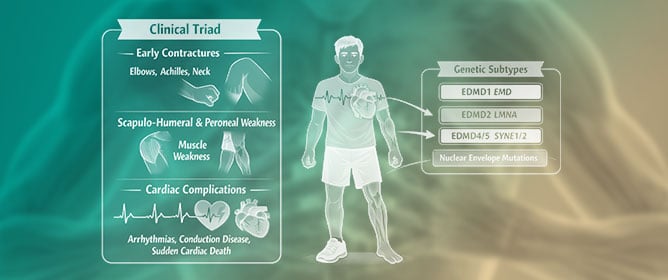
Cardiac Involvement in Emery–Dreifuss Muscular Dystrophy, from Arrhythmias to Heart Failure and Sudden Death: A Contemporary Review -
Adherence to CPAP in Randomized Controlled Trials in Obstructive Sleep Apnoea—A Meta-Analysis and Investigation of Predictors -
Navigating the Hemostatic Balance: Anticoagulation and Antiplatelet Therapy in Patients with Thrombocytopenia
Journal Description
Journal of Clinical Medicine
is an international, peer-reviewed, open access journal of clinical medicine, published semimonthly online by MDPI. The International Bone Research Association (IBRA), Spanish Society of Hematology and Hemotherapy (SEHH), Japan Association for Clinical Engineers (JACE), European Independent Foundation in Angiology/ Vascular Medicine (VAS) and others are all affiliated with JCM, and their members receive a discount on article processing charges.
- Open Access— free for readers, with article processing charges (APC) paid by authors or their institutions.
- High Visibility: indexed within Scopus, SCIE (Web of Science), PubMed, PMC, Embase, CAPlus / SciFinder, and other databases.
- Journal Rank: JCR - Q1 (Medicine, General and Internal) / CiteScore - Q1 (General Medicine)
- Rapid Publication: manuscripts are peer-reviewed and a first decision is provided to authors approximately 18.5 days after submission; acceptance to publication is undertaken in 2.7 days (median values for papers published in this journal in the second half of 2025).
- Recognition of Reviewers: reviewers who provide timely, thorough peer-review reports receive vouchers entitling them to a discount on the APC of their next publication in any MDPI journal, in appreciation of the work done.
- Companion journals for JCM include: Epidemiologia, Transplantology, Uro, Sinusitis, Rheumato, Journal of Clinical & Translational Ophthalmology, Journal of Vascular Diseases, Osteology, Complications, Therapeutics, Sclerosis, Pharmacoepidemiology, Journal of CardioRenal Medicine and Rare Diseases and Therapeutics.
- Journal Clusters of Hematology: Hemato, Hematology Reports, Thalassemia Reports and Journal of Clinical Medicine.
Impact Factor:
2.9 (2024);
5-Year Impact Factor:
3.3 (2024)
Latest Articles
Oxidative Stress-Related DNA Damage in Patients with Idiopathic Granulomatous Mastitis: A Prospective Case–Control Study
J. Clin. Med. 2026, 15(11), 4228; https://doi.org/10.3390/jcm15114228 (registering DOI) - 30 May 2026
Abstract
Background/Objectives: Idiopathic granulomatous mastitis (IGM) is a rare, benign, chronic inflammatory disease of the breast that may present with recurrent and treatment-resistant courses and can clinically and radiologically mimic breast cancer. Despite its benign nature, IGM may significantly impair quality of life,
[...] Read more.
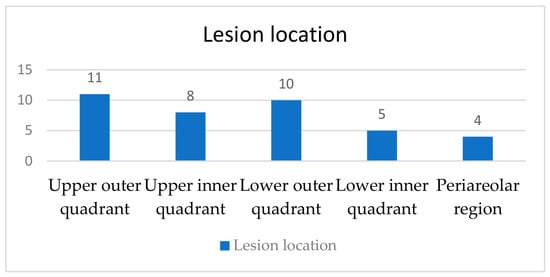
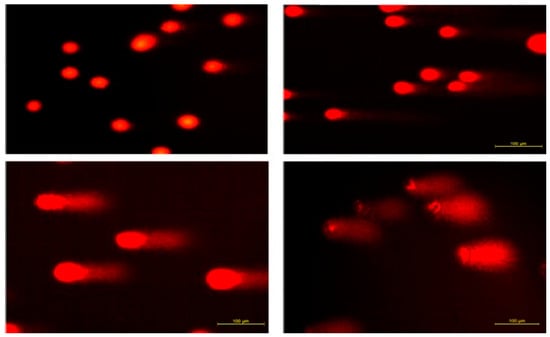
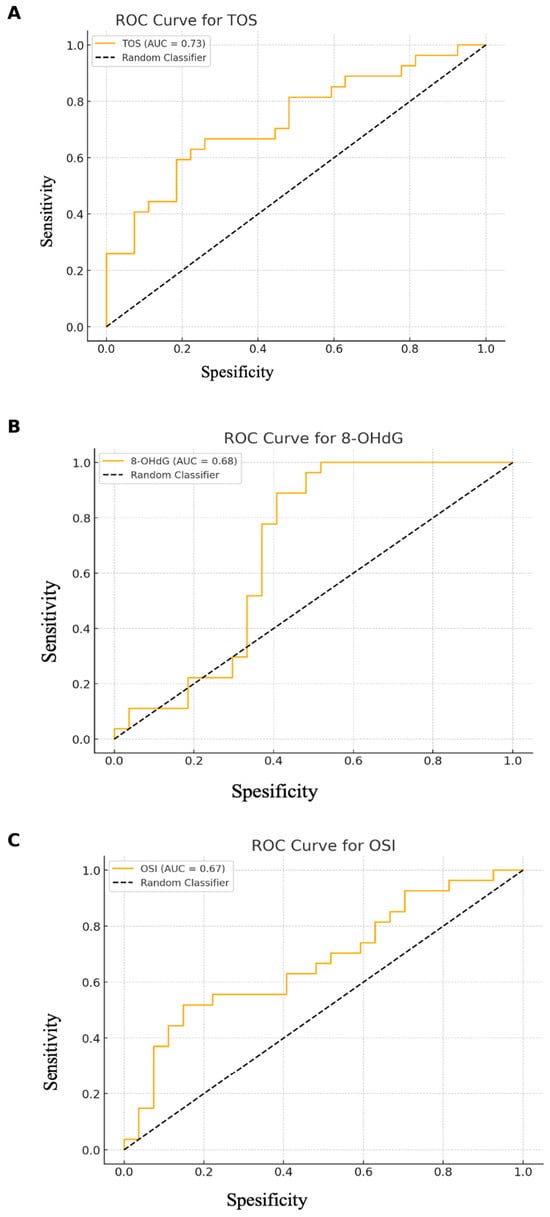
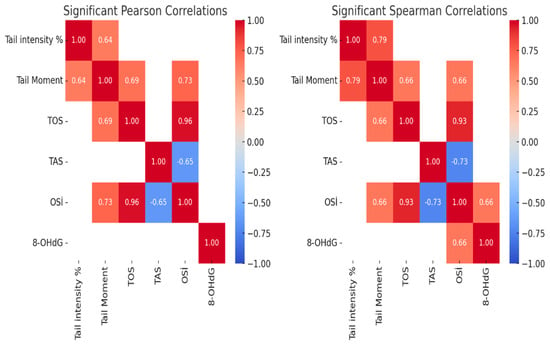
Background/Objectives: Idiopathic granulomatous mastitis (IGM) is a rare, benign, chronic inflammatory disease of the breast that may present with recurrent and treatment-resistant courses and can clinically and radiologically mimic breast cancer. Despite its benign nature, IGM may significantly impair quality of life, and its underlying pathophysiology remains unclear. This study aimed to evaluate oxidative stress and DNA damage in patients with IGM. Methods: In this prospective case–control study, 28 patients with clinically and histopathologically confirmed idiopathic granulomatous mastitis who had not received corticosteroid or immunosuppressive therapy within the previous six months were enrolled. An age-matched control group of 27 healthy women was included. Venous blood and urine samples were collected for the assessment of total oxidant status (TOS), total antioxidant status (TAS), and calculation of the oxidative stress index (OSI). Mononuclear leukocyte DNA damage was evaluated using the alkaline Comet assay, and urinary 8-hydroxy-2′-deoxyguanosine (8-OHdG) levels were measured by ELISA. Sociodemographic data, laboratory and imaging results of the patients were also evaluated. Results: The mean ages of the patient and control groups were 37.3 ± 5.3 and 35.4 ± 8.6 years, respectively, with no significant difference (p = 0.081). Patients exhibited significantly higher inflammatory markers and oxidative stress parameters, including TOS, OSI, and urinary 8-OHdG (p < 0.05), whereas TAS did not differ between groups (p = 0.534). Comet assay analysis demonstrated significantly increased tail intensity (%) and tail moment in the patient group (p = 0.029 and p = 0.016). Conclusions: IGM is associated with increased oxidative stress and mononuclear leukocyte DNA damage. These findings suggest that oxidative stress-induced DNA damage may play a role in the pathophysiology of IGM and highlight the potential value of antioxidant-based therapeutic strategies as adjunctive treatment options.
Full article
(This article belongs to the Section General Surgery)
►
Show Figures
Open AccessReview
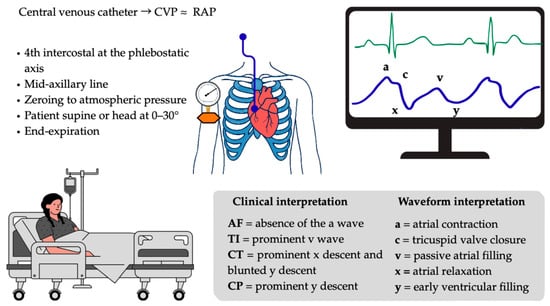
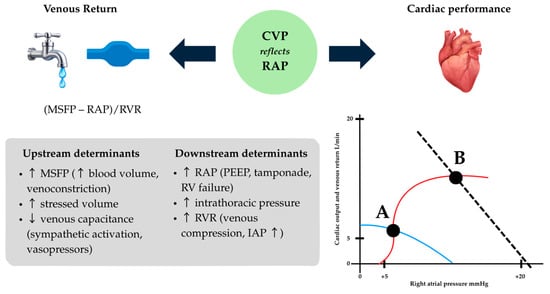
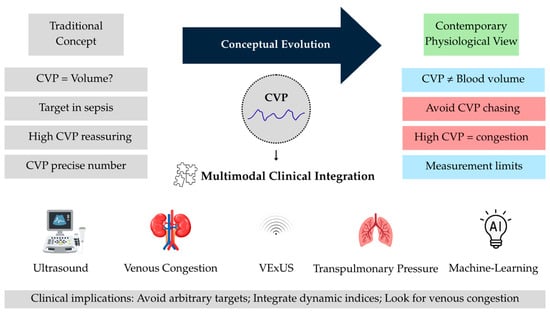
Central Venous Pressure Revisited: Physiology, Pitfalls, Misconceptions, and Modern Clinical Interpretation in Critical Care
by
Cesare Biuzzi, Elena Modica, Lucrezia Pondrelli, Alexander Raimondi, Margherita Cavenago, Daniele Marianello, Filippo Annoni, Fabio Silvio Taccone, Federico Franchi and Sabino Scolletta
J. Clin. Med. 2026, 15(11), 4227; https://doi.org/10.3390/jcm15114227 (registering DOI) - 30 May 2026
Abstract
Central venous pressure (CVP) has long been a cornerstone of hemodynamic monitoring, traditionally interpreted as a surrogate of intravascular volume and cardiac preload. Current evidence demonstrates that CVP has limited value as a standalone marker of preload and fluid responsiveness (FR), and its
[...] Read more.
Central venous pressure (CVP) has long been a cornerstone of hemodynamic monitoring, traditionally interpreted as a surrogate of intravascular volume and cardiac preload. Current evidence demonstrates that CVP has limited value as a standalone marker of preload and fluid responsiveness (FR), and its role as a fixed target for fluid resuscitation has progressively declined. This narrative review retraces the evolution of CVP interpretation, from its physiological foundations to its role in contemporary clinical practice. While early resuscitation strategies relied on predefined CVP thresholds, this approach has been abandoned. Despite these limitations, CVP remains widely used due to its simplicity and historical familiarity and modern perspectives instead emphasize its role as a marker of venous congestion. In this context, CVP retains clinical utility when used for waveform interpretation, assessment of venous congestion, and, most importantly, as part of an integrated, multimodal hemodynamic monitoring strategy.
Full article
(This article belongs to the Special Issue Challenging ICU Dogma: Where Routine Practice and Evidence Collide)
►▼
Show Figures

Figure 1

Open AccessArticle
TyG–BMI as a Marker of Metabolic Status and Its Association with Bone Quality and Mineral Metabolism: A Sex-Specific Analysis
by
Assel Anarbayeva, Karlygash Sadykova, Gulnaz Nuskabayeva, Nursultan Nurdinov, Nurgul Zholdassova, Dilfuza Mamraimova, Gulzira Baimakhanova, Dinara Azizkhojayeva, Sirozhiddin Irismetov, Shoira Isanova and Ugilzhan Tatykayeva
J. Clin. Med. 2026, 15(11), 4226; https://doi.org/10.3390/jcm15114226 - 29 May 2026
Abstract
Background: Insulin resistance (IR) is a major pathogenic factor in metabolic syndrome and related diseases. It is challenging to accurately measure IR due to high cost and technical complexity. TyG-derived indices have been proposed as simple and reliable surrogates for assessing insulin resistance.
[...] Read more.
Background: Insulin resistance (IR) is a major pathogenic factor in metabolic syndrome and related diseases. It is challenging to accurately measure IR due to high cost and technical complexity. TyG-derived indices have been proposed as simple and reliable surrogates for assessing insulin resistance. The present study aimed to investigate the association between TyG-derived indices and indicators of mineral metabolism and bone quality and to examine sex-specific differences. Methods: This cross-sectional study included 330 adults aged 18–65 years. Age-adjusted partial correlation analyses and multivariable linear regression models were performed to examine the associations between TyG indices and several metabolic parameters, minerals, and QUS bone indices. Results: TyG–BMI was strongly correlated with triglycerides (females: r = 0.51; males: r = 0.54, both p < 0.001), glucose (females: r = 0.54, p < 0.001), and hip circumference (females: r = 0.77; males: r = 0.58, both p < 0.001). HDL showed inverse associations (females: r = −0.41, p < 0.001). In females, TyG–BMI demonstrated modest positive correlations with bone parameters, including BQI (r = 0.21, p = 0.002), T-score and Z-score (r = 0.21, p = 0.002 for both), SOS (r = 0.19, p = 0.007), and BUA (r = 0.18, p = 0.010), whereas no significant associations were observed in males. In multivariable models, TyG–BMI in females remained independently associated with glucose (β = 9.77, p < 0.001), waist circumference (β = 2.94, p < 0.001), and HDL (β = −26.6, p < 0.001), but not with mineral or bone parameters. Conclusions: The TyG-derived indices, most notably TyG–BMI, are useful indicators of metabolic status that correlate with bone quality yet exhibit sex-specific associations. These findings support the role of TyG-derived indices as accessible surrogate markers of metabolic status and demonstrate sex-specific associations with bone quality parameters.
Full article
(This article belongs to the Section Endocrinology & Metabolism)
Open AccessArticle
Cephalometric Sagittal Changes Suggestive of Maxillary Anterior Displacement and Mandibular Immediate Shift Following 3D-Guided Midpalatal Piezocorticotomy-Assisted MARPE in Adults: A Retrospective Cohort Study
by
Svitlana Koval, Daria Chepanova, Nika Stepanoff and Andrii Babii
J. Clin. Med. 2026, 15(11), 4225; https://doi.org/10.3390/jcm15114225 - 29 May 2026
Abstract
Objectives: In this study, we aimed to evaluate the changes suggestive of maxillary anterior displacement in adults undergoing 3D-guided midpalatal piezocorticotomy-assisted Miniscrew-Assisted Rapid Palatal Expansion (MARPE), in addition to the contributing factors for forward maxillary movement and the subsequent immediate shift in
[...] Read more.
Objectives: In this study, we aimed to evaluate the changes suggestive of maxillary anterior displacement in adults undergoing 3D-guided midpalatal piezocorticotomy-assisted Miniscrew-Assisted Rapid Palatal Expansion (MARPE), in addition to the contributing factors for forward maxillary movement and the subsequent immediate shift in the mandible. Methods: In this retrospective quasi-experimental study, cephalometric records of 80 adult patients (mean age 35.23 ± 8.76 years; 52 females and 28 males) were analyzed. Maxillary anterior displacement was assessed via SNA and A-Nperp(FH), while intermaxillary changes were measured using the ANB angle. Vertical and rotational changes were tracked through SN-MP, FH-MP, and various occlusal plane angles (OcP-FH, OcP-SN, OcP-GoMe). Facial height dimensions (TAFH, UAFH, LAFH, PFH) and dento-alveolar positions (U1-MP, U1LENGTH) were also recorded. Results: Following intervention, significant increases were observed in SNA (0.96°; 95% CI [0.48, 1.43]), ANB (1.42°; 95% CI [1.04, 1.80]), and A-Nperp(FH) (0.81 mm; 95% CI [0.24, 1.39]). The SN-GoMe angle increased by 0.98°, and Posterior Facial Height (PFH) decreased by 1.57 mm, while the upper incisor length (U1LENGTH) significantly decreased by 0.71 mm. Conclusions: In adults, 3D-guided midpalatal piezocorticotomy-assisted MARPE is associated with an increase in SNA, ANB, SN-GoMe, and A-Nperp(FH), and decreases in Posterior Facial Height (PFH) and the maxillary incisor length. The amount of mean midpalatal separation is moderately associated with the increase in SNA, while the increase in SNA is not associated with age or gender. Further 3D cephalometric studies would be beneficial to confirm the current findings.
Full article
(This article belongs to the Section Dentistry, Oral Surgery and Oral Medicine)
Open AccessArticle
Implications of a New Generation of Tissue Expanders for Post-Mastectomy Radiotherapy in Breast Reconstruction: A Retrospective Single-Center Study
by
Glenda Giorgia Caputo, Anna Scarabosio, Gaetano Pisano, Carmen Giunco, Agnese Prisco and Eugenia Moretti
J. Clin. Med. 2026, 15(11), 4224; https://doi.org/10.3390/jcm15114224 - 29 May 2026
Abstract
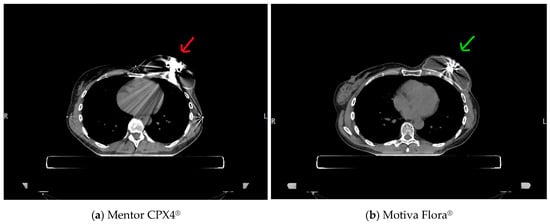
Background: Tissue expanders with metallic ports are commonly used in post-mastectomy breast reconstruction but can produce significant computed tomography (CT) artifacts, which impair accurate delineation of target volumes during radiotherapy planning. The Motiva Flora® expander incorporates an integrated radiofrequency identification (RFID) valve,
[...] Read more.
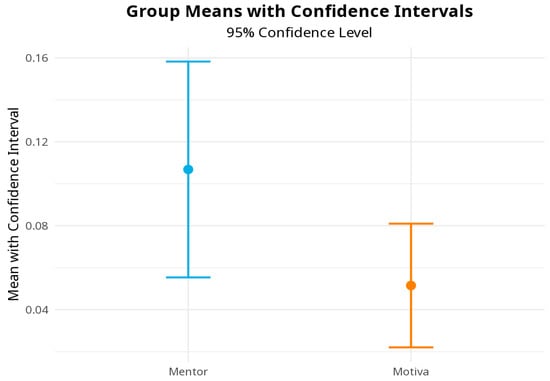
Background: Tissue expanders with metallic ports are commonly used in post-mastectomy breast reconstruction but can produce significant computed tomography (CT) artifacts, which impair accurate delineation of target volumes during radiotherapy planning. The Motiva Flora® expander incorporates an integrated radiofrequency identification (RFID) valve, designed to be magnet-free and magnetic resonance imaging (MRI)-conditional, potentially minimizing image distortion and improving the precision of treatment planning. This pilot study aims to quantitatively compare the extent of CT image distortion observed in radiotherapy simulation scans between conventional metallic-valve expanders and RFID-valve expanders, evaluating their impact on radiotherapy planning quality. Methods: Between January 2024 and September 2025, fourteen consecutive patients who underwent post-mastectomy two-stage breast reconstruction followed by adjuvant RT at Hospital Santa Maria della Misericordia (Udine, Italy) were included. Seven patients received Motiva Flora® tissue expanders with a non-metallic RFID port, and seven received Mentor CPX4® expanders with a conventional metallic port. The volume of areas with a significant level of artifacts (artifact volume) was quantitatively evaluated by delineating the CT image area of distortion caused by the valve. Moreover, a comparison of the ratio between artifact volume and clinical target volume (artifact volume/CTV volume) between expander types to assess potential imaging-related distortions has been made. Group comparisons of volume ratio were performed using Welch’s t-test. Results: Patients reconstructed with Motiva Flora® showed a mean artifact volume of 24.5 ± 10.3 cc, whereas those with Mentor CPX4® expanders presented a mean artifact volume of 64.2 ± 38.1 cc. The ratio between artifact volume and clinical target volume (CTV) was lower in patients reconstructed with Motiva expanders compared to those reconstructed with Mentor expanders and this difference was significant with Welch’s t-test (p = 0.046). Conclusions: The reduced CT distortion observed with the RFID valve-equipped Motiva Flora suggests a superior radiological compatibility compared to conventional metallic-port expanders, with potential to enhance the accuracy of radiotherapy planning.
Full article
(This article belongs to the Special Issue Clinical Advances of Breast Surgery and Reconstruction)
►▼
Show Figures

Figure 1
Open AccessReview
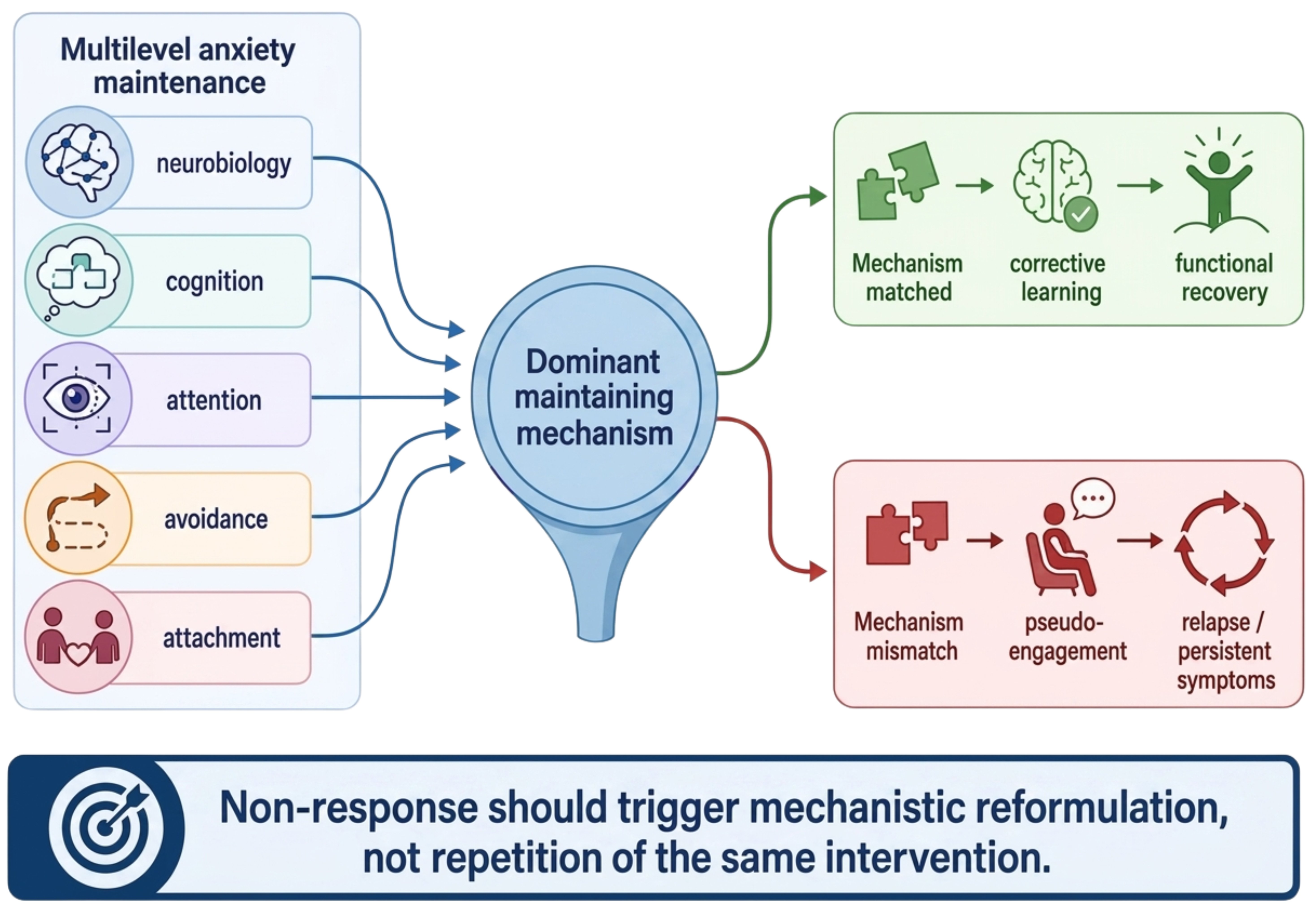
Mechanistic Non-Response After Psychotherapy for Anxiety Disorders: A Maintenance-Mechanism-Based Clinical Taxonomy
by
Dawid Sasin, Bernard Rybczynski, Bartosz W. Maj, Joanna Chwaszcz, Michal Pruc, Iwona Niewiadomska and Lukasz Szarpak
J. Clin. Med. 2026, 15(11), 4223; https://doi.org/10.3390/jcm15114223 - 29 May 2026
Abstract
Anxiety disorders are disabling and treated with cognitive-behavioral or exposure-based psychotherapy. However, many patients remain symptomatic, fail to remit, relapse, or discontinue treatment. This narrative review examined whether psychotherapy non-response, defined here as persistent clinically significant anxiety symptoms, avoidance, or functional impairment after
[...] Read more.
Anxiety disorders are disabling and treated with cognitive-behavioral or exposure-based psychotherapy. However, many patients remain symptomatic, fail to remit, relapse, or discontinue treatment. This narrative review examined whether psychotherapy non-response, defined here as persistent clinically significant anxiety symptoms, avoidance, or functional impairment after an apparently adequate psychotherapy trial, may reflect mismatch between therapeutic mechanisms and the dominant processes maintaining anxiety, and aimed to develop a usable taxonomy of mechanistic non-response. This structured narrative review followed SANRA principles. PubMed/MEDLINE, Scopus, PsycINFO, Web of Science, and the Cochrane Library were searched for peer-reviewed literature published from 1 January 2000 to 30 April 2026, including selected earlier landmark studies. Clinical, experimental, neurobiological, psychophysiological, process, and theoretical evidence were synthesized narratively. Psychotherapy mechanisms were organized around inhibitory learning, cognitive reappraisal, attentional modulation, emotion regulation, avoidance reversal, and interpersonal learning. Anxiety maintenance was multilevel, involving threat neurocircuitry, stress-related learning conditions, intolerance of uncertainty, attentional threat capture, safety behaviors, avoidance reinforcement, developmental adversity, and attachment insecurity. Non-response was framed as mismatch between the dominant maintaining process and the therapeutic mechanism expected to modify it. Six failure modes were identified: impaired inhibitory learning, cognitive rigidity/intolerance of uncertainty, stress-related learning impairment, attentional dysregulation, attachment-related barriers, and chronic avoidance dominance. Psychotherapy non-response in adult anxiety disorders should prompt mechanistic reformulation rather than repetition of the same intervention or labeling as treatment resistance. The taxonomy links recognizable failure signatures to mechanism-matched adaptations: redesigned exposure, uncertainty-focused work, attentional interventions, sequencing when arousal or sleep impairs learning, relational repair, and reduction in avoidance contingencies. The narrative review provides a concise clinical taxonomy and practical mechanism-matched adaptations to guide reformulation and treatment redesign after psychotherapy non-response in routine care. The taxonomy supports mechanism-matched reformulation after psychotherapy non-response and requires prospective validation.
Full article
(This article belongs to the Special Issue Innovations in the Treatment for Depression and Anxiety—2nd Edition)
►▼
Show Figures

Graphical abstract
Open AccessReview
Advanced Multimodal Imaging in Granulomatous Uveitis: From Differential Diagnosis to Treatment Monitoring and Surgical Integration
by
Matteo Capobianco, Francesco Bandello, Elisabetta Miserocchi and Federico Rissotto
J. Clin. Med. 2026, 15(11), 4222; https://doi.org/10.3390/jcm15114222 - 29 May 2026
Abstract
Background/Objectives: Granulomatous uveitis comprises a clinically heterogeneous group of inflammatory disorders, including ocular sarcoidosis, Vogt–Koyanagi–Harada disease, sympathetic ophthalmia, tuberculosis-associated uveitis, and syphilitic uveitis. Because these entities may share overlapping posterior segment findings, clinical examination alone is often insufficient for differential diagnosis, particularly when
[...] Read more.
Background/Objectives: Granulomatous uveitis comprises a clinically heterogeneous group of inflammatory disorders, including ocular sarcoidosis, Vogt–Koyanagi–Harada disease, sympathetic ophthalmia, tuberculosis-associated uveitis, and syphilitic uveitis. Because these entities may share overlapping posterior segment findings, clinical examination alone is often insufficient for differential diagnosis, particularly when choroidal, retinal, or retinal vascular involvement predominates. Methods: This review provides a clinically oriented overview of multimodal imaging in granulomatous uveitis, including optical coherence tomography (OCT), enhanced-depth imaging OCT, swept-source OCT, OCT angiography, fundus autofluorescence, fluorescein angiography, indocyanine green angiography, and ultrawidefield imaging. Results: Emphasis is placed on imaging patterns that help localize the predominant anatomic compartment of inflammation, distinguish major etiologies, identify diagnostic pitfalls, and assess disease activity over time. By integrating current evidence with representative multimodal imaging findings, we propose an anatomic and decision-oriented framework for interpreting granulomatous posterior segment inflammation. Conclusions: Particular attention is given to the distinction between active inflammation and irreversible structural damage, as this distinction may influence treatment escalation or tapering, timing of elective surgery, local corticosteroid therapy, and the need for diagnostic sampling in infectious or masquerade-like presentations.
Full article
(This article belongs to the Special Issue Clinical Applications and Surgical Integration of Advanced Ophthalmic Imaging)
Open AccessArticle
Multi-Output Machine Learning for Prediction of Postoperative Outcomes After Cardiac Surgery Using Patient Blood Management Biomarkers
by
Henrique Coelho, Diana Paupério, Fernando Silva, Maria Inês Barbosa, Pedro Ribeiro, Marta Correia and Pedro Miguel Rodrigues
J. Clin. Med. 2026, 15(11), 4221; https://doi.org/10.3390/jcm15114221 - 29 May 2026
Abstract
Background/Objectives: Postoperative complications following adult cardiac surgery are biologically interrelated, yet most machine learning models predict single outcomes. We developed an explainable multi-output model integrating routinely collected clinical variables and patient blood management (PBM) biomarkers to predict multiple postoperative outcomes simultaneously, with
[...] Read more.
Background/Objectives: Postoperative complications following adult cardiac surgery are biologically interrelated, yet most machine learning models predict single outcomes. We developed an explainable multi-output model integrating routinely collected clinical variables and patient blood management (PBM) biomarkers to predict multiple postoperative outcomes simultaneously, with complementary mono-output analyses for selected endpoints. Methods: This retrospective single-center cohort included 1414 adults undergoing cardiac surgery. In total, 513 complete cases were analyzed. Thirteen outcomes were modeled, including major binary complications and ICU/ward length of stay. An initial 80:20 train–test split was used only for algorithm screening across six candidate multi-output regressors and training-set-defined feature subsets. The selected regressor was then evaluated across five random states, and global permutation feature importance was used for multi-output explainability. Mono-output binary analyses using the selected regressor and the same training-set-only feature-selection workflow were evaluated along with accuracy, precision, recall/sensitivity, and F1-scores. Results: The Decision Tree Regressor was selected. Across five random states, global multi-output performance was R2 = 0.83, MSE = 1.296, RMSE = 1.132, MAE = 0.298, and MAPE = 0.128. Based on global multi-output permutation importance, creatinine, ferritin, platelet count, estimated glomerular filtration rate, preoperative red blood cell units, and EuroSCORE II were ranked the highest. Atrial fibrillation had the lowest mono-output F1-score (0.719), whereas acute kidney injury, postoperative bleeding, infection, and 1-year hospital readmission yielded F1-scores of 0.928, 0.970, 0.963, and 0.975, respectively. Conclusions: This proof-of-concept study shows the feasibility of explainable multi-output modeling for postoperative outcomes after adult cardiac surgery using clinical and PBM variables. However, external validation is required prior to clinical use.
Full article
(This article belongs to the Special Issue Clinical Applications of Artificial Intelligence and Machine Learning in Diagnosis and Therapy)
Open AccessArticle
Outcomes of Indication-Based Reconstruction Strategies in a Retrospective Observational Cohort of Patients with Paprosky Type IIC Acetabular Defects
by
Sezer Astan, Orhan Balta, Eyüp Çağatay Zengin, Mehmet Burtaç Eren and Kürşad Aytekin
J. Clin. Med. 2026, 15(11), 4220; https://doi.org/10.3390/jcm15114220 - 29 May 2026
Abstract
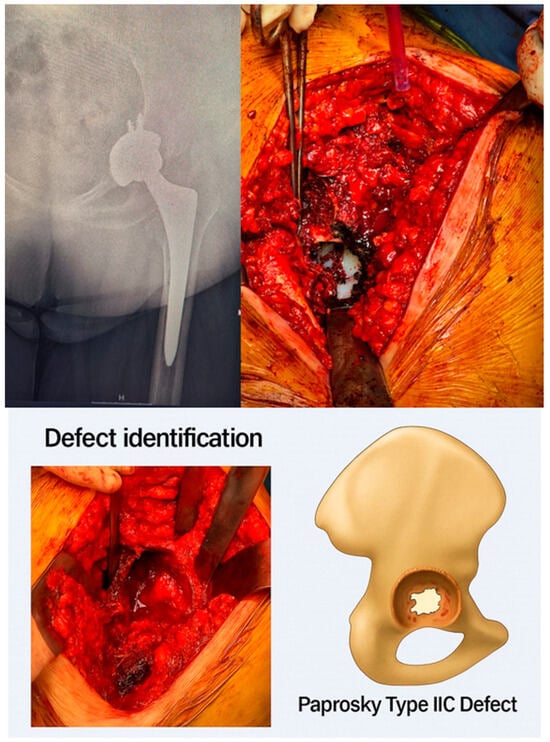
Background/Objectives: Paprosky Type IIC acetabular defects encountered during revision total hip arthroplasty (rTHA) present substantial challenges in terms of surgical planning and implant stability. This study evaluates the outcomes of indication-based reconstruction strategies using dual mobility cups (DMC) and reconstruction cages (RC) in
[...] Read more.
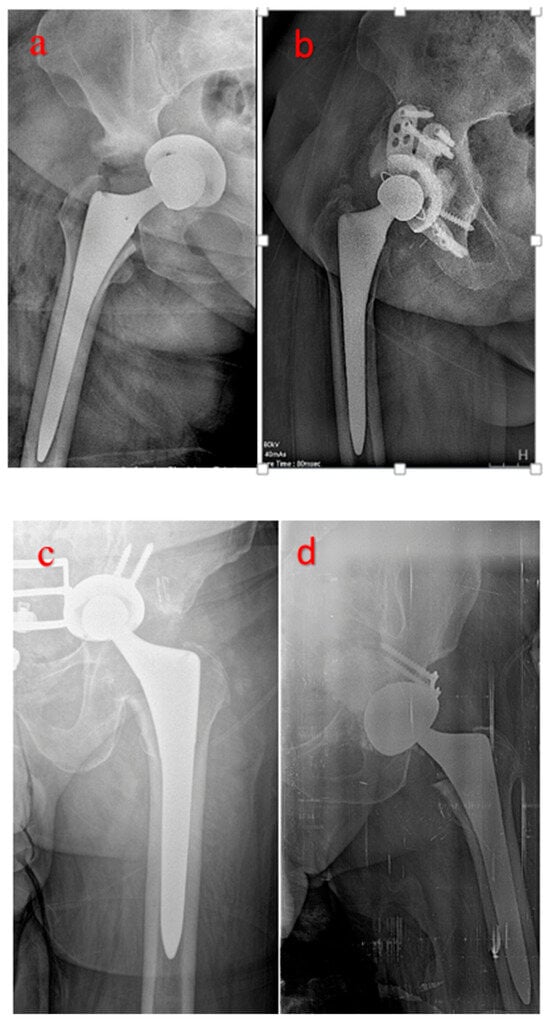
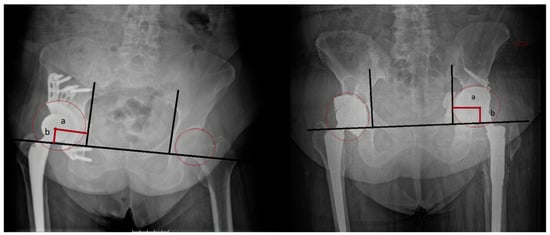
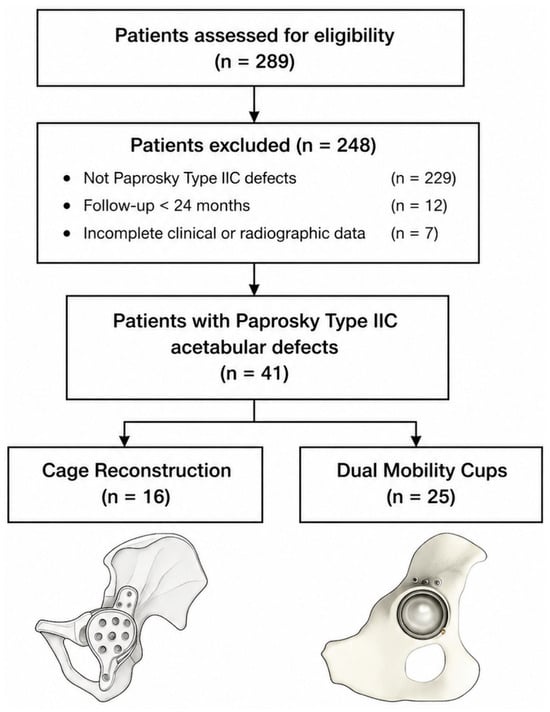
Background/Objectives: Paprosky Type IIC acetabular defects encountered during revision total hip arthroplasty (rTHA) present substantial challenges in terms of surgical planning and implant stability. This study evaluates the outcomes of indication-based reconstruction strategies using dual mobility cups (DMC) and reconstruction cages (RC) in patients with Paprosky Type IIC acetabular defects. Methods: This retrospective, non-randomized study included 41 patients who underwent revision total hip arthroplasty for Paprosky Type IIC acetabular defects between 2014 and 2023, reflecting an indication-based treatment strategy. Patients were categorized into two groups: the DMC group (n = 25) and the RC group (n = 16). Clinical evaluation was performed using the Harris Hip Score (HHS), while radiographic assessment focused on the restoration of the hip center of rotation. Complications, revision rates, and implant survivorship were also analyzed. Results: Both groups demonstrated significant functional improvement; however, the differences in postoperative HHS were observed between groups (86.1 vs. 74.7; p < 0.001). The DMC group also showed a shorter operative time, reduced blood loss, and a shorter hospital stay (p < 0.05). Although the dislocation rate was lower in the DMC group (4% vs. 12.5%), the difference was not statistically significant. The overall complication rate was markedly higher in the RC group (68.8% vs. 28.0%; p = 0.010). Implant survivorship was high in both groups (92.7%), with no significant difference between them. Mean follow-up duration was 49.9 ± 16.0 months. Conclusions: Both dual mobility cups and reconstruction cages can achieve successful outcomes in revision total hip arthroplasty for Paprosky Type IIC acetabular defects. However, the observed differences in perioperative and functional outcomes should be interpreted within the context of indication-based patient selection and do not imply superiority of one reconstruction strategy over the other. Rather, these findings reflect outcomes of reconstruction strategies applied according to defect reconstructability in a real-world clinical setting.
Full article
(This article belongs to the Section Orthopedics)
►▼
Show Figures

Figure 1
Open AccessReview
Fecal Immunochemical Test and Multitarget Stool DNA Testing for Colorectal Cancer Screening in Real-World Practice: A Literature Review
by
Ashish Sharma, Angad Tiwari, Ishita Ray, Ruchir Paladiya, Harendra Kumar, Sukhmani Sidhu, Saloni Haldule, Hareesha Rishab Bharadwaj, Saqr Alsakarneh, Manesh Kumar Gangwani, Hassam Ali and Dushyant Singh Dahiya
J. Clin. Med. 2026, 15(11), 4219; https://doi.org/10.3390/jcm15114219 - 29 May 2026
Abstract
Colorectal cancer (CRC) is responsible for a high cancer burden and a high number of deaths all over the world, although effective screening can make it preventable to a significant extent. Stool-based tests, such as the fecal immunochemical test (FIT) and multitarget stool
[...] Read more.
Colorectal cancer (CRC) is responsible for a high cancer burden and a high number of deaths all over the world, although effective screening can make it preventable to a significant extent. Stool-based tests, such as the fecal immunochemical test (FIT) and multitarget stool DNA (mt-sDNA) testing, are gaining considerable popularity as non-invasive procedures that can be a replacement for colonoscopies for people at an average risk for colon cancer. Despite evidence from several randomized controlled trials supporting the use of these tests for colorectal cancer screening, their external validity in a real-world setting is influenced by many factors such as adherence, timely follow-up post testing, the healthcare cost burden, accessibility and the capacity of the health system. In this article, we have performed an extensive narrative literature review of research published between 2020 and 2025 comparing FIT and the mt-sDNA test with reference to diagnostic accuracy, cost-effectiveness, adherence and outcomes of implementation. We discuss the issues of sensitivity and specificity, look at post-test requirements for colonoscopy and check if there is any discrimination in healthcare. These findings suggest that FIT and mt-sDNA tests should not be considered competing technologies but rather complementary screening methods, with their overall effectiveness contingent upon appropriate patient selection and widespread system-level implementation. It is crucial to combine strategic test selection with a robust follow-up infrastructure to ensure that the entire population benefits from the CRC prevention program.
Full article
(This article belongs to the Section Gastroenterology & Hepatopancreatobiliary Medicine)
Open AccessArticle
Impact of Query Language on the Structure and Guideline Alignment of AI-Generated Rehabilitation Programs in Chronic Kidney Disease
by
Volodymyr Bezruk, Dmytro Ivanov, Maria Ivanchuk, Іgor Shkrobanets, Olena Makarova, Larysa Rynzhuk, Tetiana Bulyk, Оleg Maksymiv and Mariia Ivanova
J. Clin. Med. 2026, 15(11), 4218; https://doi.org/10.3390/jcm15114218 - 29 May 2026
Abstract
Background: Artificial intelligence (AI) is increasingly used in nephrology, including rehabilitation planning for patients with chronic kidney disease (CKD). However, most AI systems are predominantly trained on English-language data, which may influence the quality and clinical relevance of the generated recommendations. Objective: To
[...] Read more.
Background: Artificial intelligence (AI) is increasingly used in nephrology, including rehabilitation planning for patients with chronic kidney disease (CKD). However, most AI systems are predominantly trained on English-language data, which may influence the quality and clinical relevance of the generated recommendations. Objective: To evaluate the impact of query language on the quality and clinical applicability of AI-generated exercise programs for CKD patients undergoing renal replacement therapy. Methods: We conducted a structured qualitative comparison using predefined evaluation criteria based on KDIGO and ERA rehabilitation guidelines. Outputs were assessed for structure, clinical detail, safety framing, and adaptability. Identical prompts were formulated in Ukrainian and English. Generated exercise programs were assessed for alignment with international guidelines (KDIGO, ERA), level of clinical detail, progression, safety considerations, and adaptability. Results: All AI systems produced safe exercise programs incorporating aerobic, resistance, flexibility, and relaxation components. However, significant differences were observed depending on the query language. Ukrainian-language outputs were simpler and focused on general well-being, with limited progression and monitoring. In contrast, English-language outputs demonstrated greater clinical depth, including structured progression, intradialytic adaptations, and the use of validated monitoring tools (e.g., Borg RPE scale). Copilot provided the highest clinical precision, ChatGPT delivered structured programs, and Gemini emphasized safety and motivation. English-language prompts produced more detailed and guideline-aligned outputs, whereas Ukrainian-language prompts generated simpler, wellness-oriented recommendations. Conclusions: Query language influences the structure and clinical completeness of AI-generated rehabilitation programs. English-language prompts currently yield more detailed and guideline-aligned outputs. Further multilingual model development is needed. English-language queries currently yield more clinically robust outputs. Development of multilingual AI systems and standardized prompt frameworks is essential to ensure equitable access to AI-assisted healthcare.
Full article
(This article belongs to the Special Issue Artificial Intelligence and Machine Learning in Clinical Practice)
Open AccessSystematic Review
Efficacy and Safety of Treatments for Paroxysmal Nocturnal Hemoglobinuria: A Systematic Literature Review
by
Shreyans Gandhi, Isobel Munro, Victoria Shodimu, Neil Webb, Katharina Pannagl, Anggie Wiyani and Maria-Magdalena Balp
J. Clin. Med. 2026, 15(11), 4217; https://doi.org/10.3390/jcm15114217 - 29 May 2026
Abstract
Background: Paroxysmal nocturnal hemoglobinuria (PNH) is a rare blood disorder characterized by complement-mediated hemolytic anemia and thrombosis. The first treatments approved were complement 5 inhibitors (C5is), eculizumab and ravulizumab. Recently approved treatments include pegcetacoplan, iptacopan, danicopan (as an add-on to a C5i), and
[...] Read more.
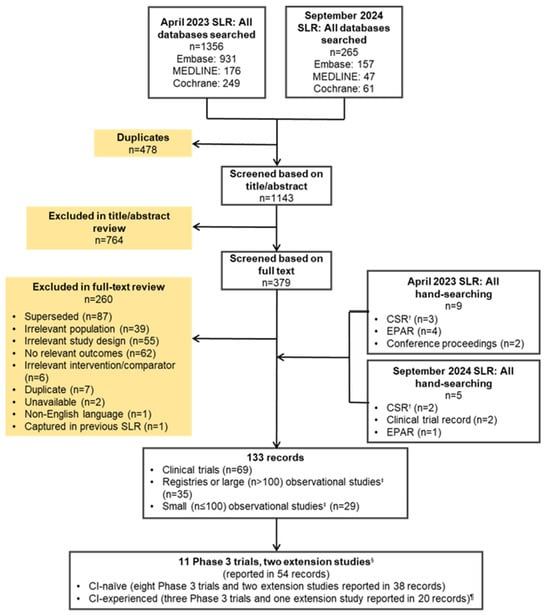
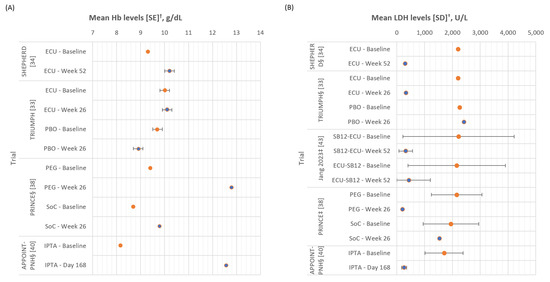
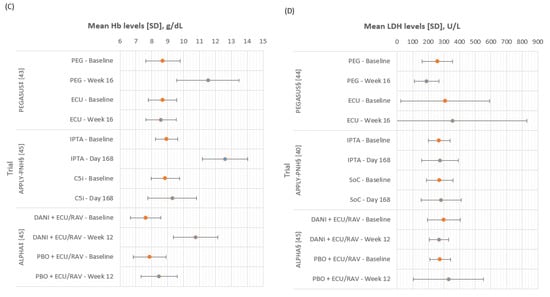
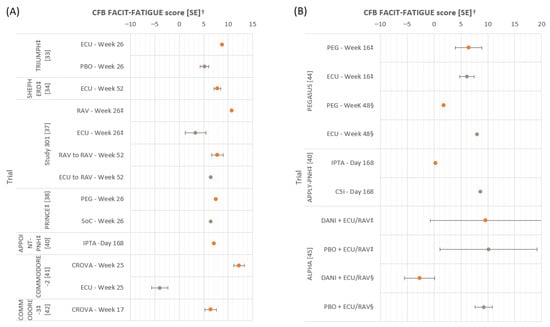
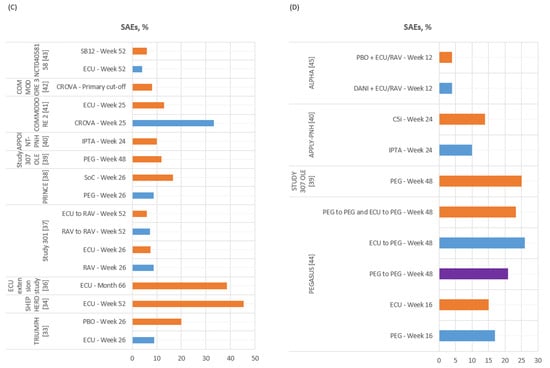
Background: Paroxysmal nocturnal hemoglobinuria (PNH) is a rare blood disorder characterized by complement-mediated hemolytic anemia and thrombosis. The first treatments approved were complement 5 inhibitors (C5is), eculizumab and ravulizumab. Recently approved treatments include pegcetacoplan, iptacopan, danicopan (as an add-on to a C5i), and crovalimab. Methods: A systematic literature review (SLR) was conducted to identify clinical evidence on all available treatments. Outcomes evaluated were hemoglobin and lactate dehydrogenase (LDH) levels, transfusion avoidance, Functional Assessment of Chronic Illness Therapy (FACIT)-Fatigue scores, and safety. Results: In total, 133 records met the inclusion criteria. Of these, 54 records reporting on 11 Phase 3 trials and 2 extension studies are summarized. Eight trials and one extension study evaluated complement inhibitor (CI)-naïve patients, three trials evaluated CI-experienced patients with residual anemia, and one extension study evaluated both groups. In both patient groups, all treatments led to improved outcomes. Conclusions: This SLR is the first to provide an overview of clinical trials assessing the efficacy and safety of all currently approved PNH treatments, which could help inform clinical decisions. Although some head-to-head trials are available, direct comparative evidence remains limited for several comparators, necessitating an indirect treatment comparison (ITC) to assess the efficacy and safety across the treatment landscape.
Full article
(This article belongs to the Section Hematology)
►▼
Show Figures

Figure 1
Open AccessArticle
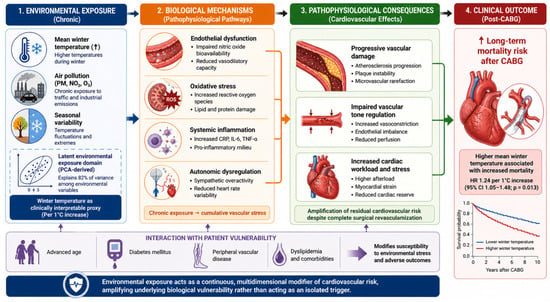
Winter Temperature and Long-Term Mortality After Coronary Artery Bypass Grafting: A Multicenter Cohort Study
by
Tomasz Urbanowicz, Sleiman Sebastian Aboul-Hassan, Krzysztof Skotak, Maria Luszczyn, Łukasz Moskal, Jakub Bratkowski, Jarosław Bartkowski, Bartłomiej Perek, Mirosław Wilczyński, Krzysztof J. Filipiak, Romuald Cichoń and Marek Jemielity
J. Clin. Med. 2026, 15(11), 4216; https://doi.org/10.3390/jcm15114216 - 29 May 2026
Abstract
Background: Traditional cardiovascular risk models focus on patient-related clinical variables, while the impact of long-term environmental exposure remains insufficiently characterized in post-revascularization populations. Objective: To evaluate the association between environmental exposure and long-term mortality after coronary artery bypass grafting (CABG), and to determine
[...] Read more.
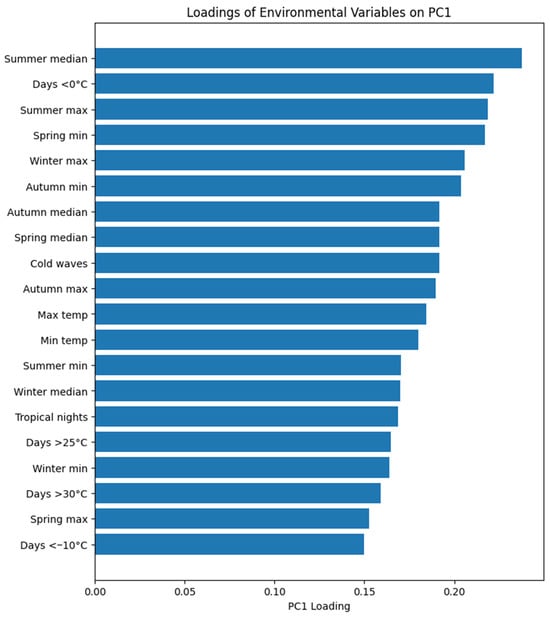
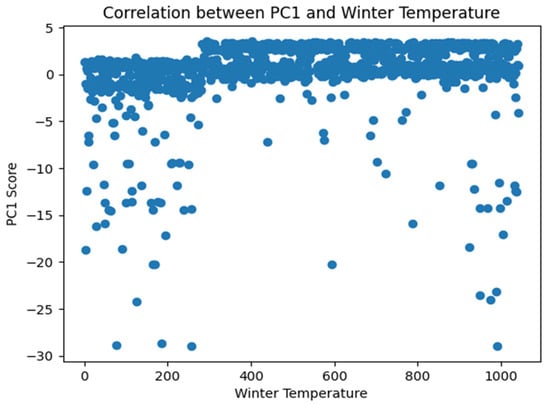
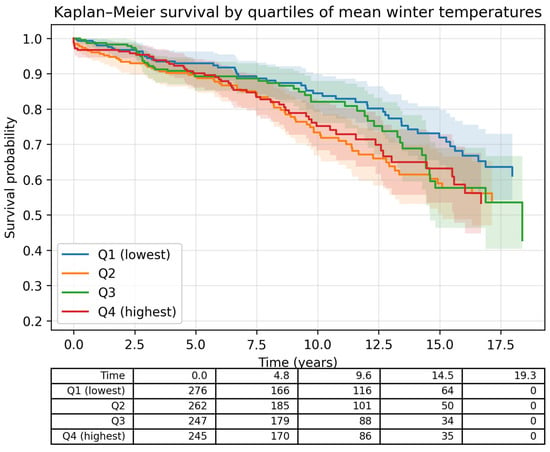
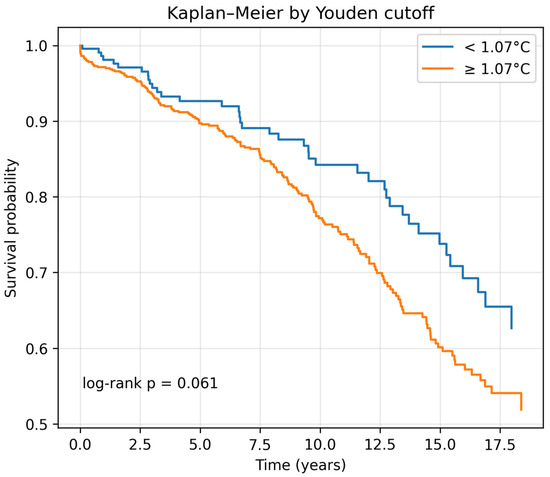
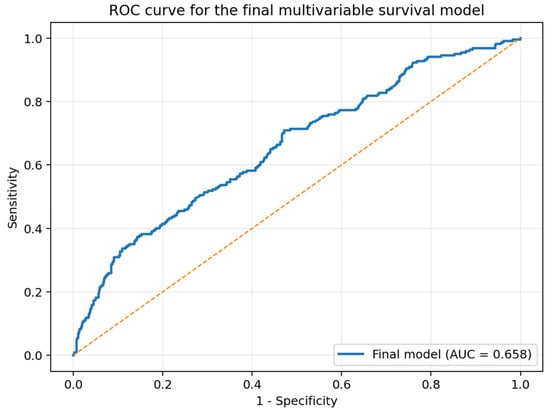
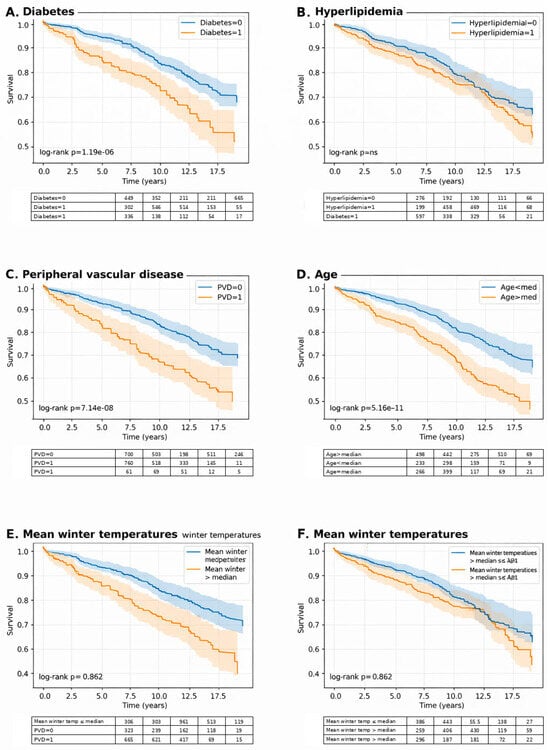
Background: Traditional cardiovascular risk models focus on patient-related clinical variables, while the impact of long-term environmental exposure remains insufficiently characterized in post-revascularization populations. Objective: To evaluate the association between environmental exposure and long-term mortality after coronary artery bypass grafting (CABG), and to determine whether integrated environmental measures provide additional prognostic value beyond established clinical risk factors. Methods: This retrospective multicenter cohort study included 1042 consecutive patients undergoing CABG with a median follow-up of 8.1 years. Regional environmental data were linked to individual patients. Multivariable Cox regression models were constructed using a hierarchical approach. To address collinearity among environmental variables, principal component analysis (PCA) was applied. Mean winter temperature was analyzed as a clinically interpretable proxy of overall environmental exposure. Results: During follow-up, 220 deaths (21.1%) occurred. Established clinical predictors of mortality included age, diabetes mellitus, peripheral vascular disease, and dyslipidemia. Individual environmental variables showed unstable associations due to collinearity. PCA identified a dominant environmental component explaining 82.0% of variance; however, its association with mortality did not reach statistical significance after adjustment (HR 1.17 per SD, 95% CI 0.98–1.39; p = 0.083). In contrast, higher mean winter temperature was independently associated with increased mortality (HR 1.24 per SD, 95% CI 1.05–1.48; p = 0.013) per 1 °C increase, with evidence of non-linearity. Conclusions: Environmental exposure represents a relevant component of long-term risk after CABG. While individual environmental variables are highly correlated and unstable, clinically interpretable measures such as winter temperature may provide practical support for risk assessment.
Full article
(This article belongs to the Special Issue Coronary Artery Bypass Grafting: Contemporary Clinical Research Update)
►▼
Show Figures

Figure 1
Open AccessArticle
Twelve-Month Outcomes of Standalone iStent Infinite in Primary Open-Angle Glaucoma
by
Arkadiy Yadgarov, Dana M. Hornbeak and Deana Davidova
J. Clin. Med. 2026, 15(11), 4215; https://doi.org/10.3390/jcm15114215 - 29 May 2026
Abstract
Background/Objectives: Evaluation of real-world outcomes of standalone implantation of the third-generation trabecular micro-bypass device (iStent infinite) in eyes with mild to severe primary open-angle glaucoma (POAG). Materials: This retrospective, uncontrolled consecutive case series included eyes undergoing standalone iStent infinite implantation at
[...] Read more.
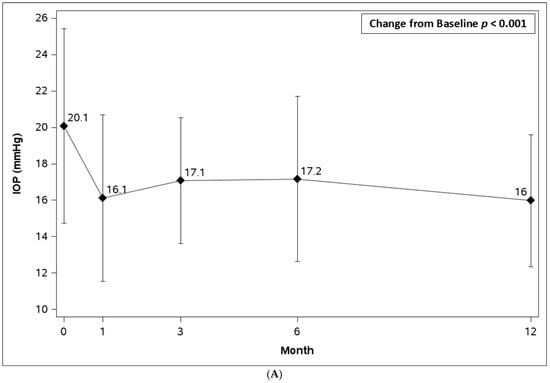
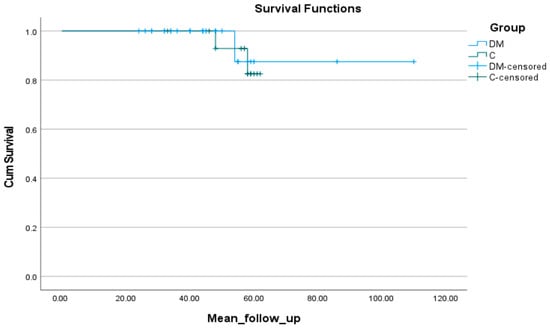
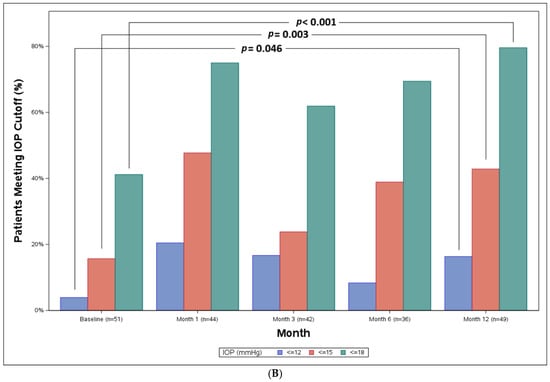
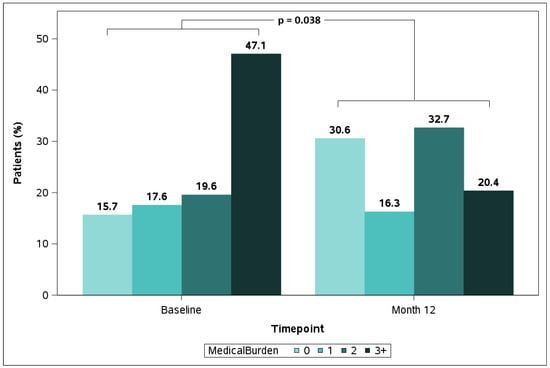
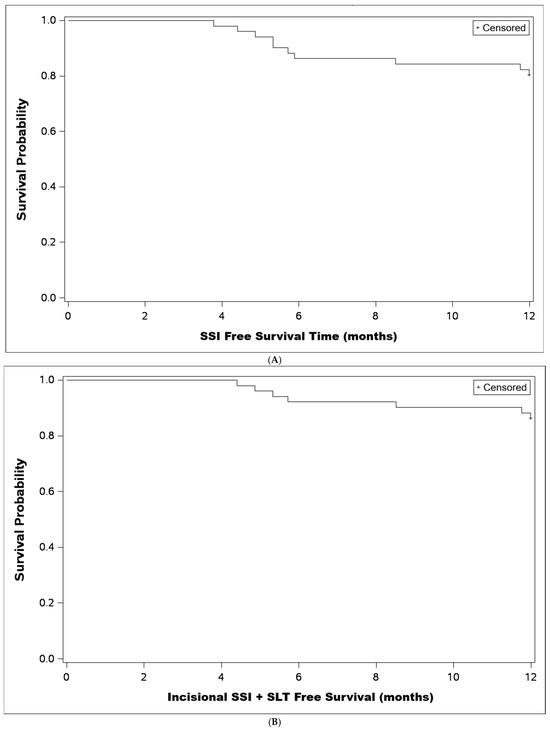
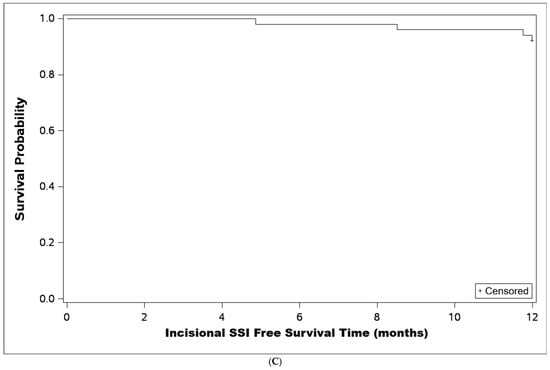
Background/Objectives: Evaluation of real-world outcomes of standalone implantation of the third-generation trabecular micro-bypass device (iStent infinite) in eyes with mild to severe primary open-angle glaucoma (POAG). Materials: This retrospective, uncontrolled consecutive case series included eyes undergoing standalone iStent infinite implantation at a single U.S. practice. Outcomes were assessed through 12 months, including changes in intraocular pressure (IOP) and medication burden (primary), proportions achieving IOP ≤ 12/15/18 mmHg and medication categories (secondary), and safety. Subgroup analyses were completed based on preoperative IOP, glaucoma severity, and medication burden. Results: Fifty-one eyes (mean age 66.5 ± 10.8 years) were included. Mean baseline IOP was 20.1 ± 5.4 mmHg on 2.1 ± 1.2 medications. At month 12, the mean IOP decreased to 16.0 ± 3.6 mmHg (−4.1 mmHg, −20.4%; p < 0.001), and mean medications decreased to 1.5 ± 1.2 (−28.6%; p < 0.001). The proportion of eyes achieving IOP ≤ 18/15/12 mmHg increased from 41.2%/15.7%/3.9% to 79.6%/42.9%/16.3%, respectively (all p < 0.001). Medication-free eyes increased from 15.7% to 30.6%, while eyes requiring ≥ 3 medications decreased from 47.1% to 20.4%. Eyes with baseline IOP > 18 mmHg achieved greater IOP reduction (−27.8%), whereas eyes with baseline IOP ≤ 18 mmHg maintained stable IOP with reduced medications. Kaplan–Meier analysis demonstrated 12-month freedom from incisional reintervention of 92.2%. No intraoperative complications occurred. Transient self-resolving hyphema was observed in 3.9% of eyes. A secondary incisional surgery was performed in four eyes (7.8%); no vision-threatening complications were reported. Conclusions: Standalone iStent infinite implantation resulted in significant IOP and medication reductions with a favorable safety profile over 12 months, with outcomes aligned with preoperative treatment goals. These results suggest potential benefit as a less invasive real-world glaucoma intervention, warranting confirmation in larger prospective studies.
Full article
(This article belongs to the Special Issue Advances in the Diagnosis and Treatment of Glaucoma)
►▼
Show Figures

Figure 1

Open AccessArticle
Exploratory Analysis of Bedside Variables Associated with Transition Failure in a Selected Cohort of Pediatric Patients Stepped Down from Non-Invasive Ventilation to High-Flow Nasal Cannula After Planned Extubation
by
İbrahim Bingöl, Hacer Uçmak and Kazım Ersin Altınsoy
J. Clin. Med. 2026, 15(11), 4214; https://doi.org/10.3390/jcm15114214 - 29 May 2026
Abstract
Background/Objectives: High-flow nasal cannula (HFNC) is increasingly used after non-invasive ventilation (NIV) for post-extubation respiratory support in children, but evidence to guide the NIV-to-HFNC step-down decision is limited and the decision itself is heterogeneous across centers. In a hypothesis-generating analysis, we aimed
[...] Read more.
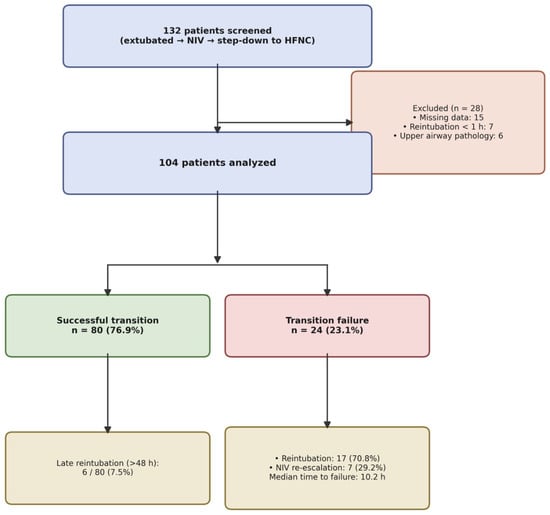
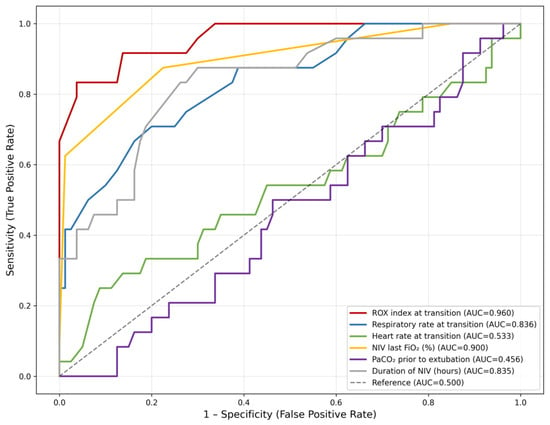
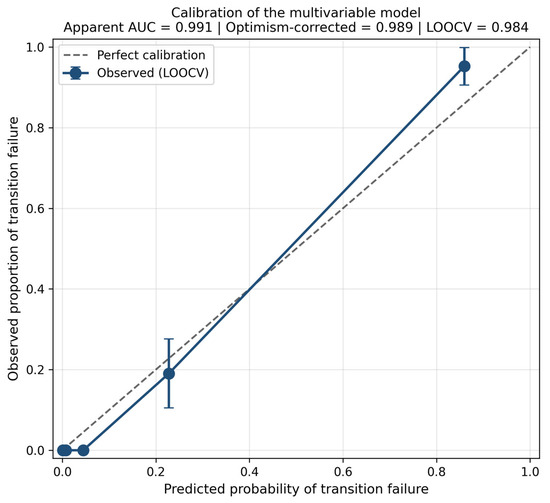
Background/Objectives: High-flow nasal cannula (HFNC) is increasingly used after non-invasive ventilation (NIV) for post-extubation respiratory support in children, but evidence to guide the NIV-to-HFNC step-down decision is limited and the decision itself is heterogeneous across centers. In a hypothesis-generating analysis, we aimed to describe transition failure and explore bedside variables associated with it in a physician-selected cohort of pediatric patients stepped down from NIV to HFNC. Methods: This single-center retrospective study included 104 consecutive children (1 month–18 years) extubated, supported with continuous NIV, and stepped down to HFNC. Transition failure was defined as reintubation or re-escalation to NIV within 48 h. Step-down eligibility followed five predefined minimum criteria (Glasgow Coma Scale ≥ 13, FiO2 ≤ 50%, SpO2 ≥ 90%, hemodynamic stability, and absence of acute hypercapnia); re-escalation and reintubation followed clinical criteria routinely applied in our unit, with the precise timing of each decision left to the attending team. A prespecified exploratory multivariable logistic regression model included the ROX index at transition, the duration of NIV, and the PRISM-III score. Internal validity was assessed by bootstrap optimism-correction, five-fold cross-validation, and leave-one-out cross-validation, with a calibration plot. Results: Transition failure occurred in 24 patients (23.1%), with 79.2% within the first 24 h. The ROX index at transition showed the highest univariate discrimination (AUC 0.960, 95% CI 0.916–0.993; cut-off ≤6.0, sensitivity 83.3%, specificity 96.2%). In the exploratory multivariable model, a lower ROX index (adjusted OR 0.10, 95% CI 0.02–0.38; p < 0.001) and a longer NIV duration (adjusted OR 1.12 per hour, 95% CI 1.03–1.23; p = 0.012) were associated with transition failure; NIV duration likely behaves as a marker of unresolved respiratory pathology rather than a causal risk factor. PICU length of stay, pneumonia, and 28-day mortality were higher in the failure group. Conclusions: A transition-moment ROX index ≤ 6.0 and a longer preceding NIV duration were associated with higher risk of step-down failure. These findings are strictly hypothesis-generating, subject to confounding by indication and model optimism, and should not be translated into clinical thresholds before prospective multicenter external validation with pre-specified de-escalation and escalation criteria.
Full article
(This article belongs to the Special Issue Clinical Advances in Pediatric Critical Care Medicine)
►▼
Show Figures

Figure 1
Open AccessReview
Risk Factors and Preventive Measures for Well-Leg Compartment Syndrome During Minimally Invasive Surgery in the Lithotomy Position
by
Tomoya Miura, Jun Watanabe, Shingo Tsujinaka, Yuuri Hatsuzawa, Yoh Kitamura, Kentaro Sawada, Makoto Hikage, Atsushi Mitamura, Toru Nakano and Chikashi Shibata
J. Clin. Med. 2026, 15(11), 4213; https://doi.org/10.3390/jcm15114213 - 29 May 2026
Abstract
Background/Objectives: Well-leg compartment syndrome is a rare but potentially life-threatening complication associated with the lithotomy position during pelvic or lower abdominal surgery. While previous studies have examined this condition in specific surgical fields, comprehensive studies focusing on minimally invasive surgery, including laparoscopic and
[...] Read more.
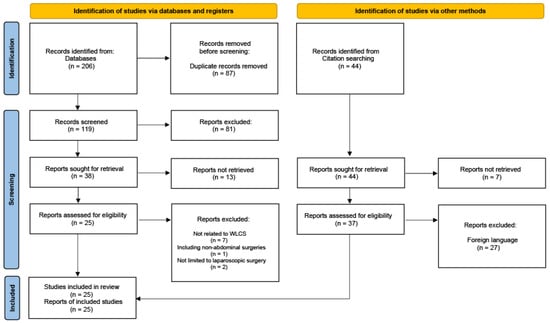
Background/Objectives: Well-leg compartment syndrome is a rare but potentially life-threatening complication associated with the lithotomy position during pelvic or lower abdominal surgery. While previous studies have examined this condition in specific surgical fields, comprehensive studies focusing on minimally invasive surgery, including laparoscopic and robot-assisted surgery, have not been conducted. This scoping review aimed to summarize the latest evidence on this condition, identify risk factors, and evaluate prevention strategies. Methods: This scoping review was conducted according to the PRISMA-ScR guidelines. A comprehensive literature search was performed using MEDLINE, Embase, and CENTRAL. Data were extracted from studies focusing on patients who underwent minimally invasive surgery in the lithotomy position. Results: A total of 25 studies, including cohort studies and case reports, were included. The majority of cases were observed in procedures exceeding 4 h in duration, with a notable prevalence in the left lower extremity during gastrointestinal surgical procedures. Fasciotomy was required in the majority of reported cases. Risk factors included high body mass index, large calf circumference, prolonged operative time, peripheral vascular disease, and specific surgical positions such as head-down or head-down plus right-sided tilting. Preventive measures included intraoperative lower limb pressure monitoring, leg positioning, use of improved support devices, and reduction of operative time in the lithotomy position. Conclusions: This review identified key risk factors and preventive measures for compartment syndrome of the unaffected lower limb in minimally invasive pelvic surgery. However, evidence for minimally invasive surgery is limited, and standardized guidelines do not exist. Further multicenter studies are needed to establish optimal preventive measures and improve patient safety.
Full article
(This article belongs to the Section General Surgery)
►▼
Show Figures

Figure 1
Open AccessArticle
State-Level Geographic Disparities in Liver Transplant Access: Waitlist Outcome Patterns
by
Ahmed Nahian, Lisa McFadden and Tanzina Ela
J. Clin. Med. 2026, 15(11), 4212; https://doi.org/10.3390/jcm15114212 - 29 May 2026
Abstract
Background/Objectives: Geographic inequity remains a persistent concern in liver transplantation, particularly for patients requiring liver transplantation for advanced chronic liver disease, in which transplantation remains the definitive therapy for advanced disease. We evaluated state-level differences in liver transplant waitlist burden using publicly
[...] Read more.
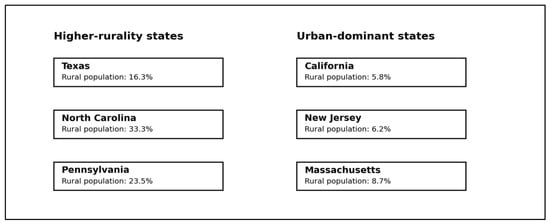
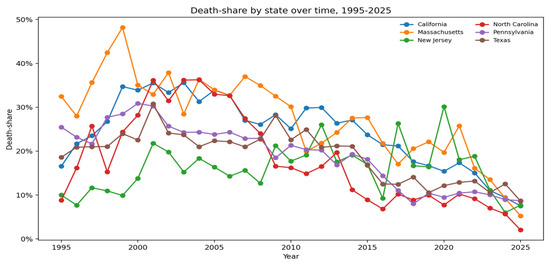
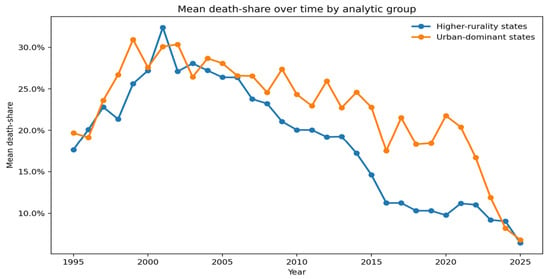
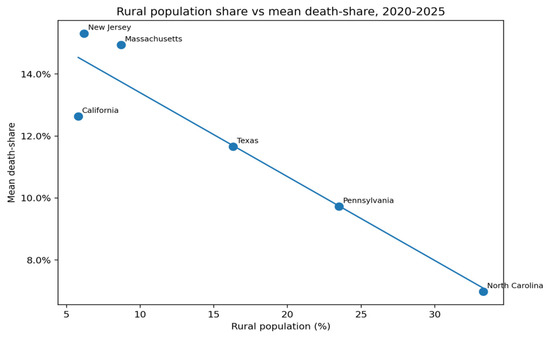
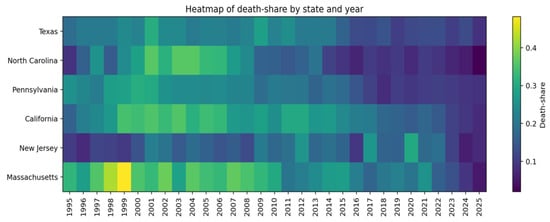
Background/Objectives: Geographic inequity remains a persistent concern in liver transplantation, particularly for patients requiring liver transplantation for advanced chronic liver disease, in which transplantation remains the definitive therapy for advanced disease. We evaluated state-level differences in liver transplant waitlist burden using publicly available U.S. data. Methods: We performed a retrospective ecological panel study using publicly available United Network for Organ Sharing (UNOS)-derived annual state tables from 1995 to 2025. Six analyzable states were grouped as higher-rurality/substantial-rural-population states (Texas, North Carolina, Pennsylvania) and urban-dominant states (California, New Jersey, Massachusetts). Primary outcomes were annual liver transplants, death removals, and death-share (death removals divided by death removals plus transplants). Descriptive comparisons, era analyses, and heteroscedasticity-robust regression models were performed. Results: The final dataset contained 186 state-year observations. Across 1995–2025, higher-rurality states had more cumulative transplants than urban-dominant states (39,471 vs. 34,178) and fewer cumulative death removals (8642 vs. 10,625). Mean death-share was lower in higher-rurality states (18.7% vs. 22.6%), as was the death-to-transplant ratio (0.219 vs. 0.311). From 2020 to 2025, higher-rurality states again demonstrated lower mean death-share (9.5% vs. 14.3%). In regression modeling, higher-rurality group membership was associated with lower death-share (β = −0.0389, 95% CI −0.0604 to −0.0175, p < 0.001), while the post-2020 era was independently associated with lower death-share (β = −0.1091, 95% CI −0.1299 to −0.0882, p < 0.001). Highly rural low-volume states initially considered for analysis had sparse or suppressed counts and could not be reliably modeled. Conclusions: In this six-state ecological study, higher-rurality states with substantial rural populations exhibited lower waitlist death-removal burden than urban-dominant comparators. These discoveries probably indicate the varying transplant-system configurations instead of the individual rural access being better. The ecological data related to the public can be the basis for significant hypotheses concerning the transplant discrepancies, but the exhaustive consecutive tasks need to be supplemented by static national studies that are patient-level and relevant to rurality, travel distance, PSC-specific cohorts, and psychosocial determinants.
Full article
(This article belongs to the Special Issue Advances in Primary Sclerosing Cholangitis: Pathogenesis, Diagnosis and Emerging Therapies)
►▼
Show Figures

Figure 1
Open AccessArticle
The Feasibility, Safety, and Preliminary Functional Outcomes of a Mobile Application-Based Rehabilitation Program in Non-Ambulatory Patients After Intensive Care Unit Discharge
by
Seungwoo Cha, Ye Ji Kim, Chaelin Lee, Yong Hoe Koo, Sanghee Lee, Jaeho Choi, Young-In Yoon, Kyung-Wook Jo, Youngran Lee and Won Kim
J. Clin. Med. 2026, 15(11), 4211; https://doi.org/10.3390/jcm15114211 - 29 May 2026
Abstract
Background: Although early mobilization has been shown to improve clinical outcomes after intensive care unit (ICU)-acquired weakness, its implementation remains limited in routine clinical practice. This study aimed to evaluate the feasibility, safety, and preliminary clinical outcomes of a mobile application-based rehabilitation program
[...] Read more.
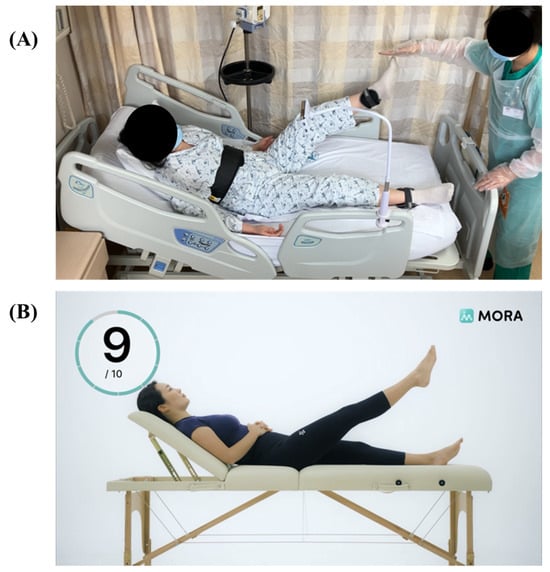
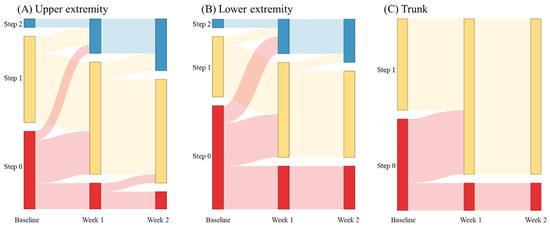
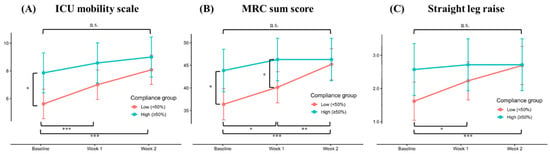
Background: Although early mobilization has been shown to improve clinical outcomes after intensive care unit (ICU)-acquired weakness, its implementation remains limited in routine clinical practice. This study aimed to evaluate the feasibility, safety, and preliminary clinical outcomes of a mobile application-based rehabilitation program in non-ambulatory patients during the early ward phase following ICU discharge. Methods: This prospective single-arm pilot trial included adult patients (≥19 years) who had received ICU care and demonstrated limited ambulatory function, defined as Functional Ambulatory Category (FAC) ≤3. Participants received an individualized, application-guided exercise program comprising two daily sessions over two weeks. Primary outcomes were programmatic feasibility, safety, and patient satisfaction. Rehabilitation compliance was quantified using application usage logs and categorized as high (≥50%) or low (<50%). Secondary functional outcomes, such as Medical Research Council Sum Score (MRC-SS), ICU Mobility Scale, FAC, muscle strength measures, health-related quality of life, and pain scores, were assessed at baseline, week 1, and week 2. Results: Of the 25 initially enrolled patients, 5 dropped out due to clinical status changes or transfers, yielding a retention rate of 80.0%. For the 20 analyzed patients (mean age 52.7 ± 13.9 years; 45% male), the overall mean rehabilitation compliance was 40.6%. No serious adverse events related to the intervention were reported, and overall patient satisfaction and application usability were high. Progressive increases in exercise intensity and training levels were observed throughout the intervention period. Significant improvements over time were found in MRC-SS, ICU Mobility Scale, FAC, grip strength, health-related quality of life, and pain scores (all p < 0.05). Although compliance-based recovery trajectories were confounded by small subgroup sizes and baseline clinical imbalance, exploratory analyses nonetheless identified statistically significant time × compliance interaction effects for MRC-SS and straight leg raise performance. Conclusions: This pilot study demonstrates that a mobile application-based rehabilitation program is a feasible and safe approach to implement in deconditioned patients after ICU discharge. These preliminary functional recovery trajectories provide encouraging signals, suggesting that this digital platform may serve as a potential adjunct to conventional care. Rigorous, randomized controlled trials are required to confirm its definitive clinical efficacy and scalability.
Full article
(This article belongs to the Topic Digital Patient Care: Bridging Technology and Clinical Practice)
►▼
Show Figures

Figure 1
Open AccessArticle
Clinical Factors Associated with Brucella-Related Epididymo-Orchitis: A Retrospective Cohort Study
by
Yakup Gezer and Muhammet Rıdvan Tayşi
J. Clin. Med. 2026, 15(11), 4210; https://doi.org/10.3390/jcm15114210 - 29 May 2026
Abstract
Background/Objectives: Brucella-related epididymo-orchitis (BEO) is one of the most common genitourinary complications of brucellosis. This study aimed to evaluate the clinical and epidemiological characteristics of BEO in male patients with brucellosis and to identify clinical factors associated with its development. Methods:
[...] Read more.
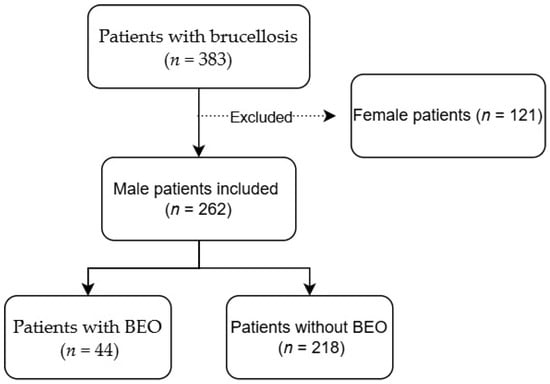
Background/Objectives: Brucella-related epididymo-orchitis (BEO) is one of the most common genitourinary complications of brucellosis. This study aimed to evaluate the clinical and epidemiological characteristics of BEO in male patients with brucellosis and to identify clinical factors associated with its development. Methods: In this retrospective single-center cohort study, adult male patients diagnosed with brucellosis were included. Patients with and without BEO were compared in terms of epidemiological, clinical, and laboratory characteristics. Multivariate logistic regression analysis was performed to identify clinical factors associated with BEO. Results: Among 262 male patients with brucellosis, BEO was identified in 44 (16.8%). Of these patients, 38 (86.4%) presented with local scrotal symptoms, and combined involvement of the epididymis and testis was observed in 30 patients (68.2%). In univariable analysis, the patients who developed BEO were younger (33 vs. 44 years, p < 0.001), more frequently presented with fever (59.1% vs. 31.2%, p < 0.001), and had a shorter symptom duration (2 vs. 4 weeks, p < 0.001). In addition, leukocyte counts and C-reactive protein levels were significantly higher in this group (p = 0.009 and p < 0.001, respectively). In multivariable analysis, younger age (OR: 0.959, 95% CI: 0.930–0.988, p = 0.006), shorter symptom duration (OR: 0.852, 95% CI: 0.745–0.975, p = 0.020), and the presence of fever (OR: 2.265, 95% CI: 1.103–4.652, p = 0.026) were independently associated with BEO. Conclusions: BEO is a clinically significant genitourinary complication in male patients with brucellosis, notably associated with younger age, shorter symptom duration, and a more pronounced inflammatory response. In endemic regions, BEO should be considered in the differential diagnosis of patients presenting with fever and acute scrotal symptoms.
Full article
(This article belongs to the Section Infectious Diseases)
►▼
Show Figures

Figure 1
Open AccessReview
Technical Challenges and Surgical Considerations in Sacrospinous Ligament Fixation for Apical Prolapse Repair
by
Stavros Athanasiou, Anastasia Prodromidou, Dimitrios Zacharakis, Aristotelis-Marios Koulakmanidis, Giuseppe Mascellino, Athanasios Douligeris, Nikolaos Kathopoulis and Themistoklis Grigoriadis
J. Clin. Med. 2026, 15(11), 4209; https://doi.org/10.3390/jcm15114209 - 29 May 2026
Abstract
Background/Objectives: Sacrospinous ligament fixation (SSLF) is a well-established native tissue vaginal procedure for uterine/vault prolapse. Despite favorable success rates, the procedure presents technical challenges due to the deep operative field and proximity to critical neurovascular structures. To review current evidence regarding anatomical considerations,
[...] Read more.
Background/Objectives: Sacrospinous ligament fixation (SSLF) is a well-established native tissue vaginal procedure for uterine/vault prolapse. Despite favorable success rates, the procedure presents technical challenges due to the deep operative field and proximity to critical neurovascular structures. To review current evidence regarding anatomical considerations, surgical technique, fixation strategies, suture materials, device-assisted methods, and perioperative complications in SSLF. Methods: A structured narrative review of the contemporary literature was conducted, focusing on comparative and systematic studies evaluating unilateral versus bilateral fixation, anterior versus posterior approach, suture type and number, and suture-capturing or anchor-based devices. Anatomical, functional, and safety outcomes were critically analyzed. Results: SSLF achieves favorable anatomical success rates with significant symptom improvement. Meticulous knowledge of sacrospinous ligament anatomy is critical to reduce bleeding and neuropathic complications. Unilateral fixation remains the most common technique, while bilateral fixation may benefit selected patients. According to the available evidence, the anterior approach may better preserve vaginal length, although it may be associated with longer operative time and short-term urinary morbidity. Absorbable and permanent sutures appear to provide comparable anatomical durability, while placement of two sutures remains the most commonly used fixation strategy. Device-assisted techniques may facilitate suture placement but require advanced anatomical expertise. Conclusions: SSLF is a safe and effective suspension procedure when individualized and meticulously performed. Further randomized studies evaluating long-term anatomical and patient-reported outcomes are warranted.
Full article
(This article belongs to the Special Issue Current Perspectives and Innovations in Urogynecology)
Journal Menu
► ▼ Journal Menu-
- JCM Home
- Aims & Scope
- Editorial Board
- Reviewer Board
- Topical Advisory Panel
- Instructions for Authors
- Special Issues
- Topics
- Sections & Collections
- Article Processing Charge
- Indexing & Archiving
- Editor’s Choice Articles
- Most Cited & Viewed
- Journal Statistics
- Journal History
- Journal Awards
- Society Collaborations
- Conferences
- Editorial Office
Journal Browser
► ▼ Journal BrowserHighly Accessed Articles
Latest Books
E-Mail Alert
News
28 May 2026
Journal of Clinical Medicine | Highly Cited Papers Published in 2024–2025 in Web of Science (I)
26 May 2026
MDPI Canada & USA | Summary of an MDPI Subject Workshop—Cutting-Edge Advances in Cancer Immunology and Immunotherapy: From Basic Science to Clinical Impact
Topics
Topic in
Biology, JCM, Diagnostics, Dentistry Journal
Assessment of Craniofacial Morphology: Traditional Methods and Innovative Approaches
Topic Editors: Nikolaos Gkantidis, Carlalberta VernaDeadline: 1 June 2026
Topic in
Cells, JCM, Organoids, JMP
Novel Discoveries in Oncology 2nd Edition
Topic Editors: Michela Campolo, Giovanna Casili, Alessia Filippone, Marika LanzaDeadline: 20 June 2026
Topic in
Biomedicines, IJMS, JCM, Medicina, Neurology International
Advances in Exercise-Induced Neurogenesis, Neuronal and Functional Adaptations in Neurorehabilitation
Topic Editors: Carlos Bernal-Utrera, Cleofas Rodriguez-Blanco, Maria Livia Carrascal MorenoDeadline: 29 June 2026
Topic in
Dentistry Journal, IJMS, JCM, Medicina, Applied Sciences
Oral Health Management and Disease Treatment
Topic Editors: Christos Rahiotis, Felice Lorusso, Sergio Rexhep TariDeadline: 31 July 2026
Conferences
Special Issues
Special Issue in
JCM
Advances in the Diagnosis and Treatment of Ocular Surface Tumors and Diseases
Guest Editors: Sotiria Palioura, Carolina L. Mercado, Jaime D. MartinezDeadline: 30 May 2026
Special Issue in
JCM
Pediatric Hearing Loss: Advances in Early Detection, Intervention and Family-Centered Care
Guest Editors: Daniel Holzinger, Johannes HoferDeadline: 30 May 2026
Special Issue in
JCM
Early Prevention and Diagnosis of Atherosclerosis: From Clinical Progression to Patient Management
Guest Editor: Anna Kabłak-ZiembickaDeadline: 31 May 2026
Special Issue in
JCM
Aortic Surgery—Back to the Roots and Looking to the Future
Guest Editors: Ezin Deniz, Aron-Frederik PopovDeadline: 31 May 2026
Topical Collections
Topical Collection in
JCM
Pediatric and Adolescent Gynecology
Collection Editor: Panagiotis Christopoulos