
Journal Description
Journal of Clinical Medicine
is an international, peer-reviewed, open access journal of clinical medicine, published semimonthly online by MDPI. The International Bone Research Association (IBRA), Spanish Society of Hematology and Hemotherapy (SEHH), Japan Association for Clinical Engineers (JACE), European Independent Foundation in Angiology/ Vascular Medicine (VAS) and others are all affiliated with JCM, and their members receive a discount on article processing charges.
- Open Access— free for readers, with article processing charges (APC) paid by authors or their institutions.
- High Visibility: indexed within Scopus, SCIE (Web of Science), PubMed, PMC, Embase, CAPlus / SciFinder, and other databases.
- Journal Rank: JCR - Q1 (Medicine, General and Internal) / CiteScore - Q1 (General Medicine)
- Rapid Publication: manuscripts are peer-reviewed and a first decision is provided to authors approximately 18.5 days after submission; acceptance to publication is undertaken in 2.7 days (median values for papers published in this journal in the second half of 2025).
- Recognition of Reviewers: reviewers who provide timely, thorough peer-review reports receive vouchers entitling them to a discount on the APC of their next publication in any MDPI journal, in appreciation of the work done.
- Companion journals for JCM include: Epidemiologia, Transplantology, Uro, Sinusitis, Rheumato, Journal of Clinical & Translational Ophthalmology, Journal of Vascular Diseases, Osteology, Complications, Therapeutics, Sclerosis, Pharmacoepidemiology, Journal of CardioRenal Medicine and Rare Diseases and Therapeutics.
- Journal Clusters of Hematology: Hemato, Hematology Reports, Thalassemia Reports and Journal of Clinical Medicine.
Impact Factor:
2.9 (2024);
5-Year Impact Factor:
3.3 (2024)
Latest Articles
Beyond Breathlessness Intensity: A Prospective Psychometric Validation of the Multidimensional Dyspnea Profile in Heart Failure with Reduced and Mildly Reduced Ejection Fraction
J. Clin. Med. 2026, 15(9), 3533; https://doi.org/10.3390/jcm15093533 (registering DOI) - 5 May 2026
Abstract
Background/Objectives: Dyspnoea in heart failure with reduced or mildly reduced ejection fraction (HFrEF/HFmrEF) is multidimensional, yet conventional unidimensional scales do not capture its sensory and affective components. The Multidimensional Dyspnea Profile (MDP) addresses this gap; however, its psychometric properties have not been established
[...] Read more.
Background/Objectives: Dyspnoea in heart failure with reduced or mildly reduced ejection fraction (HFrEF/HFmrEF) is multidimensional, yet conventional unidimensional scales do not capture its sensory and affective components. The Multidimensional Dyspnea Profile (MDP) addresses this gap; however, its psychometric properties have not been established in a dedicated HFrEF/HFmrEF cohort. We assessed structural validity, internal consistency, test–retest reliability, and construct validity of the MDP using COSMIN methodology. Methods: In this prospective, single-centre psychometric validation study, 101 clinically stable adults with HFrEF or HFmrEF were enrolled at a tertiary outpatient cardiac clinic in Riyadh, Saudi Arabia. Participants completed the MDP alongside Dyspnea-12, modified Medical Research Council scale, Kansas City Cardiomyopathy Questionnaire-12, Fatigue Severity Scale, and 6 min walk test. Test–retest data were obtained at 12 days in patients confirmed stable by the Global Rating of Change (n = 87). Psychometric evaluation included Cronbach’s α, intraclass correlation (ICC2,1), standard error of measurement, minimum detectable change (MDC95), confirmatory factor analysis (comparative fit index [CFI], root mean square error of approximation [RMSEA], standardised root mean square residual [SRMR]), and 12 a priori construct hypotheses. A preliminary minimal clinically important difference (MCID) was estimated using anchor- and distribution-based methods. Results: The mean age was 55 ± 11 years and 80% were male. CFA supported the two-factor model (CFI = 0.96; RMSEA = 0.061; SRMR = 0.058). Cronbach α was 0.92 for the full scale, 0.88 for immediate perception, and 0.91 for emotional response. ICC2,1 was 0.94 (95% CI: 0.91–0.96), and MDC95 was 4.2 points. All 12 hypotheses were confirmed. The preliminary MCID was 8 points. Conclusions: The MDP is a reliable, valid, and clinically interpretable multidimensional dyspnoea measure in HFrEF/HFmrEF. The 8-point MCID is preliminary and requires confirmation in larger longitudinal intervention studies.
Full article
(This article belongs to the Section Cardiology)
Open AccessArticle
Symptom Improvement and Interrelated ESAS Domains Following Outpatient Palliative Care in Hungarian Cancer Patients
by
Nóra Frank, Csilla Busa, Eszter Sághy, Éva Pozsgai and Ágnes Csikós
J. Clin. Med. 2026, 15(9), 3532; https://doi.org/10.3390/jcm15093532 (registering DOI) - 5 May 2026
Abstract
Background: Outpatient palliative care effectively alleviates symptom burden in advanced cancer patients, yet data from Central–Eastern Europe remain scarce. This retrospective study examined changes in revised Edmonton Symptom Assessment Scale (ESAS) scores from initial outpatient palliative consultation to first follow-up in Hungarian cancer
[...] Read more.
Background: Outpatient palliative care effectively alleviates symptom burden in advanced cancer patients, yet data from Central–Eastern Europe remain scarce. This retrospective study examined changes in revised Edmonton Symptom Assessment Scale (ESAS) scores from initial outpatient palliative consultation to first follow-up in Hungarian cancer patients, assessing clinically meaningful improvement and inter-symptom associations. Methods: Revised ESAS scores from 119 patients attending an outpatient palliative care clinic (2017–2020) were analyzed using paired baseline and first follow-up assessments (7–30 days). Symptom changes (Time 2–Time 1) were evaluated using Wilcoxon signed-rank tests. Clinically meaningful improvement was assessed with minimal clinically important difference thresholds (0.5× baseline SD). Sankey diagrams visualized symptom transitions, and multivariable linear regression examined inter-symptom associations. Results: Baseline pain was highest (mean 6.29, median 7), followed by fatigue, sleep disorder, and impaired well-being. At follow-up, significant reductions were observed in pain (mean 4.52, p = 0.001), nausea, dyspnea, constipation, sleep disorder, depression, and anxiety (all p < 0.05). Sankey diagrams showed shifts from severe to mild/moderate pain (50% to 24%) and constipation. Clinically meaningful improvement occurred in pain, nausea, and constipation, with 59–65% achieving ≥1-point pain reduction. Regression analyses showed that pain reduction was associated with concurrent improvements in sleep disorder (β = 0.31), depression (β = 0.20), fatigue (β = 0.20), and anxiety (β = 0.14), while dyspnea reduction was associated with concurrent improvements in depression (β = 0.22) and anxiety (β = 0.14). Conclusions: Outpatient palliative care in Hungarian cancer patients resulted in clinically meaningful symptom reductions, particularly pain and dyspnea. Improvements in these core symptoms were associated with concurrent improvements in other symptom domains, underscoring the clinical relevance of inter-symptom associations and supporting early, integrated outpatient palliative care and symptom cluster-based management.
Full article
(This article belongs to the Section Oncology)
Open AccessArticle
The CALLY Index May Reflect Systemic Inflammatory Burden Rather than Patient-Reported Disease Activity in Ankylosing Spondylitis: A Medical Record-Based Cross-Sectional Study
by
Altuğ Güner, Taner Dandinoğlu, Sümeyye Tuna Güner and İlknur Aykurt Karlıbel
J. Clin. Med. 2026, 15(9), 3531; https://doi.org/10.3390/jcm15093531 (registering DOI) - 5 May 2026
Abstract
Background: Ankylosing spondylitis (AS) is a chronic inflammatory disease in which accurate assessment of disease activity remains challenging. Although composite indices such as BASDAI and ASDAS are widely used, they may not fully capture systemic inflammatory burden. The C-reactive protein–albumin–lymphocyte (CALLY) index is
[...] Read more.
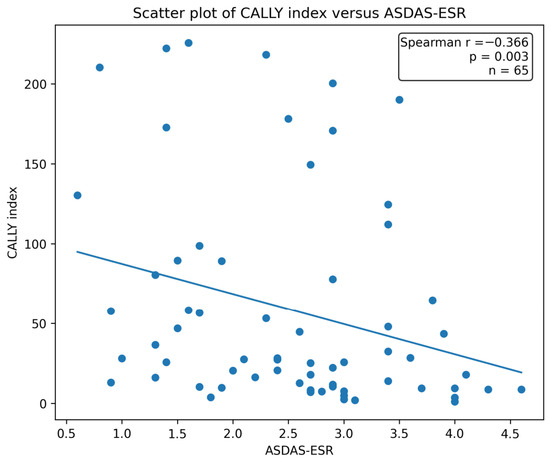
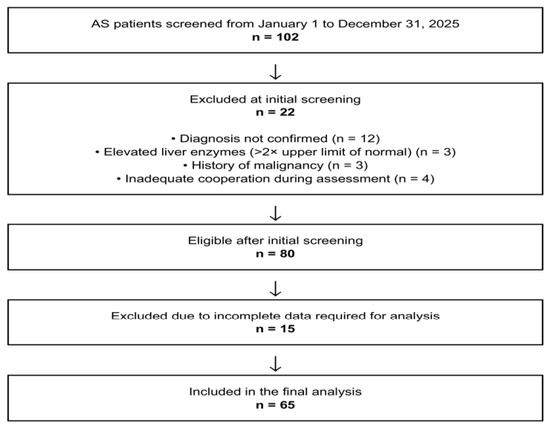
Background: Ankylosing spondylitis (AS) is a chronic inflammatory disease in which accurate assessment of disease activity remains challenging. Although composite indices such as BASDAI and ASDAS are widely used, they may not fully capture systemic inflammatory burden. The C-reactive protein–albumin–lymphocyte (CALLY) index is an emerging composite biomarker integrating inflammatory, nutritional, and immunological components. This study aimed to evaluate the association of the CALLY index with disease activity, functional status, and quality of life in AS. Methods: This medical record-based cross-sectional study included 65 patients with AS. Disease activity was assessed using BASDAI and ASDAS-ESR, functional status using BASFI, and quality of life using the 12-Item Short Form Health Survey (SF-12). The CALLY index was calculated from serum CRP, albumin levels, and lymphocyte counts. Correlation and multivariable linear regression analyses were performed. Results: The mean CALLY index was 58.43 ± 66.20. The index showed moderate negative correlations with ESR and ASDAS-ESR and a positive correlation with lymphocyte count. Its strong inverse correlation with CRP was expected because CRP is part of the formula and was therefore interpreted cautiously. No significant associations were found with BASDAI, BASFI, or SF-12. In multivariable analysis, BMI (β = −0.299, p = 0.012) and NSAID use (β = −0.298, p = 0.011) were independent predictors. Conclusions: The CALLY index was associated mainly with objective inflammatory markers rather than patient-reported outcomes, suggesting a dissociation between biochemical and clinical disease domains in AS. These findings are preliminary and require confirmation in larger longitudinal studies before clinical application.
Full article
(This article belongs to the Section Immunology & Rheumatology)
►▼
Show Figures

Figure 1
Open AccessSystematic Review
Therapeutic Efficacy of Hyperbaric Oxygen in Central Retinal Artery Occlusion: A Systematic Review and Meta-Analysis
by
Hani Basher ALBalawi, Moustafa S. Magliyah, Naif M. Alali, Mohammed M. Alshehri, Abdullah Alhewiti, Faisal Almarek, Ibrahim Shajry, Mohammad A. Hazzazi and Yousef A. Alotaibi
J. Clin. Med. 2026, 15(9), 3530; https://doi.org/10.3390/jcm15093530 - 5 May 2026
Abstract
Background/Objectives: Central retinal artery occlusion (CRAO) is a vision-threatening condition with limited evidence-based treatment options. Hyperbaric oxygen therapy (HBOT) has emerged as a potential intervention, but its efficacy remains debated. This systematic review and meta-analysis evaluated the therapeutic efficacy and safety of HBOT
[...] Read more.
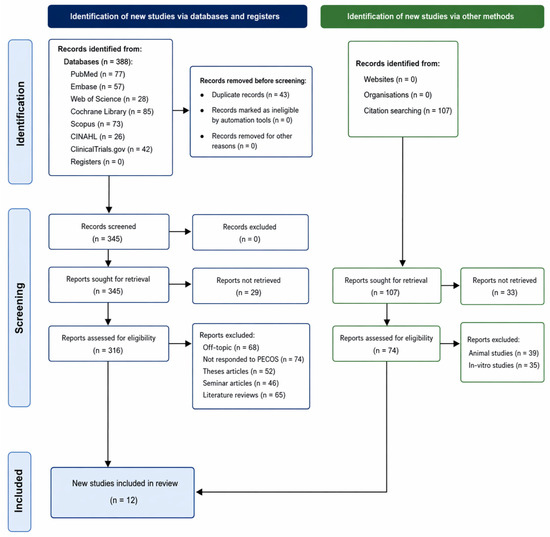
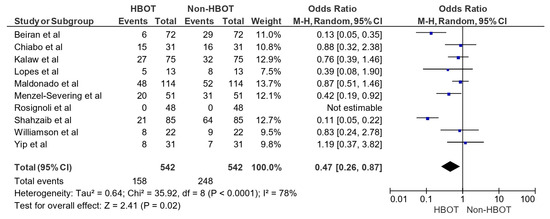
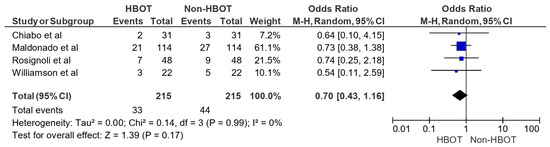
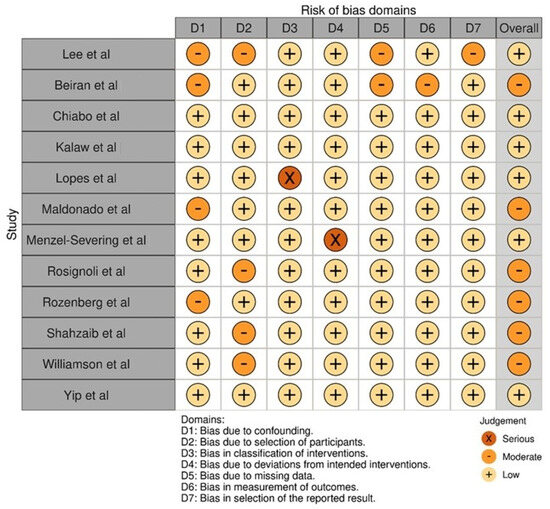
Background/Objectives: Central retinal artery occlusion (CRAO) is a vision-threatening condition with limited evidence-based treatment options. Hyperbaric oxygen therapy (HBOT) has emerged as a potential intervention, but its efficacy remains debated. This systematic review and meta-analysis evaluated the therapeutic efficacy and safety of HBOT in CRAO. Methods: Relevant studies were identified across seven databases using optimized Boolean and MeSH-based strategies. Eligible studies evaluated HBOT in CRAO and reported visual or safety outcomes. Extracted data included demographics, intervention details, treatment timing, visual acuity outcomes, and adverse events. Risk of bias was assessed using ROBINS-I. Visual acuity outcomes were standardized to logMAR whenever directly reported or convertible, and subgroup analyses were stratified by HBOT initiation time (<12 h vs. >12 h), study type, and baseline visual severity when reported. A random-effects model was used, and pooled estimates were expressed as odds ratios (ORs) with 95% confidence intervals (CIs). Results: Twelve studies were included. The pooled efficacy analysis favored HBOT (OR = 0.47; 95% CI: 0.26–0.87; p = 0.02), although heterogeneity was substantial (Tau2 = 0.64; I2 = 78%). Stratified synthesis showed that studies in which HBOT was initiated within 12 h consistently reported greater visual improvement, whereas delayed or variably timed treatment showed attenuated and inconsistent benefits. After outcome harmonization, studies reporting logMAR-compatible data generally demonstrated clinically relevant visual improvement, while adverse-event rates did not differ significantly between HBOT and non-HBOT groups (OR = 0.70; 95% CI: 0.43–1.16; p = 0.17; I2 = 0%). Conclusions: HBOT appears most beneficial when initiated early, particularly within the first 12 h. However, heterogeneity in treatment timing, study design, and baseline severity reporting limits the certainty of these results and supports the need for standardized outcome reporting and protocol-driven prospective studies.
Full article
(This article belongs to the Special Issue Advances in Retinal Diseases—Mechanisms, Diagnostics, and Emerging Therapies)
►▼
Show Figures

Figure 1
Open AccessArticle
Clinical Outcomes of Insulin Glargine U300 on Glycemic Control and Hypoglycemia: A Retrospective Observational Study
by
Gökçen Güngör Semiz, Mehmet Çağrı Ünal, İsmail Selimoğlu, Sıla Kalender, Ege Erbay, Mehmet Emin Arayici, Abdurrahman Çömlekçi, Serkan Yener and Tevfik Demir
J. Clin. Med. 2026, 15(9), 3529; https://doi.org/10.3390/jcm15093529 - 5 May 2026
Abstract
Background/Objectives: Insulin glargine U300 (IGlarU300) is a second-generation, long-acting insulin analog designed to provide a more stable pharmacokinetic profile compared to insulin glargine U100. However, long-term real-world data reflecting its long-term impact on glycemic control and hypoglycemia across diverse populations remain limited. This
[...] Read more.
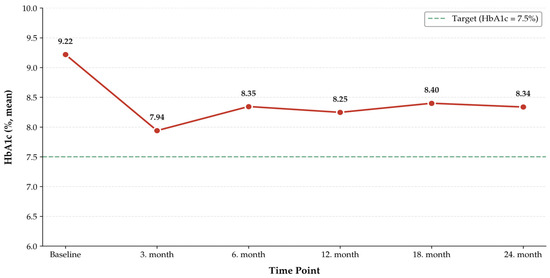
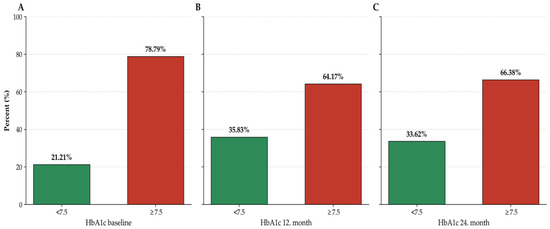
Background/Objectives: Insulin glargine U300 (IGlarU300) is a second-generation, long-acting insulin analog designed to provide a more stable pharmacokinetic profile compared to insulin glargine U100. However, long-term real-world data reflecting its long-term impact on glycemic control and hypoglycemia across diverse populations remain limited. This study evaluated the 24-month clinical outcomes of transitioning to IGlarU300 in a real-world setting. Methods: This retrospective, single-center, observational study enrolled patients with type 1 (T1DM) or type 2 diabetes mellitus (T2DM) who transitioned to IGlarU300 between 2017 and 2021. HbA1c levels, body weight, insulin doses, and hypoglycemia rates were evaluated at baseline and up to 24 months. Results: A total of 242 patients (T1DM: n = 68, T2DM: n = 174) were analyzed. HbA1c levels significantly declined at all follow-up points compared to baseline (mean change at 12 months: −0.85% [95% CI: −1.24 to −0.47%]; p < 0.001]). No significant change in total insulin dose was observed over the one-year follow-up; however, improved glycemic control led to a significant reduction in oral antidiabetic medication use, reflecting successful treatment simplification and a decrease in polypharmacy burden (mean change: -0.50 [95% CI: −0.70 to −0.30]; p < 0.001). Notably, both severe and mild hypoglycemia episodes showed significant reductions (p = 0.010 and p = 0.019, respectively). Switching to IGlarU300 was associated with sustained improvements in glycemic control and a reduction in hypoglycemia rates. Conclusions: These findings suggest that IGlarU300 may be an effective clinical option for optimizing metabolic outcomes, though further controlled studies are warranted to confirm these observational results.
Full article
(This article belongs to the Special Issue Clinical Advances in Diabetes, Obesity, and Hypertension)
►▼
Show Figures

Figure 1
Open AccessArticle
Three-Year Outcomes and Safety of the XEN63 Gel Stent: A Multicenter Prospective Study in Primary Open-Angle Glaucoma
by
José María Martínez-de-la-Casa, María Teresa Marcos-Parra, Elena Millá-Griñó, Teresa Laborda, Rafael Giménez, José Manuel Larrosa, Aritz Urcola, Miguel Ángel Teus and Susana Perucho-Martínez
J. Clin. Med. 2026, 15(9), 3528; https://doi.org/10.3390/jcm15093528 - 5 May 2026
Abstract
Purpose: To evaluate the 3-year effectiveness and safety of the XEN63 Gel Stent, both as a standalone procedure and combined with phacoemulsification, in patients with primary open-angle glaucoma (POAG). Methods: This prospective, multicenter, non-randomized study included 85 eyes (85 patients) with
[...] Read more.
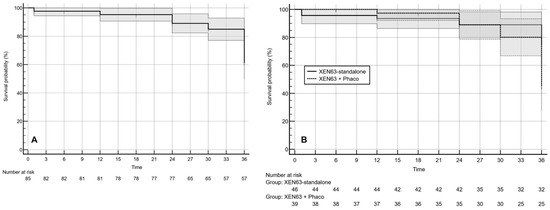
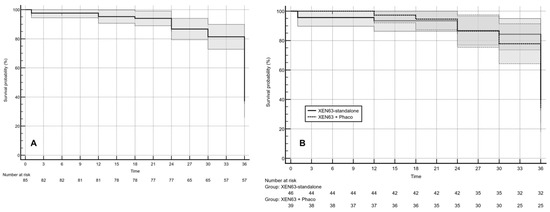
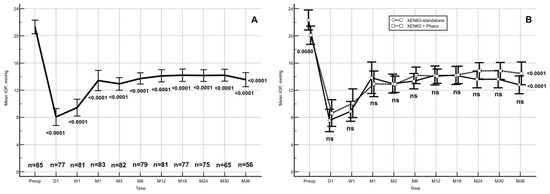
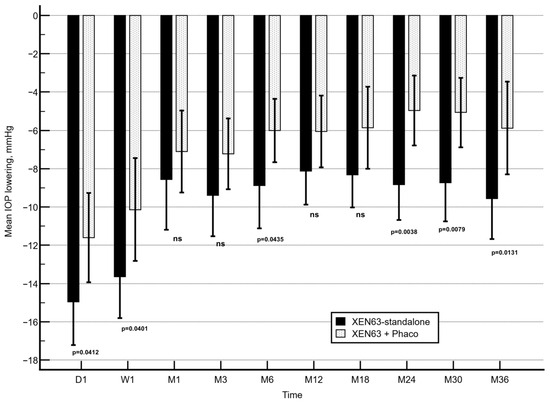
Purpose: To evaluate the 3-year effectiveness and safety of the XEN63 Gel Stent, both as a standalone procedure and combined with phacoemulsification, in patients with primary open-angle glaucoma (POAG). Methods: This prospective, multicenter, non-randomized study included 85 eyes (85 patients) with medically-uncontrolled POAG. Subjects underwent either XEN63-standalone implantation (n = 46) or combined XEN63 + Phacoemulsification (n = 39). The primary endpoint was the cumulative probability of complete success (IOP ≥ 6 and ≥18 mmHg and reduction in IOP ≥ 20% from baseline without ocular-hypotensive medications) at 36 months. Results: At 36-months, the overall surgical success rate was 67.1% (95% CI: 50.8–86.9%), with significant differences between the standalone (78.3%) and combined groups (53.9%; p = 0.0173). Complete success was achieved in 45.9% of the total cohort. Preoperative mean IOP decreased significantly from 21.3 ± 4.7 mmHg to 14.3 ± 4.3 mmHg at the last-follow-up visit (LFUV) (p < 0.0001). Correspondingly, the mean number of medications was significantly reduced from 2.3 ± 0.8 to 0.7 ± 1.0 (p < 0.0001). Multivariable analysis showed that surgical strategy did not significantly influence IOP reduction. Numerical hypotony (IOP < 6 mmHg) occurred in 23.5% of eyes at Day 1 but resolved in 95% of cases by Month 1. One case of hypotonic maculopathy required device explantation. Serious late-onset events included one endophthalmitis (Month 30) and one retinal detachment (Month 26). Secondary needling was required in 8.2% of eyes. Conclusions: The XEN63 Gel Stent provided sustained IOP reduction and a significantly decreased medication burden over 36 months. Outcomes remained consistent regardless of whether the stent was implanted as a standalone procedure or combined with cataract surgery.
Full article
(This article belongs to the Section Ophthalmology)
►▼
Show Figures

Figure 1
Open AccessReview
Applications of Photopic Negative Response: A Narrative Review
by
Minzhong Yu, Nara Shakaki and Anas Bakdalieh
J. Clin. Med. 2026, 15(9), 3527; https://doi.org/10.3390/jcm15093527 (registering DOI) - 5 May 2026
Abstract
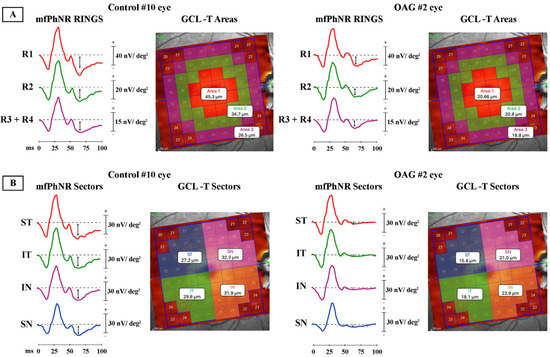
Background: The photopic negative response (PhNR) of the full-field electroretinogram is a retinal ganglion cell-weighted functional signal increasingly proposed as a clinical biomarker. Despite extensive study across ocular and systemic diseases, its precise clinical role and incremental value remain incompletely established. Methods
[...] Read more.
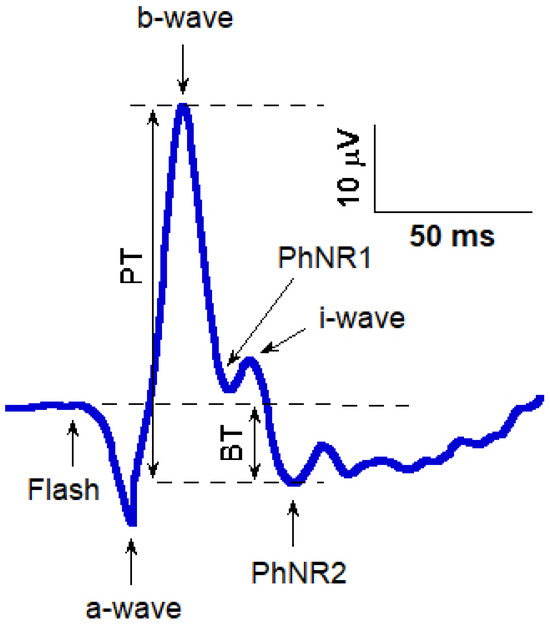
Background: The photopic negative response (PhNR) of the full-field electroretinogram is a retinal ganglion cell-weighted functional signal increasingly proposed as a clinical biomarker. Despite extensive study across ocular and systemic diseases, its precise clinical role and incremental value remain incompletely established. Methods: This narrative review synthesizes key human studies of the photopic negative response, with emphasis on physiological basis, recording methodology, and clinical contexts in which PhNR may provide added functional insight. Results: In glaucoma, PhNR provides an objective measure of retinal ganglion cell dysfunction that correlates moderately with optical coherence tomography (OCT)-derived structural loss and visual field indices, but with substantial inter-individual variability. Its greatest clinical utility lies in early disease detection, cross-sectional functional assessment, and documenting short-term functional changes following intraocular pressure reduction, rather than longitudinal progression monitoring. Beyond glaucoma, PhNR reveals inner retinal dysfunction in systemic and genetic conditions, particularly idiopathic intracranial hypertension and diabetes, where retinal ganglion cells may reflect broader neurological or metabolic stress. Conclusions: PhNR is best viewed not as a standalone diagnostic or progression tool, but as a complementary functional biomarker that adds objective insight when structural imaging or psychophysical testing is limited or discordant. Its role aligns closely with the retina’s emerging function as a mirror of systemic and genetic disease, provided recordings are standardized and results interpreted cautiously.
Full article
(This article belongs to the Special Issue Ocular Surface, Retina, and Choroid as Mirrors of Systemic and Genetic Diseases)
►▼
Show Figures

Figure 1
Open AccessFeature PaperArticle
Analysis of Clinical Characteristics of Patients with Systemic Sclerosis and Gastric Antral Vascular Ectasia
by
Claudia Codina-Clavaguera, Luis Gerardo Alcala-Gonzalez, Laura Triginer-Gil, Alejandra Fernandez-Luque, Francisco-Alejandro Félix-Téllez, Maria Teresa Sanz-Martínez, Laura Viñas-Giménez, Janire Perurena-Prieto, Alfredo Guillen-Del-Castillo and Carmen P. Simeón-Aznar
J. Clin. Med. 2026, 15(9), 3526; https://doi.org/10.3390/jcm15093526 - 5 May 2026
Abstract
Background/Objectives: Gastric antral vascular ectasia (GAVE) is a gastrointestinal manifestation associated with systemic sclerosis (SSc) that can lead to significant morbidity. This study aimed to characterise and compare the clinical profiles, laboratory findings, therapeutic approaches and survival outcomes of SSc patients with
[...] Read more.
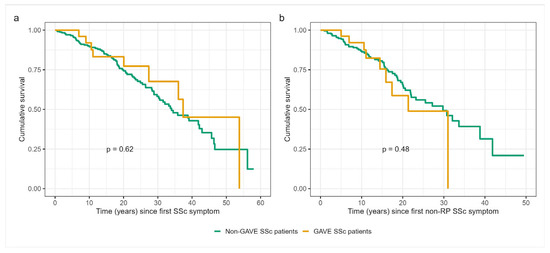
Background/Objectives: Gastric antral vascular ectasia (GAVE) is a gastrointestinal manifestation associated with systemic sclerosis (SSc) that can lead to significant morbidity. This study aimed to characterise and compare the clinical profiles, laboratory findings, therapeutic approaches and survival outcomes of SSc patients with and without GAVE, based on data obtained during their first oesophagogastroduodenoscopy (EGD). Methods: A total of 269 patients who had undergone at least one EGD were selected. Twenty-seven were diagnosed with GAVE and compared with the remaining 242. Results: The overall prevalence of GAVE in SSc patients was 10%. Patients with GAVE had specific features such as a higher median age SSc onset (56.6 vs 48.0 years, p = 0.001), a higher prevalence of Barrett’s oesophagus (14.8% vs. 3.7%, p = 0.011), intestinal involvement (37% vs. 18.6%, p = 0.024) and a trend towards a lower prevalence of interstitial lung disease (25.9% vs. 45.0%, p = 0.057). A higher frequency of early or active Cutolo capillaroscopy pattern (84.6% vs. 62.4%, p = 0.025), greater frequency of anti-centromere antibodies (63.0% vs. 42.1%, p = 0.039) and a trend towards a lower proportion of anti-topoisomerase I (3.7% vs. 18.6%, p = 0.052) was also observed. No difference was found in the prevalence of anti-RNA polymerase III antibodies, survival or mortality. Conclusions: SSc patients with GAVE exhibit a distinct phenotype characterised by older age at disease onset, gastrointestinal involvement, anti-centromere antibodies and early or active capillaroscopic pattern, without differences in survival.
Full article
(This article belongs to the Special Issue News in the Pathogenesis, Diagnosis and Treatment of Systemic Sclerosis)
►▼
Show Figures

Figure 1
Open AccessBrief Report
Preliminary Experience with New Dual-Mobility System for Small Japanese Patients
by
Kenji Kawate, Tomohiro Teranishi, Yumiko Kondo, Mitsumasa Matsui and Shinji Ueno
J. Clin. Med. 2026, 15(9), 3525; https://doi.org/10.3390/jcm15093525 - 5 May 2026
Abstract
Background/Objectives: The preliminary experience with new dual-mobility system for small Japanese patients was introduced in this paper. Methods: Twenty-nine hips which underwent primary THA were retrospectively reviewed. All cups were inserted via Hardinge lateral approach. The ability to perform formal Japanese
[...] Read more.
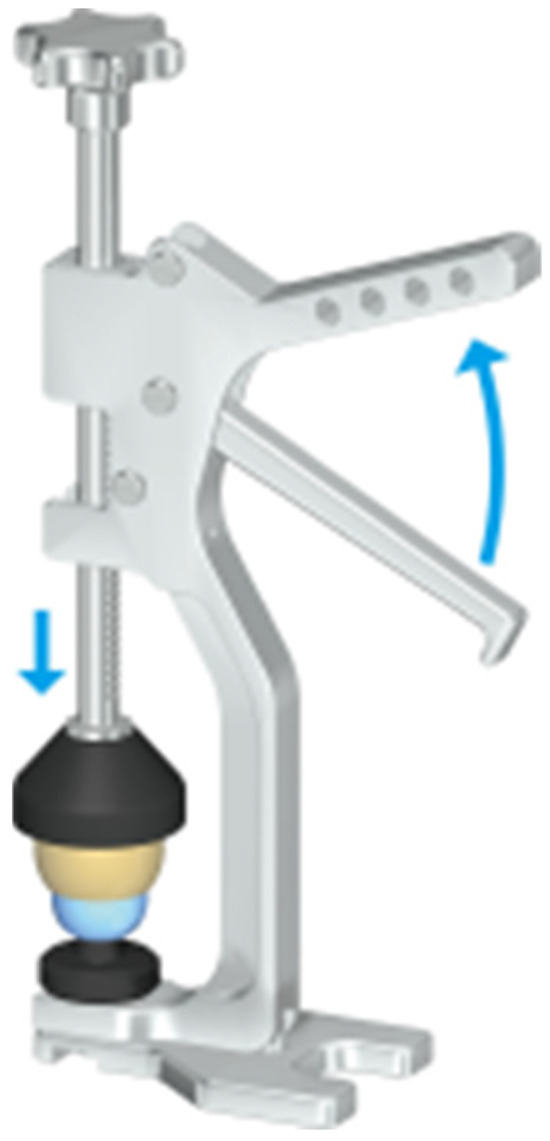
Background/Objectives: The preliminary experience with new dual-mobility system for small Japanese patients was introduced in this paper. Methods: Twenty-nine hips which underwent primary THA were retrospectively reviewed. All cups were inserted via Hardinge lateral approach. The ability to perform formal Japanese sitting in a kneeling position (Seiza in Japanese) and bowing while sitting (Zarei in Japanese) was evaluated. The mean follow-up was 6 months. Results: The mean age at surgery was 70 years, mean height was 156 cm, mean weight was 58 kg, and mean body mass index was 23.6. The acetabular cups utilized were a hemispherical hydroxy-apatite coated cup (25 hips) and a hemispherical trabecular titanium cup (4 hips), with diameters of 46 mm in 5, 48 mm in 15, 50 mm in 3, 52 mm in 1, 54 mm in 3, 56 mm in 1, and 62 mm in 1; mean diameter was 49.4 mm. No postoperative dislocations including intraprosthetic dislocation or metal allergy were observed. The mean Harris hip score improved significantly from 39 points preoperatively to 89 points postoperatively (p < 0.05). Radiographic evaluation demonstrated bone ingrowth stability in all cases according to Engh’s criteria and no aseptic loosening of the implants. Mean hip flexion increased from 75° preoperatively to 90° postoperatively (p < 0.05). The ability to perform Seiza increased from 8 patients preoperatively to 23 patients postoperatively (p < 0.05). The ability to perform Zarei (deep bowing) increased from 7 patients preoperatively to 20 patients postoperatively (p < 0.05). Conclusions: This novel dual-mobility system designed for smaller Japanese patients offers three distinct advantages: (1) availability of 42, 44, 46 and 48–66 mm outer diameter cups, (2) 1 mm deeper center of rotation, providing increased jumping distance compared to other designs, and (3) improved assembly instrumentation (cement-gun-type bearing press). Early clinical results suggest that this newly developed dual-mobility THA system is well-suited to the lifestyle and anatomical characteristics of Japanese patients.
Full article
(This article belongs to the Special Issue New Advances in Hip and Knee Arthroplasty)
►▼
Show Figures

Figure 1
Open AccessArticle
PAD Score: A Clinical Prediction Tool for Disseminated Intravascular Coagulation in Placental Abruption
by
Resat Misirlioglu, Filiz Yarsilikal Guleroglu and Ali Cetin
J. Clin. Med. 2026, 15(9), 3524; https://doi.org/10.3390/jcm15093524 - 5 May 2026
Abstract
Background/Objectives: Placental abruption remains one of the leading causes of maternal morbidity, and the development of disseminated intravascular coagulation (DIC) significantly worsens outcomes. We sought to develop and internally validate a prediction model—the Placental Abruption DIC (PAD) Score—using parameters routinely collected at
[...] Read more.
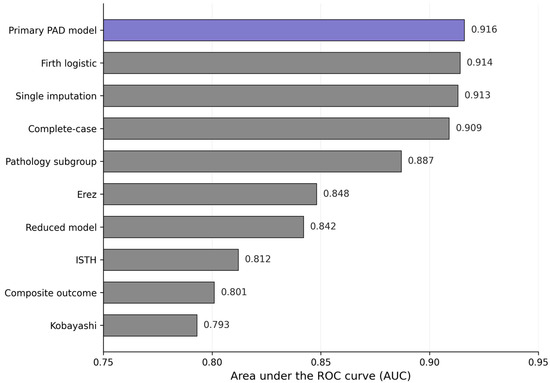
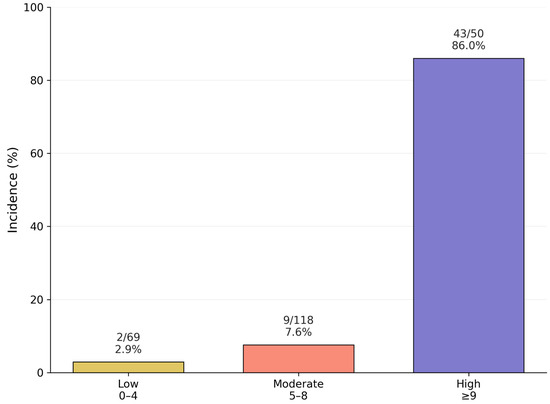
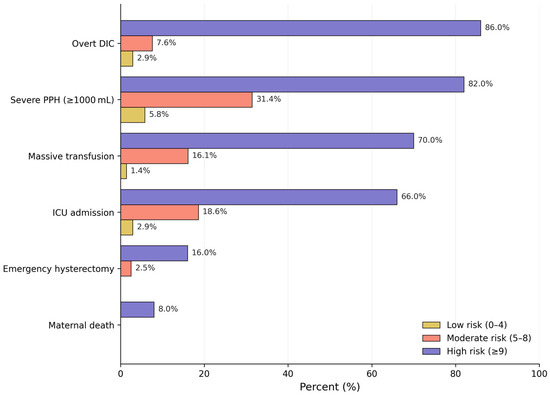
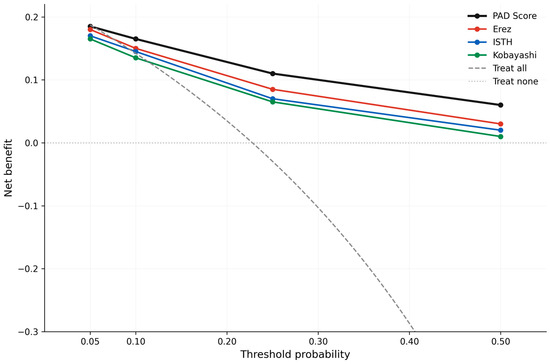
Background/Objectives: Placental abruption remains one of the leading causes of maternal morbidity, and the development of disseminated intravascular coagulation (DIC) significantly worsens outcomes. We sought to develop and internally validate a prediction model—the Placental Abruption DIC (PAD) Score—using parameters routinely collected at presentation. Methods: We conducted a retrospective cohort study at a tertiary referral center in Istanbul, Turkey (January 2019–December 2024). Women with singleton pregnancies ≥22 weeks diagnosed with placental abruption were eligible. The primary outcome was overt disseminated intravascular coagulation (DIC) within 24 h of admission, adjudicated using the original International Society on Thrombosis and Haemostasis (ISTH) overt DIC scoring algorithm; a total score of ≥5 was considered compatible with overt DIC. We built a multivariable logistic regression model with bootstrap internal validation (1000 resamples). Robustness was evaluated through prespecified sensitivity analyses including complete-case analysis, single imputation, Firth-penalized logistic regression, exclusion of patients transferred from external facilities, a four-variable model excluding preeclampsia, and alternative score threshold grouping. Comparative discrimination against the admission ISTH overt DIC score, the Erez pregnancy-modified DIC score, and the Kobayashi obstetrical DIC score were evaluated using the area under the receiver operating characteristic curve and DeLong testing. Results: Of 237 women, 54 (22.8%) developed DIC. The final model retained five predictors: fibrinogen concentration, shock index, platelet count, placental separation percentage, and chronic hypertension/preeclampsia. The optimism-corrected area under the receiver operating characteristic curve (AUC) was 0.916, with calibration slope 0.96 and Brier score 0.12. DIC incidence was 2.9% in low-risk (0–4 points), 7.6% in moderate-risk (5–8 points), and 86.0% in high-risk (≥9 points) patients. Discrimination remained stable across complete-case (AUC 0.909), single-imputation (0.913), Firth-penalized (0.914), transfer-excluded (0.902), four-variable (0.892), reduced three-predictor (0.842, excluding fibrinogen and platelet count), pathology-confirmed subgroups (0.887) and composite clinical outcome (0.801) analyses, and exceeded that of the ISTH (0.812), Erez (0.848) and Kobayashi (0.793) comparator scores. Conclusions: The PAD Score offers a straightforward method for stratifying DIC risk in placental abruption. External validation in independent cohorts is needed before clinical implementation.
Full article
(This article belongs to the Special Issue Pregnancy Complications and Maternal-Perinatal Outcomes)
►▼
Show Figures

Figure 1
Open AccessEditorial
Clinical Care and Rehabilitation in Neuromuscular Disorders—Why It Highly Matters
by
Hans-Jürgen Gdynia
J. Clin. Med. 2026, 15(9), 3523; https://doi.org/10.3390/jcm15093523 - 5 May 2026
Abstract
Neuromuscular disorders represent a diverse group of diseases mainly characterized by progressive or non-progressive muscle weakness [...]
Full article
(This article belongs to the Special Issue Clinical Care and Rehabilitation for Neuromuscular Diseases)
Open AccessArticle
Prevalence and Distribution of Axis Subtypes of Refractive Astigmatism in Mexican Outpatients: A Nationwide Multicenter Clinic-Based Cross-Sectional Study
by
José Antonio Magaña-Lizárraga, Abraham García-Gil, Ricardo Daniel Contreras-Espinoza, Eduardo Espinoza-Angulo, Héctor Machado-Jiménez, Marco Antonio Luna-Ruiz-Esparza, Humberto Gómez-Campaña, Abraham Campos-Romero and Jonathan Alcántar-Fernández
J. Clin. Med. 2026, 15(9), 3522; https://doi.org/10.3390/jcm15093522 - 5 May 2026
Abstract
Background/Objectives: Astigmatism is one of the most common refractive errors and represents a risk factor for other ocular conditions, including myopia and amblyopia. In Mexico, comprehensive epidemiological data on refractive astigmatism, particularly its axis-related subtypes, remain limited. This study aimed to estimate the
[...] Read more.
Background/Objectives: Astigmatism is one of the most common refractive errors and represents a risk factor for other ocular conditions, including myopia and amblyopia. In Mexico, comprehensive epidemiological data on refractive astigmatism, particularly its axis-related subtypes, remain limited. This study aimed to estimate the prevalence and distribution of axis subtypes of refractive astigmatism in a nationwide, clinic-based cohort of Mexican outpatients. Methods: We conducted a retrospective, cross-sectional, multicenter study using anonymized electronic health records (EHRs) from Salud Digna clinics across all 32 states of Mexico. Individuals aged 5–90 years who underwent routine non-cycloplegic eye examinations between 2021 and 2023 were included. Refractive astigmatism was defined as a cylinder power (Cyl) of ≤−0.75 D. Age-adjusted prevalence and distribution of axis subtypes (with-the-rule [WTR], against-the-rule [ATR], and oblique [OBL]) were determined according to sex, age groups, and geographic locations. Logistic regression models evaluated potential associations between demographic variables and refractive astigmatism. Results: Data from 8,622,191 individuals were analyzed (median age: 45 years; 63.4% females). The age-standardized prevalence of refractive astigmatism was 41.59% (95% CI: 41.54–41.64%) and was higher in males (45.43%) than females (39.32%). WTR astigmatism predominated among younger individuals, peaking at ages 15–19 (48.97%), whereas ATR astigmatism increased with age, reaching 35.36% among those aged 80–90 years. In multivariable analysis, refractive astigmatism was significantly associated with age, sex, and state of residence, showing a non-linear, non-monotonic age pattern with peaks in adolescence (aOR = 1.47; 95% CI, 1.456–1.484) and older (aOR = 1.177; 95% CI, 1.161–1.193) age, higher odds in males (aOR = 1.269; 95% CI, 1.265–1.272), and marked geographic variability, with the highest in Tlaxcala (aOR = 3.581; 95% CI, 3.491–3.675). Conclusions: Refractive astigmatism was more prevalent in males and showed a clear age-related shift in the axis subtype beginning in the early 40s. These findings provide large-scale, real-world evidence that enhances the understanding of astigmatism epidemiology in Mexico and may inform future research and public health planning.
Full article
(This article belongs to the Section Epidemiology & Public Health)
Open AccessArticle
Cough Burden and Sleep Quality in Patients with Idiopathic Pulmonary Fibrosis Receiving Antifibrotic Therapy: A Cross-Sectional Study in Türkiye
by
Halit Kazci, Utku Tapan and Ozge Oral Tapan
J. Clin. Med. 2026, 15(9), 3521; https://doi.org/10.3390/jcm15093521 - 5 May 2026
Abstract
Background and Objectives: Idiopathic pulmonary fibrosis (IPF) is frequently accompanied by chronic cough, which may negatively affect sleep quality. However, the relationship between cough burden and sleep disturbances in patients undergoing antifibrotic therapy remains inadequately defined. This study aimed to investigate the association
[...] Read more.
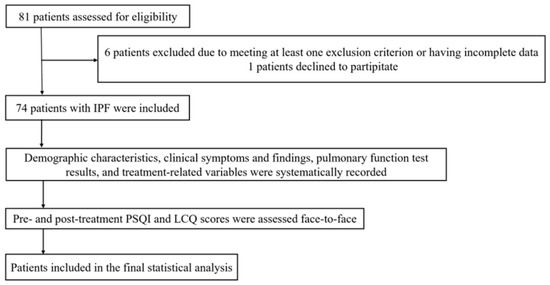
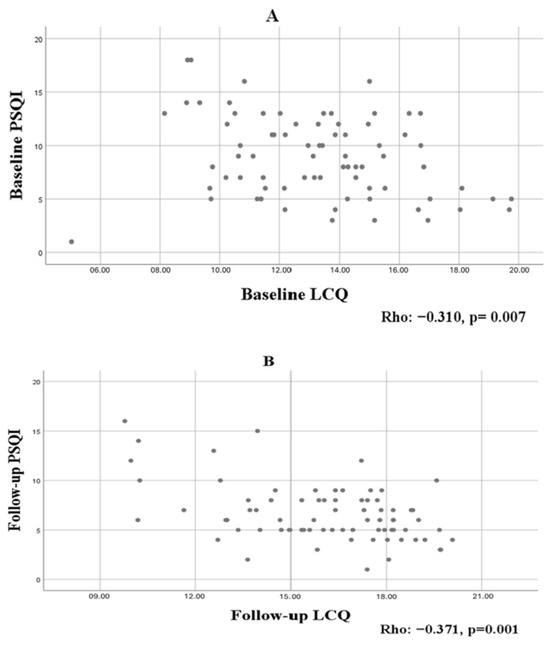
Background and Objectives: Idiopathic pulmonary fibrosis (IPF) is frequently accompanied by chronic cough, which may negatively affect sleep quality. However, the relationship between cough burden and sleep disturbances in patients undergoing antifibrotic therapy remains inadequately defined. This study aimed to investigate the association between cough and sleep quality in patients with IPF and to evaluate the potential effects of antifibrotic treatment on these outcomes. Materials and Methods: This cross-sectional analytical study was conducted at a tertiary care center in Türkiye between January 2019 and December 2024. Patients with a diagnosis of IPF who were receiving antifibrotic therapy (nintedanib or pirfenidone) were consecutively recruited from the pulmonology outpatient clinic. Sleep quality was assessed using the Pittsburgh Sleep Quality Index (PSQI), and cough-related quality of life was evaluated with the Leicester Cough Questionnaire (LCQ). Pre-treatment data were obtained retrospectively based on patient recall, and follow-up assessments were conducted during ongoing therapy. Correlation analyses and multivariable linear regression models were used to identify factors associated with sleep quality. Results: The study included 74 patients, with a mean age of 68.6 ± 6.8 years. At baseline, 87.8% of patients had poor sleep quality (PSQI ≥ 5). During antifibrotic therapy, PSQI scores significantly improved (median 9 [IQR: 6–12] vs. 6 [IQR: 5–8], p < 0.001), accompanied by a clinically meaningful increase in LCQ total score (13.28 ± 2.86 vs. 16.06 ± 2.58, p < 0.001). Significant inverse correlations were observed between PSQI and LCQ scores at both baseline and follow-up. In multivariable analysis, LCQ score was an independent predictor of sleep quality during treatment (β = −0.453, p < 0.001), whereas demographic and physiological parameters showed no significant independent associations. No significant differences were detected between nintedanib and pirfenidone in terms of PSQI or LCQ outcomes. Conclusions: Cough-related quality of life is independently associated with sleep quality in patients with IPF receiving antifibrotic therapy. These findings highlight cough burden as a key determinant of patient-centered outcomes beyond traditional physiological measures. Targeted assessment and management of cough may represent an important strategy to improve sleep quality and overall quality of life in this population.
Full article
(This article belongs to the Section Respiratory Medicine)
►▼
Show Figures

Figure 1
Open AccessReview
Systematic Echocardiographic Assessment of the Univentricular Heart Across the Stages of Fontan Palliation: A Practical Guide with Focus on Emerging 3D and 4D Imaging Modalities and Thromboembolic Complications from AEPC Imaging Working Group
by
Massimiliano Cantinotti, Pietro Marchese, Giovanni Di Salvo, Nadia Assanta, Guglielmo Capponi, Inga Voges, Francesca Raimondi, Almudena Ortiz Garrido, Sylvia Krupickova, Giulia Pasqualin, Heynric Grotenhuis, Martin Köestenberger, Beatrice Bonello, Owen Miller and Colin J. McMahon
J. Clin. Med. 2026, 15(9), 3520; https://doi.org/10.3390/jcm15093520 - 5 May 2026
Abstract
Although echocardiography remains the primary imaging modality for assessing Fontan palliation, a standardized systematic approach for evaluating the univentricular heart throughout the different stages of palliation has yet to be established. This document aims to provide a narrative review and practical guide for
[...] Read more.
Although echocardiography remains the primary imaging modality for assessing Fontan palliation, a standardized systematic approach for evaluating the univentricular heart throughout the different stages of palliation has yet to be established. This document aims to provide a narrative review and practical guide for the echocardiographic assessment of the univentricular heart at various phases of Fontan palliation. Additional objectives include highlighting the potential of advanced three-dimensional (3D) and four-dimensional (4D) imaging modalities, as well as outlining a systematic strategy for detecting thromboembolic complications. We propose a sequential framework for echocardiographic evaluation, encompassing key anatomical and functional components of the univentricular heart. This includes the atrial septum and pulmonary veins, ventricular function, atrioventricular valve, aorta and neo-aorta, sub-aortic region, aortic arch, and pulmonary arteries. Furthermore, we detail the assessment of pulmonary blood supply at different stages of palliation, including the modified Blalock–Taussig–Thomas (mBTT) shunt, Sano conduit, Glenn procedure, and total cavo-pulmonary connection (TCPC). A comprehensive analysis of potential thrombus formation sites is provided, along with diagnostic pitfalls. Additionally, we outline methods for screening for extracardiac clots following Glenn and TCPC procedures. This document serves as a practical guide for the systematic echocardiographic evaluation of the univentricular heart across all stages of Fontan palliation, offering guidance for clinical practice. It also explores the capabilities of emerging 3D and 4D echocardiographic techniques in univentricular heart assessment and provides an in-depth review of thromboembolic complications, emphasizing key diagnostic challenges.
Full article
(This article belongs to the Special Issue Thrombotic Risk and Its Management Across Diverse Clinical Settings)
Open AccessArticle
Comparison Between Pipeline Embolization Device and Derivo Embolization Device for the Treatment of Unruptured Cerebral Aneurysms: A Single-Center Analysis
by
Weis Naziri, Stefan Daniel Gheorghe, Philipp Dietrich, Michael Kettner, Ruben Mühl-Benninghaus, Umut Yilmaz, Wolfgang Reith and Andreas Simgen
J. Clin. Med. 2026, 15(9), 3519; https://doi.org/10.3390/jcm15093519 - 5 May 2026
Abstract
Background: The introduction of flow diverters (FDs) has greatly enhanced the treatment of cerebral aneurysms. This study compares two FDs, the Pipeline Embolization Device (PED) and the Derivo Embolization Device (DED), in terms of technical, angiographic and clinical aspects. Methods: A
[...] Read more.
Background: The introduction of flow diverters (FDs) has greatly enhanced the treatment of cerebral aneurysms. This study compares two FDs, the Pipeline Embolization Device (PED) and the Derivo Embolization Device (DED), in terms of technical, angiographic and clinical aspects. Methods: A total of 103 patients with unruptured aneurysms were treated with the PED (n = 56) and DED (n = 47) between 2012 and 2019. Aneurysm occlusion, procedural complications, occurrence of In-stent stenosis and clinical outcome were evaluated retrospectively. Results: Implantation of the flow diverters was technically successful in all patients. There were no significant differences between baseline characteristics and aneurysm morphology. Angiographic follow-up was available with a median short-term follow-up of 3 months and a median long-term follow-up time of 16 months. Adequate aneurysm occlusion at long-term follow-up was substantially but not significantly greater with the DED (95.8%, 45/47) compared to the PED (87.5%, 49/56) (p = 0.084). In-stent stenoses were significantly less frequent with the DED (29.8%; 14/47) than with the PED (53.6%, 30/57) at short-term follow-up (p = 0.017), although moderate and asymptomatic overall. Thromboembolic or hemorrhagic events occurred in 10.7% (6/56) of cases with the PED and 8.5% (4/47) with the DED (p = 0.752). Morbidity rates were similar between devices (PED 3.6% (2/56), DED 2.1% (1/47), p = 1.0). There was no procedural mortality. Conclusions: Clinical outcomes and complications were comparable between the PED and DED while aneurysm occlusion was considerably greater at long-term follow-up and in-stent stenosis significantly less frequent at short-term follow-up with the DED. The surface-modified design of the DED may contribute to reduced thrombogenicity and early advantages in preventing in-stent stenosis. Further comparative studies are necessary to investigate these findings, particularly comparing surface-modified flow diverters with newer-generation devices featuring true coatings.
Full article
(This article belongs to the Special Issue Neurovascular Interventions: Evolving Techniques and Insights)
Open AccessSystematic Review
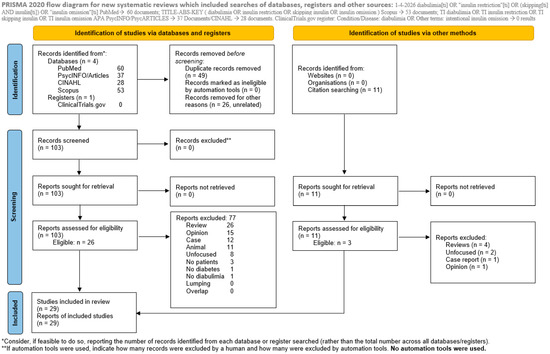
Intentional Insulin Omission (Diabulimia) in Patients with Insulin-Dependent Diabetes: An Eating Disorder? A Systematic Review
by
Maria Benedetta Anesini, Mario Pinto, Michela Bellezza, Georgios D. Kotzalidis, Tommaso Callovini, Silvia Montanari, Camilla Scialpi, Gabriele Sani, Lorenzo Moccia and Delfina Janiri
J. Clin. Med. 2026, 15(9), 3518; https://doi.org/10.3390/jcm15093518 - 4 May 2026
Abstract
Background/Objectives: Intentional insulin omission (IIO), commonly referred to as diabulimia, is a high-risk behavioural phenomenon observed mainly in adolescents and young adults with type 1 diabetes mellitus (T1D). Defined as the deliberate reduction or omission of insulin to influence body weight, IIO lies
[...] Read more.
Background/Objectives: Intentional insulin omission (IIO), commonly referred to as diabulimia, is a high-risk behavioural phenomenon observed mainly in adolescents and young adults with type 1 diabetes mellitus (T1D). Defined as the deliberate reduction or omission of insulin to influence body weight, IIO lies at the intersection of metabolic management and eating disorder psychopathology. Despite serious health risks, including diabetic ketoacidosis, microvascular complications, and increased mortality, it remains under-recognised due to stigma, diagnostic ambiguity, and overlap with routine diabetes self-management. This review aimed to examine the prevalence, psychological mechanisms, and clinical consequences of IIO. Methods: On 1 April 2026, we conducted a systematic search of PubMed, Scopus, APA PsycInfo/PsycArticles and Cinahl for studies investigating intentional insulin omission and related metabolic and psychological outcomes in T1D. Clinical and epidemiological studies assessing prevalence, risk factors, and interventions were included. Results: Twenty-nine studies met the inclusion criteria. Prevalence estimates ranged from 20% to 45%, with higher risk among females, adolescents, and individuals experiencing diabetes-related distress or body dissatisfaction. Psychological factors—including fear of weight gain, emotion dysregulation, depressive symptoms, and identity conflicts—were associated with IIO onset and maintenance. IIO was consistently linked to poor glycaemic control, elevated HbA1c levels, and adverse metabolic and psychological outcomes. Screening tools such as the Diabetes Eating Problem Survey–Revised (DEPS-R) may support early identification, while effective management requires integrated multidisciplinary care. Conclusions: Although IIO is not formally classified as an eating disorder in current diagnostic systems, it shares important psychopathological features with eating disorders and may represent a diabetes-specific disordered eating behaviour with life-threatening consequences.
Full article
(This article belongs to the Special Issue Mind–Body Connection: The Impact of Mental Health on Physical Well-Being)
►▼
Show Figures

Figure 1
Open AccessSystematic Review
Tracheostomy During Extracorporeal Membrane Oxygenation in Adult ICU Patients: A Systematic Review
by
Giuseppe Neri, Giuseppe Mazza, Jessica Ielapi, Helenia Mastrangelo, Federico Longhini, Vincenzo Bosco, Alessandro Russo, Francesca Serapide, Corrado Pelaia, Andrea Bruni and Eugenio Garofalo
J. Clin. Med. 2026, 15(9), 3517; https://doi.org/10.3390/jcm15093517 - 4 May 2026
Abstract
Background/Objectives: Extracorporeal membrane oxygenation (ECMO) is increasingly used in adult critical care, but tracheostomy during ECMO remains controversial because of bleeding risk, anticoagulation exposure, and variability in patient selection. This systematic review evaluated the safety, timing, and clinical outcomes of tracheostomy in adult
[...] Read more.
Background/Objectives: Extracorporeal membrane oxygenation (ECMO) is increasingly used in adult critical care, but tracheostomy during ECMO remains controversial because of bleeding risk, anticoagulation exposure, and variability in patient selection. This systematic review evaluated the safety, timing, and clinical outcomes of tracheostomy in adult patients receiving ECMO. Methods: A systematic search of PubMed/MEDLINE was supplemented by additional searches in the Cochrane Library/CENTRAL and Scopus to identify studies evaluating tracheostomy in adult ECMO patients. The review was conducted according to PRISMA 2020 guidelines. After database searching and screening, 13 observational studies were included in the qualitative synthesis. Results: Across 13 studies encompassing 1918 patients, tracheostomy during ECMO was feasible and was not associated with procedure-related mortality. Bleeding was the main procedural complication, with reported rates varying according to study design, ECMO configuration, timing of tracheostomy, anticoagulation management, and bleeding definitions. Tracheostomy performed during active ECMO support was generally associated with a higher burden of bleeding or minor procedure-related complications than tracheostomy performed after decannulation. Tracheostomy was performed using percutaneous, surgical, open, or hybrid techniques, although comparative evidence between approaches remained limited. Early tracheostomy was associated with shorter ECMO duration, shorter mechanical ventilation, or improved clinical outcomes in selected cohorts, but timing definitions and outcome measures were heterogeneous. Conclusions: Tracheostomy during ECMO may support airway management, sedation reduction, and ventilatory progression, particularly in prolonged ECMO courses, but it carries a relevant bleeding and transfusion burden. Timing, anticoagulation management, patient selection, ECMO configuration, and procedural technique are likely to influence the risk-benefit balance. Prospective studies are needed to standardize definitions, compare techniques, and clarify optimal timing strategies.
Full article
(This article belongs to the Section Intensive Care)
Open AccessTechnical Note
Exoscopic Extraforaminal Lumbar Interbody Fusion for Lumbar Degenerative Disease: Technical Considerations and Clinical Outcomes During the Early Learning Curve
by
Kentaro Yamane, Shinichiro Takao, Kanji Sasaki, Wataru Narita, Hisakazu Shitozawa, Kazuhiro Takeuchi and Shinnosuke Nakahara
J. Clin. Med. 2026, 15(9), 3516; https://doi.org/10.3390/jcm15093516 - 4 May 2026
Abstract
Background/Objectives: Extraforaminal lumbar interbody fusion provides indirect decompression without entering the spinal canal, but its uptake has been limited by poor visualization and risk of exiting nerve root injury. We describe a minimally invasive exoscopic extraforaminal lumbar interbody fusion (exELIF) technique and
[...] Read more.
Background/Objectives: Extraforaminal lumbar interbody fusion provides indirect decompression without entering the spinal canal, but its uptake has been limited by poor visualization and risk of exiting nerve root injury. We describe a minimally invasive exoscopic extraforaminal lumbar interbody fusion (exELIF) technique and evaluate its clinical and radiological outcomes. This study aims to describe the exELIF technique and report its early clinical and radiological outcomes. Methods: Twenty-six patients with lumbar degenerative diseases underwent exELIF using a 3D exoscope (ORBEYE). The procedure was performed through bilateral 30–40 mm posterior incisions. Clinical outcomes were assessed using the Japanese Orthopedic Association score preoperatively and at 1-year follow-up. Postoperative computed tomography evaluated interbody fusion. Operative time, blood loss, and complications were recorded. Results: Mean operative time was 131 ± 51 min, and mean estimated blood loss was 82 ± 99 mL. The mean JOA score improved from 15.2 ± 2.2 to 24.3 ± 2.6, with a mean recovery rate of 66% at 1 year. Interbody fusion was achieved in 96%. In an exploratory CUSUM analysis of 18 single-level fluoroscopy-guided cases, a transition in operative time was observed at approximately the 10th case; operative time and estimated blood loss decreased from 141.5 ± 39.2 min and 89.0 ± 77.8 mL in cases 1–10 to 80.1 ± 6.7 min and 21.2 ± 18.1 mL in cases 11–18 (p < 0.001 and p = 0.035, respectively), indicating a reduction of operative time with accumulated experience rather than a formally established learning curve. Three patients developed transient exiting nerve root symptoms that resolved spontaneously during follow-up. One patient at the L5/S level required revision surgery due to left L5 nerve root palsy caused by posterior migration of the bone graft; this complication led to a modification of the technique, with posterior bone grafting no longer performed at L5/S. Partial screw loosening was observed in 5 patients (19%), all of which were asymptomatic and required no additional intervention. Conclusions: ExELIF provides excellent visualization in deep surgical fields, allowing the use of conventional surgical instruments through minimally invasive incisions. This is an early feasibility report of a single-institution retrospective case series with a heterogeneous cohort and no control group; the present data therefore do not establish superiority over conventional or endoscopic ELIF. Within these limits, exELIF was associated with acceptable early clinical improvement and a high interbody fusion rate, and progressive reduction in operative time with experience suggests that it may be a technically feasible minimally invasive option for selected patients with lumbar degenerative disease and for revision surgery after lumbar decompression.
Full article
(This article belongs to the Special Issue Clinical Advances in Minimally Invasive Spinal Treatment: 2nd Edition)
Open AccessArticle
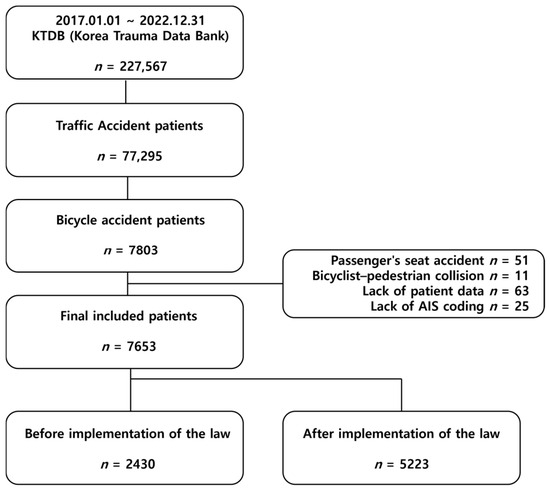
Effect of Mandatory Bicycle Helmet Legislation on Helmet Use and Injury Outcomes: A Propensity Score-Matched Analysis Using Decision Tree and Segmented Regression
by
Hoonsung Park, Maru Kim, Dae-Sang Lee, Tae Hwa Hong, Doo-Hun Kim and Hangjoo Cho
J. Clin. Med. 2026, 15(9), 3515; https://doi.org/10.3390/jcm15093515 - 4 May 2026
Abstract
Background: A non-penal bicycle helmet mandate was implemented in the Republic of Korea on 28 September 2018, yet post-implementation epidemiologic evidence remains limited. This study evaluated changes in helmet wearing and injury outcomes before and after the mandate and identified factors associated with
[...] Read more.
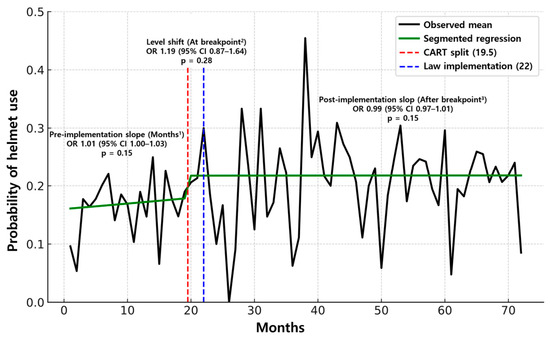
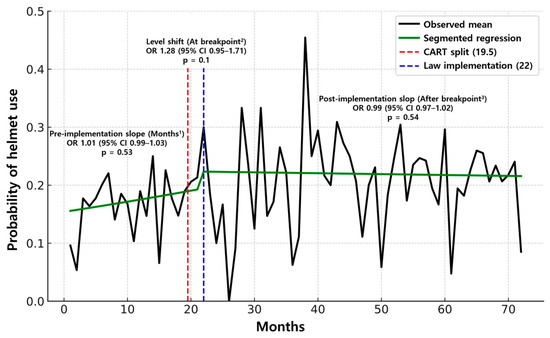
Background: A non-penal bicycle helmet mandate was implemented in the Republic of Korea on 28 September 2018, yet post-implementation epidemiologic evidence remains limited. This study evaluated changes in helmet wearing and injury outcomes before and after the mandate and identified factors associated with helmet non-use. Methods: We conducted a retrospective observational study using Korea Trauma Data Bank records from January 2017 to December 2022. After exclusions, 7653 bicycle-injured patients were identified, and 1:1 optimal propensity score matching (caliper 0.10) produced 4798 patients (2399 pairs). Outcomes included helmet use, physiological status (AVPU scale and Revised Trauma Score), Injury Severity Score (ISS), Abbreviated Injury Scale by body region, and mortality. Monthly helmet use trends were analyzed using a regression tree to detect data-driven breakpoints and segmented logistic regression at the legal implementation point (22 months) and the regression-tree-identified split (19.5 months). Multivariable logistic regression identified factors independently associated with helmet non-use. Results: Helmet use increased modestly from 17.4% pre-mandate to 21.9% post-mandate (p < 0.001). Interrupted time-series analyses showed no immediate level or slope change at either breakpoint, suggesting gradual uptake. ISS values were higher post-mandate, with ISS > 15 increasing from 21.5% to 24.4% (p = 0.02). Total mortality rose from 3.9% to 5.3% (p = 0.02). Helmet non-use was independently associated with age 80–89 years, female sex, non-Korean nationality, and residence in Jeollabuk-do. Conclusions: The mandate was associated with a modest increase in helmet wearing without an abrupt behavioral shift. These findings suggest that legislation without enforcement may have limited impact as a stand-alone measure and should be complemented by targeted education, visitor-focused communication, and region-specific safety measures.
Full article
(This article belongs to the Special Issue Clinical Updates in Trauma and Emergency Medicine)
►▼
Show Figures

Figure 1
Open AccessSystematic Review
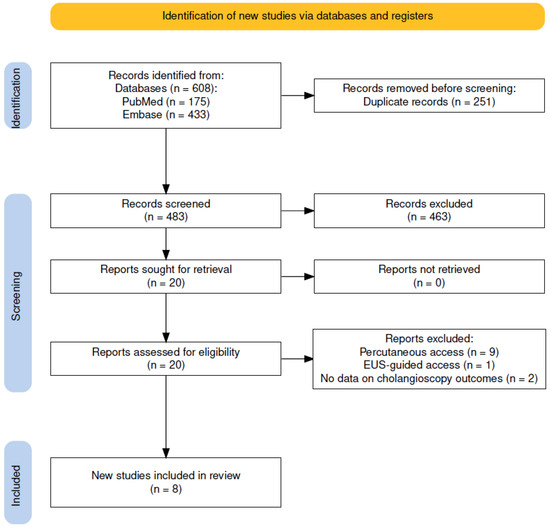
Feasibility and Safety of Endoscopic Peroral Cholangioscopy in Surgically Altered Anatomy: A Systematic Review and Meta-Analysis
by
Noemi Gualandi, Pablo Cortegoso Valdivia, Giuliano Francesco Bonura, Tommaso Gabbani, Paola Soriani and Mauro Manno
J. Clin. Med. 2026, 15(9), 3514; https://doi.org/10.3390/jcm15093514 - 4 May 2026
Abstract
Background/Objectives: Endoscopic retrograde cholangiopancreatography (ERCP) in patients with surgically altered anatomy (SAA) presents significant technical challenges due to altered bowel reconstructions. Endoscopic peroral cholangioscopy (POC) offers a less invasive alternative to percutaneous or transmural techniques, but robust evidence validating its performance in
[...] Read more.
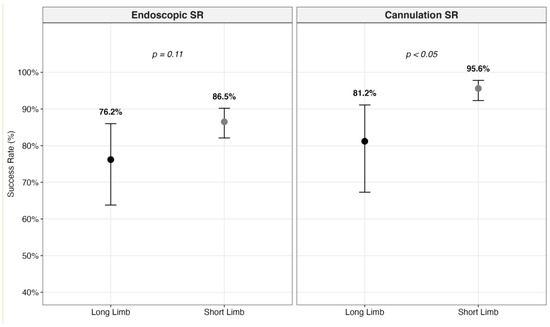
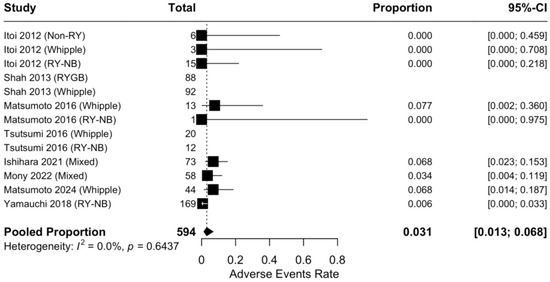
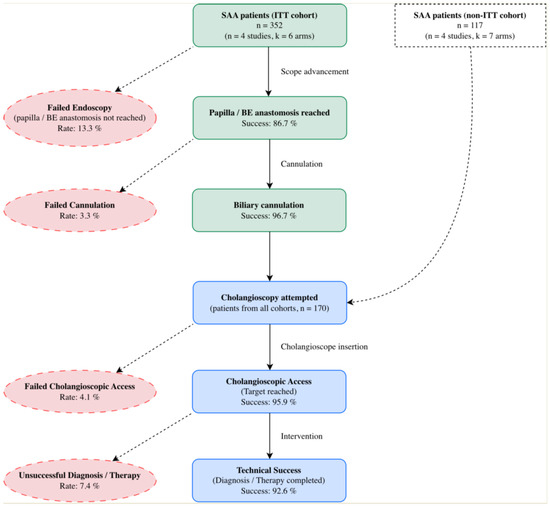
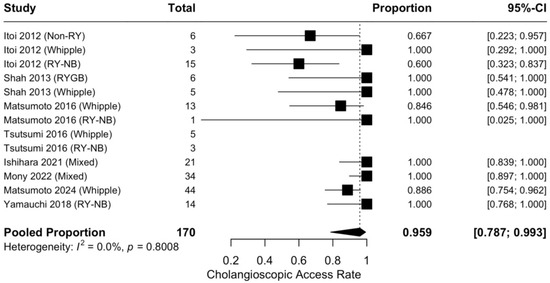
Background/Objectives: Endoscopic retrograde cholangiopancreatography (ERCP) in patients with surgically altered anatomy (SAA) presents significant technical challenges due to altered bowel reconstructions. Endoscopic peroral cholangioscopy (POC) offers a less invasive alternative to percutaneous or transmural techniques, but robust evidence validating its performance in SAA is lacking. This systematic review and meta-analysis (SRMA) aims to evaluate the feasibility and safety of endoscopic POC as a primary strategy in SAA. Methods: A systematic search was performed on PubMed and Embase up to December 2025 for studies reporting cholangioscopic outcomes in SAA patients utilizing an endoscopic approach. The primary outcome was the cholangioscopic access rate (AR). Secondary outcomes included endoscopic success rate (SR), technical SR, and adverse events. Pooled rates were calculated using Generalized Linear Mixed Models (GLMM). Results: Eight studies comprising 469 patients were included. The pooled endoscopic SR was 86.7% (95% CI, 74.4–93.6%) but showed high heterogeneity (I2 = 79.9%), largely driven by the variation in anatomical reconstructions. Subgroup analysis revealed higher endoscopic SR in short-limb anatomies (86.5%) compared to long-limb configurations (76.2%). Conversely, once biliary cannulation was achieved, the procedure was highly reliable: the pooled cholangioscopic AR was 95.9% (95% CI, 78.7–99.3%), with no significant difference across anatomical subgroups. The pooled adverse event rate was 3.1% (95% CI, 1.3–6.8%), predominantly characterized by mild complications. Conclusions: Endoscopic POC is a feasible and safe technique for managing biliary disease in SAA. The procedure’s overall success appears to be strictly dependent on the ability to navigate the altered anatomy (endoscopic phase), whereas the cholangioscopic phase itself proves highly effective and reproducible once biliary access is secured.
Full article
(This article belongs to the Special Issue Advances in Diagnosis and Management of Pancreatobiliary Disorders—2nd Edition)
►▼
Show Figures

Figure 1
Journal Menu
► ▼ Journal Menu-
- JCM Home
- Aims & Scope
- Editorial Board
- Reviewer Board
- Topical Advisory Panel
- Instructions for Authors
- Special Issues
- Topics
- Sections & Collections
- Article Processing Charge
- Indexing & Archiving
- Editor’s Choice Articles
- Most Cited & Viewed
- Journal Statistics
- Journal History
- Journal Awards
- Society Collaborations
- Conferences
- Editorial Office
Journal Browser
► ▼ Journal BrowserHighly Accessed Articles
Latest Books
E-Mail Alert
News
Topics
Topic in
Biology, JCM, Diagnostics, Dentistry Journal
Assessment of Craniofacial Morphology: Traditional Methods and Innovative Approaches
Topic Editors: Nikolaos Gkantidis, Carlalberta VernaDeadline: 1 June 2026
Topic in
Cells, JCM, Organoids, JMP
Novel Discoveries in Oncology 2nd Edition
Topic Editors: Michela Campolo, Giovanna Casili, Alessia Filippone, Marika LanzaDeadline: 20 June 2026
Topic in
Biomedicines, IJMS, JCM, Medicina, Neurology International
Advances in Exercise-Induced Neurogenesis, Neuronal and Functional Adaptations in Neurorehabilitation
Topic Editors: Carlos Bernal-Utrera, Cleofas Rodriguez-Blanco, Maria Livia Carrascal MorenoDeadline: 29 June 2026
Topic in
Dentistry Journal, IJMS, JCM, Medicina, Applied Sciences
Oral Health Management and Disease Treatment
Topic Editors: Christos Rahiotis, Felice Lorusso, Sergio Rexhep TariDeadline: 31 July 2026
Conferences
Special Issues
Special Issue in
JCM
Challenging ICU Dogma: Where Routine Practice and Evidence Collide
Guest Editors: Yujiro Matsuishi, Nobutake ShimojoDeadline: 10 May 2026
Special Issue in
JCM
Quality of Life in Patients with Gynecological Cancers
Guest Editors: Katarzyna Plagens-Rotman, Piotr Merks, Monika Englert-GolonDeadline: 10 May 2026
Special Issue in
JCM
Revolutionizing Arrhythmia Therapy: Novel Approaches in Pacing and Defibrillation
Guest Editors: Amato Santoro, Alberto PalazzuoliDeadline: 10 May 2026
Special Issue in
JCM
Innovations, Biomarkers, and Challenges in Cancer Immunotherapy
Guest Editors: Mohammad Mousaei Ghasroldasht, Mahzad AkbarpourDeadline: 10 May 2026
Topical Collections
Topical Collection in
JCM
Pediatric and Adolescent Gynecology
Collection Editor: Panagiotis Christopoulos