




-
Targeted Therapy for Restoring CFTR Activity: From Experimental to Clinical Features -
β-Hydroxy-β-methylbutyrate (HMB) Counteracts Atrophy and Restores Circadian Rhythms in Myotubes -
Biomarkers and Early Mechanisms of Sarcopenia: Central Roles of Mitochondrial Dysfunction, Inflammaging, Cellular Senescence, and Neuromuscular Degeneration -
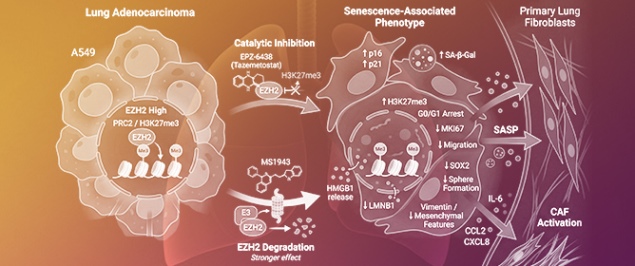
EZH2 Regulates the Proliferation-Senescence Balance and Tumor–Stromal Signaling in Lung Adenocarcinoma -
Microplastics as Vectors Influencing Oxidative Stress, Inflammation, and Endocrine Function During Early Development
Journal Description
International Journal of Molecular Sciences
is an international, peer-reviewed, open access journal providing an advanced forum for biochemistry, molecular and cell biology, molecular biophysics, molecular medicine, and all aspects of molecular research in chemistry, and published semimonthly online by MDPI. The Epigenetics Society, European Chitin Society (EUCHIS), Spanish Society for Cell Biology (SEBC) and others are affiliated with IJMS and their members receive a discount on the article processing charges.
- Open Access— free for readers, with article processing charges (APC) paid by authors or their institutions.
- High Visibility: indexed within Scopus, SCIE (Web of Science), PubMed, PMC, MEDLINE, Embase, CAPlus / SciFinder, and other databases.
- Journal Rank: JCR - Q1 (Biochemistry and Molecular Biology) / CiteScore - Q1 (Inorganic Chemistry)
- Rapid Publication: manuscripts are peer-reviewed and a first decision is provided to authors approximately 17.5 days after submission; acceptance to publication is undertaken in 2.9 days (median values for papers published in this journal in the first half of 2026).
- Recognition of Reviewers: Reviewers whose reports are timely and of high quality receive an APC discount voucher for a future publication in an MDPI journal. Become a reviewer.
- Companion journals for IJMS include: Biophysica, Stresses, Lymphatics, SynBio and Inflammation Journal.
- Journal Cluster of Biochemistry and Molecular Biology: Current Issues in Molecular Biology, International Journal of Molecular Sciences, Genes, Biomolecules, Biology, Cells, Proteomes, Non-Coding RNA, Epigenomes, Methods and Protocols, Journal of Molecular Pathology, BioChem, DNA, Stresses, Receptors and Kinases and Phosphatases.
Impact Factor:
5.6 (2025);
5-Year Impact Factor:
6.3 (2025)
Latest Articles
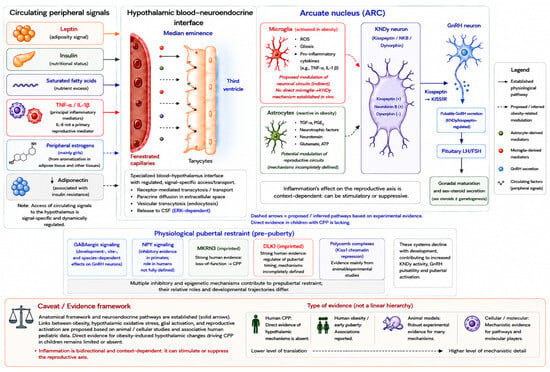
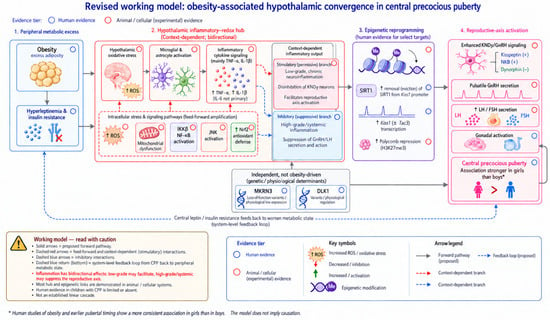
Obesity, Oxidative Stress, and Inflammation in Precocious Puberty: Do All Roads Lead to the Hypothalamus?
Int. J. Mol. Sci. 2026, 27(18), 8159; https://doi.org/10.3390/ijms27188159 (registering DOI) - 13 Sep 2026
Abstract
Childhood obesity is consistently associated with earlier pubertal timing, particularly in girls, whereas its relationship with true central precocious puberty (CPP), defined by premature activation of the hypothalamic–pituitary–gonadal (HPG) axis, is less clearly established. An increased frequency of CPP diagnoses and referrals was
[...] Read more.
Childhood obesity is consistently associated with earlier pubertal timing, particularly in girls, whereas its relationship with true central precocious puberty (CPP), defined by premature activation of the hypothalamic–pituitary–gonadal (HPG) axis, is less clearly established. An increased frequency of CPP diagnoses and referrals was reported during the COVID-19 pandemic, alongside changes in body weight, lifestyle, sleep, and psychosocial exposures. Human studies link excess adiposity to hyperleptinemia, insulin resistance, reduced adiponectin, altered sex-steroid bioavailability, and systemic low-grade inflammation, and associate these features with earlier pubertal development—consistently in girls, less so in boys. However, such associations do not establish that obesity directly induces premature hypothalamic activation. Mechanistic understanding of how these peripheral signals may influence pubertal timing derives predominantly from experimental models. The arcuate nucleus kisspeptin/neurokinin B/dynorphin (KNDy) network, a key component of the gonadotropin-releasing hormone (GnRH) pulse generator, interacts with hypothalamic metabolic circuits. In animal models of obesity and overnutrition, altered leptin and insulin signaling, mitochondrial reactive oxygen species generation, and activation of microglia and astrocytes remodel the mediobasal hypothalamus through inflammatory and stress-responsive pathways, including IKKβ/NF-κB and JNK signaling and altered Nrf2-mediated antioxidant defenses. At the molecular level, metabolic status interacts with the epigenetic machinery governing Kiss1 expression: in rodent models of overnutrition, accelerated loss of SIRT1-mediated repression at the Kiss1 promoter facilitates pubertal activation. Human genetic evidence establishes MKRN3 and DLK1 as causes of familial CPP, but evidence that obesity modifies these pathways to induce sporadic CPP is insufficient. Similarly, gut microbial metabolites have been linked experimentally to pubertal timing, and antioxidant micronutrients such as selenium, zinc, and vitamins C and E may be altered in pediatric obesity, yet a specific role in CPP remains unproven. Collectively, current evidence supports a working model in which metabolic, inflammatory, redox, glial, and epigenetic pathways may converge on hypothalamic reproductive circuits to influence pubertal timing in susceptible children. Direct evidence in children with CPP—of hypothalamic oxidative stress, glial activation, Nrf2 dysfunction, SIRT1 remodeling, or microbiome-mediated activation—remains limited or absent. Lifestyle optimization is appropriate for improving metabolic health in children with obesity, whereas antioxidant, micronutrient, and microbiome-targeted interventions should be considered investigational with respect to CPP. Longitudinal pediatric studies that distinguish earlier pubertal timing from true CPP, and that integrate metabolic phenotyping with validated measures of HPG-axis activation, are needed to test this framework.
Full article
(This article belongs to the Special Issue Latest Advances in Pituitary Endocrinology)
►
Show Figures
Open AccessArticle
A Comparative Assessment of the Antifibrotic Effect of Nintedanib Administered via a Medicated Diet or Oral Gavage in a Rat Model of Bleomycin-Induced Pulmonary Fibrosis
by
Vanessa Pitozzi, Paola Caruso, Silvia Pontis, Francesca Ruscitti, Maria Gloria Pittelli, Giancarlo Aquino, Roberta Volta, Alice Pappani, Mariarosaria Barrea, Federico Quaini, Costanza Anna Maria Lagrasta, Antonella Maria Nogara, Paolo Spagnolo and Marcello Trevisani
Int. J. Mol. Sci. 2026, 27(18), 8158; https://doi.org/10.3390/ijms27188158 (registering DOI) - 13 Sep 2026
Abstract
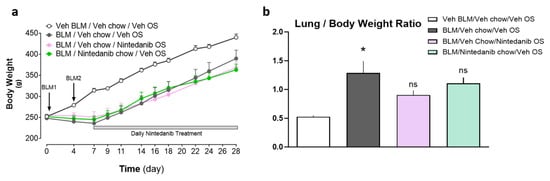
Idiopathic pulmonary fibrosis (IPF) remains a progressive and fatal disease despite major advances in antifibrotic therapy. Pirfenidone and nintedanib slow lung function decline, and the PDE4B inhibitor nerandomilast and treprostinil have recently shown promise as next-generation treatments. However, current therapies neither halt nor
[...] Read more.
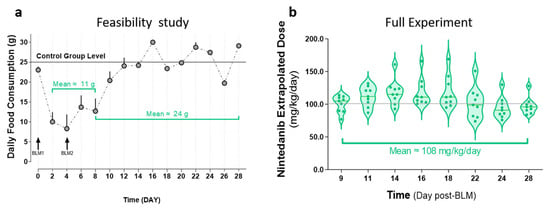
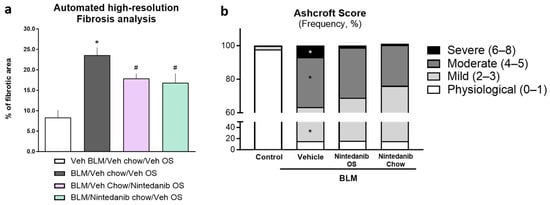
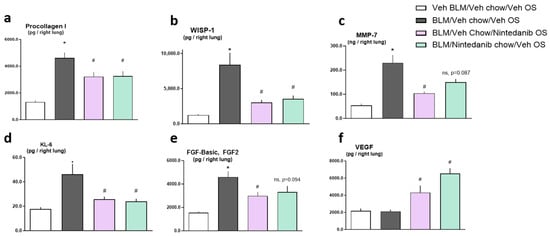
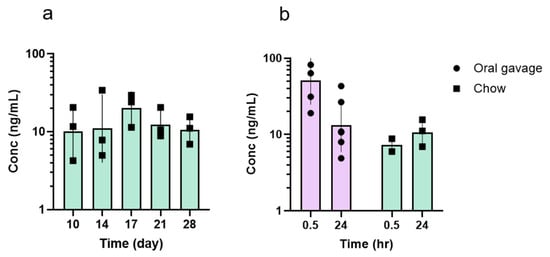
Idiopathic pulmonary fibrosis (IPF) remains a progressive and fatal disease despite major advances in antifibrotic therapy. Pirfenidone and nintedanib slow lung function decline, and the PDE4B inhibitor nerandomilast and treprostinil have recently shown promise as next-generation treatments. However, current therapies neither halt nor reverse disease progression, and tolerability issues often limit adherence. We compared the antifibrotic activity and plasma levels of nintedanib administered by either oral gavage or dietary supplementation in a rat model of pulmonary fibrosis. Male Sprague-Dawley rats received intratracheal bleomycin (1 U/kg) on days 0 and 4. From day 7 to day 28, animals were treated with nintedanib (100 mg/kg/day) by either oral gavage or medicated chow. Lung weight, fibrosis biomarkers (procollagen-I, metalloproteinase-7 or MMP7, WNT1-inducible signaling pathway protein or WISP-1), epithelial injury marker KL-6, target engagement biomarkers (Fibroblast Growth Factor 2 or FGF-2, Vascular Endothelial Growth Factor or VEGF), plasma drug levels, and histological fibrosis scores were evaluated. Both administration regimens significantly reduced procollagen-I, WISP-1 and KL-6, and histological fibrosis scores. Oral gavage produced approximately fourfold-higher peak plasma concentrations of nintedanib 30 min after dosing, whereas dietary administration resulted in lower, more stable plasma levels with reduced variability while resulting in comparable antifibrotic efficacy. In conclusion, nintedanib retained robust antifibrotic activity when administered via dietary supplementation despite lower, but continuous, active plasma concentrations. Collectively, these findings indicate that optimizing drug delivery and absorption kinetics may achieve sustained therapeutic efficacy while reducing unnecessary exposure to supratherapeutic concentrations, thereby potentially improving tolerability.
Full article
(This article belongs to the Special Issue Molecular and Cellular Mechanisms in Fibrotic Interstitial Lung Diseases)
►▼
Show Figures

Figure 1
Open AccessArticle
Momast Protects SH-SY5Y Cells Against Heavy Metal-Induced Neurotoxicity Through Complementary Membrane-Dependent and Intracellular Mechanisms
by
Daniela Meleleo, Alexia Barbarossa, Roberta Tardugno, Angelica Spano, Alessia Carocci, Maria Lisa Clodoveo, Filomena Corbo and Rosanna Mallamaci
Int. J. Mol. Sci. 2026, 27(18), 8157; https://doi.org/10.3390/ijms27188157 (registering DOI) - 13 Sep 2026
Abstract
Momast is a patented polyphenolic complex sustainably extracted from the vegetation water generated during the processing of the Coratina olive cultivar. Although its antioxidant and anti-inflammatory properties have been previously demonstrated, its neuroprotective activity and underlying mechanisms remain largely unexplored. In this study,
[...] Read more.
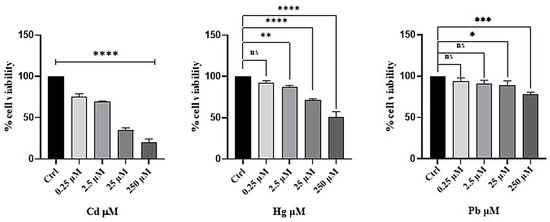
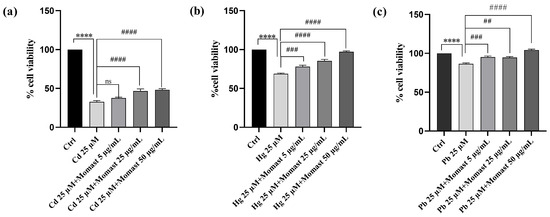
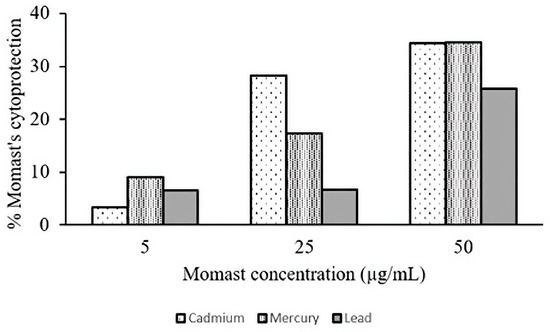
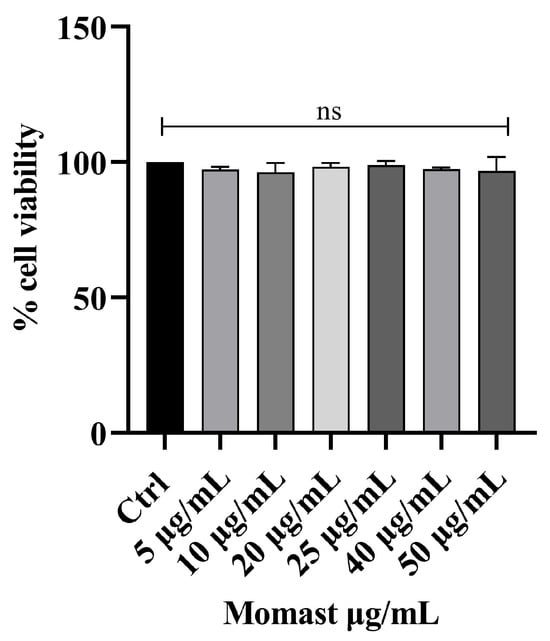
Momast is a patented polyphenolic complex sustainably extracted from the vegetation water generated during the processing of the Coratina olive cultivar. Although its antioxidant and anti-inflammatory properties have been previously demonstrated, its neuroprotective activity and underlying mechanisms remain largely unexplored. In this study, we investigated the neuroprotective effects of Momast using complementary cellular and biophysical approaches. SH-SY5Y human neuroblastoma cells were exposed to cadmium, mercury, or lead to reproduce distinct mechanisms of heavy metal-induced neurotoxicity, and cell viability was evaluated following co-treatment with Momast. In parallel, the interaction of Momast with biomimetic planar lipid membranes composed of phosphatidylcholine and cholesterol was investigated by electrophysiological analysis. Momast significantly attenuated heavy metal-induced cytotoxicity, although the magnitude and concentration dependence of the protective effect varied according to the metal. Electrophysiological measurements demonstrated that Momast interacts directly with lipid bilayers through a sequential adsorption–insertion process, without compromising membrane integrity, and forms stable, conductive assemblies within the membrane. Overall, the combined cellular and biophysical findings support a mechanistic model in which Momast exerts neuroprotective activity through complementary membrane-dependent and intracellular mechanisms, highlighting membrane interactions as an important determinant of the biological activity of complex olive polyphenolic mixture.
Full article
(This article belongs to the Special Issue Heavy Metal Exposure on Health)
►▼
Show Figures

Figure 1
Open AccessReview
Overcoming Biophysical Barriers in Melanoma Photomedicine: From Photodynamic Therapy to Smart Nanodelivery and Photoimmunotherapy
by
Francesco Russano, Luigi Dall’Olmo, Davide Brugnolo, Francesco Callegarin, Marcodomenico Mazza, Paolo Del Fiore, Rocco Caminiti, Marco Rastrelli and Simone Mocellin
Int. J. Mol. Sci. 2026, 27(18), 8156; https://doi.org/10.3390/ijms27188156 (registering DOI) - 13 Sep 2026
Abstract
Malignant melanoma presents formidable therapeutic challenges due to optical shielding and free-radical scavenging by endogenous melanin, profound tumor microenvironment hypoxia, and aggressive metastatic dissemination, rendering conventional photodynamic therapy (PDT) clinically immature. This narrative review comprehensively synthesizes literature across PubMed/MEDLINE, Scopus, and Web of
[...] Read more.
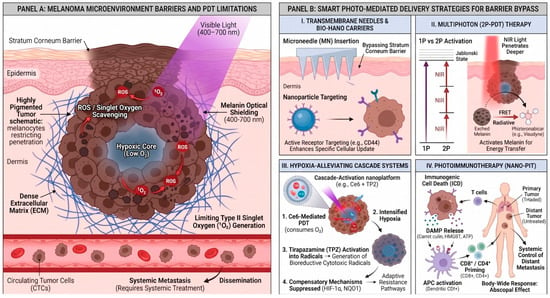
Malignant melanoma presents formidable therapeutic challenges due to optical shielding and free-radical scavenging by endogenous melanin, profound tumor microenvironment hypoxia, and aggressive metastatic dissemination, rendering conventional photodynamic therapy (PDT) clinically immature. This narrative review comprehensively synthesizes literature across PubMed/MEDLINE, Scopus, and Web of Science evaluating photochemical mechanisms, photosensitizing agents, bioengineered drug delivery systems, and adjacent light-triggered strategies. Preclinical evidence demonstrates that third-generation photosensitizers, targeted organic/inorganic nanoparticles, and transdermal dissolving microneedle (MN) arrays effectively bypass the stratum corneum, enhance drug bioavailability, and alleviate hypoxia-mediated treatment resistance. Furthermore, femtosecond two-photon PDT converts melanin into an active energy-transfer mediator, while nanotechnology-driven photoimmunotherapy (PIT) triggers immunogenic cell death (ICD) and systemic CD8+ cytotoxic T-lymphocyte activation to induce abscopal regression of un-irradiated distant metastases. Nevertheless, critical translational bottlenecks persist, including an overwhelming reliance on static two-dimensional (2D) cell cultures, a lack of validated prognostic or predictive biomarkers, and a complete absence of randomized controlled clinical trials. Ultimately, advancing melanoma photomedicine from bench to bedside requires standardized photophysical dosimetry, systematic evaluation in multicellular three-dimensional (3D) tumor spheroids, and prospective clinical trials defining its role in multimodal dermato-oncology.
Full article
(This article belongs to the Special Issue Photodynamic Therapy for Cancer: Nanomedicine-Based Photosensitizers and Cancer Targeting)
►▼
Show Figures

Figure 1

Open AccessArticle
Multiple Myeloma-Derived Cellular Lipids Enhance Targeting and Efficacy of Nanoliposome Formulations In Vitro
by
Mathew Amorin, Christina Tran, Eden Park, Pedro L. Rodriguez Flores, William Smullen, Peter Daley, Kenny Pham, Shivmani Barve and Robert B. Campbell
Int. J. Mol. Sci. 2026, 27(18), 8155; https://doi.org/10.3390/ijms27188155 (registering DOI) - 13 Sep 2026
Abstract
Multiple myeloma (MM) is a blood cancer characterized by the accumulation of abnormal plasma cells within the bone marrow (BM). The neoplastic expansion progressively disrupts normal blood cell production by outcompeting healthy hematopoietic cells. The disease is characterized by terminally differentiated B cells
[...] Read more.
Multiple myeloma (MM) is a blood cancer characterized by the accumulation of abnormal plasma cells within the bone marrow (BM). The neoplastic expansion progressively disrupts normal blood cell production by outcompeting healthy hematopoietic cells. The disease is characterized by terminally differentiated B cells that secrete antibodies as part of an adaptive immune response. A serious threat confronting small drug molecule therapy for MM is the lack of selective drug targeting, ultimately resulting in insufficient accumulation of drugs to target cells, and harmful off-target drug effects. We now report on the use of cellular lipid extracts (LEs) originating from two different human multiple myeloma (target) cell lines, RPMI 8226 and NCI H929, to develop RPMI 8226 LE- and NCI H929 LE-modified nanoliposomes, respectively. Other ingredients included phospholipid DOPC (dioleoyl-phosphatidylcholine) and/or Chol (cholesterol). Additional cell lines included non-target (Y79-retinoblastoma, U937-lymphoma, K562-GFP-chronic myeloid leukemia) and (off-target) normal healthy PBMCs—peripheral blood mononuclear cells. The LE-modified nanoliposomes stably incorporated various cytotoxic agents, demonstrating novel formulation characteristics and cell-interaction profiles. RPMI 8226 LE enhanced nanoliposome targeting to source-originating RPMI 8226 cells, with diminished uptake by Y79 and PBMCs. The inclusion of Chol reduced targeting to RPMI 8226 cells. The RPMI 8226 LE enhanced nano-formulation effects against RPMI 8226 cells, but not against the Y79 control. Consistent with these findings, RPMI 8226 LE-modified nano-formulations enhanced extracellular lactate dehydrogenase release against RPMI 8226 cells, but not against the Y79 control. NCI H929 LE material also enhanced targeting and nano-formulation effects against source and non-originating source tumor cells from the BM. Designing nanoliposomes to mimic tumor cell membranes may represent a powerful strategy to treat multiple myeloma. Significance: Cellular membrane lipid extracts derived from multiple myeloma cells enhanced targeting and cytotoxicity while limiting damage to normal healthy cells. The inclusion of LE materials in drug delivery systems may represent a promising strategy to enhance cellular targeting and drug therapy for multiple myeloma.
Full article
(This article belongs to the Special Issue Novel Therapeutic Targets in Cancers: 5th Edition)
Open AccessArticle
Integrated Proteomic Screening Reveals Heme Enzyme Depletion Induces Cyst-like Vacuole Formation in Toxoplasma gondii
by
Yafei Zhao, Yuanmeng Wang, Runyuan Yang, Aiyun Zhao, Zhenjie Zhang, Meng Qi and Hui Dong
Int. J. Mol. Sci. 2026, 27(18), 8154; https://doi.org/10.3390/ijms27188154 (registering DOI) - 13 Sep 2026
Abstract
The transport mechanisms for substrates and nutrients within the heme pathway of the Toxoplasma gondii apicoplast remain poorly understood. However, studies on heme metabolic enzymes have employed disparate genetic manipulation approaches, limiting direct phenotypic comparisons among different enzymes. This research involved screening potential
[...] Read more.
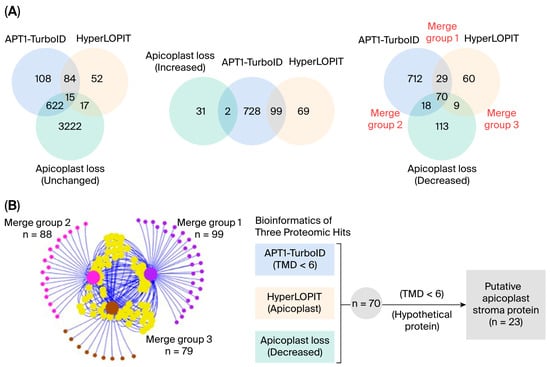
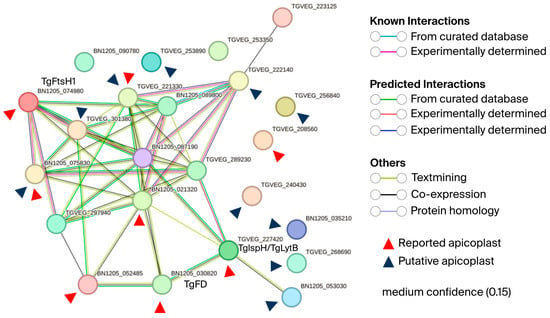
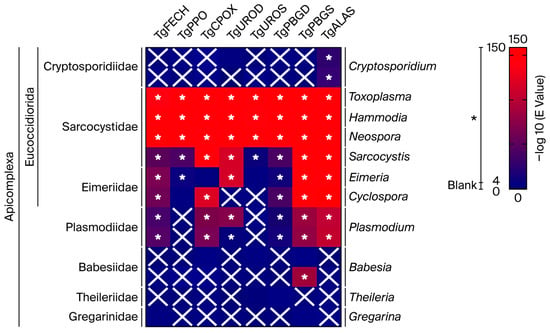
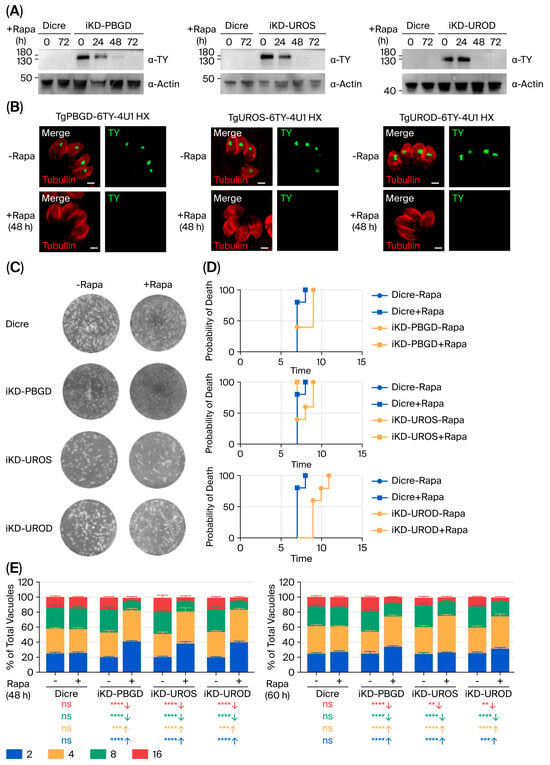
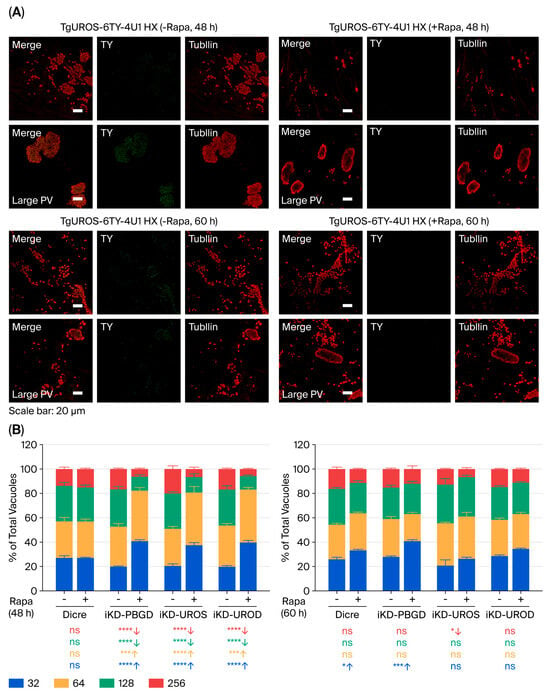
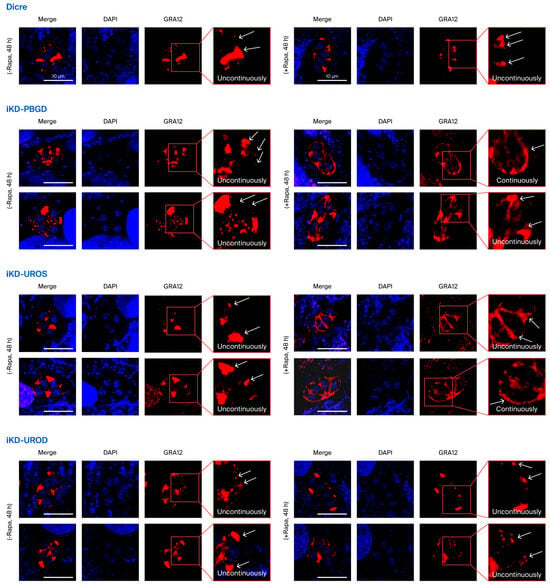
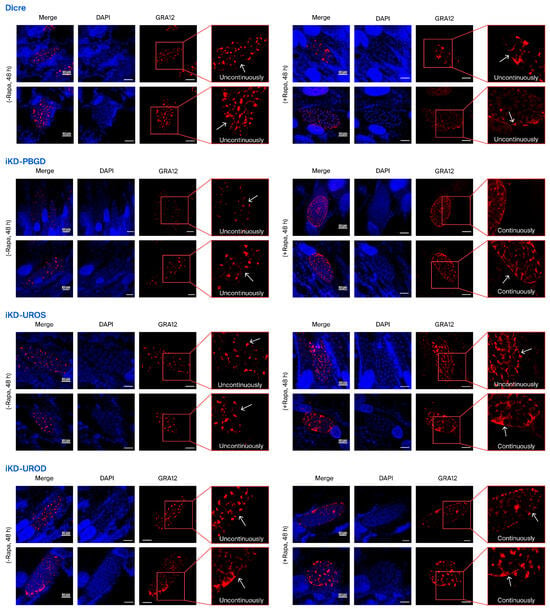
The transport mechanisms for substrates and nutrients within the heme pathway of the Toxoplasma gondii apicoplast remain poorly understood. However, studies on heme metabolic enzymes have employed disparate genetic manipulation approaches, limiting direct phenotypic comparisons among different enzymes. This research involved screening potential apicoplast proteins in Toxoplasma gondii by cross-referencing and analyzing protein–protein interaction networks. Within the heme enzyme pathway of the apicoplast, eight enzymes were found to be predominantly conserved in the Sarcocystide family. Utilizing the CRISPR-Cas9 system alongside a U1 snRNP-mediated gene-silencing approach, we developed inducible knockdown strains—iKD-PBGD, iKD-UROS, and iKD-UROD—targeting three key metabolic enzymes crucial for the parasite lytic cycle, as demonstrated through replication experiments. To investigate the transport mechanisms for heme-related nutrients or substrates, we knocked down these three enzymes, using TgGRA12 as an initial marker. Continuous fluorescence signals highlighted the parasitophorous vacuole (PV) membrane surrounding tachyzoites during both early and late replication stages, particularly at 48 h post-rapamycin treatment, indicating a transformation of the cyst-like PV resembling that in Toxoplasma gondii. Phenotypically, knockdown of these heme enzymes led to the formation of slowly replicating, cyst-like parasitophorous vacuoles. However, this morphological change did not significantly affect the acute virulence of the parasites in vivo, as determined by mouse survival assays. This study explored the functional roles of the three intermediate metabolic enzymes, offering a novel viewpoint on the gradual demise of Toxoplasma gondii as a potential target for drug development.
Full article
(This article belongs to the Section Molecular Biology)
►▼
Show Figures

Figure 1
Open AccessArticle
A Pan-Cancer Analysis of microRNA Tissue Specificity and Its Association with Dysregulation
by
Aly Ismailov, Alexey Belogurov, Jr., Alena Evpak and Maria Poptsova
Int. J. Mol. Sci. 2026, 27(18), 8153; https://doi.org/10.3390/ijms27188153 (registering DOI) - 13 Sep 2026
Abstract
MicroRNAs are frequently dysregulated in cancer, yet how their tissue specificity is remodeled during malignant transformation remains poorly characterized. Here, we systematically quantified the tissue specificity of miRNAs across normal (GTEx) and cancer (TCGA) tissues using the Tau index as the primary metric
[...] Read more.
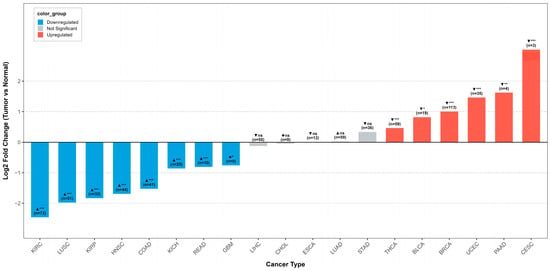
MicroRNAs are frequently dysregulated in cancer, yet how their tissue specificity is remodeled during malignant transformation remains poorly characterized. Here, we systematically quantified the tissue specificity of miRNAs across normal (GTEx) and cancer (TCGA) tissues using the Tau index as the primary metric and the Gini index for independent validation. Our analysis revealed a negative association between tissue specificity in healthy tissues and changes in specificity during malignant transformation, indicating that miRNAs with higher tissue specificity in normal tissues tend to undergo greater loss of specificity in cancer. To robustly define dysregulation, we combined two independent analyses: a binomial test over per-project differential expression across 17 matched normal tissues within the TCGA cohort, and a TCGA–GTEx pan-tissue comparison of mean expression. The change in specificity (ΔTau) separated up- from downregulated miRNAs, showing moderate agreement with the binomial signal and a strong correlation with the expression-based contrast. Finally, we identified six miRNAs that lose tissue specificity upon transformation while remaining consistently upregulated (miR-519a-5p, miR-512-3p, miR-522-3p, miR-105-5p, miR-935, miR-1269a). Functional analysis of their experimentally validated and predicted targets showed significant enrichment for converging on core oncogenic programs. Collectively, integrating specificity dynamics with dysregulation evidence pinpoints candidate miRNAs with coordinated, cancer-relevant regulatory roles and highlights those with favorable tissue-specificity profiles that may warrant further investigation as potential therapeutic candidates.
Full article
(This article belongs to the Section Molecular Oncology)
Open AccessArticle
Attenuation of Tau-Mediated β-Amyloid1-42 Aggregation by Native PLGA Nanoparticles and Its Relevance to Alzheimer Disease Pathology
by
Pallabi Sil Paul, Aliza Borenstein-Katz, Klinton Shmeit, Holger Wille and Satyabrata Kar
Int. J. Mol. Sci. 2026, 27(18), 8152; https://doi.org/10.3390/ijms27188152 (registering DOI) - 13 Sep 2026
Abstract
Alzheimer’s disease (AD) is an unremitting neurodegenerative disorder characterized by the presence of extracellular β-amyloid (Aβ)-containing neuritic plaques, intracellular tau-positive neurofibrillary tangles and loss of selected neurons in the brain. Evidence suggests that aggregation of Aβ and tau via synergistic interactions initiates a
[...] Read more.
Alzheimer’s disease (AD) is an unremitting neurodegenerative disorder characterized by the presence of extracellular β-amyloid (Aβ)-containing neuritic plaques, intracellular tau-positive neurofibrillary tangles and loss of selected neurons in the brain. Evidence suggests that aggregation of Aβ and tau via synergistic interactions initiates a cascade of events, leading to development of AD pathology. Thus, many studies are being pursued to develop small molecules/drugs that can target both Aβ and tau as an effective AD treatment strategy. In this study, we evaluated effects of native PLGA nanoparticles on tau-mediated Aβ1-42 aggregation using biophysical, structural, spectroscopic and biochemical approaches. Our results show that 0N4R tau seeds enhanced Aβ1-42 aggregation, and that this effect is mitigated by native PLGA. Additionally, PLGA inhibited Aβ1-42 aggregation induced by both 0N4R and 2N4R tau isoforms. The presence of PLGA during the formation of tau seeds or pretreatment of tau seeds with PLGA attenuates subsequent Aβ1-42 aggregation. Interestingly, monomeric 0N4R tau, unlike 0N4R tau seeds, suppressed Aβ1-42 aggregation, which is diminished further by PLGA nanoparticles. However, we have not addressed the implications of native PLGA on tau/Aβ1-42 interaction using any cellular or animal models of AD. Nevertheless, our results reveal that tau seeds and monomeric tau can differentially influence Aβ1-42 aggregation, which is mitigated by native PLGA under in vitro conditions, providing a rationale to study it further under an in vivo paradigm to examine its significance in AD pathogenesis.
Full article
(This article belongs to the Special Issue Nanoparticle–Protein Interactions: Therapeutic Approaches and Supramolecular Chemistry)
Open AccessArticle
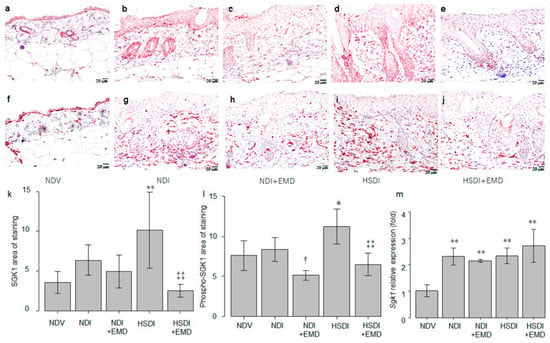
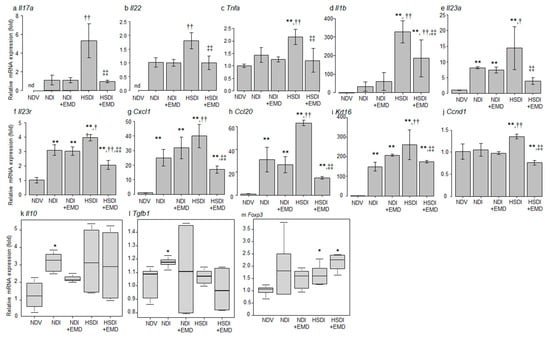
High-Salt Diet Exacerbates Murine Imiquimod-Induced Psoriasis-like Dermatitis via Activation of Serum- and Glucocorticoid-Inducible Kinase 1
by
Mai Yoshida, Teppei Hagino, Manami Yoneyama, Hidehisa Saeki and Naoko Kanda
Int. J. Mol. Sci. 2026, 27(18), 8151; https://doi.org/10.3390/ijms27188151 (registering DOI) - 13 Sep 2026
Abstract
Psoriasis is a chronic skin disease manifesting scaly, indurated erythema and an enhanced interleukin (IL)-23/IL-17 immune axis. A high-salt diet (HSD) is known to promote several autoimmune or autoinflammatory diseases. We examined whether an HSD might exacerbate topical imiquimod (IMQ)-induced psoriasis-like dermatitis in
[...] Read more.
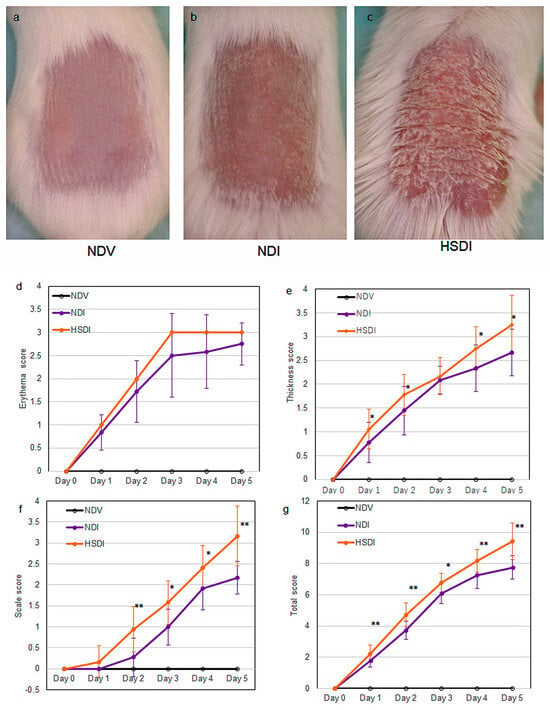
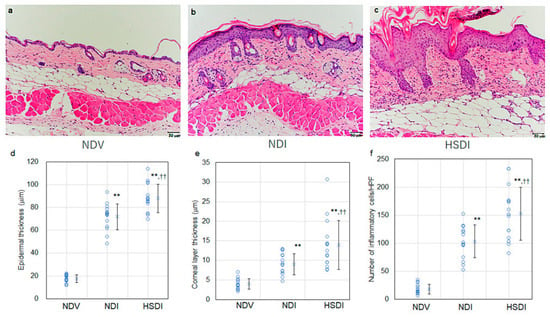
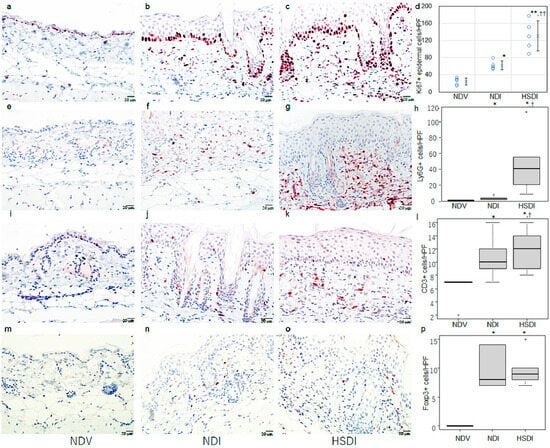
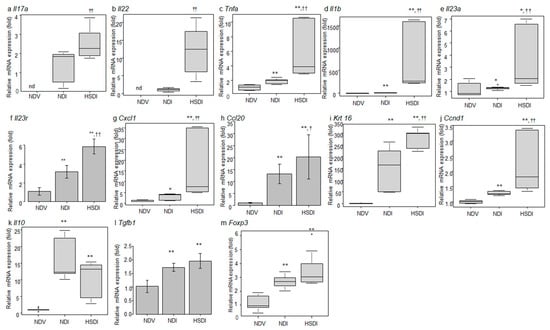
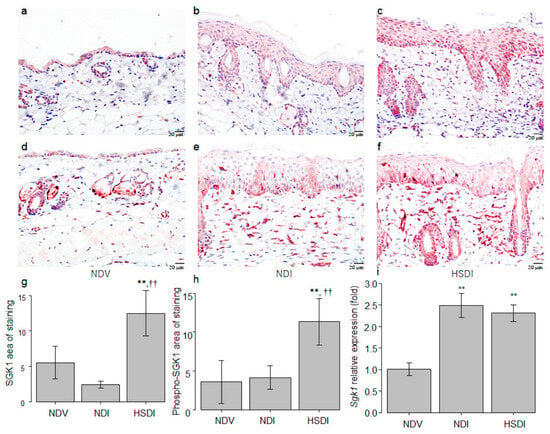
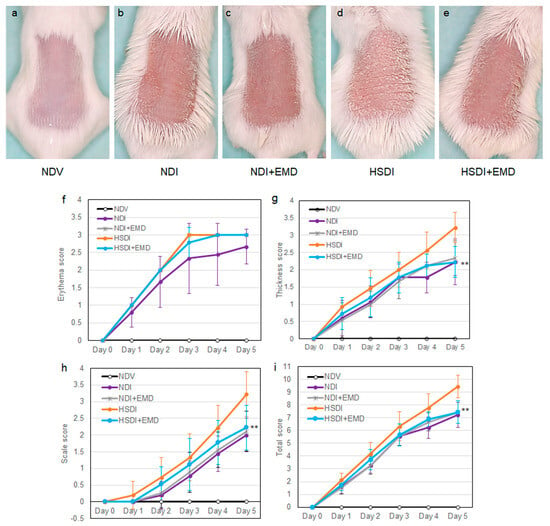
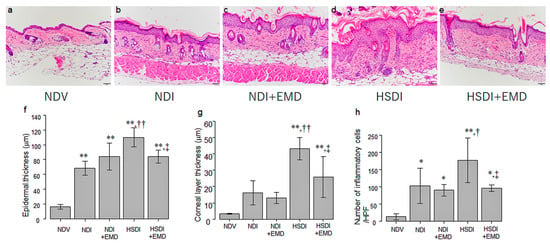
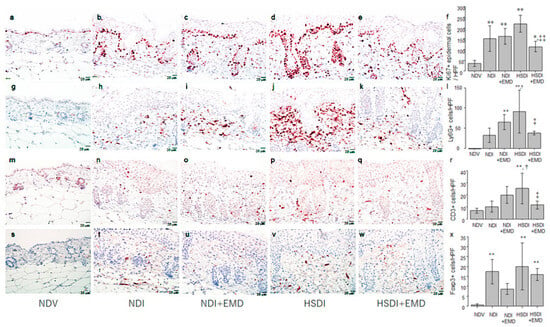
Psoriasis is a chronic skin disease manifesting scaly, indurated erythema and an enhanced interleukin (IL)-23/IL-17 immune axis. A high-salt diet (HSD) is known to promote several autoimmune or autoinflammatory diseases. We examined whether an HSD might exacerbate topical imiquimod (IMQ)-induced psoriasis-like dermatitis in mice. Balb/c female mice were fed a normal diet (ND, 0.2% NaCl) or an HSD (4.2% NaCl) for 3 weeks, and 25 mg IMQ was applied to shaved back skin for 5 consecutive days. Compared to ND, the HSD exacerbated IMQ-induced psoriasiform dermatitis with increased scale, skin thickness, and total scores, and histologically enhanced epidermal thickening, hyperkeratosis, and dermal inflammatory infiltrates, including Ly6G+ neutrophils and CD3+ T cells. HSD increased mRNA levels of Il17a, Il22, Tnfa, Il1b, Il23a, Il23r, Cxcl1, Ccl20, Krt16, and Ccnd1 in IMQ-induced dermatitis. HSD increased the immunostaining areas of whole and Ser 422-phosphorylated forms of serum- and glucocorticoid-inducible kinase 1 (SGK1) in epidermal keratinocytes and dermal-infiltrating cells in IMQ-induced dermatitis. Intraperitoneal SGK1 inhibitor EMD638683 reversed the above effects of HSD in exacerbating IMQ-induced dermatitis. Our present results indicate that HSD may exacerbate murine IMQ-induced psoriasis-like dermatitis at least partially through the activation of SGK1.
Full article
(This article belongs to the Special Issue Molecular Advances in Skin Diseases: 3rd Edition)
►▼
Show Figures

Figure 1
Open AccessReview
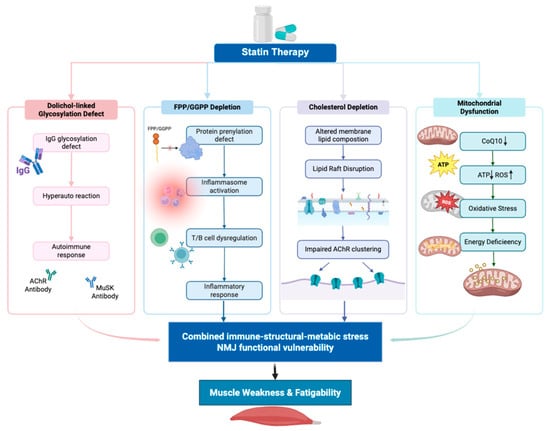
Statins and Myasthenia Gravis: Clinical Implications and Pathogenesis
by
Xiao Tian and Peixiang Zhang
Int. J. Mol. Sci. 2026, 27(18), 8150; https://doi.org/10.3390/ijms27188150 (registering DOI) - 13 Sep 2026
Abstract
Statins are widely prescribed lipid-lowering agents and remain central to the prevention of atherosclerotic cardiovascular disease. Although generally well tolerated, they have been associated with neuromuscular adverse events, including new-onset or worsening myasthenia gravis (MG). Current evidence supports a primarily temporal association between
[...] Read more.
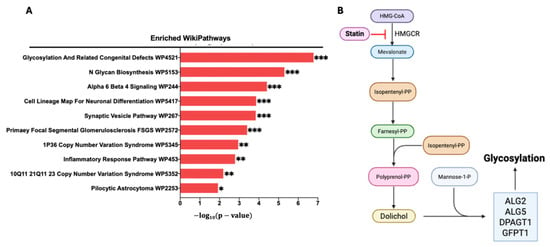
Statins are widely prescribed lipid-lowering agents and remain central to the prevention of atherosclerotic cardiovascular disease. Although generally well tolerated, they have been associated with neuromuscular adverse events, including new-onset or worsening myasthenia gravis (MG). Current evidence supports a primarily temporal association between statin exposure and MG onset or exacerbation; this signal has emerged largely from case reports, pharmacovigilance analyses, and retrospective observational studies, while more recent population-based observational data strengthen the association. Statin-associated MG should be distinguished from other statin-related neuromuscular syndromes, particularly toxic myopathy and immune-mediated necrotizing myopathy. Beyond cholesterol-lowering, statins may influence neuromuscular junction function through multiple converging mechanisms, including perturbation of the mevalonate–dolichol–glycosylation pathway, isoprenoid-dependent immune dysregulation, altered lipid raft integrity and acetylcholine receptor clustering, and coenzyme Q10-linked mitochondrial vulnerability. In this review, we summarize the clinical evidence linking statins to MG, outline key differential diagnostic considerations, and propose an integrated glycosylation–immune–structural–metabolic framework to guide future mechanistic studies and potential risk-stratified clinical management.
Full article
(This article belongs to the Special Issue Statin Induced Neurotoxicity)
►▼
Show Figures

Figure 1

Open AccessArticle
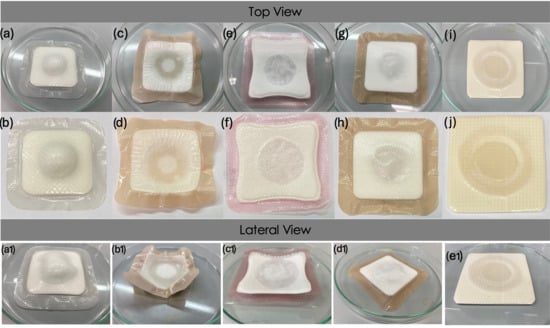
New Facile Testing Protocols to Assess Conformability of Advanced Dressings for Wound Healing
by
Daniele Ghezzi and Gabriela Graziani
Int. J. Mol. Sci. 2026, 27(18), 8149; https://doi.org/10.3390/ijms27188149 (registering DOI) - 13 Sep 2026
Abstract
Conformability of advanced dressings is a key parameter to evaluate their ability to adapt to the complex shape of the wound, which promotes its healing and prevents the formation of gaps at the wound interface, which, in turn, may favour microbial proliferation. However,
[...] Read more.
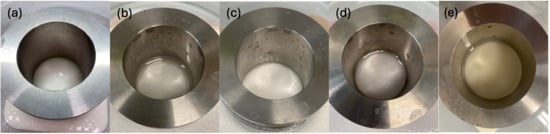
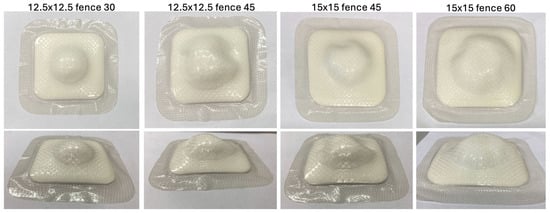
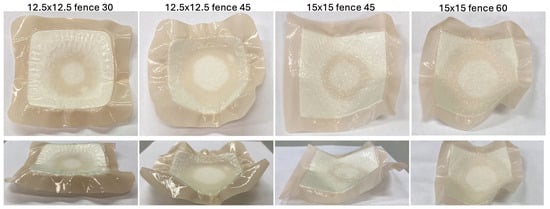
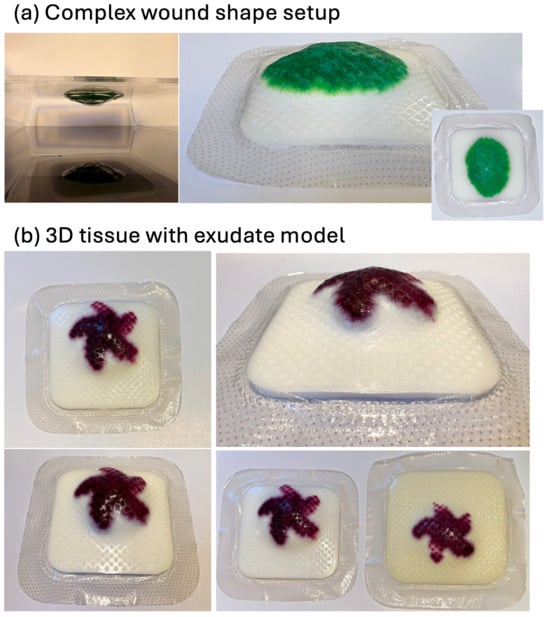
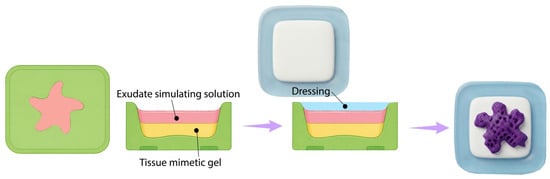
Conformability of advanced dressings is a key parameter to evaluate their ability to adapt to the complex shape of the wound, which promotes its healing and prevents the formation of gaps at the wound interface, which, in turn, may favour microbial proliferation. However, conformability is normally measured by evaluating the mechanical properties of dressings and frequently under dry conditions, failing to evaluate the behaviour in clinical conditions, where the wound is normally characterized by large volumes of exudate. New methods are under study for its evaluation, but they generally require complex experimental procedures or specialized equipment. Here, we validate a simple and inexpensive method proposed for conformability characterization by testing its application to a variety of dressings, differing in composition and type of absorbing layer. We test the impact of different volumes of exudate-simulating solution and the impact of dressing size on the results. In addition, we implement the test by simultaneously evaluating other parameters (time of absorption, lateral spreading of the solution) that impact wound healing. Finally, we validate the test by demonstrating its capability to predict adaptability of complex wound shapes in specifically developed wound-mimicking models. Our results show that the test can be applied to all tested dressings, successfully highlighting differences in conformability and demonstrating high reproducibility. We demonstrate that conformability can largely vary between different dressings but is not affected by either dressing size or exudate volume, whereas lateral spreading and time of absorption can be significantly affected by both parameters. Finally, we demonstrate that the tests succeed in predicting adaptability to wounds of complex shape in tissue models; hence it is suitable for a simple and cost-effective measure of conformability.
Full article
(This article belongs to the Special Issue Trends and Prospects in Biomaterials)
►▼
Show Figures

Figure 1
Open AccessArticle
Alterations of Gene Expression and Signaling Pathway Activity in Venous Smooth Muscle Cells After Uremic Serum Exposure
by
Youyou Zheng, Unimunkh Uriyanghai, Christine Wai, Mihaela Mocanu, John S. Poulton, Prabir Roy-Chaudhury and Gang Xi
Int. J. Mol. Sci. 2026, 27(18), 8148; https://doi.org/10.3390/ijms27188148 (registering DOI) - 13 Sep 2026
Abstract
Uremia is the most common pathophysiological symptom in chronic kidney disease (CKD) patients, particularly in end-stage kidney disease (ESKD) patients. Uremia can lead to several vein-specific vascular diseases, such as renal vein thrombosis (RVT), deep vein thrombosis (DVT) and dialysis access-induced venous stenosis.
[...] Read more.
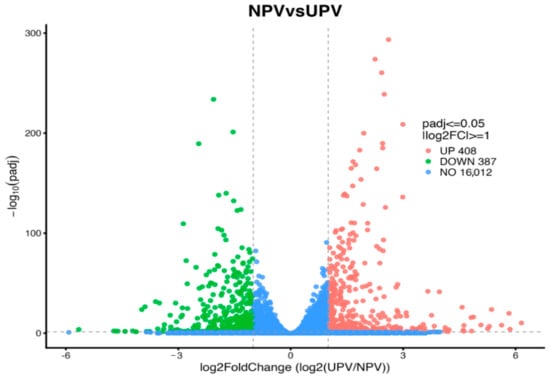
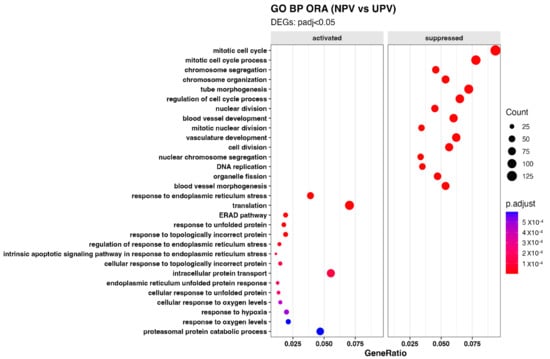
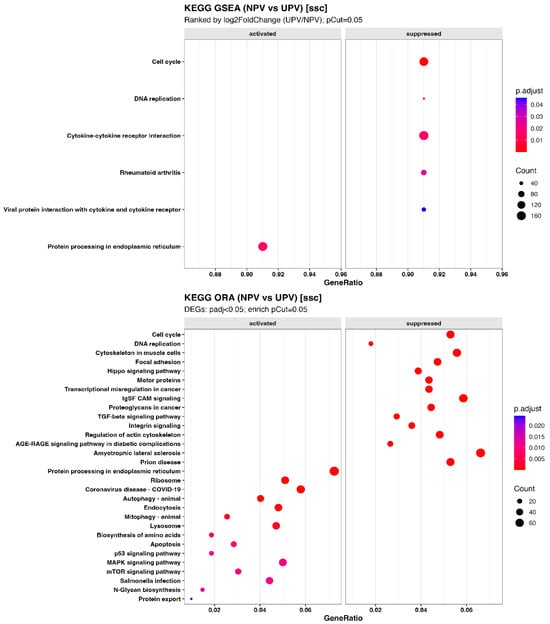
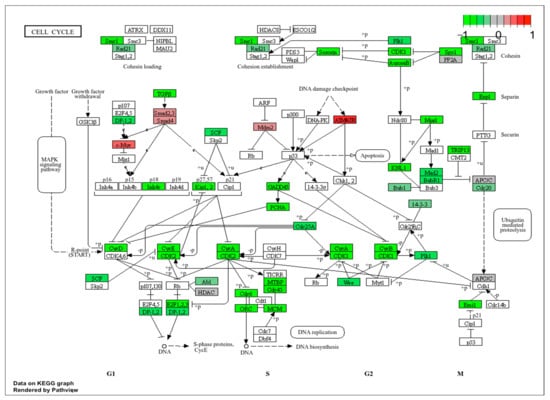
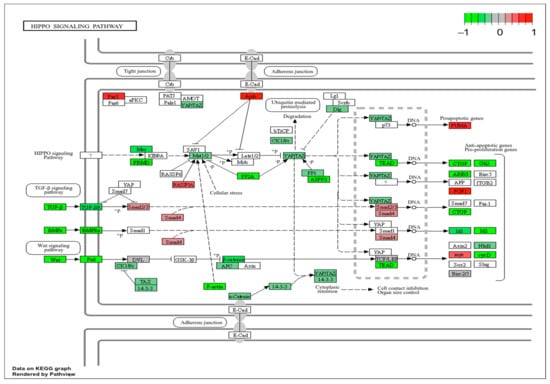
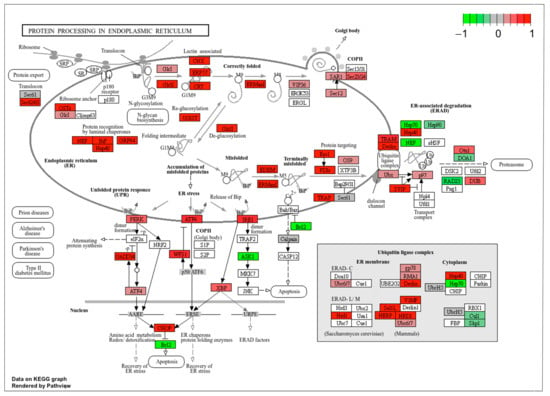
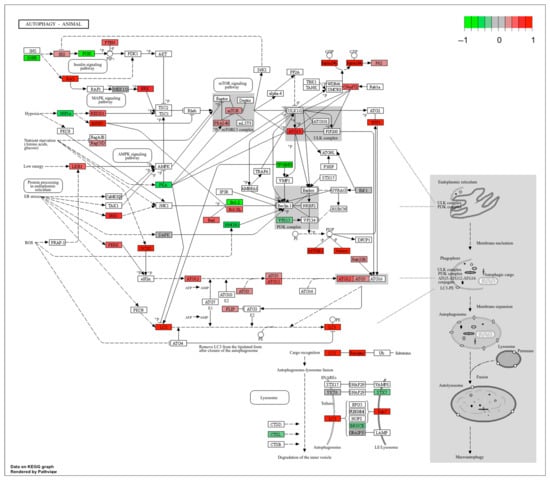
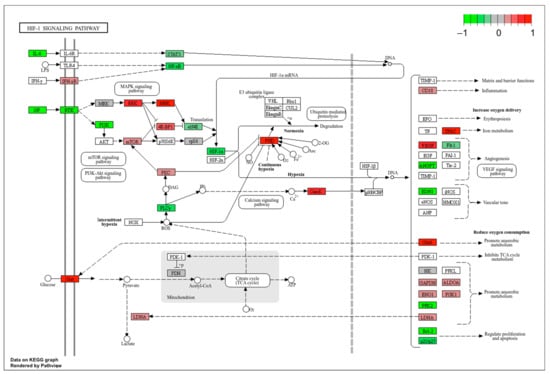
Uremia is the most common pathophysiological symptom in chronic kidney disease (CKD) patients, particularly in end-stage kidney disease (ESKD) patients. Uremia can lead to several vein-specific vascular diseases, such as renal vein thrombosis (RVT), deep vein thrombosis (DVT) and dialysis access-induced venous stenosis. One of our previous studies demonstrated that uremic serum exposure induced different cellular responses in pig venous smooth muscle cells (vSMCs) compared with arterial smooth muscle cells (aSMCs). To explore the underlying mechanisms responsible for vein-specific cellular responses, bulk RNA sequencing was utilized to examine differential gene expression in porcine vSMCs after uremic serum exposure. Differentially expressed genes (DEG) analysis revealed that 408 genes were upregulated, and 387 genes were downregulated after uremic serum treatment. Gene Ontology Biological Process analysis demonstrated that uremic serum exposure led to transcriptomic downregulation of cellular energy expenditure activities, such as the Cell Cycle, and positive transcriptomic enrichment of Cellular Response to Endoplasmic Reticulum (ER) stress, unfolded protein response and hypoxia. Both Gene Set Enrichment Analysis (GSEA) and Overrepresentation Analysis (ORA) obtained similar results. ORA revealed additional signaling pathways predicted to be transcriptomically downregulated, such as the Hippo signaling pathway and Focal Adhesion and Cytoskeletal Structure Regulating pathways. ORA also predicted several positively enriched signaling pathways related to cellular stress responses and waste disposal. To precisely identify vSMC-specific alterations, an interaction-based KEGG GSEA was performed. The analysis revealed several significantly different responses between vSMCs and aSMCs, such as Protein Processing in the Endoplasmic Reticulum, Integrated Stress Response signaling pathway and Mitophagy, which showed more positive responses in vSMCs, while oxidative phosphorylation showed a more positive response in aSMCs. These altered signaling pathways may be responsible for vein-specific clinical symptoms, such as venous segment stenosis in arteriovenous fistula, observed in CKD/ESKD patients.
Full article
(This article belongs to the Special Issue RNA-Based Regulation in Human Health and Disease)
►▼
Show Figures

Figure 1

Open AccessArticle
Retrieval-Guided Transfer Learning for Low-Resource Ebola Drug–Target Affinity Prediction
by
Mubarakah Alotaibi and Nada Al Taweraqi
Int. J. Mol. Sci. 2026, 27(18), 8147; https://doi.org/10.3390/ijms27188147 (registering DOI) - 12 Sep 2026
Abstract
Drug–target affinity (DTA) prediction plays an important role in computational drug discovery; however, its application to emerging infectious diseases such as Ebola remains challenging because of the limited availability of experimentally measured affinity data. To address this low-resource setting, we propose a retrieval-guided
[...] Read more.
Drug–target affinity (DTA) prediction plays an important role in computational drug discovery; however, its application to emerging infectious diseases such as Ebola remains challenging because of the limited availability of experimentally measured affinity data. To address this low-resource setting, we propose a retrieval-guided transfer-learning framework that leverages BindingDB interactions to improve Ebola DTA prediction. The framework uses a two-stage strategy. In Stage I, source interactions are selected using random sampling, compound-similarity retrieval, protein-similarity retrieval, or hybrid compound–protein retrieval at source-data budgets of 50,000 and 300,000 interactions and combined with Ebola training data to learn transferable representations. In Stage II, the pretrained compound and protein encoders are frozen, while the prediction layers are adapted to the Ebola domain. The framework was implemented with DeepDTA and GraphDTA and evaluated across five random seeds using a scaffold-based split, with conventional machine-learning models and single-stage deep learning as baselines. The best overall configuration, GraphDTA with protein-similarity-guided retrieval at the 50,000-interaction budget, achieved RMSE , , and Pearson , outperforming the strongest conventional machine-learning model (Extra Trees, RMSE ) and single-stage GraphDTA (RMSE ). Across both source-data budgets and both DTA backbones, all targeted retrieval configurations achieved lower mean RMSE than their corresponding random-retrieval configurations. At the 50,000-interaction budget, matched seed-wise analysis further showed consistent improvements for protein-guided retrieval across all five seeds for both backbones. Retrieval characterization showed stronger target-domain similarity and substantially lower cross-strategy overlap at 50,000 than at 300,000 interactions, while post hoc sequence analysis independently confirmed enrichment of sequence-level relatedness with protein-guided retrieval. Increasing the source-data budget from 50,000 to 300,000 did not uniformly improve predictive performance, indicating that source-data relevance and retrieval selectivity should be considered jointly with source-data quantity. Finally, virtual-screening and approved-drug repurposing case studies across six Ebola virus targets demonstrate the use of the framework for computational prioritization of compound–target hypotheses. Overall, the findings support relevance-guided source-data selection as an effective strategy for transfer learning in low-resource DTA prediction.
Full article
(This article belongs to the Section Molecular Pharmacology)
Open AccessArticle
Integrating Molecular and Imaging Insights: Ryanodine Receptor 2 (RyR2) Expression, CK18 Status, and Conventional MRI Findings in Pituitary Neuroendocrine Tumors
by
Monika Duseikaite-Vidike, Alvita Vilkeviciute-Petraite, Indre Zostautiene, Viktorija Kasetaite, Aiste Urbonaite, Balys Remigijus Zaliunas, Lina Poskiene, Jurgita Makstiene, Sheng-Nan Wu, Vita Rovite, Ilona Mandrika, Arimantas Tamasauskas and Rasa Liutkeviciene
Int. J. Mol. Sci. 2026, 27(18), 8146; https://doi.org/10.3390/ijms27188146 (registering DOI) - 12 Sep 2026
Abstract
Ryanodine receptor 2 (RyR2) has been increasingly recognized as an important regulator in cancer biology. Previous studies demonstrate that RyR2 expression is associated with patient survival, although its precise role in tumorigenesis remains unclear. Elevated RyR2 expression has been linked to poorer survival
[...] Read more.
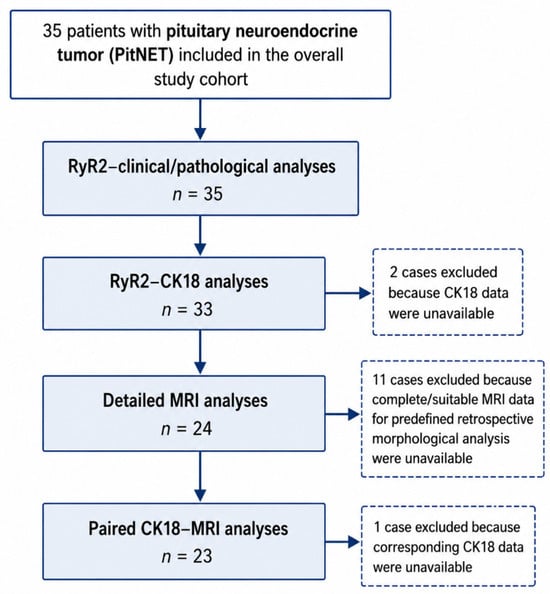
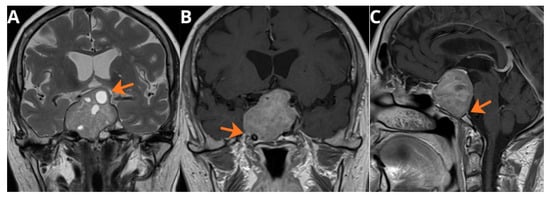
Ryanodine receptor 2 (RyR2) has been increasingly recognized as an important regulator in cancer biology. Previous studies demonstrate that RyR2 expression is associated with patient survival, although its precise role in tumorigenesis remains unclear. Elevated RyR2 expression has been linked to poorer survival outcomes, while gene silencing or pharmacological inhibition (e.g., with S107) has been shown to reduce cancer cell metastasis in both in vitro and in vivo models. Cytokeratin 18 (CK18), a key epithelial marker, is associated with tumor differentiation, hormonal phenotype, and clinical behavior in pituitary neuroendocrine tumors (PitNETs), reflecting underlying cytoskeletal organization. Variations in CK18 expression have been linked to distinct adenoma subtypes and may provide insight into tumor aggressiveness. This exploratory study investigated associations between RyR2 expression, CK18 status, and conventional MRI findings of pituitary tumors. Quantitative T2-weighted signal intensity and radiomic features were not assessed. This exploratory observational study used prospective patient recruitment between January 2017 and January 2026, after ethics approval was obtained in December 2016. RyR2 expression in immunohistological samples was quantified using QuPath v0.6.0. CK18 immunostaining was performed with the Dako Omnis system according to the manufacturer’s protocols. Conventional MRI findings were available for 24 patients and were retrospectively reviewed. Statistical analysis was conducted using SPSS/W 31.0. No statistically significant associations were observed between RyR2 expression and sex, hormonal activity, tumor size, invasiveness, recurrence, or the evaluated conventional MRI findings (all p > 0.05). The only statistically significant finding was higher RyR2 expression in CK18-negative than in CK18-positive tumors (median (IQR): 2.49% (18.36%) vs. 0.06% (0.39%); p = 0.006; r = 0.47). Higher RyR2 expression was observed in CK18-negative tumors. Given the exploratory design and limited sample size, this association should be considered hypothesis-generating and requires validation in larger independent cohorts.
Full article
(This article belongs to the Section Molecular Pathology, Diagnostics, and Therapeutics)
►▼
Show Figures

Figure 1
Open AccessReview
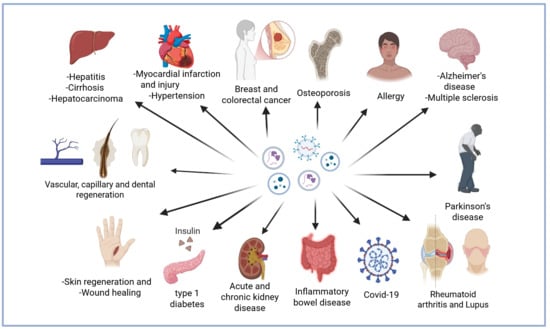
Biology and Therapeutic Potential of Exosomes, Targeted Drug Delivery
by
Francisco Antonio Guillermo Mateos-Ramírez, Luis Daniel Hernández-Ortega, Carmen Magdalena Gurrola-Díaz, Luz Elena Gasca-Lozano, Laura Verónica Sánchez-Orozco and Adriana María Salazar-Montes
Int. J. Mol. Sci. 2026, 27(18), 8145; https://doi.org/10.3390/ijms27188145 (registering DOI) - 12 Sep 2026
Abstract
Exosomes are small vesicles released by various cell types—compounds of a lipid bilayer and surface proteins that facilitate their recognition, direction, and uptake by the target cell. Inside, exosomes contain proteins, lipids, and nucleic acids, the composition of which varies depending on the
[...] Read more.
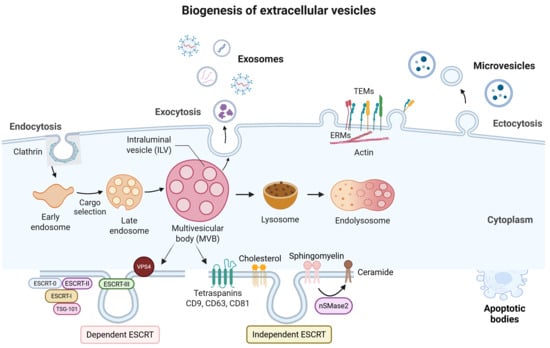
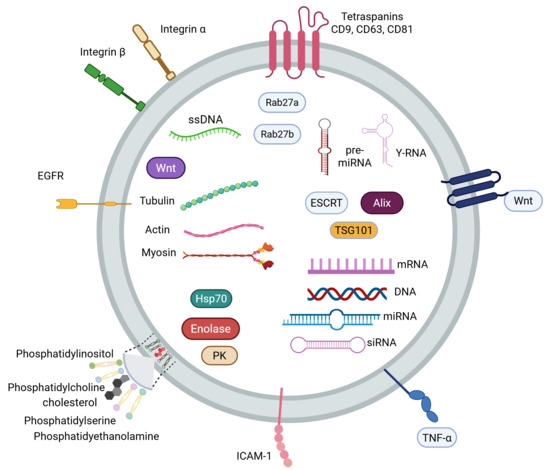
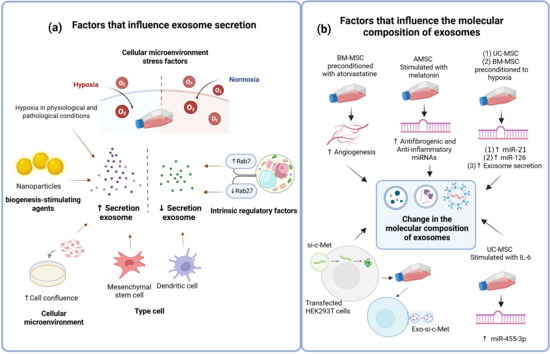
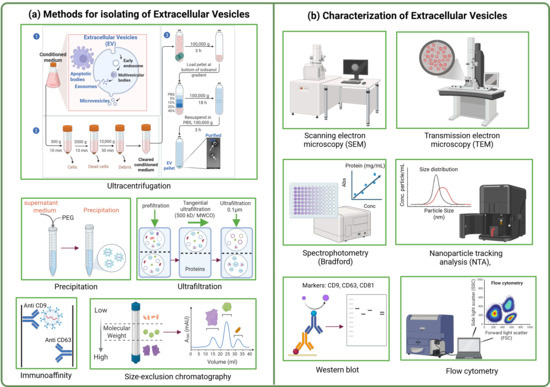
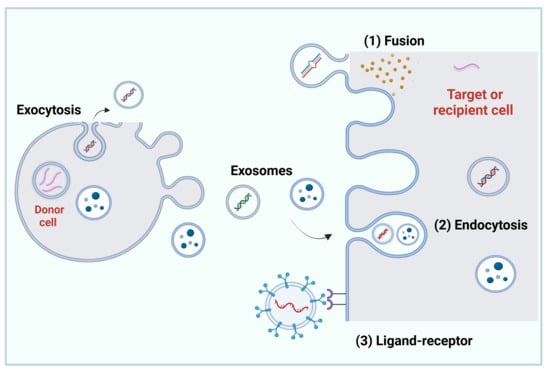
Exosomes are small vesicles released by various cell types—compounds of a lipid bilayer and surface proteins that facilitate their recognition, direction, and uptake by the target cell. Inside, exosomes contain proteins, lipids, and nucleic acids, the composition of which varies depending on the cell of origin. Exosomes can be internalized by the target cell by endocytosis, fusion, or ligand–receptor interaction. The main functions of these extracellular vesicles (EVs) are intercellular communication, gene regulation, and the activation of cell regeneration and repair processes. Due to these characteristics, exosomes emerge as a promising option for the treatment of various diseases. Therefore, this review addresses the biology of exosomes and provides examples of studies with the molecular mechanisms by which these vesicles are taken up by target cells; examples of factors that influence the secretion and molecular composition of exosomes, which can be modified through exosome engineering, to enhance their effects. Furthermore, it addresses a diverse range of examples of the potential therapeutic applications of exosomes, including those loaded with different types of molecules, to use them as vehicles for drug delivery, with the objective of achieving safer, more precise, and effective treatments. Finally, it includes some clinical studies conducted with exosomes.
Full article
(This article belongs to the Special Issue Advanced Drug Delivery Systems: From Nanocarrier Design to Translation Application)
►▼
Show Figures

Figure 1
Open AccessReview
LIMCH1 in Cancer: A Context-Dependent Modulator Beyond the Tumor Suppressor–Oncogene Dichotomy
by
Mengying Guan and Hua Hao
Int. J. Mol. Sci. 2026, 27(18), 8144; https://doi.org/10.3390/ijms27188144 (registering DOI) - 12 Sep 2026
Abstract
LIM and calponin homology domain-containing protein 1 (LIMCH1) has recently gained attention as a functionally perplexing factor in human cancers, with studies attributing both tumor-suppressive and tumor-promoting properties that defy simple categorization. Originally described as an actin-associated cytoskeletal protein that promotes
[...] Read more.
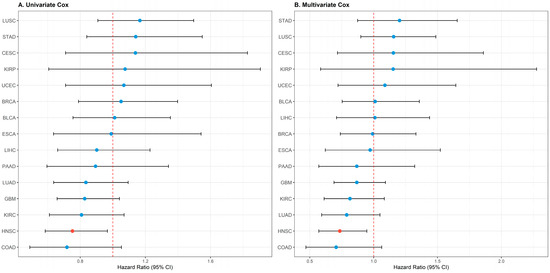
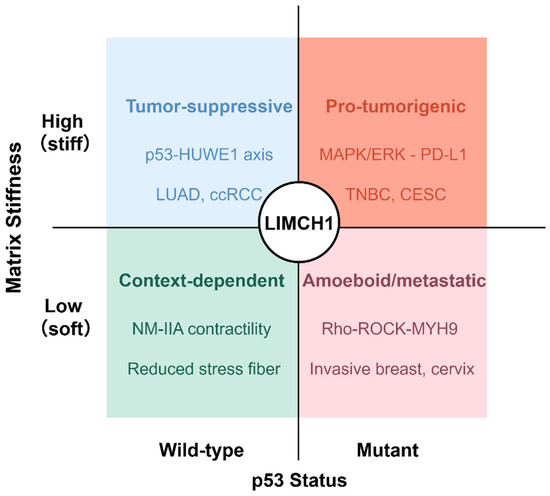
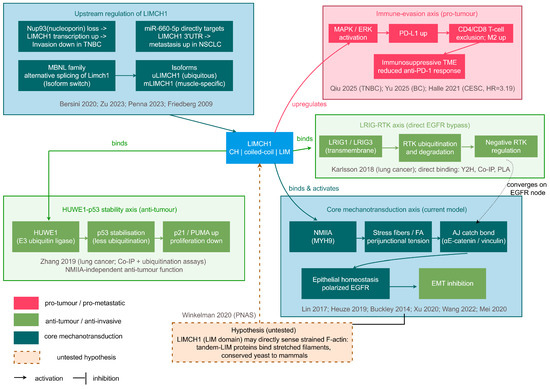
LIM and calponin homology domain-containing protein 1 (LIMCH1) has recently gained attention as a functionally perplexing factor in human cancers, with studies attributing both tumor-suppressive and tumor-promoting properties that defy simple categorization. Originally described as an actin-associated cytoskeletal protein that promotes non-muscle myosin-IIA (NM-IIA) activity and thereby curtails cell migration, LIMCH1 has more recently been linked to diverse oncogenic pathways across a range of tumor types. In lung adenocarcinoma and clear-cell renal cell carcinoma, diminished LIMCH1 expression is associated with more aggressive clinical behavior and reduced overall survival, aligning with a tumor-suppressive role. By comparison, in triple-negative and invasive breast cancers and in cervical squamous cell carcinoma, increased LIMCH1 expression correlates with enhanced metastatic spread, immune escape, and unfavorable outcomes, suggesting a pro-oncogenic function. In this review, findings from over 30 published studies are integrated with an original TCGA pan-cancer expression and survival analysis to propose that LIMCH1 is best understood as a context-dependent conditional regulator rather than as a classical tumor suppressor or oncogene. Based on the available evidence, we propose a hypothesis-generating conceptual framework in which its ultimate phenotypic effect is shaped by three interacting contextual determinants: (i) TP53 mutation status (determining whether the HUWE1-p53 axis is intact); (ii) tumor matrix stiffness (modulating actomyosin contractility and migration mode); and (iii) upstream signaling cues (e.g., MAPK/ERK, TGFβ). Of note, other tumor-lineage and microenvironmental factors may also contribute and warrant further investigation. This framework resolves the apparent functional duality of LIMCH1 in a cancer type-specific manner and provides critical guidance for future mechanistic research, standardized detection workflows, and the clinical translation of LIMCH1-based biomarkers.
Full article
(This article belongs to the Special Issue 25th Anniversary of IJMS: Updates and Advances in Molecular Oncology)
►▼
Show Figures

Figure 1
Open AccessArticle
OsbZIP60 Positively Regulates Salt-Stress Tolerance in Rice
by
Liqun Tang, Honghuan Fan, Junmin Wang, Kaizhen Zhong, Kunquan Liu, Mingli Han and Jian Song
Int. J. Mol. Sci. 2026, 27(18), 8143; https://doi.org/10.3390/ijms27188143 (registering DOI) - 12 Sep 2026
Abstract
Soil salinity is a major abiotic stress limiting rice growth and grain productivity worldwide. Basic leucine zipper (bZIP) transcription factors serve as central regulators of plant environmental stress responses, yet the biological function and molecular regulatory mechanism of rice OsbZIP60 (LOC_Os07g44950)
[...] Read more.
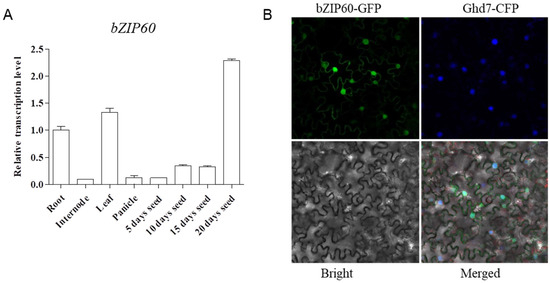
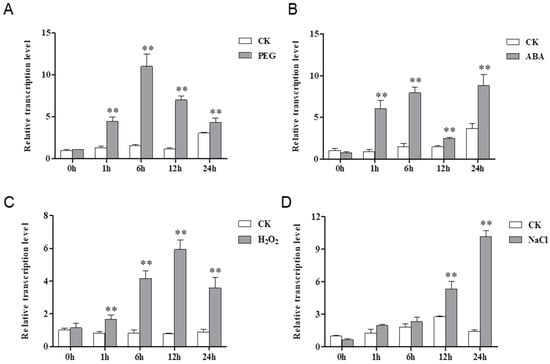
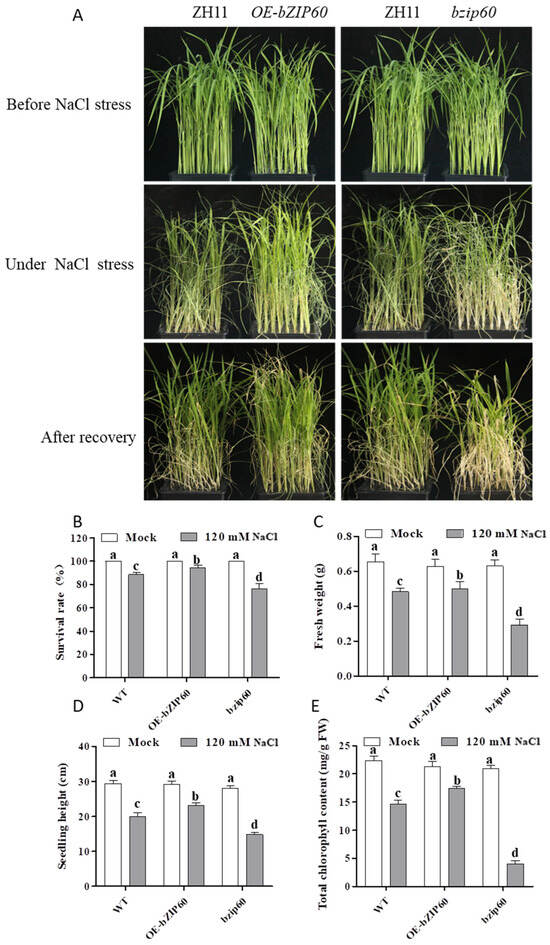
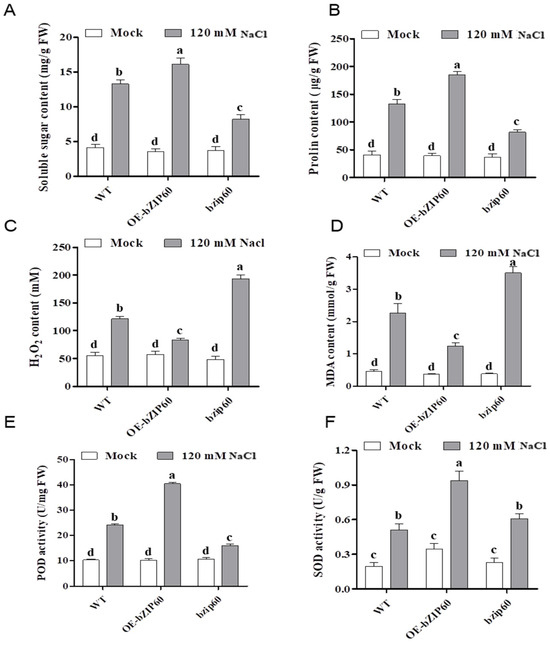
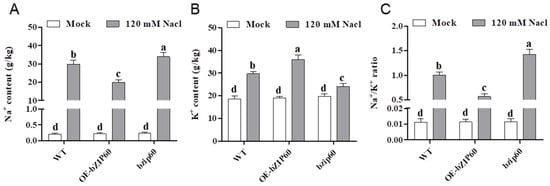
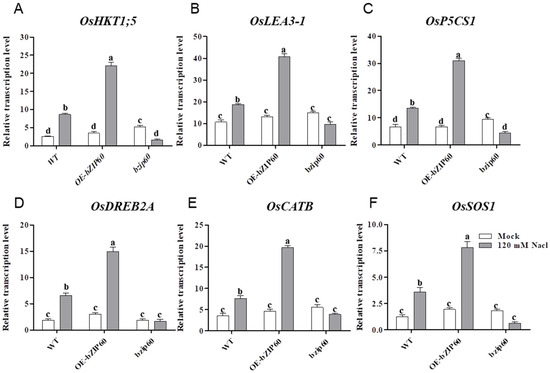
Soil salinity is a major abiotic stress limiting rice growth and grain productivity worldwide. Basic leucine zipper (bZIP) transcription factors serve as central regulators of plant environmental stress responses, yet the biological function and molecular regulatory mechanism of rice OsbZIP60 (LOC_Os07g44950) underlying salinity tolerance remain largely uncharacterized. In this study, we systematically characterized the salt-stress regulatory function of OsbZIP60 in rice. Tissue expression profiling revealed that OsbZIP60 was ubiquitously transcribed across all examined rice tissues, and its encoded protein predominantly localizes to the cell nucleus. Transcript abundance of OsbZIP60 was significantly induced by salt, the osmotic phase, abscisic acid (ABA), and oxidative stress signals. Phenotypic assays demonstrated that overexpression of OsbZIP60 substantially enhanced rice salt tolerance, whereas the bzip60 knockout mutant exhibited aggravated salt hypersensitivity. Physiological quantification revealed that OsbZIP60 promoted the accumulation of osmoprotectants, alleviated salt-triggered oxidative damage, and elevated the activities of core antioxidant enzymes under saline conditions. Moreover, OsbZIP60 maintained intracellular Na+/K+ homeostasis and positively modulated the transcript levels of a series of salt-responsive downstream genes. Collectively, our results demonstrate that OsbZIP60 acts as a positive regulatory hub that coordinates osmotic adjustment, antioxidant defense, and ion balance to confer salt tolerance in rice, providing a promising genetic target for molecular breeding of salt-tolerant rice varieties.
Full article
(This article belongs to the Special Issue Plant Breeding: Improvements and Applications of High-Yield, High-Quality and Stress-Resistant Genetic Traits)
►▼
Show Figures

Figure 1
Open AccessArticle
Cross-Species Analysis of Milk Extracellular Vesicles Reveals a Conserved Innate Core and a Divergent, Human-Specific Adaptive Immune Fraction
by
Eleni Papakonstantinou, George P. Chrousos and Dimitrios Vlachakis
Int. J. Mol. Sci. 2026, 27(18), 8142; https://doi.org/10.3390/ijms27188142 (registering DOI) - 12 Sep 2026
Abstract
Milk-derived extracellular vesicles (EVs) carry proteins and microRNAs that mediate immune communication between mother and offspring, yet which inflammation-related cargo is conserved—and which is species specific—across mammals remains poorly defined. We assembled MetaMilkDB, a provenance-tracked database integrating proteomic, transcriptomic, metabolomic and pathway-level evidence
[...] Read more.
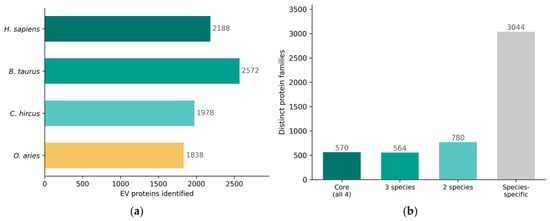
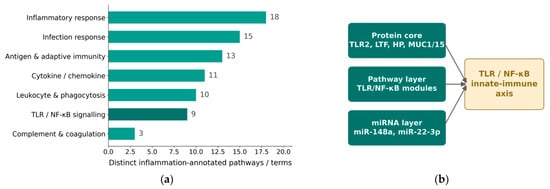
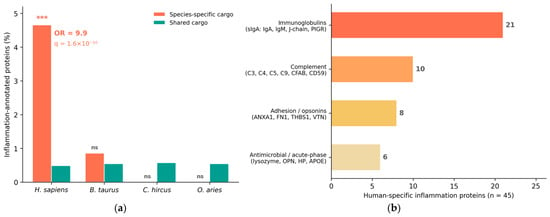
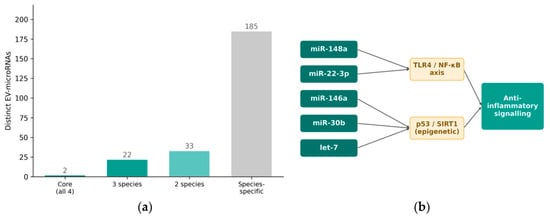
Milk-derived extracellular vesicles (EVs) carry proteins and microRNAs that mediate immune communication between mother and offspring, yet which inflammation-related cargo is conserved—and which is species specific—across mammals remains poorly defined. We assembled MetaMilkDB, a provenance-tracked database integrating proteomic, transcriptomic, metabolomic and pathway-level evidence for milk-EVs across four species (Homo sapiens, Bos taurus, Capra hircus, Ovis aries), combining curated studies with in-house EV proteomics (265,009 measurements). Of 4958 EV protein families, 570 (11.5%) formed a conserved core containing five inflammation markers (HP, LTF, MUC1, MUC15, TLR2), four re-detected in our in-house proteomes. This core was an innate scaffold and was not itself enriched for inflammation; instead, inflammation cargo concentrated in the species-specific fraction, overwhelmingly in human milk (45/966 vs. 6/1222 shared; odds ratio 9.9; q = 1.6 × 10⁻¹⁰), forming a secretory-immunoglobulin and complement module absent from ruminant cargo. A parallel layer of inflammation-annotated EV-microRNAs showed heterogeneous conservation across species and converged on TLR/NF-κB-related immune regulation. Milk-EV immunity is organized on two axes—a conserved innate scaffold shared across species and a divergent, largely human adaptive-immune fraction—clarifying which cargo is a candidate cross-species biomarker and which may underlie species-specific immune transfer.
Full article
(This article belongs to the Special Issue Genetic and Epigenetic Insights into Extracellular Vesicles)
►▼
Show Figures

Figure 1
Open AccessReview
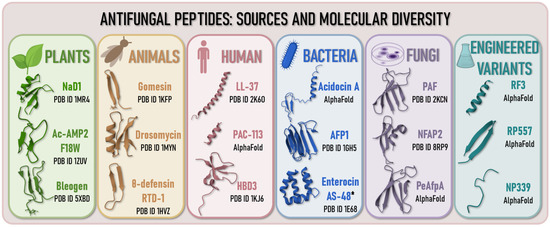
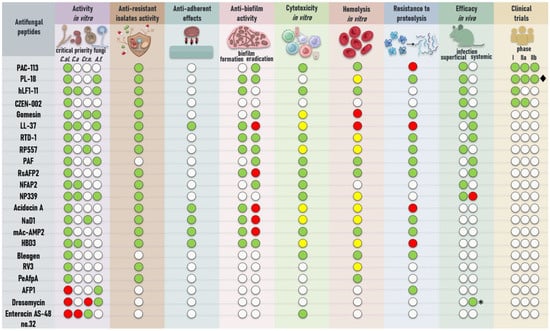
WHO Critical Priority Fungi: A Comprehensive Review of Antifungal Resistance, Emerging Therapeutic Strategies, and the Potential of Antifungal Peptides
by
Ekaterina I. Finkina, Olga V. Shevchenko, Anastasia A. Gerasimova, Serafima I. Fateeva, Sergey V. Balandin and Tatiana V. Ovchinnikova
Int. J. Mol. Sci. 2026, 27(18), 8141; https://doi.org/10.3390/ijms27188141 (registering DOI) - 12 Sep 2026
Abstract
Extensive clinical studies have convincingly demonstrated that fungal infections constitute a mounting global health concern. Candida albicans, C. auris, Aspergillus fumigatus, and Cryptococcus neoformans were classified by the WHO as critical priority fungi due to their widespread prevalence, high mortality
[...] Read more.
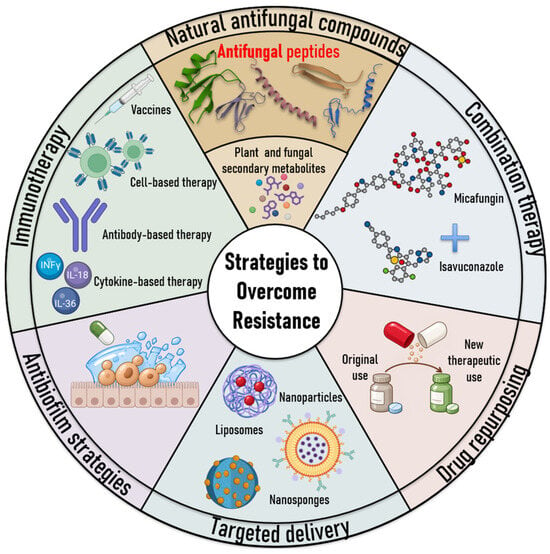
Extensive clinical studies have convincingly demonstrated that fungal infections constitute a mounting global health concern. Candida albicans, C. auris, Aspergillus fumigatus, and Cryptococcus neoformans were classified by the WHO as critical priority fungi due to their widespread prevalence, high mortality rates associated with invasive mycoses, and the increasing spread of resistant strains. The currently available antifungal arsenal, comprising four major classes (azoles, polyenes, echinocandins, and flucytosine), is critically insufficient. Resistance to these agents is escalating worldwide, while the approval of new drugs remains alarmingly slow. This review provides a comprehensive overview of the molecular mechanisms underlying resistance to conventional and emerging antimycotics in critical priority fungi, including recently approved and investigational agents such as oteseconazole, rezafungin, ibrexafungerp, fosmanogepix, and olorofim. It examines current strategies to overcome resistance, including combination therapy, drug repurposing, targeted delivery, antibiofilm approaches, immunotherapy, and the application of natural antifungal compounds. Special emphasis is placed on antifungal peptides (AFPs) derived from plants, animals, bacteria, and fungi, along with their synthetic analogs, all of which have demonstrated efficacy against critical priority fungi. The review primarily focuses on the molecular targets of AFPs and on the development of fungal resistance under prolonged exposure, compared with conventional antifungals, in order to evaluate their potential as prototypes for next-generation antimycotics.
Full article
(This article belongs to the Special Issue Advances in Research on Antifungal Resistance)
►▼
Show Figures

Figure 1
Open AccessArticle
Structure–Activity Relationship Analysis of Immunoassay Systems for (Fluoro)quinolones Detection
by
Platon P. Chebotaev, Andrey A. Buglak, Nadezhda A. Byzova, Anatoly V. Zherdev and Olga D. Hendrickson
Int. J. Mol. Sci. 2026, 27(18), 8140; https://doi.org/10.3390/ijms27188140 (registering DOI) - 12 Sep 2026
Abstract
Detection systems for antibiotics of the (fluoro)quinolone (FQ) group are in high demand among food safety regulators and agricultural inspectors. At the same time, the application of developed test systems may be complicated by the significant structural diversity of related FQs (including enantiomeric
[...] Read more.
Detection systems for antibiotics of the (fluoro)quinolone (FQ) group are in high demand among food safety regulators and agricultural inspectors. At the same time, the application of developed test systems may be complicated by the significant structural diversity of related FQs (including enantiomeric forms), which necessitates the careful evaluation of their selectivity. In this study, five polyclonal antibodies were generated by immunizing rabbits with the S- and R-enantiomers of ofloxacin (OFL) and its racemic mixture used as haptens. The cross-reactivity (CR) of the obtained antibodies toward 26 FQs, structural analogs of OFL, was evaluated using an indirect competitive enzyme-linked immunosorbent assay. Structure–activity relationship models were developed to analyze the obtained CR data. Three machine learning (ML) methods were applied: random forest classifier (RFC), logistic regression (LR), and a support vector classifier (SVC). The SVC model demonstrated the highest predictive performance in terms of the Log Loss metric. In contrast, the LR models showed the best overall balance across six statistical metrics, including precision, recall, and F1 score. Three-dimensional topological descriptors enabled discrimination between the S- and R-isomers of OFL, whereas constitutional and two-dimensional descriptors were less effective. The obtained results contribute to the development of FQ immunoassay systems and their computational analysis using ML approaches.
Full article
(This article belongs to the Special Issue Exploring Molecular Properties Through Molecular Modeling)
Journal Menu
► ▼ Journal Menu-
- IJMS Home
- Aims & Scope
- Editorial Board
- Reviewer Board
- Topical Advisory Panel
- Early Career Editorial Board
- Instructions for Authors
- Special Issues
- Topics
- Sections & Collections
- Article Processing Charge
- Indexing & Archiving
- Most Cited & Viewed
- Journal Statistics
- Journal History
- Journal Awards
- Society Collaborations
- Conferences
- Editorial Office
Journal Browser
► ▼ Journal Browser-
arrow_forward_ios
Forthcoming issue
arrow_forward_ios Current issue - Vol. 27 (2026)
- Vol. 26 (2025)
- Vol. 25 (2024)
- Vol. 24 (2023)
- Vol. 23 (2022)
- Vol. 22 (2021)
- Vol. 21 (2020)
- Vol. 20 (2019)
- Vol. 19 (2018)
- Vol. 18 (2017)
- Vol. 17 (2016)
- Vol. 16 (2015)
- Vol. 15 (2014)
- Vol. 14 (2013)
- Vol. 13 (2012)
- Vol. 12 (2011)
- Vol. 11 (2010)
- Vol. 10 (2009)
- Vol. 9 (2008)
- Vol. 8 (2007)
- Vol. 7 (2006)
- Vol. 6 (2005)
- Vol. 5 (2004)
- Vol. 4 (2003)
- Vol. 3 (2002)
- Vol. 2 (2001)
- Vol. 1 (2000)
Highly Accessed Articles
Latest Books
E-Mail Alert
News
19 August 2026
The 2nd International Conference on Bioengineering: Bioengineering in an Era of AI (BIOENG 2026) Announces Distinguished Speakers Lineup and Late-Breaking Poster Submission Opportunity
Topics
Topic in
Geriatrics, IJMS, Life, Sports, Neurology International, Obesities
Exercise and Human Aging: Physiological and Psychological Functions
Topic Editors: Samuel Da Silva Aguiar, Ismael Perez-SuarezDeadline: 20 September 2026
Topic in
Biomedicines, IJMS, Sci. Pharm., Molecules, Future Pharmacology, Biomolecules
Natural Products and Drug Discovery—2nd Edition
Topic Editors: Sonia Piacente, Marta MenegazziDeadline: 30 September 2026
Topic in
Cells, IJMS, Metabolites, Physiologia, Life
Animal Models of Human Disease 3.0
Topic Editors: Sigrun Lange, Jameel M. InalDeadline: 31 October 2026
Topic in
Cancers, Diagnostics, Diseases, IJMS, JPM
Advances in Genetics and Precision Medicine in Human Diseases: 2nd Edition
Topic Editors: Shun-Fa Yang, Shih-Chi SuDeadline: 14 November 2026
Conferences
15 September 2026
International Journal of Molecular Sciences Webinar | Building Reproductive Futures: Advances in Oncofertility and Uterine Receptivity, 15 September 2026

Special Issues
Special Issue in
IJMS
Latest Advances in Diabetes Research and Practice
Guest Editor: Ezekiel Uba NwoseDeadline: 20 September 2026
Special Issue in
IJMS
Molecular and Immunological Pathways in Granulomatous Diseases
Guest Editor: Sergio ArceDeadline: 20 September 2026
Special Issue in
IJMS
Development Biology of Immune Cells
Guest Editor: Jacek Z. KubiakDeadline: 20 September 2026
Special Issue in
IJMS
Molecular Pharmacology and Interventions in Cardiovascular Disease: 2nd Edition
Guest Editor: Magdalena Zabielska-KaczorowskaDeadline: 20 September 2026
Topical Collections
Topical Collection in
IJMS
Latest Review Papers in Molecular Informatics
Collection Editor: Ana Amić
Topical Collection in
IJMS
Drug Discovery and Drug Development in Molecular Sciences
Collection Editor: M. Raafat El-Gewely
Topical Collection in
IJMS
Latest Review Papers in Biochemistry
Collection Editors: Cheng-Yang Huang, Athanasios Salifoglou
Topical Collection in
IJMS
Feature Papers in Molecular Microbiology
Collection Editor: Vishwanath Venketaraman