
Journal Description
Hydrology
Hydrology
is an international, peer-reviewed, open access journal on hydrology published monthly online by MDPI. The American Institute of Hydrology (AIH) and Japanese Society of Physical Hydrology (JSPH) are affiliated with Hydrology and their members receive discounts on the article processing charges.
- Open Access— free for readers, with article processing charges (APC) paid by authors or their institutions.
- High Visibility: indexed within Scopus, ESCI (Web of Science), PubAg, GeoRef, and other databases.
- Journal Rank: JCR - Q2 (Water Resources) / CiteScore - Q1 (Oceanography)
- Rapid Publication: manuscripts are peer-reviewed and a first decision is provided to authors approximately 17.9 days after submission; acceptance to publication is undertaken in 2.8 days (median values for papers published in this journal in the second half of 2025).
- Recognition of Reviewers: reviewers who provide timely, thorough peer-review reports receive vouchers entitling them to a discount on the APC of their next publication in any MDPI journal, in appreciation of the work done.
- Journal Clusters of Water Resources: Water, Journal of Marine Science and Engineering, Hydrology, Resources, Oceans, Limnological Review, Coasts.
Impact Factor:
3.2 (2024);
5-Year Impact Factor:
3.0 (2024)
Latest Articles
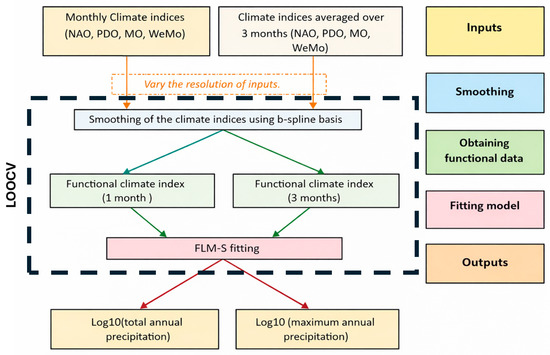
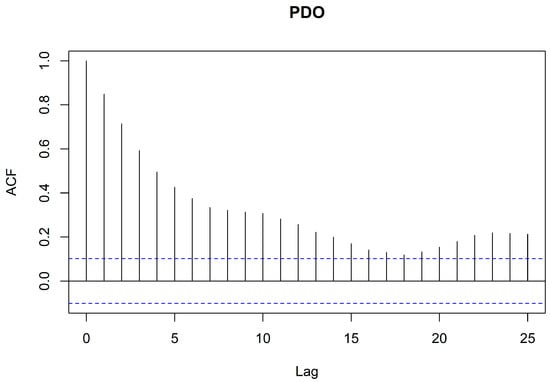
Teleconnection-Based Long-Term Precipitation Forecasting Using Functional Data Analysis and Regressive Models: Application to North-Eastern Tunisia
Hydrology 2026, 13(5), 137; https://doi.org/10.3390/hydrology13050137 - 16 May 2026
Abstract
Tunisia is characterized by high precipitation variability, which results in frequent extreme floods and droughts. This study aims to develop long-term forecasting models for total and daily maximum annual precipitation by incorporating information related to climate variability. These models use low-frequency climate oscillation
[...] Read more.
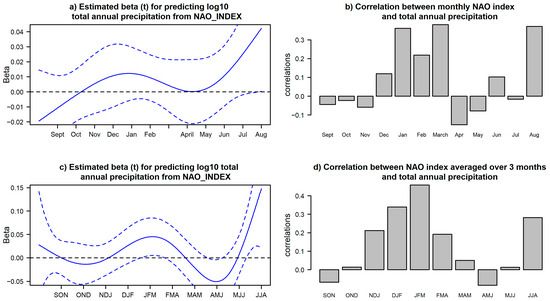
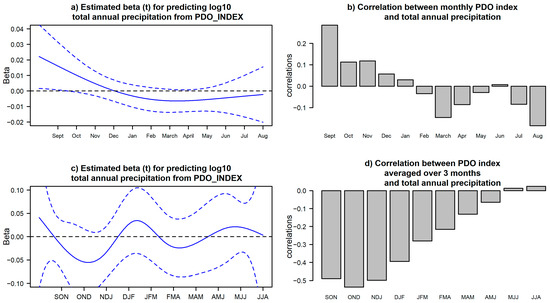
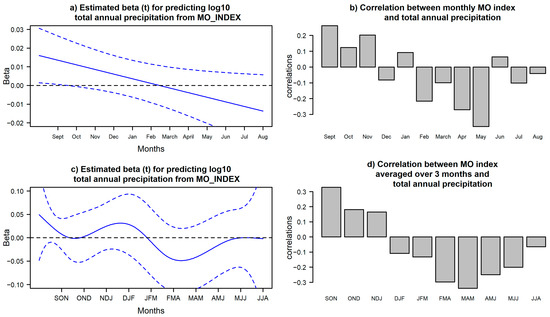
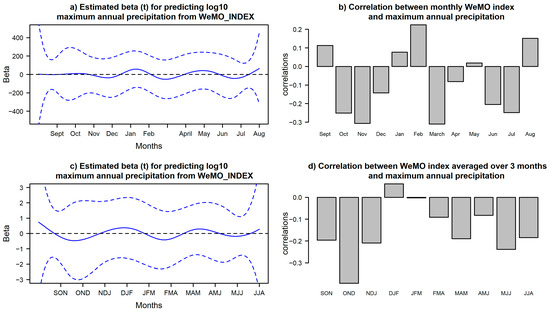
Tunisia is characterized by high precipitation variability, which results in frequent extreme floods and droughts. This study aims to develop long-term forecasting models for total and daily maximum annual precipitation by incorporating information related to climate variability. These models use low-frequency climate oscillation indices as predictors. A linear functional model for scalar response is developed for this purpose. The model based on functional data analysis is also compared to a linear regression model. The station under study is located in north-eastern Tunisia. The association between precipitation and four climate indices is evaluated: the North Atlantic Oscillation (NAO), the Pacific Decadal Oscillation (PDO), the Mediterranean Oscillation (MO) and the Western Mediterranean Oscillation (WeMO) climate indices. The results show that both linear and functional regression provide good and comparable results, likely due to the limited length of the data series. NAO, PDO and MO are the best indices to forecast total annual precipitation with an RMSE between 3.564% and 4.151% of the average precipitation, while MO seems to be the best index to forecast daily maximum annual precipitation achieving slightly higher RMSE between 11.174% and 11.916% of the average maximum precipitation. These results suggest that total precipitation at the study station is controlled by large-scale climatic processes operating over the Atlantic, Pacific, and Mediterranean regions, whereas the few most extreme precipitation events are primarily driven by regional climatic phenomena occurring at the Mediterranean scale. The results may have practical applications to improve disaster response preparedness and water resource management.
Full article
(This article belongs to the Special Issue Advances in the Measurement, Utility and Evaluation of Precipitation Observations: 2nd Edition)
►
Show Figures
Open AccessArticle
Transient Responses of Freshwater Lens Development and Seawater Intrusion Mitigation to Freshwater Injection in Unconfined Island Aquifers
by
Weijiang Yu and Yipeng Zhang
Hydrology 2026, 13(5), 136; https://doi.org/10.3390/hydrology13050136 - 14 May 2026
Abstract
►▼
Show Figures
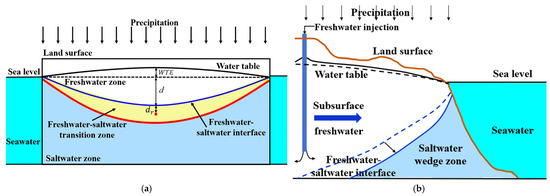
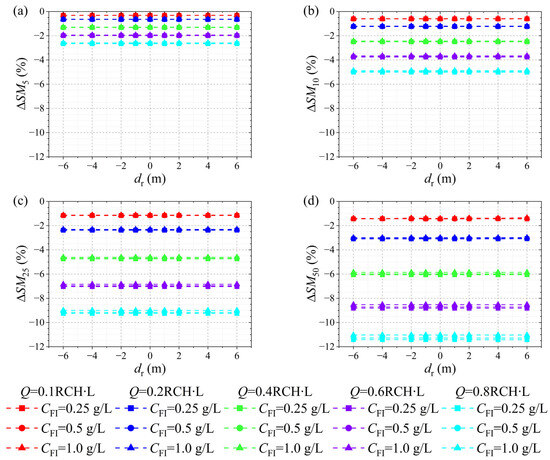
Subsurface freshwater in oceanic islands is typically shaped like a thin lens due to limited land area and recharge, often the primary freshwater source for local communities and highly vulnerable to seawater intrusion (SWI). Freshwater injection (FI) is considered as a feasible strategy
[...] Read more.
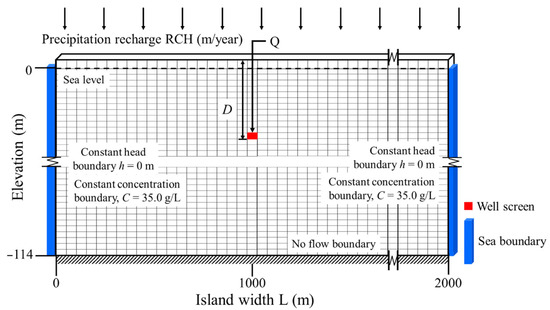
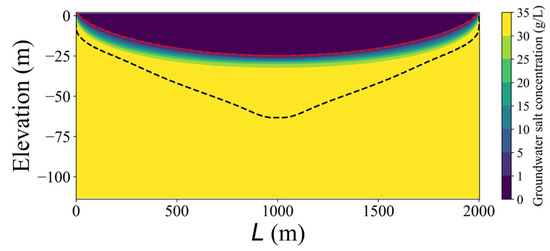
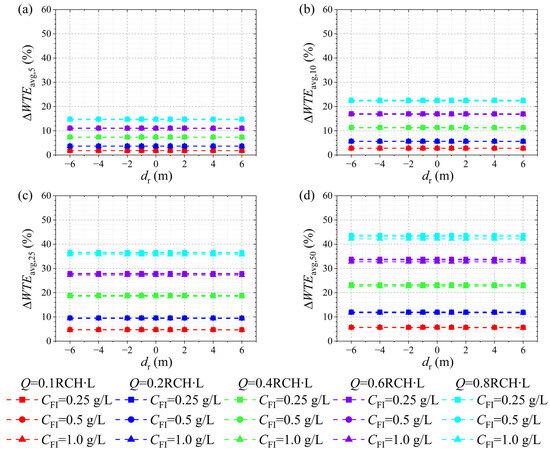
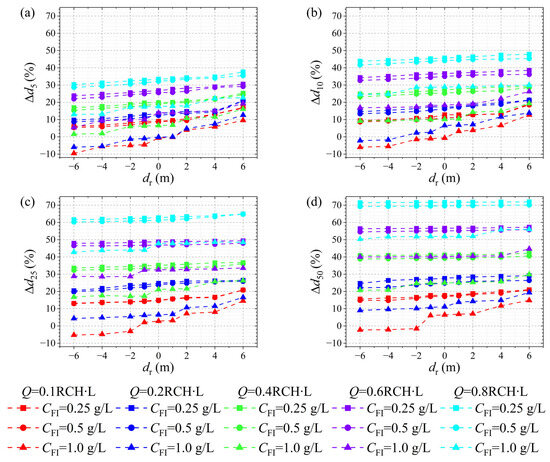
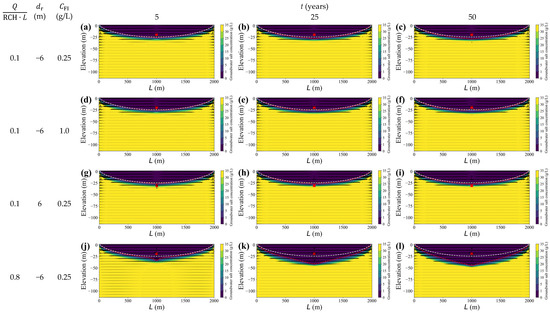
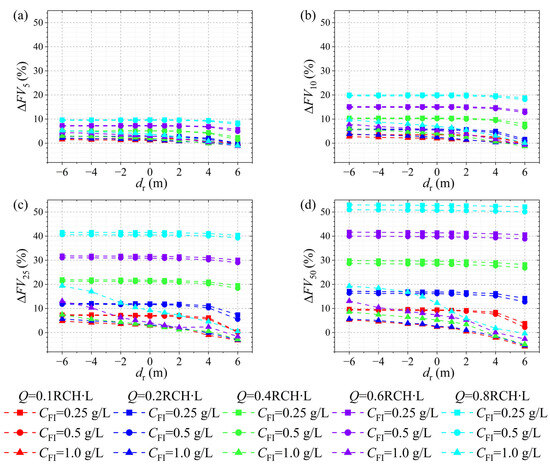
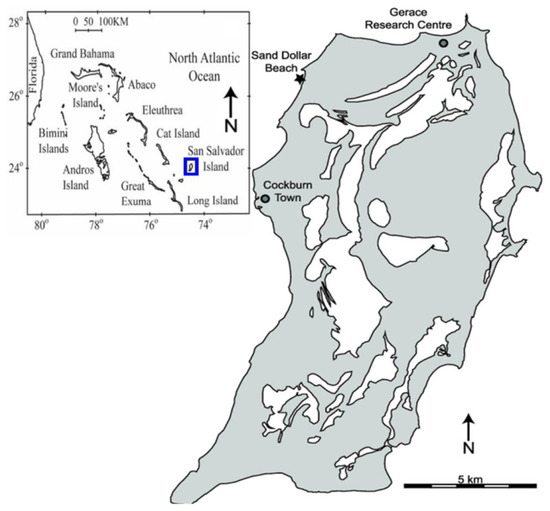
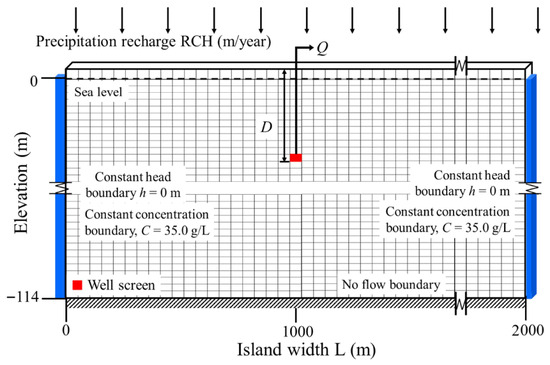
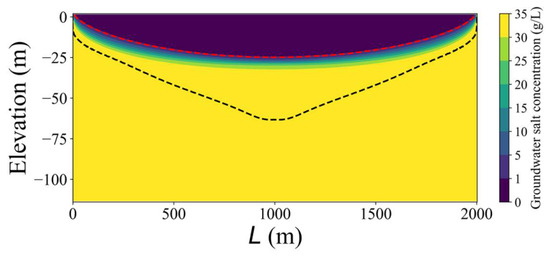
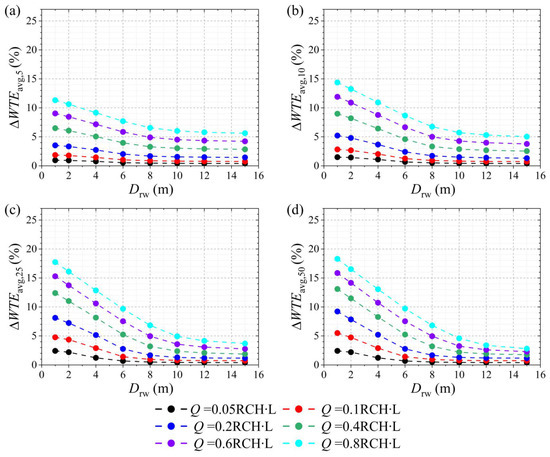
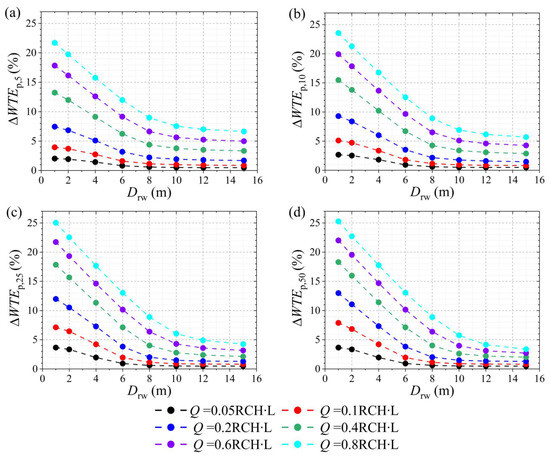
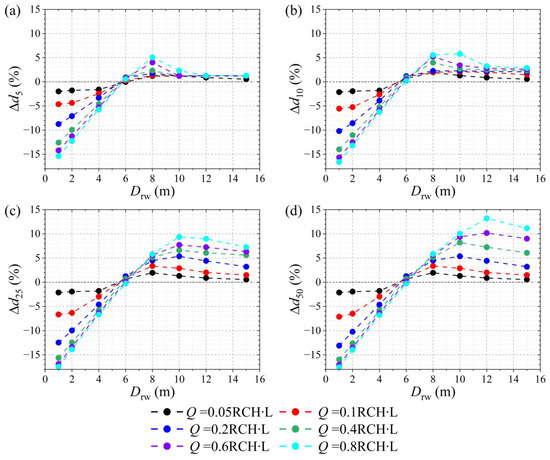
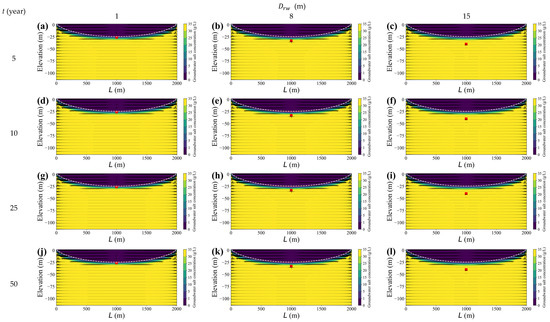
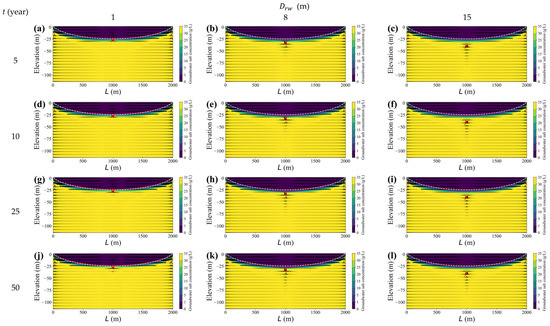
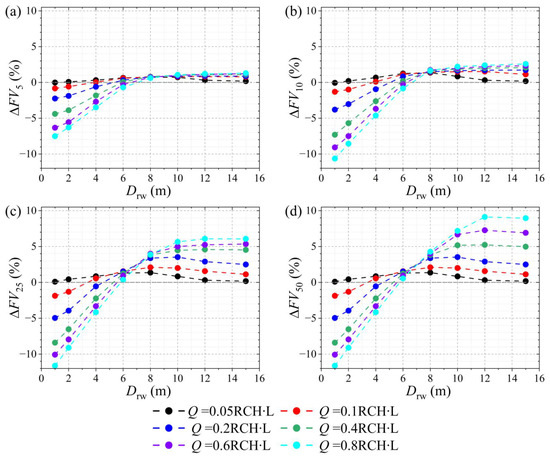
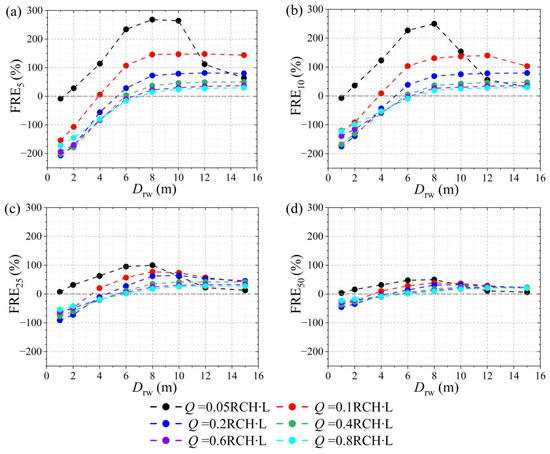
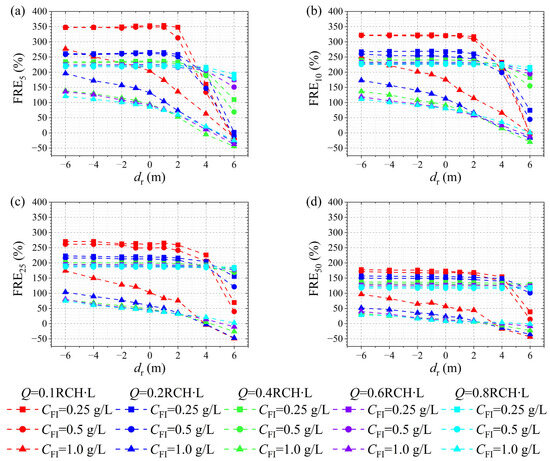
Subsurface freshwater in oceanic islands is typically shaped like a thin lens due to limited land area and recharge, often the primary freshwater source for local communities and highly vulnerable to seawater intrusion (SWI). Freshwater injection (FI) is considered as a feasible strategy for mitigating SWI in coastal aquifers. However, its transient effectiveness for freshwater lens (FWL) development and SWI mitigation in island aquifers and how the design parameters like FI depth, intensity, duration and injectant concentration affect its performance remain poorly understood. To address this, this study employs a two-dimensional, variable-density island groundwater model to simulate the transient responses of FWL development and SWI mitigation to various FI patterns. Five indicators are developed for comprehensive evaluation, including (1) freshwater recovery efficiency (FRE), and the relative changes in (2) average water table elevation (WTE), (3) FWL depth, (4) FWL volume, and (5) total aquifer salt mass. Results reveal FI universally raises average WTE, expands FWL dimensions, and promotes aquifer desalinization. Injection intensity is the primary driver of WTE rises and salt mass reduction, with higher intensities consistently yielding greater WTE rises and salt mass reductions. Deeper injection within the mixing zone increases FWL depth, but reduces the net gain in FWL volume. Moreover, early-stage FI is highly efficient for expanding FWL volume, often yielding FRE values above 100%, but FRE converges toward zero over time as the system moves toward a new hydrodynamic equilibrium, returning diminishing marginal benefits for long-term FI.
Full article

Figure 1
Open AccessReview
GRACE Downscaling and Machine Learning Models for Groundwater Prediction: A Systematic Review
by
Mohammed S. Al Nadabi, Mohammed El-Diasty, Talal Etri and Mohammad Reza Nikoo
Hydrology 2026, 13(5), 135; https://doi.org/10.3390/hydrology13050135 - 14 May 2026
Abstract
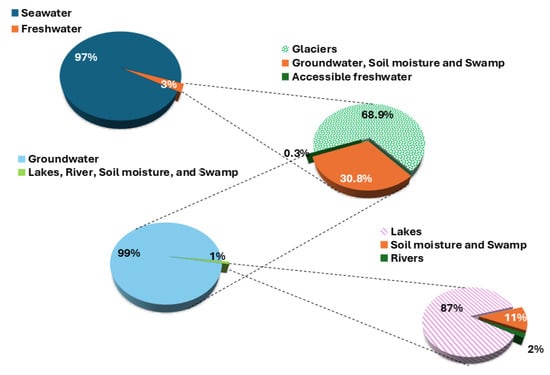
Gravity Recovery and Climate Experiment (GRACE) satellites primarily monitor changes in land water storage, including groundwater, soil moisture, lake and river surface water, and canopy and snow water. However, its coarse spatial resolution of 0.25 degrees limits its ability to observe smaller basins.
[...] Read more.
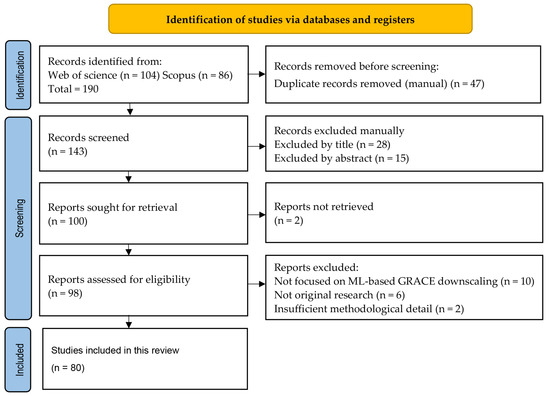
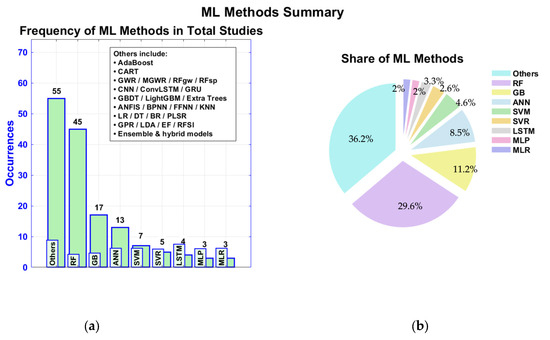
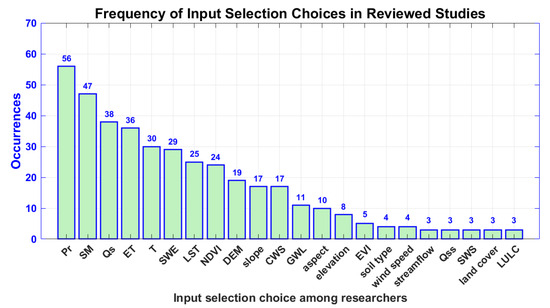
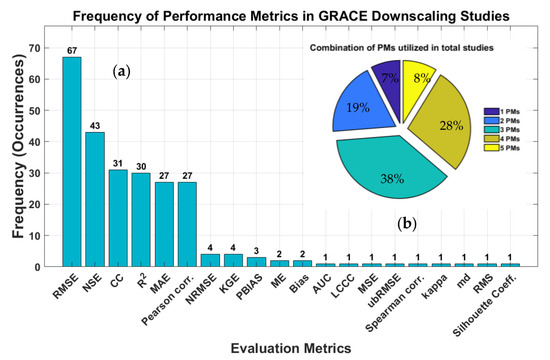
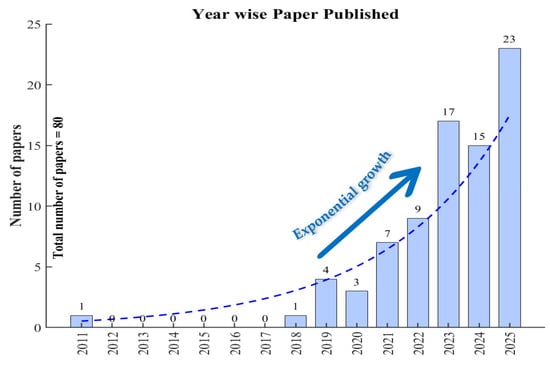
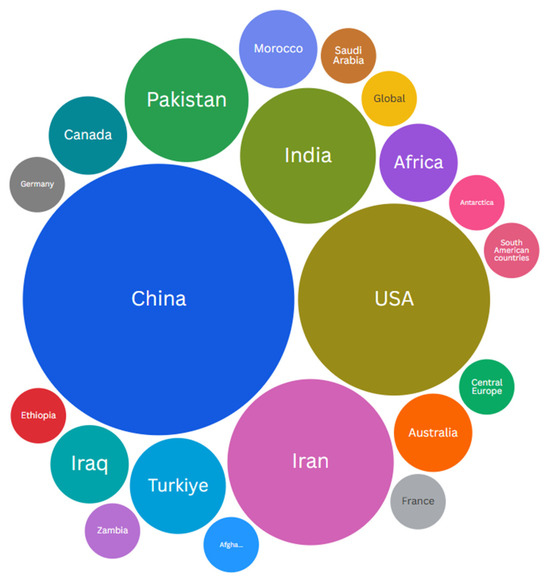
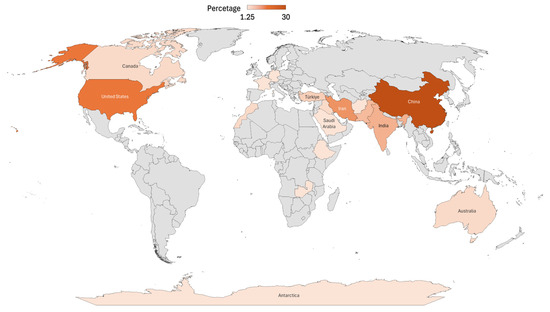
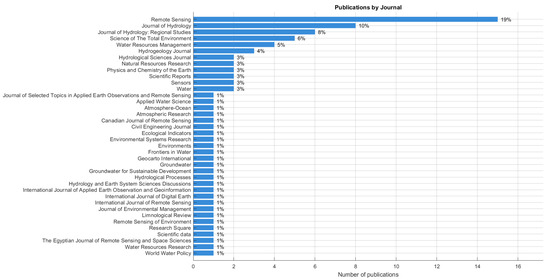
Gravity Recovery and Climate Experiment (GRACE) satellites primarily monitor changes in land water storage, including groundwater, soil moisture, lake and river surface water, and canopy and snow water. However, its coarse spatial resolution of 0.25 degrees limits its ability to observe smaller basins. To assess aquifer depletion and evaluate a long-term water resource management framework, GRACE data are crucial. It remains rare for GRACE-focused studies to be conducted in great depth. A comprehensive review of 80 articles published between 2011 and 2025 was conducted using the Scopus and Web of Science databases. These articles focused on downscaling GRACE data using machine learning (ML) methods. The Preferred Reporting Items for Systematic Reviews and Meta-Analyses (PRISMA) reporting guidelines were used in this review. This study highlights the attributes of ML models, the input variables used, the evaluation metrics, and the output resolution. Based on the analysis of the articles, random forest (RF) methods were used in the majority of the papers. Gradient boosting (GB), artificial neural networks (ANN), support vector machines (SVM), support vector regression (SVR), and long short-term memory (LSTM) were the most widely used ML methods. As input variables, rainfall (Pr), soil moisture (SM), and runoff (Qs) are essential. In 2011, there were very few journal articles; since 2021, the number has increased. The number of published studies from China was the highest (24), followed by the USA (12) and Iran (9). A total of 38 journals published reviewed articles. In terms of articles, Remote Sensing generates 19%, Journal of Hydrology has 10%, and Journal of Hydrology: Regional Studies has 8%. The paper also discusses limitations, challenges, recommendations, and potential future directions for improving the accuracy of the GWS change prediction model.
Full article
(This article belongs to the Section Hydrological and Hydrodynamic Processes and Modelling)
►▼
Show Figures

Figure 1
Open AccessArticle
Leveraging Artificial Intelligence in Hydrology to Process Citizen Science Photos of Water Levels
by
Abhinna Manandhar and Christopher S. Lowry
Hydrology 2026, 13(5), 134; https://doi.org/10.3390/hydrology13050134 - 14 May 2026
Abstract
►▼
Show Figures
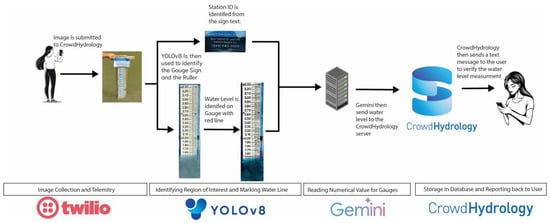
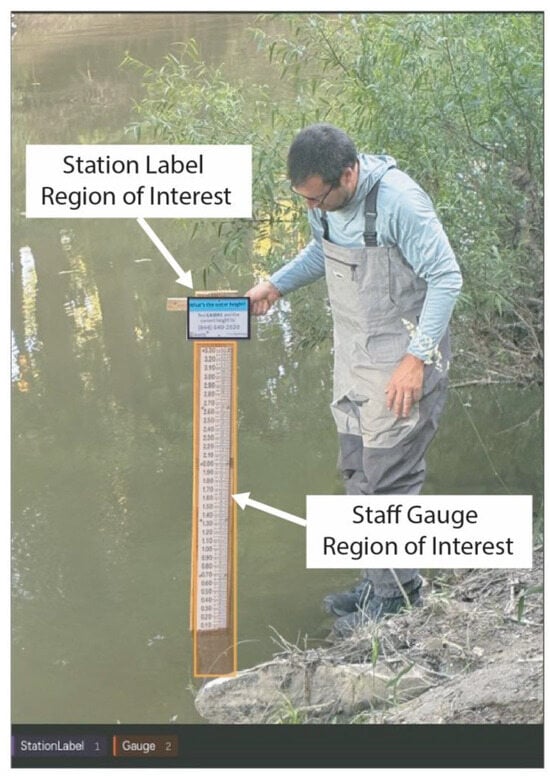
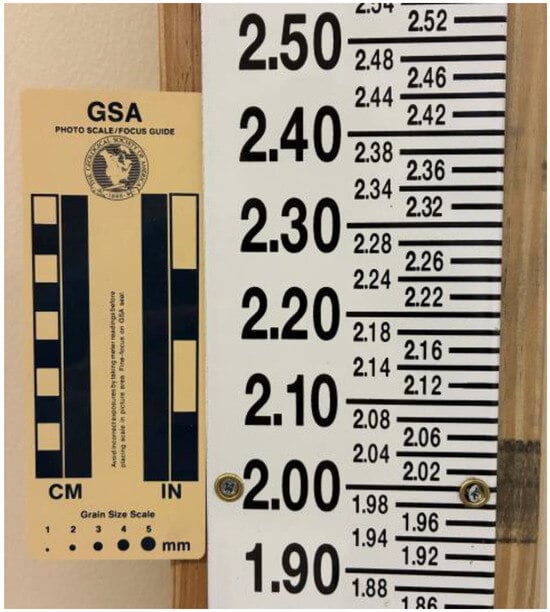
Emerging Large Language Model capabilities create opportunities for applying AI reasoning across various domains with minimal technical complexity. Motivated by the development of citizen scientists submitting photos of water levels on staff gauges and the increasing need for hydrologic data in ungauged watersheds,
[...] Read more.
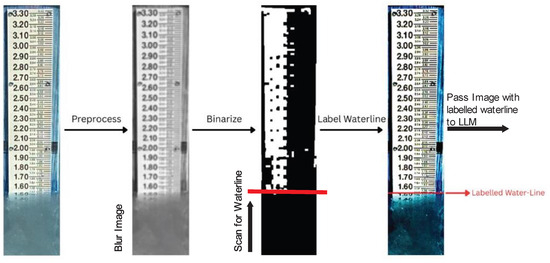
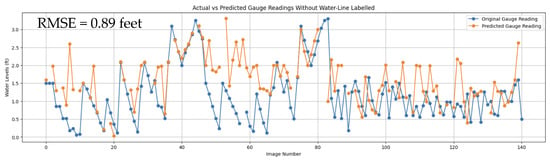
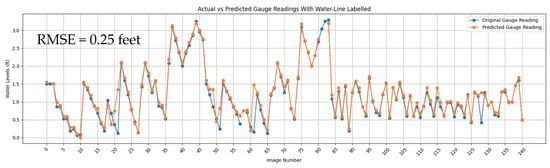
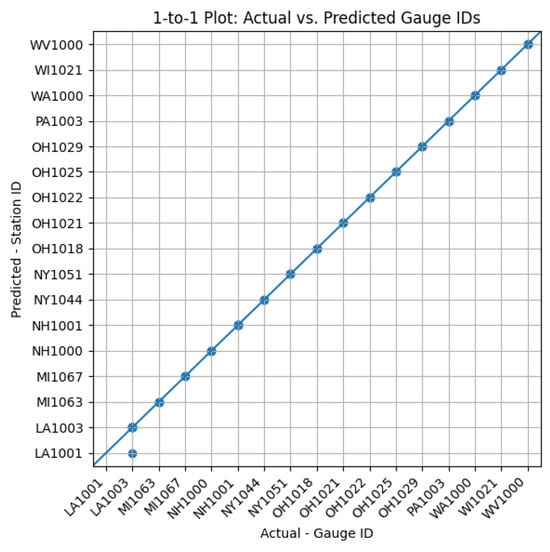
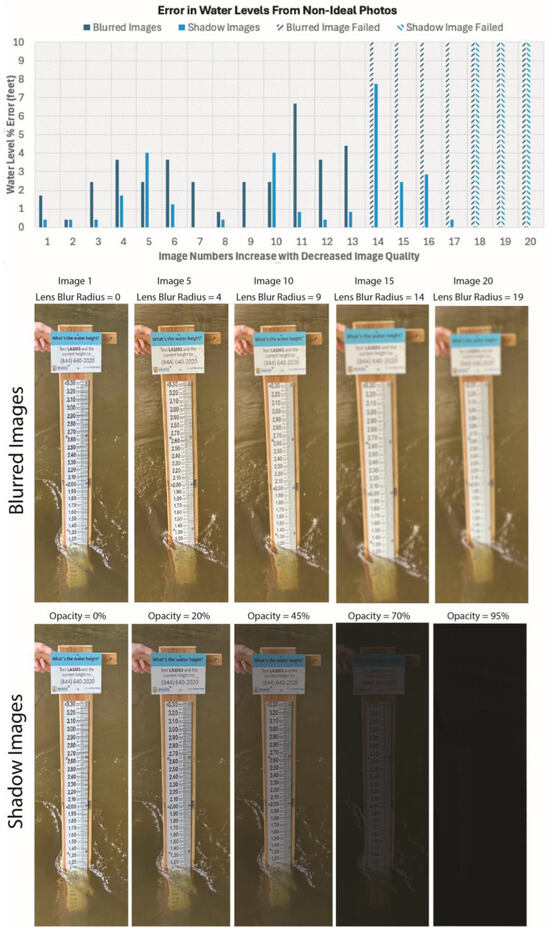
Emerging Large Language Model capabilities create opportunities for applying AI reasoning across various domains with minimal technical complexity. Motivated by the development of citizen scientists submitting photos of water levels on staff gauges and the increasing need for hydrologic data in ungauged watersheds, this research develops an artificial intelligence approach to measuring stream stage across an existing citizen science monitoring network. To lower the barrier to entry for professional scientists, this research develops a methodology leveraging a Large Language Model (LLM) to extract water levels from images submitted by citizen scientists, and then follows a human-in-the-loop workflow for validating the final results, leaving space for correcting reasoning errors and hallucinations. Various techniques, such as labeling the input image, are also explored in this research to extract maximum accuracy from the LLM.
Full article

Figure 1
Open AccessArticle
Transient Responses of Freshwater Lens Development and Seawater Intrusion Mitigation to Saltwater Abstraction in Unconfined Island Aquifers
by
Weijiang Yu, Yipeng Zhang and Wenqi Liu
Hydrology 2026, 13(5), 133; https://doi.org/10.3390/hydrology13050133 - 14 May 2026
Abstract
►▼
Show Figures
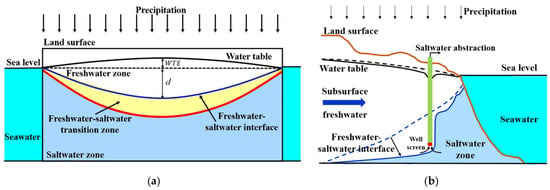
Subsurface freshwater in oceanic islands is typically shaped like a thin lens due to limited land area and recharge, often the primary freshwater source for local communities and highly vulnerable to seawater intrusion (SWI). Saltwater abstraction (SA) is considered as a feasible strategy
[...] Read more.
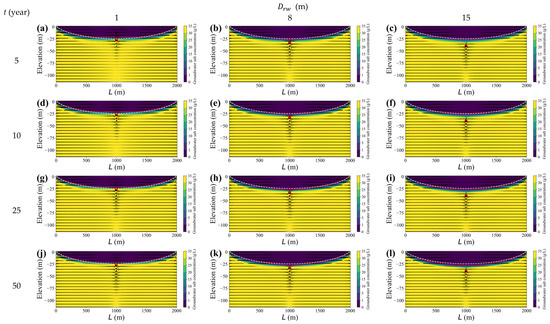
Subsurface freshwater in oceanic islands is typically shaped like a thin lens due to limited land area and recharge, often the primary freshwater source for local communities and highly vulnerable to seawater intrusion (SWI). Saltwater abstraction (SA) is considered as a feasible strategy for mitigating SWI. However, its transient effectiveness for freshwater lens (FWL) development and SWI mitigation in island aquifers, and how the design parameters like SA depth, intensity, and duration affect its performance, remain poorly understood. Therefore, this study employs a two-dimensional, variable-density island groundwater model to simulate the transient responses of FWL development and SWI mitigation to various SA patterns. Six indicators are developed for comprehensive evaluation, including: (1) freshwater recovery efficiency, and the relative changes in (2) average water table elevation (WTE), (3) WTE at the SA well, (4) FWL depth, (5) fresh groundwater volume, and (6) total aquifer salt mass. Simulation results highlight SA depth as the primary determinant of its effectiveness, characterized by critical thresholds that dictate whether SA imposes net positive or negative effects on FWL depth, volume, and aquifer desalinization, with SA intensity and duration serving as scaling factors that amplify the magnitude of these responses. Moreover, while SA can effectively expand FWL volume and shift it toward a more favorable hydrodynamic equilibrium, the diminishing marginal benefits over time cause the FRE to approach zero, indicating SA is a potent short-term restoration strategy rather than a long-term solution from a cost–benefit perspective.
Full article

Figure 1
Open AccessArticle
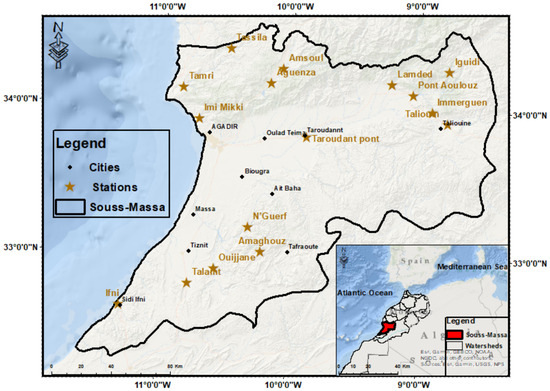
The Spectral Illusion of Crop Health: Evaluating the Groundwater Cost of Agricultural Maladaptation in the Souss-Massa Basin (Morocco)
by
Maryame El-Yazidi, Mohammed Benabdelhadi, Brahim Benzougagh, Yasmine Boukhlouf, Malika El-Hamdouny, Manal El Garouani, Mohammed Mouad Mliyeh, Hassan Tabyaoui, Zineb El Attar Soufi, Soukaina El Aissaoui, Khaled Mohamed Khedher and Abderrahim Lahrach
Hydrology 2026, 13(5), 132; https://doi.org/10.3390/hydrology13050132 - 13 May 2026
Abstract
►▼
Show Figures
The Souss-Massa basin, one of Morocco’s major agricultural regions, is increasingly affected by water scarcity and climatic stress. However, the long-term interactions between hydro-climatic change and farmers’ cropping system adjustments remain insufficiently documented. This study analyzes hydro-climatic trends and agricultural transformations over the
[...] Read more.
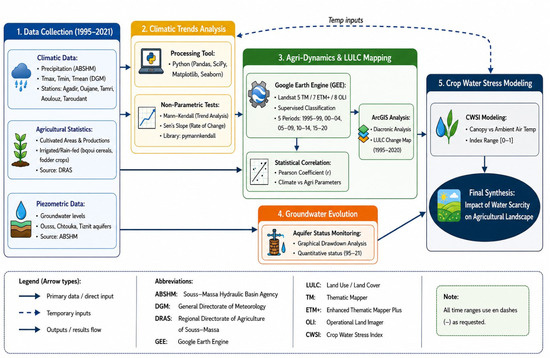
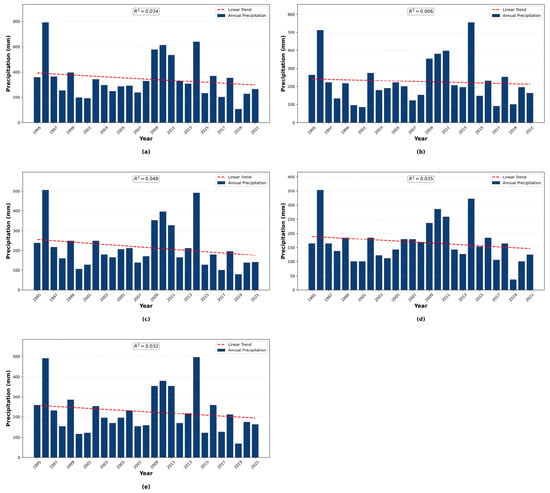
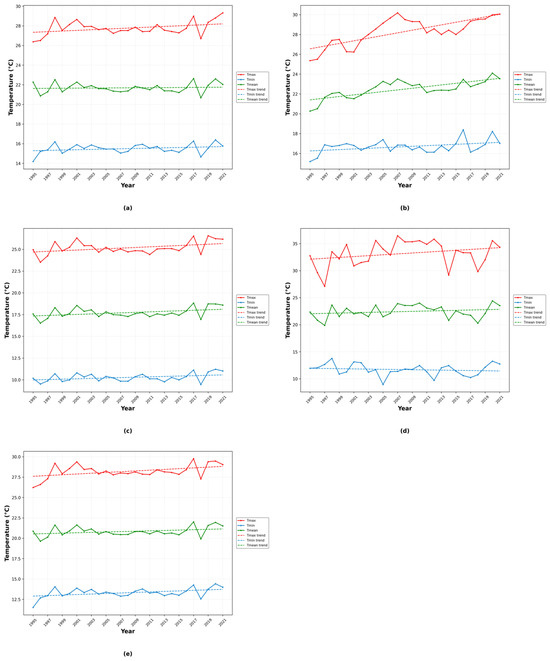
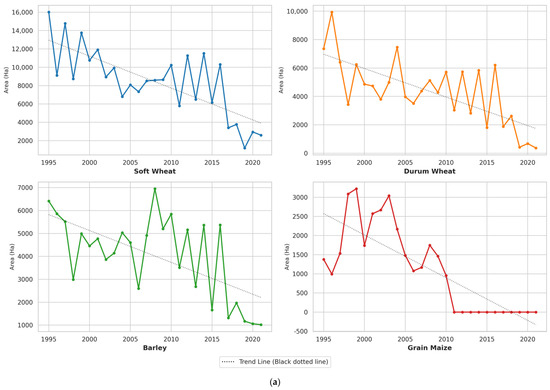
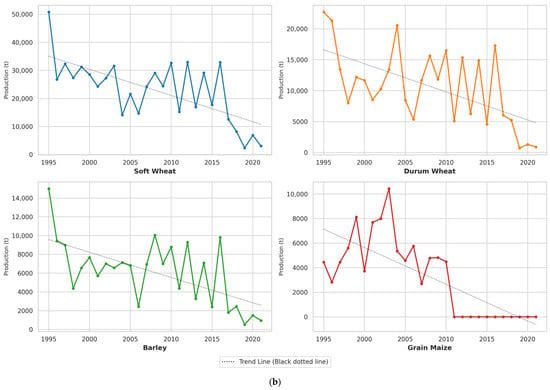
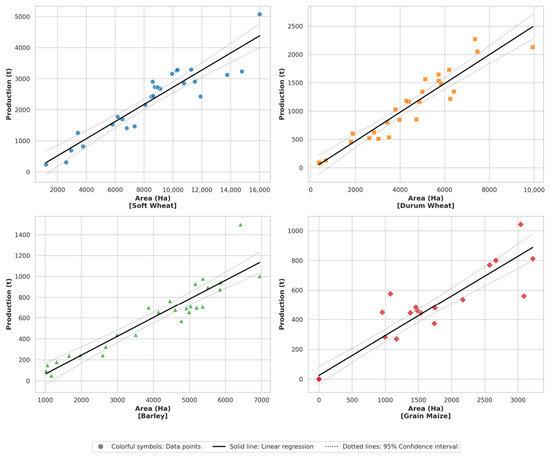
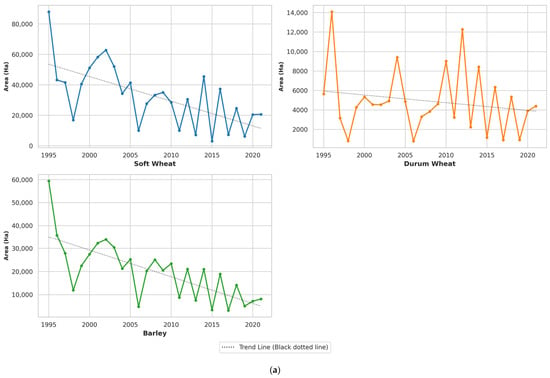
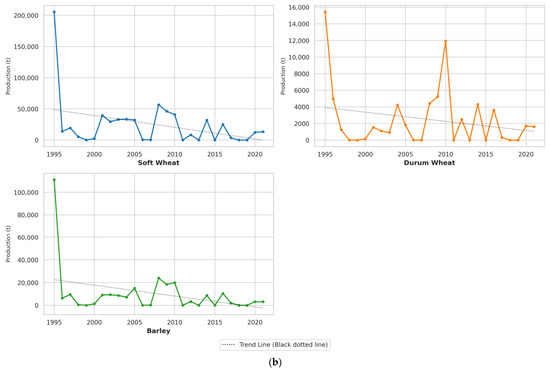
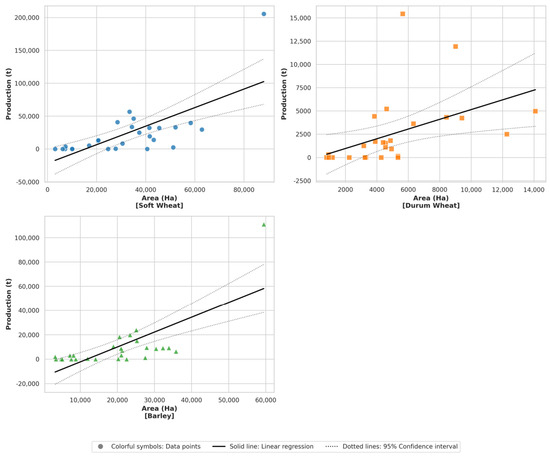
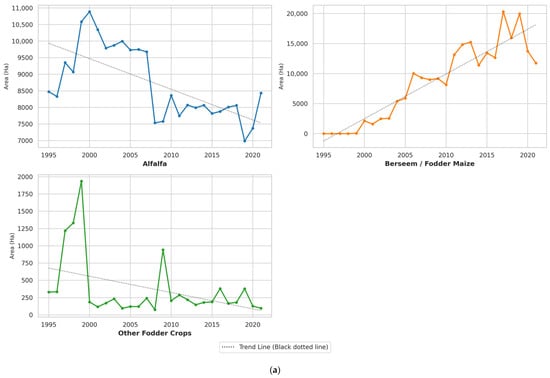
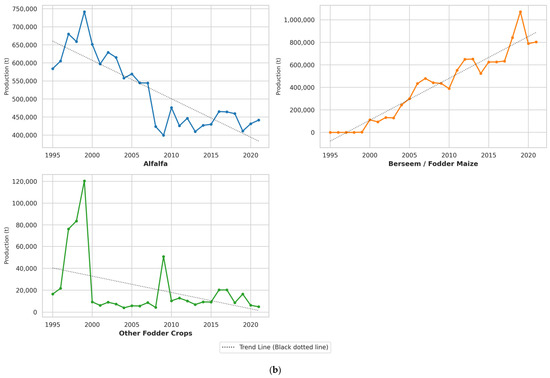
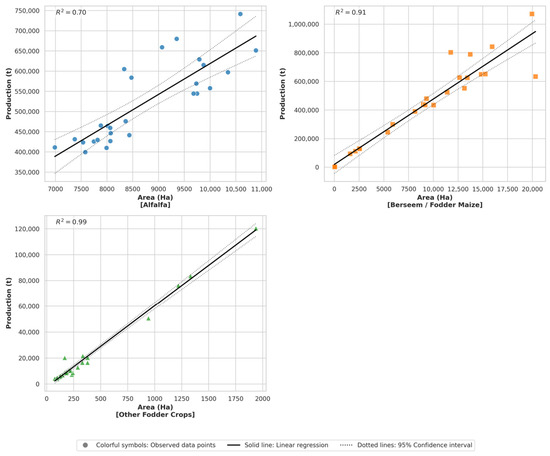
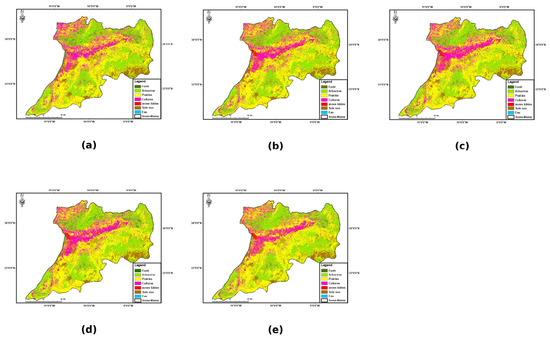
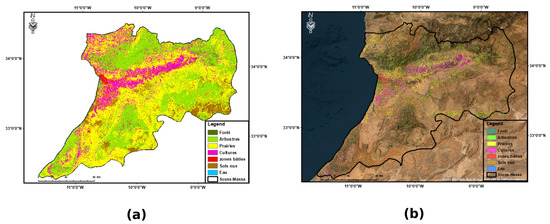
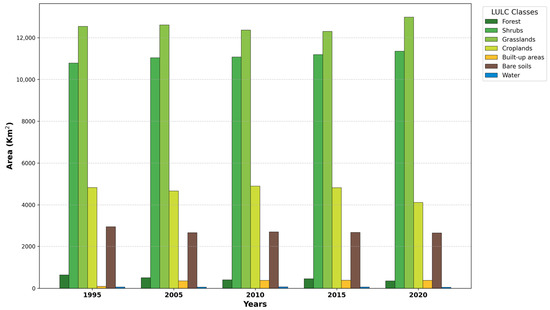
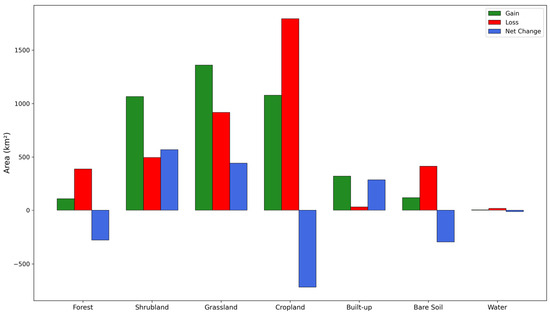
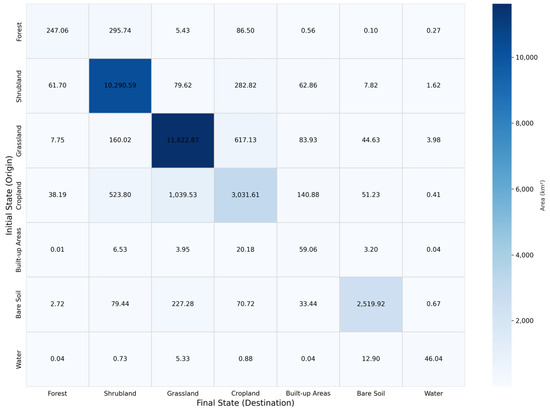
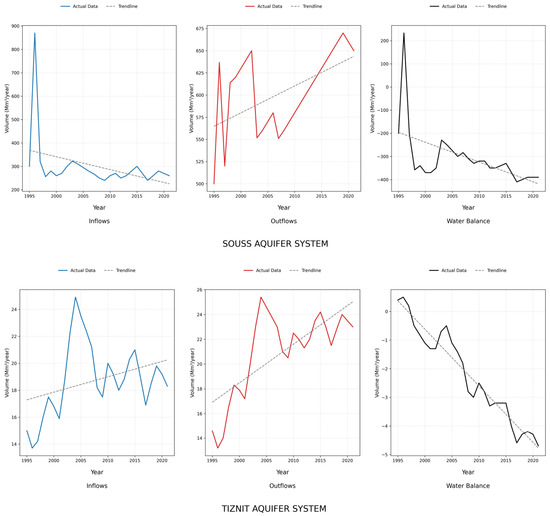
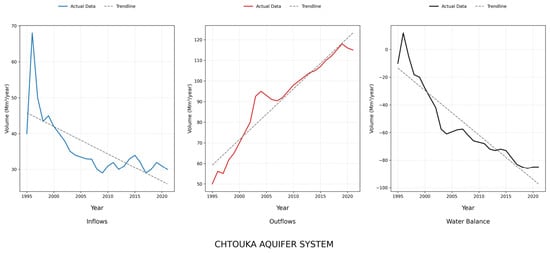
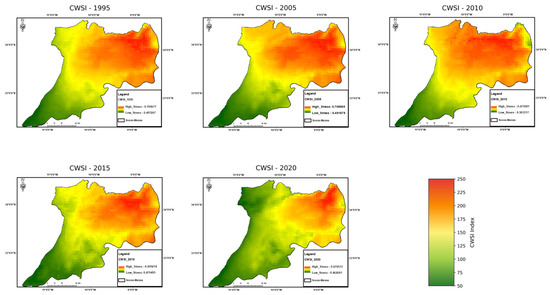
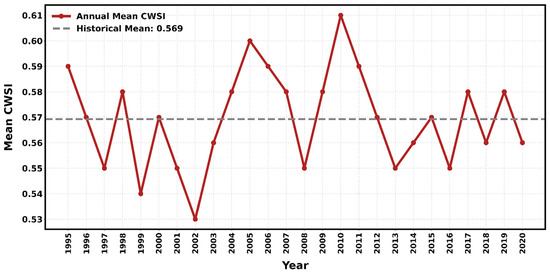
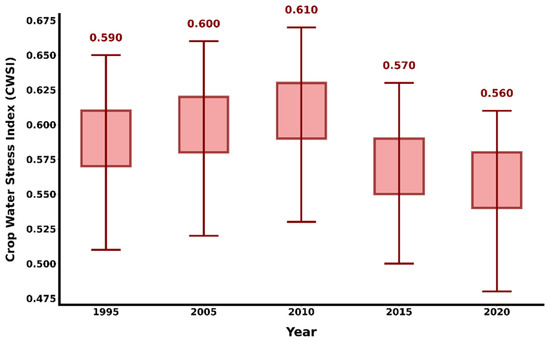
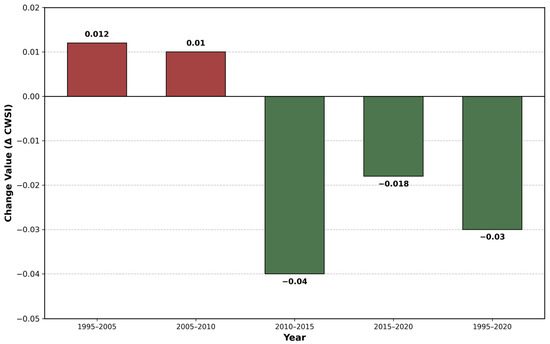
The Souss-Massa basin, one of Morocco’s major agricultural regions, is increasingly affected by water scarcity and climatic stress. However, the long-term interactions between hydro-climatic change and farmers’ cropping system adjustments remain insufficiently documented. This study analyzes hydro-climatic trends and agricultural transformations over the period 1995–2021. The methodology combines statistical trend analysis of meteorological data (Mann–Kendall test and Sen’s slope estimator), diachronic land use/land cover mapping using Google Earth Engine, Crop Water Stress Index (CWSI) assessment, and groundwater piezometric analysis. Results reveal declining and highly variable precipitation, together with a significant warming trend reaching +0.116 °C/year. In parallel, cultivated cereal areas (rainfed and irrigated) declined, while irrigated forage crops expanded, particularly Berseem/Maize. Despite increasing aridity, CWSI results indicate maintained crop vigor in irrigated areas, suggesting growing dependence on groundwater extraction. These findings highlight an ongoing agricultural transition that increases pressure on already vulnerable water resources and underscores the need for integrated climate adaptation and groundwater management strategies in the basin.
Full article

Figure 1
Open AccessArticle
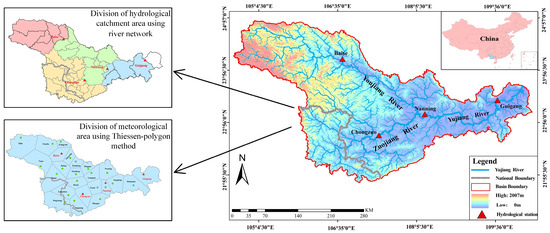
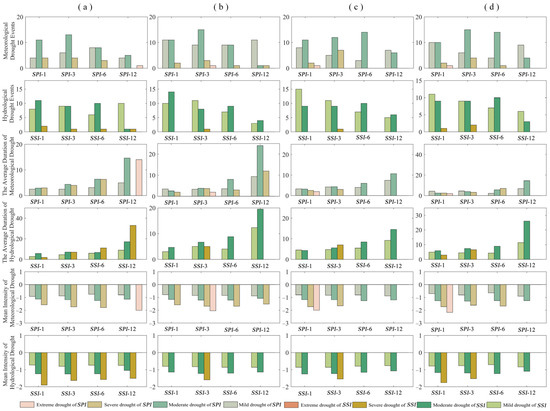
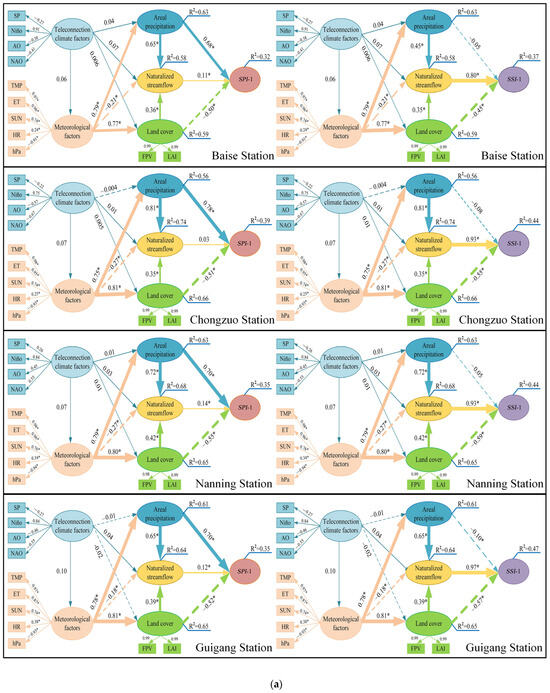
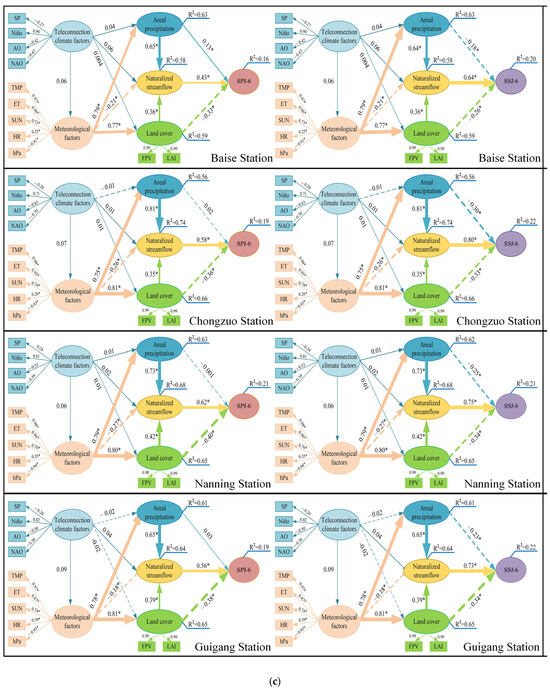
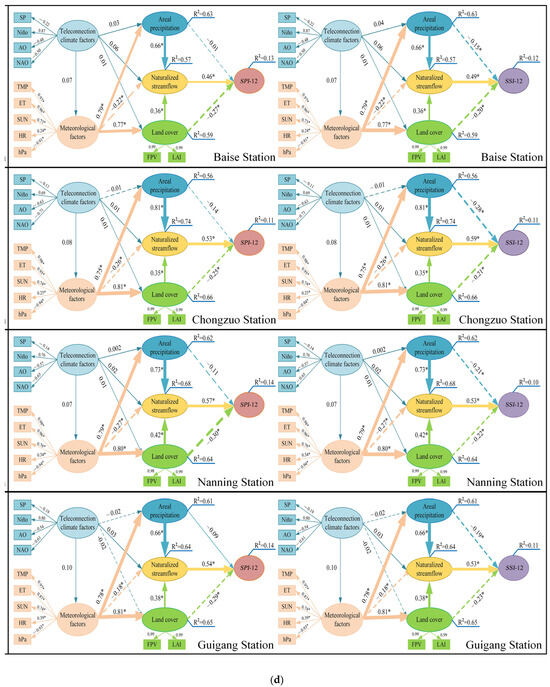
Multi-Scale Analysis of Meteorological and Hydrological Droughts in the Yujiang River Basin of Southern China: Response Mechanisms and Influencing Factors
by
Yanbing Huang, Xiaoli Yang, Xungui Li, Jian Sun, Qiyong Yang, Xu Dong and Yongjun Huang
Hydrology 2026, 13(5), 131; https://doi.org/10.3390/hydrology13050131 - 13 May 2026
Abstract
Drought exhibits a complex coupling response to regional meteorological factors, hydrological characteristics, land cover, and large-scale teleconnection climate indices, while their direct and indirect influences on multi-scale meteorological and hydrological droughts remain insufficiently understood, particularly in karst basins. This study investigated drought dynamics
[...] Read more.
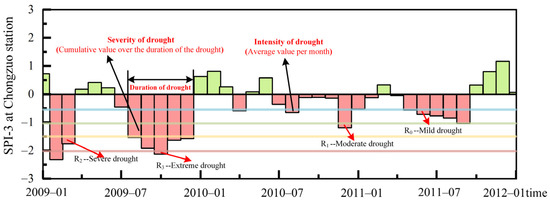
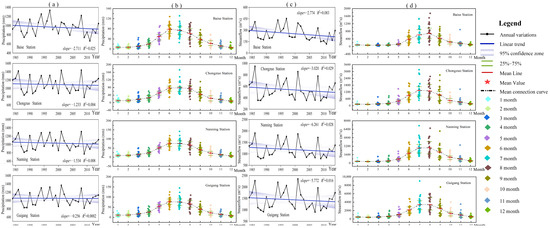
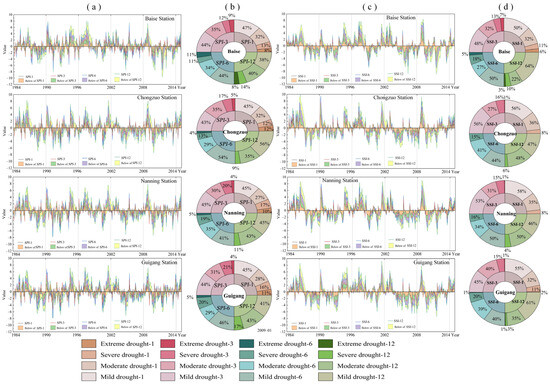
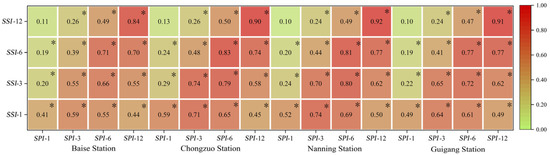
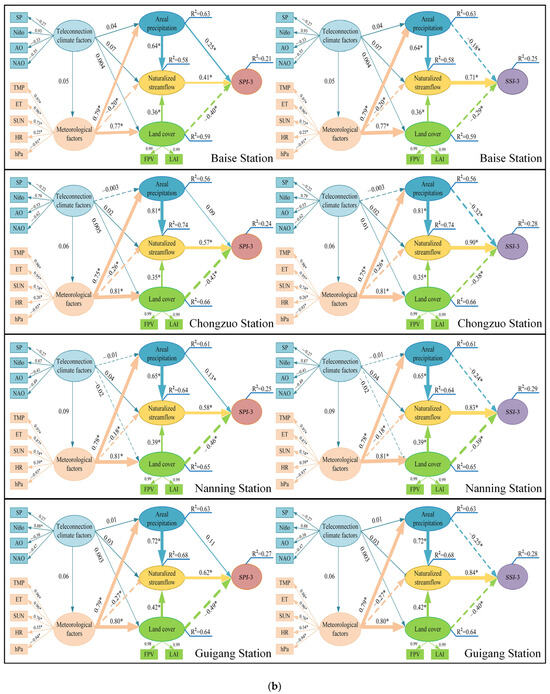
Drought exhibits a complex coupling response to regional meteorological factors, hydrological characteristics, land cover, and large-scale teleconnection climate indices, while their direct and indirect influences on multi-scale meteorological and hydrological droughts remain insufficiently understood, particularly in karst basins. This study investigated drought dynamics in China’s Yujiang River Basin using an integrated framework combining run theory, drought propagation analysis, and the partial least squares–structural equation model (PLS-SEM). We analyzed the 1-, 3-, 6-, and 12-month standardized precipitation index (SPI) and standardized streamflow index (SSI) at four hydrological stations during 1984–2014, together with meteorological factors, land cover indices, large-scale climate indices, areal precipitation, and naturalized streamflow. The results show that precipitation and streamflow exhibited slight declining tendencies with marked seasonal variability, and that drought durations of all severity levels generally decreased with increasing time scales. At the same time scale, SSI was more stable than SPI, and both indices tended to become more stable as the time scale increased. SPI-3 and SSI-1 were identified as the optimal time scales for monitoring meteorological and hydrological drought, respectively, providing a practical basis for drought identification and early warning in karst basins. Hydrological drought lagged meteorological drought by 1–3 months, indicating a measurable propagation time that is valuable for improving drought preparedness and water resources regulation. PLS-SEM further revealed that precipitation and streamflow were the dominant direct drivers of drought development, while land cover exerted a persistent negative effect, and climate-related factors mainly influenced drought indirectly. These findings enhance the understanding of drought propagation and multi-factor coupling mechanisms in karst basins and provide scientific support for regional drought monitoring and water resources management.
Full article
(This article belongs to the Section Water Resources and Risk Management)
►▼
Show Figures

Figure 1
Open AccessArticle
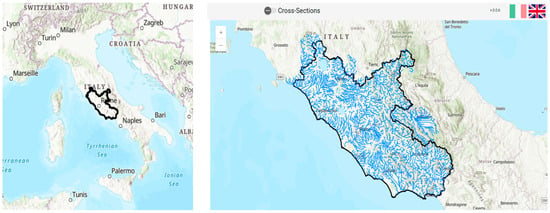
HYDROPOT: A Reproducible Geospatial Framework for Hydrological Descriptor Extraction and Regional Hydropower Screening in Ungauged Basins: A Case Study in the Lazio Region (Italy)
by
Andrea Petroselli
Hydrology 2026, 13(5), 130; https://doi.org/10.3390/hydrology13050130 - 12 May 2026
Abstract
►▼
Show Figures
Assessing hydropower potential in ungauged basins requires consistent derivation of key hydrological variables from heterogeneous geospatial and climatic data. Conventional GIS-based approaches often rely on fragmented, user-dependent workflows, limiting reproducibility and comparability. This study presents HYDROPOT, a web-based geospatial framework for the automated
[...] Read more.
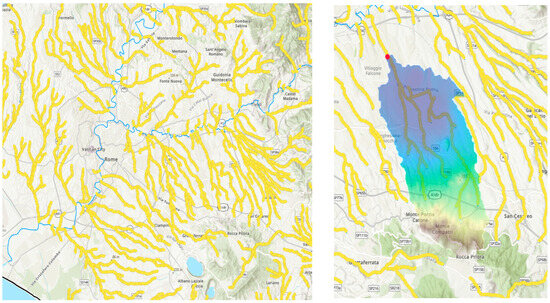
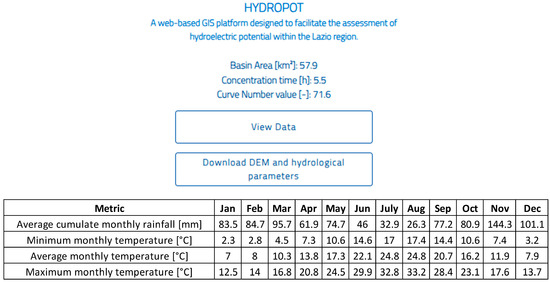
Assessing hydropower potential in ungauged basins requires consistent derivation of key hydrological variables from heterogeneous geospatial and climatic data. Conventional GIS-based approaches often rely on fragmented, user-dependent workflows, limiting reproducibility and comparability. This study presents HYDROPOT, a web-based geospatial framework for the automated and reproducible extraction of hydrologically relevant basin descriptors for regional-scale hydropower screening. The platform integrates centralized datasets with server-side geoprocessing to delineate upstream catchments and compute quantitative basin descriptors, including drainage area (2–400 km2), Curve Number (CN), concentration time, and spatially aggregated monthly thermo-pluviometric variables derived from 95 stations over the 2004–2022 period. These descriptors provide essential inputs for rainfall–runoff modeling and preliminary discharge estimation, thereby supporting (although not directly performing) the assessment of water availability in ungauged basins. By eliminating manual preprocessing, HYDROPOT ensures consistent and reproducible analyses, reducing user-induced variability and improving comparability across applications, without implying increased predictive accuracy. The framework, applied to the Lazio Region (Central Italy) over the 2004–2022 period, enables rapid and transparent screening of river reaches, offering a scalable decision-support tool for preliminary, input-based screening in early-stage small hydropower planning.
Full article

Figure 1
Open AccessArticle
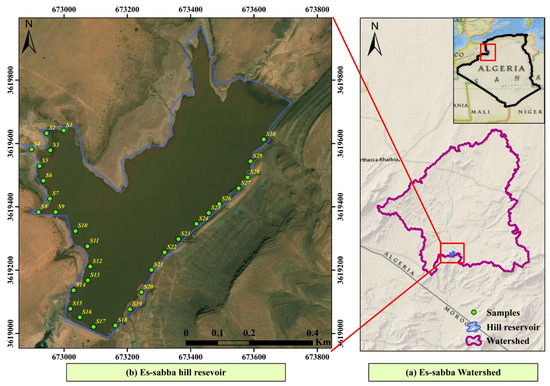
Integrated Geospatial Assessment of Soil Erosion, Water Quality, and Sediment Fertility for Sustainable Hill Reservoir Management in Arid Catchments: A Case Study of the Es-Sabba Watershed, Naama Province, Southwestern Algeria
by
Mohammed Khelifi, Abdessamed Derdour, Tayeb Nouri, Tayyib Moussaoui, Said Bouarfa, Sanliana, Wan Abd Al Qadr Imad Wan-Mohtar, Bilel Zerouali and Yong Jie Wong
Hydrology 2026, 13(5), 129; https://doi.org/10.3390/hydrology13050129 - 11 May 2026
Abstract
Small hill reservoirs in arid North Africa face accelerating threats from soil erosion and siltation, yet integrated assessments linking erosion dynamics, water quality, and soil fertility remain scarce. This study presents a multi-component geospatial assessment of the 345 km2 Es-Sabba watershed in
[...] Read more.
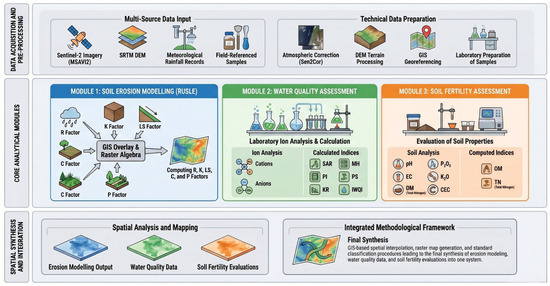
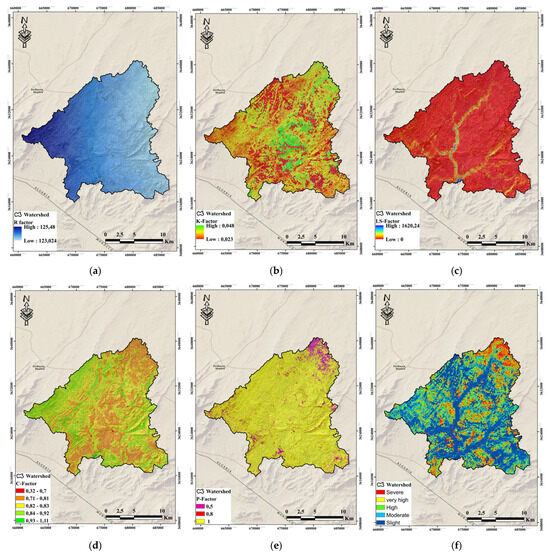
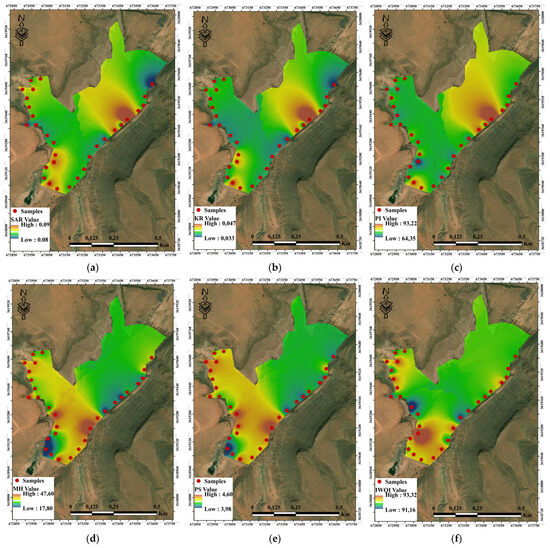
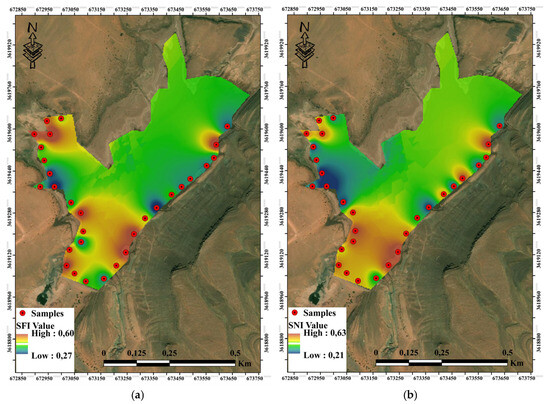
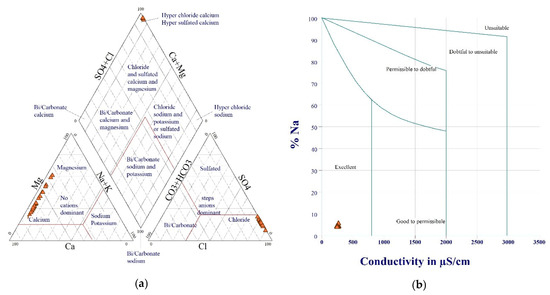
Small hill reservoirs in arid North Africa face accelerating threats from soil erosion and siltation, yet integrated assessments linking erosion dynamics, water quality, and soil fertility remain scarce. This study presents a multi-component geospatial assessment of the 345 km2 Es-Sabba watershed in the Saharan Atlas of southwestern Algeria. Soil loss was quantified using the revised universal soil loss equation (RUSLE) integrated with Sentinel-2 imagery, a 30 m digital elevation model (DEM), and GIS analysis for 2016–2025. The mean annual soil loss reached 26.3 t/ha/yr, with 68.4% of the watershed under high-to-severe erosion; topography and vegetation cover were the dominant controls. Estimated sediment delivery to the reservoir is 135,300 t/yr, projecting a functional lifespan of 11–15 years without intervention. Hydrochemical analysis classified reservoir water as alkaline- and sulfate-rich, yet suitable for irrigation with very low sodicity risk (sodium adsorption ratio, SAR = 0.08) and an excellent Irrigation Water Quality Index (IWQI = 91.75). Soils exhibited low-to-moderate fertility (mean soil fertility index, SFI = 0.416), with widespread nitrogen deficiency constraining vegetation-based erosion control. The integrated framework identifies circular-economy opportunities through nutrient-rich sediment reuse and provides actionable guidance for climate-resilient reservoir management in arid catchments.
Full article
(This article belongs to the Special Issue Integrated Surface Water and Groundwater Resource Management, 2nd Edition)
►▼
Show Figures

Figure 1
Open AccessArticle
Enhancing GEOGLOWS River Forecast System with a High-Resolution Pre-Processing Approach for Runoff Bias Correction
by
Juseth E. Chancay, Jorge Luis Sánchez-Lozano, Bryan G. Valencia, Mario Germán Trujillo-Vela, E. James Nelson, Riley C. Hales and Angélica L. Gutiérrez
Hydrology 2026, 13(5), 128; https://doi.org/10.3390/hydrology13050128 - 10 May 2026
Abstract
►▼
Show Figures
Accurate streamflow information is critical for early flood and drought warning. However, global hydrological forecasting systems are affected by residual errors in meteorological forcing, model structure, and routing, which propagate into simulated streamflow. Within the GEOGLOWS River Forecast System (RFS), ERA5 runoff biases
[...] Read more.
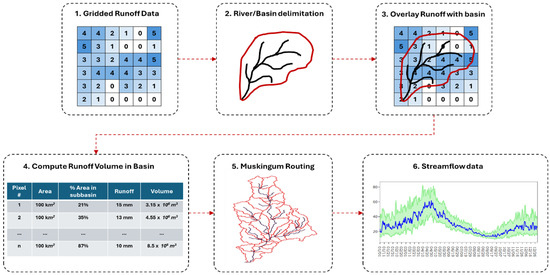
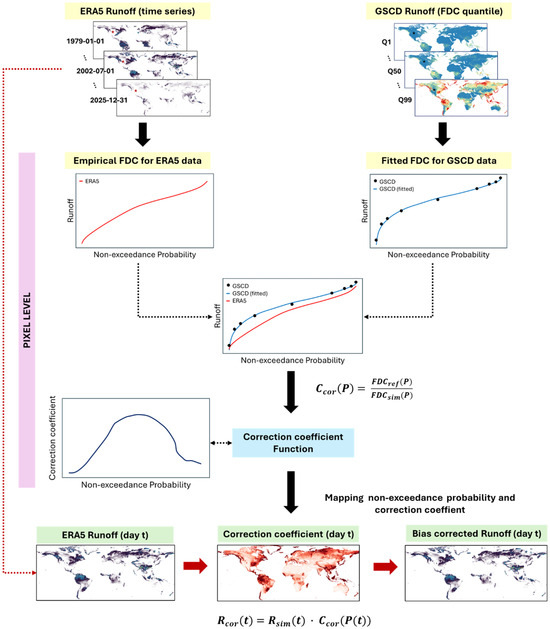
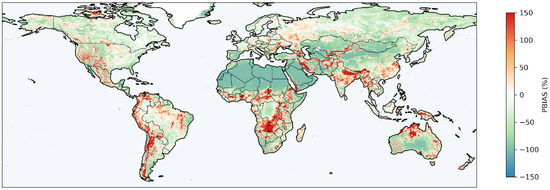
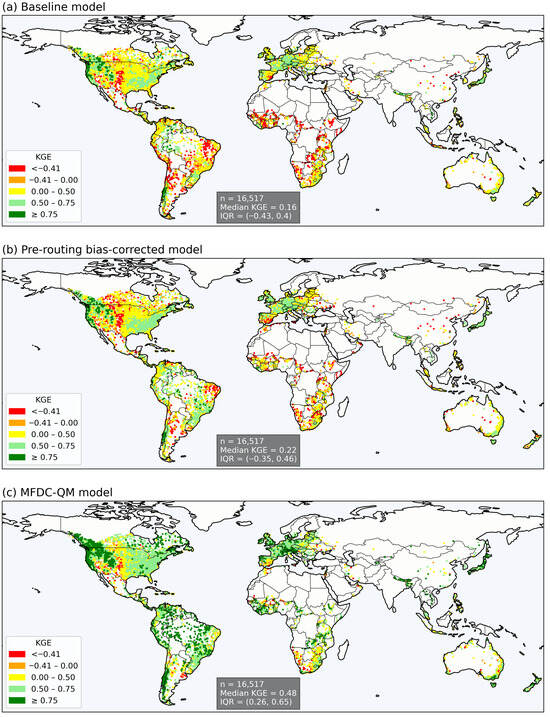
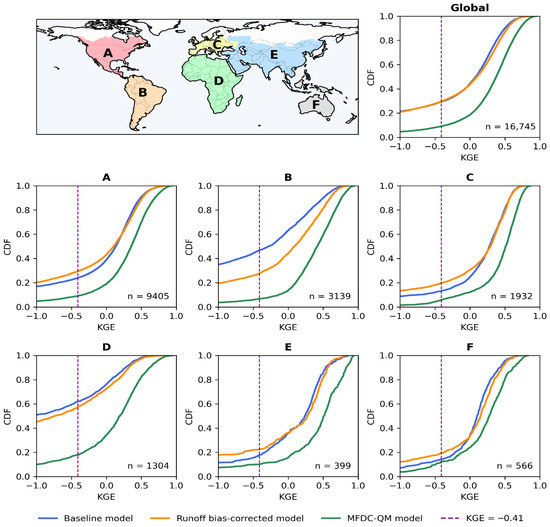
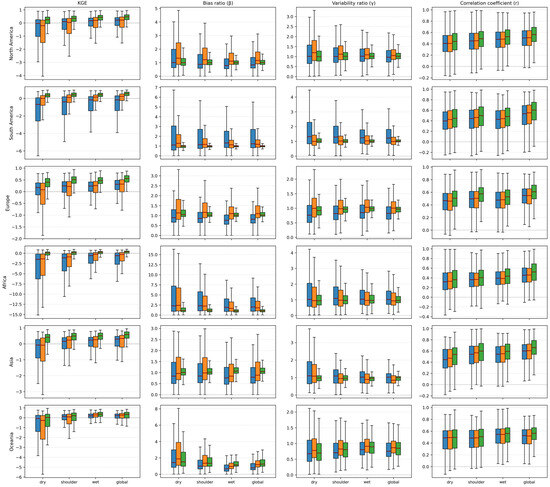
Accurate streamflow information is critical for early flood and drought warning. However, global hydrological forecasting systems are affected by residual errors in meteorological forcing, model structure, and routing, which propagate into simulated streamflow. Within the GEOGLOWS River Forecast System (RFS), ERA5 runoff biases are routed into streamflow simulations. The most effective operational bias-correction method, MFDC-QM, requires local discharge observations and cannot be applied consistently in ungauged basins. This study evaluates a pre-routing, grid-scale runoff bias-correction framework that adjusts ERA5 runoff before routing by combining Flow Duration Curve (FDC) mapping and Sparse Cumulative Distribution Function (CDF) matching, using GSCD as a spatially distributed reference runoff data. Baseline GEOGLOWS RFS, pre-routing correction, and MFDC-QM were compared for 1980–2025 using 16,517 gauging stations, Kling–Gupta Efficiency (KGE), and paired significance tests. Globally, the median KGE increased modestly from 0.16 to 0.22, compared with 0.48 for MFDC-QM. Results demonstrate a clear regional dependence: pre-routing correction produced statistically significant gains in South America and Africa (p < 0.05), where ERA5 runoff exhibits stronger residual biases, but had limited effects in Europe and North America, where dense hydrometeorological networks likely impose stronger observational constraints on the underlying reanalysis. These patterns show that pre-routing correction is most valuable where residual forcing bias is large and observational constraints are limited, complementing observation-based post-processing in ungauged, data-limited regions.
Full article

Figure 1
Open AccessArticle
Regionalization of Short-Duration Storm Temporal Patterns Using Huff Curves in a Coastal Tropical Region
by
Valeria Hernández Zambrano, Luis Simancas Martínez, Andrés Hatum Pontón and John J. Ramirez-Avila
Hydrology 2026, 13(5), 127; https://doi.org/10.3390/hydrology13050127 - 8 May 2026
Abstract
Tropical coastal regions exhibit pronounced spatial and temporal variability in rainfall driven by seasonal atmospheric circulation and coastal–orographic interactions. Accurate representation of the temporal distribution of rainfall is essential for hydrologic modeling and infrastructure design. This study develops regionalized Huff curves for the
[...] Read more.
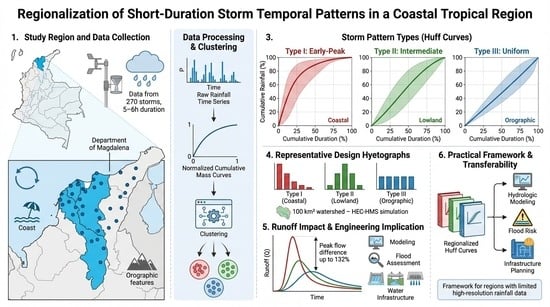
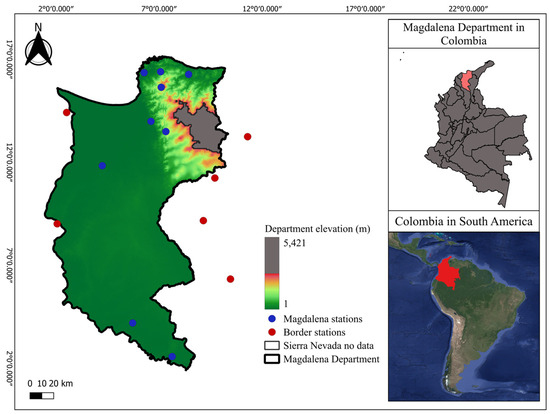
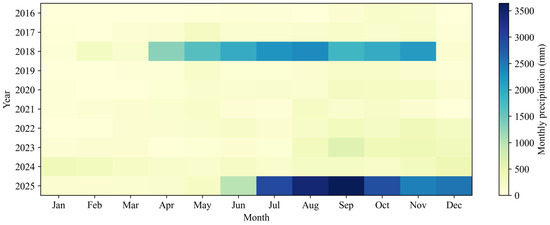
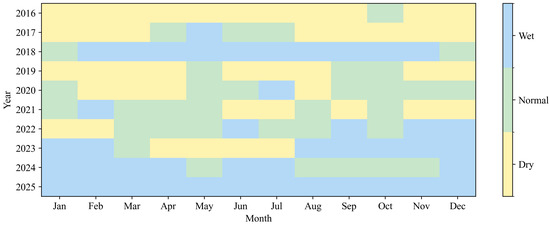
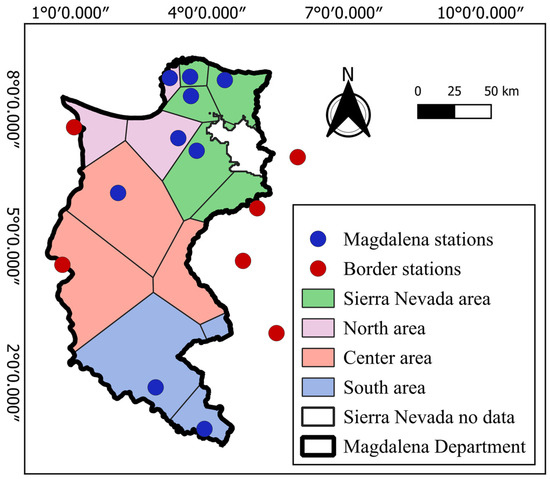
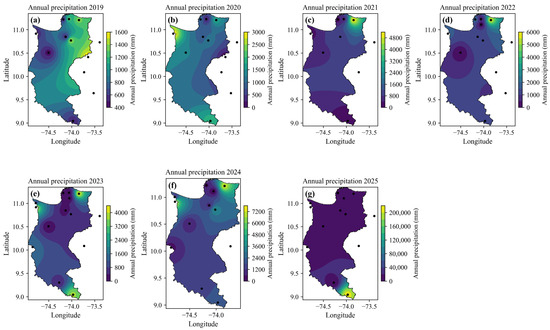
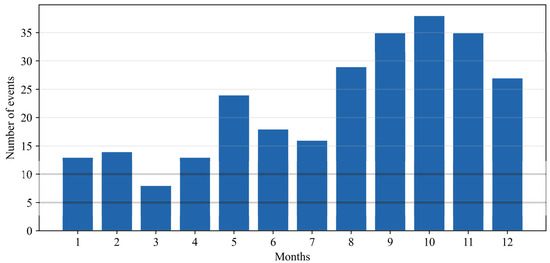
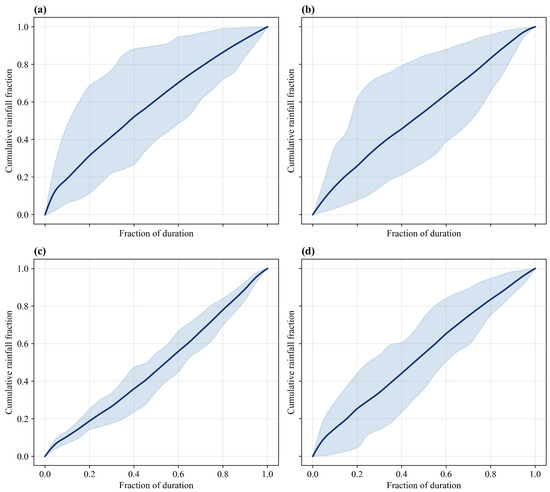
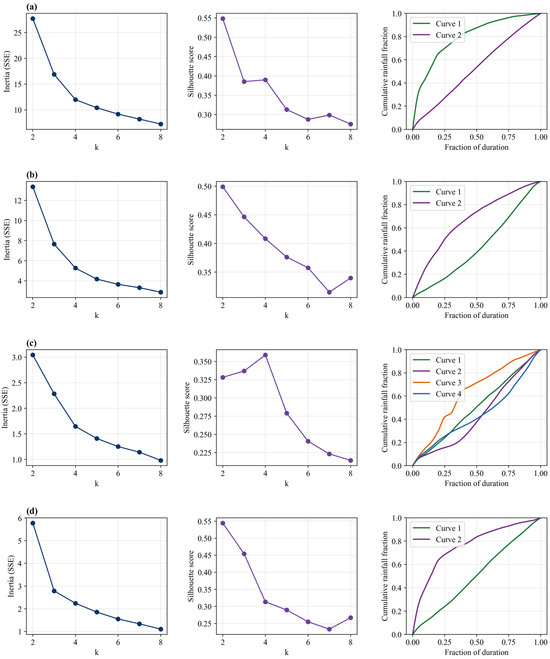
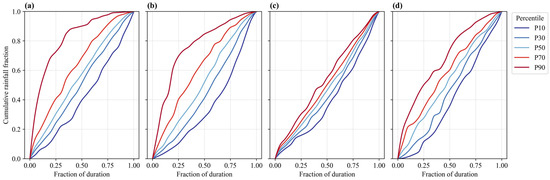
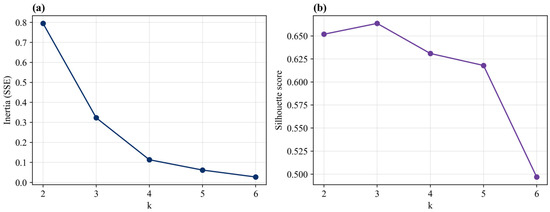
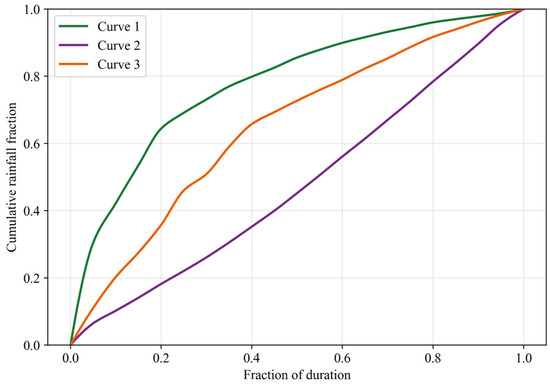
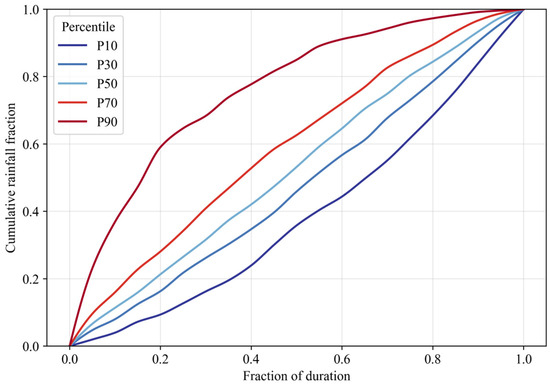
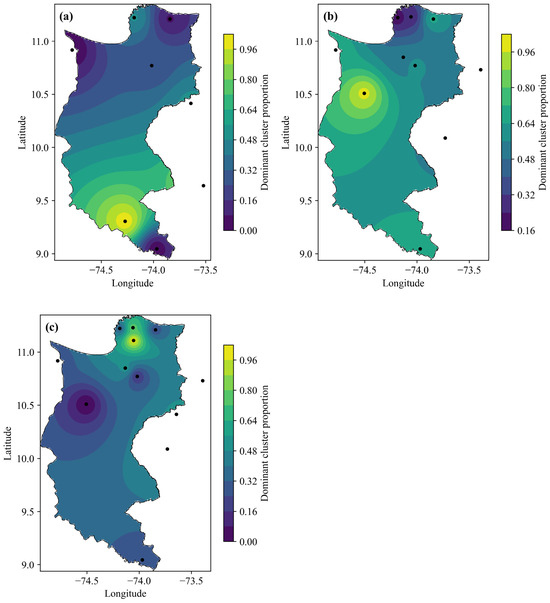
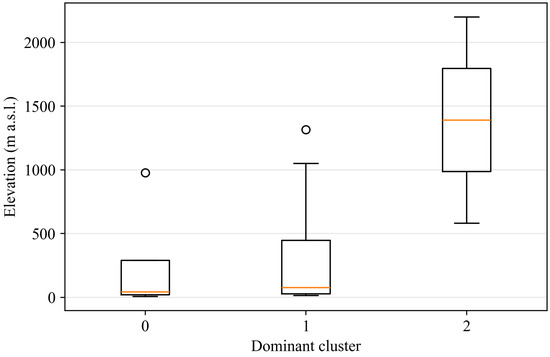
Tropical coastal regions exhibit pronounced spatial and temporal variability in rainfall driven by seasonal atmospheric circulation and coastal–orographic interactions. Accurate representation of the temporal distribution of rainfall is essential for hydrologic modeling and infrastructure design. This study develops regionalized Huff curves for the Department of Magdalena, Colombia, addressing a critical gap in the characterization of rainfall temporal patterns in tropical coastal regions. A total of 270 short-duration (5–6 h) rainfall events from automatic stations were converted into normalized cumulative mass curves. The resulting curves were grouped into homogeneous temporal patterns using clustering algorithms. Three dominant storm types were identified: early-peak (Curve 1), intermediate (Curve 2), and uniform (Curve 3), reflecting the region’s coastal, lowland, and orographic influences. Probability envelopes and representative design hyetographs were derived to quantify intra-event variability. Rainfall–runoff simulations for a 100-km2 watershed showed peak-flow differences of up to 132% between storm types, highlighting the sensitivity of hydrologic response to rainfall temporal distributions. The resulting regionalized Huff curves provide a practical and transferable framework for hydrologic modeling, flood-risk assessment, and infrastructure planning in tropical regions with limited high-resolution rainfall data.
Full article
(This article belongs to the Section Hydrological and Hydrodynamic Processes and Modelling)
►▼
Show Figures

Graphical abstract
Open AccessArticle
Attribute Analysis and Quantitative Estimation of Runoff Reduction in the Upper Yangtze River Basin Under Changing Environment
by
Xiaoya Wang, Shenglian Guo, Hua Chen, Bokai Sun and Xin Xiang
Hydrology 2026, 13(5), 126; https://doi.org/10.3390/hydrology13050126 - 8 May 2026
Abstract
►▼
Show Figures
Under the influence of climate change and human activities, hydrologic regime and runoff in the upper Yangtze River basin (UYRB) have exhibited significant alterations. This study aims to address the primary drivers of runoff change and the destination of runoff reduction. Based on
[...] Read more.
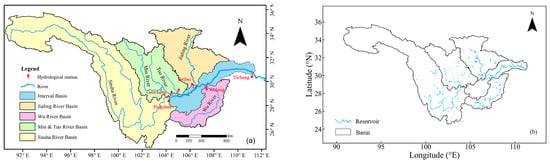
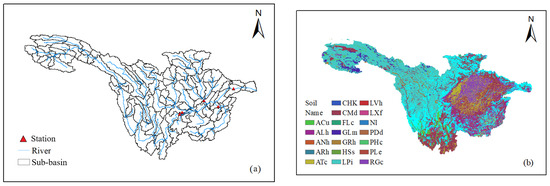
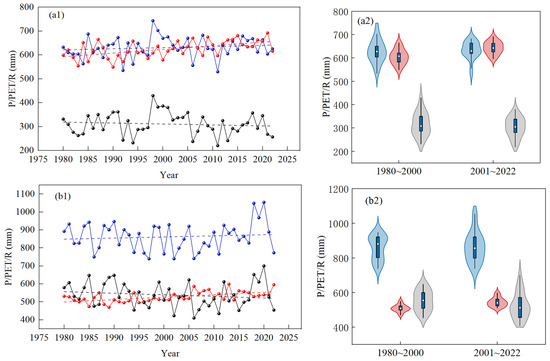
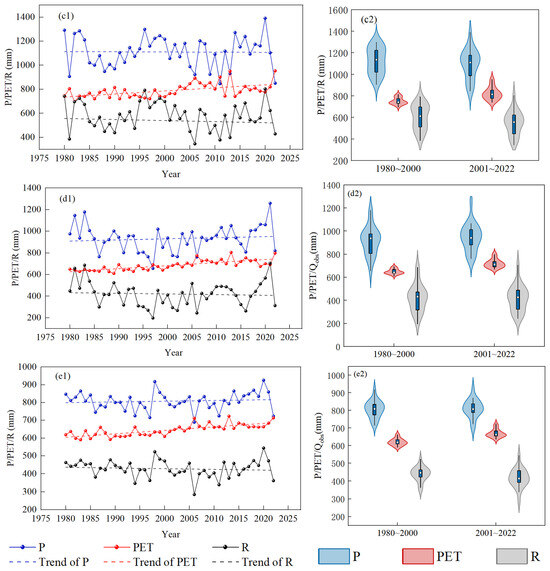
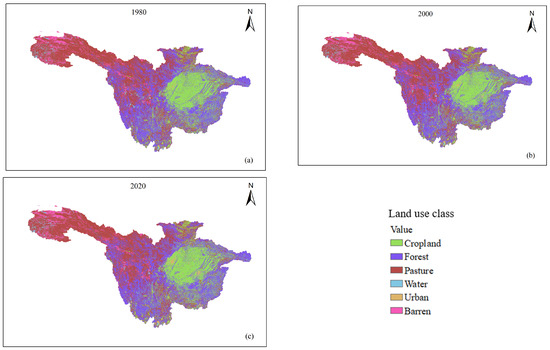
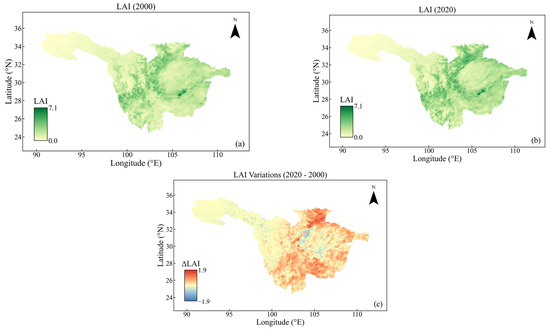
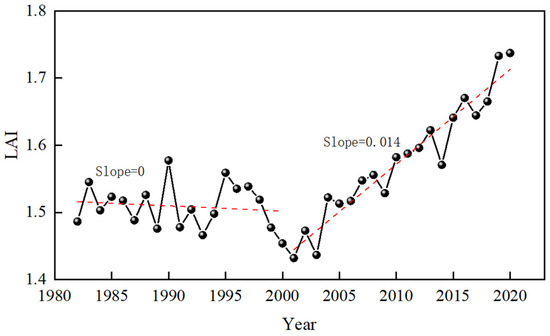
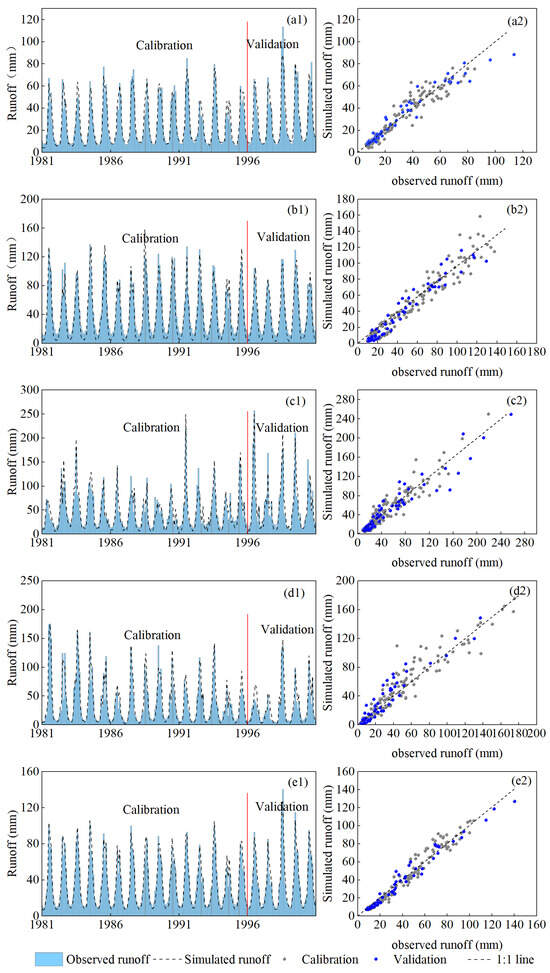
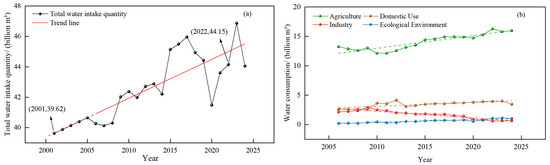
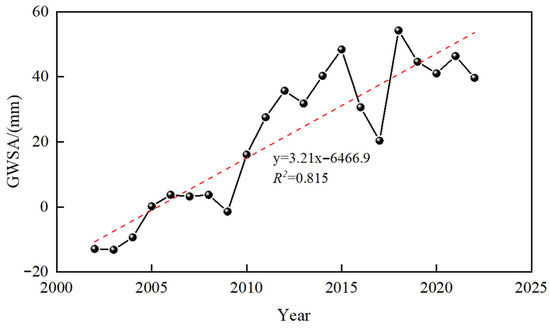
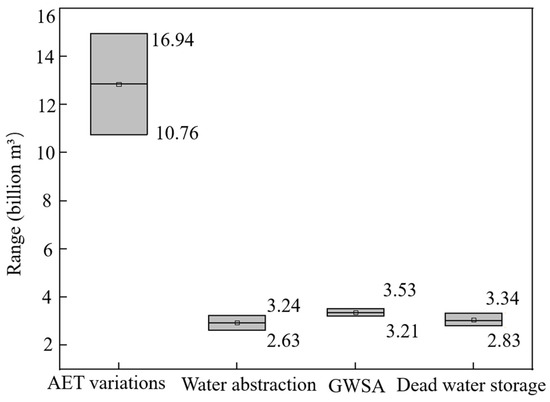
Under the influence of climate change and human activities, hydrologic regime and runoff in the upper Yangtze River basin (UYRB) have exhibited significant alterations. This study aims to address the primary drivers of runoff change and the destination of runoff reduction. Based on hydro-meteorological data from 1980 to 2022 and other related datasets, the temporal trend in hydro-meteorological variables was analyzed, and the impacts of climate change and human activities on runoff were quantified using the SWAT model. The destination of runoff reduction was also addressed based on the water balance equation. The SWAT model was calibrated using a top-down sequential strategy at five hydrological stations. The results show that despite a slight increase in precipitation and a pronounced rise in potential evapotranspiration, the annual average runoff at Yichang station is decreased by 22.3 billion m3. The SWAT model can simulate the monthly runoff hydrograph well with the NSE exceeding 0.85 during calibration and validation periods in the UYRB. Attribution analysis reveals that the contribution rate of climate change and human activities on runoff are 36.21% and 63.79% at the Yichang station, respectively. The annual average runoff change can be attributed to four pathways: (1) actual evapotranspiration increases due to land use and land cover (LULC) change and basin greening (−12.85 billion m3); (2) water intake and consumption increase (−2.94 billion m3); (3) reservoir dead storage impoundment (−3.34 billion m3); and (4) ground water storage variations (−3.21 billion m3). These findings highlight the impact of human water abstraction and land use change on runoff, providing a scientific basis for water resource management in the UYRB.
Full article

Figure 1
Open AccessArticle
Spatiotemporal Variability in the C-Factor: Validation and Comparative Evaluation of NDVI and RUSLE2 C-Factor Estimation Approaches
by
Nabil Allataifeh, Ramesh Rudra, Prasad Daggupati, Pradeep Goel, Shiv Prasher and Rituraj Shukla
Hydrology 2026, 13(5), 125; https://doi.org/10.3390/hydrology13050125 - 5 May 2026
Abstract
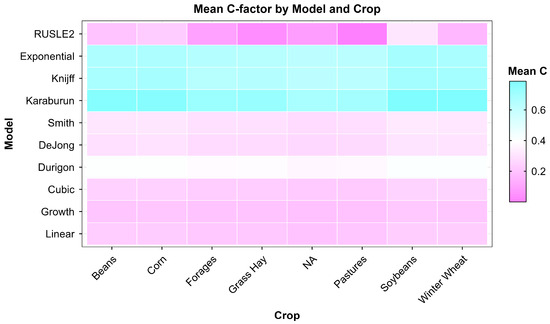
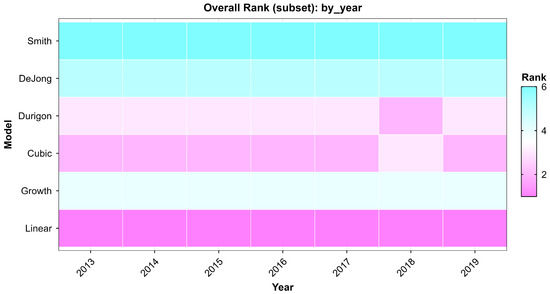
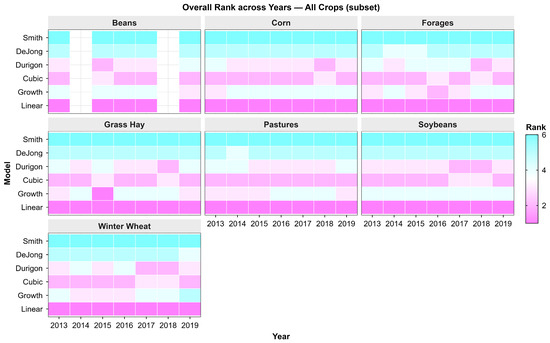
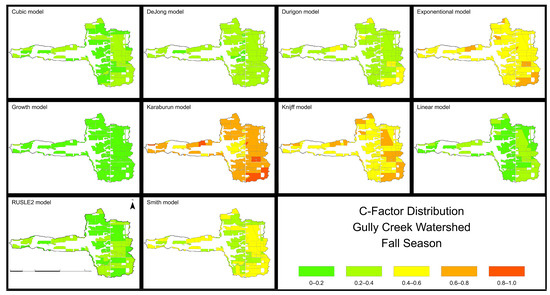
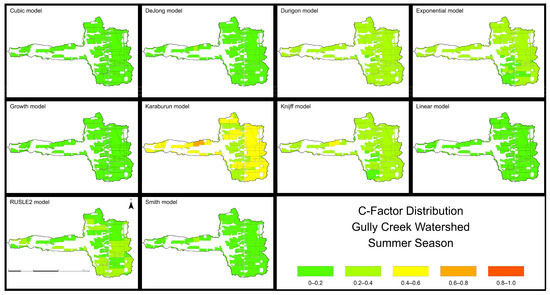
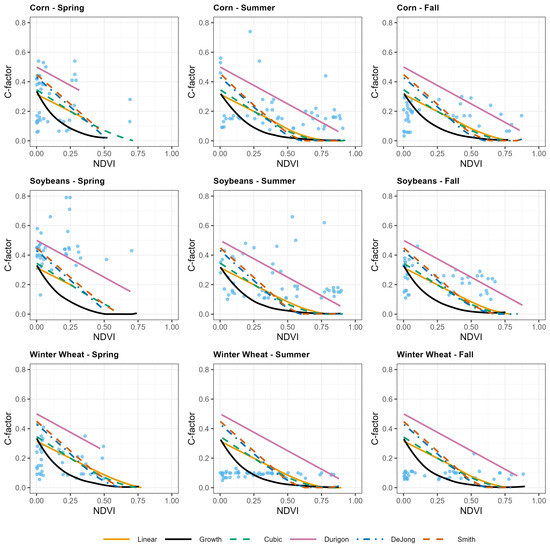
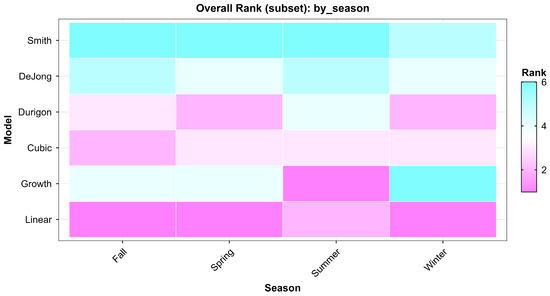
NDVI-based approaches offer an efficient method for estimating the C-factor, providing continuous spatial coverage and enabling monitoring of short-term changes in vegetation and management practices. This study aims to evaluate the performance of nine well-established NDVI-based C-factor models compared to RUSLE2 model estimates
[...] Read more.
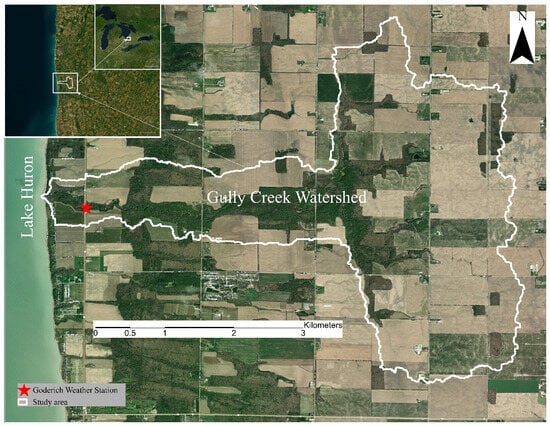
NDVI-based approaches offer an efficient method for estimating the C-factor, providing continuous spatial coverage and enabling monitoring of short-term changes in vegetation and management practices. This study aims to evaluate the performance of nine well-established NDVI-based C-factor models compared to RUSLE2 model estimates across a specific crop type, different tillage methods, and multiple time scales (monthly, seasonal, and yearly). While some NDVI models showed promising agreement with RUSLE2 estimates, this alignment was not sufficient to ensure accurate C-factor representation in the Gully Creek watershed. The results show that NDVI-based model performance varies systematically with crop type, tillage practice, and temporal scale. Monthly estimates generally reflect broader seasonal patterns, indicating that finer temporal resolution captures intra-seasonal variability without altering overall trends. These findings highlight the importance of accounting for spatial and temporal heterogeneity in C-factor estimation, as model effectiveness depends on local crop composition, management intensity, and temporal resolution rather than a single universally applicable approach.
Full article
(This article belongs to the Special Issue The Influence of Landscape Disturbance on Catchment Processes)
►▼
Show Figures

Figure 1

Open AccessArticle
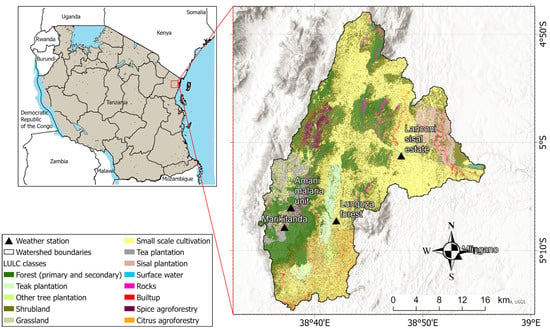
How Spatial Resolution of Soil Information Affects Hydrological Modeling in More Complex Topography—A Comparison for a Mesoscale Mountainous Watershed in NE Tanzania
by
Simon Chidodo, Oforo Didas Kimaro, Lulu Zhang and Karl-Heinz Feger
Hydrology 2026, 13(5), 124; https://doi.org/10.3390/hydrology13050124 - 4 May 2026
Abstract
Integrated watershed management relies on distributed hydrological models to simulate water transport processes and support decision-making. However, model reliability is often constrained by the resolution and quality of input data, particularly soil information. High-resolution soil datasets remain scarce in many regions of Sub-Saharan
[...] Read more.
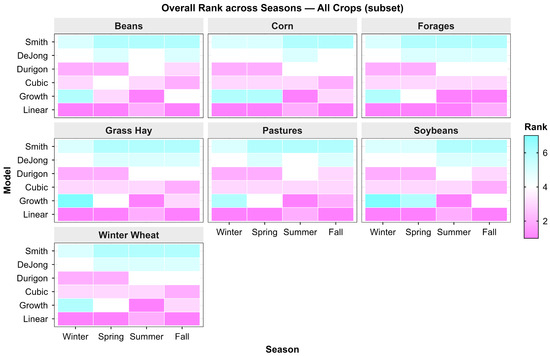
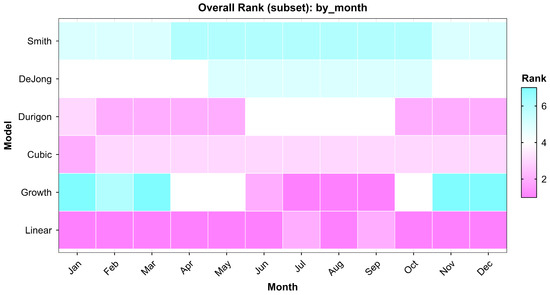
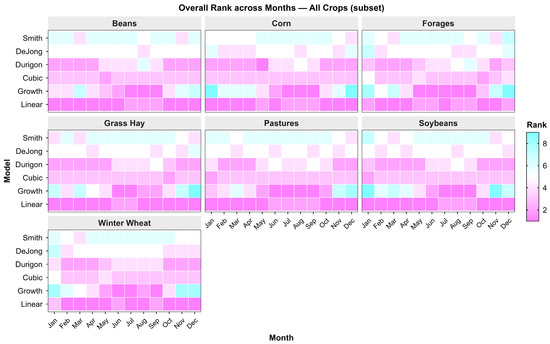
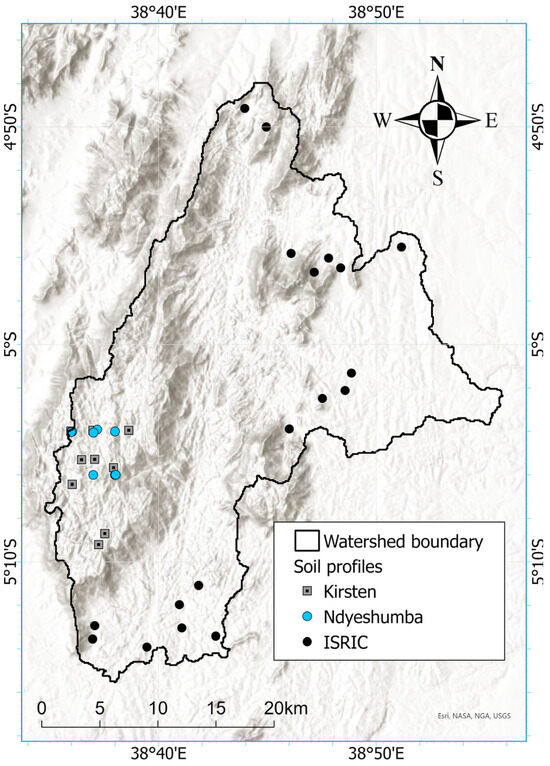
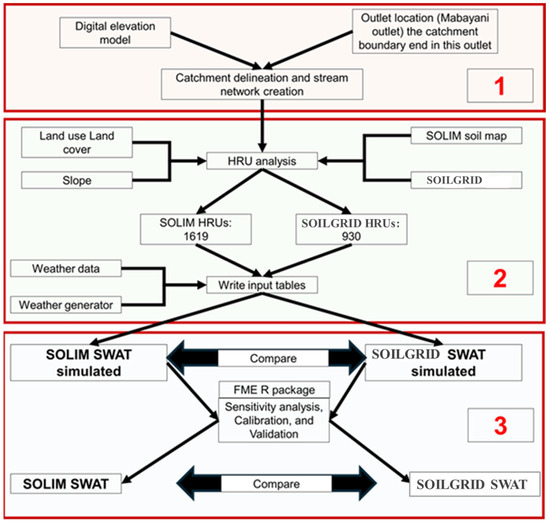
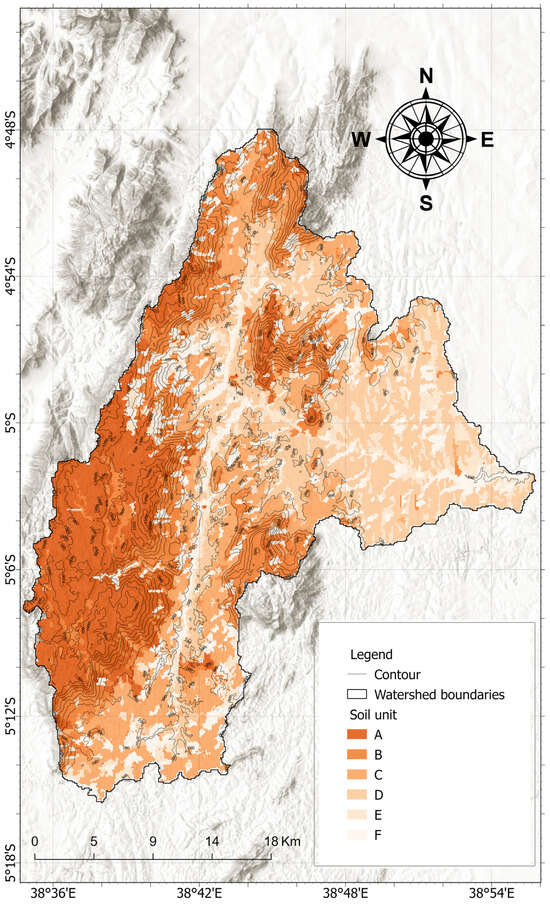
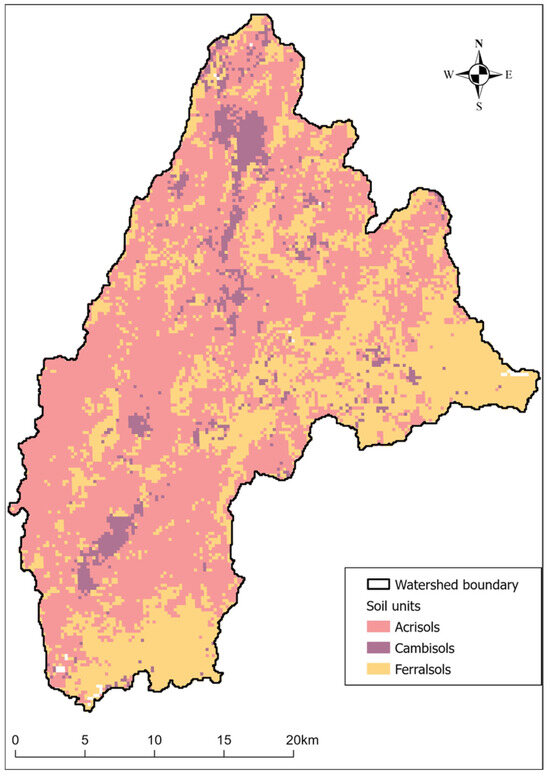
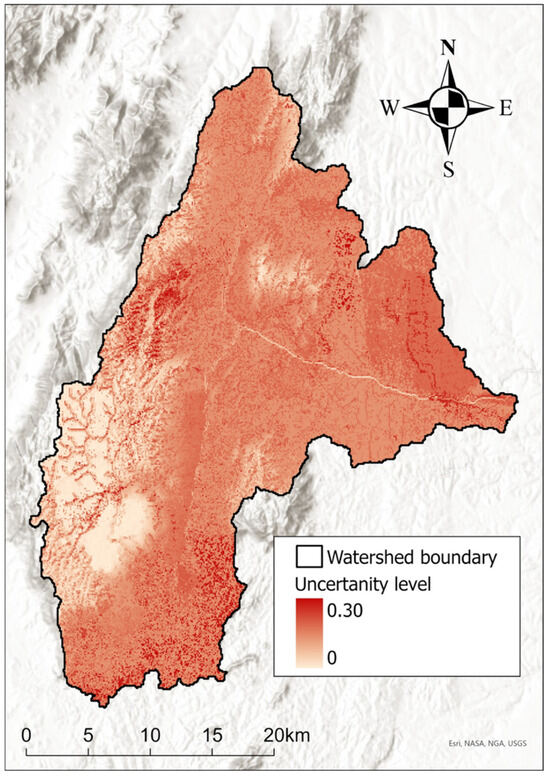
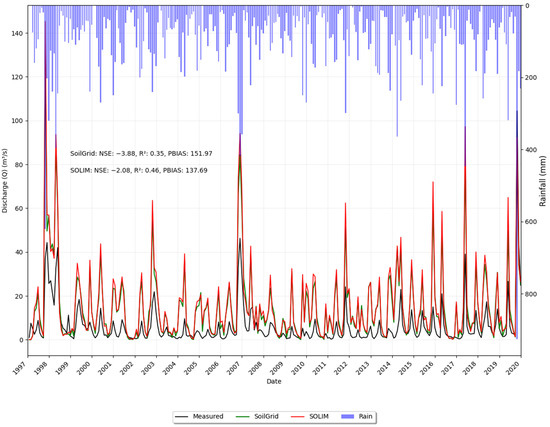
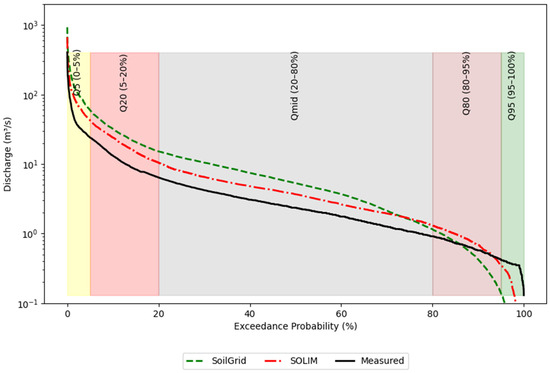
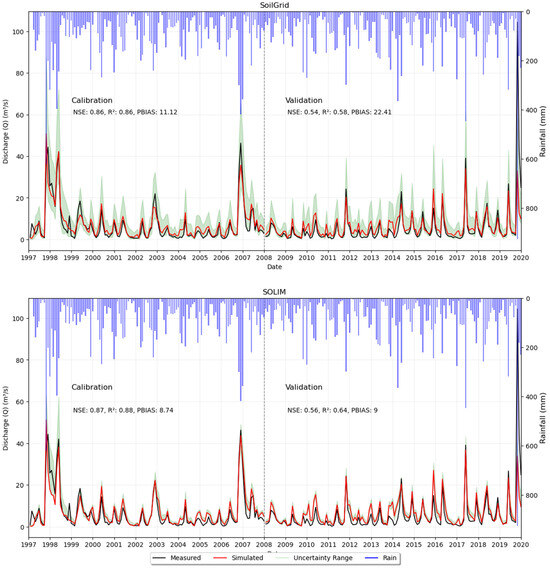
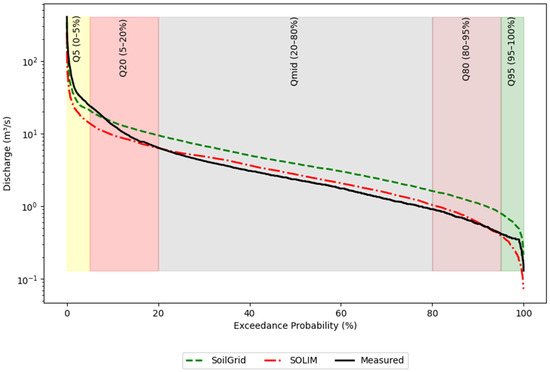
Integrated watershed management relies on distributed hydrological models to simulate water transport processes and support decision-making. However, model reliability is often constrained by the resolution and quality of input data, particularly soil information. High-resolution soil datasets remain scarce in many regions of Sub-Saharan Africa, limiting the representation of spatial soil heterogeneity in hydrological simulations. This study evaluates the effect of detailed soil information derived using the Soil–Land Inference Model (SoLIM) on the performance of the Soil and Water Assessment Tool (SWAT) in the Sigi River watershed, a topographically complex watershed in northeastern Tanzania. Two model setups were compared: (i) a high-resolution SoLIM-based soil dataset and (ii) the coarser global ISRIC SoilGrids database. The SoLIM-informed model better reproduced hydrographs and flow duration curves and showed stronger parameter sensitivities, achieving superior calibration performance (NSE = 0.87, PBIAS = 8.7%) compared to SoilGrids (NSE = 0.86, PBIAS = 11.1%). Hydrological component analysis further revealed that SoLIM enhanced baseflow (181 vs. 60 mm/year) and percolation (349 vs. 135 mm/year) while reducing surface runoff (263 vs. 474 mm/year). These findings demonstrate that high-resolution soil data measurably improve the representation of subsurface processes and moderately improve streamflow performance, especially for baseflow and low-flow regimes; reduce model uncertainty; and improve the robustness of SWAT simulations, thereby supporting more effective watershed management in data-scarce and heterogeneous landscapes.
Full article
(This article belongs to the Section Soil and Hydrology)
►▼
Show Figures

Figure 1
Open AccessArticle
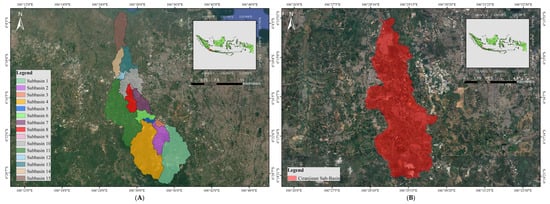
Quantifying the Role of Urban Development and Rainfall Shifts in Dynamic Hydrological Extremes
by
Wati Asriningsih Pranoto, Rijal Muhammad Fikri, Doddi Yudianto, Steven Reinaldo Rusli and Obaja Triputera Wijaya
Hydrology 2026, 13(5), 123; https://doi.org/10.3390/hydrology13050123 - 30 Apr 2026
Abstract
►▼
Show Figures
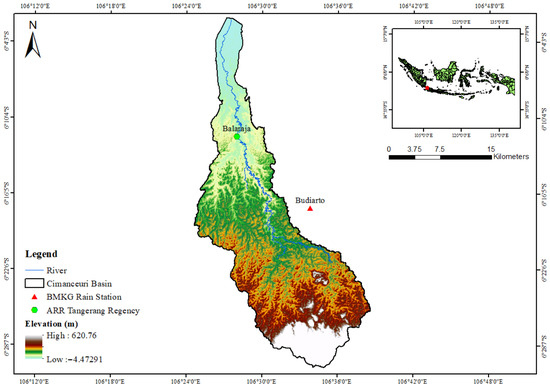
Urbanization, together with shifts in rainfall patterns, has become an increasingly important driver of hydrological extremes in many rapidly developing tropical regions. In the Cimanceuri River Basin, Tangerang Regency, Indonesia, these processes have intensified over the last decade, raising concerns regarding flood risk.
[...] Read more.
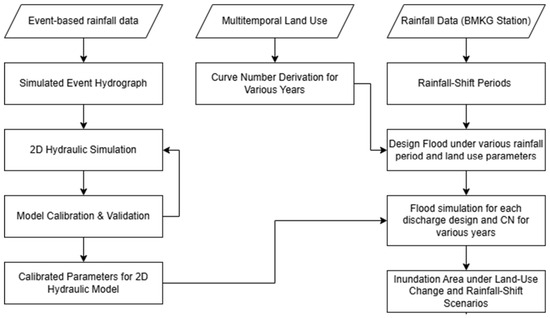
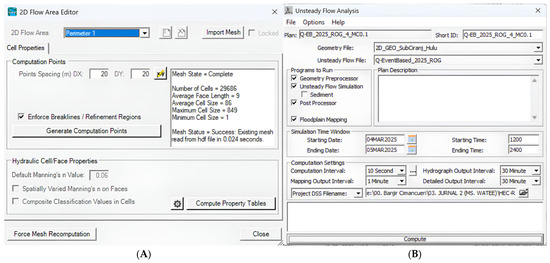
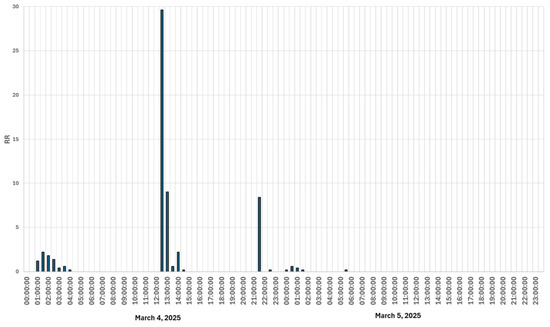
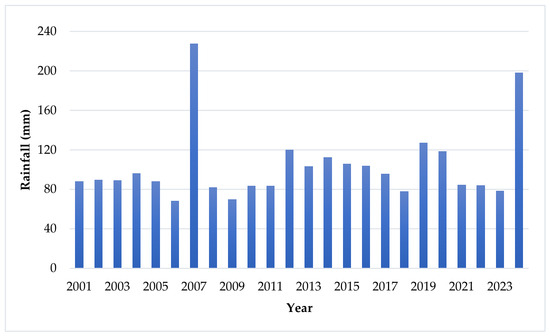
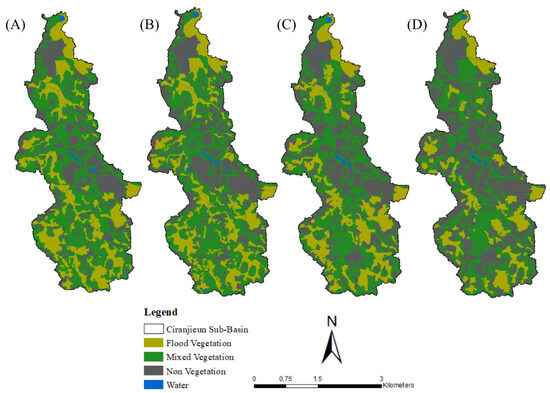
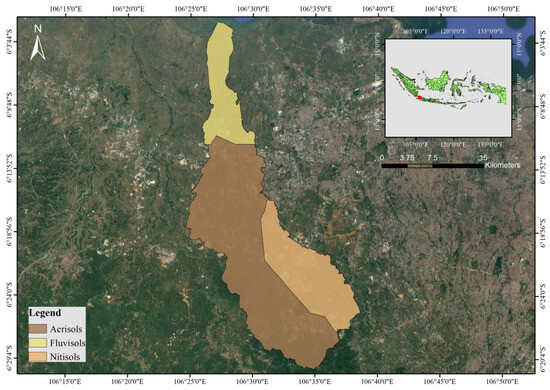
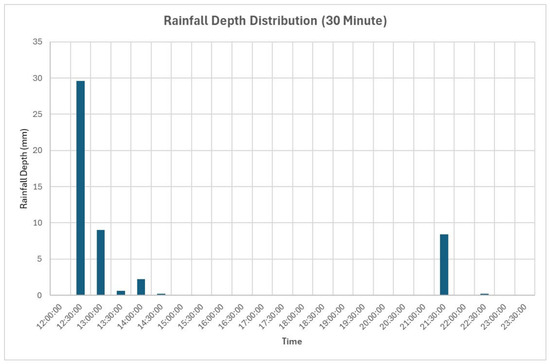
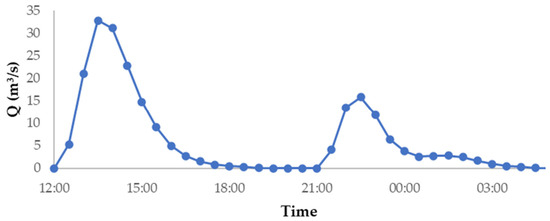
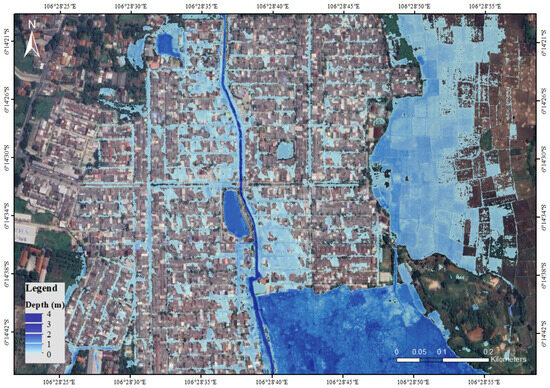
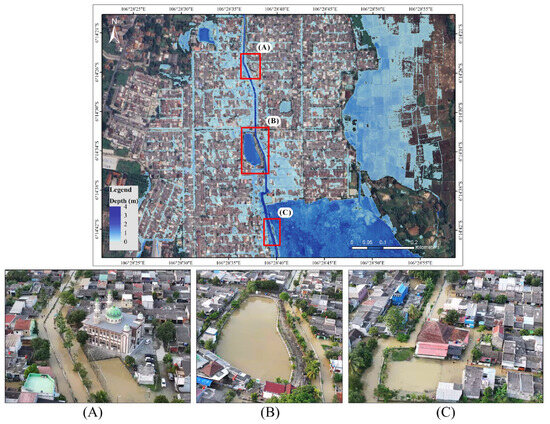
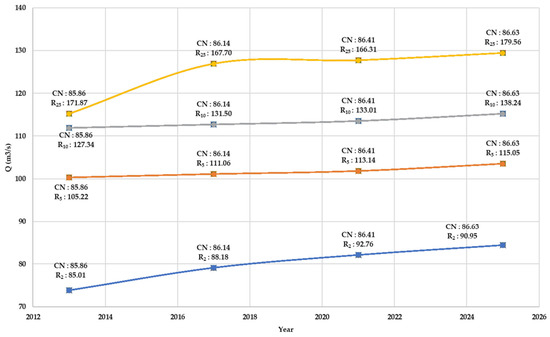
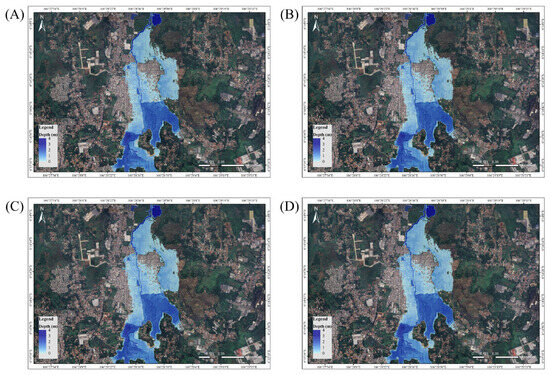
Urbanization, together with shifts in rainfall patterns, has become an increasingly important driver of hydrological extremes in many rapidly developing tropical regions. In the Cimanceuri River Basin, Tangerang Regency, Indonesia, these processes have intensified over the last decade, raising concerns regarding flood risk. This study examines the combined influence of urban expansion and rainfall variability on flood dynamics over 2013–2025. Multi temporal land use classification based on Landsat imagery indicates a pronounced growth of impervious surfaces, primarily driven by rapid urban development and the conversion of agricultural land. To assess the hydrological consequences of these changes, rainfall–runoff processes and flood inundation were simulated using the Soil Conservation Service Curve Number (SCS–CN) method within a coupled HEC-HMS and HEC-RAS 2D modelling framework. Simulations were performed for multiple temporal conditions and design rainfall scenarios. Model calibration relied on observed flood events recorded in March 2025 in the Mustika Residential Area, Tangerang. The results suggest that urbanization has contributed to measurable increases in both peak discharge and inundation extent. Between 2013 and 2025, impervious surface coverage expanded by approximately 67%, accompanied by a rise in the composite Curve Number from 85.86 to 86.63 and an estimated 5.2% increase in flood extent. Also, the design rainfall increased from 85.01 to 90.95 with an average increase of 7.34%. Comparison between simulated inundation patterns and aerial imagery shows satisfactory agreement, with an average deviation of less than 10%, indicating acceptable model performance. Hydrologic analyses generated two discharge scenarios, consisting of event-based flow from the 5 March 2025 rainfall data and return-period flows derived from design rainfall under different rainfall-shift periods. The rainfall-shift analysis quantified changes in design rainfall and corresponding discharge using progressively updated rainfall records. Together, the results emphasize the combined effects of urban expansion and shifting rainfall patterns on flood dynamics, underscoring the need for adaptive land-use planning and climate-responsive water management in rapidly urbanizing catchments.
Full article

Figure 1
Open AccessArticle
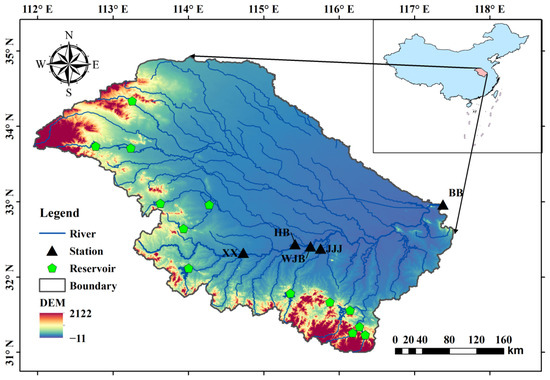
Evaluation of Coupled Hydrological–Hydrodynamic Scheme Applicability Under Reservoir Regulation in the Huai River Basin
by
Zhengyang Tang, Yichen Zhao, Zhangkang Shu, Ziwei Li, Yuchen Li and Junliang Jin
Hydrology 2026, 13(5), 122; https://doi.org/10.3390/hydrology13050122 - 30 Apr 2026
Abstract
Accurate flood simulation in regulated, low-lying river basins is crucial for forecasting and risk mitigation, but performance depends strongly on whether models represent floodplain hydrodynamics and human regulation. This study evaluates three coupled hydrological–hydrodynamic schemes in the Huai River Basin upstream of Bengbu
[...] Read more.
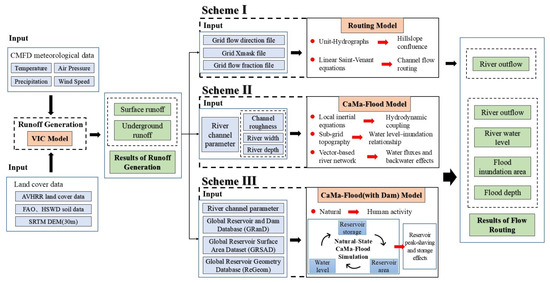
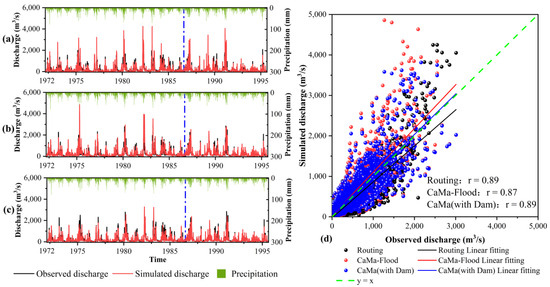
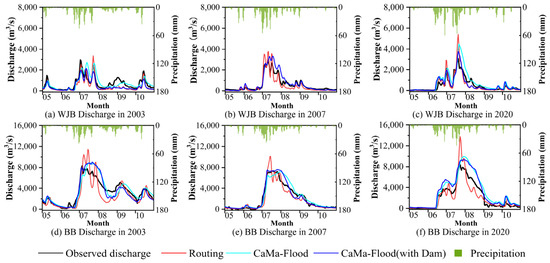
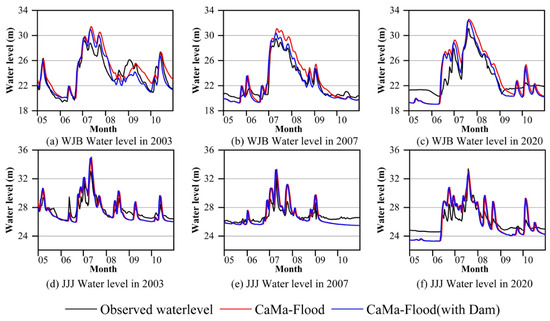
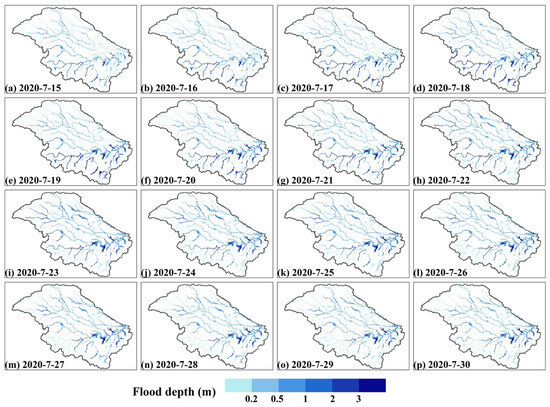
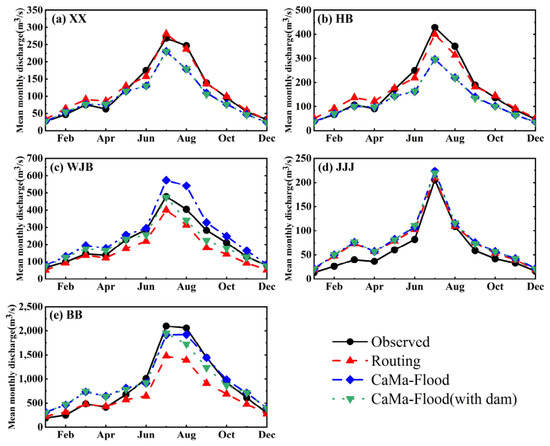
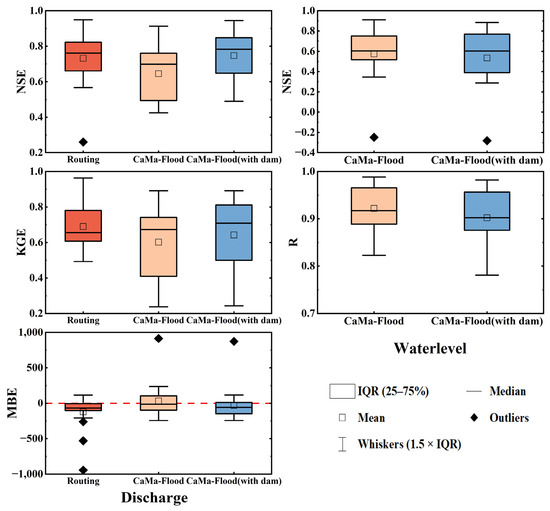
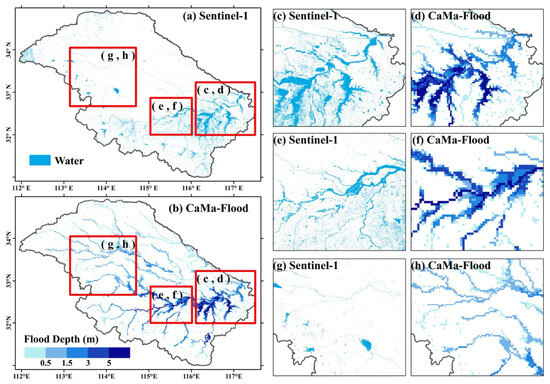
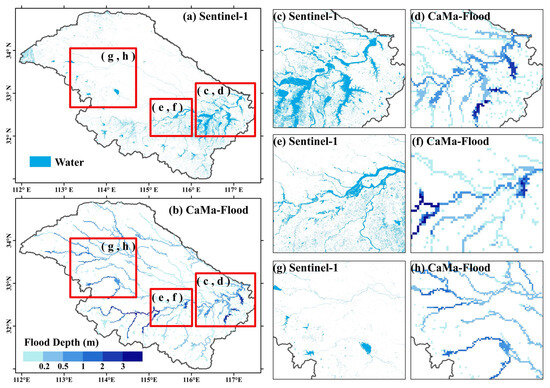
Accurate flood simulation in regulated, low-lying river basins is crucial for forecasting and risk mitigation, but performance depends strongly on whether models represent floodplain hydrodynamics and human regulation. This study evaluates three coupled hydrological–hydrodynamic schemes in the Huai River Basin upstream of Bengbu Station using identical meteorological forcing and VIC-generated runoff: (I) a linear routing scheme (VIC–Routing), (II) a natural hydrodynamic scheme (VIC–CaMa-Flood), and (III) an extended hydrodynamic scheme that incorporates reservoir regulation and levee effects (VIC–CaMa-Flood with Dam). Results reveal clear spatial differences in scheme suitability. The linear routing scheme performs best in upstream reaches, with NSE and KGE generally exceeding 0.81, but tends to overestimate peak discharge in downstream lowland sections. Incorporating hydrodynamic processes and regulation representation further reduces peak flow bias. Scheme III achieves the most consistent downstream improvement, particularly for high flows (>2000 m3/s), with NSE exceeding 0.80 in long-term simulations and improved agreement with satellite-driven inundation patterns. However, simplified reservoir operating rules can increase uncertainty in water level dynamics. During the 2020 plum rain flood, Scheme II yielded more accurate water levels in some reaches, suggesting that generalized operation rules may introduce compensating errors even when discharge accuracy improves. Overall, reliable flood simulation in well-managed basins requires an explicit representation of both floodplain hydrodynamics and regulation, and scheme selection should be guided by the dominant controls along the river network.
Full article
(This article belongs to the Special Issue Global Rainfall-Runoff Modelling)
►▼
Show Figures

Figure 1

Open AccessArticle
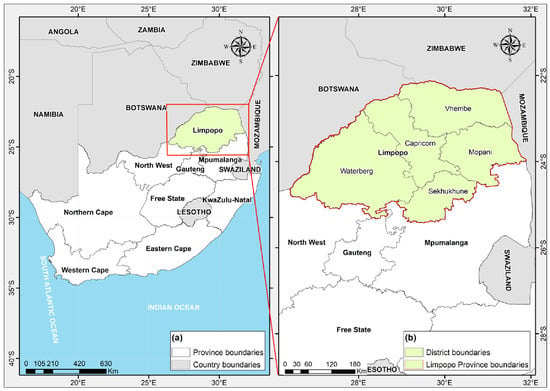
Trends and Future Projections of Extreme Precipitation Indices in Limpopo Province, South Africa
by
Michael G. Mengistu, Andries C. Kruger, Sifiso M. S. Mbatha and Sandile B. Ngwenya
Hydrology 2026, 13(5), 121; https://doi.org/10.3390/hydrology13050121 - 30 Apr 2026
Abstract
Climate-related extremes such as floods and droughts have been the main causes of natural disasters in southern Africa in recent years, with noticeable trends in climate extremes being observed. The Limpopo Province in South Africa has been especially prone to these extremes. The
[...] Read more.
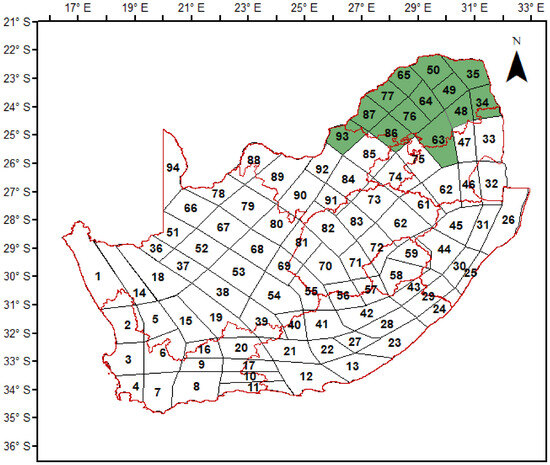
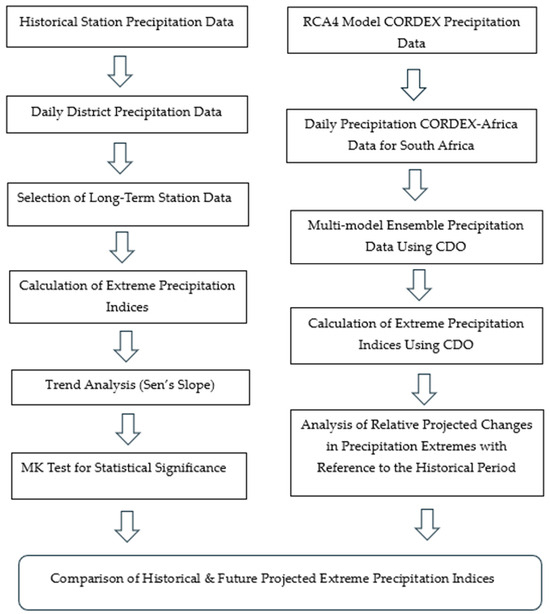
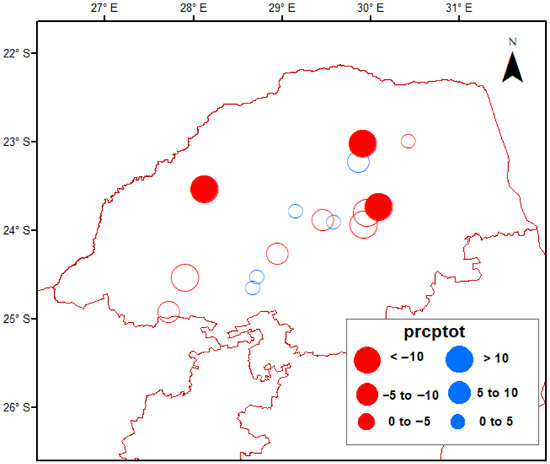
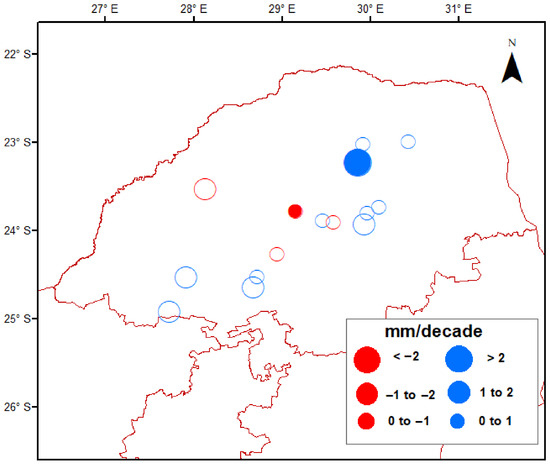
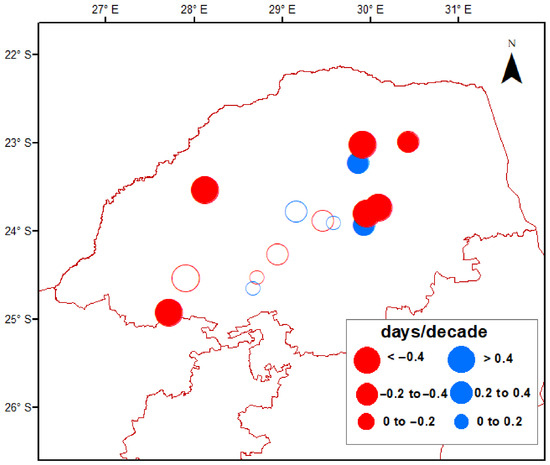
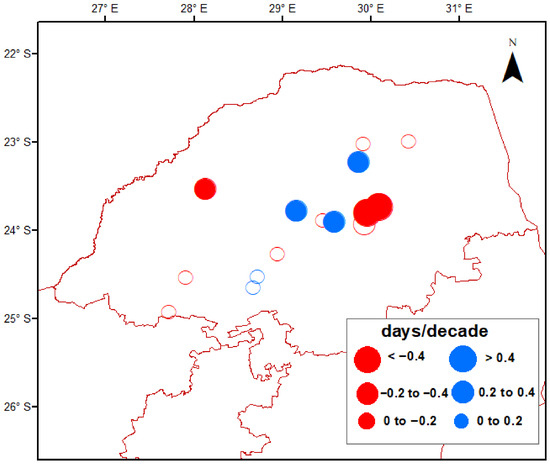
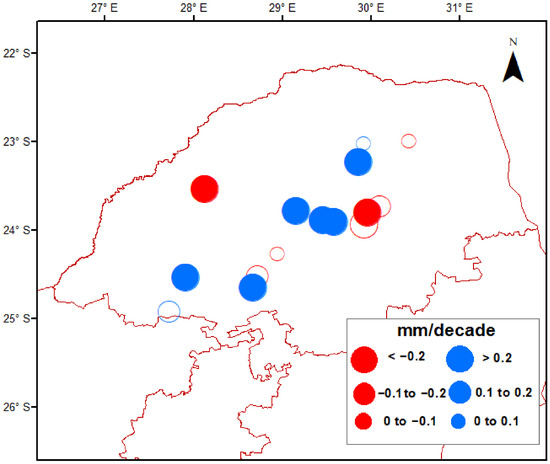
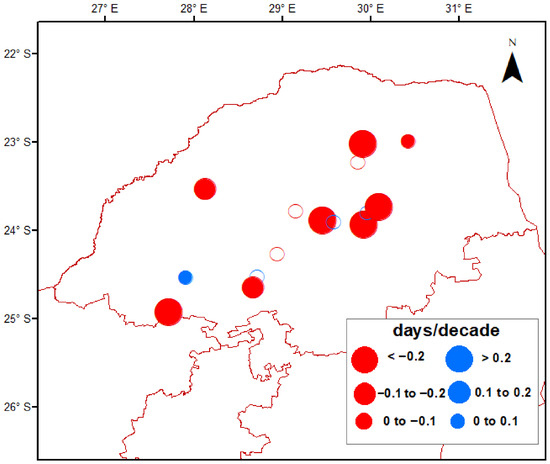
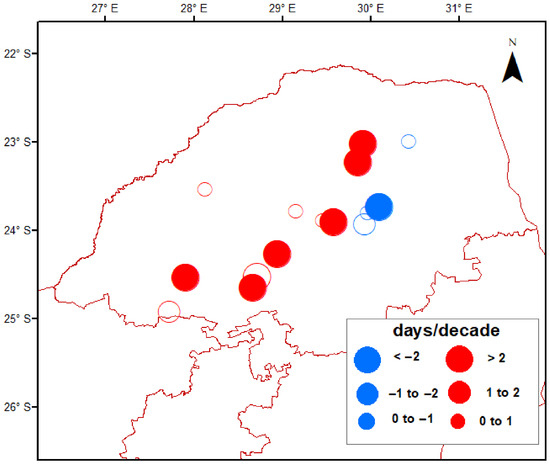
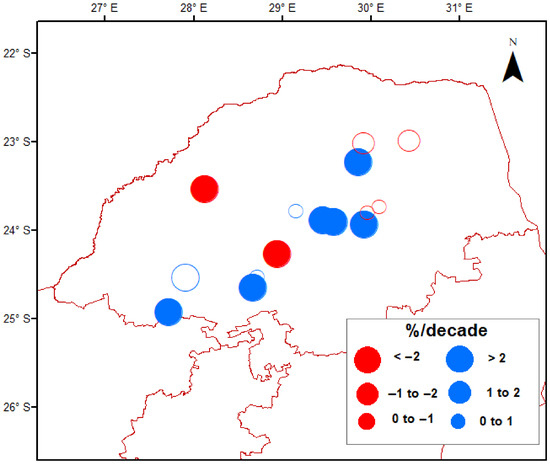
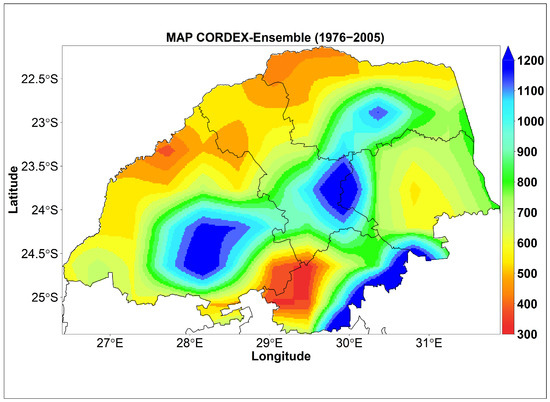
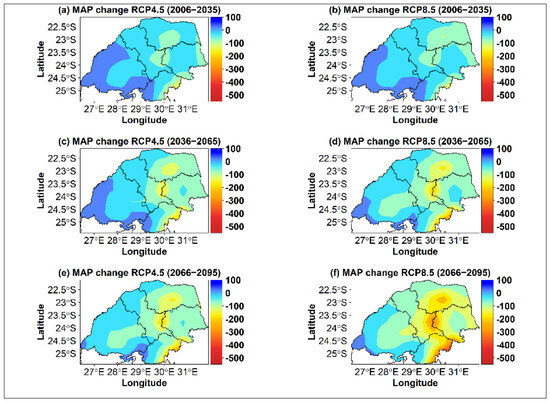
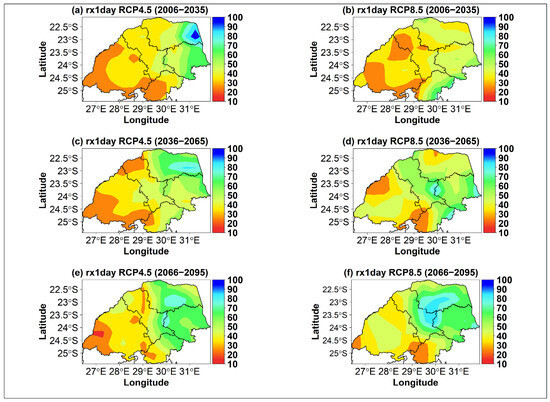
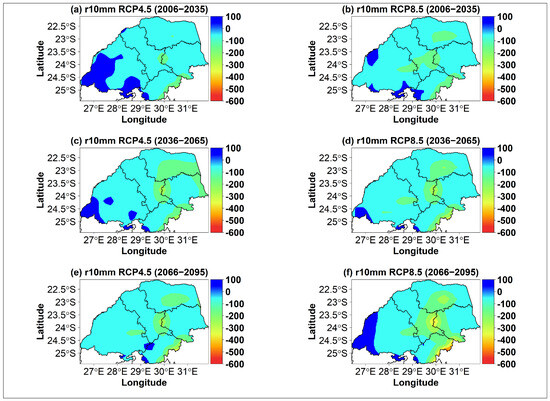
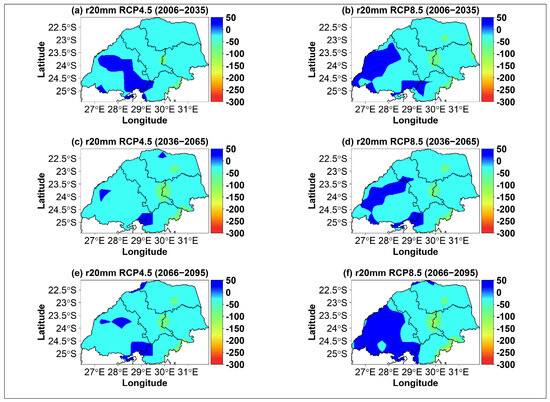
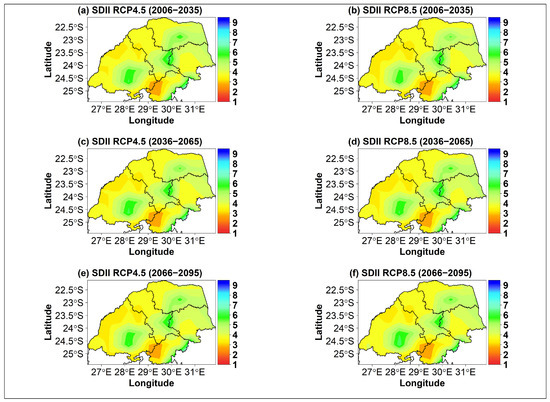
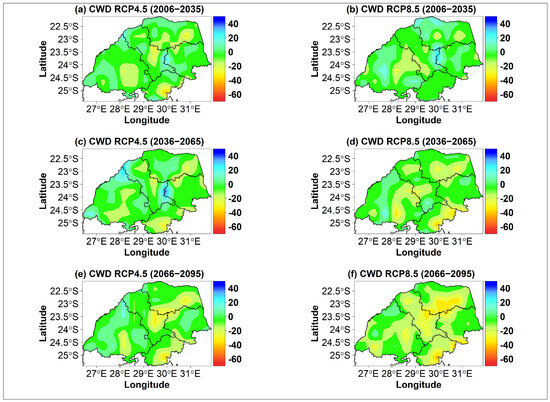
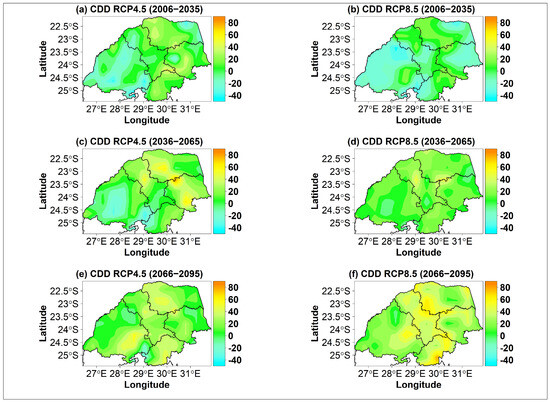
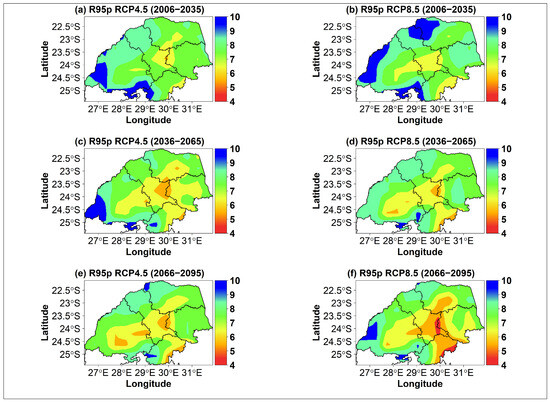
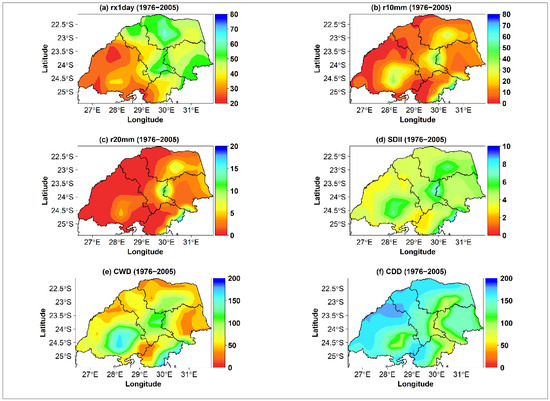
Climate-related extremes such as floods and droughts have been the main causes of natural disasters in southern Africa in recent years, with noticeable trends in climate extremes being observed. The Limpopo Province in South Africa has been especially prone to these extremes. The extreme precipitation in Limpopo is mainly caused by a mix of intense tropical weather systems and La Niña conditions, both exacerbated by climate change. Climate change exacerbates current water challenges across the province by affecting precipitation patterns, distribution, timing and intensity, leading to extreme climate events such as floods and drought. The historical and future trends of precipitation and relevant extreme indices using observed data from the South African Weather Service and CORDEX ensemble model simulations under the RCP4.5 and RCP8.5 scenarios were examined. An analysis of all precipitation data suitable for the study of long-term variability and trends indicates that most areas underwent drying to various degrees over the last century, especially the central and western parts. Drier conditions over the eastern parts have become more prevalent over the last 50 years. Also, more extremes on a sub-seasonal basis were experienced. Regarding future scenarios, three projected time periods compared to the baseline period (1976–2005) were examined: Current climatology (2006–2035), near-future (2036–2065), and far-future (2066–2095). Most areas will experience a further decrease in precipitation under both emission scenarios, especially in the south-east, central and extreme northern parts. In addition, these areas are expected to experience a decrease in the frequency of heavy precipitation days for all periods under both RCP scenarios, mainly due to drying. Consecutive dry days are expected to increase significantly. Transitioning to renewable energy and enhancing natural carbon sinks can reduce emissions, while prioritizing resilience through renewable energy, water management, and climate-smart agriculture will help address climate change challenges in the province.
Full article
(This article belongs to the Special Issue Trends and Variations in Hydroclimatic Variables: 2nd Edition)
►▼
Show Figures

Figure 1
Open AccessArticle
Divergent Compositions and Biogeochemical Pathways of Dissolved Organic Matter in a Monsoon-Affected Coastal Aquifer: Insights from Molecular Characterization
by
Ashen Randika, Samadhi Athauda, Ruizhe Wang, Zhineng Hao, Yuansong Wei, Yawei Wang, Hui Zhong, Madhubhashini Makehelwala, Sujithra K. Weragoda and Rohan Weerasooriya
Hydrology 2026, 13(5), 120; https://doi.org/10.3390/hydrology13050120 - 28 Apr 2026
Abstract
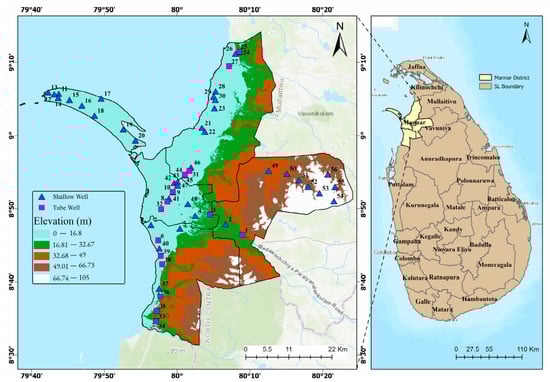
Coastal groundwater in monsoon-dominated regions faces compounding threats from seasonal hydrological extremes and seawater intrusion (SWI), yet the molecular-scale response of dissolved organic matter (DOM) remains poorly understood. We conducted a two-season investigation in Mannar District, Sri Lanka, integrating hydrochemistry, fluorescence spectroscopy, and
[...] Read more.
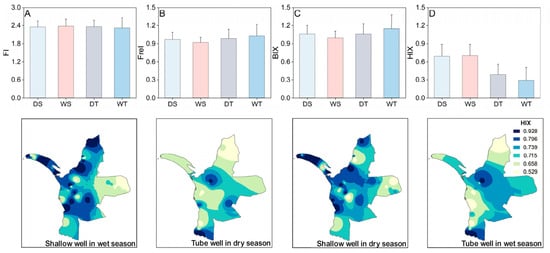
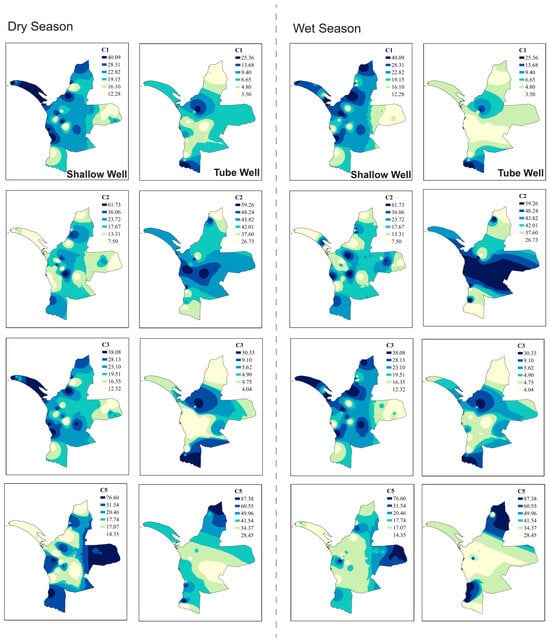
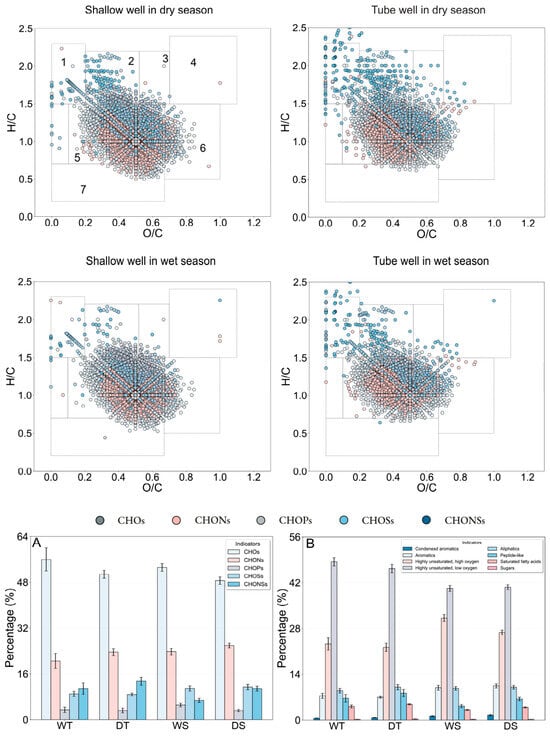
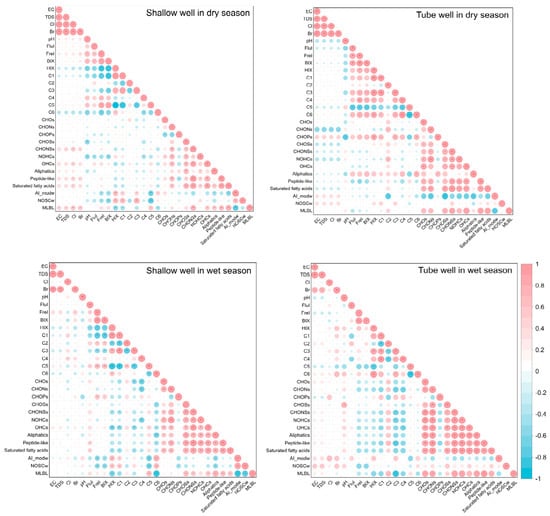
Coastal groundwater in monsoon-dominated regions faces compounding threats from seasonal hydrological extremes and seawater intrusion (SWI), yet the molecular-scale response of dissolved organic matter (DOM) remains poorly understood. We conducted a two-season investigation in Mannar District, Sri Lanka, integrating hydrochemistry, fluorescence spectroscopy, and Fourier-transform ion cyclotron resonance mass spectrometry to characterize DOM dynamics across shallow and deep groundwater. Dry-season chloride averaged 302 mg/L (shallow—5 to 12 m) and 505 mg/L (tube wells—20 to 30 m), then declined by 60–80% during monsoon recharge. Despite this freshening, DOM dynamics were decoupled from salinity: shallow wells showed dry-season DOC peaks (6.64 mg/L) driven by soil concentration, while tube wells exhibited wet-season enrichment (5.02 mg/L). Shallow aquifers maintained consistently high humification indices (around 0.70) and aromatic-rich DOM, indicating sustained buffering by soil-derived inputs. In contrast, wet-season recharge in tube wells appeared to stimulate microbial processing, as indicated by elevated protein-like fluorescence (C2: 26% to 36%) and a higher contribution of nitrogen-bearing formulas (CHONs: 31.4% to 37.1%). Tube wells also accumulated reduced, energy-rich DOM with correspondingly high molecular lability indices. Paradoxically, correlation networks suggested that these saturated aliphatic and halogenated structures persist due to kinetic protection under low oxygen, high-salinity conditions. These findings indicate that aquifer structure and redox conditions control DOM biogeochemistry in coastal groundwater systems. At the molecular level, DOM dynamics are influenced by aquifer depth and seasonal recharge, leading to a decoupling between salinity and organic matter transformation.
Full article
(This article belongs to the Special Issue Characterization and Monitoring of Coastal Hydrological Environment for Assessing the Impact of Seawater Intrusion on Coastal Aquifers)
►▼
Show Figures

Figure 1
Open AccessArticle
The Observed Wind-Induced Deviation of Drop Fall Trajectories Above an Optical Disdrometer
by
Enrico Chinchella, Arianna Cauteruccio, Filippo Calamelli, Daniele Rocchi and Luca G. Lanza
Hydrology 2026, 13(5), 119; https://doi.org/10.3390/hydrology13050119 - 26 Apr 2026
Abstract
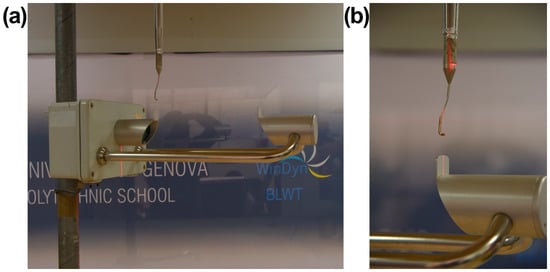
The impact of wind on disdrometer measurements has not yet been demonstrated through controlled reproducible physical experiments. This study aims to provide quantitative evidence of the deviation in raindrop trajectories approaching the sensing area of an optical disdrometer (the Thies Clima LPM) when
[...] Read more.
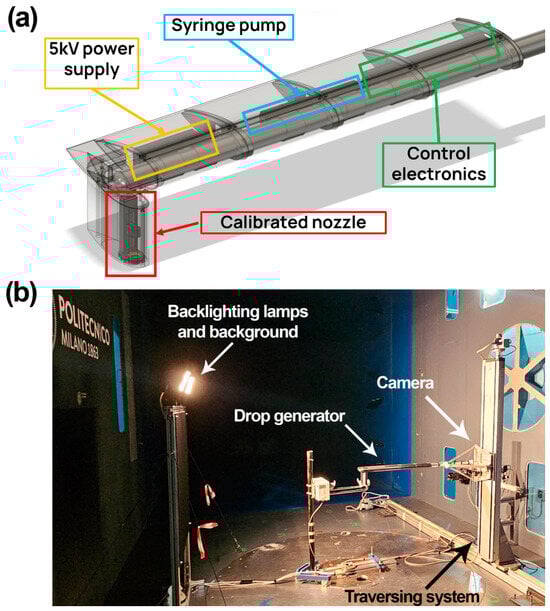
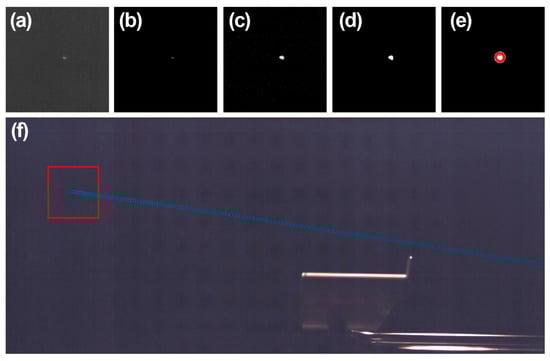
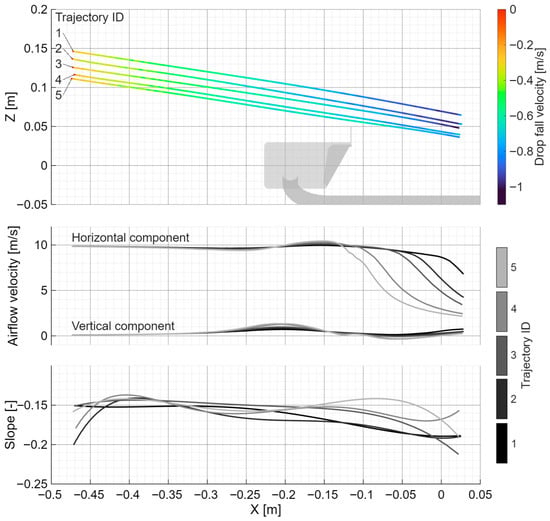
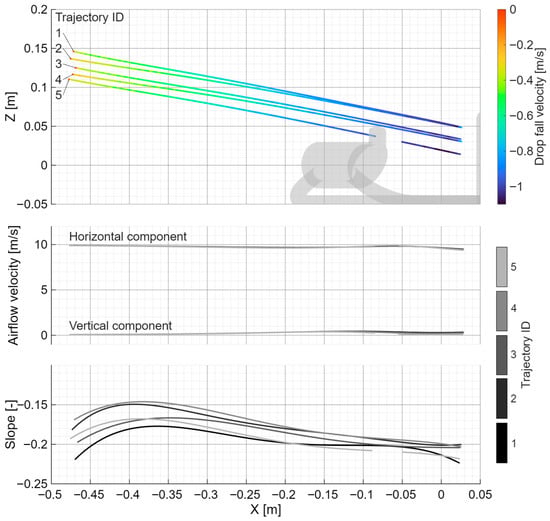
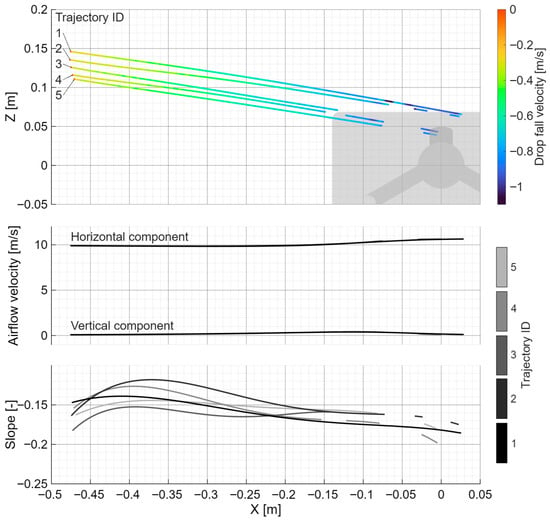
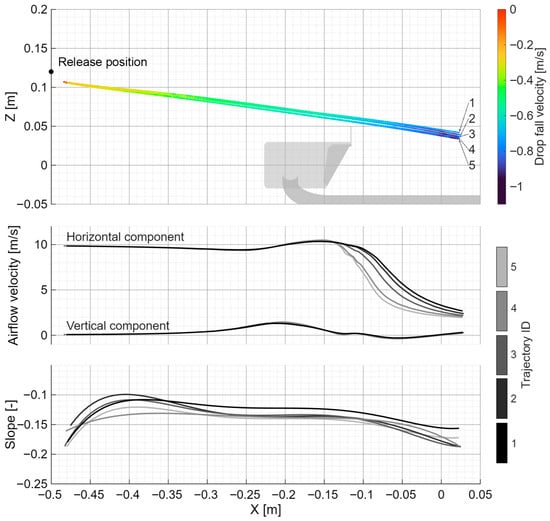
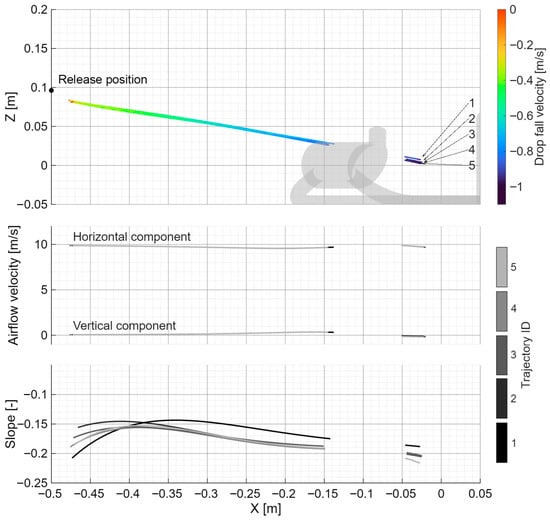
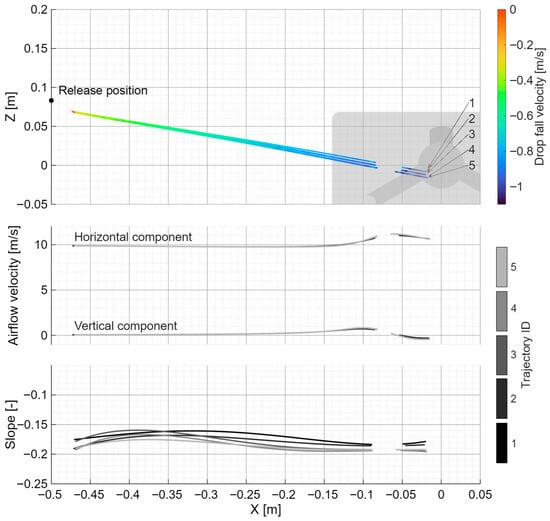
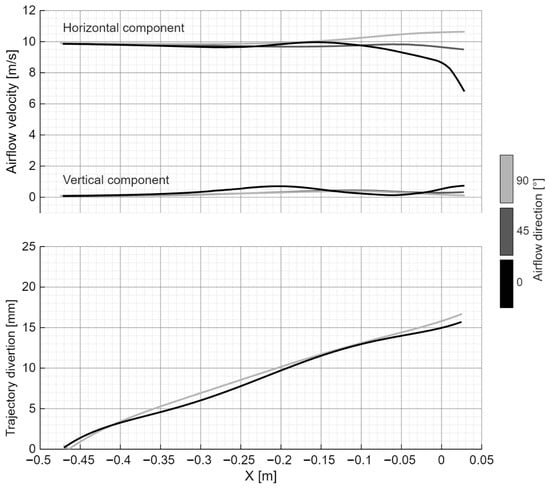
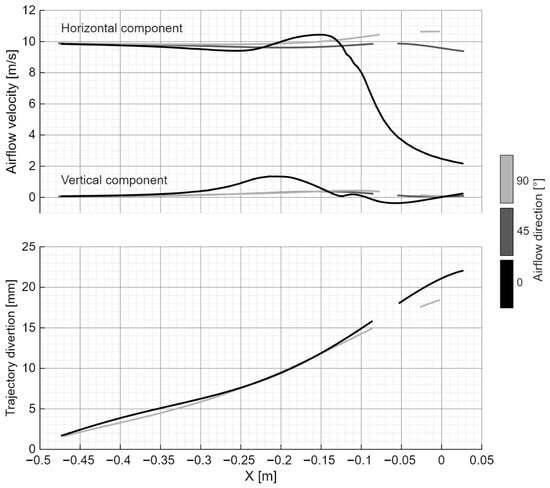
The impact of wind on disdrometer measurements has not yet been demonstrated through controlled reproducible physical experiments. This study aims to provide quantitative evidence of the deviation in raindrop trajectories approaching the sensing area of an optical disdrometer (the Thies Clima LPM) when immersed in a wind flow with a known velocity and direction relative to the sensor orientation. To this end, water drops with diameters between 0.9 mm and 1 mm were released in a wind tunnel and directed towards the instrument’s sensing area. Their trajectories were measured using a high-speed camera and compared with those expected in undisturbed conditions, as well as with the airflow field around the instrument body as measured in previous studies. This experiment provided the first direct measurement of the deviation in individual drop trajectories induced by wind near the Thies Clima LPM, a disdrometer commonly used in hydrological studies and applications. The effect of the non-radially symmetric geometry of the instrument on wind direction was observed, identifying the configuration most affected (parallel to the laser beam). The repeatability of the drop releasing system was checked by releasing multiple drops from the same position. This allowed attributing differences in the observed trajectories to a variation in the drop diameter. The collected dataset can be used to validate numerical models of the wind-induced bias of disdrometers and to develop adjustment functions for field measurements.
Full article
(This article belongs to the Section Hydrological Measurements and Instrumentation)
►▼
Show Figures

Figure 1

Open AccessFeature PaperArticle
Evaluating the Influence of Terracing Induced Modifications of Runoff Patterns on Soil Redistribution Using In Situ 137Cs Measurements with a LaBr3 Scintillation Detector
by
Leticia Gaspar and Ana Navas
Hydrology 2026, 13(4), 118; https://doi.org/10.3390/hydrology13040118 - 21 Apr 2026
Abstract
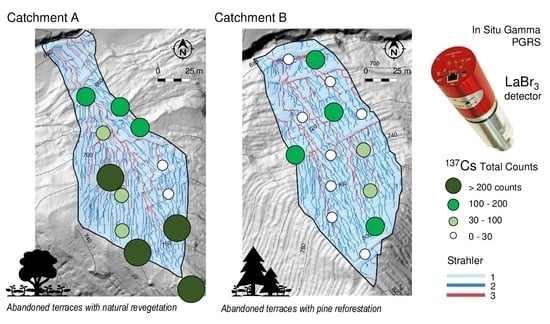
In subhumid Mediterranean agroecosystems, runoff drives soil erosion by controlling particle detachment and transport, with its generation and connectivity strongly influenced by land use. In areas affected by land abandonment and reforestation, terracing modifies hillslope morphology and flow pathways, thereby altering soil redistribution
[...] Read more.
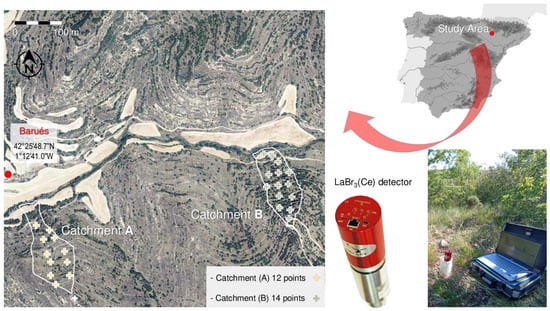
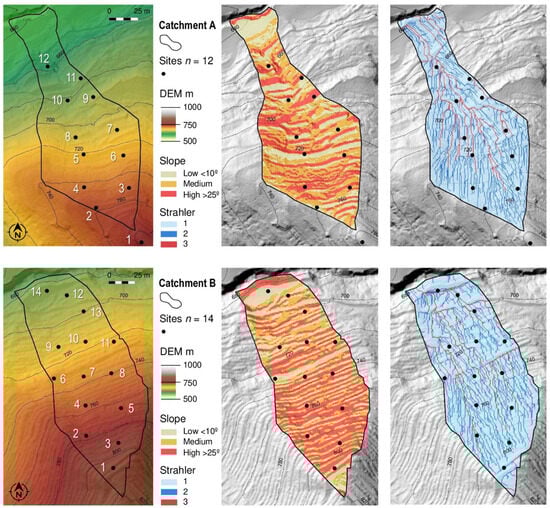
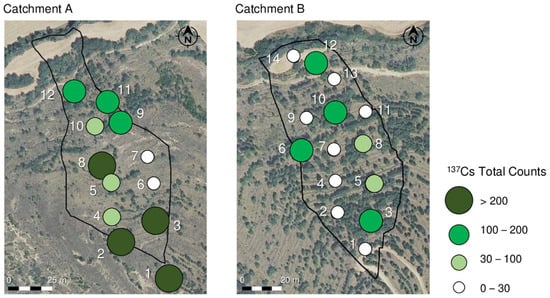
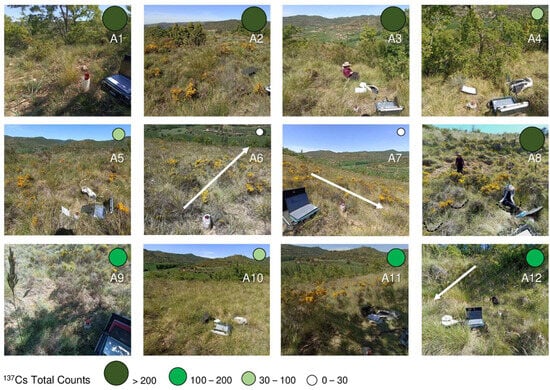
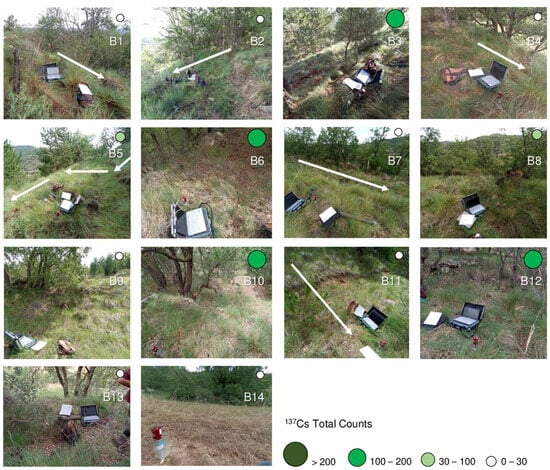
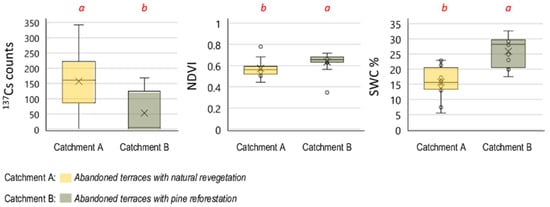
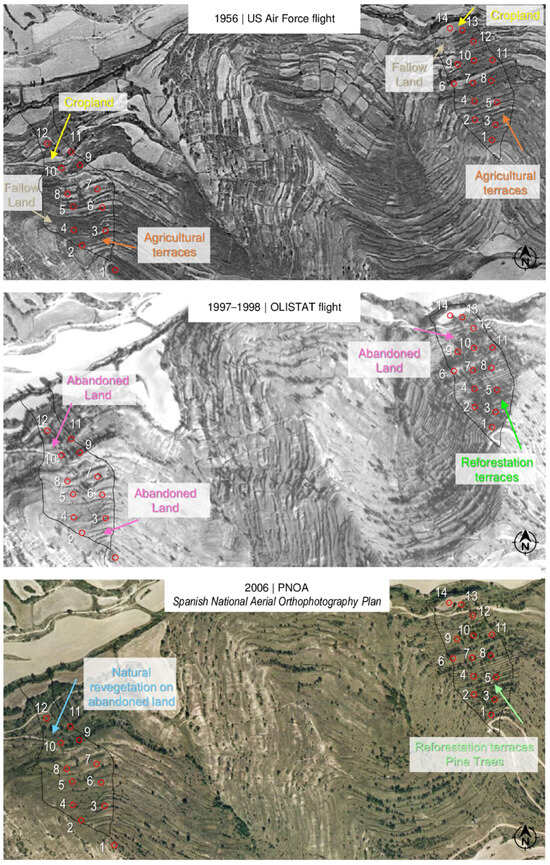
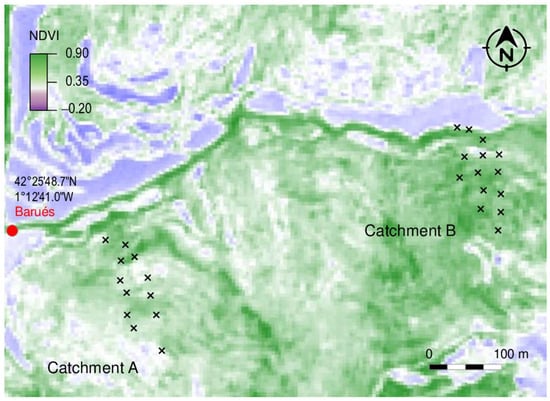
In subhumid Mediterranean agroecosystems, runoff drives soil erosion by controlling particle detachment and transport, with its generation and connectivity strongly influenced by land use. In areas affected by land abandonment and reforestation, terracing modifies hillslope morphology and flow pathways, thereby altering soil redistribution patterns. Fallout 137Cs has been widely used to assess medium term soil redistribution, and in situ gamma ray spectrometry using scintillation detectors provides an alternative for improving spatial coverage, yet the influence of factors specific to the site on measurements remains insufficiently explored. This study investigates how 137Cs counts obtained in situ with a LaBr3 detector can be used to interpret soil redistribution patterns in two paired catchments that experienced land abandonment since the mid-1960s. Following abandonment, catchment A underwent natural revegetation, whereas catchment B was terraced for reforestation, allowing the effects of water erosion and terracing on soil mobilisation to be analyzed through the spatial distribution of 137Cs. By linking 137Cs counts with catchment physiography, land use, flow pathways, and NDVI, the study aims to identify the main controls on soil redistribution in both catchments. 137Cs counts were significantly higher in catchment A (156.8 ± 108.2 counts) than in catchment B (53.2 ± 68.1), with coefficients of variation of 69% and 128%, respectively. The in situ 137Cs measurements provide reliable indicators of soil redistribution patterns controlled not only by runoff but also by anthropogenic modifications of hillslope morphology that alter flow pathways and hydrological connectivity following terracing. The paired catchment approach, combined with in situ 137Cs measurements, provides valuable insights into the key controls on soil redistribution, which is essential for effective land management.
Full article
(This article belongs to the Special Issue The Influence of Landscape Disturbance on Catchment Processes)
►▼
Show Figures

Graphical abstract
Journal Menu
► ▼ Journal Menu-
- Hydrology Home
- Aims & Scope
- Editorial Board
- Topical Advisory Panel
- Instructions for Authors
- Special Issues
- Topics
- Sections & Collections
- Article Processing Charge
- Indexing & Archiving
- Editor’s Choice Articles
- Most Cited & Viewed
- Journal Statistics
- Journal History
- Journal Awards
- Society Collaborations
- Conferences
- Editorial Office
Journal Browser
► ▼ Journal BrowserHighly Accessed Articles
Latest Books
E-Mail Alert
News
Topics
Topic in
Energies, Geosciences, Hydrology, Sustainability, Water, JMSE
Advances in Groundwater Science and Engineering
Topic Editors: Michele Lancia, C. Radu GoguDeadline: 31 May 2026
Topic in
Atmosphere, Forests, Geosciences, Hydrology, Land, Remote Sensing, Sustainability
Karst Environment and Global Change—Second Edition
Topic Editors: Xiaoyong Bai, Yongjun Jiang, Jian Ni, Xubo Gao, Yuemin Yue, Jiangbo Gao, Junbing Pu, Hu Ding, Qiong Xiao, Zhicai ZhangDeadline: 16 June 2026
Topic in
AI, Hydrology, IJGI, Remote Sensing, Smart Cities
Natural Hazards Monitoring, Risk Assessment, Modelling and Management in the Artificial Intelligence Era
Topic Editors: Raffaele Albano, Teodosio Lacava, Antonietta Varasano, Ida Giulia Presta, Mayank Mishra, Meriam LahsainiDeadline: 30 June 2026
Topic in
Earth, Hydrology, Sustainability, Water, JMSE, Agriculture
Human Impact on Groundwater Environment, 2nd Edition
Topic Editors: Zongjun Gao, Jiutan Liu, Qiao Su, Tengfei Fu, Dakang WangDeadline: 31 July 2026
Conferences
Special Issues
Special Issue in
Hydrology
Hydrological Signatures of a Changing Landscape: Land Degradation Impacts, Monitoring, and Restoration
Guest Editors: Barlin Orlando Olivares Campos, Franklin Javier Paredes Trejo, Deyanira Lobo, Ingrid TeichDeadline: 30 May 2026
Special Issue in
Hydrology
Sustainable Urban Water Resources Management
Guest Editors: Carlos Alfonso Zafra Mejía, Ranjan SarukkaligeDeadline: 31 May 2026
Special Issue in
Hydrology
GIS Modelling of Evapotranspiration with Remote Sensing: 2nd Edition
Guest Editors: Pooja Preetha, Changsen Zhao, Leszek SobkowiakDeadline: 31 May 2026
Special Issue in
Hydrology
Tracing Groundwater Recharge Sources Using Stable Isotopes
Guest Editors: Stefania Da Pelo, Maria Chiara Porru, Wanjun JiangDeadline: 31 May 2026
Topical Collections
Topical Collection in
Hydrology
Feature Papers of Hydrology
Collection Editors: Ezio Todini, Tammo Steenhuis