



Journal Description
Agronomy
Agronomy
is an international, peer-reviewed, open access journal on agronomy and agroecology published semimonthly online by MDPI. The Spanish Society of Plant Biology (SEBP) is affiliated with Agronomy and their members receive discounts on the article processing charges.
- Open Access— free for readers, with article processing charges (APC) paid by authors or their institutions.
- High Visibility: indexed within Scopus, SCIE (Web of Science), GEOBASE, PubAg, AGRIS, and other databases.
- Journal Rank: JCR - Q1 (Agronomy) / CiteScore - Q1 (Agronomy and Crop Science)
- Rapid Publication: manuscripts are peer-reviewed and a first decision is provided to authors approximately 17 days after submission; acceptance to publication is undertaken in 1.8 days (median values for papers published in this journal in the second half of 2025).
- Recognition of Reviewers: reviewers who provide timely, thorough peer-review reports receive vouchers entitling them to a discount on the APC of their next publication in any MDPI journal, in appreciation of the work done.
- Companion journals for Agronomy include: Seeds, Agrochemicals, Grasses and Crops.
- Journal Cluster of Agricultural Science: Agriculture, Agronomy, Horticulturae, Soil Systems, AgriEngineering, Crops, Seeds, Grasses, Agrochemicals and AI and Precision Agriculture.
Impact Factor:
3.4 (2024);
5-Year Impact Factor:
3.8 (2024)
Latest Articles
Enhancing Water Productivity and Forage Yield of Egyptian Clover Through Subirrigation Controlled Drainage and Groundwater Utilisation
Agronomy 2026, 16(9), 937; https://doi.org/10.3390/agronomy16090937 (registering DOI) - 5 May 2026
Abstract
Water scarcity is a critical constraint to sustainable agricultural production in arid and semi-arid regions. This study evaluated the effectiveness of subirrigation controlled drainage (SCD) systems in improving water use efficiency, soil conditions, and productivity of Egyptian clover (Trifolium alexandrinum L.) over
[...] Read more.
Water scarcity is a critical constraint to sustainable agricultural production in arid and semi-arid regions. This study evaluated the effectiveness of subirrigation controlled drainage (SCD) systems in improving water use efficiency, soil conditions, and productivity of Egyptian clover (Trifolium alexandrinum L.) over two consecutive growing seasons (2022–2024). Three drainage treatments were investigated: subirrigation controlled drainage with water table depths of 0.4 m (SCD-0.4) and 0.8 m (SCD-0.8), and conventional free drainage at 1.2 m (SFD-1.2). The results demonstrated that SCD significantly reduced irrigation water requirements, achieving water savings of up to 27% under SCD-0.4 compared with conventional drainage. The shallow water table enhanced groundwater contribution to crop evapotranspiration, reaching over 40%, which improved soil moisture availability and reduced soil water depletion. Consequently, SCD-0.4 increased fresh and dry biomass yields by approximately 18% and significantly improved water productivity and irrigation water productivity. However, controlled drainage led to increased soil salinity due to reduced leaching, particularly in upper soil layers. Economic analysis revealed that SCD-0.4 achieved the highest net returns and water use profitability. Overall, controlled drainage at shallow depths represents an effective strategy to enhance water productivity, crop yield, and economic efficiency, although long-term salinity management must be considered for sustainable implementation.
Full article
(This article belongs to the Special Issue Influence of Irrigation and Water Use on Agronomic Traits of Crops—2nd Edition)
►
Show Figures
Open AccessArticle
Genetic Diversity of ‘Candidatus Phytoplasma solani’ in Plant Hosts and Insect Vectors in Winegrowing Regions in Germany
by
Barbara Jarausch, Wolfgang Jarausch, Sanela Kugler, Argyroula Tsormpatzidou, Michael Maixner and Anna Markheiser
Agronomy 2026, 16(9), 936; https://doi.org/10.3390/agronomy16090936 - 5 May 2026
Abstract
The bois noir (BN) disease of grapevines is widespread in German winegrowing regions. It is associated with ‘Candidatus Phytoplasma solani’, which affects not only grapevines but also other wild and cultivated plants. This pathogen has a complex epidemiology including different insect vectors
[...] Read more.
The bois noir (BN) disease of grapevines is widespread in German winegrowing regions. It is associated with ‘Candidatus Phytoplasma solani’, which affects not only grapevines but also other wild and cultivated plants. This pathogen has a complex epidemiology including different insect vectors and various host plants. A study was carried out to investigate the genetic variability of ‘Ca. P. solani’ in different winegrowing regions in Germany. Between 2017 and 2023, samples of grapevine, stinging nettle, bindweed, and other herbaceous plants as well as specimens of different planthopper species colonizing viticultural habitats were analyzed for infection with ‘Ca. P. solani’. All positive tested samples were further characterized by multilocus sequence typing (MLST) based on the genes tuf, stamp, secY, and vmp1. The genetic variability was assessed by RFLP analyses of the tuf and vmp1 PCR products, coupled with sequencing of the stamp and secY amplification products. A total of 1274 grapevines, 35 bindweed, and 18 stinging nettle samples were infected with ‘Ca. P. solani’ but also five samples of other weed species. Among the known and putative insect vectors, specimens of Hyalesthes obsoletus, Reptalus spp., and Dictyophara europaea harbored the phytoplasma. In both plants and insects, two genotype combinations were predominantly associated with the classical bindweed and stinging nettle cycle, respectively. The MLST analysis revealed considerable differences between German isolates and data reported from other European regions and new genotype combinations were identified, indicating new host plant–vector associations.
Full article
(This article belongs to the Section Agroecology Innovation: Achieving System Resilience)
►▼
Show Figures

Figure 1
Open AccessArticle
Integrating Green Manures and Sweet Sorghum into Sugarcane Rotations Enhances Yield and Sandy-Soil Hydrophysical Properties
by
André Araújo do Nascimento, João Henrique Silva da Luz, Mirela Ferneda, Felipe Escorce Furlan, Tamara Qualharello, Gustavo Henrique Gravatim Costa, Fernando Ferrari Putti and Raúl Andres Martinez Uribe
Agronomy 2026, 16(9), 935; https://doi.org/10.3390/agronomy16090935 - 5 May 2026
Abstract
Sugarcane is the leading feedstock for bioethanol in Brazil and worldwide, but its continuous cultivation can degrade soil through nutrient depletion and compaction. Integrating green manures such as Crotalaria and pigeon pea into rotations offers a sustainable way to improve soil structure, water
[...] Read more.
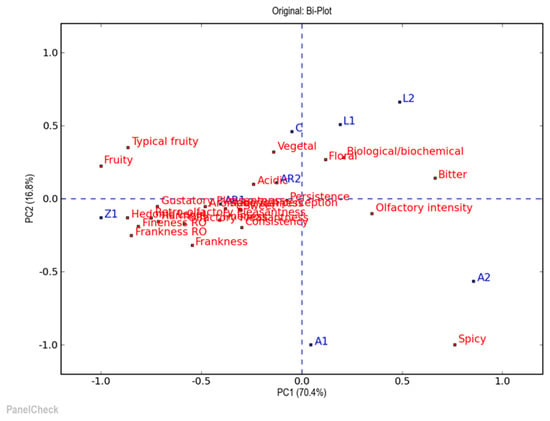
Sugarcane is the leading feedstock for bioethanol in Brazil and worldwide, but its continuous cultivation can degrade soil through nutrient depletion and compaction. Integrating green manures such as Crotalaria and pigeon pea into rotations offers a sustainable way to improve soil structure, water infiltration, and nutrient cycling. When combined with sweet sorghum as a complementary crop, these species can mitigate soil physical constraints and strengthen the resilience of sugar–energy systems under rainfed conditions. This three-year field experiment evaluated the effects of green manure and sweet sorghum rotations on sugarcane yield and sandy-soil physical attributes. The treatments were arranged in a 3 × 2 factorial design with randomized blocks, including two green manures (Crotalaria and pigeon pea) and a fallow control, each combined with or without sweet sorghum rotation. Biometric traits and yields were measured for all crops, and soil physical properties were assessed after the sugarcane cycle. Green manure significantly increased the stalk yield and dry matter of both sweet sorghum and sugarcane. In sugarcane, rotations with Crotalaria and pigeon pea enhanced stalk and dry matter yields by up to 18%, while the highest increase (31%) occurred under the sweet sorghum rotation. Furthermore, green manures improved sandy-soil water retention, increased infiltration rates, and reduced penetration resistance. These results demonstrate that legume–sorghum rotations are an effective and low-input strategy to enhance crop yield and sandy-soil physical properties, contributing to more sustainable bioenergy production under tropical rainfed conditions.
Full article
(This article belongs to the Special Issue Sustainable Cropping Systems and Biomasses for Energy and Biorefinery Applications)
►▼
Show Figures

Figure 1
Open AccessArticle
Uncovering Stable Genetic Loci for Sustainable Pea (Pisum sativum L.) Production Through Genome-Wide Association Mapping
by
Alibek Zatybekov, Evgeniy Ten, Irina Oshergina, Sergey Radul, Akerke Amalova, Saule Abugalieva and Yerlan Turuspekov
Agronomy 2026, 16(9), 934; https://doi.org/10.3390/agronomy16090934 - 4 May 2026
Abstract
A comprehensive evaluation of phenotypic diversity, genetic structure, and marker–trait associations was conducted in a pea (Pisum sativum L.) collection of 184 accessions, using multi-environment field trials and genome-wide SNP data. Agronomic traits were assessed using best linear unbiased estimates, and statistical
[...] Read more.
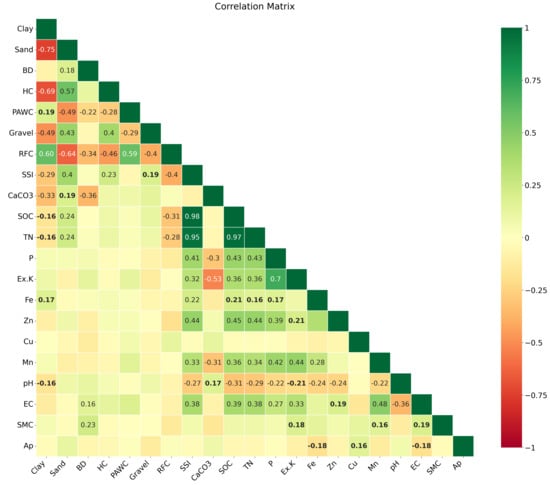
A comprehensive evaluation of phenotypic diversity, genetic structure, and marker–trait associations was conducted in a pea (Pisum sativum L.) collection of 184 accessions, using multi-environment field trials and genome-wide SNP data. Agronomic traits were assessed using best linear unbiased estimates, and statistical analyses included correlation, analysis of variance, heritability estimation, population structure, linkage disequilibrium, and genome-wide association study of 10,289 SNP markers. Phenological traits showed low variability, with flowering and maturity averaging 36.08 and 79.19 days (coefficient of variation of 6.17% and 3.79%, respectively), whereas yield-related traits varied more widely, with the number of pods per plant showing a coefficient of variation of 26.14%. Strong correlations were observed between plant height and height of the lowest pod attachment (r = 0.89, p < 0.001), while moderate positive correlations were found between flowering and maturity time (r = 0.43, p < 0.001) and between number of pods per plant and plant height (r = 0.44, p < 0.001); meanwhile, thousand seed weight exhibited significant negative correlation number of pods per plant (r = −0.42, p < 0.001). Heritability was highest for plant height (H2 = 0.925), height of the lowest pod attachment (H2 = 0.889), and thousand seed weight (H2 = 0.883), while yield showed lower heritability (H2 = 0.672) and strong environmental influence. Linkage disequilibrium decay was 1.78 Mb at r2 = 0.2. GWAS identified 163 quantitative trait loci, including 19 stable loci, with strong effects such as −19.27 cm for q.PH.5-1 and +24.62 g for q.TSW.4-2. Candidate genes associated with key biological processes were identified, thereby enhancing understanding of the genetic control of traits.
Full article
(This article belongs to the Special Issue Crop Genomics and Omics for Future Food Security)
►▼
Show Figures

Figure 1
Open AccessArticle
Labile Carbon Additions Reduce Soil Nitrate but Can Increase Maize Fertilizer N Needs
by
Stephen W. Potter, John E. Sawyer and Marshall D. McDaniel
Agronomy 2026, 16(9), 933; https://doi.org/10.3390/agronomy16090933 - 4 May 2026
Abstract
Winter cover crops (WCCs) are effective at reducing N losses from temperate agroecosystems. Although extensive research on WCCs has demonstrated numerous benefits, overall adoption rates in the Midwest U.S. remain low. We evaluated an alternative to WCC’s ability to reduce nitrate (NO3
[...] Read more.
Winter cover crops (WCCs) are effective at reducing N losses from temperate agroecosystems. Although extensive research on WCCs has demonstrated numerous benefits, overall adoption rates in the Midwest U.S. remain low. We evaluated an alternative to WCC’s ability to reduce nitrate (NO3−)-N leaching; that is, adding an inexpensive, easy-to-apply, form of labile carbon (C) as a soil amendment intended to immobilize N and mitigate leaching. In the autumn in a typical maize–soybean rotation, we added crude glycerol (a C-rich, biodiesel byproduct) and hypothesized that glycerol carbon (Cglyc) would immobilize N and have no effect on crop growth. More specifically, Cglyc was broadcast applied at three rates (0, 216, and 866 kg C ha−1 y−1) and combined factorially with six spring-applied fertilizer N rates (0, 56, 112, 168, 224, and 280 kg N ha−1) at two sites. In response, we measured: soil profile NO3−-N, leached NO3−-N, crop health (via SPAD), yield, and maize agronomic optimum N rate (AONR). Cglyc reduced spring soil profile NO3−-N by 14–24% across site-years, but had highly variable and non-significant effects on NO3−-N leaching. Cglyc had an inconsistent impact on crop SPAD and yield, with Cglyc increasing AONR by ~63 kg N ha−1 (or 31–40%) at one of two sites. Our results show promise for using labile C as a “liquid cover crop” soil amendment. Future studies should explore greater labile C application rates and alternate application timing in order to fine-tune the balance between environmental benefits and crop productivity.
Full article
(This article belongs to the Special Issue Enhancing Nitrogen Use Efficiency in Major Crops: Mechanisms, Management, and Synergies with Yield Formation)
Open AccessArticle
Tomato Ripeness Detection Model Based on Improved RT-DETR Lightweight Model
by
Guoliang Yang, Dali Weng, Zhiteng Li and Yonggan Wu
Agronomy 2026, 16(9), 932; https://doi.org/10.3390/agronomy16090932 - 4 May 2026
Abstract
Accurate tomato ripeness detection is crucial for automated harvesting; however, complex greenhouse environments—characterized by dynamic light interference, foliage occlusion, and dense fruit overlapping—severely hinder detection performance and lead to frequent misdetections. This study aims to develop a high-precision, lightweight detection model that simultaneously
[...] Read more.
Accurate tomato ripeness detection is crucial for automated harvesting; however, complex greenhouse environments—characterized by dynamic light interference, foliage occlusion, and dense fruit overlapping—severely hinder detection performance and lead to frequent misdetections. This study aims to develop a high-precision, lightweight detection model that simultaneously addresses these three core challenges, thereby providing a technically deployable algorithmic foundation for resource-constrained agricultural edge devices. To this end, we propose CFD-DETR, a lightweight tomato ripeness detection model based on the RT-DETR architecture. The model incorporates a CAEfficientViT backbone for the lightweight extraction of multi-scale color and texture features. Furthermore, a Focused Efficient Additive Attention (FEAA) mechanism is integrated to capture fine-grained local ripening traits with minimal computational overhead. During feature reconstruction, a Deep Dynamic Upsampling (DwDySample) operator is utilized to preserve semantic integrity. Additionally, we designed the Wise-SIoU loss function, which dynamically penalizes low-quality samples to enhance boundary fitting and robustness against background noise. Experimental evaluations demonstrate that CFD-DETR achieves 90.2% mAP@0.5, outperforming the baseline model by 2.1 percentage points while significantly reducing the parameter count and computational complexity by 47.2% and 52.5%, respectively. Cross-dataset validation on the publicly available Laboro Tomato and RaUTD datasets confirms the model’s superior generalization capabilities. Overall, CFD-DETR provides a highly efficient and robust solution for real-time agricultural robotics.
Full article
(This article belongs to the Topic Digital Agriculture, Smart Farming and Crop Monitoring)
Open AccessArticle
Metagenomic Study on the Association Between Rhizosphere Soil Microbial Communities and Cold Tolerance in Maize
by
Tao Yu, Jianguo Zhang, Xuena Ma, Shiliang Cao, Wenyue Li and Gengbin Yang
Agronomy 2026, 16(9), 931; https://doi.org/10.3390/agronomy16090931 - 3 May 2026
Abstract
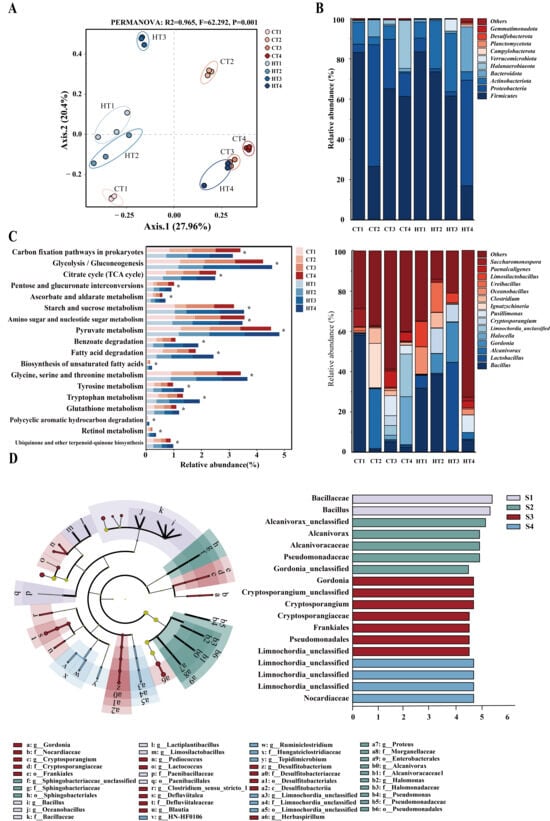
To elucidate the mechanisms by which the rhizosphere microbial community influences cold tolerance in maize, this study employed the metagenomic technology to systematically analyze the community composition, functional characteristics, and their association with host cold tolerance in the rhizosphere of maize genotypes with
[...] Read more.
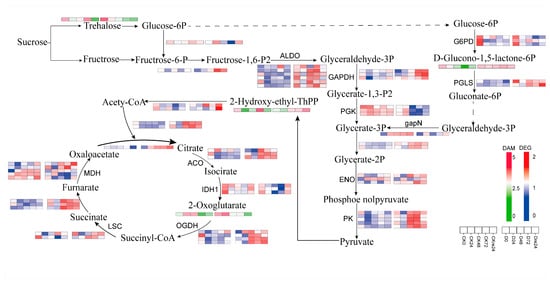
To elucidate the mechanisms by which the rhizosphere microbial community influences cold tolerance in maize, this study employed the metagenomic technology to systematically analyze the community composition, functional characteristics, and their association with host cold tolerance in the rhizosphere of maize genotypes with different cold tolerance (cold-tolerant material B144 and cold-sensitive material Q319, among others) (n = 3 biological replicates per genotype). The results revealed that the rhizosphere microbial community of the cold-tolerant genotype B144 exhibited higher species diversity and more complex genomic features. LEfSe analysis indicated that the rhizosphere soil microbiota of B144 was significantly enriched in two major phyla, Firmicutes and Actinobacteria, as well as microbial taxa with stress tolerance potential, such as the Bacillus and Streptomyces. Further functional analysis revealed that the microbial community was specifically enriched in metabolic pathways related to glycan biosynthesis and metabolism, as well as coenzyme and vitamin metabolism. We hypothesize that the physiological stability of maize under low temperatures can be enhanced through mechanisms such as the synthesis of extracellular polysaccharides to reduce the freezing point and the provision of vitamins and antioxidant substances. In contrast, the rhizosphere microorganisms of the cold-sensitive material Q319 were more enriched in basic metabolic functions. The present study elucidates the pivotal mechanisms by which rhizosphere microorganisms facilitate maize resistance to low-temperature stress from a functional perspective. This provides theoretical support and new strategies for enhancing crop stress resistance by regulating the rhizosphere microbiome.
Full article
(This article belongs to the Special Issue Plant Stress Tolerance: From Genetic Mechanism to Cultivation Methods)
►▼
Show Figures

Figure 1
Open AccessArticle
Environmental Implications and Risk Assessment of Pesticide Residues in Soils and Water in One of the Most Important Agricultural Regions in Niger
by
Djamilou Gabèye, Martin Wiehle and Abdourahamane Tankari Dan Badjo
Agronomy 2026, 16(9), 930; https://doi.org/10.3390/agronomy16090930 - 3 May 2026
Abstract
In sub-Saharan Africa, intensive pesticide use in irrigated agriculture is threatening the quality of soil, water bodies and ecosystem services, yet integrated risk assessments remain limited. This study evaluated the environmental implications and risks of pesticide residues in soils (0–20 cm; n =
[...] Read more.
In sub-Saharan Africa, intensive pesticide use in irrigated agriculture is threatening the quality of soil, water bodies and ecosystem services, yet integrated risk assessments remain limited. This study evaluated the environmental implications and risks of pesticide residues in soils (0–20 cm; n = 15) and irrigation water (n = 15) from off-season irrigation area of the Goulbi Maradi Valley, Niger. Twelve commonly used pesticides in Djiratawa, Maradi 3 and Tibiri, were quantified by High-Performance Liquid Chromatography with Variable Wavelength Detector (HPLC-VWD), revealing Tibiri as a contamination hotspot, where the total pesticide residues in soil and irrigation water reached 6.4 and 19.7 times the respective European Union soil and drinking water benchmarks, dominated by Cypermethrin, Emamectin benzoate and Chlorpyrifos ethyl in soils, and Emamectin benzoate and Dichlorvos in water. Multivariate analysis showed that soil particle size, particularly higher clay content, controlled the retention of strongly sorbing compounds, while pH and salinity governed the occurrence of more soluble residues in irrigation water. While non-carcinogenic risks for Adults and Children via soil and water exposure were acceptable (Hazard Quotient and Hazard Index < 1), ecological risks were unacceptable, with Folsomia candida and Daphnia magna the most affected organisms, driven by Emamectin benzoate (Toxicity Exposure Ratio < 2). Priority actions include phasing out Dichlorvos and Paraquat dichloride, tightening controls on Emamectin benzoate and expanding food-chain monitoring, particularly in vegetables and fish, to support multi-trophic risk assessment and safer irrigation management.
Full article
(This article belongs to the Section Pest and Disease Management)
Open AccessArticle
Comparison of Polyphenol Content and Antioxidant Activity in Leaves of Seven Avocado (Persea americana Mill.) Cultivars
by
Samuel Valdebenito, Marcela Escobar, Ricardo Cautín, Juan Vidal, Martina Ruiz, Benjamín Astudillo, Ignacia Hernández and Patricia Peñaloza
Agronomy 2026, 16(9), 929; https://doi.org/10.3390/agronomy16090929 - 3 May 2026
Abstract
Leaves of Persea americana Mill. are a potential source of bioactive compounds; however, current knowledge is limited by the lack of studies that simultaneously evaluate multiple cultivars and leaf developmental stages under comparable field conditions, as well as by inconsistent sampling criteria across
[...] Read more.
Leaves of Persea americana Mill. are a potential source of bioactive compounds; however, current knowledge is limited by the lack of studies that simultaneously evaluate multiple cultivars and leaf developmental stages under comparable field conditions, as well as by inconsistent sampling criteria across studies. This study aimed to assess how leaf developmental stage and cultivar influence phenolic composition and antioxidant activity in avocado leaves grown under field conditions. Total polyphenols, total flavonoids, quercetin-3-O-galactoside, and chlorogenic acid were selected as representative compounds due to their relevance in plant defense and antioxidant capacity. These compounds, together with antioxidant activity, were quantified in young expanding (E1) and fully expanded (E6) leaves of seven avocado cultivars using spectrophotometric methods and HPLC-DAD, and analyzed through two-way ANOVA. Results showed that leaf developmental stage significantly influenced flavonoid content, chlorogenic acid, and antioxidant activity, which were consistently higher in E1 leaves. In contrast, total polyphenol content exhibited cultivar-dependent responses, increasing toward E6 only in specific genotypes, while quercetin-3-O-galactoside remained stable across developmental stages but varied among cultivars. Overall, the results indicate that phenolic metabolism in avocado leaves is regulated by both developmental stage and genotype in a compound-specific manner, with no consistent pattern associated with racial background. From a practical perspective, these findings provide a basis for selecting leaf material according to the intended application: young leaves for higher antioxidant capacity and flavonoid content, and specific cultivars at advanced stages for higher total polyphenol accumulation, supporting the functional valorization of avocado leaves as a source of bioactive compounds.
Full article
(This article belongs to the Special Issue Genotype × Environment Interactions in Crop Production—2nd Edition)
►▼
Show Figures

Figure 1
Open AccessArticle
Exogenous Abscisic Acid Modulates Physiological and Sugar Metabolic Responses to Alleviate Low-Light Injury in Cherry Tomato
by
Xin Yang, Jun Nie, Yu Yuan, Yuming Xie, Liangliang Shi and Yanhong Li
Agronomy 2026, 16(9), 928; https://doi.org/10.3390/agronomy16090928 - 2 May 2026
Abstract
Low-light (LL) stress is a major abiotic limiting factor in protected cherry tomato production, adversely affecting vegetative growth, inducing oxidative damage, and disrupting fruit sugar metabolism. To clarify the regulatory role of exogenous abscisic acid (ABA) in mitigating LL stress, we examined the
[...] Read more.
Low-light (LL) stress is a major abiotic limiting factor in protected cherry tomato production, adversely affecting vegetative growth, inducing oxidative damage, and disrupting fruit sugar metabolism. To clarify the regulatory role of exogenous abscisic acid (ABA) in mitigating LL stress, we examined the effects of varying ABA concentrations on plant growth, antioxidant capacity, and fruit sugar metabolism in cherry tomatoes under low-light conditions. A two-factor randomized complete block design, with two light regimes—normal light (NL, 100% natural sunlight) and low light (LL, 25% natural sunlight)—and three ABA concentrations (CK: 0 mg·L−1, T1: 10 mg·L−1, T2: 20 mg·L−1). Fruits were sampled at three typical ripening stages (green mature, breaker, and red ripe) to evaluate vegetative and reproductive physiological responses. The results showed that exogenous ABA application effectively suppressed LL-induced excessive stem elongation and alleviated LL-caused reductions in stem diameter and biomass accumulation. ABA treatment significantly increased peroxidase (POD) activity and reduced malondialdehyde (MDA) and hydrogen peroxide (H2O2) accumulation, thereby relieving LL-triggered oxidative damage. In addition, ABA regulated key sugar-metabolizing enzymes (soluble acid invertase (SAI), sucrose synthase (SS), sucrose phosphate synthase (SPS), and amylase (Amy)) and the transcript levels of related functional genes (HXK1, SPS, SS, AI), thereby mediating stage-dependent fruit sugar metabolism under LL stress. In conclusion, exogenous ABA effectively modulates vegetative growth, antioxidant homeostasis, and stage-specific fruit sugar metabolism, ultimately alleviating low-light stress damage in cherry tomato. Among the tested treatments, 20 mg·L−1 ABA exhibited the most pronounced mitigation effects, which can be recommended as an optimal foliar application concentration for cherry tomato cultivation in low-light protected facilities.
Full article
(This article belongs to the Section Horticultural and Floricultural Crops)
►▼
Show Figures

Figure 1
Open AccessArticle
Biomass Production and Nitrogen Accumulation of Summer Cover Crop Mixtures Under Two Sowing Dates in a Cool Temperate Climate
by
Kristo Tikk, Liina Talgre, Karli Sepp, Liina Edesi, Karin Kauer, Viacheslav Eremeev and Merili Toom
Agronomy 2026, 16(9), 927; https://doi.org/10.3390/agronomy16090927 - 2 May 2026
Abstract
Summer cover crops can improve soil fertility and contribute to nitrogen (N) supply in temperate cropping systems, yet the effects of mixture composition and sowing timing remain insufficiently documented. This study evaluated biomass production and N accumulation of five multispecies cover crop mixtures
[...] Read more.
Summer cover crops can improve soil fertility and contribute to nitrogen (N) supply in temperate cropping systems, yet the effects of mixture composition and sowing timing remain insufficiently documented. This study evaluated biomass production and N accumulation of five multispecies cover crop mixtures grown in Estonia during 2024–2025 under two sowing dates per year. Aboveground biomass, botanical composition, and carbon (C) and nitrogen concentrations were measured to assess productivity, species contributions, and residue quality. Earlier sowing was generally associated with higher biomass and N accumulation, with first-sown mixtures producing, on average, 38.7% more biomass than later-sown mixtures. Mixture performance was strongly shaped by species composition and competitive hierarchies. Total N accumulation of the cover crop mixtures ranged from 42 to 275 kg N ha−1 depending on mixture composition and sowing time, with mixtures dominated by common vetch (Vicia sativa L.) achieving the highest values. Oat (Avena sativa) dominated and contributed substantially to biomass in mixtures lacking competitive legumes, whereas sunflower (Helianthus annuus) and maize (Zea mays) performed less well under delayed sowing. Low-growing species such as Persian clover (Trifolium resupinatum) produced little biomass when grown with highly competitive species. Legumes exhibited lower C:N ratios than non-legumes, while mixture-level values remained moderate, suggesting residue quality with potential for favourable decomposition and nutrient release in summer cover crop systems under temperate conditions.
Full article
(This article belongs to the Special Issue Cover Crops Grown Alone and in Consortia: Biomass Production, Nutrient Cycling of Residues and Relationships with Soil and Crop Productivity)
Open AccessArticle
Molecular Mechanism by Which OsSUT2 Regulates Chalkiness Formation in Rice Grains
by
Dongping Yao, Xiaoqiao Yin, Dengkui Liu, Fudie Meng, Chunfen Long, Yingge Li, Xuemei Zhong and Bin Bai
Agronomy 2026, 16(9), 926; https://doi.org/10.3390/agronomy16090926 - 2 May 2026
Abstract
Rice chalkiness is a key constraint in breeding high-quality rice, and unbalanced sucrose transport and starch metabolism are its primary causes. To clarify the molecular mechanism by which OsSUT2 regulates rice grain chalkiness formation, the rice cultivar TP309 was used as material, and
[...] Read more.
Rice chalkiness is a key constraint in breeding high-quality rice, and unbalanced sucrose transport and starch metabolism are its primary causes. To clarify the molecular mechanism by which OsSUT2 regulates rice grain chalkiness formation, the rice cultivar TP309 was used as material, and ossut2 homozygous mutants were generated via CRISPR/Cas9. Systematic studies were performed using genetic complementation, phenotypic identification, cytological observation, transcriptome sequencing, and haplotype analysis. The results show that loss of OsSUT2 function significantly increased grain chalkiness, deteriorated agronomic traits, induced carbon assimilate accumulation in leaves, blocked sugar transport and starch synthesis in grains, and destroyed starch fine structure; the mutant phenotype was largely restored by functional complementation with wild-type OsSUT2. OsSUT2 was expressed in both source and sink organs, with the strongest inhibition detected in the panicles. Mutation of OsSUT2 disrupted sucrose and starch metabolic pathways. Three main haplotypes of OsSUT2 were identified in natural populations, with significant indica–japonica differentiation. OsSUT2 is confirmed as a key regulator of rice chalkiness, providing gene resources and theoretical support for rice quality improvement.
Full article
(This article belongs to the Special Issue Genetics and Breeding of Field Crops in the 21st Century—2nd Edition)
Open AccessArticle
Long-Term Cotton Straw Returning May Increase Soil Secondary Salinization Risk in Some Xinjiang Cotton Fields: Evidence of Threshold-like Responses and Spatial Heterogeneity
by
Changxue Wu, Junxiao Zhang, Xiangwen Xie, Renna Sa, Yeshan Zhang and Yongmei Xu
Agronomy 2026, 16(9), 925; https://doi.org/10.3390/agronomy16090925 - 2 May 2026
Abstract
Background: Cotton straw returning (CSR) is widely implemented in Xinjiang to achieve in situ residue utilization and ameliorate saline–alkali soils. However, its long-term efficacy in improving soil fertility without inducing secondary salinization remains poorly understood. Methods: This study evaluated the effects of different
[...] Read more.
Background: Cotton straw returning (CSR) is widely implemented in Xinjiang to achieve in situ residue utilization and ameliorate saline–alkali soils. However, its long-term efficacy in improving soil fertility without inducing secondary salinization remains poorly understood. Methods: This study evaluated the effects of different CSR durations on soil physicochemical properties and cotton yield across four major cotton-growing regions of Xinjiang, China (Shawan, Wusu, Manas, and Shihezi). Cotton fields with different CSR durations were classified into four treatments: CK (0 years), T1 (5 years), T2 (10 years), and T3 (20 years). Soil bulk density (BD), exchangeable sodium percentage (ESP), and key soil fertility indicators were measured to assess comprehensive soil fertility and soil secondary salinization risk. Results: CSR generally enhanced soil physicochemical properties, but responses exhibited spatial heterogeneity. Soil BD decreased in Wusu and Shihezi but showed temporary increases in Manas and Shawan. SFI increased continuously with CSR duration in Shawan and Wusu, whereas it peaked at around 10 years in Shihezi and Manas. Cotton yield was highest under the 20-year treatment in Manas but peaked under the 10-year treatment in the other regions. Notably, prolonged CSR (>10 years) elevated ESP in some areas, suggesting an increased risk of secondary salinization. Conclusions: A CSR duration of roughly 10 years appears optimal for balancing soil amelioration and salinity control in saline–alkali cotton fields of Xinjiang.
Full article
(This article belongs to the Section Soil and Plant Nutrition)
►▼
Show Figures

Figure 1
Open AccessArticle
Harnessing Cooperative Bacterial Consortia to Enhance Agronomic Performance, Yield, and Grain Quality of Lupinus luteus Under Field-Based Drought Conditions
by
Macarena Barra-Jiménez, Karen Vergara, Paulina Molinet, Milko A. Jorquera, Joaquin Rilling, Grace Armijo-Godoy and Jacquelinne J. Acuña
Agronomy 2026, 16(9), 924; https://doi.org/10.3390/agronomy16090924 - 1 May 2026
Abstract
The use of microbial consortia has emerged as a promising strategy to improve crop performance under abiotic stress, although their effectiveness under field conditions remains variable. Here, we evaluated whether plant growth-promoting (PGP) bacterial consortia assembled based on synergistic PGP traits can improve
[...] Read more.
The use of microbial consortia has emerged as a promising strategy to improve crop performance under abiotic stress, although their effectiveness under field conditions remains variable. Here, we evaluated whether plant growth-promoting (PGP) bacterial consortia assembled based on synergistic PGP traits can improve physiological performance, yield, and grain quality of yellow lupine (Lupinus luteus L.) under field-based drought conditions. A semi-controlled, field-based pot experiment was conducted under contrasting water regimes (irrigated and drought) to evaluate four rhizobacterial strains (Microbacterium sp. S13.2, Variovorax sp. S14.7, Bacillus sp. S31, and Lysinibacillus sp. S34), assembled into four consortia: two characterized by high (C1 and C2) and two by low (C3 and C4) auxin production and ACC deaminase activity, along with an uninoculated control. Physiological responses were monitored across phenological stages through stomatal conductance and photosynthetic pigments, while agronomic traits, yield components, and grain quality were assessed at harvest. Inoculation effects were stage-dependent and became more evident under drought conditions. Consortia C1(Microbacterium sp. S13.2 + Variovorax sp. S14.7) and C2 (Bacillus sp. S31 + Lysinibacillus sp. S34) consistently improved biomass accumulation, seed number, and grain yield compared to the uninoculated control, whereas C3 (Lysinibacillus sp. S34 + Variovorax sp. S14.7) and C4 (Bacillus sp. S31 + Variovorax sp. S14.7) showed limited or neutral effects. Multivariate analysis indicated distinct performance strategies, with C1 associated with higher productivity and C2 with improved yield stability under drought. Grain quality parameters remained stable across treatments. These results show that cooperative microbial consortia can improve lupine performance under water-limited conditions, and their effectiveness depends on the functional interactions among consortium members.
Full article
(This article belongs to the Topic Microbe-Induced Abiotic Stress Alleviation in Plants, 2nd Edition)
►▼
Show Figures

Figure 1
Open AccessArticle
Fast-Tracking Trait Combination in Triticale Through Doubled Haploid Technology
by
Sue Broughton, Marieclaire Castello, Yong Han, Richard Bennett, Manisha Shankar, Ryan Varischetti and Daniel Real
Agronomy 2026, 16(9), 923; https://doi.org/10.3390/agronomy16090923 - 1 May 2026
Abstract
This study aimed to develop an anther culture protocol for triticale (×Triticosecale Wittmack) and generate a doubled haploid (DH) population combining awnlessness and stripe rust resistance. A wheat anther culture protocol was evaluated on nine triticale varieties, with and without Trichostatin A
[...] Read more.
This study aimed to develop an anther culture protocol for triticale (×Triticosecale Wittmack) and generate a doubled haploid (DH) population combining awnlessness and stripe rust resistance. A wheat anther culture protocol was evaluated on nine triticale varieties, with and without Trichostatin A (TSA), and tested on parental genotypes—an awned, stripe rust–resistant breeding line (AT-45) and an awnless variety (‘1143’)—as well as on ten F1 plants derived from crosses between AT-45 and ‘1143’. Plant regeneration varied widely among varieties, ranging from 0.8 to 39.7 green plants per 30 anthers (1.6–80 per spike), with an overall mean of 9.9 (20 per spike). TSA did not significantly improve green plant production in this study, though further optimisation of the application method may be warranted. An average of 17.4 green plants per spike was obtained from the F1 plants, and 1130 regenerant plants were grown to maturity, with a mean spontaneous chromosome doubling rate of 42.5%. A total of 480 DH lines were harvested, comprising 250 awned, 60 reduced awn, and 170 awnless lines. Awned and reduced awn lines were discarded, and 114 awnless lines were advanced for field evaluation of stripe rust resistance and agronomic traits. These results establish an effective anther culture system for DH production in triticale and demonstrate the potential of DH technology to accelerate the development of resilient, high-performing varieties.
Full article
(This article belongs to the Section Crop Breeding and Genetics)
►▼
Show Figures

Figure 1
Open AccessArticle
Monitoring Crop Structure and Moisture Using GNSS Interferometric Reflectometry Based on SNR Modeling
by
Samuele De Petris and Enrico Borgogno-Mondino
Agronomy 2026, 16(9), 922; https://doi.org/10.3390/agronomy16090922 - 1 May 2026
Abstract
This study aims to evaluate the potential of Global Navigation Satellite System Interferometric Reflectometry (GNSS-IR) based on signal-to-noise ratio (SNR) analysis for monitoring crop structure and moisture. Data were collected using a GNSS antenna placed within an experimental meadow located in NW Italy.
[...] Read more.
This study aims to evaluate the potential of Global Navigation Satellite System Interferometric Reflectometry (GNSS-IR) based on signal-to-noise ratio (SNR) analysis for monitoring crop structure and moisture. Data were collected using a GNSS antenna placed within an experimental meadow located in NW Italy. GNSS-IR exploits the interference between direct and ground-reflected signals to derive physical parameters such as the vegetation phase center height and soil moisture. In this work, by analyzing and modeling the oscillations in SNR time series, the sensitivity to crop growth dynamics was assessed. Vegetation height and dielectric parameters were compared against corresponding ground-surveyed values collected using a ruler and buried soil moisture sensors. Results suggest that GNSS-IR can detect canopy height with a high degree of consistency (Pearson’s r = 0.89, MAPE = 18%). Results also show that changes in the amplitude and phase of the interference pattern are sensitive to biomass density and dielectric properties of the reflecting surface (r = −0.81 and r = 0.86 respectively). GNSS-IR observables were analyzed across four representative measurement campaigns capturing distinct seasonal stages of meadow development. Despite the limited temporal sampling (n = 4), the selected observations correspond to contrasting vegetation and soil moisture conditions, allowing the identification of systematic variations in crop biophysical properties. These findings open promising perspectives for the development of innovative monitoring strategies in precision agriculture, leveraging existing GNSS infrastructure to obtain key biophysical parameters with minimal additional equipment and operational complexity.
Full article
(This article belongs to the Special Issue Smart Farming Technologies for Sustainable Agriculture—2nd Edition)
►▼
Show Figures

Figure 1
Open AccessArticle
TaNSUN2-Mediated m5C Modification of TaTHI2 Modulates Antiviral Immunity Against Chinese Wheat Mosaic Virus
by
Liwen Chen, Meichen Zhang, Yulun Wu, Lixiao Feng, Ying Liu, Jiaqian Liu, Jian Yang and Yaoyao Jiang
Agronomy 2026, 16(9), 921; https://doi.org/10.3390/agronomy16090921 - 30 Apr 2026
Abstract
Although RNA cytosine-5 methylation (m5C) is an important post-transcriptional regulatory mechanism, its contribution to plant antiviral immunity remains unclear. In this study, we identified Thiamine thiazole synthase 2 (TaTHI2) as a host mRNA target of the wheat m5C methyltransferase
[...] Read more.
Although RNA cytosine-5 methylation (m5C) is an important post-transcriptional regulatory mechanism, its contribution to plant antiviral immunity remains unclear. In this study, we identified Thiamine thiazole synthase 2 (TaTHI2) as a host mRNA target of the wheat m5C methyltransferase TaNSUN2 during infection by Chinese wheat mosaic virus (CWMV), a soil-borne virus that poses a major threat to wheat production. TaNSUN2 contributes to the m5C modification of TaTHI2 transcripts, enhancing mRNA stability and sustaining TaTHI2 accumulation. The disruption of a key m5C site markedly reduced methylation, weakened TaNSUN2–RNA binding, and accelerated transcript decay, leading to the compromised production of reactive oxygen species (ROS) and increased viral infection. Mechanistically, the TaNSUN2-dependent m5C modification stabilized TaTHI2 mRNA, thereby promoting ROS-mediated antiviral defense. Collectively, our results establish the m5C modification of TaTHI2 mRNA as a critical post-transcriptional control point in CWMV resistance and highlight TaNSUN2-dependent RNA methylation as an integral component of host antiviral immunity.
Full article
(This article belongs to the Special Issue Regulatory Networks in Plant Response to Pathogens)
Open AccessArticle
Evaluation and Selection of Spring Wheat Cultivars for Adaptation to the Wheat–Soybean Double-Cropping System
by
Dong Deng, Yuning Huang, Weide Ge, Yingjie Wang, Yan Zhuang, Tao Li, Renfeng Xue and Ming Feng
Agronomy 2026, 16(9), 920; https://doi.org/10.3390/agronomy16090920 - 30 Apr 2026
Abstract
The wheat–soybean double-cropping system enables the continuous production of preceding and succeeding crops within the same growing season, providing an important approach for improving arable land-use efficiency, increasing output per unit area, and optimizing cropping structure. In Liaoning Province, where thermal resources and
[...] Read more.
The wheat–soybean double-cropping system enables the continuous production of preceding and succeeding crops within the same growing season, providing an important approach for improving arable land-use efficiency, increasing output per unit area, and optimizing cropping structure. In Liaoning Province, where thermal resources and the frost-free period are relatively limited, this system places high requirements on the growth duration, yield stability, and succession compatibility of the preceding wheat crop with the succeeding soybean crop. To identify spring wheat cultivars suitable for this system, field trials were conducted from 2021 to 2023, using three representative ecological regions of Liaoning Province. Ten widely grown spring wheat cultivars were evaluated for major agronomic traits, grain quality, and disease resistance, and their stability and system adaptability were analyzed using a mixed linear model, GGE biplot analysis, and TOPSIS. The results showed clear differences among cultivars in growth duration, wheat yield, and succeeding soybean yield. Liaochun 33 and Liaochun 18 had relatively short growth durations of 78–84 days and 79–83 days, respectively, and showed favorable performance in wheat yield, succeeding soybean yield, and stability. Combined with grain quality, disease resistance, and TOPSIS-based comprehensive evaluation, Liaochun 33 showed the best overall performance, while Liaochun 18 also exhibited strong system adaptability. Overall, cultivar selection for the wheat–soybean double-cropping system in Liaoning Province should shift from single wheat-yield evaluation to overall system-benefit evaluation. Liaochun 33 and Liaochun 18 can be recommended as preferred spring wheat cultivars for this cropping system.
Full article
(This article belongs to the Section Innovative Cropping Systems)
Open AccessEditorial
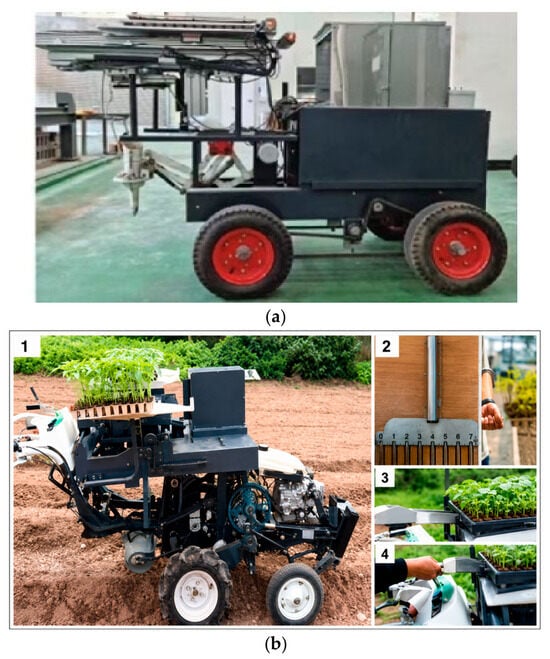
Editorial: Facility Agriculture Robots and Autonomous Unmanned Management for Crops I
by
Wei Ma
Agronomy 2026, 16(9), 919; https://doi.org/10.3390/agronomy16090919 - 30 Apr 2026
Abstract
Due to both continued global population growth and an accelerating aging trend in the rural labor force, agricultural production is facing unprecedented challenges [...]
Full article
(This article belongs to the Special Issue Facility Agriculture Robots and Autonomous Unmanned Management for Crops)
Open AccessArticle
Long-Term No-Tillage and Straw Mulching Improves Aggregate Stability by Increasing Mineral-Associated Organic Carbon in Microaggregates
by
Yidan He, Jiayu Qin, Yong Zhou, Ligeng Jiang, Yanli Chen, Hang Wu, Shihong Xu and Pengli Yuan
Agronomy 2026, 16(9), 918; https://doi.org/10.3390/agronomy16090918 - 30 Apr 2026
Abstract
Straw and no-tillage management, as important practices in conservation agriculture, have the potential to improve soil structure. However, their effects on the aggregate stability of soil and on active organic carbon pools in paddy fields are unclear. To investigate how different tillage and
[...] Read more.
Straw and no-tillage management, as important practices in conservation agriculture, have the potential to improve soil structure. However, their effects on the aggregate stability of soil and on active organic carbon pools in paddy fields are unclear. To investigate how different tillage and straw management practices affect soil properties, this study drew on a 15-year long-term experiment conducted in a double-cropped rice region in South China. It systematically compared four treatments: no-tillage (NT), conventional tillage (CT), conventional tillage with incorporated straw (CT-SR), and no-tillage with straw mulch (NT-SMR)—in terms of their effects on the distribution and stability of mechanical and water-stable aggregates, as well as the distribution of particulate organic carbon (POC) and mineral-associated organic carbon (MAOC) across various aggregate size fractions. The results showed that: (1) Relative to the CT, NT, and CT-SR treatments, NT-SMR significantly enhanced soil structure, as evidenced by a higher percentage of large aggregates (>0.25 mm) and improved aggregate stability. (2) NT-SMR consistently increased soil organic carbon pools, raising SOC, POC, and MAOC contents by 2.0–14.2%, 5.7–24.3%, and 1.0–11.9%, respectively, compared to other treatments. (3) In this study, stability of soil aggregates parameters (R>0.25, MWD and GMD) increased combined with higher levels of bulk SOC and >0.053 mm MAOC, but decreased with higher fractal dimension, indicating a direct causal link between organic carbon accumulation and the betterment of soil structure. Overall, NT-SMR promotes aggregate stability through an optimized particle-size distribution and increased SOC, particularly in the >0.053 mm MAOC fraction. This practice is a sustainable long-term strategy for enhancing SOC sequestration and structural stability in paddy.
Full article
(This article belongs to the Special Issue Sustainable Management and Tillage Practice in Agriculture—2nd Edition)
Journal Menu
► ▼ Journal Menu-
- Agronomy Home
- Aims & Scope
- Editorial Board
- Reviewer Board
- Topical Advisory Panel
- Instructions for Authors
- Special Issues
- Topics
- Sections & Collections
- Article Processing Charge
- Indexing & Archiving
- Editor’s Choice Articles
- Most Cited & Viewed
- Journal Statistics
- Journal History
- Journal Awards
- Society Collaborations
- Conferences
- Editorial Office
Journal Browser
► ▼ Journal BrowserHighly Accessed Articles
Latest Books
E-Mail Alert
News
Topics
Topic in
Agronomy, Crops, Plants
Abiotic Stress Responses in Wheat: Perspectives on Productivity and Sustainability
Topic Editors: Wenshan Guo, Jinfeng Ding, Min ZhuDeadline: 22 May 2026
Topic in
IJMS, Agronomy, Plants, CIMB
Leguminomics: From Genomic Blueprints to Sustainable Agriculture
Topic Editors: Qingshan Chen, Dawei XinDeadline: 31 May 2026
Topic in
Agronomy, Crops, Foods, Plants, Agriculture, Horticulturae
Multidisciplinary Advances in Tea Science: Smart Cultivation, Digital Processing, and Health Innovation
Topic Editors: Chunwang Dong, Lin Chen, Yang LiDeadline: 30 June 2026
Topic in
Agriculture, Agronomy, Ecologies, IJPB, Plants, Soil Systems
The Role of Plant-Soil Interactions on Crop Yields and Carbon Sequestration
Topic Editors: Jifu Ma, Meng Zhou, Caiqing QinDeadline: 31 July 2026
Conferences
14–16 September 2026
The 5th International Electronic Conference on Forests–Forests at the Crossroads: Integrating Ecology, Technological Innovation, and Governance

21–23 October 2026
The 2026 International Conference on Agriculture Sciences: Agroecology and Sustainable Systems

Special Issues
Special Issue in
Agronomy
Sustainable Agriculture for Food and Nutrition Security: 2nd Edition
Guest Editors: Peter J. Gregory, Thorsten KraskaDeadline: 10 May 2026
Special Issue in
Agronomy
Advanced Hydroponics Technology for Vegetable Production: New Opportunities and Challenges
Guest Editors: Carlos Eduardo Da Silva Oliveira, Marcelo Carvalho Minhoto Teixeira FilhoDeadline: 10 May 2026
Special Issue in
Agronomy
Integrated Mite Management in Agriculture
Guest Editors: Daniel Junior de Andrade, Daniel Carrillo, Mário Eidi SatoDeadline: 10 May 2026
Special Issue in
Agronomy
Innovative Agricultural Inputs and Soil–Plant–Microbe Interactions for Sustainable Agronomy
Guest Editors: Wenwen Gong, Gang Liang, Anxiang LuDeadline: 15 May 2026
Topical Collections
Topical Collection in
Agronomy
Towards Sustainable Intensification of Crop Production—Yield Gaps and Water Use Efficiency in Farming Systems
Collection Editors: Anita Ierna, Paula Paredes
Topical Collection in
Agronomy
Genetic Diversity Evaluation of the Fruit Trees
Collection Editors: Santiago Pereira-Lorenzo, José Iñaki Hormaza, Ana Ramos-Cabrer
Topical Collection in
Agronomy
Crop Physiology and Stress
Collection Editor: María del Pilar Cordovilla
Topical Collection in
Agronomy
A Series of Special Reviews and Topic Analyses That Explore Major Trends and Challenges in Agronomy
Collection Editors: Peter Langridge, Leslie A. Weston, Ilias Travlos