

Journal Description
Micromachines
Micromachines
is a peer-reviewed, open access journal on the science and technology of small structures, devices and systems, published monthly online by MDPI. The Chinese Society of Micro-Nano Technology (CSMNT) and AES Electrophoresis Society are affiliated with Micromachines and their members receive a discount on the article processing charges.
- Open Access— free for readers, with article processing charges (APC) paid by authors or their institutions.
- High Visibility: indexed within Scopus, SCIE (Web of Science), PubMed, PMC, Ei Compendex, dblp, and other databases.
- Journal Rank: JCR - Q2 (Instruments and Instrumentation) / CiteScore - Q1 (Mechanical Engineering)
- Rapid Publication: manuscripts are peer-reviewed and a first decision is provided to authors approximately 16.8 days after submission; acceptance to publication is undertaken in 1.9 days (median values for papers published in this journal in the second half of 2025).
- Recognition of Reviewers: reviewers who provide timely, thorough peer-review reports receive vouchers entitling them to a discount on the APC of their next publication in any MDPI journal, in appreciation of the work done.
- Testimonials: See what our editors and authors say about Micromachines.
- Companion journal: Micro.
- Journal Cluster of Instruments and Instrumentation: Actuators, AI Sensors, Instruments, Metrology, Micromachines and Sensors.
Impact Factor:
3.0 (2024);
5-Year Impact Factor:
3.1 (2024)
Latest Articles
Characterization of a Metasurface Integrated 8-Plate Reconfigurable Coding Unit-Cell Coupler for Rotational Misalignment Resilience in UAV Wireless Power Transfer
Micromachines 2026, 17(5), 620; https://doi.org/10.3390/mi17050620 (registering DOI) - 18 May 2026
Abstract
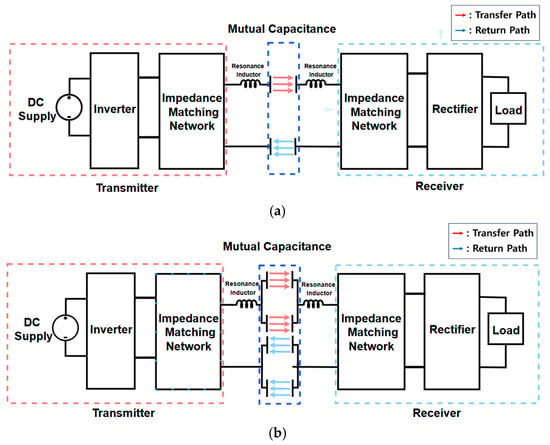
This study proposes a metasurface integrated reconfigurable unit-cell coupler designed for wireless power transfer (WPT) applications in unmanned aerial vehicles (UAVs). In near-field capacitive WPT systems, flexible UAV charging is restricted by rotational misalignment, which causes null power points (NPP) where energy transfer
[...] Read more.
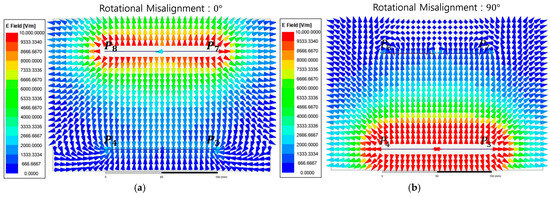
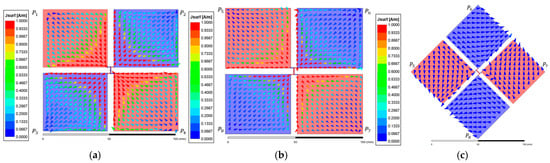
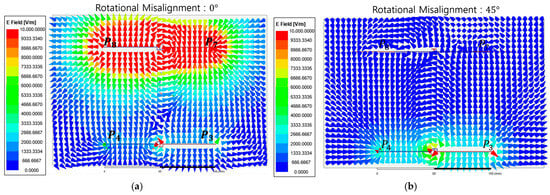
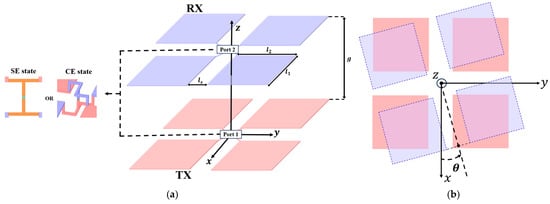
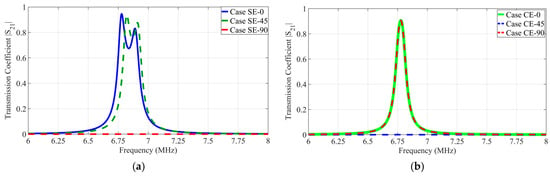
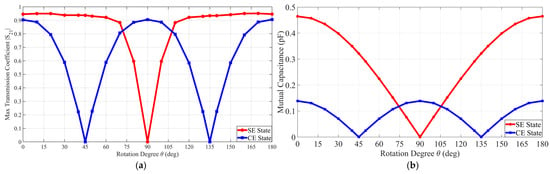
This study proposes a metasurface integrated reconfigurable unit-cell coupler designed for wireless power transfer (WPT) applications in unmanned aerial vehicles (UAVs). In near-field capacitive WPT systems, flexible UAV charging is restricted by rotational misalignment, which causes null power points (NPP) where energy transfer is suppressed. To address this, the proposed model emulates 1-bit digital coding states through Symmetric Excitation (SE) and Cross-Excitation (CE) states. Since precise unit-cell characterization is a prerequisite for array expansion, this research focuses on meta-atom-level analysis at 6.78 MHz with a deep sub-wavelength profile (0.002λ). Characterized through 3D full-wave analysis, the unit-cell achieves peak transmission coefficients of 0.945 for SE State and 0.903 for CE State. Crucially, these states exhibit complementary extinction angles at 90° and 45°, respectively, ensuring that the NPP of one state is effectively bypassed by the high transmissivity of the other. This dynamic switching between coding states maintains stable power transfer across a full 360° rotation, providing a technical foundation for scalable, intelligent metasurface-based wireless charging platforms.
Full article
(This article belongs to the Special Issue Electromagnetic Metamaterials and Metasurfaces: From Design to Applications)
►
Show Figures
Open AccessArticle
Intelligent Optimization of Gas-Assisted Electrospinning via LLM-Guided Bayesian Inference
by
Jun Zeng, Rongguang Zhang, Weicheng Ou, Xuanzhi Zhang, Shize Huang, Xun Chen and Guojie Xu
Micromachines 2026, 17(5), 619; https://doi.org/10.3390/mi17050619 (registering DOI) - 18 May 2026
Abstract
Nanofiber-based structures have shown considerable potential in semiconductor-related applications, including ultra-thin dielectric layers and flexible electronic devices, owing to their tunable micro-/nanoscale morphology. However, the manufacturing of these structures is often hindered by the complex multiparameter coupling and poor reproducibility inherent in conventional
[...] Read more.
Nanofiber-based structures have shown considerable potential in semiconductor-related applications, including ultra-thin dielectric layers and flexible electronic devices, owing to their tunable micro-/nanoscale morphology. However, the manufacturing of these structures is often hindered by the complex multiparameter coupling and poor reproducibility inherent in conventional electrospinning processes. To address these challenges, this study develops an intelligent optimization framework for gas-assisted electrospinning by integrating Large Language Models (LLMs) with Bayesian Optimization (BO). A Gaussian Process Regression (GPR) surrogate model was established to navigate the high-dimensional parameter space efficiently. Comparative studies demonstrate that the proposed BO+LLM strategy not only outperforms pure data-driven BO and pure knowledge-driven LLM approaches but also surpasses the conventional Response Surface Methodology (RSM) baseline, successfully locating a verified minimum fiber diameter of 239 nm. Furthermore, through response-surface analysis, this work identifies a specific multiphysics collaborative window where electrostatic stretching and aerodynamic assistance are balanced. These findings provide a robust pathway for the reproducible fabrication of nanofiber-based electronic devices.
Full article
(This article belongs to the Special Issue Emerging Technologies and Applications for Semiconductor Industry)
Open AccessArticle
Chemical Modification Mechanism of SiC Substrates in Electrical Discharge Machining
by
Qiufa Luo, Gu Li, Ningchang Wang, Sirong Wang, Jing Lu and Congming Ke
Micromachines 2026, 17(5), 618; https://doi.org/10.3390/mi17050618 (registering DOI) - 18 May 2026
Abstract
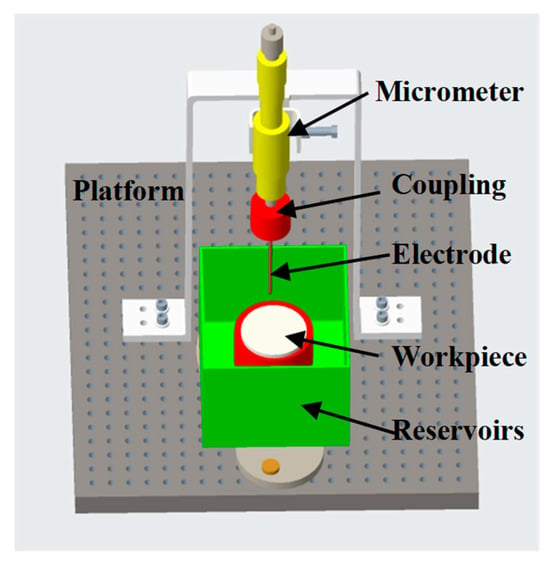
Electrical discharge machining (EDM) is an efficient method for processing silicon carbide (SiC) substrates. However, the chemical modification mechanism of SiC substrates in the EDM process remains not fully elucidated. To clarify the material removal mechanism of SiC substrates in EDM, this study
[...] Read more.
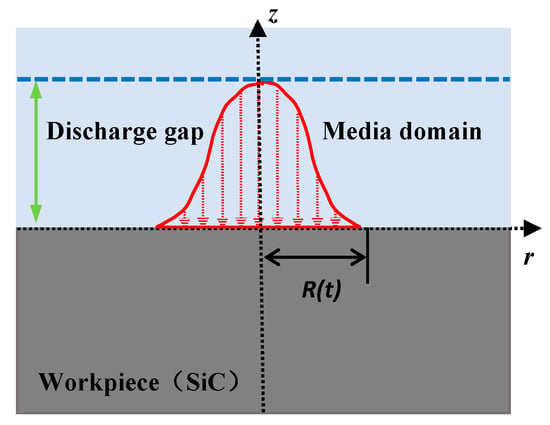
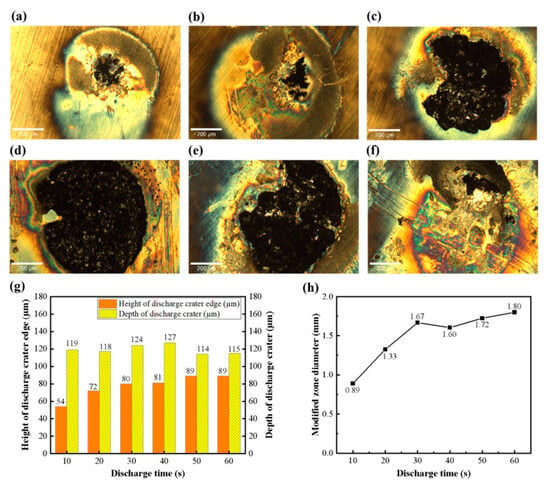
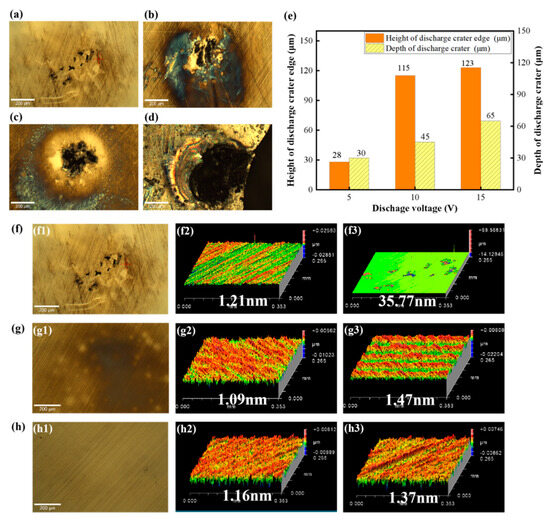
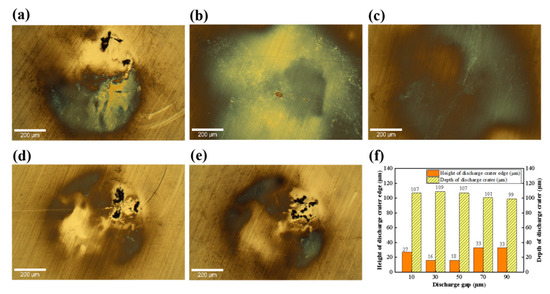
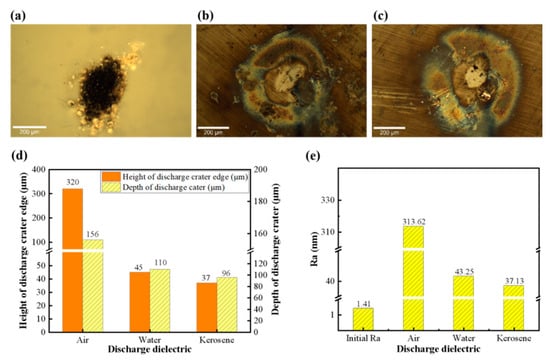
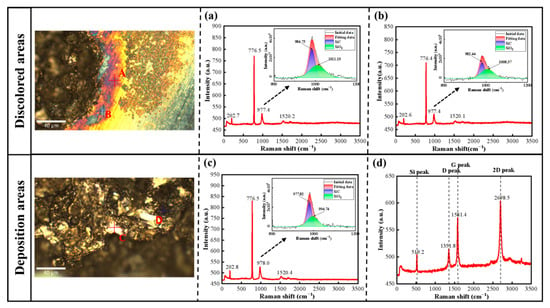
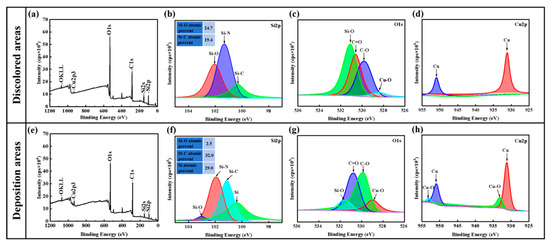
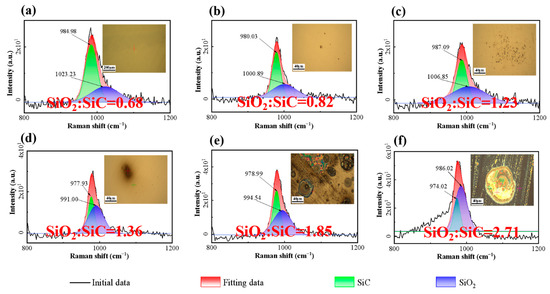
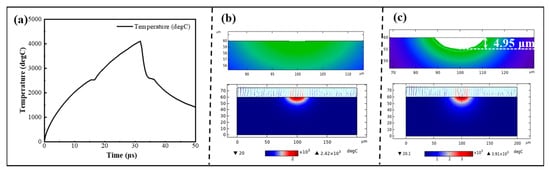
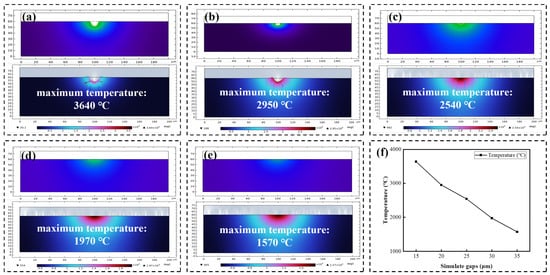
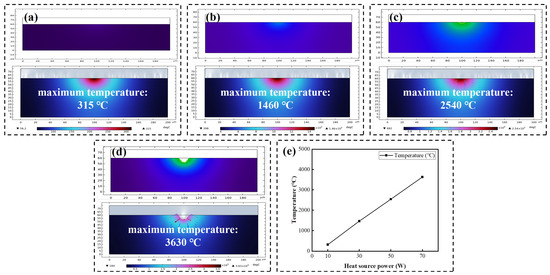
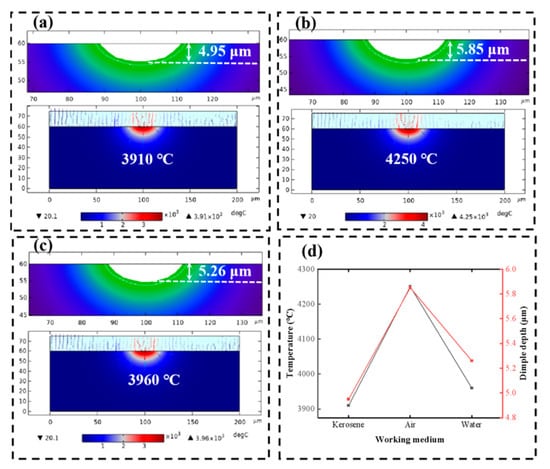
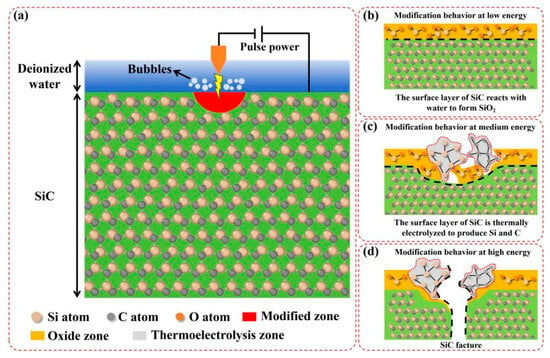
Electrical discharge machining (EDM) is an efficient method for processing silicon carbide (SiC) substrates. However, the chemical modification mechanism of SiC substrates in the EDM process remains not fully elucidated. To clarify the material removal mechanism of SiC substrates in EDM, this study investigated the behaviors of SiC substrates under different discharge conditions through experimental analysis and interface temperature field simulation. Results indicate that the SiC substrates sequentially exhibit characteristic morphologies of surface oxidation, thermal decomposition, and fracture as discharge energy increases. A discolored layer composed of amorphous SiO2 is formed on the SiC surface in low-discharge energy. Crystalline silicon and graphitic carbon are generated from the thermal decomposition of SiC substrates in high-discharge energy. Excessively high discharge energy induces the breakdown of SiC substrates. A critical temperature threshold is identified that delineates the initiation of prominent thermal oxidation on the SiC surface. Temperature field simulations further reveal the correlation between EDM parameters and interfacial temperature variations, along with the mechanisms of material removal driven by thermal diffusion. This study deepens the fundamental understanding of the EDM removal mechanism of SiC substrates and is expected to provide a scientific basis for the efficient material removal of SiC substrates.
Full article
(This article belongs to the Section A2: Surfaces and Interfaces)
►▼
Show Figures

Figure 1
Open AccessArticle
Microstructural Evolution and Enhanced Macroscopic Properties of La-Doped TiO2-SiO2 Composite Films Under Gradient Annealing
by
Yanbo Yuan, Li Zhang, Lei Li, Mengyang Wang, Wenjun Wang and Lin Wang
Micromachines 2026, 17(5), 617; https://doi.org/10.3390/mi17050617 (registering DOI) - 17 May 2026
Abstract
In this study, La-doped TiO2-SiO2 composite films were deposited on glass substrates by radio-frequency magnetron sputtering. The evolution of microstructure and macroscopic properties was systematically investigated across an annealing temperature range of 350–650 °C. The results show that the La-doped
[...] Read more.
In this study, La-doped TiO2-SiO2 composite films were deposited on glass substrates by radio-frequency magnetron sputtering. The evolution of microstructure and macroscopic properties was systematically investigated across an annealing temperature range of 350–650 °C. The results show that the La-doped TiO2-SiO2 composite structure effectively suppresses abnormal grain growth and delays the anatase-to-rutile phase transition, thereby improving the films’ high-temperature structural stability. Notably, the composite film annealed at 550 °C (LS-550) exhibits the highest anatase crystallinity and forms a dense, smooth (RMS = 1.37 nm), crack-free nanocrystalline network. In terms of wettability, the improved hydrophilicity is attributed to the combined effects of La incorporation and hydrophilic silanol (Si-OH) groups in the amorphous SiO2 phase. As a result, the water contact angle of the LS-550 film decreases dramatically to 28.0°, indicating excellent hydrophilicity. Moreover, the LS-550 film demonstrates an optimal photocatalytic degradation efficiency of approximately 76% for methylene blue, significantly outperforming the pure TiO2 film. Furthermore, the enhanced mechanical performance is associated with the combined effects of the SiO2-containing amorphous phase and the finer microstructure induced by La incorporation. Consequently, the critical load (Lc) of the LS-550 film reaches 75.64 mN, significantly exceeding that of the pure TiO2 film annealed at the same temperature (61.25 mN). In summary, the composite film annealed at 550 °C concurrently achieves high crystallographic thermal stability, robust interfacial mechanical durability, excellent surface hydrophilicity, and enhanced photocatalytic activity, thereby offering practical guidance for developing TiO2-based coatings with self-cleaning potential for high-rise building curtain walls.
Full article
(This article belongs to the Section E:Engineering and Technology)
Open AccessArticle
Parametric Optimization of a Star-Shaped Bluff Body for Enhanced VIV-Galloping Coupled Energy Harvesting
by
Li Zhang, Hai Wang, Chunlai Yang, Weiwei Duan and Jingjing Peng
Micromachines 2026, 17(5), 616; https://doi.org/10.3390/mi17050616 (registering DOI) - 17 May 2026
Abstract
Under low wind speed conditions, conventional bluff body energy harvesters suffer from a single vibration mechanism and a narrow effective wind speed range, making it difficult to meet the continuous power supply demands of miniature electronic devices. In this paper, by systematically optimizing
[...] Read more.
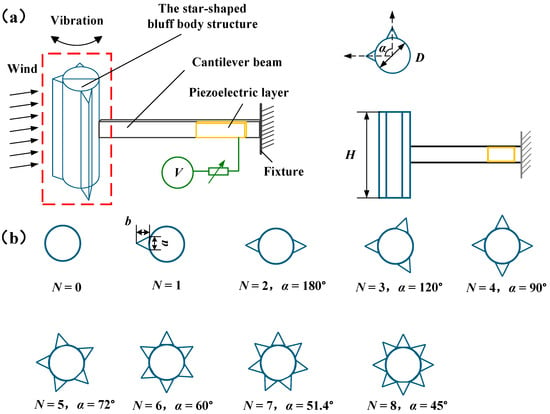
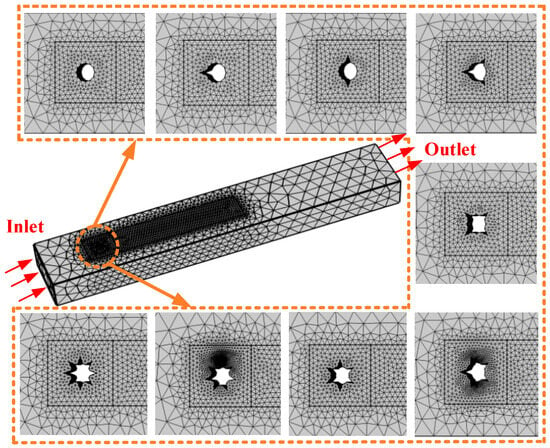
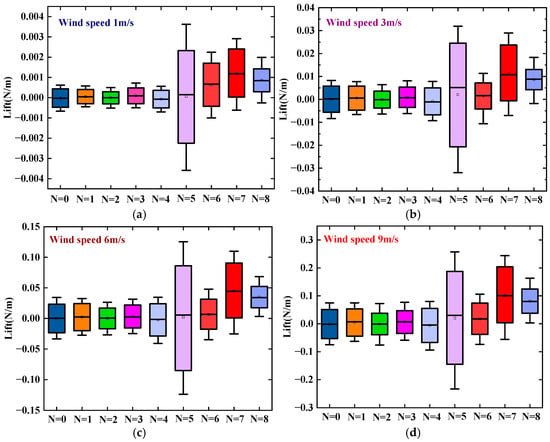
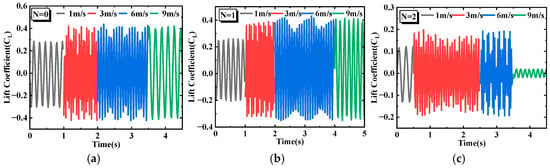
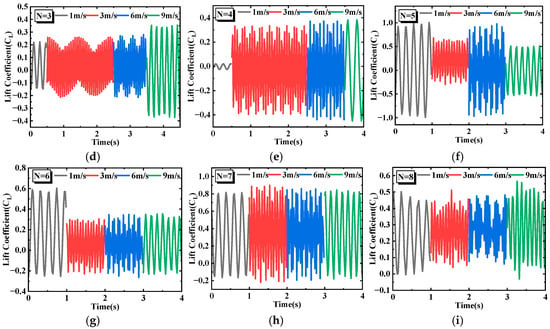
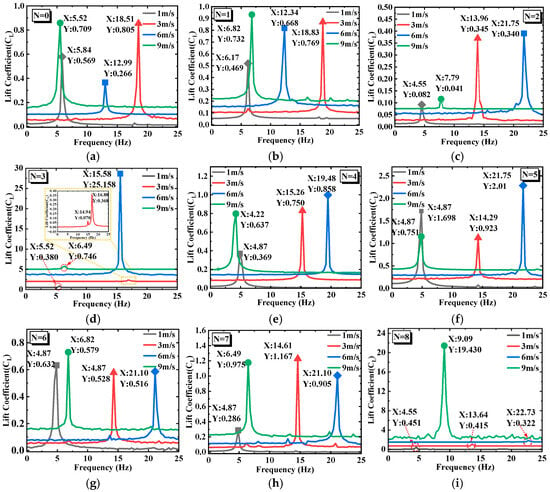
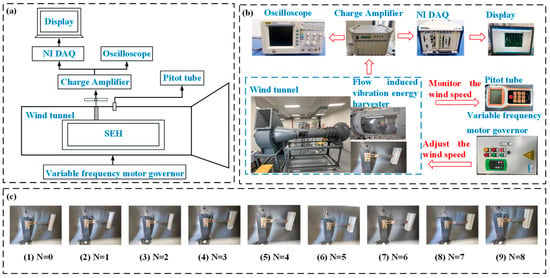
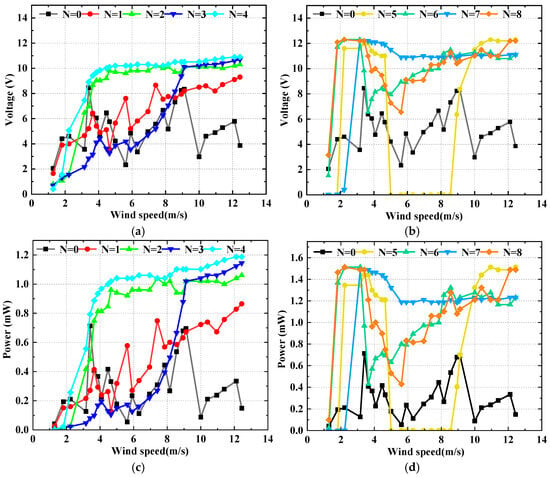
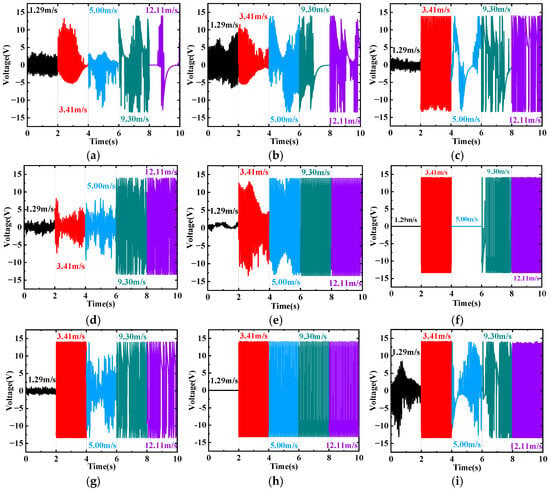
Under low wind speed conditions, conventional bluff body energy harvesters suffer from a single vibration mechanism and a narrow effective wind speed range, making it difficult to meet the continuous power supply demands of miniature electronic devices. In this paper, by systematically optimizing the number of triangular prisms N and the circumferential installation angle α, a parametrically adjustable star-shaped energy harvester (SEH) is proposed. The proposed structure consists of a cylindrical base with a tunable number of triangular prisms uniformly distributed along its circumference, aiming to reveal the regulation mechanism of the VIV-galloping coupling response and energy harvesting performance. Conceptual design and theoretical modeling of the SEH are first carried out. Then, three-dimensional fluid–structure interaction simulations are performed by varying N and α, and a prototype is fabricated for wind tunnel experimental validation. The results show that under the optimal parameter combination of N = 7 and α = 51.4°, the SEH achieves a maximum output voltage of 12.2 V at a wind speed of 3.41 m/s, with a maximum output power of 1.488 mW, and the effective wind speed range is broadened to 2.5~12.44 m/s. Compared with the conventional cylindrical energy harvester (CEH), the SEH (N = 7) increases the maximum output voltage by 44.38%, the maximum output power by 108.4%, and expands the effective wind speed range by 198.50%. Through systematic optimization of key geometric parameters, this study achieves synergistic regulation of flow-induced vibration modes and performance enhancement, providing a parametric design basis for efficient low-speed wind energy harvesting, which can promote the development of self-powered technologies for micro-sensors and IoT devices.
Full article
(This article belongs to the Topic Advanced Energy Harvesting Technology, 2nd Edition)
►▼
Show Figures

Figure 1

Open AccessArticle
Thermoelectric Transport Properties of Cu4Bi4Se9 Prepared by Mechanical Alloying and Hot Pressing
by
Gyuseong Chu and Il-Ho Kim
Micromachines 2026, 17(5), 615; https://doi.org/10.3390/mi17050615 (registering DOI) - 17 May 2026
Abstract
Single-phase Cu4Bi4Se9 was successfully synthesized through a simple and rapid process combining mechanical alloying (MA) and hot pressing (HP). The phase formation behavior, microstructural evolution, charge transport characteristics, and thermoelectric properties were systematically investigated. X-ray diffraction analysis as
[...] Read more.
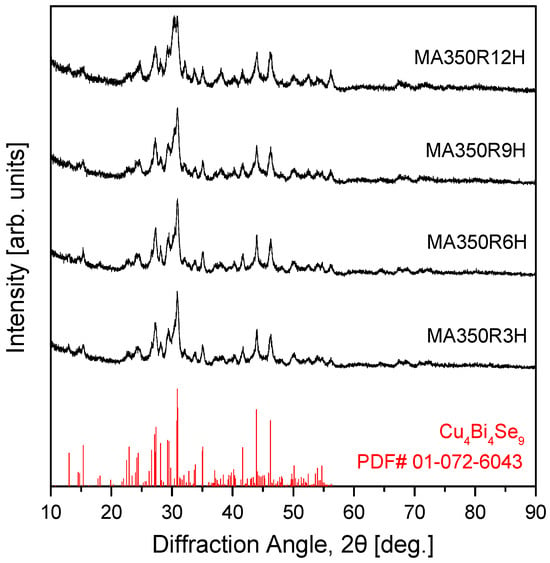
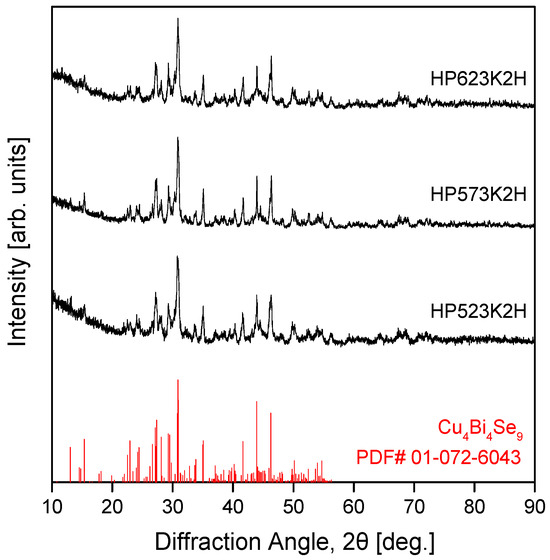
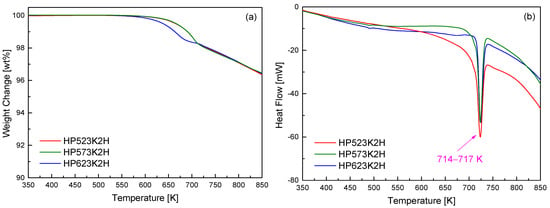
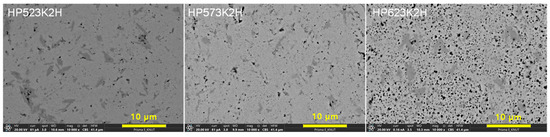
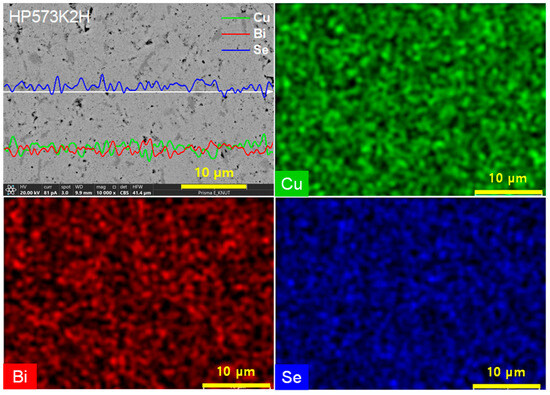
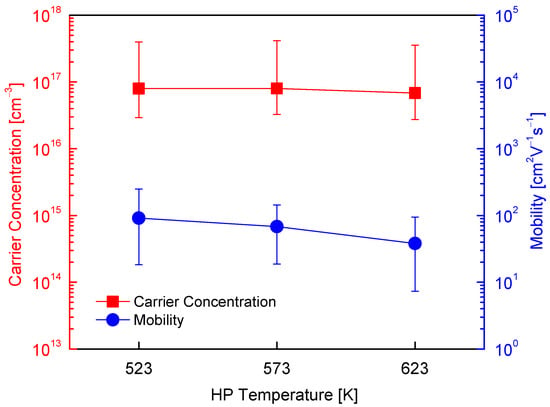
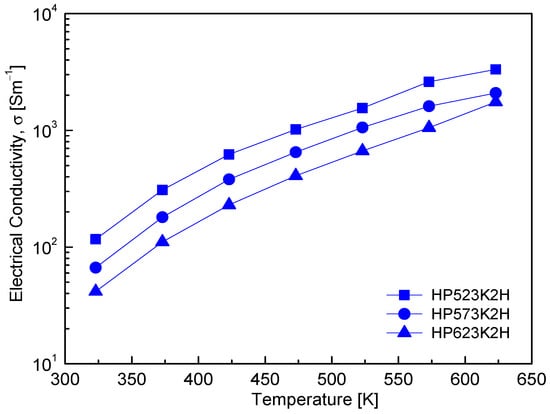
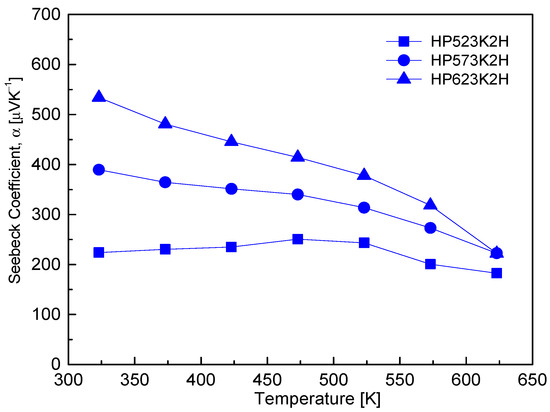
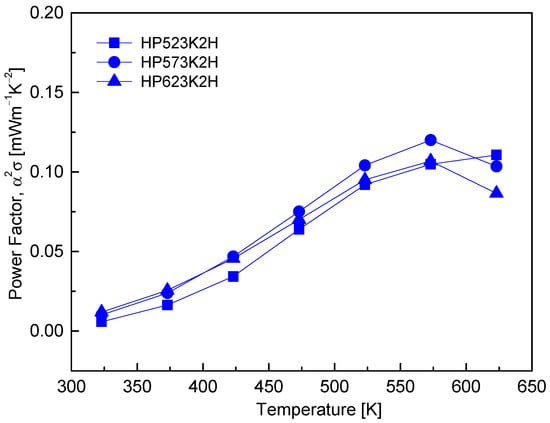
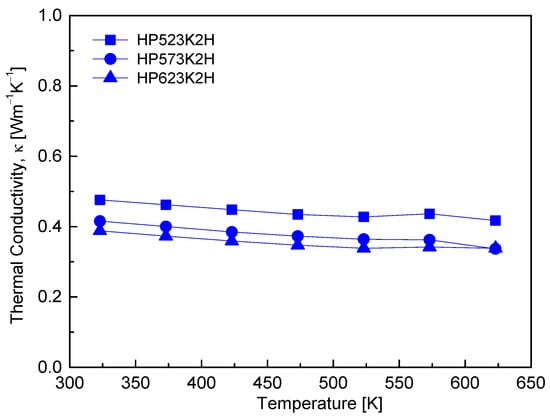
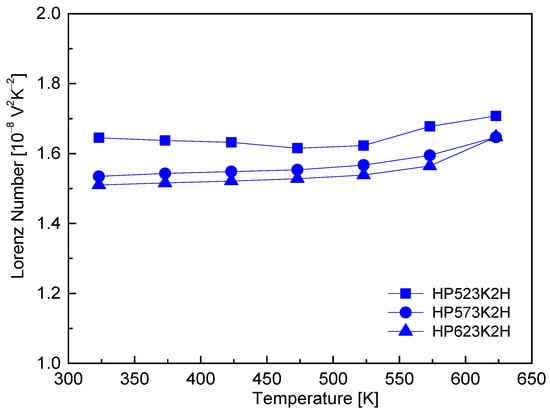
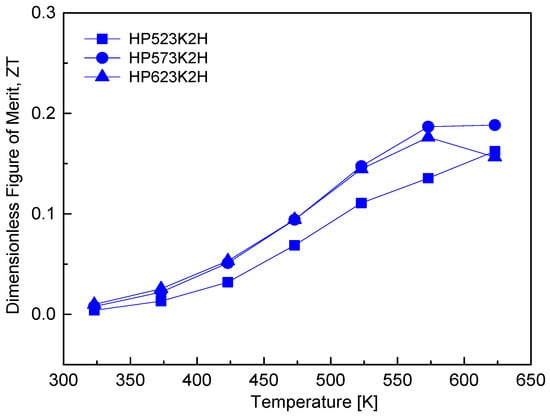
Single-phase Cu4Bi4Se9 was successfully synthesized through a simple and rapid process combining mechanical alloying (MA) and hot pressing (HP). The phase formation behavior, microstructural evolution, charge transport characteristics, and thermoelectric properties were systematically investigated. X-ray diffraction analysis as a function of MA time confirmed that all powders crystallized into a single orthorhombic phase with space group Pnma. No decompositions or secondary phases were observed after HP sintering, indicating high phase stability. Thermogravimetric and differential scanning calorimetric analyses revealed distinct endothermic peaks at 714–717 K for all samples, corresponding to the onset of the decomposition of Cu4Bi4Se9. Microstructural observations showed that the relative density decreased with increasing HP temperature (>573 K), accompanied by grain growth and pore formation, reflecting the competition between Cu–Se interdiffusion and pore coarsening during high-temperature sintering. Hall effect measurements indicated p-type conduction for all samples, with carrier concentrations on the order of 1017 cm−3 and carrier mobilities of approximately 102 cm2 V−1 s−1. With increasing temperature, the electrical conductivity increased monotonically, while the Seebeck coefficient gradually decreased, resulting in a maximum power factor of 0.12 mW m−1 K−2 at 573 K. The total thermal conductivity remained extremely low, ranging from 0.33 to 0.48 W m−1 K−1, with the electronic contribution accounting for less than 10%, indicating that lattice thermal transport is dominant. The suppressed lattice thermal conductivity is attributed to the combined effects of Cu atomic rattling, asymmetric bonding induced by Bi 6s2 lone-pair electrons, and strong anharmonic phonon scattering arising from the complex crystal structure. Consequently, Cu4Bi4Se9 achieved a peak dimensionless figure of merit ZT of 0.19 in the temperature range of 573–623 K, demonstrating that the MA–HP process enables stable phase formation and competitive thermoelectric performance without post-annealing.
Full article
(This article belongs to the Special Issue Materials and Devices for Advanced Thermal Energy Harvesting and Management)
►▼
Show Figures

Figure 1

Open AccessArticle
Preparation and Optimization of Silver Nanoparticle-Loaded Dendritic Fibrous Membranes for High-Efficiency Antibacterial Activity and Air Filtration
by
Yang Huang, Bofeng Li, Zhongyi Yu, Xianruo Du, Ruixin Chen, Xiang Wang, Jiaxin Jiang, Gaofeng Zheng and Huatan Chen
Micromachines 2026, 17(5), 614; https://doi.org/10.3390/mi17050614 (registering DOI) - 16 May 2026
Abstract
Metal nanoparticles are widely used in fibrous membrane materials due to their excellent antibacterial properties. However, metal nanoparticle-loaded fibrous membranes often face the trade-off between antibacterial performance and filtration efficiency. To address this issue, silver nanoparticle-loaded dendritic fibrous membranes were prepared via electrospinning
[...] Read more.
Metal nanoparticles are widely used in fibrous membrane materials due to their excellent antibacterial properties. However, metal nanoparticle-loaded fibrous membranes often face the trade-off between antibacterial performance and filtration efficiency. To address this issue, silver nanoparticle-loaded dendritic fibrous membranes were prepared via electrospinning technology in this study, and the dual optimization of antibacterial and filtration performance was achieved by adjusting the silver loading amount and fiber morphology. The results showed that the prepared silver nanoparticle-loaded PVDF dendritic fibrous membrane exhibited an outstanding air filtration performance with a filtration efficiency of 99.87% for 0.3 µm particulate matter, a pressure drop of 87.4 Pa, and a quality factor (QF) of 0.076 Pa−1. In addition, the membrane presented excellent antibacterial activity with inhibition rates of 99.9% and 99.8% against Escherichia coli and Staphylococcus aureus, respectively. This study provides a new insight into resolving the trade-off between air filtration and antibacterial performance of metal nanoparticle-loaded fibrous membranes and offers an important reference for applications in related fields.
Full article
Open AccessArticle
Electroosmosis and Solute Diffusion Transport of Maxwell Fluid Through a Polyelectrolyte-Grafted Microchannel with Modulated Charged Surfaces
by
Yin Shang, Fengqin Li and Chunhong Yang
Micromachines 2026, 17(5), 613; https://doi.org/10.3390/mi17050613 (registering DOI) - 16 May 2026
Abstract
This study investigates the time-periodic electroosmotic flow and solute transport of Maxwell fluid in a parallel microchannel with modulated surface charges. The Poisson–Boltzmann equation and the linearized momentum equations are solved using a superposition-based analytical approach. The influences of oscillation intensity, fluid elasticity,
[...] Read more.
This study investigates the time-periodic electroosmotic flow and solute transport of Maxwell fluid in a parallel microchannel with modulated surface charges. The Poisson–Boltzmann equation and the linearized momentum equations are solved using a superposition-based analytical approach. The influences of oscillation intensity, fluid elasticity, and electrokinetic parameters on the velocity and concentration distributions are examined. The results show that wall-potential modulation combined with a time-periodic electric field generates recirculating motion and oscillatory velocity patterns. Moderate oscillation strengthens both flow and solute transport, whereas stronger oscillation weakens transport efficiency. This work provides a quantitative analysis the interplay between oscillatory electroosmotic flow and solute transport in Maxwell fluid and clarifies the role of oscillation strength in controlling solute dispersion.
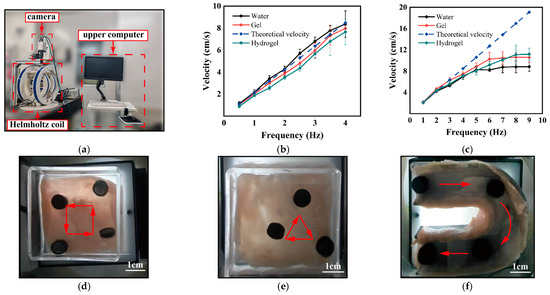
Full article
(This article belongs to the Collection Micro/Nanoscale Electrokinetics)
Open AccessReview
The Application of Micro/Nanorobots in Cancer Therapy
by
Yinglei Zhang, Bo Yang and Xiang Zou
Micromachines 2026, 17(5), 612; https://doi.org/10.3390/mi17050612 (registering DOI) - 15 May 2026
Abstract
Cancer continues to present a profound challenge due to high mortality and the inherent limitations of conventional treatments, including suboptimal targeting, systemic toxicity, and difficulty in overcoming physiological barriers. Micro/nanorobots (MNRs) offer a promising enhanced precision and efficacy in cancer therapy. This review
[...] Read more.
Cancer continues to present a profound challenge due to high mortality and the inherent limitations of conventional treatments, including suboptimal targeting, systemic toxicity, and difficulty in overcoming physiological barriers. Micro/nanorobots (MNRs) offer a promising enhanced precision and efficacy in cancer therapy. This review systematically analyzes recent advancements in MNR applications, establishing a consistent framework that interlinks their diverse material compositions, propulsion strategies, and therapeutic functions. We critically compare various materials (inorganic, organic/polymeric, and biological/hybrid materials), elucidating their respective trade-offs in biocompatibility, biodegradability, and stimulus responsiveness. This paper further examines both internal (chemical and biological) and external (magnetic, light, and ultrasound) propulsion mechanisms, highlighting their strengths in overcoming biological barriers and enabling complex in vivo navigation, while also discussing their inherent limitations in control, fuel dependency, and tissue penetration. We then synthesize the therapeutic capabilities of MNRs across targeted drug delivery, phototherapy, radiotherapy, and immunotherapy, emphasizing common advantages like enhanced tumor specificity and reduced systemic side effects. A forward-looking perspective was also provided on the remaining challenges, particularly focusing on in vivo controllability, long-term biosafety, manufacturing scalability, and the significant hurdles in clinical translation. By offering a more critical and integrated analysis, this review underscores the immense potential of MNRs to revolutionize personalized precision cancer treatment, while candidly addressing the complex obstacles that must be surmounted for their successful clinical adoption.
Full article
(This article belongs to the Special Issue Biomedical Micro/Nanorobots: Design, Fabrication and Applications)
Open AccessReview
Bridging the Gap: Integrated High-Density Microelectrode Arrays for Cellular, Organoid, and Clinical Electrophysiology
by
Qinghua Wu, Yan Gong and Xiang Liu
Micromachines 2026, 17(5), 611; https://doi.org/10.3390/mi17050611 (registering DOI) - 15 May 2026
Abstract
High-density microelectrode arrays (HDMEAs) have become increasingly important tools in neuroscience and biomedical engineering because of their high spatial and temporal resolution for recording and modulating electrical activity across diverse biological systems. Initially developed for in vitro studies of cultured cells, HDMEAs are
[...] Read more.
High-density microelectrode arrays (HDMEAs) have become increasingly important tools in neuroscience and biomedical engineering because of their high spatial and temporal resolution for recording and modulating electrical activity across diverse biological systems. Initially developed for in vitro studies of cultured cells, HDMEAs are now being applied to increasingly complex models, including organoids, animal systems, and even human neural systems. These advancements enable a deeper investigation of cellular interactions, network dynamics, and disease mechanisms, as well as providing novel therapeutic and diagnostic tools for neurological disorders. This review explores the evolution of HDMEAs, emphasizing recent innovations in their design, fabrication, and functionalization. We discuss their applications across cellular models, organoid systems, animal studies, and human electrophysiology, and highlight current challenges such as biocompatibility, long-term stability, scalability, and translational deployment. Finally, we outline future directions for advancing HDMEA technologies in both research and clinical settings.
Full article
(This article belongs to the Special Issue Neural Microelectrodes: Design, Integration, and Applications)
Open AccessArticle
Development of pH-Dependent Magnetically Actuated Millirobot for Colon-Targeted Delivery of Diverse Drug Types
by
Xiaoyu Li, Weibin Rong, Lefeng Wang, Hongda Jia, Xianghe Meng and Hui Xie
Micromachines 2026, 17(5), 610; https://doi.org/10.3390/mi17050610 (registering DOI) - 15 May 2026
Abstract
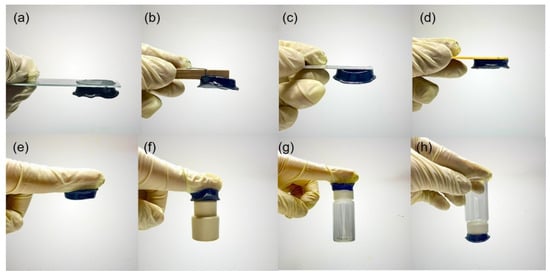
Oral administration is an ideal route for colon-targeted drug delivery; however, precise delivery to the colon remains a challenge. This work presents a magnetically actuated millirobot combined with a traditional pH-dependent strategy. It aims to combine the advantages of the two methods: under
[...] Read more.
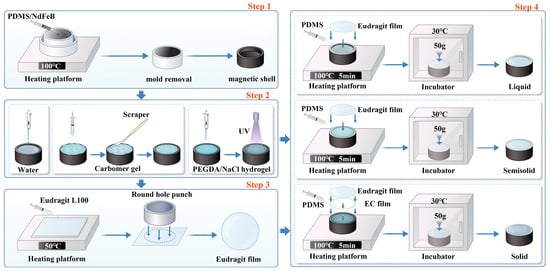
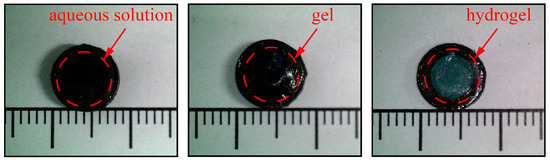
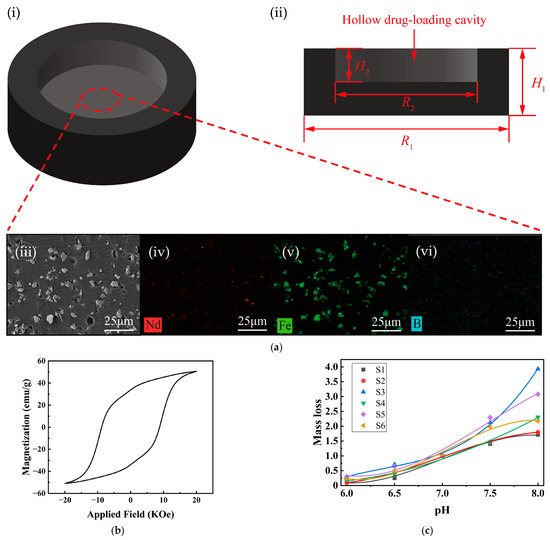
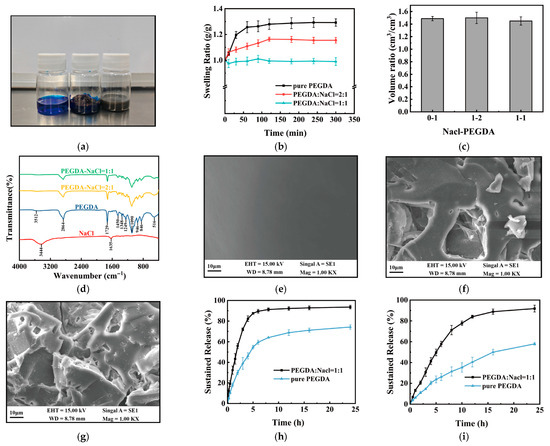
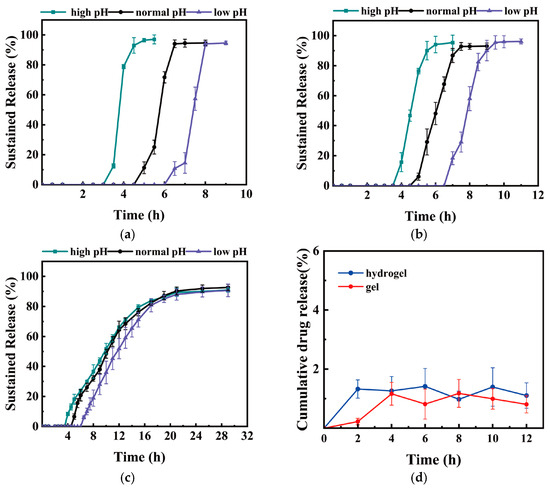
Oral administration is an ideal route for colon-targeted drug delivery; however, precise delivery to the colon remains a challenge. This work presents a magnetically actuated millirobot combined with a traditional pH-dependent strategy. It aims to combine the advantages of the two methods: under normal physiological conditions, it enables autonomous targeted drug delivery, effectively reducing manipulation costs; in abnormal physiological environments, precise targeted delivery can be achieved via external magnetic intervention. The millirobot uses a magnetic composite shell and a pH-dependent film to encapsulate drug carriers. The pH-dependent film ensures an appropriate delay in drug release under different simulated pH conditions. The magnetic composite shell exhibits satisfactory magnetic responsiveness and can perform stable tumbling motion on the surface of the ex vivo intestinal tract, demonstrating good controllability and motility. Furthermore, the millirobot can carry different types of drug carriers to achieve tunable drug-release rates, thereby improving its versatility. These experimental results demonstrate that this pH-dependent magnetically actuated millirobot is a promising platform for reducing manipulation costs and enhancing the reliability of colon-targeted drug delivery.
Full article
(This article belongs to the Section B5: Drug Delivery System)
►▼
Show Figures

Figure 1

Open AccessArticle
Rapid Prototyping of Compartmentalized 3D Microfluidic Devices for Organotypic Cell Culture
by
Qasem Ramadan, Rana Hazaymeh and Mohamed Zourob
Micromachines 2026, 17(5), 609; https://doi.org/10.3390/mi17050609 (registering DOI) - 15 May 2026
Abstract
We present a modular microfluidic platform for constructing miniaturized, compartmentalized cell culture systems that support monoculture, co-culture, and organ-on-a-chip models of human tissues. The devices provide architecturally defined three-dimensional microenvironments in which heterogeneous cell populations can be cultured in close proximity while maintaining
[...] Read more.
We present a modular microfluidic platform for constructing miniaturized, compartmentalized cell culture systems that support monoculture, co-culture, and organ-on-a-chip models of human tissues. The devices provide architecturally defined three-dimensional microenvironments in which heterogeneous cell populations can be cultured in close proximity while maintaining precise spatial organization and independent access to each compartment. In vivo-like perfusion into, from, and between adjacent chambers is achieved via micro-engineered porous barriers that act as perfusion microchannels, enabling controlled convective and diffusive transport and recapitulating paracrine signaling between tissue units. As a proof of concept, we implement an adipose–immune co-culture model that reproduces key features of inflamed, insulin-resistant adipose tissue, including altered cytokine secretion and glucose uptake. Together, these features establish a versatile platform for the biofabrication of customizable single-organ and multi-organ in vitro models that more faithfully recapitulate human tissue structure and function for applications in disease modeling, immunometabolic studies, and preclinical drug testing.
Full article
(This article belongs to the Special Issue Current and Emerging Microfabrication Techniques for Lab-on-a-Chip and Biomedical Microdevices: From Photolithography to 3D Printing)
Open AccessReview
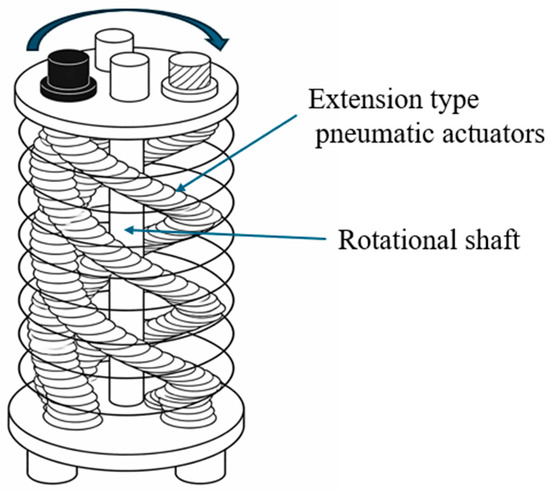
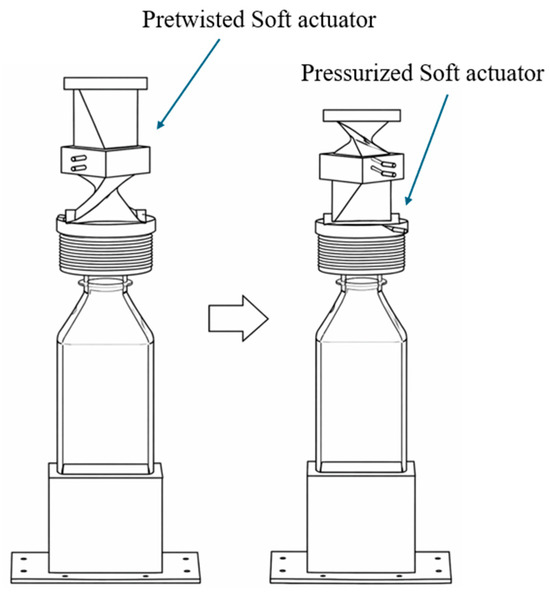
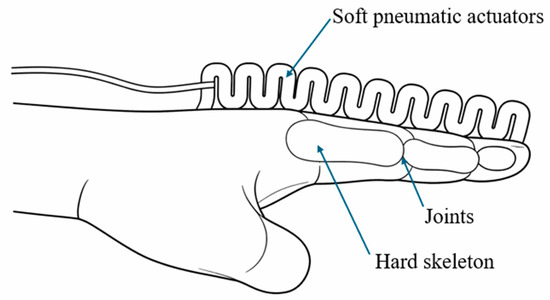
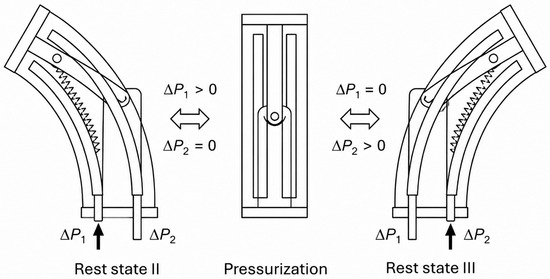
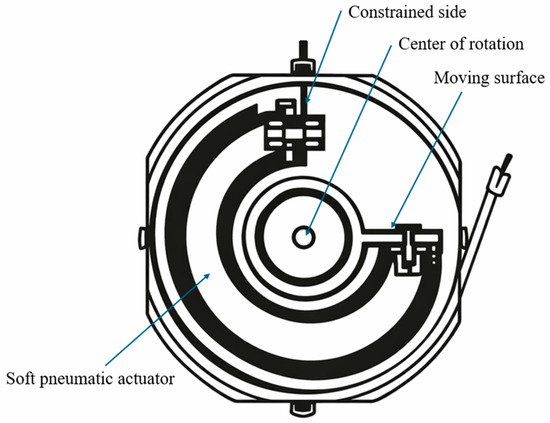
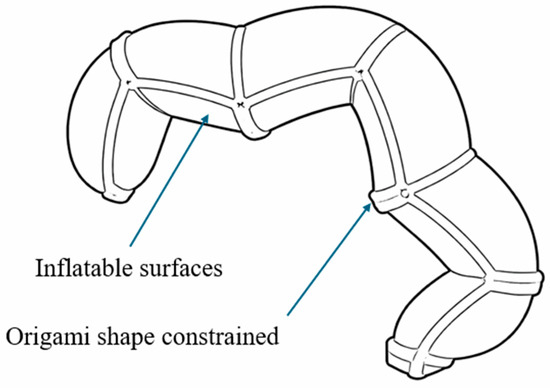
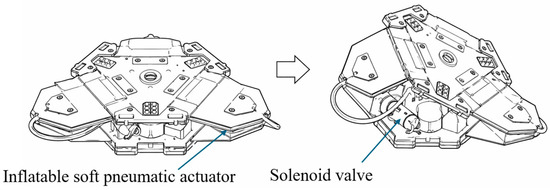
Toward the Advancement of Soft Pneumatic Rotary Actuators: A Comprehensive Design Review
by
Ehsan Kiani Harchegani and Joško Valentinčič
Micromachines 2026, 17(5), 608; https://doi.org/10.3390/mi17050608 (registering DOI) - 15 May 2026
Abstract
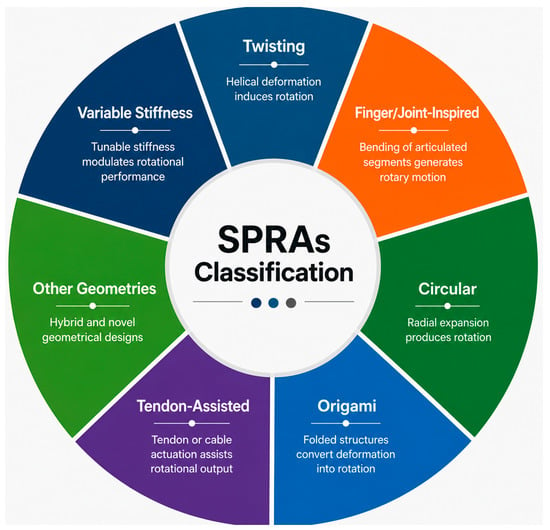
The development of robotic systems that can operate safely and adaptively alongside humans requires actuators that combine compliance with reliable performance. Soft pneumatic rotary actuators (SPRAs) have emerged as promising candidates due to their inherent compliance, lightweight design, and capability to generate smooth
[...] Read more.
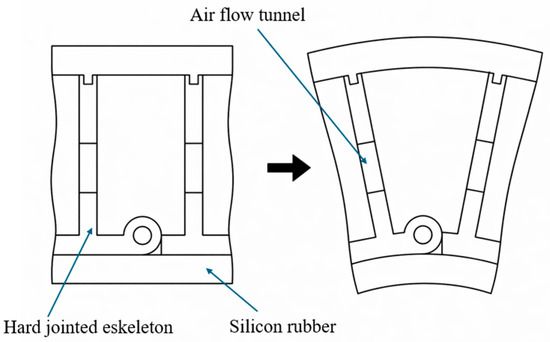
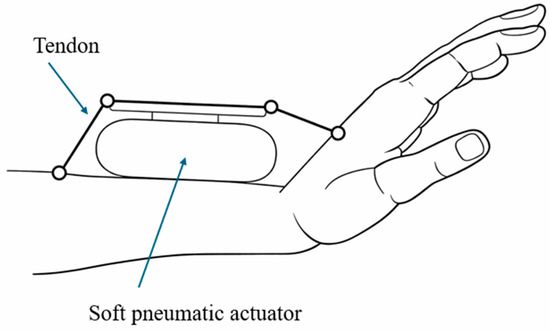
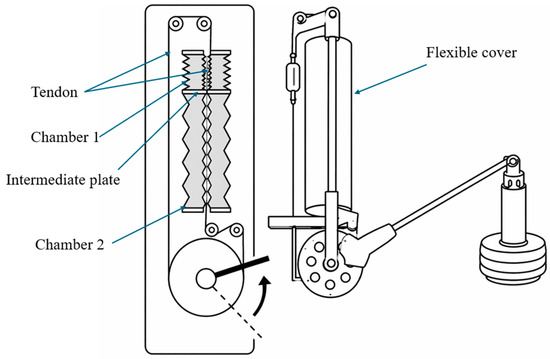
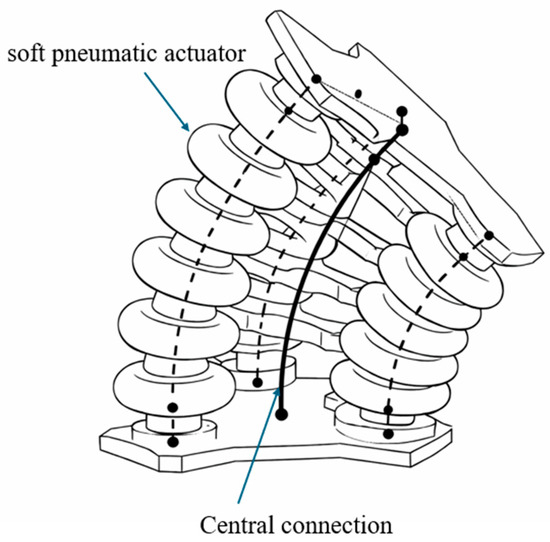
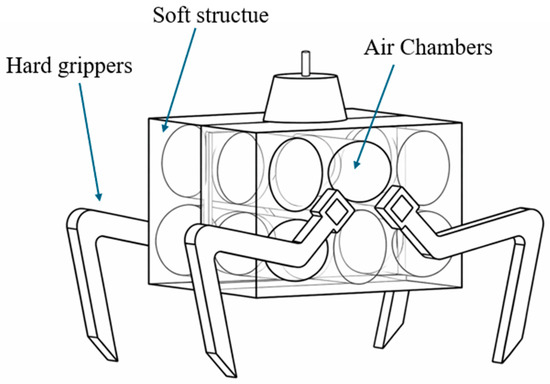
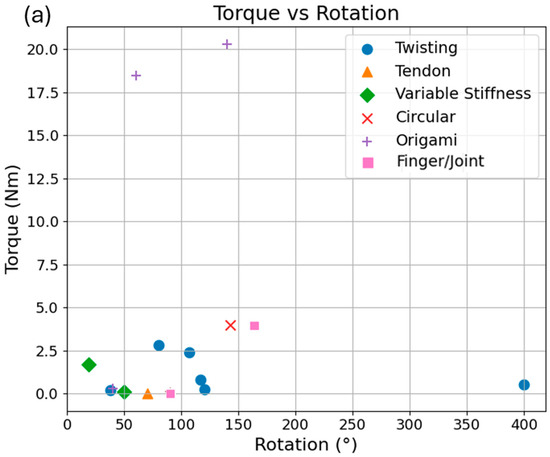
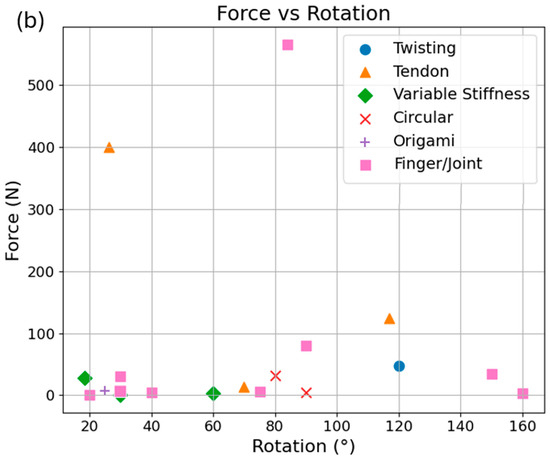
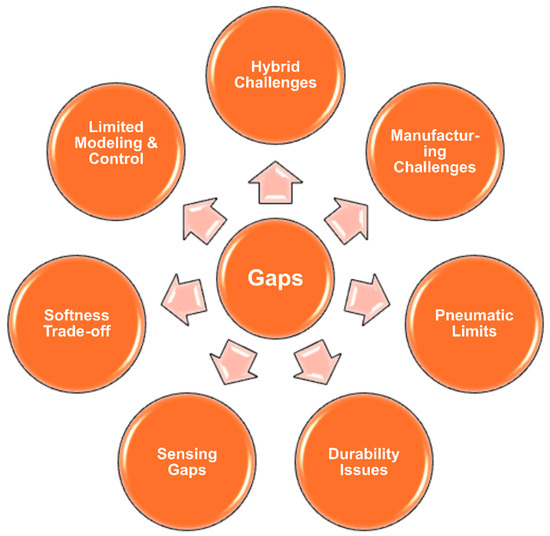
The development of robotic systems that can operate safely and adaptively alongside humans requires actuators that combine compliance with reliable performance. Soft pneumatic rotary actuators (SPRAs) have emerged as promising candidates due to their inherent compliance, lightweight design, and capability to generate smooth rotational motion through elastic deformation. However, the diverse designs and performance characteristics of SPRAs make it challenging to identify optimal configurations for specific applications. This review comprehensively surveys current SPRAs, focusing on structural designs, materials, and fabrication methods. While SPRAs offer advantages such as reduced risk of injury and enhanced adaptability, significant challenges remain in optimizing torque output, rotational range, and durability. By comparing existing designs and highlighting open research challenges, this paper aims to guide the advancement of SPRAs, facilitating their integration into safe, effective robotic systems for industrial, medical, and wearable applications.
Full article
(This article belongs to the Special Issue Micro/Nano Sensors and Actuators for Biomedical Applications: Novel Materials, Innovative Designs, and Emerging Functions)
►▼
Show Figures

Figure 1

Open AccessArticle
Wafer-Level Transfer of GaN-on-Si Light-Emitting Devices via SiO2–SiO2 Direct Bonding: Strain Evolution and Optoelectronic Performance
by
Siyi Zhang, Shuhan Zhang, Qian Fan, Xianfeng Ni and Xing Gu
Micromachines 2026, 17(5), 607; https://doi.org/10.3390/mi17050607 (registering DOI) - 15 May 2026
Abstract
GaN-on-Si light-emitting devices have been widely studied in the field of opto-electronics, while their optical performance and characterization accessibility are severely limited by the strong visible light absorption of the native silicon substrate. Conventional substrate transfer technologies often suffer from inherent thermal, optical,
[...] Read more.
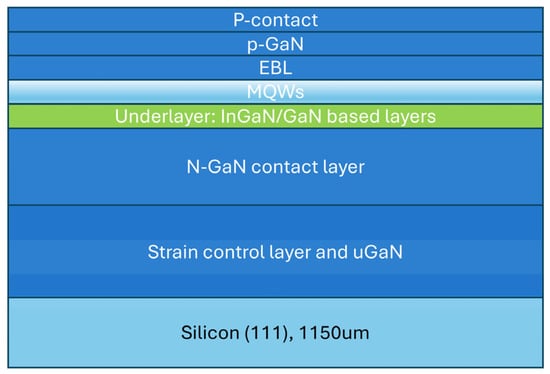
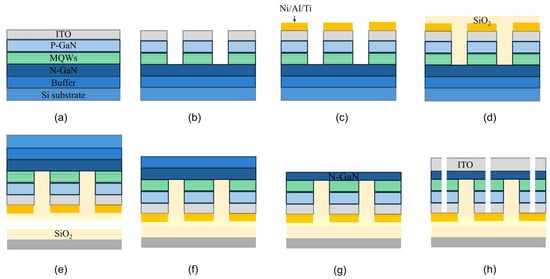
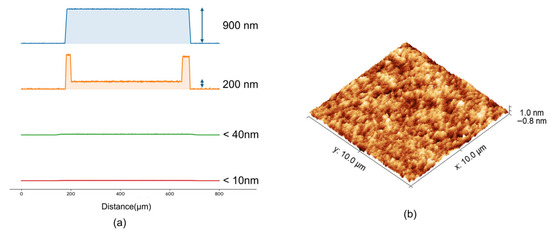
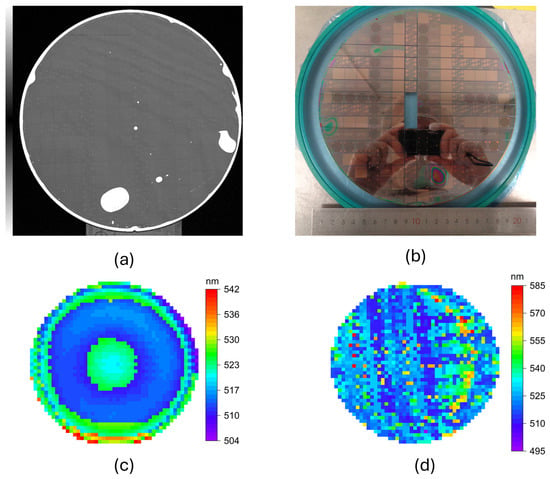
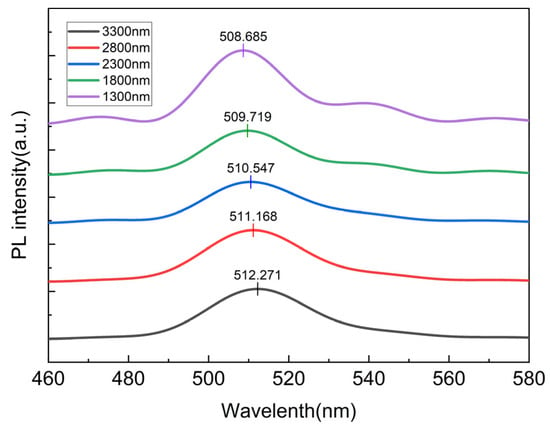
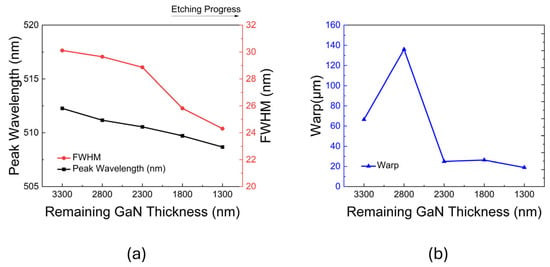
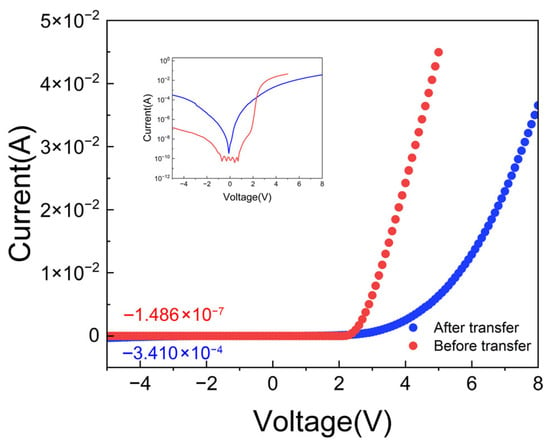
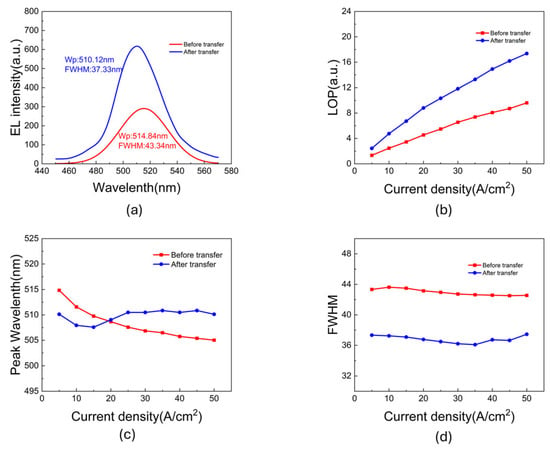
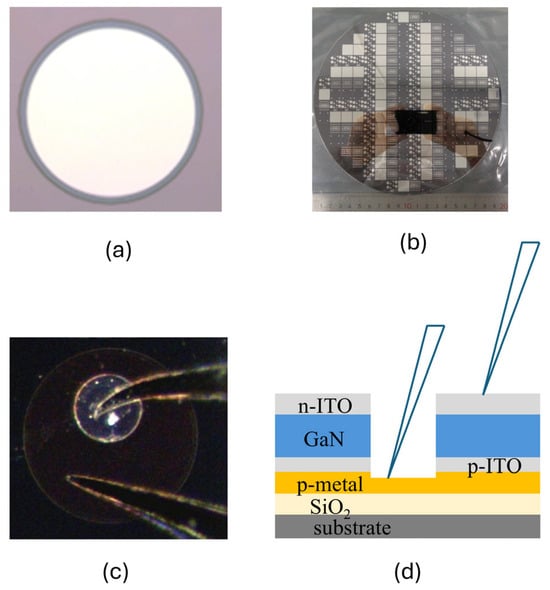
GaN-on-Si light-emitting devices have been widely studied in the field of opto-electronics, while their optical performance and characterization accessibility are severely limited by the strong visible light absorption of the native silicon substrate. Conventional substrate transfer technologies often suffer from inherent thermal, optical, or mechanical bottlenecks. In this study, we developed a robust wafer-level substrate transfer strategy for 8-inch green GaN-on-Si light-emitting device wafers, utilizing a hybrid planarization process combined with SiO2–SiO2 direct bonding. The hybrid planarization precisely eliminated the 900 nm macroscopic steps, achieving sub-nanometer surface roughness for high-yield wafer bonding. We systematically investigated the physical evolution during substrate removal. Results indicate that the removal of the thick native silicon and high-stress buffer layers effectively released the additional in-plane biaxial compressive stress within the multiple quantum wells (MQWs), thereby mitigating the quantum-confined Stark effect (QCSE). Benefiting from the elimination of the light-absorbing silicon substrate and the incorporation of a built-in back-surface reflector (BSR), the transferred devices achieved a remarkable 1.9-fold enhancement in relative optical performance, albeit with an inherent trade-off of increased reverse leakage current while preserving basic diode functionality. Furthermore, optothermal dynamic analysis at high injection levels suggests a potential localized thermal bottleneck at the thick SiO2 bonding interface, where a hypothesized heat-induced spectral red shift may counteract the carrier-screening blue shift. This work provides a feasible wafer-level substrate transfer process for GaN-on-Si devices and offers systematic experimental insights into stress relaxation and optothermal behaviors during the substrate transfer process.
Full article
(This article belongs to the Special Issue Photonic and Optoelectronic Devices and Systems, 4th Edition)
►▼
Show Figures

Figure 1
Open AccessArticle
Simulation and Response Surface Methodology for Predicting Mass Transfer in Coaxial Electrospun Core-Shell Fibers
by
Xun Chen, Weiming Shu, Rongguang Zhang, Shize Huang and Xuanzhi Zhang
Micromachines 2026, 17(5), 606; https://doi.org/10.3390/mi17050606 (registering DOI) - 15 May 2026
Abstract
Coaxial electrospinning technology enables the fabrication of nanofibers with a core-shell structure, thereby facilitating the encapsulation of functional materials. Its efficacy lies in the precise regulation of mass transfer behavior at the sensing interface. However, achieving the controllable preparation of core-shell fiber structures
[...] Read more.
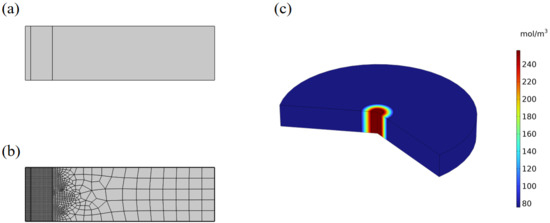
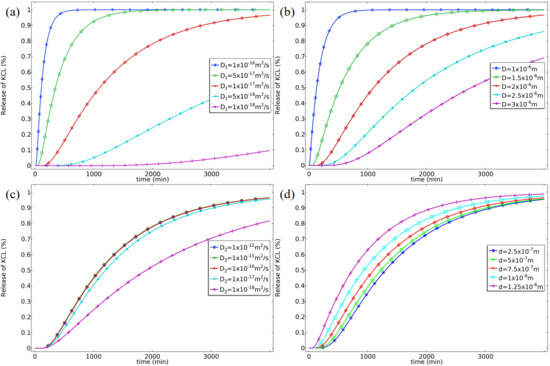
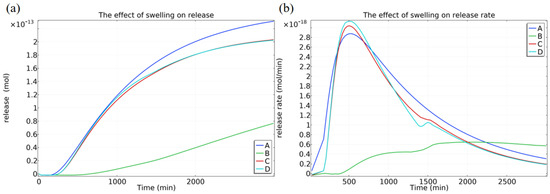
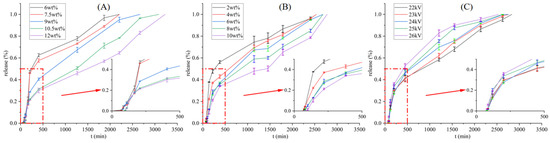
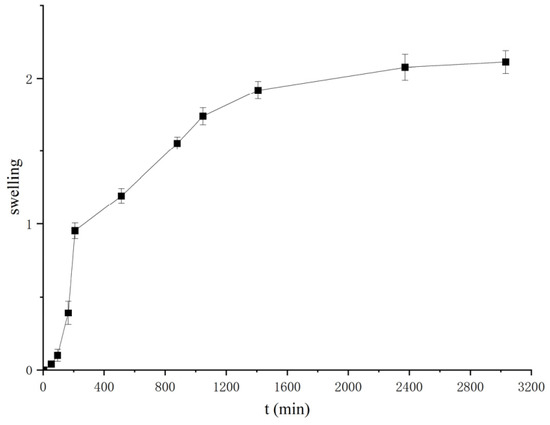
Coaxial electrospinning technology enables the fabrication of nanofibers with a core-shell structure, thereby facilitating the encapsulation of functional materials. Its efficacy lies in the precise regulation of mass transfer behavior at the sensing interface. However, achieving the controllable preparation of core-shell fiber structures in complex environments and quantitatively predicting their mass transfer kinetics remain challenging. This study aims to establish a predictive framework combining simulation and experiment. Firstly, finite element simulations using COMSOL clarified that increasing the shell thickness or decreasing its effective diffusion coefficient can significantly delay analyte transport. A model incorporating time-varying parameters further revealed the influence of polymer swelling on the initial release kinetics. Using the diffusion of an aqueous KCl solution as a model system, experiments confirmed that increasing the shell solution concentration is an effective processing strategy for enhancing the mass transfer barrier. Based on the Box-Behnken design and response surface methodology (RSM), a quantitative model linking key process parameters to release kinetic parameters was established. Model diagnostics indicated that the regression equation is significant and reliable. Validation experiments demonstrated that the model possesses good predictive capability for the key release kinetic parameters, with prediction errors within an acceptable range. The framework established in this study indicates that active design of the mass transfer behavior of core-shell fibers can be achieved through process control, providing a quantitative predictive tool and methodological reference for the preparation of controllable mass transfer interfaces for sensing applications.
Full article
(This article belongs to the Special Issue Emerging Technologies and Applications for Semiconductor Industry)
►▼
Show Figures

Figure 1
Open AccessArticle
Wideband Linearly Polarized Over-2-Bit Transmitarray Antenna for Millimeter-Wave Applications
by
Yuanjun Shen, Xuli Feng and Tianling Zhang
Micromachines 2026, 17(5), 605; https://doi.org/10.3390/mi17050605 (registering DOI) - 14 May 2026
Abstract
A wideband linearly polarized over-2-bit transmitarray antenna (TA) using the receiving-transmitting (R-T) scheme in the millimeter-wave band is presented in this work. The TA unit consists of two rectangular patches with a pair of bent branches, and the patches are connected by a
[...] Read more.
A wideband linearly polarized over-2-bit transmitarray antenna (TA) using the receiving-transmitting (R-T) scheme in the millimeter-wave band is presented in this work. The TA unit consists of two rectangular patches with a pair of bent branches, and the patches are connected by a metalized via. Two methods are used in this TA to obtain an over-2-bit phase shift of 0– and 180– from 18 GHz to 30 GHz. Firstly, phase resolution is obtained by rotating the receiving patch around via by . Secondly, by tuning the connection position between the branches and rectangular patch of the TA unit cell, a continuous phase shift is further achieved. A TA prototype with units is designed, fabricated, and measured. The measured 1 dB and 3 dB gain bandwidth is 24.9% (24.47–31.43 GHz) and 46.96% (20.45–33 GHz) respectively, with a peak gain of 25.17 dBi and a peak aperture efficiency of 55.2%. The measured results agree well with the simulated ones.
Full article
(This article belongs to the Special Issue Microwave Passive Components, 3rd Edition)
Open AccessArticle
An Embedded Trace Redistribution Layer with Rounded-Bottom Cu Geometry and Ti Capping for Enhanced Electromigration Reliability
by
Wonchul Do, Jeongmin Ju, Minjin Kim, Insoo Choi, Sanghyun Jin, Minkeon Lee, Hyeonho Yang and Jinho Jeong
Micromachines 2026, 17(5), 604; https://doi.org/10.3390/mi17050604 (registering DOI) - 14 May 2026
Abstract
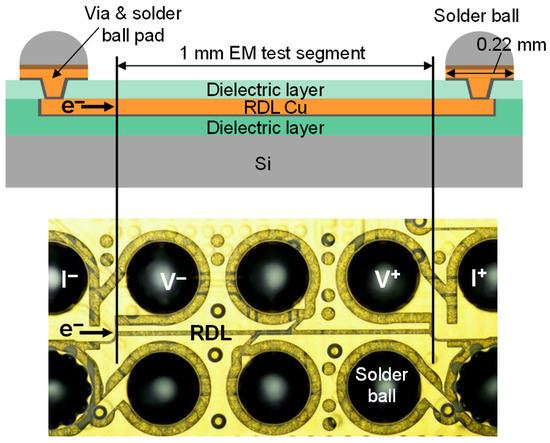
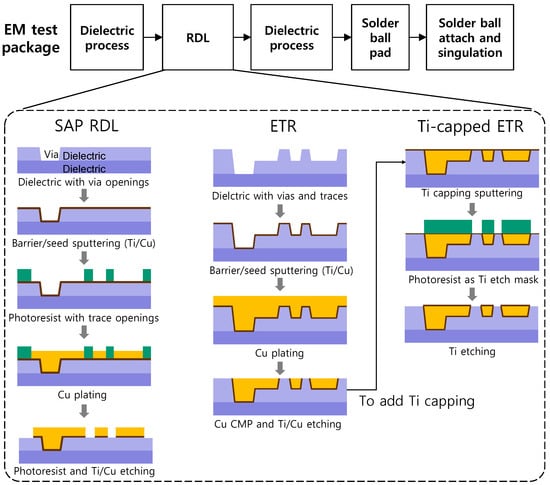
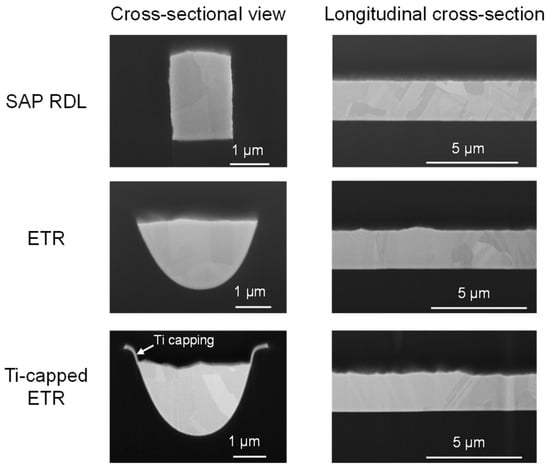
This paper presents the electromigration (EM) performance of an embedded trace redistribution layer (ETR) in which the Cu trace features a rounded-bottom cross-sectional geometry and is encapsulated by a Ti barrier layer except for the top surface, with an optional top-side Ti cap.
[...] Read more.
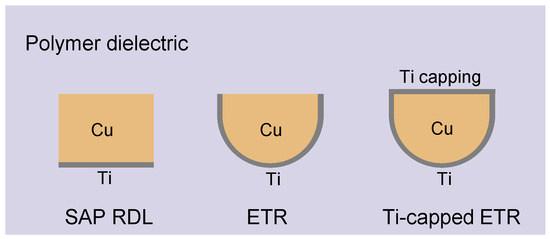
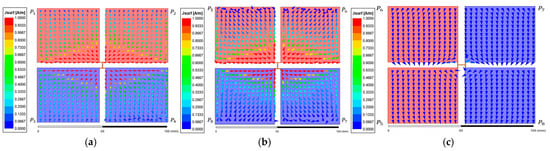
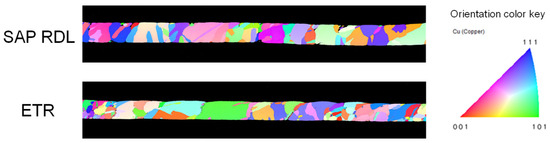
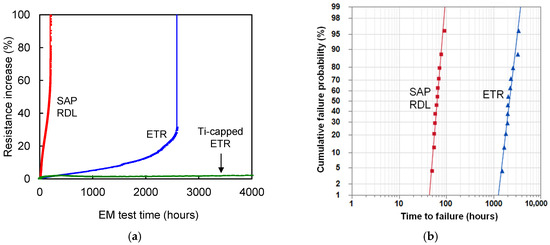
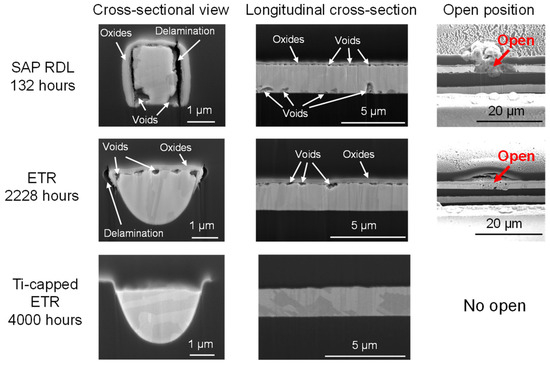
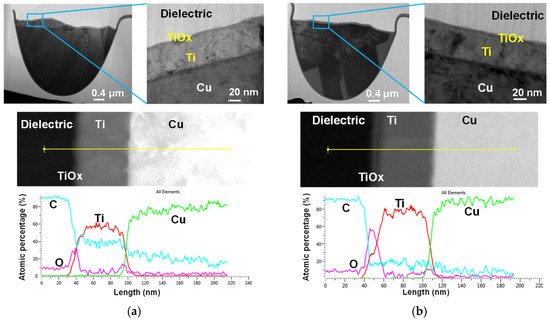
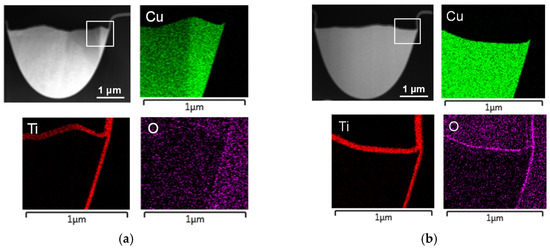
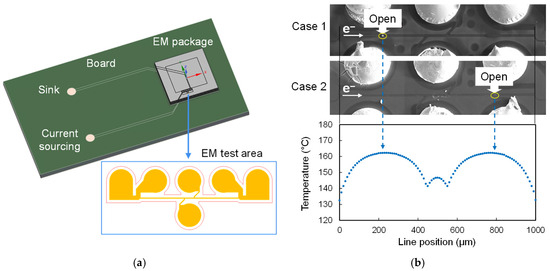
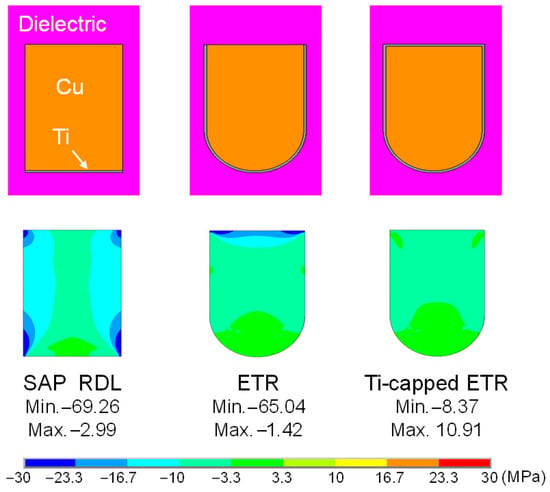
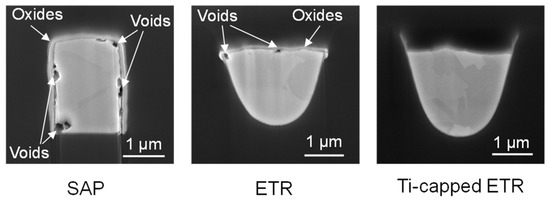
This paper presents the electromigration (EM) performance of an embedded trace redistribution layer (ETR) in which the Cu trace features a rounded-bottom cross-sectional geometry and is encapsulated by a Ti barrier layer except for the top surface, with an optional top-side Ti cap. The ETR (with and without top-side Ti capping) and the conventional semi-additive-process (SAP) redistribution layer (RDL) are comparatively evaluated in terms of EM reliability. The ETR demonstrates a marked lifetime improvement compared with the SAP RDL. Notably, the Ti-capped ETR exhibits a minimal resistance increase in less than 10% even after a test duration of 4000 h. We discuss the key contributing factors and underlying mechanisms that support these improvements. Transmission electron microscopy (TEM) combined with atomic-percentage mapping confirms the effectiveness of Ti capping as a Cu diffusion barrier, showing continuous Ti coverage and no observable Cu diffusion. Electro-thermal simulations co-locate predicted thermal hot spots with experimentally observed open-failure sites, highlighting temperature-driven EM acceleration and the necessity of a barrier to suppress Cu–polymer interfacial oxidation. Stress simulations, together with EM failure analysis, indicate that the rounded-bottom Cu geometry alleviates local stress concentration and stress gradients, thereby creating conditions favorable for enhanced EM resistance.
Full article
(This article belongs to the Special Issue Micro/Nano Manufacturing of Electronic Devices)
►▼
Show Figures

Figure 1
Open AccessArticle
Optimization and Characterization of P(EDOT-co-Th)-Incorporated Poly(acrylamide)/Poly(vinyl alcohol) Conductive Hydrogels
by
Kai-Wei Huang, Chun Hao Wang, Chien-Yin Lin, Rajan Deepan Chakravarthy, Hsin-Yu Liu, Yu-Hsu Chen, Mei-Yu Yeh and Hsin-Chieh Lin
Micromachines 2026, 17(5), 603; https://doi.org/10.3390/mi17050603 (registering DOI) - 14 May 2026
Abstract
Conductive hydrogels are functional materials that combine soft, highly hydrated properties with electrical signal transmission capabilities. Their conductivity arises from ionic or electronic pathways, and the key design challenge is achieving good conductivity and long-term stability without compromising mechanical performance and biocompatibility. Among
[...] Read more.
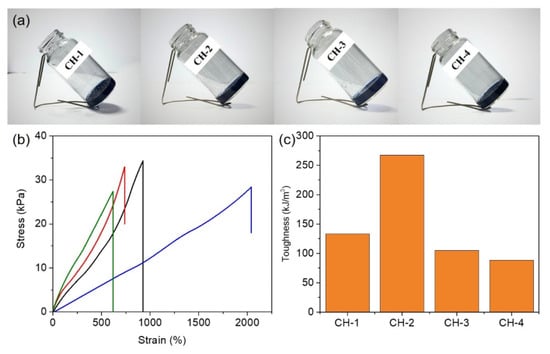
Conductive hydrogels are functional materials that combine soft, highly hydrated properties with electrical signal transmission capabilities. Their conductivity arises from ionic or electronic pathways, and the key design challenge is achieving good conductivity and long-term stability without compromising mechanical performance and biocompatibility. Among various conductive components, conductive polymers have attracted considerable attention due to their tunable mechanical properties, high electrical conductivity, good biocompatibility, and facile synthesis routes. In this study, a series of conductive hydrogels were rationally designed and fabricated by copolymerizing acrylamide and N,N′-methylenebisacrylamide with functionalized poly(vinyl alcohol) (PVA) and poly(3,4-ethylenedioxythiophene-co-thiophene) [P(EDOT-co-Th)]. The functionalized PVA provided multiple dynamic hydrogen-bonding sites, significantly enhancing the toughness of the hydrogel and its adhesion to various substrates, while the P(EDOT-co-Th) copolymer imparted good and stable electrical conductivity. By systematically adjusting the amount of functionalized PVA, the mechanical strength, adhesiveness, and durability of the conductive hydrogels were effectively optimized. The optimized hydrogel exhibited robust adhesion to a wide range of surfaces, excellent fatigue resistance, and long-term stability under repeated mechanical deformation. Moreover, the combination of mechanical resilience and good conductivity enabled precise and reliable signal transduction, highlighting its strong potential as a next-generation material for wearable strain and pressure sensors.
Full article
(This article belongs to the Special Issue Intelligent Hydrogels: Microdevices and Biomedical Applications)
►▼
Show Figures

Figure 1
Open AccessArticle
A Low-Stray-Inductance 1200 V/500 A SiC Power Module Based on Multilayer Insulated Metal Substrate
by
Youyuan Yue, Liming Che, Cancan Li and Guangyin Lei
Micromachines 2026, 17(5), 602; https://doi.org/10.3390/mi17050602 (registering DOI) - 14 May 2026
Abstract
With the growing need for high-power density, high-efficiency power electronics, wide band gap (WBG) semiconductors, such as silicon carbide (SiC) and gallium nitride (GaN), have been widely used in recent years. With high switching speed, stray inductance induced by packaging would cause voltage
[...] Read more.
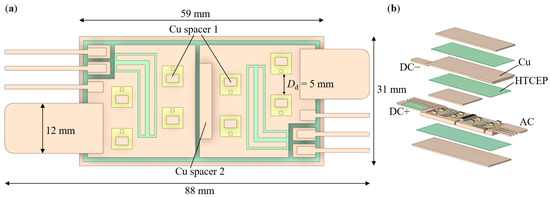
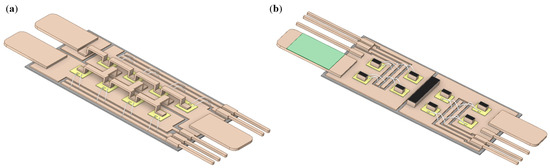
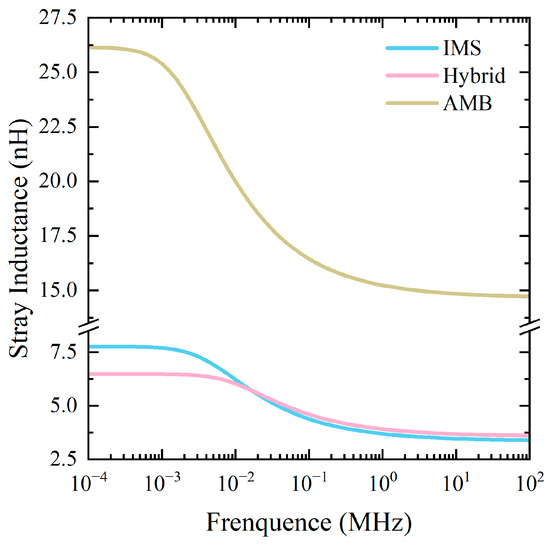
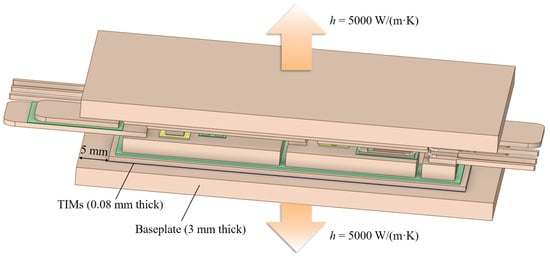
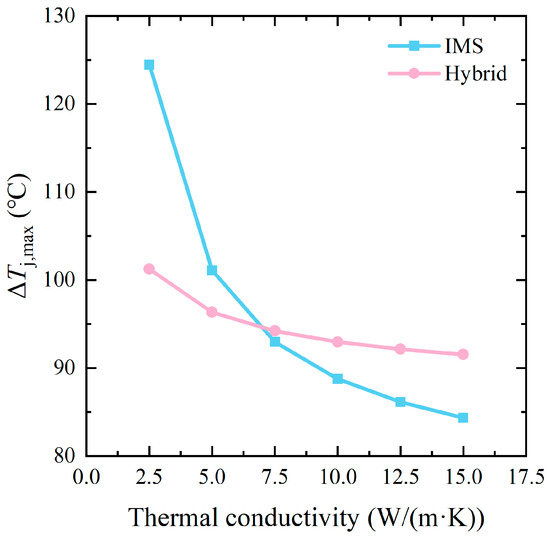
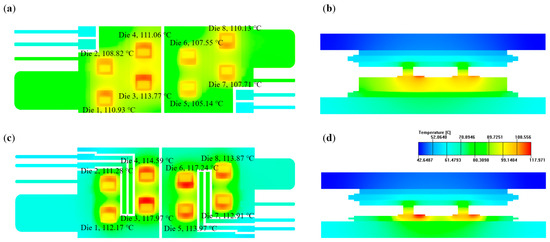
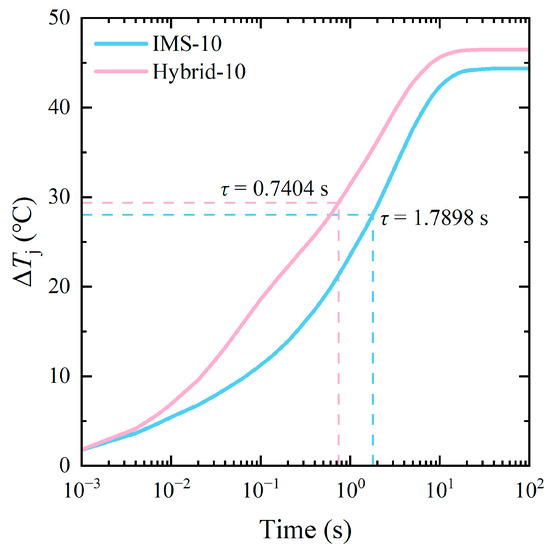
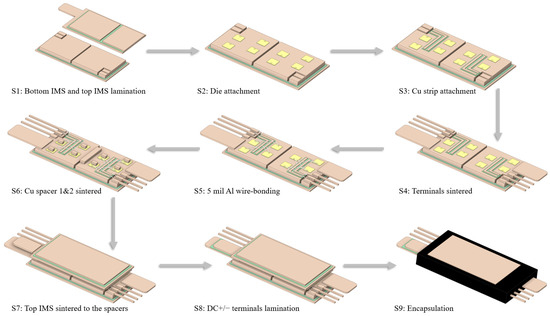
With the growing need for high-power density, high-efficiency power electronics, wide band gap (WBG) semiconductors, such as silicon carbide (SiC) and gallium nitride (GaN), have been widely used in recent years. With high switching speed, stray inductance induced by packaging would cause voltage overshooting and oscillation during the switching transient, which should be mitigated at all costs. In this paper, a power module design based on a multilayer insulated metal substrate (MIMS) structure was proposed to effectively address the stray inductance concern based on the mutual-inductance cancelling effect. Fabrication process flow with high feasibility was also designed. Electrical and thermal simulations were conducted based on a power module with a nominal rating of 1200 V and 500 A. Compared to the planar module, the proposed design possessed much lower stray inductance (3.47 nH vs. 14.85 nH). In the transient thermal simulation, the proposed module exhibited a time constant 141.7% higher than that of the hybrid module with a ceramic substrate on the bottom but MIMS on the top, making it suitable for applications with high-constant power output requirements.
Full article
(This article belongs to the Special Issue Fabrication, Reliability, Simulation, and Protection of Advanced Semiconductor Devices and Integrated Circuits: Enabled by Emerging Semiconductor Materials)
►▼
Show Figures

Figure 1
Open AccessArticle
Multi-Objective Optimization for Through-Silicon via Structure Considering Thermomechanical Reliability and Electrical Performance
by
Siyi Chen, Wanlu Hu, Song Xue, Qiongfang Zhang, Jinyang Mu, Shaoyi Liu, Wenzhi Wu, Dongchao Diwu and Congsi Wang
Micromachines 2026, 17(5), 601; https://doi.org/10.3390/mi17050601 (registering DOI) - 14 May 2026
Abstract
The rapid advancement of high-performance computing has spurred growing demand for miniaturized, high-density, high-power, and highly reliable electronic packaging. Through-silicon via (TSV), as a pivotal technology enabling high-density integrated packaging, achieves vertical interconnection that reduces signal latency and power consumption while substantially improving
[...] Read more.
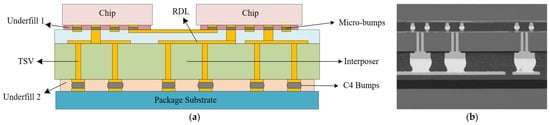
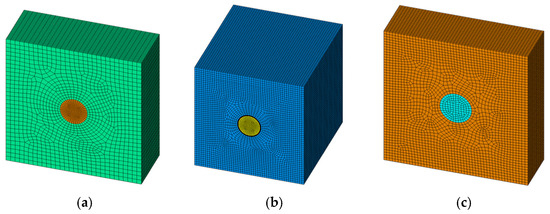
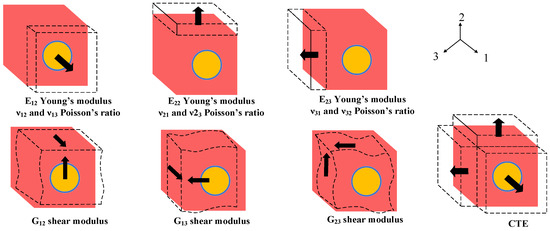
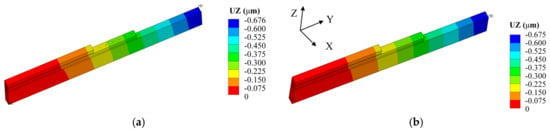
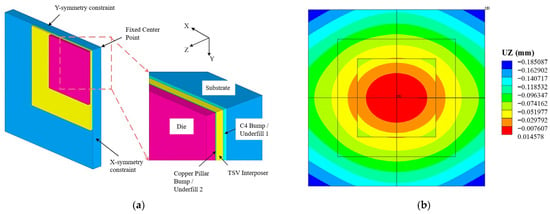
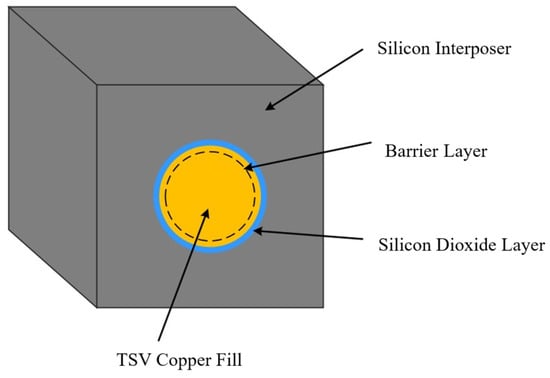
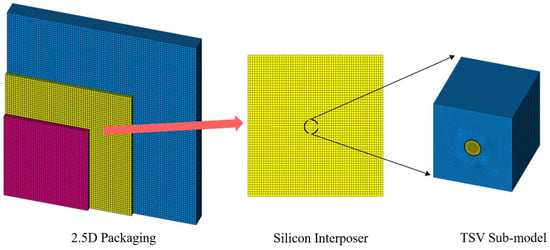
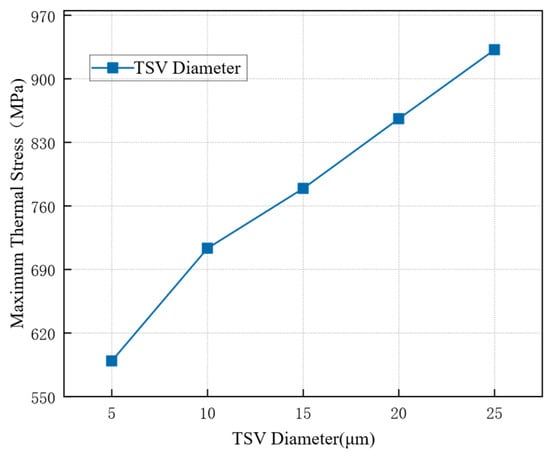
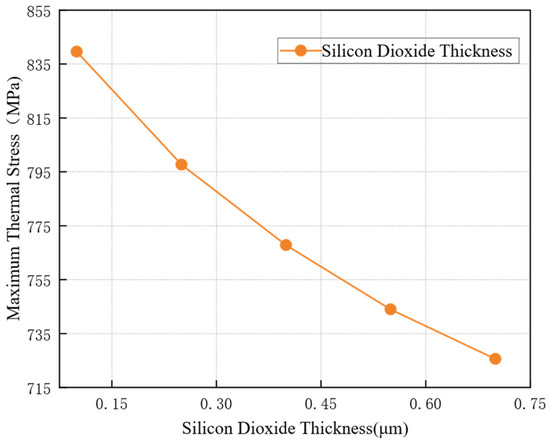
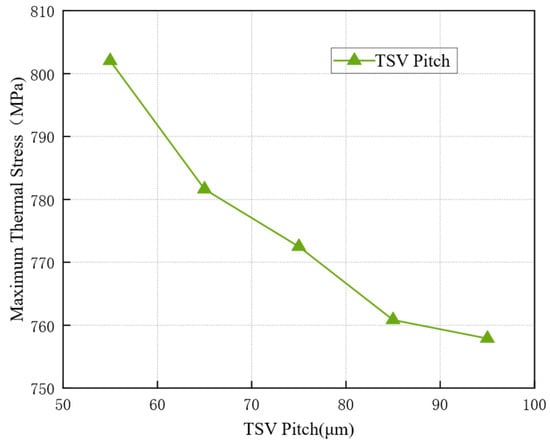
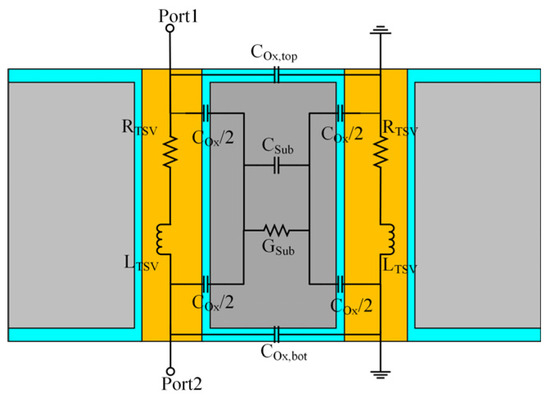
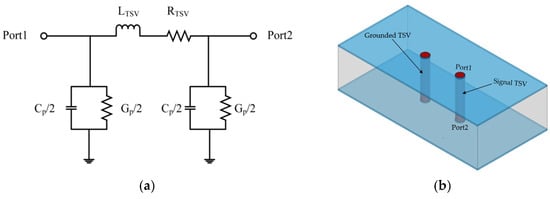
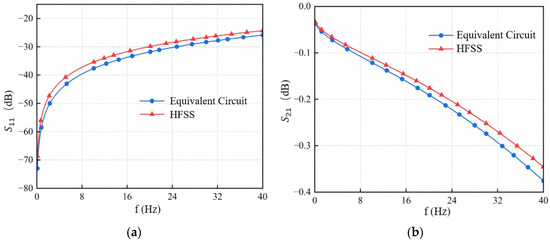
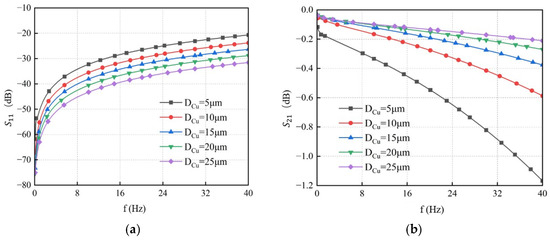
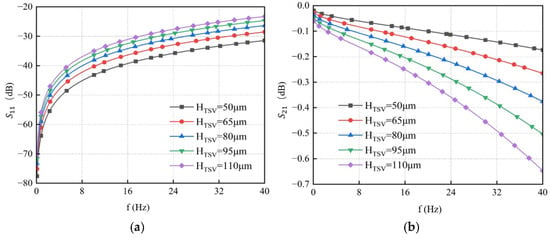
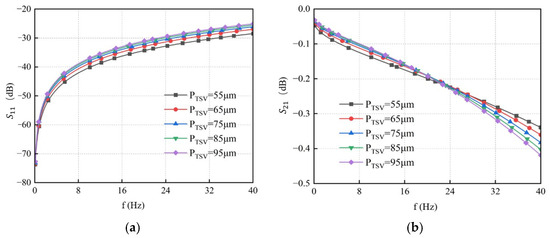
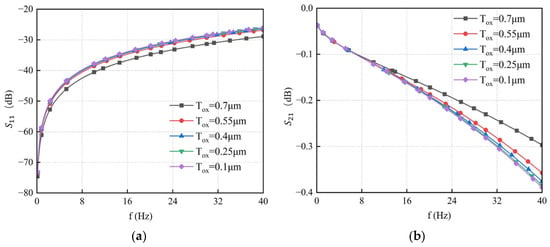
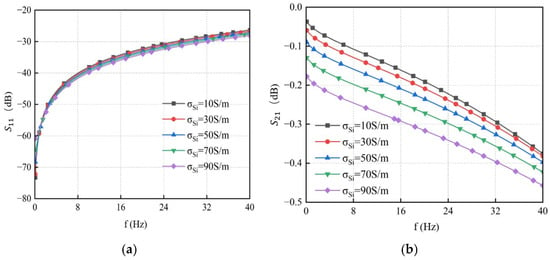
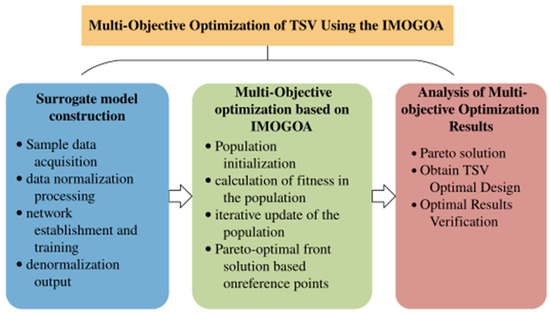
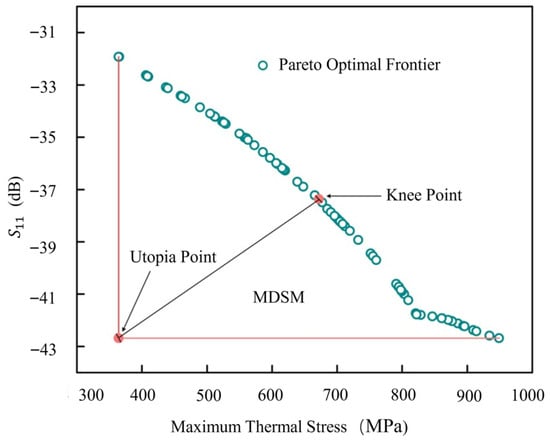
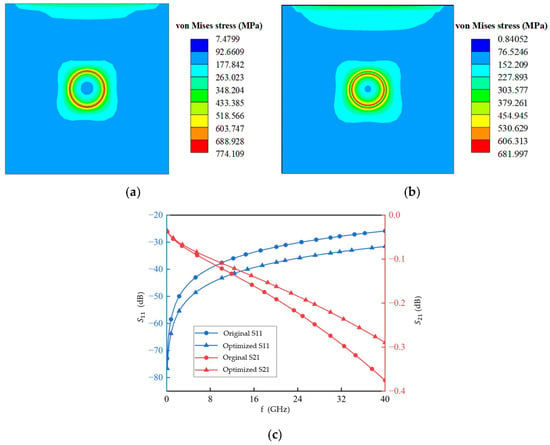
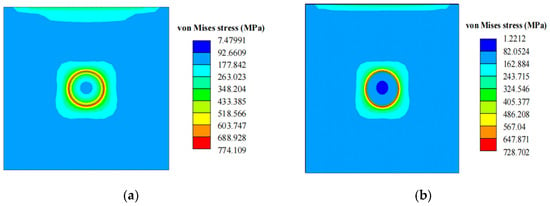
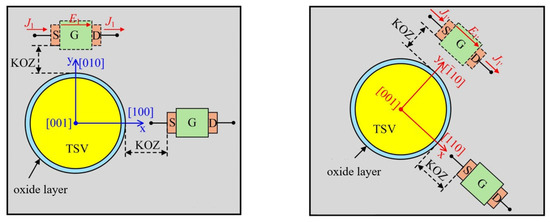
The rapid advancement of high-performance computing has spurred growing demand for miniaturized, high-density, high-power, and highly reliable electronic packaging. Through-silicon via (TSV), as a pivotal technology enabling high-density integrated packaging, achieves vertical interconnection that reduces signal latency and power consumption while substantially improving system integration. However, inherent challenges persist due to coefficient of thermal expansion mismatches among heterogeneous materials in TSV and parasitic effects introduced by high-density TSV arrays, leading to critical concerns regarding thermomechanical reliability and signal integrity. This study focuses on TSV structures, investigating their thermomechanical reliability and electrical performance. First, the macro–micro model of 2.5D package structure was established to address cross-scale challenges based on Representative Volume Element (RVE) homogenization and sub-model technique. Then, an equivalent circuit model integrating transmission line network theory was developed and validated through full-wave electromagnetic simulations using S-parameter analysis to analyze signal transmission characteristics. Finally, by introducing an improved multi-objective grasshopper algorithm, the structural parameters of TSV are co-optimized using a genetic algorithm back propagation network (GA-BP) and an improved multi-objective grasshopper algorithm (IMOGOA) to enhance both thermomechanical reliability and electrical characteristics simultaneously. The proposed approach offers a practical and effective solution for improving the reliability and performance of high-density integrated packaging, providing valuable insights for future packaging design and optimization.
Full article
(This article belongs to the Special Issue High-Reliability Semiconductor Devices and Integrated Circuits, 4th Edition)
►▼
Show Figures

Figure 1
Journal Menu
► ▼ Journal Menu-
- Micromachines Home
- Aims & Scope
- Editorial Board
- Reviewer Board
- Topical Advisory Panel
- Instructions for Authors
- Special Issues
- Topics
- Sections & Collections
- Article Processing Charge
- Indexing & Archiving
- Editor’s Choice Articles
- Most Cited & Viewed
- Journal Statistics
- Journal History
- Journal Awards
- Society Collaborations
- Conferences
- Editorial Office
Journal Browser
► ▼ Journal BrowserHighly Accessed Articles
Latest Books
E-Mail Alert
News
9 October 2025
Meet Us at the 3rd International Conference on AI Sensors and Transducers, 2–7 August 2026, Jeju, South Korea
18 May 2026
Meet Us at the European Society for Precision Engineering and Nanotechnology International Conference, 8–12 June 2026, Krakow, Poland
Topics
Topic in
Applied Sciences, Electronics, Micromachines, Sensors, Telecom
Microwave Components and Devices: Emerging Technologies and Applications
Topic Editors: Sensong An, Bowen ZhengDeadline: 31 May 2026
Topic in
Applied Sciences, Optics, Sensors, Materials, Fibers, Photonics, Micromachines
Distributed Optical Fiber Sensors
Topic Editors: Jian Li, Hao Wu, Giancarlo C. Righini, Zhe Ma, Yahui WangDeadline: 30 June 2026
Topic in
Electronics, Eng, Materials, Micro, Micromachines
Wide Bandgap Semiconductor Electronics and Devices
Topic Editors: Joseph Bernstein, Asaf AlboDeadline: 31 July 2026
Topic in
Applied Sciences, Computers, Electronics, Sensors, ASI, Micromachines
Collection Series on Applied System Innovation
Topic Editors: Sheng-Joue Young, Shoou-Jinn Chang, Stephen D. Prior, Liang-Wen JiDeadline: 31 August 2026
Conferences
Special Issues
Special Issue in
Micromachines
Adaptive Micro-Optics and Tunable Lenses for Miniaturized Imaging Systems
Guest Editor: Yang ChengDeadline: 20 May 2026
Special Issue in
Micromachines
Advanced Optoelectronic Materials/Devices and Their Applications
Guest Editors: Jing Wei, Fangze LiuDeadline: 25 May 2026
Special Issue in
Micromachines
Microfluidics for Cells and Other Organisms, 4th Edition
Guest Editor: Danny van NoortDeadline: 25 May 2026
Special Issue in
Micromachines
Acoustic Transducers and Their Applications, 3rd Edition
Guest Editors: Songsong Zhang, Qiaozhen Zhang, Liang LouDeadline: 30 May 2026
Topical Collections
Topical Collection in
Micromachines
Microdevices and Applications Based on Advanced Glassy Materials
Collection Editors: Giancarlo Righini, Luigi Sirleto, Francesco Enrichi
Topical Collection in
Micromachines
Micromixers: Analysis, Design and Fabrication
Collection Editor: Kwang-Yong Kim
Topical Collection in
Micromachines
Women in Micromachines
Collection Editors: Regina Luttge, Anna Vikulina, Xiao-Ying Yu
Topical Collection in
Micromachines
Micro/Nanoscale Electrokinetics
Collection Editors: Xiangchun Xuan, Rodrigo Martinez-Duarte