


-
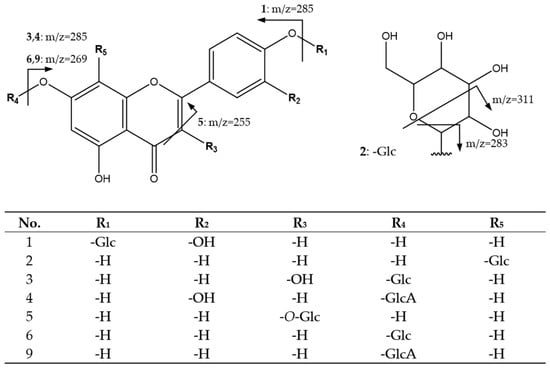
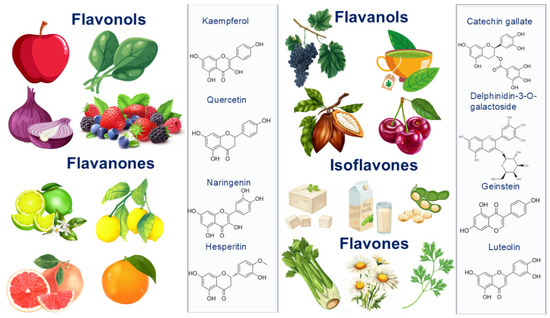
Quercetin as a Multifunctional Flavonol: Molecular Insights and Therapeutic Applications -
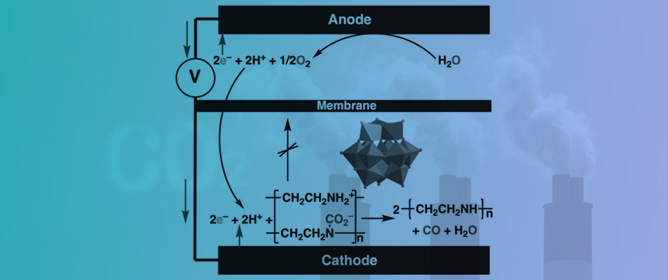
Electrochemical Reduction of Amine-Captured Carbon Dioxide Catalyzed by Transition-Metal Substituted Polyoxometalates -
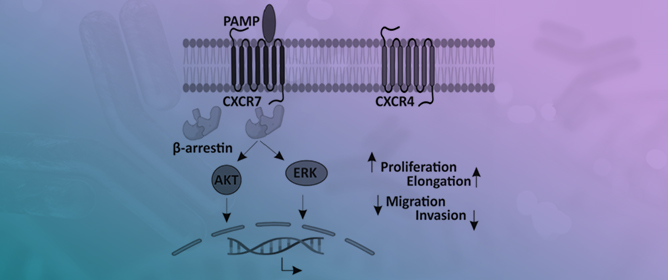
Proadrenomedullin N-Terminal 20 Peptide (PAMP) Increases Proliferation and Induces Cytoskeleton Remodeling in Melanoma Cells Through the CXCR7/CXCR4/β-Arrestin Axis -
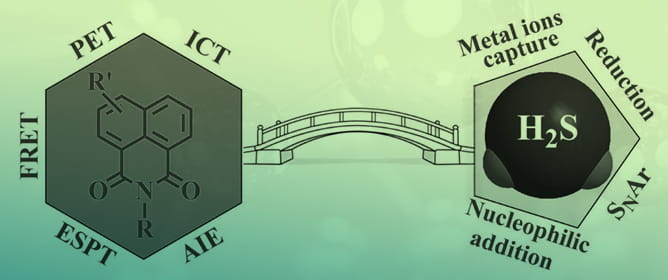
1,8-Naphthalimide: A Versatile Platform for the Design of Fluorescent Probes Targeting Hydrogen Sulfide in Biological Systems
Journal Description
Molecules
Molecules
is a leading international, peer-reviewed, open access journal of chemistry published semimonthly online by MDPI. The International Society of Nucleosides, Nucleotides & Nucleic Acids (IS3NA), Spanish Society of Medicinal Chemistry (SEQT) and International Society of Heterocyclic Chemistry (ISHC) are affiliated with Molecules and their members receive discounts on the article processing charges.
- Open Access— free for readers, with article processing charges (APC) paid by authors or their institutions.
- High Visibility: indexed within Scopus, SCIE (Web of Science), PubMed, MEDLINE, PMC, Reaxys, CAplus / SciFinder, MarinLit, AGRIS, and other databases.
- Journal Rank: JCR - Q2 (Biochemistry and Molecular Biology) / CiteScore - Q1 (Organic Chemistry)
- Rapid Publication: manuscripts are peer-reviewed and a first decision is provided to authors approximately 15.6 days after submission; acceptance to publication is undertaken in 3.4 days (median values for papers published in this journal in the first half of 2026).
- Recognition of Reviewers: Reviewers whose reports are timely and of high quality receive an APC discount voucher for a future publication in an MDPI journal. Become a reviewer.
- Sections: published in 22 topical sections.
- Companion journal: Foundations.
- Journal Cluster of Chemical Reactions and Catalysis: Catalysts, Chemistry, Electrochem, Inorganics, Molecules, Organics, Oxygen, Photochem, Reactions, Sustainable Chemistry and Molbank.
Impact Factor:
5.1 (2025);
5-Year Impact Factor:
5.5 (2025)
Latest Articles
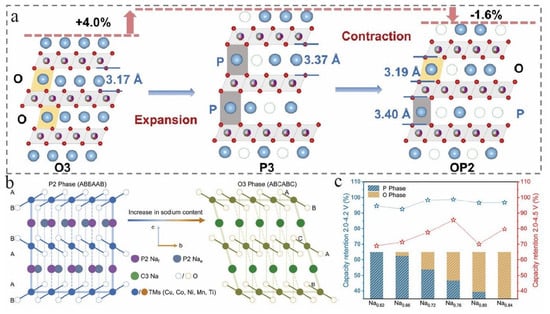
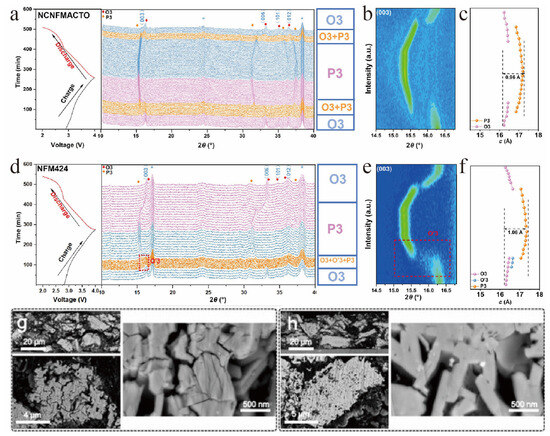
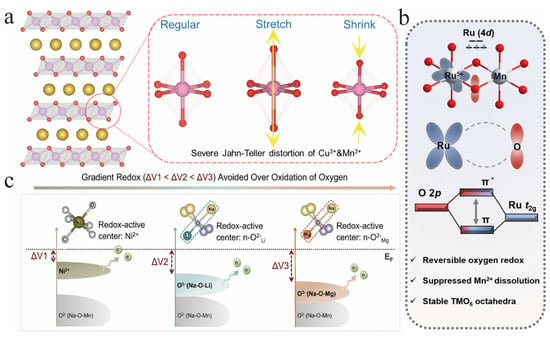
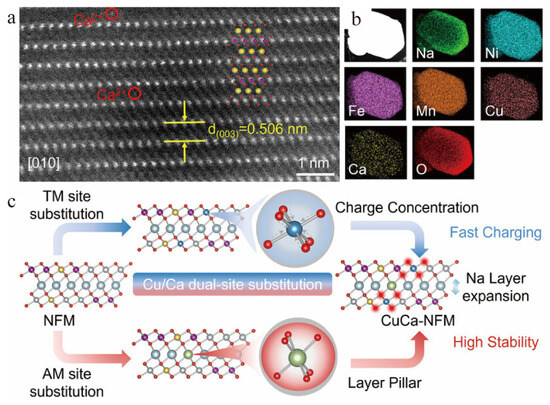
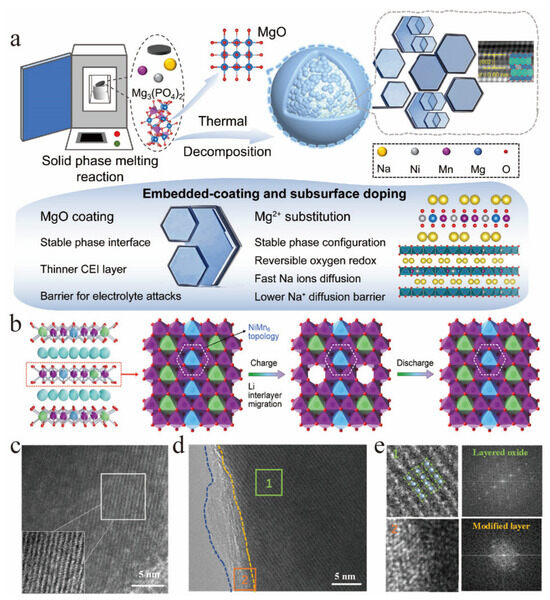
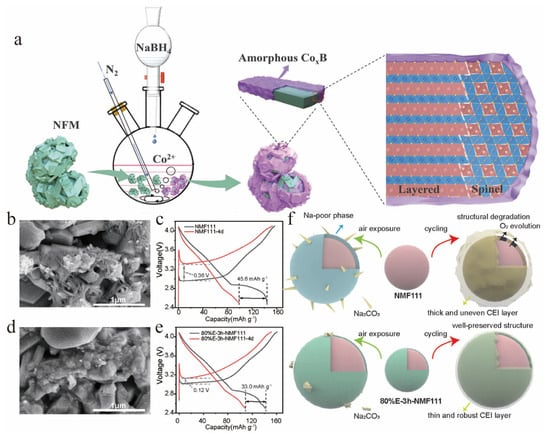
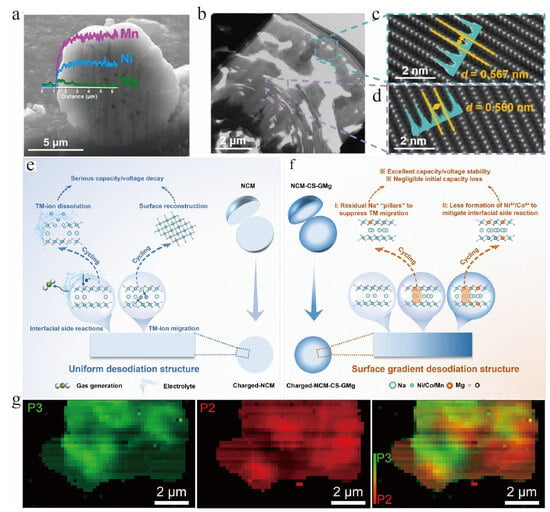
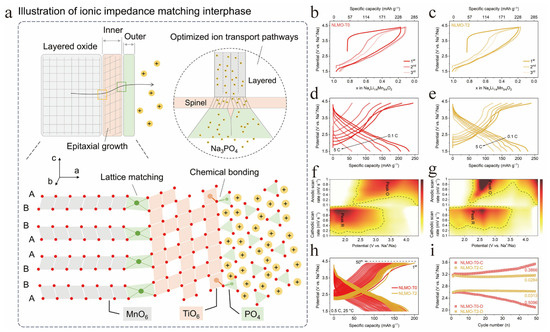
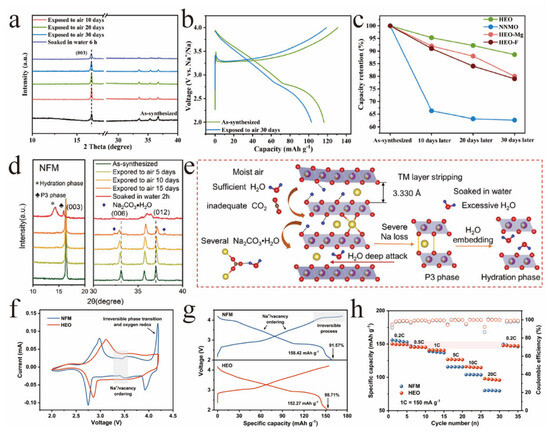
Interfacial Failure Cascade and Modulation Strategies for Layered Oxide Cathodes in Sodium-Ion Batteries
Molecules 2026, 31(19), 3551; https://doi.org/10.3390/molecules31193551 - 5 Oct 2026
Abstract
►
Show Figures
Layered transition-metal oxides (NaxTMO2) are among the most promising cathode candidates for sodium-ion batteries, yet their interfacial degradation under high voltage, deep desodiation, and humid environments remains the central bottleneck to commercialization. Here we argue that interfacial failure of
[...] Read more.
Layered transition-metal oxides (NaxTMO2) are among the most promising cathode candidates for sodium-ion batteries, yet their interfacial degradation under high voltage, deep desodiation, and humid environments remains the central bottleneck to commercialization. Here we argue that interfacial failure of layered cathodes is not a collection of isolated events but a coupled failure cascade in which chemical, structural, and mechanical factors amplify one another along a causal chain—surface residual alkali and oxygen release, heterogeneous phase transitions and surface reconstruction, stress concentration and crack propagation, and finally electrolyte infiltration with self-catalyzed formation of fresh interfaces. Starting from this cascade, we extract the corresponding modulation targets and, organized along the atomic–nano–micro length scale, survey single-axis strategies that include pillar-ion pinning, in situ conversion of residual alkali, gradient and epitaxial coatings, intergrown heterointerfaces, multifunctional coatings, and concentration-gradient particles. We then synthesize cross-scale synergistic paradigms—coating-plus-doping cascades, mechano-electrochemical coupling, dynamically stable interfaces under wide-temperature and high-voltage operation, and cathode–electrolyte interphase (CEI) engineering—and show that interface modulation is shifting from passive isolation toward active regulation. We close by distilling actionable design principles and outlining prospects for responsive interfaces and rational design.
Full article
Open AccessArticle
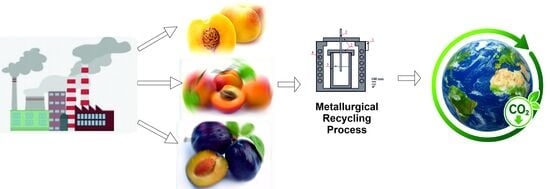
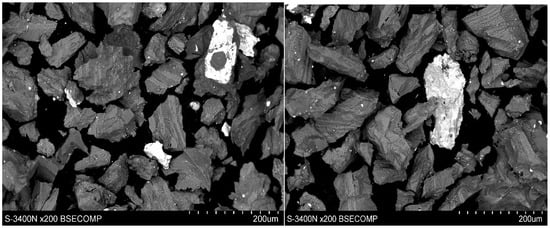
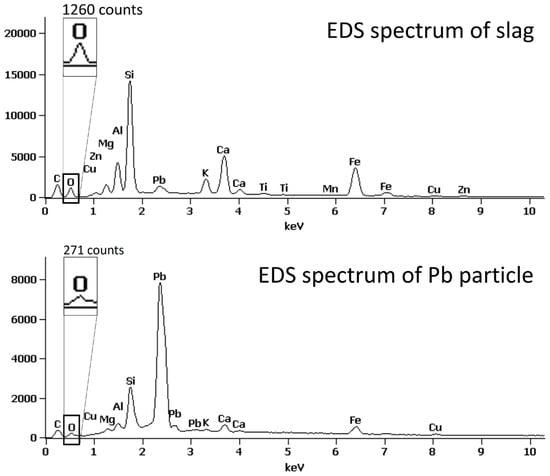
Copper Recovery from Metallurgical Slags Using Biomass in the Form of Fruit Seeds/Stones as a Reducing Agent
by
Jerzy Łabaj, Agnieszka Fornalczyk, Robert Findorak, Adrian Smagór, Tomasz Matuła, Bartosz Chmiela and Leszek Blacha
Molecules 2026, 31(19), 3550; https://doi.org/10.3390/molecules31193550 - 5 Oct 2026
Abstract
Civilizational development, which depends on the availability of raw materials, has accelerated tremendously in recent decades. This is due to globalization and the growth of emerging markets. It represents a huge opportunity for an innovative approach to both production and consumption. Along with
[...] Read more.
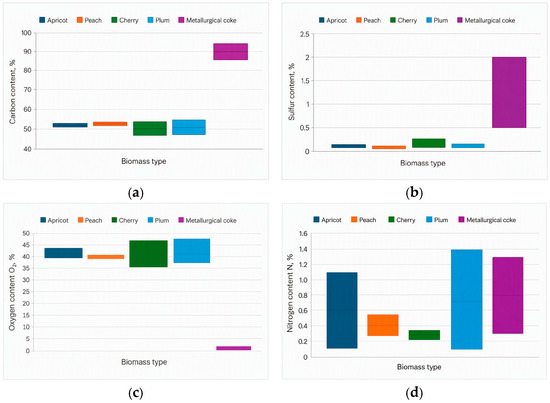
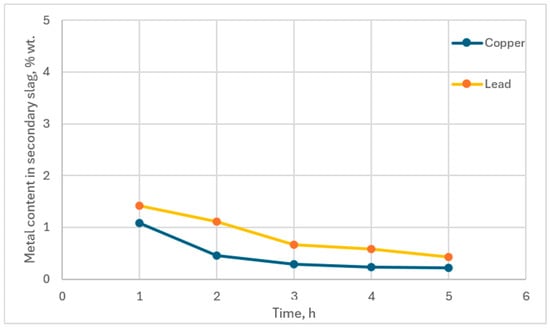
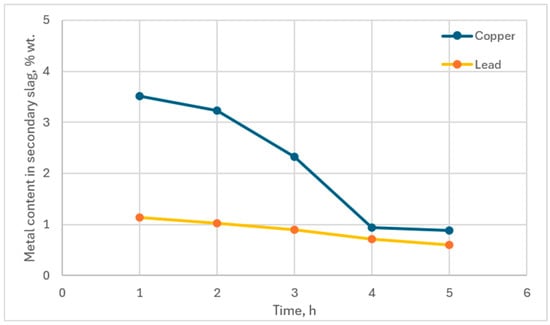
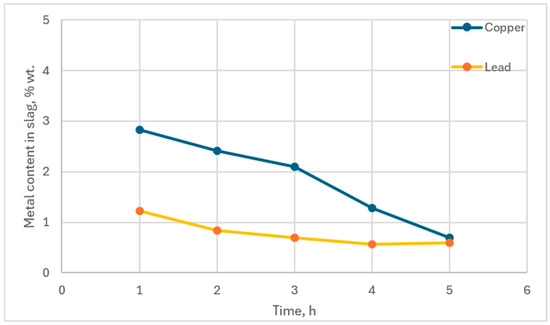
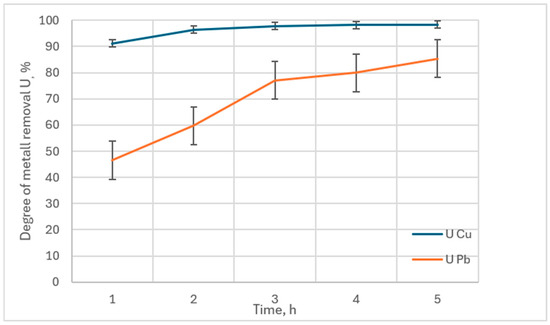
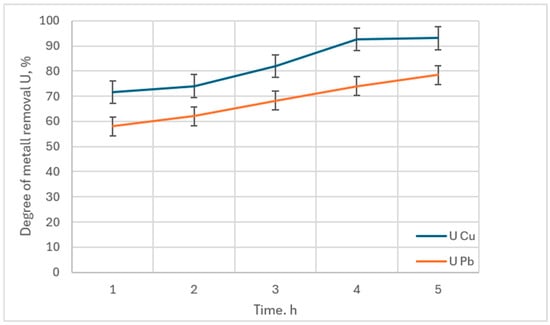
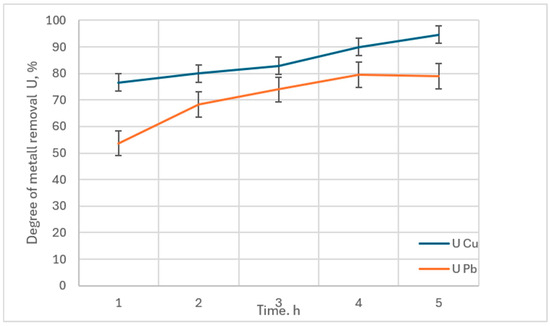
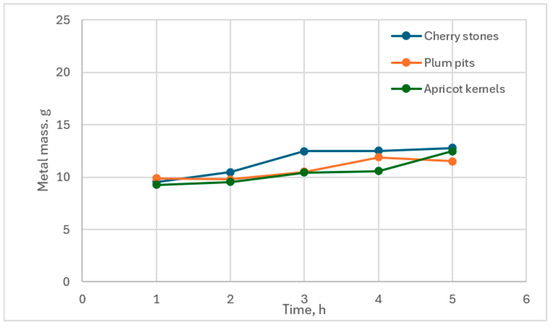
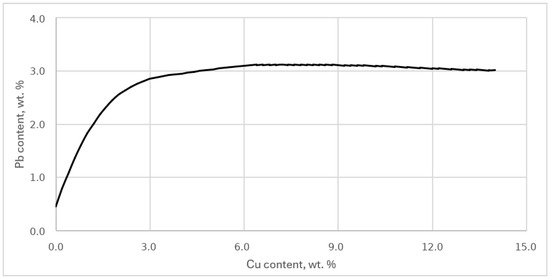
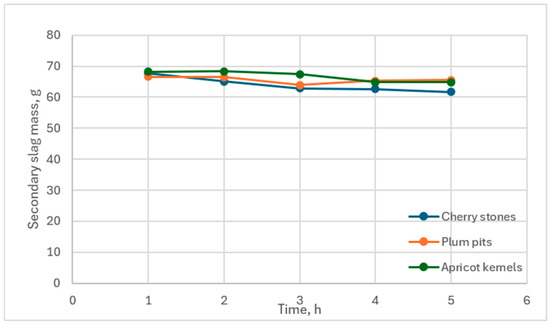
Civilizational development, which depends on the availability of raw materials, has accelerated tremendously in recent decades. This is due to globalization and the growth of emerging markets. It represents a huge opportunity for an innovative approach to both production and consumption. Along with civilizational growth, we also face negative consequences that lead to climate change. To meet the demands regarding climate neutrality, people have started analyzing the possibility of running production processes using substrates that either eliminate or significantly reduce the use of non-renewable resources. Considering the specifics of metal extraction and production, it is important to note that chemistry and thermodynamics play a key role here. This involves, on the one hand, understanding how carbon or its oxides are absorbed, which is essential for plant growth, and on the other, using components of so-called biomass for controlled chemical reactions. These regulations regarding climate neutrality and the type of raw materials are reflected in detail in the relevant European Union directives. Copper production in Poland is a strategic sector of the economy. Considering the scale of production and the consumption of natural resources, developing the possibility of partially replacing them will constitute a process innovation. Research into copper recovery from slag to date has focused primarily on improving the efficiency of the slag reduction process by intensifying bath mixing and improving the mass transfer process in the liquid phase. Given that biomass contains a significant proportion of volatile matter, this may additionally have a beneficial impact on the efficiency of using this type of material in the process. Many parameters still need to be investigated before the obtained results can be tested on a larger scale, enabling transfer to industrial conditions. The study presented the results of research on the potential use of biomass to reduce secondary raw materials coming from the copper industry. A Gibbs free enthalpy analysis was carried out for possible chemical reactions and their likelihood of occurring. As a source of metals, a material similar in composition to slag generated in the copper industry was used. Considering that copper ores contain about 1 wt. %, it makes even more sense to use secondary slag, which contains up to 10 wt. % copper. As part of the work, tests of the pyrometallurgic slag reduction process were carried out with the use of selected types of biomass. The tests were carried out in a metallurgical aggregate, at a temperature of 1300 °C in the time range from 1 to 5 h. The main parameters determining the efficiency of the process were to determine the degree of removal of the main metals, i.e., Cu and Pb, as well as to determine the content of these elements in the secondary slag. Verification of the possibility of replacing coal with biomass in real industrial conditions requires verifying primarily the effectiveness of metal removal as well as the possibility of determining the effect of climate neutrality. The results show the huge potential biomass has in terms of use in metal production processes. Also, in the near future the aspect of climate neutrality in the European Union may become an important factor for the economics of the process and competitiveness in the market.
Full article
(This article belongs to the Special Issue Advances in Chemical Metallurgy for Sustainable Metal Recovery)
►▼
Show Figures

Graphical abstract
Open AccessReview
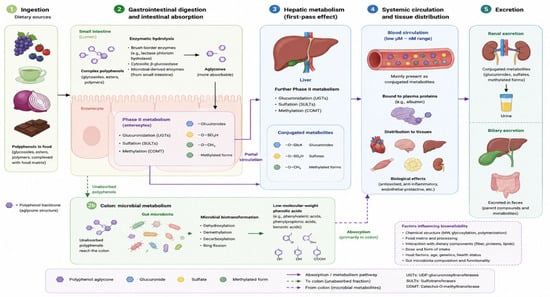
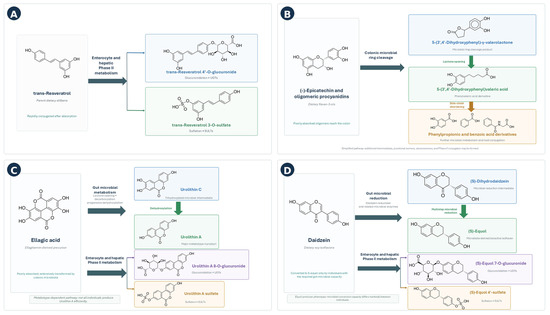
Dietary Polyphenols and Cardiovascular Health: From Bioavailability to Clinical Relevance
by
Maja Krstić Ristivojević, Dušan Ružičić, Monica Trif, Sofia Papadiki, Petar Ristivojević and Ilija Cvijetić
Molecules 2026, 31(19), 3549; https://doi.org/10.3390/molecules31193549 - 5 Oct 2026
Abstract
Dietary polyphenols, abundant in fruits, vegetables, tea, coffee, cocoa, and wine, have been widely investigated for their potential relevance to cardiovascular health. Their proposed protective effects extend beyond classical antioxidant activity, encompassing regulation of redox-sensitive signaling, attenuation of inflammation, improvement in endothelial function,
[...] Read more.
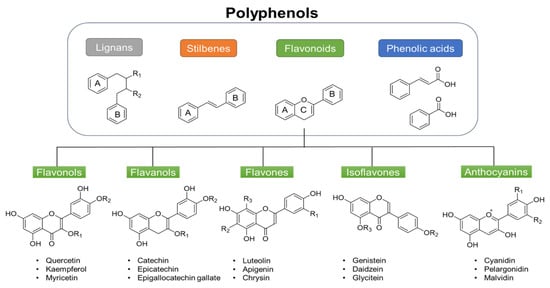
Dietary polyphenols, abundant in fruits, vegetables, tea, coffee, cocoa, and wine, have been widely investigated for their potential relevance to cardiovascular health. Their proposed protective effects extend beyond classical antioxidant activity, encompassing regulation of redox-sensitive signaling, attenuation of inflammation, improvement in endothelial function, modulation of lipid metabolism, and mitochondrial protection. Yet, their biological impact is strongly dependent on bioavailability and metabolic fate, as most compounds undergo extensive conjugation and gut microbiota-dependent transformation. Conjugated metabolites and microbial derivatives increasingly appear as key mediators of systemic vascular responses. Epidemiological studies associate polyphenol-rich dietary patterns with reduced cardiovascular risk, while clinical trials report modest and variable effects on intermediate outcomes such as vascular function, blood pressure, and plasma lipids. However, heterogeneity in study design, dosing, and compound source contributes to inconsistent outcomes and limits translation into practice. This review integrates current knowledge on classification, dietary sources, metabolism, and molecular mechanisms of polyphenols, emphasizing the interplay between host and microbiota in shaping cardioprotective responses. By bridging mechanistic insights with clinical observations, we highlight both the therapeutic promise and the translational challenges of polyphenols. Standardized intervention protocols, physiologically relevant dosing strategies, and precision nutrition approaches are essential to fully realize their potential in cardiovascular prevention.
Full article
(This article belongs to the Special Issue Bioactive Compounds from Fruits and Vegetables)
►▼
Show Figures

Figure 1
Open AccessArticle
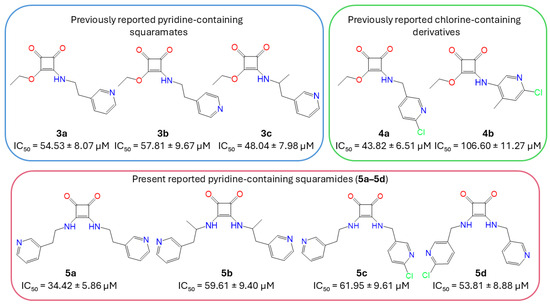
Synthesis, Biological Evaluation, and Molecular Docking of Pyridine-Containing Squaramides as DNase I Inhibitors
by
Mariyana Atanasova, Nina Ruseva, Georgi Tirolski, Simeon Stoyanov, Ana Marković, Andrija Šmelcerović, Magdalena Angelova, Hristina Sbirkova-Dimitrova, Adriana Bakalova, Rositsa Mihaylova and Emiliya Cherneva
Molecules 2026, 31(19), 3548; https://doi.org/10.3390/molecules31193548 - 5 Oct 2026
Abstract
Background: DNase I inhibitors may be useful as biochemical tools and as potential leads for investigating pathological processes associated with excessive DNA degradation. Squaramides represent attractive scaffolds for drug discovery owing to their rigid, highly polarized structure and versatile hydrogen-bonding properties. Methods: Four
[...] Read more.
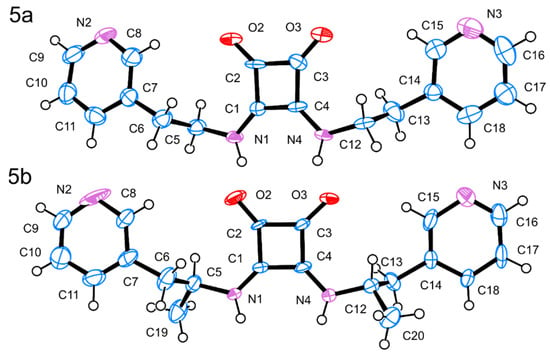
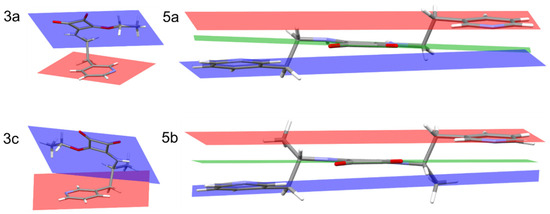
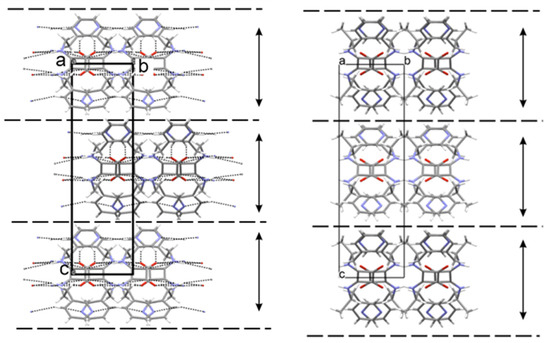
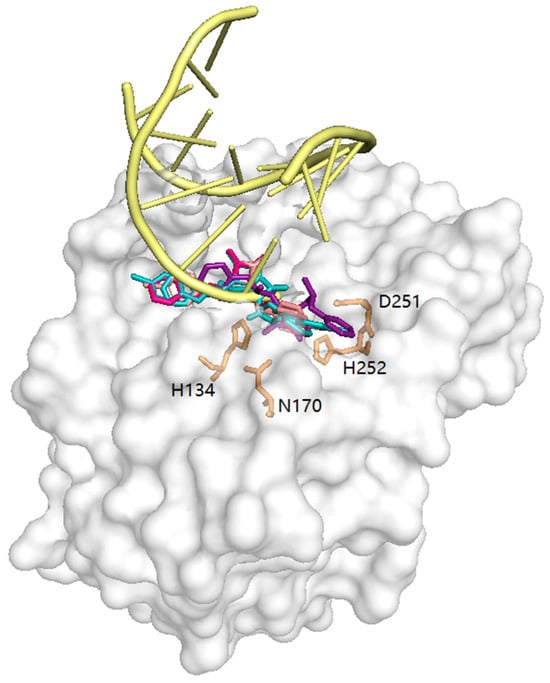
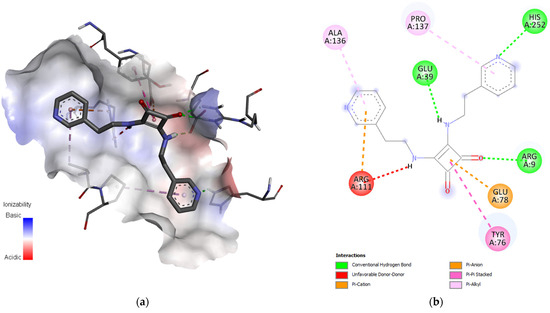
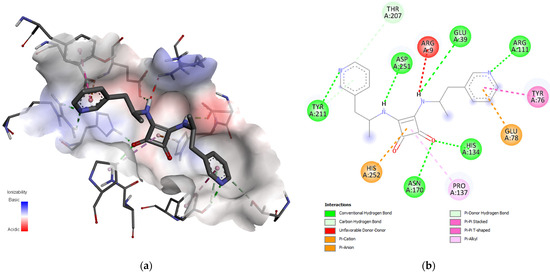
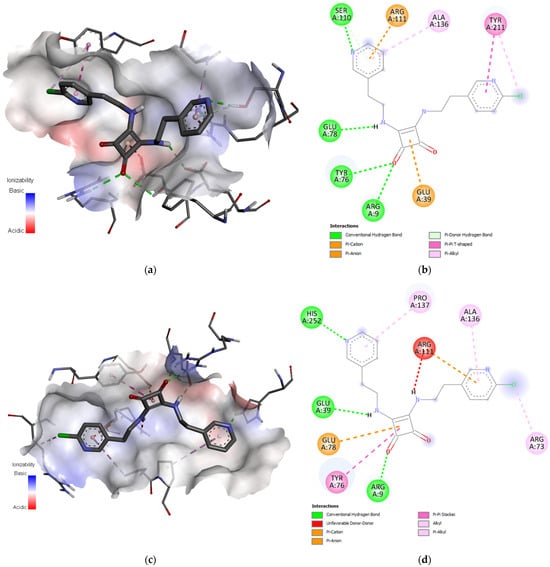
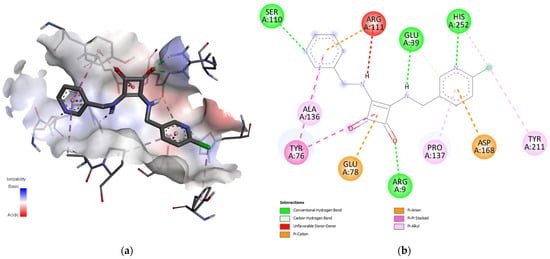
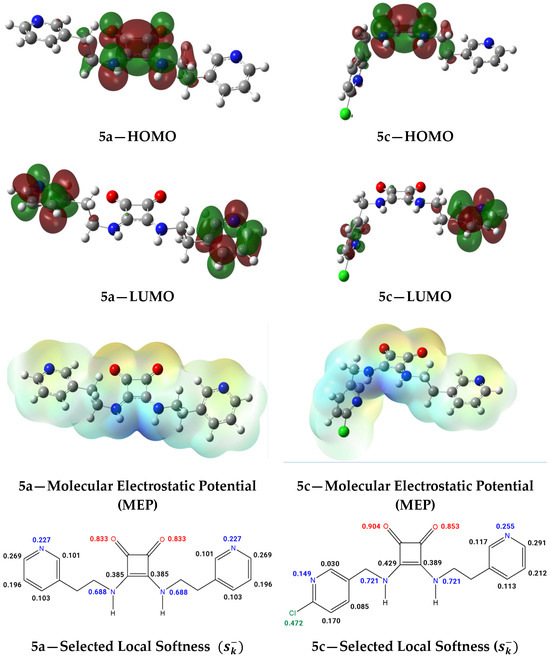
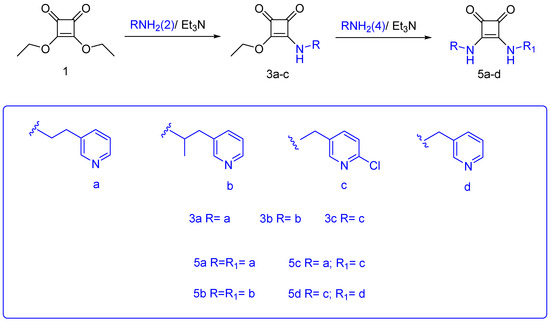
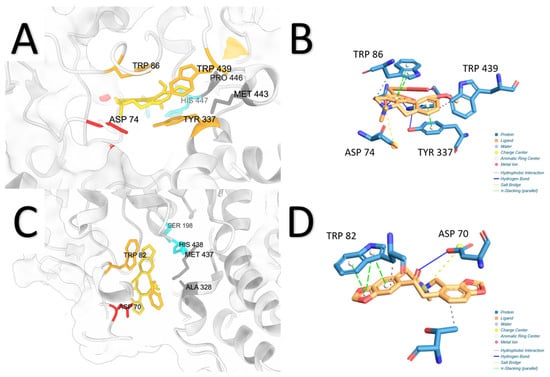
Background: DNase I inhibitors may be useful as biochemical tools and as potential leads for investigating pathological processes associated with excessive DNA degradation. Squaramides represent attractive scaffolds for drug discovery owing to their rigid, highly polarized structure and versatile hydrogen-bonding properties. Methods: Four novel pyridine-containing squaramides (5a–5d), comprising two symmetric and two asymmetric derivatives, were synthesized and structurally characterized by spectroscopic methods and, for 5a and 5b, single-crystal X-ray diffraction. Their DNase I inhibitory activity and cytotoxicity were evaluated experimentally. Comparative structure–activity analysis, molecular docking, molecular descriptor calculations, and in silico ADME profiling were additionally performed. Results: All compounds inhibited bovine pancreatic DNase I, with IC50 values ranging from 34.42 ± 5.86 to 61.95 ± 9.61 μM. Compound 5a showed the highest inhibitory activity within the present series (IC50 = 34.42 ± 5.86 μM). Comparison with five previously reported structurally related derivatives identified preliminary structure–activity trends, with 5a exhibiting the highest activity among the nine compounds considered. Molecular docking predicted a common preferred binding region within the major DNA-contact/catalytic region of DNase I and suggested possible noncovalent ligand–enzyme interactions. Molecular descriptor calculations revealed differences in the electronic properties of selected compounds, while in silico ADME analysis predicted generally favorable physicochemical and absorption-related properties together with potential pharmacokinetic liabilities. No measurable cytotoxicity was observed against the investigated cancer cell lines at the tested concentrations. Conclusions: Pyridine-containing squaramides represent a promising scaffold for further investigation as DNase I inhibitors, with 5a providing a useful starting point for subsequent structural optimization and mechanistic studies.
Full article
(This article belongs to the Special Issue Small-Molecule Targeted Drugs)
►▼
Show Figures

Figure 1
Open AccessArticle
LaVO4/Bi2O2S S-Scheme Heterojunction Driving Highly Efficient Photocatalytic Degradation of Tetracycline Antibiotics
by
Dongdong Chen, Yuhao Zeng, Yang Zhang, Fengli Cai, Chihpeng Lin, Bo Zhang, Shasha Liu, Zhenzhen Jia and Xiang Li
Molecules 2026, 31(19), 3547; https://doi.org/10.3390/molecules31193547 - 5 Oct 2026
Abstract
►▼
Show Figures
The rational design and fabrication of semiconductor photocatalysts possessing high intrinsic activity are pivotal for the remediation of tetracycline (TC)-contaminated aqueous streams. Herein, we synthesized a LaVO4/Bi2O2S heterostructure and comprehensively interrogated its physicochemical attributes through a synergistic
[...] Read more.
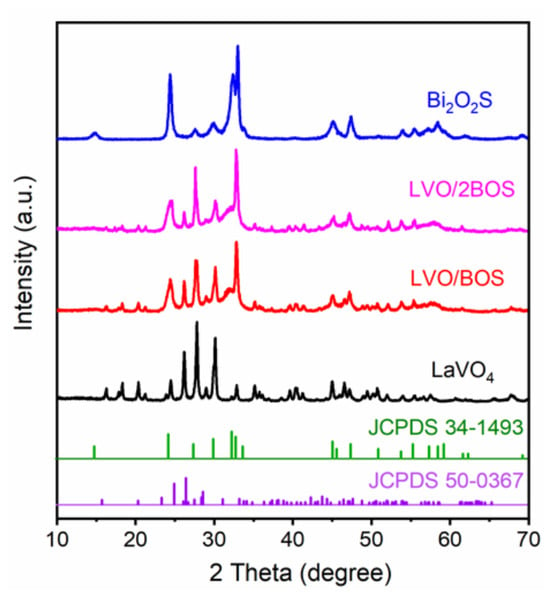
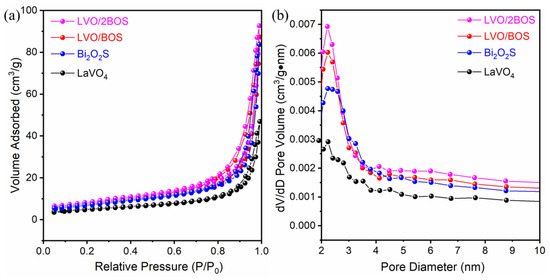
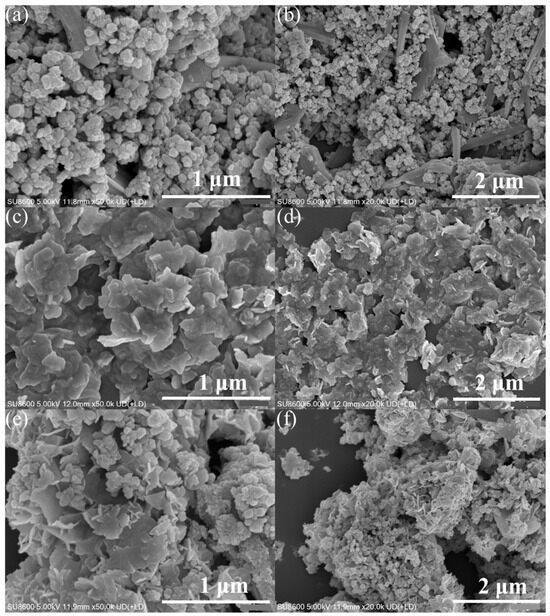
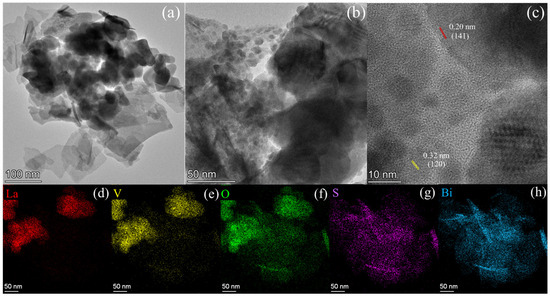
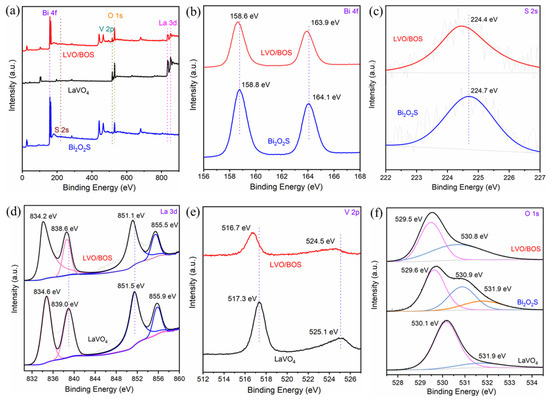
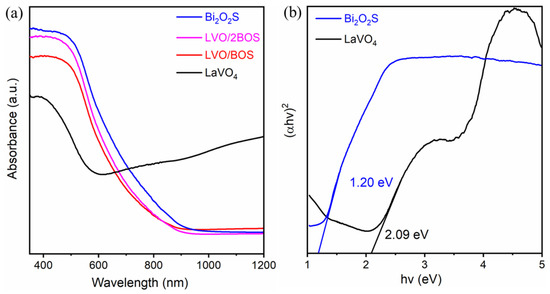
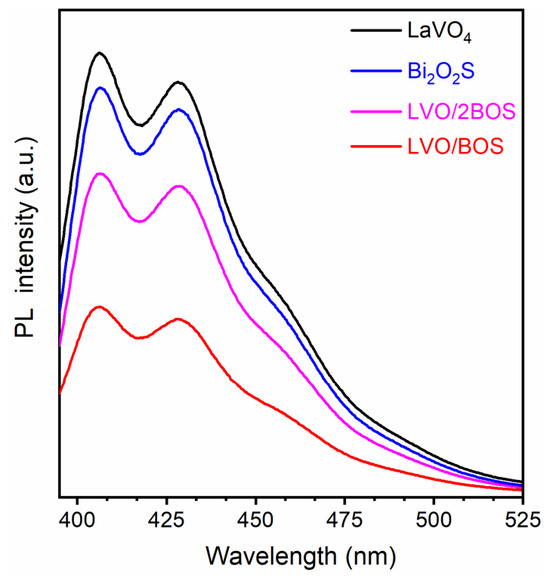
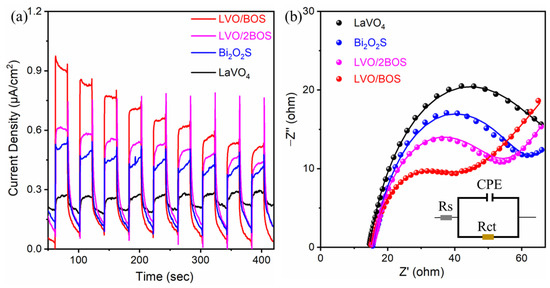
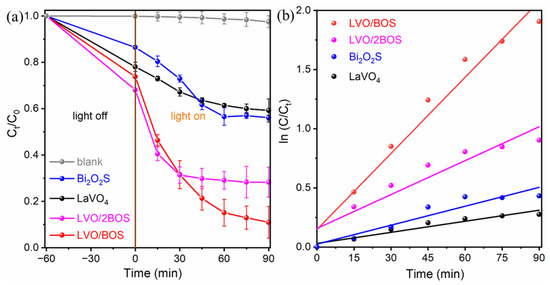
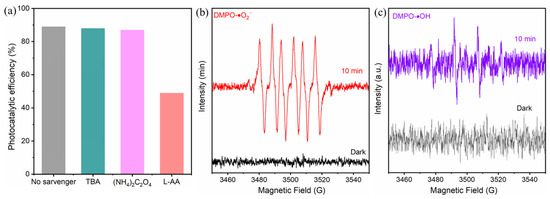
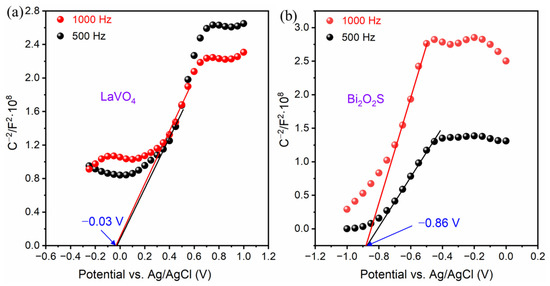
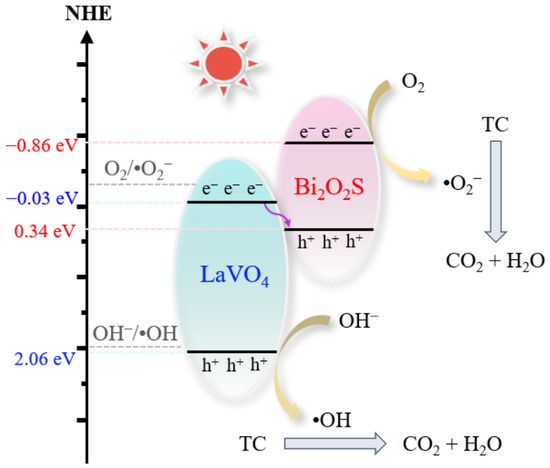
The rational design and fabrication of semiconductor photocatalysts possessing high intrinsic activity are pivotal for the remediation of tetracycline (TC)-contaminated aqueous streams. Herein, we synthesized a LaVO4/Bi2O2S heterostructure and comprehensively interrogated its physicochemical attributes through a synergistic suite of techniques—X-ray diffraction (XRD), N2 adsorption/desorption isotherms, Fourier-transform infrared spectroscopy (FT-IR), UV–Vis diffuse reflectance spectroscopy (UV-Vis DRS), field-emission scanning and transmission electron microscopy (FE-SEM/TEM), X-ray photoelectron spectroscopy (XPS), steady-state photoluminescence (PL), and photoelectrochemical measurements. These analyses collectively revealed that the LVO/BOS composite with an equal mass ratio of LaVO4 and Bi2O2S manifested pronounced visible-light harvesting, markedly suppressed charge-carrier recombination, and accelerated interfacial charge transfer, as evidenced by enhanced photocurrent response and reduced PL intensity relative to the constituent LaVO4 and Bi2O2S phases. Consequently, under simulated solar irradiation, LVO/BOS achieved a TC degradation efficiency of ≈89% within 90 min, outperforming bare LaVO4 (41%) and Bi2O2S (44%). The corresponding apparent first-order rate constant (k ≈ 0.0214 min−1) exceeded those of LaVO4 (0.0031 min−1) and Bi2O2S (0.0053 min−1) by factors of 6.90 and 4.04, respectively. Radical-scavenging assays coupled with electron-spin-resonance (ESR) spectroscopy identified superoxide (•O2−) as the dominant reactive oxygen species driving TC mineralization. Guided by the experimentally determined band alignments and the observed preferential preservation of high-potential holes in LaVO4 and high-energy electrons in Bi2O2S, an S-scheme (step-scheme) heterojunction mechanism was postulated to rationalize the superior photocatalytic performance. This work underscores the strategic merit of S-scheme LaVO4/Bi2O2S heterostructures as robust, visible-light-driven platforms for the abatement of refractory organic pollutants.
Full article

Figure 1
Open AccessArticle
Polyphenolic HRMS Characterization, Contents, Antioxidant Activity and Cytotoxic Effects of Costa Rican Ocimum tenuiflorum L. Extracts
by
Andrea Mariela Araya Sibaja, Juan Diego Chacón-Vargas, Luis Felipe Vargas-Huertas, Gabriela Azofeifa, Silvia Quesada, José Roberto Vega-Baudrit, Andrés Sánchez-Kopper, Diego Alvarado-Corella, Andrea Monge-Navarro and Mirtha Navarro-Hoyos
Molecules 2026, 31(19), 3546; https://doi.org/10.3390/molecules31193546 - 4 Oct 2026
Abstract
Holy basil (Ocimum tenuiflorum) is well known for its bioactive properties, including antioxidant and anti-inflammatory effects. Leaves samples from Costa Rica were extracted and analyzed in composition and in antioxidant and cytotoxic activities. The analysis by Ultra Performance Liquid Chromatography coupled
[...] Read more.
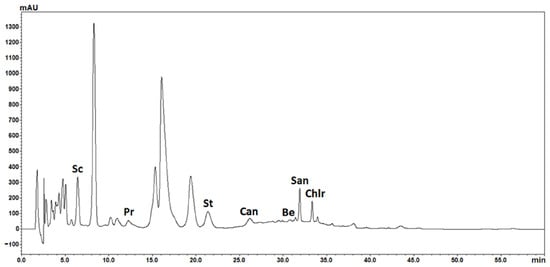
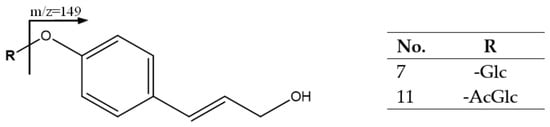
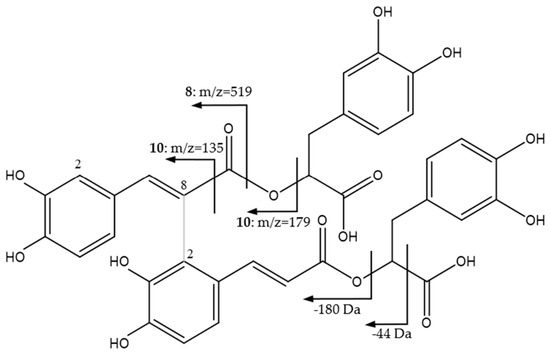
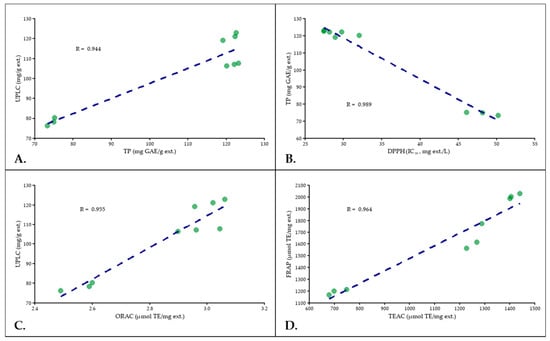
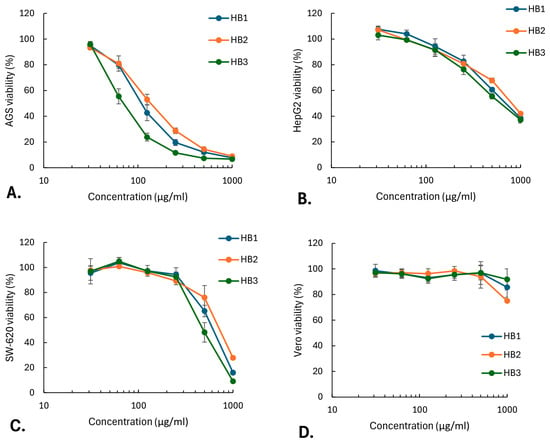
Holy basil (Ocimum tenuiflorum) is well known for its bioactive properties, including antioxidant and anti-inflammatory effects. Leaves samples from Costa Rica were extracted and analyzed in composition and in antioxidant and cytotoxic activities. The analysis by Ultra Performance Liquid Chromatography coupled with High Resolution Mass Spectrometry using a quadrupole-time-of-flight analyzer (UPLC-QTOF) allowed the identification of 12 compounds, including 7 glycosylated flavonoids, 2 coumaroyl alcohols, rosmarinic acid, eugenol, and salvianolic acid E. Quantification using liquid chromatography with diode array detector (UPLC-DAD) was performed for the main components, including apigenin and luteolin glucoronides, rosmarinic acid, and eugenol, revealing an overall content of 78.28–121.05 mg/g dry extract. Total phenolic values ranged between 74.5 and 122.5 mg GAE/g dry extract, while antioxidant evaluations showed IC50 values of 28.18–48.18 mg dry extract/L for 2,2-diphenyl-1-picrylhidrazyl (DPPH) assay, 1192.8–2006.5 μmol Trolox/g dry extract for Ferric Reducing Antioxidant Power (FRAP), 2.56–3.01 μmol Trolox/mg dry extract for Oxygen Radical Absorbance Capacity (ORAC), and 708.7–1415.8 μmol Trolox/g dry extract for Trolox Equivalent Antioxidant Capacity (TEAC). Pearson correlation analyses (p < 0.05) between the quantified phenolic content and the antioxidant assays showed the highest values between UPLC and DPPH (R = 0.962) and UPLC with ORAC values (R = 0.955). A Relative Antioxidant Capacity Index (RACI) evaluation indicated HB-1 and HB-3 samples as the ones with the best results in these antioxidant assays, aligning with their higher content in polyphenols, which can be attributed to their higher maturity at the harvesting stage in comparison with HB-2. The in vitro cytotoxicity evaluation of these extracts in adenocarcinoma cell lines, using the 3-(4,5-dimethylthiazol-2-yl)-2,5-diphenyl-2H-tetrazolium bromide (MTT) assay, showed a significant cytotoxic effect against AGS gastric cancer cell lines with an IC50 of 78–150 μg extract/mL and a selectivity index greater than 6 in respect to normal Vero cell lines. To the best of our knowledge, this work represents the first study of its kind in O. tenuiflorum from Costa Rica.
Full article
(This article belongs to the Special Issue Phenolic Compounds: Chemistry and Health Benefits)
►▼
Show Figures

Figure 1
Open AccessArticle
Rapid and Efficient Extraction of Chlorogenic Acid from Honeysuckle Using Microwave-Assisted Deep Eutectic Solvents: Process Optimization and Mechanistic Investigation via Integration of Experiments and Density Functional Theory Calculations
by
Hongwei Wu, Ruixin Chen, Hu Feng, Ningfei Liu, Yongli Shi, Feng Wang and Tiancheng Mu
Molecules 2026, 31(19), 3545; https://doi.org/10.3390/molecules31193545 - 4 Oct 2026
Abstract
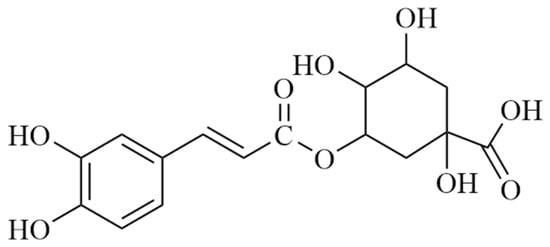
Chlorogenic acid (CA), the principal bioactive constituent of honeysuckle, is conventionally extracted by time-consuming methods using toxic organic solvents, which carry the risk of thermal degradation. This study provides a rapid and efficient microwave-assisted deep eutectic solvent (DES-MAE) method for CA extraction and
[...] Read more.
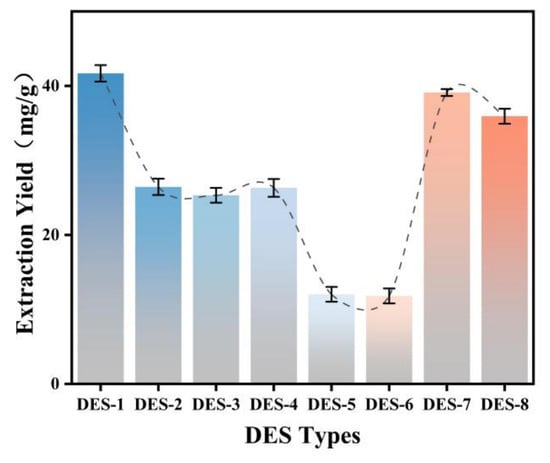
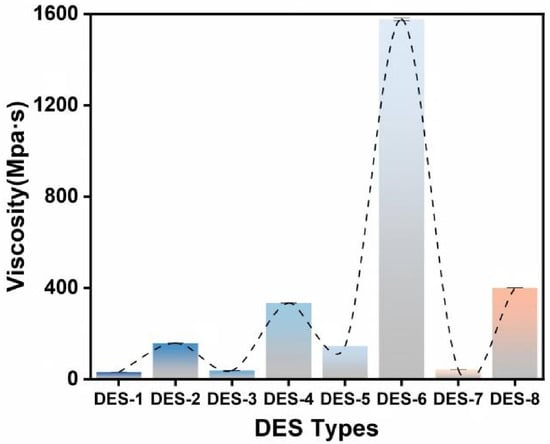
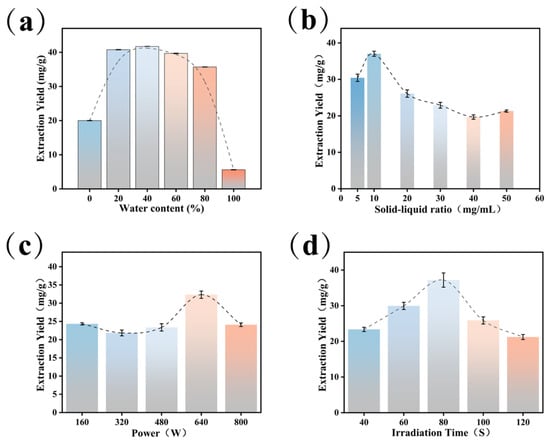
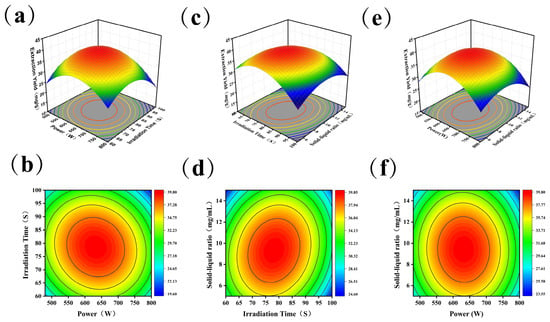
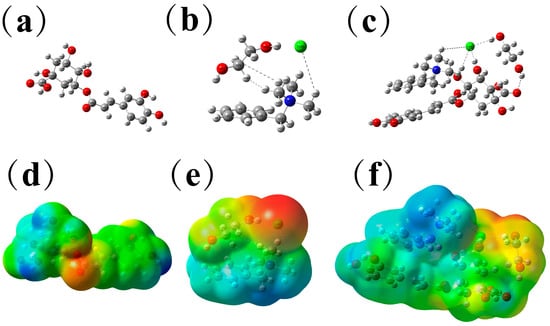
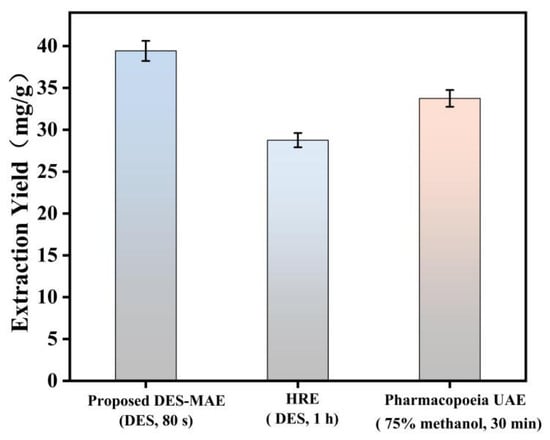
Chlorogenic acid (CA), the principal bioactive constituent of honeysuckle, is conventionally extracted by time-consuming methods using toxic organic solvents, which carry the risk of thermal degradation. This study provides a rapid and efficient microwave-assisted deep eutectic solvent (DES-MAE) method for CA extraction and elucidates its mechanism at the molecular level. Eight DESs were systematically screened, and extraction parameters were optimized via single-factor experiments and response surface methodology (RSM). Density functional theory (DFT) calculations were performed to reveal the DES-CA interaction mechanism. Benzyltrimethylammonium chloride–ethylene glycol with 40% water content was identified as optimal. Under the optimized conditions (640 W, 78 s, and 9.35 mg/mL), the quadratic model (R2 = 0.9879) predicted a CA yield of 39.851 mg/g, which was consistent with the experimental value of 39.431 ± 0.068 mg/g (1.1% relative deviation). DFT calculations revealed four hydrogen bonds and π-π stacking between DES1 and CA, with a binding energy of −25.641 kcal/mol, which far exceeded those of water (−5.277 kcal/mol) and ethanol (−8.946 kcal/mol). The DES-MAE method achieved the highest extraction yield within merely 78 s, compared with 60 min for HRE and 30 min for the pharmacopoeial method. This work provides a rapid, efficient, and mechanistically validated strategy for extracting bioactive compounds from traditional Chinese medicinal materials.
Full article
(This article belongs to the Special Issue Emerging Trends in Microextraction Techniques for Bioanalytical Applications)
►▼
Show Figures

Figure 1
Open AccessArticle
Determination of the Content of Isoquinoline Alkaloids in Selected Plant Extracts and Study of Their Cholinesterase-Inhibiting Activity and Cytotoxicity Against Human Melanoma Cells Using In Vitro and In Silico Methods
by
Tomasz Tuzimski, Anna Petruczynik, Mateusz Sugajski, Tomasz Plech, Barbara Kaproń-Plech, Karol Wróblewski and Bogusław Buszewski
Molecules 2026, 31(19), 3544; https://doi.org/10.3390/molecules31193544 - 4 Oct 2026
Abstract
Different plants containing isoquinoline alkaloids are known to exhibit various biological activities such as anti-inflammatory, antimicrobial, antiviral, antioxidant, antihyperglycemic, cholesterol-lowering, antifungal and anticancer behaviors. Diseases that pose a significant health burden include neurodegenerative diseases and cancer. Current treatments for these diseases are still
[...] Read more.
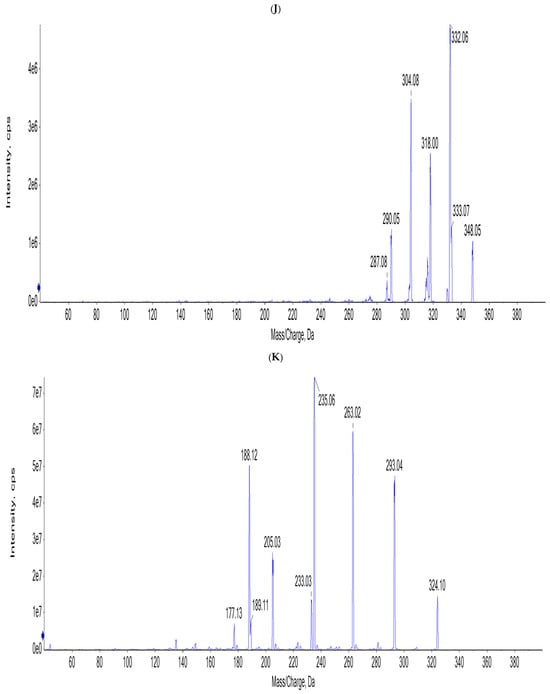
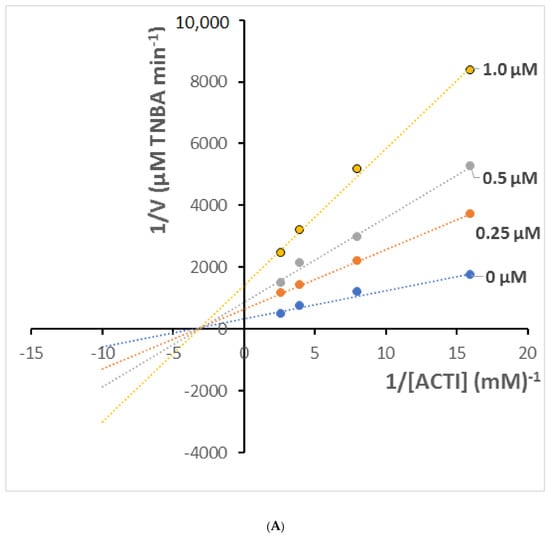
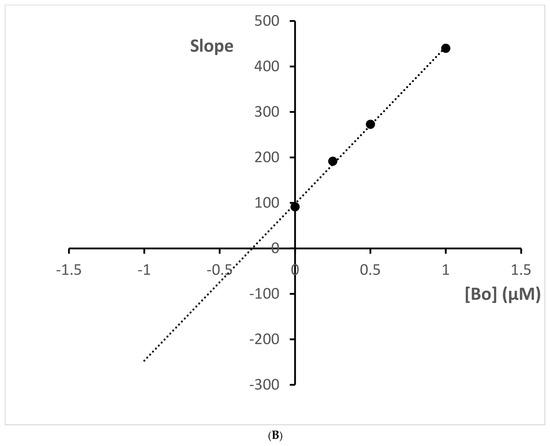
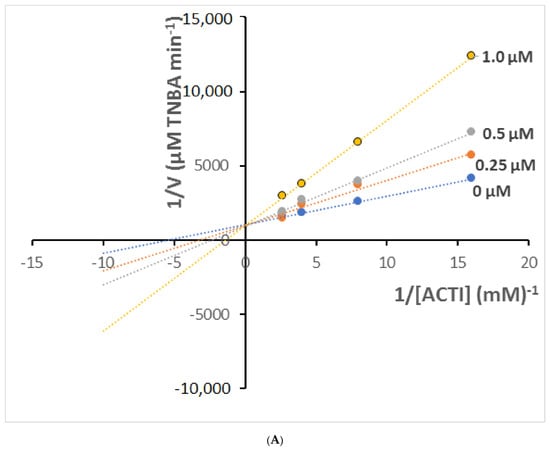
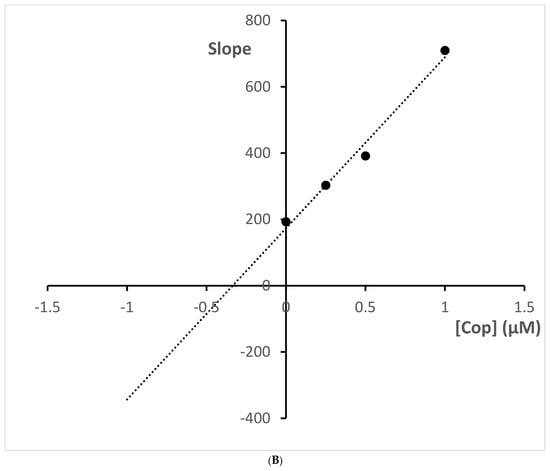
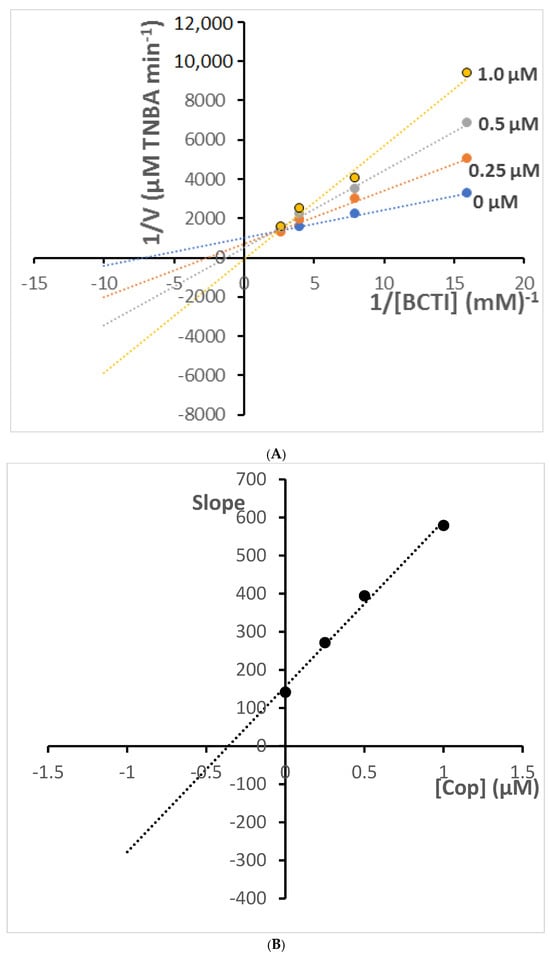
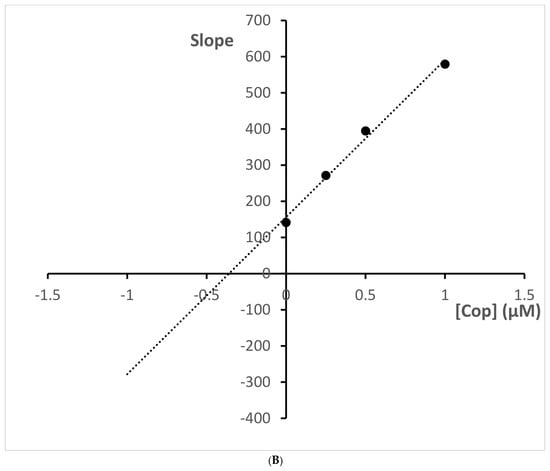
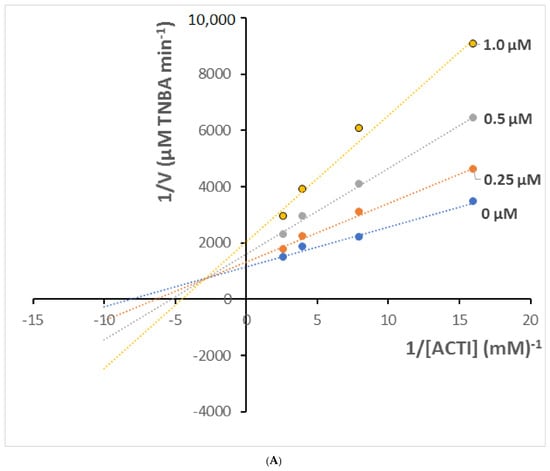
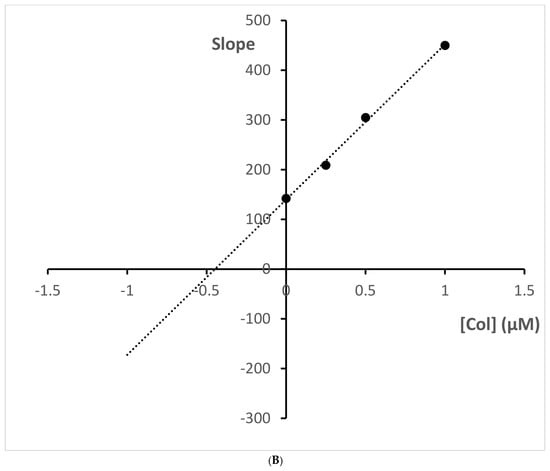
Different plants containing isoquinoline alkaloids are known to exhibit various biological activities such as anti-inflammatory, antimicrobial, antiviral, antioxidant, antihyperglycemic, cholesterol-lowering, antifungal and anticancer behaviors. Diseases that pose a significant health burden include neurodegenerative diseases and cancer. Current treatments for these diseases are still inadequate, so new therapeutic agents are needed to treat them more effectively. The aim of this study was to determine the content of selected isoquinoline alkaloids in plant extracts obtained from the leaves of Peumus boldus Molina (Monimi aceae); the rhizomes of Coptis chinensis Franch. (Ranunculaceae); the roots of Jateorhiza palmate (Lam.) Miers (Menispermaceae); the herbs of Eschscholzia californica Cham. (Papaveraceae); and the bark, buds, and flowers of Magnolia officinalis Rehder & E.H.Wilson (Magnoliaceae). The aim of the study was also to determine, in vitro and in silico, the acetylcholinesterase and butyrylcholinesterase inhibitory activity of the investigated isoquinoline alkaloids and the plant extracts containing them. The investigated alkaloid standards and most of the investigated plant extracts exhibited significant anti-cholinesterase activity. Extracts obtained from the rhizomes of Coptis chinensis exhibited the highest activity against acetylcholinesterase and butyrylcholinesterase, with IC50 = 4.85 and 9.58 µg/mL, respectively. The kinetic results indicated that boldine, noncompetitively; coptisine, competitively; and columbamine, in mixed mode, inhibited acetylcholinesterase activity. The activity of butyrylcholinesterase was inhibited by coptisine and columbamine in mixed mode. The next objective of our research was to determine the cytotoxic activity of the tested plant extracts against human melanoma A375 and SK-MEL-3 cell lines. The highest cytotoxicity was observed for the extract obtained from the rhizomes of Coptis chinensis, with IC50 = 4.06 and 27.3 µg/mL against A375 and SK-MEL-3 cells, respectively. All investigated plant extracts exhibited a selectivity index of cytotoxic activity greater than 1.0 against human melanoma cancer cells and fibroblasts, which indicates their selective cytotoxicity towards cancer compared to normal cells. An especially high selectivity index (17.27) was obtained for the Coptis chinensis rhizome extract. Particularly interesting results were obtained for the Coptis chinensis rhizome extract due to its high inhibitory activity against cholinesterases and significant cytotoxicity towards human melanoma cells, combined with a more than seventeen-fold lower toxicity towards fibroblasts; consequently, Coptis chinensis may be particularly recommended for further research.
Full article
(This article belongs to the Section Analytical Chemistry)
►▼
Show Figures

Figure 1
Open AccessArticle
DFT, Molecular Docking, and Molecular Dynamics Analysis of Electronic Structure, Reactivity, and PTP1B Binding of Phenylacetic and Benzylmalonic Acid-Functionalized C60 Derivatives
by
Verónica Rodríguez-Celestino, Zuriel Natanael Cisneros-García, Jaime Gustavo Rodríguez-Zavala, Carlos Iván Méndez-Barrientos and José Guadalupe Facio-Muñoz
Molecules 2026, 31(19), 3543; https://doi.org/10.3390/molecules31193543 - 4 Oct 2026
Abstract
Water-soluble C60 derivatives functionalized with phenylacetic acid (PhAA) and benzylmalonic acid (BnMA), together with their di- and tetrahydroxylated derivatives, were investigated using density functional theory, molecular docking, and molecular dynamics simulations to evaluate their electronic structure, local and global reactivity, and interactions
[...] Read more.
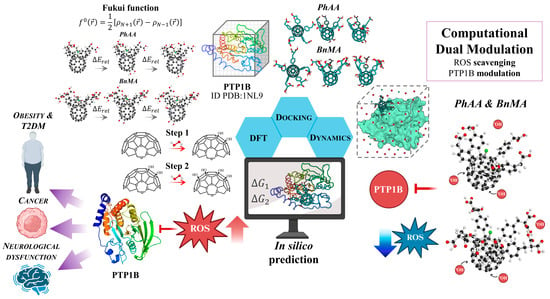
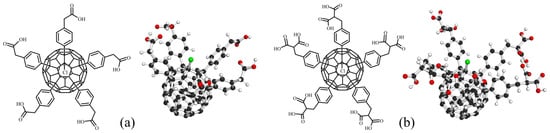
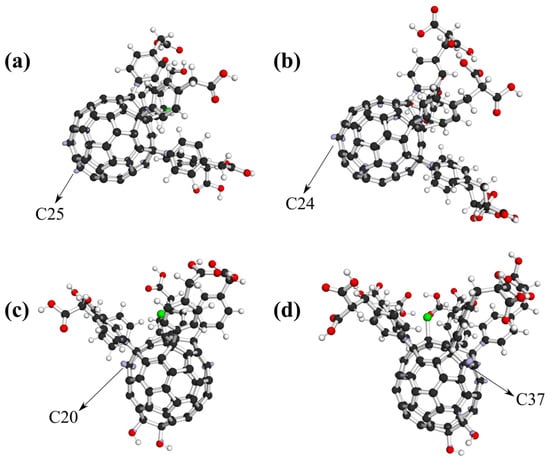
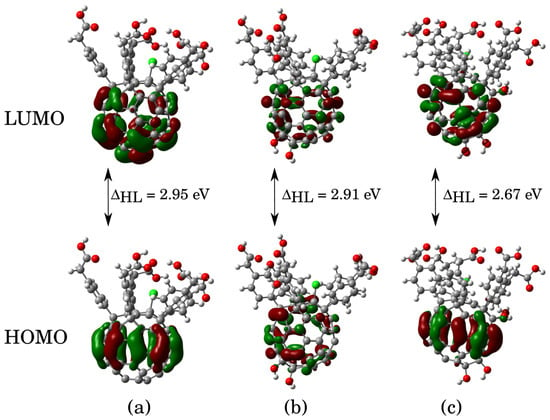
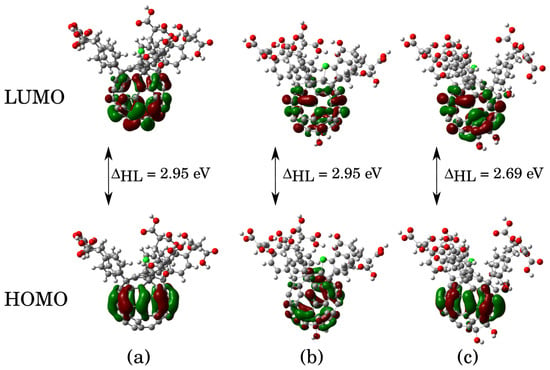
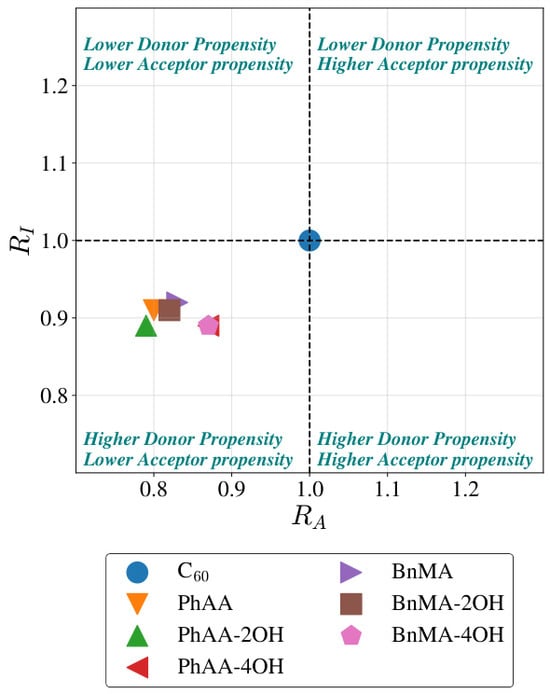
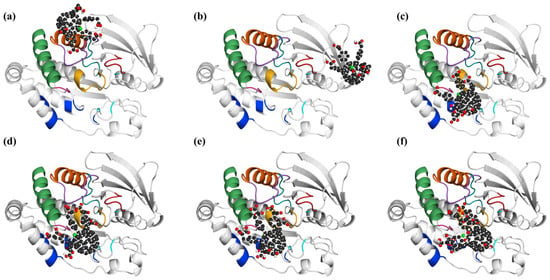
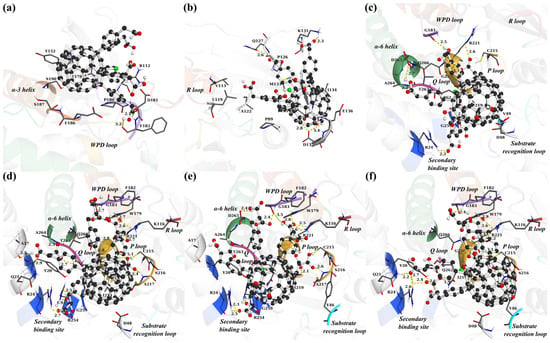
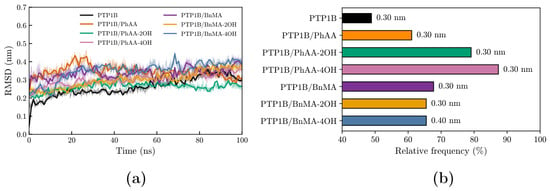
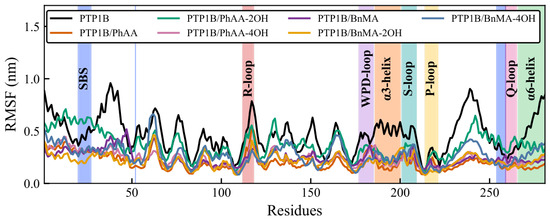
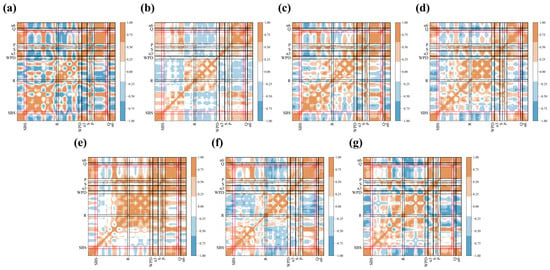
Water-soluble C60 derivatives functionalized with phenylacetic acid (PhAA) and benzylmalonic acid (BnMA), together with their di- and tetrahydroxylated derivatives, were investigated using density functional theory, molecular docking, and molecular dynamics simulations to evaluate their electronic structure, local and global reactivity, and interactions with protein tyrosine phosphatase 1B (PTP1B). Successive hydroxylation steps were thermodynamically favorable, while electronic structure and reactivity analyses indicated that the fullerene cage retains features compatible with further ROS-related reactivity after hydroxylation. Electrostatic potential analysis revealed differentiated polarity between the fullerene and functionalization regions. Docking showed functionalization-dependent binding modes: PhAA-derived systems sampled both peripheral regions near the WPD and R loops and the catalytic pocket, whereas BnMA-derived systems consistently occupied the catalytic site and interacted with key residues, including Cys215 and Arg221. Molecular dynamics showed reduced flexibility in functionally relevant regions, reorganization of correlated motions, and average catalytic-pocket conformations that were more open than in apo-PTP1B. Overall, these results support the potential of these derivatives for ROS-related reactivity and modulation of PTP1B, although experimental validation is required to establish their biological activity.
Full article
(This article belongs to the Special Issue Density Functional Theory (DFT): From Conceptual Developments to Practical Applications)
►▼
Show Figures

Graphical abstract
Open AccessArticle
Polygonatum cyrtonema Hua in Jiuhua Mountain: Structural Characterization and Biological Activity
by
Xueqing Geng, Xingchi Zhang, Yun Wang, Ting Yao and Zhuoting Gan
Molecules 2026, 31(19), 3542; https://doi.org/10.3390/molecules31193542 - 4 Oct 2026
Abstract
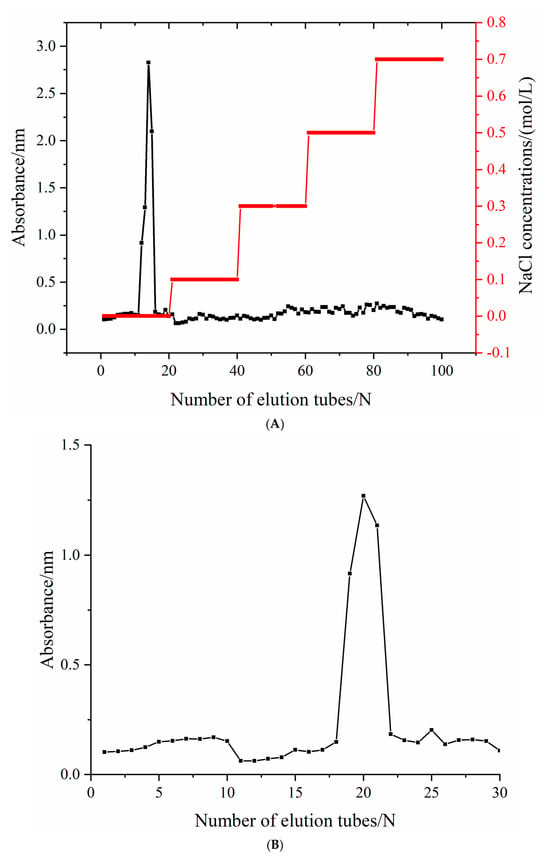
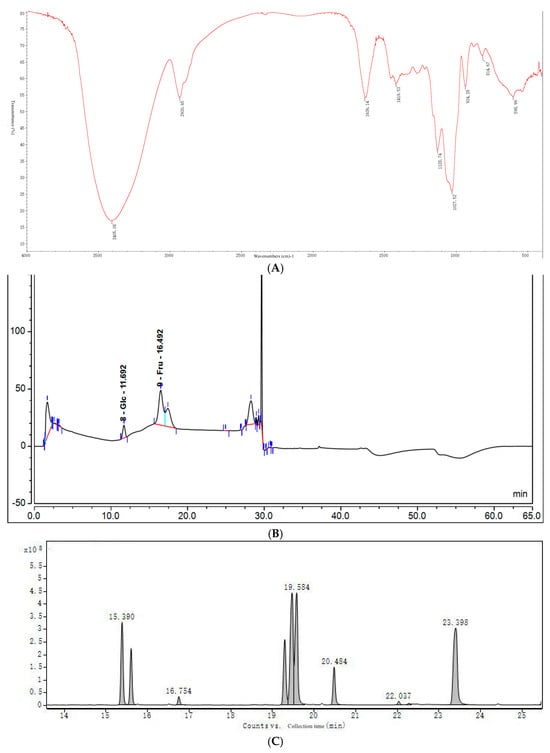
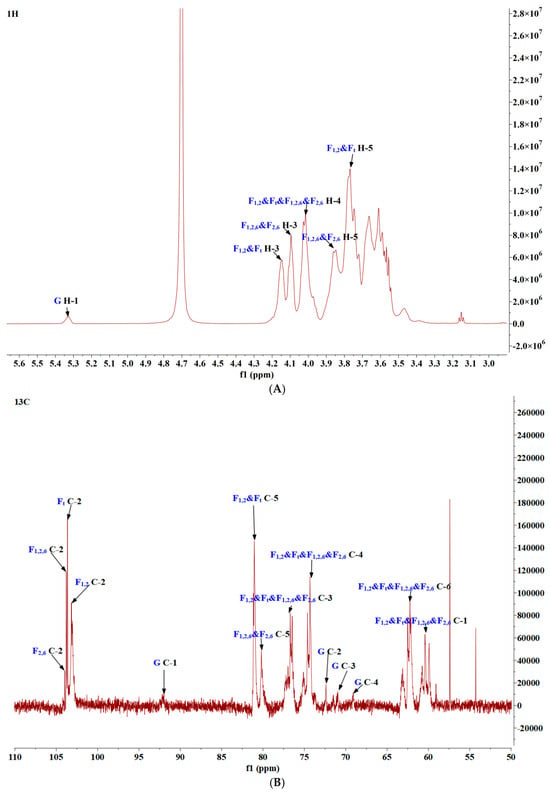
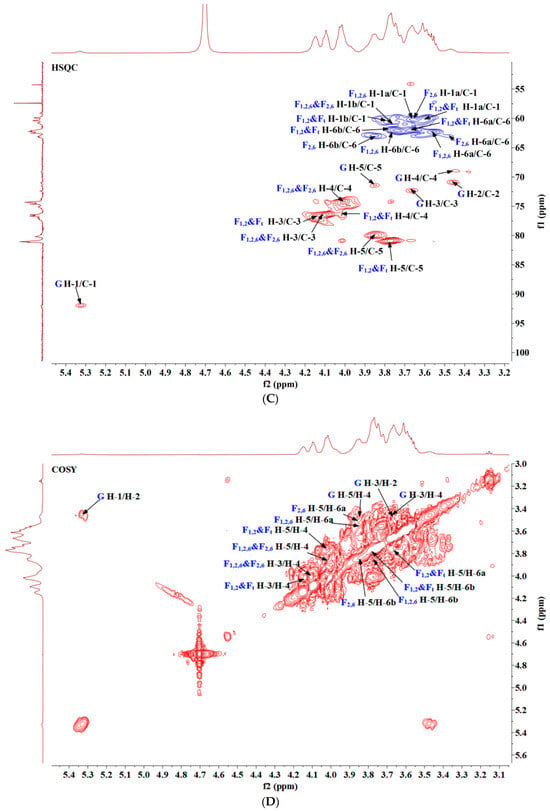
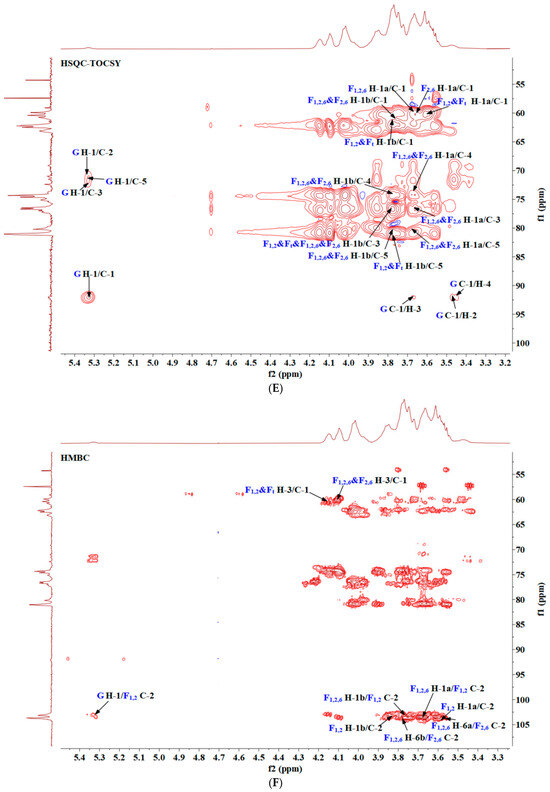
Polygonatum cyrtonema Hua in Jiuhua Mountain (JHPCH) is a nationally recognized geographically indicated medicinal plant known for its bioactive polysaccharides with diverse pharmacological activities. This study isolated a homogeneous polysaccharide JPCP-70-0 from JHPCH via hot water extraction, ethanol precipitation, and chromatographic purification. Structural
[...] Read more.
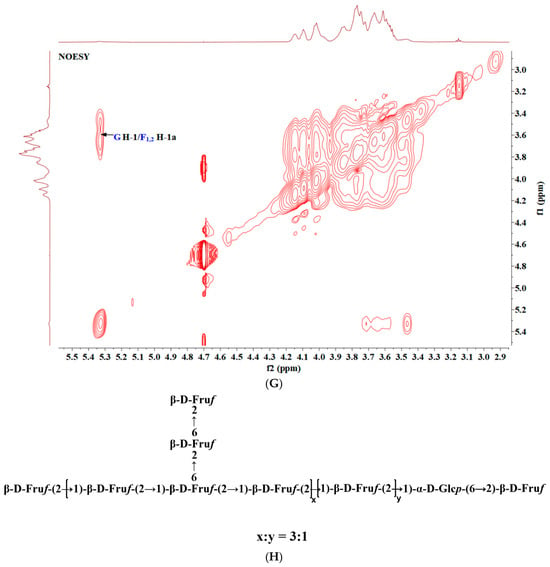
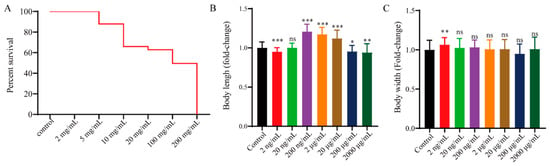
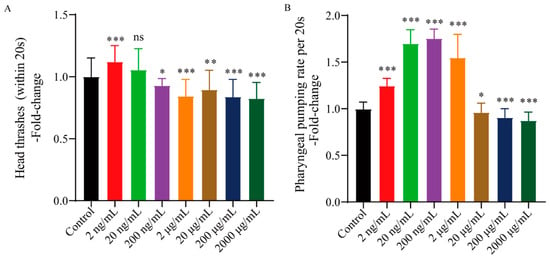
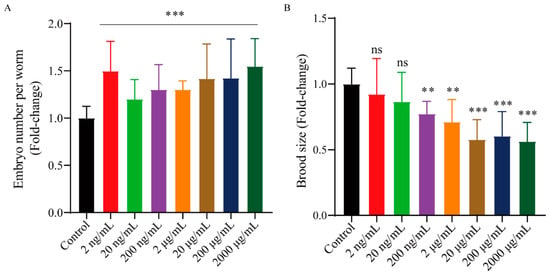
Polygonatum cyrtonema Hua in Jiuhua Mountain (JHPCH) is a nationally recognized geographically indicated medicinal plant known for its bioactive polysaccharides with diverse pharmacological activities. This study isolated a homogeneous polysaccharide JPCP-70-0 from JHPCH via hot water extraction, ethanol precipitation, and chromatographic purification. Structural characterization by GC-MS, FT-IR, and NMR identified it as a neutral fructan (2.88 × 10⁴ Da) with Glc/Fru (6.65%/93.35%), a backbone of →1)-β-D-Fruf-(2→, and side chains of →6)-β-D-Fruf-(2→). Using Caenorhabditis elegans as a model, we evaluated JPCP-70-0’s effects on nematode growth. Results showed concentration-dependent regulation: low concentrations promoted growth, locomotion, feeding, and reproduction, while high concentrations induced developmental inhibition and reduced activity. This work provides a theoretical basis for the rational development of JHPCH resources.
Full article
(This article belongs to the Special Issue Chemical Compositions and Bioactivities of Foods, 2nd Edition)
►▼
Show Figures

Figure 1
Open AccessArticle
Triethanolamine-Catalyzed One-Pot Three-Component Domino Annulation Leading to 4H-Pyrano[3,2-c]coumarins: Catalyst Reusability and Decagram-Scale Synthesis
by
Essam M. Eliwa, Atheer A. Mahmood, Rania S. Ali, Marwa ElS. Ahmed, Abdullah A. Ahmed, Ewies F. Ewies and Roman Dembinski
Molecules 2026, 31(19), 3541; https://doi.org/10.3390/molecules31193541 - 4 Oct 2026
Abstract
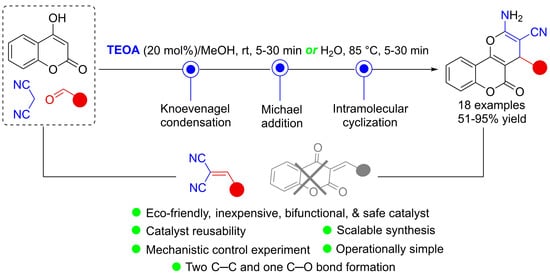
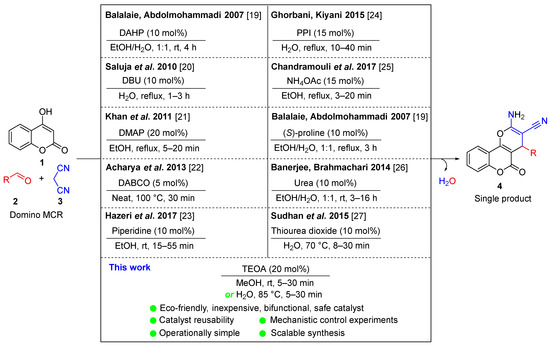
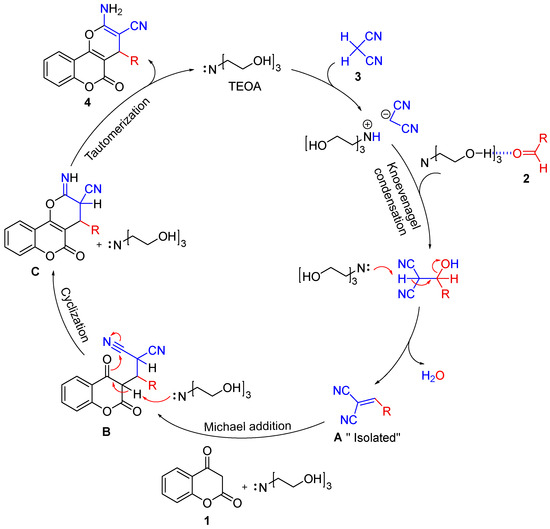
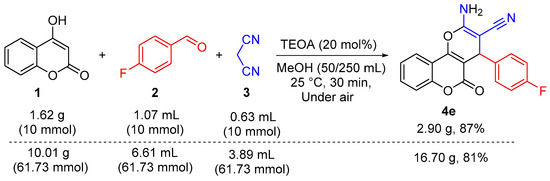
A triethanolamine (TEOA)-catalyzed, one-pot, three-component reaction of 4-hydroxycoumarin, aldehydes, and malononitrile was developed as a highly atom-economic domino protocol for the synthesis of biologically significant 4H-pyrano[3,2-c]coumarins. This cascade sequence proceeds through the successive formation of three new σ bonds
[...] Read more.
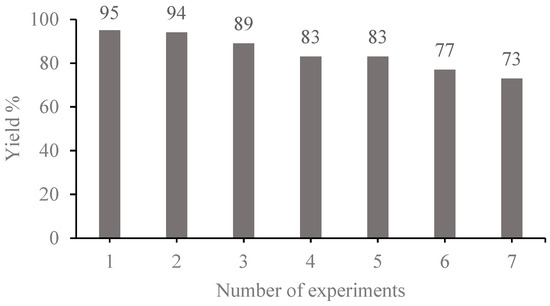
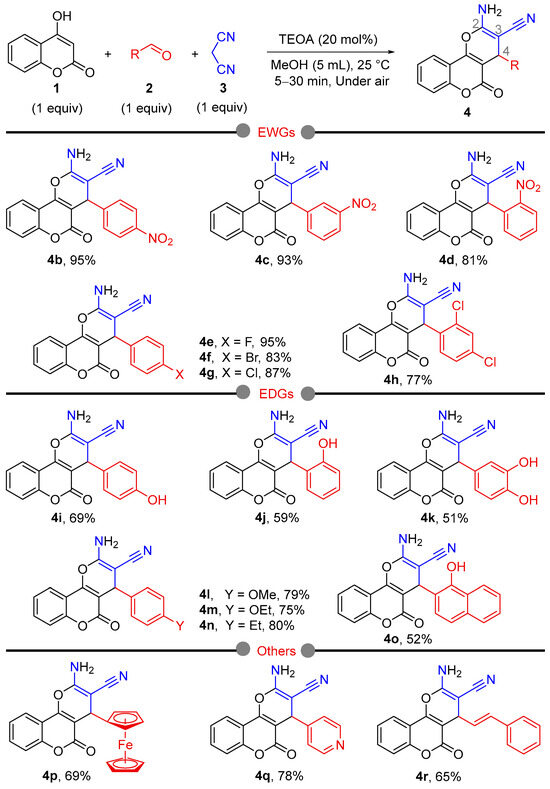
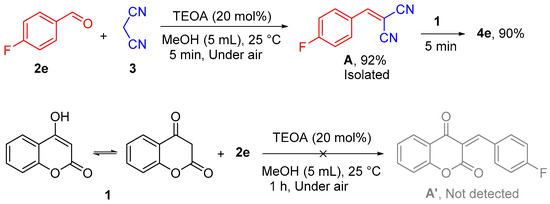
A triethanolamine (TEOA)-catalyzed, one-pot, three-component reaction of 4-hydroxycoumarin, aldehydes, and malononitrile was developed as a highly atom-economic domino protocol for the synthesis of biologically significant 4H-pyrano[3,2-c]coumarins. This cascade sequence proceeds through the successive formation of three new σ bonds (two C—C and one C—O). The protocol exhibited a broad substrate scope and proceeded rapidly and efficiently in methanol at ambient temperature or in water at 85 °C. 4H-Pyrano[3,2-c]coumarins were isolated in 51–95% yields using a simple workup without column chromatography. Sustained TEOA catalytic activity across seven consecutive cycles was demonstrated. Gram- and decagram-scale protocols were elaborated, and the plausible mechanistic pathway was proposed in this study.
Full article
(This article belongs to the Special Issue Feature Papers in Organic Chemistry—Third Edition)
►▼
Show Figures

Graphical abstract
Open AccessReview
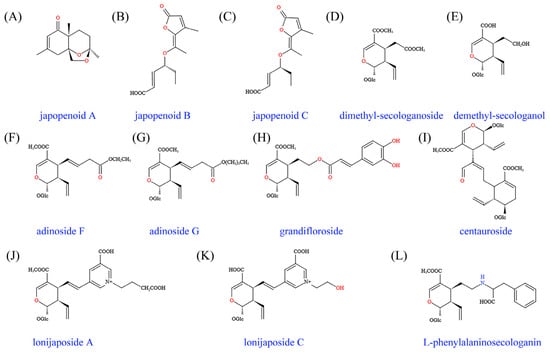
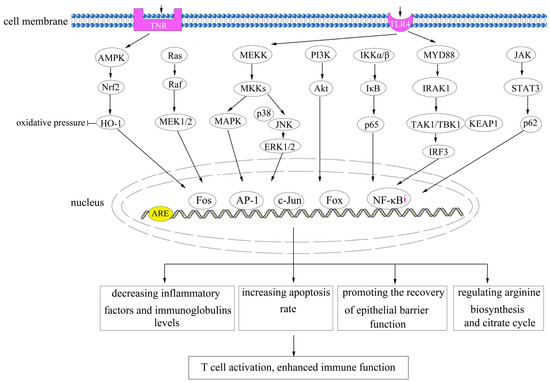
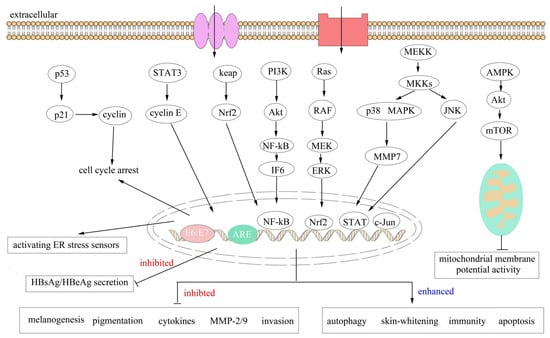
Insights into the Health-Promoting Properties and Nutraceutical and Food Applications of Lonicera japonica Thunb.
by
Shuzhen Wang, Fu Xiang, Wei Long, Lei Zhang, Wanju Zhang, Feng He, Chi-Tang Ho and Shiming Li
Molecules 2026, 31(19), 3540; https://doi.org/10.3390/molecules31193540 - 4 Oct 2026
Abstract
Lonicera japonica Thunb. (L. japonica), an edible medicinal plant that has been widely consumed in East Asian countries, including China, Japan, and Korea, for centuries, has long been regarded as a superior herb in traditional Chinese medicine and is an economically
[...] Read more.
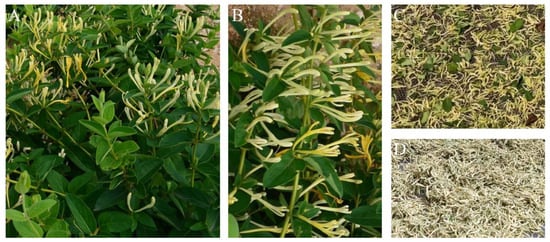
Lonicera japonica Thunb. (L. japonica), an edible medicinal plant that has been widely consumed in East Asian countries, including China, Japan, and Korea, for centuries, has long been regarded as a superior herb in traditional Chinese medicine and is an economically important crop commonly used in beverages, foods, and herbal medicines. Extensive studies have demonstrated that L. japonica possesses a broad spectrum of health-promoting properties, including antioxidant, antibacterial, antiviral, immunomodulatory, metabolic regulatory, and anti-endotoxin activities. This review comprehensively summarizes the distribution, cultivation, quality evaluation, cultivar identification, bioactive constituents, and health-promoting effects of L. japonica, while also highlighting key scientific questions that warrant further investigation. Furthermore, the molecular mechanisms responsible for the major pharmacological activities of L. japonica flowers—including anti-inflammatory and immunomodulatory effects—are comprehensively discussed. This review provides an up-to-date scientific foundation and valuable insights to facilitate the continued development and diversified applications of L. japonica in the pharmaceutical, nutraceutical, and functional food industries.
Full article
(This article belongs to the Special Issue Bioactive Compounds in Food and Cosmetics Processing)
►▼
Show Figures

Figure 1
Open AccessReview
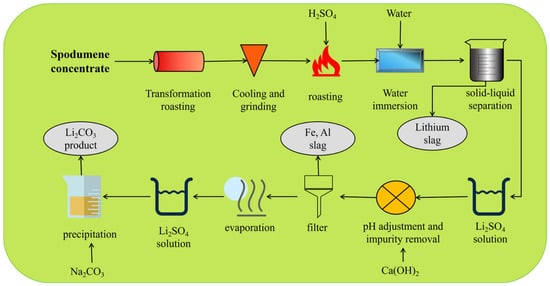
Selective Fractionation and Valorization of Lithium Refinery Residues: A Critical Review
by
Zhizhao Song, Wenting Xu, Qingjun Guan, Juan Li, Honghu Tang and Fenghui Wu
Molecules 2026, 31(19), 3539; https://doi.org/10.3390/molecules31193539 - 4 Oct 2026
Abstract
►▼
Show Figures
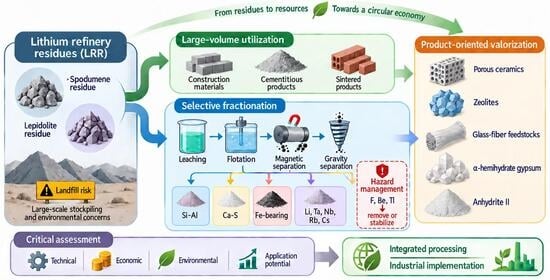
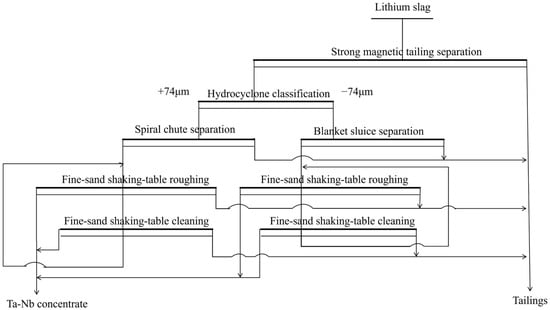
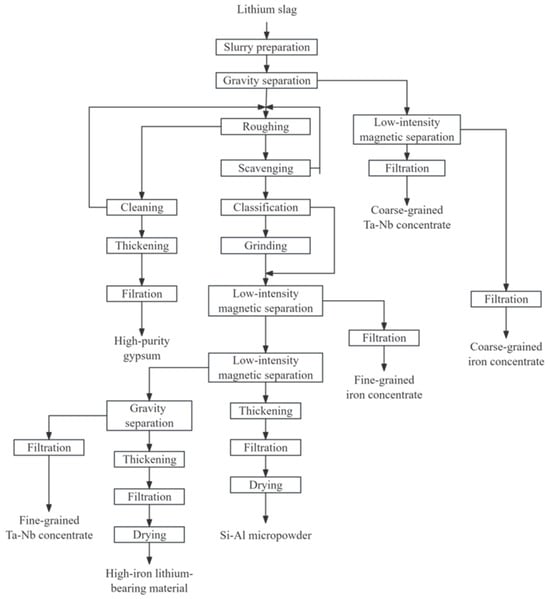
The rapid expansion of the lithium industry has generated large quantities of lithium refinery residue (LRR), whose stockpiling and landfilling cause environmental risks and the loss of potentially recoverable resources. This review critically examines LRR generated from the processing of spodumene and lepidolite,
[...] Read more.
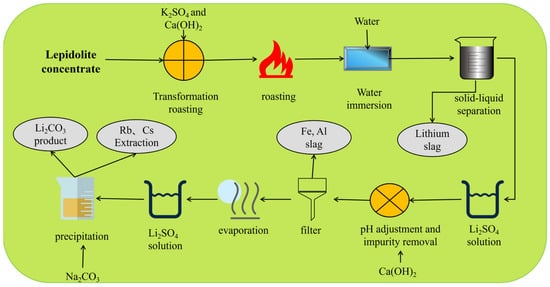
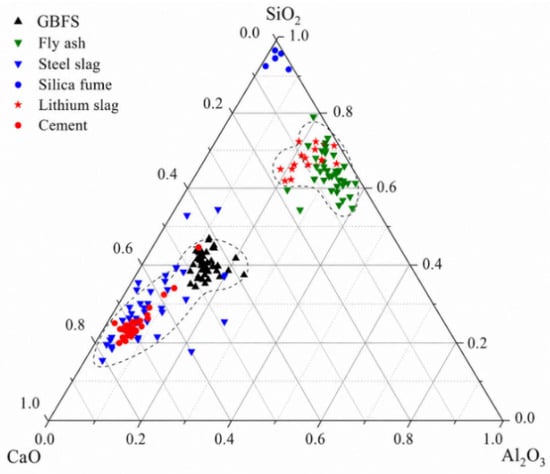
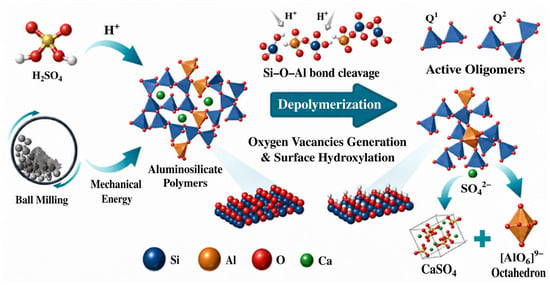
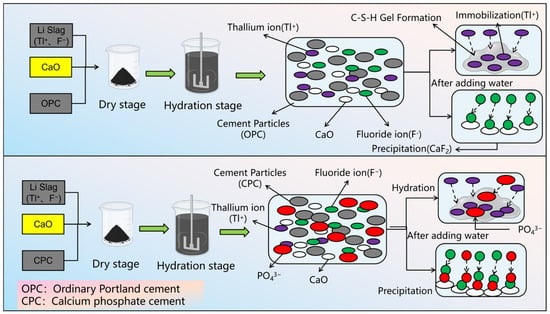
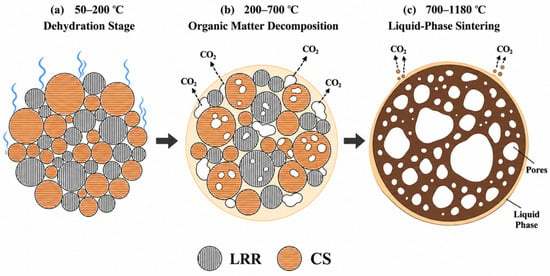
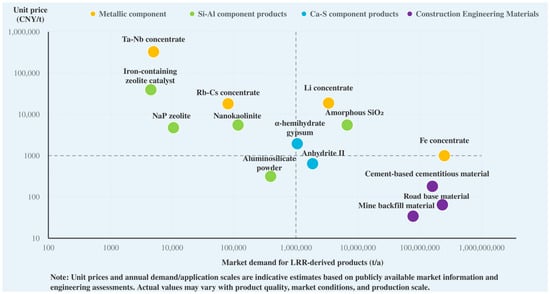
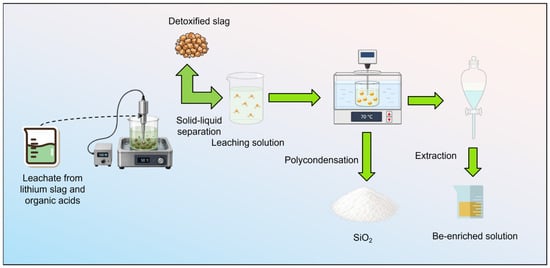
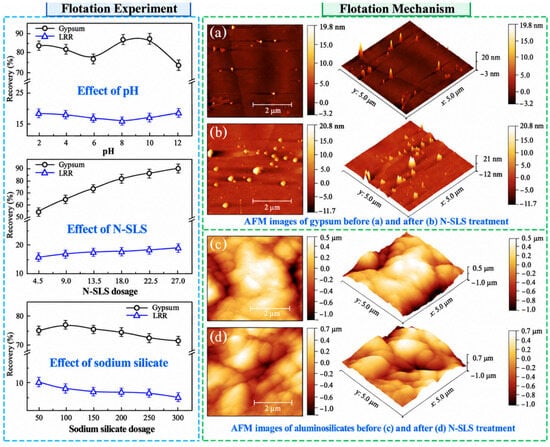
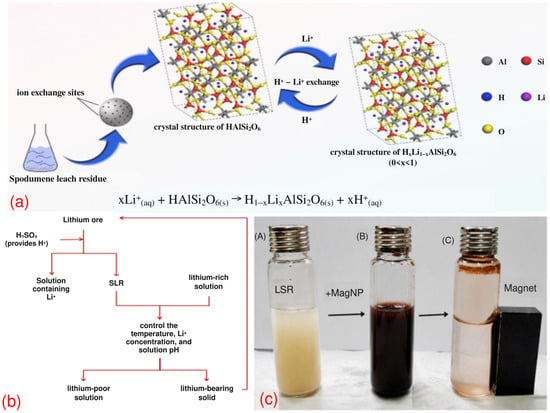
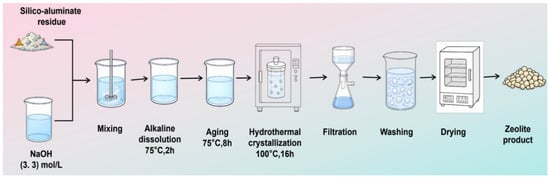
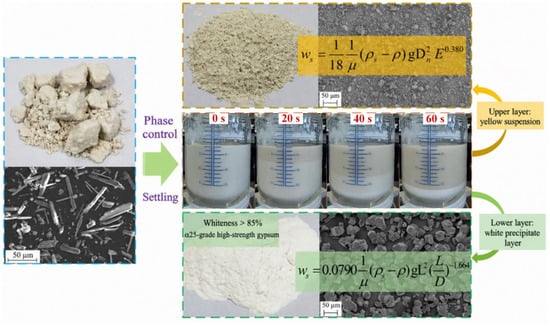
The rapid expansion of the lithium industry has generated large quantities of lithium refinery residue (LRR), whose stockpiling and landfilling cause environmental risks and the loss of potentially recoverable resources. This review critically examines LRR generated from the processing of spodumene and lepidolite, with particular emphasis on how differences in their mineralogical and chemical characteristics affect subsequent utilization and resource-recovery strategies. Current utilization pathways are classified into bulk utilization and selective fractionation followed by product-oriented valorization. Bulk utilization mainly includes direct incorporation into construction materials, activated cementitious materials, and sintered products, offering high residue-consumption capacity but generally limited added value. Selective fractionation employs leaching, flotation, magnetic separation, and gravity separation to separate Si-Al, Ca-S, and Fe-bearing fractions and to recover residual valuable elements, including Li, Ta, Nb, Rb, and Cs. The removal or stabilization of hazardous constituents, particularly F, Be, and Tl, is also evaluated as a prerequisite for safe valorization. The recovered fractions can subsequently be converted into products such as aluminosilicate powders, porous ceramics, zeolites, glass-fiber feedstocks, high-strength α-hemihydrate gypsum, and anhydrite II. Finally, the reviewed pathways are critically compared in terms of technical feasibility, resource efficiency, environmental risks, economic potential, technological maturity, and scale-up constraints. Priority is given to integrated processing strategies that combine hazardous-element control, selective recovery of valuable components, and large-volume utilization of bulk fractions to improve the overall sustainability and industrial viability of LRR valorization.
Full article

Graphical abstract
Open AccessArticle
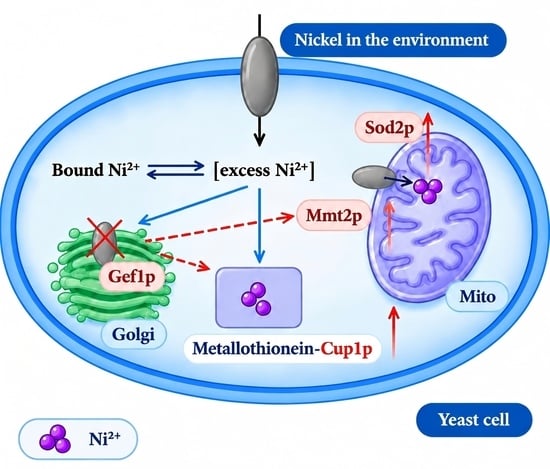
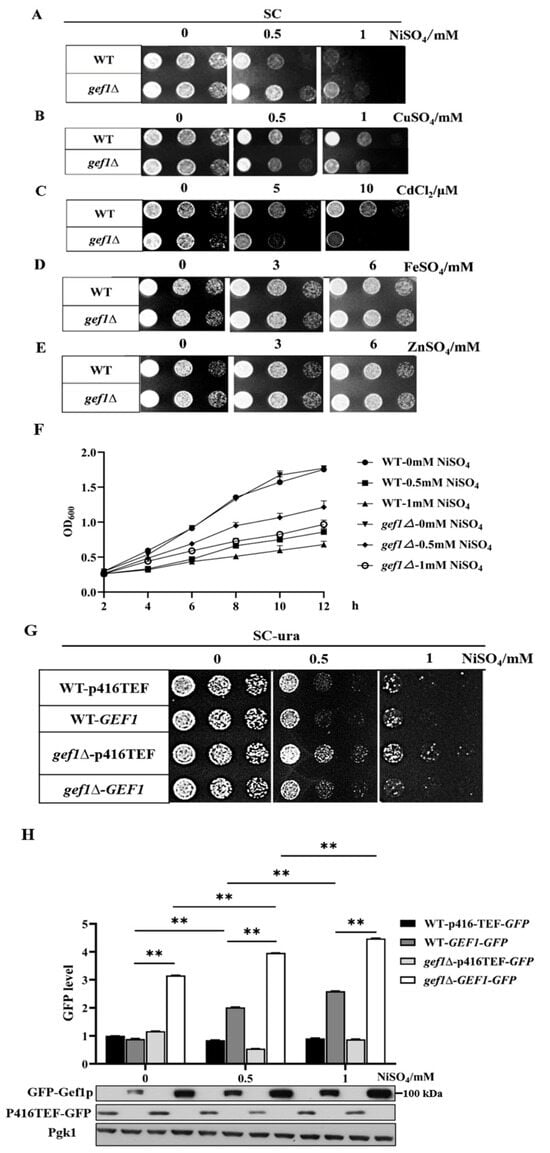
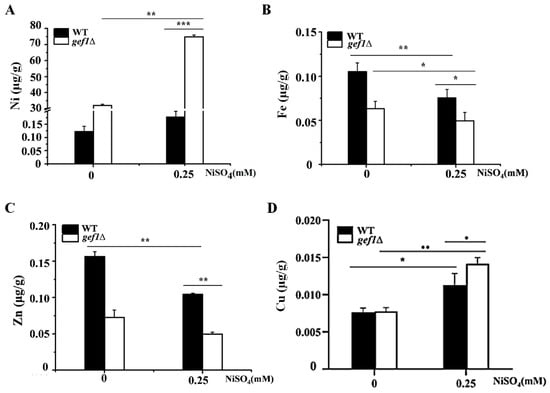
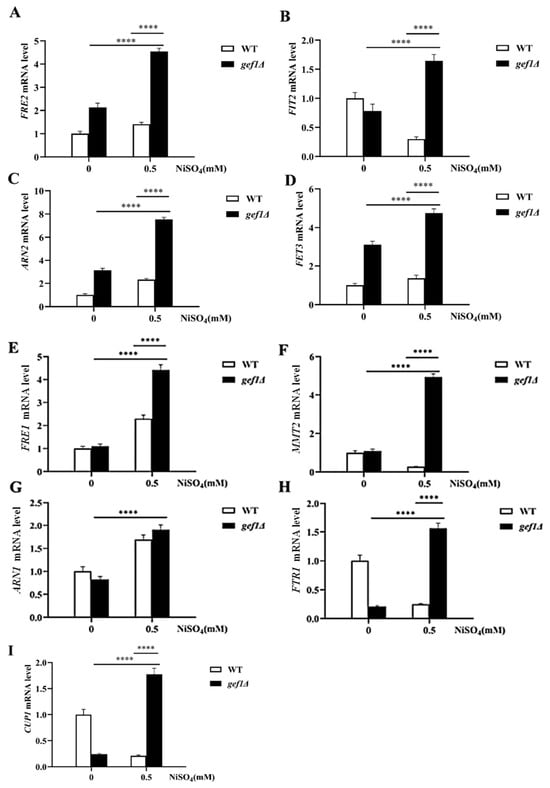
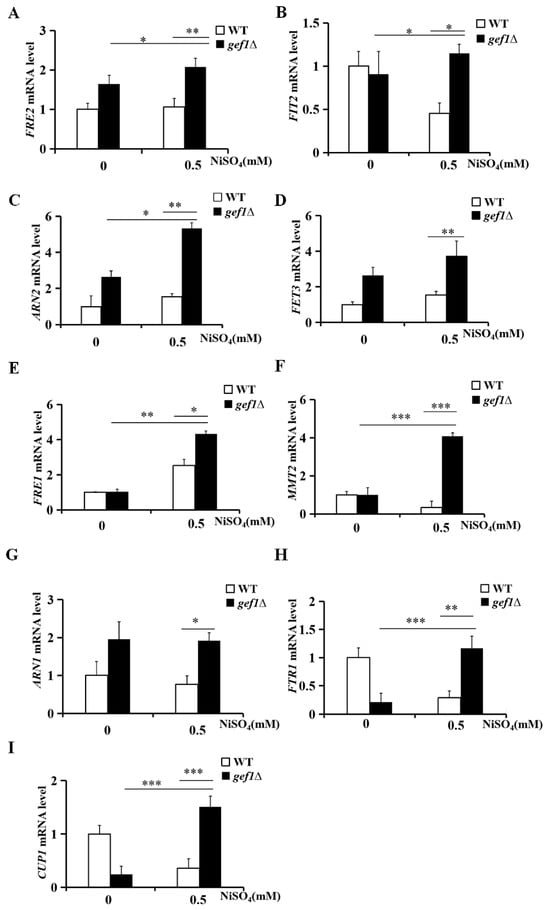
A Defense Strategy in Saccharomyces cerevisiae Mediated by the Golgi Chloride Transporter Gef1p to Cope with Nickel Stress
by
Rongqiu Huang, Xiaoyong Hu, Qianqian Li, Lixuan Zong, Joseph Brake, Chaoyang Luo, Binzhan Wang, Ze Wen and Xiaobin Wu
Molecules 2026, 31(19), 3538; https://doi.org/10.3390/molecules31193538 - 4 Oct 2026
Abstract
►▼
Show Figures
Nickel is a widespread environmental pollutant originating from industrial activities, and its pollution problem persists globally. Currently, research on nickel ion metabolism and detoxification mechanisms primarily focuses on prokaryotes, while the molecular mechanisms of nickel detoxification in eukaryotes remain underexplored. In this study,
[...] Read more.
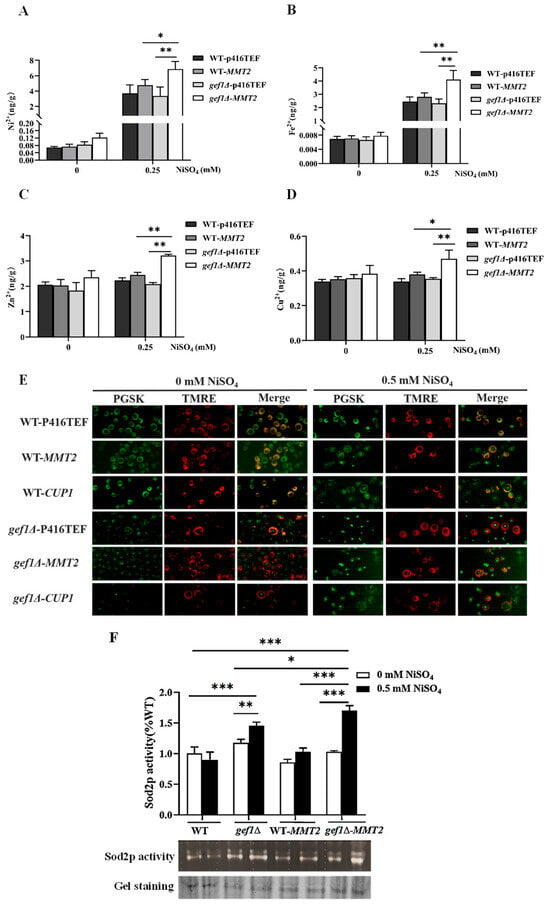
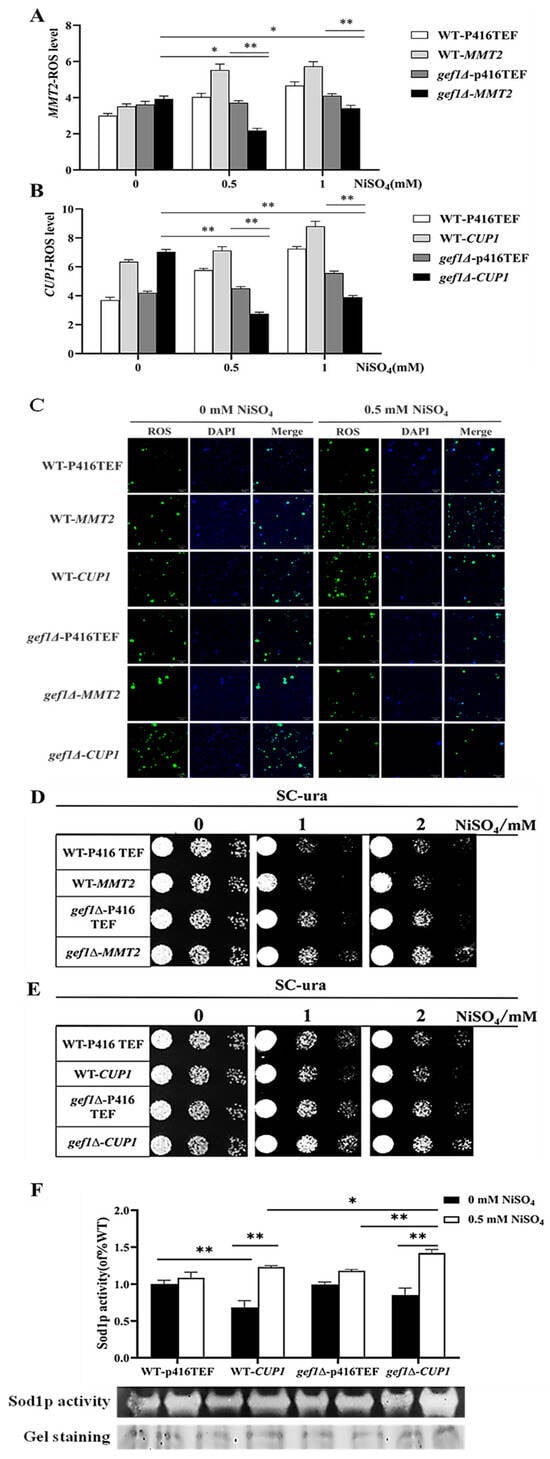
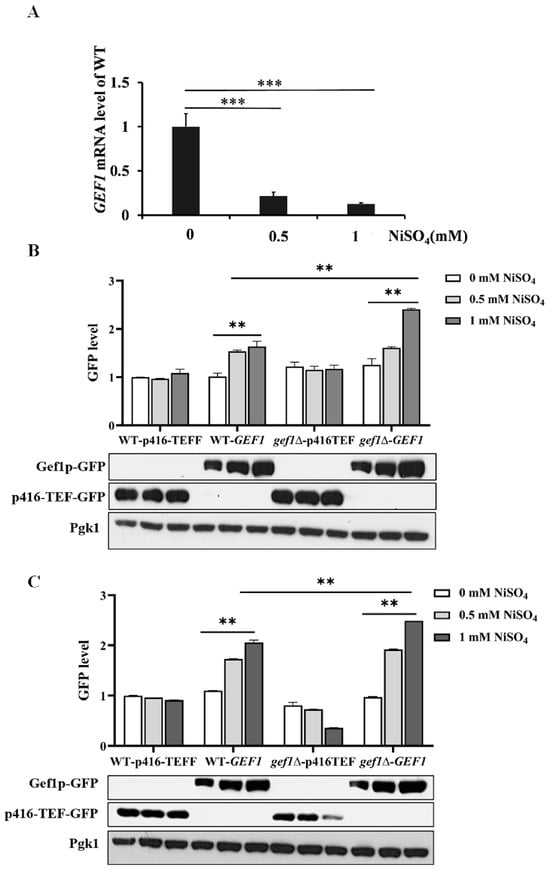
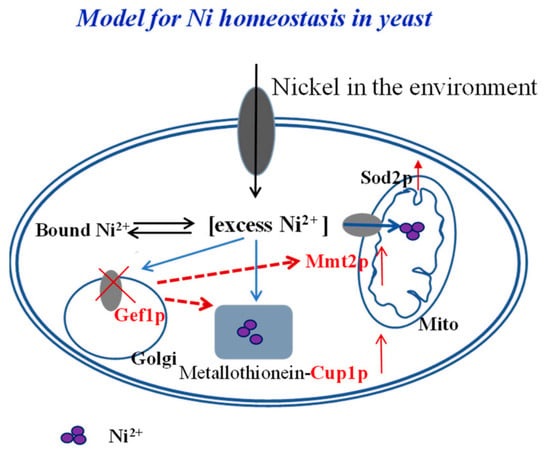
Nickel is a widespread environmental pollutant originating from industrial activities, and its pollution problem persists globally. Currently, research on nickel ion metabolism and detoxification mechanisms primarily focuses on prokaryotes, while the molecular mechanisms of nickel detoxification in eukaryotes remain underexplored. In this study, Saccharomyces cerevisiae was used as a eukaryotic model to demonstrate that the plasma membrane-localized chloride transporter Gef1p participates in nickel ion metabolism. The GEF1 knockout strain (gef1Δ) showed strong resistance to excess nickel ions, and the content of nickel ions in gef1Δ cells was significantly elevated. The results of transcriptomics analysis showed significant upregulation of MMT2 and CUP1 in gef1Δ cells supplemented with nickel. Both MMT2 and CUP1 overexpressed in the gef1Δ strain showed a growth advantage on nickel media. Nickel ion content in the mitochondria of cells overexpressing MMT2 was significantly elevated, and the levels of reactive oxygen species were significantly decreased in strains overexpressing either the MMT2 or CUP1 genes. This study reveals that the GEF1 gene plays an important role in nickel resistance, and that upregulation of MMT2 and CUP1 is critical for gef1Δ strains to counteract ROS formation and growth defect by nickel ions. The high intracellular accumulation of nickel ions caused by gef1Δ during the process of resisting nickel toxicity makes it a strong candidate for ecological remediation of nickel ion pollution.
Full article

Graphical abstract
Open AccessArticle
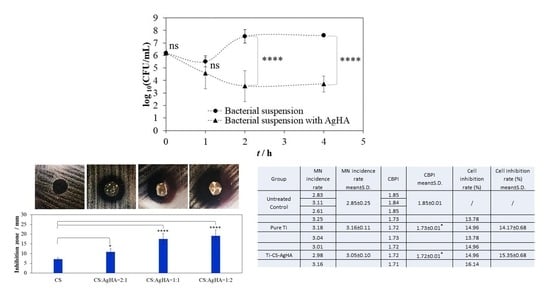
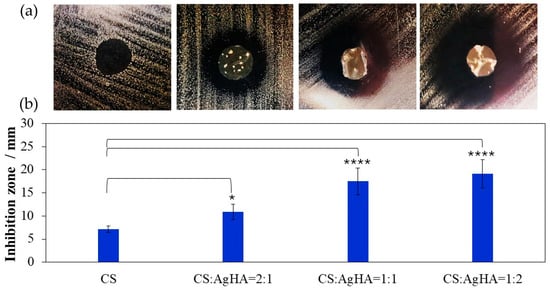
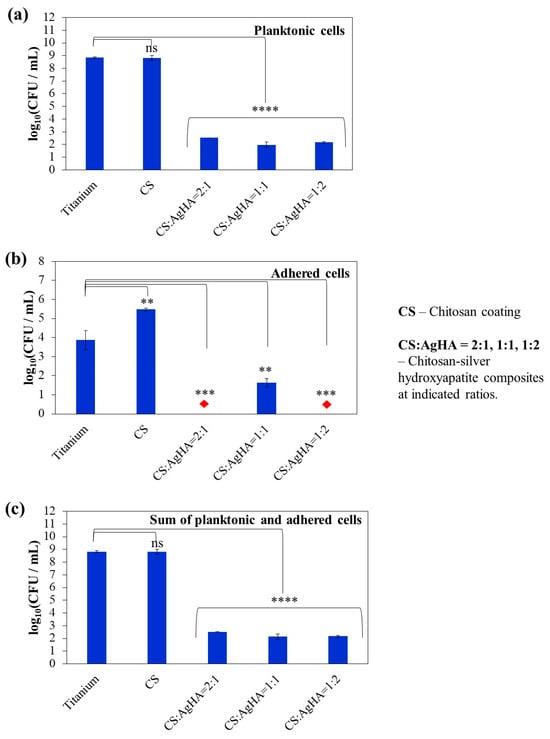
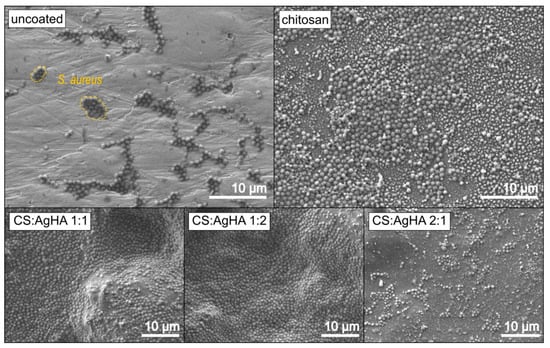
Bacterial Adhesion on Orthopedic Titanium Implants Coated with Silver-Doped Hydroxyapatite and Chitosan
by
Urška Filipović, Anamarija Zore, Nives Matijaković Mlinarić, Anže Abram, Roman Štrukelj, Martina Modic, Andreja Leskovac, Sandra Petrović, Vojislav Stanić, Safia Dahmen, Raja Gošnak Dahmane and Klemen Bohinc
Molecules 2026, 31(19), 3537; https://doi.org/10.3390/molecules31193537 - 4 Oct 2026
Abstract
Orthopedic site infections remain a growing concern in implantology, particularly in light of rising antibiotic resistance. Identifying optimal, standardized antimicrobial treatments is increasingly challenging. Beyond the design and functional properties of orthopedic materials, key factors such as bacterial adhesion and genotoxicity must also
[...] Read more.
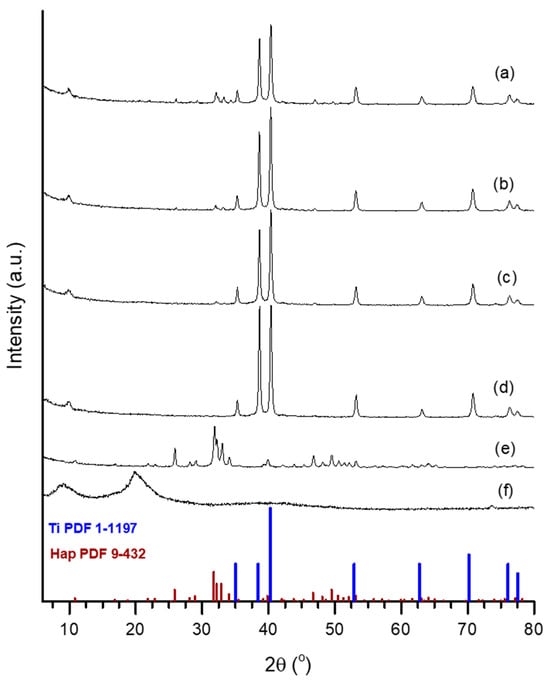
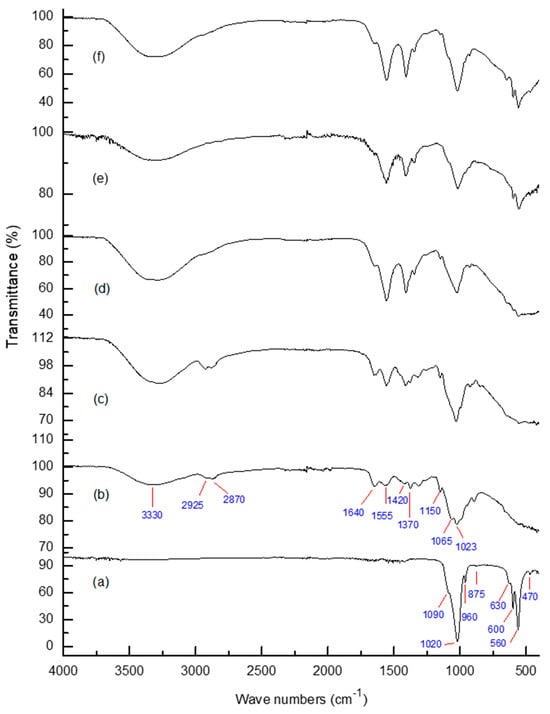
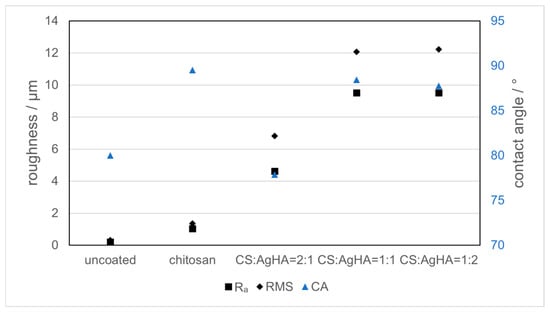
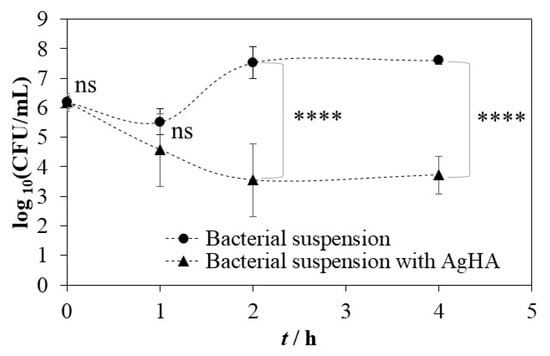
Orthopedic site infections remain a growing concern in implantology, particularly in light of rising antibiotic resistance. Identifying optimal, standardized antimicrobial treatments is increasingly challenging. Beyond the design and functional properties of orthopedic materials, key factors such as bacterial adhesion and genotoxicity must also be considered. To develop implant materials with enhanced antibacterial properties and biocompatibility, this study investigated titanium (Ti) surfaces coated with chitosan (CS) and silver-doped hydroxyapatite (AgHA) at weight ratios of 1:1, 1:2, and 2:1. The incorporation of silver ions into hydroxyapatite demonstrated potent antibacterial activity, achieving a greater than 99% reduction in Staphylococcus aureus (S. aureus) viability in solution after just two hours of incubation, effectively inhibiting further bacterial growth. Furthermore, CS coatings combined with AgHA significantly reduced S. aureus adhesion and proliferation on Ti surfaces, with over 96% reduction in total bacterial viability. Further biological evaluation was performed on the CS:AgHA = 2:1 coating, selected for its favorable surface and antibacterial characteristics. Genotoxicity and cytotoxicity assessments using human peripheral blood lymphocytes showed no significant increase in micronuclei incidence for either uncoated Ti or CS:AgHA = 2:1-coated surfaces. Additionally, cell viability remained above 84%, indicating favorable biocompatibility under the experimental conditions used. Overall, these findings highlight the potential of CS:AgHA = 2:1 composite coatings for further investigation in antibacterial orthopedic implant applications.
Full article
(This article belongs to the Special Issue Chitosan-Based Materials for Pharmaceutical and Medical Applications)
►▼
Show Figures

Graphical abstract
Open AccessArticle
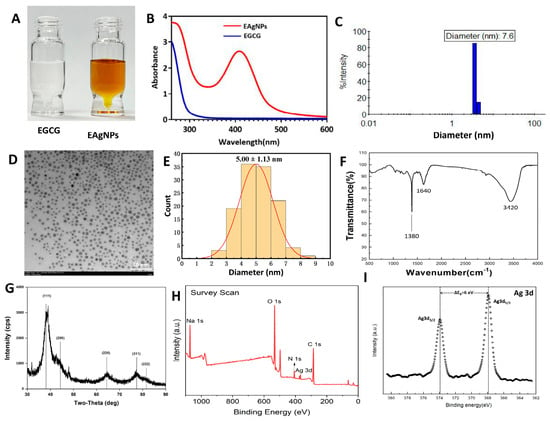
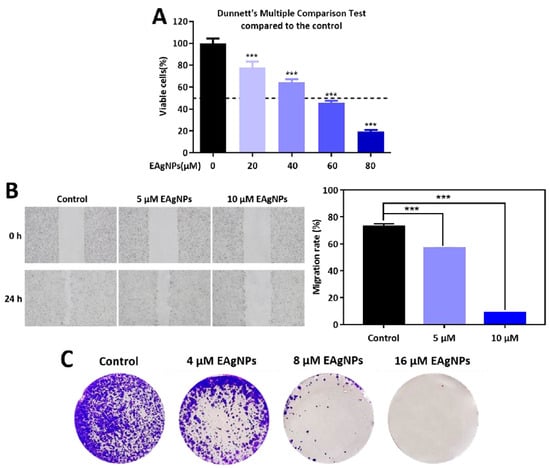
Responses of Anti-Apoptotic Molecules to EAgNPs and EAgNPs Plus L-Buthionine-Sulfoximine in Human Tongue Cancer Cells
by
Ximing Wu, Fuming Wang, Xiaoyu Huang, Mingchuan Yang, Yufeng He, Jinsong Zhang and Huali Wang
Molecules 2026, 31(19), 3536; https://doi.org/10.3390/molecules31193536 - 4 Oct 2026
Abstract
Silver nanoparticles (AgNPs) have emerged as a promising nanoplatform for oncological intervention, yet their clinical translation is severely hampered by systemic toxicities associated with high effective doses, while the underlying mechanisms governing their interactions with cancer cell pro-survival cascades remain poorly defined. In
[...] Read more.
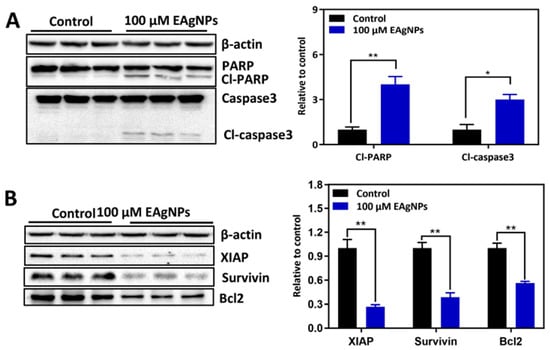
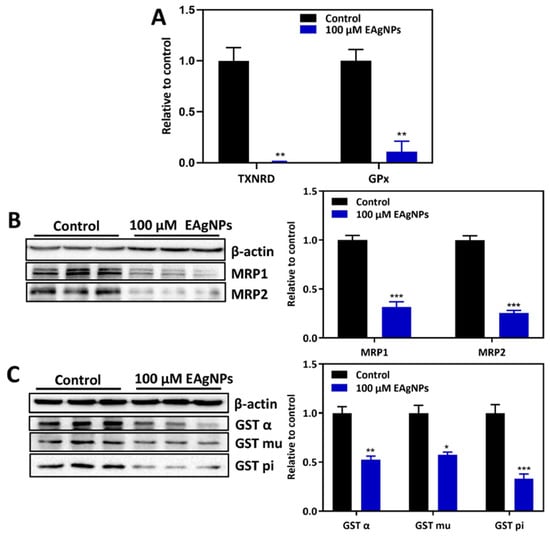
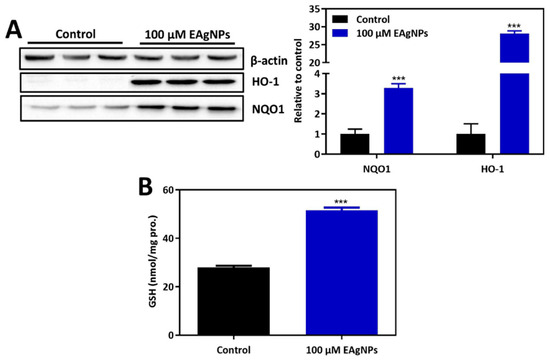
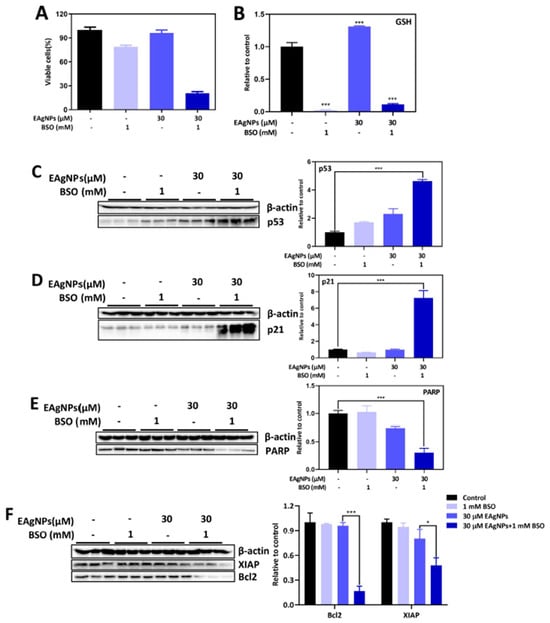
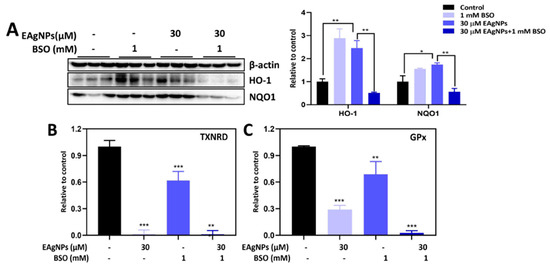
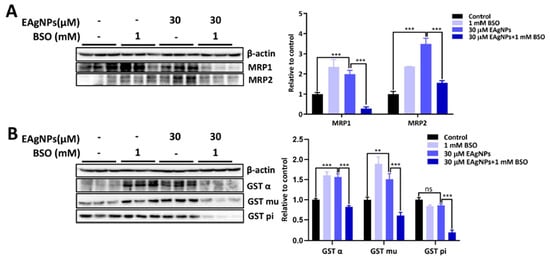
Silver nanoparticles (AgNPs) have emerged as a promising nanoplatform for oncological intervention, yet their clinical translation is severely hampered by systemic toxicities associated with high effective doses, while the underlying mechanisms governing their interactions with cancer cell pro-survival cascades remain poorly defined. In this study, we synthesized and fully characterized green tea polyphenol (-)-Epigallocatechin-3-gallate (EGCG)-derived silver nanoparticles (EAgNPs), in which EGCG acts as the reducing and capping agent. EAgNPs were confirmed to be highly dispersed, stable metallic silver particles with a primary size range of 4–7.6 nm. Subsequent mechanistic investigations performed on Tca8113 human tongue cancer cells revealed distinct dose-dependent anticancer action modes of EAgNPs: the 100 μM lethal dose effectively triggered robust apoptosis via potently suppressing the activity of key antioxidant selenoenzymes, including thioredoxin reductase and glutathione peroxidase (GPx), and multiple drug resistance proteins. Notably, even under this lethal treatment condition, Tca8113 cells still initiated theNrf2-associated antioxidant response characterized by 2-fold glutathione elevation and 25-fold heme oxygenase-1 upregulation. The 30 μM low-dose EAgNPs, however, failed to produce salient cytotoxicity, as they moderately inhibited GPx activity while comprehensively activating the integrated cancer cell defense network, including glutathione accumulation, Nrf2-associated antioxidant protein induction, and upregulation of a full panel of drug resistance proteins. Interestingly, the combination of 30 μM EAgNPs with the glutathione synthesis inhibitor L-buthionine-sulfoximine further enhanced selenoenzyme GPx inhibition and completely abrogated all above-mentioned inducible anti-apoptotic responses, resulting in multi-target disruption of the cytoprotective system and strongly enhanced apoptosis induction. Our findings demonstrate that this combinatorial strategy effectively lowers the therapeutic dose threshold of EAgNPs by disabling cancer cell adaptive resistance, providing a low-toxicity, translationally feasible approach for localized oral cancer treatment.
Full article
(This article belongs to the Section Nanochemistry)
►▼
Show Figures

Figure 1
Open AccessArticle
Research on the Mechanical Properties and Durability Against Freeze–Thaw of Latex-Modified OPC-Based Materials
by
Lang Jin, Zixiao Hong, Feixiang Chen, Guozhi Zhang, Xiang Su and Luyan Wang
Molecules 2026, 31(19), 3535; https://doi.org/10.3390/molecules31193535 - 4 Oct 2026
Abstract
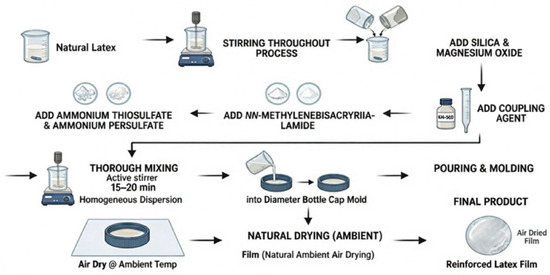
The intrinsic brittleness and poor crack resistance of OPC-based materials severely limit their service durability under complex environments. In this study, a composite latex polymer was fabricated via an ambient-temperature APS/STS redox initiation system, using N,N′-methylenebisacrylamide (MBA) as a cross-linking agent and incorporating
[...] Read more.
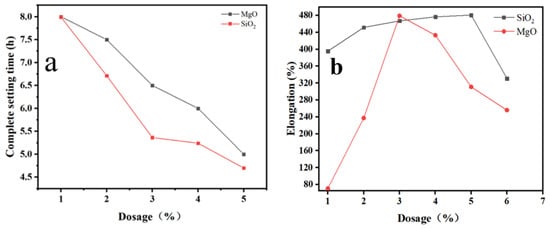
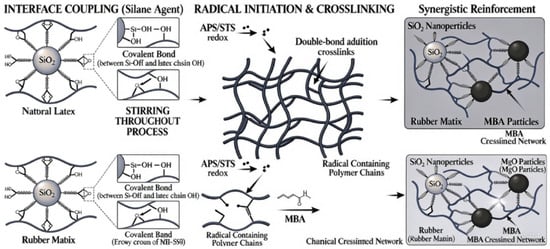
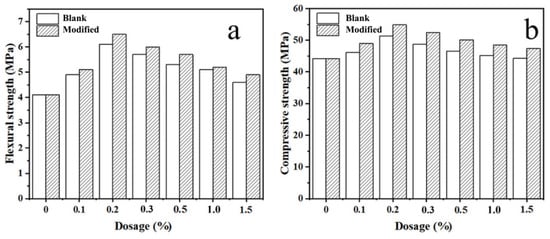
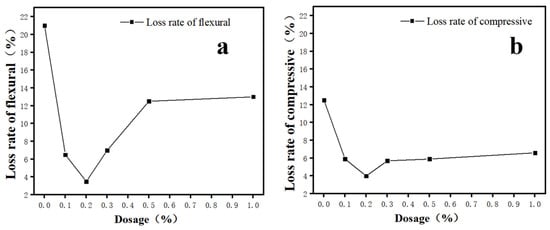
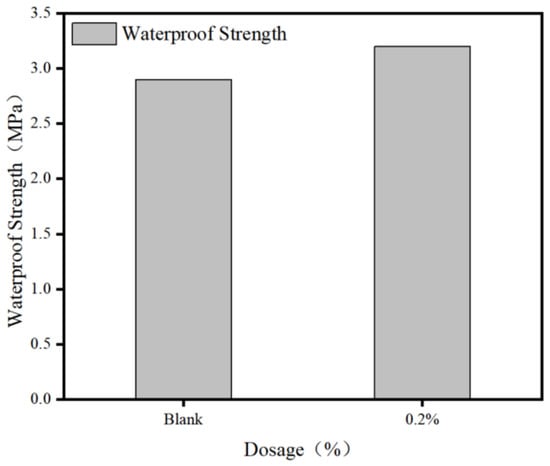
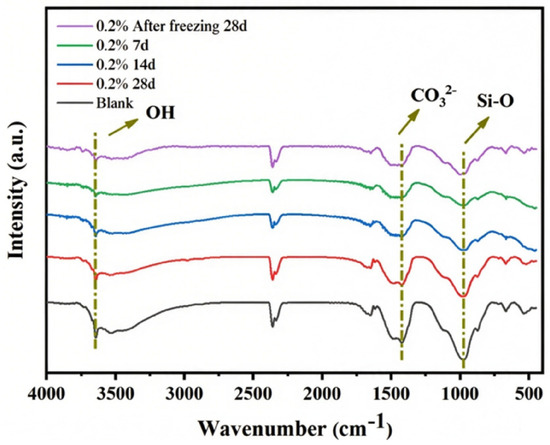
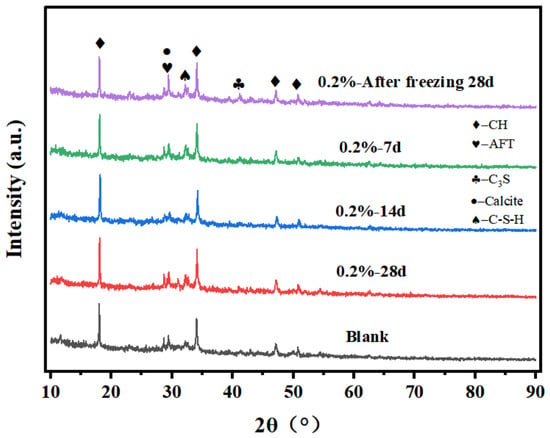
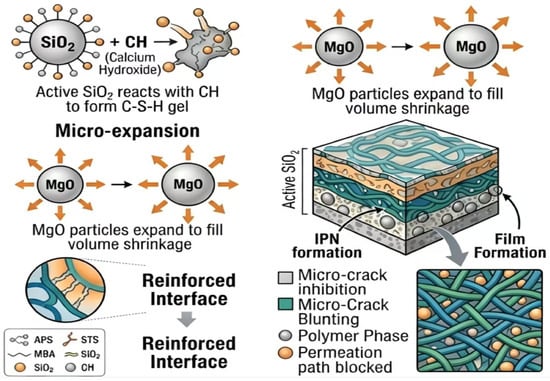
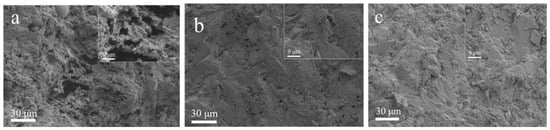
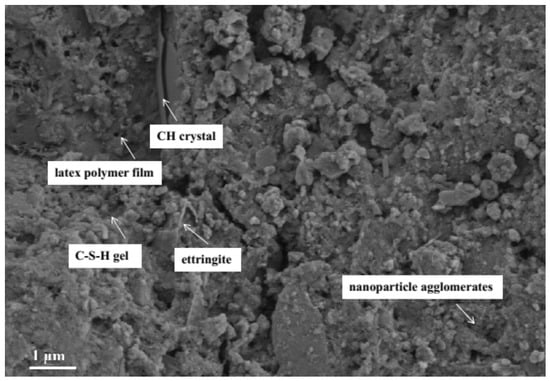
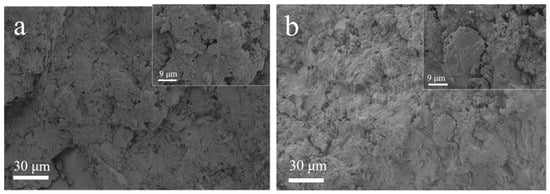
The intrinsic brittleness and poor crack resistance of OPC-based materials severely limit their service durability under complex environments. In this study, a composite latex polymer was fabricated via an ambient-temperature APS/STS redox initiation system, using N,N′-methylenebisacrylamide (MBA) as a cross-linking agent and incorporating reactive SiO2 and MgO as synergistic reinforcing fillers. The composite latex was incorporated into OPC paste, and its effects on the mechanical strength, freeze–thaw resistance, water permeability, and microstructural characteristics of the hardened composites were systematically evaluated. The results show that, at an optimal dosage of 0.2 wt%, the 28-day flexural and compressive strengths of the modified OPC specimens were respectively increased by 16% and 18% compared with the plain cement control, while the strength loss after freeze–thaw cycling was effectively controlled within 10% and the maximum impermeability pressure rose from 2.9 to 3.2 MPa. FTIR and XRD analyses confirmed that the incorporation of the latex polymer did not alter the phase composition of the OPC hydration products but promoted the generation of C-S-H gel. SEM observations further revealed that the polymer filled internal micro-pores and microcracks, yielding a denser organic–inorganic composite microstructure. The improved performance may be attributed to the potential synergistic interplay among APS/STS-triggered cross-linking, pozzolanic reaction of reactive SiO2, and the micro-expansion effect of MgO. This work provides a feasible technical approach for the development of high-toughness and frost-resistant latex-modified OPC-based materials.
Full article
(This article belongs to the Section Materials Chemistry)
►▼
Show Figures

Figure 1
Open AccessReview
Recent Advances in Small-Molecule-Based Nanovectors for the Treatment of Colorectal Cancer
by
Cuthbert Wasswa Kibungu, Nkoana Ishmael Mongalo and Tshepiso Jan Makhafola
Molecules 2026, 31(19), 3534; https://doi.org/10.3390/molecules31193534 - 3 Oct 2026
Abstract
Colorectal cancer (CRC) remains a major global health burden, while conventional systemic therapies are limited by toxicity, drug resistance, suboptimal tumour exposure, and pharmacokinetic constraints. Recent advances in nanotechnology have produced diverse nanosystems including liposomes, dendrimers, polymeric nanoparticles, metallic nanoparticles, mesoporous silica systems,
[...] Read more.
Colorectal cancer (CRC) remains a major global health burden, while conventional systemic therapies are limited by toxicity, drug resistance, suboptimal tumour exposure, and pharmacokinetic constraints. Recent advances in nanotechnology have produced diverse nanosystems including liposomes, dendrimers, polymeric nanoparticles, metallic nanoparticles, mesoporous silica systems, and other hybrid platforms that can improve drug solubility, stability, biodistribution, controlled release, and tumour-directed delivery. Plant-derived small molecules provide an additional source of structurally diverse anticancer candidates, but their clinical development is often constrained by poor aqueous solubility, rapid metabolism, limited bioavailability, and non-specific toxicity. This review critically examines recent progress in nanoscale delivery systems for CRC and evaluates their potential for delivering plant-derived and other bioactive small molecules. Particular emphasis is placed on passive and active targeting, physicochemical determinants of delivery, platform-specific advantages and limitations, preclinical evidence, and the barriers to clinical translation. The review also highlights the distinction between plant-derived and fungal-derived natural products and identifies opportunities for integrating natural products with responsive and ligand-functionalized nanocarriers.
Full article
(This article belongs to the Special Issue Recent Advances in Development of Small Molecules to Fight Cancer—3rd Edition)
Open AccessArticle
Metabolic Responses of Pleurotus djamor to Lignocellulosic Substrate Gradients
by
Humberto Raúl Pacheco-Sánchez, Noemí Alitzel Aguado-Rivera, Carlos Eligio Hernández-Navarrete, Amanda Kim Rico-Chávez, Humberto Aguirre-Becerra, Juan Fernando García-Trejo and Ana Angélica Feregrino-Pérez
Molecules 2026, 31(19), 3533; https://doi.org/10.3390/molecules31193533 - 3 Oct 2026
Abstract
Pleurotus djamor is cultivated on diverse lignocellulosic residues, but the relationship between progressive substrate formulation, mushroom productivity, and metabolomic responses remains insufficiently characterized. This study evaluated the effects of progressive replacement of barley straw with coconut fiber or coffee husk on mushroom productivity
[...] Read more.
Pleurotus djamor is cultivated on diverse lignocellulosic residues, but the relationship between progressive substrate formulation, mushroom productivity, and metabolomic responses remains insufficiently characterized. This study evaluated the effects of progressive replacement of barley straw with coconut fiber or coffee husk on mushroom productivity and GC–MS-based metabolomic profiles. Productivity differed markedly among substrate formulations, with intermediate inclusion levels producing the highest yield and biological efficiency. In contrast, PERMANOVA did not detect significant global differences in metabolomic composition across either substrate gradient, and no individual metabolite remained significant after multiple-testing correction. PCA and heatmap analyses revealed exploratory variation in amino acids, carbohydrates, lipids, and related metabolite groups. Pathway analysis identified statistically supported enrichment of alanine, aspartate and glutamate metabolism and cyanoamino acid metabolism in the coffee husk gradient, whereas the remaining pathway associations were exploratory after FDR correction. Overall, the results indicate that substrate composition strongly influenced productivity, while the global metabolomic organization of P. djamor remained comparatively stable, with localized metabolite and pathway patterns that require further validation.
Full article
(This article belongs to the Special Issue Natural Products: Isolation, Analysis and Biological Activity, 3rd Edition)
Open AccessReview
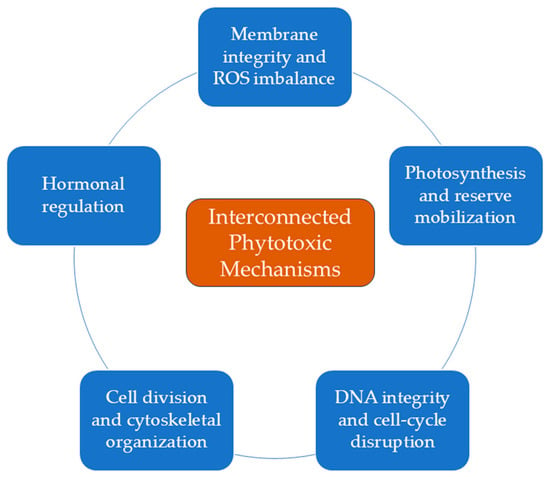
Essential Oils as Plant-Derived Bioherbicides: Prospects for Sustainable Weed Management—A Narrative Review
by
Amra Bratovčić, Juliana Navarro Rocha, Ferdinando Branca, Donata Arena, Anja Vieweger and Milica Aćimović
Molecules 2026, 31(19), 3532; https://doi.org/10.3390/molecules31193532 - 3 Oct 2026
Abstract
Growing herbicide resistance and concerns regarding the environmental and health impacts of synthetic herbicides have intensified interest in plant-derived weed-management products. This review assesses the phytotoxic, herbicidal, and allelopathic potential of essential oils, emphasizing efficacy, selectivity, formulation, and delivery. Relevant literature was identified
[...] Read more.
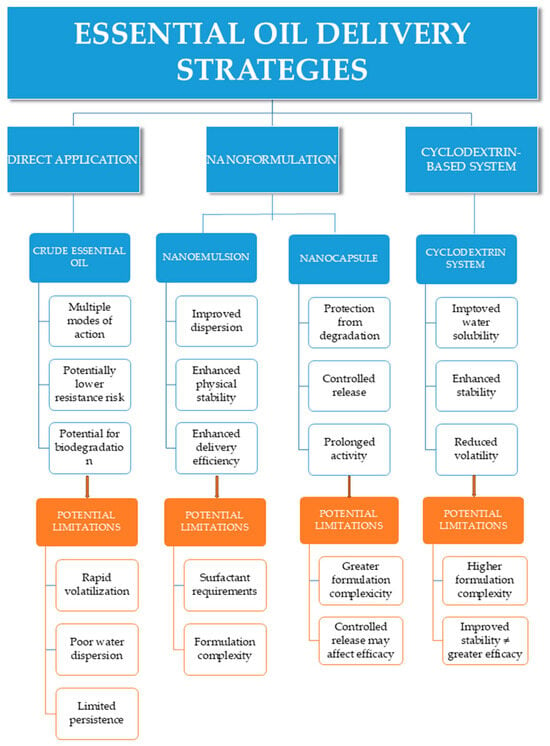
Growing herbicide resistance and concerns regarding the environmental and health impacts of synthetic herbicides have intensified interest in plant-derived weed-management products. This review assesses the phytotoxic, herbicidal, and allelopathic potential of essential oils, emphasizing efficacy, selectivity, formulation, and delivery. Relevant literature was identified through searches of Scopus, Web of Science, and Google Scholar, using terms related to essential oils, phytotoxicity, allelopathy, herbicidal activity, and weed management, followed by critical comparison of selected studies. Essential oils from diverse aromatic plants inhibited weed germination and growth through mechanisms including membrane disruption, pigment degradation, oxidative imbalance, and altered antioxidant activity. Species- and genus-specific evidence highlights the considerable chemical diversity of essential oils and identifies numerous compounds and formulation strategies with potential for bioherbicide development. Activity varied according to chemical composition, concentration, formulation, application conditions, and target species. Nanoemulsions, nanocapsules, and cyclodextrin-based systems have been investigated to improve stability, controlled release, and delivery, although improved formulation properties do not necessarily translate into greater herbicidal efficacy. Although some formulations achieved substantial weed suppression with limited crop injury, reported cytogenotoxicity, effects on soil microbial activity, and phytotoxicity at high concentrations highlight the need for further evaluation of potential non-target effects. The available evidence is still dominated by laboratory studies, while field-scale validation remains limited. Essential-oil-based bioherbicides are promising components of integrated weed management, but their practical development requires standardized formulations, mechanistic studies, field-scale validation, economic assessment, regulatory support, and comprehensive evaluation of crop and environmental safety.
Full article
(This article belongs to the Special Issue Production and Applications of Nature-Based Bioactive Compounds in Food, Cosmetic, Agricultural, and Pharmaceutical Sectors)
►▼
Show Figures

Figure 1
Journal Menu
► ▼ Journal Menu-
- Molecules Home
- Aims & Scope
- Editorial Board
- Reviewer Board
- Topical Advisory Panel
- Early Career Editorial Board
- Instructions for Authors
- Special Issues
- Topics
- Sections & Collections
- Article Processing Charge
- Indexing & Archiving
- Editor’s Choice Articles
- Most Cited & Viewed
- Journal Statistics
- Journal History
- Journal Awards
- Society Collaborations
- Conferences
- Editorial Office
- 30th Anniversary
Journal Browser
► ▼ Journal Browser-
arrow_forward_ios
Forthcoming issue
arrow_forward_ios Current issue - Vol. 31 (2026)
- Vol. 30 (2025)
- Vol. 29 (2024)
- Vol. 28 (2023)
- Vol. 27 (2022)
- Vol. 26 (2021)
- Vol. 25 (2020)
- Vol. 24 (2019)
- Vol. 23 (2018)
- Vol. 22 (2017)
- Vol. 21 (2016)
- Vol. 20 (2015)
- Vol. 19 (2014)
- Vol. 18 (2013)
- Vol. 17 (2012)
- Vol. 16 (2011)
- Vol. 15 (2010)
- Vol. 14 (2009)
- Vol. 13 (2008)
- Vol. 12 (2007)
- Vol. 11 (2006)
- Vol. 10 (2005)
- Vol. 9 (2004)
- Vol. 8 (2003)
- Vol. 7 (2002)
- Vol. 6 (2001)
- Vol. 5 (2000)
- Vol. 4 (1999)
- Vol. 3 (1998)
- Vol. 2 (1997)
- Volumes not published by MDPI
Highly Accessed Articles
Latest Books
E-Mail Alert
News
Topics
Topic in
Molecules, Biomimetics, Chemosensors, Life, AI, Sci
Recent Advances in Chemical Artificial Intelligence
Topic Editors: Pier Luigi Gentili, Jerzy Górecki, David C Magri, Pasquale StanoDeadline: 15 October 2026
Topic in
Bioengineering, Molecules, Pharmaceuticals, Pharmaceutics, Processes, Sci. Pharm.
Complementary Strategies in Drug Delivery: From Particle Engineering to System Optimization
Topic Editors: Barbara R. Conway, Hisham Al-ObaidiDeadline: 30 October 2026
Topic in
Foods, Molecules, Nutrients, Metabolites
Omics Technologies and Other Quality and Safety Methodologies in Nutrition and Health
Topic Editors: Xianjiang Li, Wen MaDeadline: 15 November 2026
Topic in
Chemistry, Membranes, Molecules, Processes, Separations, Polymers
Membranes for Contaminant Separation in Fluids
Topic Editors: Jing Wang, Guoliang YangDeadline: 30 November 2026
Conferences
27–29 September 2027
Meet Us Virtually at the 1st International Online Conference on Molecules (IOCMO 2027), 27–29 September 2027

5–19 November 2026
Meet Us at the 30th International Electronic Conference on Synthetic Organic Chemistry (ECSOC-30), 5–19 November 2026

Special Issues
Special Issue in
Molecules
Biomarker for Molecular-Targeted Cancer Therapy
Guest Editor: Sae-Ock OhDeadline: 10 October 2026
Special Issue in
Molecules
Microfluidics: Applications for Analytical Purposes in Chemistry
Guest Editors: Jiao Zhai, Yanwei JiaDeadline: 15 October 2026
Special Issue in
Molecules
Advances in Valorization Strategies for Grape By-Products
Guest Editors: Tzonka Ivanova Godjevargova, Yavor Lukanov IvanovDeadline: 15 October 2026
Special Issue in
Molecules
Computationally Guided Medicinal Chemistry: Molecular Modeling, Scaffold Design, and Multi-Target Drug Discovery
Guest Editors: Vassilios Myrianthopoulos, Alessia Bono, Annamaria Martorana, Antonino LauriaDeadline: 15 October 2026
Topical Collections
Topical Collection in
Molecules
Recycling of Biomass Resources: Biofuels and Biochemicals
Collection Editors: Nan Zhao, Chao Gai
Topical Collection in
Molecules
Bioactive Natural Molecules from Functional Foods
Collection Editors: Eun Kyoung Seo, Joo-Won Nam
Topical Collection in
Molecules
Qualitative and Quantitative Analysis of Bioactive Natural Products
Collection Editors: Elisa Ovidi, Valentina Laghezza Masci