


Abstract
Civilizational development, which depends on the availability of raw materials, has accelerated tremendously in recent decades. This is due to globalization and the growth of emerging markets. It represents a huge opportunity for an innovative approach to both production and consumption. Along with civilizational growth, we also face negative consequences that lead to climate change. To meet the demands regarding climate neutrality, people have started analyzing the possibility of running production processes using substrates that either eliminate or significantly reduce the use of non-renewable resources. Considering the specifics of metal extraction and production, it is important to note that chemistry and thermodynamics play a key role here. This involves, on the one hand, understanding how carbon or its oxides are absorbed, which is essential for plant growth, and on the other, using components of so-called biomass for controlled chemical reactions. These regulations regarding climate neutrality and the type of raw materials are reflected in detail in the relevant European Union directives. Copper production in Poland is a strategic sector of the economy. Considering the scale of production and the consumption of natural resources, developing the possibility of partially replacing them will constitute a process innovation. Research into copper recovery from slag to date has focused primarily on improving the efficiency of the slag reduction process by intensifying bath mixing and improving the mass transfer process in the liquid phase. Given that biomass contains a significant proportion of volatile matter, this may additionally have a beneficial impact on the efficiency of using this type of material in the process. Many parameters still need to be investigated before the obtained results can be tested on a larger scale, enabling transfer to industrial conditions. The study presented the results of research on the potential use of biomass to reduce secondary raw materials coming from the copper industry. A Gibbs free enthalpy analysis was carried out for possible chemical reactions and their likelihood of occurring. As a source of metals, a material similar in composition to slag generated in the copper industry was used. Considering that copper ores contain about 1 wt. %, it makes even more sense to use secondary slag, which contains up to 10 wt. % copper. As part of the work, tests of the pyrometallurgic slag reduction process were carried out with the use of selected types of biomass. The tests were carried out in a metallurgical aggregate, at a temperature of 1300 °C in the time range from 1 to 5 h. The main parameters determining the efficiency of the process were to determine the degree of removal of the main metals, i.e., Cu and Pb, as well as to determine the content of these elements in the secondary slag. Verification of the possibility of replacing coal with biomass in real industrial conditions requires verifying primarily the effectiveness of metal removal as well as the possibility of determining the effect of climate neutrality. The results show the huge potential biomass has in terms of use in metal production processes. Also, in the near future the aspect of climate neutrality in the European Union may become an important factor for the economics of the process and competitiveness in the market.
1. Introduction
Biomass is classified as a renewable energy source [1,2]. It consists of all materials of animal and plant origin that can be used to generate energy. It is assumed that energy from biomass accounts for more than 50% of the total energy obtained from renewable energy sources. In the processing of stone fruits, mainly cherries, apricots, peaches, and plums, biomass is produced in the form of pits, the rational management of which is relatively difficult. Due to their hard outer shell, pits decompose very slowly in the natural environment, which hinders their composting process. At the same time, this type of biomass does not pose problems during transport or storage. For years, research has been conducted into the possibility of utilizing pits as an energy feedstock. This includes their direct use as a solid fuel or as a substrate for producing liquid or gaseous biofuels. Another way to utilize pits is to produce activated carbon, edible oils, or cosmetic oils from them, as well as to use them in crushed form as a feed ingredient. Table 1 summarizes, by way of example, the main directions of past research regarding the applications of cherry, apricot, and plum pits.
Table 1.
Directions for the utilization of biomass from fruit pits.
The available literature data indicating the directions of utilizing various types of biomass in metallurgical processes show that they primarily concern their potential use in metal ore sintering, reduction, and the recovery of metals from secondary raw materials [32]. Biomass can serve as a sustainable alternative to coke, which is commonly used as a fuel in these processes, as well as an alternative reducing agent that lowers CO2 emissions. Attempts to utilize biomass in sintering processes have focused on iron ores, as well as manganese and chromite ores, and have mainly involved the use of charcoal or bio-coke [33,34,35,36,37,38]. Biomass has also been used as an additive in the preparation of iron ore pellets [39,40,41]. Research has also been conducted into the possibility of directly injecting biofuel into the blast furnace during the pig iron production process [42,43]. When biomass is injected into the blast furnace nozzle, it simultaneously acts as a fuel and, indirectly, as a reducing agent by participating in the carbon monoxide formation reaction. In recent years, there has also been an expansion of activities in the field of utilizing biomass in metal recycling processes from secondary metal-bearing raw materials, such as slag, dust, and sludge [44,45,46,47,48,49,50,51,52,53,54]. In these processes, biomass is mainly used as a replacement for the carbonaceous materials most commonly used in them, i.e., coke, slack, and anthracite dust. It should also be emphasized that utilizing biomass in these technological processes as a coke substitute allows, on the one hand, for the reduction in pollutant emissions such as SO2 and NOx, and on the other hand, it can intensify the reduction process of metal compounds itself through the hydrocarbons released during the process. The latter results from the fact that the main components of biomass, i.e., cellulose, hemicellulose, and lignin, release additional reducing gases, such as hydrogen, methane, and carbon monoxide, during thermal decomposition.
This research article discusses the potential opportunities for utilizing fruit pits in the copper slag recycling process to recover copper and lead. Additionally, the novelty will be the presentation of the possibilities of replacing natural raw materials, such as coke, with biomass, which can be used to recover metals from secondary raw materials and develop climate neutrality guidelines, which would help reduce metal production costs.
2. Physicochemical Properties of Fruit Pits
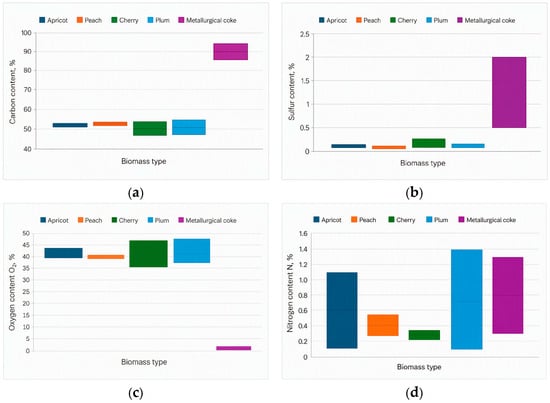
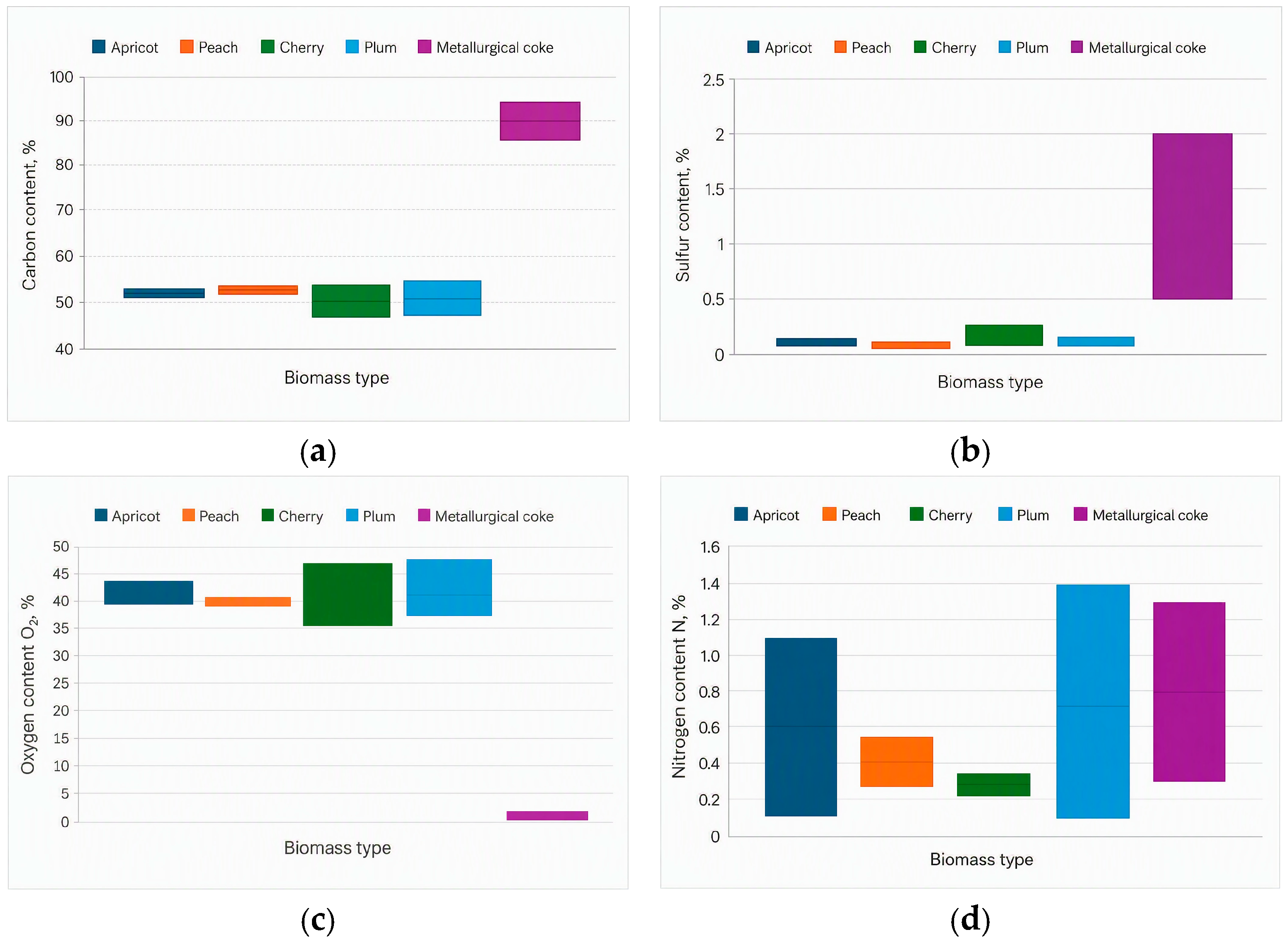
The primary components of biomass, and therefore also of fruit pits, are carbon, oxygen, and hydrogen. Based on the collected literature data for cherry, apricot, and plum pits, the content ranges for carbon, sulphur, hydrogen, nitrogen, and oxygen were 46.4–54.2 wt.% for carbon; 0.01–0.03 wt.% for sulphur; 5.45–6.63 wt.% for hydrogen; 0.10–1.38 wt.% for nitrogen; and 38.2–48.0 wt.% for oxygen [55,56,57,58,59,60,61,62,63,64]. These data are presented in detail in Figure 1. For comparison purposes, the chemical composition of metallurgical coke was also included in the figures. From analyzing these data, it can be concluded that fruit pits contain nearly half as much carbon as coke and almost four times more oxygen. Consequently, this results in a high volatile matter content in the pits. On the contrary, the sulphur content in fruit pit biomass is significantly lower than in coke, which is environmentally beneficial when it is utilized as a fuel. Furthermore, fruit pits are characterized by a relatively high hydrogen content and a lower nitrogen content compared to metallurgical coke. When analyzing the moisture content in biomass, it should be kept in mind that this is one of the main parameters determining its suitability for use as a fuel. Raw biomass is characterized by a high total moisture content, reaching above 50 wt.%. In the case of the studied fruit pits, the value of this parameter is significantly lower and ranges from 0.18 to 10.7 wt.% [55,56,57,58,59,60,61,62]. Metallurgical coke, on the other hand, is characterized by a moisture content ranging from 2 to 5 wt.%. When analyzing the ash content in fruit pits, it must be remembered that it occurs across a very wide range in biomass. An elevated ash content adversely affects, among other things, the energy value of the fuel and the course of its combustion process. In the case of fruit pits, the ash content is relatively low and ranges from 0.2 to 1.8 wt.%; for coke, the value of this parameter is higher, amounting to approximately 8–15 wt.% [57,65,66,67].
Figure 1.
Content of basic components in fruit pits and metallurgical coke: (a) carbon, (b) sulphur, (c) oxygen, (d) nitrogen [55,56,57,58,59,60,61,62,63,64].
From a practical perspective, introducing biomass into an industrial process, such as copper production, is a new approach that requires determining important process parameters, particularly the introduced components with high volatility. However, the fundamental parameter that can pave the way for industrial application is the recovery efficiency of key elements such as copper and lead. The article presents research in this field.
When analyzing the physicochemical parameters of fruit pits regarding their potential application as fuel and a reducing agent in metal production and recovery processes, attention must also be paid to their heating value. According to the literature data [68], the average value of this parameter for all analyzed types of fruit pits was at a similar level, ranging from 20,260 to 22,480 J/g. For comparison, the average gross calorific value of coke is estimated to be between 27,000 and 30,000 J/g. Such a significant difference between the heating values of the analyzed biomass and slack results mainly from a large difference in the content of three components, namely carbon, hydrogen, and sulphur.
3. Research
3.1. Problem Analysis
A typical process in copper metallurgy for recovering contained metals from waste raw materials, including copper slags, is most commonly carried out using electric arc furnaces. This process involves the reduction of oxide compounds of copper and other metals, e.g., lead, using slack or coke as a reducing agent. Assuming that copper and lead in such a material occur mainly in the form of oxides (Cu2O and PbO), the reduction reaction is primarily an indirect reduction and can proceed according to the following equation:
MeO + CO = Me + CO2
2MeO + C = 2Me + CO2
Carbon monoxide, which is a reactant in both reactions, is formed in the aggregate as a result of the Boudouard reaction:
CO2 + C = 2CO
As previously noted, the components of biomass, including fruit pits, i.e., cellulose, hemicellulose, and lignin, release gases during thermal decomposition that can act as an additional source of reducing agent in the analyzed process. In addition to carbon monoxide, hydrogen and methane can also be considered here [69].
MeO + H2 = Me + H2O
4MeO + CH4 =4Me + CO2 +2H2O
In this case, the contribution of the direct reduction process using carbon is negligible in the discussed technological process. To determine the probability of these reduction reactions occurring, a thermodynamic analysis of the reduction reactions was performed based on the determined value of the Gibbs free energy change ΔG0T in the temperature range of 1250–1400 °C, characteristic of the industrial process, using the equation:
where R–molar gas constant J/mol K; T—temperature K; and U—equilibrium constant.
Table 2 summarizes the Gibbs free energy results for exemplary reactions of copper and lead oxides that may occur in the slag reduction process.
Table 2.
Estimated ΔG0T values of Cu2O and PbO reduction reactions in the temperature range of 1250–1400 °C [70].
The above analysis was performed using the HSC thermodynamic database [70]. As can be seen from the data summarized in Table 2, the determined Gibbs free energy for all analyzed reactions took values ranging from −648.4 to −65.8 kJ. The obtained negative ΔG0T values indicate that, from a thermodynamic point of view, the occurrence of all these reactions is possible. However, it should be noted that the conducted analysis only demonstrates the probability of the reactions occurring, without providing any information regarding, for example, their kinetics. This is due to the fact that the analyzed reduction reactions can be heterogeneous in nature, and their rate may be determined—in addition to chemical affinity—by many other factors, the most important of which are mass transfer phenomena and the hydrodynamic conditions characterizing the aggregate in which the given process is carried out.
In the works [69,71,72], detailed results are presented for real conditions characterizing the process of copper recovery from flash smelting slag decopperization.
3.2. Materials
Biomass in the form of plum, cherry, and apricot pits was used in the study as alternative reducing agents. Their basic chemical composition is presented in Table 3. This biomass was utilized in tests investigating the decopperization process of synthetic slag, the chemical composition of which (in terms of primary elements) is presented in Table 4. The tested slag samples were characterized by a moisture content of 4–6% wt., while the particle size was from 0.5 to 2 mm—measured by the sieve method.
Table 3.
Main component content of the biomass utilized in the research [55,56,57,58,59,60,61,62,63,64].
Table 4.
Chemical composition of the synthetic copper slag.
To initially characterize this material, a phase analysis was performed based on the interpretation of a diffractogram obtained using a Seifert-FPM XRD7 X-ray diffractometer [73]. The phase analysis allowed for the identification of the following phases in the slag:
- Diopside CaMgAl0.5Si1.5O6 with a monoclinic structure C2/c (15);
- Leucite K(AlSi2O6) with a tetragonal structure I41/a (88);
- Akermanite Ca2Mg0.54Al0.92Si1.54O7 with a tetragonal structure P-421m (113);
- Maghemite Fe1.966O2.963 with a tetragonal structure P43212 (96);
- Cuprite Cu2O with a cubic structure Pn-3m (O2) (224);
- Anorthite Al2PbSi2O8 with a monoclinic structure I2/c (15);
- Potassium oxide K2O with a tetragonal structure I4/mmm (139);
- Hardystonite Ca2Zn(Si2O7) with a tetragonal structure P-421m (113);
- Massicot PbO with a rhombic dipyramidal structure Pbcm (57).
3.3. Research Methodology
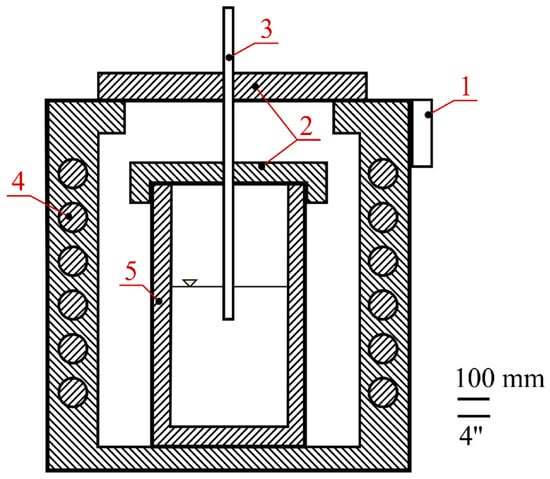
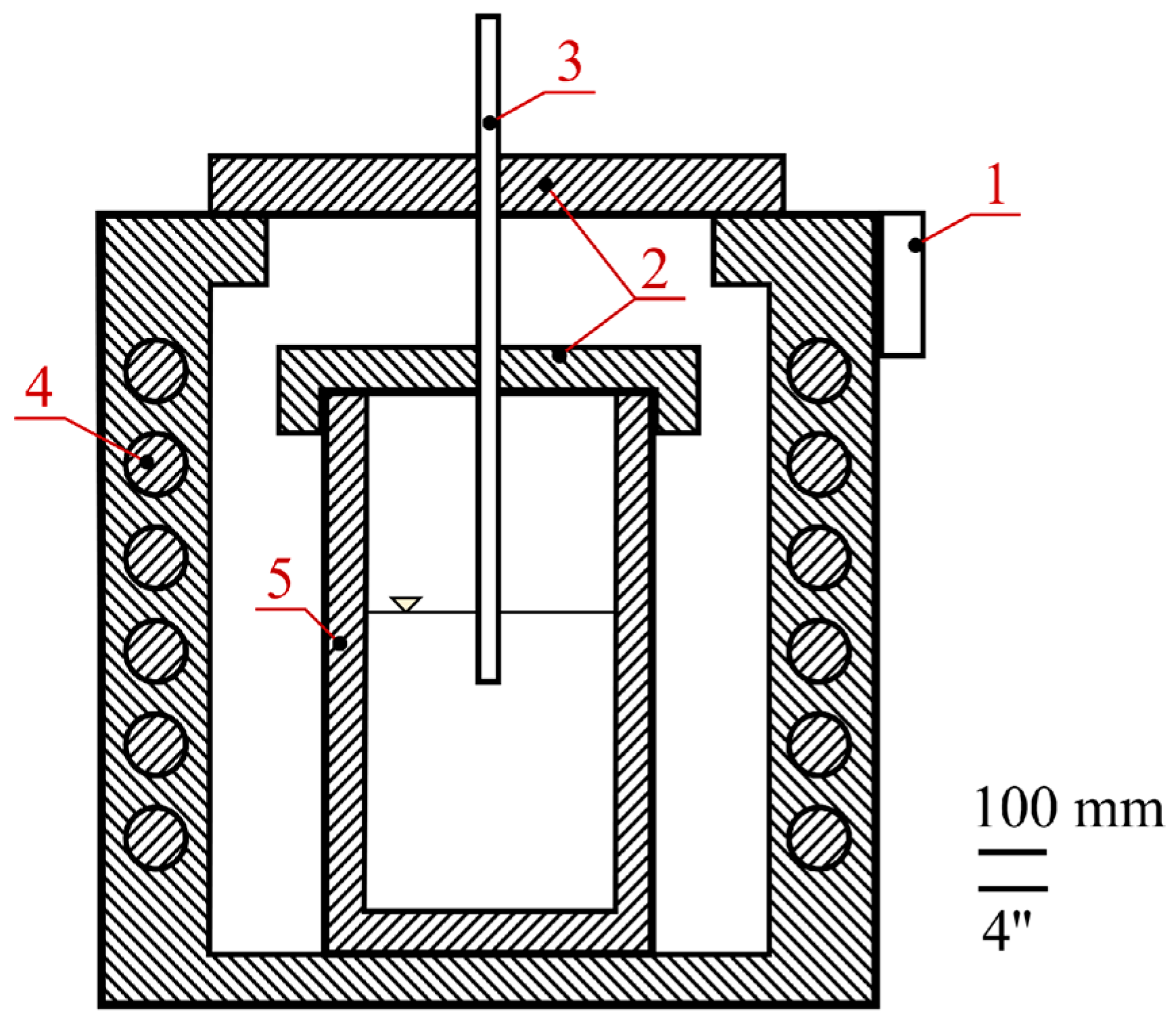
The primary study aimed at determining the suitability of biomass in the process of metal recovery from synthetic slag with a chemical composition similar to the slag from the actual flash-smelting copper production process, involved planning and conducting reduction smelting tests for various variants, in which the effects of the various reducers in the form of biomass, process duration, and temperature were analyzed. The reduction smelting process of the slag with the addition of the biomass-based reducing agent was carried out in a Czylok PT 40/1300 laboratory resistance furnace. A schematic diagram of this device is presented in Figure 2. The use of such a melting aggregate during the tests allowed for easy charging of the feed, as well as the ability to control the process. The reduction process was conducted at a temperature of 1300 °C. This temperature was selected based on the results of the performed slag feasibility tests and data from the copper smelting industry. The mass of the slag sample subjected to testing was 80 g.
Figure 2.
Schematic diagram of the station with an electric resistance furnace for the slag reduction process: 1. Furnace control unit. 2. Ceramic lid. 3. Thermocouple. 4. Resistance heating elements. 5. Crucible with the tested sample [73].
The variable parameter in the studies was the process duration, ranging from 1 h to 5 h. The amount of the biomass-based reducing agent added to the process was determined by the similar carbon content of the tested biomasses. In total, the quantity of the added reducing agent was calculated based on the amount of reduced metal oxides in the sample and the corresponding required amount of carbon, the addition of which was calculated in total, based on the stoichiometric reaction (Table 2, add., Bodouard reaction (3)). The data presented in Table 3 show that the elemental carbon content in the analyzed stones/seeds was similar and ranged from 47 to 52 wt. %.
The test procedure involved placing a reducer sample in a crucible with a diameter of 50 mm and a height 80 mm, and then covering it with the slag to be tested. To restrict air access, the crucible was covered with a ceramic lid and placed in the furnace chamber. An opening in the lid allowed for the permanent insertion of a thermocouple to measure the sample temperature. The device heated the sample at a rate of 20 degree Celsius per minute. After reaching the temperature assumed in the experiment, the duration of the process was measured. After the process, the sample was left in the device until it cooled completely. The tests were conducted on three samples in each variant.
The analyses were performed using a Rigaku Primus II X-ray fluorescence spectrometer (WDXRF). Slag samples for XRF measurements were crushed, dried, homogenized, then milled and pressed into pellets with cellulose (30 mm in diameter). For calibration of the XRF, the FluXana standards were used. For quantitative analysis, the Kα line was used for copper and the Lα line for lead. The counting time for peaks was 30 s.
Additionally, these slags were subjected to microscopic analysis using a Hitachi S-3400 N scanning electron microscope (SEM) equipped with an energy-dispersive X-ray spectrometer.
(EDS) Thermo Noran. Structural investigations were carried out using a semiconductor backscattered electron detector (BSE). SEM observations and EDS analyses were performed at a primary electron energy equal to 15 keV and a working distance of 10 mm.
4. Results
Studies within one series of time and temperature were conducted for three samples. The results of the experimental tests of copper slag reduction tests, which are the average for individual test series, are presented in Table 5. In addition to the basic input parameters, i.e., mass of copper slag and mass of the reducing agent, it summarizes the products, that is, mass of the (secondary) slag, mass of the obtained alloy, and the copper and lead content. The table also includes the primary parameters adopted in this study, in the form of the degree of decopperization and deleading, in order to compare the efficiency of the given reducing agent.
Table 5.
Average research results of copper slag reduction tests with fruit pits.
Five parameters were adopted to evaluate the effectiveness of the analyzed process:
- ○
- Degree of slag decopperization, %;
- ○
- Degree of slag deleading, %;
- ○
- Copper content in the post-process slag, wt. %;
- ○
- Lead content in the post-process slag, wt. %;
- ○
- Amount of smelted alloy, g.
The degree of slag decopperization as well as its deleading was determined from the following relationship:
where C0 Cu and C0 Pb—the initial concentrations of copper and lead, respectively, in the primary slag, wt. %, and Ck Cu and Cok Pb—the final concentrations of copper and lead in the secondary slag after the reduction process, and wt. %, m0 and mk—the initial and final slag masses, g.
An analysis of the copper and lead content in the post-process slag showed a high degree of removal of these metals during the reduction smelting of the primary slag using fruit stone biomass as a reducing agent. For the process conducted using cherry stones, with an initial copper content in the slag of 10.3 wt. %, a reduction in the content of this element in the slag to 1.08 wt. % was achieved for a 1 h process. For the process lasting 5 h, the final copper content in the secondary slag was 0.21 wt. %. This corresponded to an increase in the degree of slag decopperization from 91.1% to 98.4%. This is illustrated by the data presented graphically in Figure 3 and Figure 6. When apricot stones were used as the reducing agent in the process, the lowest copper content achieved in the slag was 0.57 wt. %, which corresponded to a degree of decopperization of 94.6%. Similarly, when plum stones were used in the process, the copper content in the post-process slag reached 0.59 wt. %, and the degree of decopperization was 93.0% (Figure 4, Figure 5, Figure 7 and Figure 8).
Figure 3.
Evolution of Cu and Pb content in the slag reduction process using cherry stones (T = 1300 °C).
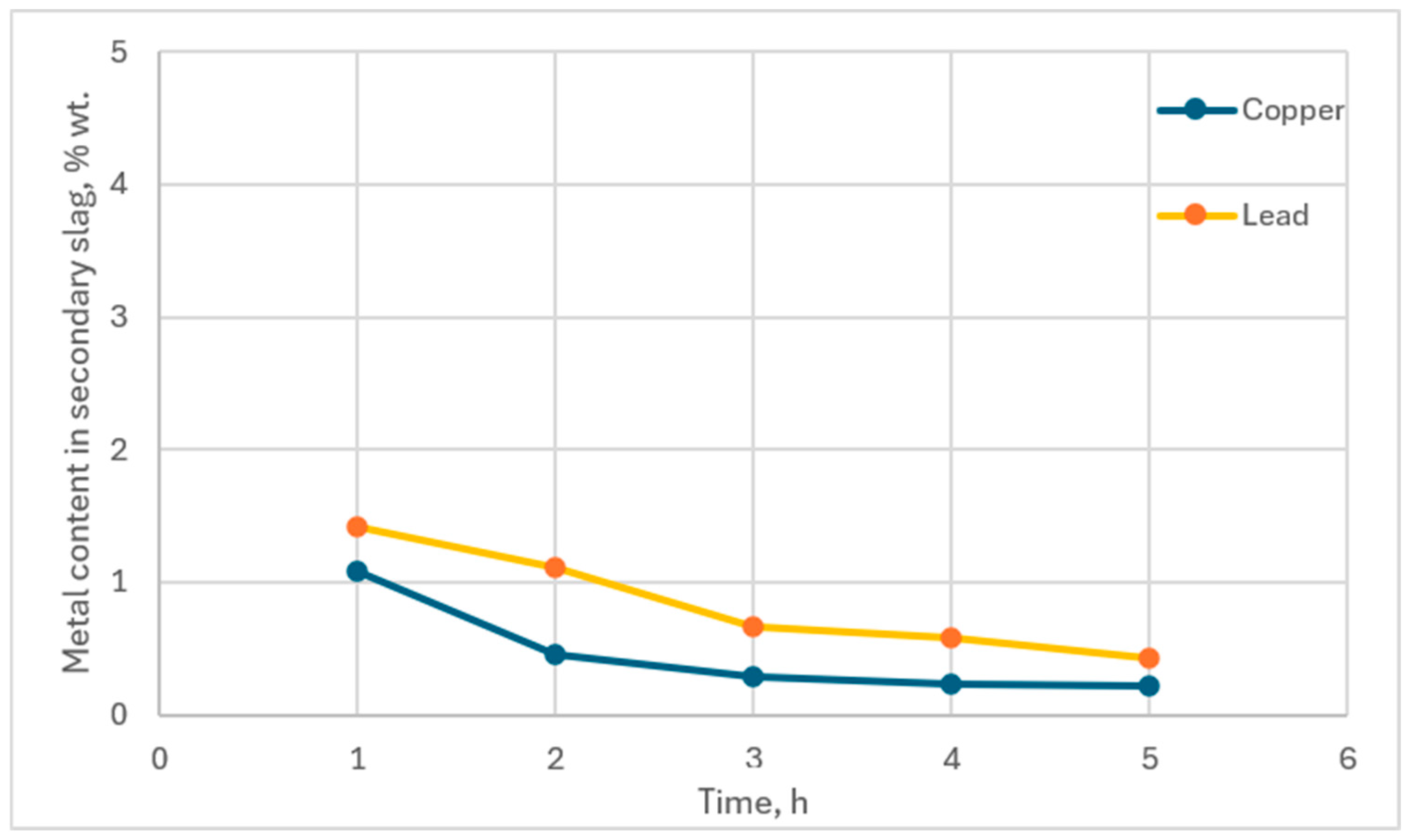
Figure 4.
Evolution of Cu and Pb content in the slag reduction process using plum pits (T = 1300 °C).
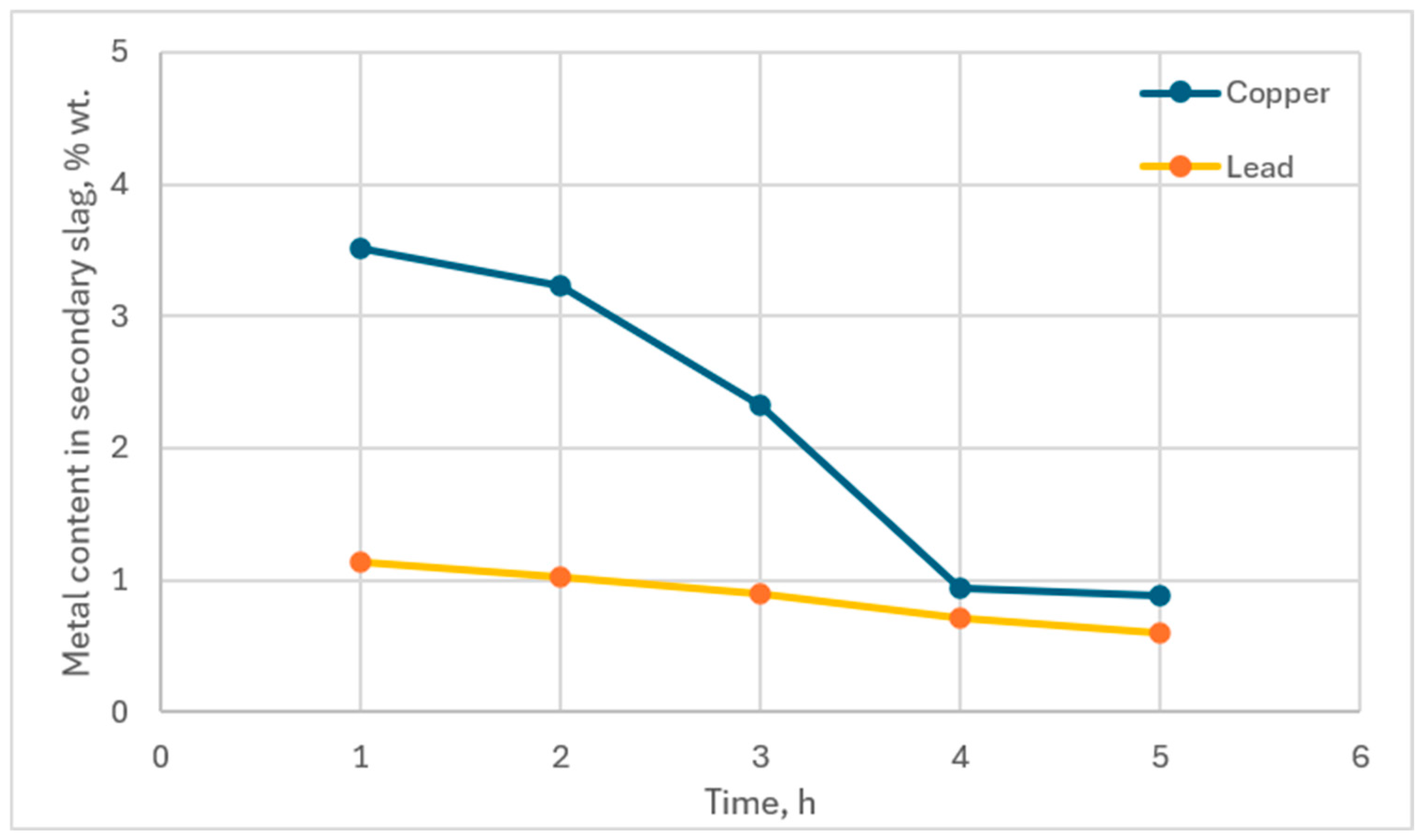
Figure 5.
Evolution of Cu and Pb content in the slag reduction process using apricot kernels (T = 1300 °C).
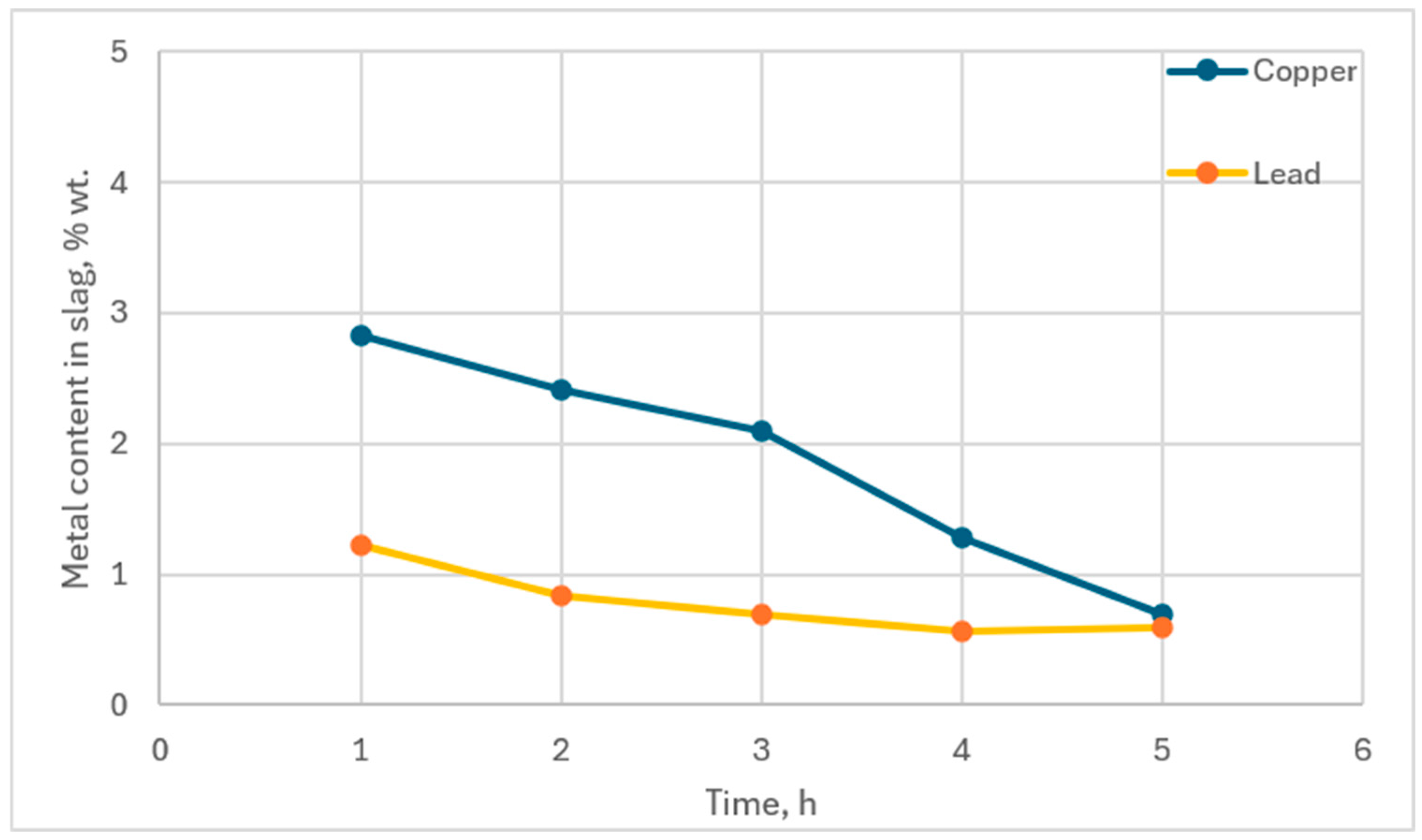
Figure 6.
Removal efficiency of Cu and Pb in the slag reduction process using cherry stones (T = 1300 °C).
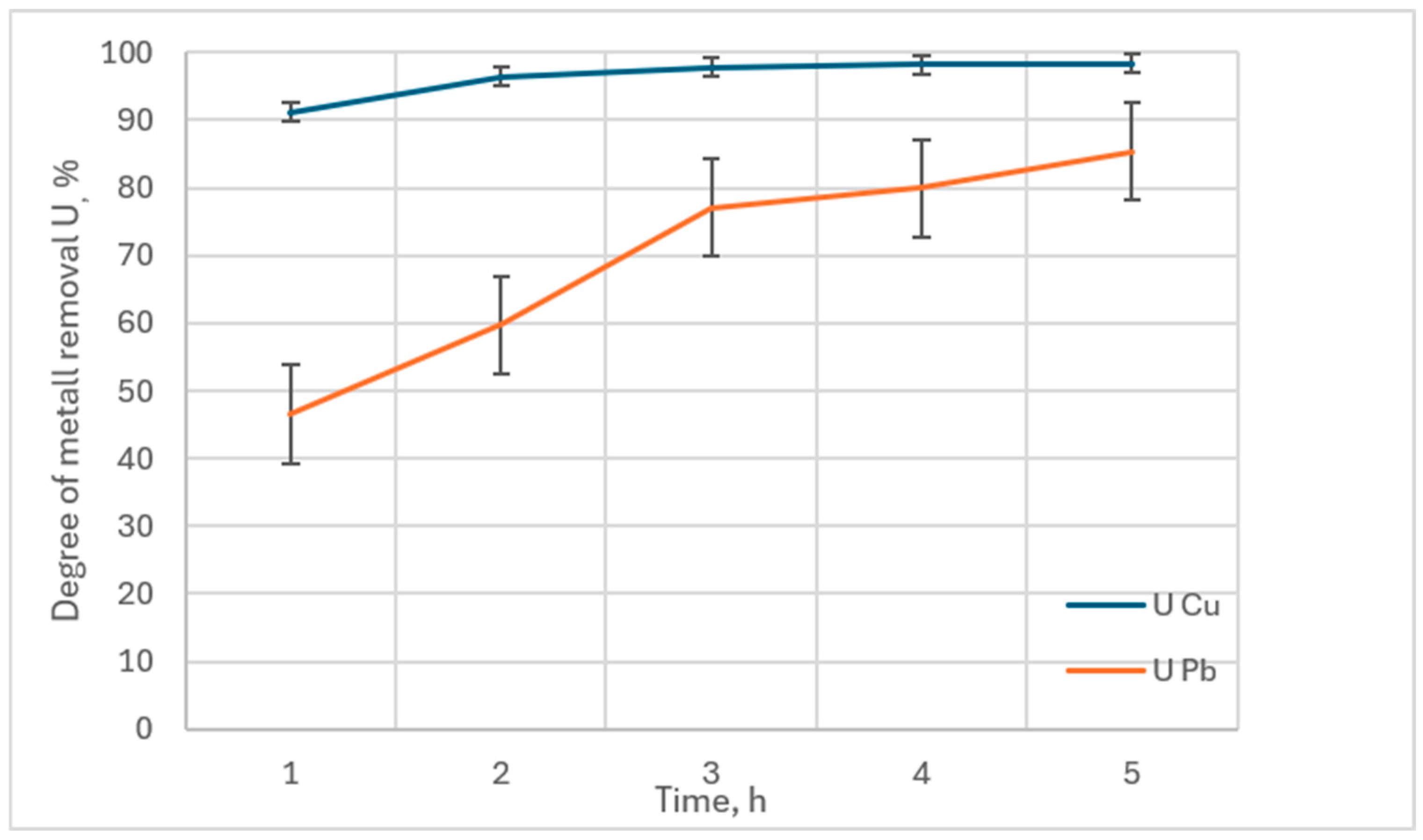
Figure 7.
Removal efficiency of Cu and Pb in the slag reduction process using plum pits (T = 1300 °C).
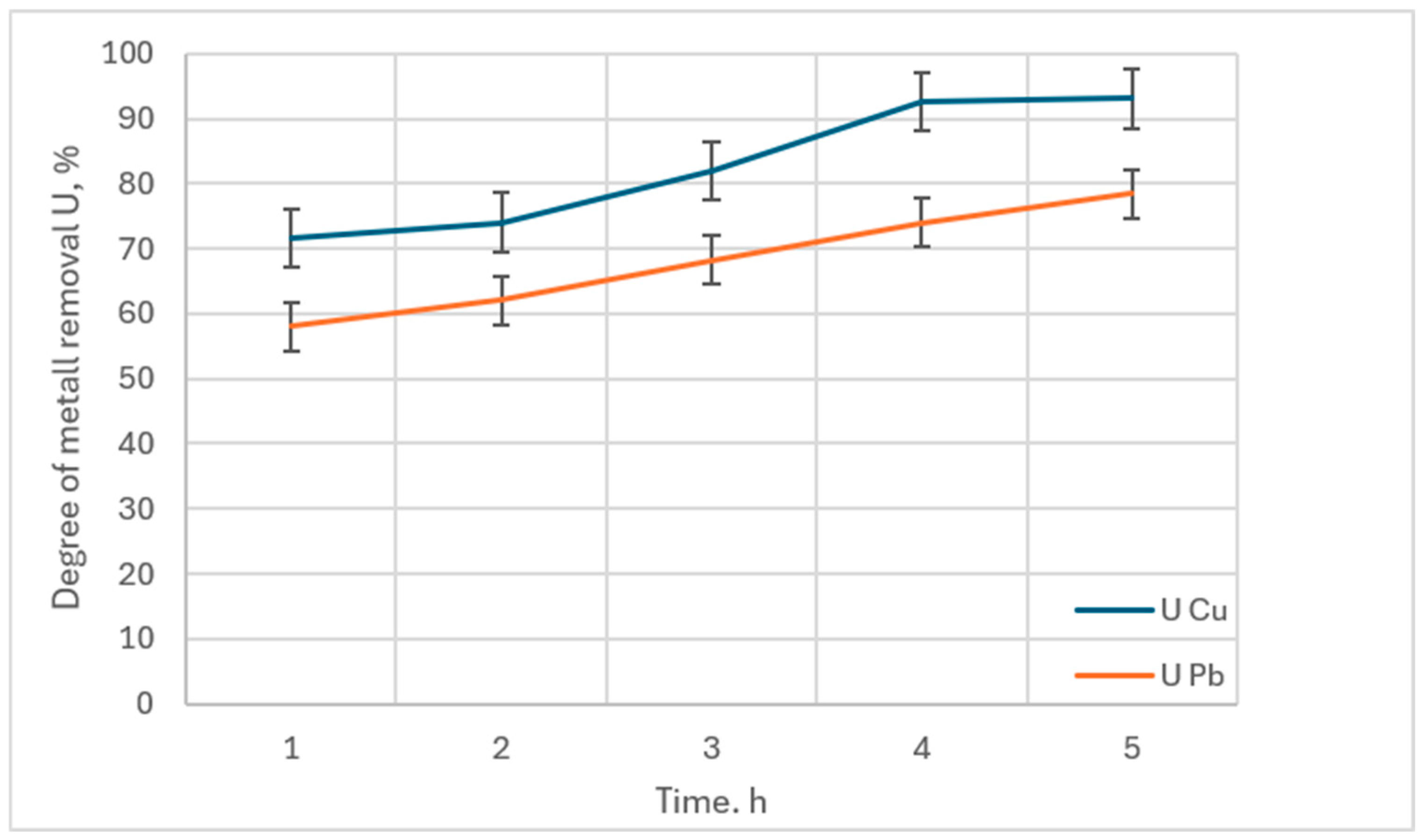
Figure 8.
Removal efficiency of Cu and Pb in the slag reduction process using apricot kernels (T = 1300 °C).
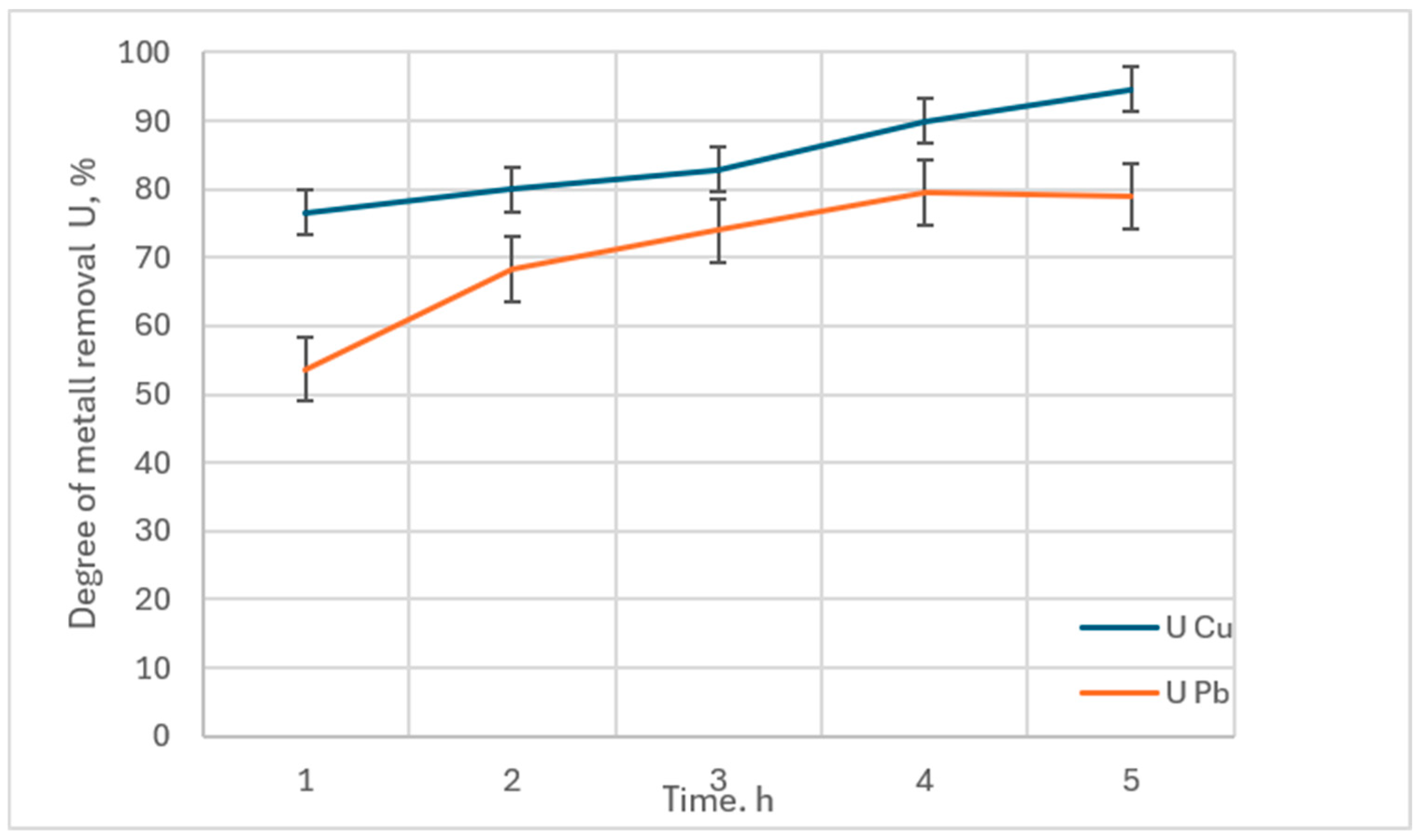
When analyzing the obtained results for lead in the slag reduction process, it was found that for all used reducing agents, the degree of removal of this metal fell within the range of 46.6% to 85.4%; however, the best results, similarly to the decopperization process, were achieved when using cherry stones. The post-process slags obtained in all experiments contained lead at a level of 0.43 to 1.42 wt. % (Figure 3, Figure 4 and Figure 5).
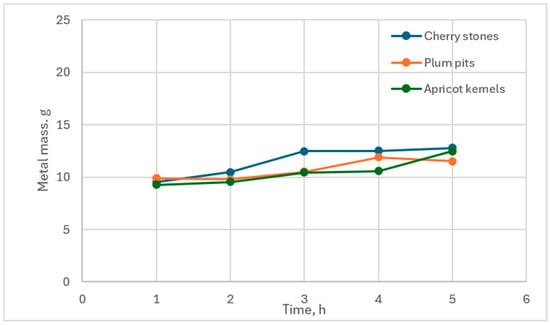
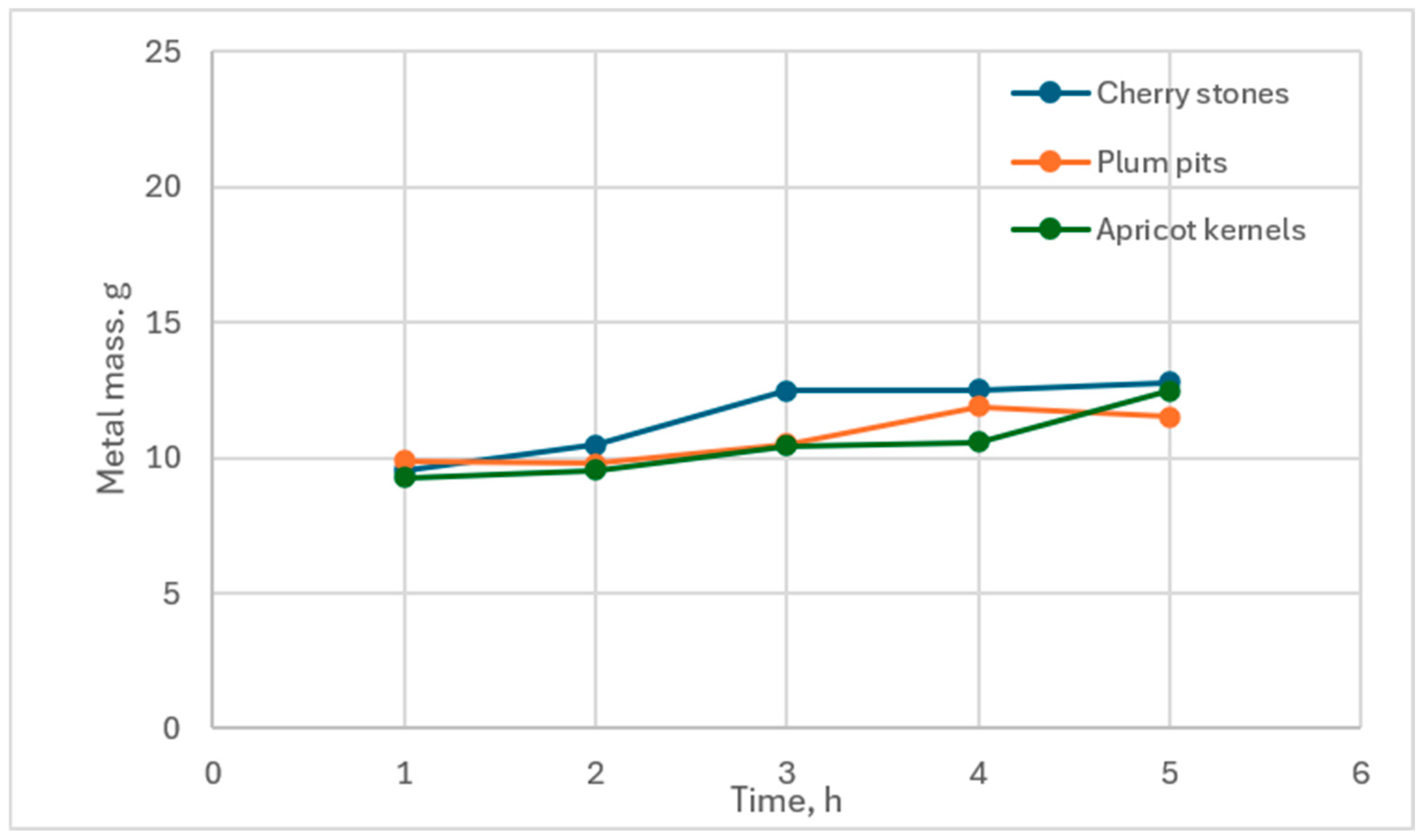
Figure 9 presents the results of the change in the mass of the obtained metal during the reduction process for the used biomass-based reducing agents. The data show that the mass of the alloy formed during the slag reduction process, depending on the smelting duration, ranged from 9.2 g to 12.77 g. No significant differences were found in the masses of the obtained alloy depending on the type of reducing agent used.
Figure 9.
Change in the mass of the reduced alloy depending on the duration of the slag reduction process.
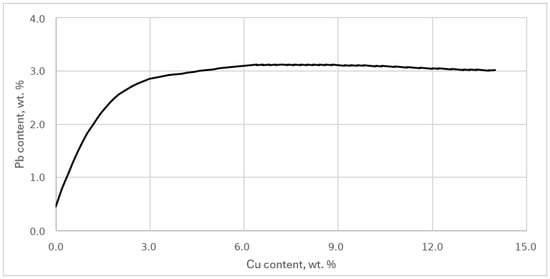
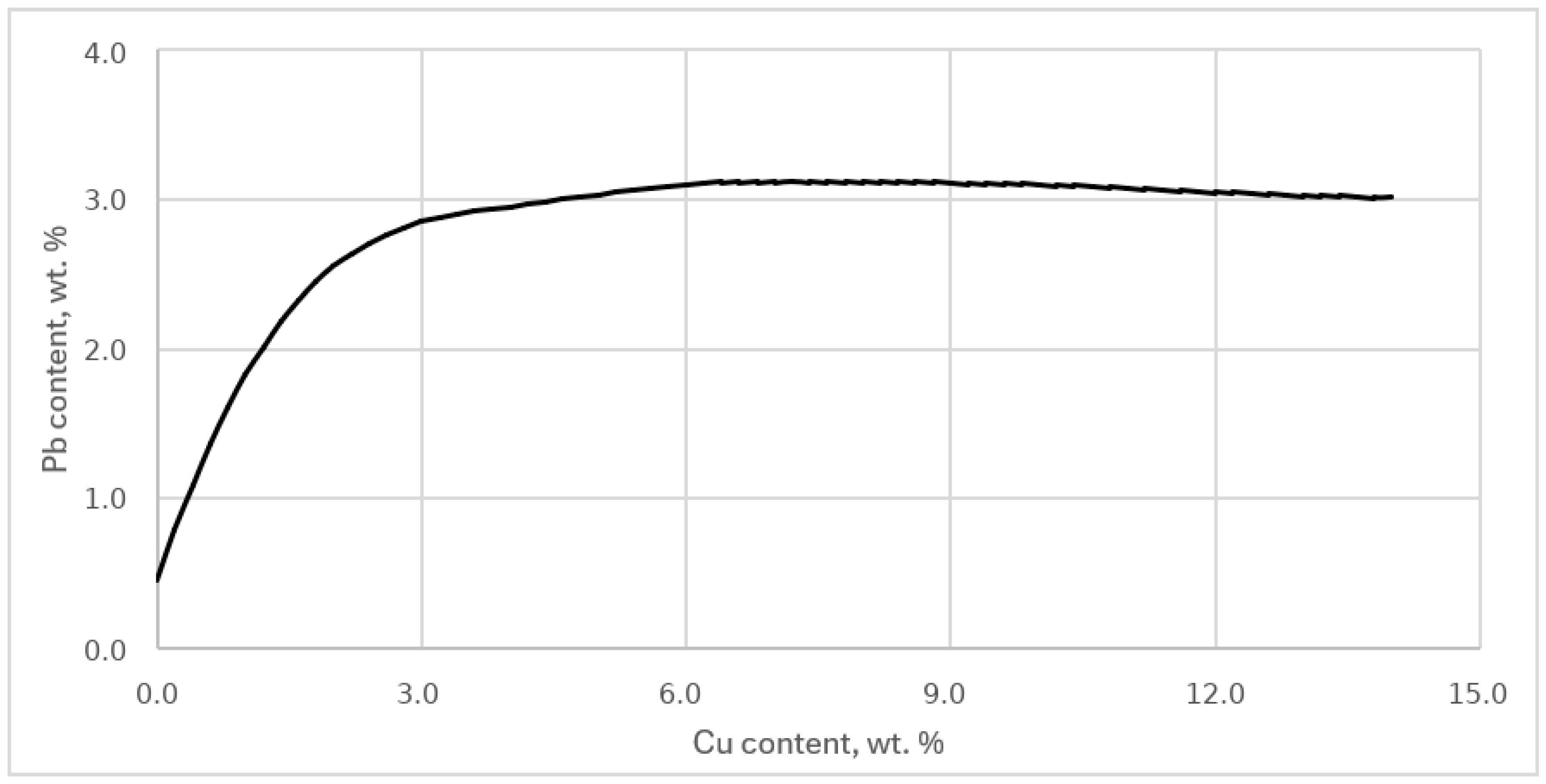
Increasing the duration of the reduction process from one to five hours resulted in a roughly 25% increase in the obtained alloy mass, which indicates that the reduction process itself takes place primarily during the initial period of the process. As studies on the reduction of metal oxides contained in copper slags have shown, the first stage of the process involves the reduction of copper oxides, followed by lead oxides, and finally iron oxides; this is consistent with the Gibbs free energy calculations for the individual metal oxides [74,75]. Furthermore, it was demonstrated in [76], based on a thermodynamic analysis, that the reduction of lead oxide contained in the slag begins when the copper content in the form of Cu2O oxide drops to <3 wt. %. This is illustrated by the data presented in Figure 10.
Figure 10.
Relationship between the lead and copper content in the slag at equilibrium [76].
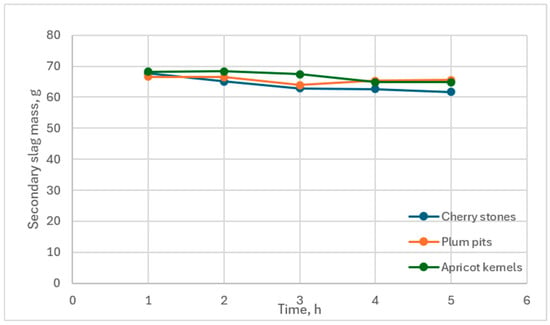
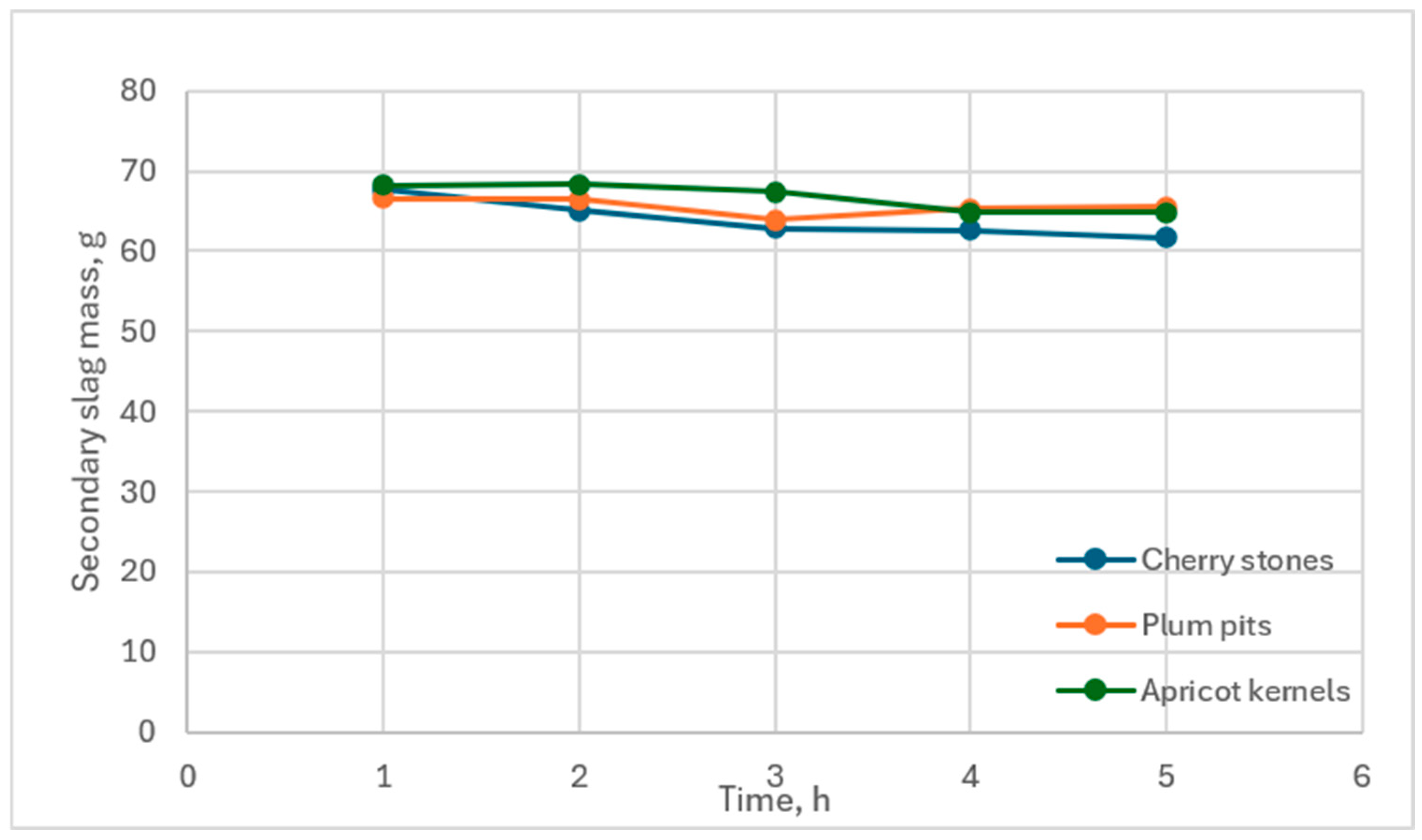
Considering the results regarding the change in copper and lead content, as well as their obtained masses in the initial slag and secondary slag after the process, it was found that after 1 h, the approximate total transfer level of these metals into the alloy ranged from 60% to 80%. For the process carried out over 5 h, this indicator reached 90% to 95%. This confirms that the reduction process of copper and lead oxides essentially takes place during the initial period of the reduction process. It should be noted that in both cases of the process durations used, the higher values of the metal-to-alloy transfer indicator from the slag were associated with reduction using cherry stones. For all experiments, no clear effect of the reduction process duration on the amount of post-process slag formed was observed. For the experiments with the addition of cherry stones as a reductant, the amount of slag formed was lower compared to the trials using the other two bio- reductants (Figure 11). This may be due to the fact that cherry stones proved to be a more effective reductant than plum and apricot kernels.
Figure 11.
Change in the mass of the post-process slag depending on the duration of the reduction process.
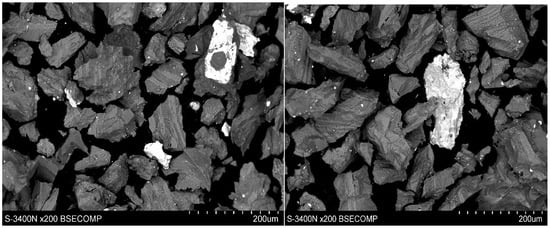
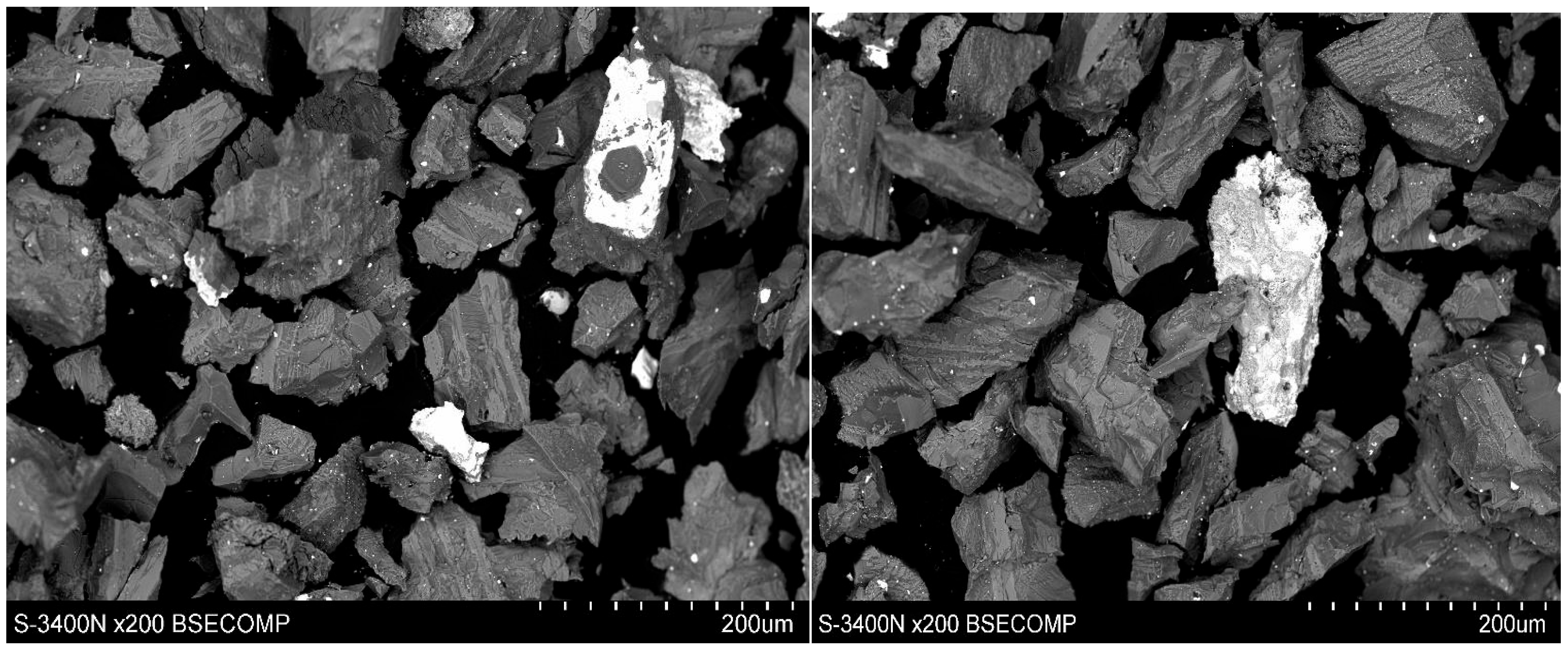
In order to evaluate the morphology of the obtained slags, a microstructure analysis of the secondary slag was conducted, which revealed the presence of numerous metallic inclusions. Photographs of the microstructure of the obtained slags are presented in Figure 12.
Figure 12.
Morphology of the slag after the reduction process.
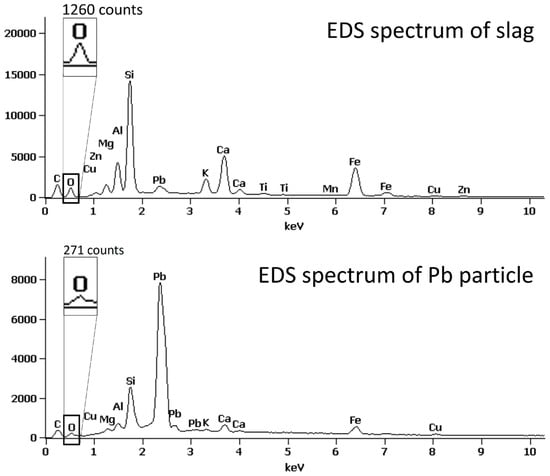
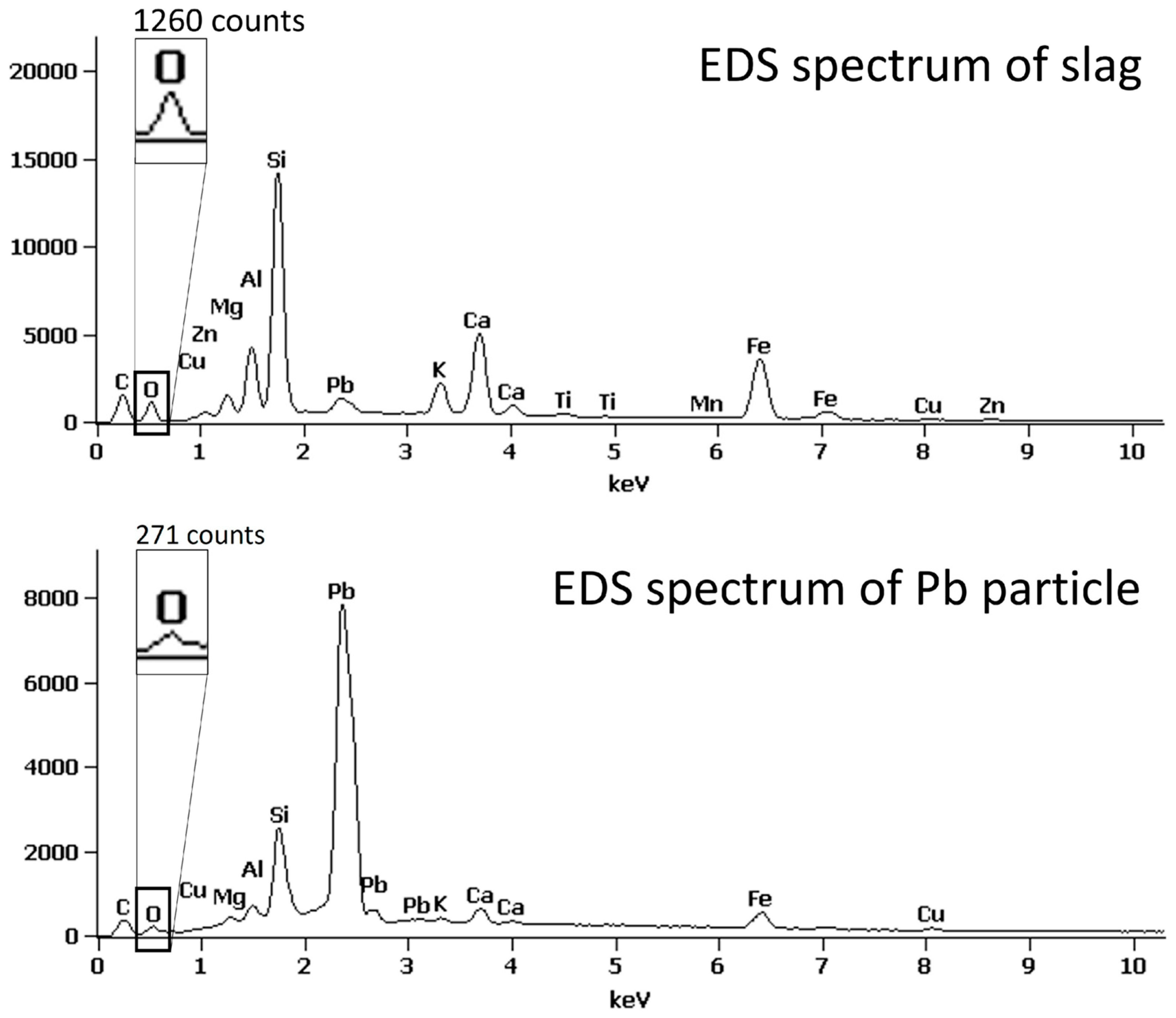
This is confirmed by the results of the EDS chemical composition analysis, which reveal the presence of lead (Pb) in these particles (Figure 13). Furthermore, the EDS spectra show a lower concentration of oxygen in the “white particles” than in the rest of the slag (in the case of the particles, the intensity of the Kα line of oxygen was almost five times lower compared to the slag), suggesting that these particles contain metallic lead, while the rest of the slag is a mixture of oxides.
Figure 13.
Results of the EDS chemical composition analysis of the secondary slag.
The observed phenomenon of fine metallic lead inclusions suspended in the slag is unfavourable and significantly reduces the efficiency of the metal reduction and metal alloy smelting process, which is the main product of the analyzed process. The literature data show that in post-reduction secondary slags obtained under industrial conditions, metallic inclusions of both copper and lead can have diameters of up to 100 µm. In this case, their settling velocity in the liquid slag depends mainly on their diameter, as well as the viscosity and density of the liquid slag. It has also been shown that in the case of copper present in the secondary slag, about half of it occurs in oxide form, while the other half is in the form of suspended fine micro-droplets of metallic copper [74,75,76,77,78,79]. Increasing the efficiency of metallic droplet sedimentation from the slag phase can be achieved by increasing the volume of the droplets through their coalescence.
This can be achieved, for example, by increasing the collision frequency of the suspended metal droplets. Under industrial conditions, such an effect is achieved by inducing turbulent motion of the liquid slag, for example, through the addition of calcium carbonate. Its thermal decomposition generates a gas, the flow of which intensifies the mixing process.
5. Summary
Based on the positive results of laboratory tests, it is advisable to conduct preliminary larger-scale tests enabling their industrial application, to determine the appropriate parameters for the large-scale process, such as the amount of coke that can be replaced by seed-stone biomass.
At this stage of the research, the reference point allows us to assume that the biomass material used can be an alternative to coke if the reduction process allows for reducing the copper content in the industrial slag below 0.6 wt. % Cu by mass. Although from a thermodynamic point of view it is possible to further reduce the concentration of the main elements, economic considerations make further process unprofitable.
The experimental research results presented in the article, as well as their analysis, have shown that fruit seed-stones can be used in the metallurgical industry as an alternative reducing agent in the process of recovering copper and lead from copper slags. This is mainly determined by their relatively high carbon content and the fact that the main components of biomass, i.e., cellulose, hemicellulose, and lignin, additionally release reducing gases such as hydrogen, methane, and carbon monoxide during thermal decomposition.
The determined Gibbs free enthalpy indicates that the indicated chemical reactions of reduction of the base metals Cu and Pb obtain values reaching the level of −600 kJ/mol for methane reduction. The calculated index of the degree of SCu copper removal varies in the range from approx. 71% in the process lasting 1 h with the addition of a reducer in the form of plum seeds to a level above 98% in a process lasting 5 h with the addition of a reducer in the form of cherry seeds. Attention should be paid here to the specific form of copper in slag, where after the reduction process the metal occurs in the form of suspended droplets of microscopic sizes, which hinder the process of sedimentation and separation from the slag part. From the point of view of hydrodynamics, this type of system requires the introduction of a liquid into motion that intensifies the mechanism of coagulation and combination of metal droplets into larger ones to activate the sedimentation process [69,71,72]. In the biomass reducers used in the studies, the difference in the efficiency results obtained may be caused by the released hydrocarbons, which, in addition to having the role of the reducer, move deep into the charge, activating the reduction processes. In the case of lead, the value of the degree of SPb is contained from approx. 48% in the reduction process for 1 h and increases to over 85% after 5 h of the process with the addition of a reducer in the form of cherry seeds.
The obtained removal efficiencies may be subject to an error of 5–10% due to the accuracy of X-ray fluorescence (XRF) analysis and the sampling procedure. After the process, the material was ground to a particle size of 0.1–0.5 mm, and a 5 g sample was collected for analysis using the quartering method.
The conducted research demonstrated the possibility of decopperization of the slag from a level of 10.3 wt.% to 0.21 wt.%. In the case of lead, the removal rate of this metal from the slag ranged from 2.25 to 0.48 wt. %. The results gained become particularly significant if the copper content in the process slags is related to the copper content in the ore, where the percentage of this element hovers around 1 wt. % [80].
Additionally, it reduces environmental emissions of pollutants such as SO2 and NOx, while on the other hand, it can intensify the reduction process of metal compounds itself. The latter results from the fact that the main components of biomass, i.e., cellulose, hemicellulose, and lignin, additionally release reducing gases such as hydrogen, methane, and carbon monoxide during thermal decomposition.
Based on data (ETS2—European Commission), the current cost level for the emission of 1 ton of CO2 is approx. 90 €, while in 2030, the emission fee for 1 ton of CO2 is expected to reach 120 €–180 € [81].
Taking the above into account, given the estimated coke consumption in the copper production process, it is assumed that the annual consumption of coke in this production amounts to 20,000 Mg. Assuming that 90% of the carbon is converted into CO2, the emission will amount to approx. 48,000 Mg of CO2, which results in a total cost of approx. 4.3–8.6 million euros/year. Considering the current trends, this amount could double within the next few years.
For industrial applications, in order to meet the requirements of the technological process, this analysis should be significantly expanded to include the costs associated with the construction of a seed-stone agglomeration plant capable of producing material in the required quantity and quality, as well as the costs and methods associated with raw material storage.
Author Contributions
Conceptualization J.Ł. and L.B.; methodology, J.Ł. and A.F.; software A.S., laboratory tests T.M., R.F. and B.C., validation, J.Ł. and A.S.; formal analysis, T.M. and A.F.; investigation, T.M., R.F. and B.C.; resources, T.M.; data curation, A.S.; writing—original draft preparation J.Ł. and A.F.; writing—review and editing, J.Ł.; visualization, A.S.; supervision, L.B.; project administration, A.S.; funding acquisition, A.F.; corresponding author, J.Ł. All authors have read and agreed to the published version of the manuscript.
Funding
This research received no external funding.
Institutional Review Board Statement
Not applicable.
Informed Consent Statement
Informed consent was obtained from all subjects involved in the study.
Data Availability Statement
https://omega.polsl.pl/index.seam, accessed on 1 July 2026.
Conflicts of Interest
The authors declare no conflicts of interest.
References
- Available online: https://eur-lex.europa.eu/legal-content/EN/TXT/PDF/?uri=CELEX:32018L2001 (accessed on 1 April 2026).
- Available online: https://eur-lex.europa.eu/legal-content/EN/TXT/?uri=CELEX:32018L0410 (accessed on 1 April 2026).
- Rzeźnik, W.; Mielcarek, P.; Rzeźnik, I. Assessment of energetic potential of cherry stones in Poland. J. Res. Appl. Agric. Eng. 2016, 61, 84–87. [Google Scholar]
- Durán-Valle, C.J.; Gómez-Corzo, M.; Gómez-Serrano, V.; Pastor-Villegas, J.; Rojas-Cervantes, M.L. Preparation of charcoal from cherry stones. Appl. Surf. Sci. 2006, 252, 5957–5960. [Google Scholar] [CrossRef] [Scilit]
- González, J.F.; Encinar, J.M.; Canito, J.L.; Sabio, E.; Chacón, M. Pyrolysis of cherry stones: Energy uses of the different fractions and kinetic study. J. Anal. Appl. Pyrolysis 2003, 67, 165–190. [Google Scholar] [CrossRef] [Scilit]
- Lussier, M.G.; Shull, J.C.; Miller, D.J. Activated carbon from cherry stones. Carbon 1994, 32, 1493–1498. [Google Scholar] [CrossRef] [Scilit]
- Michałek, T.; Wojtaszek, K.; Małecki, S.; Kornaus, K.; Wandor, S.; Druciarek, J.; Fitzner, K.; Wojnicki, M. Recovery of Pd(II) ions from aqueous solutions using activated carbon obtained in a single-seedstage synthesis from cherry seeds. C 2023, 9, 46. [Google Scholar] [CrossRef] [Scilit]
- Nowicka, P.; Gładzik, M.; Wojdyło, A.; Oszmiański, J. Cherry seed—A waste material with high pro-health potential. In Bioactive Components of Plant Raw Materials and Products; Słupski, J., Tarko, T., Drożdż, I., Eds.; Polish Society of Food Technologists: Kraków, Poland, 2018; pp. 154–164. [Google Scholar]
- Vidrih, R.; Hribar, J.; Sekse, L. Cherry seeds as a source of nutritionally important fatty acids. Acta Hortic. 2014, 1020, 165–172. [Google Scholar] [CrossRef] [Scilit]
- Miladinović, M.; Pavlović, S.; Banković-Ilić, I.; Kostić, M.; Stamenković, O.; Veljković, V. Utilization of waste plum stones as a source of oil and catalyst for biodiesel production. Hem. Ind. 2023, 77, 39–52. [Google Scholar] [CrossRef] [Scilit]
- Miladinović, M.; Kostić, M.; Stamenković, O.; Banković-Ilić, I.; Veljković, V. Utilization of plum stones for biodiesel production. In Proceedings of the XII Conference of Chemists, Technologists and Environmentalists of the Republic of Srpska, Teslić, Bosnia and Herzegovina, 2–3 November 2018. [Google Scholar]
- Górna, P.; Rudzińska, M.; Soliven, A. Industrial by-products of Prunus domestica L. and Prunus cerasifera Ehrh. as potential biodiesel feedstock: Impact of variety. Ind. Crops Prod. 2017, 100, 77–84. [Google Scholar] [CrossRef] [Scilit]
- Yildiz, M.J.; Obidziński, S.; Piekut, J.; Yildiz, G. The utilization of plum stones for pellet production and investigation of post-combustion flue gas emissions. Energies 2020, 13, 5107. [Google Scholar] [CrossRef] [Scilit]
- Salikhanova, D.; Usmonova, Z.; Sobirjonova, S.; Ubaydullaeva, N.; Karabayeva, M. Obtainment of activated carbon by processing plum stones and using them in industrial wastewater purification. E3S Web Conf. 2024, 486, 01017. [Google Scholar] [CrossRef] [Scilit]
- Sharma, P.C.; Kamboj, P.; Kaushal, B.B.L.; Vaidya, D. Utilization of stone fruit kernels as a source of oil for edible and non-edible purposes. Acta Hortic. 2005, 696, 551–557. [Google Scholar] [CrossRef] [Scilit]
- Doczekalska, B.; Bartkowiak, M.; Kuśmierek, K.; Świątkowski, A. From fruit waste to water purifier: Plum stone-derived biochar for malachite green removal. In Proceedings of the 8th International Conference on Materials and Environmental Science (ICMES), Saidia, Morocco, 12–15 June 2025; p. 238. [Google Scholar]
- Gajić, N.; Radovanović, D.; Đokić, J.; Jelić, I.; Jevtić, S.; Sokić, K.; Štulović, M. Optimization of milling process parameters for waste plum stones for their sustainable application. Processes 2025, 13, 2759. [Google Scholar] [CrossRef] [Scilit]
- Sabolč Pap, S.; Šolević Knudsen, T.; Radonić, J.; Maletić, S.; Igić, S.M.; Turk Sekulić, M. Utilization of fruit processing industry waste as green activated carbon for the treatment of heavy metals and chlorophenols contaminated water. J. Clean. Prod. 2017, 162, 958–972. [Google Scholar] [CrossRef] [Scilit]
- Şahinöz, M.; Aruntaş, H.; Gürü, M. Production of composite particleboard from waste plum pits (Prunus domestica) and improvement of its characteristics. Cellul. Chem. Technol. 2023, 57, 587–598. [Google Scholar] [CrossRef] [Scilit]
- Zažímal, F.; Lukáč, T.; Bajnok, A.; Vrána, L.; Styskalik, A.; Tulipanova, A.; Drdanová, A.; Staňová, A.; Mackuľak, T.; Homola, T.; et al. Plum pits waste biochar as a sustainable and efficient adsorbent targeting water contamination: An in-depth analysis of the impact of pyrolysis parameter changes on the adsorption mechanism. Waste Dispos. Sustain. Energy 2016, 8, 395–412. [Google Scholar]
- Barbhai, M.; Kumari, N.; Kaur, S.; Prakash, S.; Sharma, N.; Waghmare, R.; Radha; Kumar, M. Apricot seeds: A unique feedstock for biodiesel and other applications. In Valorization of Fruit Seed Waste from Food Processing Industry; Kumar, M., Sharma, K., Bangar, S.P., Eds.; Academic Press: London, UK, 2024; pp. 215–248. [Google Scholar]
- Wang, L. Properties of Manchurian apricot (Prunus mandshurica Skv.) and Siberian apricot (Prunus sibirica L.) seed kernel oils and evaluation as biodiesel feedstocks. Ind. Crops Prod. 2013, 50, 838–843. [Google Scholar] [CrossRef] [Scilit]
- Wang, L.; Yu, H. Biodiesel from Siberian apricot (Prunus sibirica L.) seed kernel oil. Bioresour. Technol. 2012, 112, 355–358. [Google Scholar] [CrossRef] [Scilit] [PubMed]
- Kim, M.; Choi, D.; Kim, J.Y.; Jung, S.; Tsang, Y.F.; Lin, K.Y.A.; Kwon, E.E. Direct conversion of apricot seeds into biodiesel. Bioresour. Technol. 2024, 395, 130339. [Google Scholar] [CrossRef] [Scilit] [PubMed]
- Fadhil, A.B. Evaluation of apricot (Prunus armeniaca L.) seed kernel as a potential feedstock for the production of liquid biofuels and activated carbons. Energy Convers. Manag. 2017, 133, 307–317. [Google Scholar] [CrossRef] [Scilit]
- Borczak, B.; Kapusta-Duch, J.; Dziadek, K.; Sikora, E. Apricot kernels as a sustainable source of nutrients and bioactive compounds. Appl. Sci. 2025, 15, 10154. [Google Scholar] [CrossRef] [Scilit]
- Zhu, X.; Meng, T.; Ren, F.; Ning, A.; Chen, B.; Liu, X.; Liu, H. A review on apricot kernel seed proteins and peptides: Biological functions and food applications. Int. J. Biol. Macromol. 2025, 292, 139053. [Google Scholar] [CrossRef] [Scilit] [PubMed]
- Siddiqui, S.A.; Anwar, S.; Yunusa, B.M.; Nayik, G.A.; Khaneghah, A.M. The potential of apricot seed and oil as functional food: Composition, biological properties, health benefits, and safety. Food Biosci. 2023, 51, 102336. [Google Scholar] [CrossRef] [Scilit]
- Akhone, M.A.; Bains, A.; Tosif, M.M.; Chawla, P.; Fogarasi, M.; Fogarasi, S. Apricot kernel: Bioactivity, characterization, applications, and health attributes. Foods 2022, 11, 2184. [Google Scholar] [CrossRef] [Scilit] [PubMed]
- Demiral, İ.; Çemrek Kul, Ş. Pyrolysis of apricot kernel shell in a fixed-bed reactor: Characterization of bio-oil and char. J. Anal. Appl. Pyrolysis 2014, 107, 17–24. [Google Scholar] [CrossRef] [Scilit]
- Pawar, K.R.; Nema, P.K. Apricot kernel characterization, oil extraction, and its utilization: A review. Food Sci. Biotechnol. 2023, 32, 249–263. [Google Scholar] [CrossRef] [Scilit] [PubMed]
- Ali, S.; Masud, T.; Abbasi, K.S.; Mahmood, T.; Hussain, A. Apricot: Nutritional potentials and health benefits—A review. Ann. Food Sci. Technol. 2015, 16, 175–189. [Google Scholar]
- Matula, T.; Labaj, J.; Vadasz, P.; Plešingerová, B.; Smalcerz, A.; Blacha, L. Application of sunflower husk pellet as a reducer in metallurgical processes. Materials 2023, 16, 6790. [Google Scholar] [CrossRef] [Scilit] [PubMed]
- Kawaguchi, T.; Hara, M. Utilization of biomass for iron ore sintering. ISIJ Int. 2013, 53, 1599–1606. [Google Scholar] [CrossRef] [Scilit]
- Fan, X.; Ji, Z.; Gan, M.; Jiang, T.; Chen, X.; Li, W.; Wang, Q.; Yu, Z.Y.; Huang, X.X.; Yuan, L.S. Application of biomass fuel in iron ore sintering. J. Cent. South Univ. (Sci. Technol.) 2013, 44, 1747–1753. [Google Scholar]
- Gan, M.; Fan, X.; Chen, X.; Ji, Z.; Lv, W.; Wang, Y.; Yu, Z.; Jiang, T. Reduction of pollutant emission in iron ore sintering process by applying biomass fuels. ISIJ Int. 2012, 52, 1574–1578. [Google Scholar] [CrossRef] [Scilit]
- Fan, X.; Ji, Z.; Gan, M.; Chen, X.; Yin, L.; Jiang, T. Preparation technologies of straw char and its effect on pollutants emission reduction in iron ore sintering. ISIJ Int. 2014, 54, 2697–2703. [Google Scholar] [CrossRef] [Scilit]
- Sommerfeld, M.; Friedrich, B. Replacing fossil carbon in the production of ferroalloys with a focus on bio-based carbon: A review. Minerals 2021, 11, 1286. [Google Scholar] [CrossRef] [Scilit]
- Zhang, Y.; Luo, W.; You, Z.; Su, Z.; Li, G.; Jiang, T. Optimizing the sintering process of low-grade ferromanganese ores. In Optimizing the Sintering Process of Low-Grade Ferromanganese Ores; Jiang, T., Hwang, J., Mackey, P.J., Yucel, O., Zhou, G., Eds.; John Wiley & Sons, Inc.: Hoboken, NJ, USA, 2013; pp. 527–534. [Google Scholar]
- McDonald, J.E.D.; Kawatra, S.K. Agglomeration of hematite concentrate by starches. Miner. Process. Extr. Metall. Rev. 2017, 38, 1–6. [Google Scholar] [CrossRef] [Scilit]
- Kotta, A.B.; Patra, A.; Kumar, M.; Karak, S.K. Effect of molasses binder on the physical and mechanical properties of iron ore pellets. Int. J. Miner. Metall. Mater. 2019, 26, 41–51. [Google Scholar] [CrossRef] [Scilit]
- Halt, J.A.; Kawatra, S.K. Can modified starch be used as a binder for iron ore pellets? Miner. Process. Extr. Metall. Rev. 2017, 38, 73–82. [Google Scholar] [CrossRef] [Scilit]
- Zhou, D.; Wei, R.; Long, H.; Li, J.; Qi, L.; Xu, C.C. Combustion characteristics and kinetics of different food solid wastes treatment by blast furnace. Renew. Energy 2020, 145, 530–541. [Google Scholar] [CrossRef] [Scilit]
- Dang, H.; Xu, R.; Zhang, J.; Wang, M.; Li, J. Cross-upgrading of biomass hydrothermal carbonization and pyrolysis for high-quality blast furnace injection fuel production: Physicochemical characteristics and gasification kinetics analysis. Int. J. Miner. Metall. Mater. 2024, 31, 268–281. [Google Scholar] [CrossRef] [Scilit]
- Ge, H.; Xie, F.; Wu, S.; Wang, W. Biomass as a clean reductant for recovery of zinc from zinc leaching residue. J. Clean. Prod. 2024, 434, 139926. [Google Scholar] [CrossRef] [Scilit]
- Cui, G.; Zhang, X.; Xu, Y.; Ma, G.; Zheng, D.; Xu, J. Study on the kinetics of carbothermic reduction of stainless-steel dust by walnut shell biochar. Metals 2025, 15, 835. [Google Scholar] [CrossRef] [Scilit]
- Wei, R.; Meng, K.; Long, H.; Xu, C.C. Biomass metallurgy: A sustainable and green path to a carbon-neutral metallurgical industry. Renew. Sustain. Energy Rev. 2024, 199, 114475. [Google Scholar] [CrossRef] [Scilit]
- Qu, G.; Wei, Y.; Li, B.; Wang, H.; Yang, Y.; McLean, A. Recovery of copper smelting slag using a green reductant. In 11th International Symposium on High-Temperature Metallurgical Processing; The Minerals, Metals & Materials Series (Springer); Springer: Cham, Switzerland, 2020; pp. 417–429. [Google Scholar] [CrossRef] [Scilit]
- Zuo, Z.; Yu, Q.; Wei, M.; Xie, H.; Duan, W.; Wang, K.; Qin, Q. Thermogravimetric study of the reduction of copper slag by biomass. J. Therm. Anal. Calorim. 2016, 126, 481–491. [Google Scholar] [CrossRef] [Scilit]
- Zhou, S.; Wei, Y.; Zhang, S.; Li, B.; Wang, H.; Yang, Y.; Barati, M. Reduction of copper smelting slag using waste cooking oil. J. Clean. Prod. 2019, 236, 117668. [Google Scholar] [CrossRef] [Scilit]
- Zuo, Z.; Yu, Q.; Xie, H.; Qin, Q.; Wei, M. Direct reduction of copper slag composite pellets within lignite using biomass as binder. In Energy Technology 2018; The Minerals, Metals & Materials Series (Springer, Energy Technology); Springer: Cham, Switzerland, 2018. [Google Scholar]
- Zhou, S.; Wei, Y.; Li, B.; Wang, H. Cleaner recycling of iron from waste copper slag by using walnut shell char as green reductant. J. Clean. Prod. 2019, 217, 423–431. [Google Scholar] [CrossRef] [Scilit]
- Kortyka, L.; Labaj, J.; Ptak, S.; Smalcerz, A.; Blacha, L.; Mycka, L.; Matula, T.; Findorak, R. A study on the potential for the application of peanut shells as a reducer in the process of metal recovery from metallurgical slags. Sustainability 2024, 16, 9261. [Google Scholar] [CrossRef] [Scilit]
- Ptak, S.; Matuła, T.; Smalcerz, A.; Łabaj, J.; Blacha, L.; Findorak, R.; Vaskova, I. Determination of potential replacement of natural carbon raw materials with walnut waste in the reduction process of metal recovery. J. Achiev. Mater. Manuf. Eng. 2023, 121, 1. [Google Scholar] [CrossRef] [Scilit]
- Ptak, S.; Matuła, T.; Blacha, L.; Łabaj, J.; Smalcerz, A.; Półka, M. Reduction of metallurgical slags using sunflower pellets. Metall. Mater. Trans. B 2024, 55, 2. [Google Scholar] [CrossRef] [Scilit]
- Matuła, T.; Łabaj, J.; Nowacki, K.; Blacha, L.; Kortyka, Ł.; Myćka, Ł.; Madej, P.; Jaworek, L.; Wojtal, T. Application of spent coffee grounds (SCGs) as a fuel and alternative reducer of slags from the copper industry. Energies 2023, 16, 2415. [Google Scholar] [CrossRef] [Scilit]
- Smieszek, Z.; Czernecki, J.; Botor, J.; Sobierajski, S. Analiza procesu redukcji tlenku miedziawego z żużla zawiesinowego. Pr. Inst. Met. Nieżelaz. 1982, 10, 5–12. [Google Scholar]
- Ceylan, S. Kinetic analysis on the non-isothermal degradation of plum stone waste by thermogravimetric analysis and integral Master-Plots method. Waste Manag. Res. 2015, 33, 345–352. [Google Scholar] [CrossRef] [Scilit] [PubMed]
- Kaynak, B.; Topal, H.; Atimtay, A.T. Peach and apricot stone combustion in a bubbling fluidized bed. Fuel Process. Technol. 2005, 86, 1175–1193. [Google Scholar] [CrossRef] [Scilit]
- Janković, B.Ž.; Radojević, M.; Balać, M.; Stojiljković, D.; Manić, N. Thermogravimetric study on the pyrolysis kinetic mechanism of waste biomass from fruit processing industry. Therm. Sci. 2020, 24, 421–423. [Google Scholar] [CrossRef] [Scilit]
- Aygün, A.; Yenisoy-Karakaş, S.; Duman, İ. Production of granular activated carbon from fruit stones and nutshells and evaluation of their physical, chemical and adsorption properties. Microporous Mesoporous Mater. 2003, 66, 189–195. [Google Scholar] [CrossRef] [Scilit]
- Petrov, N.; Budinova, T.; Razvigorova, M.; Minkova, V.; Vigouroux, A.; Björnbom, E. Preparation of activated carbons from cherry stones, apricot stones and grape seeds for removal of metal ions from water. In Proceedings of the 2nd Olle Lindström Symposium on Renewable Energy—Bioenergy, Stockholm, Sweden, 9–11 June 1999. [Google Scholar]
- Kowalczyk, R.; Piwnicki, Ł. Pips of fruit as a valuable raw material of the food industry. Postęp. Tech. Przetwórstwa Spoż. 2007, 2, 61–66. [Google Scholar]
- Nowicki, P.; Kazmierczak, J.; Pietrzak, R. Comparison of physicochemical and sorption properties of activated carbons prepared by physical and chemical activation of cherry stones. Powder Technol. 2015, 269, 312–319. [Google Scholar] [CrossRef] [Scilit]
- Akalın, M.K.; Tekin, K.; Karagoz, S. Hydrothermal liquefaction of cornelian cherry stones for bio-oil production. Bioresour. Technol. 2012, 110, 682–687. [Google Scholar] [CrossRef] [Scilit] [PubMed]
- Doczekalska, B.; Bartkowiak, M.; Kuśmierek, K.; Świątkowski, A. Activated carbons from plum stones as efficient adsorbents for the removal of phenol and bisphenol A from aqueous solutions. Desalin. Water Treat. 2023, 306, 51–62. [Google Scholar] [CrossRef] [Scilit]
- Dołżyńska, M.; Obidziński, S.; Kowczyk-Sadowy, M.; Krasowska, M. Densification and combustion of cherry stones. Energies 2019, 12, 3042. [Google Scholar] [CrossRef] [Scilit]
- Jagustyn, B.; Bątorek-Giesa, N.; Wilk, B. Ocena właściwości biomasy wykorzystywanej do celów energetycznych. Chemik 2011, 65, 557–563. [Google Scholar]
- Sachida, N.S.; Meikap, B.C.; Surendra, K.B. Magnetization roasting of waste iron ore beneficiation plant tailings using sawdust biomass; A novel approach to produce metallurgical grade pellets. J. Clean. Prod. 2022, 343, 130894. [Google Scholar] [CrossRef] [Scilit]
- Roine, A. HSC Chemistry 6.1; Outotec: Espoo, Finland, 2007. [Google Scholar]
- Zajaczkowski, A.; Botor, J.; Czernecki, J.; Bratek, S. Alternative method of flash smelting slag decopperization. Rudy Met. 2007, R52, 542–548. [Google Scholar]
- Zajaczkowski, A.; Botor, J. The rate of the process of flash slag decopperization. Rudy Met. 2005, R50, 436–441. [Google Scholar]
- Bryś, A.; Zielińska, J.; Głowacki, S.; Tulej, W.; Bryś, J. Analysis of possibilities of using biomass from cherry and morello cherry stones for energy purposes. E3S Web Conf. 2020, 154, 01005. [Google Scholar] [CrossRef] [Scilit]
- Sobol, Ł.; Łyczko, J.; Dyjakon, A.; Sroczyński, R. Relationship between odor adsorption ability and physical–hydraulic properties of torrefied biomass: Initial study. Energies 2023, 16, 1780. [Google Scholar] [CrossRef] [Scilit]
- Smalcerz, A.; Łabaj, J.; Ptak, S.; Findorak, R.; Matuła, T.; Półka, M.; Wojtal, T.; Blacha, L. Research on the possibility of using olive pit biomass in recycling metals from slag. Sci. Rep. 2025, 15, 44607. [Google Scholar] [CrossRef] [Scilit] [PubMed]
- Kucharski, M. Effect of thermodynamic and physical properties of flash smelting slags on copper losses during slags cleaning in an electric furnace. Arch. Hut. 1987, 32, 307–323. [Google Scholar]
- Karwan, T.; Nowakowski, J.; Gostyński, Z.; Konefał, R. Structure of slags from fluidized-bed process. In Proceedings of the Conference Materials Metals Metali Nieżelaznych, Krakow, Poland, 17–19 November 2014; pp. 1–11. [Google Scholar]
- Available online: https://stat.gov.pl/files/gfx/portalinformacyjny/en/defaultaktualnosci/3332/9/1/1/pre-result_estimate_of_the_main_agicultural_and_horticultural_crops_in_2024.pdf (accessed on 1 April 2026).
- Available online: https://climate.ec.europa.eu/eu-action/carbon-markets/ets2-buildings-road-transport-and-additional-sectors_en (accessed on 1 April 2026).
- Available online: https://kghm.com/en/our-business/mining-and-enrichment (accessed on 1 August 2026).
- Czernecki, J.; Śmieszek, Z.; Miczkowski, Z.; Bratek, S.; Kubacz, N.; Ostrowski, T.; Gostyński, Z.; Warmuz, M. Dwuetapowy proces odmiedziowania żużla zawiesinowego. Rudy Met. 2006, 7, 405–411. [Google Scholar]

Disclaimer/Publisher’s Note: The statements, opinions and data contained in all publications are solely those of the individual author(s) and contributor(s) and not of MDPI and/or the editor(s). MDPI and/or the editor(s) disclaim responsibility for any injury to people or property resulting from any ideas, methods, instructions or products referred to in the content. |
© 2026 by the authors. Licensee MDPI, Basel, Switzerland. This article is an open access article distributed under the terms and conditions of the Creative Commons Attribution (CC BY) license.