


Abstract
Growing herbicide resistance and concerns regarding the environmental and health impacts of synthetic herbicides have intensified interest in plant-derived weed-management products. This review assesses the phytotoxic, herbicidal, and allelopathic potential of essential oils, emphasizing efficacy, selectivity, formulation, and delivery. Relevant literature was identified through searches of Scopus, Web of Science, and Google Scholar, using terms related to essential oils, phytotoxicity, allelopathy, herbicidal activity, and weed management, followed by critical comparison of selected studies. Essential oils from diverse aromatic plants inhibited weed germination and growth through mechanisms including membrane disruption, pigment degradation, oxidative imbalance, and altered antioxidant activity. Species- and genus-specific evidence highlights the considerable chemical diversity of essential oils and identifies numerous compounds and formulation strategies with potential for bioherbicide development. Activity varied according to chemical composition, concentration, formulation, application conditions, and target species. Nanoemulsions, nanocapsules, and cyclodextrin-based systems have been investigated to improve stability, controlled release, and delivery, although improved formulation properties do not necessarily translate into greater herbicidal efficacy. Although some formulations achieved substantial weed suppression with limited crop injury, reported cytogenotoxicity, effects on soil microbial activity, and phytotoxicity at high concentrations highlight the need for further evaluation of potential non-target effects. The available evidence is still dominated by laboratory studies, while field-scale validation remains limited. Essential-oil-based bioherbicides are promising components of integrated weed management, but their practical development requires standardized formulations, mechanistic studies, field-scale validation, economic assessment, regulatory support, and comprehensive evaluation of crop and environmental safety.
1. Introduction
The rapid expansion of herbicide-resistant weed populations, together with growing concerns about the environmental and health impacts of synthetic agrochemicals, has increased the demand for sustainable weed management alternatives. Bioherbicides have therefore been investigated as potential components of integrated weed control systems, using natural compounds or biological agents to suppress weed growth [1,2]. These bio-based options encompass microbial formulations, botanical extracts, essential oils, and isolated phytotoxic metabolites capable of disrupting critical physiological processes, such as cell division, nutrient uptake, photosynthesis, hormonal balance, and oxidative balance [1]. Recent reviews have addressed the mechanisms of bioherbicidal action, formulation strategies, application methods, and prospects for commercial use [1,3,4]. However, the effectiveness of plant-derived bioherbicides can vary considerably under field conditions. Their chemical composition is affected by plant genotype, environmental conditions, extraction procedures, and formulation. Other factors that may limit their practical use include a narrow weed-control spectrum, formulation instability, production costs, potential crop phytotoxicity, and regulatory requirements [1,2,4].
Allelopathy is one of the natural mechanisms underlying plant-mediated weed suppression. It involves chemical interactions between organisms mediated by secondary metabolites, known as allelochemicals, which can affect the germination, growth, survival, and reproduction of neighboring species [3]. Many plant species produce allelochemicals with phytotoxic effects, and their use in agricultural systems through crop rotation, intercropping, cover crops, mulching, green manuring, and direct application of plant extracts has been investigated as a means of reducing reliance on synthetic herbicides [5,6]. Advances in analytical chemistry and biotechnology have facilitated the identification, isolation, and characterization of bioactive phytotoxic metabolites. Phenolic compounds, terpenoids, and alkaloids are among the major classes of allelochemicals associated with phytotoxic activity [7]. Understanding the relationships between chemical composition, modes of action, and biological responses is important for improving the efficacy and performance of plant-derived bioherbicides under field conditions.
Aromatic plants are important sources of phytotoxic secondary metabolites. Their essential oils, extracts, and distillation co-products, including hydrolates and solid residues, contain bioactive compounds, particularly terpenoids and phenolic derivatives, that can inhibit weed seed germination and early seedling growth [8]. Essential oils are of particular interest because their complex mixtures of volatile compounds can affect several physiological processes in plants. Their phytotoxic activity depends on chemical composition, concentration, application conditions, and the susceptibility of the target weed species. Achieving a balance between phytotoxic efficacy and crop safety remains a major challenge in developing essential oils as commercial bioherbicides. Unlike synthetic herbicides designed to act on specific metabolic targets, plant-derived products often show broad-spectrum phytotoxicity and limited systemic movement within plant tissues, which can make selective application in crops difficult. Understanding the mechanisms underlying the different responses of weeds and crops, as well as identifying the compounds or mixtures responsible for these effects, is important for improving selectivity [8]. The increasing prevalence of herbicide-resistant weeds and the limited availability of new synthetic modes of action further increase the need for botanical alternatives [9].
The use of essential oils and other plant-derived bioherbicides under field conditions is limited by variable efficacy, physical instability, high production costs, and complex chemical composition [10]. Recent research has therefore focused on formulation and application strategies that can improve stability, bioactivity, and selectivity. These approaches include advanced delivery systems, combinations of bioactive compounds, and the integration of botanical products into integrated weed management programs. The difference between laboratory and field performance is an important consideration in the development of essential oils and their constituents as bioherbicides. Although key compounds such as carvacrol, thymol, and eugenol show strong phytotoxicity in laboratory tests [11], their herbicidal efficacy under field conditions can vary with target weed phenology, application rate, foliar coverage, and formulation [12]. Overcoming these field-level limitations requires targeted formulation and application strategies that enhance volatile stability and deliver consistent weed control.
2. Literature Search and Selection
A narrative literature search was conducted using Scopus, Web of Science, and Google Scholar. The literature search was conducted during July and August 2026 and covered publications from 2010 to August 2026. The search used combinations of the following terms: “essential oil”, “essential oils”, “bioherbicide”, “phytotoxicity”, “allelopathy”, “weed control”, “weed management”, and “herbicidal activity”. The search terms were combined in different ways to identify studies addressing the herbicidal or phytotoxic effects of essential oils, their major constituents, and essential oil-based formulations. Relevant studies were considered, with particular attention to experimental evidence from laboratory, pot, and field studies. Studies focused exclusively on plant extracts or other non-essential-oil materials, as well as studies unrelated to weed management or phytotoxic activity, were not considered. Backward and forward citation tracking of key relevant publications was additionally performed to identify studies not retrieved through the database searches.
3. Evidence of Phytotoxic Activity of Essential Oils
Essential oils serve as valuable sources of botanical herbicidal agents owing to their phytochemical diversity and demonstrated phytotoxicity. Their principal constituents have demonstrated phytotoxic activity both as individual compounds and within complex mixtures, providing molecular leads for sustainable weed control products. Over recent decades, integrated experimental approaches have increasingly clarified the physiological and biochemical mechanisms behind essential oil herbicidal activity [13]. The retrieved literature was critically evaluated, and key studies are summarized in Table 1, including information on target weed or cultivated species, experimental conditions (in vitro, pot, and field experiments), essential oil composition, and tested concentrations.
Table 1.
Examples of reported phytotoxic and herbicidal effects of essential oils on weed and cultivated species, including information on plant species, major constituents, experimental conditions, tested concentrations, target plants, and references.
The following represents a comprehensive overview of species and genera that have shown allelopathic/phytotoxic activity. The details describe how these properties were determined and how the effects could be utilized and developed in further studies.
3.1. Achillea millefolium L. (Yarrow)
Achillea millefolium essential oil has demonstrated phytotoxic and allelopathic activity against several plant species. In vitro application of the essential oil inhibited seed germination and early seedling growth of Sinapis arvensis, Lolium multiflorum, Raphanus sativus, and Hordeum vulgare, with S. arvensis showing the highest sensitivity [14]. The observed phytotoxicity was also associated with inhibition of α-amylase activity during seed germination, suggesting that interference with reserve mobilization may contribute to the inhibitory effects of the essential oil [14]. Similarly, A. millefolium essential oil showed allelopathic activity across different plant organs and phenological stages. Despite variation in oil yield and chemical composition, germacrene D, sabinene, borneol, camphor, α-pinene, and artemisia ketone were consistently identified among the major constituents, supporting their potential contribution to the observed phytotoxic effects [15]. Evidence for the herbicidal potential of Achillea extends beyond essential oils. Soil incorporation of aerial dry biomass from nine Achillea species significantly inhibited the growth of Amaranthus retroflexus, with A. vermicularis and A. aleppica causing approximately 90% reduction in weed dry biomass. GC-MS profiling identified 152 essential oil constituents across the investigated species, while partial least squares regression associated cis-menth-2-en-1-ol, α-terpinyl propionate, and bornyl acetate most strongly with the suppression of A. retroflexus [61]. Although this study did not directly evaluate isolated essential oils, the results provide complementary evidence that Achillea species contain volatile constituents potentially contributing to their broader phytotoxic and allelopathic activity.
3.2. Acorus calamus L. (Sweet Flag)
The essential oil of Acorus calamus exerts pronounced, family-dependent phytotoxic effects on Fabaceae and Brassicaceae species. Primary root growth inhibition assays revealed IC50 values of 0.03% for Vicia faba, 0.025% for Lupinus luteus, 0.01% for Brassica napus, and 0.005% for Arabidopsis thaliana. Although exposure at these respective IC50 concentrations produced equivalent stress levels, physiological responses diverged significantly between families: Fabaceae accumulated higher H2O2 levels but mounted a more effective antioxidant response, whereas Brassicaceae experienced severe metabolic disruption, lipid peroxidation, membrane impairment, electrolyte leakage, and reduced cell viability [16]. At the cellular level, treatment at species-specific IC50 thresholds triggered oxidative and replication stress, marked by DNA double-strand breaks and delayed S-phase progression. Replication activity declined in all four species, with a higher proportion of cells replicating heterochromatin, indicating a prolonged S-phase. However, these genotoxic insults occurred without inducing endoreplication, apoptotic DNA fragmentation, or widespread cell death [62]. The essential oil also disrupted mitosis across all tested species, decreasing the mitotic index by 50–60% while inducing chromosomal abnormalities, aberrant spindle organization, and structural alterations in microtubule and actin filament networks. Changes in H3T3 and H3S10 phosphorylation point to interference with epigenetic regulation during mitosis. Ultimately, these cellular impacts were consistent across species, indicating that selectivity stems from differential dose sensitivity rather than distinct modes of action [63].
3.3. Anethum graveolens L. (Dill)
The essential oil of Anethum graveolens has shown phytotoxic activity against weed species, although the reported effects vary among experimental systems. In a comparative study of essential oils from six aromatic plants, A. graveolens oil, characterized by limonene and carvone as its major constituents, significantly inhibited the germination of Solidago canadensis seeds [17]. In another study, the essential oils of seven annual aromatic plants were evaluated against Echinochloa crus-galli. The oil of A. graveolens showed relatively low phytotoxicity compared with those of sweet fennel and sweet basil, which were the most active oils in the assay [18]. More recent work demonstrated substantial variation in the phytotoxicity of A. graveolens oils according to the plant part used for distillation. Oils from inflorescences, stems, and leaves, dominated by α-phellandrene and p-cymene, inhibited the germination and growth of Sinapis arvensis, Trifolium campestre, and Lolium multiflorum, with complete inhibition of germination and seedling growth of S. arvensis and T. campestre at the highest tested concentrations; IC50 values ranged from 0.3 to 1.6 mg/mL [19]. In a recent study of essential oil nanoemulsions, all tested A. graveolens nanoemulsion concentrations inhibited weed germination, while post-emergence assays indicated selective herbicidal effects for some of the tested essential oils. The study also identified the D1 protein of photosystem II as a potential target of phytotoxic terpenoids through molecular docking, although the reported selective effects were associated with other essential oils rather than A. graveolens [20].
3.4. Artemisia spp.
The phytotoxic activity of Artemisia essential oils has been reported for a range of weed species, with studies also showing that the activity of an oil cannot necessarily be predicted from the abundance of its major constituents. In A. absinthium essential oil, linalool was identified by bioassay-guided fractionation as the major contributor to phytotoxic activity, although 1,8-cineole was more abundant in the oil. Linalool inhibited root-hair formation and metaxylem development, indicating that its activity was associated with specific changes in root development [21]. Comparative studies further demonstrated phytotoxic activity of A. absinthium and A. vulgaris essential oils against Amaranthus retroflexus and Setaria viridis, with the two oils differing in their relative activity toward the tested weeds [22]. The herbicidal activity of A. absinthium was also reported against Sinapis arvensis [23]. For A. vulgaris, strong inhibition of root growth was subsequently observed in both monocotyledonous and dicotyledonous species, including S. viridis, Poa annua, Medicago sativa, and A. retroflexus [30].
Several studies have addressed the processes affected by Artemisia oils or their major constituents. A. austriaca essential oil and its major monoterpenoids, camphor and 1,8-cineole, inhibited Avena fatua germination by affecting hormonal balance and the mobilization of seed reserves [24]. The essential oil of A. campestris showed concentration-dependent effects on germination, with inhibition at higher concentrations but increased germination at the lowest concentration tested; Daucus carota was the most strongly affected species [25]. In A. fragrans, essential oil treatment of Convolvulus arvensis impaired photosynthetic performance and was accompanied by oxidative stress and electrolyte leakage in both laboratory and pot experiments [26]. Similarly, A. scoparia essential oil inhibited emergence and seedling growth of several weeds and caused visible injury following post-emergence application, together with changes in chlorophyll content, respiration, and membrane integrity [29]. The activity of Artemisia essential oils has also been evaluated in relation to crop species and environmental effects. A. herba-alba essential oil inhibited germination and radicle elongation of both weeds and crops, while no adverse effects were observed in the three tested aquatic and soil organisms under the experimental conditions [27]. A. lancea essential oil inhibited germination and root and shoot growth of A. retroflexus and S. viridis, with complete inhibition of germination at concentrations of 1 mg/mL and above [28].
3.5. Chrysanthemum balsamita (L.) Baill. (Costmary)
Chrysanthemum balsamita essential oil exhibited pronounced phytotoxic effects on wheat and barley. At 30 and 90 µL, it completely inhibited germination and early seedling development of both species, while at 10 µL, it reduced germination and seedling growth more strongly in barley than in wheat. The essential oil was dominated by camphor (43.7%), trans-thujone (32.4%), and camphene (11.6%) [31].
3.6. Cinnamomum spp.
Cinnamomum essential oils have shown pronounced phytotoxic activity in both laboratory and greenhouse experiments. Cinnamon oil completely inhibited seed germination at 1.8 and 5.4 mg L−1 under controlled conditions, while 345.6 mg L−1 completely suppressed germination of Amaranthus retroflexus under greenhouse conditions. Among the three tested essential oils, cinnamon produced the strongest inhibitory effects, although the response was also strongly influenced by the applied concentration [35]. In post-emergence greenhouse assays, cinnamon bark essential oil caused severe injury to a range of weed species within five days, with little or no subsequent recovery and no harvestable biomass 20 days after treatment [34]. Further studies with Cinnamomum cassia oil showed rapid increases in malondialdehyde content, electrolyte leakage, and water loss, together with cellular plasmolysis, membrane disruption, and chloroplast damage in treated leaves of Trifolium incarnatum and Lolium perenne [32]. The activity of C. cassia essential oil was also retained after nanoformulation. The nanoemulsion strongly inhibited lettuce radicle growth and caused visible injury and more than 90% desiccation of Agropyron repens and Bromus japonicus within seven days. In A. repens, treatment reduced chlorophyll index, SOD activity, and protein content, while increasing ion leakage. Cinnamaldehyde was the predominant constituent of the oil (86.93%) [33].
Allelopathic effects have also been reported for Cinnamomum camphora. Camphor released from leaf material into the soil was identified as the principal allelochemical affecting rice seedling growth, with an additional contribution from camphor absorbed through the stomata from the atmosphere [64]. More recently, C. camphora leaves inhibited the vegetative propagation of the invasive weed Alternanthera philoxeroides, with stronger effects at higher amounts of leaf material and under temperatures ≥ 30 °C. Camphor and linalool strongly suppressed stem and root vegetative propagation and were associated with increased H2O2 and MDA accumulation, altered antioxidant enzyme activities, and reduced levels of soluble sugars, proteins, and proline [65].
3.7. Coriandrum sativum L. (Coriander)
The Coriandrum sativum essential oil, rich in 1,8-cineole (36.9%), linalool (28.7%), and limonene (20.2%), displayed moderate phytotoxic activity, inhibiting weed germination and subsequent seedling growth [18].
3.8. Cuminum cyminum L. (Cumin)
Cuminum cyminum essential oil showed the strongest allelopathic activity among the six EOs tested. It completely inhibited germination and seedling development of both wheat and barley at all tested application rates (10, 30, and 90 µL). Its chemical profile was dominated by cuminaldehyde (49.6%), followed by α-terpinen-7-al (11.6%), p-cymene (10.4%), and β-pinene (9.1%) [31].
3.9. Cymbopogon spp.
Essential oils from Cymbopogon species display strong herbicidal activity against both monocotyledonous and dicotyledonous weeds. Cymbopogon nardus essential oil markedly suppressed germination and subsequent growth of Digitaria horizontalis and Cenchrus echinatus, reducing plant height, shoot and root biomass, and chlorophyll and total protein contents. At a 20% concentration, the oil reduced shoot and root biomass and decreased chlorophyll and protein levels by more than 80% and 90%, respectively [38]. Pure citronellal showed stronger germination inhibition than the whole oil, indicating that the phytotoxicity of C. nardus essential oil cannot be attributed solely to this constituent. When formulated as a nanoemulsion rich in citronellol (35.2%), geraniol (21.9%), and citronellal (13.6%), C. nardus oil caused visible phytotoxic effects in Echinochloa crus-galli and Amaranthus tricolor, accompanied by increased electrolyte leakage and MDA content and reduced chlorophyll and carotenoid levels [37]. Similarly, Cymbopogon citratus essential oil, rich in neral (29.2%) and geranial (18.2%), ranked among the most active oils against Sinapis arvensis in comparative screening [23]. In outdoor pot trials, C. citratus oil applied alone reduced Avena sterilis biomass to 31–33% of the control, whereas its combination with pelargonic acid reduced Lolium rigidum dry biomass by 77% [36]. The activity of lemongrass oil was predominantly contact-based, with limited translocation within treated plants, which may restrict the persistence of its herbicidal effect and allow regrowth.
3.10. Echinophora cinerea Boiss. (Fedaleh)
The essential oil of Echinophora cinerea inhibited Chenopodium album seed germination and seedling growth in a dose-dependent fashion. Essential oils distilled from various plant parts consistently exhibited phytotoxicity, with chemical profiles dominated by monoterpenes and phenolic monoterpenoids such as α-pinene, γ-terpinene, linalool, carvacrol, and thymol [39]. Physiologically, exposure to the essential oil induced oxidative stress, leading to elevated H2O2 accumulation, lipid peroxidation, and electrolyte leakage.
3.11. Eucalyptus spp.
Leaf essential oils from five Eucalyptus species (E. loxophleba, E. bicolor, E. amplifolia, E. campaspe, and E. salubris) showed distinct compositional profiles, with 1,8-cineole being an important compound differentiating the examined oils [41]. In phytotoxicity bioassays against weeds (Lolium multiflorum and Sinapis arvensis) and crops (Raphanus sativus and Cucumis sativus), E. loxophleba and E. salubris oils showed the strongest inhibition of seed germination and root elongation. Similarly, Eucalyptus citriodora essential oil strongly inhibited germination and post-emergence growth of Digitaria horizontalis and Cenchrus echinatus, reducing plant height, shoot and root biomass, and chlorophyll and protein contents [38]. In another study, E. citriodora oil strongly inhibited the invasive weed Nicotiana glauca while producing comparatively limited effects on the tested crop species [40]. Eucalyptus cladocalyx essential oil, dominated by spathulenol (21.6%), 1,8-cineole (20.5%), and p-cymene (15.1%), also ranked among the most active oils against Sinapis arvensis [23].
3.12. Foeniculum vulgare Mill. (Fennel)
Foeniculum vulgare essential oil, characterized by estragole/anisole (40.1%) and anethole (38.1%), inhibited Solidago canadensis seed germination, with its activity associated particularly with the highly phytotoxic phenylpropanoids [17]. In a previous Petri-dish bioassay involving four weed species (Portulaca oleracea, Chenopodium album, Solanum nigrum, and Echinochloa crus-galli), F. vulgare essential oil, rich in trans-anethole (58.4%) and limonene (16.0%), exhibited pronounced phytotoxicity [18].
3.13. Hesperozygis ringens (Benth.) Epling (Espanta-Pulga)
The essential oil of Hesperozygis ringens suppresses growth across several invasive and weed species. In Eragrostis plana, the essential oil inhibited seed germination and seedling growth starting at 0.001%, while foliar exposure in adult plants reduced chlorophyll levels and induced tissue damage linked to hydrogen peroxide accumulation and loss of plasma membrane integrity [45]. Assays with pulegone, the primary constituent, produced weaker germination and seedling inhibition than the whole oil, indicating that its phytotoxicity relies on interactions among multiple constituents. Similarly, H. ringens essential oil exerted phytotoxic effects on Lolium multiflorum from 0.001%, achieving complete suppression of germination and seedling establishment at 0.01 to 0.02%, alongside reductions in chlorophyll content, root and shoot biomass, and membrane stability [44]. Foliar treatment with 1% essential oil on adult and field-grown L. multiflorum caused chlorophyll loss and cellular lesions comparable to those induced by ammonium glufosinate.
In evaluations against Conyza bonariensis and the native species Plantago australis, application of 0.01 to 0.02% essential oil inhibited germination and early growth, with C. bonariensis suffering more severe membrane damage [46]. Pulegone alone exhibited lower toxicity than the complete essential oil. Foliar application on adult plants produced visible injury within 24 h, reaching peak damage at 72 h. Against Bidens pilosa, 0.01 to 0.02% essential oil strongly suppressed germination and early development, whereas pulegone alone was less effective [43]. Foliar exposure to 1% essential oil caused visible and anatomical leaf damage in B. pilosa within 24 h, while causing only minor effects in the non-target species Paspalum notatum. Under greenhouse and field conditions, H. ringens essential oil displayed a dose-dependent response against the broadleaf weed Amaranthus viridis [42]. Concentrations of 3% and 6% reduced germination and seedling establishment, lowered chlorophyll content and photosynthetic capacity, and elevated electrolyte leakage and tissue damage. In field trials, 6% essential oil induced severe necrosis and complete wilting faster than the commercial herbicide. The oil exhibited higher potency against germinating seeds (EC50 of 2.11 to 3.09%) than against established plants (EC50 of 2.57 to 5.52%).
3.14. Hyssopus officinalis L. (Hyssop)
Hyssopus officinalis essential oil also exhibited strong allelopathic activity. At 30 and 90 µL, it completely suppressed germination and early seedling development of both wheat and barley. At 10 µL, the essential oil reduced several growth parameters, including radicle number, radicle length, seedling height, and vigor index; however, wheat germination itself was not significantly affected at this concentration [31].
3.15. Lavandula spp.
Essential oils of Lavandula species exert concentration-dependent phytotoxic effects across both weed and crop species. While lavender essential oil suppressed germination in several Mediterranean weeds, its activity was lower than that of cinnamon oil [35]. Among the individual components of L. angustifolia oil, terpinen-4-ol, lavandulol, and linalyl acetate strongly inhibited germination and root elongation in Setaria verticillata, while combinations of selected constituents with carvacrol or eugenol exhibited synergistic activity [66]. Whole L. angustifolia oils have also shown pronounced phytotoxic effects in relation to their chemical composition. An essential oil dominated by linalyl acetate (47.0%) and linalool (28.4%) completely suppressed germination and early seedling growth in wheat and barley at higher application rates [31]. This oil also showed strong activity against Lolium multiflorum, whereas tomato and cucumber seedlings exhibited differential sensitivity [40]. Similarly, an oil rich in linalool (34.84%) and menthyl acetate (28.10%) inhibited the growth of both the monocotyledonous weed Echinochloa crus-galli and the dicotyledonous Galium aparine [47]. However, L. angustifolia oil showed contrasting effects in baby-leaf lettuce, with low concentrations stimulating growth, biomass accumulation, photosynthetic pigments, and mineral uptake, whereas a 2.0% application caused marked inhibition [48].
3.16. Leptospermum scoparium J.R. & G. Forst. (Manuka)
Leptospermum scoparium essential oil represents a particularly interesting case among plant-derived bioherbicides because its activity has been associated with leptospermone, a natural β-triketone and precursor of synthetic HPPD-inhibiting herbicides. In outdoor pot experiments, manuka oil reduced the biomass of Lolium rigidum, Avena sterilis and Galium aparine by more than 90%, while combinations with pelargonic acid achieved even greater suppression. Although these results suggest a high practical potential compared with many other essential oils, validation under field conditions and crop-safety assessments remain necessary [36].
3.17. Levisticum officinale Koch. (Lovage)
The essential oil of Levisticum officinale, dominated by α-terpinyl acetate (64.8%) and β-phellandrene (14.7%), primarily affected early seedling development rather than seed germination [31]. Application doses of 10, 30, and 90 µL reduced radicle number, radicle length, seedling height, and vigor index. Across all tested rates, wheat seed germination remained uninhibited, indicating a weaker effect on germination than on post-germination development.
3.18. Lippia spp.
Essential oils of Lippia species display distinct phytotoxic and ecotoxicological profiles driven by their chemotype composition. The eugenol-rich essential oil of L. alba selectively suppressed growth in the weeds Lolium multiflorum and Sinapis arvensis while exerting lower toxicity toward the crops Hordeum vulgare and Raphanus sativus [49]. This physiological inhibition correlated with reduced α-amylase activity and altered catalase activity in treated seedlings. In evaluations of L. origanoides essential oil, where camphor was the primary constituent among high levels of oxygenated monoterpenes, the oil suppressed germination and seedling development in Bidens subalternans, Euphorbia heterophylla, and Macroptilium lathyroides in a dose-dependent manner [50]. Germination of B. subalternans was completely suppressed at 0.5 and 1.0% concentrations, whereas M. lathyroides germination remained unaffected at these same rates. Post-emergence exposure caused visible foliar necrosis and chlorosis across species without altering total chlorophyll content, whereas cellular respiration was impaired exclusively in E. heterophylla.
3.19. Mentha spp.
Mentha piperita essential oil, characterized mainly by menthone and menthol, inhibited seed germination of Solidago canadensis, with the magnitude of inhibition varying with concentration [17]. In a comparative study, peppermint oil also suppressed germination of Mediterranean weeds, although its activity was weaker than that of cinnamon and lavender oils [35]. More pronounced herbicidal effects were observed against Amaranthus retroflexus, Avena fatua, Portulaca oleracea, and Echinochloa crus-galli, with activity increasing with concentration. At 20 µL mL−1, the oil completely inhibited A. retroflexus and A. fatua, whereas P. oleracea and E. crus-galli were less sensitive [51].
3.20. Ocimum spp.
Ocimum basilicum essential oil, rich in linalool (50.2%) and eugenol (15.5%), showed strong phytotoxic activity against Portulaca oleracea, Chenopodium album, Solanum nigrum, and Echinochloa crus-galli, suppressing seed germination, root development, and biomass accumulation [18]. More recent work with O. gratissimum essential oil, characterized predominantly by linalool, demonstrated inhibition of germination and seedling growth of Lolium multiflorum, including radicle and hypocotyl elongation and biomass accumulation, whereas the effects on the tested crop species were less pronounced [49]. In a cotton-swab assay using Lactuca sativa seedlings, O. gratissimum essential oil produced the strongest inhibition among the tested Ocimum oils, reducing radicle and hypocotyl elongation by 92.0% and 83.3%, respectively. O. basilicum and O. citriodorum oils also strongly inhibited radicle elongation, with inhibition of 77.6% [33].
3.21. Origanum spp.
Origanum essential oils have shown phytotoxic activity against both invasive and agricultural weeds. O. vulgare essential oil inhibited the germination of Solidago canadensis, with significant phytotoxicity observed at 1.25 µg mL−1 [17]. The oil also exhibited herbicidal activity against Sinapis arvensis and was dominated by carvacrol (34.0%) and γ-terpinene (21.6%), with p-cymene accounting for 9.4% of the composition [23]. In a recent in planta study, O. majorana essential oil nanoemulsion significantly suppressed germination and early growth of Amaranthus retroflexus, while producing comparatively limited effects on the tested crops [20].
3.22. Pelargonium spp.
The nanoemulsified P. graveolens essential oil exhibited dose-dependent inhibition of A. retroflexus germination and seedling development while maintaining relatively lower phytotoxicity toward Z. mays and G. max [20].
3.23. Petroselinum spp.
Petroselinum crispum essential oil showed moderate-to-low phytotoxicity in a comparative study of annual aromatic plants, reducing weed germination and early seedling development [18]. In contrast, parsley seed essential oil showed pronounced activity against Lactuca sativa, with 1,3,8-menthatriene (22.59%), apiole (22.41%), and β-phellandrene (15.02%) as the major constituents. At 0.5%, the oil strongly inhibited seed germination and root and hypocotyl growth, with effects comparable to those of 1% glyphosate [52]. Molecular docking further indicated stable interactions of trans-p-menth-6-en-2,8-diol with 5-enolpyruvylshikimate-3-phosphate synthase, although this computational result does not establish the mechanism of phytotoxicity.
3.24. Pimpinella anisum L. (Aniseed)
Pimpinella anisum essential oil, dominated by anethole (88.6%), showed strong inhibitory activity against Solidago canadensis seed germination, consistent with the pronounced phytotoxicity of anethole [17]. In a previous Petri-dish bioassay involving four weed species (Portulaca oleracea, Chenopodium album, Solanum nigrum, and Echinochloa crus-galli), P. anisum essential oil, rich in limonene (48.5%) and trans-anethole (40.4%), exhibited relatively low direct phytotoxicity, indicating limited inhibition of weed germination and seedling growth [18].
3.25. Perovskia abrotanoides Karel. (Perovskia)
Perovskia abrotanoides essential oil, characterized by camphor (22.8%), 1,8-cineole (18.7%), and α-pinene (13.7%) as the major constituents, showed pronounced phytotoxic activity in preliminary screening, inhibiting lettuce radicle growth by approximately 77.6% [33]. Its nanoemulsion also caused visible chlorosis, necrosis, and tip burn in the tested weeds and increased ion leakage. In Bromus japonicus, treatment reduced catalase activity by 52.32%, whereas SOD activity in Festuca spp. decreased by 41%.
3.26. Pinus spp.
Essential oils from Pinus species have shown phytotoxic activity against both weeds and crop species. The essential oil of the Balkan endemic P. peuce inhibited seed germination and early seedling development in preliminary phytotoxicity assays, indicating activity against the tested plant species [53]. P. sylvestris essential oil also inhibited seedling growth, although it showed the weakest overall phytotoxicity among the three commercial oils evaluated against weeds, crops, and invasive species [40]. In a field-relevant outdoor pot study, P. sylvestris oil reduced the dry weight of Lolium rigidum and Avena sterilis to 33% and 31–33% of the untreated controls, respectively, while producing a stronger effect against Galium aparine, for which dry weight and plant height were reduced to 14% and 18% of the control, respectively [36].
3.27. Piper spp.
Essential oils from Piper species have also demonstrated considerable phytotoxic and herbicidal potential. Essential oils of Piper dilatatum and Piper divaricatum showed strong herbicidal activity against Lolium perenne, while P. aff. hispidum reduced root growth of Lactuca sativa. Among the tested oils, P. dilatatum exhibited the strongest antifeedant activity and was characterized predominantly by apiol (79.0%), whereas P. divaricatum was rich in eugenol (37.5%) and methyl eugenol (36.3%) [55]. More recently, essential oils of P. amalago and P. dilatatum were formulated as nanoemulsions to overcome the poor water solubility and rapid degradation that limit the practical application of essential oils. The resulting nanoemulsions, characterized by nanometric droplet sizes (~10 nm), low polydispersity, and improved thermal stability, inhibited germination and seedling growth of the weeds Bidens pilosa and Lolium multiflorum, as well as the model species Lactuca sativa. The observed phytotoxicity was accompanied by cytogenotoxic and mutagenic effects and alterations in photosynthetic pigment contents, suggesting oxidative damage and disruption of chlorophyll metabolism [54]. These findings highlight both the intrinsic herbicidal potential of Piper essential oils and the potential of nanoformulation to improve their stability and practical applicability in weed management.
3.28. Salvia spp.
Salvia officinalis essential oil has demonstrated phytotoxic activity across a range of plant species, although its effects vary depending on the target species and developmental parameter assessed. The essential oil affected seed germination and seedling growth of Triticum aestivum, Raphanus sativus, Solanum lycopersicum, and Trigonella foenum-graecum, with differential effects on radicle and hypocotyl elongation, indicating species-dependent sensitivity [56]. Similarly, S. officinalis essential oil inhibited the germination of Solidago canadensis, although its activity was weaker than that of the most phytotoxic essential oils evaluated [17]. More recently, an essential oil rich in 1,8-cineole, cis-thujone, and trans-thujone inhibited both germination and seedling growth of Sinapis arvensis, Trifolium campestre, and Lepidium sativum at 4 µL mL−1, while also increasing malondialdehyde accumulation and electrolyte leakage, suggesting oxidative stress and disruption of membrane integrity [57].
3.29. Santolina chamaecyparissus L. (Cotton Lavender)
Santolina chamaecyparissus essential oil showed comparatively weaker and more selective herbicidal activity [51]. At 20 μL mL−1, it achieved approximately 90% control of A. retroflexus, whereas its effects against the other tested weeds were considerably lower. This suggests a narrower spectrum of activity than that observed for T. capitata and M. piperita.
3.30. Satureja spp.
Essential oils from wild and cultivated populations of Satureja calamintha were chemically characterized, and in both oils, pulegone (68.58–72.93%), menthone (10.15–12.07%), and menthol (6.31–9.83%) were the dominant compounds [58]. Both oils exhibited allelopathic activity by inhibiting weed germination and seedling growth, with particularly pronounced effects on Carrichtera annua. A nanoemulsion of Satureja bachtiarica essential oil, characterized by thymol (33.3%), carvacrol (25.7%), and γ-terpinene (16.4%), also strongly inhibited Amaranthus retroflexus germination and seedling growth, with greater effects at higher concentrations and comparatively limited effects on the tested crops [20].
3.31. Syzygium spp.
Syzygium aromaticum essential oil showed pronounced phytotoxic activity in both preliminary and subsequent assays. Clove bud essential oil applied at 5% (v/v) caused rapid injury and strongly suppressed weed growth [34]. In an initial lettuce assay, the oil inhibited hypocotyl growth by 55.7%, while its nanoemulsion produced 87.7% inhibition of lettuce radicle growth and caused visible foliar injury in the tested weeds [33]. The nanoemulsion induced yellowing, chlorosis, necrosis, and tip burn and resulted in more than 90% desiccation of Bromus japonicus within seven days.
3.32. Thymbra capitata (L.) Cav. (Spanish Oregano)
Thymbra capitata essential oil showed the strongest herbicidal activity among the three investigated oils, including Mentha piperita and Santolina chamaecyparissus [51]. At the highest tested concentration of 12 μL mL−1, it completely controlled Avena fatua, Echinochloa crus-galli, and Amaranthus retroflexus, while achieving approximately 90% control of Portulaca oleracea. Its herbicidal activity increased with increasing concentration.
3.33. Thymus spp.
Essential oils from Mediterranean Thymus species have shown strong phytotoxic activity against both weeds and crop species. Essential oils of Thymus algeriensis, T. ciliatus subsp. coloratus, and two chemotypes of T. vulgaris completely inhibited seed germination of Lolium perenne and Amaranthus retroflexus at 20 μL mL−1, while post-emergence treatments revealed differential sensitivity between the two weeds, with A. retroflexus being more susceptible than L. perenne [59]. Red thyme essential oil applied at 5% (v/v) also caused rapid and severe injury to several weed species, resulting in substantial growth suppression and biomass reduction [34]. The phytotoxicity of T. vulgaris essential oil was further demonstrated in wheat and barley, with complete inhibition of germination and seedling development at 90 μL. At 30 μL, germination and seedling development were completely suppressed in barley, while wheat germination was also completely inhibited. Even at 10 μL, the oil significantly reduced wheat germination and several seedling growth parameters. The oil was dominated by p-cymene (38.2%), thymol (25.6%), and γ-terpinene (13.6%) [31].
3.34. Trachyspermum ammi L. (Ajwain)
Trachyspermum ammi essential oil and its nanoemulsion have shown strong phytotoxic activity against weeds. The nanoemulsion reduced germination and growth of Amaranthus retroflexus while producing comparatively weaker effects on maize and soybean [20]. In a separate study, T. ammi essential oil, rich in thymol (61.3%), γ-terpinene (20.2%), and o-cymene (15.6%), strongly inhibited lettuce radicle growth in preliminary screening, whereas its nanoemulsion completely suppressed radicle development in the cotton-swab assay [33]. Against established weeds, application of the 1% nanoemulsion caused yellowing, chlorosis, necrosis, and tip burn, with more than 90% desiccation of Bromus japonicus, Agropyron repens, and Festuca spp. after seven days.
3.35. Zataria spp.
Nanoemulsions of Zataria multiflora and Z. tenuior essential oils strongly inhibited Amaranthus retroflexus germination and seedling growth [20]. The Z. multiflora nanoemulsion was characterized by carvacrol (50.8%) and thymol (30.0%) as the major constituents, whereas the Z. tenuior oil was dominated by thymol (33.8%) and pulegone (22.2%).
4. Mechanisms of Action
The phytotoxic effects of essential oils stem from multiple interconnected cellular targets rather than a single mode of action. Lipophilic constituents, primarily monoterpenes and phenylpropanoids, may affect membrane integrity by altering permeability and triggering electrolyte leakage. This disruption can be accompanied by an imbalance in reactive oxygen species (ROS), resulting in oxidative damage and impaired cellular function [13,32,66]. Experimental evidence also points to interference with photosynthetic machinery, hormonal regulation, reserve mobilization, and cell division. Specifically, essential oil constituents from Artemisia fragrans affected photosynthetic processes and cellular oxidative status [26], whereas monoterpenoids from A. austriaca altered the gibberellin and abscisic acid balance and inhibited enzymes involved in reserve mobilization during germination [24].
The main mechanisms associated with the phytotoxic effects of essential oils, including effects on membrane integrity, oxidative status, physiological and metabolic processes, and cellular and DNA integrity, are summarized in Figure 1.
Figure 1.
Proposed cellular and physiological mechanisms underlying essential oil phytotoxicity.
At the cellular level, essential oils may also affect DNA integrity and cell-cycle progression. For instance, exposure to Acorus calamus essential oil was associated with oxidative stress, electrolyte leakage, and DNA damage, as well as disturbances in DNA replication during the S phase, while subsequent observations indicated alterations in mitosis and the cytoskeleton [62,63]. Thus, the observed inhibition of root and seedling growth may reflect the combined effects of disturbances occurring across several interconnected cellular pathways.
The severity and specific nature of these phytotoxic responses may also depend on exposure concentration. Increasing concentrations can progressively intensify physiological and cellular disturbances, although response thresholds vary among essential oils and target species. Concentration-response relationships are therefore influenced by the interplay of chemical composition, constituent interactions, developmental stage, and species susceptibility [11,13,34,66].
Evaluations of isolated compounds further clarify the contribution of individual constituents to essential oil phytotoxicity. Linalool, thymol, and carvacrol have each been reported to exert phytotoxic effects when tested individually. Linalool was identified as a major active constituent of Artemisia absinthium essential oil, with isolated linalool inhibiting root-hair formation and metaxylem development [21]. More recently, individual applications of linalool and eugenol in studies of Ocimum species inhibited lettuce germination and seedling growth [67]. Likewise, carvacrol and thymol inhibited seed germination and seedling growth in several weed species, including Amaranthus retroflexus, Chenopodium album, and Rumex crispus [68], while both compounds were also associated with alterations in the cell cycle of root meristematic cells [69]. These findings support the contribution of individual constituents to essential oil phytotoxicity, while also emphasizing that the activity of the complete essential oil cannot necessarily be attributed to its major component alone.
Among individual constituents, 1,8-cineole provides a well-documented example of direct phytotoxicity and allelopathic activity. When isolated from Eucalyptus urophylla, 1,8-cineole inhibited lettuce germination and seedling growth, with root elongation being particularly sensitive [70]. In Brassica campestris, it inhibited root growth, reduced the mitotic index in the root apical meristem, and suppressed DNA synthesis [71]. Further cellular studies in tobacco BY-2 cultures showed that 1,8-cineole inhibited both cell proliferation and elongation [72]. These findings illustrate how individual constituents may contribute to the cellular disturbances underlying the phytotoxic effects of essential oils.
5. Formulation and Delivery Strategies
The practical application of essential oils as bioherbicides is constrained by their physicochemical properties, including high volatility, poor water solubility, susceptibility to degradation, and limited persistence under field conditions [73,74]. These properties may reduce their dispersion, stability, retention on plant surfaces, and overall herbicidal efficacy. Consequently, formulation and delivery strategies have become important areas of research for improving the performance of essential oils under agronomically relevant conditions [73,75]. The main delivery approaches discussed in this section and their respective roles in improving the formulation and application of essential oils are summarized in Figure 2.
Figure 2.
Comparative overview of essential oil delivery strategies for bioherbicide development.
5.1. Limitations of Direct Essential Oil Application
Direct application of essential oils can result in rapid volatilization and degradation, while their hydrophobic nature limits uniform dispersion in aqueous spray systems [73,76]. These characteristics may reduce the stability, distribution, and persistence of essential oils following application, potentially limiting their herbicidal efficacy under field conditions [77]. In addition, the complex chemical composition of essential oils can influence their physicochemical properties and biological activity, making formulation and dose standardization particularly challenging [78].
5.2. Nanoemulsions and Encapsulation Systems
Nanoemulsions and related encapsulation systems have been investigated to improve the dispersion, stability, and delivery of essential oils. By reducing droplet size and modifying the physicochemical properties of the formulations, these systems may improve the handling and application of hydrophobic essential oils and, in some cases, enhance herbicidal efficacy [79]. Nanoemulsions primarily improve the dispersion and physical stability of hydrophobic essential oils, whereas nanocapsules can additionally provide a protective matrix and more controlled release of the encapsulated compounds [76,79]. However, formulation does not necessarily improve selectivity, and increased delivery efficiency may also increase exposure of crops and non-target organisms.
Several studies have reported enhanced phytotoxic activity following nanoformulation of essential oils from Zataria multiflora, Pelargonium graveolens, Piper amalago, P. dilatatum, Trachyspermum ammi, Syzygium aromaticum, Cinnamomum cassia, Perovskia abrotanoides, and Cymbopogon species [20,33,37,54]. Compared with the corresponding crude oils, these formulations showed improved dispersion and, in several cases, greater inhibition of weed germination or growth. However, the magnitude of the improvement varied according to essential oil composition, formulation characteristics, target species, and application conditions. For example, a Cymbopogon nardus nanoemulsion with a droplet size of approximately 79 nm showed good physical stability during storage and strong concentration-dependent inhibition of Echinochloa crus-galli germination and seedling growth [37]. Similarly, nanoemulsions containing Piper amalago and P. dilatatum essential oils exhibited nanoscale droplet sizes and greater thermal stability than the corresponding crude oils, while inhibiting the germination and early growth of Bidens pilosa and Lolium multiflorum [54]. These findings indicate that the benefits of nanoformulation depend not only on droplet size but also on essential oil composition, formulation properties, target species, and application conditions.
The potential of formulation strategies has also been demonstrated under conditions more closely related to practical weed management. Nanoemulsified thyme essential oil and β-cyclodextrin-based formulations provided greater suppression of E. crus-galli and Portulaca oleracea than the corresponding crude oil, while maize biomass remained higher than in the unweeded control at the tested concentrations [60]. Similarly, citronella essential oil nanoemulsions showed post-emergence activity against E. crus-galli and Amaranthus tricolor, accompanied by reductions in photosynthetic pigments and increased electrolyte leakage and malondialdehyde accumulation [37]. These findings indicate that formulation can improve the performance of essential oils beyond effects observed in seed germination assays, although efficacy remains strongly dependent on the target species, application rate, and formulation characteristics.
Importantly, enhanced biological activity was not always accompanied by improved safety. Cytogenotoxic and mutagenic effects were observed in Lactuca sativa following exposure to nanoemulsions containing P. amalago and P. dilatatum essential oils, demonstrating the need to evaluate formulation performance together with potential effects on crops and other non-target organisms [54]. Likewise, foliar symptoms including chlorosis, necrosis, and desiccation have been reported following application of several essential oil nanoemulsions [33,37]. Thus, nanoformulation should not be regarded as inherently improving selectivity or environmental safety. Rather, its main value lies in modifying the physicochemical and delivery properties of essential oils, while crop safety, non-target effects, and field performance must be assessed for each formulation.
5.3. Cyclodextrin-Based and Controlled Release Systems
Cyclodextrin-based formulations have been investigated as an alternative approach for improving the formulation properties of essential oils. An inclusion complex of Psidium gaudichaudianum leaf essential oil with 2-hydroxypropyl-β-cyclodextrin showed herbicidal activity against Lolium multiflorum and Bidens pilosa, while improving the thermal stability and water solubility of the essential oil [80]. However, complexation did not consistently increase herbicidal activity compared with the crude essential oil, indicating that improved formulation properties do not necessarily result in greater intrinsic phytotoxicity. Further evidence was obtained in pot experiments with maize, where β-cyclodextrin nanoencapsulated thyme essential oil was compared with the crude oil and a nanoemulsified formulation [60]. The formulated treatments provided greater suppression of Echinochloa crus-galli and Portulaca oleracea than the crude essential oil at the tested concentrations, while maize biomass was maintained or increased relative to the unweeded control. These results indicate that cyclodextrin-based formulation can improve the performance of some essential oils under pot conditions, although the response depends on the essential oil, formulation, target weed, and application conditions.
Overall, the available evidence indicates that cyclodextrin-based systems can modify the physicochemical properties, stability, and delivery of essential oils, although the effects on herbicidal efficacy may vary among formulations and essential oils [81,82]. Thus, improved stability or solubility does not necessarily translate into greater phytotoxicity, and direct comparison of crude and formulated oils under relevant application conditions is important for assessing their practical performance and crop safety [60,80].
The three formulation approaches offer different advantages. Nanoemulsions mainly improve dispersion and physical stability, whereas nanocapsules may provide greater protection against degradation and more controlled release. Cyclodextrin-based systems can improve the solubility and stability of essential oils and reduce their volatility. However, improved physicochemical properties do not necessarily result in greater herbicidal efficacy, and formulation performance depends on essential oil composition, formulation characteristics, target species, and application conditions. Compared with direct application of crude essential oils, advanced formulations may improve handling, stability, and delivery, but their practical adoption may also be limited by production costs, manufacturing complexity, scalability from laboratory to field applications, and environmental and regulatory considerations.
5.4. Crop Safety and Environmental Considerations
Improved stability and delivery may increase herbicidal efficacy, but they may also modify exposure patterns and persistence in agricultural environments [83]. Therefore, assessment of essential oil-based herbicides should consider crop tolerance, effects on non-target organisms, soil microbial communities, and environmental persistence in addition to weed suppression [84]. Such effects may depend strongly on essential oil type and application rate. For example, essential oils of Thymbra capitata, Mentha piperita, and Santolina chamaecyparissus showed concentration-dependent herbicidal activity against several weed species under pot conditions, while reported effects on soil microbial communities varied with essential oil type, concentration, and exposure duration [51]. Although most changes were transient under the conditions investigated, the highest concentration of T. capitata essential oil caused more persistent changes in microbial activity. These findings highlight the importance of establishing application rates that provide effective weed suppression while minimizing undesirable effects on crops and the soil environment [85]. Regulatory considerations are also important for the development of nanoformulated bioherbicides, as their assessment may need to address not only the active essential oil but also formulation components, particle characteristics, environmental fate, and potential exposure of non-target organisms [77,78]. Thus, practical evaluation of essential oil-based herbicides should extend beyond herbicidal efficacy to include crop selectivity, non-target effects, and environmental responses under relevant application conditions [86].
6. Current State, Research Gaps, and Future Perspectives
A major challenge for the development of essential oils as bioherbicides is the translation of laboratory phytotoxicity into reliable performance under agricultural conditions. Although individual constituents such as carvacrol, thymol, and eugenol can cause strong or complete inhibition of weed germination under laboratory conditions, their performance may be considerably lower under more realistic application conditions [11,12]. Laboratory assays therefore provide the most extensive evidence, whereas pot and particularly field studies remain comparatively limited, and strong laboratory activity does not necessarily translate into comparable weed control under agricultural conditions [12,34,36,40,47]. Future research should therefore move beyond laboratory germination assays towards a stepwise evaluation encompassing seedling, pot or greenhouse, and field experiments, while considering weed developmental stage, application method, essential oil composition, formulation, and application rate. Greater standardization of experimental protocols and dose reporting is also needed to enable meaningful comparison among studies and to establish reproducible dose–response relationships. Moreover, the herbicidal activity of complete essential oils cannot always be predicted from the activity of their major constituents considered individually, as interactions among constituents may contribute to the overall phytotoxic response. Chemical composition, concentration, target species, and developmental stage can therefore substantially influence the observed efficacy [11,12,34,66].
A better understanding of the mechanisms underlying essential oil phytotoxicity and weed selectivity represents another important research priority. Integrating physiological, biochemical, metabolomic, transcriptomic, and computational approaches could help clarify the cellular targets and pathways affected by essential oils and their major constituents and may support the identification of chemical profiles associated with more predictable herbicidal activity [13,20,24,32,62,63,87]. At the same time, formulation development should increasingly be integrated with crop safety, non-target effects, environmental persistence, and field efficacy rather than evaluated solely on the basis of improved delivery or herbicidal activity [83,84]. Crop selectivity represents another important consideration for the practical development of essential oil-based bioherbicides. Effective weed suppression should be evaluated together with potential phytotoxic effects on crops and other non-target plants, as the concentration required for weed control may overlap with that causing crop injury. Comparative studies involving target weeds and crops under the same experimental conditions are therefore needed to establish selectivity margins and identify suitable application strategies [40,46,48].
Environmental safety also requires greater attention before essential oil-based bioherbicides can be considered for large-scale application. Although essential oils are often regarded as environmentally favorable because of their natural origin and generally rapid degradation, their effects on non-target organisms, including beneficial soil microorganisms, insects, and other soil fauna, remain insufficiently characterized [51,84,85]. The persistence and degradation of individual essential oil constituents in soil may vary according to their chemical structure and environmental conditions, making their environmental fate difficult to predict. Large-scale and repeated applications may therefore produce effects that are not apparent in short-term laboratory assays, including alterations of soil microbial communities and unintended effects on non-target plants and organisms. Field studies under realistic application regimes are consequently needed to evaluate persistence, degradation, and potential ecological effects before wider agricultural adoption.
Finally, the practical adoption of essential oil-based bioherbicides will require economic feasibility, standardized formulations, appropriate regulatory frameworks, and integration with cultural, mechanical, biological, and precision-based weed management strategies. Valorization of aromatic plant residues and other underutilized biomass streams may further contribute to circular approaches, provided that recovery, formulation, and application are technically and economically feasible [8,88].
7. Conclusions
Essential oils show considerable potential as plant-derived bioherbicides, but current evidence indicates that strong phytotoxicity under laboratory conditions does not necessarily translate into reliable and selective weed control under field conditions, together with adequate environmental safety. Formulation and delivery strategies can improve their stability and performance but do not inherently overcome challenges related to crop safety, non-target effects, environmental persistence, and variability in efficacy. Therefore, the future development of essential-oil-based bioherbicides should focus not simply on demonstrating phytotoxic activity, but on achieving reproducible, field-validated, and agronomically relevant performance through standardized evaluation, appropriate formulation, crop selectivity, and environmental assessment. Essential oils should thus be viewed not as immediate replacements for conventional herbicides, but as promising components of integrated and sustainable weed management systems.
Author Contributions
Conceptualization, A.B. and M.A.; methodology, D.A.; formal analysis, D.A.; investigation, M.A.; writing—original draft preparation, M.A. and A.B.; writing—review and editing, J.N.R. and F.B.; supervision, A.V.; project administration, A.V.; funding acquisition, A.B.; J.N.R., F.B., D.A., A.V. and M.A. All authors have read and agreed to the published version of the manuscript.
Funding
This research was funded by European Cooperation in Science and Technology (COST), grant number CA23123 (Non-chemical weed management in medicinal and aromatic plants—Weeding MAPS).
Institutional Review Board Statement
Not applicable.
Informed Consent Statement
Not applicable.
Data Availability Statement
No new data were created or analyzed in this study. Data sharing is not applicable to this article.
Acknowledgments
The authors acknowledge the support of the Ministry of Education, Science and Technological Development of the Republic of Serbia [grant no. 451-03-33/2026-03/200032].
Conflicts of Interest
The authors declare no conflicts of interest.
References
- Hasan, M.; Ahmad-Hamdani, M.S.; Rosli, A.M.; Hamdan, H. Bioherbicides: An eco-friendly tool for sustainable weed management. Plants 2021, 10, 1212. [Google Scholar] [CrossRef] [Scilit] [PubMed]
- Roberts, J.; Florentine, S.; Fernando, W.G.D.; Tennakoon, K.U. Achievements, developments and future challenges in the field of bioherbicides for weed control: A global review. Plants 2022, 11, 2242. [Google Scholar] [CrossRef] [Scilit] [PubMed]
- Kostina-Bednarz, M.; Płonka, J.; Barchanska, H. Allelopathy as a source of bioherbicides: Challenges and prospects for sustainable agriculture. Rev. Environ. Sci. Bio/Technol. 2023, 22, 471–504. [Google Scholar] [CrossRef] [Scilit]
- Islam, A.K.M.M.; Karim, S.M.R.; Kheya, S.A.; Yeasmin, S. Unlocking the potential of bioherbicides for sustainable and environment-friendly weed management. Heliyon 2024, 10, e36088. [Google Scholar] [CrossRef] [Scilit] [PubMed]
- Scavo, A.; Mauromicale, G. Crop allelopathy for sustainable weed management in agroecosystems: Knowing the present with a view to the future. Agronomy 2021, 11, 2104. [Google Scholar] [CrossRef] [Scilit]
- Khamare, Y.; Chen, J.; Marble, S.C. Allelopathy and its application as a weed management tool: A review. Front. Plant Sci. 2022, 13, 1034649. [Google Scholar] [CrossRef] [Scilit] [PubMed]
- Macías, F.A.; Mejías, F.J.; Molinillo, J.M. Recent advances in allelopathy for weed control: From knowledge to applications. Pest Manag. Sci. 2019, 75, 2413–2436. [Google Scholar] [CrossRef] [Scilit] [PubMed]
- Poveda, J.; Zunzunegui, I.; Santamaría, Ó.; Martín García, J. Aromatic crops as resources for new sustainable bioherbicides: Allelopathic activity of industrial products, by-products and wastes. Ind. Crops Prod. 2026, 239, 122500. [Google Scholar] [CrossRef] [Scilit]
- Zaric, M.; Dragičević, V.; Simić, M.; Pavlović, N.; Brankov, M. Bioherbicides and agroecology: Challenges and opportunities for agroecological weed management. Front. Agron. 2026, 8, 1831688. [Google Scholar] [CrossRef] [Scilit]
- Razafindralambo, H.L.; Mathot, N.; Fauconnier, M.L.; Jijakli, M.H. A synbiotic approach to the formulation of innovative bioherbicides for weed control: A global perspective. Front. Plant Sci. 2026, 17, 1724814. [Google Scholar] [CrossRef] [Scilit] [PubMed]
- Abd-ElGawad, A.M.; El Gendy, A.E.G.; Assaeed, A.M.; Al-Rowaily, S.L.; Alharthi, A.S.; Mohamed, T.A.; Nassar, M.I.; Dewir, Y.H.; Elshamy, A.I. Phytotoxic effects of plant essential oils: A systematic review and structure-activity relationship based on chemometric analyses. Plants 2021, 10, 36. [Google Scholar] [CrossRef] [Scilit] [PubMed]
- Torres-Pagán, N.; Muñoz, M.; Barbero, S.; Mamone, R.; Peiró, R.; Carrubba, A.; Sánchez-Moreiras, A.; Gómez de Barreda, D.; Verdeguer, M. Herbicidal potential of the natural compounds carvacrol, thymol, eugenol, p-cymene, citral and pelargonic acid in field conditions: Indications for better performance. Agronomy 2024, 14, 537. [Google Scholar] [CrossRef] [Scilit]
- Verdeguer, M.; Sánchez-Moreiras, A.M.; Araniti, F. Phytotoxic effects and mechanism of action of essential oils and terpenoids. Plants 2020, 9, 1571. [Google Scholar] [CrossRef] [Scilit] [PubMed]
- Amato, G.; Adiletta, V.; De Martino, L.; Elshafie, H.S.; Camele, I.; Francolino, R.; Caputo, L.; De Feo, V. Eco-sustainable management of weeds and phytopathogens using Achillea millefolium essential oil. Ind. Crops Prod. 2025, 235, 121799. [Google Scholar] [CrossRef] [Scilit]
- Verma, R.S.; Joshi, N.; Padalia, R.C.; Goswami, P.; Singh, V.R.; Chauhan, A.; Verma, S.K.; Iqbal, H.; Verma, R.K.; Chanda, D.; et al. Chemical composition and allelopathic, antibacterial, antifungal and in vitro acetylcholinesterase inhibitory activities of yarrow (Achillea millefolium L.) native to India. Ind. Crops Prod. 2017, 104, 144–155. [Google Scholar] [CrossRef] [Scilit]
- Wróblewski, M.; Piotrowska-Niczyporuk, A.; Ciereszko, I.; Gocek, N.; Żabka, A.; Szczeblewski, P.; Sobiech, Ł.; Saja-Garbarz, D.; Polit, J.T. Phytotoxicity and bioherbicidal potential of sweet flag (Acorus calamus L.) essential oil on Fabaceae and Brassicaceae species. Sci. Hortic. 2025, 347, 114180. [Google Scholar] [CrossRef] [Scilit]
- Grul’ová, D.; Pl’uchtová, M.; Fejér, J.; De Martino, L.; Caputo, L.; Sedlák, V.; De Feo, V. Influence of six essential oils on invasive Solidago canadensis L. seed germination. Nat. Prod. Res. 2020, 33, 3231–3233. [Google Scholar] [CrossRef] [Scilit] [PubMed]
- Dhima, K.; Vasilakoglou, I.; Garane, V.; Ritzoulis, C.; Lianopoulou, V.; Panou-Philotheou, E. Competitiveness and essential oil phytotoxicity of seven annual aromatic plants. Weed Sci. 2010, 58, 457–465. [Google Scholar] [CrossRef] [Scilit]
- Polito, F.; Khammassi, M.; Kouki, H.; Amri, I.; Di Vito, M.; Urbani, A.; Nazzaro, F.; Fratianni, F.; De Feo, V. Essential oils from Anethum graveolens L. and their phytotoxic and antibiofilm potential. J. Essent. Oil Bear. Plants 2024, 27, 397–413. [Google Scholar] [CrossRef] [Scilit]
- Hamidian, M.; Kazemeini, S.A.; Kavoosi, G.; Movahhedi Dehnavi, M.; Razi, H.; Mastinu, A. Phytotoxicity of Anethum graveolens, Origanum majorana, Pelargonium graveolens, Satureja bachtiarica, Trachyspermum ammi, Zataria multiflora, and Ziziphora tenuior essential oil nanoemulsions as biological alternatives for weed control and design bioherbicide: In planta and in silico study. Ind. Crops Prod. 2025, 226, 120543. [Google Scholar] [CrossRef] [Scilit]
- Jiang, C.; Zhou, S.; Liu, L.; Toshmatov, Z.; Huang, L.; Shi, K.; Zhang, C.; Shao, H. Evaluation of the phytotoxic effect of the essential oil from Artemisia absinthium. Ecotoxicol. Environ. Saf. 2021, 226, 112856. [Google Scholar] [CrossRef] [Scilit] [PubMed]
- Tojić, T.; Đorđević, T.; Durović-Pejčev, R.; Aćimović, M.; Božić, D.; Radivojević, L.; Sarić-Krsmanović, M.; Vrbničanin, S. Allelopathic potential of Artemisia absinthium and Artemisia vulgaris from Serbia: Chemical composition and bioactivity on weeds. Plants 2025, 14, 1663. [Google Scholar] [CrossRef] [Scilit] [PubMed]
- Fouad, R.; Bousta, D.; Lalami, A.E.O.; Chahdi, F.O.; Amri, I.; Jamoussi, B.; Greche, H. Chemical composition and herbicidal effects of essential oils of Cymbopogon citratus (DC) Stapf, Eucalyptus cladocalyx, Origanum vulgare L and Artemisia absinthium L. cultivated in Morocco. J. Essent. Oil Bear. Plants 2015, 18, 112–123. [Google Scholar] [CrossRef] [Scilit]
- Pouresmaeil, M.; Movafeghi, A.; Sabzi-Nojadeh, M.; Kosari-Nasab, M.; Maggi, F. Monoterpenoids from Artemisia austriaca essential oil disrupt hormone-mediated reserve mobilization to suppress Avena fatua seed germination. Pest Manag. Sci. 2025, 81, 6911–6927. [Google Scholar] [CrossRef] [Scilit] [PubMed]
- Dhifi, W.; Ben Haj Jilani, I.; Bellili, S.; Jazi, S.; El Beyrouthy, M.; Mnif, W. Essential oil chemical characterization and allelopathic potential of Artemisia campestris L. growing in Tunisia. J. Microbiol. Biotechnol. Food Sci. 2017, 7, 302–305. [Google Scholar] [CrossRef] [Scilit]
- Pouresmaeil, M.; Sabzi Nojadeh, M.; Movafeghi, A.; Maggi, F. Exploring the bio-control efficacy of Artemisia fragrans essential oil on the perennial weed Convolvulus arvensis: Inhibitory effects on the photosynthetic machinery and induction of oxidative stress. Ind. Crops Prod. 2020, 155, 112785. [Google Scholar] [CrossRef] [Scilit]
- Baranová, B.; Gruľová, D.; Polito, F.; Sedlák, V.; Konečná, M.; Blaščáková, M.M.; Amri, I.; De Feo, V.; Poráčová, J. Artemisia herba-alba essential oil: Chemical composition, phytotoxic activity and environmental safety. Plants 2025, 14, 242. [Google Scholar] [CrossRef] [Scilit] [PubMed]
- Shan, Z.; Zhou, S.; Arafat, Y.; Shi, K.; Shao, H. Allelopathic influence of Artemisia lancea essential oil on selected broad and narrow weeds. J. Braz. Chem. Soc. 2025, 36, e-20240173. [Google Scholar] [CrossRef] [Scilit]
- Kaur, S.; Singh, H.P.; Mittal, S.; Batish, D.R.; Kohli, R.K. Phytotoxic effects of volatile oil from Artemisia scoparia against weeds and its possible use as a bioherbicide. Ind. Crops Prod. 2010, 32, 54–61. [Google Scholar] [CrossRef] [Scilit]
- Han, C.; Zhang, G.; Mei, Y.; Shan, Z.; Shi, K.; Zhou, S.; Shao, H. Chemical profile of Artemisia vulgaris L. essential oil and its phytotoxic, insecticidal, and antimicrobial activities. S. Afr. J. Bot. 2023, 162, 20–28. [Google Scholar] [CrossRef] [Scilit]
- Zheljazkov, V.D.; Jeliazkova, E.A.; Astatkie, T. Allelopathic effects of essential oils on seed germination of barley and wheat. Plants 2021, 10, 2728. [Google Scholar] [CrossRef] [Scilit] [PubMed]
- Ben Kaab, S.; Fernández Pierna, J.A.; Foncoux, B.; Compère, P.; Baeten, V.; Jijakli, M.H. Biochemical and physiological responses of weeds to the application of a botanical herbicide based on cinnamon essential oil. Plants 2024, 13, 3432. [Google Scholar] [CrossRef] [Scilit] [PubMed]
- Azizi, M.; Sajedimehr, H.; Nazari, M.; Kaveh, H.; Taghizadeh, S.F. Herbicidal activity of medicinal plants essential oil using nanotechnology for saffron weed control saffron weed control using medicinal plants’ essential oil. BMC Plant Biol. 2025, 25, 1390. [Google Scholar] [CrossRef] [Scilit] [PubMed]
- Giannini, V.; Harris, J.R.; Todde, P.; McElroy, J.S. Concurrent weed growth suppression with essential oils and species-specific response to fractionated coconut oil. Ind. Crops Prod. 2022, 182, 114850. [Google Scholar] [CrossRef] [Scilit]
- Cavalieri, A.; Caporali, F. Effects of essential oils of cinnamon, lavender and peppermint on germination of Mediterranean weeds. Allelopath. J. 2010, 25, 441–452. [Google Scholar]
- Travlos, I.; Rapti, E.; Gazoulis, I.; Kanatas, P.; Tataridas, A.; Kakabouki, I.; Papastylianou, P. The herbicidal potential of different pelargonic acid products and essential oils against several important weed species. Agronomy 2020, 10, 1687. [Google Scholar] [CrossRef] [Scilit]
- Somala, N.; Laosinwattana, C.; Chotsaeng, N.; Teerarak, M. Citronella essential oil-based nanoemulsion as a post-emergence natural herbicide. Sci. Rep. 2023, 13, 20851. [Google Scholar] [CrossRef] [Scilit] [PubMed]
- Ootani, M.A.; Reis, M.R.d.; Cangussu, A.S.R.; Capone, A.; Fidelis, R.R.; Oliveira, W.; Barros, H.B.; Portella, A.C.F.; Aguiar, R.d.S.; Santos, W.F.d. Phytotoxic effects of essential oils in controlling weed species Digitaria horizontalis and Cenchrus echinatus. Biocatal. Agric. Biotechnol. 2017, 12, 59–65. [Google Scholar] [CrossRef] [Scilit]
- Nasiri, A.; Fallah, S.; Sadeghpour, A.; Barani Beiranvand, H. Assessing the potential of fedaleh (Echinophora cinerea) essential oils as a natural herbicide for spring summer crops. Heliyon 2024, 10, e36085. [Google Scholar] [CrossRef] [Scilit] [PubMed]
- Ibáñez, M.; Blázquez, M. Phytotoxic effects of commercial Eucalyptus citriodora, Lavandula angustifolia, and Pinus sylvestris essential oils on weeds, crops, and invasive species. Molecules 2019, 24, 2847. [Google Scholar] [CrossRef] [Scilit] [PubMed]
- Khedhri, S.; Polito, F.; Caputo, L.; Khammassi, M.; Dhaouadi, F.; Amri, I.; Hamrouni, L.; Mabrouk, Y.; Fratianni, F.; Nazzaro, F.; et al. Antimicrobial, herbicidal and pesticidal potential of Tunisian Eucalyptus species: Chemoprofiling and biological evaluation. Heliyon 2024, 10, e29905. [Google Scholar] [CrossRef] [Scilit] [PubMed]
- Becchi, L.L.; Scheibler, C.T.; Winhelmann, M.C.; Bruxel, F.; Gastmann, J.; Giacomin, A.C.; Bonetz, M.L.; Silva, S.M.; de Freitas, E.M. Phytotoxic effects of Hesperozygis ringens (Benth.) Epling (Lamiaceae) essential oil on Amaranthus viridis L. (Amaranthaceae). S. Afr. J. Bot. 2026, 196, 190–201. [Google Scholar] [CrossRef] [Scilit]
- Bruxel, F.; Borges, A.P.; Marques, A.J.; Klaus, M.V.V.; Winhelmann, M.C.; Dapont, A.; Scheibler, C.T.; Silva, S.M.; Hoehne, L.; Ethur, E.M.; et al. Phytotoxicity of Hesperozygis ringens (Benth.) Epling Essential Oil on Bidens pilosa L. and Paspalum notatum Flüggé. Biocatal. Agric. Biotechnol. 2025, 67, 103633. [Google Scholar] [CrossRef] [Scilit]
- Bonetz, M.L.; Bruxel, F.; Winhelmann, M.C.; Scheibler, C.T.; Silva, S.M.; Kock, G.L.; Becchi, L.L.; Gastmann, J.; Primaz, A.P.; Hoehne, L.; et al. Phytotoxicity of Hesperozygis ringens (Benth.) Epling essential oil on Lolium multiflorum Lam. Biocatal. Agric. Biotechnol. 2025, 70, 103881. [Google Scholar] [CrossRef] [Scilit]
- Bruxel, F.; Schneider, C.E.; Gastmann, J.; Orlandi, C.R.; Gastmann, R.; Hoehne, L.; Soares, G.L.G.; Ethur, E.M.; Sperotto, R.A.; de Freitas, E.M. Phytotoxicity of Hesperozygis ringens (Benth.) Epling essential oil on Eragrostis plana Nees. Flora 2022, 297, 152167. [Google Scholar] [CrossRef] [Scilit]
- Bruxel, F.; Borges, A.P.; Marques, A.J.; Klaus, M.V.V.; Winhelmann, M.C.; Dapont, A.; Scheibler, C.T.; Silva, S.M.; de Freitas, E.M. Does Hesperozygis ringens (Benth.) Epling essential oil have potential for control of Conyza bonariensis (L.) Cronquist without damaging native species? Biochem. Syst. Ecol. 2026, 126, 105231. [Google Scholar] [CrossRef] [Scilit]
- Xu, J.; Bai, H.; Bai, Z.; Li, Z. Characteristics of eighteen essential oils on Echinochloa crus-galli and Galium aparine seedling growth. Pak. J. Bot. 2022, 55, 1051–1063. [Google Scholar] [CrossRef] [Scilit] [PubMed]
- Piga, G.K.; Cossu, M.; Garau, M.; Frabboni, L.; Pistillo, O.M.; Giuliani, M.M.; Gatta, G.; Gagliardi, A.; Melito, S. Application of Lavandula angustifolia essential oil enhances sustainable baby lettuce cultivation. J. Plant Growth Regul. 2026, 45, 4782–4794. [Google Scholar] [CrossRef] [Scilit]
- Francolino, R.; Caputo, L.; Gaeta, R.; Amato, G.; De Martino, L.; Formisano, C.; Ferreira, J.; Grulova, D.; De Feo, V. Natural bioherbicides from brazilian essential oils: Possible phytotoxic effects on weeds. Ind. Crops Prod. 2026, 250, 123939. [Google Scholar] [CrossRef] [Scilit]
- de Sousa, M.A.A.; Mesquita, M.L.R.; Orlanda, J.F.F.; Catunda, F.E.A., Jr. Chemical composition and phytotoxic activity of Lippia origanoides essential oil on weeds. Aust. J. Crop Sci. 2020, 14, 3015–3024. [Google Scholar] [CrossRef] [Scilit]
- Jouini, A.; Verdeguer, M.; Pinton, S.; Araniti, F.; Palazzolo, E.; Badalucco, L.; Laudicina, V.A. Potential effects of essential oils extracted from Mediterranean aromatic plants on target weeds and soil microorganisms. Plants 2020, 9, 1289. [Google Scholar] [CrossRef] [Scilit] [PubMed]
- Herrera-Calderon, O.; Saleh, A.M.; Mahmood, A.A.R.; Khalaf, M.A.; Calva, J.; Loyola-Gonzales, E.; Tataje-Napuri, F.E.; Chávez, H.; Almeida-Galindo, J.S.; Chavez-Espinoza, J.H.; et al. The essential oil of Petroselinum crispum (Mill) Fuss seeds from Peru: Phytotoxic activity and in silico evaluation on the target enzyme of the glyphosate herbicide. Plants 2023, 12, 2288. [Google Scholar] [CrossRef] [Scilit] [PubMed]
- Semerdjieva, I.; Cantrell, C.L.; Kačániová, M.; Astatkie, T.; Koleva Valkova, L.; Radoukova, T.; Maneva, V.M.; Atanasova, D.A.; Borisova, V.D.; Zheljazkov, V.D. Biological activities and essential oils composition of Balkans endemic species Pinus peuce Griseb. from Bulgaria. Ind. Crops Prod. 2025, 235, 121759. [Google Scholar] [CrossRef] [Scilit]
- Vasconcelos, L.C.; Mendes, L.A.; dos Santos Bergamin, A.; Martins, G.S.; da Silva, K.F.; Scotá, M.B.; Izidio, I.S.; de Oliveira, J.S.; dos Santos, S.C.; Silva, R.R.A.; et al. Bioherbicidal and cytogenotoxic potential of nanoemulsions containing essential oils from Piper amalago and Piper dilatatum. Sci. Rep. 2025, 15, 32327. [Google Scholar] [CrossRef] [Scilit] [PubMed]
- Jaramillo-Colorado, B.E.; Pino-Benitez, N.; González-Coloma, A. Volatile composition and biocidal (antifeedant and phytotoxic) activity of the essential oils of four Piperaceae species from Choco-Colombia. Ind. Crops Prod. 2019, 138, 111463. [Google Scholar] [CrossRef] [Scilit]
- Khedher, M.R.B.; Khedher, S.B.; Chaieb, I.; Tounsi, S.; Hammami, M. Chemical composition and biological activities of Salvia officinalis essential oil from Tunisia. EXCLI J. 2017, 16, 160–173. [Google Scholar] [CrossRef] [Scilit] [PubMed]
- Souihi, M.; Khammassi, M.; Amri, I.; Kouki, H.; Hanana, M.; Hamrouni, L.; Mabrouk, Y. Chemical profiling and potential use of Salvia officinalis L. essential oil as biological alternative for weed control. Vegetos 2025, 38, 2192–2199. [Google Scholar] [CrossRef] [Scilit]
- Abbad, I.; Soulaimani, B.; Abbad, A. Chemical composition, insecticidal and allelopathic properties of essential oils obtained from wild and cultivated Moroccan Satureja calamintha (L.). J. Nat. Pestic. Res. 2023, 3, 100021. [Google Scholar] [CrossRef] [Scilit]
- Boukhalfa, R.; Ruta, C.; Messgo Moumene, S.; Calabrese, G.J.; Argentieri, M.P.; De Mastro, G. Assessment of the bioherbicidal potential of Thymus sp. pl. essential oils in weed control. Ind. Crops Prod. 2025, 227, 120856. [Google Scholar] [CrossRef] [Scilit]
- Zaki, F.S.; El-Wakeel, M.A.; El-Sayed, A.E. Nanotechnology-based formulations of thyme essential oil to enhance its herbicidal efficiency for controlling weeds associated with maize plants. BMC Plant Biol. 2026, 26, 916. [Google Scholar] [CrossRef] [Scilit] [PubMed]
- Niazipoor, G.; AghaAlikhani, M.; Mokhtassi-Bidgoli, A.; Iriti, M.; Vitalini, S. Phytochemical analysis and allelopathic potential of essential oil of yarrow (Achillea spp.) ecotypes against redroot pigweed (Amaranthus retroflexus L.). Heliyon 2024, 10, e26101. [Google Scholar] [CrossRef] [Scilit] [PubMed]
- Wróblewski, M.; Krajewski, K.; Gocek, N.; Żabka, A.; Polit, J.T. Acorus calamus L. essential oil induces oxidative stress and DNA replication disruptions in root meristem cells of two Fabaceae and two Brassicaceae species. Int. J. Mol. Sci. 2025, 26, 4715. [Google Scholar] [CrossRef] [Scilit] [PubMed]
- Wróblewski, M.; Gocek, N.; Żabka, A.; Polit, J.T. Mitotic disruption and cytoskeletal alterations induced by Acorus calamus essential oil: Implications for bioherbicidal potential. Int. J. Mol. Sci. 2025, 26, 8933. [Google Scholar] [CrossRef] [Scilit] [PubMed]
- Okamoto, Y.; Yamaji, K.; Kobayashi, K. Allelopathic activity of camphor released from camphor tree (Cinnamomum camphora). Allelopath. J. 2011, 27, 123–132. [Google Scholar]
- Wang, X.; Wang, H.; Zhang, Y.; Li, Y.; Jia, Q.; Wang, Z.; Sun, J. Allelopathic effects on vegetative propagation, physiological-biochemical characteristic of Alternanthera philoxeroides (Mart.) Griseb from Cinnamomum camphora (L.) Presl. Ecotoxicol. Environ. Saf. 2025, 289, 117403. [Google Scholar] [CrossRef] [Scilit] [PubMed]
- Koiou, K.; Vasilakoglou, I.; Dhima, K. Herbicidal potential of lavender (Lavandula angustifolia Mill.) essential oil components on bristly foxtail (Setaria verticillata (L.) P. Beauv.): Comparison with carvacrol, carvone, thymol and eugenol. Arch. Biol. Sci. 2020, 72, 223–231. [Google Scholar] [CrossRef] [Scilit]
- Verma, S.K.; Trivedi, P.; Kumar, R.; Rai, H.; Verma, R.K. Potential of linalool and eugenol from Ocimum species for weeds management. Allelopath. J. 2026, 68, 135–148. [Google Scholar] [CrossRef] [Scilit]
- Kordali, S.; Cakir, A.; Ozer, H.; Cakmakci, R.; Kesdek, M.; Mete, E. Antifungal, phytotoxic and insecticidal properties of essential oil isolated from Turkish Origanum acutidens and its three components, carvacrol, thymol and p-cymene. Bioresour. Technol. 2008, 99, 8788–8795. [Google Scholar] [CrossRef] [Scilit] [PubMed]
- Pinheiro, P.F.; Costa, A.V.; Alves, T.A.; Galter, I.N.; Pinheiro, C.A.; Pereira, A.F.; Oliveira, C.M.R.; Fontes, M.M.P. Phytotoxicity and cytotoxicity of essential oil from leaves of Plectranthus amboinicus, carvacrol, and thymol in plant bioassays. J. Agric. Food Chem. 2015, 63, 8981–8990. [Google Scholar] [CrossRef] [Scilit] [PubMed]
- Qiu, X.; Yu, S.; Wang, Y.; Fang, B.; Cai, C.; Liu, S. Identification and allelopathic effects of 1,8-cineole from Eucalyptus urophylla on lettuce. Allelopath. J. 2010, 26, 255–264. [Google Scholar]
- Koitabashi, R.; Suzuki, T.; Kawazu, T.; Sakai, A.; Kuroiwa, H.; Kuroiwa, T. 1,8-Cineole inhibits root growth and DNA synthesis in the root apical meristem of Brassica campestris L. J. Plant Res. 1997, 110, 1–6. [Google Scholar] [CrossRef] [Scilit] [PubMed]
- Yoshimura, H.; Sawai, Y.; Tamotsu, S.; Sakai, A. 1,8-cineole inhibits both proliferation and elongation of BY-2 cultured tobacco cells. J. Chem. Ecol. 2011, 37, 320–328. [Google Scholar] [CrossRef] [Scilit] [PubMed]
- Pavoni, L.; Perinelli, D.R.; Bonacucina, G.; Cespi, M.; Palmieri, G.F. An overview of micro- and nanoemulsions as vehicles for essential oils: Formulation, preparation and stability. Nanomaterials 2020, 10, 135. [Google Scholar] [CrossRef] [Scilit] [PubMed]
- Werrie, P.Y.; Durenne, B.; Delaplace, P.; Fauconnier, M.L. Phytotoxicity of essential oils: Opportunities and constraints for the development of biopesticides. A Review. Foods 2020, 9, 1291. [Google Scholar] [CrossRef] [Scilit] [PubMed]
- Somala, N.; Laosinwattana, C.; Teerarak, M. Formulation process, physical stability and herbicidal activities of Cymbopogon nardus essential oil-based nanoemulsion. Sci. Rep. 2022, 12, 10280. [Google Scholar] [CrossRef] [Scilit] [PubMed]
- Singh, I.R.; Pulikkal, A.K. Preparation, stability and biological activity of essential oil-based nano emulsions: A comprehensive review. OpenNano 2022, 8, 100066. [Google Scholar] [CrossRef] [Scilit]
- López, M.D.; Cantó-Tejero, M.; Pascual-Villalobos, M.J. New insights into biopesticides: Solid and liquid formulations of essential oils and derivatives. Front. Agron. 2021, 3, 763530. [Google Scholar] [CrossRef] [Scilit]
- Raveau, R.; Fontaine, J.; Sahraoui, A.L.H. Essential Oils as potential alternative biocontrol products against plant pathogens and weeds: A review. Foods 2020, 9, 365. [Google Scholar] [CrossRef] [Scilit] [PubMed]
- Bratovcic, A. Eco-friendly weed management: Nanoformulated bioherbicides for improved crop productivity. Adv. Nanopart. 2025, 14, 101–120. [Google Scholar] [CrossRef]
- Mendes, L.A.; Vasconcelos, L.C.; Fontes, M.M.P.; Martins, G.S.; Bergamin, A.D.S.; Silva, M.A.; Silva, R.R.A.; Oliveira, T.V.; Souza, V.G.L.; Ferreira, M.F.D.S.; et al. Herbicide and cytogenotoxic activity of inclusion complexes of Psidium gaudichaudianum leaf essential oil and β-caryophyllene on 2-hydroxypropyl-β-cyclodextrin. Molecules 2023, 28, 5909. [Google Scholar] [CrossRef] [Scilit] [PubMed]
- Marques, H.M.C. A review on cyclodextrin encapsulation of essential oils and volatiles. Flavour Fragr. J. 2010, 25, 313–326. [Google Scholar] [CrossRef] [Scilit]
- Nascimento Júnior, J.A.C.; Santos, A.M.; Santos Oliveira, A.M.; Santana Júnior, C.C.; Shanmugam, S.; Osses Toledo, A.; Juica, N.; Sousa de Sant’Anna, M.C.; de Souza Araújo, A.A.; Constandil, L.; et al. β-Cyclodextrin inclusion complexes of Cinnamomum camphora essential oil: A comparative study on encapsulation strategies, physicochemical stability, and cytotoxic profile. Pharmaceutics 2026, 18, 117. [Google Scholar] [CrossRef] [Scilit] [PubMed]
- Singh, C.; Sreekanth, D.; Yadav, M.K. Emerging nanoherbicides for next generation of weed control: Strategies and future directions. Plant Nano Biol. 2026, 16, 100284. [Google Scholar] [CrossRef] [Scilit]
- Muñoz-Bautista, J.M.; Bernal-Mercado, A.T.; Martínez-Cruz, O.; Burgos-Hernández, A.; López-Zavala, A.A.; Ruiz-Cruz, S.; Ornelas-Paz, J.d.J.; Borboa-Flores, J.; Ramos-Enríquez, J.R.; Del-Toro-Sánchez, C.L. Environmental and Health Impacts of Pesticides and Nanotechnology as an Alternative in Agriculture. Agronomy 2025, 15, 1878. [Google Scholar] [CrossRef] [Scilit]
- Yousuf, M.; Hiremath, R.; Sivanagaraju, G. New generation herbicides and their impact on soil health and crop ecosystem: A comprehensive review. Int. J. Environ. Clim. Change 2026, 16, 362–377. [Google Scholar] [CrossRef] [Scilit]
- Sabharwal, G.; Sagar, U.S.S.V.; Asritha, M.; Mahajan, A.; Visakh, N.U. Recent trends in nanoherbicide applications for sustainable weed management. Discov. Plants 2026, 3, 139. [Google Scholar] [CrossRef] [Scilit]
- Yan, Q.; Zhang, G.; Zhang, X.; Huang, L. A review of transcriptomics and metabolomics in plant quality and environmental response: From bibliometric analysis to science mapping and future trends. Metabolites 2024, 14, 272. [Google Scholar] [CrossRef] [Scilit] [PubMed]
- Raza, T.; Qadir, M.F.; Imran, S.; Khatoon, Z.; Khan, M.Y.; Mechri, M.; Asghar, W.; Asif Rehmani, M.I.; de los Santos Villalobos, S.; Mumtaz, T.; et al. Bioherbicides: Revolutionizing weed management for sustainable agriculture in the era of One Health. Curr. Res. Microb. Sci. 2025, 8, 100394. [Google Scholar] [CrossRef] [Scilit] [PubMed]
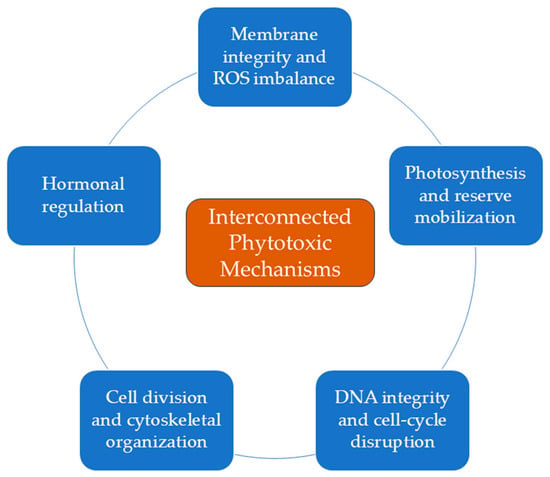
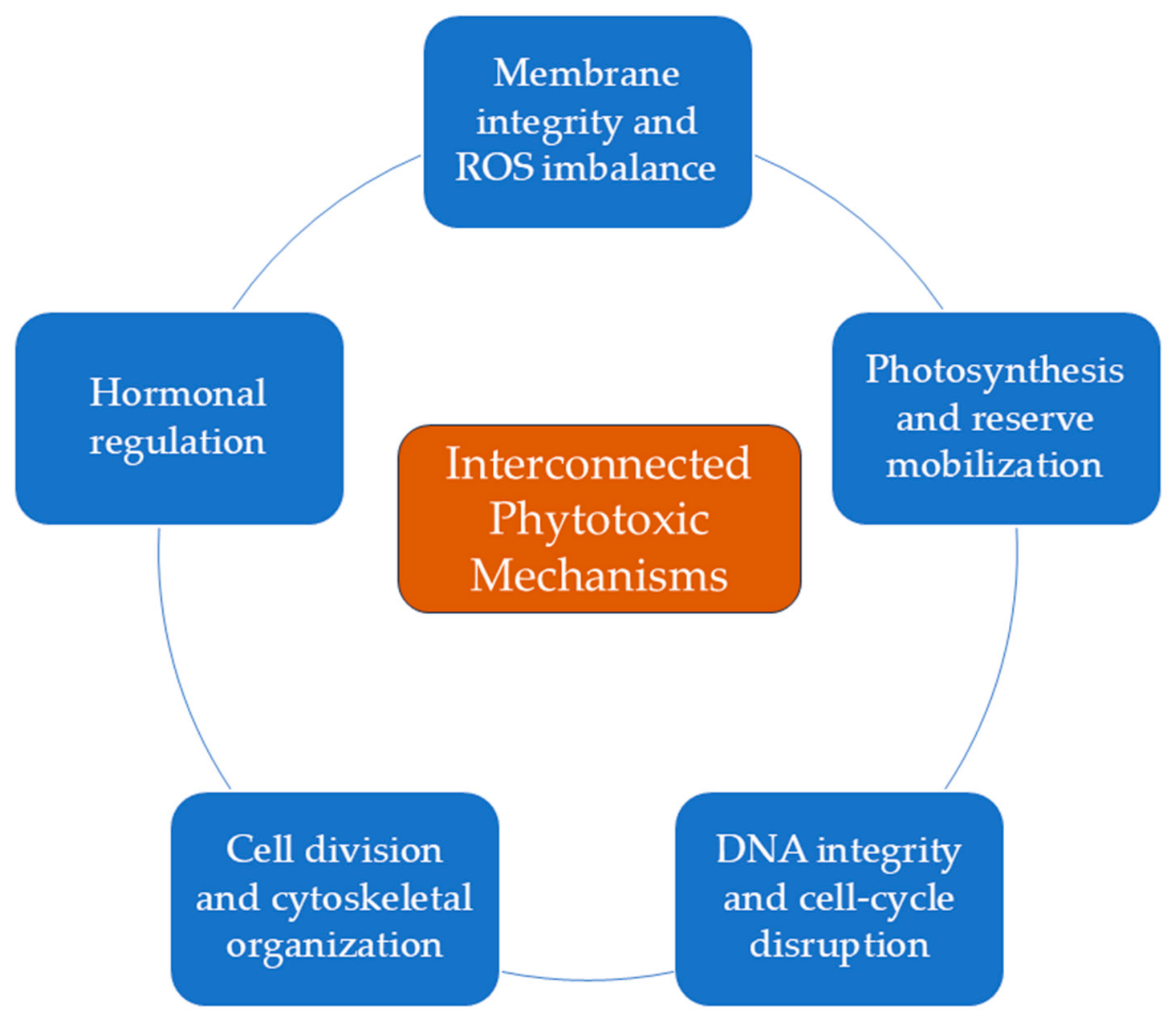
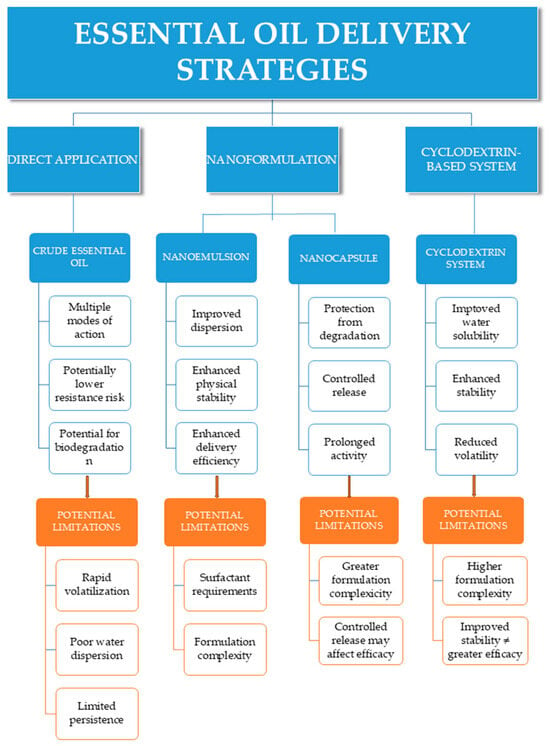
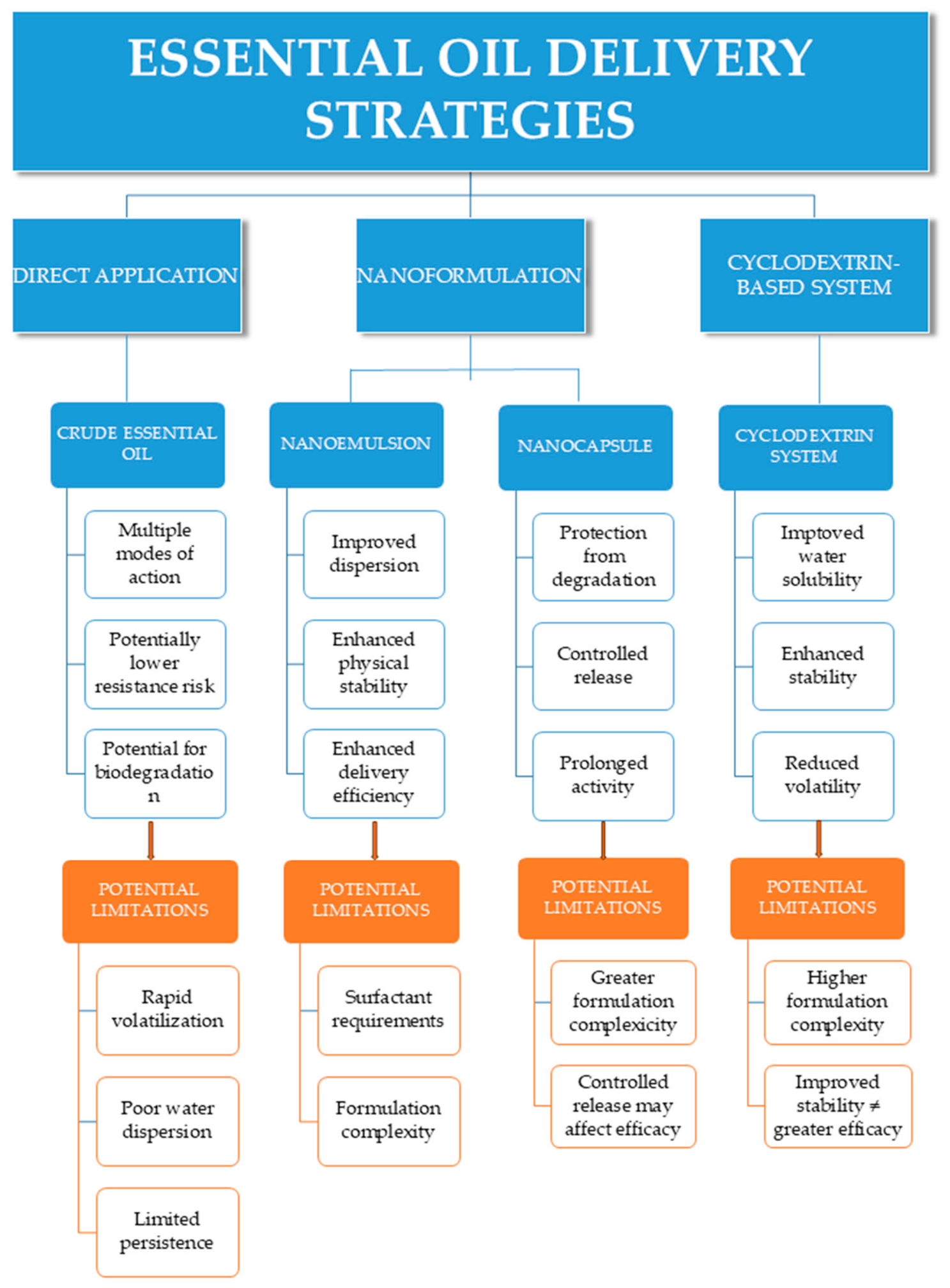

Disclaimer/Publisher’s Note: The statements, opinions and data contained in all publications are solely those of the individual author(s) and contributor(s) and not of MDPI and/or the editor(s). MDPI and/or the editor(s) disclaim responsibility for any injury to people or property resulting from any ideas, methods, instructions or products referred to in the content. |
© 2026 by the authors. Licensee MDPI, Basel, Switzerland. This article is an open access article distributed under the terms and conditions of the Creative Commons Attribution (CC BY) license.