

Journal Description
Micromachines
Micromachines
is a peer-reviewed, open access journal on the science and technology of small structures, devices and systems, published monthly online by MDPI. The Chinese Society of Micro-Nano Technology (CSMNT) and AES Electrophoresis Society are affiliated with Micromachines and their members receive a discount on the article processing charges.
- Open Access— free for readers, with article processing charges (APC) paid by authors or their institutions.
- High Visibility: indexed within Scopus, SCIE (Web of Science), PubMed, PMC, Ei Compendex, dblp, and other databases.
- Journal Rank: JCR - Q2 (Instruments and Instrumentation) / CiteScore - Q1 (Mechanical Engineering)
- Rapid Publication: manuscripts are peer-reviewed and a first decision is provided to authors approximately 16.6 days after submission; acceptance to publication is undertaken in 2.6 days (median values for papers published in this journal in the first half of 2026).
- Recognition of Reviewers: reviewers who provide timely, thorough peer-review reports receive vouchers entitling them to a discount on the APC of their next publication in any MDPI journal, in appreciation of the work done.
- Testimonials: See what our editors and authors say about Micromachines.
- Companion journal: Micro.
- Journal Cluster of Instruments and Instrumentation: Actuators, AI Sensors, Instruments, Metrology, Micromachines and Sensors.
Impact Factor:
3.5 (2025);
5-Year Impact Factor:
3.5 (2025)
Latest Articles
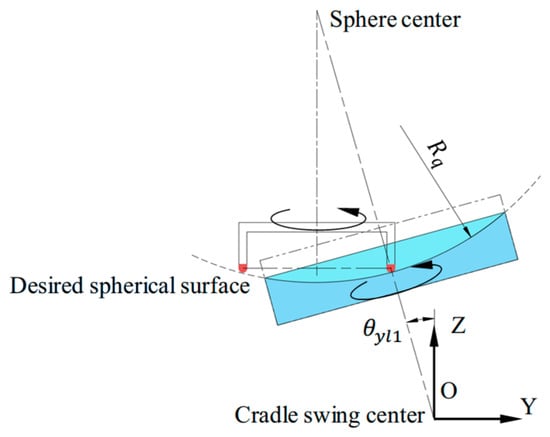
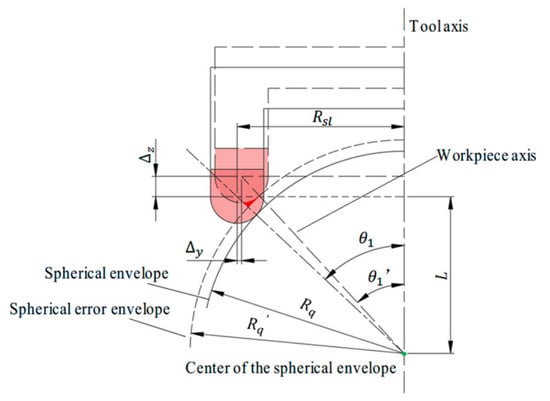
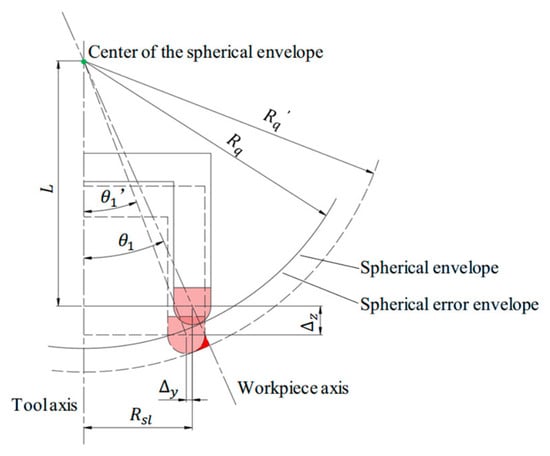
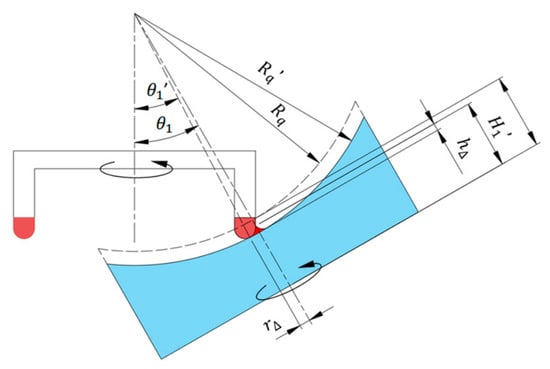
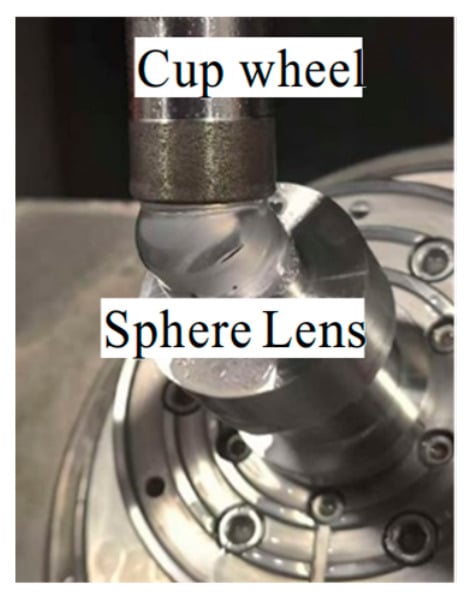
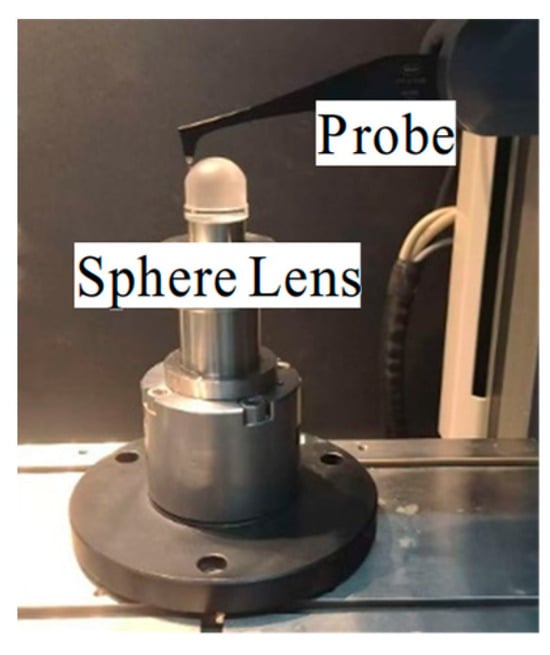
Modeling and Error Compensation for Concentric Grinding of Spherical Surfaces
Micromachines 2026, 17(7), 812; https://doi.org/10.3390/mi17070812 (registering DOI) - 5 Jul 2026
Abstract
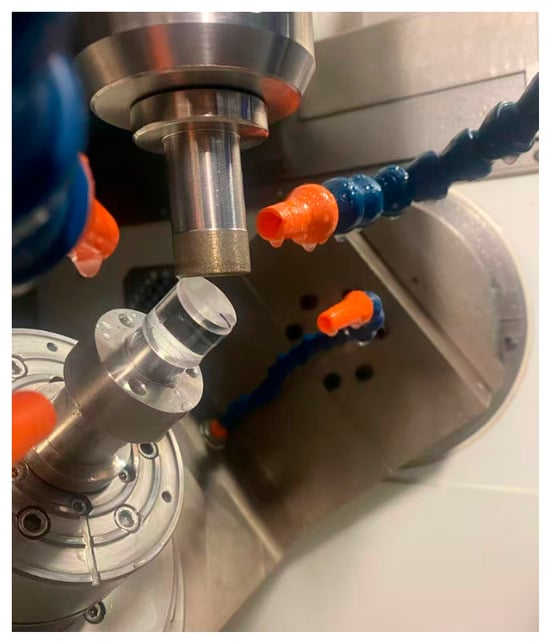
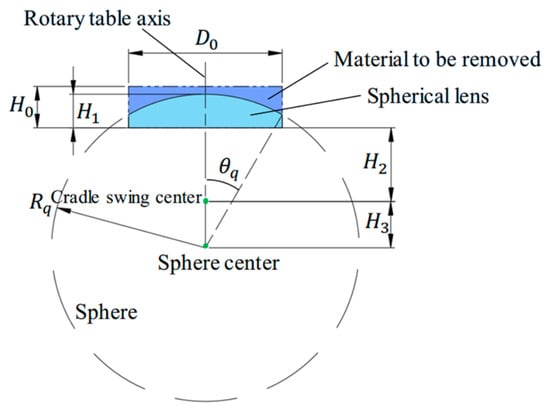
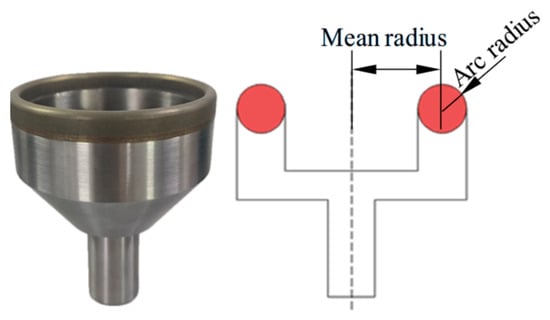
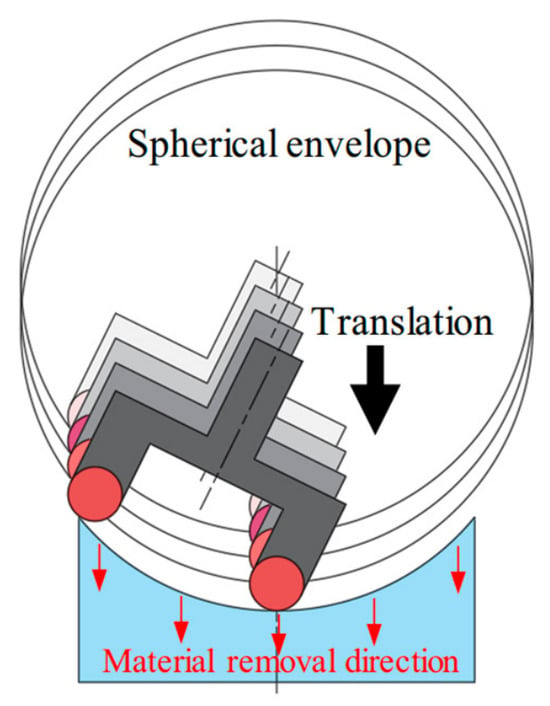
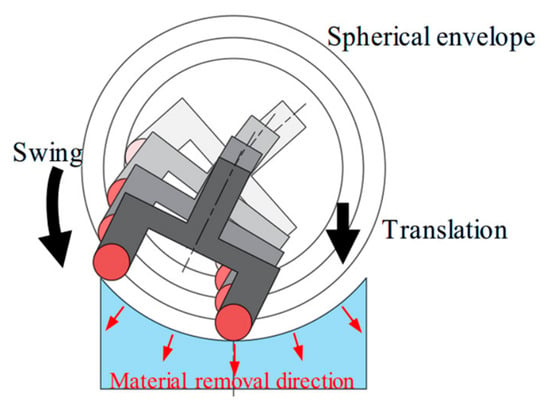
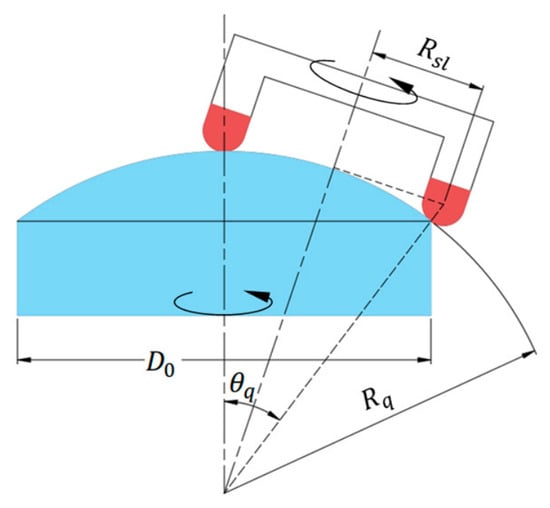
To improve the form accuracy of spherical surfaces generated by cup-wheel grinding, this paper presents a geometric modeling and error compensation method for concentric grinding of spherical surfaces. A cup-shaped arc grinding wheel, hereafter referred to as a cup wheel, is used as
[...] Read more.
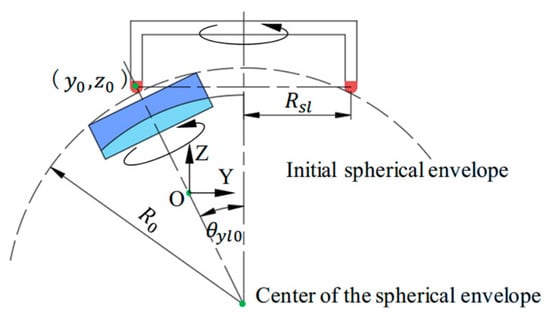
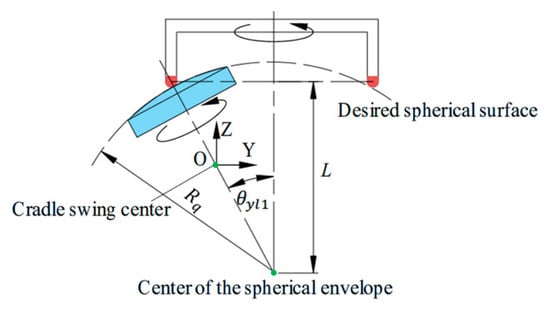
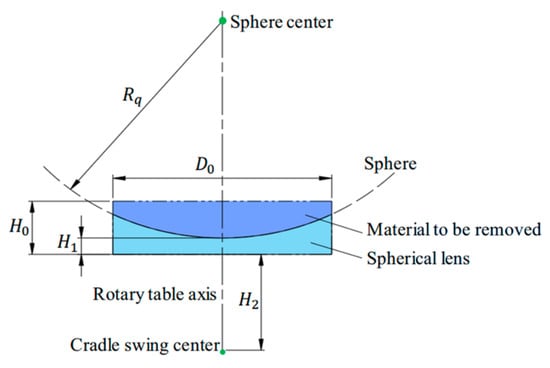
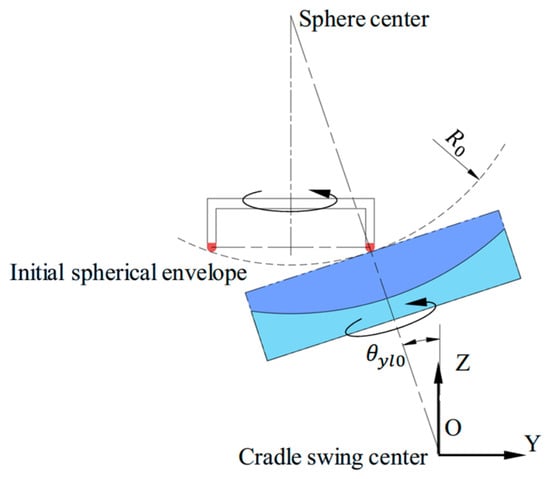
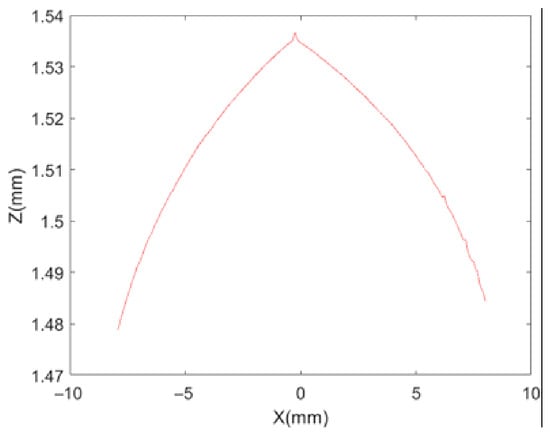
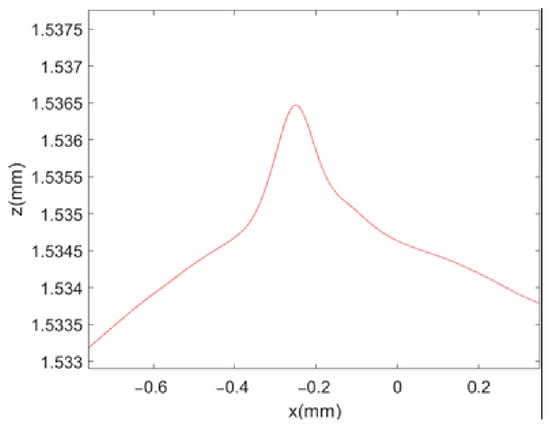
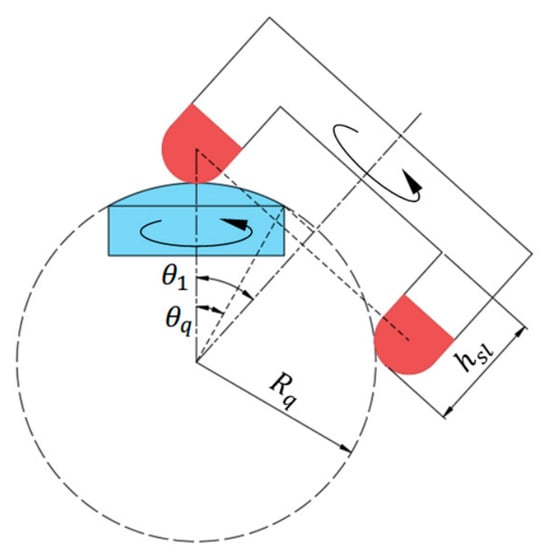
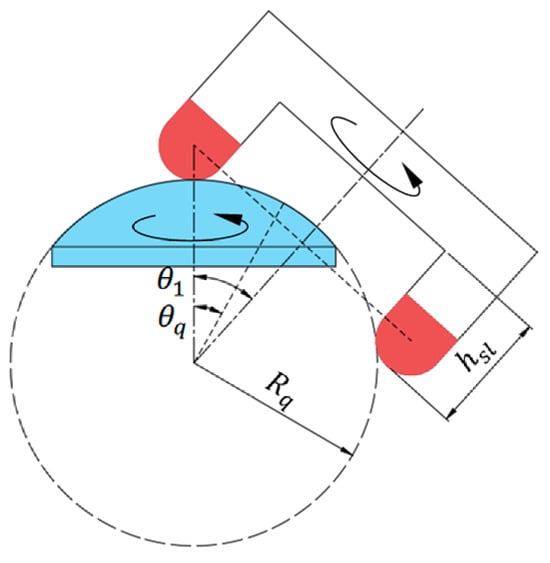
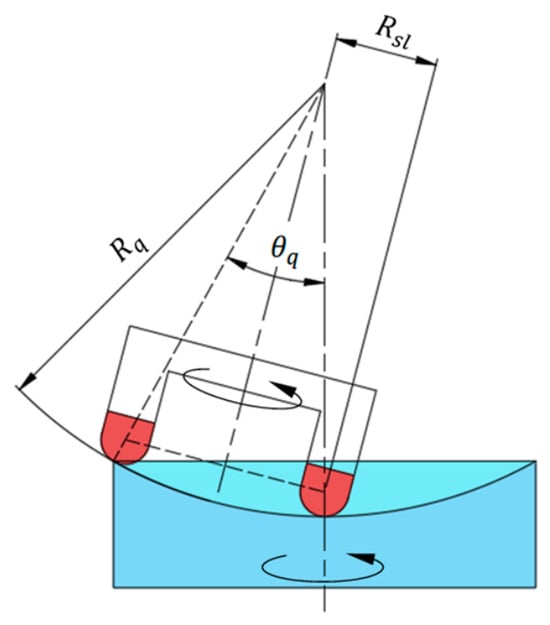
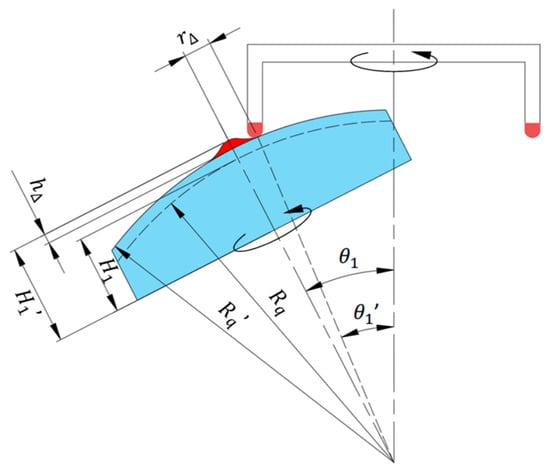
To improve the form accuracy of spherical surfaces generated by cup-wheel grinding, this paper presents a geometric modeling and error compensation method for concentric grinding of spherical surfaces. A cup-shaped arc grinding wheel, hereafter referred to as a cup wheel, is used as the grinding tool. The relative motion between the cup wheel and the workpiece is formulated so that the contact arc center of the wheel follows a trajectory that is concentric with the target spherical surface. Based on this principle, trajectory models for both convex and concave spherical surfaces are established, and the geometric constraints for cup-wheel dimension selection are analyzed. To compensate for tool-setting errors and wheel-wear-induced deviations, a central-peak-based error compensation model is further developed. Grinding experiments on a convex spherical sample were conducted to verify the proposed trajectory and compensation models. The results show that the form error PV value was reduced from 57.7 μm to 0.3 μm after compensation, demonstrating the effectiveness of the proposed model in improving spherical form accuracy.
Full article
(This article belongs to the Special Issue Advanced Manufacturing Technology and Systems, 4th Edition)
►
Show Figures
Open AccessArticle
A Multifunctional Double-Array Petals Flower-Shaped Microfluidic Chip Combining Affinity and Physical Properties in Isolation of CTCs
by
Hongmei Chen, Peng Zhang, Guosheng Peng and Houtong Liu
Micromachines 2026, 17(7), 811; https://doi.org/10.3390/mi17070811 - 3 Jul 2026
Abstract
Circulating tumor cells (CTCs) are tumor cells that break away from the origin tumors and disseminate in the bloodstream and lymphatic circulation systems. CTCs originate from the original tumor with a similar bimolecular source. This makes CTCs play a vital status in cancer
[...] Read more.
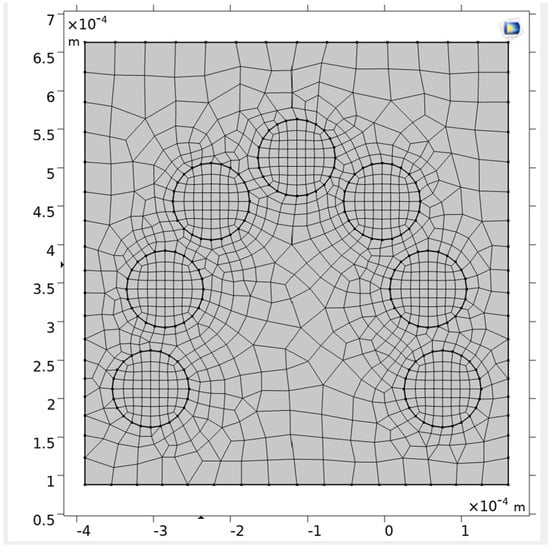
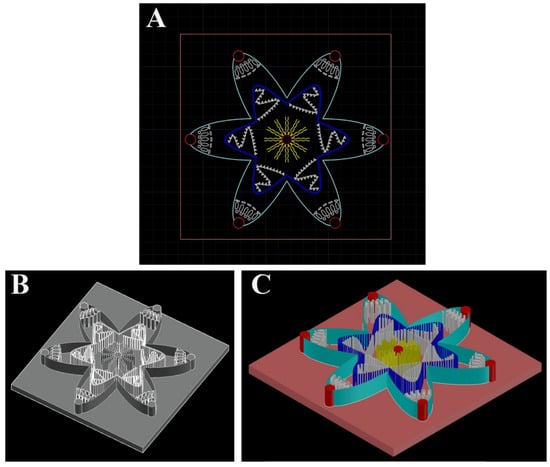
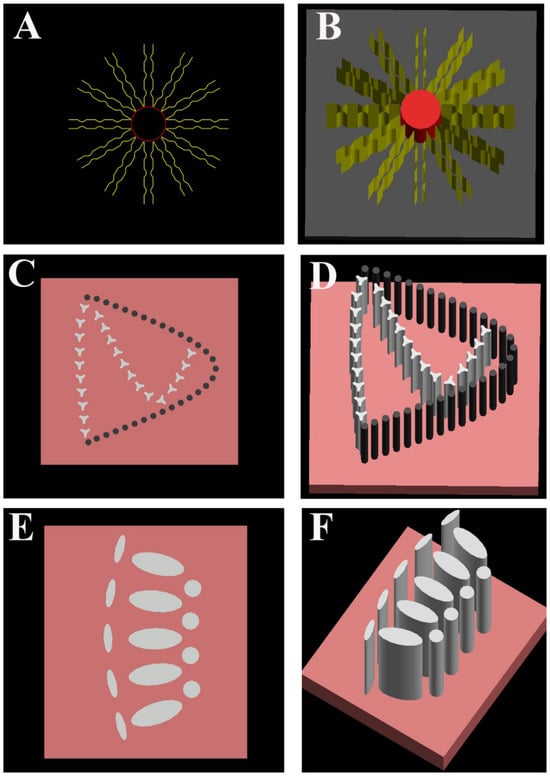
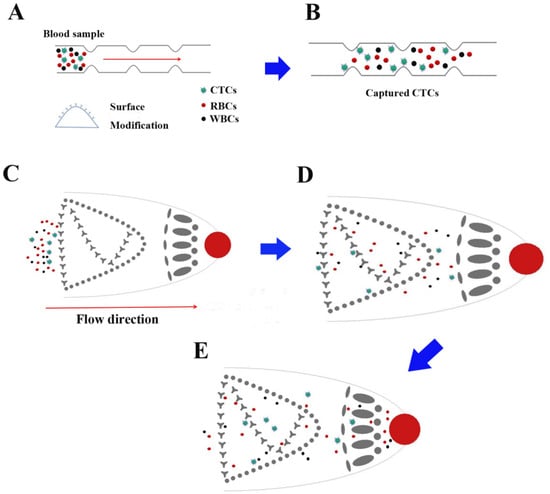
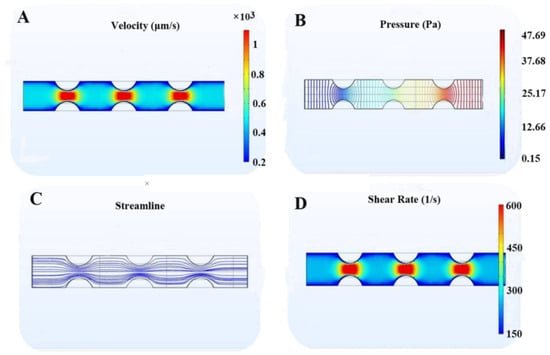
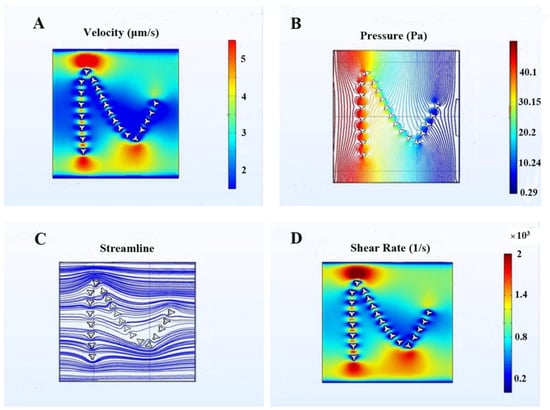
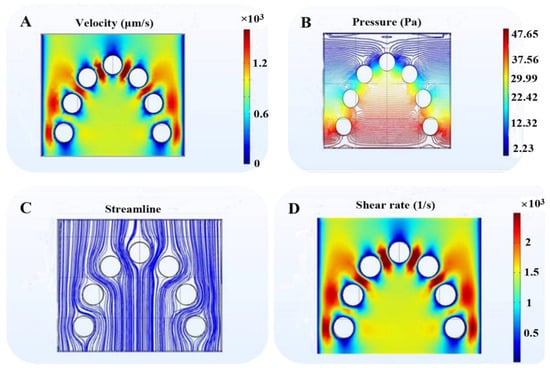
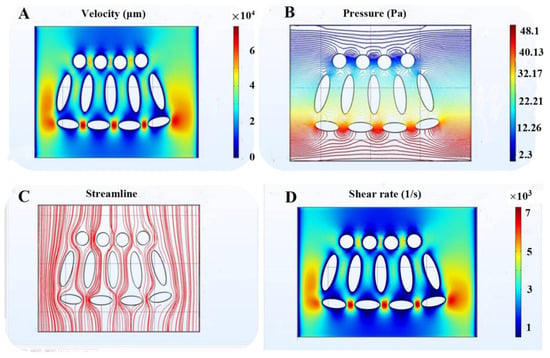
Circulating tumor cells (CTCs) are tumor cells that break away from the origin tumors and disseminate in the bloodstream and lymphatic circulation systems. CTCs originate from the original tumor with a similar bimolecular source. This makes CTCs play a vital status in cancer prognosis and diagnosis. However, CTC separation is highly challenging due to rarity and heterogeneity. In the present work, we designed a double-array petal flower-shaped microfluidic chip, a multifunctional capturing and isolation chip combining affinity and physical properties. The chip is composed of three arrays of microfluidic barriers organized one after the other. For the first array, six convex structures are set in each narrow channel. The first structure has a total of 12 such channels, which can increase collision frequency between cancer cells and convex structures in the channel. The second capture structure is one composed of an S-shaped array of concave triangle microcolumns and parabolic circular microcolumns. The advantage of this setting is that it can capture CTCs in the blood flowing into the first structure in 12 directions from multiple angles and multiple times, so as to improve capture efficiency. The third capture structure is composed of elliptical microposts and cylinders. The treated blood is captured for the last time. Because of the round or elliptical shape, it can retain the cell viability to a great extent, which is convenient for later pathological analysis of tumor cells. Simulation of velocity influence, pressure effects, streamline tendency, and shear rates is carried out for each structure. Therefore, theoretical validation has been illustrated to achieve high capture rate and purity. These delicate designs and numerical analysis clarify feasibility for further experiments of CTC enumeration, clinical analysis, and evaluation of cancer therapy.
Full article
(This article belongs to the Special Issue Advances in Microfluidic Chips for Chemical and Biomedical Applications, 2nd Edition)
►▼
Show Figures

Figure 1

Open AccessArticle
An Enhanced Electromagnetic Manipulation System with a Large Workspace, High-Gradient Magnetic Actuation, and Efficient Thermal Management
by
Junkai Zhang, Zerui Li, Yukun Zhong, Aaiza Gul and U Kei Cheang
Micromachines 2026, 17(7), 810; https://doi.org/10.3390/mi17070810 - 2 Jul 2026
Abstract
Magnetic actuation is a fundamental enabling technology for micro/nanorobotics and biomedical manipulation. However, the trade-off between magnetic field gradient, usable workspace, and efficient heat dissipation often conflicts and constrains its performance. Here, we present an enhanced electromagnetic manipulation system (EEMS) based on a
[...] Read more.
Magnetic actuation is a fundamental enabling technology for micro/nanorobotics and biomedical manipulation. However, the trade-off between magnetic field gradient, usable workspace, and efficient heat dissipation often conflicts and constrains its performance. Here, we present an enhanced electromagnetic manipulation system (EEMS) based on a compact, high-efficiency magnetic circuit and an optimized six-electromagnet configuration. By integrating high-permeability structural components and employing finite-element-based optimization, the system achieves a spherical workspace of 106 mm in diameter while maintaining strong and spatially controllable magnetic fields. Experimental results demonstrate magnetic flux densities up to 300 mT and a magnetic field gradient up to 9.5 T/m within the workspace, with a central magnetic field gradient of approximately 2 T/m under continuous operation at 3 A. Thermal simulations and measurements confirm safe operation below human body temperature without active cooling. Magnetic manipulation experiments in viscous environments further validate precise motion control and force balancing, highlighting the system’s potential for advanced magnetic manipulation and intelligent microrobotic applications.
Full article
(This article belongs to the Special Issue Micro-/Nano-Electromagnetic and Acoustic Devices)
Open AccessArticle
Broadband Wind-Driven Hybrid Triboelectric–Electromagnetic Generator for Sufficient Self-Powered Atmospheric Environment Monitoring
by
Shihan Zhang, Yidi Wang and Likun Gong
Micromachines 2026, 17(7), 809; https://doi.org/10.3390/mi17070809 - 2 Jul 2026
Abstract
Self-powered monitoring systems capable of scavenging ambient mechanical energy are a highly desirable solution to eliminate the reliance on batteries and grid power in remote and distributed atmospheric sensing networks. However, the widespread adoption of such systems is severely hindered by the insufficient
[...] Read more.
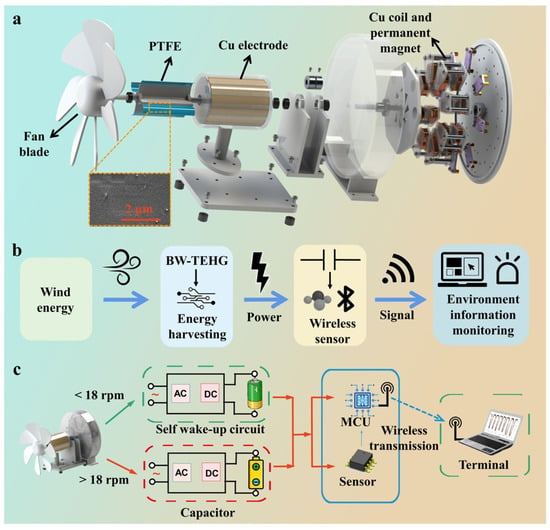
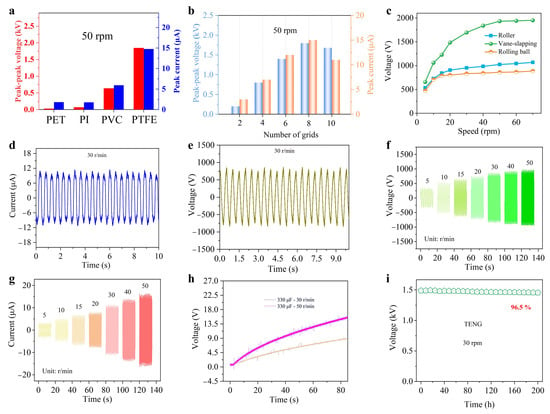
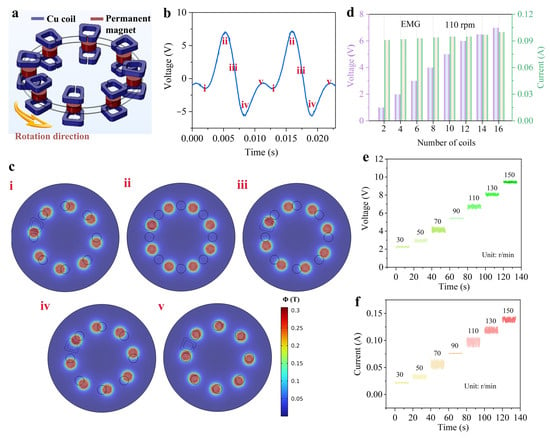
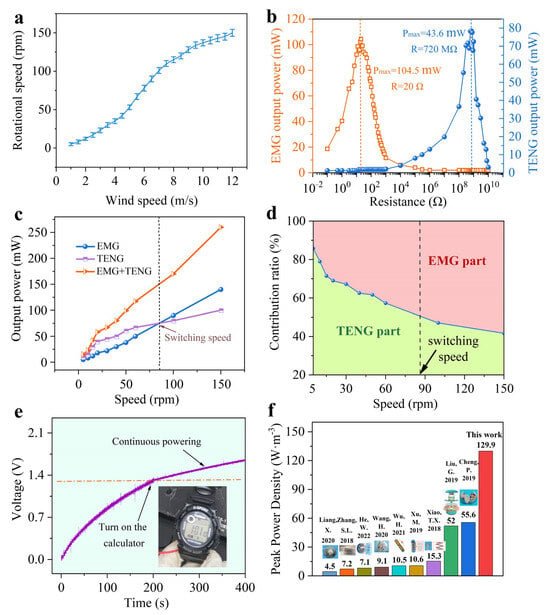
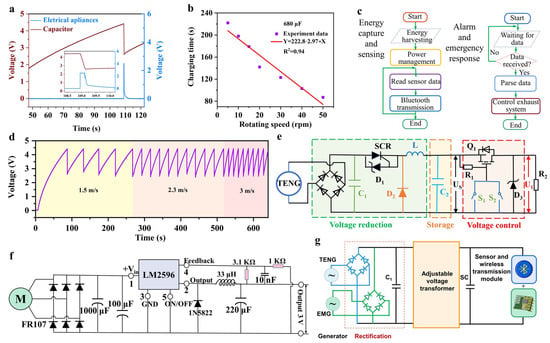
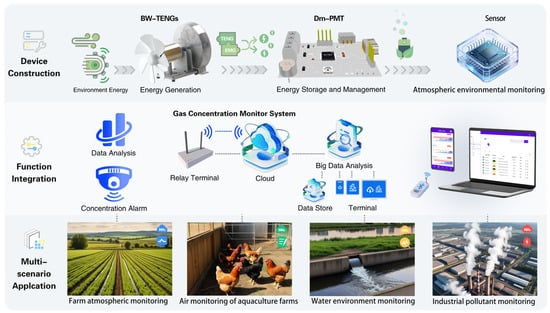
Self-powered monitoring systems capable of scavenging ambient mechanical energy are a highly desirable solution to eliminate the reliance on batteries and grid power in remote and distributed atmospheric sensing networks. However, the widespread adoption of such systems is severely hindered by the insufficient output power density of current energy harvesters, which struggle to simultaneously drive environmental sensors, data acquisition units, and wireless transmission modules. In this work, we report a highly integrated hybrid power generation system that couples a triboelectric nanogenerator (TENG) and an electromagnetic generator (EMG) to efficiently harvest low-frequency mechanical energy from the surroundings. Through systematic structural optimization and synergistic matching of the two transduction mechanisms, the device achieves an outstanding volumetric power density of 129.9 W·m−3, which represents one of the highest values ever reported for hybrid nanogenerators targeting self-powered environmental applications. The output characteristics of both the TENG and EMG units under varying load impedances are thoroughly characterized, revealing the optimal operating points for maximum power extraction. A tailored power management module, consisting of rectification, energy storage, and regulation circuits, is designed to convert the irregular alternating output into a stable direct-current supply. To demonstrate the practical viability of the system, we construct a complete self-powered atmospheric environment monitoring node, which integrates multiple environmental sensors, a data acquisition module, and a wireless transmission module. Driven exclusively by the hybrid TENG–EMG generator under ambient mechanical excitation, the node successfully performs real-time sensing, signal processing, and remote data communication without any external power input. This work not only provides a record-high power density among hybrid generators for environmental monitoring, but also establishes a feasible pathway toward maintenance-free, widely distributed, and truly autonomous atmospheric sensing networks. The presented strategy of maximizing volumetric power density through hybrid design and impedance engineering can be readily extended to other self-powered systems.
Full article
(This article belongs to the Special Issue Micro-Energy Harvesting Technologies and Self-Powered Sensing Systems)
►▼
Show Figures

Figure 1

Open AccessArticle
Quantum Statistical Behaviors of Carriers in Strong Inversion Layers Associated with Mobility and Threshold Voltage in FinFET Transistors
by
Hsin-Chia Yang, Sung-Ching Chi and Han-Ya Yang
Micromachines 2026, 17(7), 808; https://doi.org/10.3390/mi17070808 - 2 Jul 2026
Abstract
Gated transistors in the form of MOSFET, FinFET, or IGBT are capable of controlling and transferring either signals or powers. These capabilities are closely associated with applied biases on Gates, which surpass the respective threshold voltages. Source/Drain bias, VDS, then establishes
[...] Read more.
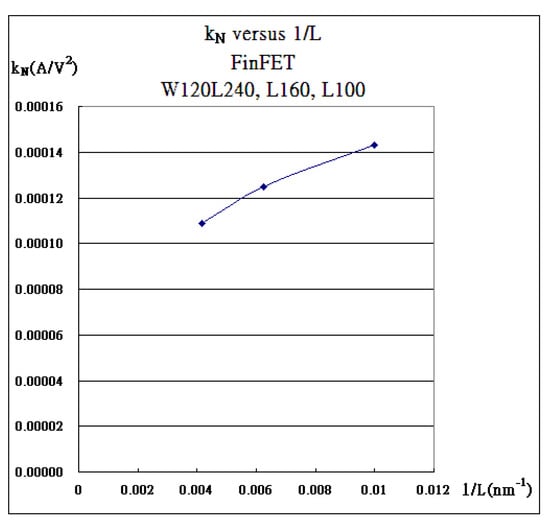
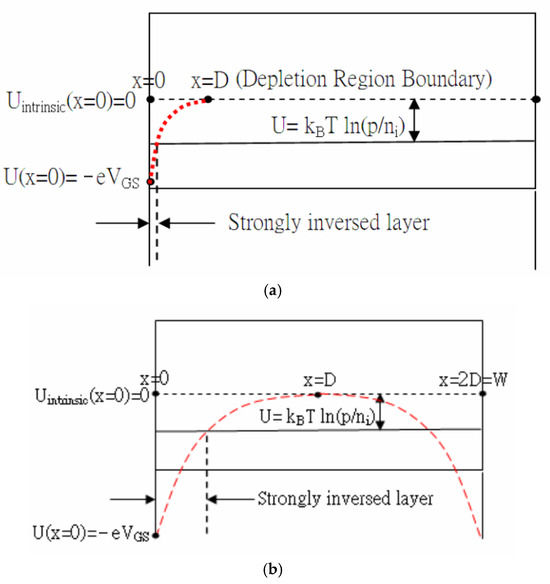
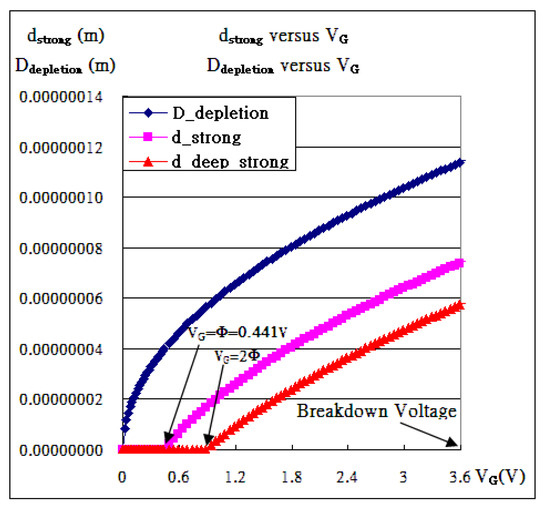
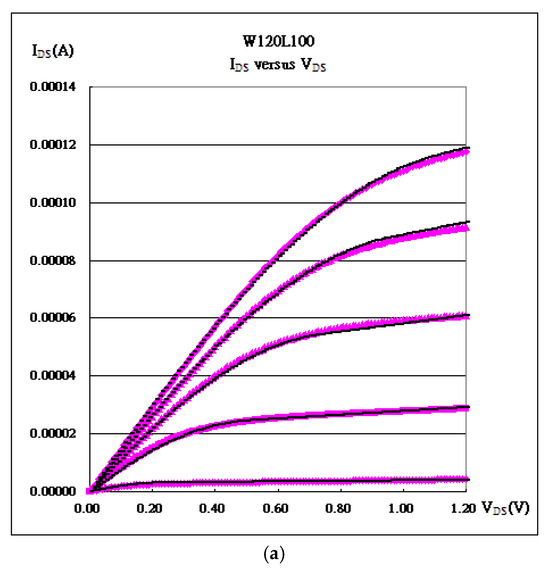
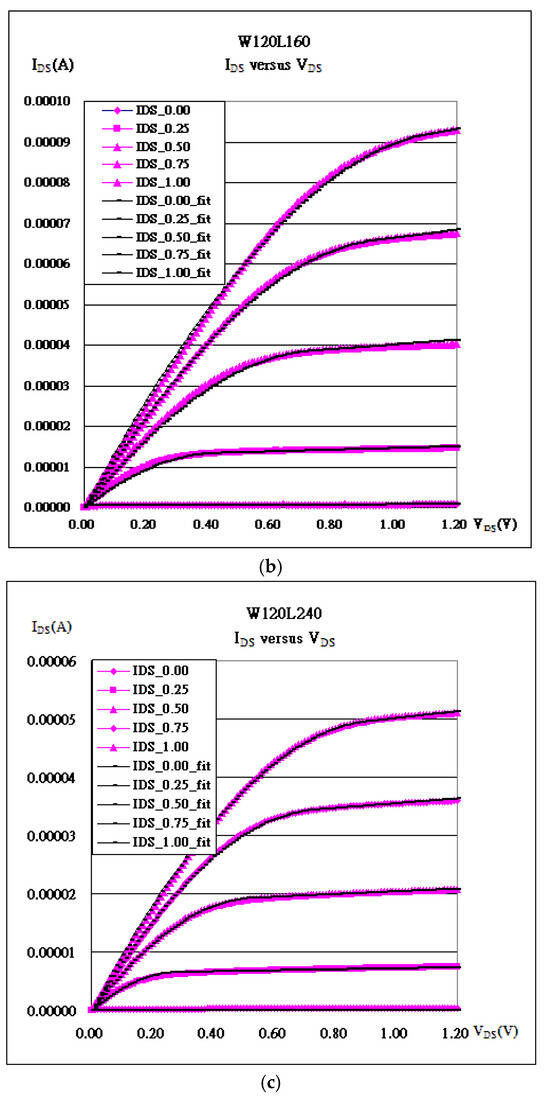
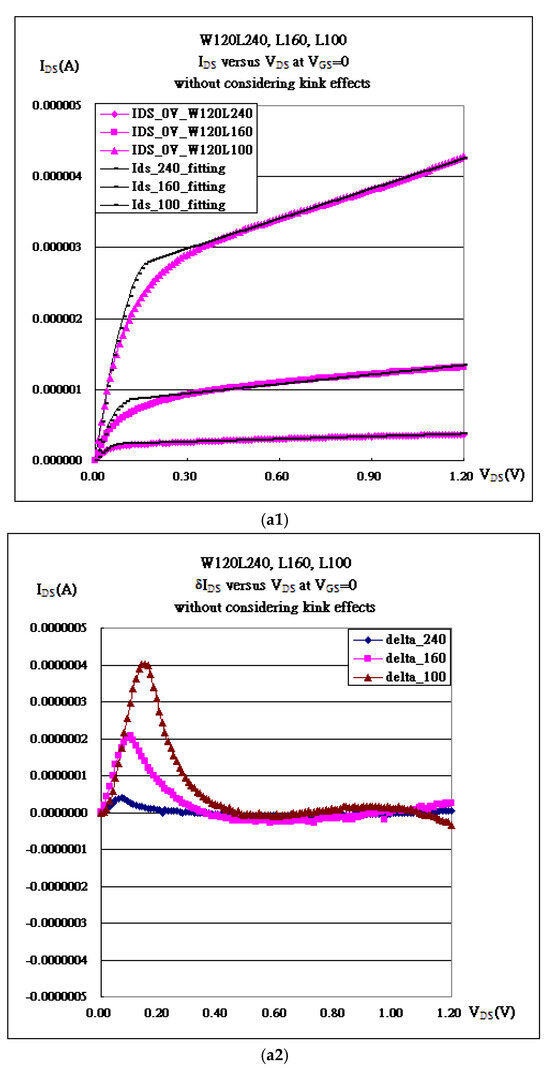
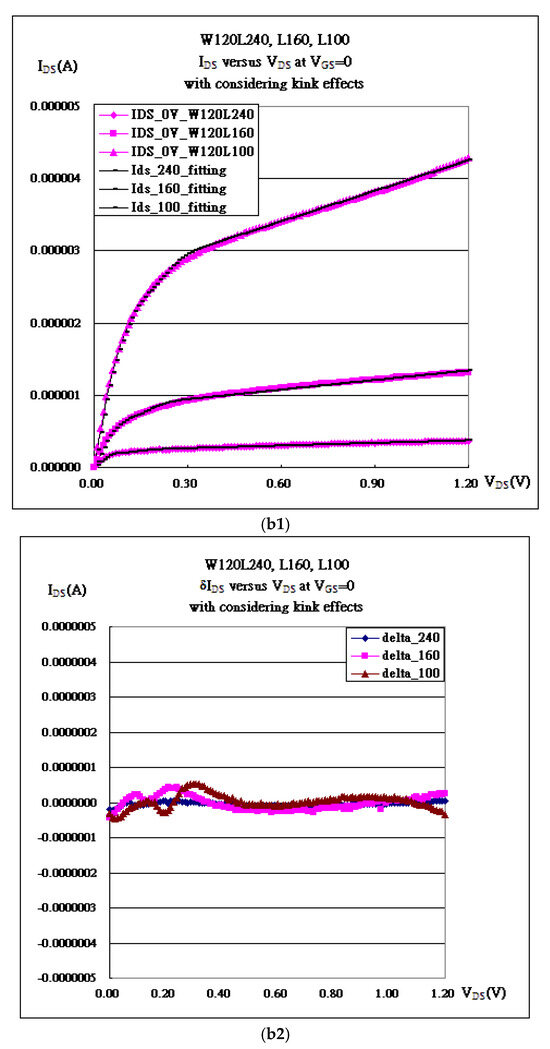
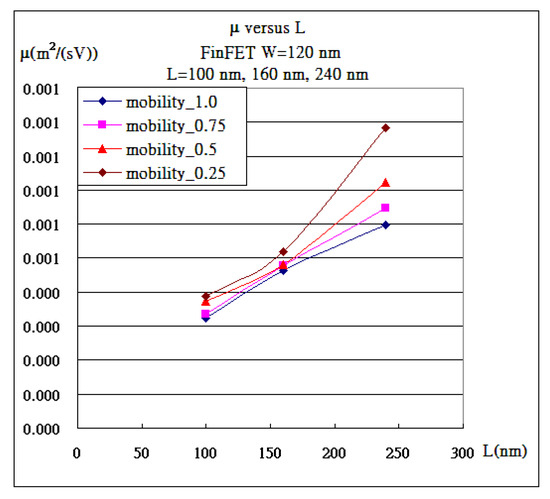
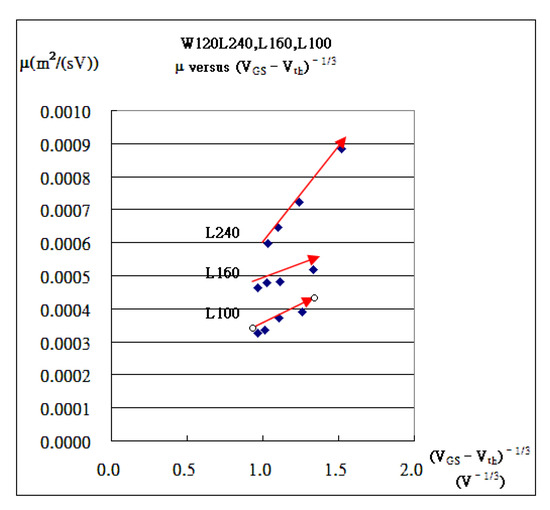
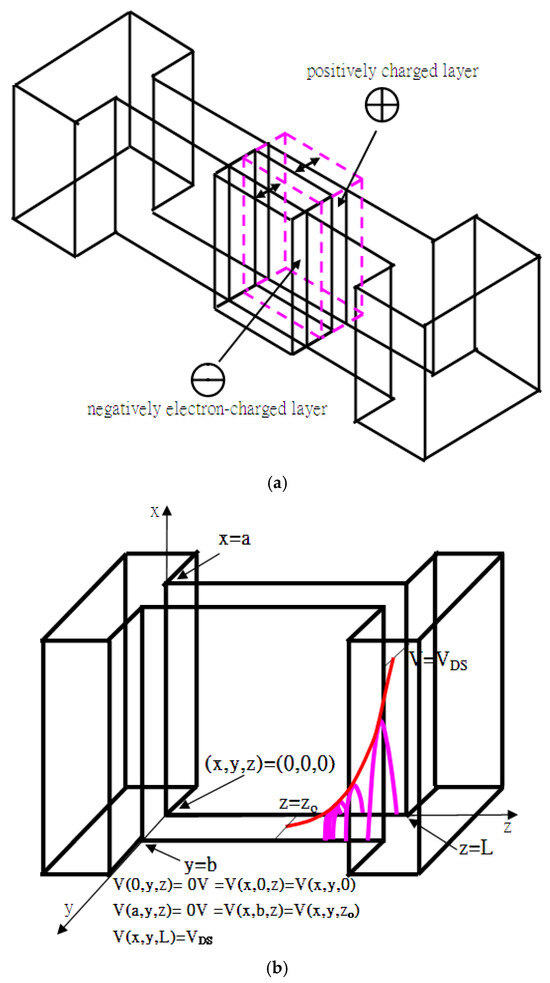
Gated transistors in the form of MOSFET, FinFET, or IGBT are capable of controlling and transferring either signals or powers. These capabilities are closely associated with applied biases on Gates, which surpass the respective threshold voltages. Source/Drain bias, VDS, then establishes the electric field, EDS, driving carriers to flow with a speed which is proportional to EDS with the proportionality, termed mobility, μ. The mobility somewhat addresses the electrical performances of the specific transistor, and is VGS-dependent, where the generated electric field is perpendicular to the interface in between the Gate and the Gate oxide and is directed across the channel. The mobility may be treated as the collective quantum statistical behaviors of carriers, i.e., electrons or fermions. It is worth analyzing the electrical performances by way of quantum statistics. Nevertheless, the threshold voltages are surprisingly negative on FinFETs as the fitting is performed, which means that IDS would flow even without applied voltage on the Gate. IDS-VDS characteristic curves with negative threshold voltage intriguingly perform just like the other ones with positive threshold voltages. Therefore, there might exist some kind of mechanism enhancing strong inversion layers that is responsible for the characteristics. In this paper, characteristic curves of FinFETs may be well fitted by using both modified characteristic formulas and the proposed kink effects. The extracted parameters (kN, Vth, λ) thus provide information on mobility, concentration of p (1/cm3), or even leakage current. Also, the mobility, μ, here is analyzed by using Fermion statistics. Furthermore, trivial solutions for the specific boundary conditions, VGS = 0 V, surrounding the channel are presented, where one of the possibilities proposed is the mass plasma oscillation of electrons, which might be an option for addressing the negative threshold voltage.
Full article
(This article belongs to the Section D1: Semiconductor Devices)
►▼
Show Figures

Figure 1

Open AccessEditorial
Sensing, Imaging, and Computation as One: Rethinking Microfluidic Platform Design
by
Sevketcan Sarikaya and Horacio D. Espinosa
Micromachines 2026, 17(7), 807; https://doi.org/10.3390/mi17070807 - 1 Jul 2026
Abstract
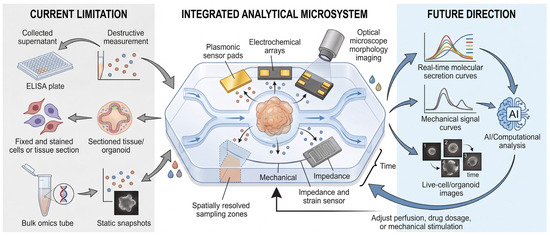
Living systems do not operate in snapshots [...]
Full article
(This article belongs to the Section B:Biology and Biomedicine)
►▼
Show Figures

Figure 1
Open AccessArticle
An Extrinsic Fabry Perot Fiber Optic Current Transformer Based on PZT Coupling
by
Shiguang Bai, Zhongyuan Li, Yanju Li and Qichao Chen
Micromachines 2026, 17(7), 806; https://doi.org/10.3390/mi17070806 - 1 Jul 2026
Abstract
To address the structural complexity, limited detection sensitivity, and environmental susceptibility of the stable operating point in conventional fiber-optic current transformers for low-current detection, this study proposes a fiber-optic current transformer based on the coupling of an extrinsic Fabry–Perot interferometer (EFPI) and a
[...] Read more.
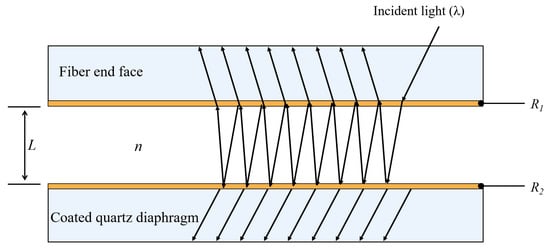
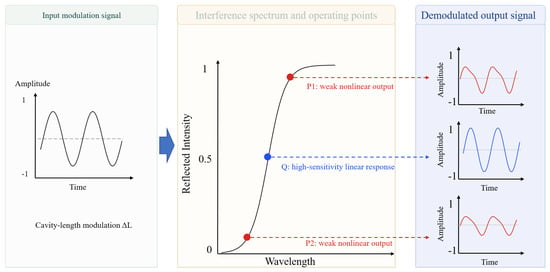
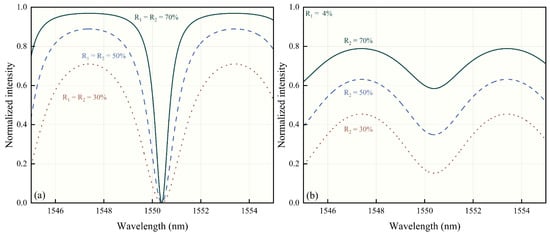
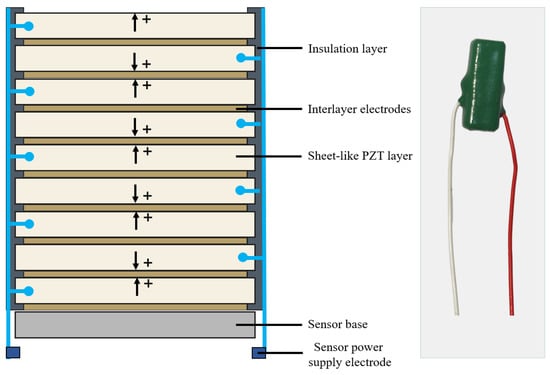
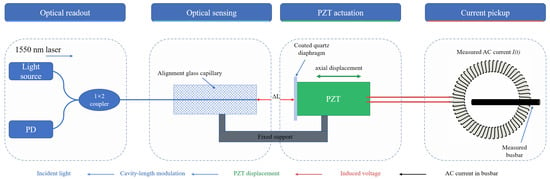
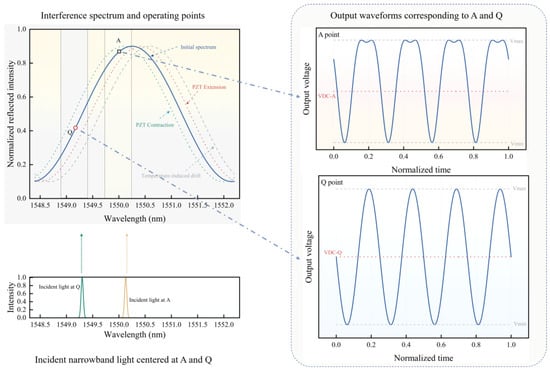
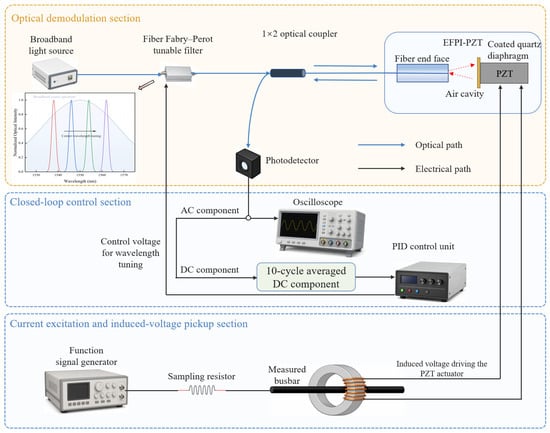
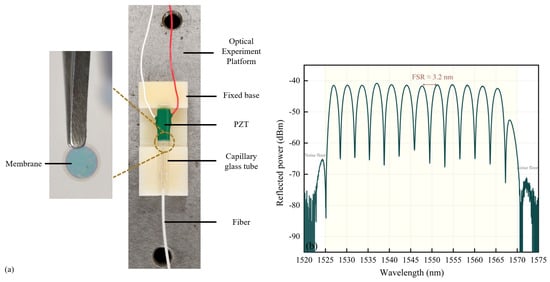
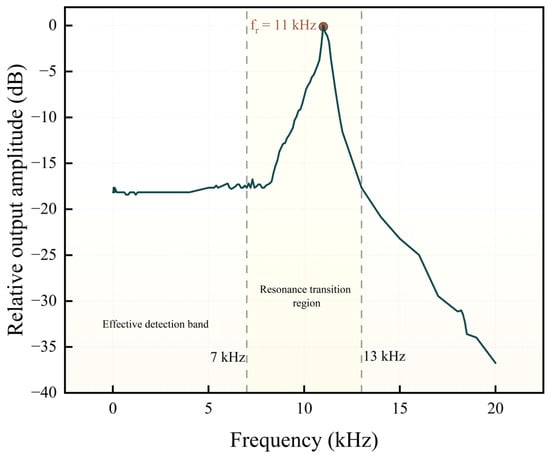
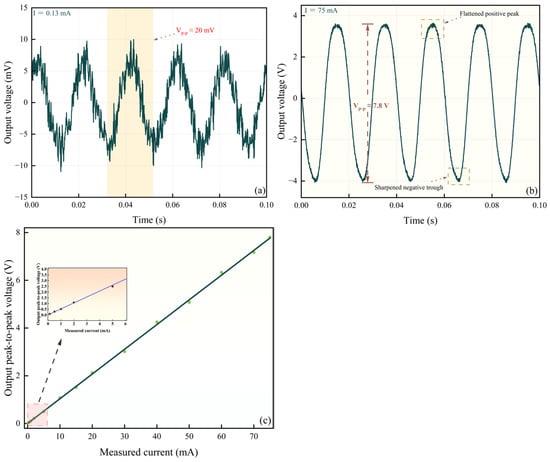
To address the structural complexity, limited detection sensitivity, and environmental susceptibility of the stable operating point in conventional fiber-optic current transformers for low-current detection, this study proposes a fiber-optic current transformer based on the coupling of an extrinsic Fabry–Perot interferometer (EFPI) and a lead zirconate titanate piezoelectric ceramic (PZT). In the proposed sensor, a toroidal magnetic core and an induction winding are used as the current pickup unit to convert the measured alternating current into an induced voltage. This induced voltage directly drives the PZT to generate axial displacement, causing periodic variations in the length of the air Fabry–Perot cavity formed between the fiber end face and the coated quartz diaphragm. As a result, the current signal is converted into an optical interference intensity signal. To prevent the static operating point from deviating from the optimal linear region during EFPI intensity demodulation, a DC-component-feedback-based operating point control method is proposed. By adjusting the driving voltage of the fiber Fabry–Perot tunable filter, the center wavelength of the incident narrowband demodulation light can track the optimal operating point of the interference spectrum, thereby improving the stability of the intensity demodulation process. Experimental results show that the fabricated sensor can generate a stable reflected interference spectrum and exhibits a relatively flat frequency response within the range of 0–7 kHz, indicating its potential for power-frequency current detection under the present laboratory conditions. When the measured current is 0.13 mA, the sensor can still produce a distinguishable sinusoidal output signal. When the measured current increases to 75 mA, obvious nonlinear distortion appears in the output signal, indicating that the sensor is approaching the boundary of its linear detection range. Within the linear operating region, the output peak-to-peak value shows good linearity with the measured current. The results indicate that the proposed EFPI-PZT fiber-optic current transformer has the advantages of a relatively simple structure, clear low-current response, and adjustable structural parameters, providing a reference for the miniaturized design and further development of new fiber-optic current sensors.
Full article
(This article belongs to the Special Issue Micro- and Nanosensors: Fabrication, Applications and Performance Enhancements, 4th Edition)
►▼
Show Figures

Figure 1

Open AccessArticle
A Novel Continuous-Flow PCR Microdevice Operated by a Single Heat Source
by
Weining Song, Di Wu, Yutong Xing and Wenming Wu
Micromachines 2026, 17(7), 805; https://doi.org/10.3390/mi17070805 - 30 Jun 2026
Abstract
This paper presents a constant-temperature, single-heat-source continuous-flow PCR (CF-PCR) microdevice that achieves stable thermal control for denaturation, annealing, and extension on a single platform. Key innovations include: (1) a metal-powder/PDMS thermal conduction block with trapezoidal geometry that generates a programmable temperature gradient and
[...] Read more.
This paper presents a constant-temperature, single-heat-source continuous-flow PCR (CF-PCR) microdevice that achieves stable thermal control for denaturation, annealing, and extension on a single platform. Key innovations include: (1) a metal-powder/PDMS thermal conduction block with trapezoidal geometry that generates a programmable temperature gradient and tunable residence times under one heat source; and (2) a thermoelectric cooler (TEC)-based Peltier system that creates distinct high- and low-temperature zones by co-optimizing the hot/cold side temperature difference, spacer material (92% alumina), and input voltage (3.6 V). A self-pressurized gas-diffusion micropump, enabled by a capillary quartz tube at the outlet, drives continuous sample flow without external actuation. The platform features three configurations: an on-chip zoned-heating design, an off-chip coiled-tube setup, and a battery-powered handheld system (727 g, 6 W, ~4 h runtime). Using CNC-machined and thermally bonded PMMA microchips with BSA passivation, the on-chip device achieves ~80% amplification efficiency relative to commercial instruments for H7N9 and pGEM-3Zf(+); the off-chip version reaches ~75%. The portable system yields HPV and RUBV amplification intensities comparable to benchtop devices. This approach provides a practical, scalable solution for “sample-in–answer-out” nucleic acid testing in point-of-care settings.
Full article
(This article belongs to the Topic Micro-Mechatronic Engineering, 2nd Edition)
Open AccessArticle
Process and Mechanism of Cutting Polyamide Films with an Ultraviolet Picosecond Laser
by
Qin Xie, Tian Wang, Yan Zhou, Zeyue Gao, Jie Jiang, Congyi Wu, Bing Wei and Yu Huang
Micromachines 2026, 17(7), 804; https://doi.org/10.3390/mi17070804 - 30 Jun 2026
Abstract
Polyamide (PA) films have been widely utilized in high-precision medical devices and aerospace components, while laser precision cutting technology has significantly broadened their application scope. Although ultraviolet (UV) picosecond lasers are effective for high-precision cutting of PA films, their cutting mechanism and the
[...] Read more.
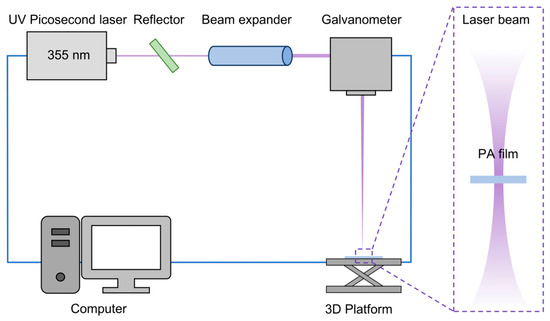
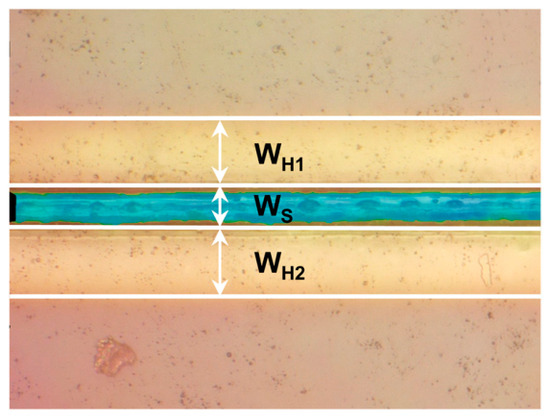
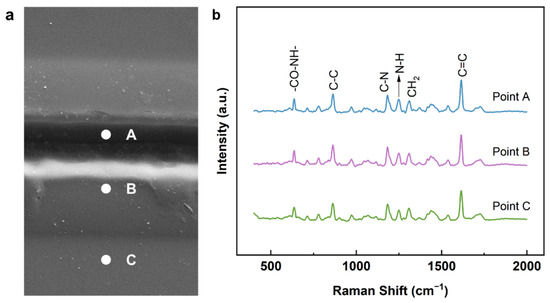
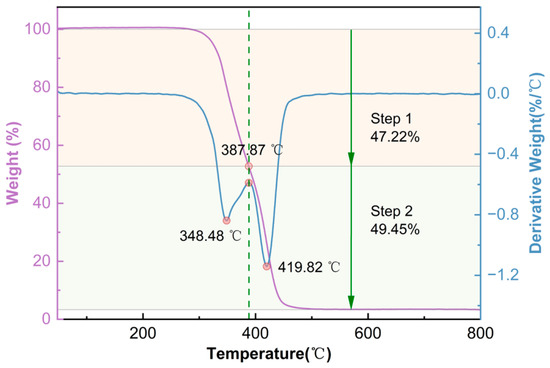
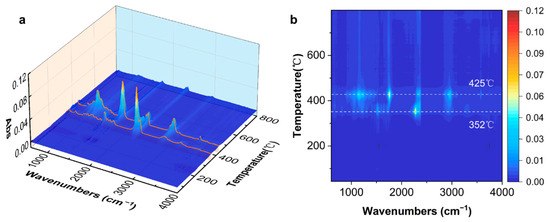
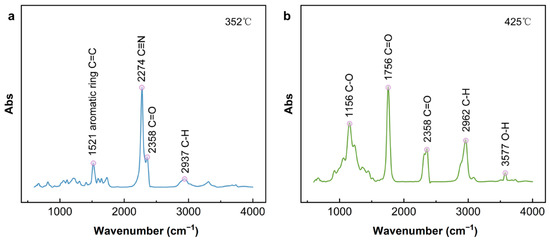
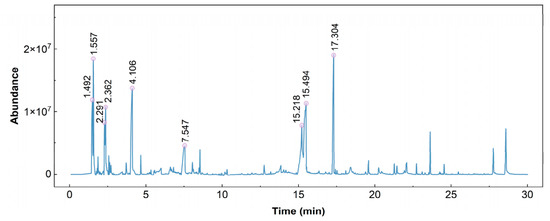
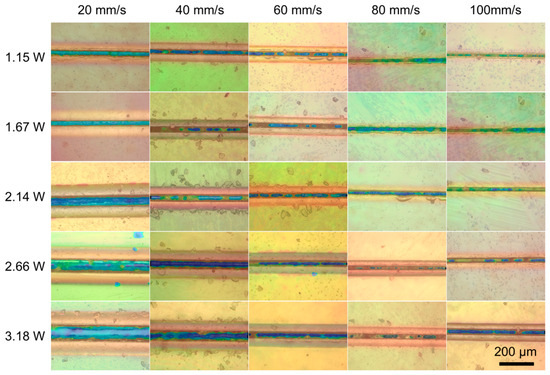
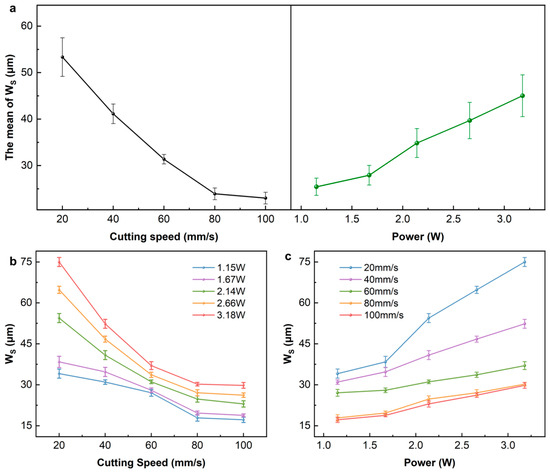
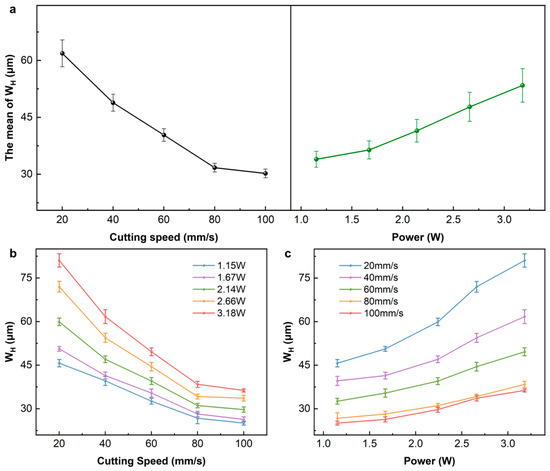
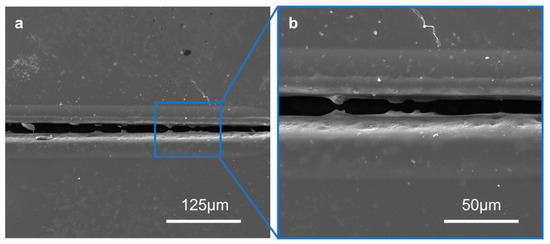
Polyamide (PA) films have been widely utilized in high-precision medical devices and aerospace components, while laser precision cutting technology has significantly broadened their application scope. Although ultraviolet (UV) picosecond lasers are effective for high-precision cutting of PA films, their cutting mechanism and the optimization method for the process remain to be elucidated. First, the mechanism of UV picosecond laser cutting of PA films was investigated through a simulation of the thermal degradation process and analysis of the solid/gas byproduct composition. The results indicate that the photochemical reaction primarily dominates the process, with the photothermal effect contributing synergistically. Second, a cutting quality evaluation framework was established, with the kerf width and heat-affected zone (HAZ) width as its primary metrics, followed by an orthogonal experiment. The experimental results revealed the influence of process parameters on the cutting quality, and it was determined that an optimal process parameter combination exists, identified as 80 mm/s, 1.67 W, and three times (cutting speed, laser power, repetition number of cutting). Under this optimal configuration, narrow kerf (23.6 ± 2.7 μm) and HAZ (28.4 ± 3.3 μm) were achieved.
Full article
(This article belongs to the Special Issue Laser Precision Processing and Intelligent Inspection Technologies for Transparent and Selectively Transmissive Materials)
►▼
Show Figures

Figure 1

Open AccessArticle
Gray Wolf Optimization-Long Short-Term Memory Based Temperature Estimation and Closed-Loop Control Method in Microfluidic Chemiluminescence Immunoassay
by
Xu Xu, Zhongyi Xu, Chuan Lyu, Bo Liang, Congcong Zhou, Xuesong Ye and Jing Wang
Micromachines 2026, 17(7), 803; https://doi.org/10.3390/mi17070803 - 30 Jun 2026
Abstract
Driven by the rising demand for point-of-care testing (POCT) in aging societies, accurate temperature regulation of reaction solutions has become a core technical bottleneck for miniaturized chemiluminescence immunoassay systems, since conventional indirect control strategies inevitably produce systematic deviations. To tackle this challenge, we
[...] Read more.
Driven by the rising demand for point-of-care testing (POCT) in aging societies, accurate temperature regulation of reaction solutions has become a core technical bottleneck for miniaturized chemiluminescence immunoassay systems, since conventional indirect control strategies inevitably produce systematic deviations. To tackle this challenge, we present an integrated solution that couples multiphysics simulation, data-driven temperature estimation modeling, and embedded hardware design. We constructed a COMSOL heat transfer model to analyze the thermal performance of the microfluidic chip. Meanwhile, a grey wolf optimization (GWO) enhanced long short-term memory (LSTM) network was developed to infer the unmeasured actual reaction solution temperature based on accessible parameters, including heating voltage, ambient temperature and substrate temperature. The obtained temperature estimation was then fed back to a fuzzy PID controller for closed-loop regulation. Experimental results demonstrated that the GWO-LSTM model limited the estimation error within 0.3 °C, and the steady-state temperature control accuracy reached ±0.2 °C or higher under fluctuating ambient conditions and diverse initial states. For cardiac troponin I (cTnI) detection, the proposed system shortened the incubation duration and reduced the coefficient of variation from 10.77% to 2.69%. This work addresses the key bottleneck restricting precise temperature control in microfluidic chemiluminescence analyzers, which provides robust technical support for the development of next-generation high-performance POCT instruments.
Full article
(This article belongs to the Special Issue Recent Progress of Lab-on-a-Chip Assays)
Open AccessArticle
A Super Memory Processing Unit Based on 3D Stacking and Hybrid Bonding for High-Efficiency AI Computing
by
Ruiyong Zhao, Yibo Hu and Jing Chen
Micromachines 2026, 17(7), 802; https://doi.org/10.3390/mi17070802 - 30 Jun 2026
Abstract
DRAM-based in-memory computing integrates computational regions into the main memory, enabling local data processing within the memory, thereby achieving faster and more efficient data computation. However, enhancing system performance requires addressing a critical challenge: achieving more general and sufficiently powerful data processing capabilities
[...] Read more.
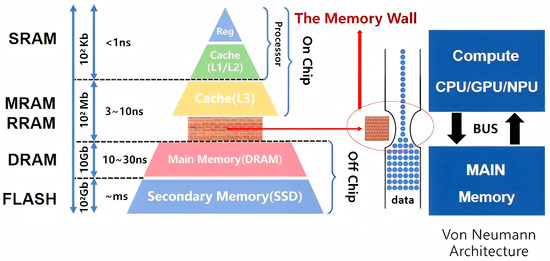
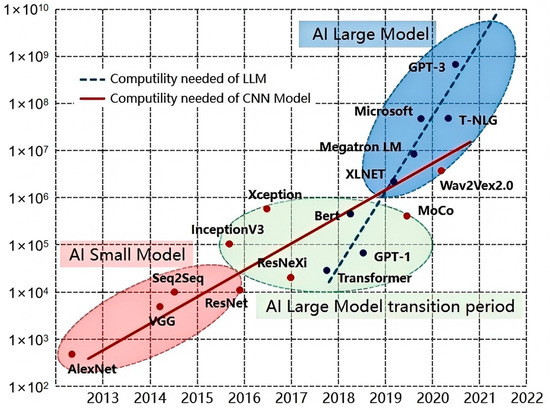
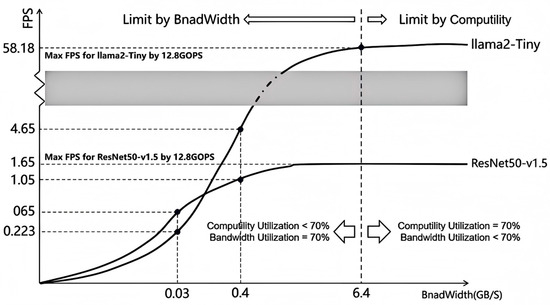
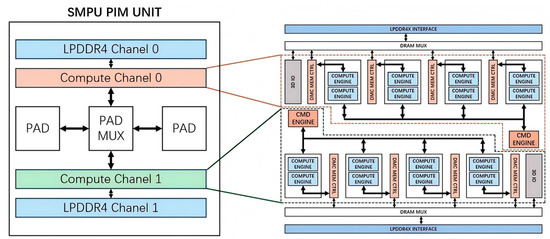
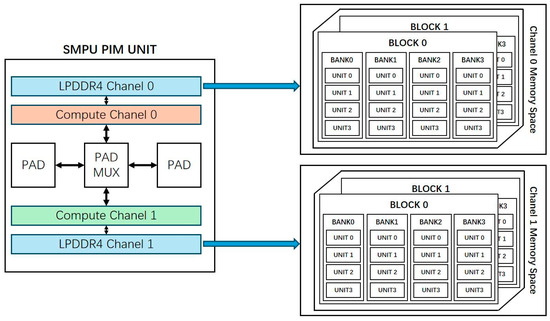
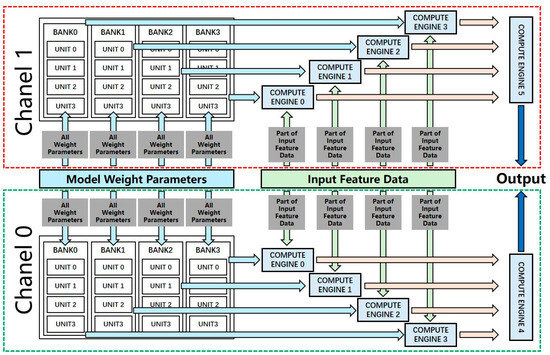
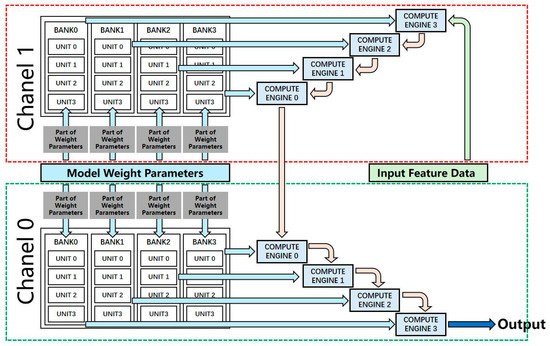
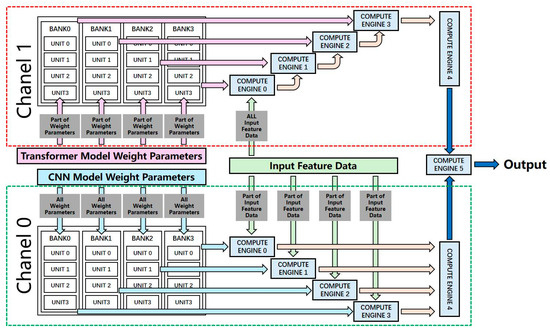
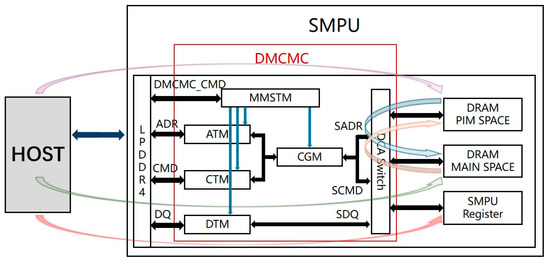
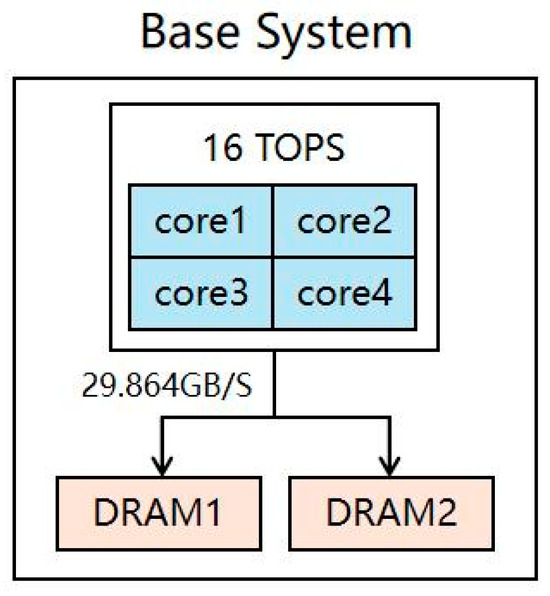
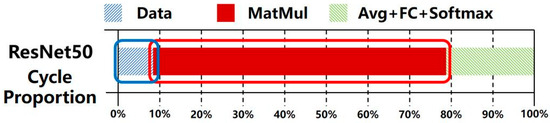
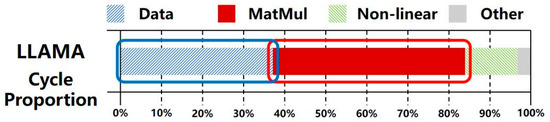
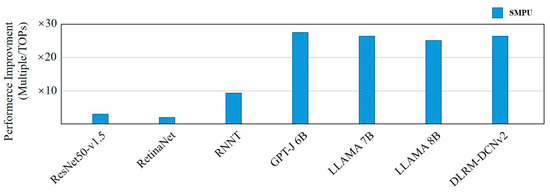
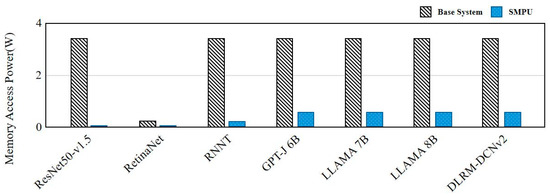
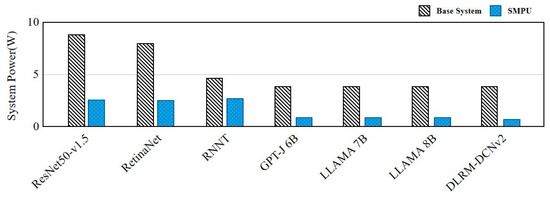
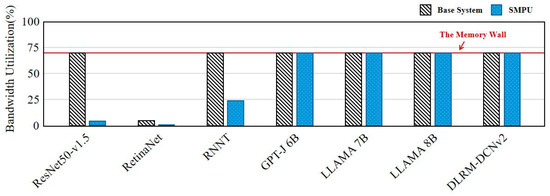
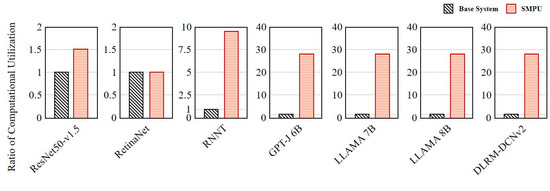
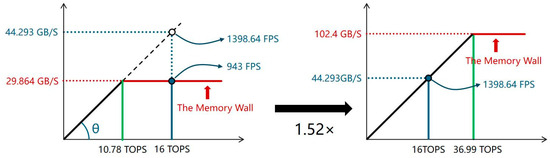
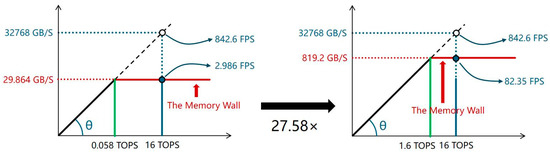
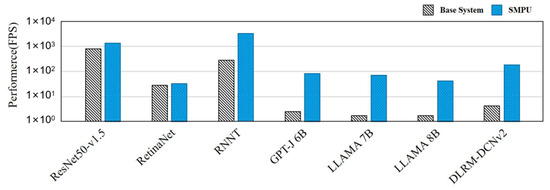
DRAM-based in-memory computing integrates computational regions into the main memory, enabling local data processing within the memory, thereby achieving faster and more efficient data computation. However, enhancing system performance requires addressing a critical challenge: achieving more general and sufficiently powerful data processing capabilities within DRAM-PIM. Existing DRAM-PIM implementations often suffer from limited computational capabilities due to the shared standard DRAM package area between memory cells and computational circuits or because the operator circuits are overly customized, which limits their ability to meet required data processing demands. To address this issue, in this paper, we propose a Super Memory Processing Unit (SMPU). The SMPU uses Hybrid Bonding technology to 3D-stack DRAM and many-core computational clusters, enabling large-bandwidth (0.25 TB/s per-bank, 2 TB/s for 8-bank system bandwidth) on-chip data transmission between DRAM and the computational cluster via copper interconnects, effectively breaking the memory wall bottleneck of existing computing architectures. The SMPU constructs a dual-channel fine-grained computational cluster at the logical computing layer, providing flexible and ample computility for various AI models, such as ResNet50 and Llama2. The SMPU uses standard DDR protocols and integrates a new memory space allocation and parsing controller to ensure system compatibility without modifying the host-end hardware, facilitating the integration and invocation of computility in memory particles. Additionally, the SMPU features an independent dual-channel memory-management mechanism within the memory particles, enabling simultaneous multi-channel, multi-modal AI model inference. We compared a CPU system equipped with an SMPU to current computing systems using FPGA simulations. The FPGA simulation results show that, under the same computational configuration, the system with the SMPU improves the performance of ResNet50-v1.5 by up to 5.1× and Llama by up to 27.43× compared to the base system, while reducing system power consumption by 71.6% (ResNet50-v1.5) to 77.8% (Llama 7B).
Full article
(This article belongs to the Special Issue Neuromorphic Memory and Computing-in-Memory Architectures: From Devices to Systems)
►▼
Show Figures

Figure 1

Open AccessArticle
Low-Temperature Direct PECVD Synthesis of Graphene on Si(100) with Increased Methane Flow: Structure and Photoelectric Properties
by
Vidmantas Kumža, Rimantas Gudaitis, Asta Guobienė, Andrius Vasiliauskas and Šarūnas Meškinis
Micromachines 2026, 17(7), 801; https://doi.org/10.3390/mi17070801 - 30 Jun 2026
Abstract
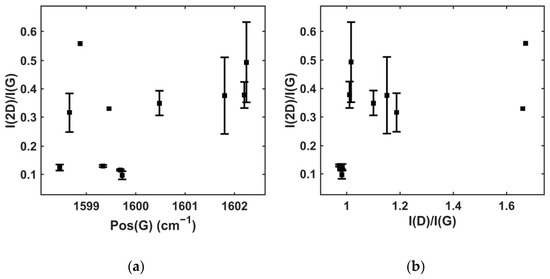
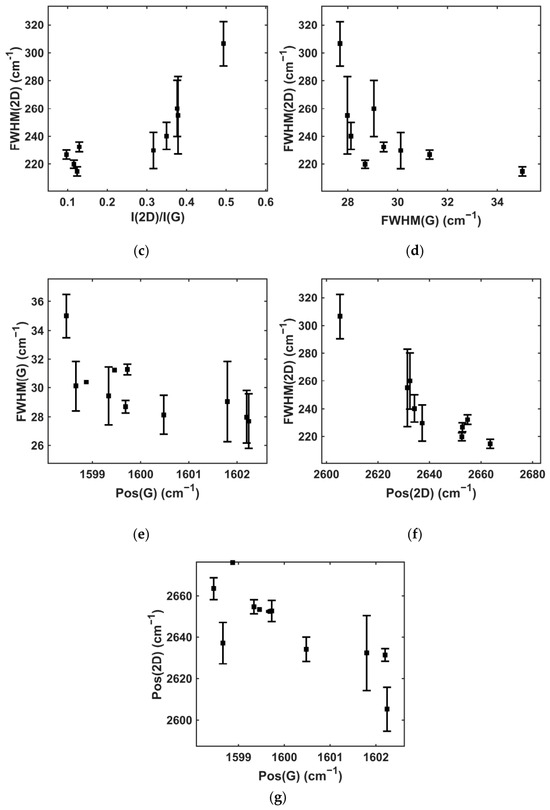
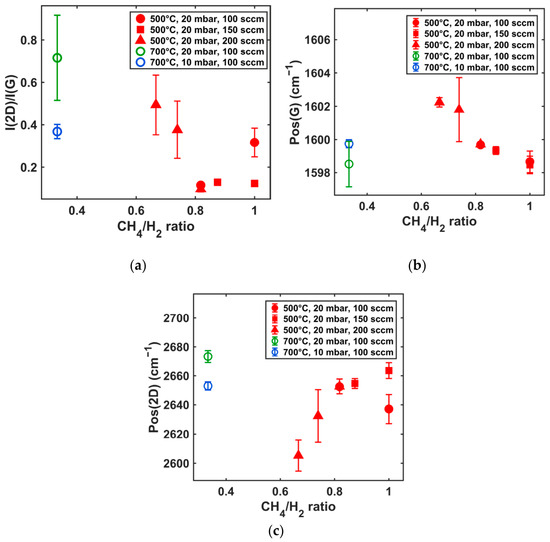
Graphene was directly synthesized on monocrystalline Si(100) at 500 °C by microwave plasma-enhanced chemical vapor deposition using an increased CH4/H2 gas flow ratio. Raman analysis revealed spectral features and intensity ratios consistent with the growth of hydrogenated graphene and revealed
[...] Read more.
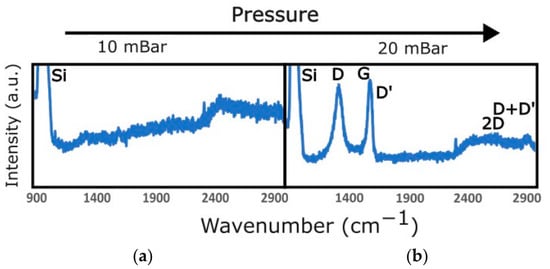
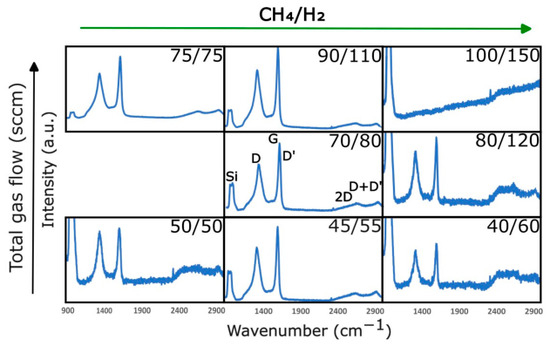
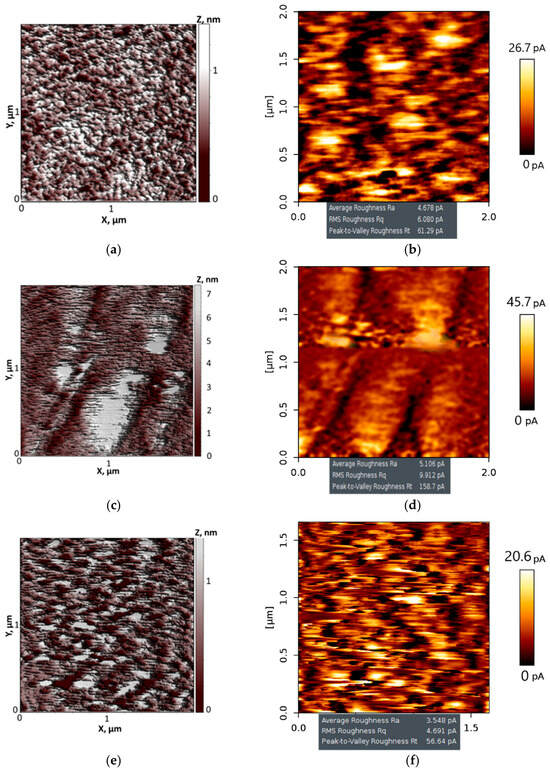
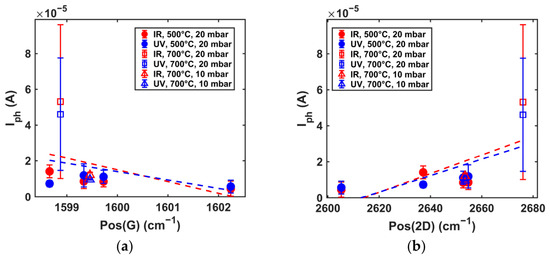
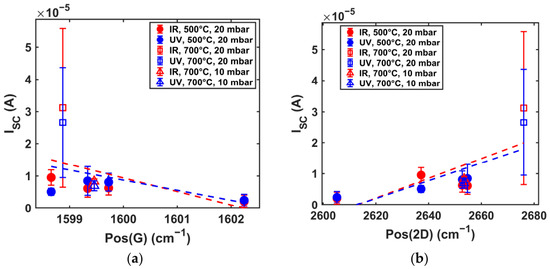
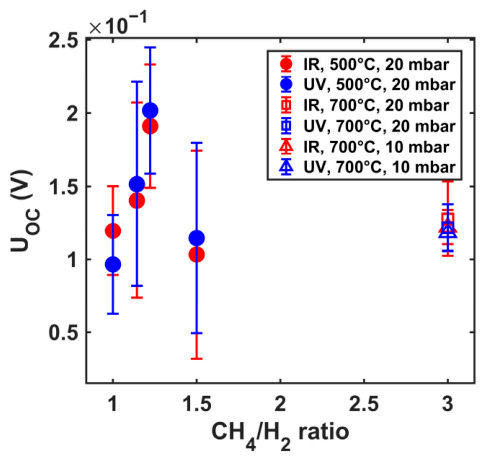
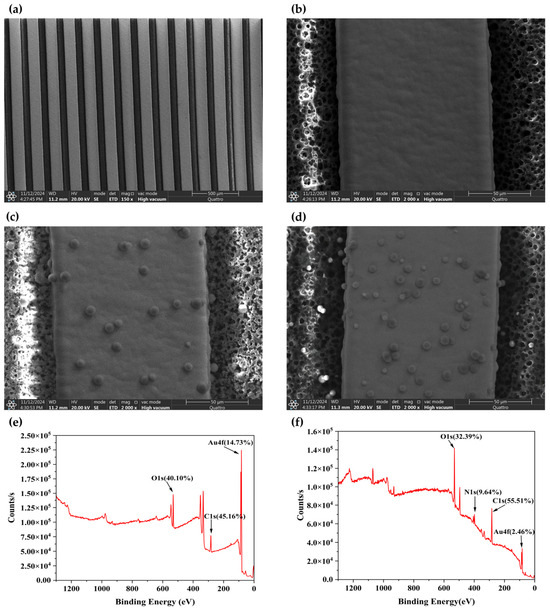
Graphene was directly synthesized on monocrystalline Si(100) at 500 °C by microwave plasma-enhanced chemical vapor deposition using an increased CH4/H2 gas flow ratio. Raman analysis revealed spectral features and intensity ratios consistent with the growth of hydrogenated graphene and revealed changes in defect structure, graphene layer number, and self-doping. Atomic force microscopy measurements showed that the surface morphology and local conductivity strongly depended on the growth conditions. The electrical and photoelectrical characteristics of graphene/Si junctions were correlated with the Raman parameters and surface morphology. For the hydrogenated graphene samples synthesized at 500 °C, the photocurrent, short-circuit current, and open-circuit voltage were found to be competitive with those of pristine graphene reference samples grown at 700 °C. The results demonstrate the potential of low-temperature direct PECVD synthesis for graphene/Si optoelectronic devices.
Full article
(This article belongs to the Special Issue Low-Dimensional Nano-Scaled Materials: From Principles to Device Application)
►▼
Show Figures

Figure 1

Open AccessArticle
Flexible ACEK-Enhanced Capacitive Aptasensor for Rapid Cortisol Detection in Sweat
by
Jiuyi Wang, Xiao Lv, Mengjie Yang, Xiaogang Lin, Zhizeng Wang and Jie Jayne Wu
Micromachines 2026, 17(7), 800; https://doi.org/10.3390/mi17070800 - 30 Jun 2026
Abstract
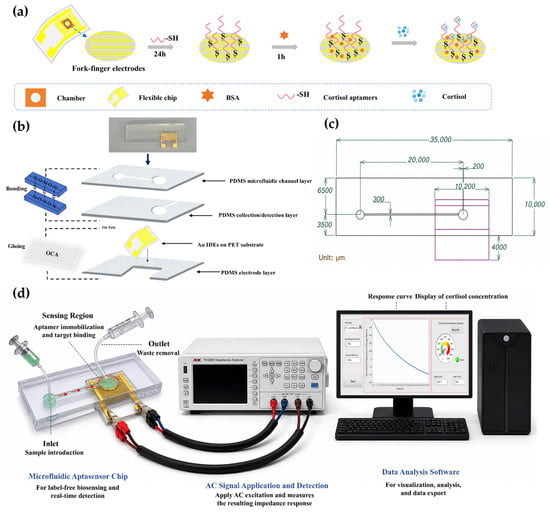
Cortisol, as a crucial biomarker reflecting psychological stress and physiological status, requires rapid and sensitive detection for health assessment and disease diagnosis. Conventional methods are time-consuming, operationally complex, and costly, limiting their use for point-of-care testing. This study reports a flexible, aptamer-based capacitive
[...] Read more.
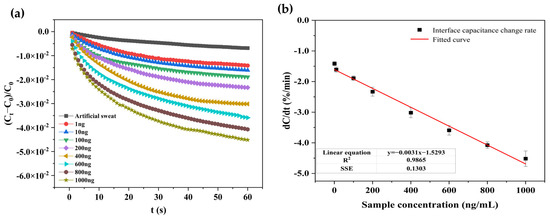
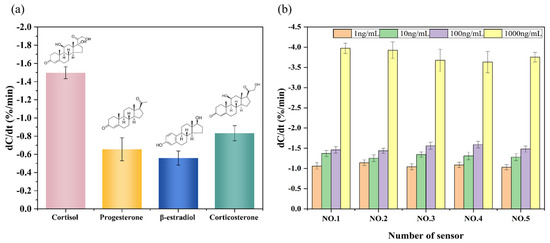
Cortisol, as a crucial biomarker reflecting psychological stress and physiological status, requires rapid and sensitive detection for health assessment and disease diagnosis. Conventional methods are time-consuming, operationally complex, and costly, limiting their use for point-of-care testing. This study reports a flexible, aptamer-based capacitive biosensor that exploits alternating current electrokinetics for ultrafast detection of cortisol in small-volume samples. Aptamers are immobilized via Au-S self-assembly on gold interdigitated electrodes on a PET substrate, and ACEK-induced fluid motion and dielectrophoresis rapidly enrich cortisol at the electrode interface, producing measurable interfacial capacitance changes ΔC/C0. The experimental results demonstrate that the sensor achieves a detection limit of 0.337 ng/mL in artificial sweat, with a response time within 1 min and a good linear response across the concentration range of 1 to 1000 ng/mL. Requiring only 10 μL of sample, the sensor exhibits good repeatability, specificity, and interference resistance, making it suitable for rapid cortisol level detection. To enhance detection stability, this study designed and integrated a microfluidic chip, enabling efficient sample delivery and stable detection. The system demonstrates strong interference resistance, revealing potential applications in health management and disease monitoring.
Full article
(This article belongs to the Special Issue Soft Sensors and Soft Circuits: Design, Implementation and Applications)
►▼
Show Figures

Figure 1
Open AccessReview
Challenges in Photoinduced Electron Transfer Systems of Metal Complexes
by
Yuki Murayama, Daisuke Nakane and Takashiro Akitsu
Micromachines 2026, 17(7), 799; https://doi.org/10.3390/mi17070799 - 30 Jun 2026
Abstract
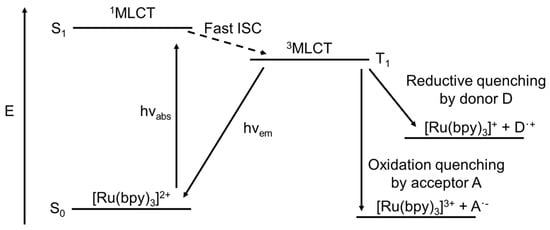
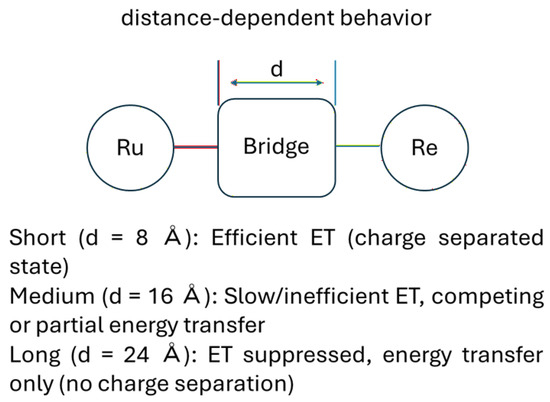
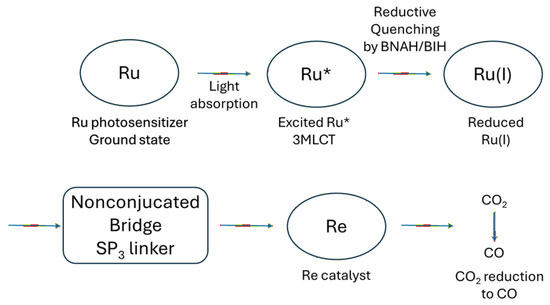
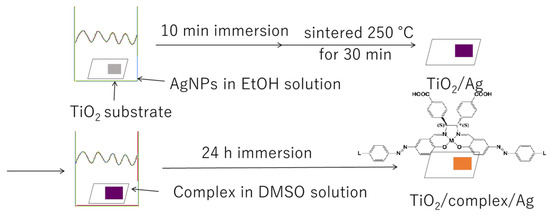
This review aims to clarify the molecular design principles and operational challenges of photoinduced electron transfer (PET) and photoredox processes in metal complexes. The manuscript is structured to include a survey of established conventional systems, such as Ru complexes, followed by our own
[...] Read more.
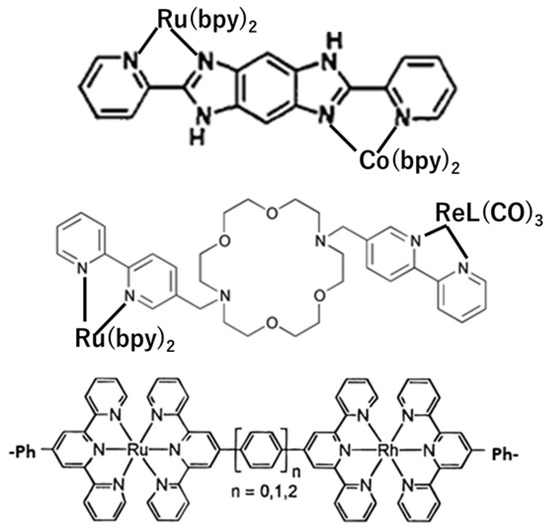
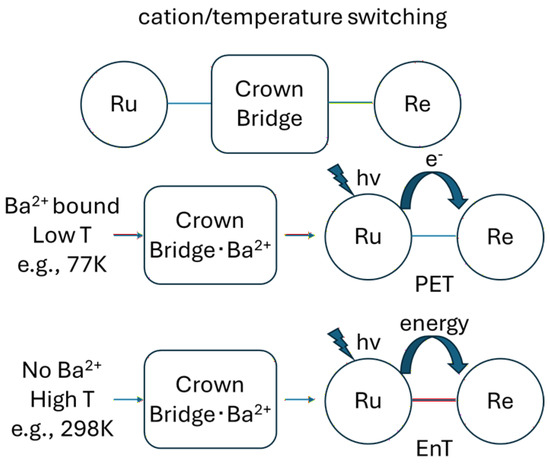
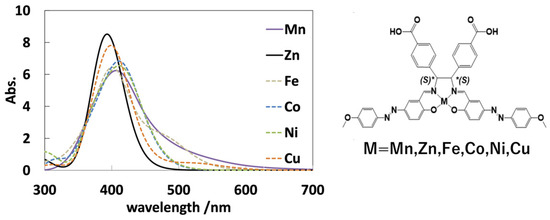
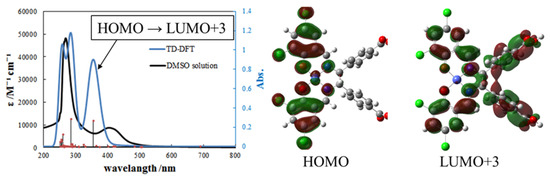
This review aims to clarify the molecular design principles and operational challenges of photoinduced electron transfer (PET) and photoredox processes in metal complexes. The manuscript is structured to include a survey of established conventional systems, such as Ru complexes, followed by our own research on cost-effective photosensitizers for dye-sensitized solar cells (DSSCs) and carbon dioxide (CO2) reduction. Crucially, our main conclusion emphasizes that achieving high optoelectronic efficiency requires the balanced optimization of excited-state lifetimes, orbital distributions, and matrix environments, rather than a simplistic “one-size-fits-all” approach. Finally, based on the fundamental principles of metal complexes and photocatalytic materials, we offer a critical analysis of the practical challenges and reasons behind our unsuccessful experimental outcomes. Thus, this study provides a perspective on unsuccessful molecular design, comparing typical examples.
Full article
(This article belongs to the Special Issue Emerging Trends in Optoelectronic Device Engineering, 2nd Edition)
►▼
Show Figures

Figure 1
Open AccessArticle
Numerical Investigation of a Compact Dual-Band SIW Filter Operating at 28/38 GHz for 5G Millimeter-Wave Systems
by
Khier Benderradji, Boualem Hammache, Idris Messaoudene, Abdallah Hedir, Salem Titouni, Rabia Rebbah, Massinissa Belazzoug and Nadhir Djeffal
Micromachines 2026, 17(7), 798; https://doi.org/10.3390/mi17070798 - 29 Jun 2026
Abstract
With the rapid expansion of 5G millimeter-wave communications, there is a strong demand for compact, low-loss, and high-selectivity filtering components. This paper presents the design and analysis of a compact dual-band substrate integrated waveguide (SIW) bandpass filter operating at 28 GHz and 38
[...] Read more.
With the rapid expansion of 5G millimeter-wave communications, there is a strong demand for compact, low-loss, and high-selectivity filtering components. This paper presents the design and analysis of a compact dual-band substrate integrated waveguide (SIW) bandpass filter operating at 28 GHz and 38 GHz for 5G applications. The proposed structure employs shunt iris-loaded resonators integrated within the SIW cavity to achieve dual-band operation with improved frequency selectivity. The designed filter provides a narrow passband of 1.2 GHz at 28 GHz and a wider passband of 2.6 GHz at 38 GHz, while maintaining a compact footprint of 8.5 mm × 6.2 mm. It is implemented on a Rogers RT/Duroid 5880 substrate ( = 2.2, h = 0.508 mm), ensuring low dielectric loss and stable high-frequency performance. The simulated results demonstrate excellent return loss of 44.2 dB at 28.1 GHz and 52.7 dB at 38.3 GHz, along with a low insertion loss of approximately 0.68 dB, confirming efficient signal transmission. Furthermore, the design is validated using a simulation with ADS of second-order Butterworth equivalent circuit, providing design simplicity and demonstrating the feasibility of practical fabrication. On the other hand, it is well suited for integration into compact 5G front-end modules requiring high performance, miniaturization, and dual-band operation.
Full article
(This article belongs to the Section E:Engineering and Technology)
Open AccessArticle
Vapor-Phase Anion Exchange in CH3NH3PbBr3 Perovskite Films: Continuous Bandgap Tuning and HI-Mediated Corrosion of ITO Substrates
by
Honghong Xu, Yixian Zhang, Siyuan Liu and Feng Jiang
Micromachines 2026, 17(7), 797; https://doi.org/10.3390/mi17070797 - 29 Jun 2026
Abstract
CH3NH3PbBr3 crystalline films were prepared on ITO substrates using the spin-coating method, followed by a vapor-phase anion exchange process in a tube furnace using CH3NH3I to gradually replace the Br anions with I anions.
[...] Read more.
CH3NH3PbBr3 crystalline films were prepared on ITO substrates using the spin-coating method, followed by a vapor-phase anion exchange process in a tube furnace using CH3NH3I to gradually replace the Br anions with I anions. By controlling the reaction time, the structural evolution and changes in optical properties were systematically investigated. X-ray diffraction patterns show that the I anions gradually replace the Br anions in the perovskite lattice as the reaction time increases, leading to lattice expansion and a shift in the diffraction peaks toward lower angles. Scanning electron microscopy reveals that the average grain size increases and the grain boundary reconstructs during the exchange process. Photoluminescence and UV–Vis absorption spectra show that the photoluminescence peak exhibits a continuous redshift, the absorption edge gradually shifts to longer wavelengths, and the optical bandgap decreases steadily toward the value of CH3NH3PbI3. A sharp increase in the resistivity of the ITO substrate was also observed. Control experiments confirm that this change is not due to thermal annealing but to the vapor-phase reaction between CH3NH3I and ITO. In the tube furnace, CH3NH3I is thermally decomposed into HI. HI not only promotes halide substitution but also diffuses to the ITO interface and etches In2O3 into insulating InI3, destroying the original conductive network. Therefore, this process is attributed to a HI-mediated multiphase reaction rather than a simple solid–vapor exchange. Overall, vapor-phase anion exchange provides an effective way to continuously tune the band structure, absorption range, and emission peak of hybrid perovskites, offering a controllable route for multicomponent perovskites and multiband optoelectronic devices. This work also emphasizes the potential chemical corrosion of bottom electrodes during the vapor-phase anion exchange process and suggests that protective measures such as barrier layers or corrosion-resistant electrodes should be considered.
Full article
(This article belongs to the Special Issue Thin Film Deposition and Characterization in Micro- and Nano-Technology)
Open AccessReview
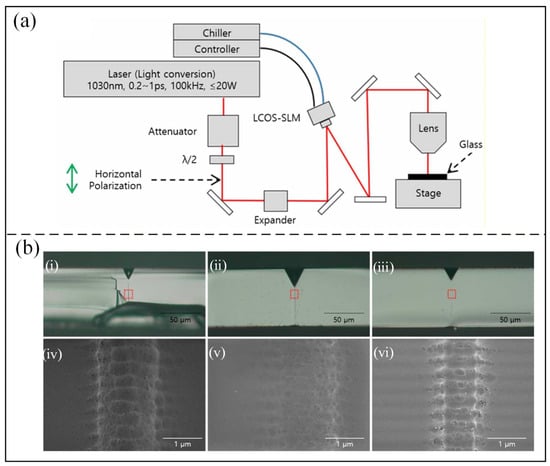
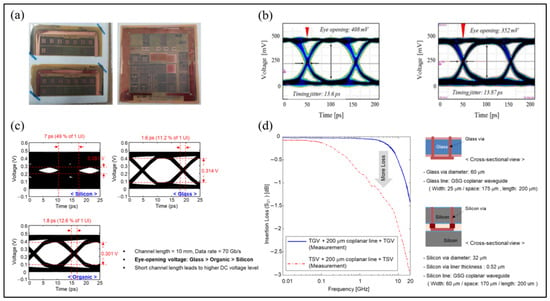
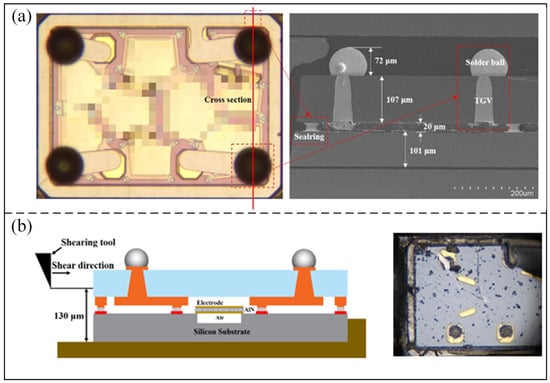
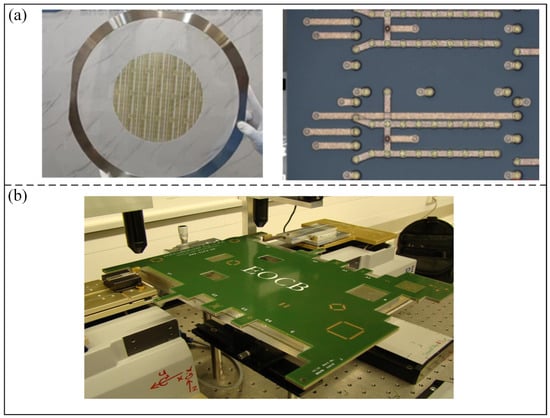
A Review of Non-Laser and Laser Machining for Through-Glass via Fabrication
by
Yong Zhang, Keke Zhang, Yapeng Xu, Wenjun Tong, Junfeng Wang and Wuyi Ming
Micromachines 2026, 17(7), 796; https://doi.org/10.3390/mi17070796 - 29 Jun 2026
Abstract
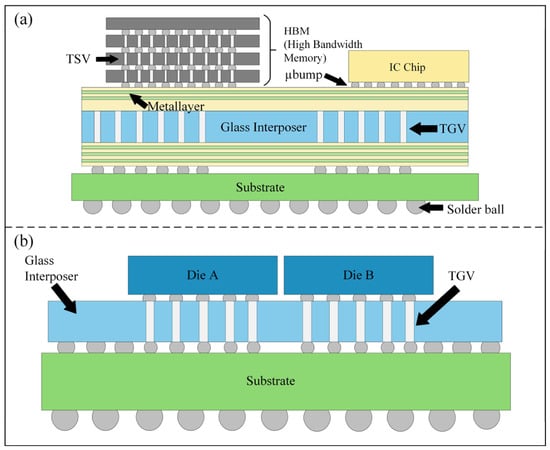
As semiconductor packaging technology evolves from two-dimensional to three-dimensional integration, the through-glass via (TGV) technique, as a core interconnect method in advanced packaging, is emerging as a strong candidate to replace through-silicon vias (TSVs) and plated through-holes (PTHs) in organic substrates. Glass substrates
[...] Read more.
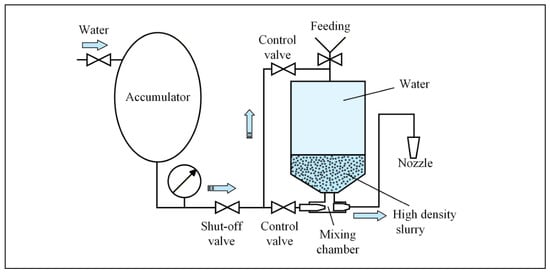
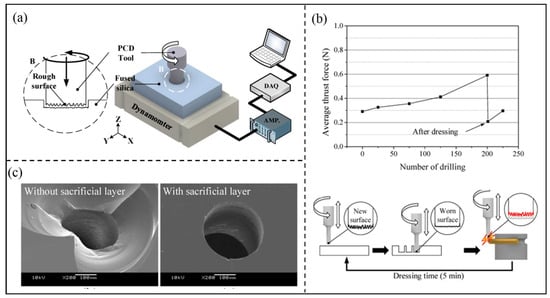
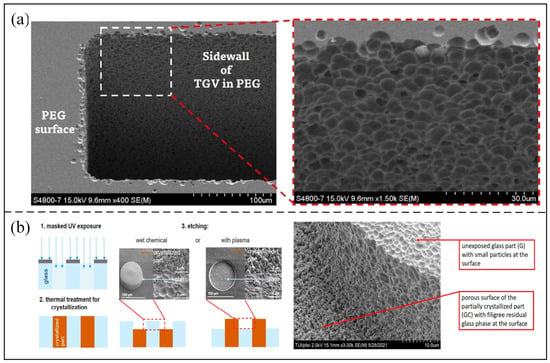
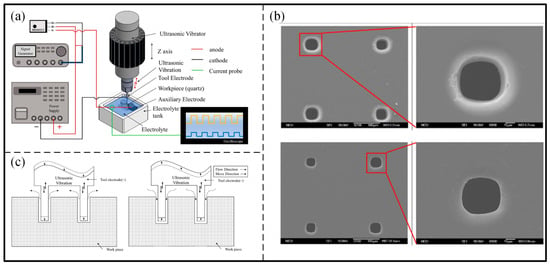
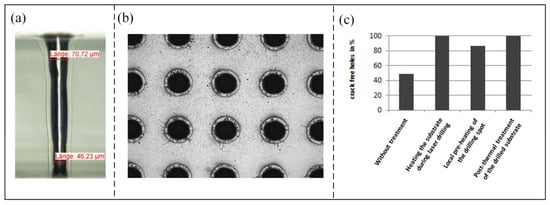
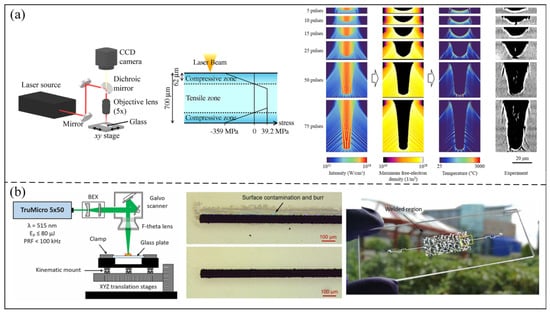
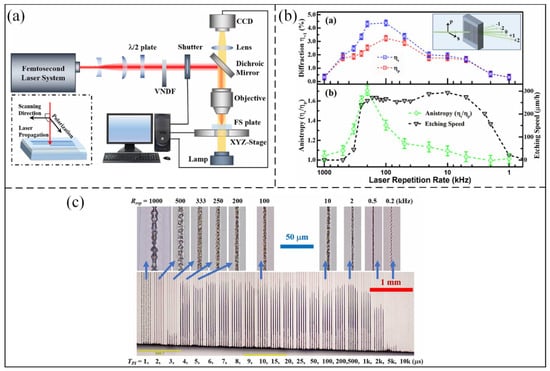
As semiconductor packaging technology evolves from two-dimensional to three-dimensional integration, the through-glass via (TGV) technique, as a core interconnect method in advanced packaging, is emerging as a strong candidate to replace through-silicon vias (TSVs) and plated through-holes (PTHs) in organic substrates. Glass substrates offer excellent electrical insulation, low dielectric loss, tunable thermal expansion coefficients, and the potential for large-scale panel-level manufacturing. However, issues related to TGV hole quality, metallization uniformity, and thermomechanical reliability remain key bottlenecks limiting their large-scale industrialization. This investigation provides a comparative review of non-laser and laser machining for TGVs to address the above problems. First, the technical background and core advantages of TGVs are outlined. Second, this study details non-laser processing methods, including sandblasting erosion, mechanical drilling, the photosensitive glass method, electrochemical discharge machining (ECDM), deep reactive ion etching (DRIE), and others. Third, laser processing methods, covering laser ablation drilling, laser-induced deep etching (LIDE), femtosecond laser-assisted wet etching and others, are given focus. Moreover, this study analyzes typical applications of TGVs in 3D/2.5D packaging, MEMS devices, optoelectronic integration, and others. In addition, the machining processes of non-laser and laser-based TGVs, such as mechanical machining, ECDM, and LIDE, are compared, and key process challenges, technical trade-offs, and reliability failure mechanisms are discussed. Finally, this review looks ahead to future trends, aiming to provide a systematic technical reference for researchers in the TGV field.
Full article
(This article belongs to the Special Issue Nanostructured Glasses and Composites: Innovations in Properties, Microfabrication and Applications)
►▼
Show Figures

Figure 1
Open AccessArticle
Modified Neural Network with Hysteresis Operators and Adaptive Learning for Tracking Control of Piezoelectric Stack Actuator
by
Yuansheng Chen, Wenwu Yang, Lei Yuan, Shaona Liu, Ruijing Zhang, Xinggan Lu and Wei Chen
Micromachines 2026, 17(7), 795; https://doi.org/10.3390/mi17070795 - 29 Jun 2026
Abstract
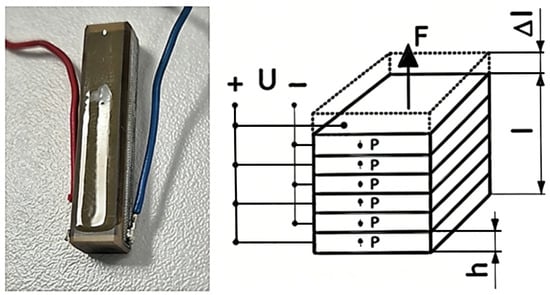
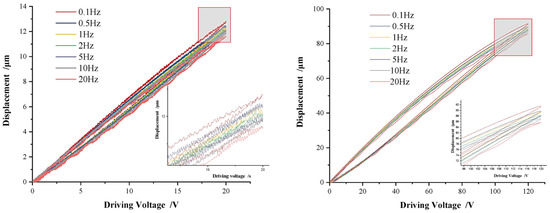
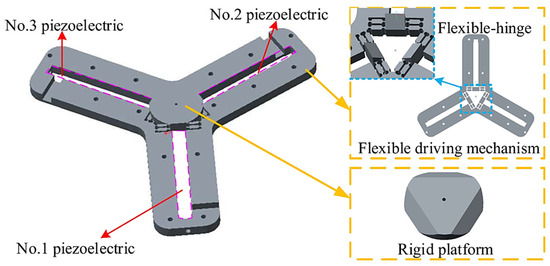
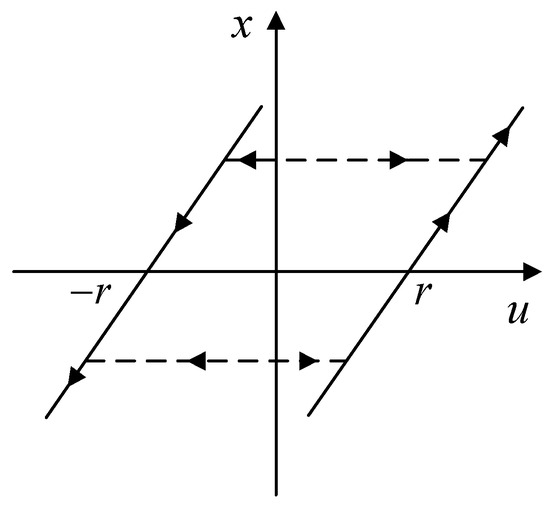
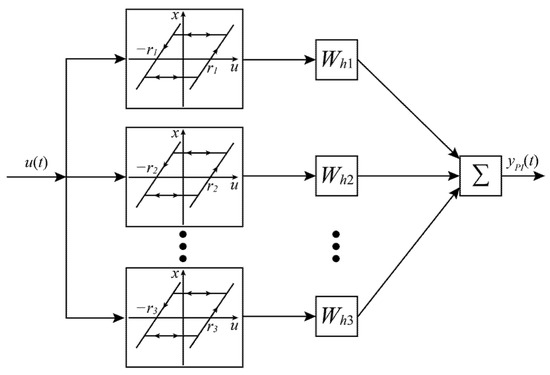
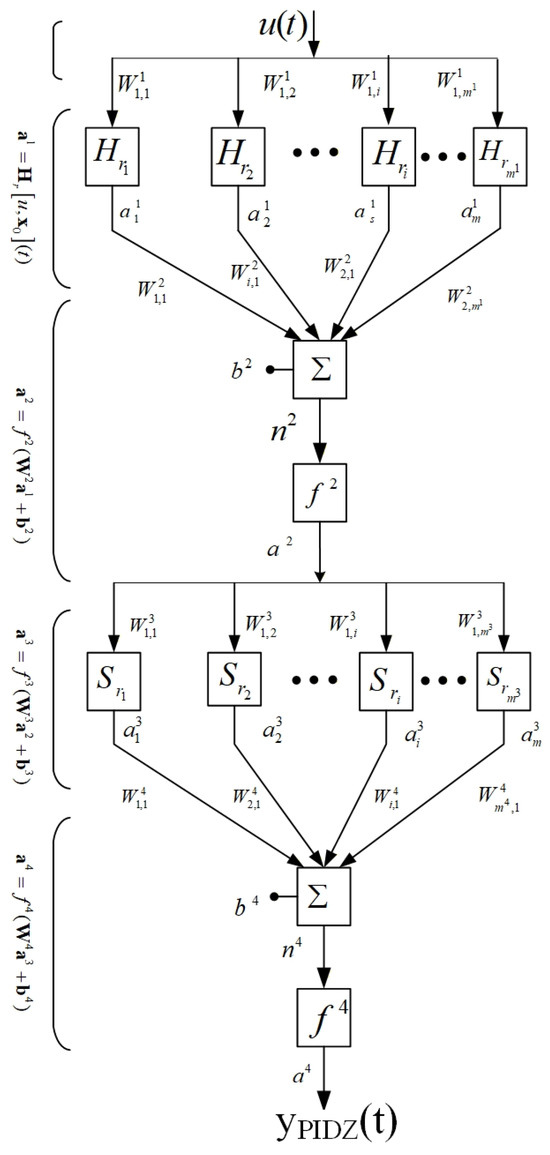
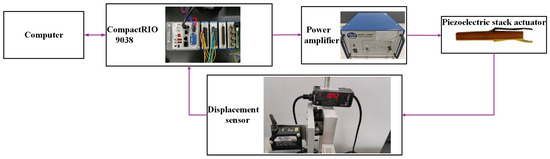
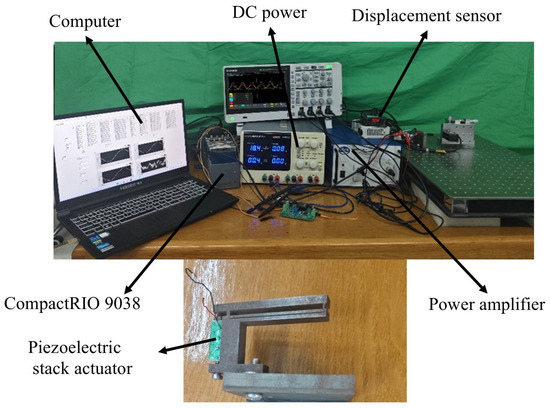
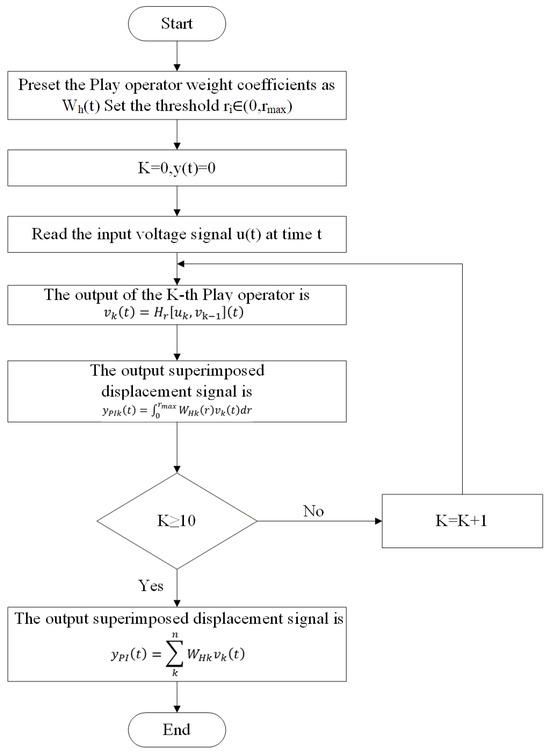
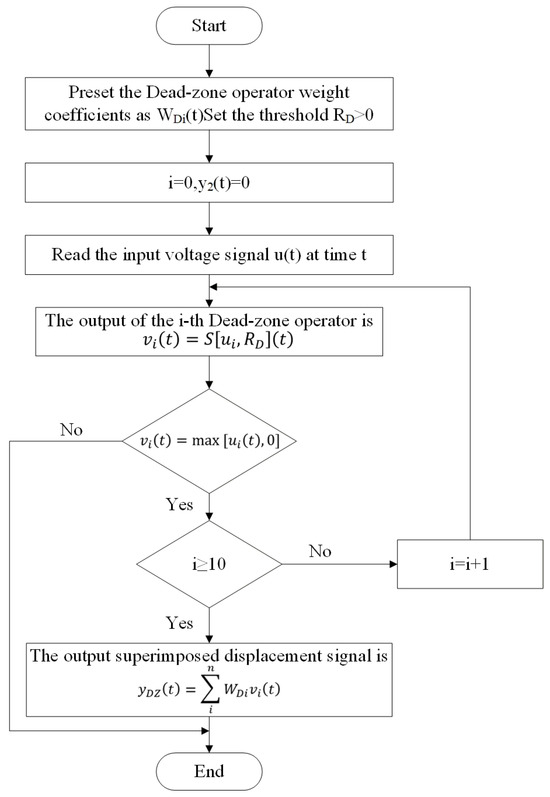
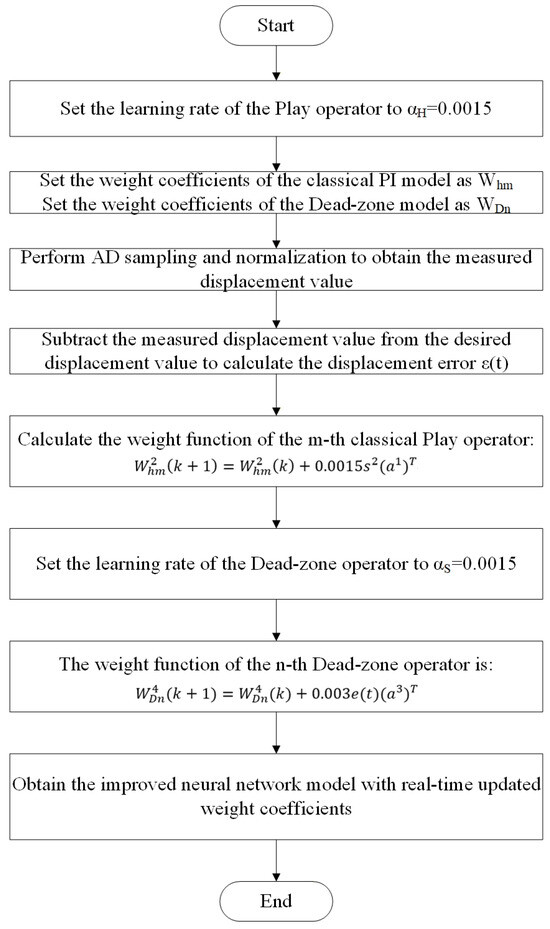
According to the proposed four-layer modified neural network with adaptive learning, an adaptive learning model is designed, and the Play operator weight function update algorithm, the dead-zone operator weight function update algorithm, and the hybrid model program are studied. The hysteresis nonlinearity of
[...] Read more.
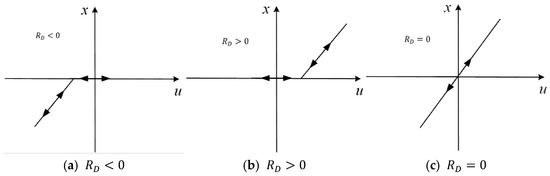
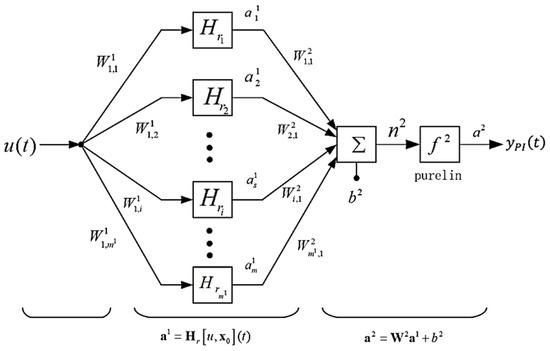
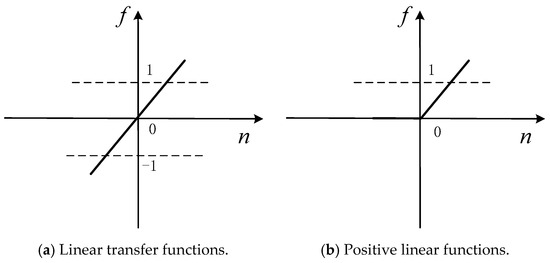
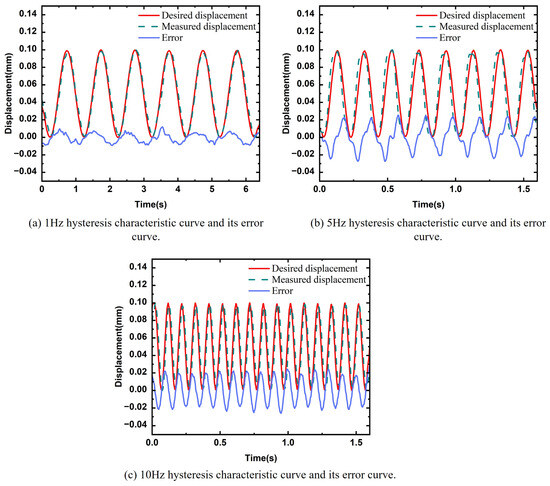
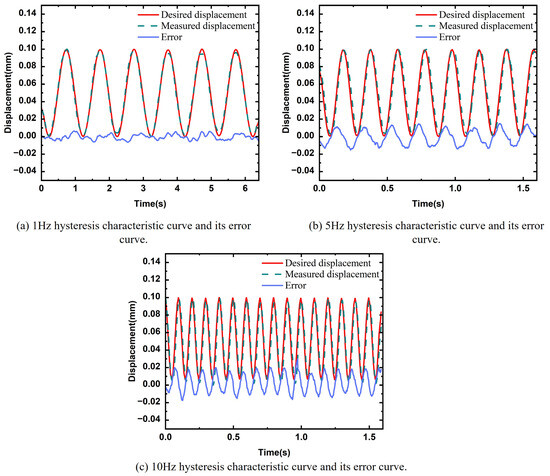
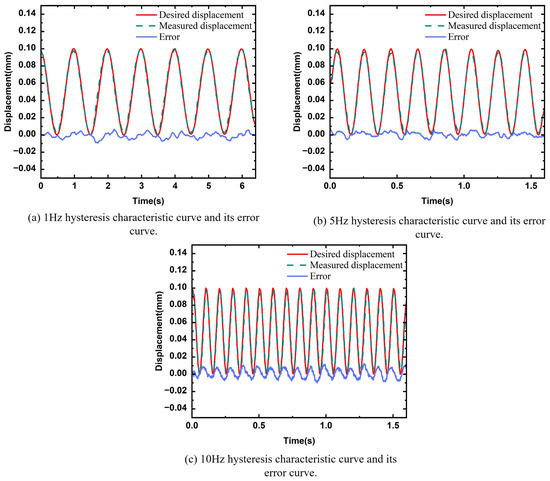
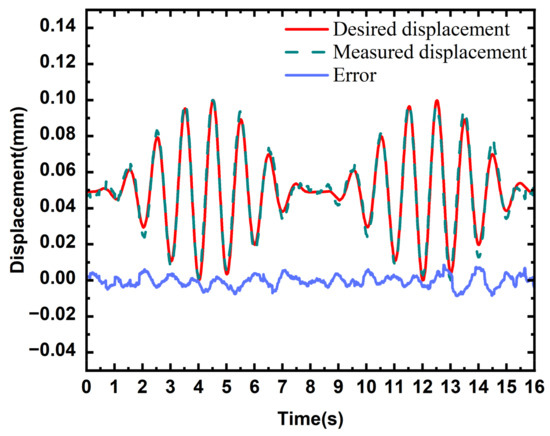
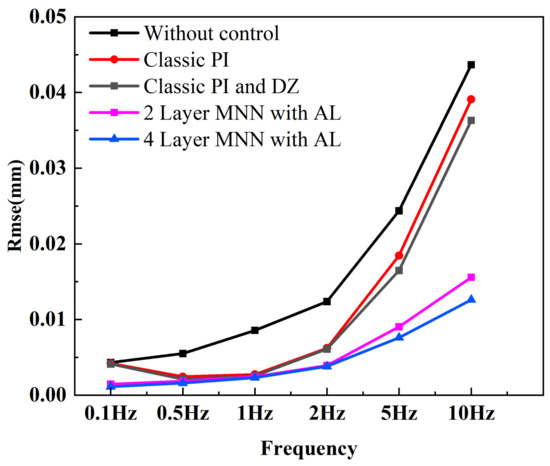
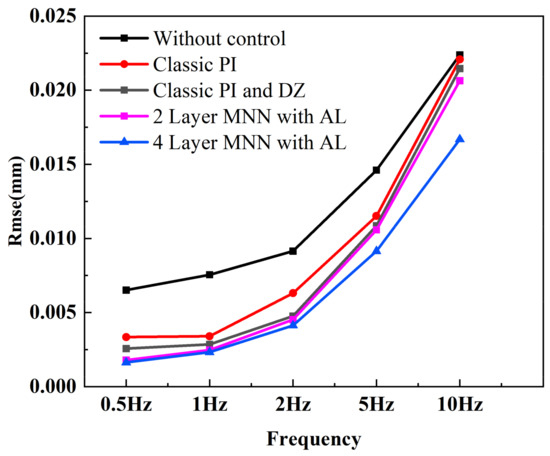
According to the proposed four-layer modified neural network with adaptive learning, an adaptive learning model is designed, and the Play operator weight function update algorithm, the dead-zone operator weight function update algorithm, and the hybrid model program are studied. The hysteresis nonlinearity of a piezoelectric stack actuator at multiple frequencies was tested separately, and the root mean square error (RMSE) of five control methods, including the without control, classic PI and DZ model, and the four-layer modified neural network with an adaptive learning model, were compared through experimental studies. The experimental results show that compared with the without control condition, the RMSE of the classic PI and DZ model is reduced by 67.98% at a frequency of 1 Hz, which can effectively reduce the hysteresis nonlinearity of the piezoelectric stack actuator and has a good hysteresis compensation effect. Compared with the classic PI and DZ model, under the four-layer modified neural network with an adaptive learning model, the RMSE of the piezoelectric stack actuator is reduced by 15.34% at 1 Hz, and the error can still be reduced by 67.75% even at 10 Hz. Indicating that the four-layer modified neural network with an adaptive learning model still has a good hysteresis compensation effect at a wider frequency band.
Full article
(This article belongs to the Collection Piezoelectric Transducers: Materials, Devices and Applications)
►▼
Show Figures

Figure 1
Open AccessArticle
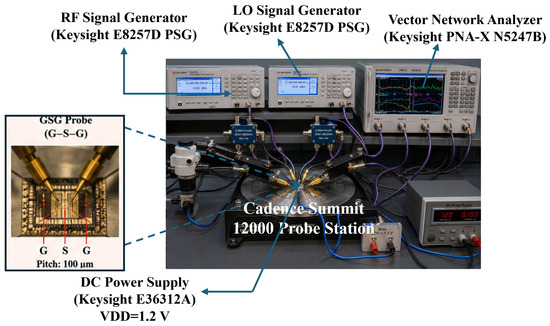
A 24 GHz-Optimized Up-Conversion Mixer for Beyond-5G: A Combined ComGAPSO and ImGKAN Approach
by
Unal Aras, Tahesin Samira Delwar, Khizra Tariq, Mangal Singh, Sayak Mukhopadhyay, Yangwon Lee and Jee-Youl Ryu
Micromachines 2026, 17(7), 794; https://doi.org/10.3390/mi17070794 - 29 Jun 2026
Abstract
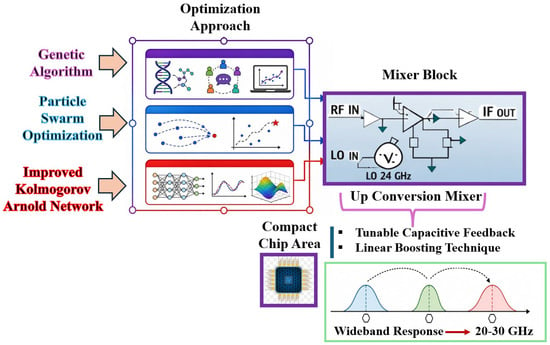
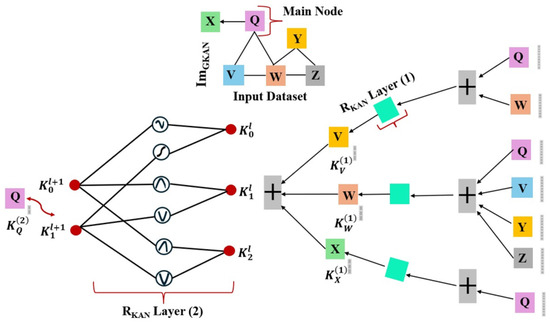
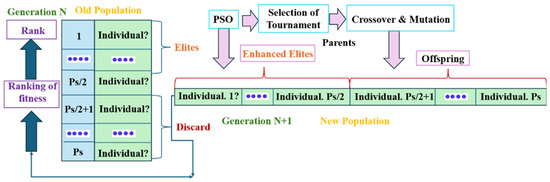
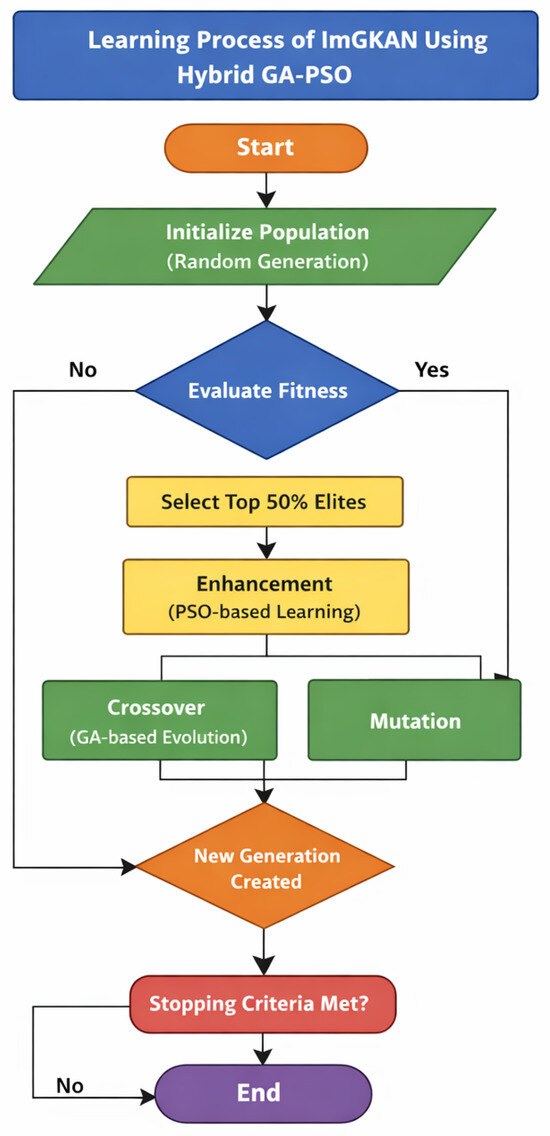
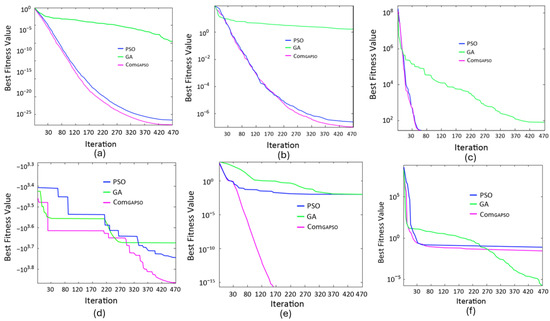
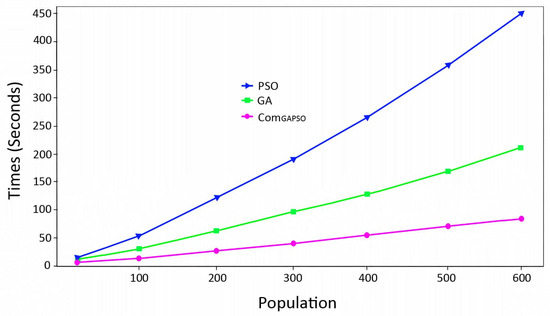
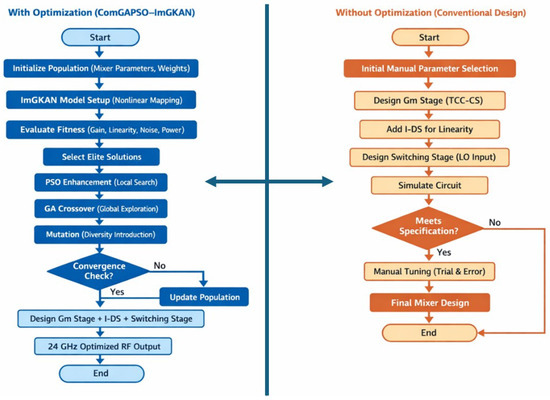
An optimal CMOS up-conversion mixer is designed using a novel combination of genetic algorithms and particle swarm optimization (ComGAPSO) and improved-Kolmogorov–Arnold networks (ImGKAN) for 5G communication. The proposed ImGKAN, trained with ComGAPSO, enhances optimization through
[...] Read more.
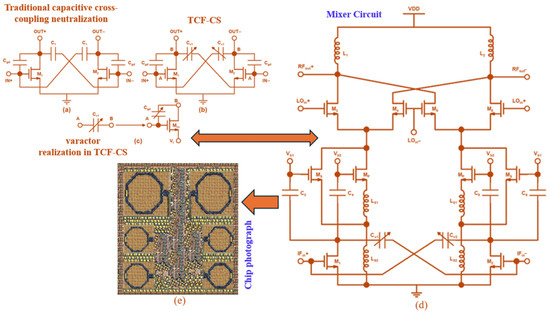
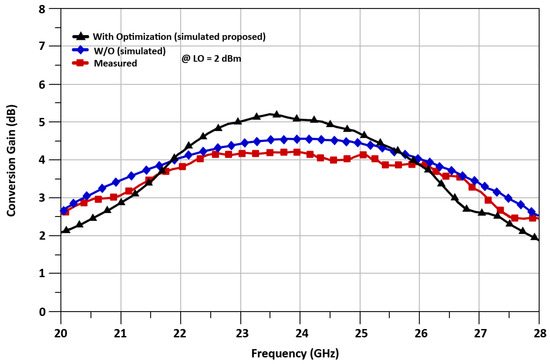
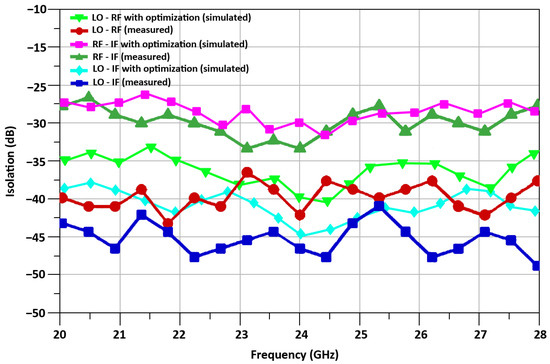
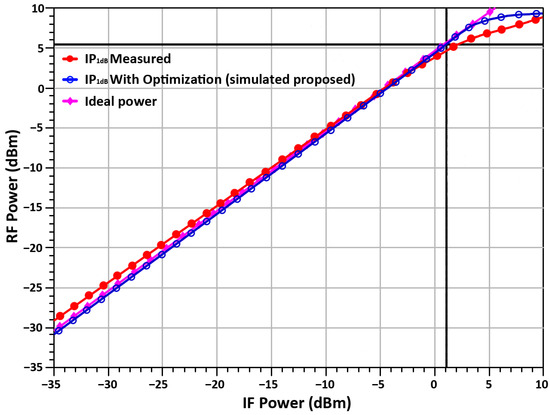
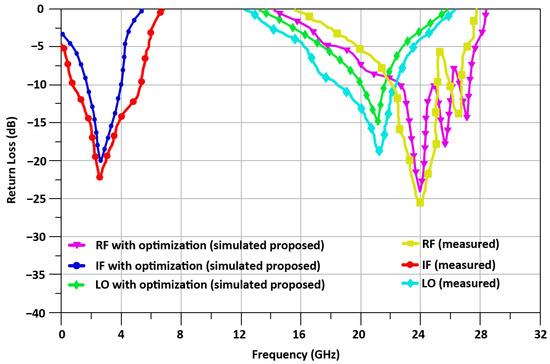
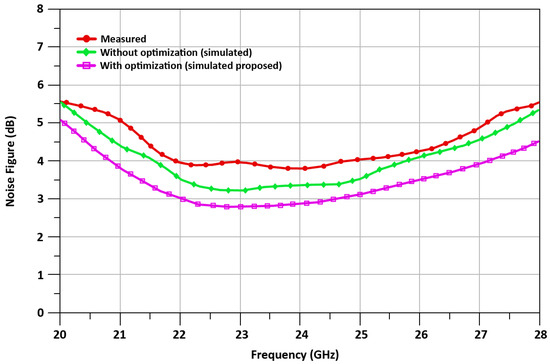
An optimal CMOS up-conversion mixer is designed using a novel combination of genetic algorithms and particle swarm optimization (ComGAPSO) and improved-Kolmogorov–Arnold networks (ImGKAN) for 5G communication. The proposed ImGKAN, trained with ComGAPSO, enhances optimization through social interactions and private cognition through social interactions. The proposed hybrid approach enables accurate parameter determination due to the effective modeling and compensation of nonlinearities in the up-conversion mixer. The proposed optimized mixer incorporates an enhanced linearity boosting technique (LBT) along with a tunable capacitive feedback common-source (TCF-CS) structure. This combination effectively suppresses third-order nonlinear distortion while compensating for parasitic capacitances to improve gain performance and enhance circuit stability. The proposed design achieves a peak conversion gain (CG) of approximately 4.2 dB near 24 GHz. In terms of isolation characteristics, the LO-IF isolation reaches about −44 dB. Additionally, the RF-IF isolation is around −30 dB, ensuring minimal undesired coupling between the input and output paths, while the LO-RF isolation is maintained near −39 dB. The optimized mixer exhibits an output 1 dB compression point (OP1dB) of 5.1 dBm and an input 1 dB compression point (IP1dB) of −1.1 dBm. The RF port shows a return loss of approximately −24 dB near 24 GHz. The LO port exhibits a return loss in the range of −3 to −5 dB, with improved matching observed over the operating band. Meanwhile, the IF port demonstrates strong matching at lower frequencies, with return loss values dropping below −20 dB. Furthermore, the measured optimized design achieves a minimum noise figure (NF) of approximately 3.8 dB at 24 GHz.
Full article
(This article belongs to the Special Issue Advances in CMOS Integrated Sensors and Biosensors)
►▼
Show Figures

Figure 1
Open AccessArticle
Alternating Current Electroosmotic Flow of Viscoelastic Jeffreys Fluids in a pH-Regulated Slit Nanochannel
by
Jiaxin Yang and Mandula Buren
Micromachines 2026, 17(7), 793; https://doi.org/10.3390/mi17070793 - 29 Jun 2026
Abstract
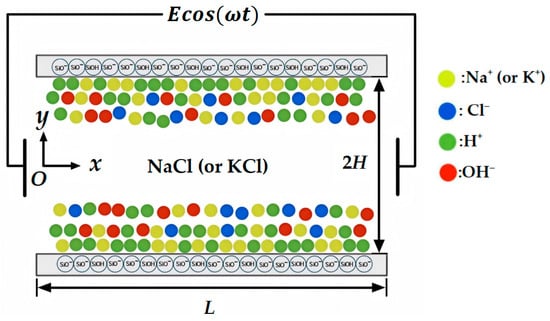
This study investigates the electroosmotic flow (EOF) of viscoelastic Jeffreys fluids in a pH-regulated parallel-plate nanochannel, with a focus on analyzing the effects of solution pH, background salt concentration, and alternating current (AC) electric field frequency on flow characteristics. In micro- and nanoscale
[...] Read more.
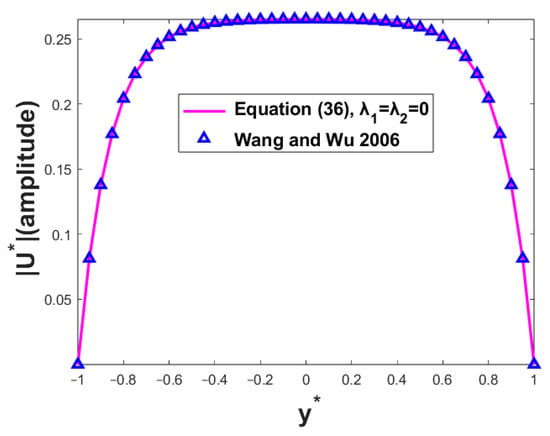
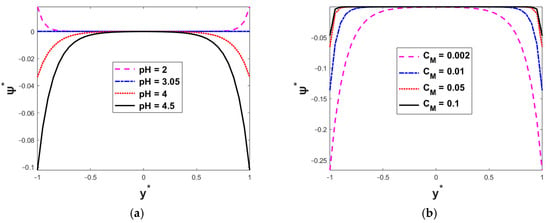
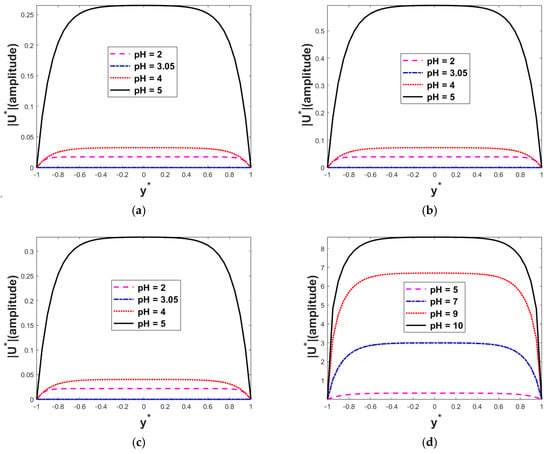
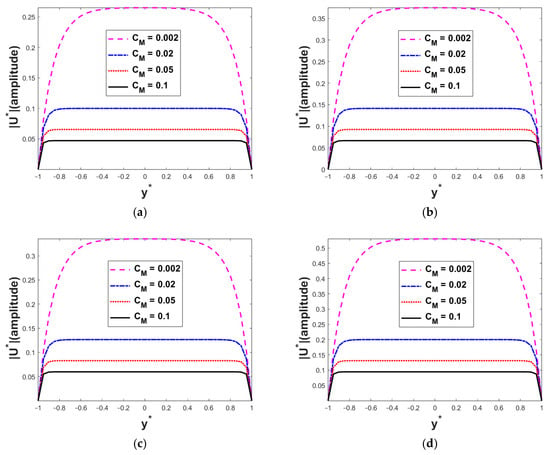
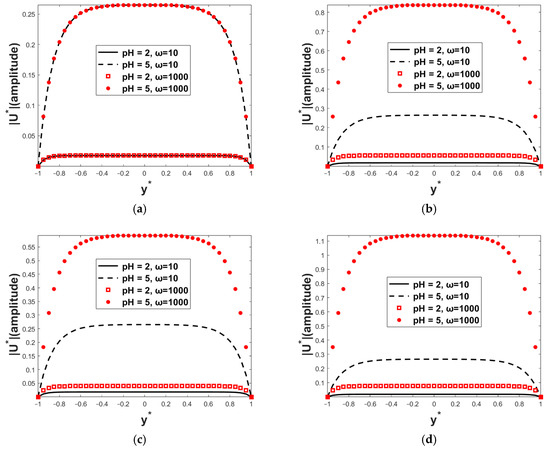
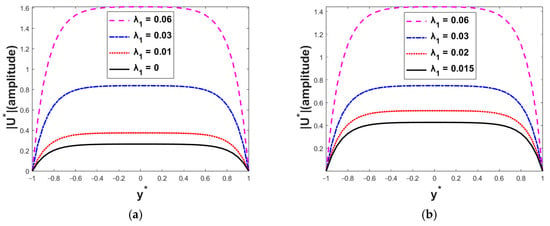
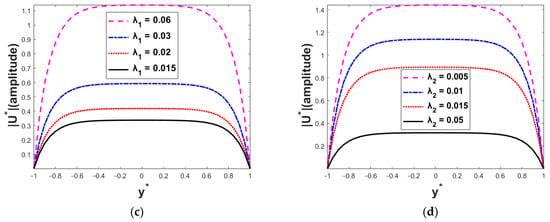
This study investigates the electroosmotic flow (EOF) of viscoelastic Jeffreys fluids in a pH-regulated parallel-plate nanochannel, with a focus on analyzing the effects of solution pH, background salt concentration, and alternating current (AC) electric field frequency on flow characteristics. In micro- and nanoscale fluidic systems, surface charge characteristics critically govern electrokinetic flow. The surface charges in this study originate from the protonation and deprotonation reactions of silanol (SiOH) groups on the channel walls. Different from the constant surface electric potential assumed in existing studies, the surface electric potential here varies with solution pH and background salt concentration. By modulating solution pH and thereby tuning surface charge density, active and reversible control of EOF can be realized. By solving the coupled Poisson–Boltzmann equation, momentum equation, and Jeffreys constitutive equation, we obtain an analytical solution for the electric potential distribution and semi-analytical solution for the velocity field. The results show that under the chosen parameter conditions, the relaxation time λ1 enhances the velocity amplitude, while the retardation time λ2 weakens it. The EOF velocity amplitude of Jeffreys fluids is enhanced by greater pH deviation from the isoelectric point, lower ionic concentration, and higher electric field frequency. In nanochannel flows, the effect of the oscillating Reynolds number on the velocity amplitude is negligible.
Full article
(This article belongs to the Section C1: Micro/Nanoscale Electrokinetics)
►▼
Show Figures

Figure 1
Journal Menu
► ▼ Journal Menu-
- Micromachines Home
- Aims & Scope
- Editorial Board
- Reviewer Board
- Topical Advisory Panel
- Early Career Editorial Board
- Instructions for Authors
- Special Issues
- Topics
- Sections & Collections
- Article Processing Charge
- Indexing & Archiving
- Editor’s Choice Articles
- Most Cited & Viewed
- Journal Statistics
- Journal History
- Journal Awards
- Society Collaborations
- Conferences
- Editorial Office
Journal Browser
► ▼ Journal BrowserHighly Accessed Articles
Latest Books
E-Mail Alert
News
9 October 2025
Meet Us at the 3rd International Conference on AI Sensors and Transducers, 2–7 August 2026, Jeju, South Korea
2 July 2026
MDPI INSIGHTS: The CEO’s Letter #36 – Basel Anniversary Summit, 2025 Impact Factors & CiteScores, CSAL Partnership & ncRNA2026
Topics
Topic in
Electronics, Eng, Materials, Micro, Micromachines
Wide Bandgap Semiconductor Electronics and Devices
Topic Editors: Joseph Bernstein, Asaf AlboDeadline: 31 July 2026
Topic in
Applied Sciences, Computers, Electronics, Sensors, ASI, Micromachines
Collection Series on Applied System Innovation
Topic Editors: Sheng-Joue Young, Shoou-Jinn Chang, Stephen D. Prior, Liang-Wen JiDeadline: 31 August 2026
Topic in
Electronics, Fluids, Machines, Micromachines, Applied Sciences
Micro-Mechatronic Engineering, 2nd Edition
Topic Editors: Teng Zhou, Antonio F. MiguelDeadline: 31 October 2026
Topic in
Applied Sciences, Energies, Fluids, Micromachines, Processes
Enhanced Heat Transfer and Advanced Energy Conversion Technology, 2nd Edition
Topic Editors: Feng Zhang, Yong LiDeadline: 30 November 2026
Conferences
Special Issues
Special Issue in
Micromachines
New Trends in Nanoscale Materials Applied to Photovoltaic Research
Guest Editors: Andrea Lamberti, Roberto SperanzaDeadline: 10 July 2026
Special Issue in
Micromachines
Micro/Nanomotors: Design, Materials, Propulsion and Applications
Guest Editors: Jianguo Guan, Ming LuoDeadline: 10 July 2026
Special Issue in
Micromachines
Recent Advances in Soft Miniature Robotics: Design, Fabrication, Control, and Application
Guest Editors: Rongjing Zhang, Patrick R. OnckDeadline: 15 July 2026
Special Issue in
Micromachines
Piezoelectric Actuators and Motors: From Theory to Applications
Guest Editor: Qiaosheng PanDeadline: 15 July 2026
Topical Collections
Topical Collection in
Micromachines
Lab-on-a-Chip
Collection Editors: Jeong-Bong Lee, Ning Xue, Xiwei Huang
Topical Collection in
Micromachines
Micromixers: Analysis, Design and Fabrication
Collection Editor: Kwang-Yong Kim
Topical Collection in
Micromachines
Microdevices and Applications Based on Advanced Glassy Materials
Collection Editors: Giancarlo Righini, Luigi Sirleto, Francesco Enrichi
Topical Collection in
Micromachines
Micro/Nanoscale Electrokinetics
Collection Editors: Xiangchun Xuan, Rodrigo Martinez-Duarte