




-
Soft Tissue Scaffolds in Breast Reconstruction: Evolution from Acellular Dermal Matrices to Synthetic Polymers -
Preclinical Rheumatoid Arthritis: Pathogenesis, Risk Stratification, and Therapeutic Interception -
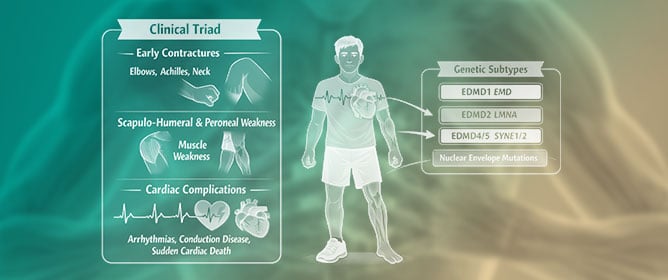
Cardiac Involvement in Emery–Dreifuss Muscular Dystrophy, from Arrhythmias to Heart Failure and Sudden Death: A Contemporary Review -
Adherence to CPAP in Randomized Controlled Trials in Obstructive Sleep Apnoea—A Meta-Analysis and Investigation of Predictors -
Navigating the Hemostatic Balance: Anticoagulation and Antiplatelet Therapy in Patients with Thrombocytopenia
Journal Description
Journal of Clinical Medicine
is an international, peer-reviewed, open access journal of clinical medicine, published semimonthly online by MDPI. The International Bone Research Association (IBRA), Spanish Society of Hematology and Hemotherapy (SEHH), Japan Association for Clinical Engineers (JACE), European Independent Foundation in Angiology/ Vascular Medicine (VAS) and others are all affiliated with JCM, and their members receive a discount on article processing charges.
- Open Access— free for readers, with article processing charges (APC) paid by authors or their institutions.
- High Visibility: indexed within Scopus, SCIE (Web of Science), PubMed, PMC, Embase, CAPlus / SciFinder, and other databases.
- Journal Rank: JCR - Q1 (Medicine, General and Internal) / CiteScore - Q1 (General Medicine)
- Rapid Publication: manuscripts are peer-reviewed and a first decision is provided to authors approximately 18.5 days after submission; acceptance to publication is undertaken in 2.7 days (median values for papers published in this journal in the second half of 2025).
- Recognition of Reviewers: reviewers who provide timely, thorough peer-review reports receive vouchers entitling them to a discount on the APC of their next publication in any MDPI journal, in appreciation of the work done.
- Companion journals for JCM include: Epidemiologia, Transplantology, Uro, Sinusitis, Rheumato, Journal of Clinical & Translational Ophthalmology, Journal of Vascular Diseases, Osteology, Complications, Therapeutics, Sclerosis, Pharmacoepidemiology, Journal of CardioRenal Medicine and Rare Diseases and Therapeutics.
- Journal Clusters of Hematology: Hemato, Hematology Reports, Thalassemia Reports and Journal of Clinical Medicine.
Impact Factor:
2.9 (2024);
5-Year Impact Factor:
3.3 (2024)
Latest Articles
Artificial Intelligence-Integrated Virtual Reality in Mental Health Care: A Scoping Review of Evidence, Clinical Applications, and Future Directions
J. Clin. Med. 2026, 15(11), 3993; https://doi.org/10.3390/jcm15113993 (registering DOI) - 22 May 2026
Abstract
Background: Mental illness constitutes one of the greatest worldwide health burdens. The use of artificial intelligence (AI) and virtual reality (VR) is becoming increasingly relevant in mental health. Nevertheless, evidence regarding their integrated application remains sparse. This scoping review identified existing evidence on
[...] Read more.
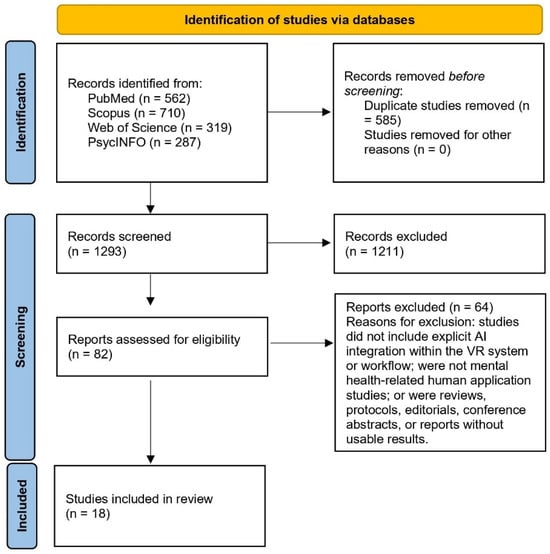
Background: Mental illness constitutes one of the greatest worldwide health burdens. The use of artificial intelligence (AI) and virtual reality (VR) is becoming increasingly relevant in mental health. Nevertheless, evidence regarding their integrated application remains sparse. This scoping review identified existing evidence on AI-integrated VR in mental health care, including clinical applications, reported outcomes, and future research directions. Methods: The Population, Concept, and Context framework was used as the eligibility criteria. The mental health-related studies considered were original studies that addressed explicit AI integration using VR systems or workflows and had at least one outcome or clinical or implementation finding. PubMed, Scopus, Web of Science, and PsycINFO were searched to retrieve English-language studies published between January 2020 and February 2026. Results: The available evidence is heterogeneous, generally small, and primarily focused on feasibility or predictive modeling. The focus of applications is on the assessment or prediction of anxiety spectrum conditions, trauma and post-traumatic stress disorders, stress, and panic disorder/agoraphobia. Most of the research examines immersive VR with multimodal inputs and machine-learning-based prediction models. However, the field remains largely in an early stage, with a lack of standardization, implementation readiness, safety reporting, and real-world validation. Conclusions: AI-integrated VR can be considered as a promising but emerging field, and further development requires stricter, more clinically based, and implementation-focused studies that can help establish safe, effective, and scalable implementation in mental health care. Furthermore, pragmatic, multicenter research directly investigates whether AI-integrated VR has additional clinical value compared to regular VR or regular care in mental health care.
Full article
(This article belongs to the Special Issue Digital Mental Health and Artificial Intelligence: Clinical Perspectives and Patient Safety)
►
Show Figures
Open AccessArticle
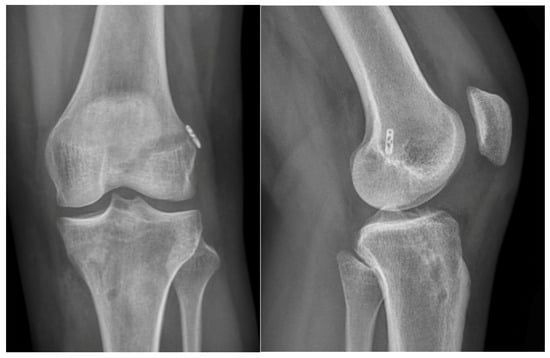
Postoperative Radiographic Reports After Anterior Cruciate Ligament Reconstruction: Are We Assessing What Really Matters?
by
Julien Behr, Mohamad Moussa, Nicolas Lefevre, Matthieu Sanchez, Alexandre Thomazi, Alexandre Hardy and Thibaut Noailles
J. Clin. Med. 2026, 15(11), 3992; https://doi.org/10.3390/jcm15113992 (registering DOI) - 22 May 2026
Abstract
Background/Objectives: Anterior cruciate ligament reconstruction, often combined with anterolateral ligament reconstruction, requires accurate anatomical positioning of bone tunnels, which is a key determinant of surgical success. In current clinical practice, postoperative radiographs are routinely performed for both medico-legal and clinical purposes. The objective
[...] Read more.
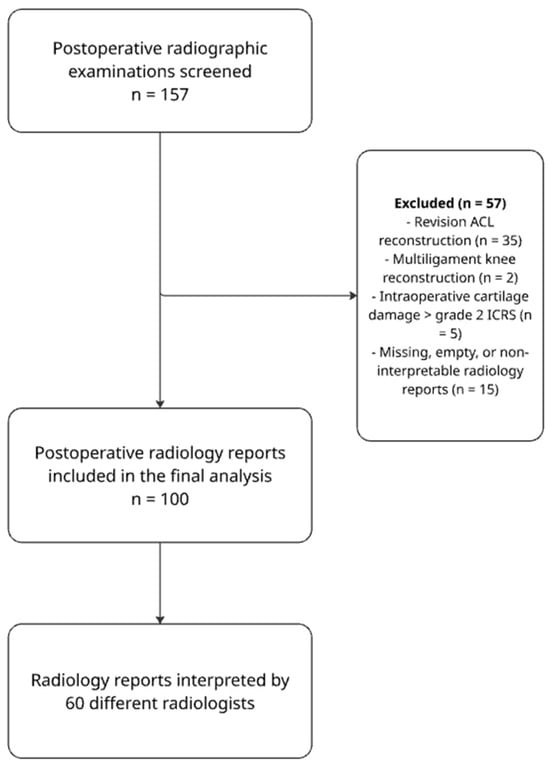
Background/Objectives: Anterior cruciate ligament reconstruction, often combined with anterolateral ligament reconstruction, requires accurate anatomical positioning of bone tunnels, which is a key determinant of surgical success. In current clinical practice, postoperative radiographs are routinely performed for both medico-legal and clinical purposes. The objective of this study is to analyze the content of early postoperative radiology reports following ACL ± ALL reconstruction and assess their clinical relevance regarding tunnel positioning, as well as the terminology used to describe surgical findings. Methods: A retrospective bicentric descriptive study was conducted, including 100 consecutive postoperative radiographic reports performed within two weeks after ACL ± ALL reconstruction. The primary outcome was the mention of bone tunnel positioning. Secondary outcomes included the reporting of joint effusion, surgical complications, fixation devices, and terminology used. All radiographs were independently reviewed by two experienced orthopedic surgeons. Results: Among the 100 reports analyzed, interpretations were performed by 60 different radiologists. None of the reports included an assessment of bone tunnel positioning based on validated anatomical criteria. Joint effusion was reported in 83% of cases, without specification of its physiological nature. In 22% of reports, bone tunnels were not mentioned. Terms such as “sequelae” or “stigmata” of ligament reconstruction were used in 50% of reports. No complications or surgical errors were identified upon independent radiographic review. Conclusions: Early postoperative radiology reports after ACL reconstruction appear standardized but often lack clinically relevant contextualization regarding tunnel-related technical aspects. Rather than advocating replacement of surgeon-led image review, our findings support clearer postoperative terminology and better contextualized reporting, including explicit acknowledgment when detailed tunnel assessment is not feasible on routine radiographs.
Full article
(This article belongs to the Special Issue Clinical Application of Knee Arthroscopy)
►▼
Show Figures

Figure 1
Open AccessArticle
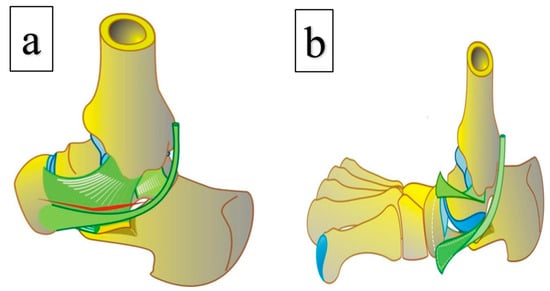
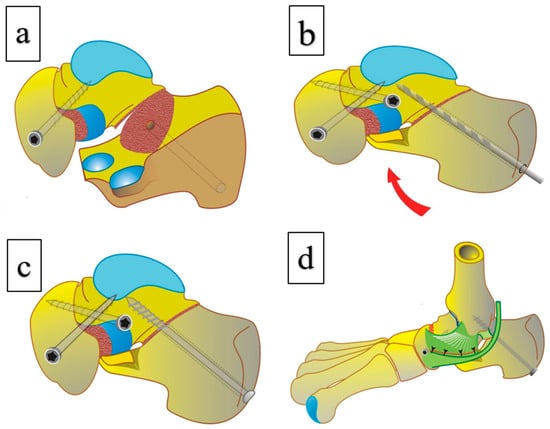
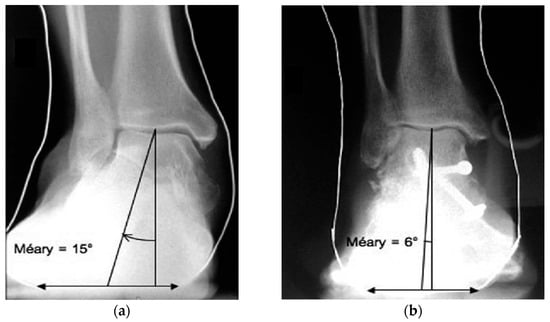
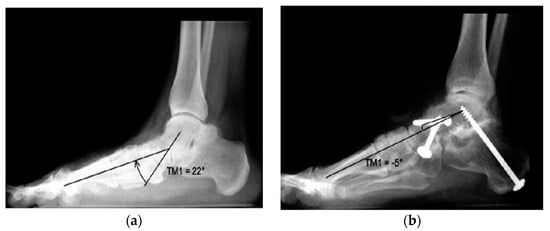
Long-Term Outcomes of Calcaneocuboid Preservation Following Medial Double Arthrodesis for Rigid Flatfoot: A Minimum 10-Year Evaluation
by
Samuel Laurent, Rayane Benhenneda, Ramy Samargandi and Jean Brilhault
J. Clin. Med. 2026, 15(11), 3991; https://doi.org/10.3390/jcm15113991 (registering DOI) - 22 May 2026
Abstract
Background: Hindfoot arthrodesis is commonly used to treat rigid flatfoot. While traditionally performed as a triple arthrodesis, recent evidence supports medial double arthrodesis, involving only the talonavicular and talocalcaneal joints and sparing the calcaneocuboid (CC) joint. This study aims to evaluate the
[...] Read more.
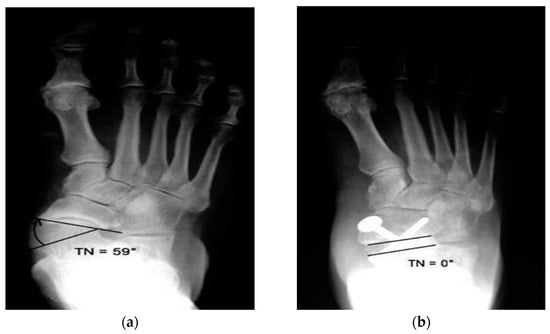
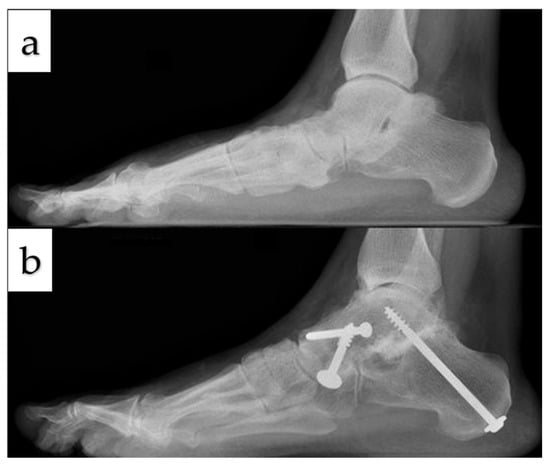
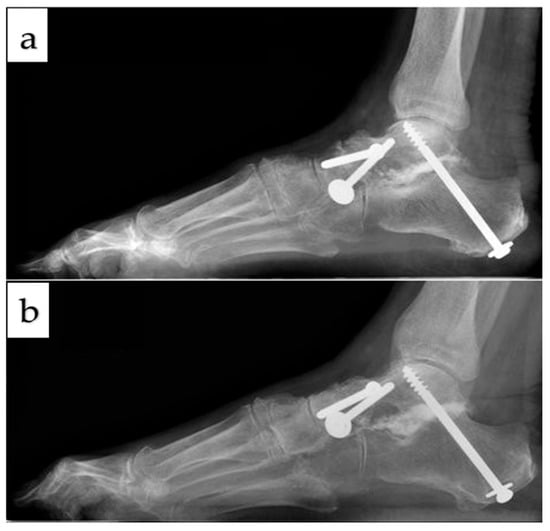
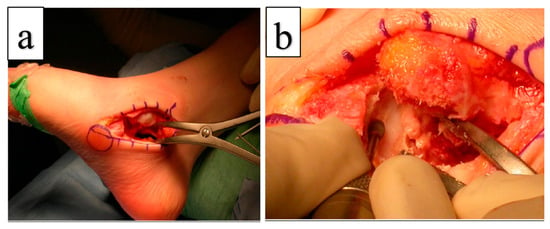
Background: Hindfoot arthrodesis is commonly used to treat rigid flatfoot. While traditionally performed as a triple arthrodesis, recent evidence supports medial double arthrodesis, involving only the talonavicular and talocalcaneal joints and sparing the calcaneocuboid (CC) joint. This study aims to evaluate the long-term condition of the spared CC joint more than 10 years after double arthrodesis. Methods: We retrospectively reviewed 17 feet in 13 patients (8 women, 5 men; mean age 43.8 ± 16.5 years) who underwent double arthrodesis for rigid flatfoot. Clinical outcomes were assessed using the AOFAS score and a visual analog pain scale. Radiographic evaluation of the CC joint was based on Graves’ four-stage classification, preoperatively and at final follow-up (minimum 10 years). Results: The mean follow-up was 154.6 ± 20.4 months. No patient required additional CC arthrodesis, and all CC joints remained asymptomatic. Radiographically, degeneration improved in 9 cases, was stable in 6, and worsened in 2. The mean AOFAS score significantly improved from 23.7 ± 9.3 preoperatively to 70.1 ± 9.3 at the longest follow-up (p < 0.0001). Similarly, the mean VAS pain score decreased from 6.4 ± 1.3 preoperatively to 2.1 ± 1.2 at follow-up (p < 0.0001). Conclusions: Double medial arthrodesis spares the CC joint, enabling arthrodiastasis and subchondral remodeling over time. This contributes to long-term pain relief and improved radiographic outcomes. Preserving minimal motion at the CC joint may enhance foot adaptability to uneven terrain and reduce the need for further surgical intervention.
Full article
(This article belongs to the Special Issue Clinical Advancements in Foot and Ankle Surgery: 2nd Edition)
►▼
Show Figures

Figure 1

Open AccessArticle
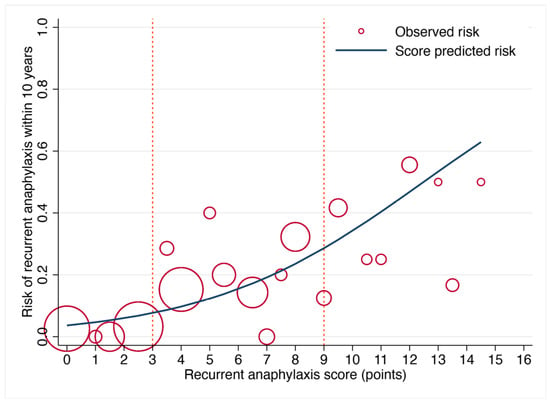
Development of a Clinical Prediction Model for Recurrent Anaphylaxis
by
Suwannee Uthaisangsook, Sagoontee Inkate and Susita Wangchiraniran
J. Clin. Med. 2026, 15(11), 3990; https://doi.org/10.3390/jcm15113990 (registering DOI) - 22 May 2026
Abstract
Background/Objectives: Preventing recurrent anaphylaxis is crucial for patient safety. This study aimed to identify predictive factors and develop a prediction model to estimate recurrence risk, thereby enhancing targeted preventive strategies. Methods: This prognostic prediction study used a retrospective observational cohort design,
[...] Read more.
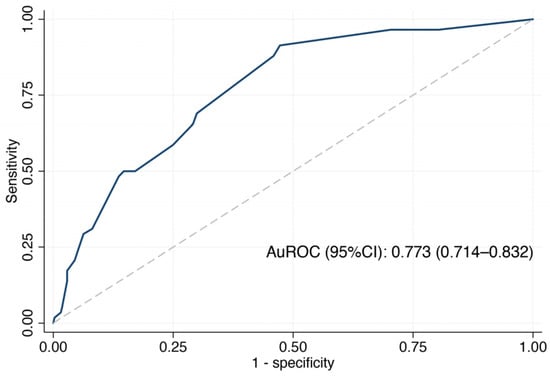
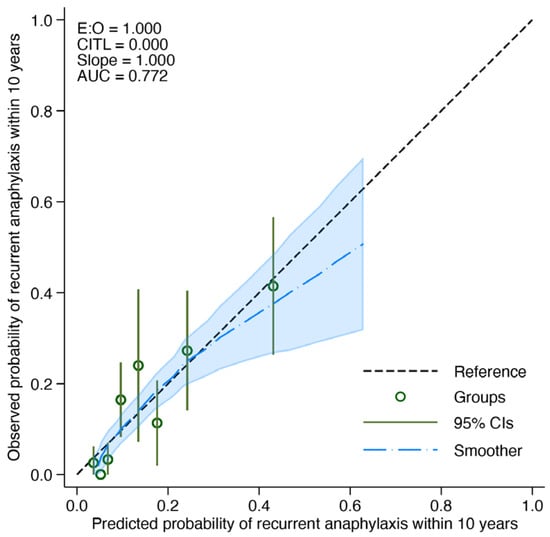
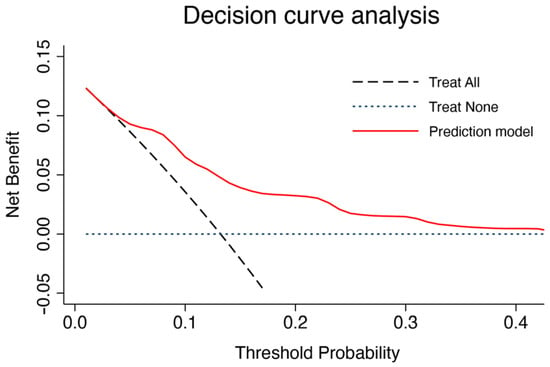
Background/Objectives: Preventing recurrent anaphylaxis is crucial for patient safety. This study aimed to identify predictive factors and develop a prediction model to estimate recurrence risk, thereby enhancing targeted preventive strategies. Methods: This prognostic prediction study used a retrospective observational cohort design, analyzing medical records from an anaphylaxis registry at Naresuan University Hospital, Phitsanulok, Thailand, between March 2011 and February 2021. We developed a prediction model using multivariable Cox proportional hazards regression analysis. Statistically significant and clinically relevant predictors were weighted into a risk score derived from hazard ratio regression coefficients. Model performance was evaluated using the area under the receiver operating characteristic curve (AuROC), calibration metrics, and decision curve analysis. Results: Over the 10-year period, 381 patients experienced 439 anaphylaxis episodes, including 58 recurrences (13.2%). The final model comprised six predictors: history of food, insect, and drug allergies; asthma; chest discomfort; and severe anaphylaxis. Corresponding risk scores were 4, 5, 5.5, 1, 2.5, and 1.5 points, respectively. Total scores ranged from 0 to 19.5 and were categorized into low (<3.0), moderate (3.0–9.0), and high (>9.0) risk groups. The high-risk group had a likelihood ratio positive (LHR+) of 4.65. The model demonstrated acceptable discrimination (AuROC 0.773 (95% CI: 0.714–0.832)) and good calibration. Bootstrap validation showed consistent performance (AuROC 0.773 (95% CI: 0.714–0.831)). Decision curve analysis indicated clinical utility across relevant threshold probabilities. Conclusions: This prediction model provides a simple, clinically applicable tool for estimating the risk of recurrent anaphylaxis and may support improved prevention and management strategies.
Full article
(This article belongs to the Section Immunology & Rheumatology)
►▼
Show Figures

Figure 1

Open AccessArticle
Influence of Sepsis on Clinical Outcomes During Mechanical Circulatory Support by Microaxial Flow Pump in Patients with Cardiogenic Shock Following Acute Myocardial Infarction
by
Philip Düsing, Julia Markgraf, Baravan Al-Kassou, Marko Bulic, Thomas Beiert, Sebastian Zimmer, Nikos Werner, Felix Jansen, Georg Nickenig and Andreas Zietzer
J. Clin. Med. 2026, 15(10), 3989; https://doi.org/10.3390/jcm15103989 - 21 May 2026
Abstract
Background: Cardiogenic shock (CS) is characterized as a state of low cardiac output that is frequently associated with multisystem organ failure. For over two decades, revascularization of the culprit lesion remained the only interventional treatment option to improve outcomes in CS following acute
[...] Read more.
Background: Cardiogenic shock (CS) is characterized as a state of low cardiac output that is frequently associated with multisystem organ failure. For over two decades, revascularization of the culprit lesion remained the only interventional treatment option to improve outcomes in CS following acute myocardial infarction. However, recently published data provide evidence that the use of a microaxial flow pump for mechanical circulatory support (MCS) in STEMI-related cardiogenic shock significantly reduced mortality after 180 days. Increased rates of complications such as sepsis were observed under MCS. The present study aimed to investigate the influence of sepsis on prognoses in patients with CS receiving temporary MCS with a microaxial flow pump. Methods and Results: This retrospective cohort study included 38 patients who received a microaxial flow pump for CS between 2014 and 2017. All patients were analyzed for the presence of sepsis, defined as infection and an increase in the Sequential Organ Failure Assessment (SOFA) score of ≥2 points. Analyzed clinical outcomes included all-cause mortality after 30 and 365 days and changes in renal function. A total of 38 patients were included in the final analysis. The 30-day all-cause mortality was significantly higher in the sepsis group than in the no-sepsis group (53.9% vs. 8.3%, p = 0.014). The findings were consistent for mortality at 365 days (65.4% vs. 16.7%, p = 0.008). Conclusions: These results indicate that sepsis significantly increases the risk of all-cause mortality at 30 and 365 days among patients with CS following AMI and receiving MCS via a microaxial flow pump.
Full article
(This article belongs to the Section Cardiology)
Open AccessArticle
Impaired Knee Joint Position Sense in Chronic Patellar Tendinopathy Is Associated with Kinesiophobia but Not Central Sensitization
by
Özlem Yener and Altınay Göksel Karatepe
J. Clin. Med. 2026, 15(10), 3988; https://doi.org/10.3390/jcm15103988 - 21 May 2026
Abstract
Background: Patellar tendinopathy is a common musculoskeletal condition that may impair functional performance and limit physical activity. While structural and mechanical factors have been widely investigated, the role of proprioceptive function and its interaction with behavioral and central pain-related mechanisms remain unclear. This
[...] Read more.
Background: Patellar tendinopathy is a common musculoskeletal condition that may impair functional performance and limit physical activity. While structural and mechanical factors have been widely investigated, the role of proprioceptive function and its interaction with behavioral and central pain-related mechanisms remain unclear. This study aimed to investigate the relationship between knee joint position sense, kinesiophobia, and central sensitization in individuals with chronic patellar tendinopathy. Methods: A total of 42 recreational athletes with clinically diagnosed chronic patellar tendinopathy were included in this cross-sectional study. Knee joint proprioception was assessed using joint position sense testing at multiple knee flexion angles with a continuous passive motion device. Kinesiophobia and central sensitization were evaluated using the Tampa Scale of Kinesiophobia and the Central Sensitization Inventory, respectively. Joint position sense values of the involved and contralateral extremities were compared, and correlation analyses were performed to examine associations between joint position sense and psychosocial variables. Results: The involved extremity demonstrated significantly greater absolute angular error compared to the contralateral side at higher knee flexion angles (≥60°, p < 0.01), whereas no significant differences were observed at lower angles. A moderate positive correlation was found between joint position sense error and kinesiophobia at higher flexion angles (≥30°, p < 0.01). No significant association was identified between joint position sense error and central sensitization across any of the tested angles (p > 0.05). Conclusions: Proprioceptive function is impaired in individuals with chronic patellar tendinopathy, particularly under increased mechanical demand. The association between joint position sense deficits and kinesiophobia, but not central sensitization, suggests a potential relationship between movement-related fear and sensorimotor alterations. These findings highlight the importance of incorporating proprioceptive assessment and addressing kinesiophobia in the clinical management of patellar 36 tendinopathy.
Full article
(This article belongs to the Special Issue Management of Ligaments and Tendons Injuries)
Open AccessArticle
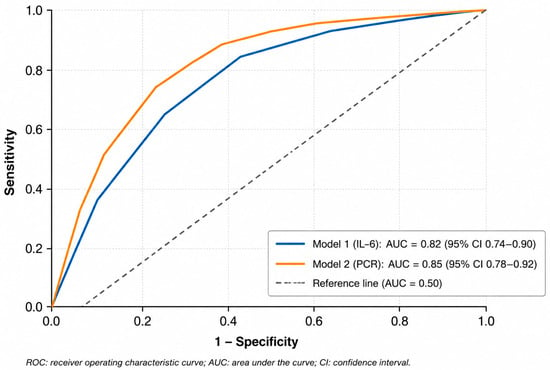
Systemic Inflammation and Malnutrition Define a High-Risk Phenotype in Chronic Limb-Threatening Ischemia
by
Paula Luque-Linero, Prado Salamanca-Bautista, Eduardo Carmona-Nimo, Teresa Arrobas-Velilla, Francisco José Rivera-de-los-Santos and Miguel Ángel Rico-Corral
J. Clin. Med. 2026, 15(10), 3987; https://doi.org/10.3390/jcm15103987 - 21 May 2026
Abstract
Objective: This study aimed to evaluate the prognostic value of inflammatory biomarkers and their interaction with nutritional status for risk stratification in patients with chronic limb-threatening ischemia (CTLI). Material and Methods: This was a prospective, single-center observational cohort study including adult patients admitted
[...] Read more.
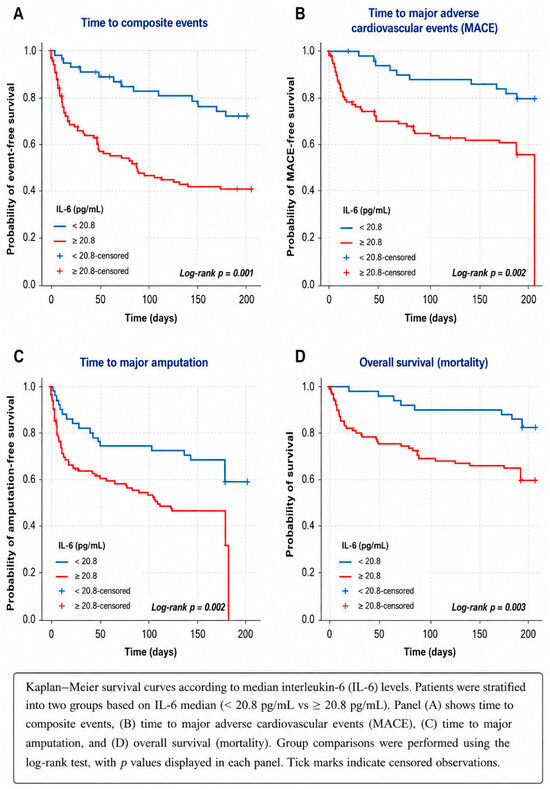
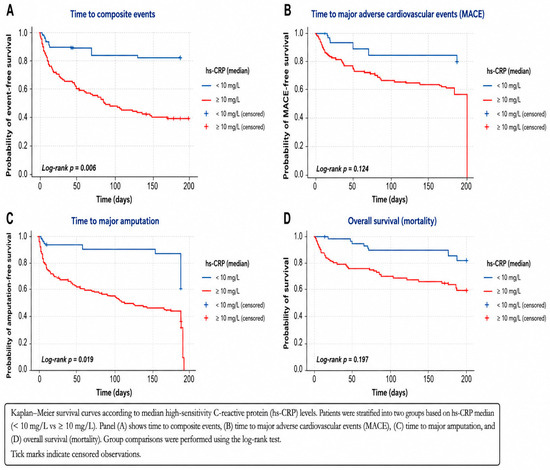
Objective: This study aimed to evaluate the prognostic value of inflammatory biomarkers and their interaction with nutritional status for risk stratification in patients with chronic limb-threatening ischemia (CTLI). Material and Methods: This was a prospective, single-center observational cohort study including adult patients admitted with CTLI. Clinical outcomes included major amputation, major vascular events (MACE), and all-cause mortality. Multivariate logistic regression analyses were performed using two separate models, one including IL-6 and another including hsCRP, to avoid potential collinearity between biomarkers. Model discrimination was assessed using ROC curves, and Kaplan–Meier survival analyses were performed. Results: A total of 170 patients were included (mean age 72 ± 12 years; 74% male), with high cardiovascular risk and frequent malnutrition and sarcopenia. At 6 months, major amputations occurred in 35.3% of patients, MACE in 35%, and all-cause mortality in 32%. In multivariable analyses, malnutrition was the strongest independent predictor of the composite endpoint. IL-6 (OR 2.90, 95% CI 1.45–5.81; p = 0.003) and hsCRP values above the median (OR 4.22, 95% CI 2.04–8.72; p < 0.001) remained independently associated with adverse outcomes, together with age > 72 years. The hsCRP-based model showed slightly higher discriminative performance than the IL-6 model (AUC = 0.77 VS AUC = 0.75). Kaplan–Meier analyses demonstrated significantly reduced event-free survival in patients with elevated inflammatory biomarkers. Conclusions: In CTLI, systemic inflammation and nutritional status jointly identify patients at extremely high risk of adverse outcomes. hsCRP, given its availability, may be a practical tool for clinical risk stratification.
Full article
(This article belongs to the Section Cardiovascular Medicine)
►▼
Show Figures

Figure 1
Open AccessArticle
Phosphate Excretion Differentiates the Amount of Nephroprotective Effect of Amino Acid Ketoanalogues Treatment with Low Protein Diet in Chronic Kidney Disease—A Retrospective Single-Center Cohort Study
by
Ewelina Jędrych, Arkadiusz Lubas, Julia Bryłowska, Magdalena Mirkowska and Stanisław Niemczyk
J. Clin. Med. 2026, 15(10), 3986; https://doi.org/10.3390/jcm15103986 - 21 May 2026
Abstract
Chronic kidney disease (CKD) affects more than 10% of the world’s population, increasing the risk of cardiovascular disease and mortality. Background: Nephroprotective interventions can reduce the risk of end-stage renal disease, delay the time to dialysis, and prolong life. However, there is
[...] Read more.
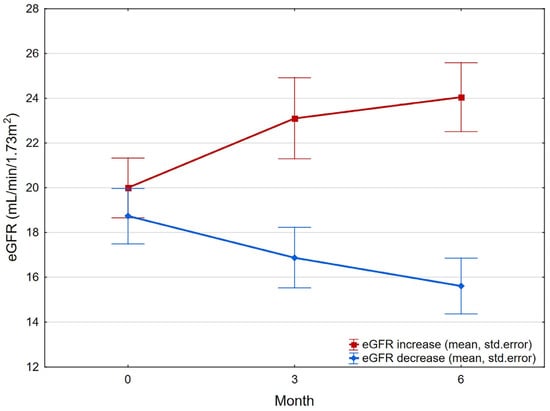
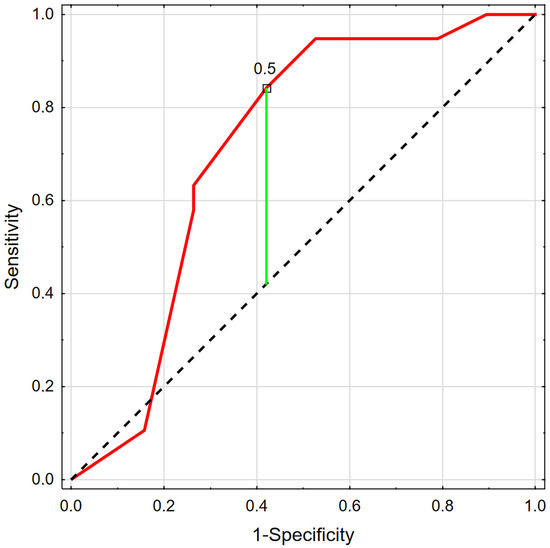
Chronic kidney disease (CKD) affects more than 10% of the world’s population, increasing the risk of cardiovascular disease and mortality. Background: Nephroprotective interventions can reduce the risk of end-stage renal disease, delay the time to dialysis, and prolong life. However, there is ongoing debate about the effectiveness of combining amino acid ketoanalogues (KAA) with a low-protein diet (LPD) to slow CKD progression. This study aimed to retrospectively analyze kidney function outcomes after a 6-month KAA+LPD regimen in patients with CKD. Methods: The analysis included results from 38 non-dialyzed patients (12 F, 26 M; age 64.0 ± 13.6 years) with stable CKD in stages G4 to G5, who followed LPD with KAA (Ketosteril, Fresenius Kabi) treatment as part of the Polish National Health Fund Ketosteril Drug Program. Results: No significant change in estimated glomerular filtration rate (eGFR) was observed during 6 months of KAA+LPD therapy. However, eGFR increased or decreased in half of the patients (p < 0.001), and this change was associated only with initial protein intake and urinary phosphate excretion. Initial high phosphate excretion was independently associated with an increase in eGFR, and initial phosphaturia > 0.5 g/24 h identified eGFR improvement (sensitivity 84.2%; specificity 57.9%; AUC 0.712; p = 0.018) in CKD patients who started KAA+LPD treatment. Conclusions: Six-month treatment with KAA+LPD may be associated with stabilization of kidney function in patients with CKD stages G4-G5. The individual effect of KAA+LPD on renal function may be related to the initial protein intake level and urinary phosphate excretion. Further studies are needed to validate these findings across larger patient populations with a broader spectrum of symptoms.
Full article
(This article belongs to the Special Issue Advances in New Clinical Perspectives on Chronic Kidney Disease)
►▼
Show Figures

Figure 1
Open AccessReview
PaCO2 as a Possible Treatable Trait in Acute Respiratory Failure: A Scoping Review
by
Carmelo Dueñas-Castell, José Correa-Guerrero, Dairo Rodelo-Barrios, Luis Valderrama-Ortiz, Cristhian Vallejo-Burgos, Diana Borré-Naranjo, Amilkar Almanza-Hurtado and Elber Osorio-Rodríguez
J. Clin. Med. 2026, 15(10), 3985; https://doi.org/10.3390/jcm15103985 - 21 May 2026
Abstract
Acute respiratory failure (ARF) often leads to ICU admission, ventilatory support, illness, and death. The usual classification into hypoxemic and hypercapnic types does not capture its full complexity. Precision medicine uses the concept of “treatable traits” to guide care based on traits that
[...] Read more.
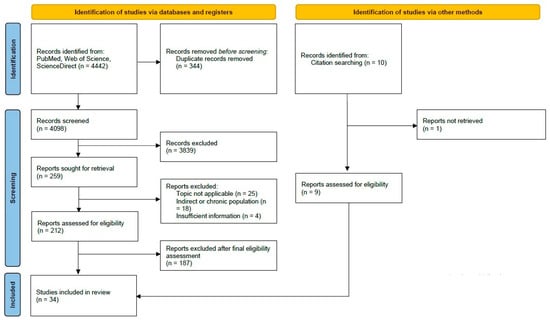
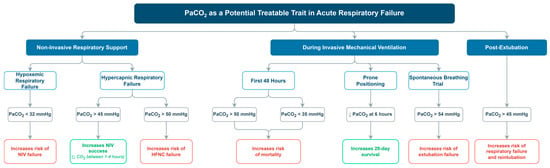
Acute respiratory failure (ARF) often leads to ICU admission, ventilatory support, illness, and death. The usual classification into hypoxemic and hypercapnic types does not capture its full complexity. Precision medicine uses the concept of “treatable traits” to guide care based on traits that are clinically relevant, identifiable, measurable, and possibly changeable. Arterial carbon dioxide pressure (PaCO2) reflects factors like alveolar ventilation, dead space, respiratory mechanics, and how patients respond to ventilatory support. This makes it clinically relevant in selected situations. We carried out a scoping review using PRISMA-ScR and JBI guidelines to summarize evidence on hypocapnia and hypercapnia as prognostic, stratification, or clinically relevant variables during respiratory support. We searched PubMed/MEDLINE, ScienceDirect, and Web of Science (1994–2025), and checked references by hand. Thirty-four studies met our criteria and were grouped into four areas: pre-intubation or early acute presentation, non-invasive support (NIV/HFNC), invasive mechanical ventilation (IMV), and weaning or post-extubation. In summary, hypocapnia was linked to worse outcomes or failure of support in hypoxemic or cardiogenic cases. Hypercapnia helped identify patients who benefited from NIV, such as those with chronic obstructive pulmonary disease or obesity hypoventilation. For IMV, the effects depended on the presence and severity of acidosis and on its duration. Overall, PaCO2 showed context-dependent clinical relevance, acting mainly as a prognostic or stratification marker and, in narrower settings, as a variable that may inform monitoring or support decisions. This review provides a pragmatic framework for interpreting PaCO2 across respiratory support contexts and highlights the need for safe and clinically meaningful targets.
Full article
(This article belongs to the Section Respiratory Medicine)
►▼
Show Figures

Figure 1

Open AccessArticle
Wearable Device Adoption, Physical Activity, and Health Data Sharing Among U.S. Cancer Survivors: Evidence from HINTS-7
by
Zarmina Amin, Jessh Mavoungou, John Oginni and Zan Gao
J. Clin. Med. 2026, 15(10), 3984; https://doi.org/10.3390/jcm15103984 - 21 May 2026
Abstract
Background/Objectives: Wearable devices are increasingly used to support physical activity (PA), yet national patterns of use and their relationship with PA among cancer survivors remain unclear. Integration of wearable data into clinical care is also poorly understood. This study examined wearable use,
[...] Read more.
Background/Objectives: Wearable devices are increasingly used to support physical activity (PA), yet national patterns of use and their relationship with PA among cancer survivors remain unclear. Integration of wearable data into clinical care is also poorly understood. This study examined wearable use, its association with meeting PA guidelines, and health data-sharing with providers among U.S. adults with and without cancer. Methods: A cross-sectional analysis of the Health Information National Trends Survey (HINTS-7), a nationally representative survey of U.S. adults, was conducted. Survey weights and jackknife replication methods generated population-level estimates. Wearable use (yes/no), meeting PA guidelines (≥150 min/week moderate activity), and data-sharing behaviors were assessed. Weighted logistic regression evaluated associations between wearable use and meeting PA guidelines, including interaction by cancer history. Analyses also examined willingness to share and actual data-sharing. Results: The sample included 6084 U.S. adults. Wearable use was lower among cancer survivors (34.0%) than those without cancer (41.4%). Individuals using wearable devices were more likely to meet PA guidelines (ORs: 1.79–1.97), with the association being stronger among cancer survivors. Among cancer-surviving wearable users, willingness to share data with providers was high (77.5%), but actual sharing was substantially lower (35.4%). Few predictors of willingness were identified. Conclusions: Wearable use is associated with meeting PA guidelines at the population level, with potential relevance for cancer survivors. However, despite high willingness to share data, clinical integration remains limited, highlighting a gap between digital engagement and healthcare use. Strategies to improve integration of patient-generated data into care are needed.
Full article
(This article belongs to the Section Sports Medicine)
Open AccessArticle
Breast Cancer Patterns in Saudi Arabia (2007–2022): A Nationwide Cancer Registry Surveillance Study
by
Nuha Alsaleh, Shatha Alduraywish, Maria A. Arafah, Shaima Ali Maghdi, Mohamed Alghamdi and Tamrah Alrammah
J. Clin. Med. 2026, 15(10), 3983; https://doi.org/10.3390/jcm15103983 - 21 May 2026
Abstract
Background: Population-based cancer registry surveillance is essential for monitoring breast cancer burden and guiding cancer control planning; however, national surveillance evidence from Saudi Arabia remains limited. Using the Saudi Cancer Registry (SCR), we describe the distribution of age at diagnosis, geographic location, registry
[...] Read more.
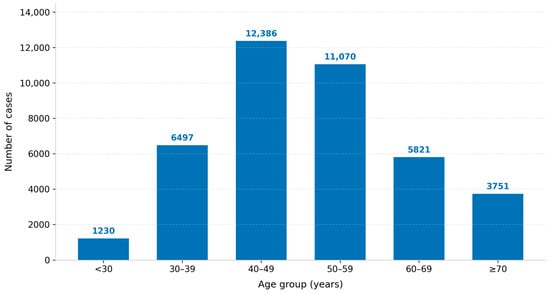
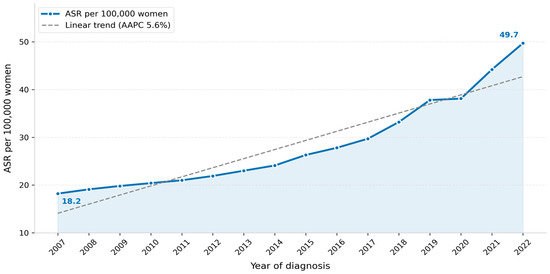
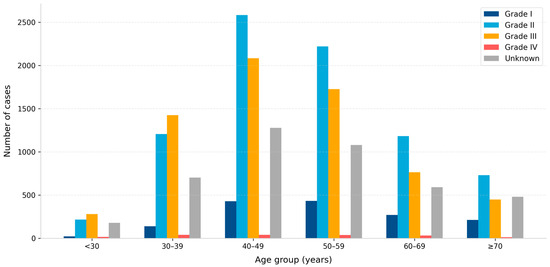
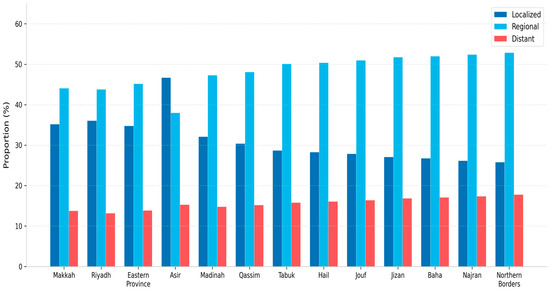
Background: Population-based cancer registry surveillance is essential for monitoring breast cancer burden and guiding cancer control planning; however, national surveillance evidence from Saudi Arabia remains limited. Using the Saudi Cancer Registry (SCR), we describe the distribution of age at diagnosis, geographic location, registry stage, histology, and grade among Saudi women diagnosed with breast cancer between 2007 and 2022. Methods: We performed a retrospective descriptive study of all Saudi female breast cancer cases registered in the SCR from 1 January 2007 to 31 December 2022 (N = 40,755). Variables were coded according to SEER guidelines; STATA 16 was used for analyses. Results: The average age at diagnosis among 40,755 cases was 51.85 years. The highest case volume was from Makkah (25.5%), Riyadh (23.6%), and the Eastern Province (15.9%). The national age-standardized incidence rate (ASR) increased from 18.2 to 49.7 per 100,000 women between 2007 and 2022. Invasive ductal carcinoma (no special type) was the most common histology (76.7%). Overall, 42.7% of cases were localized, 36.5% regional, 14.2% distant, and 6.6% unstaged. Stage distribution differed significantly by age group (χ2 = 98.1, p < 0.001) and by region (χ2 = 312.6, p < 0.001). Conclusions: National cancer registry data show marked regional differences in breast cancer incidence and a persistent proportion of late-stage diagnoses. These findings may inform early detection planning and region-specific cancer control strategies.
Full article
(This article belongs to the Section Oncology)
►▼
Show Figures

Figure 1

Open AccessArticle
Allergic Status, Long COVID, and Post-Restriction Respiratory Outcomes in Children: A Single-Center Questionnaire-Based Study
by
Giulia Brindisi, Alessandra Gori, Elia Pignataro, Giorgio Colletti, Sonia Iavarone, Alberto Spalice, Caterina Anania and Anna Maria Zicari
J. Clin. Med. 2026, 15(10), 3982; https://doi.org/10.3390/jcm15103982 - 21 May 2026
Abstract
Background: The relationship between allergic status, SARS-CoV-2 infection, Long COVID, and post-restriction respiratory outcomes in children remains incompletely understood. This study aimed to explore the associations between allergic status and Long COVID, as well as between SARS-CoV-2 vaccination and post-restriction changes in allergic
[...] Read more.
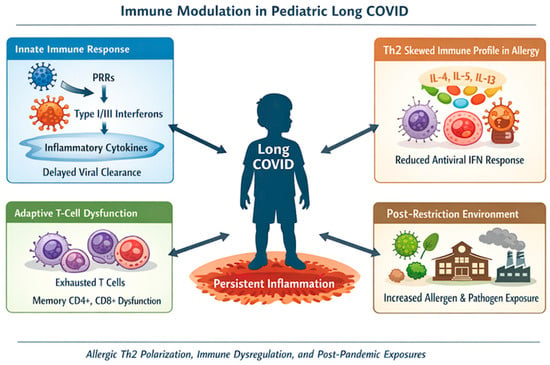
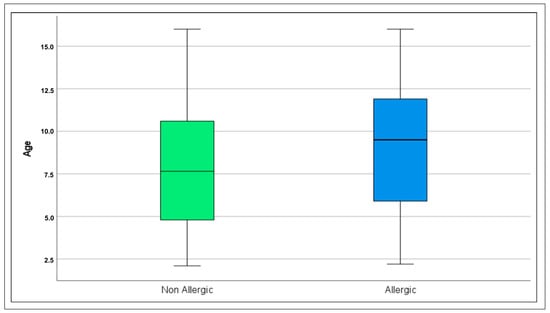
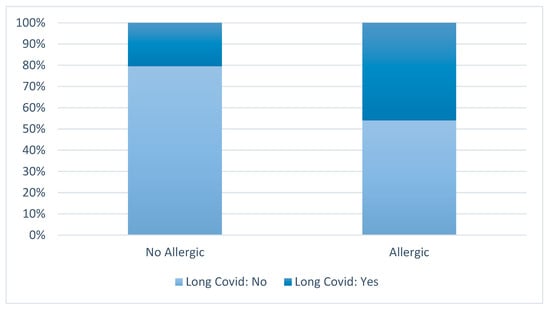
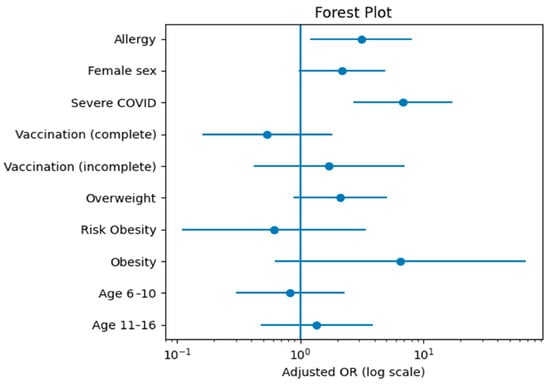
Background: The relationship between allergic status, SARS-CoV-2 infection, Long COVID, and post-restriction respiratory outcomes in children remains incompletely understood. This study aimed to explore the associations between allergic status and Long COVID, as well as between SARS-CoV-2 vaccination and post-restriction changes in allergic rhinitis (AR), asthma, and upper respiratory infections, in a pediatric tertiary-care cohort. Methods: We conducted a single-center, questionnaire-based observational study involving children aged 0–16 years, who were followed at the Pediatric Allergy Clinic of Umberto I Hospital in Rome. Parents completed an email-based questionnaire addressing SARS-CoV-2 infection, vaccination, persistent post-infectious symptoms, allergic diseases, and respiratory infections following restrictions. Analyses of Long COVID were limited to children with confirmed SARS-CoV-2 infection. Results: A total of 214 questionnaires were analyzed. Allergic status was not significantly associated with SARS-CoV-2 infection in the overall cohort. Among infected children, allergic status was independently associated with higher odds of Long COVID (adjusted OR 3.12, 95% CI 1.20–8.09; p = 0.019). Severe acute infection was also strongly associated with Long COVID (adjusted OR 6.84, 95% CI 2.72–17.21; p < 0.001). Complete vaccination was associated with lower odds of SARS-CoV-2 infection in the overall sample (adjusted OR 0.20, 95% CI 0.09–0.46; p < 0.001) but was not independently associated with Long COVID among infected children. After the removal of COVID-19 restrictions, 90.1% of allergic children reported worsening AR and 52.0% reported worsening asthma, with no significant association with SARS-CoV-2 infection or Long COVID. Group A Streptocossus (GAS) pharyngitis was reported in 50.0% and viral pharyngitis in 10.7% of the cohort, with no significant differences between allergic and non-allergic children. Conclusions: In this single-center, questionnaire-based pediatric cohort, allergic status was correlated with increased likelihood of Long COVID among children with confirmed SARS-CoV-2 infection; however, it was not associated with a higher risk of infection itself. Complete vaccination was linked to a reduced risk of infection, whereas no independent correlation with Long COVID was identified. Post-restriction exacerbation of allergic respiratory symptoms was prevalent, while the incidence of bacterial and viral pharyngitis did not vary significantly according to allergic status.
Full article
(This article belongs to the Special Issue Integrated Management of Long COVID: Fatigue, Emerging Evidence, and Therapeutic Innovations)
►▼
Show Figures

Figure 1

Open AccessArticle
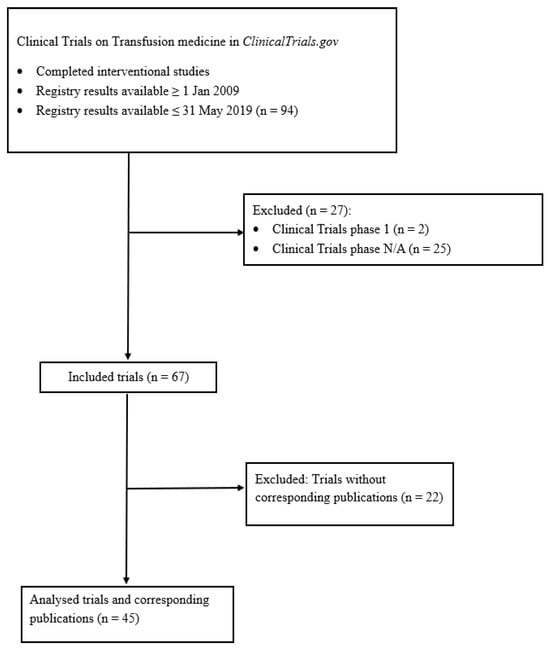
Consistency Between Clinical Trial Registry Entries and Journal Publications in Transfusion Medicine: An Observational Study
by
Iva Jerčić Martinić-Cezar, Shelly Melissa Pranić, Ante Tavra and Ana Marušić
J. Clin. Med. 2026, 15(10), 3981; https://doi.org/10.3390/jcm15103981 - 21 May 2026
Abstract
Background/Objectives: Transparent and complete reporting of clinical trial information across registries and peer-reviewed publications is essential for reliable interpretation of clinical evidence. Previous studies have demonstrated discrepancies between trial registries and journal publications, but data specifically focusing on transfusion medicine trials remain
[...] Read more.
Background/Objectives: Transparent and complete reporting of clinical trial information across registries and peer-reviewed publications is essential for reliable interpretation of clinical evidence. Previous studies have demonstrated discrepancies between trial registries and journal publications, but data specifically focusing on transfusion medicine trials remain limited. To assess reporting completeness and consistency for key WHO Trial Registration Data Set (WHO TRDS) items and safety outcomes across the trial life cycle in transfusion medicine-related clinical trials. Methods: We conducted a retrospective observational study of completed transfusion medicine-related clinical trials registered in ClinicalTrials.gov, with registry results available between January 2009 and May 2019. Reporting of WHO TRDS items was evaluated at three predefined time points: initial registry entry, final registry update, and corresponding peer-reviewed journal publication. Changes and missing items were systematically assessed, and adverse event and mortality reporting were compared between registry records and journal publications. Results: A total of 67 eligible clinical trials were identified, of which 45 (67%) had corresponding peer-reviewed journal publications. At initial registration, several WHO TRDS items were frequently missing, particularly timeline- and outcome-related fields. Completeness improved substantially in final registry updates but remained inconsistent in journal publications, where discrepancies in eligibility criteria, outcome definitions, and study timelines were common. Differences between final registry updates and publications were observed in the majority of trials. Safety reporting also differed between sources: serious adverse events were reported in 31/45 (69%) registry entries and 26/45 (58%) publications, whereas deaths were more frequently reported in publications (27/45, 60%) than in registries (20/45, 44%). Conclusions: Clinical trials in transfusion medicine show inconsistencies between registry records and corresponding journal publications across key methodological and safety reporting domains. These differences may limit transparency, reproducibility, and the reliability of evidence synthesis. Closer alignment between trial registries and scientific publications is needed to strengthen the trustworthiness of clinical information in transfusion medicine.
Full article
(This article belongs to the Special Issue Clinical Pharmacology: Adverse Drug Reactions)
►▼
Show Figures

Figure 1
Open AccessSystematic Review
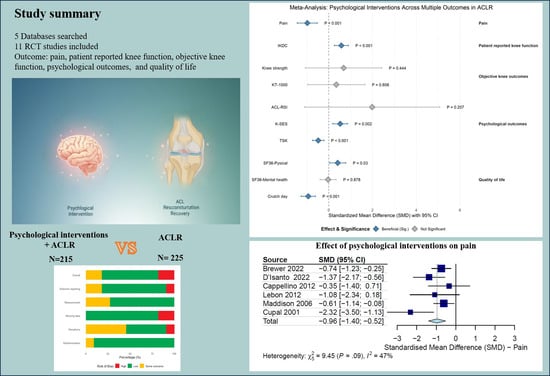
The Effectiveness of Psychological Interventions for Patients Undergoing Anterior Cruciate Ligament Reconstruction: A Meta-Analysis and Systematic Review
by
Manxue Zhang, Bohua Li, Jialiang Tian, Yi Huang and Xiaobing Pu
J. Clin. Med. 2026, 15(10), 3980; https://doi.org/10.3390/jcm15103980 - 21 May 2026
Abstract
Background: No systematic review has yet been conducted simultaneously on the effectiveness of psychological interventions across multiple outcome measures during rehabilitation following anterior cruciate ligament reconstruction (ACLR). This study aims to assess the effects of such interventions on pain, psychological outcomes, patient-reported
[...] Read more.
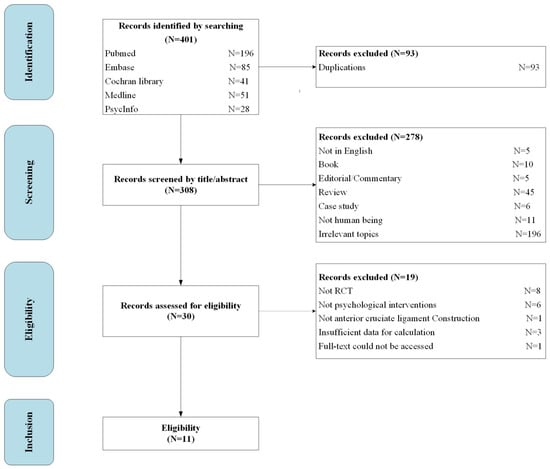
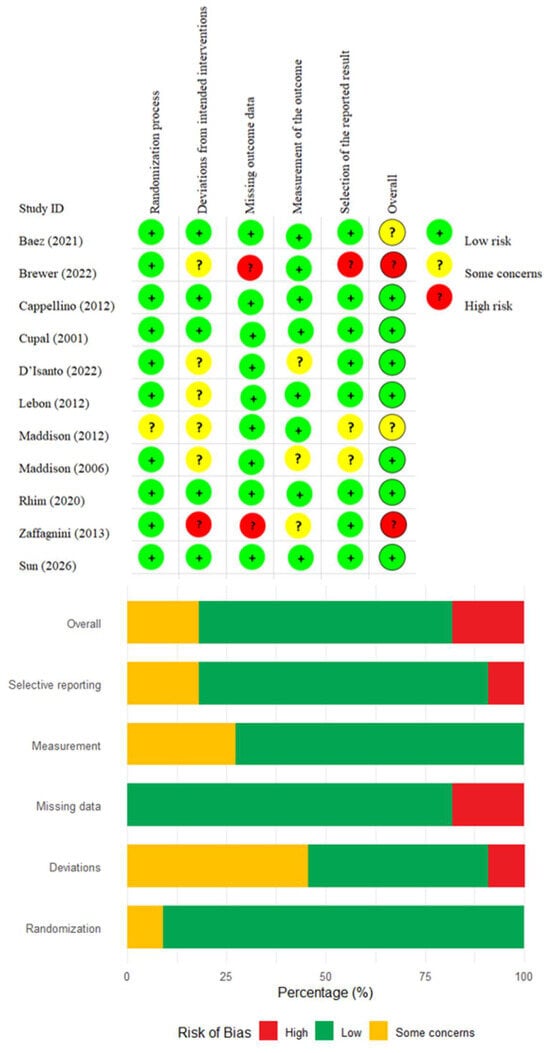
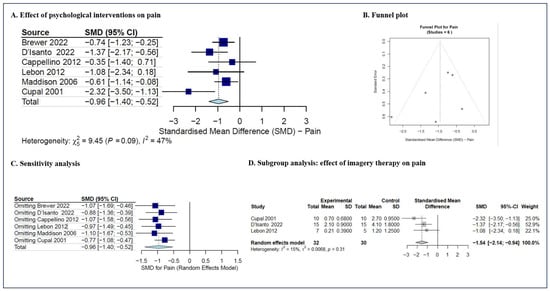
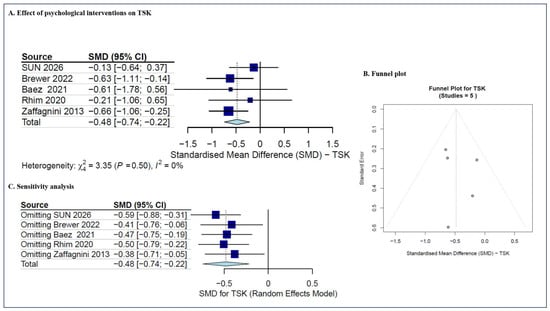
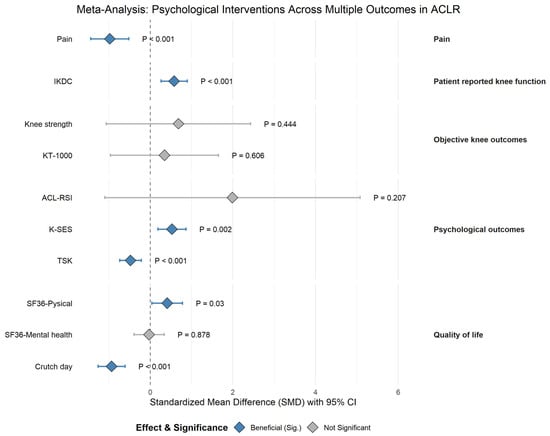
Background: No systematic review has yet been conducted simultaneously on the effectiveness of psychological interventions across multiple outcome measures during rehabilitation following anterior cruciate ligament reconstruction (ACLR). This study aims to assess the effects of such interventions on pain, psychological outcomes, patient-reported knee function, objective knee measures, and quality of life following ACLR. Methods: We searched PubMed, Medline, Embase, PsycINFO, and the Cochrane Library from inception to 20 April 2026 (PROSPERO CRD42023483889). Eligible randomized controlled trials compared psychological interventions with usual care in ACLR patients. Two reviewers assessed eligibility, risk of bias, and extracted data. Random-effects models were used; effect sizes were interpreted using Cohen’s guidelines. Results: Of 401 records screened, 11 RCTs (440 participants) were included. Psychological interventions significantly improved pain (six trials, SMD = −0.96, 95% CI −1.40 to −0.52, p < 0.001, I2 = 47%; large effect), kinesiophobia (TSK-11: five trials, SMD = −0.48, −0.74 to −0.22, I2 = 0%; small effect), knee self-efficacy (K-SES: three trials, SMD = 0.53, 0.19–0.86, I2 = 0%, moderate effect), patient-reported knee function (IKDC: two trials, SMD = 0.58, 0.26–0.90, I2 = 0%, moderate effect), and physical role function (SF-36: two trials, SMD = 0.41, 0.04–0.78, I2 = 0%, small effect). No significant effects were found for KT1000, knee strength, SF-36 mental well-being, or ACL-RSI (all p > 0.05, with substantial heterogeneity for ACL-RSI). Particularly, imagery therapy reduced pain (three trials, SMD = −1.54, I2 = 15%). Conclusions: This meta-analysis provides preliminary evidence that psychological interventions, especially imagery therapy, may improve pain, psychological outcomes, patient-reported knee function, and quality of life after ACLR. Adequately powered trials with standardized protocols are needed to confirm these findings.
Full article
(This article belongs to the Special Issue Advances in Anterior Cruciate Ligament Injury Treatment)
►▼
Show Figures

Graphical abstract
Open AccessArticle
Prognostic and Treatment-Specific Predictive Implications of HER2 Expression in RAS Wild-Type Metastatic Colorectal Cancer: A Multicenter Retrospective Real-World Study
by
Özlem Özdemir, Damla Günenç, Halil Taşkaynatan, Pınar Peker, Emir Gökhan Kahraman, Sedat Biter, Semra Paydaş, Tuğba Önder, Öztürk Ateş, Muhammed Muhiddin Er, Murat Araz, Ahmet Melih Arslan, Hüseyin Salih Semiz, Nilüfer Avcı, İzzet Doğan, Akif Doğan, Teoman Şakalar, Timur Köse, Asuman Argon, Enver İlhan, Başak Doğanavşargil Yakut, Murat Sezak and Bülent Karabulutadd
Show full author list
remove
Hide full author list
J. Clin. Med. 2026, 15(10), 3979; https://doi.org/10.3390/jcm15103979 - 21 May 2026
Abstract
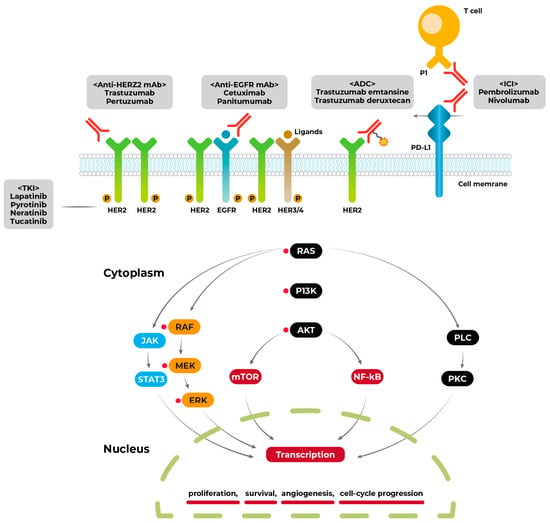
Background: Human epidermal growth factor receptor 2 (HER2) alterations have been implicated as mechanisms of resistance to anti-epidermal growth factor receptor (anti-EGFR) therapy in metastatic colorectal cancer (mCRC). We aimed to evaluate the predictive and prognostic significance of HER2 expression in patients with
[...] Read more.
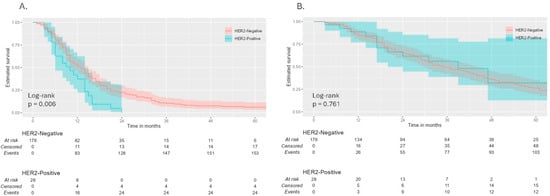
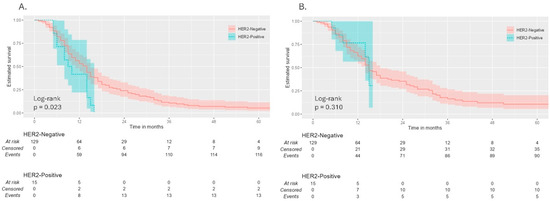
Background: Human epidermal growth factor receptor 2 (HER2) alterations have been implicated as mechanisms of resistance to anti-epidermal growth factor receptor (anti-EGFR) therapy in metastatic colorectal cancer (mCRC). We aimed to evaluate the predictive and prognostic significance of HER2 expression in patients with RAS wild-type mCRC in a real-world setting. Methods: We conducted a multicenter retrospective cohort study across ten oncology centers in Turkey, including patients with RAS wild-type mCRC treated between 2015 and 2022. Clinical outcomes, including progression-free survival (PFS) and overall survival (OS), were compared between HER2-positive and HER2-negative groups. Multivariable Cox proportional hazards models were used to identify independent predictors of survival outcomes. Results: Among 204 patients, 28 (13.7%) were HER2-positive. Baseline characteristics were generally comparable; however, HER2-positive patients showed a trend toward higher-grade tumors and were significantly less likely to receive anti-EGFR therapy. HER2-positive patients had significantly shorter PFS compared to HER2-negative patients (median 10 vs. 13 months; p = 0.006). In multivariable analysis, HER2 positivity remained an independent predictor of shorter PFS (HR 1.76, 95% CI 1.01–3.07; p = 0.045). In the subgroup of 144 patients receiving anti-EGFR therapy, HER2-positive patients also demonstrated significantly shorter PFS (median 9.0 vs. 14.0 months; p = 0.023). No significant differences in OS were observed between groups. Conclusions: HER2 positivity is associated with reduced response to anti-EGFR therapy and independently predicts shorter PFS in patients with RAS wild-type mCRC. These findings further support the role of HER2 as a clinically relevant biomarker in RAS wild-type mCRC, particularly in predicting response to anti-EGFR therapy, while highlighting the need for optimized patient selection strategies in the era of HER2-targeted treatments.
Full article
(This article belongs to the Section Oncology)
►▼
Show Figures

Figure 1
Open AccessArticle
Executive Functioning in Single-Sided Deafness: A Pediatric Comparison with Temporal Lobe Epilepsy
by
Jessica C. Luedke, David Faller, Dana Martino, Kerri Bolivar, Amanda M. Griffin, Peter Isquith, Alyssa Ailion and Rachel Landsman
J. Clin. Med. 2026, 15(10), 3978; https://doi.org/10.3390/jcm15103978 - 21 May 2026
Abstract
Background/Objectives: Children with single-sided deafness (SSD) have normal hearing in one ear and are deaf in the other. Navigating complex auditory environments with SSD may cause reallocation of cognitive resources necessary for executive functioning (EF), adding potential cognitive burden to listening, though
[...] Read more.
Background/Objectives: Children with single-sided deafness (SSD) have normal hearing in one ear and are deaf in the other. Navigating complex auditory environments with SSD may cause reallocation of cognitive resources necessary for executive functioning (EF), adding potential cognitive burden to listening, though this is not well understood. To characterize EF in children with SSD, we compared their test performance and everyday functioning on performance-based and caregiver-rated EF measures to normative values and to a group of children with temporal lobe epilepsy (TLE). Methods: A retrospective review compared children with unaided SSD (n = 45) to a clinically referred TLE group (n = 39), all aged 6–16 years old, on performance-based measures including verbal fluency (letter, category), digit span, coding, and the BRIEF general executive composite. In the SSD group, those with congenital and acquired onset were compared across the same performance-based measures and BASC-3 executive functioning composite, and BRIEF2 indexes (cognitive, emotional, and behavioral regulation). Within this SSD group, performance-based and caregiver-rated measures were correlated. Results: In the SSD group, caregiver-reported EF and test performance were within age expectations. However, SSD participants with congenital onset had poorer caregiver-reported everyday EF. Children with SSD and elevated caregiver-reported EF had greater challenges on performance measures of auditory working memory. EF profiles were similar in the SSD and TLE groups, except the TLE group showed significantly worse performance on semantic fluency. Conclusions: Caregiver-rated EF measures may serve as an important tool for detecting neuropsychological deficits in children with SSD. SSD children with congenital onset may benefit from closer EF monitoring. There was lower performance on digit span backward tasks that require auditory working memory in children with elevated daily EF. More research is needed to determine what factors, such as hearing technology use, contribute to EF in children with SSD. *The term SSD is used throughout this article as a neutral placeholder with respect to the variation of terms used with this population (e.g., deaf, hard of hearing, hearing loss, hearing differences, etc.). SSD is used to be inclusive of all cultural/medical perspectives and identities.
Full article
(This article belongs to the Section Otolaryngology)
Open AccessArticle
Anti-Cell Staining Patterns in Juvenile Idiopathic Arthritis-Associated Uveitis: A Peek Behind the Curtain
by
Marijan Frkovic, Ivana Sabljak, Nada Tomic Sremec, Domagoj Kifer, Ana Kozmar, Sanja Peric, Marija Barisic Kutija, Iva Rukavina, Mario Sestan, Nastasia Kifer, Sanda Huljev Frkovic and Marija Jelusic
J. Clin. Med. 2026, 15(10), 3977; https://doi.org/10.3390/jcm15103977 - 21 May 2026
Abstract
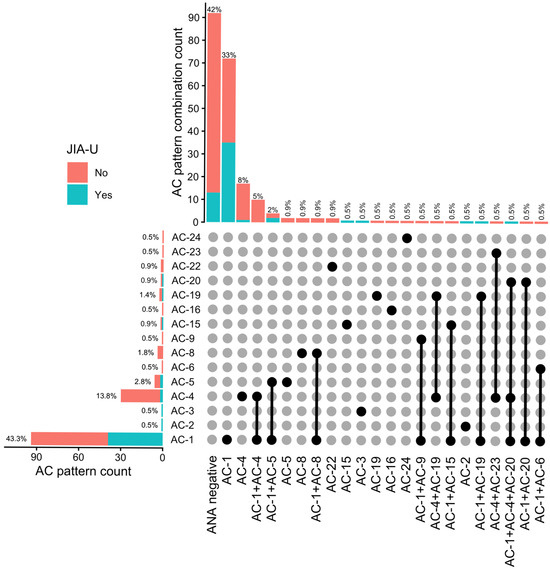
Objectives: We aimed to assess and compare Anti-Cell (AC) staining patterns and semi-quantitative titre levels of related antibodies in patients with juvenile idiopathic arthritis (JIA) with and without associated uveitis (JIA-U) to identify distinctive immunological profiles and contribute to a deeper understanding of
[...] Read more.
Objectives: We aimed to assess and compare Anti-Cell (AC) staining patterns and semi-quantitative titre levels of related antibodies in patients with juvenile idiopathic arthritis (JIA) with and without associated uveitis (JIA-U) to identify distinctive immunological profiles and contribute to a deeper understanding of JIA-U aetiopathogenesis. Methods: Data from JIA patients diagnosed between January 2020 and December 2025 in our centre were evaluated. The HEp-2 indirect immunofluorescence assay (HEp-2 IFA) was used to determine AC patterns and semiquantitative titres of associated antibodies. Results: 217 JIA patients were evaluated: 161 (74%) without uveitis and 56 (26%) with JIA-U. The AC-1 pattern was detected in 94 of 217 children (43%). It was markedly enriched among children with JIA-U, present in 39 of 56 (70%), compared with 55 of 161 (34%) in the non-uveitis group. High staining intensity (i.e., semiquantitative titre ++/+++) of AC-1 was also more commonly detected in JIA-U patients (39%) compared to children without uveitis (11.8%). The AC-4 pattern was detected in 30 of 217 JIA patients (14%), but more commonly in the non-uveitis (17.4%) compared to the JIA-U group (3.6%). Conclusions: JIA-U is closely linked to AC-1 staining patterns and higher semiquantitative titres of associated antibodies. Our results provide additional insight into the pathogenesis of JIA-U and underscore the significance of the new Paediatric Rheumatology International Trials Organisation (PRINTO) JIA classification criteria. The potential clinical relevance of AC patterns in children with JIA and JIA-U requires further multicentre studies involving larger cohorts and extended follow-up periods.
Full article
(This article belongs to the Special Issue Clinical Diagnosis and Treatment of Uveitis)
►▼
Show Figures

Figure 1
Open AccessSystematic Review
Lipid Signatures Associated with Diabetic Peripheral Neuropathy in Obesity and Type 2 Diabetes—A Systematic Review
by
Cristina Mocanu (Chitan), Teodor Salmen, Marius-Costin Chitu, Radu-Cristian Cimpeanu, Simona Clus, Delia Reurean-Pintilei, Anca Pantea Stoian and Cristian Serafinceanu
J. Clin. Med. 2026, 15(10), 3976; https://doi.org/10.3390/jcm15103976 - 21 May 2026
Abstract
Background and Objectives: Diabetic peripheral neuropathy (DPN) is a common and debilitating complication of obesity and type 2 diabetes (T2D) affecting up to 50% of patients with long-standing disease. While chronic hyperglycemia plays a central role in its pathogenesis, intensive glycemic control provides
[...] Read more.
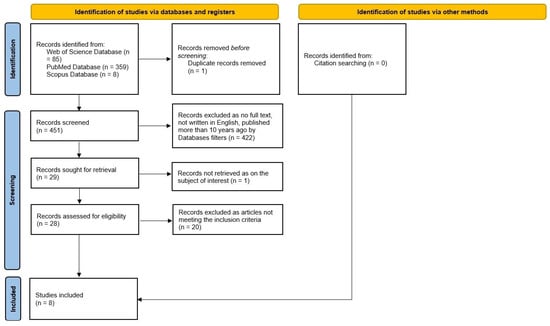
Background and Objectives: Diabetic peripheral neuropathy (DPN) is a common and debilitating complication of obesity and type 2 diabetes (T2D) affecting up to 50% of patients with long-standing disease. While chronic hyperglycemia plays a central role in its pathogenesis, intensive glycemic control provides only partial protection, suggesting the involvement of additional metabolic pathways. The primary objective of this systematic review was to evaluate the role of lipid metabolism disturbances and advanced lipidomic alterations in the development and progression of DPN in patients with obesity and T2D. Secondary objectives included identifying specific lipid species associated with DPN and exploring their potential pathophysiological and clinical implications. Methods: This systematic review included 8 studies that met the inclusion criteria and was conducted according to PRISMA guidelines and registered in PROSPERO/2026/CRD420261288920. Study quality was assessed using the Newcastle–Ottawa Scale. Results: Large population-based cohorts reported a consistent association between hypertriglyceridemia and DPN prevalence, with triglyceride levels >204 mg/dL associated with an approximately 40% increased risk. Lipidomic analysis revealed alterations in acylcarnitine, sphingolipids, and phospholipids. However, the evidence remains limited and heterogeneous, and neuropathy-specific outcomes were insufficiently evaluated in interventional studies. Conclusions: Lipid metabolism disturbances, particularly hypertriglyceridemia and specific lipidomic alterations, may contribute to DPN beyond the effects of hyperglycemia. Although not yet clinically actionable, lipidomic alterations may represent promising future biomarkers and therapeutic targets in DPN. However, the current evidence is limited by heterogeneity and predominantly observational designs. Further well-designed longitudinal and interventional studies are needed to clarify causal relationships and clinical relevance.
Full article
(This article belongs to the Special Issue Management of Diabetes-Related Cardiovascular Disease: Current Treatment and Future Options)
►▼
Show Figures

Figure 1
Open AccessArticle
Clinical Phenotype Comparison in Polish Patient Cohorts with and Without Molecular Diagnosis of Dystonia
by
Lukasz Milanowski, Marta Jurek, Anna Salińska, Aleksandra Podwysocka, Monika Figura, Stanisław Szlufik, Maciej Geremek, Julia Nowak, Krzysztof Szczałuba, Dorota Hoffman-Zacharska and Dariusz Koziorowski
J. Clin. Med. 2026, 15(10), 3975; https://doi.org/10.3390/jcm15103975 - 21 May 2026
Abstract
Background: Dystonia is a heterogeneous hyperkinetic movement disorder characterized by sustained or intermittent muscle contractions causing abnormal movements and postures. Although numerous genes associated with dystonia have been identified, the genetic background remains unknown in many patients. Data on genotype–phenotype correlations in
[...] Read more.
Background: Dystonia is a heterogeneous hyperkinetic movement disorder characterized by sustained or intermittent muscle contractions causing abnormal movements and postures. Although numerous genes associated with dystonia have been identified, the genetic background remains unknown in many patients. Data on genotype–phenotype correlations in Polish populations remain limited. Objective: To analyze the clinical characteristics of patients with generalized dystonia and compare clinical features between individuals with and without genetically confirmed dystonia-causative variants in a Polish cohort. Methods: A retrospective analysis of patients diagnosed with generalized dystonia at a single neurological center was performed. Diagnosis was established according to MDS criteria. Genetic analysis included whole-exome sequencing, targeted NGS genetic panel, MLPA, Sanger sequencing and PCR_RFLP analysis. Clinical and demographic data were extracted from medical records. Clinical characteristics of individuals with and without causative variants were compared. Results: A total of 113 patients with generalized dystonia were included. Genetic variants were identified in 13 patients (11.5%). These included variants within the TOR1A, THAP1, SGCE, GCH1, NKX2-1, SLC2A1, KMT2B, PDHA1, MFN2, and GNAL genes. We found detailed clinical data of 46 patients included in the study. Our comparative analysis of patients with causative (n = 7) and without causative variants (n = 39) revealed no statistically significant differences in age of onset, initial symptom localization, treatment response, family history, or associated neurological features. Conclusions: In this cohort of Polish patients with generalized dystonia, we identified pathogenic variants in approximately 11.5% of cases. No significant clinical differences were observed between patients with genetically confirmed dystonia and those without identified variants. In this study, we report the first two Polish cases with DYT-GNAL variants. Further studies are required to reveal the clinical heterogeneity of dystonia and characterize dystonia subtypes.
Full article
(This article belongs to the Special Issue Movement Disorders: Current Diagnostics, Management and Future Perspectives)
Open AccessArticle
Detection of HPV DNA in Cervical Intraepithelial Neoplasia Using In Situ Hybridization
by
Marcin Przybylski, Sonja Millert-Kalińska, Dominik Pruski, Mateusz de Mezer, Monika Krzyżaniak, Robert Jach, Jakub Żurawski and Paweł Kurzawa
J. Clin. Med. 2026, 15(10), 3974; https://doi.org/10.3390/jcm15103974 - 21 May 2026
Abstract
Background: Human papillomavirus (HPV)-related diseases remain a major global health problem, with cervical intraepithelial neoplasia (CIN) representing a key precursor to cervical cancer. Identification of high-risk HPV genotypes is essential for early diagnosis and appropriate management. This study aimed to evaluate the
[...] Read more.
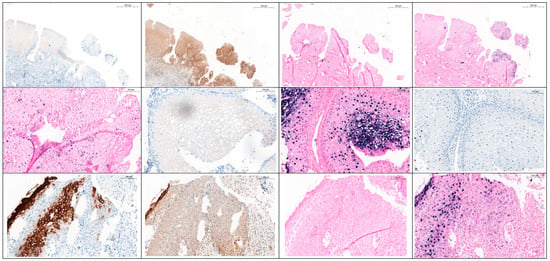
Background: Human papillomavirus (HPV)-related diseases remain a major global health problem, with cervical intraepithelial neoplasia (CIN) representing a key precursor to cervical cancer. Identification of high-risk HPV genotypes is essential for early diagnosis and appropriate management. This study aimed to evaluate the usefulness of in situ hybridization (ISH) for detecting HPV DNA in formalin-fixed, paraffin-embedded (FFPE) cervical tissue and to compare automated signal detection with manual histopathological assessment. Methods: This prospective, non-randomized study included 83 women undergoing diagnostic procedures for abnormal cytology or confirmed CIN between 2022 and 2023. Tissue specimens obtained during a loop electrosurgical excision procedure (LEEP) were examined using two ISH probes: ISH II for low-risk HPV types 6 and 11, and ISH III for high-risk HPV genotypes. Staining patterns and distributions were evaluated and correlated with molecular HPV testing and histopathological outcomes. Results: ISH II distribution was significantly associated with the presence of HPV type 6 or 11 (p < 0.001), although stain structure itself was not. ISH III stain structure was significantly associated with high-risk HPV genotypes (p = 0.020). A positive ISH II result predicted low-risk HPV infection with a sensitivity of 62.5% and specificity of 64.0%, while ISH III predicted high-risk HPV infection with a sensitivity of 86.36% but lower specificity (23.53%). Overall diagnostic accuracy was 63.86% for ISH II and 73.49% for ISH III. Conclusions: ISH proved to be a reproducible method for detecting HPV in archived cervical tissue, enabling assessment even years after specimen collection. Although PCR-based methods remain more widely used due to higher sensitivity and less invasive sampling, ISH provides valuable morphological context and may serve as a complementary diagnostic tool, particularly when only archival tissue is available.
Full article
(This article belongs to the Special Issue Clinical Advances in HPV-Related Disease)
►▼
Show Figures

Figure 1
Journal Menu
► ▼ Journal Menu-
- JCM Home
- Aims & Scope
- Editorial Board
- Reviewer Board
- Topical Advisory Panel
- Instructions for Authors
- Special Issues
- Topics
- Sections & Collections
- Article Processing Charge
- Indexing & Archiving
- Editor’s Choice Articles
- Most Cited & Viewed
- Journal Statistics
- Journal History
- Journal Awards
- Society Collaborations
- Conferences
- Editorial Office
Journal Browser
► ▼ Journal BrowserHighly Accessed Articles
Latest Books
E-Mail Alert
News
22 May 2026
Meet Us at the Alzheimer's Association International Conference 2026 (AAIC), 12−15 July 2026, London, UK
21 May 2026
Meet Us at the 44th Annual Meeting of the European Society for Paediatric Infectious Diseases, 1–5 June 2026, Bologna, Italy
Topics
Topic in
Biology, JCM, Diagnostics, Dentistry Journal
Assessment of Craniofacial Morphology: Traditional Methods and Innovative Approaches
Topic Editors: Nikolaos Gkantidis, Carlalberta VernaDeadline: 1 June 2026
Topic in
Cells, JCM, Organoids, JMP
Novel Discoveries in Oncology 2nd Edition
Topic Editors: Michela Campolo, Giovanna Casili, Alessia Filippone, Marika LanzaDeadline: 20 June 2026
Topic in
Biomedicines, IJMS, JCM, Medicina, Neurology International
Advances in Exercise-Induced Neurogenesis, Neuronal and Functional Adaptations in Neurorehabilitation
Topic Editors: Carlos Bernal-Utrera, Cleofas Rodriguez-Blanco, Maria Livia Carrascal MorenoDeadline: 29 June 2026
Topic in
Dentistry Journal, IJMS, JCM, Medicina, Applied Sciences
Oral Health Management and Disease Treatment
Topic Editors: Christos Rahiotis, Felice Lorusso, Sergio Rexhep TariDeadline: 31 July 2026
Conferences
Special Issues
Special Issue in
JCM
Thoracic Surgery: Recent Developments and Future Challenges
Guest Editors: Marco Andolfi, Lucio CaginiDeadline: 22 May 2026
Special Issue in
JCM
Clinical Features and Management of Psychosis
Guest Editors: Maria Margariti, George Konstantakopoulos, Michael HadjulisDeadline: 22 May 2026
Special Issue in
JCM
Multiparametric Ultrasound Techniques for Liver Disease Assessments
Guest Editor: Francesco GiangregorioDeadline: 22 May 2026
Special Issue in
JCM
Clinical Updates on Rheumatoid Arthritis: 2nd Edition
Guest Editor: Francesca BandinelliDeadline: 22 May 2026
Topical Collections
Topical Collection in
JCM
Pediatric and Adolescent Gynecology
Collection Editor: Panagiotis Christopoulos