





-
Soft Tissue Scaffolds in Breast Reconstruction: Evolution from Acellular Dermal Matrices to Synthetic Polymers -
Preclinical Rheumatoid Arthritis: Pathogenesis, Risk Stratification, and Therapeutic Interception -
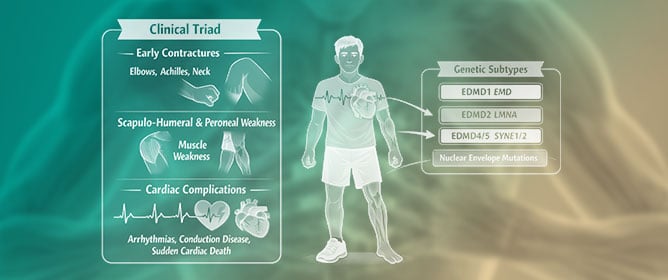
Cardiac Involvement in Emery–Dreifuss Muscular Dystrophy, from Arrhythmias to Heart Failure and Sudden Death: A Contemporary Review -
Adherence to CPAP in Randomized Controlled Trials in Obstructive Sleep Apnoea—A Meta-Analysis and Investigation of Predictors -
Navigating the Hemostatic Balance: Anticoagulation and Antiplatelet Therapy in Patients with Thrombocytopenia
Journal Description
Journal of Clinical Medicine
is an international, peer-reviewed, open access journal of clinical medicine, published semimonthly online by MDPI. The International Bone Research Association (IBRA), Spanish Society of Hematology and Hemotherapy (SEHH), Japan Association for Clinical Engineers (JACE), European Independent Foundation in Angiology/ Vascular Medicine (VAS) and others are all affiliated with JCM, and their members receive a discount on article processing charges.
- Open Access— free for readers, with article processing charges (APC) paid by authors or their institutions.
- High Visibility: indexed within Scopus, SCIE (Web of Science), PubMed, PMC, Embase, CAPlus / SciFinder, and other databases.
- Journal Rank: JCR - Q1 (Medicine, General and Internal) / CiteScore - Q1 (General Medicine)
- Rapid Publication: manuscripts are peer-reviewed and a first decision is provided to authors approximately 16.6 days after submission; acceptance to publication is undertaken in 2.8 days (median values for papers published in this journal in the first half of 2026).
- Recognition of Reviewers: reviewers who provide timely, thorough peer-review reports receive vouchers entitling them to a discount on the APC of their next publication in any MDPI journal, in appreciation of the work done.
- Companion journals for JCM include: Epidemiologia, Transplantology, Uro, Sinusitis, Rheumato, Journal of Clinical & Translational Ophthalmology, Journal of Vascular Diseases, Osteology, Complications, Therapeutics, Sclerosis, Pharmacoepidemiology, Journal of CardioRenal Medicine, Rare Diseases and Therapeutics and Journal of Respiration.
- Journal Clusters of Hematology: Hemato, Hematology Reports, Thalassemia Reports and Journal of Clinical Medicine.
Impact Factor:
3.3 (2025);
5-Year Impact Factor:
3.5 (2025)
Latest Articles
Coronary Dominance on Coronary CT Angiography: Prevalence and Potential Implications for Electrocardiographic Correlation
J. Clin. Med. 2026, 15(13), 5258; https://doi.org/10.3390/jcm15135258 (registering DOI) - 6 Jul 2026
Abstract
Background/Objectives: Coronary dominance is a key anatomical variant in the interpretation of coronary artery disease and its correlation with electrocardiographic (ECG) findings. While right dominance is the most common pattern, left dominance may influence clinical and ECG presentations. This study aimed to determine
[...] Read more.
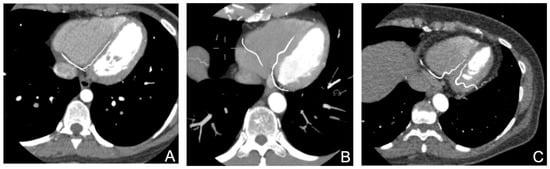
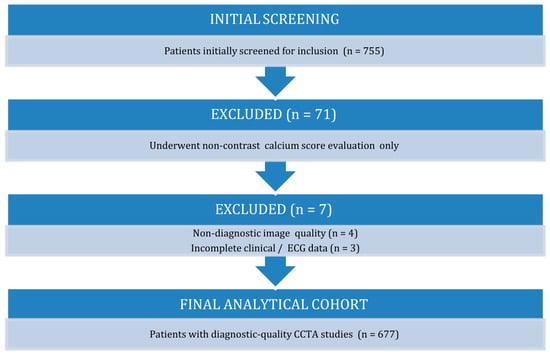
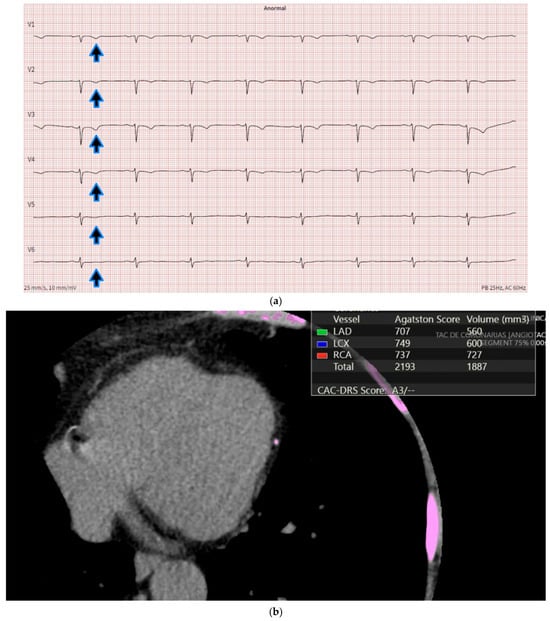
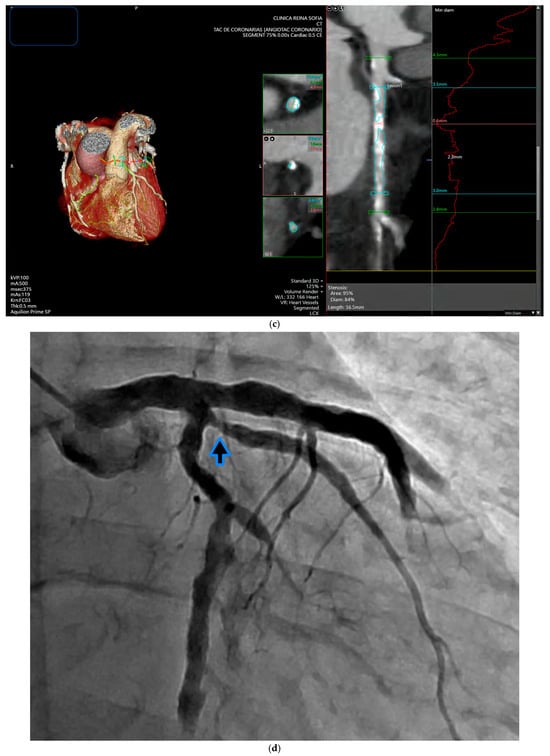
Background/Objectives: Coronary dominance is a key anatomical variant in the interpretation of coronary artery disease and its correlation with electrocardiographic (ECG) findings. While right dominance is the most common pattern, left dominance may influence clinical and ECG presentations. This study aimed to determine the prevalence of coronary dominance using coronary CT angiography (CCTA) and evaluate its association with disease severity, gender, and ECG findings. Methods: A retrospective observational analytical study was conducted including 677 patients who underwent CCTA. Coronary dominance was classified as right, left, or codominant. Disease severity was assessed using CAD-RADS. Demographic, clinical, anatomical, and ECG variables were analyzed. Statistical analysis included descriptive statistics, chi-square tests, and multivariable logistic regression analysis. Results: Right coronary dominance was predominant (89.7%), followed by left dominance (8%) and codominance (2.3%). No significant association was found between coronary dominance and disease severity or gender (p = 0.32). Male gender was significantly associated with severe disease (CAD-RADS 4–5) (p < 0.005). The left anterior descending (LAD) artery was the most frequently affected vessel. In the left dominance subgroup, 72.2% of patients had a normal ECG, with a low prevalence of ischemic findings (3%). Cases of left dominance with severe disease and confirmed acute coronary syndrome were identified. Conclusions: Coronary dominance is not associated with disease severity or gender; however, left dominance represents a clinically relevant finding due to its association with atypical or normal ECG presentations. Its systematic inclusion in CCTA reports is recommended to improve clinical correlation and decision-making.
Full article
(This article belongs to the Special Issue New Insights into Cardiovascular Radiology)
►
Show Figures
Open AccessReview
The Use of Arthroscopy in Diagnosis and Operative Treatment of Knee Posterolateral Corner Injuries: A Narrative Review
by
Claudio Domenico Cobisi, Fortunato Giustra, Alessandro Carrozzo, Giuseppe Rovere, Carmelo Burgio, Lawrence Camarda, Marcello Capella and Francesco Bosco
J. Clin. Med. 2026, 15(13), 5257; https://doi.org/10.3390/jcm15135257 (registering DOI) - 6 Jul 2026
Abstract
Injuries to the posterolateral corner (PLC) of the knee represent a complex clinical entity that is frequently underdiagnosed and undertreated, often leading to persistent instability and failure of concomitant ligament reconstructions. Although open surgical approaches to the PLC have been extensively described, the
[...] Read more.
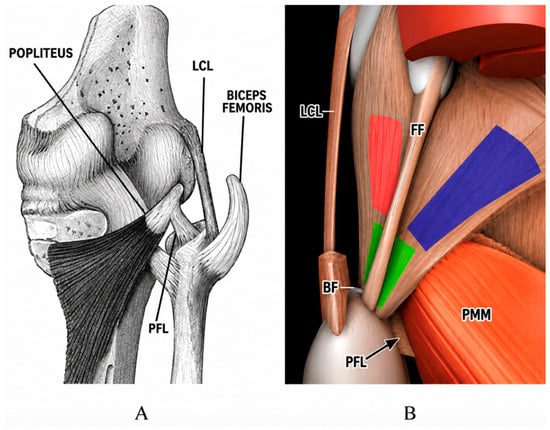
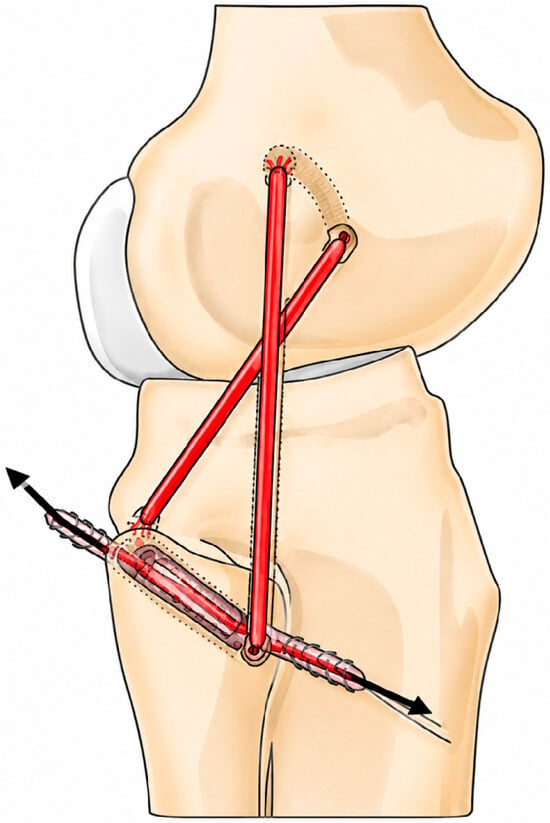
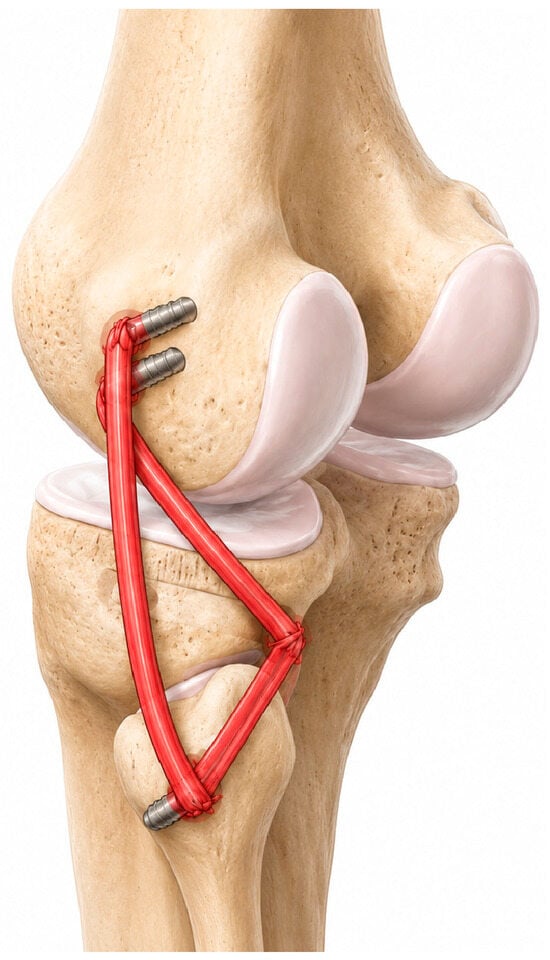
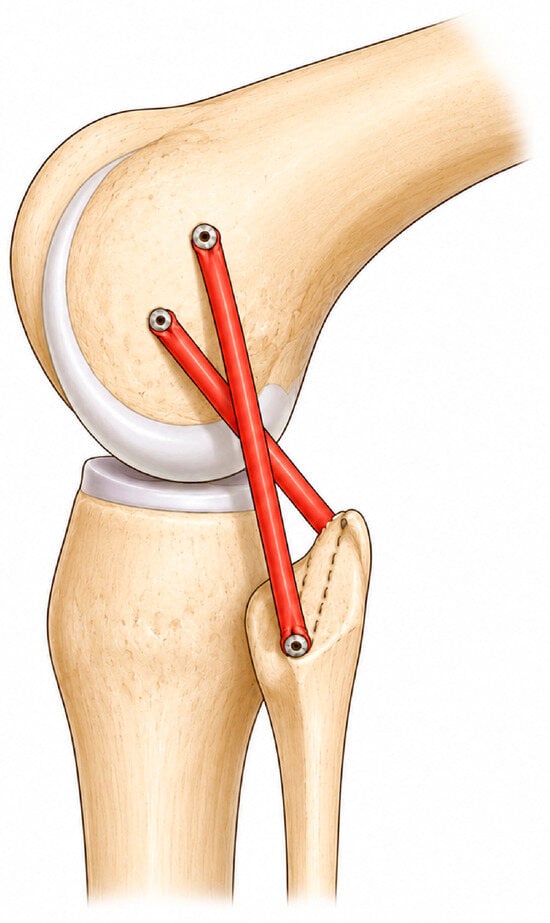
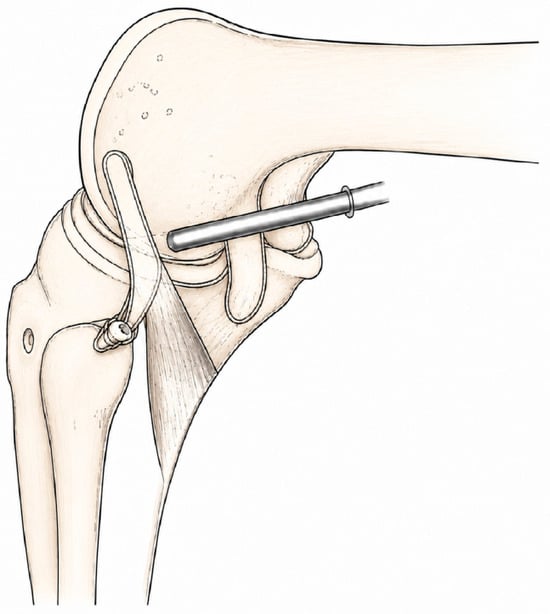
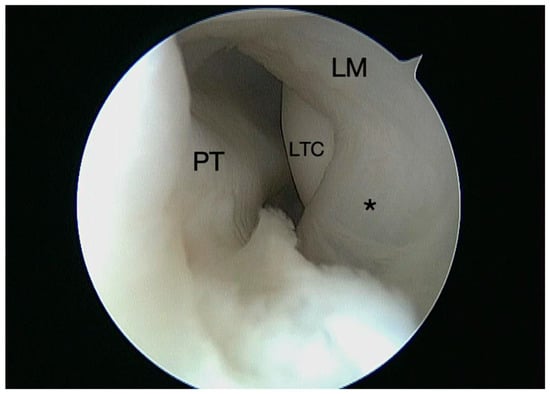
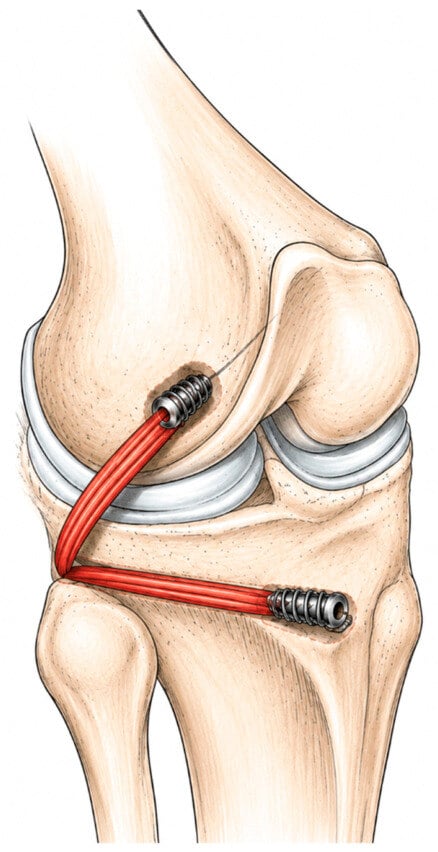
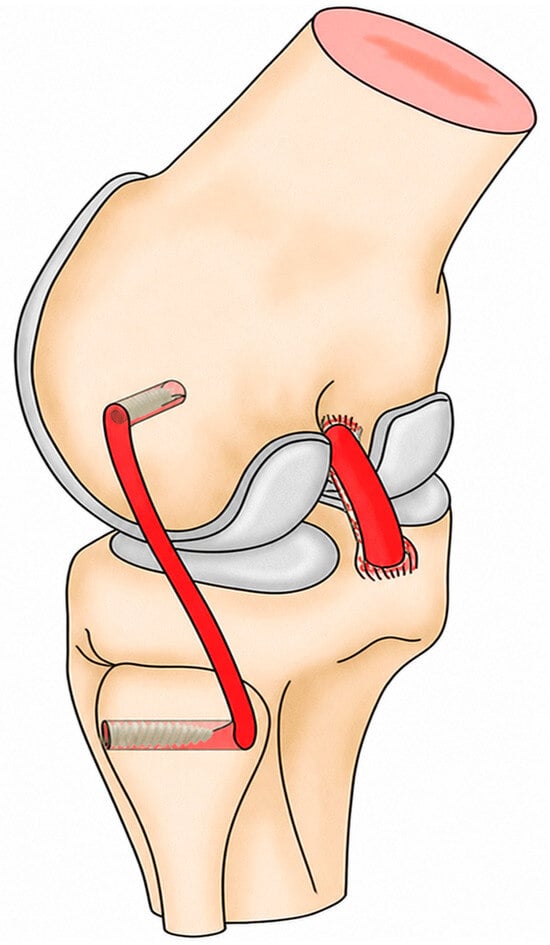
Injuries to the posterolateral corner (PLC) of the knee represent a complex clinical entity that is frequently underdiagnosed and undertreated, often leading to persistent instability and failure of concomitant ligament reconstructions. Although open surgical approaches to the PLC have been extensively described, the role of arthroscopy in the diagnosis and management of these injuries remains less clearly defined despite increasingly encouraging clinical and biomechanical results. The aim of this narrative review was to analyze the role of knee arthroscopy in the diagnosis, evaluation, and treatment of PLC injuries. A comprehensive literature review was performed focusing on studies investigating arthroscopic findings, diagnostic signs, and arthroscopic or arthroscopy-assisted techniques for PLC management. Relevant clinical, anatomical, biomechanical, and surgical studies were analyzed to provide an integrated arthroscopy-oriented perspective. Arthroscopy enables direct visualization of key posterolateral structures and identification of characteristic diagnostic findings, such as the lateral drive-through sign, potentially improving detection of subtle or combined PLC injuries. In addition, arthroscopic assessment facilitates evaluation of associated intra-articular lesions and may contribute to more accurate characterization of injury patterns. Emerging arthroscopic and arthroscopy-assisted reconstruction techniques may offer advantages in selected cases by supporting tailored surgical strategies, accurate graft positioning, and reduced surgical morbidity. Knee arthroscopy is assuming an increasingly important role in the comprehensive management of PLC injuries, extending beyond the treatment of associated intra-articular pathology alone. Integration of arthroscopy into the diagnostic and therapeutic algorithm of PLC injuries may improve surgical decision-making and patient-specific management. Nevertheless, further high-quality clinical studies are required to establish standardized arthroscopic criteria and validate the long-term clinical advantages of arthroscopy-guided approaches.
Full article
(This article belongs to the Special Issue Clinical Application of Knee Arthroscopy)
►▼
Show Figures

Figure 1

Open AccessArticle
Assessment of Medial Eminence Resection Timing in Hallux Valgus Surgery Using Patient-Specific Three-Dimensional Models
by
Ahmet Atilla Abdioğlu and Göksu Yavuz Abdioğlu
J. Clin. Med. 2026, 15(13), 5256; https://doi.org/10.3390/jcm15135256 (registering DOI) - 5 Jul 2026
Abstract
Background/Objectives: Distal chevron metatarsal osteotomy (DCMO) is one of the most commonly performed procedures for hallux valgus (HV) correction. Although medial eminence resection is routinely performed during DCMO, the effect of its timing on lateral translation, angular correction, and osteotomy contact area remains
[...] Read more.
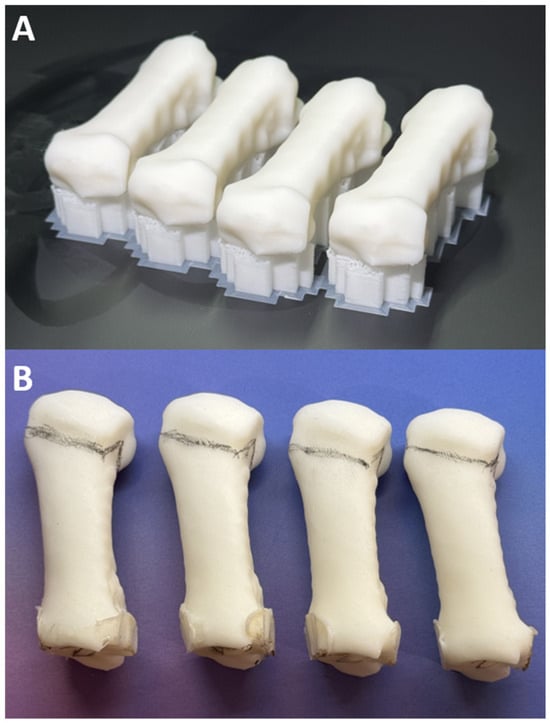
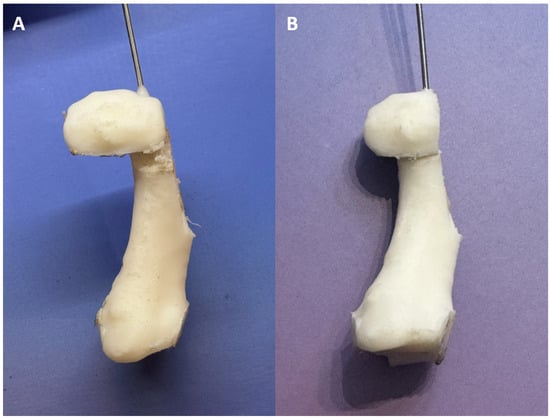
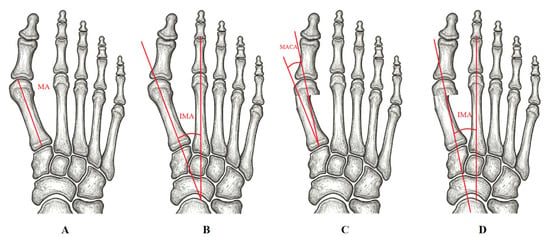
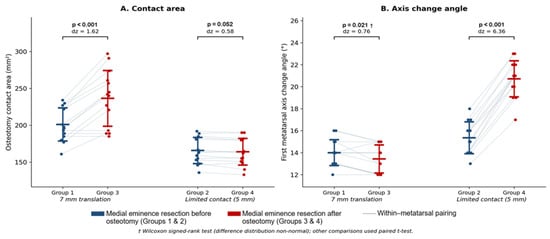
Background/Objectives: Distal chevron metatarsal osteotomy (DCMO) is one of the most commonly performed procedures for hallux valgus (HV) correction. Although medial eminence resection is routinely performed during DCMO, the effect of its timing on lateral translation, angular correction, and osteotomy contact area remains unclear. The aim of this study was to assess how the timing of medial eminence resection affects lateral translation, angular correction, and osteotomy contact area. Methods: Patient-specific first metatarsal models were generated from computed tomography data of 14 patients with HV using three-dimensional printing. Four groups were established according to medial eminence resection timing (before or after osteotomy) and lateral translation strategy (fixed 7 mm translation or preservation of a 5 mm contact width). DCMO was simulated in all specimens. Osteotomy contact area and the first metatarsal axis change angle (MACA) were measured and compared between the groups. Results: Under the fixed 7 mm translation condition, delaying medial eminence resection until after osteotomy resulted in a significantly larger osteotomy contact area than resection before osteotomy (236.50 ± 37.78 vs. 201.07 ± 22.54 mm2; p < 0.001). When lateral translation was limited by preservation of a 5 mm osteotomy contact width, delayed medial eminence resection achieved significantly greater angular correction (MACA: 20.71 ± 1.64° vs. 15.36 ± 1.45°; p < 0.001), while maintaining a comparable osteotomy contact area. Conclusions: Delaying medial eminence resection until after DCMO may allow greater lateral translation and angular correction while preserving osteotomy contact area in HV correction.
Full article
(This article belongs to the Special Issue Clinical Perspectives on Foot and Ankle Surgery)
►▼
Show Figures

Figure 1
Open AccessSystematic Review
Prediction Models for Postoperative Atrial Fibrillation After Cardiac Surgery: A Systematic Review and Critical Appraisal
by
Bryam López Tuesta, Yerson Alberca-Naira, Jhair Alexander Leon-Rodriguez, Jonathan Rodriguez-Pratto, Jose D. Andrade-Saavedra, Franck J. Calderon-Chilet, Carlos A. Sarmiento-Maldonado, Oriana Rivera-Lozada, Cesar Bonilla-Asalde and Joshuan J. Barboza
J. Clin. Med. 2026, 15(13), 5255; https://doi.org/10.3390/jcm15135255 (registering DOI) - 5 Jul 2026
Abstract
Background/Objectives: Postoperative atrial fibrillation (POAF) is a frequent complication after cardiac surgery and is associated with increased morbidity, prolonged hospitalization, and higher healthcare costs. Numerous multivariable prediction models have been developed to estimate individual risk; however, their methodological robustness, validation status, and clinical
[...] Read more.
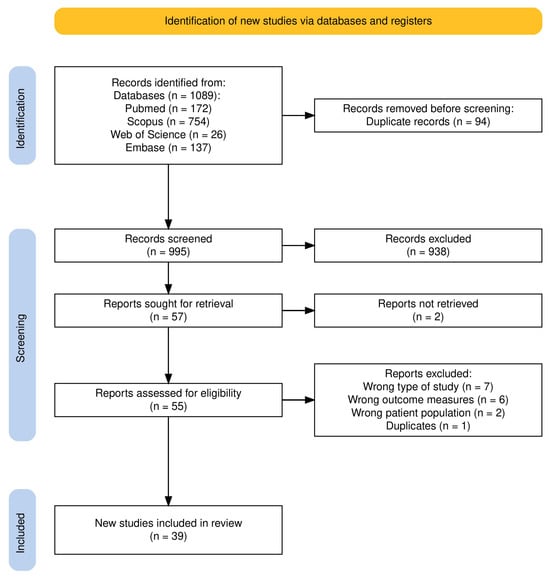
Background/Objectives: Postoperative atrial fibrillation (POAF) is a frequent complication after cardiac surgery and is associated with increased morbidity, prolonged hospitalization, and higher healthcare costs. Numerous multivariable prediction models have been developed to estimate individual risk; however, their methodological robustness, validation status, and clinical transportability remain uncertain. This systematic review aimed to critically evaluate the methodological quality, validation strategies, and predictive performance of multivariable prediction models developed to estimate the risk of postoperative atrial fibrillation (POAF) after cardiac surgery. Methods: In accordance with PRISMA 2020 guidelines, we conducted a comprehensive search of PubMed, Scopus, Web of Science, and Embase from inception to July 2025. Studies that developed or externally validated multivariable prediction models for POAF in adult patients undergoing cardiac surgery were eligible. Data extraction was performed using the CHARMS checklist, and methodological quality was assessed with PROBAST. Model performance was summarized descriptively, focusing on discrimination (C-statistic/AUC), calibration reporting, and validation strategies. Results: A total of 39 studies were included. Most models were based on logistic regression, whereas a minority employed Cox regression or machine learning techniques. Reported discrimination ranged from 0.60 to 0.98, demonstrating substantial heterogeneity in predictive performance. Calibration was inconsistently reported. Six studies performed external validation. According to PROBAST, 32 of 39 studies (82%) were rated at high risk of bias, predominantly within the analysis domain due to inadequate handling of overfitting, insufficient events-per-variable ratios, and limited validation procedures. Conclusions: Existing prediction models for POAF show variable discrimination but are frequently limited by high risk of bias, inadequate validation, and incomplete calibration assessment, thereby restricting their clinical applicability. Future research should prioritize rigorous external validation, transparent reporting in accordance with TRIPOD recommendations, and methodological strategies that enhance model generalizability and transportability across diverse surgical populations.
Full article
(This article belongs to the Special Issue Coronary Intervention: Current Strategies and Future Directions)
►▼
Show Figures

Figure 1

Open AccessArticle
Hemoglobin Trajectory Phenotypes and Neurological Outcomes in a Neurosurgical ICU Cohort
by
Yoonhee Hong and Jeong-Am Ryu
J. Clin. Med. 2026, 15(13), 5254; https://doi.org/10.3390/jcm15135254 (registering DOI) - 5 Jul 2026
Abstract
Background/Objectives: Current hemoglobin management in neurocritical care relies on static transfusion thresholds, which fail to capture the dynamic nature of hemoglobin changes during ICU care. We aimed to determine whether distinct longitudinal hemoglobin trajectory phenotypes exist among neurosurgical ICU patients and whether specific
[...] Read more.
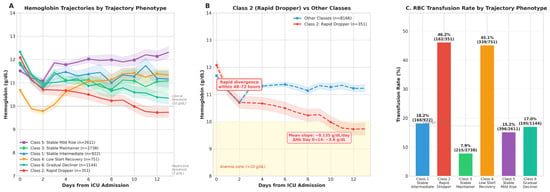
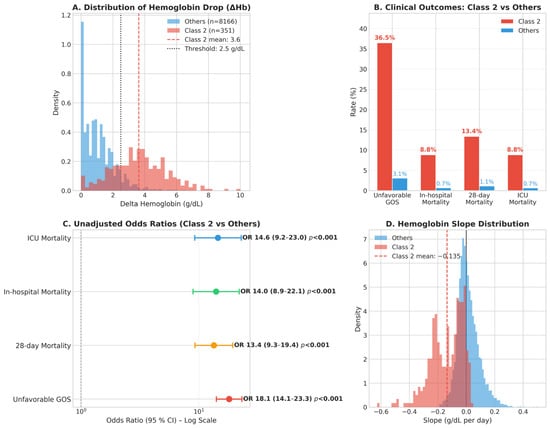
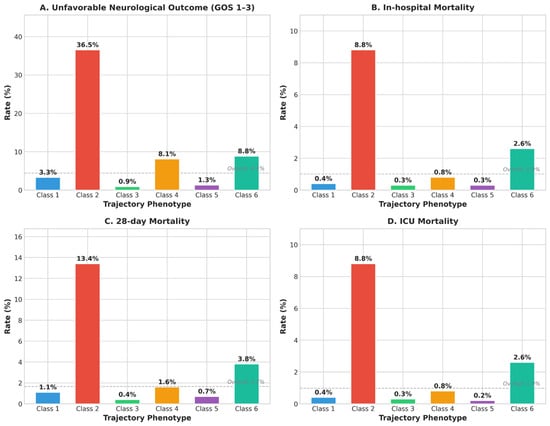
Background/Objectives: Current hemoglobin management in neurocritical care relies on static transfusion thresholds, which fail to capture the dynamic nature of hemoglobin changes during ICU care. We aimed to determine whether distinct longitudinal hemoglobin trajectory phenotypes exist among neurosurgical ICU patients and whether specific trajectory patterns independently predict unfavorable neurological outcomes. Methods: In this retrospective observational cohort study, we analyzed 8517 patients admitted to the neurosurgical ICU of a tertiary academic medical center between January 2015 and December 2024. A feature-based Gaussian mixture model was applied to trajectory-derived hemoglobin features over the first 14 ICU days to identify distinct hemoglobin trajectory phenotypes. The association between trajectory class and neurological outcomes was evaluated using propensity score matching. Results: Six distinct hemoglobin trajectory phenotypes were identified. The “Rapid Dropper” phenotype (Class 2; n = 351, 4.1%), characterized by the steepest decline velocity and highest variability, showed dramatically worse outcomes: 36.5% unfavorable neurological outcome (Glasgow Outcome Scale 1–3) versus 3.1% in all other classes combined (odds ratio [OR], 18.10; 95% confidence interval [CI], 14.08–23.27). This association persisted after propensity score matching (OR, 2.40; 95% CI, 1.77–3.26; p < 0.001). Hemorrhagic diagnoses were disproportionately concentrated in this high-risk phenotype. A combined prediction model incorporating trajectory-derived features within 72 h achieved an area under the receiver operating characteristic curve of 0.850 (95% CI, 0.829–0.870). This value reflects retrospective full-trajectory phenotyping; in a 72 h landmark analysis, early-feature prediction achieved an AUC of approximately 0.72. Conclusions: Hemoglobin trajectory phenotyping identified a high-risk “Rapid Dropper” subgroup that was significantly associated with worse short-term neurological outcomes. The rate of hemoglobin decline, rather than any single threshold, was associated with prognostic separation; prospective and external validation is required before these associations can inform transfusion strategy.
Full article
(This article belongs to the Section Clinical Neurology)
►▼
Show Figures

Figure 1

Open AccessArticle
Retrieval-Augmented Large Language Model for Angiographic Prediction of Coronary Physiology
by
Sant Kumar, Keshav Nandakumar, Pedro A. Villablanca, Vikas Aggarwal, Hursh Naik and Nezar Falluji
J. Clin. Med. 2026, 15(13), 5253; https://doi.org/10.3390/jcm15135253 (registering DOI) - 5 Jul 2026
Abstract
Background: Invasive physiologic assessment is often needed for moderately stenotic coronary lesions, although it remains underused in routine practice. It remains unknown whether GPT-based large language models (LLMs) can estimate coronary physiology from coronary angiographic images, and whether retrieval augmentation can improve this
[...] Read more.
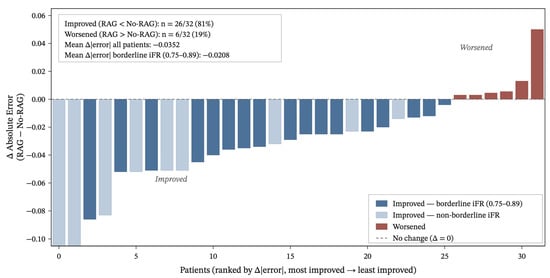
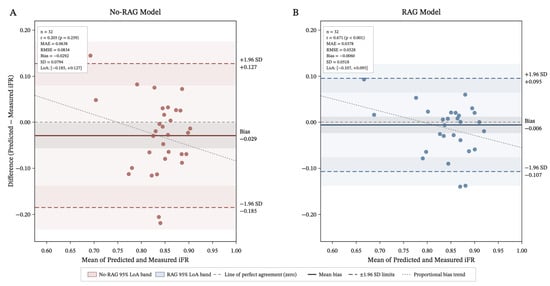
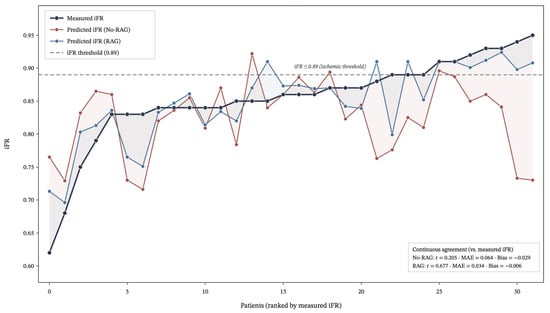
Background: Invasive physiologic assessment is often needed for moderately stenotic coronary lesions, although it remains underused in routine practice. It remains unknown whether GPT-based large language models (LLMs) can estimate coronary physiology from coronary angiographic images, and whether retrieval augmentation can improve this task. Methods: We performed a retrospective pilot study of consecutive cases undergoing coronary angiography with invasive instantaneous wave-free ratio (iFR) assessment between 2023 and 2025. Eligible cases required invasive iFR and two orthogonal end-diastolic still frames of the target vessel at maximal opacification. We compared a baseline GPT-5.2 model without retrieval-augmented generation (RAG), termed No-RAG, with the same GPT-5.2 model using RAG, termed RAG. Both conditions received identical angiographic frames and structured clinical text. The RAG modification added the top five case-specific text chunks retrieved from four coronary physiology/revascularization documents to provide physiologic thresholds, guideline context, and uncertainty framing; no additional angiographic images or lesion-specific iFR information were provided. Frame-level predictions were averaged to derive a case-level predicted iFR. The primary endpoint was agreement between predicted and measured iFR. Results: Of 34 eligible cases screened, 32 vessels were included. The cohort comprised 25/32 cases (78.1%) with significant disease (iFR ≤ 0.89) and 7 cases classified as non-ischemic. Without RAG, mean absolute error (MAE) was 0.064 and the root mean square error (RMSE) was 0.083, with weak correlation with invasive iFR (r = 0.205, p = 0.259). With RAG, point estimates favored improved continuous agreement, with MAE decreasing to 0.029, RMSE to 0.038, and correlation increasing to r = 0.830 (p < 0.001). Threshold-based classification also yielded higher point estimates for accuracy, increasing from 0.750 to 0.906. Conclusions: In this small pilot study, improved point estimates for agreement between LLM-predicted and invasively measured iFR were seen after adding RAG to a GPT-based model for estimating iFR from angiographic imaging. These findings suggest that functionally classifying coronary stenoses is limited by overestimating severity in less severe stenoses, and that a scaling correction is needed. The results, however, require validation in larger, more balanced cohorts.
Full article
(This article belongs to the Special Issue Advances in the Clinical Management of Myocardial Infarction)
►▼
Show Figures

Figure 1

Open AccessArticle
Outcomes and Decision-Making Following Out-of-Hospital Cardiac Arrest Within a Multidisciplinary Neuroprognostication Pathway in a Tertiary Cardiac Intensive Care Unit
by
Guilherme Movio, Uzma Sajjad, Dana Prisenznakova, Emma Beadle, Daryl Perilla, Soyun Choi, Lauren Woolford, Marco Mion, Ayush Mohan, Maxwell Damian, Branimir Nevajda, Saneesh Suresh, John R. Davies, Maria Rita Maccaroni and Thomas R. Keeble
J. Clin. Med. 2026, 15(13), 5252; https://doi.org/10.3390/jcm15135252 (registering DOI) - 5 Jul 2026
Abstract
Background/Objectives: Neuroprognostication after out-of-hospital cardiac arrest (OHCA) remains clinically challenging, particularly when withdrawal of life-sustaining treatment (WLST) is considered. International guidelines recommend delayed, multimodal assessment, but real-world descriptions of how this is operationalised within multidisciplinary pathways remain limited. Methods: We conducted a single-centre
[...] Read more.
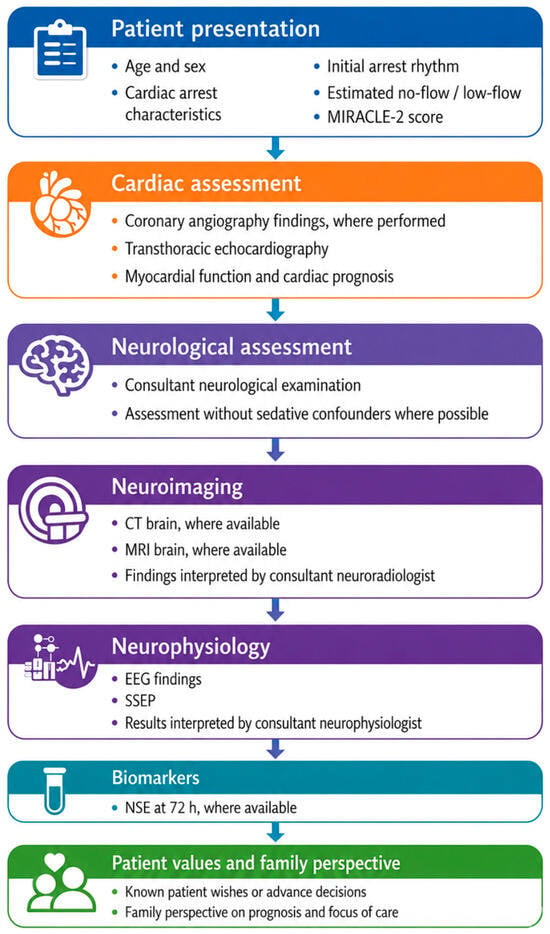
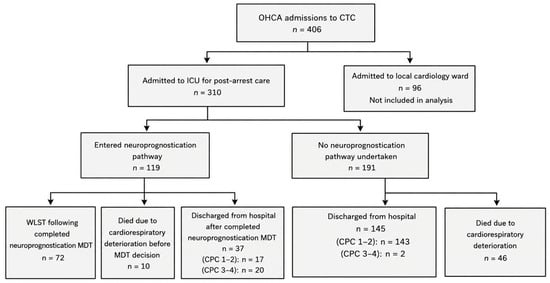
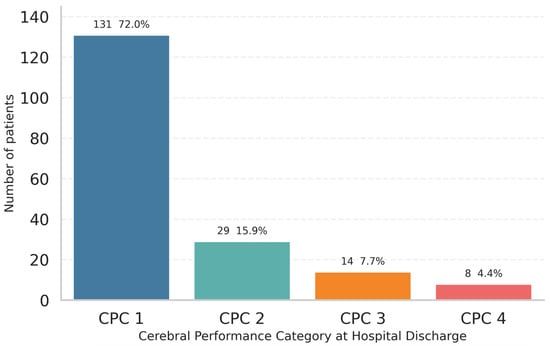
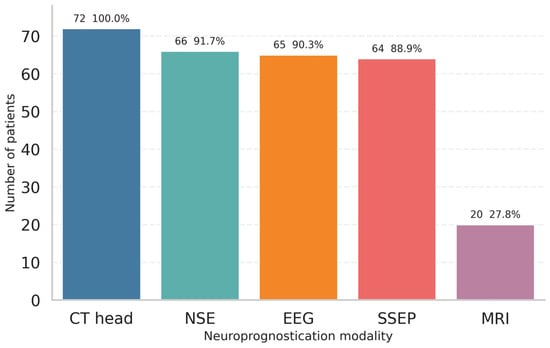
Background/Objectives: Neuroprognostication after out-of-hospital cardiac arrest (OHCA) remains clinically challenging, particularly when withdrawal of life-sustaining treatment (WLST) is considered. International guidelines recommend delayed, multimodal assessment, but real-world descriptions of how this is operationalised within multidisciplinary pathways remain limited. Methods: We conducted a single-centre retrospective observational cohort study of adults admitted to a tertiary cardiac arrest centre intensive care unit following OHCA between June 2022 and December 2025. Patients were conveyed according to the British Cardiovascular Intervention Society OHCA pathway; therefore, this was a selected cardiac arrest centre cohort enriched for shockable rhythms and suspected reversible cardiac causes, rather than an unselected OHCA population. Patients who remained unconscious at ≥72 h following a sedation hold entered a structured multidisciplinary team (MDT) neuroprognostication pathway. Outcomes included survival to hospital discharge, Cerebral Performance Category (CPC) at discharge, neuroprognostication investigation use, and timing of WLST. Results: Of 406 patients admitted following OHCA, 310 were admitted to ICU and included in the analysis. The cohort was predominantly male (82.3%), with a mean age of 63.8 years; 82.9% had ventricular fibrillation as the initial rhythm. Overall, 182 patients (58.7%) survived to hospital discharge, of whom 160 (87.9%) had a favourable neurological outcome (CPC 1–2). A total of 119 patients entered the neuroprognostication pathway. Of these, 72 underwent WLST after completed MDT review, 10 died before MDT decision-making, and 37 survived to hospital discharge. Among patients undergoing WLST, investigation use was high: CT brain 100%, NSE 91.7%, EEG 90.3%, SSEP 88.9%, and MRI brain 27.8%. Median time to WLST was 5.5 days. Conclusions: In this selected tertiary CAC cohort, enriched for shockable rhythms through BCIS pathway-based conveyance, survival to hospital discharge was high and neurological outcomes among survivors were predominantly favourable. Within this setting, delayed, multimodal neuroprognostication and WLST decision-making were operationalised through a structured MDT pathway aligned with contemporary guideline recommendations. These findings provide contemporary real-world benchmark data on pathway implementation for comparable centres seeking to evaluate or develop structured neuroprognostication services.
Full article
(This article belongs to the Special Issue Neurological Injury After Cardiac Arrest: Mechanisms, Prognostication, and Emerging Therapies)
►▼
Show Figures

Figure 1
Open AccessArticle
The Lipid Paradox in Statin-Naïve Patients with a First ST-Segment Elevation Myocardial Infarction Treated with Primary Percutaneous Coronary Intervention: A Confounded, Not Protective, Association
by
Fatih Akkaya, Nihan Bahadır, Mustafa Kamil Sağlam, Adnan Duha Cömert, Nurcemal Şentürk and Oğuz Yıldırım
J. Clin. Med. 2026, 15(13), 5251; https://doi.org/10.3390/jcm15135251 (registering DOI) - 5 Jul 2026
Abstract
Background: Low admission low-density lipoprotein cholesterol (LDL-C) is paradoxically associated with worse outcomes after acute coronary syndrome, but this may reflect confounding rather than causation. We examined the paradox in statin-naïve patients. Methods: We studied 388 statin-naïve patients with a first ST-segment elevation
[...] Read more.
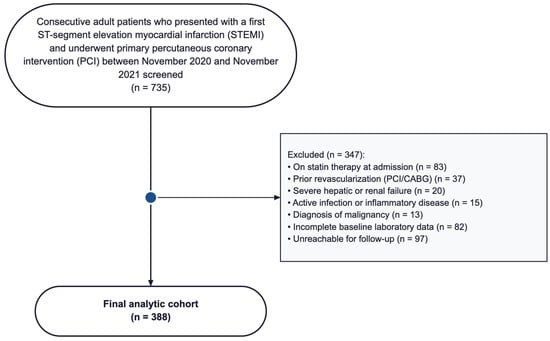
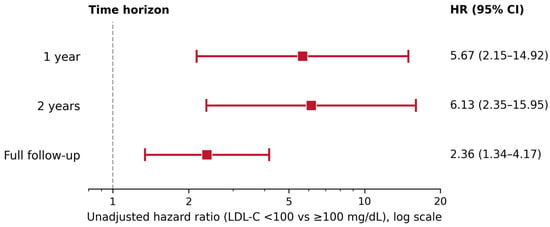
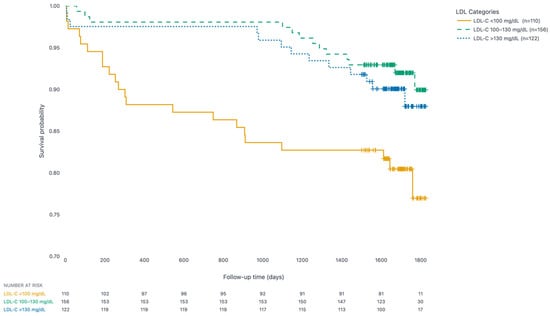
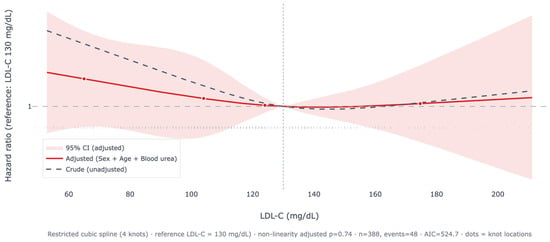
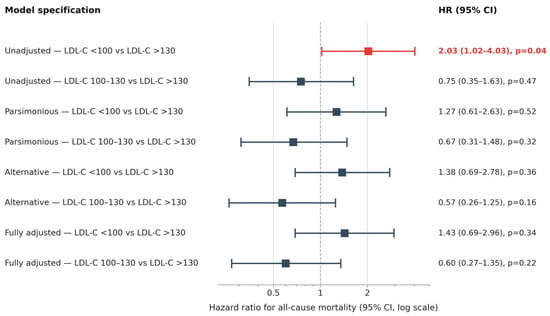
Background: Low admission low-density lipoprotein cholesterol (LDL-C) is paradoxically associated with worse outcomes after acute coronary syndrome, but this may reflect confounding rather than causation. We examined the paradox in statin-naïve patients. Methods: We studied 388 statin-naïve patients with a first ST-segment elevation myocardial infarction (STEMI) treated with primary percutaneous coronary intervention (PCI) and followed for up to five years. Admission LDL-C was analyzed continuously and as three categories (<100, 100–130, >130 mg/dL), with all-cause mortality assessed using Kaplan–Meier, Cox regression, restricted cubic splines, and landmark sensitivity analyses. Results: Crude mortality was highest in the lowest LDL-C group (20.0% vs. 8.3% vs. 10.7%; p = 0.014), and LDL-C < 100 mg/dL predicted higher mortality (hazard ratio 2.03, 95% CI 1.02–4.03). After adjustment, this remained non-significant across the parsimonious and fully adjusted models (adjusted HR 1.27–1.43, all 95% CIs including 1); older age, lower ejection fraction, and diabetes were independent predictors of death. The lowest stratum also had lower albumin and higher CONUT scores, consistent with a frailty phenotype. Conclusions: In statin-naïve STEMI patients undergoing primary PCI, the lipid paradox reflected age- and frailty-related confounding rather than protection; low admission LDL-C marks a higher-risk phenotype and should not discourage guideline-directed lipid-lowering therapy.
Full article
(This article belongs to the Section Cardiovascular Medicine)
►▼
Show Figures

Figure 1
Open AccessReview
Practical Management in Coronary In-Stent Restenosis: A Narrative Review
by
Handi Y. Salim, Awais Tahir, Wen Hui Teh, Mala Jheinga, Sherab Thaye and Lampson Fan
J. Clin. Med. 2026, 15(13), 5250; https://doi.org/10.3390/jcm15135250 (registering DOI) - 5 Jul 2026
Abstract
Coronary in-stent restenosis (ISR) remains a major contributor to repeat revascularisation despite advances in drug-eluting stent (DES) technology. Its persistence reflects a complex and heterogeneous interplay among mechanical, biological, and procedural factors, and understanding the dominant mechanism in each case is fundamental to
[...] Read more.
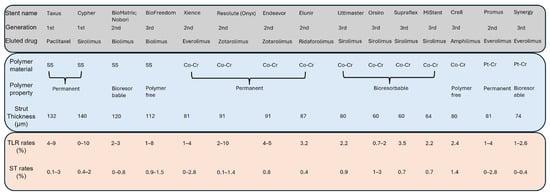
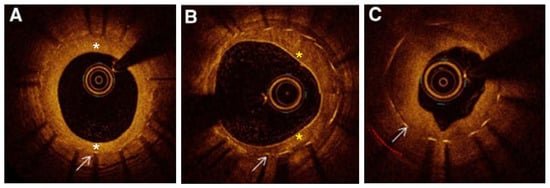
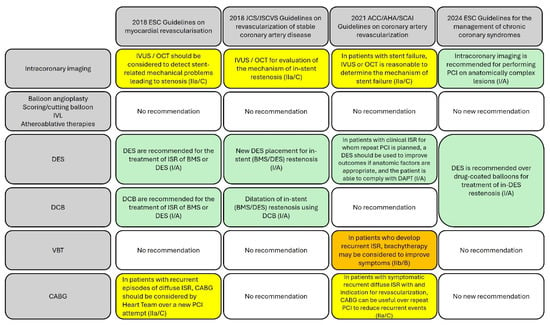
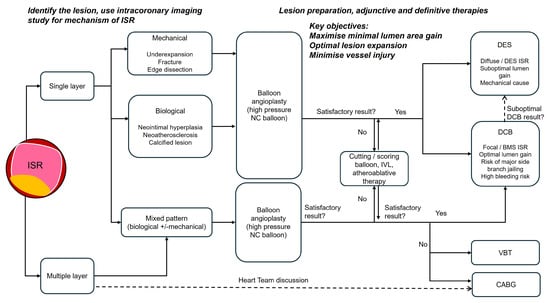
Coronary in-stent restenosis (ISR) remains a major contributor to repeat revascularisation despite advances in drug-eluting stent (DES) technology. Its persistence reflects a complex and heterogeneous interplay among mechanical, biological, and procedural factors, and understanding the dominant mechanism in each case is fundamental to effective treatment selection. This narrative review provides a contemporary, mechanism-guided approach to the practical management of coronary ISR. We summarise the definition, incidence, and classification of ISR—including the Mehran, Waksman, and SCAI 2023 time-based frameworks—and outline patient-related, procedural, anatomical, and stent-related risk factors. The pathophysiology of neointimal hyperplasia and neoatherosclerosis is discussed with reference to its clinical implications. Intracoronary imaging with intravascular ultrasound (IVUS) or optical coherence tomography (OCT) is central to ISR characterisation and treatment planning. Current international guidelines support imaging use in ISR management, though it is important to recognise that this recommendation is based largely on observational and surrogate-endpoint data rather than ISR-specific randomised trials demonstrating reductions in hard clinical outcomes, and practical barriers including cost, availability, and operator expertise must be acknowledged. Evidence-based treatment strategies—including drug-coated balloons (DCB), repeat DES implantation, lesion-modifying therapies, vascular brachytherapy, and coronary artery bypass grafting—are reviewed critically with reference to contemporary trial data and their specific clinical applicability. The choice between DCB and repeat DES is addressed with greater nuance, accounting for ISR type (BMS-ISR versus DES-ISR), lesion pattern, stent layering, and bleeding risk. Management considerations in complex subsets—chronic total occlusion ISR, left main ISR, saphenous vein graft ISR, and recurrent ISR—are also addressed. We propose a practical, substrate-driven management framework aligned with the 2024 ESC, 2021 ACC/AHA/SCAI, and 2018 JCS/JSCVS guidelines. Future research priorities include ISR-specific randomised trials with hard clinical endpoints, prospective validation of imaging-guided treatment algorithms, head-to-head comparisons of DCB platforms, and investigation of pharmacological strategies targeting neoatherosclerosis progression.
Full article
(This article belongs to the Special Issue Advances in Interventional Cardiology: From Access to Outcomes)
►▼
Show Figures

Figure 1
Open AccessArticle
Comorbidity Profiles at Diagnosis in Rheumatoid Arthritis Versus Psoriatic Arthritis: A Nationwide Polish Claims-Based Study
by
Wojciech Zaręba, Mateusz Szeląg, Krzysztof Batko, Piotr Krawiec, Marcin Stajszczyk, Krzysztof Podwójcic, Zbigniew Żuber, Magdalena Krajewska-Włodarczyk and Bogdan Batko
J. Clin. Med. 2026, 15(13), 5249; https://doi.org/10.3390/jcm15135249 (registering DOI) - 5 Jul 2026
Abstract
Background: Nationwide epidemiologic data on comorbidity burden in early rheumatoid arthritis (RA) and psoriatic arthritis (PsA) are limited. We compared coded diagnoses for concurrent disorders in incident RA and PsA based on administrative healthcare data (AHC). Methods: This retrospective cohort study
[...] Read more.
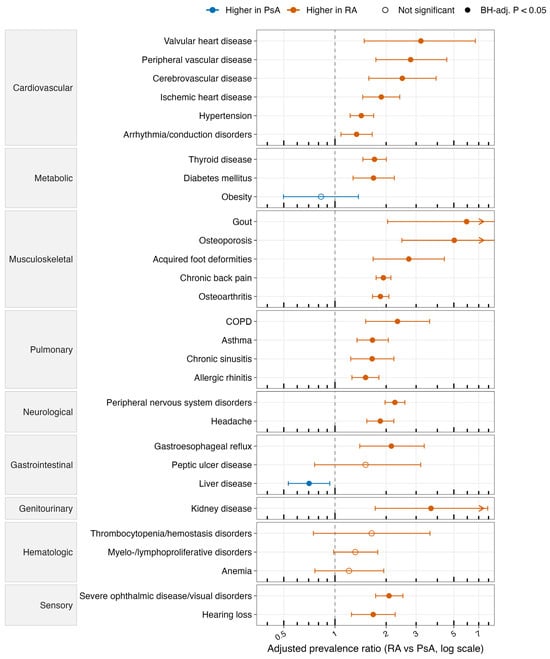
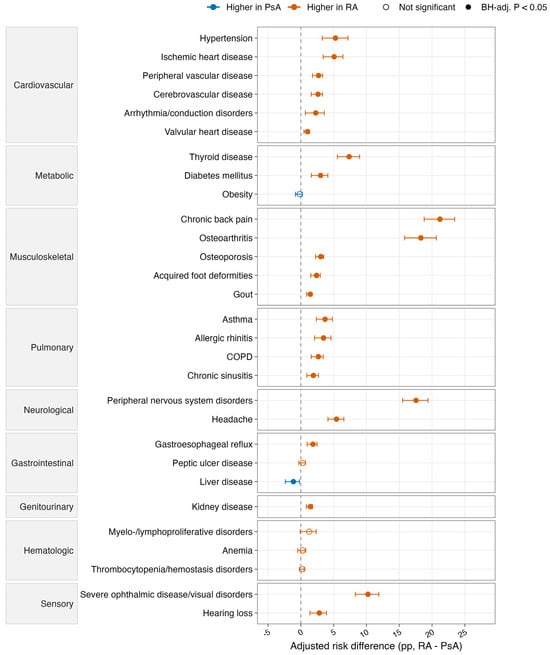
Background: Nationwide epidemiologic data on comorbidity burden in early rheumatoid arthritis (RA) and psoriatic arthritis (PsA) are limited. We compared coded diagnoses for concurrent disorders in incident RA and PsA based on administrative healthcare data (AHC). Methods: This retrospective cohort study used AHCs from the National Health Fund between 2009 and 2021. Using composite proxy definitions for RA and PsA diagnosis (combination of ICD-10 codes and prescription data), we identified all new cases of RA and PsA between 2019 and 2021. We utilized a ten-year lookback window for the accrual of concurrent disorder claims. Age-, sex-, serostatus- and calendar year-adjusted models were considered. Crude, relative and adjusted prevalence estimates were calculated using generalized linear models. Results: Using NHF data, we identified 36,285 and 1603 patients with incident RA/PsA, respectively. We estimated the burden of 31 multisystem comorbidities. Most disorders (N = 23, 74.2%) were more frequently coded among RA patients, while only liver diseases were significantly more prevalent in PsA. Chronic back pain (+21.2 pp) and osteoarthritis (+18.3 pp) were tied to the greatest absolute differences, likely mirroring medical contact patterns throughout the differential diagnostic process. Hospitalization due to heart failure and stroke, but not myocardial infarction, was more common in RA vs. PsA. Conclusions: Newly diagnosed patients with RA and PsA show distinct patterns of healthcare utilization for multiple organ disorders. Early RA may be tied to higher comorbidity rates not fully explained by age and sex, as compared to PsA; further studies are necessary to clarify these observations.
Full article
(This article belongs to the Special Issue Clinical Updates on Rheumatoid Arthritis: 2nd Edition)
►▼
Show Figures

Figure 1
Open AccessArticle
Management of Infected, Non-Responsive Atopic Dermatitis in a Romanian Center
by
Raluca-Gabriela Miulescu, Ioana Roșca, Alexandru-Neculai Pavel, Ruxandra-Cristina Marin, Andreea Teodora Constantin, Monica Costescu, Elena Poenaru, Daniela Eugenia Popescu and Oana Andreia Coman
J. Clin. Med. 2026, 15(13), 5248; https://doi.org/10.3390/jcm15135248 (registering DOI) - 5 Jul 2026
Abstract
Background: Atopic dermatitis is a chronic inflammatory skin disease in children, frequently associated with skin barrier dysfunction, immune dysregulation, and dysbiosis. Infected, treatment-resistant lesions may increase disease severity and complicate management, particularly in the presence of Staphylococcus aureus colonization. Objectives: To
[...] Read more.
Background: Atopic dermatitis is a chronic inflammatory skin disease in children, frequently associated with skin barrier dysfunction, immune dysregulation, and dysbiosis. Infected, treatment-resistant lesions may increase disease severity and complicate management, particularly in the presence of Staphylococcus aureus colonization. Objectives: To characterize the microbiological profile of infected, non-responsive pediatric atopic dermatitis, evaluate short-term clinical outcomes following individualized treatment, and identify predictors of disease severity. Methods: This observational analytical study included 41 children with atopic dermatitis recruited at Saint Constantin Hospital, Brașov, Romania, between September 2025 and February 2026. Eligible patients fulfilled the Hanifin and Rajka criteria and presented with infected, treatment-resistant lesions. Skin cultures were subjected to an antibiogram and antifungigram. Disease severity was assessed using the Patient-Oriented Eczema Measure (POEM) and SCORAD at baseline, 7 days, and 30 days. Repeated-measures ANOVA, mixed ANOVA, and hierarchical linear regression were used for statistical analysis. Results: Staphylococcus aureus was the predominant pathogen, followed by other bacterial species. Both POEM and SCORAD scores improved significantly over the 30-day follow-up, with marked improvement after 7 days and further reduction by day 30. Although patients with S. aureus colonization and those receiving systemic therapy tended to have higher disease severity, neither factor significantly influenced the trajectory of clinical improvement. Baseline disease severity was the strongest predictor of 30-day POEM and SCORAD outcomes, whereas demographic and perinatal characteristics did not independently predict short-term clinical outcomes. Conclusions: Individualized management was associated with significant improvements in clinician-assessed disease severity and patient-reported symptoms during the 30-day follow-up. Staphylococcus aureus, particularly methicillin-sensitive S. aureus (MSSA), was the most frequently isolated pathogen. Baseline disease severity was the strongest predictor of short-term clinical outcomes, whereas the evaluated demographic and perinatal characteristics did not provide additional predictive value in this cohort. Larger prospective controlled studies are needed to confirm these findings.
Full article
(This article belongs to the Section Dermatology)
Open AccessArticle
Changes in Cardiovascular Risk Factors After Protocolized Adherence Reinforcement and Treatment Optimization: Results from the OPM Study
by
José Abellán Alemán, Javier Nieto Iglesias, Luis Castilla Guerra, Francisco Fuentes Jiménez, Pablo Sánchez-Rubio Lezcano, Daniel Escribano Pardo, Fernando García Romanos, Rafael Crespo Sabaris, Pablo González Bustos, Fernando Martínez García and José Francisco López-Gil
J. Clin. Med. 2026, 15(13), 5247; https://doi.org/10.3390/jcm15135247 (registering DOI) - 5 Jul 2026
Abstract
Background: Despite evidence-based guidelines for cardiovascular risk management, many patients fail to achieve therapeutic targets. The relative contribution of medication non-adherence versus suboptimal treatment optimization to poor cardiovascular outcomes remains unclear in real-world primary care settings. The aim of this study was
[...] Read more.
Background: Despite evidence-based guidelines for cardiovascular risk management, many patients fail to achieve therapeutic targets. The relative contribution of medication non-adherence versus suboptimal treatment optimization to poor cardiovascular outcomes remains unclear in real-world primary care settings. The aim of this study was to describe changes in cardiovascular risk factor control following protocolized adherence reinforcement combined with physician-driven treatment optimization in high-risk patients. Methods: This multicenter, real-world longitudinal study included 789 participants with high or very high cardiovascular risk enrolled from primary care settings across 9 Spanish regions between 2023 and 2025. All participants received a protocolized intervention combining adherence reinforcement and physician-driven treatment optimization. This was a single-arm, pre–post study without a concurrent control group; observed changes therefore cannot be attributed to the intervention alone. Of 789 participants screened, all completed the baseline assessment, and 628 (79.6%) completed the 90-day follow-up. A total of 161 participants (20.4%) were lost to follow-up. Primary outcomes included changes in systolic and diastolic blood pressure, lipid parameters (total cholesterol [TC], low-density lipoprotein cholesterol [LDL-c], high-density lipoprotein cholesterol [HDL-c], triglycerides [TG]), glucose, glycated hemoglobin (HbA1c), and body mass index (BMI) from baseline to 90-day follow-up. Changes were assessed using linear mixed models. Results: Among participants with complete paired data (n = 453–615 depending on the outcome), significant improvements were observed in most cardiovascular risk factors (HDL-c and HbA1c did not change significantly). Mean changes (95% confidence interval [CI]) were: systolic blood pressure, −9.24 mmHg (−10.41 to −8.06; p < 0.001); diastolic blood pressure, −4.75 mmHg (−5.49 to −4.01; p < 0.001); LDL-c, −22.29 mg/dL (−25.59 to −19.00; p < 0.001); TC, −23.24 mg/dL (−26.73 to −19.74; p < 0.001); TG, −16.75 mg/dL (−23.03 to −10.46; p < 0.001); fasting plasma glucose, −10.03 mg/dL (−12.61 to −7.46; p < 0.001); and BMI, −0.46 kg/m2 (−0.58 to −0.35; p < 0.001). Linear mixed models including all available data (n = 628 at 90-day follow-up) confirmed these findings. No significant interactions were observed between assessment timepoint and sex, age, or overweight/obesity status for most outcomes, except for age-related differences in lipid responses. Conclusions: Protocolized adherence reinforcement combined with physician-driven treatment optimization was associated with clinically meaningful improvements in multiple cardiovascular risk factors in high-risk primary care patients. Given the single-arm pre–post design, the observed improvements are associative and cannot establish causality. Residual uncontrolled risk, particularly in lipid management and among older adults, persisted despite active treatment optimization (treatment was modified in 82.0% of participants), consistent with residual suboptimal treatment intensification even after adherence had been reinforced. These findings suggest that achieving optimal cardiovascular risk factor control requires addressing both medication adherence and treatment intensification, particularly in patients with multimorbidity.
Full article
(This article belongs to the Section Cardiovascular Medicine)
Open AccessArticle
Descriptive Patterns of Ketamine Administration Among Adult Emergency Department Patients at a Single Academic Center in Saudi Arabia
by
Rana Aljadeed, Raniah Aljadeed, Nora Kalagi, Hailah Almoghirah and Salha Jokhab
J. Clin. Med. 2026, 15(13), 5246; https://doi.org/10.3390/jcm15135246 (registering DOI) - 5 Jul 2026
Abstract
Background/Objectives: Ketamine use in emergency departments is expanding for the management of agitation, procedural sedation, and rapid sequence intubation. We aim to describe the indications and characteristics of ketamine administration in emergency department patients in Saudi Arabia through retrospective chart review. Methods
[...] Read more.
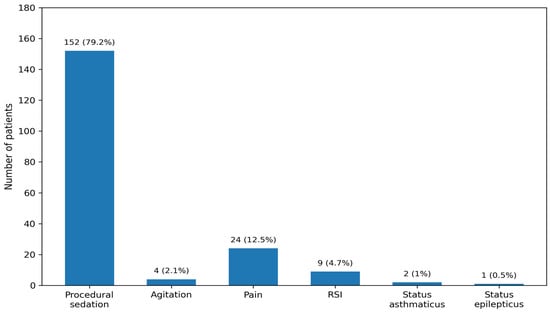
Background/Objectives: Ketamine use in emergency departments is expanding for the management of agitation, procedural sedation, and rapid sequence intubation. We aim to describe the indications and characteristics of ketamine administration in emergency department patients in Saudi Arabia through retrospective chart review. Methods: This was a single-center, retrospective chart review conducted at an academic medical center. The study population included patients who received intravenous (IV) or intramuscular (IM) ketamine in the emergency department between 1 January 2023, and 31 December 2024. Patients younger than 18 years of age or those who were pregnant were excluded. Results: A total of 192 patients were included. The median ketamine dose was 50 mg (a total range of 20–240 mg). Procedural sedation was the primary indication (79%), followed by pain management (12.5%), rapid sequence intubation (4.7%), and agitation (2.1%). Nearly all patients (99.5%) received ketamine intravenously, and 83.9% received it in conjunction with other medications. For procedural sedation, ketofol was the most common combination therapy, accounting for 83.6% of combination cases. No procedural failures, need for additional sedatives, or redosing within an hour were reported for procedural sedation. For pain management, ketamine was predominantly administered for musculoskeletal pain (50%) and was most often used as monotherapy (58.3%). Notably, no documented adverse effects were observed post ketamine administration across all indications. Conclusions: Among patients who received ketamine in emergency departments in Saudi Arabia, its administration was frequent, particularly for procedural sedation and acute pain management. In this study we found no adverse events or procedural failures were documented. Further research is warranted to validate these findings.
Full article
(This article belongs to the Section Emergency Medicine)
►▼
Show Figures

Figure 1

Open AccessSystematic Review
Non-Pharmacologic Manual Therapies for Postoperative Bowel Dysfunction: A Systematic Review and Meta-Analysis
by
Alexander Ponce, Emily R. Stack, Oliver Perrine and Casey Hawes
J. Clin. Med. 2026, 15(13), 5245; https://doi.org/10.3390/jcm15135245 (registering DOI) - 4 Jul 2026
Abstract
Background: Postoperative bowel dysfunction, including delayed gastrointestinal recovery and postoperative ileus, is a common complication that increases morbidity and prolongs hospitalization. In this systematic review and meta-analysis, we evaluated the effects of manual therapies on postoperative bowel function. Methods: MEDLINE/PubMed, Google
[...] Read more.
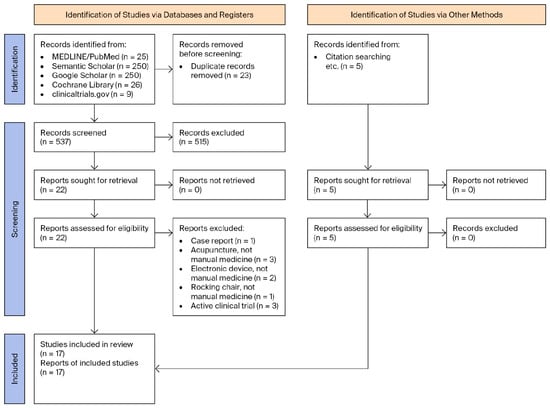
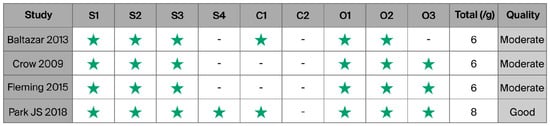
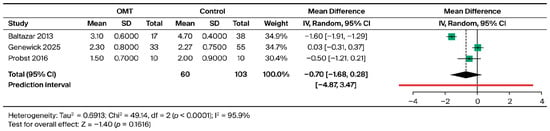
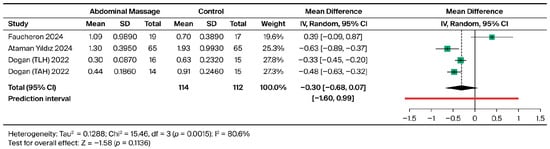
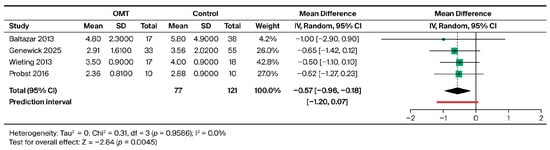
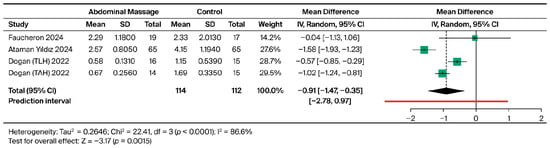
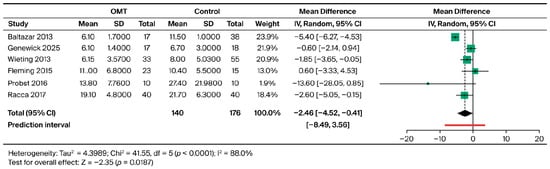
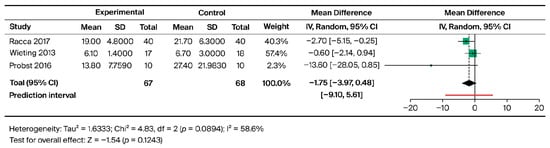
Background: Postoperative bowel dysfunction, including delayed gastrointestinal recovery and postoperative ileus, is a common complication that increases morbidity and prolongs hospitalization. In this systematic review and meta-analysis, we evaluated the effects of manual therapies on postoperative bowel function. Methods: MEDLINE/PubMed, Google Scholar, the Cochrane Library, Semantic Scholar, and ClinicalTrials.gov were searched from database inception up to 17 March 2026, and studies evaluating osteopathic manipulative treatment (OMT) or abdominal massage in postoperative patients were included in our analysis. Risk of bias and certainty were assessed using validated study design-specific tools, including the Grading of Recommendations Assessment, Development, and Evaluation (GRADE) framework. Random-effects meta-analyses were performed for the prespecified outcomes of time to first bowel movement, time to first flatus, and hospital length of stay. Results: Seventeen studies met our inclusion criteria. Both OMT and abdominal massage were associated with a significantly shorter time to first bowel movement compared with controls (OMT: mean difference [MD] −0.57 days, 95% CI −0.96 to −0.18; abdominal massage: MD −0.91 days, 95% CI −1.47 to −0.35). OMT was also associated with reduced hospital length of stay (MD −2.46 days, 95% CI −4.52 to −0.41), while time to first flatus demonstrated favorable but non-significant trends, with substantial heterogeneity. Conclusions: Manual therapy may be associated with earlier postoperative bowel recovery, although heterogeneity and methodological limitations warrant cautious interpretation. Further high-quality multicenter studies are needed to clarify the clinical significance and reproducibility of these findings.
Full article
(This article belongs to the Section General Surgery)
►▼
Show Figures

Figure 1
Open AccessReview
Use of Natriuretic Peptides in Critically Ill Patients: A Narrative Review
by
Ayodeji Olarewaju, Akinade Adebowale, Peter Odutola and Annie Arnold
J. Clin. Med. 2026, 15(13), 5244; https://doi.org/10.3390/jcm15135244 (registering DOI) - 4 Jul 2026
Abstract
Background: Natriuretic peptides, including B-type natriuretic peptide (BNP) and N-terminal pro-B-type natriuretic peptide (NT-proBNP), are established biomarkers of myocardial stress and circulatory overload. Although originally validated for diagnosis and exclusion of heart failure, their diagnostic and prognostic applications have expanded significantly in
[...] Read more.
Background: Natriuretic peptides, including B-type natriuretic peptide (BNP) and N-terminal pro-B-type natriuretic peptide (NT-proBNP), are established biomarkers of myocardial stress and circulatory overload. Although originally validated for diagnosis and exclusion of heart failure, their diagnostic and prognostic applications have expanded significantly in the context of critical illness. However, interpretation in critically ill patients is complicated by confounding factors such as systemic inflammation and renal dysfunction. Objective: This review synthesizes current evidence on the diagnostic, monitoring, and prognostic applications of natriuretic peptides in critically ill adults. It further outlines practical considerations, confounding variables, and emerging complementary biomarkers pertinent to clinical decision-making. Methods: A structured search of PubMed, Embase, and the Cochrane Library (January 2000 to October 2025) identified studies evaluating BNP, NT-proBNP, and atrial natriuretic peptide (ANP) in intensive care unit (ICU) patients. Eligible studies and review articles assessed diagnostic utility, volume status, hemodynamic monitoring, and prognostic performance. Narrative synthesis was employed using information obtained from eligible studies. Results: Twenty-four studies met the inclusion criteria. BNP and NT-proBNP facilitate differentiation between cardiogenic and noncardiogenic respiratory failure, identification of mixed shock states, and assessment of volume status when used in association with other modalities such as echocardiography and ultrasonography. Elevated natriuretic peptide concentrations consistently predict mortality, acute kidney injury, prolonged mechanical ventilation, and adverse outcomes in several disease states, including sepsis, acute respiratory distress syndrome [ARDS], postoperative cardiac dysfunction, and COVID-19-related critical illness. However, interpretation remains limited by confounders, including renal impairment, age, systemic inflammation, brain injury, mechanical ventilation, and right-ventricular strain/dysfunction. Conclusions: Natriuretic peptides serve as valuable adjuncts for diagnostic assessment, hemodynamic monitoring, and risk stratification in the ICU. When interpreted with attention to biological kinetics and clinical context, these biomarkers enhance multimodal monitoring and support individualized management. Future research should refine ICU-specific cutoffs and assess natriuretic peptide–guided therapeutic strategies in prospective multicenter trials.
Full article
(This article belongs to the Topic Advances in Hemodynamic Monitoring)
Open AccessArticle
IL-6 in Systemic Lupus Erythematosus: At the Intersection of Disease Activity and Cardiovascular Risk
by
Patricia Richter, Ciprian Rezus, Cristina Andreea Adam, Ioana Ruxandra Mihai, Alexandra Maria Burlui and Elena Rezus
J. Clin. Med. 2026, 15(13), 5243; https://doi.org/10.3390/jcm15135243 (registering DOI) - 4 Jul 2026
Abstract
Background/Objectives: Interleukin-6 (IL-6) is a pro-inflammatory cytokine implicated in the pathogenesis of SLE. Beyond its role in disease activity, IL-6 has also been associated with increased cardiovascular risk, potentially promoting endothelial dysfunction, atherosclerosis, and thromboinflammation. Our study aimed to investigate the associations
[...] Read more.
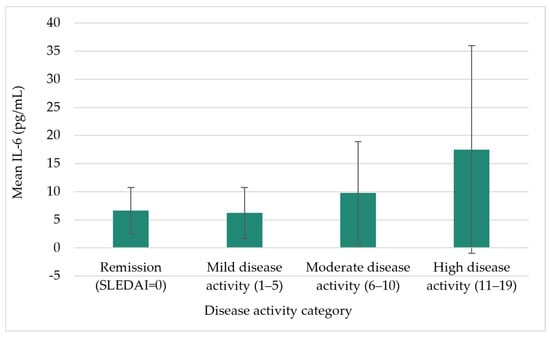
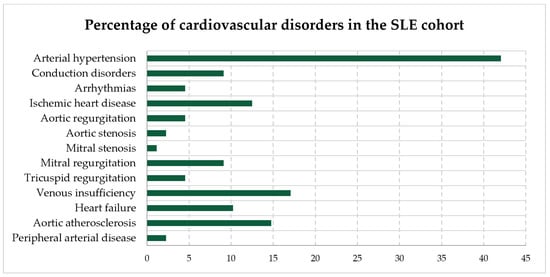
Background/Objectives: Interleukin-6 (IL-6) is a pro-inflammatory cytokine implicated in the pathogenesis of SLE. Beyond its role in disease activity, IL-6 has also been associated with increased cardiovascular risk, potentially promoting endothelial dysfunction, atherosclerosis, and thromboinflammation. Our study aimed to investigate the associations between IL-6 levels, disease manifestations, organ damage, cardiovascular comorbidities, and treatment regimens in a cohort of SLE patients. Methods: A total of 88 SLE patients were recruited from the Rheumatology Clinic of the Clinical Rehabilitation Hospital, Iași. Disease activity was assessed using the SLE Disease Activity Index (SLEDAI) and irreversible organ damage with the SLICC/ACR Damage Index. Serum IL-6 levels were measured by ELISA. Statistical analyses included Mann–Whitney U tests and Spearman correlation coefficients. Results: Among 88 SLE patients (89.8% female, mean age 51.9 ± 14.8 years), 68.2% presented irreversible organ damage, most frequently cardiovascular (26.1%). Regarding disease manifestations, IL-6 was non-significantly elevated in patients with arthritis, rash, and low complement levels. Serum concentrations also tended to increase with disease severity, being higher in severe compared to moderate activity, and in moderate versus mild activity. Significant associations were found between IL-6 and hypertension (p = 0.027), aortic atherosclerosis (p = 0.034), menopausal status (p = 0.015), and hypercholesterolemia (p = 0.034). No significant differences were observed across treatment subgroups. Conclusions: IL-6 showed limited correlation with SLE clinical activity but was significantly elevated in patients with selected cardiovascular comorbidities. These findings suggest a potential contribution of IL-6 to cardiovascular risk in SLE, warranting further investigation in larger cohorts.
Full article
(This article belongs to the Special Issue Cardiovascular Risks in Autoimmune and Inflammatory Diseases)
►▼
Show Figures

Figure 1
Open AccessReview
Transcatheter Aortic Valve Implantation/Replacement (TAVI/TAVR): How It Started, How It’s Going, and Where It’s Going
by
Alok Shah, Amr Gamal, Hesham Abdelaziz, Matthew Luckie, Andrew Wiper, Ranjit More and Tawfiq Choudhury
J. Clin. Med. 2026, 15(13), 5242; https://doi.org/10.3390/jcm15135242 (registering DOI) - 4 Jul 2026
Abstract
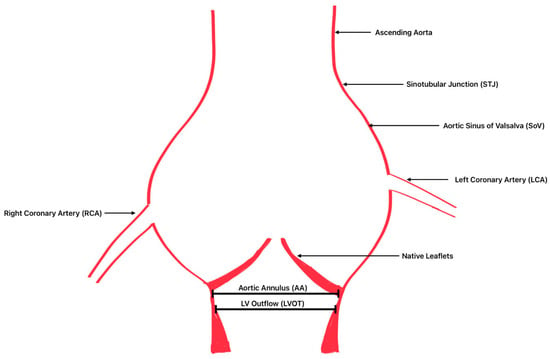
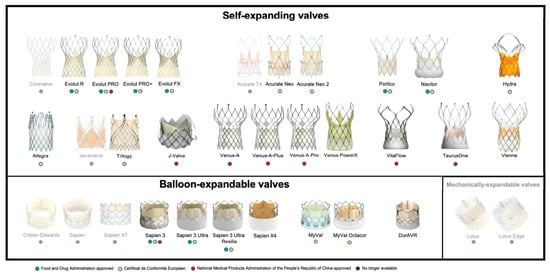
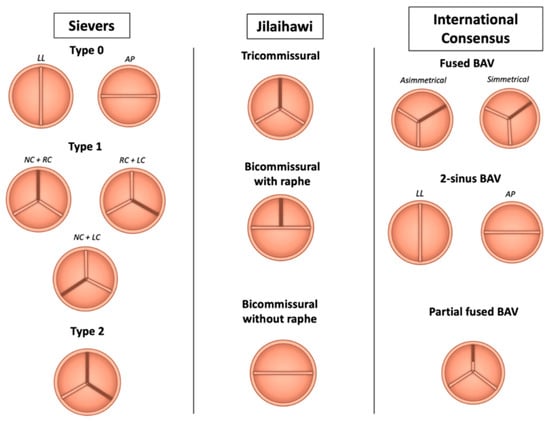
Transcatheter Aortic Valve Implantation/Replacement (TAVI/TAVR) has come a long way since the first-in-human implant by Prof Cribier & colleagues in 2002. Initially a consideration for inoperable/high-surgical-risk patients, TAVI is now indicated in patients with severe tricuspid aortic stenosis and suitable anatomy aged 70
[...] Read more.
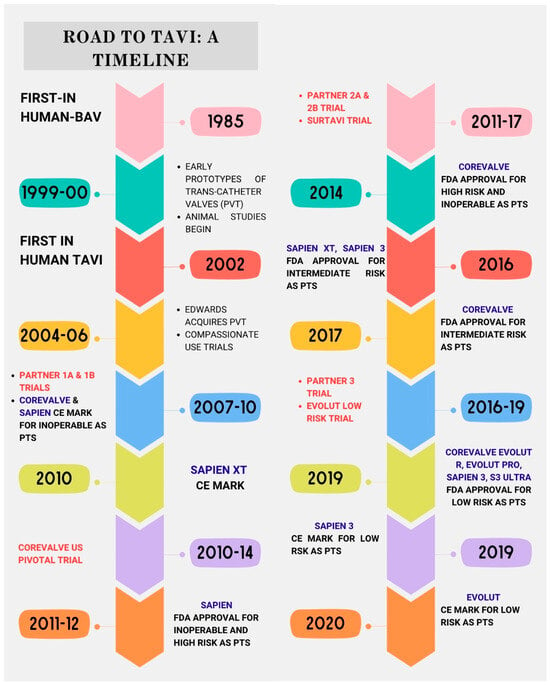
Transcatheter Aortic Valve Implantation/Replacement (TAVI/TAVR) has come a long way since the first-in-human implant by Prof Cribier & colleagues in 2002. Initially a consideration for inoperable/high-surgical-risk patients, TAVI is now indicated in patients with severe tricuspid aortic stenosis and suitable anatomy aged 70 or higher. This has been made possible due to improvements in preprocedural planning, performance upgrades to and evolution of transcatheter heart valve (THV) systems and increasing operator experience. Younger age at index implantation, complexities of redo TAVI planning and methods to improve THV durability are the next frontiers. This review summarizes these advancements while emphasizing preprocedural planning, current guidelines, and individualized device selection, with a brief note on polymeric heart valves—developed to overcome the disadvantageous bioprosthetic dysfunction seen with current THVs.
Full article
(This article belongs to the Special Issue Clinical Insights and Advances in Structural Heart Disease)
►▼
Show Figures

Figure 1
Open AccessArticle
Body Composition Analysis in Young Patients with Recent Diagnosis of Multiple Sclerosis: An Exploratory Study
by
Riccardo Orlandi, Sara Bendazzoli, Francesca Gobbin, Alessandra Carcereri de Prati, Elena Butturini, Sofia Mariotto, Valentina Cavedon, Chiara Milanese and Alberto Gajofatto
J. Clin. Med. 2026, 15(13), 5241; https://doi.org/10.3390/jcm15135241 (registering DOI) - 4 Jul 2026
Abstract
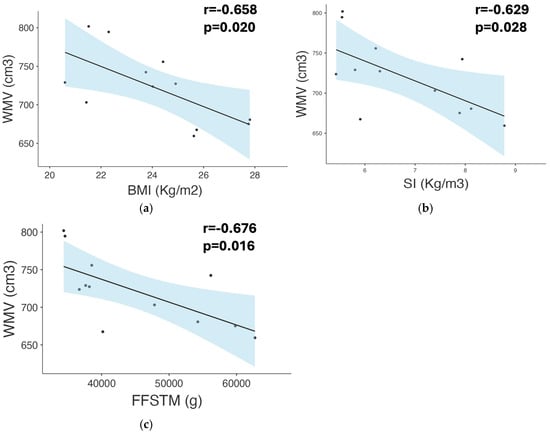
Background/Objectives: The relationship between body composition (BC), sarcopenia, and multiple sclerosis (MS) remains poorly understood. A high body mass index (BMI) is associated with a higher risk of MS and brain atrophy. However, limited data are available on BC in patients in
[...] Read more.
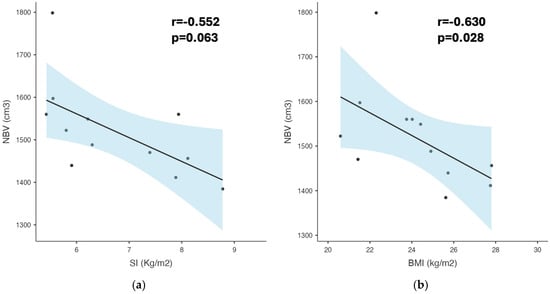
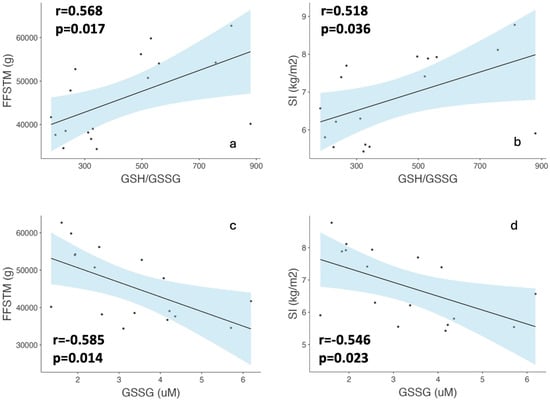
Background/Objectives: The relationship between body composition (BC), sarcopenia, and multiple sclerosis (MS) remains poorly understood. A high body mass index (BMI) is associated with a higher risk of MS and brain atrophy. However, limited data are available on BC in patients in the early stages of the disease. This study investigates differences in BC and sarcopenia between early-diagnosed patients with MS (pwMS) and healthy controls (HC), while exploring correlations with brain atrophy and biomarkers of oxidative stress and axonal injury. Methods: This project is part of BPS-ARMS, a cross-sectional study conducted in 2019–2022 at Verona University involving 51 participants aged 18–40 years, diagnosed with MS in the last two years, and currently not taking disease-modifying drugs. Seventeen (69% females) pwMS consented to be enrolled in this sub-study, matched by age and body mass index (BMI) to 17 HC; BC was assessed using Dual-Energy X-ray Absorptiometry (DXA). Collected variables included BMI, fat and lean mass, and sarcopenia index (SI). A brain MRI scan was performed in pwMS between 6 months before and 1 month after inclusion, to assess T2 lesion, normalized brain (NBV), white matter (WMV) and gray matter (GMV) volumes, and presence of gadolinium-enhancing (Gd+) lesions. Biomarker analysis was performed on blood samples collected at baseline. Oxidative stress was assessed as plasma gluthatione (GSH) and gluthatione disulphide (GSSG) levels and STAT1 phosphorylation at Tyr 701 (pSTAT) in peripheral blood cells, while axonal damage was measured as serum neurofilament light chain (NfL) levels. Results: A significantly lower SI was found in pwMS compared to HC (p = 0.038), particularly in female cases. In the pwMS group, WMV was inversely correlated with SI (p = 0.028) and lean body mass (p = 0.016). BMI was inversely correlated with WMV (r = −0.658, p = 0.02). A significant inverse correlation of plasma GSSG level was found with SI (r = −0.546, p = 0.023) and lean mass (r = −0.585, p = 0.014); the ratio of GSH over GSSG (GSH/GSSG) was directly correlated with SI (r = 0.518, p = 0.036) and lean mass (r = 0.568, p = 0.017). Conclusions: Patients with early-stage untreated MS and low-grade disability are more prone to sarcopenia than HC. Moreover, MS subjects with higher BMI show lower brain white matter volume and a lower global brain volume.
Full article
(This article belongs to the Section Clinical Neurology)
►▼
Show Figures

Figure 1
Open AccessArticle
Association Between Intraoperative Oliguria and Postoperative Acute Kidney Injury in Patients Undergoing Hepatobiliary and Pancreatic Surgery Within an Enhanced Recovery After Surgery Protocol: A Retrospective Cohort Study
by
Hwa-Young Jang, Hyun-Jung Kwon, Yong-Hee Park, Sung-Moon Jeong, Yeon Ju Kim and Hye-Mee Kwon
J. Clin. Med. 2026, 15(13), 5240; https://doi.org/10.3390/jcm15135240 (registering DOI) - 4 Jul 2026
Abstract
Background/Objectives: Intraoperative oliguria has long been considered a marker of impaired renal perfusion, but its prognostic value for postoperative acute kidney injury (AKI) remains controversial, particularly within Enhanced Recovery After Surgery (ERAS) protocols. We investigated the association between intraoperative oliguria and postoperative
[...] Read more.
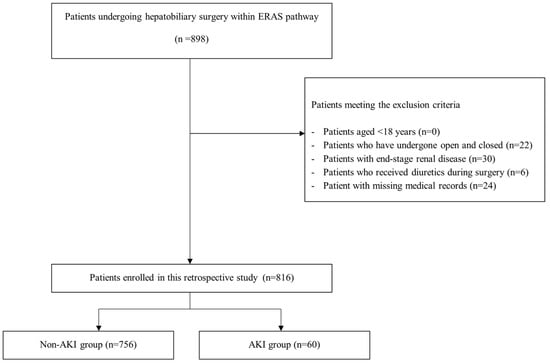
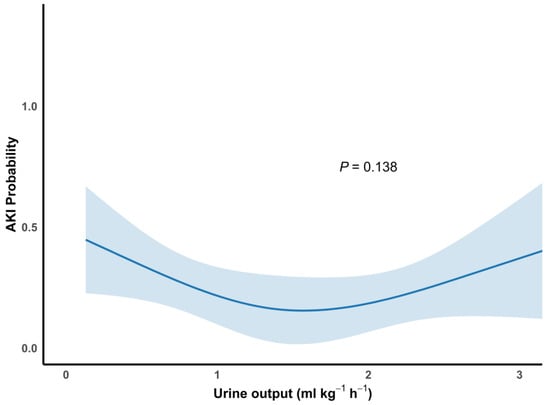
Background/Objectives: Intraoperative oliguria has long been considered a marker of impaired renal perfusion, but its prognostic value for postoperative acute kidney injury (AKI) remains controversial, particularly within Enhanced Recovery After Surgery (ERAS) protocols. We investigated the association between intraoperative oliguria and postoperative AKI in patients undergoing major hepatobiliary and pancreatic surgery within an ERAS protocol. Methods: Patients who underwent major hepatobiliary and pancreatic surgery within an institutional ERAS protocol were retrospectively analyzed. Intraoperative oliguria was defined as urine output < 0.3 mL kg−1 h−1. Postoperative AKI was defined according to the KDIGO serum creatinine criterion within 7 days after surgery. The association was assessed using multivariable logistic regression and sensitivity analyses were performed using an alternative oliguria threshold of <0.5 mL kg−1 h−1 and incorporating additional surgical covariates. Results: Among 816 patients, intraoperative oliguria occurred in 51 (6.3%), and postoperative AKI developed in 60 (7.4%). AKI incidence did not differ between the oliguria and non-oliguria groups (11.8% vs. 7.1%, p = 0.332), and median intraoperative urine output was comparable between the AKI and non-AKI groups (0.7 [0.5–1.1] vs. 0.8 [0.6–1.4] mL kg−1 h−1, p = 0.069). In multivariable analysis, intraoperative oliguria was not independently associated with AKI (OR 1.68, 95% CI 0.60–4.01; p = 0.276). Oral carbohydrate loading, thoracic epidural analgesia, and total intraoperative fluid volume were not associated with AKI. Results were consistent across both sensitivity analyses. Conclusions: In patients undergoing hepatobiliary and pancreatic surgery within the ERAS protocol, intraoperative oliguria was not associated with postoperative AKI, although modest association cannot be excluded given the limited number of AKI and oliguria events. These findings suggest that intraoperative urine output alone may not be a reliable indication for additional fluid administration, and larger prospective studies are needed to confirm this.
Full article
(This article belongs to the Section Anesthesiology)
►▼
Show Figures

Figure 1
Open AccessArticle
Exploratory Analysis of Liver Tissue and Preservation Fluid Biomarkers (β-Hydroxybutyrate and Arginase) in Relation to Graft Steatosis
by
Kawthar Safi, Angelika Joanna Pawlicka, Grażyna Kubiak-Tomaszewska, Marta Struga, Andriy Zhylko, Maciej Krasnodębski, Michał Grąt and Alicja Chrzanowska
J. Clin. Med. 2026, 15(13), 5239; https://doi.org/10.3390/jcm15135239 (registering DOI) - 4 Jul 2026
Abstract
Background: Reliable intraoperative tools for donor liver assessment are needed, particularly in the context of steatotic and extended-criteria grafts. While histology remains the reference standard, it is limited by sampling variability and logistical constraints. Preservation fluid may provide a complementary, whole-organ source of
[...] Read more.
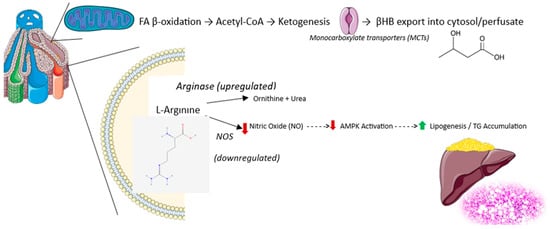
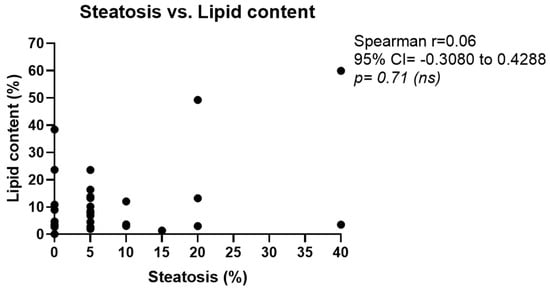
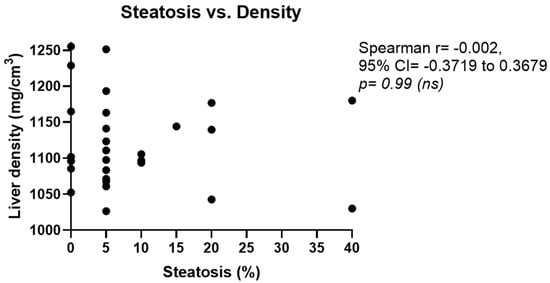
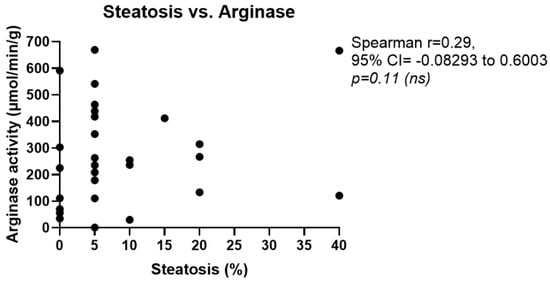
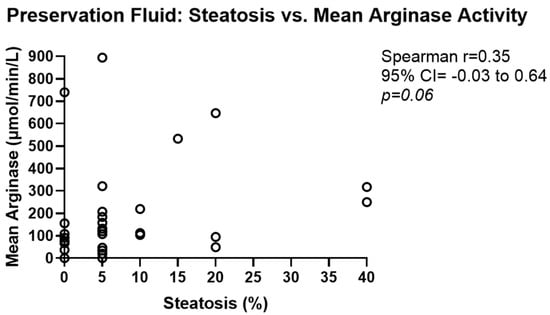
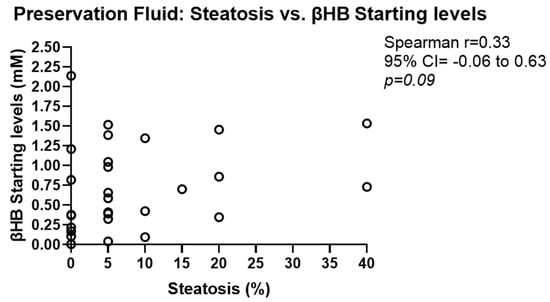
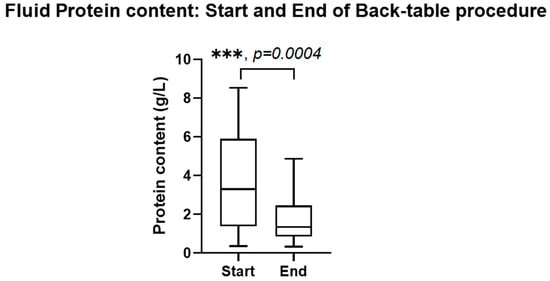
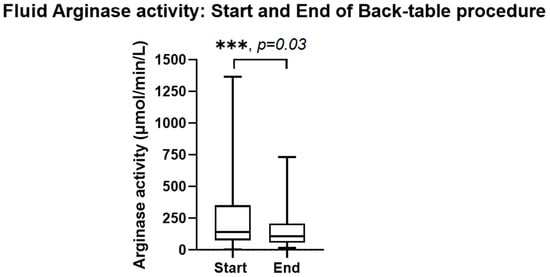
Background: Reliable intraoperative tools for donor liver assessment are needed, particularly in the context of steatotic and extended-criteria grafts. While histology remains the reference standard, it is limited by sampling variability and logistical constraints. Preservation fluid may provide a complementary, whole-organ source of biochemical information. Methods: In this single-center prospective exploratory pilot study, liver tissue and preservation fluid were collected from 30 donation-after-brain-death grafts during the back-table procedure. Biochemical parameters, including arginase activity, β-hydroxybutyrate (βHB), acetoacetate, and total protein, were measured using standard assays. Associations with histological steatosis on wedge biopsy were assessed using nonparametric correlation analyses, and paired preservation fluid samples were compared. Results: Most grafts demonstrated absent or mild steatosis; only two exhibited moderate steatosis, and none were severely steatotic. No preservation fluid biomarker showed a statistically significant association with histological steatosis. Weak, non-significant positive correlations were observed for βHB and arginase activity (Spearman r ≈ 0.33–0.35). Protein concentration and arginase activity decreased between start and end samples, whereas ketone body levels remained relatively stable. Conclusions: Preservation fluid biomarker measurement during routine graft preparation is feasible. Although no significant associations with histological steatosis were identified, the observed weak correlations suggest possible associations requiring validation in larger studies. Larger, adequately powered studies, including a broader spectrum of steatosis and clinically relevant outcomes, are required to determine potential clinical applicability.
Full article
(This article belongs to the Section Gastroenterology & Hepatopancreatobiliary Medicine)
►▼
Show Figures

Figure 1
Journal Menu
► ▼ Journal Menu-
- JCM Home
- Aims & Scope
- Editorial Board
- Reviewer Board
- Topical Advisory Panel
- Instructions for Authors
- Special Issues
- Topics
- Sections & Collections
- Article Processing Charge
- Indexing & Archiving
- Editor’s Choice Articles
- Most Cited & Viewed
- Journal Statistics
- Journal History
- Journal Awards
- Society Collaborations
- Conferences
- Editorial Office
Journal Browser
► ▼ Journal BrowserHighly Accessed Articles
Latest Books
E-Mail Alert
News
Topics
Topic in
Dentistry Journal, IJMS, JCM, Medicina, Applied Sciences
Oral Health Management and Disease Treatment
Topic Editors: Christos Rahiotis, Felice Lorusso, Sergio Rexhep TariDeadline: 31 July 2026
Topic in
Cancers, Diagnostics, Gastrointestinal Disorders, JCM, Current Oncology
Metastatic Colorectal Cancer: From Laboratory to Clinical Studies, 2nd Edition
Topic Editors: Ioannis Ntanasis-Stathopoulos, Diamantis I. TsilimigrasDeadline: 20 August 2026
Topic in
Cells, Immuno, IJMS, JCM, Allergies, Dermato
Skin Barrier Function and Immune Mediators as Key Therapeutic Targets of Main Inflammatory Diseases
Topic Editors: Marco Manfredini, Carlo PincelliDeadline: 31 August 2026
Topic in
Biomedicines, Clinics and Practice, Diagnostics, JCM, Rheumato
Rheumatic Disorder: From Basic Science to Clinical Practice—2nd Edition
Topic Editors: Andreina Manfredi, Caterina Vacchi, Giulia CassoneDeadline: 20 September 2026
Conferences
Special Issues
Special Issue in
JCM
Advances in Diagnosis and Management of Pancreatobiliary Disorders—2nd Edition
Guest Editor: Francesca LodatoDeadline: 9 July 2026
Special Issue in
JCM
Clinical Advances in Spine Disorders—2nd Edition
Guest Editors: Sokol Trungu, Luca RicciardiDeadline: 10 July 2026
Special Issue in
JCM
Clinical Management for Coronary Artery Disease and Revascularization
Guest Editor: Mohammad Reza MovahedDeadline: 10 July 2026
Special Issue in
JCM
New Insights into Skin Tumors: From Pathogenesis to Therapy
Guest Editors: Loredana Ungureanu, Simona C. ŞenilǎDeadline: 10 July 2026
Topical Collections
Topical Collection in
JCM
Pediatric and Adolescent Gynecology
Collection Editor: Panagiotis Christopoulos