


-
Structural, Textural, and Functional Properties of Plant-Based Meat Analogs Prepared by High-Moisture Extrusion of Soy–Wheat–Mung Bean Multi-Protein System -
Effects of Oleic Acid and Intramuscular Fat Levels on Retronasal Aromas in Wagyu Beef from Japanese Black Cattle -
From Production to Application: Postbiotics in Meat, Meat Products, Other Food Matrices, and Bioactive Packaging -
Exploration of Natural Protein–Polysaccharide–Polyphenol Ternary Complexes from Grape Pomace for Clean-Label Pickering Emulsions Through pH Adjustment
Journal Description
Foods
Foods
is an international, peer-reviewed, open access journal on food science published semimonthly online by MDPI. The Italian Society of Food Sciences (SISA) and Spanish Nutrition Foundation (FEN) are affiliated with Foods and their members receive discounts on the article processing charges.
- Open Access— free for readers, with article processing charges (APC) paid by authors or their institutions.
- High Visibility: indexed within Scopus, SCIE (Web of Science), PubMed, PMC, FSTA, AGRIS, PubAg, and other databases.
- Journal Rank: JCR - Q1 (Food Science and Technology) / CiteScore - Q1 (Health Professions (miscellaneous))
- Rapid Publication: manuscripts are peer-reviewed and a first decision is provided to authors approximately 15 days after submission; acceptance to publication is undertaken in 2.6 days (median values for papers published in this journal in the second half of 2025).
- Recognition of Reviewers: reviewers who provide timely, thorough peer-review reports receive vouchers entitling them to a discount on the APC of their next publication in any MDPI journal, in appreciation of the work done.
- Companion journal: Sustainable Foods.
- Journal Cluster of Food, Nutrition, and Health Science: Beverages, Dietetics, Foods, Nutraceuticals, Nutrients and Obesities.
Impact Factor:
5.1 (2024);
5-Year Impact Factor:
5.6 (2024)
Latest Articles
Processing and Valorization of Wheat Bran, Germ and Their Fractions: An Evidence-Graded Review of Composition, Technologies and Applications
Foods 2026, 15(8), 1455; https://doi.org/10.3390/foods15081455 (registering DOI) - 21 Apr 2026
Abstract
Wheat processing generates large volumes of co-products, particularly wheat bran (WB) and wheat germ (WG), which remain underutilized despite their high content of dietary fiber, phenolic compounds, bioactive peptides, and lipophilic antioxidants. Although their composition and processing have been widely investigated, an integrated
[...] Read more.
Wheat processing generates large volumes of co-products, particularly wheat bran (WB) and wheat germ (WG), which remain underutilized despite their high content of dietary fiber, phenolic compounds, bioactive peptides, and lipophilic antioxidants. Although their composition and processing have been widely investigated, an integrated and application-oriented evaluation of these fractions remains limited. This review provides a structured and critical analysis of WB, raw and defatted WG, and wheat germ oil (WGO), linking composition, processing strategies, and functional performance within a unified framework. Conventional and emerging technologies, including enzymatic hydrolysis, fermentation, thermomechanical treatments, and supercritical CO2 extraction, are discussed in terms of selectivity, impact on techno-functional properties, and scalability. An evidence-grading approach is introduced to distinguish bioactivities supported by chemical assays, cell-based models, animal studies, or human data, enabling a more rigorous interpretation of health-related effects. Across applications, these co-products have been incorporated into food systems and related sectors, primarily showing improvements in nutritional composition, oxidative stability, and product performance under experimental conditions. However, translation to an industrial scale remains constrained by techno-economic limitations, regulatory requirements, and stability challenges. This work highlights the need for integrated processing strategies aligned with industrial feasibility to support the development of sustainable cereal biorefineries.
Full article
(This article belongs to the Section Grain)
►
Show Figures
Open AccessReview
Global Regulatory Mandates as Drivers for Advanced Chemical Analysis in Food Safety
by
Lin Guo, Xiaoxiao Dong, Heng Zhou, Zilong Liu and Xingchuang Xiong
Foods 2026, 15(8), 1454; https://doi.org/10.3390/foods15081454 (registering DOI) - 21 Apr 2026
Abstract
The globalization of the food supply chain presents complex challenges for safety assurance within a highly fragmented regulatory landscape. This review synthesizes the frameworks of eight influential jurisdictions—including the European Union (EU), the United States, China, and Codex Alimentarius—to evaluate how legal mandates
[...] Read more.
The globalization of the food supply chain presents complex challenges for safety assurance within a highly fragmented regulatory landscape. This review synthesizes the frameworks of eight influential jurisdictions—including the European Union (EU), the United States, China, and Codex Alimentarius—to evaluate how legal mandates function as regulatory drivers that guide the evolution of analytical chemistry. By examining legislation on Maximum Residue Limits (MRLs), positive list systems, and method validation guidelines (e.g., SANTE), we demonstrate that strict preventive controls have established chromatography coupled with tandem mass spectrometry (LC/GC-MS/MS) as the universal standard for multi-residue screening. We show that global regulatory fragmentation is not merely an administrative artifact, but is rooted in divergent toxicological philosophies and localized dietary exposure models. This regulatory heterogeneity requires analytical laboratories to adopt a posture of “defensive technological redundancy,” forcing them to continuously optimize targeted methods against the strictest global default limits (e.g., 0.01 mg/kg). We establish that this continuous methodological escalation for ultra-trace quantification has reached practical and operational limits. Consequently, we conclude that the future of food safety testing must transition from static target-list compliance toward adaptable, non-targeted chemical profiling using High-Resolution Mass Spectrometry (HRMS), enabling laboratories to proactively address emerging contaminants, food fraud, and the complexities of modern food matrices.
Full article
(This article belongs to the Section Food Analytical Methods)
►▼
Show Figures

Figure 1
Open AccessArticle
Integrated Curcumin-Based Polylactic Acid Film with Screen-Printed Indicator for Real-Time Shrimp Freshness Monitoring
by
Kelan Liu, Shasha Zhang, Xiaoxue Han, Yuye Zhong, Shaoyun Huang and Xianwen Ke
Foods 2026, 15(8), 1453; https://doi.org/10.3390/foods15081453 (registering DOI) - 21 Apr 2026
Abstract
To reduce food waste and mitigate health risks from accidentally consuming spoiled food, freshness-indicating technologies are increasingly demanded. However, conventional colorimetric-based freshness-indicating packaging is limited by instability, subtle color changes, and complex production processes. This study presents a curcumin-based ink suitable for eco-friendly
[...] Read more.
To reduce food waste and mitigate health risks from accidentally consuming spoiled food, freshness-indicating technologies are increasingly demanded. However, conventional colorimetric-based freshness-indicating packaging is limited by instability, subtle color changes, and complex production processes. This study presents a curcumin-based ink suitable for eco-friendly polylactic acid (PLA) food packaging films enabling real-time shrimp freshness monitoring via integrated intelligent packaging. The ink comprised curcumin as the indicator, ethyl cellulose (EC) and polyvinyl butyral (PVB) as binders, and polyethylene glycol 400 (PEG 400) to regulate permeability. Excellent printability was demonstrated by fineness, initial dryness and fluidity tests. It also demonstrated good thixotropic, viscosity, and flow curve properties. Printing minimally affected the PLA films’ mechanical and barrier properties. The indicator label showed high sensitivity, rapid response, and excellent reversibility to ammonia vapor. Practical application in monitoring shrimp spoilage at 25 °C and 4 °C revealed a strong correlation between the distinct color transition of the label and the increase in total volatile basic nitrogen (TVB-N) content and pH value, providing a reliable visual warning before obvious spoilage signs appeared. This work provides a viable integrated indicator packaging strategy for developing intelligent packaging, offering significant potential to reduce food waste and enhance supply chain transparency for perishable goods.
Full article
(This article belongs to the Section Food Packaging and Preservation)
►▼
Show Figures

Figure 1
Open AccessArticle
Characterizing the Flavor Profile and Metabolite Discrepancies of Scallion Braised Sea Cucumber Body Wall by Flavoromics and Widely Targeted Metabolomics
by
Xinran Li, Jiahui Song, Enhui Ma, Qiang Geng and Songyi Lin
Foods 2026, 15(8), 1452; https://doi.org/10.3390/foods15081452 (registering DOI) - 21 Apr 2026
Abstract
This study provides a comprehensive characterization of volatile and nonvolatile compounds in scallion-braised sea cucumber by integrating solid-phase microextraction gas chromatography-mass spectrometry (SPME-GC-MS) and widely targeted metabolomics. A total of 43 volatile compounds and 1792 nonvolatile metabolites were identified, with amino acids and
[...] Read more.
This study provides a comprehensive characterization of volatile and nonvolatile compounds in scallion-braised sea cucumber by integrating solid-phase microextraction gas chromatography-mass spectrometry (SPME-GC-MS) and widely targeted metabolomics. A total of 43 volatile compounds and 1792 nonvolatile metabolites were identified, with amino acids and their derivatives being the most abundant. Multivariate statistical analysis identified 11 key aroma-active volatiles and 619 significantly differential metabolites. Correlation network analysis demonstrated that characteristic flavors were primarily formed through coordinated pathways involving protein degradation, lipid oxidation, and carbohydrate metabolism during high-temperature braising. Terpenoids from seasonings, lipid-derived aldehydes and furans, and Maillard reaction products jointly shaped the distinctive aroma profile. This work clarifies the molecular mechanisms of flavor formation in scallion-braised sea cucumber and provides theoretical support for improving flavor regulation, processing standardization, and product quality evaluation in commercial sea cucumber production.
Full article
(This article belongs to the Special Issue Advances in Preservation and Processing Technologies for Aquatic Products)
Open AccessArticle
Mechanistic and Structural Analysis of Aflatoxin B1 Degradation by Bacillus safensis Multicopper Oxidase
by
Dongwei Xiong, Jiayi Yang, Peng Li, Shuhua Yang and Miao Long
Foods 2026, 15(8), 1451; https://doi.org/10.3390/foods15081451 (registering DOI) - 21 Apr 2026
Abstract
Aflatoxin B1 (AFB1) is a potent mycotoxin threatening food and feed safety. Here, we report the identification and characterization of a Bacillus safensis-derived multicopper oxidase (BsaMCO) capable of efficient AFB1 detoxification. Recombinant BsaMCO exhibited robust in vitro activity, achieving >78% degradation of
[...] Read more.
Aflatoxin B1 (AFB1) is a potent mycotoxin threatening food and feed safety. Here, we report the identification and characterization of a Bacillus safensis-derived multicopper oxidase (BsaMCO) capable of efficient AFB1 detoxification. Recombinant BsaMCO exhibited robust in vitro activity, achieving >78% degradation of AFB1 under 24 h incubation at 37 °C. Optimization experiments revealed that enzyme concentration, pH, temperature, metal ions, and electron acceptors significantly influenced degradation efficiency, defining an operational window suitable for practical applications. LC–MS profiling suggested the presence of transformation products tentatively consistent with oxidative demethylation to aflatoxin P1 (AFP1) and with the formation of AFG2a-like products through subsequent hydration- and oxidation-related transformations. Molecular docking and 100 ns all-atom molecular dynamics (MD) simulations demonstrated stable binding of AFB1 in the T1 copper pocket. Van der Waals and electrostatic interactions, together with a persistent hydrogen bond at Gly323, facilitated single-electron transfer through the intramolecular T2/T3 copper cluster. Principal component and Gibbs free energy analyses confirmed a low-energy, stable conformational ensemble. HepG2 cell assays indicated that BsaMCO-degraded products substantially reduced cytotoxicity and apoptosis compared with native AFB1. Simulated feed experiments further validated enzymatic AFB1 degradation, with approximately 53% reduction after 24 h. Collectively, these findings establish BsaMCO as a safe and effective biocatalyst for AFB1 detoxification, providing mechanistic, structural, and cellular evidence supporting its application in food and feed safety.
Full article
(This article belongs to the Special Issue Mycotoxins and Heavy Metals in Food)
►▼
Show Figures

Figure 1
Open AccessArticle
Unlocking the Potential of Sea Fennel, an Emerging Food Crop: Physicochemical, Microbial, and Aromatic Traits Shaped by Fermentation and Pickling
by
Maryem Kraouia, Antonietta Maoloni, Aizhan Ashim, Benedetta Fanesi, Lama Ismaiel, Deborah Pacetti, Giorgia Rampanti, Federica Cardinali, Vesna Milanovic, Cristiana Garofalo, Andrea Osimani and Lucia Aquilanti
Foods 2026, 15(8), 1450; https://doi.org/10.3390/foods15081450 (registering DOI) - 21 Apr 2026
Abstract
Sea fennel (Crithmum maritimum L.) is an emerging crop valued for its nutritional and sensory properties and has been reported to exert health-promoting effects, including antioxidant, anti-inflammatory, antimicrobial, and cardioprotective activities, as well as potential benefits for gut health and metabolic regulation.
[...] Read more.
Sea fennel (Crithmum maritimum L.) is an emerging crop valued for its nutritional and sensory properties and has been reported to exert health-promoting effects, including antioxidant, anti-inflammatory, antimicrobial, and cardioprotective activities, as well as potential benefits for gut health and metabolic regulation. Building on these features, the present study aimed to unlock the potential of sea fennel to produce novel pickles. Two independent batches were prepared using young leaves and stems of sea fennel fermented in brine. After fermentation, salt concentration was standardized in all prototypes, and two types of vinegar (apple and wine) were added at four acetic acid levels (0.05%, 0.2%, 0.5%, and 0.7%). All prototypes were subsequently subjected to mild pasteurization. During fermentation, physicochemical and microbiological parameters were monitored, while after pasteurization additional physicochemical, microbiological, volatile organic compound (VOCs), and sensory analyses were performed during storage. In both batches and across all prototypes, fermentation resulted in a significant pH decrease, dominance of lactic acid bacteria, inhibition of Enterobacteriaceae, and a gradual increase in yeasts. Following vinegar addition and pasteurization, pH, titratable acidity, and salt content remained stable over six months of storage in most prototypes, particularly those with 0.2% acetic acid. Pasteurization effectively inactivated lactic acid bacteria and Enterobacteriaceae in all prototypes, whereas yeasts and mesophilic bacteria persisted in low-acidity samples (0.05%). Therefore, the 0.05% acidity samples were later excluded due to mid-stage microbial spoilage. Batch-dependent differences were observed in color and sensory attributes, with batch 2 showing higher overall stability mainly in acidic flavor and aroma, particularly in prototypes with 0.2% acidity. VOCs analysis revealed profiles primarily driven by batch variation, with secondary modulation by vinegar type: sesquiterpenes remained stable, while γ-terpinene, limonene, and p-cymene were the dominant compounds, with greater stability observed in batch 2. Overall, the combined use of lactic acid fermentation, vinegar pickling, and mild pasteurization represents a promising strategy for preserving sea fennel and supports its potential as a vegetable crop.
Full article
(This article belongs to the Special Issue Fermented Foods: Microorganisms, Bioactive Components, and Health Benefits)
►▼
Show Figures

Figure 1
Open AccessArticle
A Fluorescent Composite of Carbon-Dot-Embedded Covalent Organic Frameworks for Highly Sensitive and Rapid Detection of Biogenic Amines in Large Yellow Croaker
by
Yunying Xia, Han Wu, Xin You, Haofeng Huang, Zhiming Yan, Zhihui Luo, Qinghua Yao and Hui Xu
Foods 2026, 15(8), 1449; https://doi.org/10.3390/foods15081449 (registering DOI) - 21 Apr 2026
Abstract
The excessive accumulation of biogenic amines (BAs) in aquatic products poses serious health risks, necessitating the development of rapid and sensitive detection methods. This study reports the synthesis of a novel fluorescent nanocomposite, carbon-dot-embedded covalent organic frameworks (CDs@COFs). Comprehensive characterization (TEM, XPS, FTIR,
[...] Read more.
The excessive accumulation of biogenic amines (BAs) in aquatic products poses serious health risks, necessitating the development of rapid and sensitive detection methods. This study reports the synthesis of a novel fluorescent nanocomposite, carbon-dot-embedded covalent organic frameworks (CDs@COFs). Comprehensive characterization (TEM, XPS, FTIR, UV–Vis, and fluorescence spectroscopy) confirmed the successful fabrication of the nanocomposites, which exhibited excellent thermal and optical stability. A significantly enhanced quantum yield of 36.22% (compared with 12.92% for pure carbon dots) was obtained. As a fluorescent probe, the composite enabled the detection of nine BAs based on a fluorescence quenching mechanism. The proposed method demonstrated good linearity (1~100 ng/mL) and low detection limits of 0.58~0.98 ng/mL. The method was successfully applied to analyze tyramine in large yellow croaker, showing accurate spike recoveries ranging from 91.93% to 101.43% and excellent reproducibility (RSD < 3%). These results highlight the great potential of the developed method as a powerful tool for the rapid screening of BAs in aquatic products.
Full article
(This article belongs to the Special Issue Emerging Processing and Detection Technologies for Meat and Meat Products)
Open AccessArticle
Effects of Rice Bran Oil Shortening Substitution on Physicochemical and Functional Properties of Plant-Based Mozzarella Cheeses
by
Suteera Vatthanakul, Prapasri Theprugsa, Natchaya Jewsuwan and Witoon Prinyawiwatkul
Foods 2026, 15(8), 1448; https://doi.org/10.3390/foods15081448 (registering DOI) - 21 Apr 2026
Abstract
Palm kernel oil is commonly incorporated into plant-based cheeses to mimic the textural and structural properties of animal fats owing to its high saturated fat content. Nevertheless, growing concerns regarding saturated fat consumption have stimulated research into alternative lipid sources for plant-based products.
[...] Read more.
Palm kernel oil is commonly incorporated into plant-based cheeses to mimic the textural and structural properties of animal fats owing to its high saturated fat content. Nevertheless, growing concerns regarding saturated fat consumption have stimulated research into alternative lipid sources for plant-based products. Therefore, this study aimed to evaluate the effects of substituting palm kernel oil with rice bran oil shortening (SRBO) on some selected physical, textural, functional, chemical, fatty acid and microstructural properties of plant-based mozzarella cheese analogs. Five formulations with SRBO levels of 0, 25, 50, 75, and 100% were prepared and their physicochemical properties were analyzed. Increasing SRBO significantly affected color due to natural pigments in rice bran oil. The pH value declined with higher SRBO, likely due to oxidation of unsaturated fatty acids. Texture profile analysis showed increases in hardness, springiness, cohesiveness, gumminess, and chewiness when SRBO was increased from 0% to 100%. Meltability slightly decreased at 25–75% but remained unchanged at 100% SRBO, while stretchability decreased significantly, attributed to β-type fat crystals disrupting protein networks. The work of shear decreased significantly (p ≤ 0.05), indicating improved spreadability attributed to the softer, less-crystalline nature of unsaturated fats compared to saturated fats. Proximate analysis revealed reduced fat content and a shift from saturated to unsaturated fats, notably oleic and linoleic acids, offering potential cardiovascular benefits. Confocal laser scanning microscopy showed denser fat crystal networks and smaller fat droplets at higher SRBO levels, enhancing oil retention and stability. Protein, fiber, moisture, and ash content remained stable across samples. These findings suggested that SRBO could be a functional and health-conscious alternative to palm kernel oil in plant-based mozzarella cheese, improving nutritional quality without compromising texture or functionality.
Full article
(This article belongs to the Special Issue Impact of Processing Technologies on Food Quality and Sensory Properties—2nd Edition)
►▼
Show Figures

Graphical abstract
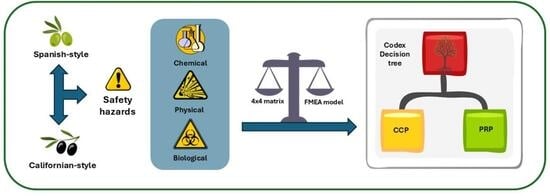
Open AccessArticle
Pulsed Electric Fields as an Effective Tool for Toxoplasma gondii Inactivation
by
Vanesa Abad, Daniel Berdejo, Juan Manuel Martínez, Nabil Halaihel, João Luis Garcia, Ignacio Álvarez-Lanzarote, Susana Bayarri and Guillermo Cebrián
Foods 2026, 15(8), 1447; https://doi.org/10.3390/foods15081447 (registering DOI) - 21 Apr 2026
Abstract
Toxoplasma gondii is an intracellular protozoan transmitted via environmentally resistant oocysts present in food and water, as well as through the consumption of meat containing infective bradyzoites. This study evaluated the inactivation of T. gondii oocysts and bradyzoites (ME-49 strain) by Pulsed Electric
[...] Read more.
Toxoplasma gondii is an intracellular protozoan transmitted via environmentally resistant oocysts present in food and water, as well as through the consumption of meat containing infective bradyzoites. This study evaluated the inactivation of T. gondii oocysts and bradyzoites (ME-49 strain) by Pulsed Electric Field technology (PEF). Treatment efficacy was determined by mouse bioassay combining brain qPCR and indirect immunofluorescence (IFA), with complementary qPCR in Hs27 cells. The infectious dose (ID50) of T. gondii was estimated at 34.6 oocysts. PEF-treated oocysts (15 kV/cm; 50 kJ/kg; 225 µs) showed a significant reduction in infectivity compared with untreated controls; accordingly, the dose required to establish infection increased to 85.3 oocysts after PEF treatment. Brain qPCR and IFA were highly correlated, whereas heart tissue was less sensitive. Bradyzoites recovered from PEF-treated meat (3.3 kV/cm; 27 kJ/kg; 1600 µs) showed a 50% infectivity reduction compared with untreated samples. In vitro assays confirmed an in vivo reduction in infectivity, indicating that cell cultures can serve as an ethical and efficient tool for preliminary viability assessment. This is the first evidence of T. gondii inactivation by PEF, highlighting its potential as a non-thermal strategy. Further studies are needed to optimize treatment parameters.
Full article
(This article belongs to the Special Issue Novel Processing Technologies for Improving Quality and Storage Stability of Food)
►▼
Show Figures

Graphical abstract
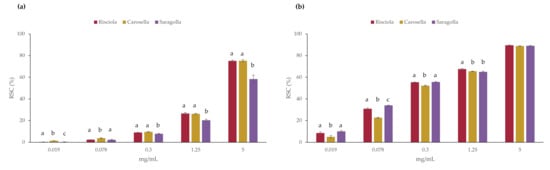
Open AccessArticle
Utilization of Biomass Waste from Citrus Fruits for the Production of Essential Oils
by
Esmeralda Quilo Catucuamba, Jimmy Alba Lechón, Favian Bayas Morejón, Orlando Meneses Quelal and Juan Gaibor Chávez
Foods 2026, 15(8), 1446; https://doi.org/10.3390/foods15081446 (registering DOI) - 21 Apr 2026
Abstract
The valorization of citrus peel residues represents an important strategy for promoting circular bioeconomy approaches in the agri-food sector. This study evaluated the biorefinery potential of ten citrus varieties cultivated in Bolívar Province, Ecuador, including mandarin (Citrus reticulata criolla, Citrus nobilis
[...] Read more.
The valorization of citrus peel residues represents an important strategy for promoting circular bioeconomy approaches in the agri-food sector. This study evaluated the biorefinery potential of ten citrus varieties cultivated in Bolívar Province, Ecuador, including mandarin (Citrus reticulata criolla, Citrus nobilis Loureiro, Citrus tangerina, Citrus unshiu), lemon (Citrus aurantifolia Swingle, Citrus limonia, Citrus limonum, Citrus latifolia), and grapefruit (Citrus paradisi, Citrus paradisi Macfad.), focusing on the extraction and characterization of essential oils from peel biomass. The residual biomass was characterized through proximate and elemental analyses to determine its physicochemical properties, and essential oils were extracted under two maceration times (8 and 12 h) to evaluate the influence of extraction conditions on yield. Chemical composition was determined by gas chromatography–mass spectrometry (GC-MS). The results revealed significant variability among varieties in moisture, ash, and volatile solids content. Citrus nobilis Loureiro showed the highest extraction yield, while grapefruit varieties exhibited the greatest increase in yield with extended maceration time. Limonene was identified as the predominant compound in all essential oils, reaching concentrations above 90% in grapefruit samples, and significant intervarietal differences in monoterpene profiles were observed. Extraction kinetics were evaluated using seven mathematical models, among which the Monod model showed the best fit to the experimental data (R2 > 0.99), demonstrating strong predictive capability. These findings highlight the potential of citrus peel residues as sustainable sources of high-value essential oils and provide a quantitative framework for optimizing extraction processes within citrus biorefinery systems.
Full article
(This article belongs to the Section Food Security and Sustainability)
►▼
Show Figures

Figure 1
Open AccessArticle
Agro-Food Waste for Isolation of Non-Conventional Yeasts and Flavor Compounds Production
by
Floriana Boscaino, Elena Ionata, Loredana Marcolongo, Davide Camerlengo and Alida Sorrentino
Foods 2026, 15(8), 1445; https://doi.org/10.3390/foods15081445 (registering DOI) - 21 Apr 2026
Abstract
The transition towards a circular bioeconomy is essential to mitigate the environmental pressures caused by the increasing global demand for food and energy. Agro-food waste (AFW) is a plentiful, inexpensive feedstock, exploitable in biorefineries to produce valuable molecules. The aim of this study
[...] Read more.
The transition towards a circular bioeconomy is essential to mitigate the environmental pressures caused by the increasing global demand for food and energy. Agro-food waste (AFW) is a plentiful, inexpensive feedstock, exploitable in biorefineries to produce valuable molecules. The aim of this study was to isolate native non-conventional yeasts (NCY) from various AFW and to evaluate their potential for the ‘natural’ synthesis of aroma compounds via fermentation. Ten strains were isolated and identified as belonging to Saccharomyces cerevisiae, Pichia kluyveri, Pichia californica and Wickerhamomyces anomalus species. The fermentative performance and production of aroma volatile compounds were tested using different household wastes as substrates. Figs containing substrate, which is the richest in fermentable sugars, allowed for the fastest microbial adaptation and highest yields of volatile compounds. HS-SPME-GC/MS analysis revealed that the most prominent compounds were isoamyl alcohol, ethyl acetate and isoamyl acetate with the highest production levels showed by W. anomalus YDSCYP4 and P. kluyveri YDSCYP5. Enzymatic profiling revealed significant arylamidase and esterase activities in the selected strains, related to their role in the hydrolysis of aroma precursors. These findings demonstrate the efficiency of these autochthonous yeasts for the sustainable production of aroma compounds, supporting the development of eco-friendly biotechnological processes.
Full article
(This article belongs to the Section Food Biotechnology)
►▼
Show Figures

Graphical abstract
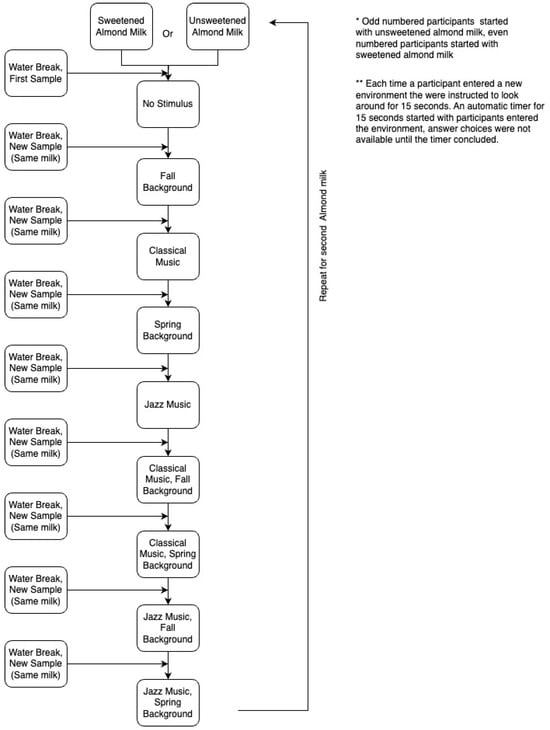
Open AccessArticle
Comparative Analysis of Meat Quality in Hu Sheep and Their Crossbred Lambs
by
Lei Zhang, Shuwei Dong, Yujia Xing, Siqi Li, Shutao Shang, Zhihao Wang, Shijie Bi, Fenghong Wang, Gao Gong and Lei Qu
Foods 2026, 15(8), 1444; https://doi.org/10.3390/foods15081444 (registering DOI) - 21 Apr 2026
Abstract
This study focuses on the selection of hybrid combinations of Hu sheep and meat quality analysis. A comparative analysis of meat quality and volatile flavor compounds was conducted using three hybrid groups—Australian White–Hu (AH), White Suffolk–Hu (SH), and Southdown–Hu (NH)—and a pure Hu
[...] Read more.
This study focuses on the selection of hybrid combinations of Hu sheep and meat quality analysis. A comparative analysis of meat quality and volatile flavor compounds was conducted using three hybrid groups—Australian White–Hu (AH), White Suffolk–Hu (SH), and Southdown–Hu (NH)—and a pure Hu sheep group (HH) as research subjects. The results show that in terms of basic nutritional quality, the moisture content in the NH group was significantly higher than that in the HH group (p < 0.05), and the crude protein content in the NH group was significantly higher than that in the HH group (p < 0.05). Regarding physicochemical properties, the NH group had significantly higher meat color scores, L*, a*, and b* values, than the other groups (p < 0.05), along with the best tenderness and cooking yield. An analysis of amino acids, fatty acids, and volatile flavor compounds in lambs from different hybrid combinations revealed significant differences in the contents of lys, thr, asp, and his (p < 0.01). Although no significant differences were found in the fatty acid composition scores among the AH, SH, NH, and HH groups, all groups met the FAO/WHO recommended values. The NH group not only had the highest MUFA and total fatty acid content but also the highest levels of trans-petroselinic acid and trans-vaccenic acid, the two most abundant trans fatty acids. A total of 43 volatile organic compounds were detected in the four groups, among which 10 were identified as differential compounds. This study provides a scientific basis for the hybrid utilization of Hu sheep and offers technical support for the transformation and upgrading of the regional meat sheep industry.
Full article
(This article belongs to the Special Issue Meat Quality and Palatability)
►▼
Show Figures

Figure 1
Open AccessArticle
Germination as a Bioprocess: Unraveling Its Impact on the Nutritional and Flavor Profile in Four Quinoa Beer Varieties
by
Jiachen Xu, Yanling Zhang, Zhiyu Liu, Chaosheng Wu, Wei Wang, Xiao Feng and Caili Fu
Foods 2026, 15(8), 1443; https://doi.org/10.3390/foods15081443 (registering DOI) - 21 Apr 2026
Abstract
Quinoa contains all the essential amino acids for human nutrition, which is also known to be gluten-free. In this research, black, red, white, and gray quinoa were germinated to ferment beers. The effects of germination as a bioprocess on the nutritional profile, anti-nutrients,
[...] Read more.
Quinoa contains all the essential amino acids for human nutrition, which is also known to be gluten-free. In this research, black, red, white, and gray quinoa were germinated to ferment beers. The effects of germination as a bioprocess on the nutritional profile, anti-nutrients, and flavor development in quinoa beers were systematically investigated, and a comprehensive comparison was made with two commercially popular beers. The results indicated that the optimal germination time for quinoa in beer production was 48 h. Germination significantly increased the contents of polyphenols (255.9 mg/L in white quinoa beer) and flavonoids (404.34 mg/L in red quinoa beer), which enhanced the antioxidant activity of the beers. Furthermore, the levels of protein and γ-aminobutyric acid were elevated through germination. Notably, germination markedly improved the potential nutritional accessibility of the beers through reducing the anti-nutritional factors, including phytic acid, tannins, and trypsin inhibitor. In terms of flavor, quinoa beers developed a unique and pleasant aromatic profile, characterized by compounds such as ethyl octanoate, ethyl 9-decenoate, and ethyl pentadecanoate, which distinguished them from commercial beers. In conclusion, germinated quinoa can serve as a high-quality brewing material for producing beer with enhanced nutritional value, reduced anti-nutrients, and improved flavor characteristics.
Full article
(This article belongs to the Section Drinks and Liquid Nutrition)
►▼
Show Figures

Graphical abstract
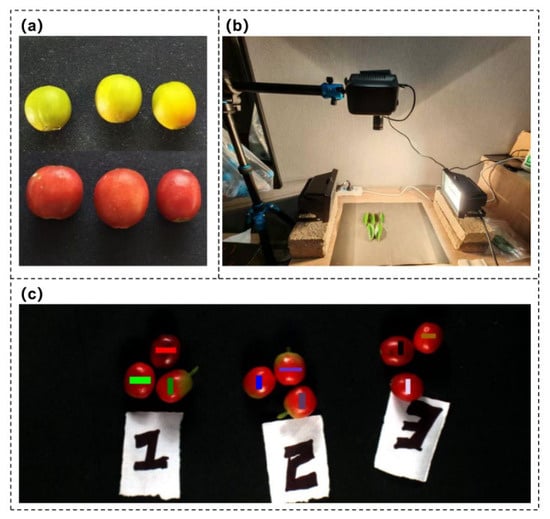
Open AccessSystematic Review
Measurement and Modeling of Sustainable Food Choice and Purchasing Behavior: A Systematic Review of Methods and Models
by
Tiago Negrão Andrade and Helena Maria André Bolini
Foods 2026, 15(8), 1442; https://doi.org/10.3390/foods15081442 (registering DOI) - 21 Apr 2026
Abstract
Despite decades of methodological sophistication, research on sustainable food behavior remains critically limited in predicting actual purchases. This study aims to examine how methodological fragmentation across psychometric, econometric, and behavioral approaches affects the predictive validity of sustainable food choice and purchasing behavior. This
[...] Read more.
Despite decades of methodological sophistication, research on sustainable food behavior remains critically limited in predicting actual purchases. This study aims to examine how methodological fragmentation across psychometric, econometric, and behavioral approaches affects the predictive validity of sustainable food choice and purchasing behavior. This integrative systematic review of 62 empirical studies across psychometric validation, discrete choice experiments (DCEs), trust and cognitive biases, and objective behavioral measurement diagnoses the structural disarticulation between these traditions as the primary cause of limited predictive validity. Findings reveal a pronounced inversion of the evidence hierarchy: while self-report studies report moderate attitude–behavior correlations (β ≈ 0.40–0.50, self-report), the only long-term study using objective scanner data demonstrates that this relationship collapses to a virtually null effect (β = 0.022), representing a 95.6% decay in predictive capacity. Psychometric instruments demonstrate strong structural validity but lack ecological validation against actual purchases. DCEs have evolved econometrically (from MNL to GMNL models), yet remain isolated from psychological theory and real-world validation. Critically, no reviewed study integrated validated scales, a DCE, and objective behavioral data within a single design. Key moderators—skepticism, halo effects, and affective heuristics—are systematically underoperationalized. To overcome this impasse, we propose Hybrid Choice Models (HCM) as the central tool to formally articulate latent attitudes, stated preferences, and observed behavior, enabling cumulative evidence to inform policy and market strategies with greater predictive accuracy. These findings indicate that predictive advances depend on integrating measurement paradigms to achieve ecologically valid and policy-relevant models of sustainable consumer behavior.
Full article
(This article belongs to the Special Issue The Food Perspective: Understanding the Drivers of Consumer Food Choices)
►▼
Show Figures

Figure 1
Open AccessArticle
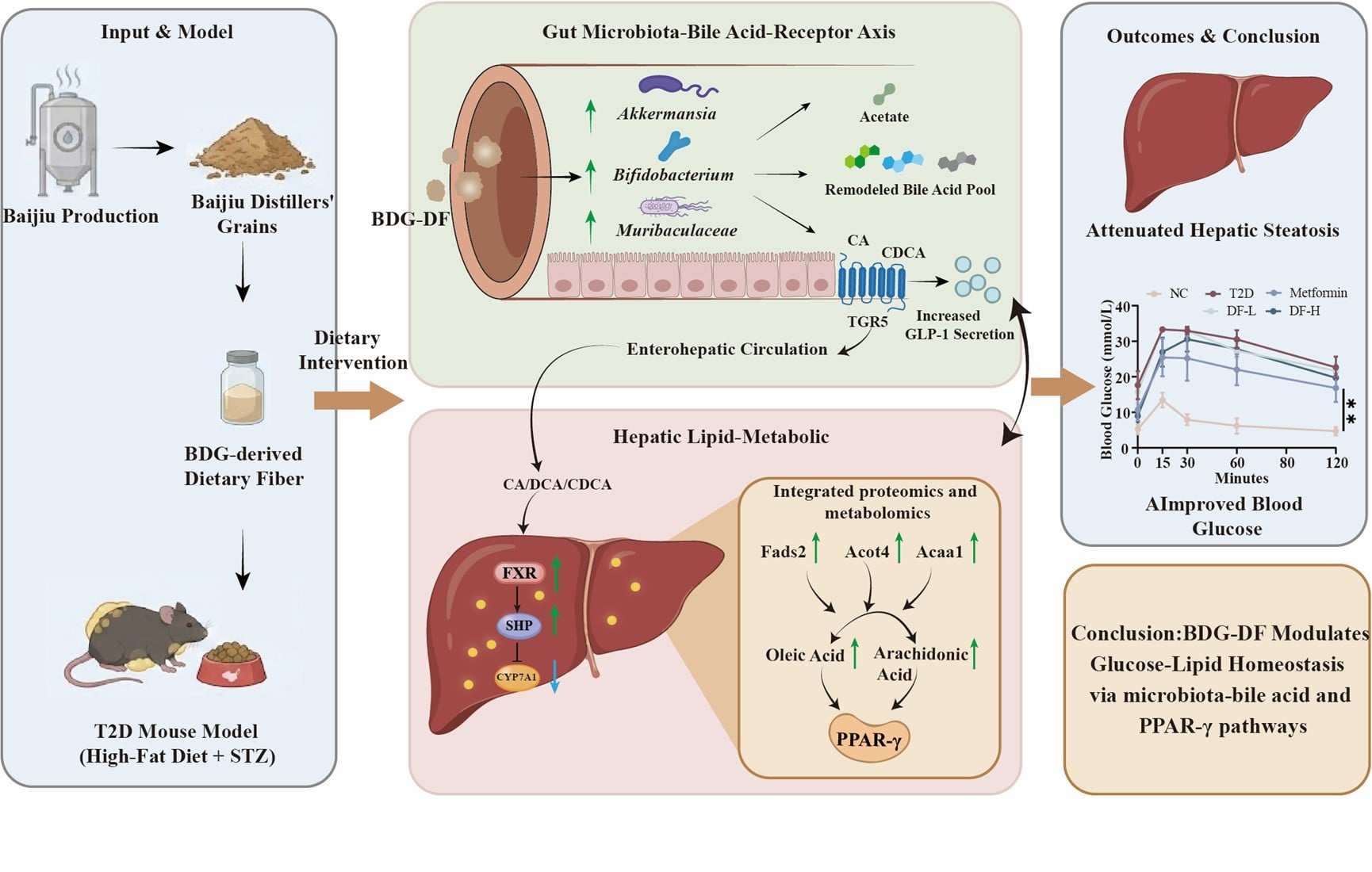
Elucidating the Impact of Gamma Irradiation Treatment Prior to Aging on Light-Flavor Tartary Buckwheat Baijiu Flavor Profiles: A Multimodal Analysis Combining E-Nose, E-Tongue and HS-GC-IMS
by
Zhiqiang Shi, Qing Li, Chen Xia, Yan Wan, Kun Hu, Zhiming Hu, Shengnan Zhong, Yuhan Yang, Yongqing Zhu, Peng Wei and Ke Li
Foods 2026, 15(8), 1441; https://doi.org/10.3390/foods15081441 (registering DOI) - 21 Apr 2026
Abstract
This study comprehensively analyzed the effects of gamma irradiation (GI) on the flavor profile of aged light-flavor tartary buckwheat Baijiu (LTB) using E-nose, E-tongue, and high-sensitivity headspace–gas chromatography–ion mobility spectrometry (HS-GC-IMS). A total of 30 volatile organic compounds (VOCs) were identified, with concentrations
[...] Read more.
This study comprehensively analyzed the effects of gamma irradiation (GI) on the flavor profile of aged light-flavor tartary buckwheat Baijiu (LTB) using E-nose, E-tongue, and high-sensitivity headspace–gas chromatography–ion mobility spectrometry (HS-GC-IMS). A total of 30 volatile organic compounds (VOCs) were identified, with concentrations showing significant dose-dependent correlations with GI treatment. Aging alone reduced harsh and pungent VOCs (e.g., 1-propanol, 2-methyl butanoic acid ethyl ester), while GI followed by aging further decreased undesirable compounds (e.g., butanal-D, pyrrolidine) and enhanced beneficial flavor components, such as 1,1-diethoxy ethane-D and butanoic acid propyl ester. Notably, this treatment partially restored 1-propanol, triethylamine, and 2-butanone-M, though their levels remained significantly lower than in newly brewed LTB, achieving a more balanced purity and flavor complexity. The significantly elevated levels of tetrahydrofuran-M/D, 1,1-diethoxy ethane-D, and cyclohexane in GI-treated aged LTB, along with their dose-dependent accumulation patterns, suggest their potential as reliable markers. Multivariate analysis confirmed that all three techniques (E-nose, E-tongue, and HS-GC-IMS) effectively differentiated LTB samples, with strong correlations between E-nose and HS-GC-IMS data, as well as between E-tongue and HS-GC-IMS results. This work provides flavor fingerprints and potential markers for gamma-irradiated LTB identification, while proposing an innovative technical approach for rapid flavor assessment of light-flavor Baijiu.
Full article
(This article belongs to the Section Drinks and Liquid Nutrition)
►▼
Show Figures

Figure 1
Open AccessArticle
Reducing Antimicrobial Resistance in Poultry Carcasses Extends Beyond Farm-Level Interventions
by
Valentina Indio, Yitagele Terefe Mekonnen, Chiara Oliveri, Sofia Rubboli, Marco Candela, Alessandro Seguino, Andrea Serraino and Alessandra De Cesare
Foods 2026, 15(8), 1440; https://doi.org/10.3390/foods15081440 (registering DOI) - 21 Apr 2026
Abstract
The aim of this study was to assess how raising chickens without the use of antimicrobials affects the microbiome of poultry carcasses. A total of 151 caeca and neck skin samples from chickens raised without antimicrobials were collected in the same slaughterhouse and
[...] Read more.
The aim of this study was to assess how raising chickens without the use of antimicrobials affects the microbiome of poultry carcasses. A total of 151 caeca and neck skin samples from chickens raised without antimicrobials were collected in the same slaughterhouse and submitted to shotgun metagenomic sequencing. Caeca were dominated by Bacillota and Bacteroidota, while carcasses by Pseudomonadota. The caeca microbiome was enriched in genes related to a proliferating and metabolically active microbial community. Carcass-associated microbiomes were enriched in functional genes linked to adaptation to nutritionally limited and oxidative environments. A significantly higher cumulative antimicrobial resistance gene abundance was detected in carcasses compared to caeca. Specifically, carcasses exhibited approximately 1.5 times more AMR genes, reflecting an increase of nearly 49%. While caeca showed enrichment of resistance determinants associated with Gram-positive anaerobic gut commensals, carcasses were characterized by a predominance of multidrug efflux systems and clinically relevant β-lactam resistance genes, commonly associated with environmental and opportunistic Gram-negative bacteria. In carcasses, carbapenem-associated genes, such as OXA-58-like and CphA, were detected. However, these genes have not been associated with carbapenemase-producing Enterobacterales. Overall, the findings of this study indicate that reducing antimicrobial resistance in food animal production systems extends beyond farm-level intervention. At present, the benefits of the interventions aimed at reducing antimicrobial resistance at farm level seem to be compromised during the post-harvest stages.
Full article
(This article belongs to the Section Food Microbiology)
►▼
Show Figures

Graphical abstract
Open AccessArticle
Environmental Regulation, Molecular Profiling, and Preliminary Functional Evaluation of Extracellular Vesicles from Pleurotus tuber-regium
by
Wen Li, Junyi Fang, Xiaoyan Zhang, Mengmeng Xu, Peter Chi Keung Cheung, Guiyang Shi, Lei Chen and Zhongyang Ding
Foods 2026, 15(8), 1439; https://doi.org/10.3390/foods15081439 (registering DOI) - 21 Apr 2026
Abstract
Extracellular vesicles (EVs) from the edible mushroom Pleurotus tuber-regium (PTR) were investigated with respect to their environmental responsiveness, molecular features, and preliminary functional properties. PTR-EVs were characterized by dynamic light scattering, nanoparticle tracking analysis, and transmission electron microscopy. Proteomic analysis revealed enrichment of
[...] Read more.
Extracellular vesicles (EVs) from the edible mushroom Pleurotus tuber-regium (PTR) were investigated with respect to their environmental responsiveness, molecular features, and preliminary functional properties. PTR-EVs were characterized by dynamic light scattering, nanoparticle tracking analysis, and transmission electron microscopy. Proteomic analysis revealed enrichment of ribosomal and proteasomal proteins, redox-related enzymes, and vesicle trafficking components, suggesting non-random molecular representation. Small RNA sequencing identified abundant novel miRNAs with predicted targets involved in nitrogen metabolism, cell wall remodeling, redox regulation, and ubiquitin-mediated proteolysis. Among the tested factors, temperature showed the strongest association with vesicle production, with particle concentration increasing from 1.22 × 10⁹ to 7.31 × 10⁹ particles/mL at 34 °C, approximately six-fold higher than at 30 °C. Transcriptomic profiling showed coordinated repression of cell wall-associated genes and redox enzymes, together with induction of endoplasmic reticulum proteostasis pathways, consistent with stress-associated changes in the cellular context of vesicle release. Ultrasonicated PTR-EVs exhibited enhanced DPPH and ABTS radical-scavenging activities in chemical assays, with DPPH increasing from 59.52% to 71.73% and ABTS from 38.25% to 40.51%. Encapsulation efficiencies reached 32.67% ± 1.3% for proanthocyanidins and 46.01% ± 0.5% for curcumin. PTR-EVs showed the best short-term stability at pH 7 and 4 °C, supporting their further evaluation as an edible fungal vesicle platform for food-related nanoscale delivery.
Full article
(This article belongs to the Section Food Microbiology)
►▼
Show Figures

Figure 1
Open AccessArticle
Chitosan-Mediated Metabolic Regulation Alleviates Cold Damage and Enhances Quality in Dwarf Bananas
by
Qun Zhang, Chunhua Liu, Miaomiao Su, Jia Song, Lehe Tan, Bingqiang Xu, Wenjiang Dong, Mingyue Wang and Daizhu Lyu
Foods 2026, 15(8), 1438; https://doi.org/10.3390/foods15081438 - 20 Apr 2026
Abstract
Dwarf bananas are an important tropical fruit crop. They are particularly susceptible to cold stress, which often leads to quality deterioration. Although previous studies have examined the effects of cold stress on dwarf bananas, research on effective regulatory strategies and underlying mechanisms remains
[...] Read more.
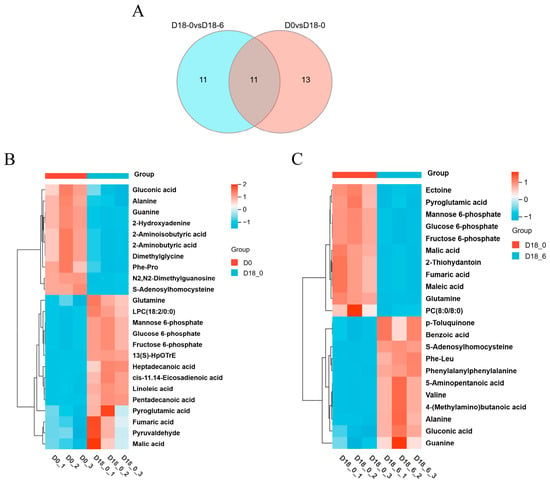
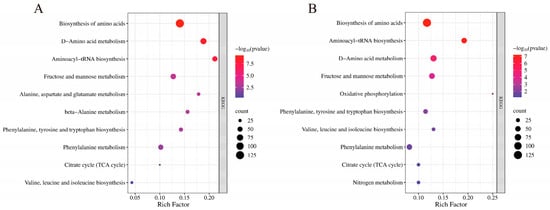
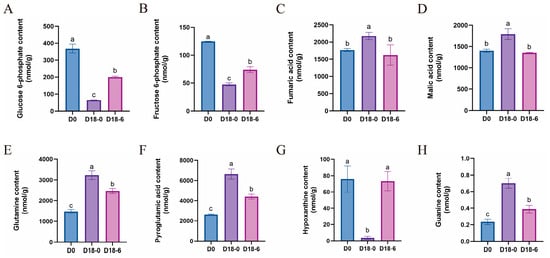
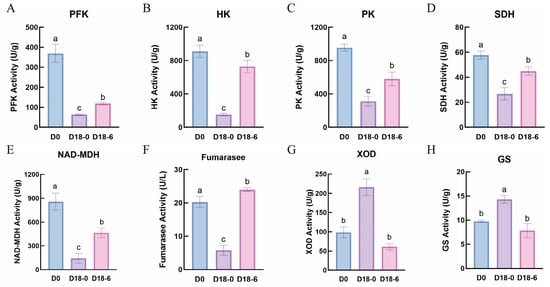
Dwarf bananas are an important tropical fruit crop. They are particularly susceptible to cold stress, which often leads to quality deterioration. Although previous studies have examined the effects of cold stress on dwarf bananas, research on effective regulatory strategies and underlying mechanisms remains limited. This study investigates the mechanistic regulatory effects of chitosan (CTS) on cold stress in postharvest dwarf bananas, revealing that CTS mitigates cold-induced injury and improves fruit quality. Using an integrated approach of metabolomics, lipidomics, and enzyme activity assays, this study explored the potential mechanisms by which CTS alleviates chilling injury. Lipidomic results showed that CTS enhances cold tolerance by regulating the metabolism of glycerides, glycerophospholipids, linoleic acid, and linolenic acid. Metabolomics data further indicated that CTS increases the levels of amino acids, carbohydrates, and key substrates and intermediates of the tricarboxylic acid (TCA) cycle in cold-stressed dwarf bananas. Collectively, these effects enhance respiration, energy homeostasis, and antioxidant capacity, enabling dwarf bananas to better tolerate low-temperature stress.
Full article
(This article belongs to the Special Issue Recent Research on the Processing Technology and Quality Control of Fruit and Vegetables)
►▼
Show Figures

Figure 1
Open AccessReview
Gut Microbiota Modulation by Carboxymethyl Cellulose and Carrageenan: Current Evidence and Health Implications
by
Ana Fernandes, Débora A. Campos, Ezequiel R. Coscueta and Maria Manuela Pintado
Foods 2026, 15(8), 1437; https://doi.org/10.3390/foods15081437 - 20 Apr 2026
Abstract
The gut microbiota plays a central role in digestion, metabolism, immune regulation, and inflammatory processes, and is highly responsive to dietary factors, including food additives. With the increasing consumption of ultra-processed foods, growing attention has been directed toward the long-term effects of commonly
[...] Read more.
The gut microbiota plays a central role in digestion, metabolism, immune regulation, and inflammatory processes, and is highly responsive to dietary factors, including food additives. With the increasing consumption of ultra-processed foods, growing attention has been directed toward the long-term effects of commonly used additives on gut health. This review examines the interactions between food additives and the gut microbiota, with a specific focus on the emulsifiers carboxymethyl cellulose (CMC) and carrageenan (CGN), which are widely used in processed foods. Evidence from in vitro, animal, and limited human studies indicates that both CMC and CGN can alter gut microbiota composition, disrupt intestinal barrier integrity, and promote pro-inflammatory responses, although their mechanisms of action differ. CGN has been more consistently associated with direct activation of inflammatory signalling pathways and epithelial stress, whereas CMC primarily induces microbiota-mediated effects, including altered microbial spatial organisation and mucus barrier disruption, leading to low-grade inflammation. The magnitude of these effects appears to depend on dosage, duration of exposure, and the experimental model employed. Overall, the findings summarised in this review suggest that chronic exposure to CMC and CGN may contribute to gut dysbiosis and increased inflammatory susceptibility, particularly within dietary patterns rich in ultra-processed foods. These observations highlight the need for harmonised research methodologies, more human-relevant long-term studies, and reconsideration of current food safety assessment frameworks to better account for microbiota-related outcomes.
Full article
(This article belongs to the Special Issue Impacts of Diet–Gut Microbiota Interactions on Health)
►▼
Show Figures

Graphical abstract
Open AccessReview
An Integrated Review of Pesticides and Antibiotics in Agricultural Environments: Occurrence, Cross-Media Transport, and Plant Uptake
by
Jie Li, Qing Yan, Bai Du and Guozhong Feng
Foods 2026, 15(8), 1436; https://doi.org/10.3390/foods15081436 - 20 Apr 2026
Abstract
With the continuing intensification of modern agriculture, pesticides and antibiotics are extensively used to control pests and diseases, but their improper use and indirect inputs have resulted in widespread contamination of agricultural environments and food products. This review synthesizes how these contaminants enter
[...] Read more.
With the continuing intensification of modern agriculture, pesticides and antibiotics are extensively used to control pests and diseases, but their improper use and indirect inputs have resulted in widespread contamination of agricultural environments and food products. This review synthesizes how these contaminants enter agroecosystems, their occurrence across soils, waters and agricultural products, and the processes that redistribute residues across air–water–soil interfaces and into the soil–plant continuum. We summarize cross-media transport pathways (e.g., runoff/leaching, volatilization–deposition and irrigation-driven redistribution) and relate environmental exposure to plant uptake using a harmonized indicator set, including the bioconcentration factor (BCF), translocation factor (TF), octanol–water partition coefficient (log Kow) and soil organic carbon–water partition coefficient (Koc). We further discuss key determinants of crop accumulation, including compound-specific properties, soil characteristics and plant physiological traits, and highlight how these factors jointly shape residue profiles in edible tissues. Finally, we outline research priorities for source reduction, standardized multi-matrix surveillance, fate-to-uptake modeling, and microbiome-enabled remediation strategies to support pollution control, food safety and public health.
Full article
(This article belongs to the Special Issue Food Environmental Pollution Monitoring, the Transfer of Hazardous Materials in Soil–Crop Plant Systems and a Risk Assessment of Emerging Contaminants in Food)
Journal Menu
► ▼ Journal Menu-
- Foods Home
- Aims & Scope
- Editorial Board
- Reviewer Board
- Topical Advisory Panel
- Instructions for Authors
- Special Issues
- Topics
- Sections & Collections
- Article Processing Charge
- Indexing & Archiving
- Editor’s Choice Articles
- Most Cited & Viewed
- Journal Statistics
- Journal History
- Journal Awards
- Society Collaborations
- Conferences
- Editorial Office
Journal Browser
► ▼ Journal BrowserHighly Accessed Articles
Latest Books
E-Mail Alert
News
Topics
Topic in
Analytica, Foods, Molecules, Processes, Separations, Chemosensors
Application of Chromatography-Mass Spectrometry and Related Techniques, 2nd Edition
Topic Editors: Chao Kang, Ronald BeckettDeadline: 30 April 2026
Topic in
Beverages, Foods, Molecules, Nutrients, Separations, Chemosensors
Advances in Analysis of Food and Beverages, 2nd Edition
Topic Editors: Constantinos G. Tsiafoulis, Anna M. KaczmarekDeadline: 31 May 2026
Topic in
Agronomy, Crops, Foods, Plants, Agriculture, Horticulturae
Multidisciplinary Advances in Tea Science: Smart Cultivation, Digital Processing, and Health Innovation
Topic Editors: Chunwang Dong, Lin Chen, Yang LiDeadline: 30 June 2026
Topic in
Dietetics, Foods, Nutrients
Dietary Carbohydrate Chemistry, Nutrition, and Utilization
Topic Editors: Bin Zhang, Lijun Sun, Zhuqing XieDeadline: 31 July 2026
Conferences
Special Issues
Special Issue in
Foods
Technologies and Strategies to Improve the Quality and Extend the Shelf-Life of Post-Harvest Fruits and Vegetables
Guest Editor: Wanli ZhangDeadline: 25 April 2026
Special Issue in
Foods
New Insights into the Structural, Functional and Nutritional Properties of Plant-Based Proteins
Guest Editors: Sonja Jakovetić Tanasković, Zorica Knežević-Jugović, Nataša ŠekuljicaDeadline: 25 April 2026
Special Issue in
Foods
Novel Insights into Food Flavor Chemistry and Analysis
Guest Editors: Gianluca Tripodi, Roberta FoligniDeadline: 25 April 2026
Special Issue in
Foods
Plant-Based Functional Foods and Innovative Production Technologies
Guest Editor: Taiwo O. AkanbiDeadline: 25 April 2026
Topical Collections
Topical Collection in
Foods
Phytonutrients in Food: From Traditional to Rational Usage
Collection Editor: Quanhong Li
Topical Collection in
Foods
Advances in Tea Chemistry
Collection Editors: Yongquan Xu, Ying Gao, Qingqing Cao
Topical Collection in
Foods
Milk and Dairy Products: Chemistry, Structure, Processing and Properties
Collection Editor: Débora Parra Baptista
Topical Collection in
Foods
Physicochemical, Biochemical, and Microbiological Characteristics of Cheese
Collection Editors: Richardos Nikolaos Salek, Eva Lorencová, Zuzana Lazárková