


-
Physics-Informed Neural Networks for Thermal Anomaly Prediction in Battery Energy Storage Systems -
Smart Buildings in the Energy Transition: A Bibliometric Review of Flexibility, Market Integration, and Policy Barriers -
Green Hydrogen Production to Mitigate Renewable Energy Curtailment in the Greek Grid
Journal Description
Energies
Energies
is a peer-reviewed, open access journal of related scientific research, technology development, engineering policy and management studies related to the general field of energy (from technologies of energy supply, conversion, dispatch and final use to the physical and chemical processes behind such technologies), and is published semimonthly online by MDPI. The European Biomass Industry Association (EUBIA), Association of European Renewable Energy Research Centres (EUREC), Institute of Energy and Fuel Processing Technology (ITPE), International Society for Porous Media (InterPore), CYTED and others are affiliated with Energies and their members receive discounts on the article processing charges.
- Open Access— free for readers, with article processing charges (APC) paid by authors or their institutions.
- High Visibility: indexed within Scopus, SCIE (Web of Science), Ei Compendex, RePEc, Inspec, CAPlus / SciFinder, and other databases.
- Journal Rank: CiteScore - Q1 (Control and Optimization)
- Rapid Publication: manuscripts are peer-reviewed and a first decision is provided to authors approximately 16.7 days after submission; acceptance to publication is undertaken in 3.5 days (median values for papers published in this journal in the first half of 2026).
- Recognition of Reviewers: Reviewers whose reports are timely and of high quality receive an APC discount voucher for a future publication in an MDPI journal. Become a reviewer.
- Sections: published in 41 topical sections.
- Companion journals for Energies include: Energy Storage and Applications, Bioresources and Bioproducts, Hydropower, Photovoltaics and Smart Grids.
- Journal Cluster of Energy and Fuels: Energies, Batteries, Hydrogen, Biomass, Electricity, Wind, Fuels, Gases, Solar, ESA, Bioresources and Bioproducts, Methane, Nanoenergy Advances, Journal of Nuclear Engineering, Thermo and Photovoltaics.
Impact Factor:
3.9 (2025);
5-Year Impact Factor:
3.5 (2025)
Latest Articles
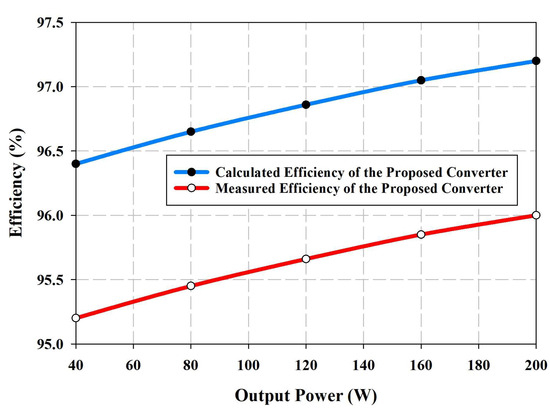
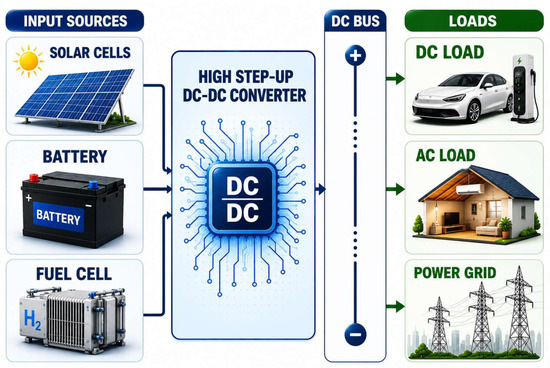
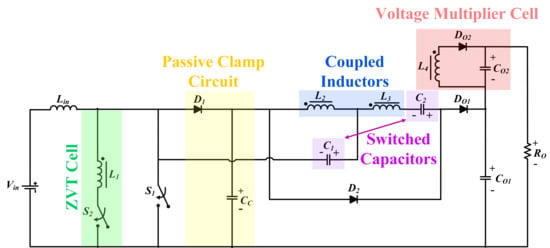
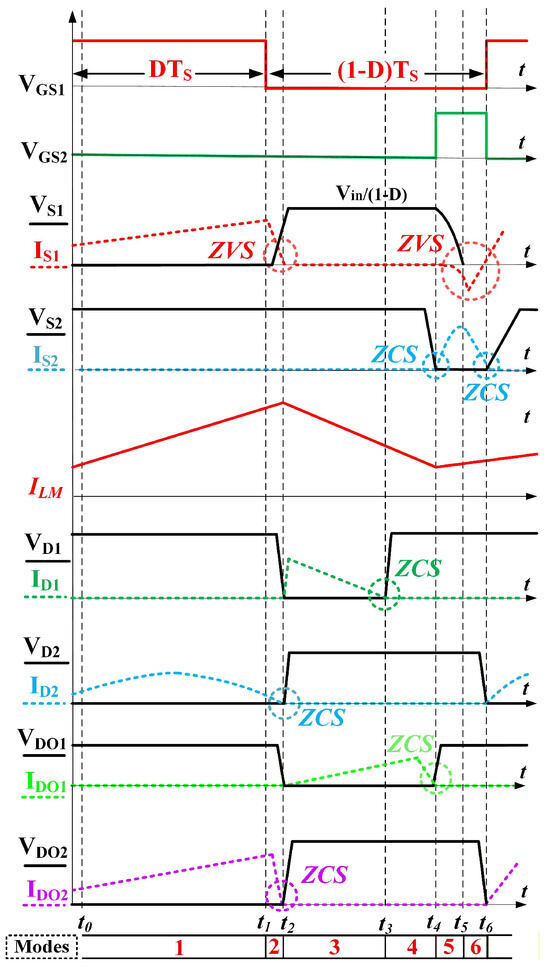
Design and Experimental Validation of a Fully Soft-Switched High Step-Up DC–DC Converter with Reduced Input Current Ripple for Distributed Generation Systems Applications
Energies 2026, 19(19), 4696; https://doi.org/10.3390/en19194696 (registering DOI) - 5 Oct 2026
Abstract
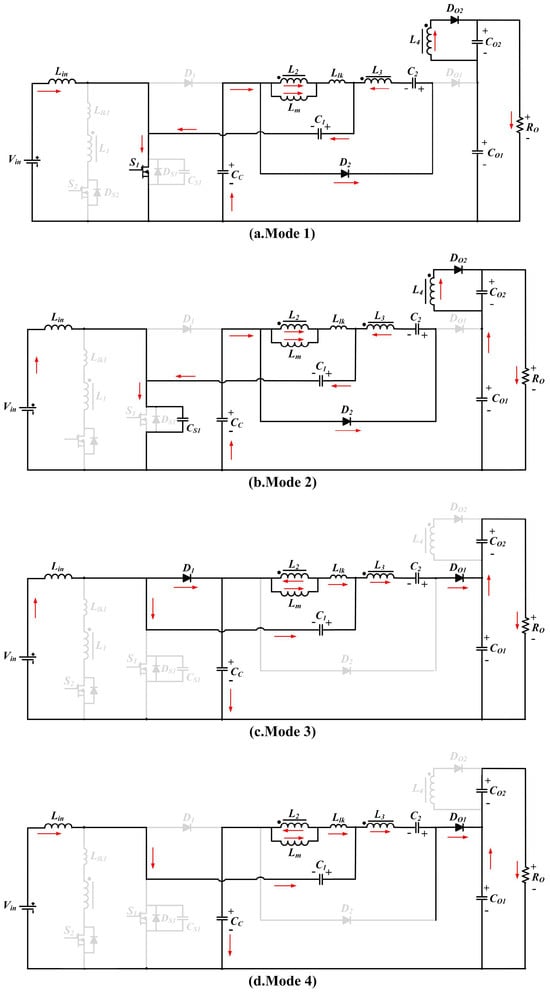
This paper introduces a non-isolated high step-up DC–DC converter suitable for distributed generation system applications. The proposed topology uses the zero-voltage-transition (ZVT) technique to achieve soft-switching conditions over a wide range of output power levels, resulting in improved efficiency and reliability. Since the
[...] Read more.
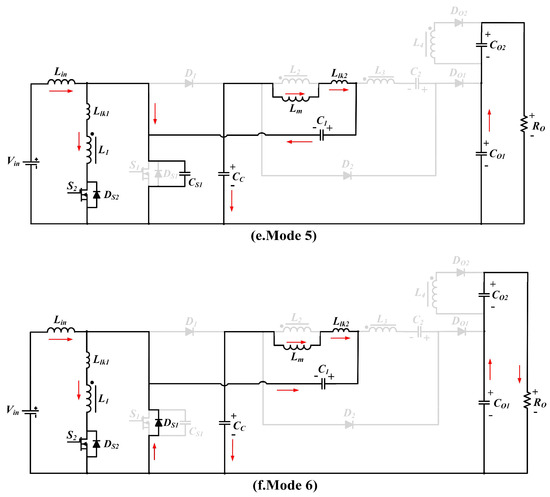
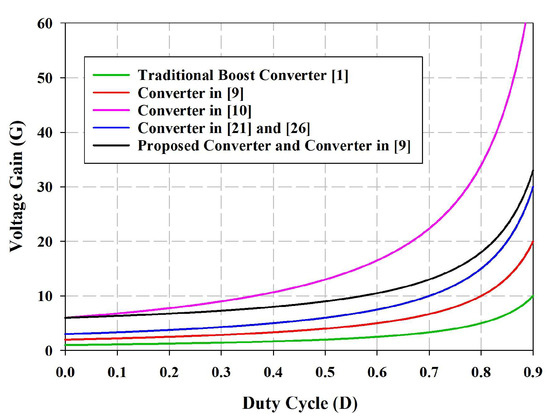
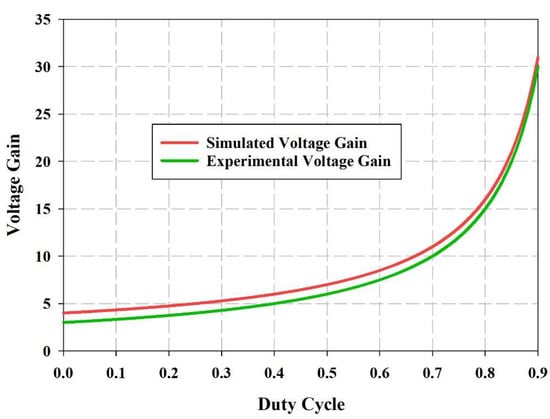
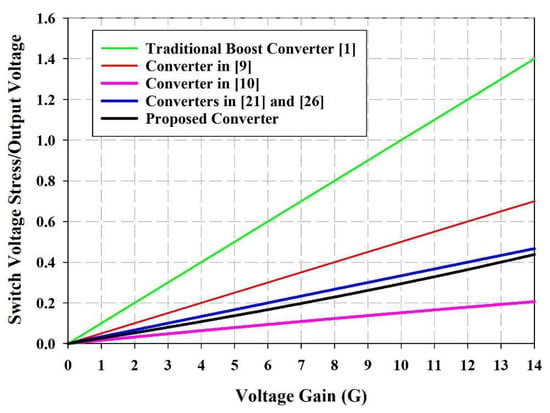
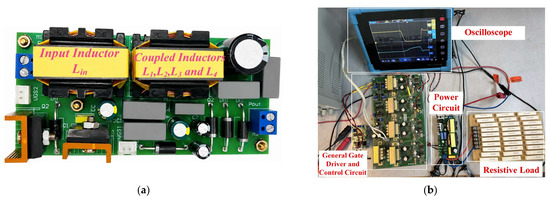
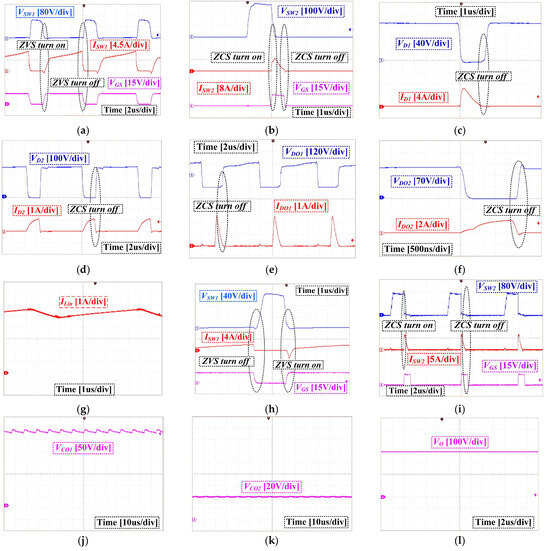
This paper introduces a non-isolated high step-up DC–DC converter suitable for distributed generation system applications. The proposed topology uses the zero-voltage-transition (ZVT) technique to achieve soft-switching conditions over a wide range of output power levels, resulting in improved efficiency and reliability. Since the main switch turns on under ZVS conditions, the capacitive turn-on loss is eliminated, thereby reducing switching losses. In addition to the soft-switching capability, the converter provides a continuous input current, which reduces the input filter requirement and improves both power density and cost-effectiveness. Moreover, the converter design effectively increases the voltage gain by utilizing coupled-inductor, switched-capacitor, and voltage-multiplier techniques, allowing the proposed converter to be used in high-voltage applications. The proposed converter employs an independent input inductor and a four-winding coupled inductor implemented using two magnetic cores. Furthermore, the proposed converter features lower voltage stress across the switches, enabling the use of cost-effective, low-resistance MOSFETs, which further improve efficiency. Finally, a common ground structure, the absence of floating switches, and the elimination of the reverse-recovery problem in all diodes are additional valuable advantages of the proposed converter. Comprehensive analytical investigations, together with experimental evaluations conducted at a power level of 200 W, demonstrate that the proposed converter achieves enhanced performance characteristics and outperforms previously reported converter topologies.
Full article
(This article belongs to the Special Issue Advanced Control Methods for Power Electronics, Energy Storage, Photovoltaics, and Microgrids)
►
Show Figures
Open AccessArticle
Effects of Manufacturer-Defined Driving Modes on Electric Vehicle Energy Consumption Under Two Real-World Route Conditions
by
Tomas Mickevicius, Raimondas Sadzevicius and Jonas Matijošius
Energies 2026, 19(19), 4695; https://doi.org/10.3390/en19194695 (registering DOI) - 5 Oct 2026
Abstract
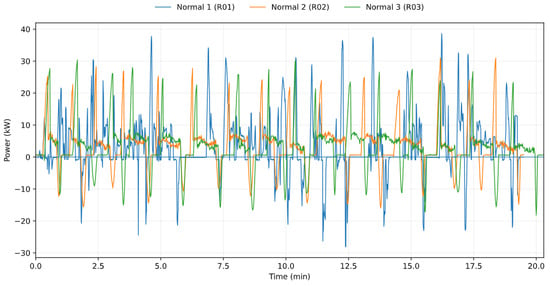
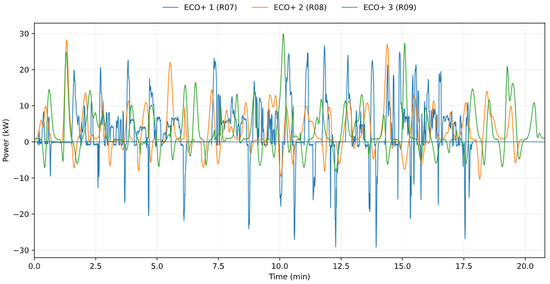
Manufacturer-defined driving modes modify traction-power availability, accelerator response, regenerative braking, and auxiliary-system operation, but their comparative effects under real-world urban and suburban conditions remain insufficiently characterized. This study evaluated Normal, ECO, and ECO+ modes of a Volkswagen e-UP under two real-world route conditions.
[...] Read more.
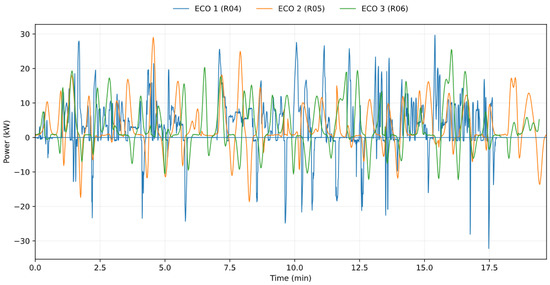
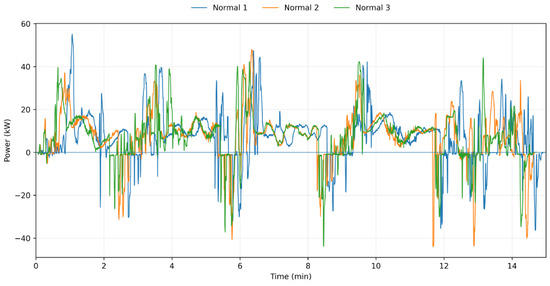
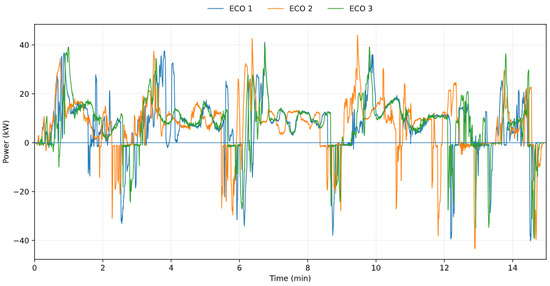
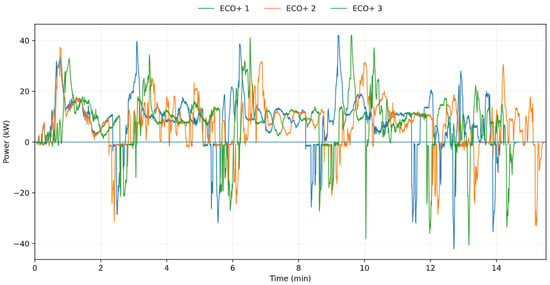
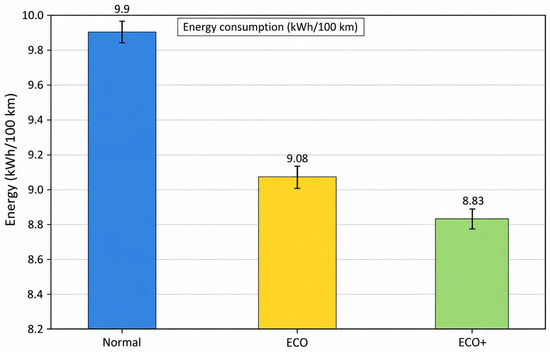
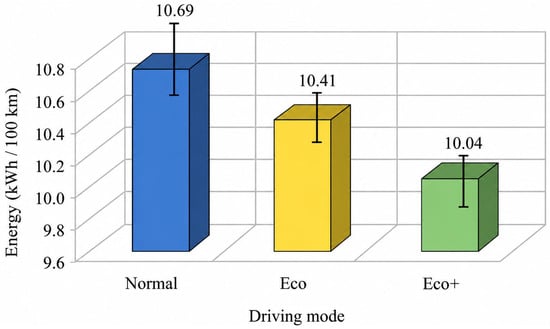
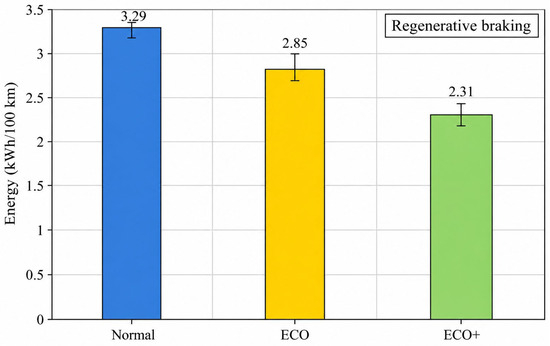
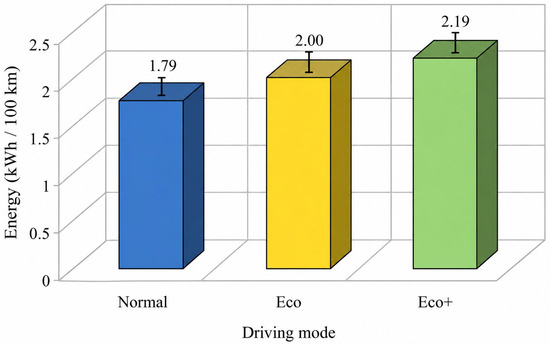
Manufacturer-defined driving modes modify traction-power availability, accelerator response, regenerative braking, and auxiliary-system operation, but their comparative effects under real-world urban and suburban conditions remain insufficiently characterized. This study evaluated Normal, ECO, and ECO+ modes of a Volkswagen e-UP under two real-world route conditions. Each mode–route combination was tested in three complete-route runs, resulting in 18 tests. Electric-machine power recorded through the diagnostic interface was processed using the original timestamps to determine route-normalized net energy consumption and regenerative-energy recovery, while battery state of charge was used as a supporting indicator. On the urban route, mean energy consumption was 9.90, 9.08, and 8.83 kWh/100 km in Normal, ECO, and ECO+ modes, corresponding to reductions of 8.3% and 10.8% relative to Normal. On the suburban route, the respective values were 10.69, 10.41, and 10.04 kWh/100 km, corresponding to reductions of 2.6% and 6.1%. Although the percentage reductions were larger under urban conditions, the driving-mode × route interaction was not statistically significant (p = 0.111). Methodologically, the study demonstrates a structured research approach based on repeated complete-route runs, run-to-run motion comparability assessment, and decoupled accounting of propulsion demand and recuperation. The results show that route-normalized net electric-machine energy consumption and regenerative-energy recovery should be evaluated jointly when assessing manufacturer-defined EV driving modes.
Full article
(This article belongs to the Special Issue Electric and Hybrid Vehicles: Technology Trends, Challenges and Opportunities—3rd Edition)
►▼
Show Figures

Figure 1
Open AccessArticle
Pore-Scale Flow Dynamics and Mobilization of Remaining Oil Under Different Waterflooding Regimes in Deepwater Sandstone Reservoirs
by
Renfeng Yang, Wei Zheng, Junzhe Jiang, Shaobin Cai and Weiyao Zhu
Energies 2026, 19(19), 4694; https://doi.org/10.3390/en19194694 - 5 Oct 2026
Abstract
Deepwater sandstone reservoirs are commonly developed under high-intensity injection and production conditions because of a limited number of wells, large injector–producer spacing, and offshore processing constraints. Injection rate variations alter the balance between viscous and capillary forces, thereby affecting oil–water displacement and remaining
[...] Read more.
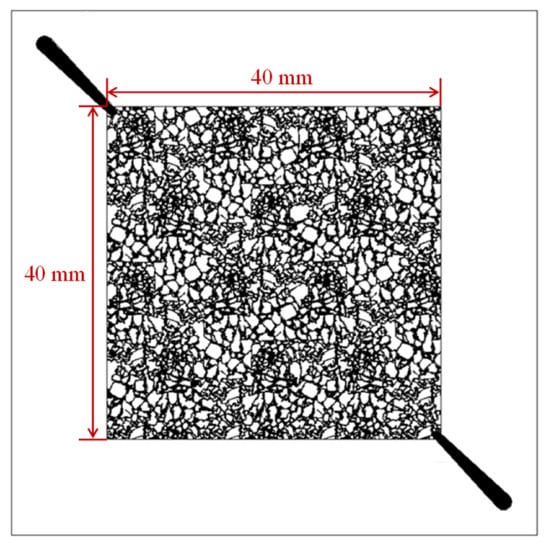
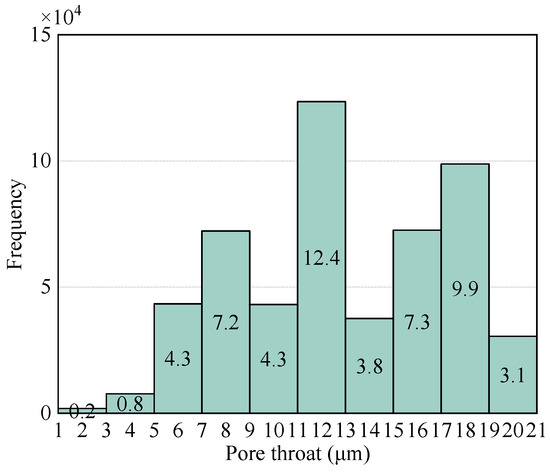
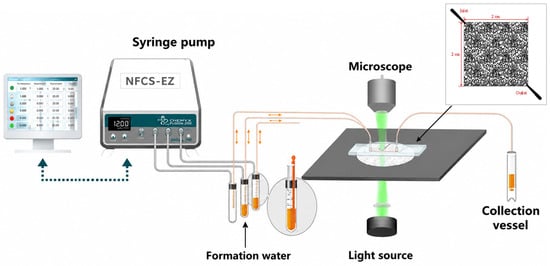
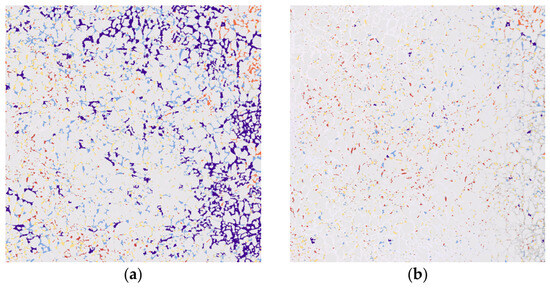
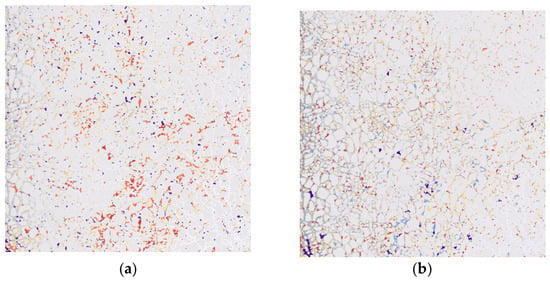
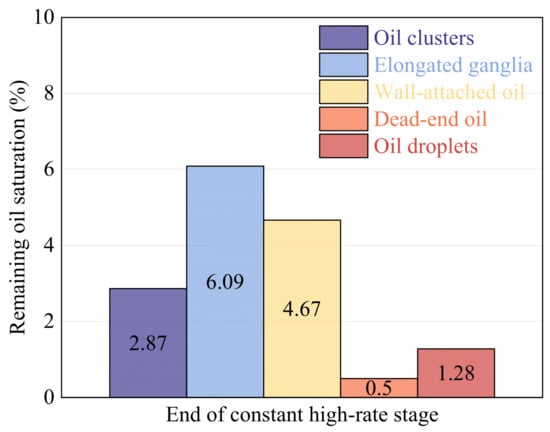
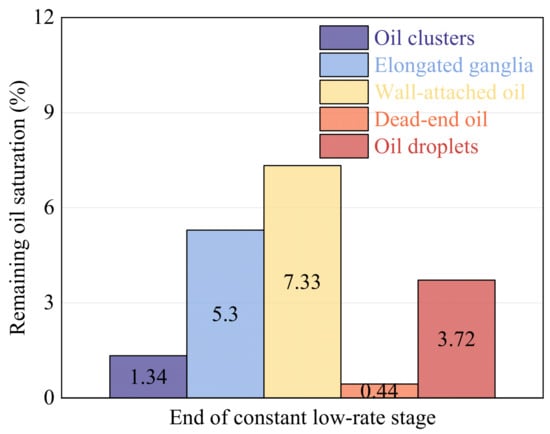
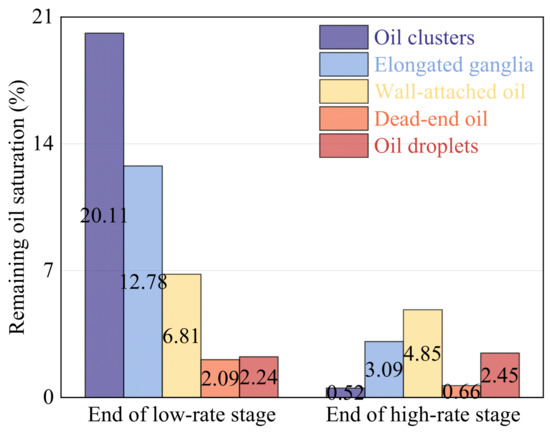
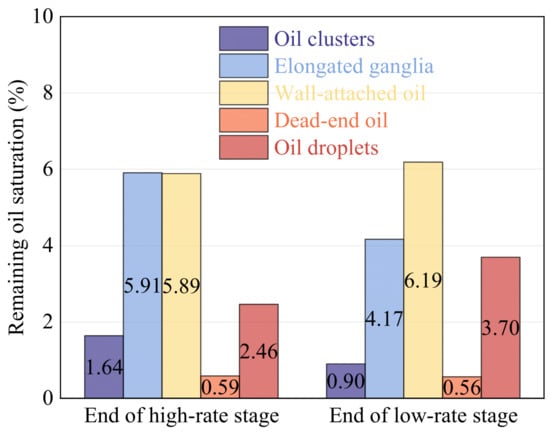
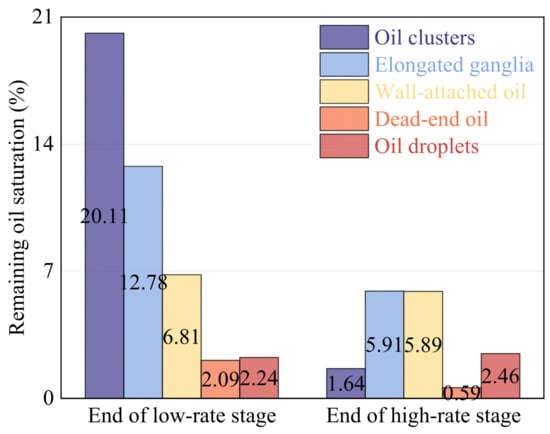
Deepwater sandstone reservoirs are commonly developed under high-intensity injection and production conditions because of a limited number of wells, large injector–producer spacing, and offshore processing constraints. Injection rate variations alter the balance between viscous and capillary forces, thereby affecting oil–water displacement and remaining oil mobilization. However, the pore-scale effects of injection rate and rate adjustment sequence remain insufficiently understood. Here, a two-dimensional polydimethylsiloxane (PDMS) micromodel replicating the pore structure of a real deepwater sandstone reservoir was used to investigate four regimes: constant low-rate, constant high-rate, low-to-high-rate, and high-to-low-rate waterflooding. The low-to-high-rate regime achieved the highest final oil recovery factor of 88.41%, exceeding the constant low-rate, constant high-rate, and high-to-low-rate regimes by 6.54, 3.86, and 3.97 percentage points, respectively. Constant low-rate waterflooding gave the lowest recovery factor of 81.87% and a total areal remaining oil saturation of 18.13%, compared with 15.44% under constant high-rate conditions. Under low-rate flooding, wall-attached oil, elongated ganglia, and oil droplets accounted for 90.18% of the remaining oil, indicating limited mobilization of oil retained by interfacial effects and local capillary trapping. Increasing the rate reduced the total areal remaining oil saturation from 44.04% to 11.58%, mainly by mobilizing oil clusters and elongated ganglia, whereas decreasing the rate reduced it only from 16.52% to 15.55%. At the same cumulative injected volume of 1 PV, the total areal remaining oil saturation under high-rate flooding was 27.52 percentage points lower than that under low-rate flooding, indicating faster early-stage mobilization, while the low-rate stage retained more oil available for subsequent mobilization. These results show that waterflooding performance depends on both injection rate and flow history. A low-to-high-rate sequence combined relatively stable early-stage displacement with enhanced subsequent mobilization, providing pore-scale evidence that injection-rate history can influence displacement pathways and remaining-oil mobilization in deepwater sandstone reservoirs.
Full article
(This article belongs to the Special Issue Subsurface Energy and Environmental Protection—2nd Edition)
►▼
Show Figures

Figure 1

Open AccessArticle
Optimization of a Heat Recovery Steam Generator Inlet Duct for Flow Uniformity Improvement Based on a Surrogate-Assisted CFD Method
by
Seungwon Jeon, Taegyun Noh, Seongmin Kim, Hyeonmin Choi, Hyungmo Kim and Junghwan Kook
Energies 2026, 19(19), 4693; https://doi.org/10.3390/en19194693 - 5 Oct 2026
Abstract
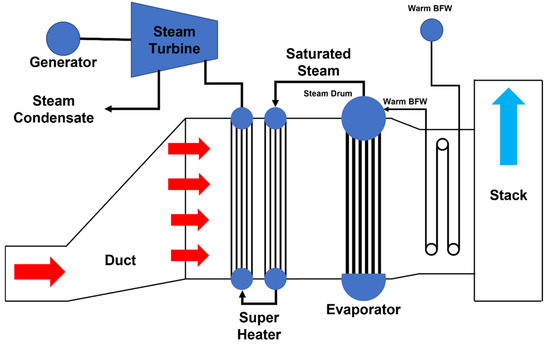
In a combined-cycle power plant, the inlet duct of a heat recovery steam generator (HRSG) involves a transition from a circular inlet to a rectangular outlet with a sudden cross-sectional expansion, which causes a non-uniform velocity distribution upstream of the heat exchanger modules
[...] Read more.
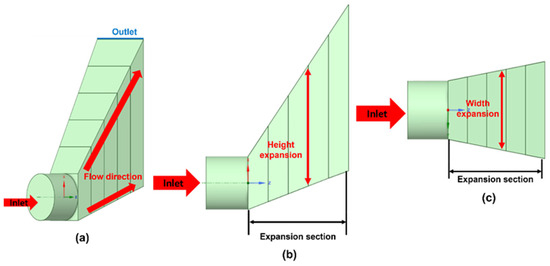
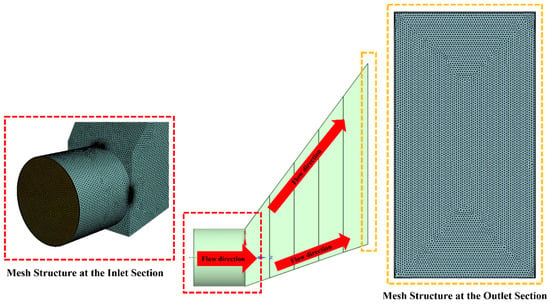
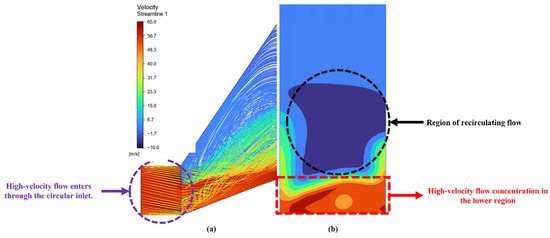
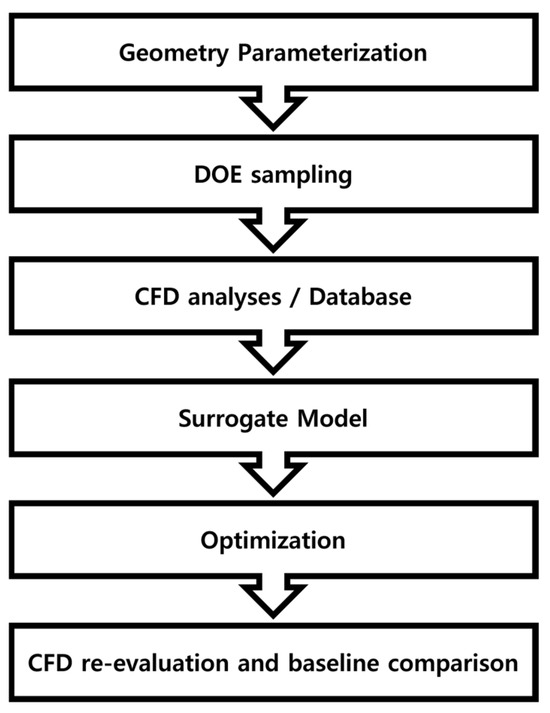
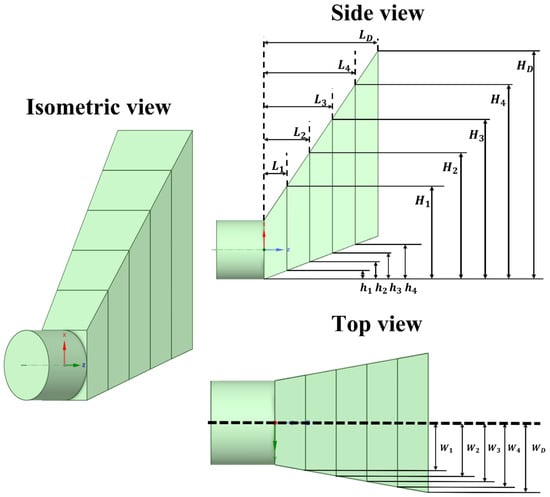
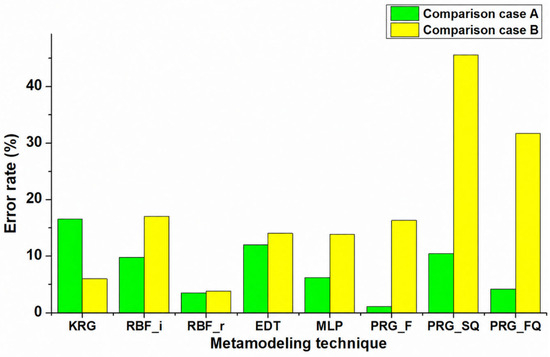
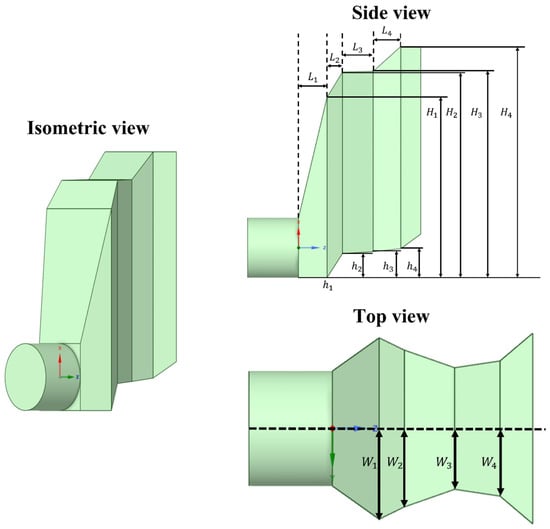
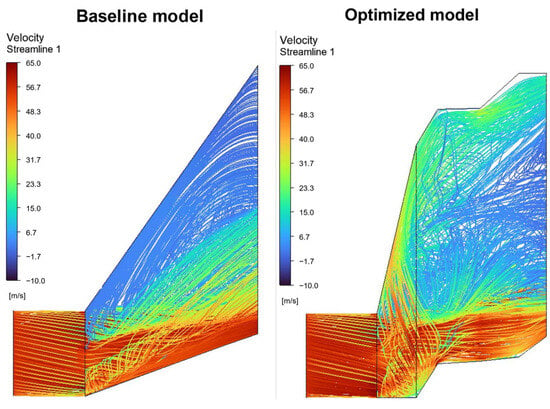
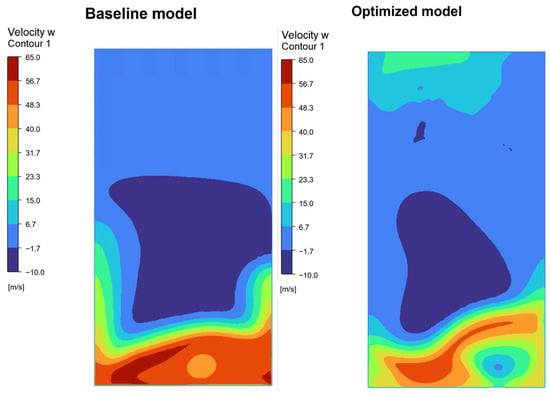
In a combined-cycle power plant, the inlet duct of a heat recovery steam generator (HRSG) involves a transition from a circular inlet to a rectangular outlet with a sudden cross-sectional expansion, which causes a non-uniform velocity distribution upstream of the heat exchanger modules and thereby affects heat-transfer performance and operational reliability. In this study, a surrogate-assisted computational fluid dynamics (CFD) optimization method was applied to improve the outlet flow uniformity of an HRSG inlet duct under geometric constraints. Three-dimensional steady-state CFD analysis was first performed for the baseline geometry, and the outlet velocity deviation was quantified using the area-weighted root-mean-square (RMS) velocity deviation, . A total of 16 geometric design variables were defined to parameterize the inlet duct shape, and 160 sample geometries were generated using Optimal Latin Hypercube Design and analyzed by CFD to construct the surrogate-modeling database. Among several metamodeling techniques compared against CFD results, the Radial Basis Function Regression model was selected. The selected surrogate model was coupled with a Hybrid Metaheuristic Algorithm to search for an improved geometry. The resulting geometry was verified by CFD analysis. The results showed that the outlet decreased from 19.035 m/s to 14.669 m/s, corresponding to a reduction of approximately 22.9%, while the average outlet velocity remained nearly unchanged. The total pressure loss of the duct was also reduced by approximately 7.8%. Heat-transfer and broader operating-condition assessments remain necessary before practical implementation.
Full article
(This article belongs to the Section F1: Electrical Power System)
►▼
Show Figures

Figure 1

Open AccessArticle
Load-Pressure-Based Source-Load-Matching Dynamic Pricing and Coordinated Optimization for Multi-Park Integrated Energy Systems
by
Hairui Hu, Dongdong Wang, Zhilong Yin and Feng Yu
Energies 2026, 19(19), 4692; https://doi.org/10.3390/en19194692 - 5 Oct 2026
Abstract
►▼
Show Figures
Given that fixed energy tariffs and demand-response compensation rates cannot adequately capture temporal variations in source-load conditions across multi-park integrated energy systems, this study develops a coordinated optimization approach driven by load-pressure-based dynamic pricing. First, the original electric, thermal, and cooling load profiles
[...] Read more.
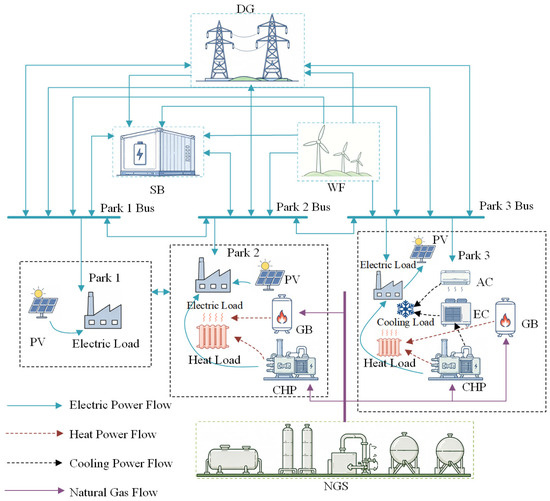
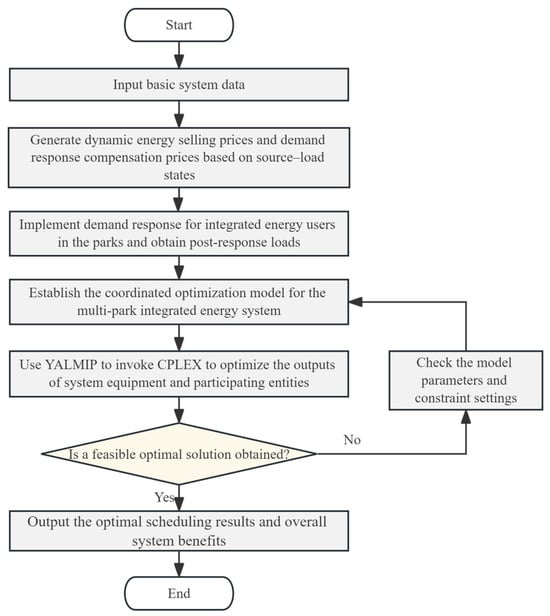
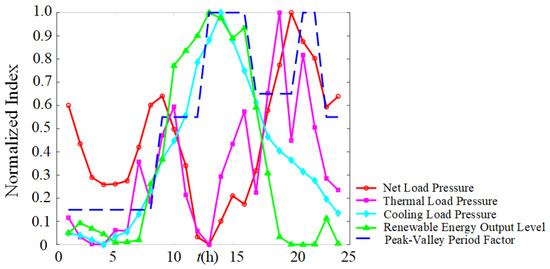
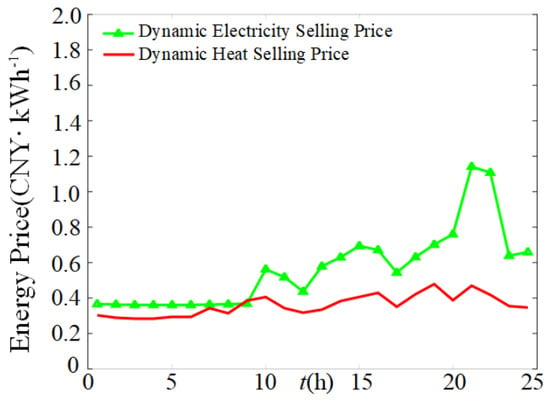
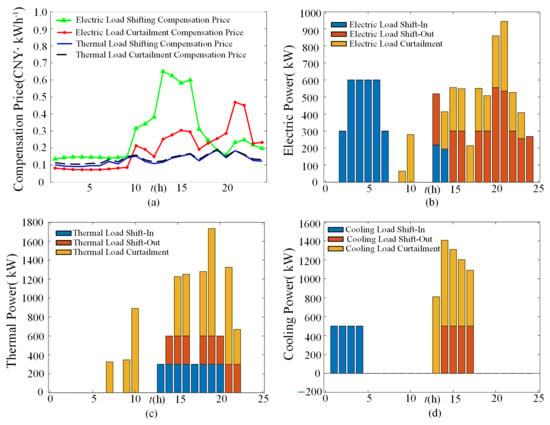
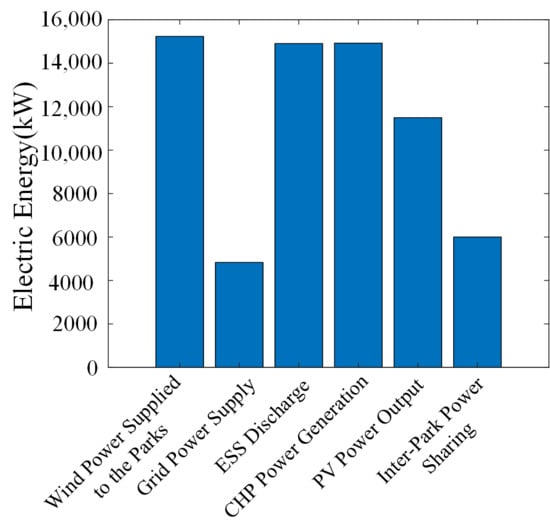
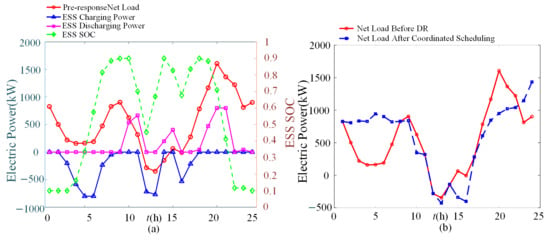
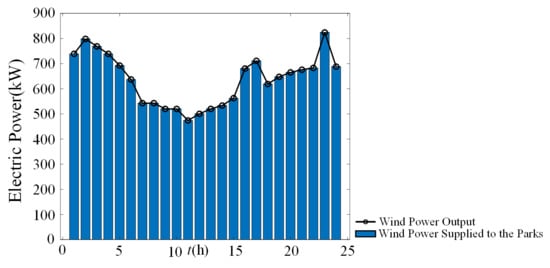
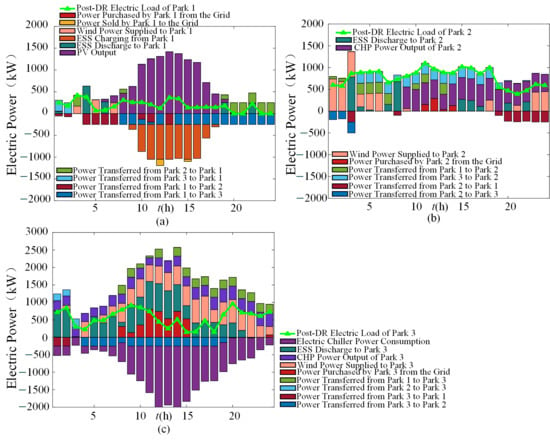
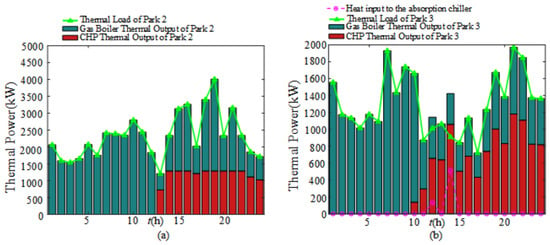
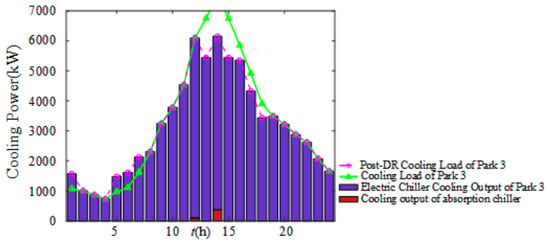
Given that fixed energy tariffs and demand-response compensation rates cannot adequately capture temporal variations in source-load conditions across multi-park integrated energy systems, this study develops a coordinated optimization approach driven by load-pressure-based dynamic pricing. First, the original electric, thermal, and cooling load profiles are evaluated together with the day-ahead forecasts of wind and photovoltaic generation. These data are then converted into five pricing indicators: net electric load pressure, thermal load pressure, cooling load pressure, renewable energy output level, and the peak-valley period factor. These multidimensional source-load indicators are further translated into time-varying electricity and heat tariffs, together with compensation rates for shifting and curtailing electric, thermal, and cooling demands. Second, a coordinated scheduling model is formulated for interconnected energy parks that integrates renewable generation, shared energy storage, multi-energy conversion devices, electricity transfers among parks, and power exchanges between each park and the distribution grid. The objective function accounts for the emission-related costs arising from grid electricity procurement and natural gas use. Once obtained, the dynamic price signals are introduced into the scheduling stage as fixed inputs, enabling the simultaneous coordination of equipment operation, shared storage charging and discharging, electricity transfers among parks, and multi-energy demand response. Following linearization, the scheduling problem is converted into a mixed-integer linear model, which is implemented in YALMIP and solved by CPLEX without iterative price updates. The numerical results indicate that the resulting energy tariffs and demand response incentives vary with the predicted day-ahead source-load state and encourage flexible electric, thermal, and cooling demands to be redistributed across the scheduling horizon. Shared energy storage and inter-park electricity exchange redistribute the equivalent net-load profile and contribute to peak-load regulation, while wind power is coordinately allocated among direct park supply, storage charging, and export to the distribution grid. The electricity, heat, and cooling power balances of all parks are maintained, verifying the feasibility and coordination capability of the proposed method.
Full article

Figure 1
Open AccessReview
High-Temperature Solid-Particle Thermal Energy Storage Integrated with Coal-Fired Power Plants: Current Status and Future Trends
by
Fengxian Yao, Feifan Li, Tuo Zhou, Hairui Yang, Hanning Wang and Man Zhang
Energies 2026, 19(19), 4691; https://doi.org/10.3390/en19194691 - 5 Oct 2026
Abstract
►▼
Show Figures
The increasing penetration of renewable energy requires coal-fired power plants to operate with greater flexibility, while deep load reduction and frequent load variations challenge combustion stability, efficiency, and equipment reliability. High-temperature solid-particle thermal energy storage (TES) offers a promising approach to decouple boiler
[...] Read more.
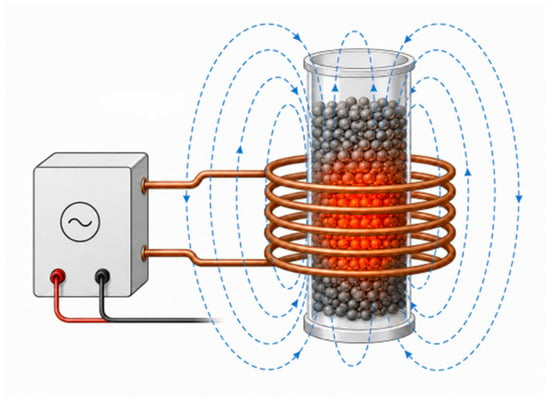
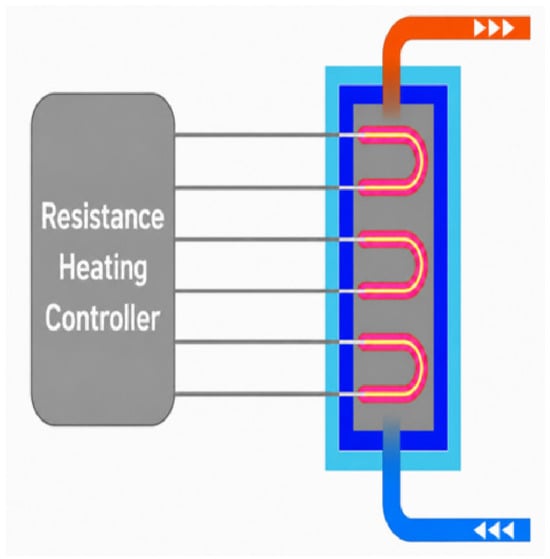
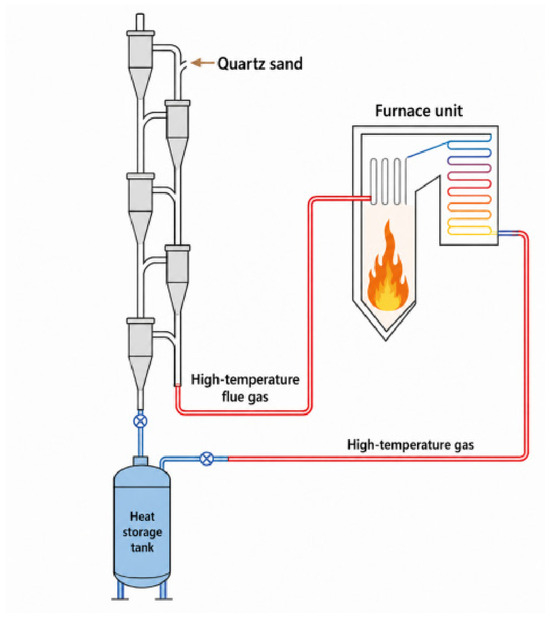
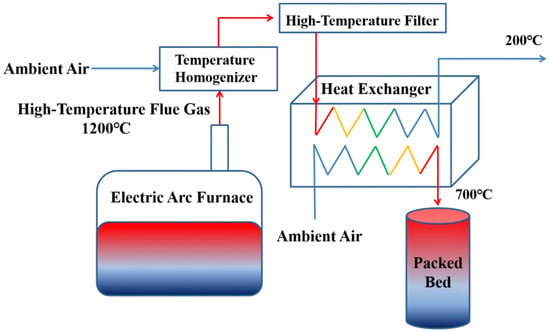
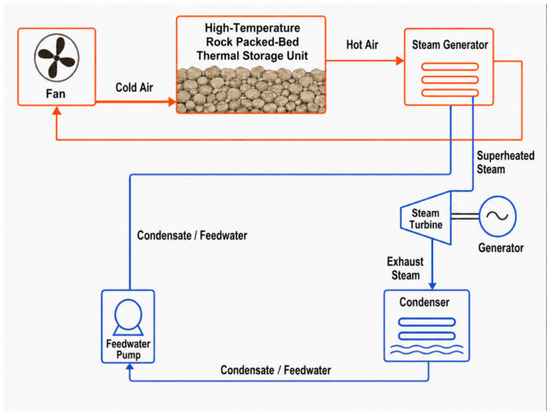
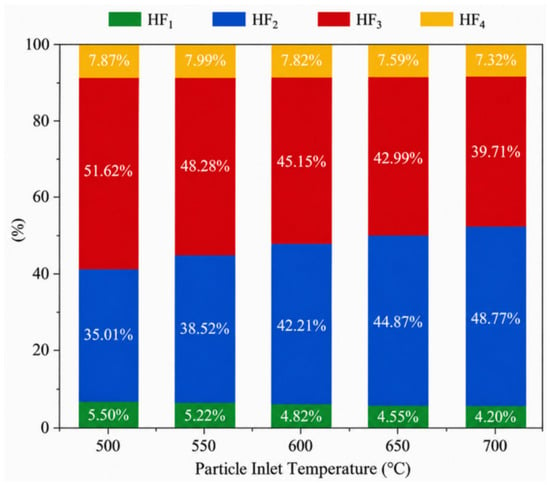
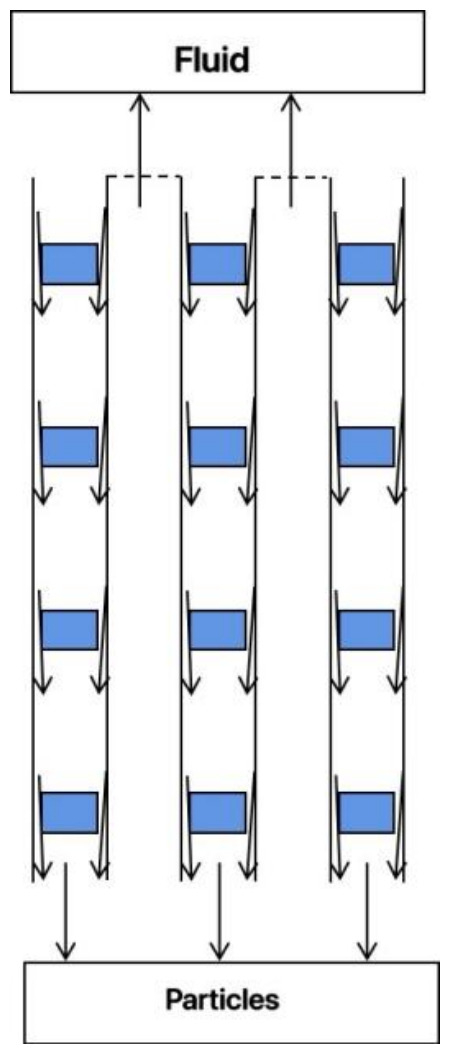
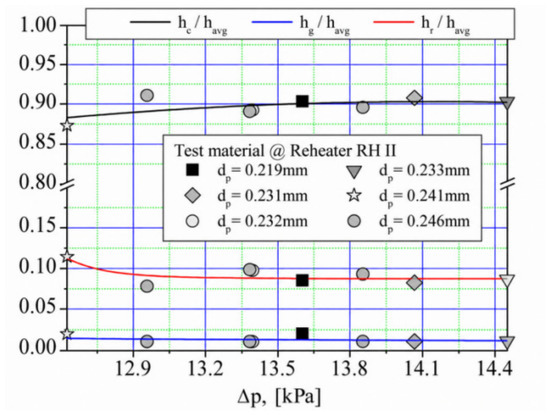
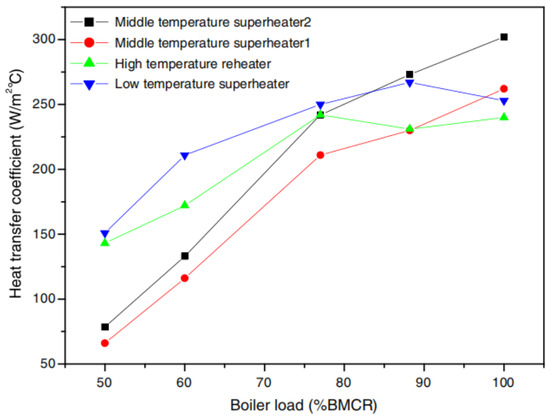
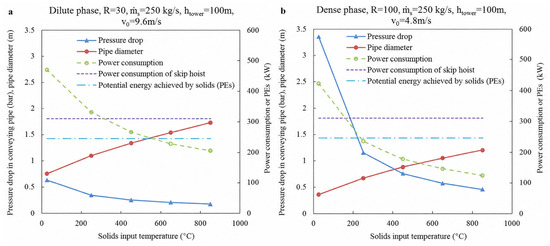
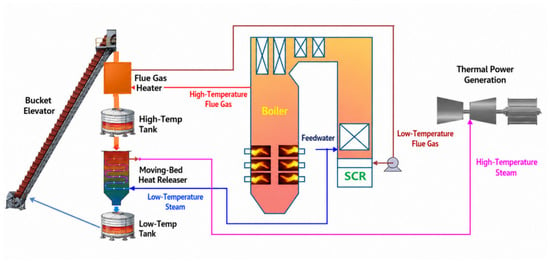
The increasing penetration of renewable energy requires coal-fired power plants to operate with greater flexibility, while deep load reduction and frequent load variations challenge combustion stability, efficiency, and equipment reliability. High-temperature solid-particle thermal energy storage (TES) offers a promising approach to decouple boiler heat supply from turbine power demand. This review compares particle heating, discharging, transport, and system-integration strategies and relates reported findings to key design and operational constraints. Solid-particle storage media can operate over a wide temperature range of approximately 200–1200 °C; silica sand can withstand temperatures up to about 1200 °C and alumina approximately 1100–1200 °C, substantially exceeding the typical operating range of nitrate molten salts (<600 °C). This broad temperature tolerance provides favorable thermal matching with high-temperature boiler flue gas. Direct flue-gas heating shortens the heat-transfer pathway and reduces intermediate heat-transfer stages, although its effects on boiler heat distribution and downstream heating surfaces require careful evaluation. Moving-bed discharging can provide continuous thermal output, while gravity-driven high-temperature transport combined with mechanical lifting after particle cooling can reduce the demand for high-temperature moving components. Based on these findings, a conceptual configuration integrating direct flue-gas heating, particle sensible-heat storage, moving-bed discharging, and temperature-segmented circulation is proposed. Future studies should focus on system-level efficiency, dynamic response, and load-following capability. Preliminary calculations for a 600 MW subcritical unit at 30% THA load show that particle-storage integration increases the boiler outlet flue-gas temperature by only about 1 °C, indicating no apparent increase in low-temperature corrosion risk under the investigated condition.
Full article

Figure 1
Open AccessReview
Wear Degradation of High-Nitrogen Austenitic Steels for Internal Combustion Engines in Hydrogen-Containing Alternative Fuels
by
Alexander I. Balitskii, Valerii O. Kolesnikov, Jarosław Chmiel, Valentina O. Balitska, Marcin A. Królikowski and Ljubomyr M. Ivaskevych
Energies 2026, 19(19), 4690; https://doi.org/10.3390/en19194690 - 4 Oct 2026
Abstract
The development of hydrogen and hydrogen-containing fuel infrastructure requires structural materials resistant to the combined effects of hydrogen exposure, cyclic contact stresses, and tribological loading. This study investigates hydrogen-assisted degradation of two cold-worked high-nitrogen Cr–Mn–N austenitic steels, DDT68 and P900, under dry rolling–sliding
[...] Read more.
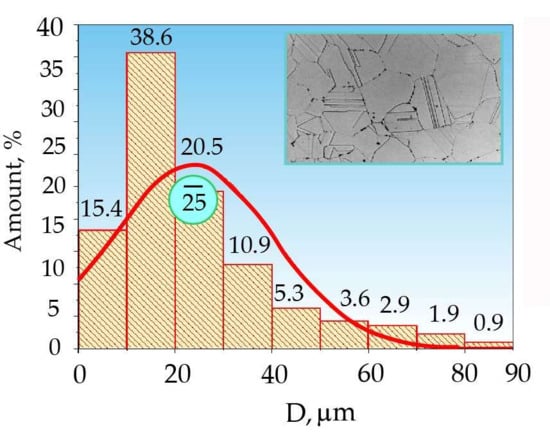
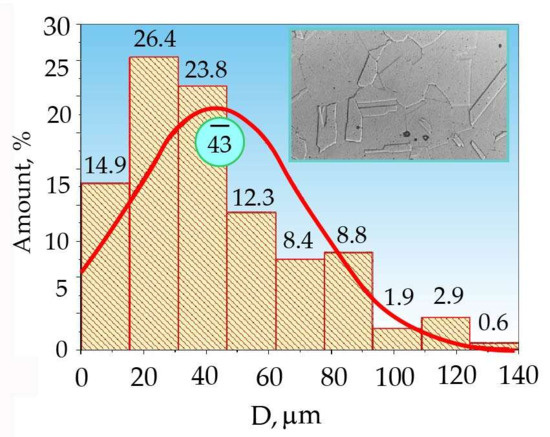
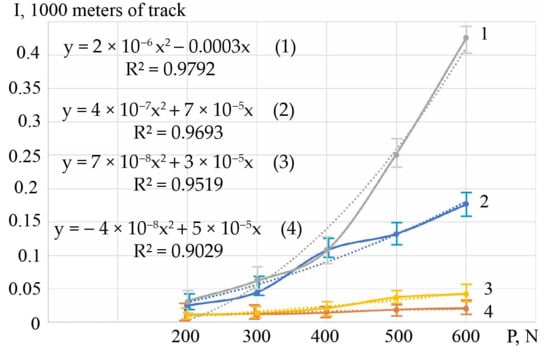
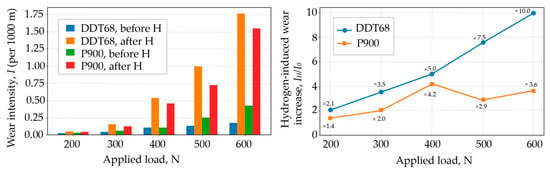
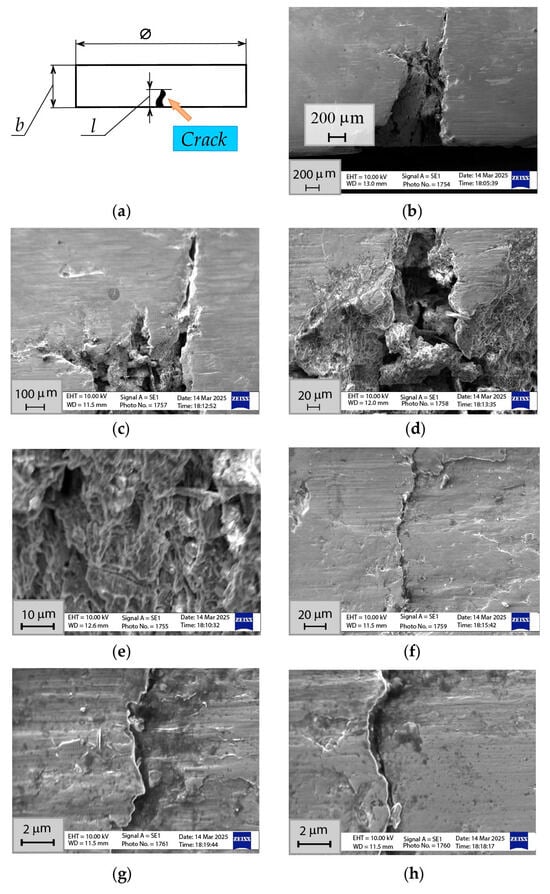
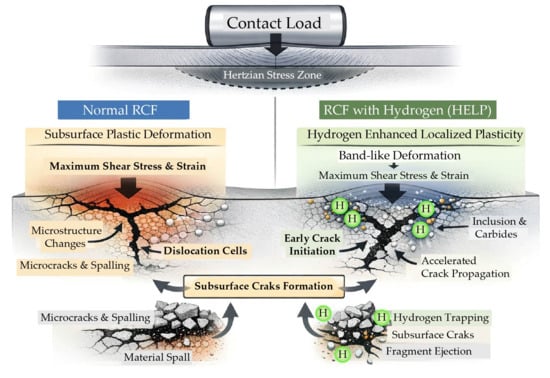
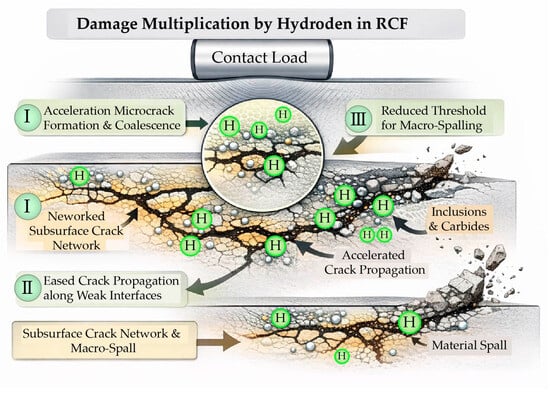
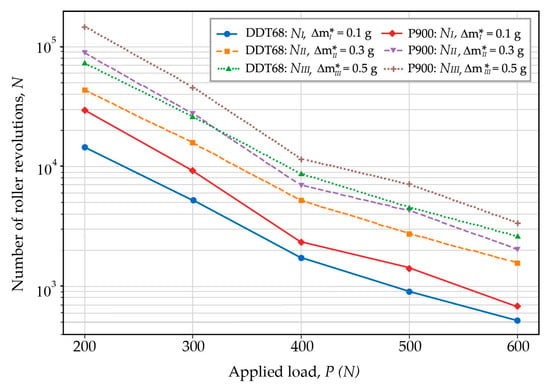
The development of hydrogen and hydrogen-containing fuel infrastructure requires structural materials resistant to the combined effects of hydrogen exposure, cyclic contact stresses, and tribological loading. This study investigates hydrogen-assisted degradation of two cold-worked high-nitrogen Cr–Mn–N austenitic steels, DDT68 and P900, under dry rolling–sliding contact after controlled electrochemical hydrogen charging. Hydrogen uptake, wear intensity, microstructure, subsurface damage, and rolling contact fatigue (RCF) were analyzed comparatively. The mean grain size was approximately 25 μm for DDT68 and 43 μm for P900, while hydrogen concentrations were 15–17 and 12–14 ppm, respectively. Hydrogen increased the wear intensity of both steels, with wear acceleration factors ranging from approximately 2.1 to 10.0 for DDT68 and 1.4 to 4.2 for P900 over 200–600 N. The differences in wear intensity between DDT68 and P900 after hydrogen charging were statistically significant over the investigated load range. The finer-grained DDT68 exhibited greater hydrogen retention and a stronger hydrogen-associated wear response. The observed damage is consistent with HELP-assisted deformation localization, with possible contributions from HEDE and hydrogen–defect interactions, promoting subsurface microcracking, delamination, and spalling. Hertzian analysis located the maximum subsurface shear stresses approximately 0.035–0.062 mm below the contact surface. Finally, an indicator-based framework combining wear response, hydrogen content, and prescribed mass-loss reference levels is proposed for comparative durability assessment under the investigated conditions, rather than as a universally calibrated service-life prediction model.
Full article
(This article belongs to the Special Issue Alternative Fuels, Combustion and Emissions of Internal Combustion Engines)
►▼
Show Figures

Figure 1
Open AccessArticle
Interpretable Machine Learning-Assisted Multi-Parameter Optimization of Ag@SiO2 Core–Shell Nanofluids for Spectral Splitting Photovoltaic/Thermal Systems
by
Chengyuan Li, Ruipeng Geng, Chang Liu, Lanxin Ma, Jingkai Fang, Min Wang and Chengchao Wang
Energies 2026, 19(19), 4689; https://doi.org/10.3390/en19194689 - 4 Oct 2026
Abstract
►▼
Show Figures
Nanofluid spectral filters can improve full-spectrum utilization in photovoltaic/thermal (PV/T) systems, but the coupled effects of core–shell geometry and optical depth make conventional trial-and-error optimization inefficient. Here, a physics-based and interpretable machine learning framework is developed for the multi-parameter optimization of water-based Ag@SiO
[...] Read more.
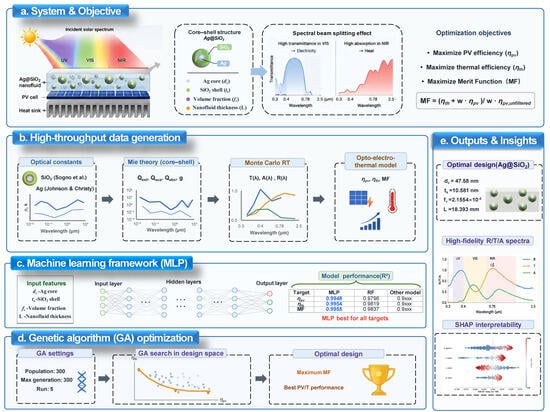
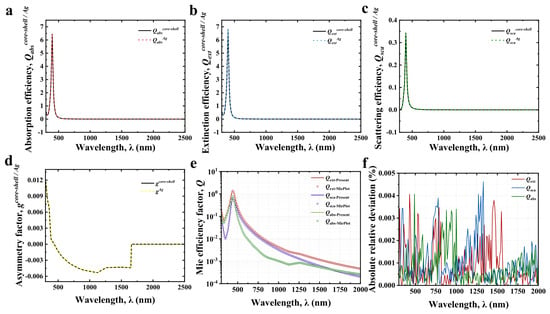
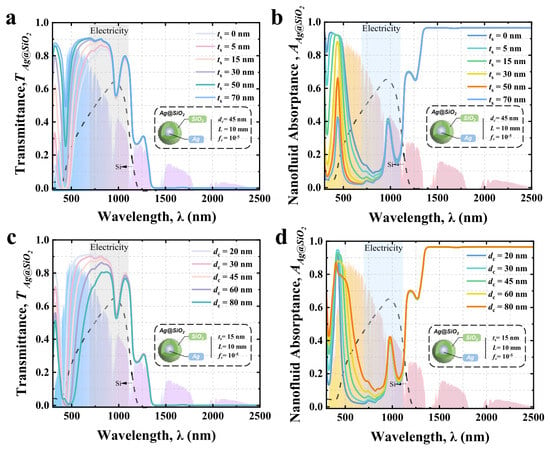
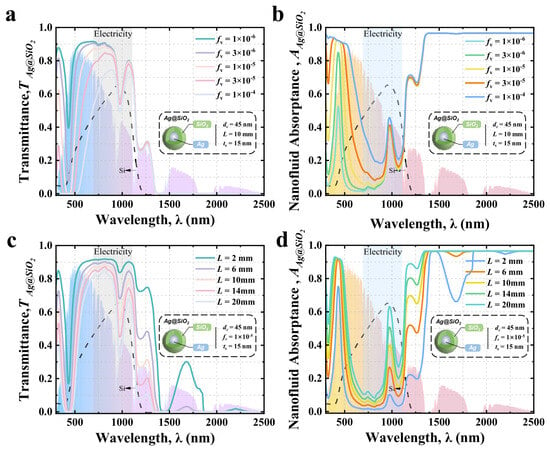
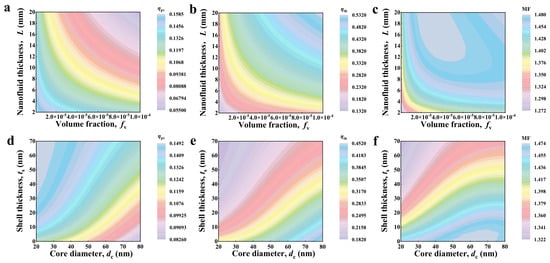
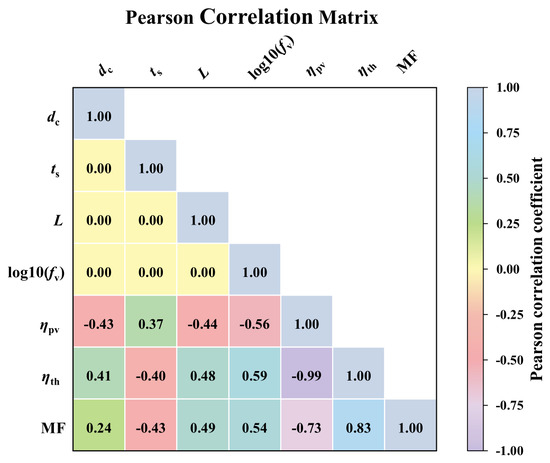
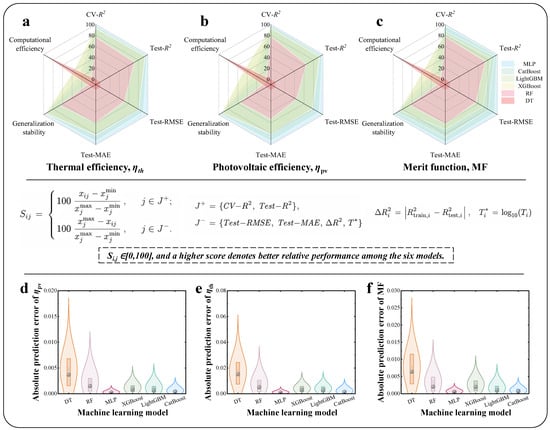
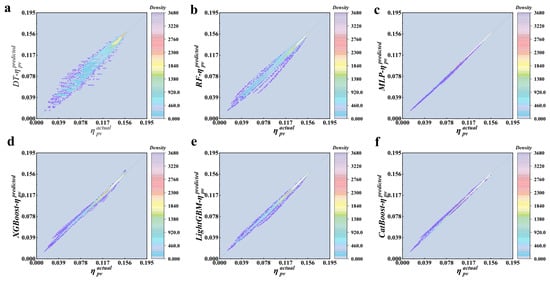
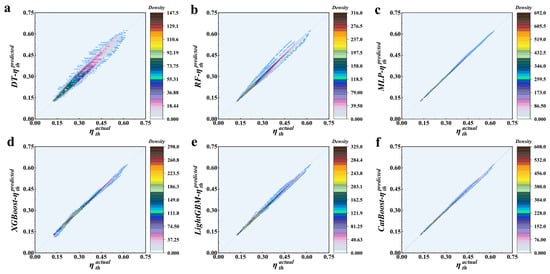
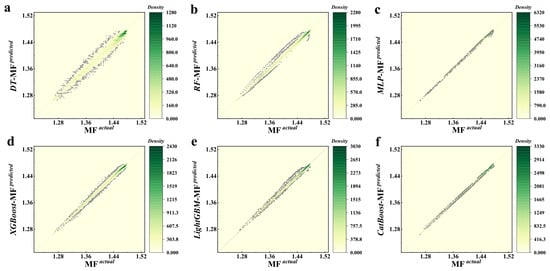
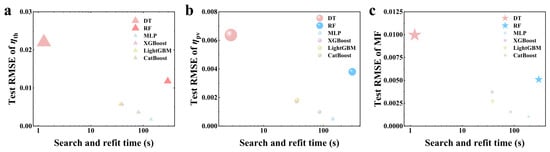
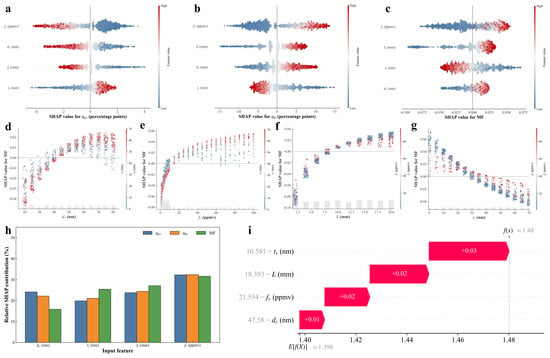
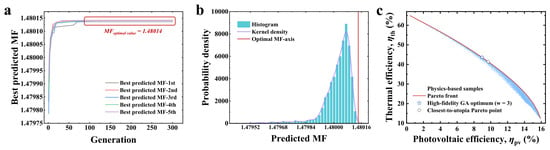
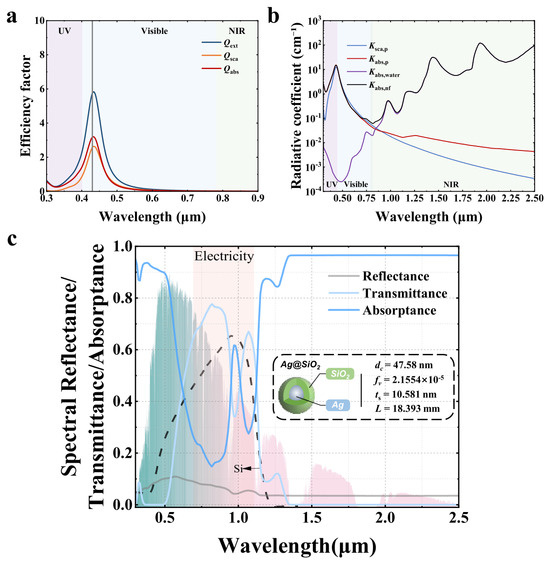
Nanofluid spectral filters can improve full-spectrum utilization in photovoltaic/thermal (PV/T) systems, but the coupled effects of core–shell geometry and optical depth make conventional trial-and-error optimization inefficient. Here, a physics-based and interpretable machine learning framework is developed for the multi-parameter optimization of water-based Ag@SiO2 core–shell nanofluid filters. A high-throughput dataset was generated by coupling generalized Lorenz–Mie theory, multilayer Monte Carlo radiative transfer, and a PV/T performance model under prescribed cell-temperature and collector assumptions, with Ag core diameter, SiO2 shell thickness, nanofluid layer thickness, and whole-particle volume fraction as design variables. The coated-sphere implementation was verified through both its zero-shell limiting-case reduction and an independent finite-shell benchmark against MiePlot v4.6.19. Six regression algorithms were evaluated using geometry-grouped data splitting and cross-validation, and the multilayer perceptron was selected as the final surrogate. SHAP analysis attributed 31.6%, 27.2%, 25.5%, and 15.8% of the global importance of the merit function to volume fraction, layer thickness, shell thickness, and core diameter, respectively, while revealing saturation, threshold, and nonmonotonic parameter effects. Five independent genetic-algorithm runs converged to a candidate numerical design with an approximately 48 nm core diameter, 11 nm shell thickness, 18.4 mm fluid layer, and a whole-particle volume fraction of 2.2 × 10⁻⁵, yielding a surrogate-predicted merit function of 1.48014. High-fidelity recalculation yielded ηpv = 8.96691%, ηth = 43.62598%, and MF = 1.479478, while confirming an absorption-dominated particle resonance near 0.43 μm, low reflectance over most of the spectrum, and enhanced long-wavelength absorption. This framework enables efficient and physically interpretable exploration of the continuous design space for core–shell nanofluid PV/T filters.
Full article

Figure 1
Open AccessArticle
Multi-Criteria Decision Support in the Assessment of Microwave Pre-Treatment Effects of Insect Breeding Post-Production Wastes for Enhanced Biogas Production
by
Jerzy Montusiewicz, Aleksandra Szaja, Agnieszka Montusiewicz, Magdalena Lebiocka, Sylwia Pasieczna-Patkowska, Iwona Kamińska, Piotr Bulak, Katarzyna Szewczuk-Karpisz and Maja Czuchańska
Energies 2026, 19(19), 4688; https://doi.org/10.3390/en19194688 - 4 Oct 2026
Abstract
To release the energy potential of insect breeding post-production wastes (IBWs), an adequate pre-treatment strategy with optimal operational parameters should be chosen. However, such studies yield many variables, often with different units and significance levels. Therefore, multi-criteria decision support might solve such issues.
[...] Read more.
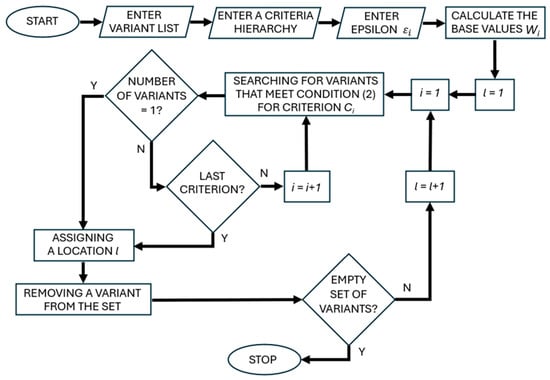
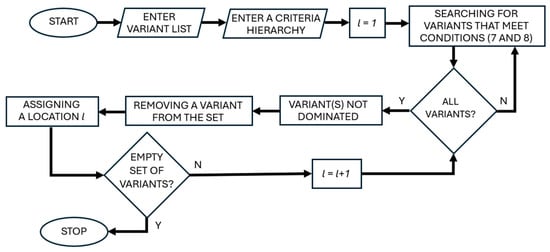
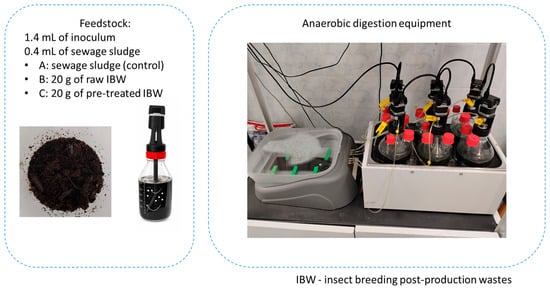
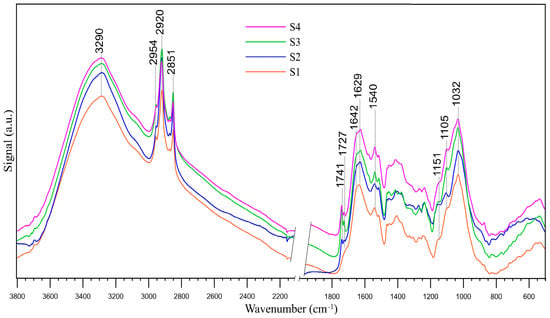
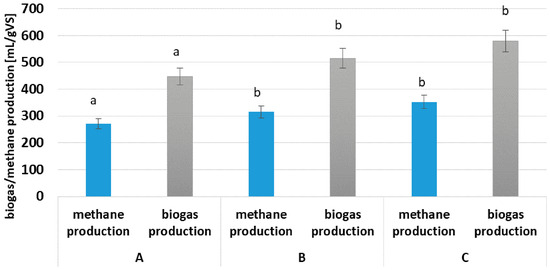
To release the energy potential of insect breeding post-production wastes (IBWs), an adequate pre-treatment strategy with optimal operational parameters should be chosen. However, such studies yield many variables, often with different units and significance levels. Therefore, multi-criteria decision support might solve such issues. In this study, the microwave pre-treatment was applied as a pre-treatment strategy for IBWs. As operational parameters, input powers of 1000 and 1500 W and temperatures of 80, 110, and 130 °C were chosen. Evaluation of the results was carried out using multi-criteria decision support based on the two methods: Modified Lexicographic Method with Indistinguishability Threshold and the Non-dominated Variants with Dominance Cones. The analysis was conducted for seven criteria representing the final results of the microwave pre-treatment and its energy metrics. Using both methods, which was as follows: S4, S3, S2, S1. The results of multi-criteria analysis indicated that the most beneficial solution in terms of improving biodegradability, effective lignin destruction, and energy usage was an input power of 1500 W and a temperature of 130 °C (variant S4). Experiments on mesophilic anaerobic digestion were corroborated by the results of multi-criteria analyses: for the pre-treated sample (variant S4), the methanogenic potential increased by 12% compared to the raw sample. Additionally, results of energy balance indicated that MR pre-treatment resulted in a positive net energy contribution.
Full article
(This article belongs to the Special Issue Simulation and Optimisation for Operational Decision-Making in Renewable Energy Supply Chains and Systems)
►▼
Show Figures

Figure 1

Open AccessArticle
Parameter Estimation and Physics-Structured Model Compression of Grid-Connected Inverter Systems
by
Ekram Al-Mahdouri, Said Al-Abri, Hassan Yousef, Sanaz Keshvari, Ibrahim Al-Naimi and Hussein Obeid
Energies 2026, 19(19), 4687; https://doi.org/10.3390/en19194687 - 4 Oct 2026
Abstract
The growing deployment of renewable energy systems calls for accurate parameter estimation and compact modeling of grid-connected inverter systems (GCISs). This paper presents a framework for parameter estimation and physics-structured model compression using Physics-Structured-Informed Neural Networks ( -NNs). A teacher physics-informed neural
[...] Read more.
The growing deployment of renewable energy systems calls for accurate parameter estimation and compact modeling of grid-connected inverter systems (GCISs). This paper presents a framework for parameter estimation and physics-structured model compression using Physics-Structured-Informed Neural Networks ( -NNs). A teacher physics-informed neural network (PINN) estimates LC-filter parameters by combining measurements with governing equations. A regularized student learns the teacher mapping through physics-informed distillation. Hierarchical clustering identifies shared weight magnitudes, enabling structured reconstruction and fine-tuning. The framework is evaluated on mathematical-model and MATLAB/Simulink datasets. The teacher achieves a mean relative parameter error below across all cases, outperforming the extended Kalman filter, remaining competitive with least squares on mathematical-model data, and outperforming both baselines on all MATLAB/Simulink records. The reconstructed networks retain only 23–78 trainable base coefficients (0.15–0.50% of the student’s 15,600 parameters): 23–55 (0.15–0.35%) on the mathematical-model records and 62–78 (0.40–0.50%) on the MATLAB/Simulink records. These ratios count tied magnitudes only; after cluster assignments and signs are stored, the packed footprint is about 19–22% of the student model. The representation is value-tying rather than sparsity, so dense inference is not automatically faster. Reconstruction reduces the student data residual by nearly two orders of magnitude on degraded mathematical-model data, while remaining comparable on MATLAB/Simulink data except under the strongest combined artifacts. These results demonstrate the framework’s potential to combine robust parameter estimation with compact representations of GCIS dynamics, revealing a compression–accuracy trade-off under severe measurement degradation.
Full article
Open AccessReview
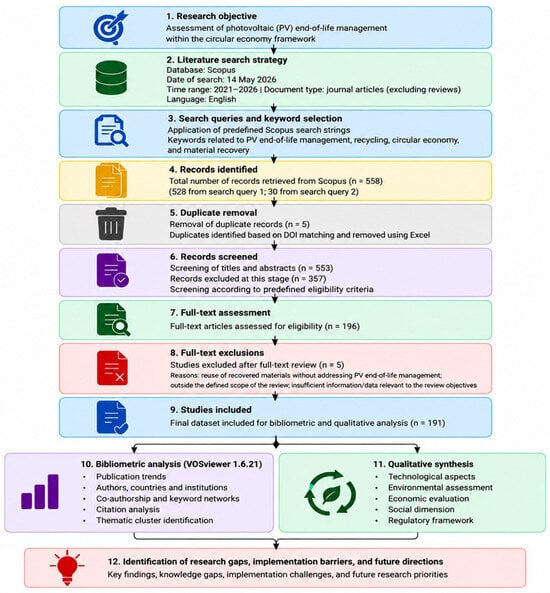
Towards a Circular Photovoltaic Value Chain: An Integrated Review of Life Extension, End-of-Life Management and Resource Recovery Strategies
by
Fernanda Leopardi, Agnieszka Nowaczek, Joanna Kulczycka, Zygmunt Kowalski, Natalia Generowicz-Caba and Agnieszka Makara
Energies 2026, 19(19), 4686; https://doi.org/10.3390/en19194686 - 4 Oct 2026
Abstract
The rapid expansion of photovoltaic (PV) deployment is expected to generate increasing volumes of end-of-life (EoL) modules, creating environmental challenges and opportunities for secondary resource recovery. This review assesses circular PV value chains by integrating technological, environmental, economic, social, and regulatory perspectives. A
[...] Read more.
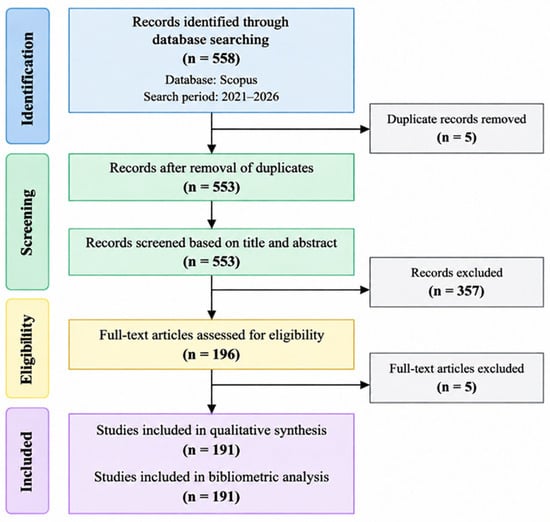
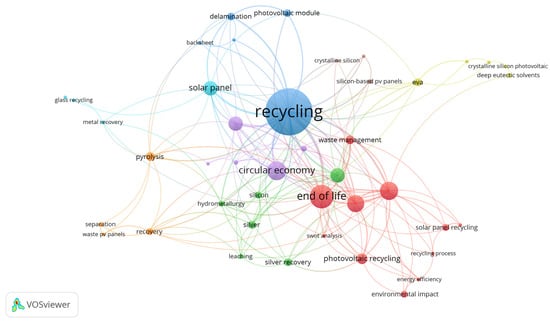
The rapid expansion of photovoltaic (PV) deployment is expected to generate increasing volumes of end-of-life (EoL) modules, creating environmental challenges and opportunities for secondary resource recovery. This review assesses circular PV value chains by integrating technological, environmental, economic, social, and regulatory perspectives. A bibliometric analysis of 191 publications was combined with a qualitative critical synthesis of PV EoL management pathways covering recycling, reuse, eco-design, environmental and economic assessment, and regulatory mechanisms. The analysis identified a shift from conventional waste management towards selective material recovery, lifetime extension, digital traceability, and integrated circular strategies. Mechanical, thermal, chemical/hydrometallurgical recycling, and lifetime-extension strategies represent the principal approaches supporting circular PV management, while efficient recovery of silicon, silver, and other valuable materials remains challenging. Life cycle assessment studies generally indicate environmental benefits of recycling compared with disposal, whereas economic feasibility depends on processing costs, collection systems, process scale, and secondary-material markets. Extended Producer Responsibility and Digital Product Passports can support collection, traceability, and circular resource management. Overall, effective PV circularity requires the integration of advanced recycling, repair and reuse strategies, eco-design, standardized second-life assessment, digital traceability, and supportive regulatory and stakeholder mechanisms to retain product and material value throughout PV life cycles.
Full article
(This article belongs to the Section A2: Solar Energy and Photovoltaic Systems)
►▼
Show Figures

Figure 1

Open AccessArticle
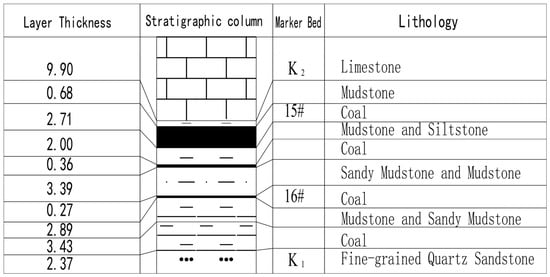
Gas Migration Mechanism and Source Identification in Roadways Under Water-Induced Floor Mudstone Damage in Deep Coal Mines
by
Tantan Yang, Hongwei Yang, Haiyang Yi, Shuqing Jin, Yuanfa Ou, Honghu Yan and Haidong Wang
Energies 2026, 19(19), 4685; https://doi.org/10.3390/en19194685 - 4 Oct 2026
Abstract
►▼
Show Figures
This study investigates abnormal floor gas emissions at the 151302 driving face of Yuecheng Coal Mine. Numerical simulation and carbon–hydrogen isotope source apportionment were first used to characterize floor damage-controlled gas migration and quantify methane contributions from different coal seams. An extended three-source
[...] Read more.
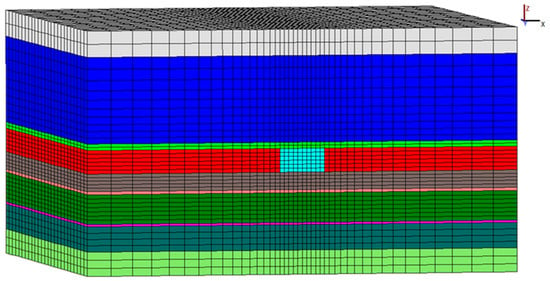
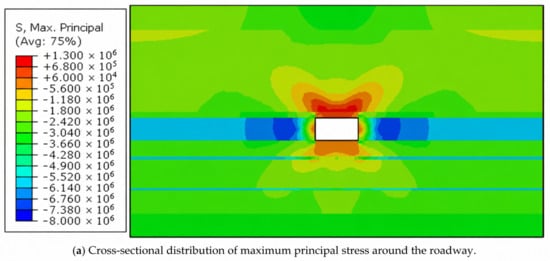
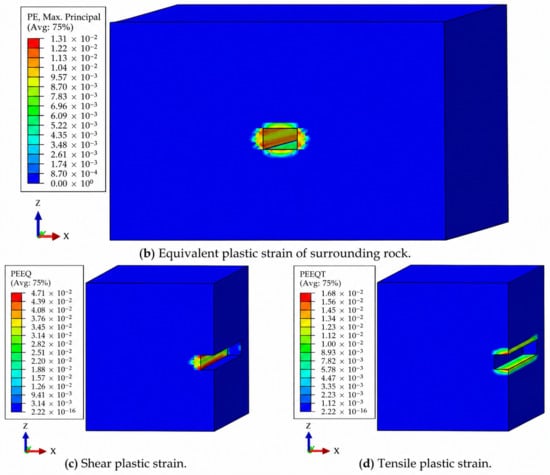
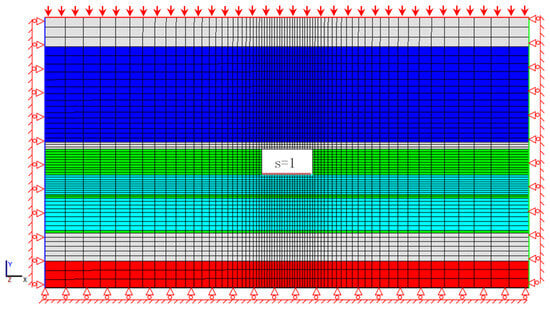
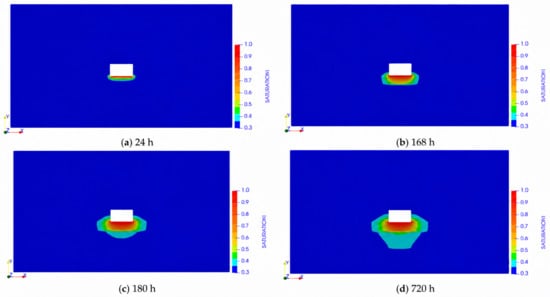
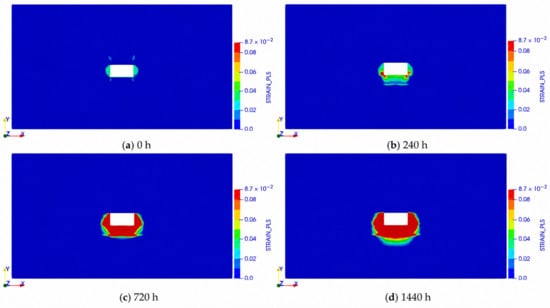
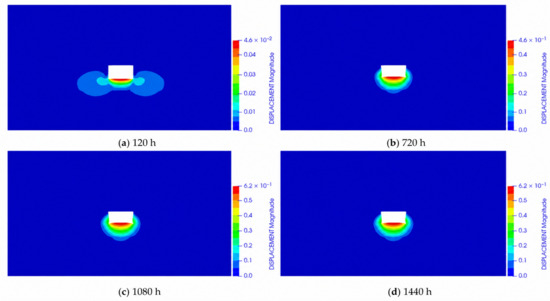
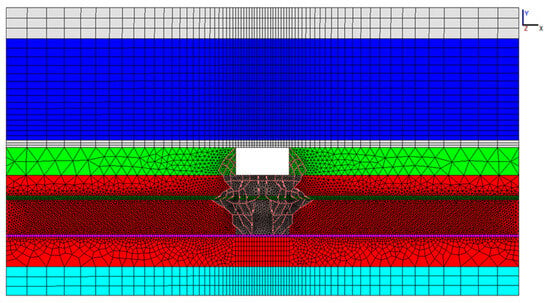
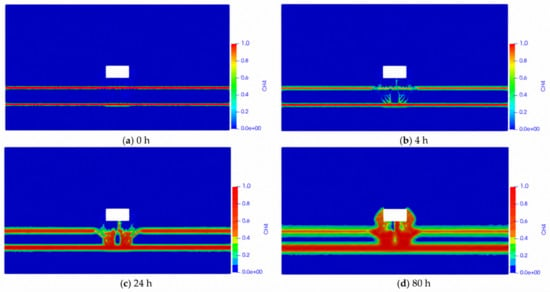
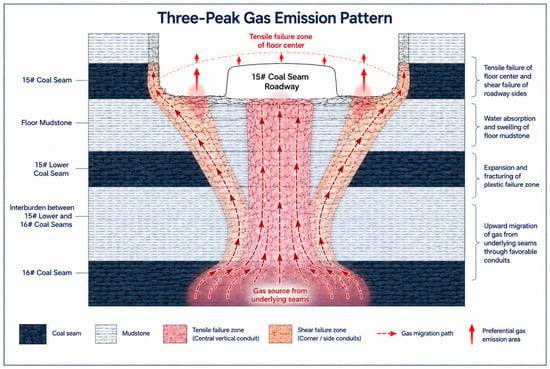
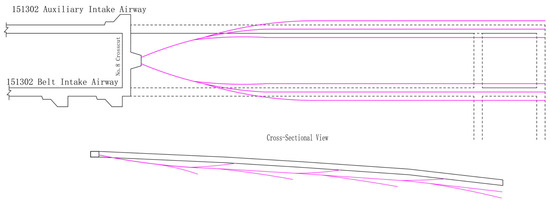
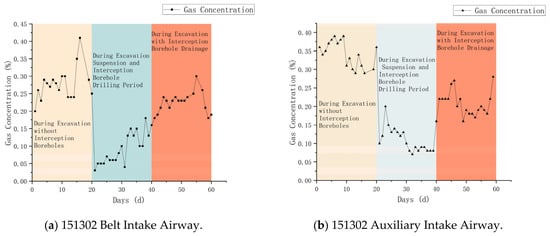
This study investigates abnormal floor gas emissions at the 151302 driving face of Yuecheng Coal Mine. Numerical simulation and carbon–hydrogen isotope source apportionment were first used to characterize floor damage-controlled gas migration and quantify methane contributions from different coal seams. An extended three-source gas emission method and field interception boreholes were subsequently used for flow-balance and engineering validation. The results demonstrate that roadway excavation induces significant stress redistribution in the surrounding rock, with compressive stress concentration zones developing along the roadway sides and tensile stress concentration zones forming in the roof and floor. As the water-saturated zone of the floor mudstone progressively extends into deeper strata, plastic damage gradually propagates from the immediate floor of the No. 15 coal seam toward the roof mudstone of the No. 15 lower and the No. 16 coal seams, and the maximum floor heave displacement reaches 0.84 m at 1440 h. The highly damaged zones within the floor develop a coupled gas migration pathway characterized by “deep connection–central upward migration–release through floor corners and the roadway sides”. The tensile-dominated high-damage zone in the central floor primarily governs the vertical migration of gas, whereas the compressive–shear high-damage zones at both floor corners and the roadway sides control lateral gas release. The numerical results reveal a three-peak preferential gas emission pattern, with gas preferentially released through the central floor region and the two floor corner–sidewall zones. Quantitative source apportionment based on hydrogen and carbon isotopes indicates that the average methane contributions from the No. 15, No. 15 lower, and the No. 16 coal seams are 69.70%, 12.14%, and 18.16%, respectively. The three-source prediction method estimates the floor-associated additional gas emissions in the belt intake roadway and auxiliary intake roadway as 0.87 m3/min and 0.85 m3/min, accounting for 30.3% and 31.1% of the measured total gas emissions, respectively. These results are generally consistent in magnitude with the contributions of the underlying adjacent seams identified by isotopic source apportionment. After the construction of floor interception boreholes and the resumption of roadway excavation, the maximum absolute gas emission rates in the two roadways decreased from 2.87 and 2.73 m3/min to 2.10 and 1.96 m3/min, respectively. Meanwhile, the maximum methane concentrations in the return airflows decreased from 0.41% and 0.39% to 0.30% and 0.27%, respectively. The results demonstrate that water-induced swelling and damage propagation of floor mudstone can provide preferential pathways for gas from underlying adjacent seams to contribute to roadway gas emissions. The consistency among source characteristics, gas flow balance, and field-scale mitigation responses provides a basis for gas source identification and targeted floor gas control in roadway excavation under similar geological and mining conditions.
Full article

Figure 1
Open AccessArticle
From Climate Risks to Climate-Resilient Energy Systems: Smart Renewable Energy Planning and Energy Security in Southeast Asian Island Cities
by
Yijuan Jiao, Linshan Yang, Hongrong Du and Mohamad Zreik
Energies 2026, 19(19), 4684; https://doi.org/10.3390/en19194684 - 4 Oct 2026
Abstract
Small power systems subject to hazards in the island cities of Southeast Asia increase the vulnerability of energy security, and require good climate-risk management, data integration and adaptive energy planning. This study proposes and validates a model that connects climate-risk salience to island
[...] Read more.
Small power systems subject to hazards in the island cities of Southeast Asia increase the vulnerability of energy security, and require good climate-risk management, data integration and adaptive energy planning. This study proposes and validates a model that connects climate-risk salience to island energy security through renewable-energy planning capability, and investigates the institutional coordination as a moderating variable. We examined four constructs with 22 seven-point items with a cross-sectional survey online with 428 respondents from a range of utility, regulatory, municipal, developer, finance, research and community stakeholders across seven island contexts in the region. Ordinary least squares estimation with 5000 bootstrap resamples, mediation, moderation and ten-fold predictive assessment were used to estimate a component-based structural model. Energy security is negatively predicted by climate-risk salience (β = −0.142) while planning capability is positively predicted (β = 0.487). Island energy security is strongly associated with planning capability (β = 0.557) which mediates the relationship between climate-risk salience and energy security (β = 0.271). Greater institutional coordination strengthens the association between planning capability and energy security (β = 0.172). The model accounts for 54.5% of security variance, indicating that risk awareness is effective when applied in coordinated adaptive planning.
Full article
(This article belongs to the Special Issue Innovative Strategies for Renewable Energy Communities: Planning, Management, and Grid Stability)
Open AccessArticle
Reliability-Aware Diagnostic Status Formation for Marine Diesel Engine Fault Diagnosis Under Noisy and Incomplete Evidence
by
Olga Afanaseva, Aleksandr Khatrusov and Mikhail Afanasyev
Energies 2026, 19(19), 4683; https://doi.org/10.3390/en19194683 - 4 Oct 2026
Abstract
A forced fault label does not establish that diagnostic evidence supports an engineering conclusion. This study evaluates a post-prediction D0–D5 layer combining calibrated class probabilities, predicted severity, pressure–torsion feature-group consistency, and evidence completeness. The simulated 3500-DEFault benchmark at 2500 rpm and 0, 15,
[...] Read more.
A forced fault label does not establish that diagnostic evidence supports an engineering conclusion. This study evaluates a post-prediction D0–D5 layer combining calibrated class probabilities, predicted severity, pressure–torsion feature-group consistency, and evidence completeness. The simulated 3500-DEFault benchmark at 2500 rpm and 0, 15, 30, and 60 dB was partitioned by scenario into training, calibration, validation, and test sets. Operating parameters were selected on validation data and locked before final-test evaluation. Across five split seeds, the calibrated classifier had error 0.0462 ± 0.0032. The status layer achieved coverage 0.9791 ± 0.0015 and four-class selective risk 0.0342 ± 0.0039. The status false-safe rate was 0.00208 ± 0.00165, compared with the forced false-safe rate of 0.0094 ± 0.0038. Among true G4 cases, 0.9795 ± 0.0024 received D3/D4. Approximately matched entropy rejection had slightly lower selective risk (0.0329 ± 0.0037); superiority in rejection efficiency is not claimed. Partial torsional-feature loss exposed substantial severe-case underwarning without universal refusal. The contribution is an interpretable separation of normal, intermediate, high-confidence fault, severe-fault, and refusal indications. Repeated splits quantify split sensitivity, not independent engine replication. Results are limited to the simulated fixed-speed benchmark and do not independently validate shipboard maintenance decisions.
Full article
(This article belongs to the Section F5: Artificial Intelligence and Smart Energy)
Open AccessArticle
Stackelberg Dispatch of an Integrated Energy System with Ammonia Co-Firing and Closed-Loop Carbon Responsibility Feedback
by
Zihan Zhang, Longfei Li and Yuchen Jia
Energies 2026, 19(19), 4682; https://doi.org/10.3390/en19194682 - 4 Oct 2026
Abstract
This study addresses coal-fired unit retrofitting, multi-energy carbon responsibility tracing, and operator–user interdependence in low-carbon economic dispatch of integrated energy systems. A model integrates a coal-fired power plant (CFPP), carbon capture system (CCS), power-to-ammonia (P2A), and combined cooling unit (ACC). It covers ammonia
[...] Read more.
This study addresses coal-fired unit retrofitting, multi-energy carbon responsibility tracing, and operator–user interdependence in low-carbon economic dispatch of integrated energy systems. A model integrates a coal-fired power plant (CFPP), carbon capture system (CCS), power-to-ammonia (P2A), and combined cooling unit (ACC). It covers ammonia production, storage and co-firing, cooling using residual energy, and CO2 capture, utilization and storage. A multi-objective Stackelberg game between the operator and aggregated users embeds a carbon responsibility closed loop, incorporating dynamic responsibility transfer, internal user carbon settlement, and integrated demand response. Electricity and gas loads respond to energy prices and additional carbon costs through price elasticity. User cost optimization shifts and curtails heating and cooling loads. A bilevel interactive method combines the non-dominated sorting whale optimization algorithm (NSWOA) and Gurobi with blockwise carbon coordination and strict closed-loop verification. The technique for order preference by similarity to ideal solution (TOPSIS) selects a representative solution. Under the specified typical-day conditions, the scenario comparisons show that joint operation improves the operator’s objective by approximately 15%, reduces system carbon emissions by approximately 5%, and lowers primary energy consumption by over 10%. Carbon responsibility feedback further reduces emissions, primary energy consumption, and user costs in this case study. The model translates responsibility into user-side price signals and coordinates operator–user decisions.
Full article
(This article belongs to the Section B: Energy and Environment)
Open AccessArticle
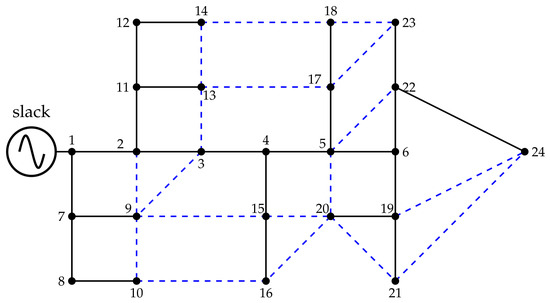
Maneuver-Bounded Optimal Reconfiguration of Distribution Networks via Mixed-Integer Convex Programming: A Screening Approach with AC Validation
by
Oscar Danilo Montoya, Jesús C. Hernández and Luis Fernando Grisales-Noreña
Energies 2026, 19(19), 4681; https://doi.org/10.3390/en19194681 - 4 Oct 2026
Abstract
This paper addresses the optimal distribution feeder reconfiguration (DFR) problem with an explicit and practical consideration of switching maneuver limitations. While extensive research has focused on losses minimization by optimizing the network topology, most of the existing formulations overlook the operating costs and
[...] Read more.
This paper addresses the optimal distribution feeder reconfiguration (DFR) problem with an explicit and practical consideration of switching maneuver limitations. While extensive research has focused on losses minimization by optimizing the network topology, most of the existing formulations overlook the operating costs and equipment wear associated with switching actions, creating a gap between academic solutions and industrial practice. Therefore, a novel mixed-integer convex programming (MICP) formulation is proposed which incorporates a constraint limiting the number of switching maneuvers to , where m represents the maximum allowable number of open–close pairs. By solving the model for increasing values of , system operators can systematically trace the Pareto frontier between loss reduction and switching effort, enabling rational decision-making based on marginal benefit analysis. The proposed model combines a quadratic objective, linear constraints, and second-order cone constraints into a computationally tractable framework. Extensive validations on benchmark distribution test systems, including the 14-, 24-, 33-, 69-, 84-, and 136-bus networks, demonstrates that the proposed MICP formulation matches the best-known loss values reported in the specialized literature, achieving 466.43 kW, 318.04 kW, 139.55 kW, 99.59 kW, 469.88 kW, and 280.19 kW in the aforementioned feeders. The maneuver-bounded analysis reveals strikingly different behaviors across networks: the 69-bus system achieves a dramatic 41% loss reduction with just one switching pair, the 136-bus system resolves all voltage concerns and delivers a 10.49% reduction with a single maneuver, and the 84-bus network requires ten maneuvers to obtain a modest 11.7% reduction. The gap analysis confirms that the convex approximation consistently underestimates losses by a bounded margin of 5–9%. Nevertheless, after AC power flow validation, the identified topology reproduces the best-known loss values reported in the specialized literature for all test systems. It should be emphasized that the optimality guarantee applies to the approximated convex model only, and not to the original AC power-flow-based reconfiguration problem. The solution summary further reveals that the 24-, 69-, 84-, and 136-bus systems admit reconfiguration solutions satisfying the 0.95 p.u. voltage constraint, while the 33-bus system reveals that topological changes alone are insufficient to resolve its voltage issues. These results underscore that the potential benefit of reconfiguration depends critically on network topology, loading patterns, and tie switch placement. By allowing operators to identify the most attractive interventions, i.e., those that deliver the greatest loss reduction with the fewest switching actions, the proposed framework bridges the gap between academic optimization and real-world operational constraints. It should be emphasized that the proposed method is conceived as a two-stage screening framework rather than a rigorous reconfiguration optimizer: the mixed-integer convex model generates, for each maneuver budget, a single deterministic candidate radial topology under a convex loss approximation, and each candidate is subsequently validated through an exact AC power flow analysis to establish operational admissibility, particularly with respect to voltage limits. Consequently, the optimality guarantee reported by the solver applies to the approximated convex problem only, and the validity of the identified topologies is established empirically through AC power flow validation rather than theoretically. The computational cost of the two-stage process is dominated by the MICP solve, since only one power flow evaluation per maneuver budget is required, making the framework suitable for practical, daily or hourly reconfiguration studies.
Full article
(This article belongs to the Special Issue Renewable Energy Development in Distribution Networks: Optimization, Assessment and Design of Renewable Plants—2nd Edition)
►▼
Show Figures

Figure 1

Open AccessArticle
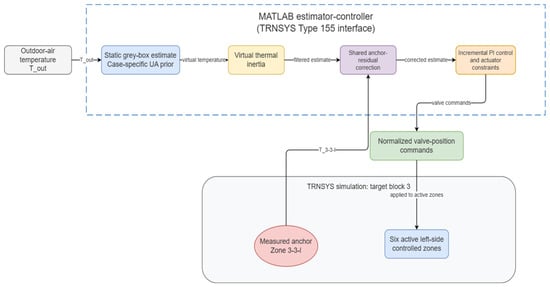
Anchor-Corrected Grey-Box Soft-Sensing Control for Multi-Zone Heating Systems Under Sparse Indoor-Temperature Sensing: Time-Scale Alignment and Common-Mode Residual Compensation
by
Guo-Hong Chen, Ke Chen, Pei-Yi Zhu and Yun-Lei Sun
Energies 2026, 19(19), 4680; https://doi.org/10.3390/en19194680 - 4 Oct 2026
Abstract
Sparse indoor-temperature sensing limits zone-level heating control in existing buildings. This study evaluates whether an anchor-corrected grey-box controller can retain indoor-air-temperature tracking in one simulated 12-zone TRNSYS Type 56 apartment-block model driven by one weather file. The complete configuration uses one measured anchor
[...] Read more.
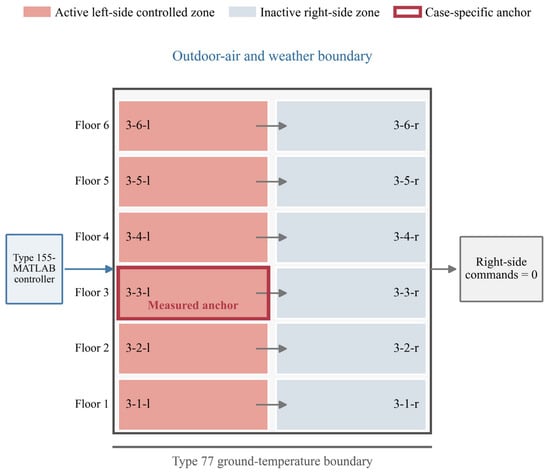
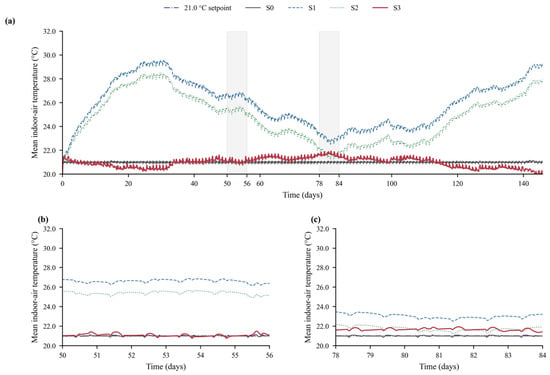
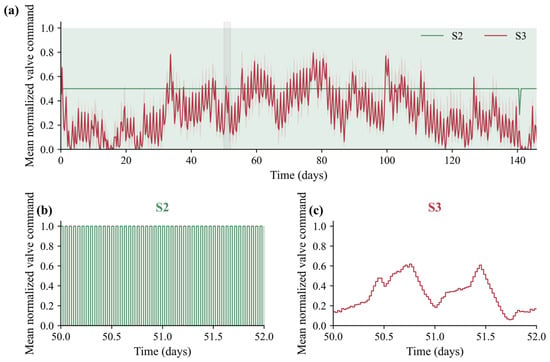
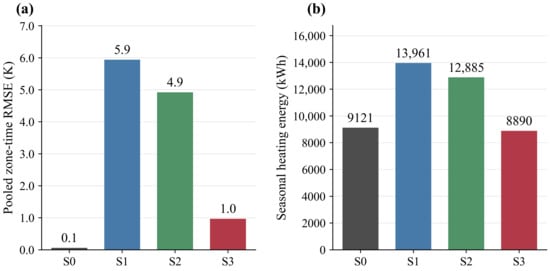
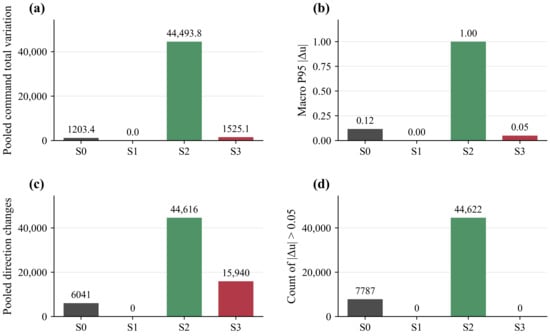
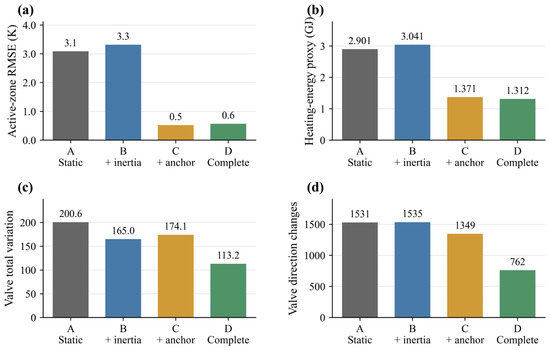
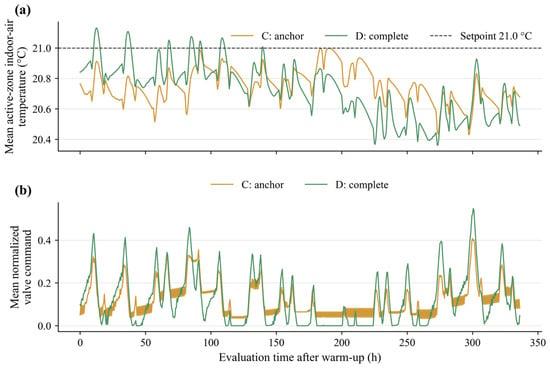
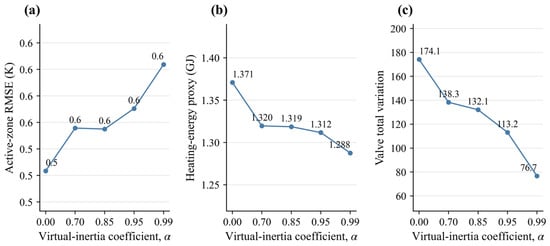
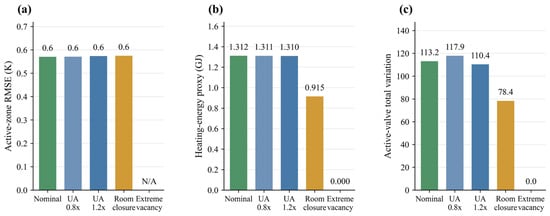
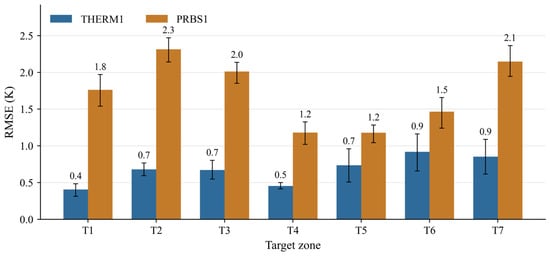
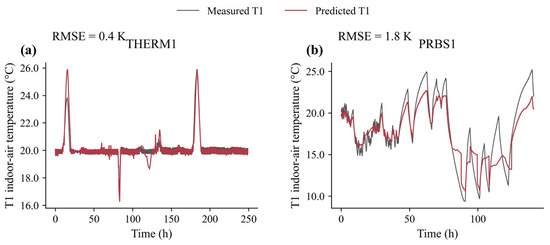
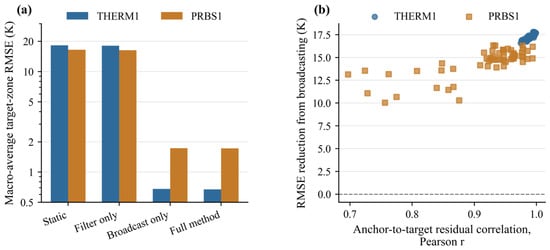
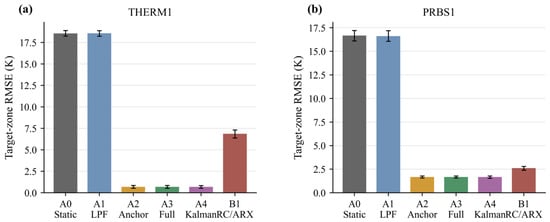
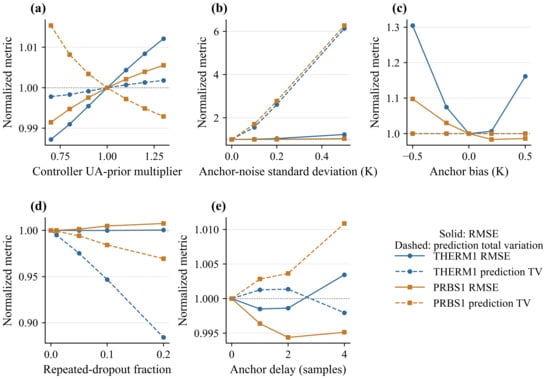
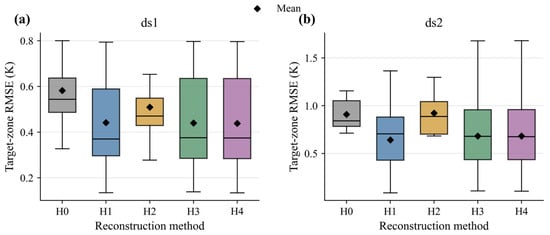
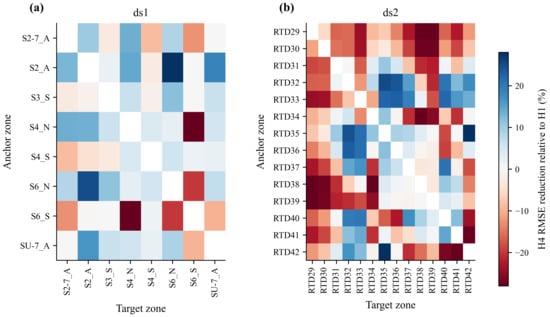
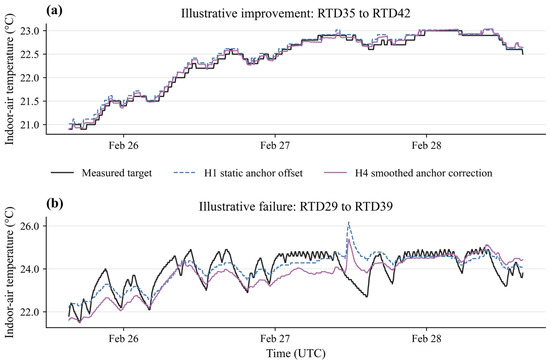
Sparse indoor-temperature sensing limits zone-level heating control in existing buildings. This study evaluates whether an anchor-corrected grey-box controller can retain indoor-air-temperature tracking in one simulated 12-zone TRNSYS Type 56 apartment-block model driven by one weather file. The complete configuration uses one measured anchor among all 12 controlled zones (1/12, 8.3%) and among the six actively heated and evaluated zones (1/6, 16.7%). It combines a fixed, case-specific spatial equivalent heat-transfer coefficient (UA) prior, conditional anchor-residual correction, and recursive virtual-inertia filtering. The primary component-level evidence was a matched-constraint ablation over a selected 21-day heating-period window, comprising seven warm-up days and 14 evaluation days. Anchor correction reduced pooled active-zone RMSE from 3.1 K in static configuration A to 0.5 K in configuration C and reduced the heating-energy proxy from 2.901 to 1.371 GJ. Adding recursive filtering in configuration D increased RMSE to 0.6 K but reduced valve-command total variation from 174.1 to 113.2 and the proxy to 1.312 GJ relative to C, indicating a case-specific smoothing trade-off. In a separate archived 155-day S0–S3 comparison, S3 achieved an active-zone RMSE of 1.0 K and reconstructed radiator heat of 8889.8 kWh; because the strategies did not share fully matched control and actuator constraints, these values describe the combined estimator, controller-update, rate-limit, and saturation effects of the implemented strategies rather than an isolated filter effect. The public-record branch generated one common trajectory for seven withheld targets and is interpreted as a common-mode correction audit. In the measured-radiator audit, the filtered-residual formulation H4 tied the static anchor-offset baseline H1 at approximately 0.4 K on ds1 but was worse on ds2 (0.7 versus 0.6 K). The evidence supports a conditional, case-specific low-sensor architecture, not universal single-anchor transfer, independent zone-state recovery, annual or cross-building performance, or resolved hydraulic-network control.
Full article
(This article belongs to the Section G: Energy and Buildings)
►▼
Show Figures

Figure 1

Open AccessArticle
Management of Renewable Energy Integration into Local Energy Systems Under Unstable Uncertain Grid Support Conditions
by
Ivan Lutsenko, Ievgenii Koshelenko, Dariusz Sala, Oleksandr Holinko, Michał Pyzalski, Oleh Bieliaiev, Vladyslav Sidanchenko, Edgar Cáceres Cabana and Roman Dychkovskyi
Energies 2026, 19(19), 4679; https://doi.org/10.3390/en19194679 - 3 Oct 2026
Abstract
The study is based on the use of methods of mathematical modeling of power system regimes, time series forecasting based on neural network models LSTM/Transformer, predictive control, as well as methods of optimizing the flow distribution of electric energy taking into account network
[...] Read more.
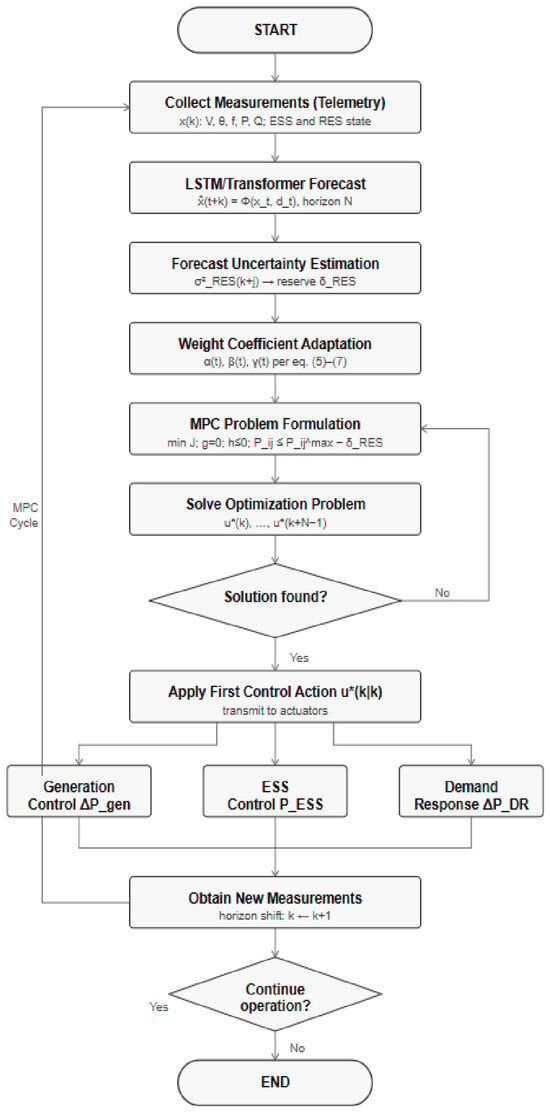
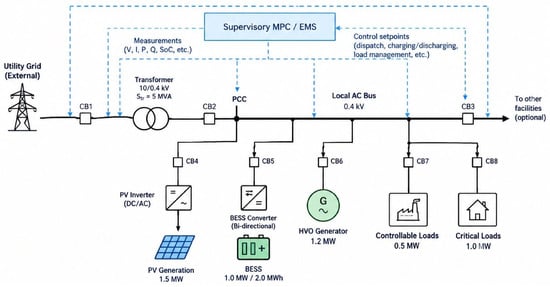
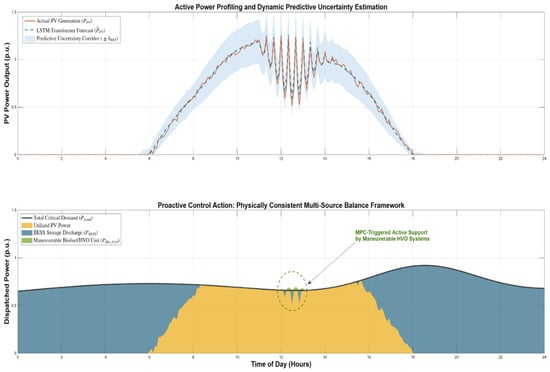
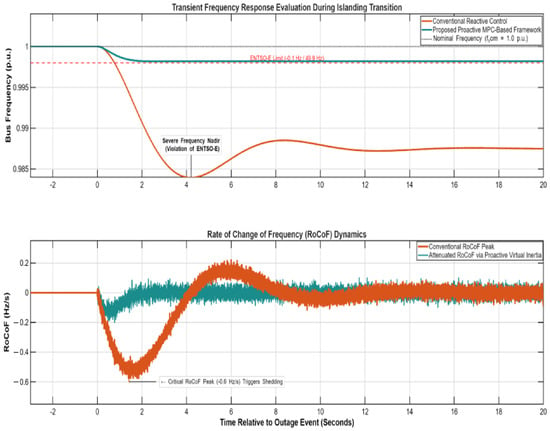
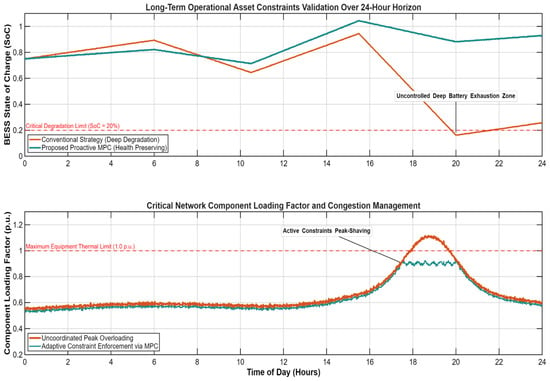
The study is based on the use of methods of mathematical modeling of power system regimes, time series forecasting based on neural network models LSTM/Transformer, predictive control, as well as methods of optimizing the flow distribution of electric energy taking into account network constraints and uncertainty of renewable energy generation. To ensure timely adoption of control decisions, a system of continuous monitoring of the regime parameters of the power system was used, which collects, processes and analyzes information about the network status in real time. The algorithm adaptation is implemented by dynamically changing the weight coefficients of the objective function in accordance with the current regime state of the power network. A predictive -adaptive algorithm for optimizing the operating modes of a local power system has been developed, which combines neural network forecasting of future operating parameters with active control based on predictive regulation and a system for continuous monitoring of the power system. The proposed algorithm forms optimal control influences for generation, energy storage systems and controlled load, takes into account the uncertainty of forecasting renewable generation and automatically adjusts the optimization parameters depending on the current state of the network. The use of a monitoring system ensures prompt detection of deviations in operating parameters, increases the accuracy of forecasting and the efficiency of making control decisions. This allows reducing frequency deviations, reducing the risk of overloading network elements, using energy storage more efficiently and increasing the share of integrated renewable generation without violating technical restrictions.
Full article
(This article belongs to the Special Issue Advanced Control, Optimization, Stability and Reliability of Microgrids and Power Systems—2nd Edition)
►▼
Show Figures

Figure 1
Open AccessArticle
Thermal Performance of an Aluminum-Ammonia Axially Grooved Heat Pipe with Bends and Discrete Heat Sources
by
Temu Qile, Yongjian Xiao, Jiabin Chang, Hongming Wang, Qingfeng Cai, Yan Liu and Yuanyuan Li
Energies 2026, 19(19), 4678; https://doi.org/10.3390/en19194678 - 3 Oct 2026
Abstract
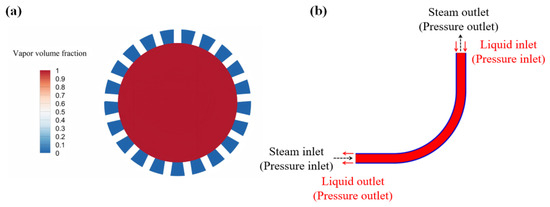
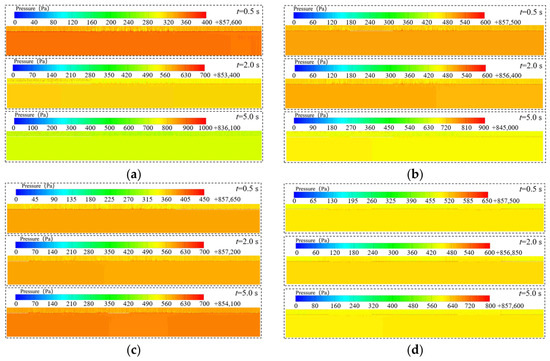
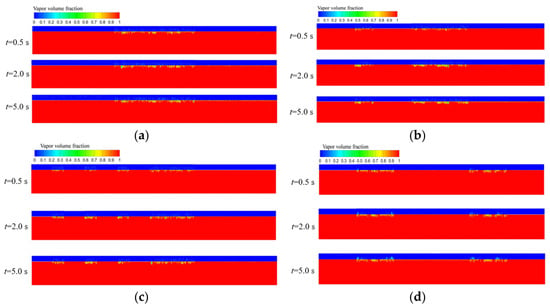
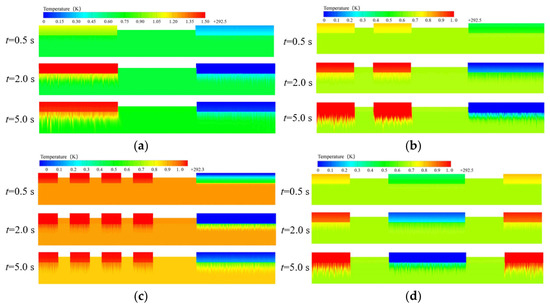
Bent heat pipes in spacecraft thermal-control systems are often exposed to spatially distributed heat loads, but the combined effects of bend geometry and heat-source arrangement remain poorly quantified for aluminum-ammonia axially grooved heat pipes. Here, horizontal experiments and a three-dimensional volume-of-fluid model were
[...] Read more.
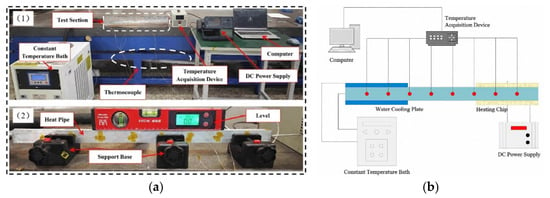
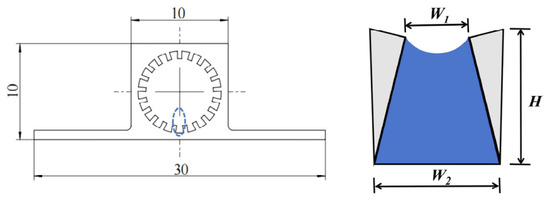
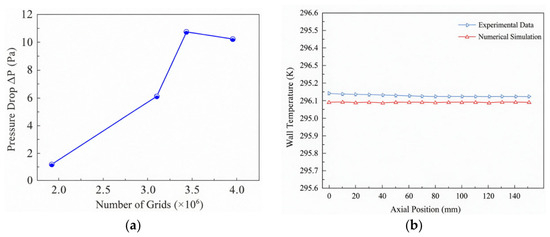
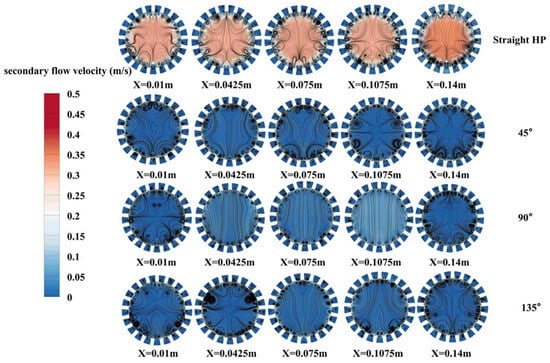
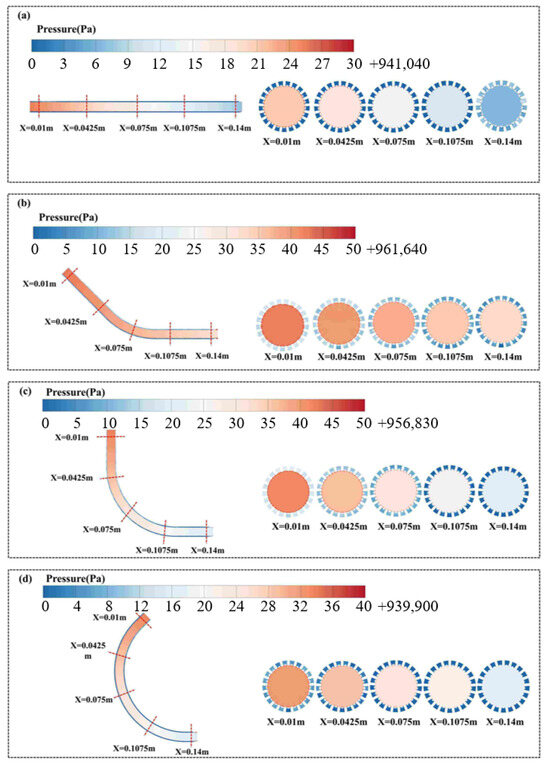
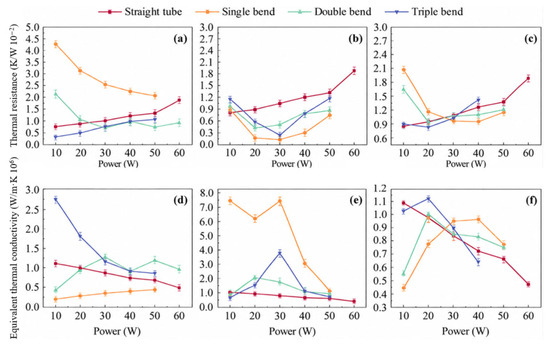
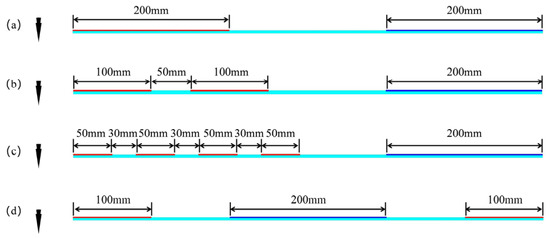
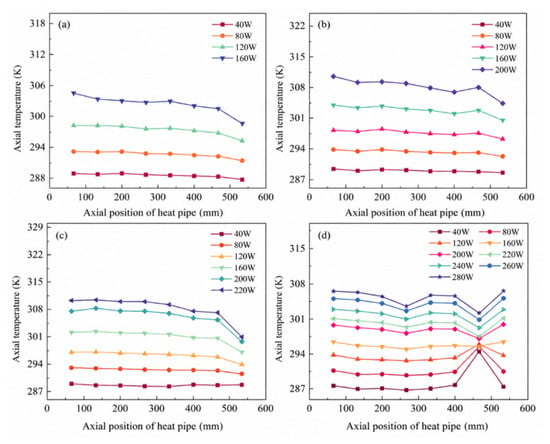
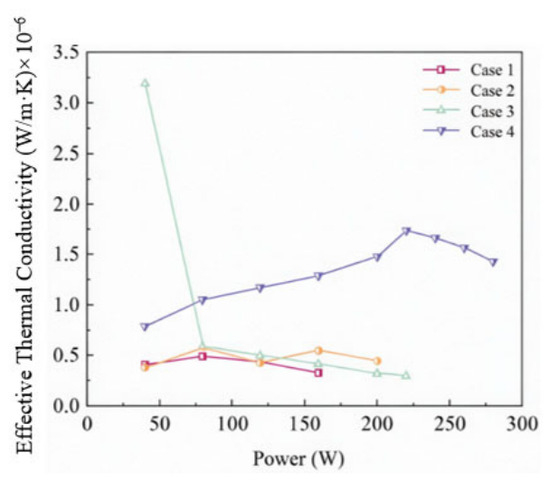
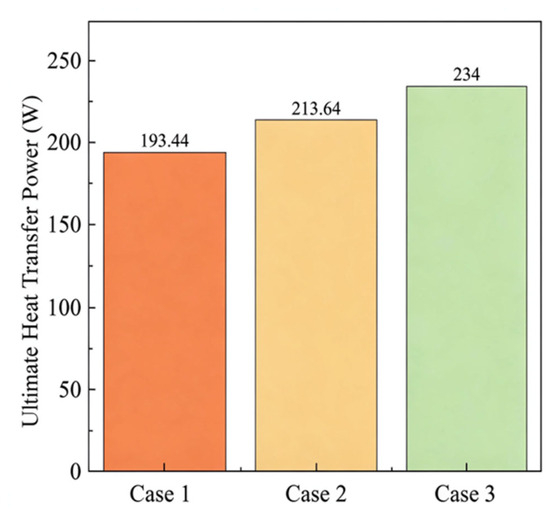
Bent heat pipes in spacecraft thermal-control systems are often exposed to spatially distributed heat loads, but the combined effects of bend geometry and heat-source arrangement remain poorly quantified for aluminum-ammonia axially grooved heat pipes. Here, horizontal experiments and a three-dimensional volume-of-fluid model were used to examine single bends of 45°, 90°, and 135°, multiple-bend configurations, and four heating arrangements ranging from continuous to discrete sources. Transient and steady wall temperatures, axial temperature uniformity, thermal resistance, equivalent thermal conductivity, and the heat-transfer limit were evaluated. The numerical results were used to interpret curvature-induced secondary flow, vapor-liquid distribution, and pressure loss. The 90° single-bend pipe had the lowest measured thermal resistance at intermediate heating powers, whereas larger bend angles and repeated bends lowered the limiting heat load. Distributing the heat input also improved performance: the four-segment configuration increased the measured heat-transfer limit by approximately 21% relative to continuous heating. The two-end configuration had the lowest thermal resistance over the tested range, although its limiting heat load could not be measured because of the heater capacity. These findings quantify the trade-off between routing geometry and heat-load distribution in grooved heat pipes for spacecraft thermal control.
Full article
(This article belongs to the Topic Heat and Mass Transfer in Engineering)
►▼
Show Figures

Figure 1
Open AccessArticle
Additional Series Resistance Optimization and Line-Resistance Identification for Overload Prevention in Parallel-Connected DC De-Icing Vehicles for 500 kV Transmission Lines
by
Xiangyu Dong, Zhiguo Xiang, Lishi Liu, Junfeng Wang and Shenghu Li
Energies 2026, 19(19), 4677; https://doi.org/10.3390/en19194677 - 3 Oct 2026
Abstract
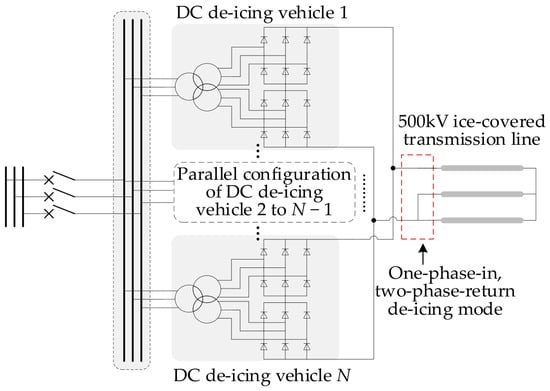
Compared with lower-voltage transmission lines, 500 kV transmission lines require larger de-icing currents and greater de-icing capacity. A single DC de-icing vehicle is insufficient, so multiple vehicles must operate in parallel. Differences in manufacturing dates and operating settings lead to different vehicle parameters.
[...] Read more.
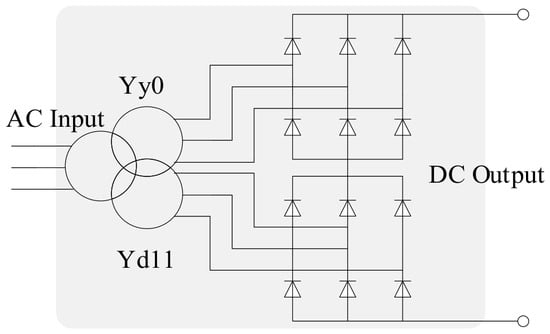
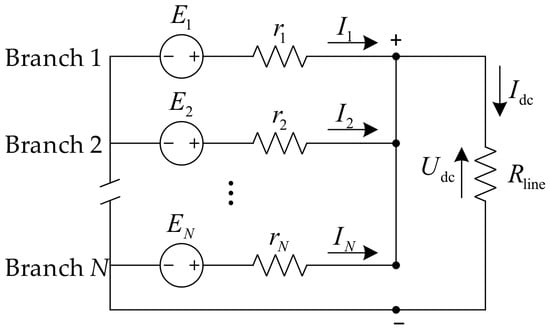
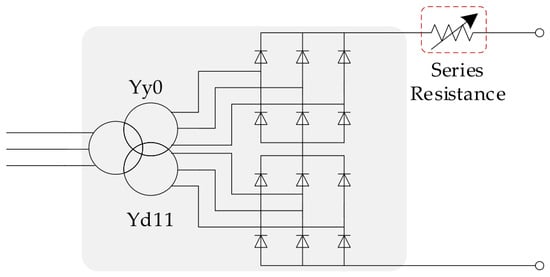
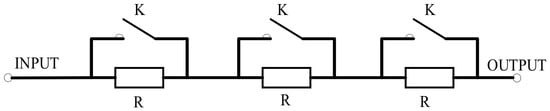
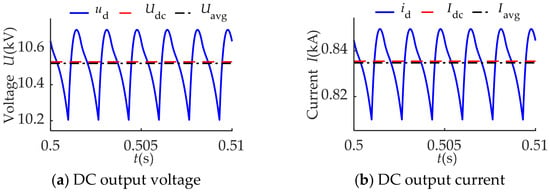
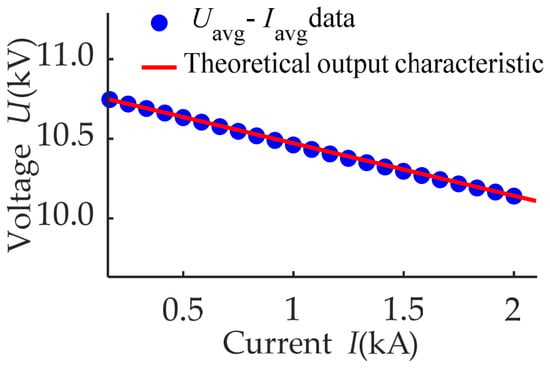
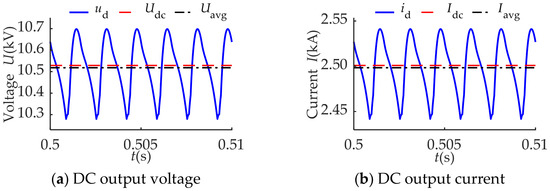
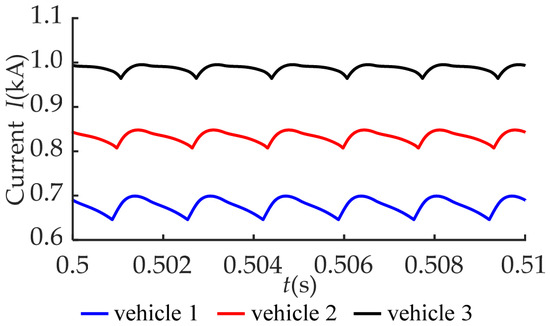
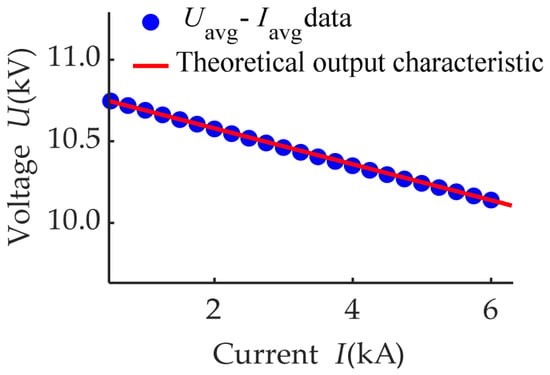
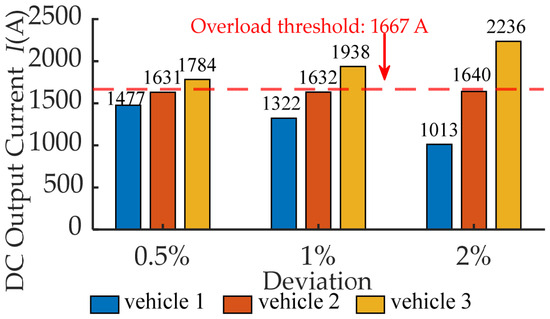
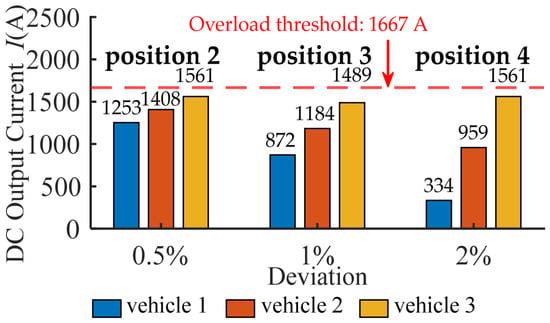
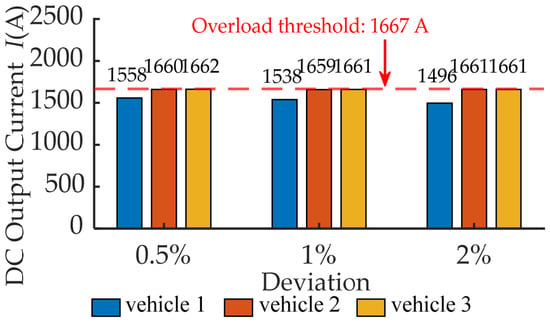
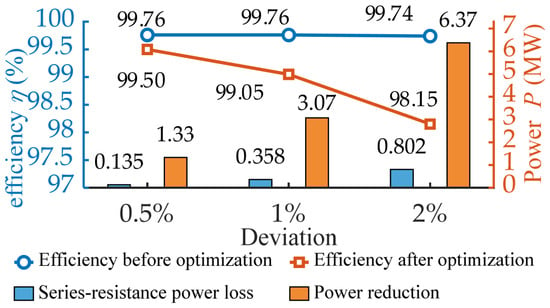
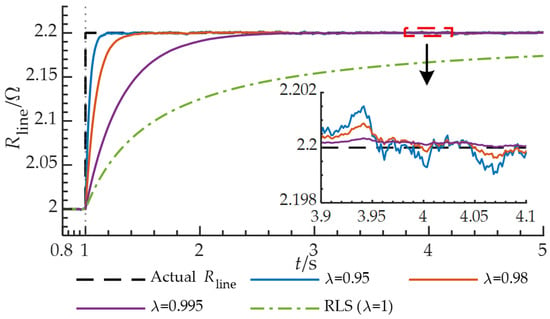
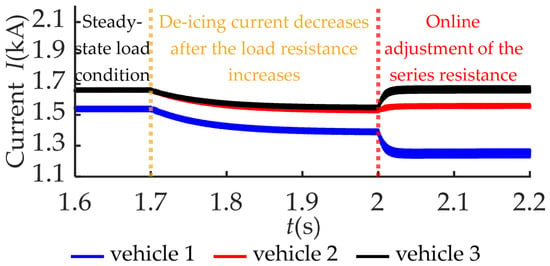
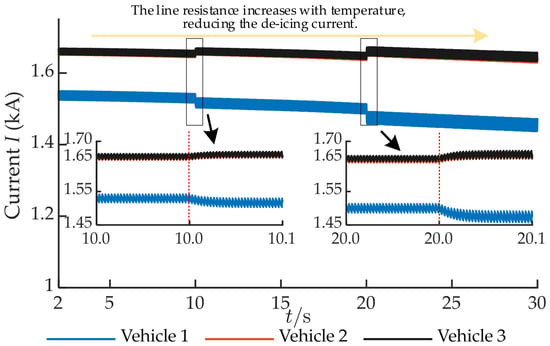
Compared with lower-voltage transmission lines, 500 kV transmission lines require larger de-icing currents and greater de-icing capacity. A single DC de-icing vehicle is insufficient, so multiple vehicles must operate in parallel. Differences in manufacturing dates and operating settings lead to different vehicle parameters. A vehicle with a higher equivalent electromotive force or smaller equivalent internal resistance carries a larger current and faces a higher risk of overload. To prevent overload, the total output of the parallel system must be reduced, which increases the de-icing time. This paper proposes additional series-resistance optimization and line-resistance identification methods for parallel-connected DC de-icing vehicles. First, Thévenin models of a single vehicle and multiple parallel-connected vehicles are established to explain overload caused by parameter differences. Additional series resistances are then used to change the loop resistances, redistribute the DC currents, and prevent overload. The resistance values are optimized considering the de-icing requirement, overload constraint, and additional power loss. Recursive least squares with an exponential forgetting factor is used to identify line resistance during de-icing and determine the series resistances. Simulations of two to four parallel vehicles under different line lengths, transformer tap settings, and parameter deviations verify the effectiveness and clarify the applicability limits.
Full article
(This article belongs to the Special Issue Advanced Technologies for Electric Machine Optimization and Energy Efficiency Enhancement)
►▼
Show Figures

Figure 1
Journal Menu
► ▼ Journal Menu-
- Energies Home
- Aims & Scope
- Editorial Board
- Reviewer Board
- Topical Advisory Panel
- Early Career Editorial Board
- Instructions for Authors
- Special Issues
- Topics
- Sections & Collections
- Article Processing Charge
- Indexing & Archiving
- Editor’s Choice Articles
- Most Cited & Viewed
- Journal Statistics
- Journal History
- Journal Awards
- Society Collaborations
- Conferences
- Editorial Office
Journal Browser
► ▼ Journal BrowserHighly Accessed Articles
Latest Books
E-Mail Alert
News
Topics
Topic in
Applied Sciences, Designs, Electronics, Energies, Mathematics
Power System Modeling and Control, 3rd Edition
Topic Editors: Manuela Minetti, Mahmood Hosseini Imani, Andrea MazzaDeadline: 20 October 2026
Topic in
Electricity, Electronics, Energies, Sensors, Sustainability
Optimal Planning, Integration and Control of Smart Grids and Microgrids Systems, 2nd Edition
Topic Editors: Jun Zeng, Qian Xiao, Fei Gao, Yiqi LiuDeadline: 31 October 2026
Topic in
Economies, Energies, Social Sciences, Sustainability
Energy Transition: Balancing Economic, Political, and Social Realities
Topic Editors: Kentaka Aruga, Raymond Li, Honorata Nyga-ŁukaszewskaDeadline: 16 November 2026
Topic in
Applied Sciences, Energies, Fluids, Micromachines, Processes
Enhanced Heat Transfer and Advanced Energy Conversion Technology, 2nd Edition
Topic Editors: Feng Zhang, Yong LiDeadline: 30 November 2026
Conferences
Special Issues
Special Issue in
Energies
Measurement Systems for Electric Machines and Motor Drives: 2nd Edition
Guest Editors: Krzysztof Tomczyk, Krzysztof Kluszczyński, Maciej Sułowicz, Marek SiejaDeadline: 5 October 2026
Special Issue in
Energies
Recent Developments in the Production of Biodiesel
Guest Editor: Pawel MierczynskiDeadline: 5 October 2026
Special Issue in
Energies
Advances in Gas Turbine Technology: Efficiency, Performance, and Sustainability
Guest Editors: Xiao He, Dong Yang, Shaopeng LuDeadline: 5 October 2026
Special Issue in
Energies
Power Quality Monitoring with Energy Saving Goals—2nd Edition
Guest Editors: Dawid Buła, Dariusz GrabowskiDeadline: 5 October 2026
Topical Collections
Topical Collection in
Energies
"Electric Vehicles" Section: Review Papers
Collection Editors: Pedro Roncero-Sanchez, João Paulo Javidi da Costa, Caiping Zhang, Kaamran Raahemifar, Roberto Villafafila-Robles
Topical Collection in
Energies
Bio-Energy Reviews
Collection Editors: Fernando Rubiera, Covadonga Pevida
Topical Collection in
Energies
Advanced Materials for Energy Conversion and Storage Devices
Collection Editor: Yongseok Jun
Topical Collection in
Energies
Renewable Energy and Energy Storage Systems
Collection Editors: Abdul-Ghani Olabi, Michele Dassisti, Zhien Zhang