


Abstract
The aim of this article is to identify how research on smart buildings has evolved in the context of the energy transition, with particular emphasis on energy flexibility, grid interaction, market integration, and policy barriers. The study addresses a gap in previous reviews, which have often focused on individual technological domains, building automation, or smart-readiness assessment, while paying less attention to the conditions under which smart buildings become active energy-system resources. A systematic review protocol based on the PRISMA logic was combined with bibliometric mapping and qualitative synthesis. Bibliographic data were retrieved from Scopus on 28 February 2026 and covered 663 English-language journal articles published between 2015 and February 2026. A core set of 63 studies was selected through explicit cluster-based and relevance-based criteria for in-depth qualitative synthesis. The results show a gradual shift from component-level efficiency research towards system-level studies in which smart buildings are analyzed as flexible demand-side assets, distributed energy nodes, and participants in emerging market mechanisms. At the same time, the evidence base remains uneven: many studies rely on simulation or case-specific modeling, while empirical validation, interoperability, occupant behavior, business models, and regulatory implementation remain less mature. The article contributes by distinguishing observed bibliometric patterns from conceptual interpretation and by integrating technological, economic, behavioral, and regulatory evidence into a framework explaining the persistent implementation gap in smart building deployment.
1. Introduction
1.1. The Energy Transition and the Role of Smart Buildings
The buildings sector plays a key role in the European Union’s energy transition, accounting for around 40% of final energy consumption and a significant proportion of greenhouse gas emissions. In the context of achieving the objectives of the European Green Deal and the strategy to achieve climate neutrality by 2050, the importance of measures aimed at improving the energy efficiency of building infrastructure is growing. At the same time, the ongoing digitalization of energy systems is leading to the gradual integration of buildings into smart grids, where buildings cease to act as passive energy consumers and increasingly become active participants in the energy system [1,2,3]. This process is directly linked to the development of Internet of Things (IoT) technology, energy management systems and advanced data analytics, enabling the monitoring, forecasting and optimization of energy consumption in real time [4]. Consequently, smart buildings are becoming a key component of the transition towards decentralized, flexible and digitally managed energy systems, supporting the integration of renewable energy sources and the stability of the electricity grid [3,5,6].
1.2. Smart Buildings and Energy-Saving Concepts
Smart buildings are defined as structures that utilize integrated information and communication systems to optimize user comfort, energy efficiency and operating costs. In the literature, this concept encompasses a wide range of technologies, including building automation systems, Building Energy Management Systems (BEMS), IoT sensors and artificial intelligence algorithms supporting decision-making and operational processes [4,7]. Energy savings in smart buildings do not result solely from technological modernization, but are the effect of the integration of energy management processes, user behavior and market signals. Contemporary research approaches emphasize the particular importance of predictive control, the integration of renewable energy sources, and energy storage systems, which enable a reduction in energy consumption whilst maintaining system stability [7,8,9,10].
1.3. Smart Buildings as Active Elements of the Energy System
The modern approach to smart buildings goes beyond the traditional view of them as mere energy consumers. Against the backdrop of the energy transition, buildings are increasingly acting as active components of the power system, capable of generating energy locally, storing it, and dynamically managing energy flows. The integration of photovoltaic installations, energy storage systems, heat pumps and load management systems enables buildings to be transformed into decentralized energy hubs that interact with the electricity grid. The development of Vehicle-to-Building (V2B), Building-to-Grid (B2G) technologies and Demand Response mechanisms means that building infrastructure is beginning to play an increasingly important role in balancing the system, increasing its flexibility and supporting the integration of renewable energy sources [5,11]. In this context, a building can be interpreted as an element of a digitally integrated energy system in which energy and data flows are managed in parallel. This approach shifts the focus of research from the efficiency of an individual building to its systemic role in grid stabilization, demand management and the integration of renewable energy sources [3,6,11].
1.4. Positioning Against Previous Review Studies
Several recent reviews have provided valuable but more narrowly framed insights into smart buildings. Existing studies have reviewed data-driven BEMS, IoT- and AI-based building management, the Smart Readiness Indicator, sustainable building research, and the transition from cyber-physical to human-cyber-physical smart building systems [3,4,7,12,13]. These contributions clarify the technological and assessment foundations of the field, but they do not fully explain how smart buildings are transformed into energy-system resources able to provide demand response, grid-interactive services, market-based flexibility, and support for renewable-energy integration.
The present review therefore differs from earlier work in two respects. Methodologically, it combines bibliometric mapping with a structured qualitative synthesis of a core evidence set selected from bibliographic coupling clusters. Substantively, it moves the interpretation beyond technological readiness and building-level efficiency towards the interaction between digital architectures, flexibility services, economic feasibility, policy design, and market participation. This positioning is intended to avoid treating publication counts and keyword clusters as findings in themselves and instead uses them as a basis for system-level interpretation.
1.5. Research Gap
Despite the dynamic development of research on smart buildings, the literature still lacks a coherent systemic approach linking the energy efficiency of buildings with their role in the energy transition, integration with the energy market, and the provision of flexibility services. Existing studies and literature reviews most often focus on building technologies, energy management systems, automation, IoT solutions, control algorithms or indicators for assessing building intelligence. As a result, knowledge development remains scattered across engineering-technical, digital and evaluative perspectives, with relatively less attention paid to market implementation conditions, economic viability, interoperability and the impact of public policy on the scalability of solutions [3,4,5].
The latest review studies from 2024 to 2025 have significantly expanded the state of knowledge in the field of smart buildings. On the one hand, reviews have been developed concerning data-driven building management systems and the integration of BEMS with tools based on IoT and artificial intelligence. On the other hand, comprehensive studies have emerged on the Smart Readiness Indicator, alongside integrative reviews mapping the development of research into sustainable construction and energy management in buildings [3,4,7,12]. Nevertheless, the literature still provides limited insight into how smart buildings transition from being energy-efficient structures to active components of the energy system, capable of supporting the integration of renewable energy sources, responding to market signals and providing flexibility services.
In particular, the relationship between three groups of factors remains insufficiently recognized: firstly, the maturity of digital technologies and energy management architectures; secondly, economic viability and implementation models; and thirdly, the regulatory environment and energy policy supporting the integration of buildings into the electricity system. There is also a limited number of studies that combine bibliometric analysis with a qualitative synthesis of the core literature to explain the so-called “implementation gap,” i.e., the discrepancy between the growing maturity of smart building technologies and their still limited and uneven scale of implementation in market and system practice. The transition from the classical perspective of energy efficiency to an approach in which buildings are analyzed as flexibility assets and nodes cooperating with the power grid remains particularly under-explored [5,7].
This gap is particularly significant in the European context, where the regulations concerning the energy efficiency of buildings, the digitalization of infrastructure, the integration of renewable energy sources, and the energy market reforms focused on flexibility, demand management and the active role of the consumer are all gaining in importance. This implies the need for a research approach that does not treat smart buildings solely as facilities improving energy efficiency, but also as elements of a broader energy system, co-shaped by digital technologies, economic incentives and regulatory frameworks. Existing reviews describe the individual components of this framework well, but rarely integrate them into a single interpretative framework [3,12].
This article addresses this gap by combining bibliometric analysis with a qualitative literature synthesis, aimed at identifying key research trends, thematic clusters and implementation barriers associated with the development of smart buildings in the context of the energy transition. Unlike previous reviews, which focused mainly on building technologies, energy management systems or individual assessment tools, this article adopts a systemic perspective, highlighting the role of energy flexibility, digital interoperability, integration with the energy market, and the economic and regulatory constraints affecting the actual scale of implementation.
In particular, the article makes three complementary research contributions:
- (i)
- systemic—by combining the perspective of building energy efficiency with their role in the energy transition, integration with the energy market, and the provision of flexibility services;
- (ii)
- methodological—by combining the bibliometric analysis with a qualitative synthesis of the core literature, enabling the identification of both the structure of the research field and the dominant barriers to implementation;
- (iii)
- practical and interpretative—by highlighting the importance of digital interoperability, economic conditions and public policy for the scalable implementation of smart buildings within the energy system.
1.6. Research Objectives and Research Questions
The aim of this article is to identify how smart building research has evolved from building-level energy-efficiency optimization towards system-level flexibility, grid interaction, and market integration. The objective is not limited to describing publication productivity, but focuses on interpreting how technological, economic, behavioral, and regulatory dimensions are combined in the literature and where the evidence base remains weak.
- RQ1: How has the intellectual and thematic structure of smart building research evolved in relation to energy flexibility, grid interaction, and market integration?
- RQ2: What technological, economic, behavioral, and regulatory factors explain the transition from smart buildings as energy-efficient assets to smart buildings as active energy-system resources?
- RQ3: What evidence gaps and implementation barriers limit the scalability of smart buildings in the real-world energy markets and policy contexts?
1.7. Structure of the Article
The article is organized as follows. Section 1 introduces the context of the energy transition, positions the study against previous reviews, identifies the research gap, and formulates the revised research questions. Section 2 presents the materials and methods, including the PRISMA-based selection logic, Scopus search strategy, bibliometric procedures, VOSviewer parameters, and the core-set selection protocol. Section 3 presents the bibliometric results and the reorganized qualitative synthesis. Section 4 discusses the findings from a systemic perspective, with particular attention to the distinction between observed bibliometric evidence and conceptual interpretation. Section 5 concludes by presenting the main contributions, limitations, and directions for future research.
2. Materials and Methods
The research design combines PRISMA-informed systematic screening, bibliometric mapping, and a structured qualitative synthesis. The bibliometric component identifies the development and thematic structure of the field, whereas the qualitative component interprets the evidence on the flexibility, grid interaction, implementation barriers, policy mechanisms, and market integration. To address potential overinterpretation, the revised manuscript explicitly distinguishes between results directly observed in bibliometric maps and conclusions inferred from qualitative synthesis. The overall research framework and the stages of the bibliometric analysis and system-level interpretation are presented in Figure 1.
Figure 1.
Research framework and stages of the bibliometric analysis and system-level interpretation.
2.1. Research Materials (Data Sources and Study Design)
The study was designed as a systematic literature review supported by bibliometric analysis, enabling the identification of the intellectual structure and the evolution of research on smart buildings, energy efficiency and their role in the energy transition. The approach employed combines a qualitative synthesis of the literature with quantitative methods of science mapping. This allows for the analysis of both dominant research trends and the relationships between individual research strands.
Scopus was used as the sole bibliographic database because it provides broad coverage of peer-reviewed literature in energy, engineering, environmental sciences, business, economics and social sciences, and because its metadata are compatible with VOSviewer analyses (VOSviewer version 1.6.20). This choice also imposes a boundary on generalizability: relevant publications indexed only in Web of Science, IEEE Xplore, Google Scholar, conference proceedings, reports or non-English literature may have been omitted. Therefore, the results should be interpreted as a structured mapping of Scopus-indexed English-language journal articles rather than as a complete representation of all global smart building research.
The analytical framework of the study was based on three complementary dimensions:
- economic factors determining the cost-effectiveness of investments;
- public policy instruments supporting technology deployment;
- market adoption factors related to the structure of the energy market and user behavior.
2.2. Systematic Literature Review Procedure (PRISMA)
The systematic literature review was conducted in accordance with the Preferred Reporting Items for Systematic Reviews and Meta-Analyses (PRISMA) guidelines, ensuring transparency, reproducibility and a high level of methodological rigor in the publication selection process. The procedure comprised four stages: identification, selection, eligibility and inclusion of studies.
2.2.1. Identification
The search for publications was conducted in the Scopus database using a structured query in the TITLE–ABS–KEY fields, covering the topics of smart buildings, energy efficiency, and the economic and regulatory conditions for implementation:
TITLE-ABS-KEY ((“smart building*” OR “intelligent building*” OR “smart energy system*” OR “building energy management system*”)
AND (“energy efficiency” OR “energy saving” OR “energy optimization”)
AND (“economic*” OR “investment” OR “cost–benefit” OR “policy” OR “market adoption”))
AND PUBYEAR > 2014
AND (LIMIT-TO (DOCTYPE, “ar”))
AND (LIMIT-TO (LANGUAGE, “English”))
AND (LIMIT-TO (SUBJAREA, “ENER”)
OR LIMIT-TO (SUBJAREA, “ENGI”)
OR LIMIT-TO (SUBJAREA, “ENVI”)
OR LIMIT-TO (SUBJAREA, “SOCI”)
OR LIMIT-TO (SUBJAREA, “BUSI”)
OR LIMIT-TO (SUBJAREA, “ECON”))
The applied restrictions included the English language, document type “article,” a publication period from 2015 to February 2026, and subject areas related to energy, engineering, environmental sciences, social sciences, business and economics. The initial search identified 714 records. No duplicate records were detected within the exported Scopus dataset. After subject-area filtering and thematic screening, 663 articles were retained for bibliometric analysis. Records were excluded when their title, abstract or keywords did not address smart buildings, building energy management, energy efficiency, market/policy conditions, or system-level energy integration.
A limitation of the keyword strategy is that some literature on building flexibility and grid interaction may use more specialized terms, such as “demand response,” “grid-interactive buildings,” “building-to-grid,” “flexibility service,” “aggregator,” “transactive energy,” and “vehicle-to-building.” These terms were analyzed during interpretation and are now explicitly acknowledged as related concepts. However, because the original dataset was fixed at the time of retrieval, the omission of some specialized terminology is treated as a limitation, rather than retrospectively changing the dataset.
2.2.2. Screening
During the selection stage, additional restrictions regarding scientific fields were applied and the thematic relevance of the publications was verified. After applying the filters, the number of publications was reduced to 663 scientific articles. Publications not directly related to the issues of smart buildings, energy management or energy efficiency from a systems perspective were removed.
2.2.3. Eligibility
The set of 663 publications was subjected to further bibliometric processing in VOSviewer. Bibliographic coupling analysis identified a connected network of 119 publications that met the minimum threshold of 20 citations. This 119 publications network constituted the intermediate pool from which the final core set for qualitative synthesis was selected.
2.2.4. Inclusion
Ultimately, 663 publications were included in the bibliometric analysis, forming the basis for network analyses, keyword co-occurrence maps, and visualizations of research trends developed using VOSviewer software (version 1.6.20). The transition from the full bibliometric dataset to the qualitative synthesis followed an explicit intermediate step: 663 publications were first mapped bibliometrically, 119 publications meeting the bibliographic coupling threshold formed the connected coupling network, and 63 publications from this network were then included in the final qualitative synthesis.
The study selection process is presented in Figure 2. The revised flow diagram follows the PRISMA 2020 flow-diagram logic by separating the identification, screening and included stages, and it explicitly displays the intermediate bibliographic coupling stage between the 663 publications included in the bibliometric analysis and the 63 publications included in the qualitative synthesis.
Figure 2.
PRISMA 2020-informed flow diagram of study identification, screening, bibliometric inclusion, bibliographic coupling network construction, and final qualitative synthesis.
The diagram follows the PRISMA 2020 logic for reporting identification, screening, inclusion and non-inclusion counts, and adapts it to the bibliometric design of the study by explicitly showing the intermediate bibliographic coupling network stage.
2.3. Bibliometric Analysis and Core Set Selection Procedure
For each publication, information was obtained regarding the year of publication, authors, country of affiliation, publication source, research area and keywords. Data consistency and metadata completeness were verified prior to conducting network analyses.
In the first stage, bibliographic coupling analysis was conducted at the document level in VOSviewer. To obtain a sufficiently robust and interpretable network, a minimum threshold of 20 citations per publication was applied. This threshold reduced the dataset to a connected bibliographic coupling network of 119 publications. Cluster labels were assigned after reading titles, abstracts and, where necessary, full texts of representative studies. Keyword co-occurrence maps were based on author keywords and indexed keywords after manual cleaning of spelling variants, singular/plural forms and synonymous terms.
The core set of 63 publications was then selected from these 119 publications for in-depth qualitative synthesis. The selection was based on citation impact, cluster representation and thematic relevance: (1) all bibliographic coupling clusters were represented; (2) within each cluster, the publications with the highest citation counts were prioritized; (3) recent publications were included when they captured emerging themes not sufficiently represented by older highly cited papers; (4) publications were included only when they addressed at least one of the following dimensions: technology, system level, flexibility or market mechanism, economic assessment, policy/regulation, user behavior, or implementation barrier; and (5) purely technical studies without relevance to energy-system integration or implementation were not included in the qualitative synthesis. The selection was therefore not random, but citation-informed, cluster-based and relevance-controlled, ensuring both scientific impact, thematic coverage and the inclusion of recent research trends.
The number of selected publications was not fixed a priori for each cluster. Instead, the final selection reflected citation impact, total link strength, thematic relevance to the research questions, cluster representativeness, publication year where relevant, and the need to avoid excessive thematic overlap between studies.
To make the procedure auditable, Appendix A lists all 119 publications included in the bibliographic coupling net-work, their cluster assignments, total link strength, citation counts, publication year, final inclusion status and a concise rationale for inclusion in or non-inclusion from the final qualitative synthesis. The final core set includes 63 publications and represents all 16 clusters: Cluster 1 (n = 9), Cluster 2 (n = 8), Cluster 3 (n = 6), Cluster 4 (n = 5), Clusters 5, 6, 7 and 10 (n = 4 each), Clusters 8, 9 and 11 (n = 3 each), and Clusters 12, 13, 14, 15 and 16 (n = 2 each). The synthetic grouping of the 16 bibliographic clusters used to support the qualitative synthesis is presented in Table 1.
Table 1.
Synthetic grouping of the 16 bibliographic clusters used to support the qualitative synthesis of the 63 core studies.
In the second stage, the 63 core publications were used for an in-depth qualitative synthesis. The synthesis was organized around broad thematic categories derived from the 16 bibliographic clusters. This procedure made it possible to retain the detailed cluster structure while presenting the interpretive findings in a more concise and systematic form.
A qualitative narrative synthesis supported by bibliometric analysis was employed, enabling the identification of dominant technological, economic and regulatory trends. The integration of the PRISMA 2020-informed screening logic with bibliometric analysis improved the transparency and reproducibility of the study design.
3. Results
The descriptive bibliometric indicators reported below are used to characterize the structure and visibility of the research field. They are not treated as direct evidence of deployment effectiveness, policy impact or market readiness; these issues are interpreted only in combination with the qualitative synthesis of the selected core studies.
3.1. Bibliometric Structure of Research on the Energy Efficiency of Smart Buildings
The bibliometric analysis was conducted on the basis of 663 scientific publications selected in accordance with the PRISMA. The results of the analysis enabled the identification of the dynamics of research development, the main centers of knowledge production, and the thematic and institutional structure of the analyzed research field.
3.1.1. Trends in Scientific Publications over Time (2015–2026)
Figure 3 illustrates the evolution of the number of publications on smart buildings and energy efficiency between 2015 and 2026, based on a set of 663 articles included in the bibliometric analysis. In the initial period (2015–2018), moderate publication activity was observed, characteristic of the formative phase of the research field, dominated by technological analyses and conceptual studies.
Figure 3.
Temporal evolution of scientific publications on smart buildings and energy efficiency (2015–2026).
After 2018, there was a marked increase in the number of publications, which can be linked to the intensification of the European Union’s climate policies, the implementation of the EPBD Directive, and the growing role of the digitalization of energy infrastructure [14,15]. Between 2019 and 2024, a stable upward trend persisted, indicating the institutionalization of research and the expansion of its scope to include issues of artificial intelligence, the Internet of Things, and the integration of renewable energy sources with building energy management systems.
The highest number of publications was recorded in 2025, indicating intensive research development. The value for 2026 should not be compared directly with full-year data because the search was conducted on 28 February 2026 and Scopus indexing for that year was incomplete. Consequently, 2026 is treated only as a partial-year observation and is excluded from strong trend interpretation.
3.1.2. Structure of Source Journals Publishing Research on Smart Buildings
Figure 4 shows the distribution of publications across the main scientific journals serving as the primary channels for the dissemination of knowledge in the field of smart buildings and energy efficiency. This structure indicates a gradual shift in the research field from classical building engineering towards research combining energy, digitalization and implementation aspects. The analysis reveals a clear concentration of publications in specialist journals in the fields of energy and building engineering, in particular Energy and Buildings and Energies. These journals serve as leading publication platforms for research combining technological, systemic and energy-related aspects.
Figure 4.
Distribution of publications across leading journals in smart buildings and energy efficiency research.
The significant presence of journals such as Energy, Applied Energy and the Journal of Building Engineering confirms the strong roots of the analyzed research field in an interdisciplinary area integrating energy engineering, systems analysis and building infrastructure optimization. At the same time, the presence of journals such as Sustainable Cities and Society and the Journal of Cleaner Production points to the growing importance of urban, environmental and sustainable development perspectives.
The relatively high representation of journals such as Buildings and Energy Policy suggests a gradual expansion of research interest to include regulatory, political and implementation aspects. The publication structure thus indicates an evolution of research from technical analyses towards more systemic studies on the integration of smart buildings with energy markets and digital energy infrastructures.
3.1.3. Most Productive Authors and Affiliated Institutions
Figure 5 presents the most productive authors publishing in the field of smart buildings and energy efficiency, based on the analyzed set of 663 publications. The distribution of productivity indicates the development of the research field within a network model (distributed leadership), in which scientific progress stems from the collaboration of many research teams, rather than the dominance of a single academic school.
Figure 5.
The most productive authors in smart buildings and energy efficiency research.
Although selected researchers, including Lund and Mohammed, have the highest number of publications, the differences between subsequent authors remain relatively small. This structure confirms the interdisciplinary nature of research integrating energy, building engineering and information technology. The presence of authors specializing in energy management systems and artificial intelligence points to the growing importance of approaches based on operational optimization and data analysis. From a bibliometric perspective, this distribution indicates the maturing of the field under analysis and its institutionalization within international scientific collaboration networks.
3.1.4. The Most Productive Affiliated Institutions
Figure 6 presents the institutions with the highest publication output in research on smart buildings and energy efficiency. The concentration of research output in specialized academic centers reflects the development of European and international centers of excellence integrating energy systems modeling, digitalization and building engineering.
Figure 6.
Most productive institutions in smart buildings and energy efficiency research.
The highest publication activity was recorded for Aalborg University, confirming the significant role of Scandinavian centers in the development of smart energy systems. The substantial contribution of institutions such as the Politecnico di Torino, the Technical University of Denmark and Politehnica Bucharest indicates that research is firmly rooted in the European ecosystem supported by EU framework programs. The presence of institutions from outside Europe, including the Lawrence Berkeley National Laboratory and universities from the Middle East and Asia, confirms the growing globalization of research and the transfer of knowledge between regions with diverse energy systems. The concentration of publications in a limited number of centers indicates the emergence of international centers of excellence acting as key nodes for the dissemination of knowledge.
3.1.5. Geographical Structure of Research
Figure 7 illustrates the geographical distribution of knowledge production in the field of smart buildings and energy efficiency. The analysis highlights the dominant role of China (122 publications), the United States (73) and Italy (73) as the main centers for research in digital energy management systems in buildings.
Figure 7.
Geographic distribution of scientific output in smart buildings and energy efficiency research.
China’s strong position reflects intensive investment in smart city technologies and the digitalization of energy infrastructure, whilst the significant contribution of European countries—in particular Italy, the United Kingdom, Spain and Denmark—confirms the influence of European Union policies, including the EPBD Directive and the Horizon Europe research funding programs. The presence of technologically developing countries, such as India, Saudi Arabia and Iran, points to the ongoing globalization of research and the growing importance of smart buildings in the energy transition of regions with rapidly increasing energy demand. The geographical structure thus indicates a shift from regional research initiatives towards a more global network of knowledge production related to the digitalization and energy integration of buildings.
These country, institution and journal distributions should be interpreted as indicators of publication volume rather than as direct measures of research impact or quality. Citation-based and field-normalized indicators may lead to different rankings and should be considered in future studies.
3.1.6. Structure of Research Areas (Subject Areas)
Figure 8 shows the distribution of publications by subject area in the analyzed collection of 663 articles on smart buildings and energy efficiency. The results clearly confirm the interdisciplinary nature of the field under study, which is developing at the intersection of engineering, energy, environmental and digital sciences.
Figure 8.
Distribution of publications by subject area in smart buildings and energy efficiency research.
The largest share of publications was recorded in the Engineering subject area (515 publications), indicating the technological foundations of research covering the design of energy systems, building automation and the development of energy management systems. The Energy domain (339 publications) also plays a significant role, reflecting growing interest in the integration of buildings with the electricity grid, demand flexibility and the integration of renewable energy sources.
The significant contribution of Environmental Science (197 publications) confirms the strong link between research on smart buildings and climate policy and emission reduction targets. At the same time, the presence of disciplines such as Mathematics (97) and Computer Science (77) points to the growing role of numerical modeling, artificial intelligence and data analytics, including applications of machine learning and the concept of digital twins.
The contribution of the Social Sciences (94) and the Business and Economics field (48) demonstrates a gradual expansion of research to include economic, regulatory and behavioral aspects related to the implementation of energy-efficient technologies and the functioning of energy markets. The relatively smaller representation of fields such as Materials Science and Chemical Engineering; however, suggests that the contemporary development of smart buildings is based primarily on the integration of existing technologies within complex digital-energy systems.
From a bibliometric perspective, the structure of research areas indicates an evolution of the field under analysis towards a more systemic approach, combining digital technologies, economic models and energy policy.
3.1.7. Research Funding Structure (Funding Sponsors)
Figure 9 presents the main sponsors funding research on smart buildings and energy efficiency in the analyzed set of 663 publications. The funding structure indicates a strong dependence of the field’s development on public research and development programs supporting the integration of digital technologies with the energy transition.
Figure 9.
Leading funding sponsors in smart buildings and energy efficiency research.
The highest number of funded publications was recorded for the National Natural Science Foundation of China (38 publications), confirming the strategic nature of China’s state investment in the development of smart city technologies, IoT systems and digital energy management platforms. Programs funded by the European Union also play a significant role, in particular the Horizon 2020 Framework Programme (21 publications) and projects supported by the European Commission (19 publications), indicating a strong link between research and the implementation of the EU’s climate and energy policy objectives.
The significant involvement of institutions such as the U.S. Department of Energy, the European Regional Development Fund and national research funding agencies confirms the complementary role of national and regional funding in the development of smart building technologies and the transfer of knowledge between academia and implementation practice.
From a bibliometric perspective, the dominance of public funding indicates that the development of smart buildings remains largely dependent on strategic public policy interventions. The concentration of funds in programs supporting decarbonization, digitalization and the development of low-carbon infrastructure suggests a high alignment of research directions with long-term energy transition strategies. At the same time, the limited share of private funding may suggest that the commercial sector remains relatively less involved in funding this area of research.
3.1.8. Conceptual Structure of the Research: Analysis of Keyword Co-Occurrence Networks
Figure 10 presents a network visualization of keyword co-occurrence created using VOSviewer software, enabling the identification of the conceptual structure of research on the energy efficiency of smart buildings. The size of the nodes reflects the frequency of occurrence of the terms, whilst the strength of the links indicates the intensity of thematic relationships between research areas.
Figure 10.
Keyword co-occurrence network in smart buildings and energy efficiency research.
The concept of “energy efficiency” occupies a central position in the network, acting as an integrator of the analyzed field and linking technological, systemic and economic research. Cluster analysis reveals four complementary research domains:
- the technology and digital cluster, encompassing concepts related to the Internet of Things, machine learning and energy management systems, indicating the growing role of data analytics and artificial intelligence;
- the smart building systems cluster, centered on the terms smart building, smart homes and HVAC (Heating, Ventilation and Air Conditioning), representing the operational level of energy optimization;
- the sustainable development cluster, linked to the concepts of sustainability and green buildings, integrating energy research with climate policy;
- the infrastructure and energy cluster, covering issues of energy planning, energy policy and district heating systems, highlighting the growing link between buildings and network infrastructure.
The strong links between the digital and energy sectors point to a shift in research away from a component-based approach towards more integrated, system-level approaches, in which smart buildings are analyzed as elements that link information technologies, energy systems and sustainability objectives. At the same time, the relatively weaker links between the field of artificial intelligence and regulatory and economic issues indicate that an implementation gap persists between technological development and market deployment.
3.1.9. Temporal Evolution of Research Topics: Keyword Overlay Visualization
Figure 11 presents an overlay visualization of keyword co-occurrence, enabling an analysis of the temporal evolution of research into the energy efficiency of smart buildings. The color scheme of the nodes reflects the average year of publication assigned to a given concept—from earlier research topics (shades of blue) to the most recent research trends (shades of yellow).
Figure 11.
Keyword co-occurrence overlay visualization showing the temporal evolution of research in smart buildings and energy efficiency.
The results indicate a clear shift in research focus from infrastructure-related issues and traditional energy efficiency analyses, such as district heating and energy policy, towards solutions based on digitalization and advanced control methods, in particular machine learning, deep reinforcement learning and model predictive control. At the same time, the concepts of smart buildings and energy management serve as transitional areas, bridging earlier technical approaches with the latest trends in digital research.
The concentration of dominant themes around the years 2020–2023 indicates a phase of intensive research expansion, typical of rapidly developing technological domains. The temporal analysis confirms the evolution of the field from the optimization of building components towards the integration of intelligent control systems, data analytics and autonomous energy management mechanisms. These results form the basis for the further identification of research clusters and the analysis of implementation gaps presented in the subsequent sections of the article.
3.1.10. Thematic Concentration of Research: Visualization of Keyword Density
Figure 12 presents a visualization of the co-occurrence density of keywords, enabling the identification of areas with the highest thematic concentration. The intensity of the colors reflects the frequency of occurrence and the degree of co-occurrence of concepts: red and orange areas indicate dominant research cores, whilst yellow areas indicate less prominent topics.
Figure 12.
Keyword co-occurrence density map in smart buildings and energy efficiency research.
The highest concentration of research centers around the concept of energy efficiency, which forms the central core integrating smart buildings, energy management and the Internet of Things. This indicates the dominance of research into the operational optimization of energy consumption using digital systems.
Areas of moderate density, such as machine learning, model predictive control, deep reinforcement learning and life cycle cost, reflect emerging research directions related to the integration of artificial intelligence and economic analysis. The peripheral placement of regulatory issues, however, indicates their weaker integration with the mainstream of technological research.
When combined with the network map (Figure 10) and the overlay visualization (Figure 11), the analysis confirms the existence of a stable core centered on energy efficiency and the expansion of the field towards digitalization and artificial intelligence. Taken together, Figure 10, Figure 11 and Figure 12 point to the growing importance of digitally controlled energy management mechanisms and their increasingly strong link to a broader systemic perspective.
The results presented in Section 3.1 contribute primarily to RQ1 by mapping the intellectual and thematic structure of smart building research. Publication dynamics, source journals, authors, institutions, countries, subject areas and funding patterns are treated as descriptive bibliometric evidence that explains how the field has evolved. These findings also provide contextual support for RQ2 and RQ3, because they show how technological, economic and policy-related research strands have gradually converged around flexibility, grid interaction and market integration.
3.2. Structure and Evolution of Research Clusters in the Field of Smart Buildings and Energy Efficiency
To deepen the analysis of the structure of the field under study, a bibliometric cluster analysis was conducted to identify the main research trends in the field of smart buildings and energy efficiency. The identified clusters reflect coherent research domains covering, among others, the sectoral integration of energy systems, AI-based energy management, the interoperability of digital infrastructure, and market models supporting energy flexibility. From a systemic perspective, they indicate an evolution in research from component-based solutions towards more integrated approaches, combining building technologies with the energy market, digitalization and public policy. The following subsections present the characteristics of individual clusters along with their technological, economic and regulatory implications.
To improve readability while retaining the detailed bibliometric evidence, the 16 clusters are interpreted below at two levels. First, each cluster is retained as an individual bibliographic result. Second, the clusters are synthesized into six broader thematic categories: (1) system integration, flexibility and market interaction; (2) NZEB, positive-energy buildings and performance optimization; (3) AI, IoT and predictive energy management; (4) life-cycle, urban and sustainable construction perspectives; (5) readiness, automation and interoperability of smart solutions; and (6) socio-technical innovation and adaptive control ecosystems. This two-level structure preserves the granularity of the bibliometric analysis while addressing the need for a more concise thematic interpretation.
3.2.1. Cluster 1—Sectoral Integration and Flexibility in Smart Energy Systems (N = 9)
The results of the synthesis point to a shift from isolated efficiency measures to integrated Smart Energy Systems, characterized by the interconnection of the electricity, heating, transport and industry sectors, and increasing system flexibility [3]. In this context, a building functions as a multi-energy system, acting as an active node integrating renewable energy sources and Power-to-X technologies [6]. A key element of this transformation is fourth-generation district heating systems, in which lowering the supply temperature reduces transmission losses and enables the use of waste heat [11]. As a result, buildings are increasingly analyzed not as passive energy consumers, but as active market participants, capable of managing demand and reducing peak loads [16].
The determinants of this development include both market mechanisms and digital technologies. Key economic factors include spot prices, peer-to-peer models and local emissions trading mechanisms [6], whilst the integration of DSM with heat storage enables energy cost reductions of around 20% for users and 25% for suppliers [16]. IoT and Edge Intelligence technologies support predictive energy management in HEMS systems, enabling cost reductions of up to 26% [8,9], with significant support from public policies, including the Energy Efficiency First principle [14,15].
Methodologically, there is a shift from centralized models to decentralized approaches using MARL and FRL, which enable optimization whilst maintaining data privacy [6]. System modeling tools, such as EnergyPLAN and TRNSYS, and metaheuristic algorithms used in microgrid management dominate the research [3,9,11,16]. At the same time, the importance of high-resolution data processed in real time is growing [8,9].
Economic and regulatory implications point to the growing role of thermal energy storage, which, in conditions of high decarbonization, supports the management of energy surpluses and the optimization of resource use [3]. The development of 4GDH systems can be considered one of the key prerequisites for sector integration and the effective decarbonization of the economy [8,9]. Research gaps primarily concern the scalability of federated models and deeper integration of the transport and industry sectors, including the development of synthetic fuels and energy recovery systems [6,14,15].
3.2.2. Cluster 2—Multi-Criteria Optimization and Life-Cycle Economics of High-Performance Buildings: The NZEB Paradigm (N = 8)
The second cluster focuses on the multi-criteria optimization of NZEB and high-performance buildings, reflecting a shift from isolated technological improvements to a more holistic approach integrating design, energy economics and sustainable development [10]. Contemporary research is based on the integration of energy simulations with advanced optimization methods, enabling the simultaneous analysis of energy consumption, overall costs and emissions across a building’s life cycle [17]. In this context, NZEBs act as a bridge between energy policy objectives and their economic feasibility. The dominant analytical frameworks include life-cycle costs, Pareto optimality and sustainability approaches [18,19]. Consequently, research is shifting from minimizing energy consumption towards balancing costs, emissions and energy efficiency [20].
The determinants of development are hierarchical in nature, with economic factors playing a dominant role, particularly life-cycle costs as the basis for investment decisions. Achieving the NZEB standard often requires public support or reforms to energy subsidies [18,19]. Technological factors include the integration of energy management systems, advanced building materials and PV installations, whilst behavioral factors influencing actual energy efficiency are also growing in importance [10,17,19]. From a regulatory perspective, EU instruments, including the EPBD and NZEB standards, are of key importance in supporting the development of integrated one-stop-shop renovation service models [1,2].
Methodologically, the research is based primarily on simulation-aided optimization, combining tools such as EnergyPlus with multi-criteria algorithms, e.g., NSGA-II, and ANN models that reduce computational complexity [17,20]. Despite progress, a deterministic approach still predominates, which does not fully account for the variability of user behavior and the heterogeneity of building stock [18,21]. Economic implications point to a persistent gap between the cost optimum and NZEB requirements, justifying further regulatory intervention. One-stop-shop models increase access to financing but remain dependent on institutional support [2].
Research gaps include the limited integration of prefabrication aspects and user behavior models into optimization analyses. Future research should focus more on treating buildings as flexibility resources within the energy system and on scaling optimization methods to diverse building stock in urban environments [10,18].
3.2.3. Cluster 3—Advanced Computational Intelligence and Predictive Modeling in Building Energy Management (N = 6)
The third cluster encompasses research into the transition from static control systems to autonomous, data-driven energy management architectures. This trend bridges the gap between control theory and the practical operation of buildings. The dominant approaches focus on resolving the conflict between user comfort and minimizing energy consumption, using MPC, DRL and digital twin concepts [22,23,24]. Modeling has evolved from white-box approaches to gray-box and black-box models based on data from BAS systems and sensors, which allows for a better representation of the thermal dynamics of buildings [22,25].
Technological factors focus on the integration of automation and data analytics to increase the resilience of buildings to fluctuating external conditions. HVAC systems play a particular role, with a shift from PID controllers to predictive and adaptive control [23,24]. In parallel, the integration of V2H technology, PV installations and energy storage enables the use of the thermal mass of buildings and electric vehicle batteries to shift loads and increase system flexibility [26]. The development of these solutions remains linked to dynamic pricing mechanisms and strategies for reducing operating costs, particularly in the context of high-energy-efficiency buildings [25,26].
Methodologically, thermal simulations, such as EnergyPlus and DesignBuilder, coupled with optimization algorithms and predictive models, including LSTM, dominate [23,27]. Limitations include high implementation complexity, scaling difficulties, and issues regarding the quality and management of energy data, which affect the effectiveness of AI models [22,23,24]. Additionally, the importance of behavioral and social factors in the effective implementation of solutions is emphasized [27].
Regulatory factors, including the European Green Deal and the Paris Agreement, favor the development of this field, although the lack of standardization in the quality of the internal environment limits the comparability of results [24]. Research gaps include insufficient analyses of the life-cycle costs of AI systems, limited scalability of DRL and digital twins, and insufficient user integration in control systems. Future research should focus on the validation of models under real-world conditions, a human-centric approach, and the development of interoperable data architectures.
3.2.4. Cluster 4—Multi-Criteria Optimization and Climate-Responsive Intelligent Building Systems (N = 5)
The fourth cluster focuses on the transition from passive energy efficiency to dynamic, multi-criteria optimization and the development of climate-responsive intelligent building systems. Here, the building is treated as an active element of the energy system, capable of simultaneously optimizing energy self-sufficiency, operating costs and user comfort [28,29]. These approaches are based on control theory and evolutionary methods, enabling the analysis of complex interactions between building physics, renewable energy sources and user behavior. The cluster lies at the intersection of energy economics and engineering, encompassing the integration of active and passive solutions such as BIPV, PVT, advanced zoning strategies and double facades [30,31,32].
Technological factors point to the growing importance of hybridization of energy systems, particularly in temperate and cold climates. The integration of PV-thermal systems with heat pumps and biomass boilers increases reliability without the need for costly energy storage, whilst VRF systems and the electrification of heating support energy consumption reduction whilst maintaining flexibility [29]. From an economic perspective, the key factor remains the reduction in life-cycle costs, supported by automation that responds to energy prices, although high capital expenditure and long payback periods reinforce the importance of regulation, including the EPBD Directive [28,32]. Behavioral factors also play a significant role, accounted for through occupancy models and comfort indicators, which influence actual energy efficiency.
Methodologically, the research is based on simulations such as EnergyPlus and TRNSYS, coupled with Pareto optimization, enabling the identification of solutions that balance comfort and efficiency [29,31]. Robustness analysis methods, such as Taguchi and LHS, are also employed to assess the stability of results under conditions of climate uncertainty. Policy implications point to the need for more precise climate zoning and the development of smart grids enabling two-way energy exchange and the monetization of surpluses [30].
Research gaps include limited understanding of the impact of energy price volatility on investment profitability and insufficient consideration of the interactions between buildings and the urban microclimate. Future research should focus on integrating stochastic user behavior with MPC systems and on utilizing interdisciplinary data linking energy efficiency with user well-being.
3.2.5. Cluster 5—Techno-Economic Optimization and Intelligent Control Systems for Net-Zero Energy Building Ecosystems (N = 4)
Research on NZEBs indicates a shift from an approach focused on the efficiency of building envelopes towards a more holistic integration of high-efficiency technologies, renewable energy sources and intelligent control systems. Buildings are increasingly viewed as components of integrated energy systems, capable of balancing energy consumption through local generation and demand management, in line with EU and US energy policy directions [33,34,35]. This approach is based on systems engineering and control theory, in which buildings function as nodes integrating energy storage, RES and mobile energy carriers, including electric vehicles [33,34].
Key technological drivers include the development of heat pumps and PV systems, supported by smart demand management based on IoT and AI methods, such as ANN and GA, enabling adaptive optimization of energy consumption [33,36]. From an economic perspective, there remains a trade-off between high capital expenditure and the potential for operational cost neutrality under net-metering conditions. Cost-effectiveness remains strongly dependent on climate, tariffs and PV installation costs, with GSHP systems often demonstrating higher long-term efficiency than ASHP [34,35]. Increasing importance is also being attributed to behavioral factors, treated as variables influencing MPC strategies and actual energy efficiency [33,36].
Methodologically, there is a shift from classical simulations, such as TRNSYS and EnergyPlus, towards hybrid approaches integrating machine learning and multi-criteria optimization. Despite progress, limitations include dependence on TMY data and insufficient consideration of operating costs and behavioral effects [35,36]. A new direction of research is the integration of electric vehicles as mobile energy storage units, although implementations remain largely experimental [34].
The implications suggest that the development of NZEBs requires a coherent regulatory framework supporting distributed generation, flexibility markets and smart control systems. Most often, optimal configurations combine moderately efficient HVAC systems with a higher share of PV, with a strong dependence on local conditions [35]. Research gaps include the impact of energy price volatility on the cost-effectiveness of retrofits and the lack of more standardized business models for energy communities. Future research should focus on integrating AI with resilient control systems and on scaling NZEB solutions in urban settings [33,34].
3.2.6. Cluster 6—Transition from NZEB to Integrated Positive-Energy Building Models (N = 4)
This cluster reflects the transition from viewing buildings as autonomous, highly efficient units to their role as integrated components of smart energy systems. This evolution involves a shift from NZEB standards towards more advanced Net ZEB and Net-Positive Energy concepts, in which buildings actively participate in energy balancing at a system-wide scale [37,38,39]. Of key importance is the integration of envelope design, local RES and cross-sectoral coordination, leading to a shift in emphasis from unit-level efficiency to the system-level value of a building within the context of the energy grid [38,40]. This transformation is in line with decarbonization targets, including the EU’s 2050 strategy, whilst taking into account climatic variations and local implementation conditions [37,40].
The drivers of development are multidimensional. On the technological side, PV systems, energy storage and high-efficiency HVAC solutions, such as VRF and heat pumps, dominate, enabling Net ZEB standards to be achieved even in harsher climatic conditions [39]. Sectoral integration, encompassing electricity, heating and transport, is also of significant importance, as it determines the development of systems based to a greater extent on renewable energy sources [40]. From an economic perspective, despite high initial costs, Net ZEB solutions can demonstrate cost-effectiveness over their lifecycle when using technologies with an appropriate level of market maturity [39]. At the same time, social and behavioral factors, in particular expectations regarding thermal comfort and the risk of overheating in summer, constitute a significant constraint on the effectiveness of implementation [37].
Research gaps primarily concern the practical mechanisms for transitioning from NZEB standards to positive-energy building models under diverse regulatory and climatic conditions. Future research should give greater consideration to the systemic value of buildings, their role in the integration of renewable energy sources, and the long-term economic and social impacts of implementing positive-energy models [38,39,40].
3.2.7. Cluster 7—Predictive Control Architectures and Multi-Criteria Optimization of Energy Management in Buildings (N = 4)
The cluster under analysis reflects a shift from reactive, rule-based control systems to advanced predictive and adaptive architectures that integrate energy efficiency, user comfort and economic viability. This trend is based on the use of MPC and DRL, which allow the limitations of local controllers to be overcome and more balanced results to be achieved when faced with conflicting objectives, such as minimizing costs and maintaining indoor air quality [41,42]. The contemporary approach extends the scope of optimization from temperature alone to multidimensional environmental parameters, including humidity, CO2 concentration and PM2.5, which aligns with decarbonization goals and growing environmental requirements [41,42,43].
The main drivers of development are digital technologies and economic conditions. The integration of sensors and communication infrastructure enables the use of advanced algorithms, such as DDPG and SAC, capable of modeling the non-linear dynamics of building systems, including temperature and humidity interactions, thereby reducing energy losses resulting from simplified heuristics. From an economic perspective, cost optimization is of key importance through responding to dynamic energy prices and managing energy storage and loads over time [42,44]. At the same time, multi-criteria design optimization takes into account the investment costs of renewable energy systems, reducing the risk of their oversizing under conditions of uncertainty regarding energy production and demand [43].
Methodologically, the cluster highlights the growing importance of predictive models combining advanced control with analysis of the internal environment and operational costs. Limitations include high computational complexity, implementation difficulties, and the need to ensure adequate quality of input data. Research gaps primarily concern scaling these architectures to real-world conditions and better integrating economic, environmental and user aspects within a unified analytical framework [41,42,43,44].
3.2.8. Cluster 8—Integration of Autonomous Optimization and Demand-Side Flexibility in Building Microgrids (N = 3)
This research trend reflects the shift from viewing buildings as passive consumers to their role as active, intelligent nodes in the smart grid ecosystem [45]. The theoretical perspective is based on dynamic optimization under constraints, integrating economic, environmental and utility objectives [46]. Research indicates that systems based on high data granularity and predictive control may be more effective in achieving sustainable development goals than traditional energy policy instruments [46,47].
Technological factors center on advanced SCADA systems and multi-protocol communication architectures, such as Modbus, KNX and DALI, enabling the automation of HVAC and lighting, as well as the integration of RES and energy storage [45]. From an economic perspective, strategies for maximizing self-consumption, load-shifting and peak-shaving are of key importance. In microgrid conditions, these allow for the reduction in energy costs, particularly when market mechanisms are utilized [47]. At the same time, the literature suggests that autonomous BEMSs may, in certain applications, achieve greater operational effectiveness than administrative regulations alone [46].
Methodologically, a shift is observed from theoretical models to experimental validation, utilizing non-linear programming, mixed-integer models and gray-box approaches based on high-frequency data [45,46,47]. Policy implications suggest that energy flexibility can be an important tool for the transition, and that removing barriers for aggregators and standardizing communication protocols to ensure system interoperability are of key importance [45,47].
Research gaps primarily concern the scaling of such solutions in diverse market and regulatory conditions, as well as better linking technical results with the economics of implementation. Further research should consider the role of aggregators, system interoperability and the practical conditions for integrating buildings with microgrids.
3.2.9. Cluster 9—Life-Cycle Optimization and Data-Driven Urbanism in Energy Efficiency Research (N = 3)
The analyzed cluster reflects a shift from a focus on operational efficiency towards a life-cycle approach, integrating advanced digital technologies with socio-institutional conditions. This trend lies at the intersection of the optimization of building components and the energy metabolism of cities [48,49]. The dominant theoretical approaches include the concept of ecological modernization and data-driven urbanism, leading to the perception of buildings as active elements of digitally managed urban systems [49]. The integration of BIM and LCA enables the optimization of the trade-off between embodied and operational energy, whilst IoT and Big Data support the creation of a smart urban metabolism, providing insight into energy flows at various levels of the system [48,49].
Economic factors indicate that investments are sensitive to high initial outlays, even though efficiency measures may be cheaper than developing new renewable energy capacity [48]. In the context of intensive urbanization, optimizing life-cycle costs becomes crucial, particularly in the renovation of multi-family buildings [50]. Behavioral factors also play a significant role, as energy efficiency depends on user activity and the use of feedback systems, although implementation faces barriers related to privacy and technology acceptance. Regulatory support, including ambitious urban targets and environmental standards, is a key prerequisite for systemic transformation [49,50].
Methodologically, there is a shift from static simulations to dynamic approaches, combining multi-criteria optimization, BIM and smart city case studies, supplemented by expert methods [48,49,50]. Limitations include data fragmentation, the geographical concentration of research and the lack of coherent urban management structures [49]. Development trends point to a shift from energy consumption reduction to life-cycle management and real-time urban intelligence, alongside tensions between embodied and operational energy [48].
Research gaps concern the financing mechanisms for deep retrofitting, data management standards, and the integration of IoT technologies with governance frameworks, which is essential for achieving absolute emission reductions and the long-term resilience of urban systems [49,50].
3.2.10. Cluster 10—The Evolution of Smart Energy Management: Integration of IoT, Policy Frameworks and Interactions Between Buildings (N = 4)
This research trend reflects a shift from passive energy efficiency to the active participation of buildings in smart grid systems. Buildings function as dynamic nodes integrating demand management and the digitalization of the built environment [51,52]. These approaches are based on mathematical optimization and IoT data analysis, reducing discrepancies between simulation and the actual operation of systems [51,53]. The concept of the Active Building is of key importance, enabling real-time optimization of energy consumption whilst taking into account indoor air quality and thermal comfort [53,54].
The determinants of development include economic, technological and social factors. Economically, cost-reduction strategies through load-shifting and the use of off-peak tariffs dominate, alongside the growing role of the SRI indicator [52,54]. Technologically, developments include advanced IoT ecosystems, such as LoRaWAN, and neural networks supporting HVAC management, whilst the integration of DERs, such as PV and EV batteries, enables peer-to-peer interactions and grid stabilization [51,52,53]. Behavioral factors highlight the importance of user comfort, whilst regulations such as the EPBD and the European Green Deal set the framework for the transition [51,52,54].
Methodologically, there is a shift from MILP and NLP models towards approaches based on sensor network data, enabling the implementation of MPC and neural networks, which allows energy savings of 10–15% [52,53]. Limitations include high modeling costs, the subjectivity of SRI, and simplifications resulting from the dominance of research on residential buildings [52,54].
Implications suggest that the digitalization of buildings is a key element of a low-carbon economy, although tension between centralized and decentralized models remains evident [26,54]. Research gaps include the impact of dynamic energy prices, the lack of more advanced P2P models, and the need to standardize smart readiness assessments and enhance IoT security. It also remains important to develop hybrid digital models that integrate user and environmental data into predictive models [52,53].
3.2.11. Cluster 11—Integration of Decision-Making and Automation Systems Towards Building Readiness for Smart Solutions (N = 3)
This research trend reflects a shift from passive efficiency measures towards multi-domain, decision-oriented digitalization. This cluster lies at the intersection of building physics, behavioral sciences and energy economics, moving beyond single-criterion optimization towards broader decarbonization goals. The dominant perspective is a socio-technical approach, in which the building functions as an active prosumer cooperating with the grid whilst maintaining indoor environmental quality [55,56]. Smart technologies enable the transition from NZEBs to more advanced positive-energy building models, shifting the focus towards flexibility and energy storage [56,57].
The drivers of development are multidimensional. Technological determinants include automation, such as the use of reinforcement learning in HVAC systems and smart shading, integrated via IoT and BACS systems [55,57]. Economic determinants stem from the trade-off between CAPEX and operational benefits and user comfort, whilst behavioral factors emphasize the need to maintain user well-being. Regulations are also of key importance, particularly the EPBD and the SRI indicator [55,56].
Methodologically, approaches combining energy simulations, e.g., EnergyPlus, with MCDA and ML predominate. Methods such as AHP or PROMETHEE II allow for the balancing of multiple criteria, but are subject to subjectivity and data limitations, particularly with regard to small buildings [56].
The implications suggest that digitalization increases the level of building intelligence, but high energy efficiency often requires greater investment than comfort improvements alone. Support schemes should take into account the varying cost of intelligence, depending on the type and age of the building, as well as user well-being factors [55,56]. Research gaps include insufficient understanding of the economic mechanisms of system flexibility and the role of energy communities. Challenges also relate to adapting policies to climatic conditions and linking SRI assessments to the actual operational performance of buildings [56].
3.2.12. Cluster 12—Life-Cycle Approach and Smart Information Systems in Sustainable Construction (N = 2)
The research trend under consideration reflects a shift from isolated technical optimizations towards more holistic decision-making frameworks based on a life-cycle approach. This cluster combines engineering modeling with the implementation of market policies, highlighting the importance of Life-Cycle Sustainability Assessment, which integrates environmental, economic and social aspects [58,59]. At the heart of this lies the need to transform the building stock towards NZEB through the use of management tools, such as advanced energy performance certificates and multi-criteria models [59].
A synthesis of energy-saving factors highlights the dominant role of economic determinants, including investment costs and renovation optimization, whilst linking energy efficiency to the market value of the property. Technological development encompasses a shift from traditional materials and insulation towards the integration of smart systems and BIM, supporting certification and data management processes [58,59]. Increasing importance is also being attributed to behavioral factors, in particular the influence of users on discrepancies between projected and actual energy consumption [59].
Methodologically, hybrid approaches dominate, combining energy simulations, e.g., EnergyPlus, with LCA and LCCA, as well as MCDM techniques such as AHP and COPRAS, which enable the balancing of environmental and economic objectives [58]. Limitations, however, stem from data quality and the variability of LCA databases, which can significantly affect results, as well as from the subjectivity of assessments in EPC systems [59].
The implications point to the need to develop the EPBD towards next-generation EPC systems, integrating digital technologies and long-term monitoring [60]. Research gaps include insufficient consideration of the circular economy and a lack of tools to support investment in smart systems, which points to the need to integrate data management and behavioral approaches in future research [58,59].
3.2.13. Cluster 13—Optimizing Building Efficiency and Pathways to Net-Zero (N = 2)
This research stream reflects the integration of energy audits with advanced computational modeling to achieve decarbonization goals. This cluster shifts the focus from new buildings to the retrofitting of existing institutional and commercial stock in diverse climatic conditions [60,61]. The approach is based on multi-criteria optimization and life-cycle cost analysis, balancing comfort, investment profitability and the stability of the energy system. The range of solutions encompasses both passive efficiency measures, such as insulation and shading, and the integration of active technologies, including PV systems, absorption cooling and high-efficiency HVAC systems [60].
Development factors are multidimensional, with economic viability playing a dominant role. Simple efficiency measures can pay for themselves within 0.5–3 years, whilst the integration of RES often requires 11–15 years [60]. Technological progress includes the use of optimization algorithms, such as ANN and NSGA-II, enabling the analysis of complex design spaces [61]. Behavioral factors are also significant, relating to user comfort and their interaction with building systems, as well as regulatory factors, where the EPBD and national tariff conditions play a key role [60,61].
Methodologically, there is a shift from high-accuracy simulations, such as TRNSYS and EnergyPlus, to surrogate models that reduce computational costs, including through sampling techniques [61]. Limitations include dependence on TMY data and insufficient consideration of actual interactions with the power grid [60]. The results indicate that the implementation of efficiency measures should precede the integration of RES, although the definition of NZEB is evolving to also take peak loads into account.
Research gaps include, amongst other things, the inclusion of emission costs in LCOE analyses and the lack of standardization for commercial buildings. Future research should integrate optimization methods with behavioral factors to ensure both energy efficiency and user acceptance [60,61].
3.2.14. Cluster 14—Building Automation and Demand-Side Management Towards Microgrid Flexibility (N = 2)
This research trend reflects a shift from a static regulatory approach to dynamic, automated systems that integrate user comfort with the flexibility of the energy system. The cluster emphasizes that traditional tools, such as EPC, are insufficient to achieve NZEB targets, and that BACS systems and building thermal models play a key role as active elements of energy management [62]. The development of IoT architectures and building microgrids shifts the focus from reducing energy consumption to demand management, taking into account the variability of renewable energy sources and indoor air quality [63]. The prevailing approach focuses on optimizing building–grid interaction using thermal inertia and algorithmic control.
The drivers of this development are technological, economic and regulatory in nature. The interoperability of BACS and smart thermostats is of key importance in HVAC management [62,63], whilst utilizing market mechanisms such as ToU tariffs and peak shaving strategies. Pre-heating and pre-cooling strategies may increase energy consumption but reduce operating costs through load shifting [63]. Regulations, including the EPBD, support the transition, although significant limitations and errors in EPC databases are highlighted [62].
Methodologically, the research is based on algorithmic modeling, normative coefficients and validation in real-world environments. Heat capacity models allow for optimized control, and the integration of CO2 monitoring links energy efficiency with indoor environmental quality [63]. Dynamic ventilation systems can reduce energy consumption by up to 75%, although results are limited by climatic simplifications [62].
The implications suggest that automation can improve EPC ratings and reduce energy consumption without a full building retrofit; however, the valuation of energy flexibility and the lack of standards accounting for health aspects remain challenges. Future research should integrate AI and behavioral economics and develop scalable solutions for the retrofitting of existing buildings [62,63].
3.2.15. Cluster 15—Technical and Economic Optimization of External Envelope Retrofits in Extreme Climates (N = 2)
This cluster focuses on optimizing building envelopes towards ZEB standards, particularly in hot and dry climates [59]. This approach combines structural engineering, energy economics and thermal physics, emphasizing the need to integrate passive strategies with economic analysis. The approach is based on multi-criteria decision-making, simultaneously taking into account energy efficiency, indoor environmental quality and investment profitability [64,65]. Research has evolved from simple insulation analyses [66] to advanced simulation models that replicate building behavior under various climatic conditions [64].
Development factors stem from the interaction between technology and economics. High-performance materials, including reflective coatings and insulation, are of key importance, enabling a 17–21% reduction in energy consumption in hot climates [64]. These solutions are analyzed using simulation tools such as EnergyPlus and TRNSYS, as well as empirical data [64,67]. High investment costs remain a constraint, as does the fact that user acceptance depends on improved comfort rather than solely on savings [59]. Consequently, public regulations play a significant role, particularly in developing countries where market mechanisms do not sufficiently stimulate the implementation of ZEB standards [64].
Methodologically, dynamic simulations, sensitivity analyses and MCDM approaches dominate, taking into account comfort indicators such as PMV and PPD, as well as economic criteria [64,68,69]. Limitations include the concentration of research on commercial buildings and the need to account more explicitly for cost allocation and resource constraints in investment decisions [65]. The results indicate high efficiency of reflective coatings, whilst the optimal insulation thickness remains dependent on the climatic context and the objectives of the analysis [66].
Research gaps include, among others, the impact of the green premium on market value and the limited integration of social aspects. Future research should develop the use of ML in MCDM analyses and the integration of building envelopes with renewable energy systems to increase the actual energy autonomy of buildings [70,71,72].
3.2.16. Cluster 16—Socio-Technical Innovation Ecosystems and Adaptive Control in Smart Buildings (N = 2)
The analyzed cluster reflects a shift from static efficiency measures to dynamic, socio-technical innovation ecosystems, integrating data-driven control with organizational models of collaboration. This trend bridges the gap between technical and social research, utilizing living labs and machine learning to implement solutions in real-world conditions [68]. It is dominated by concepts of open innovation and the development of control towards model-free reinforcement learning, enabling the management of complex, non-linear building systems [73,74].
The drivers of development are multidimensional. Technologically, the key elements are ICT, sensor networks and ANNs, which support predictive HVAC control, including the use of LSTM, allowing for a response to fluctuations in energy prices and environmental conditions [73,74]. Economically, cost reductions of up to 19.4% and funding models based on collaboration between academia and industry are significant [73,74]. At the same time, social factors are significant, including the integration of users in test environments, although their decision-making role remains limited. Regulatory frameworks support innovation, but barriers such as the GDPR or public procurement procedures hinder scaling [73].
Methodologically, there is a shift towards empirical analyses and multi-agent simulations based on high-resolution data from living labs [73]. The use of offline reinforcement learning mitigates some AI implementation challenges; however, the dominance of black-box models and reliance on local project leaders limit the reproducibility of results [73,74].
The implications suggest that innovation ecosystems can accelerate the low-carbon transition through the transfer of knowledge from experimental environments to market practice [73]. Research gaps include a lack of standardization in ESG assessment and insufficient integration at the city level. Future research should focus on combining AI with a human-centric approach and scaling up tested technologies towards scalable smart city solutions [73,74].
3.3. Cross-Cluster Synthesis and Conceptual Integration
A synthesis of the sixteen identified bibliometric clusters reveals a coherent trajectory in the evolution of the scientific understanding of building energy efficiency, leading from component-level optimization to integrated, flexible and market-aware energy systems. The detailed cluster structure is retained because it reflects the bibliographic coupling results, but the interpretation is organized around six broader thematic categories to improve readability and reduce fragmentation.
3.3.1. Evolutionary Trajectories of Research Paradigms
The first thematic category concerns system integration, flexibility and market interaction (clusters 1, 6, 8 and 14). These clusters show that smart buildings are increasingly analyzed as active resources in multi-energy systems, building microgrids and demand-side flexibility mechanisms. This category directly supports RQ2 by explaining the transition from building-level energy efficiency towards system-level flexibility and market participation.
The second category concerns NZEB, positive-energy buildings and performance optimization (clusters 2, 4, 5, 13 and 15). These clusters combine multi-criteria optimization, climate-responsive design, techno-economic assessment and net-zero pathways. They show that building performance is no longer evaluated only through energy consumption, but also through costs, emissions, comfort, life-cycle effects and investment feasibility.
The third category concerns AI, IoT and predictive energy management (clusters 3, 7 and 10). These clusters cover predictive modeling, MPC, DRL, digital twins, IoT-enabled BEMS/HEMS and autonomous energy management. They explain the growing importance of digital intelligence in linking operational control with flexibility, comfort and economic optimization.
The remaining categories broaden the interpretation beyond technical optimization. Life-cycle, urban and sustainable construction perspectives (clusters 9 and 12) connect building performance with urban energy systems and environmental assessment. Readiness, automation and interoperability of smart solutions (cluster 11) highlights the importance of standards, data exchange and smart-readiness instruments. Socio-technical innovation and adaptive control ecosystems (cluster 16) draws attention to living labs, user acceptance, behavioral uncertainty and organizational conditions. Together, these categories provide the basis for RQ3 by identifying evidence gaps and implementation barriers that limit scalability in real-world energy markets and policy contexts.
3.3.2. Convergence Towards System-Level and Market-Integrated Perspectives
Inter-cluster analysis indicates that energy efficiency is no longer viewed solely as a technical characteristic, but is increasingly treated as a systemic property resulting from the interaction of physical infrastructure, digital intelligence, market mechanisms and user behavior. Buildings are performing an increasing number of parallel functions: energy consumers, distributed generators, storage elements, flexibility providers and data sources for energy management systems.
This convergence can be framed as a structured path of transformation:
- Passive Building Optimization—reducing energy demand through improvements to building envelopes and passive solutions.
- Simulation-Driven Efficiency—the use of modeling and technical-economic optimization.
- Smart Building Automation—implementation of BACS, IoT and predictive control.
- Active Grid Interaction—participation in DSM, demand response and microgrid structures.
- System Integration—the functioning of buildings as active elements of broader energy, urban and market systems.
This pathway should be treated as an interpretative framework for organizing the results of the synthesis, rather than as a rigid development model. It indicates that the effective decarbonization of the buildings sector depends not on individual technological innovations, but on the synchronization of actions encompassing technologies, data, financing models, regulations and user behavior.
3.3.3. Cross-Cluster Research Gaps
The identified research gaps are not isolated but are structurally linked across clusters. Despite significant technological progress, the following limitations persist:
- insufficient integration of user behavior into optimization models;
- limited frameworks for pricing building energy flexibility services;
- fragmentation between life-cycle analysis and real-time operational data;
- a lack of standardized indicators linking intelligence, health and economic value;
- institutional barriers limiting the scaling of living lab innovations;
- insufficient consideration of climate variability and extreme events.
These gaps indicate that further development of the field requires interdisciplinary integration, rather than merely the refinement of individual technologies. In particular, there remains a clear need to better link technical analyses with market implementation conditions, public policy and the long-term cost-effectiveness of solutions.
3.3.4. Conceptual Contribution of the Study
Based on the synthesis carried out, it can be concluded that the energy efficiency of buildings is increasingly presented in the literature not as the result of individual technical improvements, but as the effect of interactions between technology, data management, user behavior, and the regulatory and market environment. In this context, smart buildings constitute an adaptive infrastructure capable of simultaneously supporting energy consumption reduction, user well-being, economic efficiency and the stability of the energy system.
In contrast to traditional approaches, which focus mainly on reducing energy consumption, this synthesis highlights the importance of adaptability, interoperability, data management and the interdependence between technology and user behavior. Buildings can therefore be interpreted not as static objects, but as active participants in low-carbon energy systems.
3.3.5. Implications for Future Research and Policy
The results of the synthesis point to the need for a close link between technological innovation and the reform of regulatory systems and market mechanisms. The analysis also confirms the key role of economic factors in implementing smart buildings. In particular, capital expenditure (CAPEX), operating expenditure (OPEX), life-cycle costs (LCC), payback uncertainty and financing models influence the scale of adoption of energy-saving and flexibility-oriented technologies. These findings contribute to RQ3 by identifying the main implementation barriers and evidence gaps that limit scalability in real-world energy markets and policy contexts.
Future research should focus on the integration of digital and physical models, the development of scalable artificial intelligence architectures, improving interoperability between building systems, and better linking operational data with economic and regulatory analysis. From a public policy perspective, it is necessary to move away from instruments supporting individual retrofits towards mechanisms promoting flexibility, system integration and long-term resilience.
Ultimately, achieving climate neutrality in the buildings sector will depend on transforming them into smart, user-oriented, and economically and systemically integrated components of future energy systems.
4. Discussion
In interpreting the following discussion, it is important to distinguish between three evidence levels. First, bibliometric patterns show the visibility and thematic proximity of research topics. Second, modeling, optimization and simulation studies indicate technical and economic potential under specified assumptions. Third, empirical deployment studies provide stronger evidence on real-world performance, market participation and implementation barriers. Where the evidence is dominated by modeling, simulation, conceptual analysis or single-building case studies, the conclusions are therefore framed as indicative rather than definitive.
In the revised discussion, a distinction is made between findings directly observed in the bibliometric material and broader interpretations derived from the qualitative synthesis. Publication counts, keyword co-occurrence and coupling clusters are treated as descriptive evidence of the field’s structure. Claims about market integration, policy barriers and real-world deployment are presented as interpretive conclusions that depend on the strength and type of evidence available in the core literature.
The aim of this section is to interpret the results obtained from the bibliometric analysis and cluster synthesis in relation to the core literature identified in the PRISMA analysis (N = 63). This section develops the interpretation of the results by moving from the analysis of publication trends to the identification of systemic mechanisms influencing the scaling of smart buildings in the context of the energy transition. The discussion focuses on the systemic level, identifying factors explaining the persistence of the implementation gap despite the intensive technological development observed in the analyzed research clusters
4.1. Technological Convergence and Limited Market Diffusion
Analysis of bibliometric clusters indicates a clear convergence of research towards more integrated systemic approaches, in which smart buildings function as active elements linking energy flows, data and market signals. This finding is corroborated by studies on sectoral integration, in which buildings are analyzed as components of multi-energy systems and energy flexibility infrastructure [3,6]. At the same time, the cross-cluster synthesis indicates that, despite a high level of technological advancement, the development of systems based on AI, IoT and predictive control does not translate proportionally into the scale of market implementations.
Research into smart energy management highlights that the efficiency achieved in simulated environments faces significant limitations when implemented in real-world building systems. These stem from the heterogeneity of the infrastructure, the variability of operating conditions, and interoperability issues [8,9]. This means that the technological maturity of solutions is no longer the sole or most significant constraint on the development of smart buildings. Barriers are shifting from the level of technical innovation itself to the level of system integration, standardization, and the ability to function under real-world market and institutional conditions.
Consequently, the sector’s further development depends increasingly on the ability to combine digital solutions with organizational, regulatory and operational models. From an implementation perspective, this implies the need to better align technical architectures with the realities of the energy market, data availability, flexibility remuneration mechanisms and building management practices.
4.2. System Economics and Regulatory Determinants of Implementation
An analysis of the core literature indicates that the economic assessment of energy-saving solutions remains one of the main factors determining the scale of their adoption. Investment decisions depend to the greatest extent on the relationship between capital expenditure (CAPEX), operating expenditure (OPEX) and life-cycle costs (LCC), which enable the assessment of the long-term economic efficiency of energy solutions [20,75]. The literature on NZEB buildings and energy retrofits emphasizes that cost-effectiveness depends on the configuration of technology packages, local price and climatic conditions, and the quality of control, which requires multi-criteria approaches and global-cost/LCC analyses, rather than merely simple energy-saving indicators [18,19,76,77]. In this context, the importance of model predictive control (MPC) and optimization algorithms is growing; alongside energy benefits, these also deliver measurable economic benefits, particularly in HVAC and ventilation systems [28].
At the same time, the literature indicates that the classical approach based solely on the payback period may be insufficient in the context of the energy transition, as it does not account for the value of energy flexibility and the ability of buildings to provide system services, such as load shifting, peak shaving or the integration of variable renewable energy sources [6]. Consequently, there are increasing calls to extend the economic analysis to include a “system value” component, covering avoided grid and balancing costs, as well as the benefits of participating in Demand Response and aggregation mechanisms [15]. From a system perspective, the economics of smart buildings is thus evolving from a model of minimizing energy consumption towards a model of maximizing the energy value generated by flexible demand management and digital integration. At the same time, the literature indicates that the classical approach based solely on the payback period may be insufficient in the context of the energy transition, as it does not take into account the value of energy flexibility and the ability of buildings to provide system services, such as load shifting, peak shaving or the integration of variable renewable energy sources [6]. Consequently, there are increasing calls to extend the economic analysis to include a ‘system value’ component, covering avoided grid and balancing costs, as well as the benefits of participating in Demand Response and aggregation mechanisms [15]. From a system perspective, the economics of smart buildings is thus evolving from a model of minimizing energy consumption towards a model of maximizing the energy value generated through flexible demand management and digital integration.
However, this transformation remains strongly linked to public policy. The regulatory framework of the European Union’s energy policy is one of the key mechanisms accelerating the implementation of energy efficiency technologies and the digitalization of building infrastructure. The literature indicates that the development of smart buildings is strongly supported by public intervention, which reduces investment uncertainty, addresses information barriers and internalizes systemic benefits not visible in traditional financial accounts [1,2]. NZEB standards, renovation requirements, energy performance certificates, and financial and organizational instruments—such as subsidies, renovation programs and one-stop-shop models—play a central role in reducing transaction costs and establishing stable regulatory expectations [2,37,59].
From a systemic perspective, EU regulations are shifting the role of buildings from passive energy consumption towards more active participation in the energy market, supporting the development of Demand Response, the aggregation of distributed resources and energy communities [11,14,78]. At the same time, there remains a tension between the pace of technological development and the regulatory framework’s ability to keep pace with processes of digitalization, interoperability and energy data governance.
4.3. The Technology-Implementation Gap as a Result of Systemic Constraints
A comparison of the results of the cluster analysis and the core literature allows the implementation gap to be interpreted as a result of a mismatch between technological development, regulatory models and operational practices. Despite the dynamic development of digital technologies, energy management systems and the integration of renewable energy sources, the scale of implementation remains lower than the technological potential would suggest. This means that this gap stems not so much from technological immaturity as from systemic constraints hindering the scaling of solutions [11,14].
The literature highlights the multidimensional nature of these constraints. Firstly, behavioral and adoption barriers are significant. User behavior remains a key factor influencing the effectiveness of implementations, as actual energy consumption depends on usage patterns, perceptions of comfort and acceptance of the technology. Reference is made to the persistence of the intention–action gap and the rebound effect, which limits actual energy savings [2,21].
Secondly, institutional and regulatory barriers are significant, including the problem of split investment incentives, where the owner bears the costs whilst the user reaps the benefits. This contributes to the persistence of the energy efficiency gap despite the availability of cost-effective technologies [2]. Furthermore, policy fragmentation, short-term regulation and investment uncertainty hinder the development of business models based on energy services and aggregation [1,2].
Thirdly, implementation and techno-economic barriers persist. Solutions tested in simulation environments encounter constraints related to transaction costs, imperfect information, a lack of expertise, and high initial costs and uncertainty regarding returns [2]. Consequently, implementation requires new financing and risk management models.
Consequently, the technology-implementation gap should be understood as the result of the interaction of technological, behavioral and institutional factors, rather than as a problem of a single category of constraints. This interpretation reinforces the conclusion that the further development of smart buildings depends on better synchronization of technical innovations with market mechanisms, regulatory frameworks and usage practices.
4.4. Digitalization of the Energy Sector and the Importance of Interoperability
An analysis of bibliometric visualization points to the growing importance of research into digital energy management systems, edge intelligence and energy data integration. At the same time, the core literature shows that system interoperability remains one of the main constraints on the scaling of smart buildings, particularly in urban environments [8,9]. Research utilizing IoT architectures and federated models indicates that effective energy management requires a transition from closed building automation systems to more open, platform-based data architectures, enabling the aggregation of energy resources and integration with the electricity grid [3].
This issue is not only technical in nature, but also regulatory and organizational. The lack of full data interoperability and communication standards limits the potential for the development of Energy-as-a-Service models, virtual power plants and local energy markets. Consequently, the further digitalization of the buildings sector requires a better alignment of energy policy with digital policy, interoperability standards and energy data governance. Interoperability should therefore be regarded as a prerequisite not only for the efficient flow of data, but also for the effective implementation of business models and flexibility mechanisms in smart buildings.
4.5. Theoretical Implications for Research on Smart Buildings
The results of this review point to the need to shift the research framework for smart buildings from a perspective focused solely on the energy efficiency of individual buildings towards a more integrated, systemic approach. The core literature analyzed in this study consistently points to a shift towards decentralized systems, in which energy value is created through the integration of digital technologies, economic models and public policies [3,11]. From this perspective, a smart building can be understood as an active asset within the energy system, capable of contributing to flexibility, stability and market value in real time.
This implies a need to move away from approaches focused solely on reducing energy consumption at the level of individual buildings, in favor of analyses that also encompass system-level value, interoperability, user behavior and regulatory frameworks. In summary, the discussion indicates that the development of smart buildings is primarily constrained by insufficient synchronization of technological, economic and institutional processes, rather than by a lack of available technical solutions. This conclusion provides a direct basis for identifying the research gaps presented in the following section.
4.6. Research Gaps Identified in the Bibliometric Synthesis
Based on cluster analysis, inter-cluster synthesis and the interpretation of bibliometric visualizations, a set of research gaps has been identified, arising not so much from a shortage of individual studies as from limited integration between the dominant research strands [8,9]. The synthesis conducted points to the need to move from component-based analyses to a more integrated systems approach, in which smart buildings are considered in conjunction with digital infrastructure, energy markets, data architectures and regulatory mechanisms.
4.6.1. The Integration Gap: Smart Building Technologies and Systemic Energy Value
The majority of the literature analyses energy efficiency at the level of individual buildings, focusing on reducing energy consumption or optimizing a building’s operational parameters. This approach, whilst technologically advanced, remains insufficient from the perspective of the functioning of modern power systems, in which the importance of demand flexibility and the ability to balance variable renewable sources is growing.
The synthesis of clusters highlights a clear imbalance between research on local energy efficiency and analyses of the system-wide value generated by buildings as active grid assets. There is a lack of research combining building energy models with analyses of grid stability, the costs of integrating renewable energy sources, and the impact of demand management on reducing infrastructure investment on the part of distribution system operators. Consequently, future research should focus on treating smart buildings as elements of the energy infrastructure capable of providing system services, such as demand response flexibility, peak shaving or local energy balancing.
4.6.2. The Digital Divide: Artificial Intelligence and Energy Management in Real-World Environments
A review of the literature reveals a significant predominance of research based on simulation environments and synthetic data. Despite the dynamic development of machine learning and deep learning methods, relatively few studies verify the effectiveness of AI algorithms in real-world conditions, characterized by data uncertainty, infrastructure heterogeneity and variability in user behavior.
A significant gap remains in the scalability of artificial intelligence models within building networks operating in urban environments. The integration of edge computing, distributed processing and IoT systems with economic and regulatory analysis remains fragmented. Future research should focus on hybrid AI architectures combining predictive energy control with real-world market mechanisms, which will enable the assessment of the impact of digital energy management on system costs and business models for energy services.
4.6.3. Interoperability Gap: Fragmentation of Digital Architectures
The identified research clusters point to the growing complexity of digital energy ecosystems; however, this development is taking place against a backdrop of significant technological fragmentation. Building energy management systems, smart grids and energy service platforms are often developed based on incompatible communication standards and data models. The lack of interoperability limits the ability to aggregate energy resources and integrate buildings within virtual power plants or energy communities.
The literature relatively rarely analyses open architectures and platform-based data exchange models that enable the scaling of digital solutions at the city and regional levels. Consequently, it is necessary to develop research into interoperability standards, API-based architectures, and semantic data models supporting the integration of energy and building systems.
4.6.4. The Behavioral-System Gap: The User as an Element of the Cyber-Physical System
Despite the recognition of the importance of user behavior in the literature on energy efficiency, energy control models in smart buildings still often treat the user as a disturbance variable rather than an integral part of the system. Cross-cluster synthesis indicates insufficient integration of behavioral models with control algorithms and energy optimization mechanisms.
There is a lack of research analyzing the human–algorithm–energy system interaction in a dynamic framework, taking into account technology acceptance, responses to price signals, and adaptive energy usage patterns. The development of human-centric energy management therefore represents an important direction for future research, particularly in the context of designing user interfaces and recommendation systems that support informed energy decisions.
4.6.5. The Regulatory and Data Gap: Energy Data Management and Cybersecurity
The digital transformation of the buildings sector is leading to a rapid increase in the importance of energy data as a strategic systemic resource. At the same time, the literature focuses mainly on technological efficiency, marginalizing issues of data governance, information ownership and the cybersecurity of building infrastructure. There is a lack of coherent analyses linking energy market regulation, data protection and cybersecurity in smart building environments.
With the growing integration of IoT systems and remote control, the risk of cyberattacks is becoming a factor affecting not only user safety but also the stability of energy systems. Future research should cover the development of regulatory frameworks enabling the secure exchange of energy data and the design of security-by-design architectures in energy management systems. Consequently, the regulatory-data gap encompasses three interlinked areas: (i) governance and ownership of energy data, (ii) cybersecurity of building infrastructure, and (iii) a coherent regulatory framework for interoperable data exchange within digital energy ecosystems.
4.7. Systemic, Technological and Market Implications
4.7.1. Implications for the Design of Energy Systems and the Role of Buildings
The results of the bibliometric synthesis point to a need to change the way smart buildings are integrated into the architecture of modern energy systems. The traditional approach, which focuses on optimizing the energy efficiency of individual buildings, is proving insufficient in the context of the growing penetration of renewable energy sources and increased volatility in electricity supply. From a systemic perspective, buildings should be designed as active network elements, capable of dynamically interacting with the power system through mechanisms of demand response, local balancing and peak load management.
The design implication is a shift from static architectures to adaptive energy management systems, in which predictive models integrate operational data, price signals and grid constraints in real time. This implies a need for a stronger link between building design and energy infrastructure planning, which may help reduce investment costs for distribution system operators and increase the system’s capacity to absorb energy from renewable sources.
4.7.2. Implications for Digital Architectures and AI/IoT Implementation
The identified research gaps highlight the importance of scalable digital architectures enabling the operational deployment of artificial intelligence algorithms in real-world environments. The development of smart buildings requires the integration of edge computing and cloud computing layers, allowing for the simultaneous processing of high-frequency local data and the implementation of more complex system optimization.
In practice, this means that BEMS and HEMS systems need to be designed as data platforms, rather than merely closed technological solutions. From an implementation perspective, this is facilitated by an edge-to-cloud architecture, in which the edge layer handles low-latency control and preliminary analytics, whilst the cloud supports model training, resource orchestration and system optimization, taking into account computational constraints and data transmission costs. The integration of IoT, digital twins and predictive analytics enables a shift from reactive energy management to predictive control. At the same time, AI implementations should take into account not only energy efficiency, but also operational reliability, resilience to data errors and computational costs, which in urban environments can determine the cost-effectiveness of digital solutions.
4.7.3. Implications for Business Models and the Energy Market
The digital transformation of the buildings sector is leading to an evolution of business models in the energy market, in which end users cease to be merely energy consumers and become market participants providing flexibility services. The integration of energy storage, prosumer generation and smart control systems enables the development of models for the aggregation of distributed resources, virtual power plants and local energy markets.
The market implication is the emergence of new value streams based on energy data management and the ability to respond to price signals. Consequently, the importance of aggregators, energy platforms and Energy-as-a-Service is growing, as they shift part of the burden of technological investment from the end user to digital service providers. These mechanisms can accelerate the adoption of energy-efficient technologies by reducing investment risk and improving the predictability of returns.
4.7.4. Regulatory Implications and Energy Data Governance
Regulatory implications include the development of interoperability standards, rules on energy data ownership, and security certification mechanisms for IoT systems used in buildings. Incorporating the concept of “security-by-design” into the design of energy management systems is becoming a key prerequisite for the stability of critical infrastructure, particularly in the context of the growing risk of cyberattacks on energy systems.
4.7.5. Implications for Future Interdisciplinary Research
A synthesis of the results indicates that the further development of research on smart buildings requires stronger integration of energy economics, computer science and systems engineering. Future research directions should focus on longitudinal analyses covering real-world implementations of digital technologies, which will enable the assessment of the sustainability of energy outcomes and user behavior over the long term.
An important area of research remains the development of a human-centric energy management approach, integrating behavioral models with energy control algorithms and user interfaces. Such an approach can increase acceptance of the technology and reduce the discrepancy between designed and actual energy efficiency. Interdisciplinary research combining data analysis, regulatory economics and energy system design is therefore a key prerequisite for the further development of smart buildings and their integration into the energy market.
The analysis also enabled the identification of key research gaps and implications for energy policy and the functioning of the energy market. In particular, it highlighted the need to integrate technological, economic and regulatory perspectives into research on smart buildings, as well as the need for systemic approaches that account for flexibility, interoperability and the market value of buildings. These findings provide the main answer to RQ3.
4.8. Global Representativeness and Regional Differences
Although the European Union provides a particularly visible regulatory context through the EPBD, SRI and energy-market reforms, the literature shows important regional differences. In China and other Asian contexts, smart building research is closely linked to smart city programs, rapid urbanization and large-scale digital infrastructure [49,50]. In North America, the discussion is more strongly connected with grid-interactive efficient buildings, demand response, utility programs and advanced building controls [5,33,35]. In the Middle East and hot-climate regions, energy performance and peak cooling demand are particularly important [19,60,66], while in developing economies the main barriers often relate to financing, institutional capacity, skills and technology transfer [27]. These differences indicate that policy conclusions cannot be generalized without considering market maturity, climate, data infrastructure and ownership structures [19,49,50,60].
5. Conclusions
5.1. Key Findings
The study’s findings address the research objective and the three research questions, confirming the systemic nature of changes taking place in research on smart buildings and their implementation in the context of the energy transition. In relation to RQ1, the bibliometric results show how the intellectual and thematic structure of the field has evolved towards energy flexibility, grid interaction and market integration. In relation to RQ2, the qualitative synthesis explains the technological, economic, behavioral and regulatory factors that support the transition from smart buildings as energy-efficient assets to smart buildings as active energy-system resources. In relation to RQ3, the analysis identifies the main evidence gaps and implementation barriers that limit scalability in real-world market and policy contexts. The key findings include:
- a shift in research on smart buildings from a technology- and component-based approach towards more integrated systemic approaches, combining energy efficiency, flexibility, digitalization and integration with the energy market;
- a shift in the perception of the energy value of buildings—from a focus on reducing energy consumption towards an approach in which buildings are also analyzed through the prism of their ability to provide system services, such as demand flexibility, renewable energy integration and real-time energy management;
- growing convergence of research in the fields of artificial intelligence, the Internet of Things, business models and public policy, whilst integration gaps between these domains persist;
- the predominant significance of institutional and economic barriers over purely technological ones, which shifts the focus of further research from individual technical innovations to system integration, implementation and market models.
In particular, the results obtained allow for the identification of the dynamics and thematic structure of the research field (RQ1), the explanation of the transition towards active, flexible and market-integrated smart buildings (RQ2), and the identification of key evidence gaps, implementation barriers and systemic implications for energy policy and market design (RQ3).
5.2. Scientific Contribution and Implications for Research on Smart Buildings
This article contributes by integrating bibliometric analysis with economic, regulatory and implementation perspectives, enabling the identification of systemic mechanisms shaping the adoption of energy-efficient and digital technologies in smart buildings. This contribution is both methodological, through the combination of bibliometric analysis with a qualitative synthesis of core literature, and interpretative, by situating research on smart buildings within the broader context of the energy transition.
Unlike reviews focused mainly on individual technologies, this study treats smart buildings as elements of more complex energy, digital and market systems. This allows for a better understanding of their role not only as facilities that reduce energy consumption, but also as assets that support flexibility, interoperability and integration with the energy market.
From a research perspective, the findings highlight the importance of developing analyses that combine operational data, predictive control, economic models and regulatory conditions. They also indicate that BEMS and HEMS systems should increasingly be analyzed not only as building automation tools, but also as data platforms enabling the integration of predictive analytics, AI solutions and market mechanisms.
5.3. Market and Regulatory Implications
The digital transformation of the buildings sector is leading to a shift in the role of buildings—from passive energy consumers towards active market participants. Buildings are becoming increasingly capable of aggregating distributed resources and providing flexibility services, which supports the development of Energy-as-a-Service models, virtual power plants and local energy markets. Consequently, the importance of energy platforms and aggregators as new centers of value creation is growing.
At the regulatory level, the findings point to the need for better integration of energy policy with data management and the cybersecurity of building infrastructure. The development of interoperable data exchange standards and the implementation of security-by-design principles are essential for scaling up smart building systems and mitigating the risks associated with digitalization. These conclusions expand on the answers to RQ2 and RQ3, highlighting the key role of public policy in the transformation of the buildings sector and in overcoming implementation barriers.
5.4. Limitations of the Study
The study has several important limitations. First, the dataset is limited to Scopus-indexed English-language journal articles and therefore does not capture all relevant work indexed in other databases, conference proceedings, technical reports or non-English sources. Second, the search query may have underrepresented specialized literature using terms such as demand response, grid-interactive buildings, building-to-grid, aggregators, transactive energy or flexibility services. Third, the 2026 data cover only publications indexed up to 28 February 2026 and should be interpreted as a partial-year snapshot, not as a full-year trend. Fourth, many studies in the field rely on simulations, optimization models or single-building case studies; therefore, conclusions about real-world deployment, market integration and policy barriers must be interpreted with caution. Fifth, the 63-study core set was selected from publications meeting the minimum threshold of 20 citations and then organized by bibliographic coupling clusters to support qualitative synthesis. This strengthens citation visibility and thematic coverage, but it may underrepresent very recent publications that have not yet accumulated citations.
For this reason, claims concerning flexibility services, interoperability, market integration and policy barriers should be read as a synthesis of the available Scopus-indexed evidence base rather than as direct proof of large-scale empirical deployment.
5.5. Directions for Future Research
Future research should focus on the empirical validation of digital solutions, in particular AI and IoT, in real-world operational and urban environments, as well as on the integration of behavioral models with energy control algorithms. Longitudinal analyses covering the full lifecycle of implementations are of particular importance, as they enable the assessment of the sustainability of energy, economic and organizational effects.
Further development of this research field requires an interdisciplinary approach, combining systems engineering, computer science, energy economics, and regulatory and institutional analysis. Such an approach can accelerate the transition from demonstration solutions to scalable implementation models, better integrated with the energy market, interoperability requirements and the objectives of the energy transition.
Author Contributions
Conceptualization, T.R., P.B., A.B.-B. and B.K.; methodology, T.R.; software T.R.; validation T.R., P.B., A.B.-B. and B.K.; formal analysis, T.R.; investigation, T.R.; resources, T.R.; data curation, T.R.; writing—original draft preparation, T.R., P.B., A.B.-B. and B.K.; writing—review and editing, T.R., P.B., A.B.-B. and B.K.; visualization, T.R.; supervision, T.R.; project administration, T.R.; funding acquisition, T.R. All authors have read and agreed to the published version of the manuscript.
Funding
This research received no external funding.
Data Availability Statement
No new data were created or analyzed in this study.
Conflicts of Interest
The authors declare no conflicts of interest.
Appendix A
Table A1.
Publications included in the bibliographic coupling network and selection of the final core set.
References
- Díaz-López, C.; Carpio, M.; Martín-Morales, M.; Zamorano, M. Analysis of the scientific evolution of sustainable building assessment methods. Sustain. Cities Soc. 2019, 49, 101610. [Google Scholar] [CrossRef] [Scilit]
- Apanaviciene, R.; Urbonas, R.; Fokaides, P.A. Smart Building Integration into a Smart City: Comparative Study of Real Estate Development. Sustainability 2020, 12, 9376. [Google Scholar] [CrossRef] [Scilit]
- Delavar, T.; Borgentorp, E.; Junnila, S. The Smart Buildings Revolution: A Comprehensive Review of the Smart Readiness Indicator Literature. Appl. Sci. 2025, 15, 1808. [Google Scholar] [CrossRef] [Scilit]
- Taboada-Orozco, A.; Yetongnon, K.; Nicolle, C. Smart Buildings: A Comprehensive Systematic Literature Review on Data-Driven Building Management Systems. Sensors 2024, 24, 4405. [Google Scholar] [CrossRef] [Scilit] [PubMed]
- Bayasgalan, A.; Park, Y.S.; Koh, S.B.; Son, S.-Y. Comprehensive Review of Building Energy Management Models: Grid-Interactive Efficient Building Perspective. Energies 2024, 17, 4794. [Google Scholar] [CrossRef] [Scilit]
- Qiu, D.; Xue, J.; Zhang, T.; Wang, J.; Sun, M. Federated reinforcement learning for smart building joint peer-to-peer energy and carbon allowance trading. Appl. Energy 2023, 333, 120526. [Google Scholar] [CrossRef] [Scilit]
- Akbulut, L.; Taşdelen, K.; Atılgan, A.; Malinowski, M.; Coşgun, A.; Şenol, R.; Akbulut, A.; Petryk, A. A Systematic Review of Building Energy Management Systems (BEMSs): Sensors, IoT, and AI Integration. Energies 2025, 18, 6522. [Google Scholar] [CrossRef] [Scilit]
- Geetha, B.T.; Kumar, P.; Sathya Bama, B.; Neelakandan, S.; Dutta, C.; Babu, D. Green energy-aware and cluster-based communication for future load prediction in IoT. Sustain. Energy Technol. Assess. 2022, 52, 102244. [Google Scholar] [CrossRef] [Scilit]
- Huang, Z.; Jin, G. Navigating urban day-ahead energy management considering climate change towards the use of IoT-enabled machine learning techniques: Towards a sustainable urban future. Sustain. Cities Soc. 2024, 101, 105162. [Google Scholar] [CrossRef] [Scilit]
- Wu, X.; Yang, C.; Han, W.H.; Pan, Z. Integrated design of solar photovoltaic power generation technology and building construction based on the Internet of Things. Alex. Eng. J. 2022, 61, 2775–2786. [Google Scholar] [CrossRef] [Scilit]
- Hu, J.-L.; Bui, N.H.B. The Future Design of Smart Energy Systems with Energy Flexumers: A Constructive Literature Review. Energies 2024, 17, 2039. [Google Scholar] [CrossRef] [Scilit]
- Lu, Y.; Zhang, Y.; Huang, Z.; Cheng, B.; Wang, C.; Sun, Y.; Zhang, H.; Li, J. A Literature Review of Sustainable Building Research: Bibliometric Analysis from 2015–2025. Buildings 2025, 15, 3609. [Google Scholar] [CrossRef] [Scilit]
- Li, P.; Lu, Y.; Yan, D.; Xiao, J.; Wu, H. Scientometric mapping of smart building research: Towards a framework of human-cyber-physical system (HCPS). Autom. Constr. 2021, 129, 103776. [Google Scholar] [CrossRef] [Scilit]
- Mathiesen, B.V.; Johannsen, R.M.; Kermeli, K.; Crijns-Graus, W.; Lund, H.; Skov, I.R. The green transition of industry—An introduction to IndustryPLAN. Smart Energy 2023, 11, 100111. [Google Scholar] [CrossRef] [Scilit]
- Kany, M.S.; Mathiesen, B.V.; Skov, I.R.; Korberg, A.D.; Thellufsen, J.Z.; Lund, H.; Sorknæs, P.; Chang, M. Energy-efficient decarbonisation strategy for the Danish transport sector by 2045. Smart Energy 2022, 5, 100063. [Google Scholar] [CrossRef] [Scilit]
- Aydin, Y.C.; Mirzaei, P.A.; Akhavannasab, S. On the relationship between building energy efficiency, aesthetic features and marketability: Toward a novel policy for energy demand reduction. Energy Policy 2019, 128, 593–606. [Google Scholar] [CrossRef] [Scilit]
- Ji, Y.; Lv, J.; Li, H.X.; Liu, Y.; Yao, F.; Liu, X.; Wang, S. Improving the performance of prefabricated houses through multi-objective optimisation design. J. Build. Eng. 2024, 84, 108579. [Google Scholar] [CrossRef] [Scilit]
- Luddeni, G.; Krarti, M.; Pernigotto, G.; Gasparella, A. An analysis methodology for large-scale deep energy retrofits of existing building stocks: Case study of the Italian office building. Sustain. Cities Soc. 2018, 41, 296–311. [Google Scholar] [CrossRef] [Scilit]
- Krarti, M.; Ihm, P. Evaluation of net-zero energy residential buildings in the MENA region. Sustain. Cities Soc. 2016, 22, 116–125. [Google Scholar] [CrossRef] [Scilit]
- Ascione, F.; Bianco, N.; Iovane, T.; Mauro, G.M.; Napolitano, D.F.; Ruggiano, A.; Viscido, L. A real industrial building: Modelling, calibration and Pareto optimisation of energy retrofit. J. Build. Eng. 2020, 29, 101186. [Google Scholar] [CrossRef] [Scilit]
- Kazmi, H.; D’Oca, S.; Delmastro, C.; Lodeweyckx, S.; Corgnati, S.P. Generalizable occupant-driven optimisation model for domestic hot water production in NZEB. Appl. Energy 2016, 175, 1–15. [Google Scholar] [CrossRef] [Scilit]
- Killian, M.; Kozek, M. Ten questions concerning model predictive control for energy-efficient buildings. Build. Environ. 2016, 105, 403–412. [Google Scholar] [CrossRef] [Scilit]
- Zou, Z.; Yu, X.; Ergan, S. Towards optimal control of air handling units using deep reinforcement learning and recurrent neural network. Build. Environ. 2020, 168, 106535. [Google Scholar] [CrossRef] [Scilit]
- Yitmen, I.; Almusaed, A.; Hussein, M.; Almssad, A. AI-Driven Digital Twins for Enhancing Indoor Environmental Quality and Energy Efficiency in Smart Building Systems. Buildings 2025, 15, 1030. [Google Scholar] [CrossRef] [Scilit]
- Mantovani, G.; Ferrarini, L. Temperature Control of a Commercial Building with Model Predictive Control Techniques. IEEE Trans. Ind. Electron. 2015, 62, 2651–2660. [Google Scholar] [CrossRef] [Scilit]
- Alirezaei, M.; Noori, M.; Tatari, O. Getting to net zero energy building: Investigating the role of vehicle-to-home technology. Energy Build. 2016, 130, 465–476. [Google Scholar] [CrossRef] [Scilit]
- Ochedi, E.T.; Taki, A. A framework approach to the design of energy-efficient residential buildings in Nigeria. Energy Built Environ. 2022, 3, 384–397. [Google Scholar] [CrossRef] [Scilit]
- Ascione, F.; Bianco, N.; de Stasio, C.; Mauro, G.M.; Vanoli, G.P. Simulation-based model predictive control through the multi-objective optimisation of building energy performance and thermal comfort. Energy Build. 2016, 111, 131–144. [Google Scholar] [CrossRef] [Scilit]
- D’Agostino, D.; Minelli, F.; Minichiello, F. New genetic algorithm-based workflow for multi-objective optimisation of Net Zero Energy Buildings integrating robustness assessment. Energy Build. 2023, 284, 112841. [Google Scholar] [CrossRef] [Scilit]
- Behzadi, A.; Thorin, E.; Duwig, C.; Sadrizadeh, S. Supply-demand side management of a building energy system driven by solar and biomass in Stockholm: A smart integration with minimal cost and emission. Energy Convers. Manag. 2023, 292, 117420. [Google Scholar] [CrossRef] [Scilit]
- Xiong, J.; Yao, R.; Grimmond, S.; Zhang, Q.; Li, B. A hierarchical climatic zoning method for energy-efficient building design applied in regions with diverse climate characteristics. Energy Build. 2019, 186, 355–367. [Google Scholar] [CrossRef] [Scilit]
- Italos, C.; Patsias, M.; Yiangou, A.; Stavrinou, S.; Vassiliades, C. Use of double-skin façade with building-integrated solar systems for an energy renovation of an existing building in Limassol, Cyprus: Energy performance analysis. Energy Rep. 2022, 8, 15144–15161. [Google Scholar] [CrossRef] [Scilit]
- Elsisi, M.; Amer, M.; Dababat, A.; Su, C.-L. A comprehensive review of machine learning and IoT solutions for demand-side energy management, conservation, and resilient operation. Energy 2023, 281, 128256. [Google Scholar] [CrossRef] [Scilit]
- Barone, G.; Buonomano, A.; Forzano, C.; Giuzio, G.F.; Palombo, A.; Russo, G. Energy virtual networks based on electric vehicles for sustainable buildings: System modelling for comparative energy and economic analyses. Energy 2022, 242, 122931. [Google Scholar] [CrossRef] [Scilit]
- Wu, W.; Skye, H.M. Net-zero nation: HVAC and PV systems for residential net-zero energy buildings across the United States. Energy Convers. Manag. 2018, 177, 605–628. [Google Scholar] [CrossRef] [Scilit] [PubMed]
- Aruta, G.; Ascione, F.; Bianco, N.; Mauro, G.M.; Vanoli, G.P. Optimising heating operation via GA- and ANN-based model predictive control: Concept for a real nearly-zero energy building. Energy Build. 2023, 292, 113139. [Google Scholar] [CrossRef] [Scilit]
- Attia, S.; Eleftheriou, P.; Xeni, F.; Morlot, R.; Ménézo, C.; Kostopoulos, V.; Betsi, M.; Kalaitzoglou, I.; Pagliano, L.; Cellura, M.; et al. Overview and future challenges of nearly zero energy buildings (nZEB) design in Southern Europe. Energy Build. 2017, 155, 439–458. [Google Scholar] [CrossRef] [Scilit]
- Cole, R.J.; Fedoruk, L. Shifting from net-zero to net-positive energy buildings. Build. Res. Inf. 2015, 43, 111–120. [Google Scholar] [CrossRef] [Scilit]
- Di Turi, S.; Ronchetti, L.; Sannino, R. Towards the objective of Net ZEB: Detailed energy analysis and cost assessment for new office buildings in Italy. Energy Build. 2023, 279, 112707. [Google Scholar] [CrossRef] [Scilit]
- Bačeković, I.; Østergaard, P.A. Local smart energy systems and cross-system integration. Energy 2018, 151, 812–825. [Google Scholar] [CrossRef] [Scilit]
- Guo, F.; Ham, S.W.; Kim, D.; Kim, S.H.; Moon, H.J. Designing reinforcement learning algorithms for building HVAC control: From experimental observation to simulation comparisons. Appl. Therm. Eng. 2025, 270, 126106. [Google Scholar] [CrossRef] [Scilit]
- Raman, N.S.; Devaprasad, K.; Chen, B.; Ingley, H.A.; Barooah, P. Model predictive control for energy-efficient HVAC operation with humidity and latent heat considerations. Appl. Energy 2020, 279, 115765. [Google Scholar] [CrossRef] [Scilit]
- Zhang, S.; Huang, P.; Sun, Y. A multi-criterion renewable energy system design optimisation for net zero energy buildings under uncertainties. Energy 2016, 94, 654–665. [Google Scholar] [CrossRef] [Scilit]
- Coraci, D.; Brandi, S.; Hong, T.; Capozzoli, A. Online transfer learning strategy for enhancing the scalability and deployment of deep reinforcement learning control in smart buildings. Appl. Energy 2023, 333, 120598. [Google Scholar] [CrossRef] [Scilit]
- Kermani, M.; Adelmanesh, B.; Shirdare, E.; Sima, C.A.; Carnì, D.L.; Martirano, L. Intelligent energy management based on SCADA system in a real Microgrid for smart building applications. Renew. Energy 2021, 171, 1115–1127. [Google Scholar] [CrossRef] [Scilit]
- Rocha, P.; Siddiqui, A.; Stadler, M. Improving energy efficiency via smart building energy management systems: A comparison with policy measures. Energy Build. 2015, 88, 203–213. [Google Scholar] [CrossRef] [Scilit]
- Rotger-Griful, S.; Jacobsen, R.H.; Nguyen, D.; Sørensen, G. Demand response potential of ventilation systems in residential buildings. Energy Build. 2016, 121, 1–10. [Google Scholar] [CrossRef] [Scilit]
- Abbasi, S.; Noorzai, E. The BIM-Based multi-optimisation approach to determine the trade-off between embodied and operational energy, focusing on renewable energy use. J. Clean. Prod. 2021, 281, 125359. [Google Scholar] [CrossRef] [Scilit]
- Bibri, S.E.; Krogstie, J. Environmentally data-driven smart sustainable cities: Applied innovative solutions for energy efficiency, pollution reduction, and urban metabolism. Energy Inform. 2020, 3, 29. [Google Scholar] [CrossRef] [Scilit]
- Baldwin, A.N.; Loveday, D.L.; Li, B.; Murray, M.; Yu, W. A research agenda for the retrofitting of residential buildings in China—A case study. Energy Policy 2018, 113, 41–51. [Google Scholar] [CrossRef] [Scilit]
- Hakimi, S.M.; Hasankhani, A. Intelligent energy management in off-grid smart buildings with energy interaction. J. Clean. Prod. 2020, 244, 118906. [Google Scholar] [CrossRef] [Scilit]
- Leitão, J.; Gil, P.; Ribeiro, B.; Cardoso, A. A Survey on Home Energy Management. IEEE Access 2020, 8, 5699–5722. [Google Scholar] [CrossRef] [Scilit]
- Cano-Suñén, E.; Martínez, I.; Fernández, Á.; Zalba, B.; Casas, R. Internet of Things (IoT) in Buildings: A Learning Factory. Sustainability 2023, 15, 12219. [Google Scholar] [CrossRef] [Scilit]
- Chatzikonstantinidis, K.; Giama, E.; Fokaides, P.A.; Papadopoulos, A.M. Smart Readiness Indicator (SRI) as a Decision-Making Tool for Low Carbon Buildings. Energies 2024, 17, 1406. [Google Scholar] [CrossRef] [Scilit]
- Pinto, M.C.; Crespi, G.; Dell’Anna, F.; Becchio, C. Combining energy dynamic simulation and multi-criteria analysis for supporting investment decisions on smart shading devices in office buildings. Appl. Energy 2023, 332, 120470. [Google Scholar] [CrossRef] [Scilit]
- Apostolopoulos, V.; Giourka, P.; Martinopoulos, G.; Angelakoglou, K.; Kourtzanidis, K.; Nikolopoulos, N. Smart readiness indicator evaluation and cost estimation of smart retrofitting scenarios—A comparative case study in European residential buildings. Sustain. Cities Soc. 2022, 82, 103921. [Google Scholar] [CrossRef] [Scilit]
- Bereketeab, L.; Zekeria, A.; Aloqaily, M.; Guizani, M.; Debbah, M. Energy Optimisation in Sustainable Smart Environments with Machine Learning and Advanced Communications. IEEE Sens. J. 2024, 24, 5704–5712. [Google Scholar] [CrossRef] [Scilit]
- Invidiata, A.; Lavagna, M.; Ghisi, E. Selecting design strategies using multi-criteria decision making to improve the sustainability of buildings. Build. Environ. 2018, 139, 58–68. [Google Scholar] [CrossRef] [Scilit]
- Li, Y.; Kubicki, S.; Guerriero, A.; Rezgui, Y. Review of building energy performance certification schemes towards future improvement. Renew. Sustain. Energy Rev. 2019, 113, 109244. [Google Scholar] [CrossRef] [Scilit]
- Alajmi, A.; Abou-Ziyan, H.; Ghoneim, A. Achieving annual and monthly net-zero energy in existing buildings in hot climates. Appl. Energy 2016, 165, 511–521. [Google Scholar] [CrossRef] [Scilit]
- Bre, F.; Roman, N.; Fachinotti, V.D. An efficient metamodel-based method to carry out multi-objective building performance optimisations. Energy Build. 2020, 206, 109576. [Google Scholar] [CrossRef] [Scilit]
- López-González, L.M.; López-Ochoa, L.M.; Las-Heras-Casas, J.; García-Lozano, C. Update of energy performance certificates in the residential sector and scenarios that consider the impact of automation, control and management systems: A case study of La Rioja. Appl. Energy 2016, 178, 308–322. [Google Scholar] [CrossRef] [Scilit]
- Correia, A.; Ferreira, L.M.; Coimbra, P.; Moura, P.; de Almeida, A.T. Smart Thermostats for a Campus Microgrid: Demand Control and Improving Air Quality. Energies 2022, 15, 1359. [Google Scholar] [CrossRef] [Scilit]
- William, M.A.; Suarez-Lopez, M.J.; Soutullo, S.; Hanafy, A.A. Building envelopes towards energy-efficient buildings: A balanced multi-approach decision-making. Int. J. Energy Res. 2021, 45, 21096–21113. [Google Scholar] [CrossRef] [Scilit]
- Yang, C.-H.; Lee, K.-C.; Li, S.-E. A mixed activity-based costing and resource constraint optimal decision model for IoT-oriented intelligent building management system portfolios. Sustain. Cities Soc. 2020, 60, 102142. [Google Scholar] [CrossRef] [Scilit]
- Bolattürk, A. Optimum insulation thicknesses for building walls with respect to cooling and heating degree-hours in the warmest zone of Turkey. Build Environ. 2008, 43, 1055–1064. [Google Scholar] [CrossRef] [Scilit]
- Wani, M.; Swain, A.; Ukil, A. Control strategies for energy optimisation of HVAC systems in small office buildings using EnergyPlus™. In Presented at 2019 IEEE PES Innovative Smart Grid Technol Asia, ISGT; IEEE: Piscataway, NJ, USA, 2019; pp. 2698–2703. [Google Scholar] [CrossRef] [Scilit]
- Wei, T. A review of sensitivity analysis methods in building energy analysis. Renew. Sustain. Energy Rev. 2013, 20, 411–419. [Google Scholar] [CrossRef] [Scilit]
- ISO 7730:2025; Ergonomics of the Thermal Environment—Analytical Determination and Interpretation of Thermal Comfort Using Calculation of the PMV and PPD Indices and Local Thermal Comfort Criteria. ISO: Geneva, Switzerland, 2005.
- Zhao, Y.; Zhang, C.; Zhang, Y.; Wang, Z.; Li, J. A review of data mining technologies in building energy systems: Load prediction, pattern identification, fault detection and diagnosis. Energy Built Environ. 2020, 1, 149–164. [Google Scholar] [CrossRef] [Scilit]
- William, M.; El-Haridi, A.; Hanafy, A.; El-Sayed, A. Assessing the energy efficiency and environmental impact of an Egyptian hospital building. IOP Conf. Ser. Earth Environ. Sci. 2019, 397, 012006. [Google Scholar] [CrossRef] [Scilit]
- Carneiro, G.A. Integrated Assessment of Buildings and Distributed Energy Resources (DER) at the Neighbourhood Scale; Georgia Institute of Technology: Atlanta, GA, USA, 2017. [Google Scholar]
- Molinari, M.; Anund Vogel, J.; Rolando, D.; Lundqvist, P. Using living labs to tackle innovation bottlenecks: The KTH Live-In Lab case study. Appl. Energy 2023, 338, 120877. [Google Scholar] [CrossRef] [Scilit]
- Blad, C.; Bøgh, S.; Kallesøe, C.S. Data-driven Offline Reinforcement Learning for HVAC-systems. Energy 2022, 61, 125290. [Google Scholar] [CrossRef] [Scilit]
- Cai, H.; Ziras, C.; You, S.; Li, R.; Honoré, K.; Bindner, H.W. Demand side management in urban district heating networks. Appl. Energy 2018, 230, 506–518. [Google Scholar] [CrossRef] [Scilit]
- Lizana, J.; Friedrich, D.; Renaldi, R.; Chacartegui, R. Energy-flexible buildings through smart demand-side management and latent heat storage. Appl. Energy 2018, 230, 471–485. [Google Scholar] [CrossRef] [Scilit]
- Pučko, Z.; Maučec, D.; Šuman, N. Energy and Cost Analysis of Building Envelope Components Using BIM: A Systematic Approach. Energies 2020, 13, 2643. [Google Scholar] [CrossRef] [Scilit]
- Paardekooper, S.; Lund, H.; Thellufsen, J.Z.; Bertelsen, N.; Mathiesen, B.V. Heat Roadmap Europe: Strategic heating transition typology as a basis for policy recommendations. Energy Effic. 2022, 15, 32. [Google Scholar] [CrossRef] [Scilit]
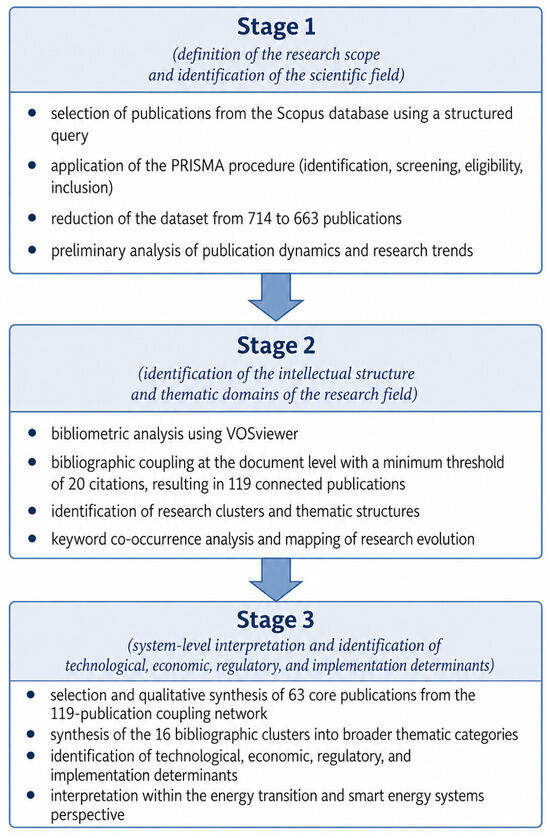
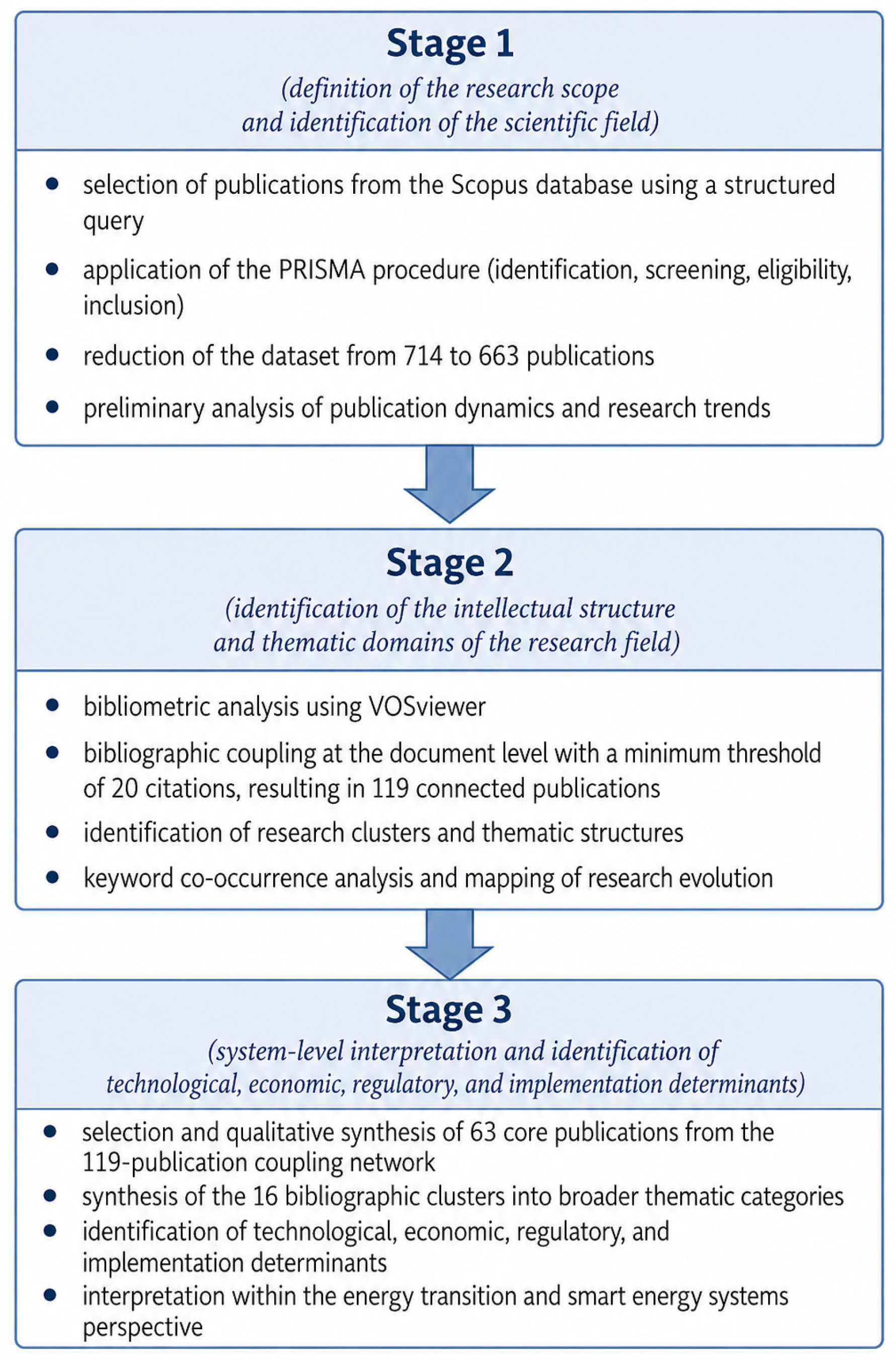
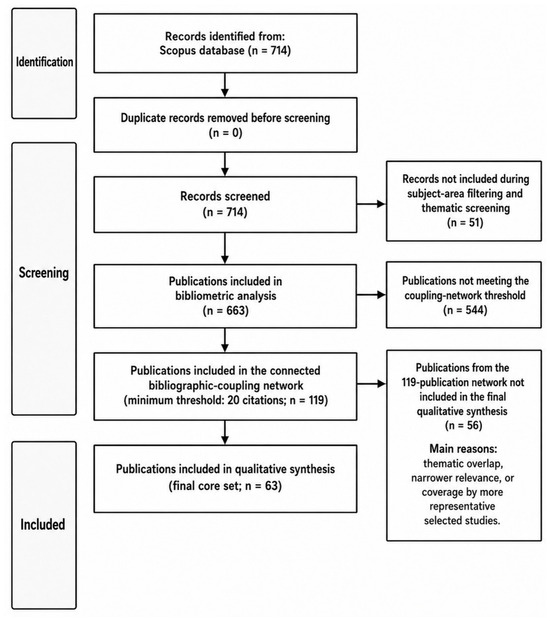
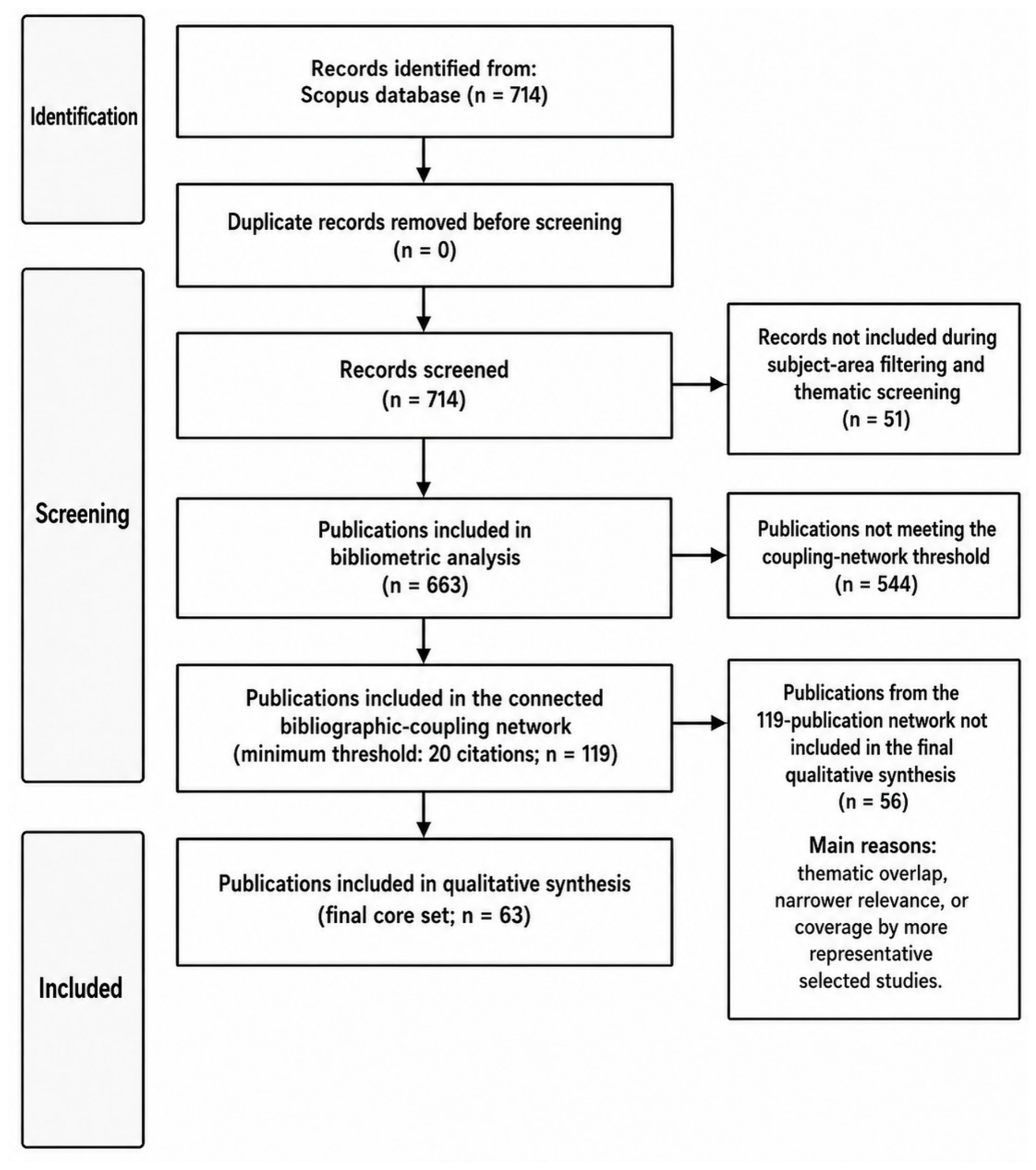
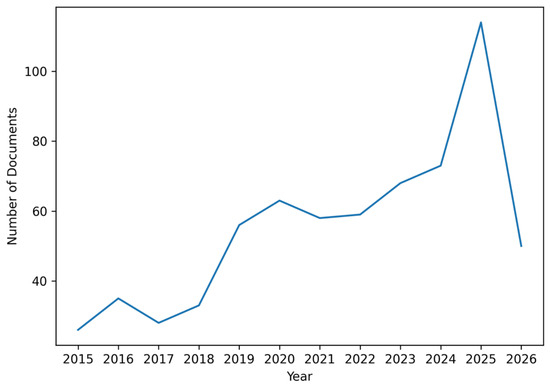
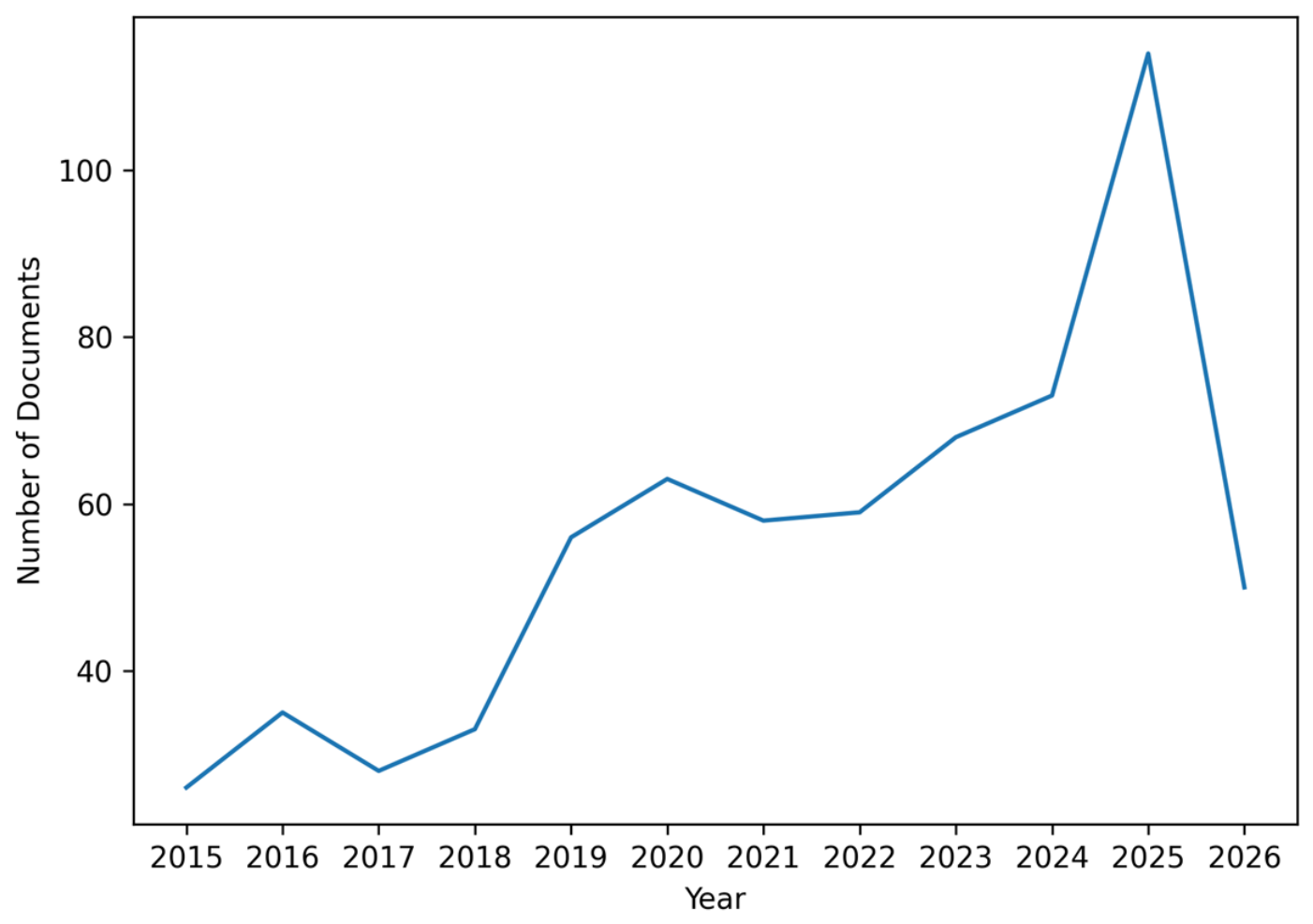
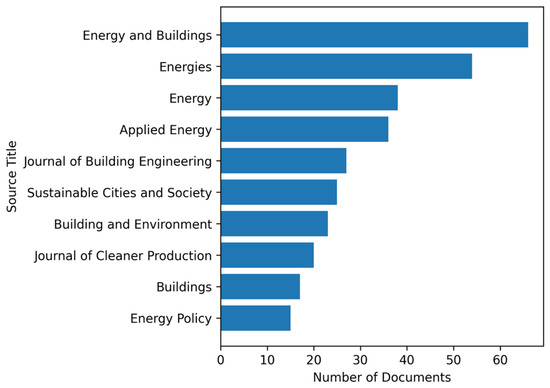
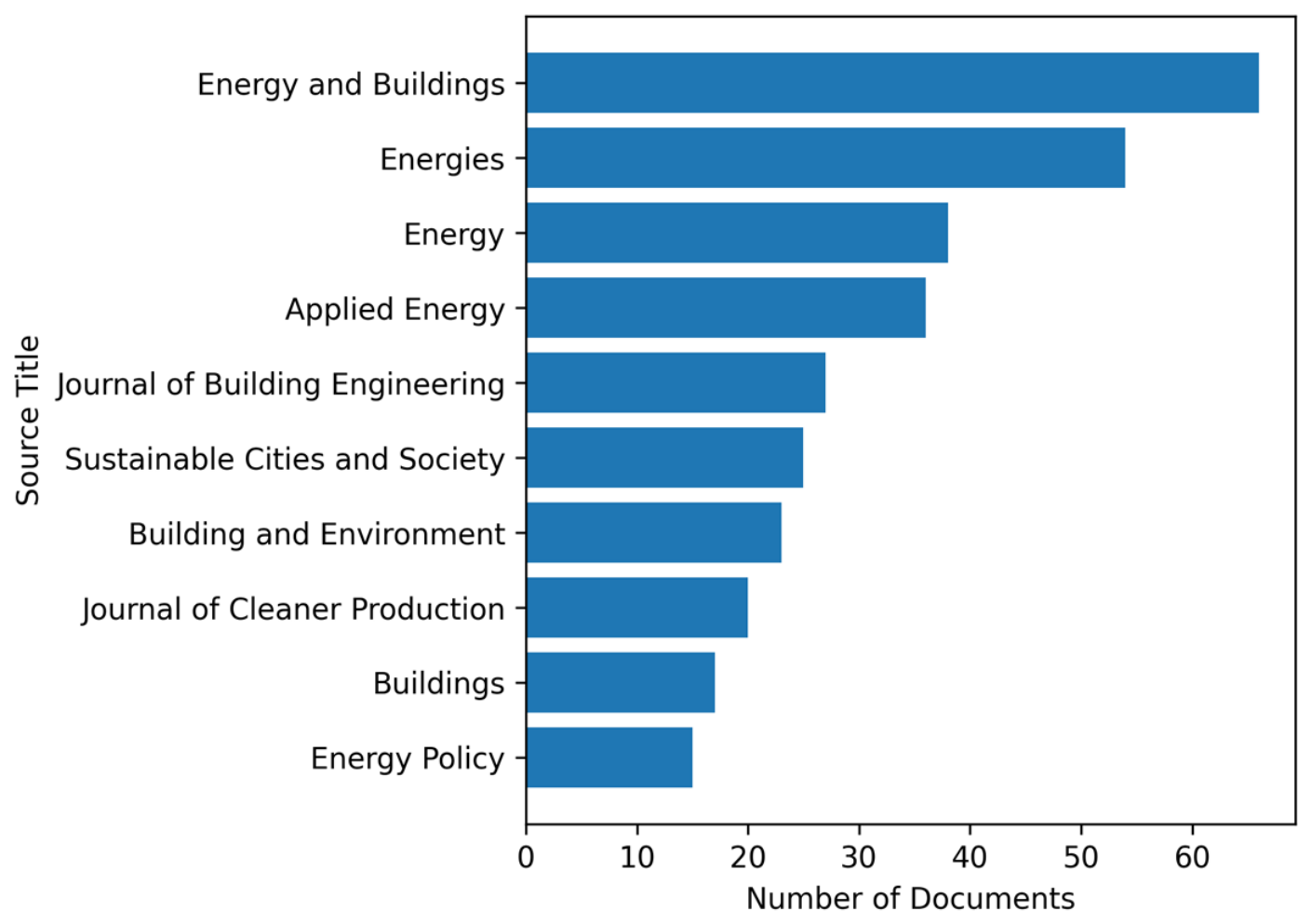
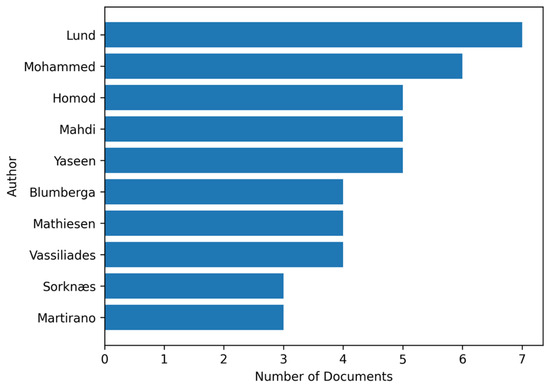
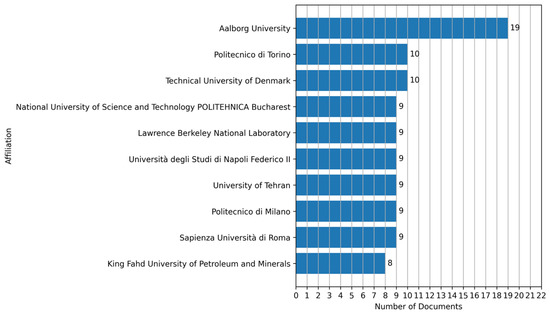
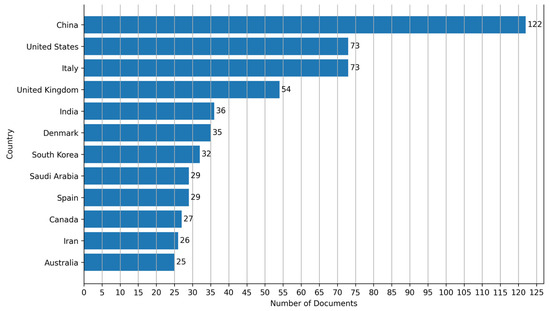
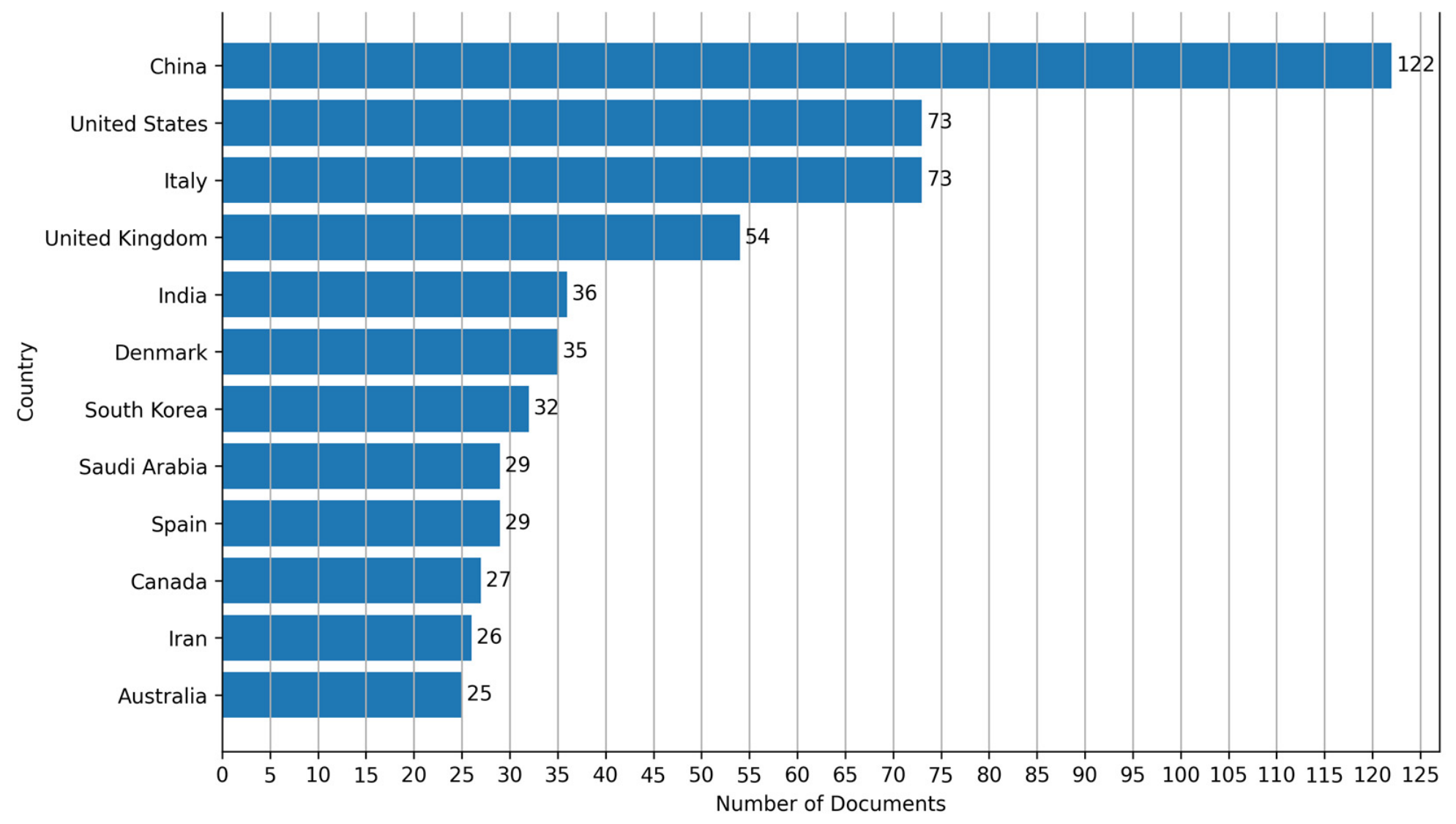
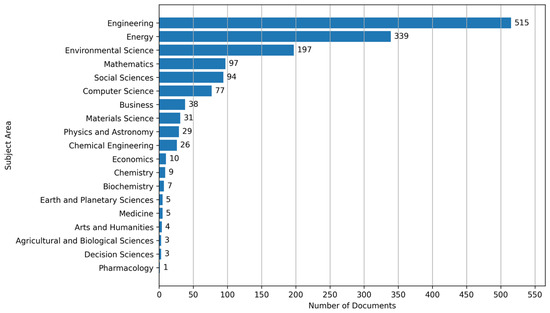
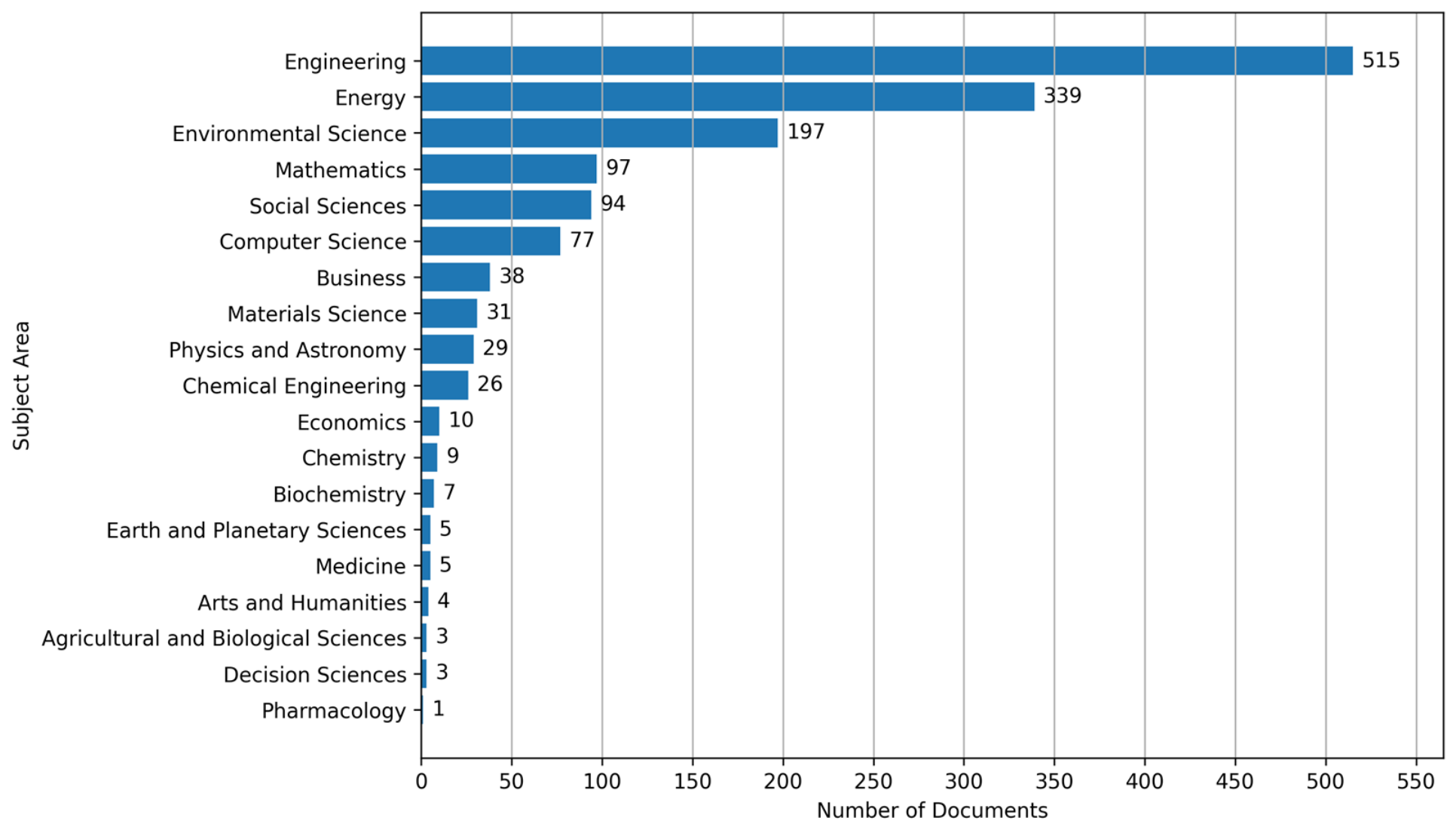
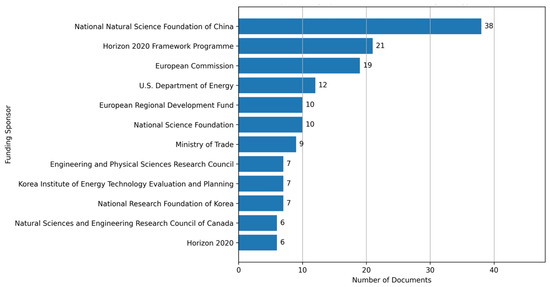
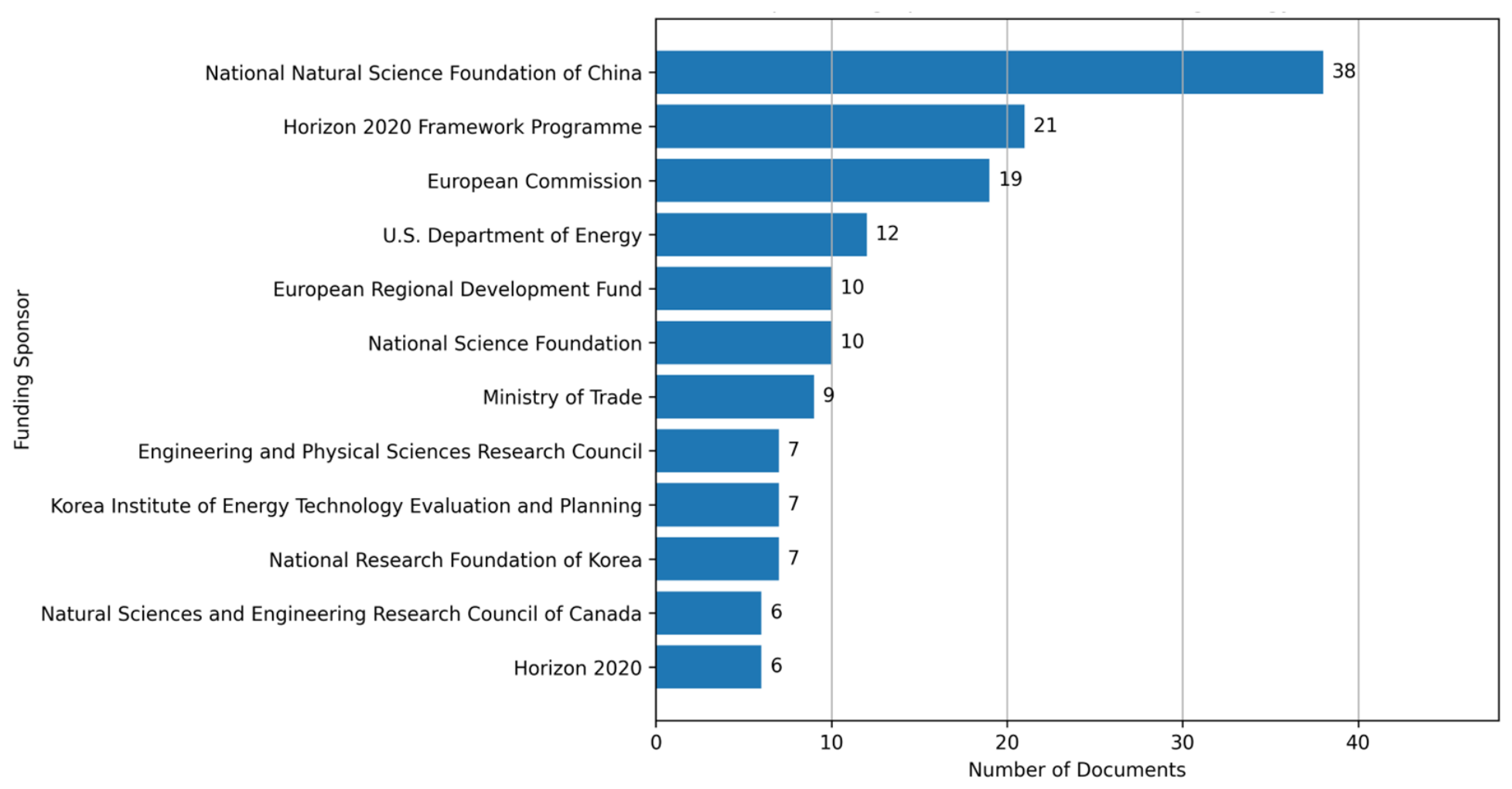
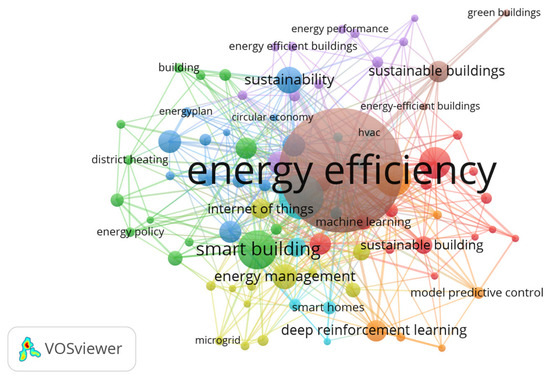
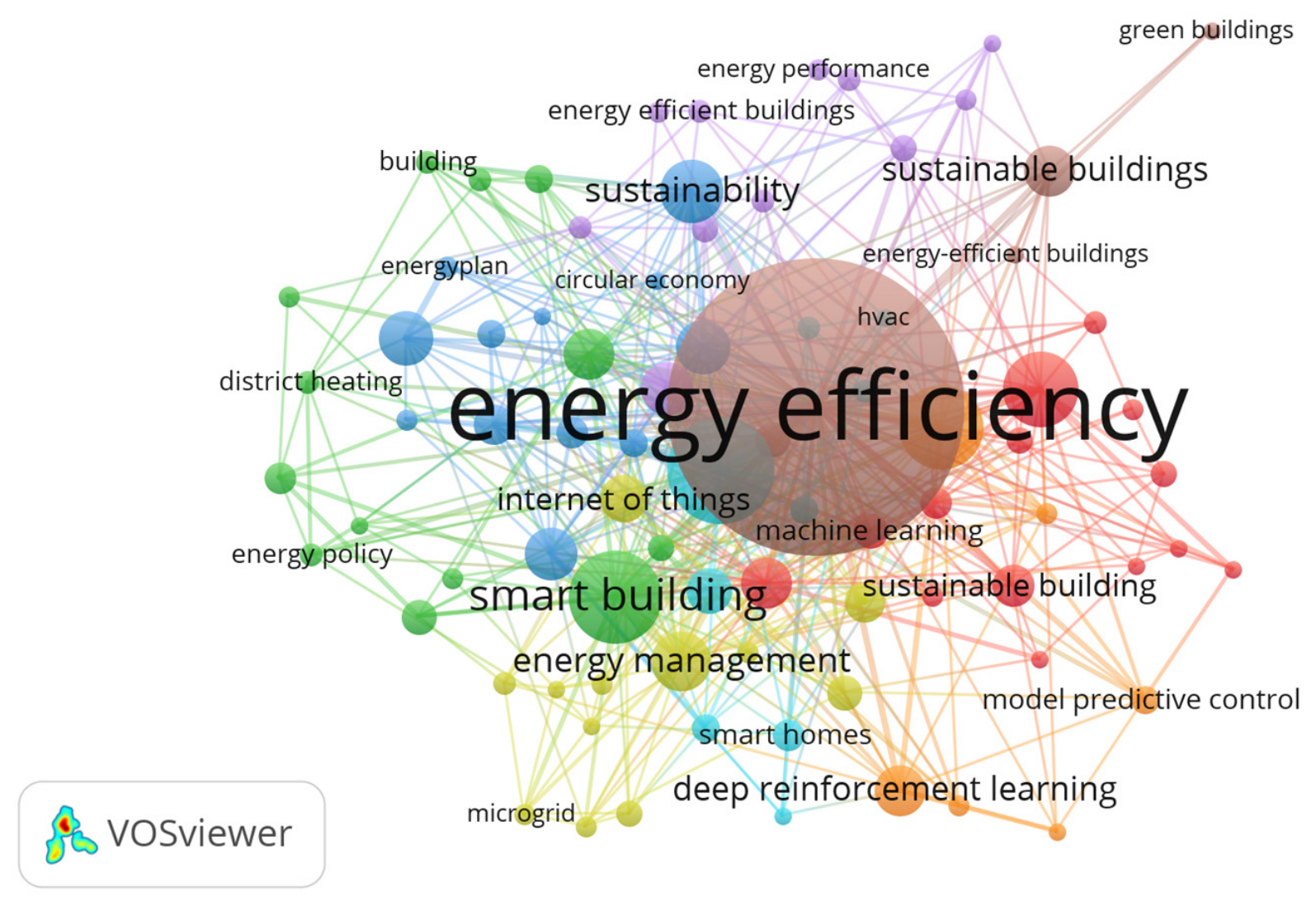
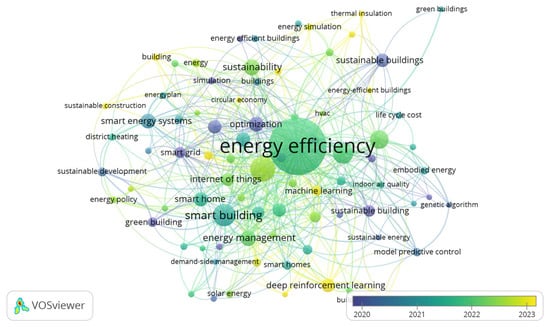
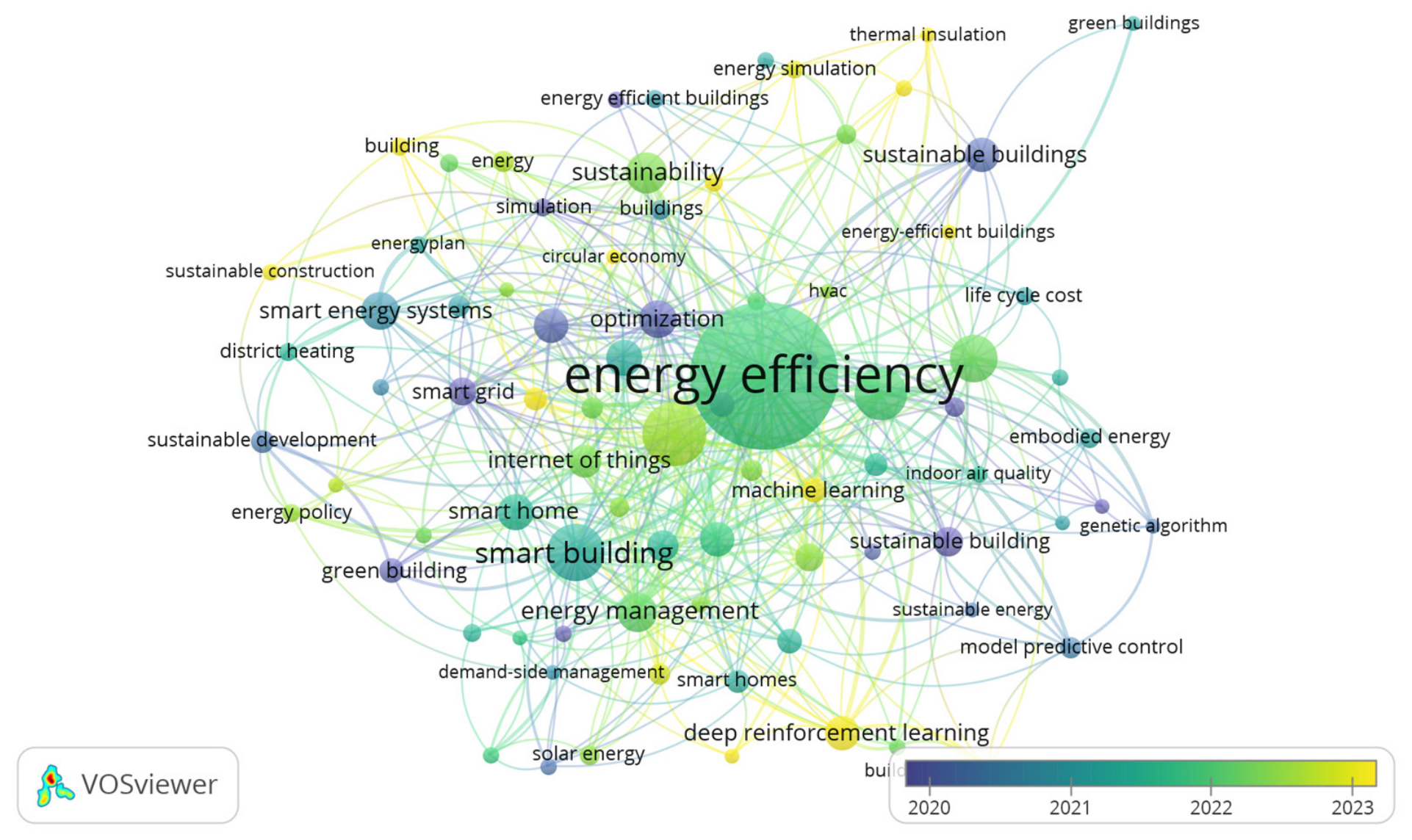
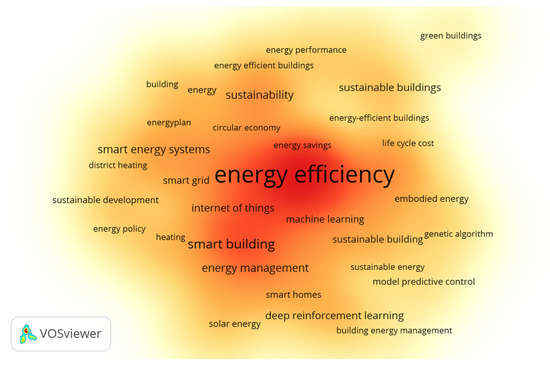
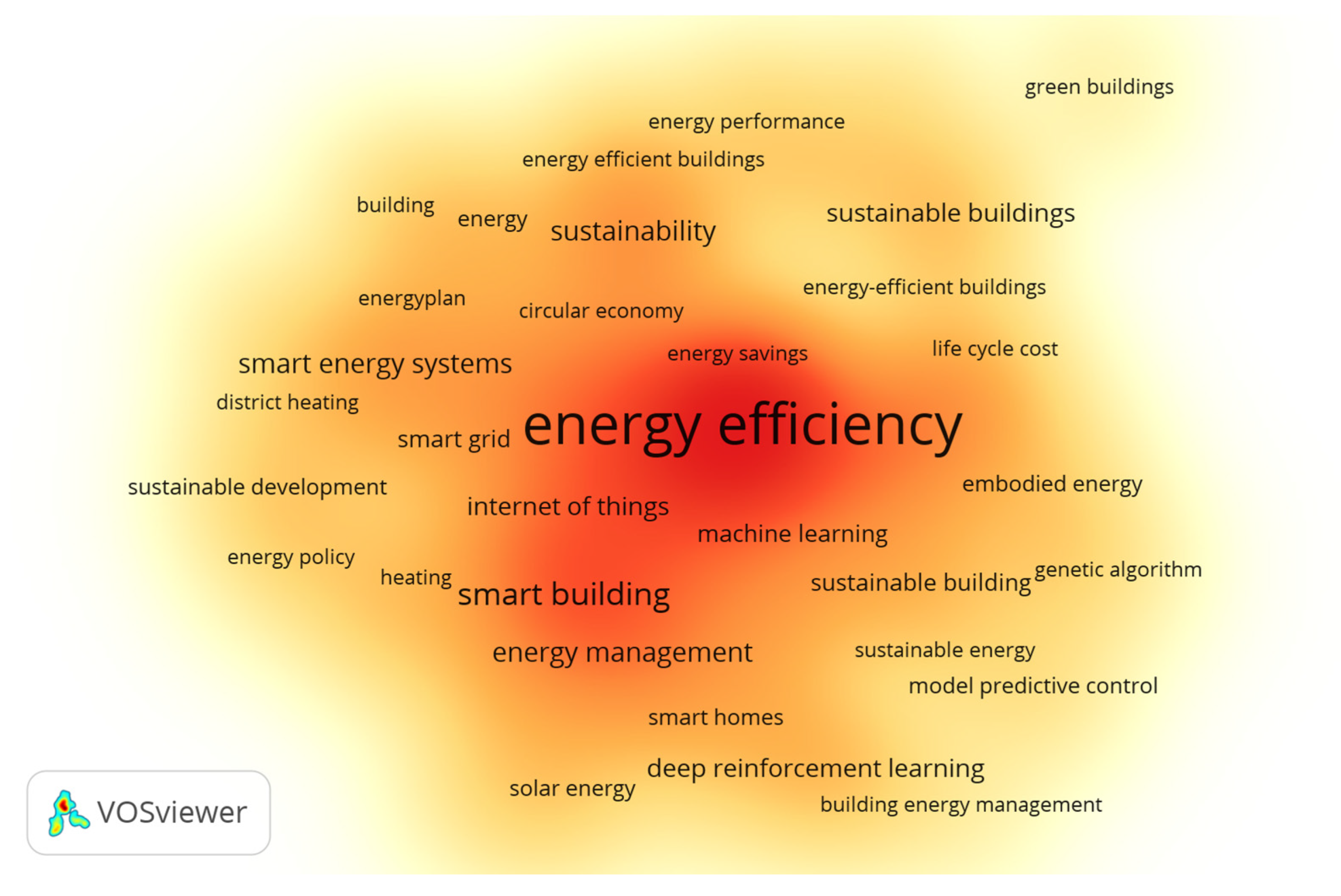

Disclaimer/Publisher’s Note: The statements, opinions and data contained in all publications are solely those of the individual author(s) and contributor(s) and not of MDPI and/or the editor(s). MDPI and/or the editor(s) disclaim responsibility for any injury to people or property resulting from any ideas, methods, instructions or products referred to in the content. |
© 2026 by the authors. Licensee MDPI, Basel, Switzerland. This article is an open access article distributed under the terms and conditions of the Creative Commons Attribution (CC BY) license.